حين صار الواحد ثلاثة الفصل الأول
التكوّن الأوّل
يُوجِد نِب-إر-تشر نفسه في صورة خِبِرا وينطق باسمه ويقيم أساسًا حيث لم يجد موضعًا يقف عليه. ويُخرج من نفسه شو وتفنوت فيصير ثلاثة. وتسمّي الأسطر الختاميّة الأجيال التالية والأبناء الذين ولدتهم نوت.
المصادرقلّب الصفحات بالأزرار أو بمفاتيح الأسهم أو بسحب الإصبع.
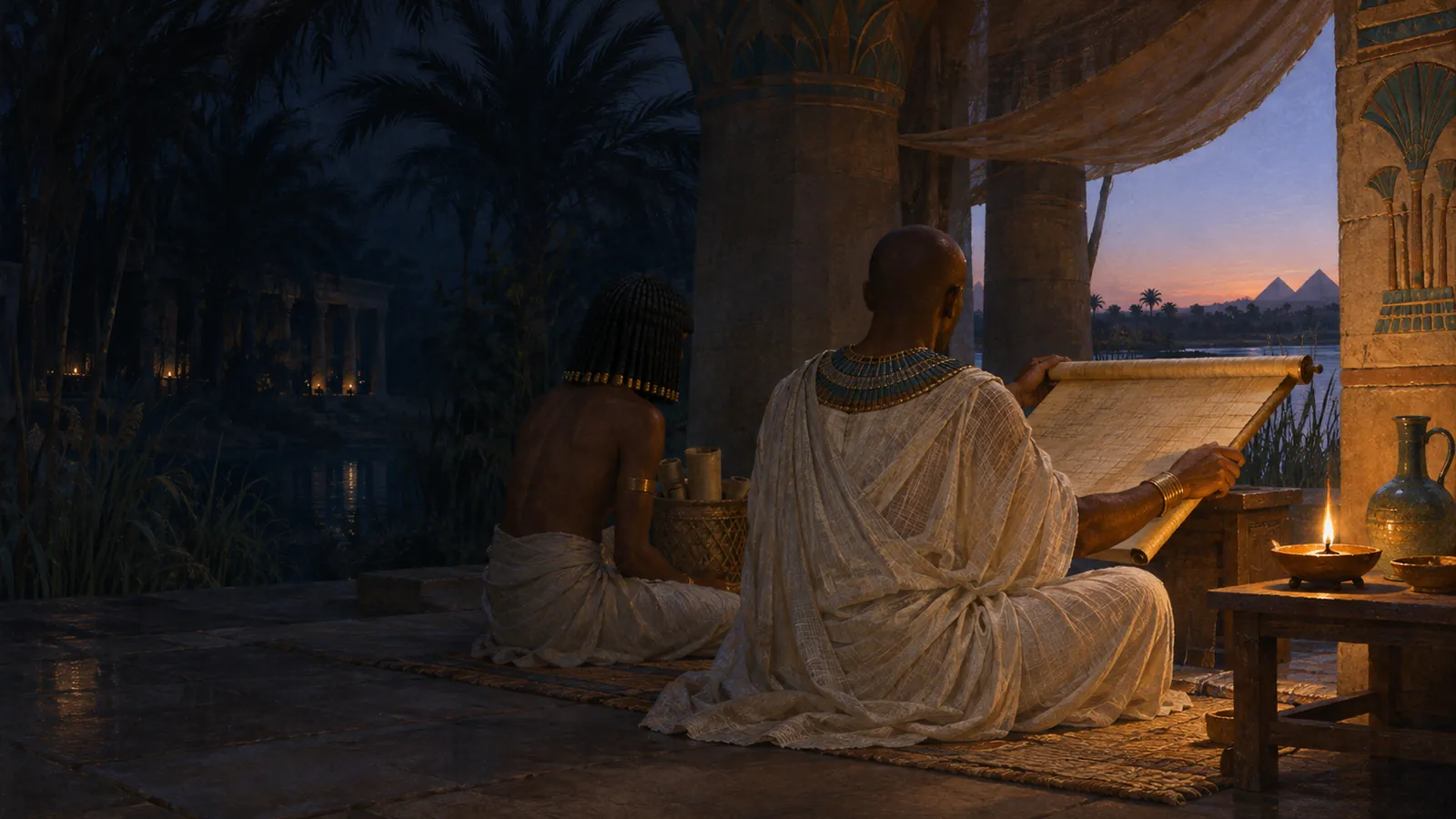
التكوّن الأوّل
يبدأ المتكلّم بقوله إنّه أوجد عمليّة التكوّن ذاتها، التي بها جاءت الأشياء إلى الوجود.
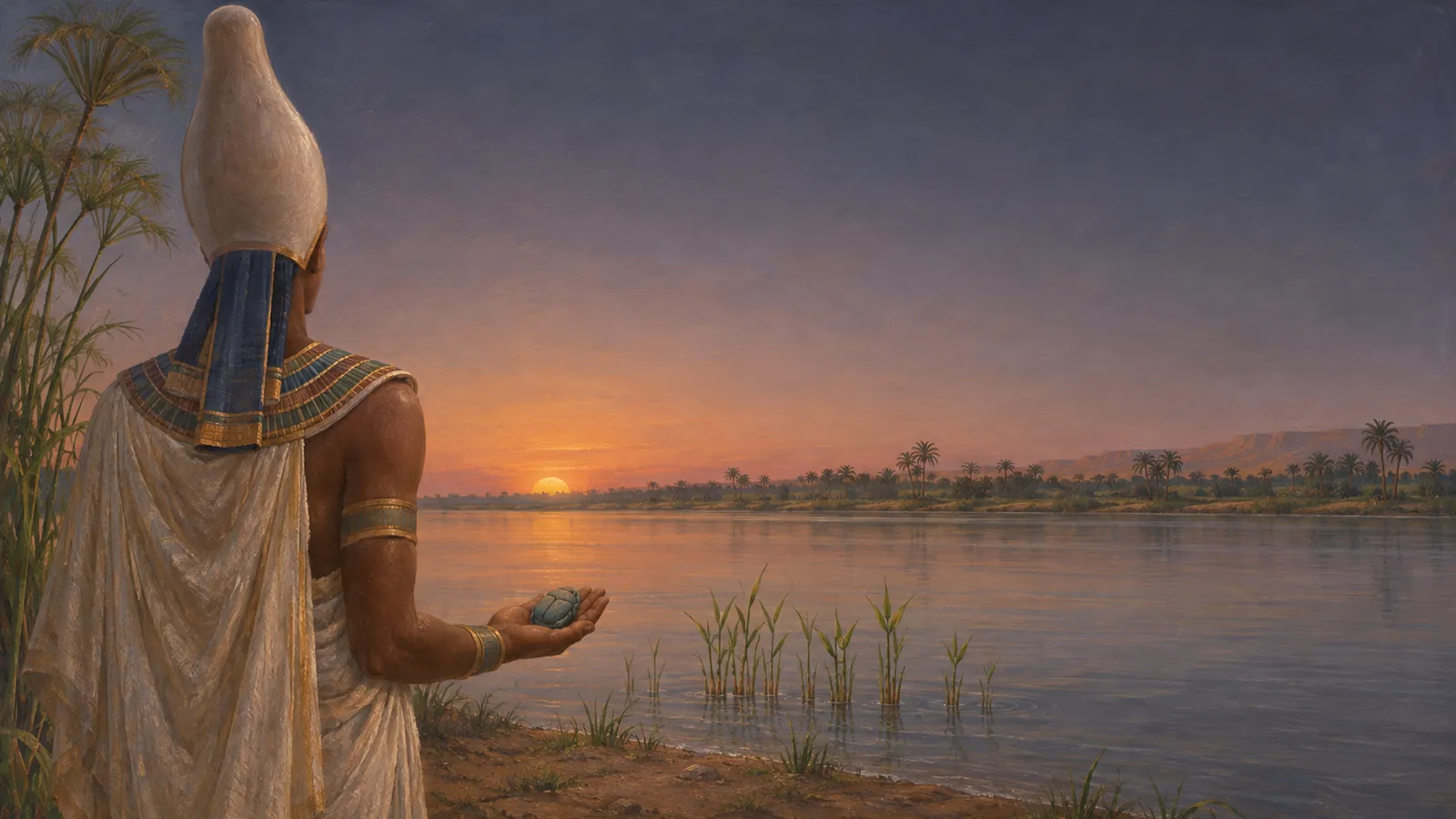
يقول المتكلّم إنّه اتّخذ صورة تحوّلات خِبِرا التي حدثت في بداية الزمان. ويقول إنّه تكوّن معها.
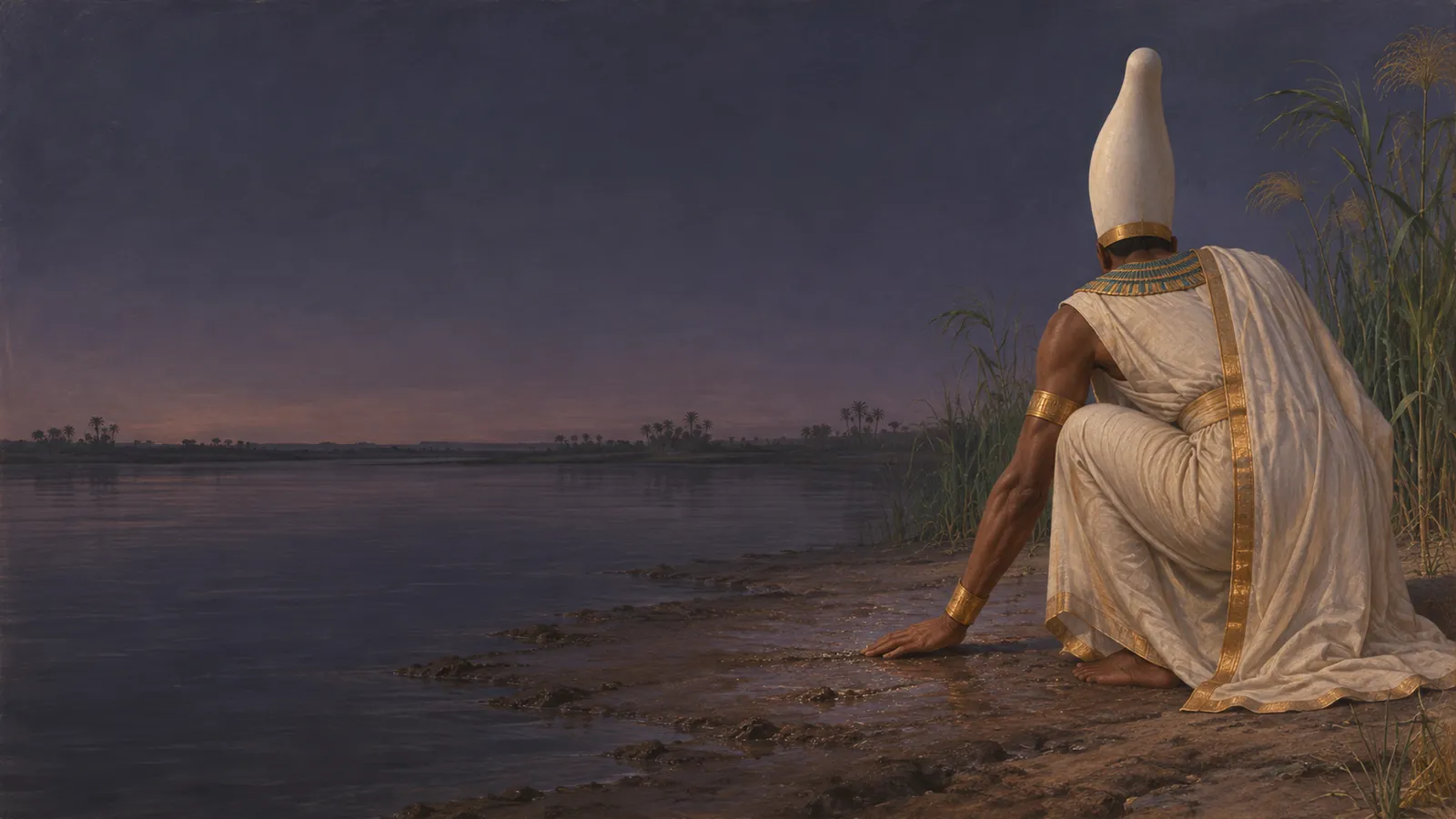
يقول المتكلّم إنّه كوّن نفسه من المادّة الأولى، وإنّه هو الذي أوجد تلك المادّة.
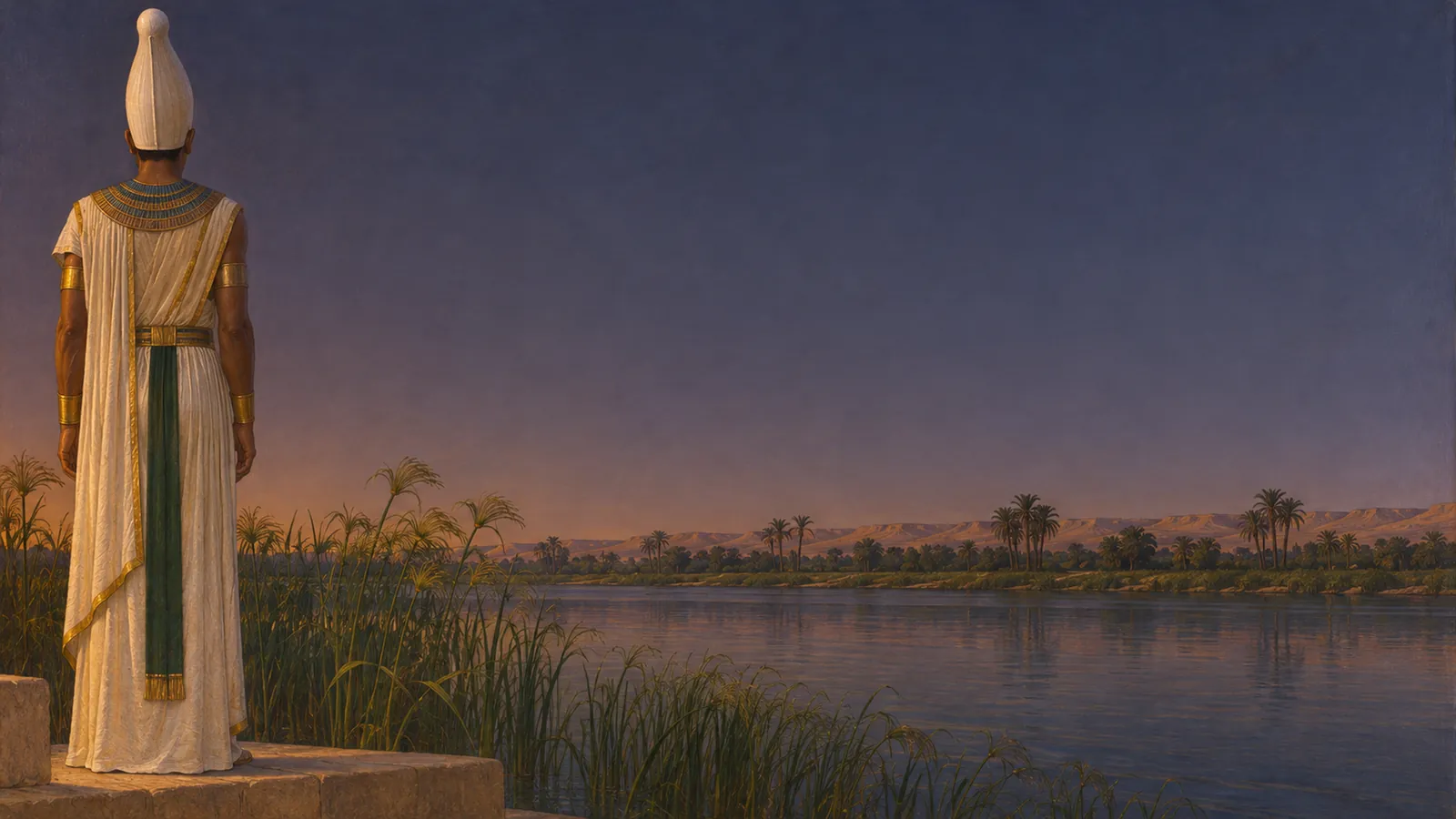
يذكر المتكلّم أنّ اسمه أوسارِس، الذي يعرّفه بدج بأنّه أوزيريس. ويسمّي نفسه بذرة المادّة الأولى.
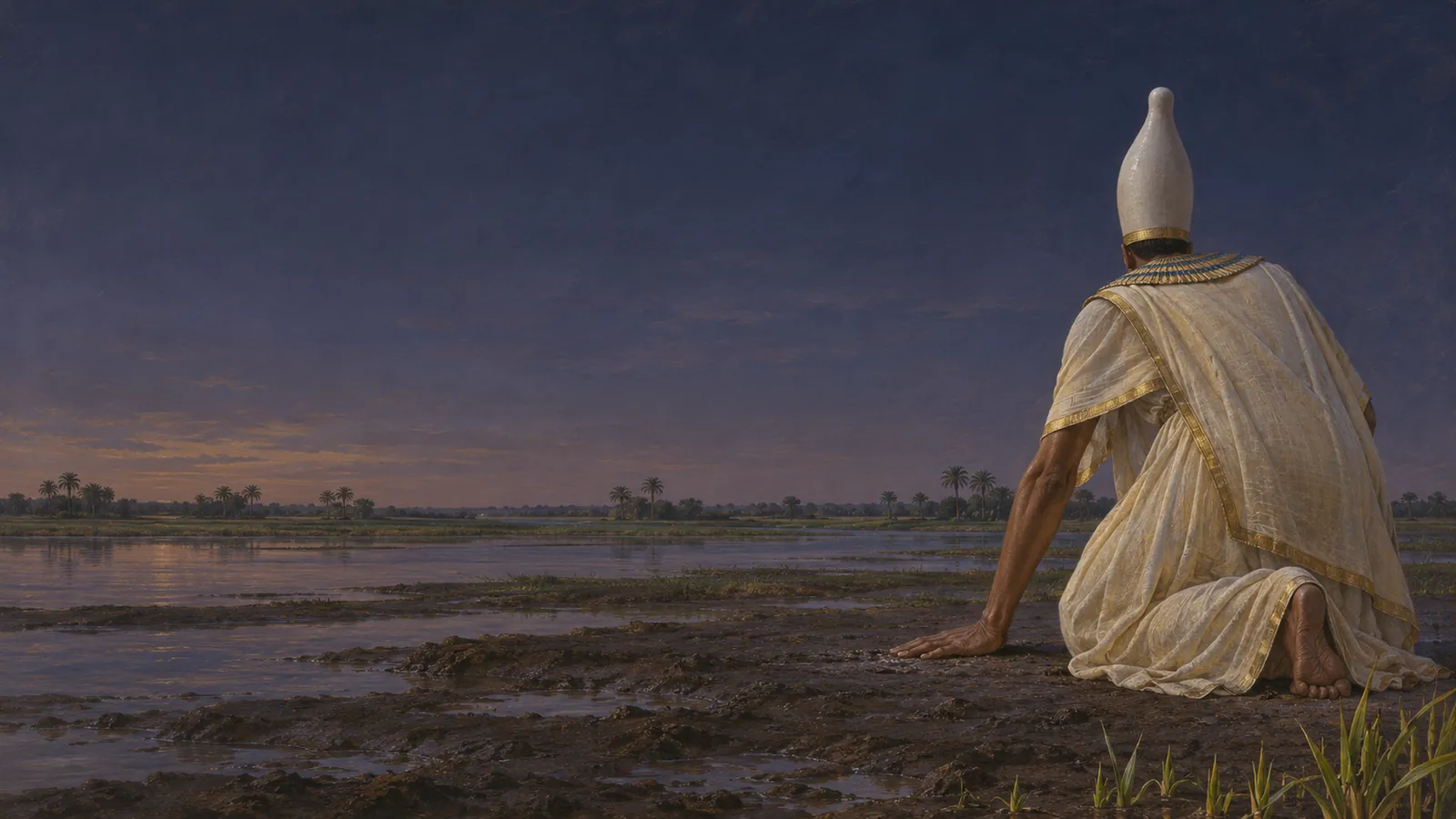
يقول المتكلّم إنّه أنفذ إرادته في الأرض وانتشر وملأها. ويقول إنّه قوّى الأرض بيده.
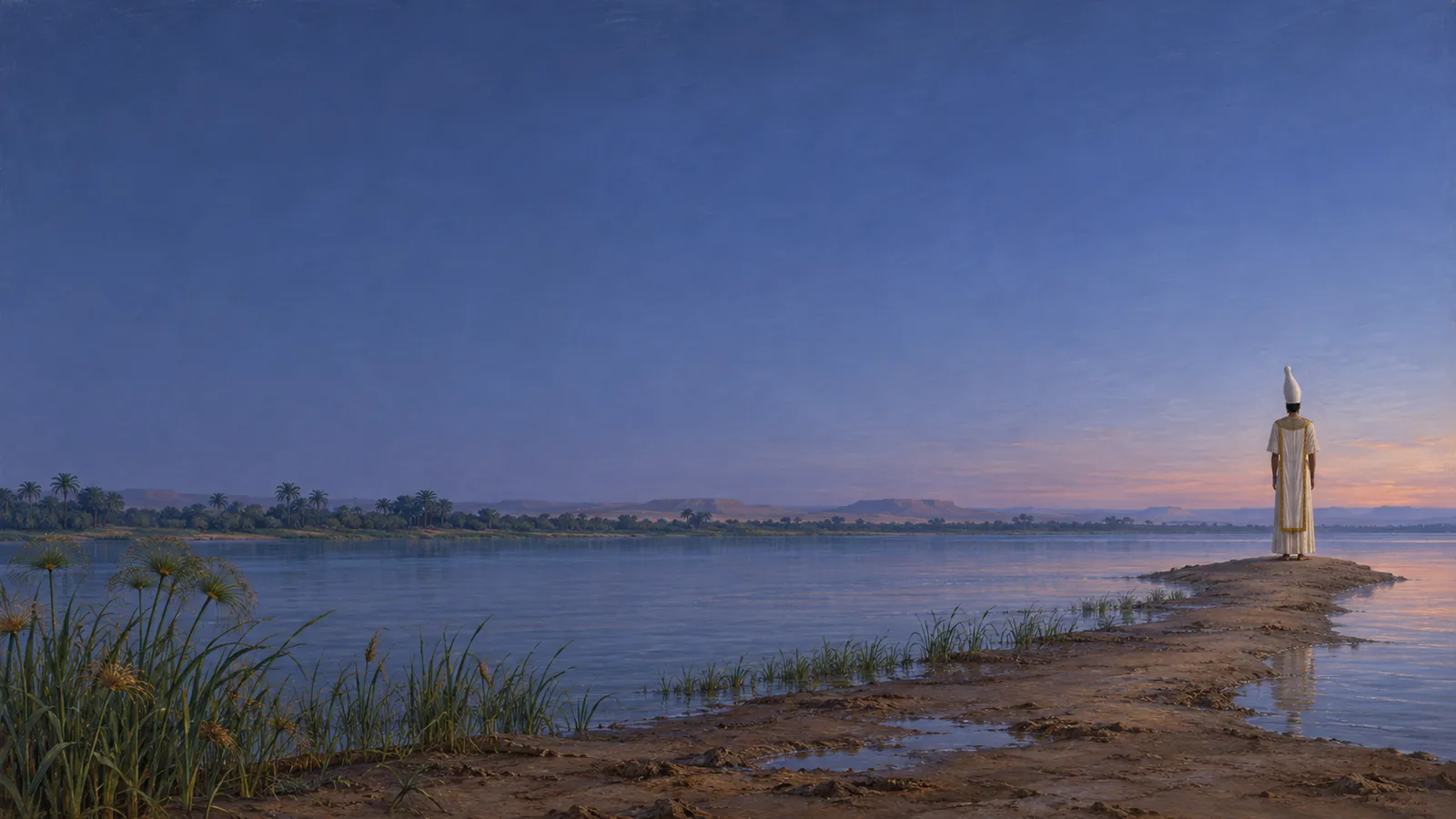
يقول المتكلّم إنّه كان وحده لأنّ شيئًا لم يكن قد وُجد بعد. ولم يكن قد أخرج من نفسه شو ولا تفنوت.
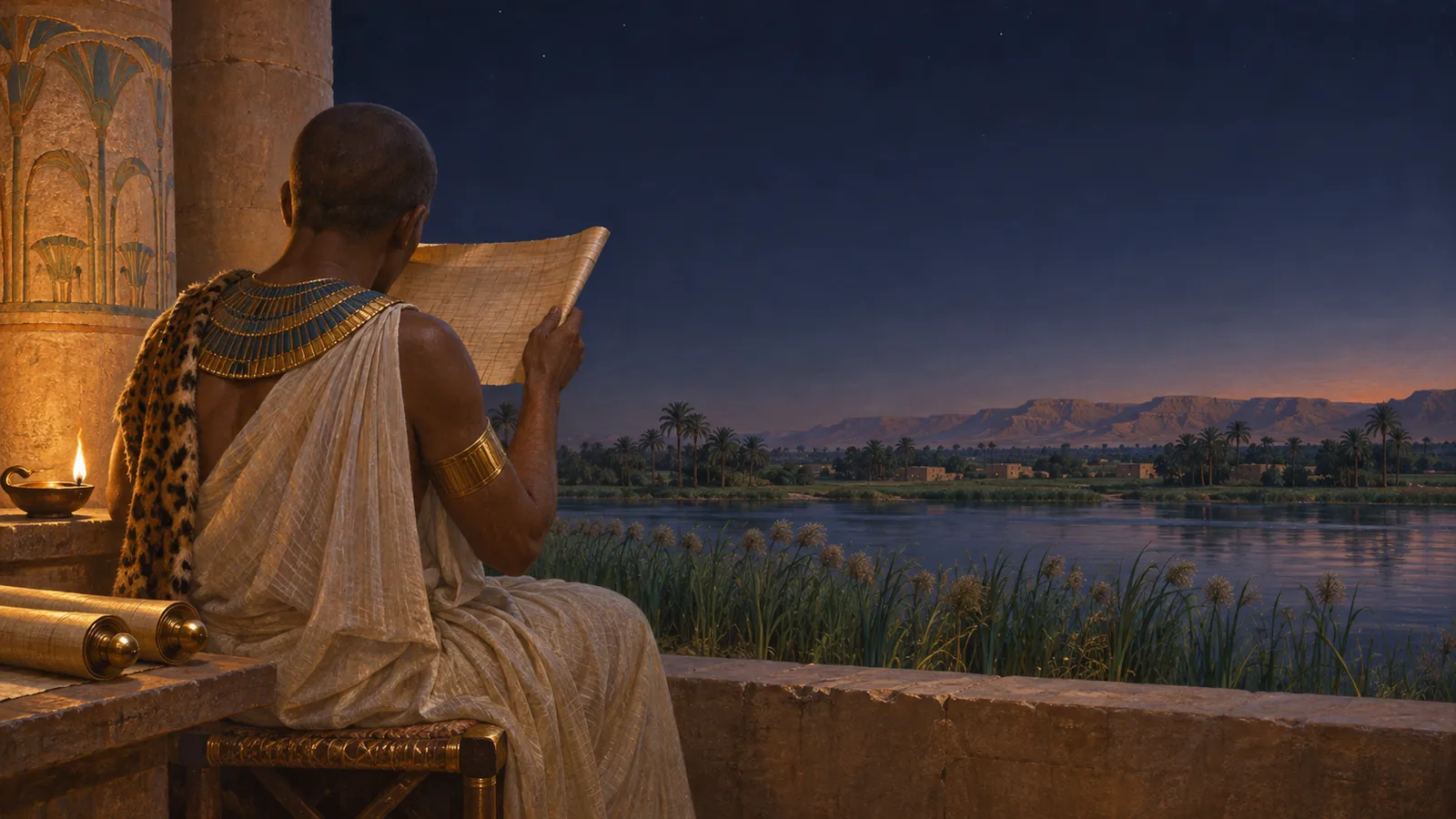
يقول المتكلّم إنّه نطق باسمه من فمه كلمةً ذات قوّة، فأوجد نفسه على الفور.
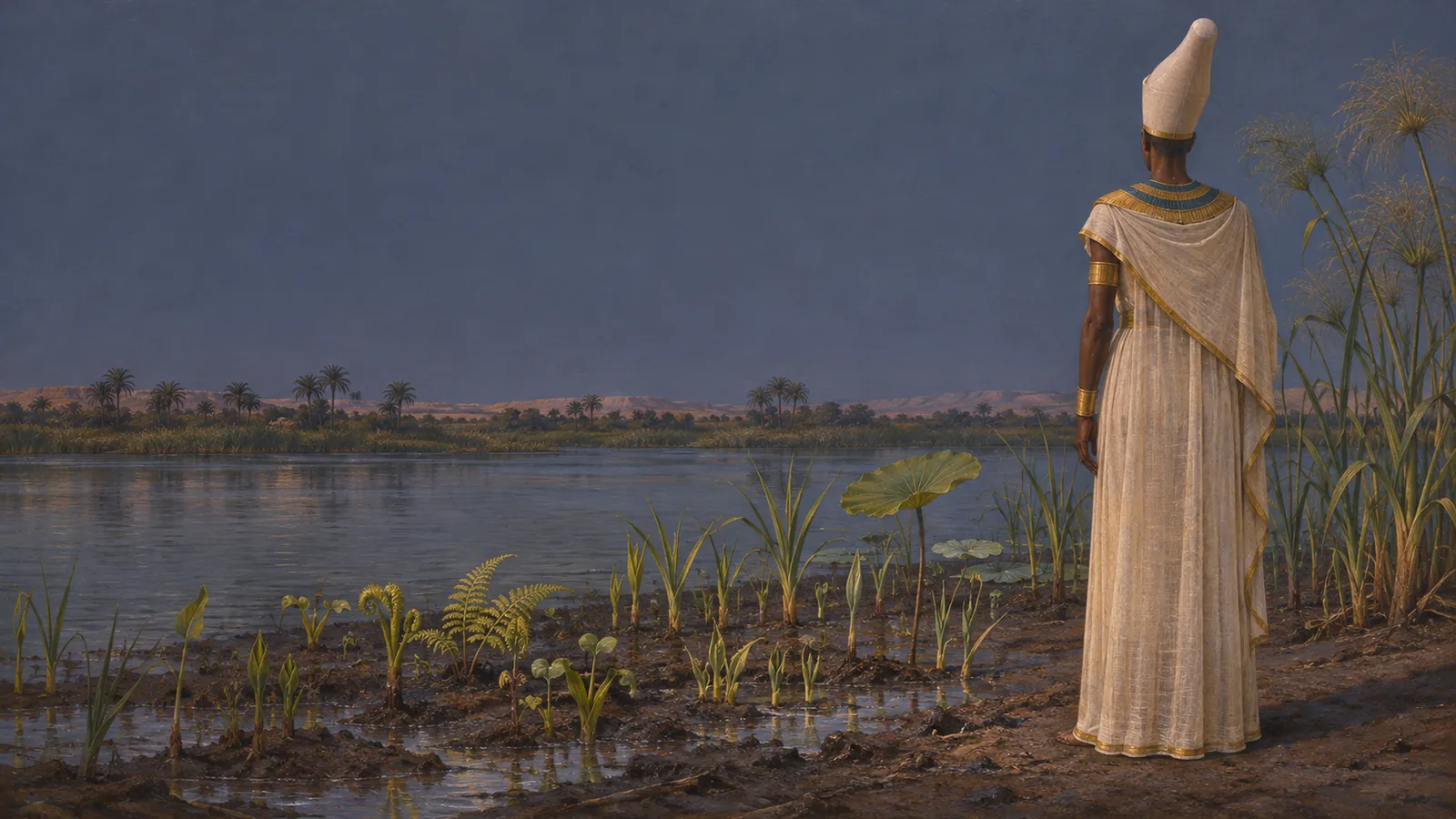
ويقول المتكلّم ثانيةً إنّه تكوّن في صورة تحوّلات خِبِرا. وتكوّن من المادّة الأولى التي أخرجت أشكالًا كثيرة منذ بداية الزمان.
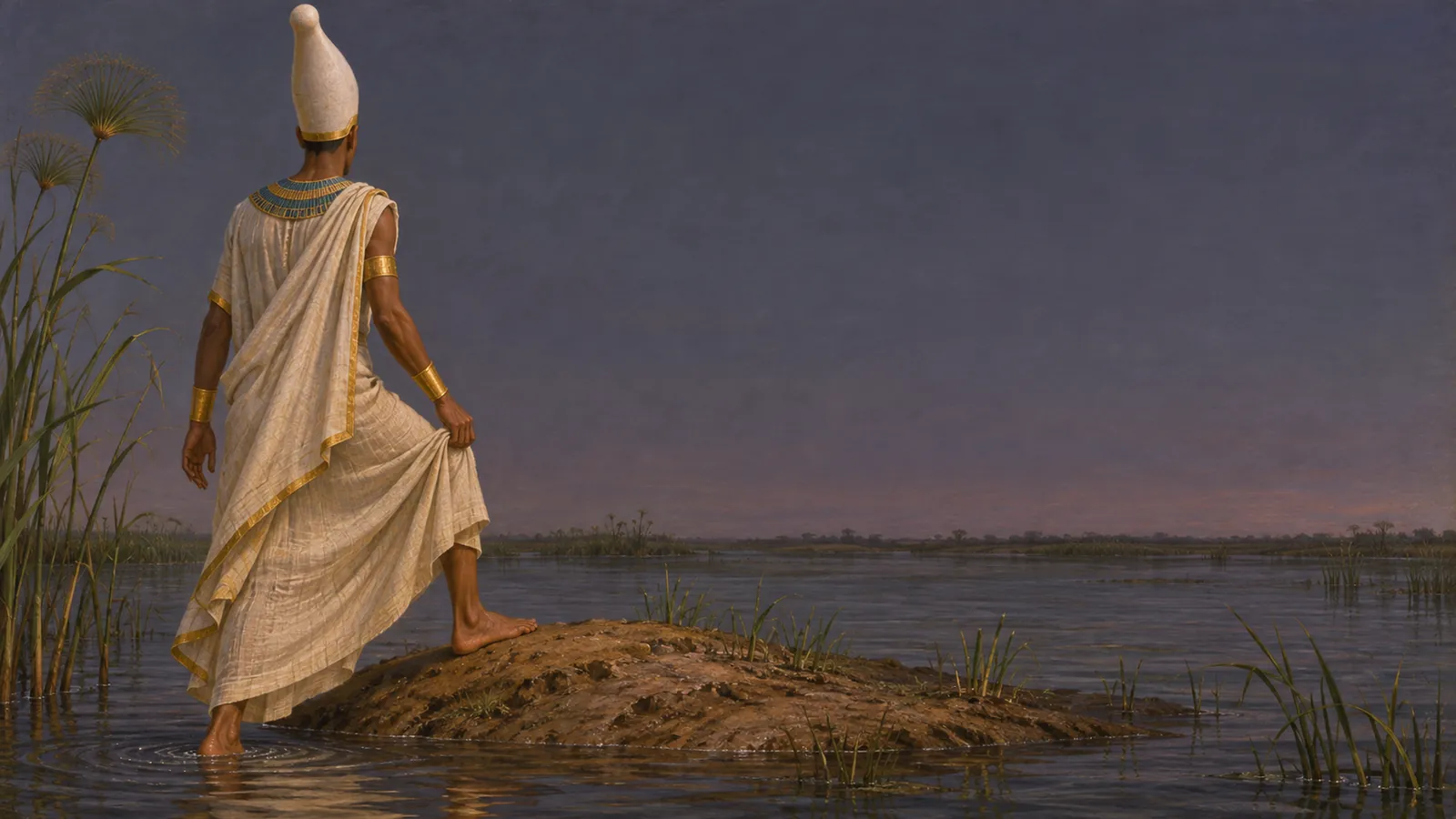
يقول المتكلّم إنّه لم يكن على الأرض شيء. ويقول إنّه صنع كلّ شيء وإنّ أحدًا لم يعمل معه آنذاك.
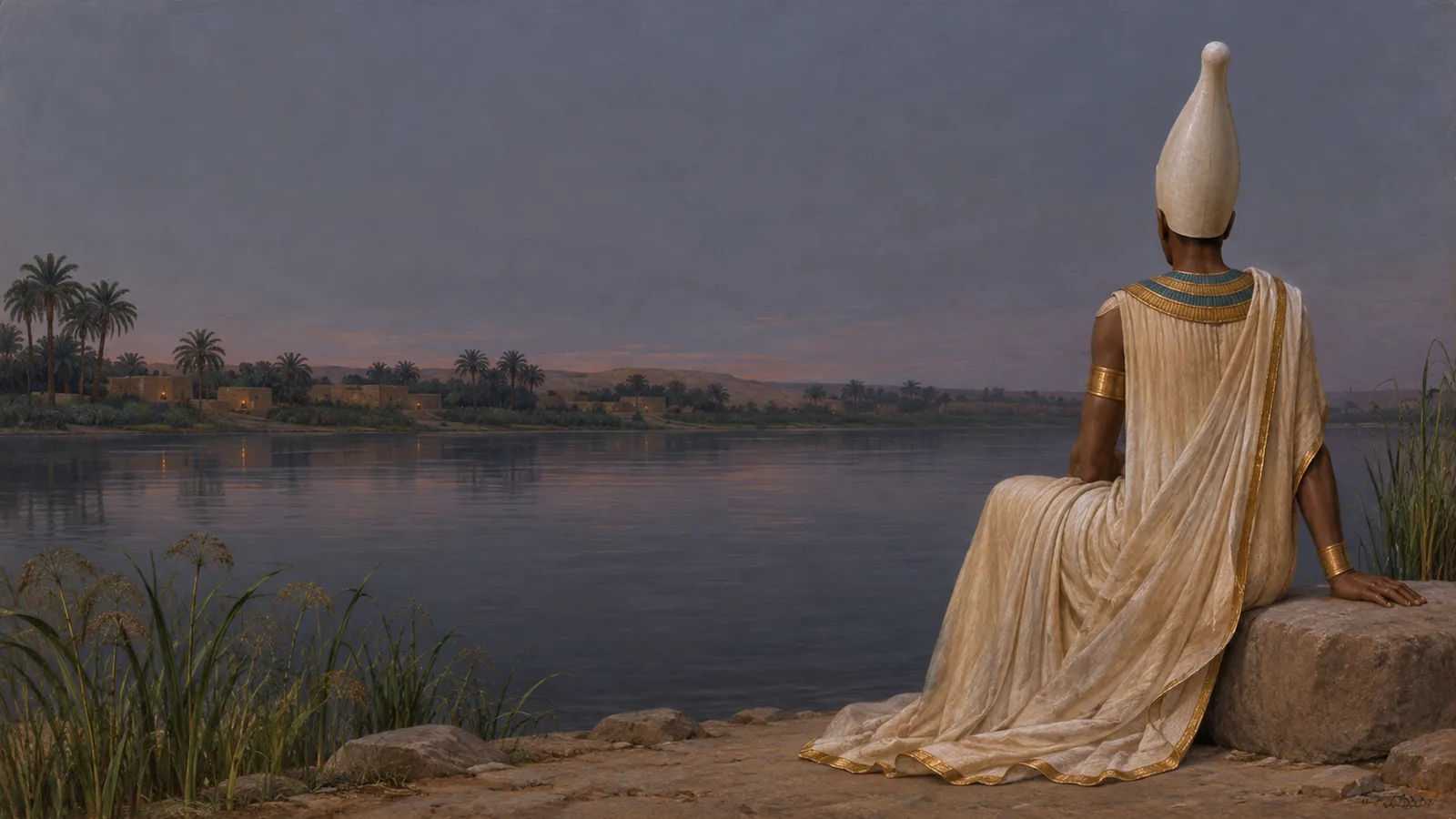
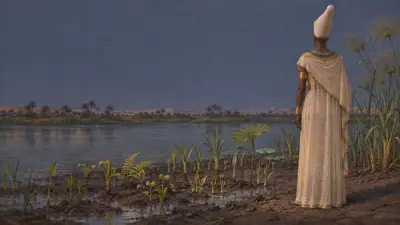
يقول المتكلّم إنّه أوجد كلّ ما تكوّن بواسطة الروح الإلهيّة التي صنعها. ويقول إنّها بقيت ساكنةً في الغمر المائيّ.
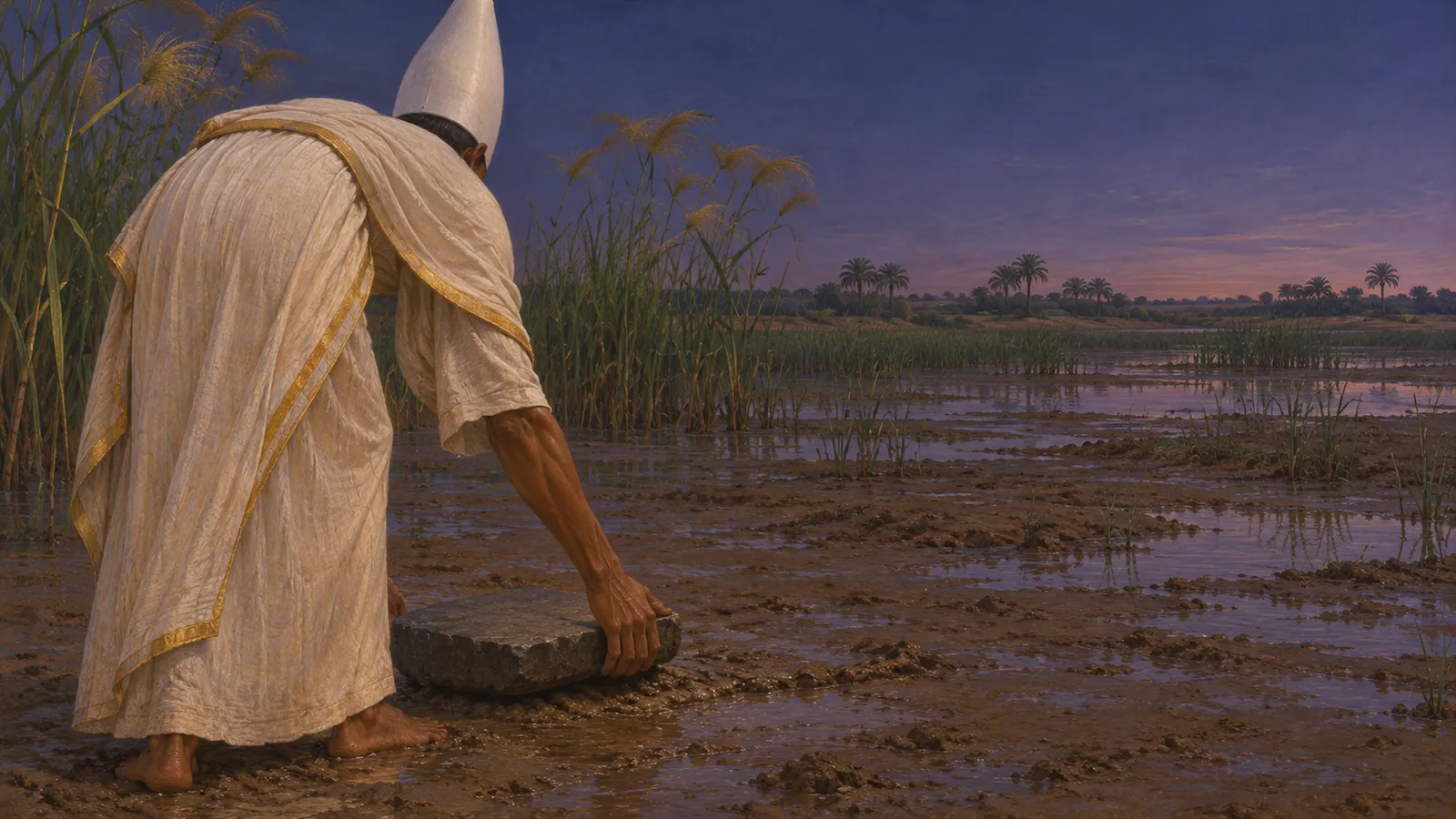
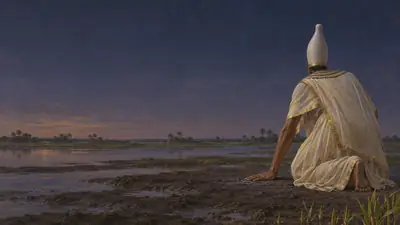
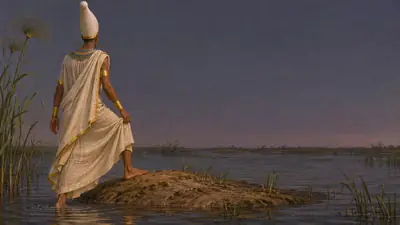
يقول المتكلّم إنّه لم يجد موضعًا يقف عليه. وكان قلبه قويًّا فأقام لنفسه أساسًا، ويقول إنّه صنع كلّ ما صُنع.
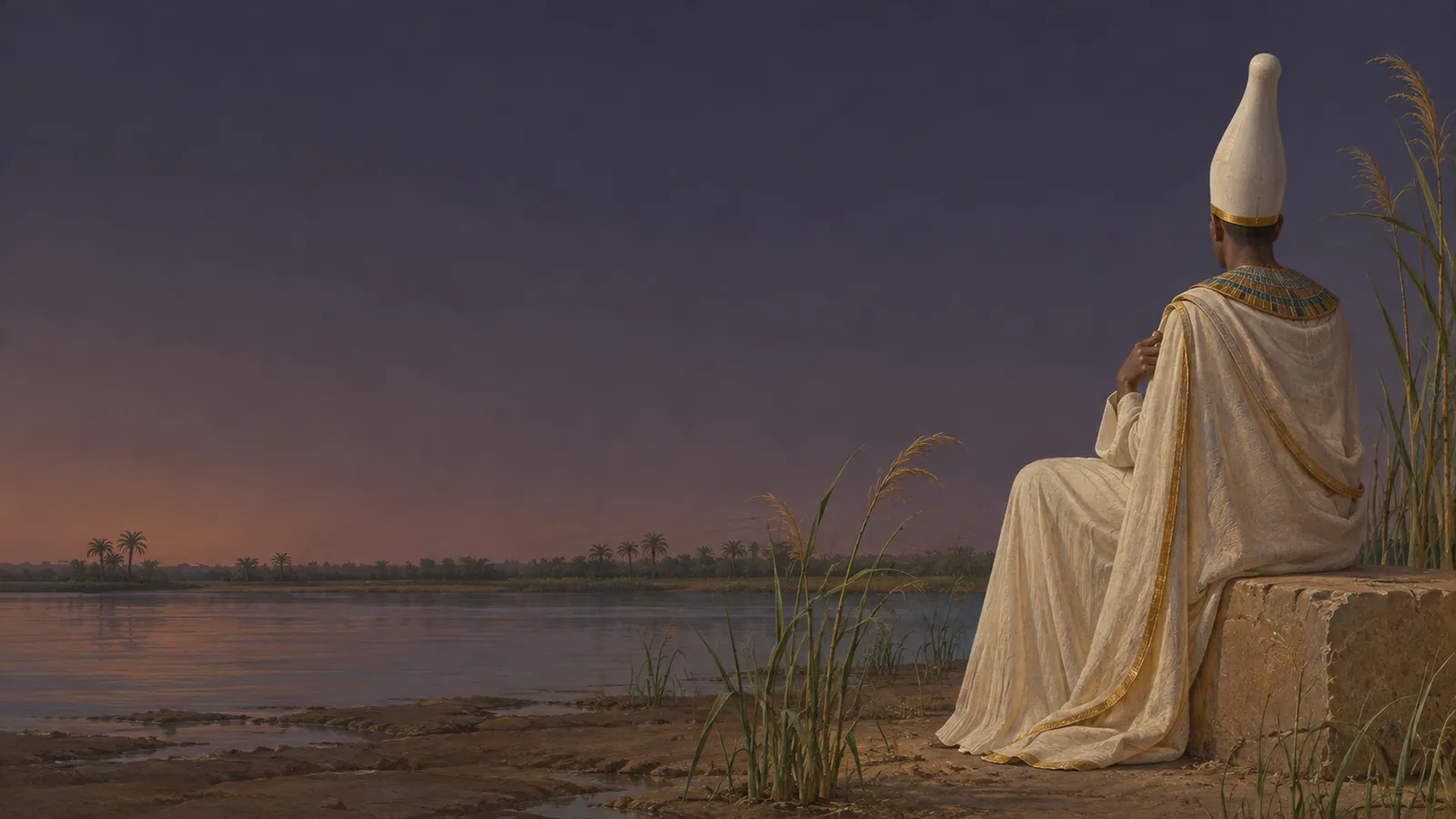
يقول المتكلّم إنّه كان وحيدًا وإنّه أقام أساسًا لقلبه. ويورد بدج «الإرادة» قراءةً بديلة. ثمّ يقول المتكلّم إنّه خلق أشياء كثيرة.
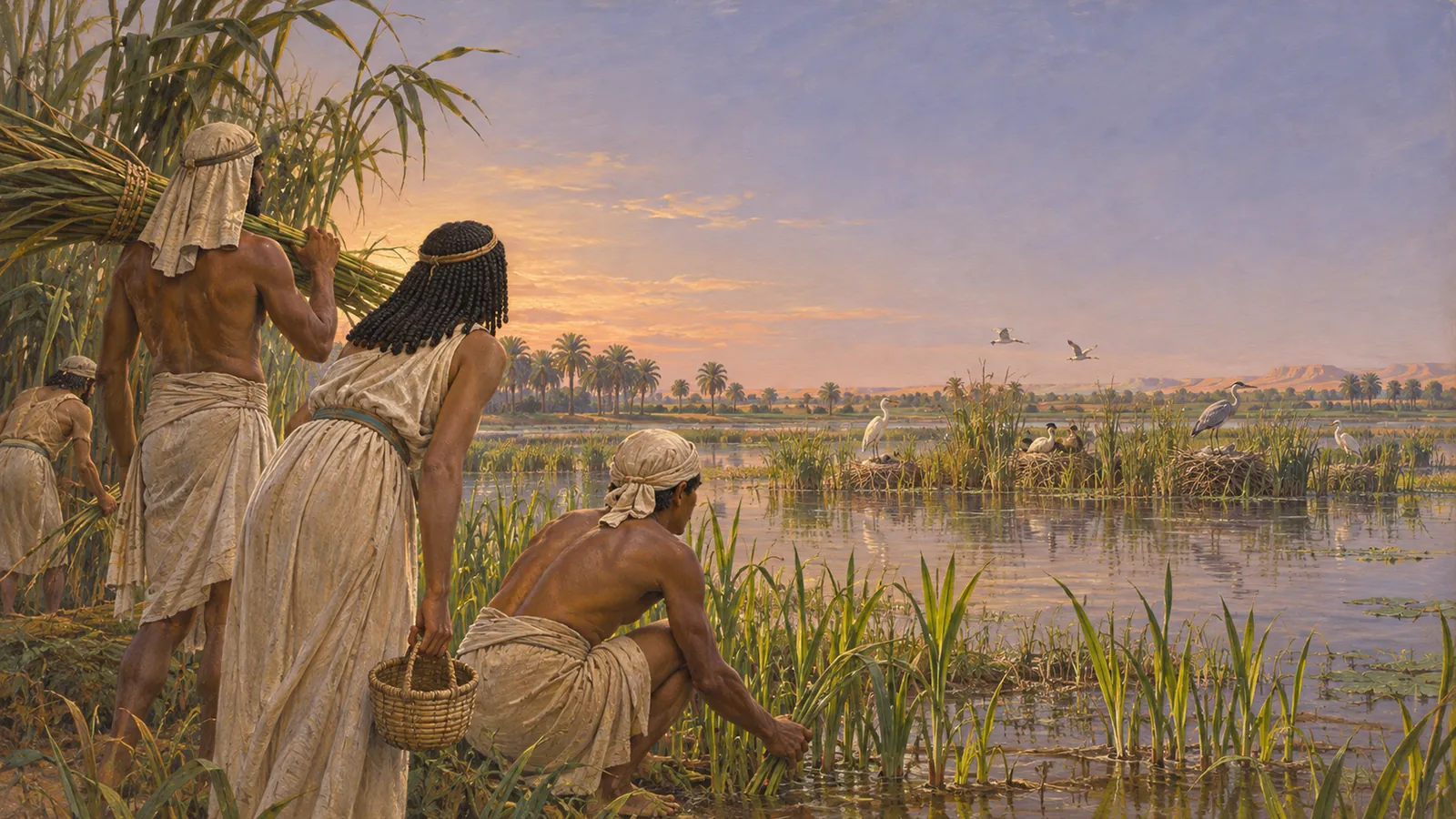
يقول المتكلّم إنّ ما خلقه تكوّن من تلقاء نفسه مثل تكوّنات خِبِرا. ويقول إنّ نسله جاء إلى الوجود بالولادة.
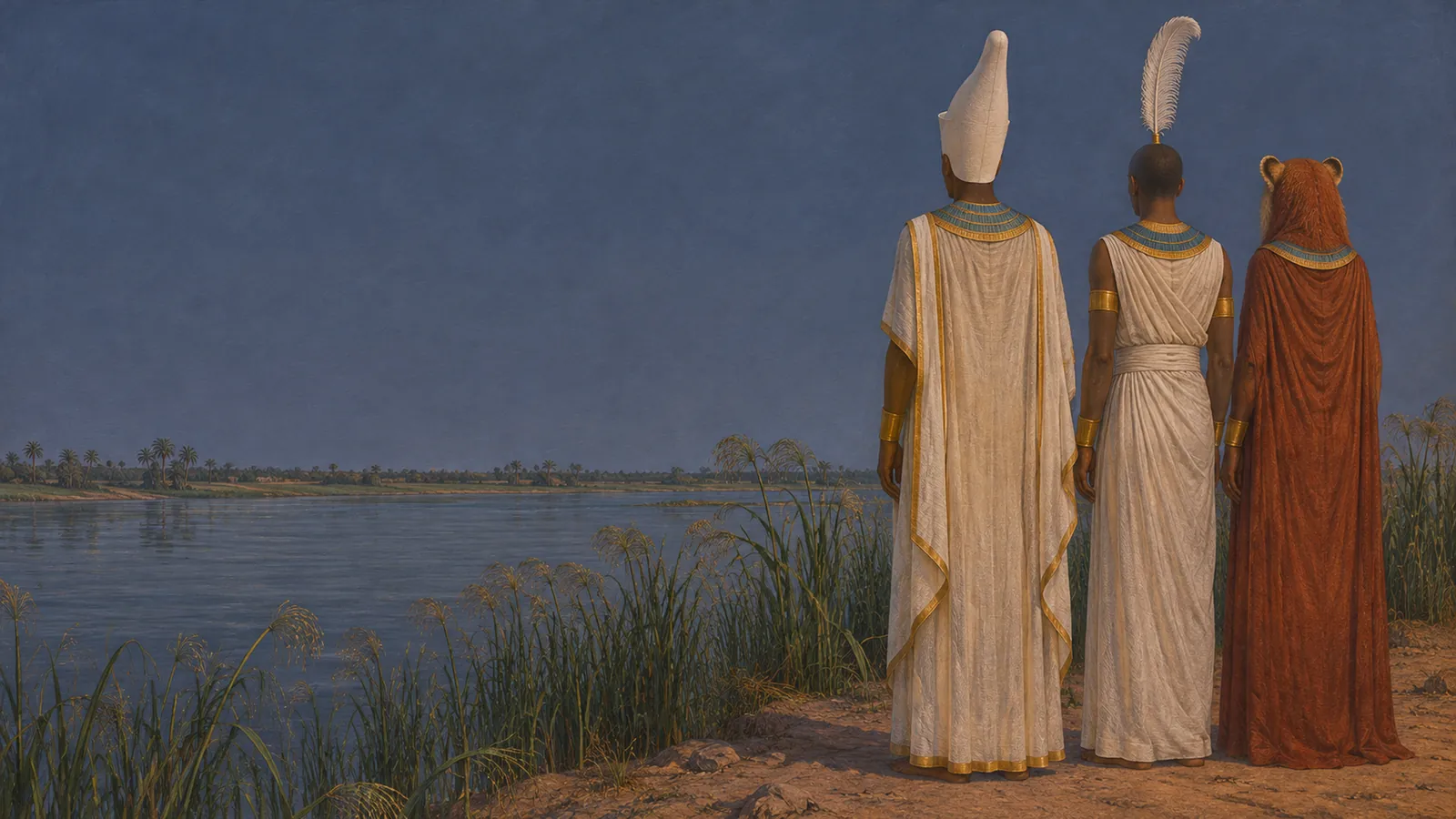
من واحد إلى ثلاثة
يقول المتكلّم إنّه أخرج شو وتفنوت من نفسه وإنّه صار ثلاثة بعد أن كان واحدًا. فقد خرجا منه وجاءا إلى الوجود على الأرض.
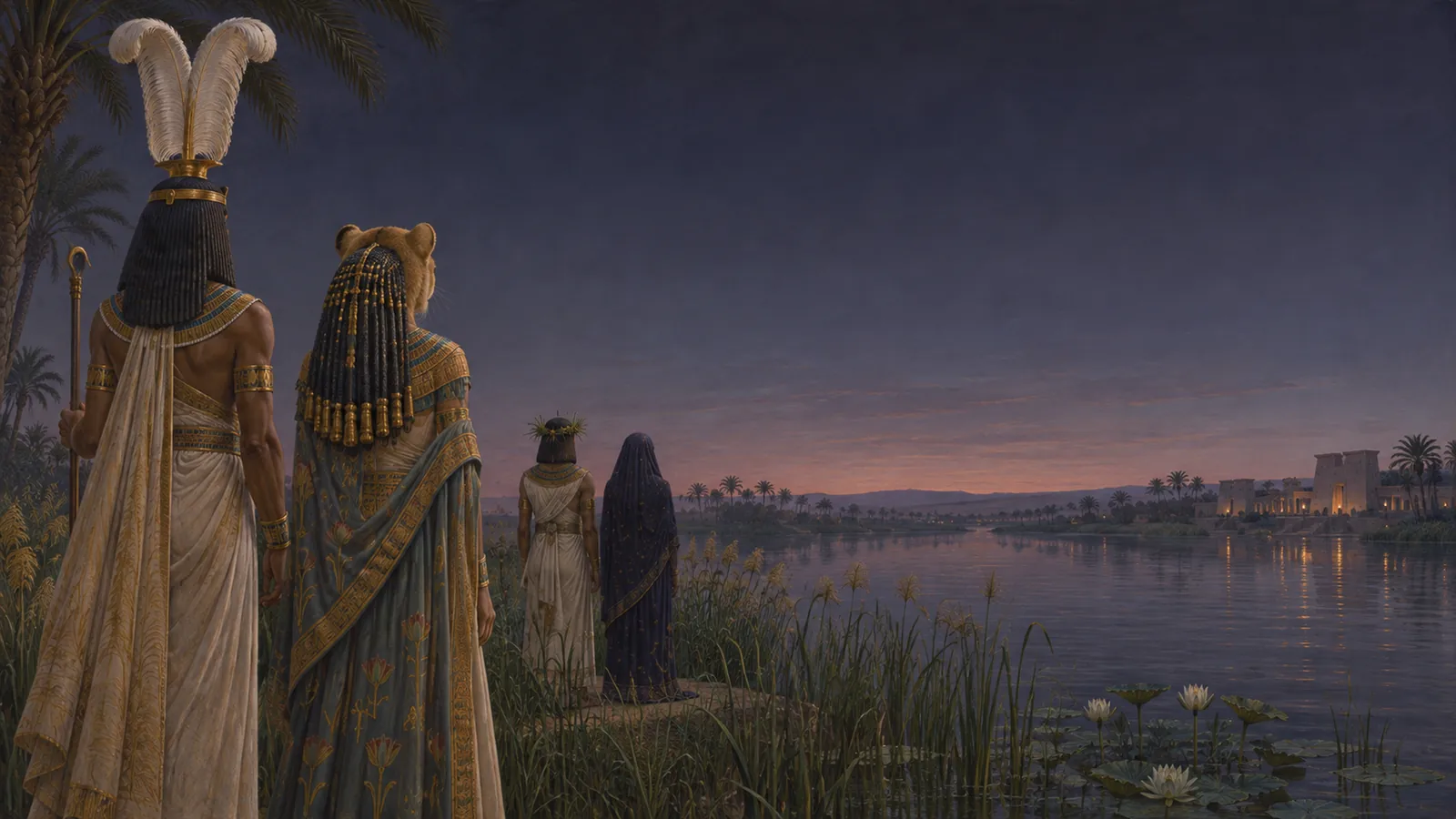
تَرِد هنا نقاط حذف في النصّ المطبوع. ثمّ يقول النصّ إنّ شو وتفنوت أنجبا سِب ونوت.
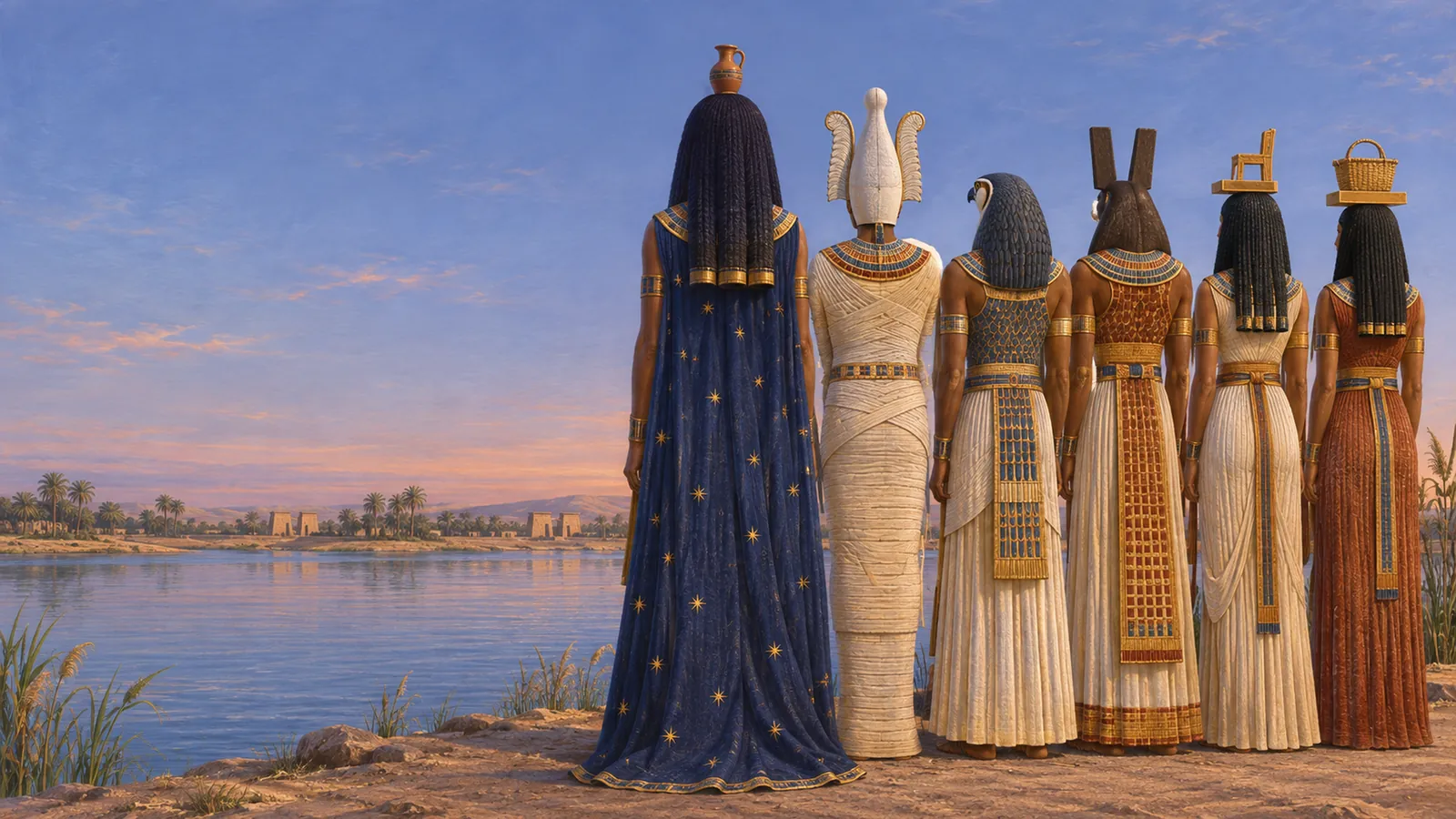
تختتم التلاوة بقولها إنّ نوت أنجبت أوزيريس وحورس-خِنت-آن-ما وسوت وإيزيس ونفتيا في ولادة واحدة.
نهاية الفصل الأول
كل الصفحات



المصادر
المصادر والملاحظات مكتوبة بالإنجليزية كما وردت في المراجع.
A. Wallis Budge assigns to section III of the Papyrus of Nesi Amsu in Egyptian Ideas of the Future Life, third edition, 1908. The quoted text begins and ends at transcription lines 749–779. Budge’s introduction identifies the speaker and the papyrus.
الطبعات المعتمدة
- Egyptian Ideas of the Future Life, publication record
- Budge’s creation quotation, Chapter I
- Budge’s note 20 identifying British Museum No. 10188
- Budge’s note 21 on the papyrus
ملاحظات على هذه الرواية
The speaker’s opening uses Budge’s repeated language of evolving and evolutions. The next clauses say that he assumes the form of Khepera’s transformations, which came into being at the beginning of time, and that he comes into being with them. The paraphrase keeps the opening statement about becoming and both roles of the transformations.
The speaker says twice that he developed from primeval matter, which he says he himself made. He names himself Ausares and calls himself the germ of primeval matter. Budge prints “Osiris” in parentheses after Ausares.
The speaker says he carried out his will in the earth, spread abroad, filled the earth and strengthened it with his hand. Budge brackets “with,” which connects the action to the hand.
The speaker says that he was alone because nothing had yet been brought forth, and that Shu and Tefnut had yet to come from him.
The speaker utters his own name from his own mouth as a word of power. He says he comes into being immediately.
The quotation again names the form of Khepera’s evolutions. It now describes the primeval matter as that which brought forth many forms from the beginning of time.
The speaker says that nothing existed on earth, that he made all things and that no other worked with him. He credits his making of all “evolutions” to the divine Soul he fashioned. This Soul had remained inactive in the watery abyss.
Finding no place to stand, the speaker says he is strong in his heart and makes a foundation for himself. He again claims to have made everything that was made. He then says he was alone and makes a foundation for his heart, where Budge gives “(or will)” as an alternative. The first mention of heart on line 768 has no alternative. The speaker then creates a multitude of things.
The things created develop themselves in the manner of the “evolutions” of Khepera and their offspring come into being through their births. The speaker brings forth Shu and Tefnut from himself, says that from One he became Three, and says that both sprang from him and came into existence on earth.
It resumes with the statement that Shu and Tefnut brought forth Seb and Nut.
Budge prints the names Osiris, Horus-khent-an-maa, Sut, Isis, and Nephthya in that order and says Nut brought them forth at one birth. This is the end of the printed quotation.
الأسطر القديمة وراء كل صفحة
- Page 1: Budge 1908, Egyptian Ideas of the Future Life, ch. I, Papyrus of Nesi Amsu, creation quotation (local)
- Page 2: Budge 1908, Egyptian Ideas of the Future Life, ch. I, Papyrus of Nesi Amsu, creation quotation (local)
- Page 3: Budge 1908, Egyptian Ideas of the Future Life, ch. I, Papyrus of Nesi Amsu, creation quotation (local)
- Page 4: Budge 1908, Egyptian Ideas of the Future Life, ch. I, Papyrus of Nesi Amsu, creation quotation (local)
- Page 5: Budge 1908, Egyptian Ideas of the Future Life, ch. I, Papyrus of Nesi Amsu, creation quotation (local)
- Page 6: Budge 1908, Egyptian Ideas of the Future Life, ch. I, Papyrus of Nesi Amsu, creation quotation (local)
- Page 7: Budge 1908, Egyptian Ideas of the Future Life, ch. I, Papyrus of Nesi Amsu, creation quotation (local)
- Page 8: Budge 1908, Egyptian Ideas of the Future Life, ch. I, Papyrus of Nesi Amsu, creation quotation (local)
- Page 9: Budge 1908, Egyptian Ideas of the Future Life, ch. I, Papyrus of Nesi Amsu, creation quotation (local)
- Page 10: Budge 1908, Egyptian Ideas of the Future Life, ch. I, Papyrus of Nesi Amsu, creation quotation (local)
- Page 11: Budge 1908, Egyptian Ideas of the Future Life, ch. I, Papyrus of Nesi Amsu, creation quotation (local)
- Page 12: Budge 1908, Egyptian Ideas of the Future Life, ch. I, Papyrus of Nesi Amsu, creation quotation (local)
- Page 13: Budge 1908, Egyptian Ideas of the Future Life, ch. I, Papyrus of Nesi Amsu, creation quotation (local)
- Page 14: Budge 1908, Egyptian Ideas of the Future Life, ch. I, Papyrus of Nesi Amsu, creation quotation (local)
- Page 15: Budge 1908, Egyptian Ideas of the Future Life, ch. I, Papyrus of Nesi Amsu, creation quotation (local)
- Page 16: Budge 1908, Egyptian Ideas of the Future Life, ch. I, Papyrus of Nesi Amsu, creation quotation (local)
الرسوم من صنع أرشيف إيل بأدوات الذكاء الاصطناعي؛ والنص مبني على المصادر القديمة (انظر المصادر في آخر كل فصل).