Telipinu, der verschwundene Gott Kapitel 1
Als die Fülle fortging
Telipinus Weggang nimmt dem Land die Fülle, und weder Götter noch Adler finden ihn. Gekennzeichnete Parallelfassungen bewahren Bienensuche und zerstörerisches Erwachen; die erste führt durch beruhigende Worte zu seiner Rückkehr und erneuertem Leben.
QuellenBlättern Sie mit den Pfeilen, den Pfeiltasten oder durch Wischen.

TELIPINU
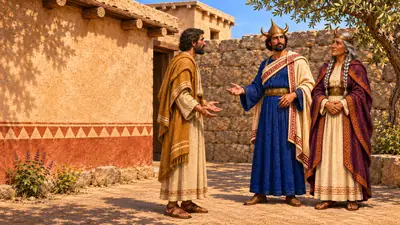
Der Anfang der ersten Erzählung ist beschädigt. Telipinu ist zornig, doch die erhaltenen Worte nennen keinen sicheren Grund für seinen Zorn.
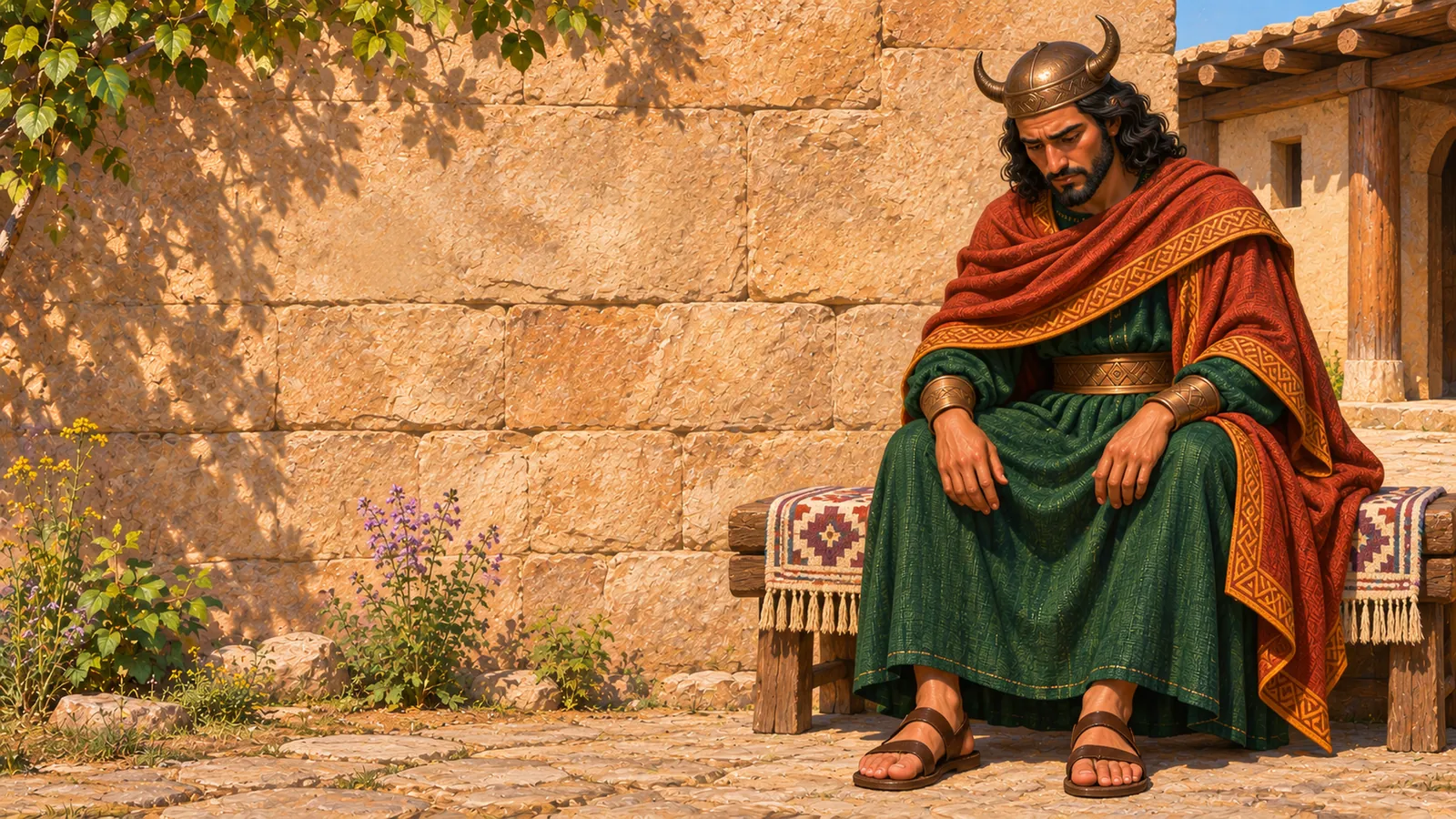
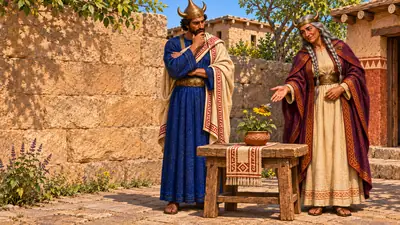
Der beschädigte Anfang beschreibt den rechten Schuh am linken Fuß und den linken am rechten. Selbst gewöhnliche Dinge sind aus ihrer richtigen Ordnung geraten.
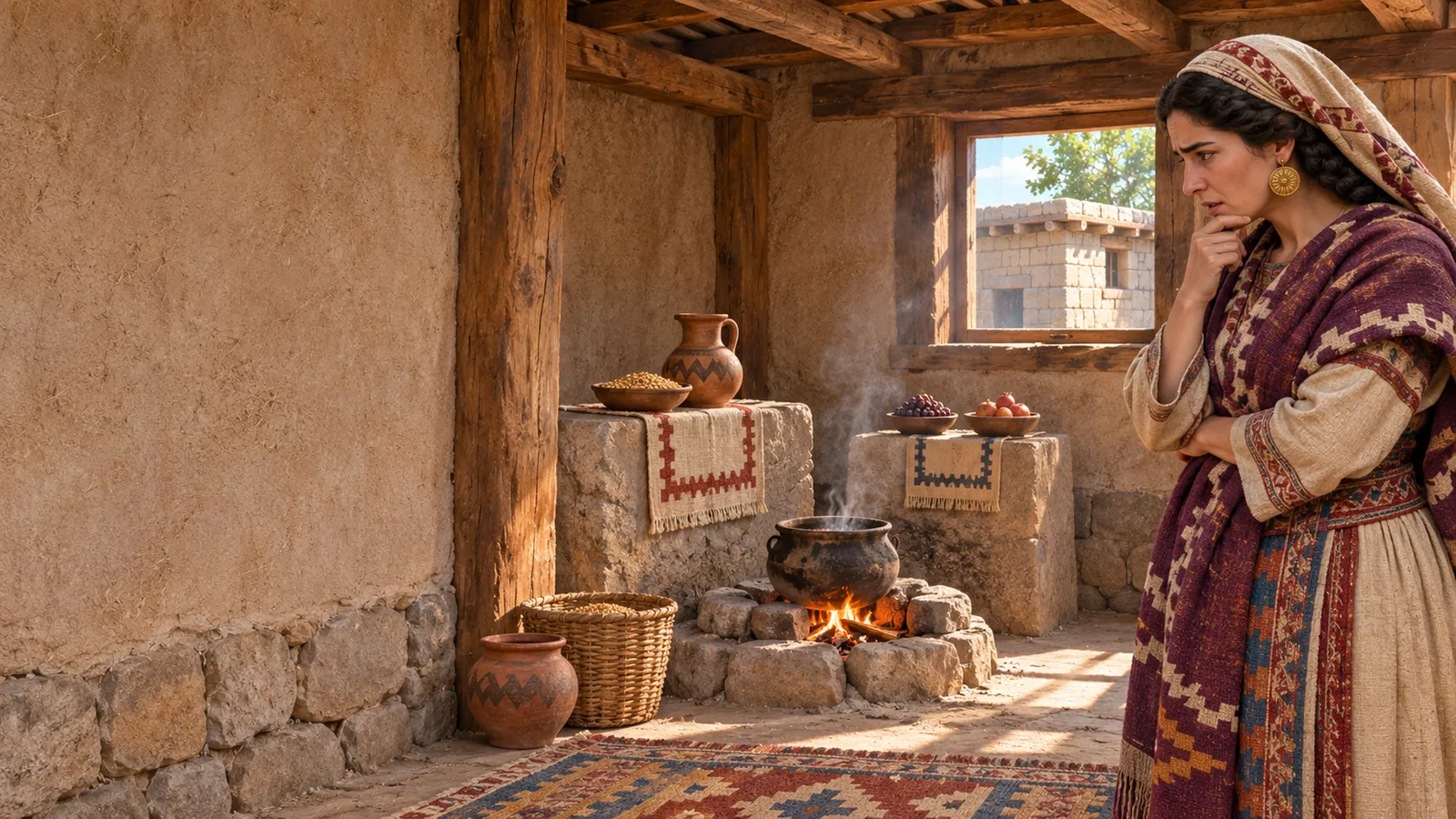
Dunst bedeckte die Fenster, Rauch erfüllte das Haus. Herd, Altäre und Herden gerieten durcheinander: Nach einer wissenschaftlichen Lesart beschreibt die Stelle zusammengedrängte und ungeordnete Dinge.
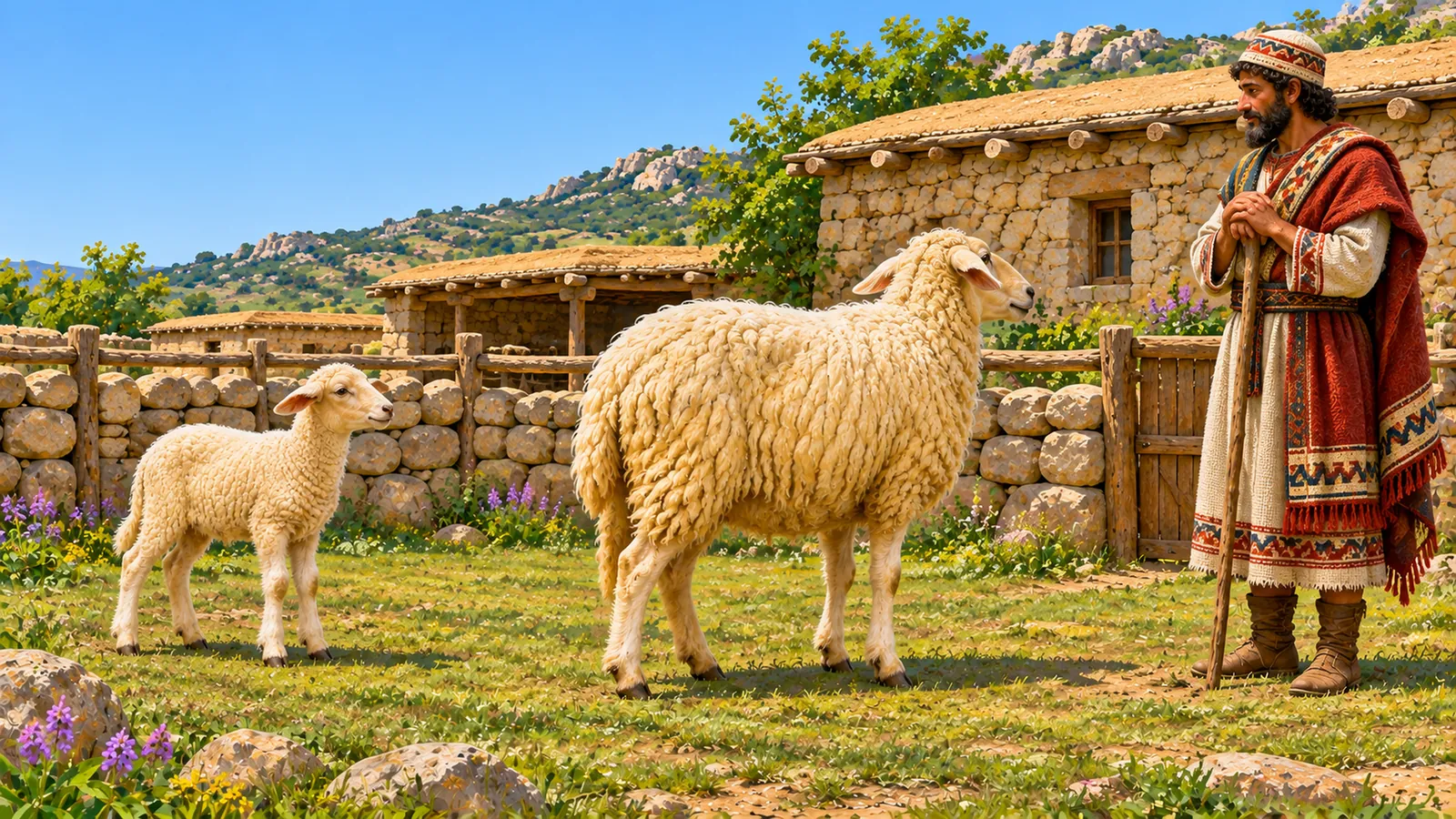
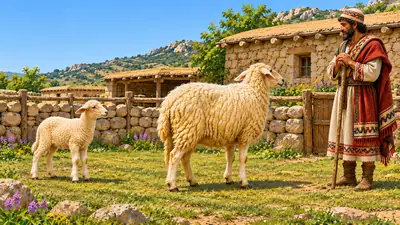
Das Mutterschaf wies sein Lamm zurück. Die Unordnung erfasste die Bindung zwischen Mutter und Nachwuchs, eines der ersten Zeichen einer gestörten häuslichen Welt.
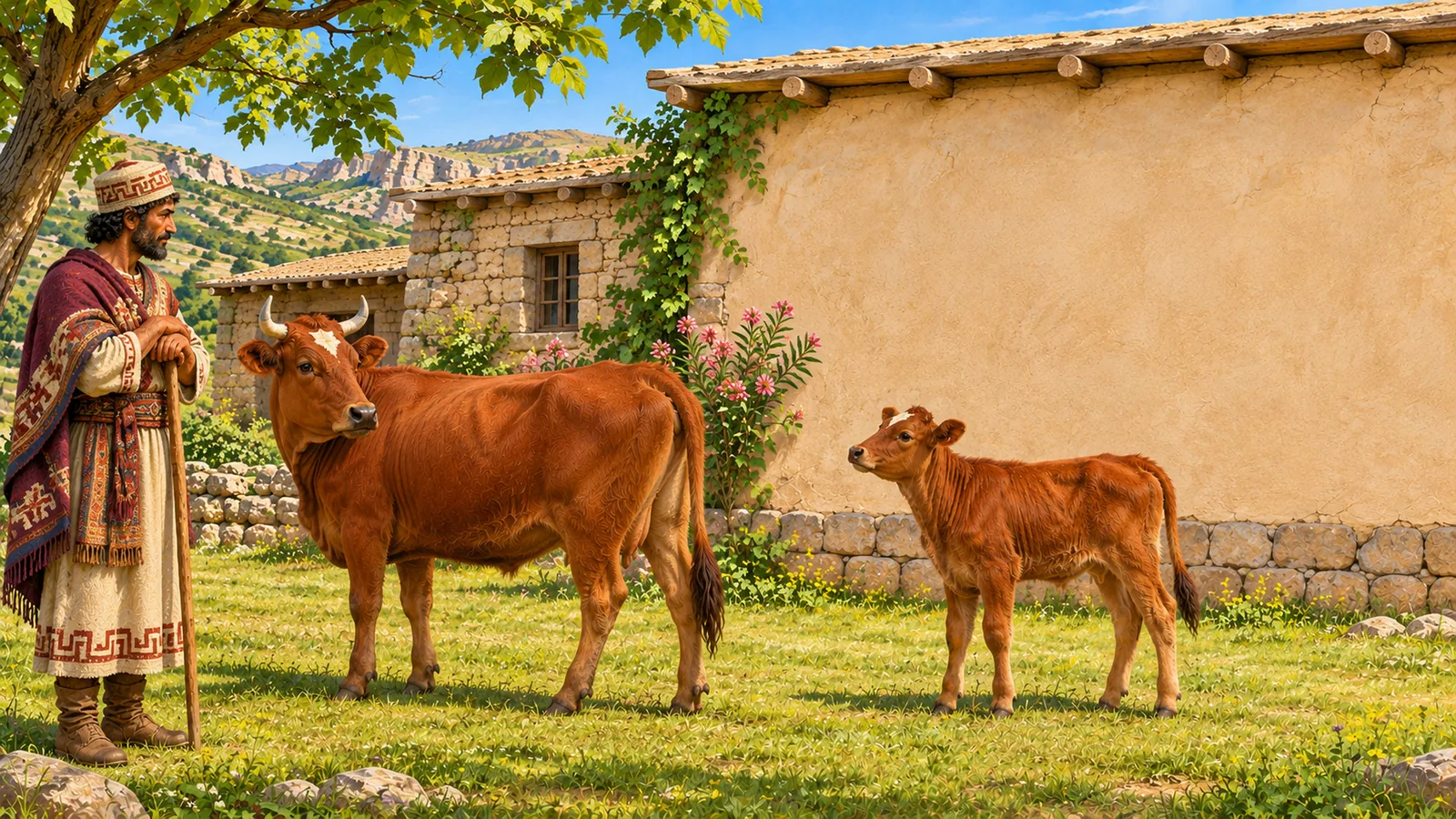
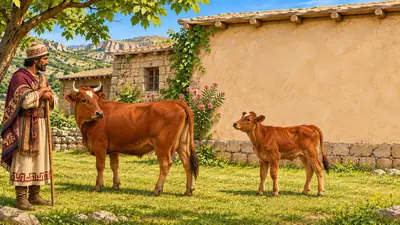
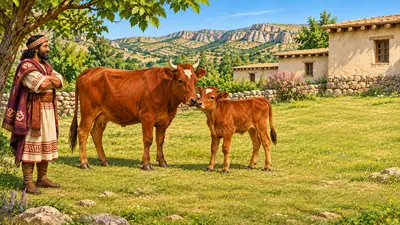
Auch die Kuh wies ihr Kalb zurück. Was die Herde zusammenhalten sollte, hielt nicht mehr; die vertraute Ordnung der Lebewesen versagte.
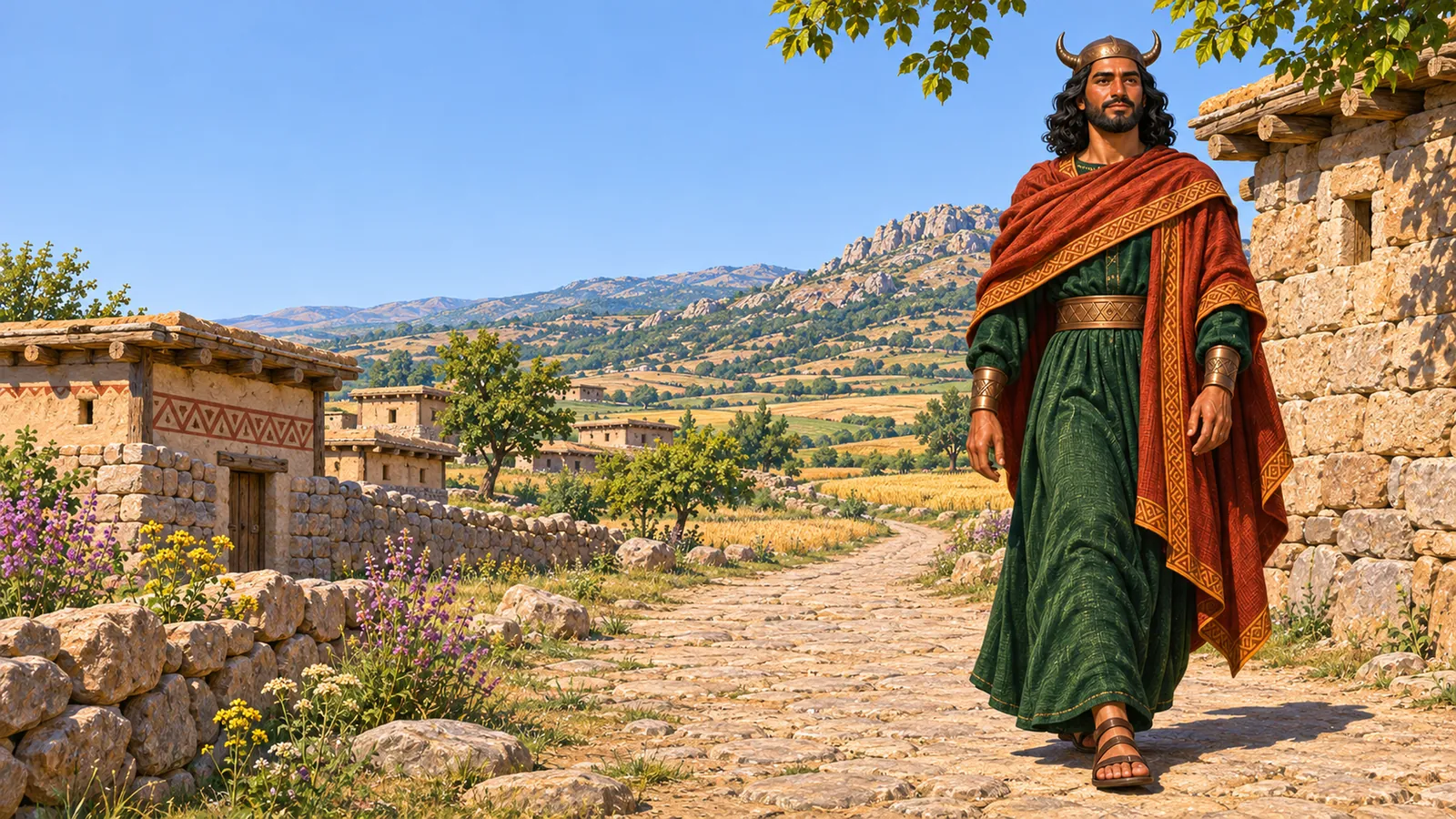
Telipinu war fortgegangen und hatte Getreide, Fruchtbarkeit, Wachstum und Sättigung mitgenommen. Nun benennt die Erzählung die Abwesenheit hinter der verlorenen Fülle des Landes.

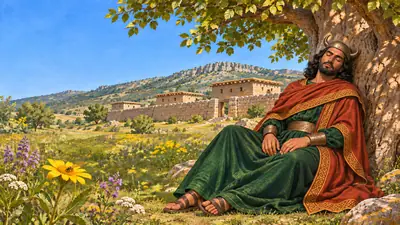
Telipinu verbarg sich im Moor, und eine halenzu genannte Pflanze wuchs über ihm. Er war denjenigen entzogen, die ihn suchen würden.
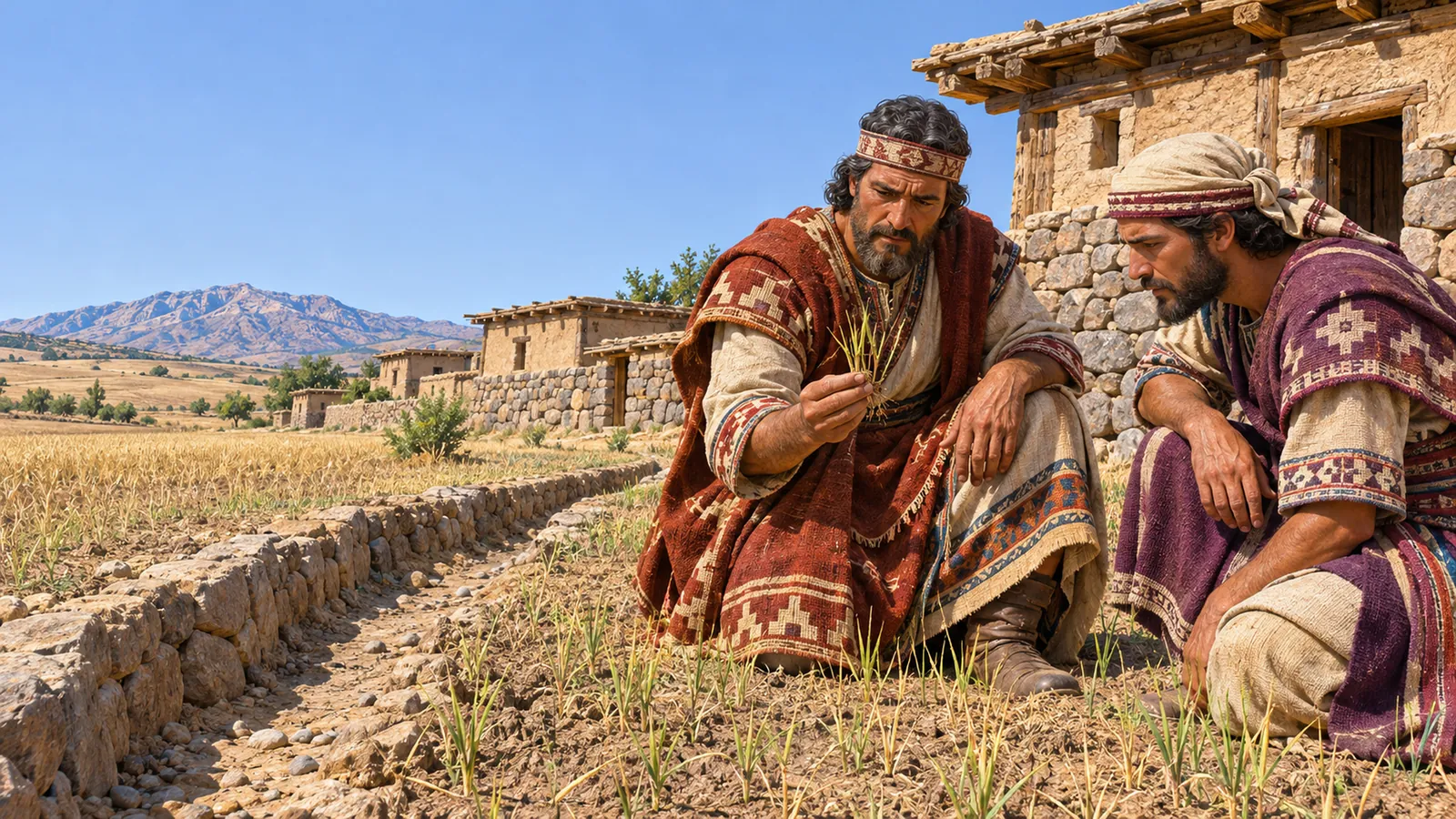
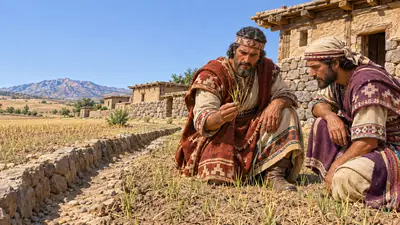
Getreide und Emmer gediehen nicht mehr. Berge, Gehölze, Weiden und Quellen trockneten aus; keine neuen Triebe erneuerten das erschütterte Land.
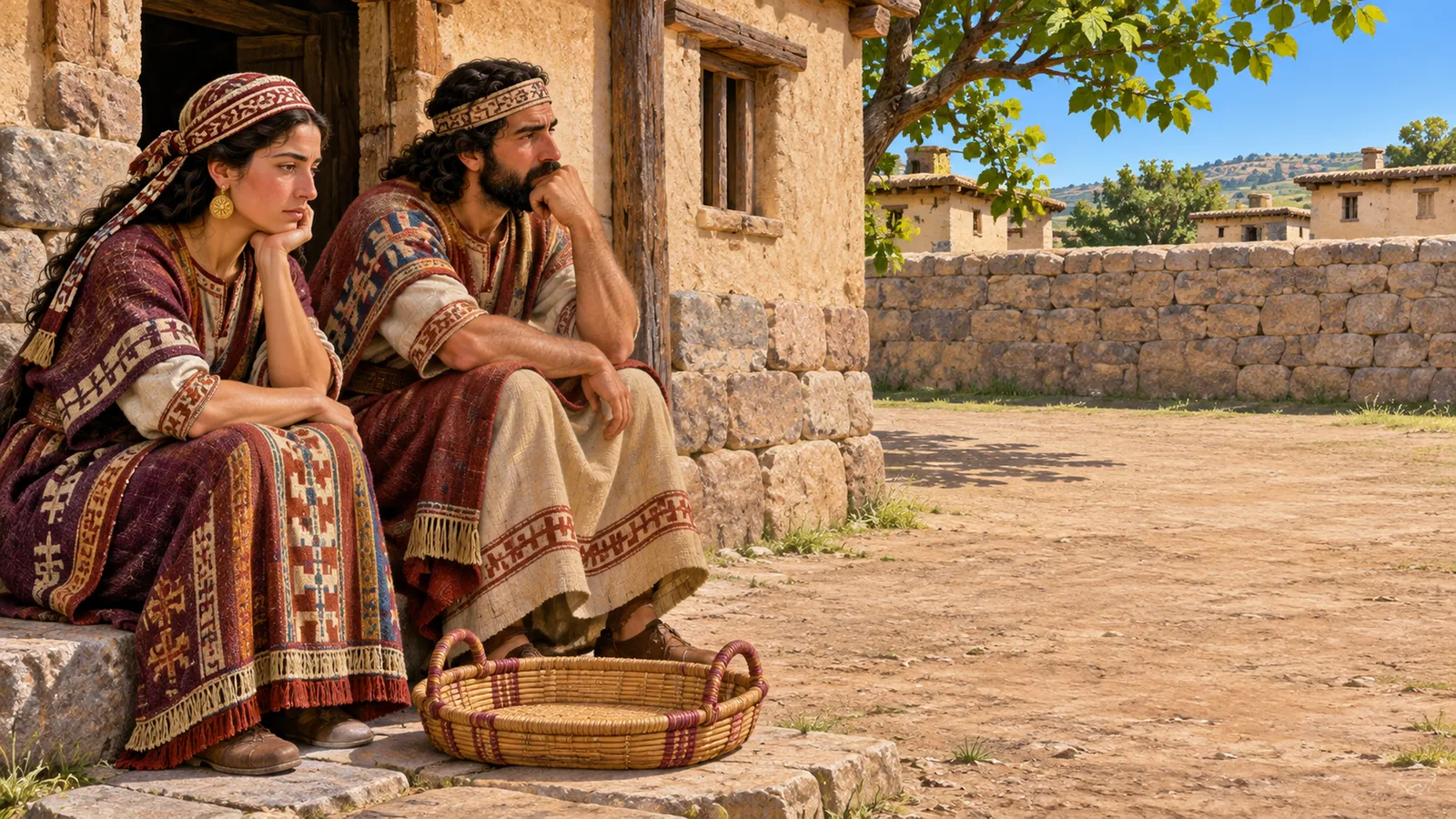
Rinder, Schafe und Menschen empfingen keinen Nachwuchs mehr, und die bereits Tragenden oder Schwangeren gebaren nicht. Die Abwesenheit des Gottes unterbrach die Erneuerung des Lebens.

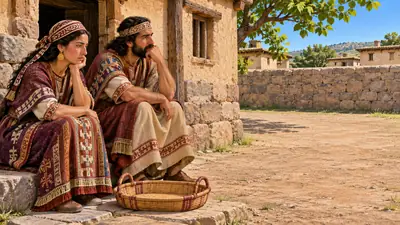
Eine Hungersnot entstand, und Menschen und Götter starben vor Hunger. Die Krise reichte über die Felder hinaus in die Häuser der Sterblichen und der Götter.
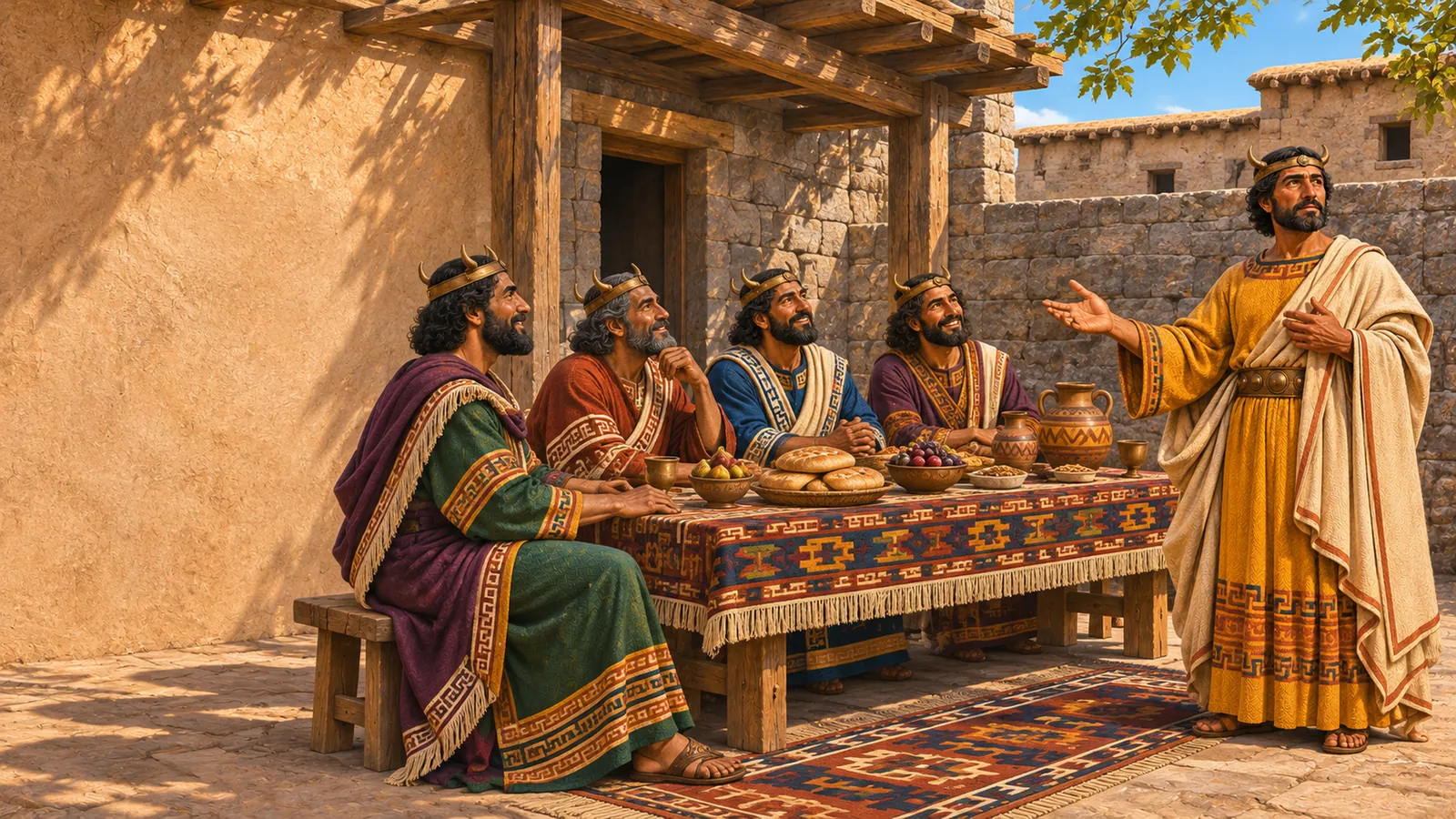
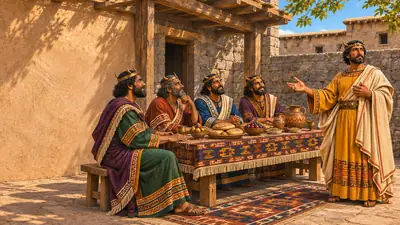
Der große Sonnengott bereitete ein Fest und rief tausend Götter dazu. Doch selbst diese riesige Versammlung konnte die verschwundene Sättigung nicht zurückholen.
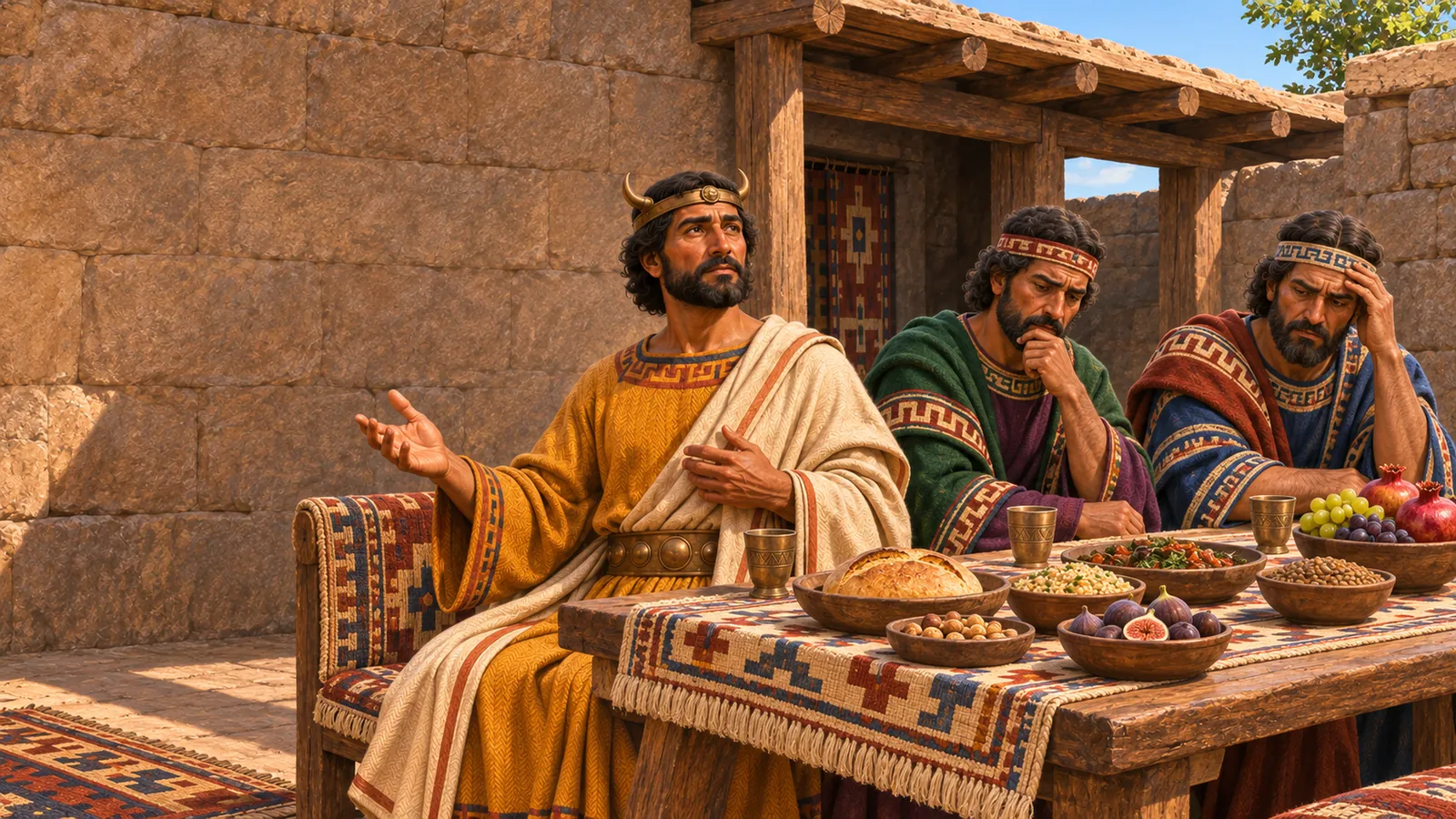
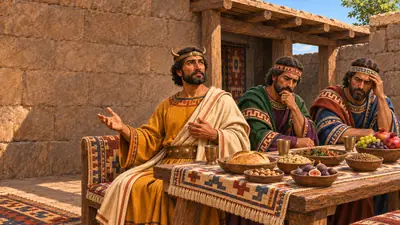
Die Götter aßen und wurden nicht satt. Sie tranken und stillten ihren Durst nicht; das Fest selbst zeigte, wie tief die Welt aus der Ordnung geraten war.
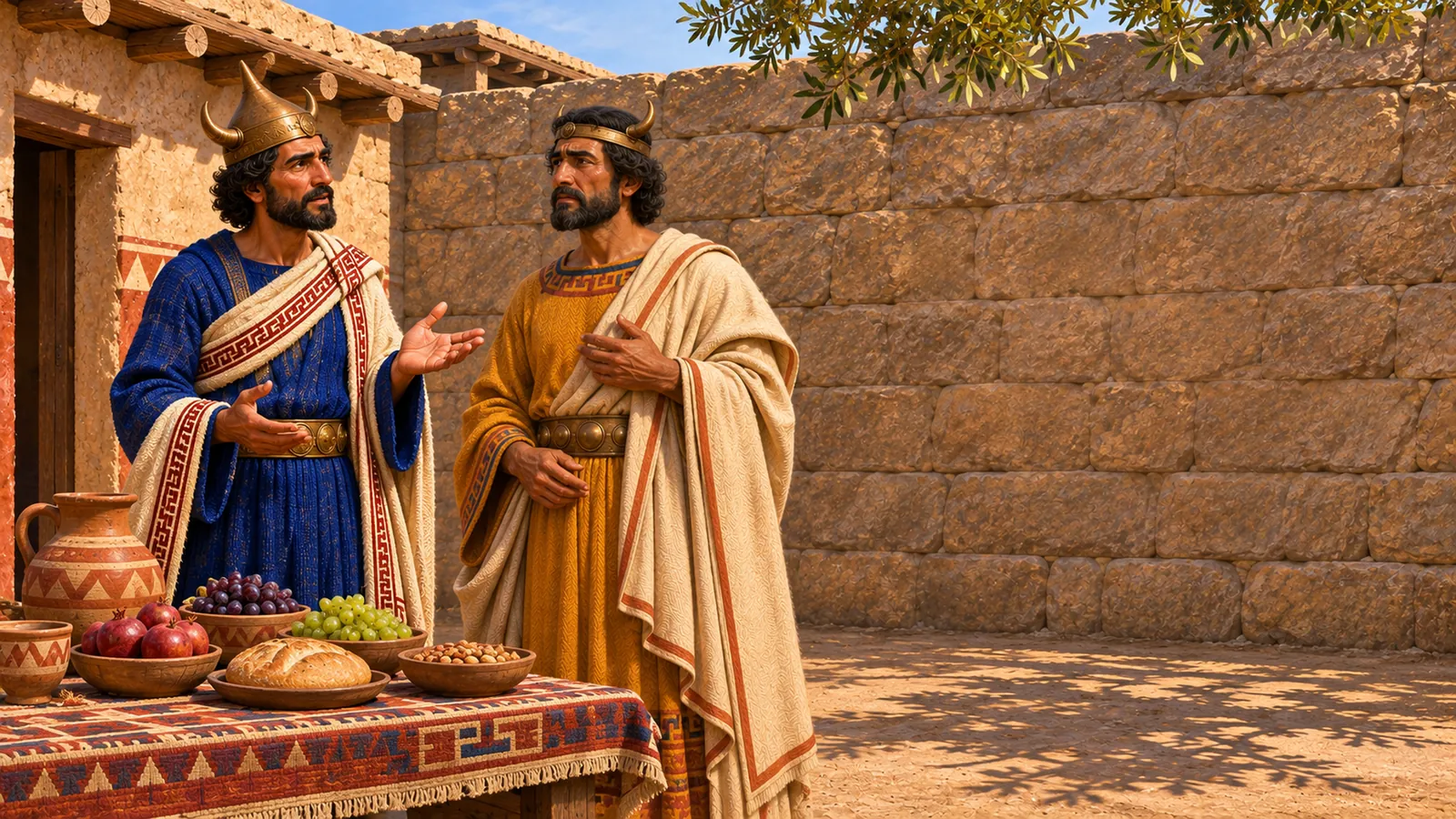
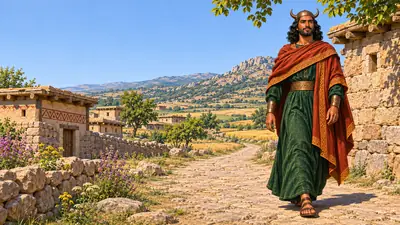
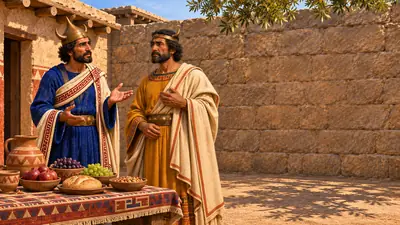
Der Wettergott sorgte sich um seinen Sohn Telipinu. Er sagte, der fehlende Gott sei zornig geworden und habe alles Gute mit sich genommen.
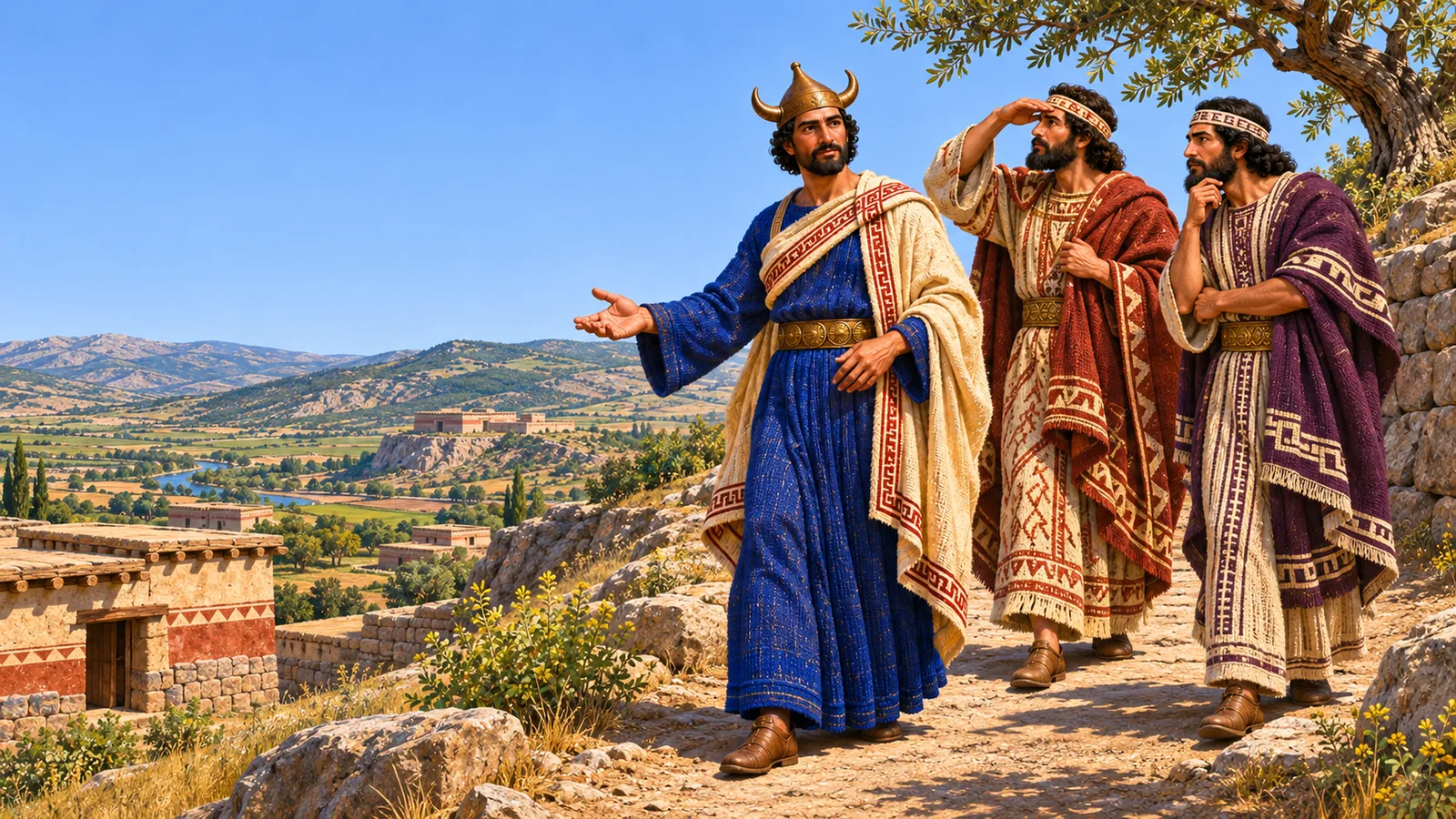
Die großen und die kleinen Götter begannen Telipinu zu suchen. Weder ihre Zahl noch ihre göttliche Macht hatten den verborgenen Gott bisher zurückgebracht.
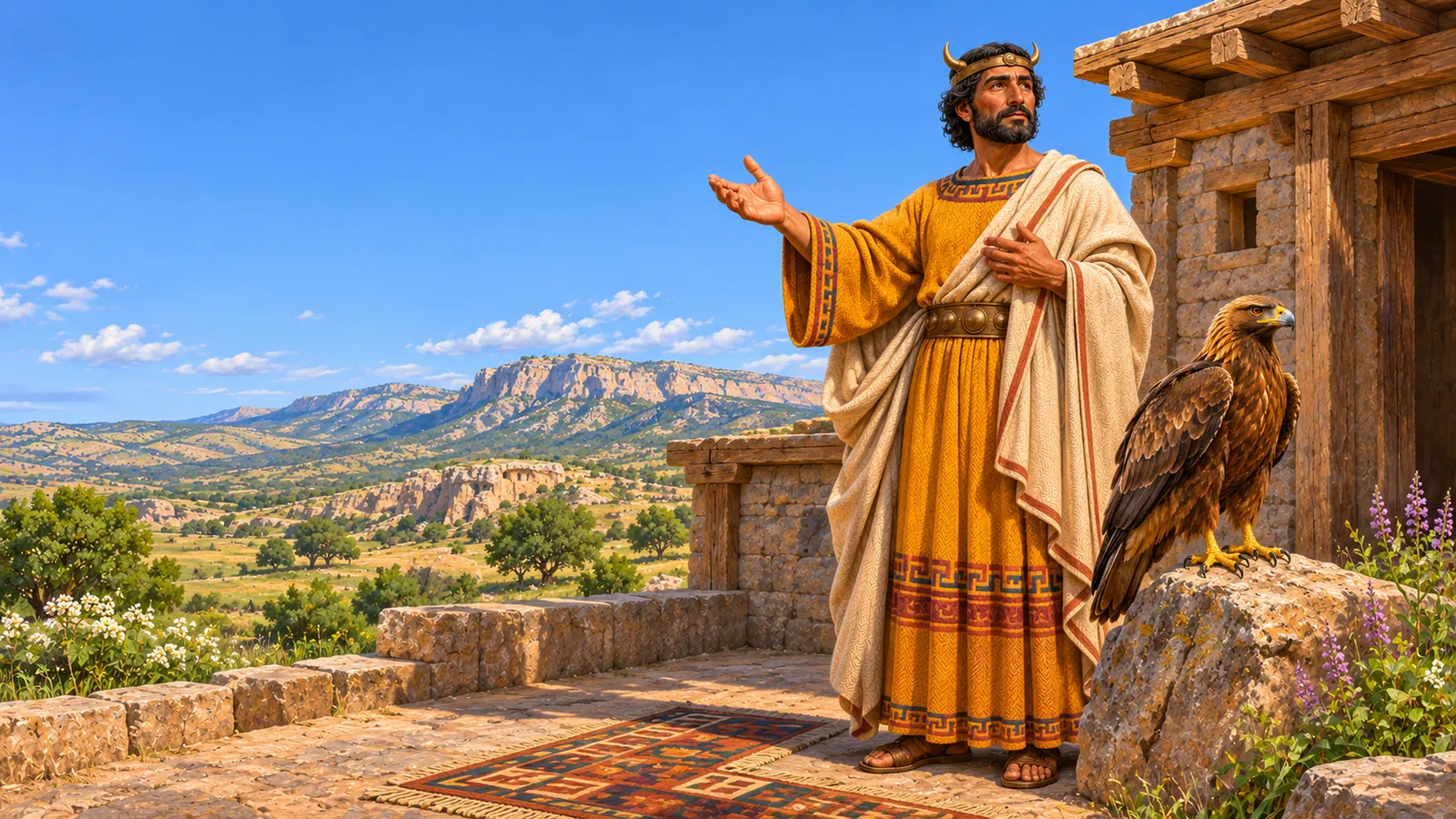
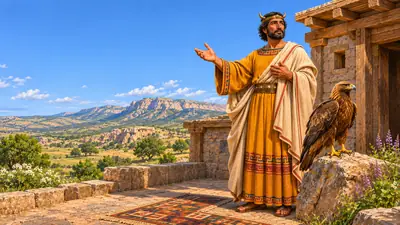
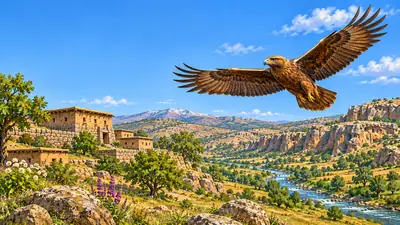
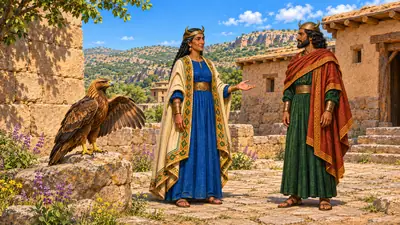
Der Sonnengott sandte den schnellen Adler, hohe Berge, tiefe Täler und weite Gewässer zu durchsuchen. Der Vogel zog aus, den verschwundenen Telipinu zu finden.
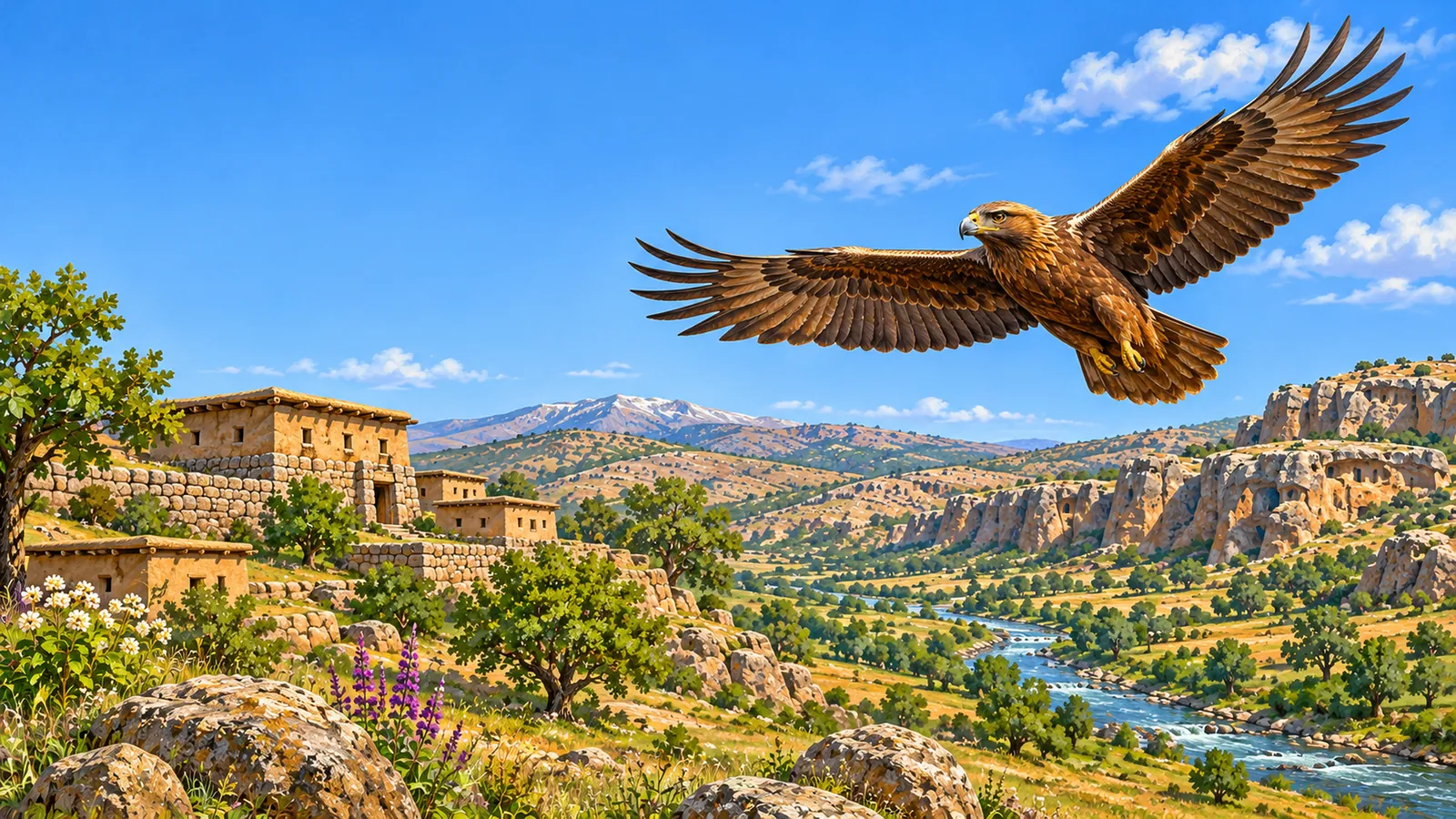
Der Adler suchte in Höhen, Tälern und Gewässern, fand Telipinu aber nicht. Trotz der Reise des mächtigen Vogels blieb der Gott verborgen.
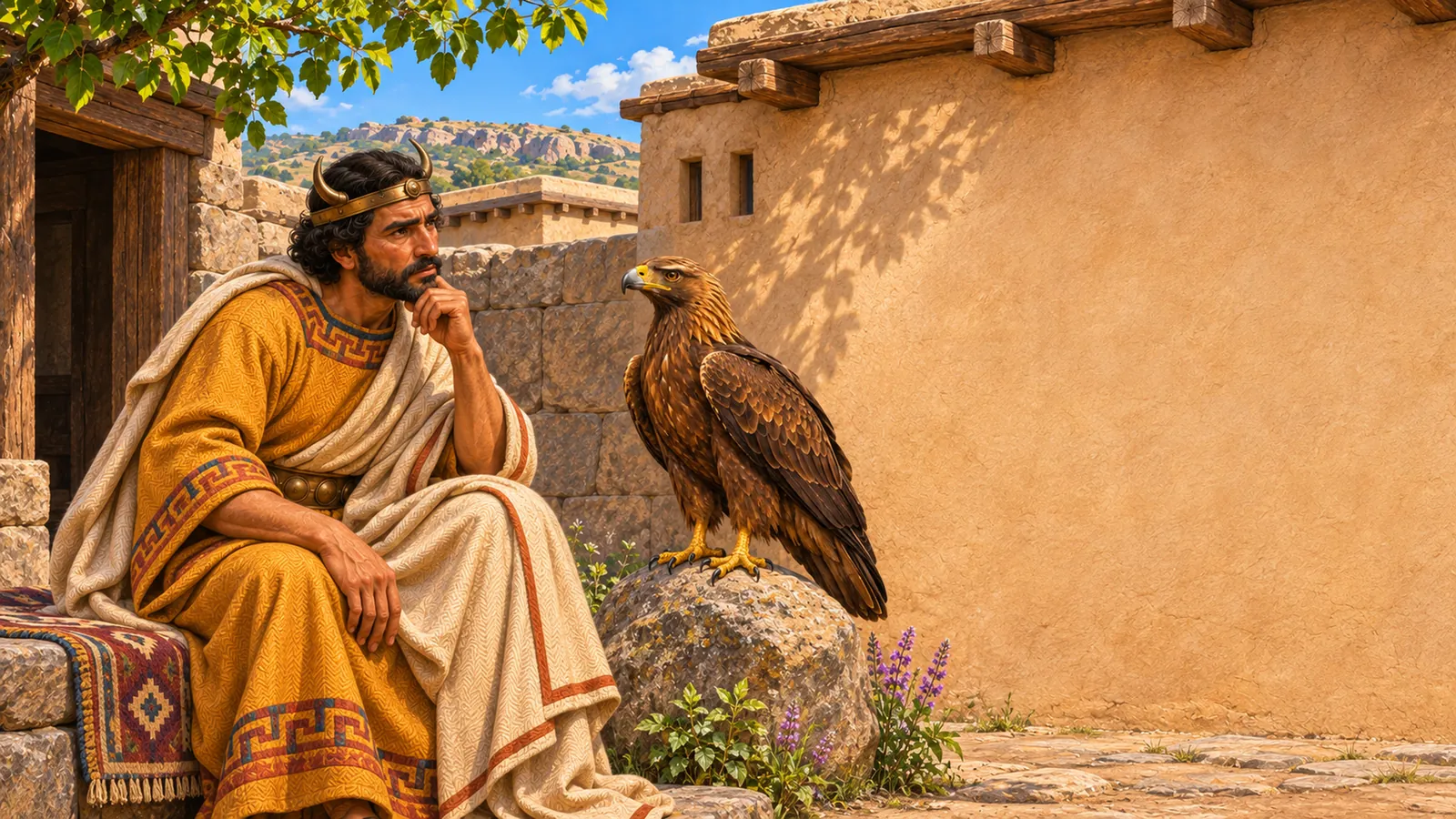
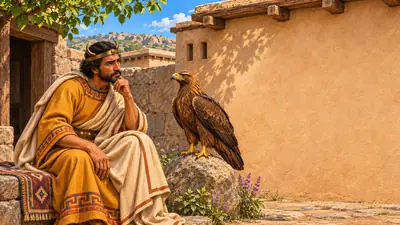
Der Adler kehrte zum Sonnengott zurück und meldete sein Scheitern. Er hatte Telipinu nicht gefunden, den bedeutenden Gott, dessen Abwesenheit das Land erschütterte.
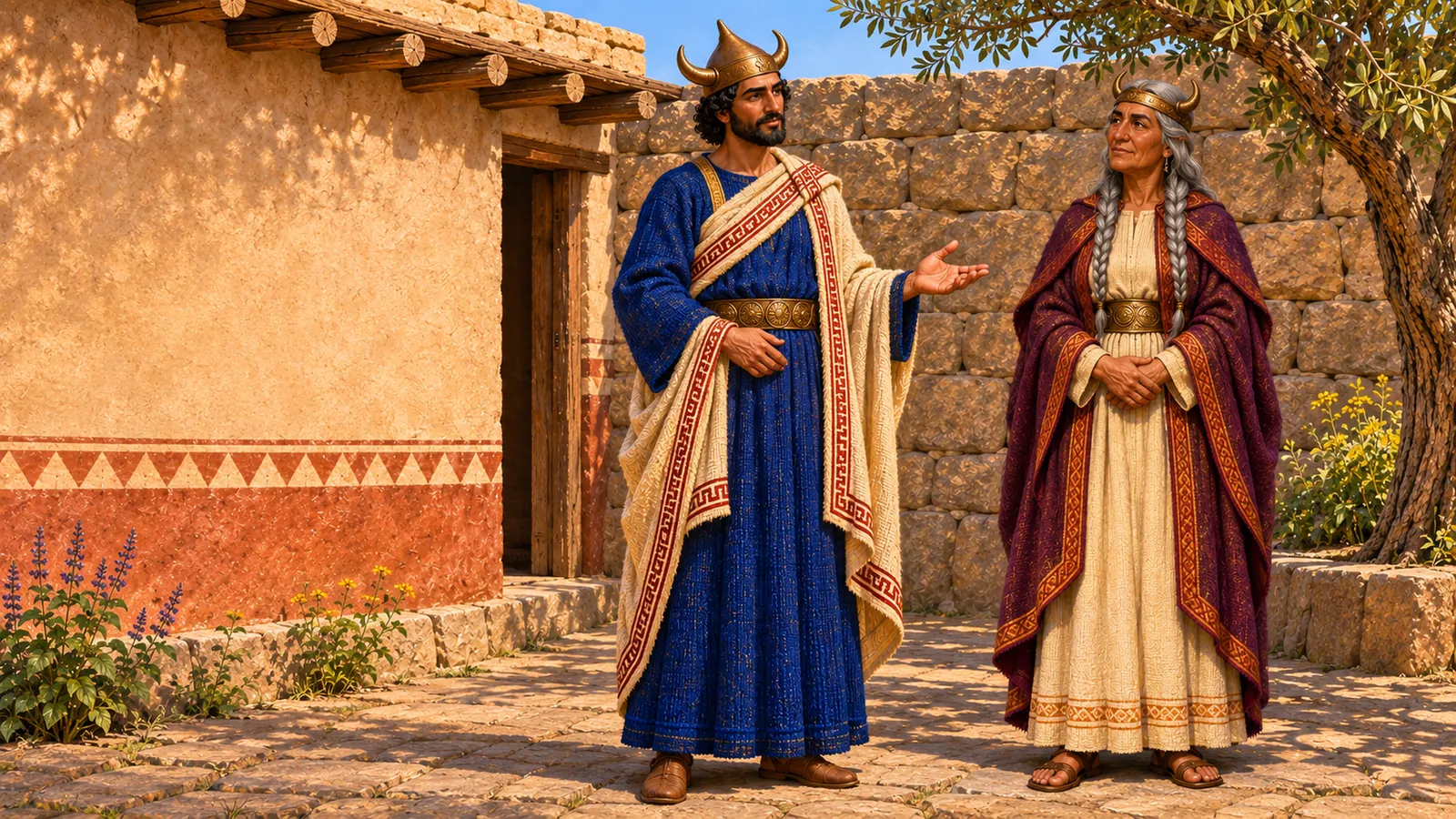
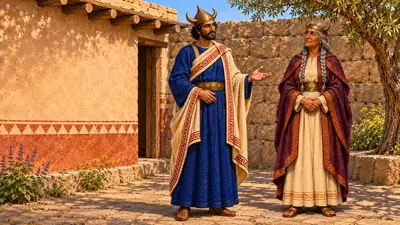
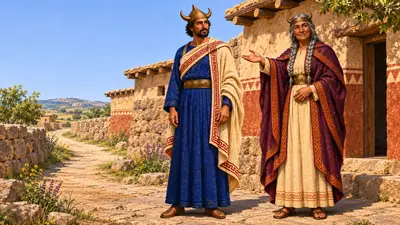
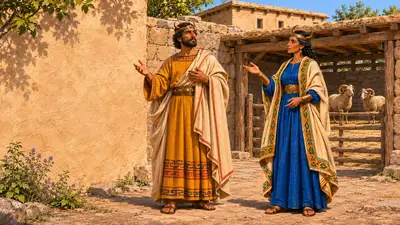
Der Wettergott wandte sich bedrückt an Hannahanna. Er fragte, was sie tun könnten, und fürchtete, bei andauernder Krise vor Hunger zu sterben.
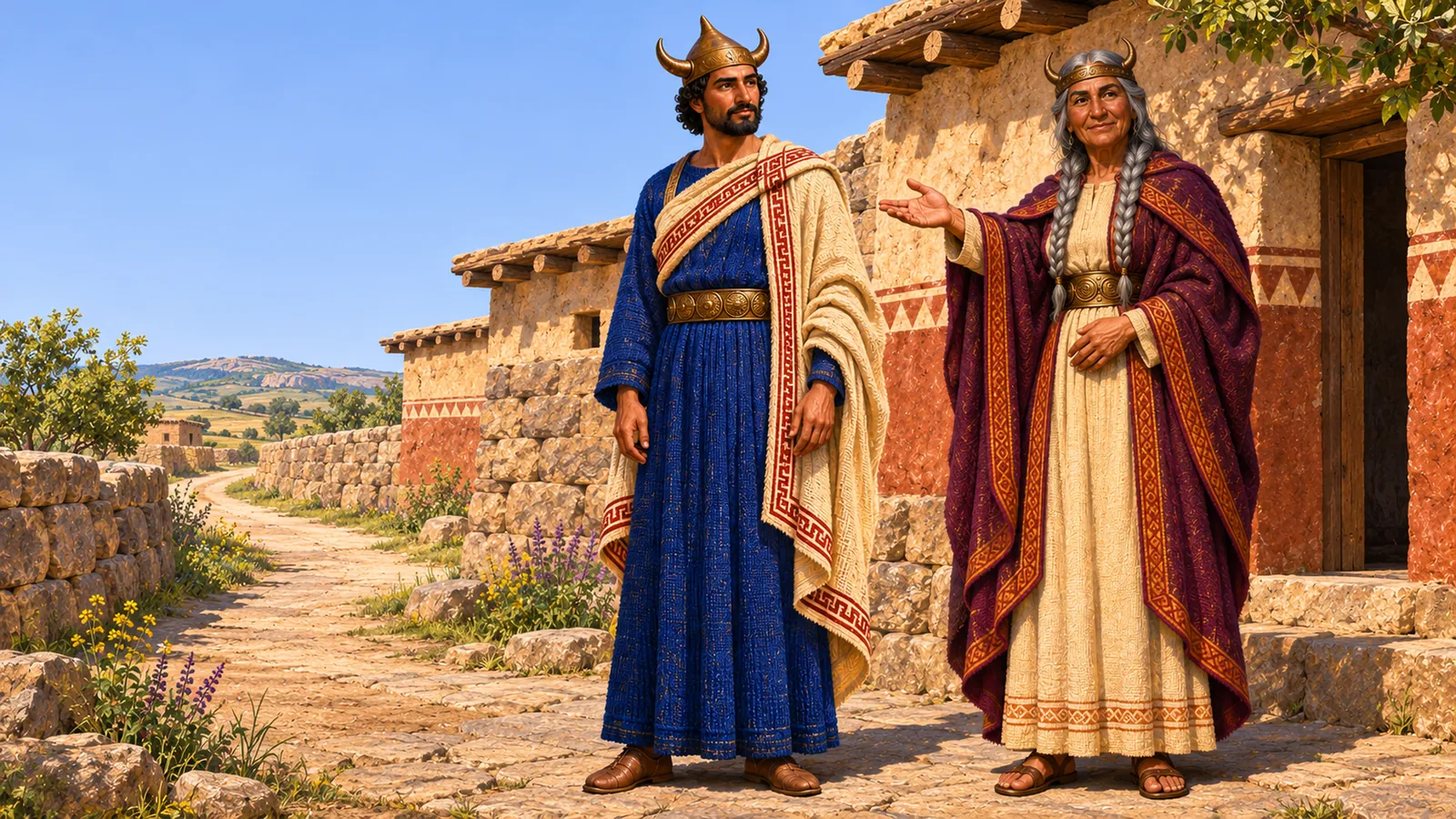
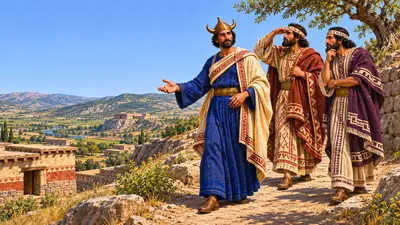
Hannahanna drängte den Wettergott zu handeln und selbst nach Telipinu zu suchen. Nun zog der Vater aus, den Sohn zu finden, den die anderen nicht entdeckt hatten.
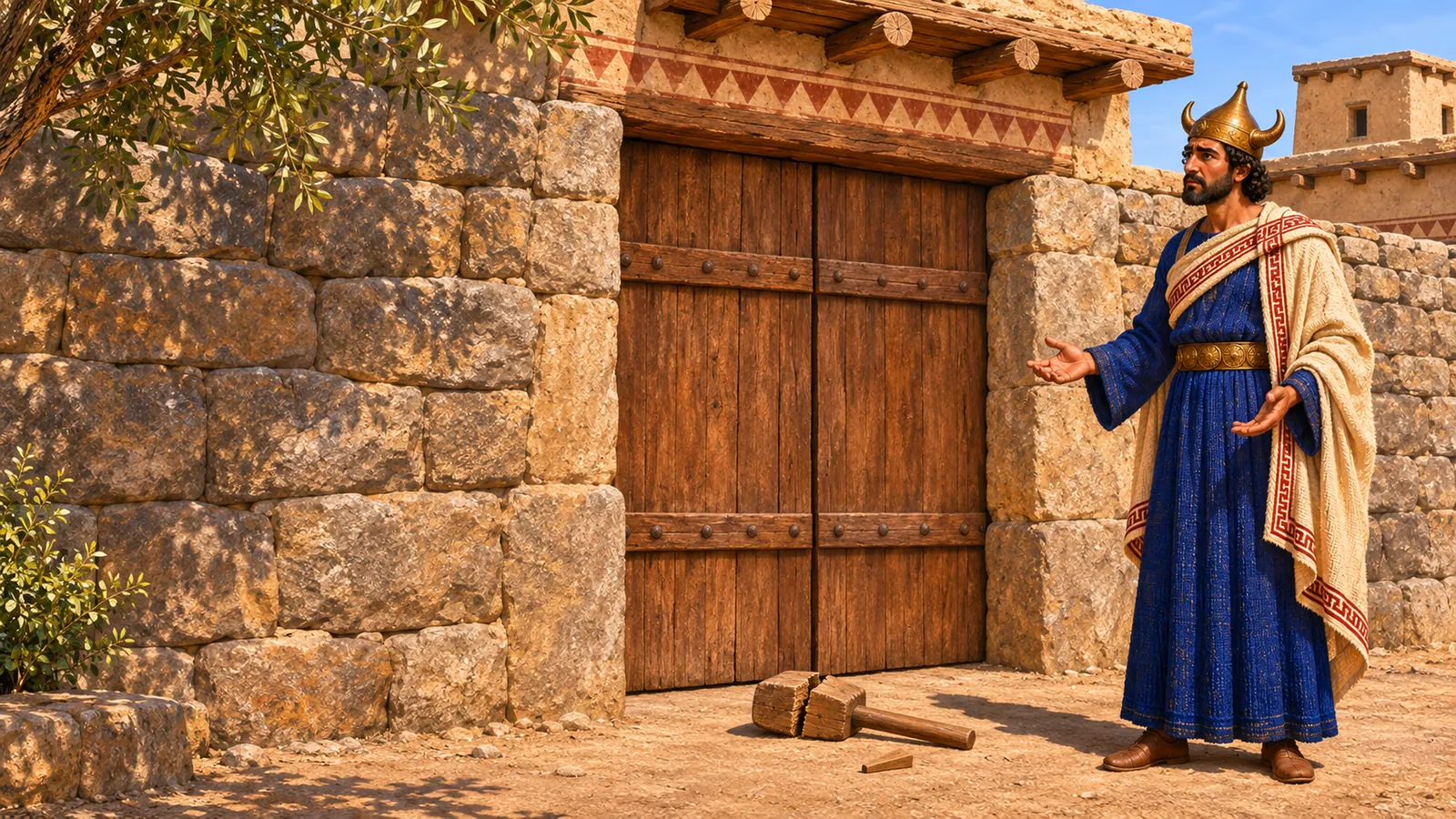
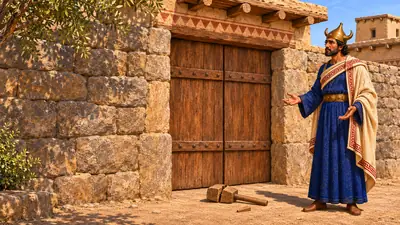
Der Wettergott erreichte ein Stadttor, konnte es aber nicht öffnen. Nach dieser Lesart zerbrach er bei dem gescheiterten Versuch seinen Hammer und seinen Keil.
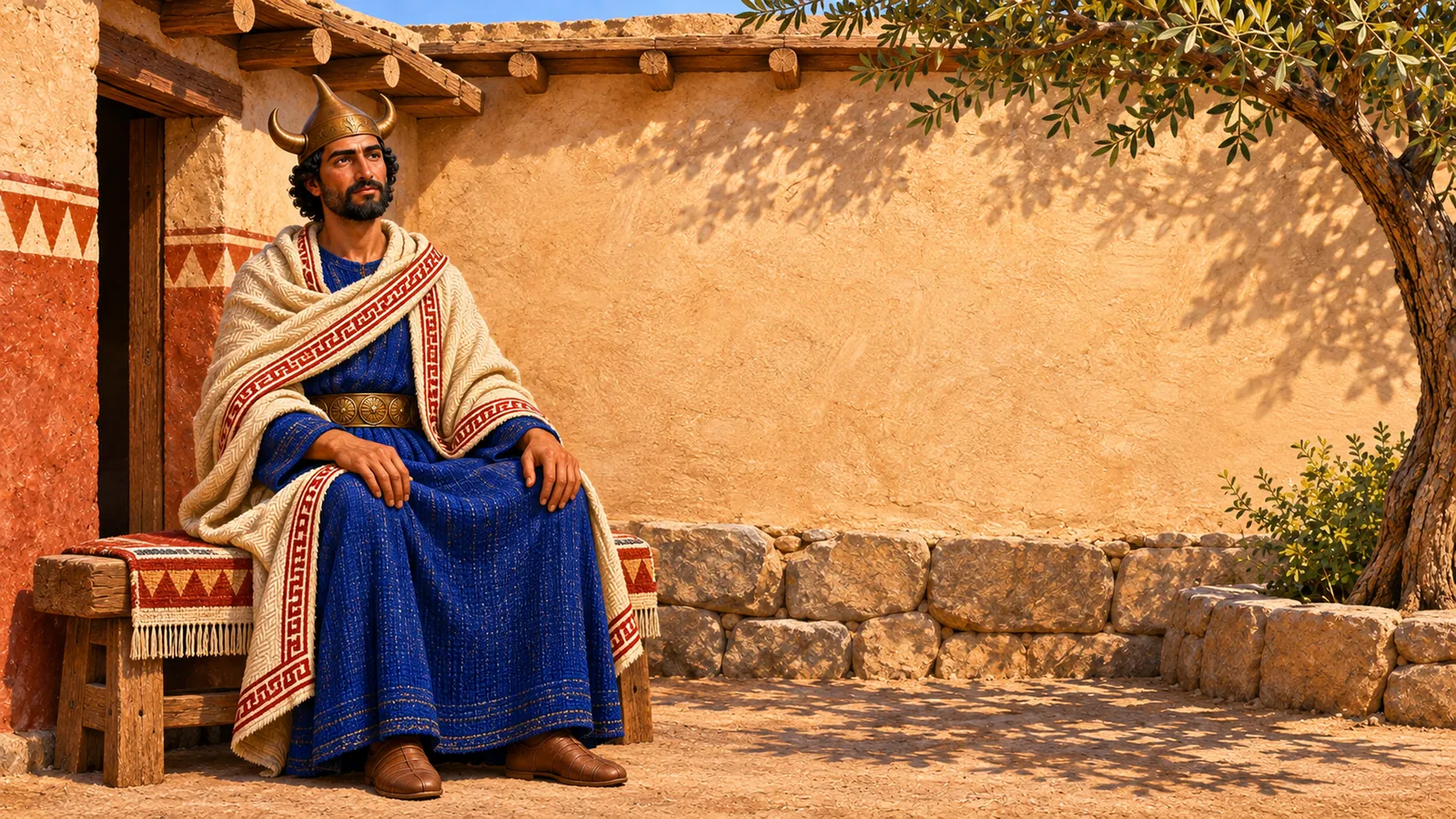
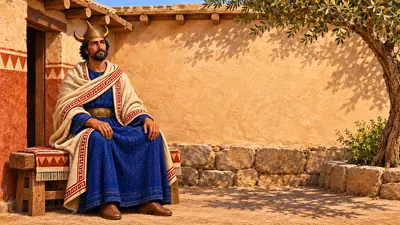
Nach der erfolglosen Suche hüllte sich der Wettergott in sein Gewand und setzte sich. Telipinu fehlte noch immer, und ein anderer Sucher sollte ausgesandt werden.
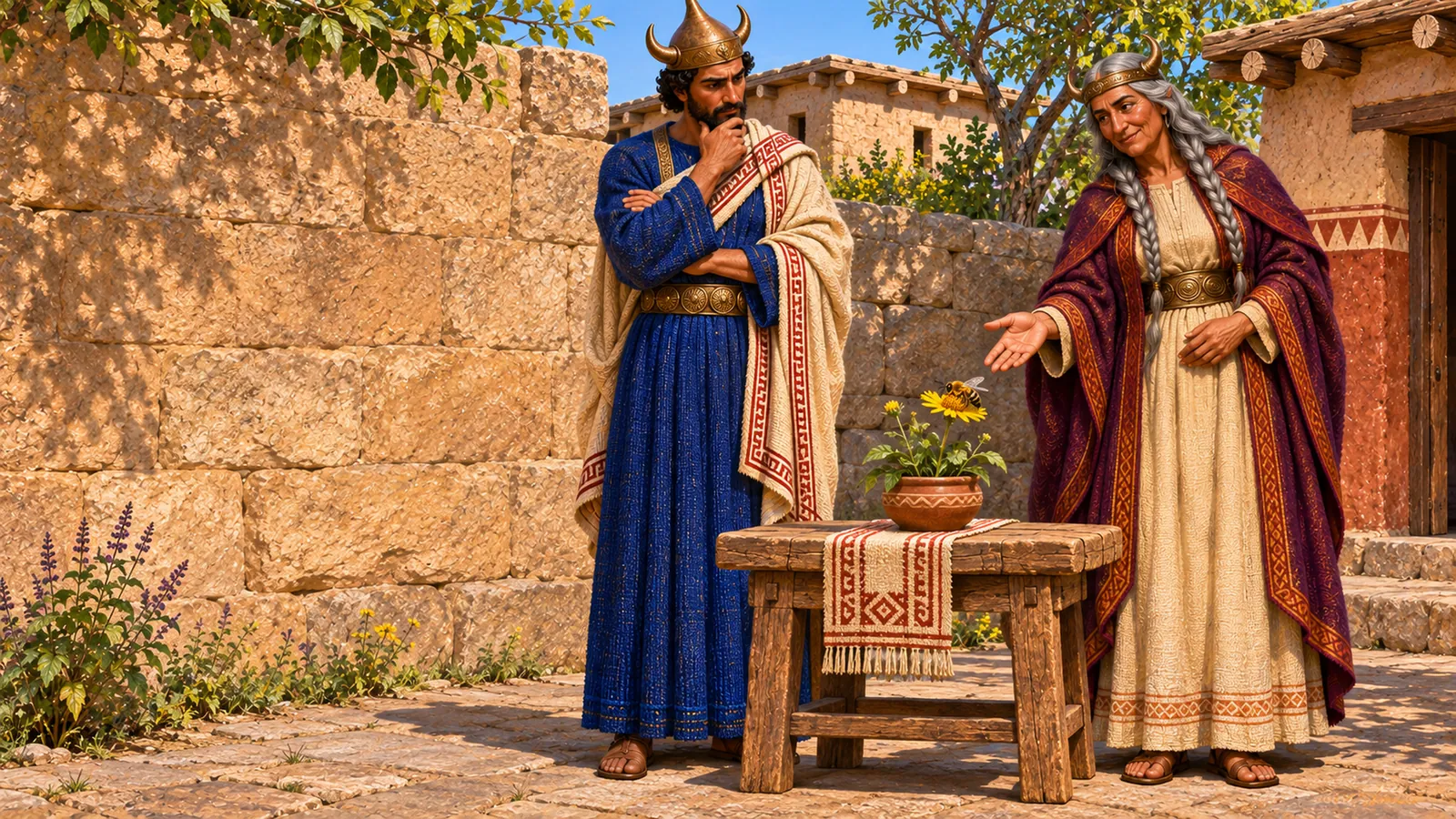
Hannahanna sandte eine Biene auf die Suche nach Telipinu. Der Wettergott bezweifelte, dass dieses kleine Wesen Erfolg haben könnte, wo große und kleine Götter gescheitert waren.
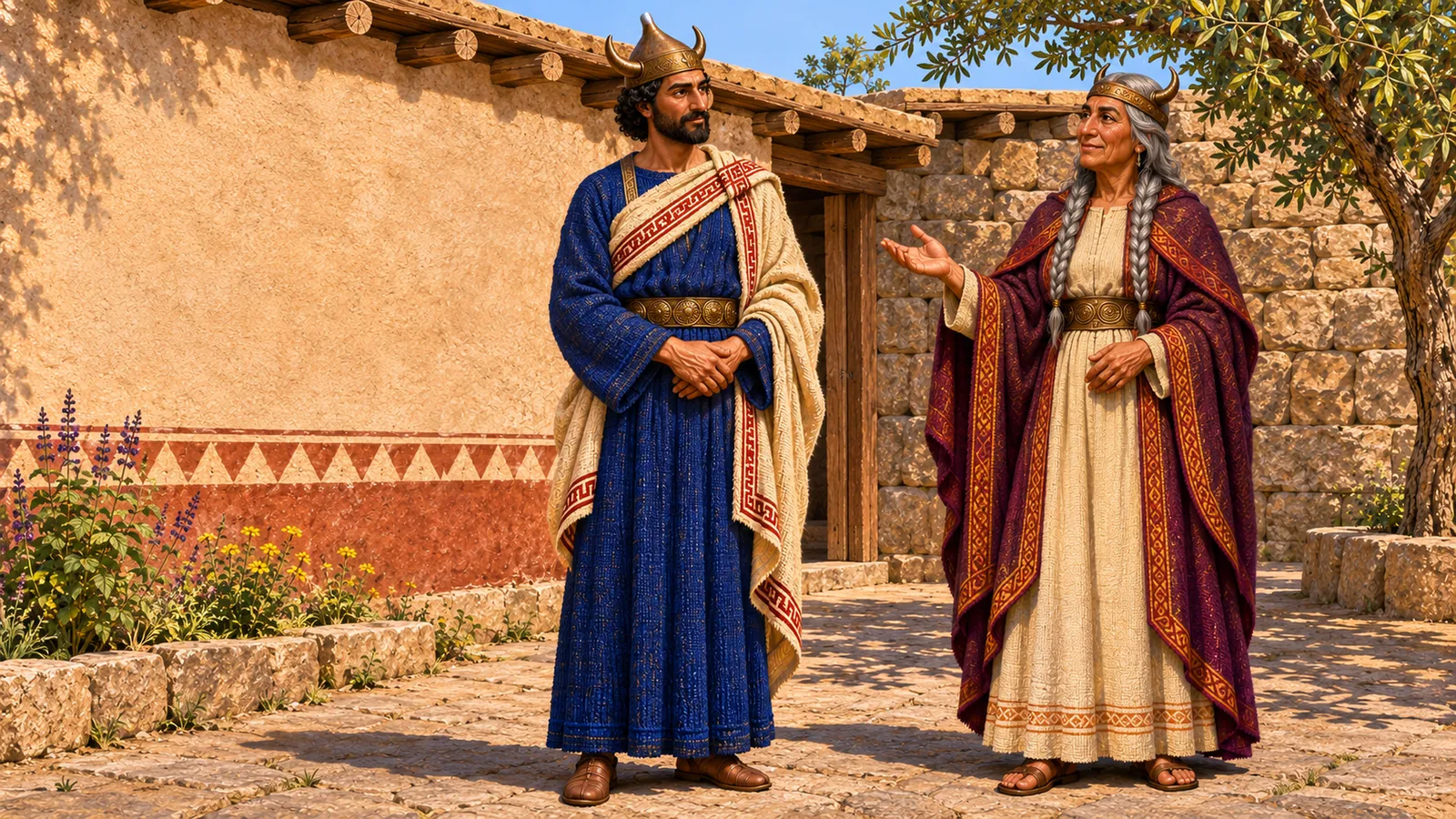
Er bezweifelte die winzigen Flügel der Biene und verspottete sie mit einer umstrittenen Wendung. Die zweite Fassung bewahrt Hannahannas Antwort: Die Biene werde Telipinu finden.

Die zweite Fassung bewahrt Hannahannas Auftrag: Telipinu finden, Hände und Füße stechen, ihn mit Wachs abwischen, reinigen und heiligen und dann zurückbringen.
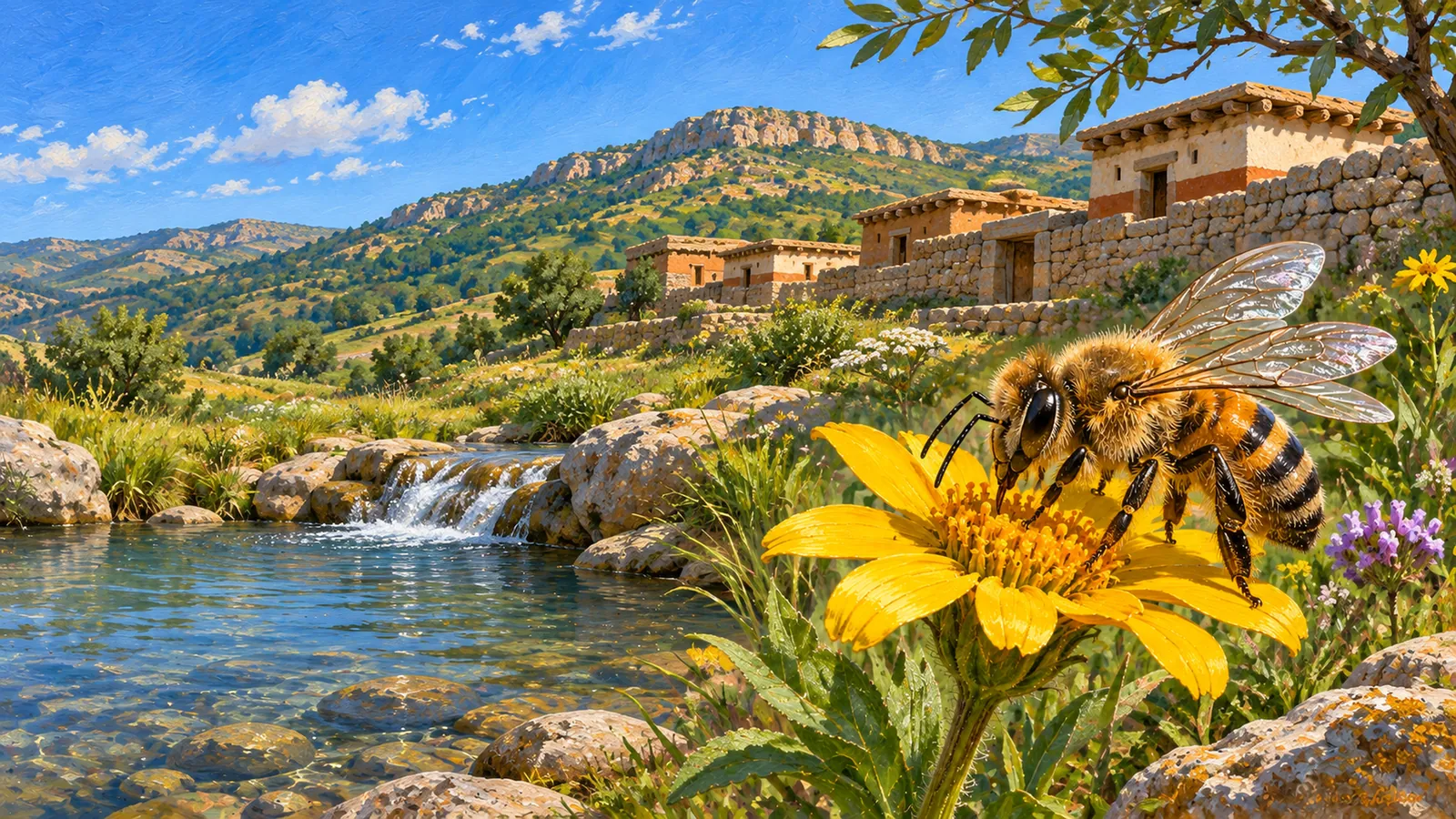
Die Biene zog in der zweiten Fassung über Berge, Flüsse und Quellen auf die Suche. Ihr kleiner Körper hinderte sie nicht daran, die Reise zu unternehmen.
EINE DRITTE FASSUNG
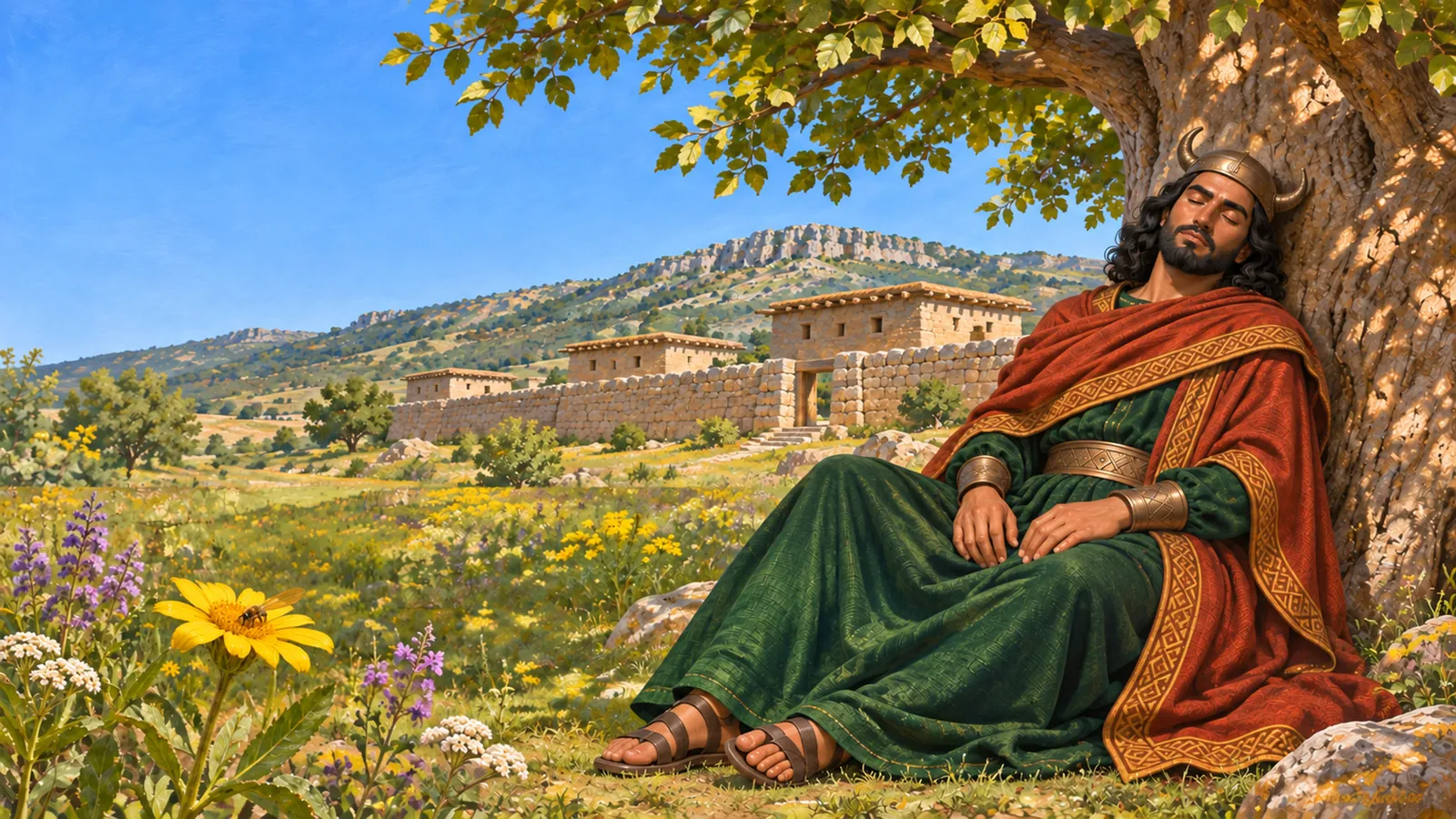
In der dritten Fassung gingen Honig und Wachs der Biene aus. Eine teilweise ergänzte Stelle setzt Telipinu auf eine Waldwiese in Lihzina, wo die Biene ihn fand.

Die Biene stach Telipinu in Hände und Füße, und er stand auf. Das Auffinden des verborgenen Gottes hatte ihn noch nicht friedlich gemacht.
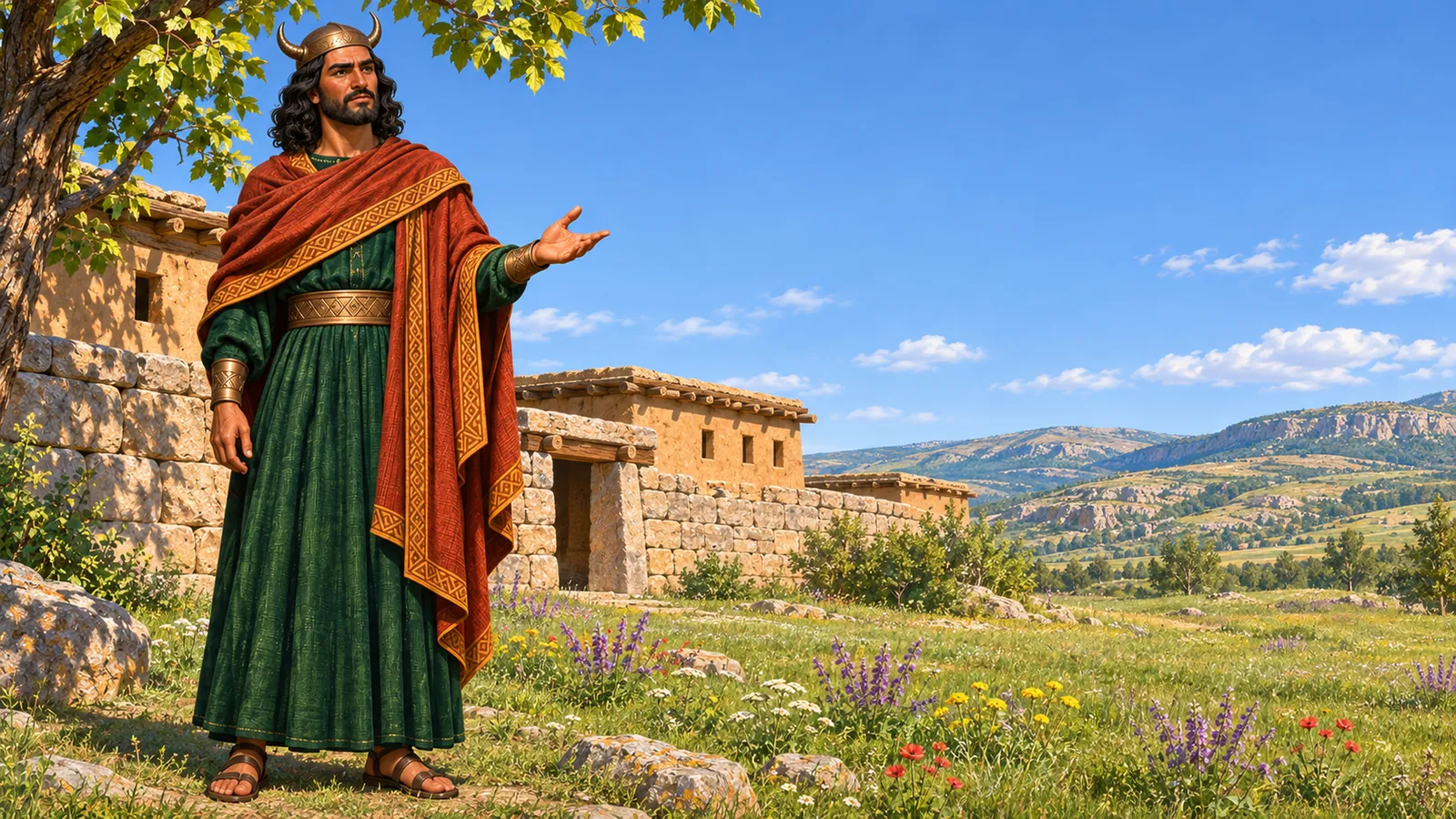
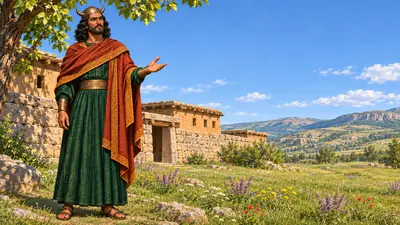
Telipinu fragte, warum man ihn geweckt und im Zorn zum Sprechen gebracht habe. Mit ihm trat sein Zorn wieder in die offene Welt.
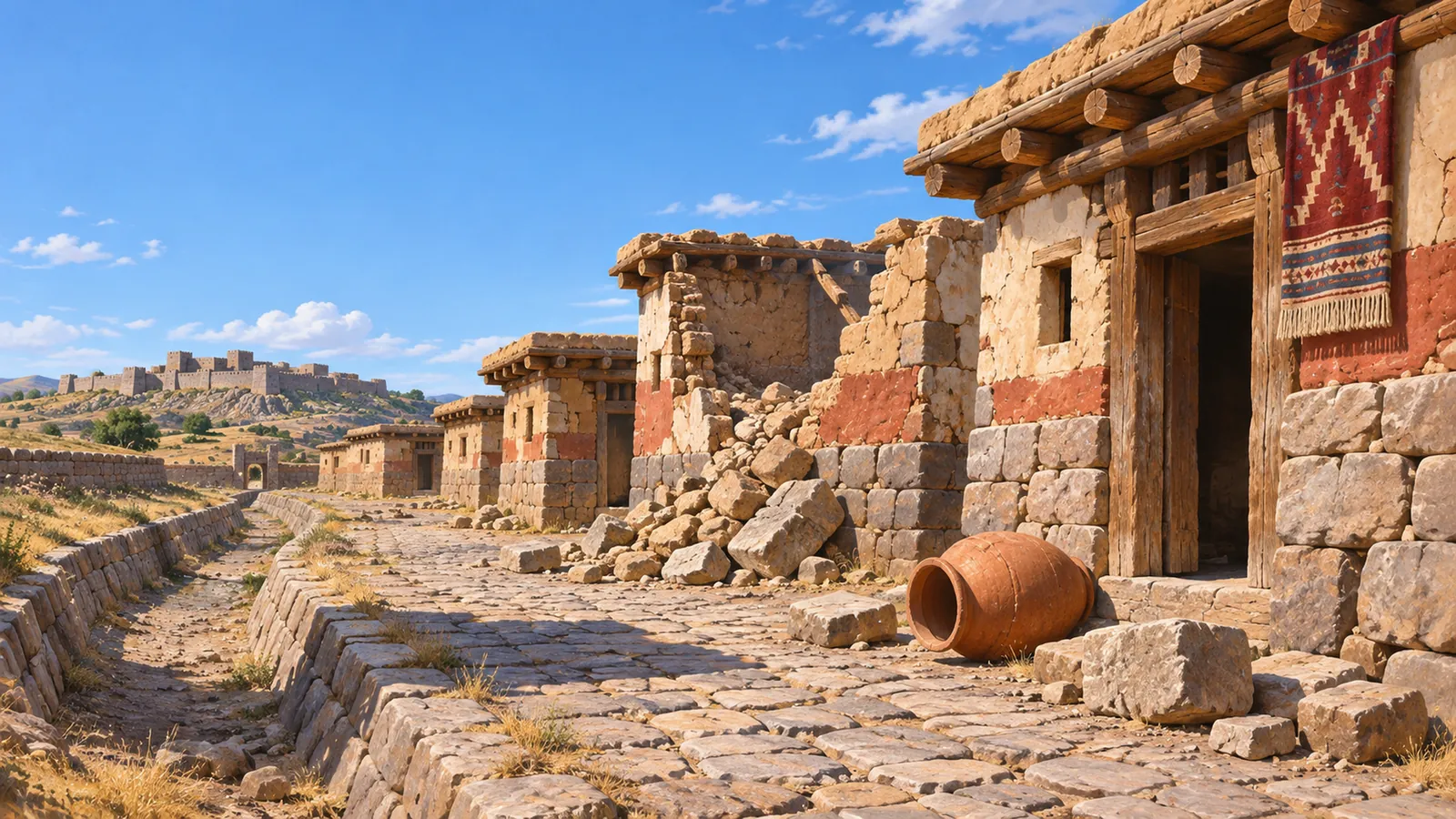
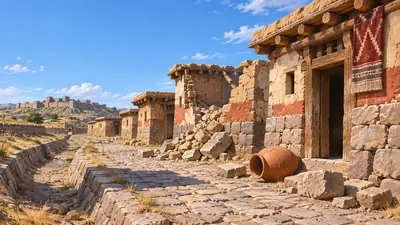
In dieser beschädigten dritten Fassung leitete Telipinu Flüsse um, zerstörte Städte und Häuser und tötete Menschen, Rinder und Schafe. Ihn zu finden verschärfte die Krise, bevor Ruhe zurückkehrte.
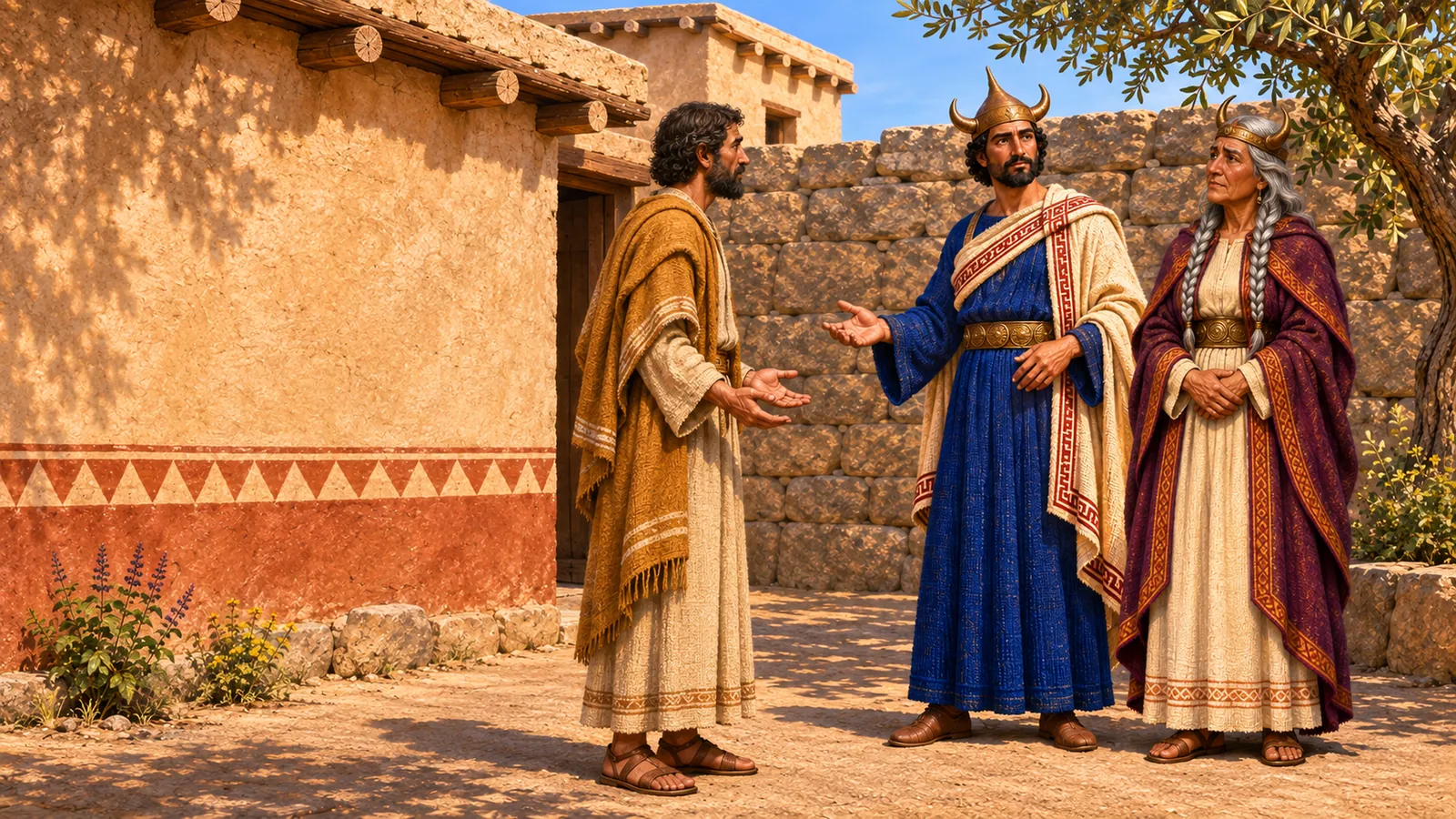
Die Götter standen vor Telipinus erneutem Zorn und fragten, was sie tun sollten. Die erhaltenen Worte wenden sich menschlicher Hilfe und weiteren Versuchen zu, seine Wut zu entfernen.
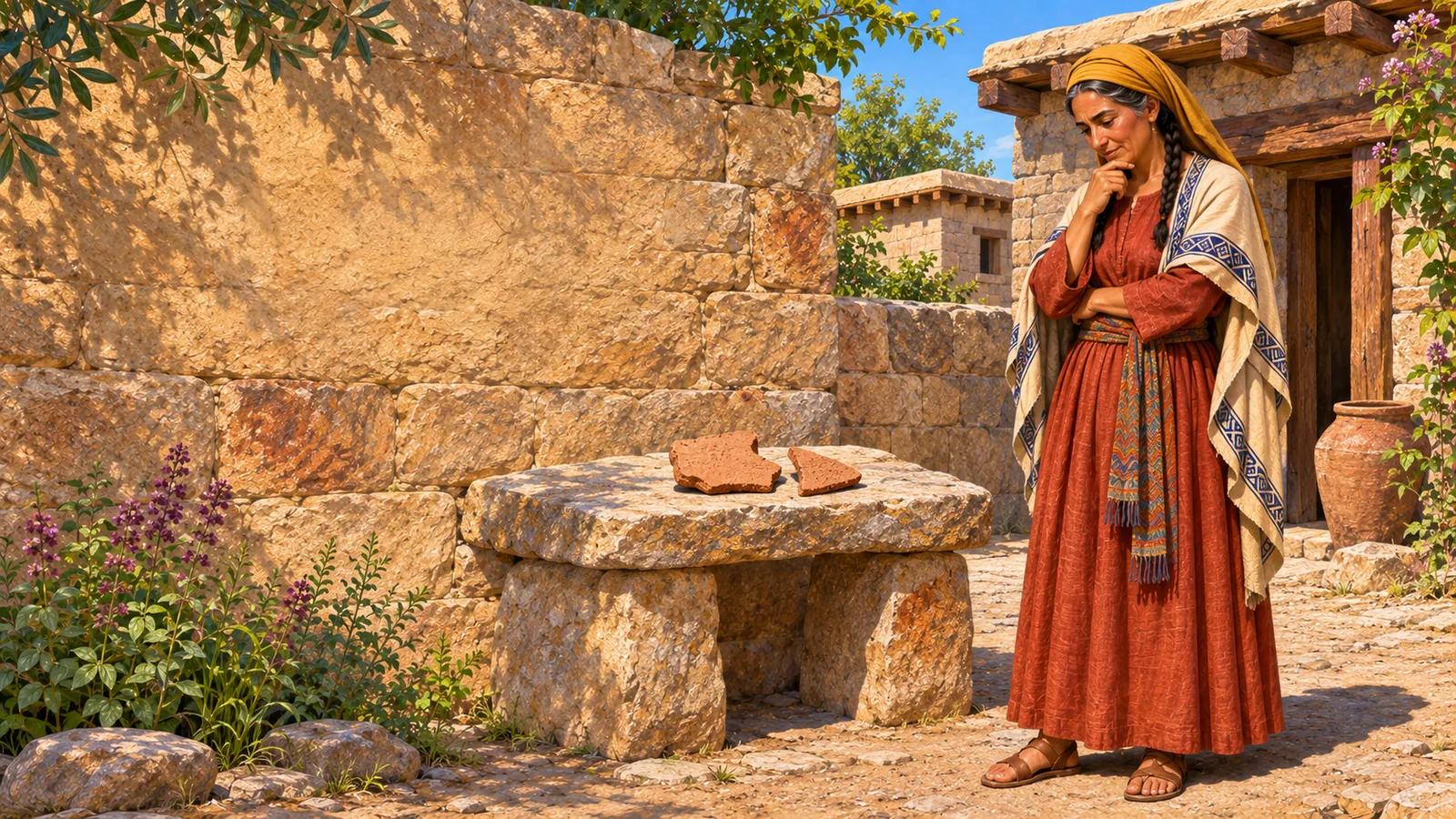
Beschädigte Anweisungen nennen menschliche Hilfe, einen Stachel oder ein Werkzeug am Berg Ammuna, einen Adler und Verbrennen. Was verbrannt wurde, ist nicht vollständig erhalten.

DIE ERSTE FASSUNG
Zurück in der ersten Fassung nennen beschädigte Zeilen zerstoßenes Malz und Bierbrot, dann ungewisses Abschneiden an einem Tor. Das Ritual beginnt seine beruhigenden Worte.

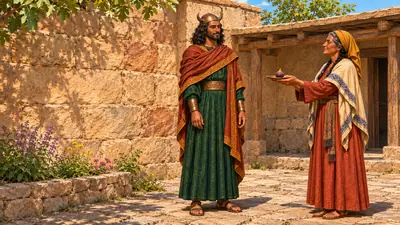
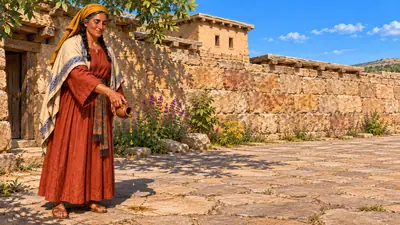
Die Ritualstimme legte galaktar und parhuena genannte Stoffe bereit. Ihre genaue Bestimmung ist ungewiss, doch die Worte baten um Ruhe für Telipinus Herz und Inneres.
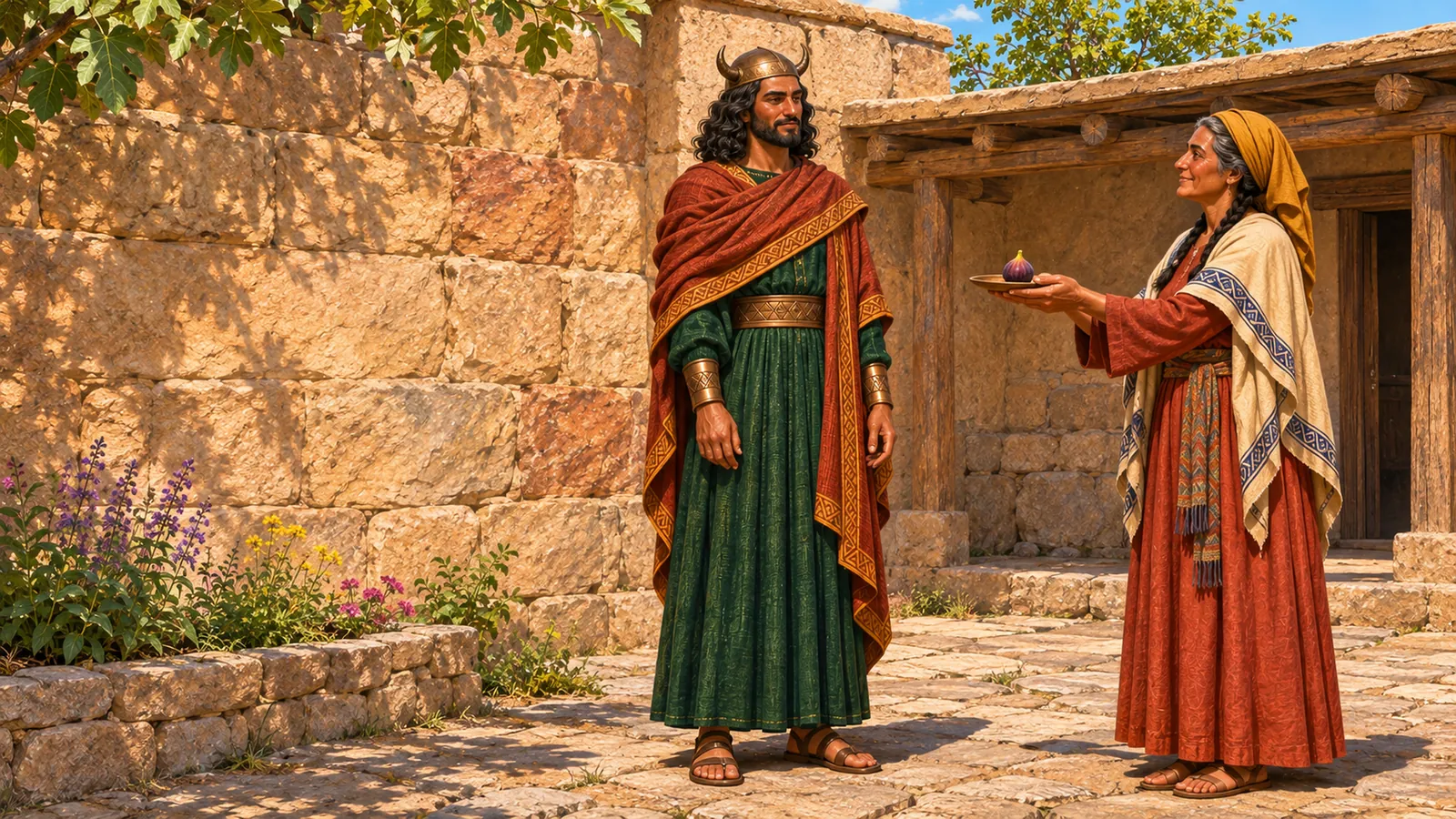
Eine Feige wurde vor Telipinu gelegt. Wie die Frucht süß war, sollte nach dem Wunsch der Ritualstimme sein Wesen süß werden und vom Zorn ablassen.

Wie eine Olive Öl und eine Rosine Wein in sich hält, baten die Worte Telipinu, den König in seinem Herzen im Guten zu halten.

Eine Parallelfassung sagt, Bier mache zornige oder besorgte Menschen betrunken, und wünscht, Malz und Bierbrot sollten dasselbe mit Telipinu tun.

Die erste Fassung vergleicht Honigsüße und die Weichheit von Butterschmalz mit Telipinus erwünschtem Zustand. Sein Wesen sollte mild, rein und für menschliche Worte empfänglich werden.
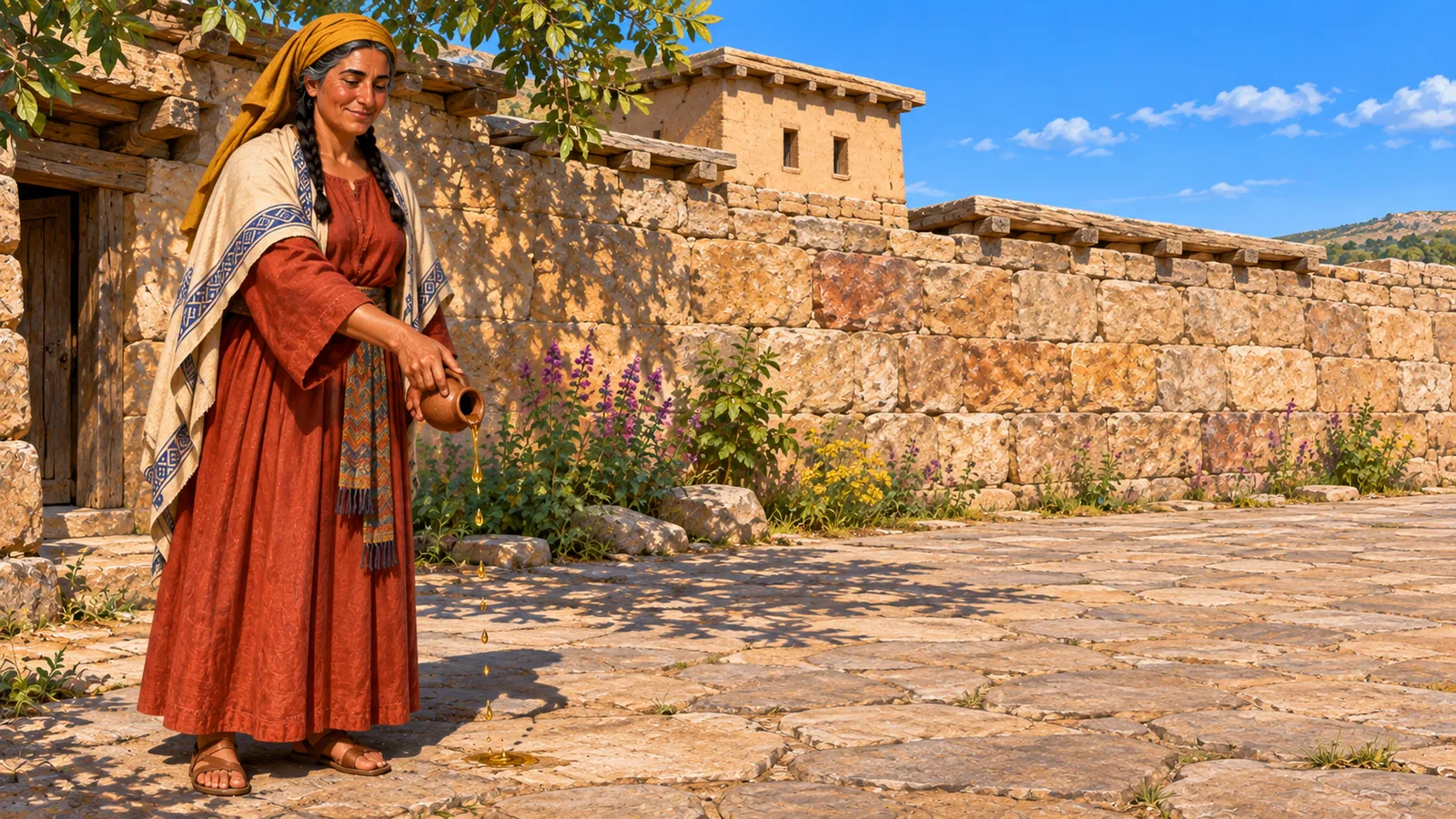
Die Ritualstimme besprengte Telipinus Wege mit feinem Öl und rief ihn darauf. Weitere Vergleiche baten um richtige Ordnung, wie bei einem geraden, gut ausgerichteten Schilfrohr.
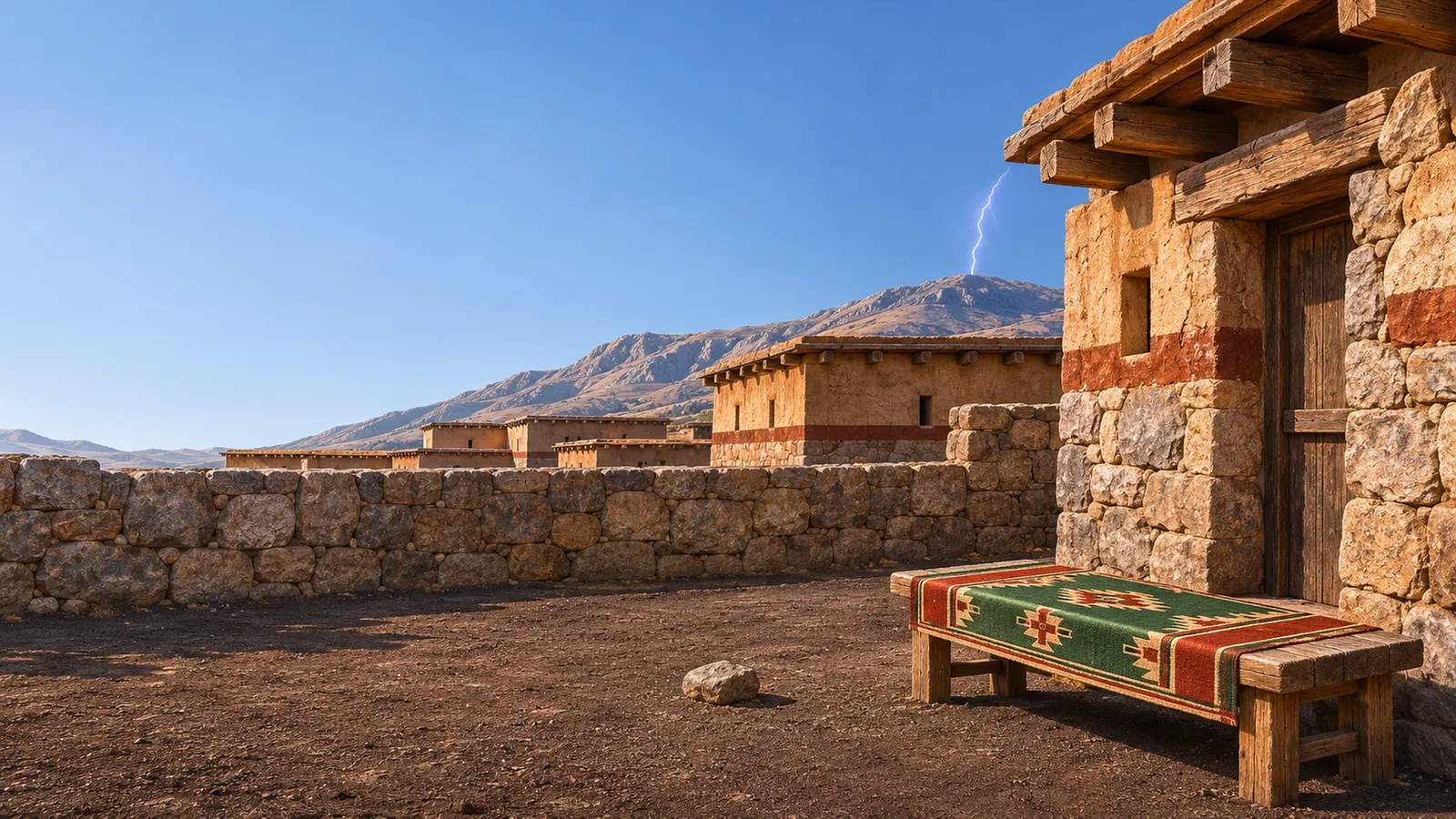
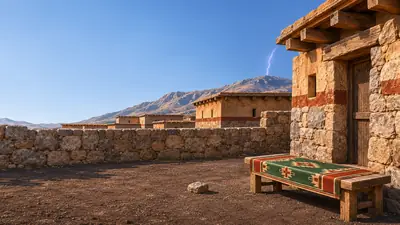
Telipinu kam zornig, donnerte mit dem Blitz und schlug auf die dunkle Erde. In der ersten Fassung musste auch bei seiner Rückkehr noch jemand seine Wut anhalten.
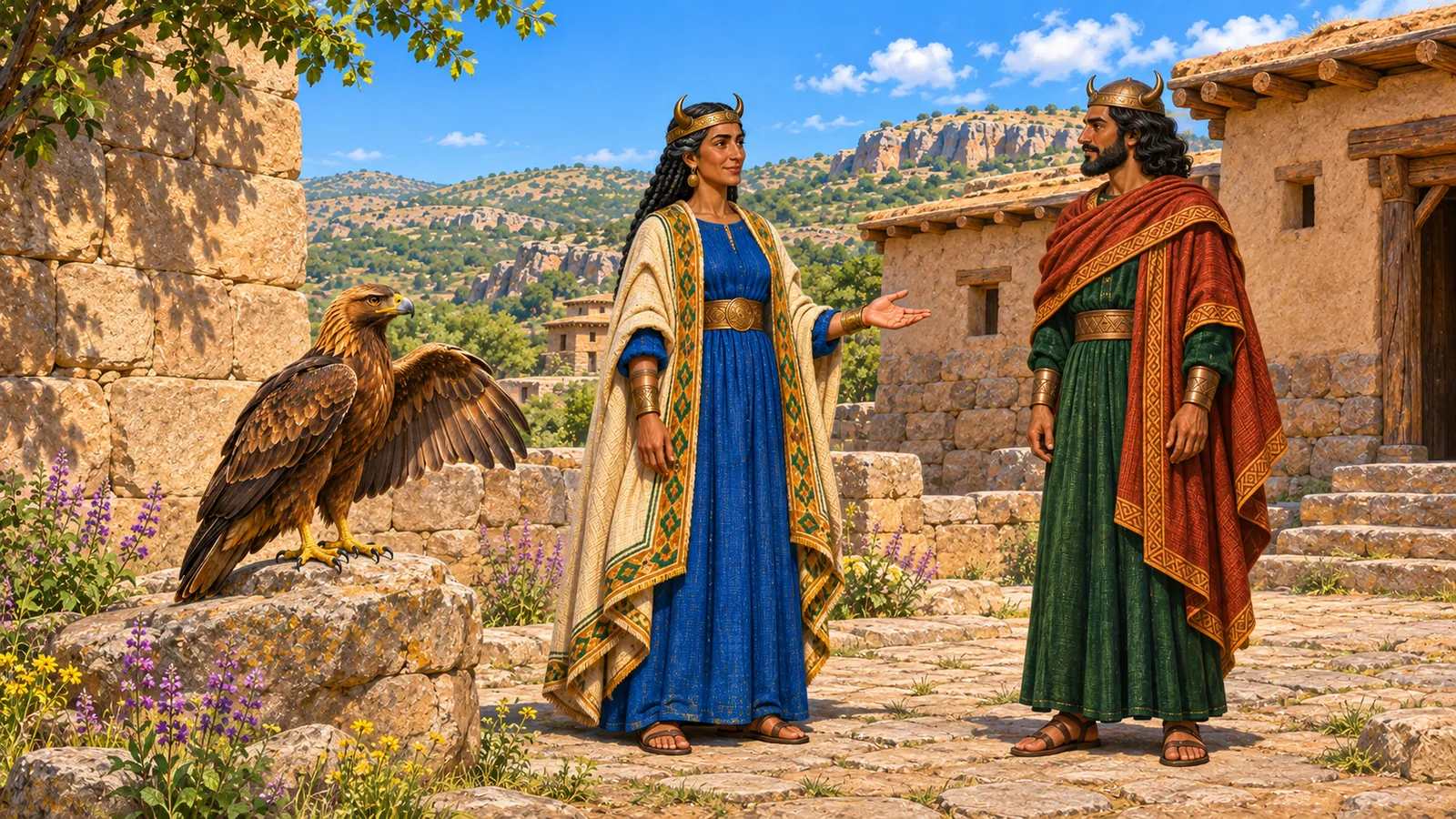
Kamrusepa sah Telipinu und bewegte in einer beschädigten Ritualstelle einen Adlerflügel. Sie hielt den Zorn, die Wut, den Frevel und den Ärger an, die ihn bedrückten.
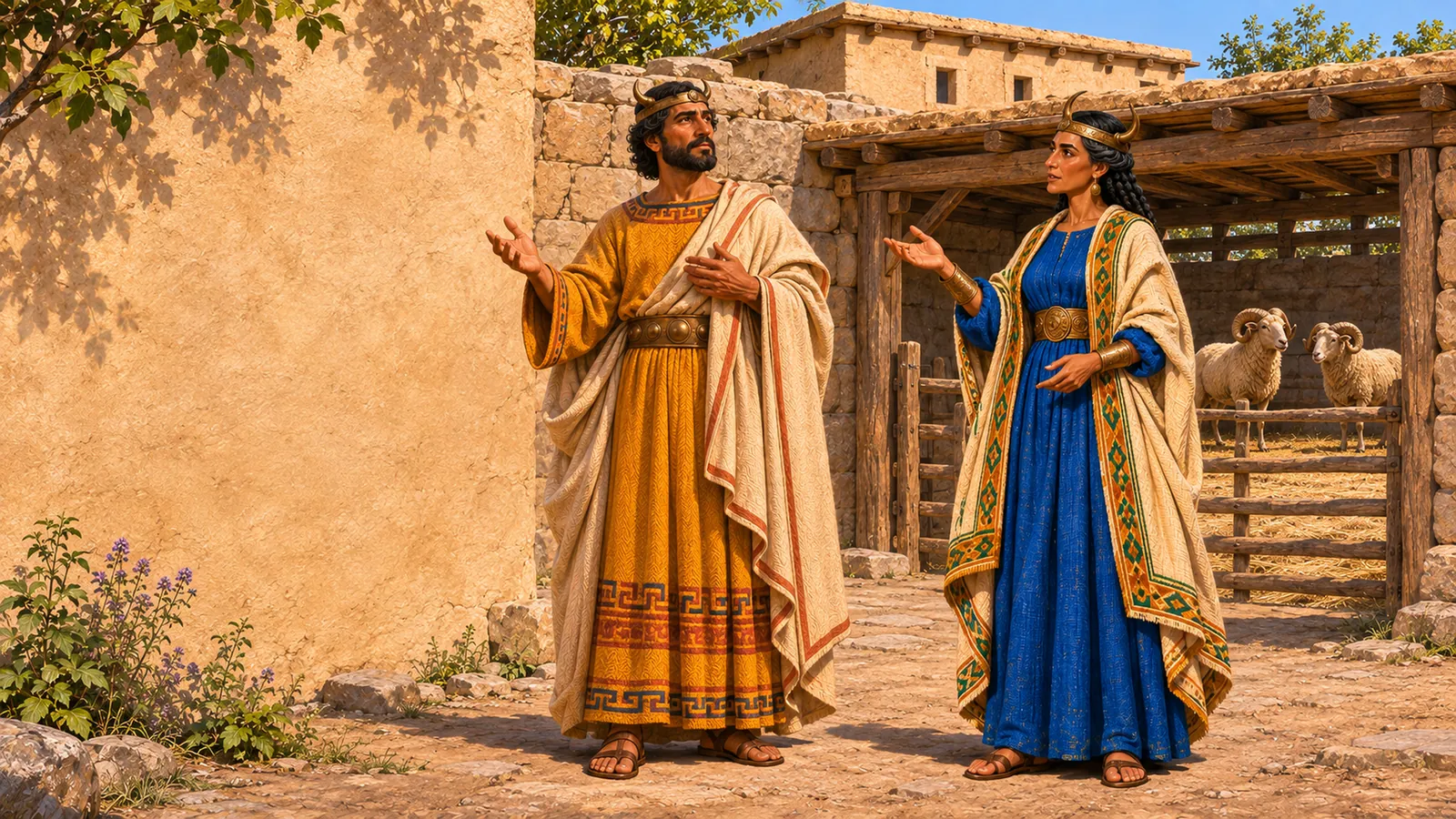
Kamrusepa schickte die Götter zu den von Hapantali betreuten Schafen des Sonnengottes und verlangte zwölf Widder. Nach dieser wissenschaftlichen Lesart sollten sie zur Behandlung von Telipinus Gliedern geschoren werden.

Die Ritualstimme nahm einen Korb mit tausend Löchern und breitete die Widderschoren darauf aus. Der durchlöcherte Korb trug das für die Reinigung verwendete Material.

Die Ritualstimme beschrieb das Verbrennen von Material auf der einen und dann der anderen Seite Telipinus. Das Ritual sollte seinen Zorn vom Körper forttragen.
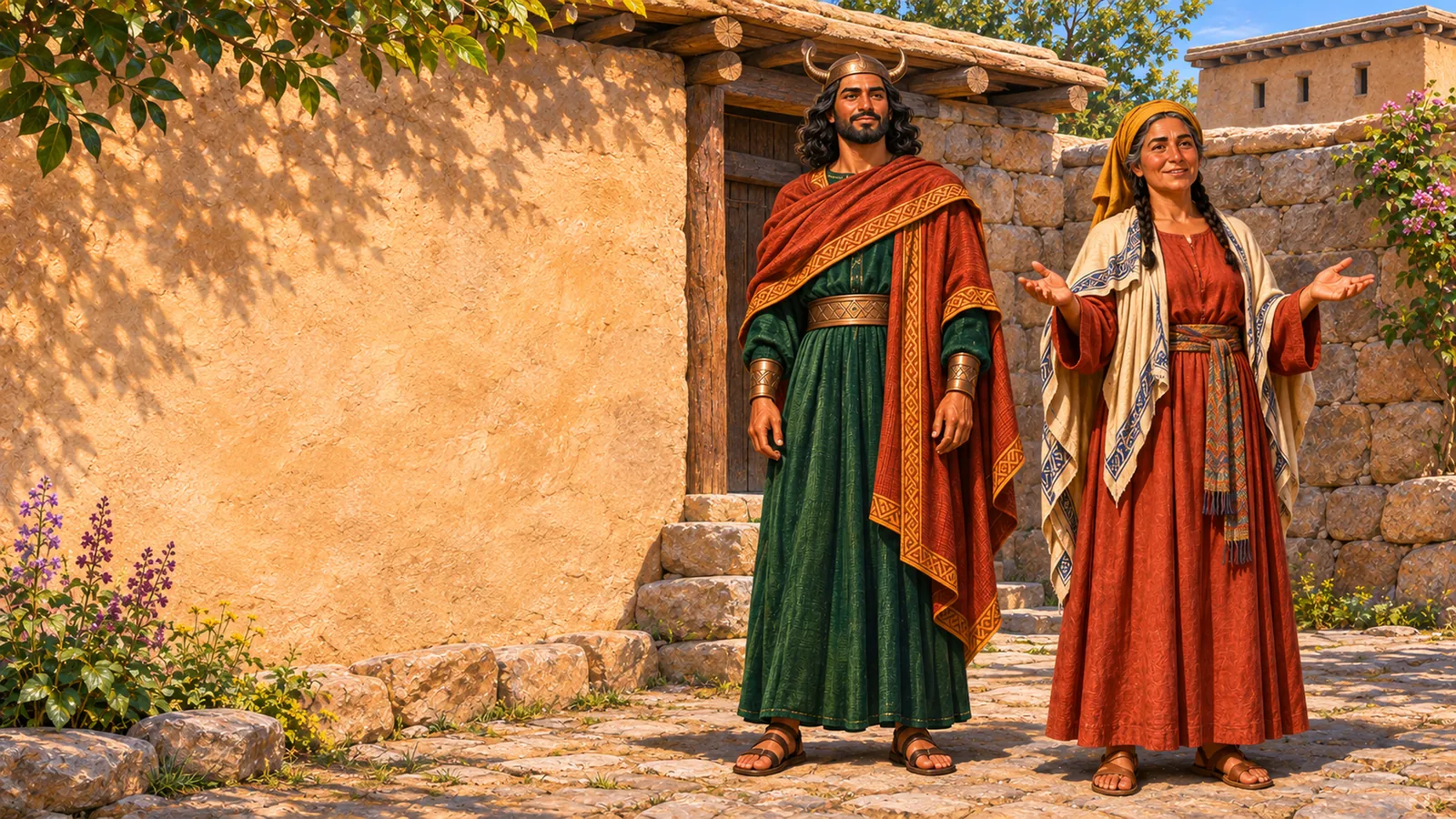
Die Ritualstimme sagte, Telipinu seien Böses, Frevel, Wut, Zorn und Ärger genommen worden. Dies waren die Lasten, die das Ritual entfernen wollte.

Die Worte verglichen den Zorn mit brennendem Holz und trocknendem Malz. Sie baten, Telipinus Wut möge wie diese Stoffe verbrennen und verdorren.

Wie ein Feuer erlischt und Wasser nicht durch ein Schilfrohr zurückfließt, wünschte die Rezitation, Telipinus Zorn möge fortgehen und niemals wiederkehren.
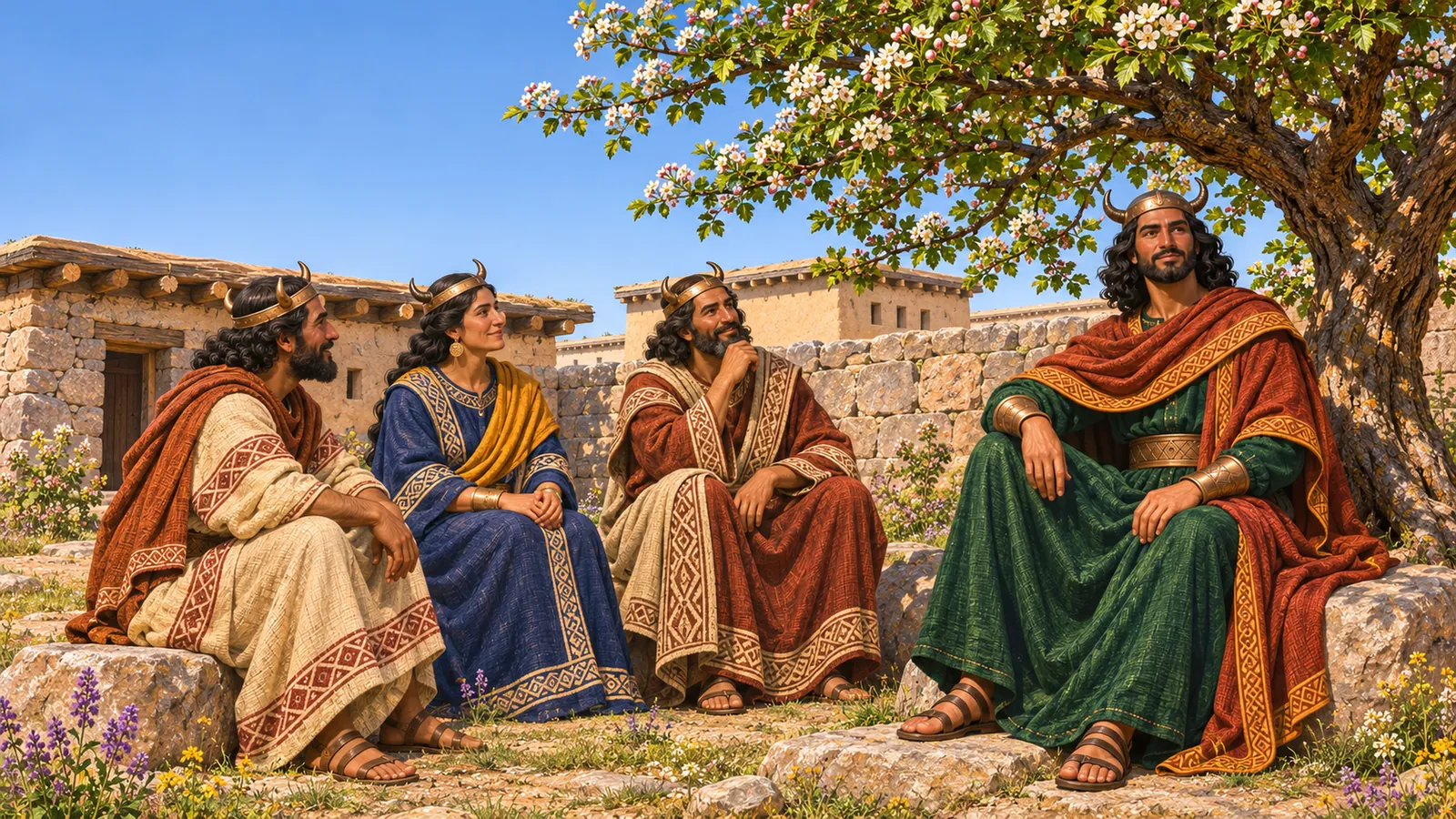
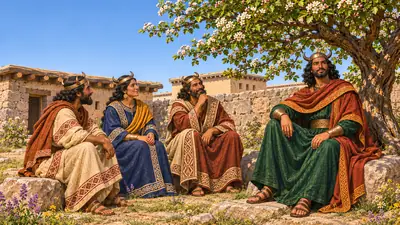
Die Götter saßen gemeinsam unter einem Weißdorn, Telipinu unter ihnen. Die Ritualstimme beschrieb seine Reinigung in einer Versammlung, deren Namensliste teilweise ergänzt ist.
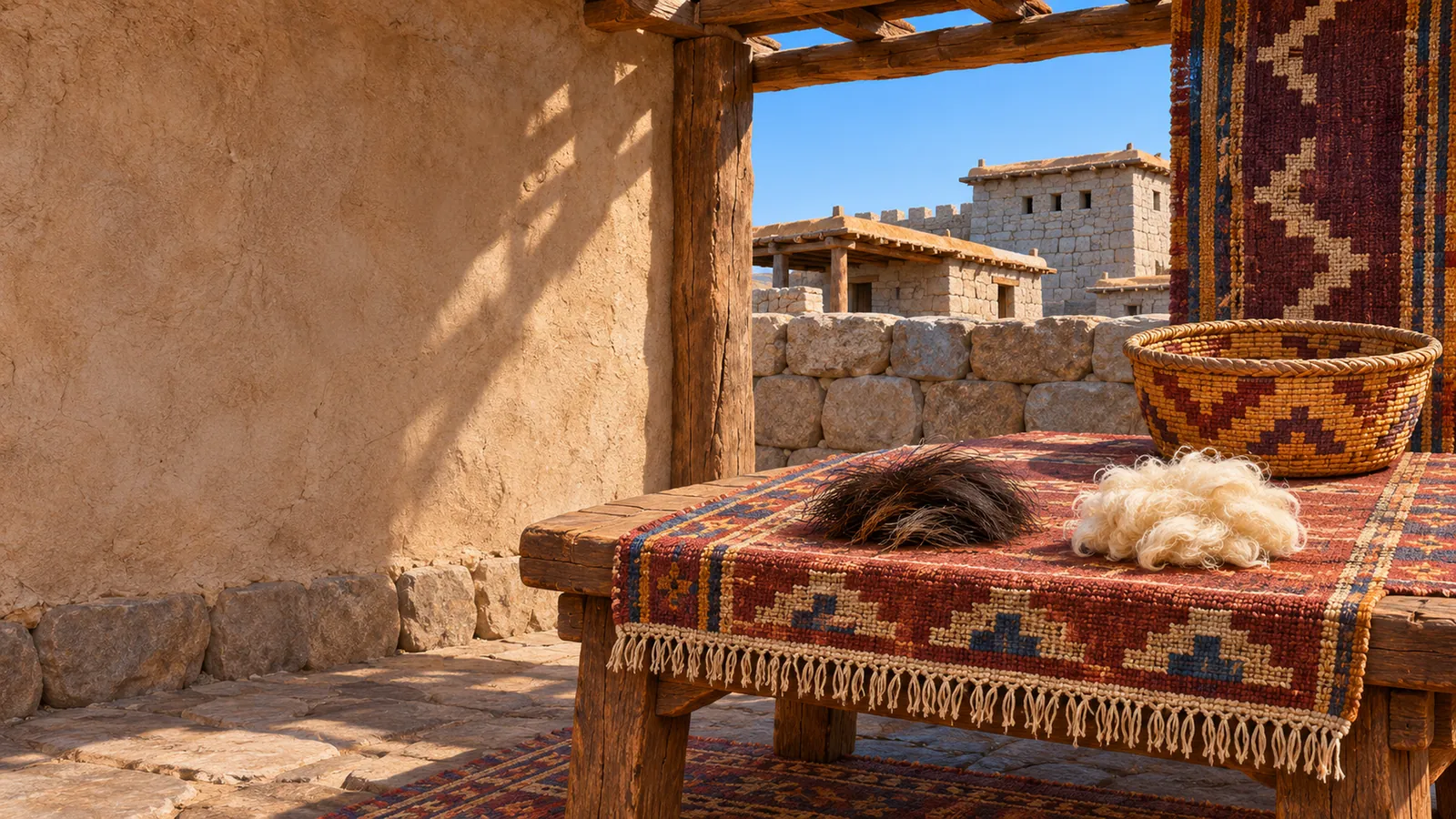
Der Spruch verglich das Herausziehen des Zorns mit dem Ausreißen von Haar und Wolle bei vorbeigehendem Vieh. Ebenso sollte Telipinus Wut entfernt werden.

Der Spruch verglich Worte mit einem Diener, der den Wettergott anhält, und einem Löffel, der einen Topf zurückhält. Ebenso sollten Menschenworte Telipinus Zorn aufhalten.

Die Rezitation rief Haus, Fenster, Tor und Königsweg auf, den Zorn loszulassen. Er sollte Feld, Garten und Wald meiden und den Weg zur dunklen Erde nehmen.
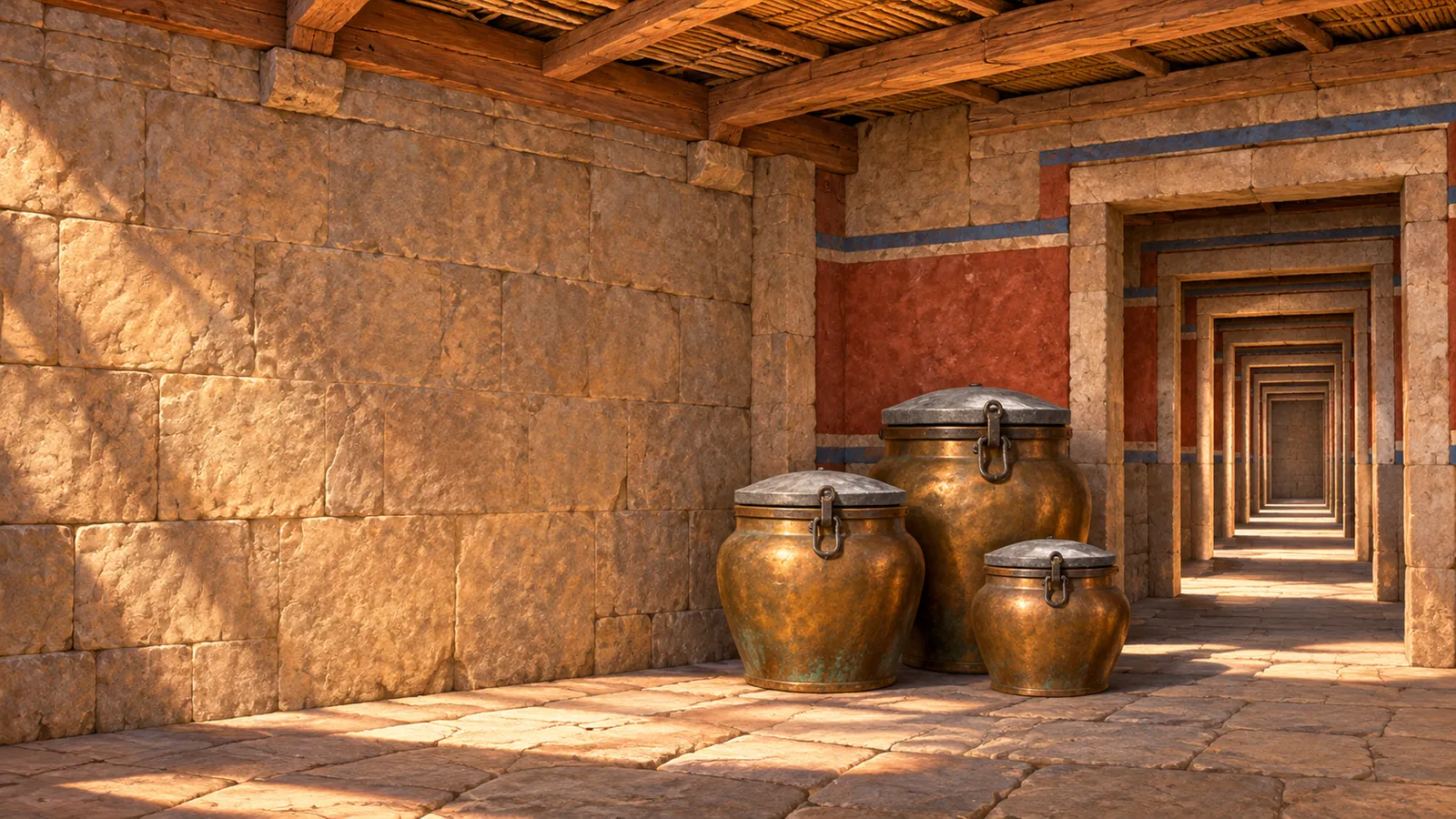
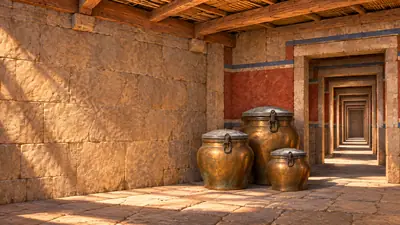
Der Spruch beschwor einen Wächter, der unten sieben Türen öffnet, und Bronzegefäße mit Bleideckeln und Eisenverschlüssen. Er wünschte, den Zorn darin einzuschließen, ohne Wiederkehr.

Telipinu kehrte in sein Haus zurück und sorgte für sein Land. Die erste Fassung geht nun von beruhigenden Worten zur Wiederherstellung des gewöhnlichen Lebens über.
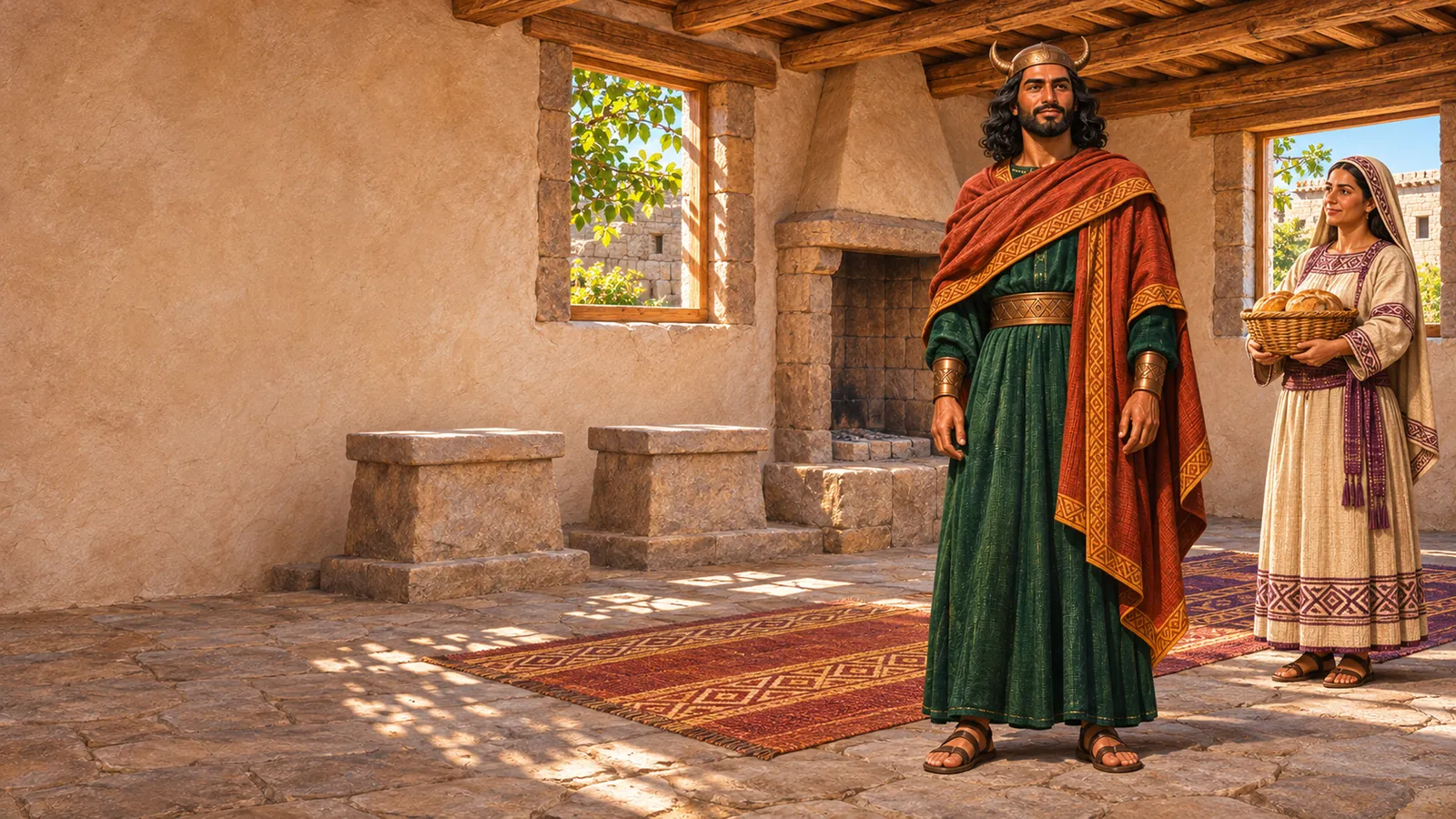
Der Dunst verließ die Fenster, der Rauch das Haus; Herd und Altäre wurden wieder geordnet. Die anfängliche Unordnung wich nun der Ordnung.
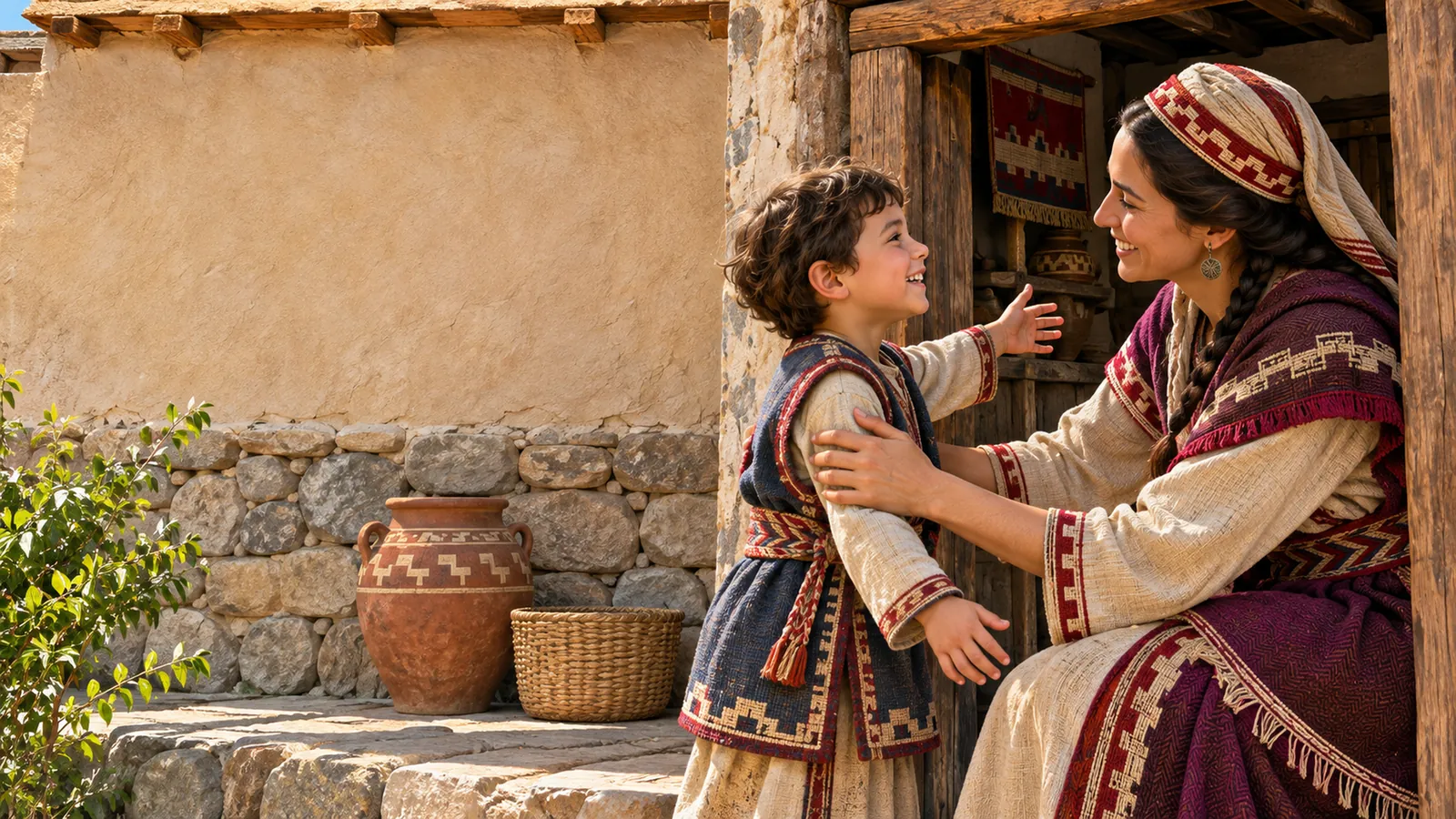
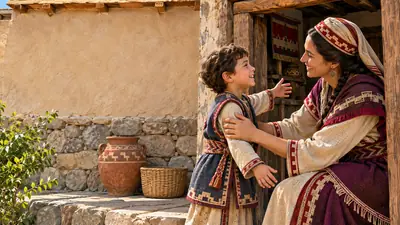
Die Mutter nahm ihr Kind an. Die erneuerte Bindung gehörte zu den Zeichen wiederkehrenden Lebens, als Telipinu zurückkam und die häusliche Welt geordnet wurde.
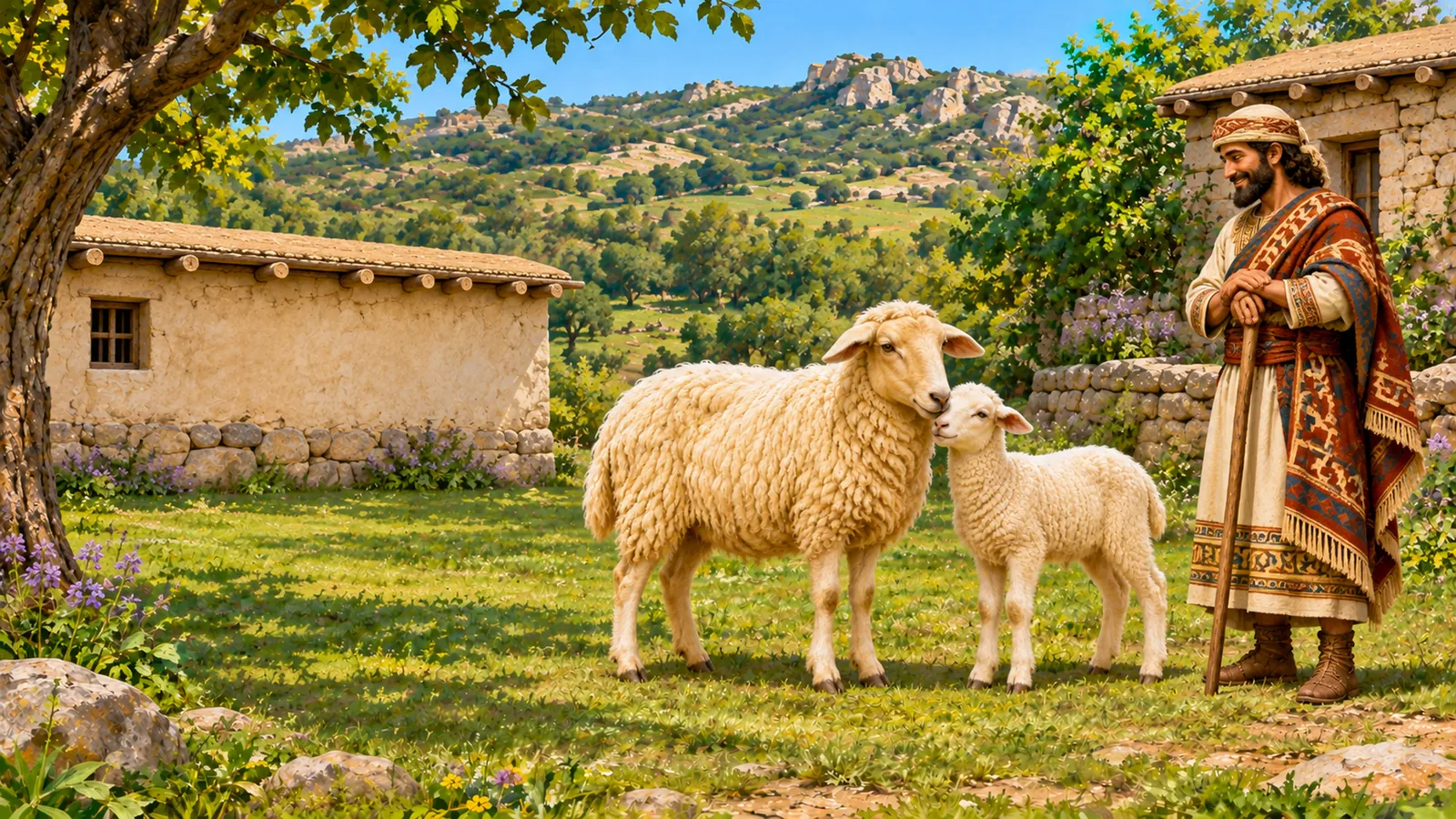
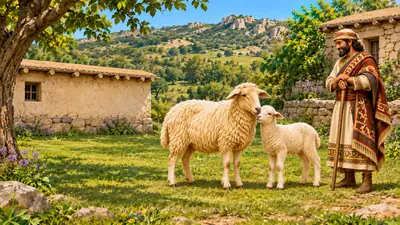
Das Mutterschaf nahm sein Lamm wieder an. Was anfangs versagt hatte, war nun hergestellt, und die Herde kehrte in ihre richtige, lebendige Ordnung zurück.
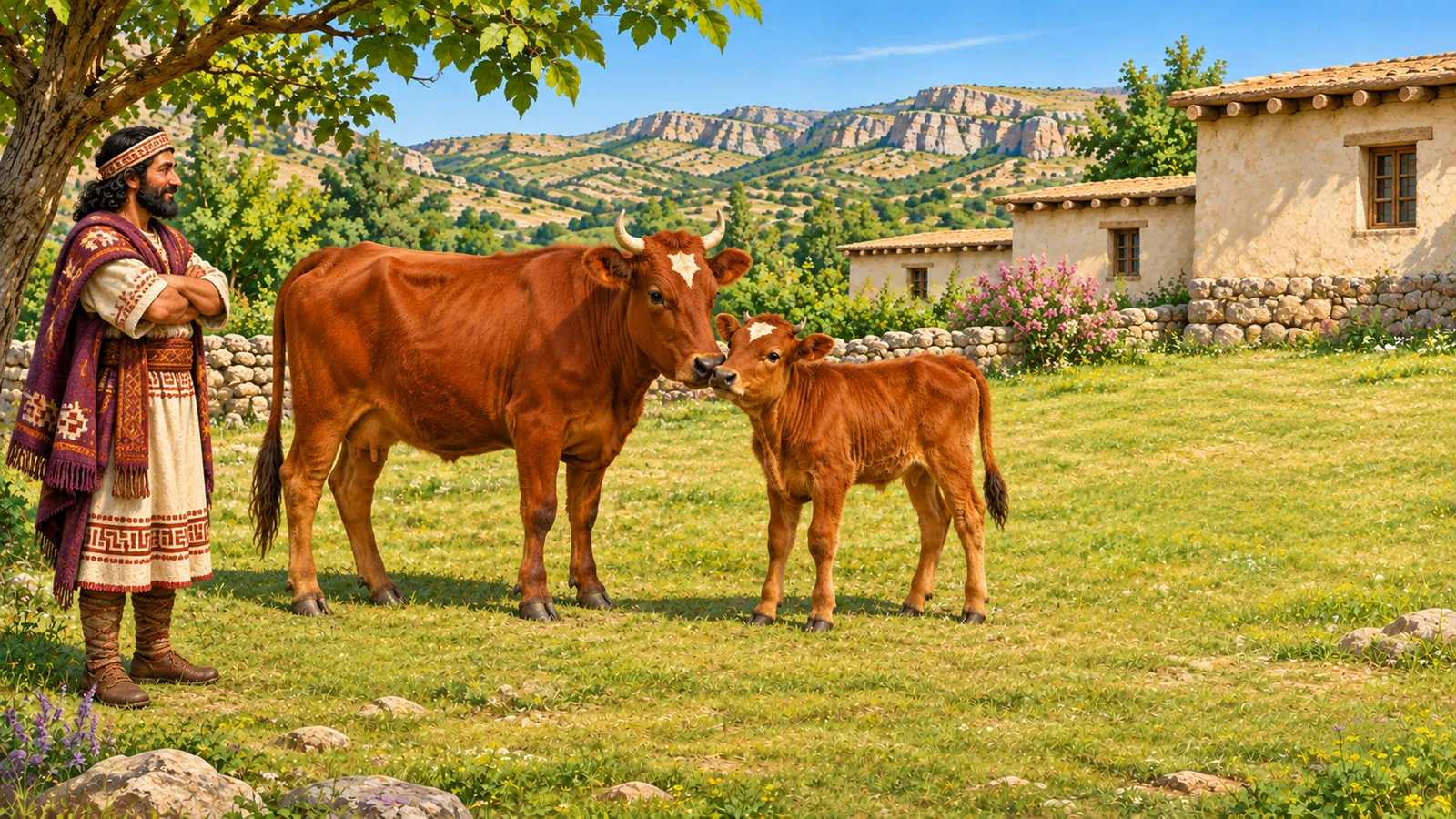
Auch die Kuh nahm ihr Kalb an. Die Erzählung beantwortet das frühere Bild der Trennung mit erneuerten Bindungen unter den Haustieren.
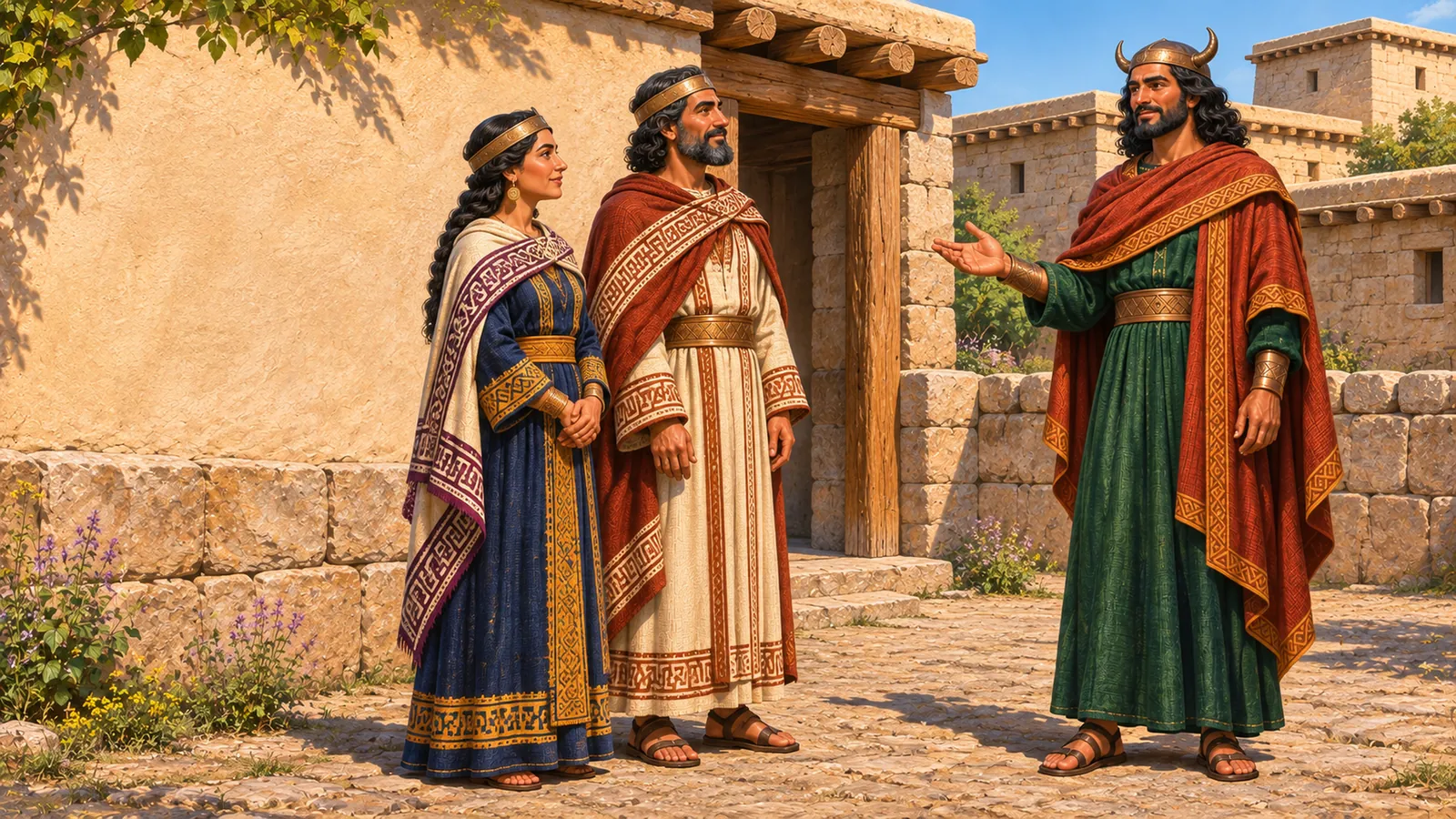
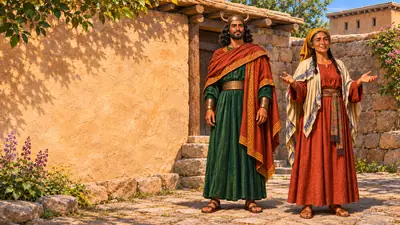
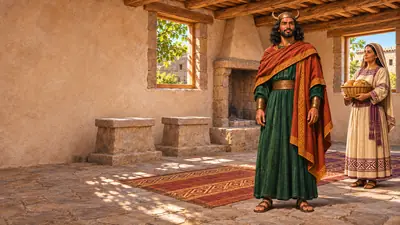
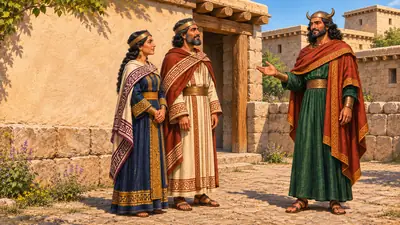
Telipinu erkannte König und Königin an und versorgte sie mit Leben, Kraft und Zukunft. Seine Sorge für das Land schloss auch dessen Königshaus ein.
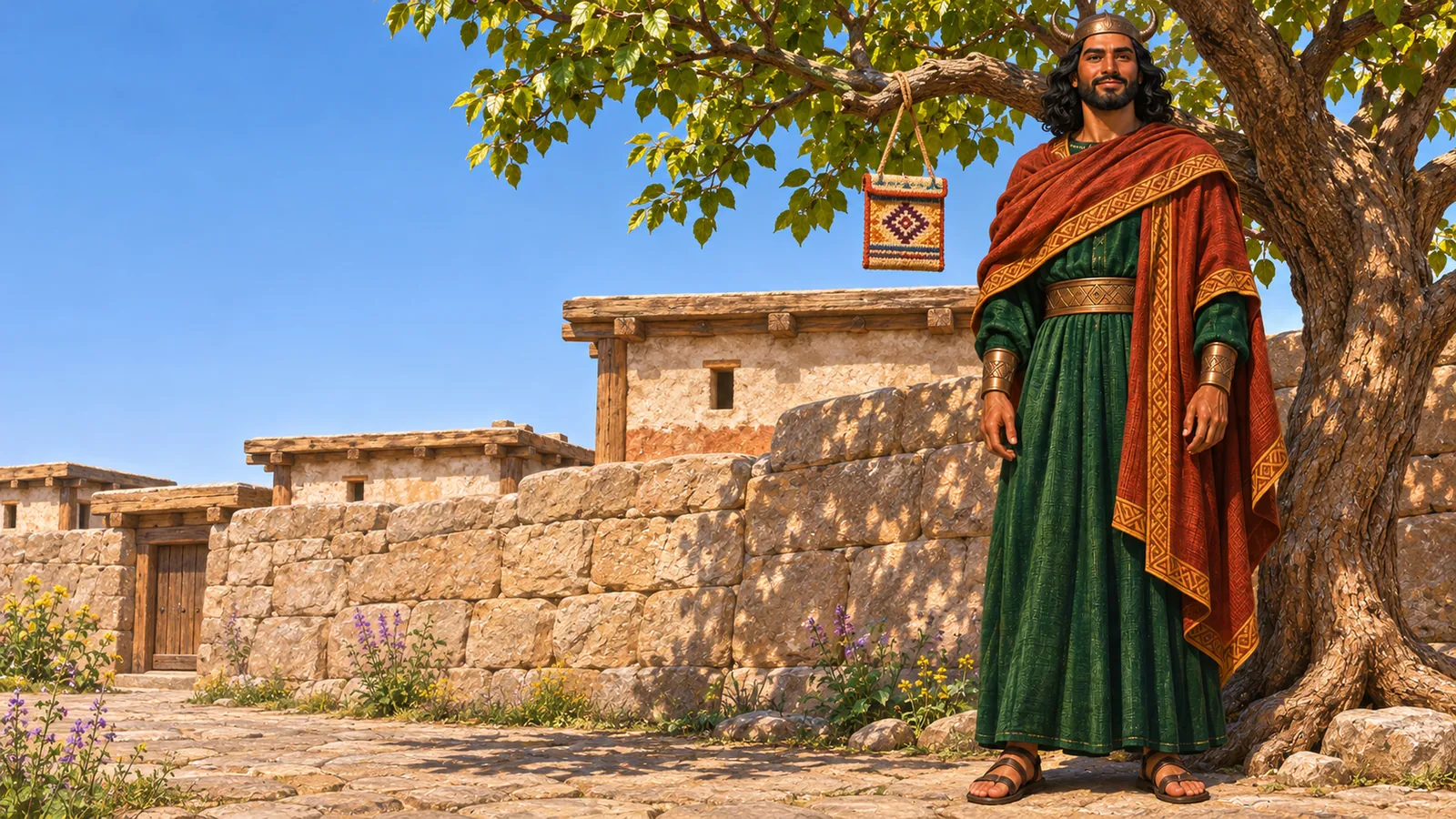
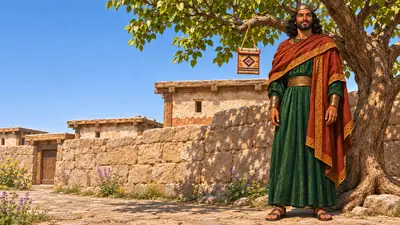
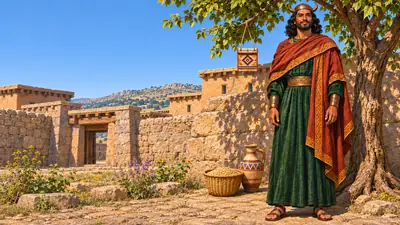
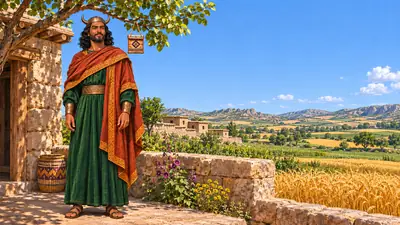
Vor Telipinu stand ein eyan-Baum mit einem daran aufgehängten Schafvlies. Das Schlussbild versammelte die Formen der Fülle, die mit dem Gott zurückgekehrt waren.
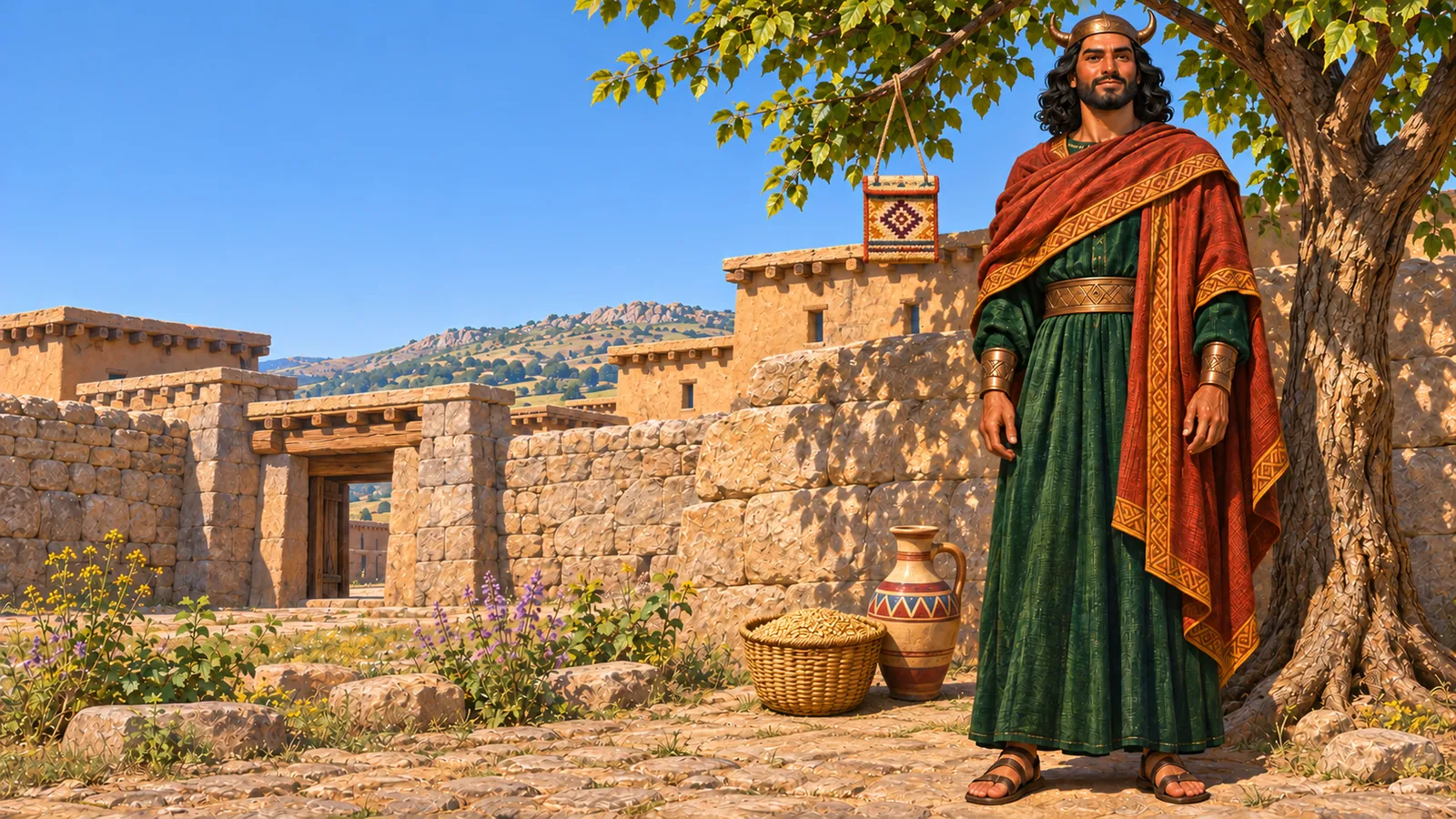
Das Vlies barg Zeichen von Getreide, Wein, Vieh, langem Leben und Nachkommenschaft sowie gute Botschaften und Gehorsam. Auch ein rechter Schenkel wird unter den Gaben genannt.
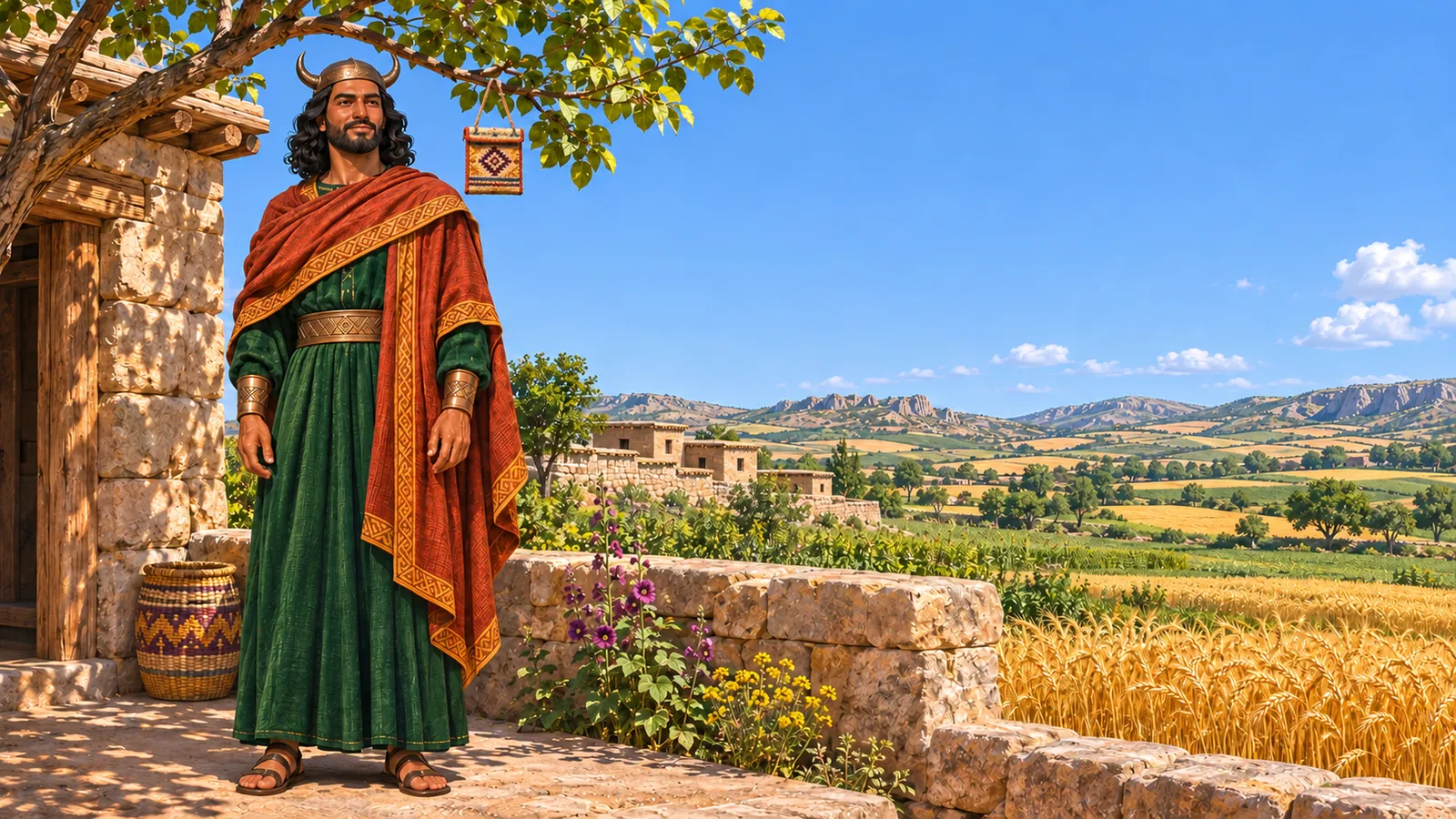
Die erste Erzählung schließt mit Wohlstandsgaben vor Telipinu. Andere Fragmente bewahren abweichende Worte und Ritualdetails; ihre verlorenen Stellen bleiben verloren.
Ende von Kapitel 1
Alle Seiten






















Quellen
Complete TITUS CTH324.1–324.9 translations, witness lists and all 149 notes read: 644 continuous entries across nine versions and fragment groups. Numbers below refer to translation entries, not physical tablet lines. The first telling, CTH324.1 (principally KUB17.10), supplies the narrative spine and genuine ending; the second and third supply explicitly identified parallel passages. Fragmentary duplicates and prescriptions in IV–IX are discussed without inventing missing events. H. Craig Melchert, “Marginalia to the Myth of Telipinu” (2016), printed 210–220 and bibliography, was read in full from the author-posted PDF. Adopted readings are labelled: crowded or misaligned altars, hearth and livestock rather than literal suffocation; the disputed bee phrase describing shape rather than an actual cutting; twelve rams shorn, wool on a perforated basket and treatment of limbs; and a straight, well-aligned reed. This is an original retelling of ancient subject matter, not a republication of a modern translation.
Benutzte Editionen
- TITUS, CTH324.1, complete edited German translation and notes
- TITUS, CTH324.2, complete edited German translation and notes
- TITUS, CTH324.3, complete edited German translation and notes
- TITUS, CTH324.4, complete edited German translation and notes
- TITUS, CTH324.5, complete edited German translation and notes
- TITUS, CTH324.6, complete edited German translation and notes
- TITUS, CTH324.7, complete edited German translation and notes
- TITUS, CTH324.8, complete edited German translation and notes
- TITUS, CTH324.9, complete edited German translation and notes
- H. Craig Melchert2016, Marginalia to the Myth of Telipinu,210–220; author-posted full article
- Melchert2016 DOI
- IL Archive, Hittites
- IL Archive, Hattusha
- IL Archive, Anatolia
- IL Archive, cuneiform
- IL Archive, ritual
Die antiken Verse hinter jeder Seite
- Page 1: CTH324.1, entries1–2. The opening is damaged and does not preserve a certain cause of Telipinu’s anger. The first surviving admonition has several competing translations; no quarrel, insult or punishment has been supplied.
The opening is damaged and does not preserve a certain cause of Telipinu’s anger. The first surviving admonition has several competing translations. - Page 2: CTH324.1, entries3–4. The right and left shoes are exchanged in a partly restored passage. The subject and complete context are damaged; the illustration uses Telipinu as the narrative figure without claiming an excavated shoe or a certain explanation of the gesture.
The right and left shoes are exchanged in a partly restored passage. The subject and complete context are damaged. - Page 3: CTH324.1, entries5–10; Melchert2016,215–219. Older translations describe gods and livestock as stifled. Melchert instead reads the altars, hearth and herds as crowded, twisted or out of alignment, comparing the restoration passage. This retelling follows that interpretation and does not invent deaths by suffocation. Mist and smoke remain part of the ancient description.
Older translations describe gods and livestock as stifled. Melchert instead reads the altars, hearth and herds as crowded, twisted or out of alignment, comparing the restoration passage. - Page 4: CTH324.1, entry11. The ewe’s rejection of her lamb is explicit. Both animals are shown healthy and unharmed; the picture does not add an attack or the death of the lamb.
- Page 5: CTH324.1, entry12. The cow’s rejection of her calf parallels the ewe’s action. No physical assault, injury or death of the calf is stated.
- Page 6: CTH324.1, entries13–14. The edition names grain, fertility, growth, prosperity and satiety, with uncertainty over some terms and the deified concept Immarni. The source describes the household disorder before explaining Telipinu’s departure; the past-perfect narration preserves that presentation.
The edition names grain, fertility, growth, prosperity and satiety, with uncertainty over some terms and the deified concept Immarni. The source describes the household disorder before explaining Telipinu’s departure. - Page 7: CTH324.1, entries15–16. Telipinu hides in, or merges with, a marsh, and the halenzu plant grows over him. The precise plant and geographical location are not securely identified. This passage is not silently equated with the wooded meadow at Lihzina in the third version.
This passage is not silently equated with the wooded meadow at Lihzina in the third version. - Page 8: CTH324.1, entries17 and21–26. Grain and emmer fail, woodland, pastures and springs dry, and shoots cease. The source supplies no modern diagnosis, named season or exact duration.
The source supplies no modern diagnosis, named season or exact duration. - Page 9: CTH324.1, entries18–20. The cessation of conception and birth among humans, cattle and sheep is explicit. No intimate action, pregnancy anatomy or injured mother or child is pictured.
- Page 10: CTH324.1, entries26–27. The text expressly says that humans and gods die of hunger. The narration retains this event; an empty-provisions image represents it without depicting dying bodies.
The text expressly says that humans and gods die of hunger. - Page 11: CTH324.1, entries28–29. The great Sun-god summons one thousand gods. The picture uses a small representative group rather than claiming to reconstruct the entire divine assembly.
- Page 12: CTH324.1, entries30–33. The gods eat without becoming satisfied and drink without quenching thirst. The feast is not described as lacking food, nor does the passage say that everyone dies at the table.
- Page 13: CTH324.1, entries34–37. The Storm-god calls Telipinu his son and says he has taken all good things away in anger. This relationship does not identify Telipinu with the unnamed human son in the separate Illuyanka narrative.
- Page 14: CTH324.1, entry38. Both great and small gods search. The passage does not supply a complete roster or a successful route.
- Page 15: CTH324.1, entries39–42. The eagle is sent to mountains, valleys and waters. Translations of the last expression include quiet waters, blue sea and the Blue Deep; a particular historical sea has not been identified here.
Translations of the last expression include quiet waters, blue sea and the Blue Deep; a particular historical sea has not been identified here. - Page 16: CTH324.1, entries40–44. The eagle’s journey ends in failure. The ordinary eagle is an artistic species choice, not an identification supplied by the tablet.
- Page 17: CTH324.1, entries45–46. The eagle reports that it did not find Telipinu, described as an important or weighty god. That epithet has not been turned into a claim about bodily size.
- Page 18: CTH324.1, entries47–49. The Storm-god fears that they will die of hunger. His words are a fear about what may happen, not another narrated death and resurrection.
His words are a fear about what may happen, not another narrated death and resurrection. - Page 19: CTH324.1, entries50–53. Hannahanna tells the Storm-god to act and search himself, and he goes. No additional refusal or reason for the original disappearance is preserved.
- Page 20: CTH324.1, entries54–57. This retelling follows the edited translation in which the Storm-god cannot open the gate and breaks his hammer and wedge. Other translations understand a hammer breaking the gate’s bolt. The city’s possessive reference and a damaged verb also remain uncertain.
This retelling follows the edited translation in which the Storm-god cannot open the gate and breaks his hammer and wedge. Other translations understand a hammer breaking the gate’s bolt. The city’s possessive reference and a damaged verb also remain uncertain. - Page 21: CTH324.1, entries58–61. The father wraps himself in his garment and sits; Hannahanna’s sending of the bee is partly restored. The passage does not describe the father dying or losing his throne.
The father wraps himself in his garment and sits; Hannahanna’s sending of the bee is partly restored. - Page 22: CTH324.1, entries60–67. The small bee is sent despite the Storm-god’s doubts about its wings and body. No exact modern bee species is named.
- Page 23: CTH324.1, entries62–69;324.2, entries38–47; Melchert2016,210–212. The final mocking phrase is disputed. Melchert proposes a description of the bee as flat-faced or snub-nosed, rather than an action cutting its body or wings. Hannahanna’s reassurance is explicitly drawn from the second version.
The final mocking phrase is disputed. Hannahanna’s reassurance is explicitly drawn from the second version. - Page 24: CTH324.2, entries27–37. These are instructions to sting the hands and feet, wipe with wax, purify, consecrate and bring Telipinu back. They are labelled as the second version, and every commanded action is not assumed to have been carried out in the damaged first or third version.
They are labelled as the second version, and every commanded action is not assumed to have been carried out in the damaged first or third version. - Page 25: CTH324.2, entries48–52. The bee searches mountains, rivers and springs before a gap. The narration does not invent a complete itinerary.
The bee searches mountains, rivers and springs before a gap. - Page 26: CTH324.3, entries11–17. The switch to the third version is explicit. Honey and wax are exhausted, while the finding verb and the location in a wooded meadow at Lihzina are partly restored. This witness is not presented as an intact continuation of the first version.
The switch to the third version is explicit. Honey and wax are exhausted, while the finding verb and the location in a wooded meadow at Lihzina are partly restored. This witness is not presented as an intact continuation of the first version. - Page 27: CTH324.3, entries18–19. The bee actually stings Telipinu’s hands and feet and he rises. This action is retained in narration and represented through unpeopled objects, without a puncture, swelling or injured body.
- Page 28: CTH324.3, entries20–25. Telipinu asks why he was made to rise while asleep and speak while angry. The source does not provide a new motive for his original anger or a subsequent attack on the bee.
The source does not provide a new motive for his original anger or a subsequent attack on the bee. - Page 29: CTH324.3, entries25–33. The third version describes diverted rivers, overthrown cities and houses, and the destruction of humans, cattle and sheep; some connecting verbs and references to riverbanks are damaged. These severe events are stated in one calm sentence and pictured symbolically. They are not all preserved in the first version.
The third version describes diverted rivers, overthrown cities and houses, and the destruction of humans, cattle and sheep; some connecting verbs and references to riverbanks are damaged. They are not all preserved in the first version. - Page 30: CTH324.3, entries34–41. The distressed gods ask what to do and call for human help. The damaged exchange supplies neither a complete answer nor a named human helper’s biography.
The damaged exchange supplies neither a complete answer nor a named human helper’s biography. - Page 31: CTH324.3, entries41–55, with parallels in324.7, entries14–29. The passage mentions Ammuna, a stinger or possibly a tool, an eagle, burning and removal of anger. The object of burning is incomplete; the edited note takes a pronoun as referring to the stinger. No burning of Telipinu, the bee, the eagle or a person has been invented.
- Page 32: CTH324.1, entries71–82. The return to the first version is explicit. Damaged lines mention crushed malt and a brewing ingredient often rendered beer bread, followed by an uncertain cutting at a gate. Neither its object nor a complete action is recoverable, so no new mutilation is supplied.
The return to the first version is explicit. Damaged lines mention crushed malt and a brewing ingredient often rendered beer bread, followed by an uncertain cutting at a gate. - Page 33: CTH324.1, entries83–88. Galaktar, parhuena, samamma and their botanical or material identities are disputed. The unnamed ritual voice asks for calm. Its depiction as an adult human woman is an artistic choice; the text does not name that individual.
The text does not name that individual. - Page 34: CTH324.1, entries89–91. A fig’s sweetness forms a wish that Telipinu’s spirit become sweet. The passage does not describe forced feeding or a proven instant cure.
- Page 35: CTH324.1, entries92–94. Oil within an olive and wine within a raisin are the ancient analogy for keeping the king in goodwill. This is the wording of a ritual comparison, not a modern botanical claim or the identification of a historical king.
This is the wording of a ritual comparison, not a modern botanical claim or the identification of a historical king. - Page 36: CTH324.2, entries69–82. This parallel passage compares pure emmer and united brewing ingredients with the desired state of the god. It says beer makes angry or worried people drunk and wishes a similar effect for Telipinu; it does not narrate the god actually becoming drunk.
- Page 37: CTH324.1, entries95–104. Oil-plant, malt, emmer, honey and clarified butter supply comparisons for purity, sweetness, softness and receptiveness to human words. Botanical identities are uncertain, and the comparisons remain wishes rather than additional completed events.
Oil-plant, malt, emmer, honey and clarified butter supply comparisons for purity, sweetness, softness and receptiveness to human words. Botanical identities are uncertain, and the comparisons remain wishes rather than additional completed events. - Page 38: CTH324.1, entries105–109; Melchert2016,218–219. The speaker declares the paths sprinkled and calls Telipinu to walk. Melchert understands the reed comparison as straight and well-aligned. The woods are interpreted differently in324.7, where they form a bed; the versions are not silently combined.
The woods are interpreted differently in324.7, where they form a bed; the versions are not silently combined. - Page 39: CTH324.1, entries110–112. The first version explicitly has Telipinu arrive in wrath, thunder with lightning and strike the dark earth. This is distinct from the earlier, labelled third-version destruction. The picture represents the harsh action without impact or bodily injury.
The first version explicitly has Telipinu arrive in wrath, thunder with lightning and strike the dark earth. This is distinct from the earlier, labelled third-version destruction. - Page 40: CTH324.1, entries113–119. Kamrusepa sees Telipinu, moves an eagle’s wing in a damaged clause and halts wrath, anger, wrongdoing and irritation. The illustration does not require a severed wing, an injured bird or a winged human goddess.
Kamrusepa sees Telipinu, moves an eagle’s wing in a damaged clause and halts wrath, anger, wrongdoing and irritation. - Page 41: CTH324.1, entries120–124; Melchert2016,212–214. The passage names the Sun-god’s flock, Hapantali and twelve rams. Melchert reads shearing the rams and treating Telipinu’s limbs; the older edition reads selecting rams and has a disputed object of treatment. The chosen reading is signalled in narration. No slaughter or castration is added.
The passage names the Sun-god’s flock, Hapantali and twelve rams. Melchert reads shearing the rams and treating Telipinu’s limbs; the older edition reads selecting rams and has a disputed object of treatment. - Page 42: CTH324.1, entries125–126; Melchert2016,212–214. A basket with one thousand eyes is understood as a perforated basket or sieve. Melchert interprets its contents as wool shearings, against the older grain reading. The eyes are holes, not body parts; the image does not claim an exact count of visible holes.
Melchert interprets its contents as wool shearings, against the older grain reading. - Page 43: CTH324.1, entries127–134; Melchert2016,214. The first-person ritual description burns material and moves it away on both sides of Telipinu. In Melchert’s interpretation this is wool fumigation. The material is burned, not the body of a god, human or animal.
- Page 44: CTH324.1, entries129–138 and160–166. The ritual voice declares the removal of evil, wrongdoing, wrath, anger and irritation. References elsewhere in the list to a harmful tongue and footsole can concern speech and conduct; they are not treated as the cutting away of body parts.
- Page 45: CTH324.1, entries135–148. Kindling, dry malt and a dying fire are comparisons in wishes that anger burn, wither and go out. The passage does not describe Telipinu’s body burning or another actual destruction of towns.
- Page 46: CTH324.1, entries147–153. The extinguished fire and water not returning through a reed express the wish that anger never return. They do not establish a new physical barrier or a modern rule about water.
- Page 47: CTH324.1, entries154–166. The hawthorn assembly lists partly restored Papaya, Ishtushtaya, fate and mother deities, the grain deity, a prosperity spirit, Telipinu, a protective deity and Hapantali, with gaps. Any pictured companions are representatives, not a reconstruction of the full roster. The rite’s long-life substitutes are also uncertain.
The hawthorn assembly lists partly restored Papaya, Ishtushtaya, fate and mother deities, the grain deity, a prosperity spirit, Telipinu, a protective deity and Hapantali, with gaps. The rite’s long-life substitutes are also uncertain. - Page 48: CTH324.1, entries172–175;324.9, entries1–3. The preceding cattle-forelock clause is restored from parallels, followed by pulling a sheep’s fleece. The narration summarises the physical details as hair and fleece from passing livestock and retains the analogy: anger should be drawn away similarly. No animal is shown being plucked or injured.
The preceding cattle-forelock clause is restored from parallels, followed by pulling a sheep’s fleece. - Page 49: CTH324.1, entries176–180. An attendant checking the Storm-god and a ladle restraining a pot are comparisons for the power requested of human words. They are not made into another battle, the god’s physical imprisonment or a magically animate pot.
An attendant checking the Storm-god and a ladle restraining a pot are comparisons for the power requested of human words. - Page 50: CTH324.1, entries181–190. House, inner structure, window, courtyard, gate, gateway and royal road are asked to release anger. It must avoid productive land and take the road of the Sun-goddess of the Earth. These are invocations; anger and the goddess are not given invented bodily forms.
- Page 51: CTH324.1, entries191–200; compare324.2,93–98 and324.7,42–49. The first version invokes seven doors and bolts, bronze vessels, lead lids and iron fastenings. The parallel versions have iron vessels. The chant wishes anger shut away without return; it does not state that a person or god was buried in a jar.
The first version invokes seven doors and bolts, bronze vessels, lead lids and iron fastenings. The parallel versions have iron vessels. - Page 52: CTH324.1, entries201–202. Telipinu’s actual return home and care for the land belong to the first version’s surviving ending. They are not a happy conclusion invented to replace a missing outcome.
Telipinu’s actual return home and care for the land belong to the first version’s surviving ending. - Page 53: CTH324.1, entries203–208; Melchert2016,215–219. Mist and smoke depart and the hearth, altars and herds return to order. The older translation’s compressed verbs and altar reading are disputed. Restored order does not erase the earlier statement of famine deaths.
The older translation’s compressed verbs and altar reading are disputed. Restored order does not erase the earlier statement of famine deaths. - Page 54: CTH324.1, entry209. The human mother accepts or acknowledges her child. No prior death, resurrection or specific family biography is supplied.
- Page 55: CTH324.1, entry210. The ewe accepts her lamb, reversing the opening refusal. The animals remain the same healthy artistic pair; no resurrection or forced contact is added.
- Page 56: CTH324.1, entry211. The cow accepts her calf, reversing the other opening refusal. The passage does not narrate a new birth or an animal’s resurrection.
- Page 57: CTH324.1, entries212–214. Telipinu recognises king and queen and provides life, strength and a future. The royal figures are unnamed in the passage, so no historical identities or dates are assigned.
- Page 58: CTH324.1, entries215–216. An eyan tree or pole stands before Telipinu and holds a sheep’s fleece, often discussed as a kursha. The species and exact object are uncertain. The illustration uses a flat, closed wool-covered pouch and does not add an animal’s head, limbs or an actual slaughter.
The species and exact object are uncertain. - Page 59: CTH324.1, entries217–225. The contents include fat, grain, a deified fertility term, wine, cattle and sheep, long years, descendants, a gentle lamb-message or bleating, approval, obedience and a right thigh, followed by growth and satiety. The right thigh is named calmly and is not pictured. The symbolic list does not imply live animals or human bodies physically inside the pouch.
- Page 60: CTH324.1,214–225; compare324.4–324.9. The first version genuinely closes with prosperity. Other fragments preserve food and drink requests, uncertain plants, three goat skins, a disputed nine-arrows or drinking-tube passage, a hunting verb, a palace reference and parallel fleece imagery. Their damaged contexts do not yield a complete extra hunt, battle or ending; these fragmentary ritual details are recorded here without manufacturing new episodes.
The first version genuinely closes with prosperity. These fragmentary ritual details are recorded here without manufacturing new episodes.
Illustrationen von IL Archive mit KI-Werkzeugen; der Text folgt den antiken Quellen (siehe die Quellen am Ende jedes Kapitels).