أسطورة كوثى لنارام سين الفصل الأول
الملك والفأل
يتجاهل نارام سين فألًا رافضًا ويفقد ثلاثة جيوش قبل أن يرجع إلى الإرشاد الإلهي. وتصبح الرحمة للجند الأسرى وتحذيرات نجمة الصباح مسلة نصح لحكام المستقبل.
المصادرقلّب الصفحات بالأزرار أو بمفاتيح الأسهم أو بسحب الإصبع.
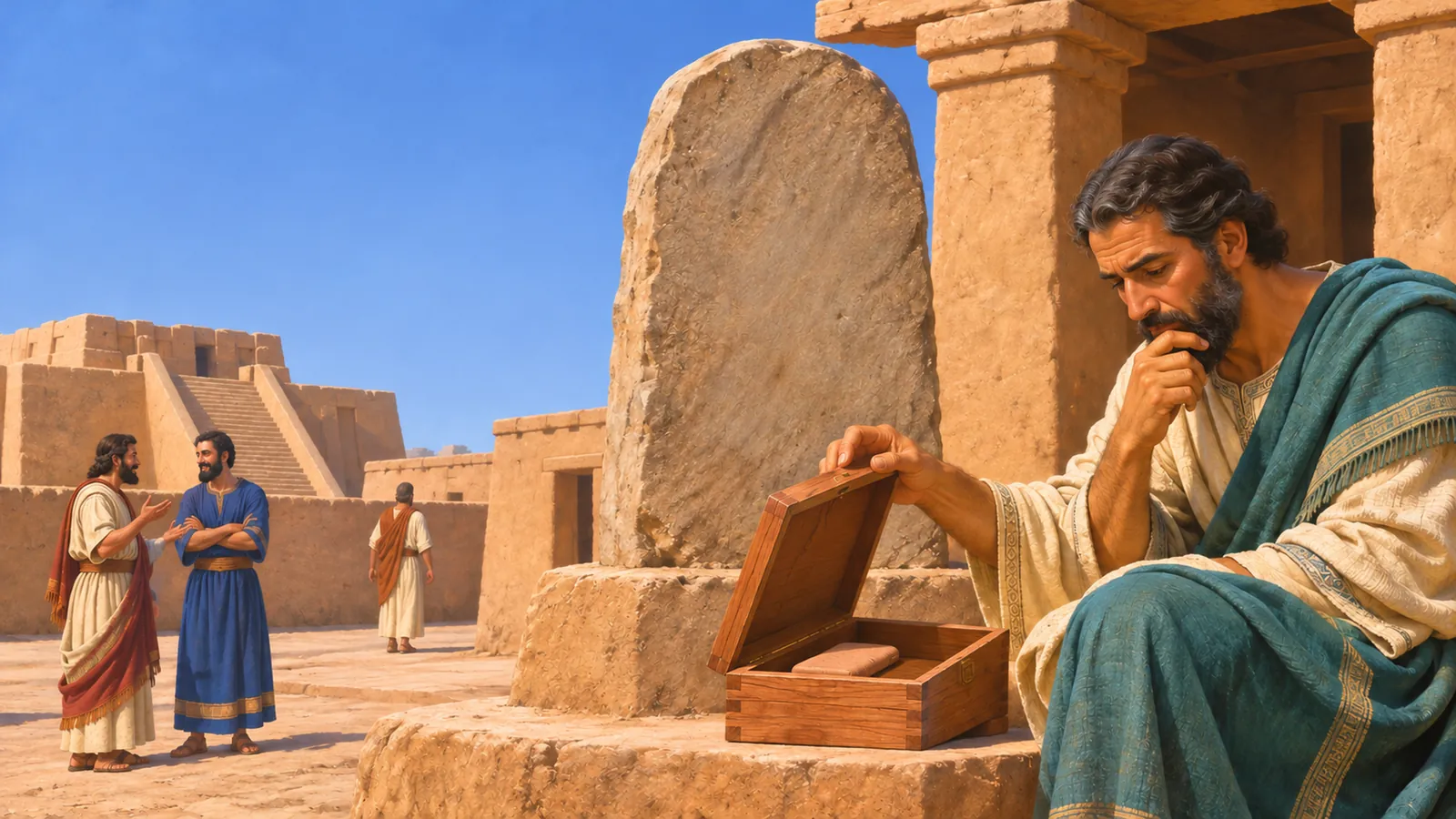
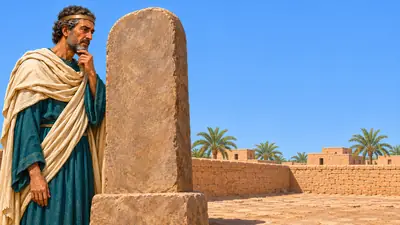
المسلة
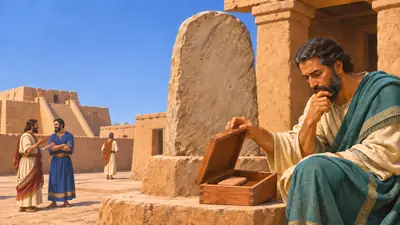
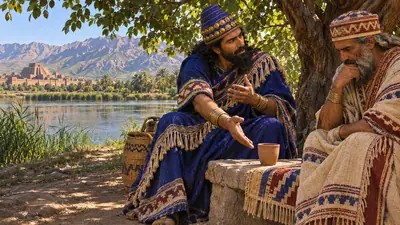
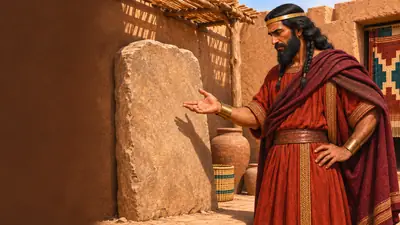
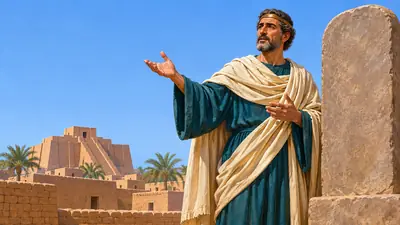
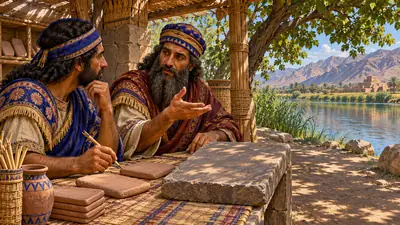
تدعو الحكاية قارئًا إلى فتح صندوق الأساس وقراءة مسلة. وتسجل محن نارام سين، الذي تسميه الرواية ابن سرجون.
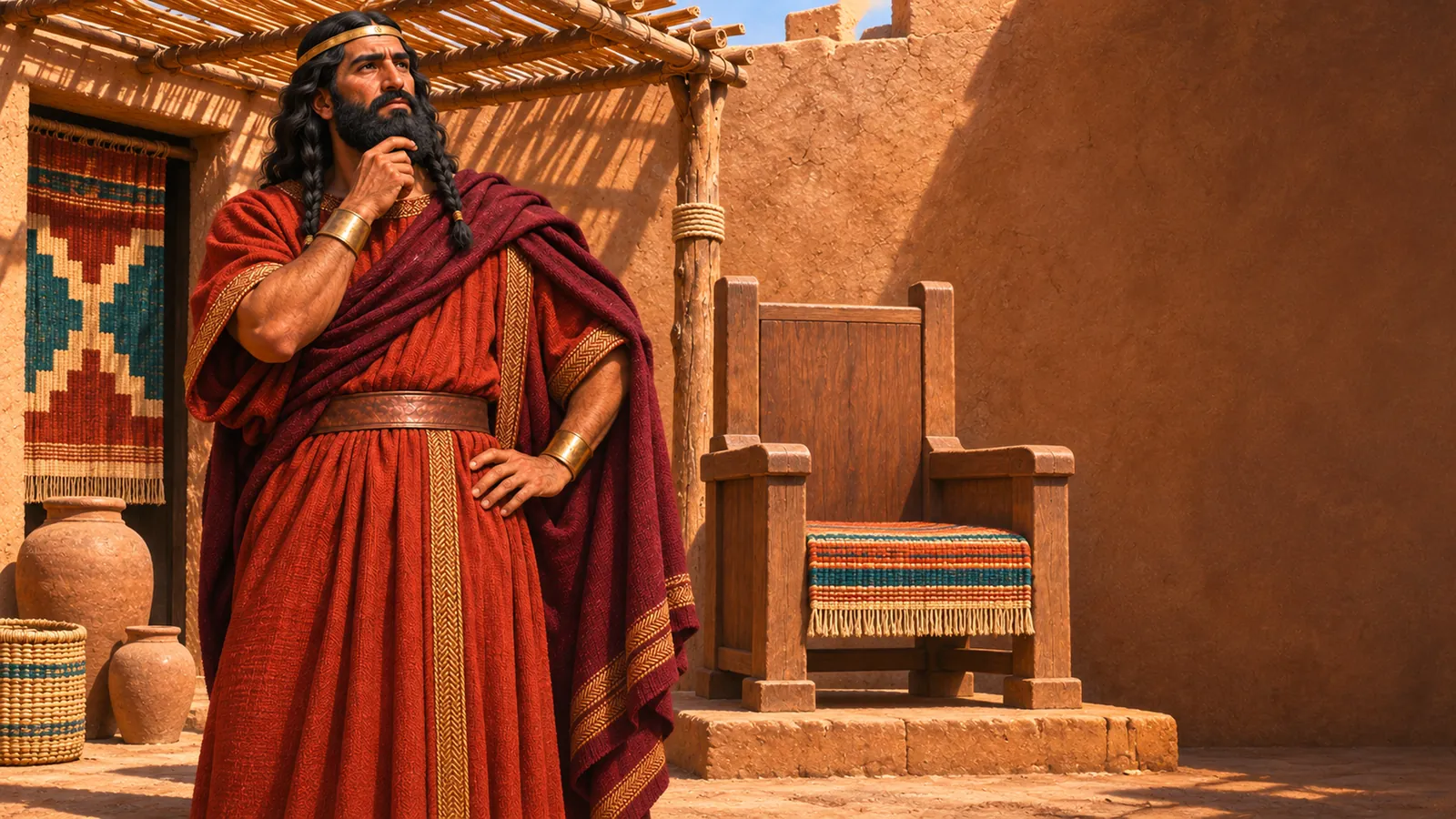
يقول نارام سين إن سرجون، أباه في هذه الحكاية، قد مات وإنه صار حاكمًا. والمقطع التالي عن مرور الأيام والسنين وتغير الرأي تالف.
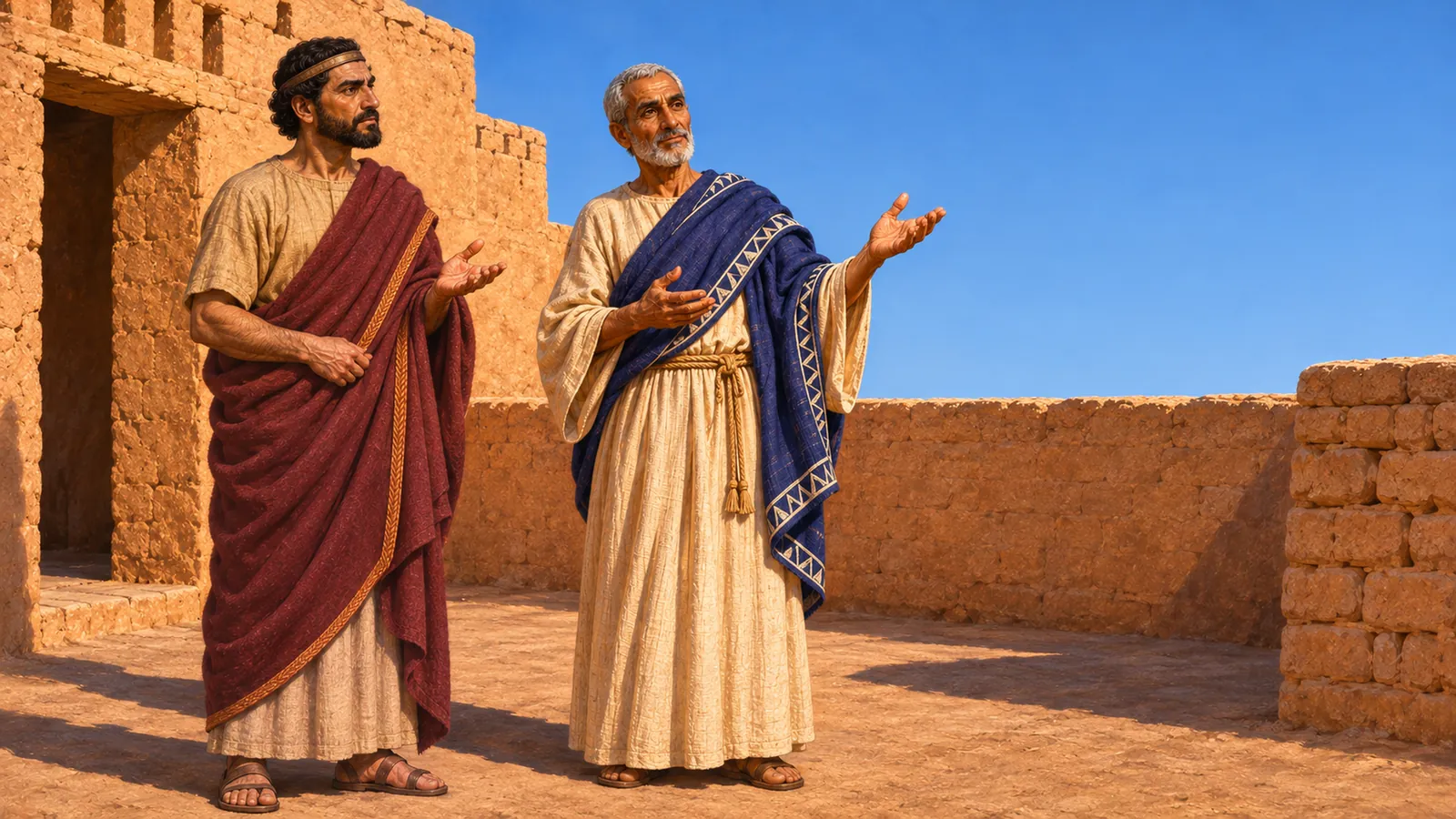
تتجه الرواية التالفة إلى إنمركار، وهو ملك أقدم. وتحفظ سؤالًا للآلهة الكبرى واستدعاء العرّافين، لكن كثيرًا من السياق والجواب مفقود.
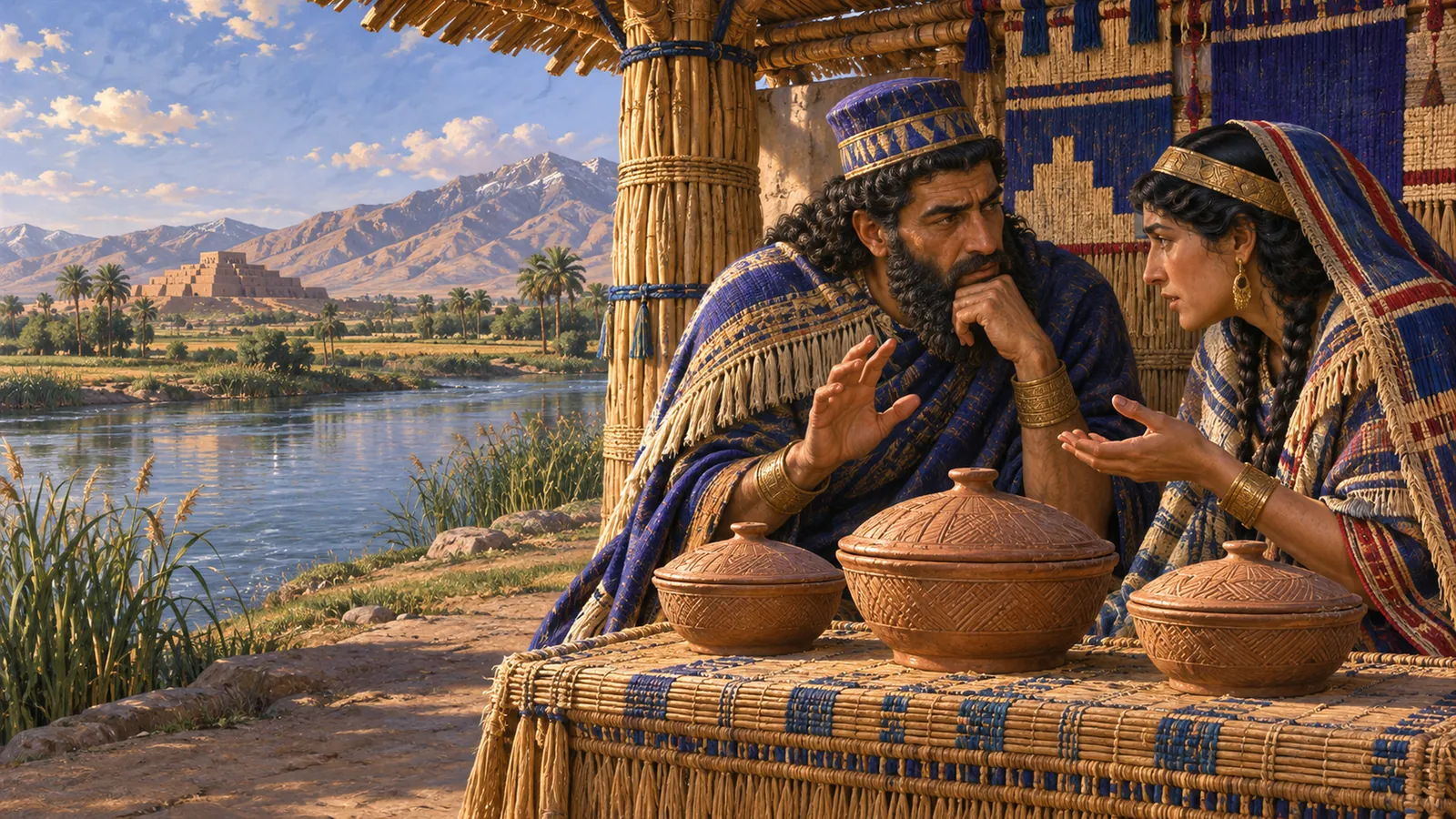
تظهر في الرواية التالفة سبع عمليات عرافة على سبعة حملان ومذابح مقدسة من القصب. ويتكلم العرّافون، لكن كلماتهم المكسورة لا تحفظ فألًا كاملًا يقينيًا.
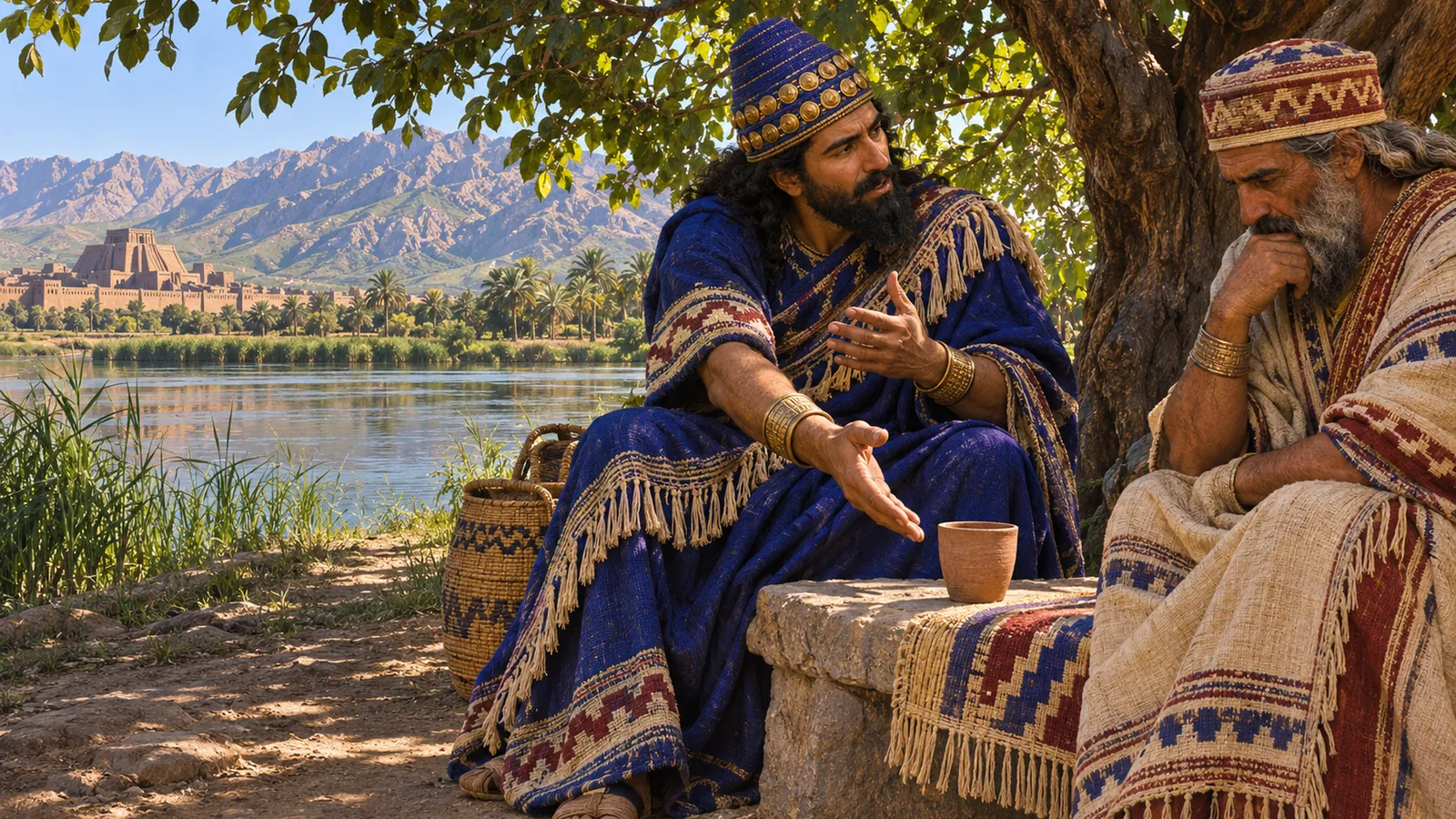
يُشبّه إنمركار بجثة تحت حكم شمش القاسي. وتتحدث الرواية التالفة عن أرواح الموتى من أسرته وهي تشرب ماءً عكرًا، لا صافيًا، في العالم السفلي.
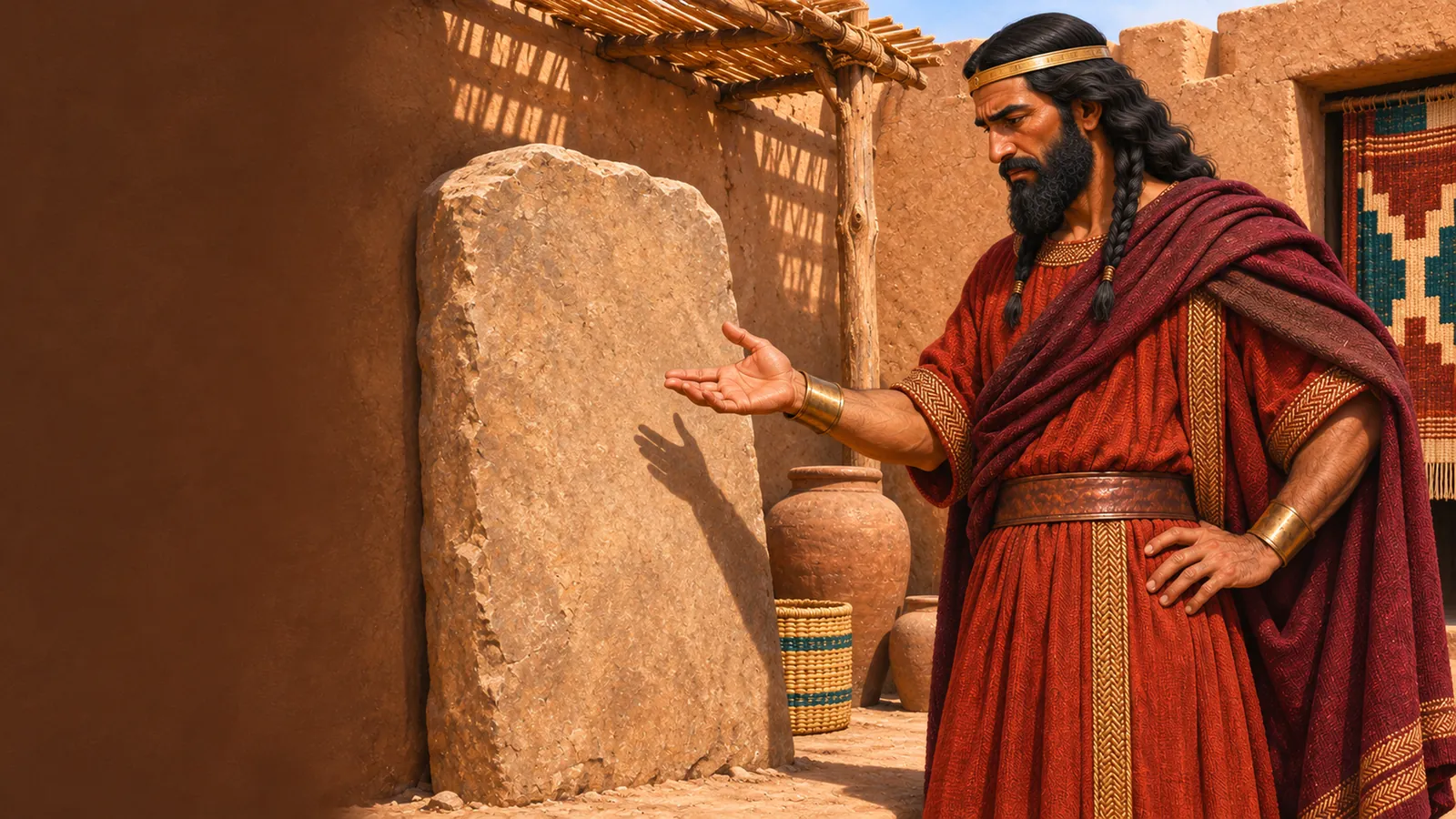
يشكو نارام سين أن إنمركار لم يترك مسلة تروي كيف غلب ذلك الجيش بحكمته وسلاحه. ويقول إنه، لغياب سجل كهذا، لم يباركه.
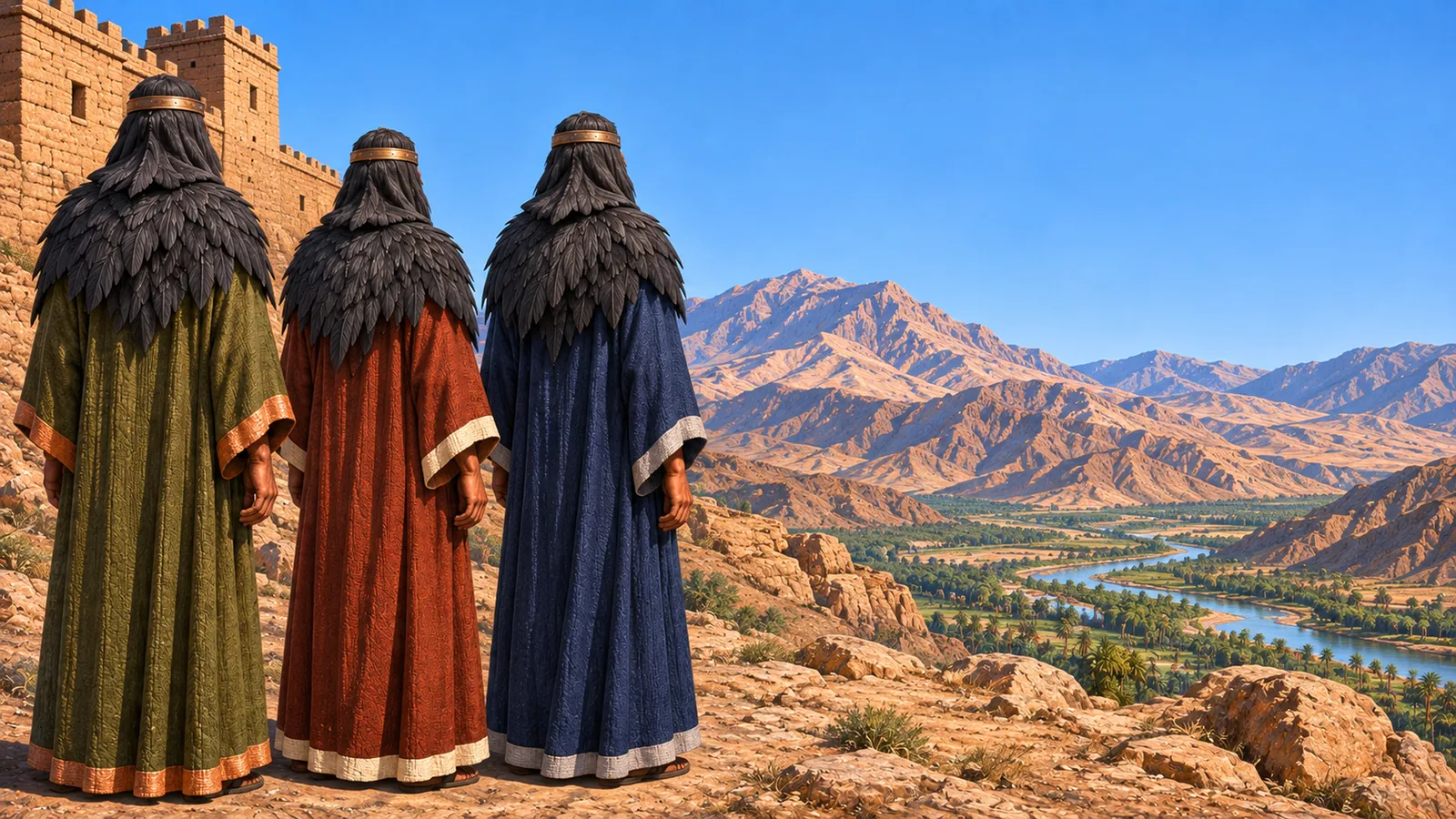
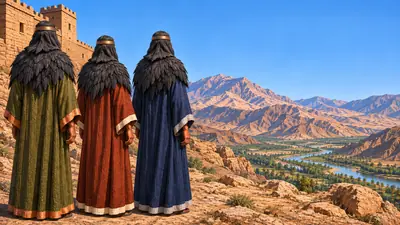
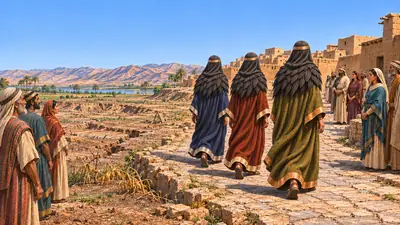
تصف القصيدة، في سطور صعبة، جيشًا خلقته الآلهة بأجساد طيور ووجوه غربان. وترضعهم تيامات وتزينهم بيليت إيلي أمهم، وينمون إلى قامة البالغين في الجبال.
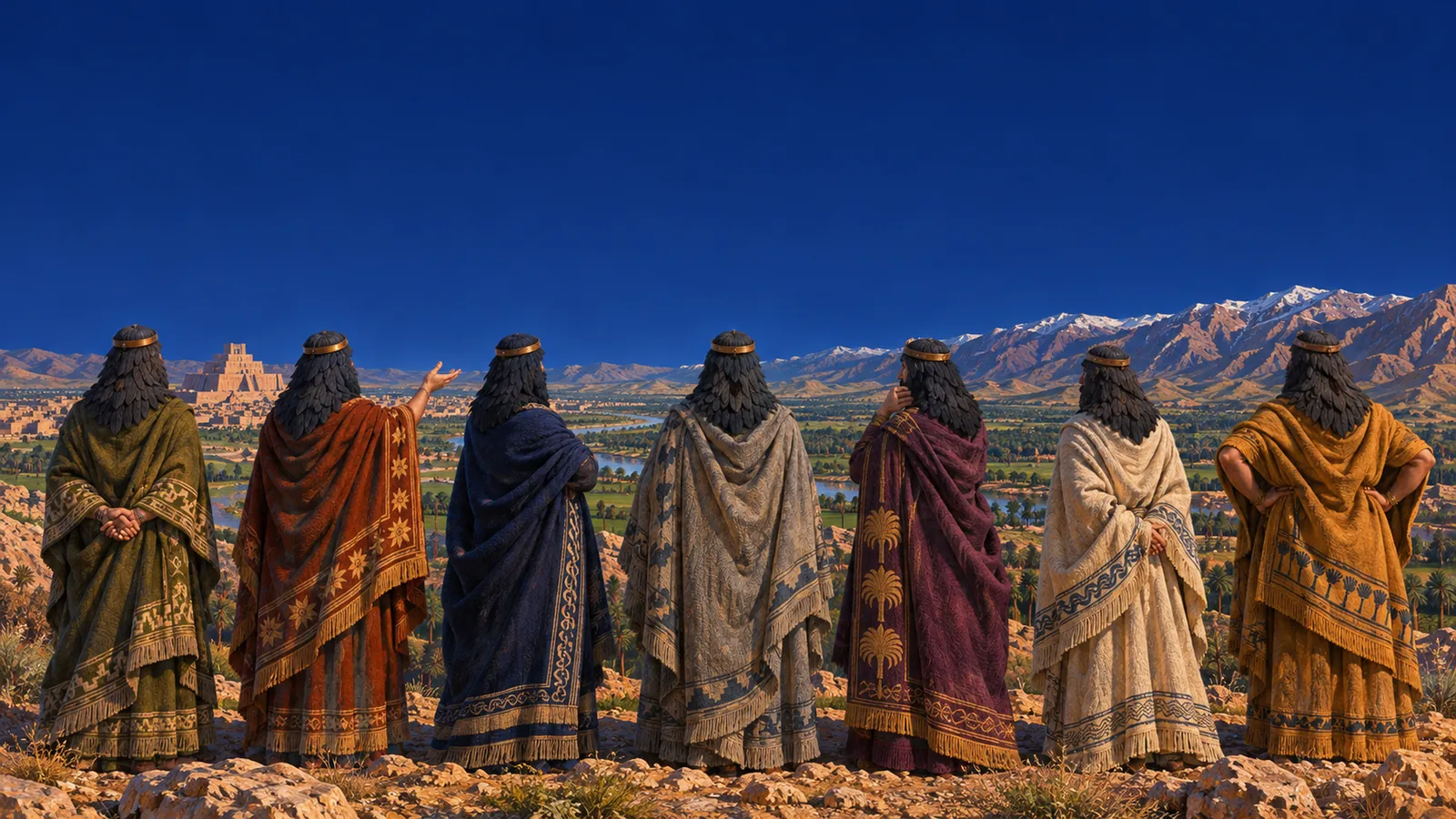
سبعة ملوك
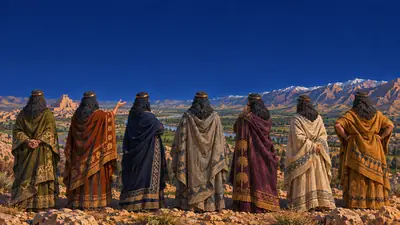
يقود سبعة ملوك حلفاء بهيو الهيئة ستة آلاف جندي. وتسمي القصيدة أيضًا الملك آنو بانيني أباهم والملكة ميليلي أمهم، وتترك هذين الاسمين إلى جانب لغة نسبهم الإلهي.
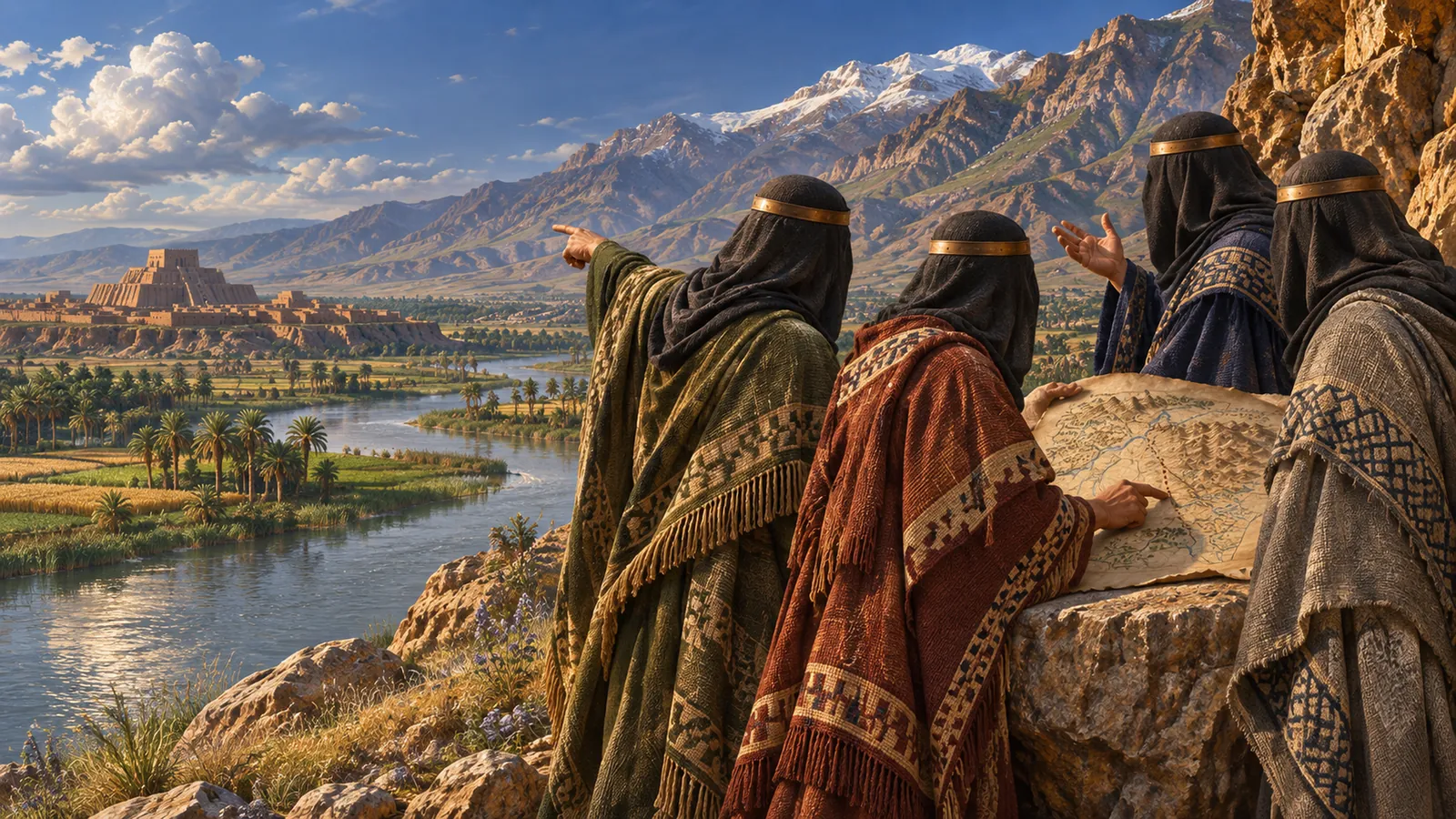
يتقدم ميماندوخ، ويليه ميدودو وأخ ينتهي اسمه التالف بمقطع بيش، ثم تارتادادا وبالداهداه وأهوداناديخ وحوروكيدو. ولا يُستكمل هنا الاسم الثالث غير اليقيني.
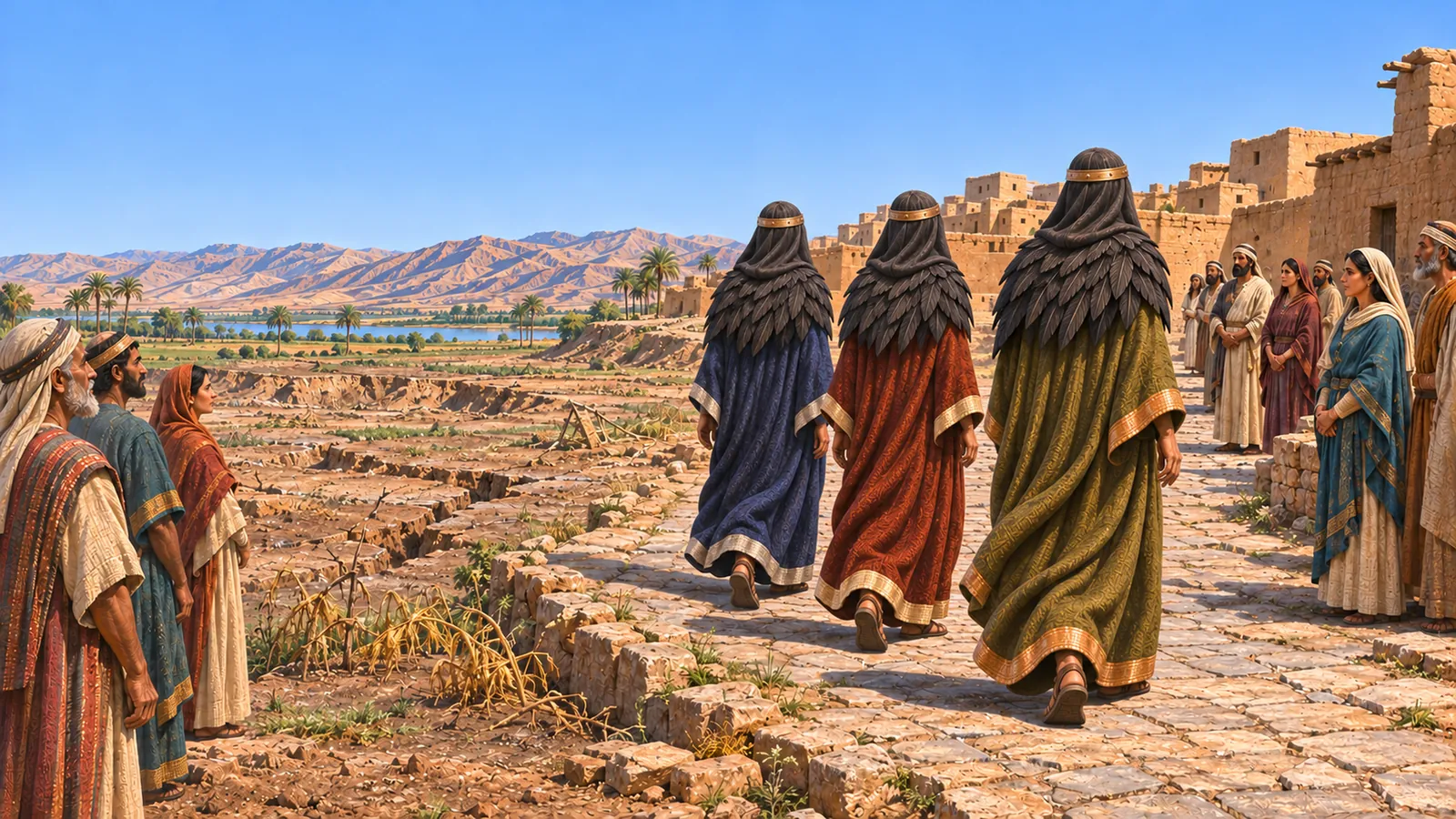
يتقدمون على الجبال المقدسة ويشتتون بوروشاندار وبوهلو وبورانشو وبلدانًا أخرى. وتحمل قائمة تالفة تقدمهم عبر مواضع منها كارانا وشوبات إنليل وداخل سوبارتو.
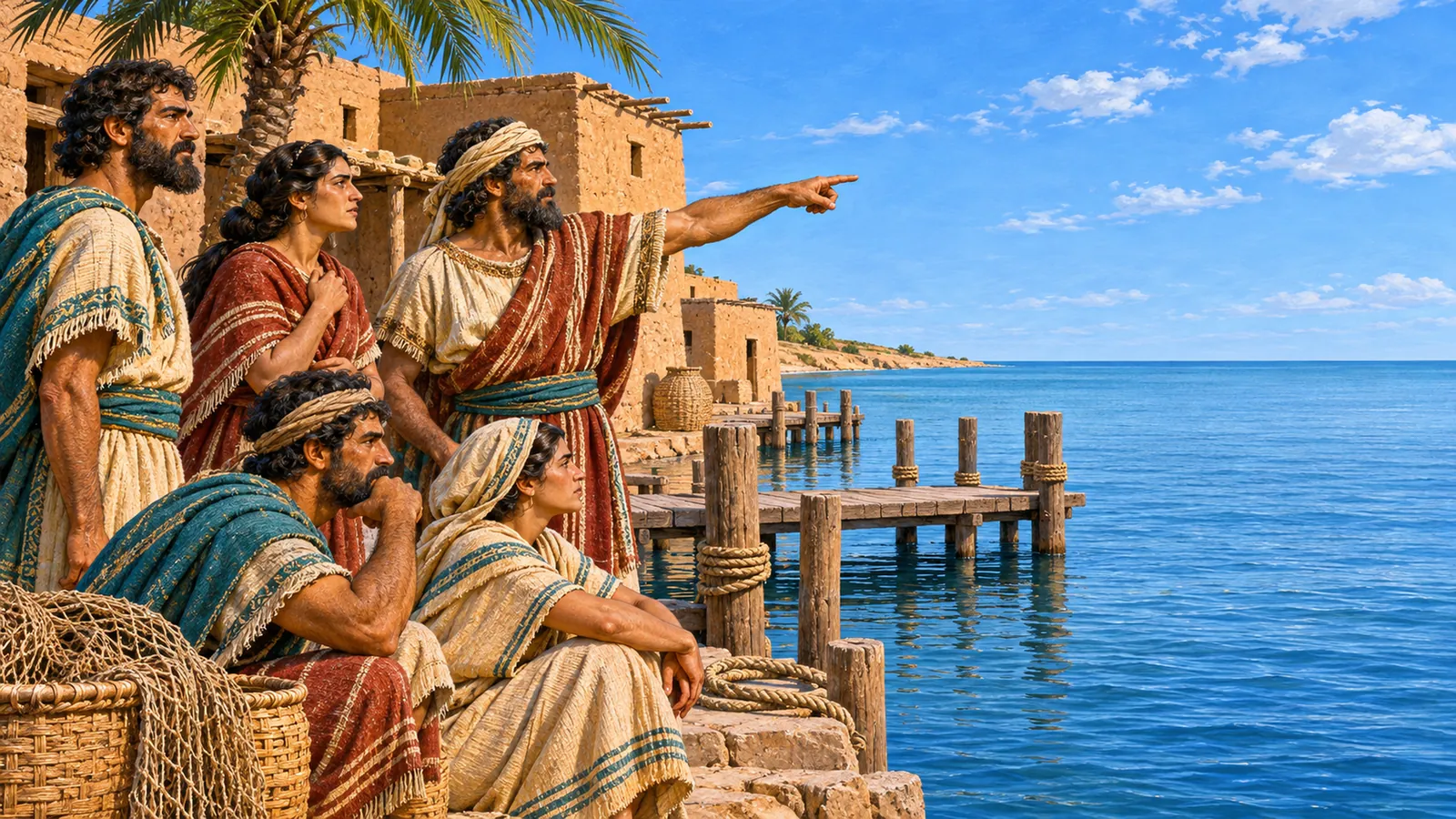
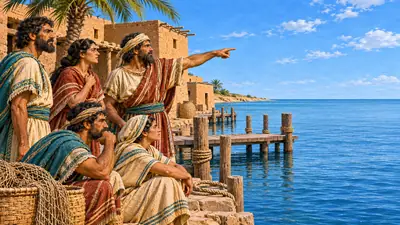
يشتتون بلاد البحر وجوتيوم ويدمرون عيلام ويبلغون الساحل. وتظهر أيضًا دلمون وماجان وميلوها والبلدان الواقعة في البحر في رواية التشتت.
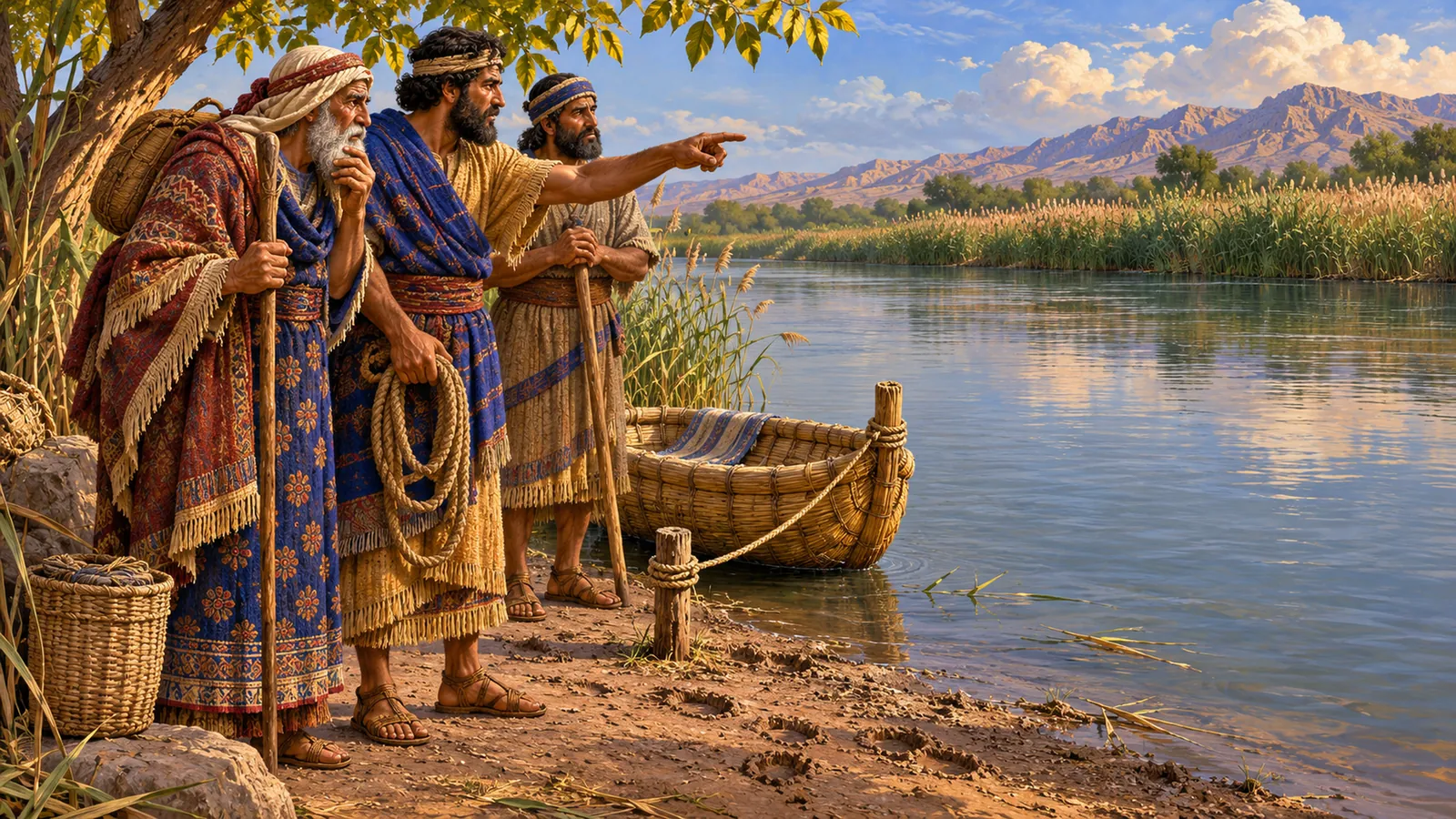
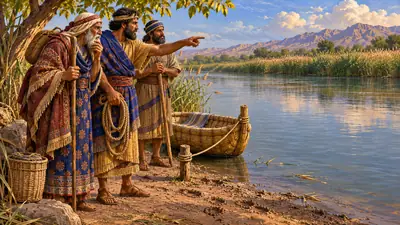
عند موضع العبور يقتل الجيش أناسًا ويلقيهم في النهر. وتذكر الحكاية القتل في أثناء روايتها تقدم الجيوش.
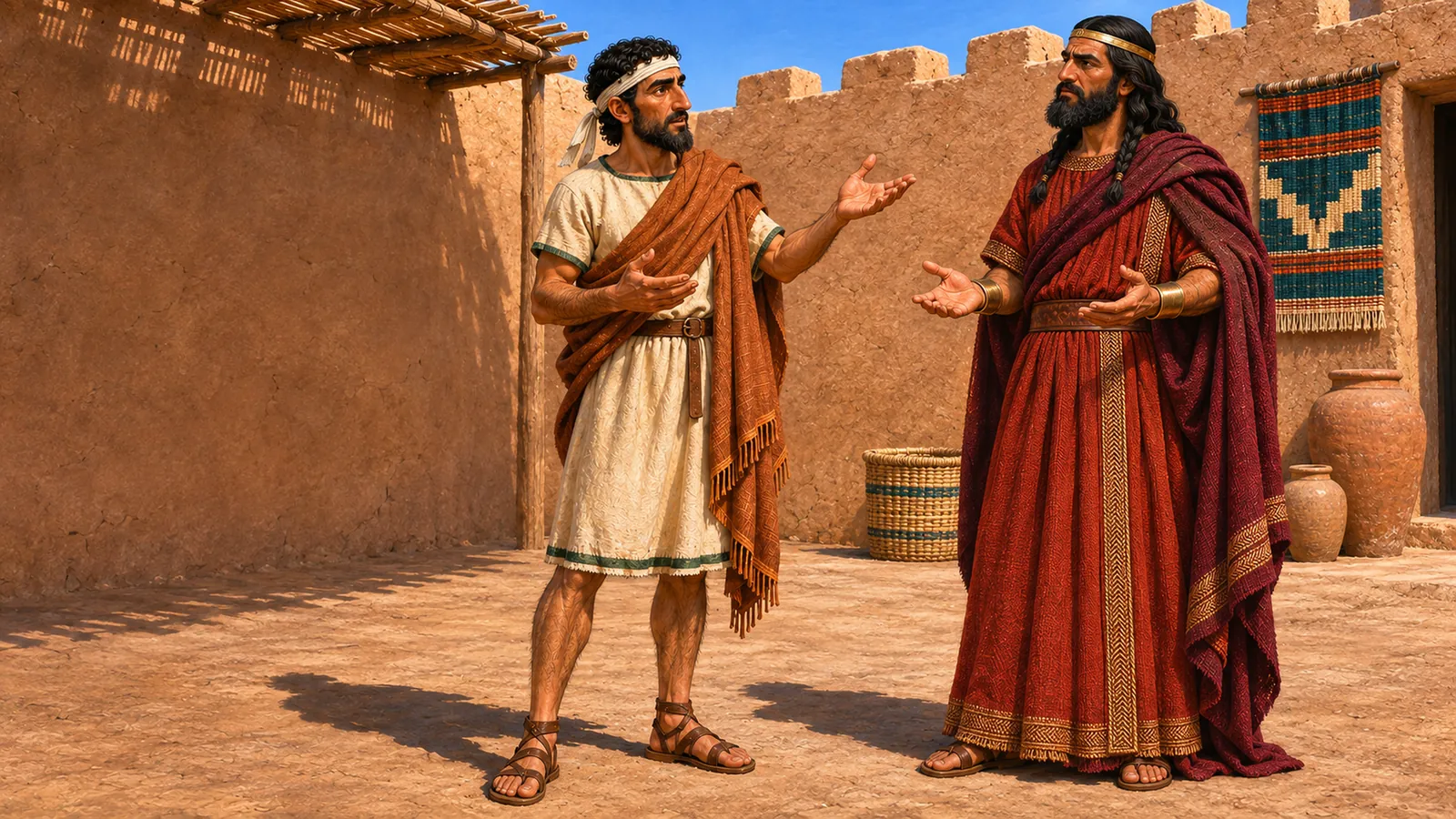
ينضم سبعة عشر ملكًا إلى الجيش دعمًا له، ومعهم تسعون ألف جندي. وينتقل نارام سين الآن من الخطر المتسع إلى اختبار ماهية هؤلاء الخصوم.
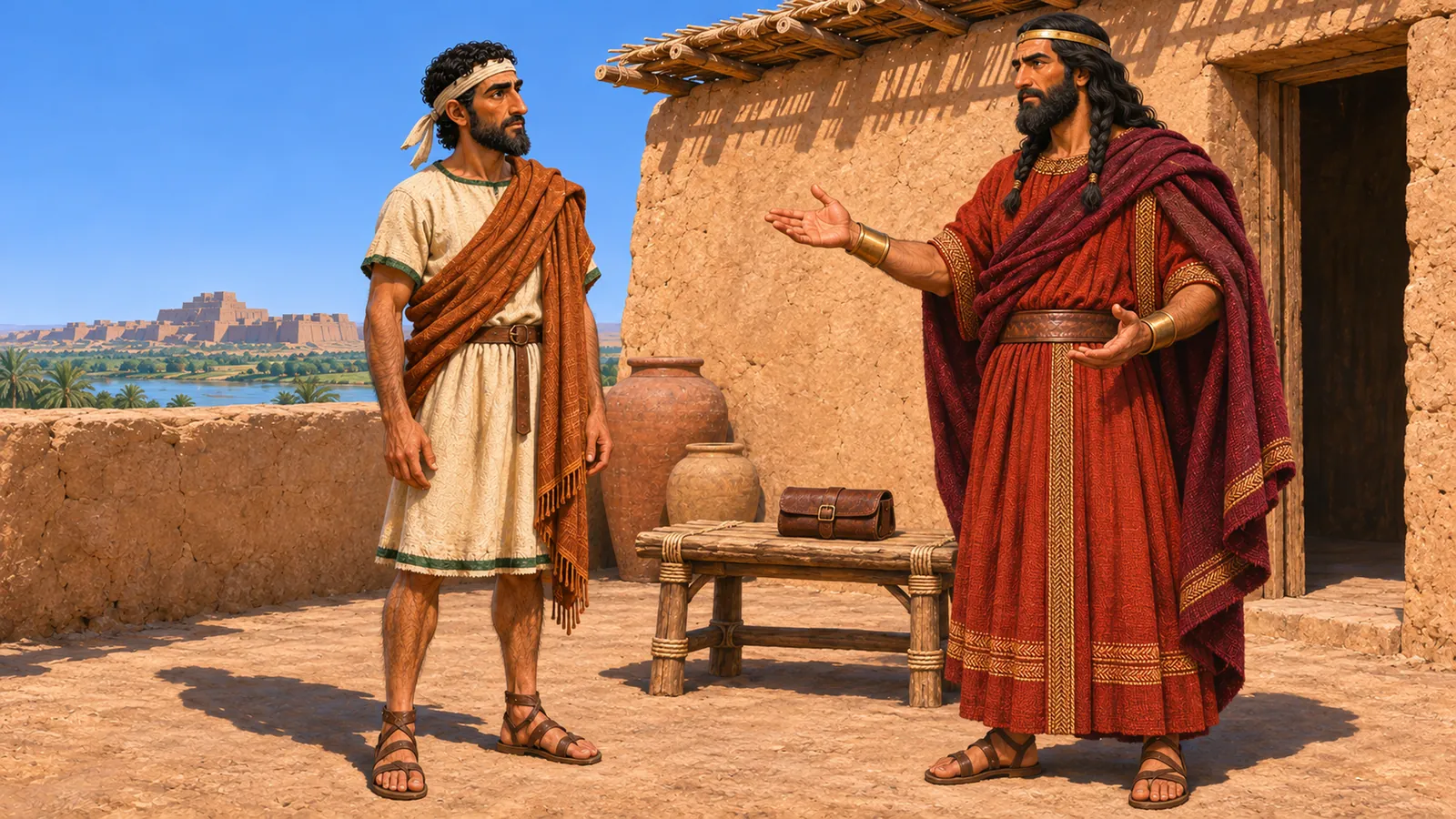
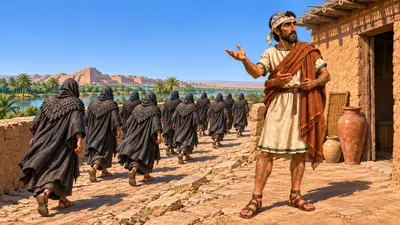
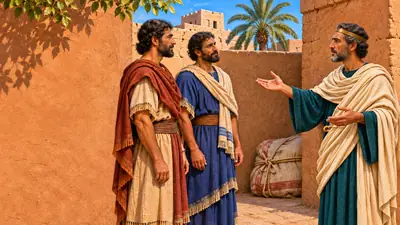
يستدعي نارام سين جنديًا ويعطيه خنجرًا وإبرة. ويأمره أن يستخدم كليهما على الخصوم ليرى إن كان الدم يخرج.
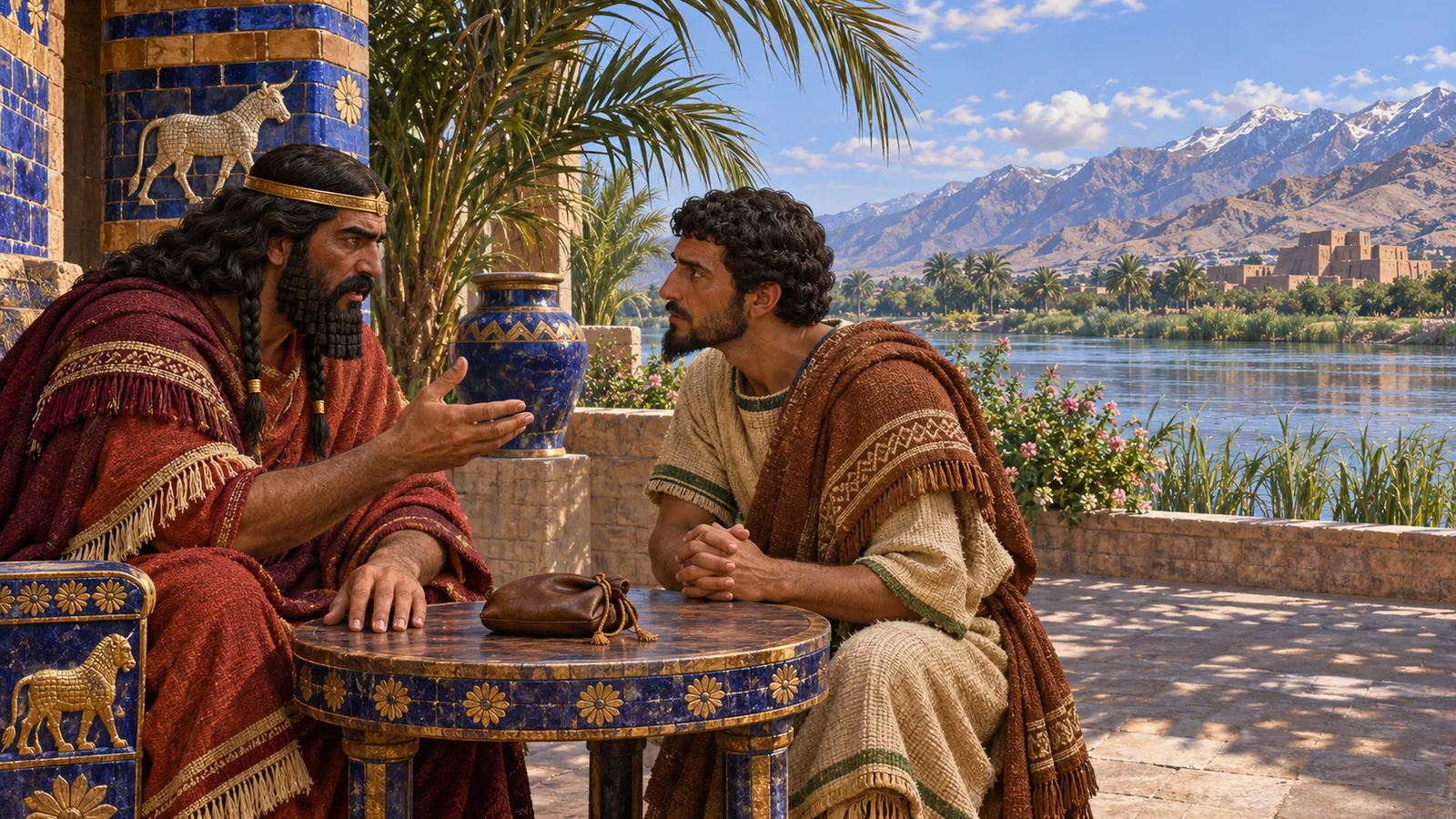
يقول الملك إنهم، إن نزفوا، بشر مثل قومه. وإن لم ينزفوا، سماهم كائنات خارقة من صنع إنليل؛ وهذا هو الاختبار المقترح في الحكاية.
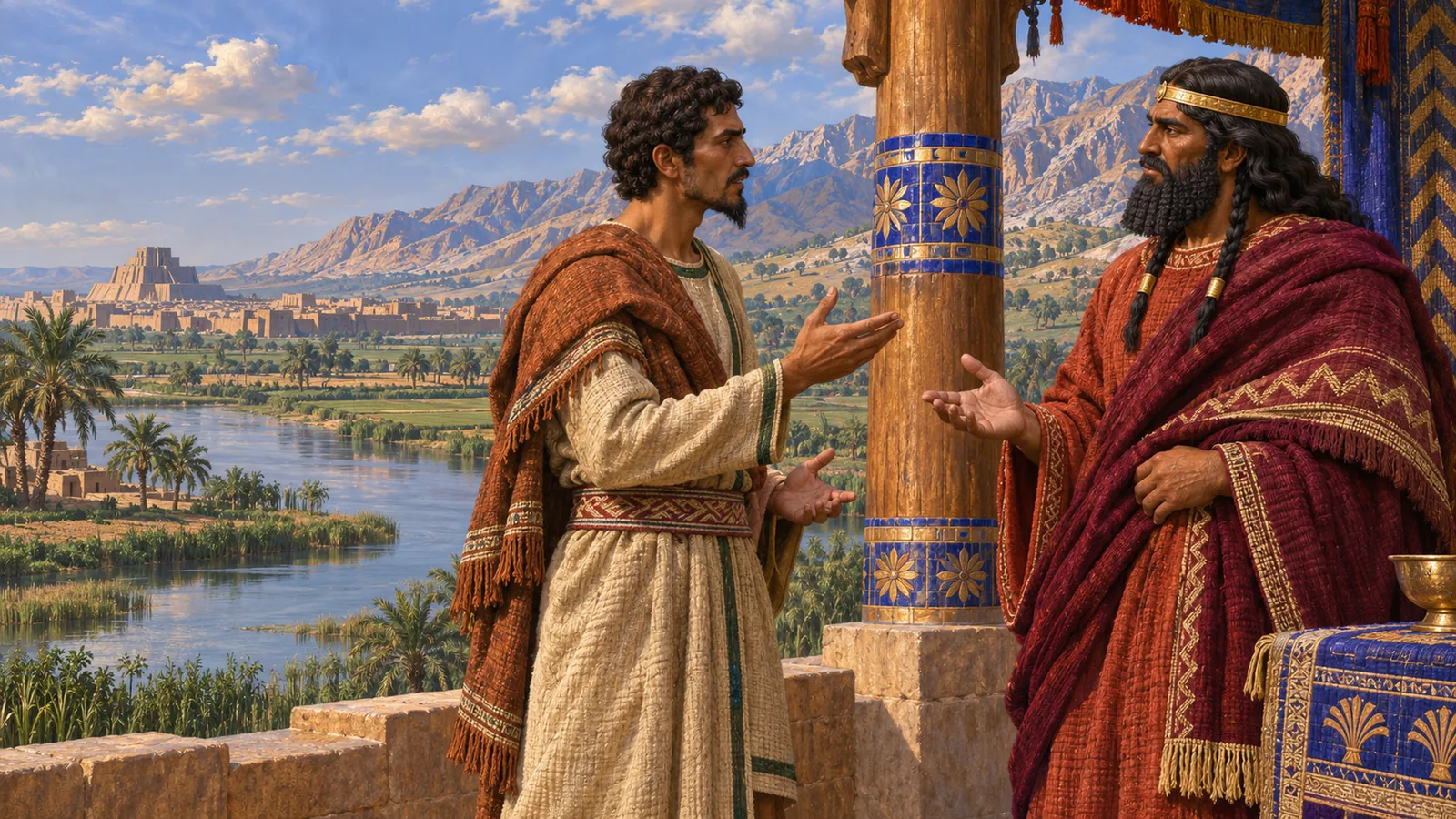
يخبر الكشاف أنه طعن بالخنجر ووخز بالإبرة فخرج الدم. وبحسب الاختبار الذي حدده الملك، فالخصوم بشر مثل قومه.
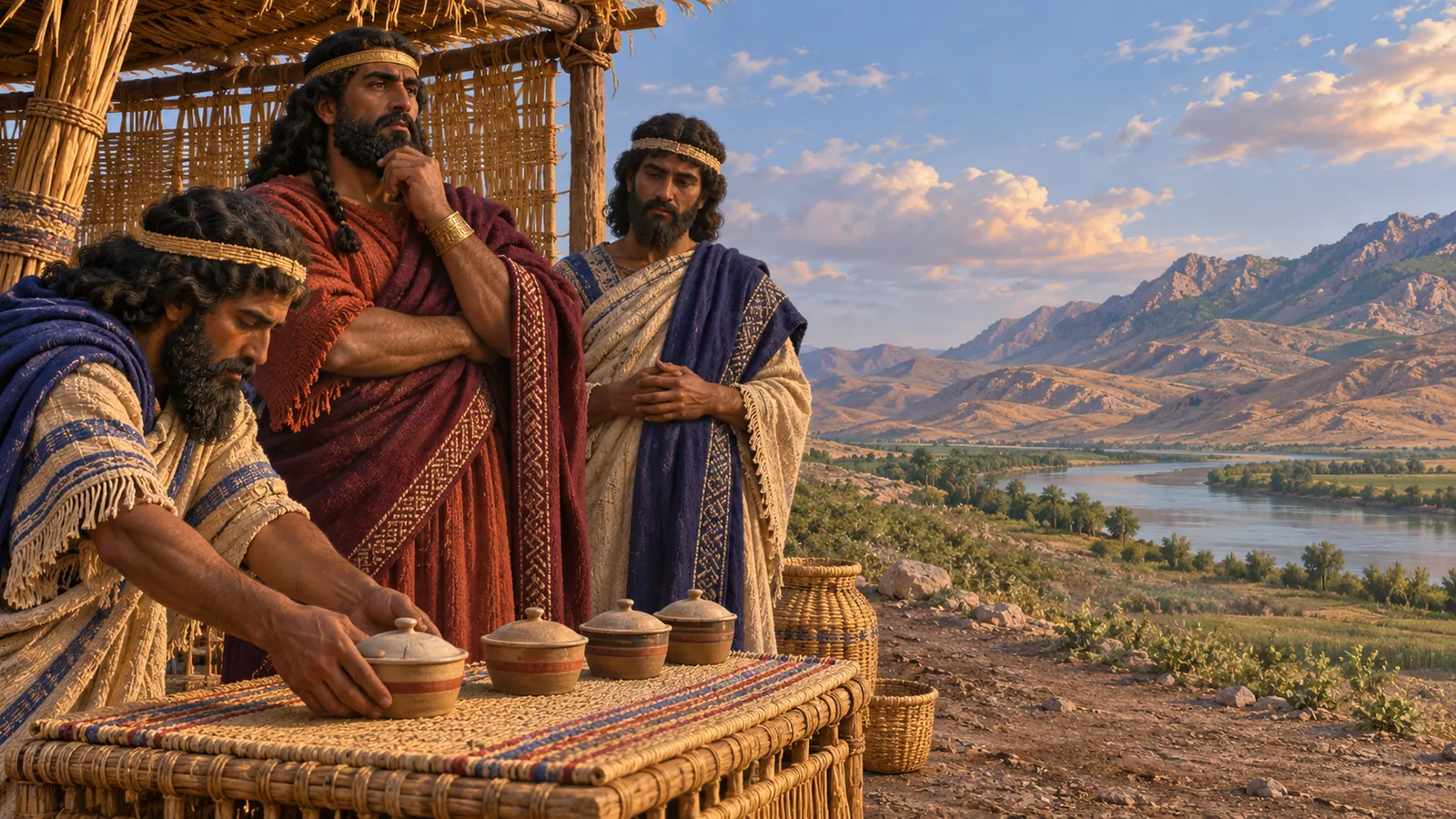
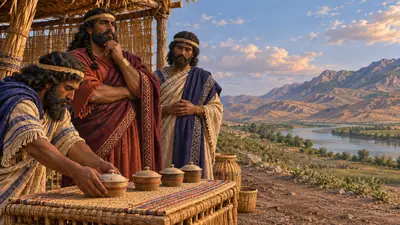
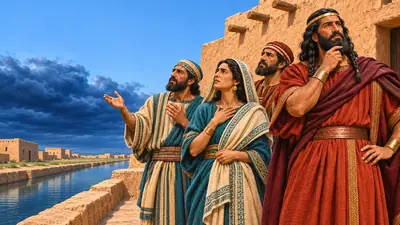
يجري الملك سبعة فحوص للأحشاء على سبعة حملان قرب مذابح القصب المقدسة. ويسأل عشتار وإيلابا وزابابا وعنونيتو وشولات وهانيش وشمش.
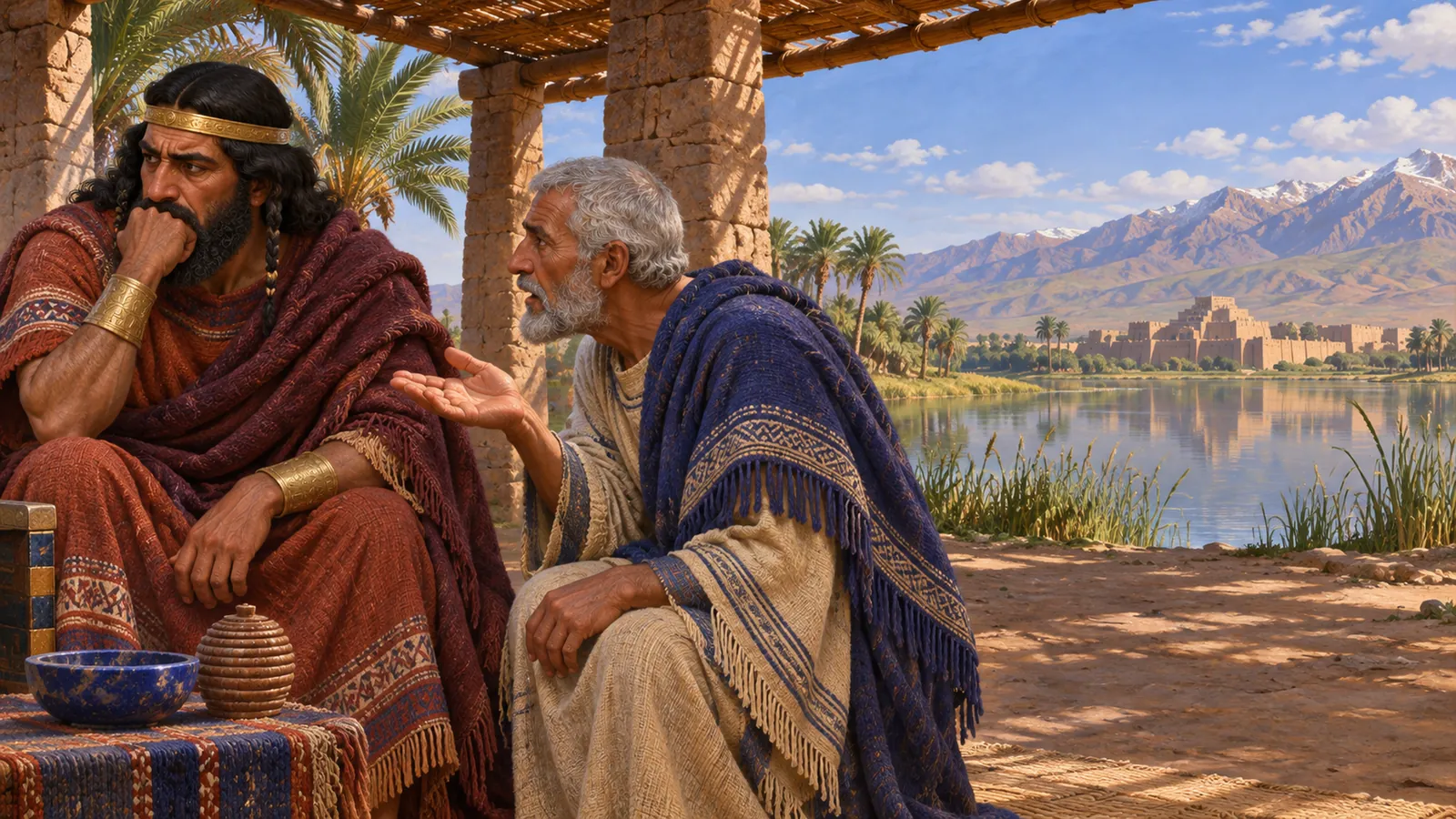
لا يسمح الفأل الإلهي بذهابه ولا بقصده الباطل. لقد تلقى نارام سين رفضًا، لا إذنًا بالسير ضد الجيش.
التحدي
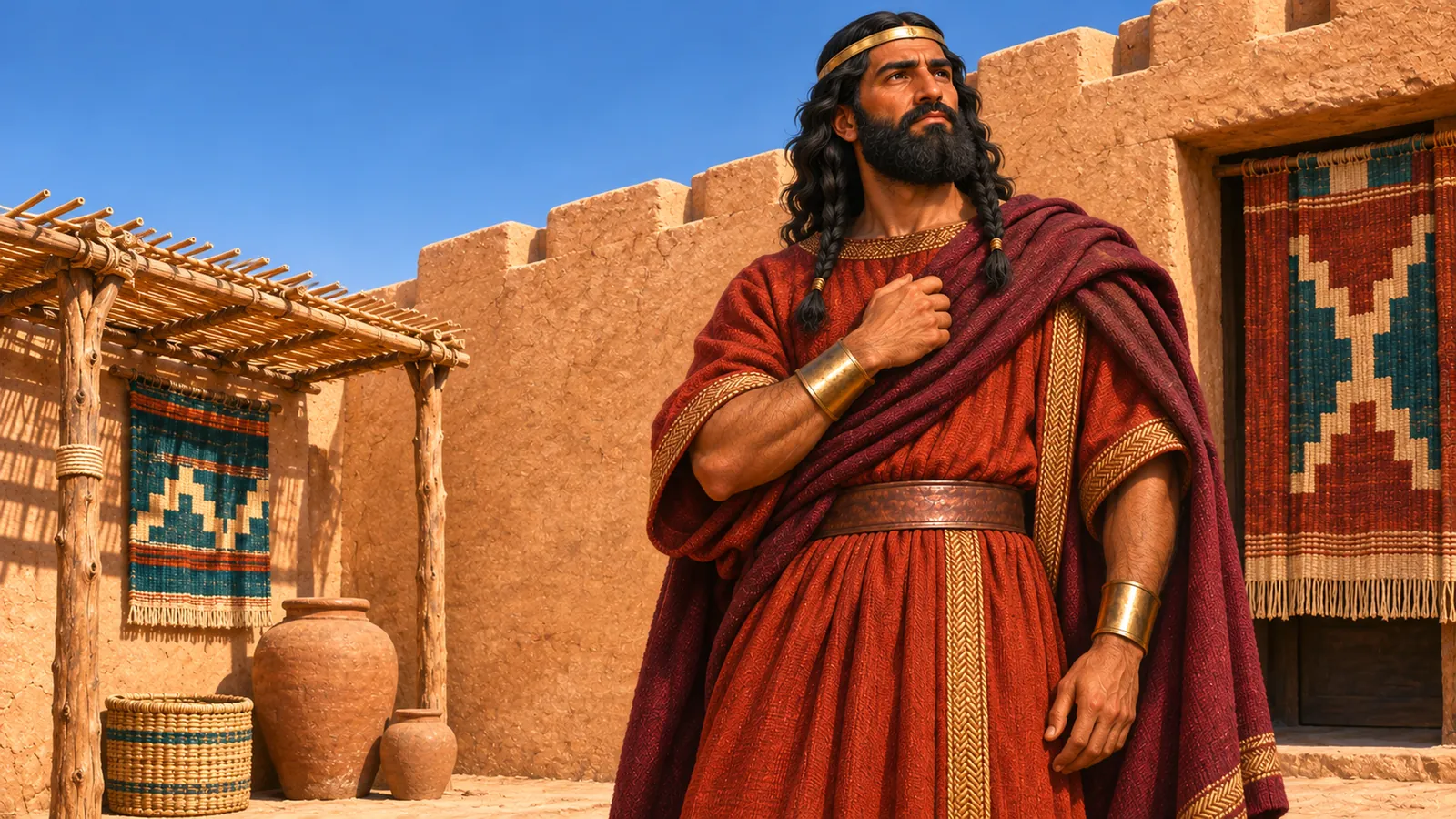
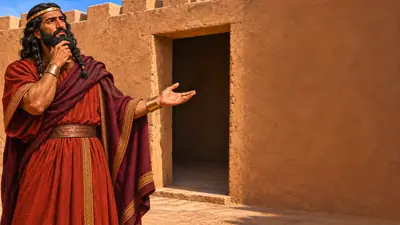
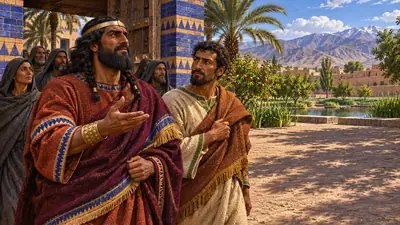
يسأل أي أسد طلب فألًا وأي ذئب استشار مفسر أحلام. ويقرر أن يمضي كما يشاء ويطرح أمر الآلهة جانبًا ويعتمد على نفسه.
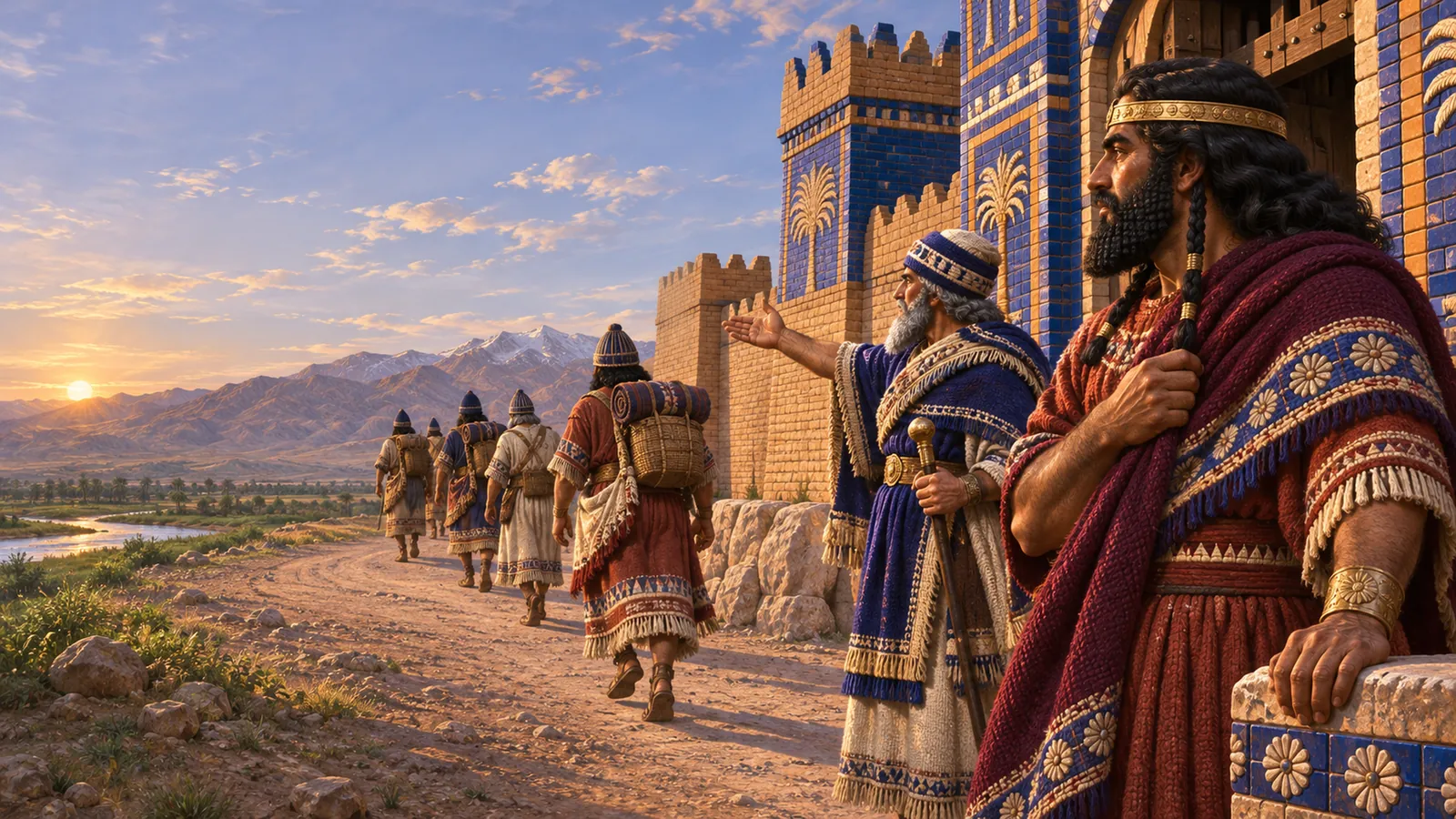
عندما تحل السنة الأولى يرسل نارام سين مئة وعشرين ألف جندي ضد الجيش. وتمضي حملته التي اختارها رغم رفض الفأل.
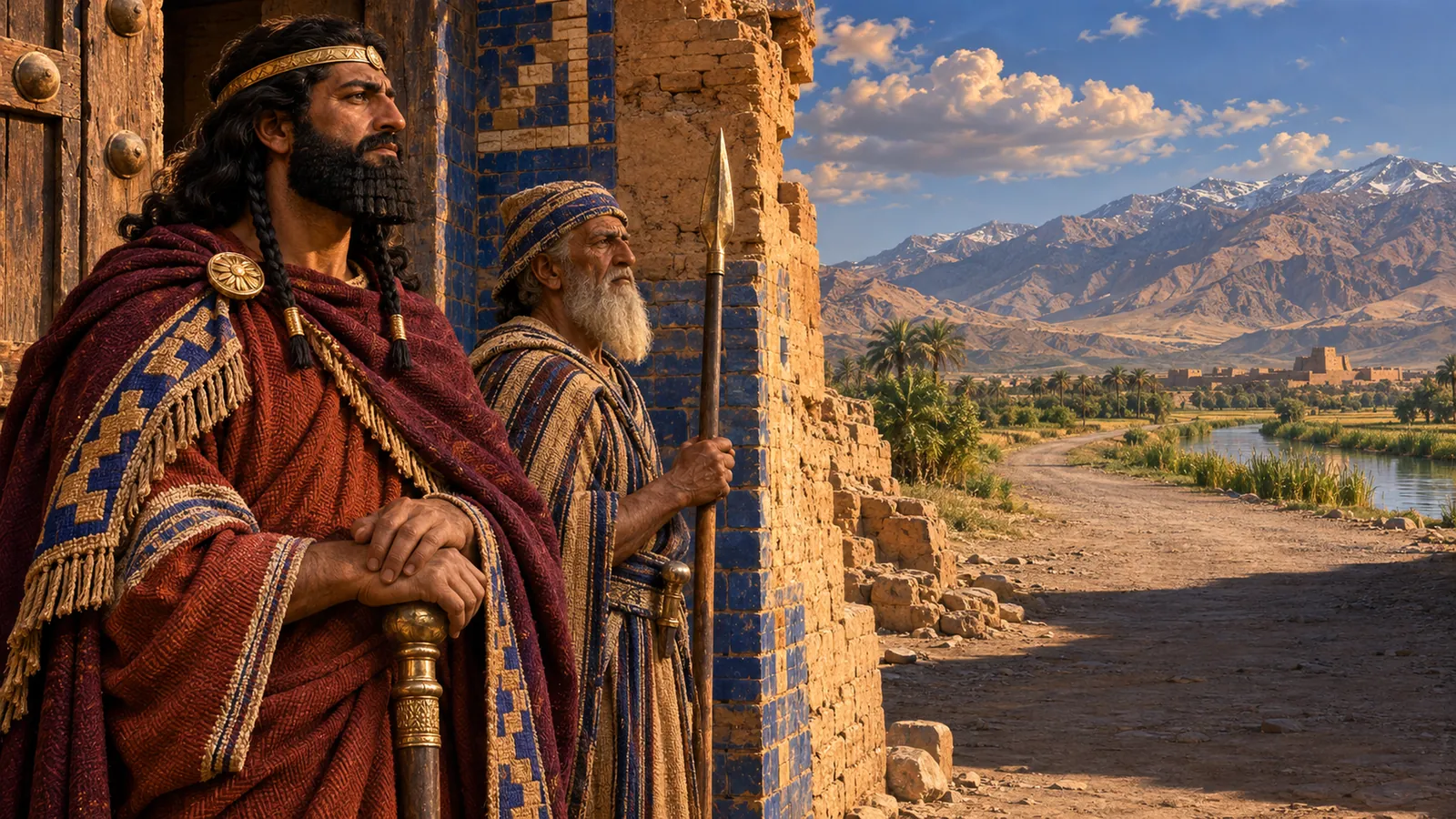
من مئة وعشرين ألف جندي في السنة الأولى لا يرجع أحد حيًا. وقد قاد رفض الملك الإصغاء إلى الفأل إلى الكارثة.
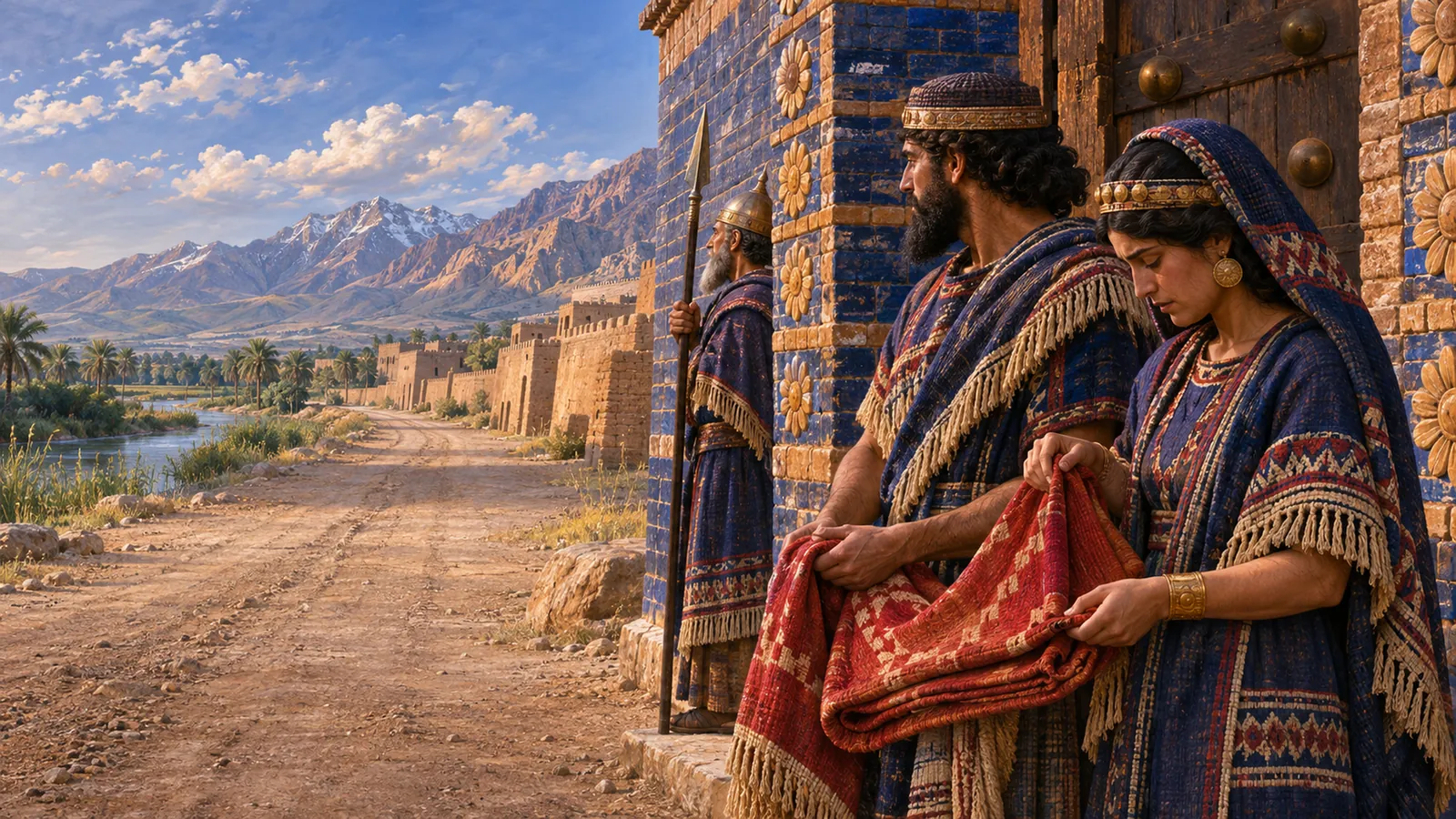
في السنة الثانية يرسل تسعين ألف جندي، وفي الثالثة ستين ألفًا وسبعمئة. ولا يعود أحد حيًا من أي من الجيشين، كما تكرر الرواية البابلية المعيارية.
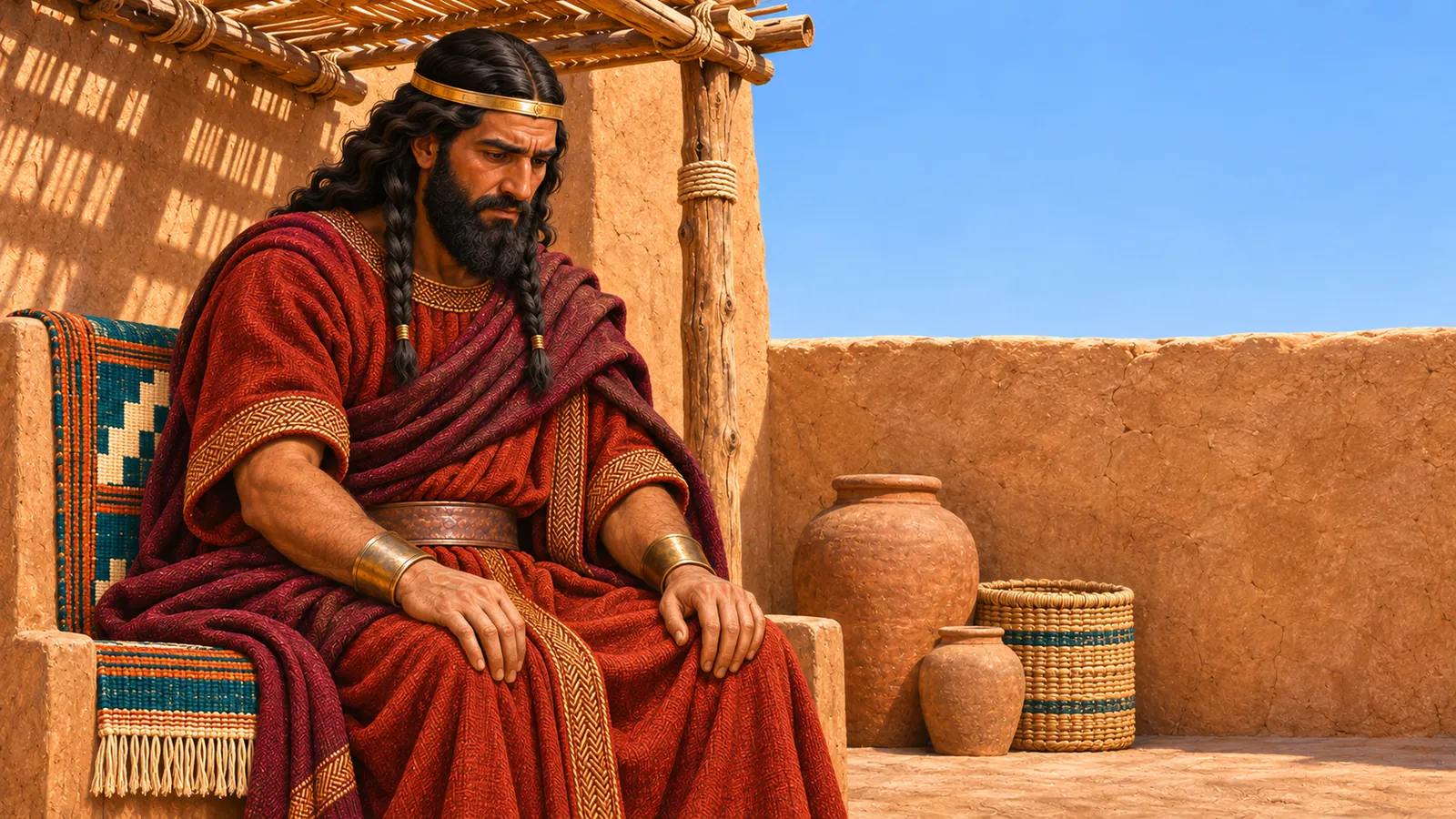
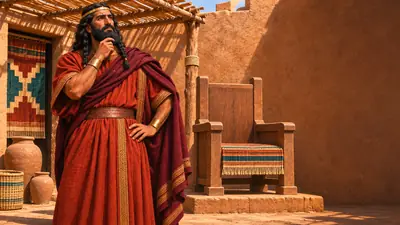
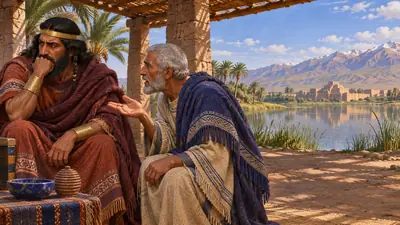
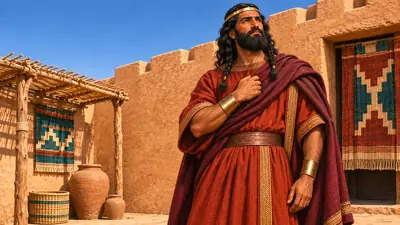
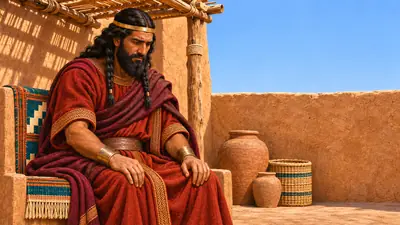
مرتبكًا وقلقًا يقع نارام سين في اليأس. ويكلم نفسه سائلًا عما أبقاه لحكمه بعد هذه الخسائر.
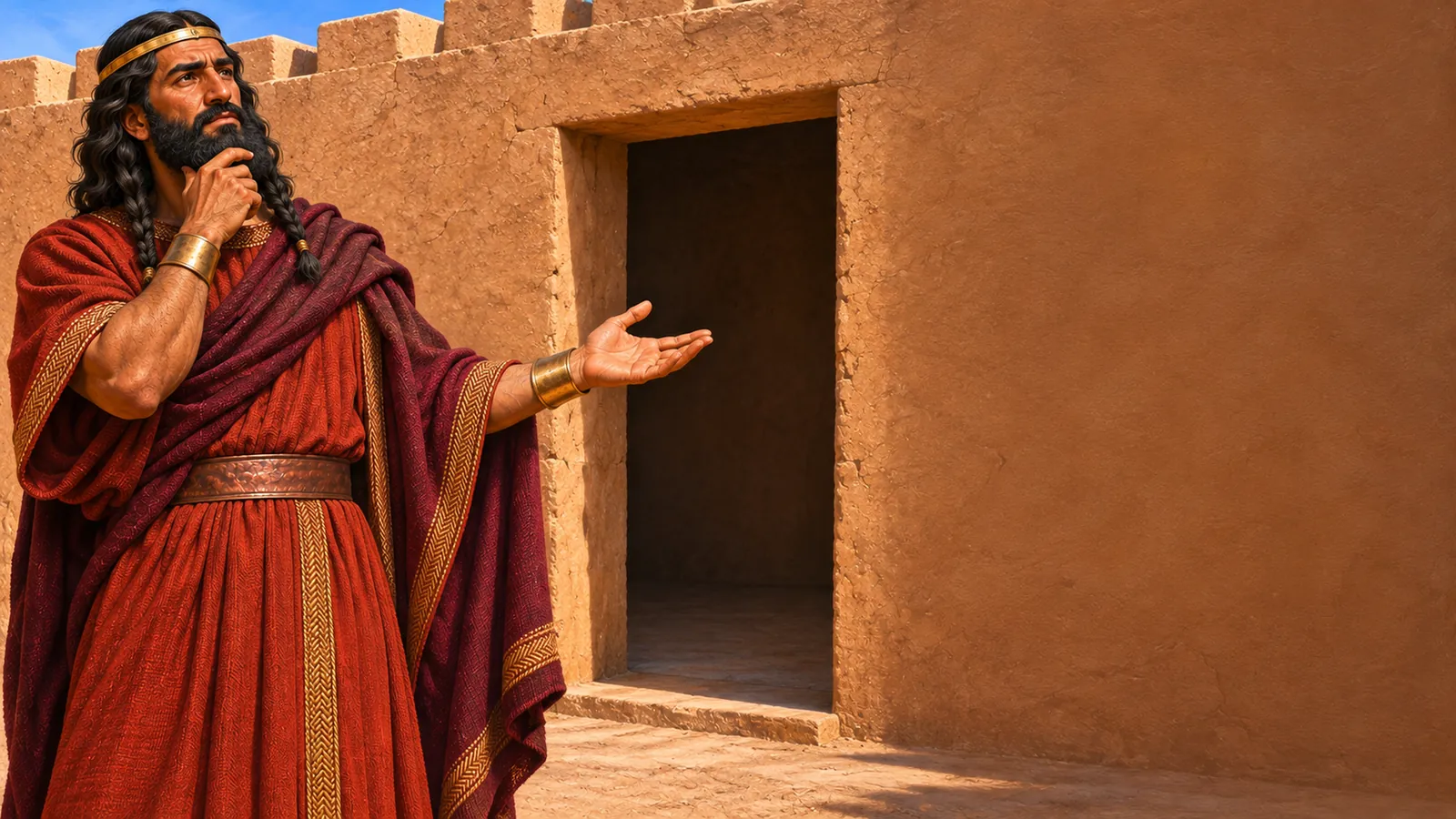
يصف نفسه بملك لا يجلب الخير لبلاده وراعٍ لا يجلبه لقومه. ويسأل كيف يستطيع الخروج من هذه المحنة.
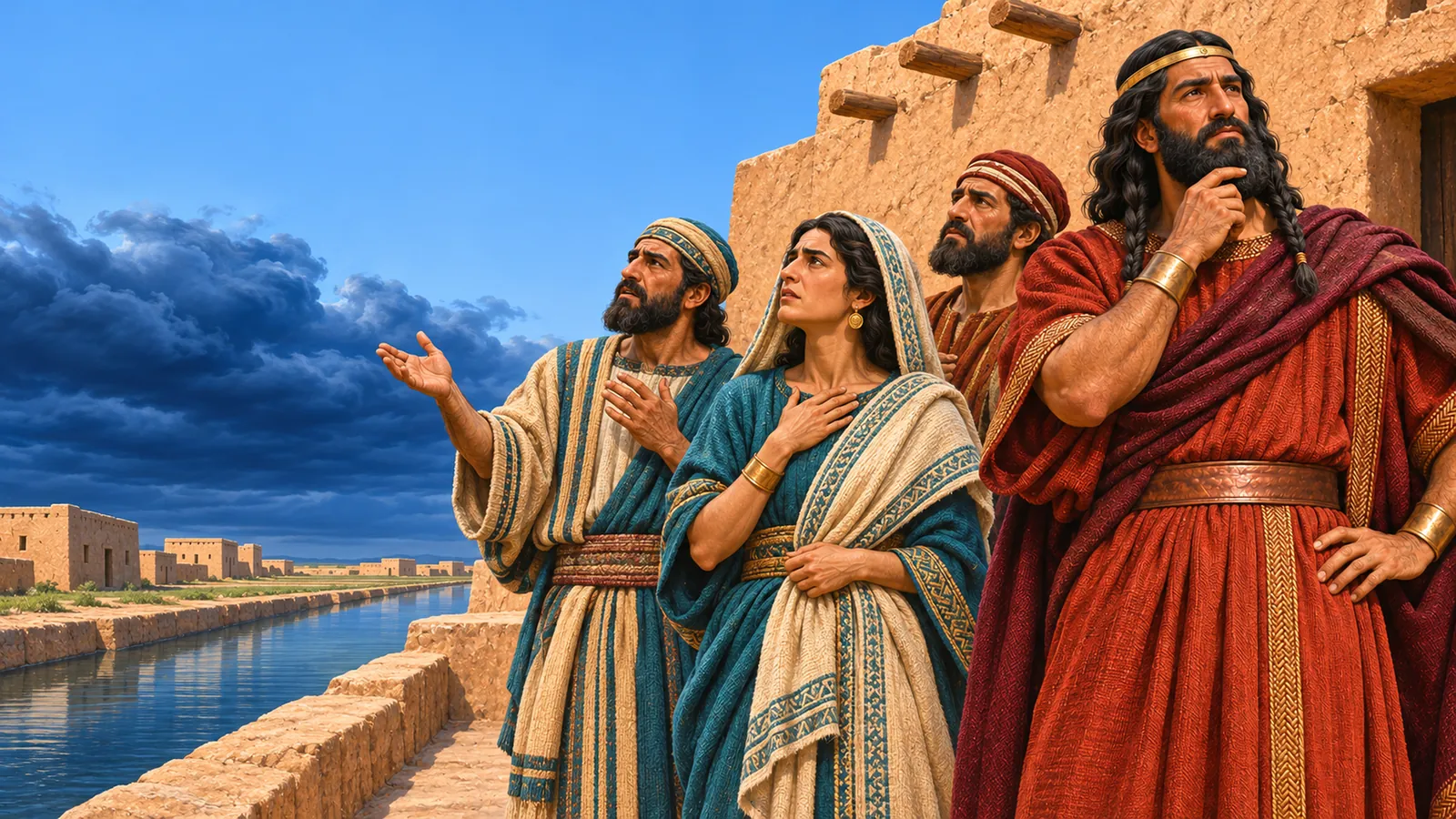
يجلب مجيئهم الرعب والموت والجوع والمرض والأرق والانهيار الاقتصادي. وتعلن القصيدة أيضًا طوفانًا تقرر في الأعلى ويوشك في الأسفل، من دون أن تروي هنا طوفانًا جديدًا اكتمل.
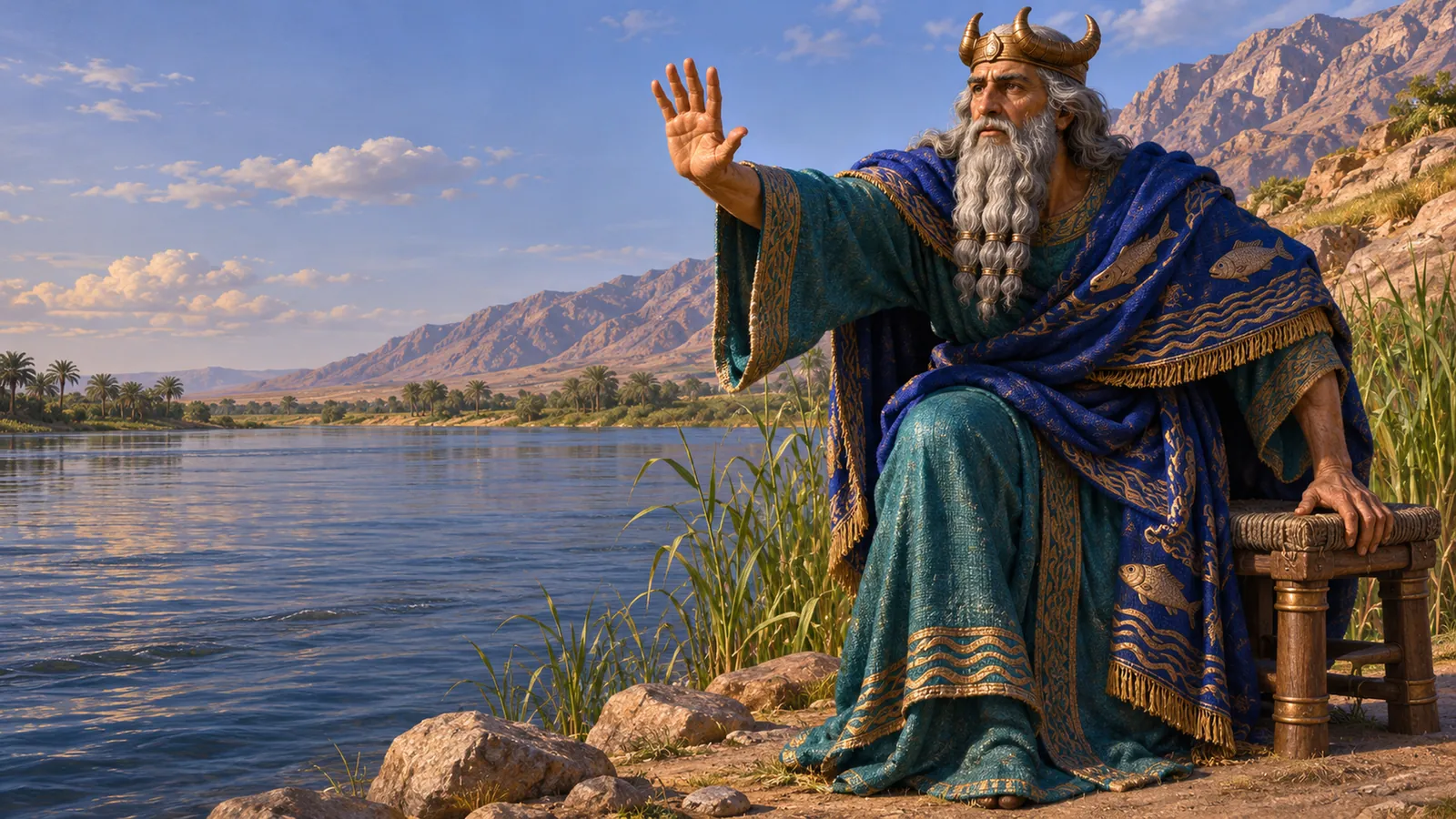
إيا يتكلم
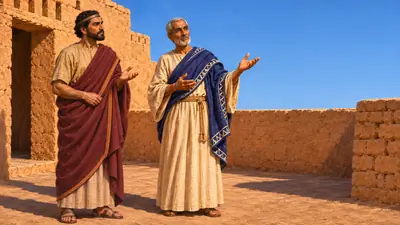
يعترض إيا على أمر الآلهة له بإفناء البشر. ويذكّر إخوته الإلهيين بأنهم قرروا أن يستمر وجود الناس إلى الأبد.
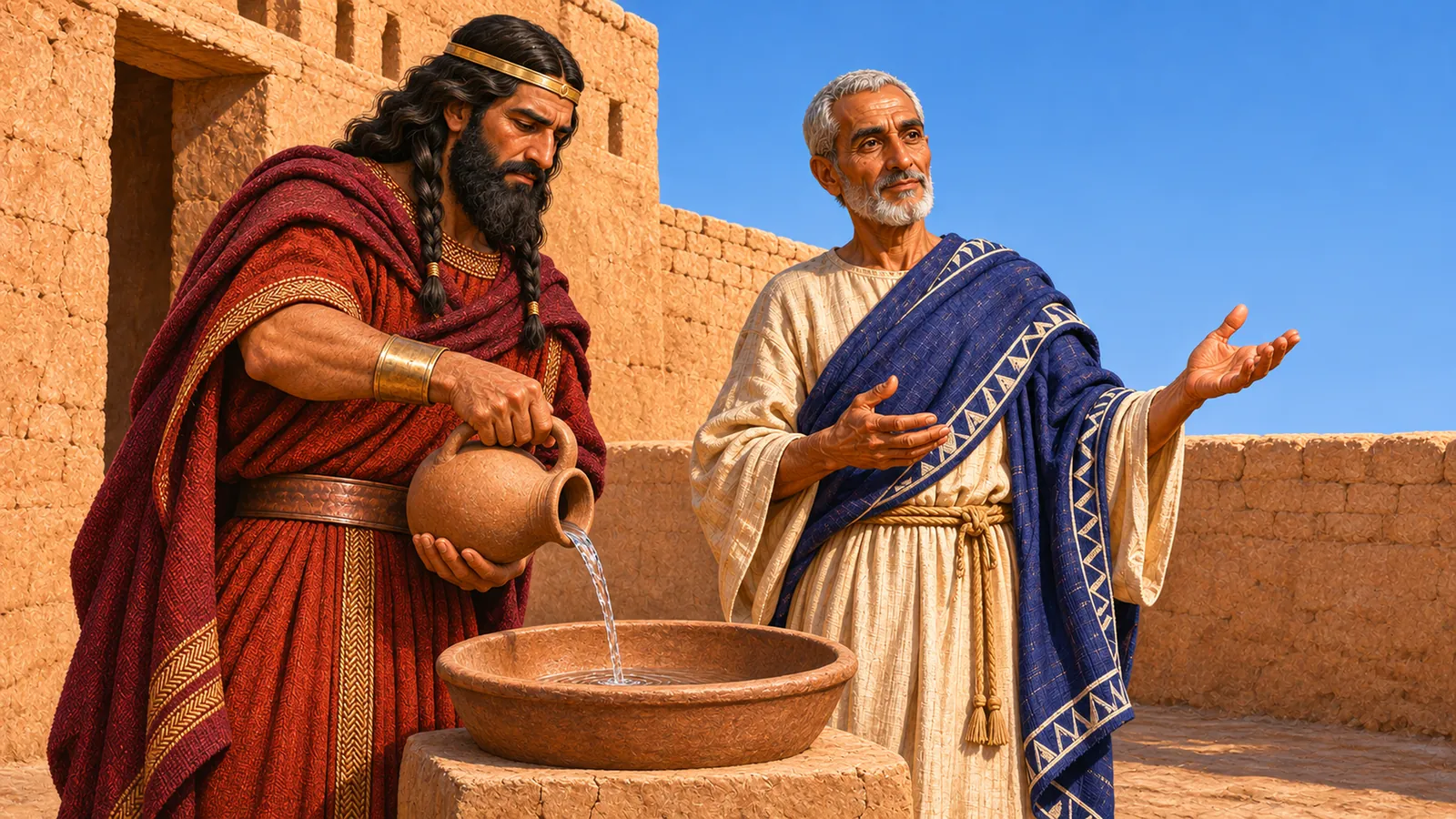
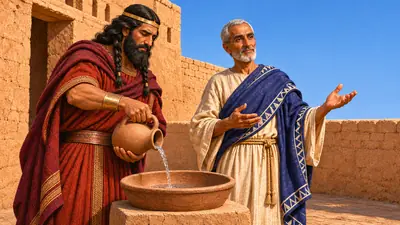
في رأس السنة الرابعة يصلي نارام سين لإيا والآلهة الكبرى. ويسكب السكائب المقدسة وينفذ الأوامر المقدسة على وجهها الصحيح.
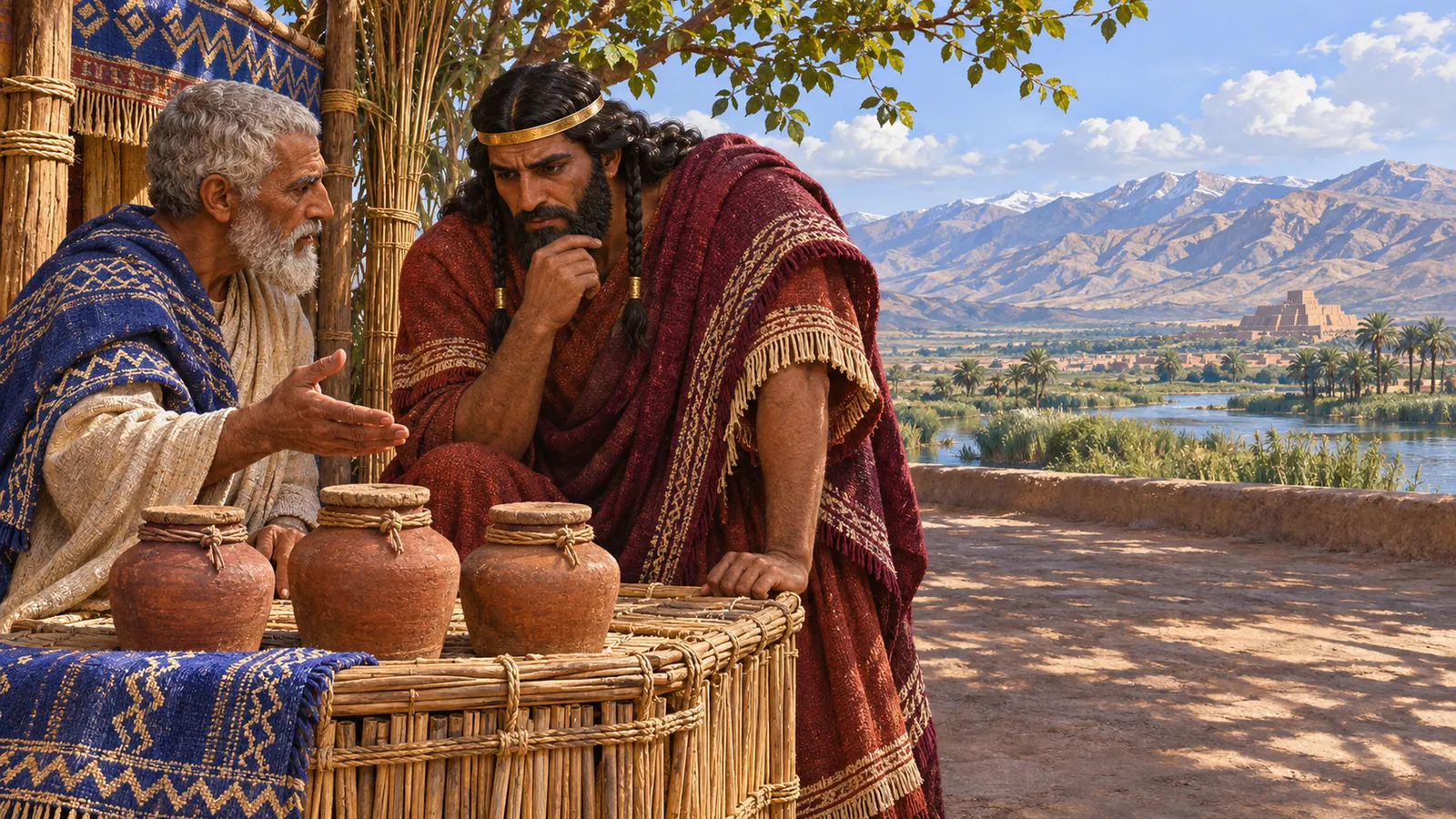
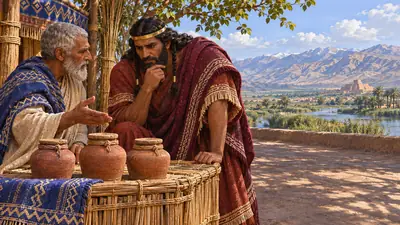
يستدعي العرّافين ثانية ويجري سبعة فحوص للأحشاء على سبعة حملان. وتقوم مذابح القصب المقدسة بينما يسأل الآلهة السبعة أنفسهم.
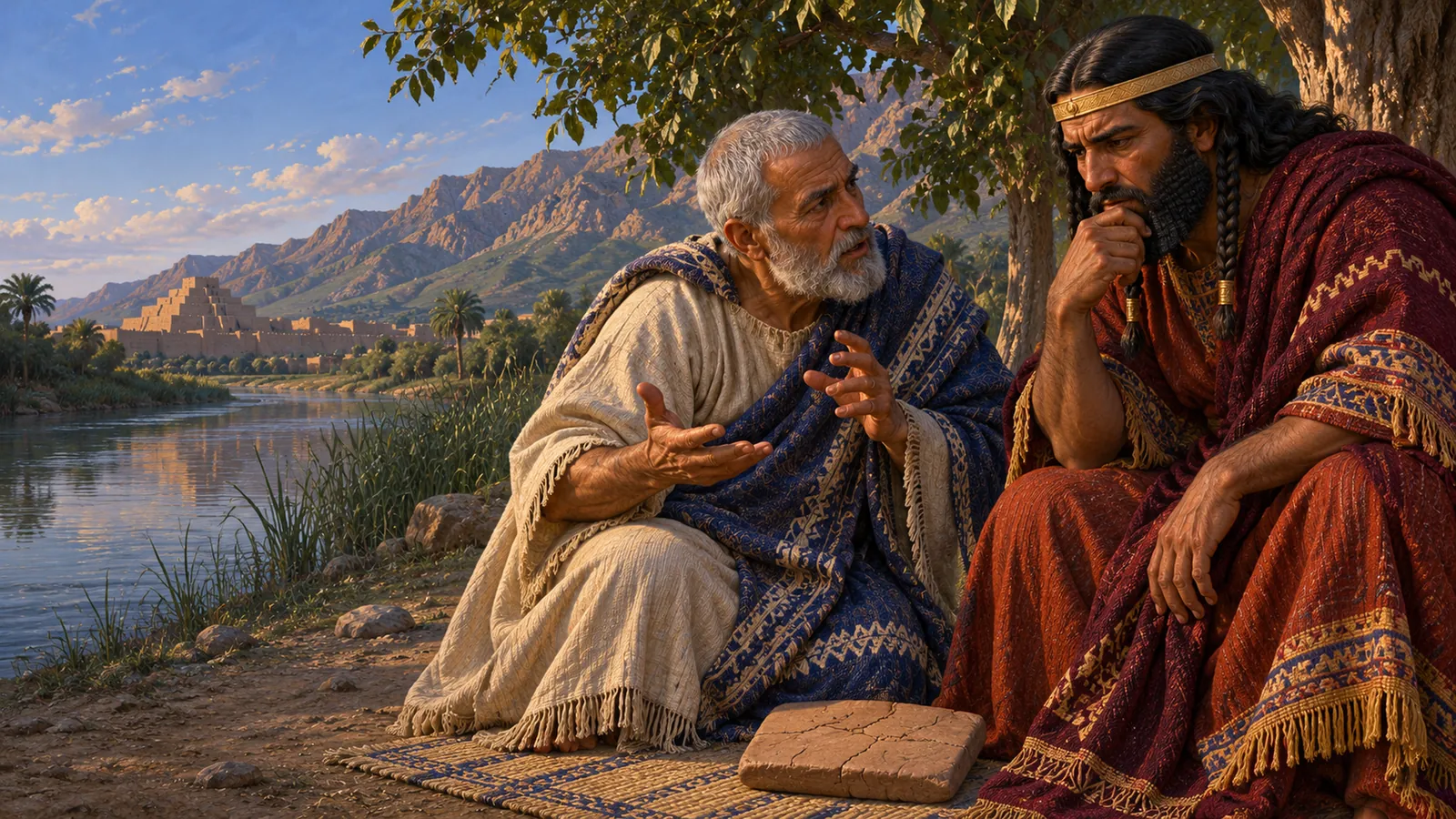
جواب العرّافين مكسور، وحدوده الكاملة غير يقينية. وتتنبأ الكلمات الباقية بفأس القتال تسفك الدم وبأناس يغمرهم؛ ولا تروي قتلًا وقع لتوه.
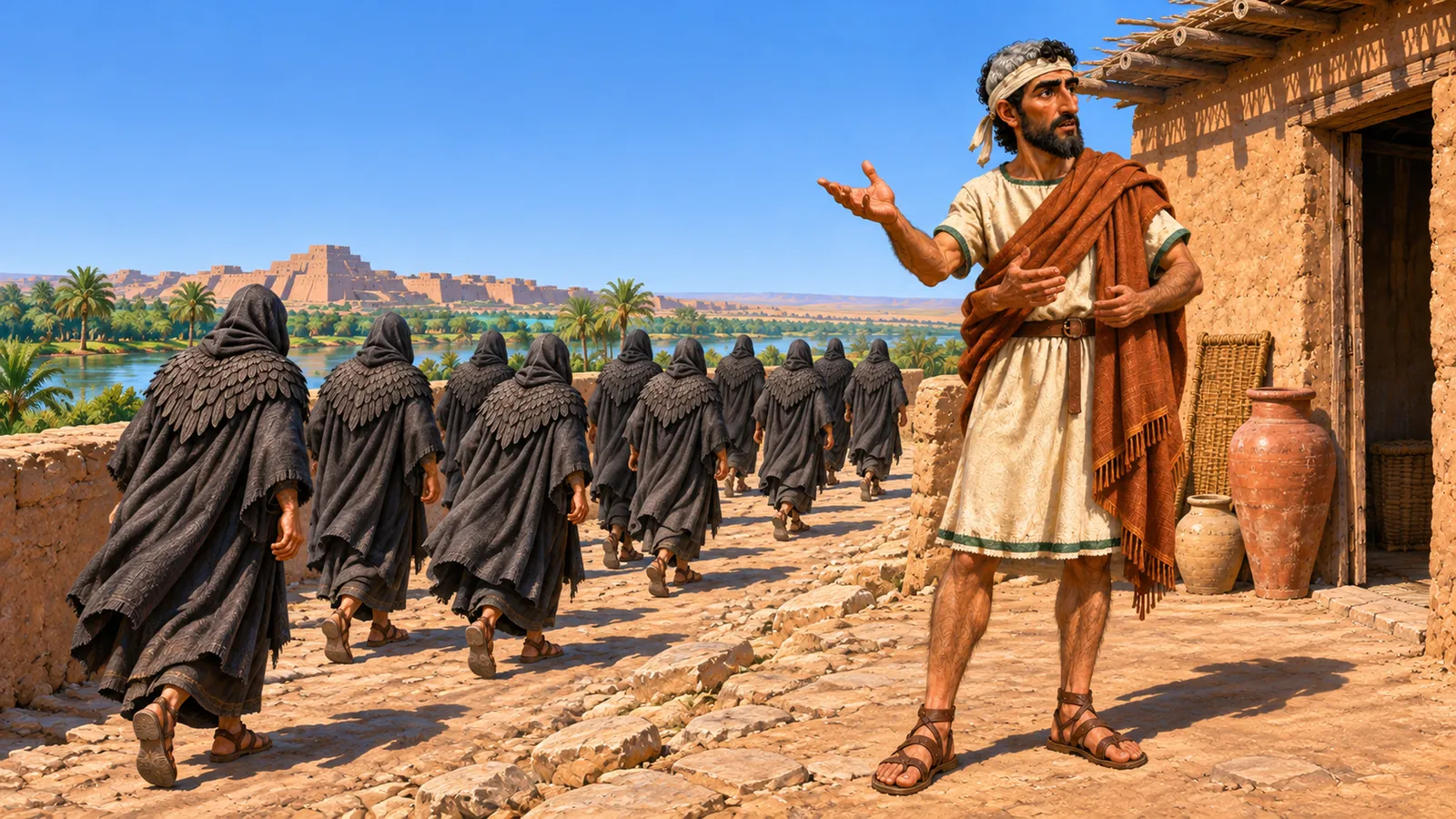
يفر من عند نارام سين اثنا عشر من جند ذلك الجيش. ثم تتبع الحكاية مطاردة الملك العاجلة، من دون أن تسمي هؤلاء الرجال اثني عشر ملكًا أو جيشًا.
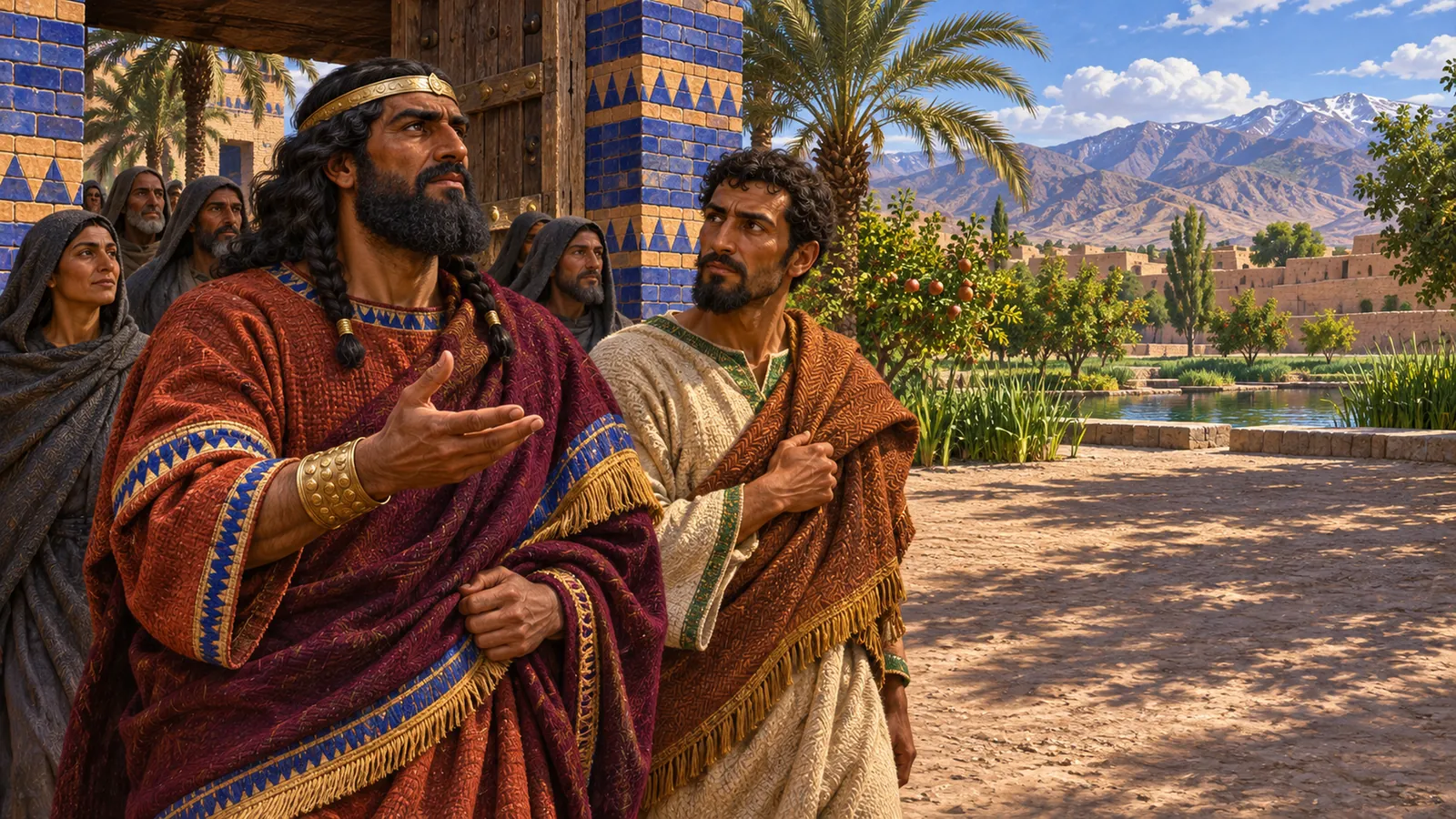
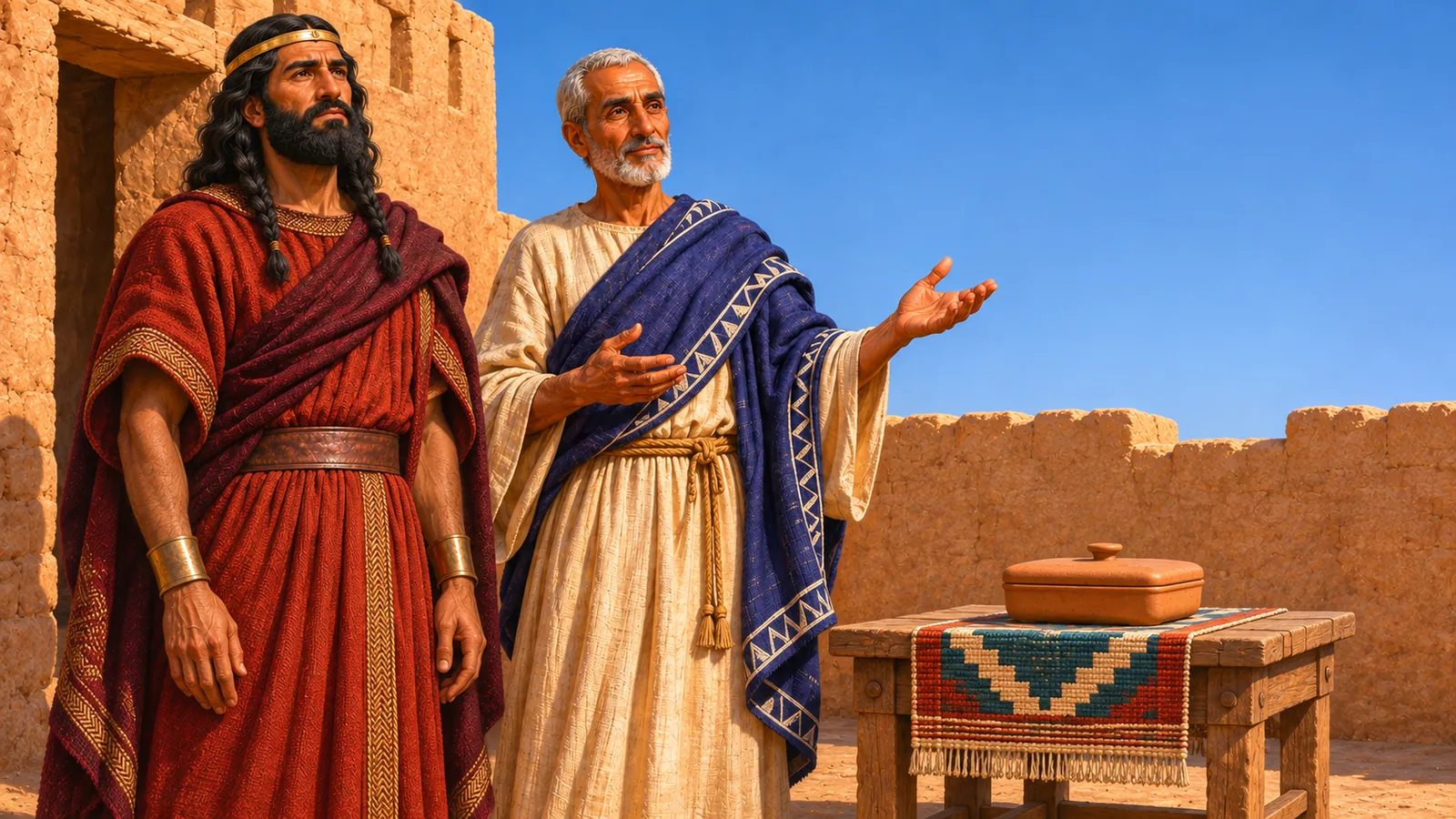
يطاردهم نارام سين مسرعًا ويلحق بهم ويعيدهم. وبعد أن يسترد هؤلاء الجند يتوقف قبل أن يقرر ما يجوز له فعله بهم.
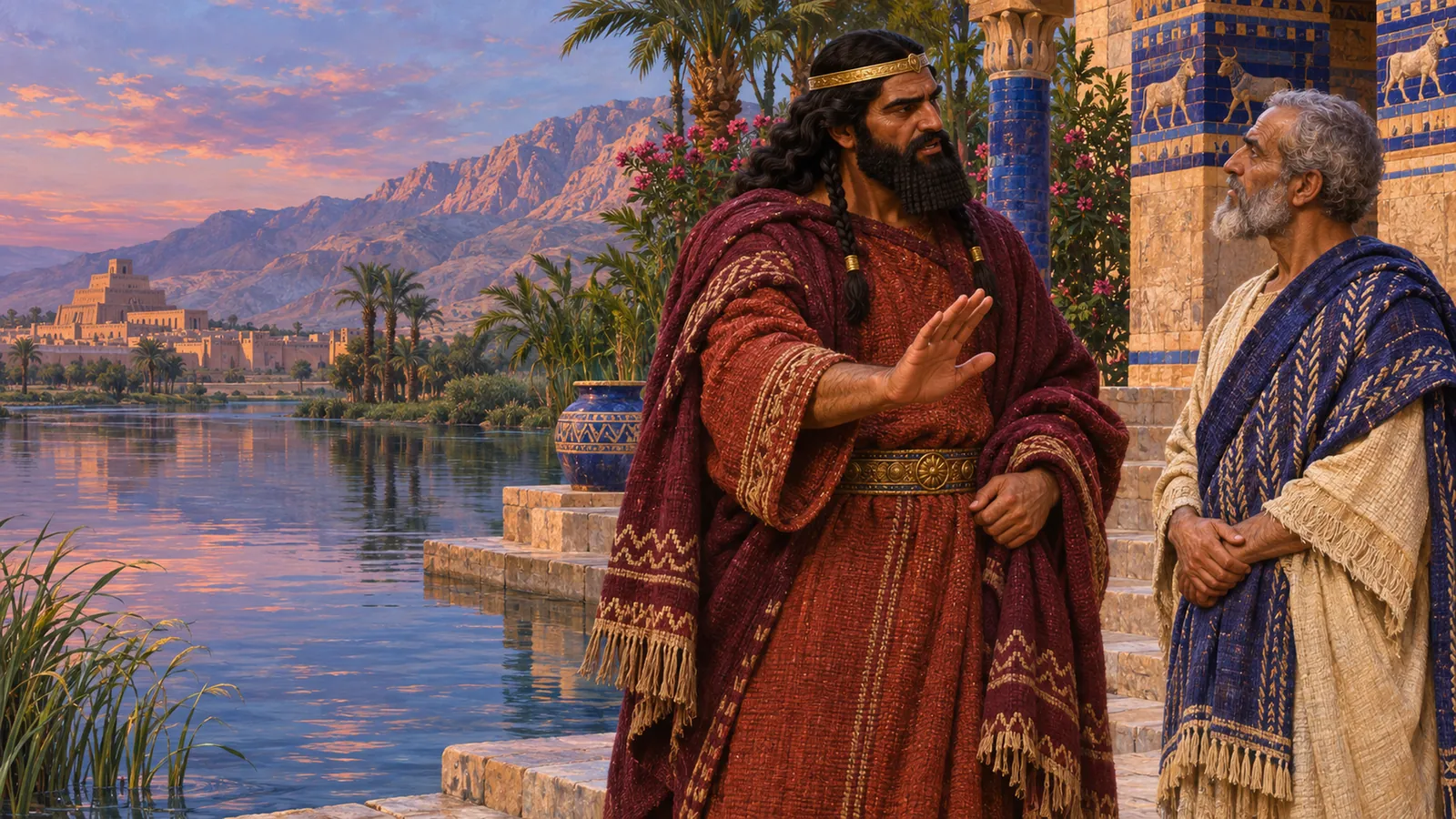
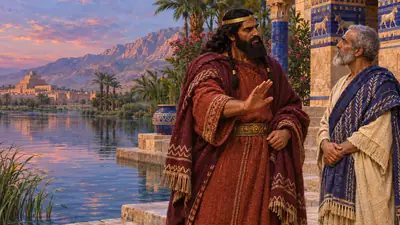
يكلم الملك نفسه ويعزم ألا يمد يده إليهم دون عرافة. وقد حل ضبط النفس محل اعتماده السابق على نفسه وحده.
الرحمة
يجري فحصًا آخر للأحشاء في شأنهم. ويأمر فأل الآلهة الكبرى بالرحمة للرجال الذين أعادهم.
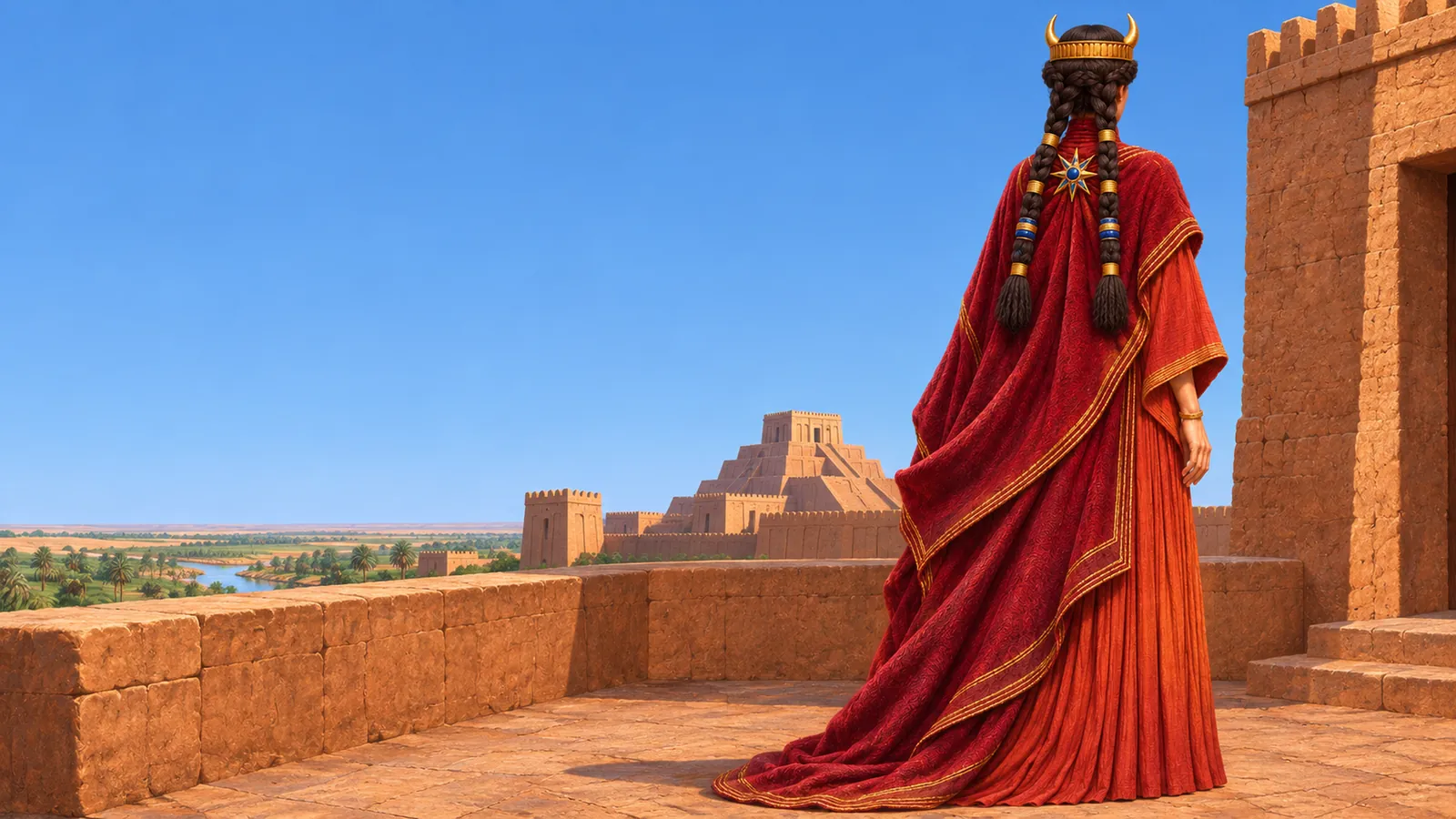
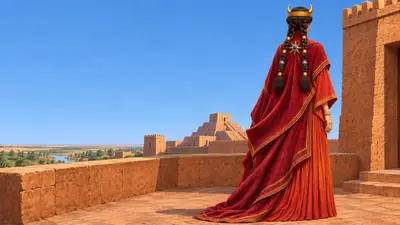
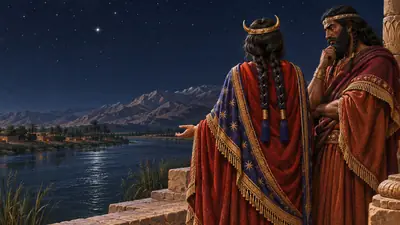
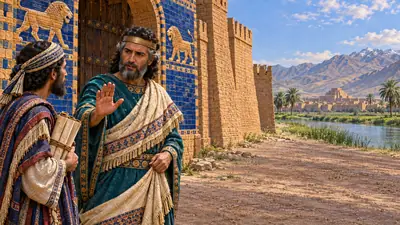
تقترب نجمة الصباح الساطعة من السماء وتخاطب نارام سين، ابن سرجون في الحكاية. وتنطق عشتار الآن بالأمر الذي عليه الإصغاء إليه.
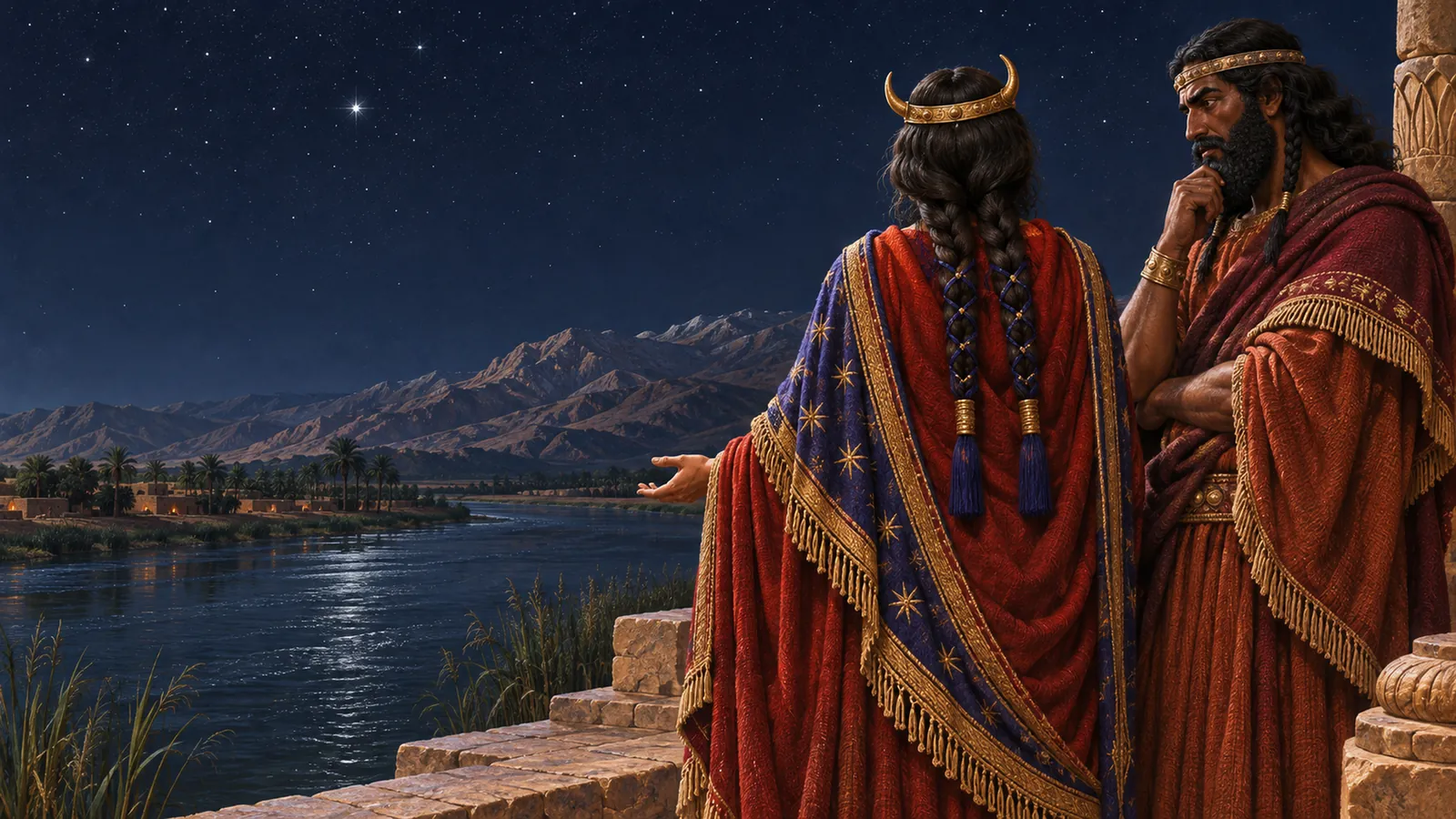
تقول لنارام سين أن يكف وألا يفني هؤلاء القوم الجوالين. وعليه أن يترك الحكم الآتي للآلهة بدلًا من أن يقتل الجند الأسرى بنفسه.
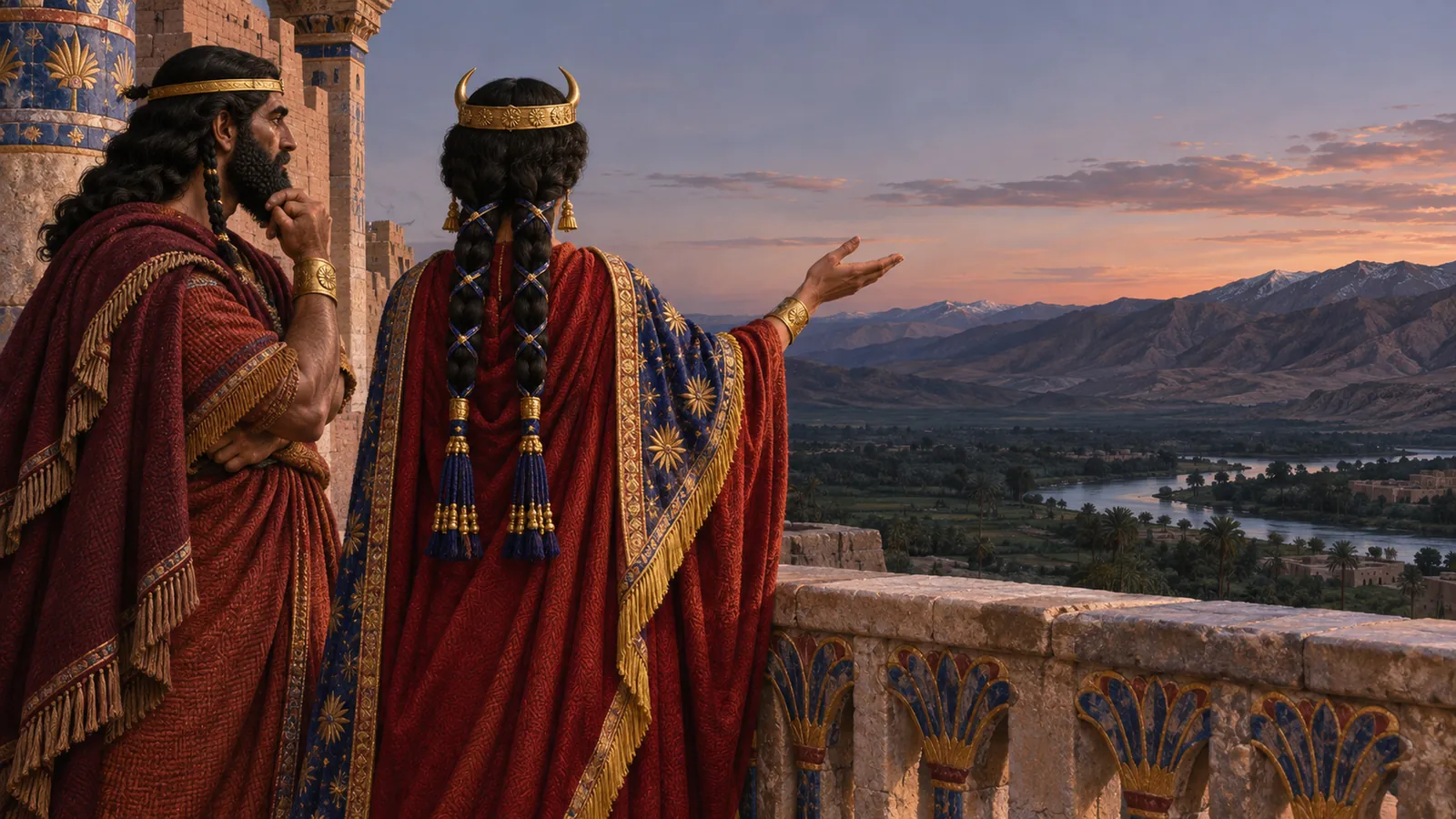
تقول إن إنليل سيحاسبهم على شرهم في الأيام المقبلة. وعليهم انتظار قلبه الغاضب؛ ولا يؤمر الملك بتنفيذ ذلك العقاب الآتي.
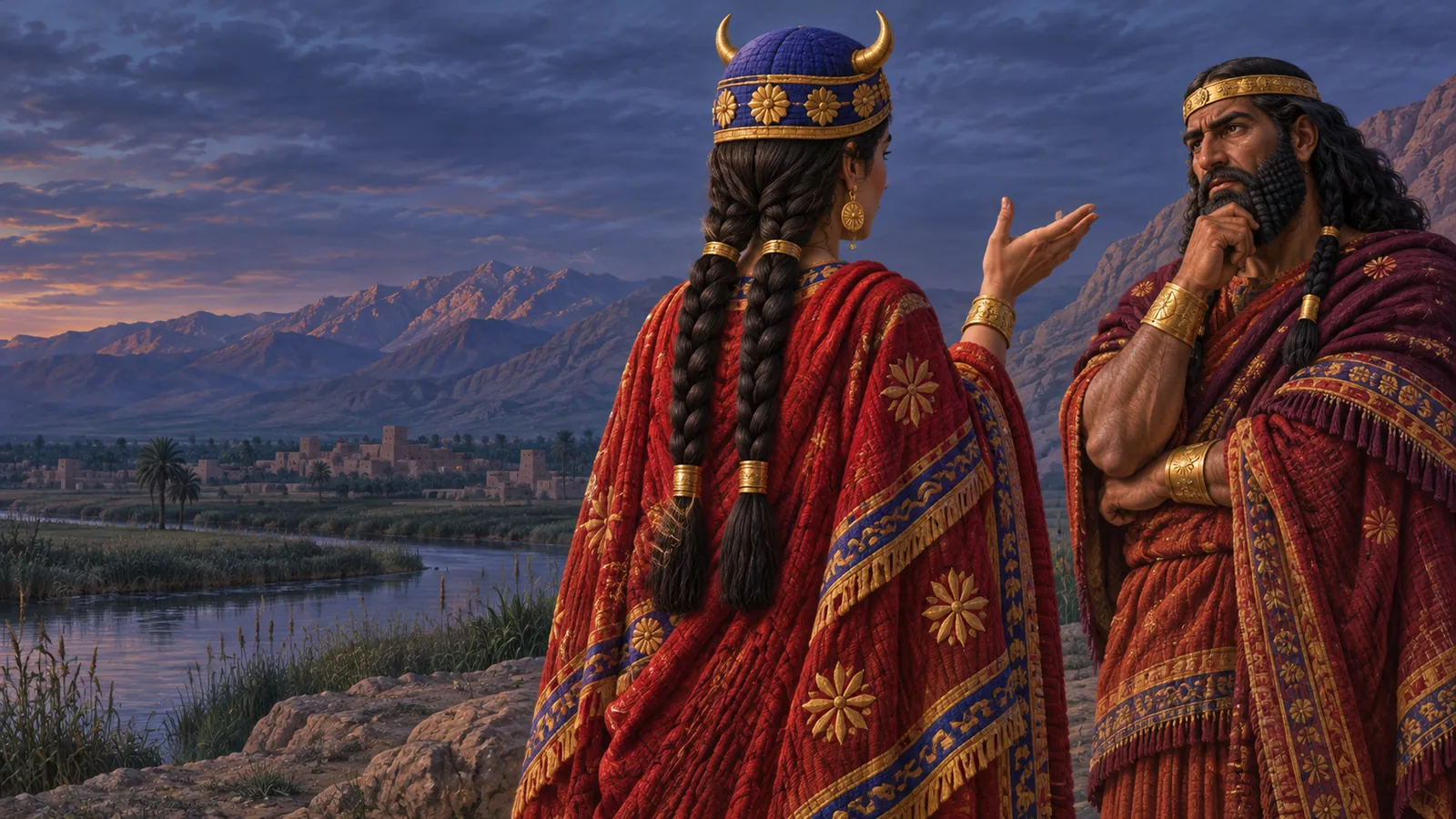
تتنبأ بدمار مجتمع الخصوم: حريق وكلاب تحيط به وسفك دم وموت. وتبقى هذه نبوءة، لا رواية أن نارام سين ينفذها الآن.
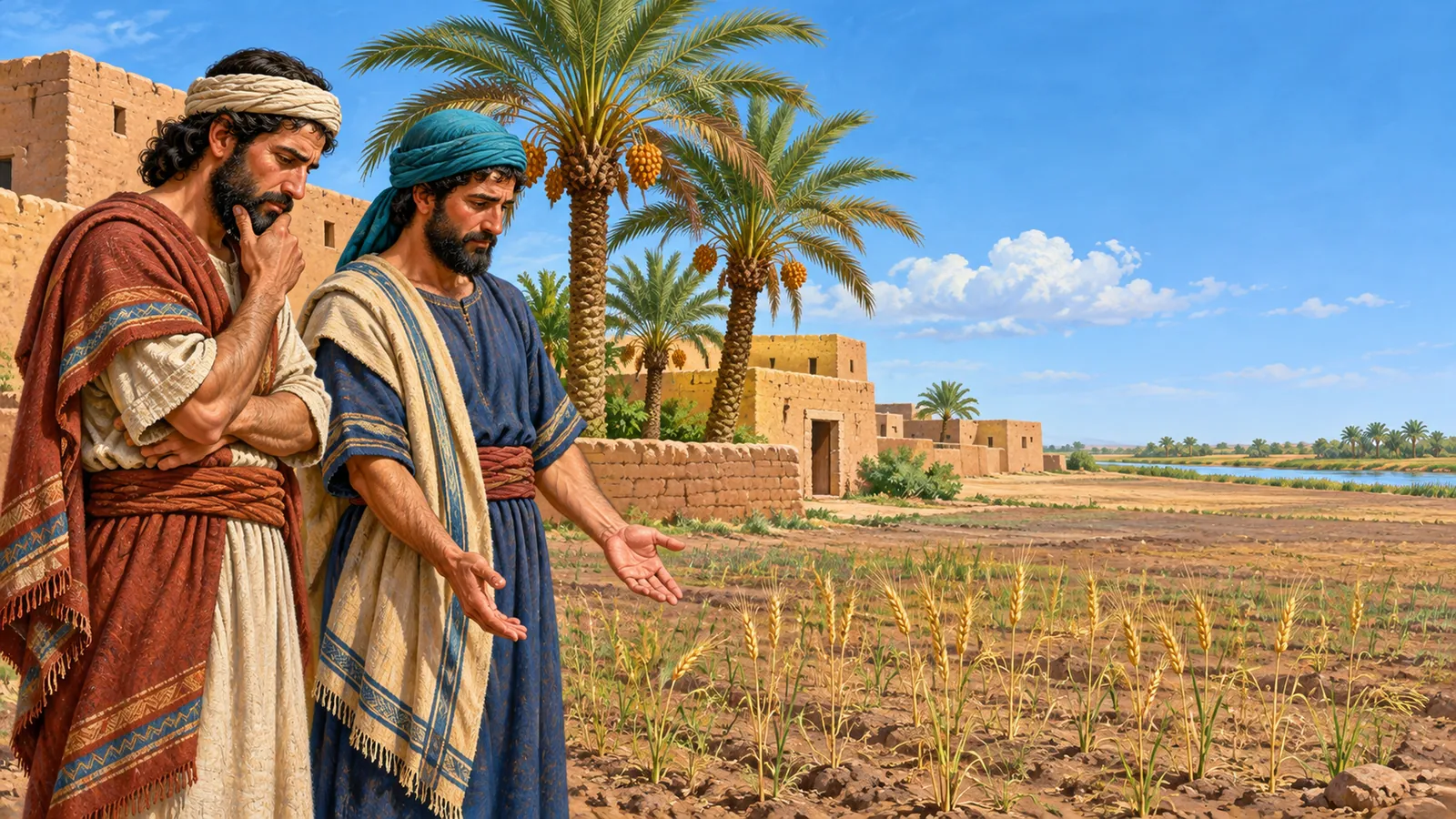
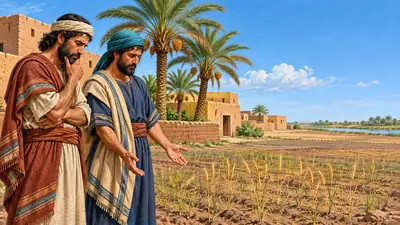
تقول نبوءتها إن الأرض ستقلل محاصيلها وبساتين النخيل غلالها. وهذه الندرة الآتية من التنبؤ، من دون رواية جديدة هنا عن إخفاق محصول وقع.
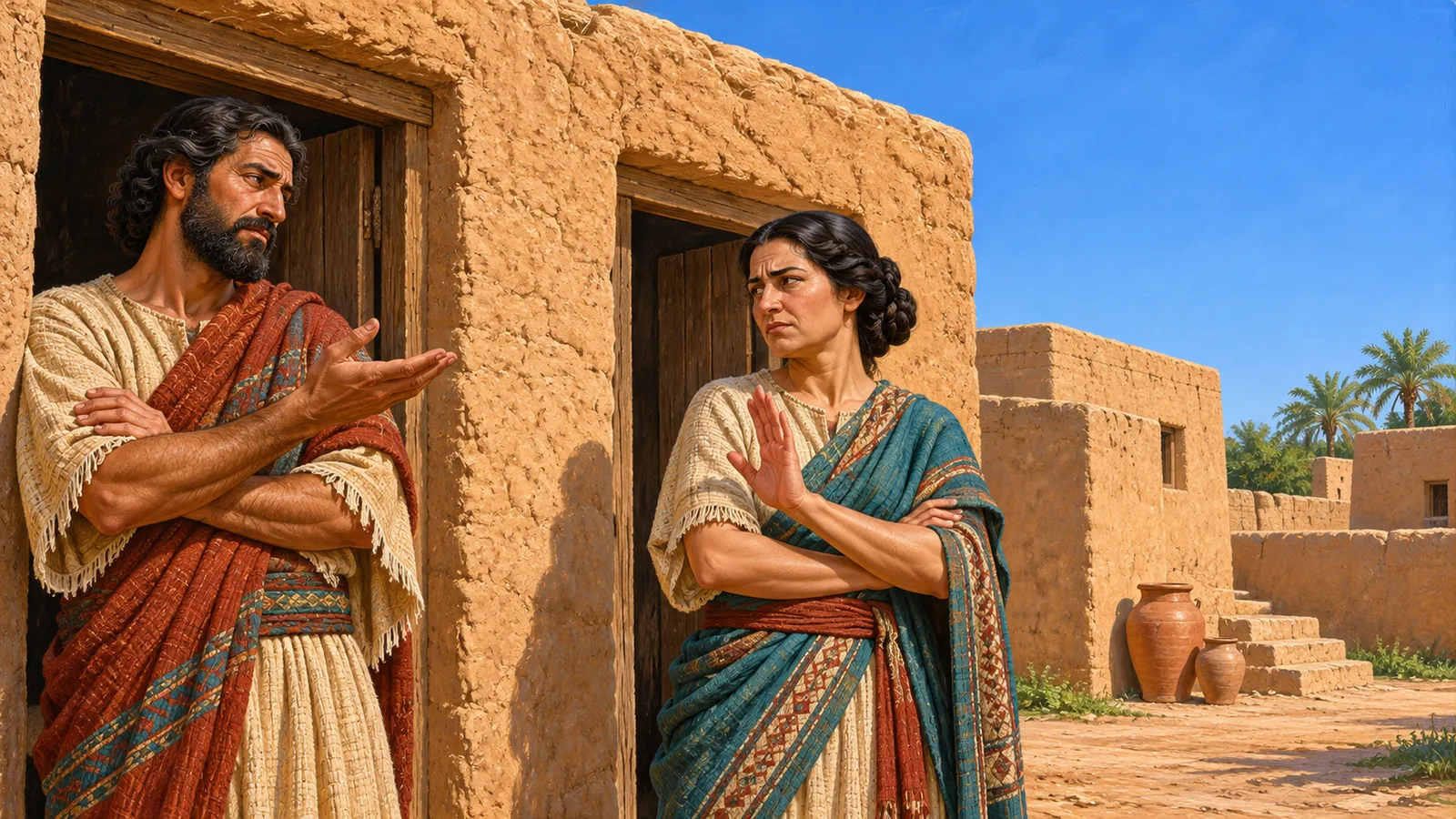
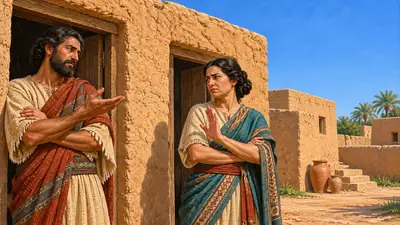
تجعل نبوءتها مدينة على مدينة وبيتًا على بيت وأبًا على ابن وأخًا على أخ وصديقًا على صديق. وسيعلّم الناس الكذب ولا يعودون يقولون الصدق بعضهم لبعض.
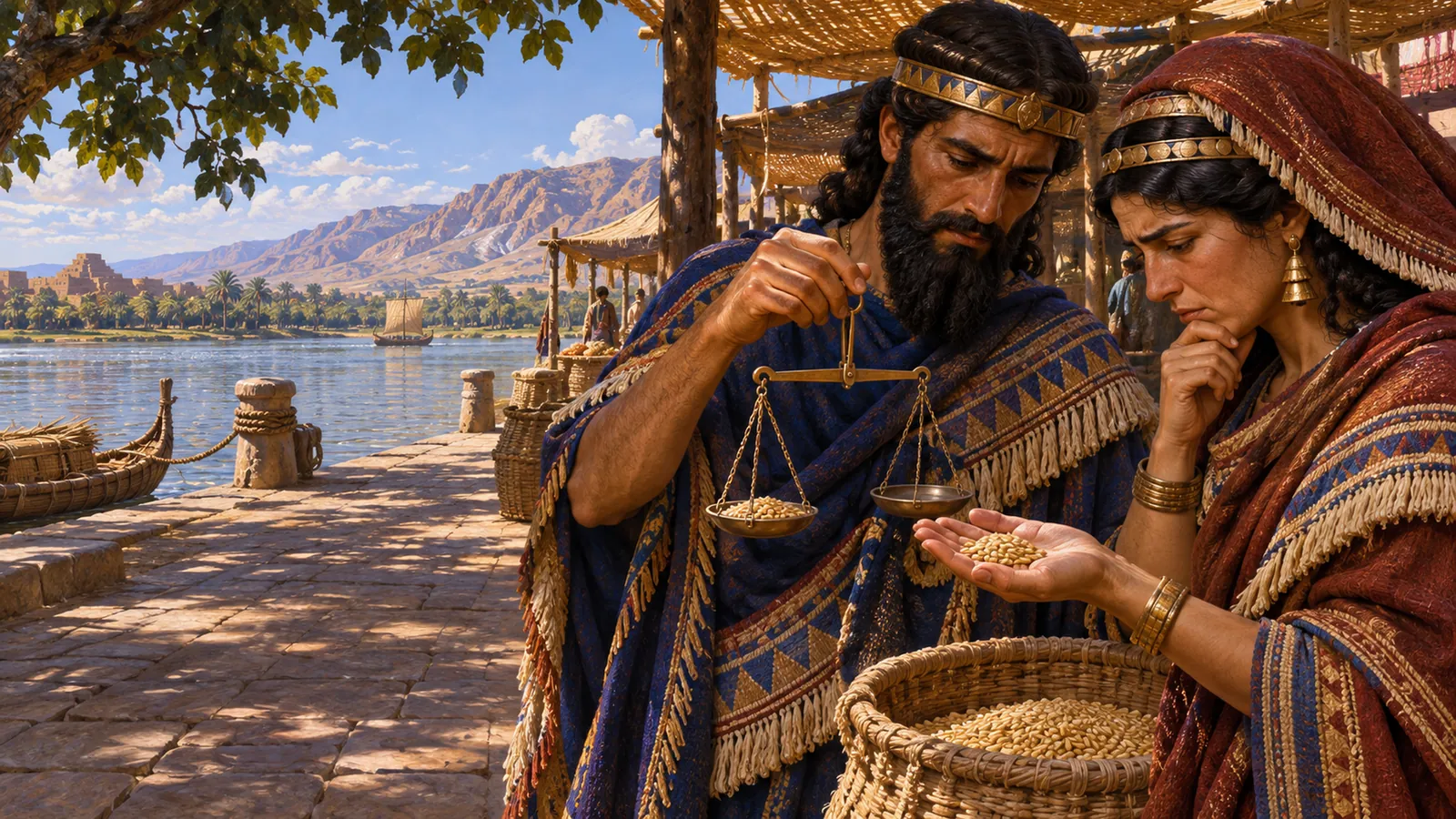
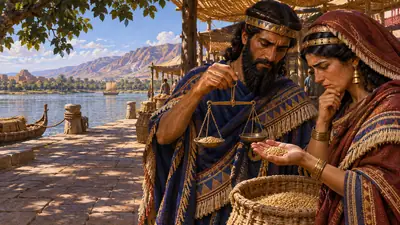
تعلن نبوءتها المجاعة وشعيرًا مقداره مكيال سوت بشيقل واحد من الفضة. ولا يحفظ سطر تالف عن ملك قوي عبارة كاملة واضحة.
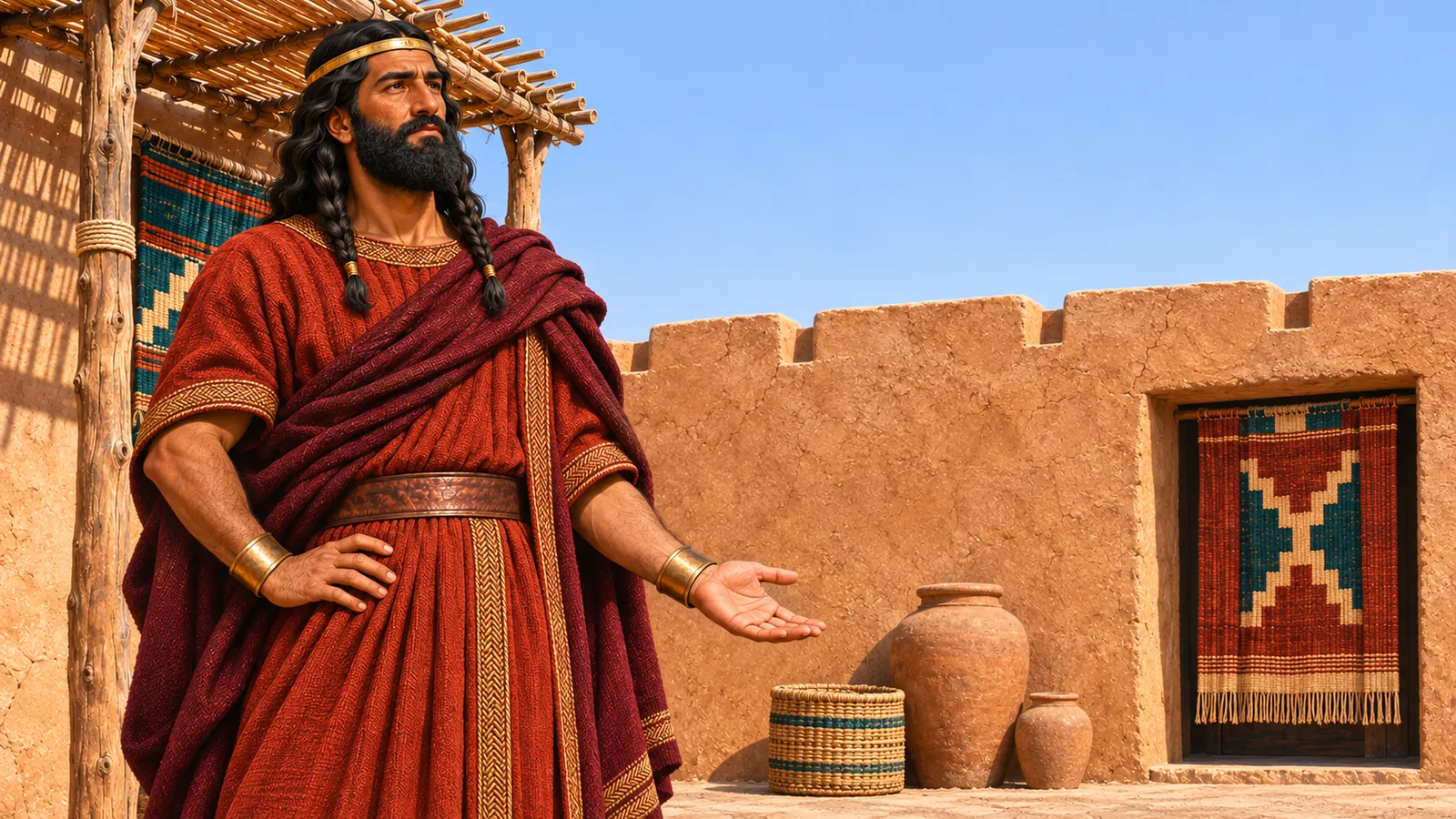
تحملهم الآلهة الكبرى كجزية. ويقرر نارام سين أنه لم يمد يده إليهم ليقتلهم، حافظًا تحول الرواية نحو ضبط النفس.
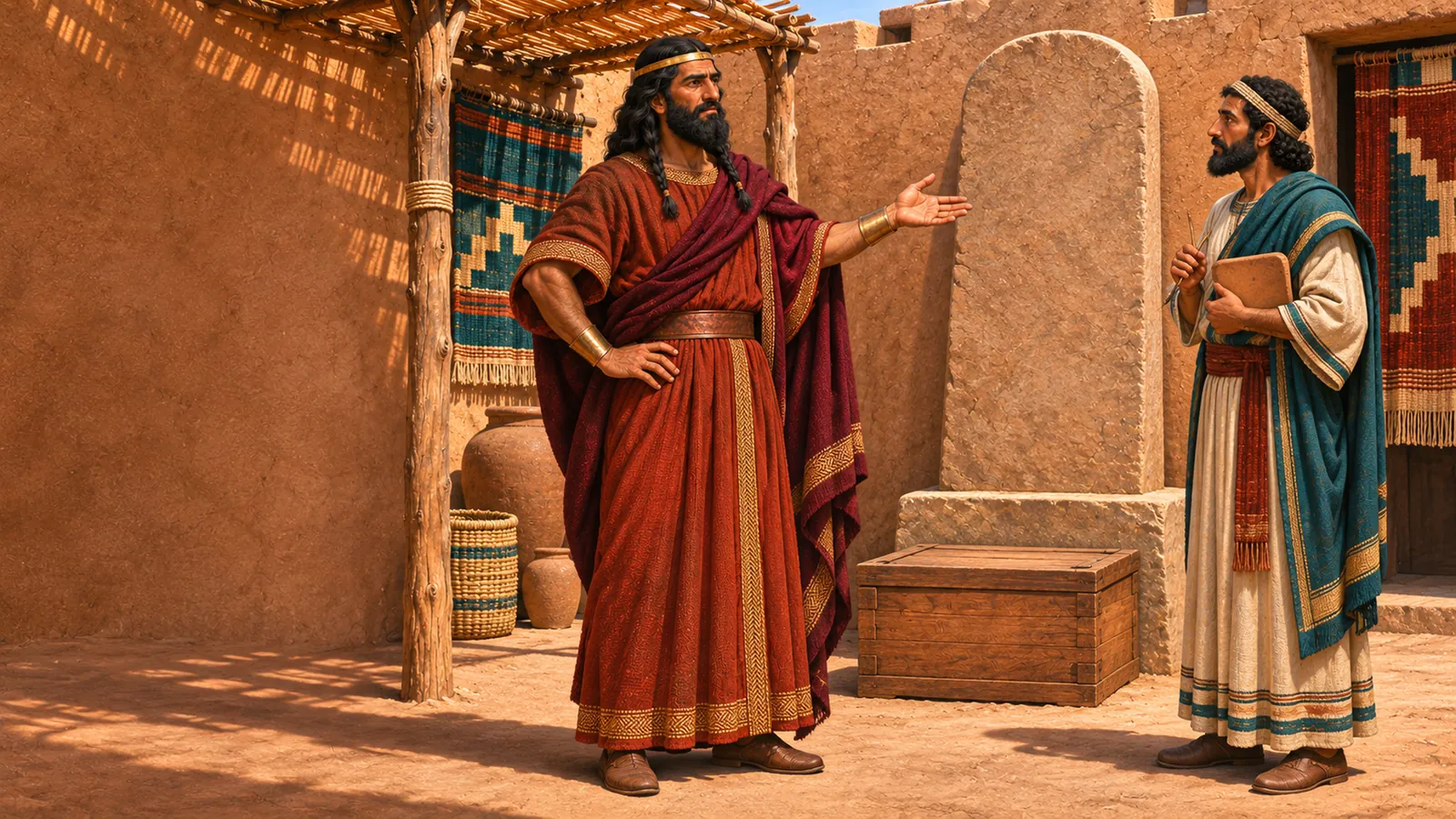
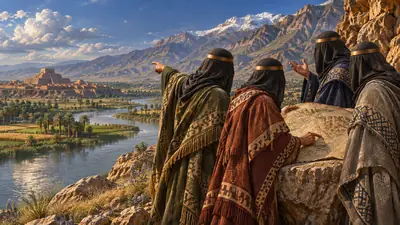
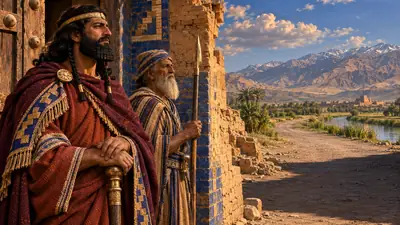
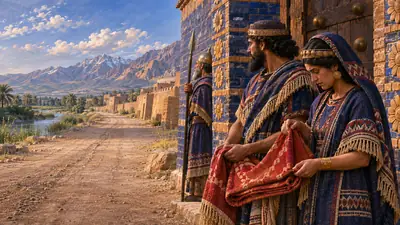
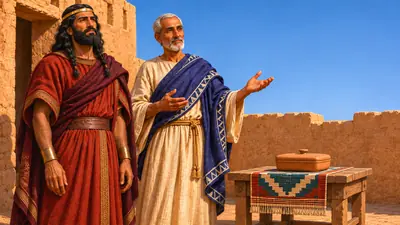
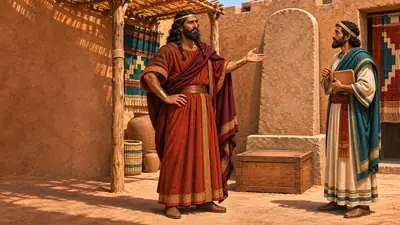
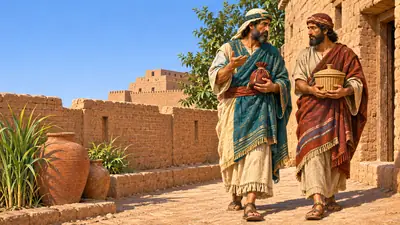
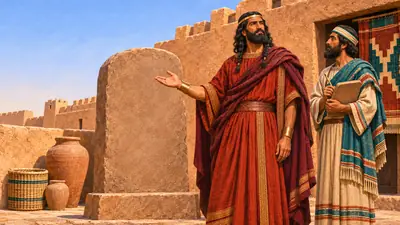
يقول نارام سين إنه صنع صندوق أساس وكتب مسلة لحاكم أو أمير أو ملك في المستقبل. ويتركها في كوثى، في إيميسلام، في حجرة نرغال المقدسة.
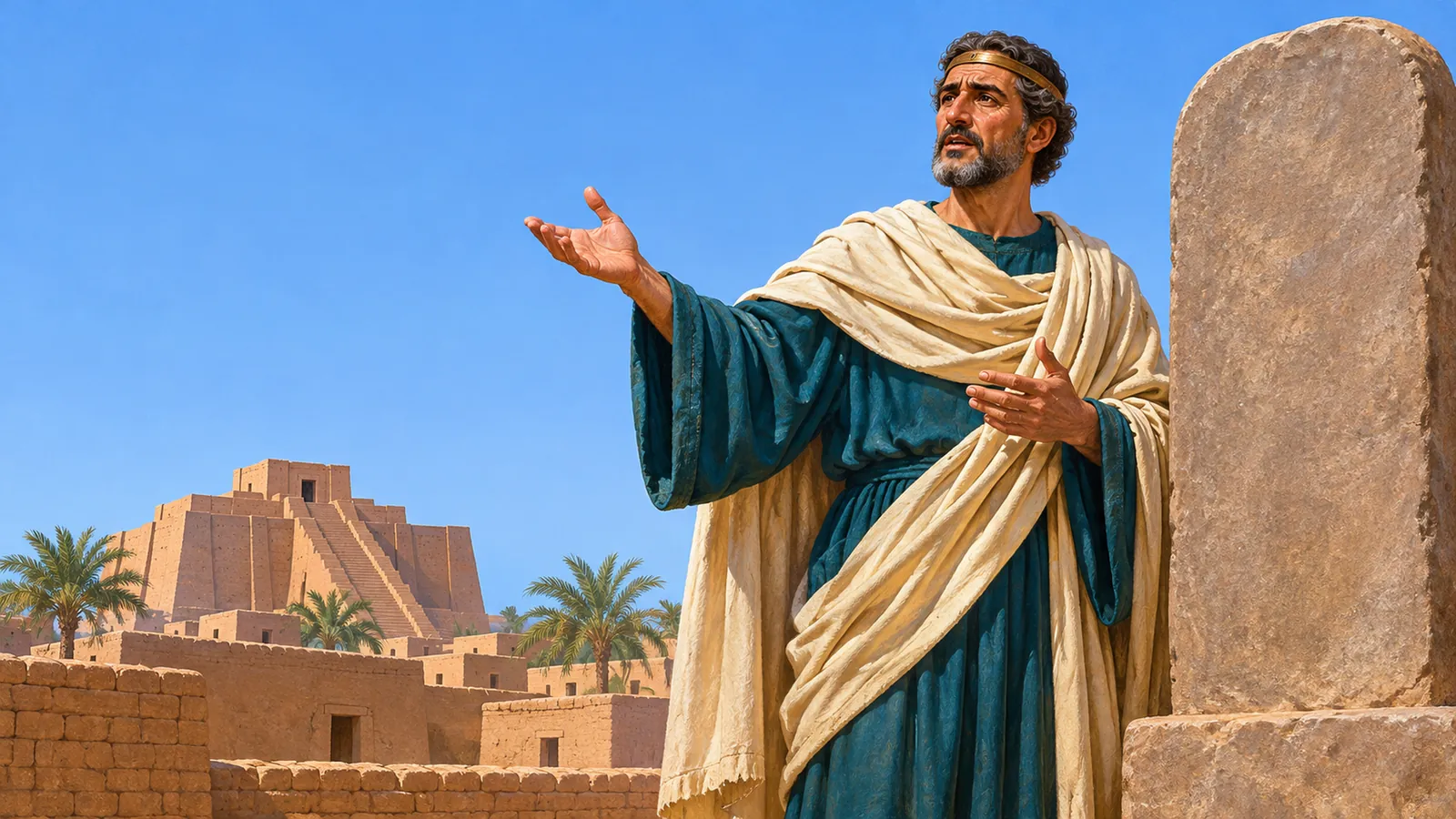
الأجيال الآتية
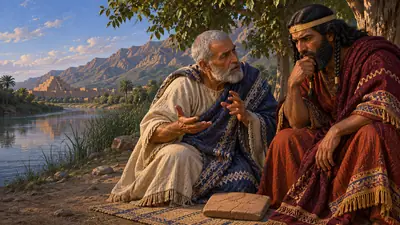
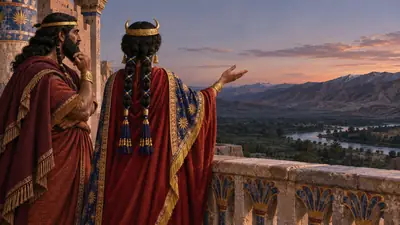
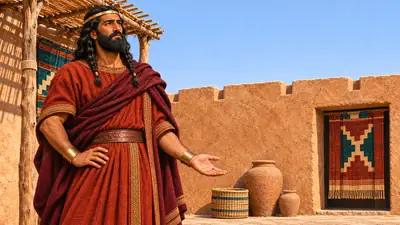
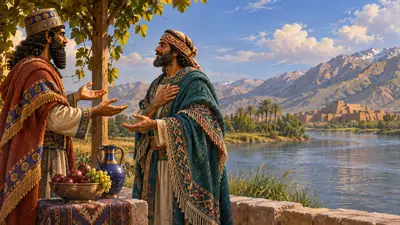
يقول لقارئ المستقبل أن ينظر إلى المسلة ويصغي. وينصحه ألا يرتبك أو يخاف، وأن يثبت في موقفه.
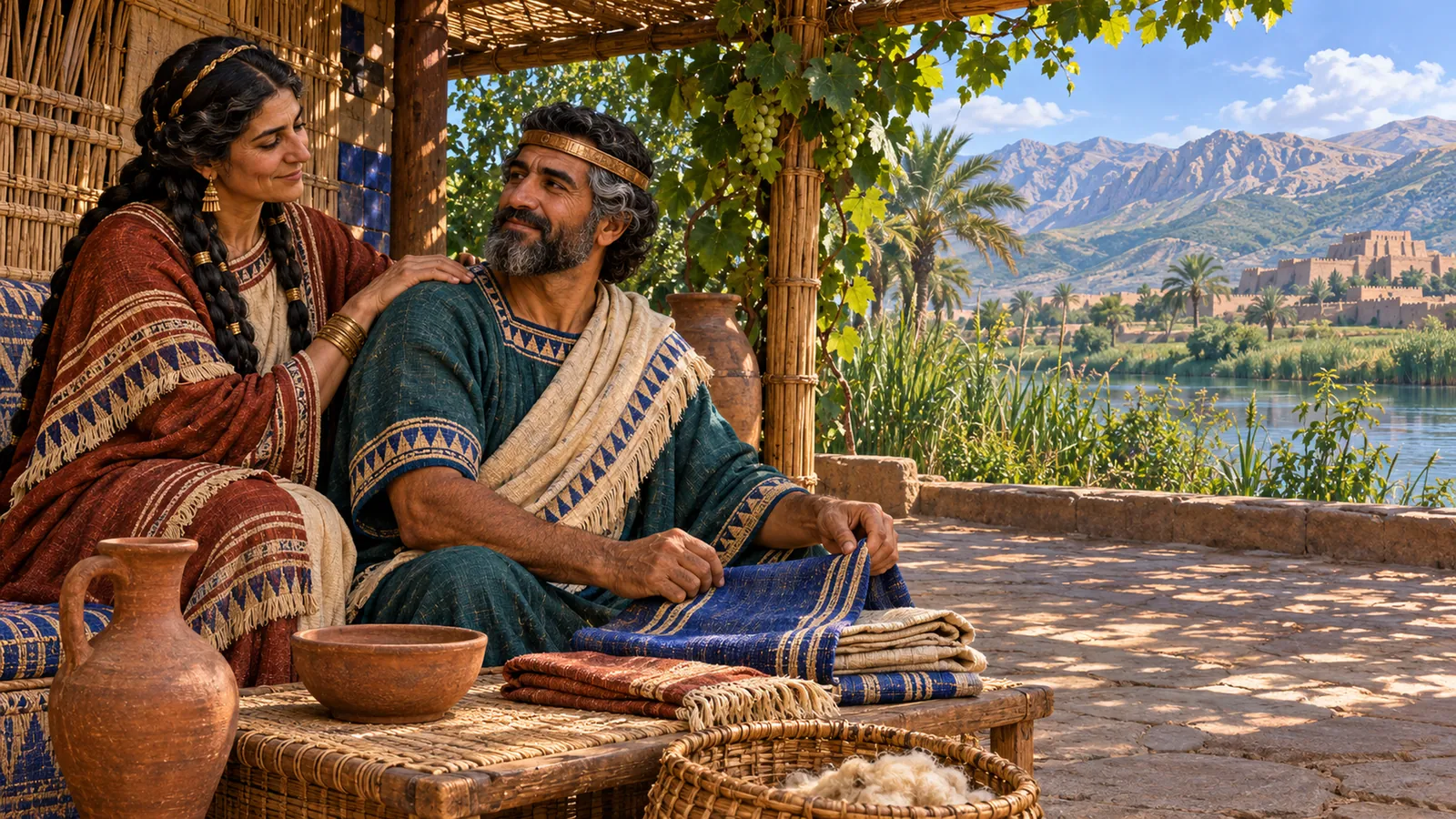
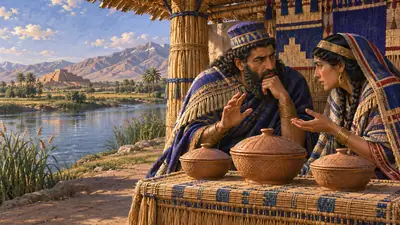
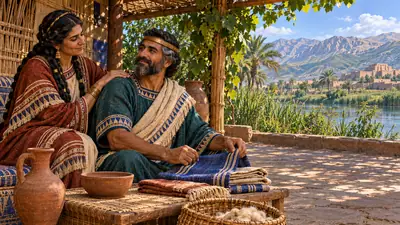
ينصح الملك حاكم المستقبل أن يؤدي عمله في حضن زوجته. ويتجه هذا النصح إلى الحياة داخل الدفاعات بدلًا من مسير آخر إلى الكارثة.
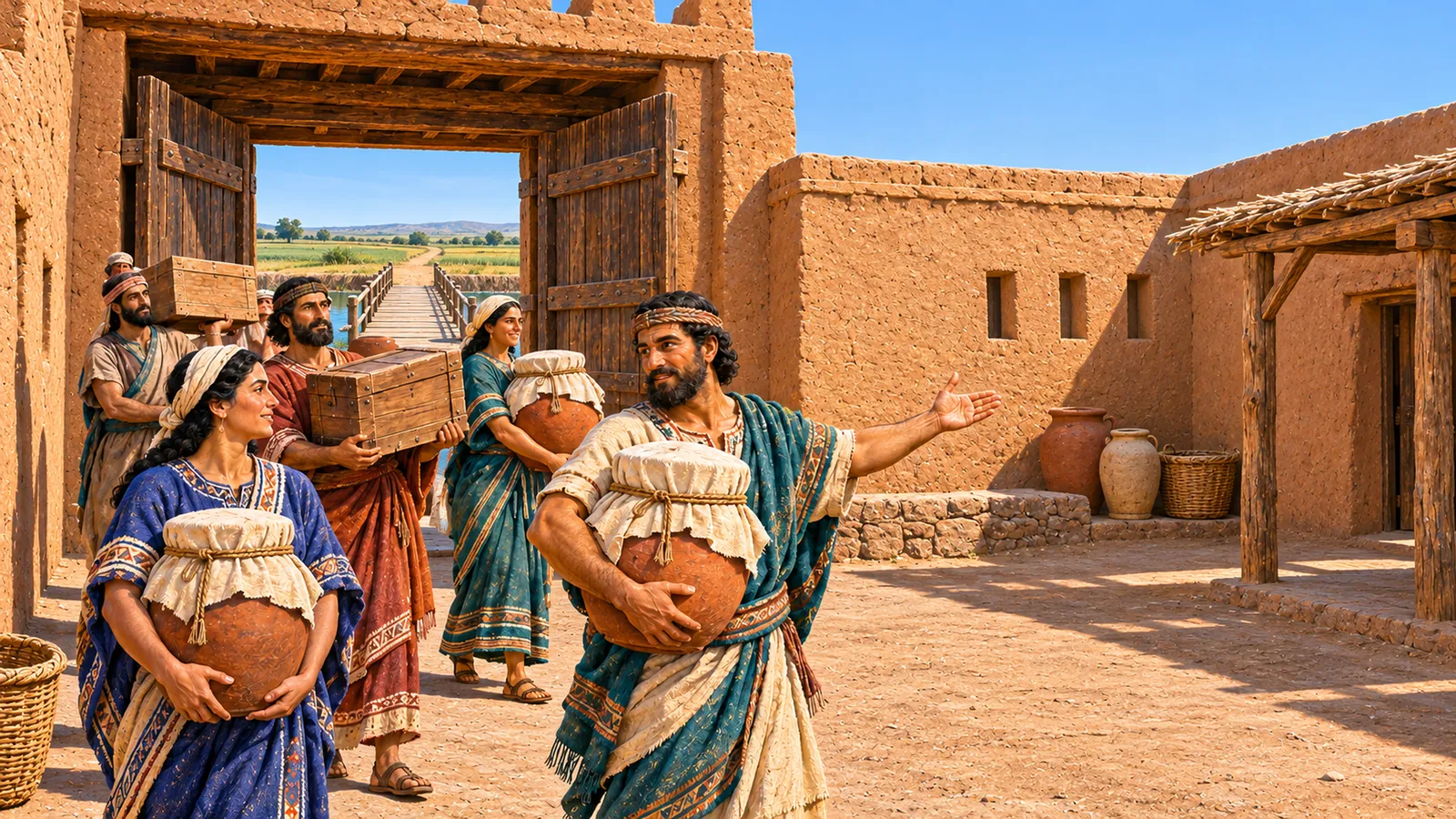
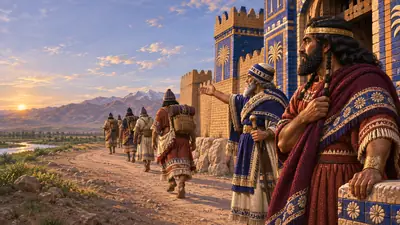
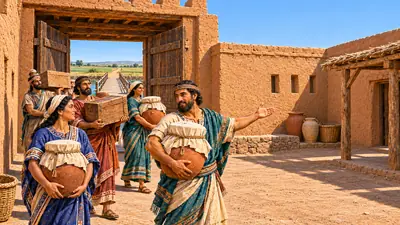
أمّن أسوارك واملأ الخنادق بالماء وأدخل الصناديق والحبوب والفضة والممتلكات إلى مدينتك المحصنة. ويوجه النصح حاكم المستقبل إلى الاستعداد داخل الدفاعات.
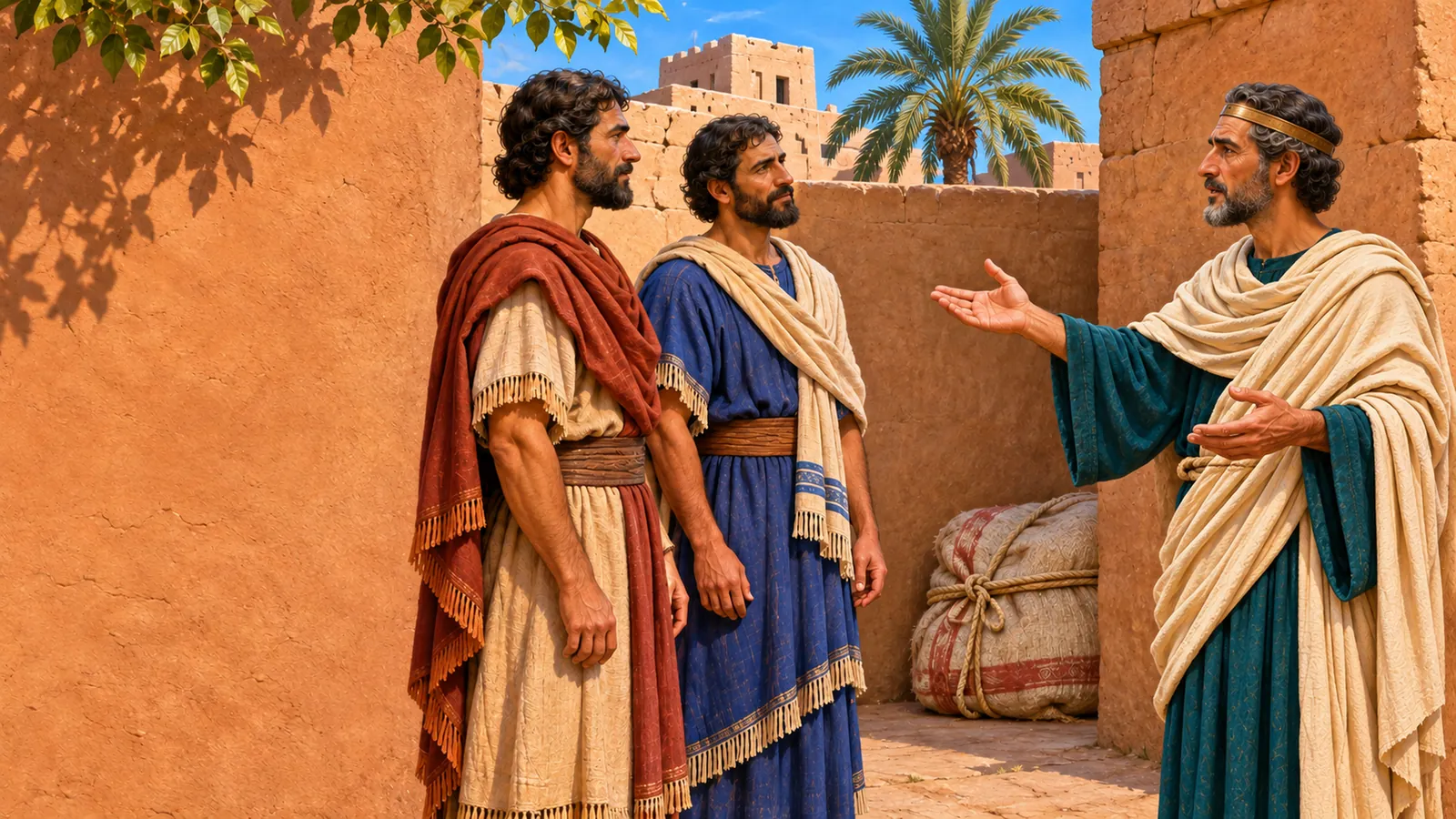
يقول: لف أسلحتك وأسندها إلى ركن. واكبح محاربيك واعتن بنفسك؛ فهذا الأمر يرد المقاتلين بدلًا من إرسال جيش آخر.
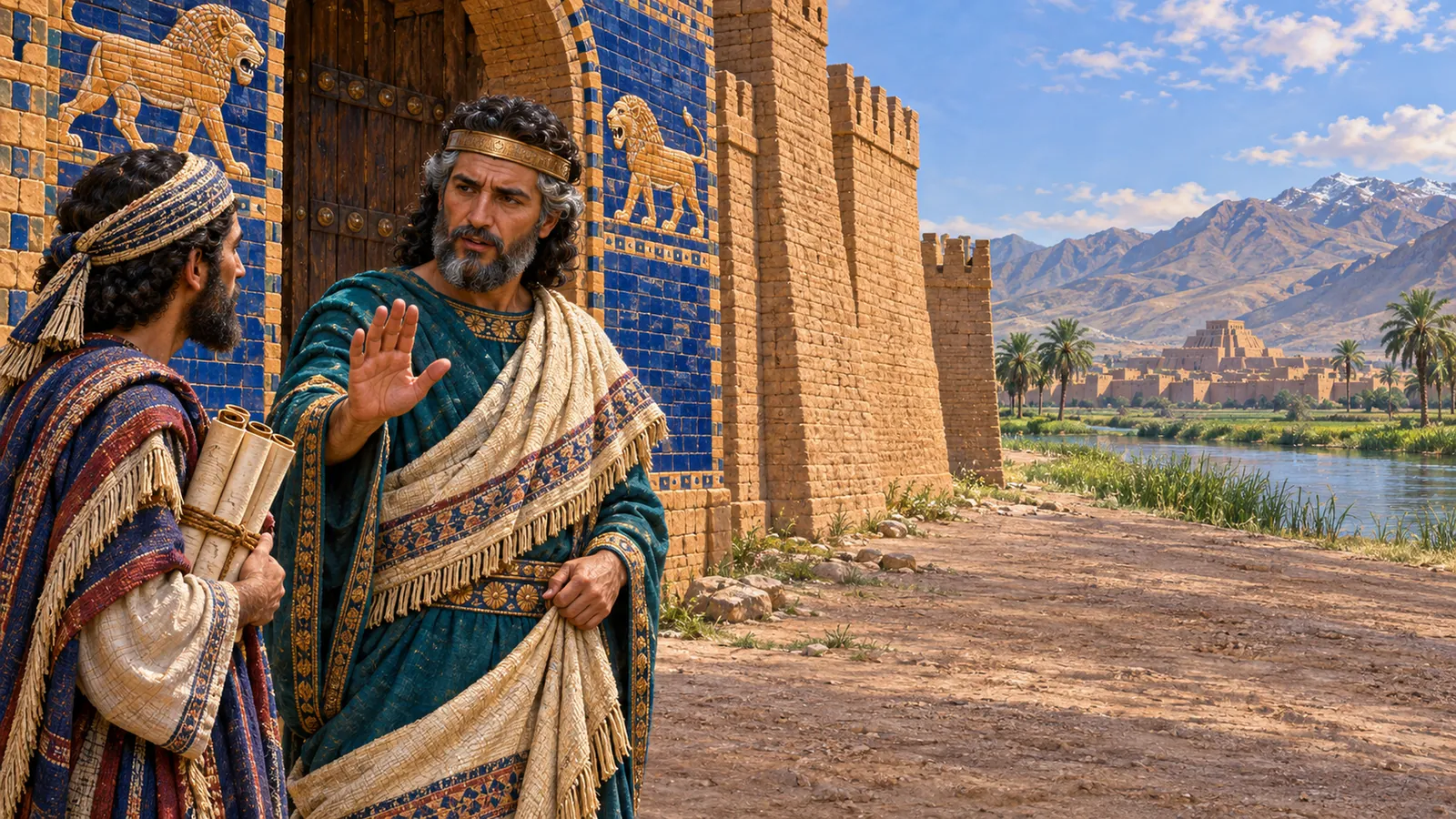
حتى إن أغار عدو على البلاد أو أكل لحم الجند أو ارتكب القتل، ينصح الملك بالبقاء بعيدًا. والسطر المتعلق بالماشية تالف.
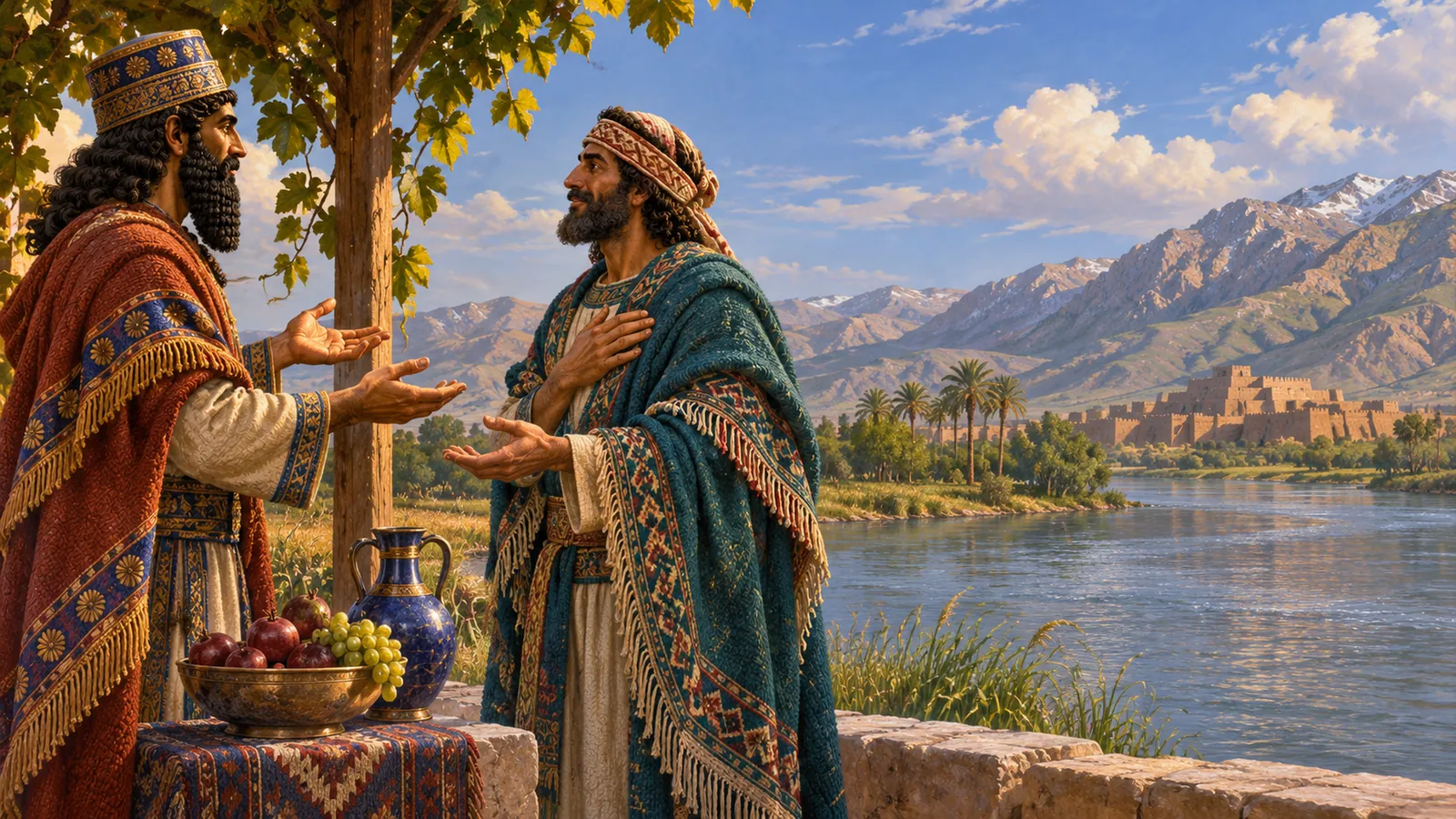
ينصح بالخضوع والطاعة وأن تجيبهم بوصفهم سادتك. ورد شرهم بالإحسان؛ فهذه تعليمات الحكاية إلى قارئها الملكي في المستقبل.
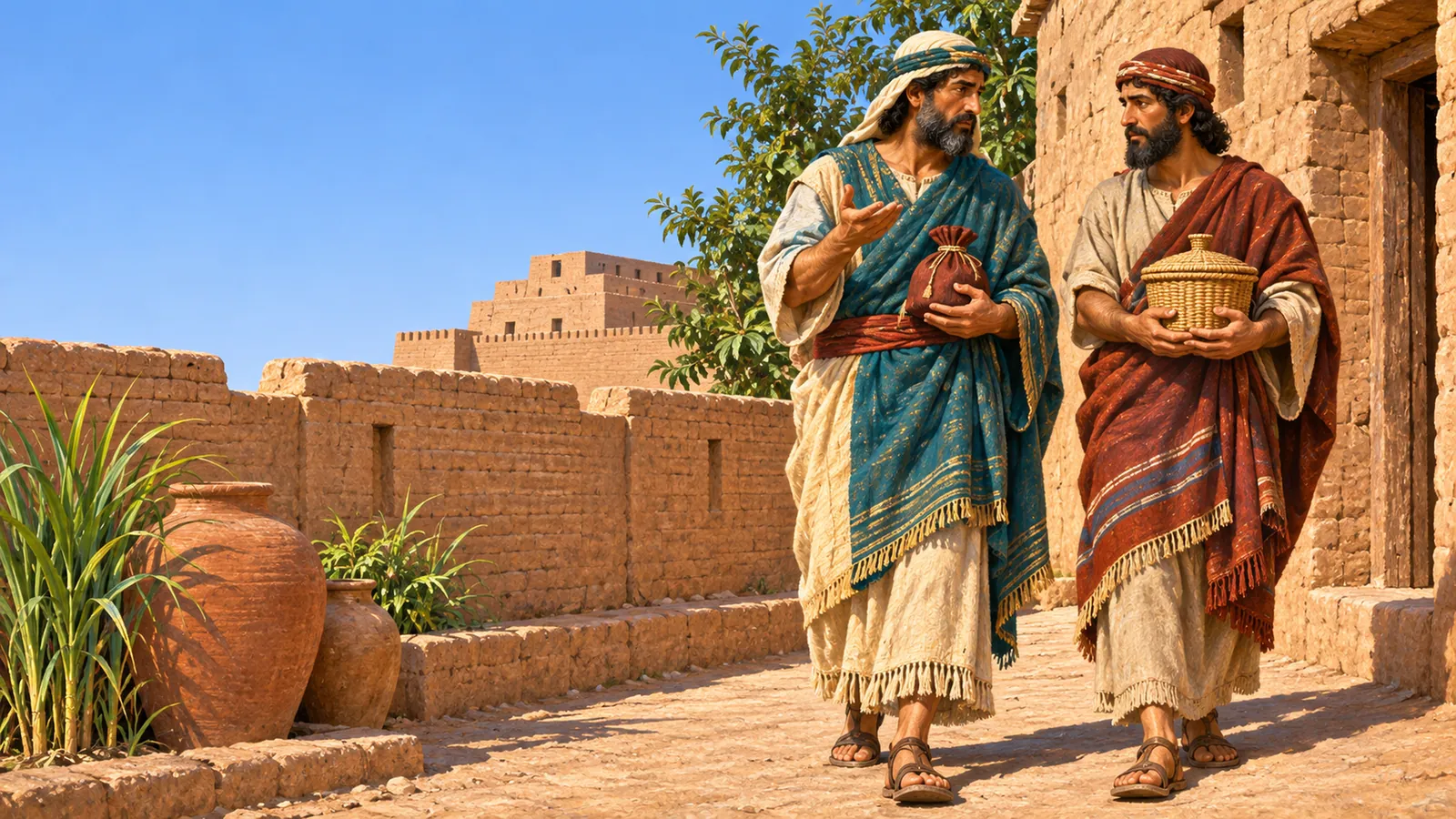
يتابع النصح: زد العطايا وما يرضيهم إلى الإحسان. وتجنب لقاءهم ما استطعت؛ فلا تنتهي الحكاية بأمر بحرب ظافرة جديدة.
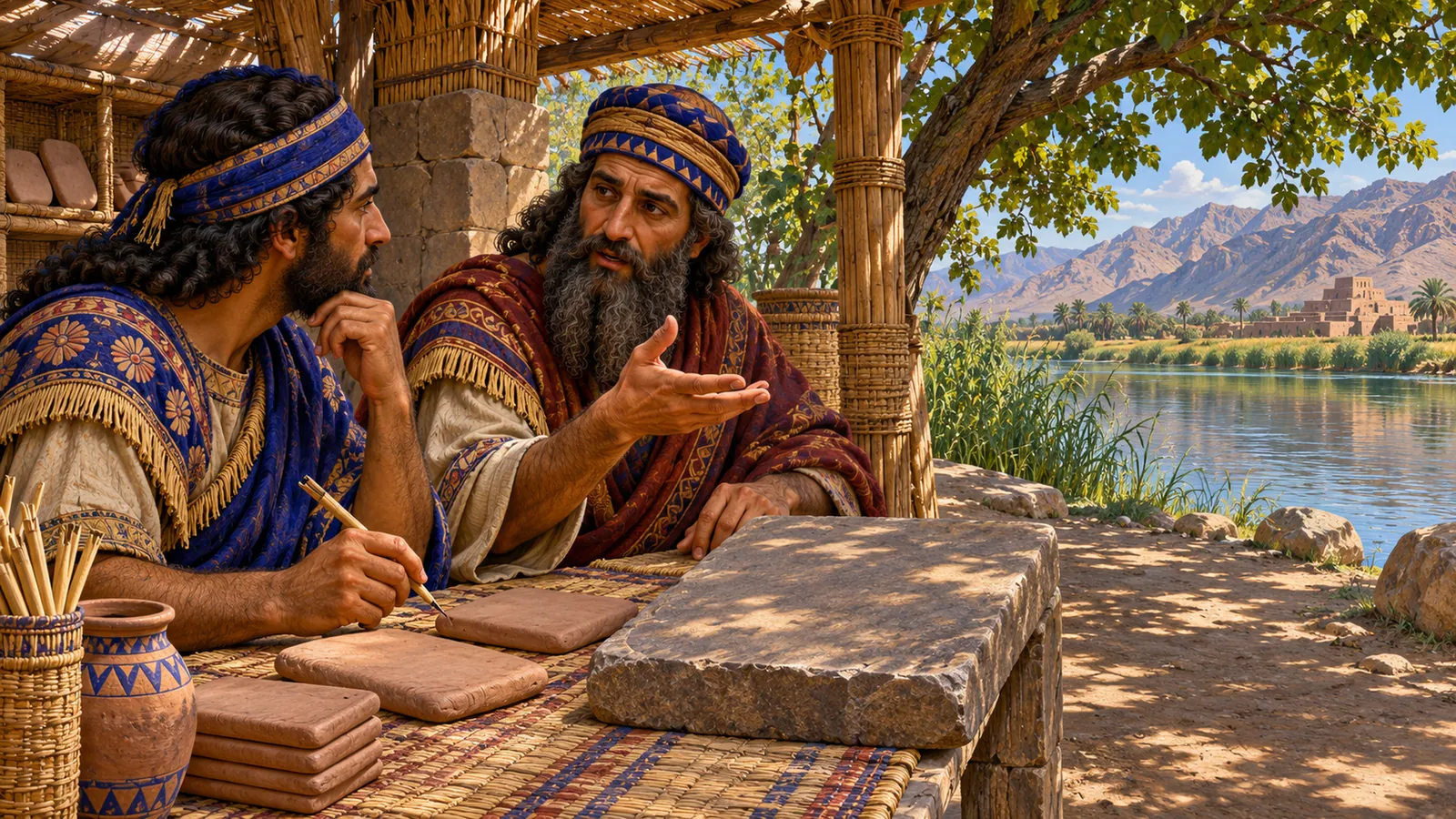
يقول: دع الكتبة المهرة يصوغون مسلتك. وقد يتعلق الفعل الصعب بالصياغة أو الكتابة أو القراءة؛ ويثمّن النصح سجلًا يبلغ من يأتون بعدك.
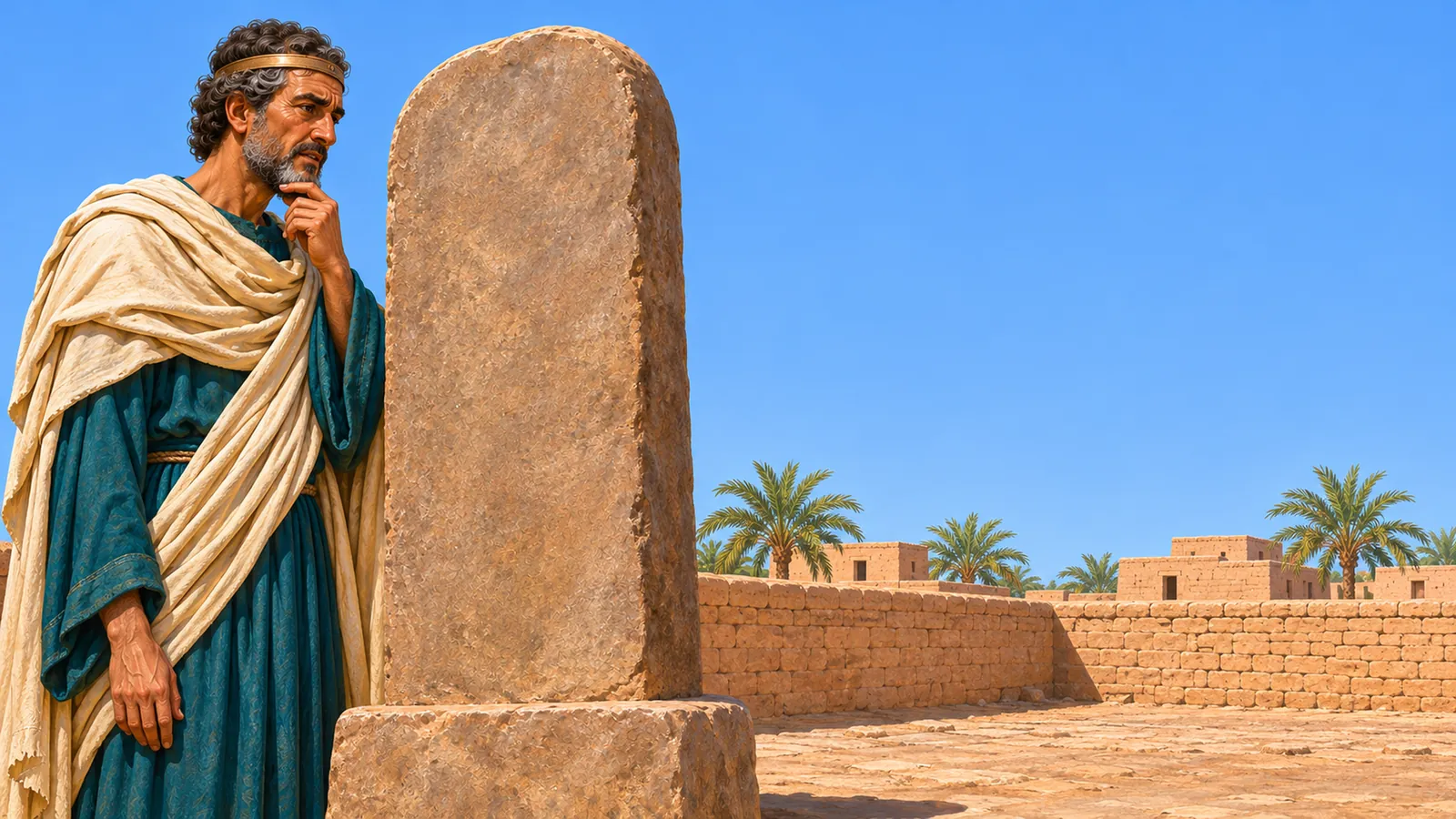
يخاطب نارام سين القارئ الذي قرأ مسلته وأخرج نفسه من محنة تشبه محنته. وتسعى الرسالة إلى أن تجعل حكم حاكم آخر أحكم.
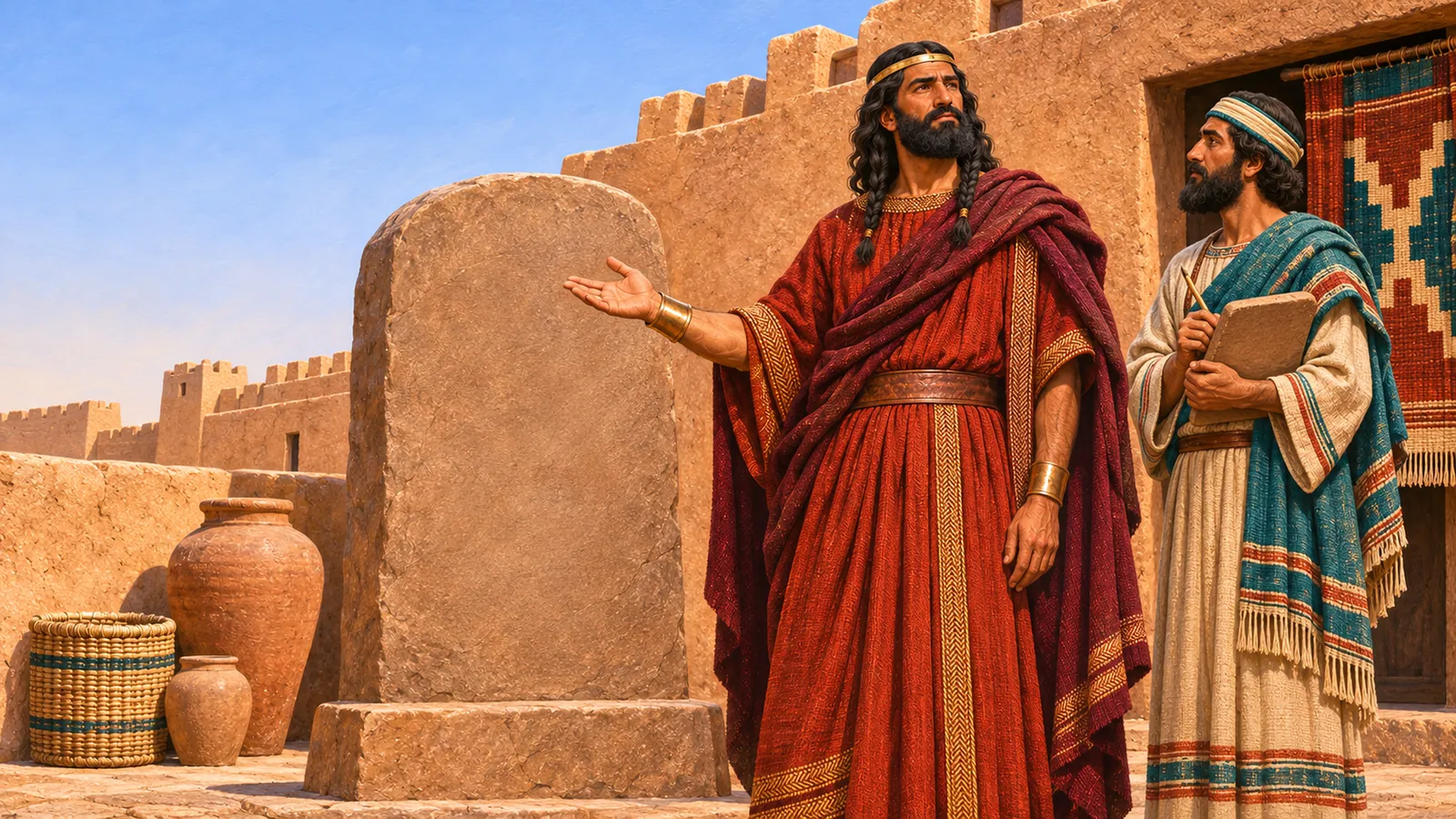
يختم نارام سين ببركة موجهة إلى القارئ الذي باركه. وليبارك ذلك القارئ بدوره شخص يأتي بعده.
نهاية الفصل الأول
كل الصفحات

المصادر
المصادر والملاحظات مكتوبة بالإنجليزية كما وردت في المراجع.
The complete electronic Babylonian Library L I.12 introduction and all five composite versions were read19 November2026 UTC, including composite reconstructions, alternatives and editorial notes: Standard Babylonian180 numbered entries as the continuous spine, Old Babylonian I74 entries and II13, and Middle Babylonian A63 entries and B15. English translations can span numbered entries. The eBL edition by Tonio D. N. Mitto and the editorial team, with Benjamin R. Foster’s translation, incorporates readings newer than some printed translations. Earlier versions remain separately identified comparisons; no gap is filled by silently borrowing another version. Complete independent Hittite editions and all cited print books were not read. The tale is a literary royal pseudo-autobiography claiming to be a stele deposited at Cutha, not an authenticated memoir or historical campaign report. It calls Sargon the king’s father, although historical genealogy places Naram-Sin as Sargon’s grandson; that literary wording is preserved rather than corrected within the tale. The enigmatic bird-host lines remain difficult, while the scout reports blood and the king’s test identifies the opponents as human. SB seven kings/six thousand troops and losses120000/90000/60700 remain distinct from MB A six kings/six hundred and OB I’s larger losses. The later destruction is prophecy, and the final severe advice is conditional.
الطبعات المعتمدة
- eBL L I.12, introduction, transmission and bibliography
- eBL L I.12, complete Standard Babylonian composite and editorial notes
- eBL L I.12, separate Old Babylonian I comparison
- eBL L I.12, separate Old Babylonian II comparison
- eBL L I.12, separate Middle Babylonian A comparison
- eBL L I.12, separate Middle Babylonian B comparison
- The Metropolitan Museum of Art, Mesopotamian chronology; historical Sargon/Naram-Sin genealogy only
- IL Archive, Inanna / Ishtar
- IL Archive, Enki / Ea
- IL Archive, Akkadian
الأسطر القديمة وراء كل صفحة
- Page 1: eBL L I.12 Standard Babylonian -, lines1–3
SB1–3 invite reading the foundation-box stele of the king’s hardships. The current eBL reading of2–3 replaces an older restoration about future days. - Page 2: eBL L I.12 Standard Babylonian -, lines4–9
Historical genealogy instead makes Naram-Sin Sargon’s grandson, as the Met chronology notes; the literary wording is kept and explicitly framed as the tale. The damaged day/year/counsel passage does not authorize exact missing durations or a new succession ceremony. - Page 3: eBL L I.12 Standard Babylonian -, lines10–17
SB10–21 shifts toward Enmerkar but the exact point and restoration of his name/subject at10 are uncertain. The great-god list11–13 and seers14–17 survive through restoration and parallels. - Page 4: eBL L I.12 Standard Babylonian -, lines15–21
SB15–21 includes seven extispicies/seven lambs and reed altars, with uncertain verbal person and fragmentary speech. - Page 5: eBL L I.12 Standard Babylonian -, lines22–27
SB22–27 places Enmerkar under Shamash’s harsh judgment; the restoration that he became like a corpse is tentative. Ghosts of his kin, offspring and descendants and their muddy water belong to the damaged account. - Page 6: eBL L I.12 Standard Babylonian -, lines28–30
The wording of29 and its manuscript alternative is difficult; MB A b+2–3 supplies a separate parallel, not a silently restored SB line. - Page 7: eBL L I.12 Standard Babylonian -, lines31–36
Feather cloaks are an artistic convention, not a claim about ancient masks or a replacement of the source’s words. - Page 8: eBL L I.12 Standard Babylonian -, lines37–39
These coexist in the poem with34–35’s divine nurturing/mother language. MB A repeatedly has SIX kings and600 troops, a separate version. - Page 9: eBL L I.12 Standard Babylonian -, lines40–46
SB40–46 names Memanduh, Medudu, damaged third ending-pish, Tartadada, Baldahdah, Ahudanadih, Hurrukidu. Kukupish and other proposed third-name restorations are not certain; the latest collated seventh-name reading differs from older Hurrakidu forms. - Page 10: eBL L I.12 Standard Babylonian -, lines47–55
- Page 11: eBL L I.12 Standard Babylonian -, lines56–58,60
SB56–58/60 moves through Sealand, Gutium, Elam and coast/steppe alternatives; Dilmun/Magan/Meluhha and sea lands follow.60’s verb is absent in some witnesses and newly restored as dispersed in another, not older killed. - Page 12: eBL L I.12 Standard Babylonian -, lines59
- Page 13: eBL L I.12 Standard Babylonian -, lines61–62
- Page 14: eBL L I.12 Standard Babylonian -, lines63–65
- Page 15: eBL L I.12 Standard Babylonian -, lines66–68
- Page 16: eBL L I.12 Standard Babylonian -, lines69–71
The retelling does not invent invulnerability, a victim death, voluntary consent or a named captive. - Page 17: eBL L I.12 Standard Babylonian -, lines72–77
- Page 18: eBL L I.12 Standard Babylonian -, lines78
SB78’s latchkey metaphor for the gods’ oracle does NOT permit going/vain intent, with a damaged alternative. - Page 19: eBL L I.12 Standard Babylonian -, lines79–83
- Page 20: eBL L I.12 Standard Babylonian -, lines84–85
- Page 21: eBL L I.12 Standard Babylonian -, lines85
- Page 22: eBL L I.12 Standard Babylonian -, lines86–87
- Page 23: eBL L I.12 Standard Babylonian -, lines88–90
- Page 24: eBL L I.12 Standard Babylonian -, lines91–93
- Page 25: eBL L I.12 Standard Babylonian -, lines94–98
Deluge is decided above and imminent below, with doubtful duplicated wording at98. - Page 26: eBL L I.12 Standard Babylonian -, lines99–103
SB99–103 has Ea object to a command to annihilate humankind because the gods had decided human existence should continue forever, with a damaged alternative103. MB A’s creation/wall-worship/food/sleep speech is a different version and is not substituted here. - Page 27: eBL L I.12 Standard Babylonian -, lines104–107
- Page 28: eBL L I.12 Standard Babylonian -, lines108–113
- Page 29: eBL L I.12 Standard Babylonian -, lines114–119
SB114–119: reply115–117 and its speaker boundaries are uncertain. They remain predictive words, not a narrated execution or accomplished massacre. - Page 30: eBL L I.12 Standard Babylonian -, lines120
This is not a new named scouting exploit. - Page 31: eBL L I.12 Standard Babylonian -, lines121–123
- Page 32: eBL L I.12 Standard Babylonian -, lines124–125
The flesh/entrails reading differs from older punishment interpretations discussed by the editor. - Page 33: eBL L I.12 Standard Babylonian -, lines126–127
SB126–127 performs another extispicy on a lamb and the oracle orders mercy, with the ordering verb restored. - Page 34: eBL L I.12 Standard Babylonian -, lines128–129
SB128–129 has the shining Morning Star approach/speak from heaven, with the verb partly restored and alternatives discussed. - Page 35: eBL L I.12 Standard Babylonian -, lines130
- Page 36: eBL L I.12 Standard Babylonian -, lines131–132
- Page 37: eBL L I.12 Standard Babylonian -, lines133–137
Current134 reads DOGS from syllabic witness, not older dwelling places. - Page 38: eBL L I.12 Standard Babylonian -, lines136
- Page 39: eBL L I.12 Standard Babylonian -, lines138–143
- Page 40: eBL L I.12 Standard Babylonian -, lines144–146
SB144–146: famine, barley sūt for one restored SHEKEL of silver (not older mina), translated ten quarts by Foster, and a damaged strong-king sentence. Quart is the consulted translation’s approximate rendering of an ancient measure, not a new exact modern conversion. The approximate quart rendering stays in this source note. - Page 41: eBL L I.12 Standard Babylonian -, lines147–148
- Page 42: eBL L I.12 Standard Babylonian -, lines149–155
SB149–155 addresses a future governor/prince/other named to kingship; the king makes the box/writes stele and leaves it in Cutha, Emeslam, Nergal’s cella. - Page 43: eBL L I.12 Standard Babylonian -, lines156–158
- Page 44: eBL L I.12 Standard Babylonian -, lines159
- Page 45: eBL L I.12 Standard Babylonian -, lines160–163
- Page 46: eBL L I.12 Standard Babylonian -, lines164–165
- Page 47: eBL L I.12 Standard Babylonian -, lines166–169
- Page 48: eBL L I.12 Standard Babylonian -, lines170–172
- Page 49: eBL L I.12 Standard Babylonian -, lines173–174
- Page 50: eBL L I.12 Standard Babylonian -, lines175–176
SB175–176 calls on expert scribes; the verb for wording/writing/reading is uncertain and awaits collation. - Page 51: eBL L I.12 Standard Babylonian -, lines177–178
- Page 52: eBL L I.12 Standard Babylonian -, lines179–180
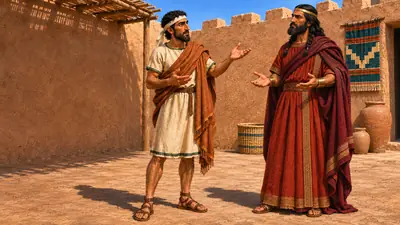
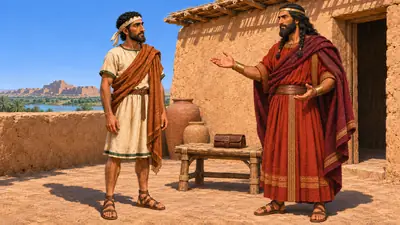
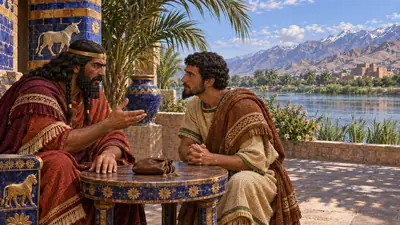
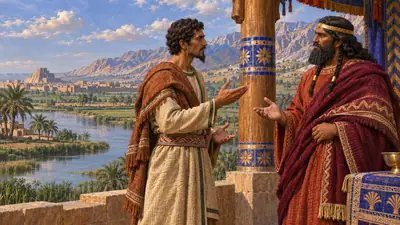
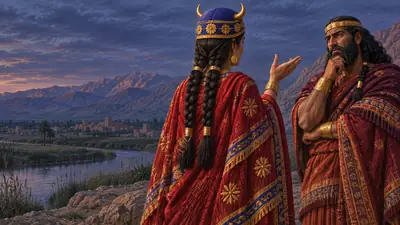
الرسوم من صنع أرشيف إيل بأدوات الذكاء الاصطناعي؛ والنص مبني على المصادر القديمة (انظر المصادر في آخر كل فصل).