جلجامش وإنكيدو والعالم السفليّ الفصل الأول
الشجرة في أوروك
تقتلع ريح جنوبيّة شجرةً عند الفرات. تحملها إنانا إلى أوروك وتطلب المساعدة حين تتّخذ ثلاثة كائنات من الشجرة مأوى لها. يعطي جلجامش إنانا خشبًا لكرسيّ وسرير ويصنع أداتين للّعب. وتسقط الأداتان في العالم السفليّ.
المصادرقلّب الصفحات بالأزرار أو بمفاتيح الأسهم أو بسحب الإصبع.

الشجرة في أوروك
تعود الحكاية إلى تلك الأيّام البعيدة، إلى تلك الليالي البعيدة، إلى تلك السنين البعيدة.
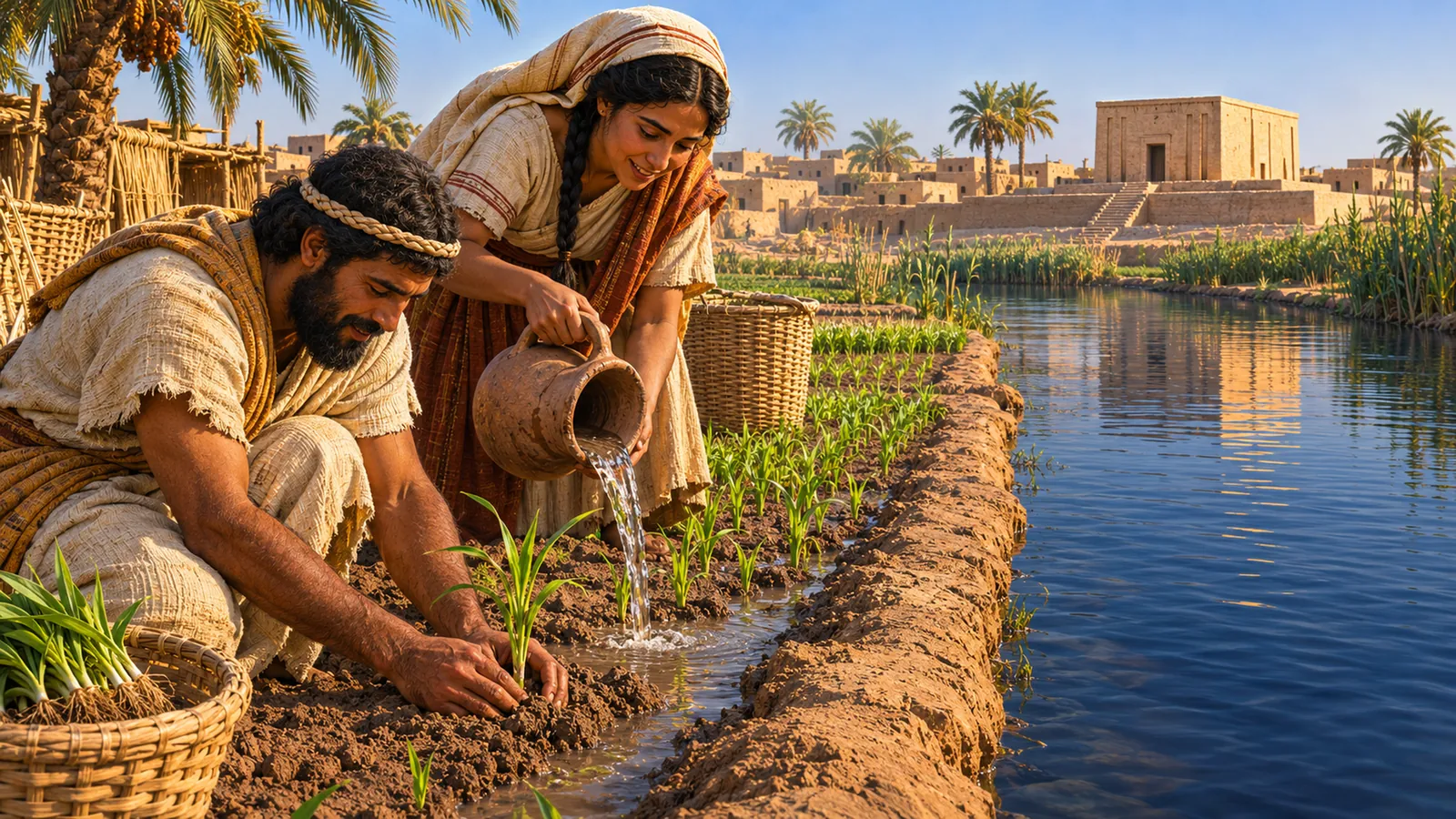
في تلك الأيّام، ظهر ما كان لا بدّ من وجوده، وجرى الاعتناء به كما ينبغي.
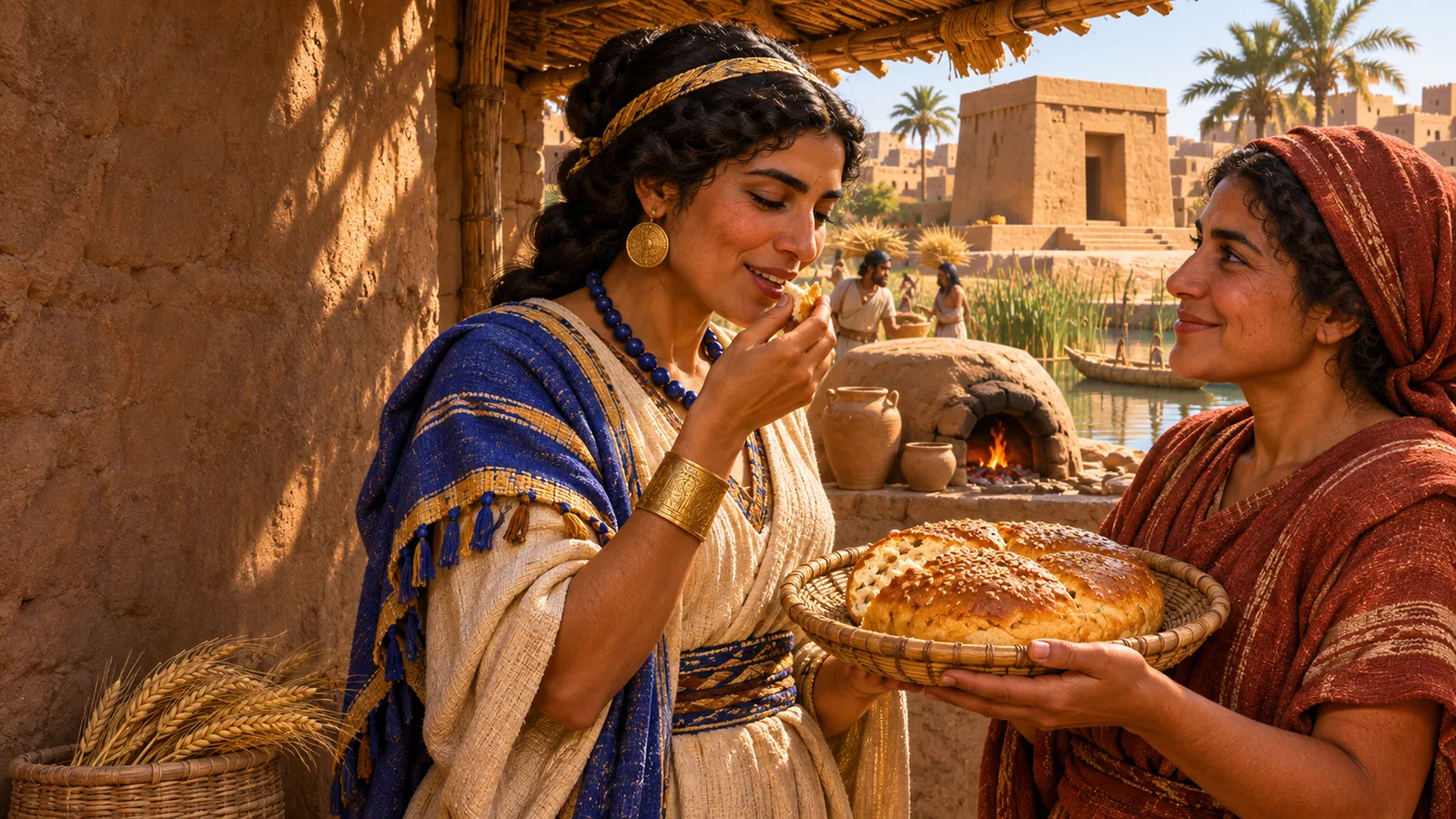
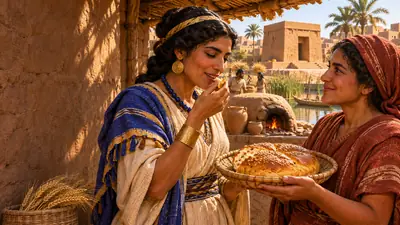
وتقول القصيدة إنّ الناس تذوّقوا الخبز لأوّل مرّة في معابد البلاد.
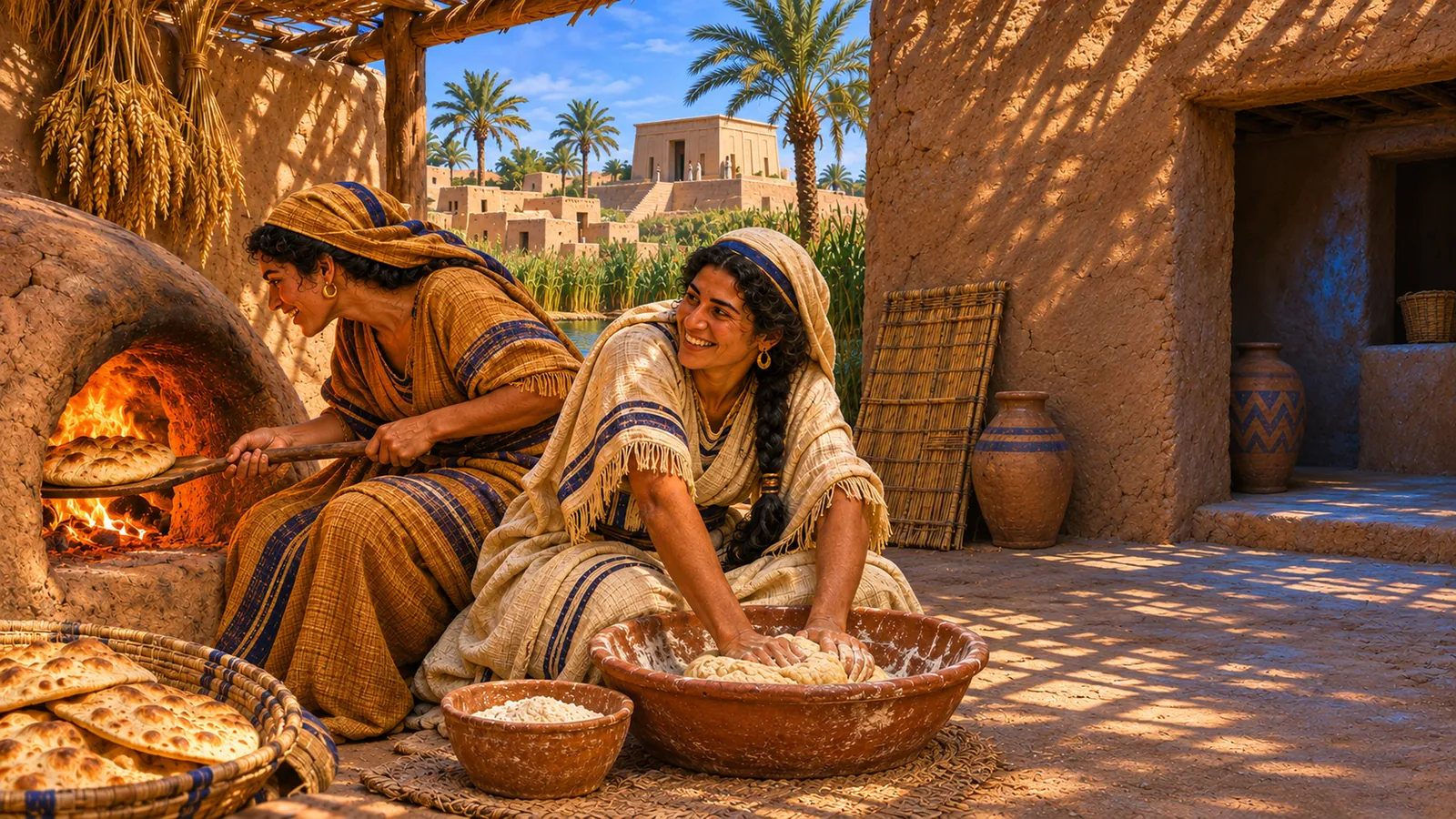
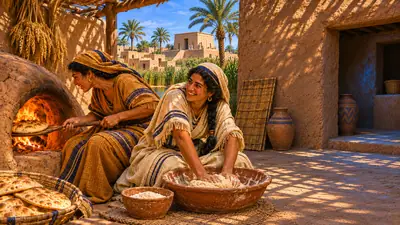
وفي تلك السنين البعيدة شُغِّلت أفران البلاد، كما تروي القصيدة.

فُصِلت السماوات عن الأرض، وفُصِلت الأرض عن السماوات. وذاع صيت البشر.
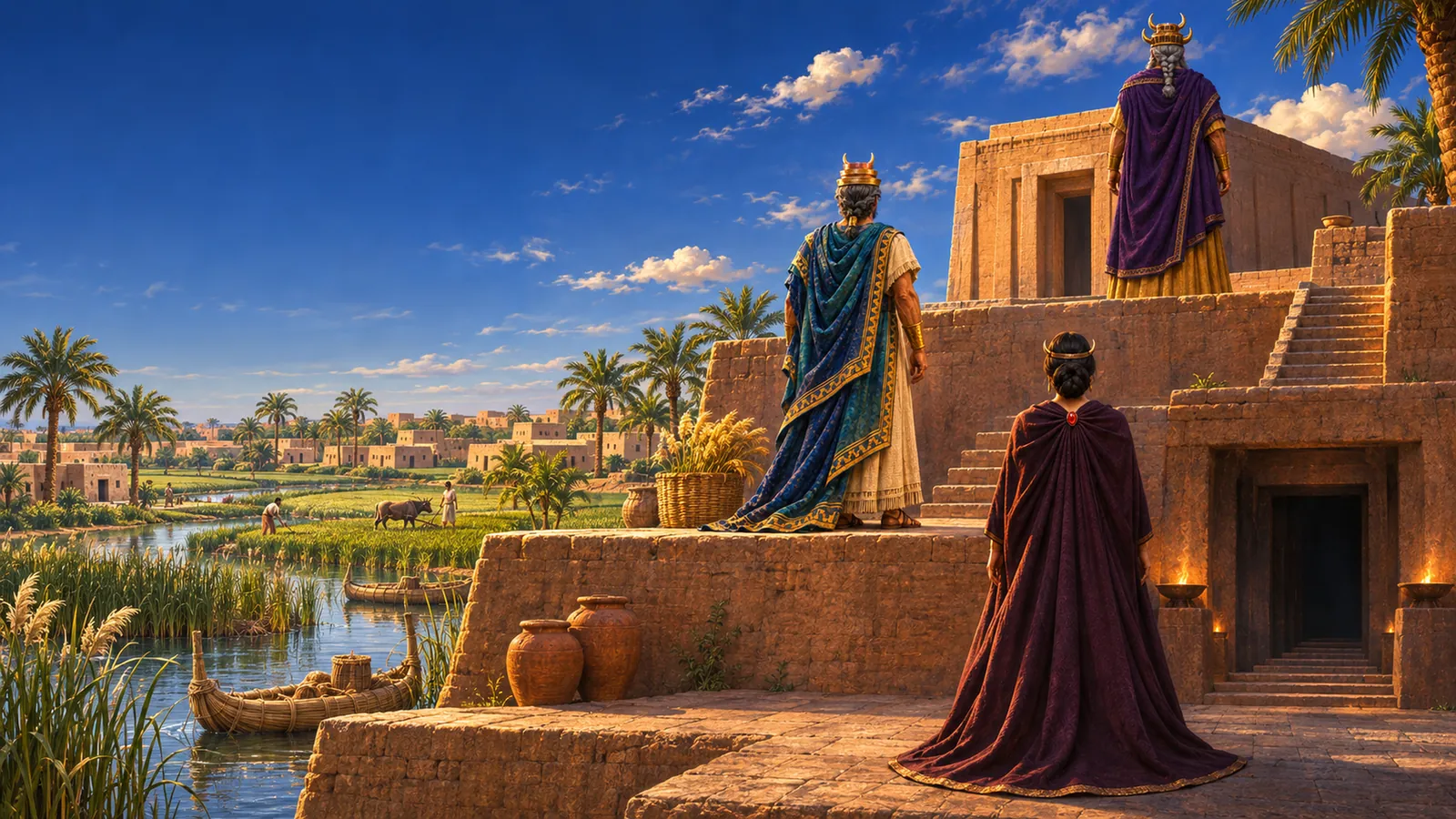
أخذ آن السماوات لنفسه، وأخذ إنليل الأرض، وأُهدي العالم السفلي إلى إريشكيجال.

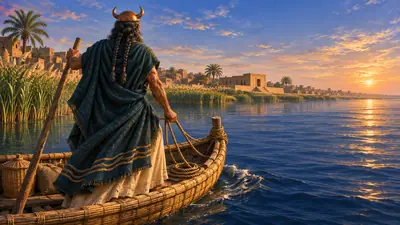
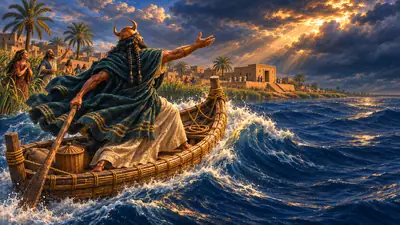
أبحر الأب إلى العالم السفلي. وتسمّيه القصيدة إنكي وهو ينطلق.

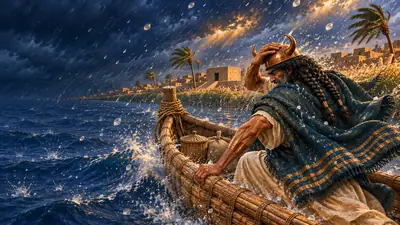
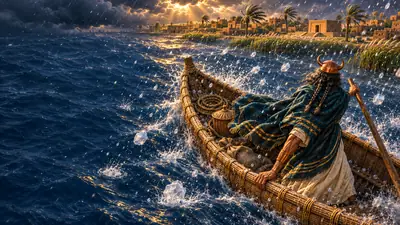
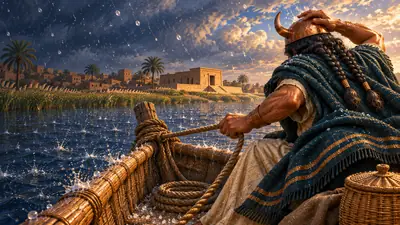
هبّت على إنكي عاصفة تحمل حبّات بَرَد صغيرة وكبيرة. وتشبّه القصيدة ما صغر منها بمطارق خفيفة، وما كبر بما قد يكون حجارة قذفتها آلة رمي.

ارتجفت عارضة قارب إنكي الصغير في العاصفة، كأنّ سلاحف تدفعها.

ارتفعت الأمواج عند مقدّمة القارب كذئاب توشك أن تفترسه، وهجمت عند مؤخّرته كأسد.

شجرة الهالوب
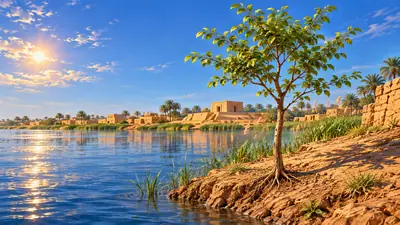
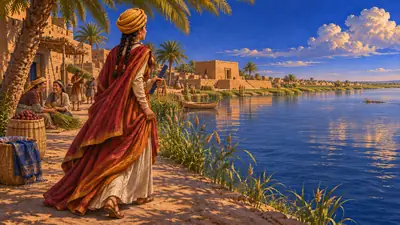
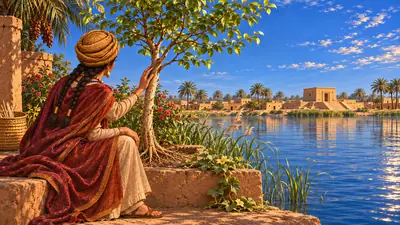
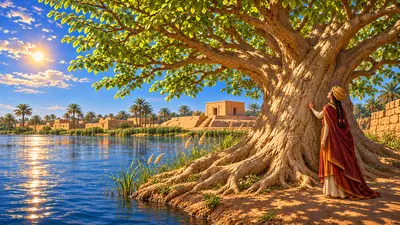
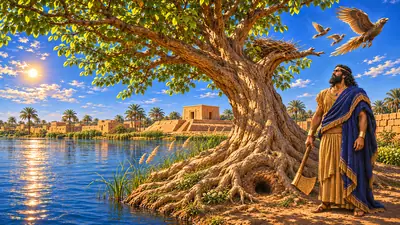
كانت شجرة هالوب وحيدة تنمو على ضفّة الفرات الصافي، وكان النهر يسقيها.
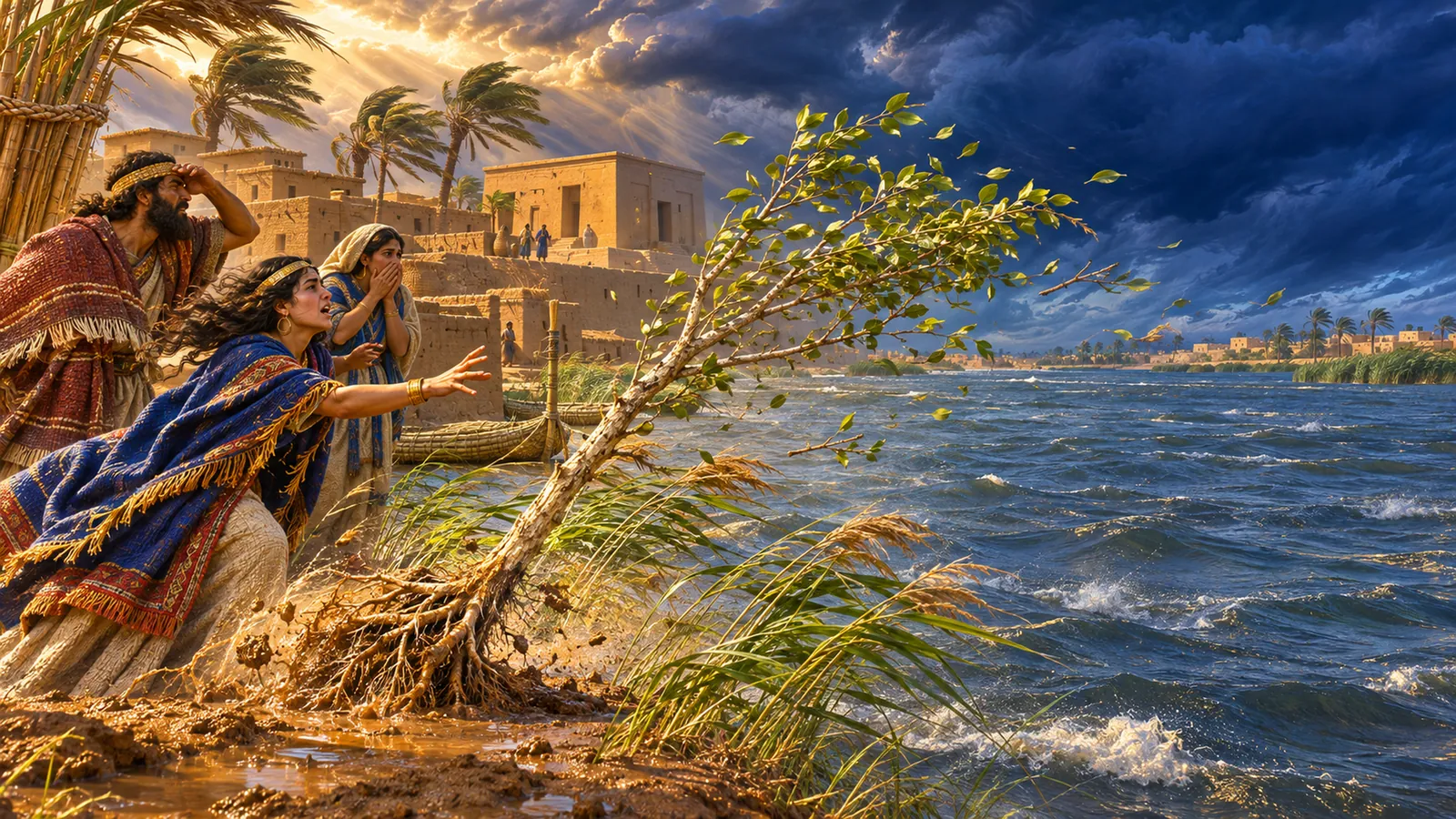
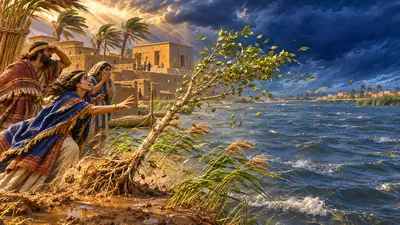
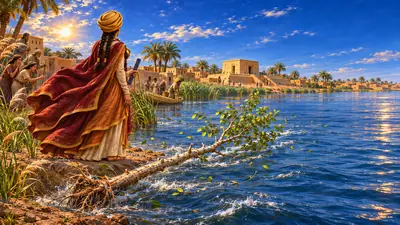
هبّت من الجنوب ريح شديدة فاقتلعت شجرة الهالوب من ضفّة الفرات.
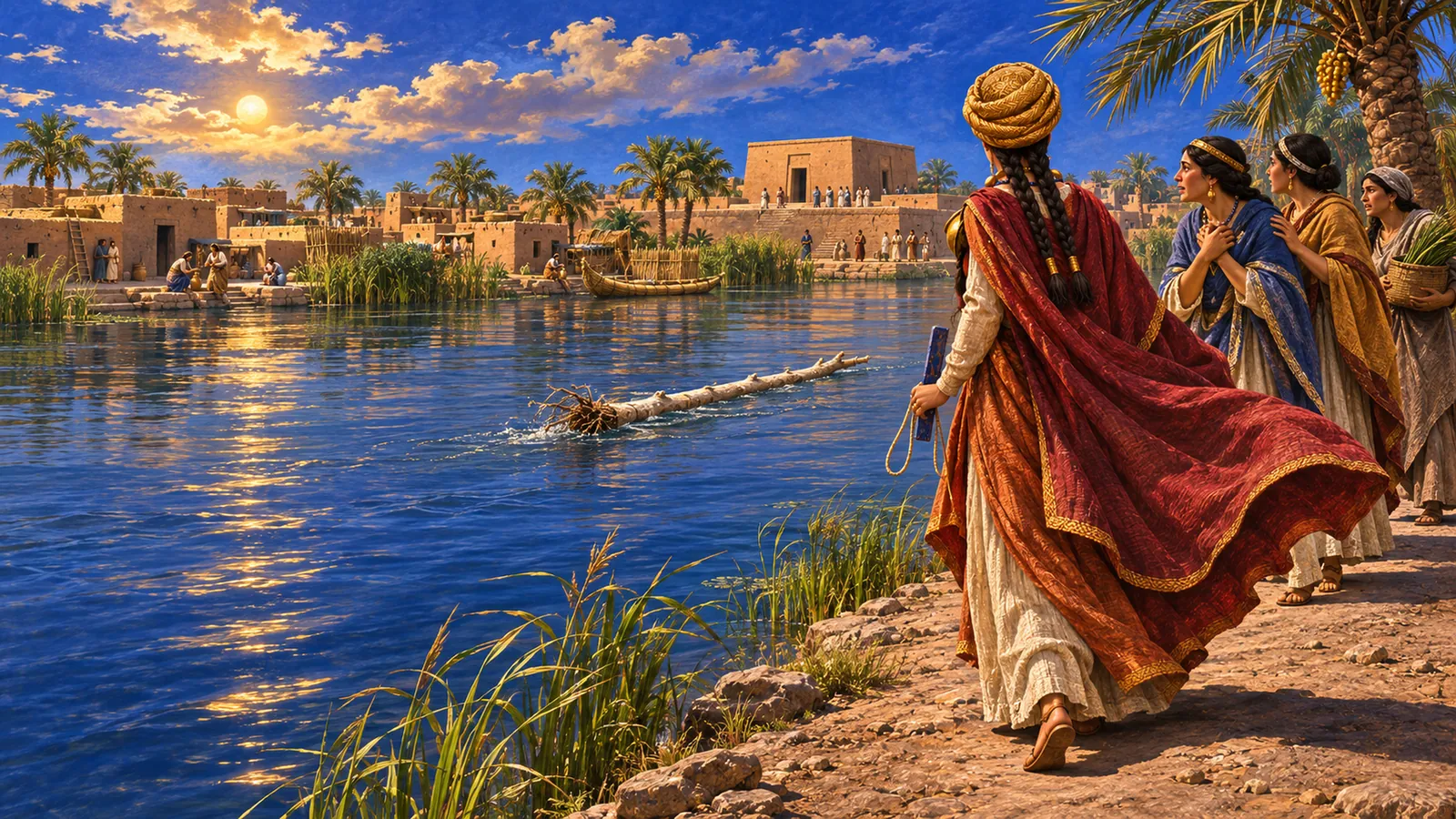
جرّدت ريح الجنوب الشجرة من أغصانها. فحمل الفرات الشجرة المقتلعة وجرفها بعيدًا.
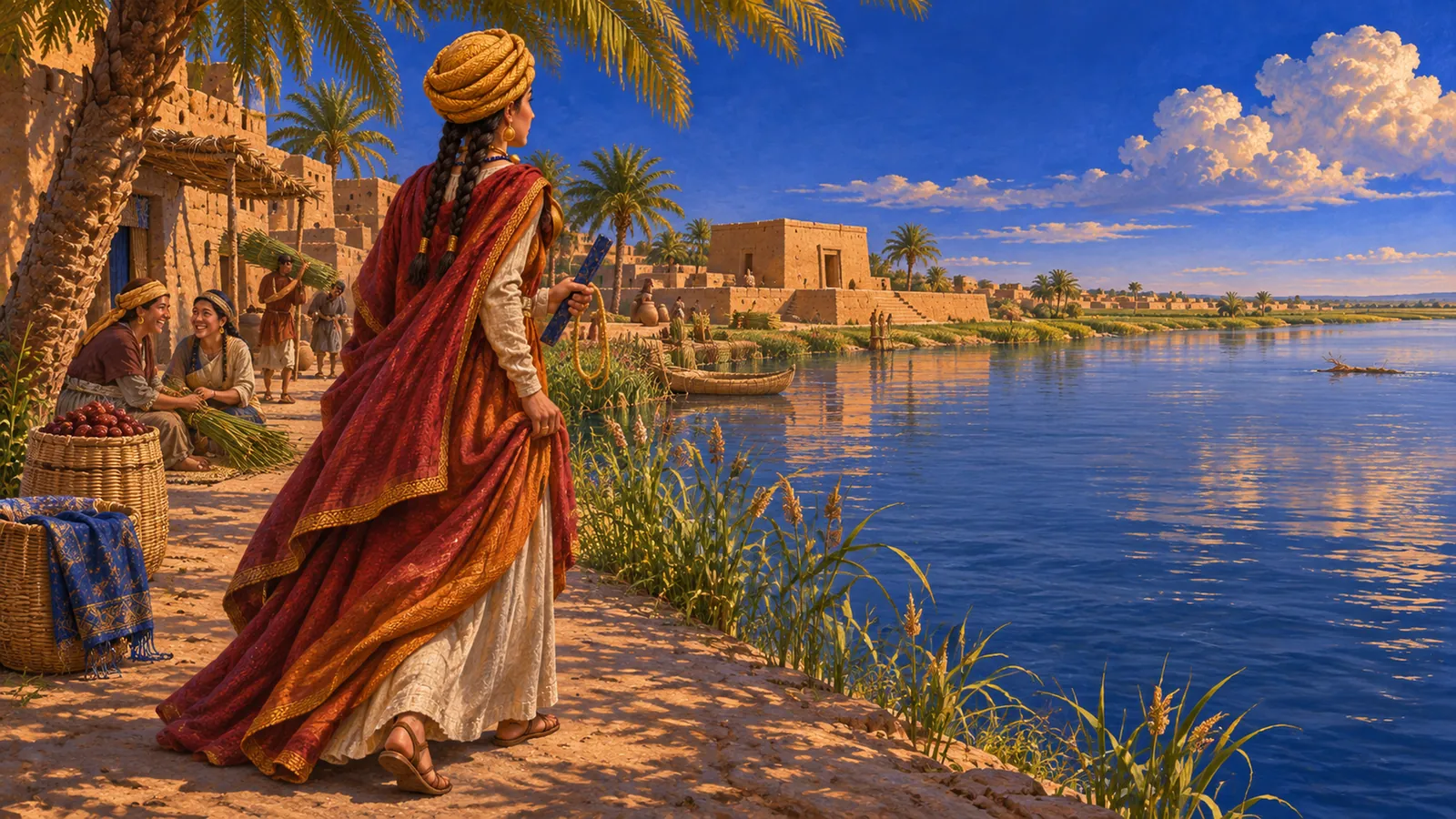
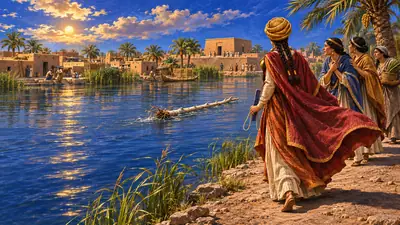
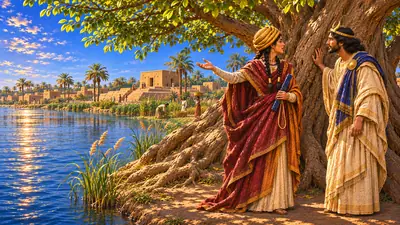
كانت امرأة تسير، امرأة تصغي إلى كلام آن وإلى كلام إنليل.
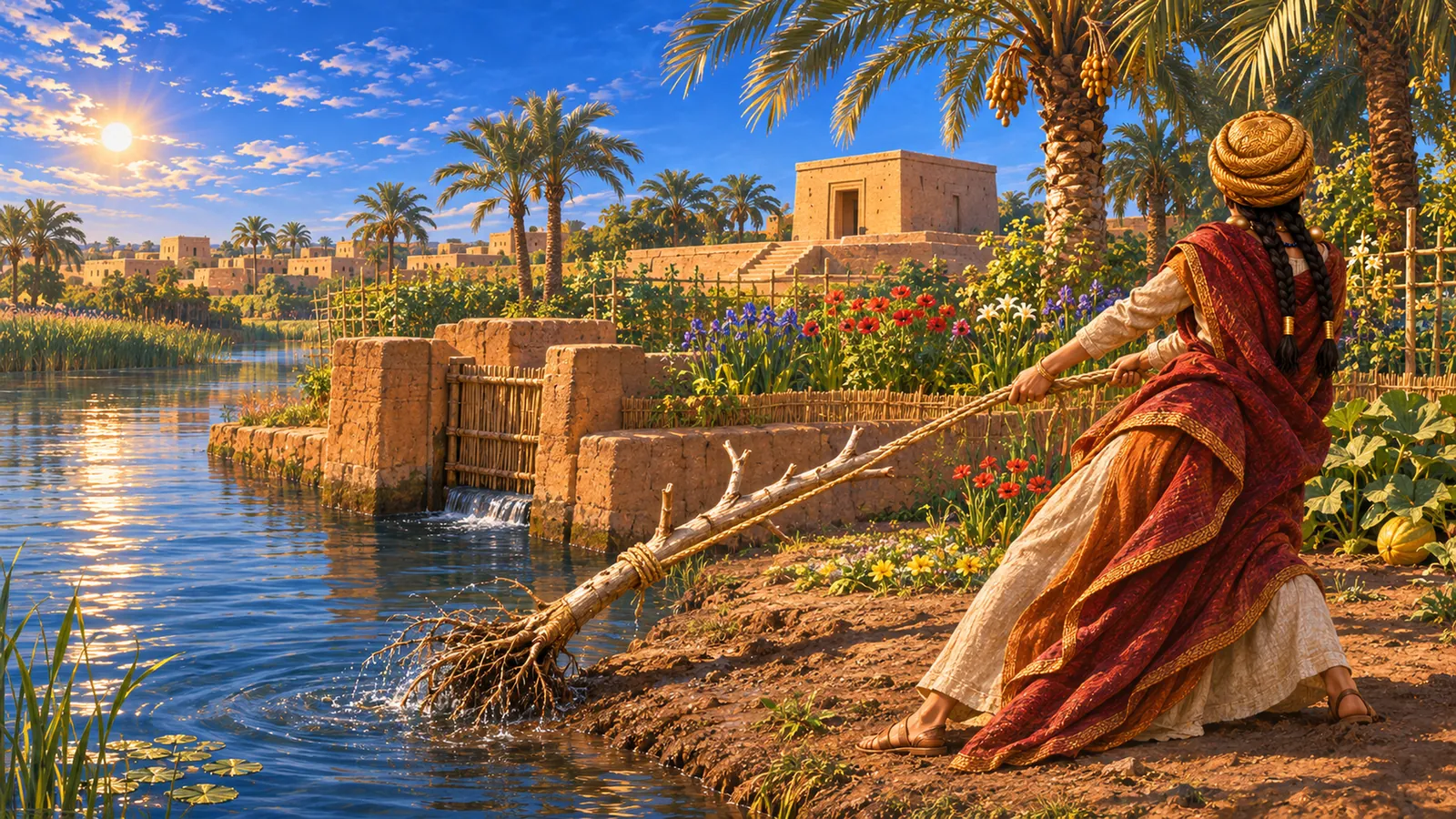
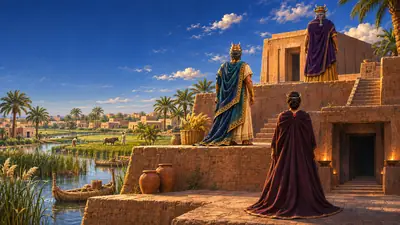
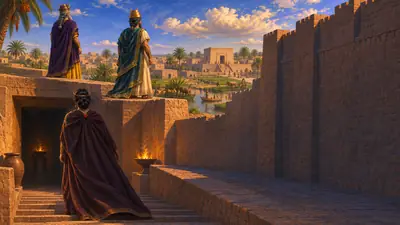
أخذت الشجرة إلى مدينة أوروك وأدخلتها حديقة إنانا الغنّاء.
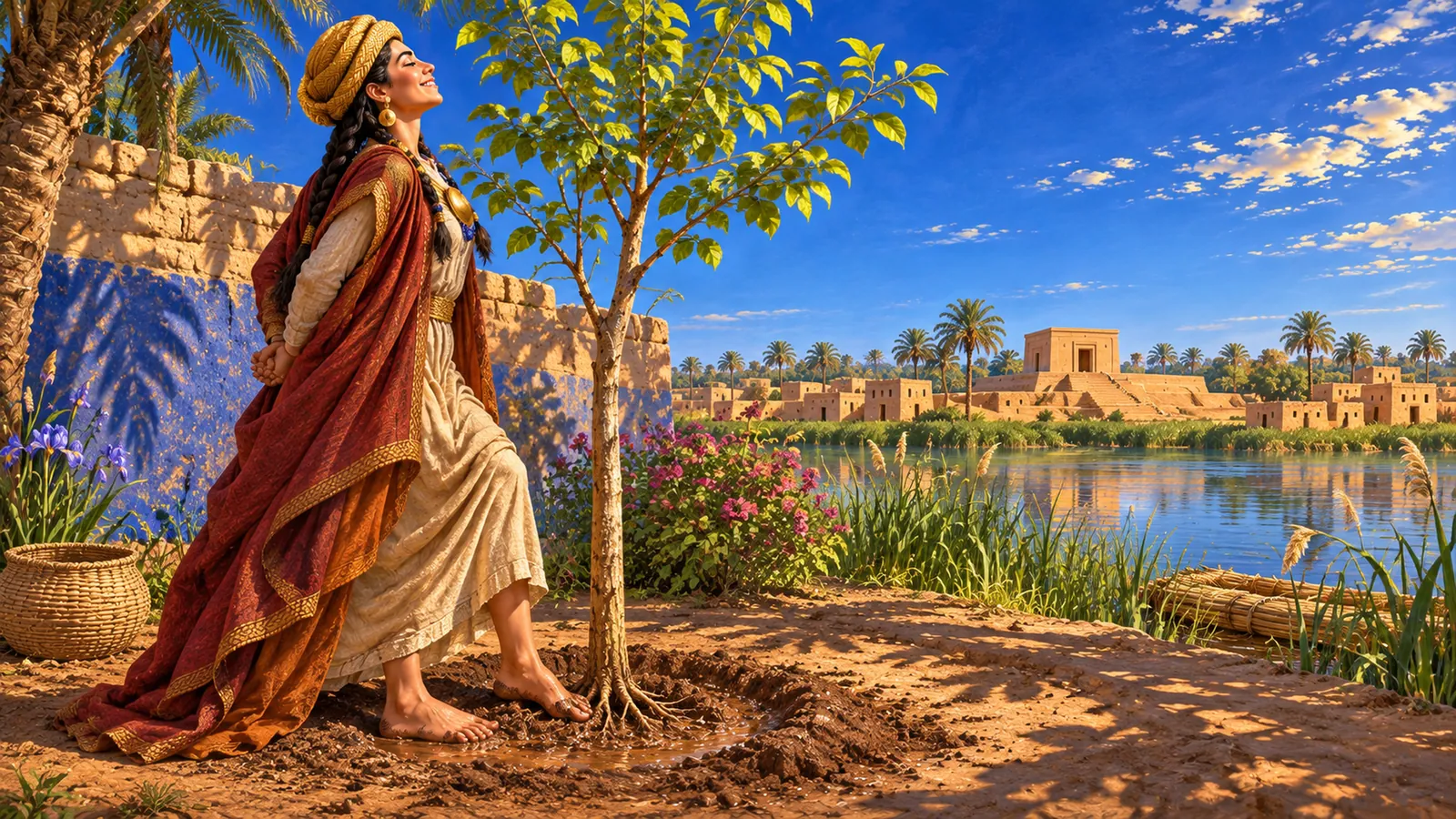
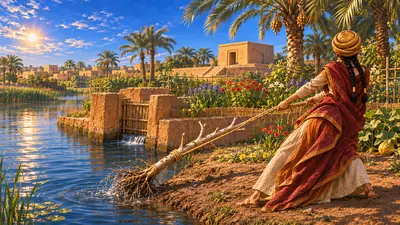
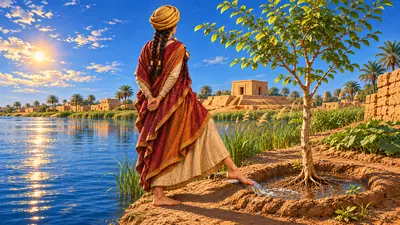
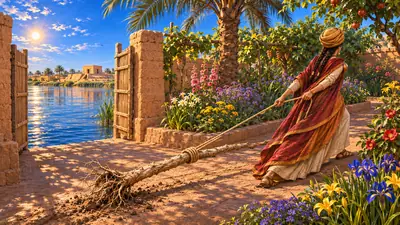
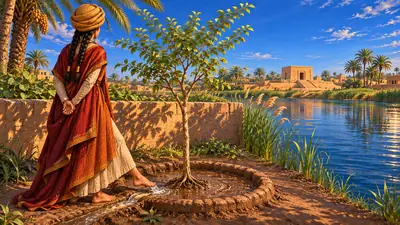
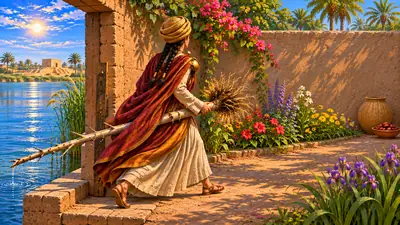
وضعت المرأة شجرة الهالوب في تراب الحديقة. وتقول القصيدة إنّها غرستها مستخدمةً قدميها وحدهما.
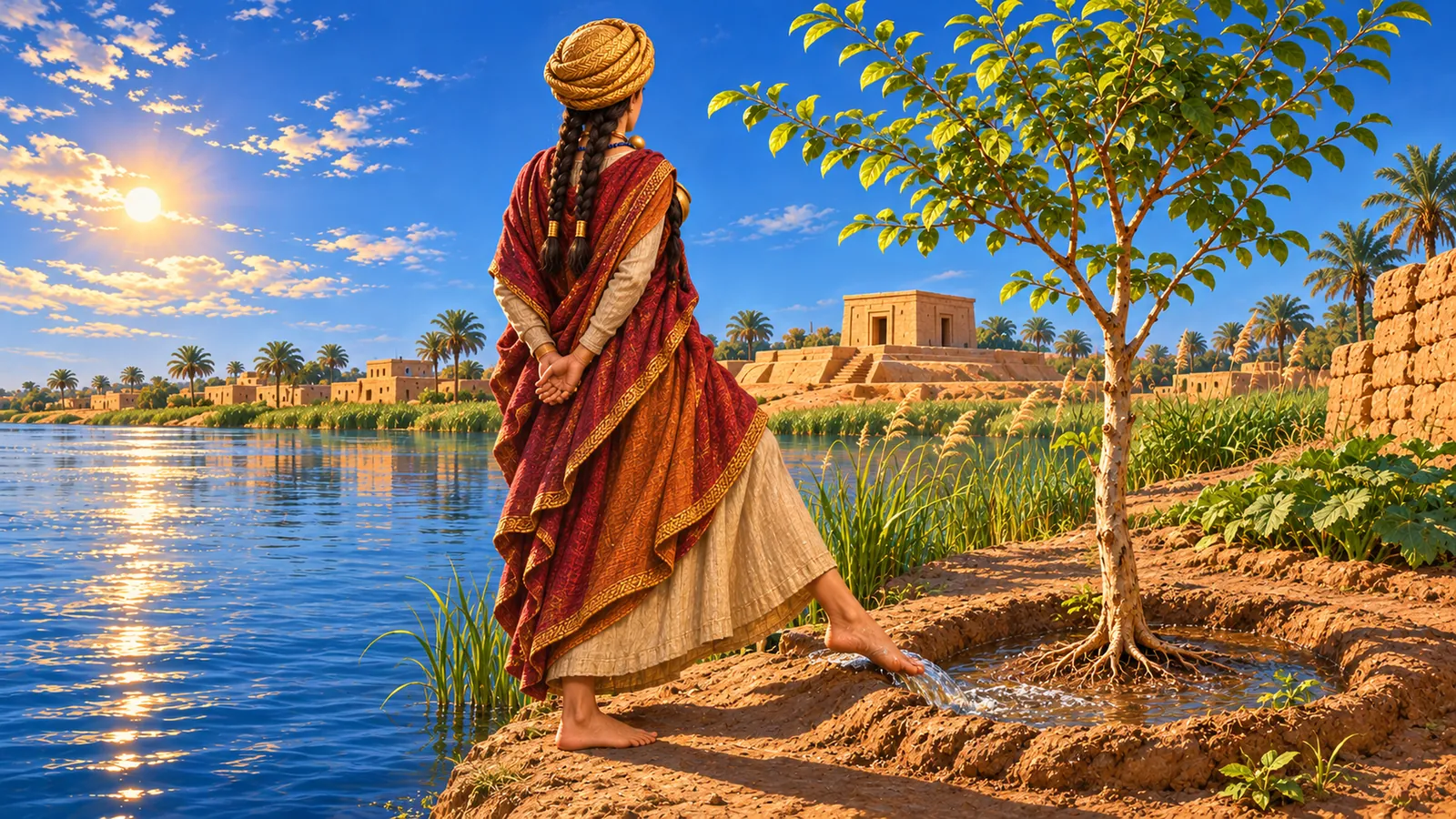
سقت المرأة شجرة الهالوب في الحديقة أيضًا. وفعلت ذلك مستخدمةً قدميها وحدهما.
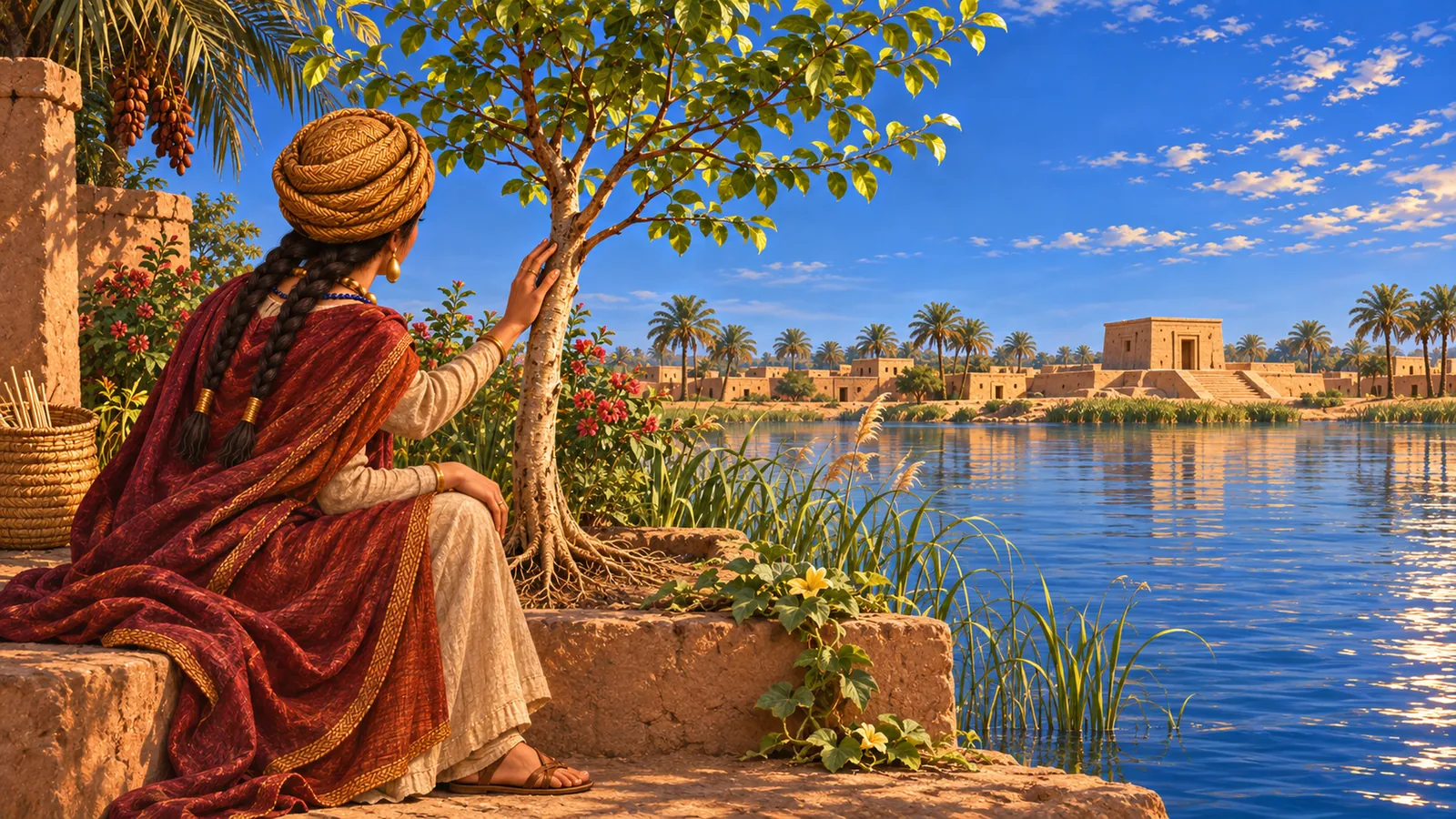
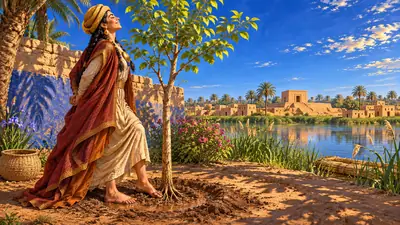
تساءلت متى تصير الشجرة كرسيًّا جميلًا تجلس عليه. وتساءلت متى تصير سريرًا جميلًا تضطجع عليه.
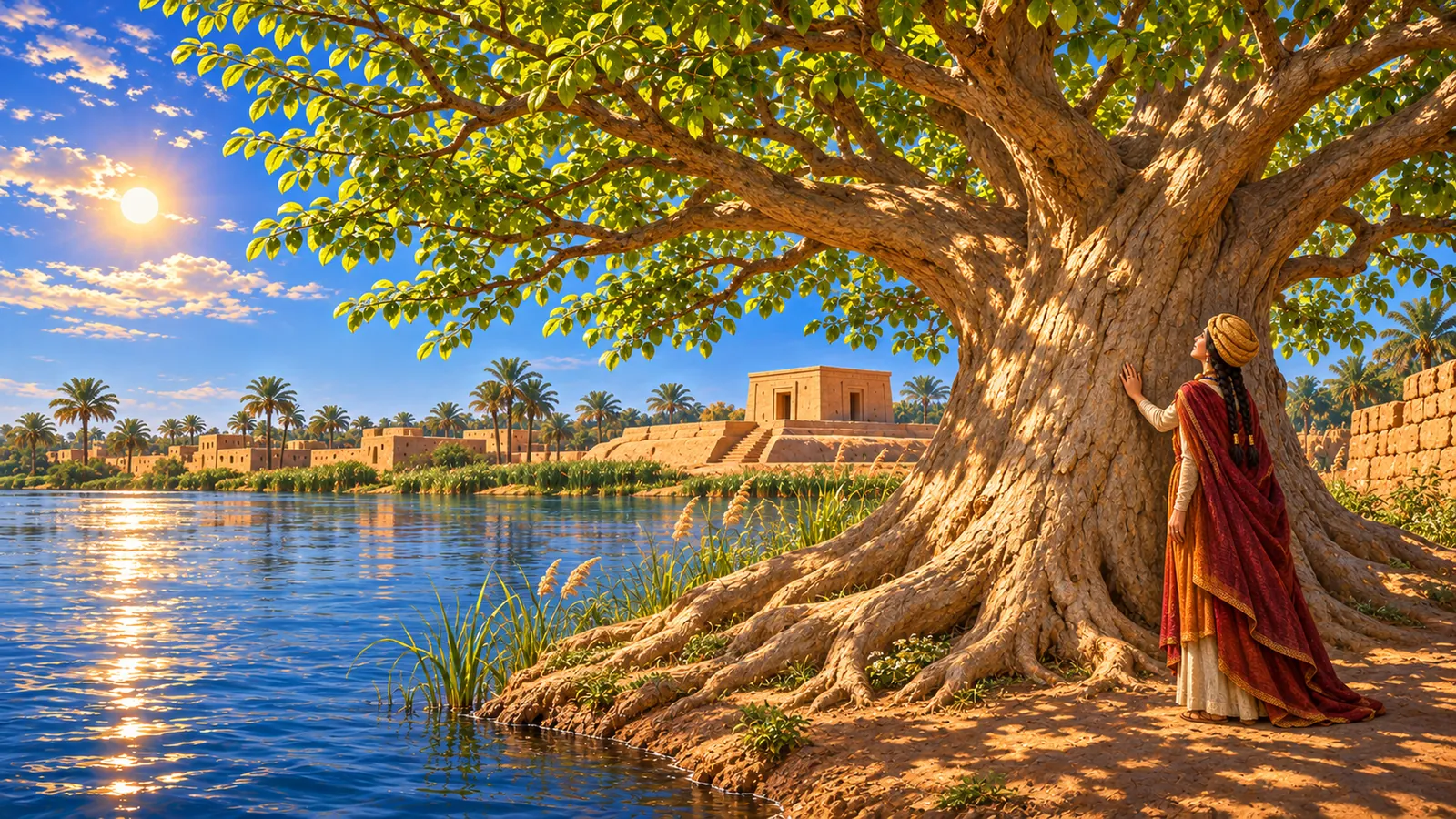
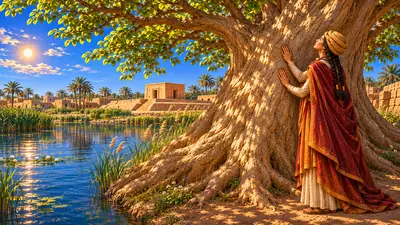
مرّت خمس سنين ثمّ عشر. وعَظُمَ حجم الشجرة خلال تلك السنين، وبقي لحاؤها سليمًا.
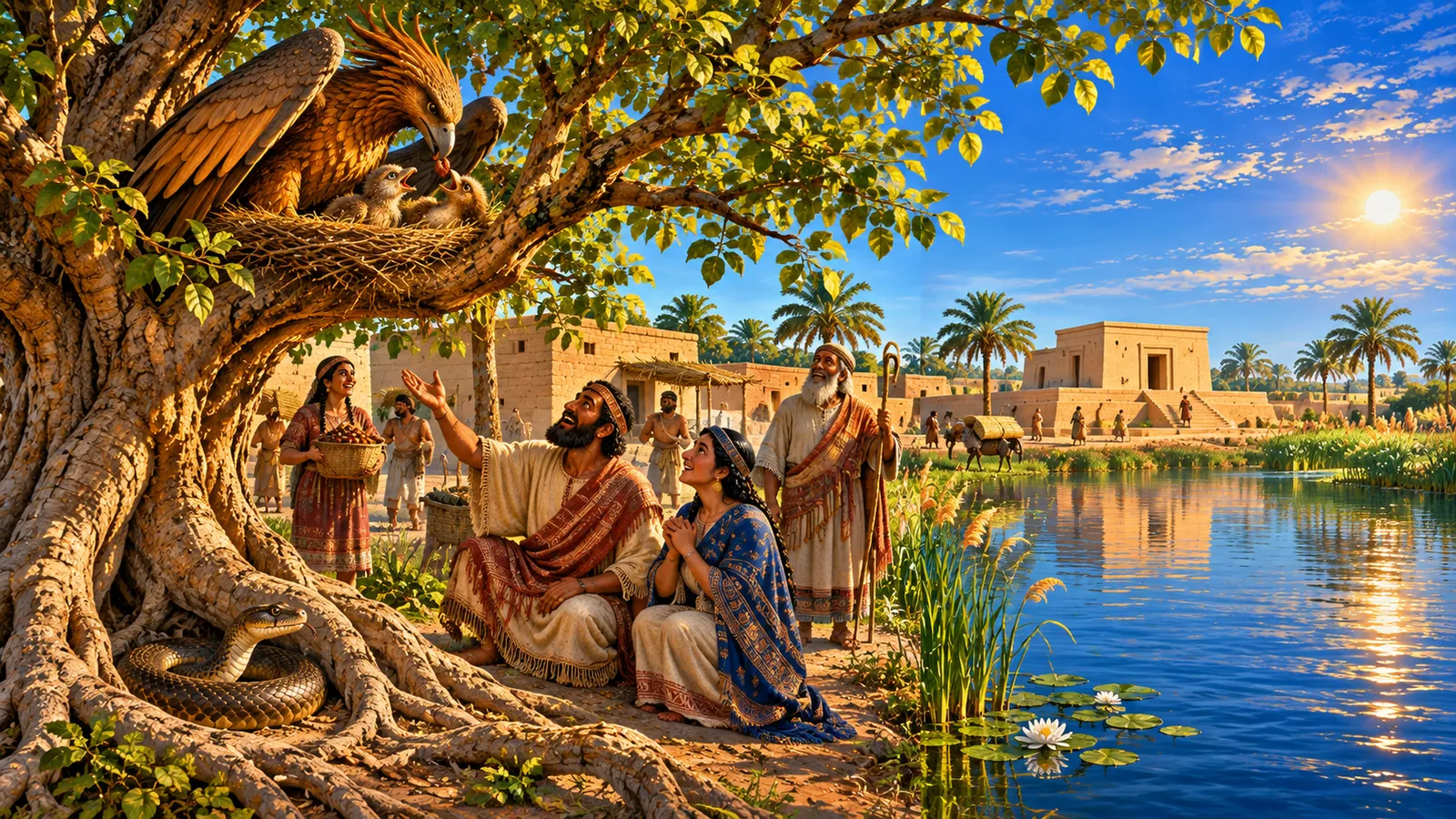
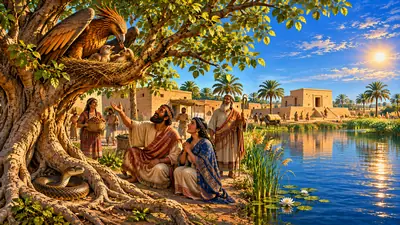
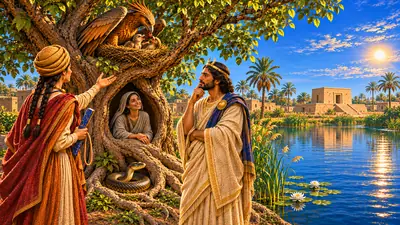
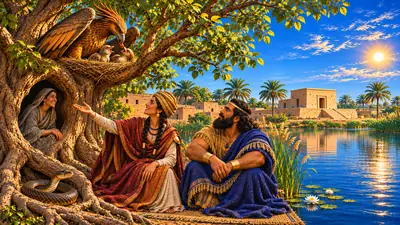
عشّشت عند جذور الشجرة حيّةٌ لا تؤثّر فيها التعاويذ. وأسكن طائر أنزود فراخه بين أغصانها.
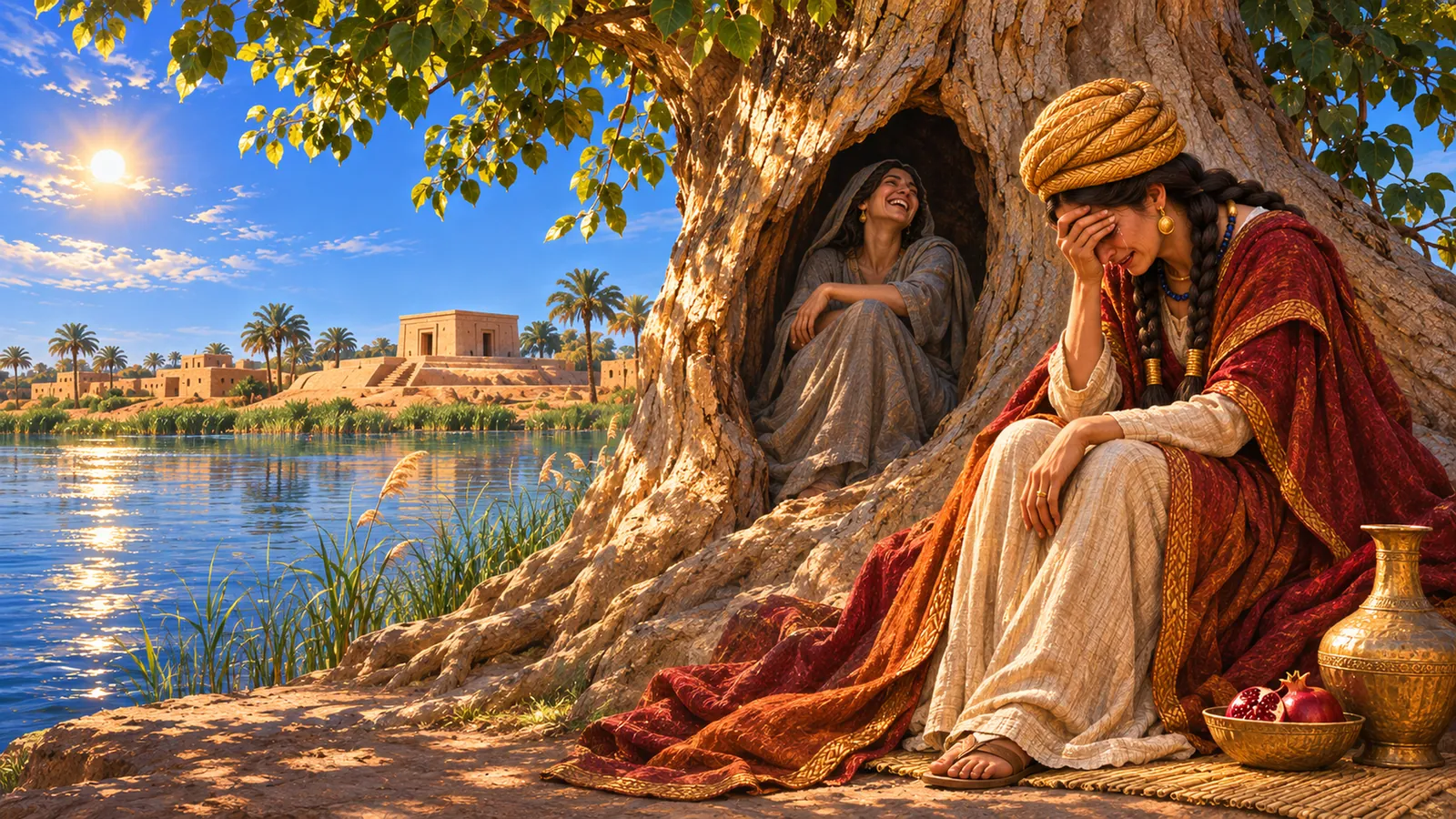
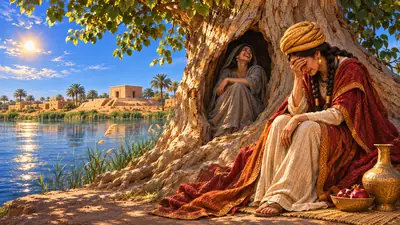
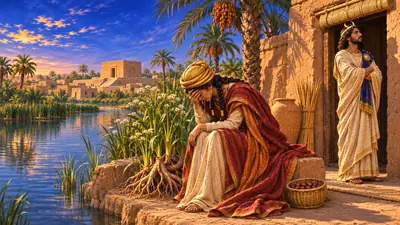
اتّخذ طيفُ فتاةٍ من الجذع مسكنًا، وكانت الفتاة تضحك وقلبها فرح. وبكت إنانا.
الفجر
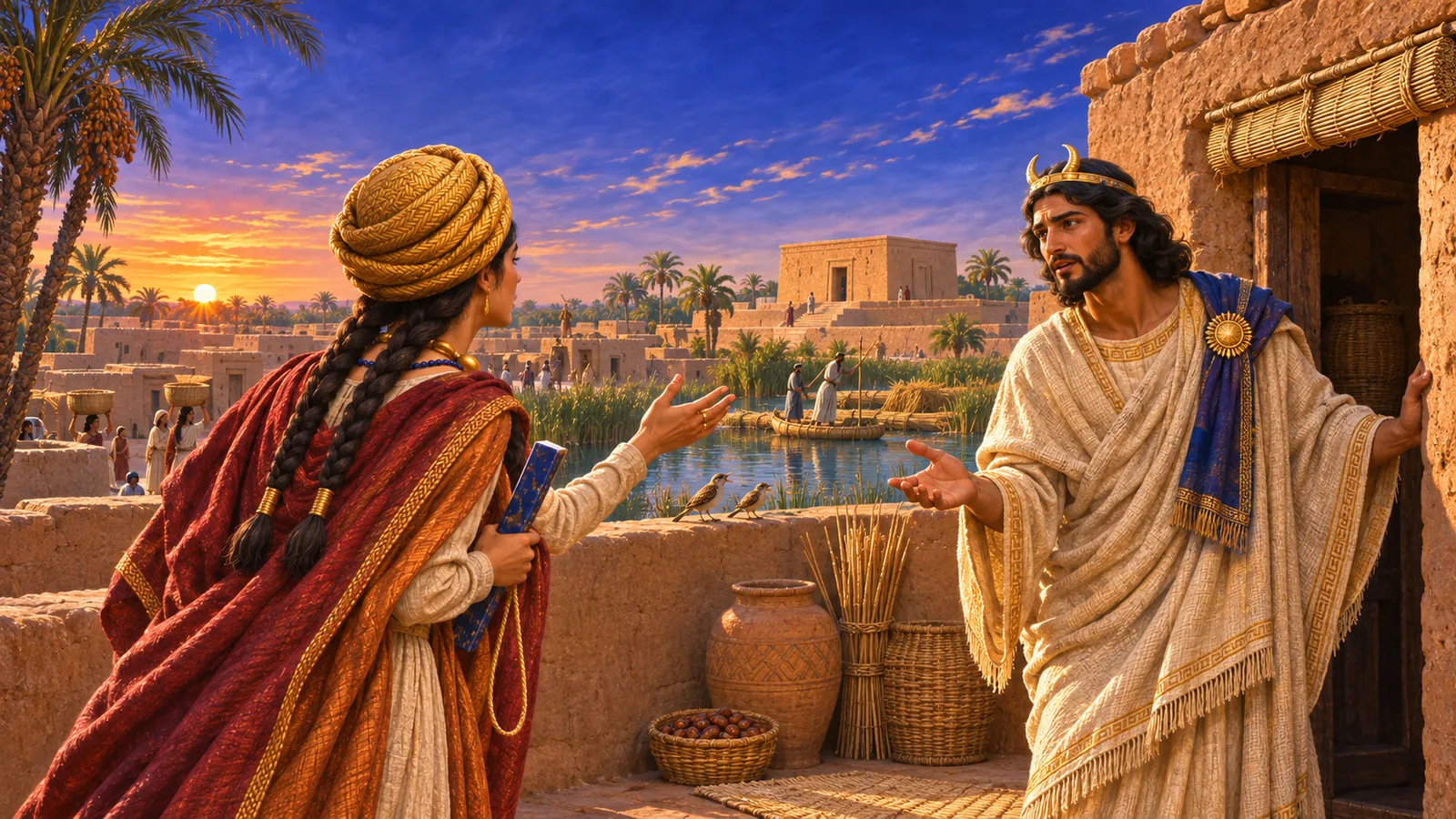
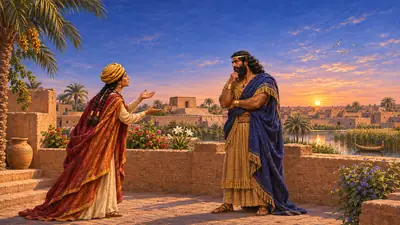
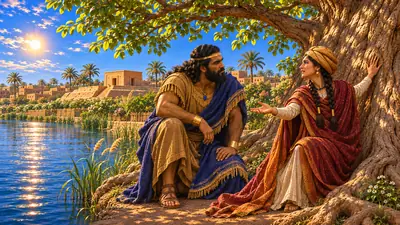
أضاء الأفق وبدأت الطيور الصغيرة تصيح. وكان أوتو قد خرج من حجرة نومه حين خاطبته أخته إنانا.
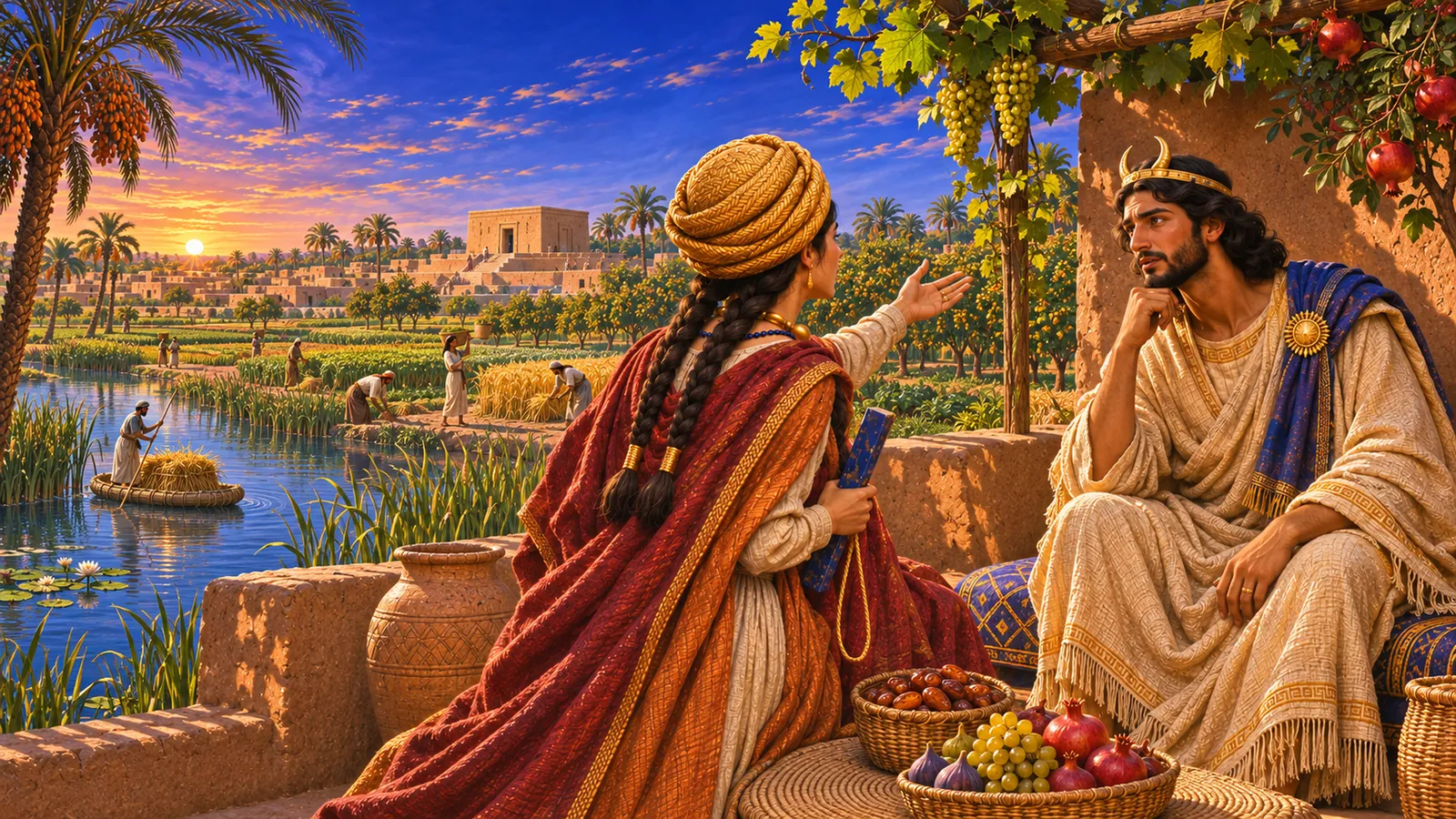
ذكّرت إنانا أخاها بالأيّام التي قُدِّر فيها المصير. وقالت له إنّ الوفرة عمّت البلاد في تلك الأيّام.
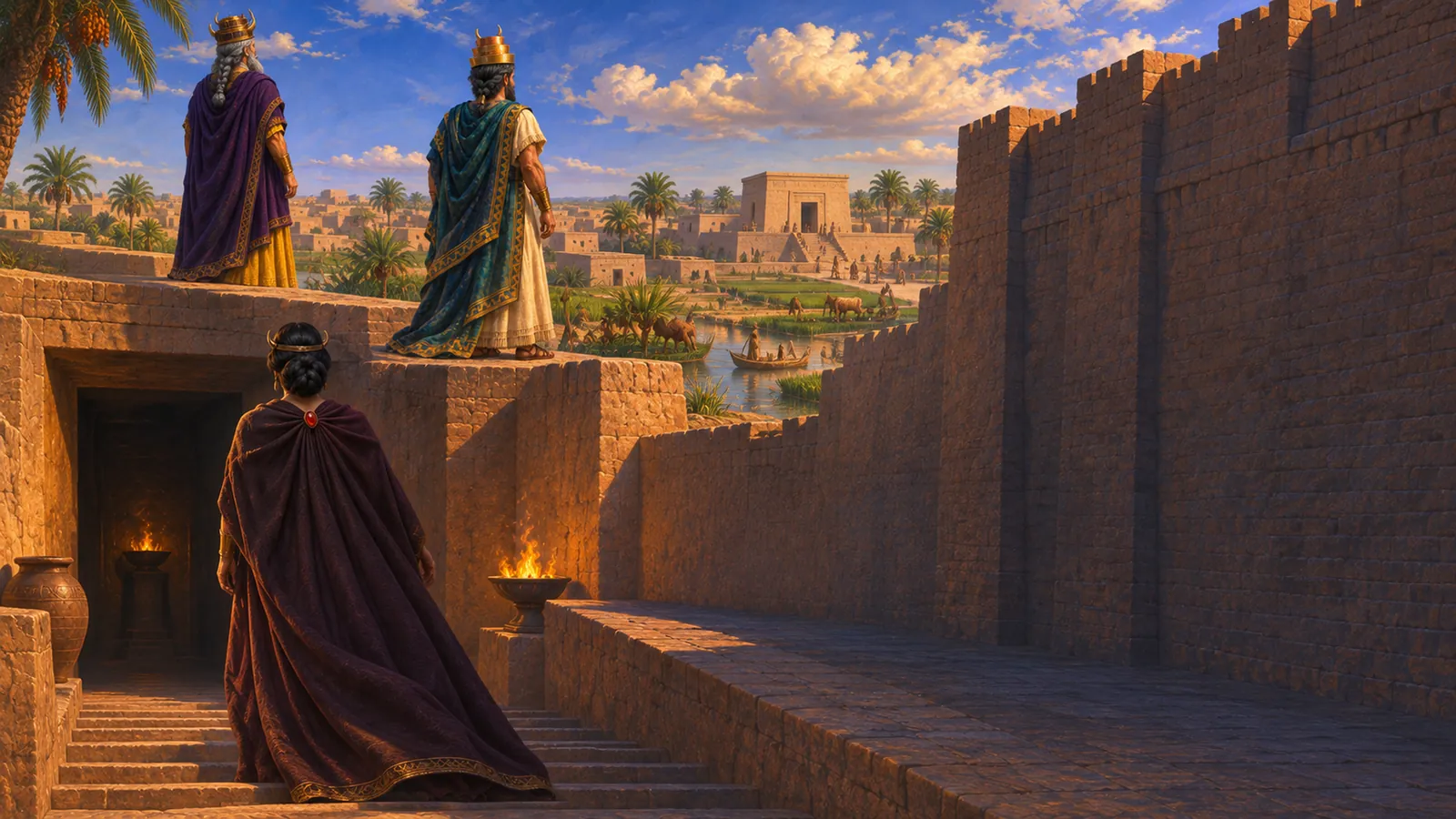
في روايتها أخذ آن السماءَ وأخذ إنليل الأرضَ. وأُعطي عالمُ الموتى لإريشكيجال هديّةً.
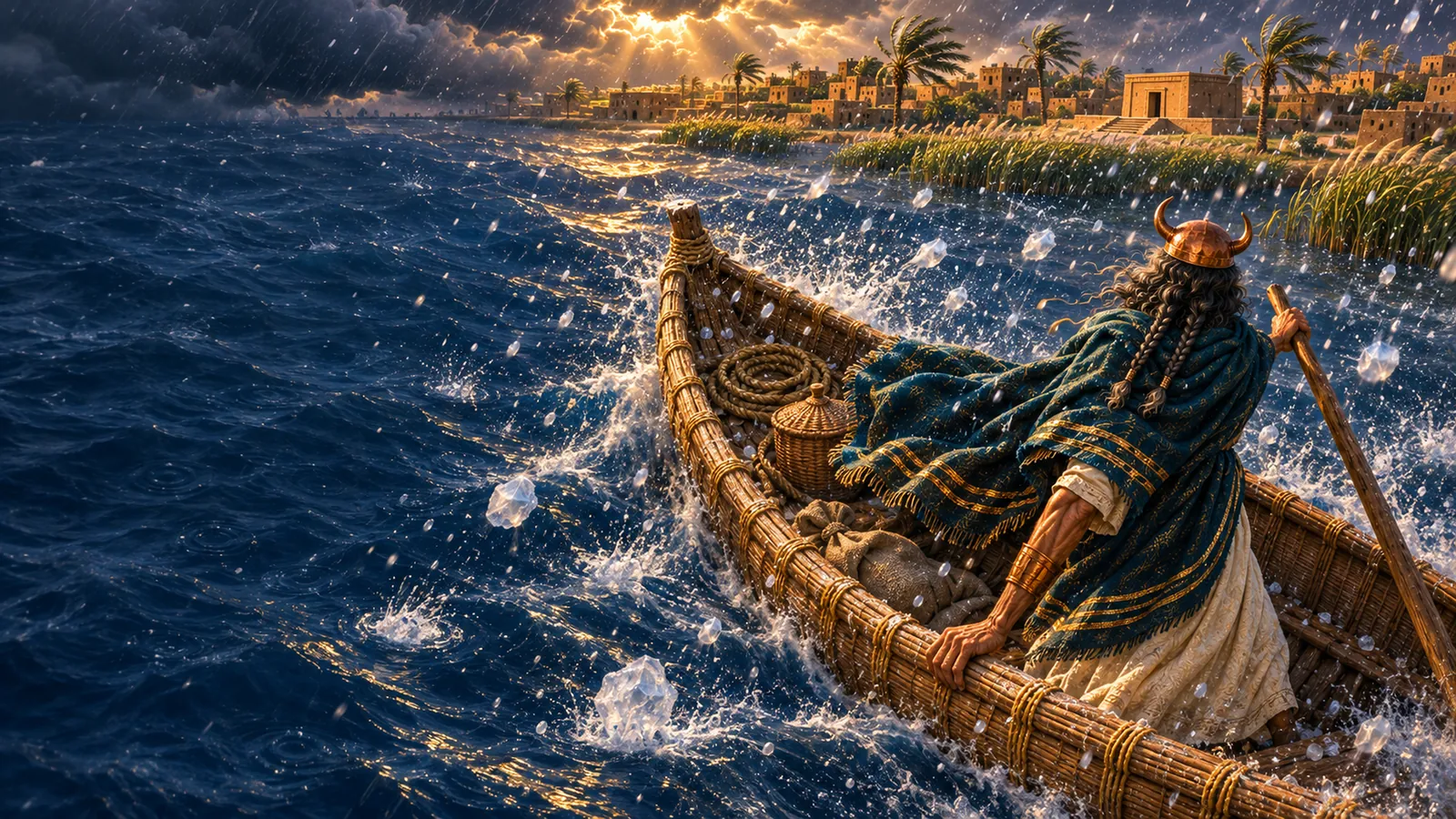
روت كيف أبحر إنكي إلى عالم الموتى. وهبّت على السيّد عاصفةٌ من حبّات البَرَد الصغيرة، وعلى إنكي عاصفةٌ من الحبّات الكبيرة. وتشبّه القصيدة الحبّات الصغيرة بمطارق خفيفة، والكبيرة بحجارة منجنيق على وجه الاحتمال.

قالت إنّ عارضة القارب الصغير اهتزّت كأنّ سلاحف تنطحها. وعند المقدِّمة ارتفعت أمواج كالذئاب لتلتهم السيّد. وعند المؤخّرة هجمت الأمواج على إنكي كأسد.
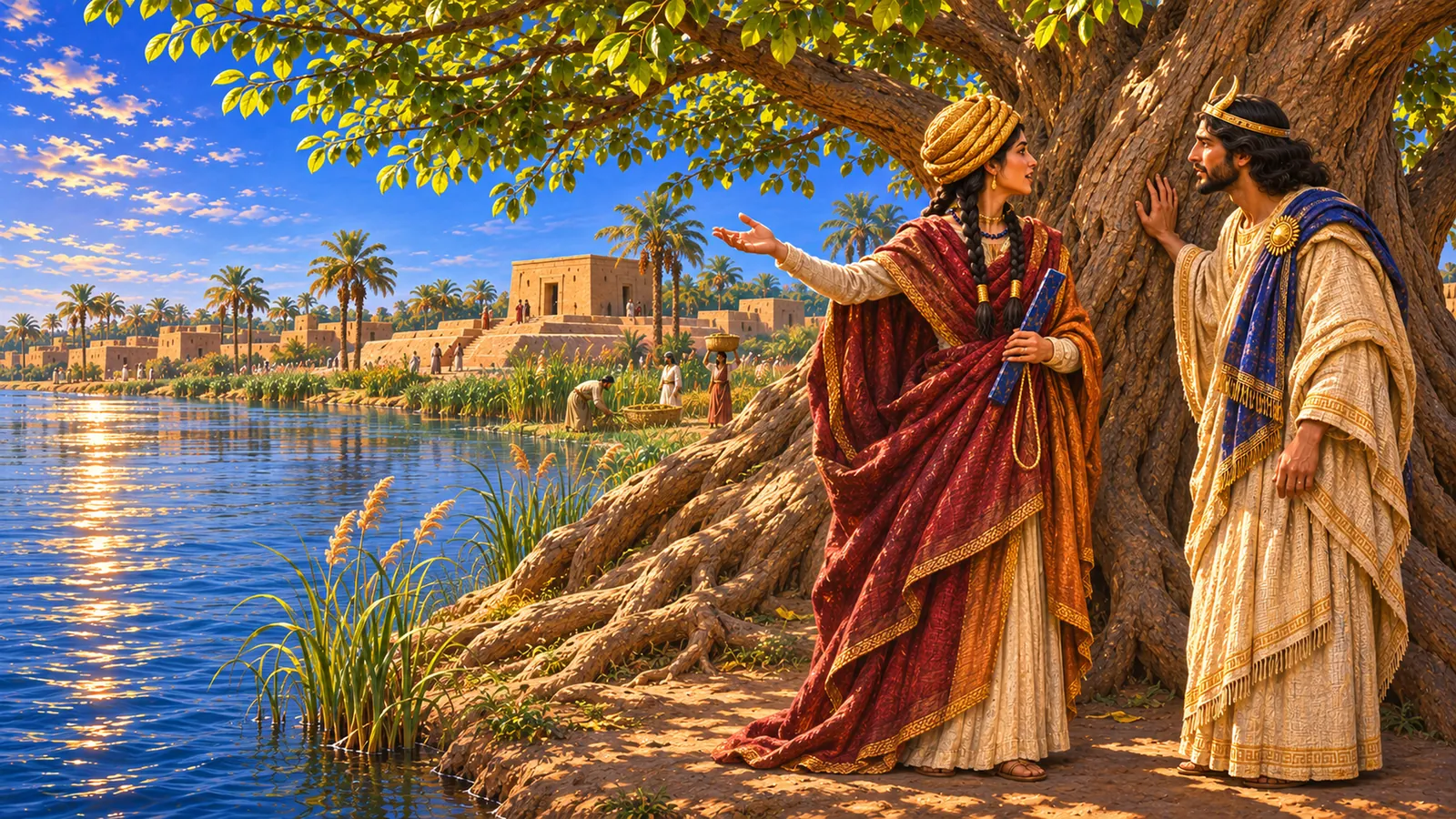
ذكّرت إنانا بشجرة الهالوب الوحيدة التي كانت تنمو على ضفّة الفرات. وقالت إنّ الفراتَ نفسه كان يسقيها.
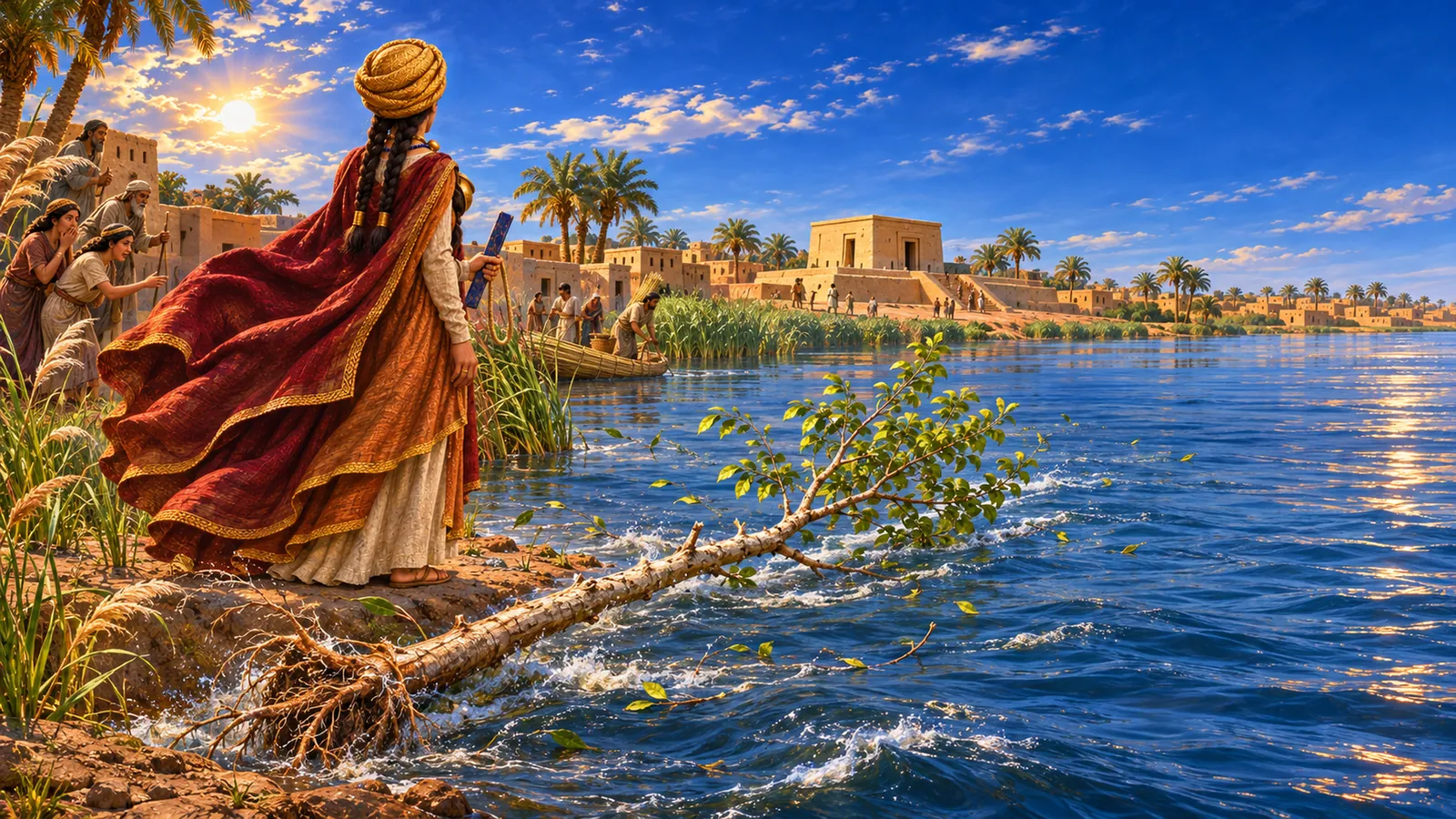
اقتلعت ريح الجنوب الشجرة وجرّدتها من أغصانها. وقالت إنانا إنّ الفرات حمل الشجرة وجرفها بعيدًا.
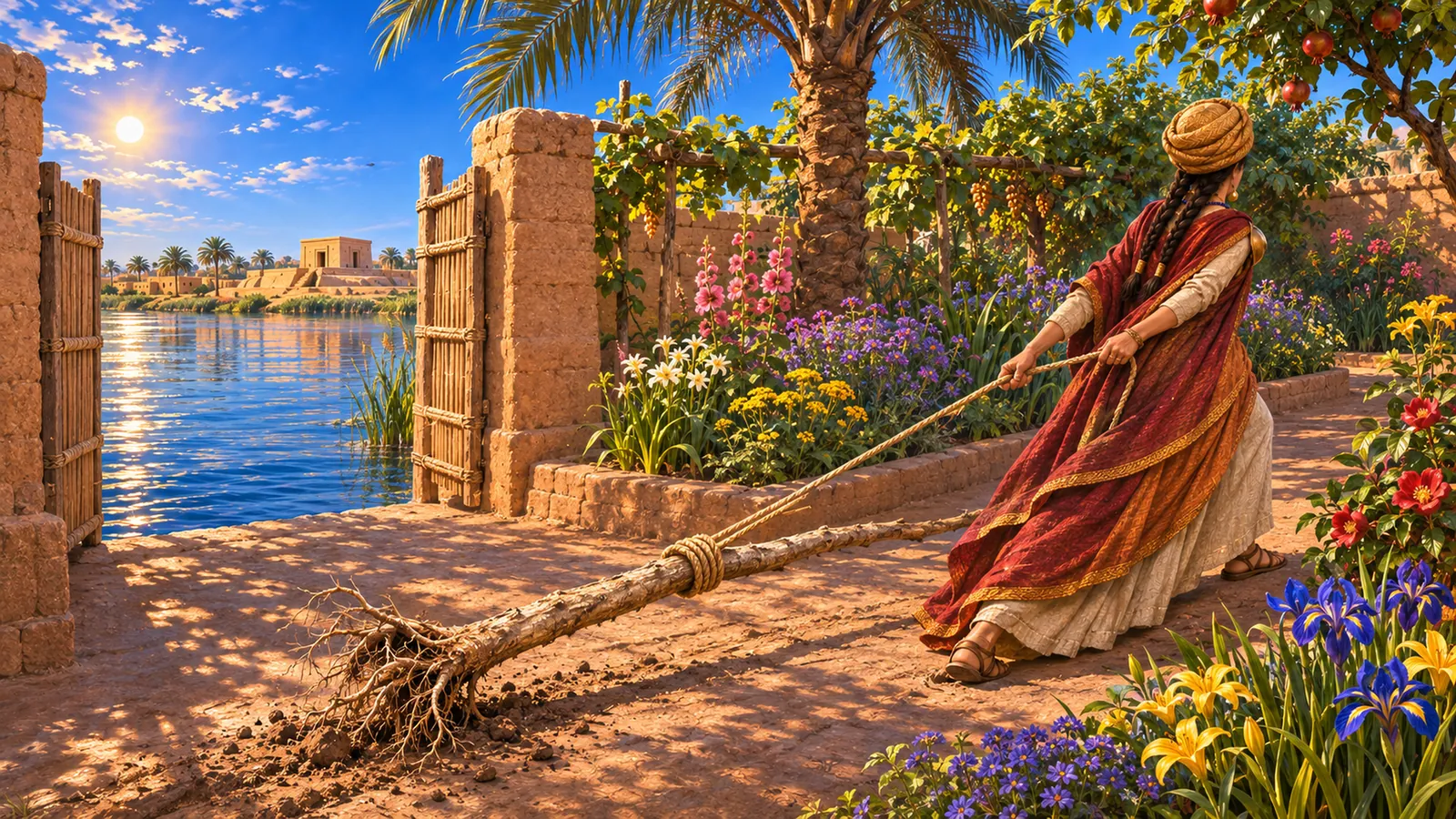
قالت لأوتو إنّها المرأة التي راعت كلام آن وإنليل. وإنّها حملت الشجرة إلى أوروك، إلى حديقتها الغنّاء.
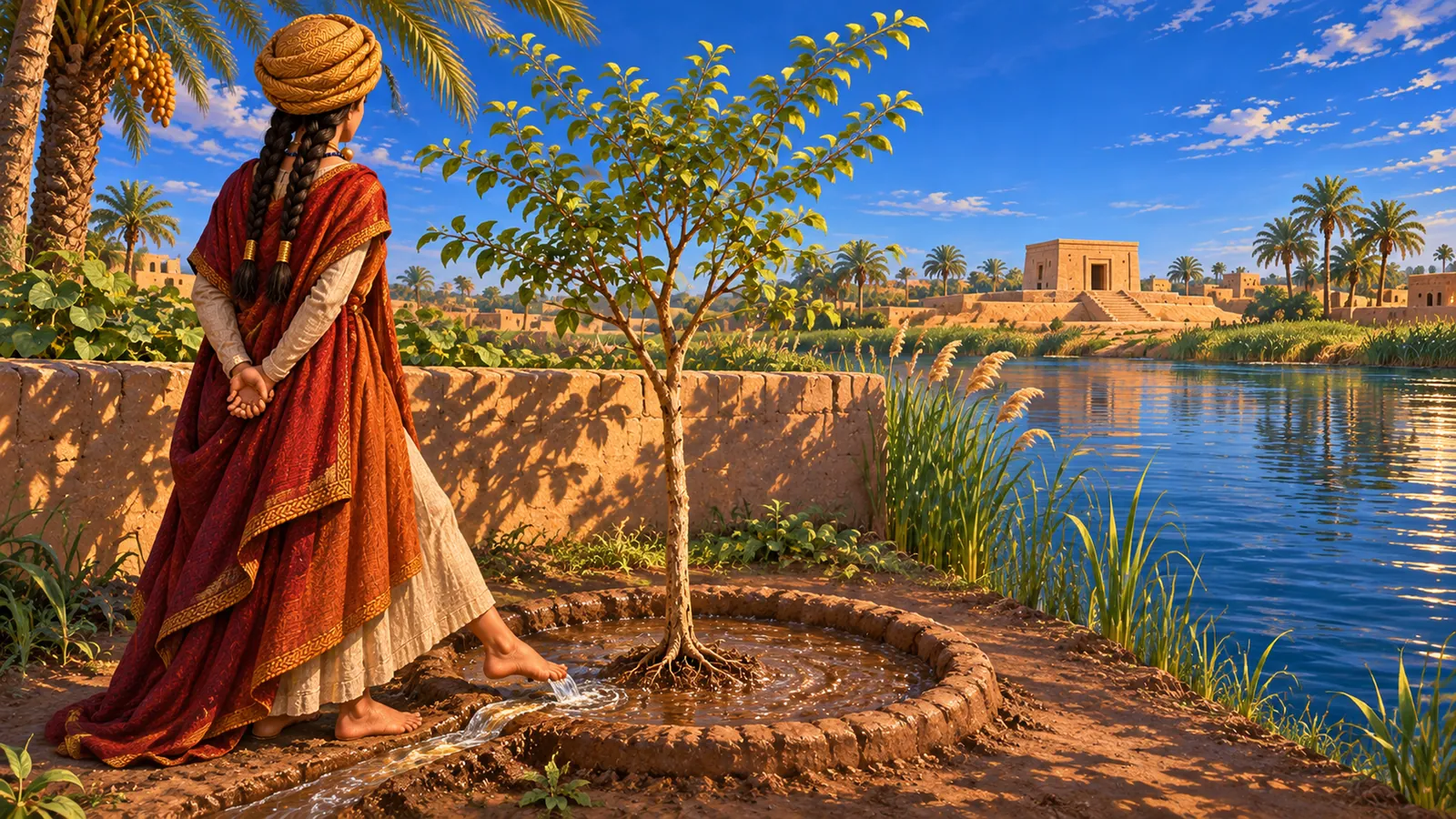
أخبرت إنانا أوتو أنّها غرست الهالوب في حديقتها وسقته، واستخدمت قدميها وحدهما في المرّتين.
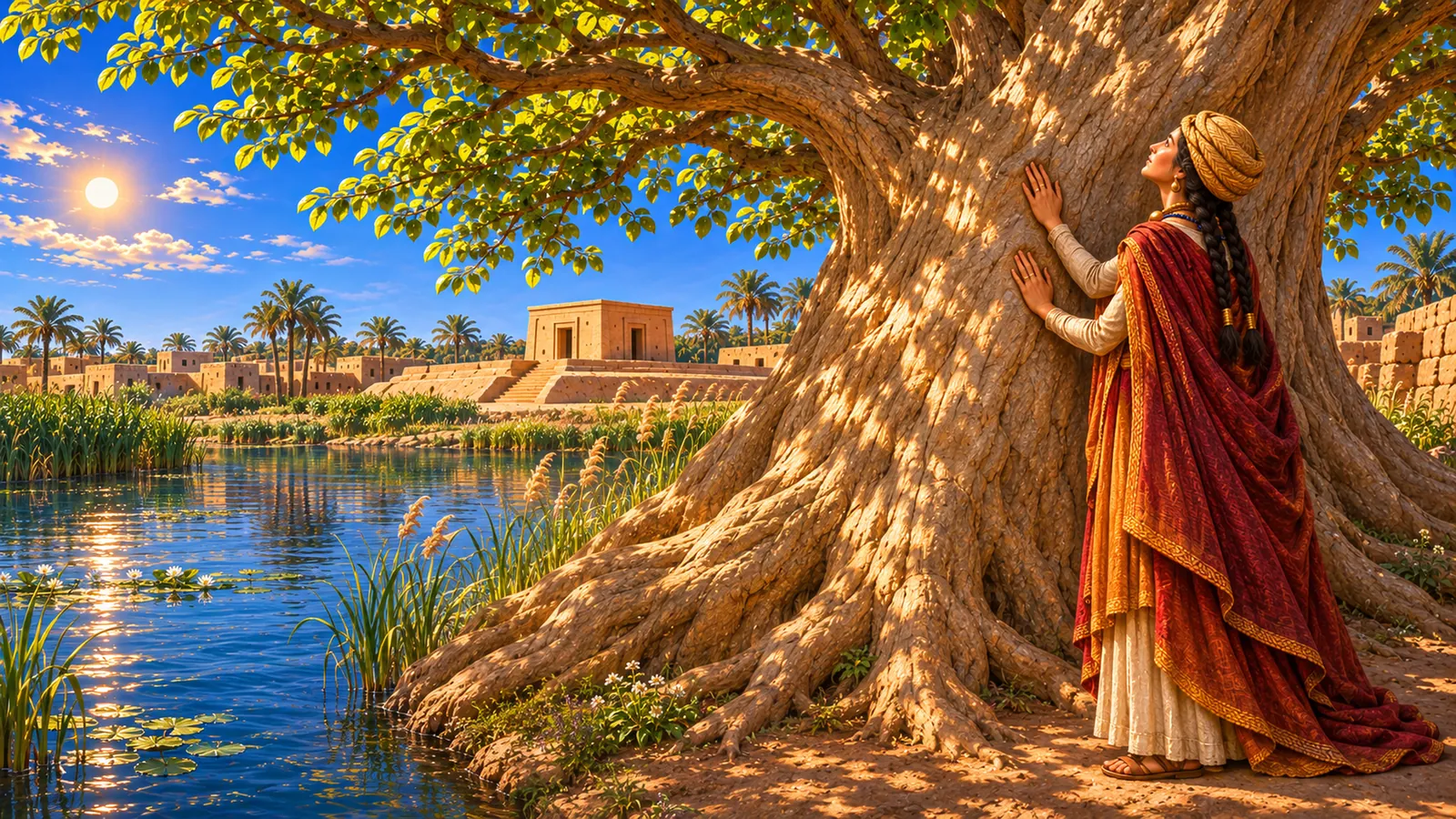
ذكرت أنّها كانت ترجو كرسيًّا جميلًا تجلس عليه وسريرًا جميلًا تضطجع عليه. ومرّت خمس سنين ثمّ عشر. وعَظُمَ حجم الشجرة وبقي لحاؤها سليمًا.
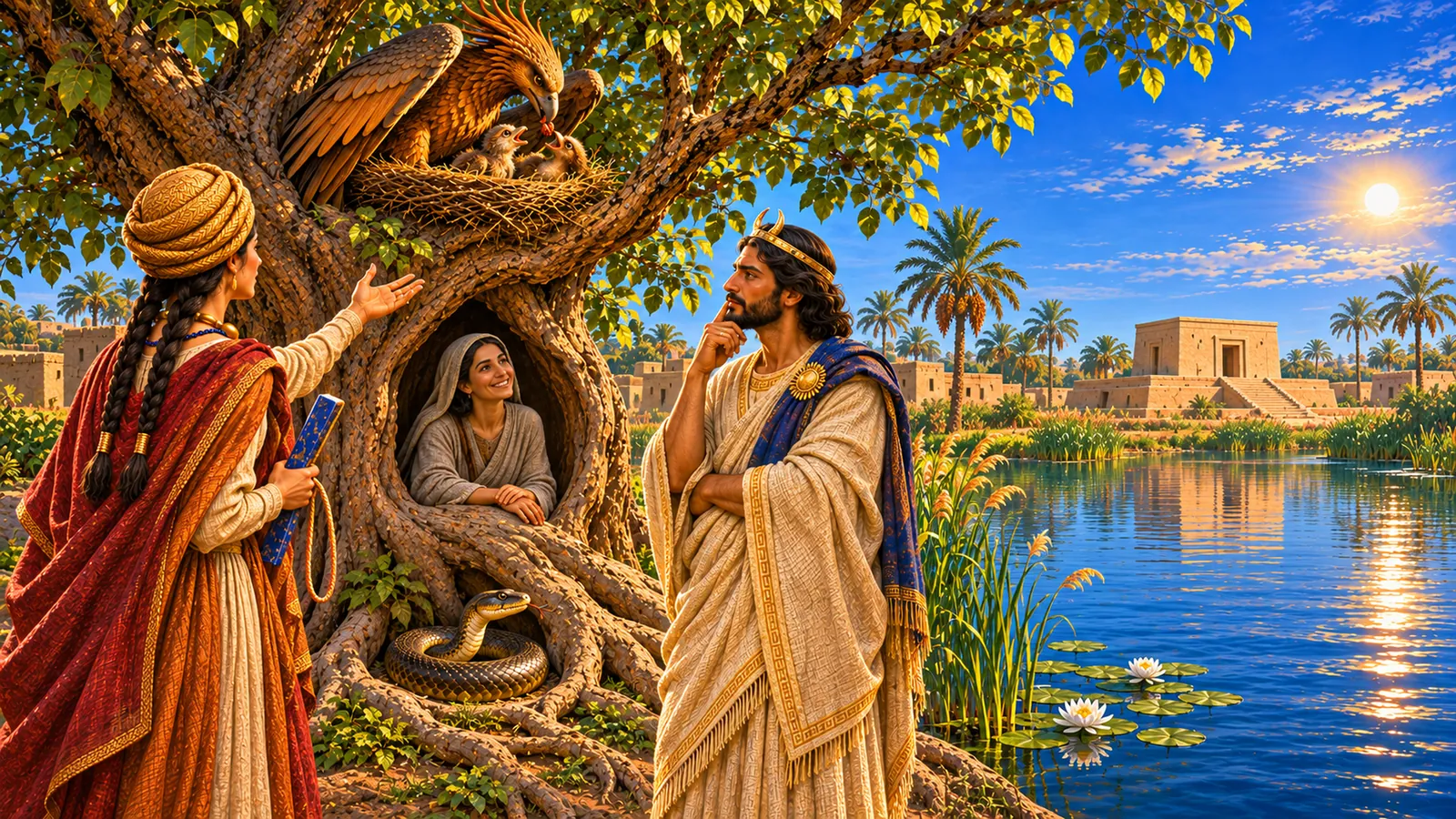
حدّثت أوتو عن الحيّة التي لا تؤثّر فيها التعاويذ عند الجذور، وعن طائر أنزود وفراخه بين الأغصان، وعن طيف الفتاة التي اتّخذت من الجذع مسكنًا وضحكت وقلبها فرح.
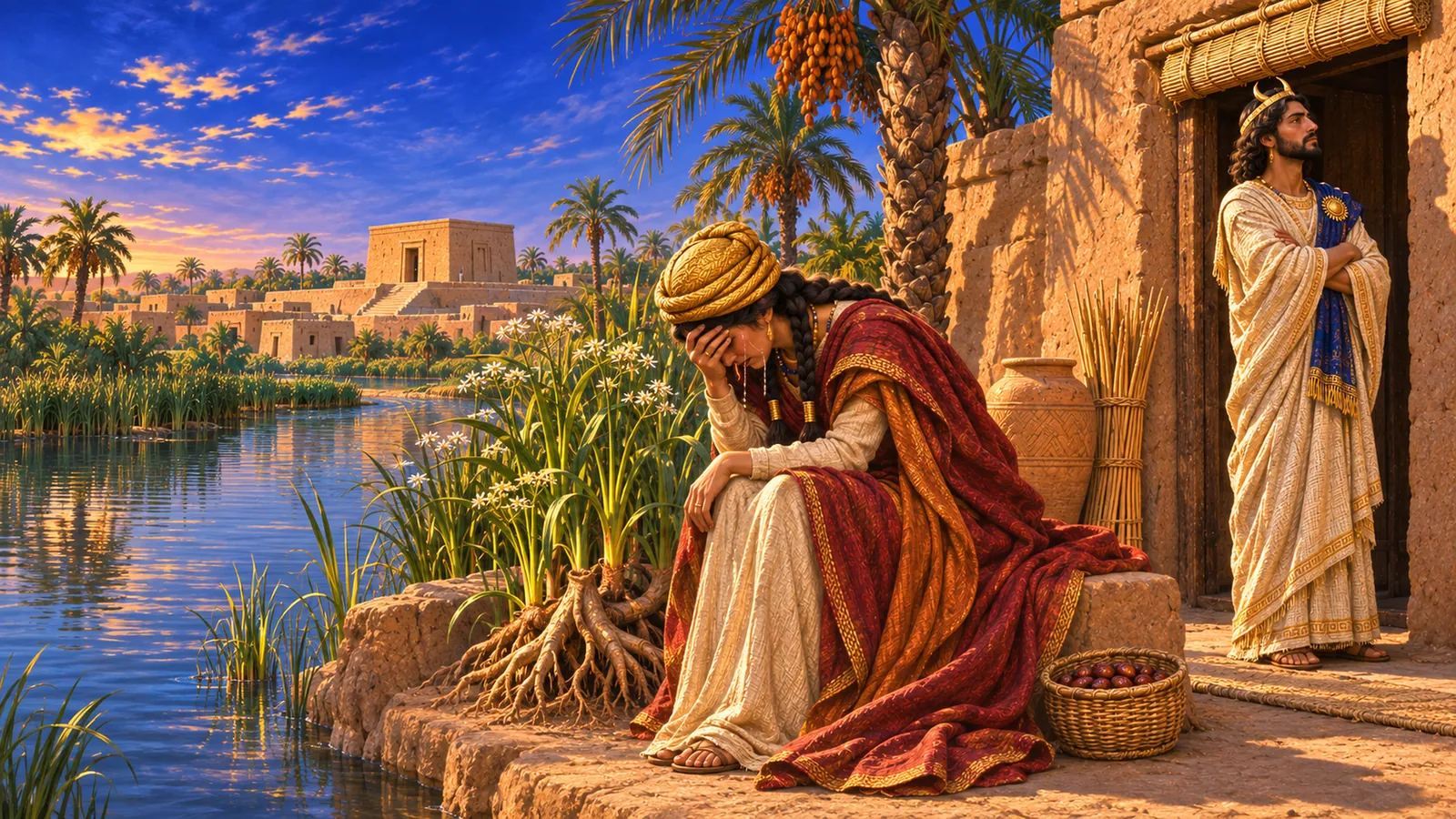
انتهت حكايتها ببكائها. وتقول القصيدة إنّ أخاها أوتو، المحارب الشابّ، لم يقف إلى جانبها في هذا الأمر.
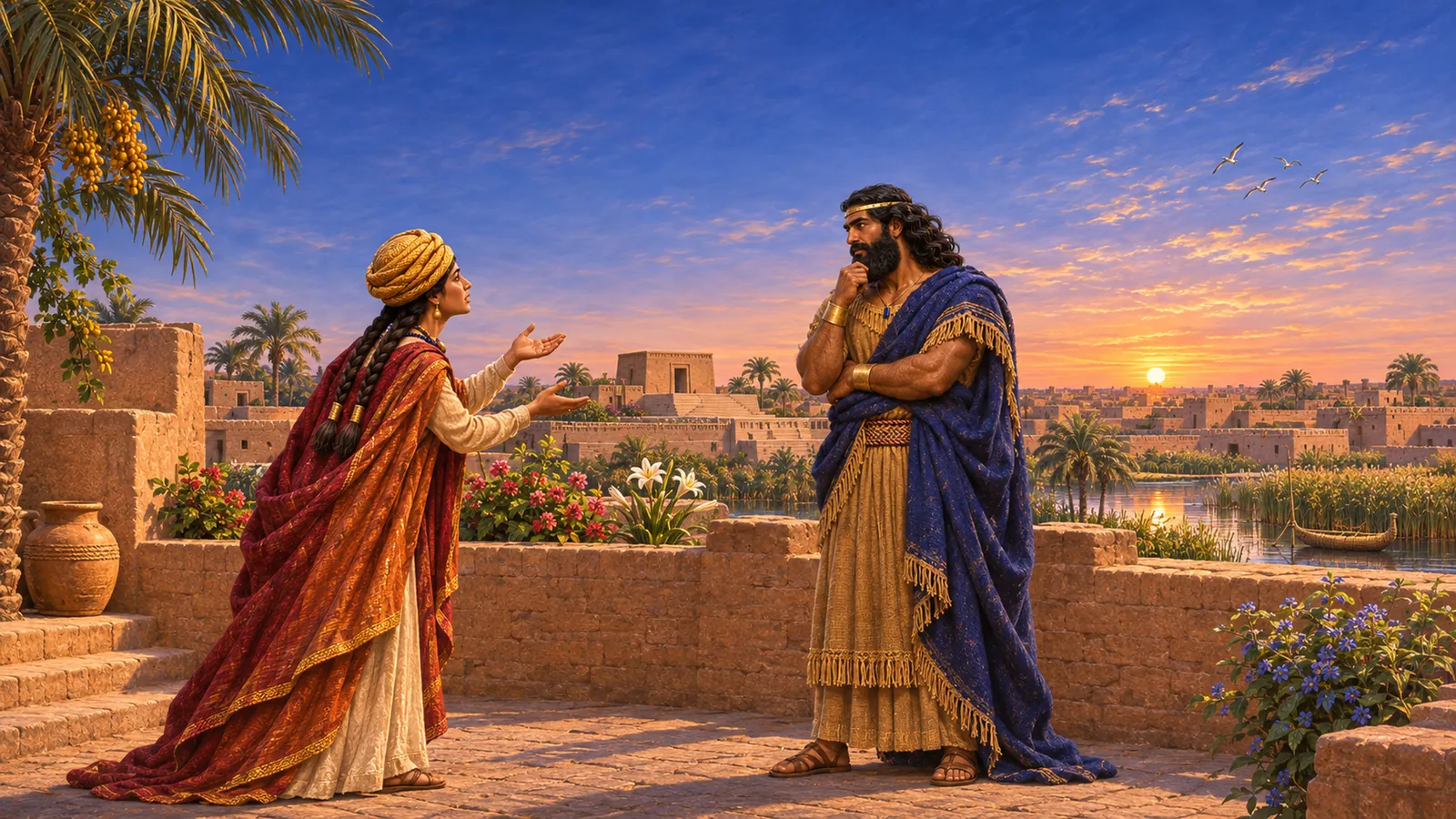
المناشدة
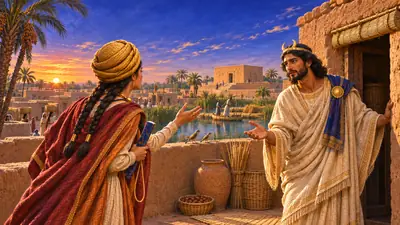
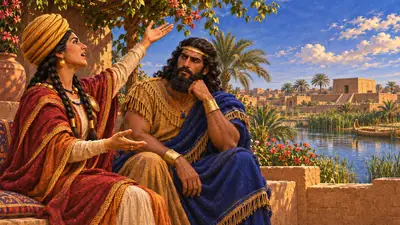
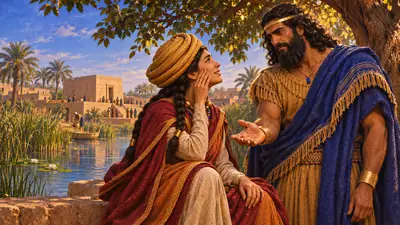
حين طلع الفجر وبدأت الطيور تصيح، خاطبت إنانا المحارب جلجامش ونادته بقولها يا أخي.
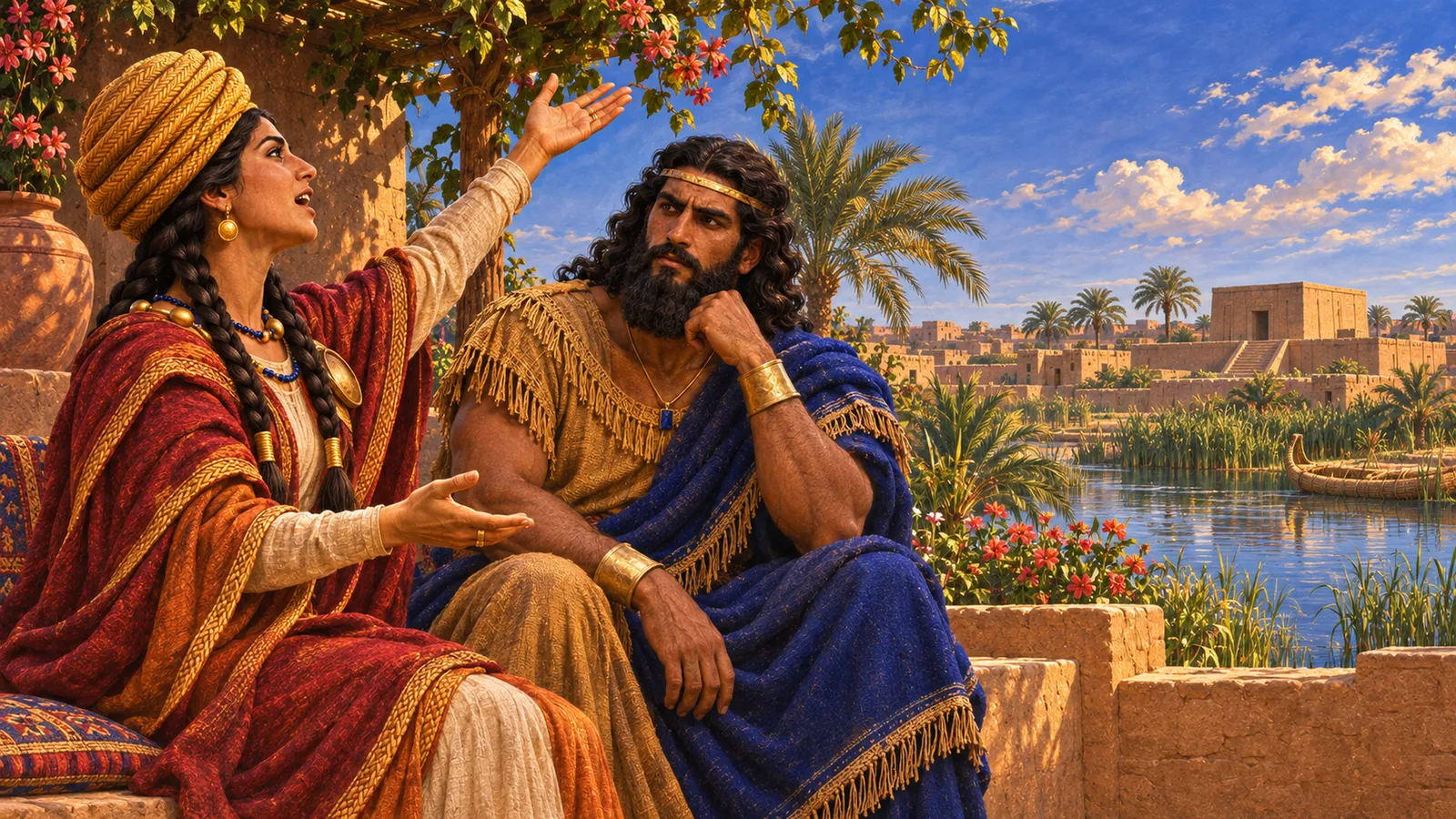
استعادت ذكر الأيام التي قُدِّرت فيها المصائر وفاضت فيها البلاد بالخيرات. فقد أخذ آن السماء، وأخذ إنليل الأرض، وأُهدي العالم السفليّ إلى إريشكيجال.

روت إنانا كيف أبحر إنكي إلى العالم السفليّ. وفي روايتها هبّ بَرَد صغير على السيّد وبَرَد كبير على إنكي. وشبّهت حبّات البَرَد الصغيرة بمطارق خفيفة.

وصفت القارب الصغير وهو يرتجّ كأنّ سلاحف تنطح قعره. وشبّهت أمواج المقدّمة بالذئاب وأمواج المؤخّرة بالأسد.
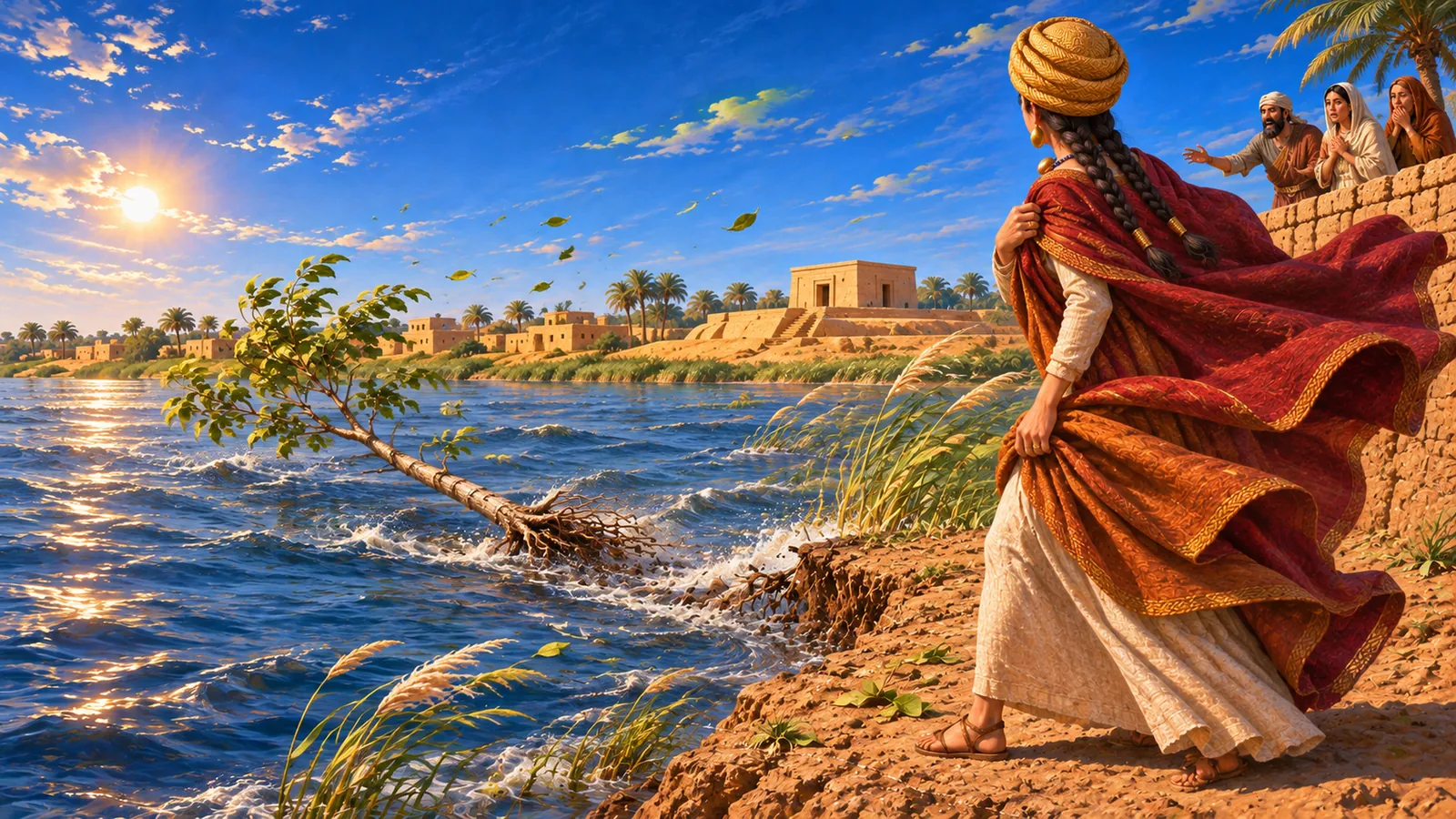
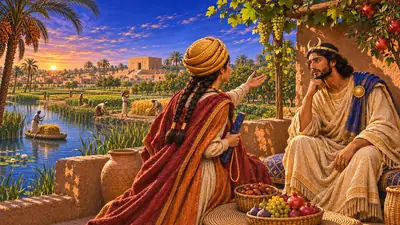
استعادت إنانا ذكر شجرة هالوب نبتت بجوار الفرات وكانت ترتوي من مائه. واقتلعتها ريح جنوبيّة وجرّدت أغصانها، ثم حملها النهر بعيدًا.
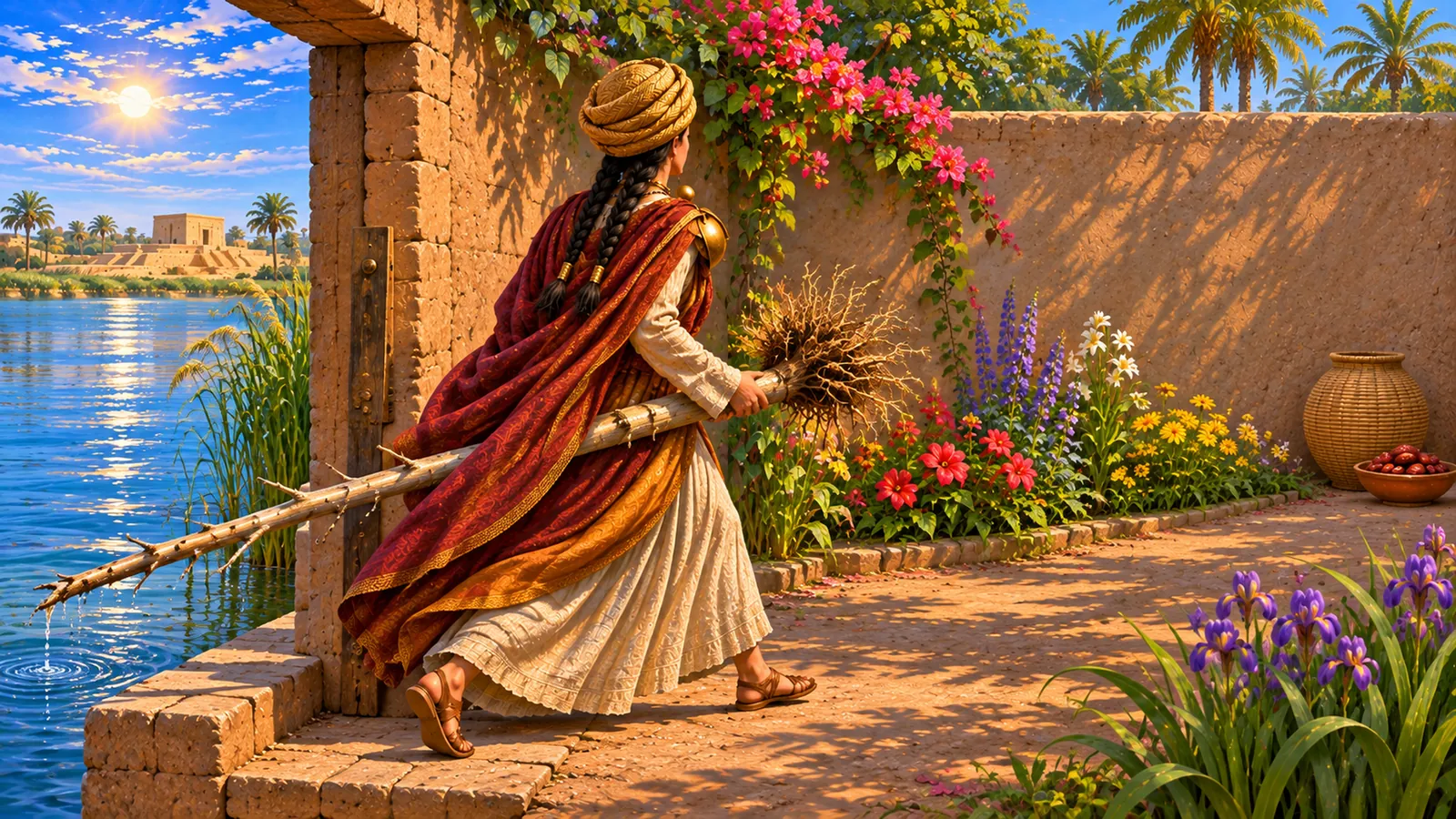
قالت إنانا إنّها كانت تسير وهي ترعى كلام آن وإنليل. فأخذت الشجرة وحملتها إلى حديقتها في أوروك.
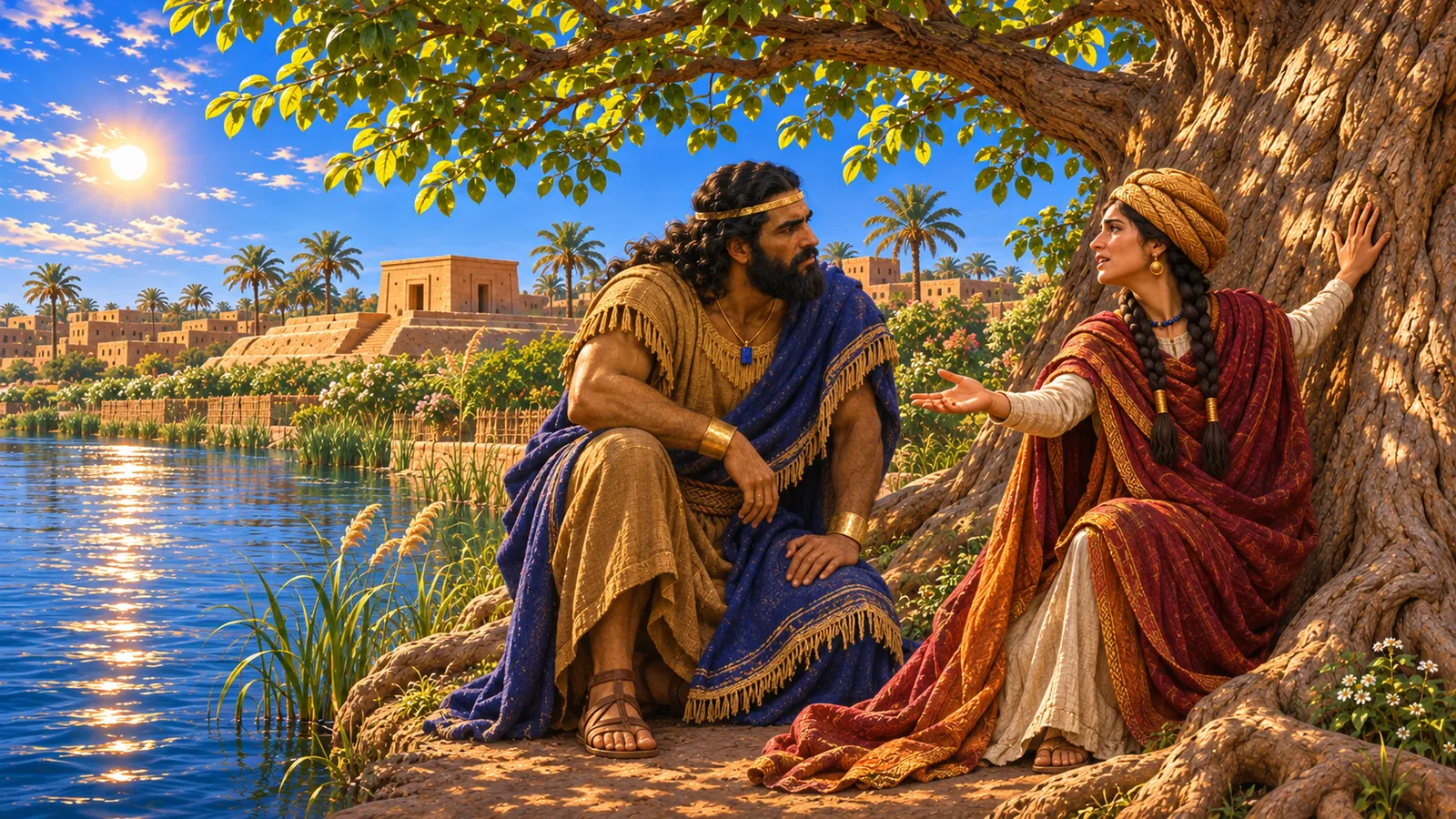
روت كيف غرست الشجرة وسقتها بقدميها. وكانت تتمنّى أن تصير الشجرة يومًا كرسيًّا تجلس عليه وسريرًا تضطجع فيه.
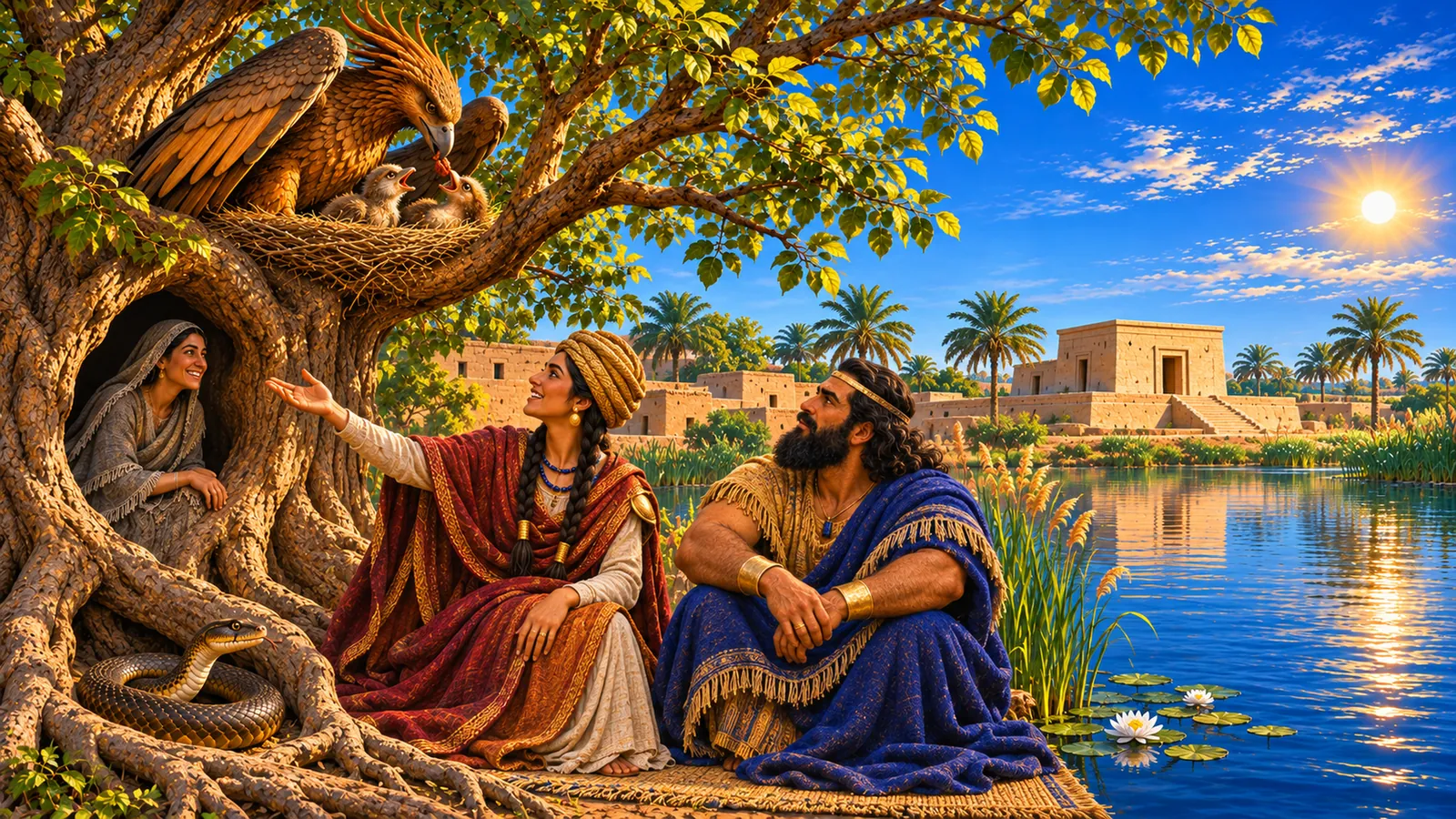
قالت إنّ خمس سنين وعشرًا مضت حتّى عَظُمَت الشجرة. وذكرت حيّةً لا تؤثّر فيها الرُّقى عند الجذور، وطائر أنزود وفراخه بين الأغصان، وطيف فتاة في الجذع.
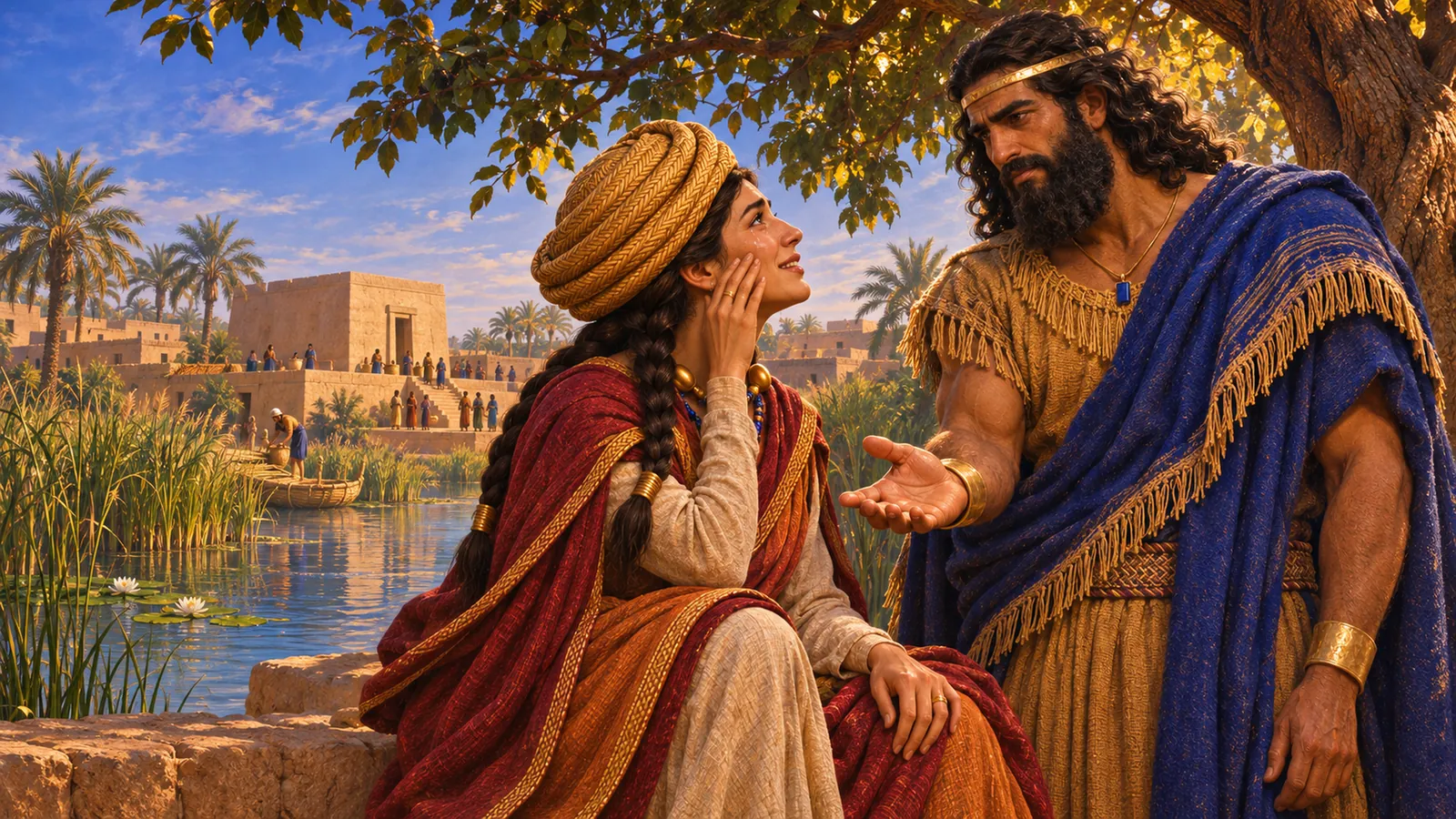
بكت إنانا في ختام حديثها. ولمّا سمع المحارب جلجامش ما روته له أخته، وقف إلى جانبها.
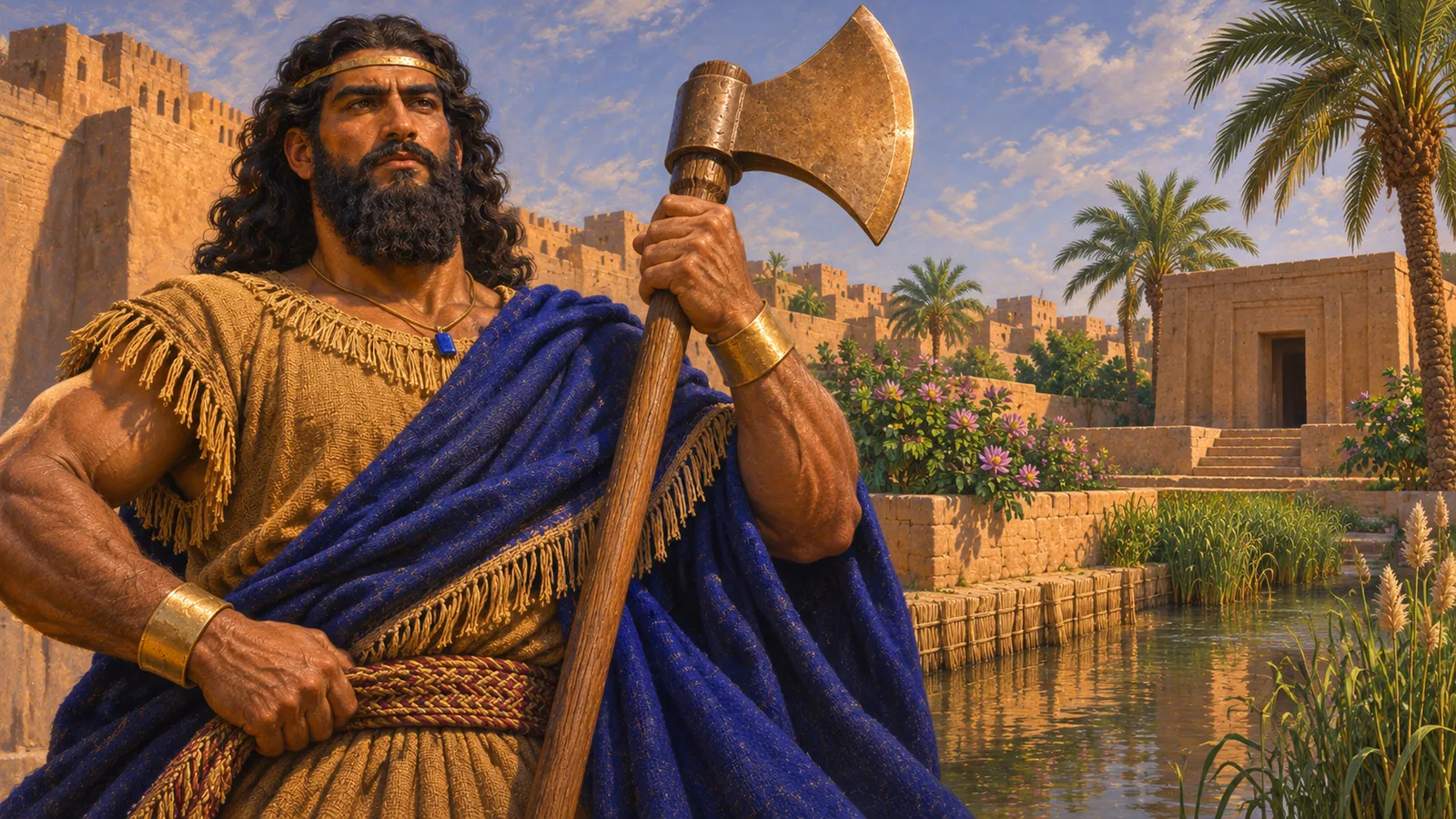
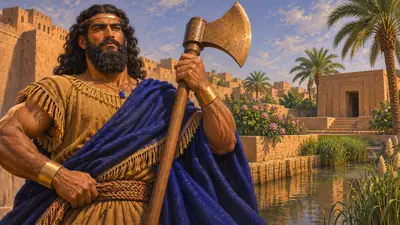
شدّ جلجامش حزامًا ثقيلًا حول خصره، وأخذ فأسه البرونزيّة التي كان يحملها في رحلاته. وتذكر القصيدة وزنًا هائلًا لكلٍّ منهما.
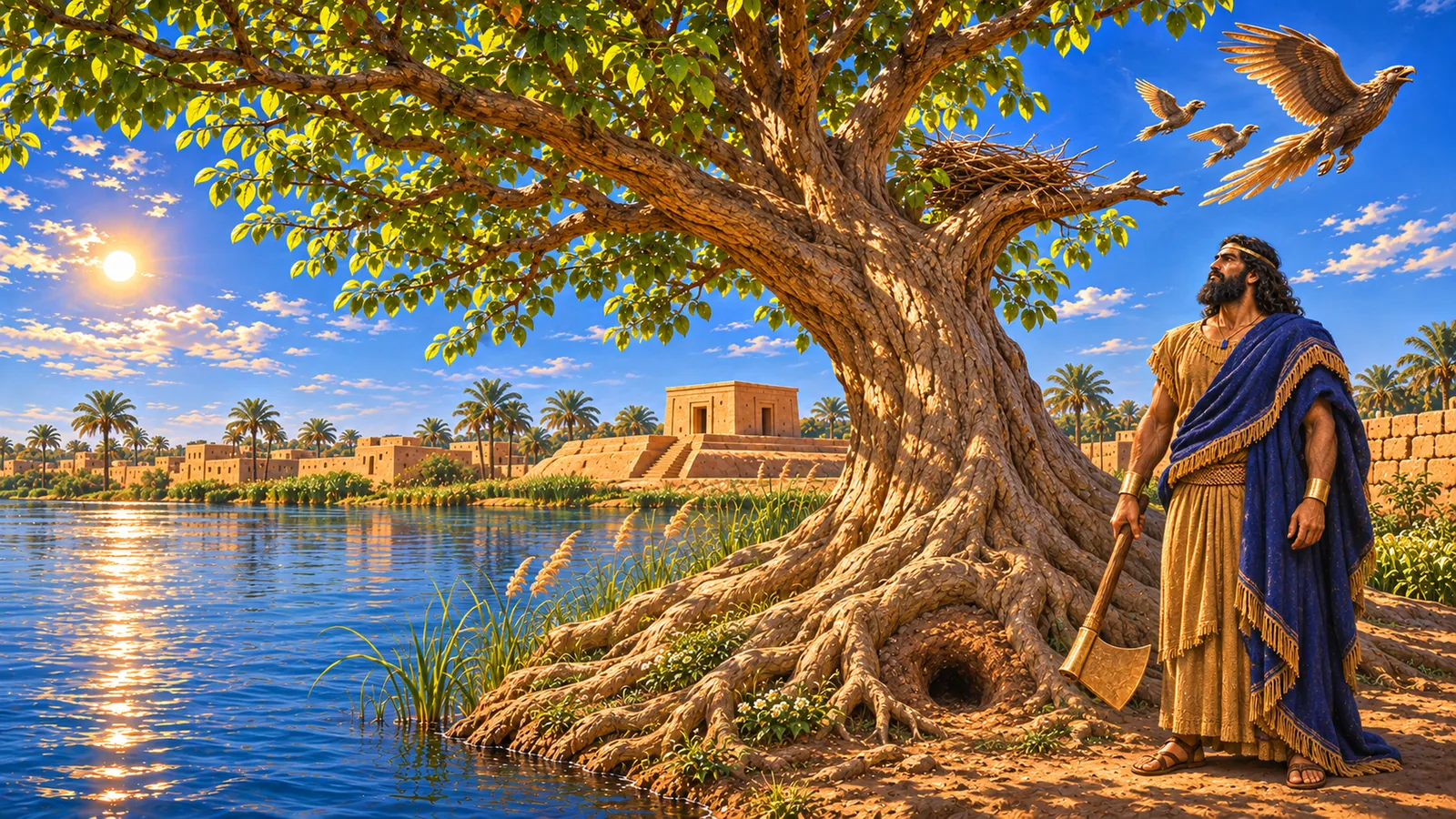
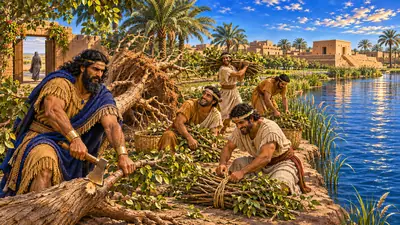
قتل جلجامش الحيّة التي كانت تعيش عند الجذور ولا تؤثّر فيها الرُّقى. وأخذ طائر أنزود فراخه من بين الأغصان، ومضى إلى الجبال.
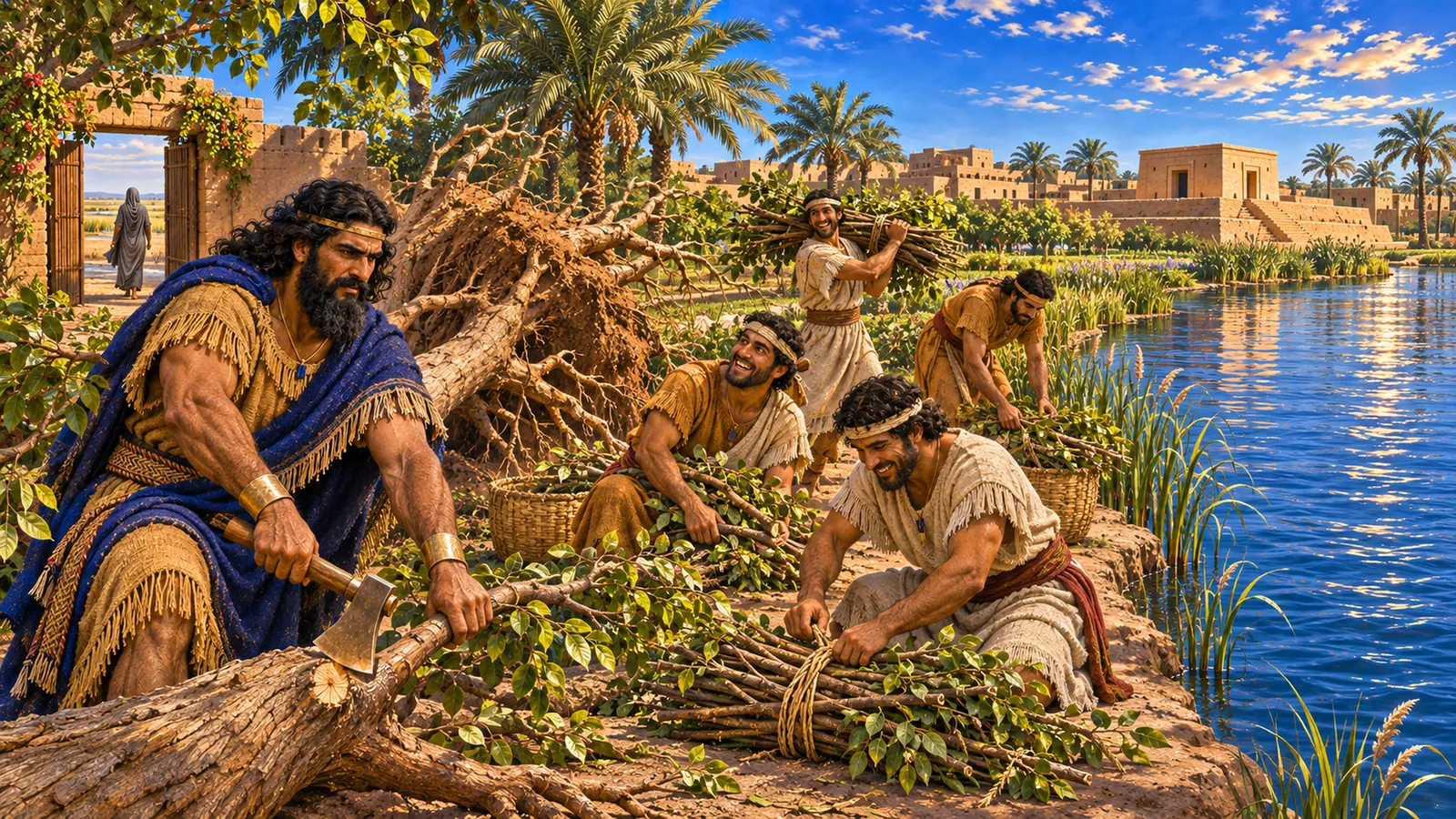
لاذ طيف الفتاة بالبرّية. واقتلع جلجامش الشجرة وجرّدها من أغصانها. وقطّع شبّان مدينته الأغصان وجمعوها في حزم.
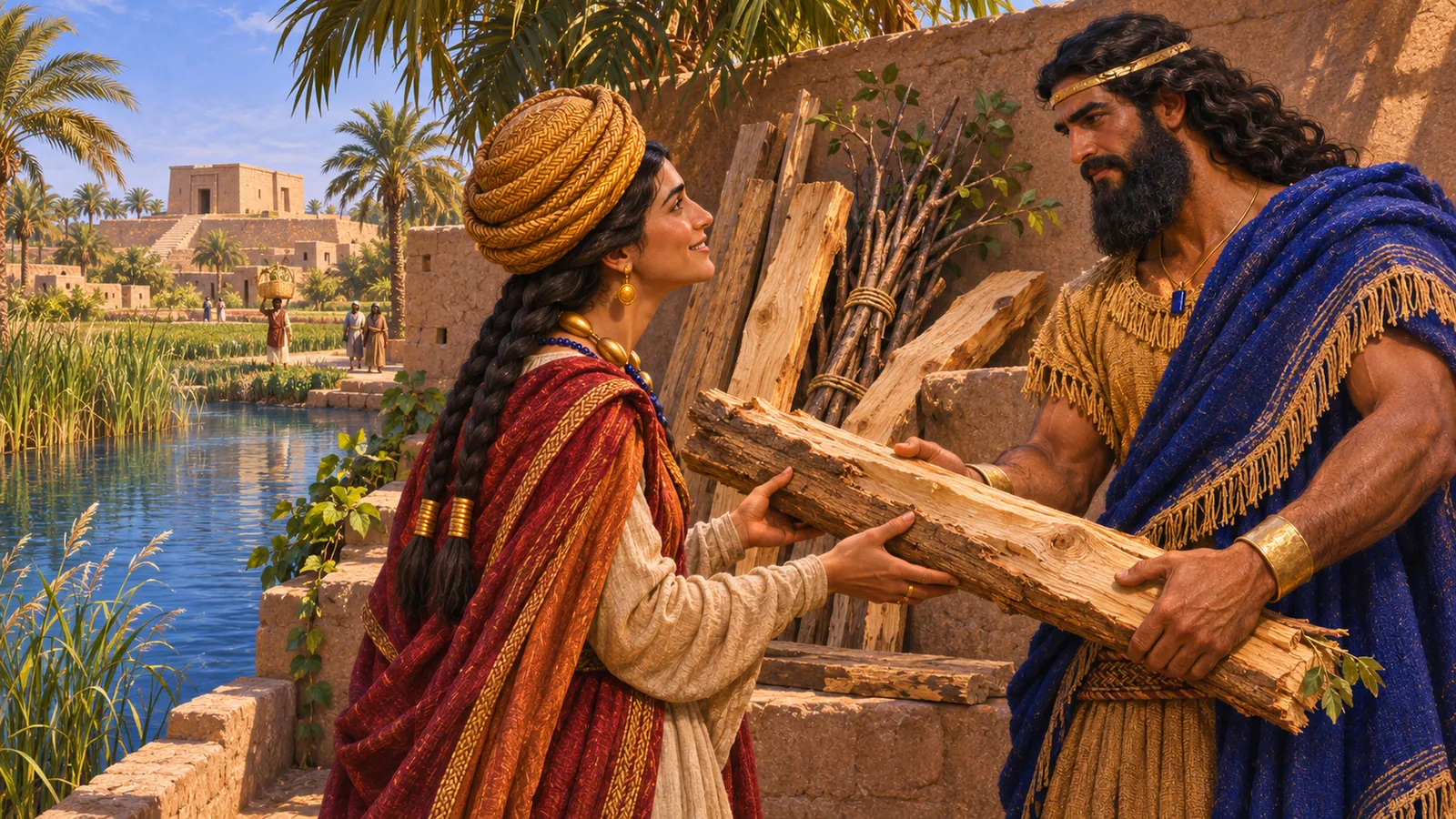
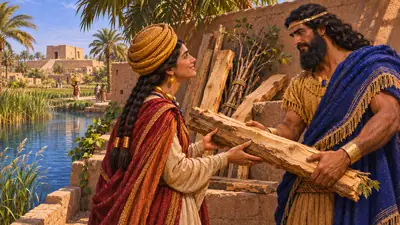
أعطى جلجامش إنانا خشب الشجرة للكرسيّ الذي تمنّت أن تجلس عليه، وللسرير الذي تمنّت أن تضطجع فيه.
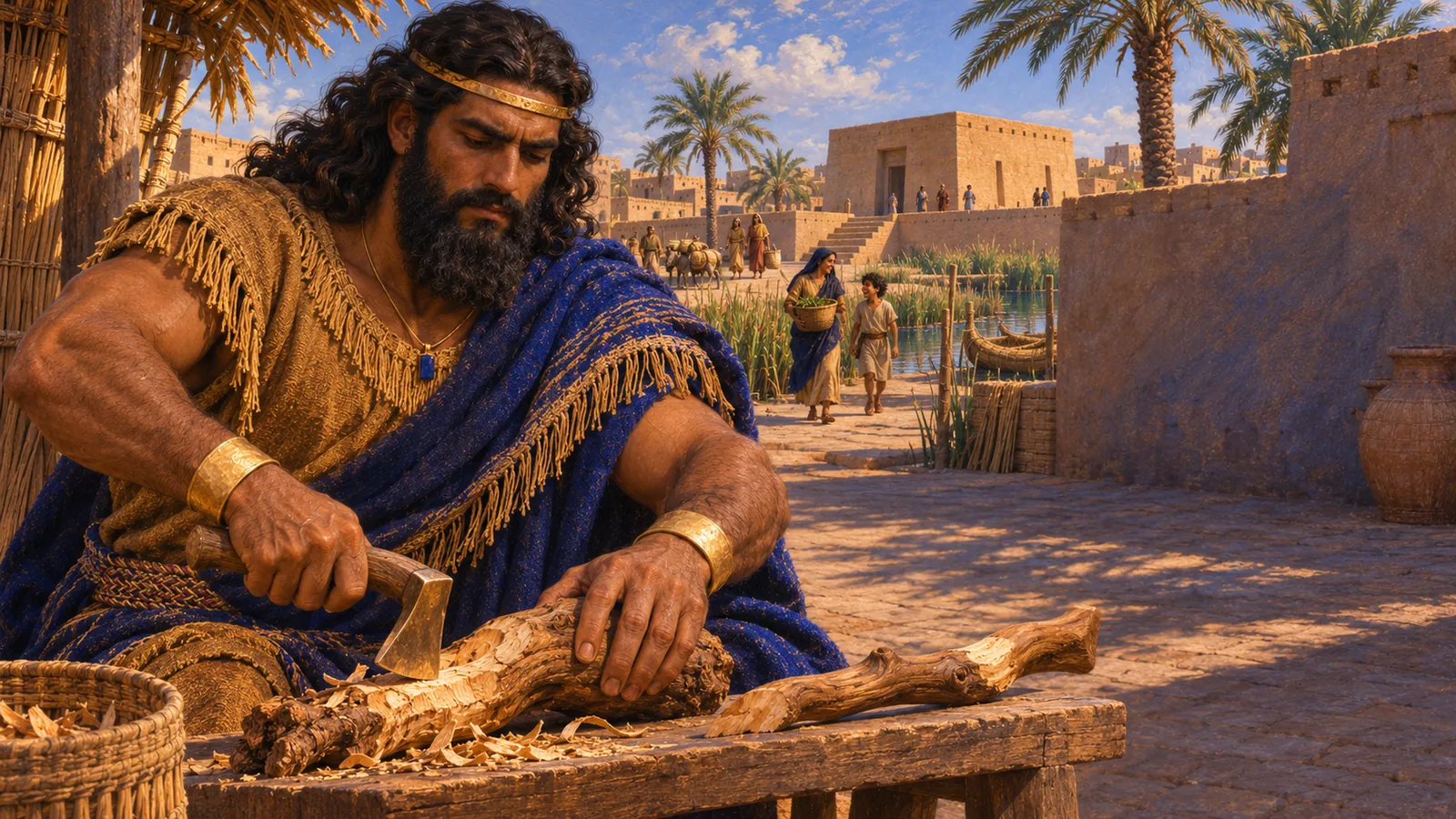
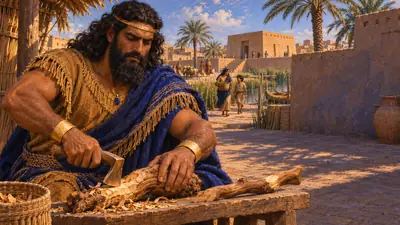
صنع جلجامش لنفسه إلّاغًا من الجذور وإكيدما من الأغصان. وبهاتين الأداتين سيلعب.
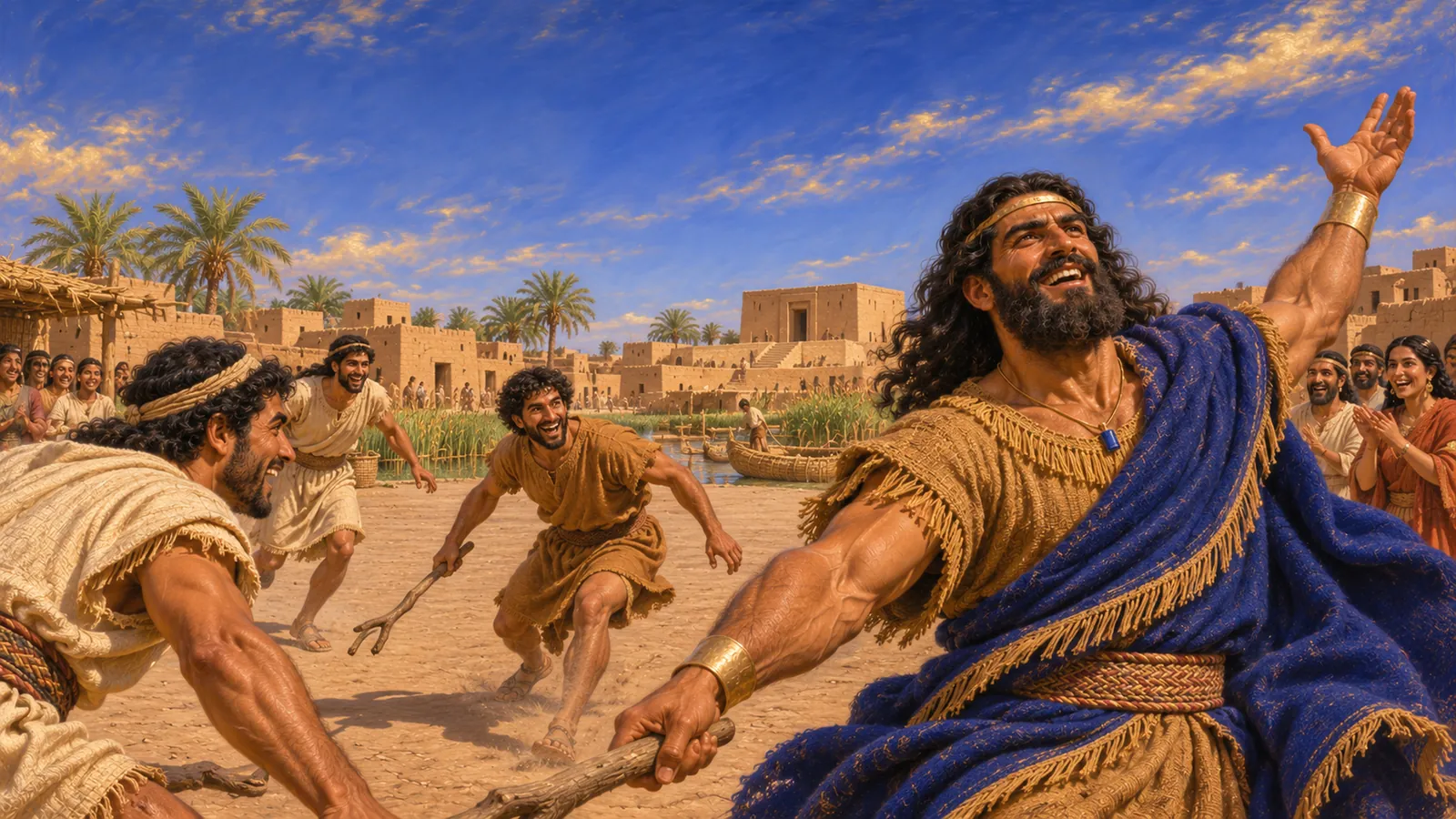
اللعب
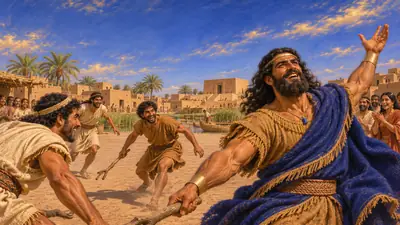
لعب جلجامش بالإلّاغ في الساحة الرحبة وأخذ يمدح نفسه فيها. لم يكن يريد أن يكفّ عن اللعب. وفي مخطوطات أور يلعب شبّان المدينة أيضًا.
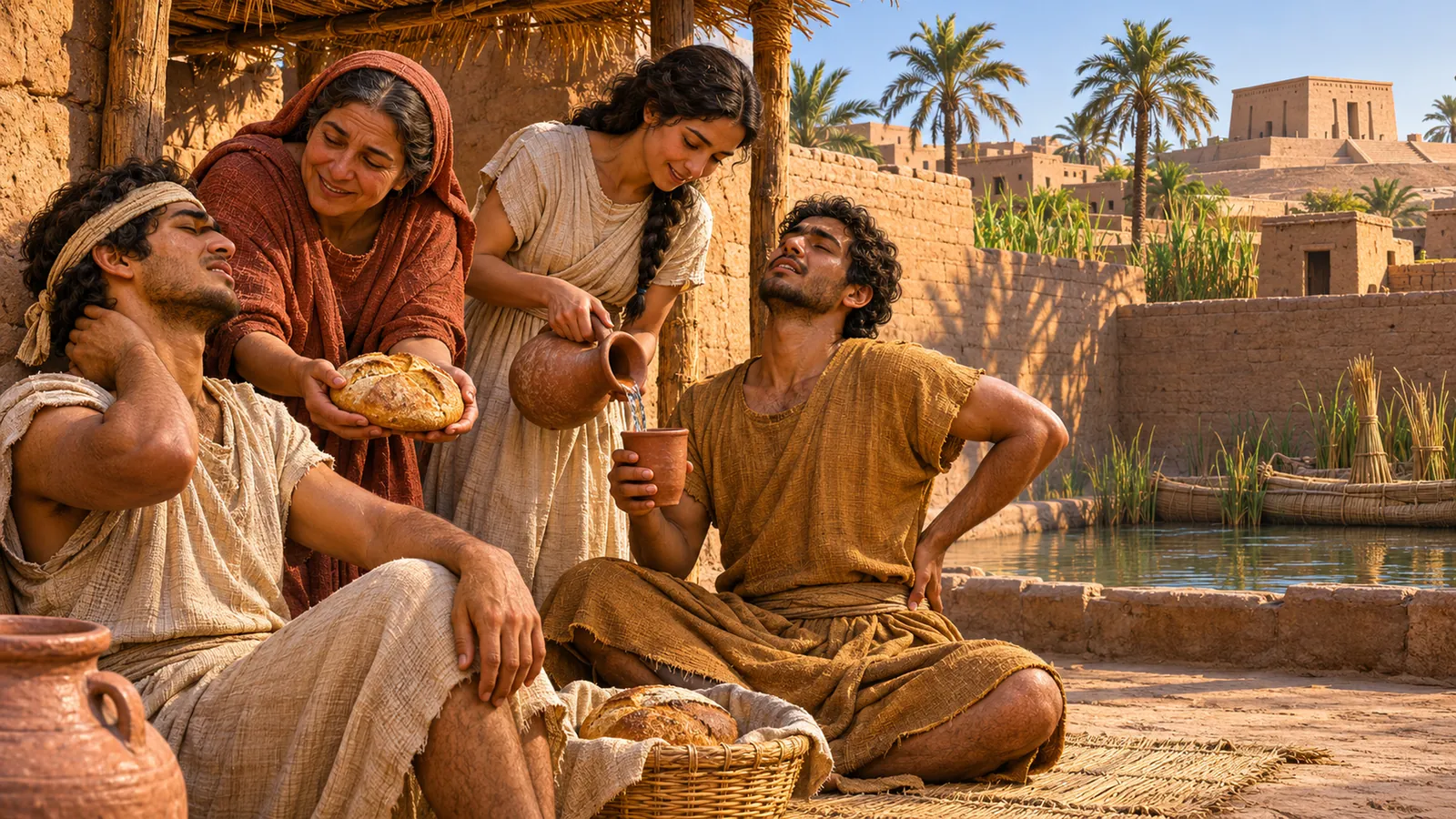
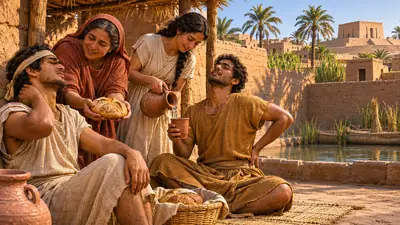
ندب اللاعبون وجع أعناقهم ووركَيهم. حملت الأمّهات الخبز لأبنائهنّ، وصبّت الأخوات الماء لإخوتهنّ.
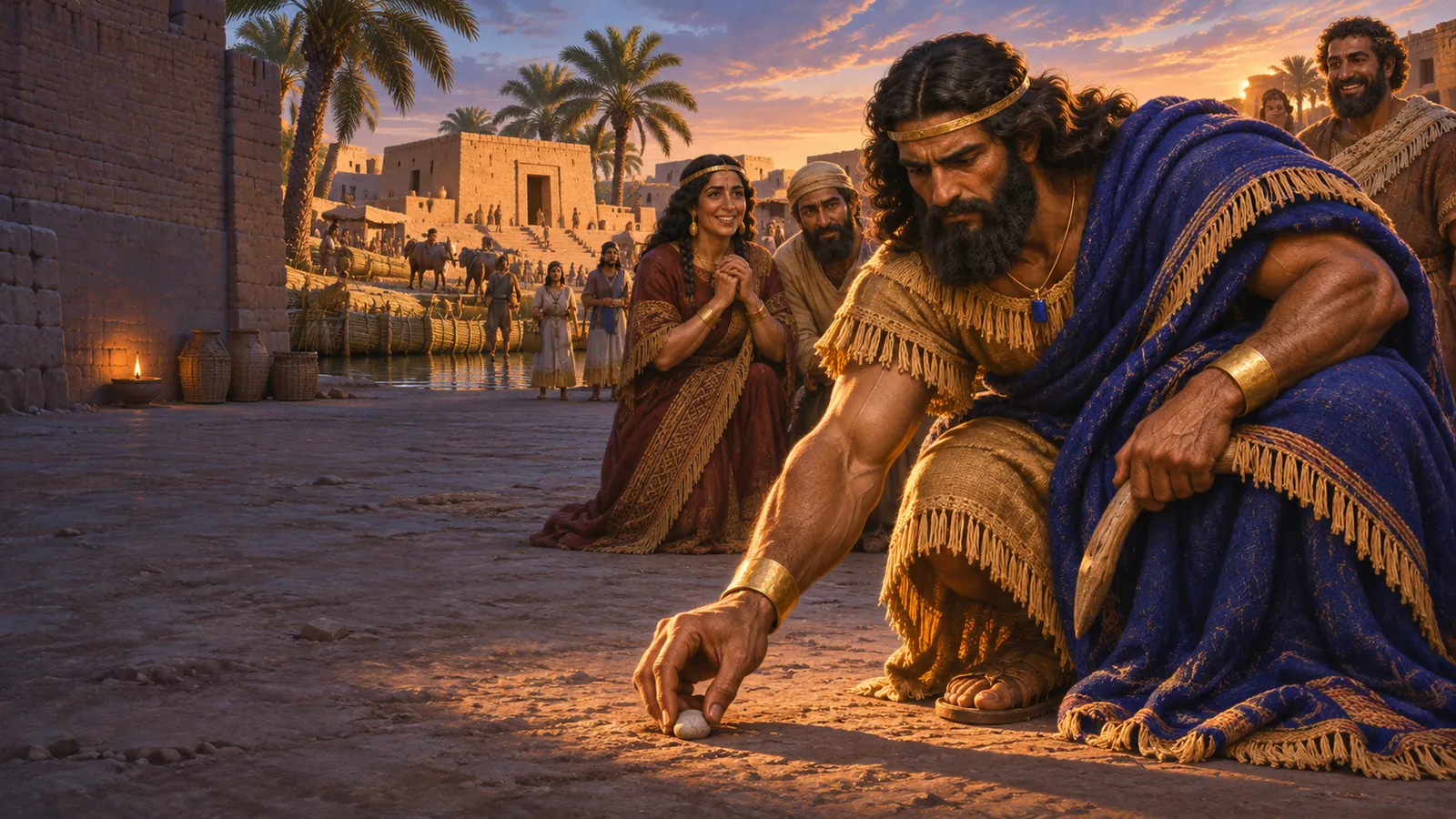
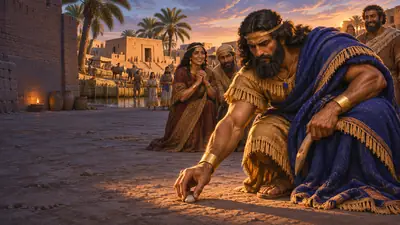
مع حلول المساء علّم جلجامش الموضع الذي وُضع فيه الإلّاغ. ثمّ التقطه وحمله إلى البيت.
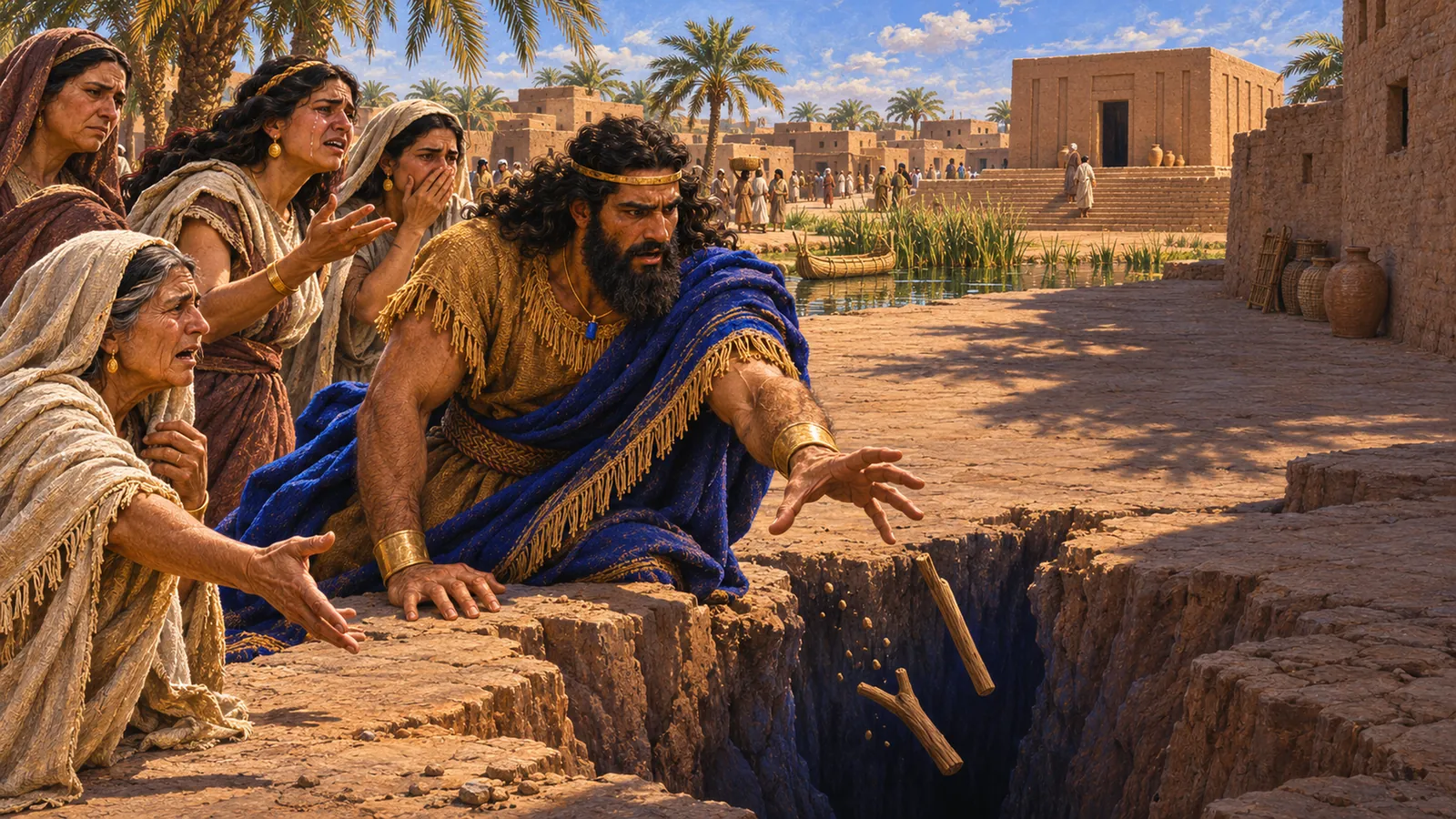
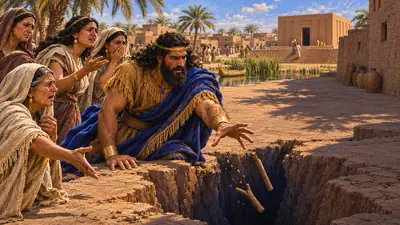
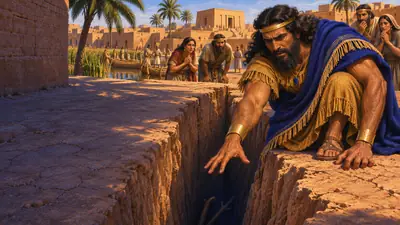
في الصباح وجّهت الأرامل إليه الاتهام وشكت الشابّات. فتسبّب كلامهنّ في سقوط إلّاغه وإكيدماه إلى قاع العالم السفليّ.
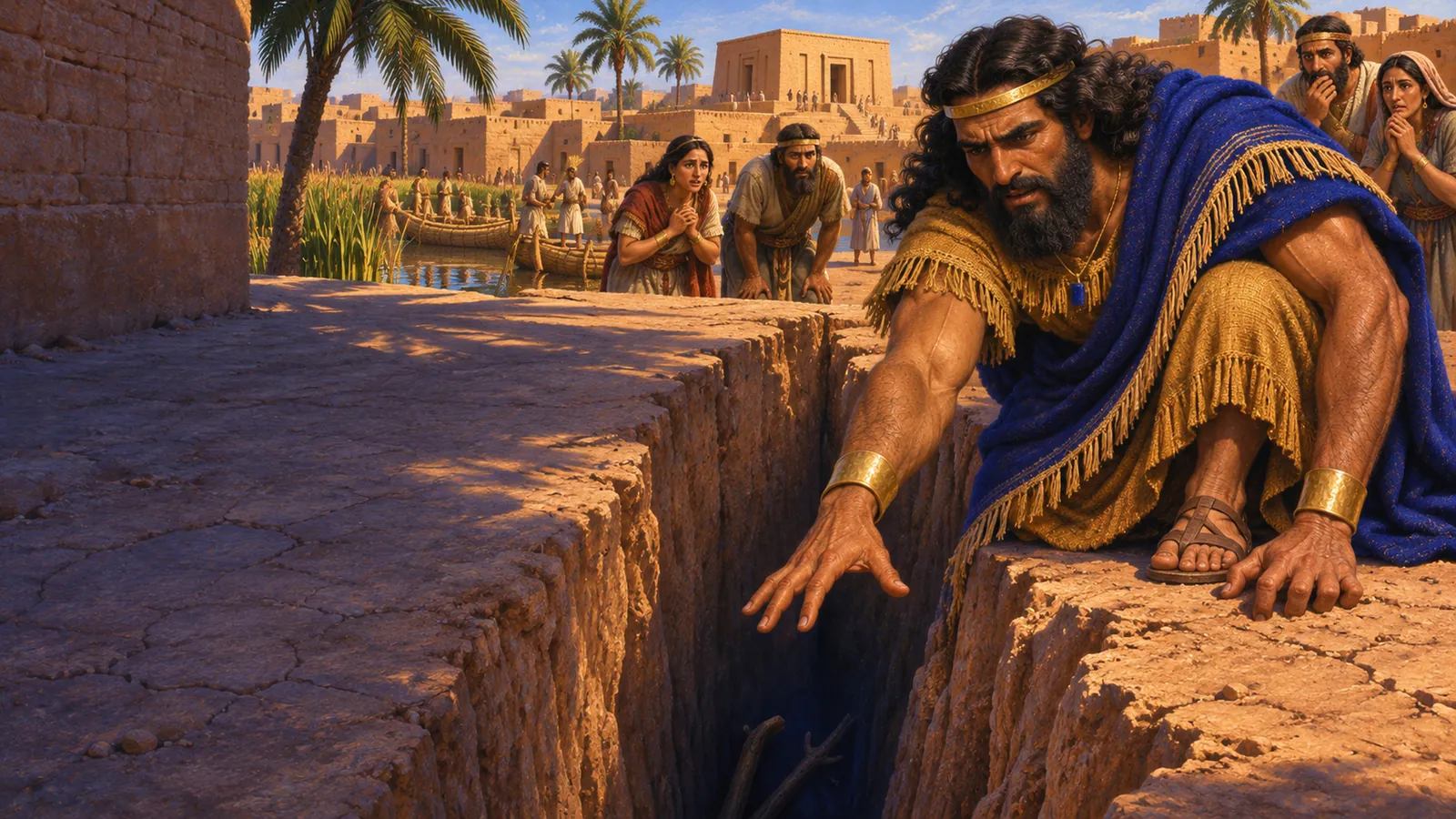
حاول جلجامش أن يطالهما بيده ثمّ بقدمه. لكنّه لم يستطع الوصول إلى أيٍّ من قطعتَي اللعب.
نهاية الفصل الأول
كل الصفحات






المصادر
المصادر والملاحظات مكتوبة بالإنجليزية كما وردت في المراجع.
Oxford’s Version A groups lines in its English translation. Page notes identify the events within each printed group and mark readings from individual manuscripts. The names Gilgamesh, Inanna, Ereshkigal and Uruk appear as Gilgamec, Inana, Erec-kigala and Unug in the Oxford translation.
الطبعات المعتمدة
ملاحظات على هذه الرواية
Pages 1–6, Version A 1–26. The retelling condenses the repeated formula and treats the assignments as part of the poem’s ancient account. Oxford prints Erec-kigala for Ereshkigal.
Pages 7–10, Version A 1–26. The repeated departure formula names the father and then Enki. The hail is small and large. The keel, bow and stern respectively carry the turtle, wolf and lion comparisons.
Pages 11–15, Version A 27–35. The poem says halub tree. The retelling preserves that name. The south wind uproots it and strips its branches, and the Euphrates carries it away. In this initial account a woman heeds the words of An and Enlil and brings the tree into Inanna’s garden at Uruk. In the later retelling to Utu the speaker says she was that woman. Oxford prints Unug and Inana.
16–21 · Version A 36–46. The woman plants the tree using her feet on page 16 and waters it using her feet on page 17. Her questions about the chair and bed are on page 18. Page 19 preserves the progression five years, ten years, the growth of the tree and its unsplit bark. Page 20 identifies the snake immune to incantations at the roots and the Anzud bird settling its young in the branches. Page 21 keeps Oxford’s designation of the phantom maid in the trunk, her joyful laugh and Inanna’s crying. The text gives the maid no proper name in this paragraph.
22–26 · Version A 47–69. The dawn formula presents little birds calling, Utu leaving his bedchamber and his sister addressing him. Pages 23–24 give Inanna’s account of destiny, abundance and the allotment of the realms. Page 25 follows her account of Enki setting sail and the small hail against “the lord” and large hail against Enki. Page 26 keeps the comparisons of the keel to a boat butted by turtles, the bow waves to wolves and the stern waves to a lion.
27–29 · Version A 70–78. Page 27 gives the rooted tree on the Euphrates, with the river watering it. Oxford queries the last occurrence of the repeated phrase “a single tree.” Page 28 gives the south wind, stripping of the branches and carrying away by the river. Page 29 gives Inanna’s account of herself as the woman who heeded An and Enlil and brought the tree into her garden in Uruk.
30–33 · Version A 79–90. Page 30 keeps the use of feet for both planting and watering. Oxford’s composite names Inanna in the first-person watering clause. One manuscript reads “the woman.” Pages 31–32 repeat her wishes for chair and bed, the elapsed years, growth and unsplit bark, and the three occupants in root, branches and trunk order. In this passage the quoted account shifts from first person to third person for part of the description. Page 33 places Inanna’s tears at the close of what she tells Utu. The narrative then says Utu did not stand by her in the matter.
Pages 34–37 (Version A 91–113). The dawn formula mentions Utu leaving his bedchamber. Here Inanna addresses Gilgamesh as her brother. She repeats the allotment of the realms and Enki’s voyage. The turtles, wolves and lion belong to the comparisons for the disturbed boat and water.
Pages 38–39 (Version A 114–122). Oxford places a question mark after the repeated phrase “a single tree.” She tells how the south wind uprooted it and stripped its branches, the river carried it away, and she brought it to her garden in Unug, the Sumerian name of Uruk. The term halub is left in the edition’s transliteration.
Pages 40–42 (Version A 123–135). The poem says the bark stayed unbroken after the tree grew. The root, branches and trunk are the homes of the snake, the Anzud bird with its young, and the phantom maid with her joyful laugh. One manuscript has Inanna say in the first person that she cried. In the composite her crying is recounted in the third person. The verse then says Gilgamesh stood by her.
Page 43 (Version A 136–150). The belt has damaged wording, and one manuscript has a break where the main reading describes fastening it. The belt weighs 50 minas, felt by Gilgamesh as 30 shekels. The bronze axe he took on expeditions weighs seven talents and seven minas. The two conspicuous weights belong to the poem’s description.
Pages 44–45 (Version A 136–150). Gilgamesh kills the snake at the roots. The Anzud bird takes its young to the mountains, and the phantom maid seeks refuge in the wilderness. Oxford marks the verb for her leaving the dwelling as uncertain. Gilgamesh uproots the tree and strips its branches. The men of his city cut the branches and bundle them, while one manuscript reads that they pile them up.
Pages 46–47 (Version A 136–150). Gilgamesh gives wood to Inanna for her chair and then for her bed. He makes the ellag from the roots and the ekidma from the branches. The following passage shows him playing, and the edition retains the names of the two implements. Oxford says that the pronunciation of ekidma is unknown. A modern reading aid for the name is only an approximation.
Page 48, ETCSL 1.8.1.4, Version A, lines 151–165. Gilgamesh plays ellag in the broad square and praises himself repeatedly. The Ur manuscripts add the young men playing too. The exact form of the game and its implements is uncertain.
Page 49, lines 151–165. The Oxford translation has a broken phrase involving a team and the widows’ children. The complaints name pain in the neck and hips. Mothers bring bread to sons and sisters pour water for brothers. The retelling keeps the pain and relief and leaves the broken assignment of the players open.
Pages 50–51, lines 151–165. He marks the spot at evening and takes the ellag home. His morning action at the spot is damaged. The widows’ accusation and the young girls’ complaint bring the fall of both objects.
Page 52, lines 151–165. He tries with his hand and his foot and cannot reach the pieces. A manuscript uses “touch” in both clauses, and one adds another fragmentary attempt. Continue at the gate of Ganzer in 166–175. Oxford notes at 136–150 that the correct pronunciation of ekidma is unknown.
الأسطر القديمة وراء كل صفحة
- Page 1: ETCSL 1.8.1.4, Version A, lines 1–26
- Page 2: ETCSL 1.8.1.4, Version A, lines 1–26
- Page 3: ETCSL 1.8.1.4, Version A, lines 1–26
- Page 4: ETCSL 1.8.1.4, Version A, lines 1–26
- Page 5: ETCSL 1.8.1.4, Version A, lines 1–26
- Page 6: ETCSL 1.8.1.4, Version A, lines 1–26
- Page 7: ETCSL 1.8.1.4, Version A, lines 1–26
- Page 8: ETCSL 1.8.1.4, Version A, lines 1–26
- Page 9: ETCSL 1.8.1.4, Version A, lines 1–26
- Page 10: ETCSL 1.8.1.4, Version A, lines 1–26
- Page 11: ETCSL 1.8.1.4, Version A, lines 27–35
- Page 12: ETCSL 1.8.1.4, Version A, lines 27–35
- Page 13: ETCSL 1.8.1.4, Version A, lines 27–35
- Page 14: ETCSL 1.8.1.4, Version A, lines 27–35
- Page 15: ETCSL 1.8.1.4, Version A, lines 27–35
- Page 16: ETCSL 1.8.1.4, Version A, lines 36–46
- Page 17: ETCSL 1.8.1.4, Version A, lines 36–46
The left is unbroken taupe clay with soft shade and no definite line, reflected object or branch. - Page 18: ETCSL 1.8.1.4, Version A, lines 36–46
- Page 19: ETCSL 1.8.1.4, Version A, lines 36–46
- Page 20: ETCSL 1.8.1.4, Version A, lines 36–46
- Page 21: ETCSL 1.8.1.4, Version A, lines 36–46
- Page 22: ETCSL 1.8.1.4, Version A, lines 47–69
- Page 23: ETCSL 1.8.1.4, Version A, lines 47–69
- Page 24: ETCSL 1.8.1.4, Version A, lines 47–69
- Page 25: ETCSL 1.8.1.4, Version A, lines 47–69
- Page 26: ETCSL 1.8.1.4, Version A, lines 47–69
- Page 27: ETCSL 1.8.1.4, Version A, lines 70–78
- Page 28: ETCSL 1.8.1.4, Version A, lines 70–78
- Page 29: ETCSL 1.8.1.4, Version A, lines 70–78
- Page 30: ETCSL 1.8.1.4, Version A, lines 79–90
- Page 31: ETCSL 1.8.1.4, Version A, lines 79–90
Left is the continuous low-contrast clay shade of a near wall, with no boundaries, furniture edges or bark lines. - Page 32: ETCSL 1.8.1.4, Version A, lines 79–90
- Page 33: ETCSL 1.8.1.4, Version A, lines 79–90
- Page 34: ETCSL 1.8.1.4, Version A, lines 91–113
- Page 35: ETCSL 1.8.1.4, Version A, lines 91–113
The right is a single low-contrast stretch of warm blue-grey air and distant ground, with no distinct line crossing it. - Page 36: ETCSL 1.8.1.4, Version A, lines 91–113
- Page 37: ETCSL 1.8.1.4, Version A, lines 91–113
Small broken water swells stay near it on the left. - Page 38: ETCSL 1.8.1.4, Version A, lines 114–122
- Page 39: ETCSL 1.8.1.4, Version A, lines 114–122
A low mudbrick garden wall and a plain open side entrance occupy the far lower-left, with a short curved line of wet ochre path. - Page 40: ETCSL 1.8.1.4, Version A, lines 123–135
- Page 41: ETCSL 1.8.1.4, Version A, lines 123–135
- Page 42: ETCSL 1.8.1.4, Version A, lines 123–135
- Page 43: ETCSL 1.8.1.4, Version A, lines 136–150
- Page 44: ETCSL 1.8.1.4, Version A, lines 136–150
- Page 45: ETCSL 1.8.1.4, Version A, lines 136–150
- Page 46: ETCSL 1.8.1.4, Version A, lines 136–150
- Page 47: ETCSL 1.8.1.4, Version A, lines 136–150
- Page 48: ETCSL 1.8.1.4, Version A, lines 151–165
- Page 49: ETCSL 1.8.1.4, Version A, lines 151–165
- Page 50: ETCSL 1.8.1.4, Version A, lines 151–165
- Page 51: ETCSL 1.8.1.4, Version A, lines 151–165
- Page 52: ETCSL 1.8.1.4, Version A, lines 151–165
الرسوم من صنع أرشيف إيل بأدوات الذكاء الاصطناعي؛ والنص مبني على المصادر القديمة (انظر المصادر في آخر كل فصل).