جلجامش وإنكيدو والعالم السفليّ الفصل الثاني
بوّابة غانزر
يعرض إنكيدو أن يستعيد أداتَي اللعب اللتين فقدهما جلجامش. ويحتجزه العالم السفليّ بعدما يخالف التعليمات التي تلقّاها قبل نزوله. يناشد جلجامش إنليل وإنكي. وحين يُؤتى بإنكيدو من العالم السفليّ، يسأله جلجامش عمّا رآه هناك.
المصادرقلّب الصفحات بالأزرار أو بمفاتيح الأسهم أو بسحب الإصبع.
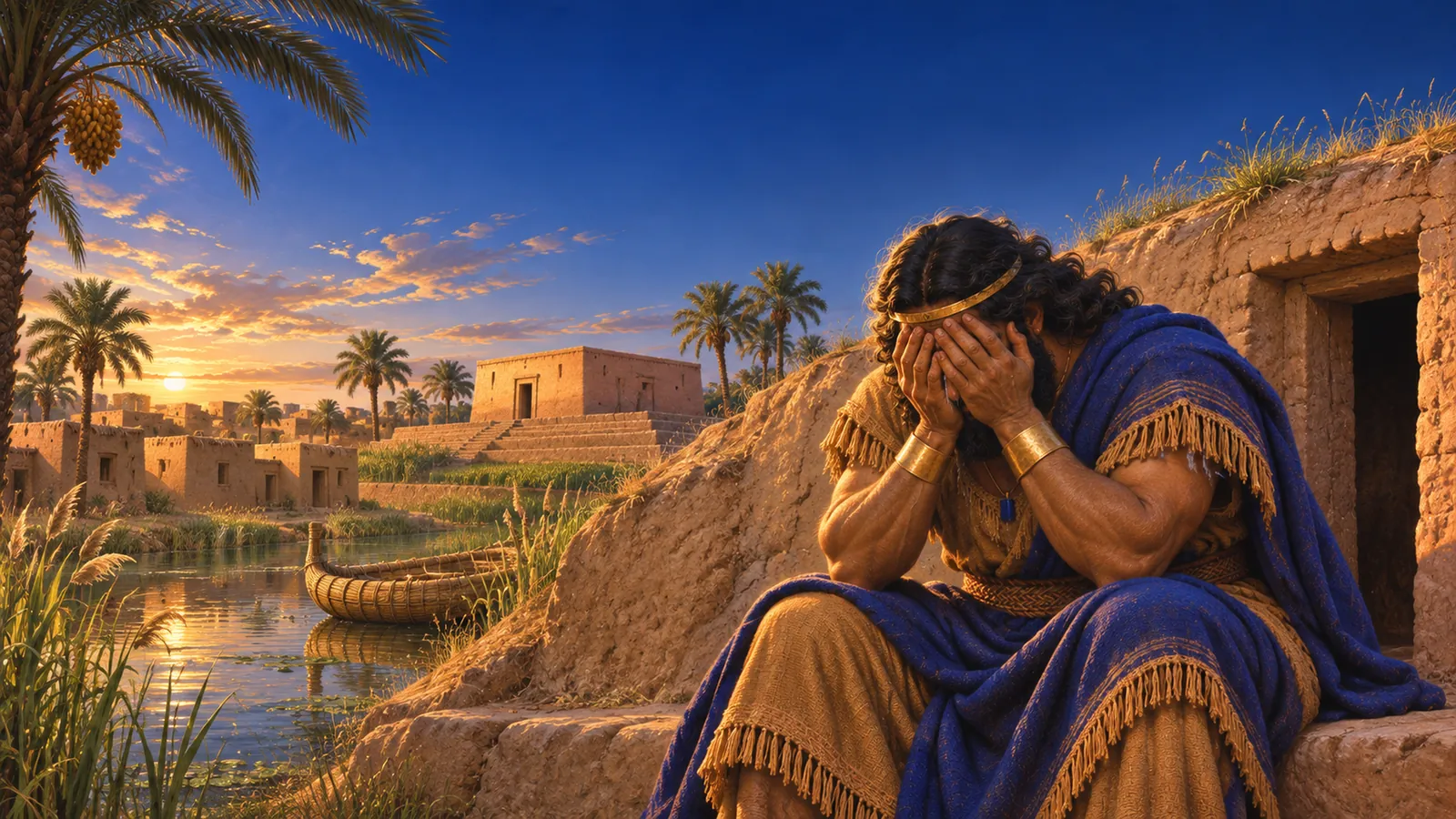
بوّابة غانزر
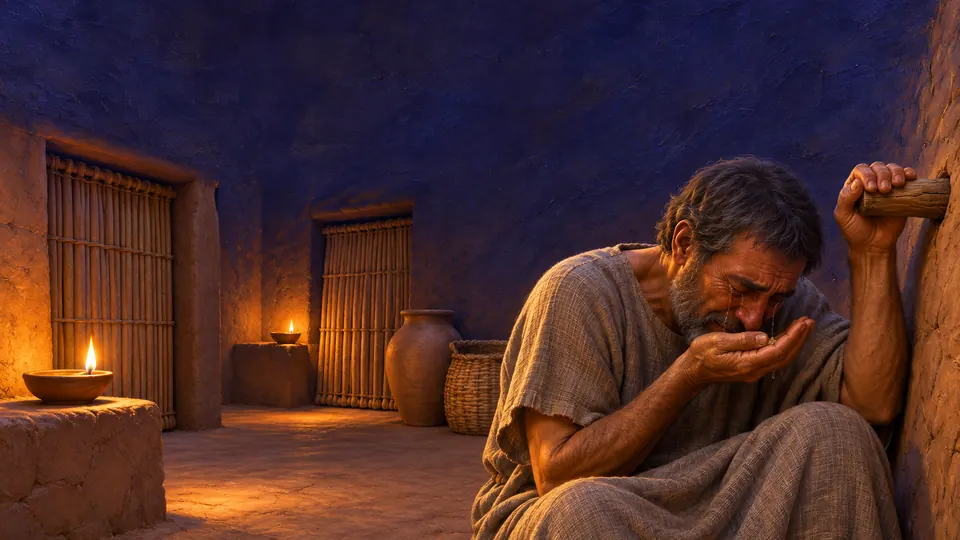
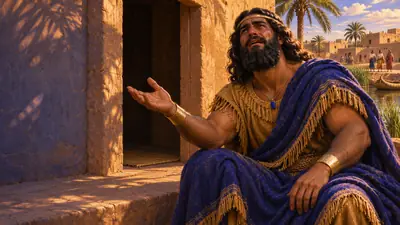
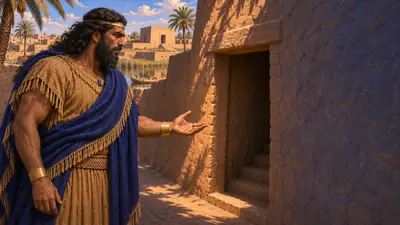
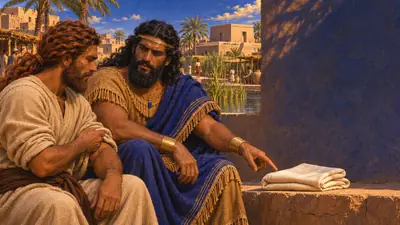
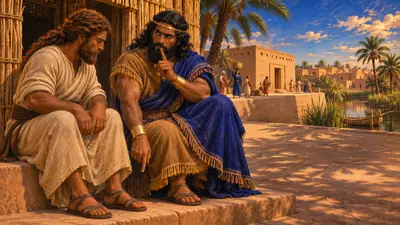
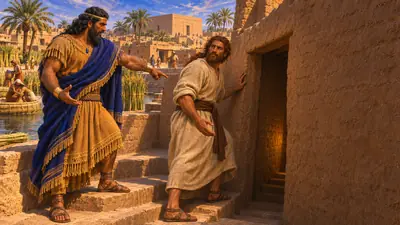
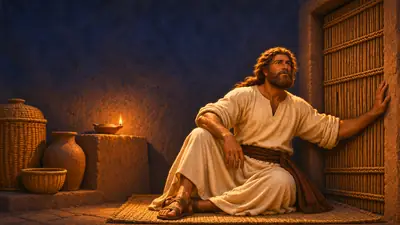
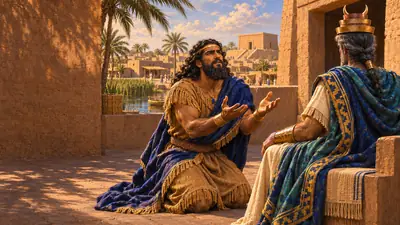
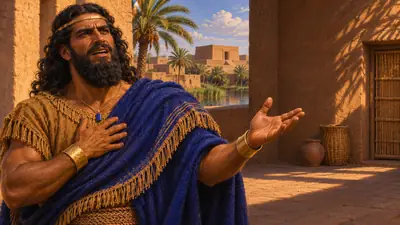
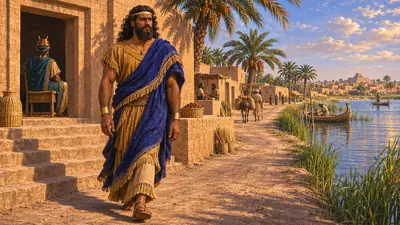
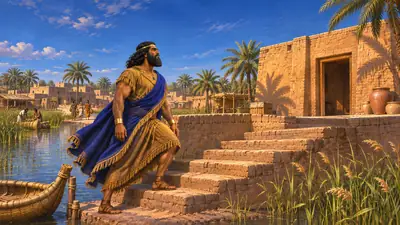
جلس جلجامش عند بوّابة غانزر، عند مدخل العالم السفلي، وبكى بمرارة.
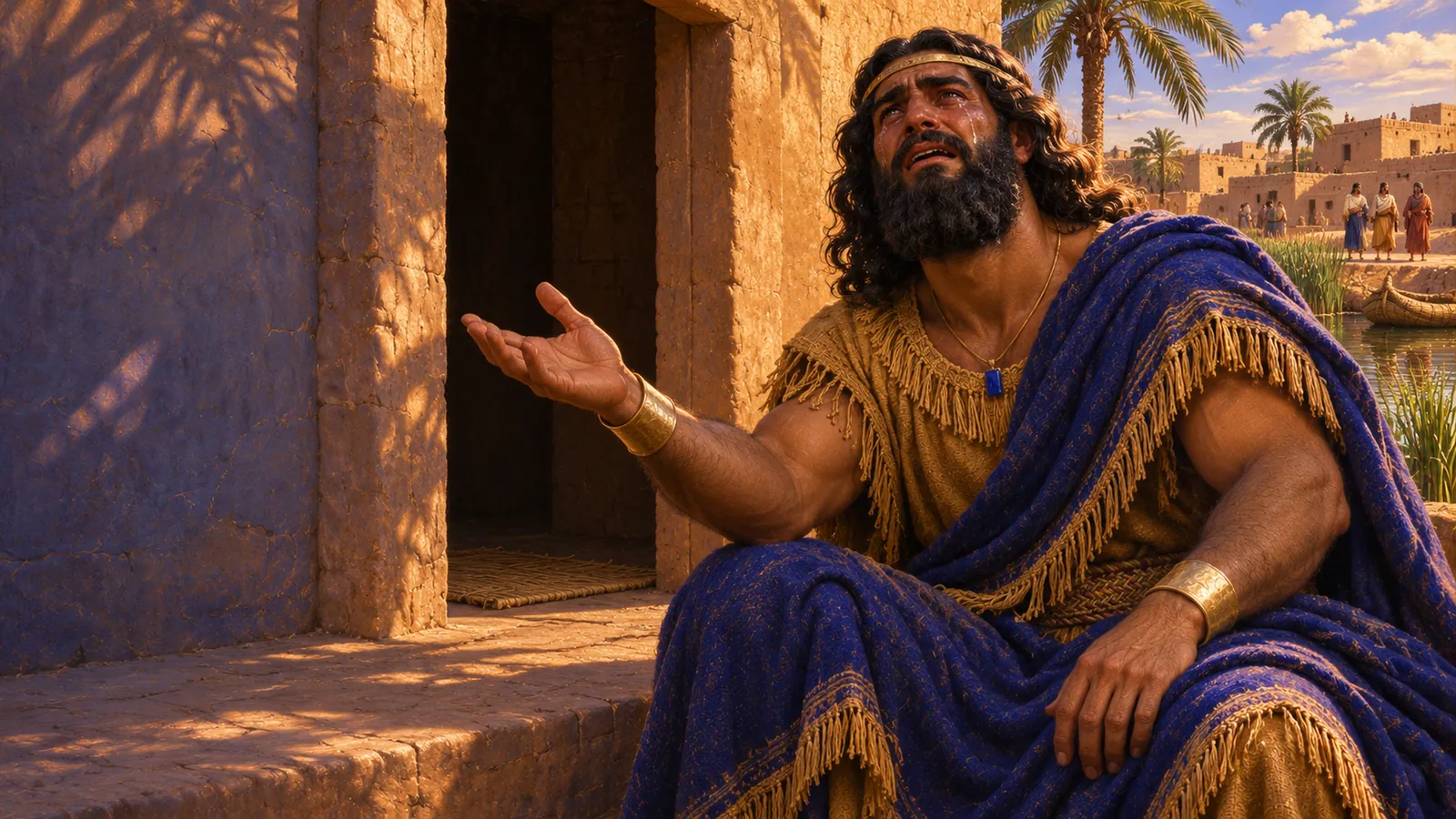
تحسّر جلجامش على إلّاغه وإكيدماه. وكان لا يزال يستمتع باللعبة ولم يملّ اللعب.
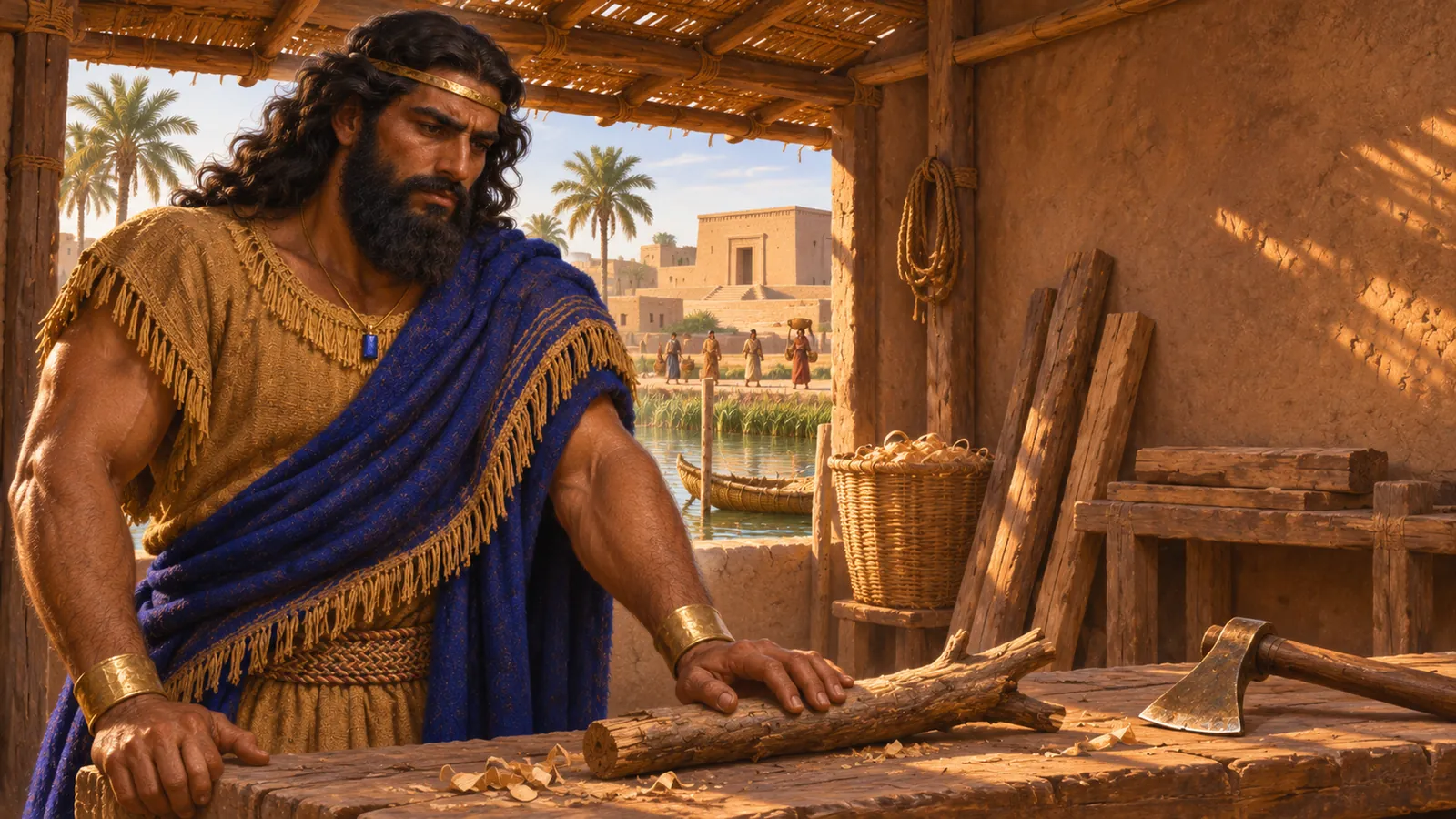
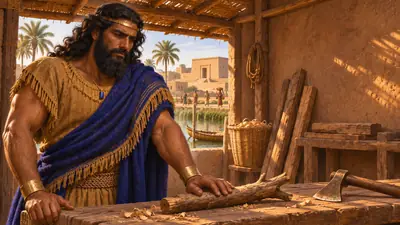
قال جلجامش وهو يتحسّر «ليت الإلّاغ لا يزال ينتظرني في بيت النجّار».
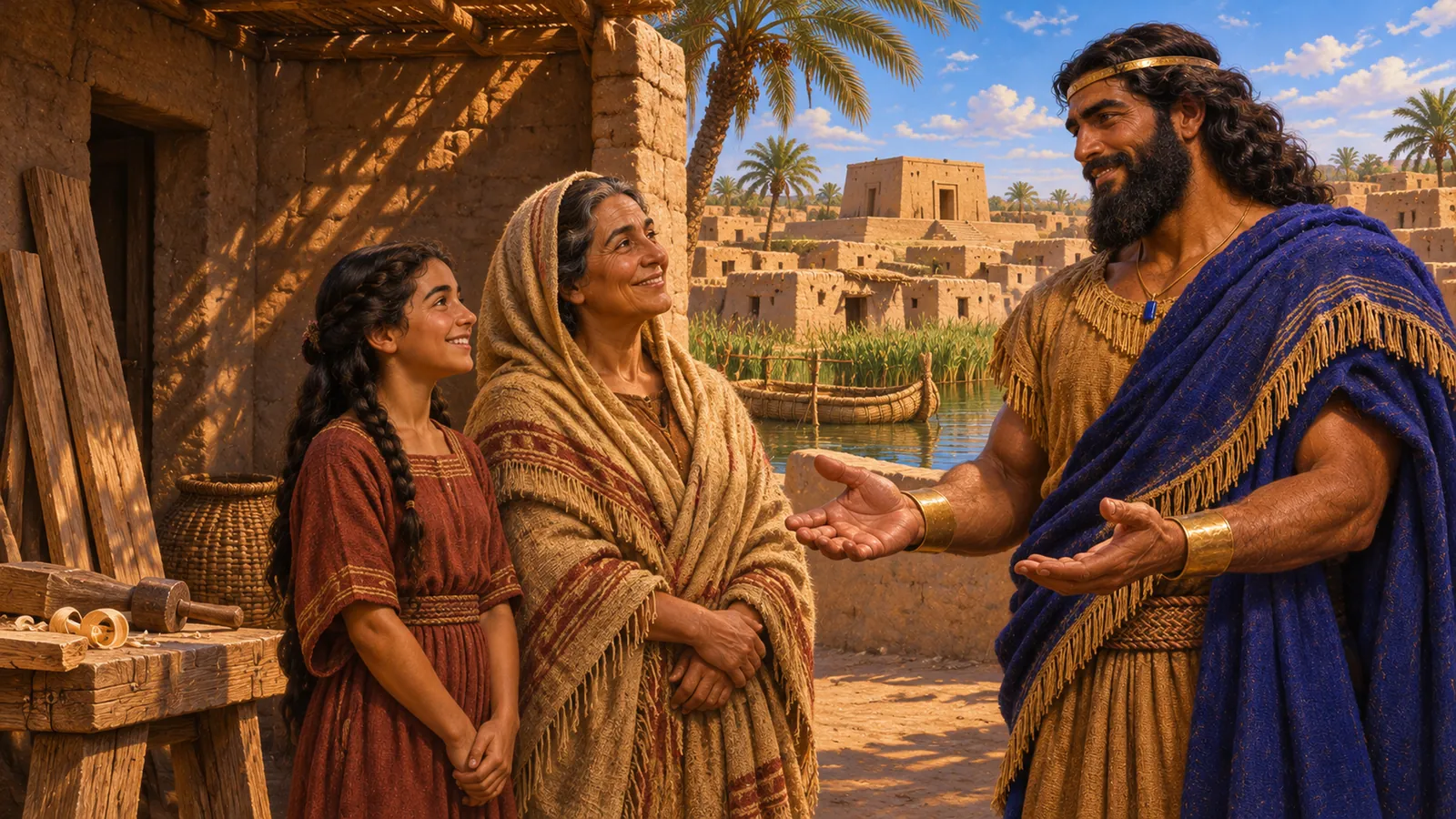
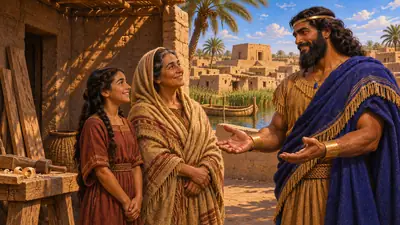
قال جلجامش إنّه كان سيعامل زوجة النجّار كأمّه وطفل النجّار كأخته الصغيرة، لو أنّ الإلّاغ لا يزال هناك.
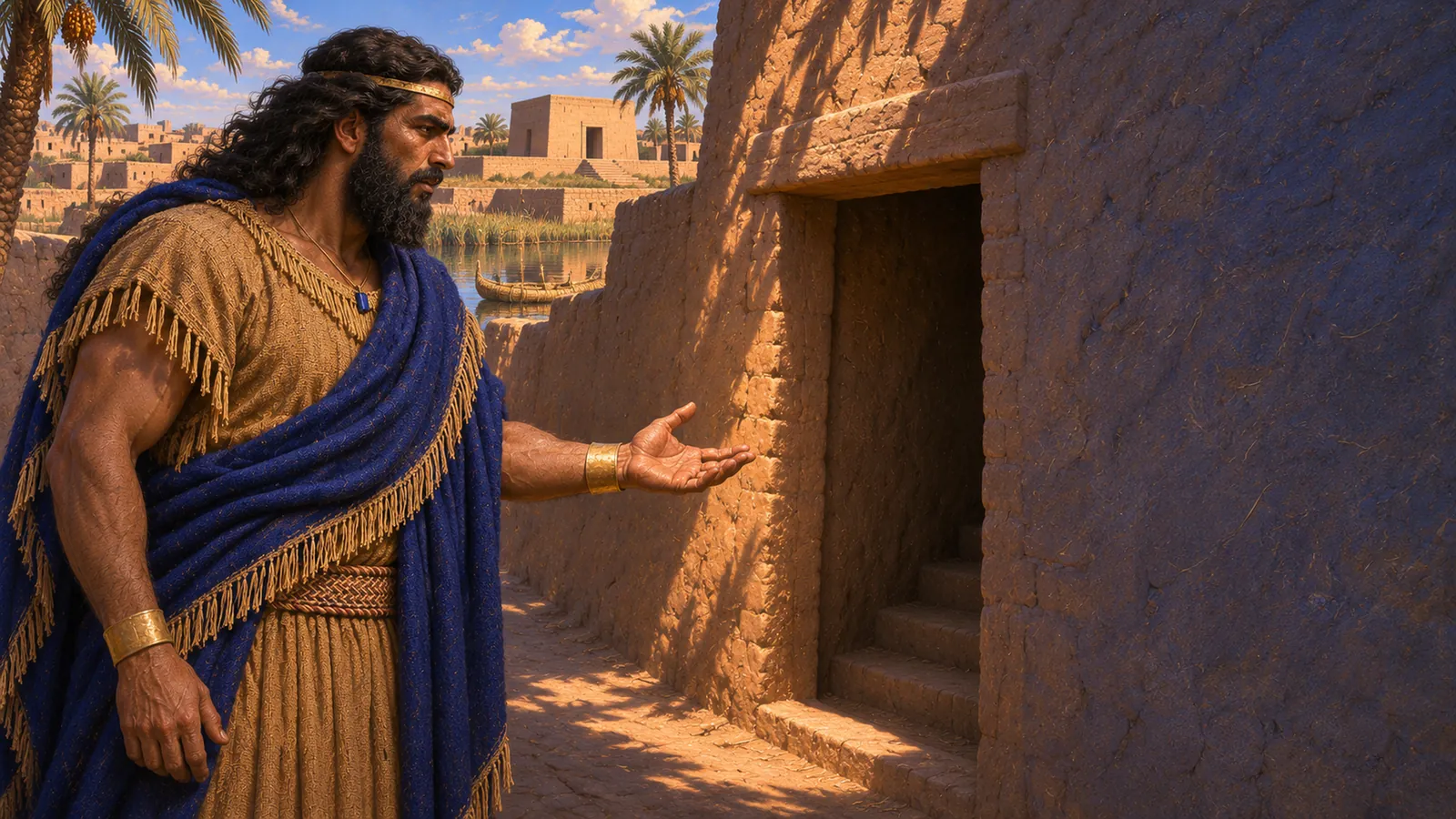
تساءل جلجامش مَن يستردّ إلّاغه من العالم السفلي. وتساءل مَن يعيد إليه إكيدماه من غانزر.
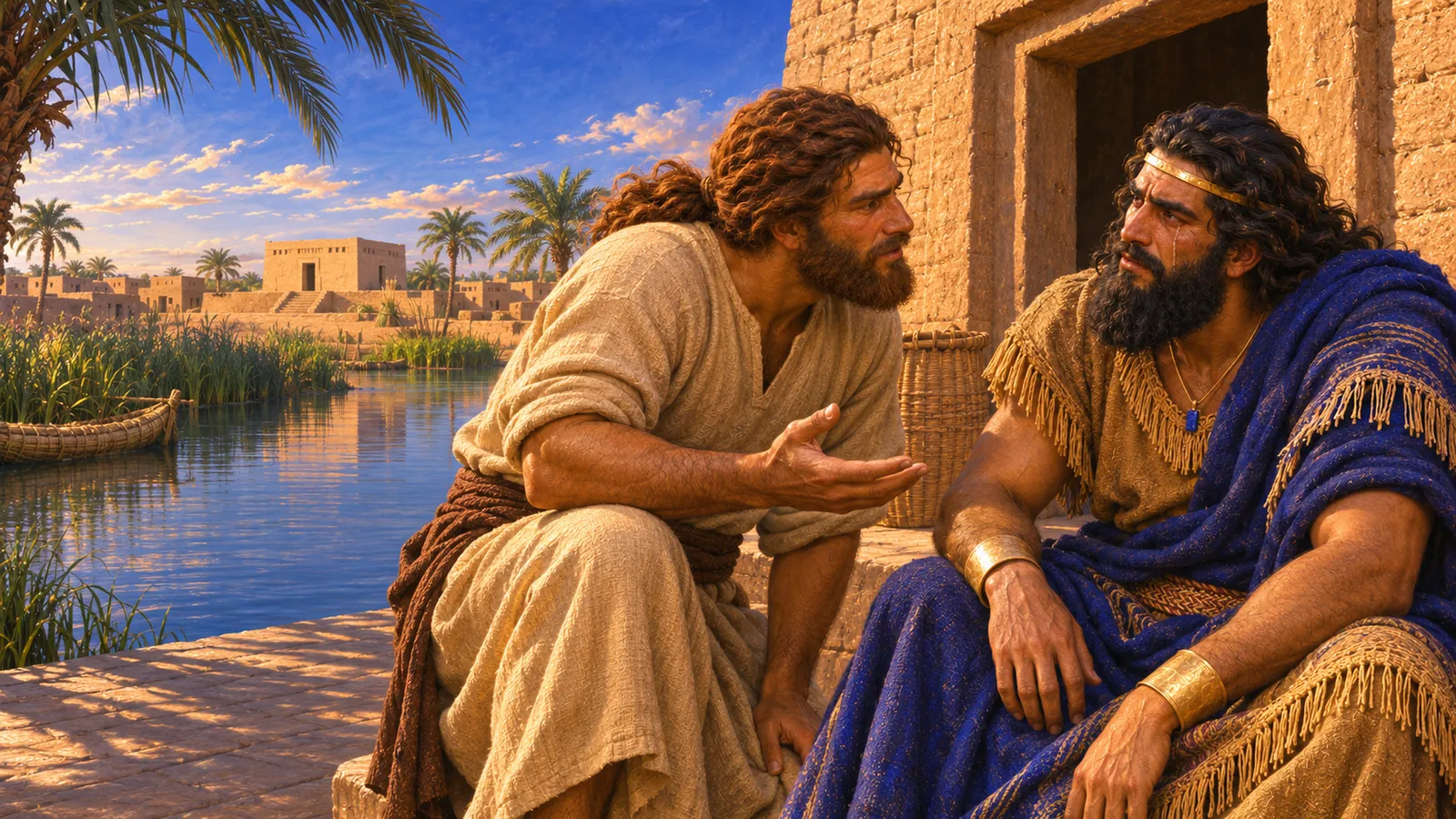
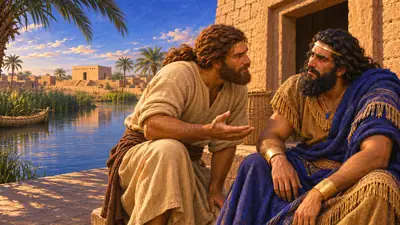
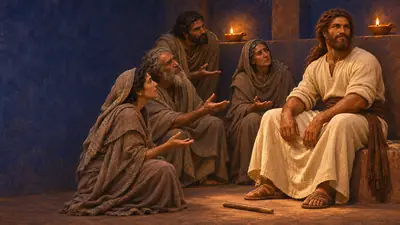
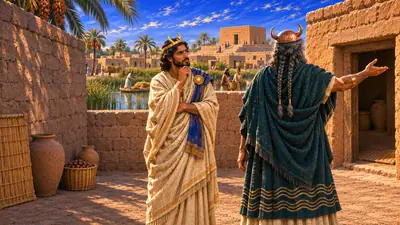
أجابه خادمُه إنكيدو. ولمّا رأى ملكه يبكي سأله عمّا أثقل قلبه.
الوعد
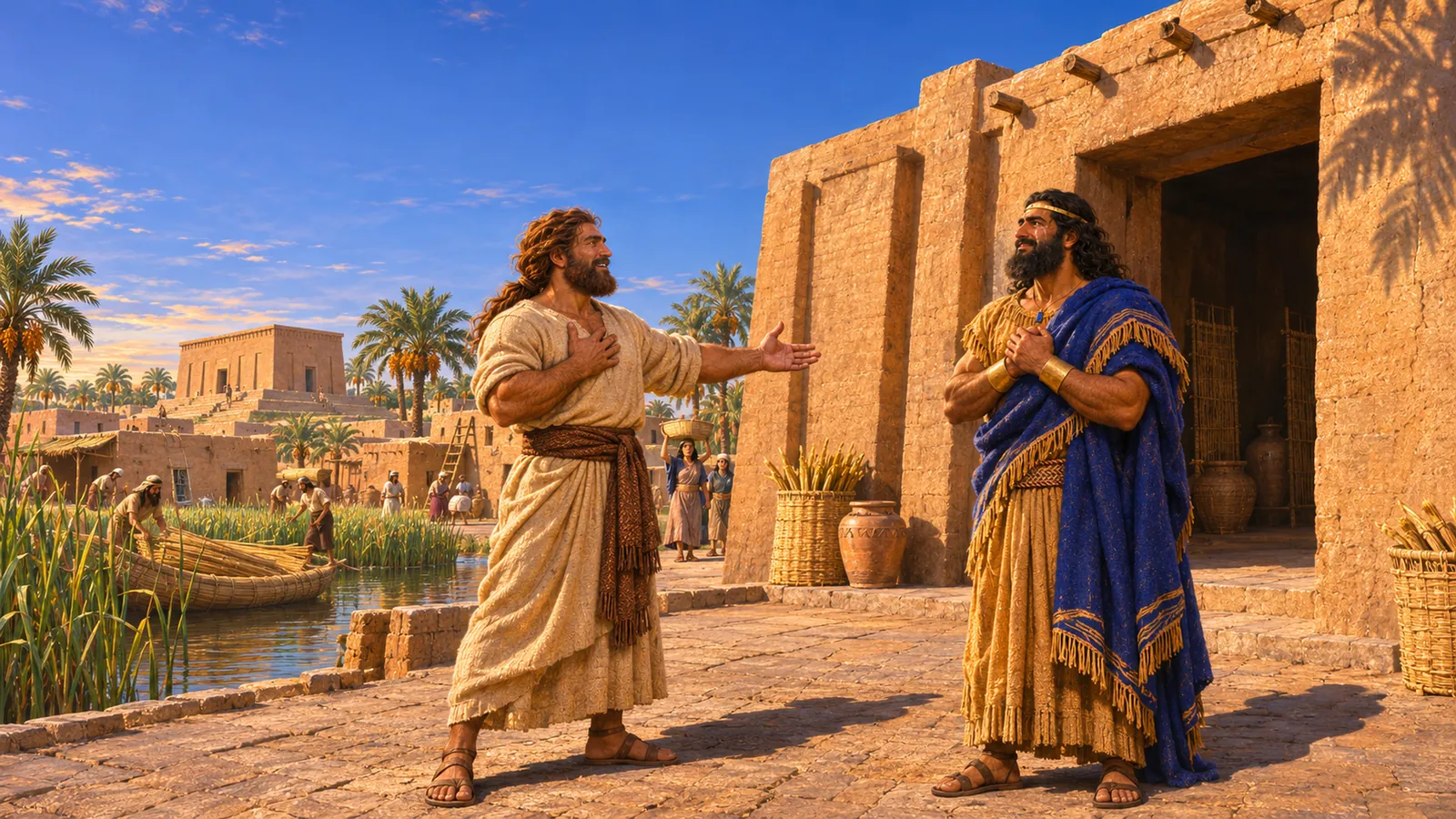
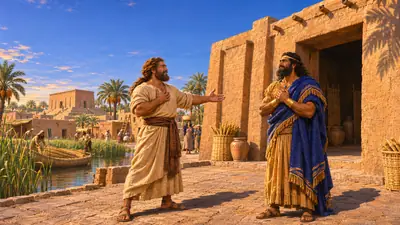
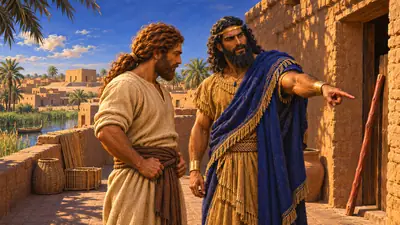
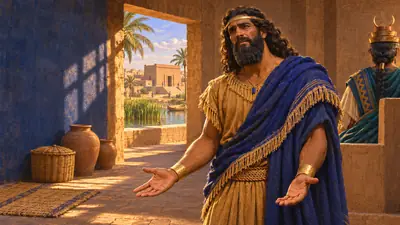
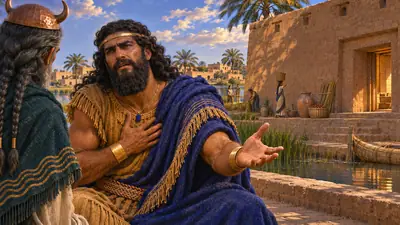
وعده إنكيدو «سأعيد إليك اليوم إلّاغك من العالم السفلي وإكيدماك من غانزر».
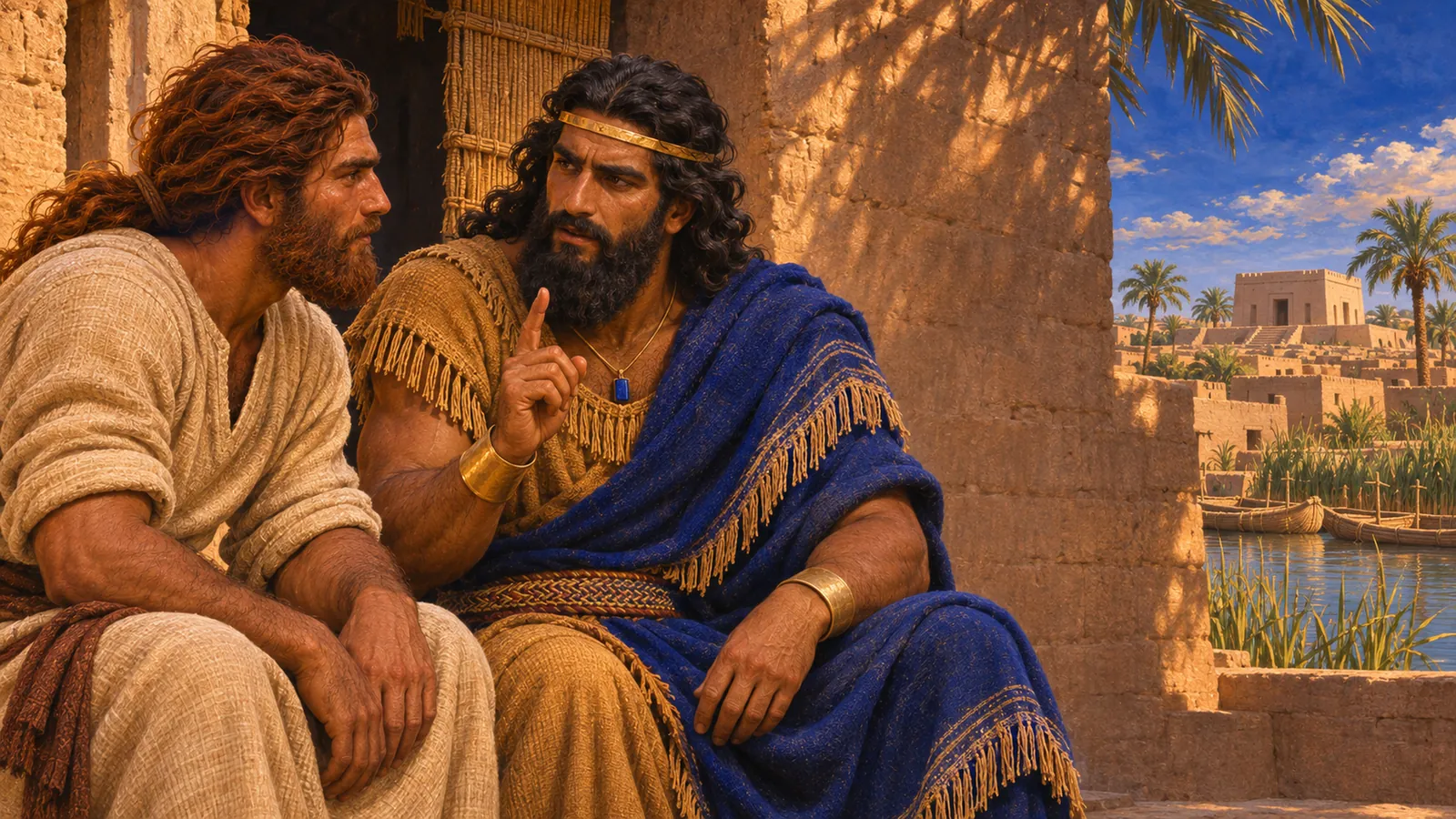
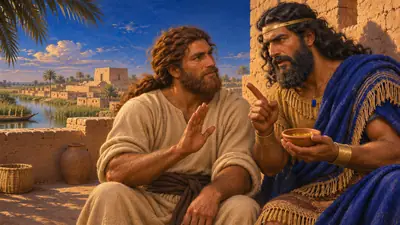
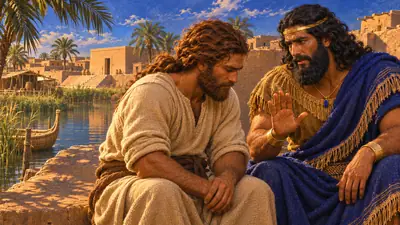
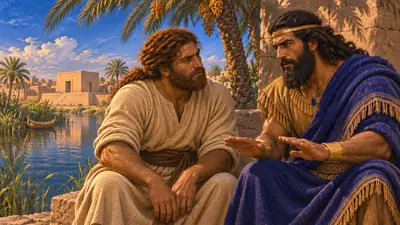
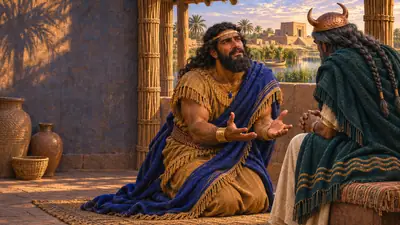
ردّ جلجامش بأنّ لديه نصيحةً له إن كان يعتزم النزول إلى العالم السفلي في ذلك اليوم.
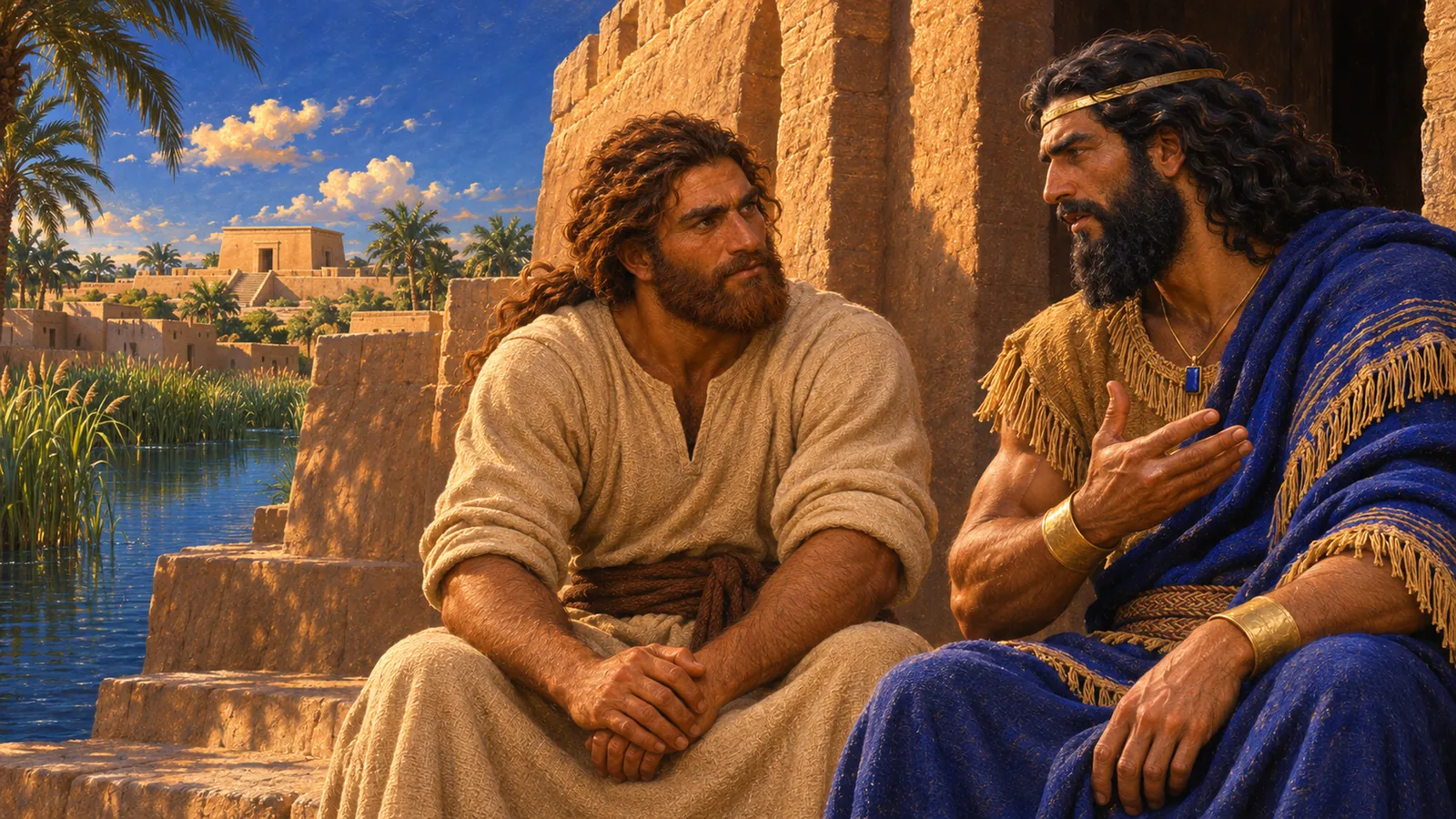
طلب من إنكيدو أن يصغي جيّدًا إلى كلامه وأن يتّبع ما هو على وشك أن يمليه عليه من تعليمات.
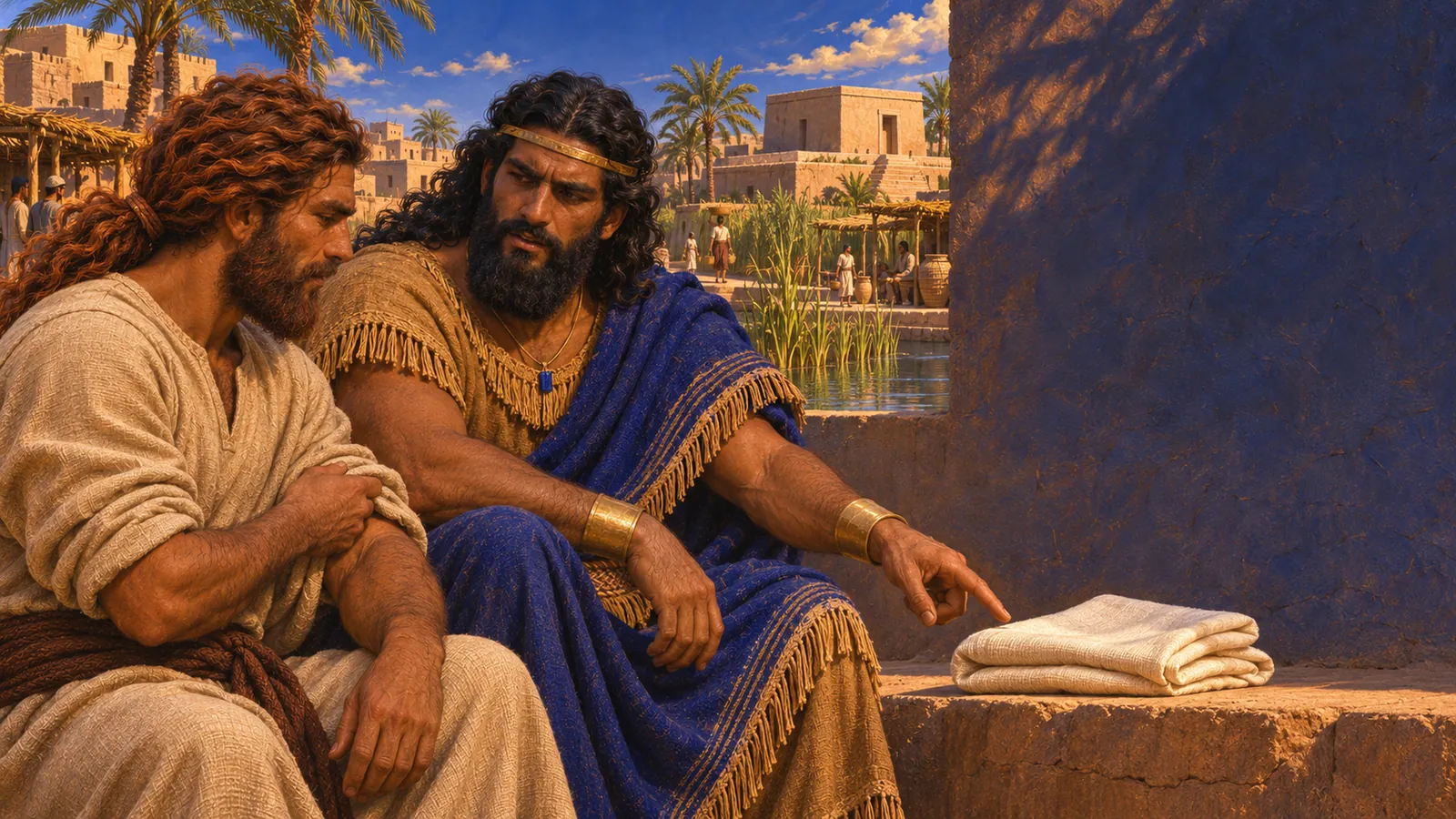
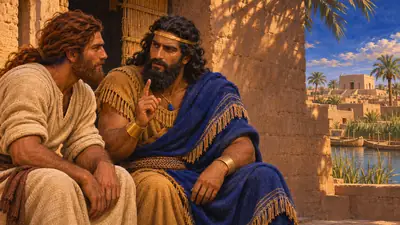
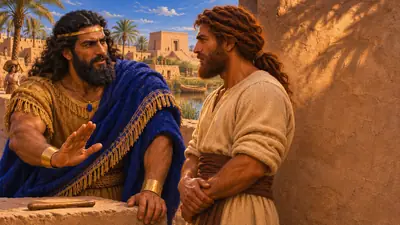
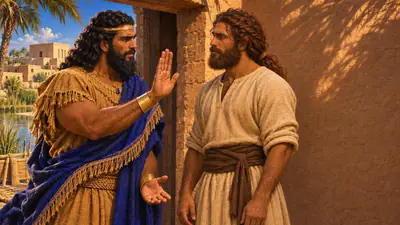
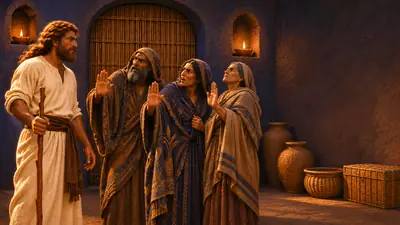
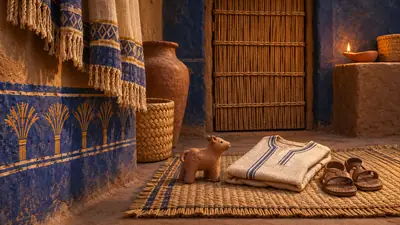
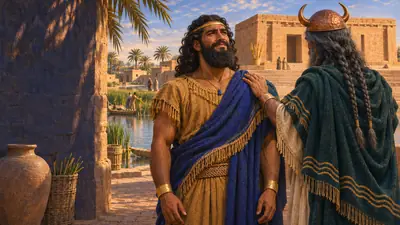
حذّر جلجامش إنكيدو من ارتداء ثياب نظيفة في العالم السفلي، فمن فيه سيعرفون فورًا أنّه غريب عنهم.
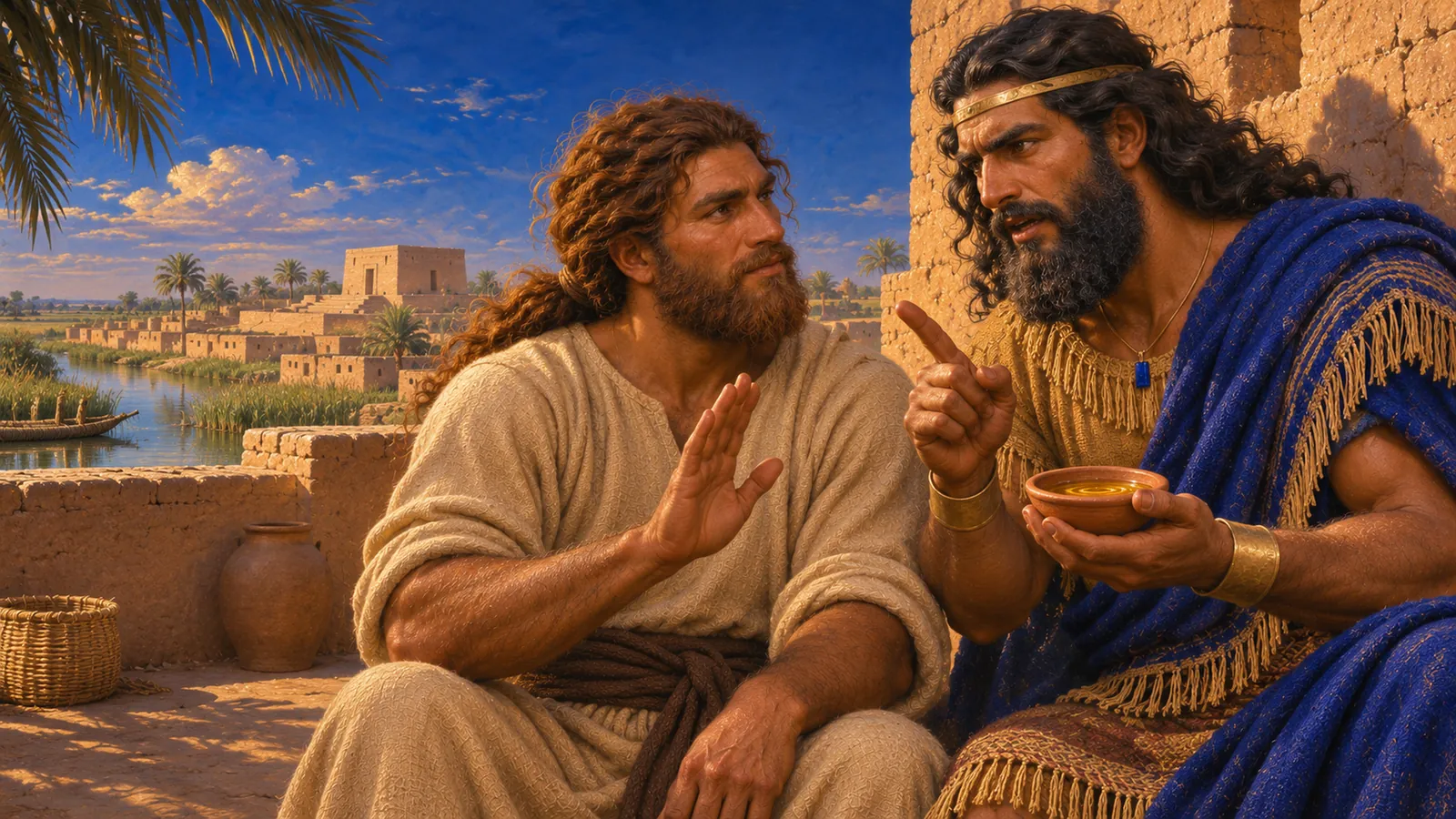
أوصاه جلجامش ألّا يدهن جسده بزيت طيّب من وعاء. فرائحته ستجعل مَن في الأسفل يحيطون به.
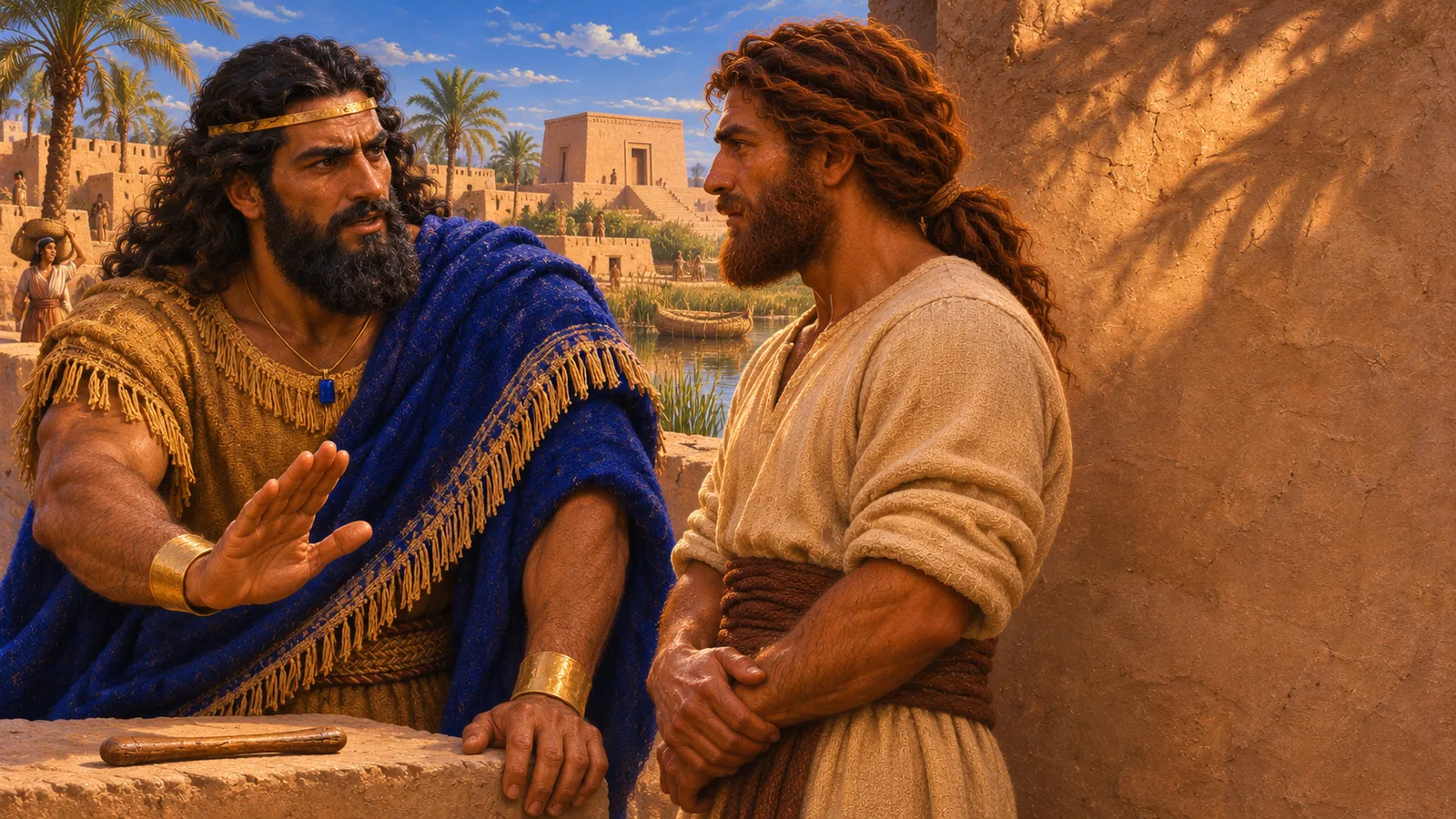
أوصى إنكيدو ألّا يقذف في العالم السفلي عصيّ الرمي. فالذين صرعتهم تلك العصيّ سيحيطون به.
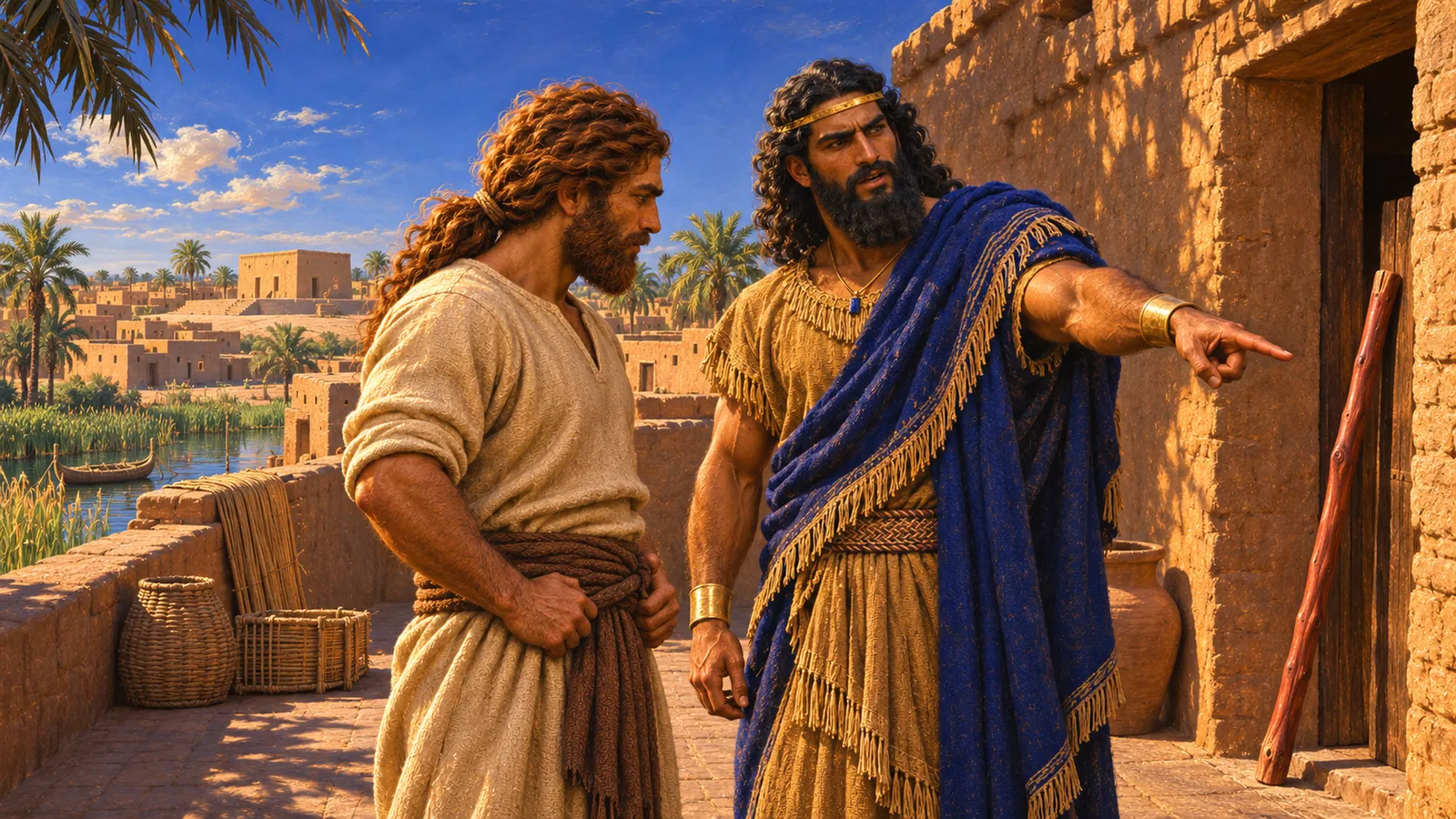
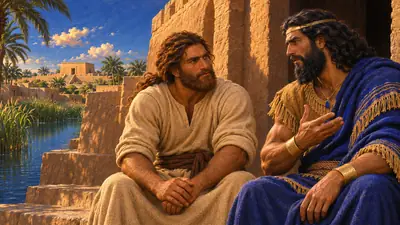
وقال له ألّا يمسك هناك عصًا من خشب القرانيا. فالأرواح ستعدّ ذلك إهانة.
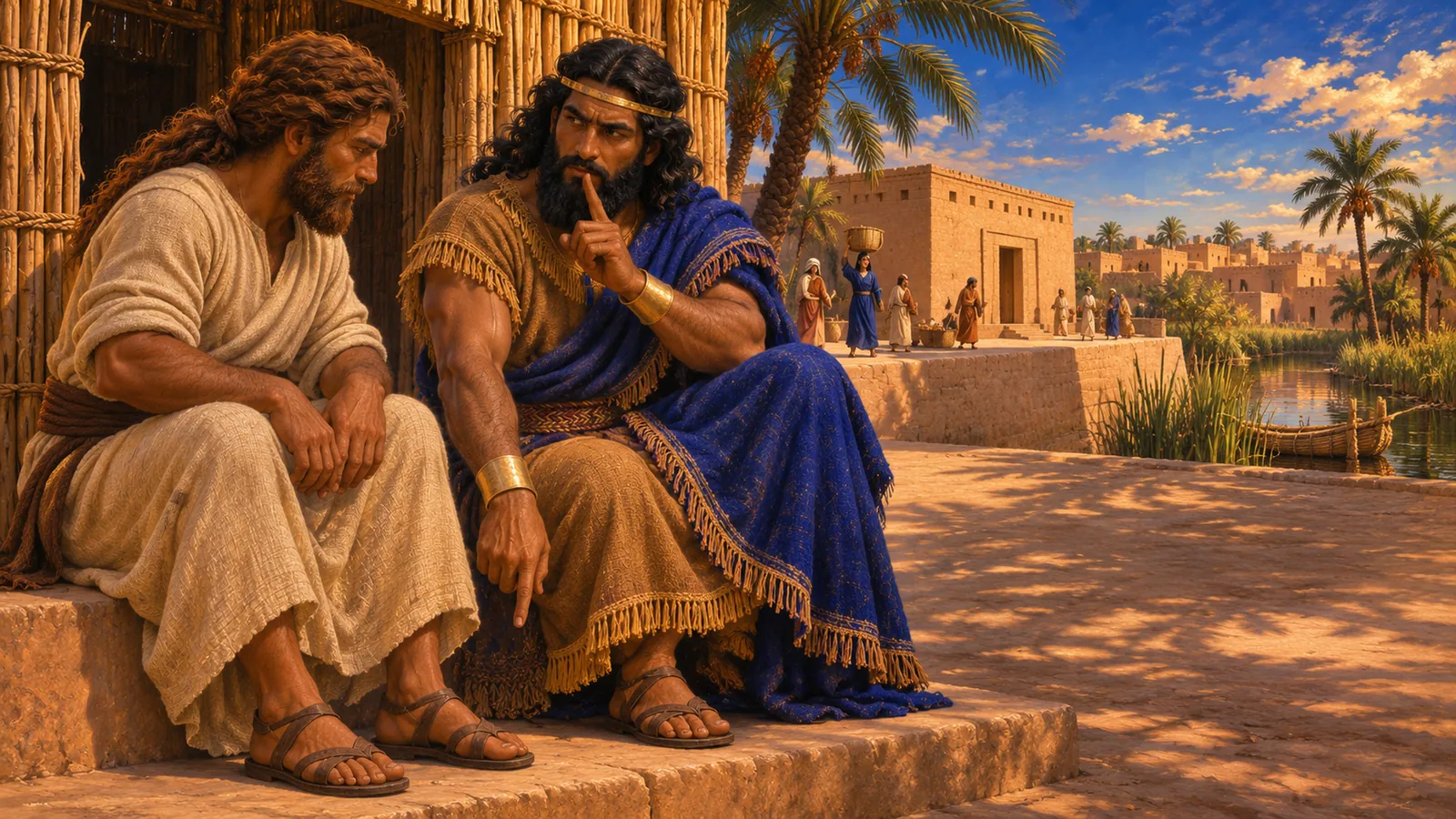
أضاف جلجامش وصيّتين عن العالم السفلي. على إنكيدو ألّا ينتعل نعلَيه هناك وألّا يصرخ.
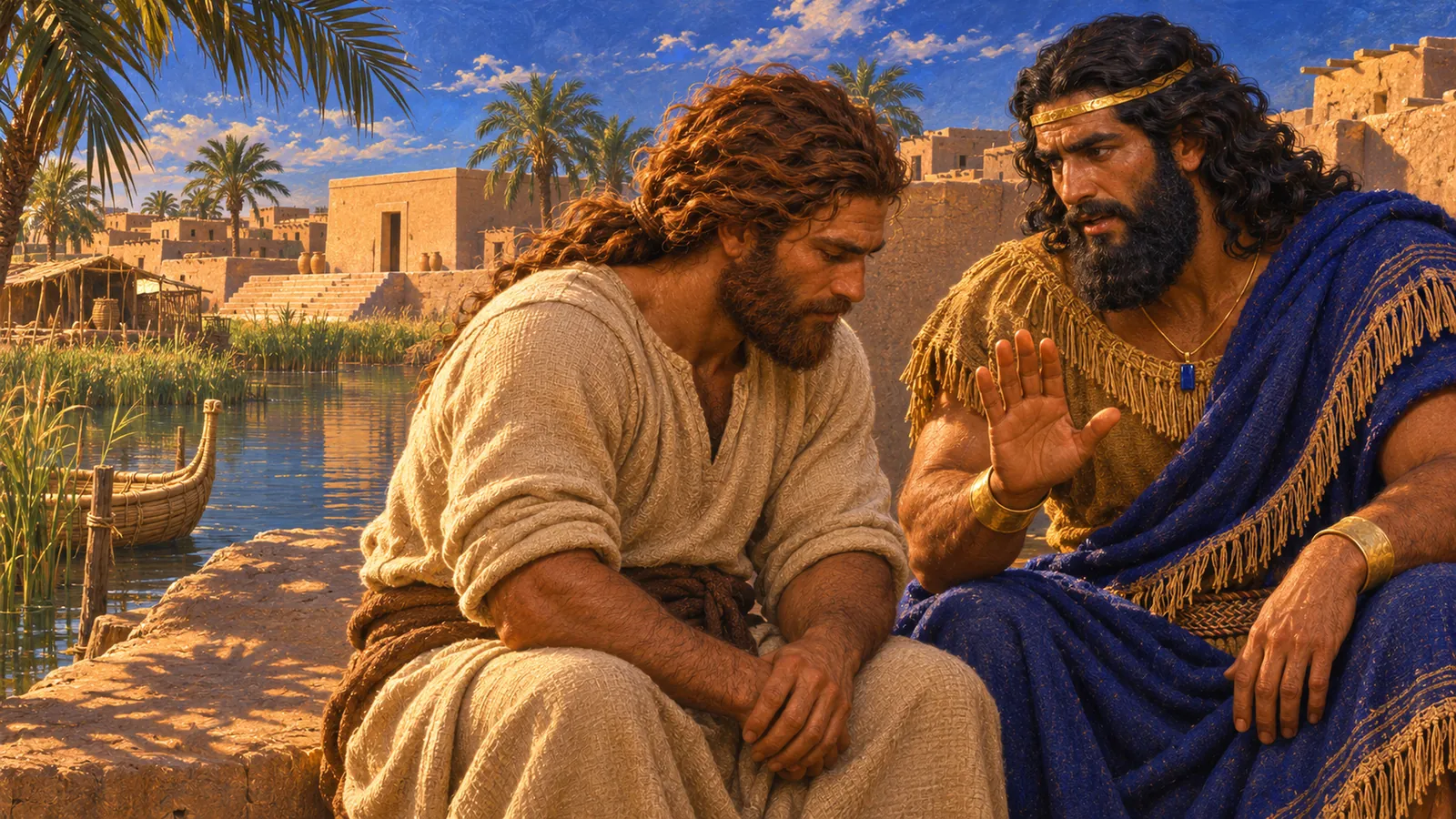
أوصى جلجامش إنكيدو ألّا يقبّل زوجته الحبيبة حين ينزل إلى العالم السفلي.
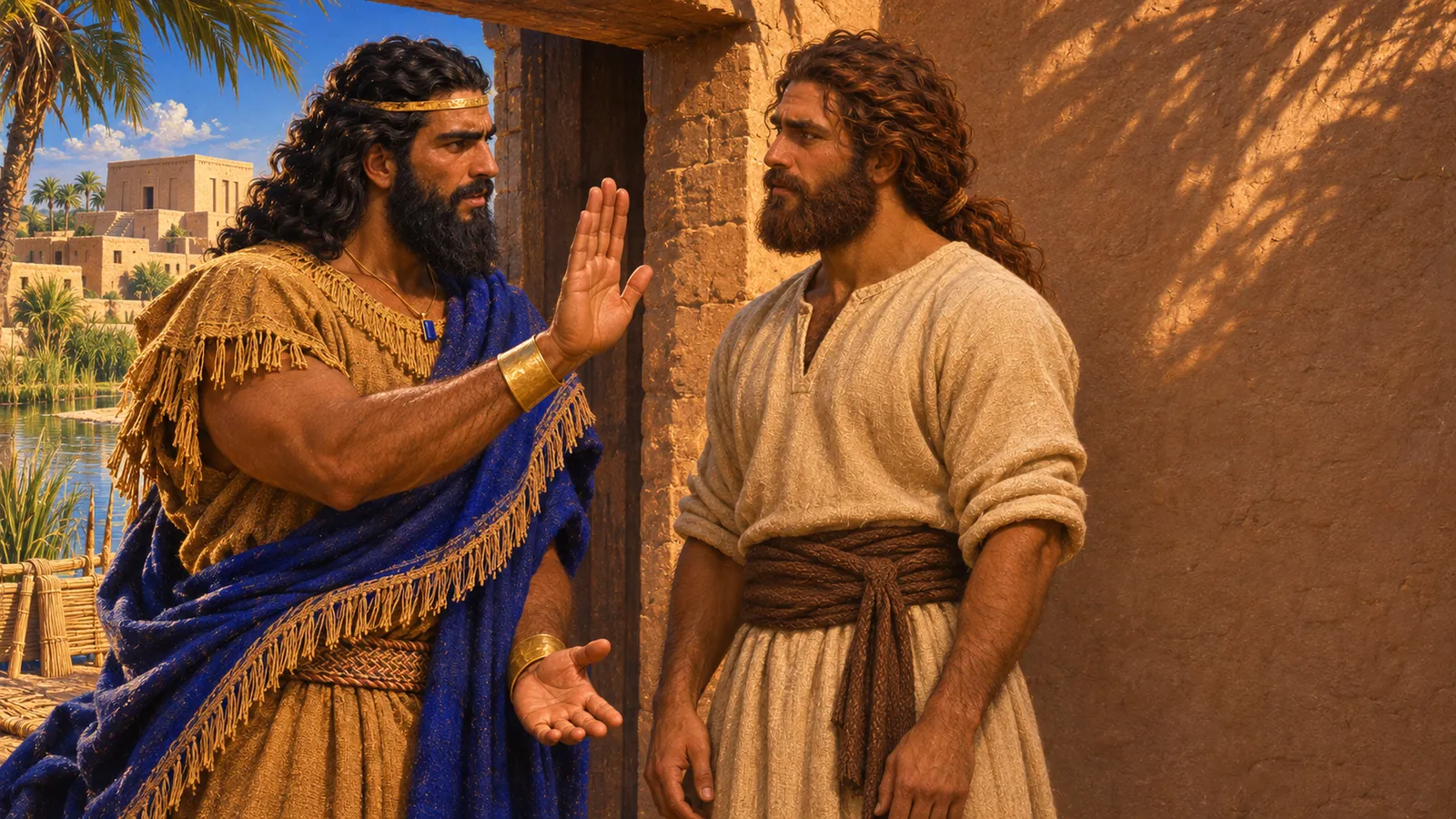
قال جلجامش لإنكيدو ألّا يضرب زوجته، حتّى إن ضاق بها.
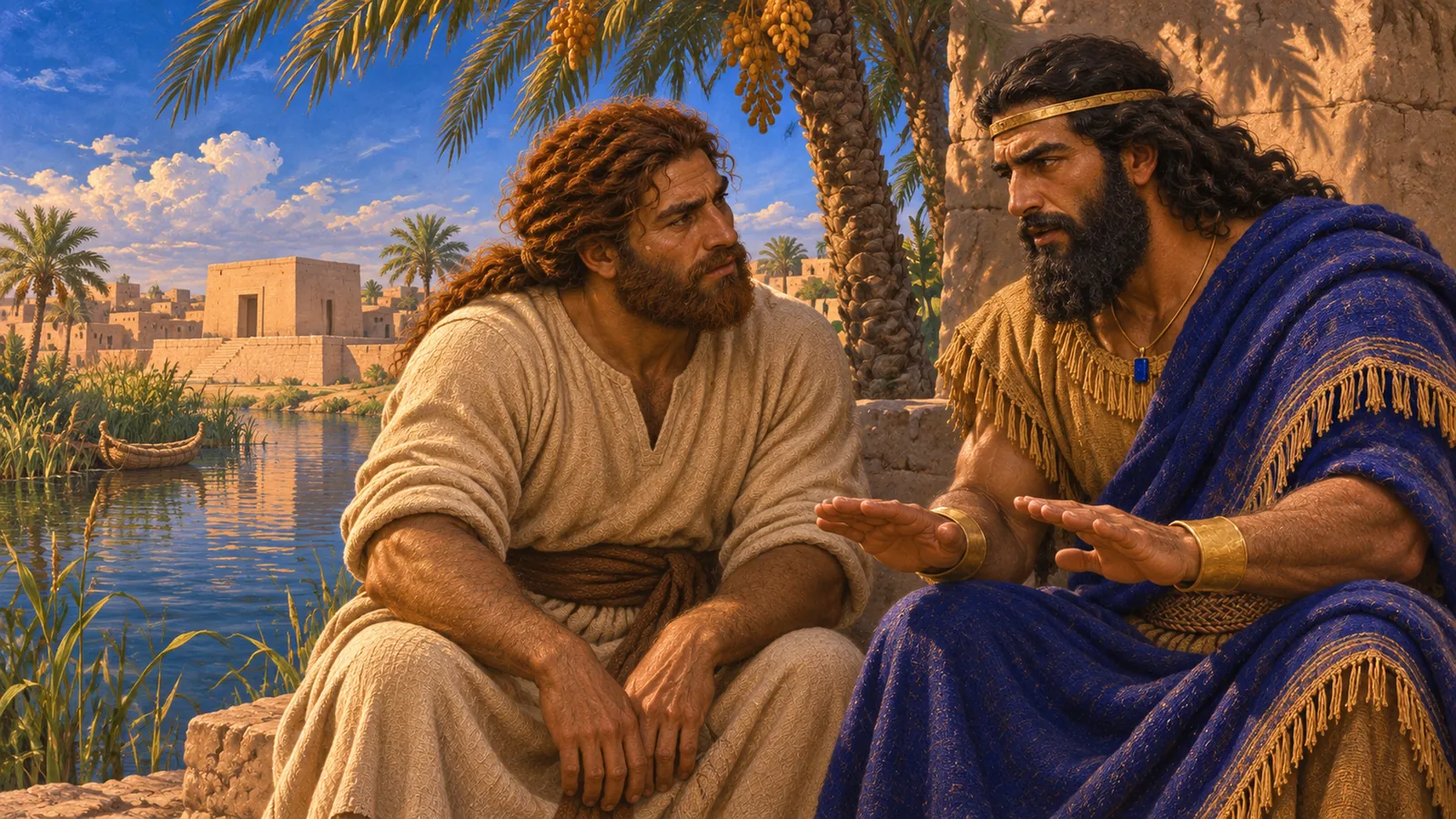
وحذّر إنكيدو أيضًا من تقبيل طفله الحبيب، ومن ضرب ابنه حتّى إن ضاق به.
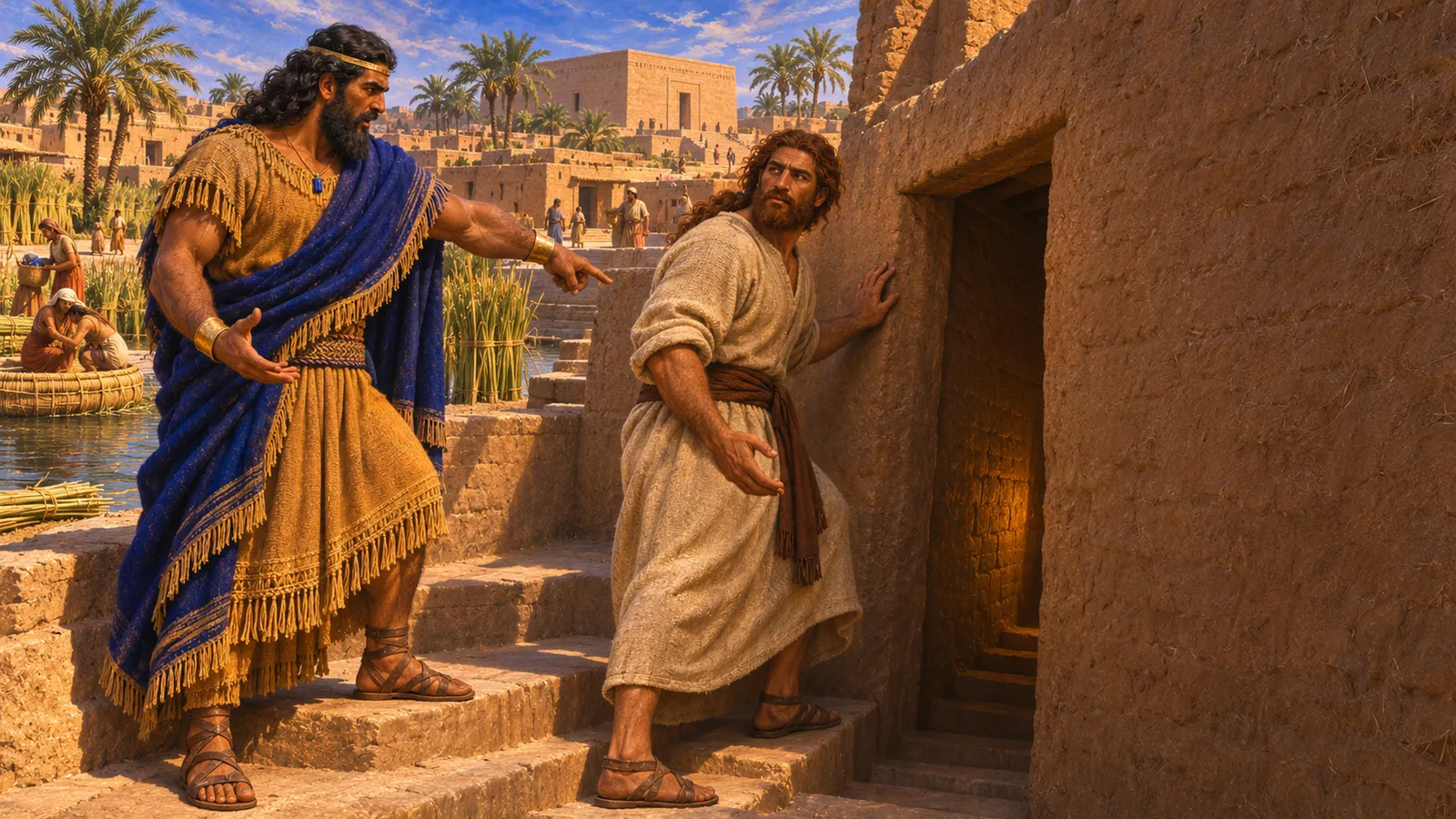
حذّر جلجامش إنكيدو من أنّه إن أثار بأفعاله صياحًا، فسيُبقيه ذلك الصياح في العالم السفليّ.
الوصايا
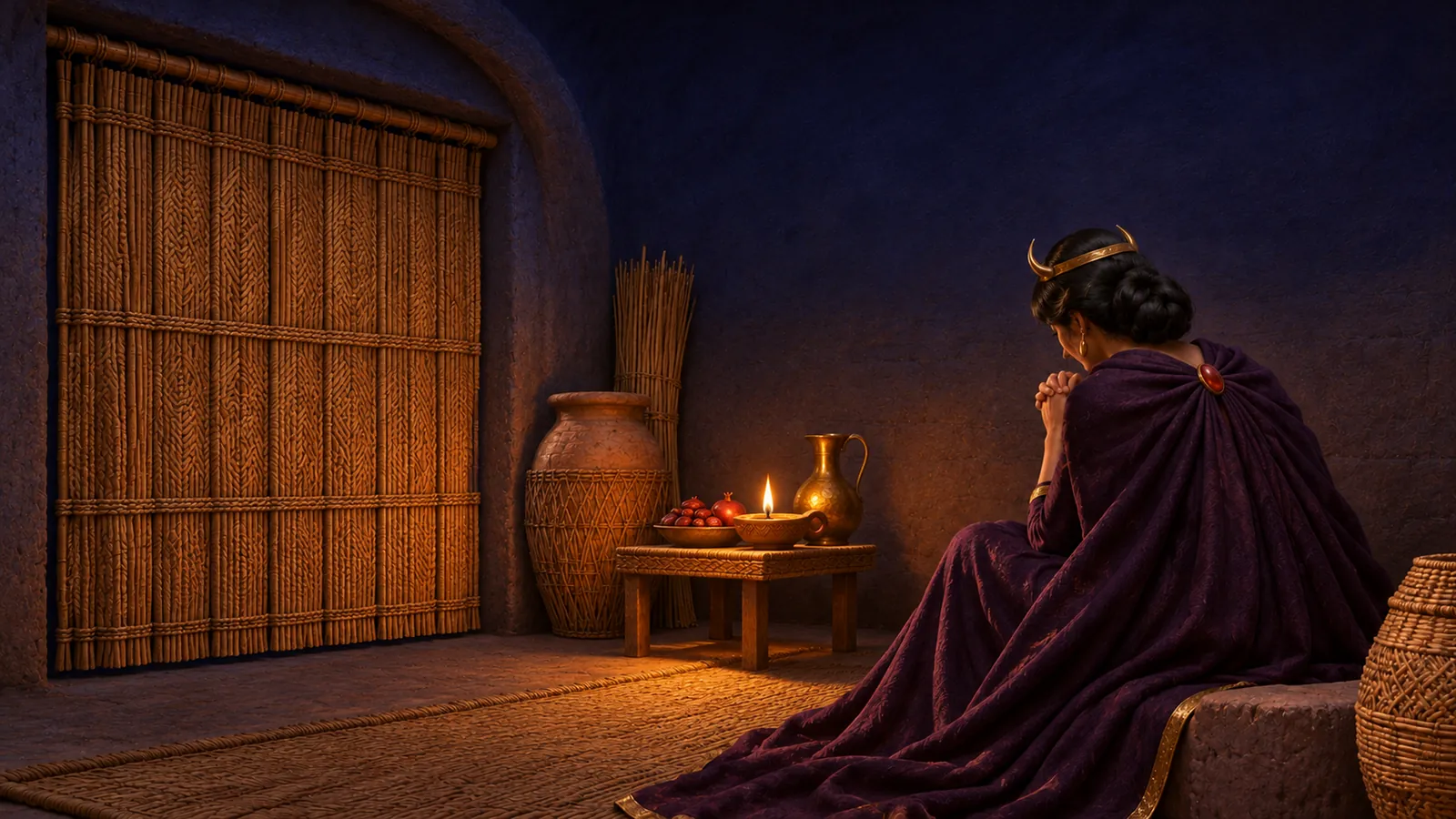
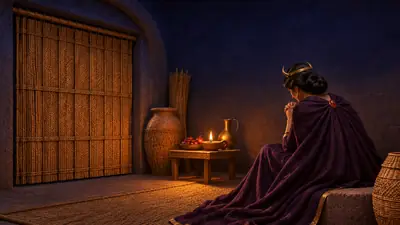
تحدّث جلجامش عن امرأة راقدة في العالم السفليّ. وقال إنّها أمّ نينازو.

قال إنّ ثوبًا لم يستر كتفيها الطاهرتين، ولم يُبسَط قماش كتّان على صدرها الطاهر.

في كلام جلجامش كانت أمّ نينازو راقدة هناك تنتف شعرها من شدّة الكرب.
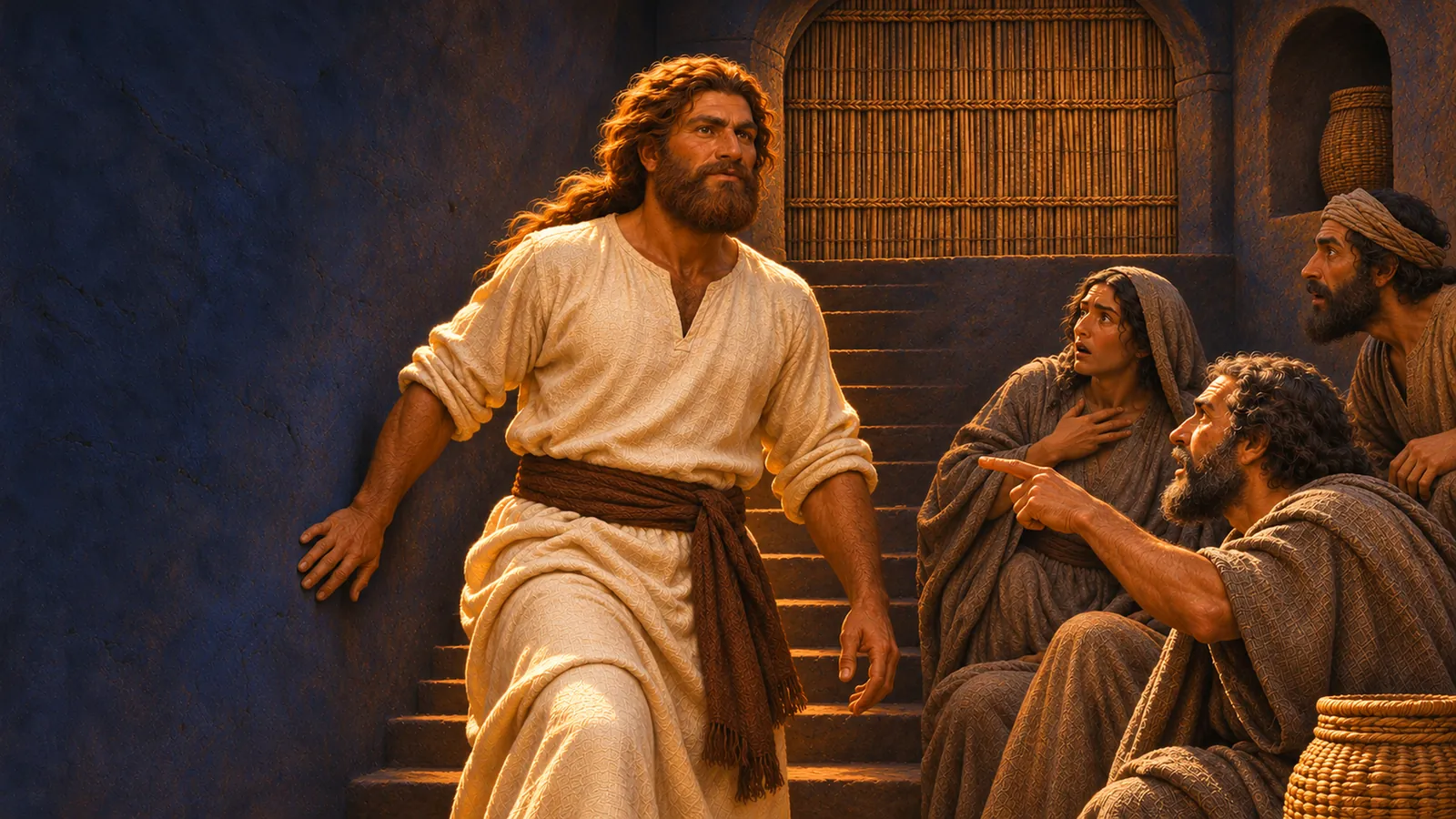
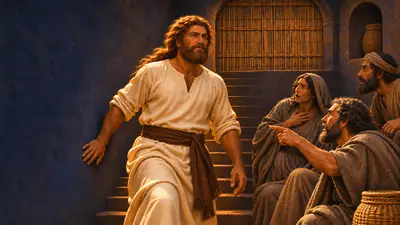
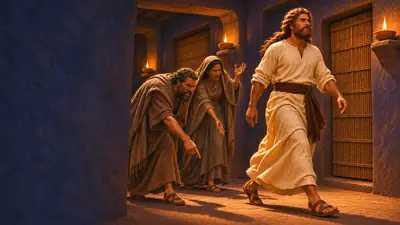
لم يُصغِ إنكيدو إلى كلام سيّده. لبس ثيابه النظيفة، فعرف من كان هناك أنّه غريب عنهم.
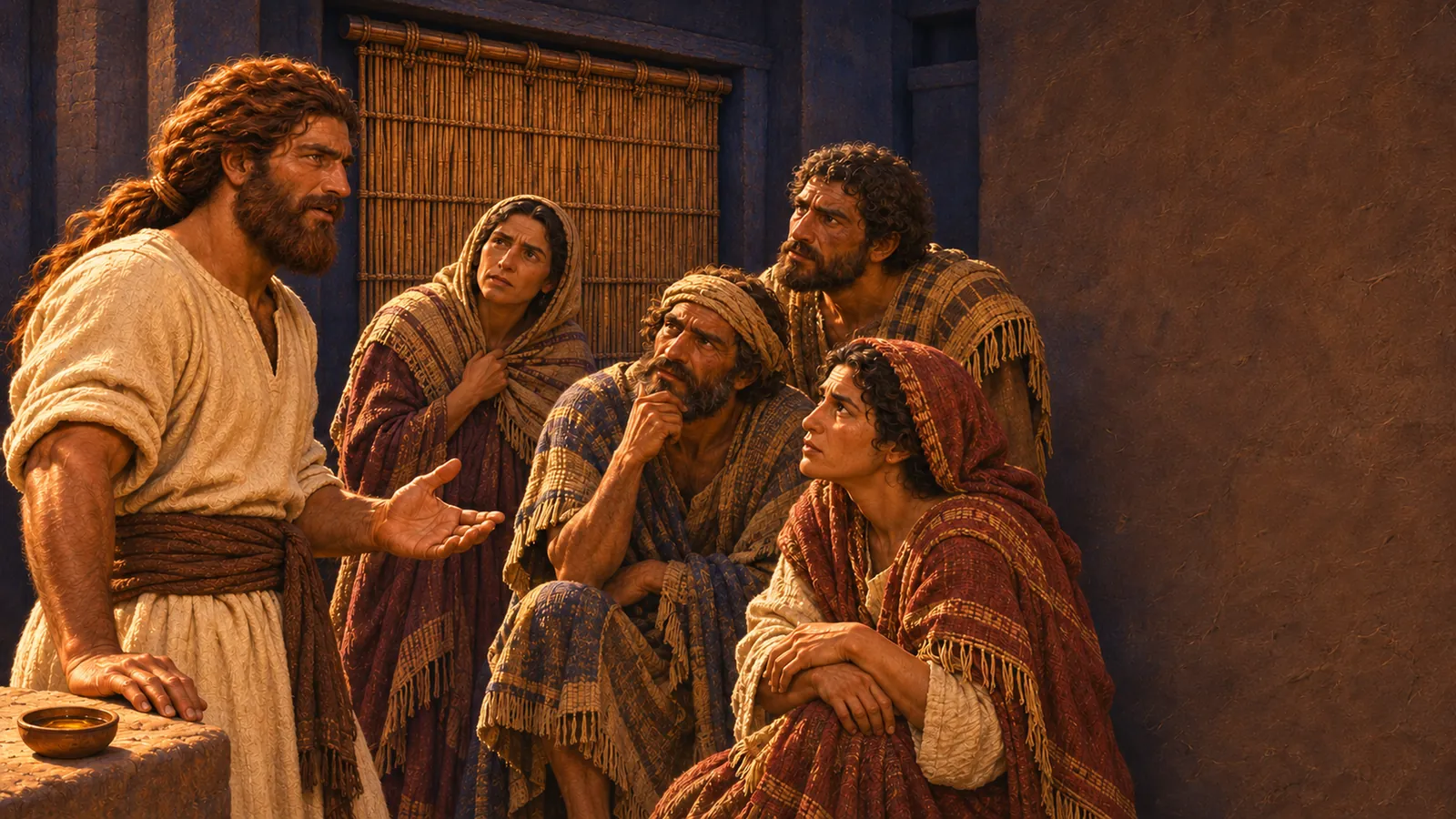
دهن إنكيدو نفسه بزيت طيّب من زبدية. وحين شمّ مَن في العالم السفليّ رائحة الزيت أحاطوا به.
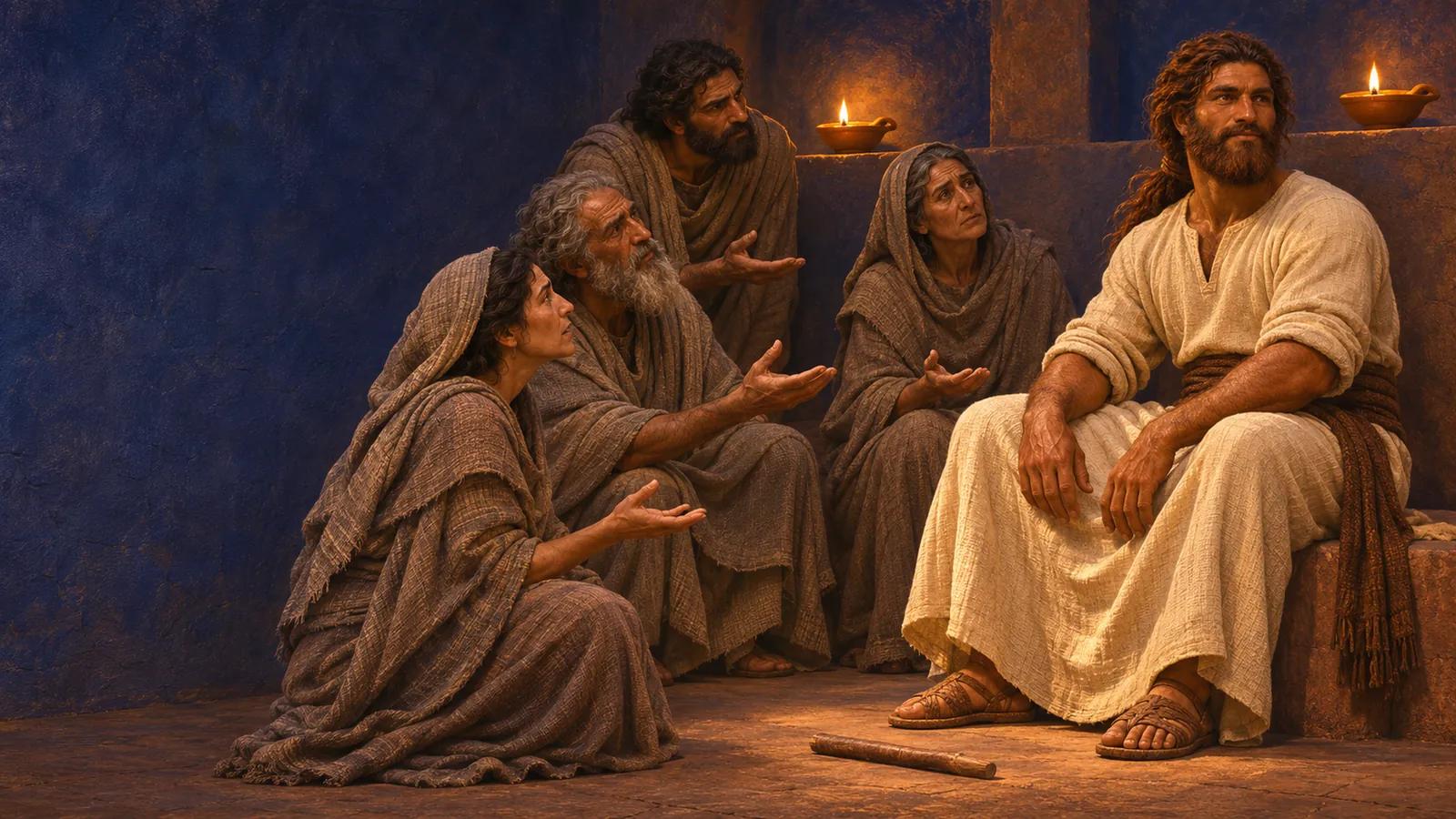
قذف إنكيدو عصيّ الرمي في العالم السفليّ. فأحاط به الذين صرعتهم تلك العصيّ.
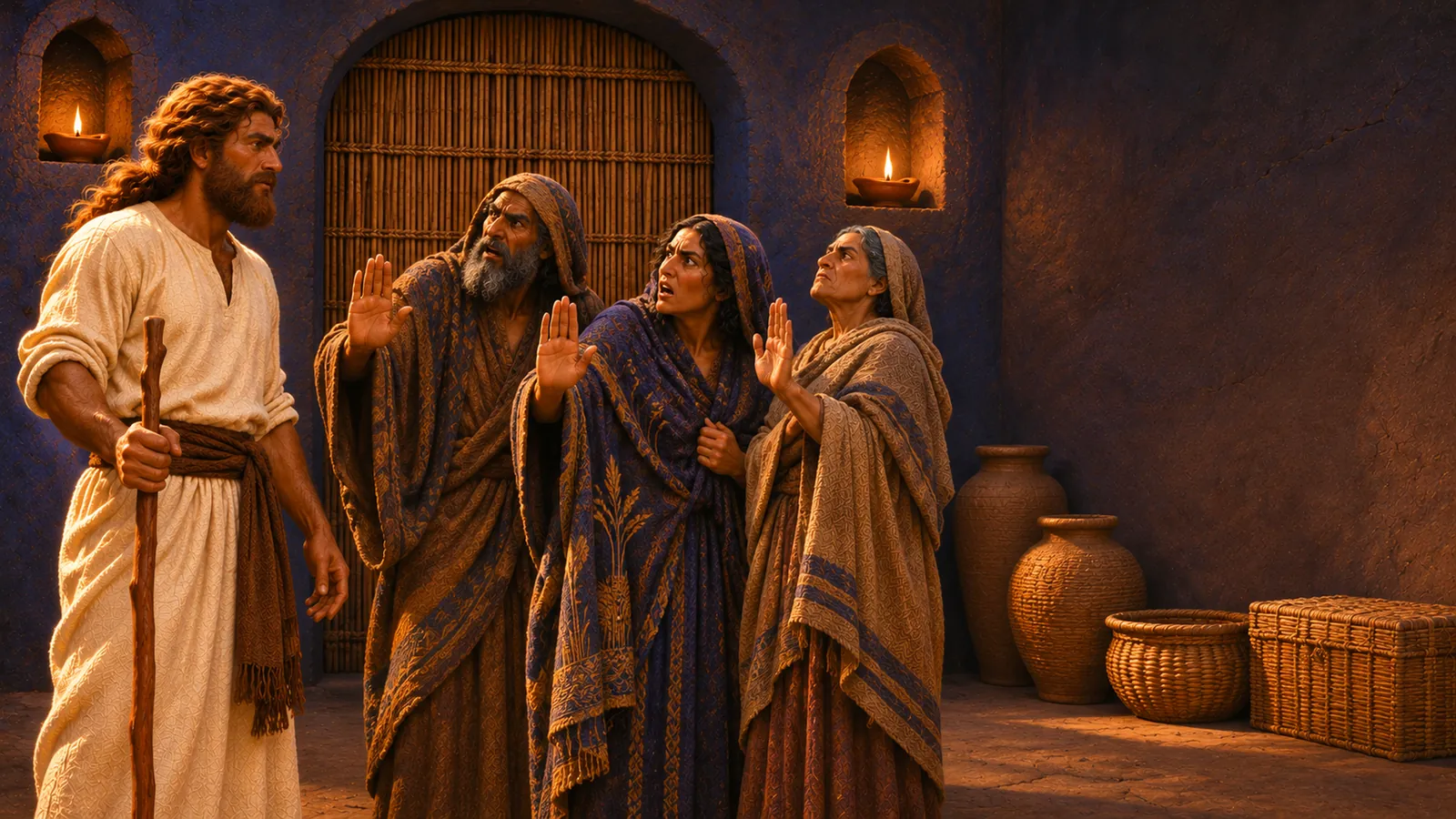
أمسك إنكيدو بيده عصًا من خشب القرانيا. وتقول القصيدة إنّ الأرواح شعرت بأنّه أهانها بما فعل.
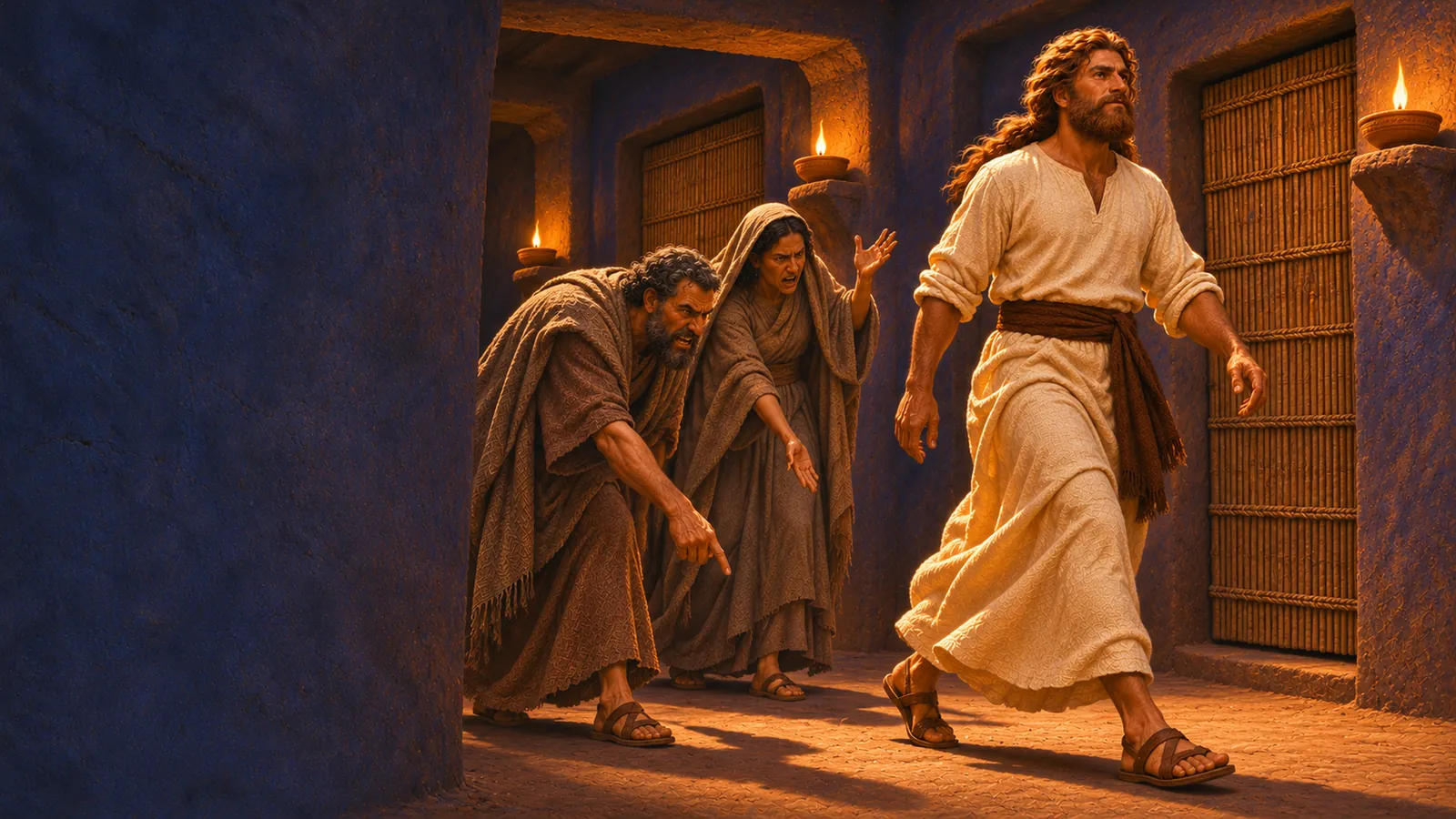
ثمّ انتعل إنكيدو نعليه. وتقول القصيدة إنّه أثار الضيق في العالم السفليّ.
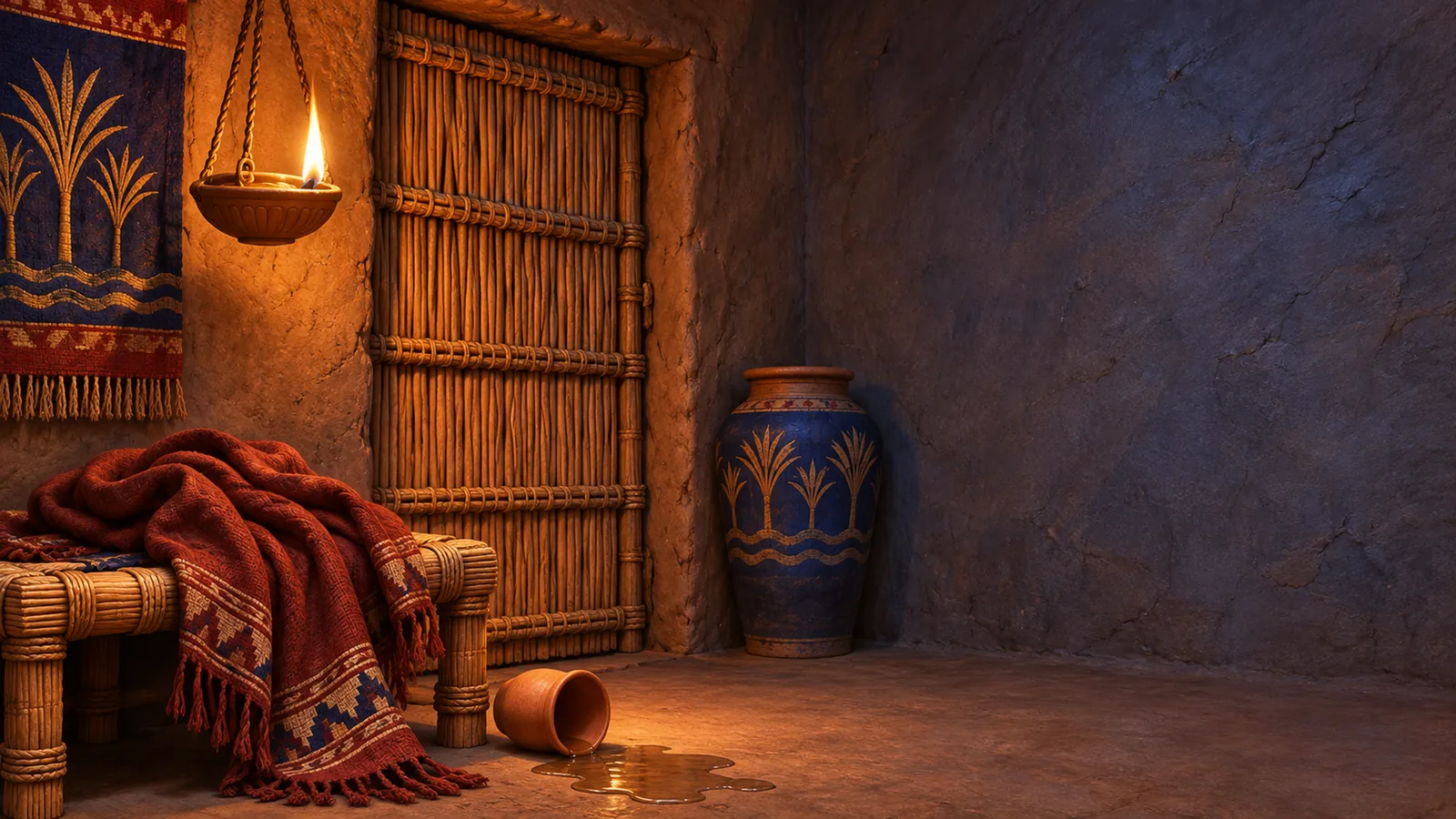
قبّل إنكيدو زوجته الحبيبة في العالم السفليّ. وضربها حين ضاق بها.
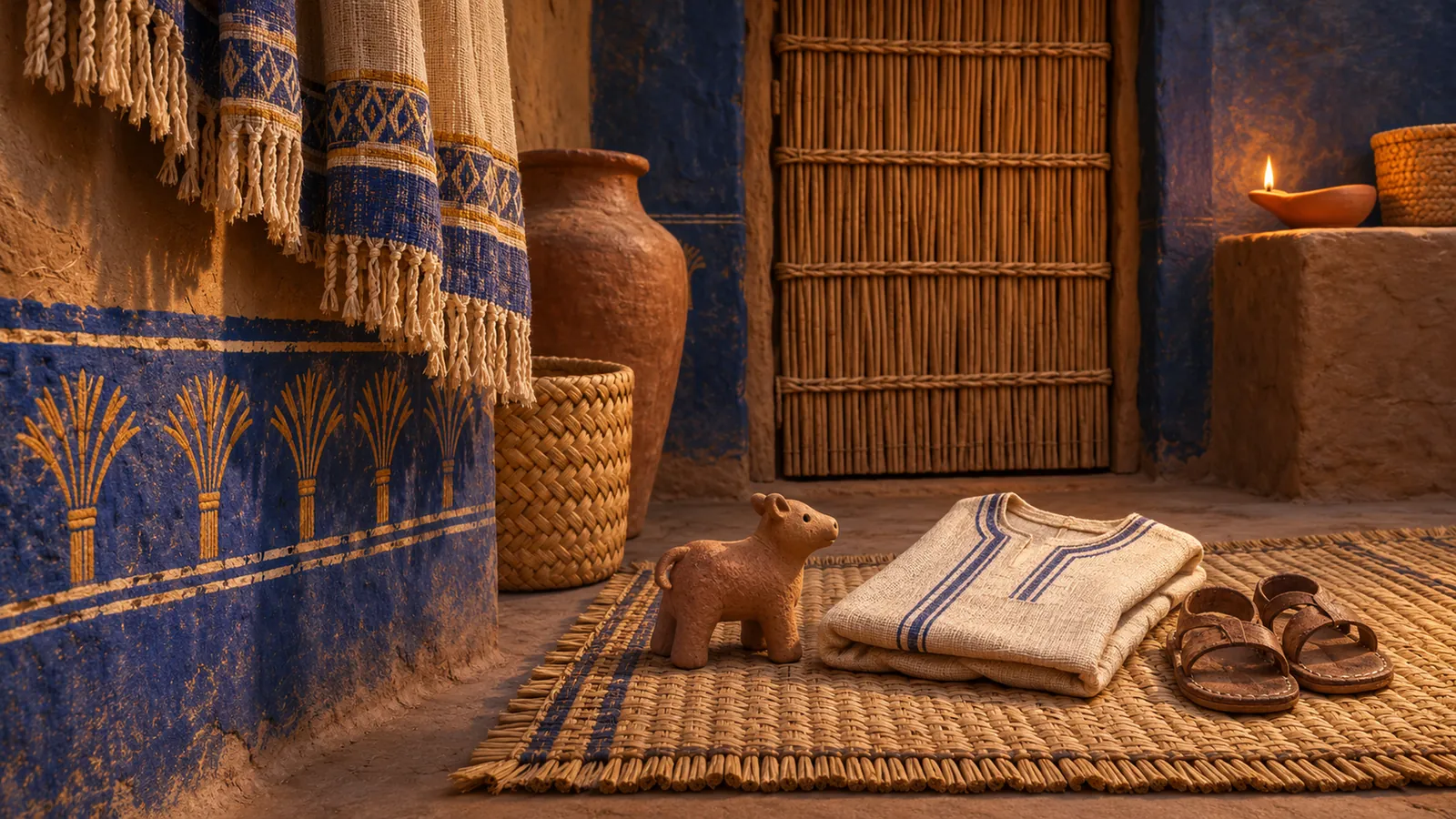
قبّل إنكيدو طفله الحبيب. ثمّ ضرب ابنه حين ضاق به.
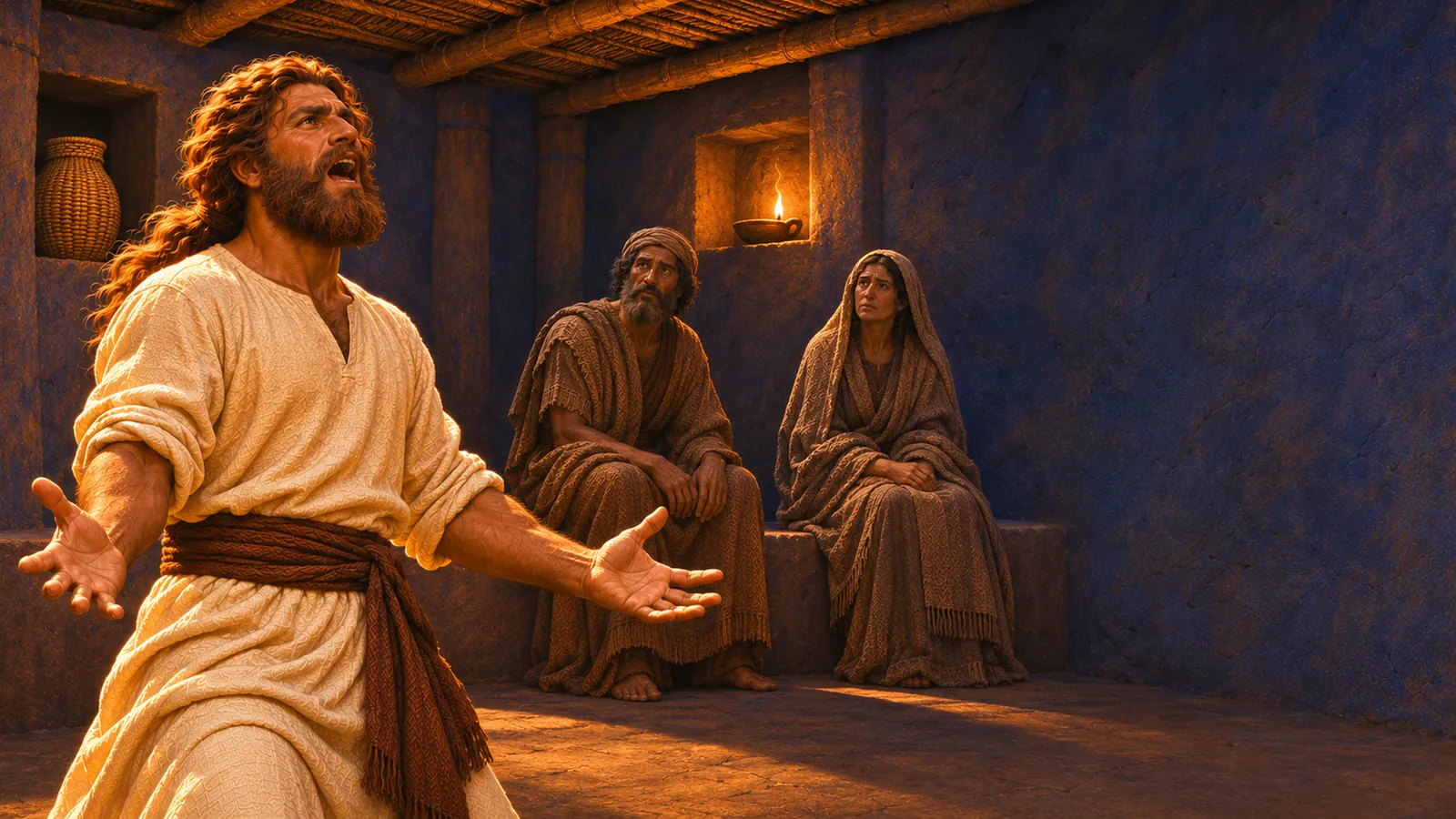
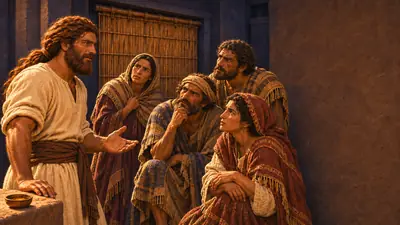
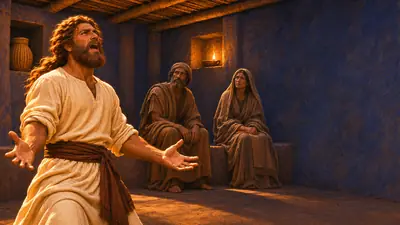
أثارت أفعال إنكيدو صياحًا في العالم السفليّ، كما حذّره جلجامش من قبل.
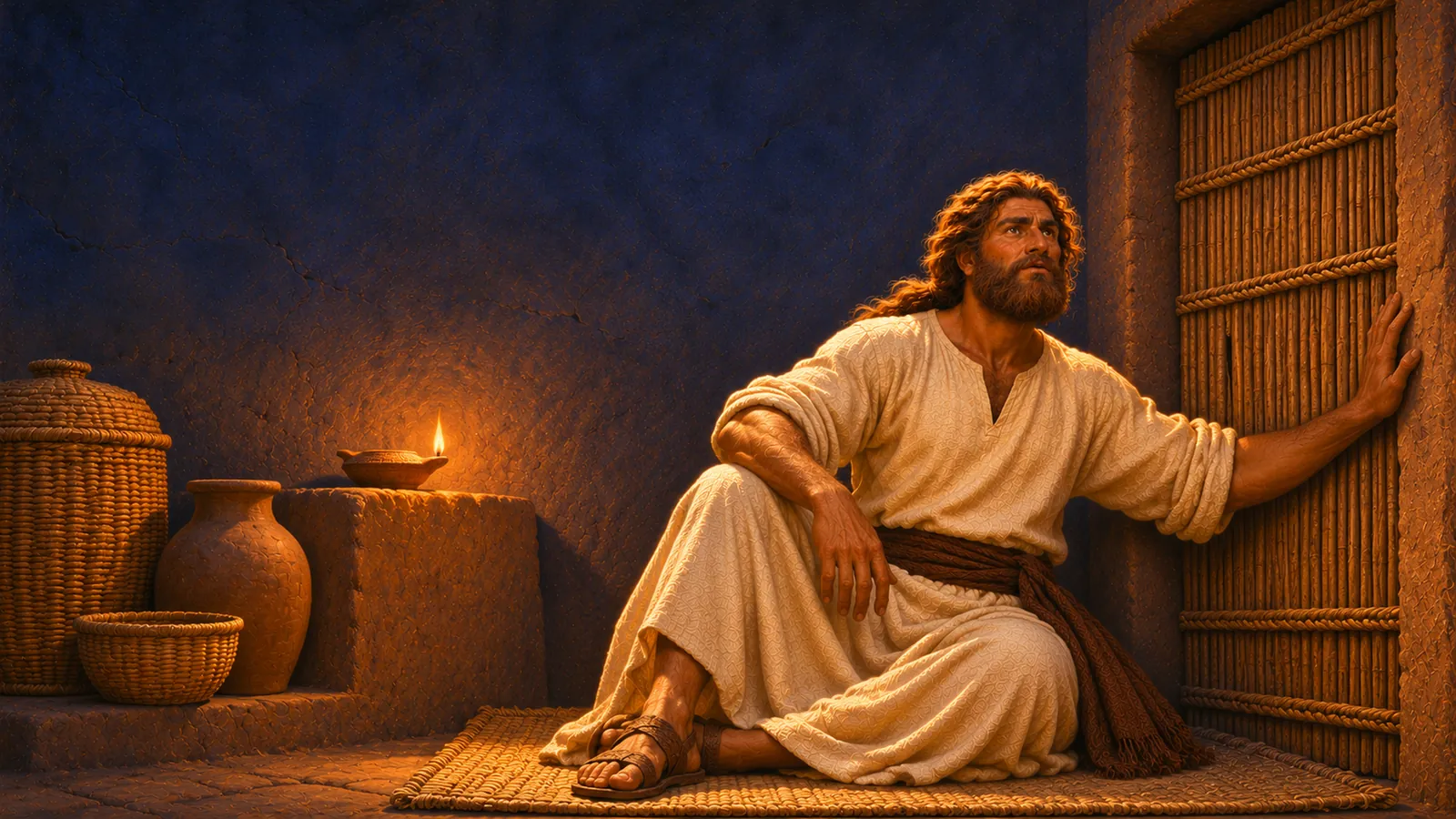
الاحتجاز
أثارت أفعاله صيحات الاحتجاج. فاحتجز العالم السفليّ إنكيدو وأبقاه فيه.
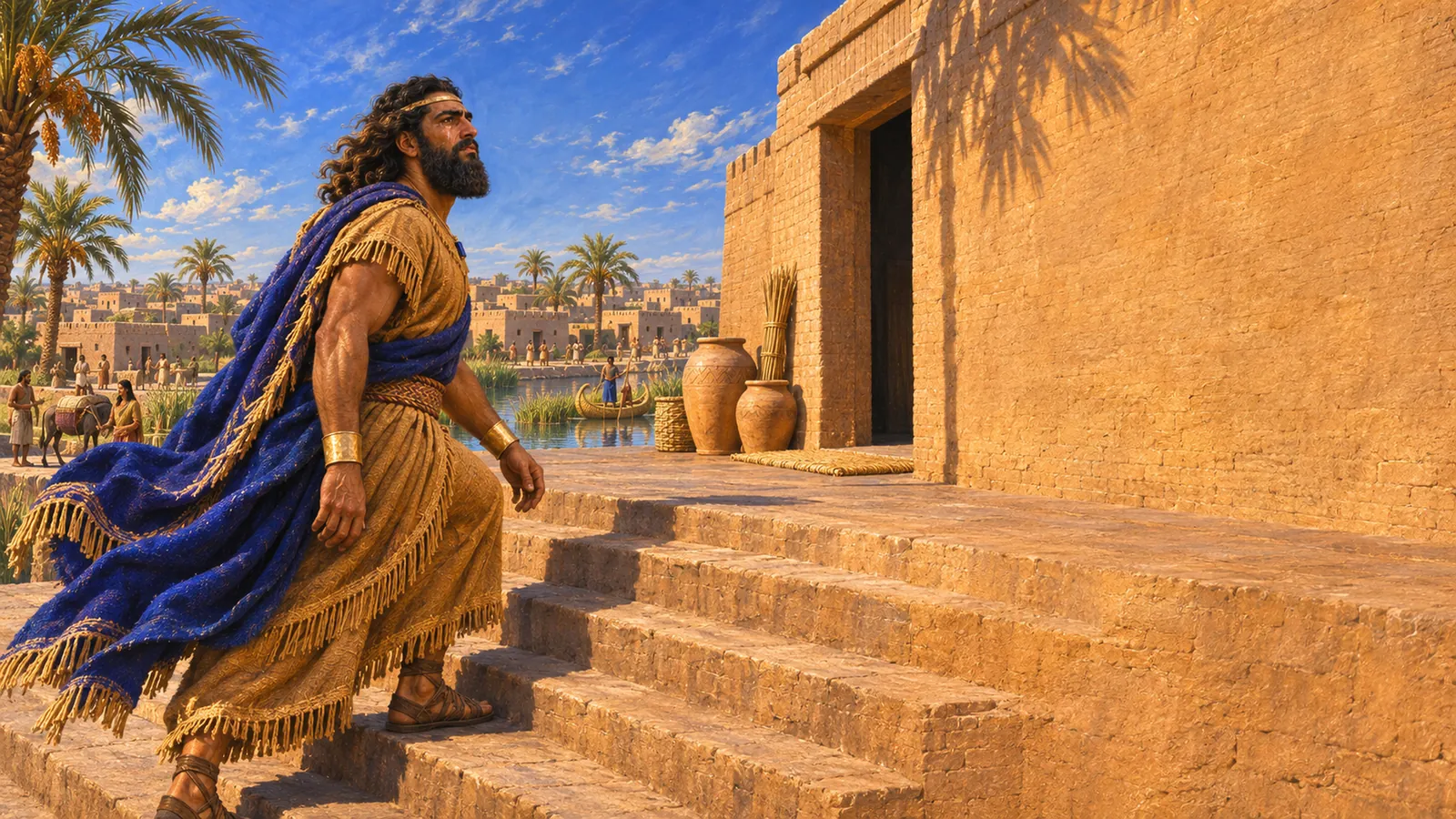
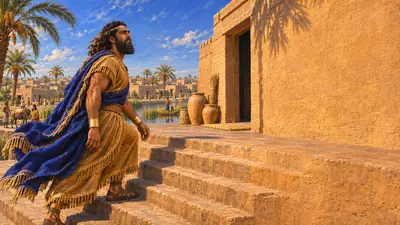
مضى المحارب جلجامش، ابن ننسون، وحده إلى إيكور، معبد إنليل. ورفع صوته أمام إنليل.
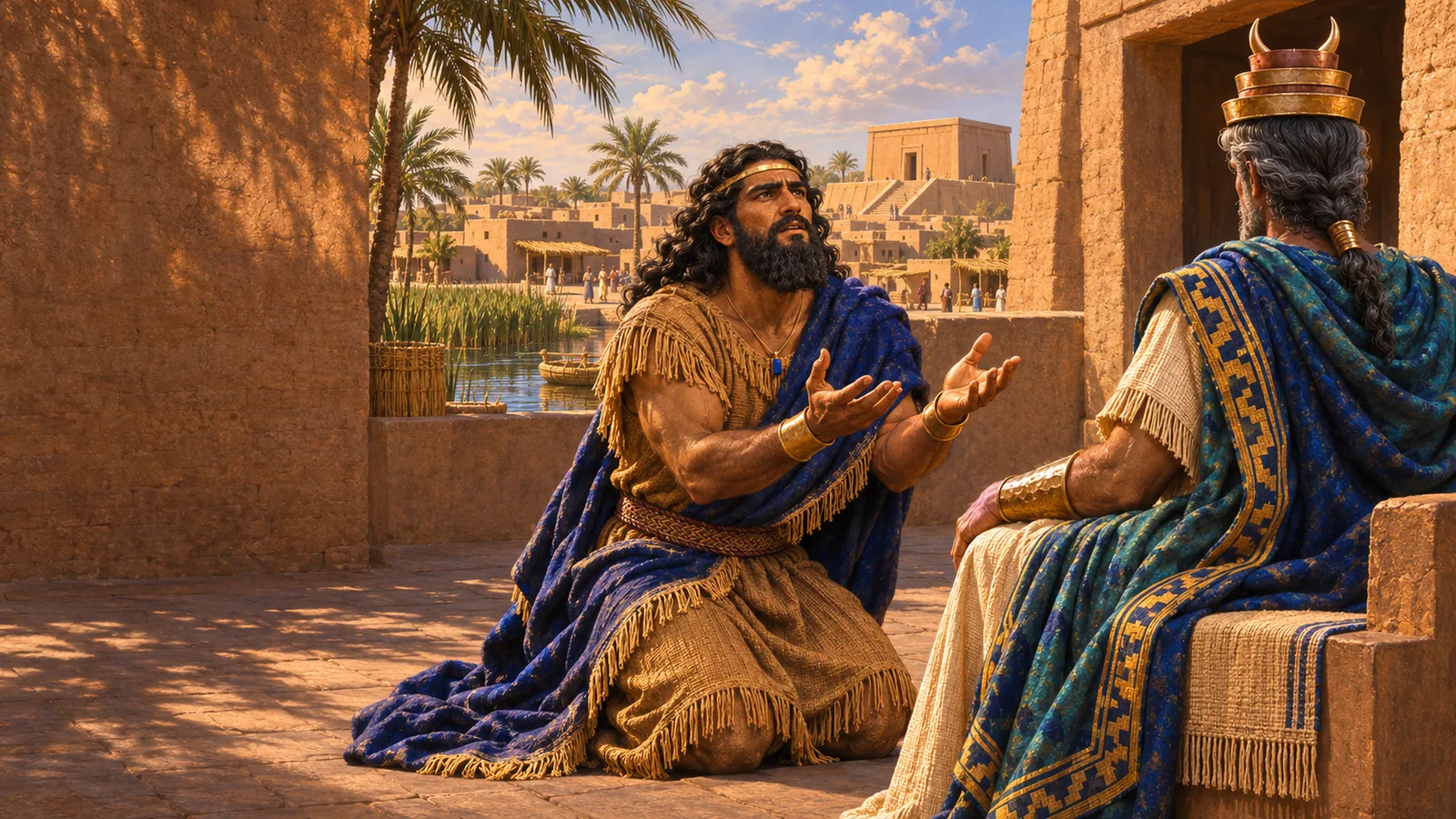
قال جلجامش لإنليل إنّ الإلّاغ الذي كان له سقط في العالم السفليّ وإنّ الإكيدما سقط في غانزر. ونزل إنكيدو ليستعيدهما، فأخذه العالم السفليّ.
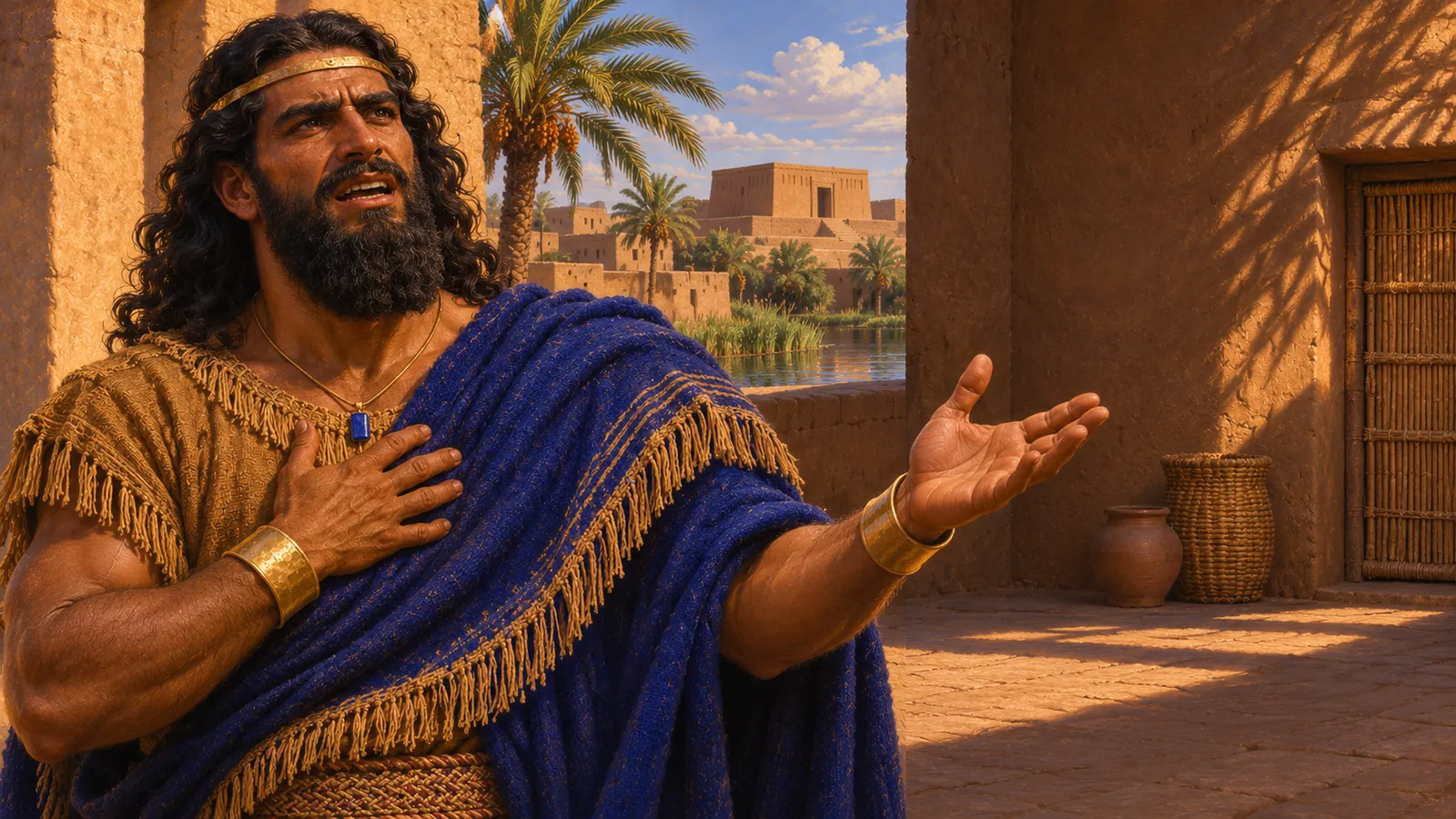
قال جلجامش إنّ نمتار لم يأخذ إنكيدو، وإنّ أساغ لم يأخذه أيضًا. وكرّر أنّ العالم السفليّ نفسه هو الذي أخذه.
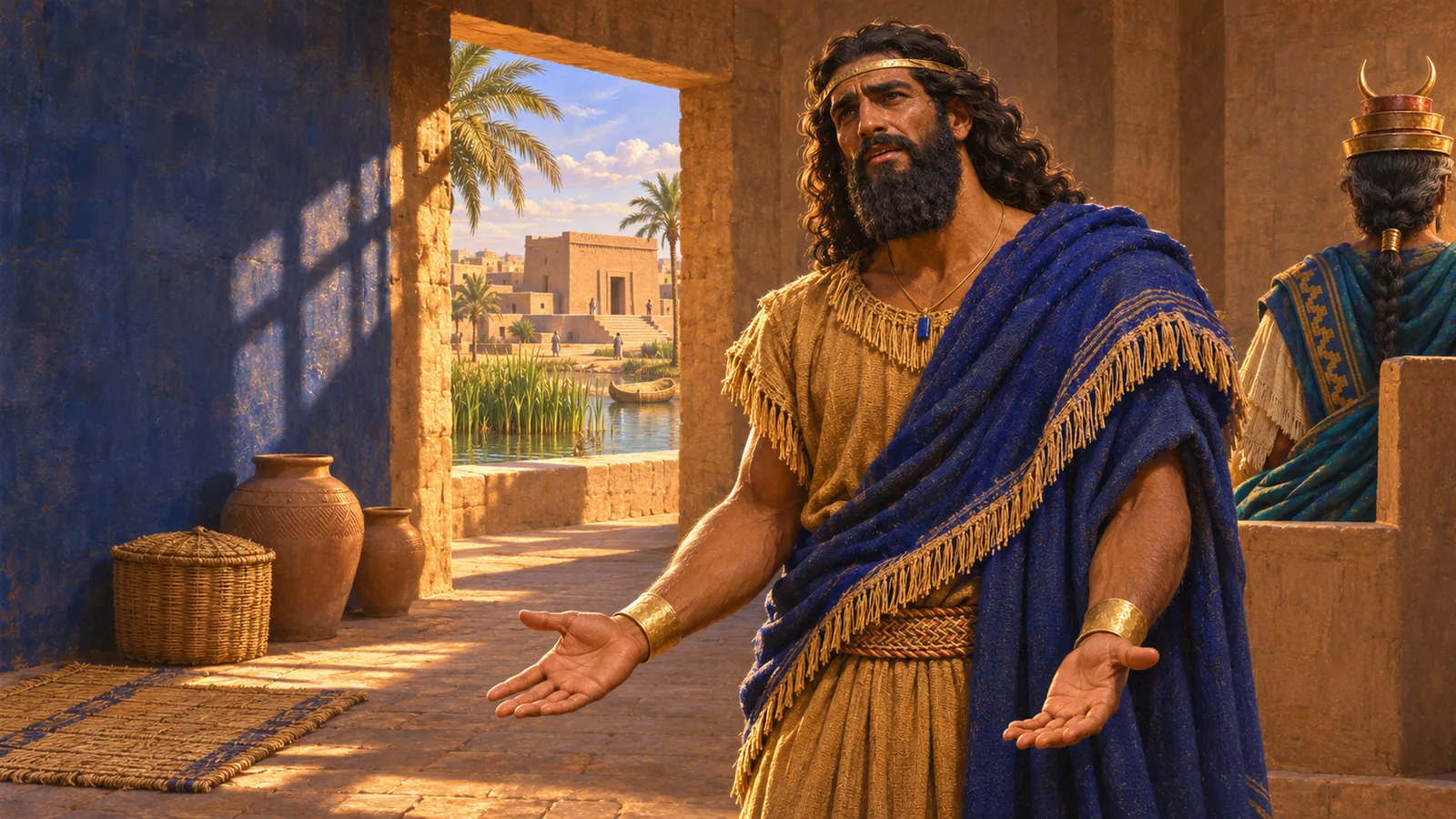
قال إنّ أودوغ نرغال، الذي لا يستبقي أحدًا، لم يأخذ إنكيدو. ولم يسقط إنكيدو في معركة. بل أخذه العالم السفليّ.
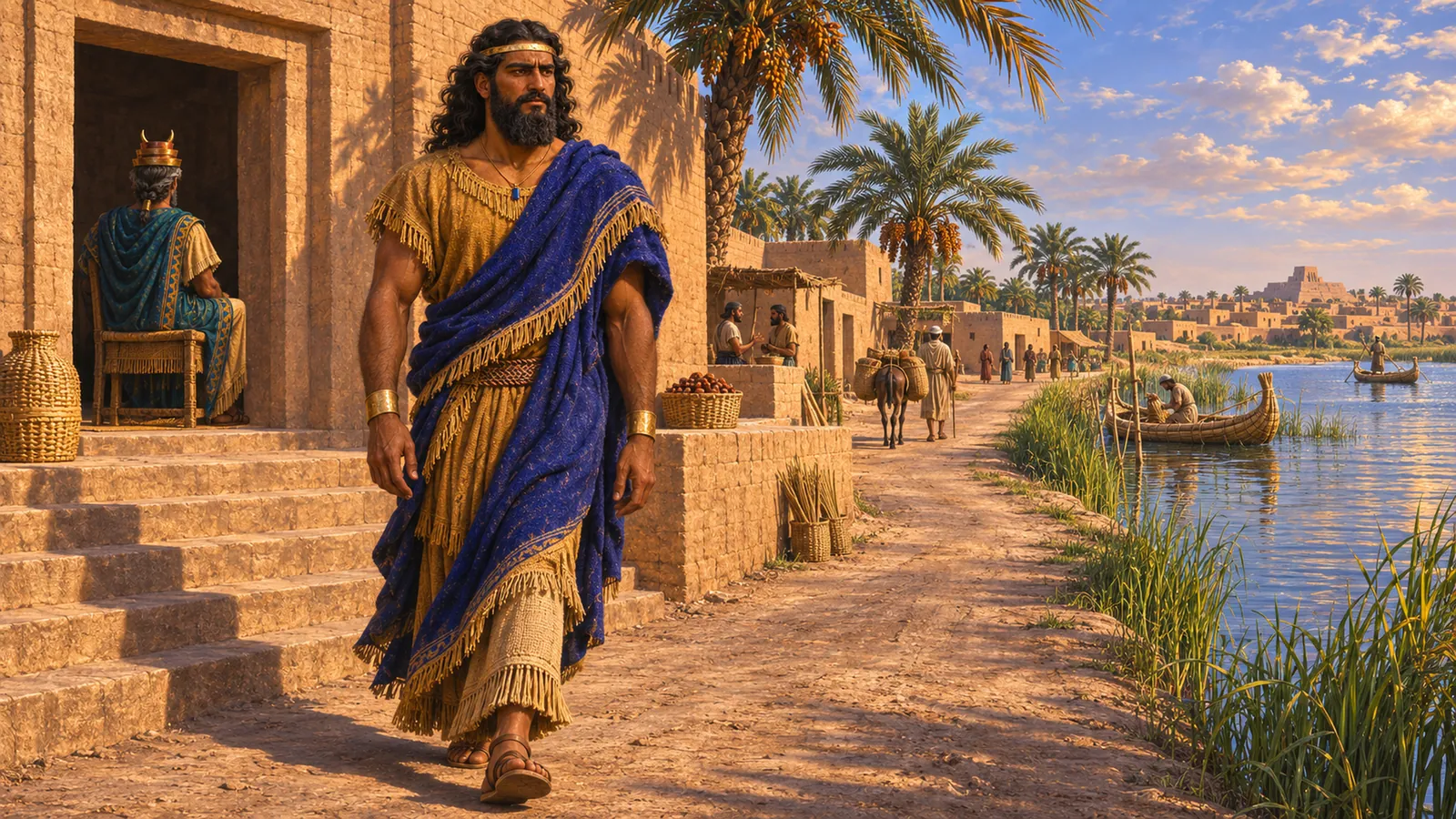
لم يقف إنليل إلى جانب جلجامش. فمضى المحارب إلى أريدو، حيث سيلتمس العون مرّةً أخرى.
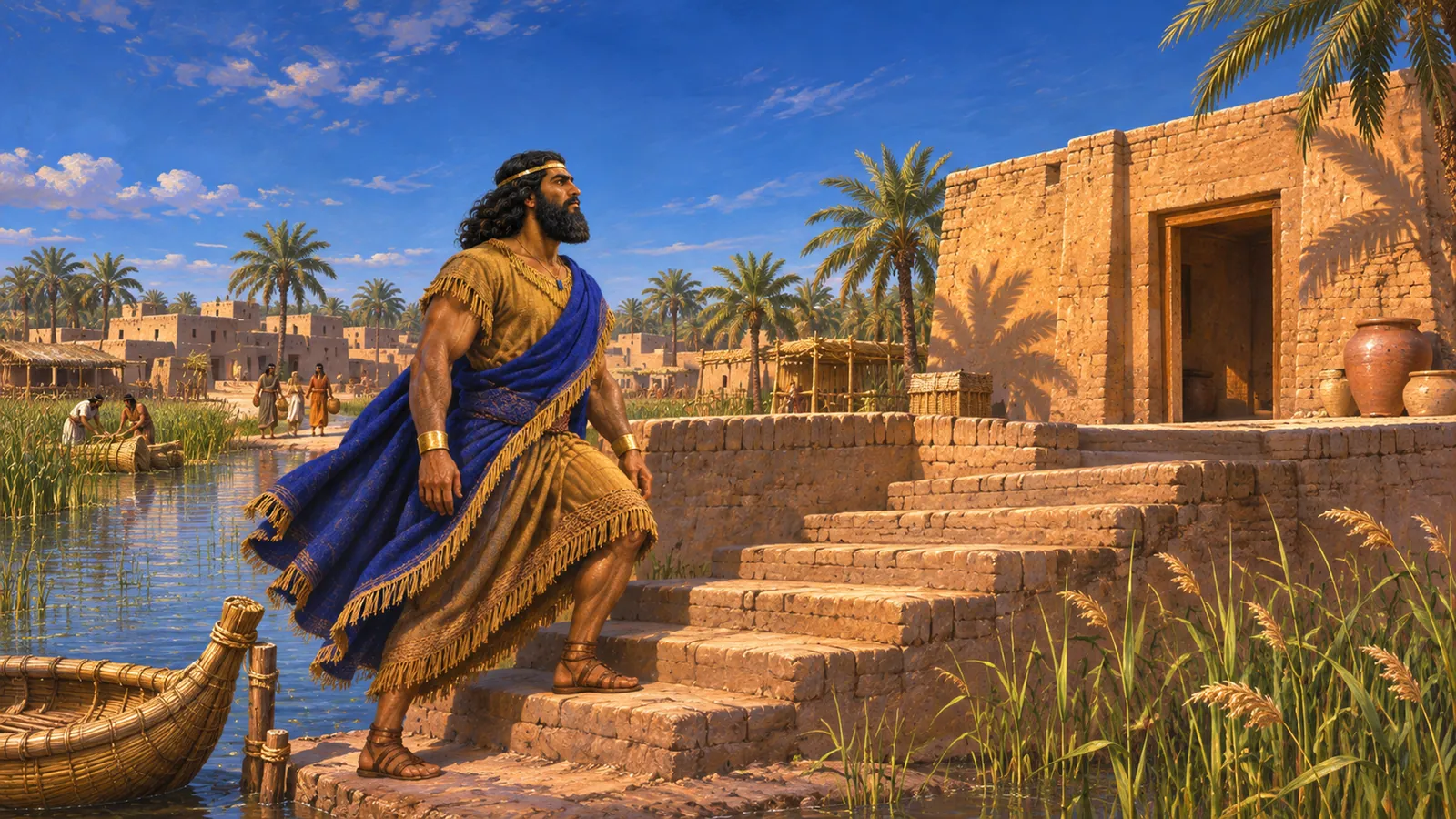
أريدو
في أريدو مضى جلجامش وحده إلى معبد إنكي. وهناك رفع صوته أمام إنكي.
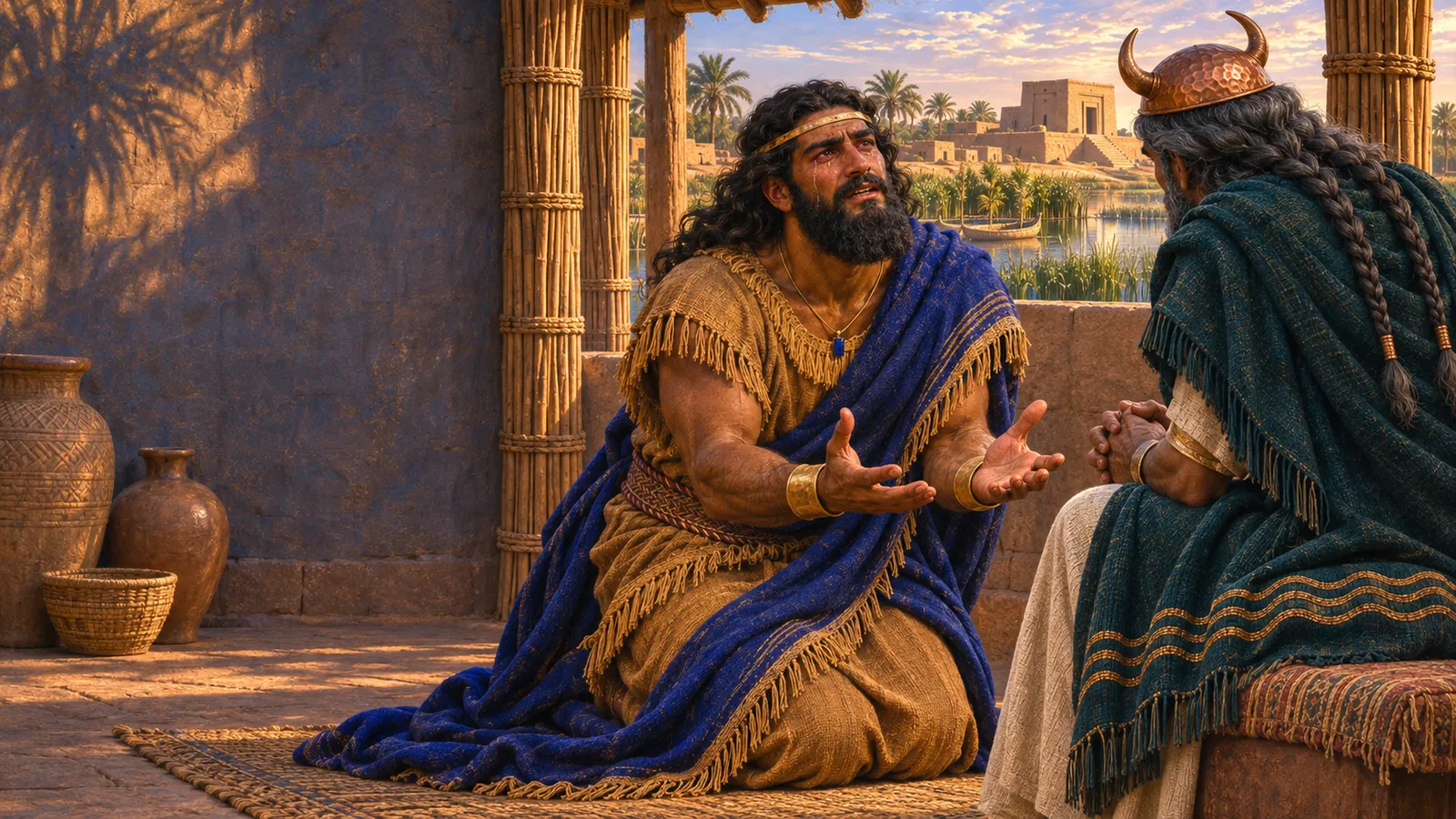
قال لإنكي إنّ الإلّاغ الذي كان له سقط في العالم السفليّ وإنّ الإكيدما سقط في غانزر. ونزل إنكيدو ليستعيدهما، فأخذه العالم السفليّ.
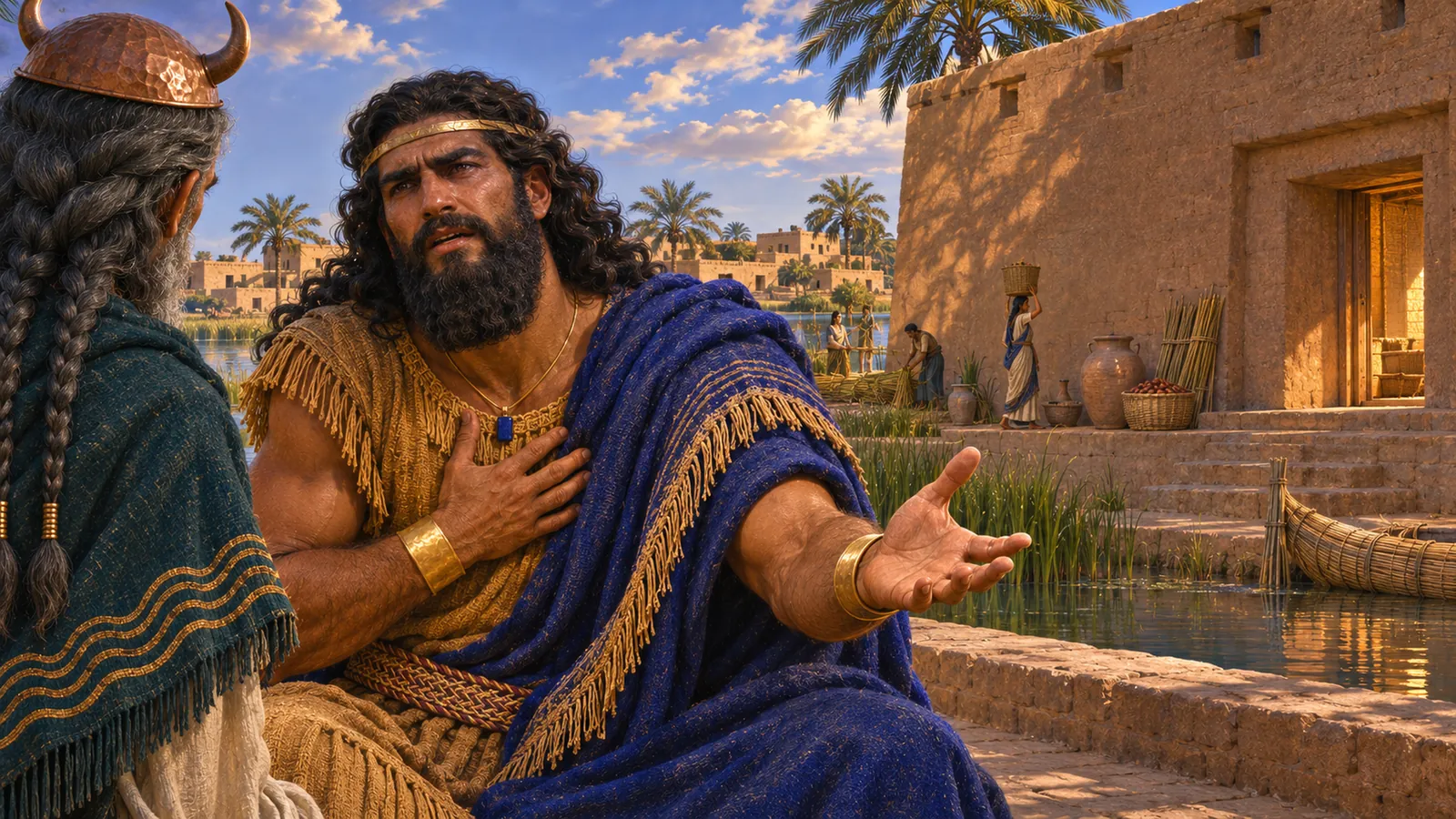
ذكر نمتار وأساغ وأودوغ نرغال، وقال إنّ أحدًا منهم لم يأخذ إنكيدو. وقال إنّ إنكيدو لم يسقط في معركة أيضًا. بل أخذه العالم السفليّ.
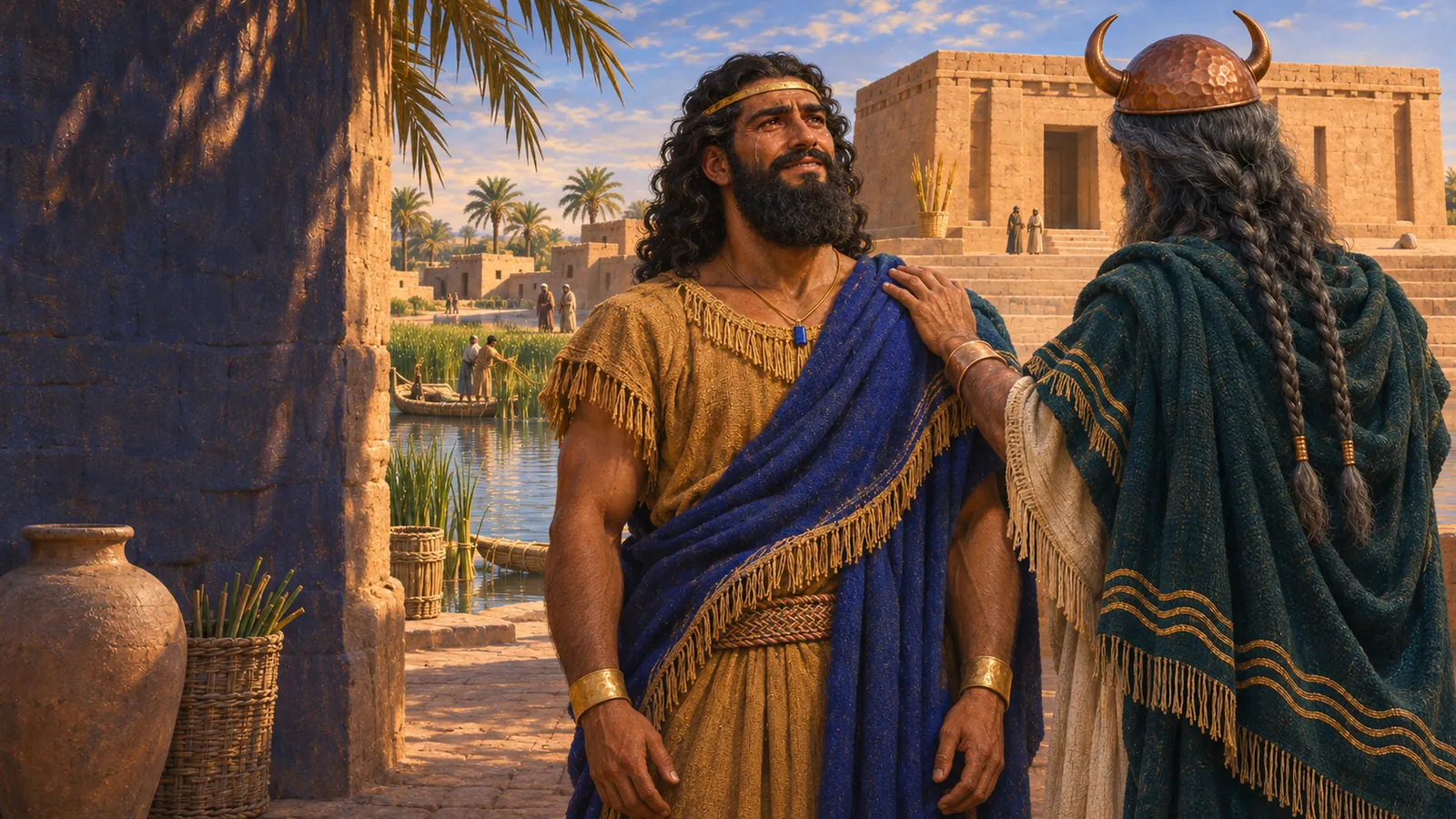
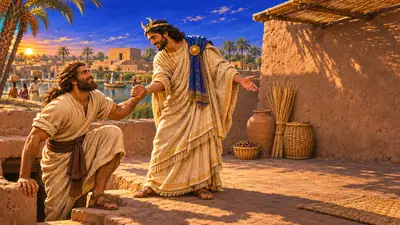
بعد أن روى له جلجامش ما جرى لإنكيدو، وقف إنكي إلى جانبه في هذا الأمر.
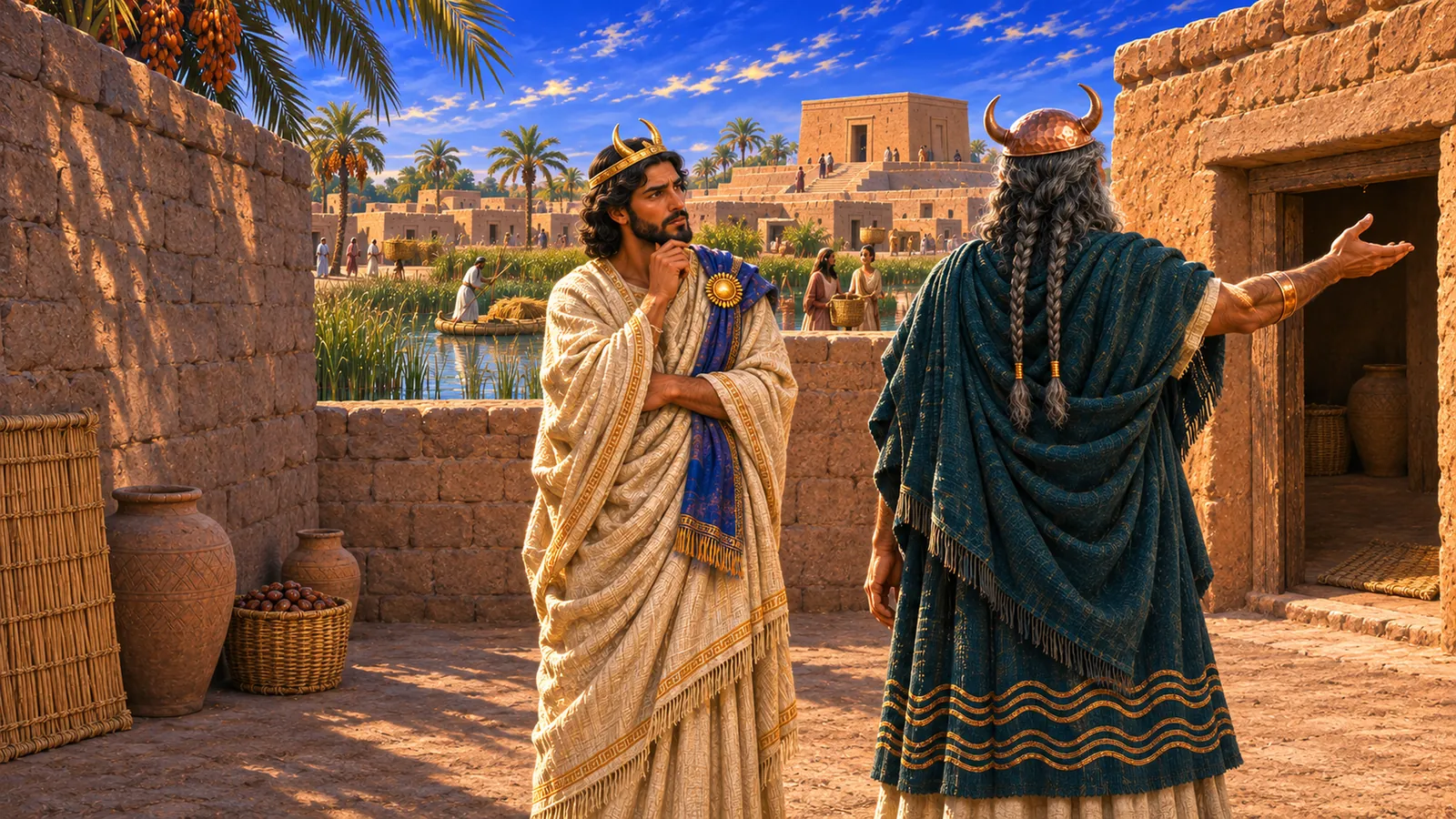
خاطب إنكي أوتو، المحارب الشاب الذي ولدته نينغال. وأمره أن يفتح على الفور ثغرةً إلى العالم السفليّ ويُصعد إنكيدو.
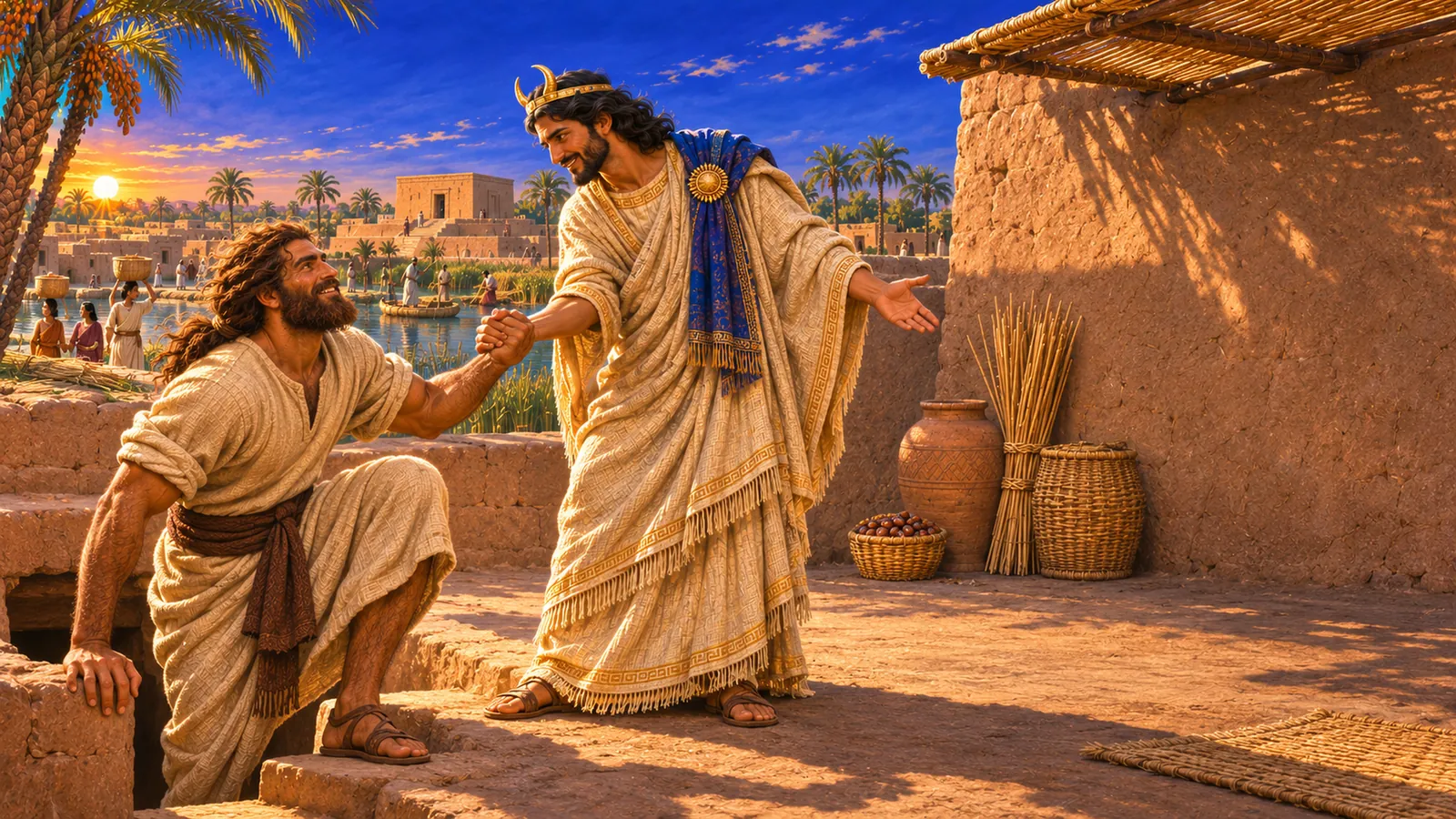
فتح أوتو ثغرةً في العالم السفليّ وأصعد إنكيدو. ولعلّ الكلمات القديمة تقول إنّه حمله إلى أعلى على نسيم.
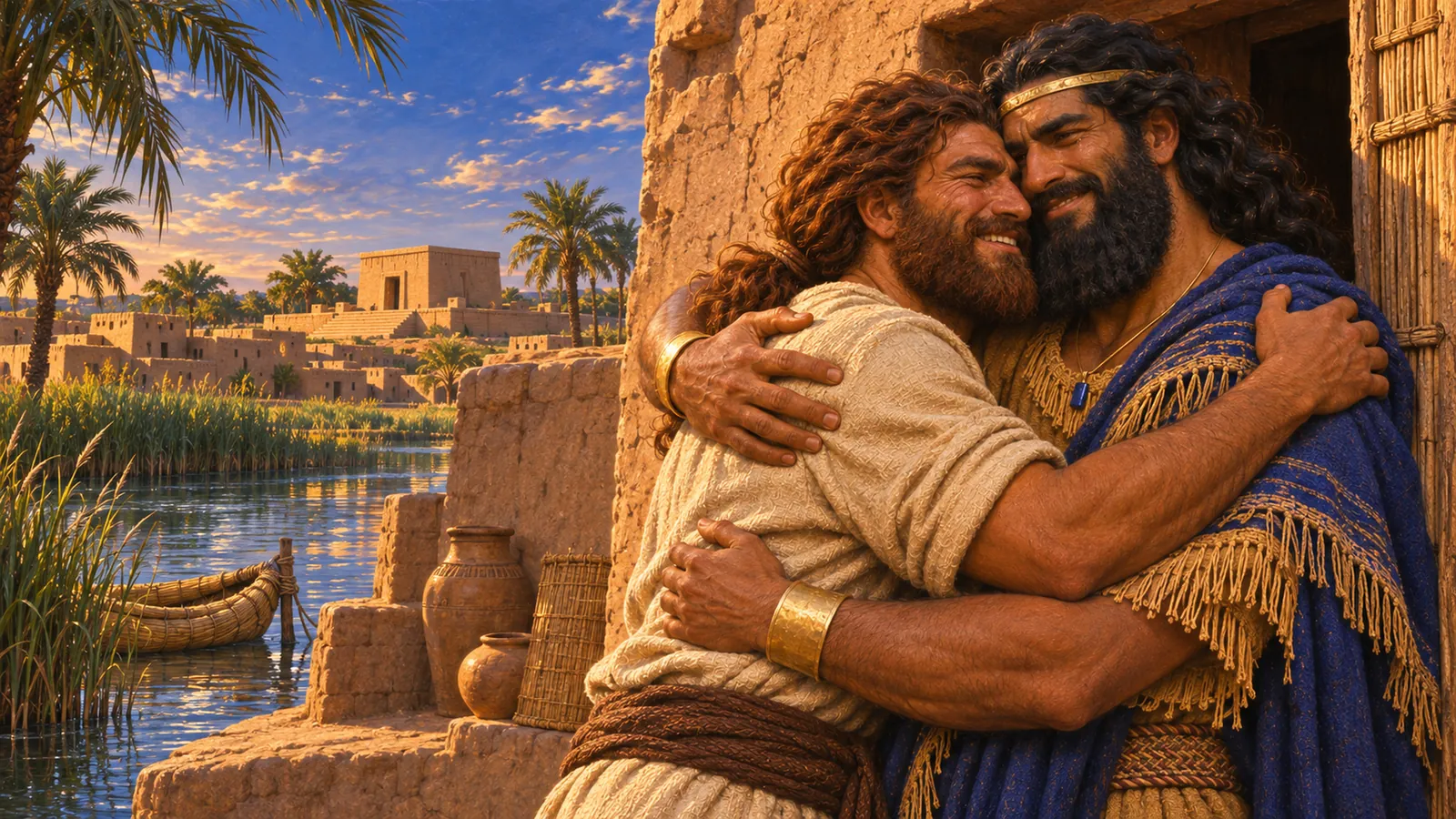
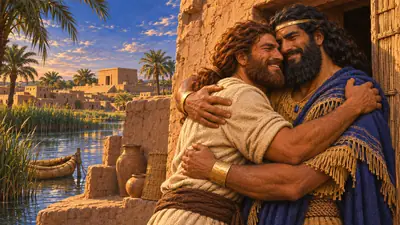
تعانق جلجامش وإنكيدو وتبادلا القبل حين التقيا من جديد. ثمّ أخذ كلّ منهما يطرح على الآخر سؤالًا بعد سؤال.
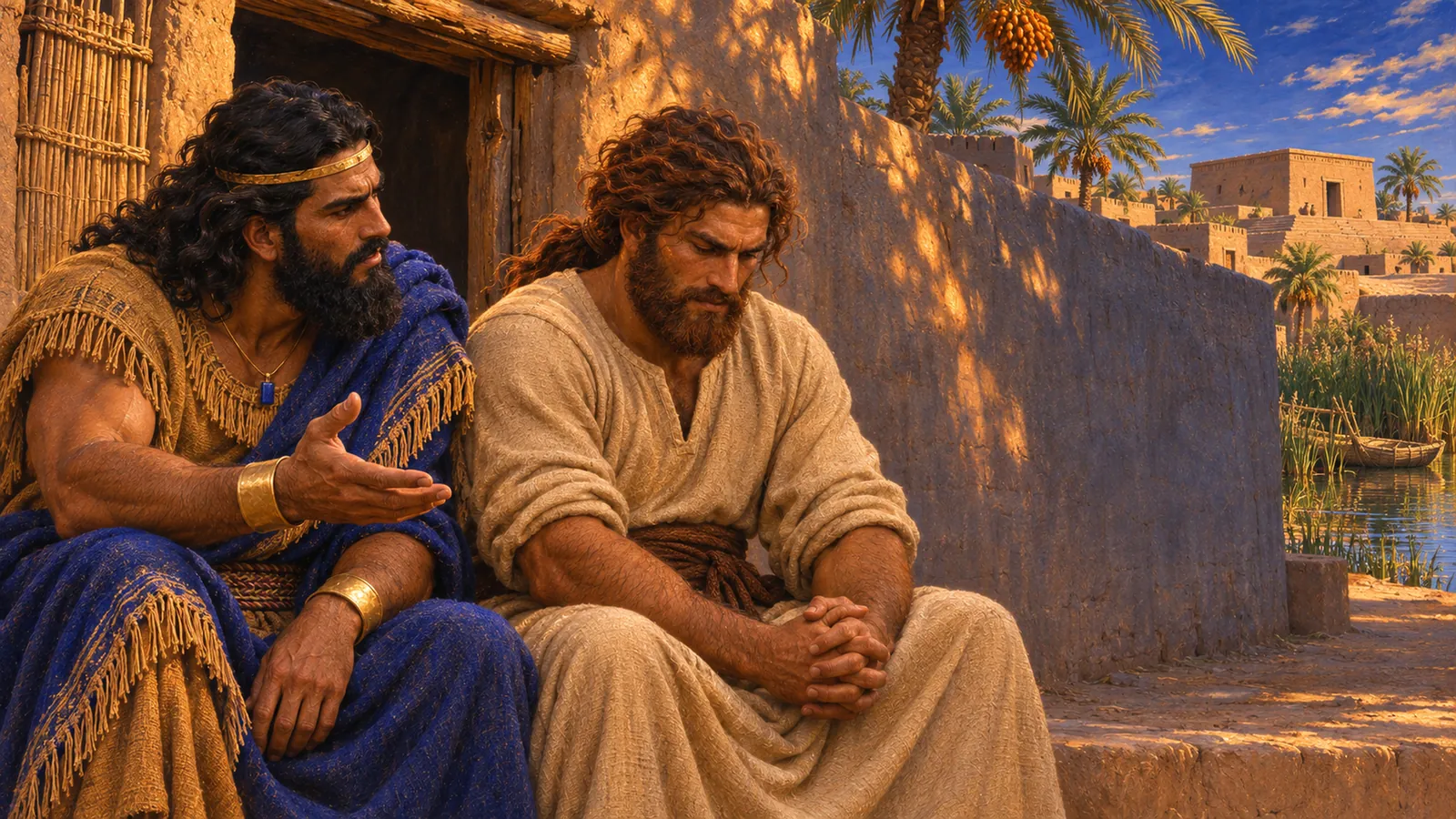
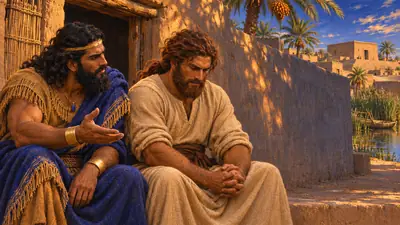
سأل جلجامش صديقه كيف تجري الأمور في العالم السفليّ. فأجاب إنكيدو بأنّهما إذا تحدّثا عن ذلك فسيجلسان ويبكيان معًا.
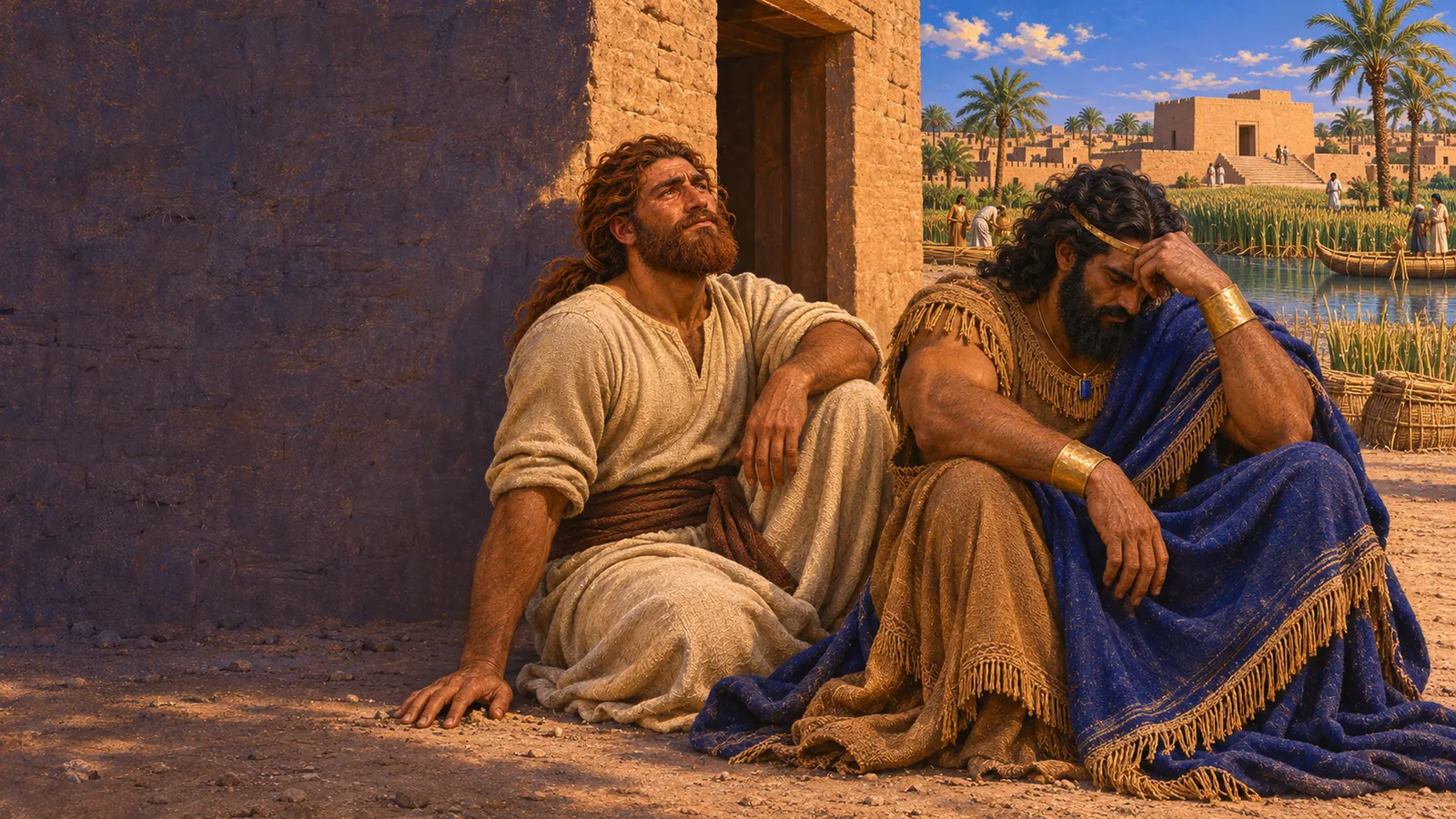
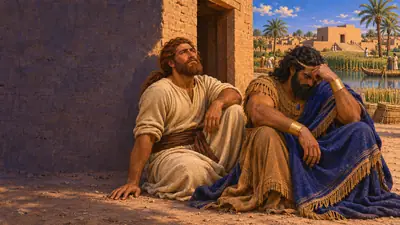
في جواب إنكيدو التالف كلمات عن البِلى وثوب قديم وغبار. ولا يتّضح الشيء الذي يصفه. ثمّ تعلو صرخة ويجلس أحدهما في الغبار.
نهاية الفصل الثاني
كل الصفحات


المصادر
المصادر والملاحظات مكتوبة بالإنجليزية كما وردت في المراجع.
The page references follow the printed groups in Oxford’s Version A. The parallel from Me-Turan has its own line numbering and supplies details specific to that witness.
الطبعات المعتمدة
ملاحظات على هذه الرواية
Pages 1–5, Version A 166–175. Gilgamesh weeps at the gate of Ganzer. He laments both implements, wishes that the ellag were still waiting in the carpenter’s house and says how he would treat the carpenter’s wife and child. The translation gives manuscript variations for the wording of both retrieval questions. The retelling condenses the recurring wish and keeps the two questions distinct. Ellag and ekidma are the edition’s terms for the two game implements. The passage supplies no rules and the edition notes earlier that the pronunciation of ekidma is uncertain (Version A 136–150).
Pages 6–9, Version A 176–183. The composite calls Enkidu Gilgamesh’s servant and gives his promise to retrieve each implement. The wording of “answered,” the designation of his addressee and the formula urging attention vary across the witnesses. In Gilgamesh’s conditional instruction one witness omits “today.” The retelling follows the composite and condenses the final repeated appeals to heed the advice.
Pages 10–12, Version A 184–198. The clean garments would mark Enkidu as an outsider. A witness shifts the possessive in the phrase about scent from the oil to the person. The retelling uses the scent of the oil. Gilgamesh warns that those struck down by throw-sticks would surround Enkidu if he hurled them. These are his instructions and describe no action by Enkidu on these pages.
Pages 13–14, Version A 184–198. The Oxford English has a duplicated negative in the instruction about the cornel-wood stick. The sequence of prohibitions and the later description of the spirits’ reaction when Enkidu holds it (Version A 205–220) support reading the clause as a warning against holding the stick. The instructions against sandals and shouting finish this group of pages. The following pages continue the same Oxford passage.
Pages 15–18, Version A 184–198. Gilgamesh warns against kissing his beloved wife on page 15, striking his wife even if annoyed with her on page 16, and kissing his beloved child or striking his son even if annoyed on page 17. Page 18 gives his warning that the resulting outcry would detain Enkidu below. The warnings are part of Gilgamesh’s instructions.
Pages 19–21, Version A 199–204. This passage is still Gilgamesh speaking. The woman is identified as the mother of Ninazu who lies there. She has no proper name in this passage. The exact comparison gives fingers like a pickaxe, and says she plucks her hair like leeks. The artwork uses empty settings throughout.
Pages 22–26, Version A 205–220. The translation prints a duplicated negative in the sentence about whether Enkidu heeded his master. His ensuing actions establish the intended disobedience. Clean garments give him away, the smell of fine oil draws those below around him, those struck down by throw-sticks surround him, the spirits take offense when he holds the cornel-wood stick, and he puts on sandals and causes irritation. The earlier warning includes shouting. This paragraph describes irritation without specifying a shout.
Pages 27–29, Version A 205–220. The text says Enkidu kissed his wife and struck her when annoyed. It then says he kissed his child and struck his son when annoyed. The two assaults are reported separately. Page 29 gives the ensuing outcry. Detention belongs to the final clause, taken up on page 30.
Page 30 (Version A 205–220). The Oxford English translation prints a duplicated negative in the introductory phrase about heeding Gilgamesh. The actions, including striking his wife and his son when annoyed, give the result of breaking the prohibitions. The outcry and Enkidu’s detention close this source group.
Page 31 (Version A 221–229). The warrior Gilgamesh is identified as the son of Ninsumun, the name rendered here as Ninsun. He goes alone to Ekur, Enlil’s temple. The place name Nippur appears in the linked account of Ekur. In this passage the translation gives the sanctuary’s name.
Pages 32–35 (Version A 221–229). Gilgamesh says the ellag fell into the netherworld and the ekidma fell into Ganzer. In his appeal he distinguishes the netherworld’s seizure of Enkidu from seizure by Namtar, Asag and Nergal’s udug, and from falling in battle. Enlil does not stand by him. He then goes to Eridu, written Eridug in Oxford’s translation.
Pages 36–39 (Version A 230–237). Gilgamesh goes alone to the temple of Enki and repeats the loss of the objects and the distinctions concerning Enkidu’s seizure. This time Enki stands by him. The instruction to Utu starts in the following group, 238–242.
Me-Turan, Segment A 10–24. In this parallel the servant stays below for seven days, and the king calls Enkidu his beloved servant, faithful companion and counsellor. The witness repeats the appeal at Ekur with damaged wording. Oxford marks an unknown number of missing lines after Segment A 17–24. The seven days belong to this witness.
Pages 40–41, ETCSL 1.8.1.4, Version A, lines 238–242. Enki instructs Utu, the young warrior born to Ningal, to open a hole and bring Gilgamesh’s servant up. Utu opens it and brings him up. Oxford places a question mark after the reading about a breeze. The translation does not settle which form Enkidu took or whether the implements were recovered.
Pages 42–43, lines 243–253. The two embrace and kiss, then ask questions. Gilgamesh asks about the netherworld’s order. Enkidu says that if he tells him, both will sit and weep.
Page 44, lines 243–253. The referent of the damaged clause is unclear. The surviving description says worms infest it, with a questioned old-garment comparison, and speaks of dust. The translation ends the exchange with a lament and sitting in the dust, using a pronoun.
الأسطر القديمة وراء كل صفحة
- Page 1: ETCSL 1.8.1.4, Version A, lines 166–175
- Page 2: ETCSL 1.8.1.4, Version A, lines 166–175
- Page 3: ETCSL 1.8.1.4, Version A, lines 166–175
- Page 4: ETCSL 1.8.1.4, Version A, lines 166–175
- Page 5: ETCSL 1.8.1.4, Version A, lines 166–175
- Page 6: ETCSL 1.8.1.4, Version A, lines 176–183
The whole left text rectangle is continuous dull earth-clay shade. - Page 7: ETCSL 1.8.1.4, Version A, lines 176–183
- Page 8: ETCSL 1.8.1.4, Version A, lines 176–183
- Page 9: ETCSL 1.8.1.4, Version A, lines 176–183
- Page 10: ETCSL 1.8.1.4, Version A, lines 184–198
- Page 11: ETCSL 1.8.1.4, Version A, lines 184–198
- Page 12: ETCSL 1.8.1.4, Version A, lines 184–198
- Page 13: ETCSL 1.8.1.4, Version A, lines 184–198
- Page 14: ETCSL 1.8.1.4, Version A, lines 184–198
- Page 15: ETCSL 1.8.1.4, Version A, lines 184–198
- Page 16: ETCSL 1.8.1.4, Version A, lines 184–198
- Page 17: ETCSL 1.8.1.4, Version A, lines 184–198
- Page 18: ETCSL 1.8.1.4, Version A, lines 184–198
- Page 19: ETCSL 1.8.1.4, Version A, lines 199–204
- Page 20: ETCSL 1.8.1.4, Version A, lines 199–204
- Page 21: ETCSL 1.8.1.4, Version A, lines 199–204
- Page 22: ETCSL 1.8.1.4, Version A, lines 205–220
- Page 23: ETCSL 1.8.1.4, Version A, lines 205–220
- Page 24: ETCSL 1.8.1.4, Version A, lines 205–220
- Page 25: ETCSL 1.8.1.4, Version A, lines 205–220
- Page 26: ETCSL 1.8.1.4, Version A, lines 205–220
- Page 27: ETCSL 1.8.1.4, Version A, lines 205–220
- Page 28: ETCSL 1.8.1.4, Version A, lines 205–220
- Page 29: ETCSL 1.8.1.4, Version A, lines 205–220
- Page 30: ETCSL 1.8.1.4, Version A, lines 205–220
- Page 31: ETCSL 1.8.1.4, Version A, lines 221–229
- Page 32: ETCSL 1.8.1.4, Version A, lines 221–229
- Page 33: ETCSL 1.8.1.4, Version A, lines 221–229
- Page 34: ETCSL 1.8.1.4, Version A, lines 221–229
- Page 35: ETCSL 1.8.1.4, Version A, lines 221–229
- Page 36: ETCSL 1.8.1.4, Version A, lines 230–237
- Page 37: ETCSL 1.8.1.4, Version A, lines 230–237
- Page 38: ETCSL 1.8.1.4, Version A, lines 230–237
- Page 39: ETCSL 1.8.1.4, Version A, lines 230–237
- Page 40: ETCSL 1.8.1.4, Version A, lines 238–242
- Page 41: ETCSL 1.8.1.4, Version A, lines 238–242
- Page 42: ETCSL 1.8.1.4, Version A, lines 243–253
- Page 43: ETCSL 1.8.1.4, Version A, lines 243–253
- Page 44: ETCSL 1.8.1.4, Version A, lines 243–253
الرسوم من صنع أرشيف إيل بأدوات الذكاء الاصطناعي؛ والنص مبني على المصادر القديمة (انظر المصادر في آخر كل فصل).