جلجامش وإنكيدو والعالم السفليّ الفصل الثالث
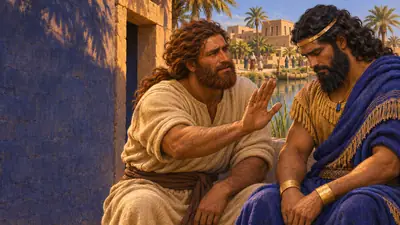
ما رآه إنكيدو
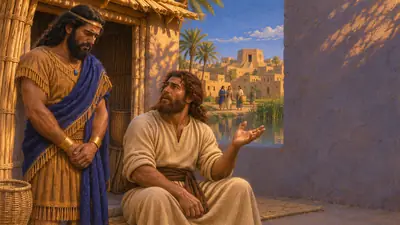
يسأل جلجامش عن أحوال الموتى، ويروي له إنكيدو ما رآه. وتستمرّ الأسئلة والأجوبة إلى ختام الرواية «أ» في ترجمة أكسفورد. تقدّم ثلاث نسخ من أور ورواية من ميتوران قراءات وخواتيم أخرى. ولكلّ رواية عنوانها الخاصّ.
المصادرقلّب الصفحات بالأزرار أو بمفاتيح الأسهم أو بسحب الإصبع.
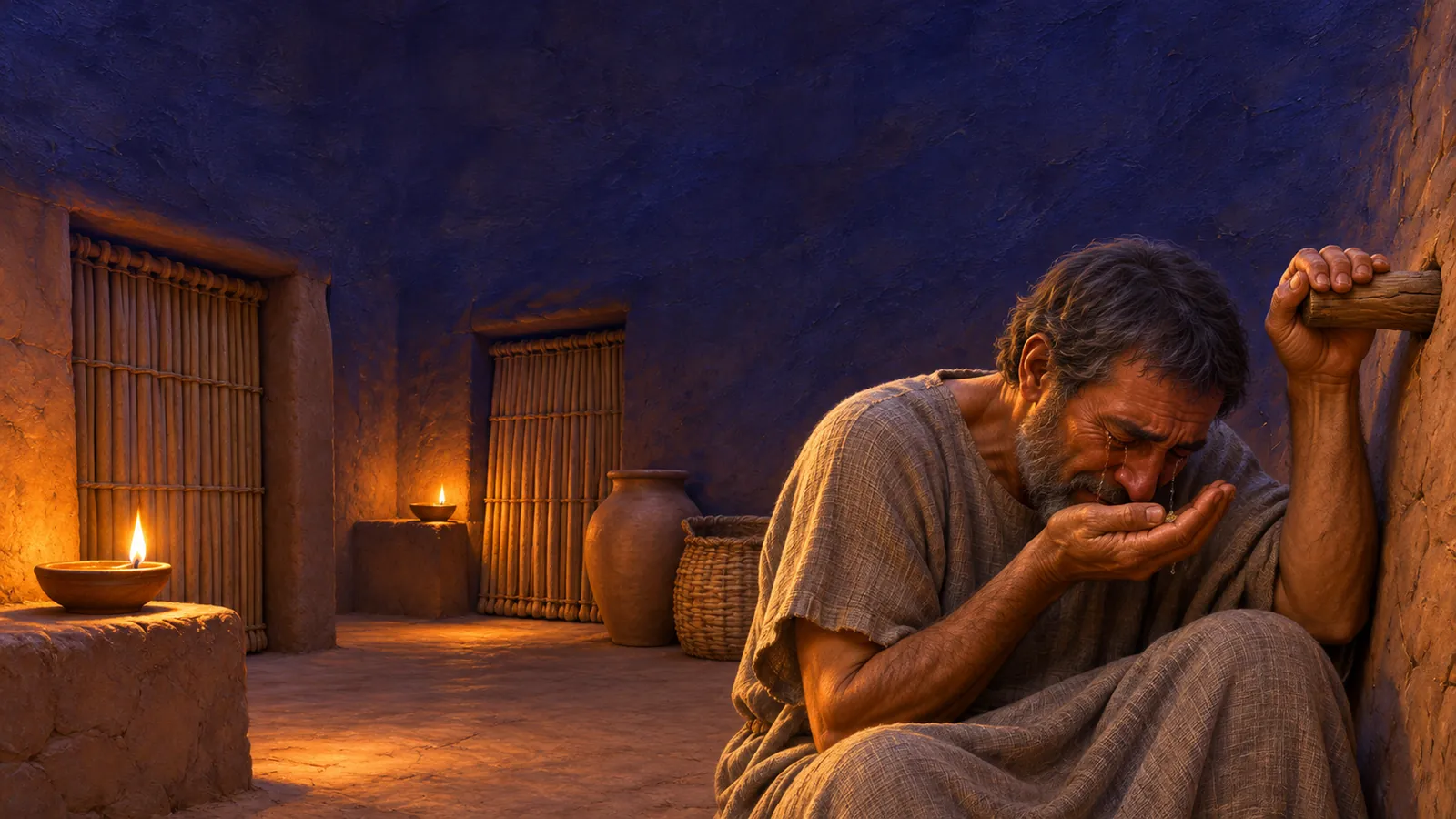
ما رآه إنكيدو
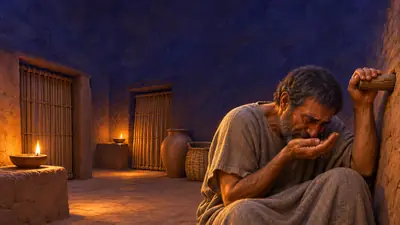
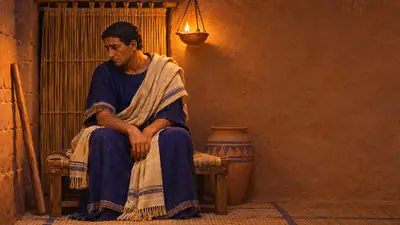
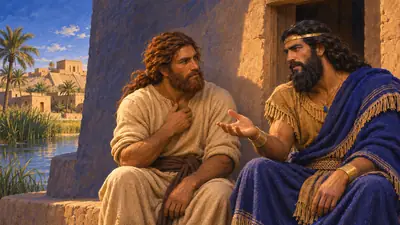
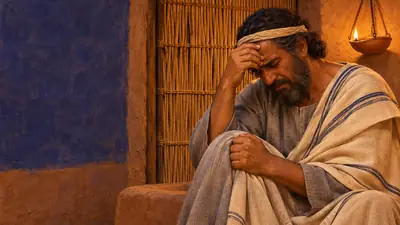
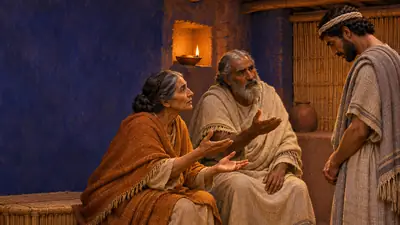
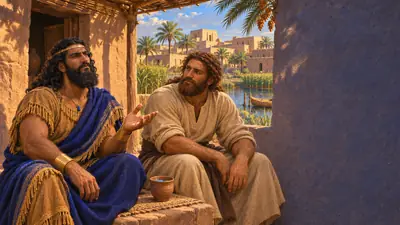
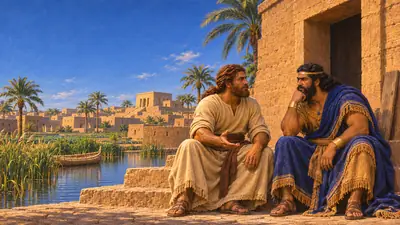
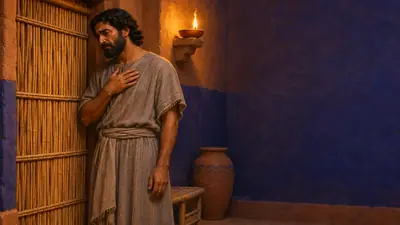
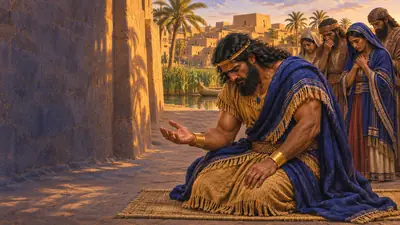
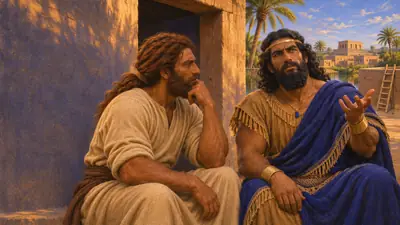
سأل جلجامش عن رجل كان له ابن واحد. وقال إنكيدو إنّه رآه يبكي بمرارة عند الوتد الخشبيّ المثبّت في جداره.
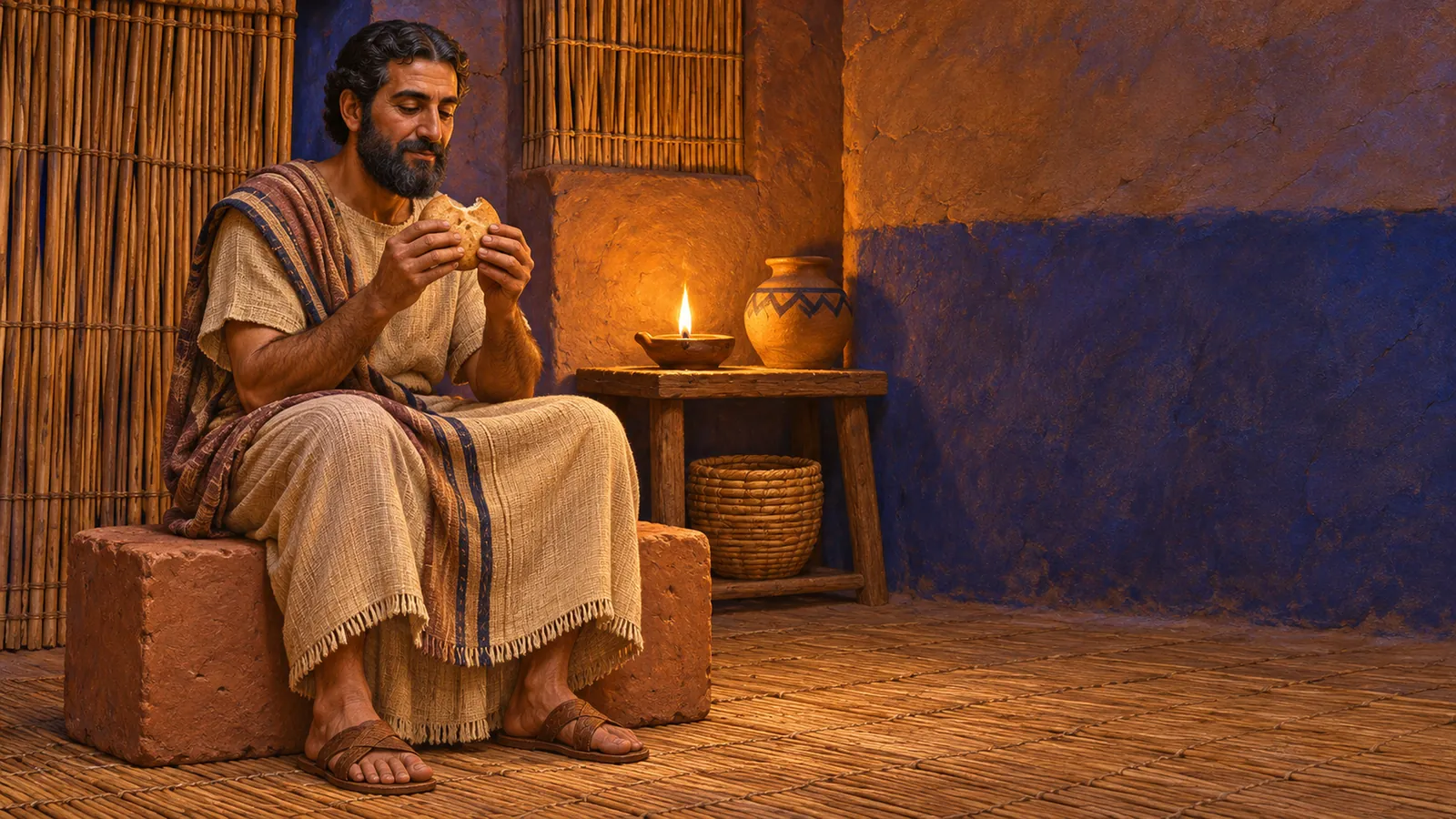
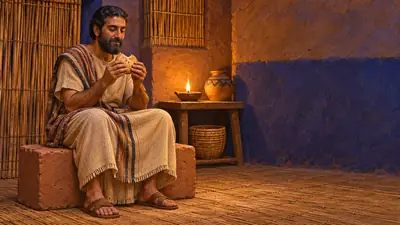
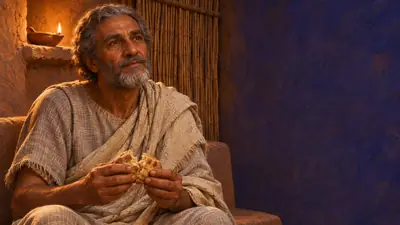
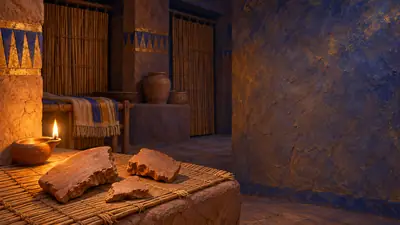
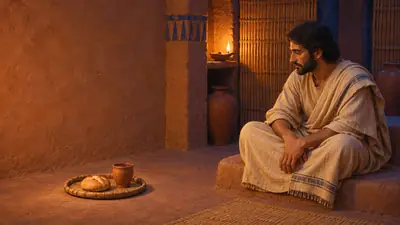
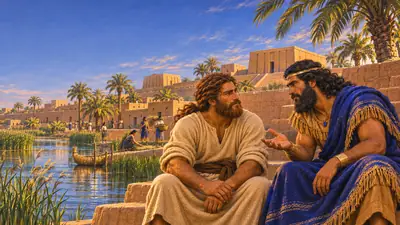
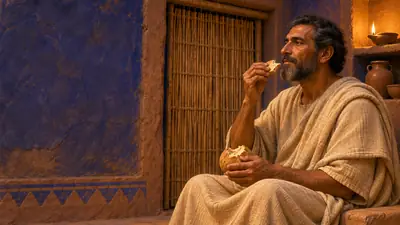
سأل جلجامش عن رجل كان له ابنان. وقال إنكيدو إنّه كان يجلس على لبنتين ويأكل خبزًا.
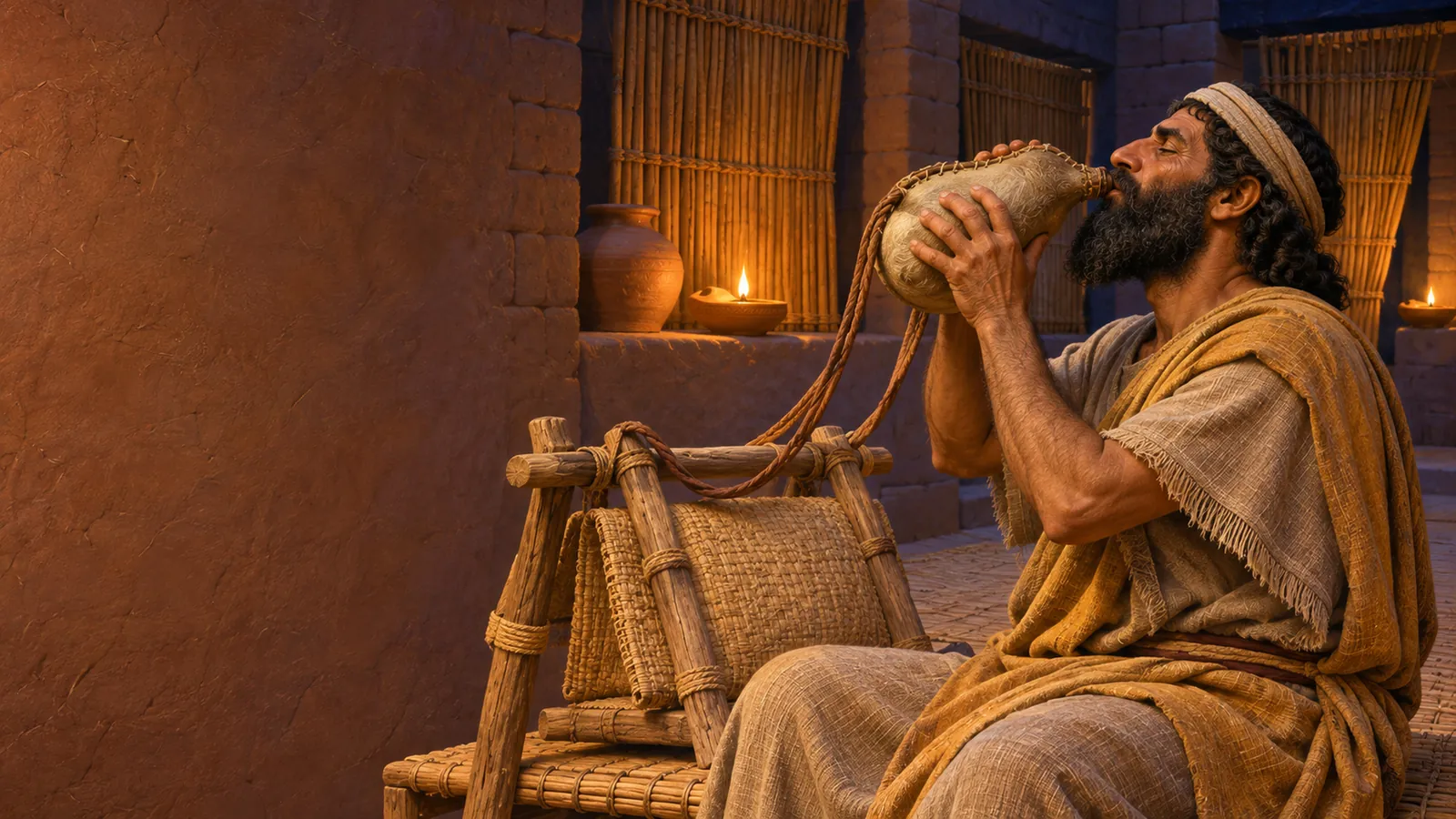
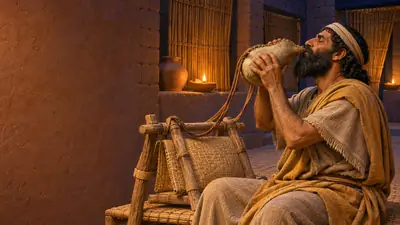
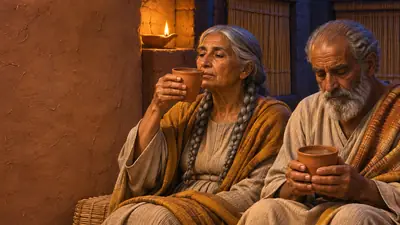
سأل جلجامش عن رجل كان له ثلاثة أبناء. وقال إنكيدو إنّه كان يشرب الماء من قِربة السَّرج.
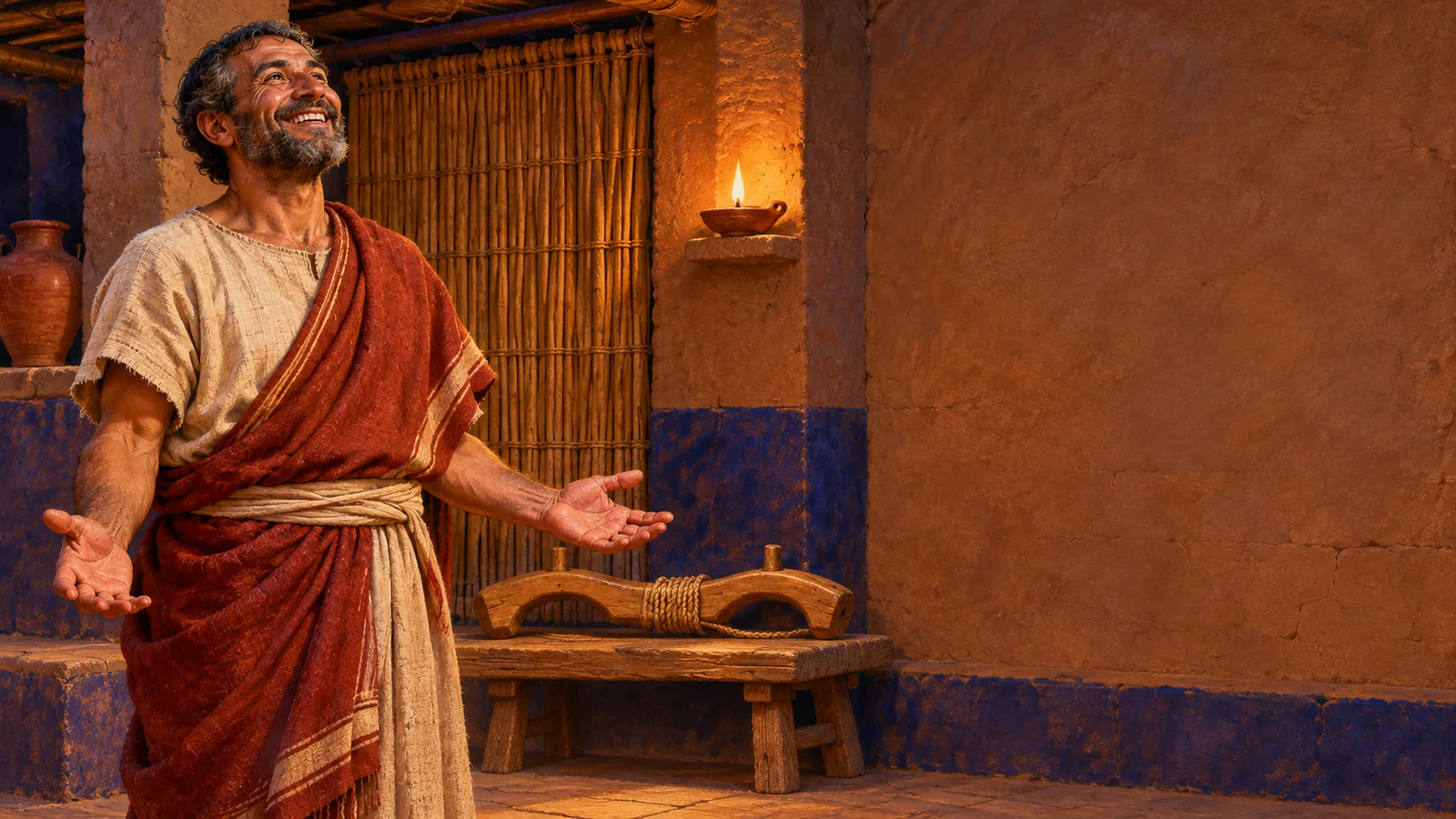
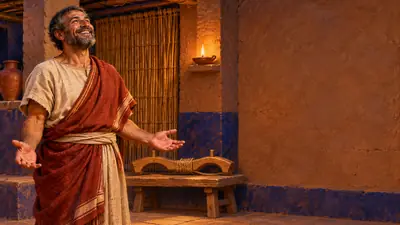
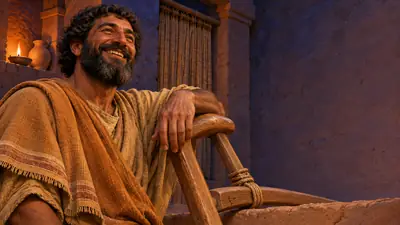
سأل جلجامش عن رجل كان له أربعة أبناء. وقال إنكيدو إنّ قلبه كان يفرح كقلب من لديه أربعة حمير يشدّها إلى النير.
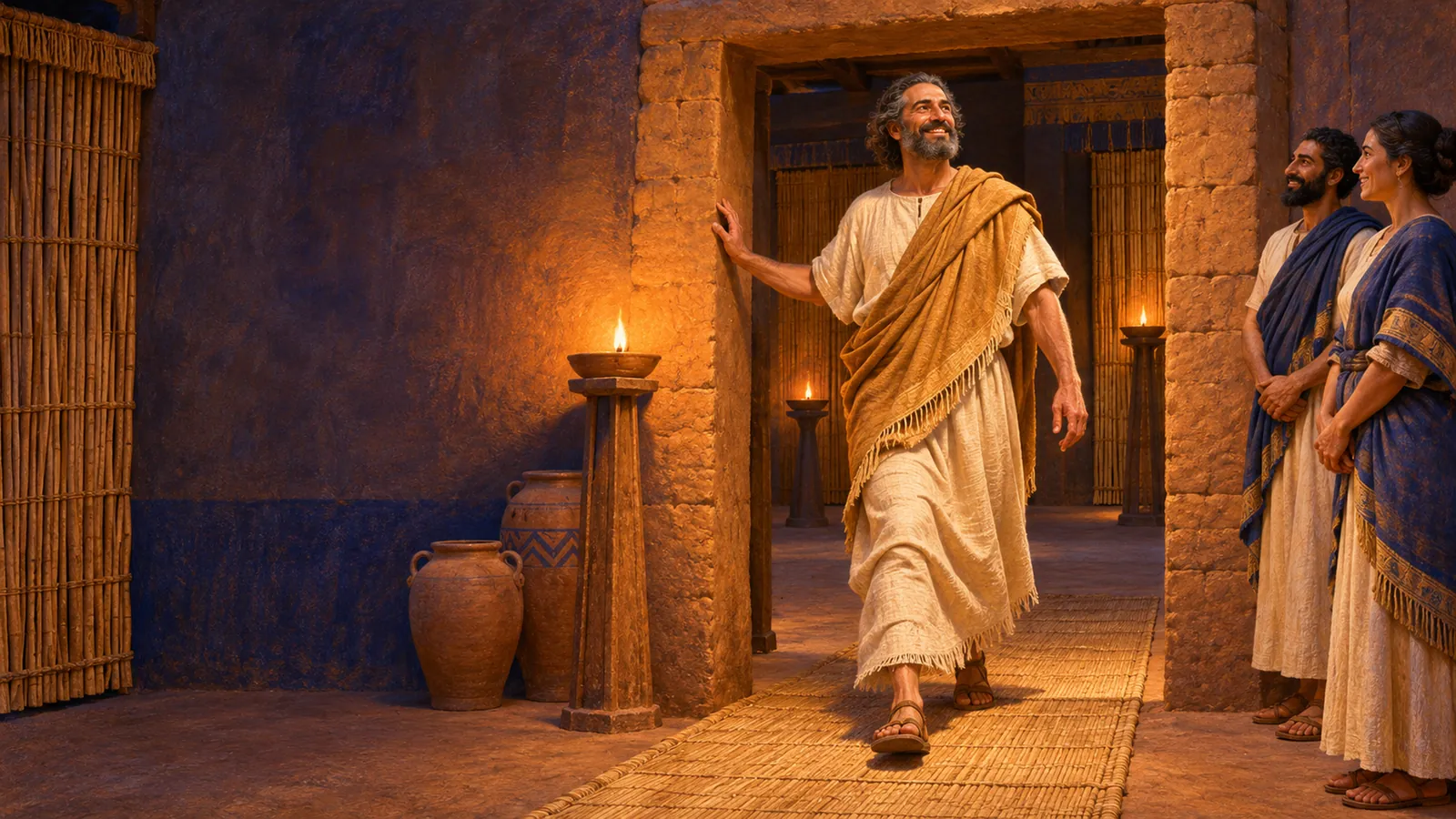
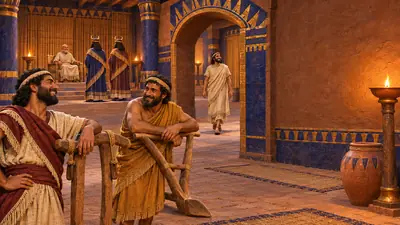
سأل جلجامش عن رجل كان له خمسة أبناء. وقال إنكيدو إنّه لا يكلّ كالكاتب البارع، ويدخل القصر بسهولة.
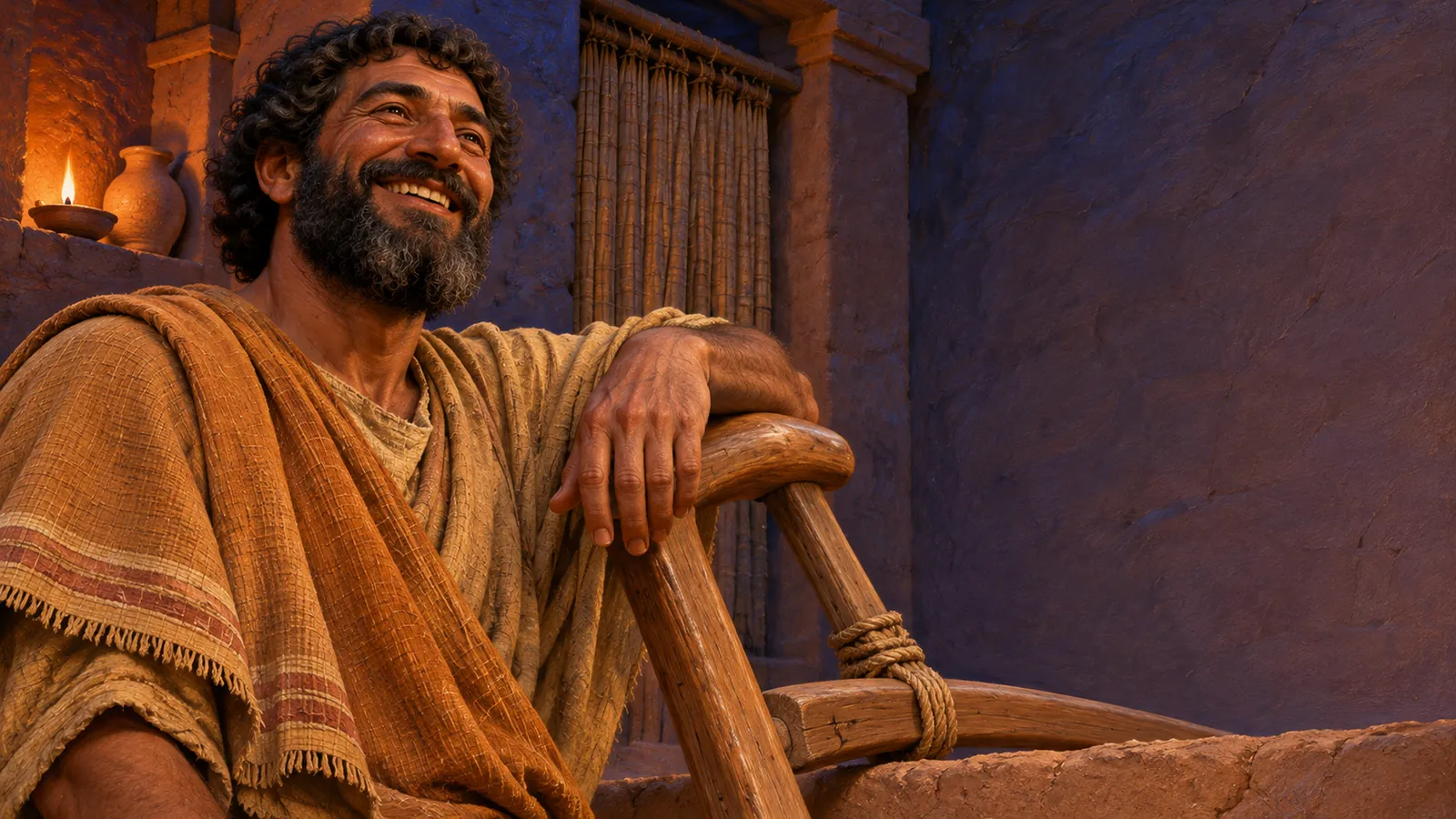
سأل جلجامش عن رجل كان له ستّة أبناء. وقال إنكيدو إنّه كان مرحًا كحرّاث.
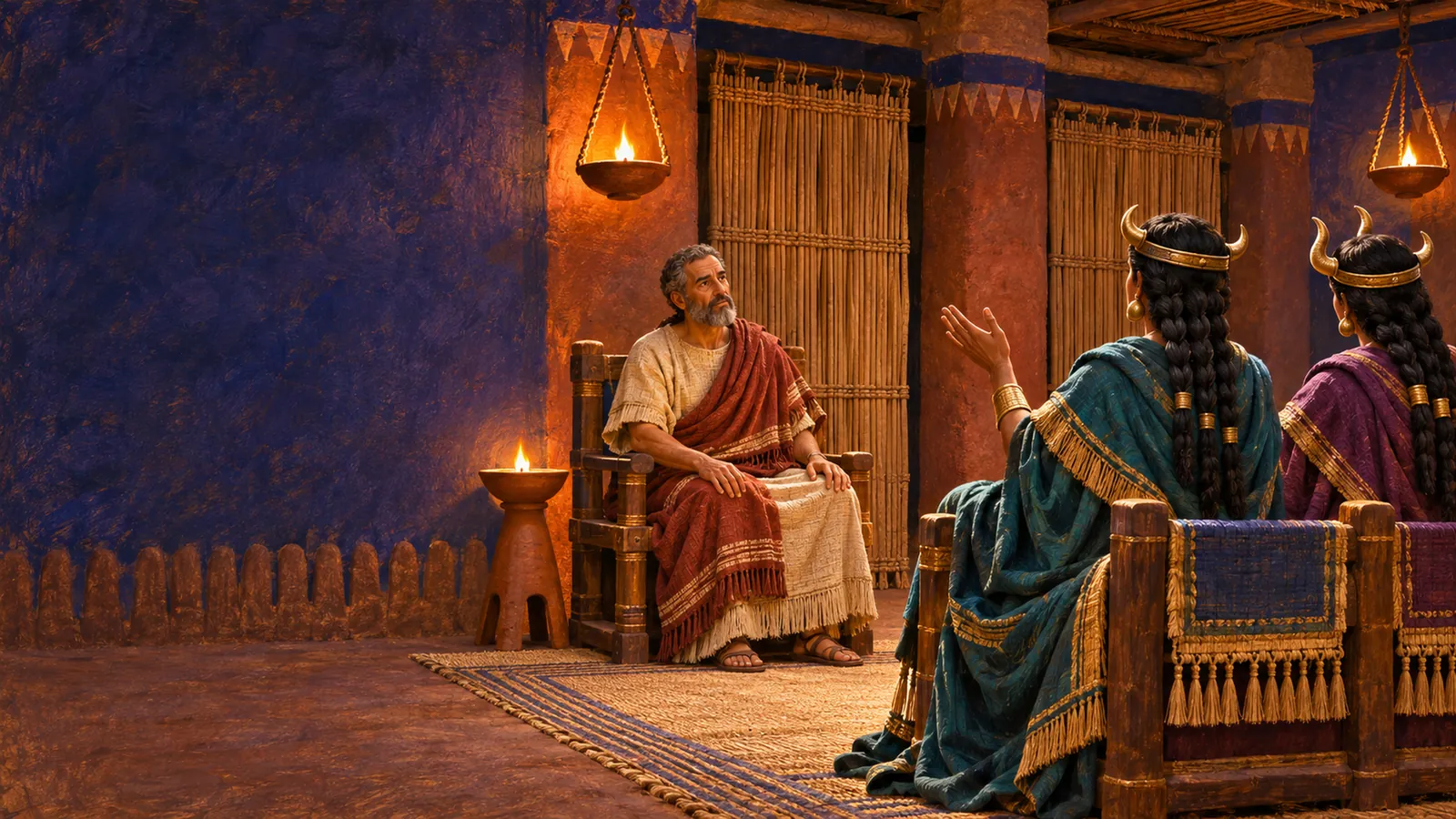
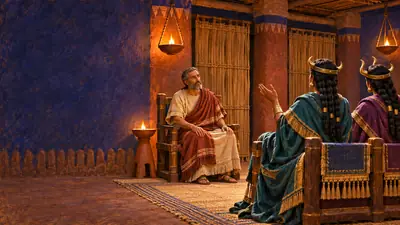
سأل جلجامش عن رجل كان له سبعة أبناء. وقال إنكيدو إنّه كان يجلس على عرش رفيقًا للآلهة ويستمع إلى الأحكام.
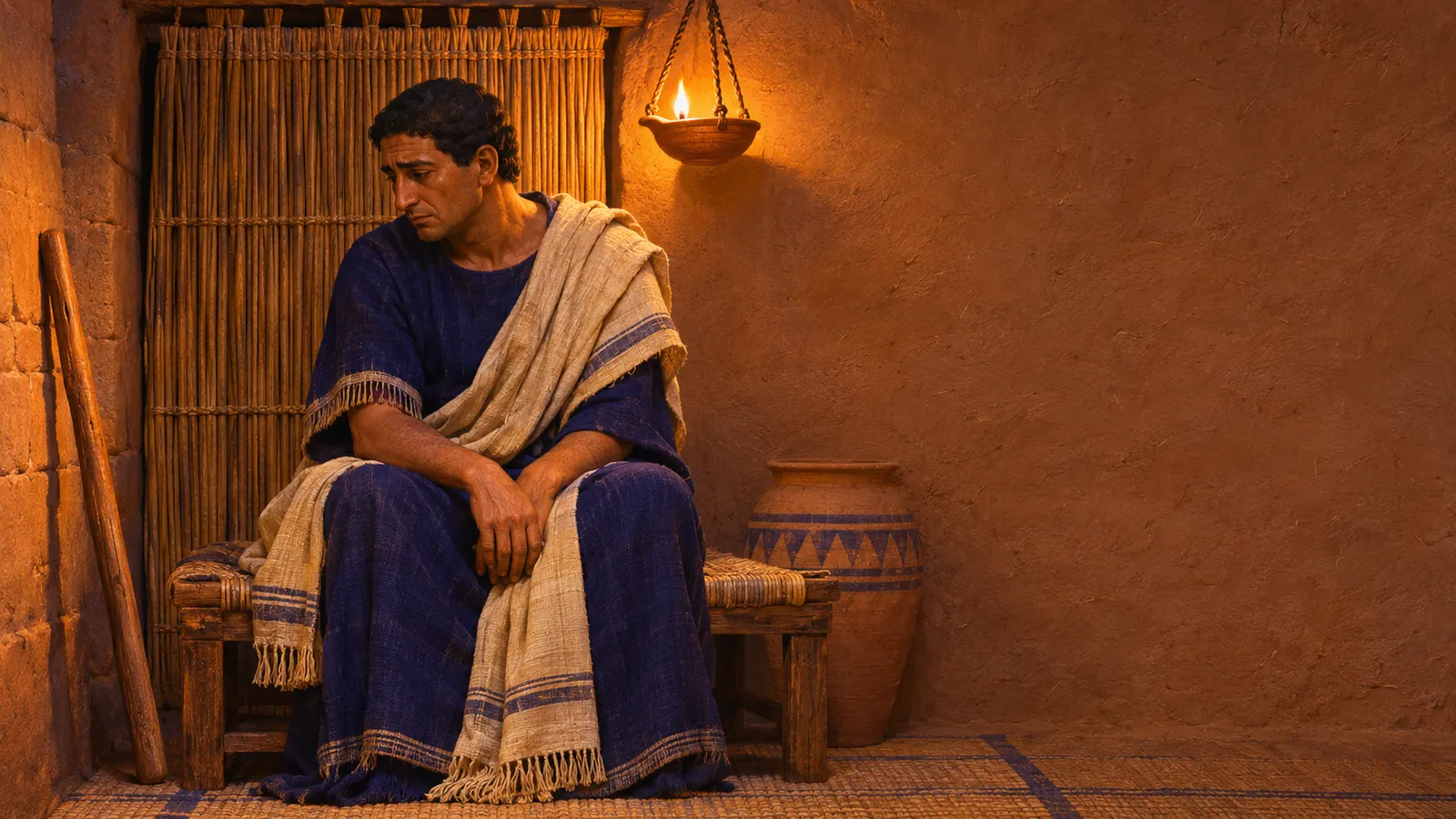
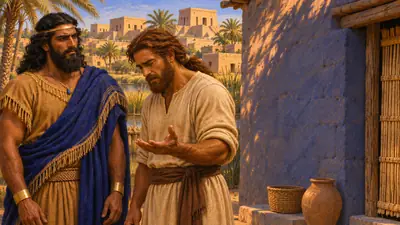
سأل جلجامش عن الخصيّ في القصر. وفي جوابه شبّهه إنكيدو بعصًا من نوع ألالا تُركت في زاوية.
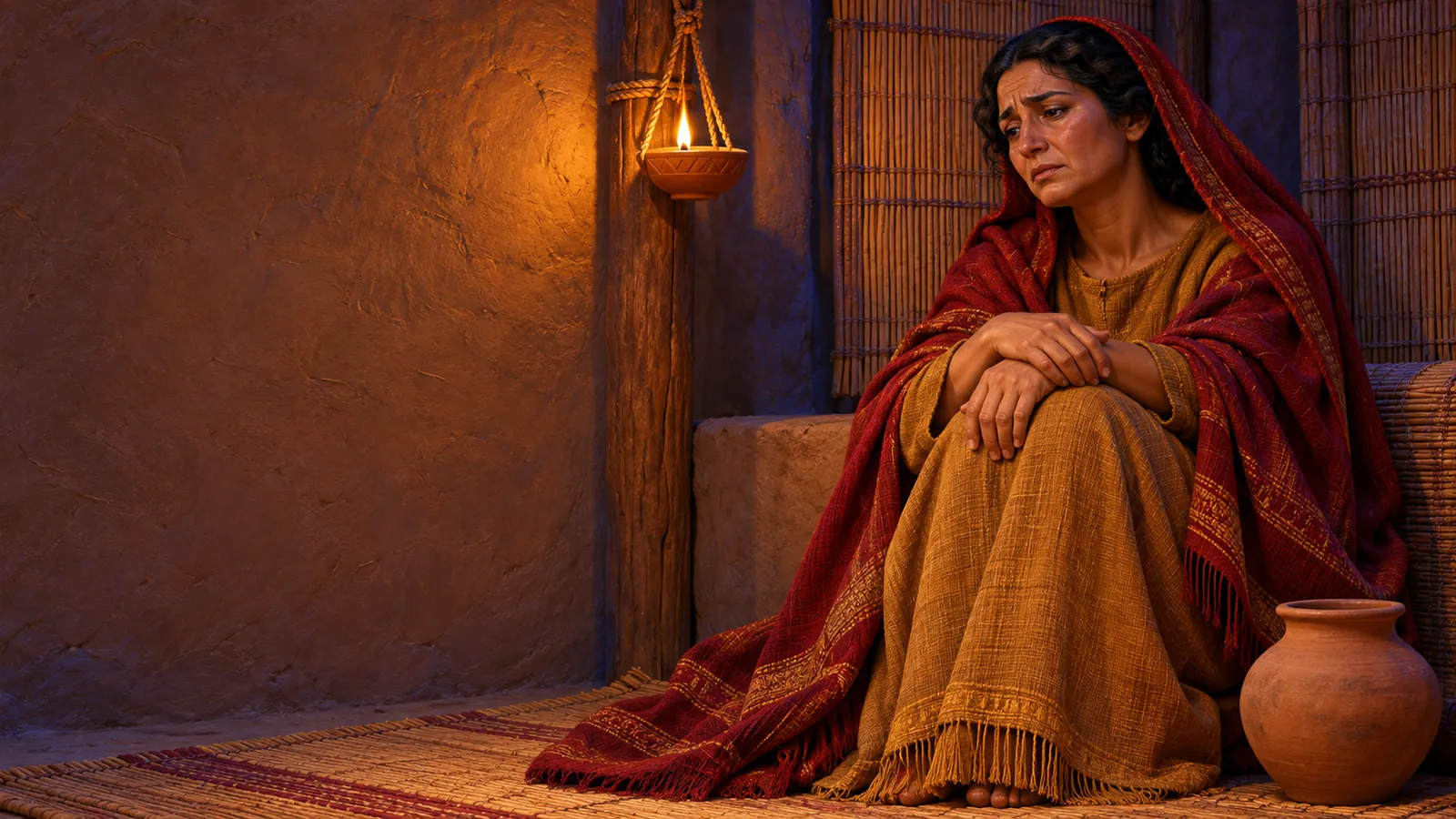
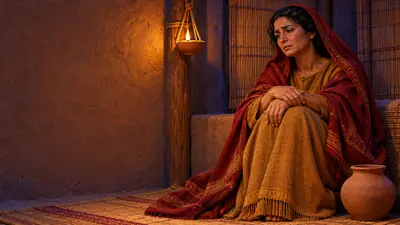
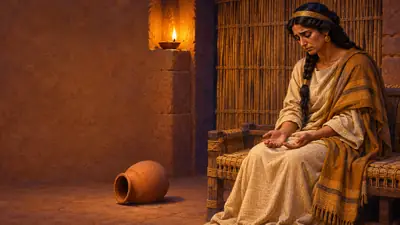
سأل جلجامش عن امرأة لم تلد قطّ. وشبّهها إنكيدو بجرّة أُلقيت بعنف، وقال إنّها لم تُدخل السرور على أيّ رجل.
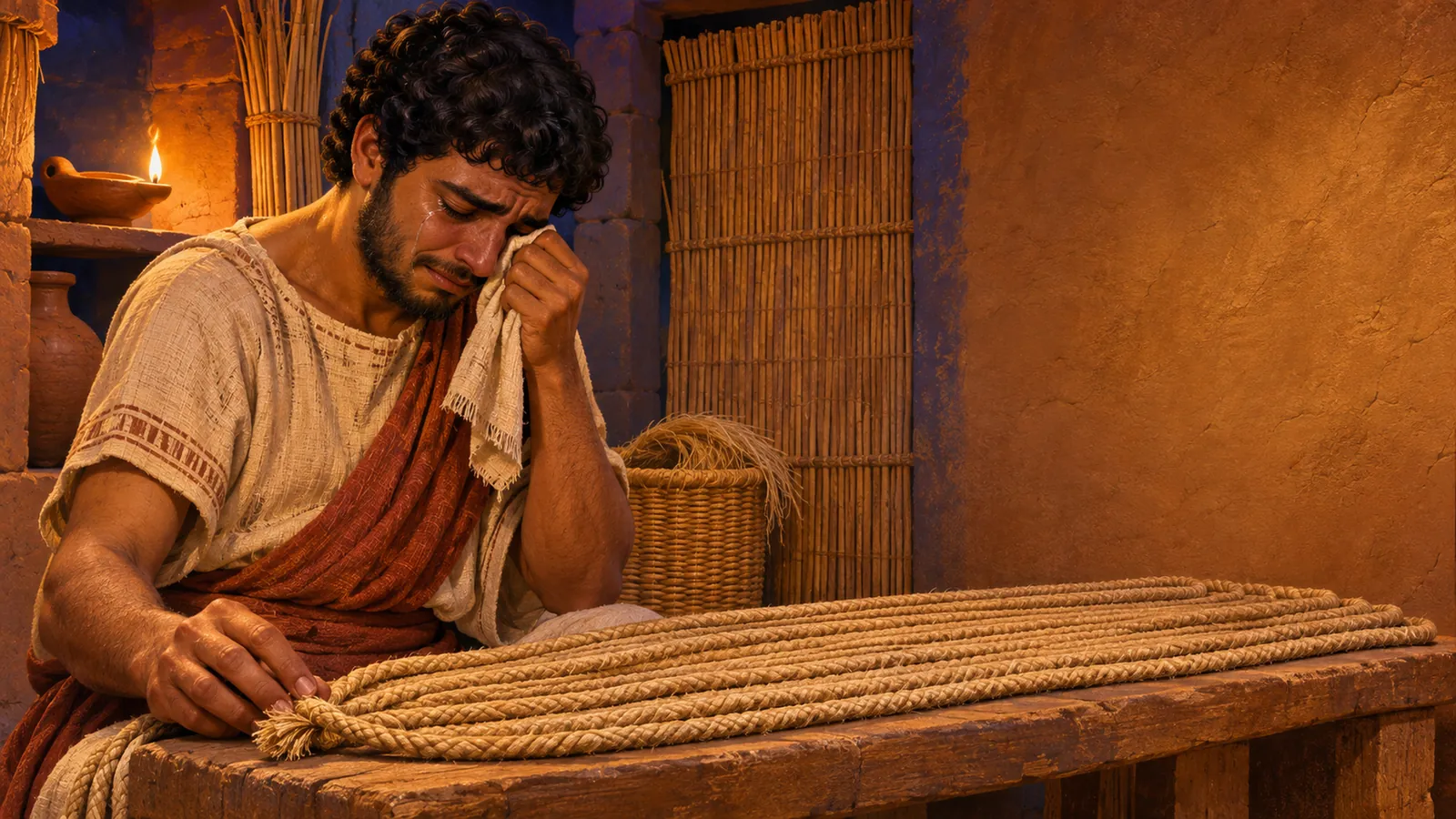
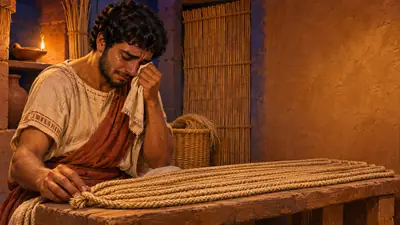
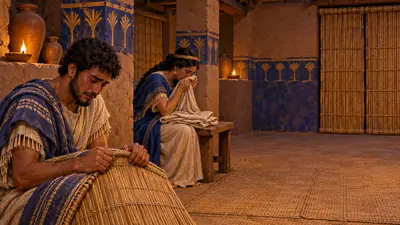
سأل جلجامش عن شابّ لم يخلع ثياب زوجته قطّ. وقال إنكيدو إنّه كان يبكي على الحبل عند اكتمال صنعه.
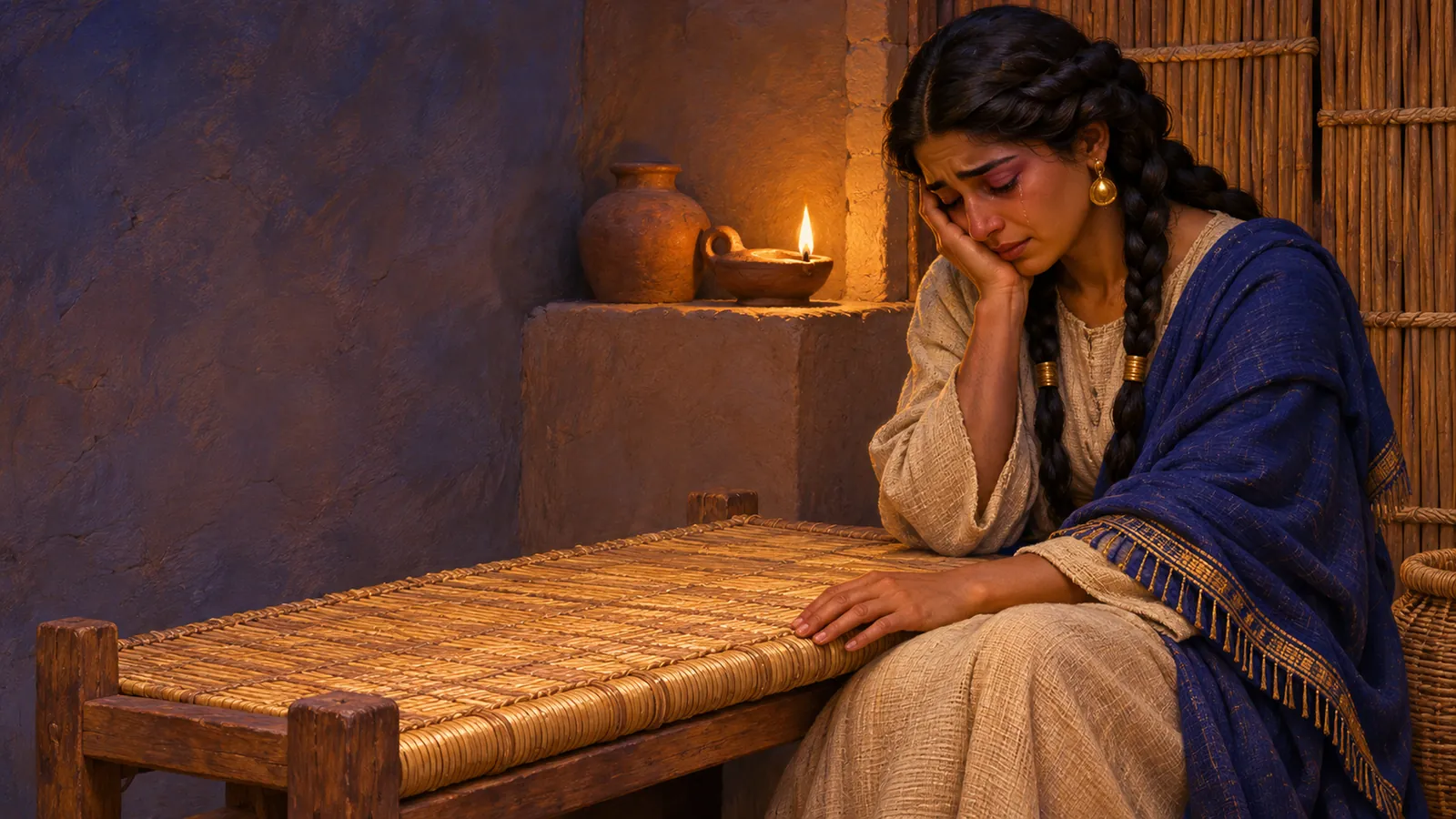
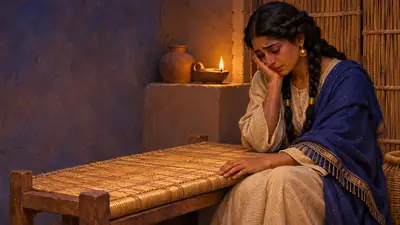
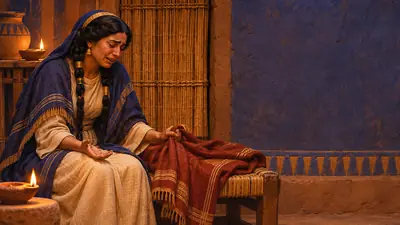
سأل جلجامش عن شابّة لم تخلع ثياب زوجها قطّ. وقال إنكيدو إنّها كانت تبكي على حصير القصب عند اكتمال صنعه.
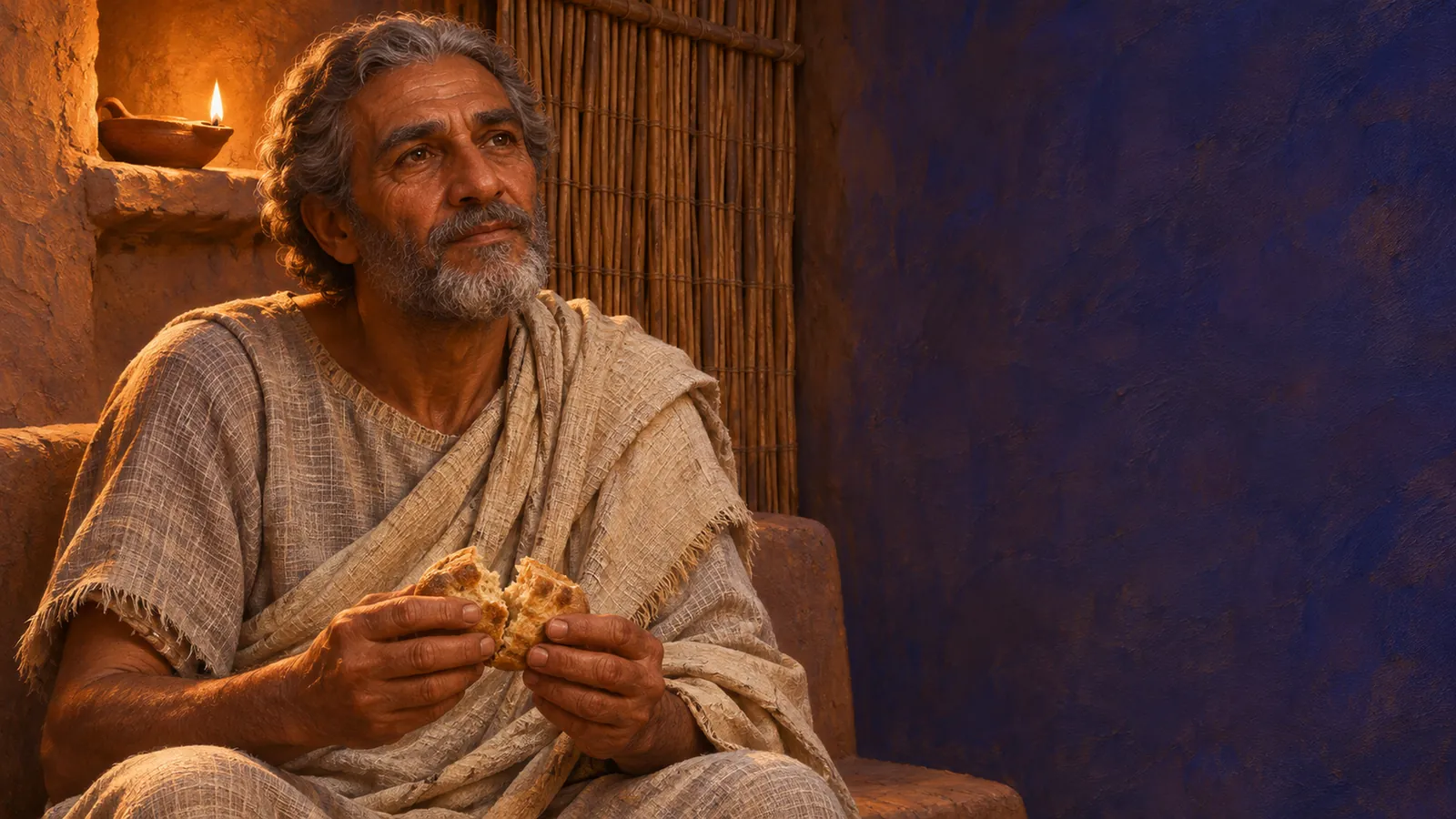
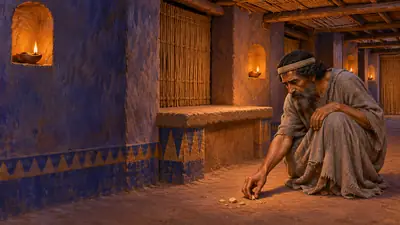
قال إنكيدو إنّ الرجل الذي لم يكن له وارث كان يأكل خبزًا. ويشبّهه الجواب بشخص آخر في عبارة متضرّرة قد تذكر اللَّبِن.
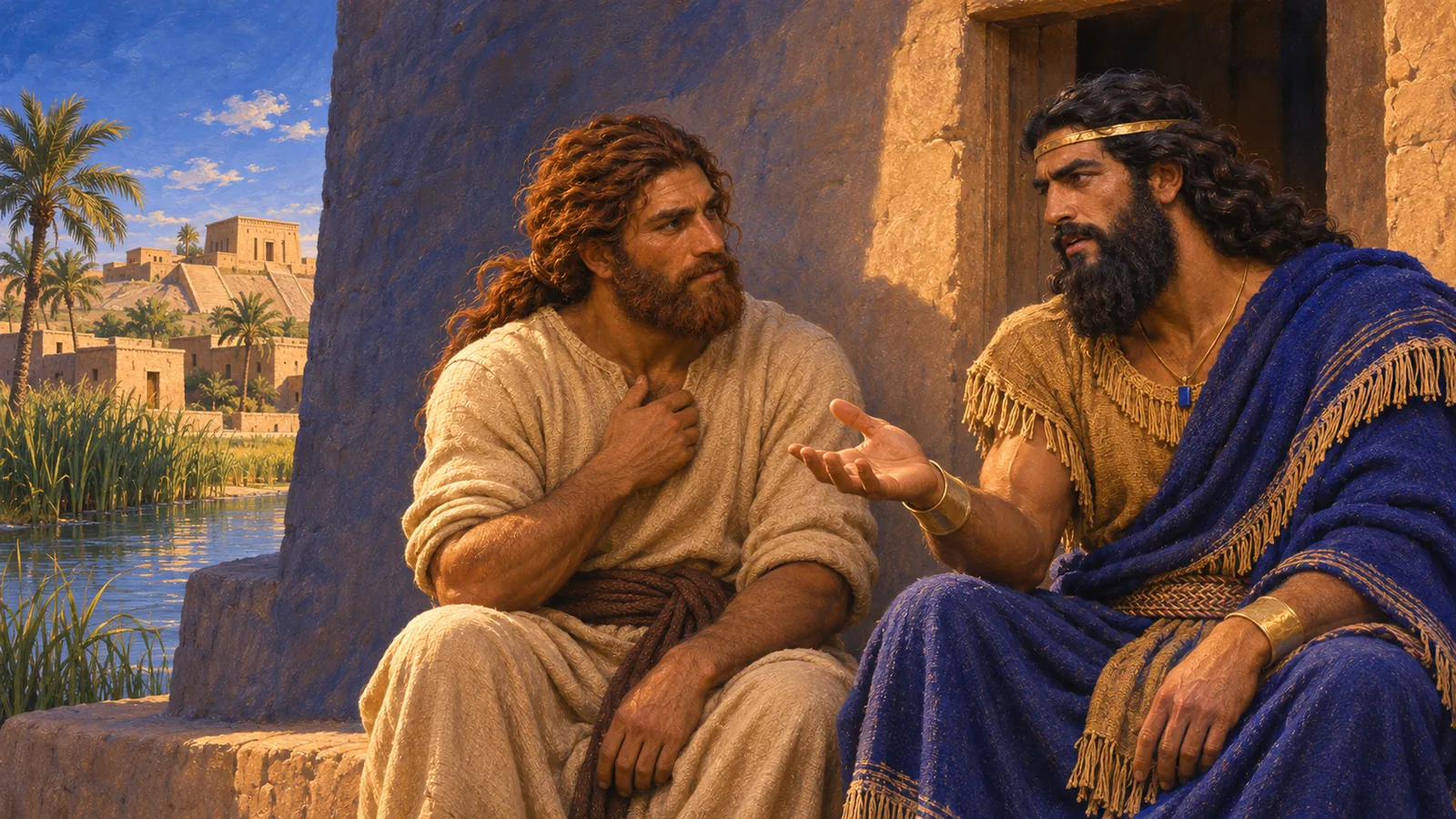
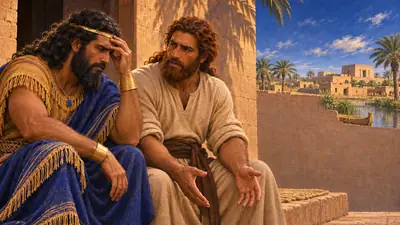
فُقدت من السؤال التالي الكلمات التي تدلّ على من يعنيه. ويقول إنكيدو إنّه رآه، ثم يسأله السائل عن حاله.
تشير طبعة أكسفورد هنا إلى سبعة أسطر متضرّرة أو مفقودة. وتستأنف الأسئلة في المقطع الباقي التالي.
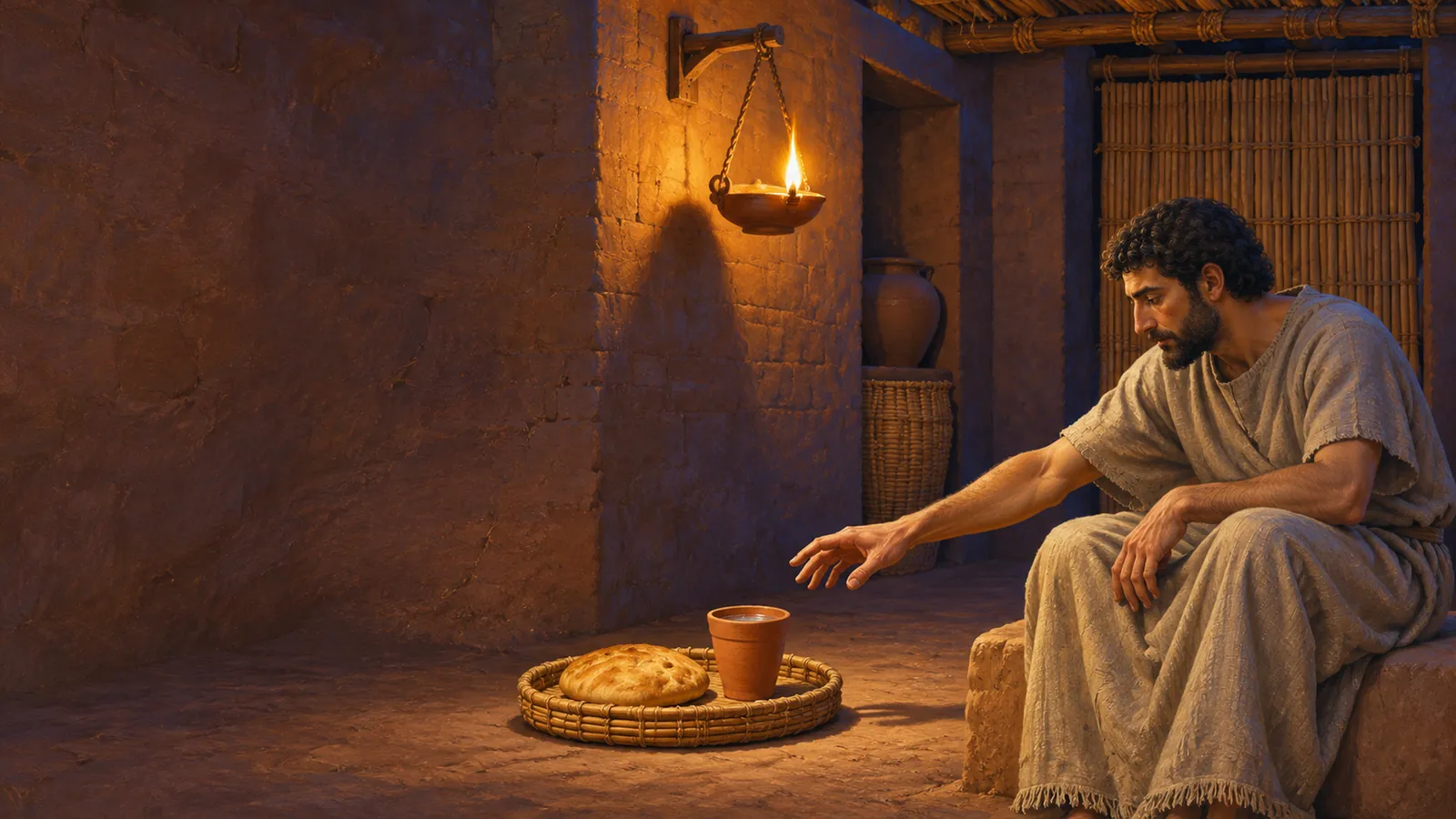
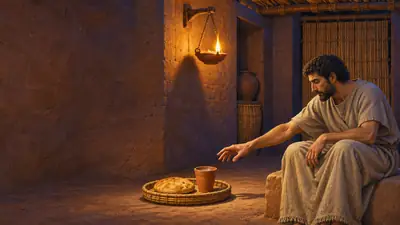
فُقدت من السؤال التالي الكلمات التي تعرّف بالرجل. ويقول إنكيدو إنّ طعامه وماءه وُضعا على حدة، ويبدو أنّه يأكل ويشرب ممّا يُقدَّم له.
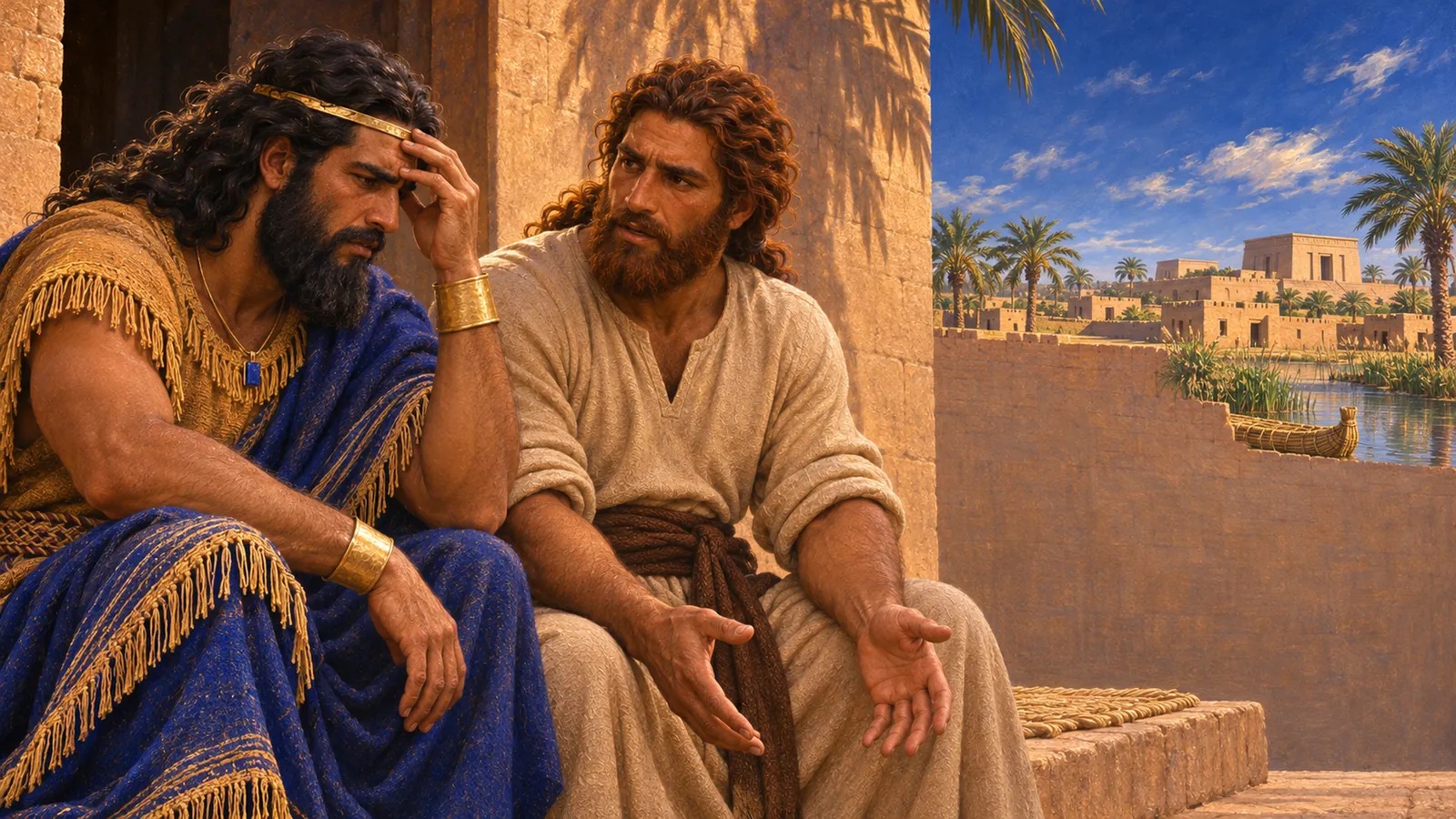
تضيف مخطوطة واحدة سؤالين. فرجل أكله أسد يصرخ بمرارة على يدَيه وساقَيه. أمّا الرجل الذي سقط من سطح، فيذكر الجواب عظامه في عبارة بقيّتها متضرّرة.
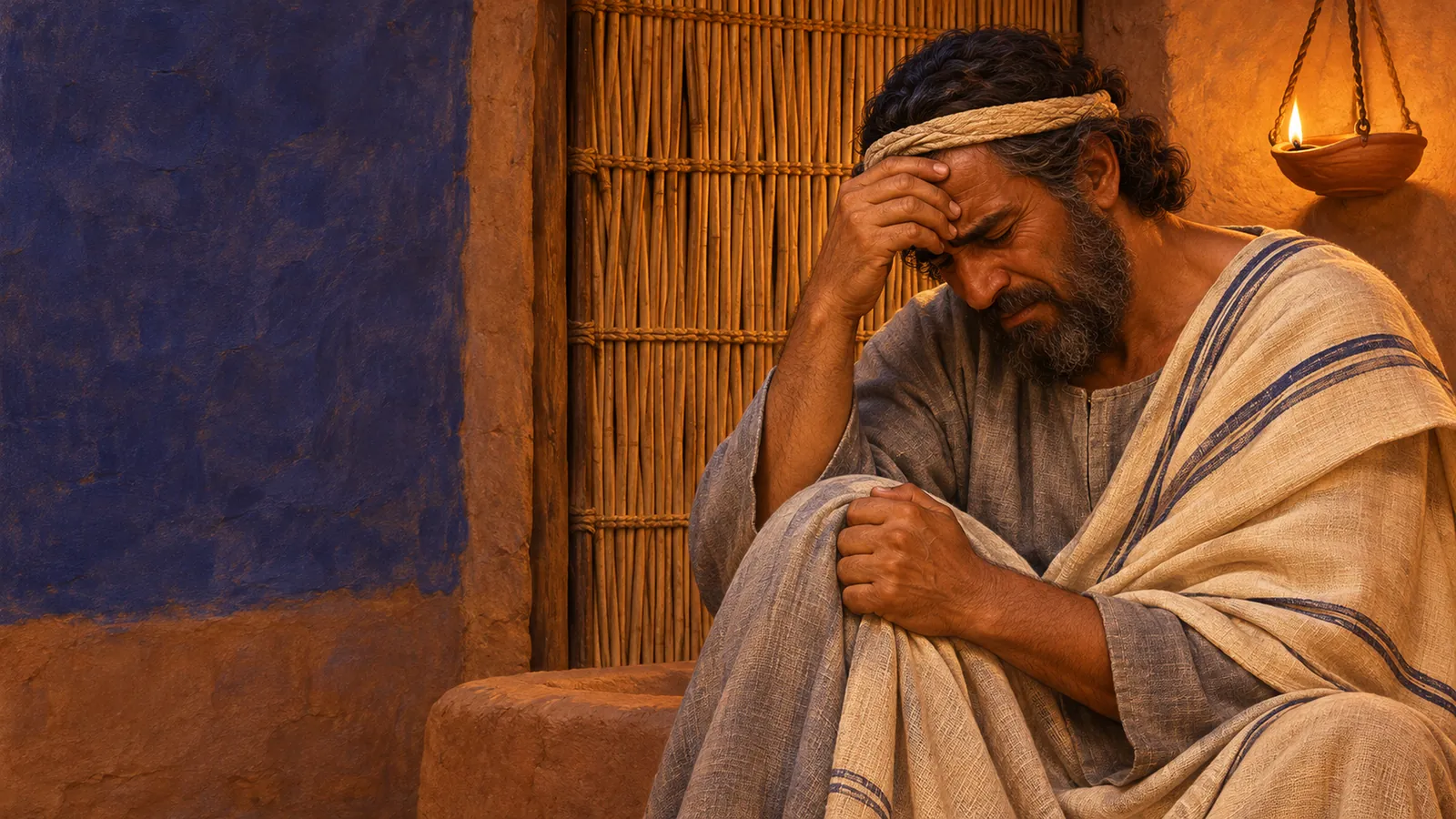
يسأل جلجامش عن الرجل الذي تصفه الترجمة بالأبرص. ويقول إنكيدو إنّه كان ينتفض من شدّة المعاناة. يأتي هذا الجواب ضمن رواية القصيدة لأحوال الموتى.
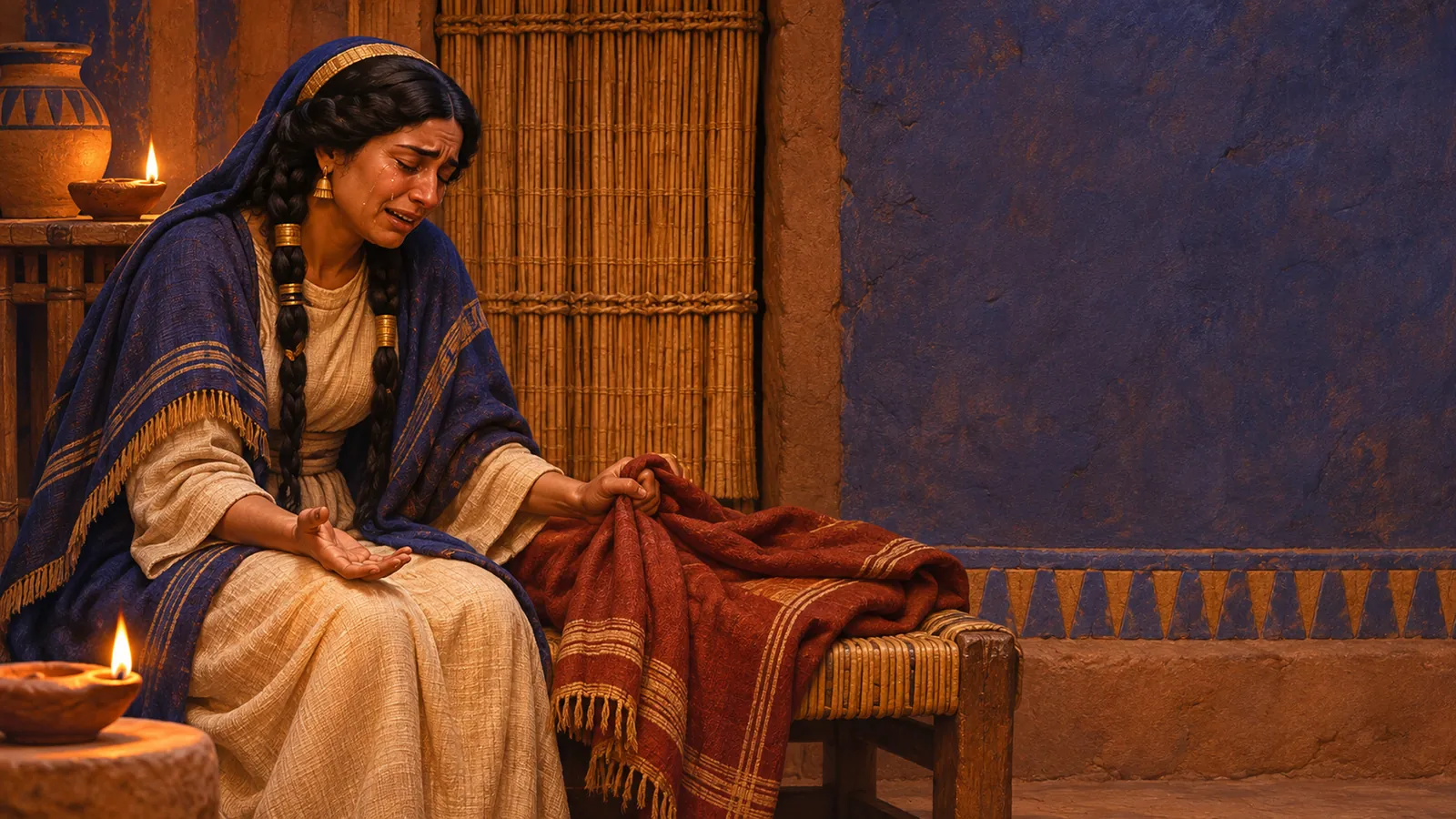
رأى إنكيدو الرجل الذي سقط في المعركة. غاب أبوه وأمّه حين احتاج إليهما، وزوجته تبكيه.
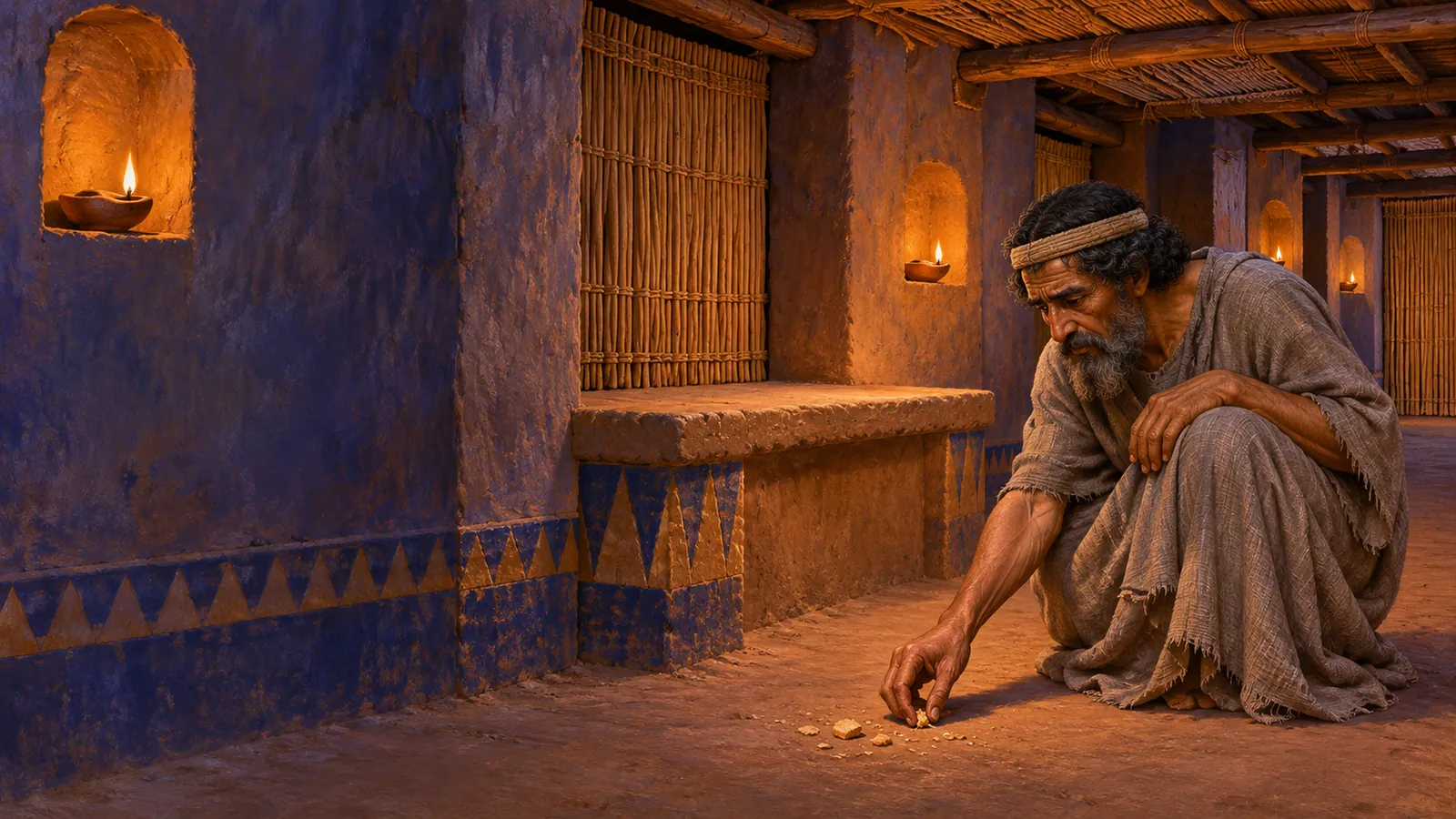
يسألان عمّا يصير إليه حال الروح التي لا تُقدّم لها قرابين جنائزيّة. ويقول إنكيدو إنّها تأكل الفضلات والفُتات الملقى في الشارع.
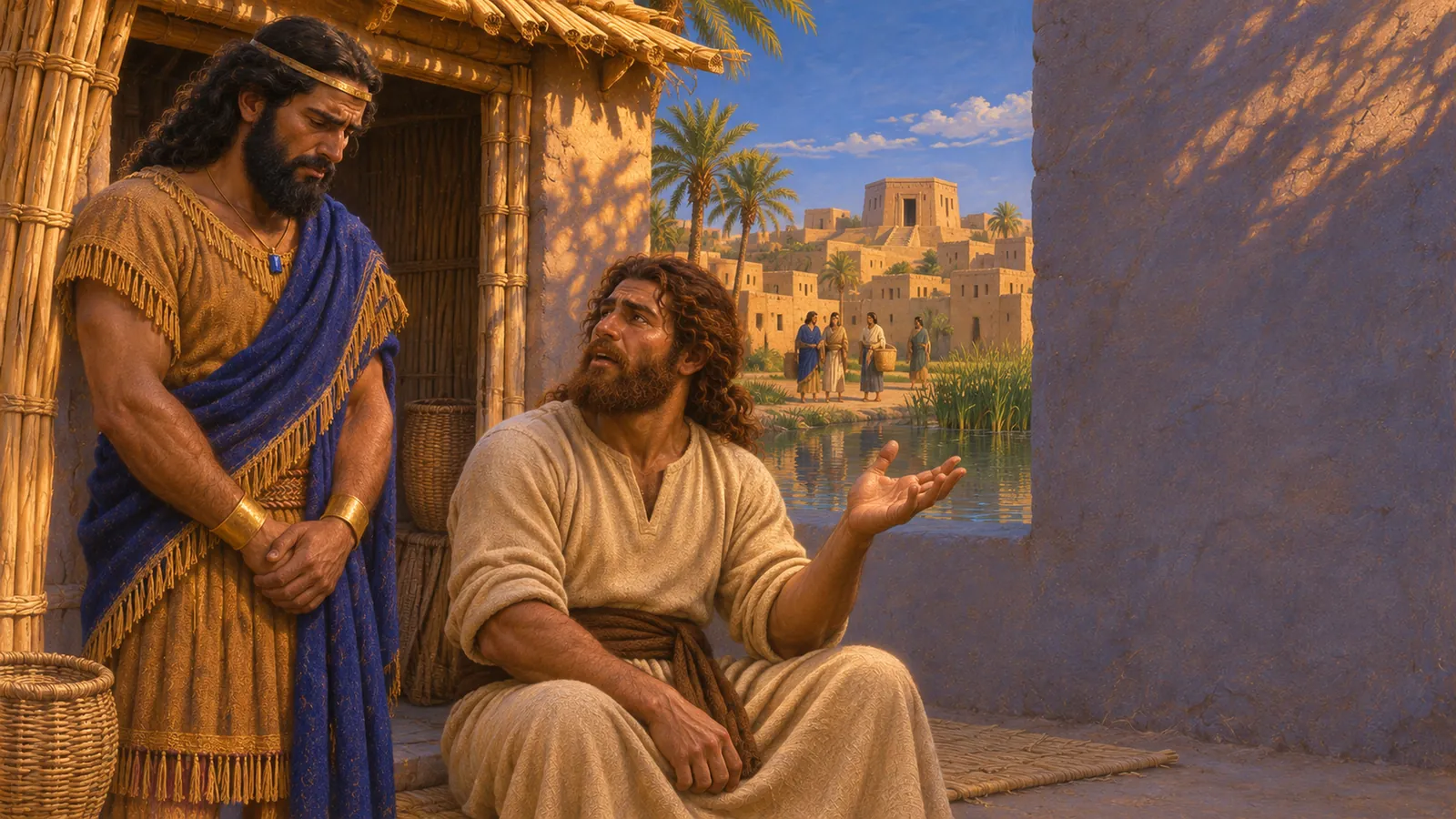
يصف إنكيدو رجلًا أصابه لوح من سفينة. وينادي الرجل أمّه. ومعظم ما بقي من الجواب ناقص.
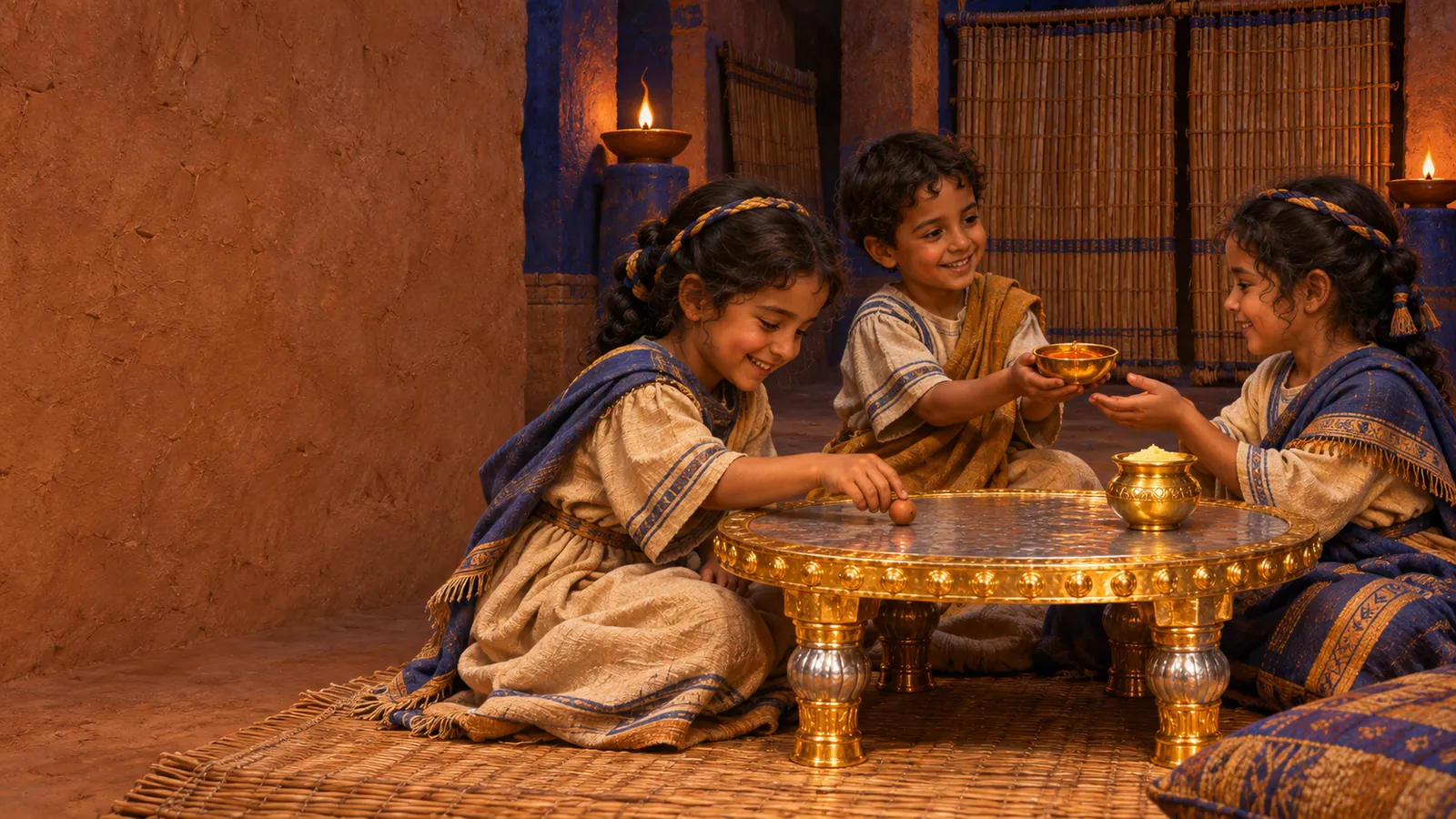
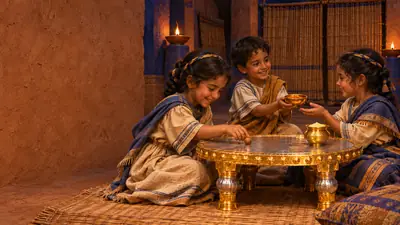
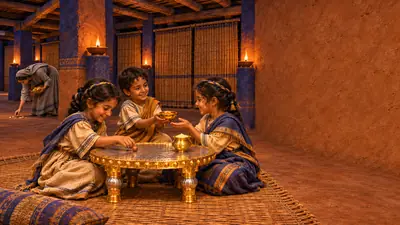
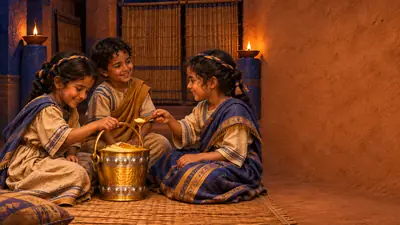
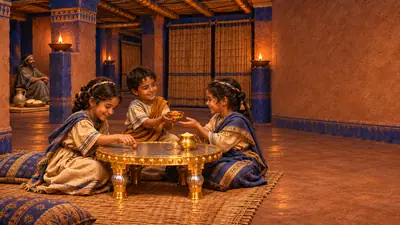
يسأل جلجامش عن أطفاله الصغار الذين وُلدوا موتى. ويقول إنكيدو إنّه رآهم يلعبون عند مائدة من ذهب وفضّة حافلة بالعسل والسمن.
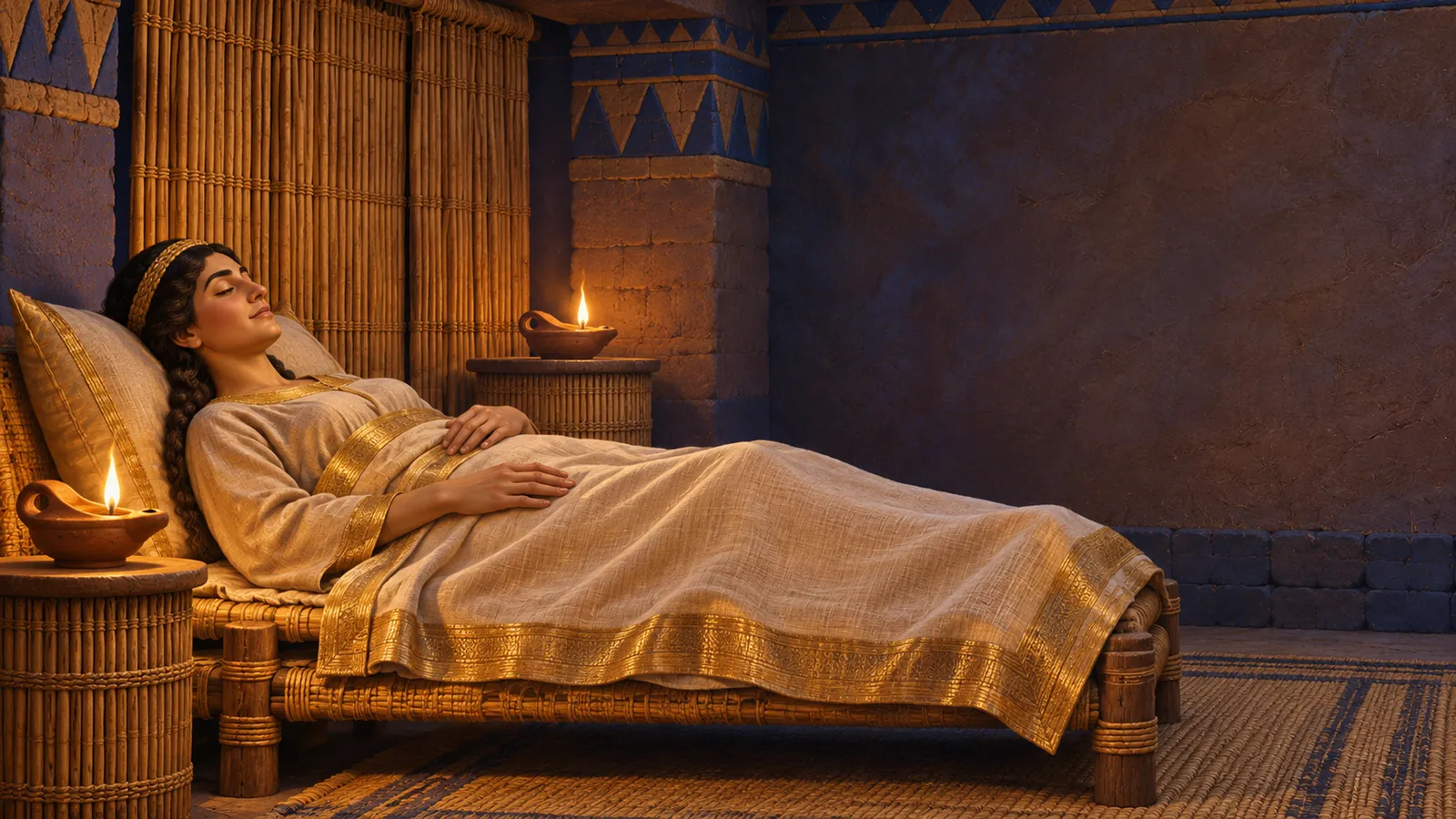
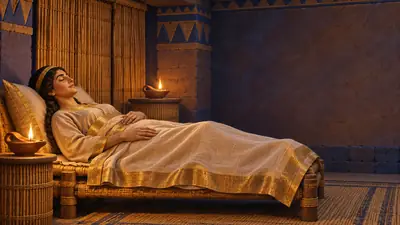
بقي سؤال آخر من دون ذكر كيف مات الرجل. ويجيب إنكيدو أنّه رآه، وأنّه مستلقٍ على سريرٍ للآلهة.
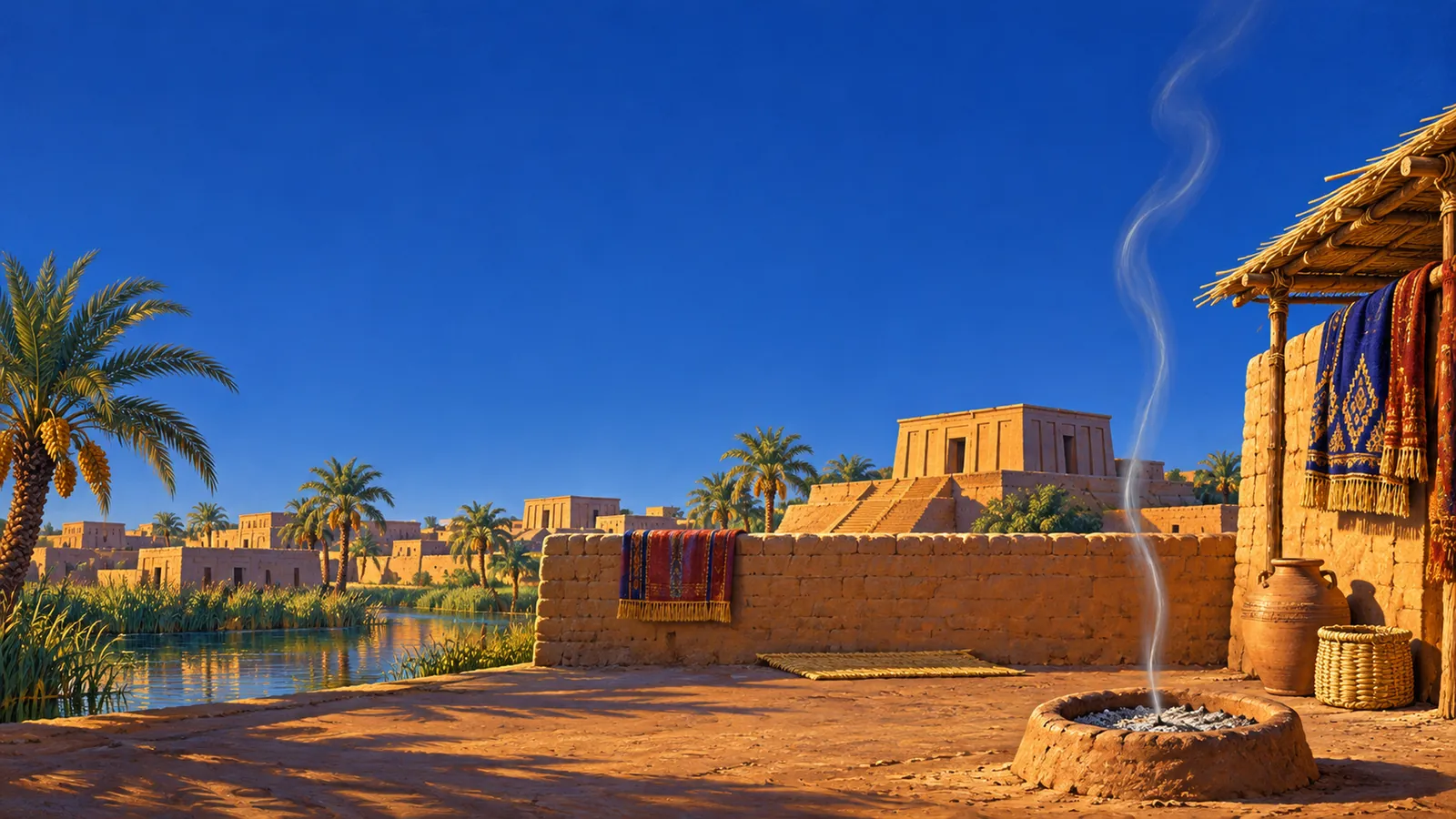
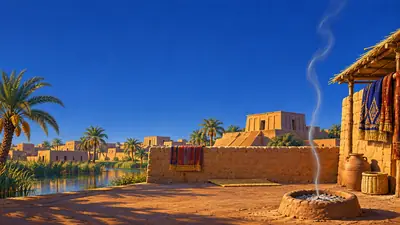
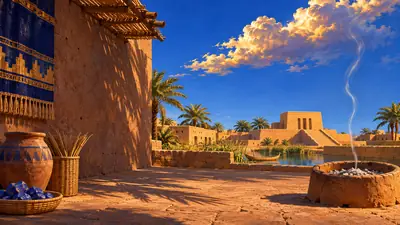
حين يسأل جلجامش عن الرجل الذي أُضرمت فيه النار، يقول إنكيدو إنّه لم يره. غابت روح الرجل وصعد دخانه إلى السماء.
أور · UET 6 58
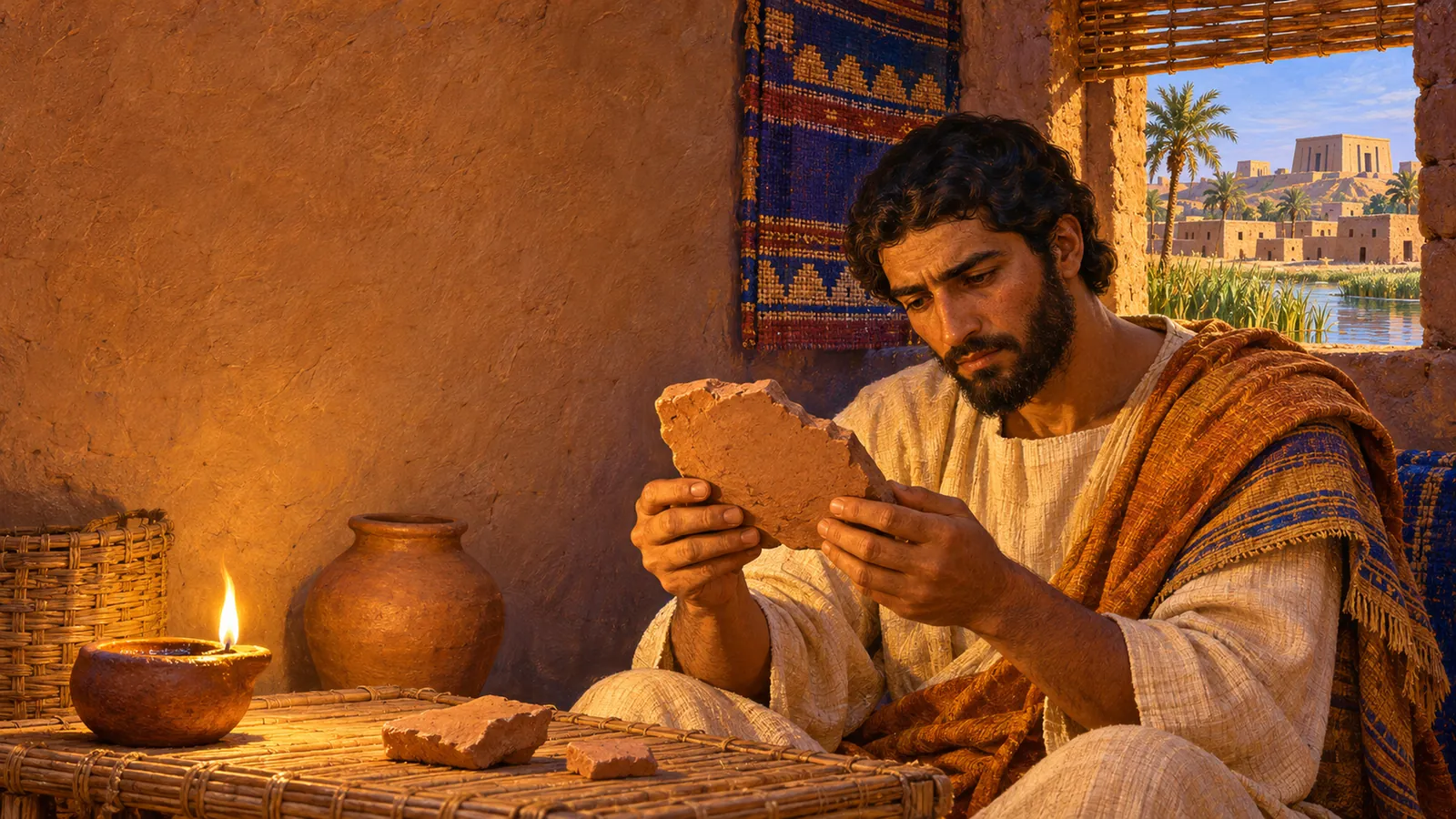
يروي لوح من أور ختامًا آخر. يذكر رجلًا سقط من سطح، وعاصفة فيضان تُنسب في قراءة محتملة إلى إشكور، ورجلًا تصفه الترجمة بالأبرص. يُفصل طعامه وماؤه خارج المدينة.
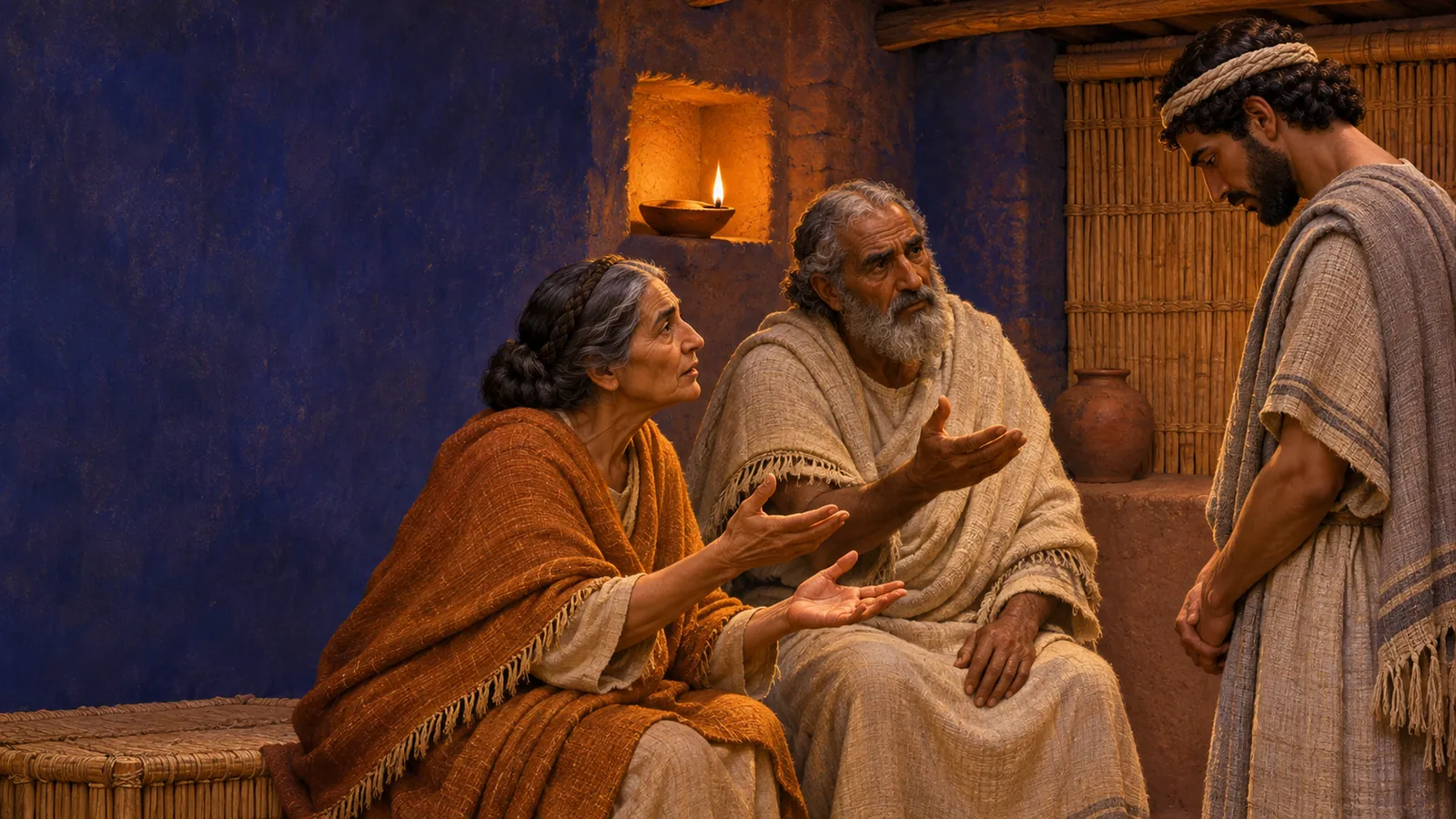
في هذا اللوح يصرخ الرجل الذي لم يوقّر كلام والديه من الألم. ومن بلغته لعنتهما فلا وارث له وتهيم روحه. وينقطع سؤال ثالث عن اسم إله.
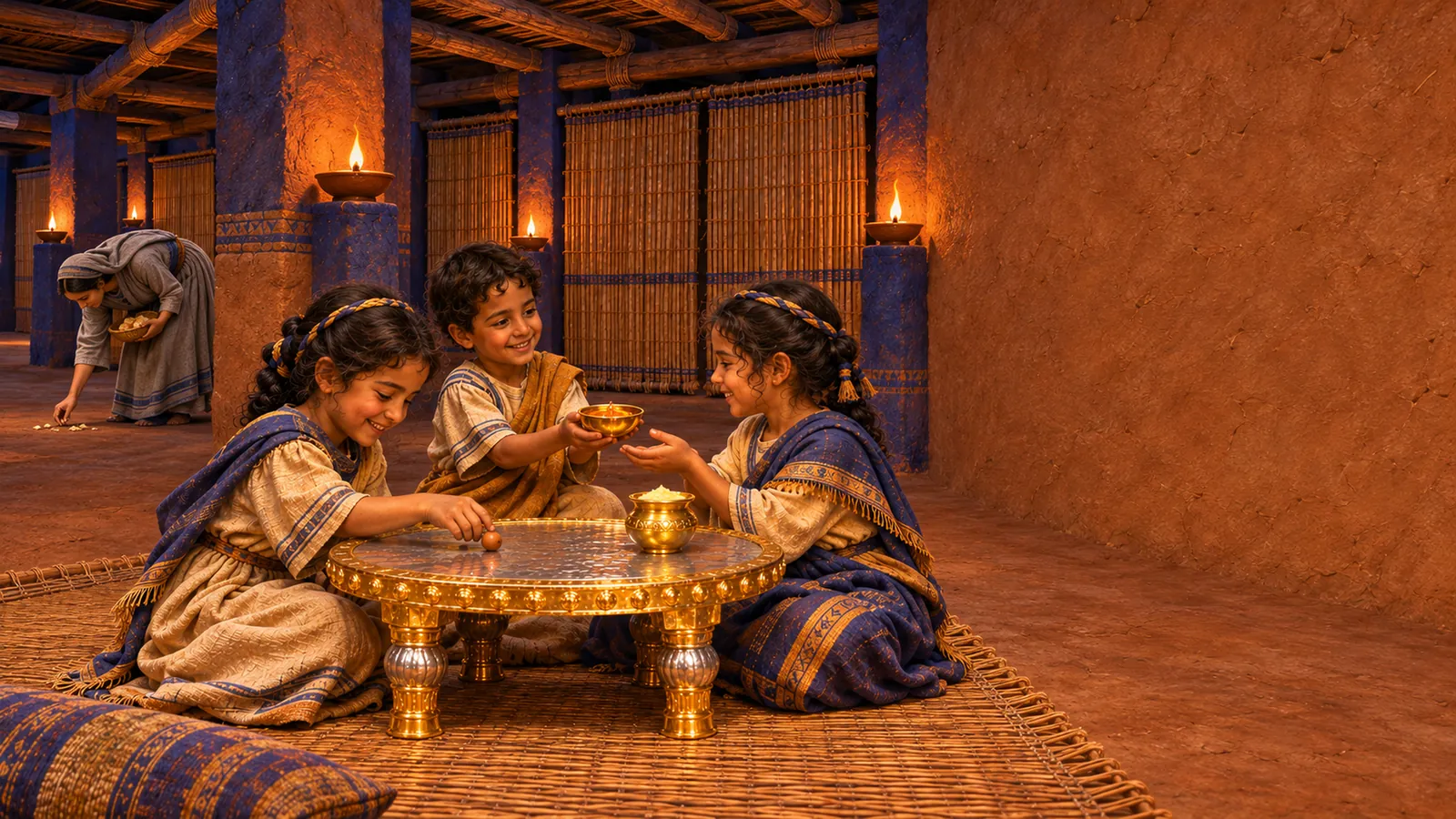
وفي هذا اللوح أيضًا تأكل الروح التي لا قرابين لها فُتات الشارع. ويلعب الأطفال الذين وُلدوا موتى إلى مائدة من ذهب وفضّة عليها عسل وسمن.
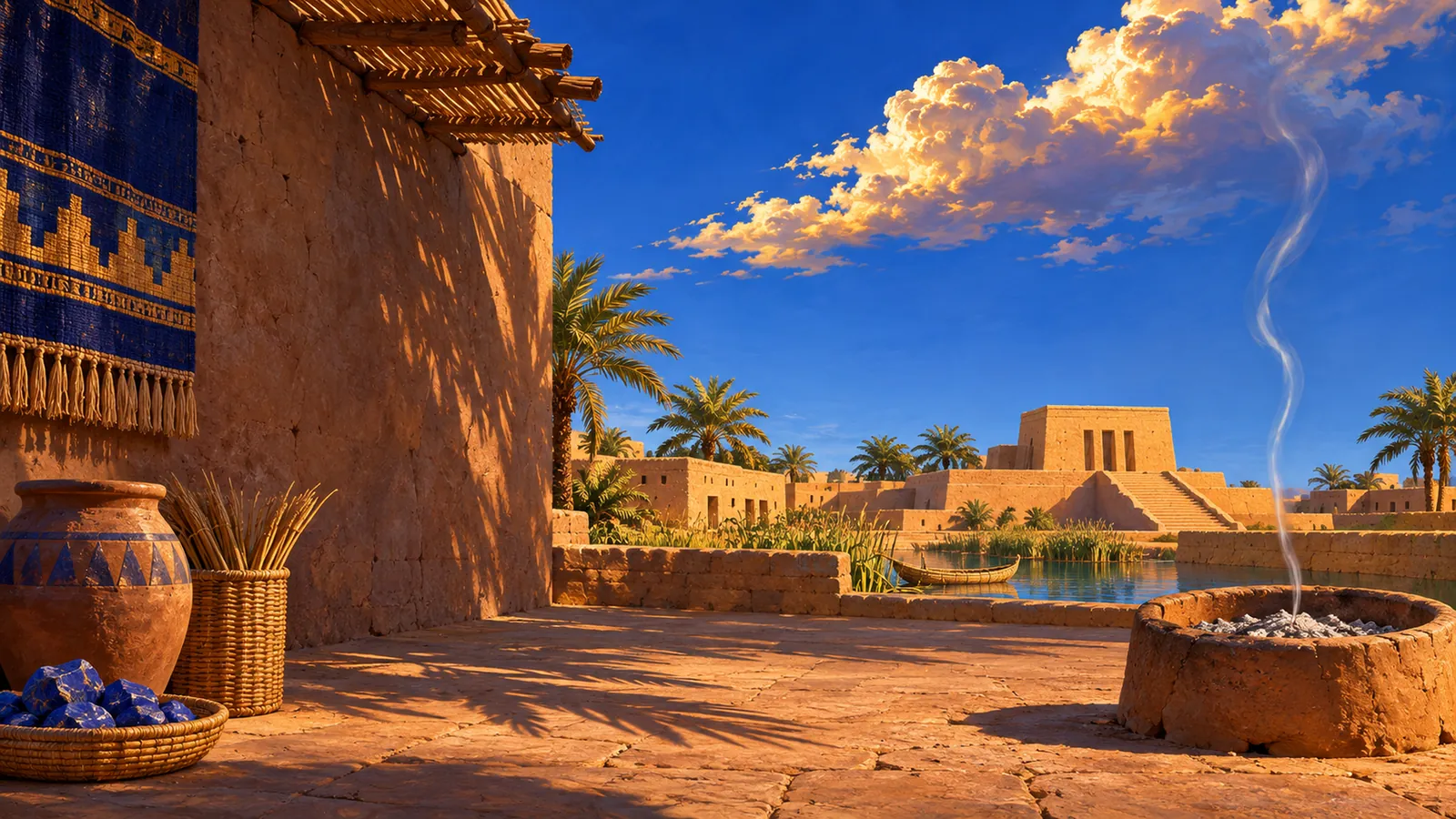
يقول إنكيدو إنّه لم يرَ الرجل الذي أُضرمت فيه النار. صعد دخانه إلى السماء، وأمّا روحه فلا تقيم في العالم السفليّ.
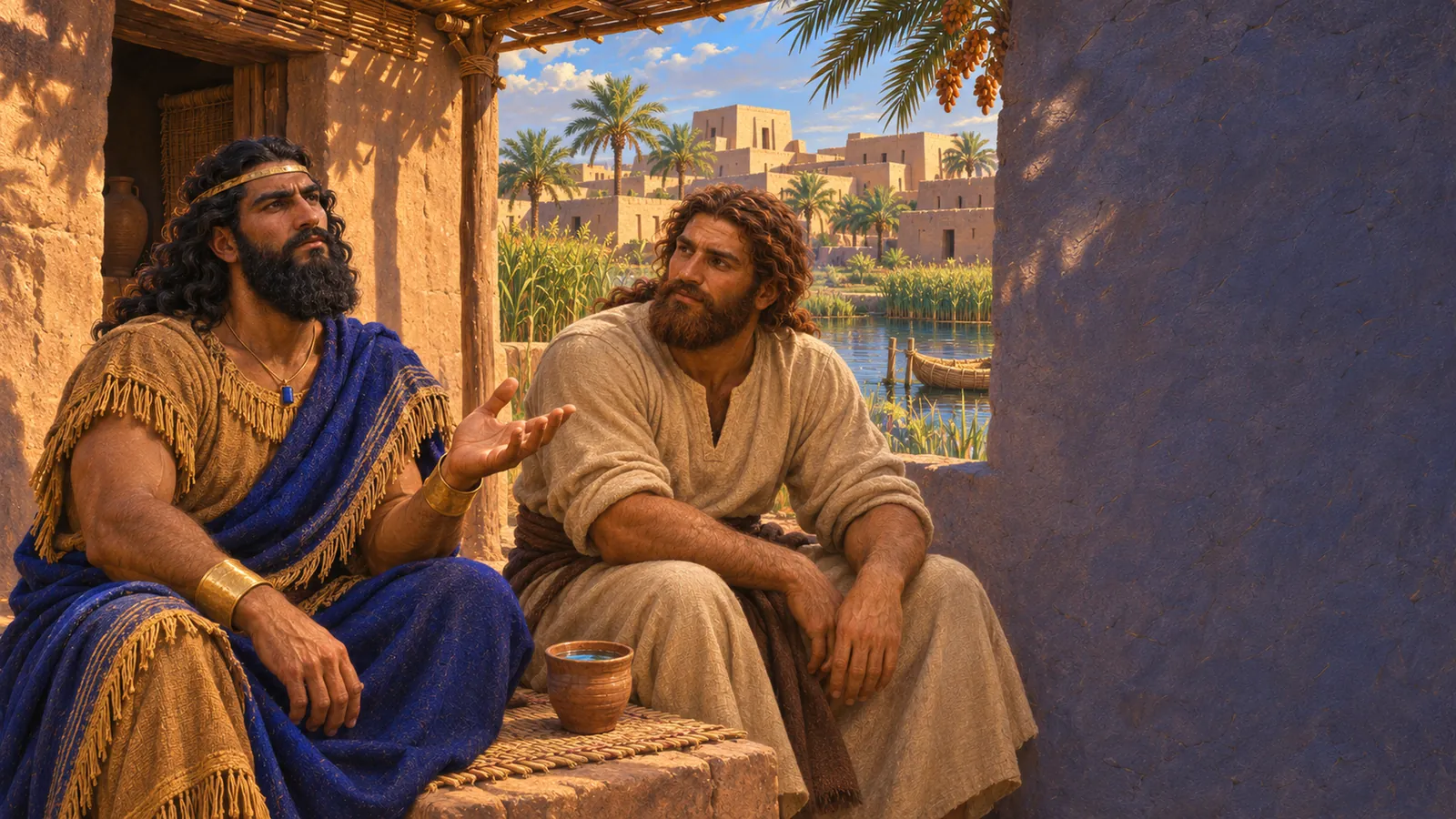
تسأل هذه الرواية عن رجل حلف للآلهة يمينًا كاذبة، وعن رجل من غيرسو لعلّه منع الماء عن والديه. وقد وصل الجوابان وفيهما مواضع تالفة.
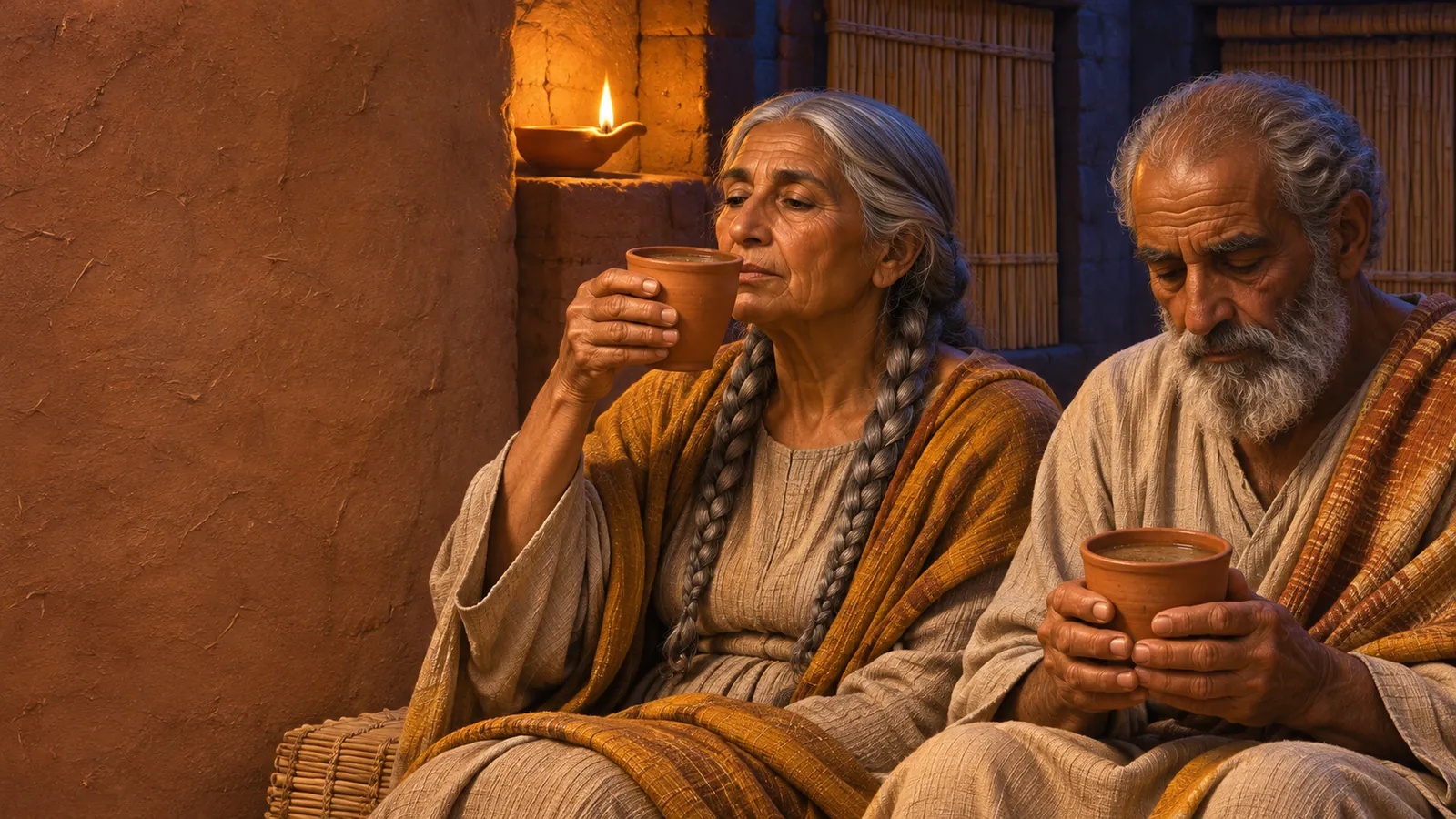
يقول الجواب إنّ أهل سومر وأكّد يشربون ماءً عكرًا. ويشرب منه أيضًا أبو السائل وأمّه. والكلمات التي تدلّ على الموضع مكسورة في النصّ.
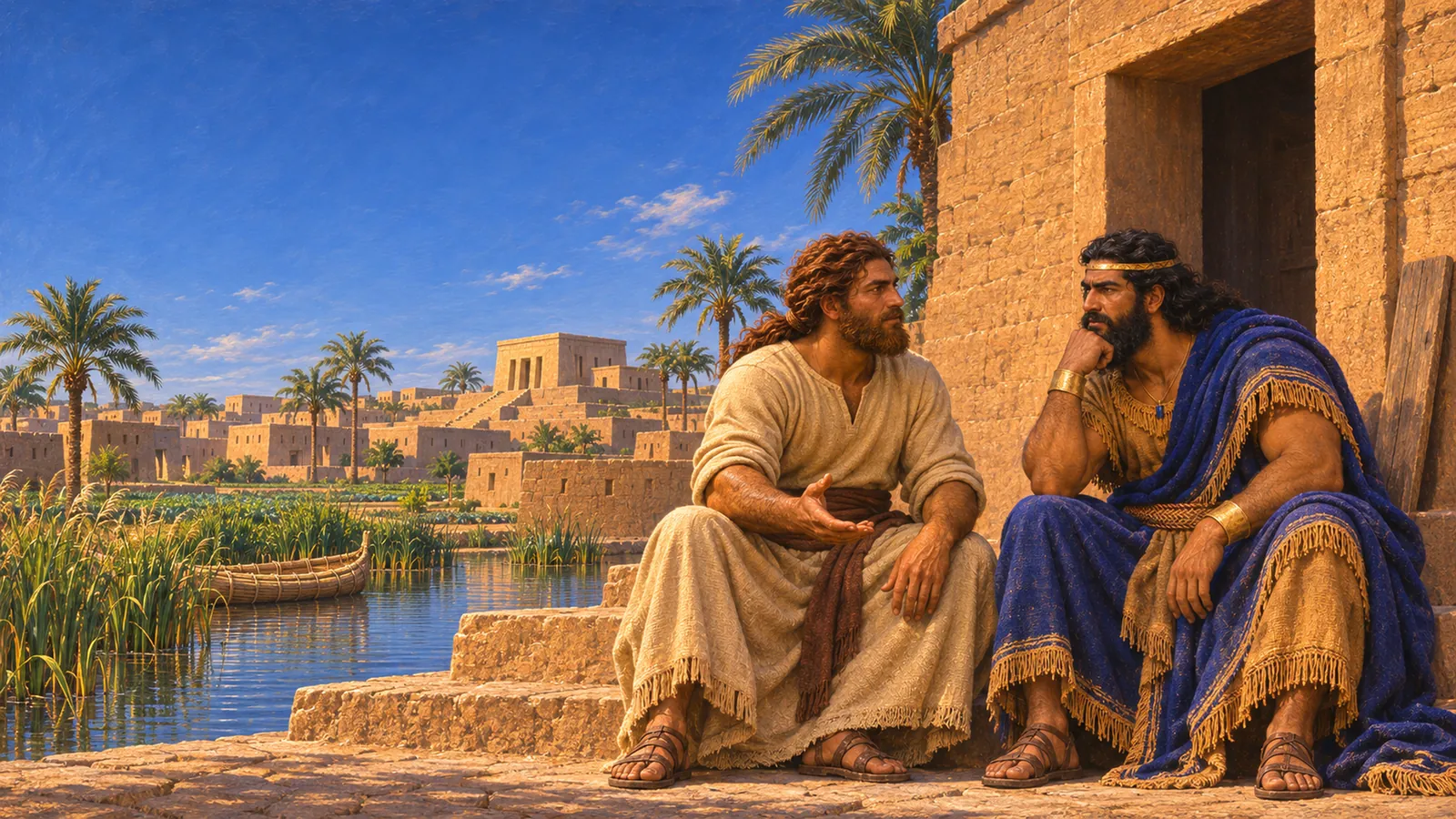
الرواية الثانية من أور
تسأل نسخة أخرى من أور عن رجل أصابه لوح سفينة ورجل سقط من سطح. ويشبّه جوابها حركة الرجل الثاني بحركة ثور، ويقول إنّ الدود يأكل منه.
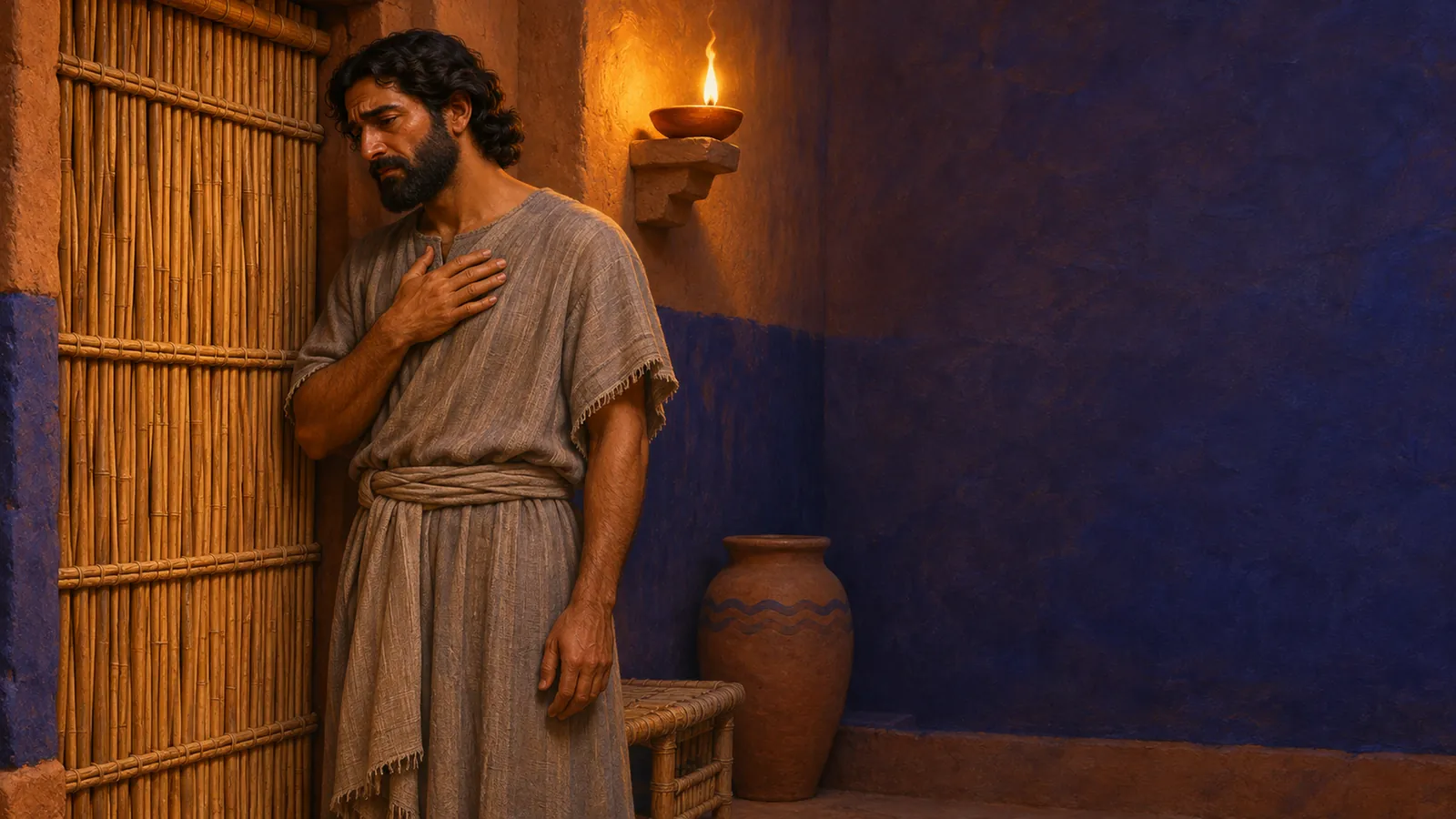
يُحرم الرجل الذي نالته لعنة أمّه من وريث، وربّما تهيم روحه. ثمّ تسأل النسخة عن رجل لم يحترم كلام والديه، وينقطع النصّ بعد السؤال.
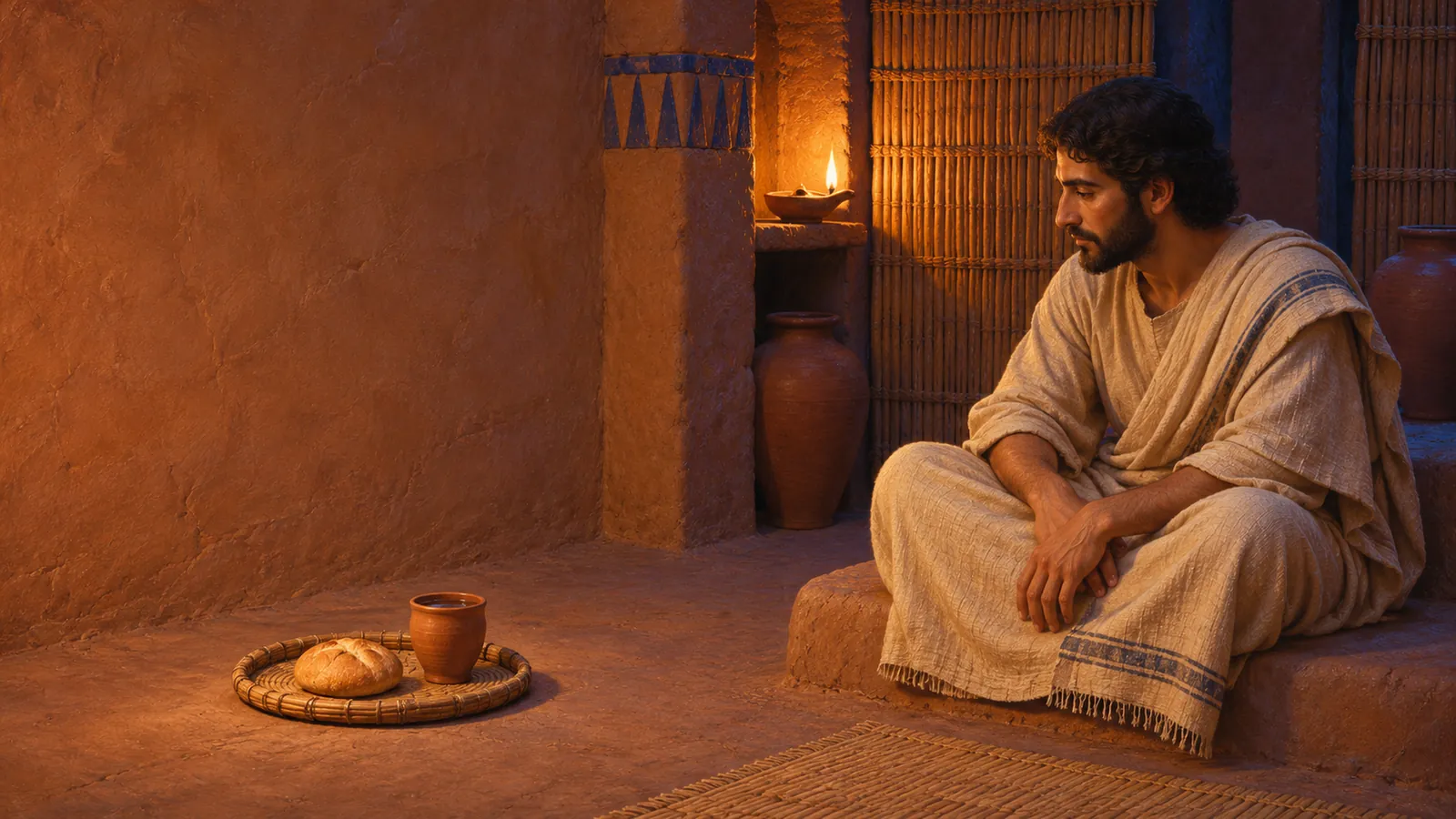
تبدأ القطعة التالية بطعام وماء منفصلين لشخص لا تعرّفه الكلمات الباقية. وتبكي زوجة رجل سقط في المعركة، وليس والداه هناك ليسندا رأسه. ويلحق التلف بسؤال آخر وجوابه.
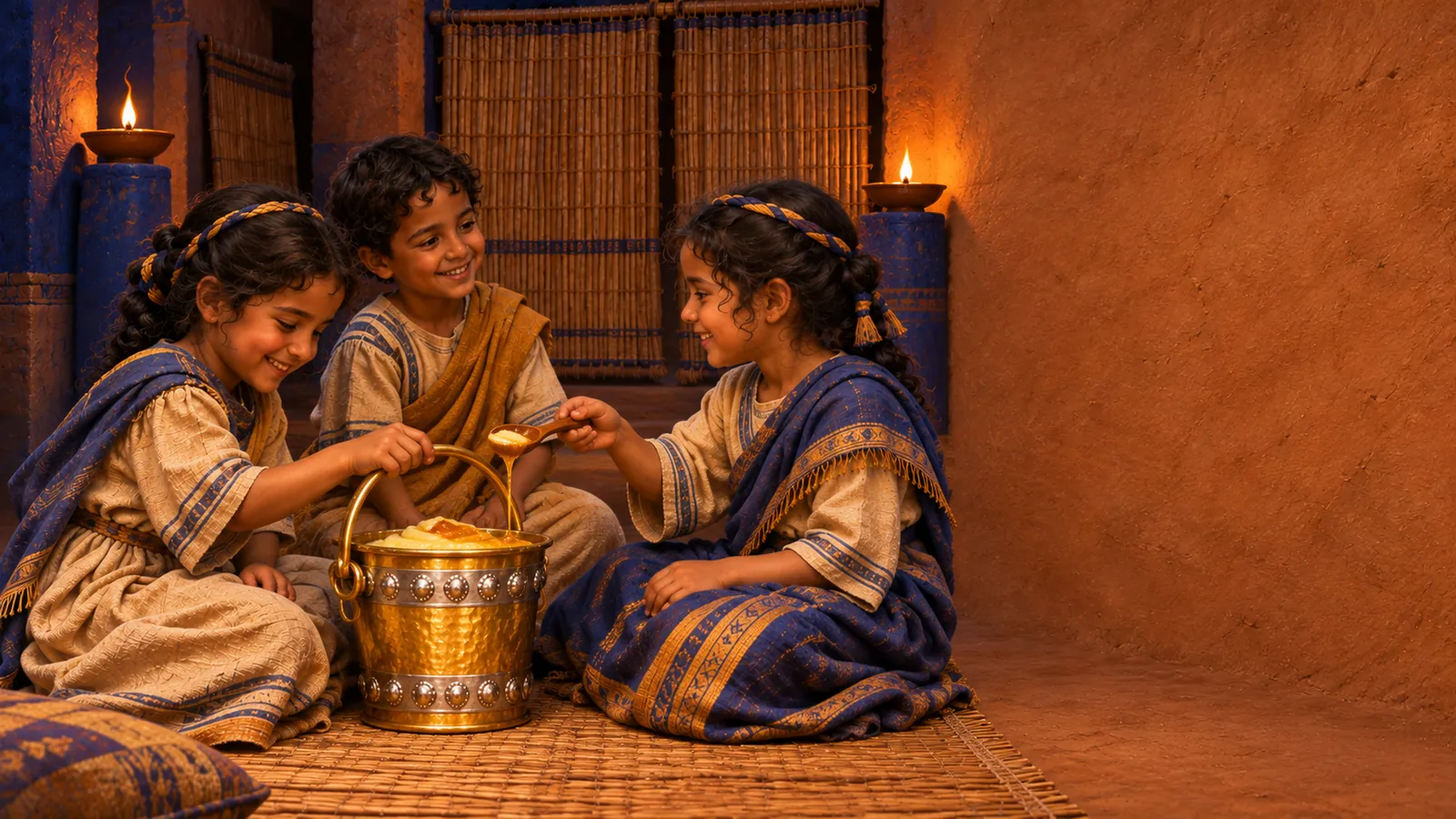
تأكل الروح التي لا تُقدَّم لها قرابين جنائزيّة من الفتات الملقى في الطريق. ويلعب أطفال السائل الذين وُلدوا موتى بدلو من ذهب وفضّة مملوء بالعسل والسمن.
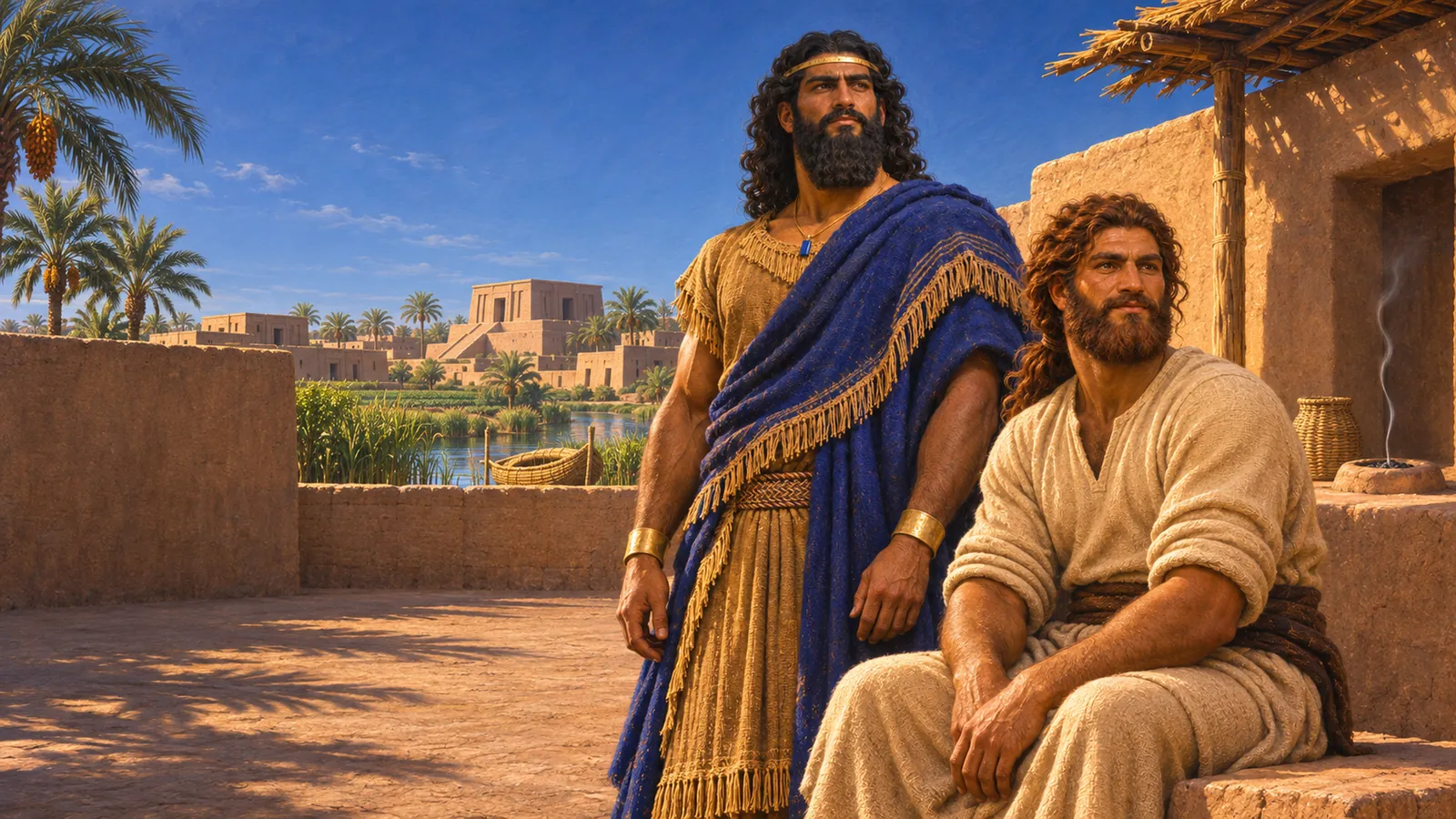
وحين سُئل المتكلّم عن الرجل الذي أُضرمت فيه النار، قال إنّه لم يره. غابت روحه، وصعد دخانه إلى السماء.
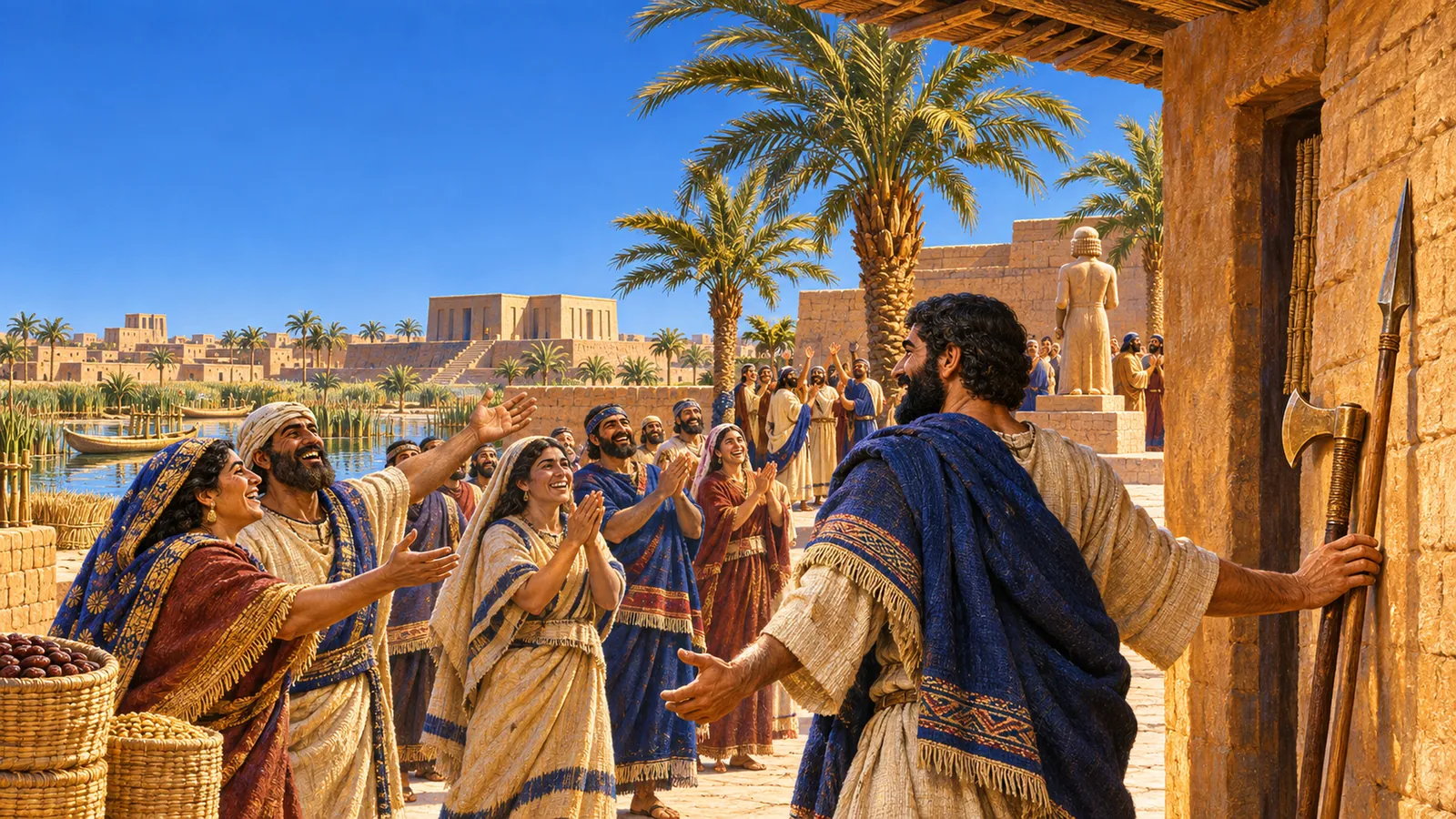
الرواية الثالثة من أور
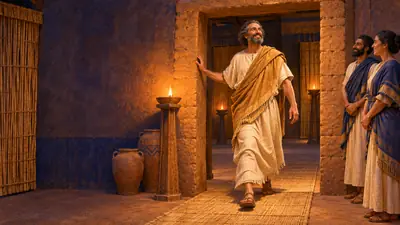
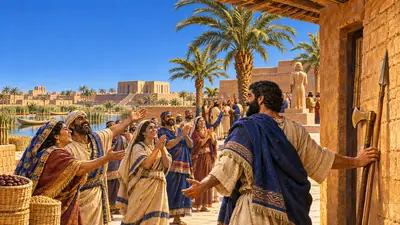
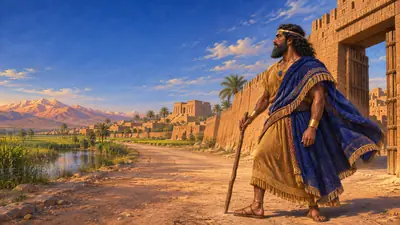
تصف نسخة ثالثة من أور عودةً إلى أوروك. ويضع الرجل الذي يدخل القصر أدواته وسلاحه فيه. ويبتهج أهل أوروك وكولابا أمام تمثال.
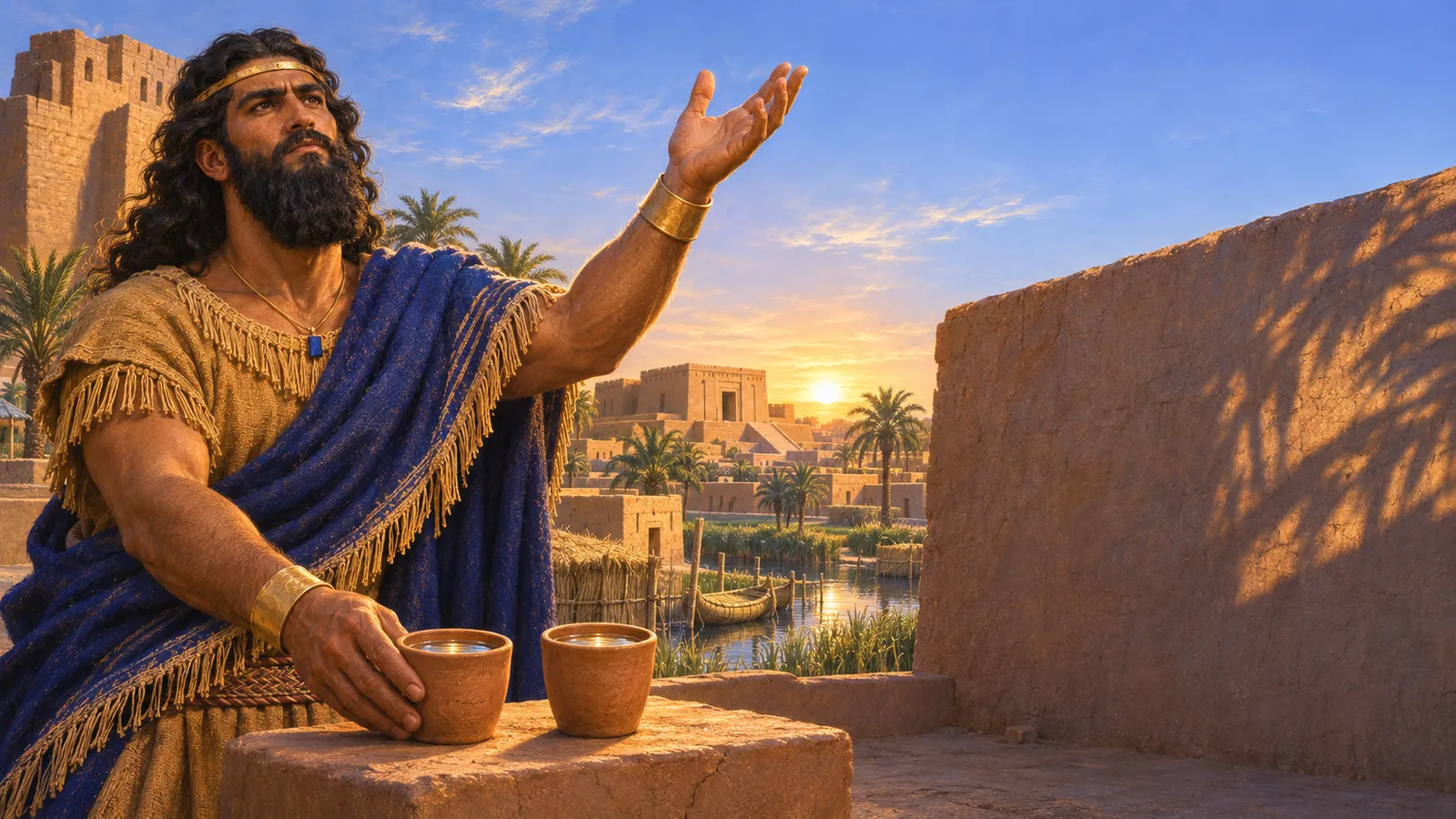
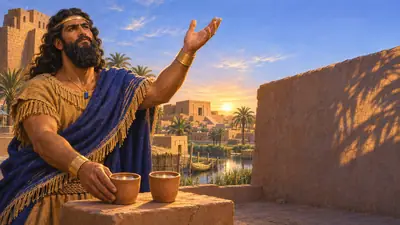
حين يخرج أوتو، تدعو كلماتٌ الوالدين إلى شرب ماء صافٍ، ولعلّ النسخة تسمّي جلجامش صاحب هذا القول. والعبارة التي تذكر تاج تمثال غير مؤكّدة.
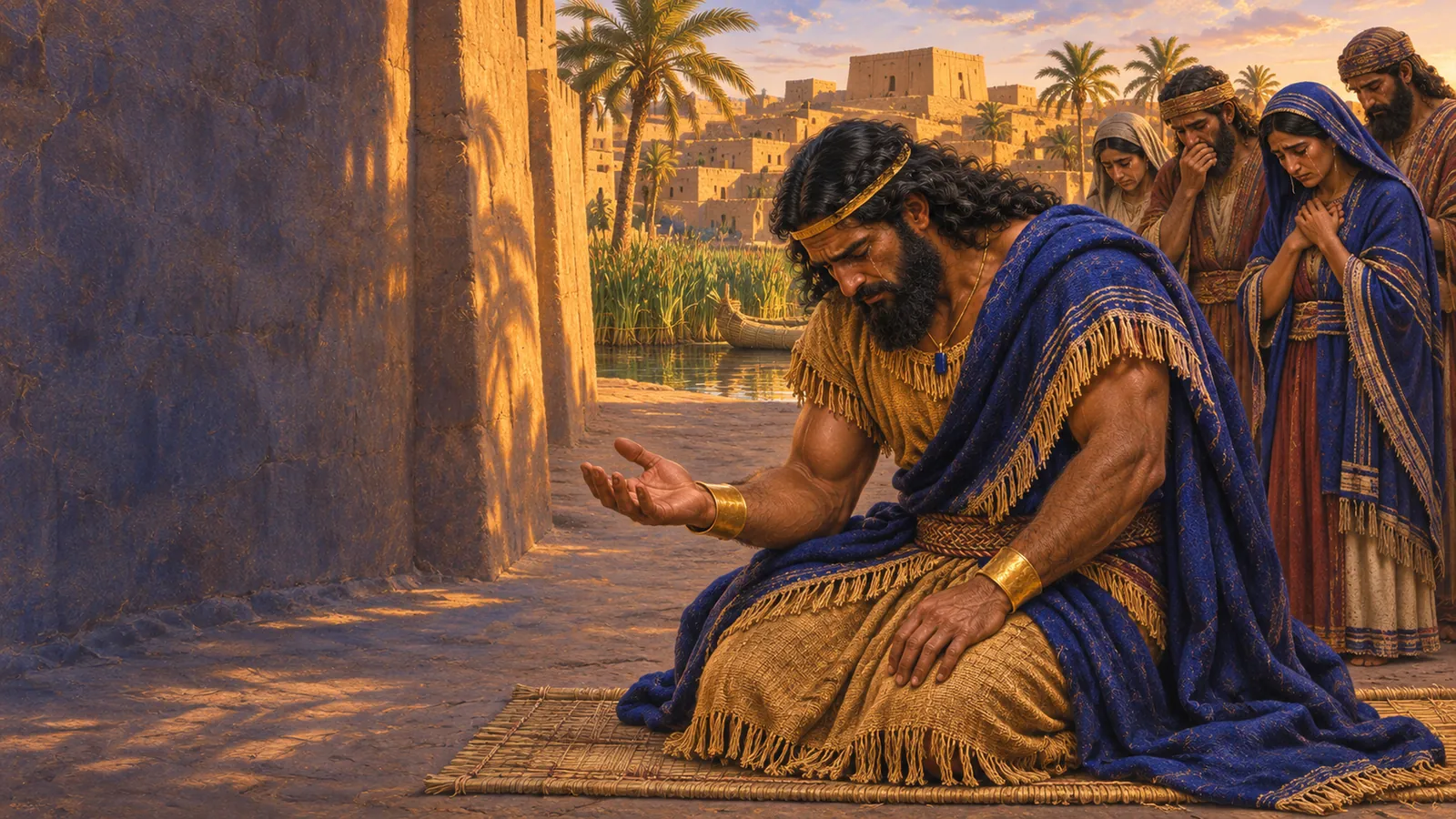
ألقى جلجامش بنفسه في موضع الحداد تسعة أيّام. وبكى الناس، وردّ جلجامش رجلًا من غيرسو. ثم دعا والديه من جديد إلى شرب ماء صافٍ.
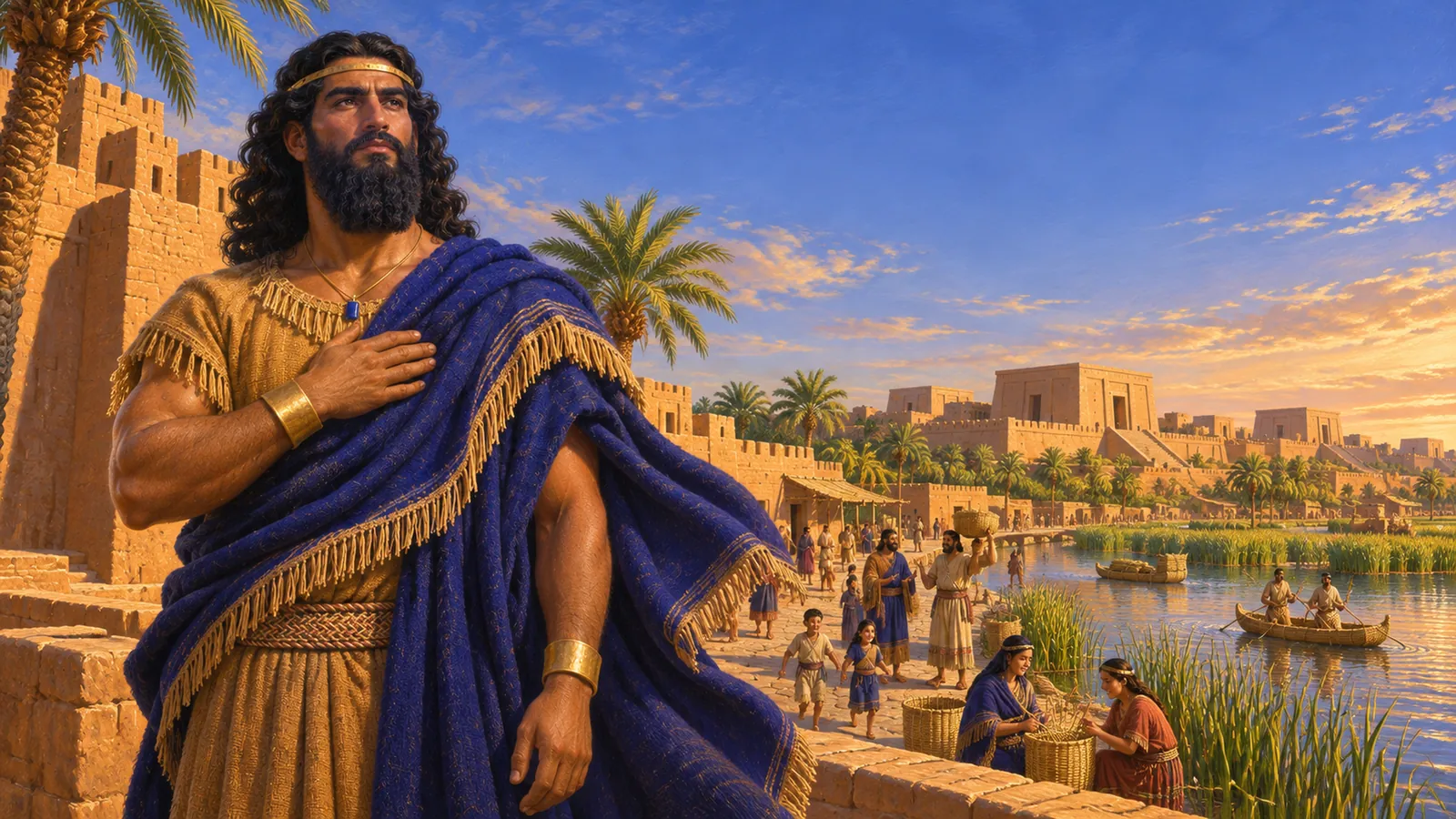
تثني الكلمات الأخيرة من هذه الرواية على المحارب جلجامش ابن ننسون. وتصف الثناء عليه بالحلاوة.
ميتوران
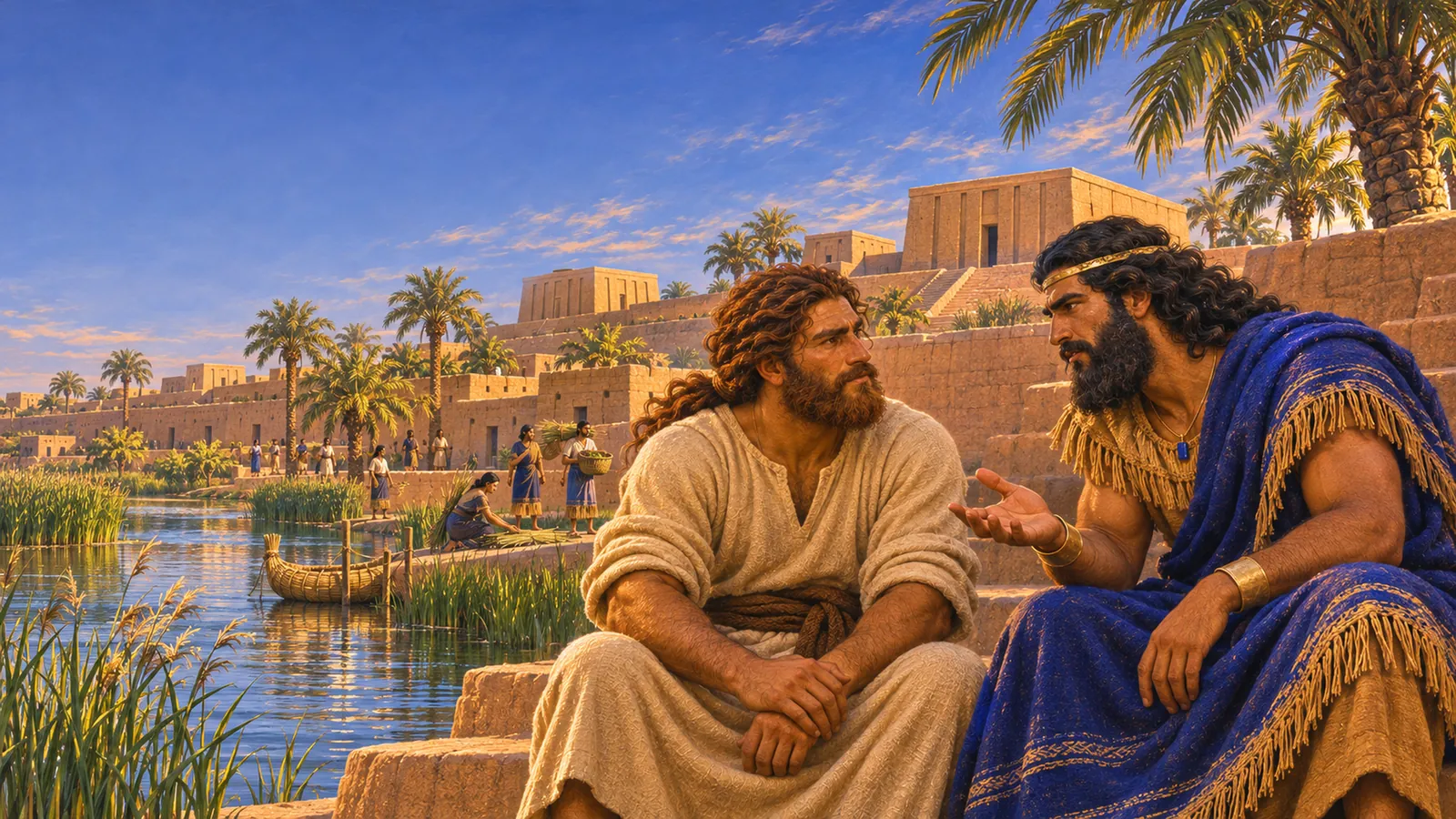
تعيد نسخة قديمة من ميتوران رواية الأسئلة. يبكي صاحب الابن الواحد، ويجلس صاحب الابنين، ويشرب صاحب الأبناء الثلاثة. وتبقى تفاصيل الجوابين الأخيرين ناقصة.
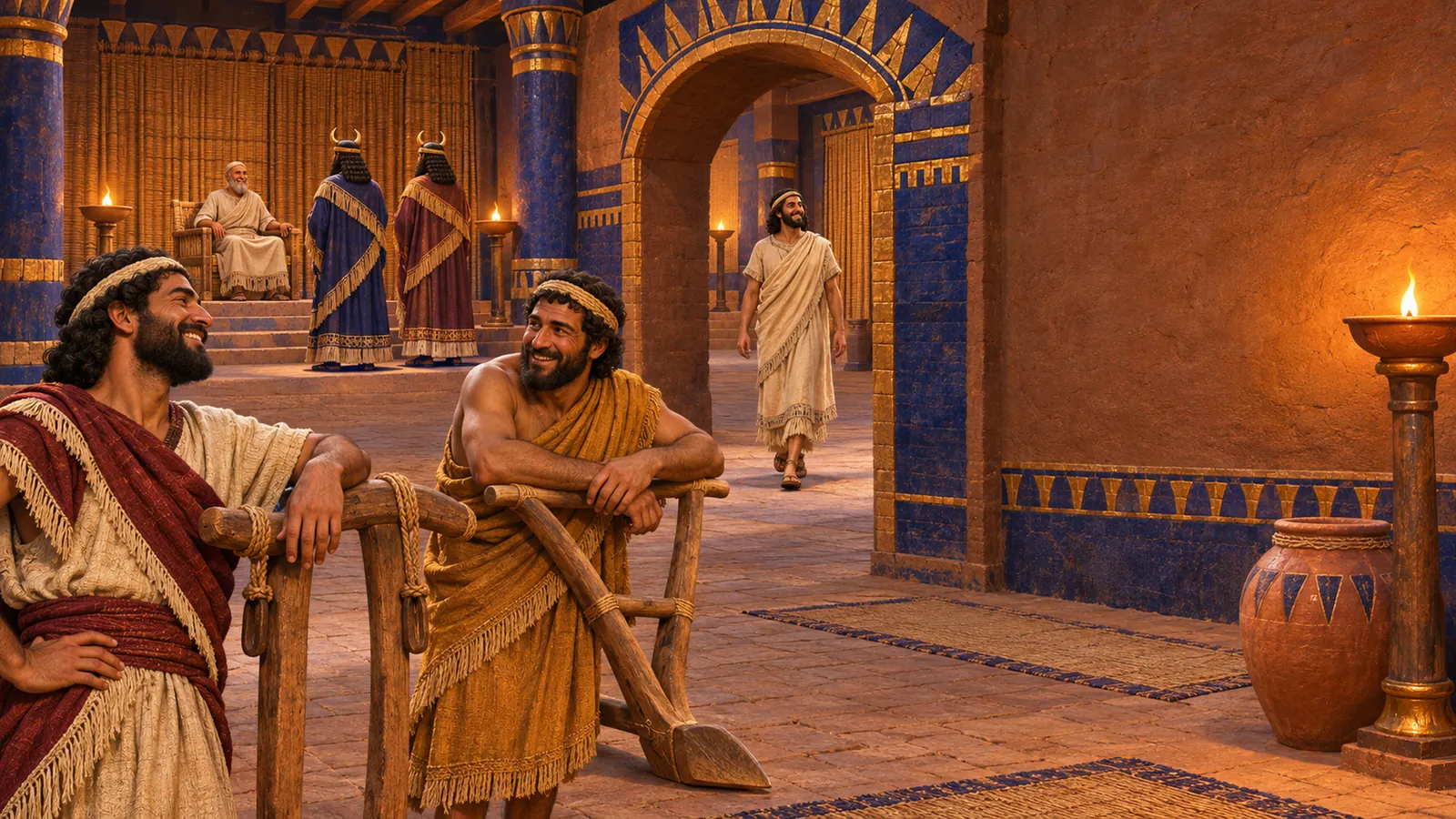
يسعد صاحب الأبناء الأربعة. ويدخل صاحب الخمسة القصرَ مثل كاتب لا يكلّ، ويفرح صاحب الستّة مثل حرّاث. أمّا صاحب السبعة فيجلس على عرش إلى جانب الآلهة ويسمع الأحكام.
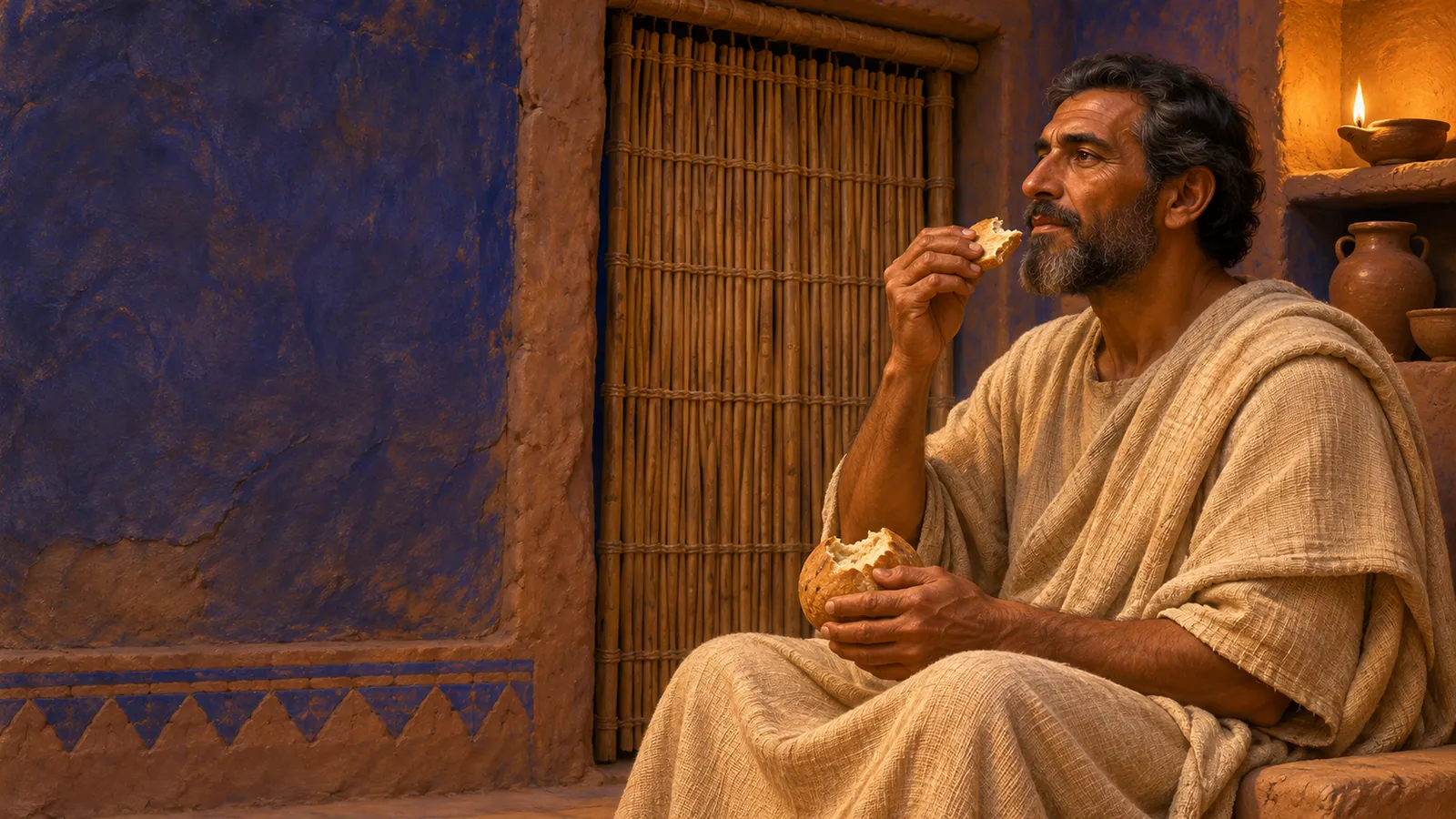
حين يسألان عن رجل لا وارث له، لا يزال الجواب يذكر أنّه يأكل الخبز. والتشبيه تالف، وتضيع بعده نحو ثلاثة أسطر.
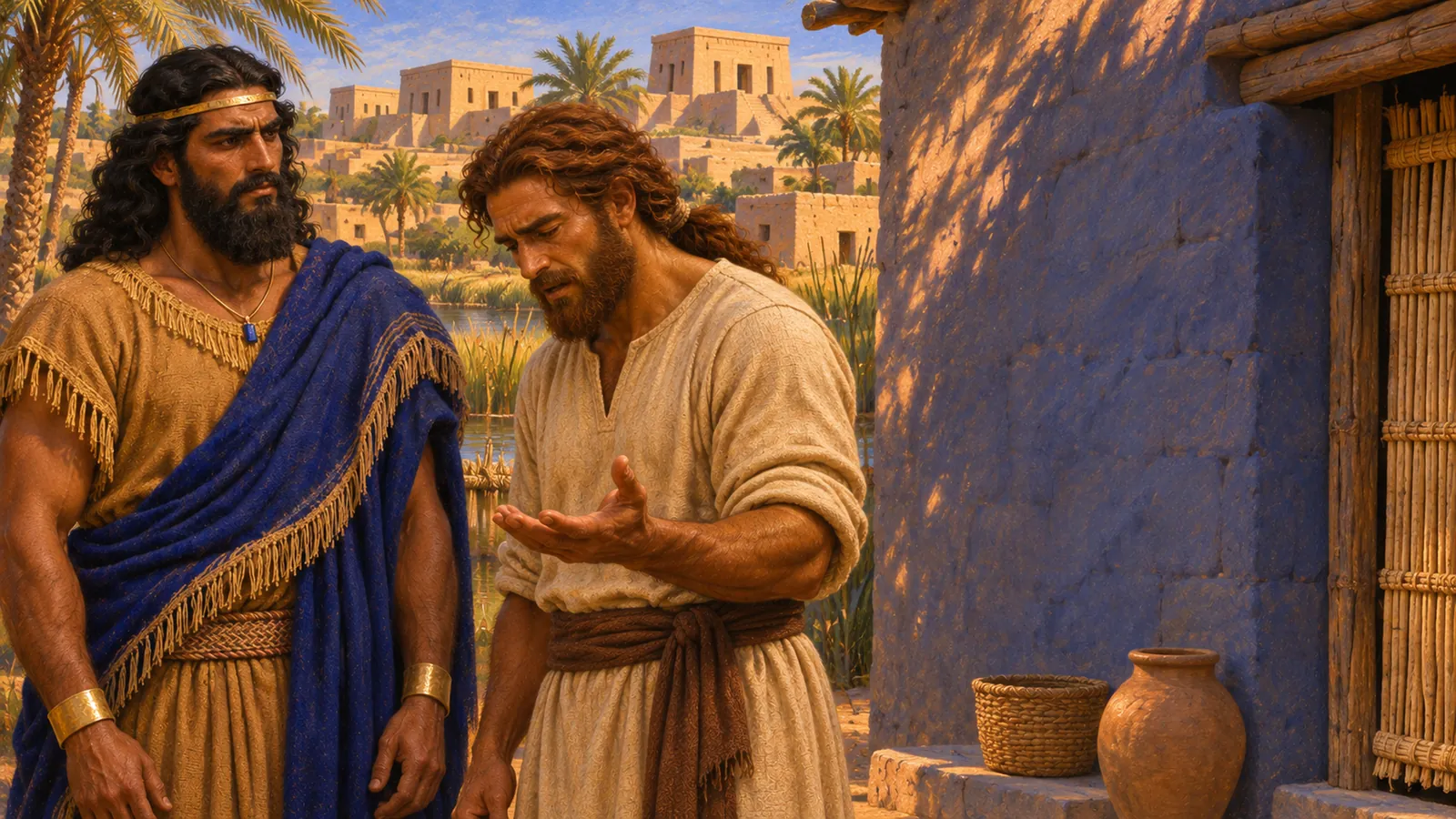
يتحدّث إنكيدو عن رجل التهمه كلب وآخر لعلّ سارية قارب أصابته. والجوابان السابقان تالفان، وتنقطع الكلمات عن هذين الرجلين أيضًا.
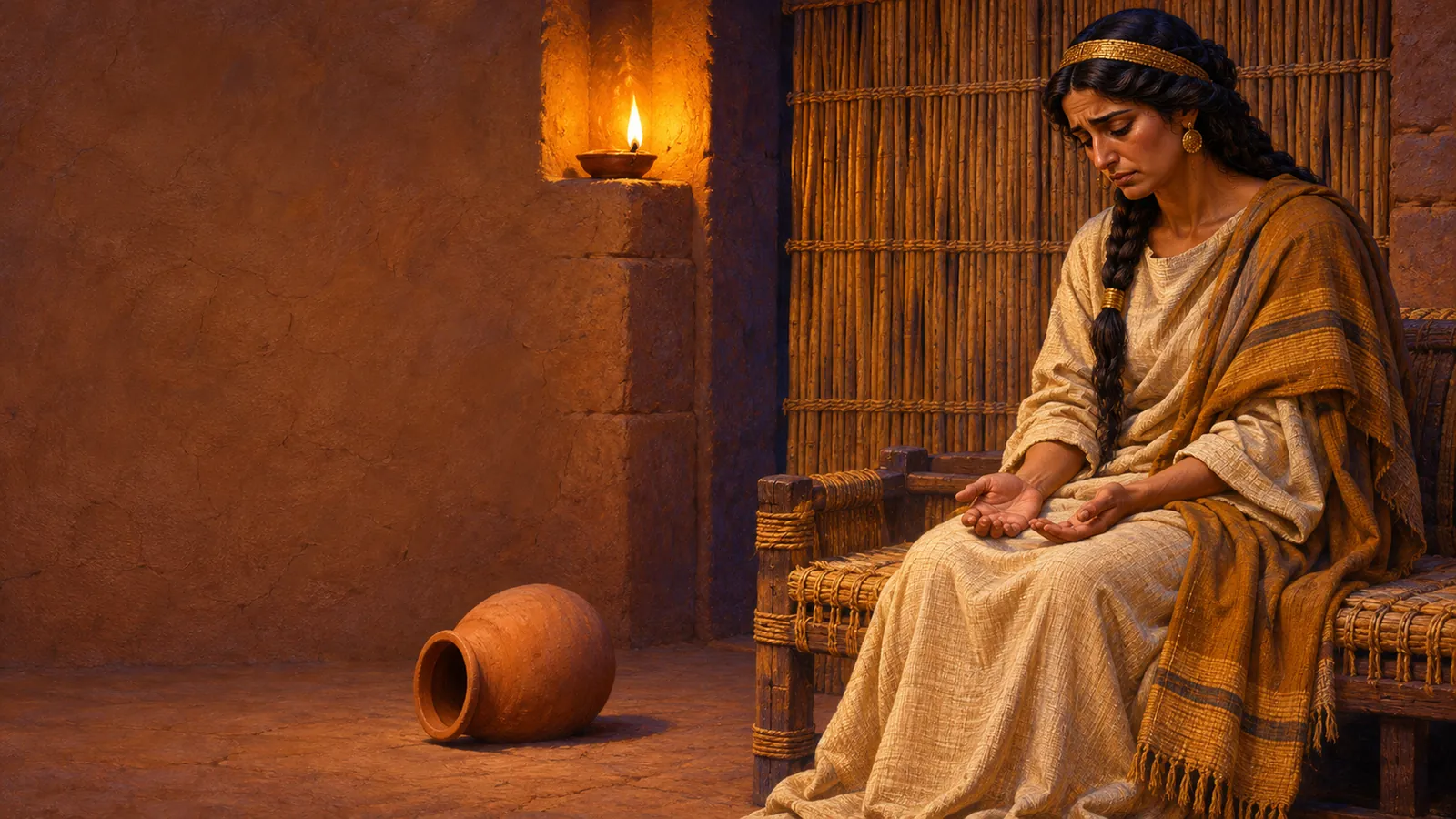
في هذه النسخة يقول إنكيدو إنّ امرأة لم تلد قطّ تُطرح كإناء. والكلمة التي تصف الإناء مفقودة.
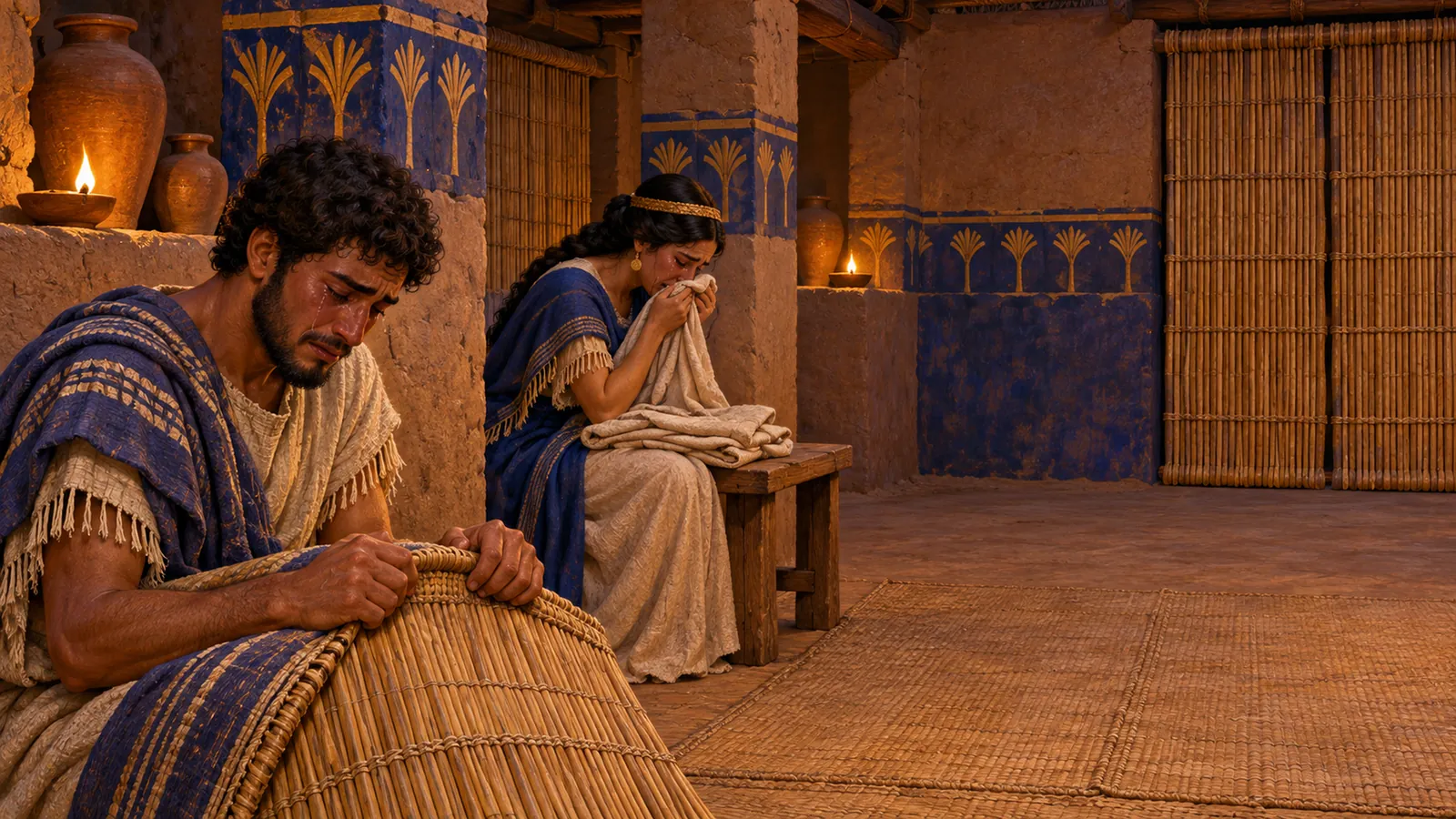
يبكي رجل لم ينزع قطّ ثياب زوجته على حصير قصبيّ مكتمل. وتبكي امرأة لم تنزع قطّ ثياب زوجها على ثوبٍ تقطّع وصفُه.
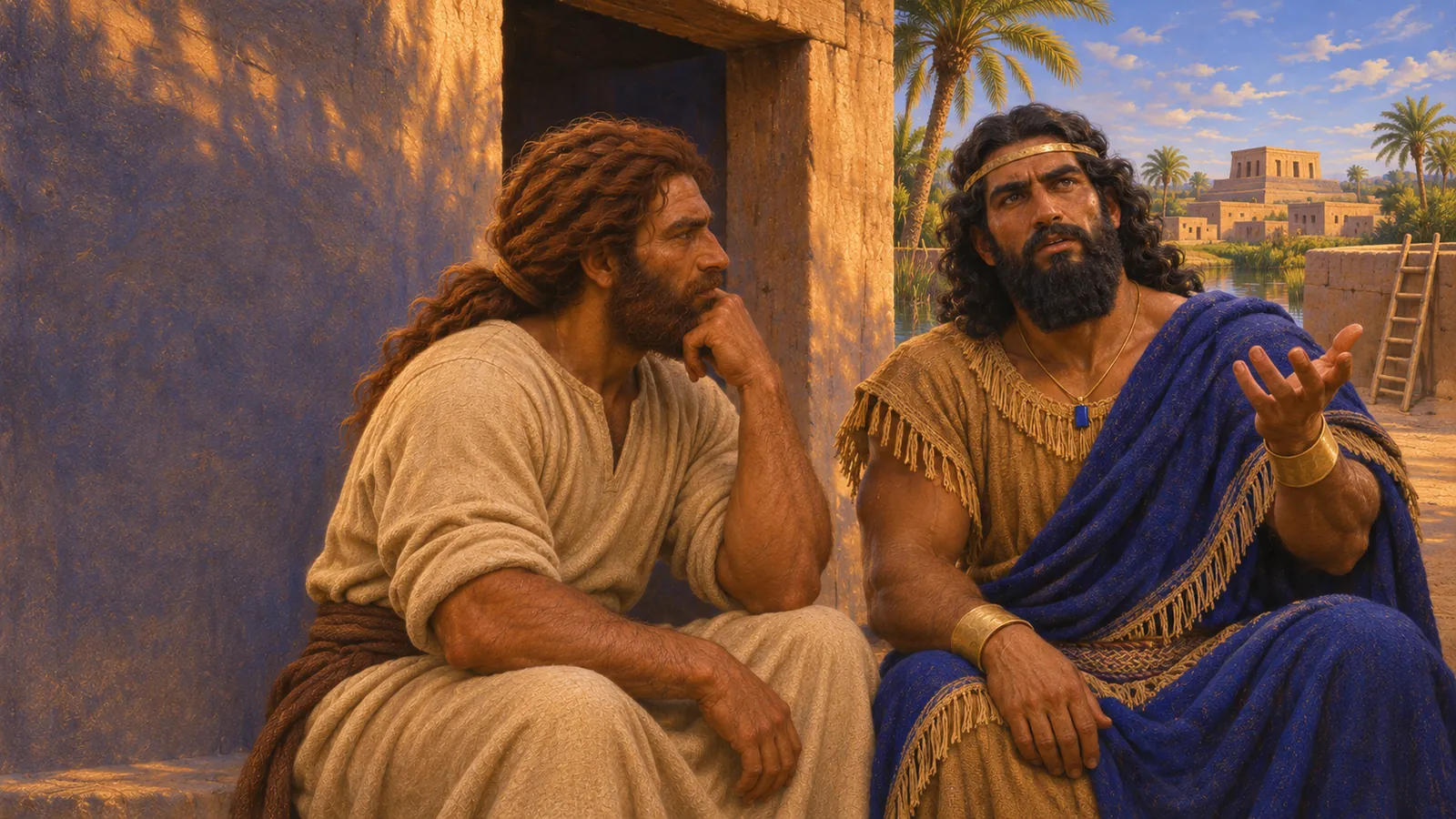
يتحدّث إنكيدو عن شخص لعلّه مدح نفسه، وعن رجل سقط من سطح. ويكاد يضيع سؤال آخر وجوابُه.
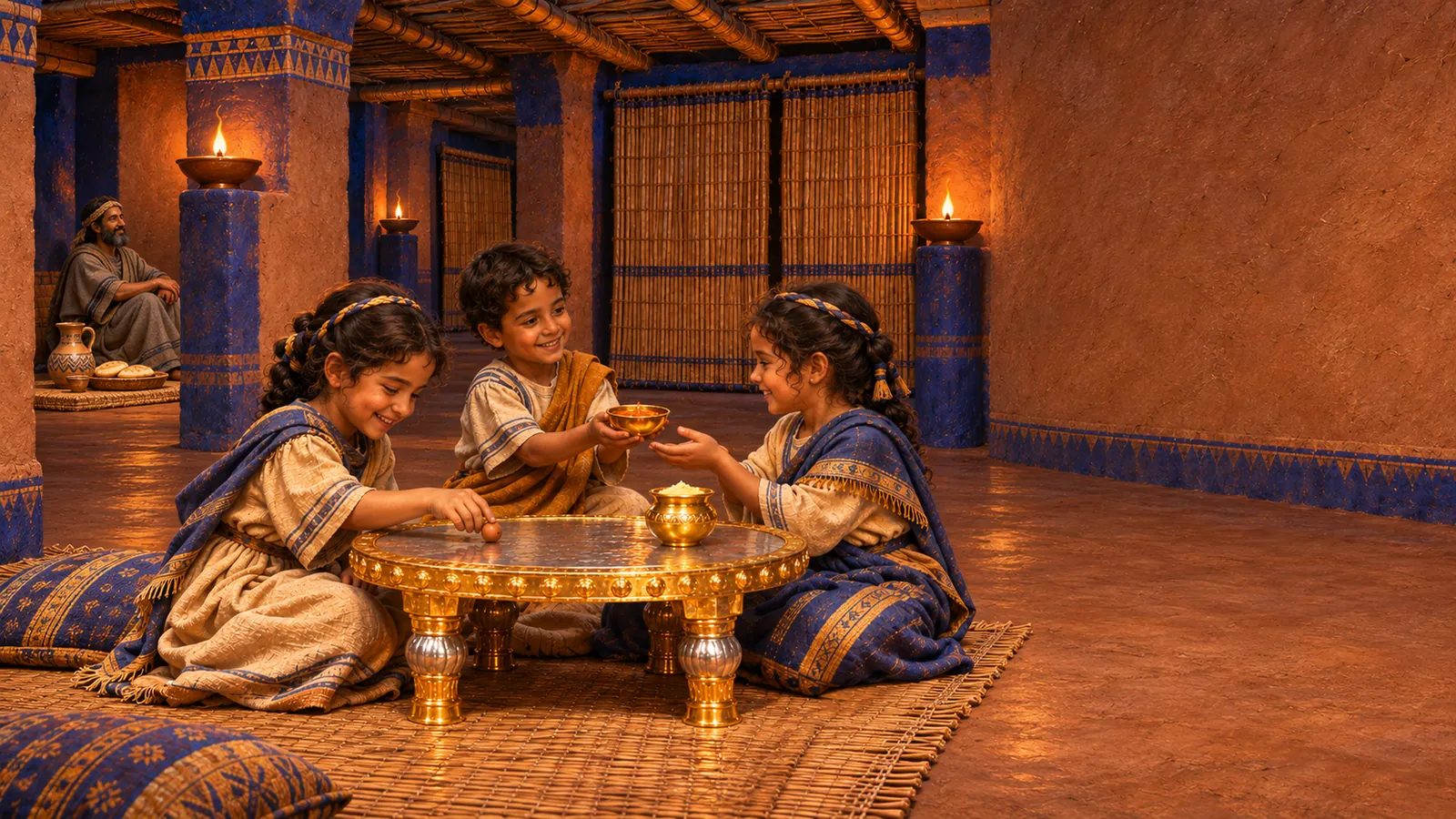
يعيش الرجل الذي تصفه الترجمة بالأبرص خارج المدينة، معزولًا طعامُه وماؤُه. ويلعب أطفال جلجامش الذين وُلدوا موتى ولم يُسمَّوا عند مائدة من ذهب وفضّة.
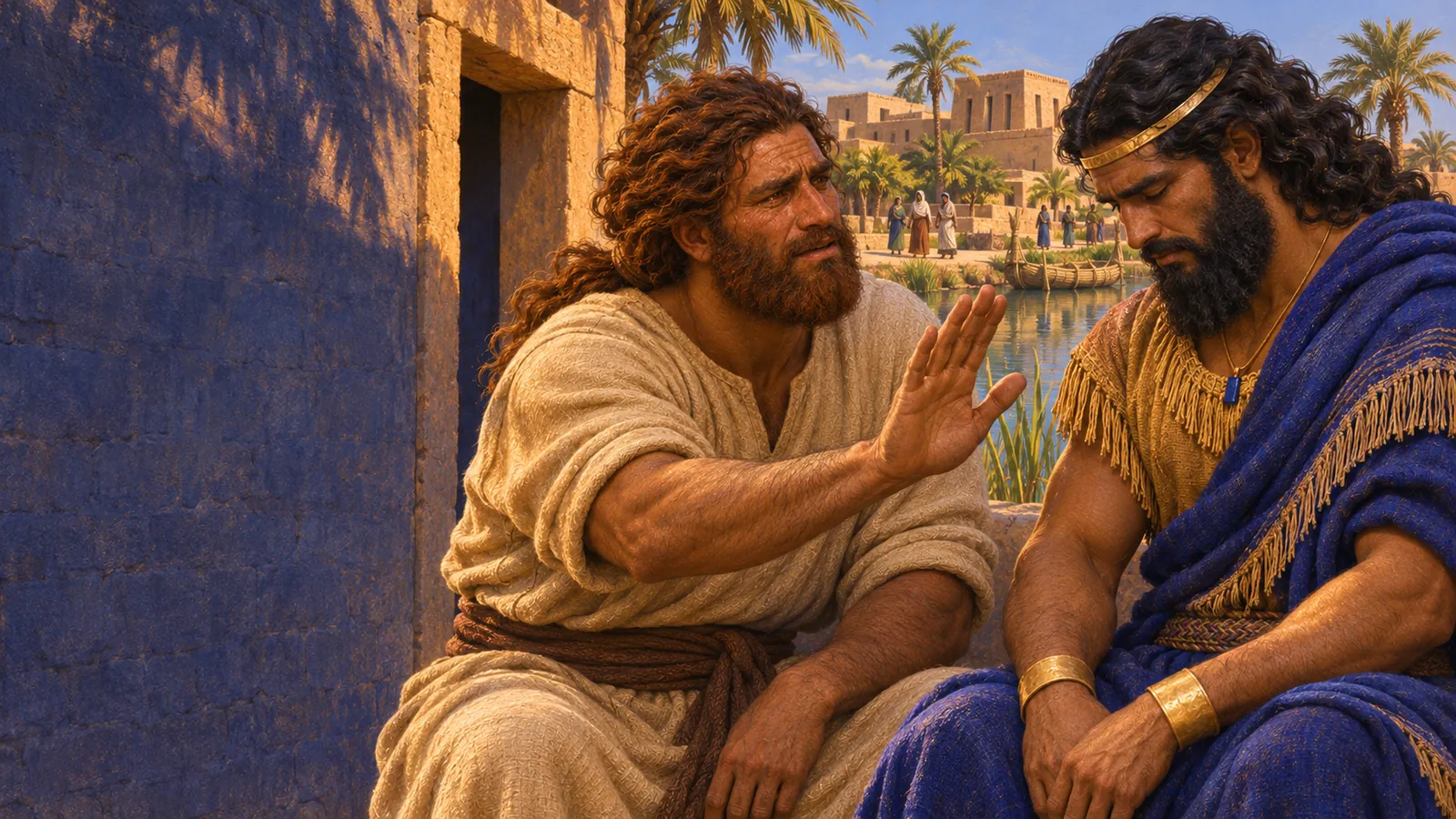
يسأل جلجامش إنكيدو هل رأى الشخص الذي أُضرمت فيه النار. ويتمنّى إنكيدو لو أنّه لم يطرح السؤال. وفي الجواب الناقص لعلّ الروح صعدت مع الدخان.
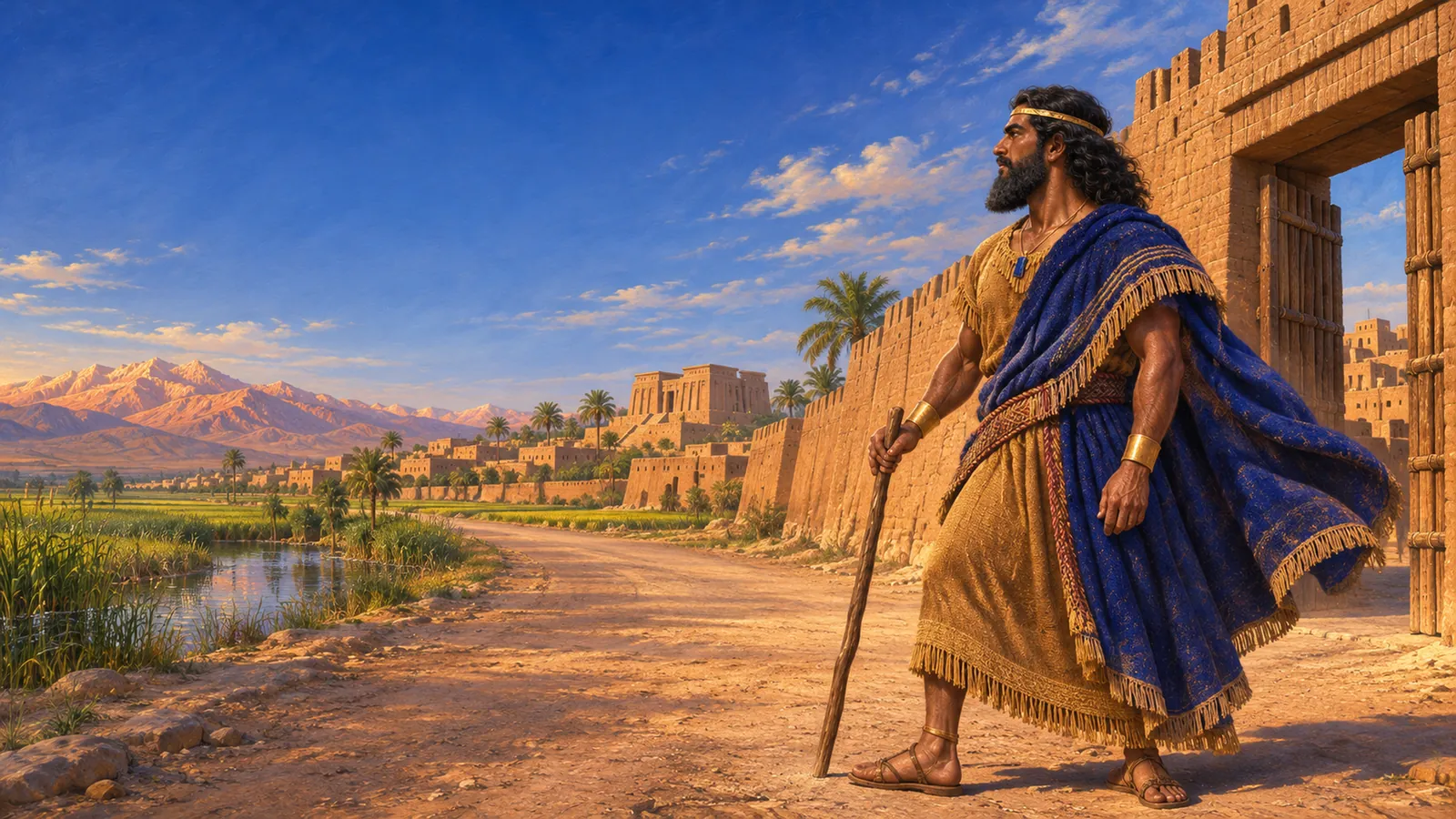
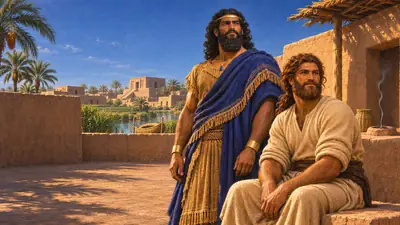
اجتاح الحزنُ الملكَ فبدأ يبحث عن الحياة. وفي هذه النسخة يقرّر الانطلاق إلى الجبل الذي يقيم فيه الرجل.
نهاية الفصل الثالث
كل الصفحات
المصادر
المصادر والملاحظات مكتوبة بالإنجليزية كما وردت في المراجع.
The cited line numbers follow each witness as the Oxford edition prints it. The descriptions of the dead are answers in the poem’s dialogue. The site text keeps the separate manuscripts, queried readings and unidentified people in their own source passages.
الطبعات المعتمدة
ملاحظات على هذه الرواية
Pages 1–7, Version A 254–267. Gilgamesh asks about men who had one through seven sons, in that order. Their reported fates are weeping at a wooden peg, sitting on bricks and eating bread, drinking from a saddle waterskin, the joy of someone who can yoke four donkeys, a tireless scribe’s easy entry to the palace, a ploughman’s cheerfulness and sitting on a throne to hear judgments as a companion of the gods. The retelling condenses the repeated question-and-answer formula and preserves the distinct descriptions and similes.
Pages 8–9, Version A 268–285. The poem asks about a palace eunuch and a woman who never gave birth. The retelling gives the sense of the stick being set aside. A descriptor of the discarded pot in Enkidu’s reply about the woman is lost.
Pages 10–11, Version A 268–285. Oxford says the young man never undressed his wife and the young woman never undressed her husband.
Pages 12–14, Version A 268–285. The man without an heir eats bread. Part of a comparison is damaged, and Oxford marks the reference to bricks as uncertain. The next question loses the identity of its subject. Enkidu’s statement that he saw him and the question about how he fares survive. At the end of the printed 268–285 block, Oxford marks seven lines as fragmentary or missing and then resumes with its 286–303 block. The edition prints no individual line numbers for those damaged lines here.
Page 15, Version A 286–303. The identity in the opening question is damaged. His food and water are set apart.
Page 16, Version A 286–303, one-manuscript addition. The Oxford translation sets two accounts inside a single manuscript variant. The man eaten by a lion cries bitterly for his hands and legs. The man who fell from a roof is the subject of a damaged reply about what cannot be done with his bones. The following page returns to the main sequence.
Page 17, Version A 286–303. Oxford renders the ancient term as leprous, then gives a comparison with a twitching ox and mentions worms.
Pages 18–19, Version A 286–303. The fallen warrior’s parents are absent to hold his head, and his wife weeps. The spirit without offerings eats scraps thrown in the street. In the second the line in the phrase about scraps is damaged.
Page 20, Version A 286–303. The main reading has a blow by a ship’s board. One manuscript adds the queried circumstance of diving. A cry to the man’s mother is explicit. The subsequent lines about a board and cross beam and scraps break off.
Pages 21–22, Version A 286–303. The questioner names his stillborn children, and Enkidu places them at the gold and silver table with honey and ghee. The next question preserves the fact of a death but loses its circumstances. The reply names a bed of the gods.
Page 23, Version A 286–303. Enkidu reports absence of the person and his spirit and says his smoke rose to the sky. This is the end of Version A in Oxford’s translation. The next page restarts in another witness.
Page 24, Ur tablet UET 6 58, printed lines 1–7. The reply on the man who fell from a roof breaks at the words about his bones. Oxford marks uncertainty around a person struck in a flood-storm of Ishkur and gives an ox and worms in the reply. The man called leprous in this witness lives outside town with separate provisions. Wording about offerings is marked uncertain.
Page 25, UET 6 58, lines 8–19. The two parental questions are distinct. The first reply gives ongoing cries about body and limbs. The second says a curse reached the man, he lacks an heir and his spirit roams. The subject and response of the question mentioning the god’s name survive only in fragments.
Pages 26–27, UET 6 58, lines 8–19. This witness includes the crumbs in the street, the gold and silver table for the stillborn children, and the question about the person set on fire. The answer expressly states his spirit does not live in the underworld. The following UET 6 58 range begins a new group of questions at line 20.
Page 28 (UET 6 58, 20–28). The reply about the false oath preserves drinking and a libation place at the entrance to the netherworld, with the entrance reading queried. The copy also queries whether the man from Girsu refused water to his father and mother. Its answer mentions a thousand Amorites in front of each of them. The antecedents and the account of what the spirit could do are damaged.
Page 29 (UET 6 58, 20–28). The reply says the people of Sumer and Akkad drink muddy water. The questioner’s parents drink muddy water as well. The designation of the place is damaged in both replies. This ends the first Ur witness.
Pages 30–31 (UET 6 59, Segment A 1–9). The reply concerning the man hit by a ship’s board preserves his cry to his mother and broken references to a crossbeam and crumbs. The answer about the fall from the roof gives the ox comparison and worms. The mother’s curse leaves the man without an heir, and Oxford queries whether his spirit roams. After the question about disregarding the words of both parents, the edition marks one fragmentary line and an unknown number of missing lines.
Pages 32–34 (UET 6 59, Segment B 1–11). The surviving segment opens with food and water set apart for an unidentified person. Oxford queries the words about their being offered to him. The man fallen in battle lacks his parents to hold his head, and his wife weeps. The next subject is broken and its reply preserves a queried reference to a hand. The spirit without funerary offerings eats scraps and crumbs. This witness gives the stillborn children a bucket of gold and silver filled with honey and ghee.
Pages 35–36 (UET 6 60, 1–10). This witness starts with a return to Uruk. The man who enters lays up tools and armaments, including an axe and spear. The wording supplies no identification of the tools as the ellag and ekidma. The people of Uruk and Kulaba rejoice before a statue, with the reference to the old men queried. At Utu’s coming forth, Oxford tentatively identifies Gilgamesh as the speaker of the call for his parents to drink clean water. The wording about whom he addresses and the statue associated with the crown is uncertain.
Page 37 (UET 6 60, block headed 11). Gilgamesh goes to the place of mourning for nine days, the people weep, a citizen of Girsu is repulsed and the call for clean water is repeated. Oxford’s English displays this as a single block headed 11. Its next printed line label is 17.
Page 38 (UET 6 60, 17). The final line praises Gilgamesh, the warrior and son of Ninsun, whom Oxford calls Ninsumun. This closes the third Ur witness.
Pages 39–41, Me-Turan Segment B 1–28. B starts after an unknown gap from A. Two- and three-son answers are damaged after sitting and drinking. One witness adds the four-asses comparison. The man without an heir eats bread in an uncertain comparison. The editor indicates about three missing lines at the end of the block.
Page 42, B 29–51. Neither subject of the first two questions is preserved. One damaged reply speaks of drinking water and one of worms. One man was eaten by a dog, and the blow from a boat’s mast is a queried reading. Cries about hands and legs and a cry to the mother survive in these damaged accounts.
Pages 43–44, B 29–51. The descriptor of the thrown-away pot and the rest of the woman’s reply are damaged.
Page 45, B 52–68. The damaged question may concern a man praising himself. Its reply has a queried comparison with an ox and a line about worms. The roof fall is explicit. Details of the bones, the spirit and the next question are damaged.
Page 46, B 52–68. Oxford translates the ancient descriptor as leprous. Food and water are separate, the man lives outside the city, and the clause mentioning spirits is damaged. The questioner identifies the unnamed stillborn children as his own. They play at a gold and silver table. The words after that are broken.
Page 47, B 52–68. Enkidu questions why his friend did not spare him the question about the person set on fire. The friend reiterates his question. The reply on the spirit and the rising smoke is damaged, and the smoke is queried.
Page 48, B 69–71. The king is stricken in heart and insides, seeks life, and decides to set off toward the mountain where the man lives. Oxford marks this as a transition to *Gilgamesh and Huwawa*, Version A.
الأسطر القديمة وراء كل صفحة
- Page 1: ETCSL 1.8.1.4, Version A, lines 254–267
- Page 2: ETCSL 1.8.1.4, Version A, lines 254–267
- Page 3: ETCSL 1.8.1.4, Version A, lines 254–267
- Page 4: ETCSL 1.8.1.4, Version A, lines 254–267
- Page 5: ETCSL 1.8.1.4, Version A, lines 254–267
- Page 6: ETCSL 1.8.1.4, Version A, lines 254–267
The right is a continuous naturally shaded ochre-gray soil plane with no horizon, field lines or markings in it. - Page 7: ETCSL 1.8.1.4, Version A, lines 254–267
- Page 8: ETCSL 1.8.1.4, Version A, lines 268–285
- Page 9: ETCSL 1.8.1.4, Version A, lines 268–285
- Page 10: ETCSL 1.8.1.4, Version A, lines 268–285
- Page 11: ETCSL 1.8.1.4, Version A, lines 268–285
- Page 12: ETCSL 1.8.1.4, Version A, lines 268–285
- Page 13: ETCSL 1.8.1.4, Version A, lines 268–285
- Page 14: ETCSL 1.8.1.4, Version A, lines 268–285
Low side macro study of the irregular break along the short pale edge of a single completely plain clay fragment, at the extreme lower left. The entire right text rectangle is continuous softly shaded clay. - Page 15: ETCSL 1.8.1.4, Version A, lines 286–303
- Page 16: ETCSL 1.8.1.4, Version A, lines 286–303
- Page 17: ETCSL 1.8.1.4, Version A, lines 286–303
- Page 18: ETCSL 1.8.1.4, Version A, lines 286–303
- Page 19: ETCSL 1.8.1.4, Version A, lines 286–303
- Page 20: ETCSL 1.8.1.4, Version A, lines 286–303
- Page 21: ETCSL 1.8.1.4, Version A, lines 286–303
- Page 22: ETCSL 1.8.1.4, Version A, lines 286–303
- Page 23: ETCSL 1.8.1.4, Version A, lines 286–303
- Page 24: ETCSL 1.8.1.4, UET 6 58, lines 1–7
Upper title reserve for the Ur 58 witness. - Page 25: ETCSL 1.8.1.4, UET 6 58, lines 8–19
- Page 26: ETCSL 1.8.1.4, UET 6 58, lines 8–19
- Page 27: ETCSL 1.8.1.4, UET 6 58, lines 8–19
- Page 28: ETCSL 1.8.1.4, UET 6 58, lines 20–28
- Page 29: ETCSL 1.8.1.4, UET 6 58, lines 20–28
- Page 30: ETCSL 1.8.1.4, UET 6 59, Segment A, lines 1–9
- Page 31: ETCSL 1.8.1.4, UET 6 59, Segment A, lines 1–9
- Page 32: ETCSL 1.8.1.4, UET 6 59, Segment B, lines 1–11
- Page 33: ETCSL 1.8.1.4, UET 6 59, Segment B, lines 1–11
- Page 34: ETCSL 1.8.1.4, UET 6 59, Segment B, lines 1–11
- Page 35: ETCSL 1.8.1.4, UET 6 60, lines 1–10
- Page 36: ETCSL 1.8.1.4, UET 6 60, lines 1–10
- Page 37: ETCSL 1.8.1.4, UET 6 60, block headed line 11
- Page 38: ETCSL 1.8.1.4, UET 6 60, line 17
- Page 39: ETCSL 1.8.1.4, Me-Turan, Segment B, lines 1–28
- Page 40: ETCSL 1.8.1.4, Me-Turan, Segment B, lines 1–28
- Page 41: ETCSL 1.8.1.4, Me-Turan, Segment B, lines 1–28
- Page 42: ETCSL 1.8.1.4, Me-Turan, Segment B, lines 29–51
Right is naturally even blue-gray water and reflected mist, without a horizon line across the text field. - Page 43: ETCSL 1.8.1.4, Me-Turan, Segment B, lines 29–51
- Page 44: ETCSL 1.8.1.4, Me-Turan, Segment B, lines 29–51
- Page 45: ETCSL 1.8.1.4, Me-Turan, Segment B, lines 52–68
- Page 46: ETCSL 1.8.1.4, Me-Turan, Segment B, lines 52–68
- Page 47: ETCSL 1.8.1.4, Me-Turan, Segment B, lines 52–68
- Page 48: ETCSL 1.8.1.4, Me-Turan, Segment B, lines 69–71
الرسوم من صنع أرشيف إيل بأدوات الذكاء الاصطناعي؛ والنص مبني على المصادر القديمة (انظر المصادر في آخر كل فصل).