نشيد كوماربي الفصل الأول
نشيد السماء غير المكتمل
يتنازع ألالو وآنو وكوماربي العرش، وتعقب الإطاحة العنيفة ولادات إلهية غير متوقعة. وينتهي اللوح الأول التالف بعطايا لرسول وإشارة صريحة إلى عدم الاكتمال، دون استعادة تتويج مفقود.
المصادرقلّب الصفحات بالأزرار أو بمفاتيح الأسهم أو بسحب الإصبع.
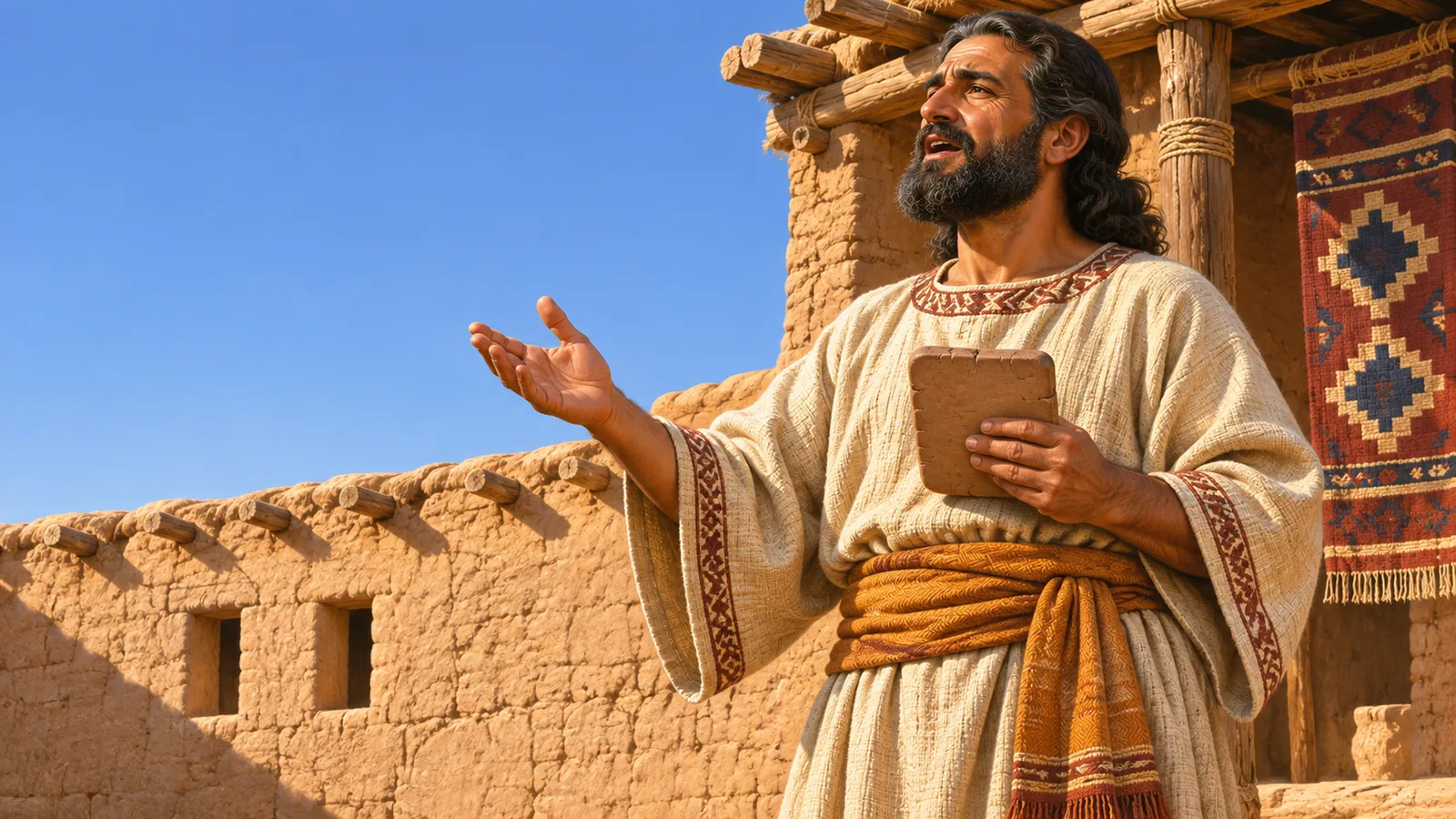
أنصتوا
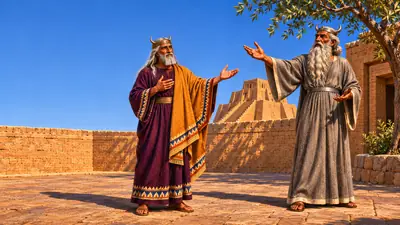
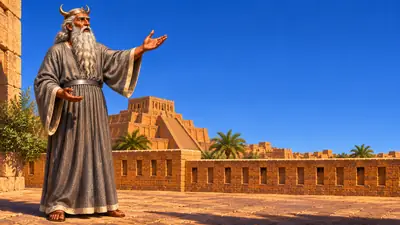
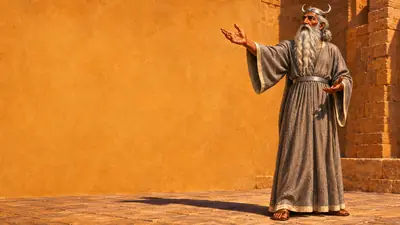
يدعو المنشد الآلهة القديمة إلى سماع نشيد كوماربي. وتقودنا كلماته الباقية إلى صراع على المُلك في السماء.
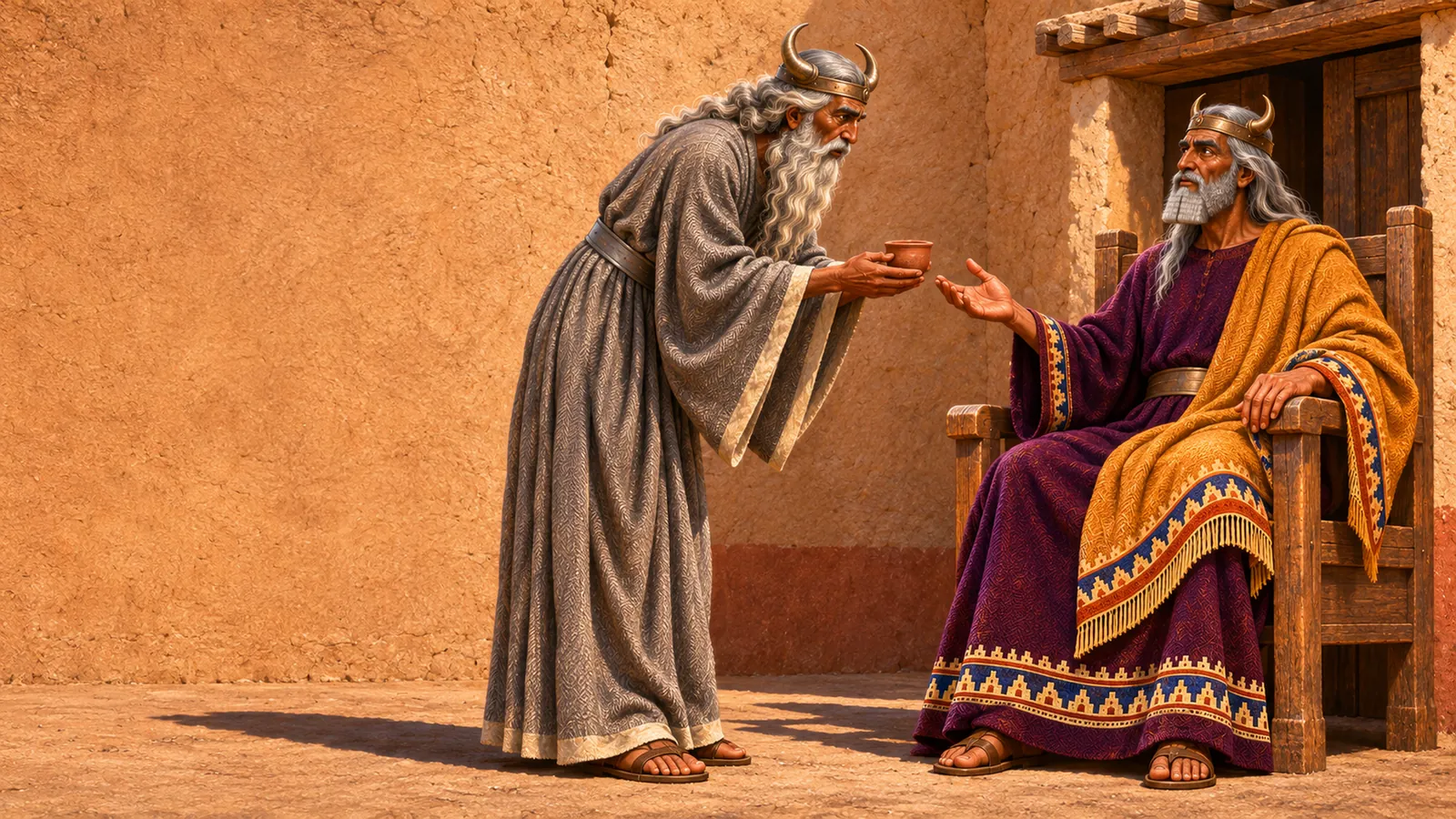
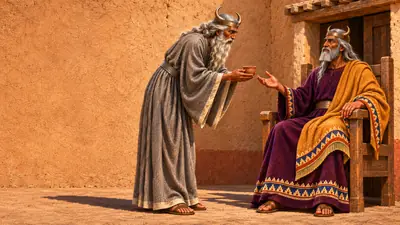
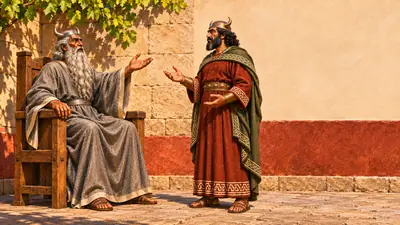
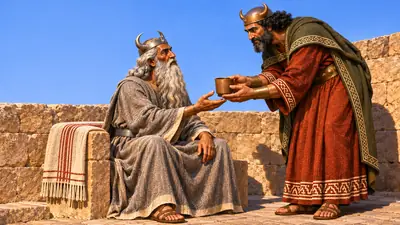
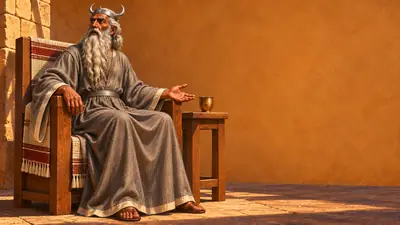
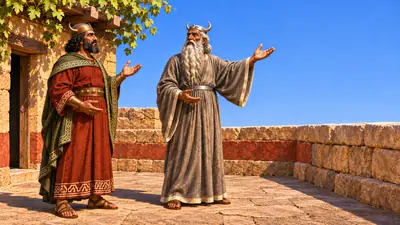
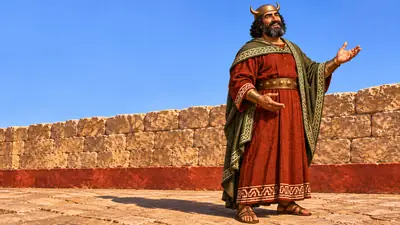
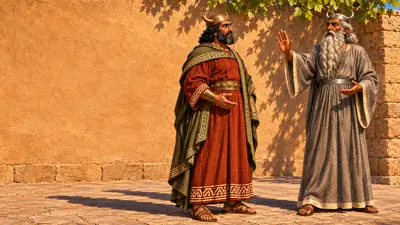
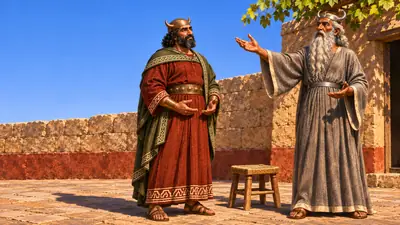
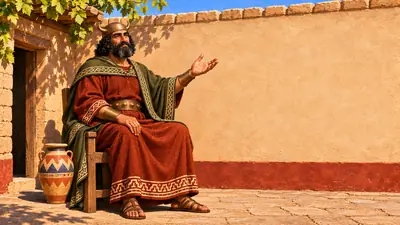
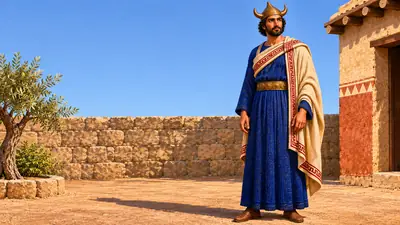
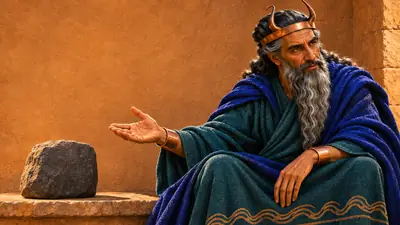
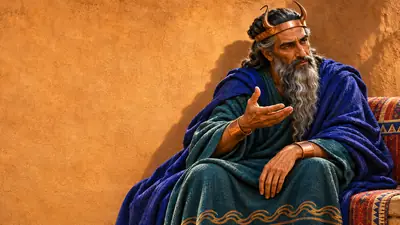
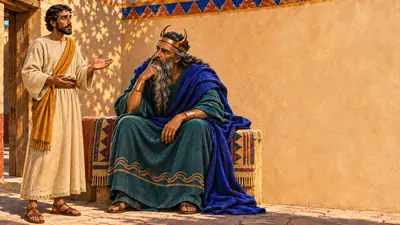
قديمًا جلس ألالو على عرش السماء. ووقف أمامه آنو القوي، وانحنى عند قدميه ووضع كأس الشراب في يده.
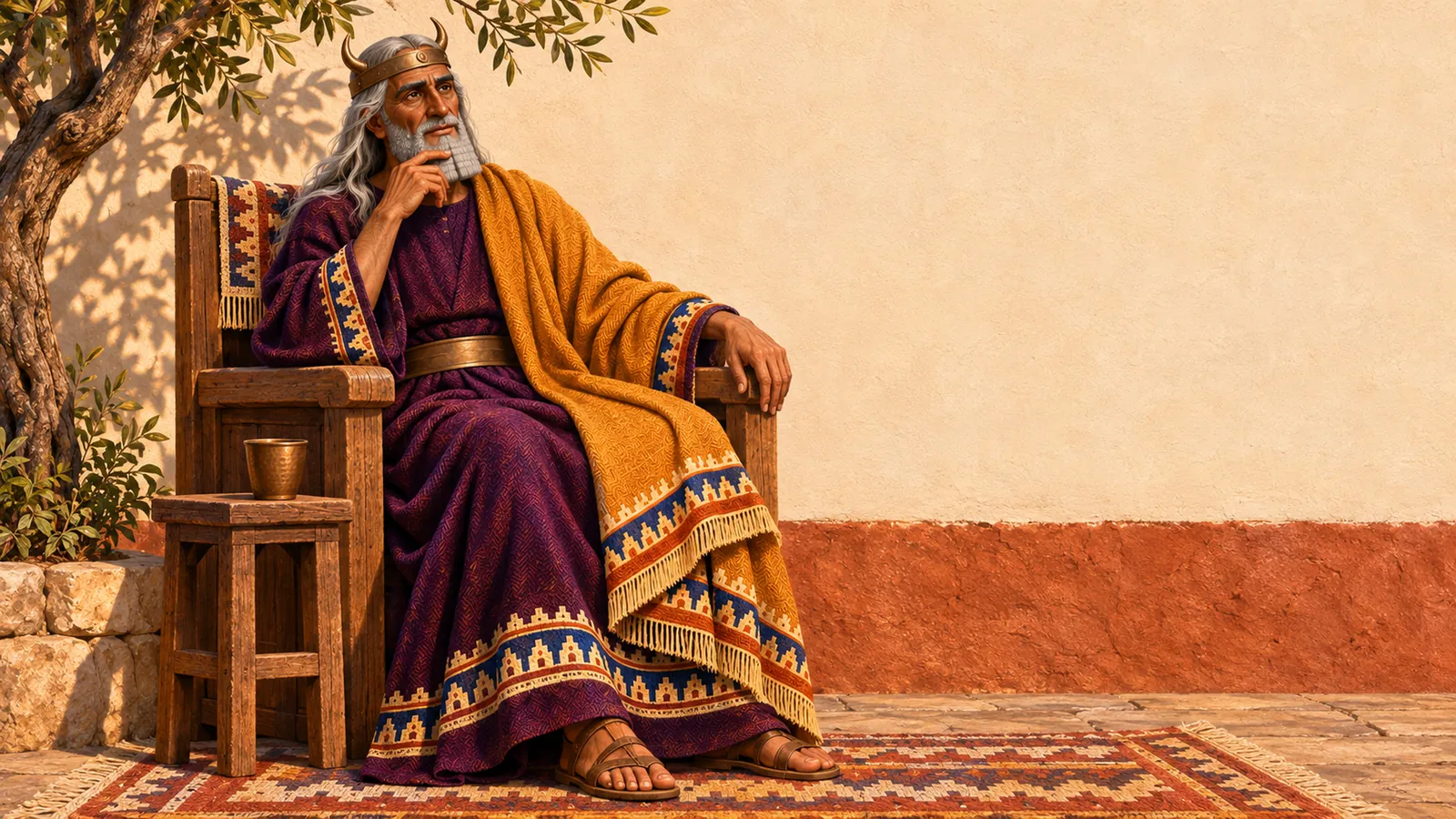
حكم ألالو في السماء تسع سنوات معدودة. غير أن النشيد يضع لهذا الحكم حدًّا: ففي السنة التاسعة تحدّى آنو الملك.
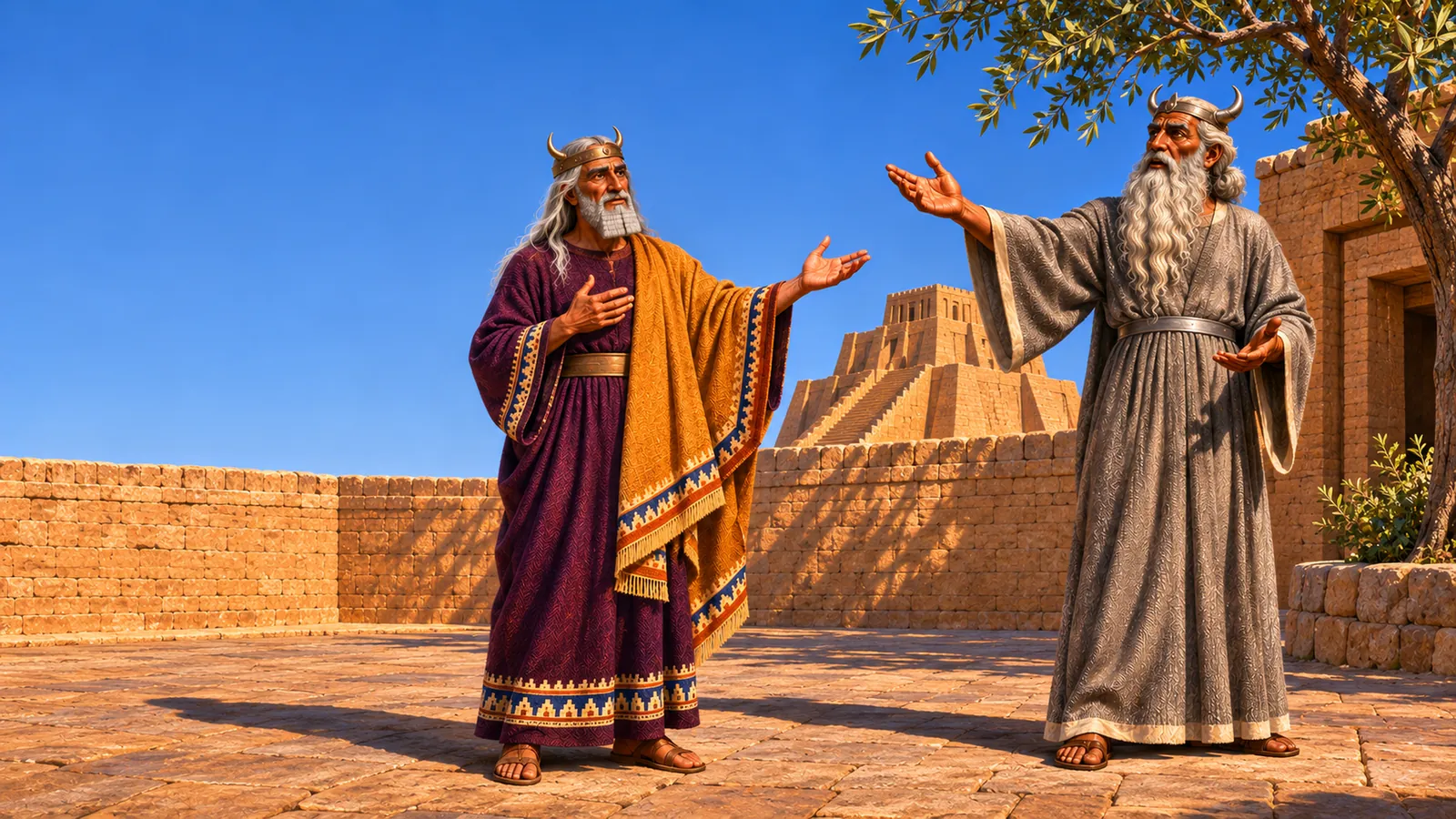
قاتل آنو ألالو وغلبه. ولم يعد الملك القديم قادرًا على الاحتفاظ بالمقعد الذي كان آنو يخدم أمامه.
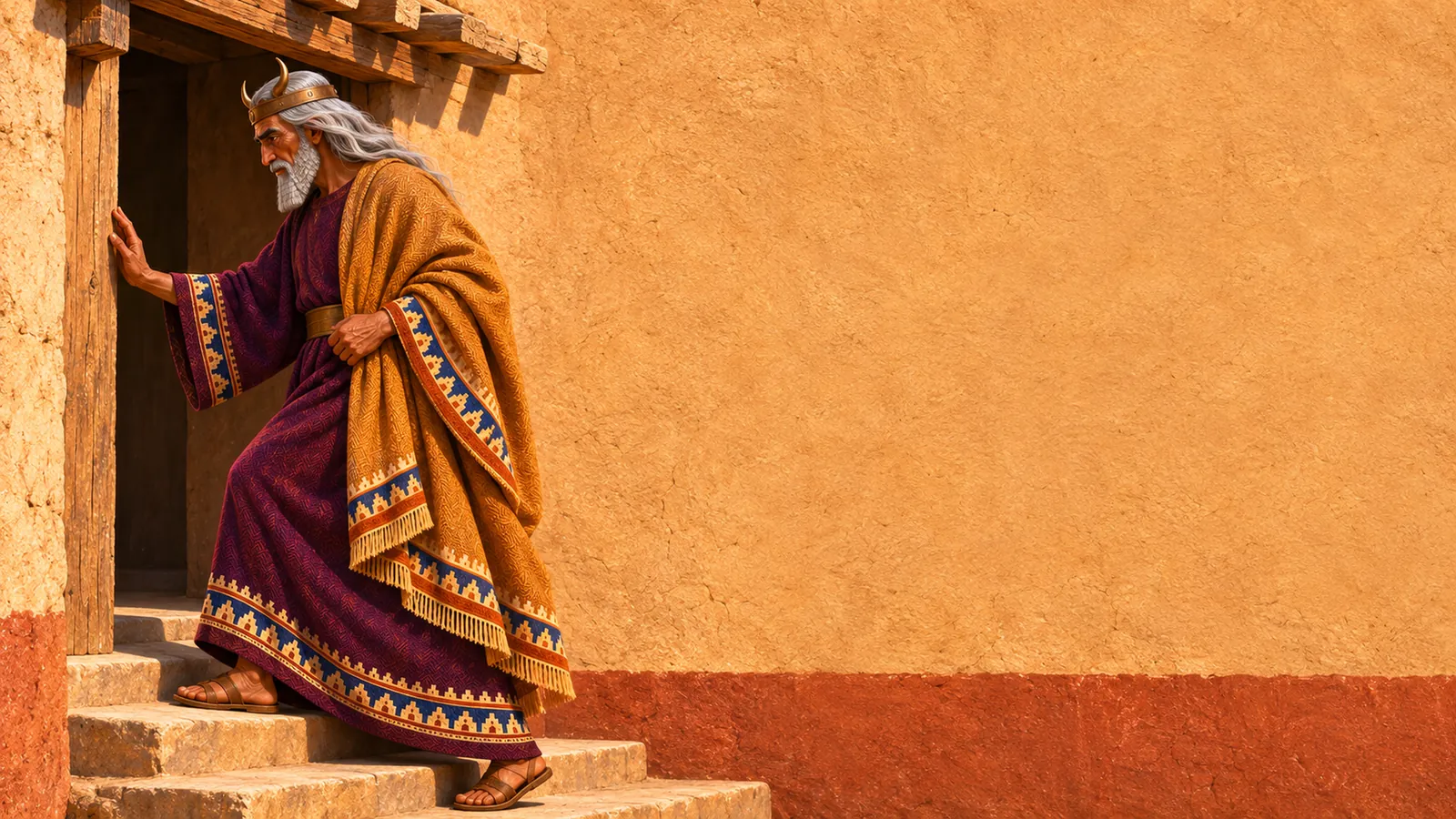
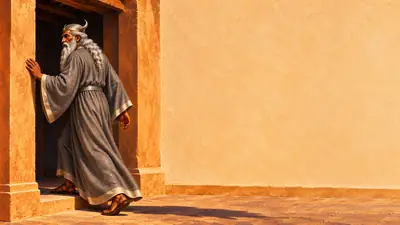
فرّ ألالو المهزوم إلى الأرض المظلمة في الأسفل. ويتتبع النشيد رحيله، ثم يعود إلى العرش الذي فقده.
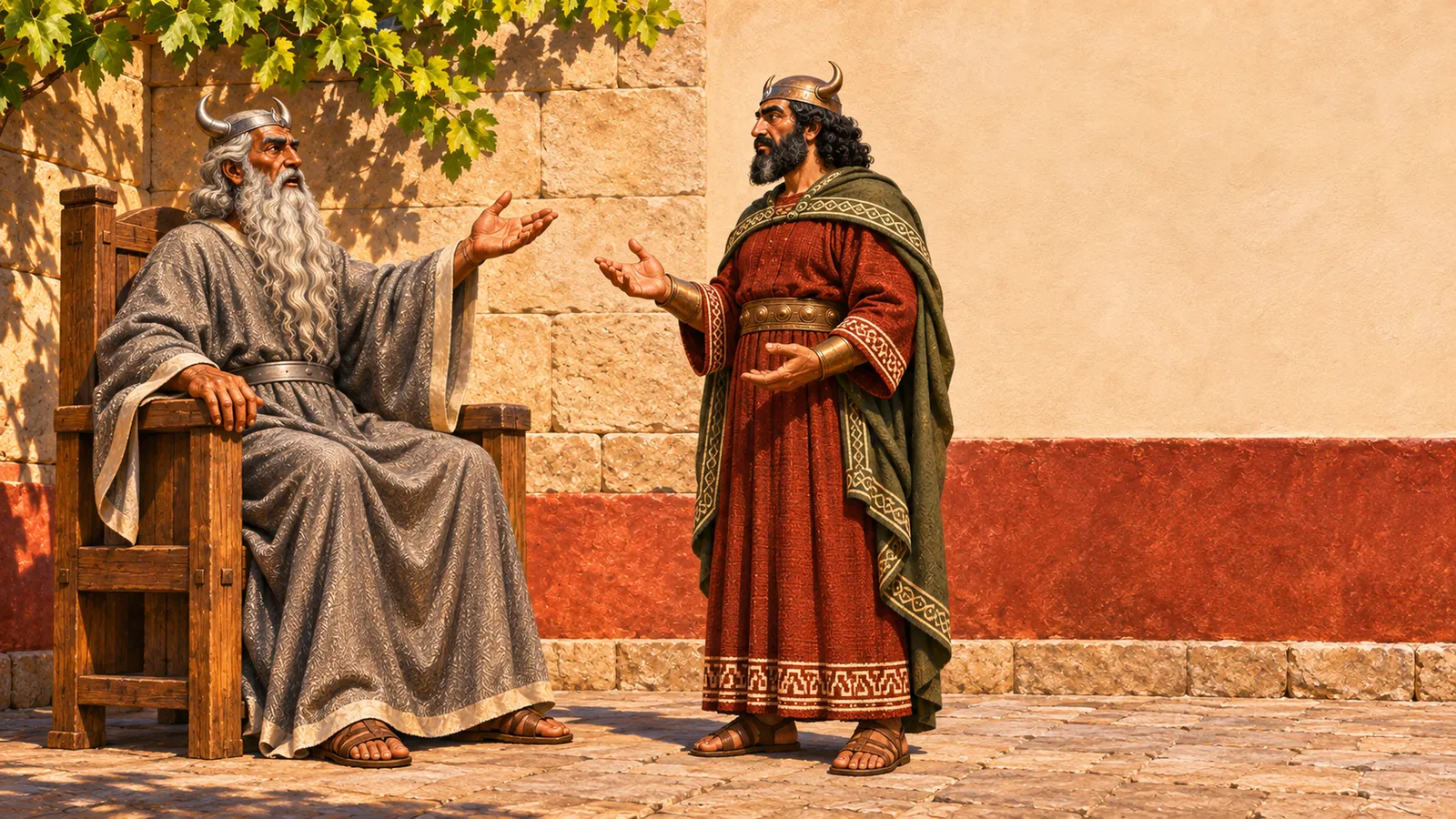
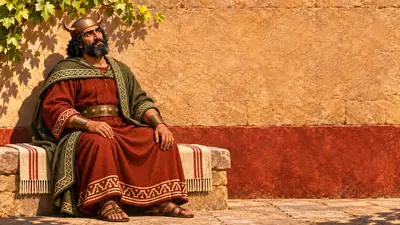
جلس آنو على العرش في السماء. وصار موضع الخدمة لكوماربي، الذي وقف أمام الإله الحاكم الجديد.
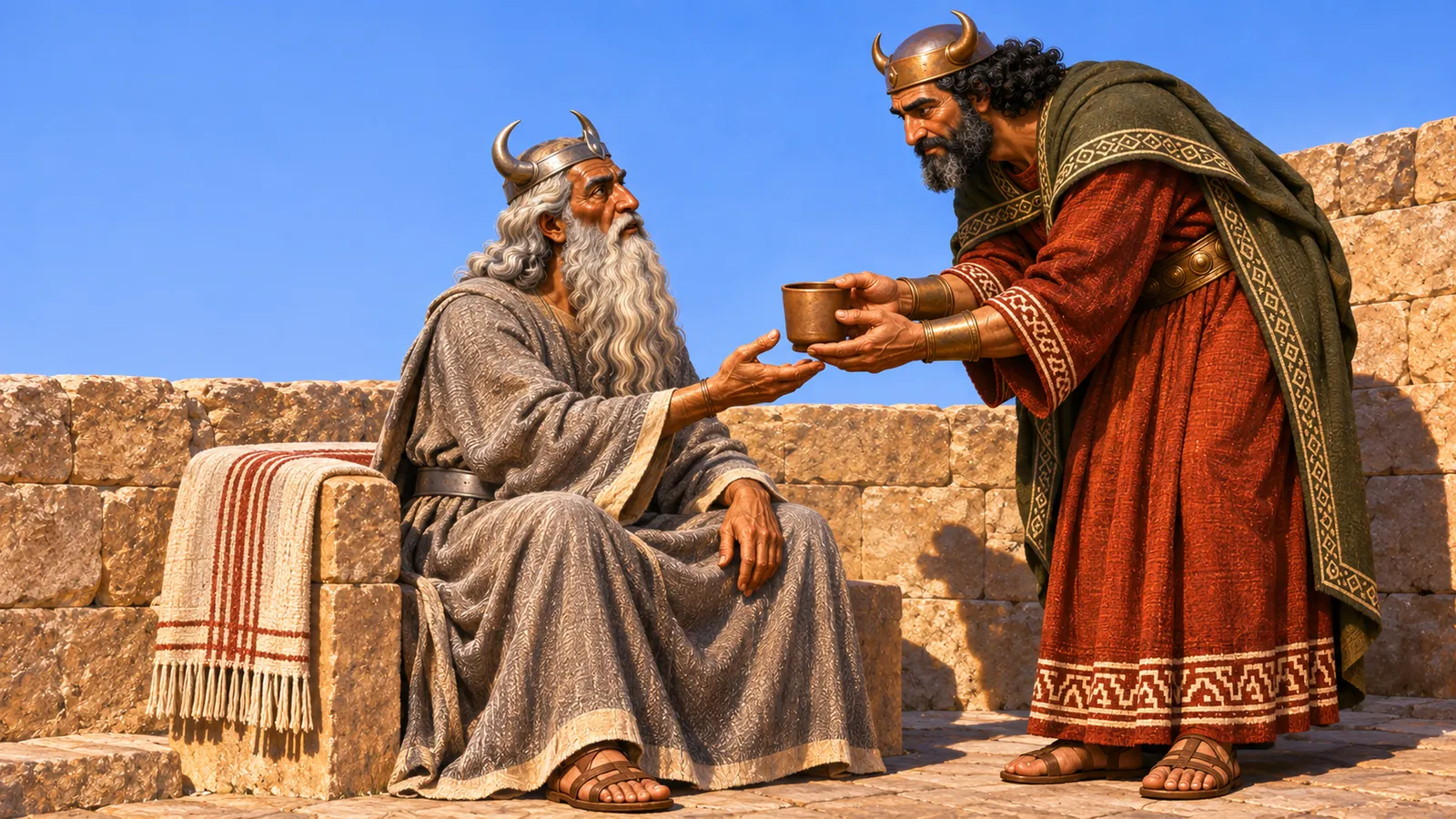
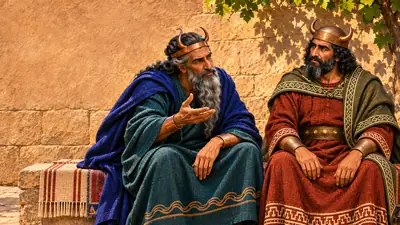
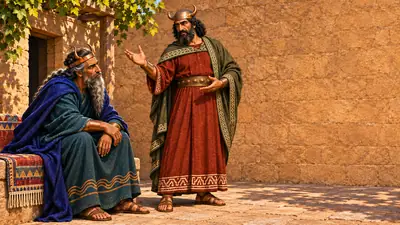
انحنى كوماربي أمام آنو وقدّم له الشراب. ومرة أخرى تلقّى حاكم السماء كأسًا من الإله الذي سينازعه الحكم.
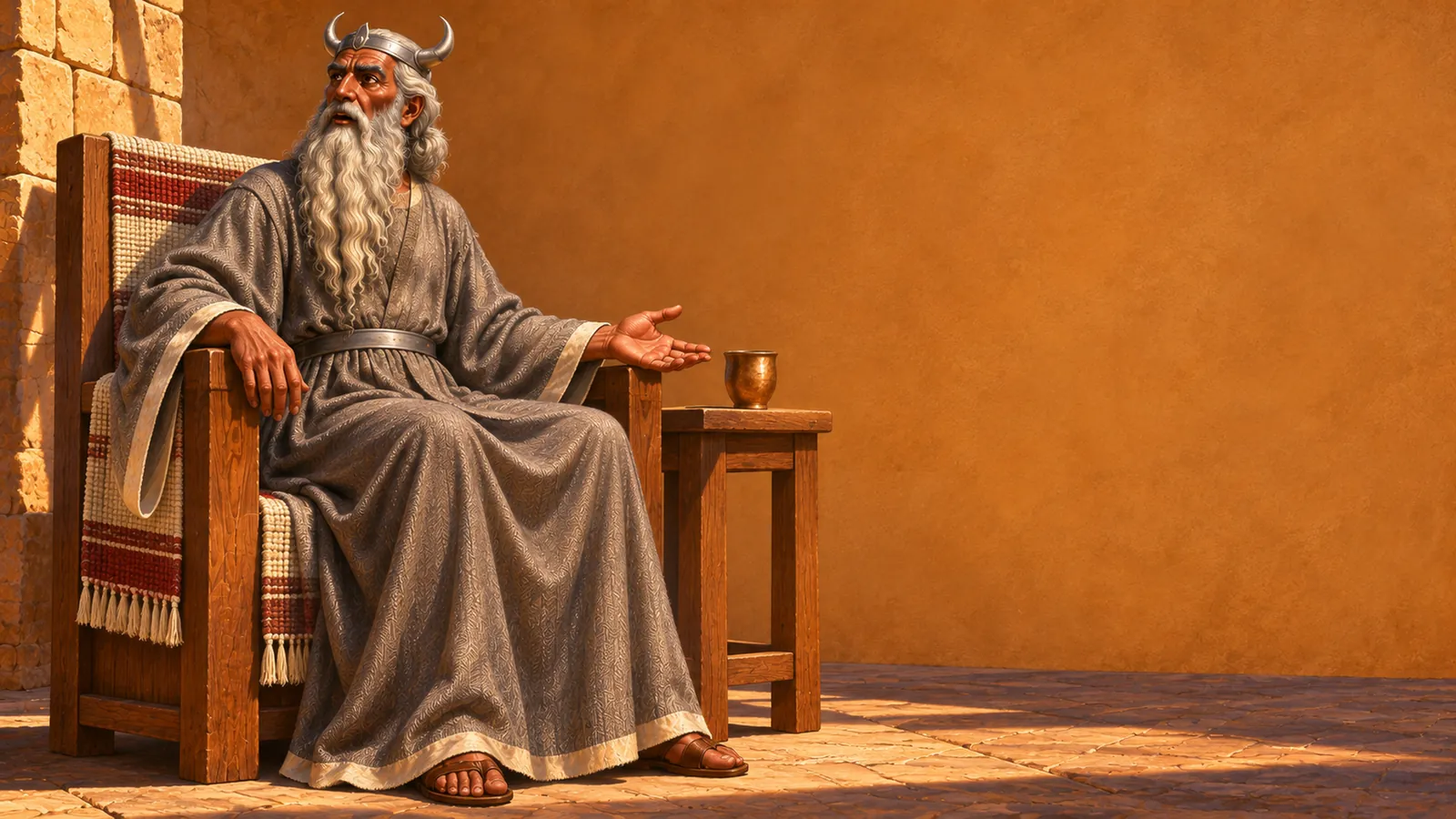
وحكم آنو أيضًا تسع سنوات معدودة. وفي التاسعة قاتله كوماربي؛ وتقود السنوات المتكررة إلى منازعة أخرى على العرش.
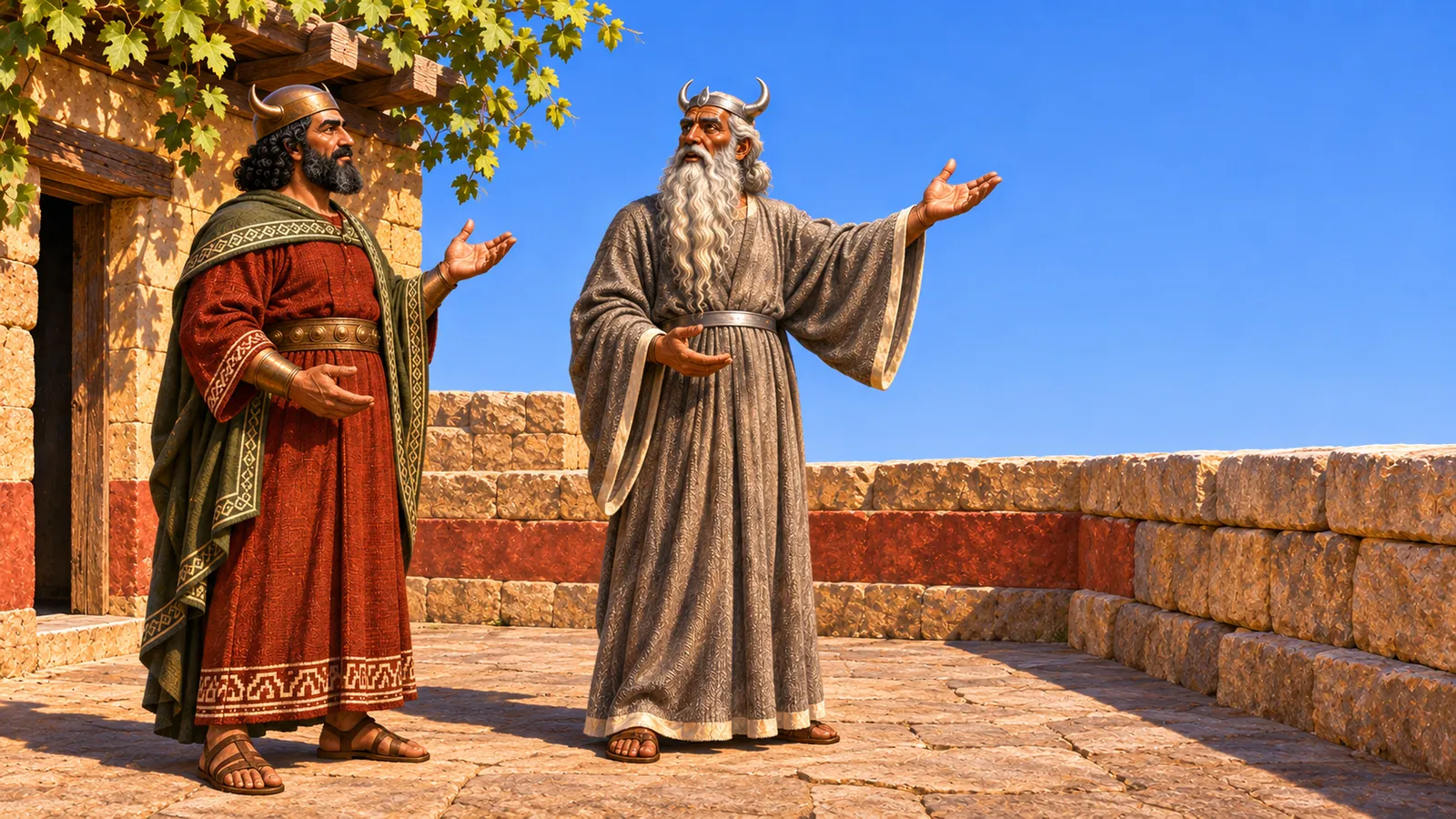
واجه كوماربي آنو في القتال. ولم يعد آنو يحتمل نظرة خصمه، فأفلت من قبضته وقصد السماء في الأعلى.
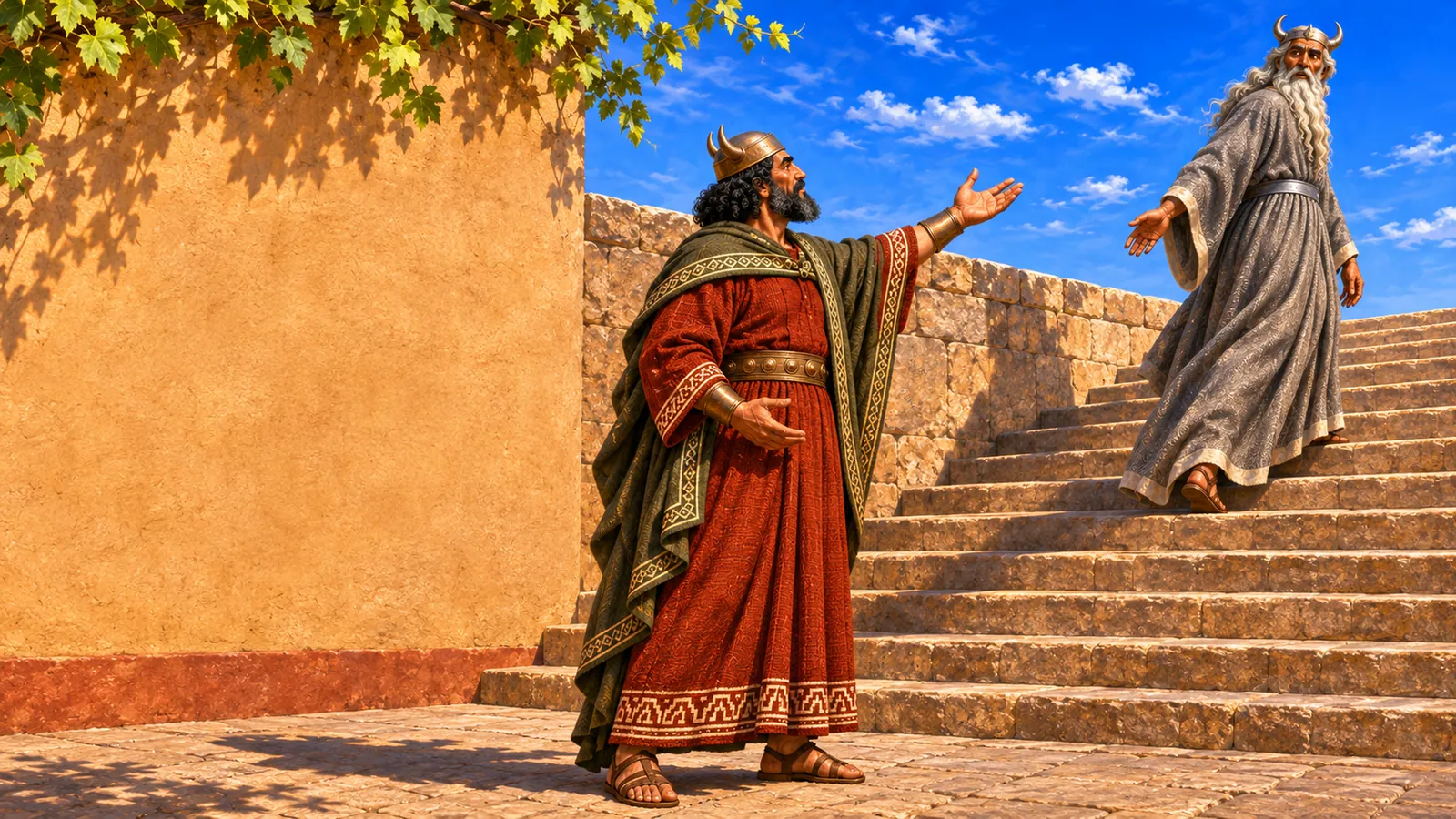
فرّ آنو نحو السماء كطائر. ومدّ كوماربي يده خلفه؛ فلم يكن الفرار كافيًا لترك المنازع وراءه.

أمسك كوماربي بقدمي آنو وجذبه من السماء إلى الأسفل. وأُمسك بالإله الفار قبل أن ينجو من الصراع.

قضم كوماربي أعضاء آنو التناسلية وابتلع ذكورته. ومن خلال هذا الفعل العنيف صار كوماربي نفسه حاملًا بجيل جديد من الآلهة.
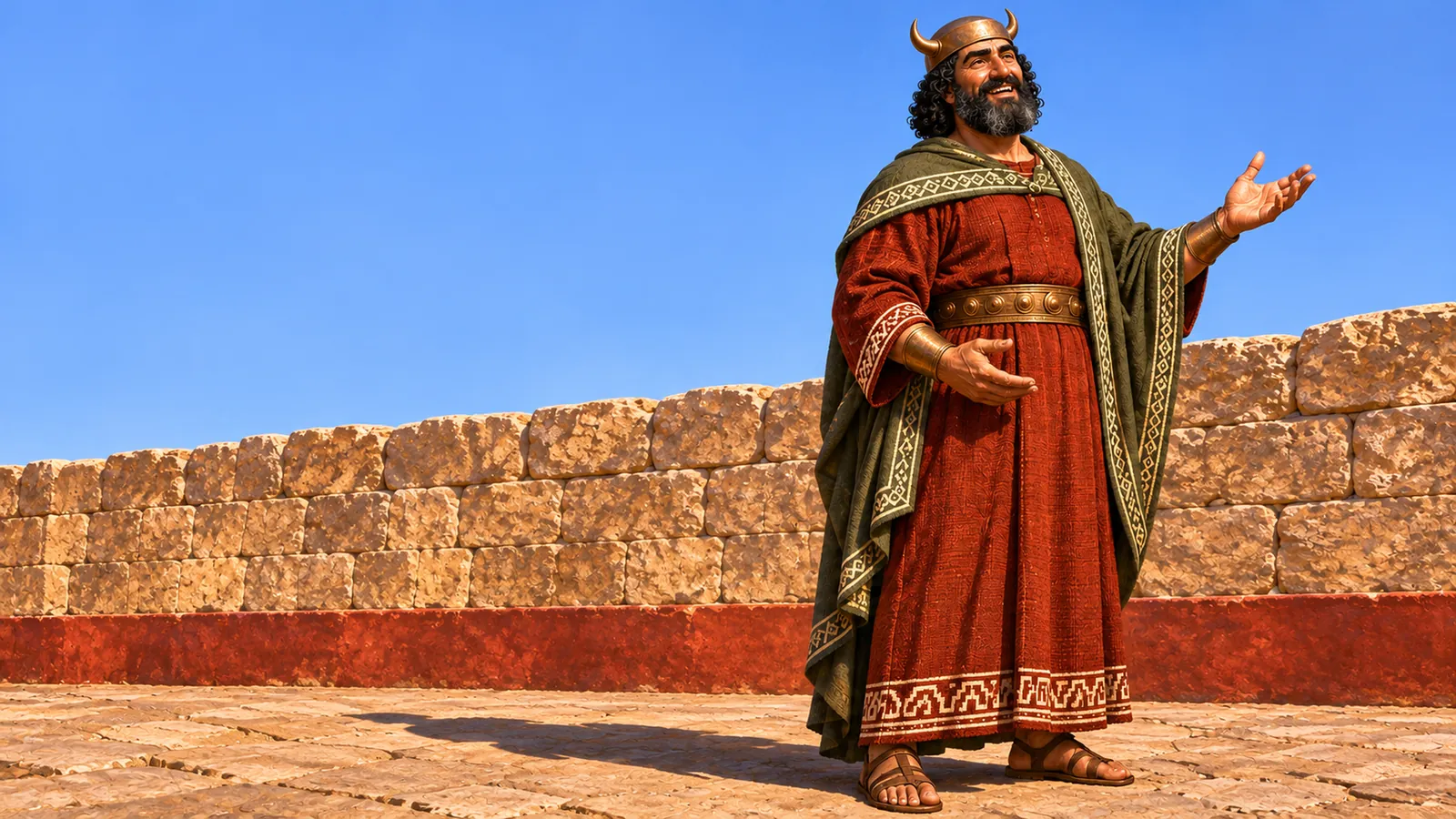
ضحك كوماربي مما فعل. لكن آنو أجاب فرحته بتحذير: لقد حمل الانتصار عواقب لم يكن كوماربي قد أدركها.
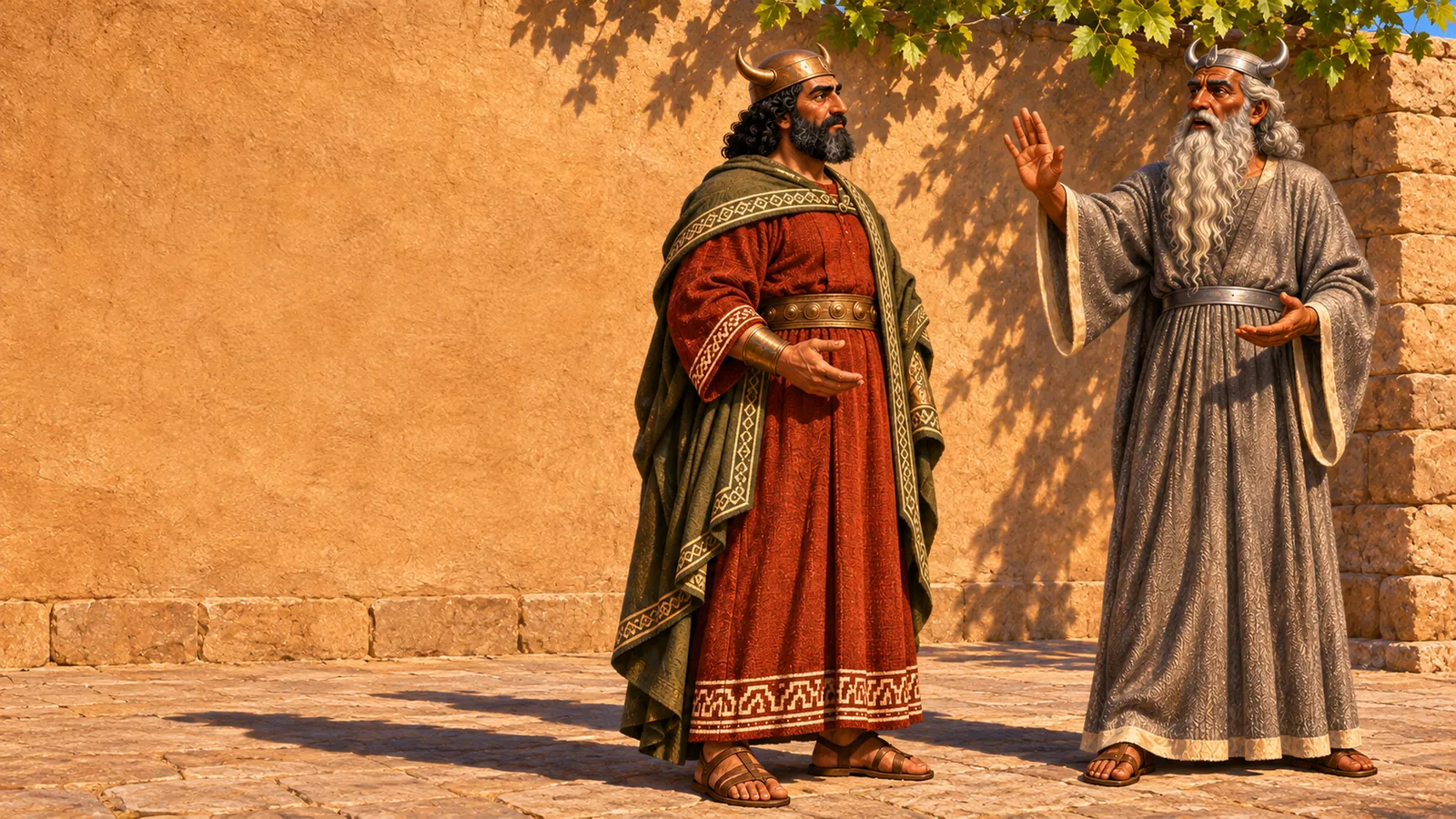
قال له آنو: لا تفرح. فما ابتلعه كوماربي صار الآن عبئًا في داخله، وسمّى الإله المهزوم ما سينتج عنه.
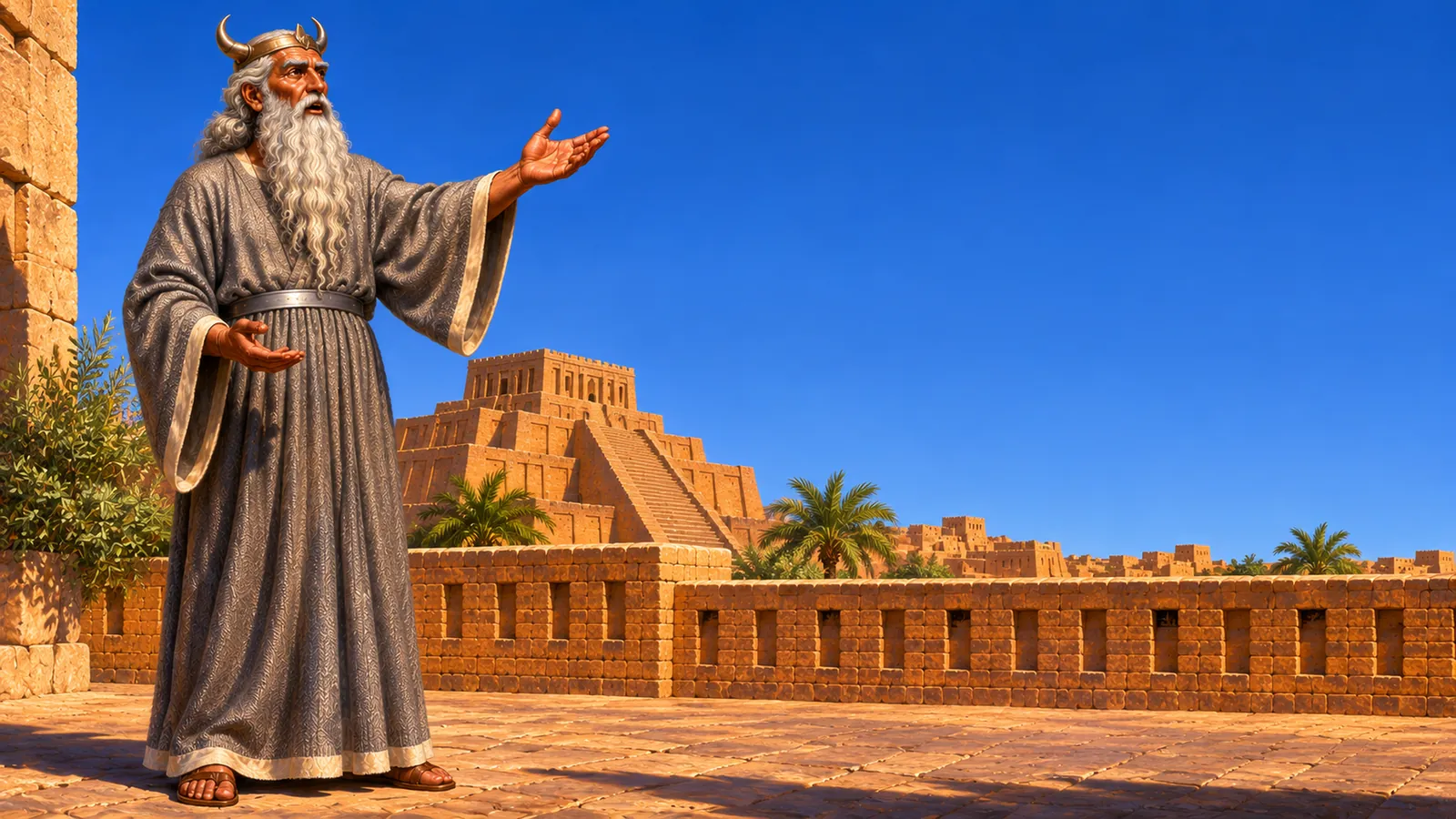
سمّى آنو ثلاثة كائنات يحملها كوماربي الآن: إله العاصفة القوي، ونهر أرانزاخ، وتاشميشو. لقد صار صراع الحكم حكاية ولادة.
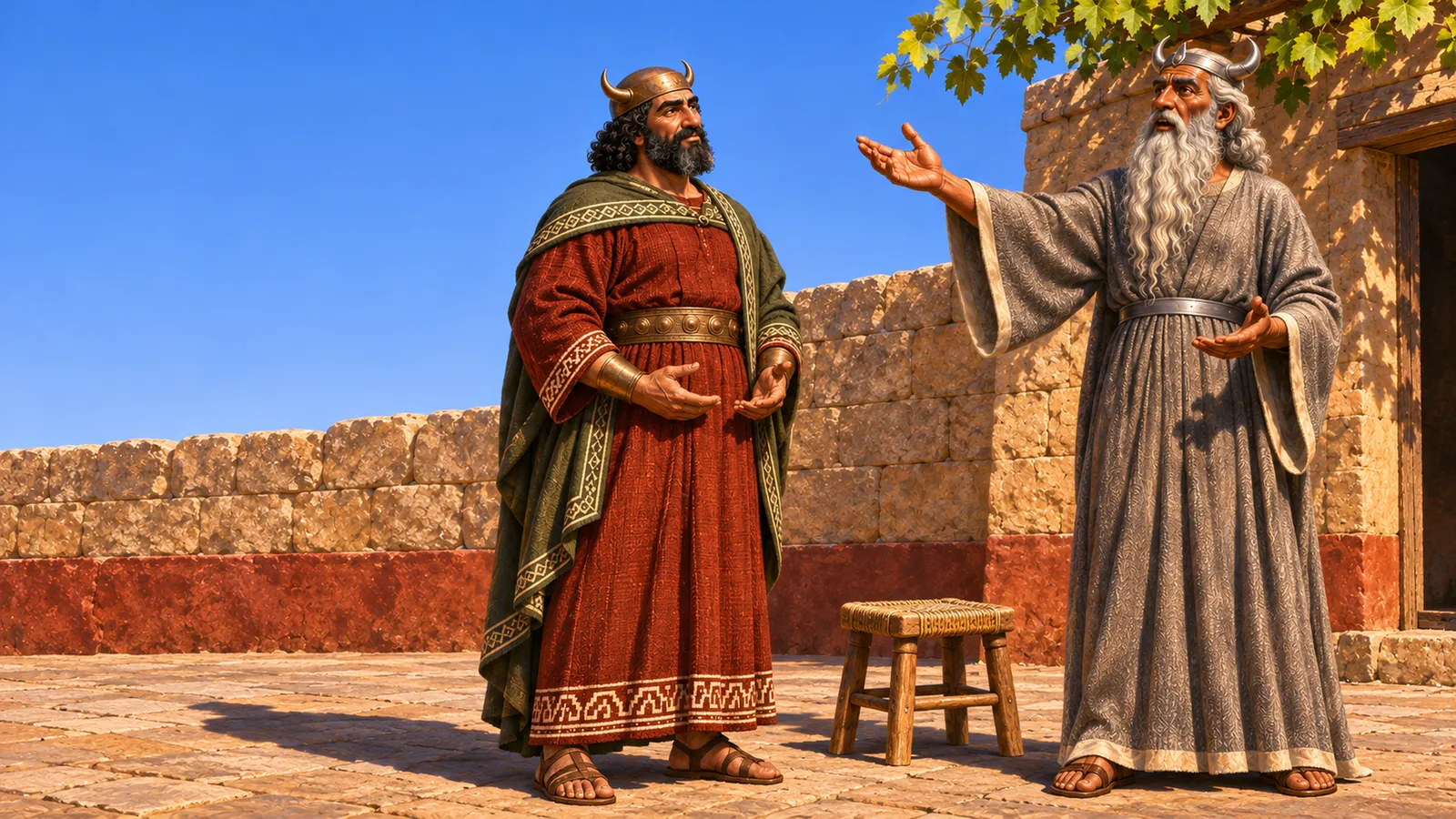
تنبأ آنو بأن كوماربي سيضرب رأسه بصخور جبل تاشّا. وهذه كلمات تحذير، لا فعل جديد يروي النص وقوعه هنا.
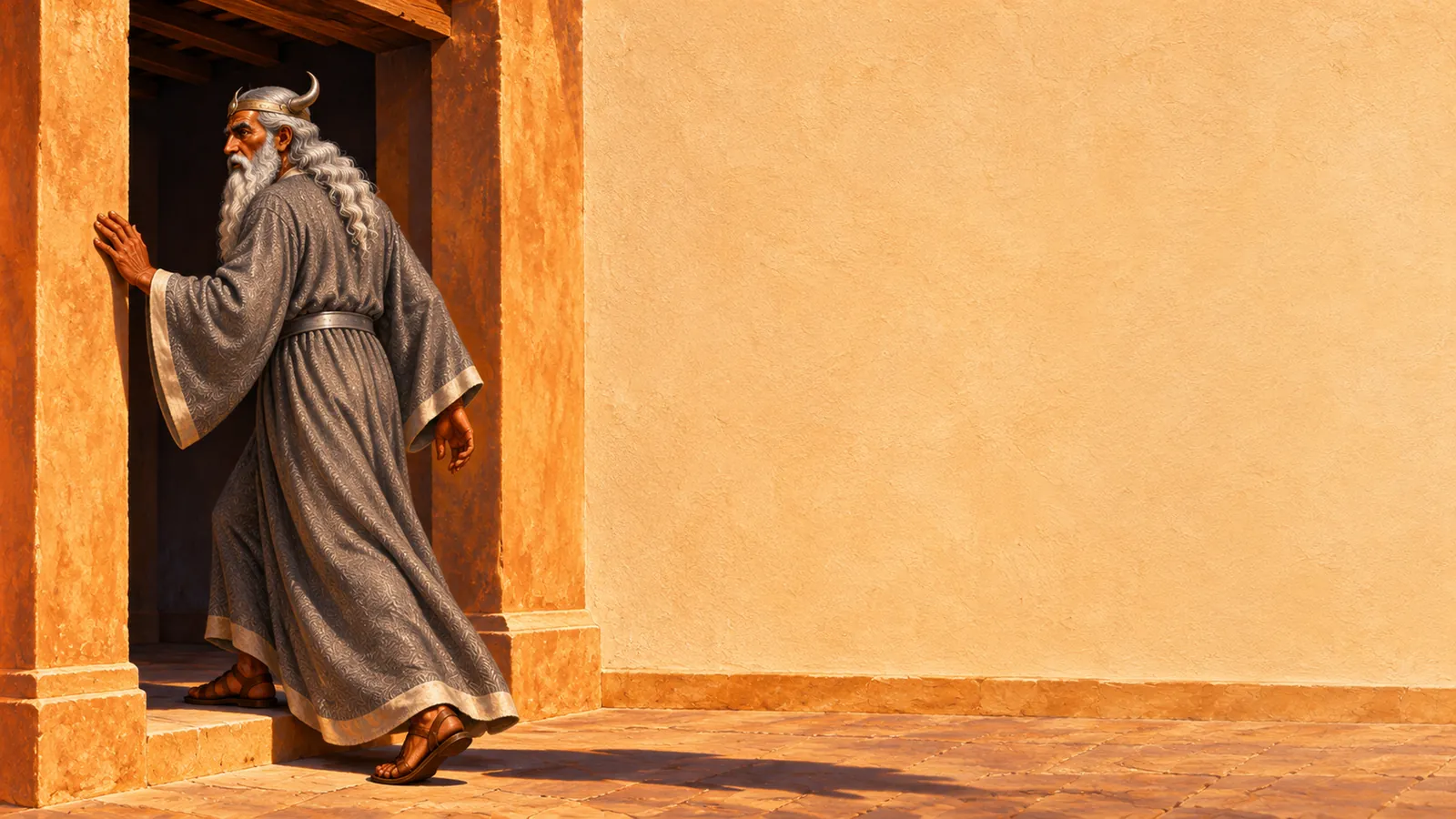
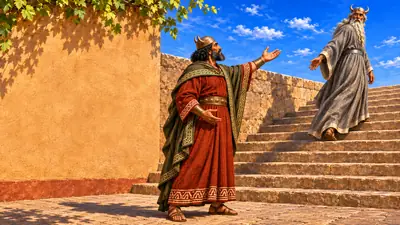
بعد أن تكلم، صعد آنو إلى السماء واختبأ. وبقي كوماربي مع العبء الذي أوضحته كلمات الحاكم المخلوع.
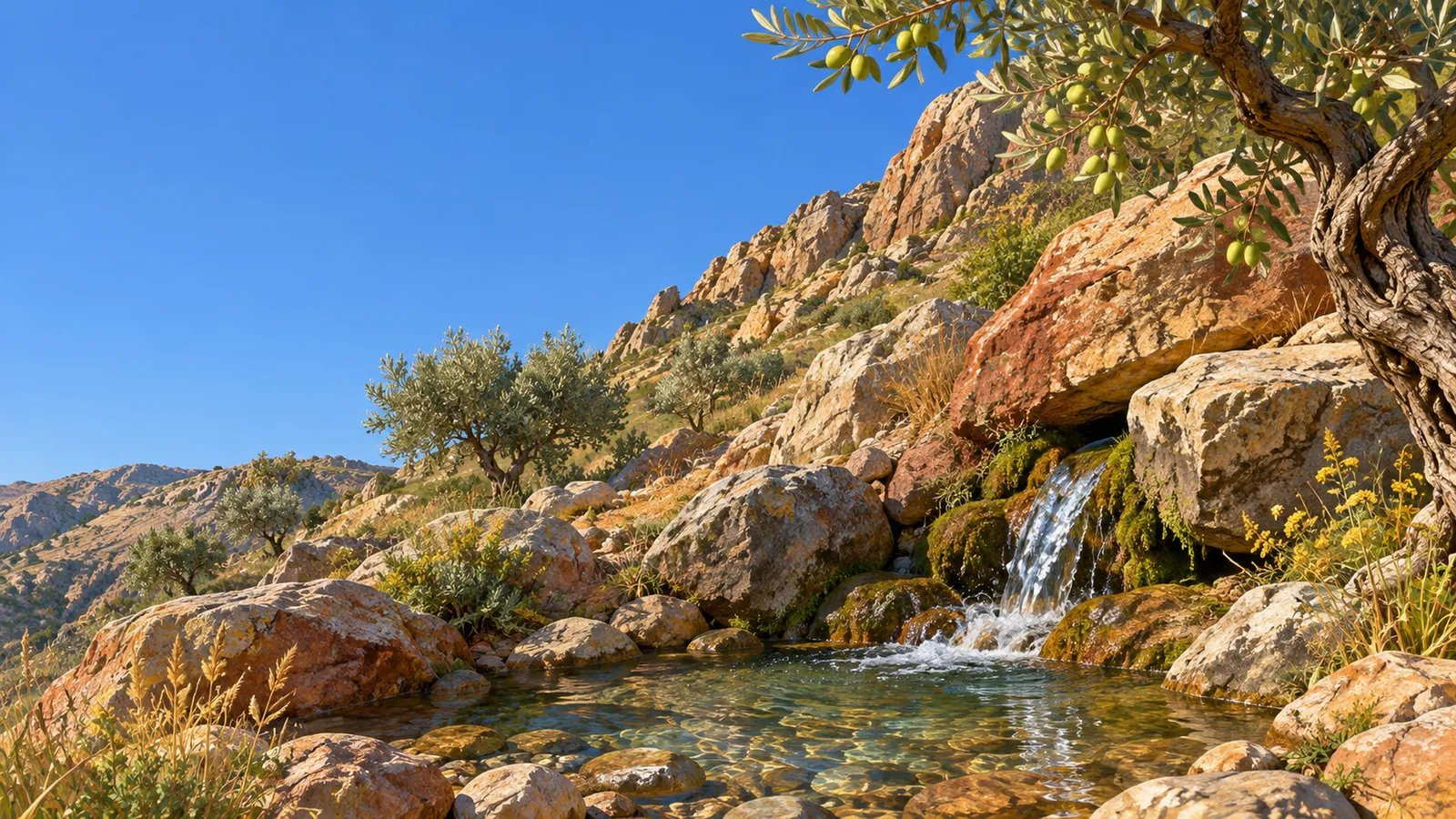
بصق كوماربي ما في فمه. وتربط السطور التالفة هذه المادة بحمل جبل كانزورا؛ أما اسم تاشميشو فيعتمد هنا على ترميم النص.
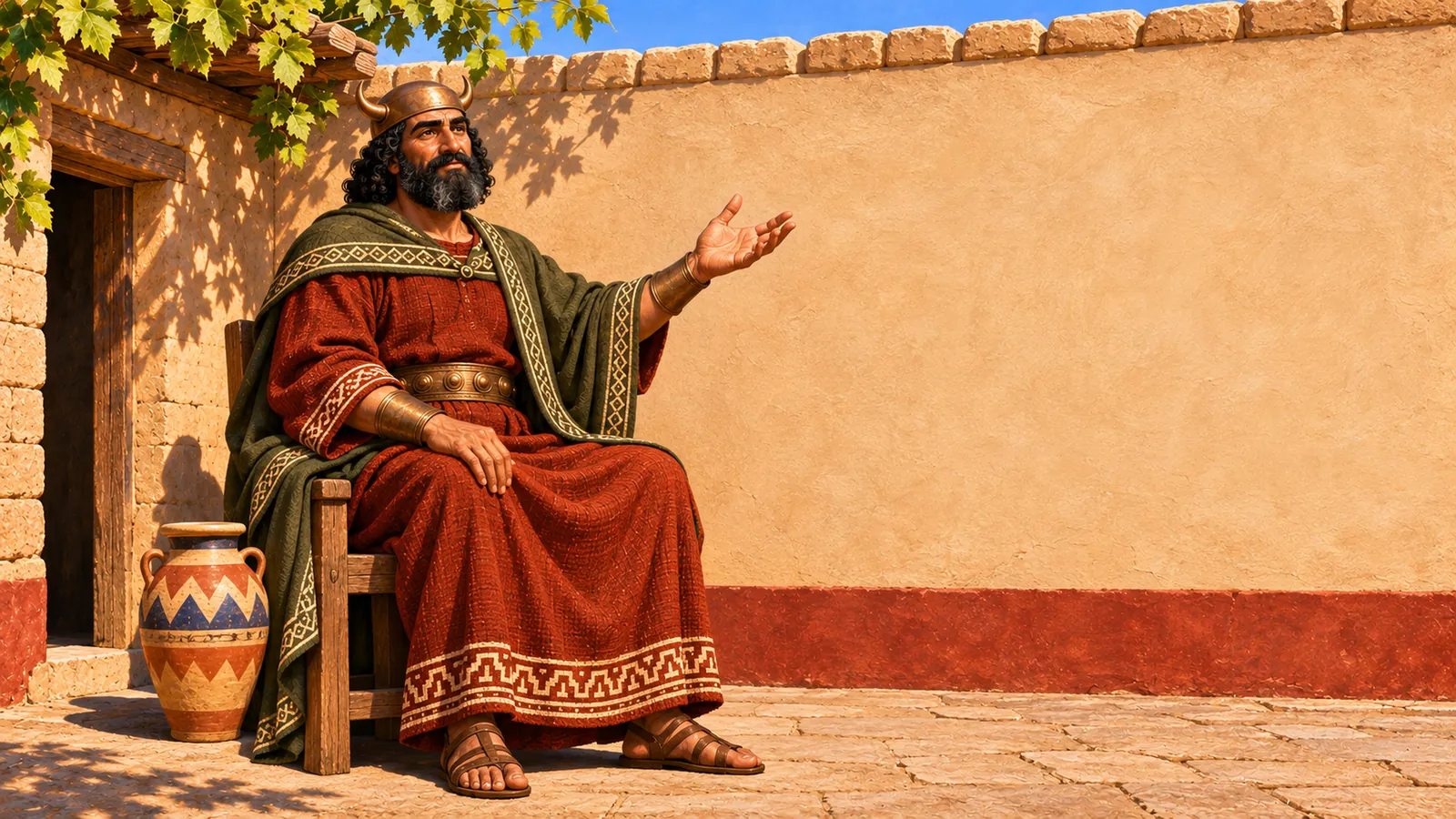
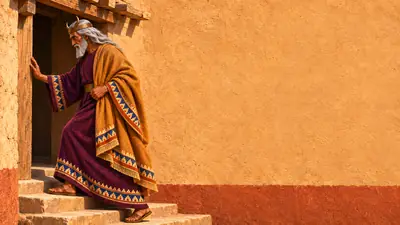
ذهب كوماربي إلى نيبور واتخذ مجلسه. وينتقل السرد المكسور من الإطاحة بالحاكم في السماء إلى صعوبة إخراج الآلهة إلى الحياة.
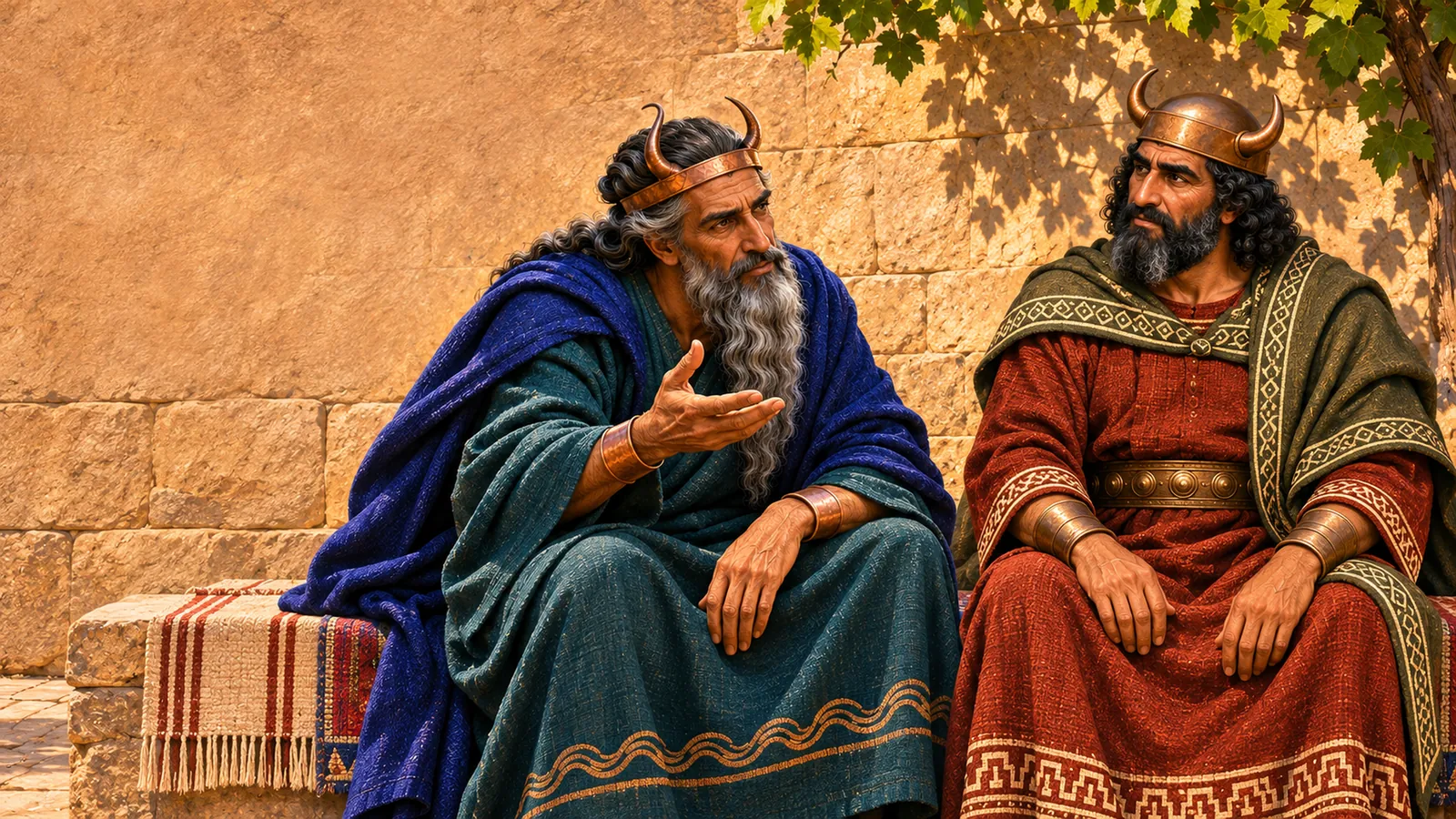
عُدّت الشهور بينما كان كوماربي يحمل الآلهة. وفي النقاش التالف يدخل دور حكمة إيا في مسألة كيفية خروجهم.
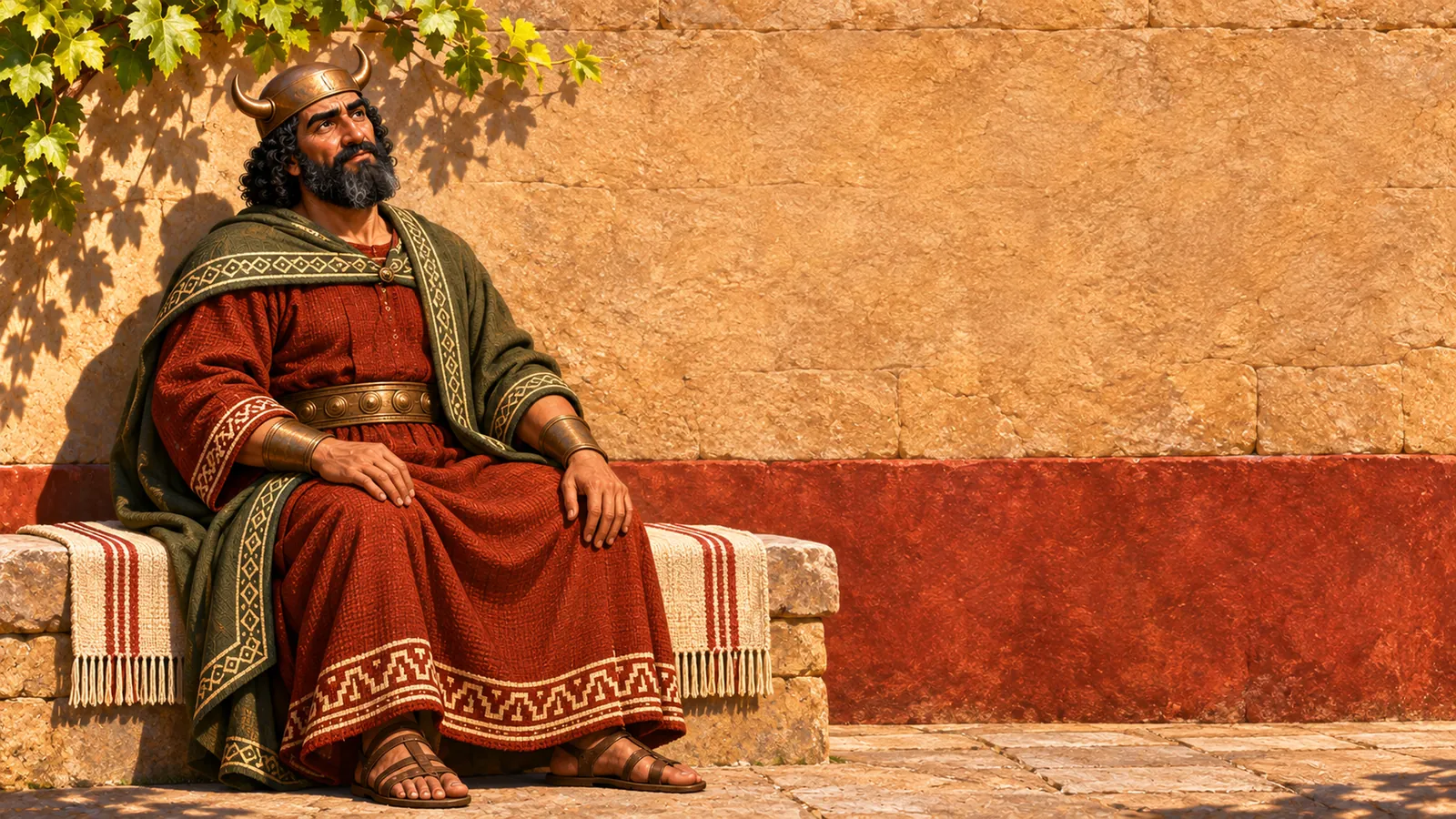
يتحدث صوت في داخل كوماربي عن عطايا: قوة من الأرض، وبطولة من السماء، وفهم من كوماربي. وتترك تسميته التالفة هويته غير مؤكدة.

يدعو آنو إله العاصفة إلى الخروج. ويفاضل صوت داخل كوماربي بين منافذ محتملة، خشية الأذى أو التدنيس؛ وتمنع الكلمات التالفة تفسيرًا كاملًا.
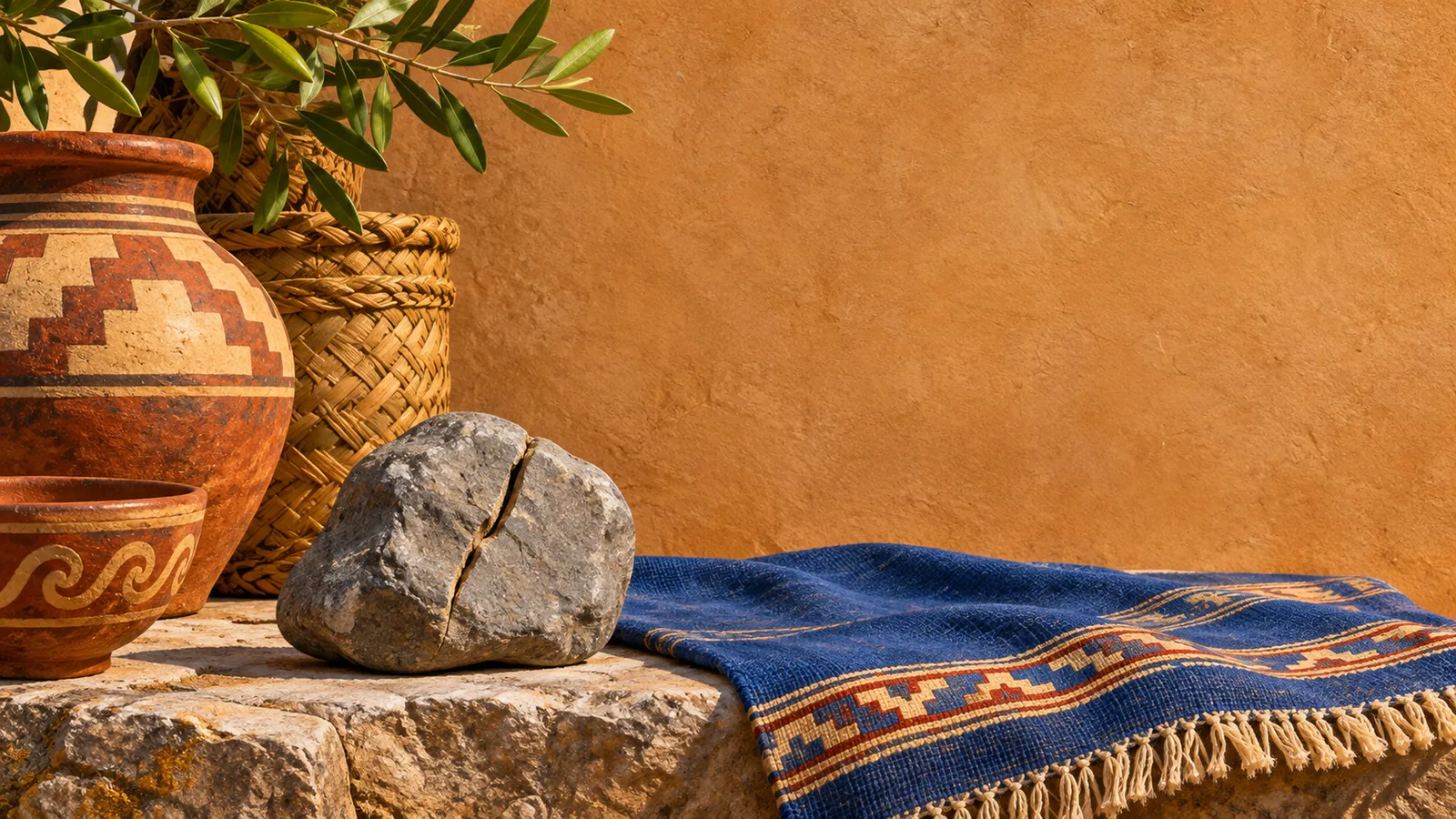
يروي النص شقّ رأس كوماربي كالحجر وخروج إله بطل منه. ولا تتضح بدقة هوية من قام بالفعل.
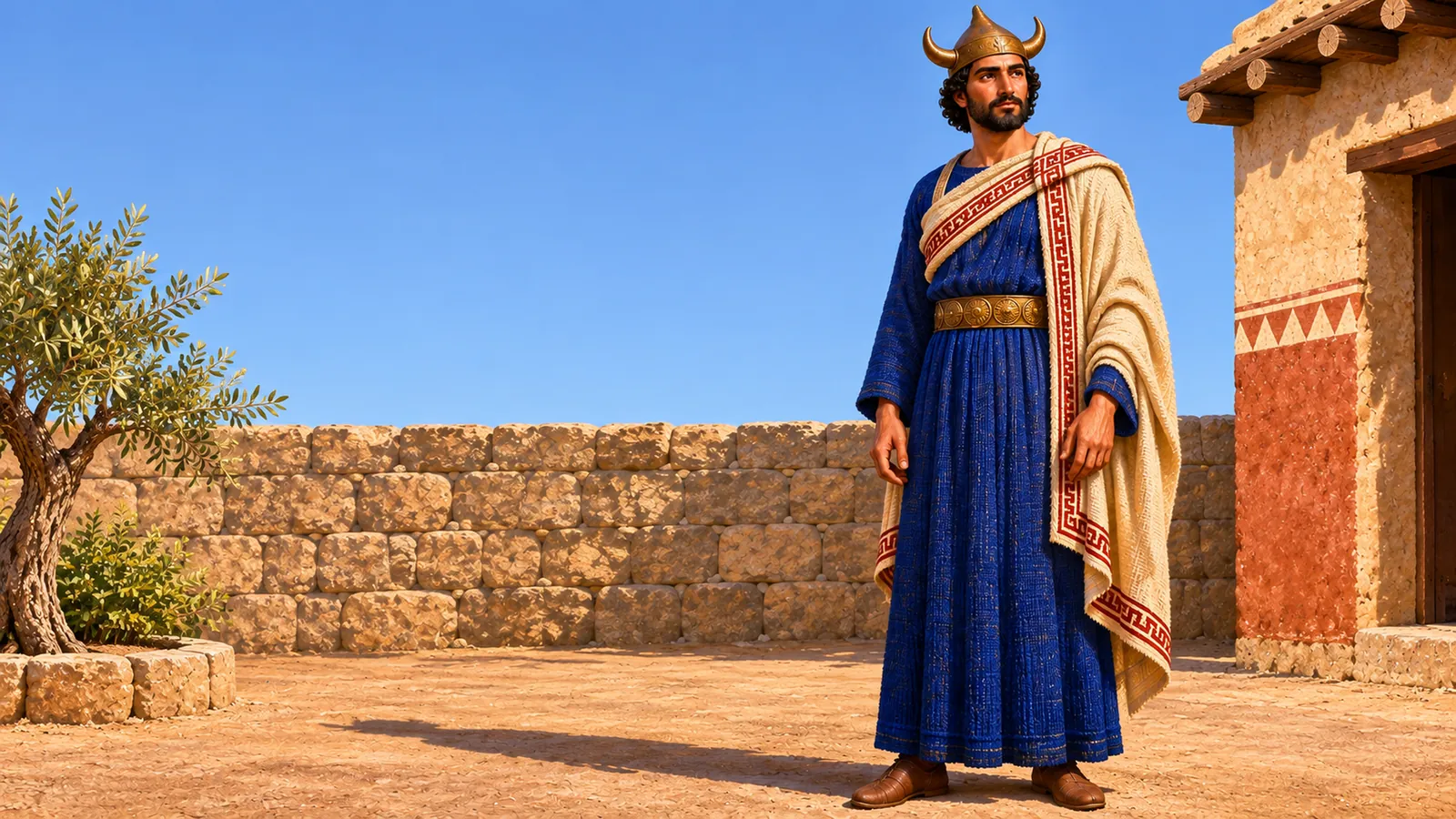
تُسمّى الشخصية الخارجة «كا زال»، الملك البطل. ويربط بيكمان هذا اللقب بإله العاصفة؛ ولا يحفظ المقطع الصعب مراسم تتويج.
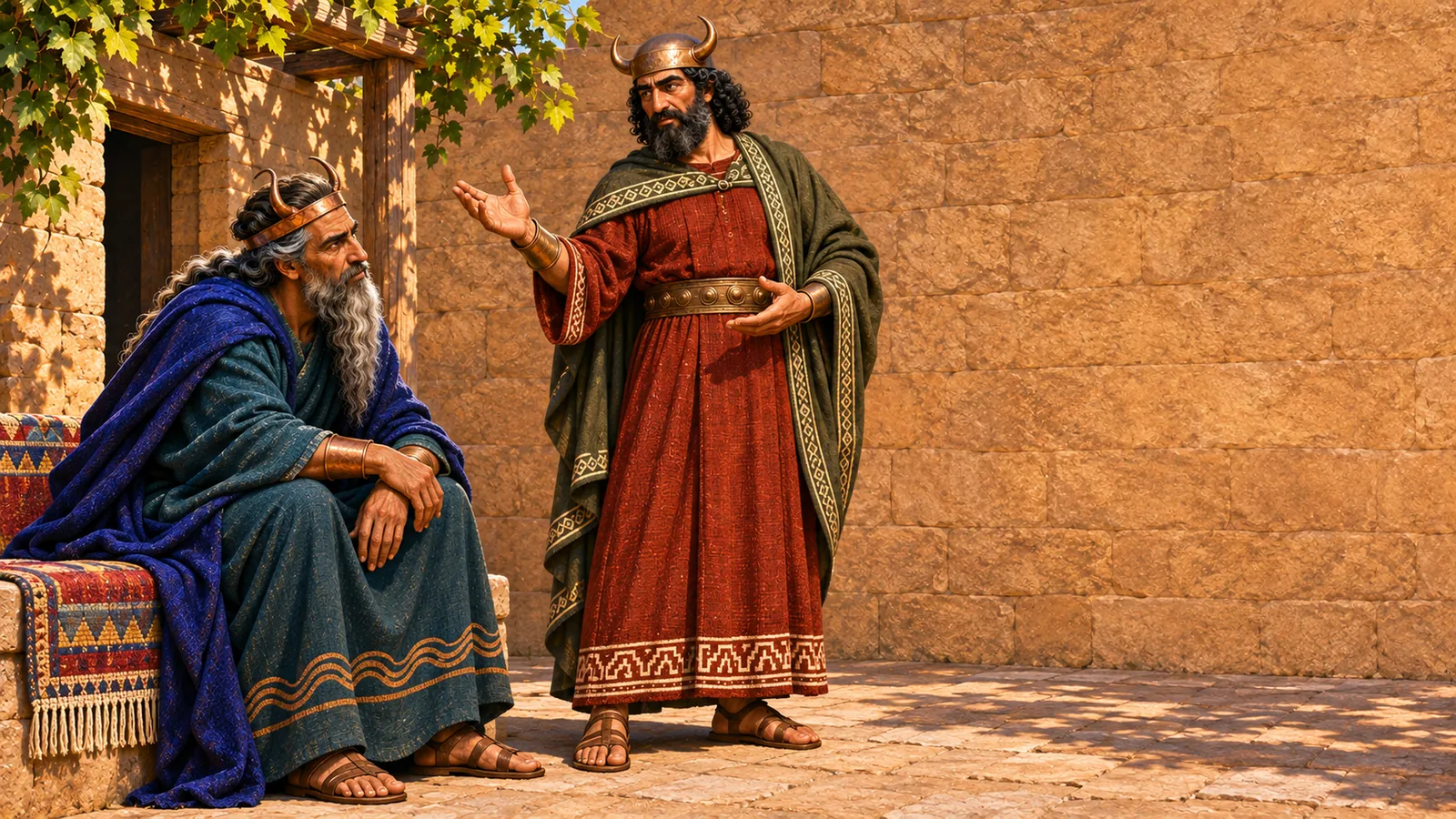
انحنى كوماربي أمام إيا، ثم طلب الابن ليأكله. وهدّد بسحق إله العاصفة كما يُسحق القصب.
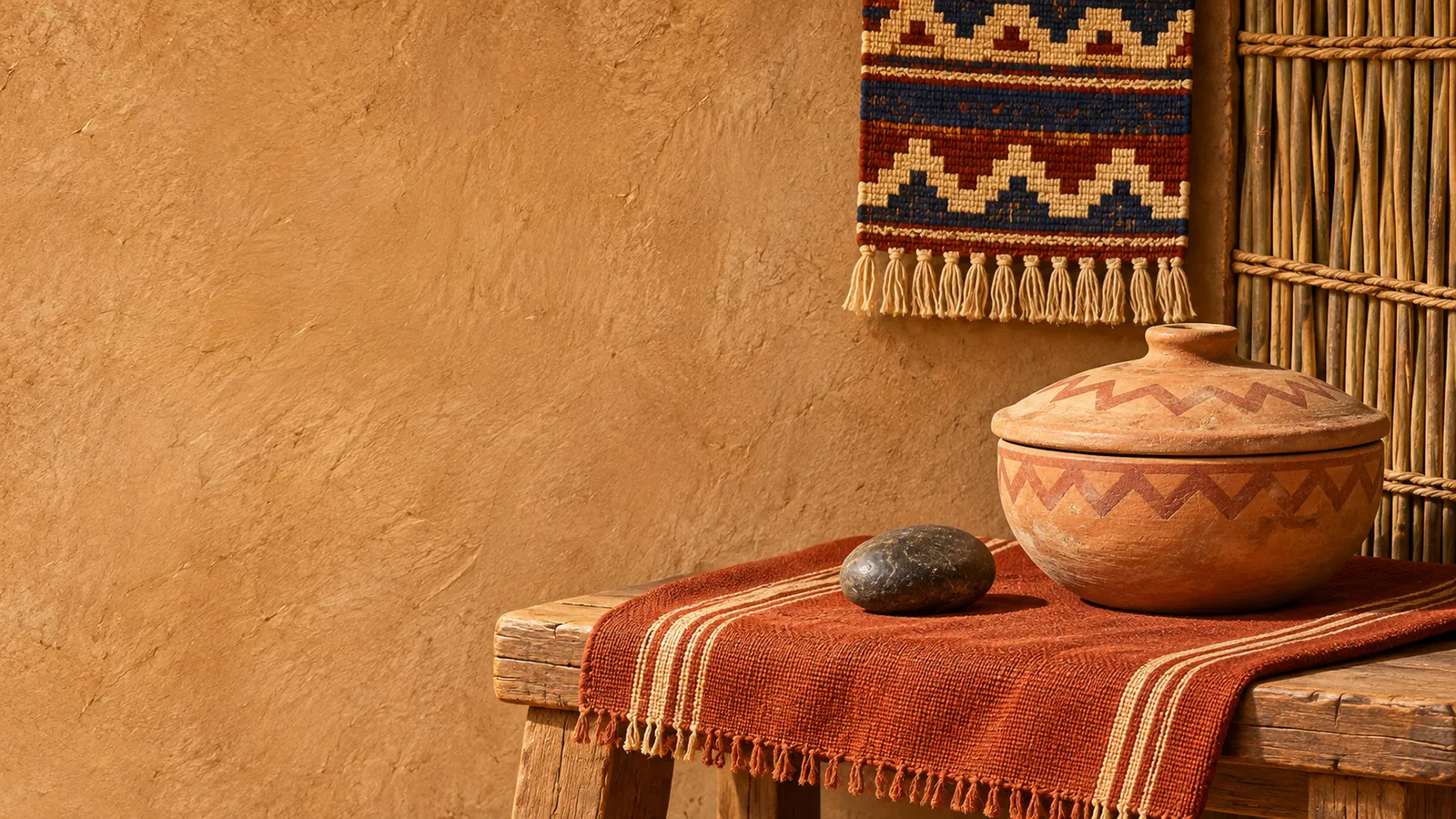
بدأ كوماربي يأكل؛ فآلم حجر صلب أسنانه، وأخذ ينوح. ويوحي الانتقال التالف بالاستبدال، لكنه لا يحفظ الحيلة كاملة.
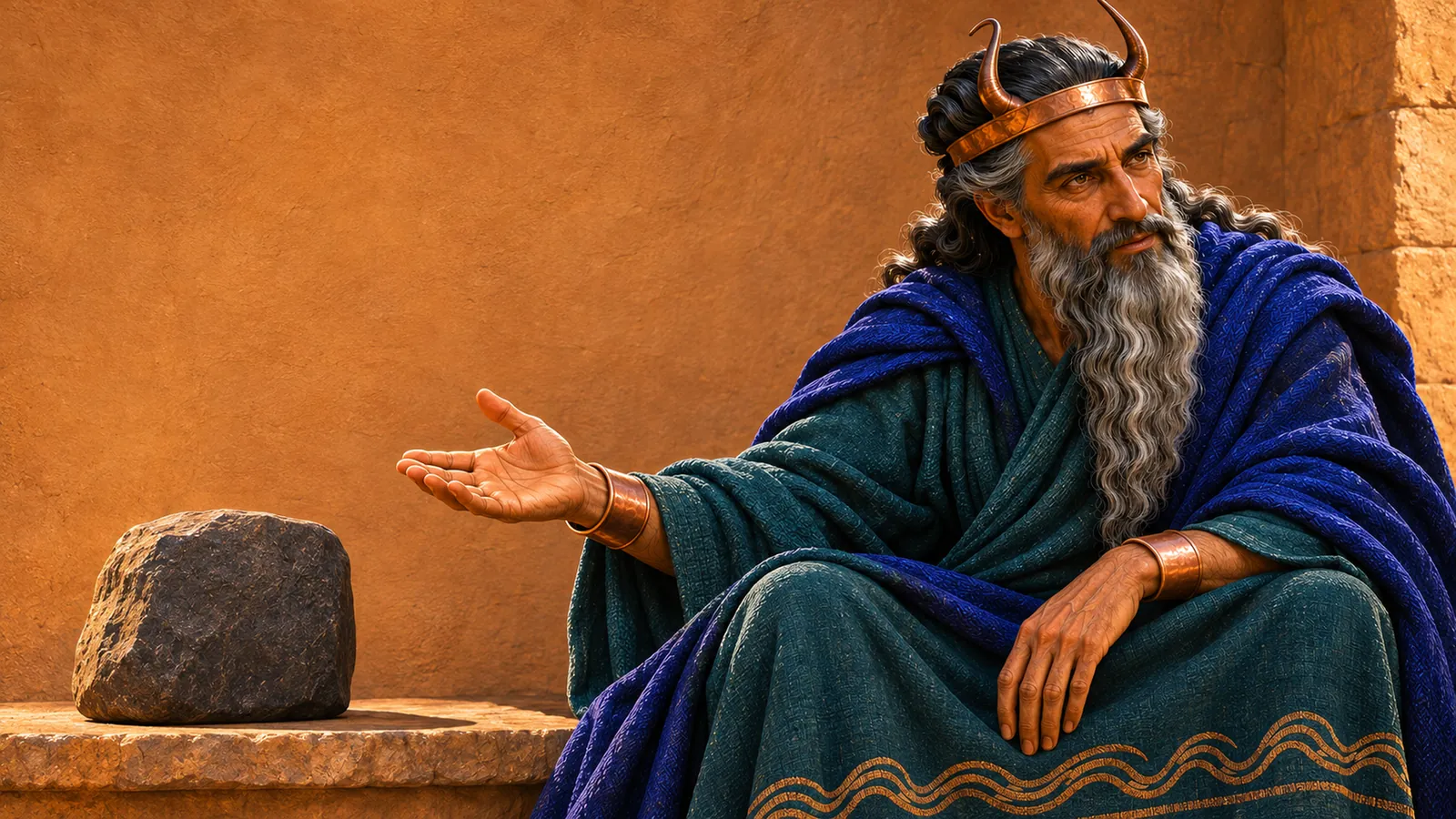
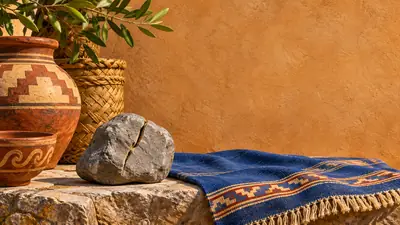
يمنح كلام مكسور الحجر اسمًا ومكانًا لم يصلا إلينا. ويُطلب من السادة الأثرياء تقديم حيوانات، ومن الفقراء طعام من الحبوب.
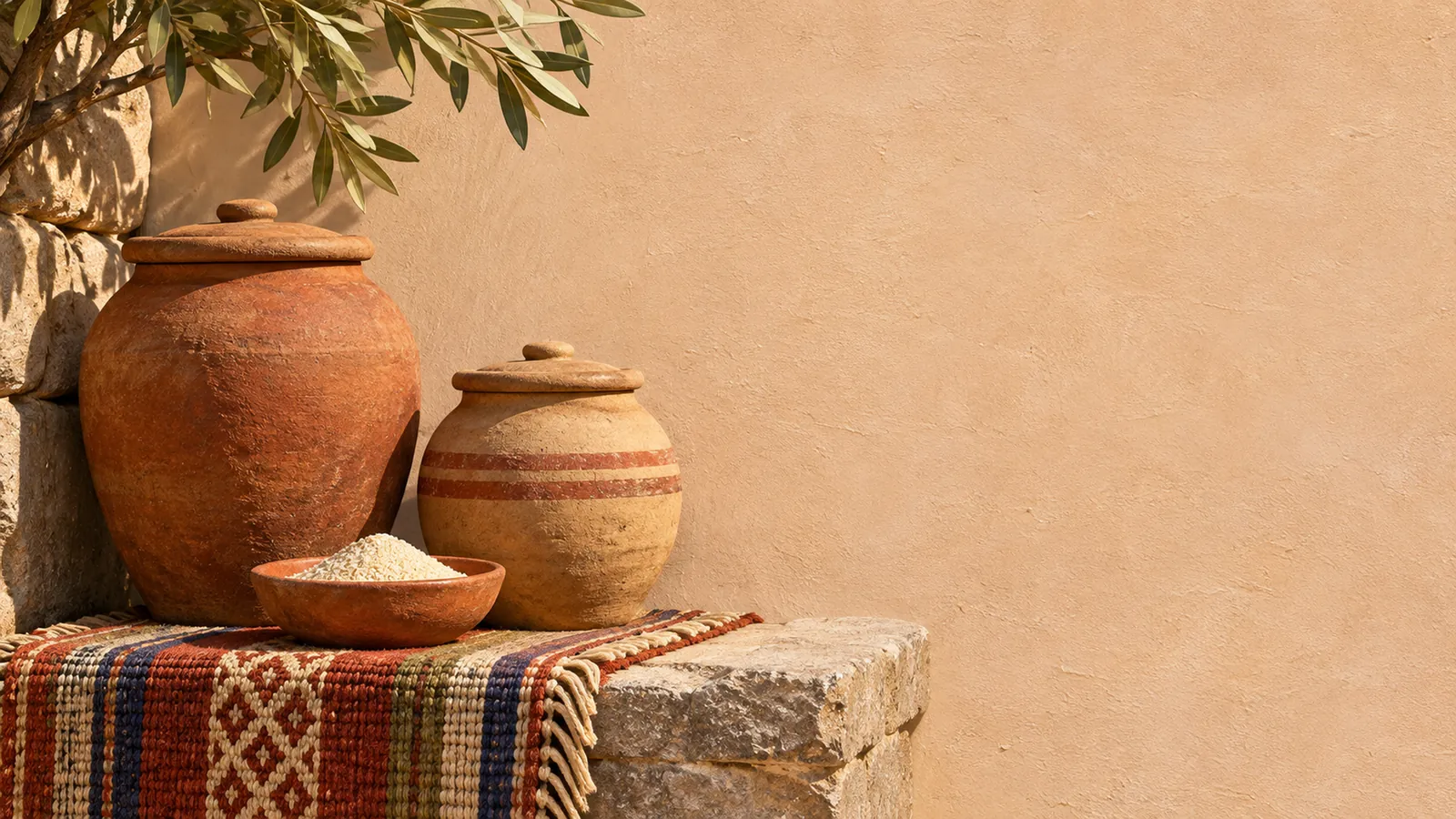
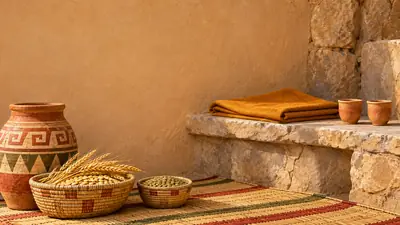
بدأ الأغنياء بذبح الأبقار والكباش قرابين، وقدّم الفقراء طعام الحبوب. ويميّز السرد الباقي هذه العطايا من غير استعادة كل تعليماته المفقودة.
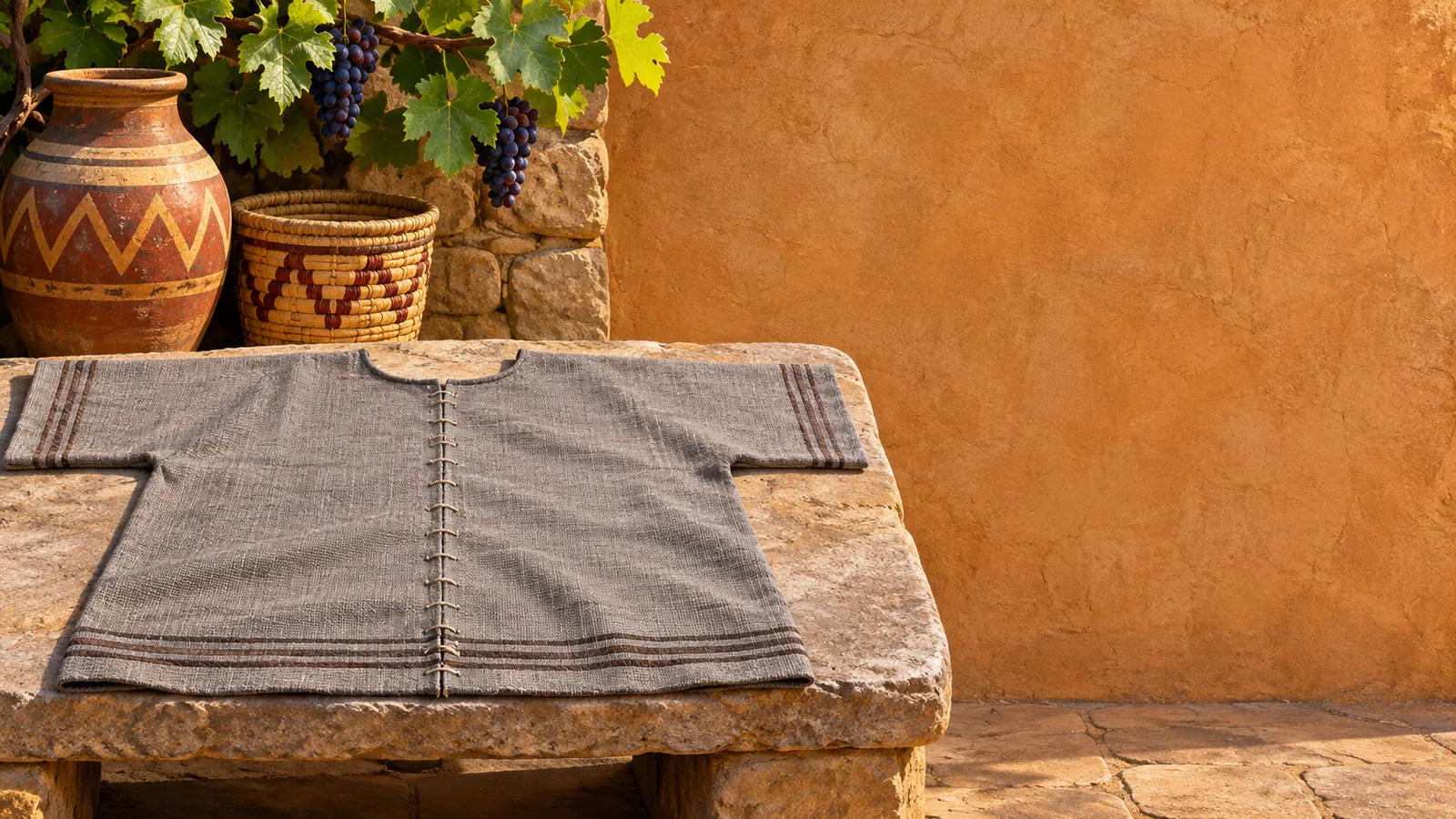
يوصف رأس كوماربي وموضع الخروج بأنهما أُصلحا كما يُصلح الثوب. وتحفظ الكلمات التالفة هذا الإصلاح دون شرح كل خطواته.
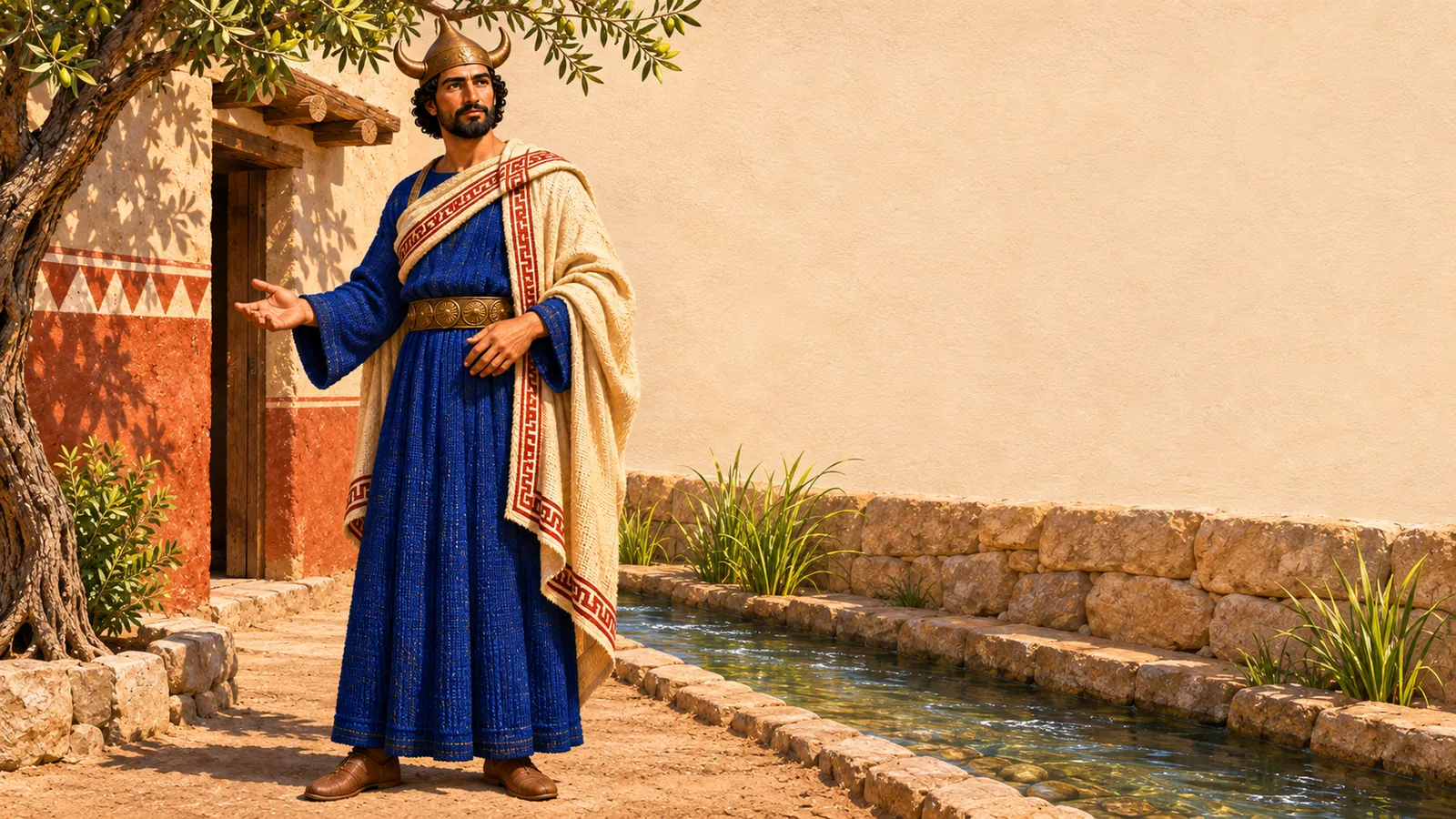
يسمّي مقطع آخر خروج إله العاصفة من الموضع الملائم. ويظهر أرانزاخ بجوار منفذ آخر تالف؛ ولا يمكن استعادة ولادة النهر بدقة كاملة.
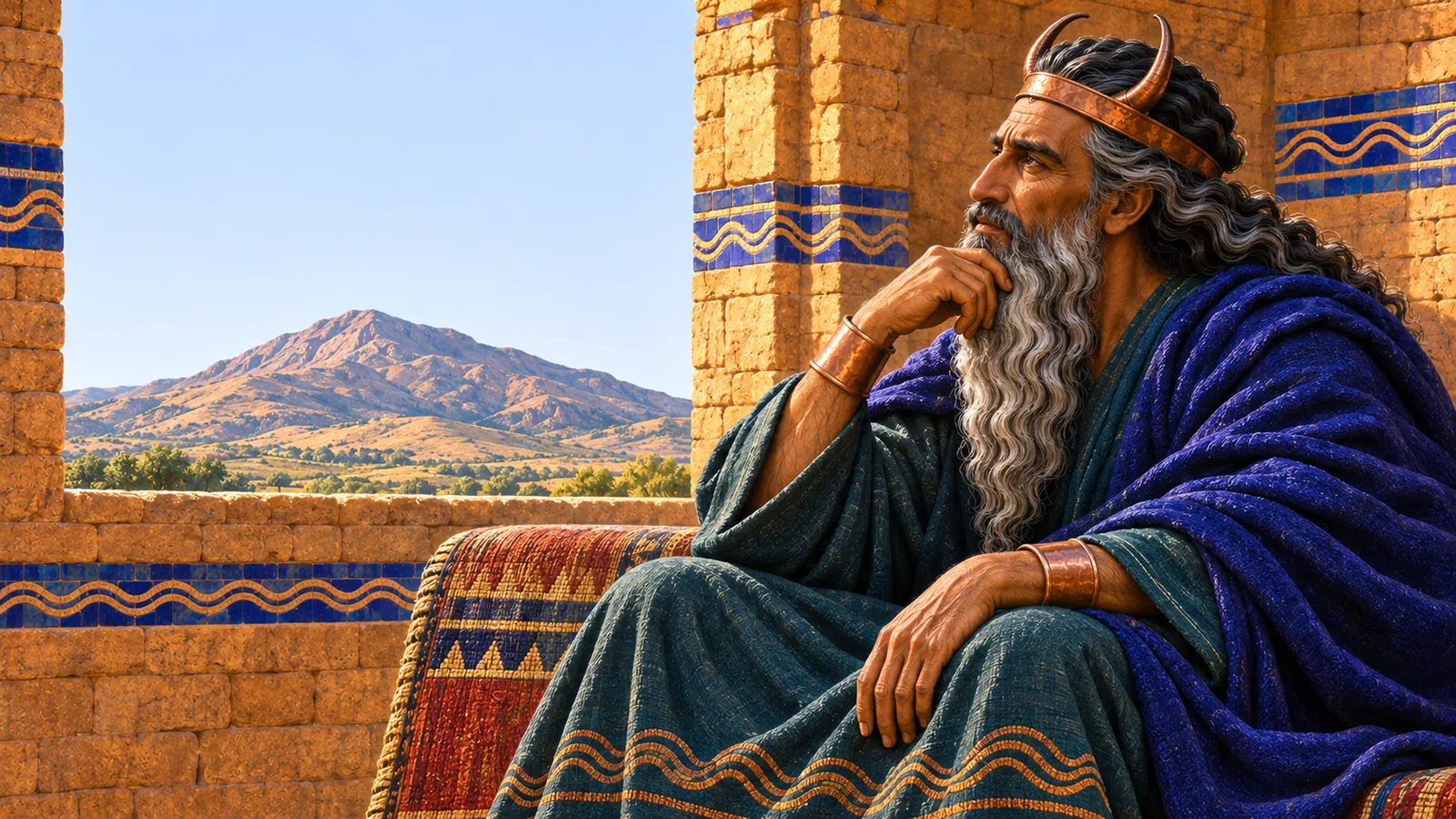
ويُجعل جبل كانزورا أيضًا يلد، فيخرج بطل. ويرمّم بيكمان الاسم «شواليّات»، وهو اسم آخر لتاشميشو؛ وتغيب كلمات عدة تصل الأحداث.
تتجه خطب مكسورة إلى الهلاك وعرش واختيار ملك. لكنها لا تخبرنا بما يكفي لإعادة بناء مجلس سماوي كامل أو قراره.
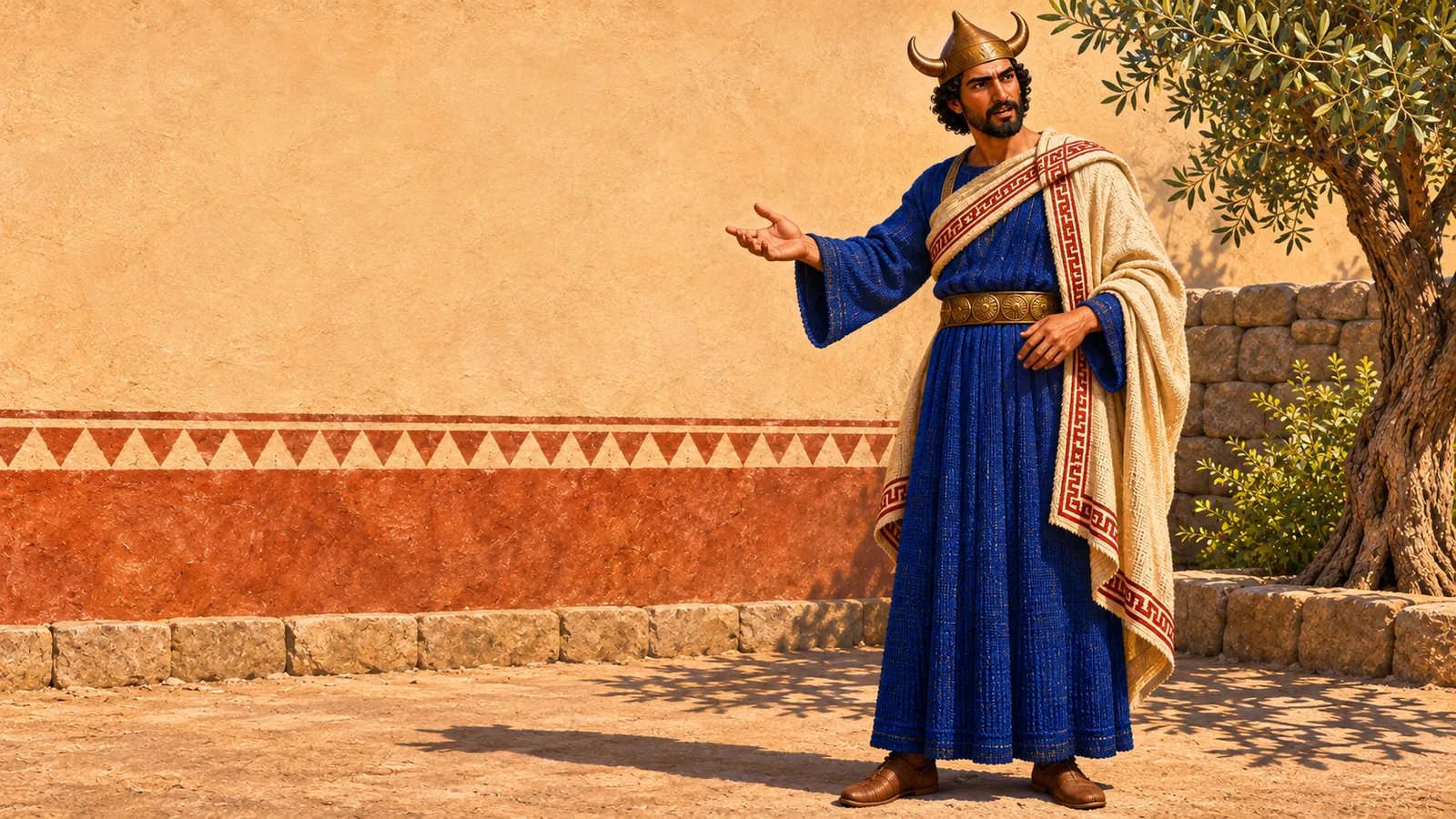
يتكلم إله العاصفة بغضب في الحوار التالف. وتبقى أقوال عن الصراع، لكن الكلمات المفقودة لا تقدم لنا معركة ختامية كاملة.
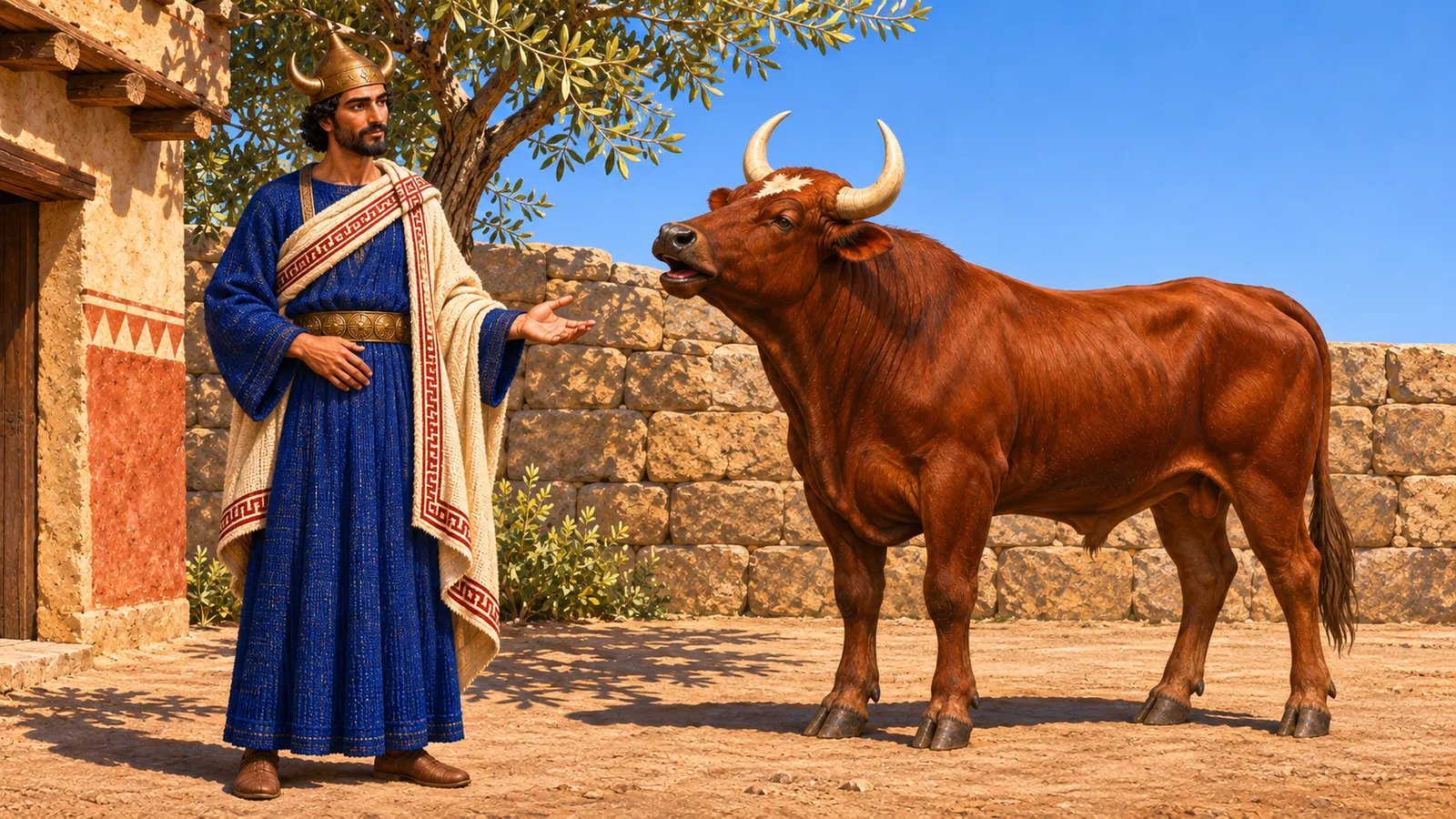
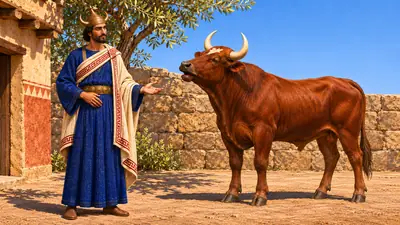
يسأل الثور شيري لماذا يلعن إله العاصفة الآلهة، ومنهم إيا. ويحذّر من أن الإله الحكيم قد يسمع هذه الكلمات الغاضبة.
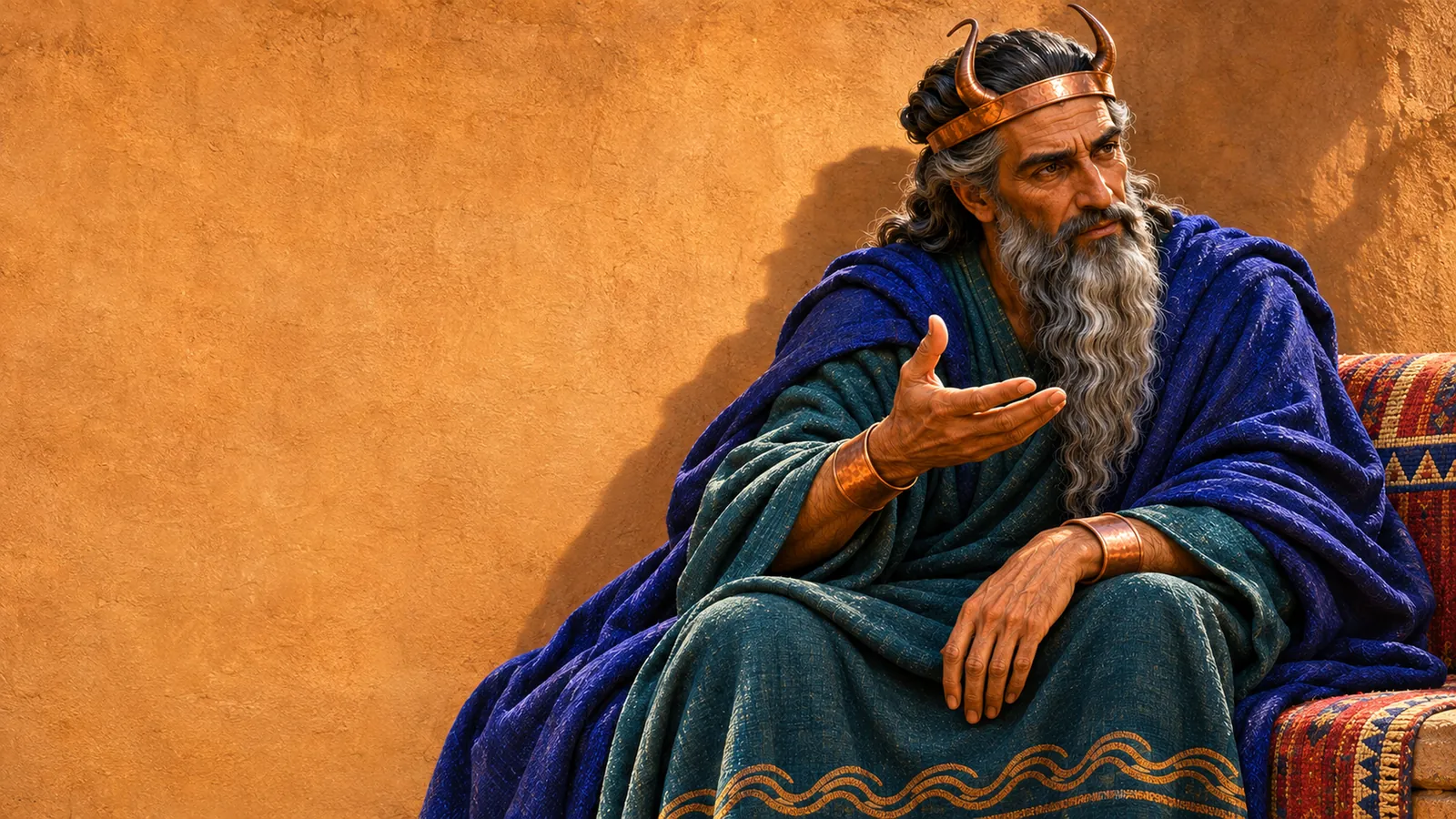
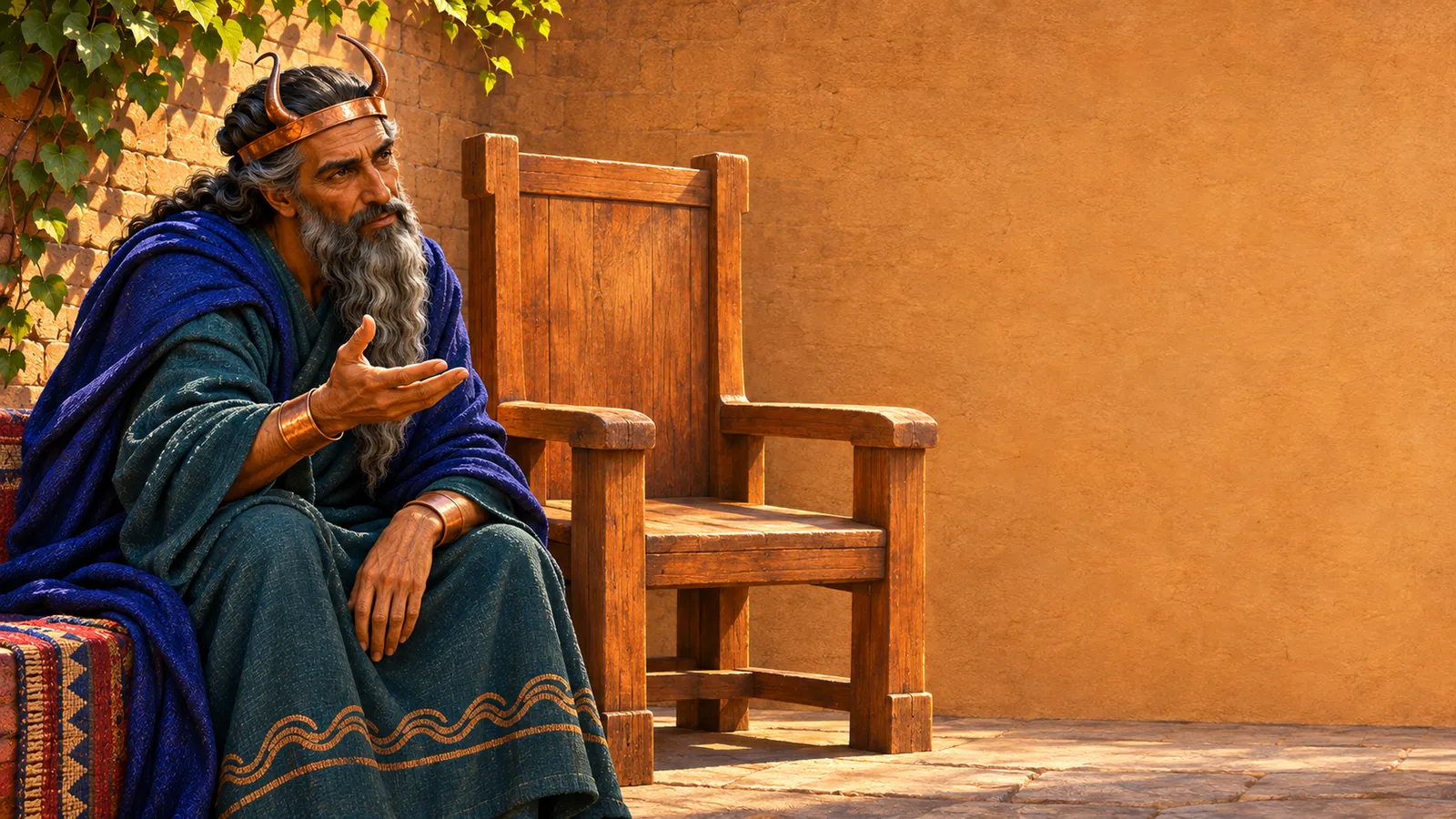
يبقى غضب إيا وكلام يجيب به بين سطور تالفة. ولا يمكن تحويل صورها غير المؤكدة إلى عقوبة إلهية جديدة أو مصالحة متفق عليها.
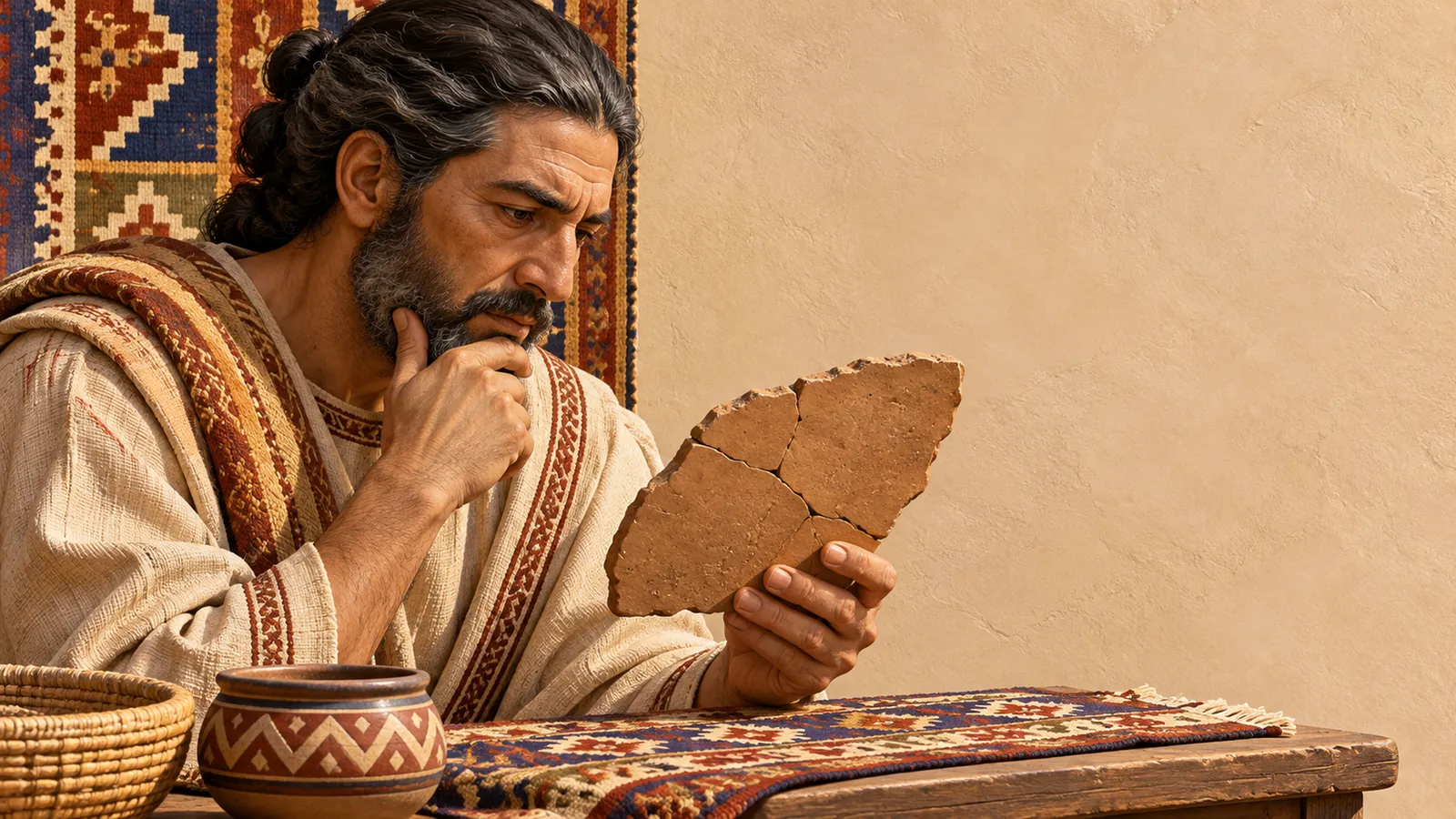
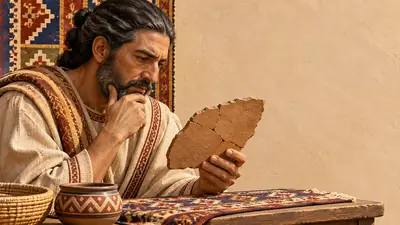
تقطع الحكاية فجوة طويلة. وتذكر شذرات عربة وشهورًا تمضي، لكن لا يجوز ملء روابطها المفقودة بأحداث مؤكدة.
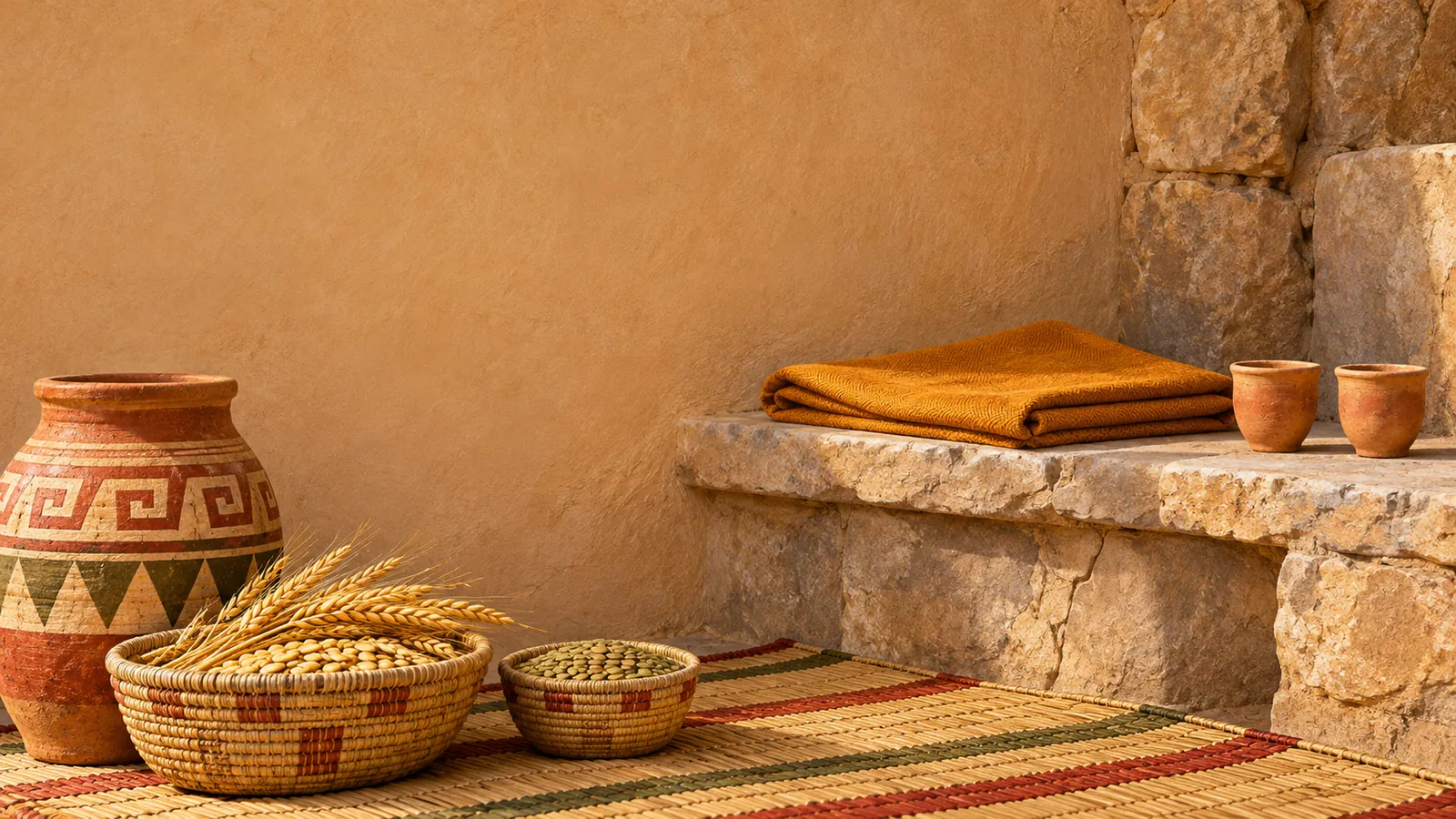
يصل السرد الباقي إلى مخاض الأرض في الشهر العاشر وولادتها طفلين. ولم تُحفظ أسماؤهما ولا هوية أبيهما.
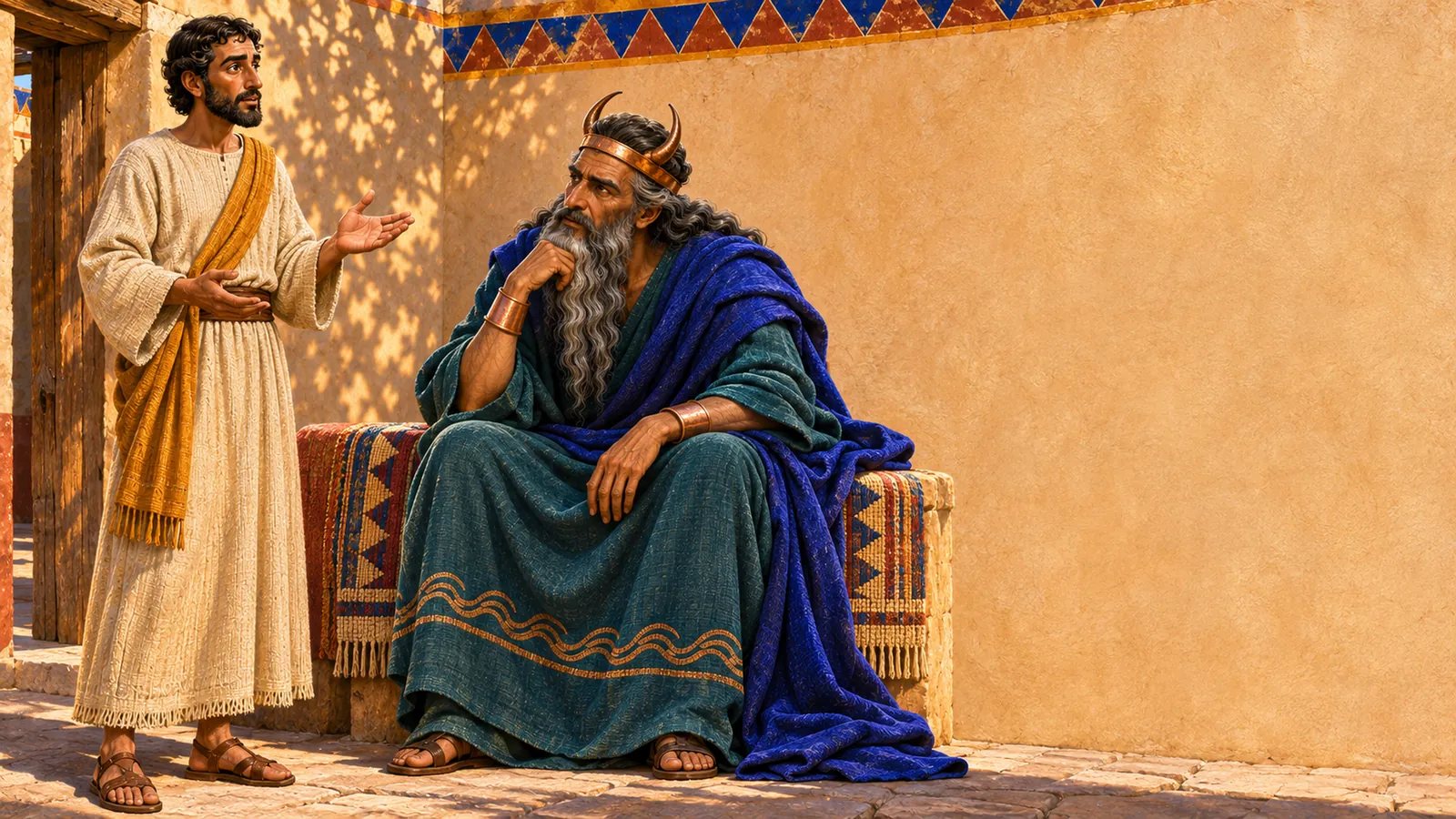
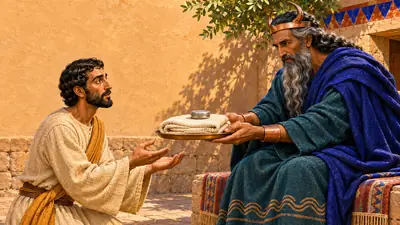
جاء رسول بخبر الولادة. وفي ترميم بيكمان سمع إيا الخبر وكافأ حامله؛ وتحتاج تفاصيل عدة من هذا الختام إلى استعادة نصية.
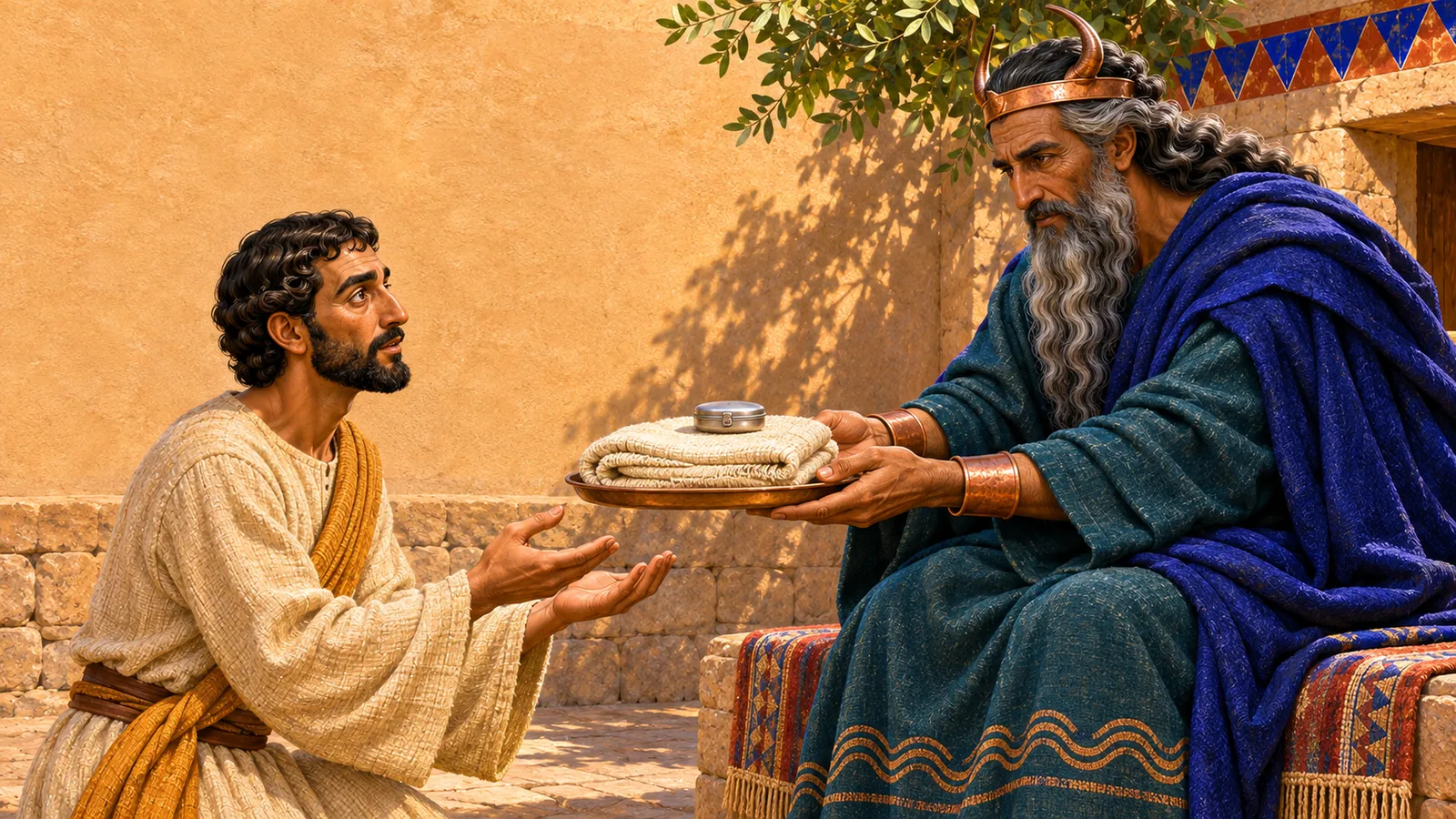
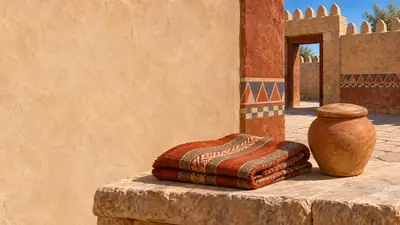
تلقّى الرسول ثيابًا وقطعة فضية غير مؤكدة الهيئة. وتختم هذه العطايا السرد الباقي، من غير أن تحسم الصراع على السماء.
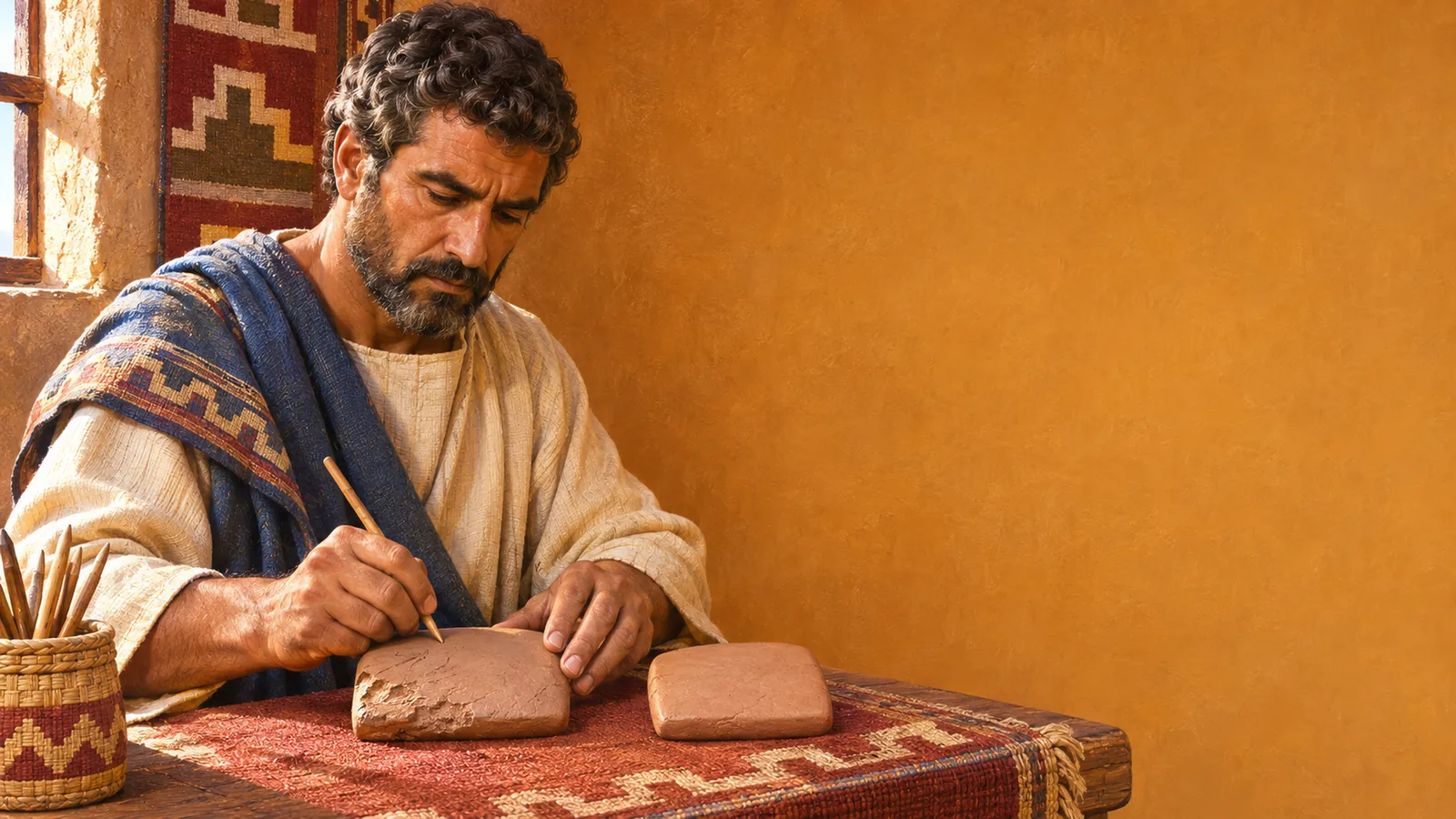
غير مكتمل
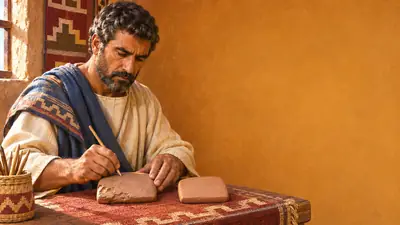
يسمّي التذييل هذا اللوح الأول، ويقول إن النشيد لم يكتمل. ونسخ آشخابالا أصلًا تالفًا؛ أما تتمته المفقودة فتبقى خارج صفحتنا.
نهاية الفصل الأول
كل الصفحات


المصادر
المصادر والملاحظات مكتوبة بالإنجليزية كما وردت في المراجع.
The TITUS composite A joins KUB33.120+33.119+48.97+36.31+KBo52.10, alongside witness B KUB36.1. Its continuous translation numbers cited per page are NOT physical tablet-column line numbers. Beckman is an independent philological comparison, not a substitute for every missing line; his fuller reconstructions are explicitly attributed. The damaged A.GILIM designation is not confidently identified; KA.ZAL as the Storm-god, Tashmishu/Shuwaliyat in Kanzura and Ea as final recipient are attributed to Beckman where needed. Hittite phonetic complements point to Tarhunna, adapting the Hurrian Teshub; the neutral Storm-god name keeps that distinction clear. The usual I19–20 apposition makes Kumarbi Alalu’s descendant; Zgoll’s alternative attaches it to Anu. Alalu and Anu each rule nine years in mythical time, not historical dates. The stone substitution is inferred across damage, not a wholly preserved exchange. Earth’s children and their father remain unnamed. CTH345 Ullikummi, other Kumarbi songs, Greek parallels and comparative god lists are not imported as missing action. Modern translations are not reproduced as a source appendix; all retelling prose is newly written.
الطبعات المعتمدة
- TITUS / Rieken et al., CTH344 German translation and all notes
- Gary Beckman2011, Primordial Obstetrics, complete25–33; author public full text
- Christian Zgoll2021, The Hittite Theogony, complete208–227; DOI
- Zgoll2021, accessible author full text
- Hethitologie-Portal, CTH344 catalogue metadata
- IL Archive, Kumarbi; published records and textual context
- IL Archive, Enki / Ea
- IL Archive, cuneiform
- IL Archive, Hurrians; published story-record link verified
- IL Archive, Hittites; published record verified through French edition
الأسطر القديمة وراء كل صفحة
- Page 1: TITUS CTH344, continuous translation entries1–8; Beckman2011 comparison where noted
Invocation1–8 is fragmentary, including restored parent pairs. - Page 2: TITUS CTH344, continuous translation entries9–12; Beckman2011 comparison where noted
- Page 3: TITUS CTH344, continuous translation entries13–15; Beckman2011 comparison where noted
- Page 4: TITUS CTH344, continuous translation entries15–18; Beckman2011 comparison where noted
- Page 5: TITUS CTH344, continuous translation entries17–20; Beckman2011 comparison where noted
- Page 6: TITUS CTH344, continuous translation entries20–24; Beckman2011 comparison where noted
- Page 7: TITUS CTH344, continuous translation entries22–24; Beckman2011 comparison where noted
- Page 8: TITUS CTH344, continuous translation entries25–28; Beckman2011 comparison where noted
- Page 9: TITUS CTH344, continuous translation entries28–30; Beckman2011 comparison where noted
- Page 10: TITUS CTH344, continuous translation entries30–31; Beckman2011 comparison where noted
- Page 11: TITUS CTH344, continuous translation entries32–34; Beckman2011 comparison where noted
- Page 12: TITUS CTH344, continuous translation entries35–50; Beckman2011 comparison where noted
Fully concealed object still never shows anatomical fragments, semen, fetal form, harmed child or a body-shaped parcel. - Page 13: TITUS CTH344, continuous translation entries38–40; Beckman2011 comparison where noted
- Page 14: TITUS CTH344, continuous translation entries39–42; Beckman2011 comparison where noted
- Page 15: TITUS CTH344, continuous translation entries43–50; Beckman2011 comparison where noted
Three beings named, not three babies newly emerging. - Page 16: TITUS CTH344, continuous translation entries49–50; Beckman2011 comparison where noted
- Page 17: TITUS CTH344, continuous translation entries51–53; Beckman2011 comparison where noted
Note21 records an alternative subject Kumarbi; that is not silently fused into this reading. - Page 18: TITUS CTH344, continuous translation entries54–59; Beckman2011 comparison where noted
54–59: spit/mixed substance, with restored words and uncertain diety name. - Page 19: TITUS CTH344, continuous translation entries60–63; Beckman2011 comparison where noted
60–63: Nippur, damaged seating object and months. Normal/healthy versus lamenting/angry at arrival is uncertain. - Page 20: TITUS CTH344, continuous translation entries63–81;92–104; Beckman2011 comparison where noted
- Page 21: TITUS CTH344, continuous translation entries67–81; Beckman2011 comparison where noted
Earth’s strength/Heaven’s heroism/Anu’s manhood/Kumarbi’s understanding/Nara/Napshara/Ellil gifts remain in damaged speech. - Page 22: TITUS CTH344, continuous translation entries92–118; Beckman2011 comparison where noted
92–118: Anu’s speech partly restored, city name missing, thunder versus mouth disputed. Exit dangers/pollution/ear wording vary. - Page 23: TITUS CTH344, continuous translation entries117–118; Beckman2011 comparison where noted
- Page 24: TITUS CTH344, continuous translation entries118; Beckman2011 comparison where noted
- Page 25: TITUS CTH344, continuous translation entries119–132; Beckman2011 comparison where noted
119–132: Kumarbi bows/falls before Ea, changes appearance/emotion uncertain, asks NAM.HE and demands son to eat/crush like reed. Identity and agency cannot be restored. - Page 26: TITUS CTH344, continuous translation entries133–146; Beckman2011 comparison where noted
133–146: transition missing, eating begun, hard stone and teeth/wailing survive with restored pain verb. - Page 27: TITUS CTH344, continuous translation entries147–164; Beckman2011 comparison where noted
Ea as speaker is uncertain. - Page 28: TITUS CTH344, continuous translation entries165–166; Beckman2011 comparison where noted
- Page 29: TITUS CTH344, continuous translation entries168–171; Beckman2011 comparison where noted
168–171: head closed/mended like garment, Storm-god favorable exit and Birth/Fate-deities damaged repair. Flat cloth is metaphor only, no stitches in a body or hidden anatomical bundle. - Page 30: TITUS CTH344, continuous translation entries169–175; Beckman2011 comparison where noted
169–175: repeated Storm-god emergence and Aranzah/second place broken. - Page 31: TITUS CTH344, continuous translation entries175–183; Beckman2011 comparison where noted
Beckman i80–83 restores Birth-deities and Shuwaliyat/Tashmishu; TITUS notes several uncertain names and verbs. - Page 32: TITUS CTH344, continuous translation entries184–210; Beckman2011 comparison where noted
184–210: broken destruction/throne/make king language, requested king’s name missing. - Page 33: TITUS CTH344, continuous translation entries211–228; Beckman2011 comparison where noted
211–228: damaged battle boasts/curse passages, speakers partly uncertain. - Page 34: TITUS CTH344, continuous translation entries229–237; Beckman2011 comparison where noted
- Page 35: TITUS CTH344, continuous translation entries238–251; Beckman2011 comparison where noted
- Page 36: TITUS CTH344, continuous translation entries252–264; Beckman2011 comparison where noted
252–264 includes cart/months and another large lacuna. Beckman31 estimates roughly55 lost lines before Earth passage. A conceptual human tablet reader signals loss without inventing a narrated wagon ride, coupling, attacker or identity of Earth’s partner. - Page 37: TITUS CTH344, continuous translation entries265–275; Beckman2011 comparison where noted
265–275 Earth to Abzu/Ea and counted1–10months partly restored; tenth-month labor and two children survive with restorations. Names and father unknown. - Page 38: TITUS CTH344, continuous translation entries276–285; Beckman2011 comparison where noted
Attribution is explicit, not an independent complete preserved Ea sentence or a new historical letter. - Page 39: TITUS CTH344, continuous translation entries280–285; Beckman2011 comparison where noted
Beckman calls ephod; form uncertain, kept enclosed instead of inventing a specific ancient garment type. - Page 40: TITUS CTH344, continuous translation entries286–296; Beckman2011 comparison where noted
286–292 colophon: first tablet Song GÁ×È.A, not finished; scribe Ashhapala son Tarhuntassu, grandson LAMMA-SUM, great-grandson Warsiya, trained by Ziti. Damaged original copied before Ziti (grammatical person varies). Source293–296 another minute broken fragment, no continuation supplies an ending. Tablet remains blank, no reproduced forged cuneiform.
الرسوم من صنع أرشيف إيل بأدوات الذكاء الاصطناعي؛ والنص مبني على المصادر القديمة (انظر المصادر في آخر كل فصل).