نشيد أوليكومي الفصل الأول
الحجر الذي نازع السماء
ينمو ابن كوماربي الحجري حتى يصير منافسًا يحاصر مدينة الآلهة، ويلجأ إله العاصفة إلى إيا طلبًا للعون. ويحفظ النشيد اقتراح القطع وتجدد القتال، لكن نتيجته الختامية مفقودة.
المصادرقلّب الصفحات بالأزرار أو بمفاتيح الأسهم أو بسحب الإصبع.
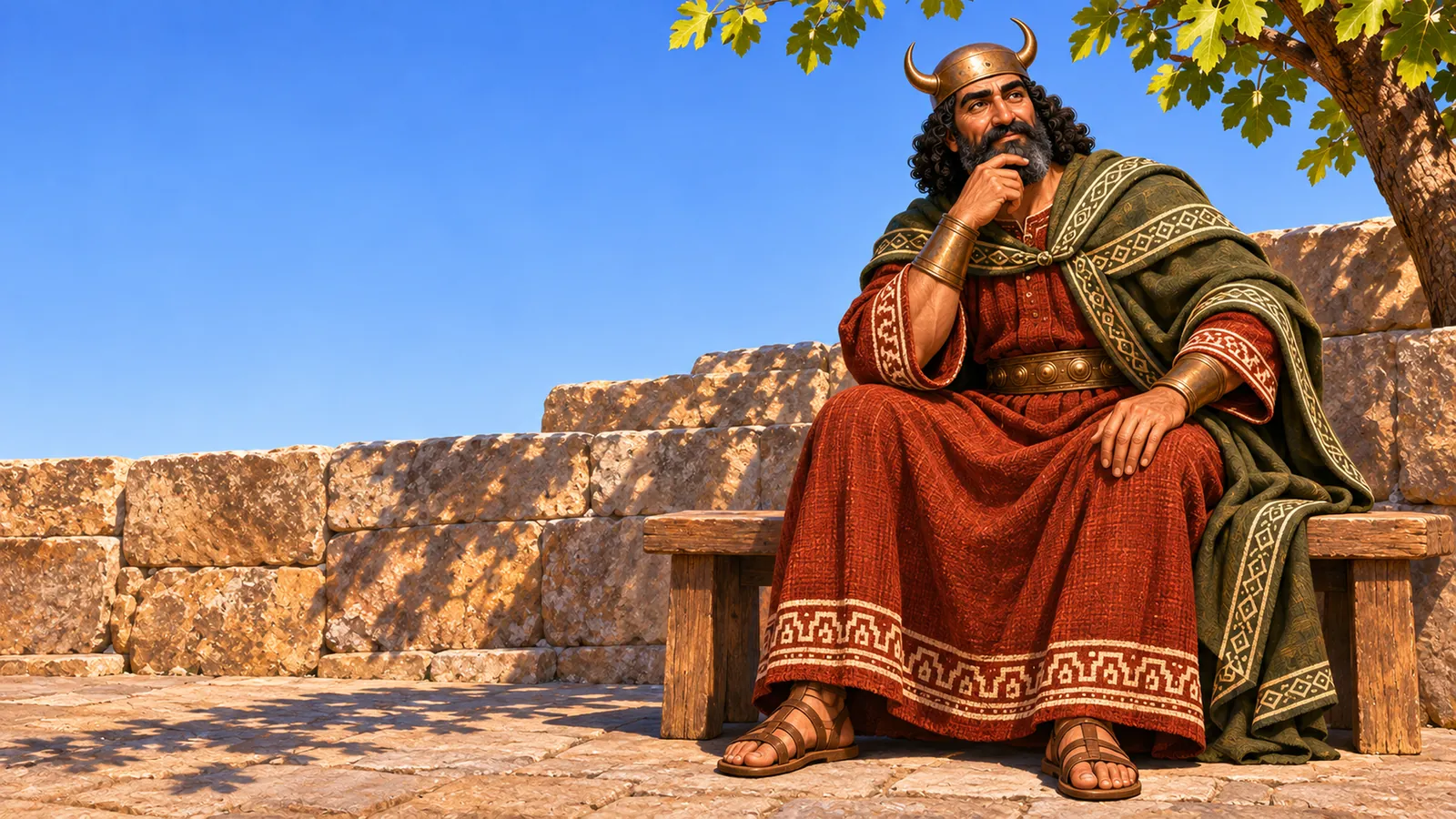
منافس
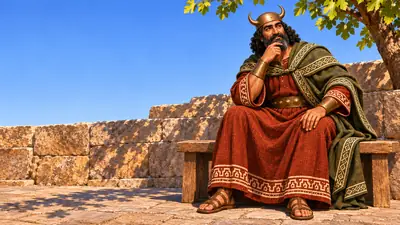
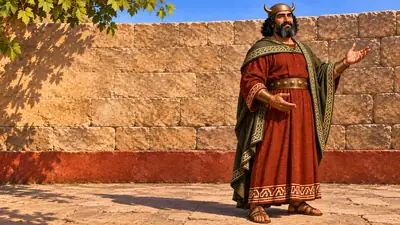
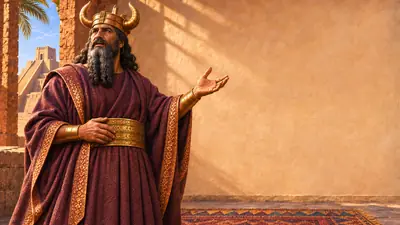
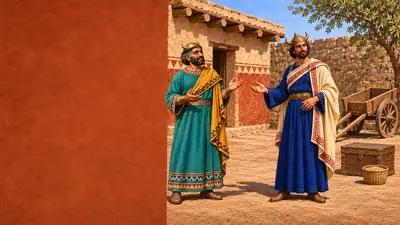
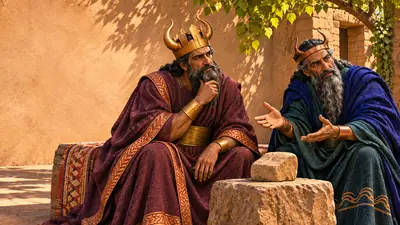
يتجه المنشد إلى كوماربي، أبي الآلهة، وهو يدبّر أمرًا ضد إله العاصفة الحاكم. وينوي أن ينشئ منافسًا ينازع على مُلك السماء.
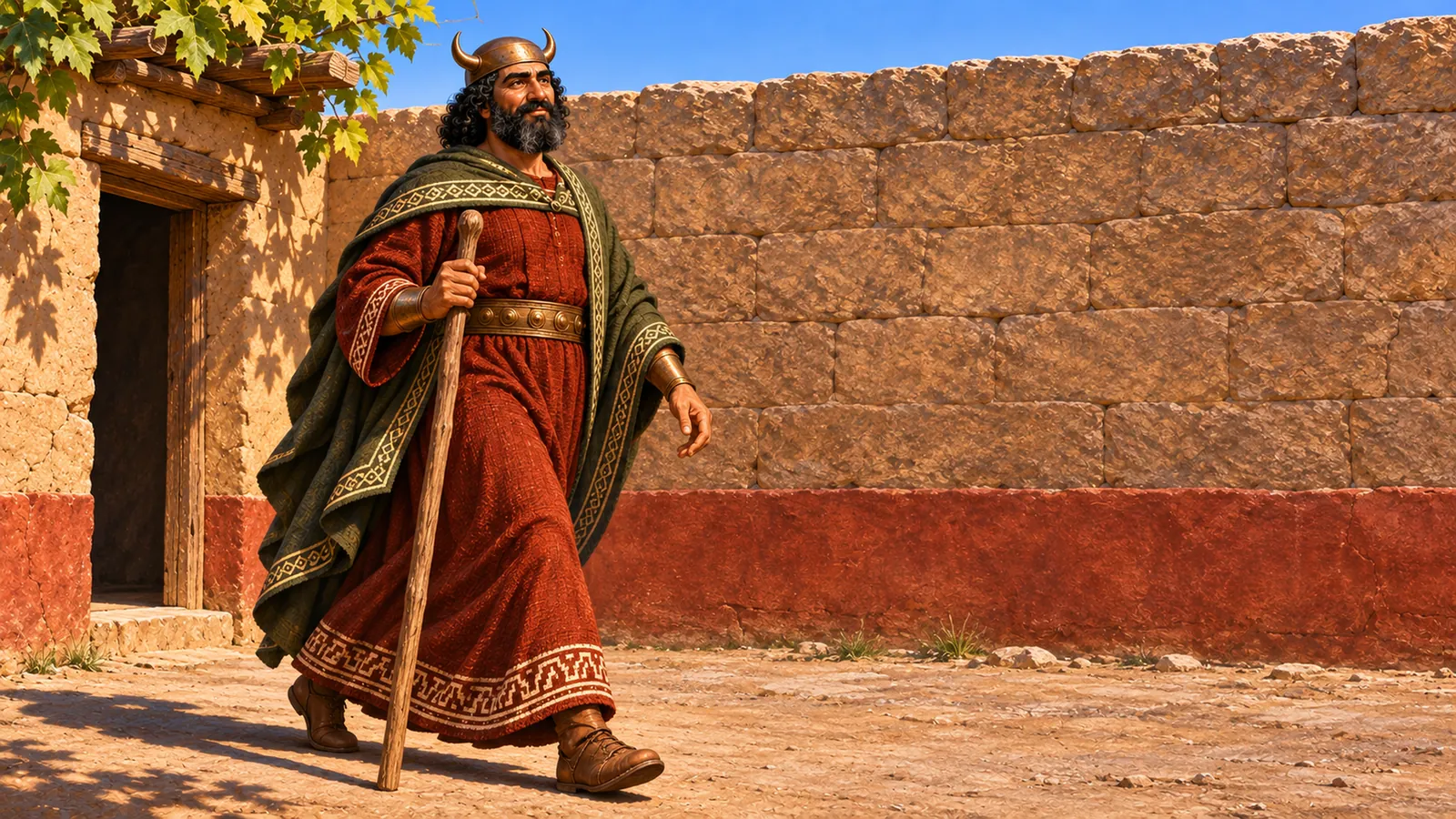
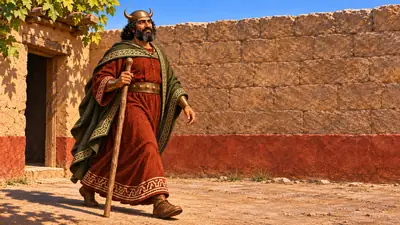
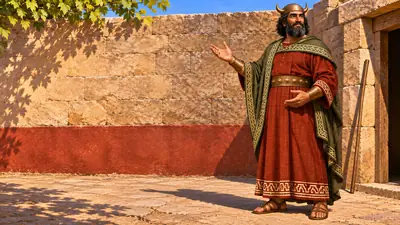
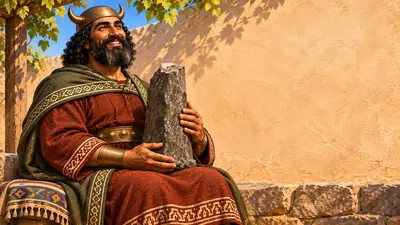
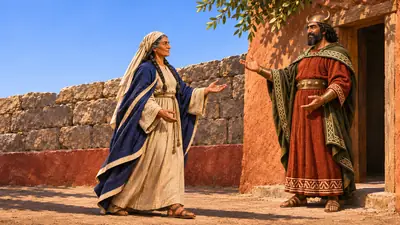
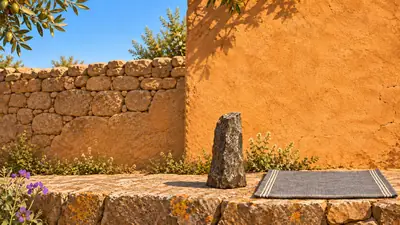
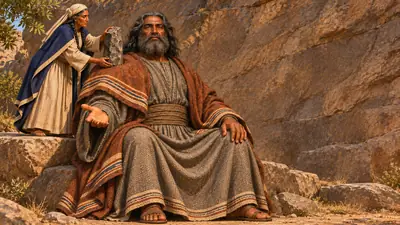
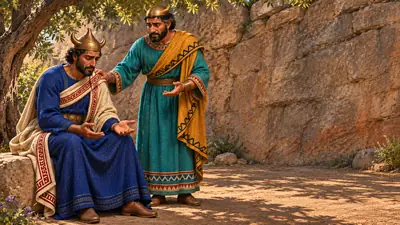
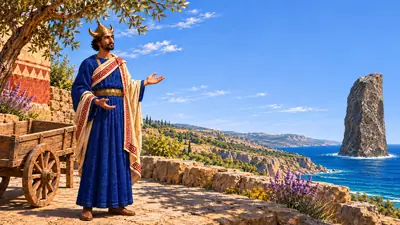
نهض كوماربي وأخذ عصاه ولبس نعلين شُبّها بالرياح المسرعة. وغادر أوركيش حتى بلغ بركة نبع بجوار صخرة عظيمة.

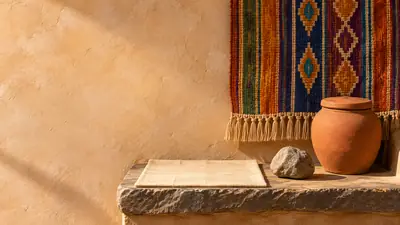
جامع كوماربي الصخرة خمس مرات، ثم عشرًا أخرى. وينكسر اللوح قبل أن تروي الحكاية كيف يأتي من هذا الاتحاد ابن.
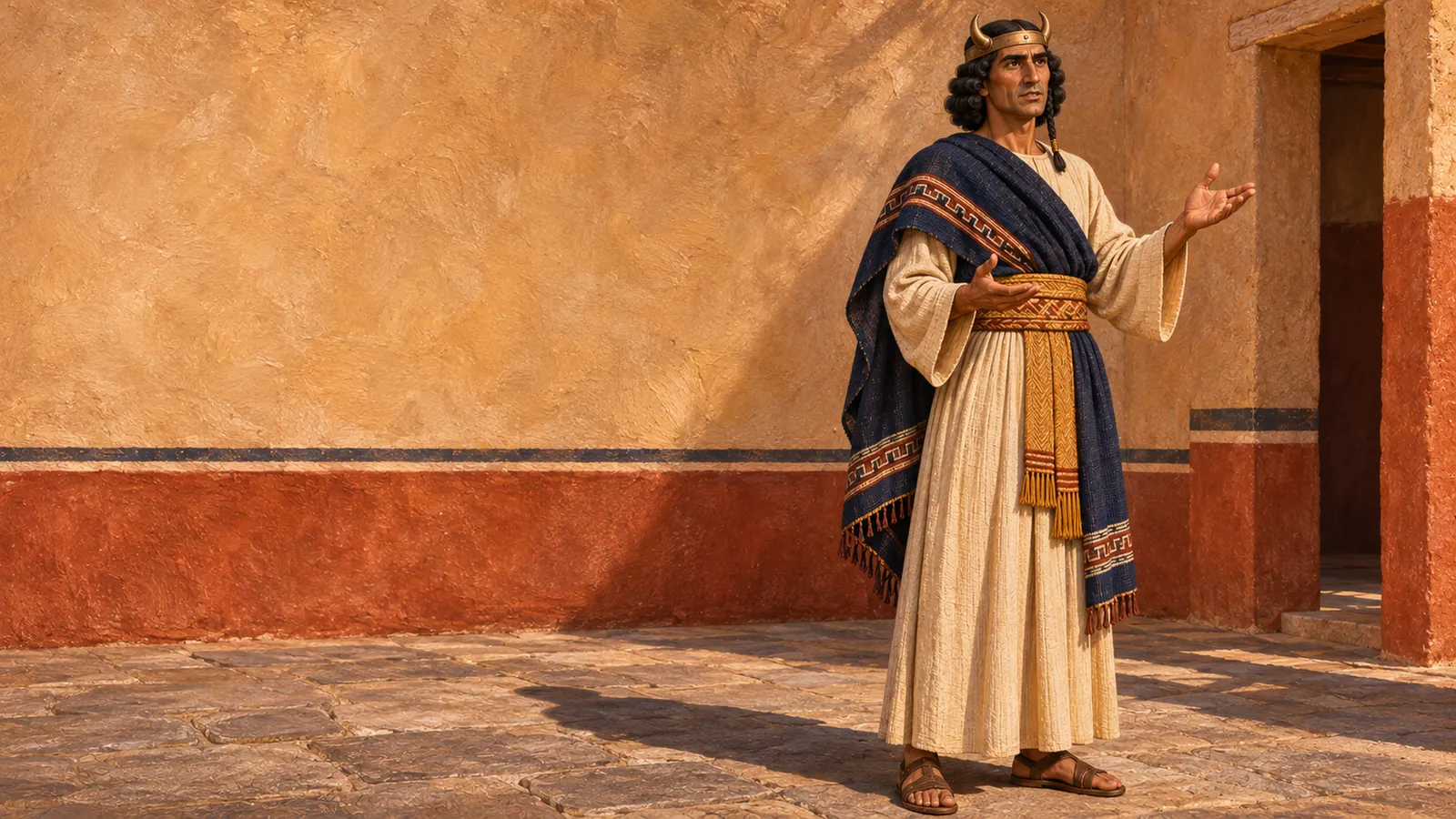
بعد فجوة يتحدث إمبالوري إلى البحر عن كوماربي. وتضع الكلمات المكسورة أبا الآلهة في مجلسه، لكنها تترك الرحلة السابقة غير واضحة.
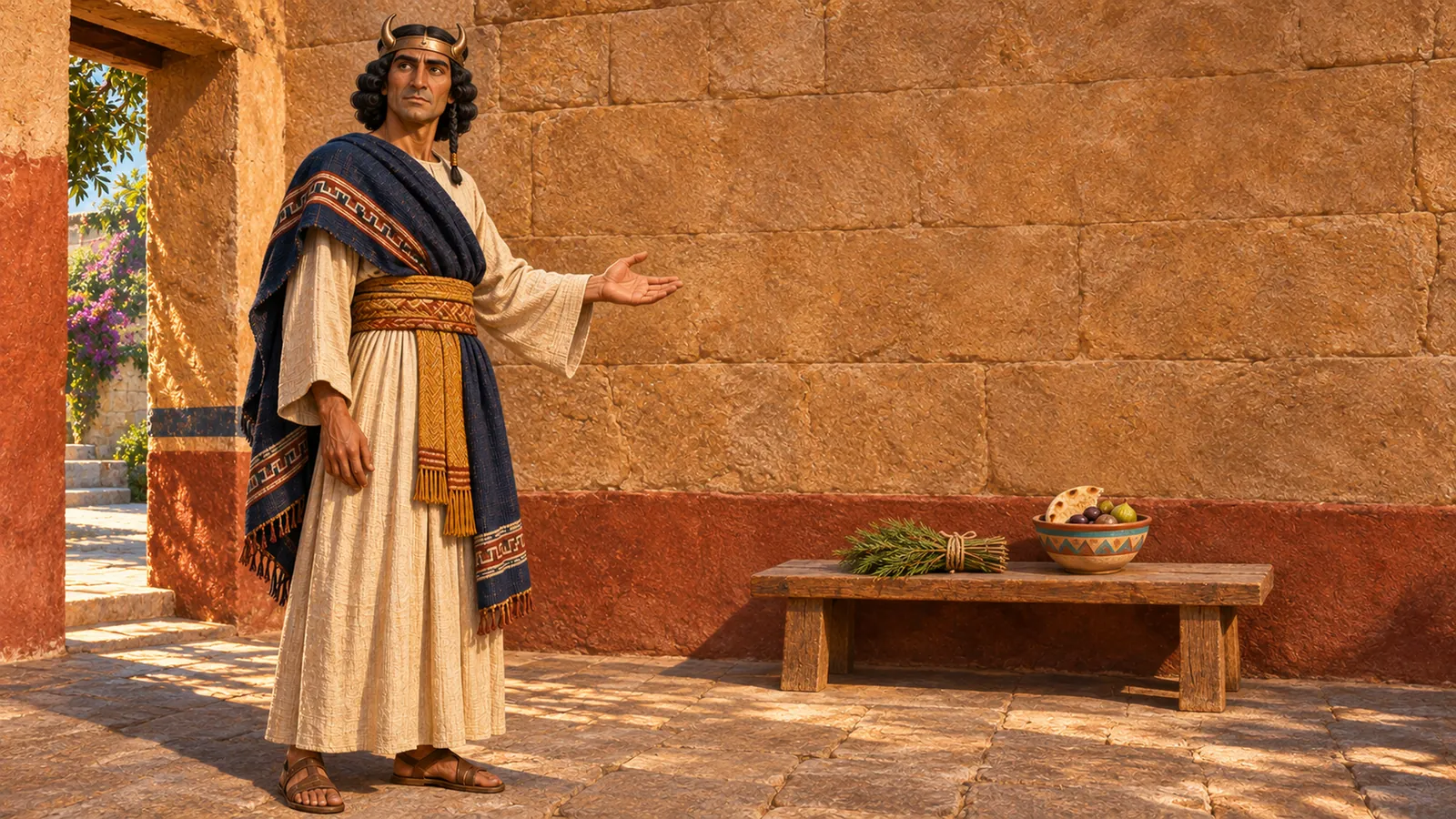
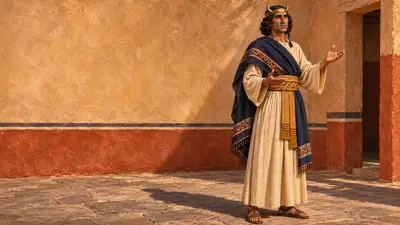
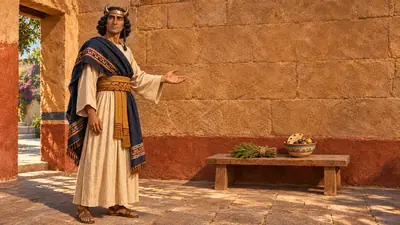
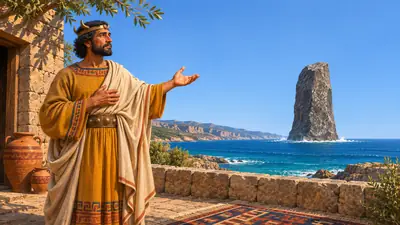
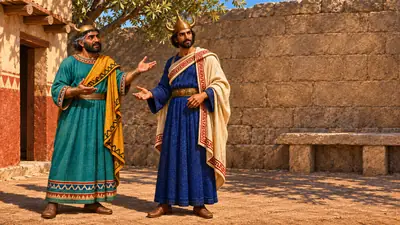
يخشى البحر مجيء كوماربي الغاضب وما أصاب أهل بيته من ارتجاف. وعبر إمبالوري يعرض الطعام المعدّ والأرز والمنشدين، ويدعوه إلى الداخل.
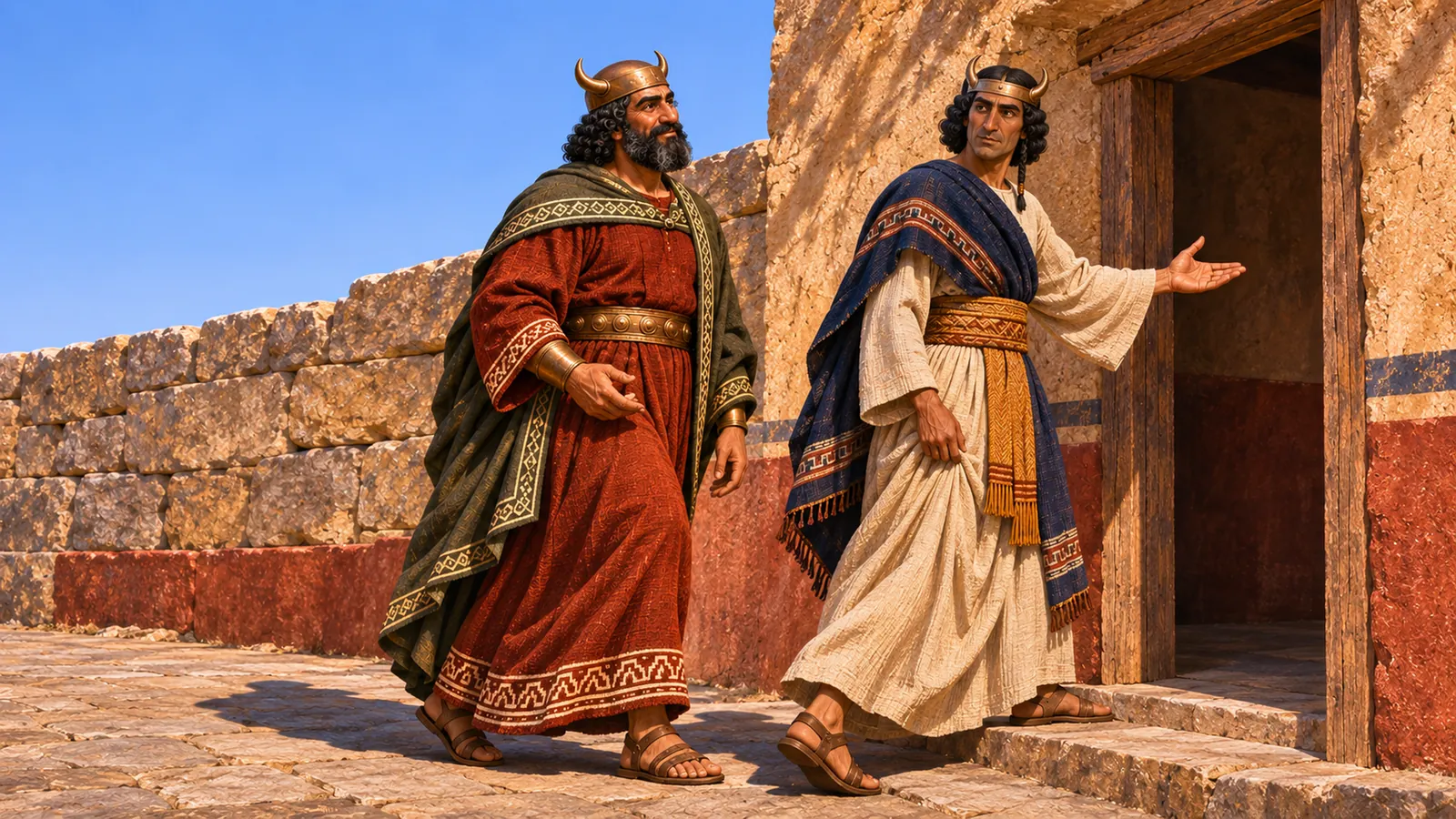
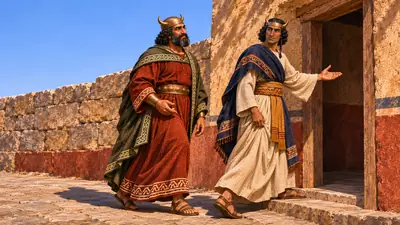
نهض كوماربي وذهب إلى بيت البحر، وإمبالوري يتقدمه في الطريق. ويحفظ النشيد خبر الترحيب، بينما تبقى غايته الأوسع غير مؤكدة.
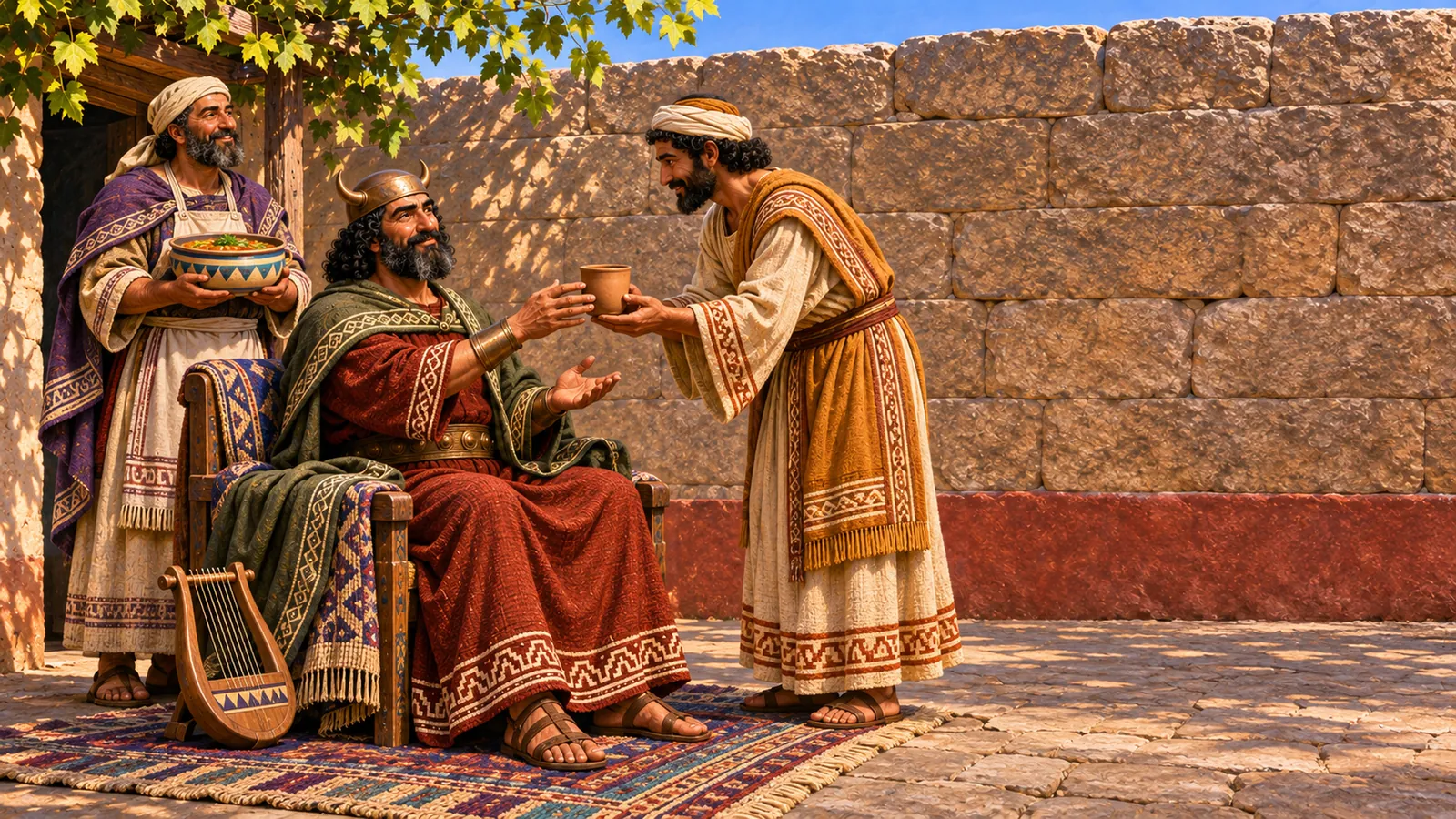
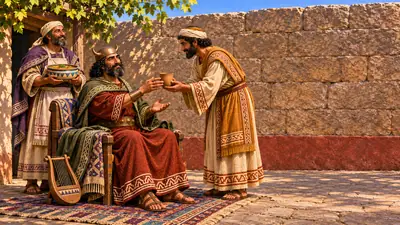
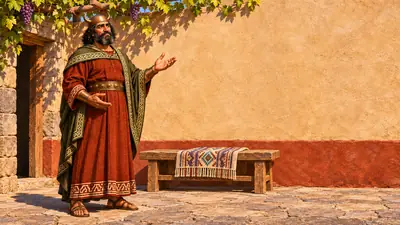
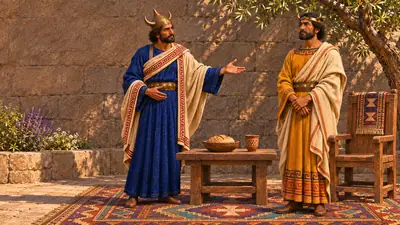
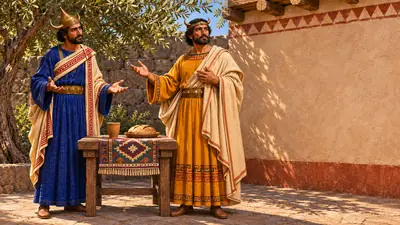
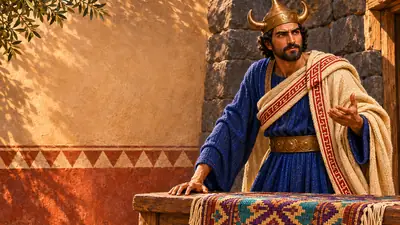
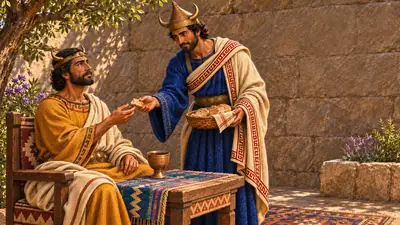
أُعدّ لكوماربي مقعد ومائدة. وأمر البحر بالجعة؛ وجاء الطهاة بالحساء والسقاة بالنبيذ الحلو، وشرب الحاضرون سبع جولات.
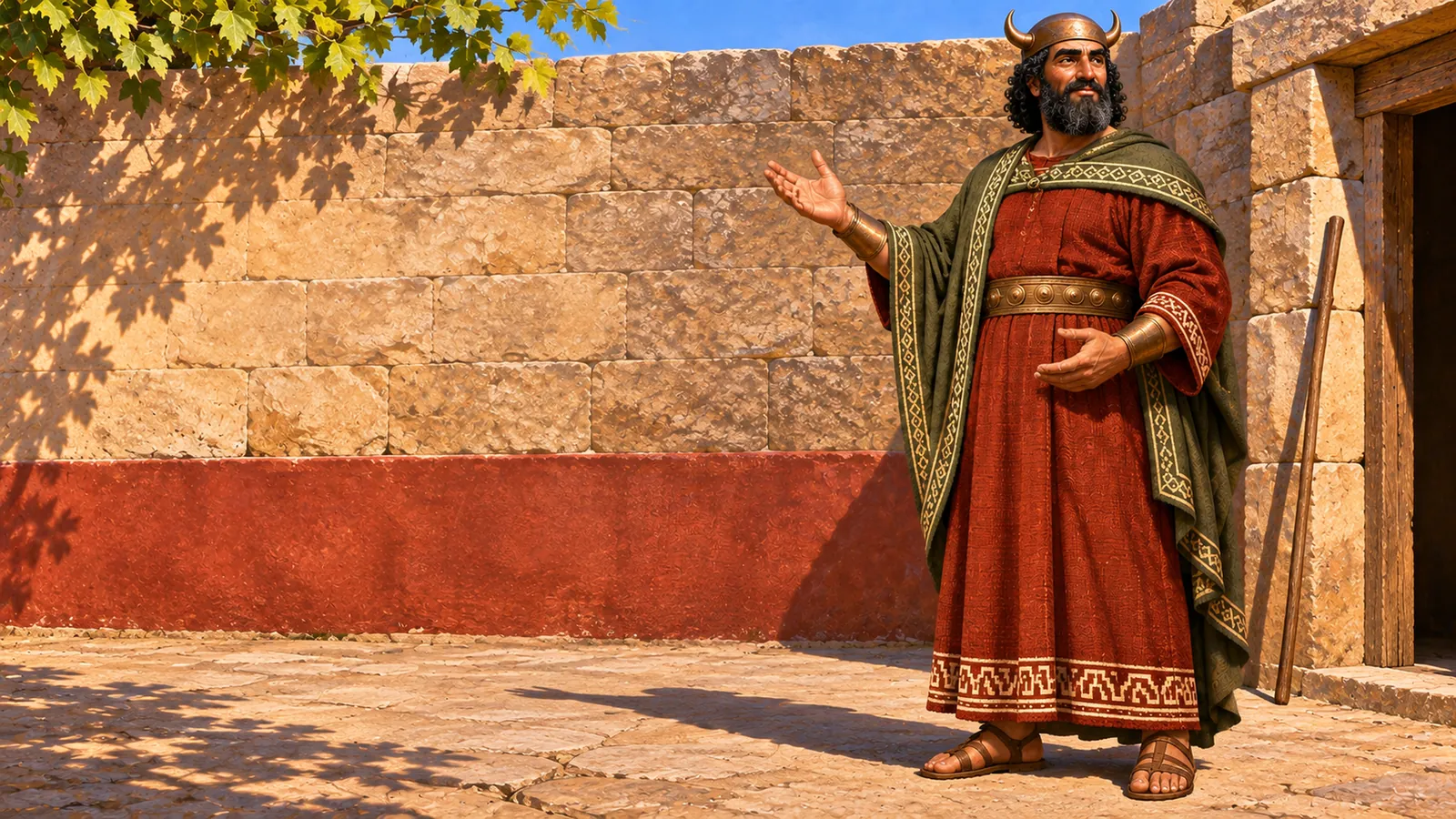
أمر كوماربي وزيره موكيشانو بأن يأخذ عصاه ونعليه ويتجه إلى المياه. أما كلمات الرسالة التي يحملها فقد ضاعت.

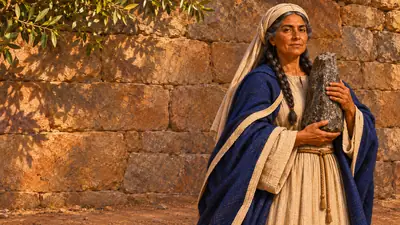
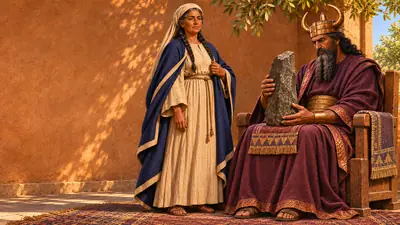
بعد انقطاع آخر وُلد ابن الصخرة. ورفعته إلهات القدر والأمهات ووضعنه على ركبتي كوماربي.
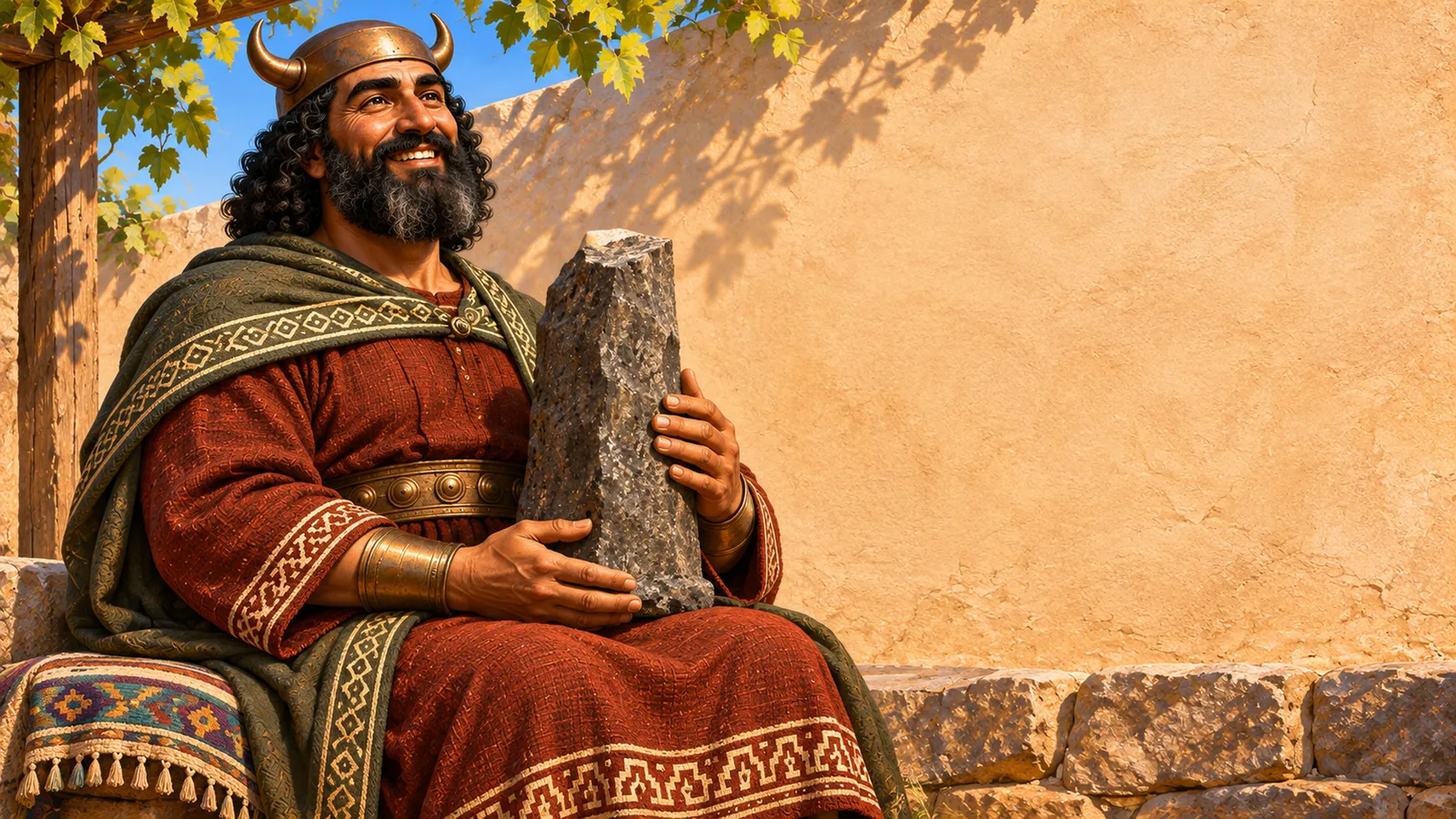
فرح كوماربي بابنه ذي الجسد الحجري وسمّاه أوليكومي. ويشير الاسم إلى تدمير كومّي، مدينة إله العاصفة.
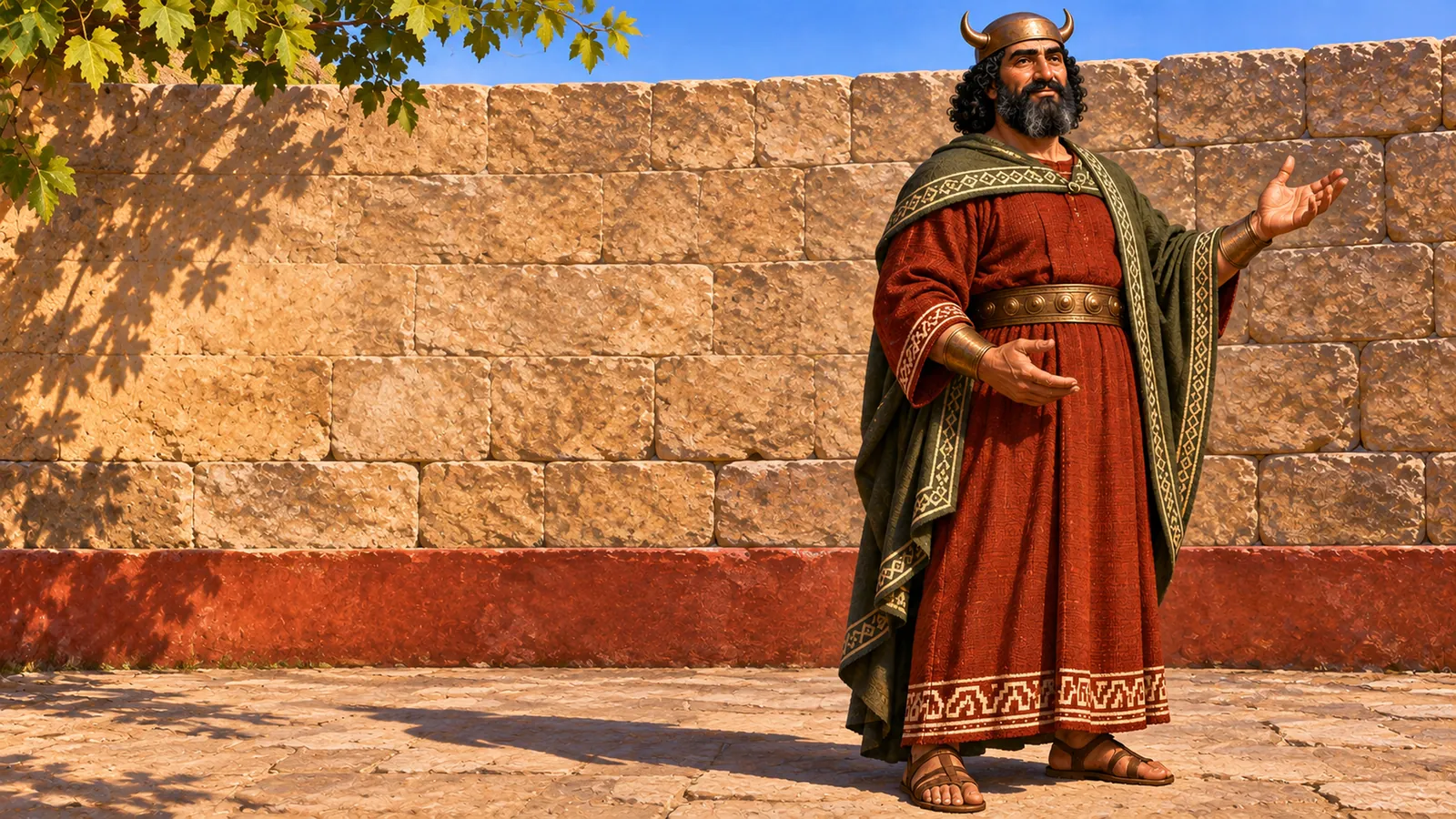
تمنى كوماربي أن يستولي ابنه على السماء ويسحق إله العاصفة وتاشميشو ويلقي الآلهة كالطيور ويحطّمهم كالأواني الفارغة. وكانت هذه أوامر للمستقبل.
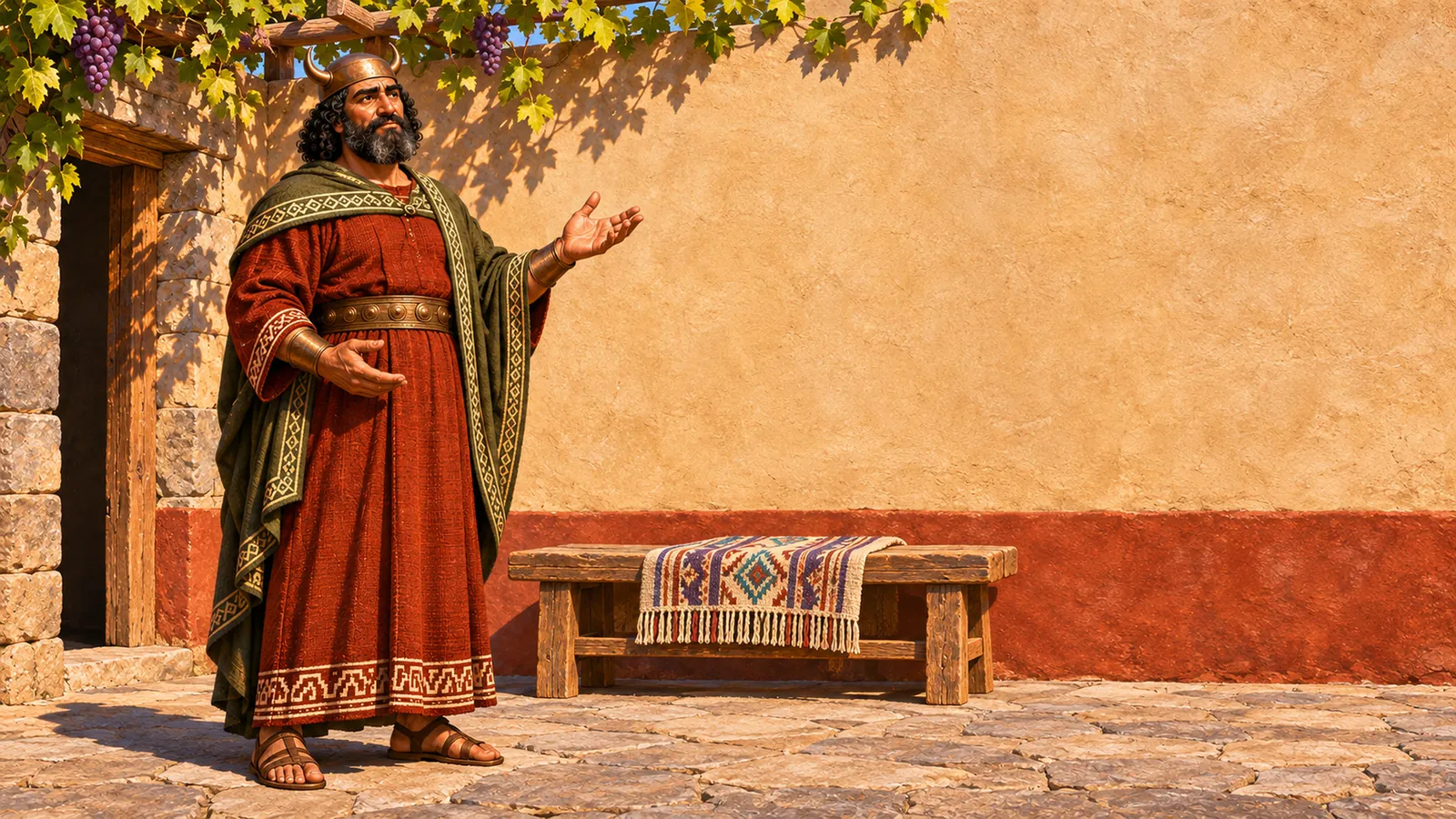
بحث كوماربي عمّن يخفي الطفل في الأرض المظلمة. وخشي أن تكتشفه الشمس أو القمر أو إله العاصفة أو عشتار، وأن يصيب ابنه أذى.
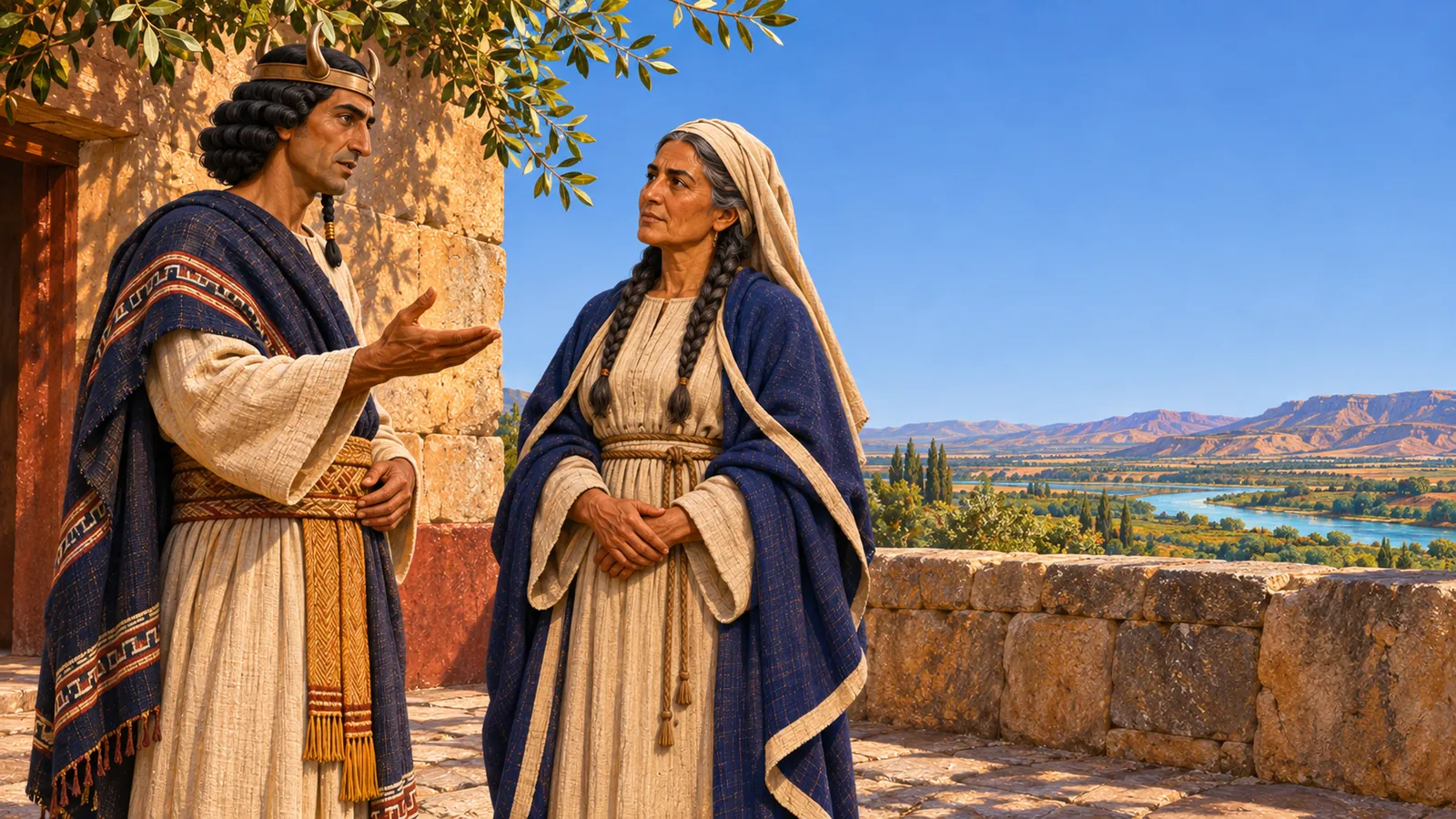
أرسل كوماربي إمبالوري ليستدعي آلهة إرشيرّا. وكرّر الرسول الدعوة العاجلة، معترفًا بأنه لا يعرف الأمر الذي ينتظرهم.
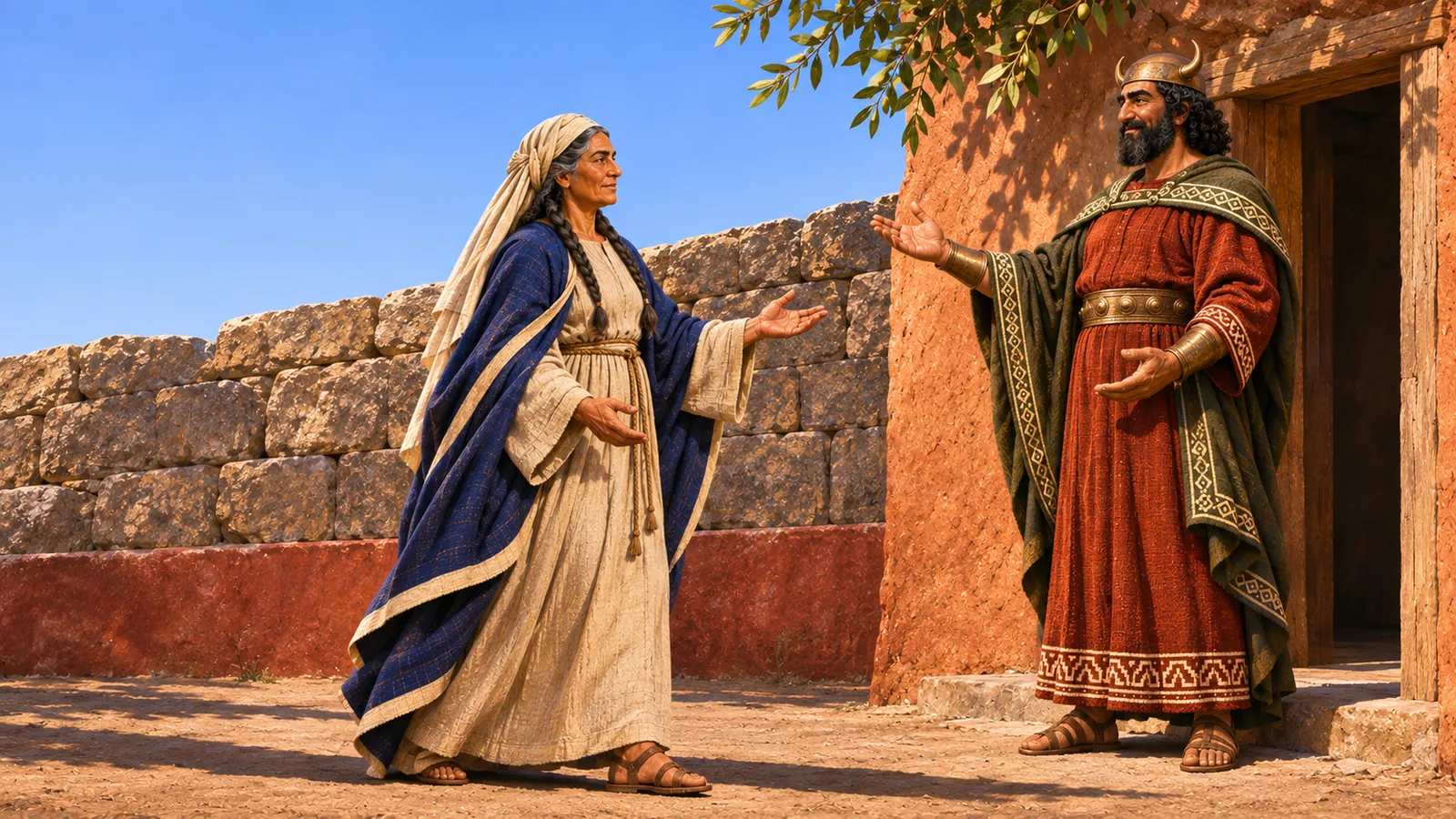
أسرعت آلهة إرشيرّا إلى كوماربي. وأمرهم بأن يتولّوا أمر الطفل ويحملوه إلى الأرض المظلمة في الأسفل.

أمرهم كوماربي بوضع الطفل على كتف أوبيلّوري الأيمن. وقضى بأن ينمو ذراعًا كل يوم ومقدار إيكو كل شهر.
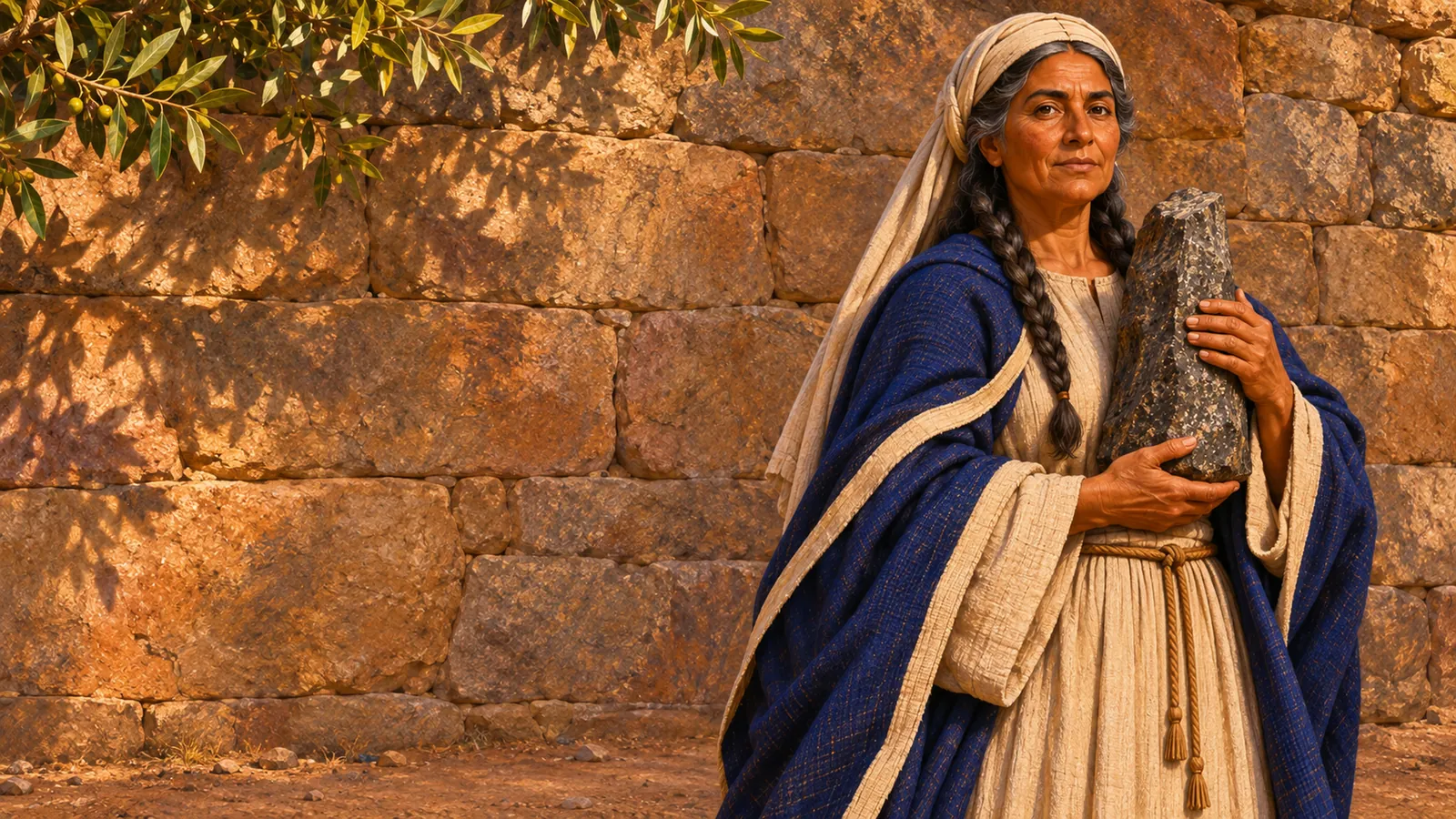
رفعت آلهة إرشيرّا الطفل عن ركبتي كوماربي وضمّوه كالثوب. وقبل أن يبلغوا أوبيلّوري، جاؤوا به إلى إنليل.
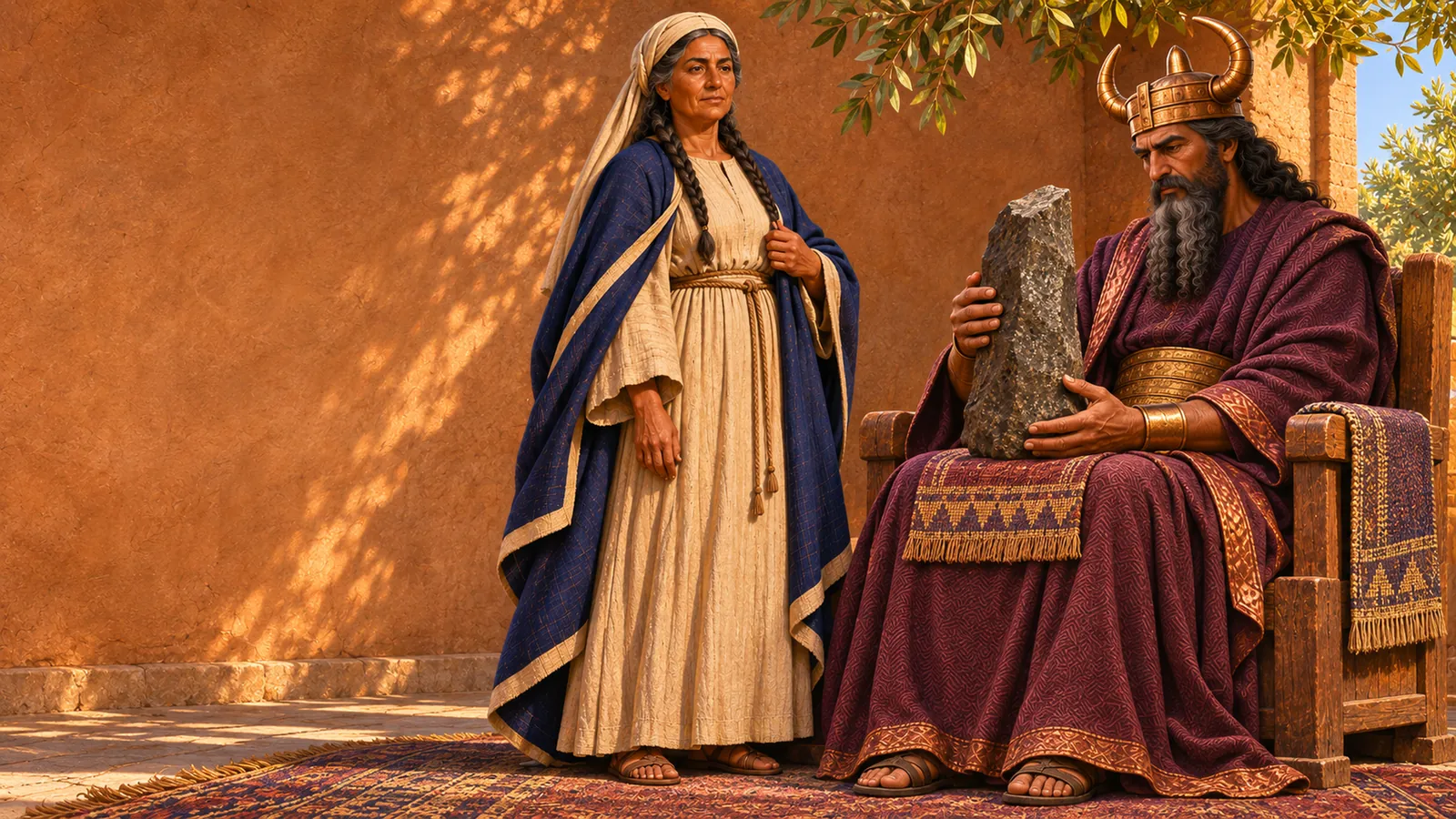
وُضع الطفل على ركبتي إنليل. فنظر إليه إنليل ورأى أن جسده مصنوع من حجر صلب، خلافًا لطفل عادي.
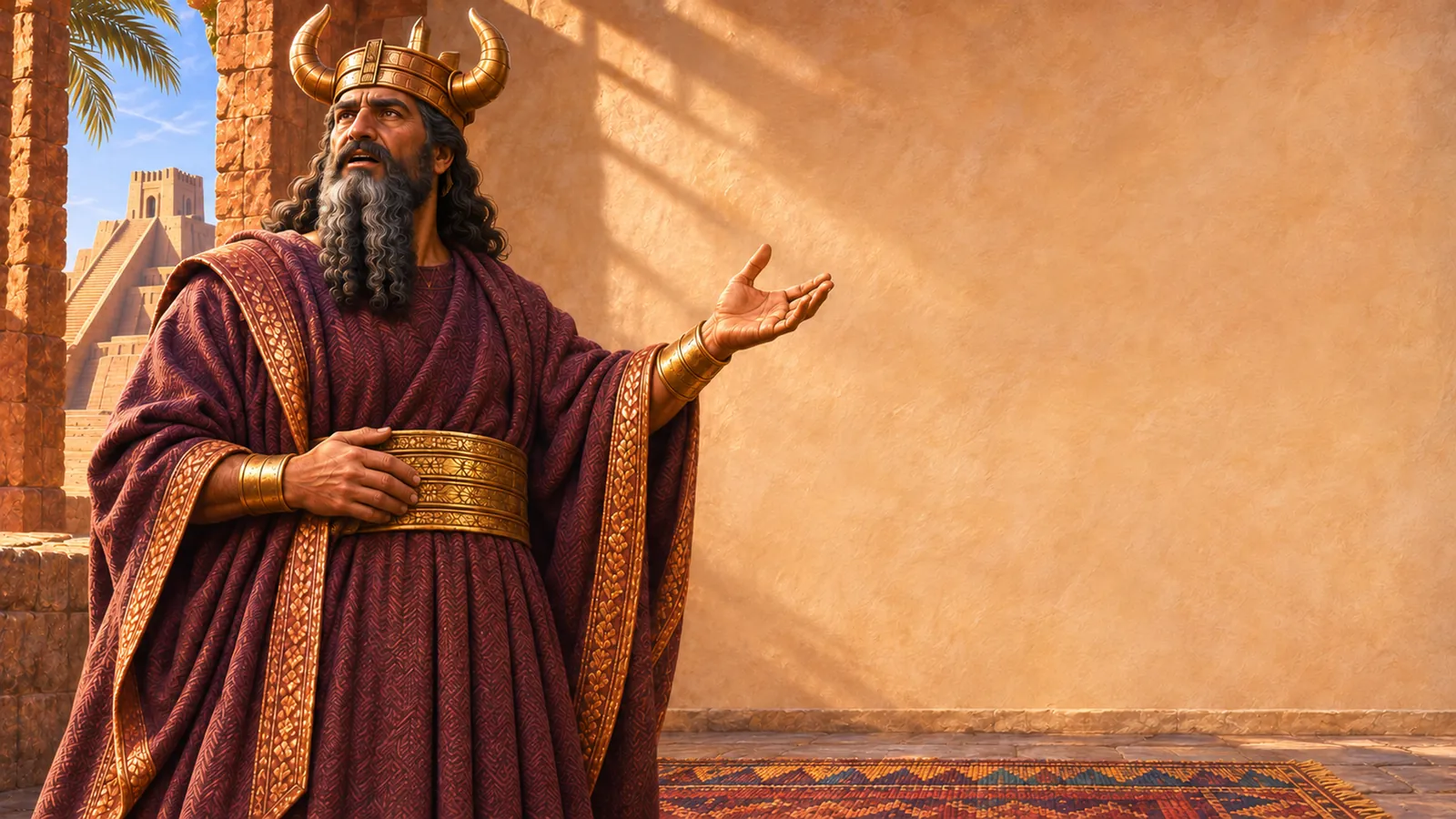
عرف إنليل فعل كوماربي وتوقّع صراعات قاسية بين الآلهة. فكوماربي الذي أخرج إله العاصفة إلى الحياة أنشأ الآن هذا المنافس في مواجهته.
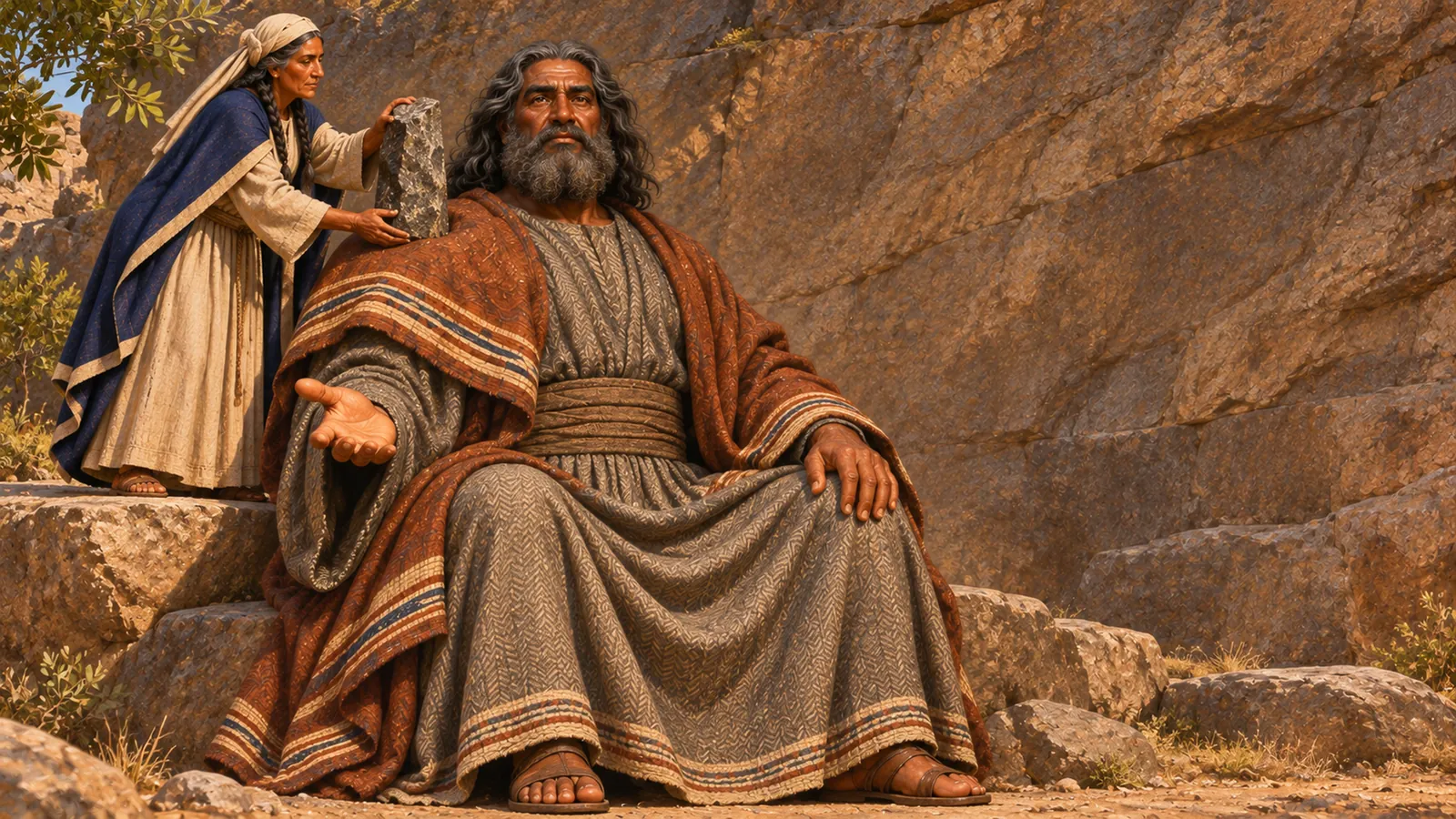
وضعت آلهة إرشيرّا الابن الحجري على كتف أوبيلّوري الأيمن. وفي الخفاء بالأسفل بدأ أوليكومي النمو الذي أمر به كوماربي لمنازعة السماء.
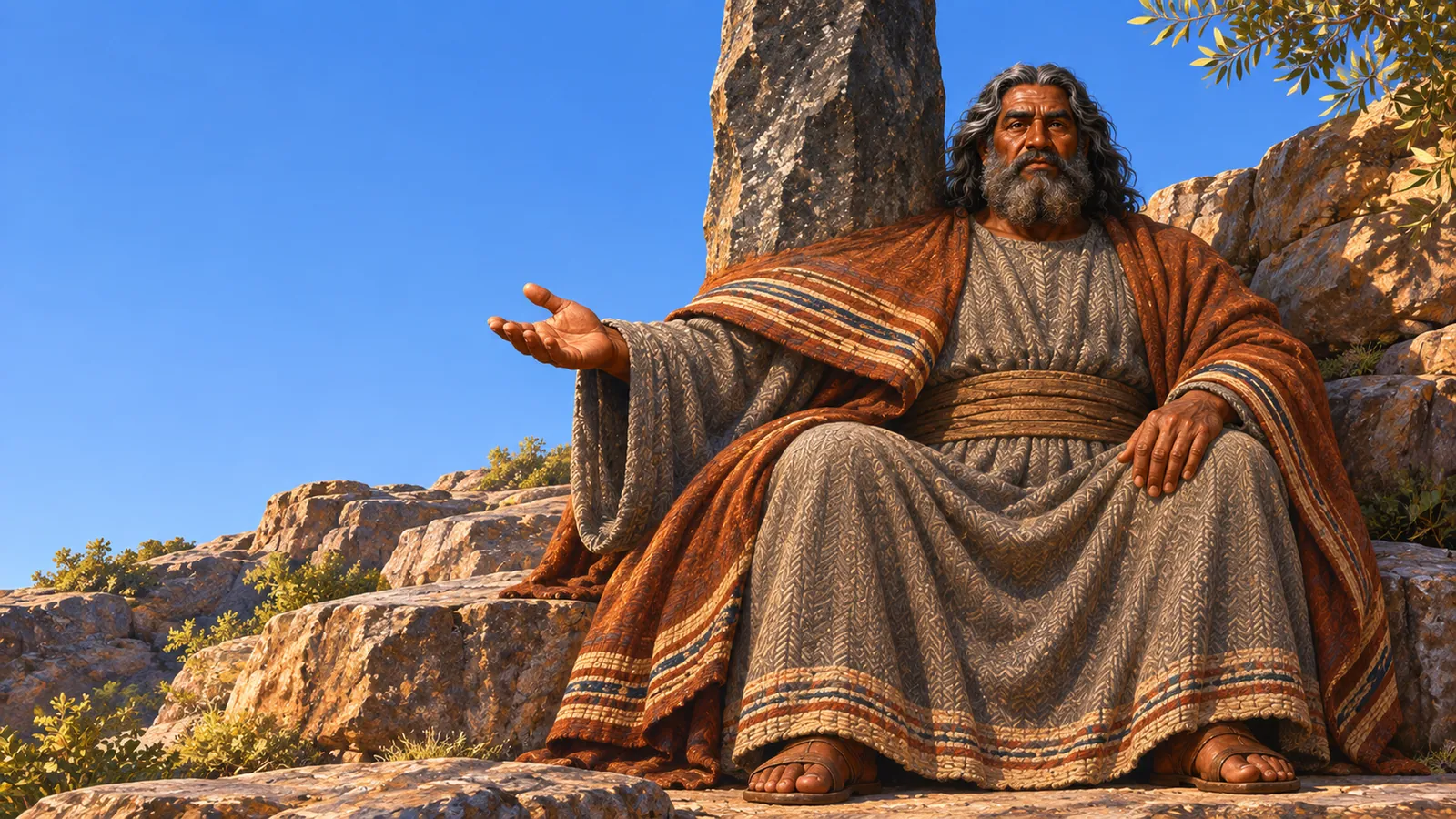
نما الحجر ذراعًا كل يوم ومقدار إيكو كل شهر. ومقادير وحدات القصيدة القديمة موضع خلاف؛ أما معناها الواضح فهو نمو استثنائي.
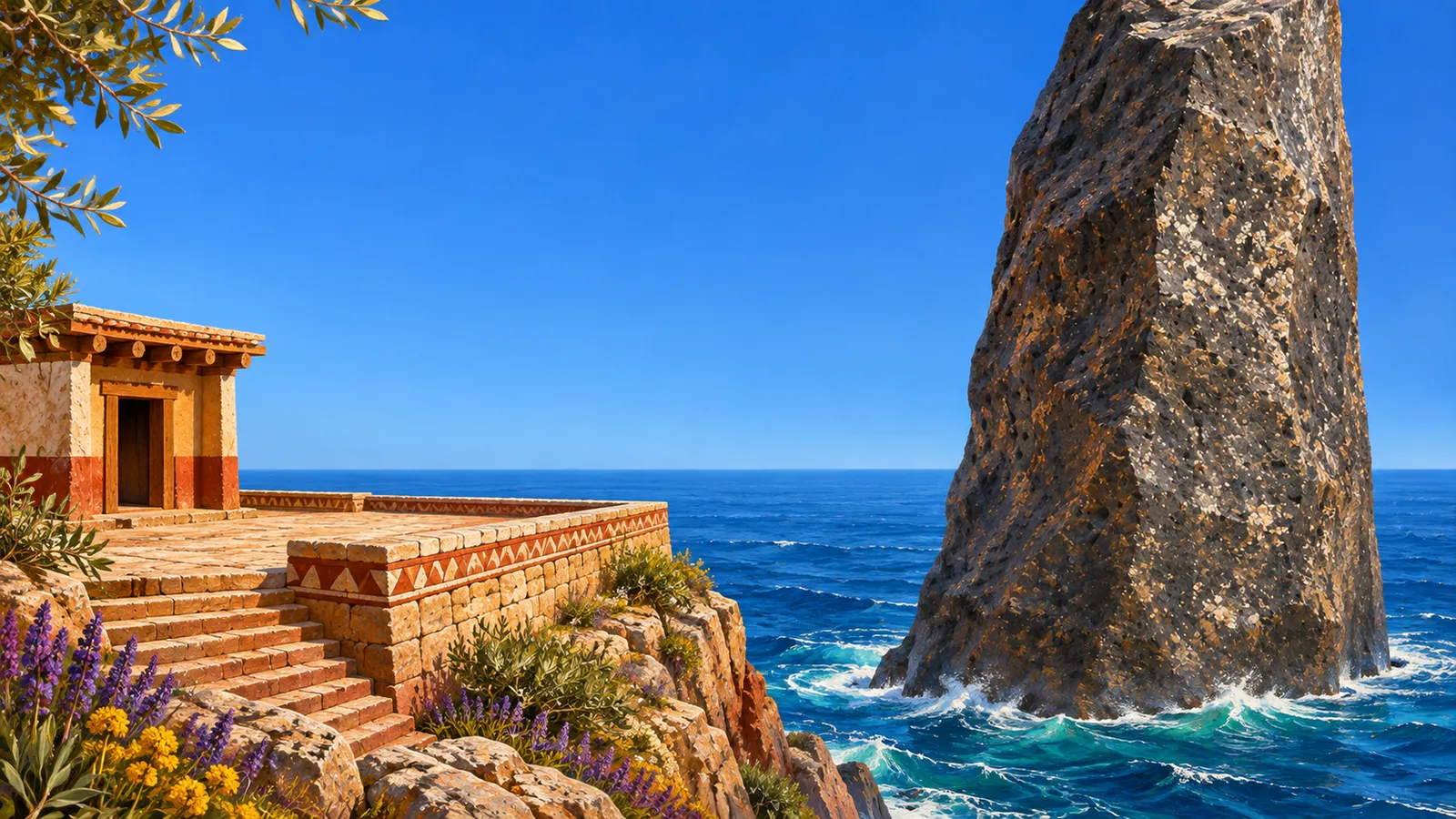
بحلول اليوم الخامس عشر ارتفع أوليكومي عاليًا فوق البحر. وبلغ الماء موضع خصره، بينما امتد طوله المتزايد نحو معابد السماء.
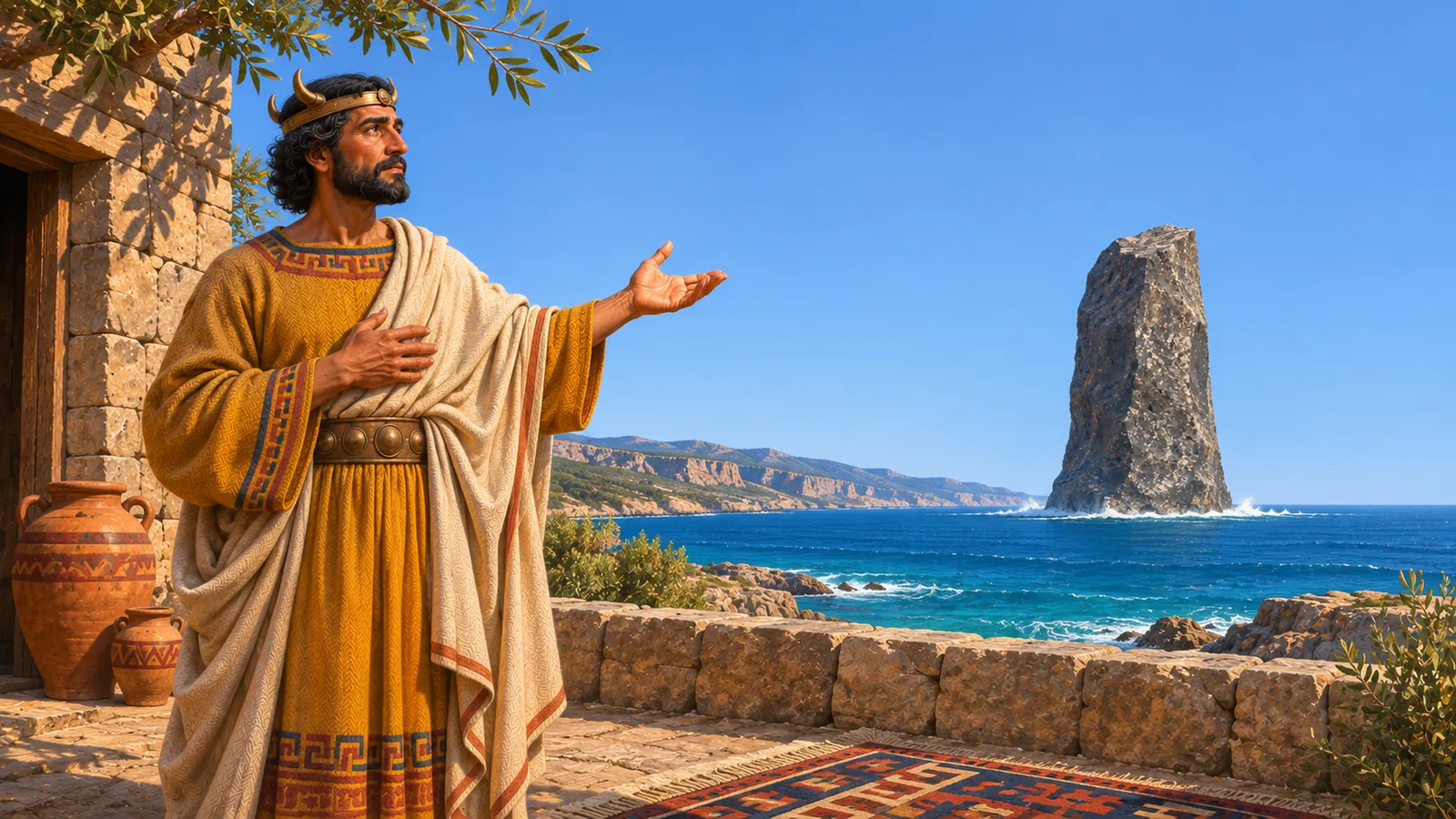
رأى إله الشمس أوليكومي في البحر؛ ويتحدث البيت أيضًا عن نظر أوليكومي إليه. وتصفه كلمات لاحقة بأنه أعمى، فيبقى في النشيد تعارض غير محسوم.
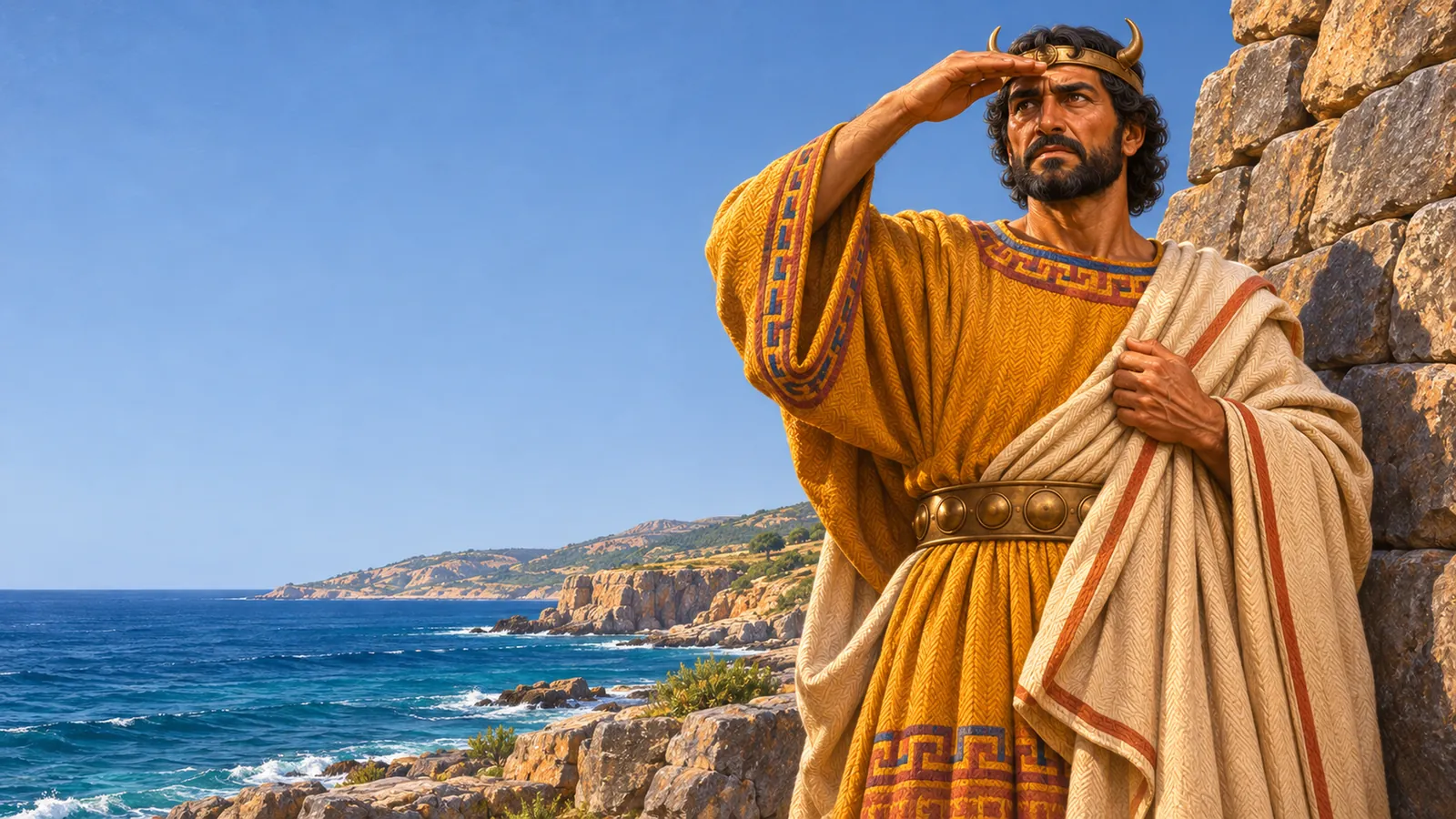
اقترب إله الشمس ورفع يده إلى جبينه وتغيّر من الغضب. ثم اتجه نحو إله العاصفة ومعه خبر خطير.
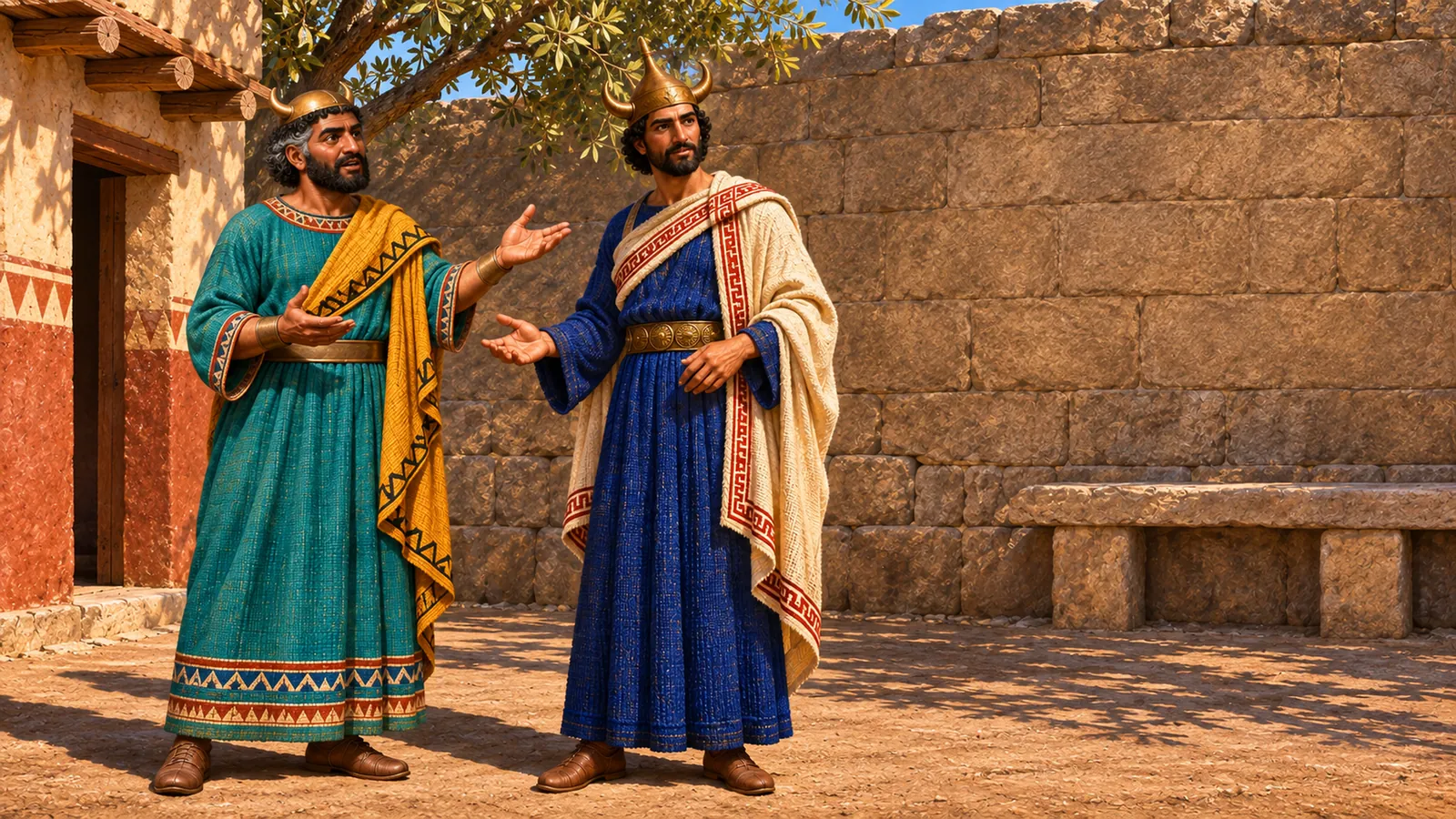
لما رأى تاشميشو إله الشمس مقبلًا، حذّر أخاه من خطورة الأمر. وتنبأت كلماته بصراع في السماء وجوع وموت في الأرض.
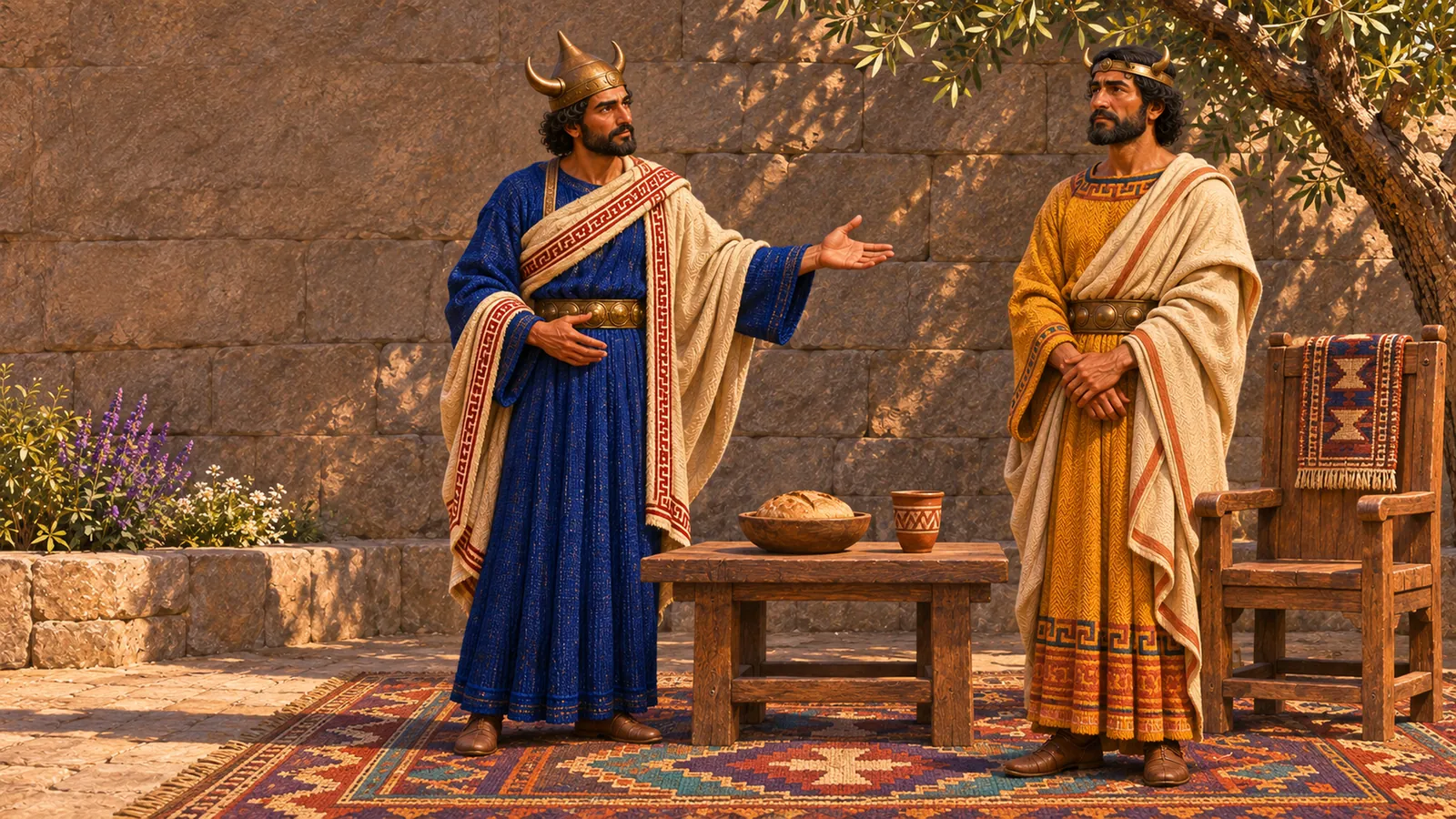
دخل إله الشمس البيت لكنه لم يجلس. ولم يقترب من الوجبة المعدّة ولا من الكأس المقدَّمة ليشرب منها.
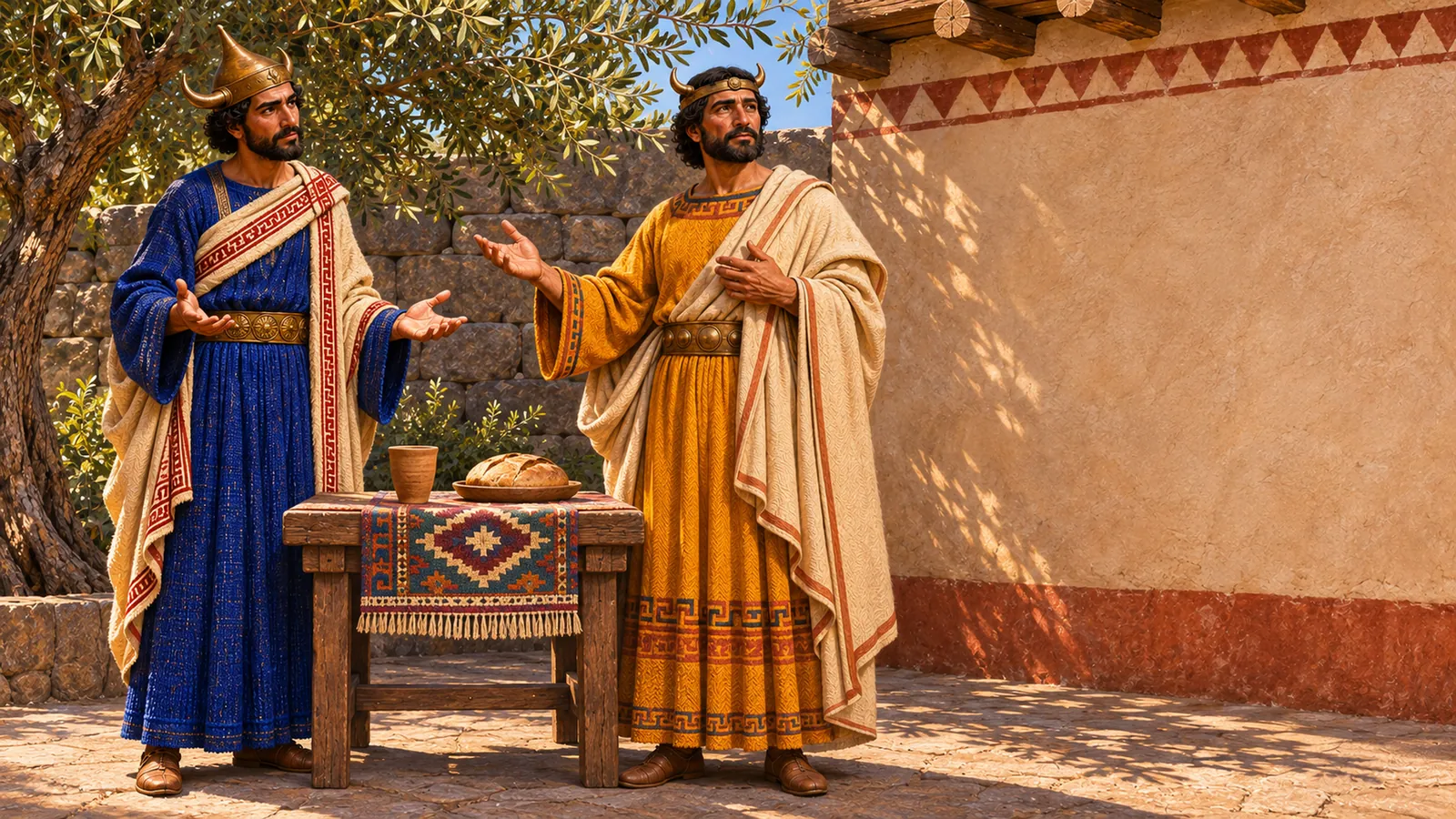
سأل إله العاصفة هل أُعدّ المقعد أو المائدة أو الكأس إعدادًا سيئًا. وكانت أسئلته تبحث عن سبب امتناع ضيفه.
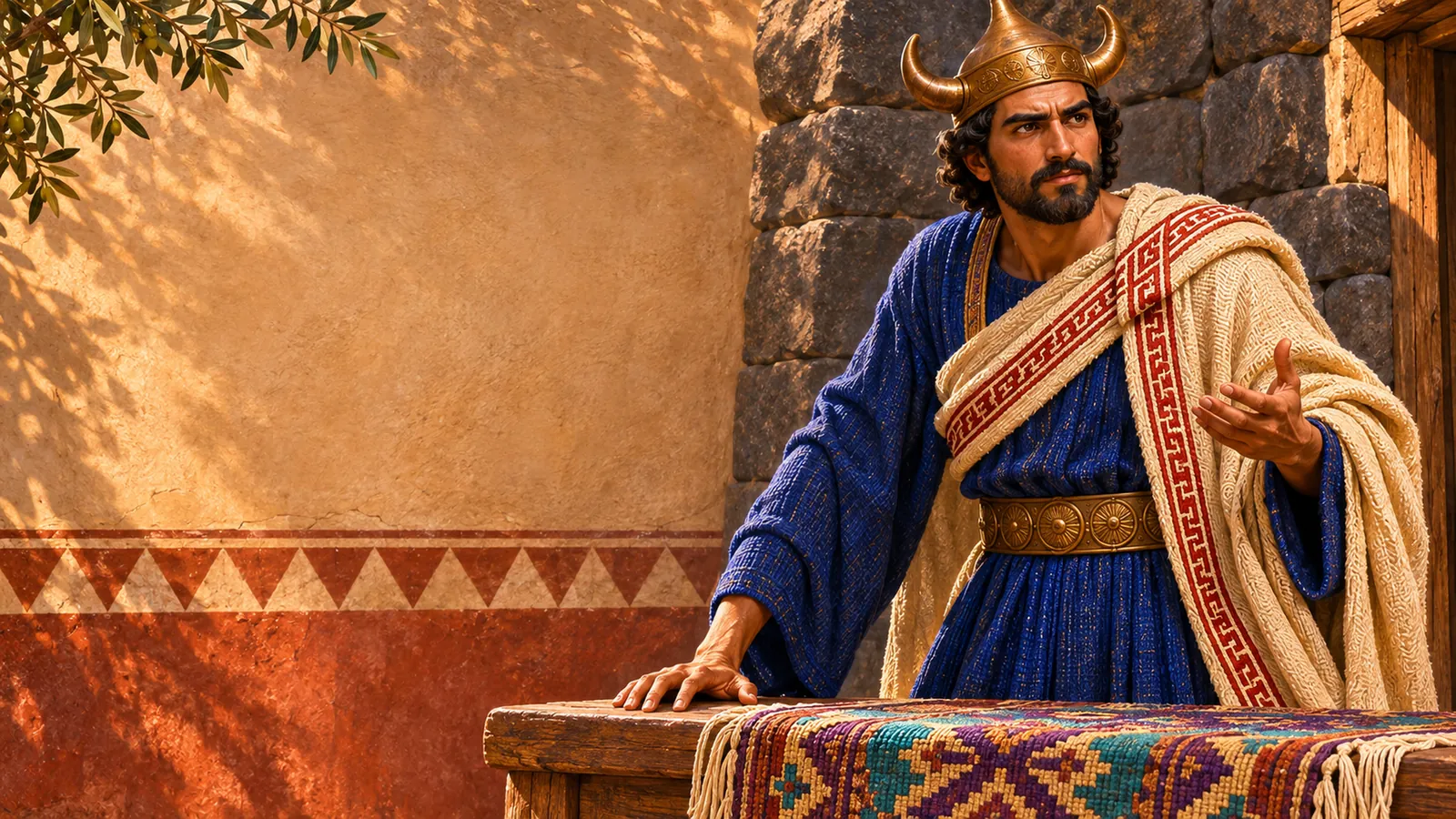
تفاصيل الخبر تالفة، لكن ردّ إله العاصفة الغاضب باقٍ. لقد وصل نبأ الحجر المتنامي إلى حاكم كومّيّا.
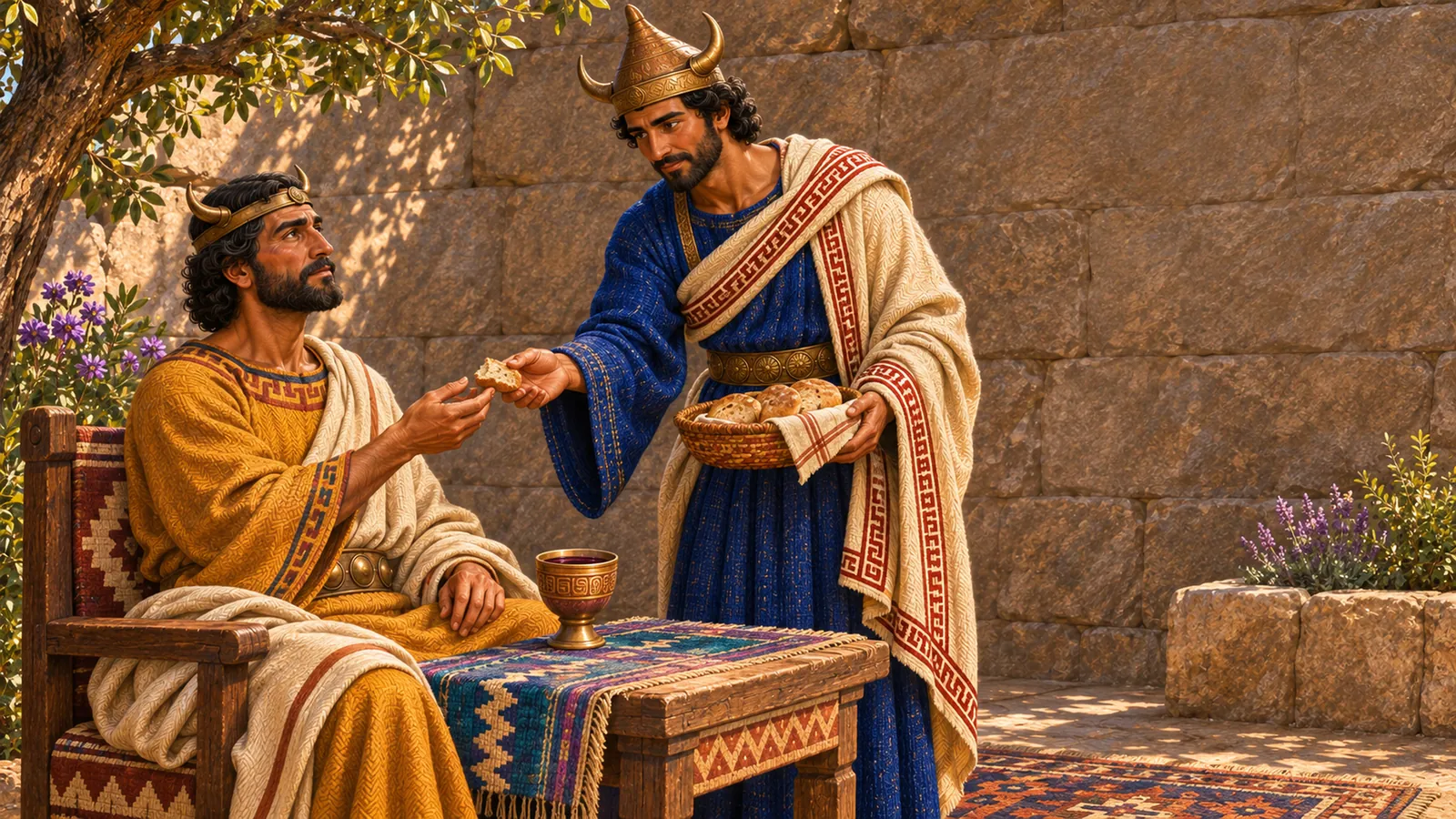
حثّ إله العاصفة ضيفه على الأكل والشرب. وأخيرًا قبل إله الشمس الخبز والنبيذ الحلو، ثم نهض وعاد إلى السماء.
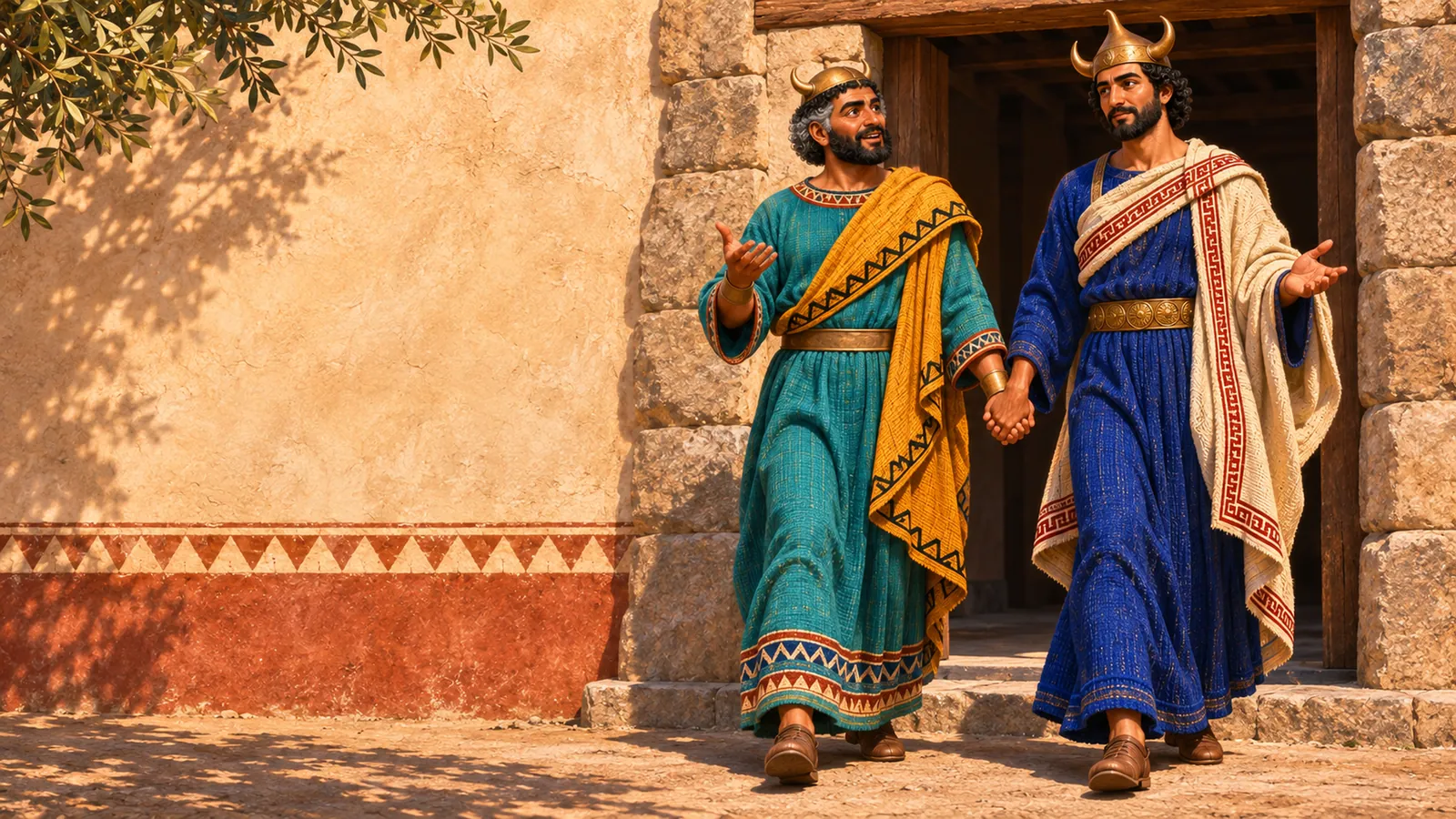
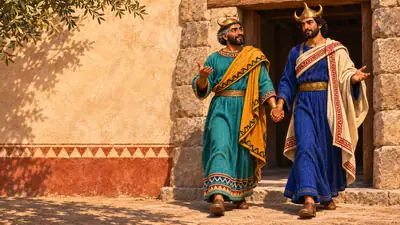
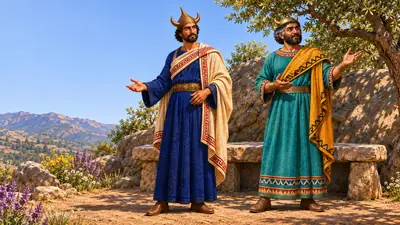
بعد رحيل إله الشمس، أمسك إله العاصفة وتاشميشو بيدي بعضهما. وخرجا من معبدهما ليريا الخطر بأنفسهما.
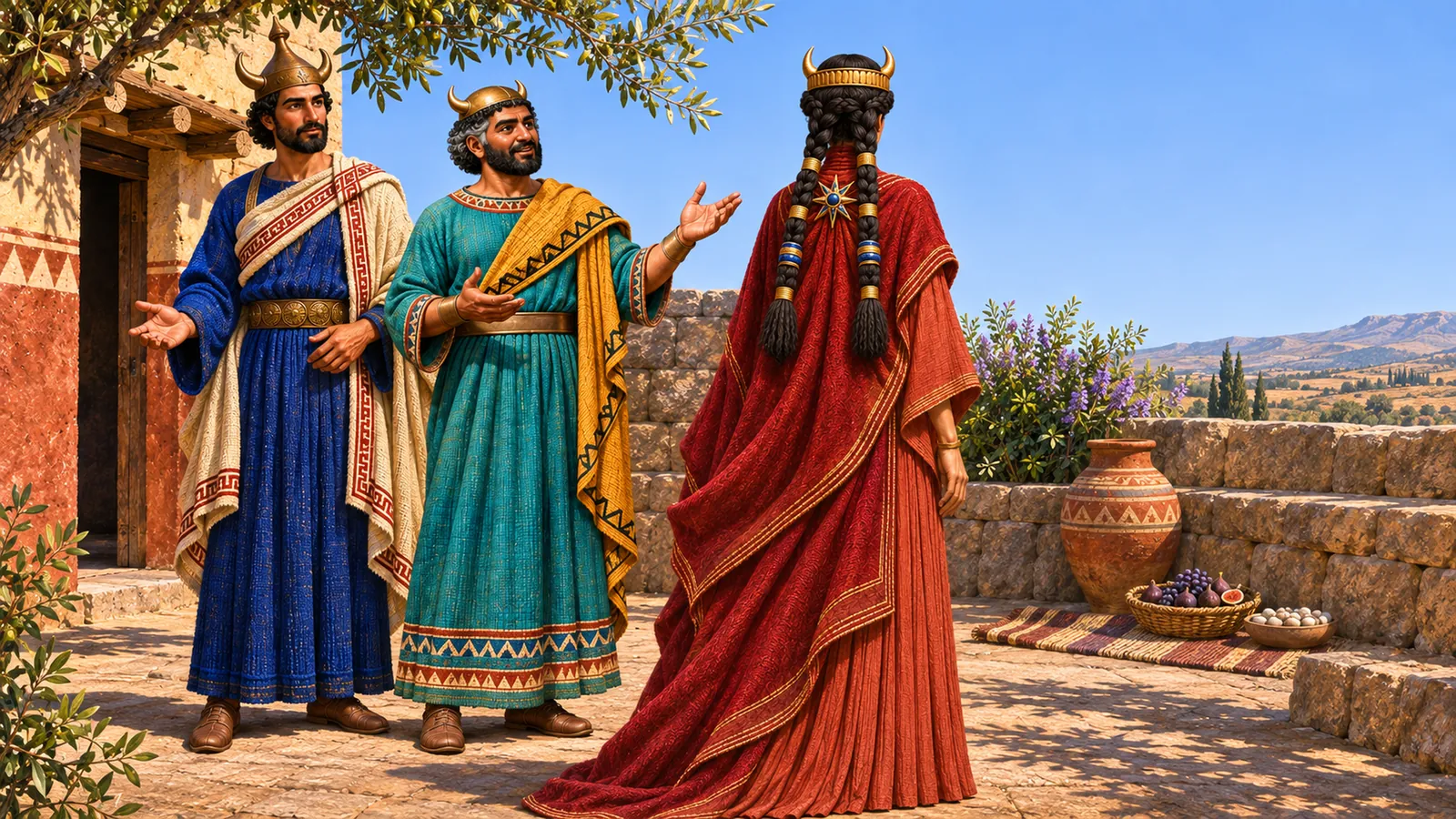
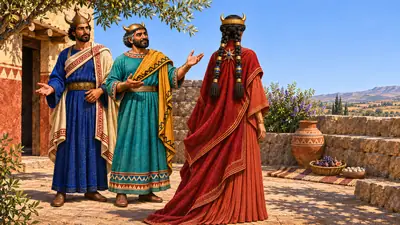
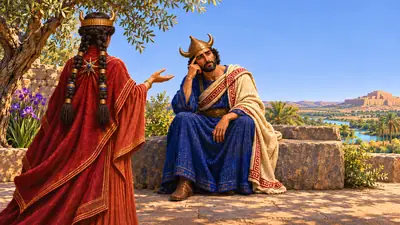
رأت عشتار أخويها مسرعين وسألتهما إلى أين يذهبان. ويشير ردّ إله العاصفة التالف إلى ما أخبره به إله الشمس.
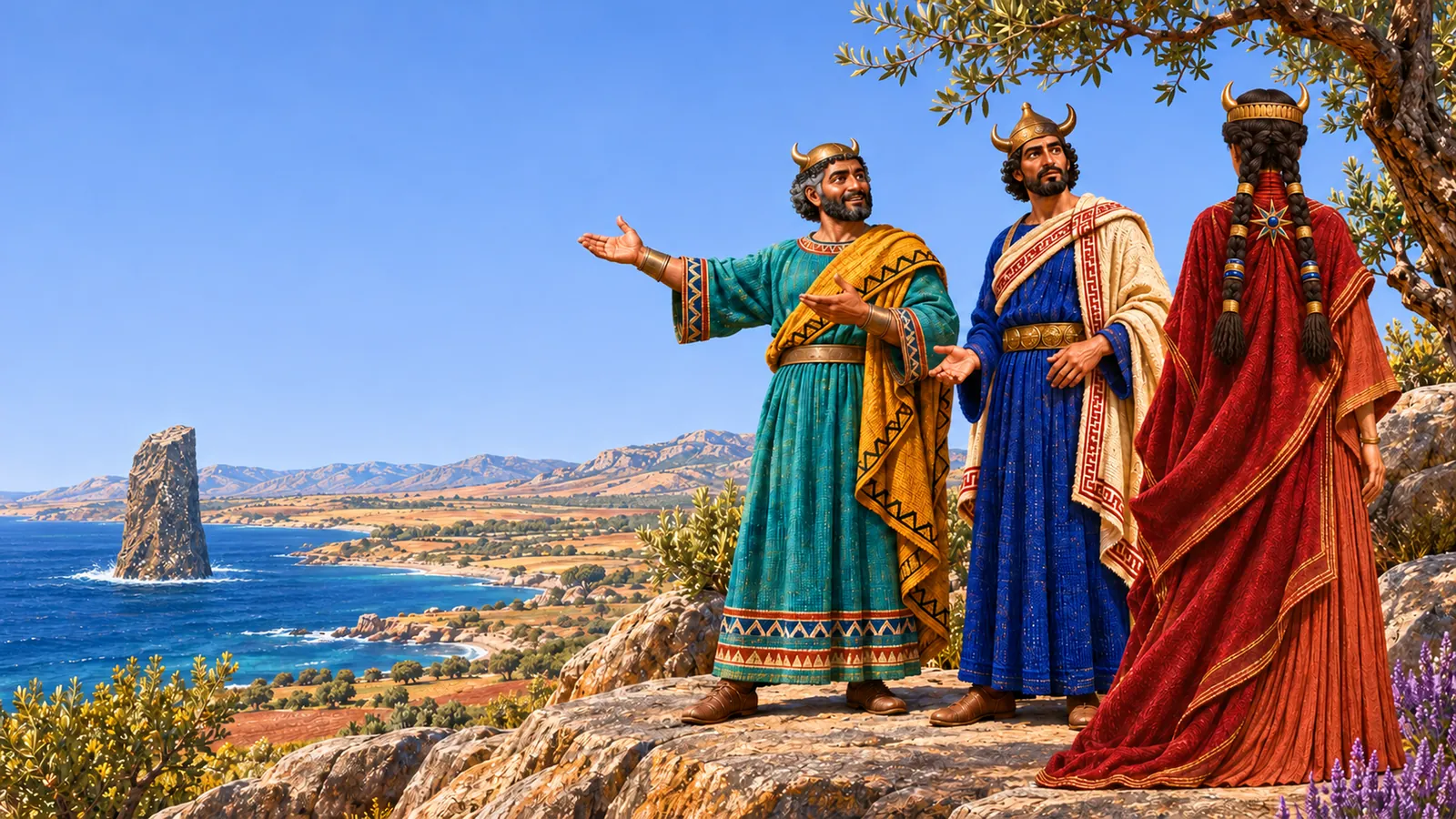
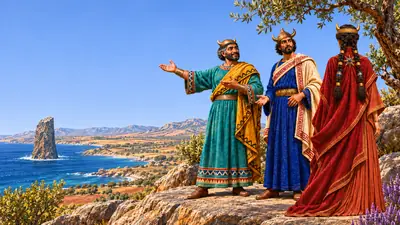
صعدوا معًا جبل خازّي ونظروا نحو الحجر. ورأى ملك كومّيّا المنافس الهائل مرتفعًا أمامه فتغيّر من الغضب.
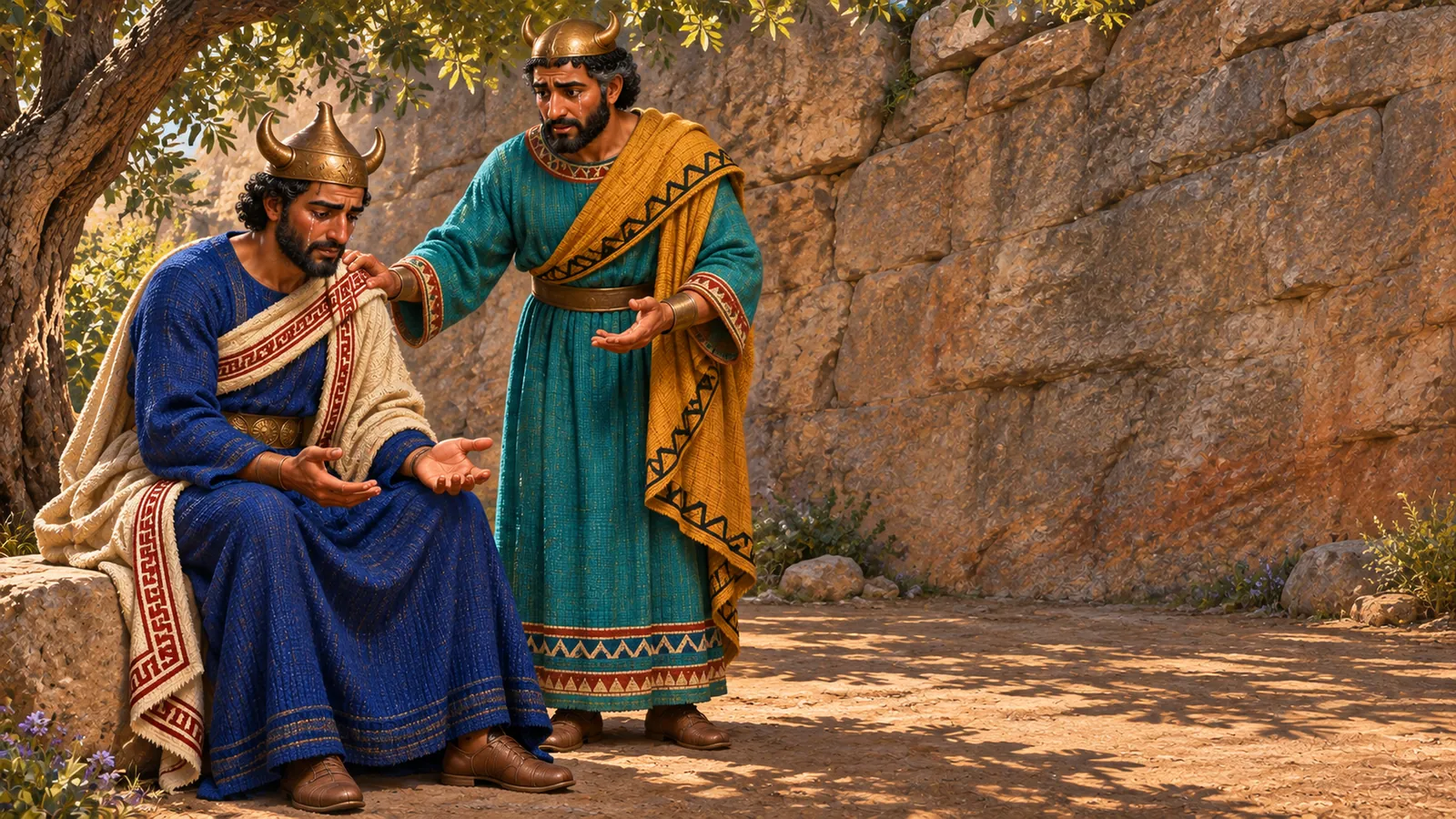
جلس إله العاصفة على الأرض، ودموعه تجري كالقنوات. وسأل من يحتمل صراعًا كهذا، ومن يستطيع بعدُ قتال هذا الهول.
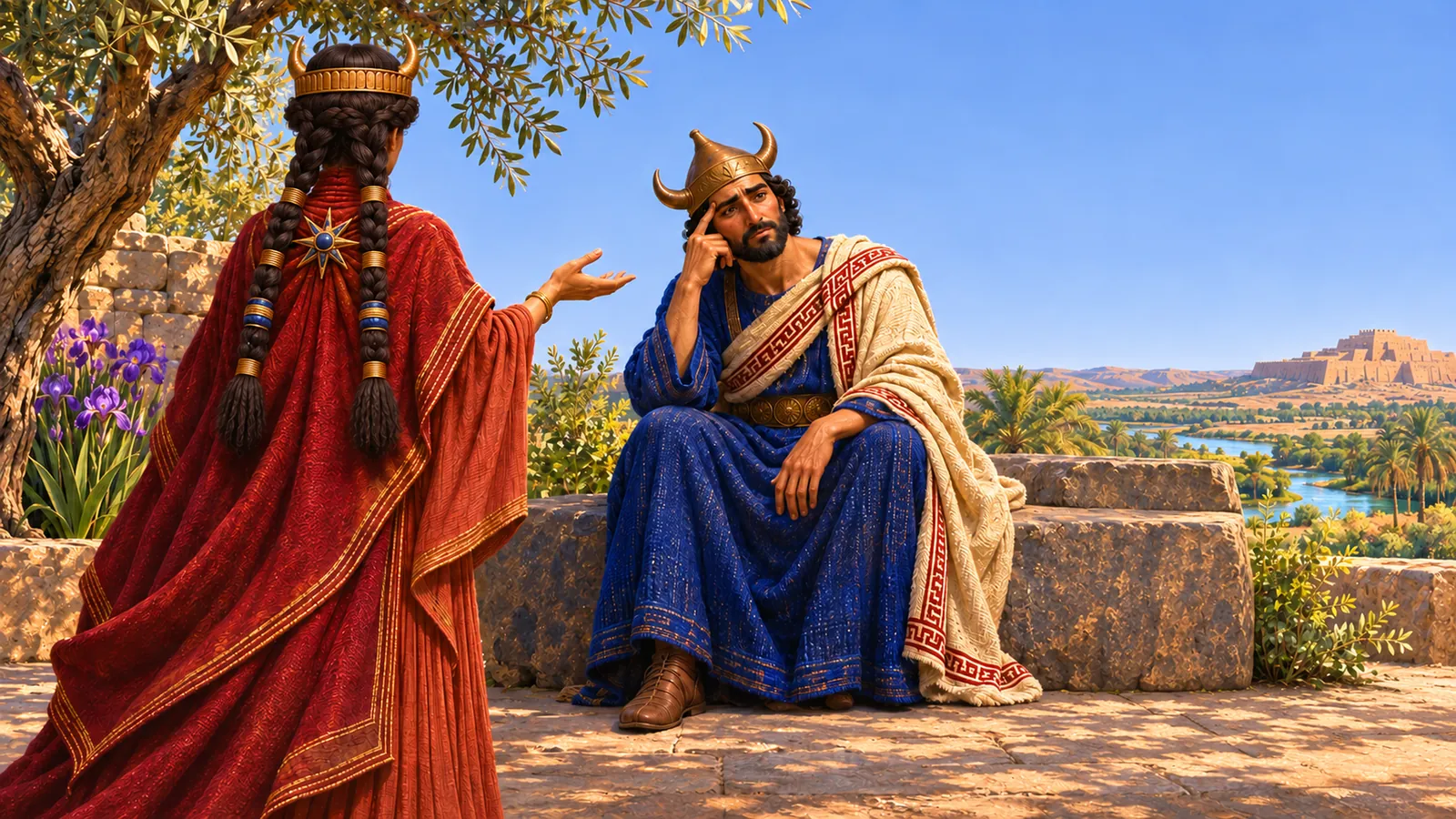
أجابت عشتار أخاها الحزين. ويقابل كلامها التالف بين جرأة الحجر العظيمة وافتقاره إلى الفهم، لكن بقية حجتها مكسورة.
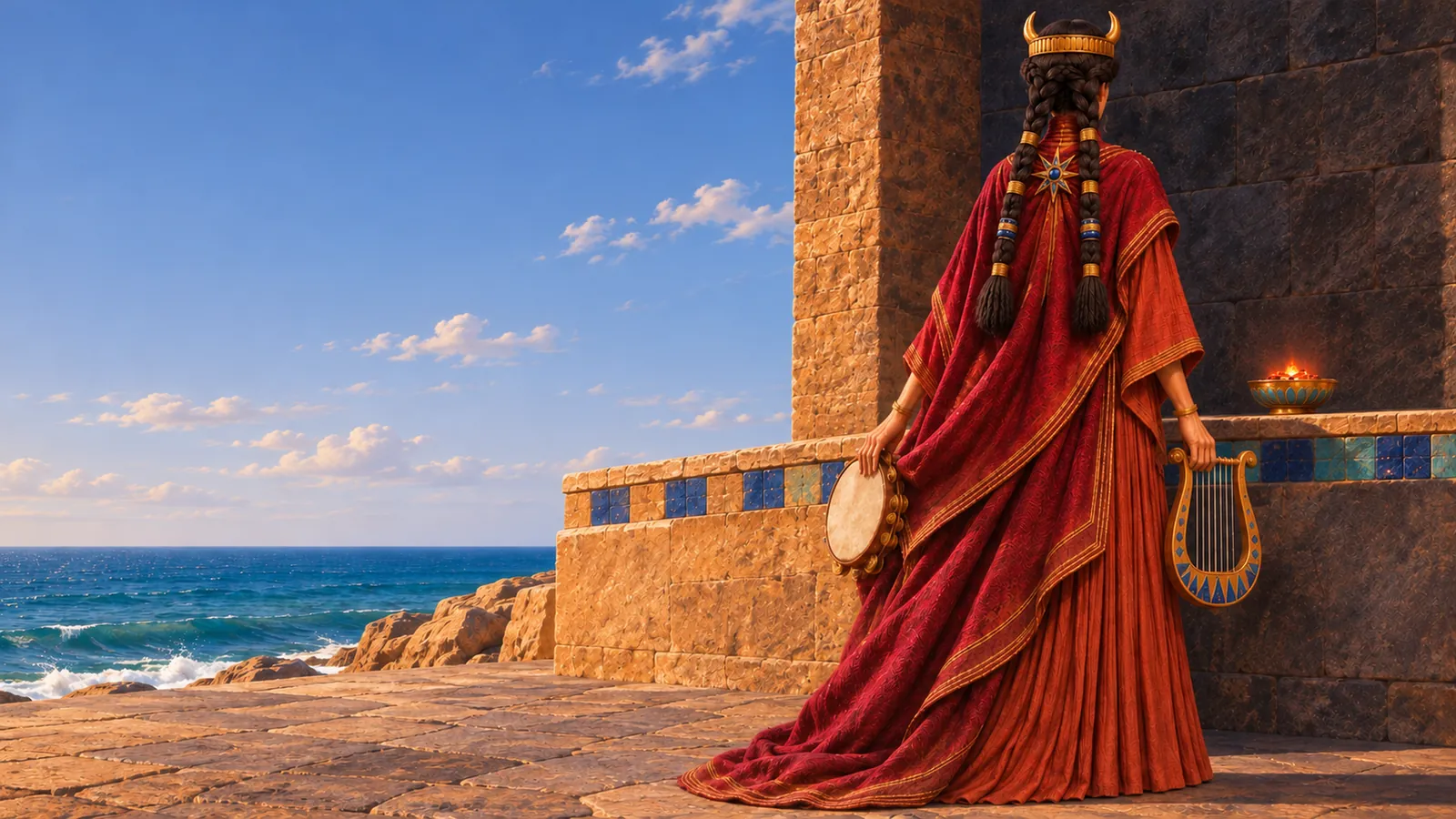
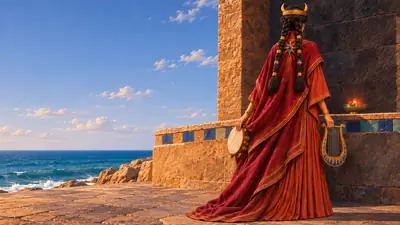
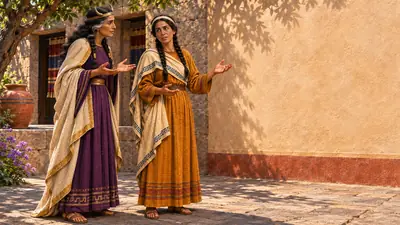
لبست عشتار وتزيّنت، وغادرت نينوى نحو البحر بآلاتها. وأحرقت خشب الأرز وحرّكت حليّها الذهبية.
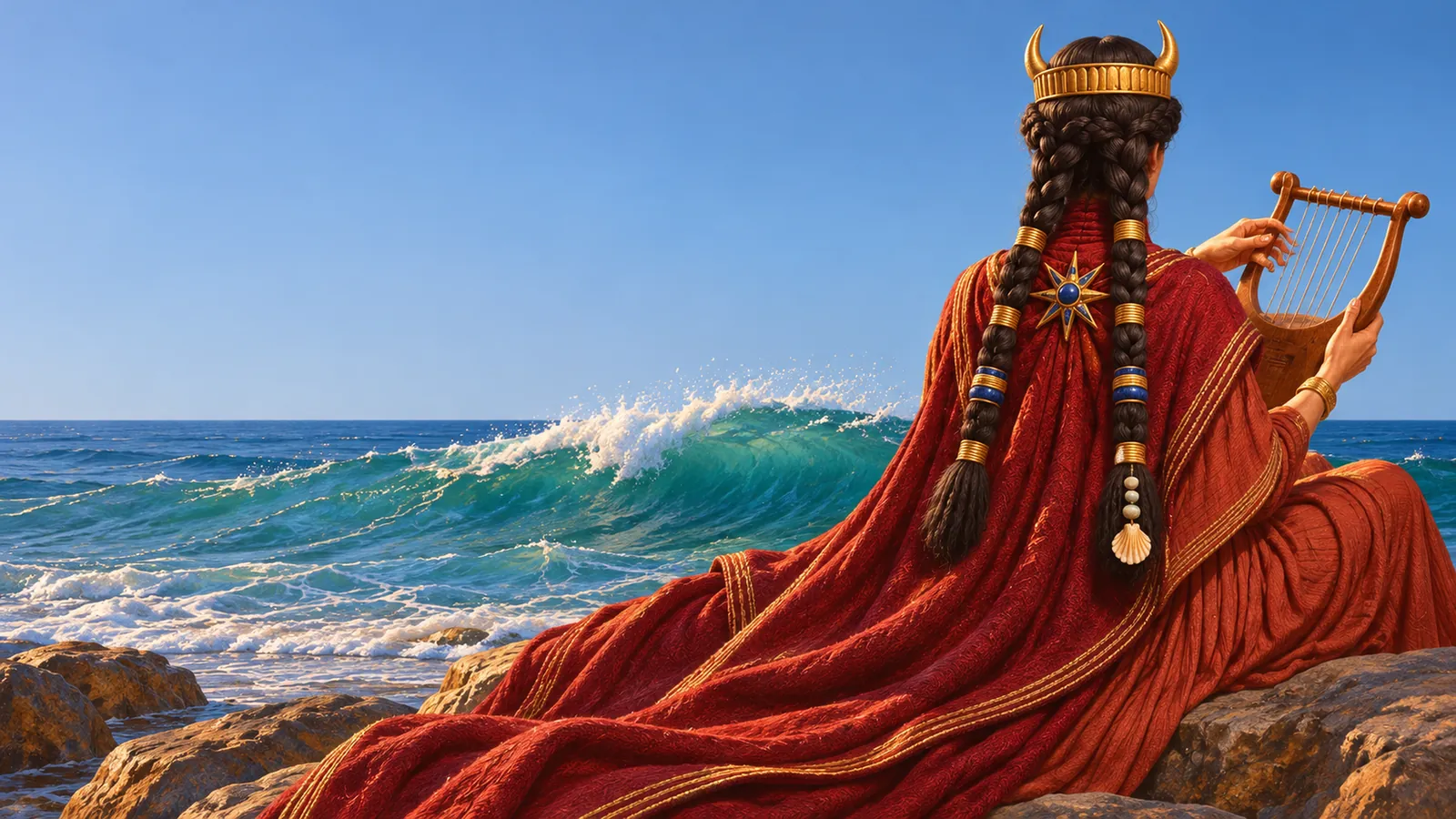
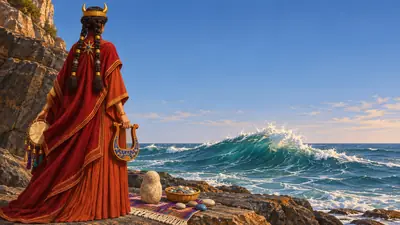
عزفت عشتار وغنّت، وأجابت السماء والأرض أغنيتها. وتزيّنت بحجر بحري وحصاة، وواجهت الماء إذ ارتفعت موجة عظيمة.
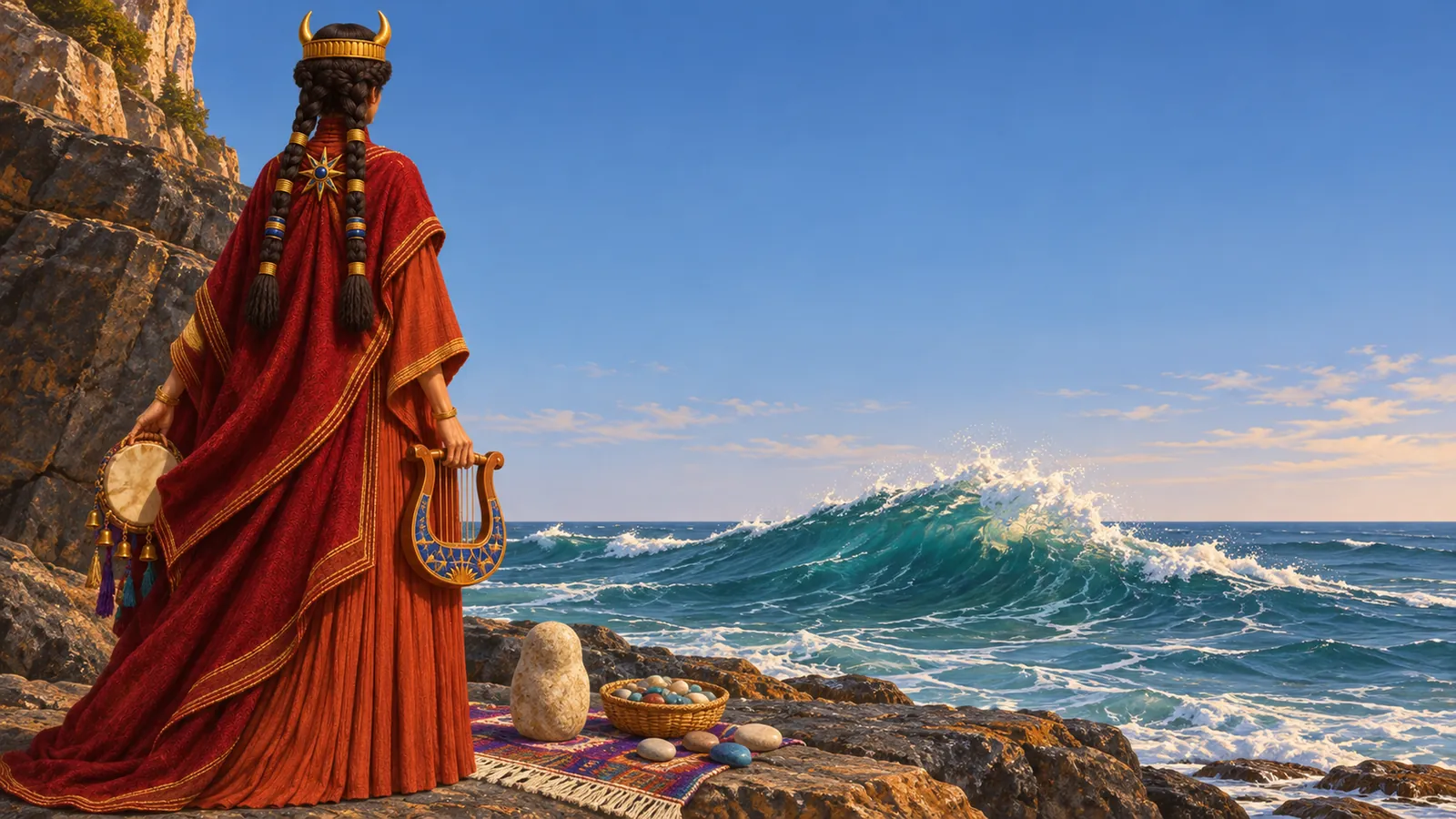
قالت الموجة لعشتار إن أوليكومي لا يسمع ولا يرى ولا يعرف الرحمة. وحثّتها على طلب أخيها قبل أن يزداد الحجر قوة.
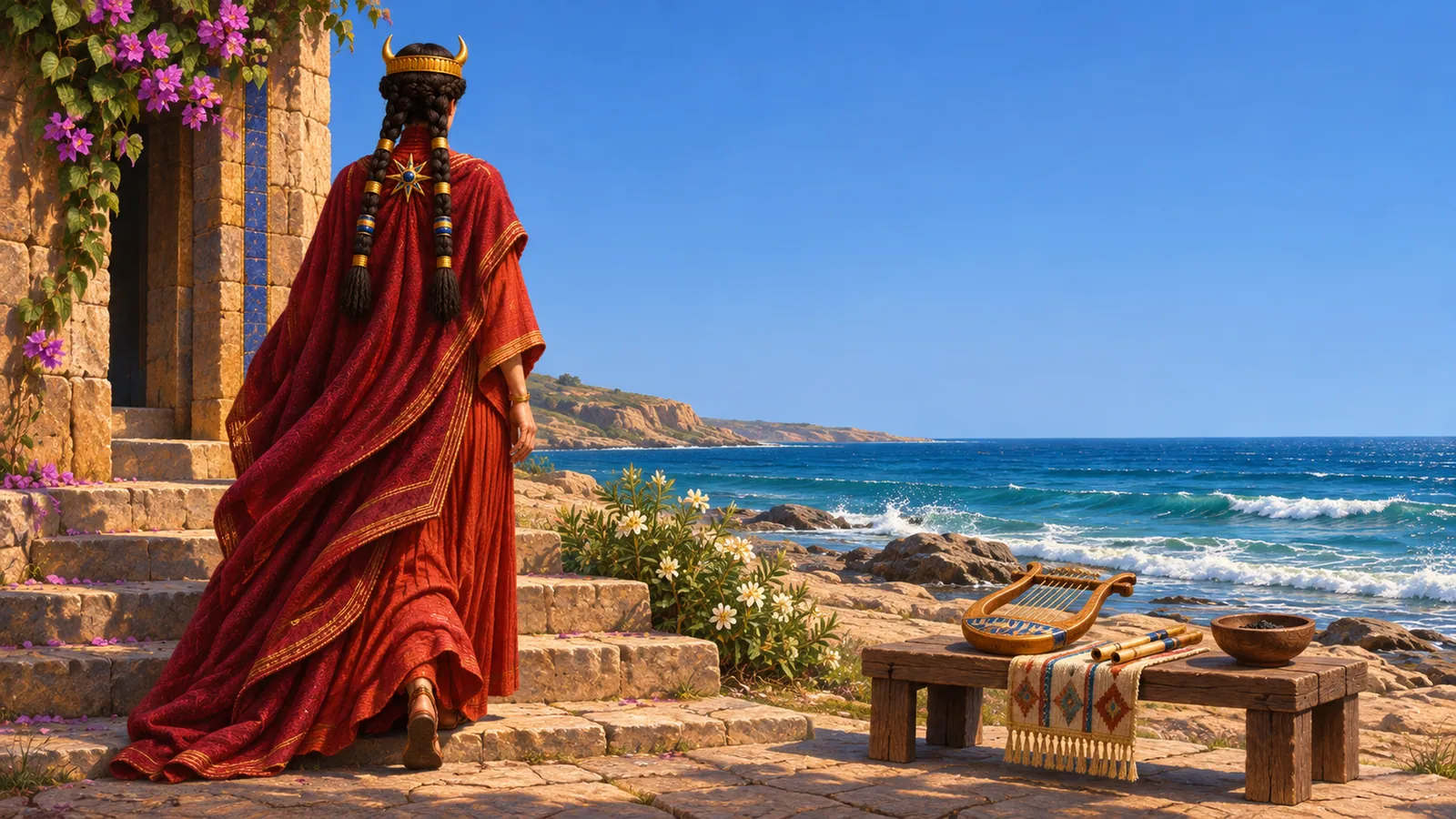
لما سمعت التحذير أطفأت عشتار الأرز وطرحت آلاتها جانبًا. ورحلت باكية؛ فلم تستمل الأغنية أوليكومي.
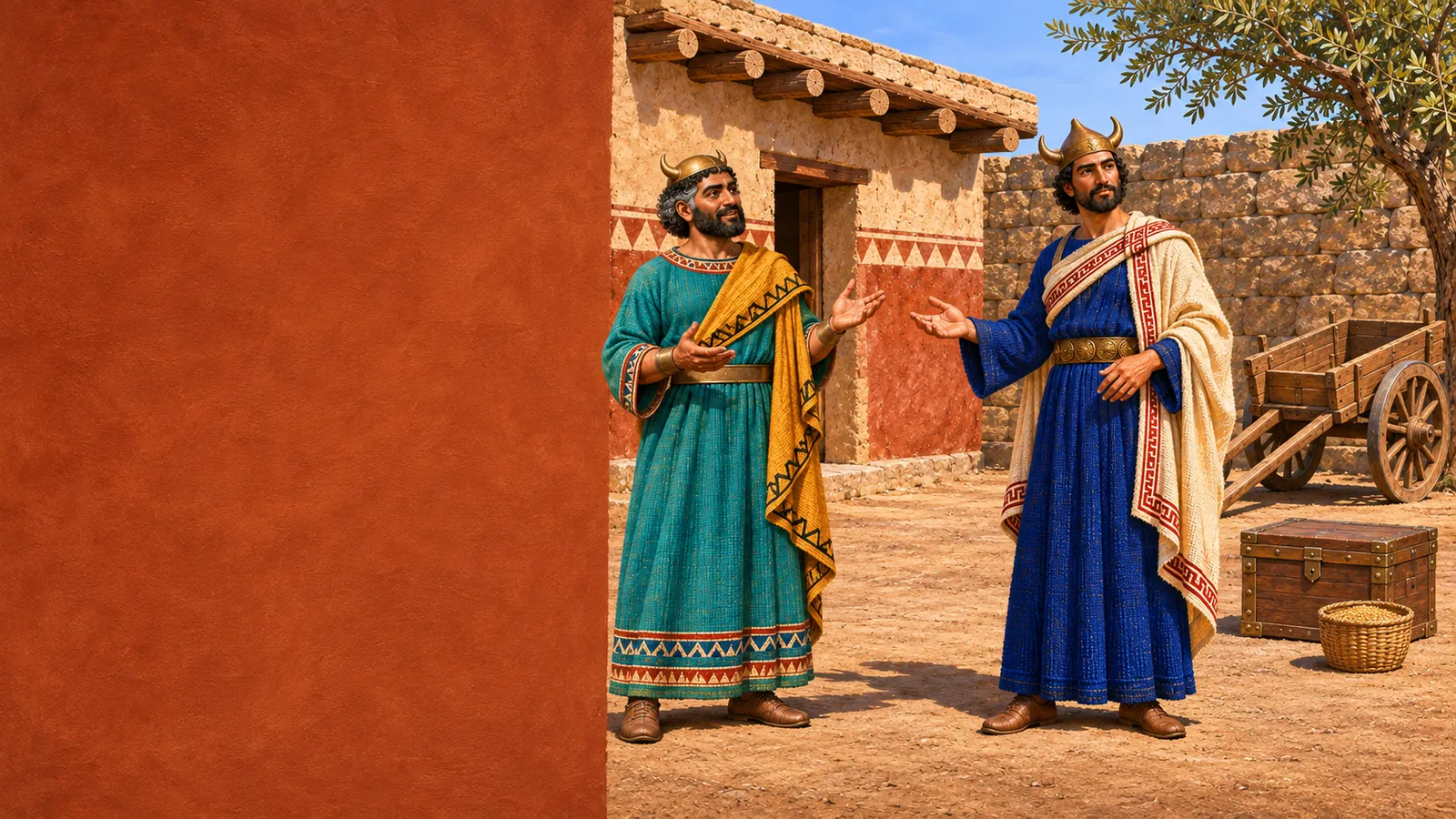
بعد فجوة أمر إله العاصفة بالاستعداد: علف وزيت للثورين، وعربات تُجهَّز، ومطر ورياح وبرق مروّع يُستدعى.
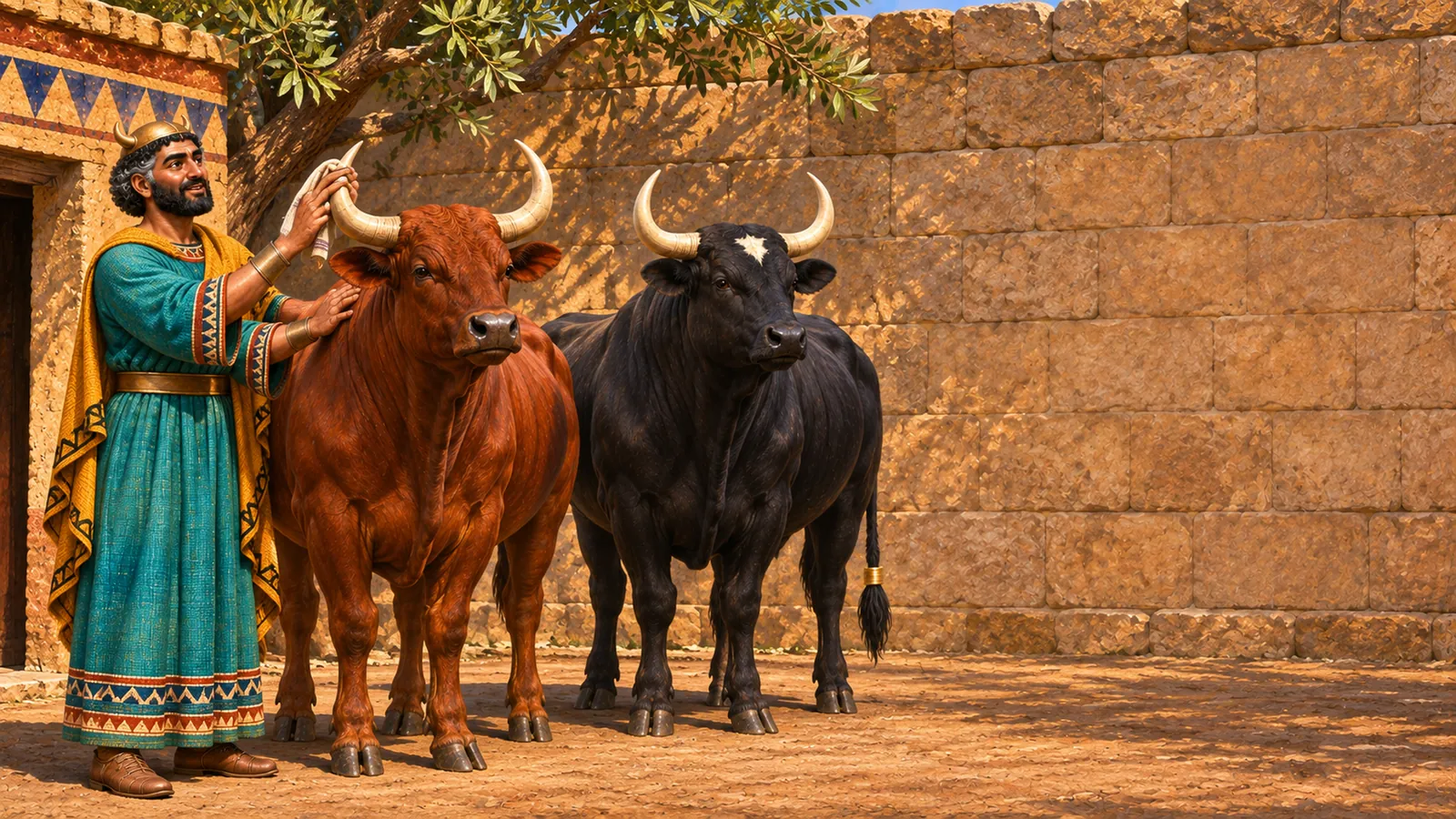
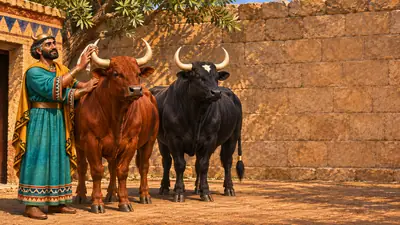
جاء تاشميشو بشيريشو من المرعى وبتيلا من جبل إمغارّا. ودهن قرني شيريشو بالزيت، وكسَا ذيل تيلا بالذهب، وجهّز العربة كما أُمر.
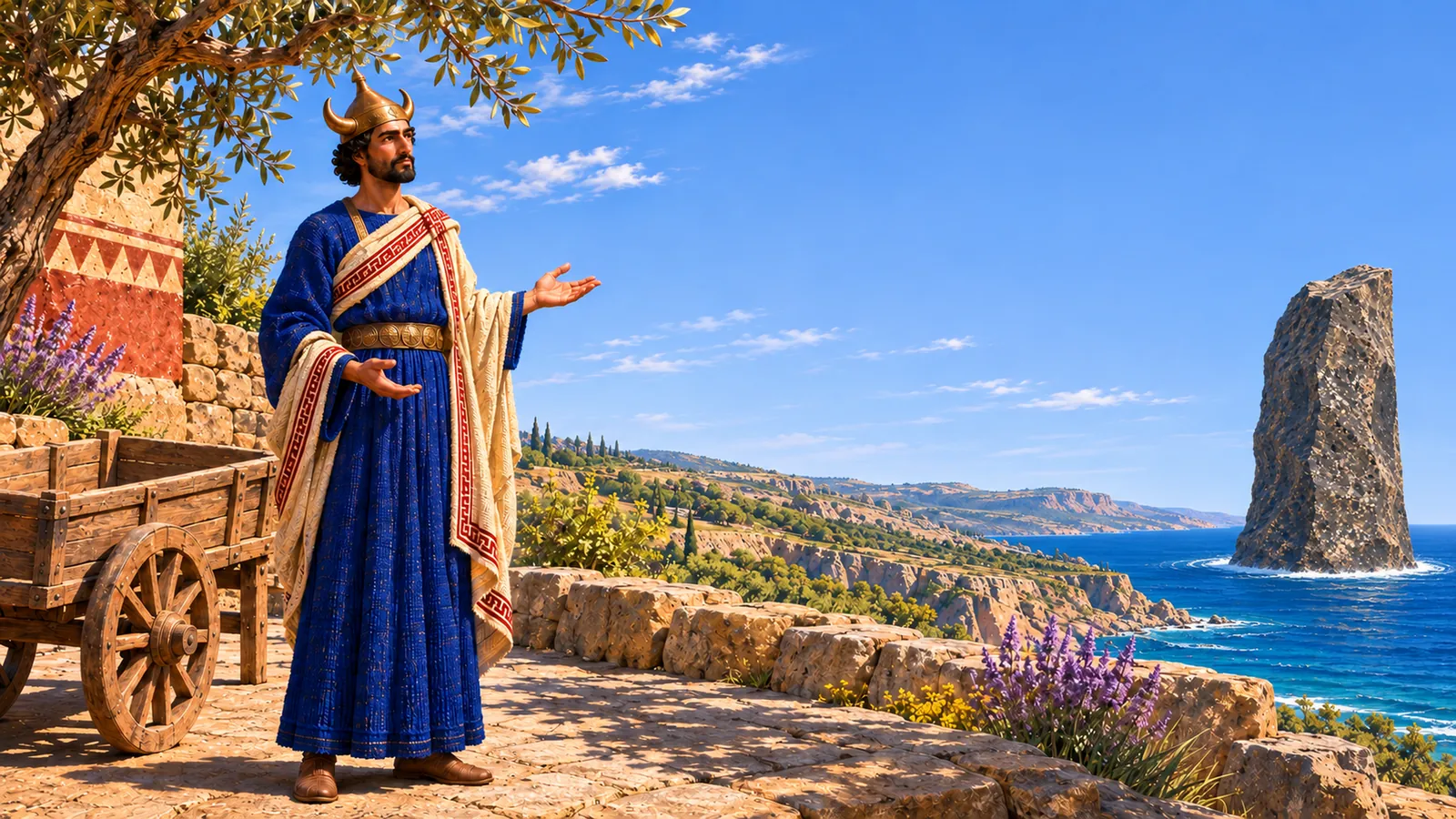
أخذ إله العاصفة عُدّة القتال والعربات وجاء بالسحب من السماء. ونظر إلى الحجر ثانية؛ ويصف مقطع الارتفاع التالف ضخامته الطاغية.

قاتل أشتابي وسبعون إلهًا الحجر، لكنهم لم يغلبوه وسقطوا في البحر. ولا يقول السرد التالف إنهم قُتلوا جميعًا.
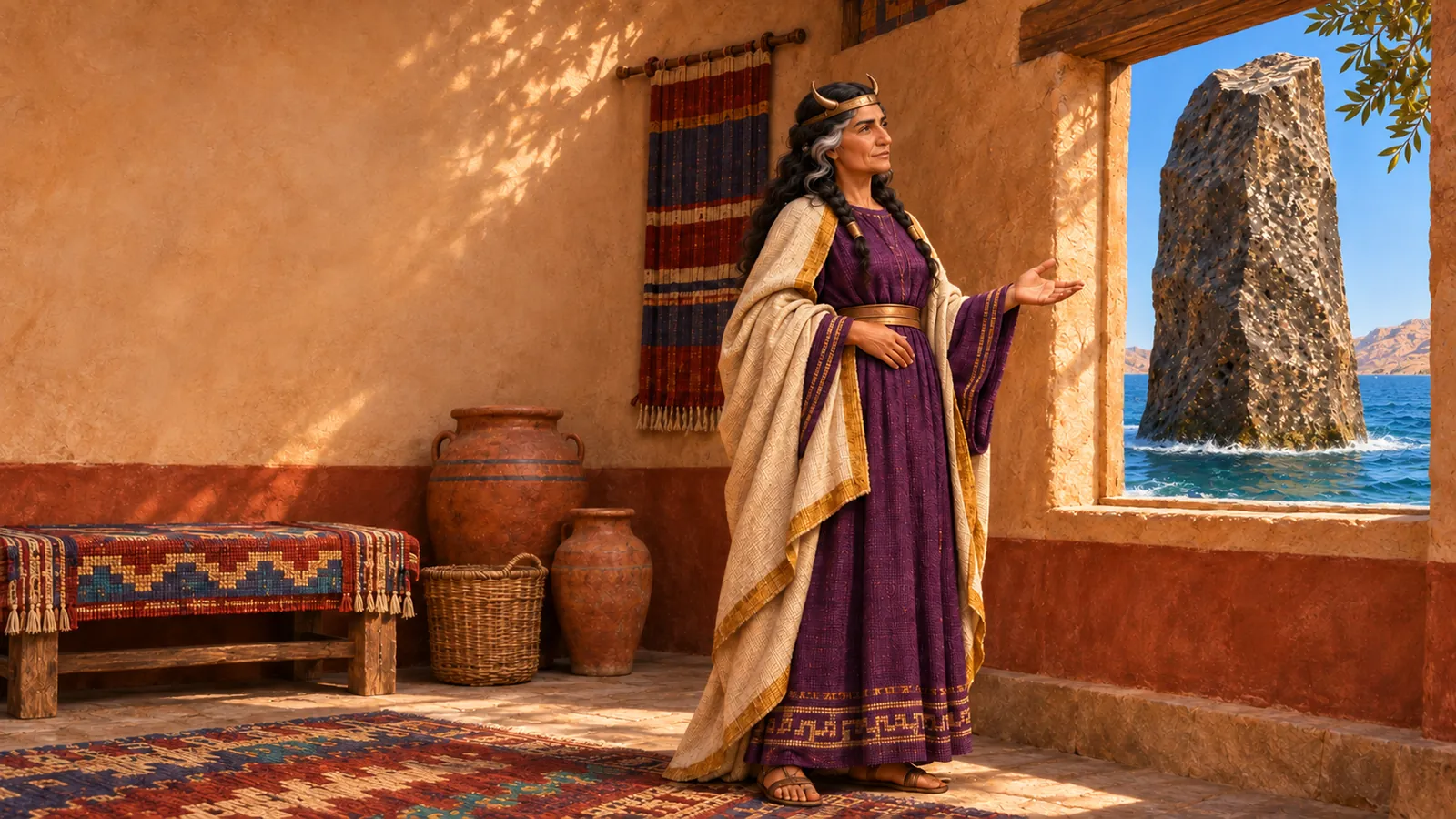
نما أوليكومي نحو كومّيّا وحجز خيبات في معبدها. فلم تعد تسمع أخبار الآلهة ولا ترى إله العاصفة ورفيقه.
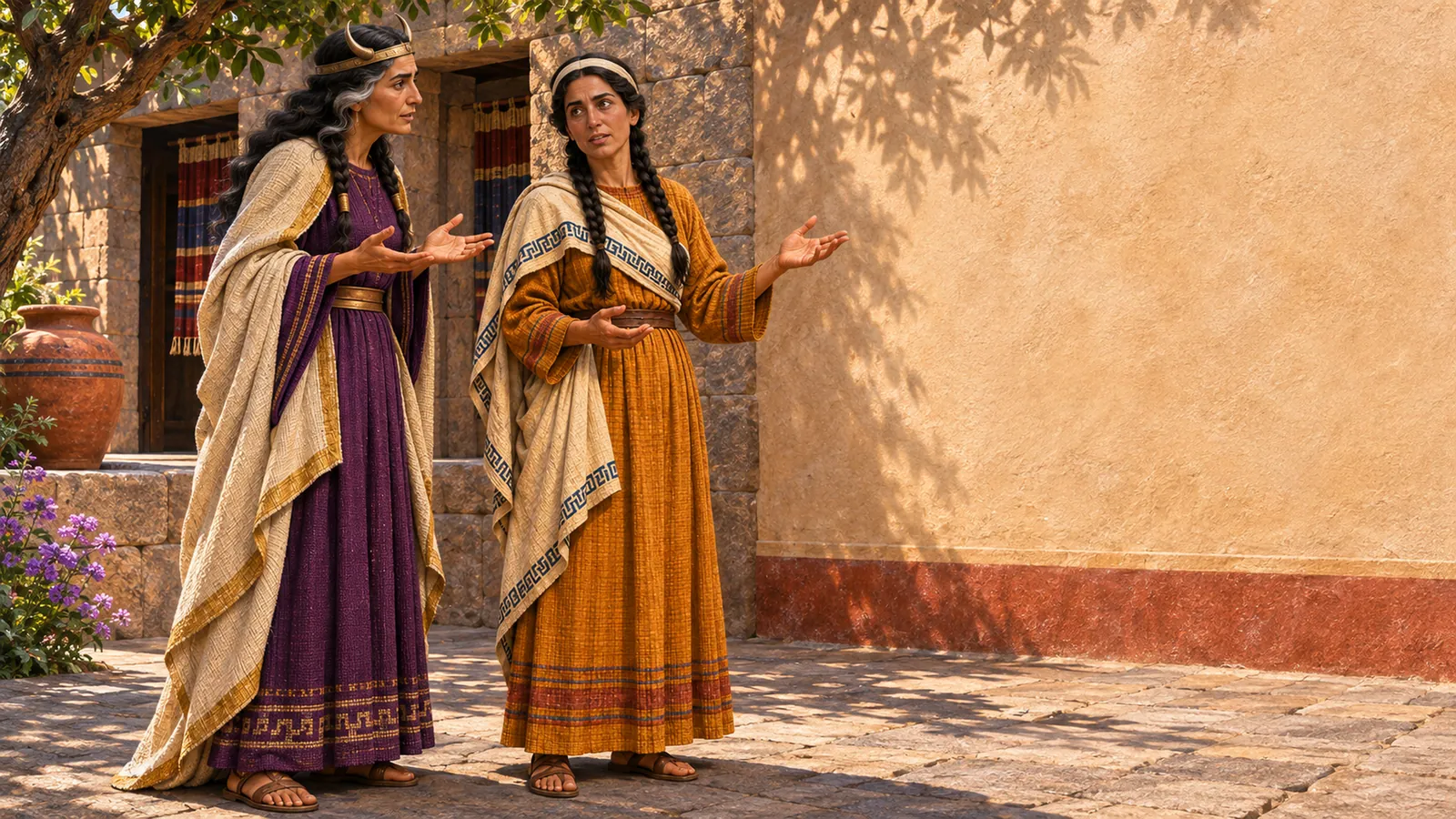
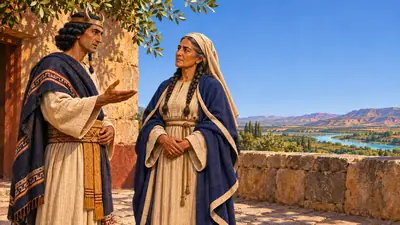
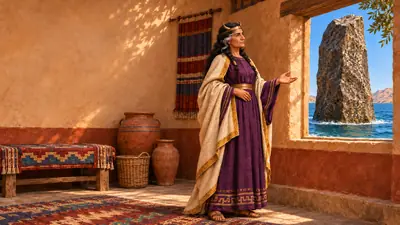
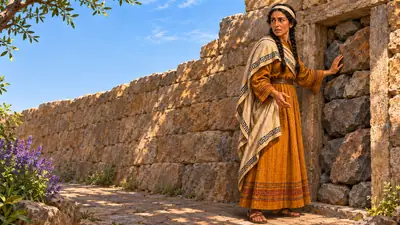
سألت خيبات تاكيتي هل غلب أوليكومي زوجها أو قتله. وأمرت خادمتها بطلب الخبر؛ فلم يكن الخوف موتًا مؤكّدًا.
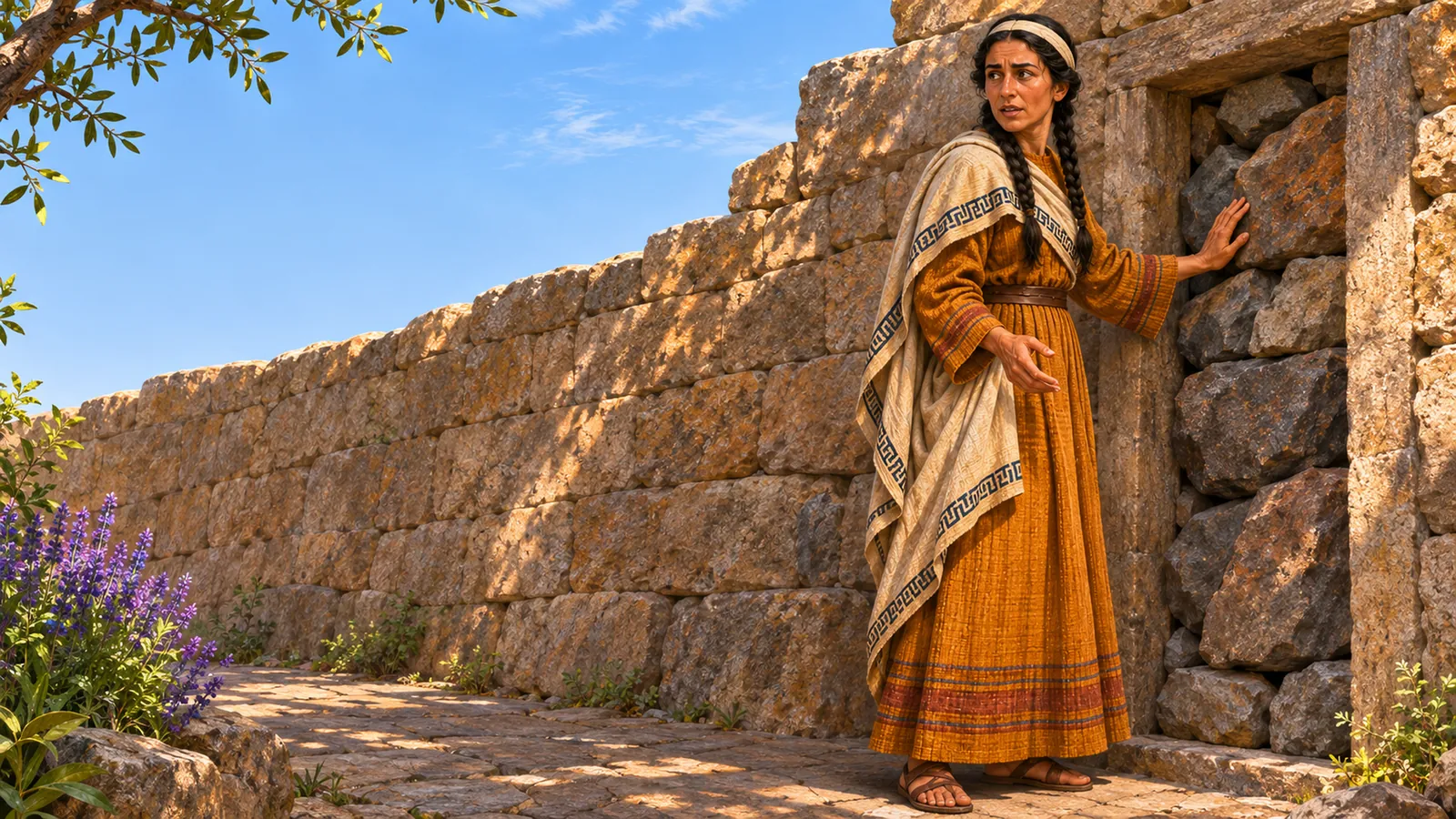
أسرعت تاكيتي لتنفيذ أمر خيبات، لكنها لم تجد طريقًا تنفذ منه. فعادت إلى سيدتها؛ ومعظم كلمات جوابها مكسورة.
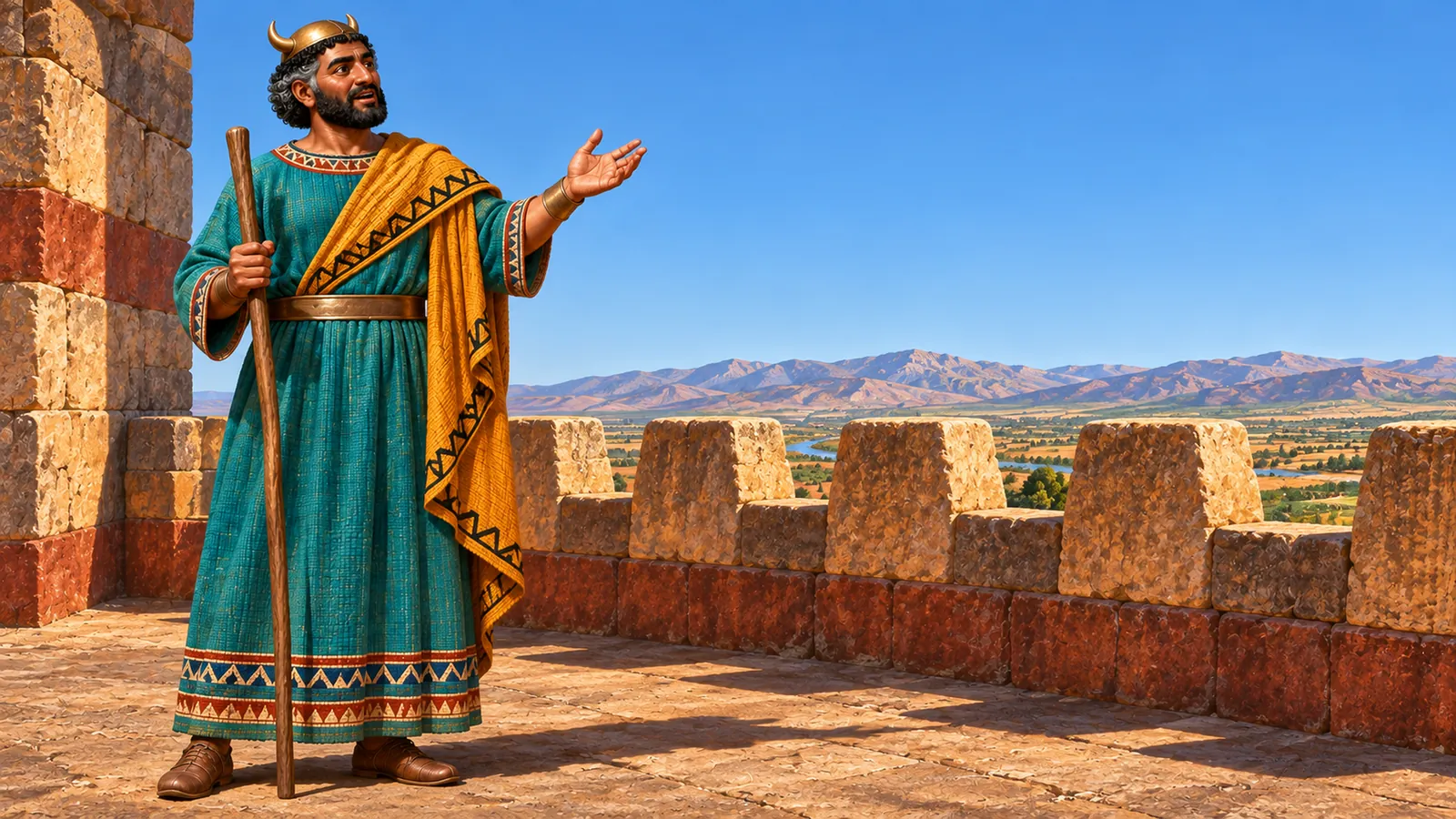
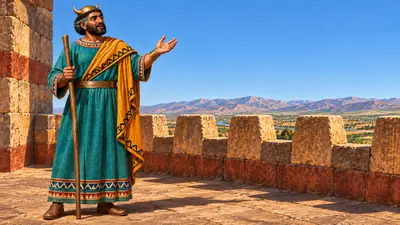
صعد تاشميشو برجًا عاليًا وخاطب خيبات من مقابله. وتذكر رسالته المكسورة موضعًا وضيعًا وسنوات مقدّرة، من غير أن تحفظ تفسيرًا كاملًا.

لما رأت خيبات تاشميشو كادت تسقط عن السطح. فأمسكت بها خادماتها وثبّتنها؛ ولم يقع السقوط الذي كان يمكن أن يحدث.
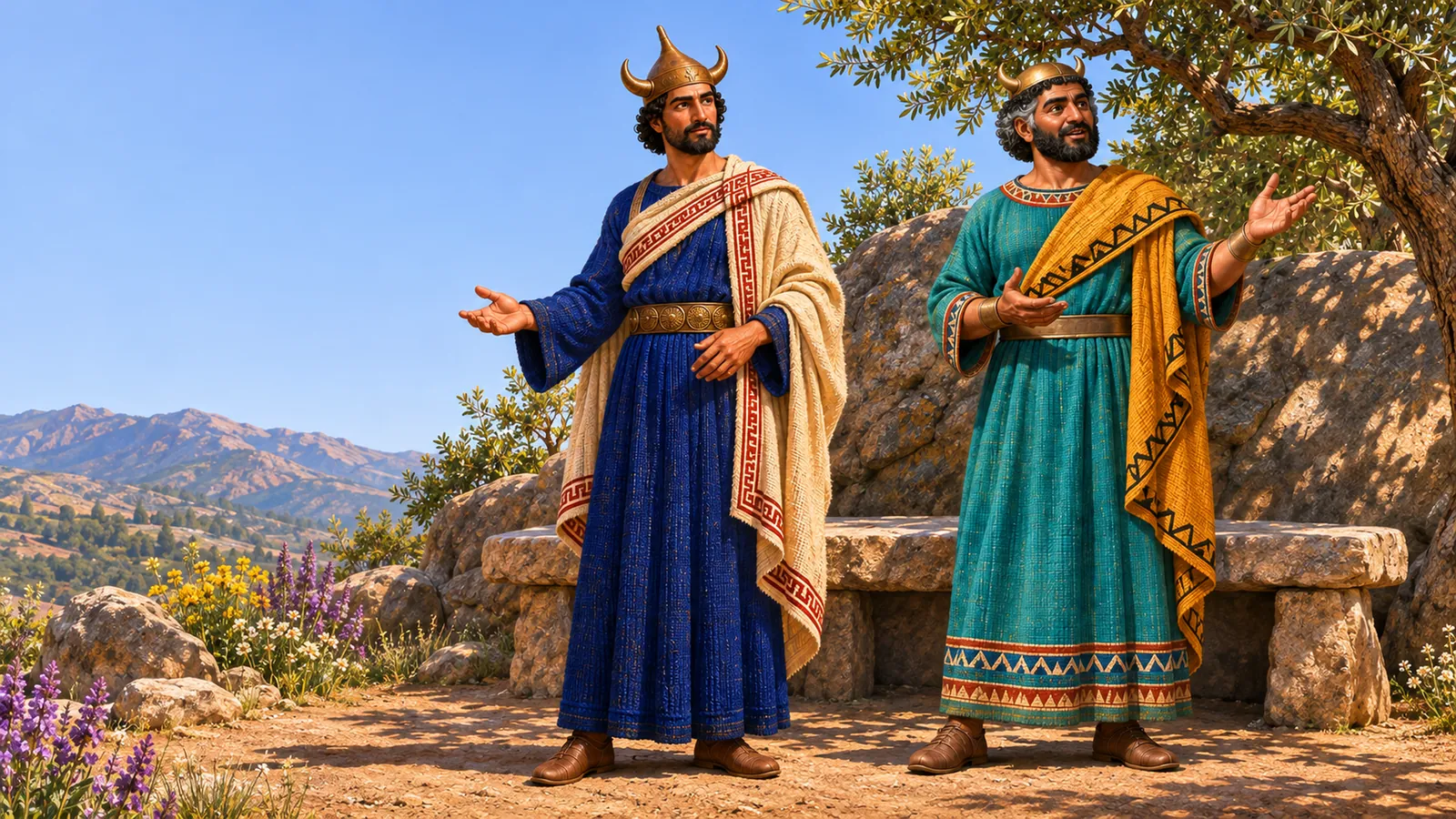
عاد تاشميشو إلى إله العاصفة. ويذكر نقاشهما التالف كاندورنا ولالابادوا، ويسأل أين يجدان موضعًا وقد بات مُلك السماء مهدّدًا.
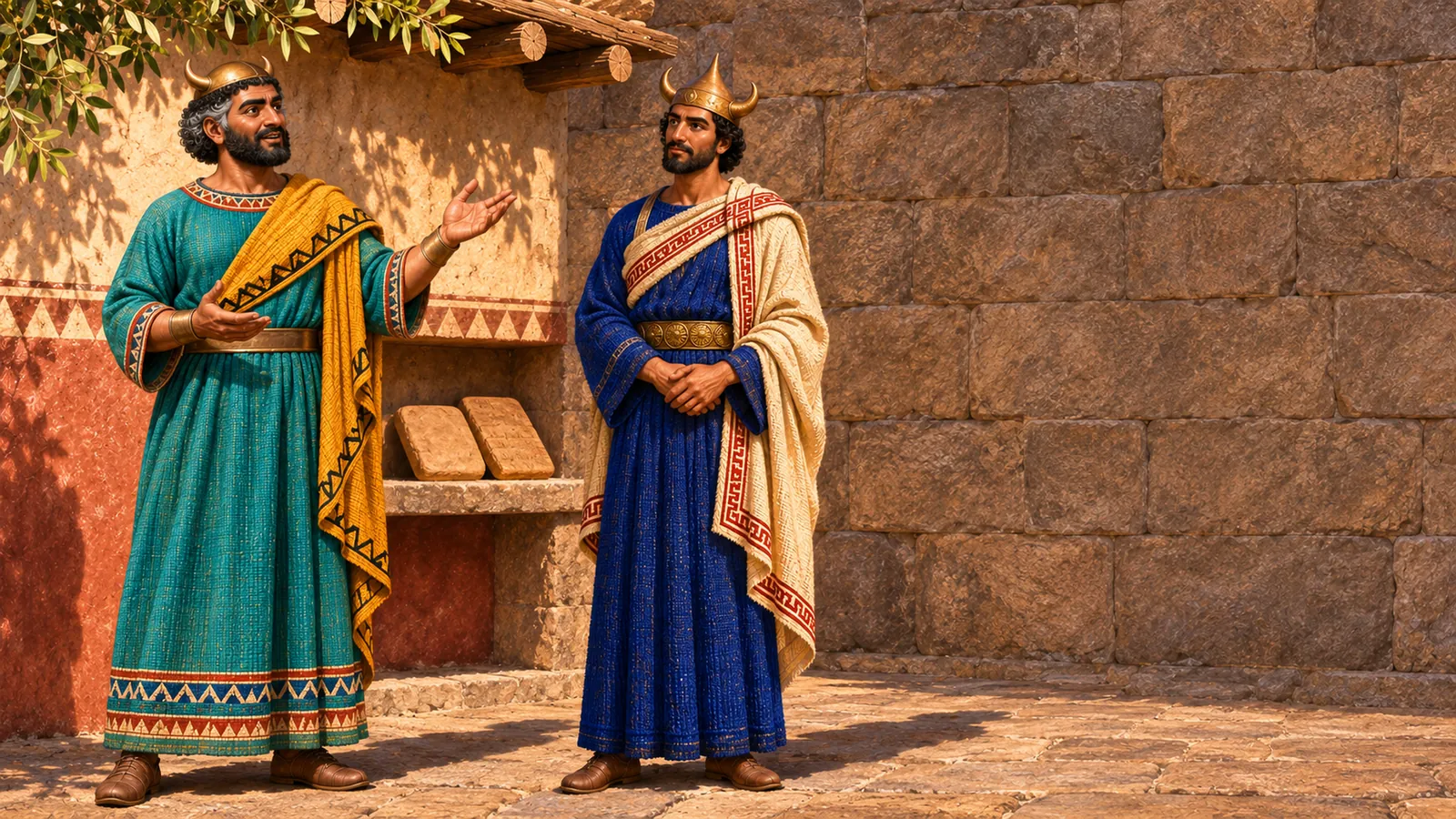
اقترح تاشميشو الذهاب إلى إيا في أبزووا وطلب ألواح الكلمات القديمة. فلعل إله الحكمة يرحمهما ويمدّهما بالعون.
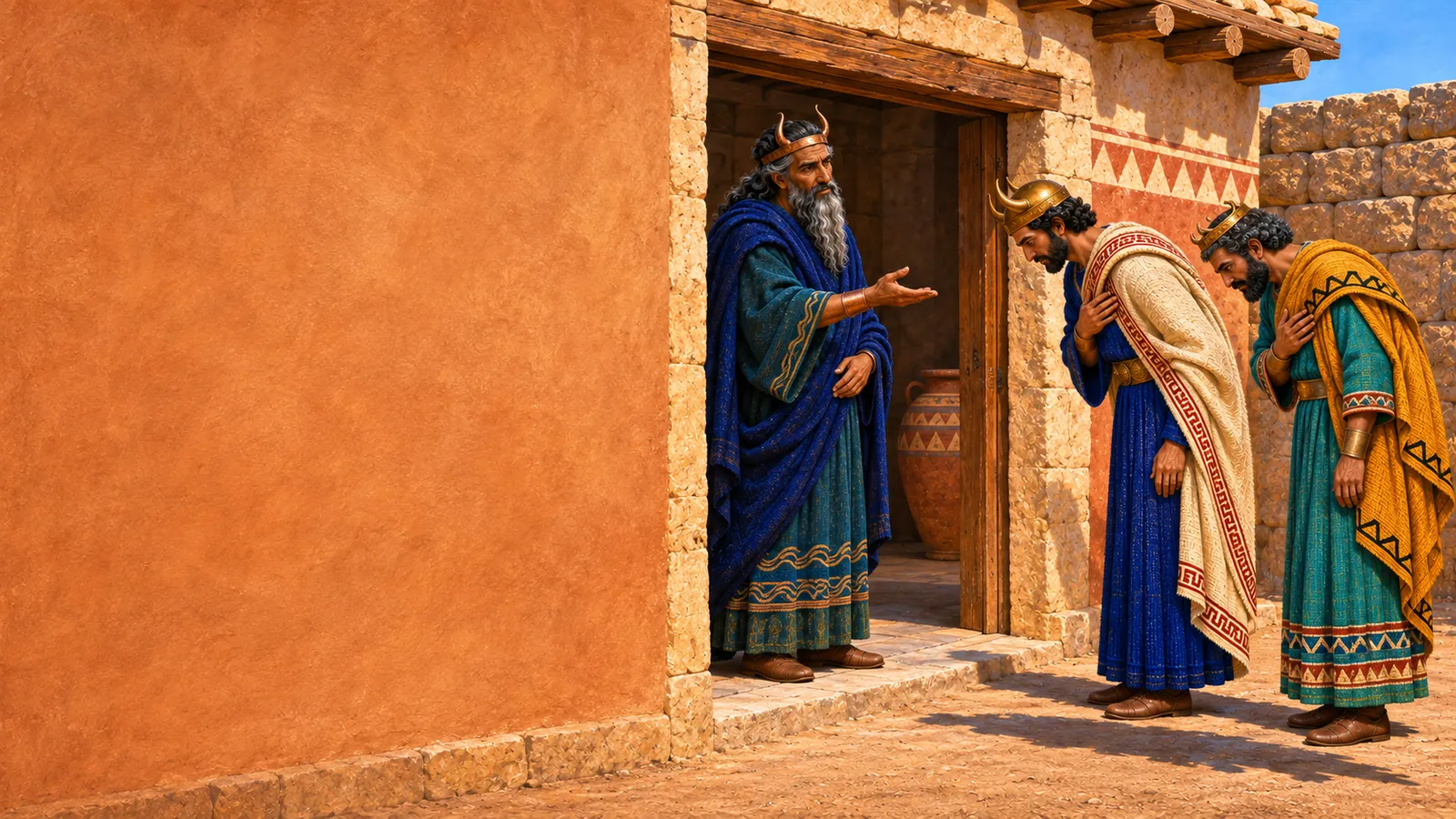
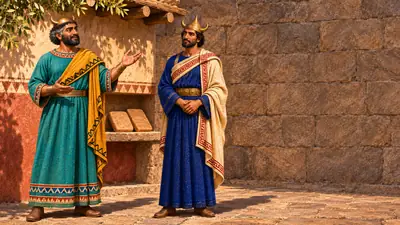
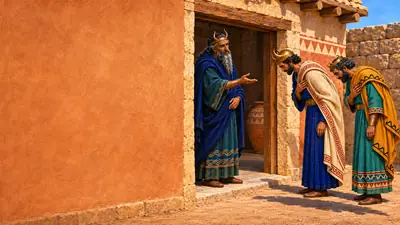
بلغ الأخوان أبزووا وانحنيا عند أبواب إيا: خمسًا في الخارج وخمسًا في الداخل، ثم خمس عشرة أمام إيا نفسه، كما يصف المقطع المرمّم.
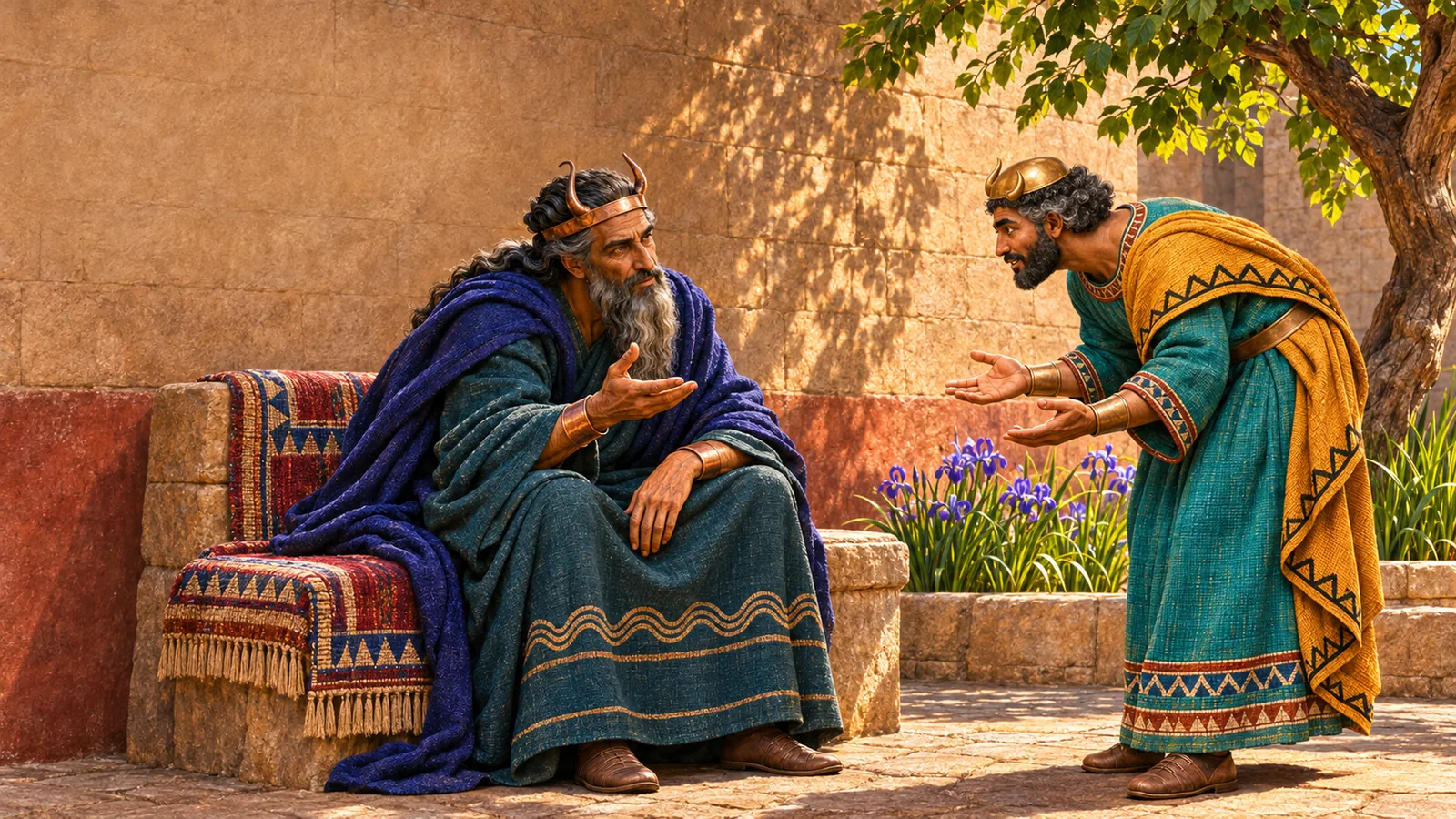
بعد كلمات مفقودة قبّل تاشميشو الركبتين ثلاثًا والقدمين أربعًا. ولم يصل التماسه والكلام الذي يجيبه إلا في حوار تالف.
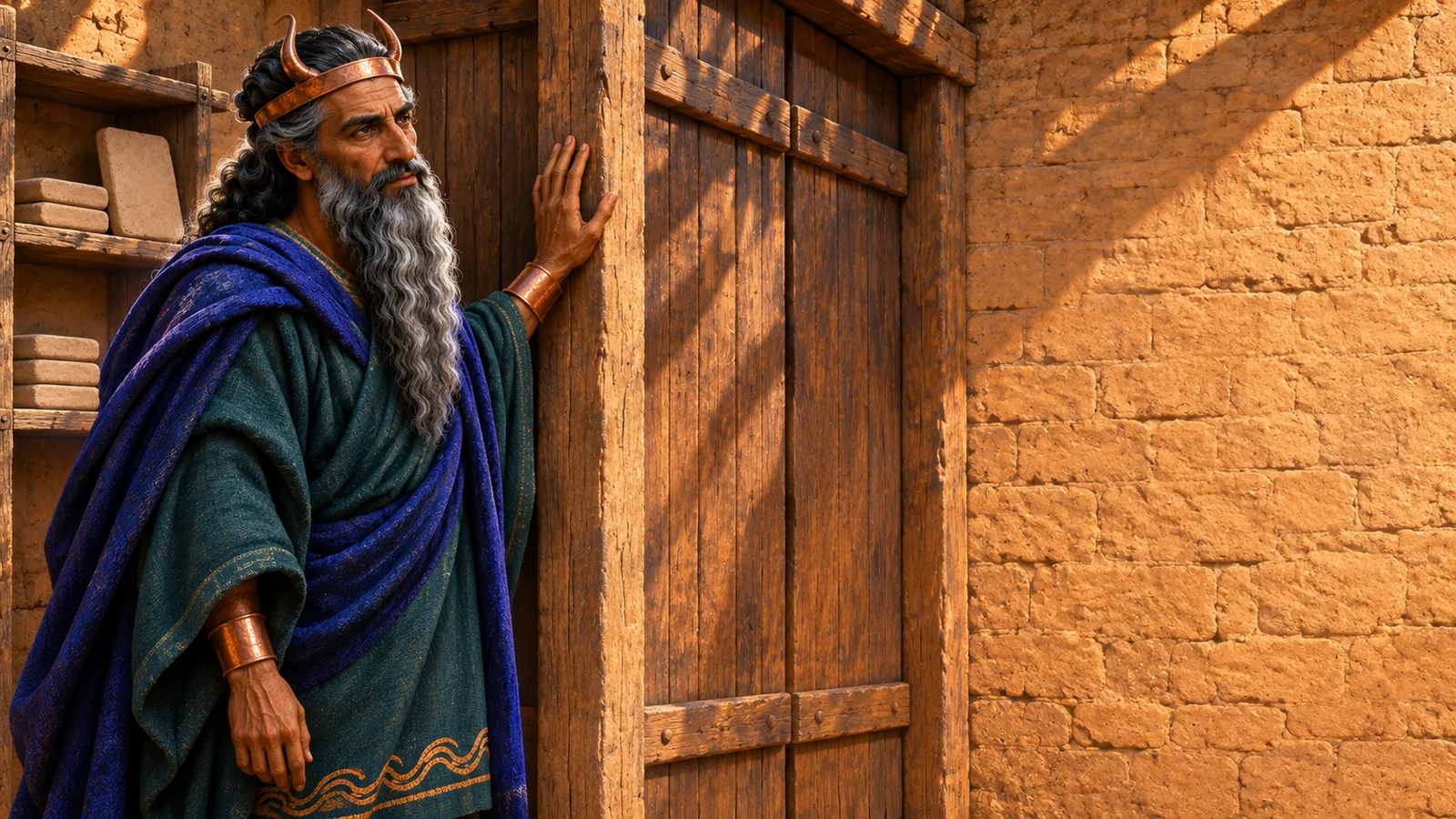
تتحدث أجوبة مكسورة عن مخازن مختومة للأسلاف وأداة قطع قديمة. ويبقى غضب إيا وشذرات مجلس، لكن الروابط المفقودة بينها تظل مفتوحة.
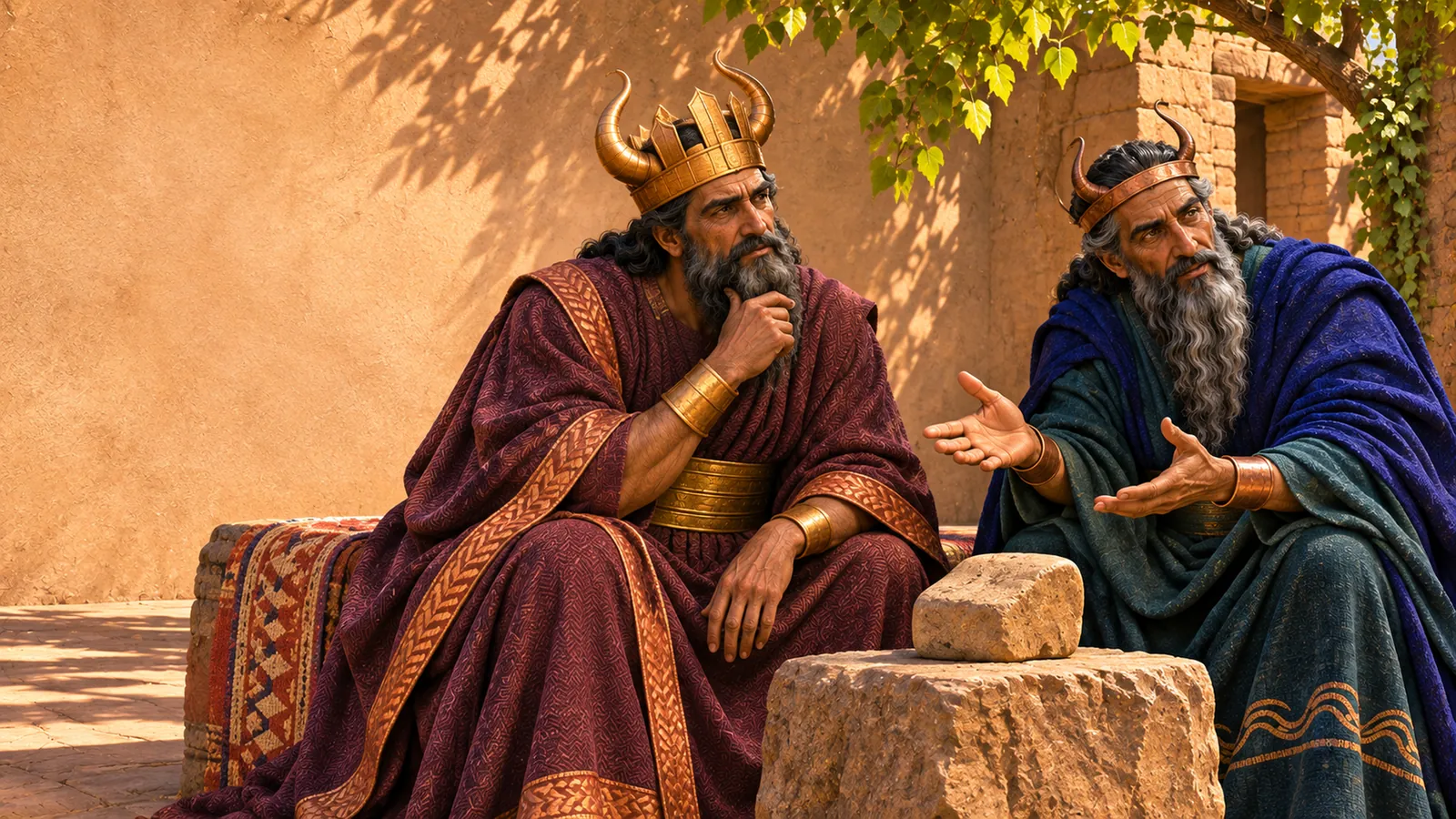
سأل إيا إنليل هل سمع بالحجر الذي أنشأه كوماربي ضد إله العاصفة. وضاع جواب إنليل في النص التالف.
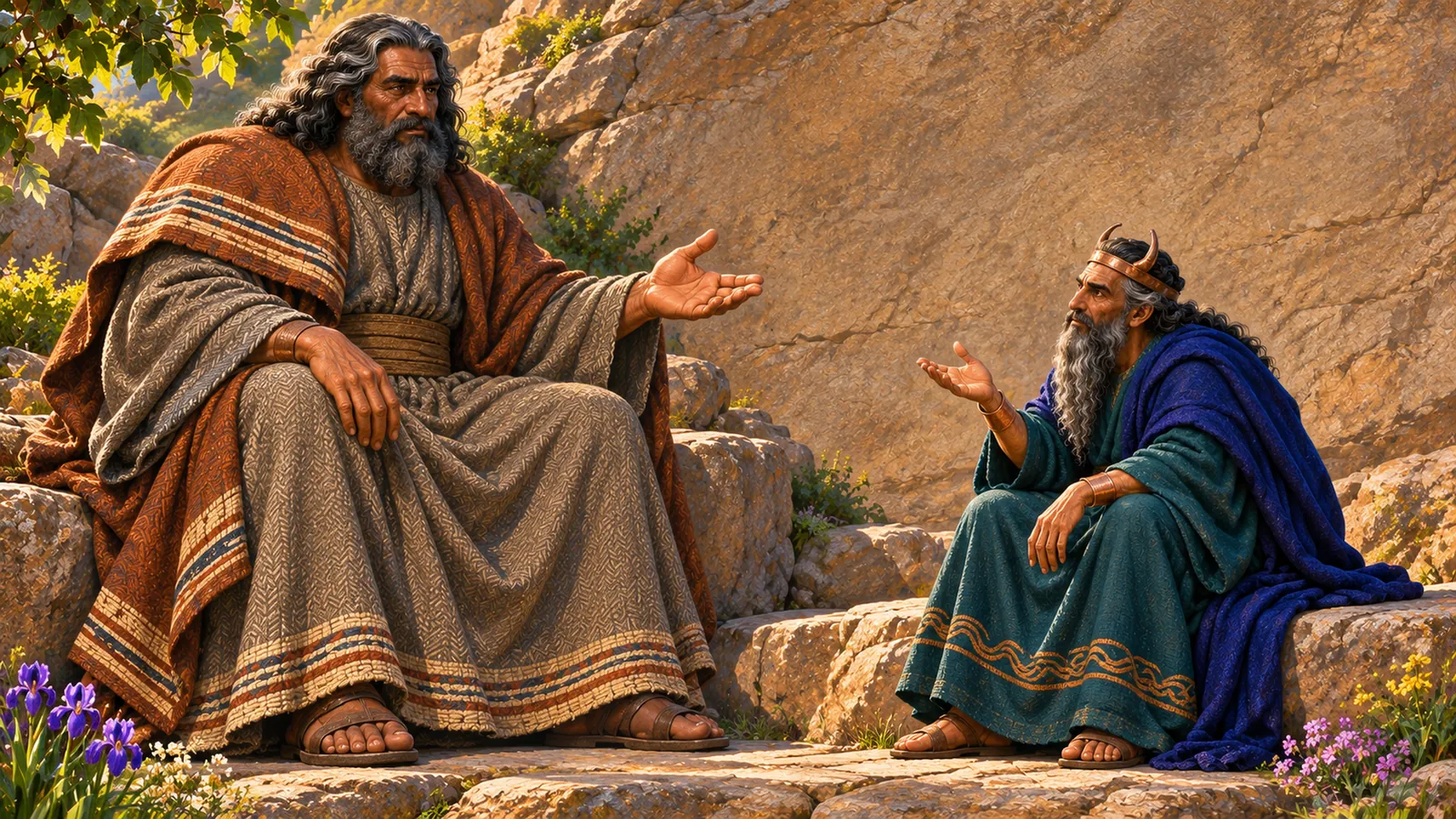
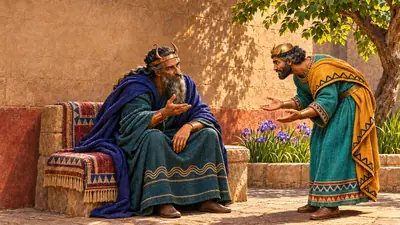
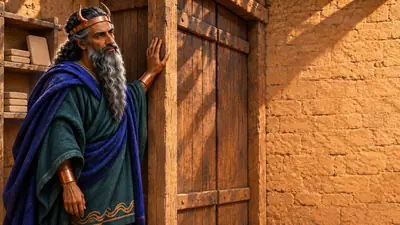
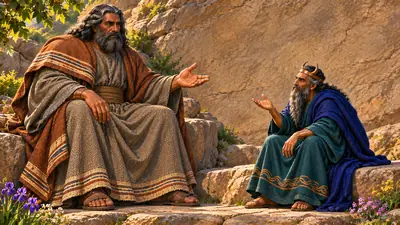
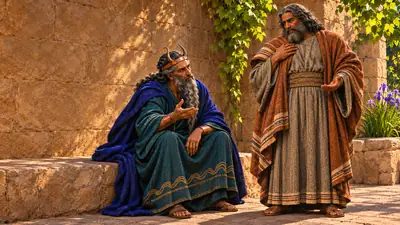
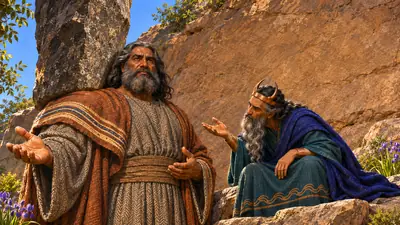
ذهب إيا إلى أوبيلّوري في الأرض المظلمة، وتبادلا التمنّي بالحياة. ثم سأله إيا هل يعرف المنافس الإلهي سريع النمو.
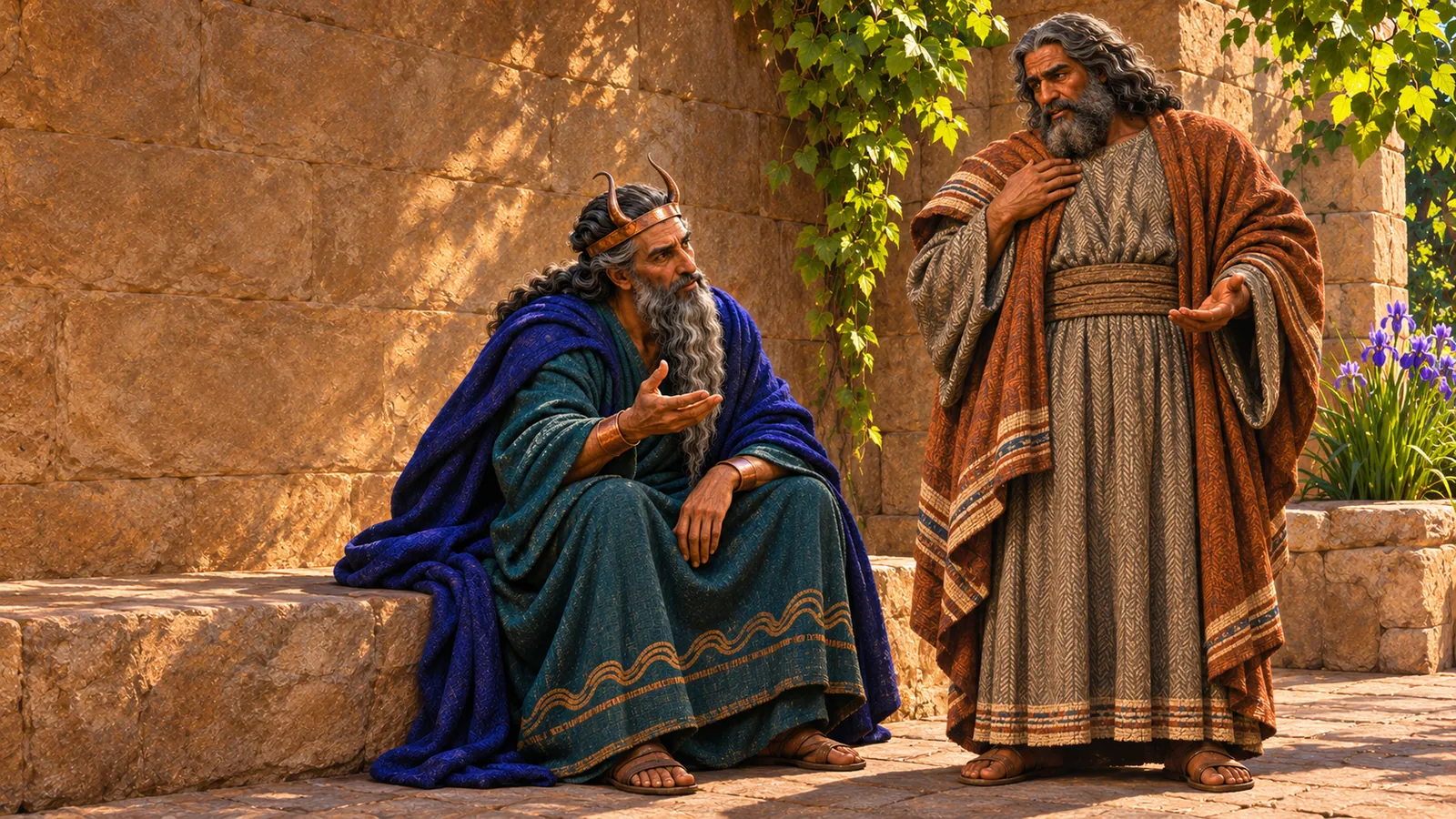
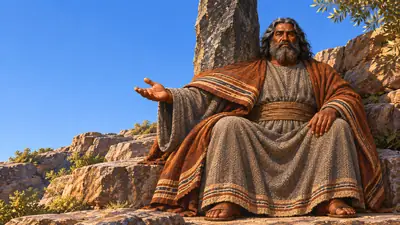
لم يشعر أوبيلّوري حين بُنيت عليه السماء والأرض أو فُصلتا بعد ذلك. والآن يؤلم شيء كتفه الأيمن، لكنه لا يعرف الكائن القائم هناك.
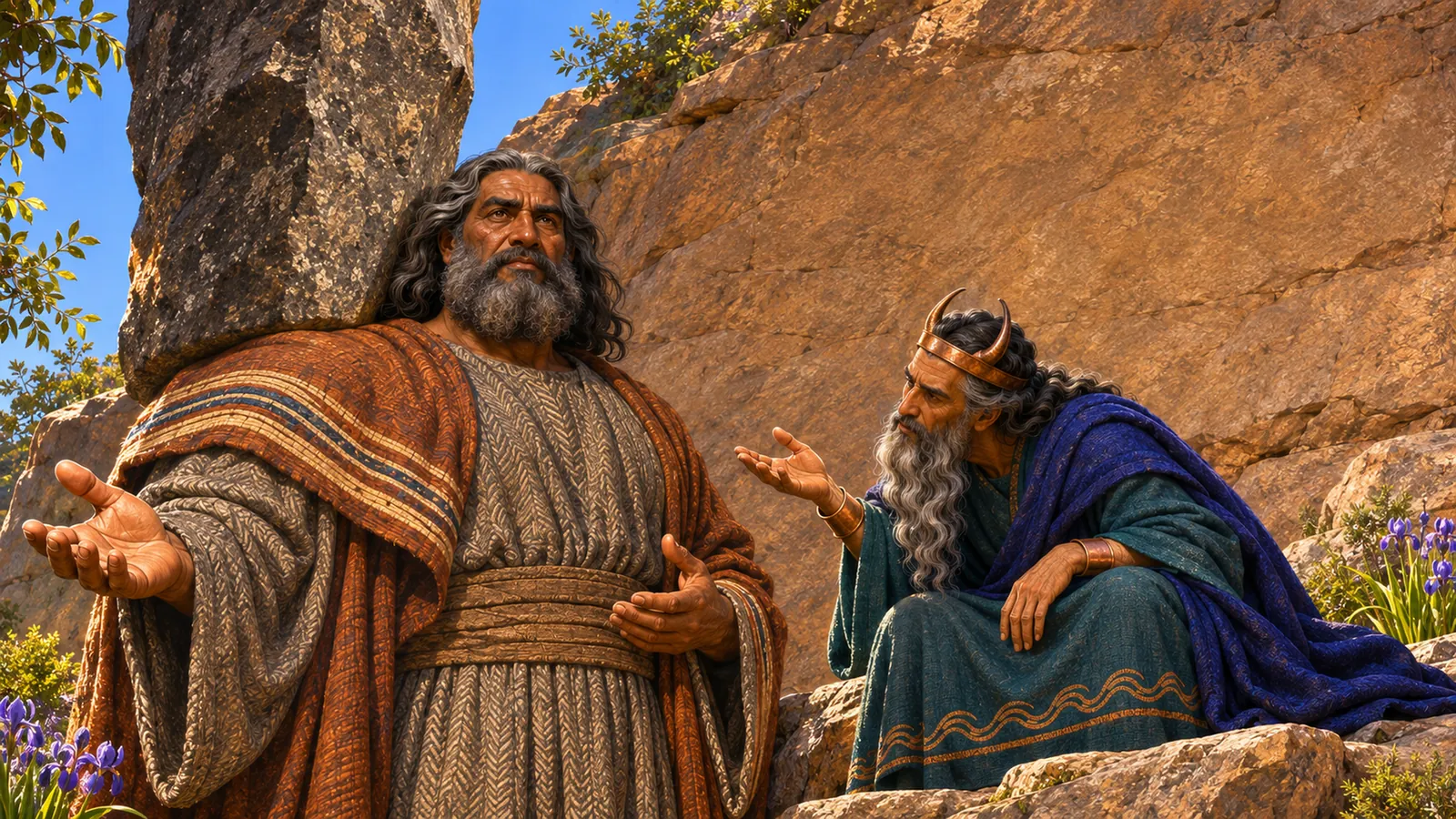
أدار إيا كتف أوبيلّوري الأيمن ورأى الحجر قائمًا عليه كعمود. فانكشف الموضع الذي نما منه أوليكومي.
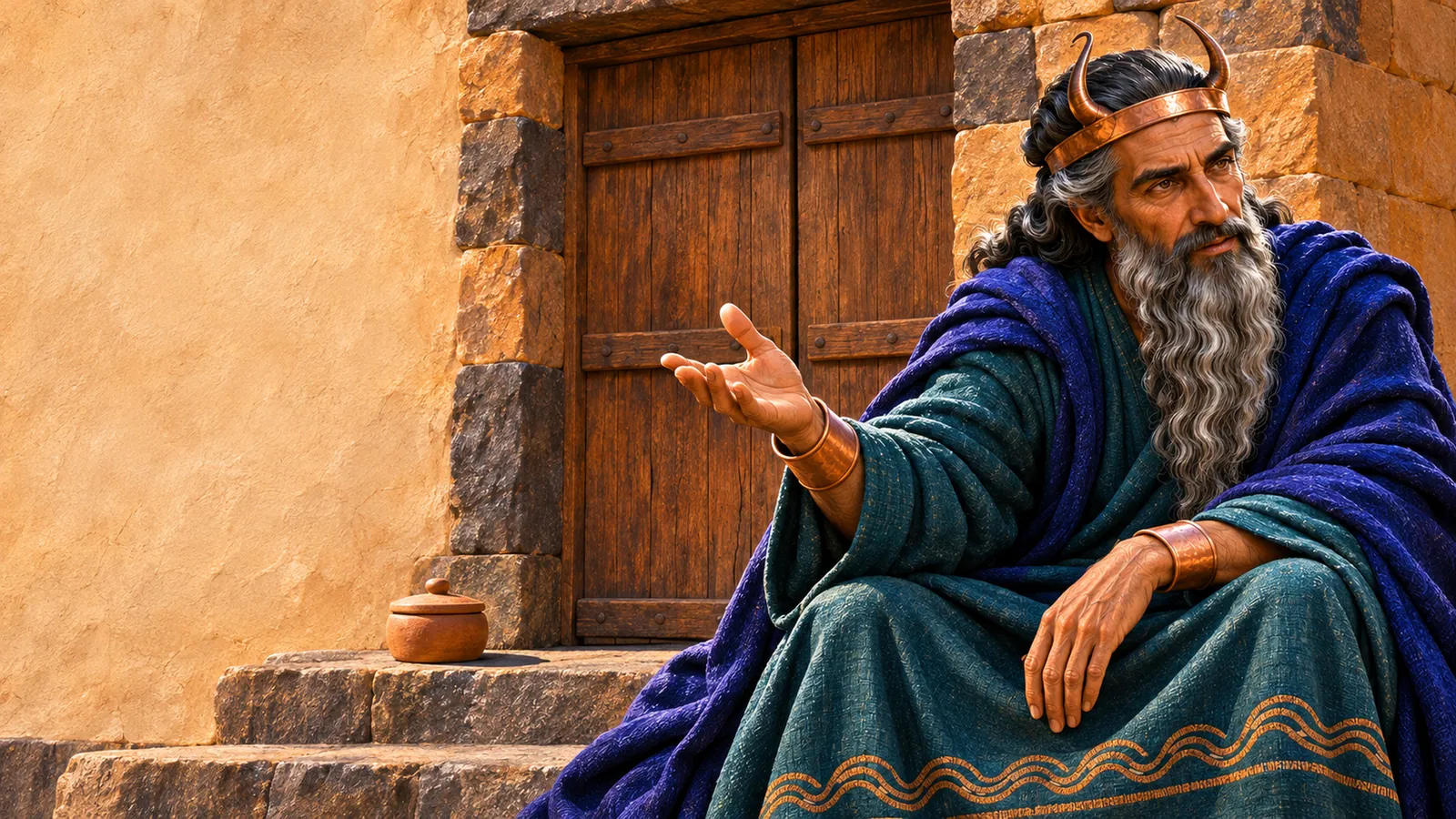
نادى إيا الآلهة الأولى العارفة بالكلمات القديمة. وأمر بفتح مخازن الأسلاف وإحضار الأختام العتيقة لإغلاقها مختومة من جديد.

طلب إيا الأداة التي فصلت السماء والأرض، واقترح قطع أوليكومي من تحت قدميه. أما الانتقال إلى الكلام الباقي التالي فمفقود.
قال إيا في حوار تالف إن قلبه اضطرب لرؤية الموتى في الأرض المظلمة. وتبقى مقارنته القاسية دون مشهد كامل يحيط بها.
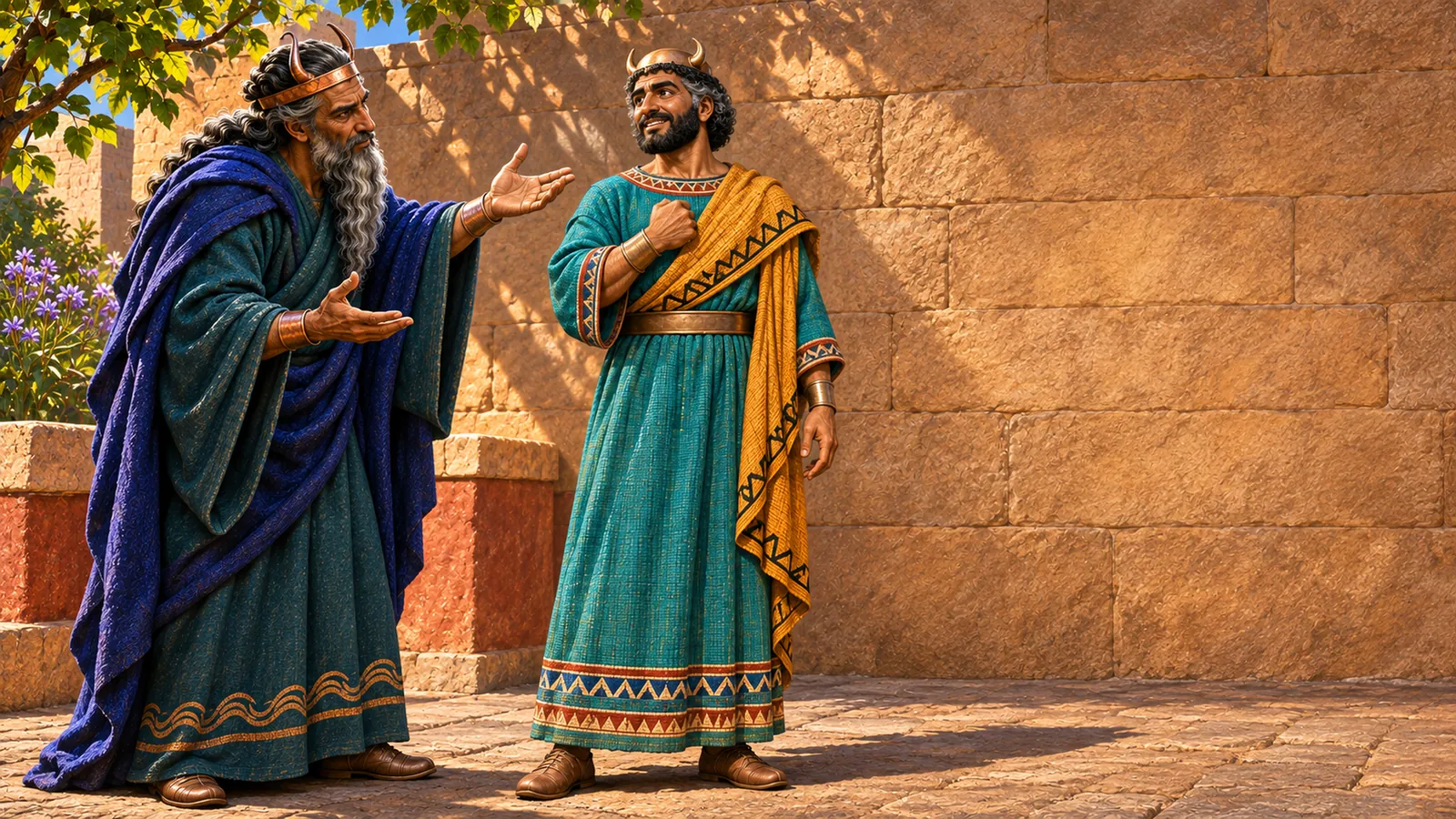
أعلن إيا أنه ضرب أوليكومي وحثّ الآلهة على قتاله. وسمع تاشميشو وفرح؛ فحوّل الخبر خوفه إلى عزم متجدّد.
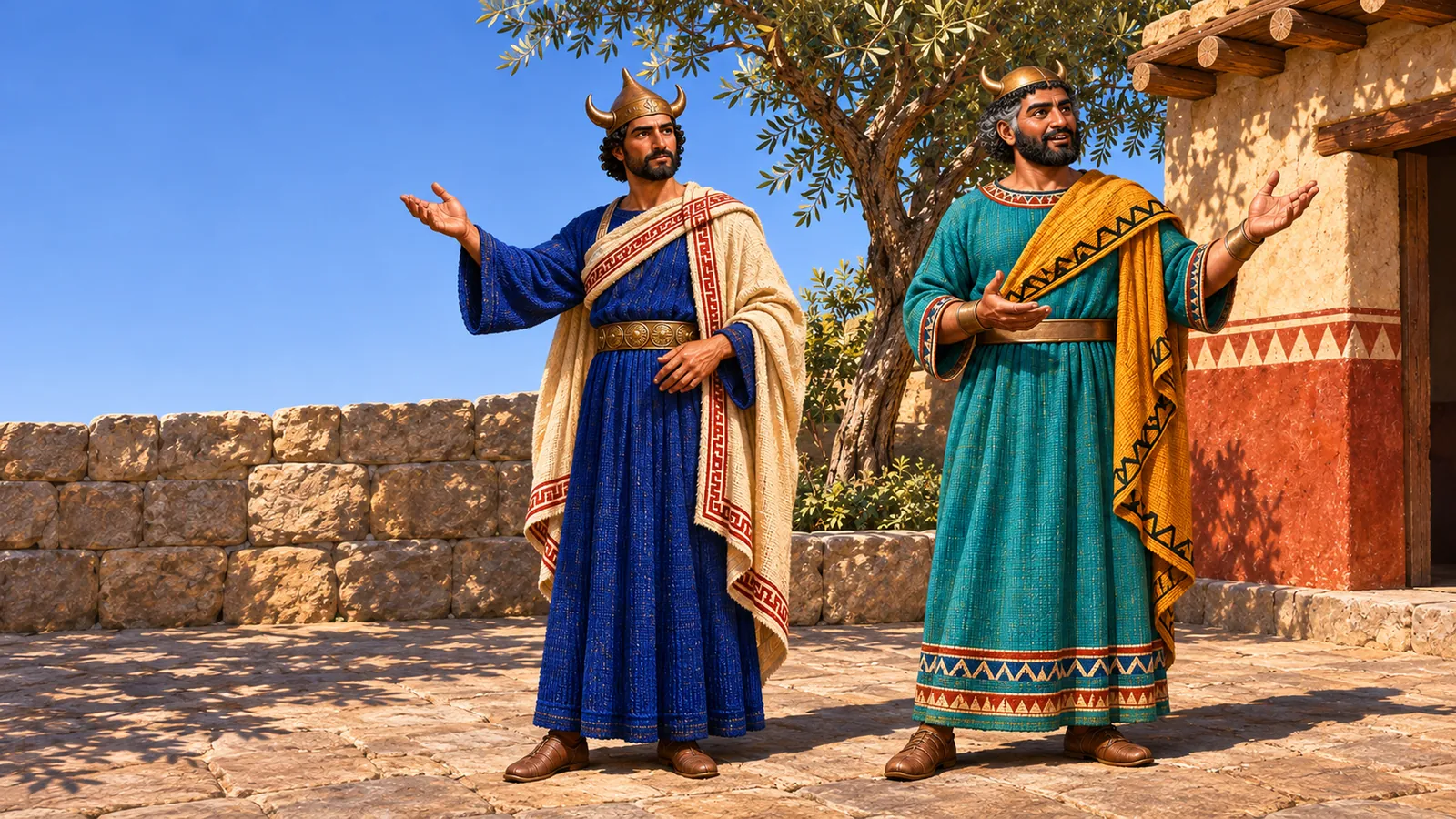
نادى تاشميشو ثلاثًا فسمعت آلهة السماء؛ ثم نادى مرتين فسمع إله العاصفة. واجتمعوا وخاروا نحو أوليكومي كالثيران.

هبط إله العاصفة مع الرعد وقاتل الحجر من جديد. وتقود المعركة الباقية إلى كلمات تحدٍّ، دون أن تحفظ خبرًا كاملًا عن النتيجة.
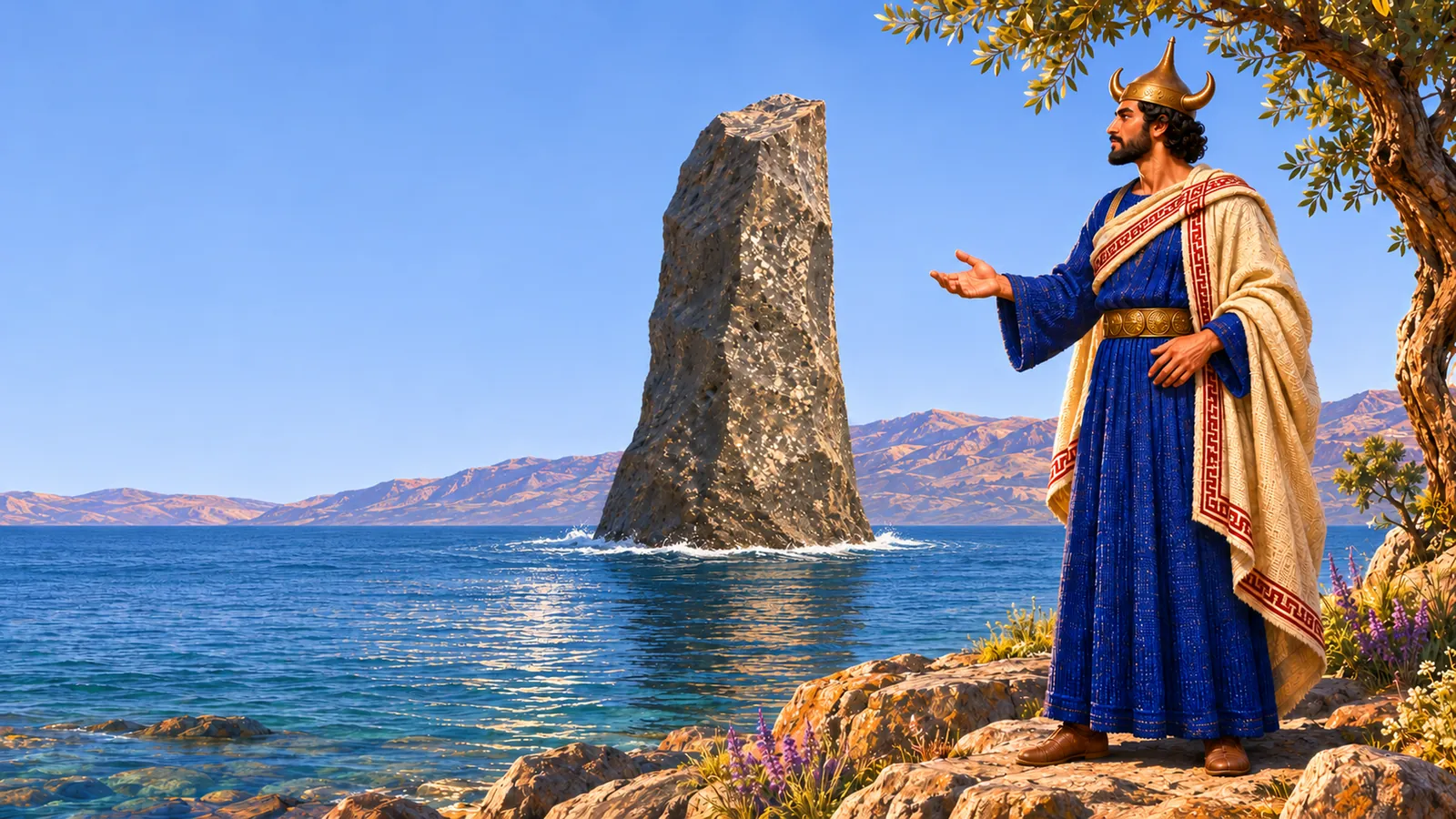
تحدّى أوليكومي إله العاصفة وأقرّ بأن إيا يساند خصمه. وتباهى بأنه سيأخذ مُلك السماء وينثر الآلهة؛ فهذه دعاوى، لا نصر محفوظ في النص.

تذكر الشذرات الختامية أعضاء وأسماء ونداءات في البلاد، لكن أفعالها والمتكلمين فيها غير مؤكَّدين. ولا تصلح لاختراع موت أو قربان أخير.
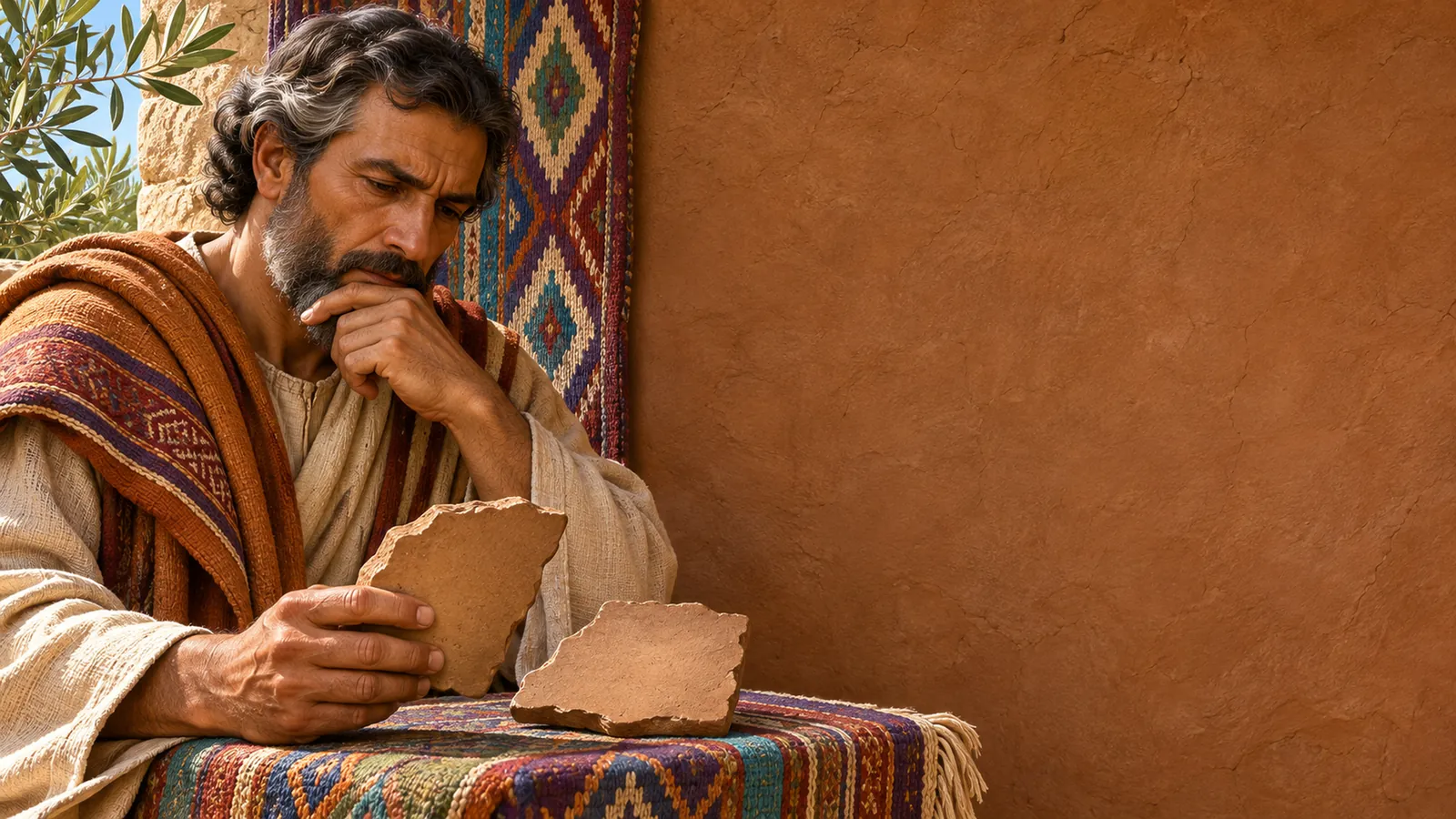
غير مكتمل
هنا ينقطع عنا النشيد الباقي. وقد يُستنتج نصر أخير من التقليد الأوسع، لكن هذه الشذرات لا تحفظ روايته كاملة.
نهاية الفصل الأول
كل الصفحات










المصادر
المصادر والملاحظات مكتوبة بالإنجليزية كما وردت في المراجع.
Read19 November2026 UTC: complete TITUS German CTH345.I.1 translation253 numbered entries/all60notes, I.2 translation169entries/all48notes, I.3.1 translation301entries/all58notes, and complete separate fragments I.3.2 fifteen entries/two notes, I.4 twelve entries and I.5 eleven entries/one note. All restorations, variant readings and breaks in those electronic translations were read. The primary comparative article consulted is Hans Gustav Güterbock1951, The Song of Ullikummi, printed135–140, including full reconstruction/summary and the beginning of the isolated-fragment discussion, through a public scan of the signed scholarly paper. The rest of1951 and the1952 continuation are not claimed independently read. TITUS quotes several printed translations/grammars in its notes; those entire books were not read. The electronic translation’s continuous entry numbers are not physical tablet-column line numbers. I.1 combines multiple witnesses including KUB33.96+17.7+33.93+KBo26.58+36.7b+33.95+36.7a, KUB33.98+36.8, KUB33.102+KBo57.228(+26.61)+36.9+33.104 and other copies; I.2 and I.3.1 likewise combine distinct fragmentary witnesses. Their tablet lengths and divisions varied. The text header, not the older index’s page offset, identifies each additional fragment at translation pages126–128. Modern translations are not reproduced as a source appendix; the six-language prose is newly written. This song starts with the Storm-god already king, without importing a missing coronation from CTH344. Kumarbi’s violent wishes and Hebat’s fearful questions are not silently converted to completed killings. The growth measurements are kept as disputed ancient units rather than fixed modern kilometers or area measures. Güterbock at140 expressly rejects treating the extant last lines as a full ending and infers a longer lost conclusion. Other Kumarbi songs, Hedammu seduction, separate assembly fragments, comparative Greek stories and a restored peaceful ending are not inserted.
الطبعات المعتمدة
- TITUS / Rieken et al., CTH345.I.1 complete German translation and notes
- TITUS, CTH345.I.2 complete German translation and notes
- TITUS, CTH345.I.3.1 complete German translation and notes
- TITUS, CTH345.I.3.2 separate third-tablet fragment
- TITUS, CTH345.I.4 separate instrument/Nineveh fragment
- TITUS, CTH345.I.5 separate Ashtabi fragment
- Güterbock1951, JCS5/4,135–161; printed135–140 actually consulted
- Public scan of Güterbock1951 used for135–140, not a new edition
- Urkesh project, Güterbock1951–1952 bibliographic record
- IL Archive, Kumarbi
- IL Archive, Enki / Ea
- IL Archive, Enlil
- IL Archive, Hurrians
- IL Archive, Hittites
- IL Archive, cuneiform
الأسطر القديمة وراء كل صفحة
- Page 1: TITUS CTH345.I.1, continuous translation entries1–10; precise notes in episode
- Page 2: TITUS CTH345.I.1, continuous translation entries11–22; precise notes in episode
Rock length three DANNA, width damaged x-and-half; the unit may be roughly900 or1500m, not certain modern miles. - Page 3: TITUS CTH345.I.1, continuous translation entries23–33; precise notes in episode
I.1 23–33 explicitly couples with the rock five and then ten times, manhood wording damaged. - Page 4: TITUS CTH345.I.1, continuous translation entries34–44; precise notes in episode
I.1 34–44 broken report from Impaluri to deified Sea. - Page 5: TITUS CTH345.I.1, continuous translation entries45–58; precise notes in episode
- Page 6: TITUS CTH345.I.1, continuous translation entries59–63; precise notes in episode
Purpose of banquet is not preserved. - Page 7: TITUS CTH345.I.1, continuous translation entries64–78; precise notes in episode
- Page 8: TITUS CTH345.I.1, continuous translation entries78–89; precise notes in episode
His journey/message delivery is not independently preserved. - Page 9: TITUS CTH345.I.1, continuous translation entries90–100; precise notes in episode
I.1 90–100 night/watch and rock-birth fragments, women/midwives partly restored, Fate/Mother deities place child on knees. - Page 10: TITUS CTH345.I.1, continuous translation entries100–108; precise notes in episode
I.1 100–108 Kumarbi joy, rocking/cleaning/fondling verb disputed, names Ullikummi; name interpreted Destroy Kumme. - Page 11: TITUS CTH345.I.1, continuous translation entries109–116; precise notes in episode
- Page 12: TITUS CTH345.I.1, continuous translation entries117–128; precise notes in episode
Preventive violent words remain intention, not an enacted child victim. - Page 13: TITUS CTH345.I.1, continuous translation entries129–160; precise notes in episode
- Page 14: TITUS CTH345.I.1, continuous translation entries156–165; precise notes in episode
- Page 15: TITUS CTH345.I.1, continuous translation entries166–170; precise notes in episode
- Page 16: TITUS CTH345.I.1, continuous translation entries171–176; precise notes in episode
The plain abstract stone is the named stone child. - Page 17: TITUS CTH345.I.1, continuous translation entries176–180; precise notes in episode
- Page 18: TITUS CTH345.I.1, continuous translation entries181–188; precise notes in episode
Kumarbi and Enlil remain DISTINCT gods in this poem, unlike some other cultic equations. - Page 19: TITUS CTH345.I.1, continuous translation entries189–190; precise notes in episode
His covered giant support form is artistic convention for this specifically named being. - Page 20: TITUS CTH345.I.1, continuous translation entries191–196; precise notes in episode
- Page 21: TITUS CTH345.I.1, continuous translation entries197–204; precise notes in episode
- Page 22: TITUS CTH345.I.1, continuous translation entries205–210; precise notes in episode
Textual tension preserved rather than secretly repaired. Body unlike gods210 has a dissenting translation. - Page 23: TITUS CTH345.I.1, continuous translation entries211–220; precise notes in episode
I217 alternative older restoration god Ellil is not fused with the primary sea-deity reading. - Page 24: TITUS CTH345.I.1, continuous translation entries221–230; precise notes in episode
- Page 25: TITUS CTH345.I.1, continuous translation entries231–241; precise notes in episode
- Page 26: TITUS CTH345.I.1, continuous translation entries242–253; precise notes in episode
- Page 27: TITUS CTH345.I.2, continuous translation entries1–13; precise notes in episode
I.2 1–13 broken conversation/report and angry response; the later allusion51 supports news from Sun. - Page 28: TITUS CTH345.I.2, continuous translation entries14–30; precise notes in episode
This actual acceptance follows the first-tablet refusal. - Page 29: TITUS CTH345.I.2, continuous translation entries31–37; precise notes in episode
- Page 30: TITUS CTH345.I.2, continuous translation entries38–54; precise notes in episode
I.2 38–54 Ishtar meets two brothers, asks route and gets damaged reply about Sun. - Page 31: TITUS CTH345.I.2, continuous translation entries55–60; precise notes in episode
Hazzi not literally same as every sacred mountain. - Page 32: TITUS CTH345.I.2, continuous translation entries61–66; precise notes in episode
- Page 33: TITUS CTH345.I.2, continuous translation entries67–81; precise notes in episode
I.2 67–81 damaged Ishtar consolation contrasts understanding/mal with tenfold courage, disputed reading69/72. - Page 34: TITUS CTH345.I.2, continuous translation entries82–90; precise notes in episode
- Page 35: TITUS CTH345.I.2, continuous translation entries87–94; precise notes in episode
- Page 36: TITUS CTH345.I.2, continuous translation entries95–105; precise notes in episode
The warning is literary words, not a diagnosis. - Page 37: TITUS CTH345.I.2, continuous translation entries106–112; precise notes in episode
I.2 106–112 extinguishes cedar (alternative extinguishes song), throws instruments and crying departure partly restored; destination to brother conjectural, not independently narrated exact route. - Page 38: TITUS CTH345.I.2, continuous translation entries113–130; precise notes in episode
I.2 113–130 Storm’s orders after gap: feed/oil, Sherishu horns, Tella tail gold, cart/wheel/stones, thunder/rain/wind/lightning. - Page 39: TITUS CTH345.I.2, continuous translation entries131–143; precise notes in episode
- Page 40: TITUS CTH345.I.2, continuous translation entries144–169; precise notes in episode
I.2 144–169 damaged height/equipment/cloud/cart lines, possible tripling with competing reconstructions. Second-tablet colophon explicitly incomplete. - Page 41: TITUS CTH345.I.3.1, continuous translation entries1–24; precise notes in episode
I.3.1 1–24 Ashtabi/cart/thunder and SEVENTY gods, fall to sea partly restored. - Page 42: TITUS CTH345.I.3.1, continuous translation entries25–37; precise notes in episode
- Page 43: TITUS CTH345.I.3.1, continuous translation entries38–49; precise notes in episode
Hebat/Takiti named, actual mature women portrayed dignified and fully clothed. - Page 44: TITUS CTH345.I.3.1, continuous translation entries50–61; precise notes in episode
I.3.1 50–61 Takiti haste, no path, return and broken answer. - Page 45: TITUS CTH345.I.3.1, continuous translation entries62–70; precise notes in episode
I.3.1 62–70 Tashmishu staff/shoes/tower/message, low-place and appointed years broken. - Page 46: TITUS CTH345.I.3.1, continuous translation entries71–79; precise notes in episode
- Page 47: TITUS CTH345.I.3.1, continuous translation entries77–90; precise notes in episode
- Page 48: TITUS CTH345.I.3.1, continuous translation entries91–101; precise notes in episode
I.3.1 91–101 proposed Abzuwa/Ea/ancient-word tablets, five/fifteen bows and hope for mercy. - Page 49: TITUS CTH345.I.3.1, continuous translation entries102–112; precise notes in episode
- Page 50: TITUS CTH345.I.3.1, continuous translation entries113–136; precise notes in episode
I.3.1 113–136 lost exchange, three knee/four foot kisses, unclear object and contest versus embrace variant. - Page 51: TITUS CTH345.I.3.1, continuous translation entries137–174; precise notes in episode
I.3.1 137–174 old sealed stores/saw fragments, Ea rising/court, anger and damaged assembly words including body/hair change and unidentified departing speaker. These are not a fully reconstructed council or decision, no borrowed CTH346 assembly or new named addressee. - Page 52: TITUS CTH345.I.3.1, continuous translation entries175–191; precise notes in episode
- Page 53: TITUS CTH345.I.3.1, continuous translation entries192–215; precise notes in episode
First greeting/body posture partly restored. This is specifically named Upelluri, not El/Ilu or Atlas. - Page 54: TITUS CTH345.I.3.1, continuous translation entries216–223; precise notes in episode
- Page 55: TITUS CTH345.I.3.1, continuous translation entries224–226; precise notes in episode
- Page 56: TITUS CTH345.I.3.1, continuous translation entries227–232; precise notes in episode
I.3.1 227–232 primeval gods old words, old father/grandfather sealhouses and seals brought/reseal commanded. - Page 57: TITUS CTH345.I.3.1, continuous translation entries233–241; precise notes in episode
I.3.1 233–241 old cutting tool/saw that divided heaven/earth, proposal to cut under Ullikummi’s feet, then gap. Actual cutting not uninterruptedly preserved. - Page 58: TITUS CTH345.I.3.1, continuous translation entries242–252; precise notes in episode
I.3.1 242–252 kneeling/body-hair damaged, Ea troubled after seeing dead like dirt/gullushi (uncertain comparison), sends Tashmishu away/myson variants. - Page 59: TITUS CTH345.I.3.1, continuous translation entries253–258; precise notes in episode
This is Ea’s announcement across a missing transition, not a preserved complete sawing procedure, final Stone death or heavenly victory. - Page 60: TITUS CTH345.I.3.1, continuous translation entries259–264; precise notes in episode
- Page 61: TITUS CTH345.I.3.1, continuous translation entries265–267; precise notes in episode
I.3.1 265–267 spinning-whorl/cart simile disputed, thunder descent and renewed actual fight. - Page 62: TITUS CTH345.I.3.1, continuous translation entries268–282; precise notes in episode
- Page 63: TITUS CTH345.I.3.1, continuous translation entries283–301; I.3.2/I.4/I.5 comparison; precise notes in episode
I.3.1 283–301 liver/lung/colored-kidney designation, calls/names/hero/damage and uncertain speakers/actions. Other fragments I.3.2 repeat Ea-side/throne-threat parallels; I.4 instruments/Nineveh/sea and I.5 Ashtabi cannot provide an ending. - Page 64: TITUS CTH345.I.3.1, continuous translation entries290–301; separate fragments; precise notes in episode
Güterbock1951 printed140 explicitly abandons taking them as an abbreviated ending and infers a possible further tablet; that inference is not a newly found fourth tablet.
الرسوم من صنع أرشيف إيل بأدوات الذكاء الاصطناعي؛ والنص مبني على المصادر القديمة (انظر المصادر في آخر كل فصل).