تيليبينو الإله الغائب الفصل الأول
حين رحلت الوفرة
يسلب رحيل تيليبينو البلاد وفرتها، فلا تعثر عليه الآلهة أو العُقاب. وتحفظ روايات موازية محدّدة بحث النحلة وصحوته المدمّرة؛ ثم تتابع الرواية الأولى كلمات التهدئة حتى عودته وتجدّد الحياة.
المصادرقلّب الصفحات بالأزرار أو بمفاتيح الأسهم أو بسحب الإصبع.
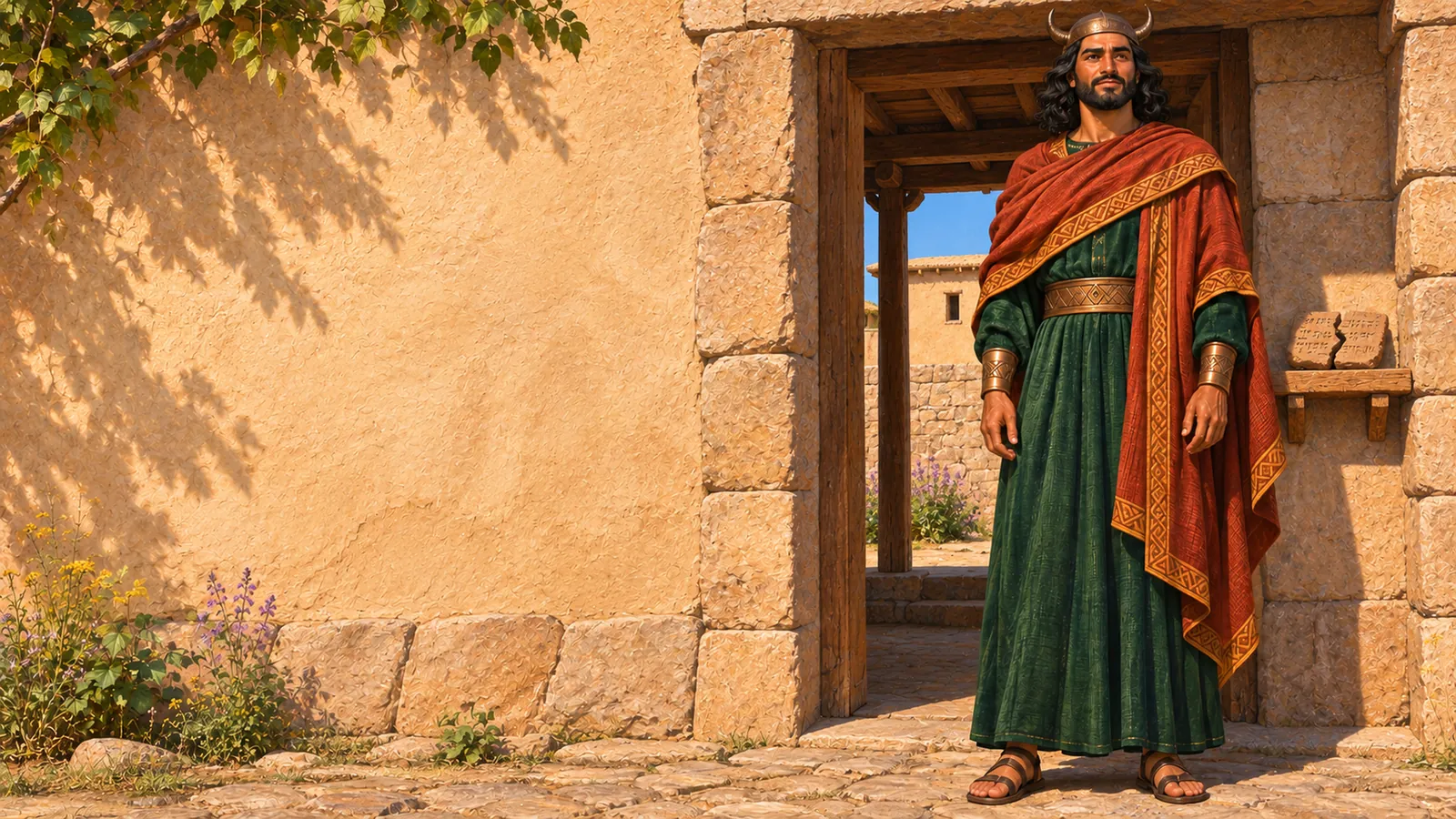
تيليبينو
بداية الرواية الأولى مكسورة. وتيليبينو غاضب، لكن الكلمات الباقية لا تحفظ سببًا مؤكّدًا لغضبه.
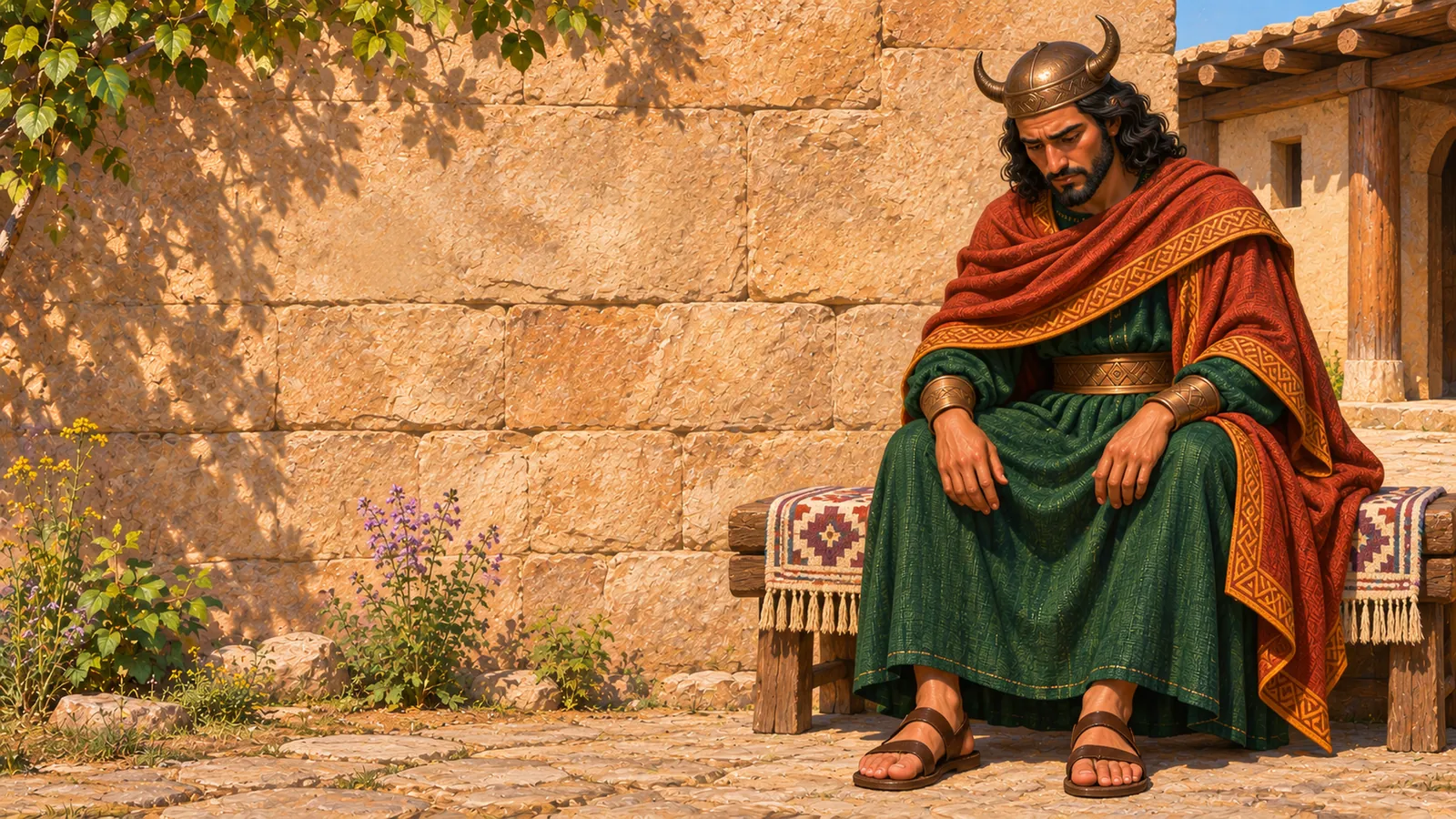
تصف البداية التالفة لبس الحذاء الأيمن في القدم اليسرى والأيسر في اليمنى. حتى الأشياء العادية خرجت عن ترتيبها الصحيح.
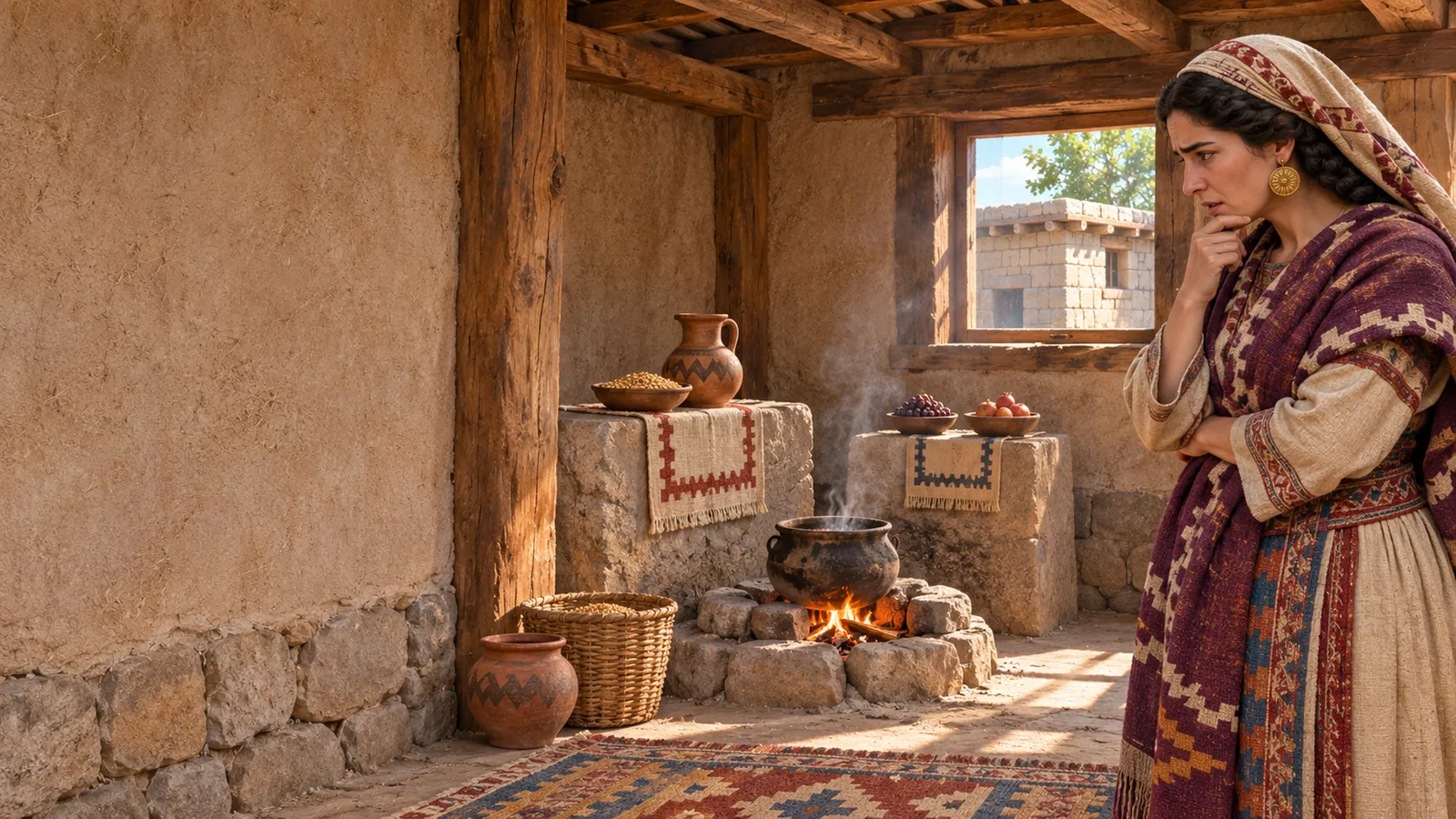
غطّى الضباب النوافذ وملأ الدخان البيت. واضطرب الموقد والمذابح والماشية؛ فوفق قراءة علمية يصف المقطع أشياء مزدحمة مختلّة النظام.
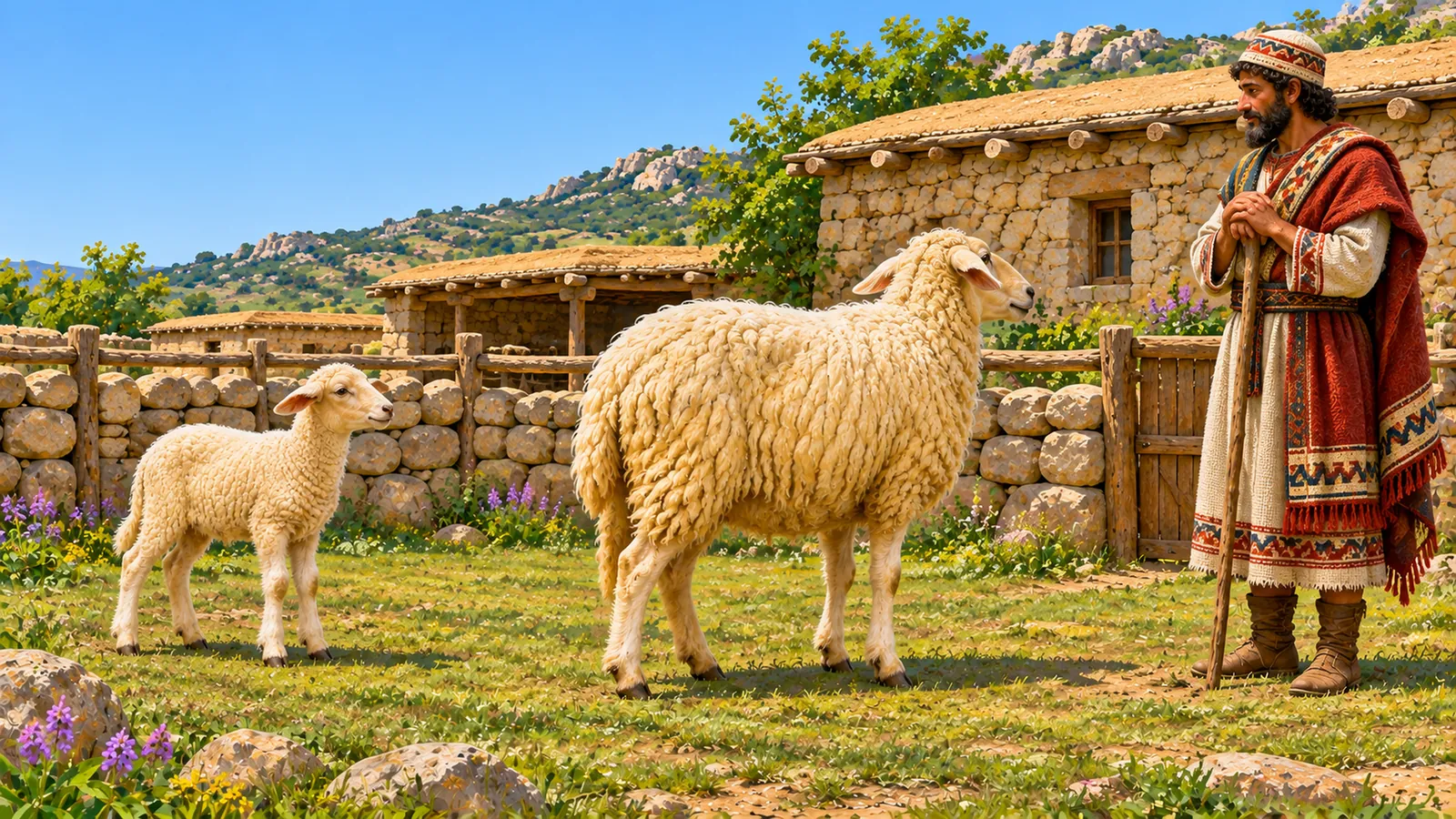
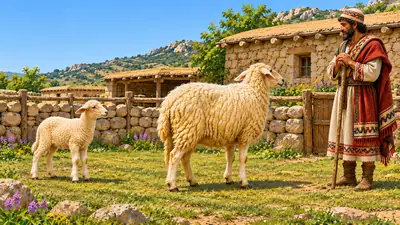
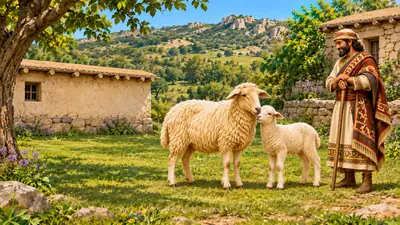
رفضت النعجة حَمَلها. وبلغ الاختلال رابطة الأم بصغيرها، في إحدى العلامات الأولى على اضطراب عالم البيت.
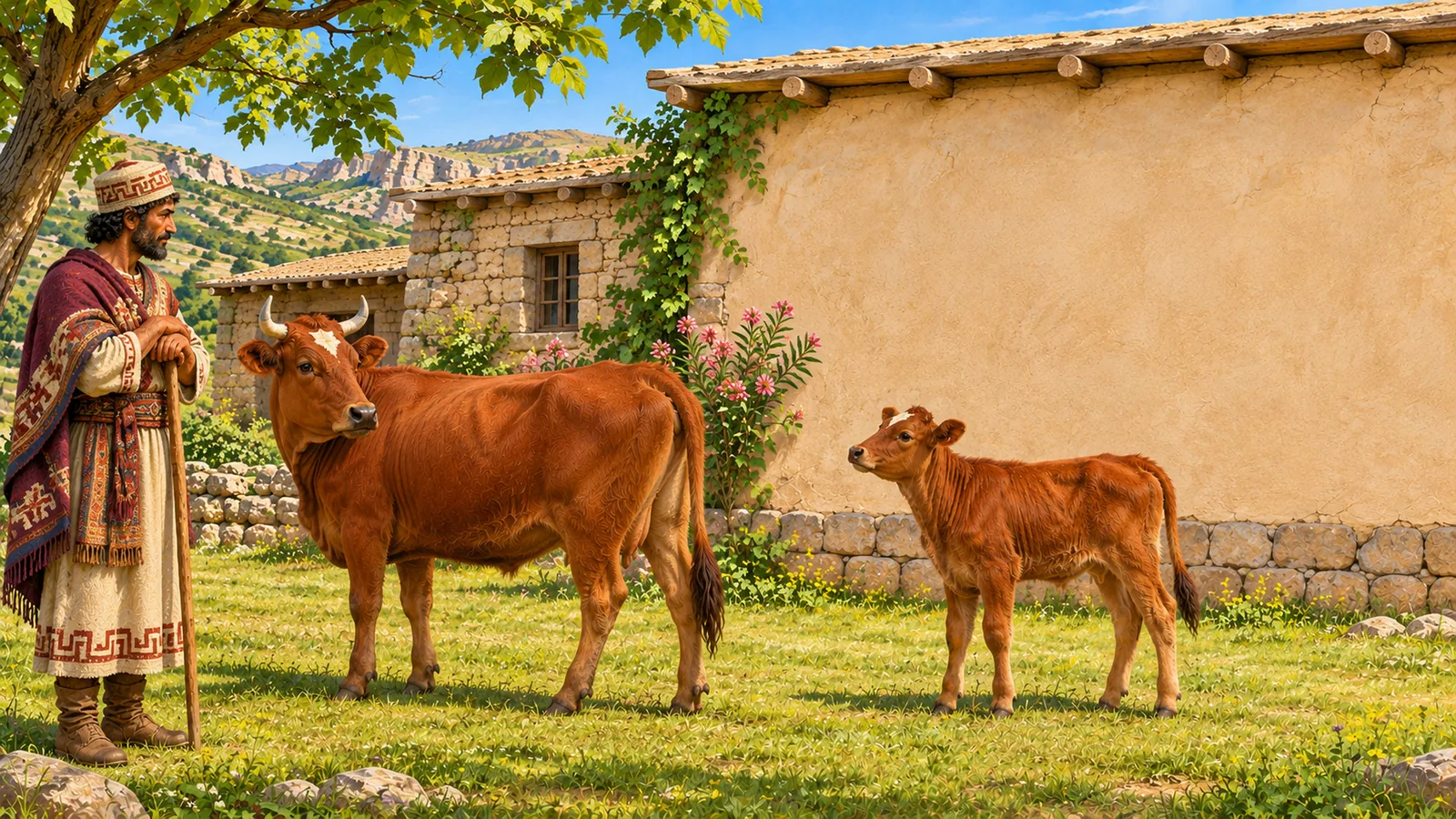
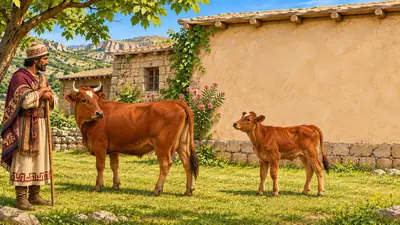
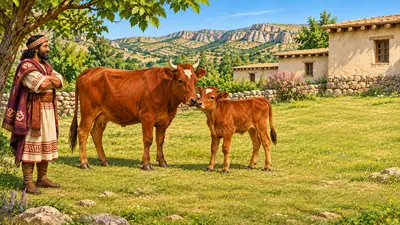
رفضت البقرة عِجلها أيضًا. ولم يعد ما يجمع القطيع قائمًا؛ فكان النظام المألوف للكائنات الحيّة يختلّ.
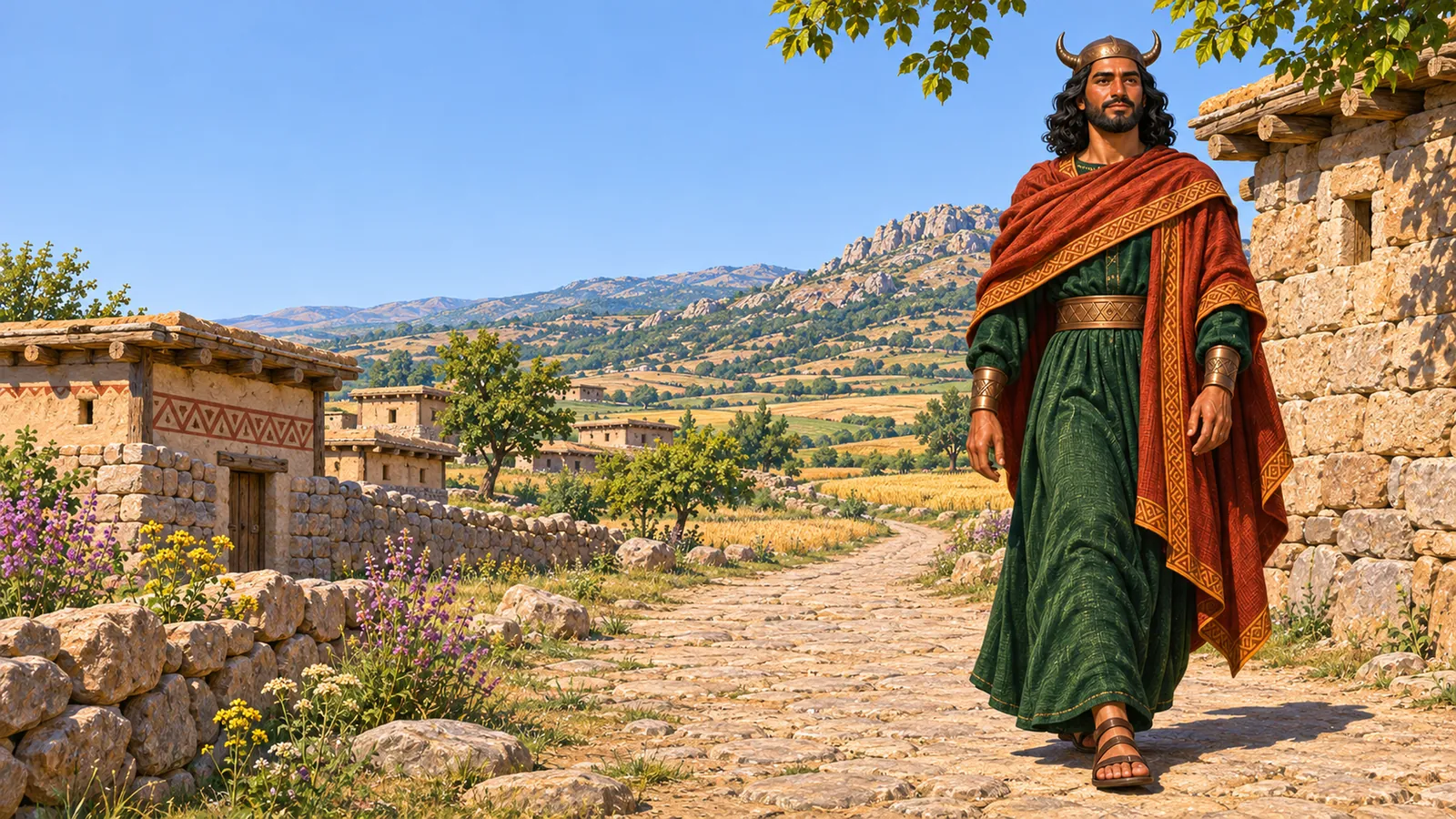
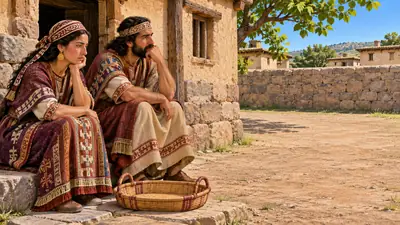
كان تيليبينو قد رحل وحمل معه الحبوب والخصب والنمو والشبع. ويسمّي السرد الآن الغياب الكامن وراء الوفرة التي فقدتها البلاد.
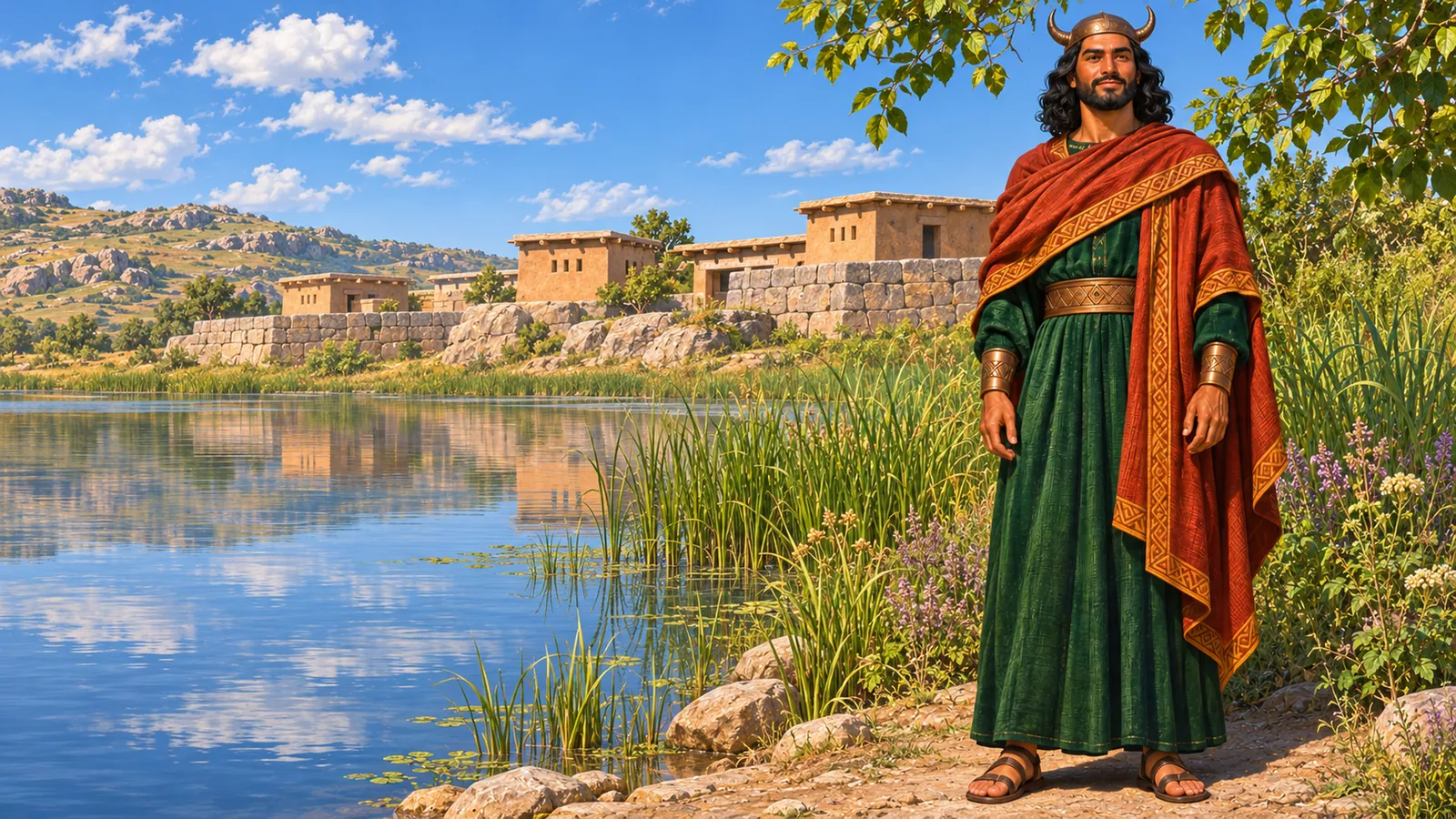
اختبأ تيليبينو في المستنقع ونبت فوقه نبات يُدعى خالِنزو. وصار بعيدًا عن متناول من سيبحثون عنه.
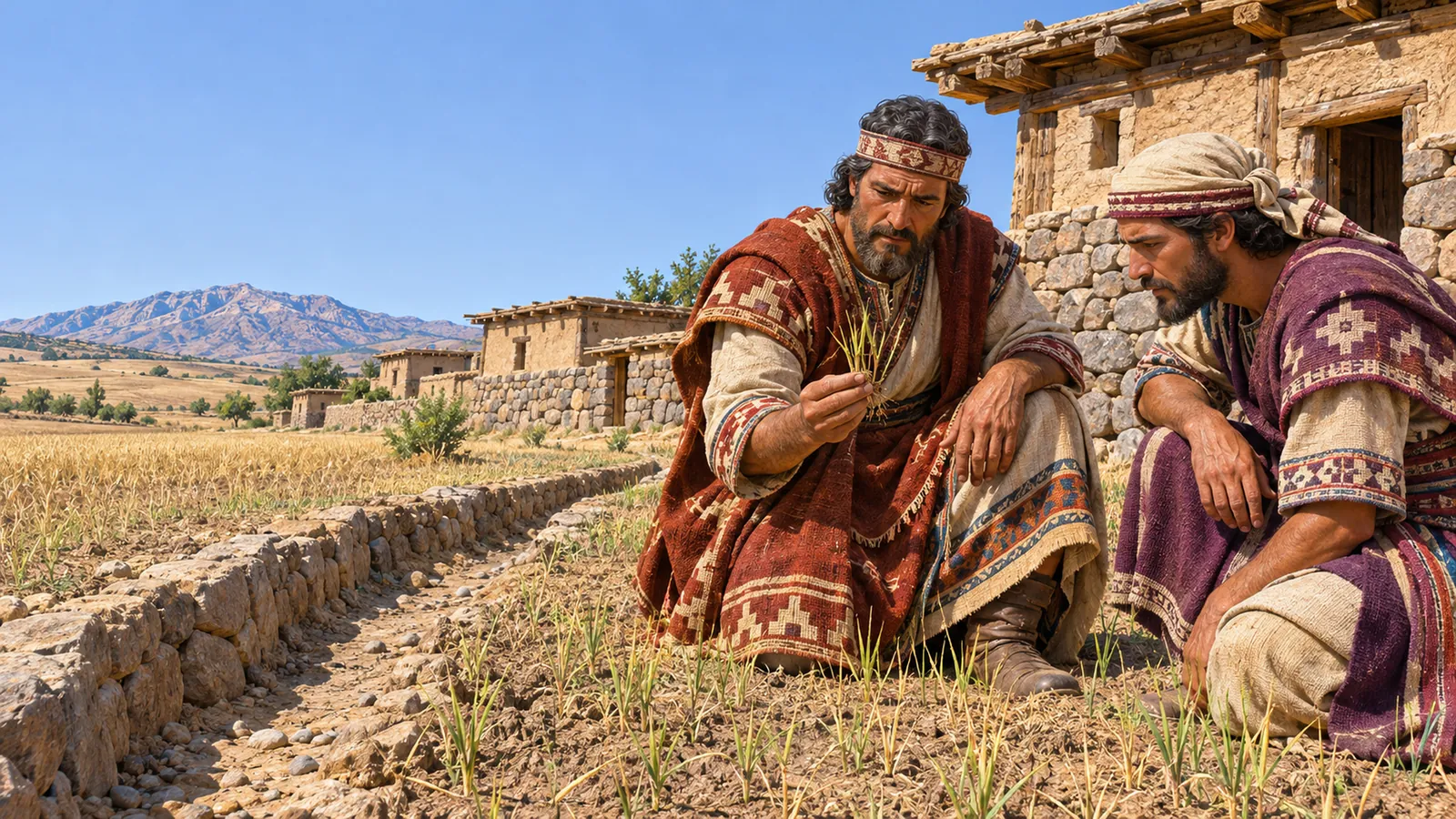
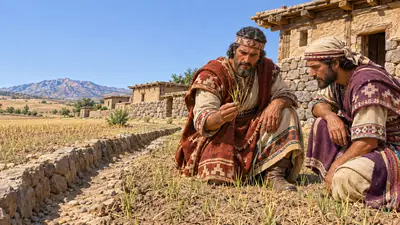
توقّفت الحبوب والإيمّر عن النمو. وجفّت الجبال والأحراج والمراعي والينابيع، ولم تظهر براعم جديدة تجدّد البلاد المضطربة.
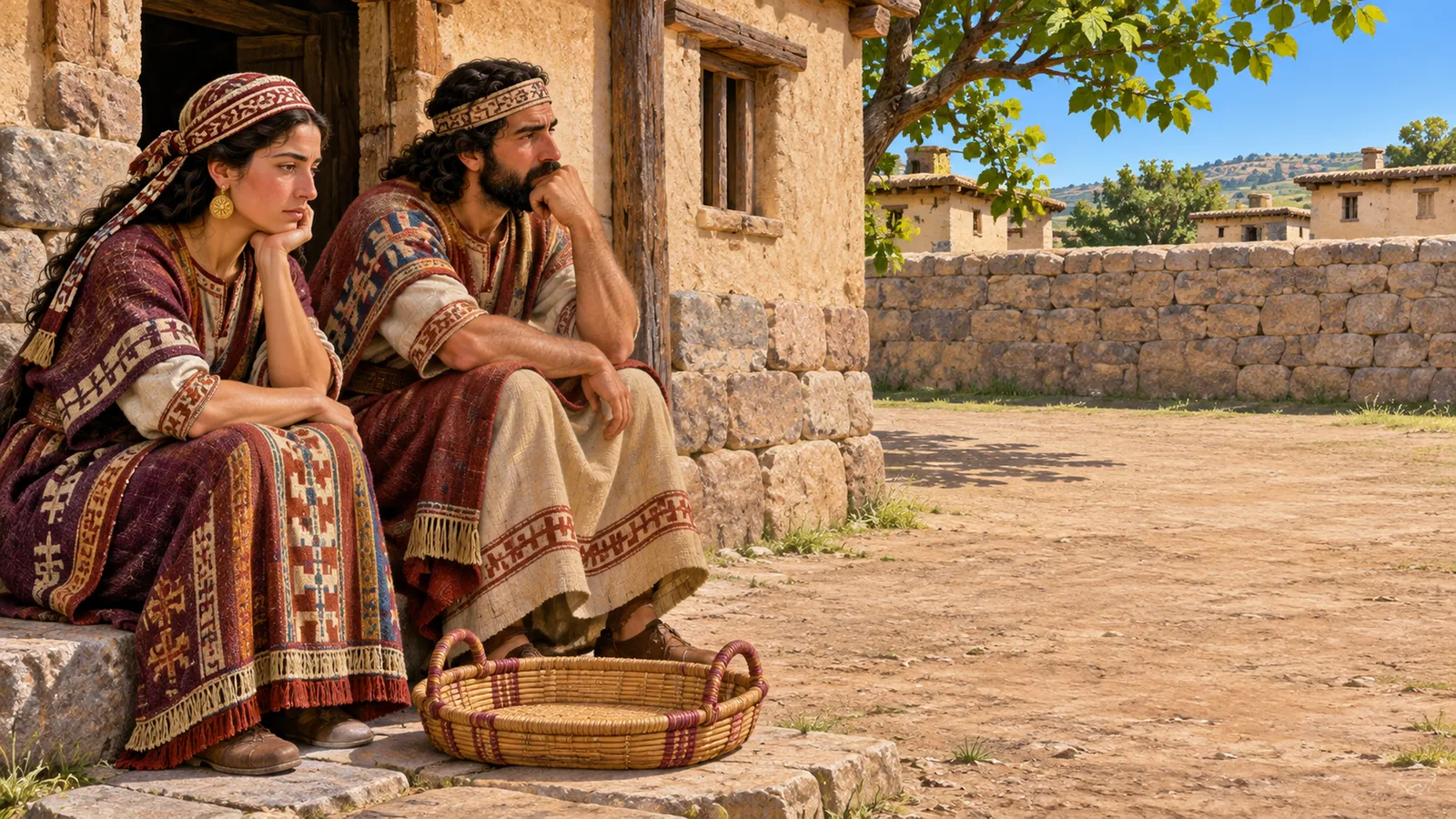
لم تعد الأبقار والأغنام والبشر تحمل، ولم تلد الحوامل. فقد عطّل غياب الإله تجدّد الحياة.

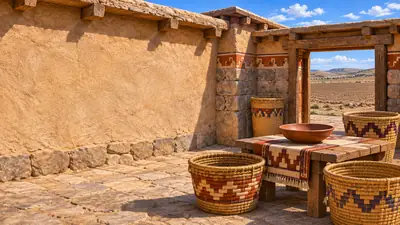
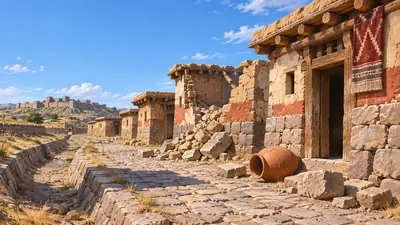
نشأت مجاعة في البلاد وكان البشر والآلهة يموتون جوعًا. وبلغت الأزمة ما وراء الحقول إلى بيوت الفانين والآلهة معًا.
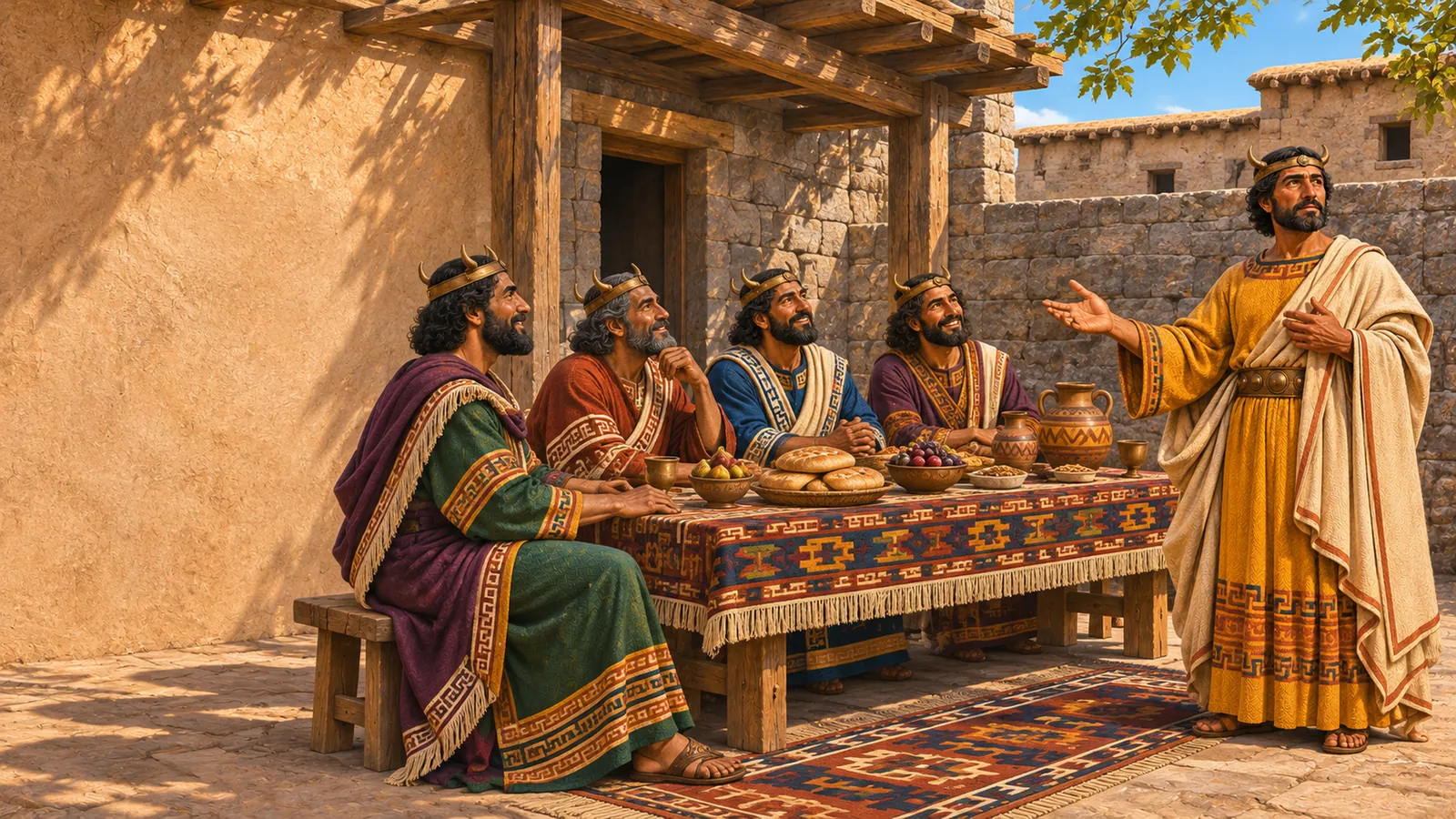
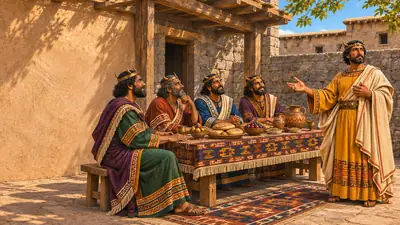
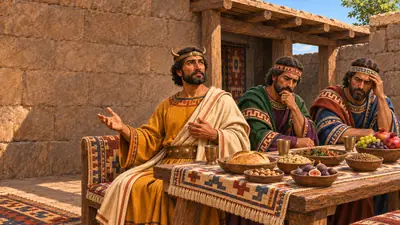
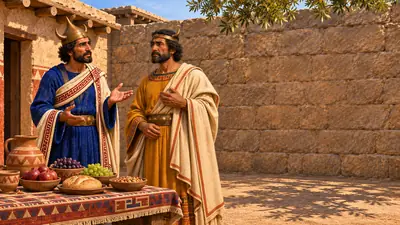
أعدّ إله الشمس العظيم وليمة ودعا إليها ألف إله. لكن هذا الجمع الهائل لم يستطع استعادة الشبع الذي رحل.
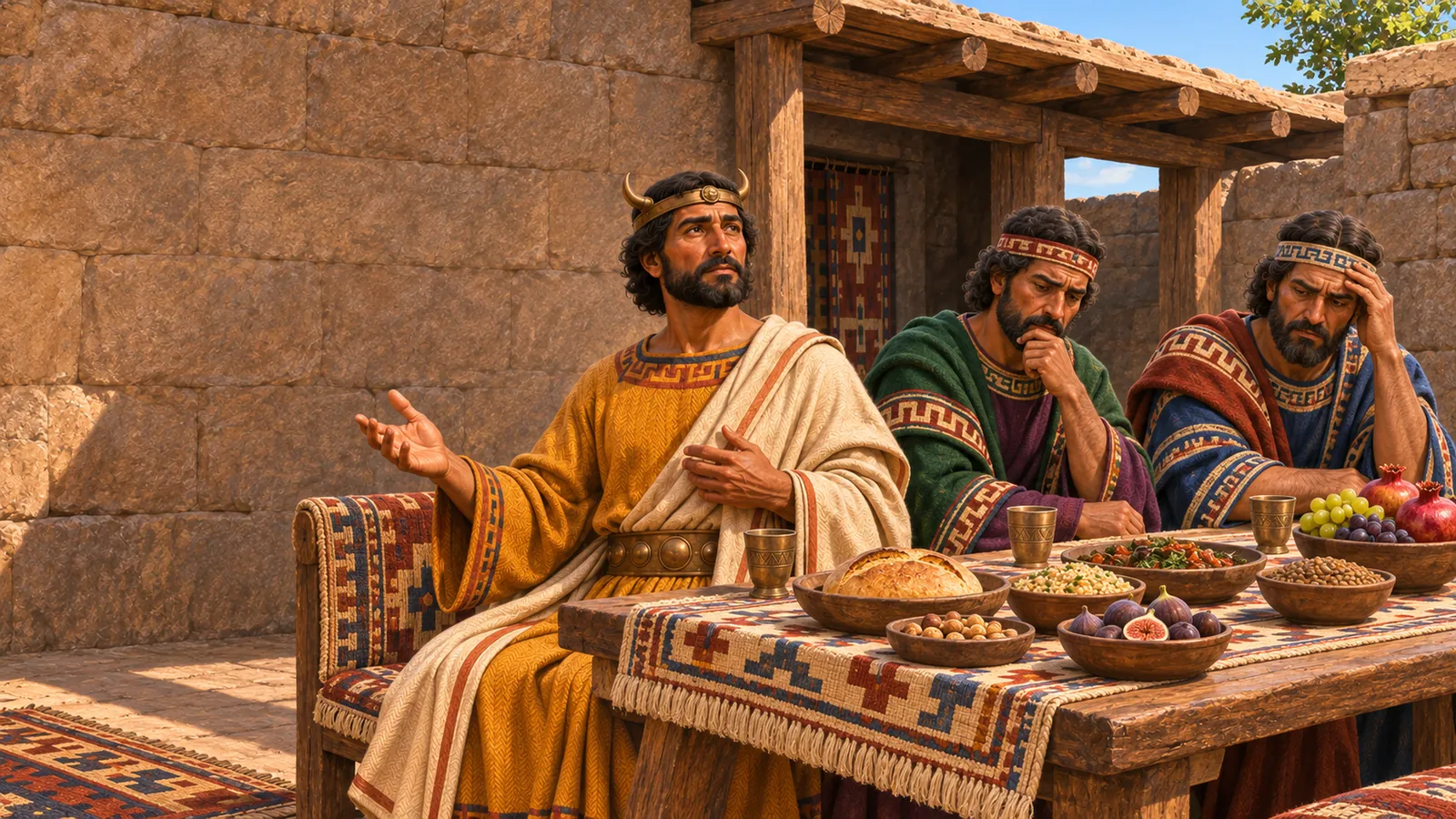
أكلت الآلهة ولم تشبع. وشربت ولم ترتوِ؛ فكشفت الوليمة نفسها عمق اختلال العالم.
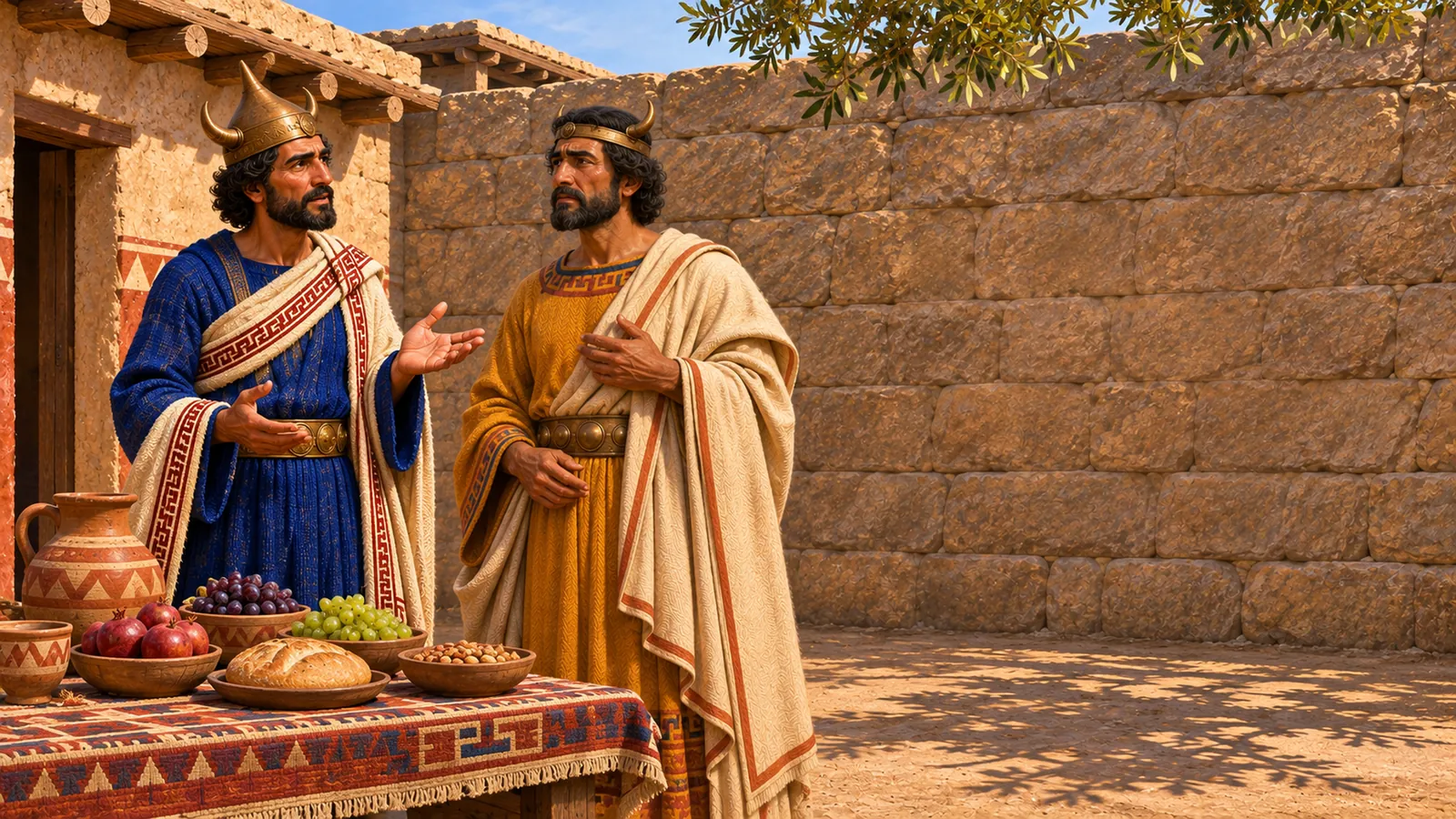
قلق إله العاصفة على ابنه تيليبينو. وقال إن الإله الغائب غضب وحمل معه كل الخيرات.
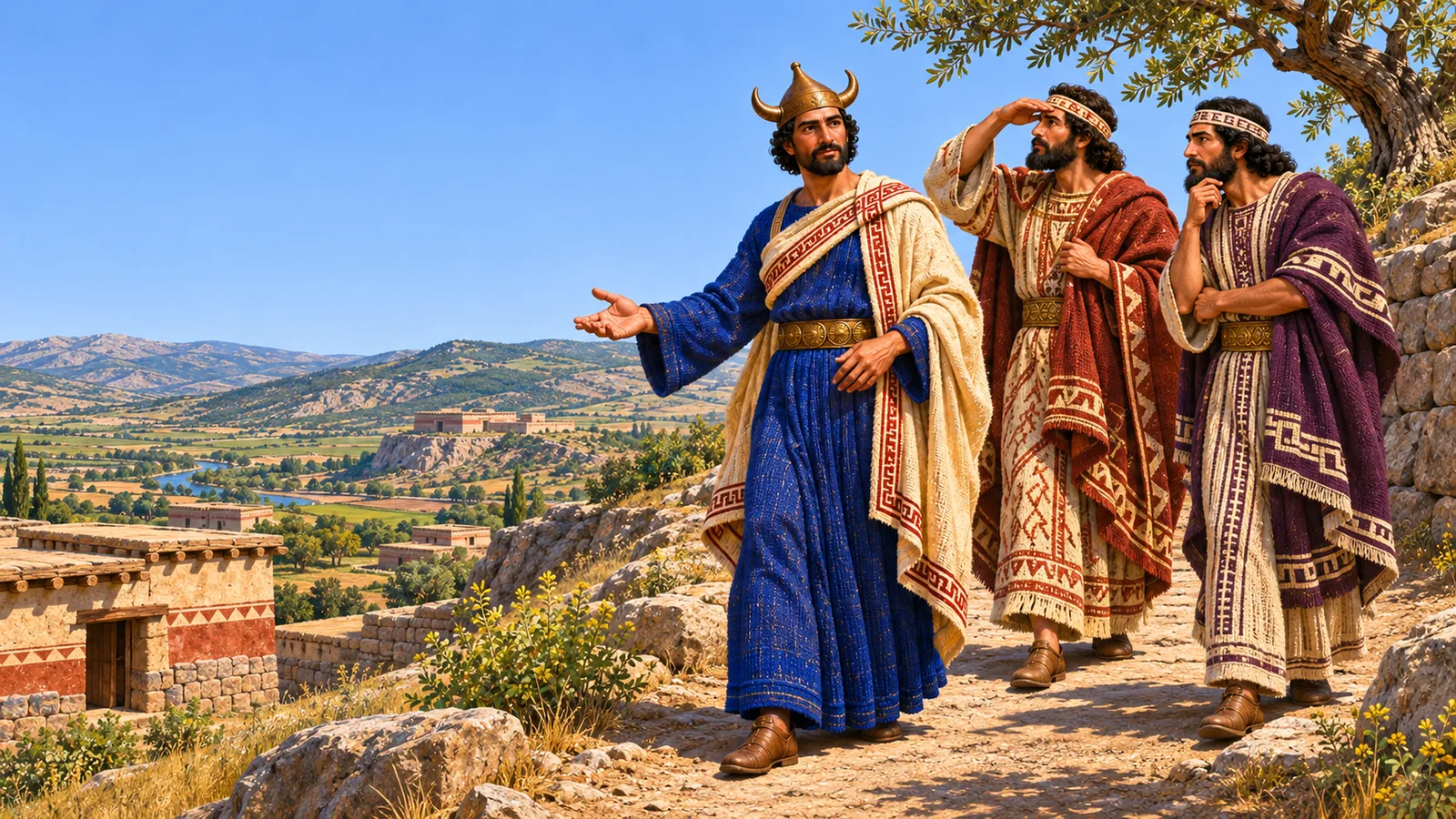
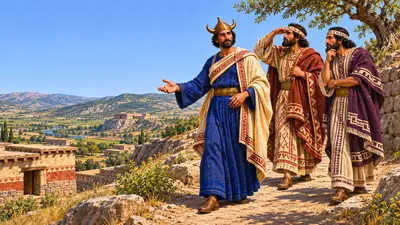
بدأت الآلهة الكبيرة والصغيرة البحث عن تيليبينو. ولم يكن عددهم أو قدرتهم الإلهية قد أعاد الإله المختبئ بعد.
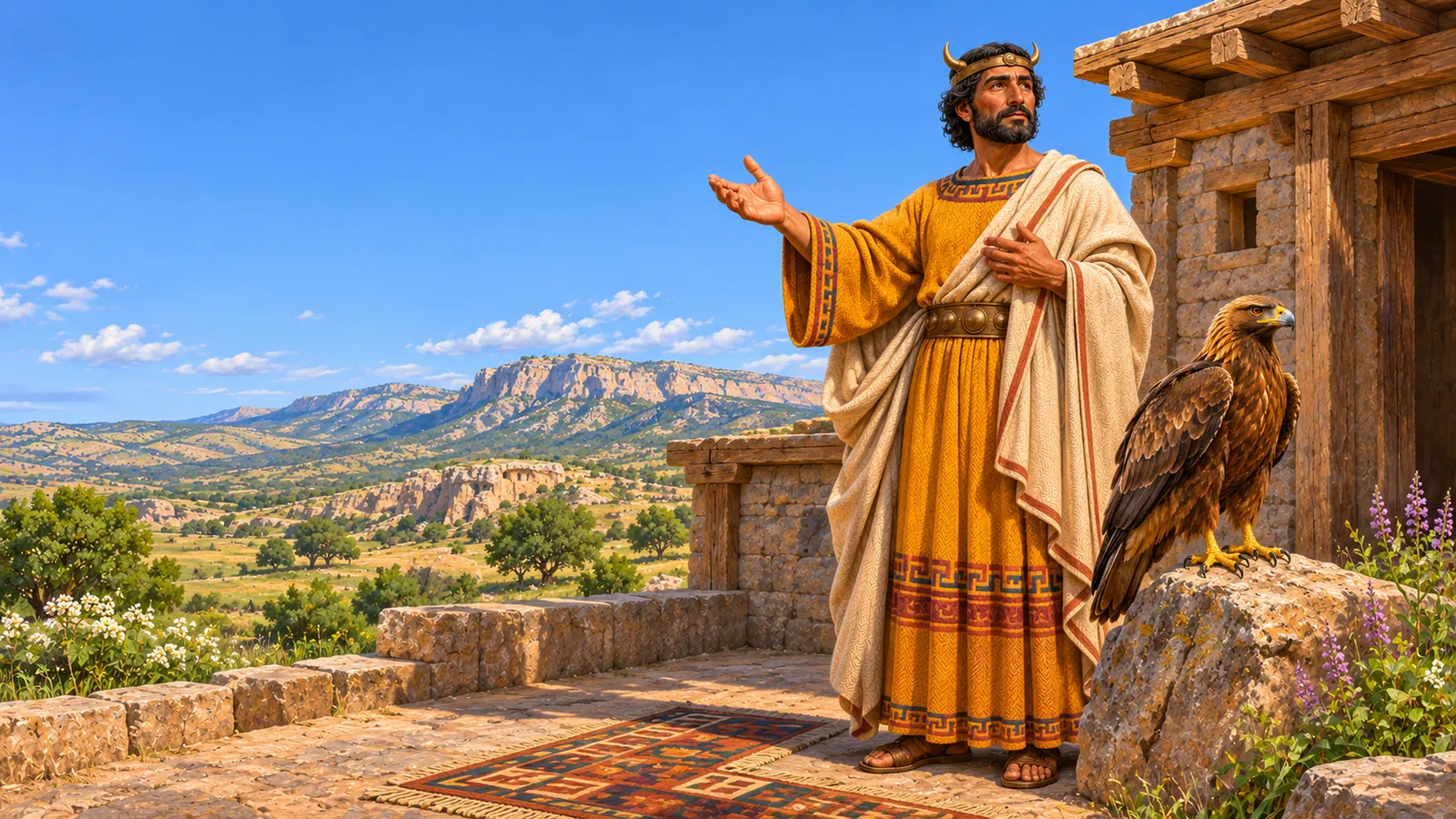
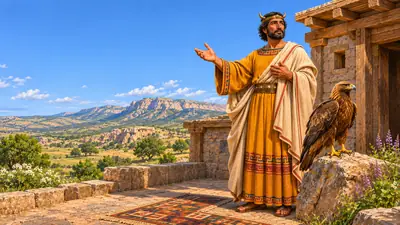
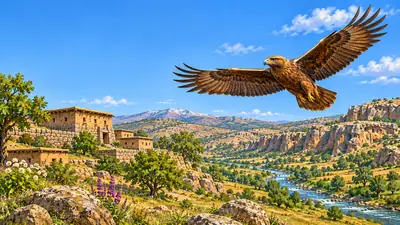
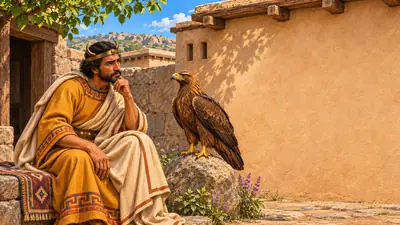
أرسل إله الشمس العُقاب السريع ليفتش الجبال العالية والوديان العميقة والمياه الواسعة. وانطلق الطائر ليجد تيليبينو الغائب.
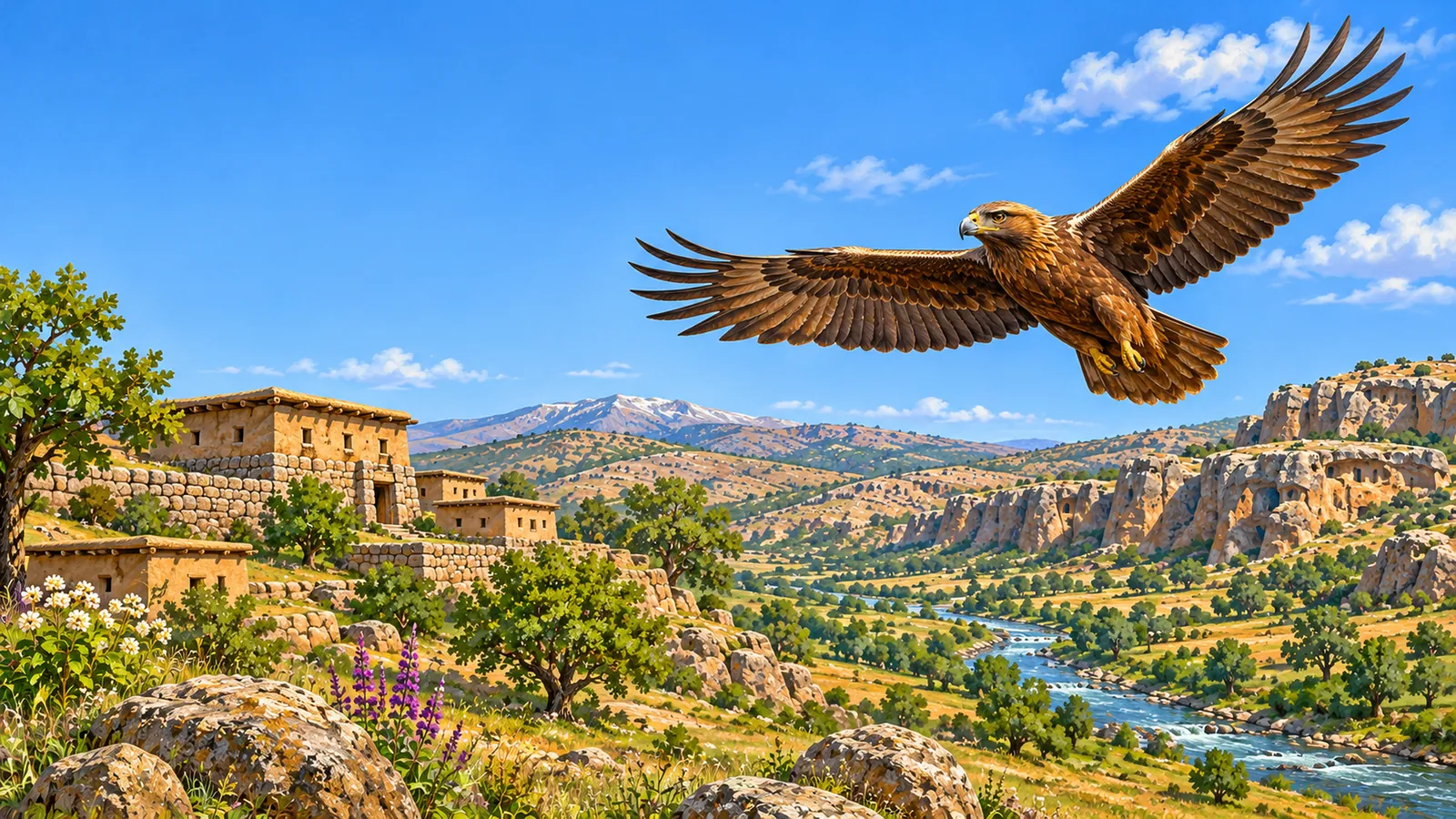
فتّش العُقاب المرتفعات والوديان والمياه، لكنه لم يجد تيليبينو. وظل الإله مختبئًا رغم رحلة الطائر القوي.
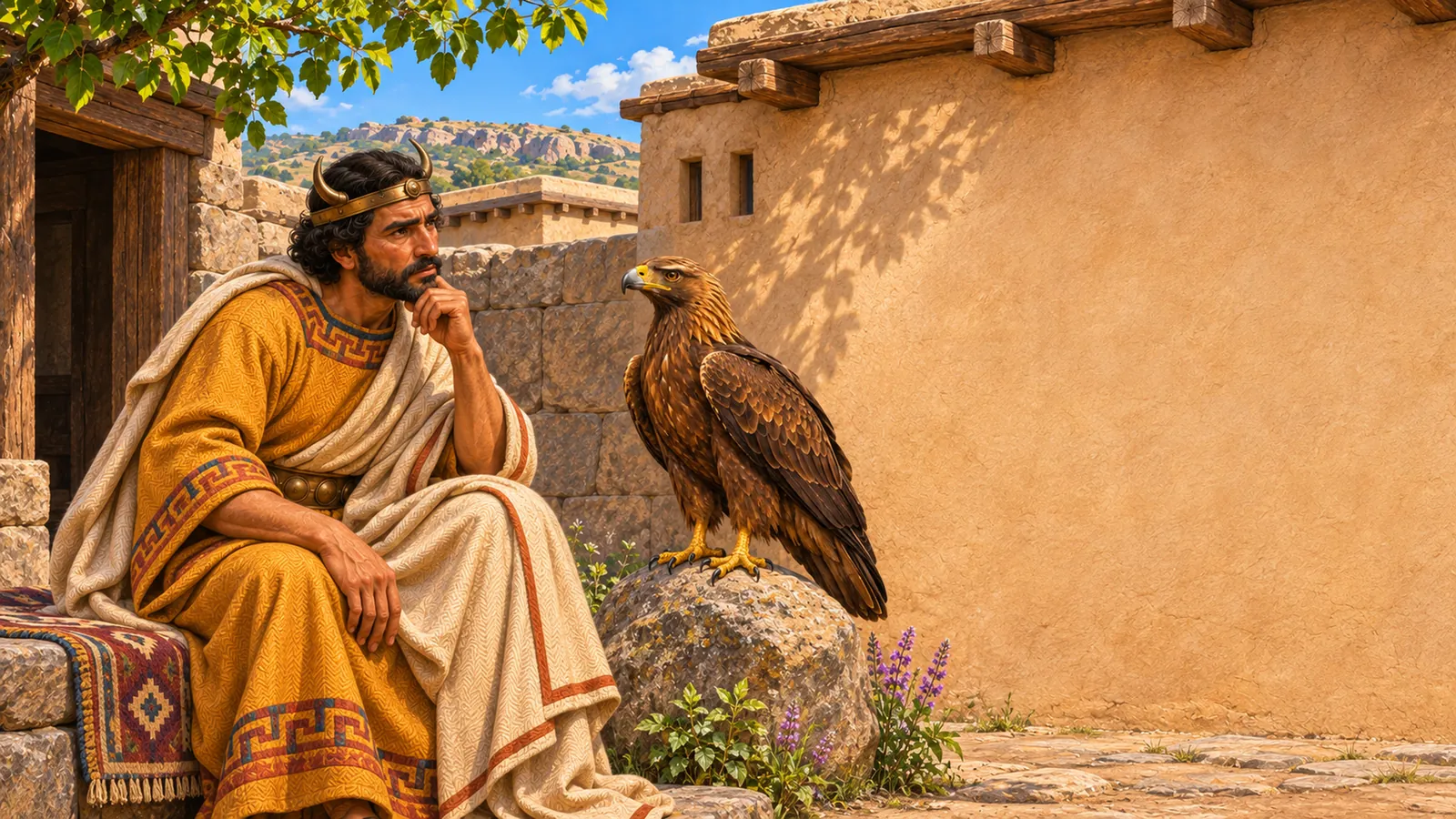
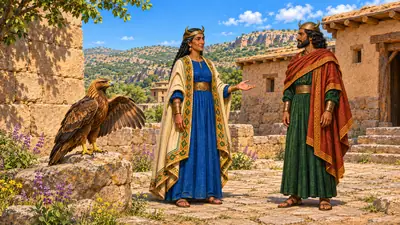
عاد العُقاب إلى إله الشمس وأبلغه فشله. فلم يجد تيليبينو، الإله العظيم الذي زعزع غيابه البلاد.
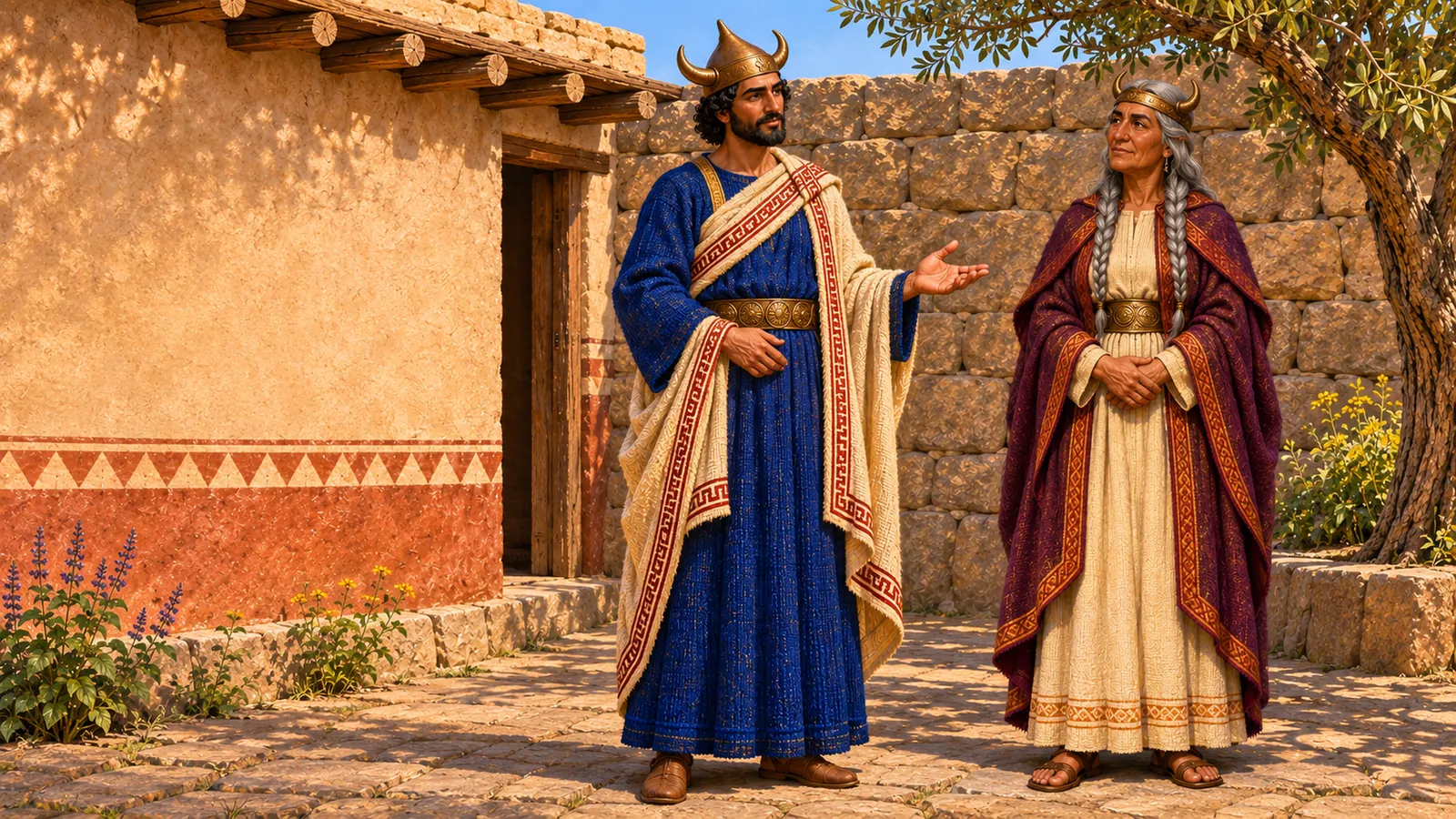
لجأ إله العاصفة إلى خنّاخنّا مضطربًا. وسأل عمّا يمكنهم فعله وخشي أن يموتوا جوعًا إن استمرّت الأزمة.
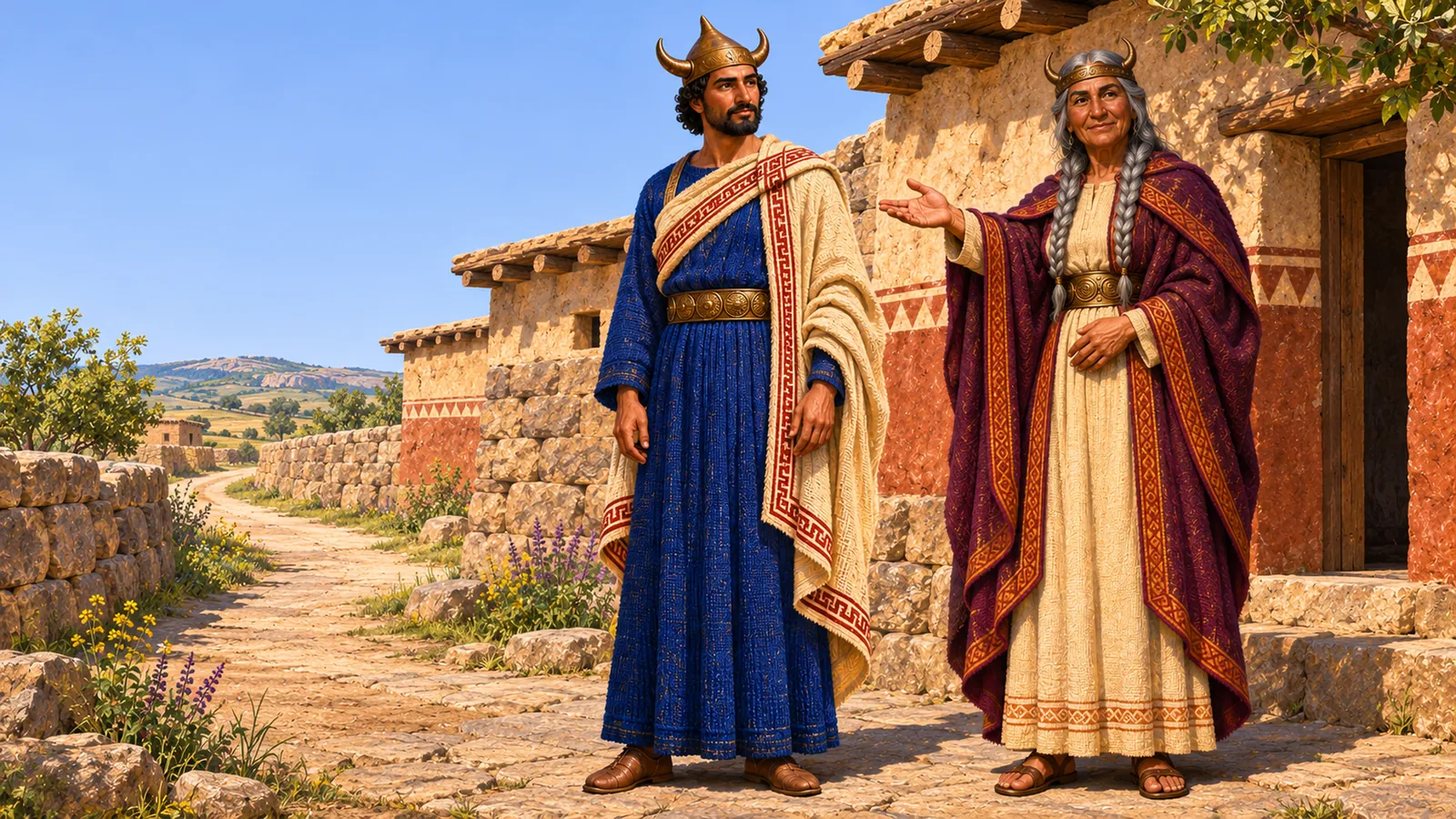
حثّت خنّاخنّا إله العاصفة على العمل والبحث بنفسه عن تيليبينو. فانطلق الأب يطلب الابن الذي لم يعثر عليه الآخرون.
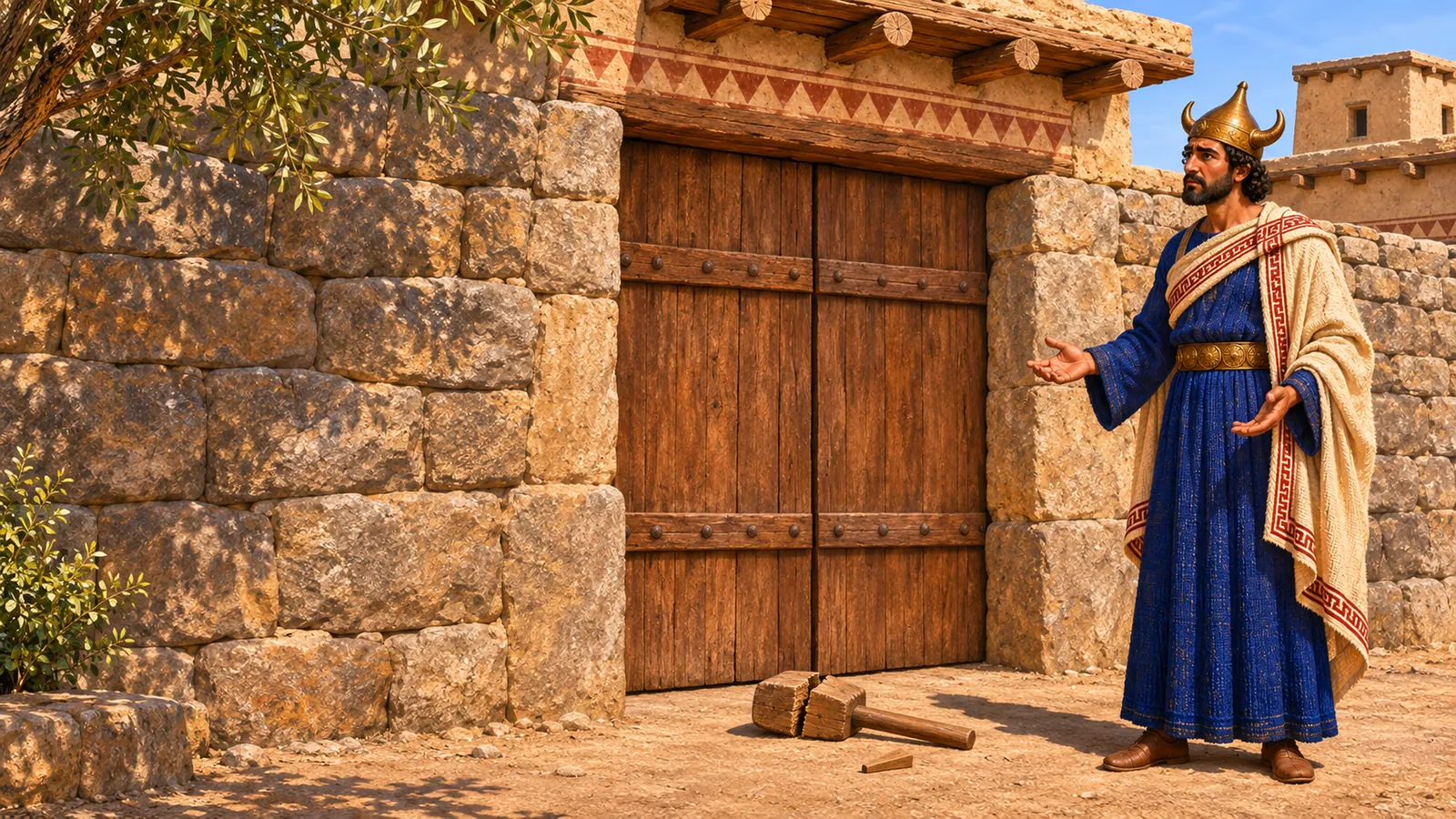
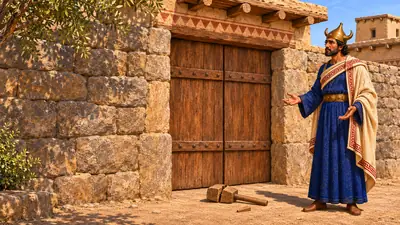
بلغ إله العاصفة باب مدينة لكنه عجز عن فتحه. ووفق هذه القراءة كسر مطرقته وإسفينه في محاولته الفاشلة.
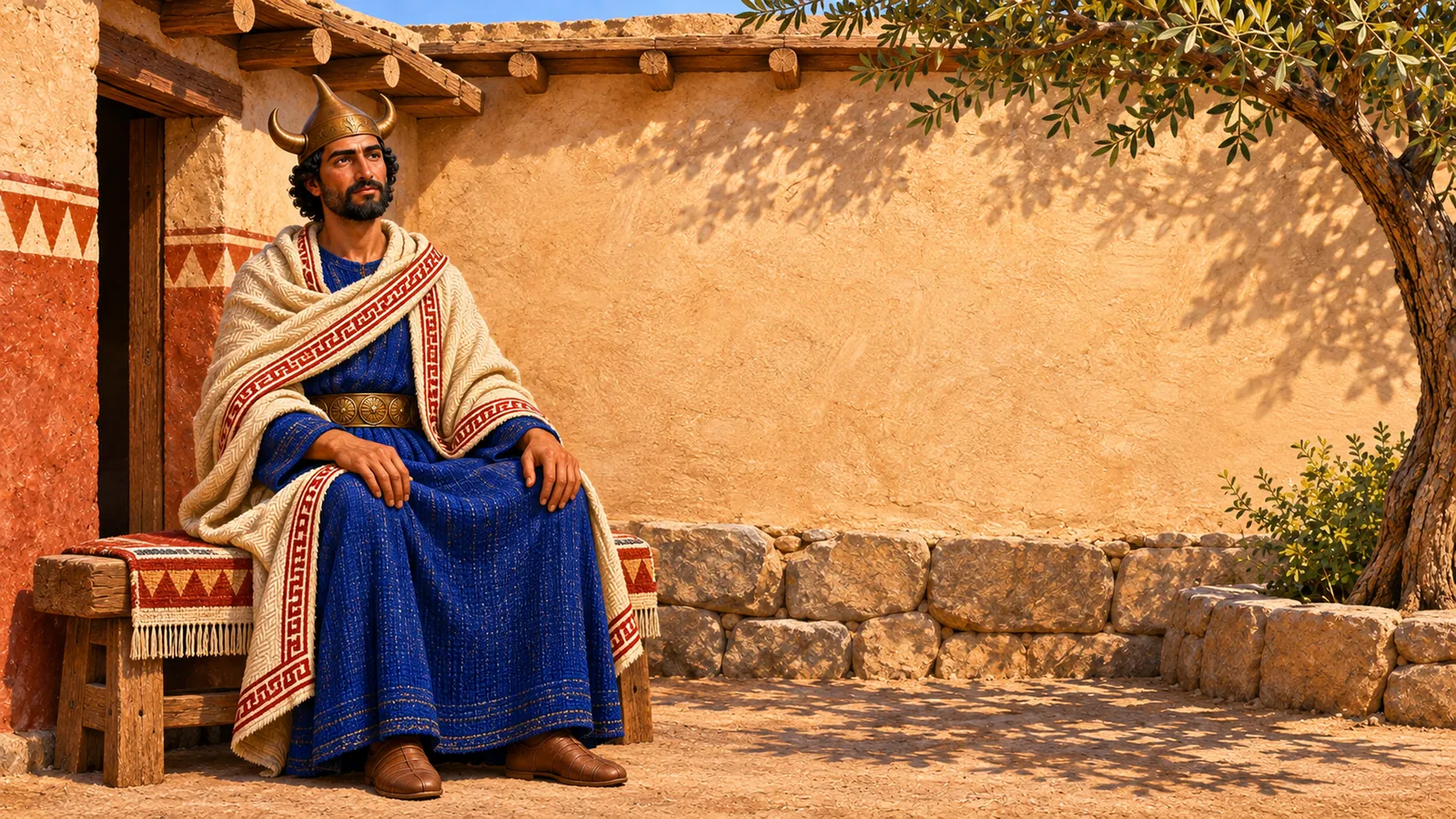
بعد البحث الفاشل التفّ إله العاصفة بثوبه وجلس. وكان تيليبينو لا يزال غائبًا، وسيُرسَل باحث من نوع آخر.
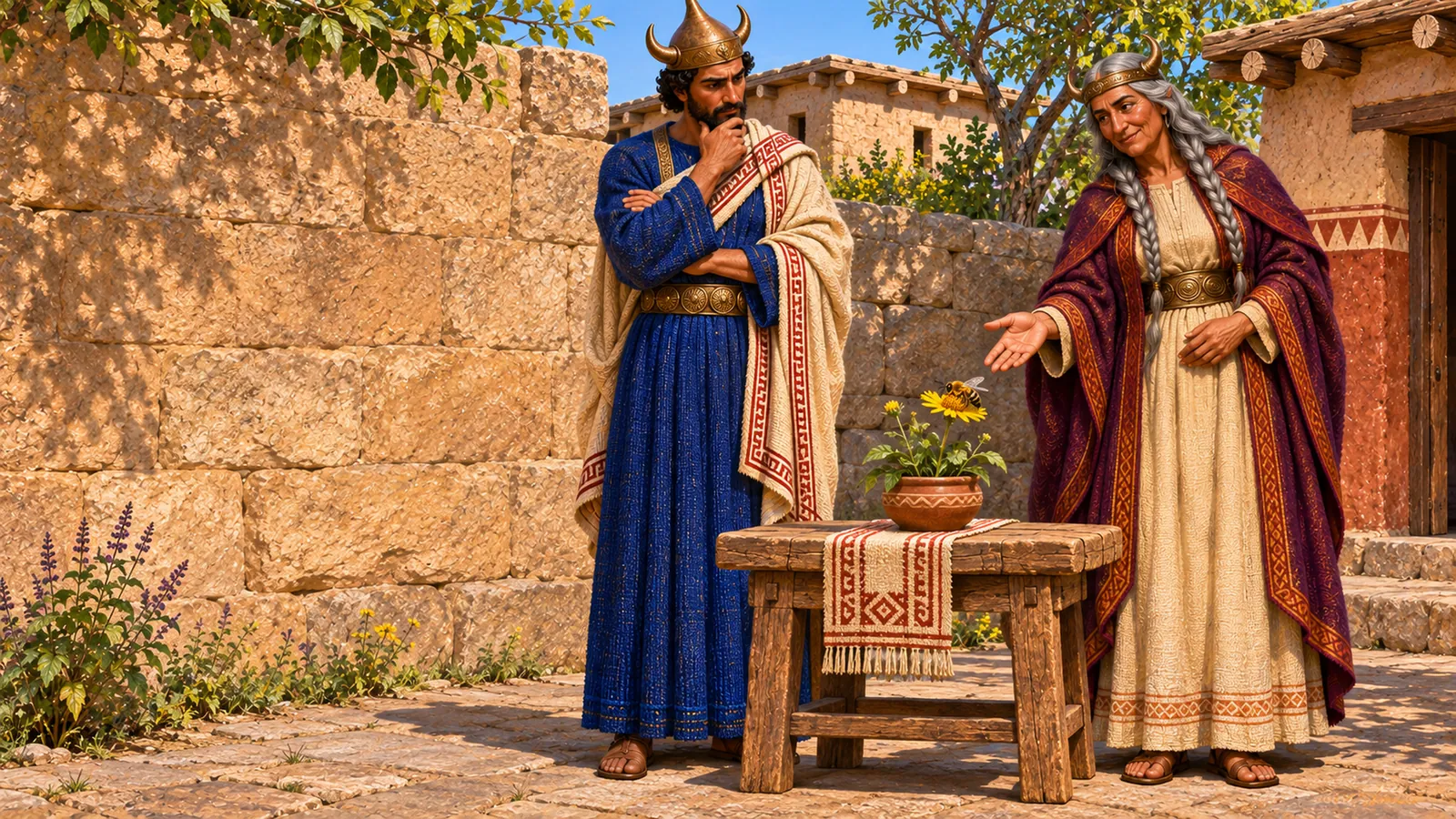
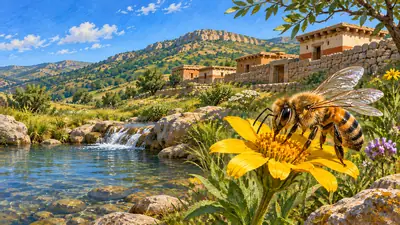
أرسلت خنّاخنّا نحلة للبحث عن تيليبينو. وشكّ إله العاصفة في قدرة هذا الكائن الصغير على النجاح حيث أخفقت الآلهة الكبيرة والصغيرة.
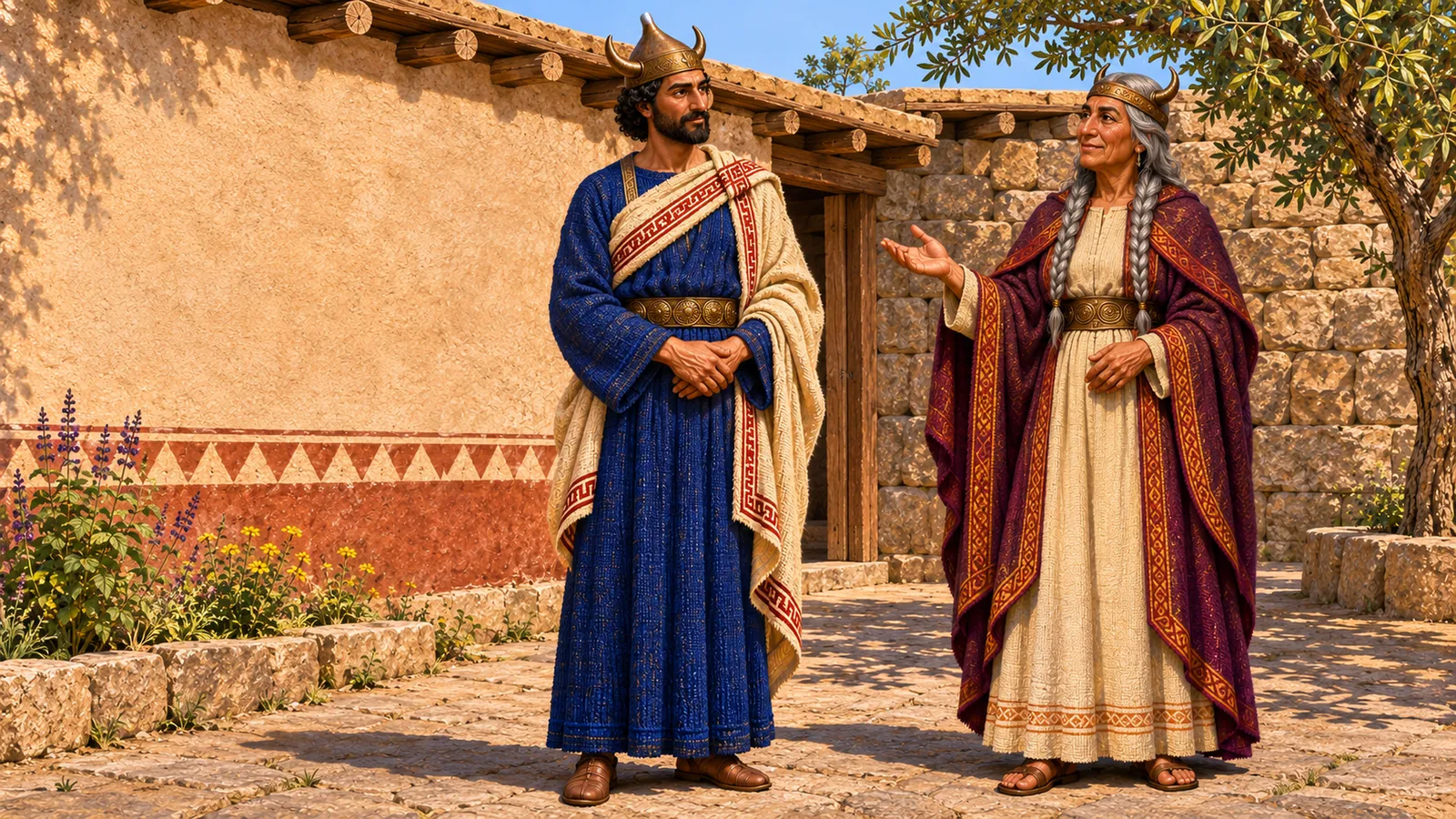
شكّك في جناحي النحلة الصغيرين وسخر منها بعبارة مختلف عليها. وتحفظ الرواية الثانية جواب خنّاخنّا، إذ أصرّت على أن النحلة ستجد تيليبينو.
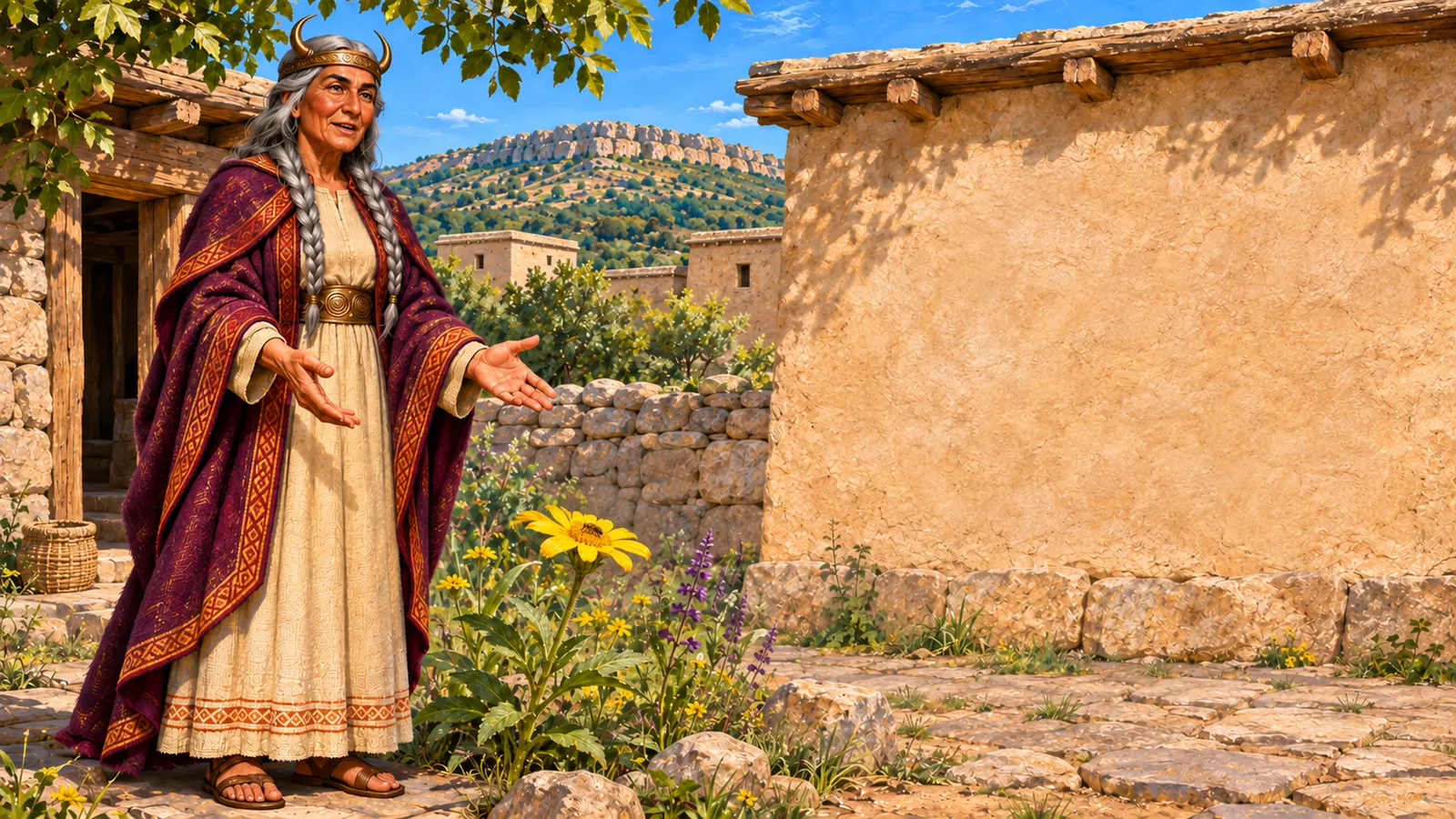
تحفظ الرواية الثانية تعليمات خنّاخنّا بأن تعثر النحلة على تيليبينو وتلسع يديه وقدميه وتمسحه بالشمع وتطهّره وتقدّسه، ثم تعيده.
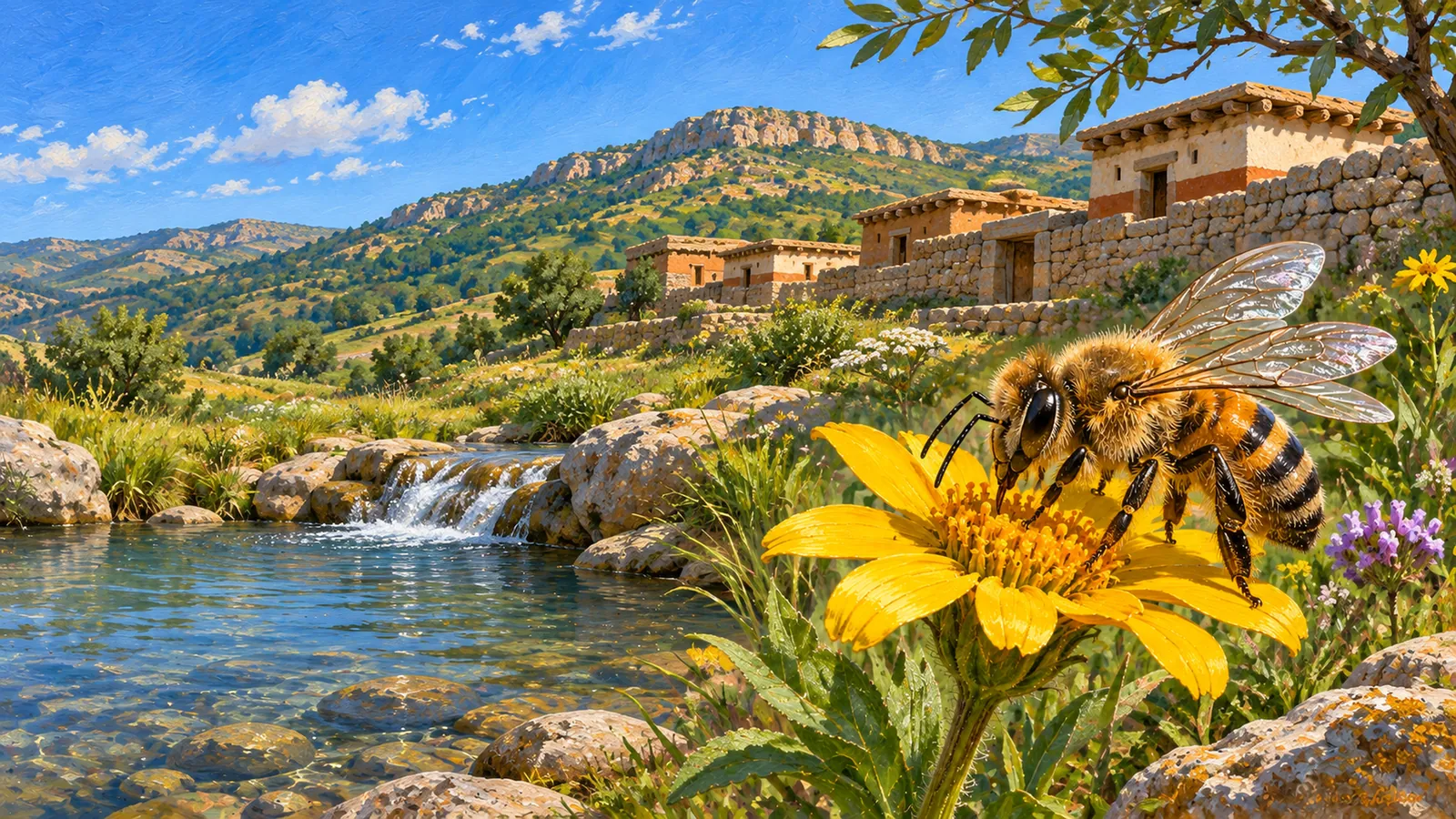
انطلقت النحلة تبحث، وعبرت الجبال والأنهار والينابيع في الرواية الثانية. ولم يمنعها جسمها الصغير من خوض الرحلة.
رواية ثالثة
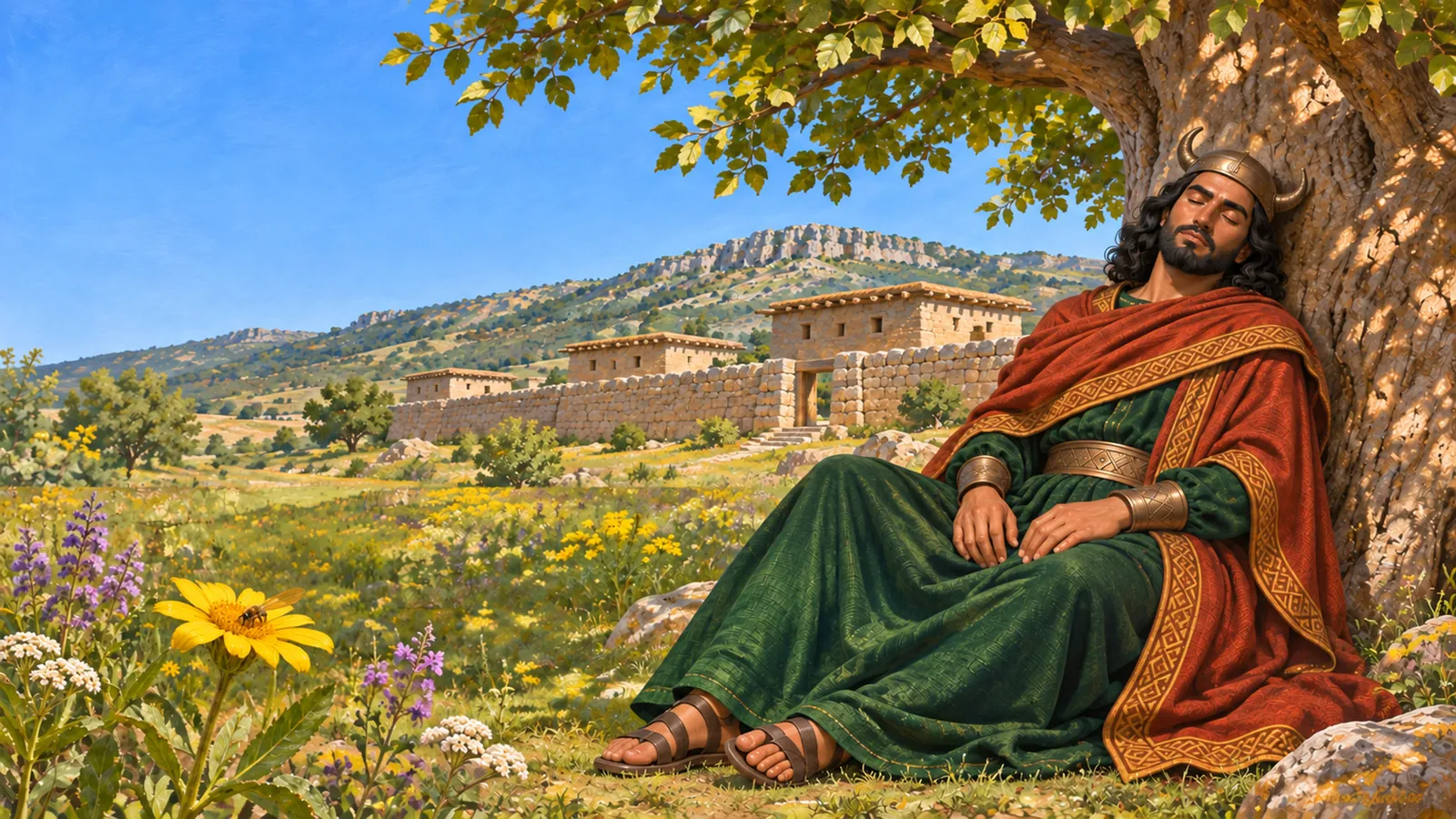
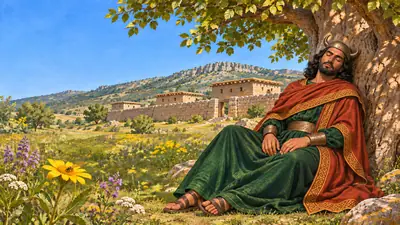
في الرواية الثالثة نفد عسل النحلة وشمعها. ويضع مقطع مرمّم جزئيًا تيليبينو في مرج بين الأشجار في ليخزينا، حيث وجدته النحلة.

لسعت النحلة تيليبينو في يديه وقدميه فنهض. ولم يكن العثور على الإله المختبئ قد جعله هادئًا بعد.
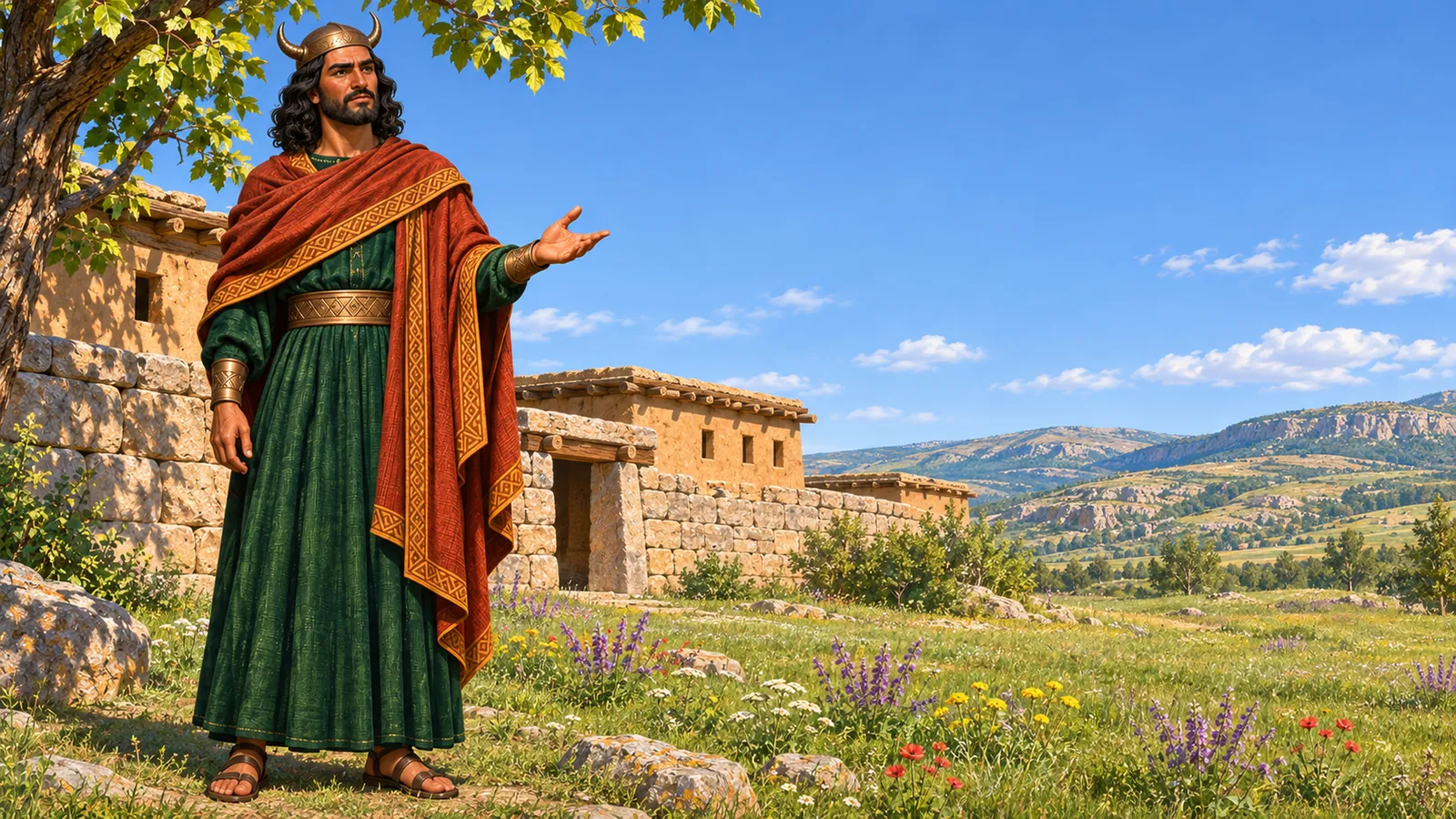
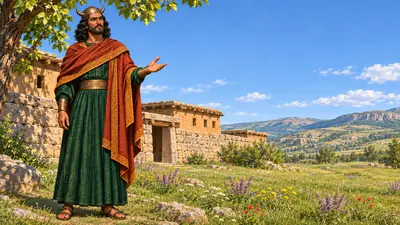
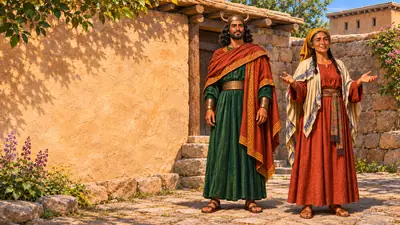
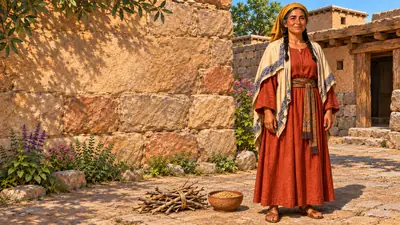
سأل تيليبينو لماذا أيقظوه من نومه وجعلوه يتكلم وهو غاضب. وعاد غضبه معه إلى العالم المكشوف.
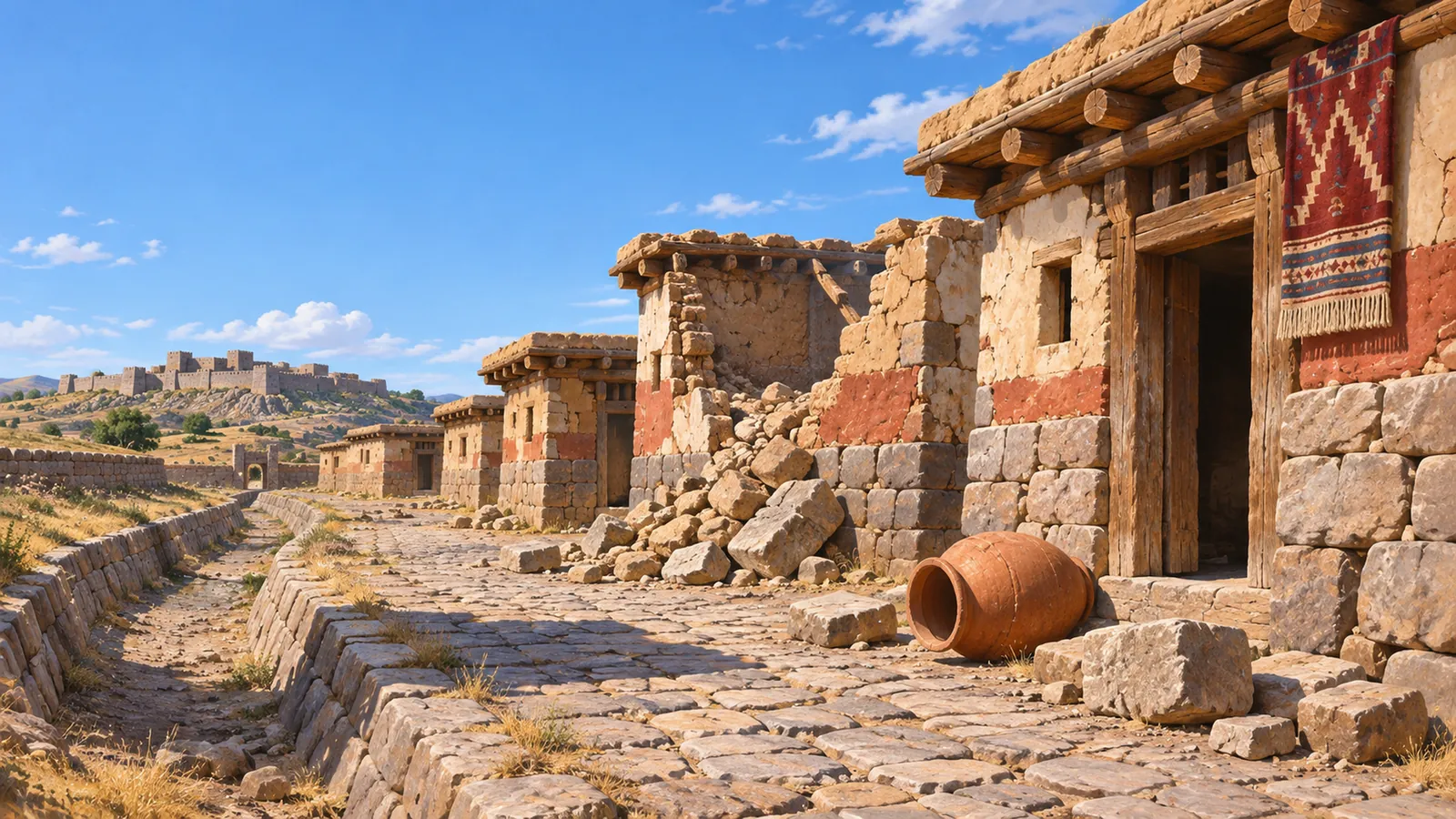
في هذه الرواية الثالثة التالفة حوّل تيليبينو مجاري الأنهار ودمّر المدن والبيوت وقتل الناس والأبقار والأغنام. فأدّى العثور عليه إلى تفاقم الأزمة قبل عودة الهدوء.
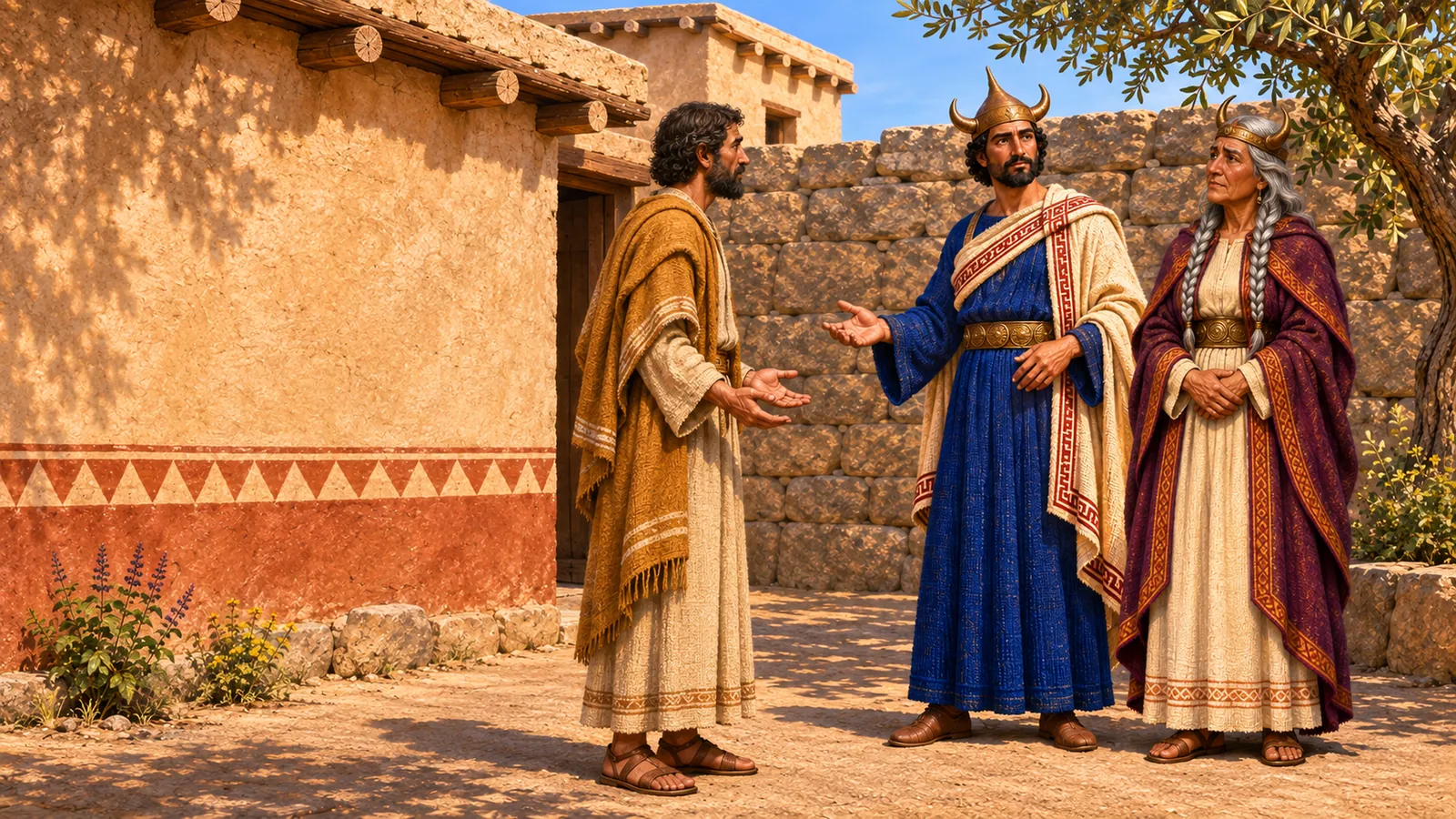
واجهت الآلهة غضب تيليبينو المتجدّد وسألت عمّا ينبغي فعله. وتتجه الكلمات الباقية إلى مساعدة البشر ومحاولات أخرى لإزالة سخطه.
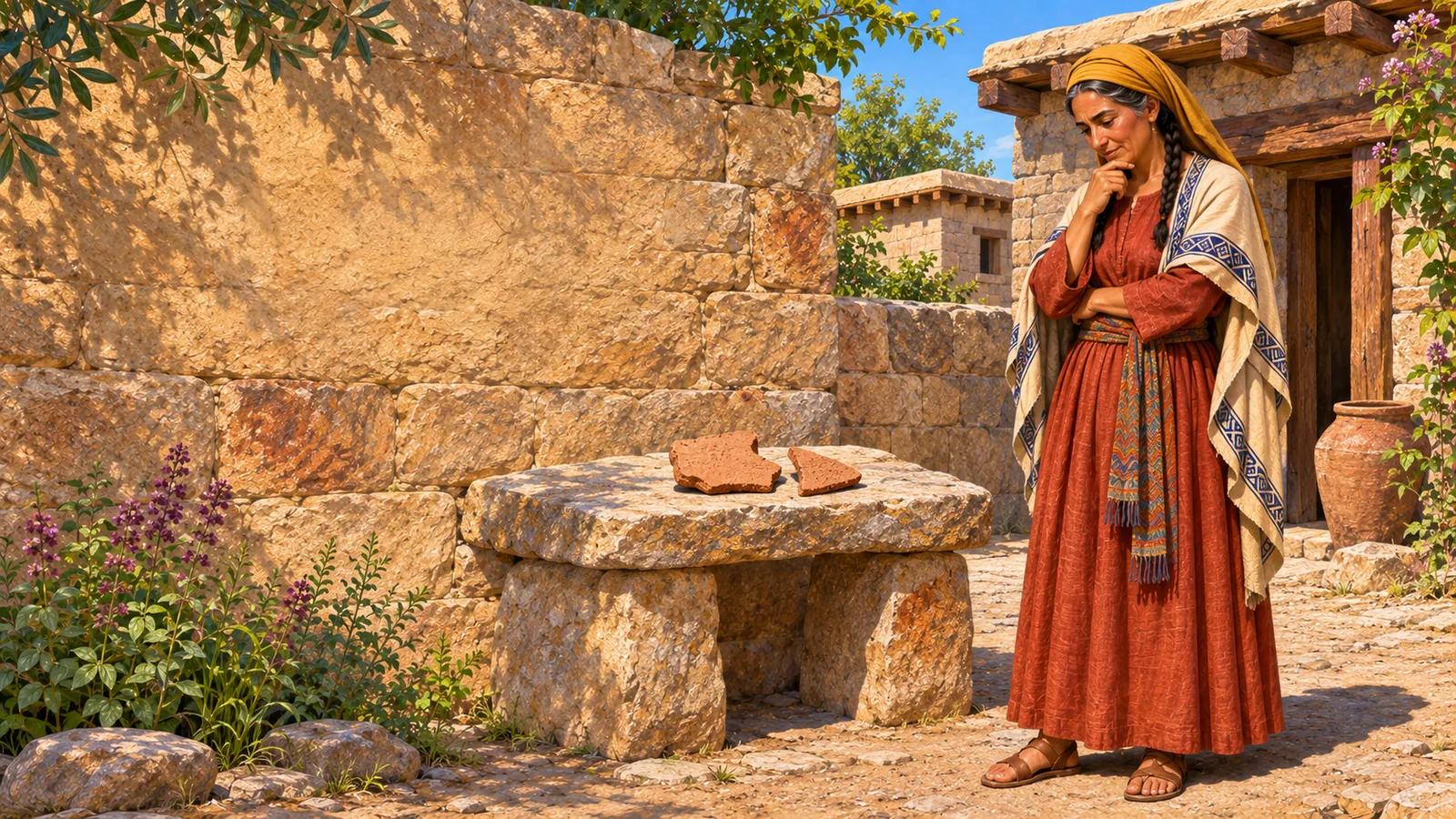
تذكر تعليمات مكسورة عون البشر وشوكة لسع أو أداة عند جبل أمّونا وعُقابًا وإحراقًا. ولا تحفظ خبرًا كاملًا عمّا أُحرق.
الرواية الأولى
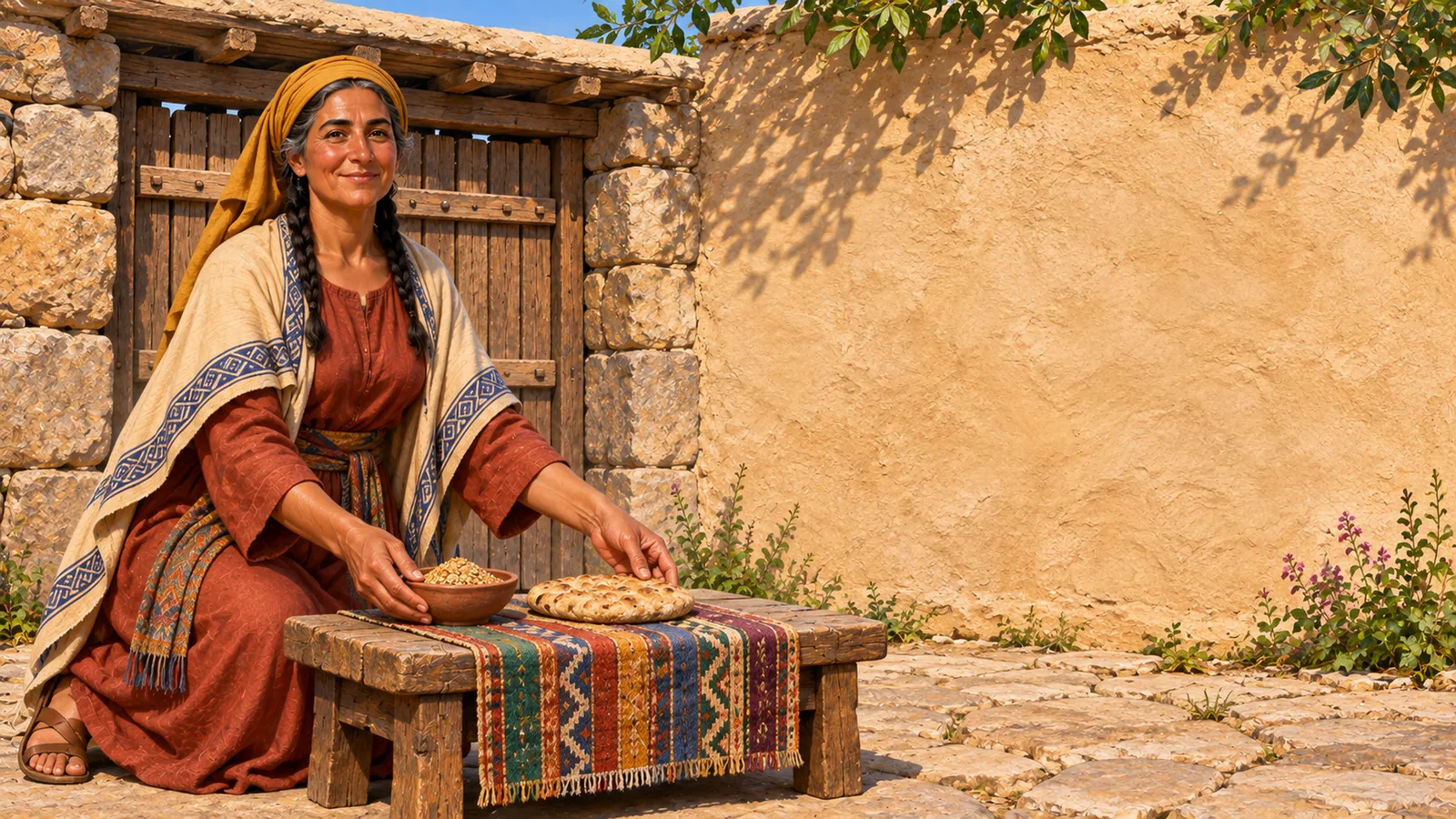
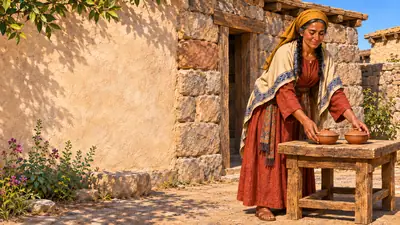
نعود إلى الرواية الأولى، حيث تذكر أسطر مكسورة شعيرًا مُنبَتًا وخبز جعة مسحوقين، ثم قطعًا غير واضح عند باب. ويبدأ الطقس كلمات التهدئة.
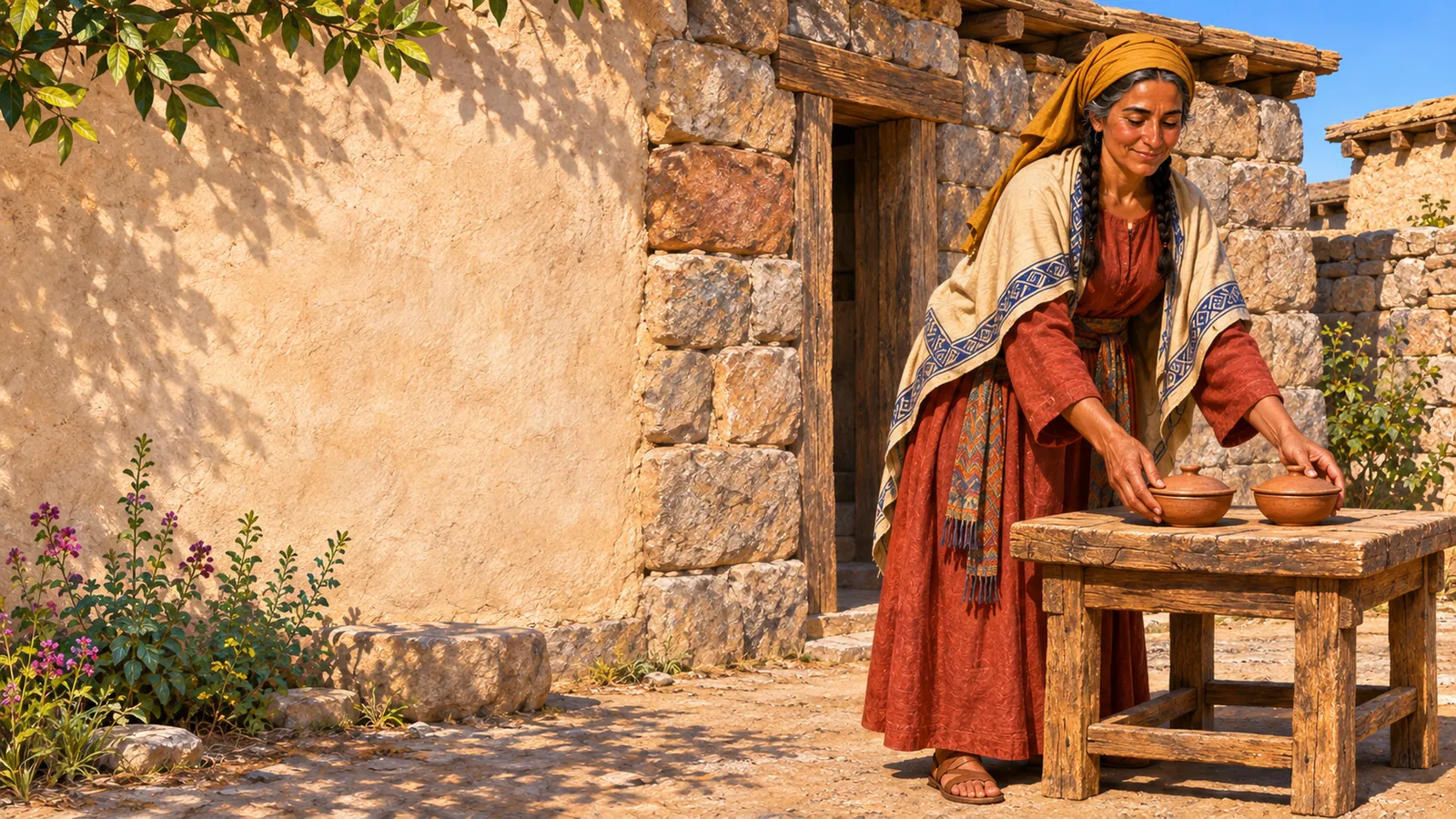
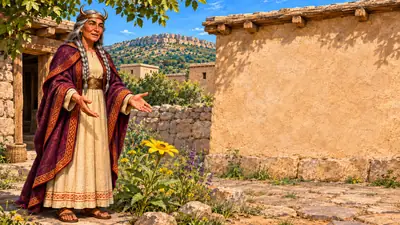
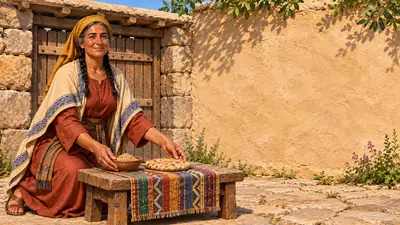
يعرض الصوت الطقسي مادّتين تُدعيان غالاكتار وبارخوينا. وهويتهما الدقيقة غير مؤكّدة، لكن الكلمات تطلب هدوء قلب تيليبينو وباطنه.
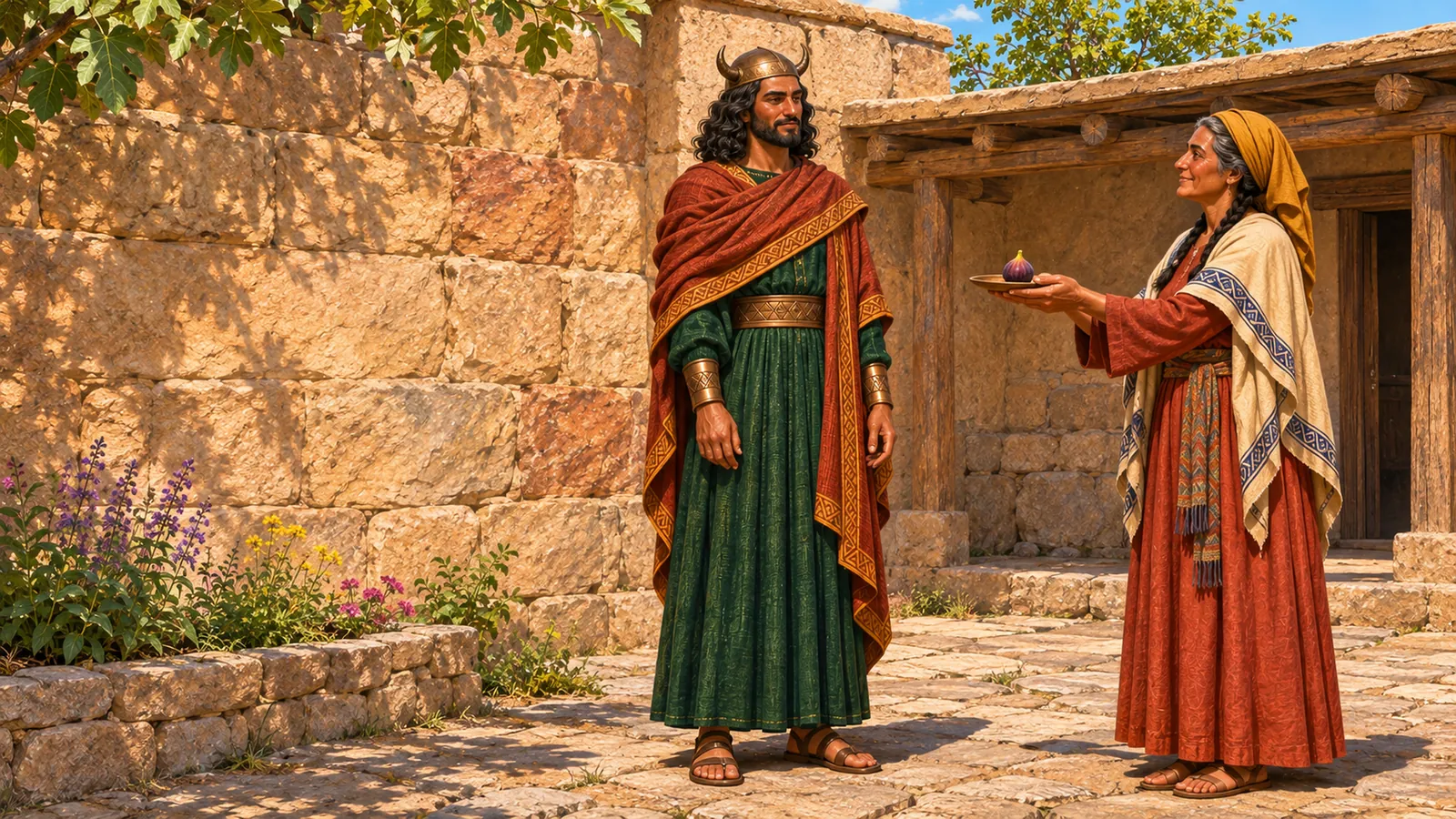
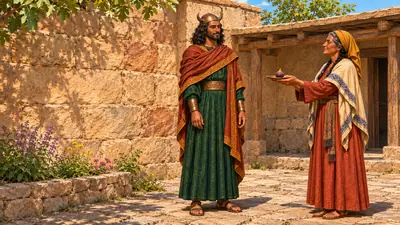
وُضعت تينة أمام تيليبينو. وكما أن الثمرة حلوة دعت التلاوة إلى أن يحلو باطنه ويبتعد عن الغضب.

كما تحتفظ الزيتونة بالزيت والزبيبة بالخمر في داخلها، طلبت الكلمات من تيليبينو أن يحفظ الملك في الخير داخل قلبه.

تقول رواية موازية إن الجعة تُسكِر الغاضب أو القلِق، وتتمنى أن يفعل الشعير المُنبَت وخبز الجعة الشيء نفسه بتيليبينو.

تقارن الرواية الأولى حلاوة العسل ولين السمن بالحال المرجوّة لتيليبينو. ويُطلب من باطنه أن يصير لطيفًا نقيًّا متقبّلًا لكلمات البشر.
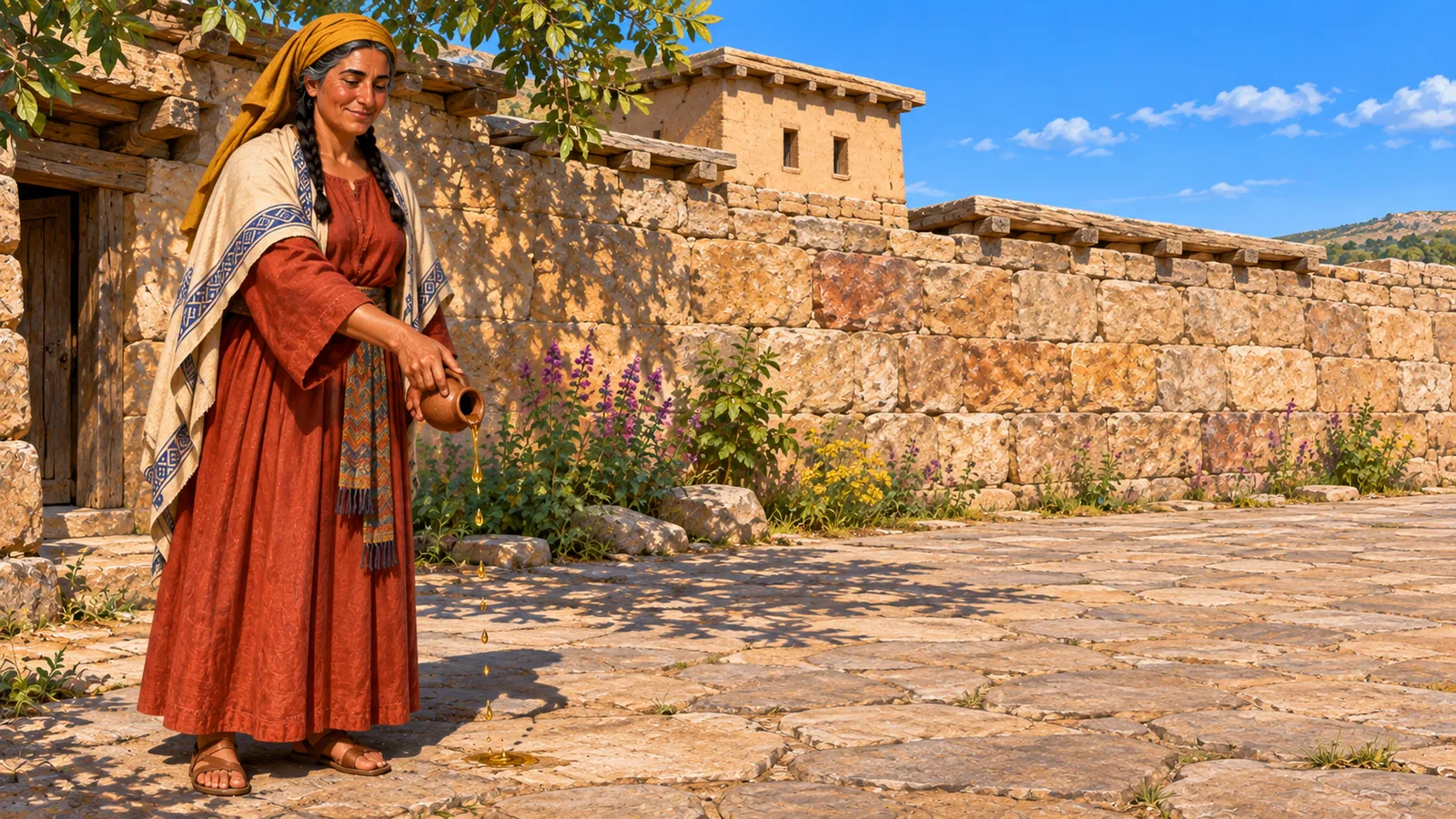
يعلن الصوت الطقسي رشّ دروب تيليبينو بزيت نفيس ودعوته إلى سلوكها. وتطلب تشبيهات أخرى أن يستقيم نظامه كقصبة مستقيمة متّسقة الأجزاء.
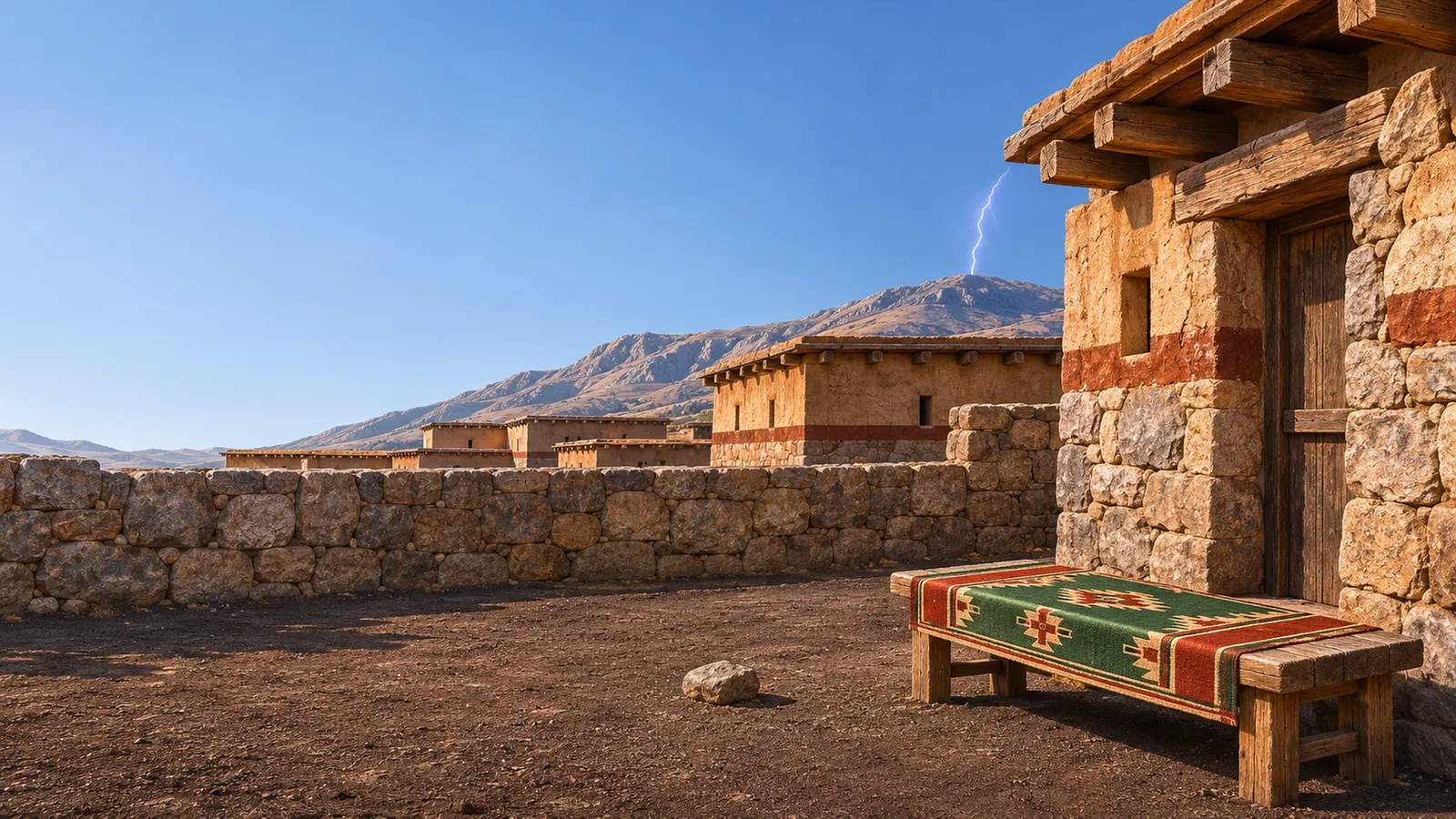
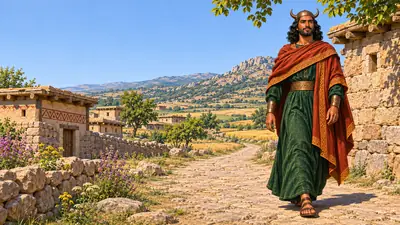
وصل تيليبينو غاضبًا يرعد مع البرق ويضرب الأرض المظلمة. وفي الرواية الأولى كانت عودته لا تزال تحتاج إلى من يوقف سخطه.
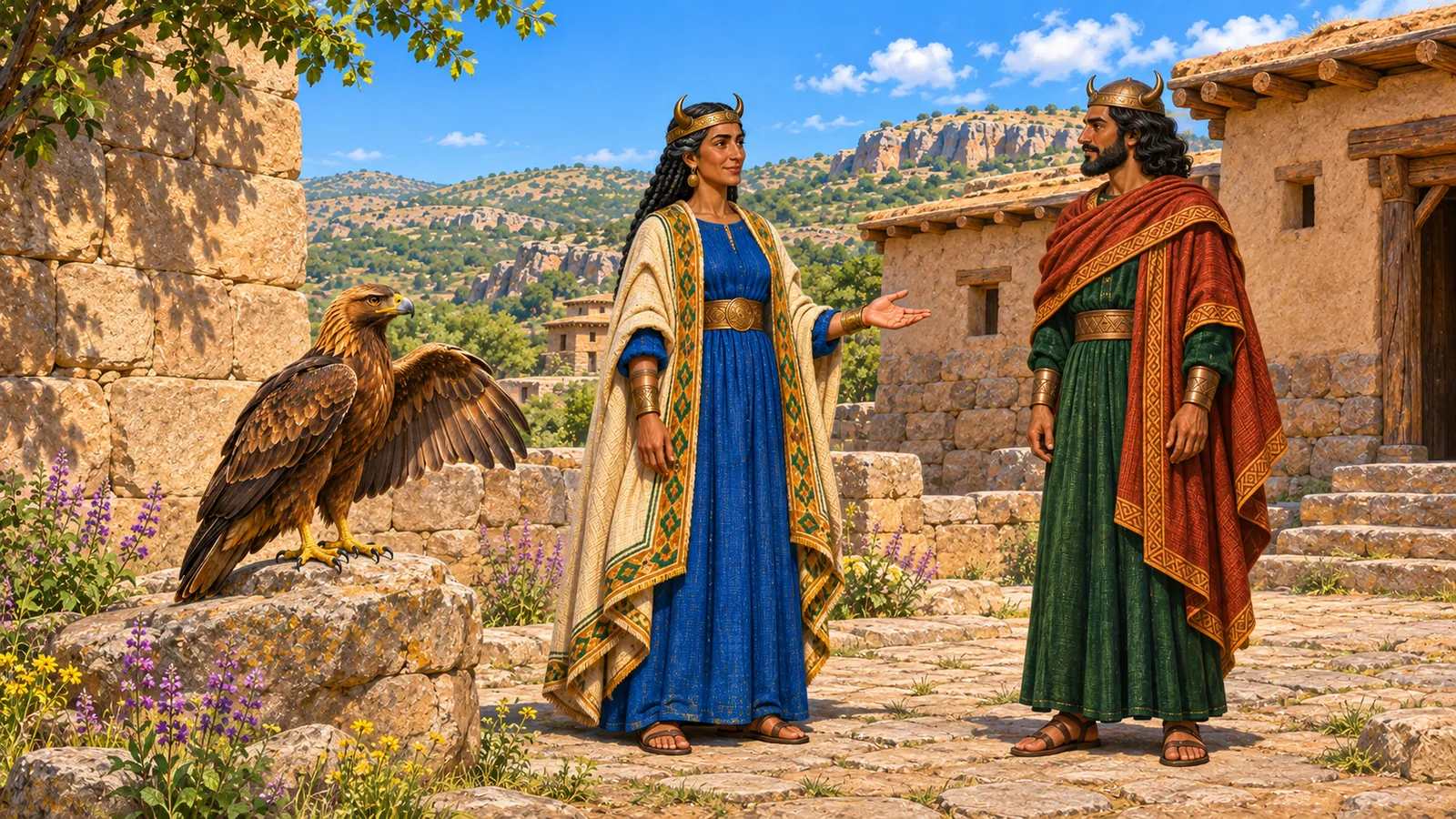
رأت كامروشيبا تيليبينو وحرّكت جناح عُقاب في مقطع طقسي تالف. وأوقفت الغضب والسخط والتجاوز والضيق الذي كان يعتريه.
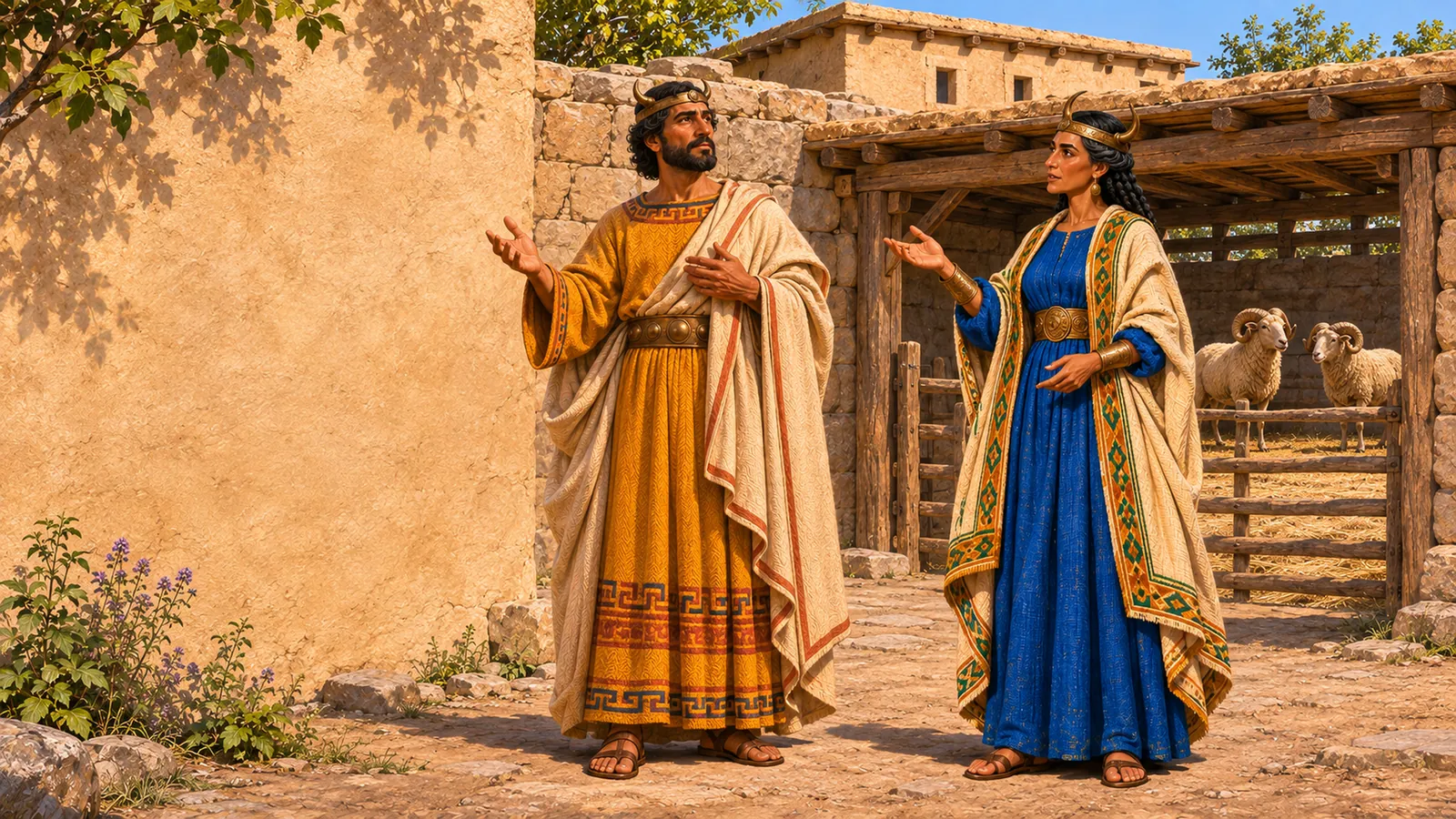
وجّهت كامروشيبا الآلهة إلى أغنام إله الشمس التي يرعاها خابانتالي وطلبت اثني عشر كبشًا. ووفق هذه القراءة العلمية، كان المطلوب جزّها لمعالجة أطراف تيليبينو.

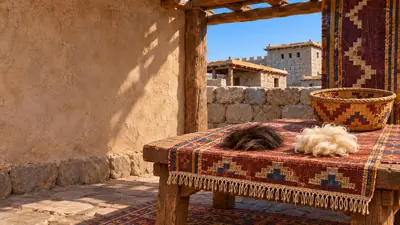
تصف التلاوة أخذ سلّة ذات ألف ثقب وفرش جُزازات صوف الكباش عليها. وحملت السلّة المثقّبة المادة المستخدمة في التطهير.
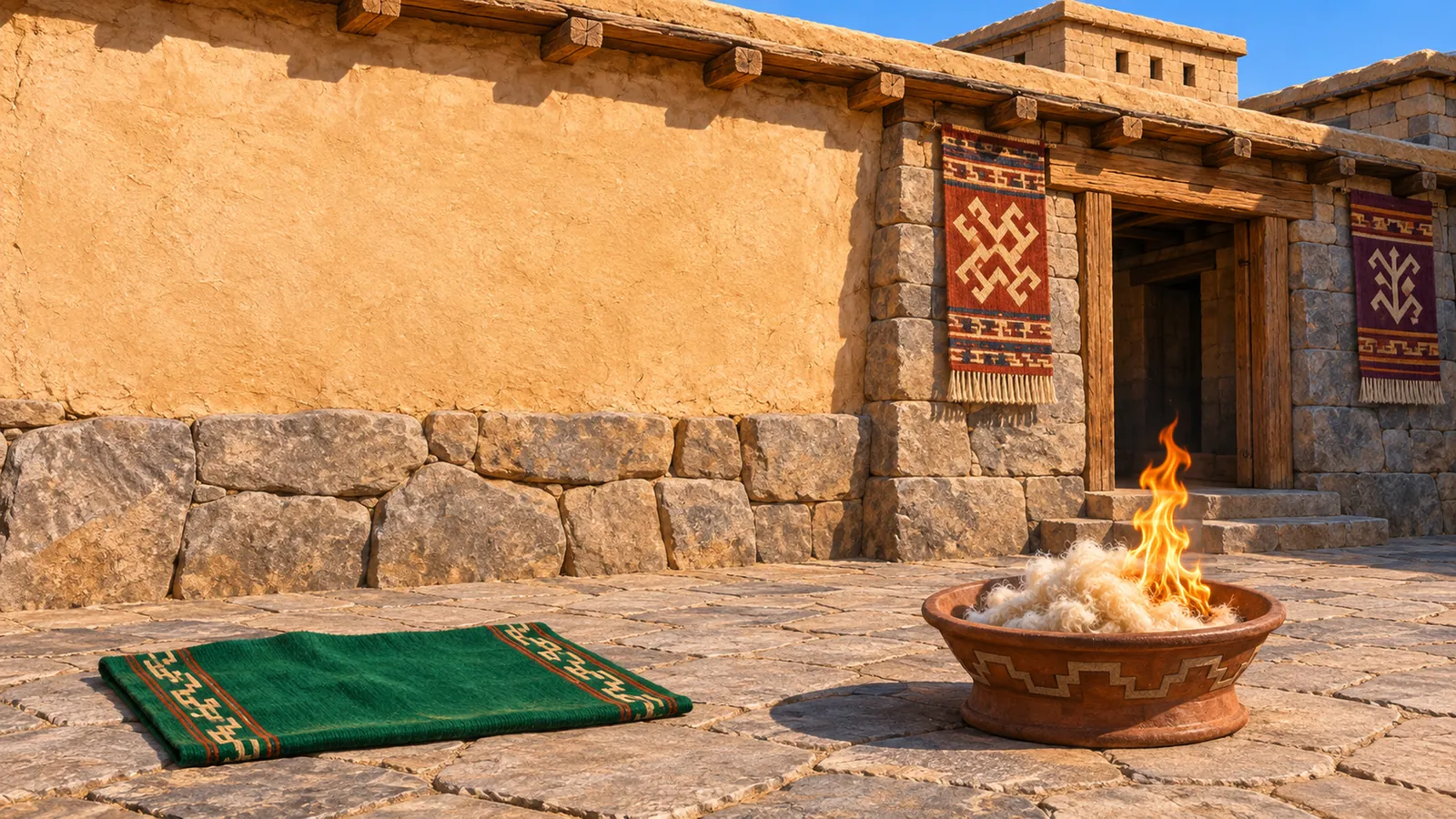
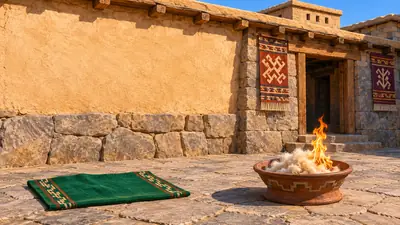
تصف التلاوة إحراق المادة في جانب من تيليبينو ثم في الجانب الآخر. وسعى الطقس إلى حمل غضبه بعيدًا عن جسده.
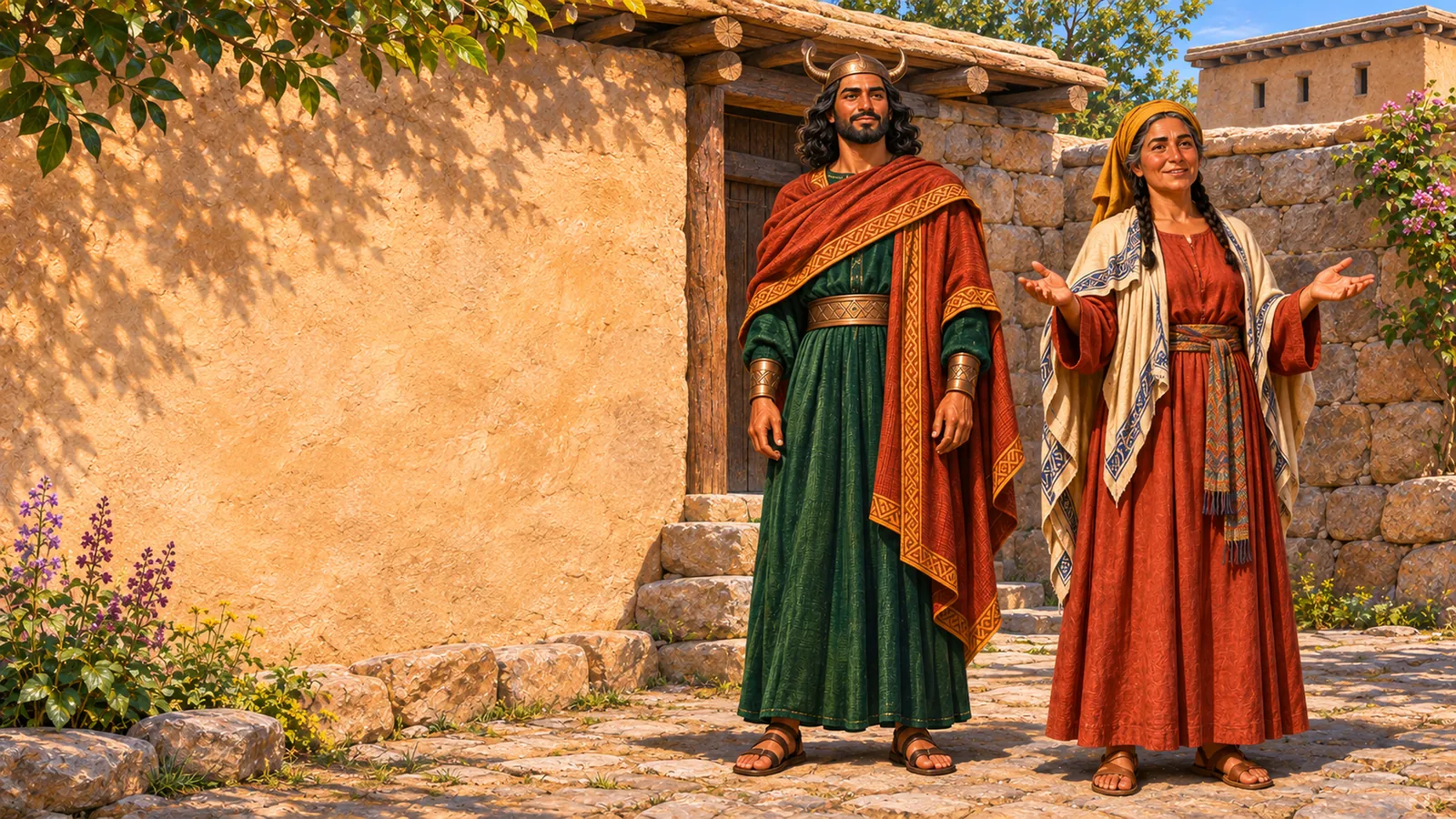
يقول الصوت الطقسي إن الشر والتجاوز والسخط والغضب والضيق قد أُخذت من تيليبينو. وتلك هي الأثقال التي سعى الطقس إلى إزالتها.
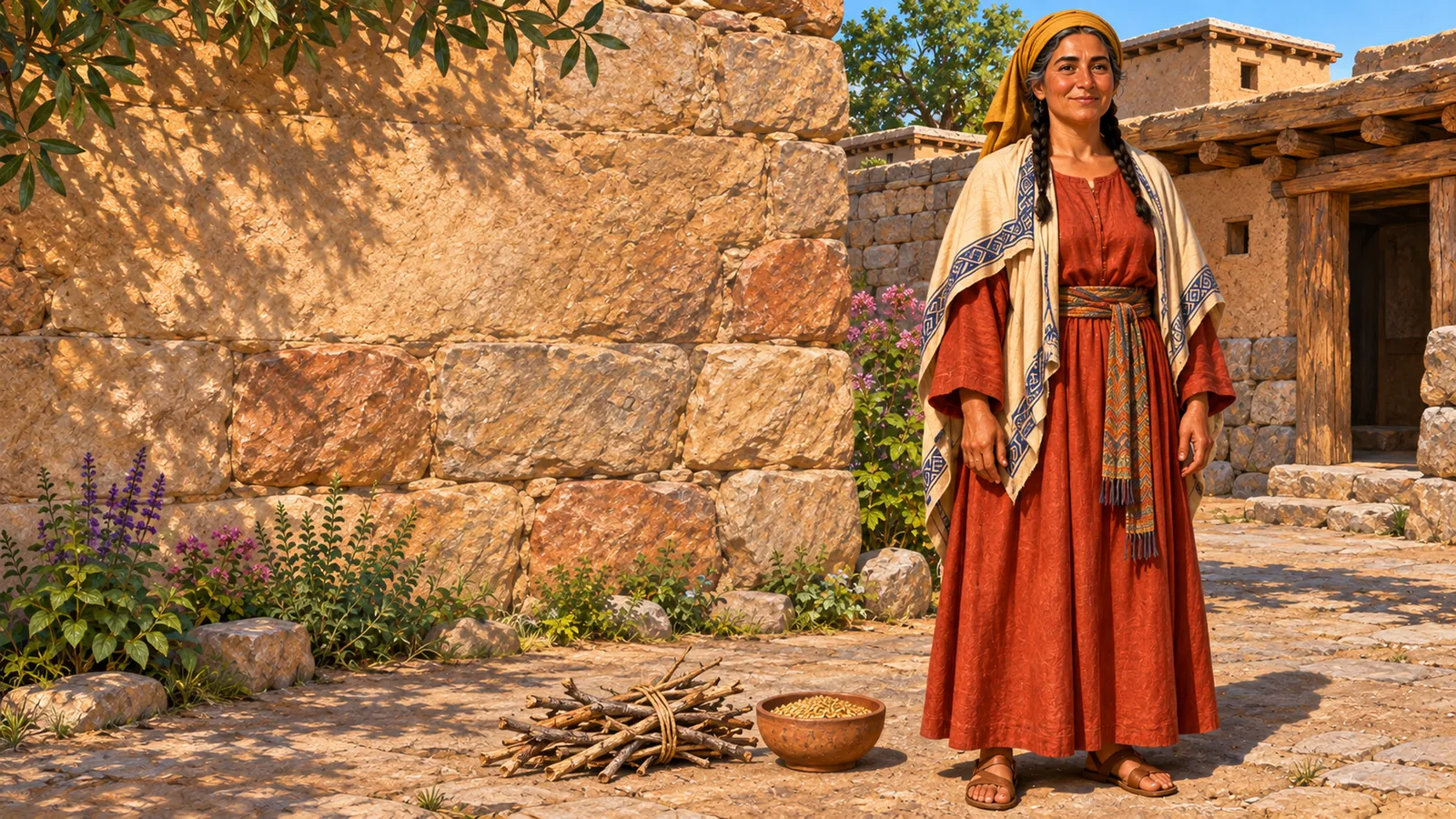
شبّهت الكلمات الغضب بحطب يحترق وشعير مُنبَت يجفّ. وطلبت أن يحترق سخط تيليبينو ويذبل مثل تلك المواد.
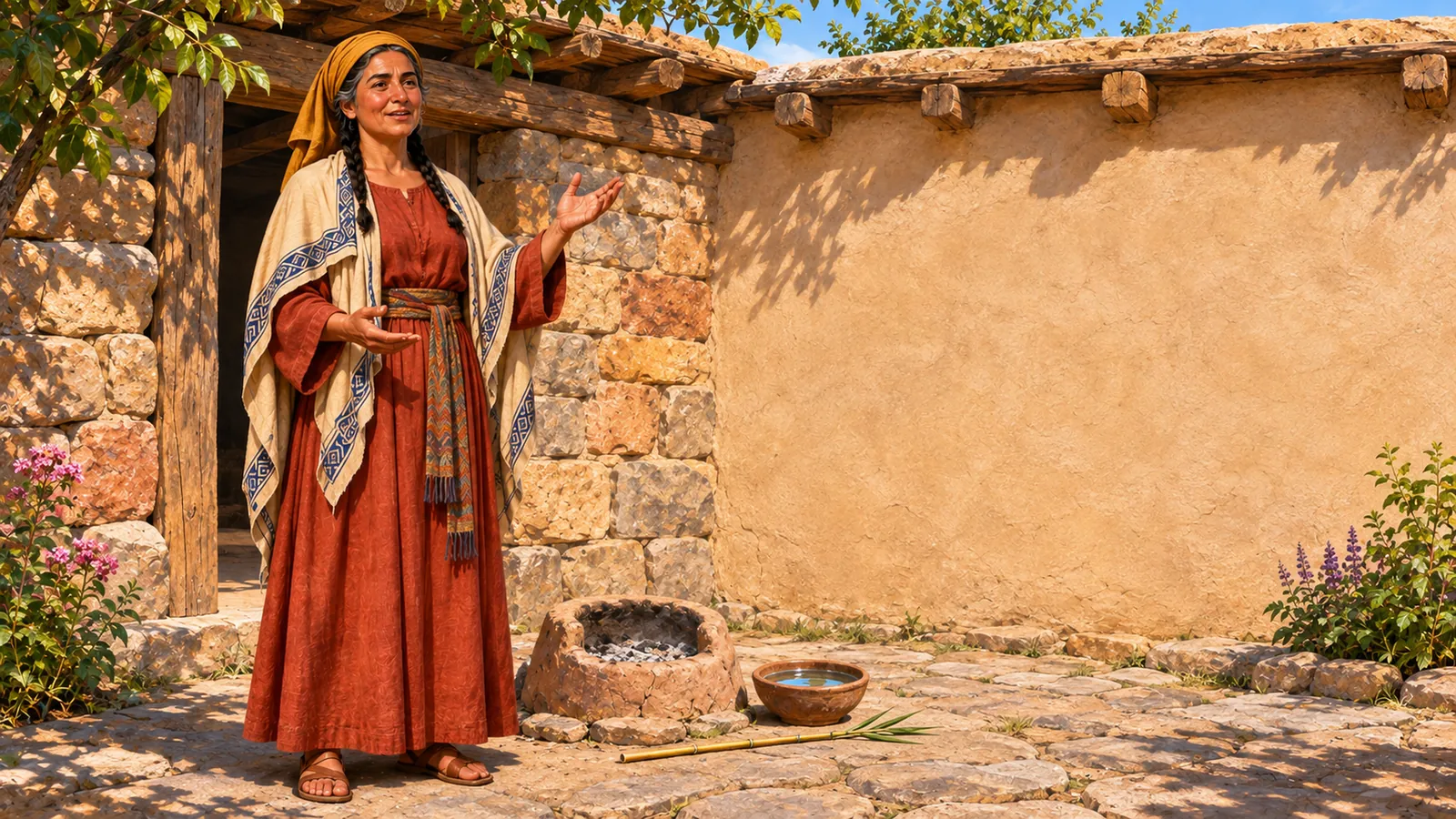
كما تنطفئ النار ولا يرجع الماء إلى الوراء في قصبة، تمنّت التلاوة أن يرحل غضب تيليبينو وألّا يعود.
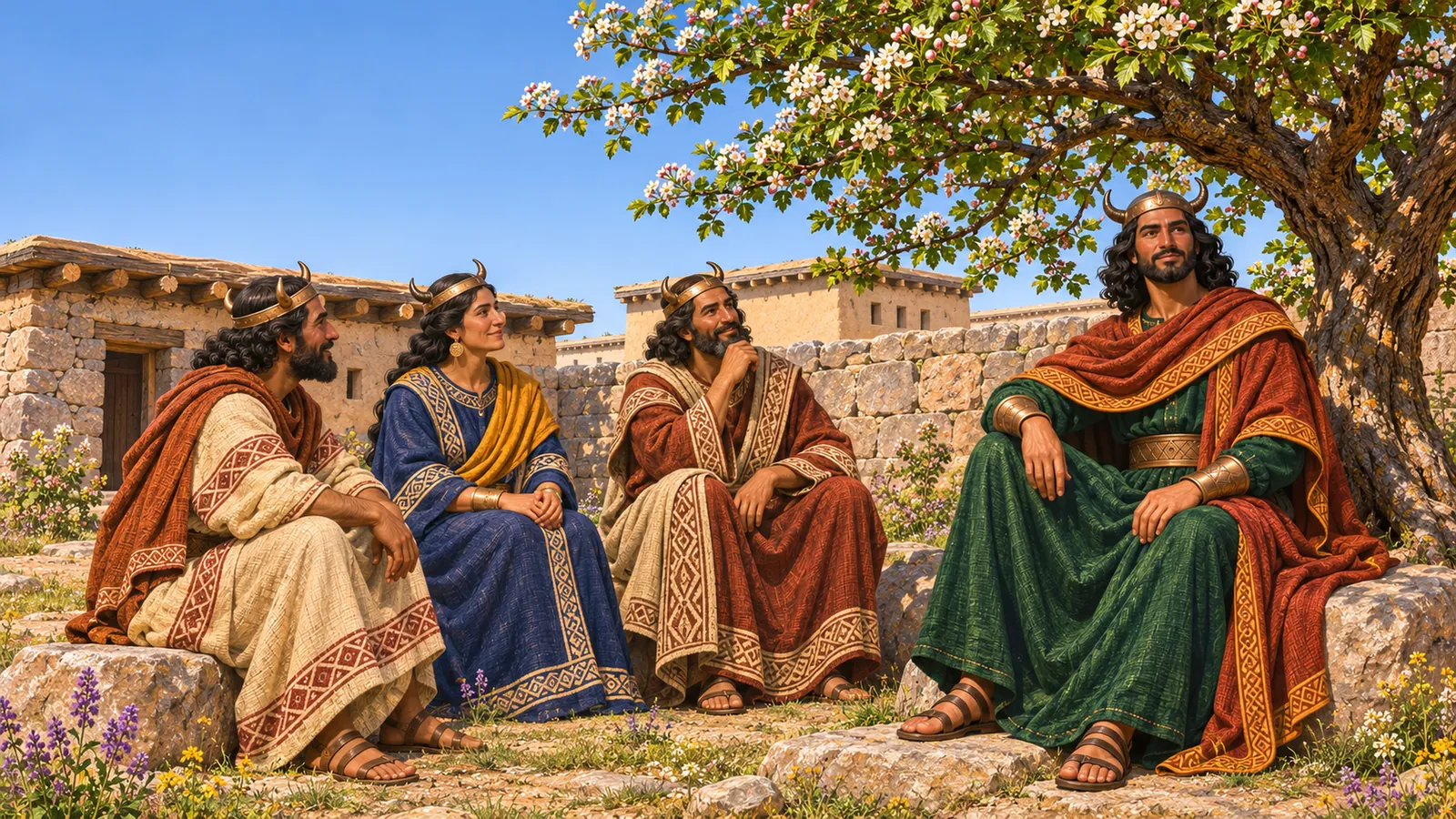
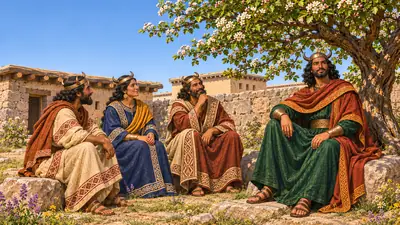
جلس الآلهة معًا تحت شجرة زعرور وكان تيليبينو بينهم. ووصف الصوت الطقسي تطهيره في مجلس رُمّمت بعض أسماء أعضائه.
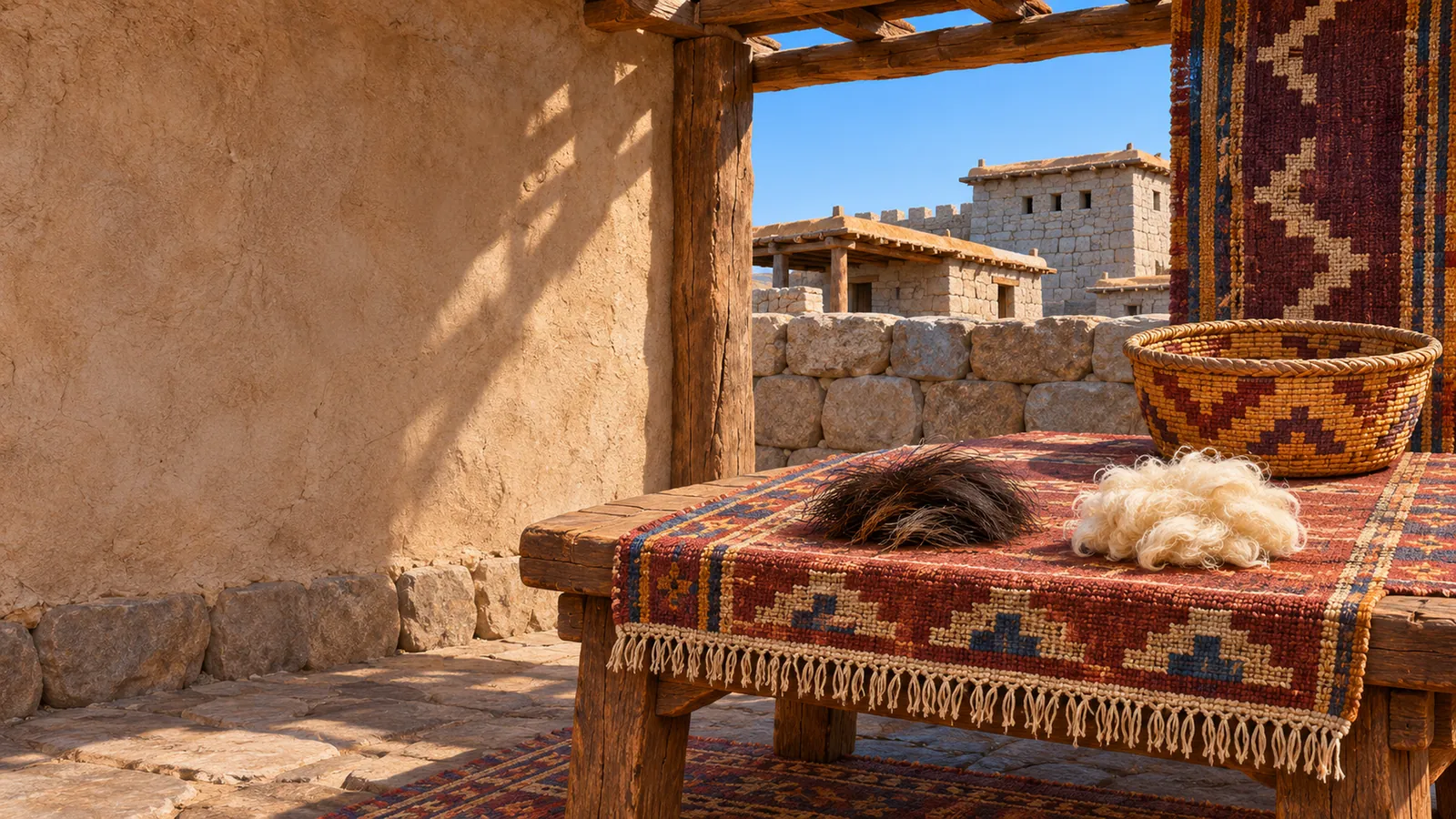
شبّهت التعويذة سحب الغضب بنتف الشعر والصوف من ماشية تمرّ. وطلبت أن يُزال سخط تيليبينو بالطريقة نفسها.
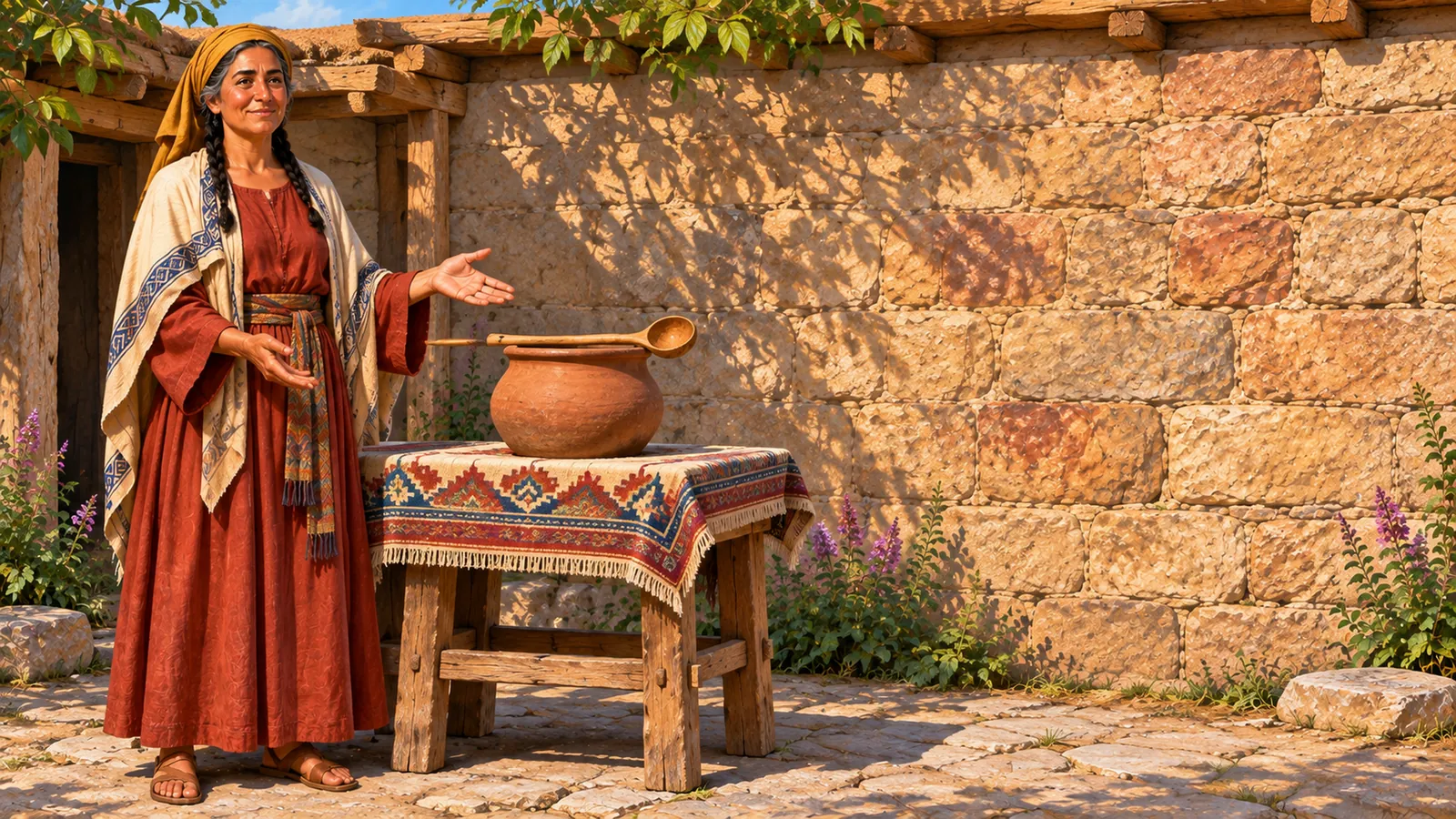
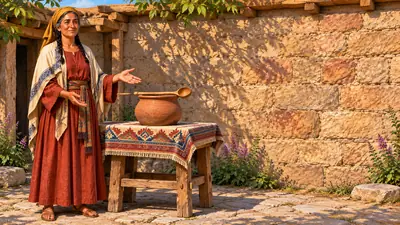
شبّهت التعويذة الكلمات بتابع يكبح إله العاصفة ومغرفة تكبح قدرًا. وطُلب من كلمات البشر أن توقف غضب تيليبينو بالطريقة نفسها.

دعت التلاوة البيت والنافذة والباب والطريق الملكي إلى إطلاق الغضب. وعليه أن يتجنب الحقل والبستان والغابة ويسلك الطريق إلى الأرض المظلمة.
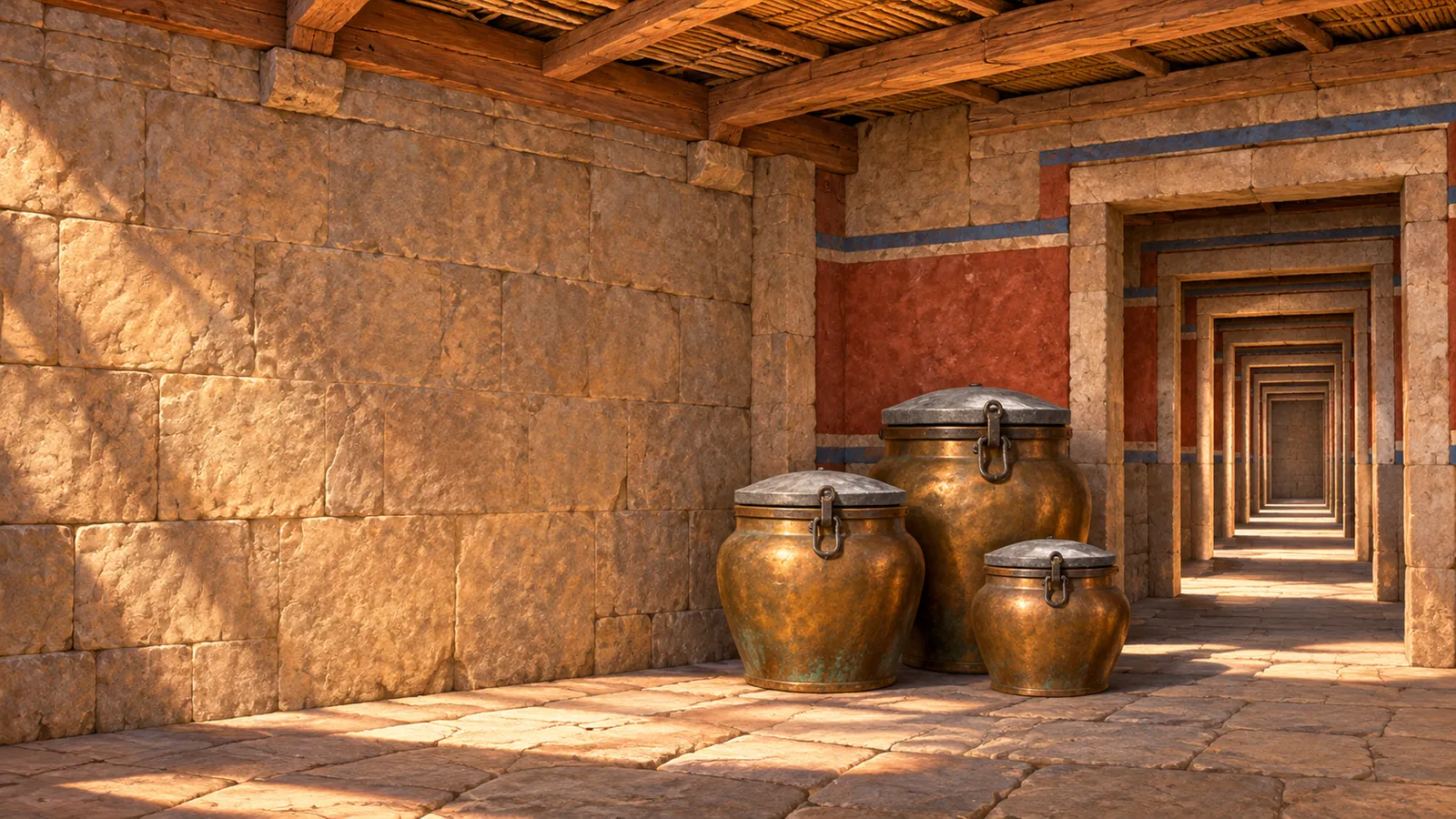
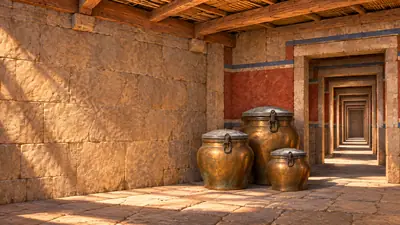
استحضرت التلاوة حارسًا يفتح سبعة أبواب في الأسفل وأوعية برونزية بأغطية رصاصية ومغاليق حديدية. وتمنّت حبس الغضب فيها دون عودة.
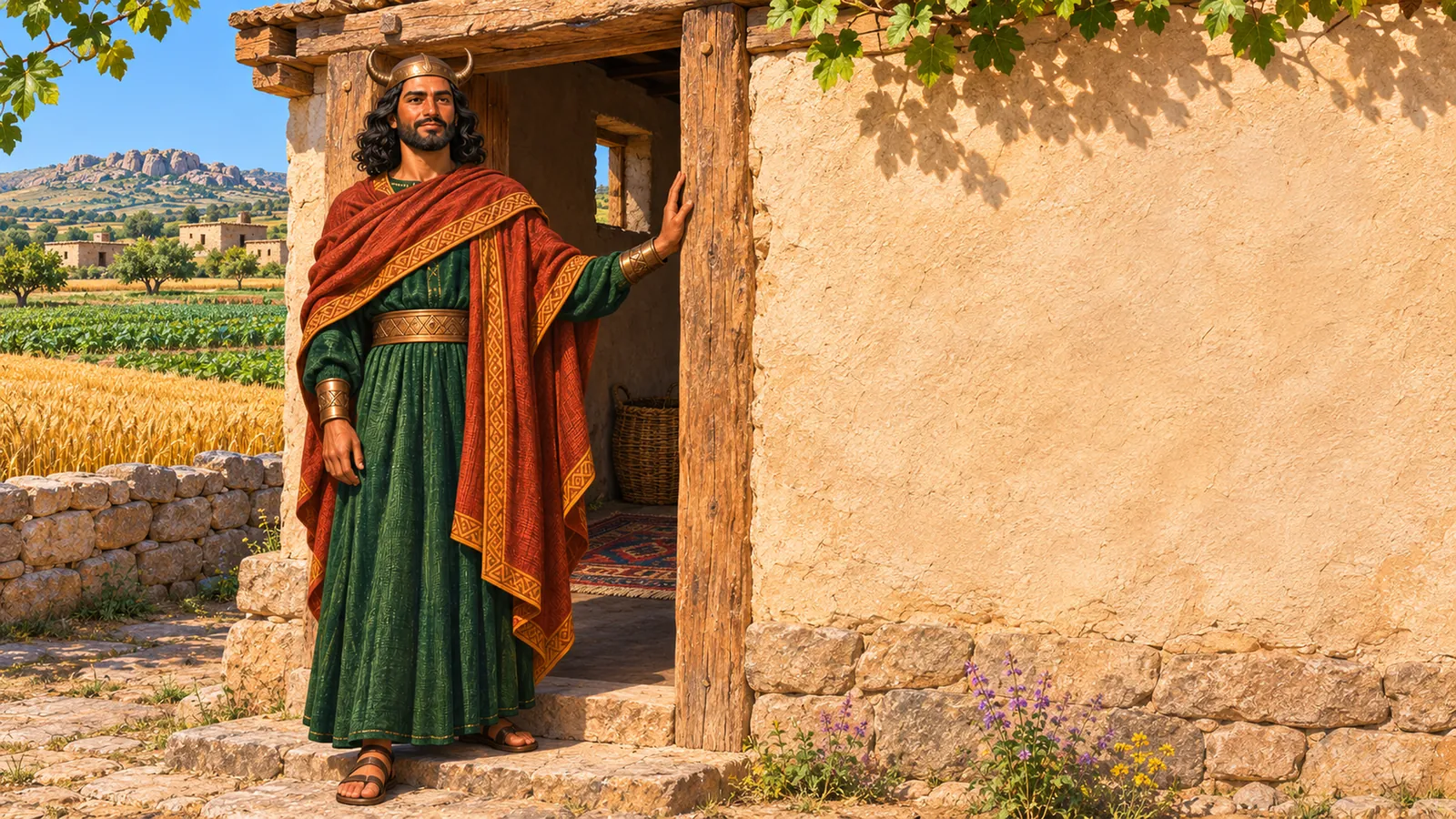
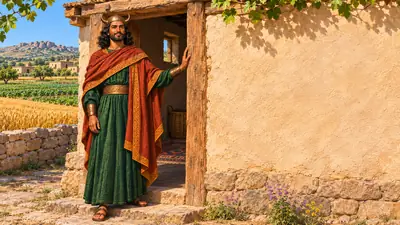
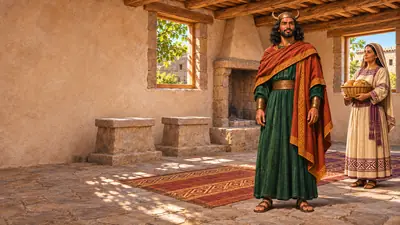
عاد تيليبينو إلى بيته واعتنى ببلاده. وتنتقل الرواية الأولى الآن من كلمات التهدئة إلى استعادة الحياة العادية.
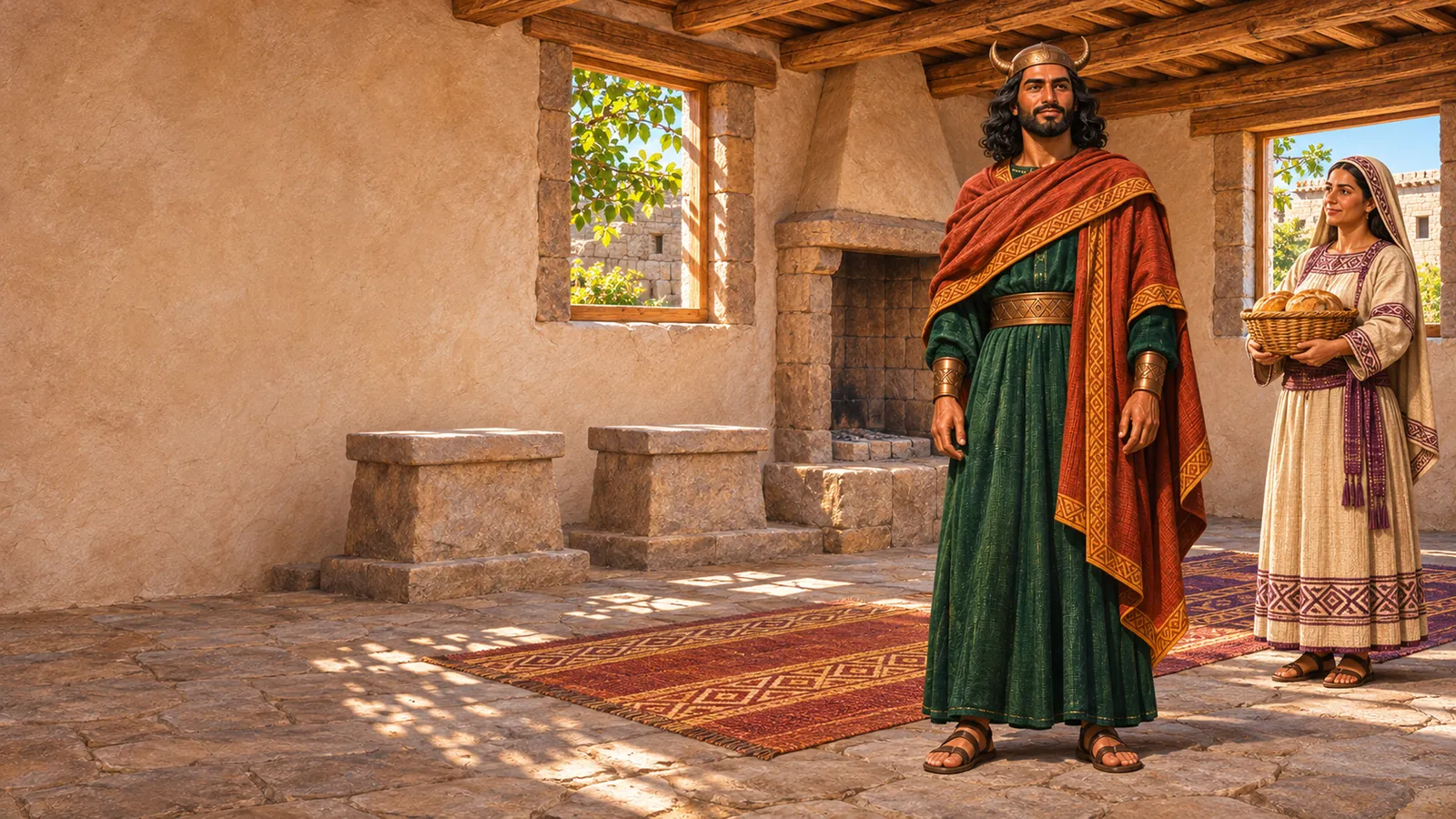
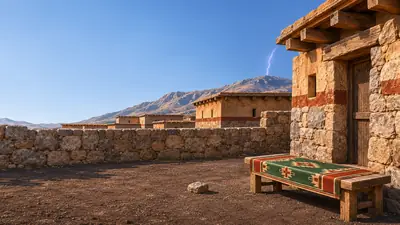
غادر الضباب النوافذ وخرج الدخان من البيت، واستقام الموقد والمذابح. وبدأ الاختلال الموصوف في البداية يفسح المجال للنظام.
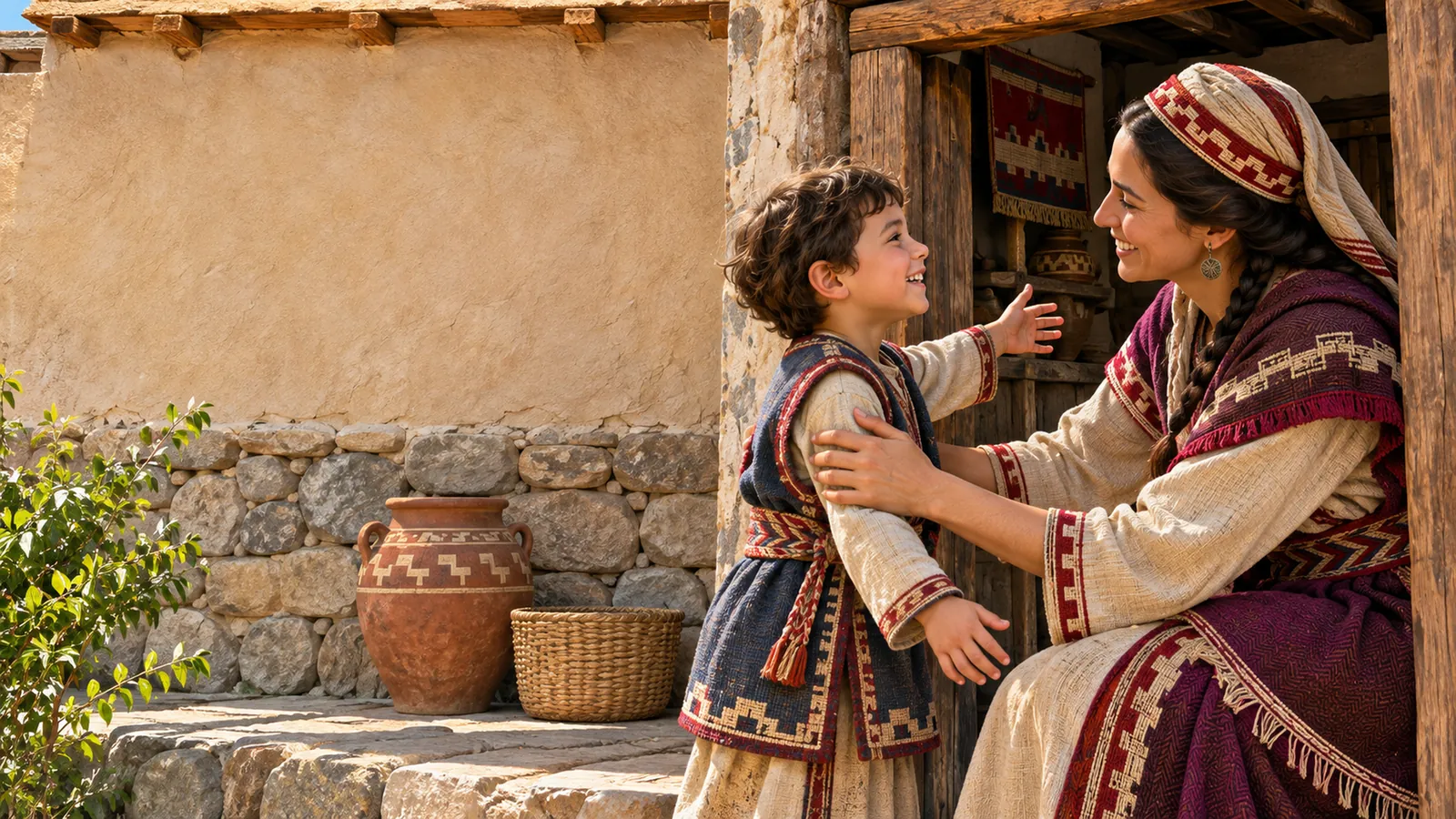
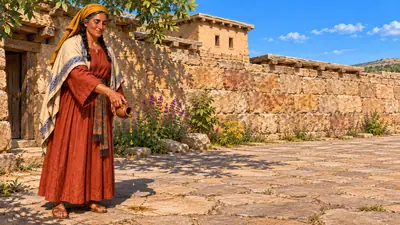
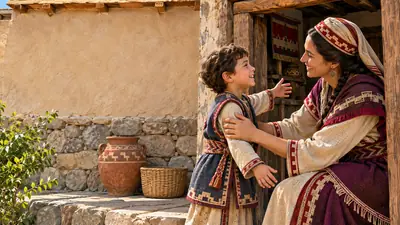
تقبّلت الأم طفلها. وكانت عودة الرابطة من علامات استئناف الحياة حين عاد تيليبينو واستقام عالم البيت.
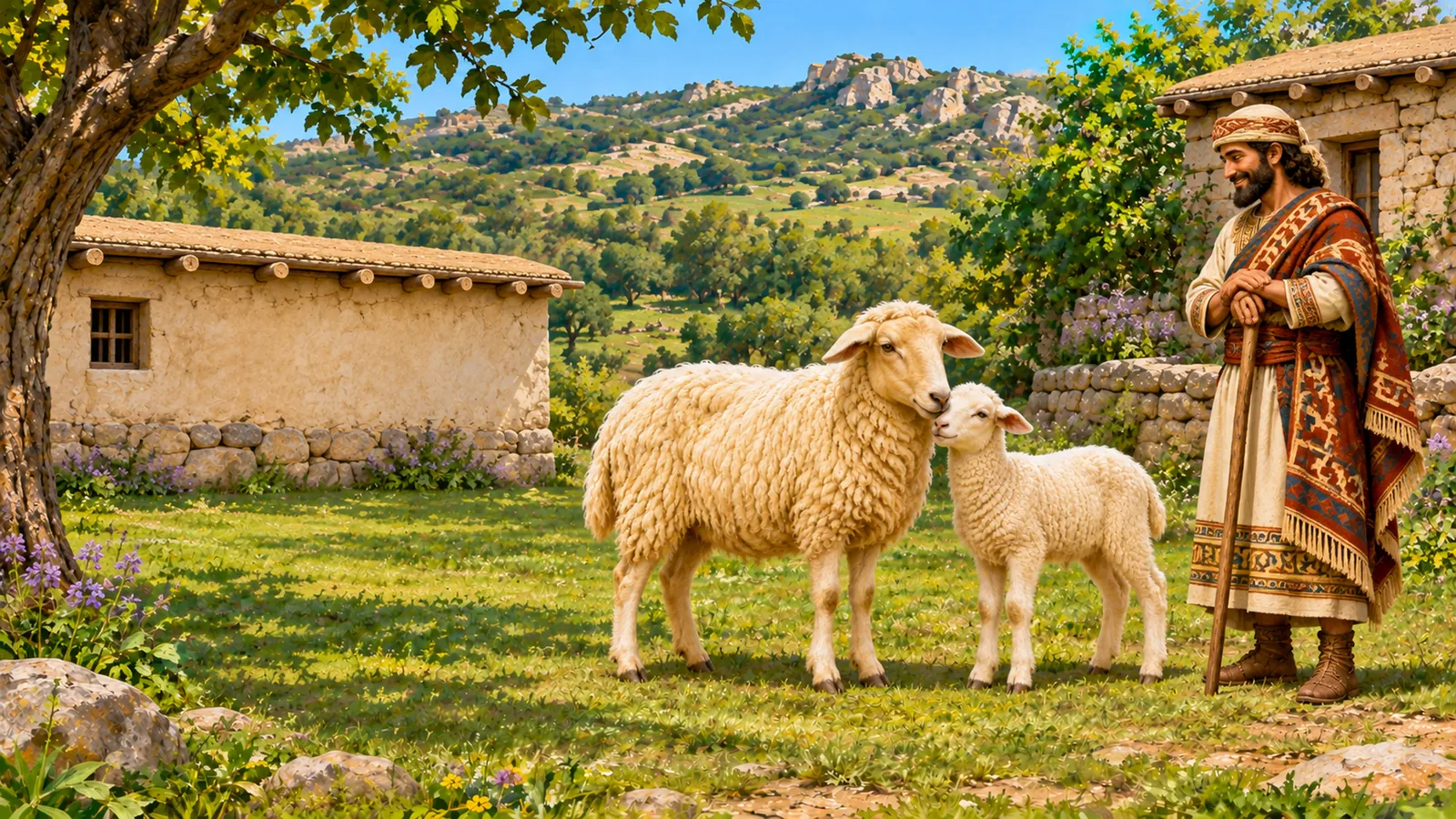
تقبّلت النعجة حَمَلها من جديد. واستُعيد ما اختلّ في البداية، إذ رجع القطيع إلى نظامه الحيّ الصحيح.
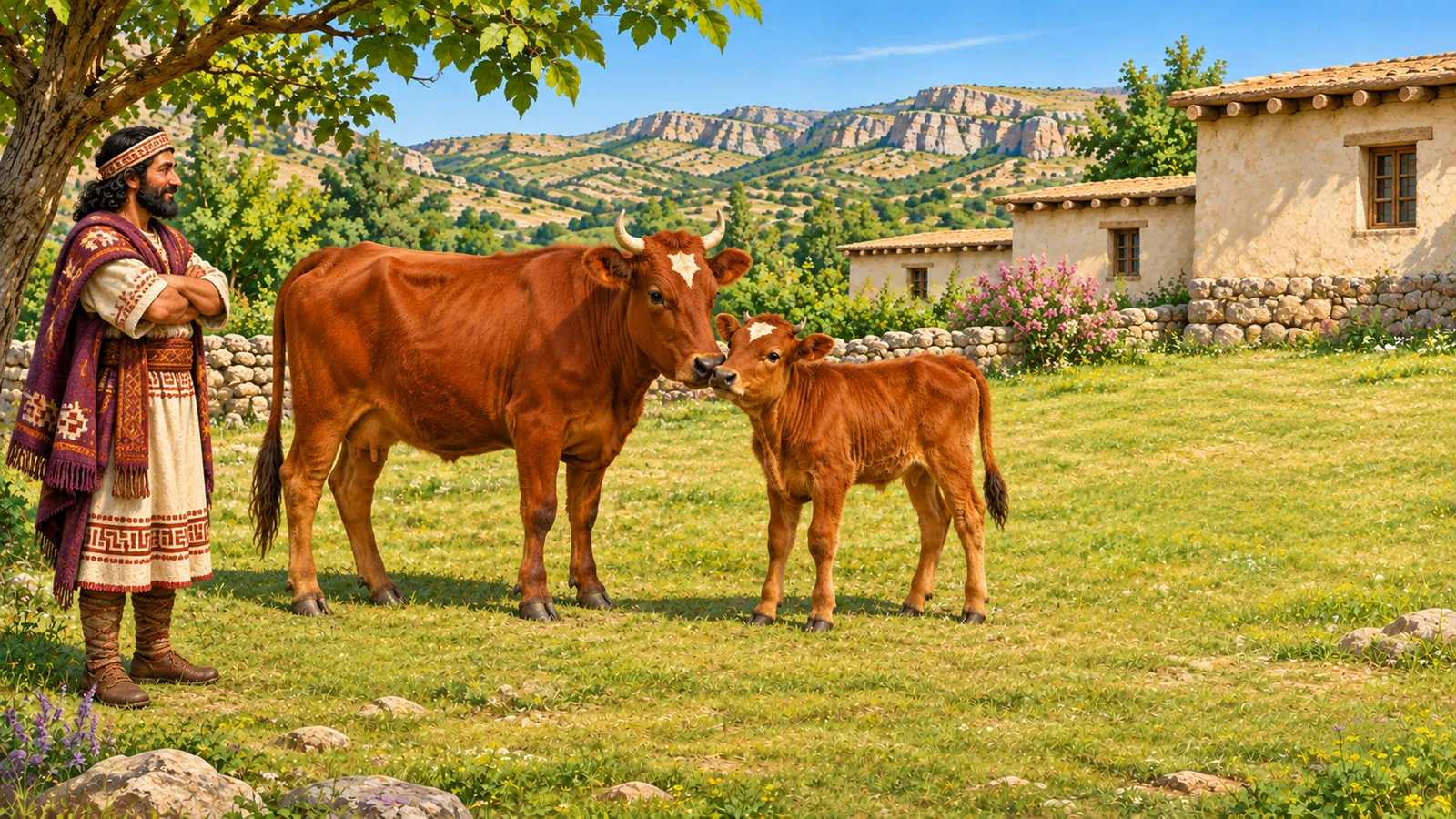
تقبّلت البقرة عِجلها أيضًا. وتجيب الحكاية عن صورة الانفصال السابقة بروابط متجدّدة بين حيوانات البيت.
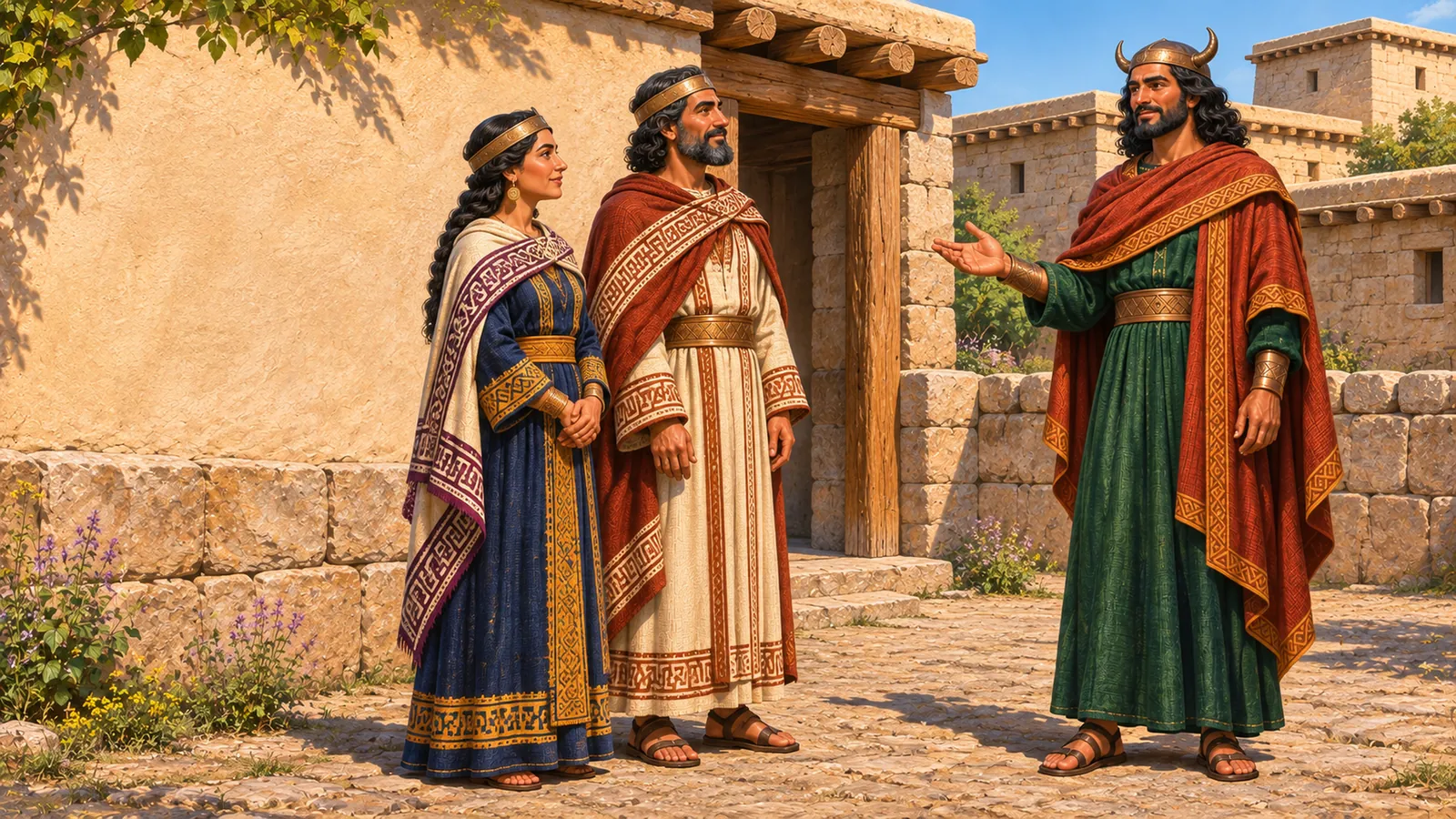
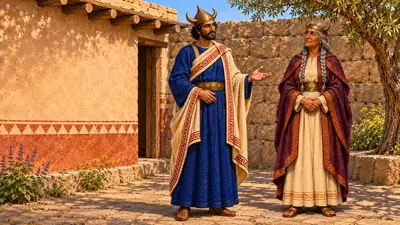
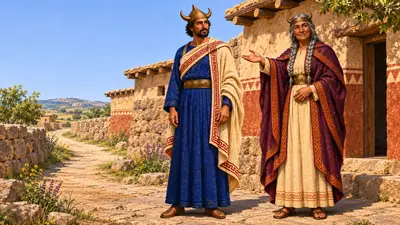
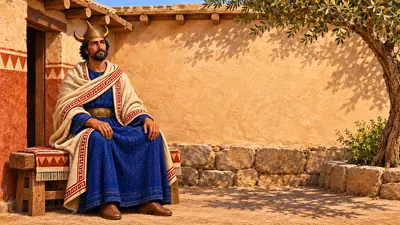
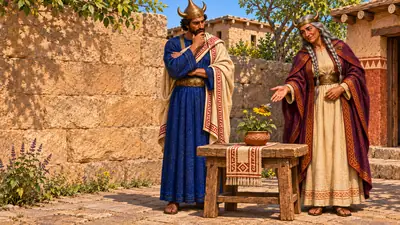
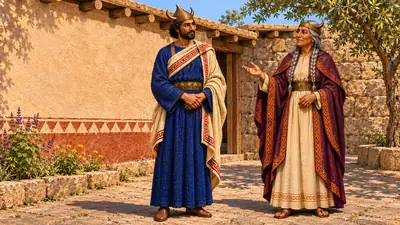
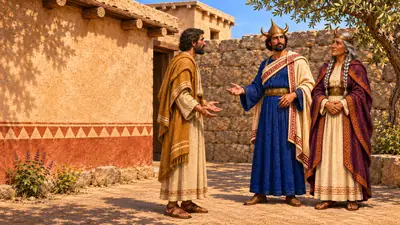
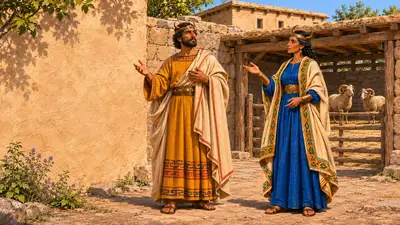
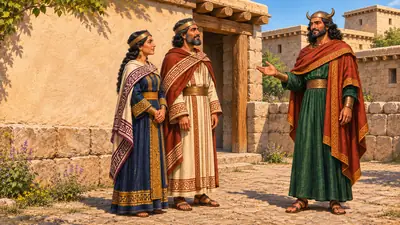
اعترف تيليبينو بالملك والملكة وأمدّهما بالحياة والقوة والمستقبل. وشملت عنايته بالبلاد بيتها الملكي أيضًا.
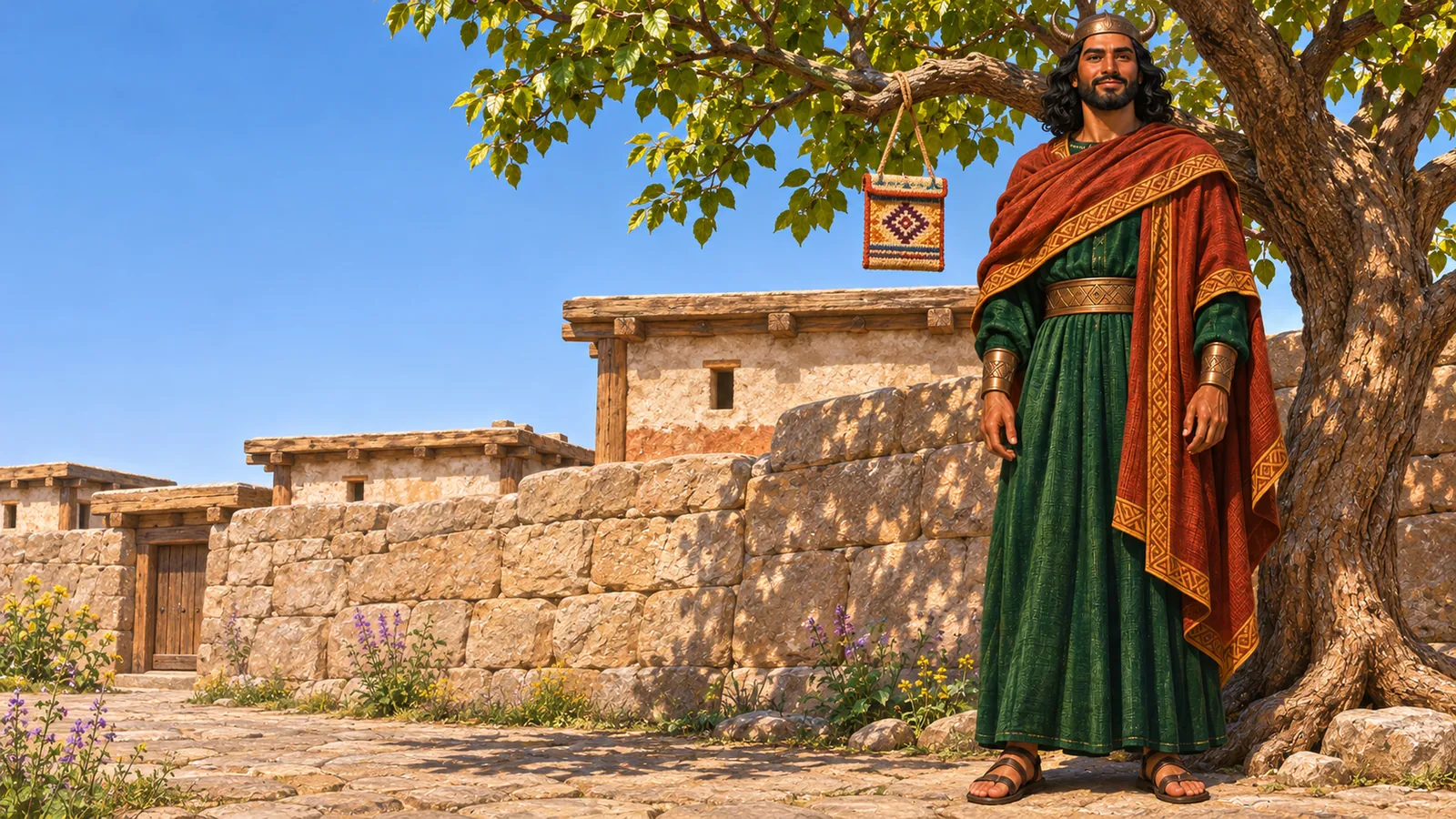
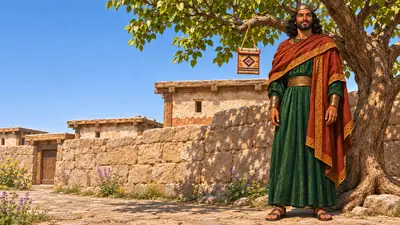
قامت أمام تيليبينو شجرة إيان وعُلّق بها جلد خروف صوفي. وجمعت الصورة الختامية وجوه الوفرة التي عادت مع الإله.
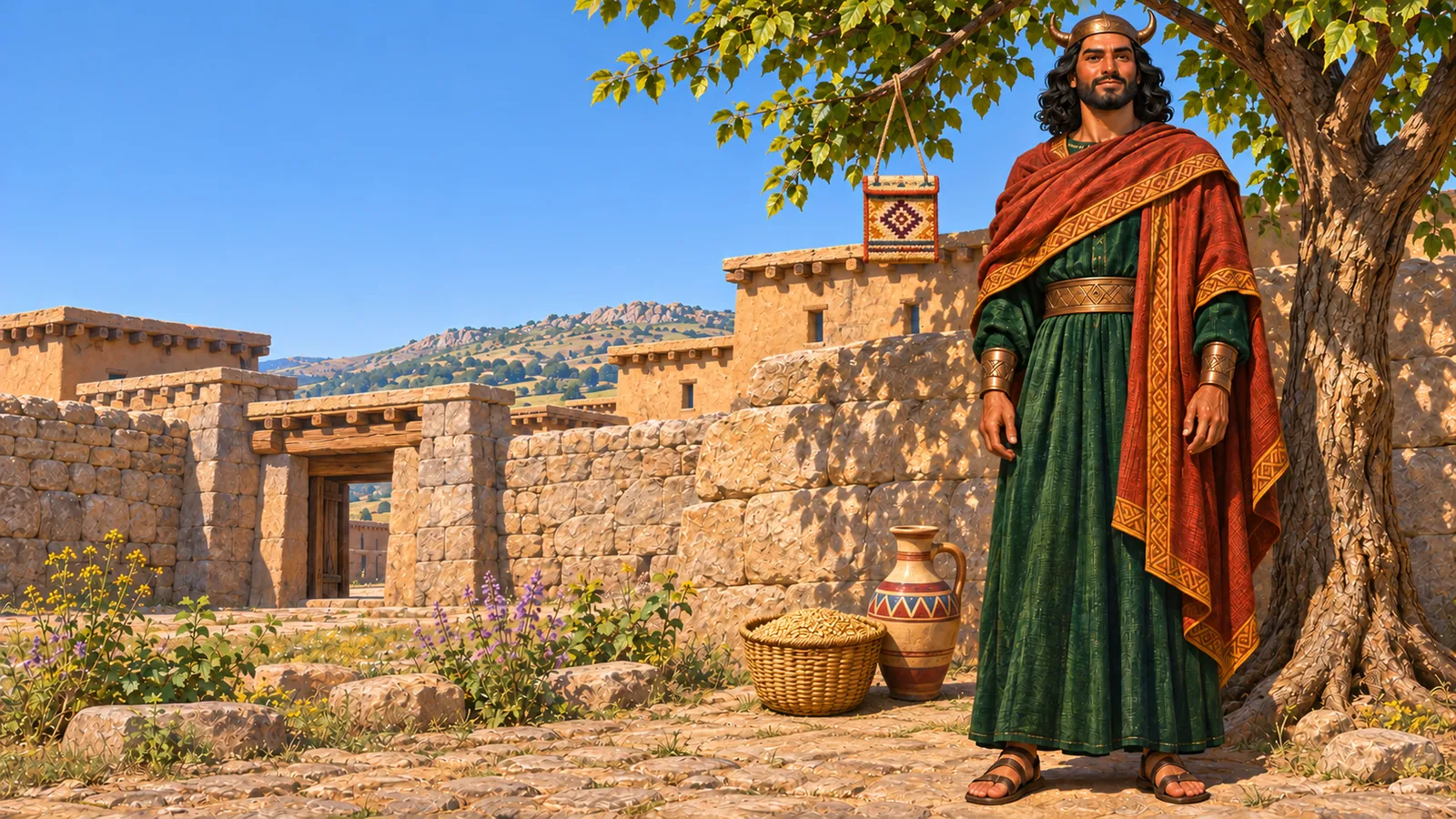
حمل الجلد الصوفي علامات الحبوب والخمر والماشية والعمر الطويل والذرية، مع البشائر والطاعة. ويُذكر أيضًا فخذ أيمن بين الهدايا.
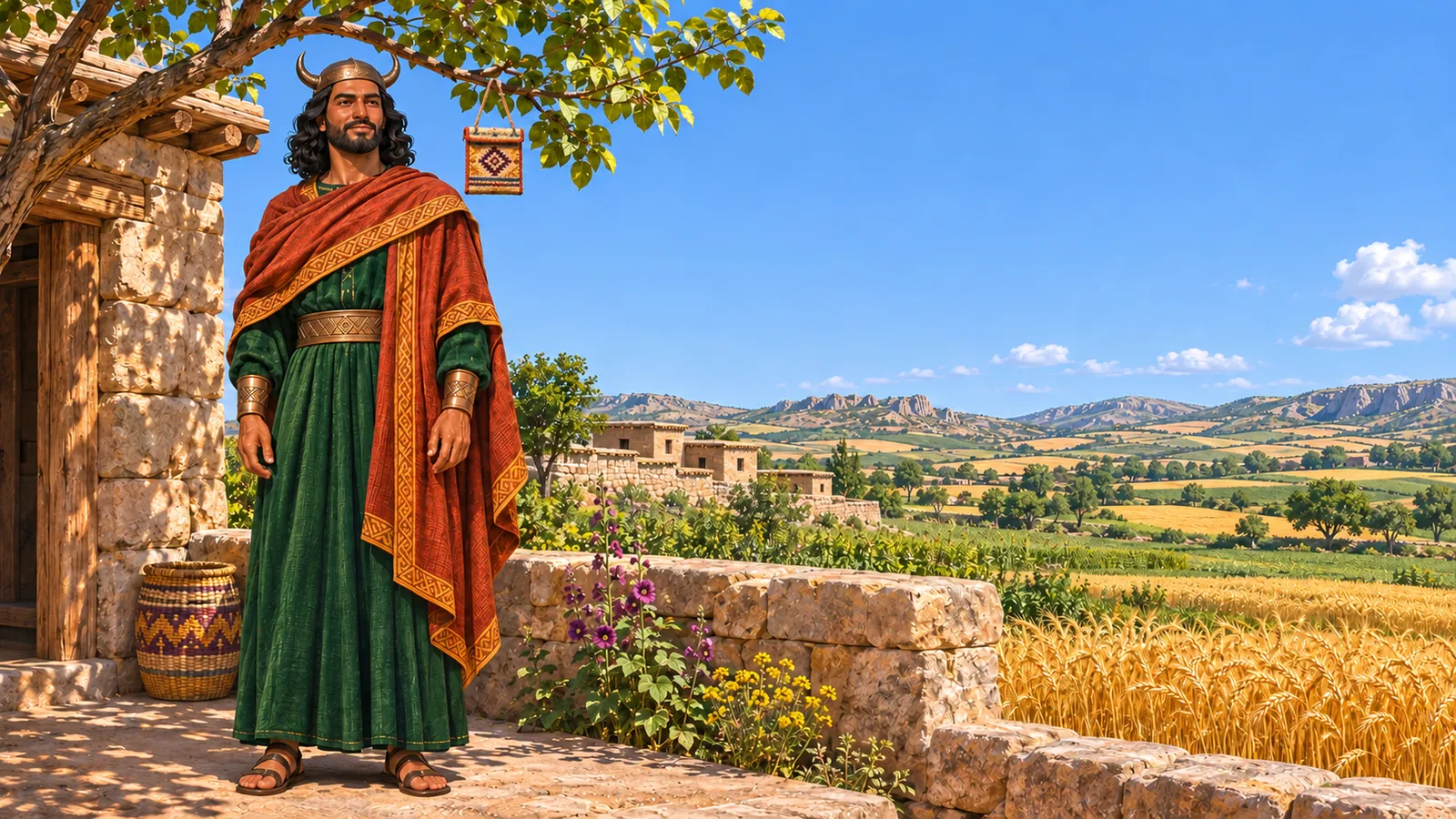
تُختتم الرواية الأولى بهدايا ازدهار أمام تيليبينو. وتحفظ شذرات أخرى كلمات وتفاصيل طقسية مختلفة؛ وتبقى مقاطعها المفقودة مفقودة.
نهاية الفصل الأول
كل الصفحات









المصادر
المصادر والملاحظات مكتوبة بالإنجليزية كما وردت في المراجع.
Complete TITUS CTH324.1–324.9 translations, witness lists and all 149 notes read: 644 continuous entries across nine versions and fragment groups. Numbers below refer to translation entries, not physical tablet lines. The first telling, CTH324.1 (principally KUB17.10), supplies the narrative spine and genuine ending; the second and third supply explicitly identified parallel passages. Fragmentary duplicates and prescriptions in IV–IX are discussed without inventing missing events. H. Craig Melchert, “Marginalia to the Myth of Telipinu” (2016), printed 210–220 and bibliography, was read in full from the author-posted PDF. Adopted readings are labelled: crowded or misaligned altars, hearth and livestock rather than literal suffocation; the disputed bee phrase describing shape rather than an actual cutting; twelve rams shorn, wool on a perforated basket and treatment of limbs; and a straight, well-aligned reed. This is an original retelling of ancient subject matter, not a republication of a modern translation.
الطبعات المعتمدة
- TITUS, CTH324.1, complete edited German translation and notes
- TITUS, CTH324.2, complete edited German translation and notes
- TITUS, CTH324.3, complete edited German translation and notes
- TITUS, CTH324.4, complete edited German translation and notes
- TITUS, CTH324.5, complete edited German translation and notes
- TITUS, CTH324.6, complete edited German translation and notes
- TITUS, CTH324.7, complete edited German translation and notes
- TITUS, CTH324.8, complete edited German translation and notes
- TITUS, CTH324.9, complete edited German translation and notes
- H. Craig Melchert2016, Marginalia to the Myth of Telipinu,210–220; author-posted full article
- Melchert2016 DOI
- IL Archive, Hittites
- IL Archive, Hattusha
- IL Archive, Anatolia
- IL Archive, cuneiform
- IL Archive, ritual
الأسطر القديمة وراء كل صفحة
- Page 1: CTH324.1, entries1–2. The opening is damaged and does not preserve a certain cause of Telipinu’s anger. The first surviving admonition has several competing translations; no quarrel, insult or punishment has been supplied.
The opening is damaged and does not preserve a certain cause of Telipinu’s anger. The first surviving admonition has several competing translations. - Page 2: CTH324.1, entries3–4. The right and left shoes are exchanged in a partly restored passage. The subject and complete context are damaged; the illustration uses Telipinu as the narrative figure without claiming an excavated shoe or a certain explanation of the gesture.
The right and left shoes are exchanged in a partly restored passage. The subject and complete context are damaged. - Page 3: CTH324.1, entries5–10; Melchert2016,215–219. Older translations describe gods and livestock as stifled. Melchert instead reads the altars, hearth and herds as crowded, twisted or out of alignment, comparing the restoration passage. This retelling follows that interpretation and does not invent deaths by suffocation. Mist and smoke remain part of the ancient description.
Older translations describe gods and livestock as stifled. Melchert instead reads the altars, hearth and herds as crowded, twisted or out of alignment, comparing the restoration passage. - Page 4: CTH324.1, entry11. The ewe’s rejection of her lamb is explicit. Both animals are shown healthy and unharmed; the picture does not add an attack or the death of the lamb.
- Page 5: CTH324.1, entry12. The cow’s rejection of her calf parallels the ewe’s action. No physical assault, injury or death of the calf is stated.
- Page 6: CTH324.1, entries13–14. The edition names grain, fertility, growth, prosperity and satiety, with uncertainty over some terms and the deified concept Immarni. The source describes the household disorder before explaining Telipinu’s departure; the past-perfect narration preserves that presentation.
The edition names grain, fertility, growth, prosperity and satiety, with uncertainty over some terms and the deified concept Immarni. The source describes the household disorder before explaining Telipinu’s departure. - Page 7: CTH324.1, entries15–16. Telipinu hides in, or merges with, a marsh, and the halenzu plant grows over him. The precise plant and geographical location are not securely identified. This passage is not silently equated with the wooded meadow at Lihzina in the third version.
This passage is not silently equated with the wooded meadow at Lihzina in the third version. - Page 8: CTH324.1, entries17 and21–26. Grain and emmer fail, woodland, pastures and springs dry, and shoots cease. The source supplies no modern diagnosis, named season or exact duration.
The source supplies no modern diagnosis, named season or exact duration. - Page 9: CTH324.1, entries18–20. The cessation of conception and birth among humans, cattle and sheep is explicit. No intimate action, pregnancy anatomy or injured mother or child is pictured.
- Page 10: CTH324.1, entries26–27. The text expressly says that humans and gods die of hunger. The narration retains this event; an empty-provisions image represents it without depicting dying bodies.
The text expressly says that humans and gods die of hunger. - Page 11: CTH324.1, entries28–29. The great Sun-god summons one thousand gods. The picture uses a small representative group rather than claiming to reconstruct the entire divine assembly.
- Page 12: CTH324.1, entries30–33. The gods eat without becoming satisfied and drink without quenching thirst. The feast is not described as lacking food, nor does the passage say that everyone dies at the table.
- Page 13: CTH324.1, entries34–37. The Storm-god calls Telipinu his son and says he has taken all good things away in anger. This relationship does not identify Telipinu with the unnamed human son in the separate Illuyanka narrative.
- Page 14: CTH324.1, entry38. Both great and small gods search. The passage does not supply a complete roster or a successful route.
- Page 15: CTH324.1, entries39–42. The eagle is sent to mountains, valleys and waters. Translations of the last expression include quiet waters, blue sea and the Blue Deep; a particular historical sea has not been identified here.
Translations of the last expression include quiet waters, blue sea and the Blue Deep; a particular historical sea has not been identified here. - Page 16: CTH324.1, entries40–44. The eagle’s journey ends in failure. The ordinary eagle is an artistic species choice, not an identification supplied by the tablet.
- Page 17: CTH324.1, entries45–46. The eagle reports that it did not find Telipinu, described as an important or weighty god. That epithet has not been turned into a claim about bodily size.
- Page 18: CTH324.1, entries47–49. The Storm-god fears that they will die of hunger. His words are a fear about what may happen, not another narrated death and resurrection.
His words are a fear about what may happen, not another narrated death and resurrection. - Page 19: CTH324.1, entries50–53. Hannahanna tells the Storm-god to act and search himself, and he goes. No additional refusal or reason for the original disappearance is preserved.
- Page 20: CTH324.1, entries54–57. This retelling follows the edited translation in which the Storm-god cannot open the gate and breaks his hammer and wedge. Other translations understand a hammer breaking the gate’s bolt. The city’s possessive reference and a damaged verb also remain uncertain.
This retelling follows the edited translation in which the Storm-god cannot open the gate and breaks his hammer and wedge. Other translations understand a hammer breaking the gate’s bolt. The city’s possessive reference and a damaged verb also remain uncertain. - Page 21: CTH324.1, entries58–61. The father wraps himself in his garment and sits; Hannahanna’s sending of the bee is partly restored. The passage does not describe the father dying or losing his throne.
The father wraps himself in his garment and sits; Hannahanna’s sending of the bee is partly restored. - Page 22: CTH324.1, entries60–67. The small bee is sent despite the Storm-god’s doubts about its wings and body. No exact modern bee species is named.
- Page 23: CTH324.1, entries62–69;324.2, entries38–47; Melchert2016,210–212. The final mocking phrase is disputed. Melchert proposes a description of the bee as flat-faced or snub-nosed, rather than an action cutting its body or wings. Hannahanna’s reassurance is explicitly drawn from the second version.
The final mocking phrase is disputed. Hannahanna’s reassurance is explicitly drawn from the second version. - Page 24: CTH324.2, entries27–37. These are instructions to sting the hands and feet, wipe with wax, purify, consecrate and bring Telipinu back. They are labelled as the second version, and every commanded action is not assumed to have been carried out in the damaged first or third version.
They are labelled as the second version, and every commanded action is not assumed to have been carried out in the damaged first or third version. - Page 25: CTH324.2, entries48–52. The bee searches mountains, rivers and springs before a gap. The narration does not invent a complete itinerary.
The bee searches mountains, rivers and springs before a gap. - Page 26: CTH324.3, entries11–17. The switch to the third version is explicit. Honey and wax are exhausted, while the finding verb and the location in a wooded meadow at Lihzina are partly restored. This witness is not presented as an intact continuation of the first version.
The switch to the third version is explicit. Honey and wax are exhausted, while the finding verb and the location in a wooded meadow at Lihzina are partly restored. This witness is not presented as an intact continuation of the first version. - Page 27: CTH324.3, entries18–19. The bee actually stings Telipinu’s hands and feet and he rises. This action is retained in narration and represented through unpeopled objects, without a puncture, swelling or injured body.
- Page 28: CTH324.3, entries20–25. Telipinu asks why he was made to rise while asleep and speak while angry. The source does not provide a new motive for his original anger or a subsequent attack on the bee.
The source does not provide a new motive for his original anger or a subsequent attack on the bee. - Page 29: CTH324.3, entries25–33. The third version describes diverted rivers, overthrown cities and houses, and the destruction of humans, cattle and sheep; some connecting verbs and references to riverbanks are damaged. These severe events are stated in one calm sentence and pictured symbolically. They are not all preserved in the first version.
The third version describes diverted rivers, overthrown cities and houses, and the destruction of humans, cattle and sheep; some connecting verbs and references to riverbanks are damaged. They are not all preserved in the first version. - Page 30: CTH324.3, entries34–41. The distressed gods ask what to do and call for human help. The damaged exchange supplies neither a complete answer nor a named human helper’s biography.
The damaged exchange supplies neither a complete answer nor a named human helper’s biography. - Page 31: CTH324.3, entries41–55, with parallels in324.7, entries14–29. The passage mentions Ammuna, a stinger or possibly a tool, an eagle, burning and removal of anger. The object of burning is incomplete; the edited note takes a pronoun as referring to the stinger. No burning of Telipinu, the bee, the eagle or a person has been invented.
- Page 32: CTH324.1, entries71–82. The return to the first version is explicit. Damaged lines mention crushed malt and a brewing ingredient often rendered beer bread, followed by an uncertain cutting at a gate. Neither its object nor a complete action is recoverable, so no new mutilation is supplied.
The return to the first version is explicit. Damaged lines mention crushed malt and a brewing ingredient often rendered beer bread, followed by an uncertain cutting at a gate. - Page 33: CTH324.1, entries83–88. Galaktar, parhuena, samamma and their botanical or material identities are disputed. The unnamed ritual voice asks for calm. Its depiction as an adult human woman is an artistic choice; the text does not name that individual.
The text does not name that individual. - Page 34: CTH324.1, entries89–91. A fig’s sweetness forms a wish that Telipinu’s spirit become sweet. The passage does not describe forced feeding or a proven instant cure.
- Page 35: CTH324.1, entries92–94. Oil within an olive and wine within a raisin are the ancient analogy for keeping the king in goodwill. This is the wording of a ritual comparison, not a modern botanical claim or the identification of a historical king.
This is the wording of a ritual comparison, not a modern botanical claim or the identification of a historical king. - Page 36: CTH324.2, entries69–82. This parallel passage compares pure emmer and united brewing ingredients with the desired state of the god. It says beer makes angry or worried people drunk and wishes a similar effect for Telipinu; it does not narrate the god actually becoming drunk.
- Page 37: CTH324.1, entries95–104. Oil-plant, malt, emmer, honey and clarified butter supply comparisons for purity, sweetness, softness and receptiveness to human words. Botanical identities are uncertain, and the comparisons remain wishes rather than additional completed events.
Oil-plant, malt, emmer, honey and clarified butter supply comparisons for purity, sweetness, softness and receptiveness to human words. Botanical identities are uncertain, and the comparisons remain wishes rather than additional completed events. - Page 38: CTH324.1, entries105–109; Melchert2016,218–219. The speaker declares the paths sprinkled and calls Telipinu to walk. Melchert understands the reed comparison as straight and well-aligned. The woods are interpreted differently in324.7, where they form a bed; the versions are not silently combined.
The woods are interpreted differently in324.7, where they form a bed; the versions are not silently combined. - Page 39: CTH324.1, entries110–112. The first version explicitly has Telipinu arrive in wrath, thunder with lightning and strike the dark earth. This is distinct from the earlier, labelled third-version destruction. The picture represents the harsh action without impact or bodily injury.
The first version explicitly has Telipinu arrive in wrath, thunder with lightning and strike the dark earth. This is distinct from the earlier, labelled third-version destruction. - Page 40: CTH324.1, entries113–119. Kamrusepa sees Telipinu, moves an eagle’s wing in a damaged clause and halts wrath, anger, wrongdoing and irritation. The illustration does not require a severed wing, an injured bird or a winged human goddess.
Kamrusepa sees Telipinu, moves an eagle’s wing in a damaged clause and halts wrath, anger, wrongdoing and irritation. - Page 41: CTH324.1, entries120–124; Melchert2016,212–214. The passage names the Sun-god’s flock, Hapantali and twelve rams. Melchert reads shearing the rams and treating Telipinu’s limbs; the older edition reads selecting rams and has a disputed object of treatment. The chosen reading is signalled in narration. No slaughter or castration is added.
The passage names the Sun-god’s flock, Hapantali and twelve rams. Melchert reads shearing the rams and treating Telipinu’s limbs; the older edition reads selecting rams and has a disputed object of treatment. - Page 42: CTH324.1, entries125–126; Melchert2016,212–214. A basket with one thousand eyes is understood as a perforated basket or sieve. Melchert interprets its contents as wool shearings, against the older grain reading. The eyes are holes, not body parts; the image does not claim an exact count of visible holes.
Melchert interprets its contents as wool shearings, against the older grain reading. - Page 43: CTH324.1, entries127–134; Melchert2016,214. The first-person ritual description burns material and moves it away on both sides of Telipinu. In Melchert’s interpretation this is wool fumigation. The material is burned, not the body of a god, human or animal.
- Page 44: CTH324.1, entries129–138 and160–166. The ritual voice declares the removal of evil, wrongdoing, wrath, anger and irritation. References elsewhere in the list to a harmful tongue and footsole can concern speech and conduct; they are not treated as the cutting away of body parts.
- Page 45: CTH324.1, entries135–148. Kindling, dry malt and a dying fire are comparisons in wishes that anger burn, wither and go out. The passage does not describe Telipinu’s body burning or another actual destruction of towns.
- Page 46: CTH324.1, entries147–153. The extinguished fire and water not returning through a reed express the wish that anger never return. They do not establish a new physical barrier or a modern rule about water.
- Page 47: CTH324.1, entries154–166. The hawthorn assembly lists partly restored Papaya, Ishtushtaya, fate and mother deities, the grain deity, a prosperity spirit, Telipinu, a protective deity and Hapantali, with gaps. Any pictured companions are representatives, not a reconstruction of the full roster. The rite’s long-life substitutes are also uncertain.
The hawthorn assembly lists partly restored Papaya, Ishtushtaya, fate and mother deities, the grain deity, a prosperity spirit, Telipinu, a protective deity and Hapantali, with gaps. The rite’s long-life substitutes are also uncertain. - Page 48: CTH324.1, entries172–175;324.9, entries1–3. The preceding cattle-forelock clause is restored from parallels, followed by pulling a sheep’s fleece. The narration summarises the physical details as hair and fleece from passing livestock and retains the analogy: anger should be drawn away similarly. No animal is shown being plucked or injured.
The preceding cattle-forelock clause is restored from parallels, followed by pulling a sheep’s fleece. - Page 49: CTH324.1, entries176–180. An attendant checking the Storm-god and a ladle restraining a pot are comparisons for the power requested of human words. They are not made into another battle, the god’s physical imprisonment or a magically animate pot.
An attendant checking the Storm-god and a ladle restraining a pot are comparisons for the power requested of human words. - Page 50: CTH324.1, entries181–190. House, inner structure, window, courtyard, gate, gateway and royal road are asked to release anger. It must avoid productive land and take the road of the Sun-goddess of the Earth. These are invocations; anger and the goddess are not given invented bodily forms.
- Page 51: CTH324.1, entries191–200; compare324.2,93–98 and324.7,42–49. The first version invokes seven doors and bolts, bronze vessels, lead lids and iron fastenings. The parallel versions have iron vessels. The chant wishes anger shut away without return; it does not state that a person or god was buried in a jar.
The first version invokes seven doors and bolts, bronze vessels, lead lids and iron fastenings. The parallel versions have iron vessels. - Page 52: CTH324.1, entries201–202. Telipinu’s actual return home and care for the land belong to the first version’s surviving ending. They are not a happy conclusion invented to replace a missing outcome.
Telipinu’s actual return home and care for the land belong to the first version’s surviving ending. - Page 53: CTH324.1, entries203–208; Melchert2016,215–219. Mist and smoke depart and the hearth, altars and herds return to order. The older translation’s compressed verbs and altar reading are disputed. Restored order does not erase the earlier statement of famine deaths.
The older translation’s compressed verbs and altar reading are disputed. Restored order does not erase the earlier statement of famine deaths. - Page 54: CTH324.1, entry209. The human mother accepts or acknowledges her child. No prior death, resurrection or specific family biography is supplied.
- Page 55: CTH324.1, entry210. The ewe accepts her lamb, reversing the opening refusal. The animals remain the same healthy artistic pair; no resurrection or forced contact is added.
- Page 56: CTH324.1, entry211. The cow accepts her calf, reversing the other opening refusal. The passage does not narrate a new birth or an animal’s resurrection.
- Page 57: CTH324.1, entries212–214. Telipinu recognises king and queen and provides life, strength and a future. The royal figures are unnamed in the passage, so no historical identities or dates are assigned.
- Page 58: CTH324.1, entries215–216. An eyan tree or pole stands before Telipinu and holds a sheep’s fleece, often discussed as a kursha. The species and exact object are uncertain. The illustration uses a flat, closed wool-covered pouch and does not add an animal’s head, limbs or an actual slaughter.
The species and exact object are uncertain. - Page 59: CTH324.1, entries217–225. The contents include fat, grain, a deified fertility term, wine, cattle and sheep, long years, descendants, a gentle lamb-message or bleating, approval, obedience and a right thigh, followed by growth and satiety. The right thigh is named calmly and is not pictured. The symbolic list does not imply live animals or human bodies physically inside the pouch.
- Page 60: CTH324.1,214–225; compare324.4–324.9. The first version genuinely closes with prosperity. Other fragments preserve food and drink requests, uncertain plants, three goat skins, a disputed nine-arrows or drinking-tube passage, a hunting verb, a palace reference and parallel fleece imagery. Their damaged contexts do not yield a complete extra hunt, battle or ending; these fragmentary ritual details are recorded here without manufacturing new episodes.
The first version genuinely closes with prosperity. These fragmentary ritual details are recorded here without manufacturing new episodes.
الرسوم من صنع أرشيف إيل بأدوات الذكاء الاصطناعي؛ والنص مبني على المصادر القديمة (انظر المصادر في آخر كل فصل).