Entity · Concept
Clay tokens
A reference page linking a name, group, or concept to the materials that discuss it.
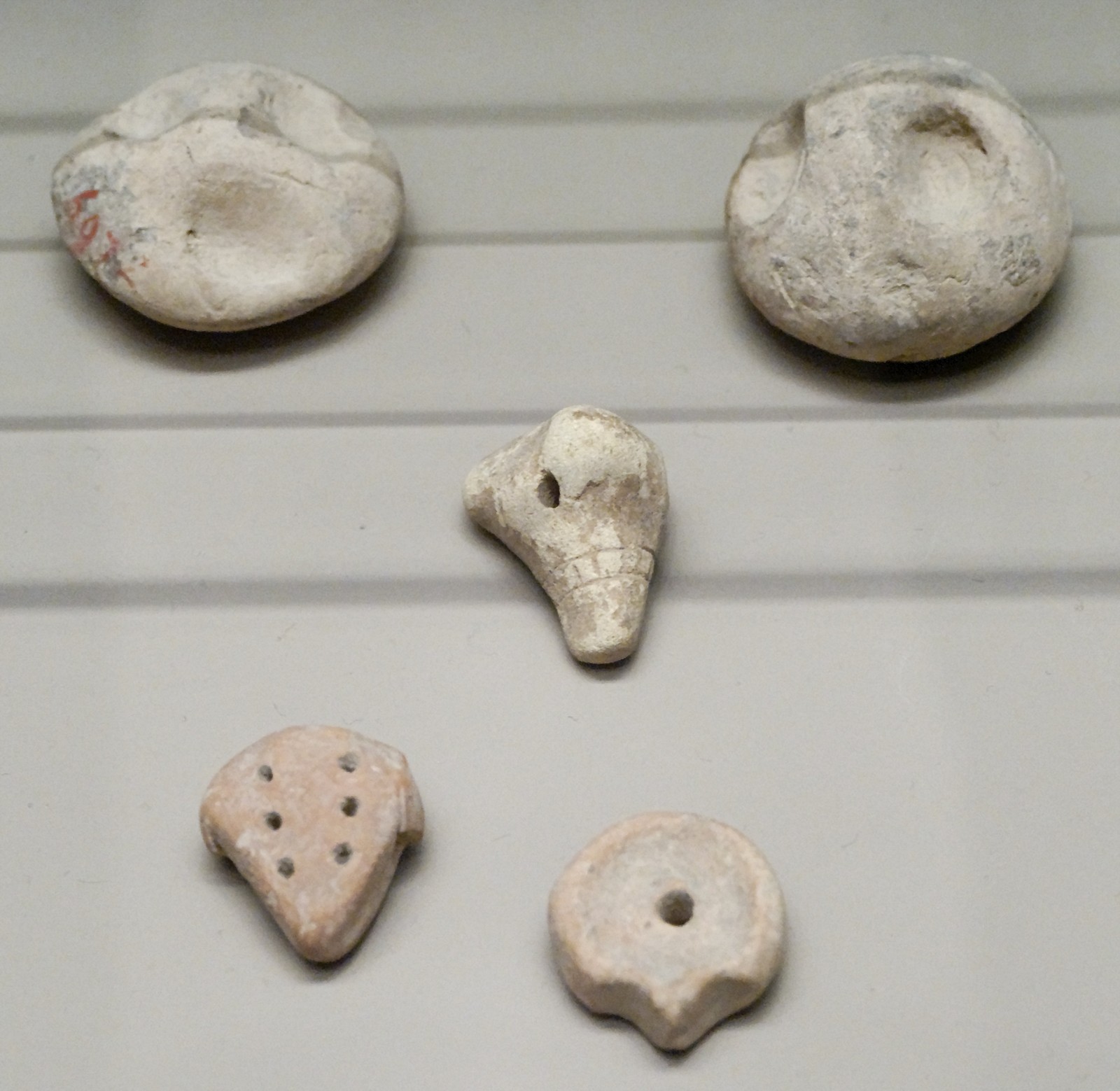
Small clay objects of varied shapes; some supported counting, but Neolithic examples do not establish one accounting system or function for all.
Text
Function and context
The label “token” does not determine use. Neolithic assemblages suggest multiple functions, including counting. Resemblance to a later sign does not prove direct descent. The image shows later Susa objects, not the earliest Neolithic examples.[1]
References and notes
- Lucy E. Bennison-Chapman (2019; online 2018). Reconsidering “Tokens”: The Neolithic Origins of Accounting or Multifunctional, Utilitarian Tools? Cambridge Archaeological Journal 29(2), 233–259. doi:10.1017/S0959774318000513. Abstract only: approximately 3,000 objects and data from 56 additional sites; multiple functions including counting. Paywalled full text not read. Return to the text ↑
Research history
Substantive changes are retained here. Minor copy edits remain in the internal operational log.
-
Substantive record update
Suggest a correction · Suggest a source for this record
Cite this record
IL Archive, «Clay tokens», Edition 2, https://ilarchive.com/en/entities/clay-token