Person · Literary figure
Admetus in Alcestis
Alcestis’s husband in Greek narrative, allowed to escape death if another person dies for him; his wife accepts the exchange.
Last reviewed:
Text
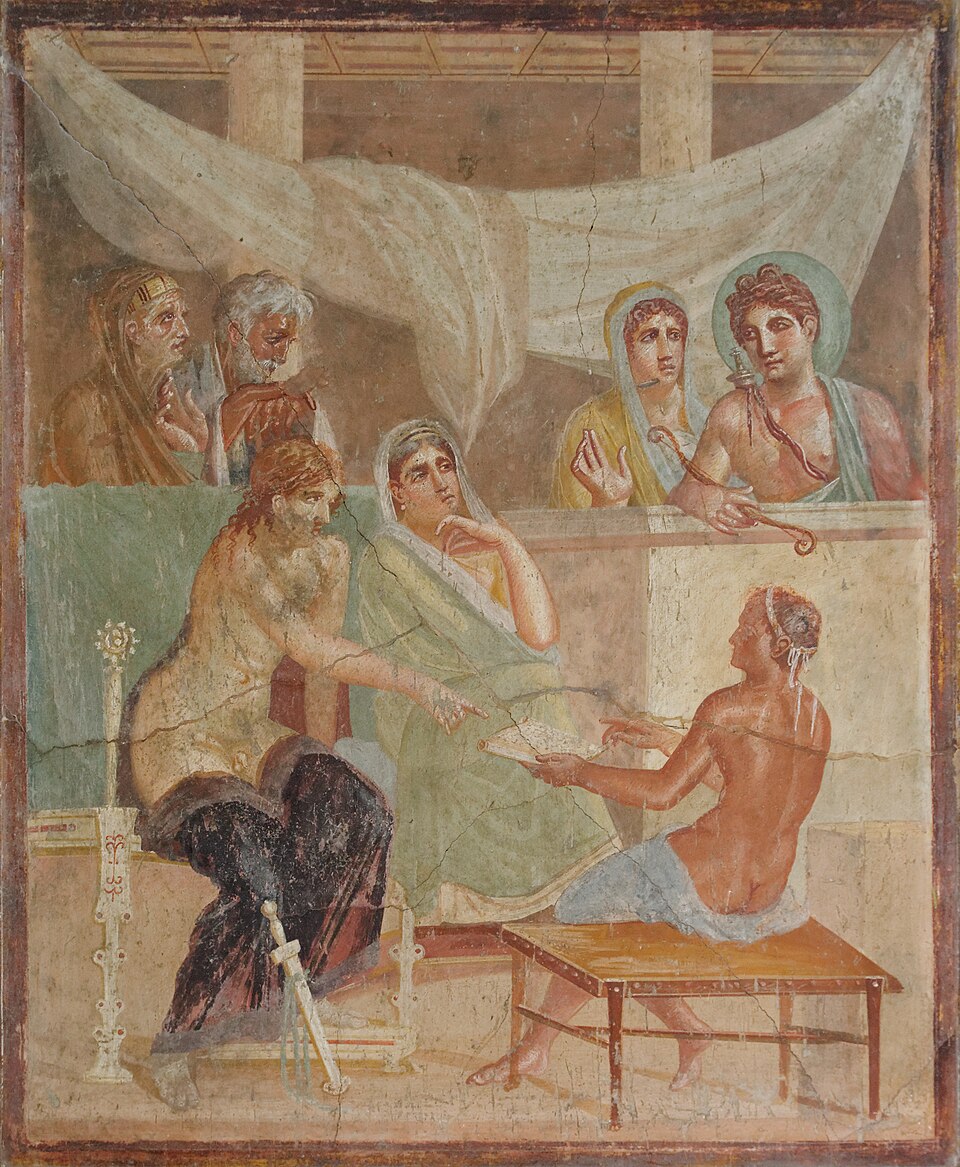
Admetus is a royal figure in Greek narrative and Alcestis’s husband. Euripides’ prologue explains that ApolloApolloGod of music and prophecy in Greek traditions, also participating in the Iliad’s events.Glossary · Click to read the explanation obtained his escape from appointed death if someone dies in his place; Alcestis accepts after others refuse. The play was performed in Athens in 438 BCE. [1]
He receives Heracles while mourning and later recognizes his wife when the hero returns her. Hospitality, exchange, and household grief shape the character; the narrative sequence does not establish a historically dated royal biography. [1]
References and notes
- Alcestis 1–27,1118–1163; Lloyd 2025 on performance and hospitality. Alcestis 1–27,1118–1163; Lloyd 2025 on performance and hospitality. Return to the text ↑
Suggest a correction · Suggest a source for this record
Cite this record
IL Archive, «Admetus in Alcestis», https://ilarchive.com/en/people/admetus-alcestis-character