Astyages’ Dream and the Boy Cyrus Chapter 1
The Dream and the Throne
*From the hill house to Ecbatana* Cyrus grows up in a household far from the palace. A children’s game brings him before Astyages. Years later, a letter from Harpagus draws him into events that change who rules Ecbatana.
SourcesTurn the pages with the arrows, the arrow keys or a swipe.
TWO DREAMS
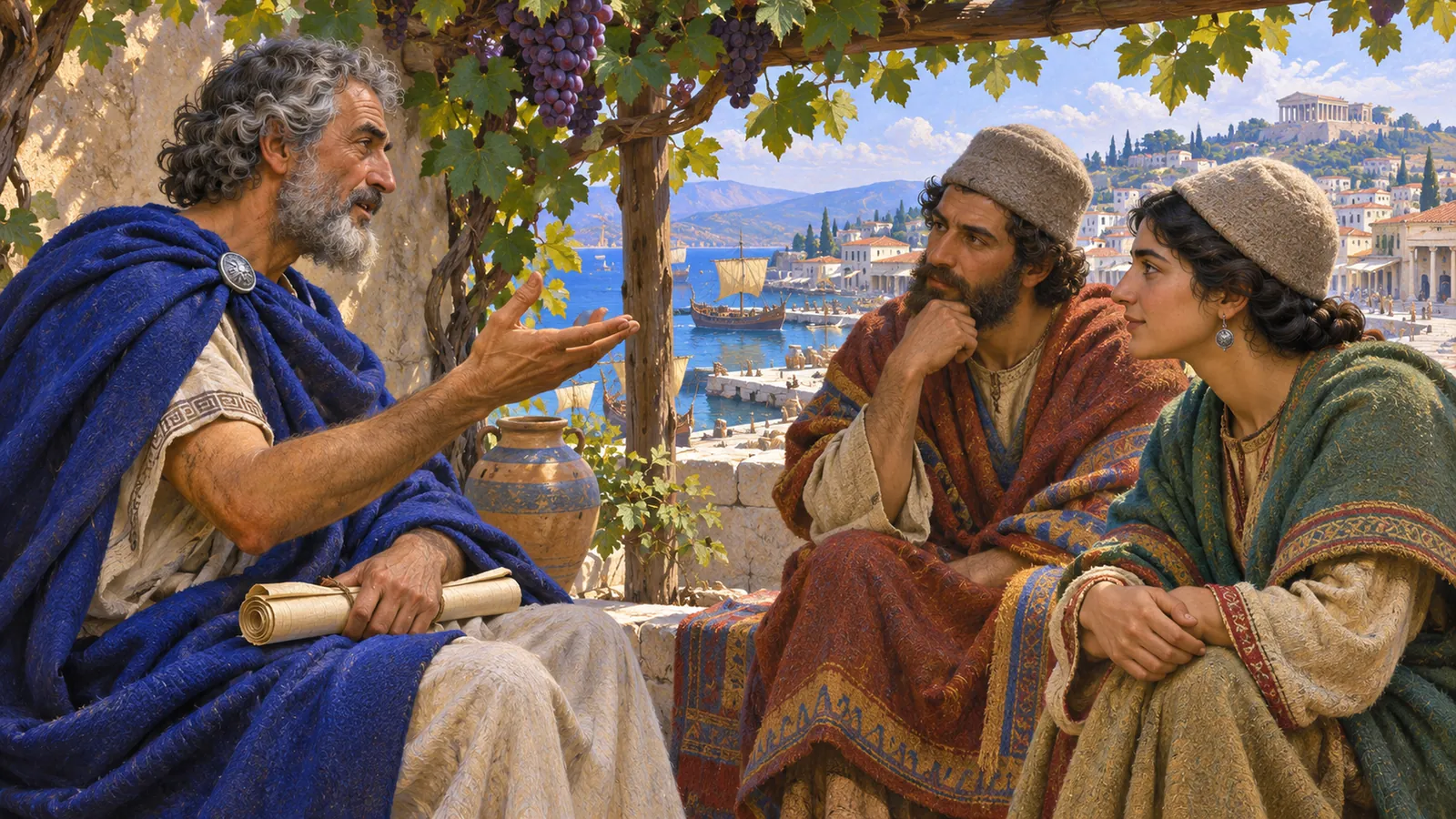
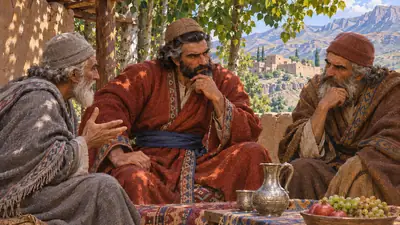
Long after Cyrus lived, the Greek writer Herodotus set out to tell how the Persians came to rule. He knew several versions of Cyrus’ story. The one he chose began with a king’s bad night.
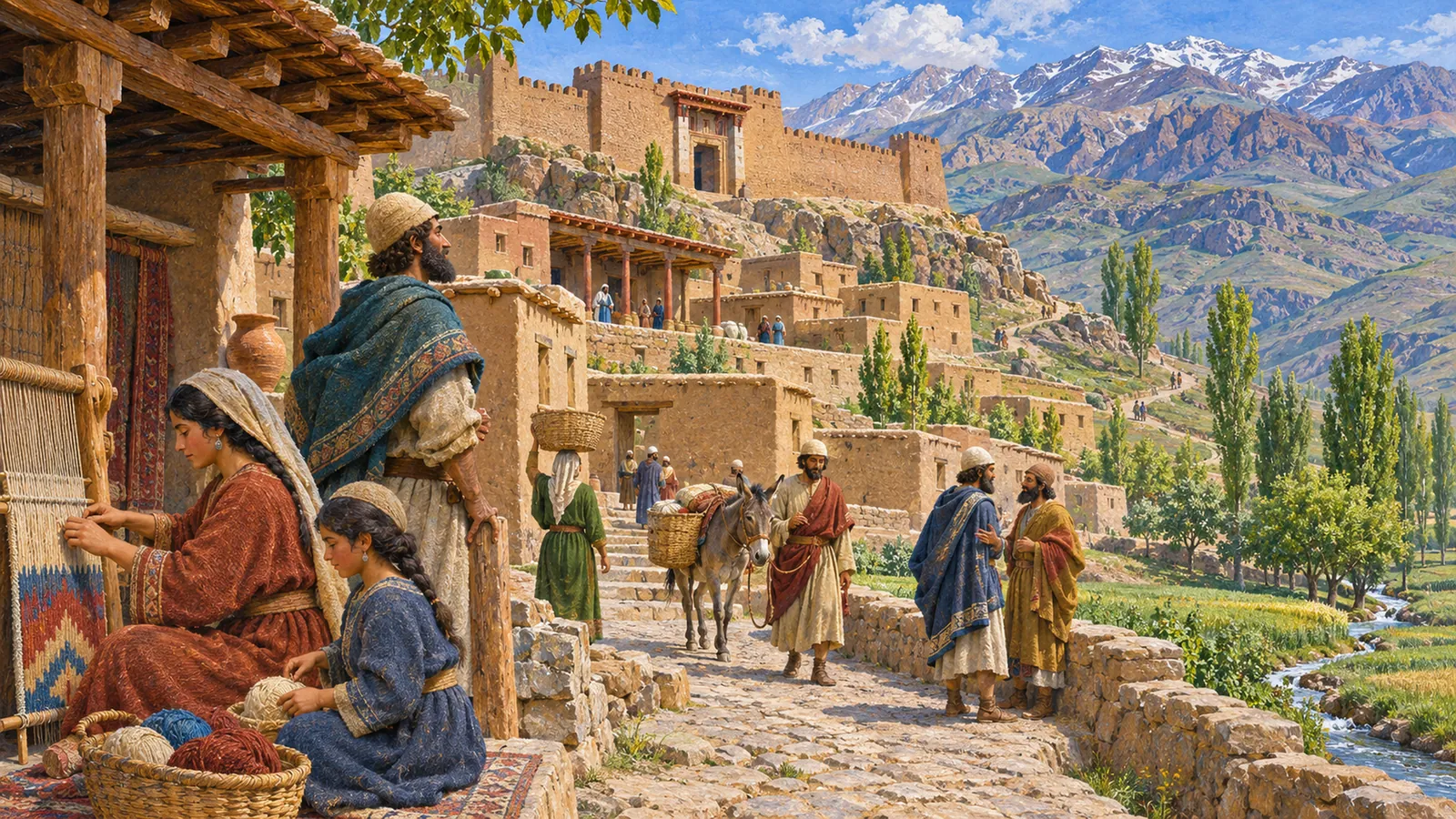
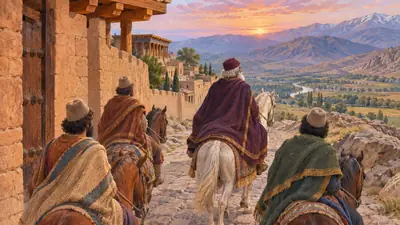
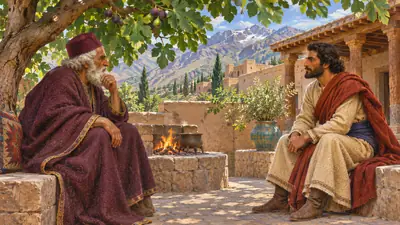
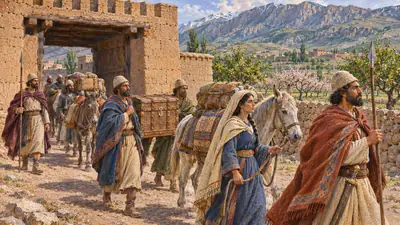
That king was Astyages. In the high country of Media stood his royal city, Ecbatana. From its hill a traveler could look out past the houses to fields, orchards and the mountains beyond.
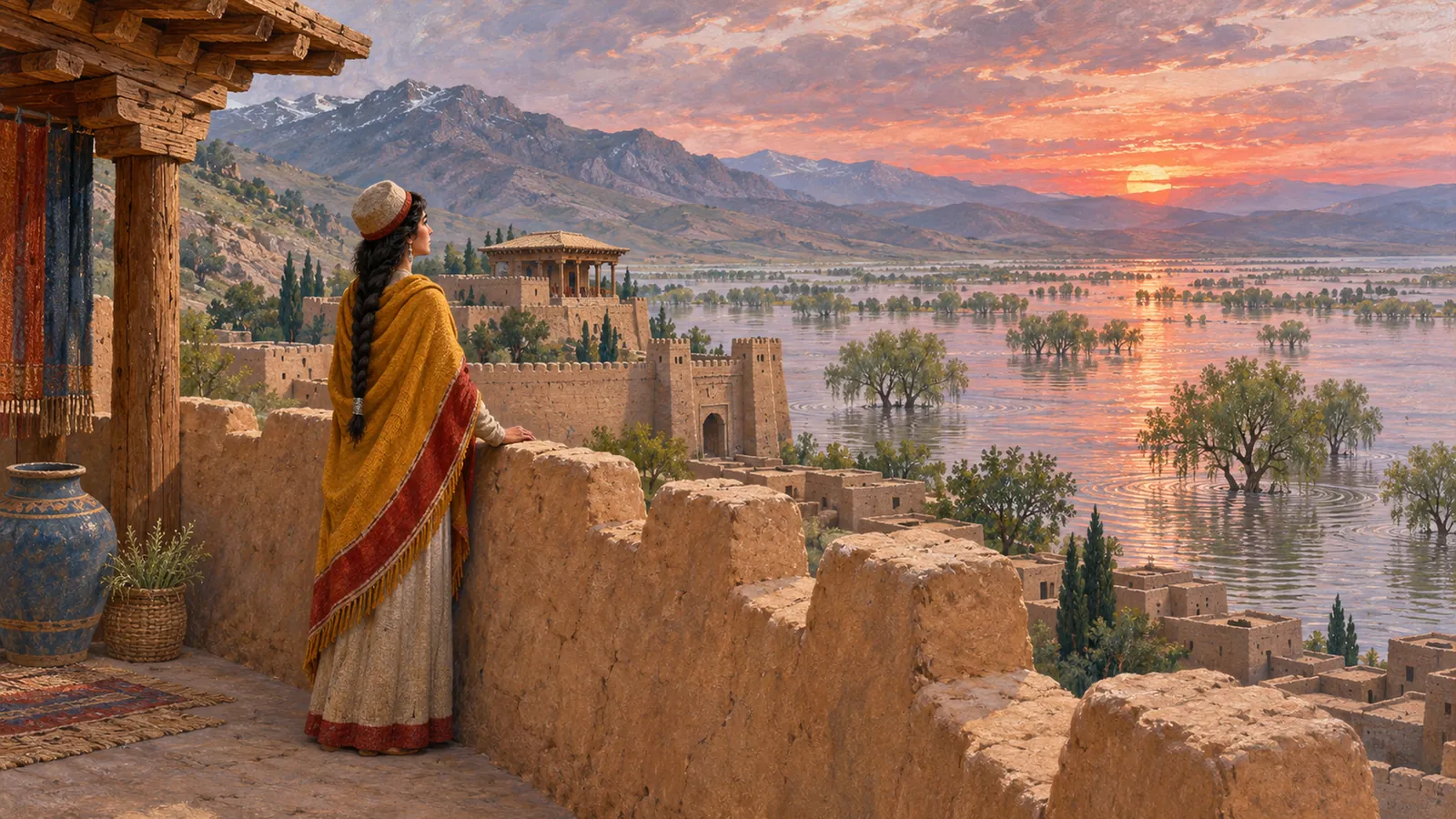
Astyages dreamed about his daughter Mandane. Water rose around her, ran through the streets of his city and spread beyond its walls. In the dream, even the distant country lay under water.
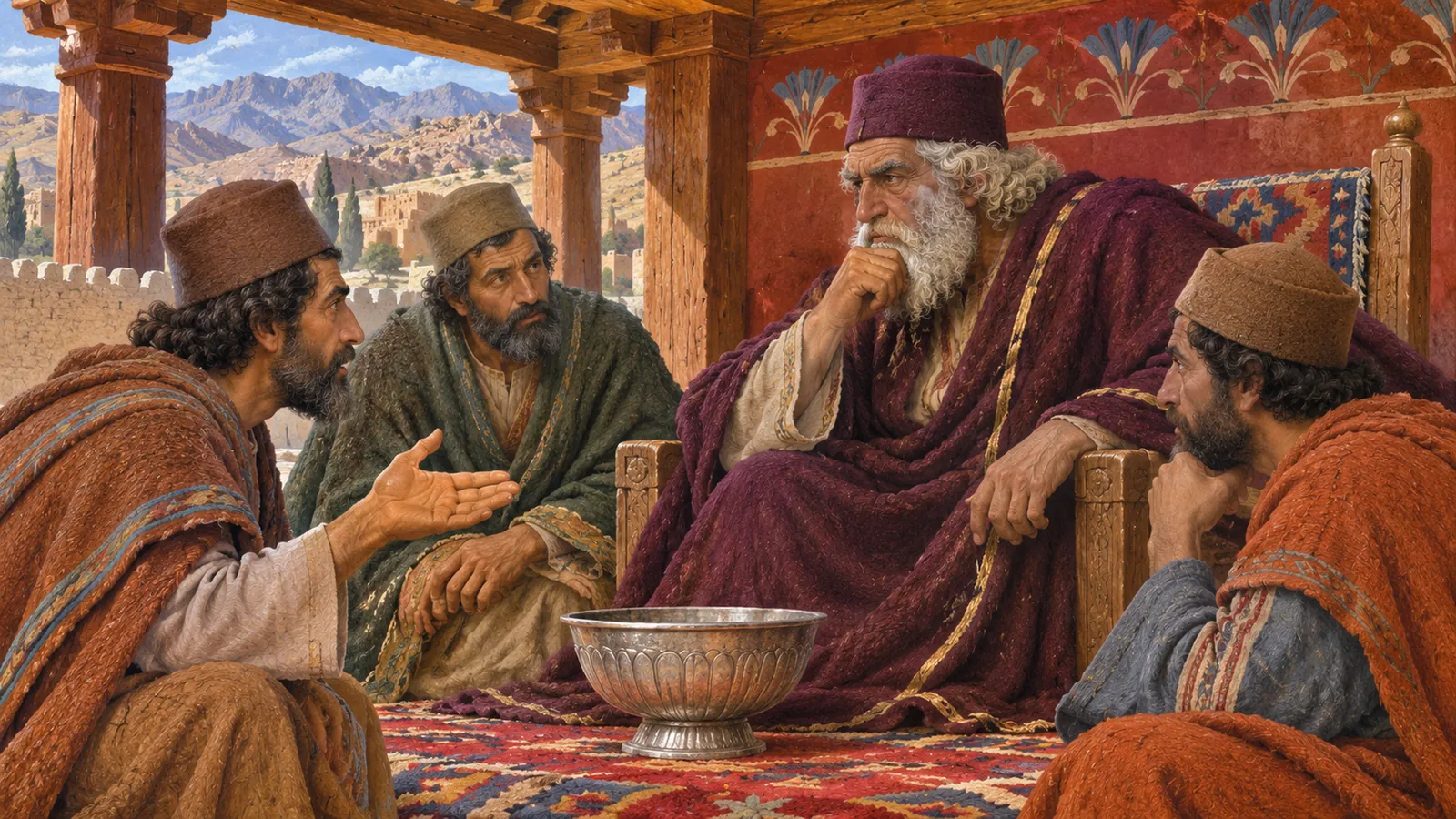
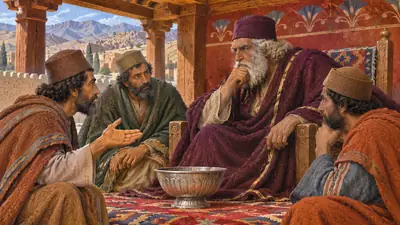
Astyages told the dream to the Magi who served as interpreters at court. Their answer frightened him enough to shape his daughter’s future. For the moment, the story leaves their warning unspoken.
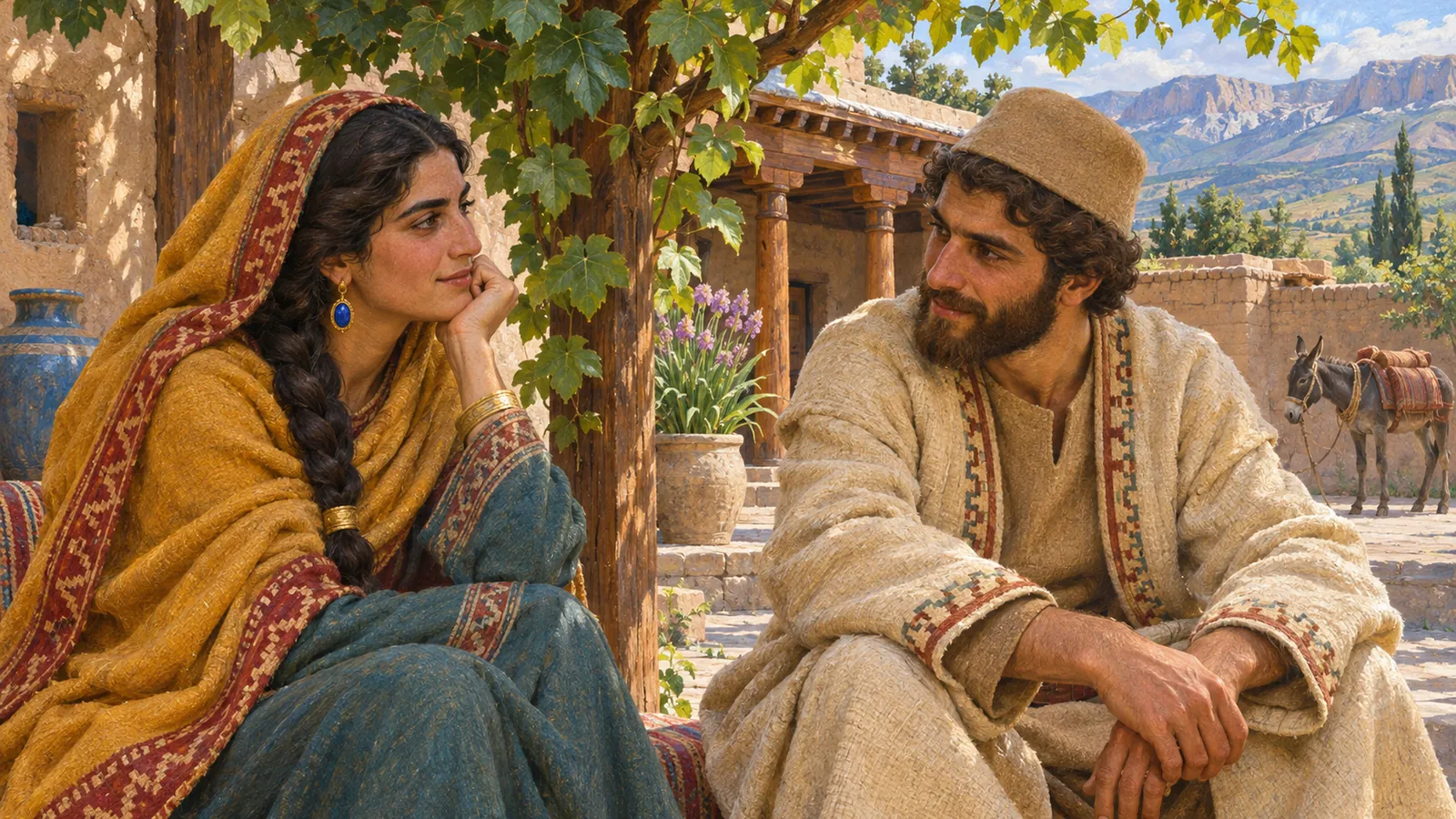
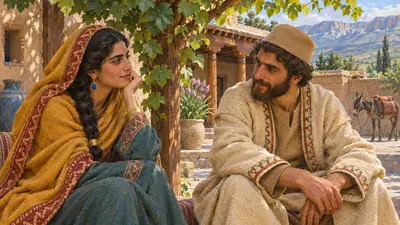
Astyages married Mandane to Cambyses, a Persian of good family and quiet character. He thought even an ordinary man of Median rank stood higher than this son-in-law. The match seemed safe to him.
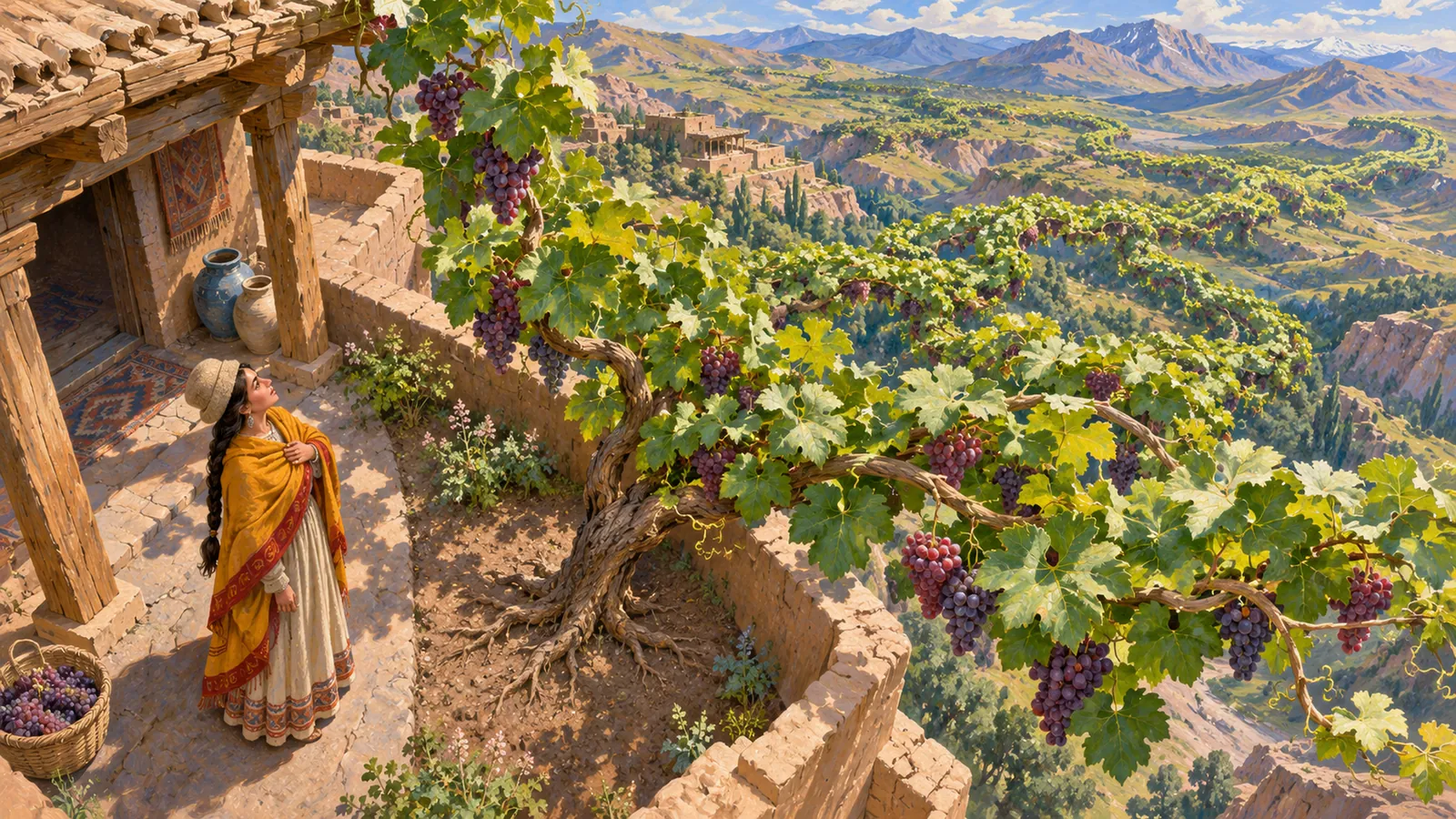
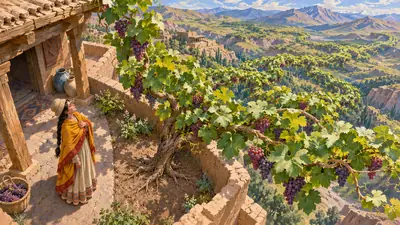
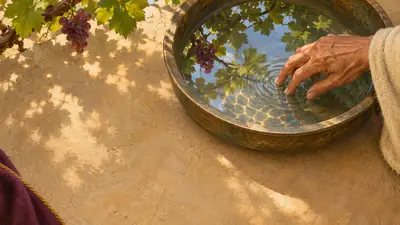
In the first year of the marriage, Astyages dreamed again. This time a vine sprang up with Mandane beside it. Its branches spread so far that the country below disappeared beneath the leaves.
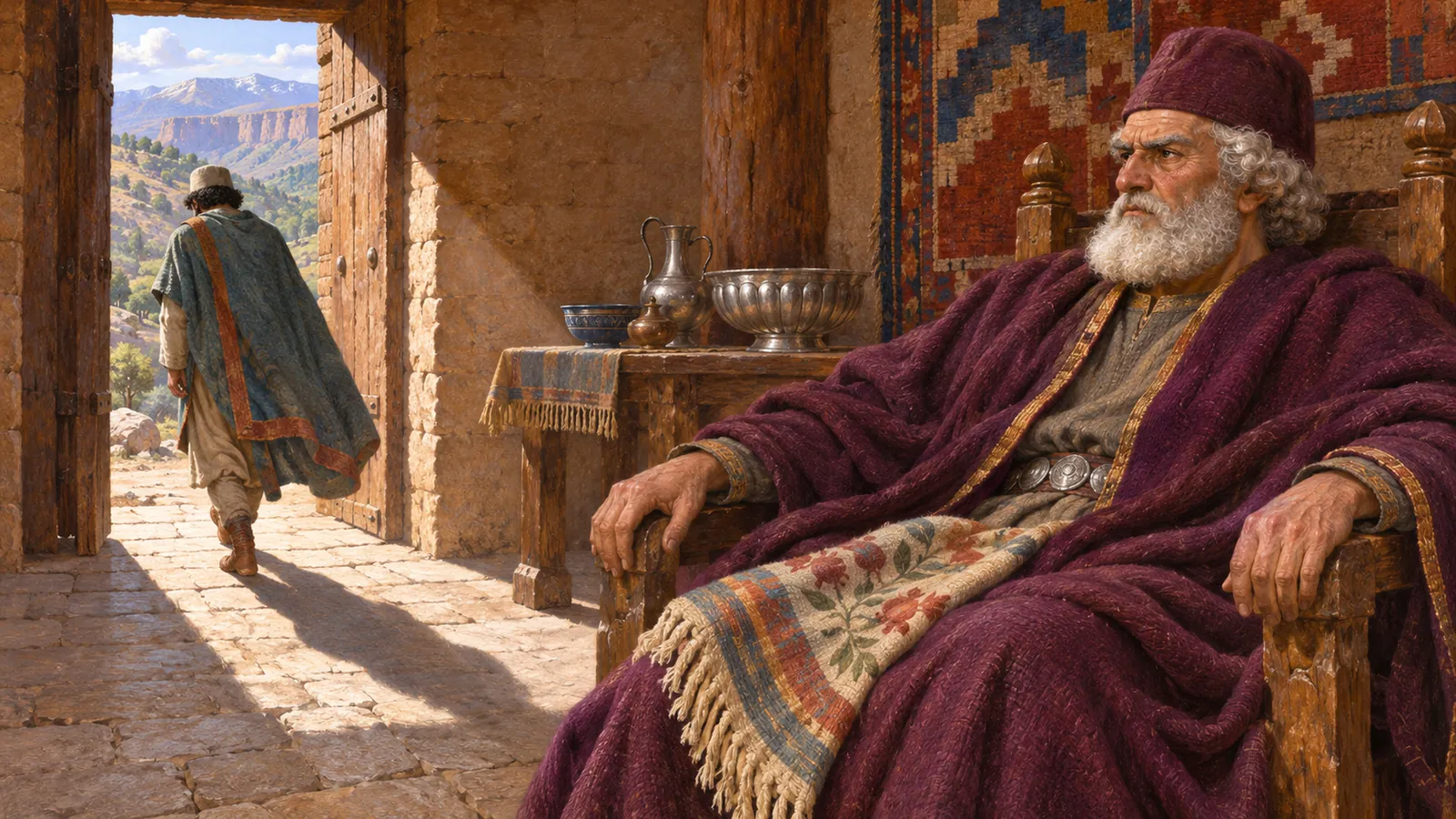
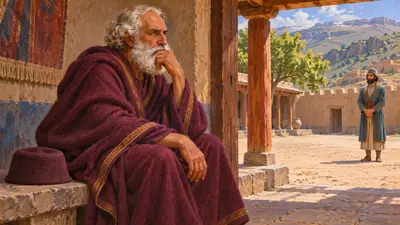
This time the warning is plain. The Magi say Mandane’s child will sit where Astyages sits. The king has tried to choose a harmless match. Now the danger he fears is his own grandchild.
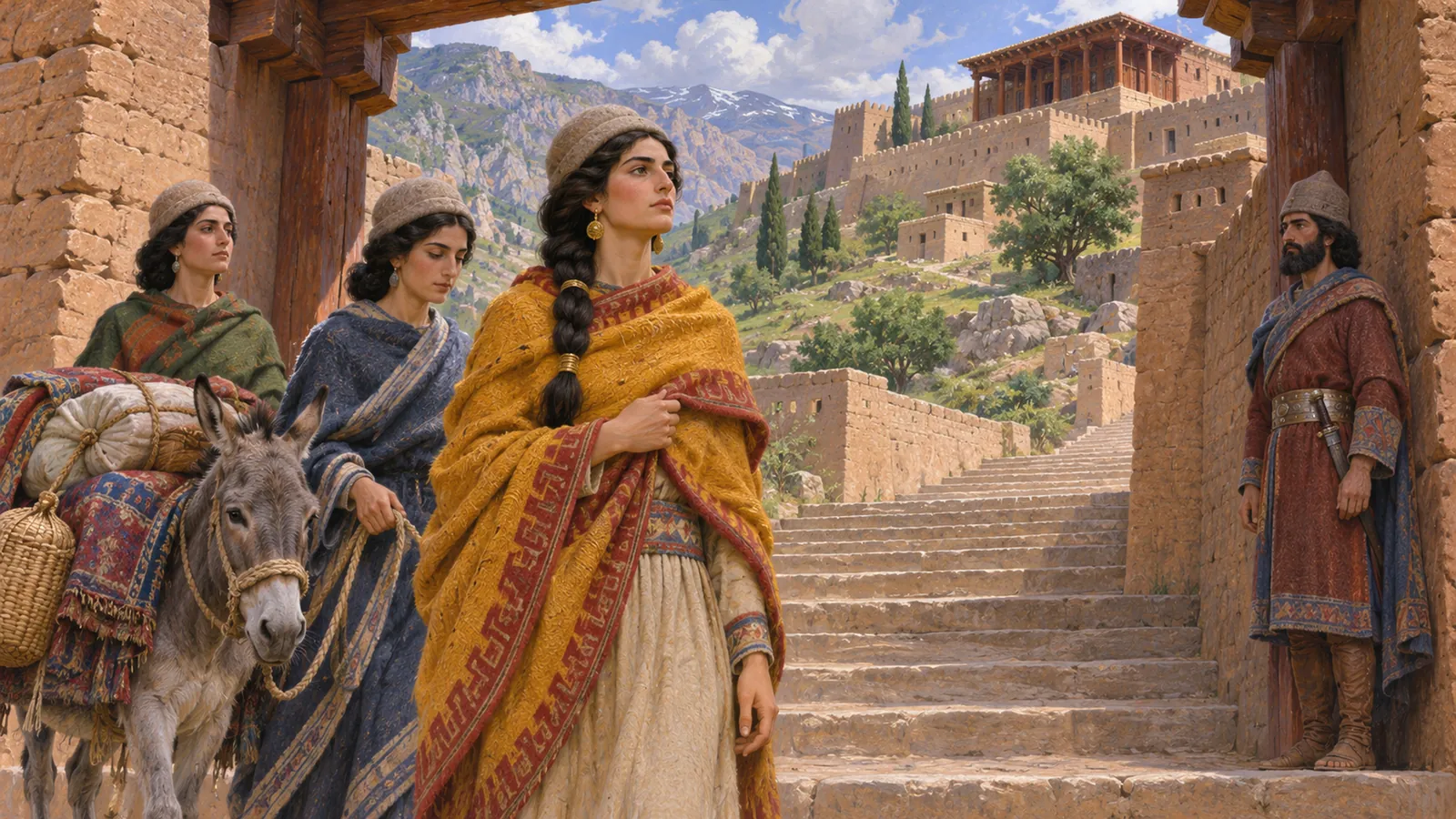
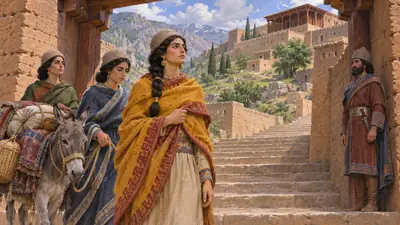
Mandane is expecting a child. Astyages sends for her, and she makes the journey back to Media. At his court she finds that whoever enters or leaves her quarters will be watched.
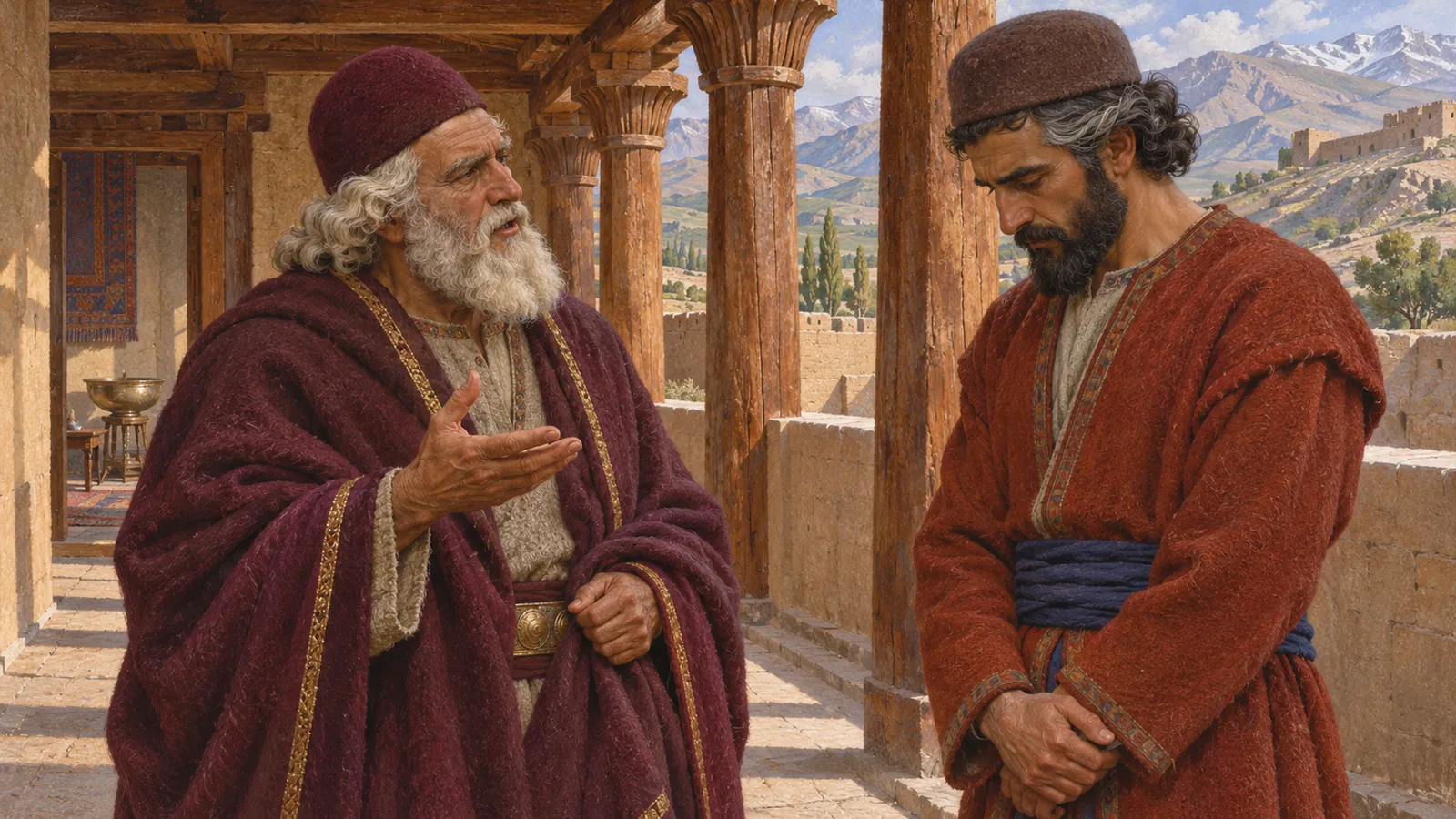
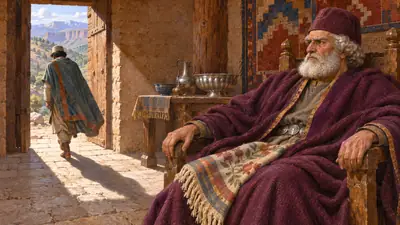
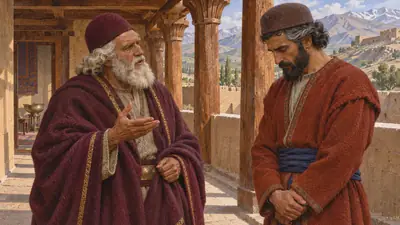
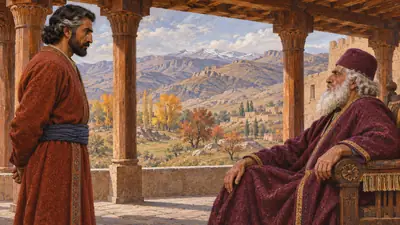
When the baby is born, Astyages sends for Harpagus, the steward who manages his household. He gives him a terrible order. He wants the child killed before the dream can come true.
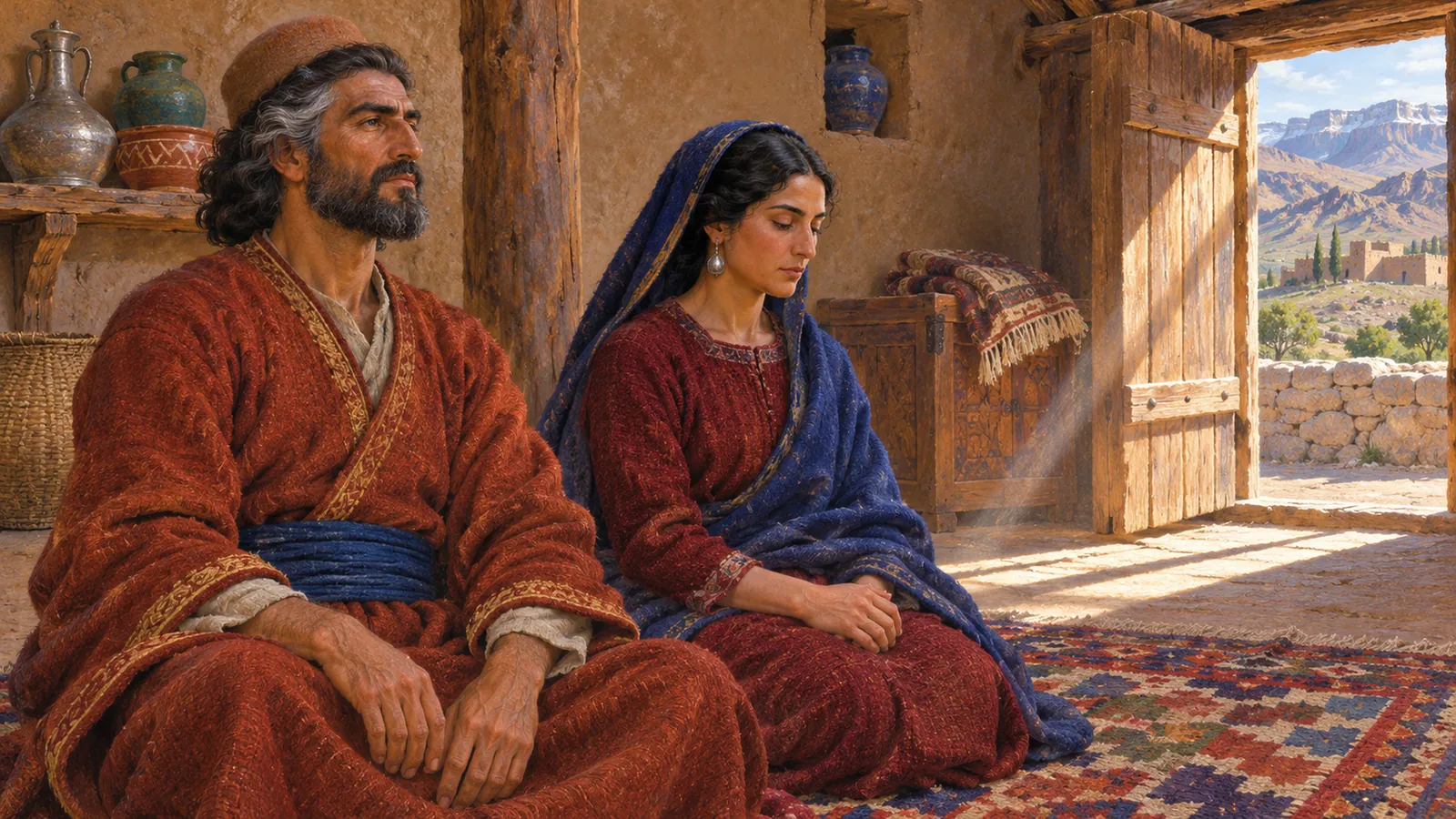
Harpagus takes the child away and tells his wife what happened. He will not kill a child of his own kin. He also wonders what Mandane might do if she ever succeeds her father.
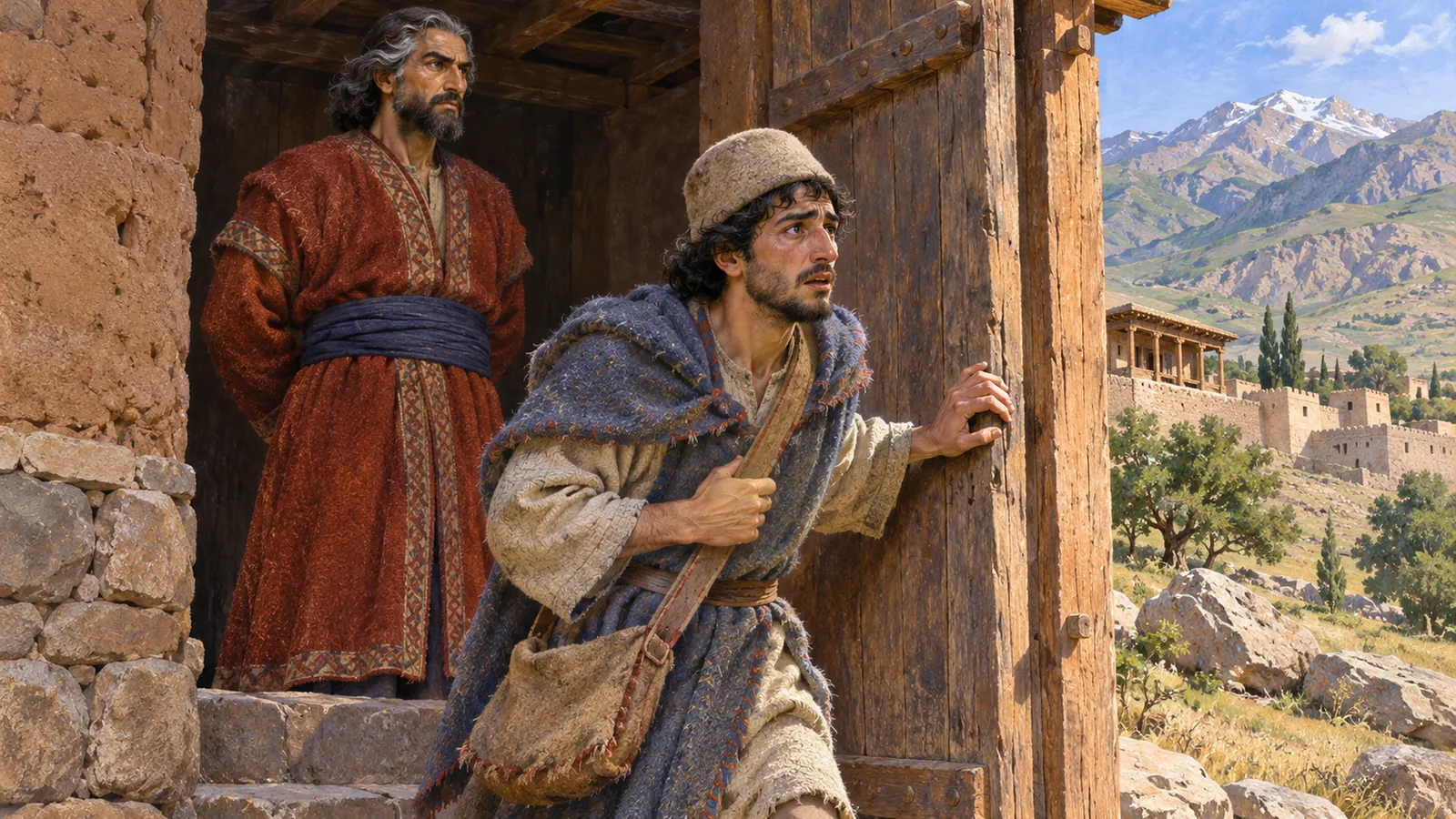
Harpagus looks for someone whose orders come directly from Astyages. He will pass the command along and let the herdsman carry the danger. The man he summons cannot refuse the king’s service.
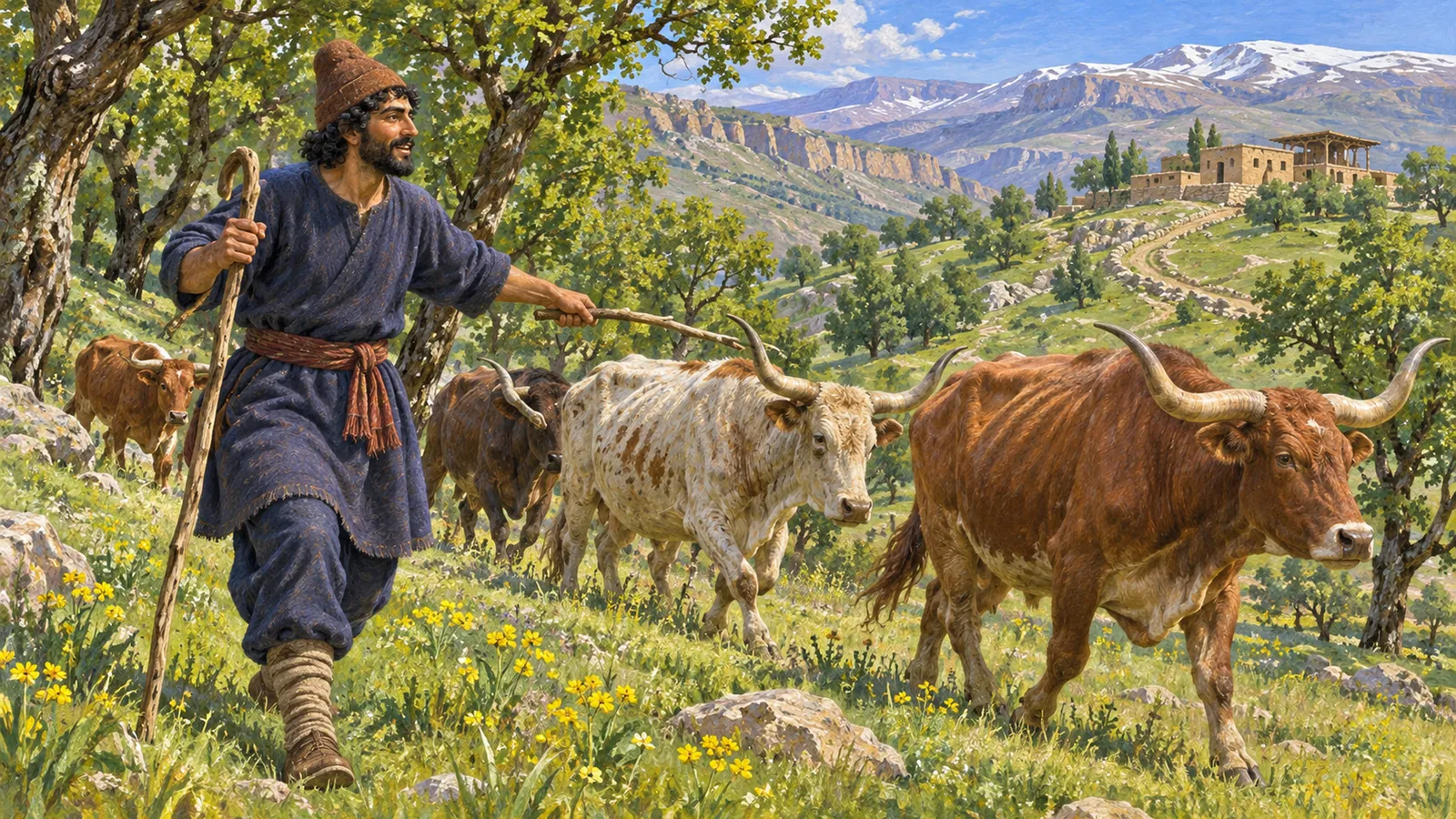
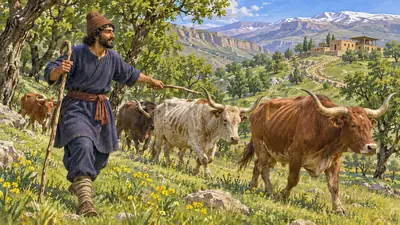
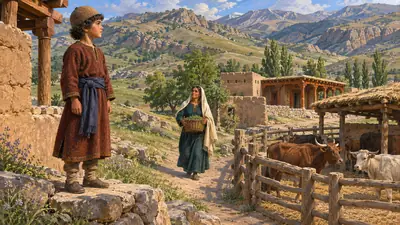
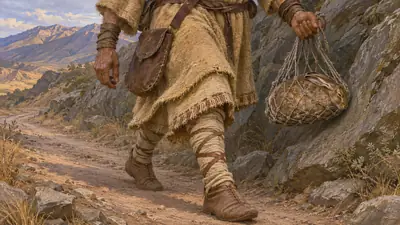
Mitradates tends the king’s cattle in the wooded mountains north of Ecbatana. He and his wife, Spako, are both enslaved. His work carries him a long way from the palace that can summon him.
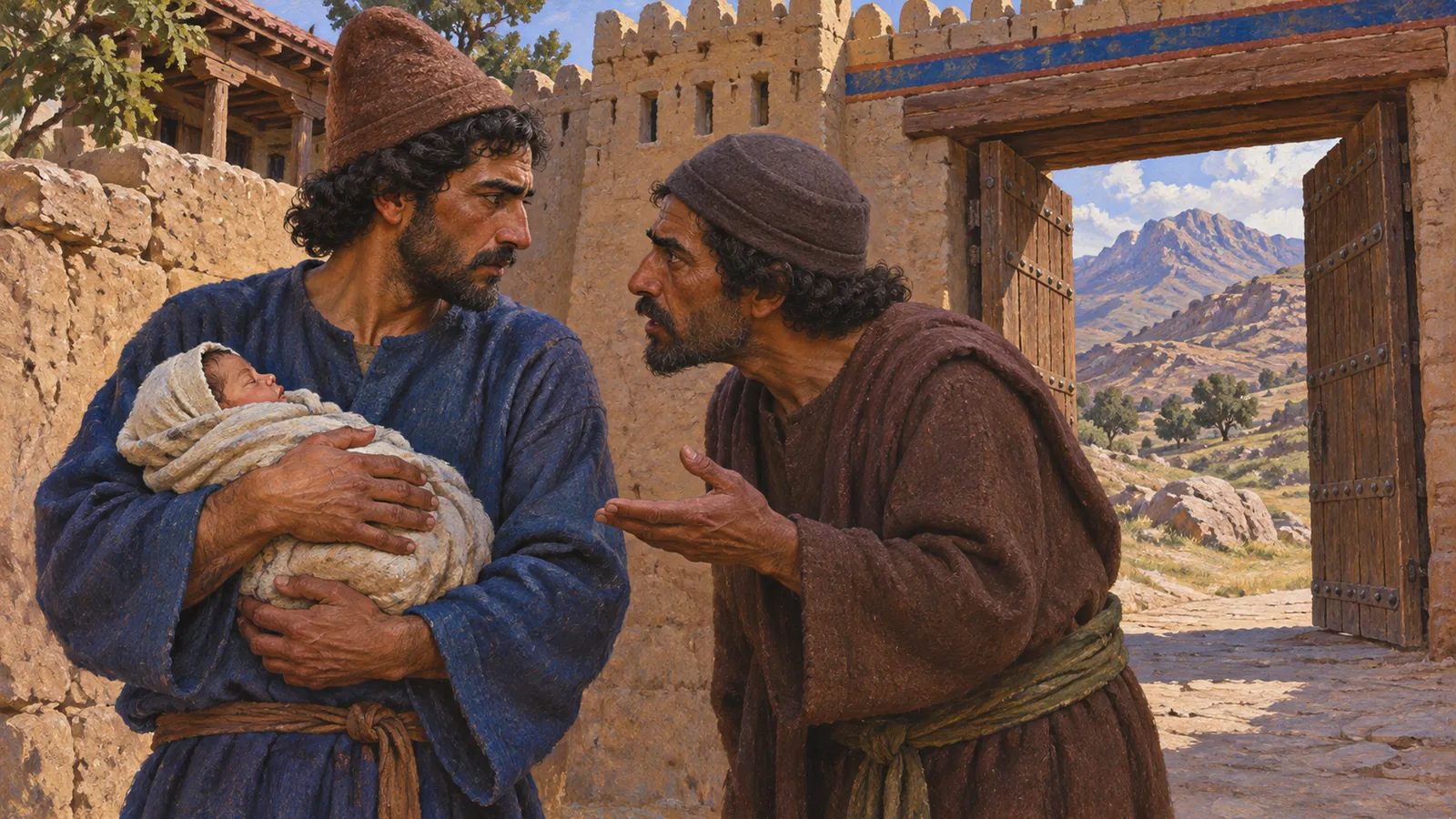
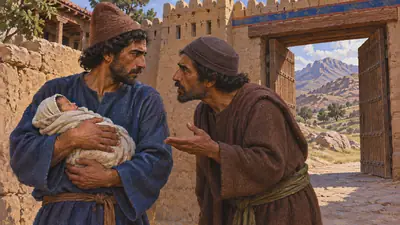
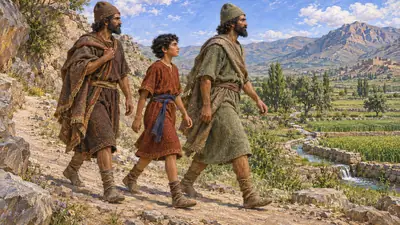
Harpagus orders Mitradates to leave the baby in the hills. A servant escorts the herdsman out of the city and tells him whose child he carries. The fine wrappings suddenly make sense.
THE HILL HOUSE
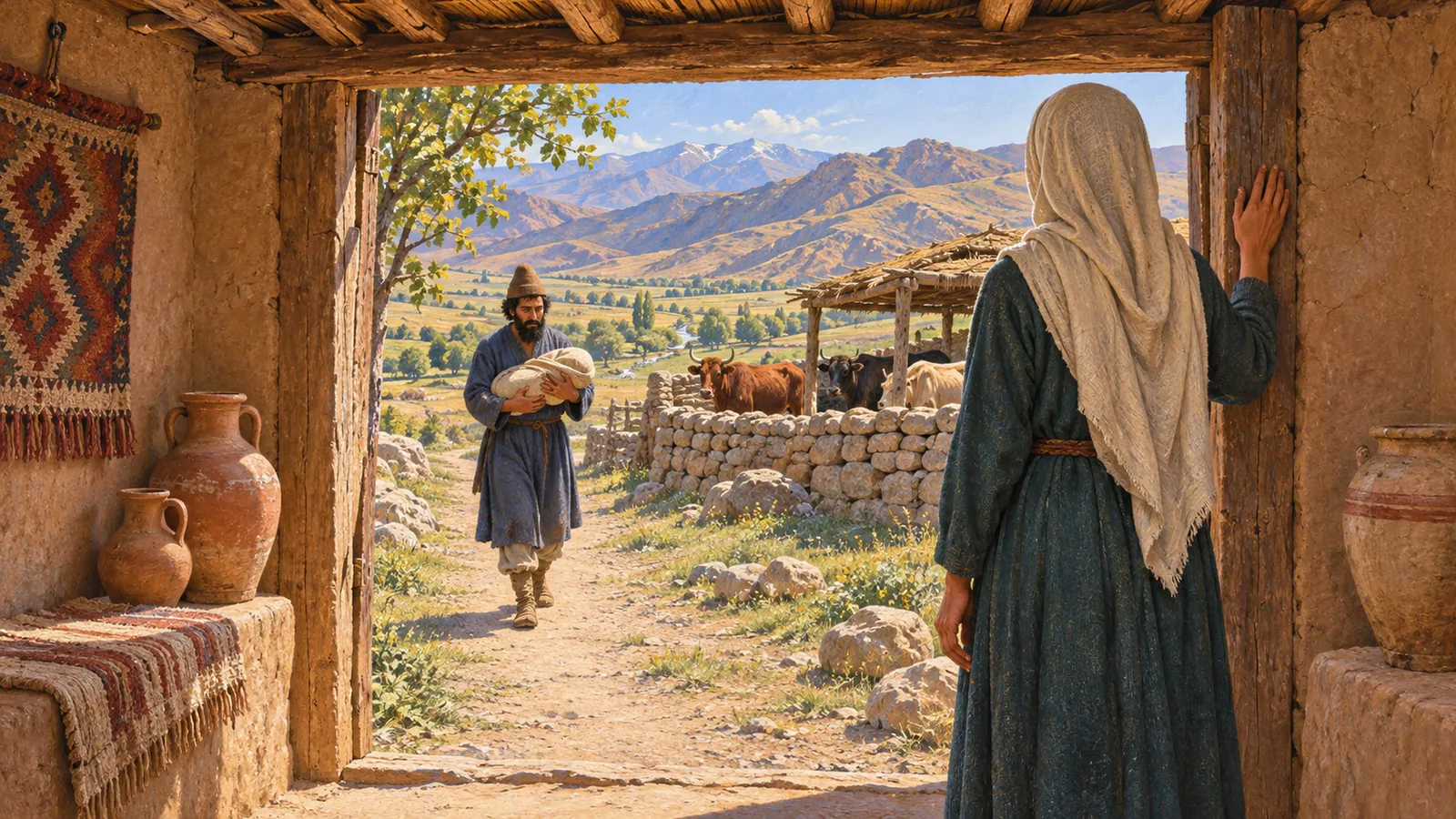
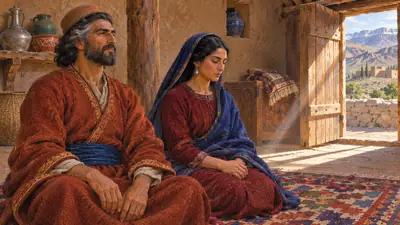
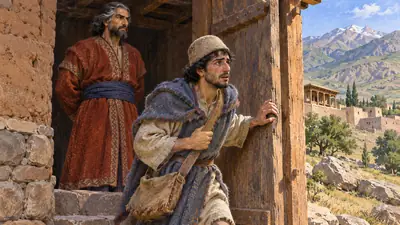
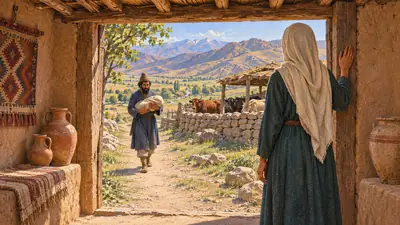
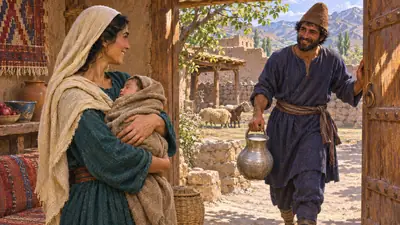
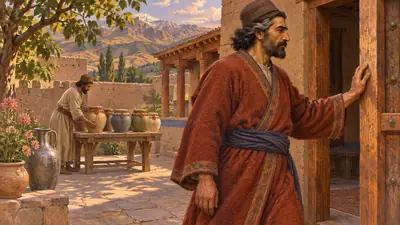
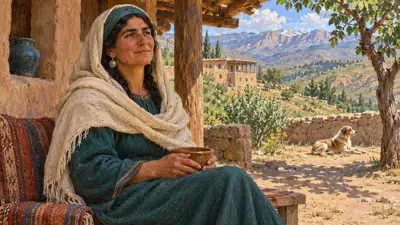
Mitradates hurries home. He had left Spako about to give birth, and she has been wondering why he was called away. Before he can tell her about the bundle she asks what happened in the city.
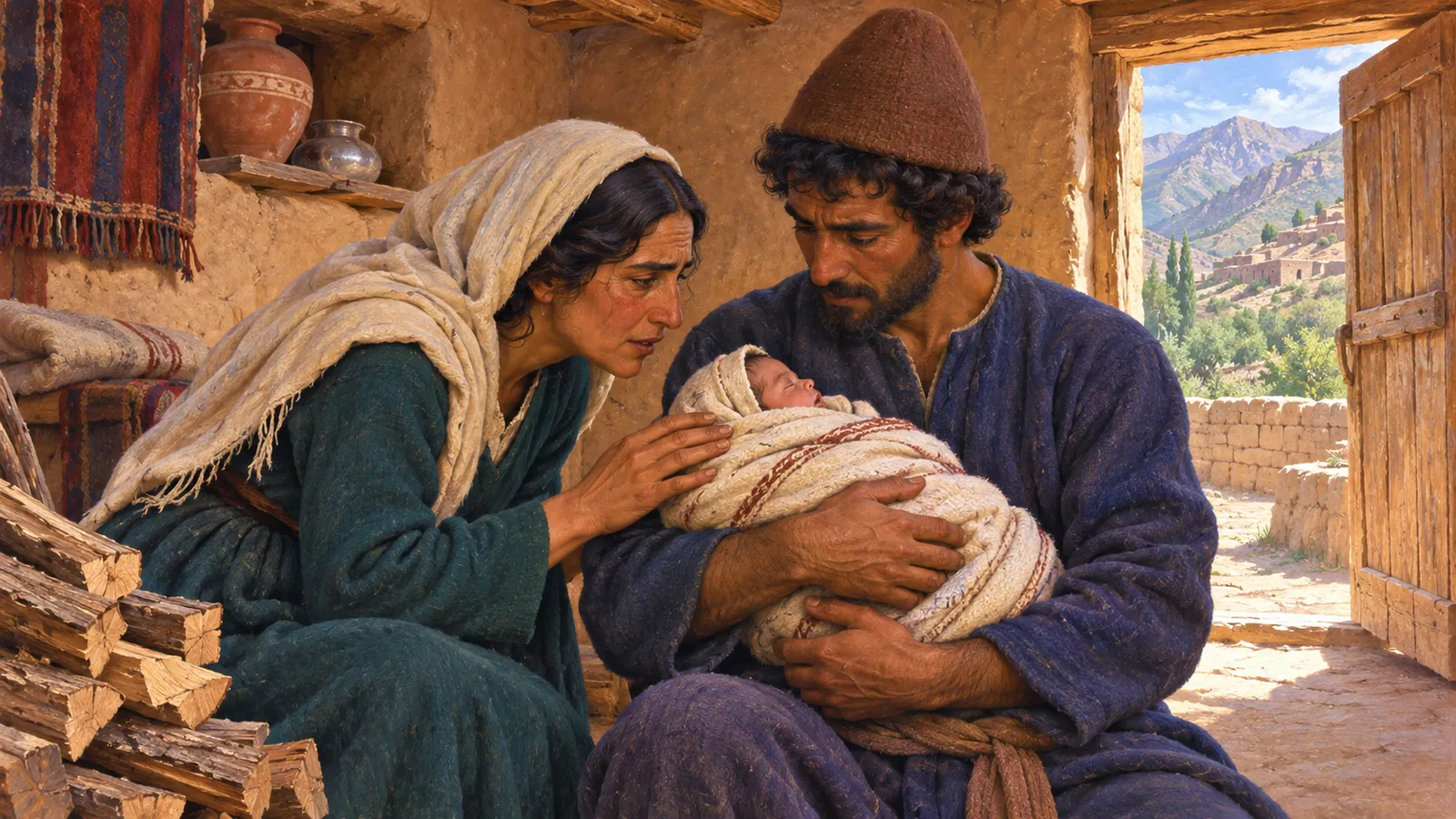
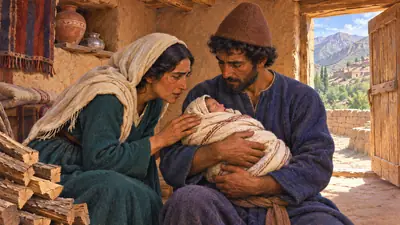
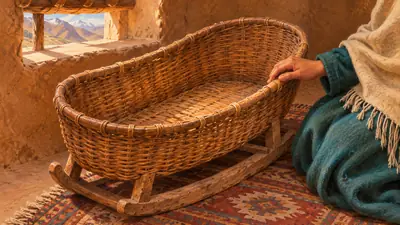
Mitradates lifts the edge of the cloth. Spako sees a living baby and begs him to keep the child safe. He fears what Harpagus’ men will do when they come to see whether he obeyed.
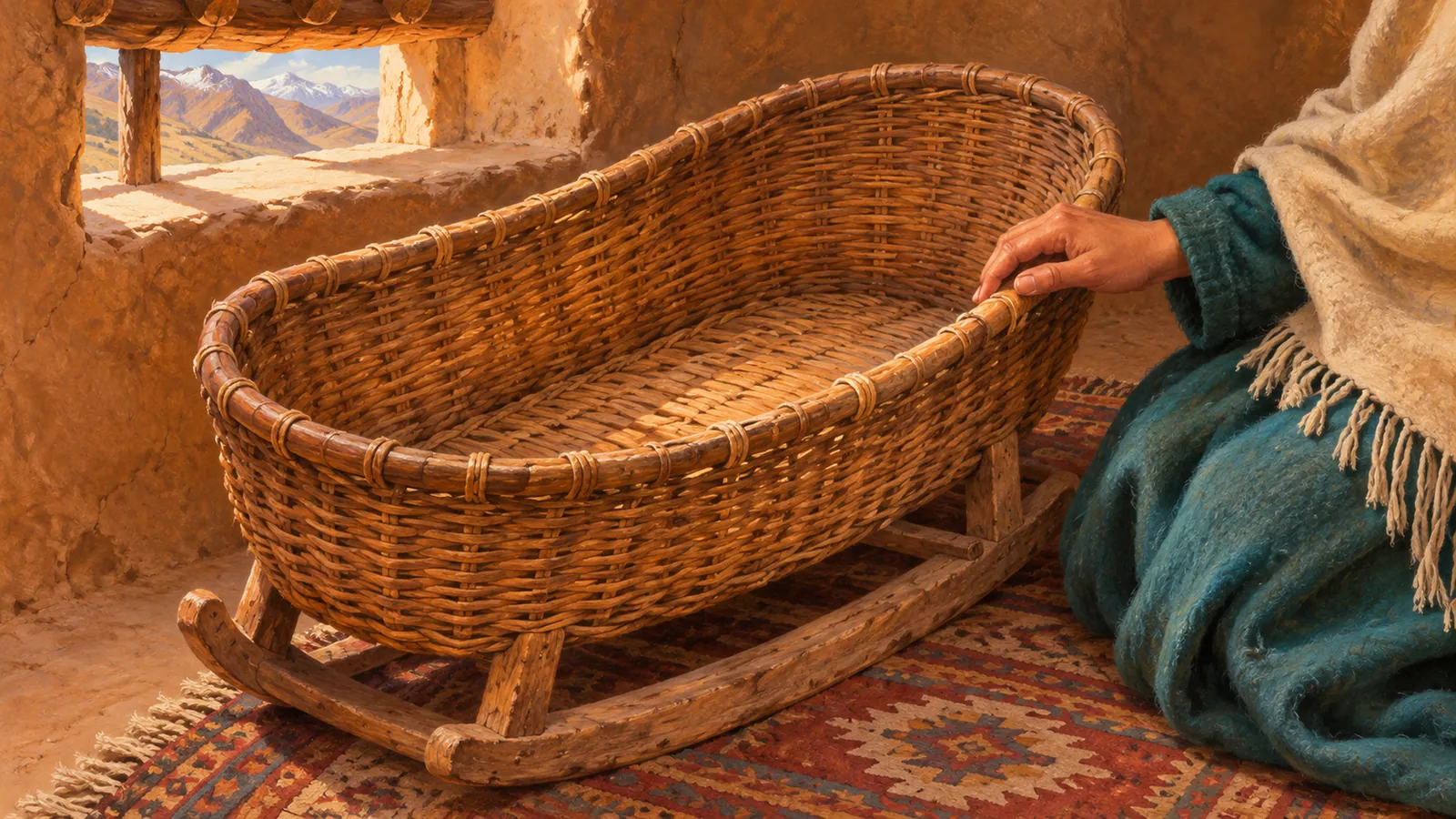
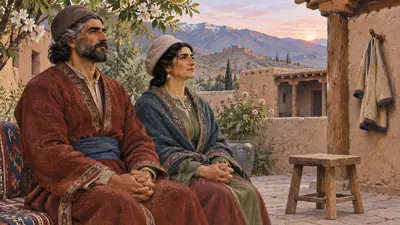
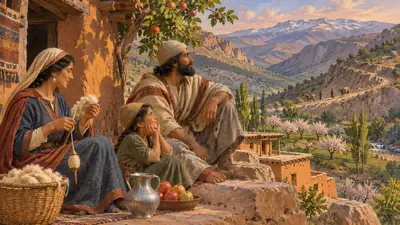
While Mitradates was away, Spako’s own baby had been born without life. She has had only a little time to grieve. She looks at the living child and says they could raise him as their own.

Spako proposes that they let the palace men take their baby for Mandane’s son. The men see a child in the royal wrappings and arrange the burial. They go away satisfied.
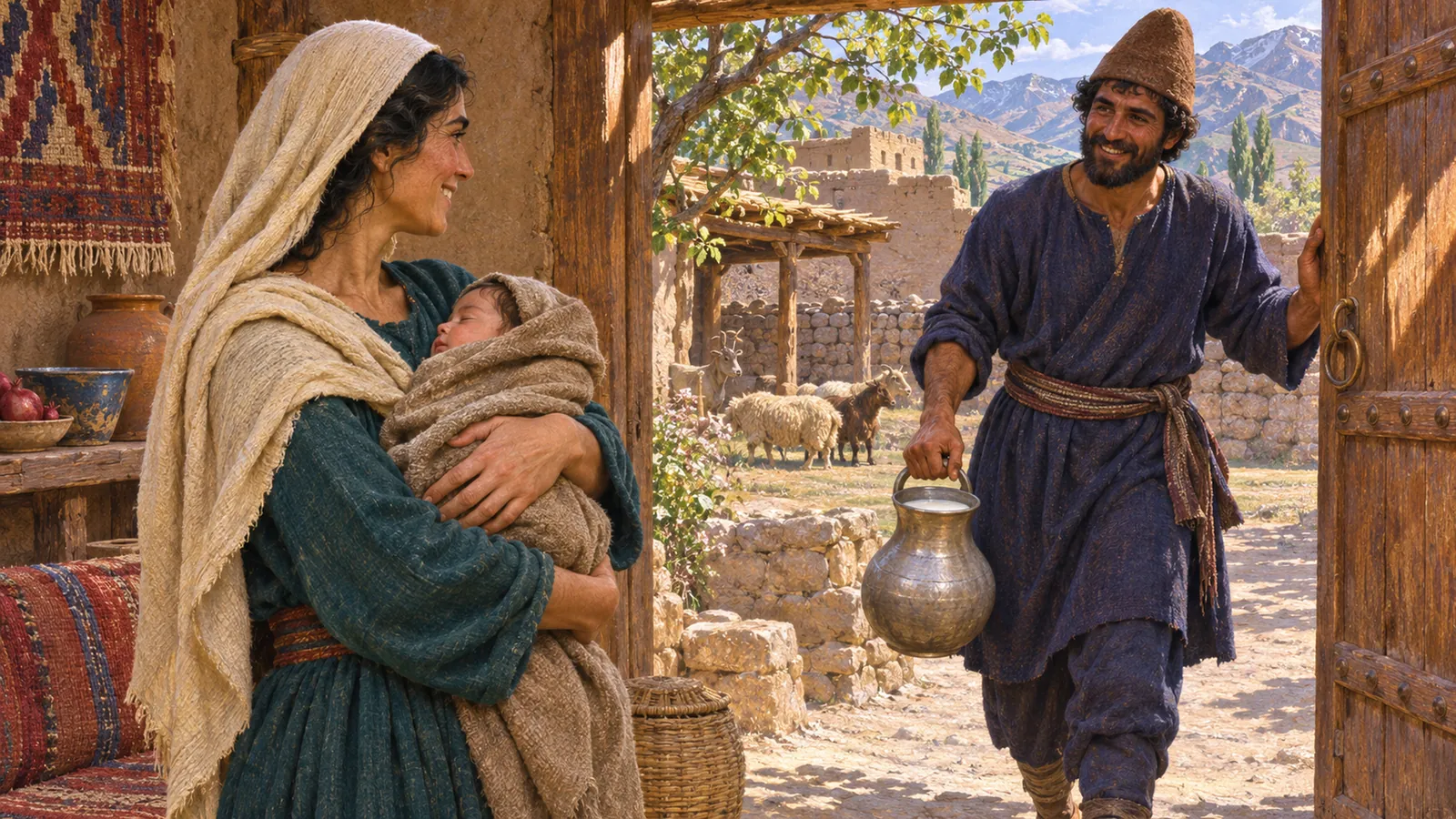
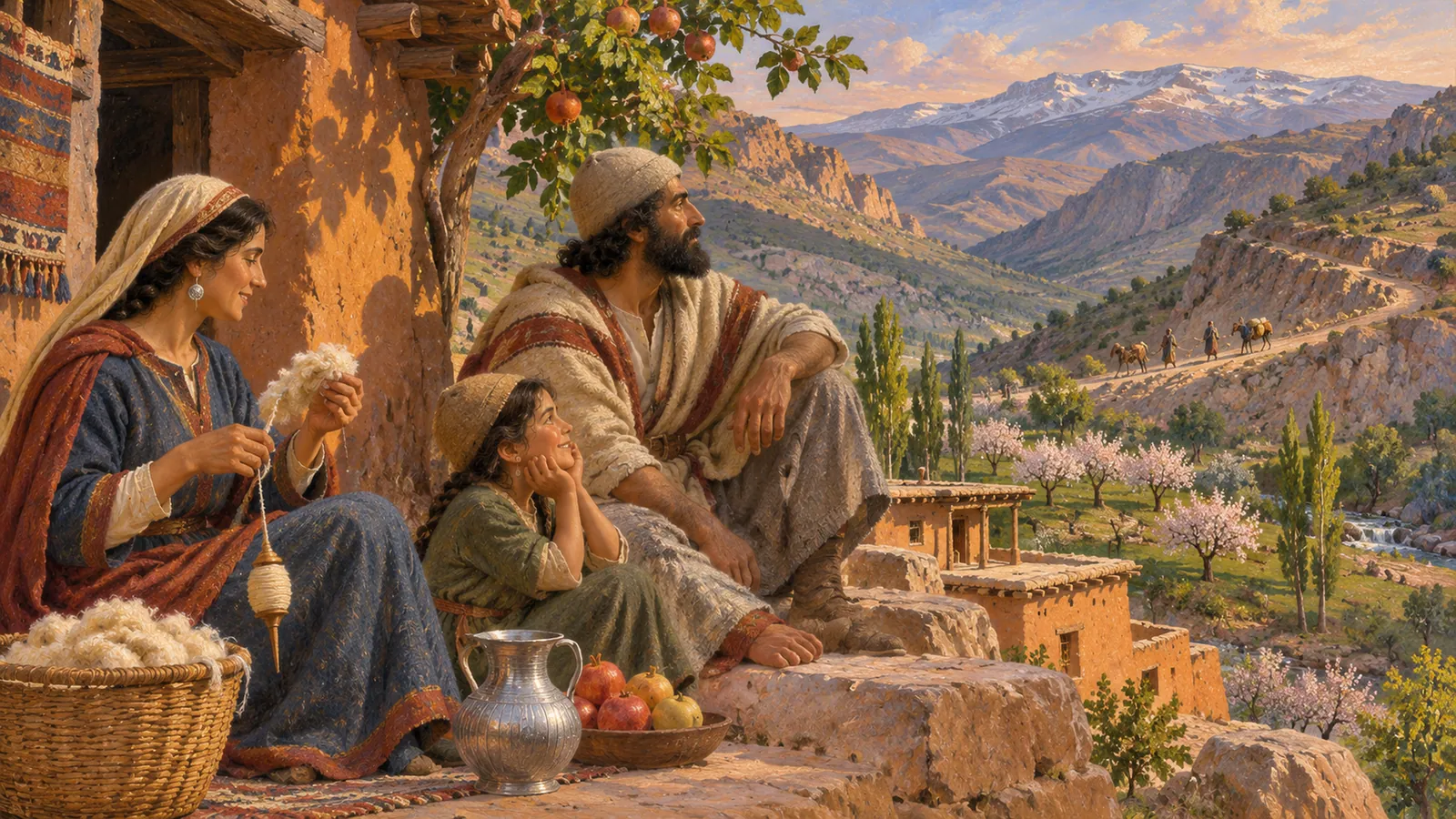
The child the palace sent away stays in the herdsman’s house. Spako keeps him and raises him under another name, which Herodotus never gives. One day the palace will call him Cyrus.
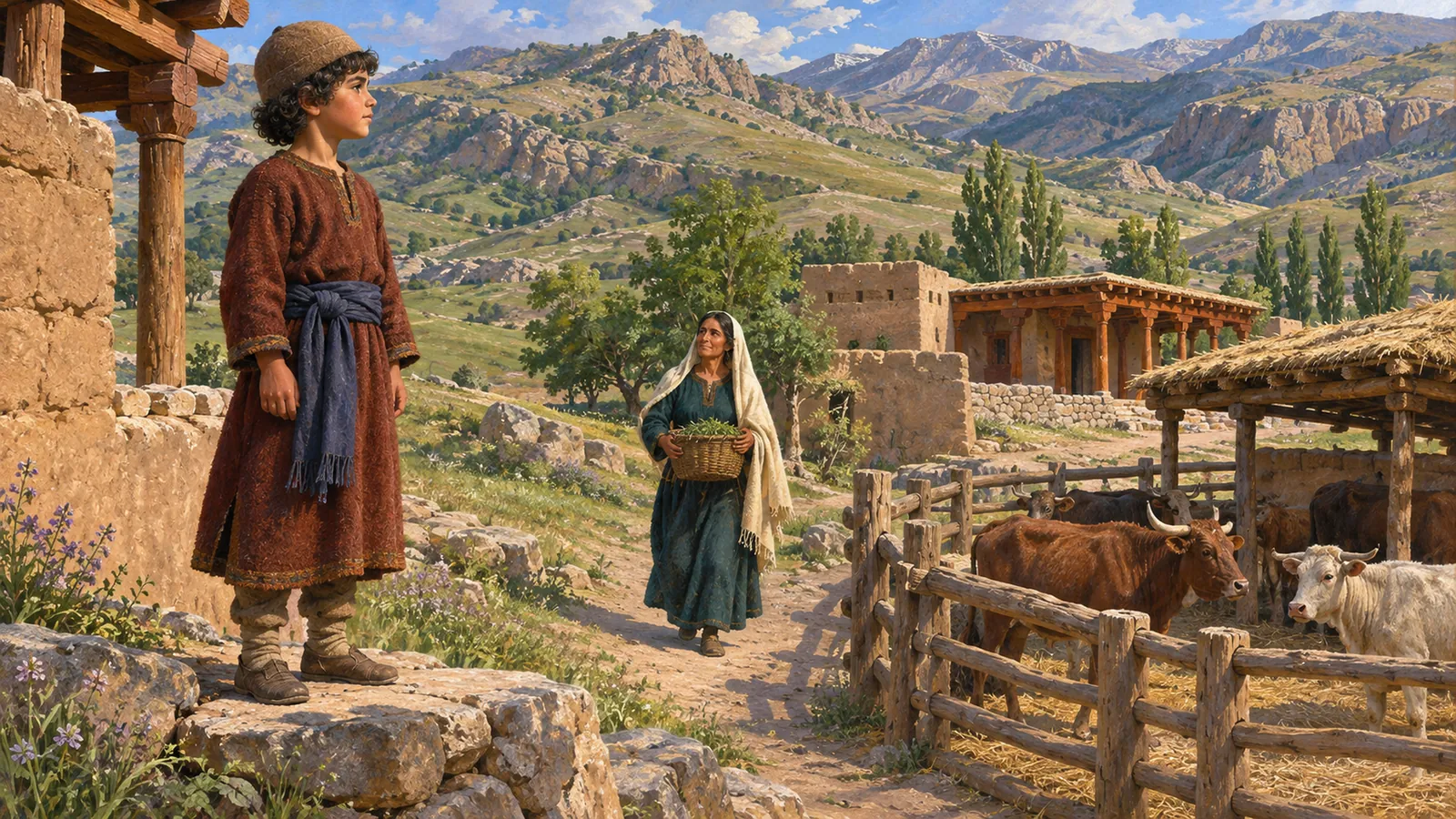
For ten years the boy knows the herdsman as his father. The cattle yard and the lane are the places where he grows up. The first people to call him king are his playmates.
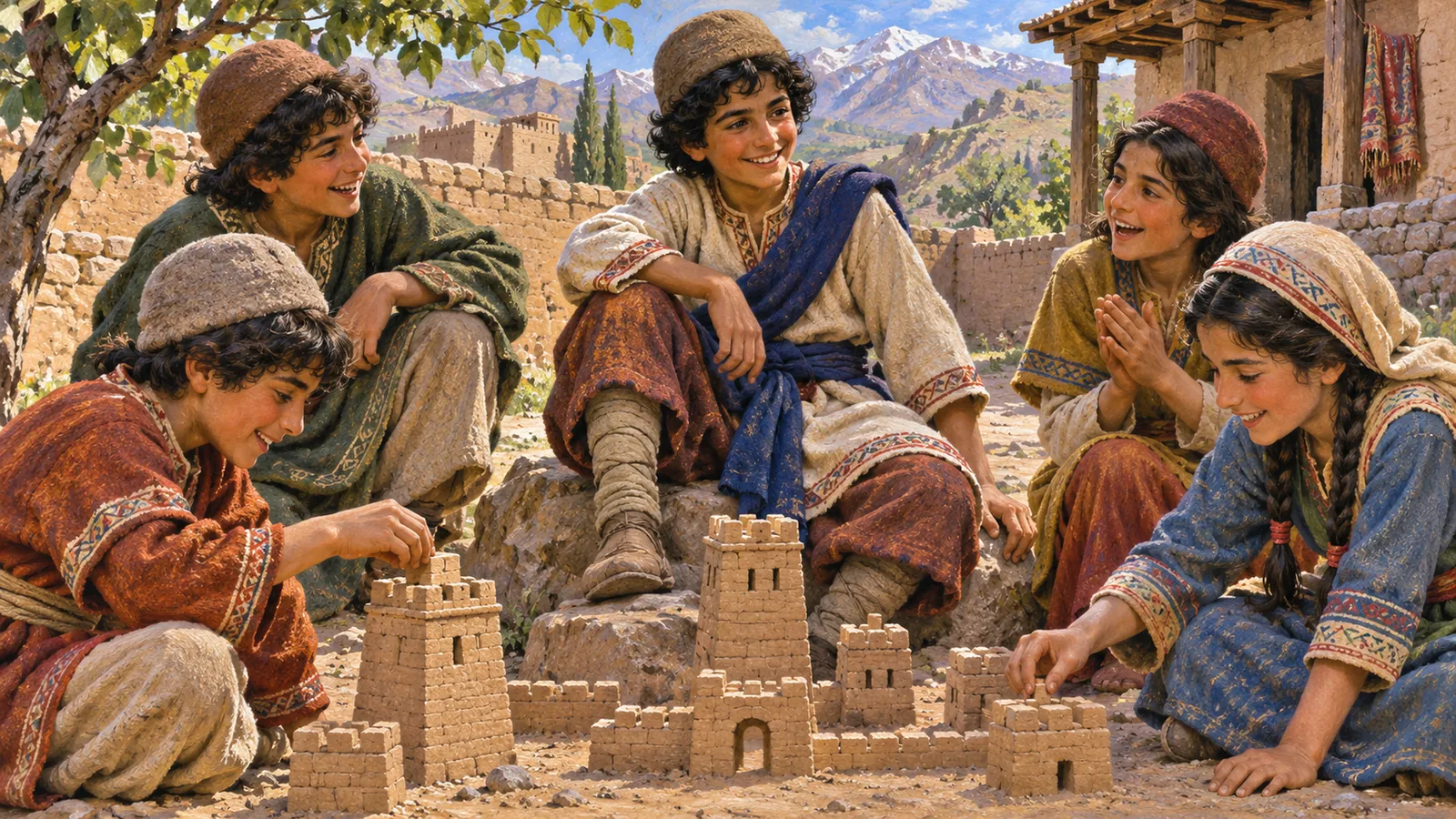
A KING IN A GAME
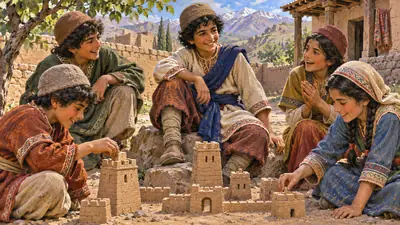
The children choose Cyrus to be their king. Some are sent to build houses, some to be his guards, and one to bring him news. A few stones in the village lane can stand for a palace.
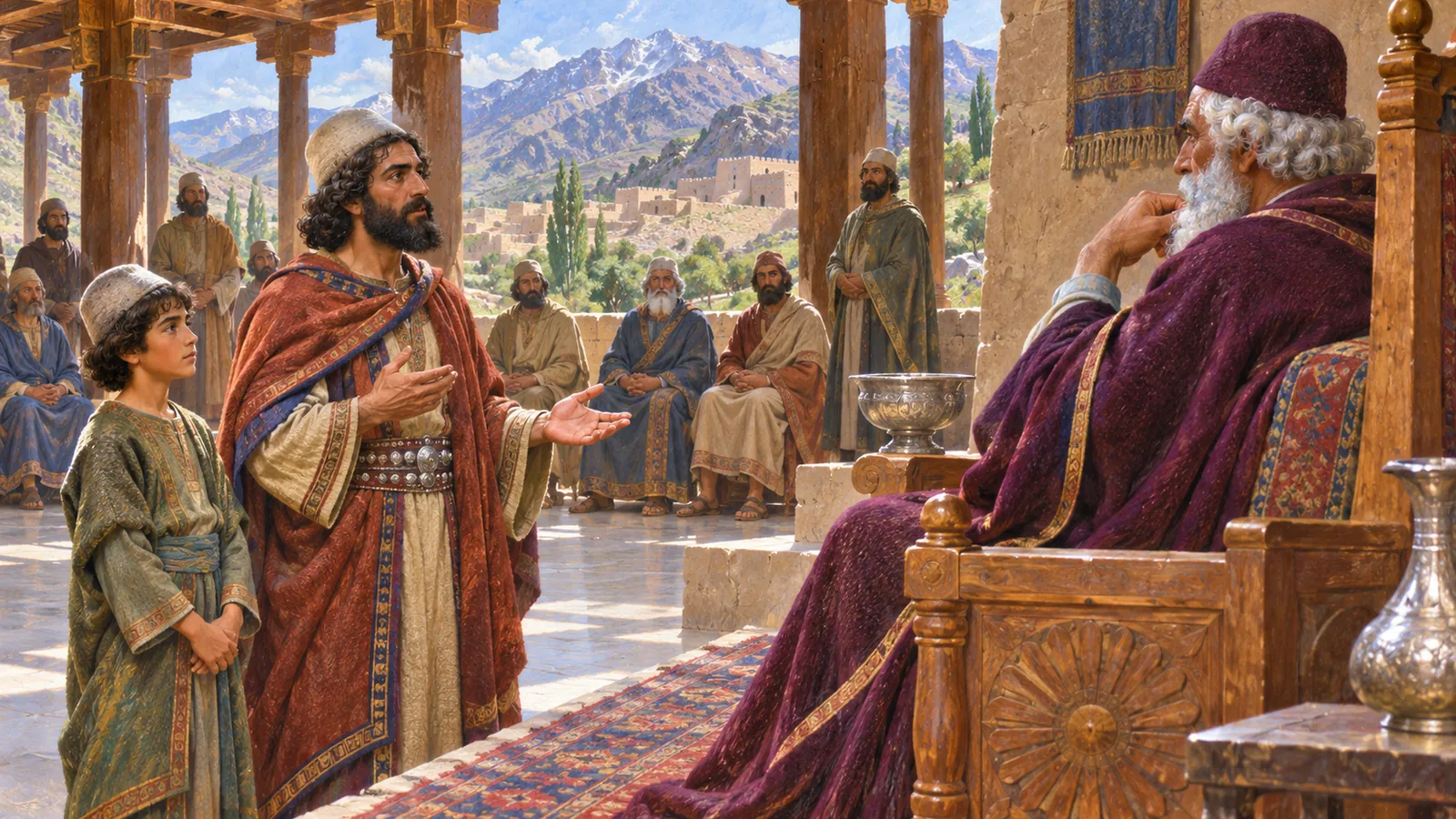
One child refuses the job Cyrus gives him and Cyrus hurts him. The boy tells his father, Artembares, an important Mede. When father and son go to Astyages, the king listens on account of their rank.
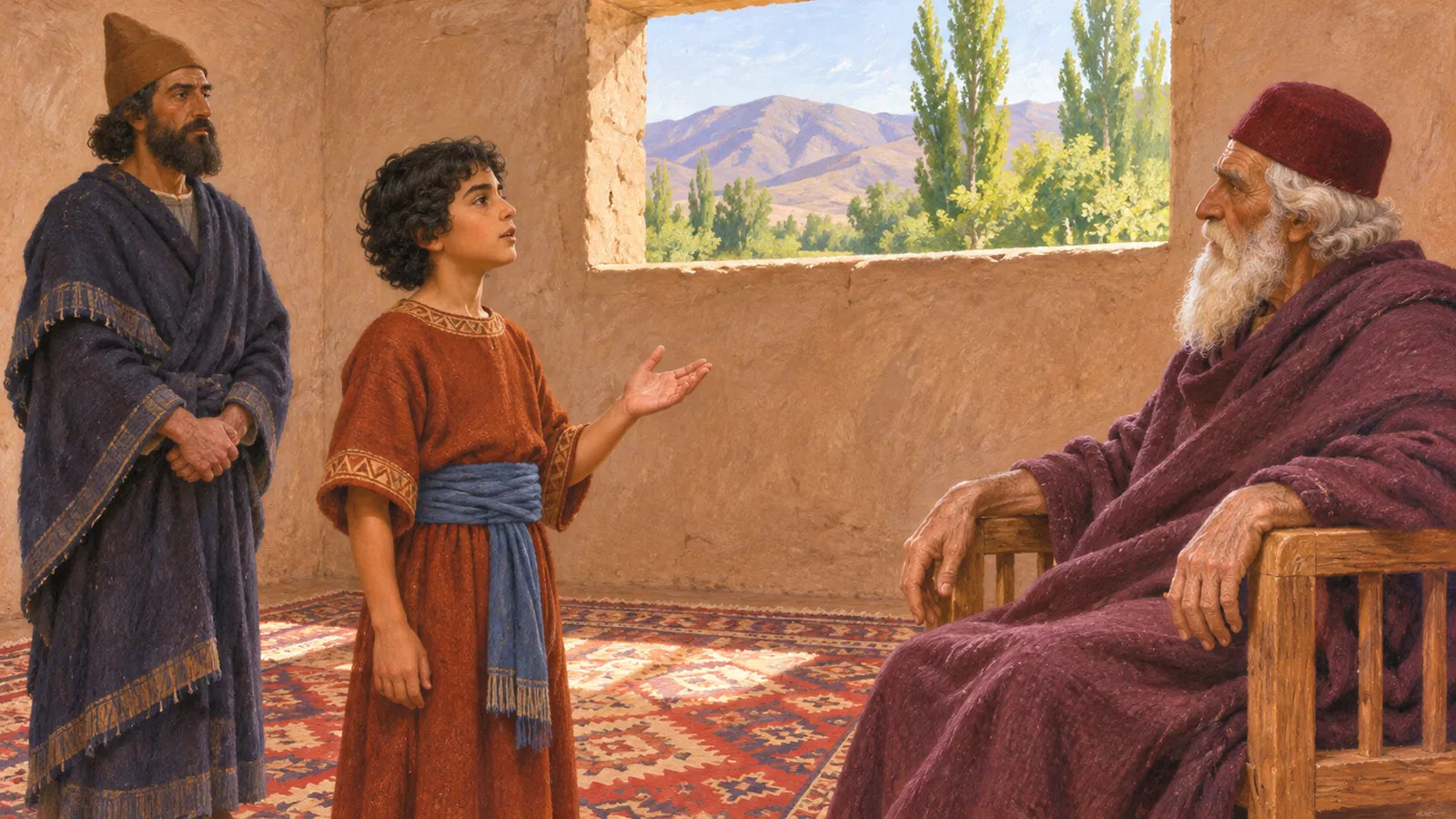
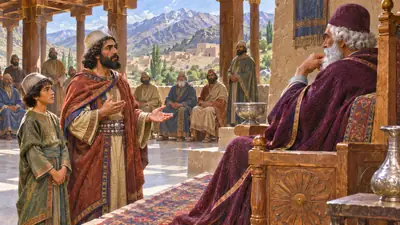
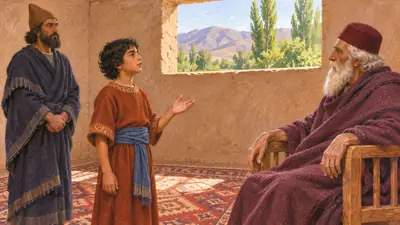
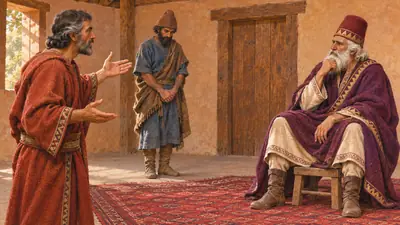
Astyages summons Cyrus and Mitradates. The boy says they chose him as king and that he was enforcing the rules of the game. He faces the questions even when the answers may bring him punishment.
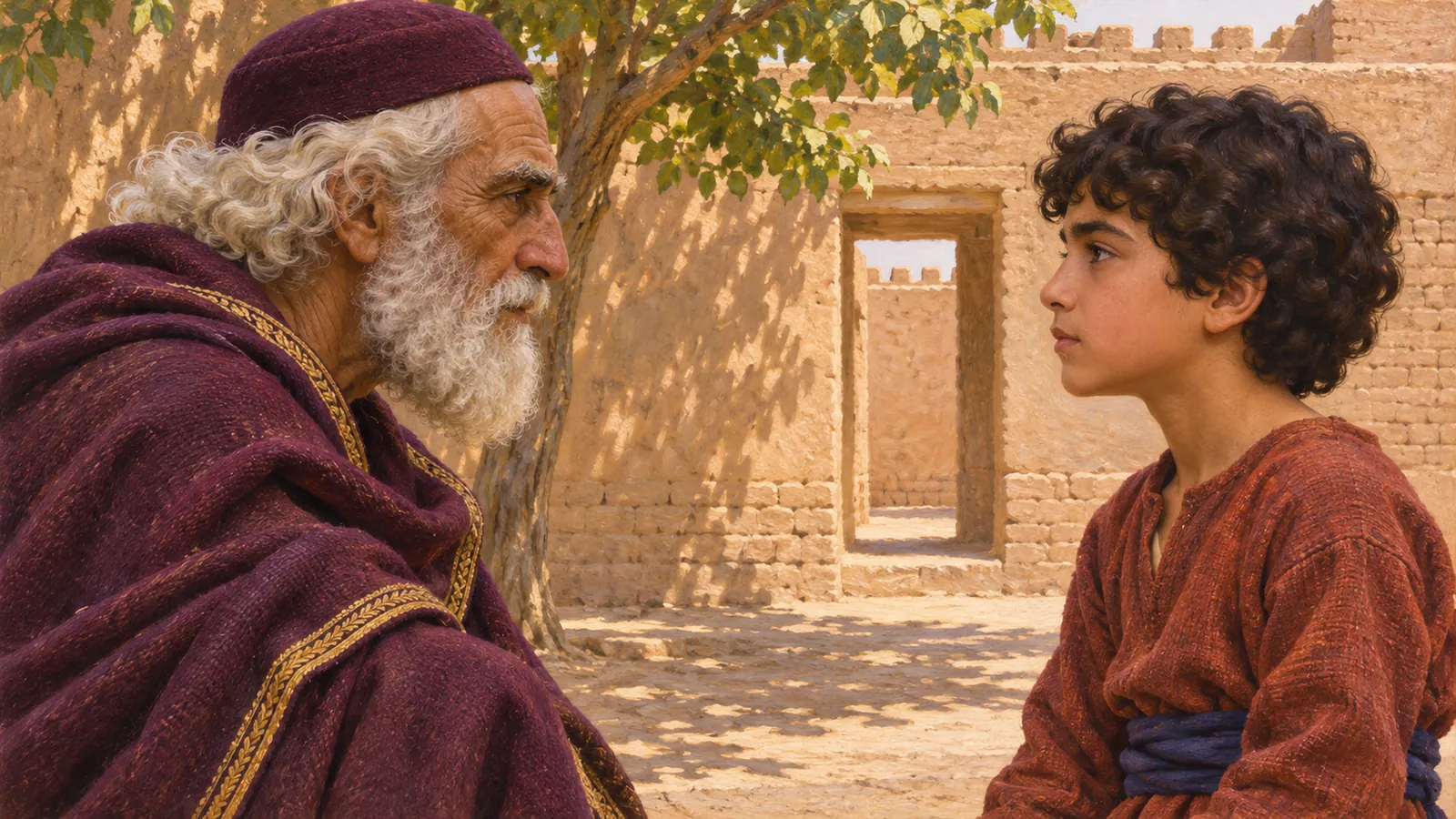
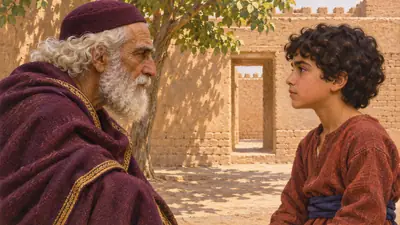
As Cyrus speaks, Astyages notices a familiar look in his face. The boy answers with a freedom the king did not expect. He seems about the age Mandane’s son would be. Astyages falls silent.
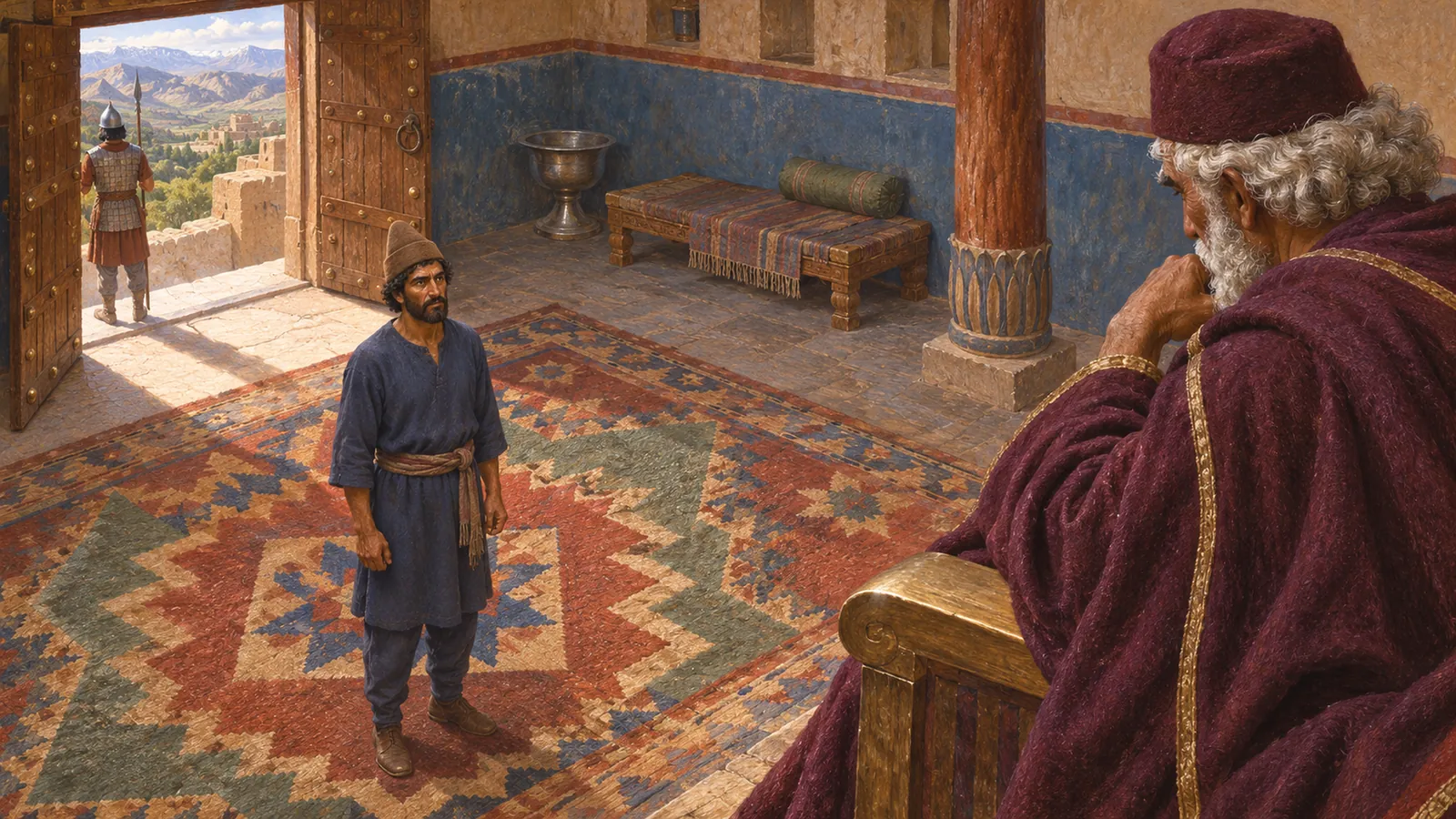
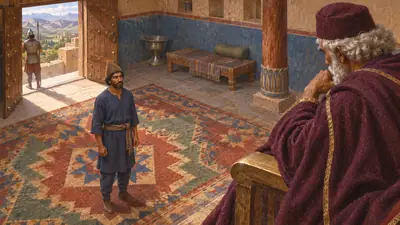
Astyages sends the others away and questions Mitradates about the boy. At first the herdsman calls Cyrus his son. When the king presses him, he tells how Spako and he brought the child up.
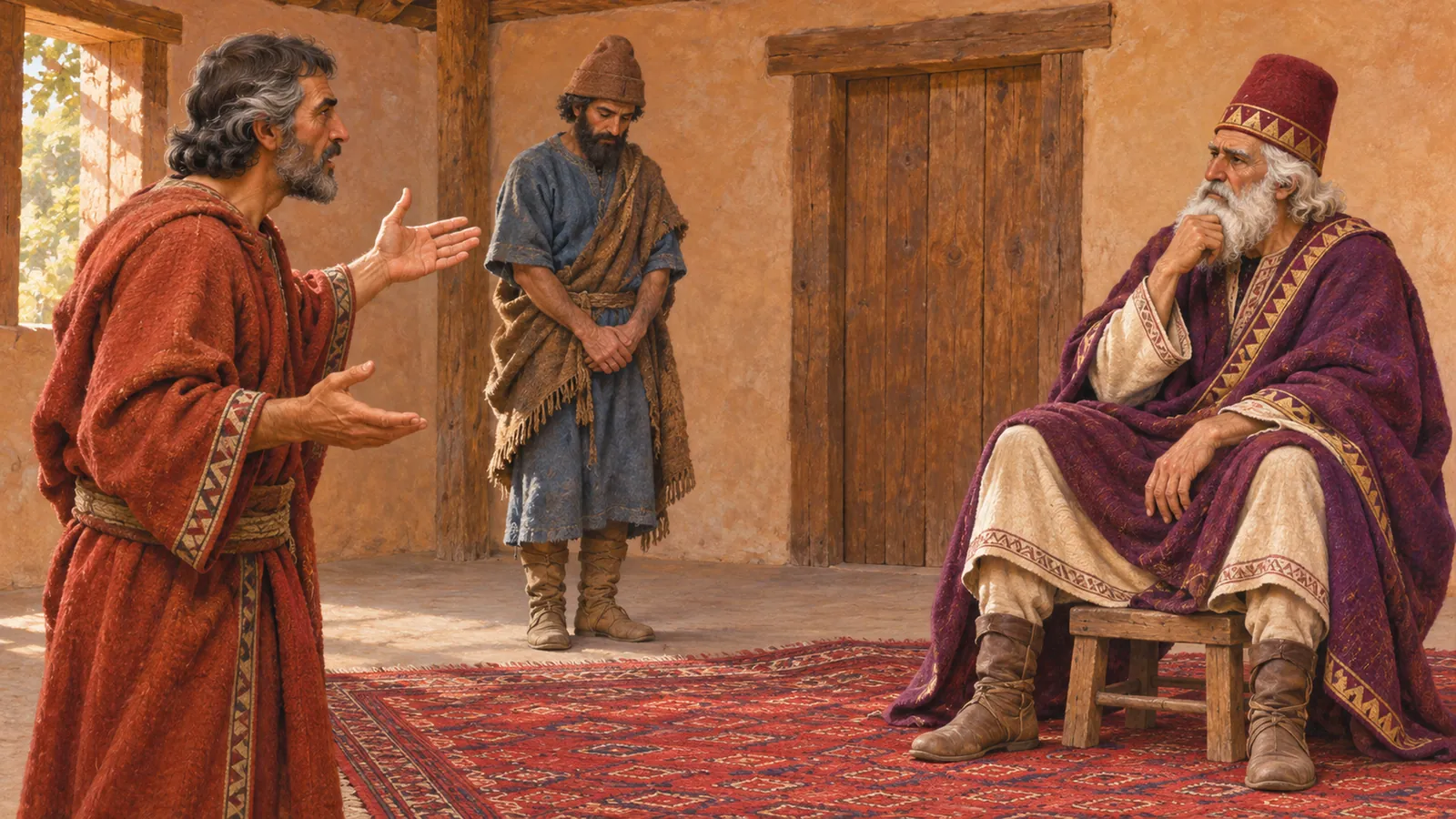
When Harpagus enters, Mitradates is still there. Harpagus knows he cannot tell a different story before a witness. He describes his order to the herdsman. Astyages listens and hides his anger.
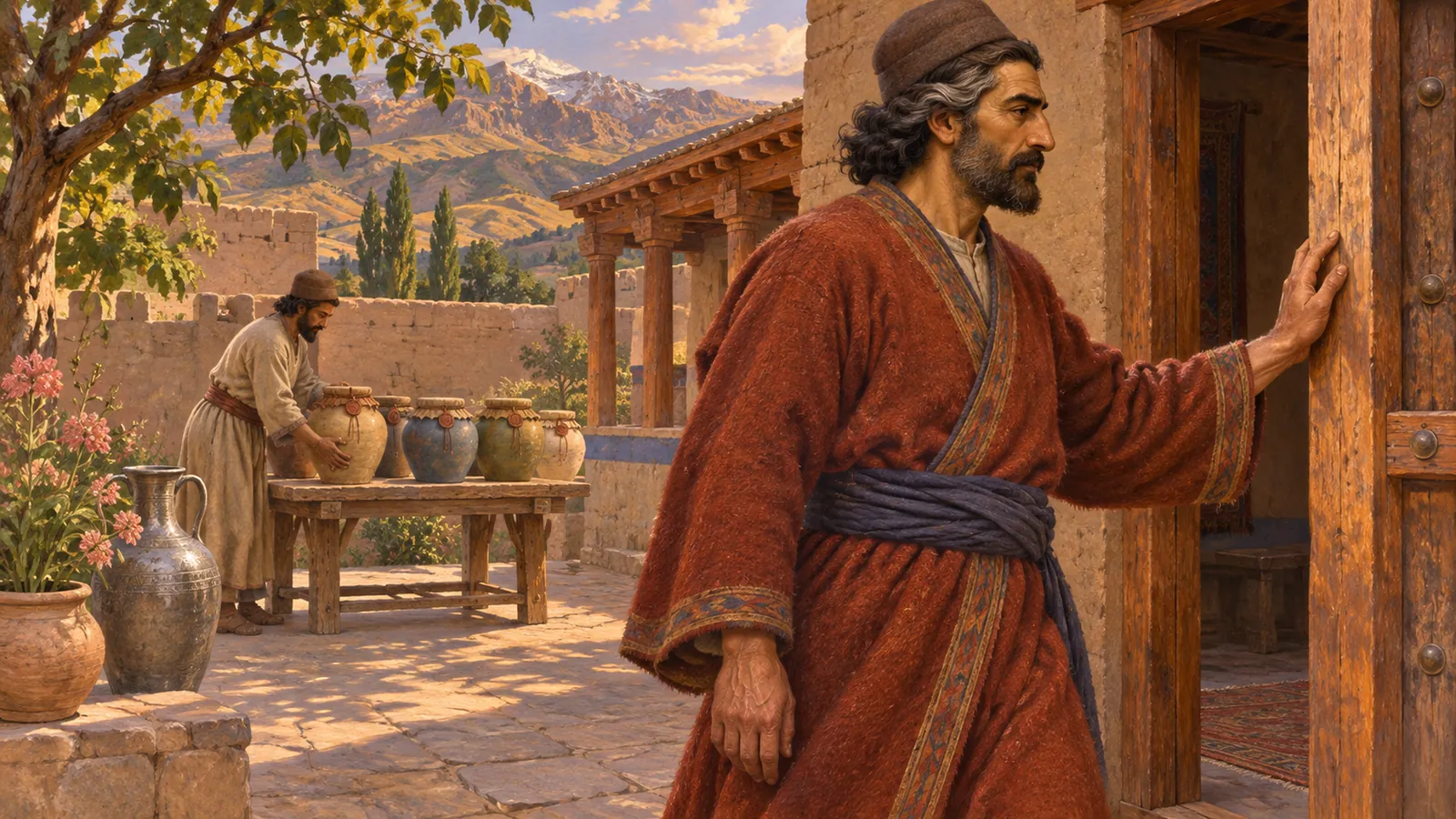
Astyages says he is glad the child is alive. He asks Harpagus to send his son to the palace and to come himself to a feast. Harpagus goes home relieved at what sounds like a pardon.
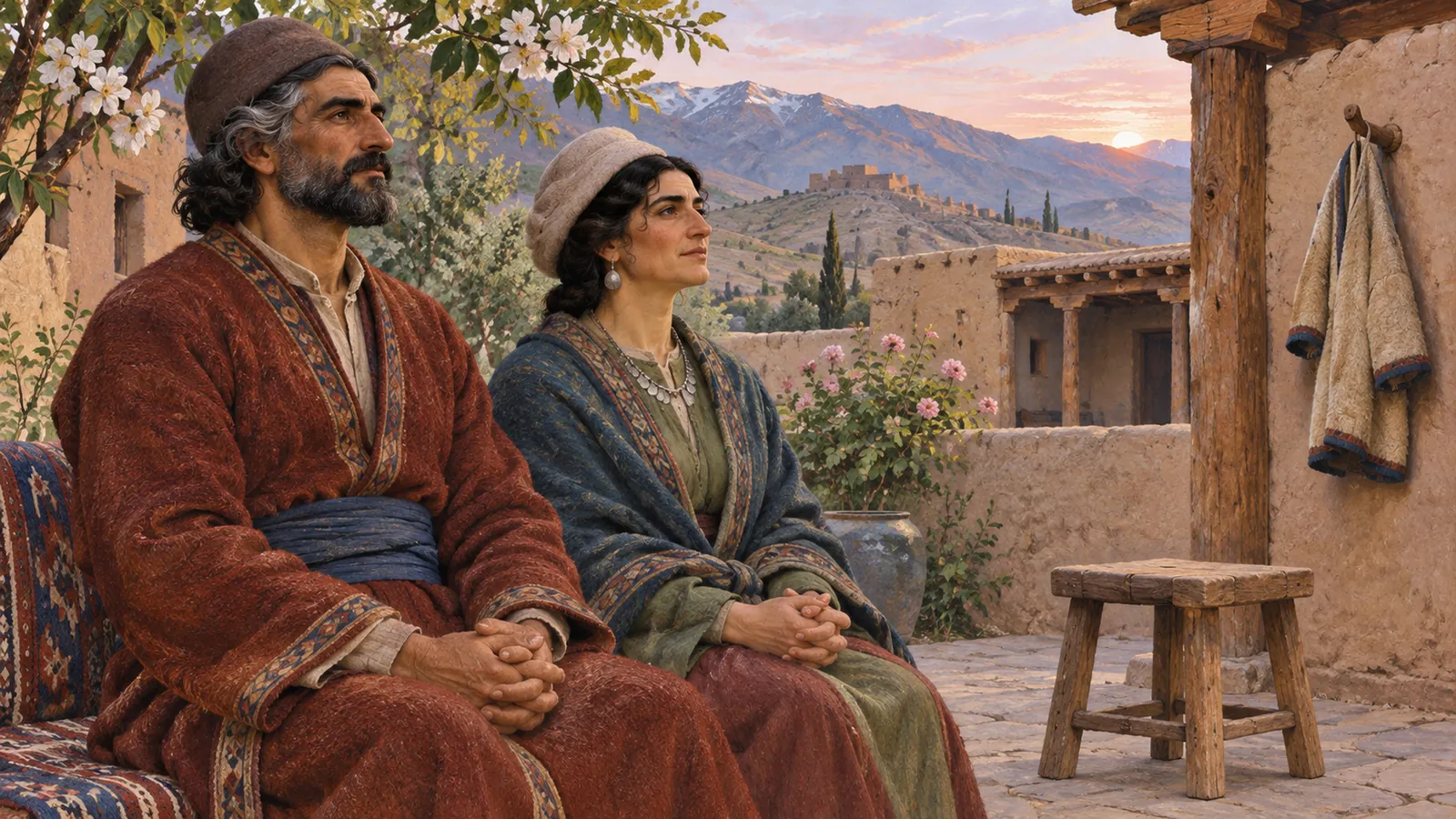
At the feast Harpagus learns that Astyages has had his son killed. He keeps his composure in the king’s presence. Afterward he goes home, where there is now an empty place in the household.
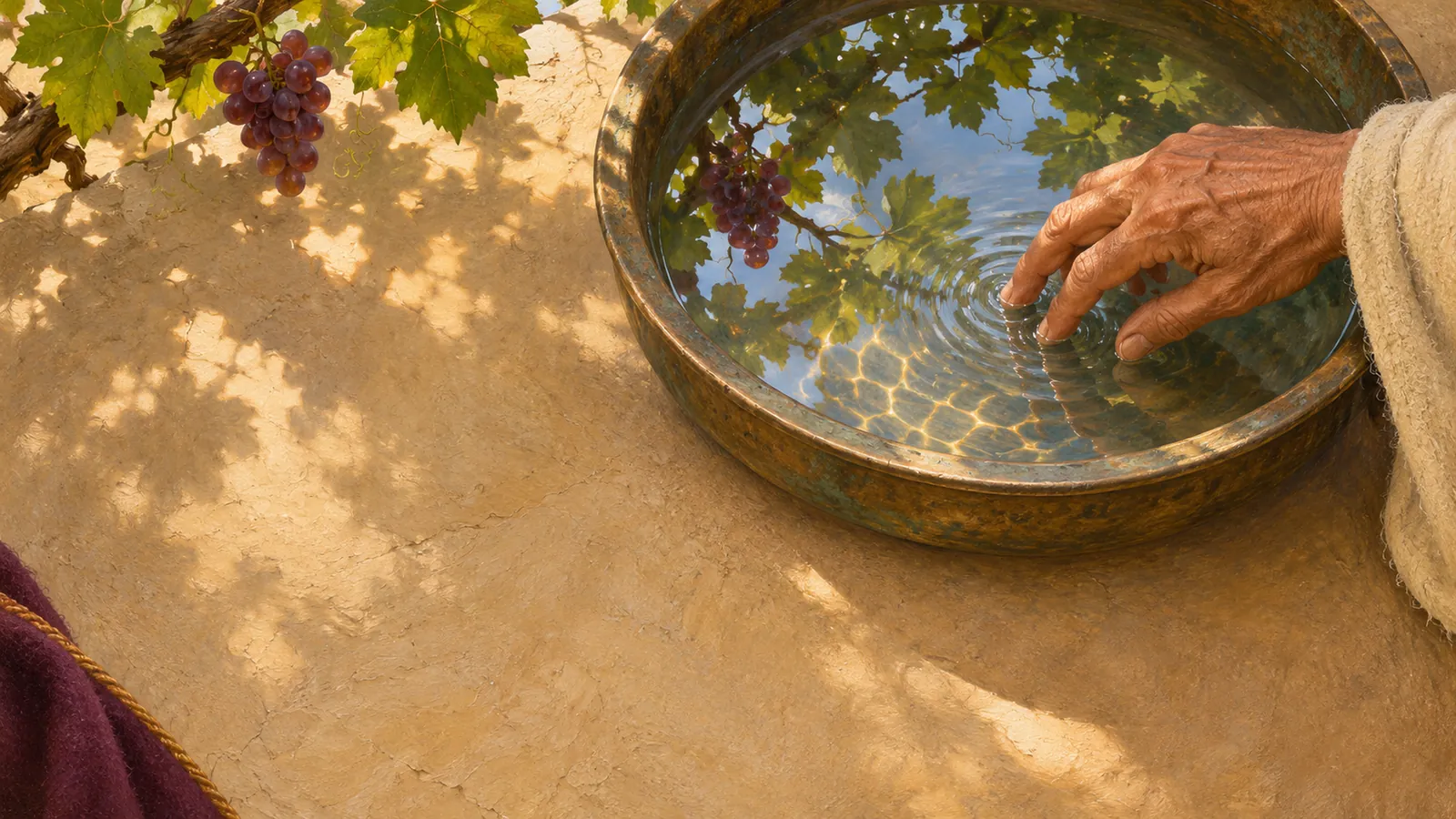
Astyages asks the Magi again about the dream. They say the village game may have fulfilled it: Cyrus has already been called king. They advise sending him to his parents in Persia.
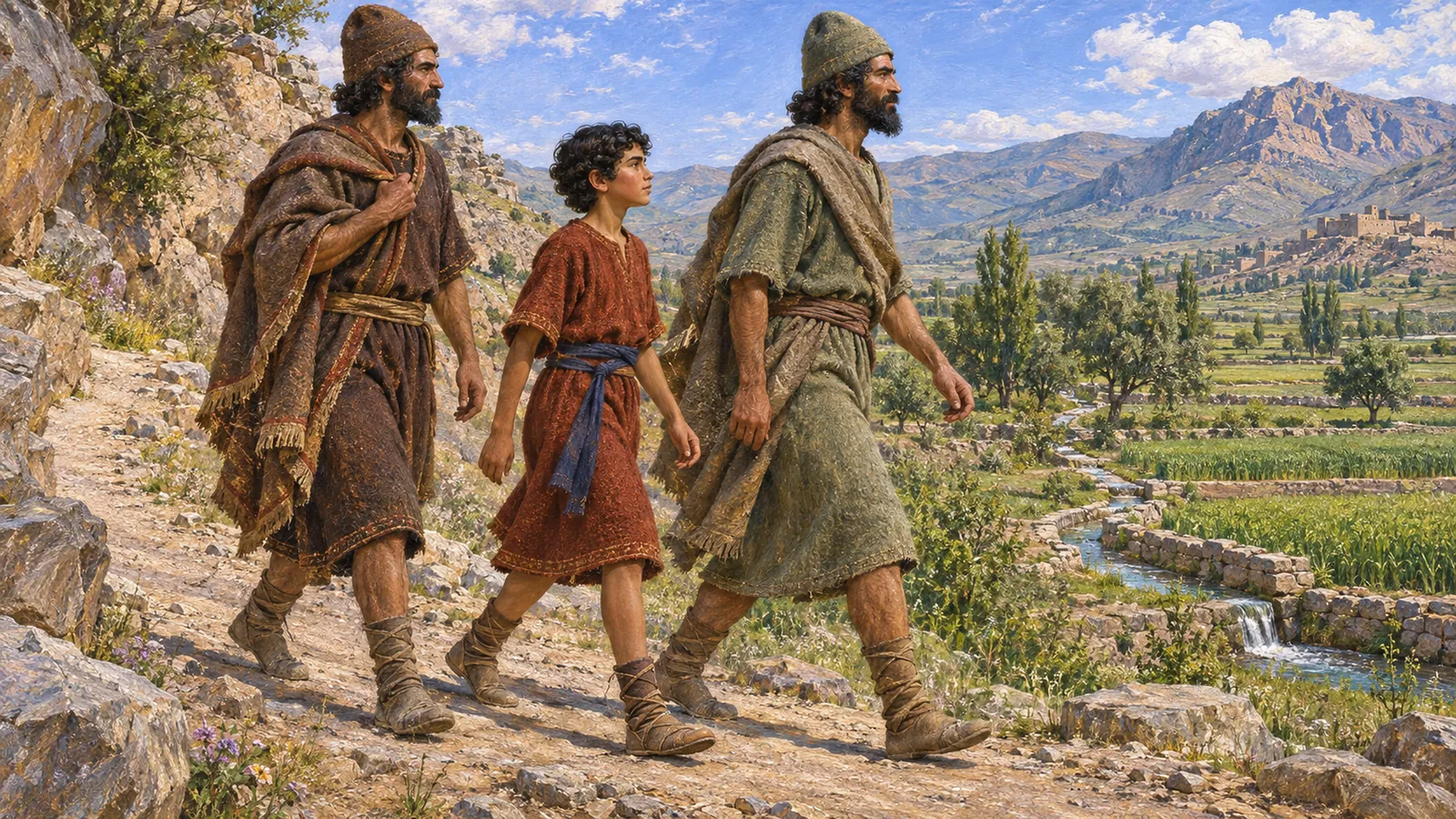
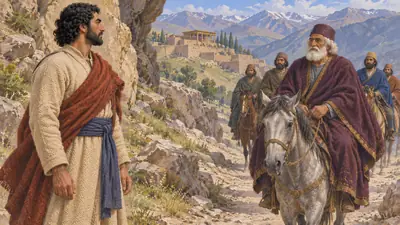
Astyages tells Cyrus he wronged him because of a dream and sends him away with an escort. Only on the journey, Cyrus tells his parents later, does he learn the story of his birth.
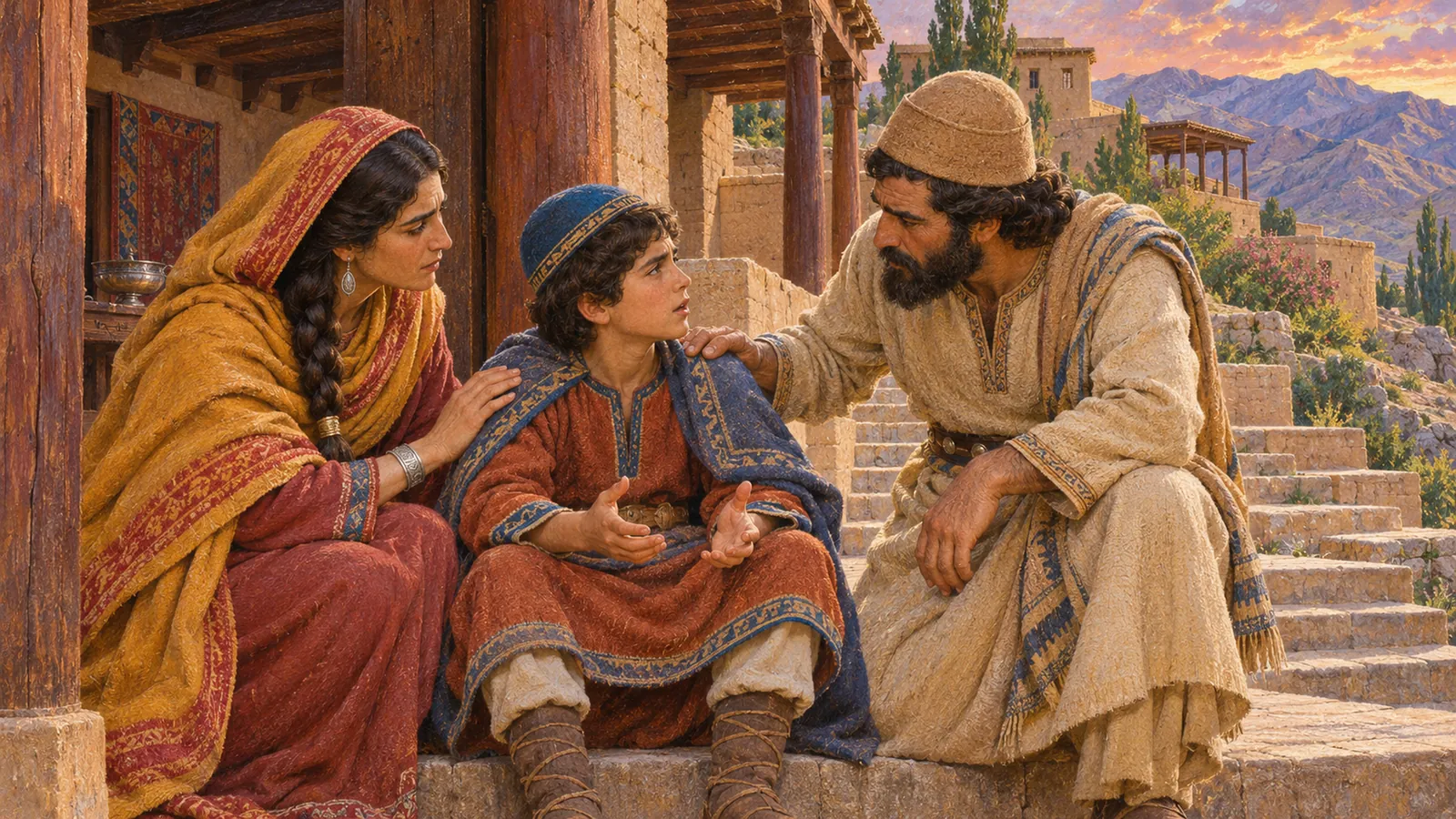
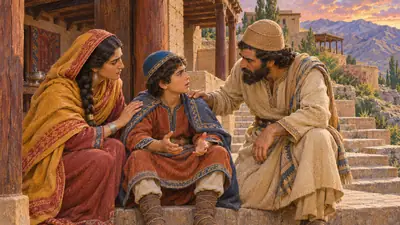
Mandane and Cambyses had thought their child was dead. When he arrives at their house, they ask who saved him. Cyrus finds himself explaining one family to the other.
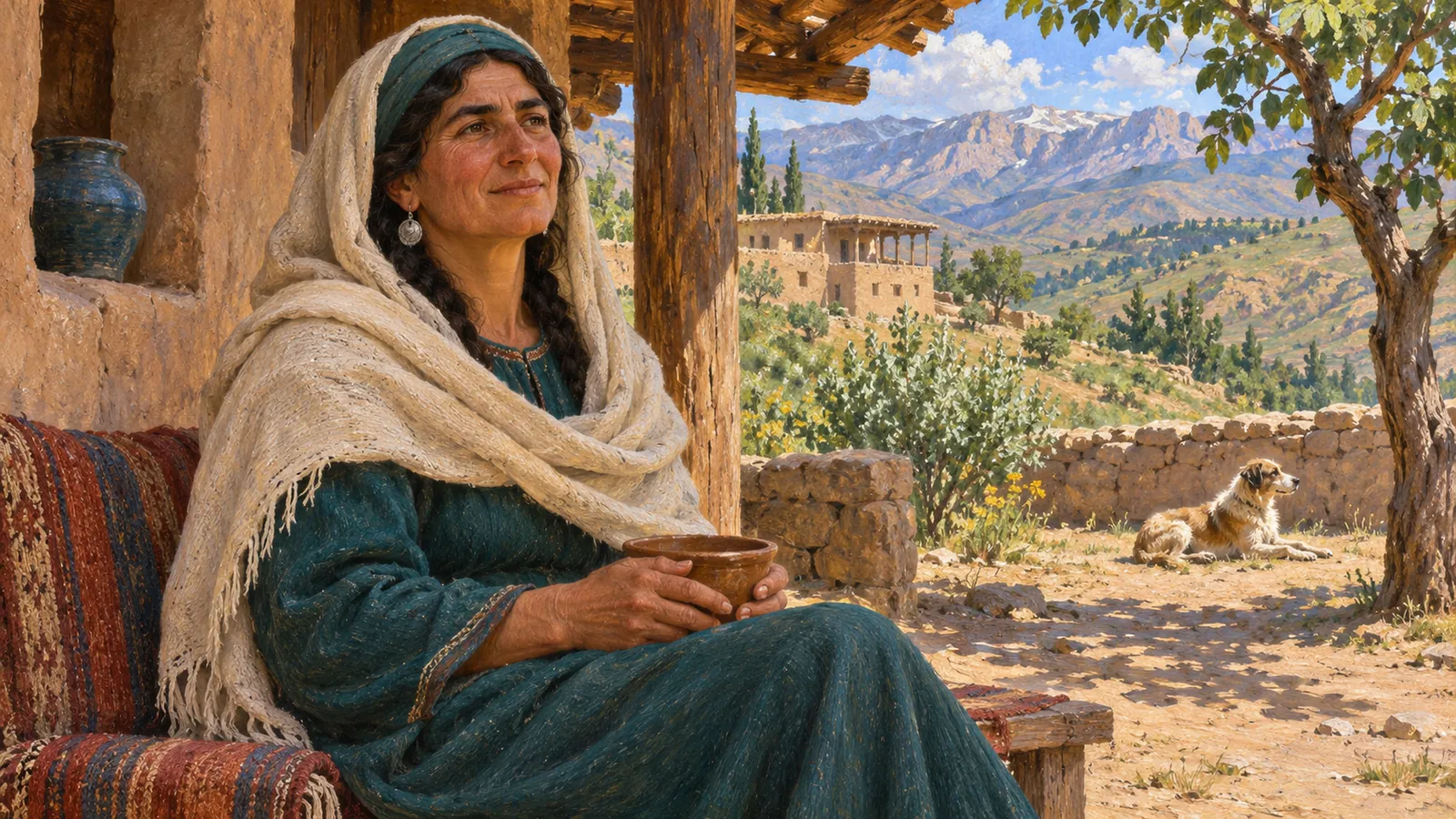
Cyrus praises Spako, the woman who raised him. Herodotus gives her Greek name as Cyno and connects it with the Median word for dog. He says the boy’s parents told people that a dog had nursed him, to make his survival sound more marvelous.
THE LETTER
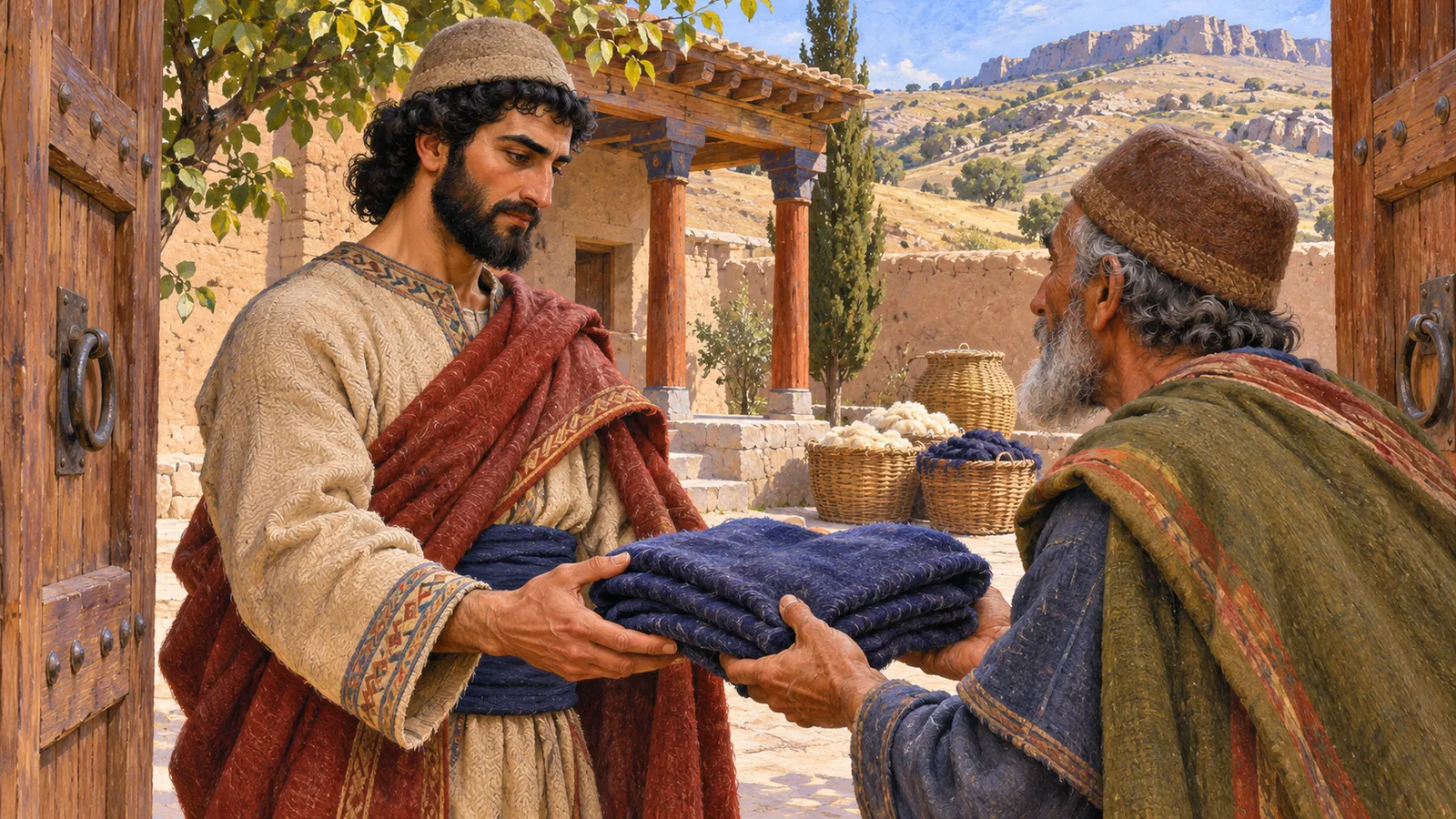
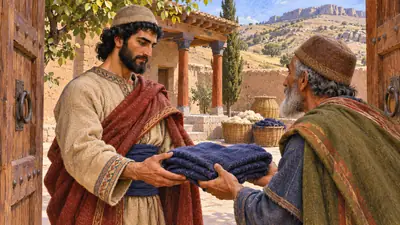
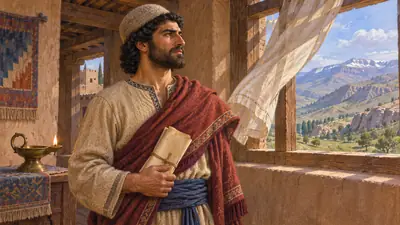
Cyrus grows into a man with a following in Persia. Harpagus sends him gifts. He sees in Cyrus an ally against the king who has wronged them both.
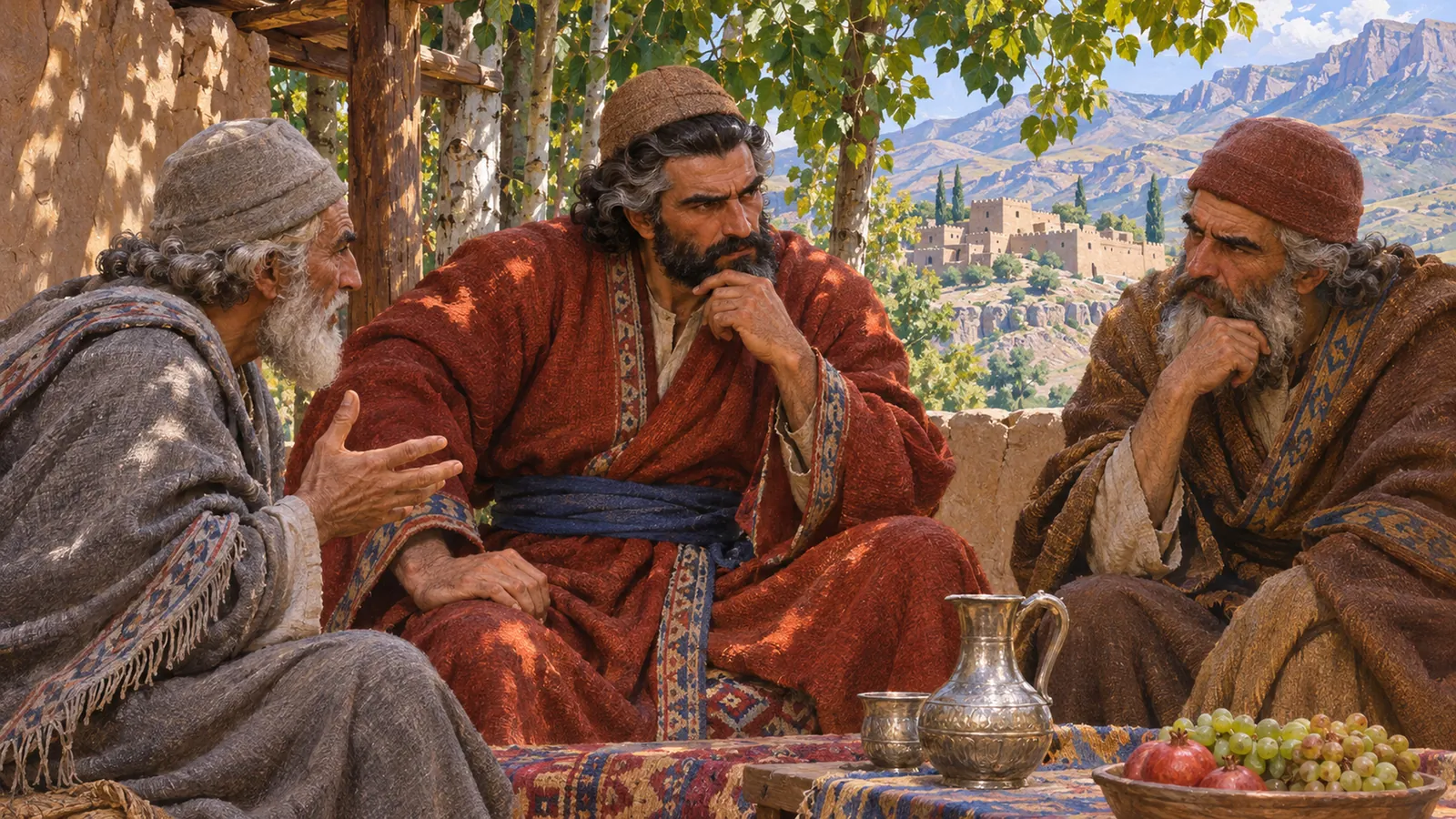
Harpagus also speaks with the leading Medes, one by one. Astyages has ruled them harshly, the Greek historian says. Harpagus urges them to look across the mountains for a different ruler.
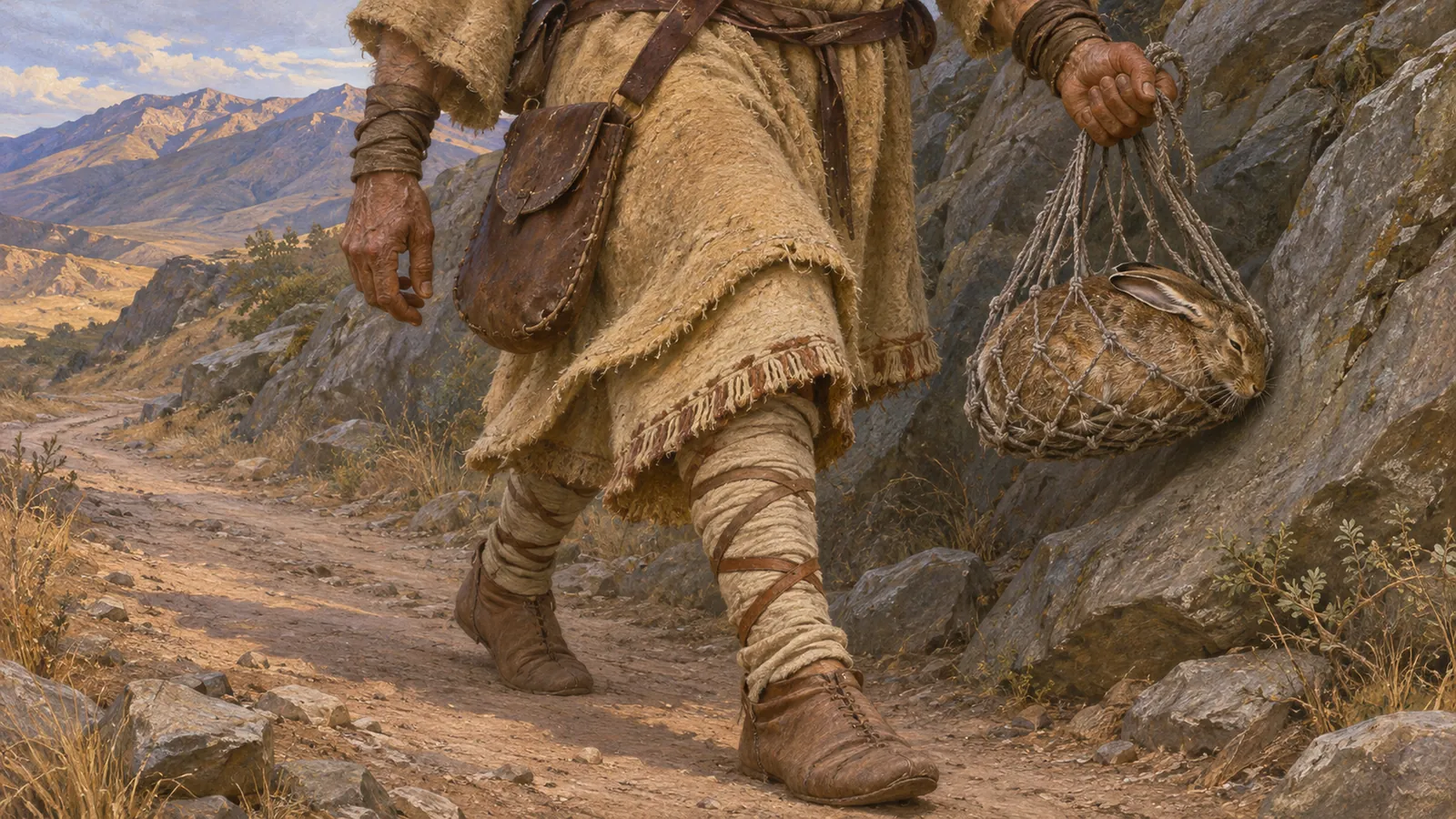
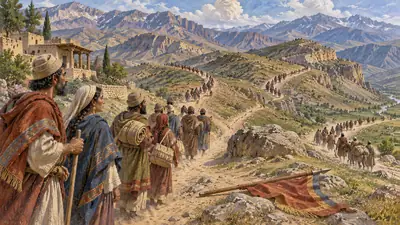
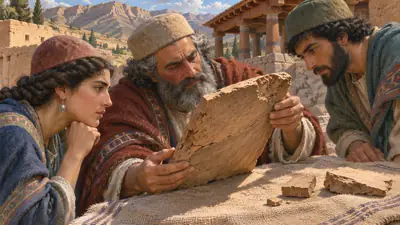
Harpagus needs Cyrus to know what the elders have agreed. The roads are watched. In Herodotus’ telling, a trusted servant passes as a huntsman, and a hare conceals the letter he carries.
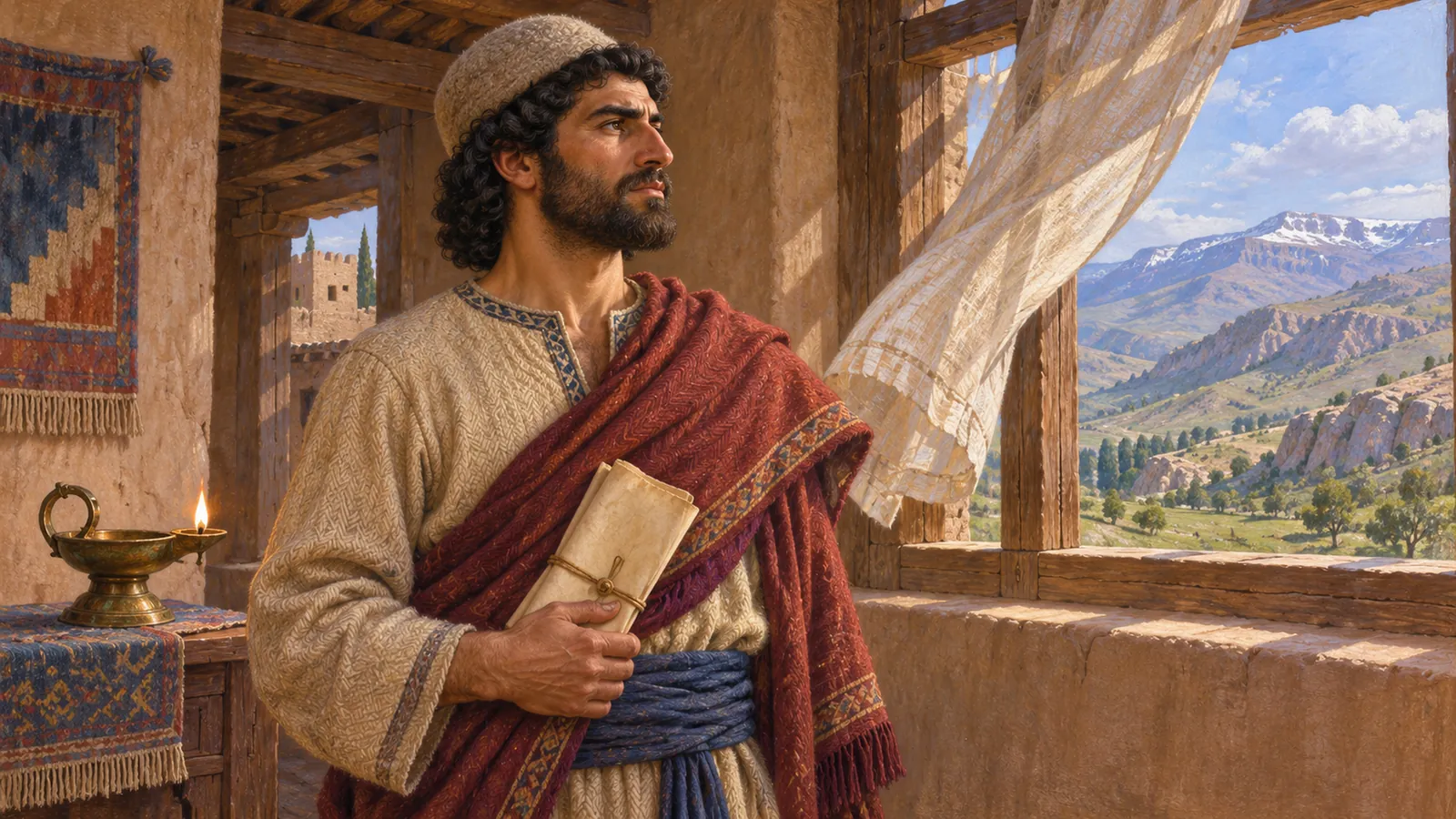
In the letter, Harpagus reminds Cyrus what Astyages did when he was a baby. He promises that men in the Median army will come over if Cyrus persuades the Persians to rise.
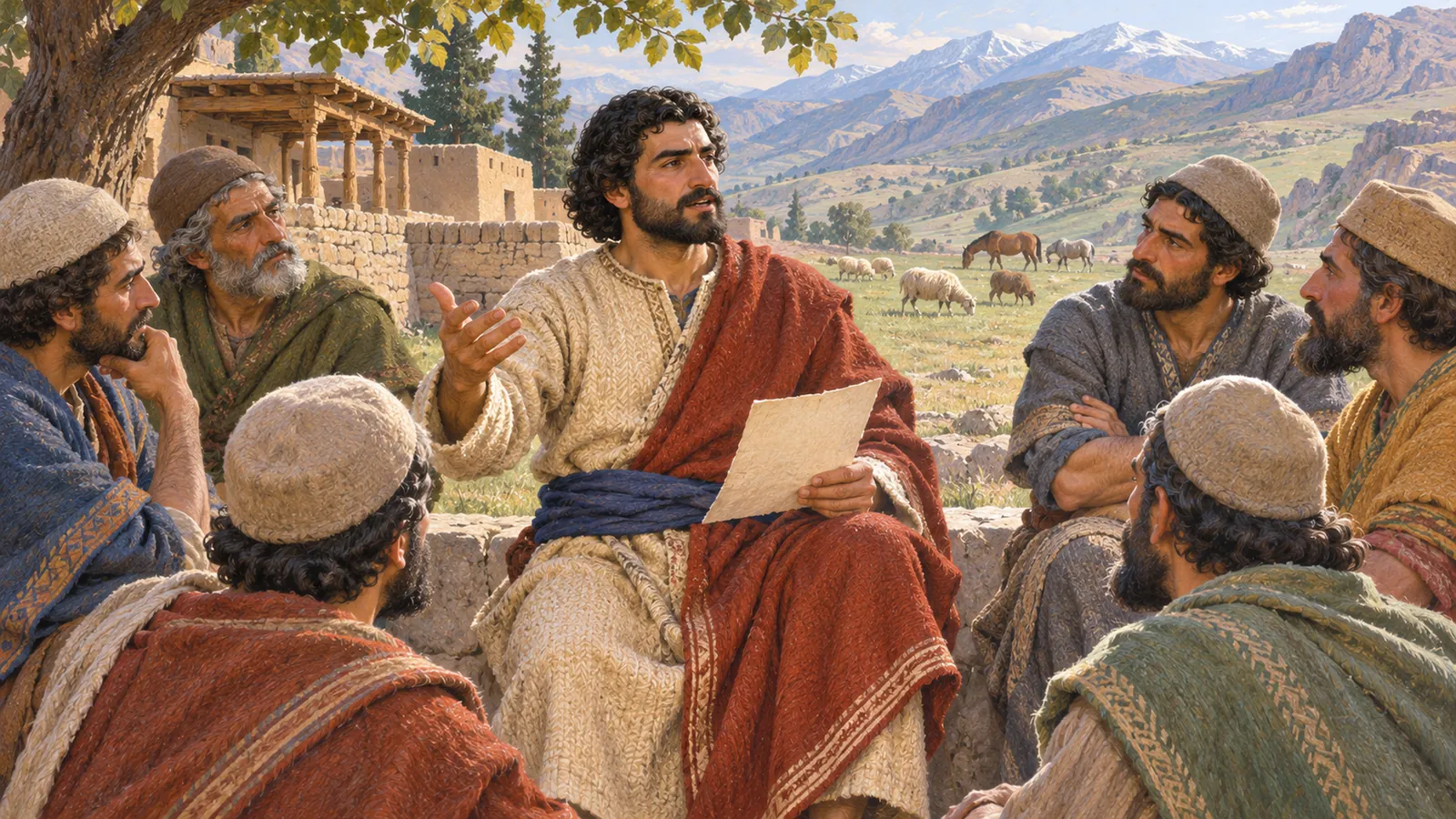
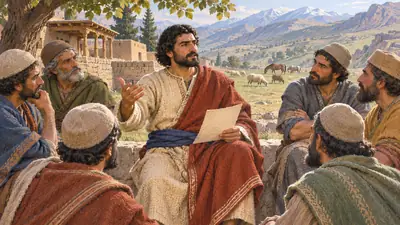
Cyrus gathers several Persian groups. He reads from a paper of his own making and claims that Astyages has put him in command. Then he asks each man to come back with a sickle.
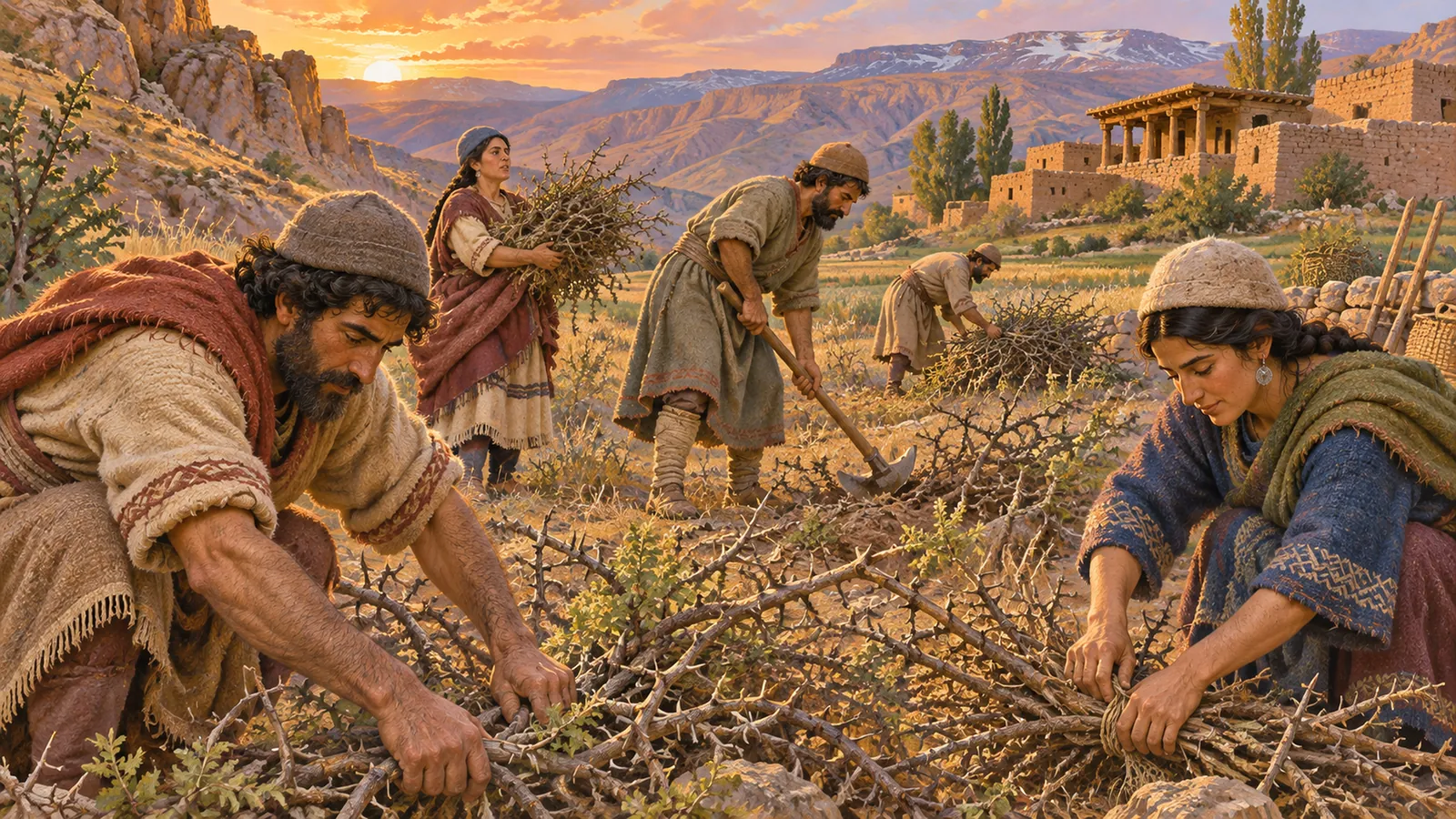
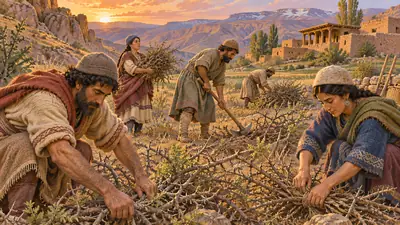
On the first day Cyrus makes them clear a field of thorns. It takes until evening. Their sleeves are dusty, their arms ache, and the brush lies in piles where it grew in the morning.
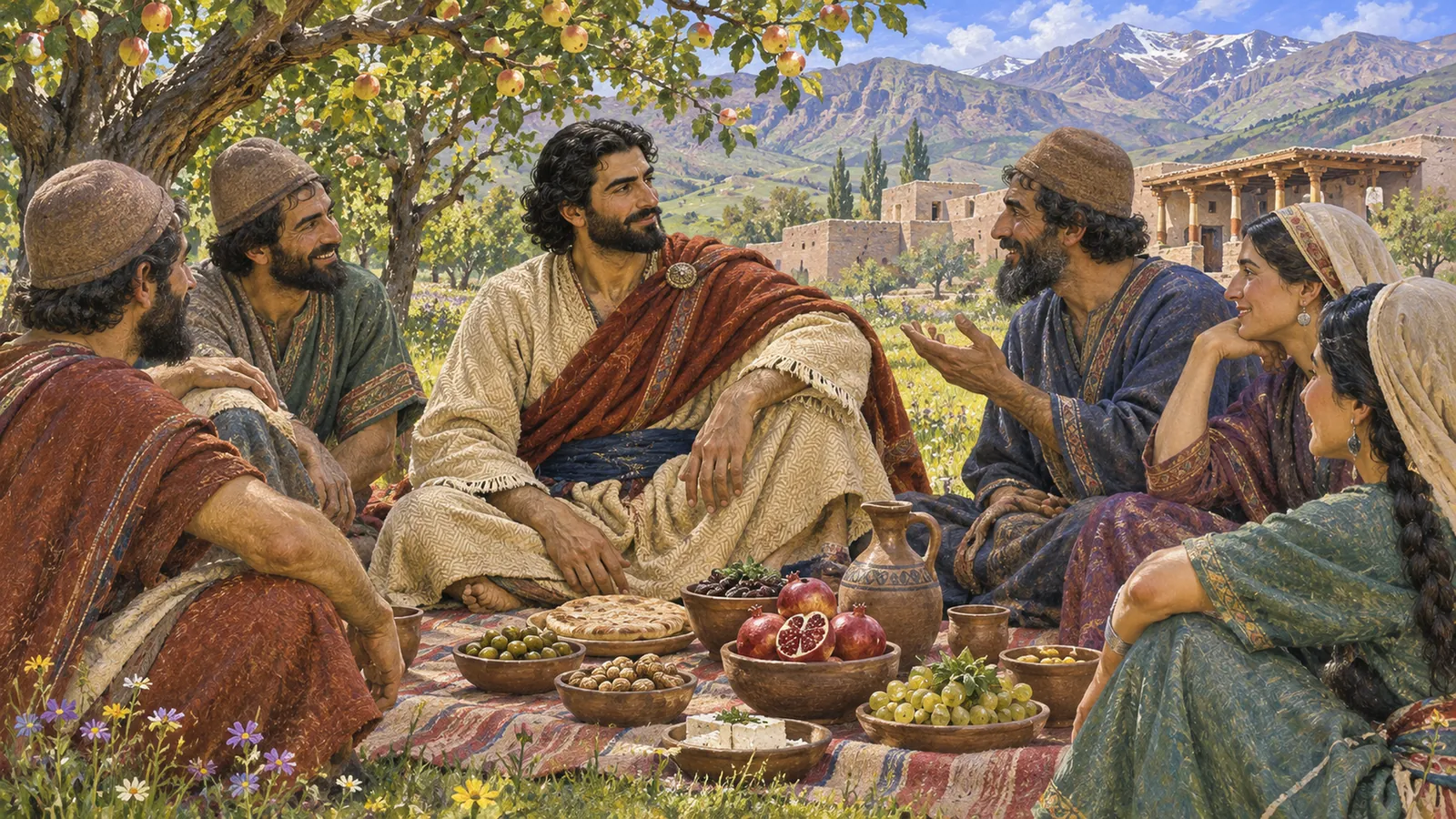
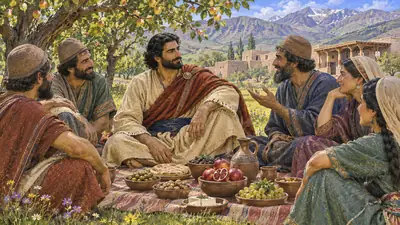
Cyrus tells them to come back clean the next day. He gives them a meal in the meadow. When he asks which day they prefer, the answer comes easily.
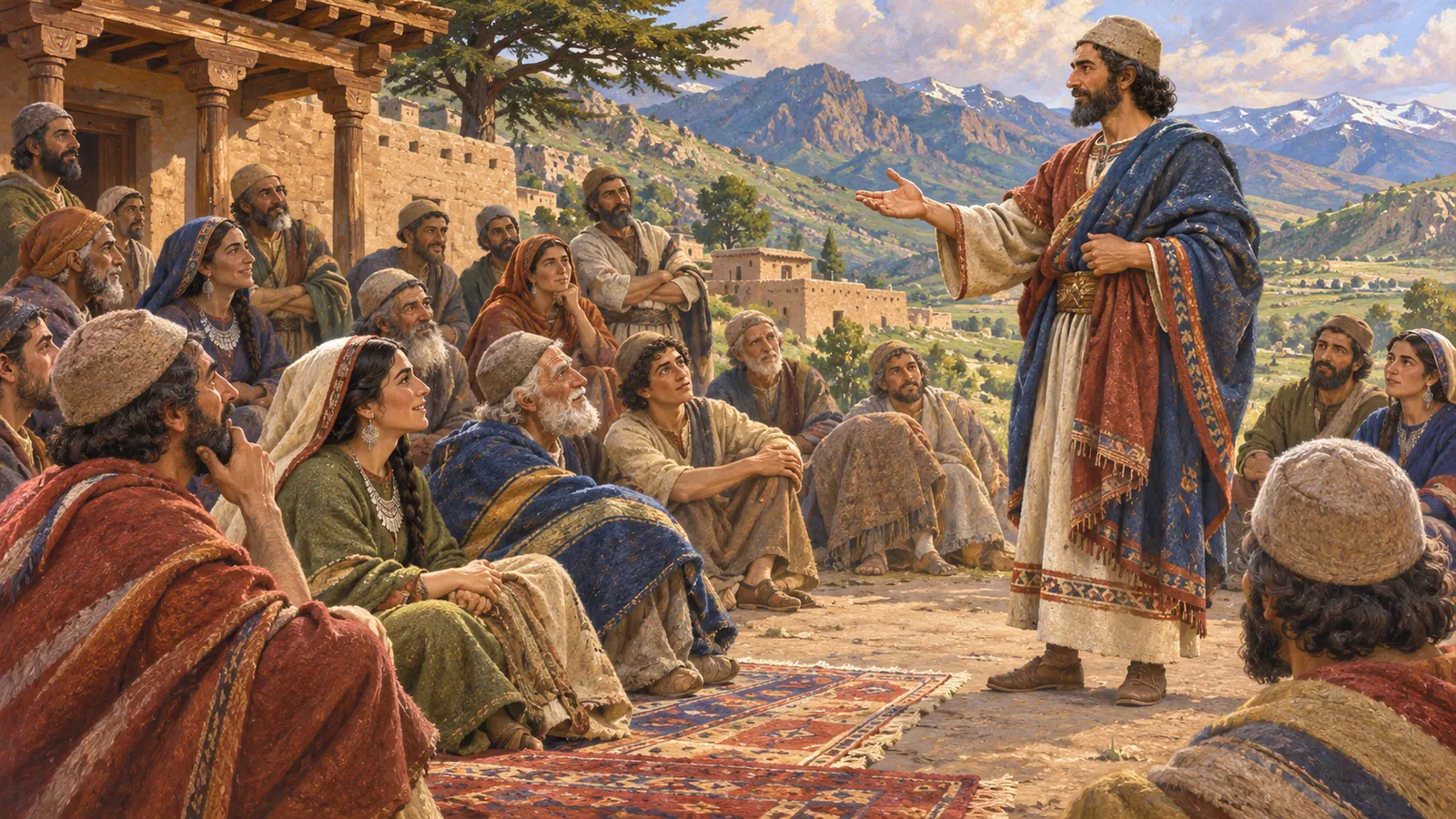
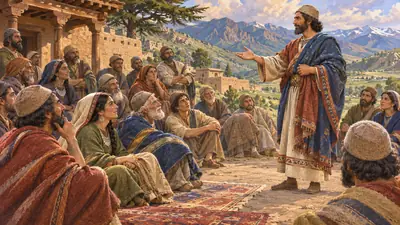
Cyrus says labor under Astyages will be like the first day. He asks the Persians to follow him and promises a better life. Herodotus says many of them were already tired of Median rule.
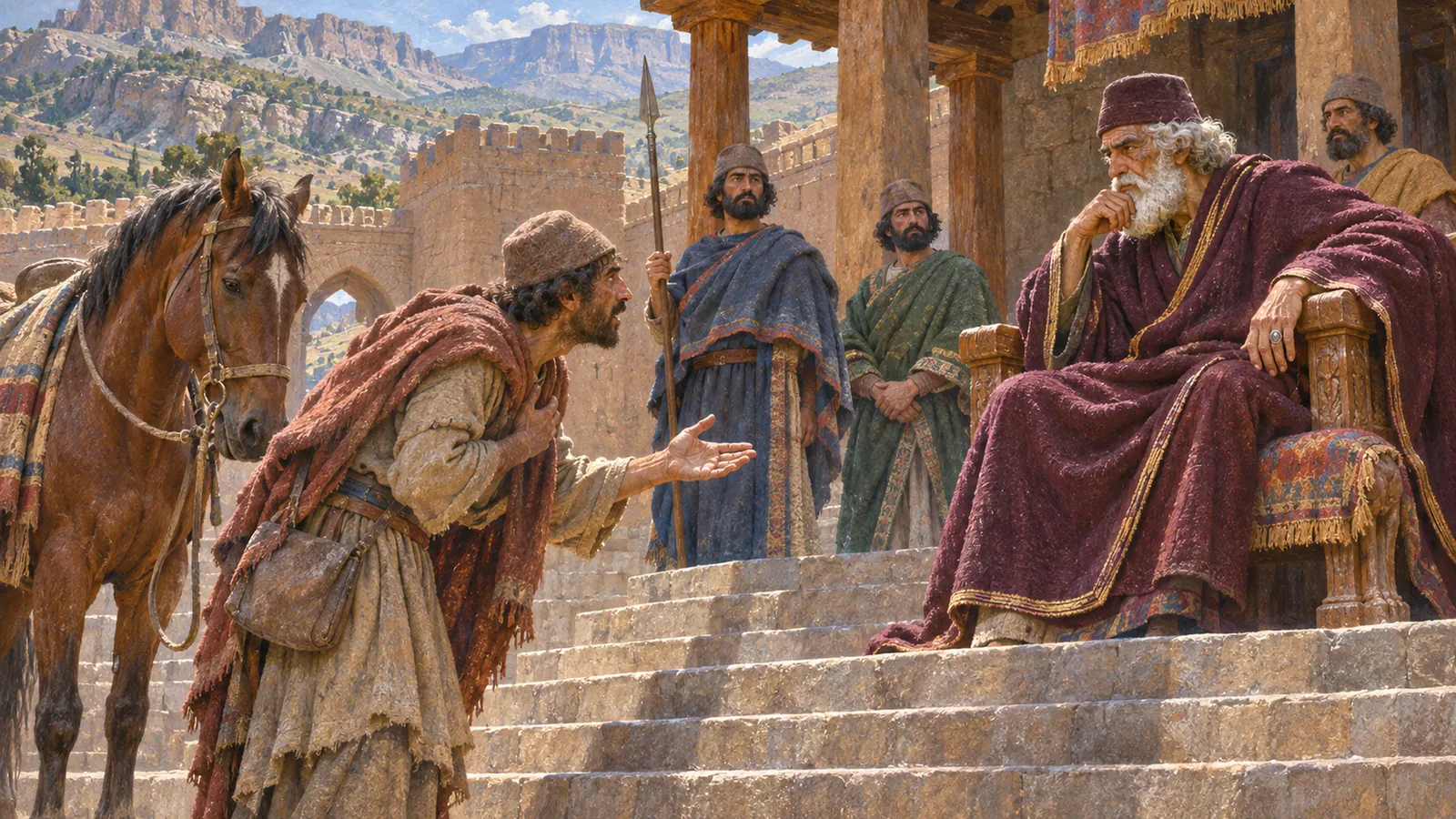
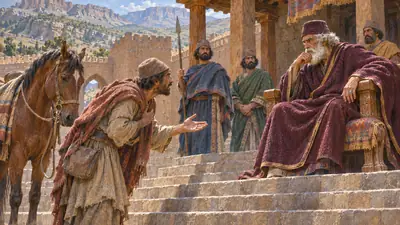
Astyages hears of the gathering and sends a man to summon Cyrus. Cyrus sends word that the king will see him sooner than he wishes. That is the answer he sends back to Ecbatana.
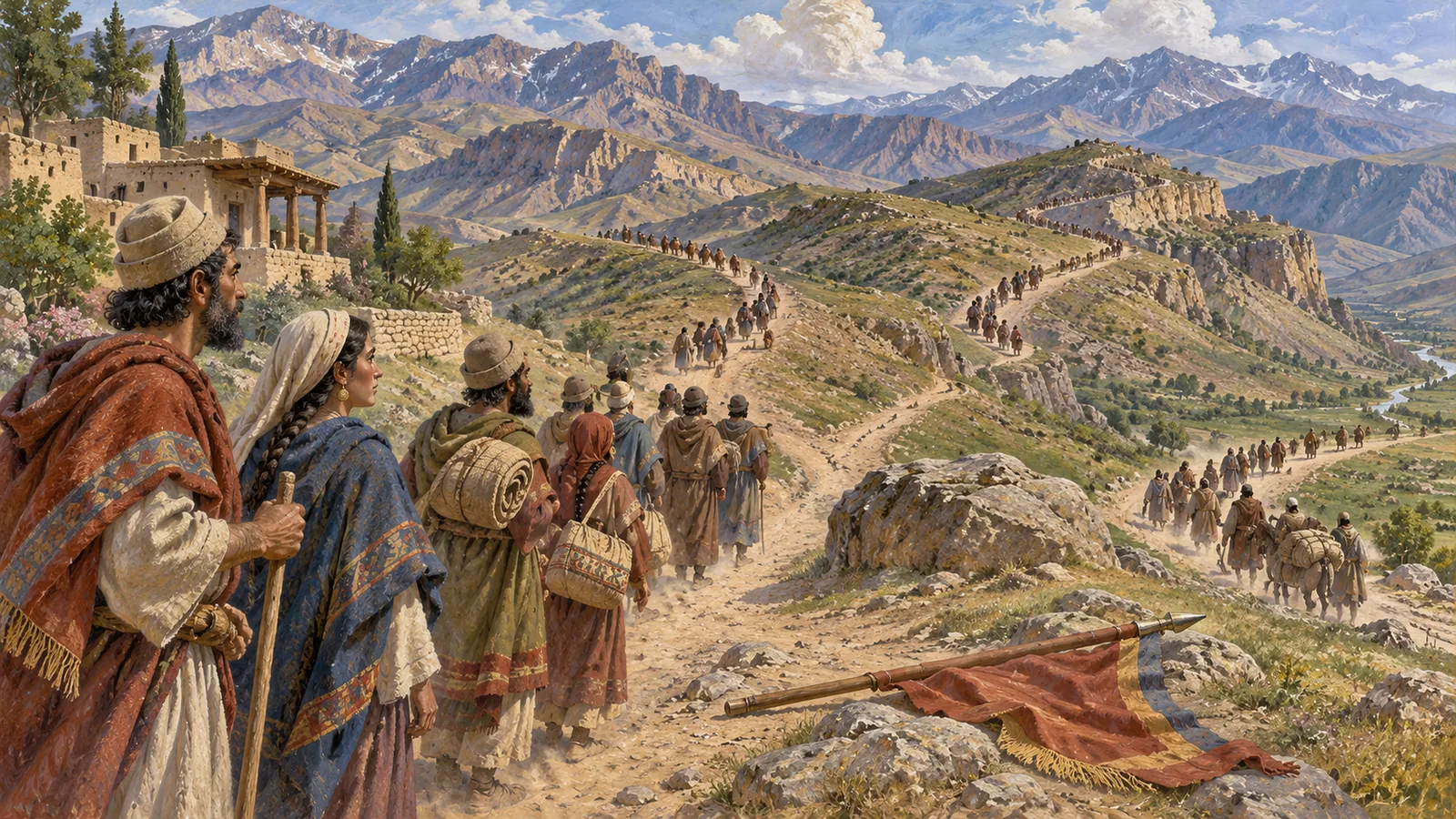
THE FALL OF ASTYAGES
Astyages puts Harpagus in command. According to Herodotus, some Medes fight, some join Cyrus and many turn away. Before the king sees Cyrus again, his first army has scattered.
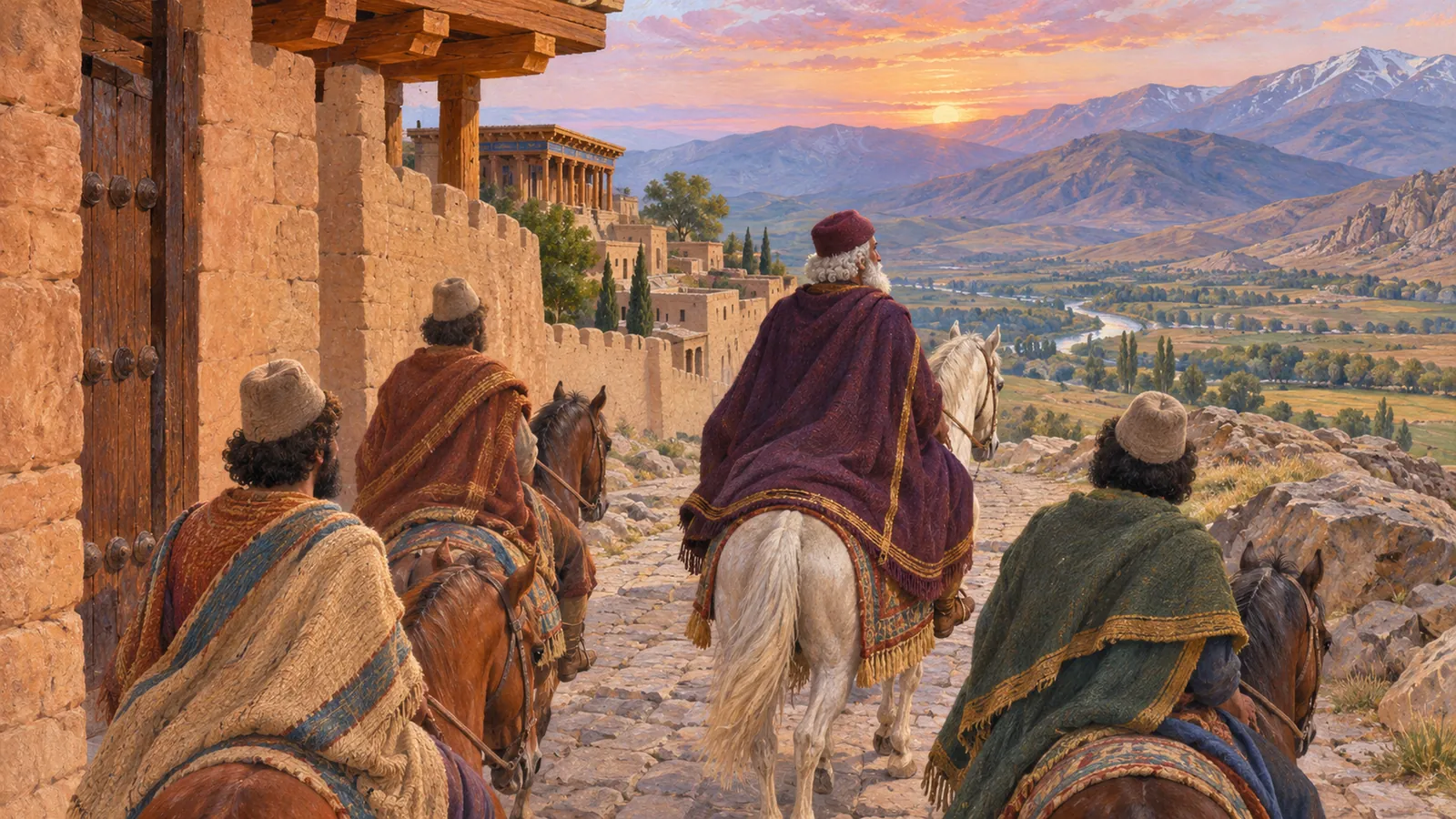
Astyages blames the Magi who told him the dream was fulfilled. He orders them killed and calls up the men still in the city. This time he goes out with the force himself.
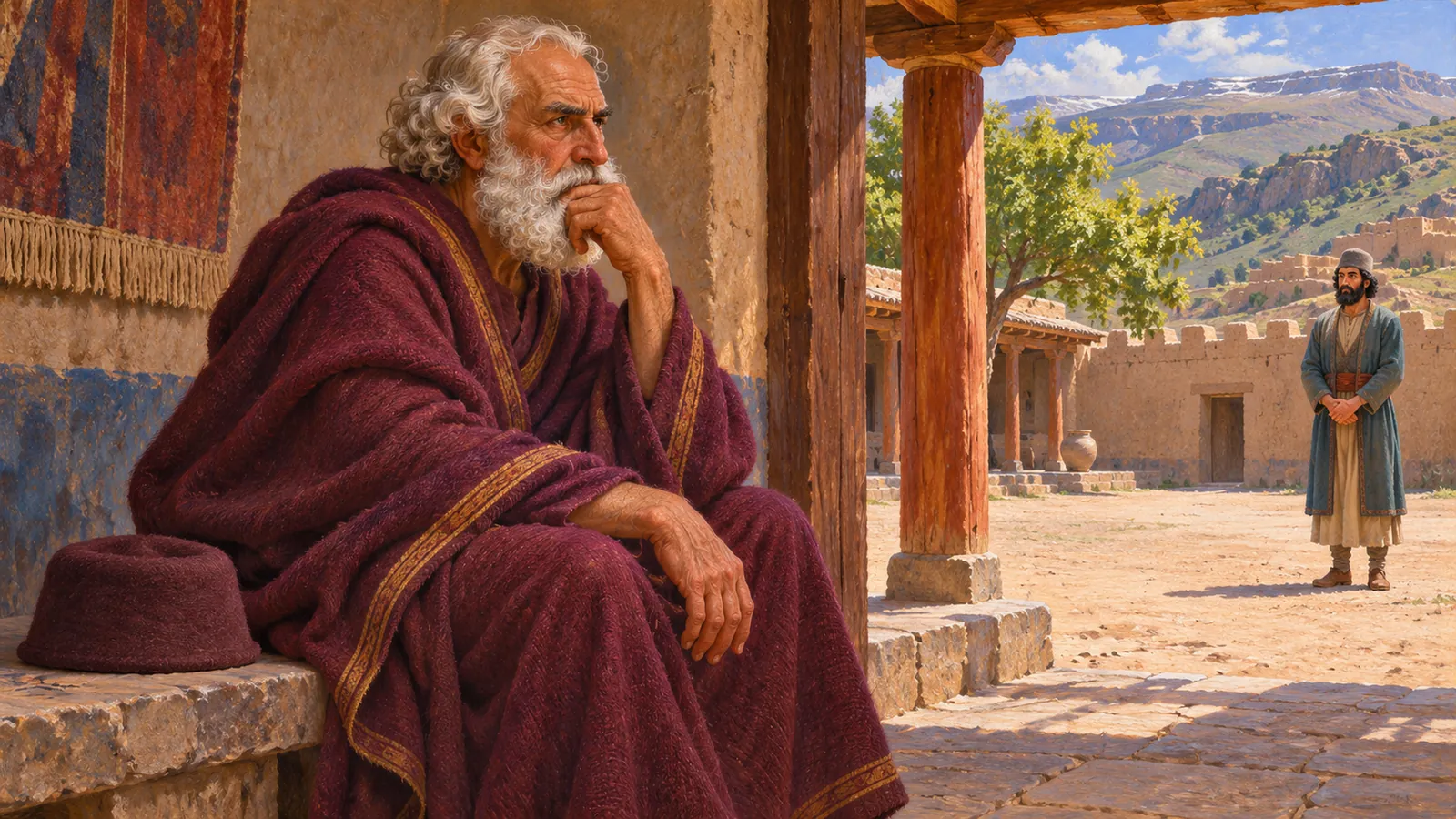
Astyages loses again and is taken prisoner. The man who gave orders to his steward and herdsman can no longer give any. Herodotus brings Harpagus back for one more conversation.
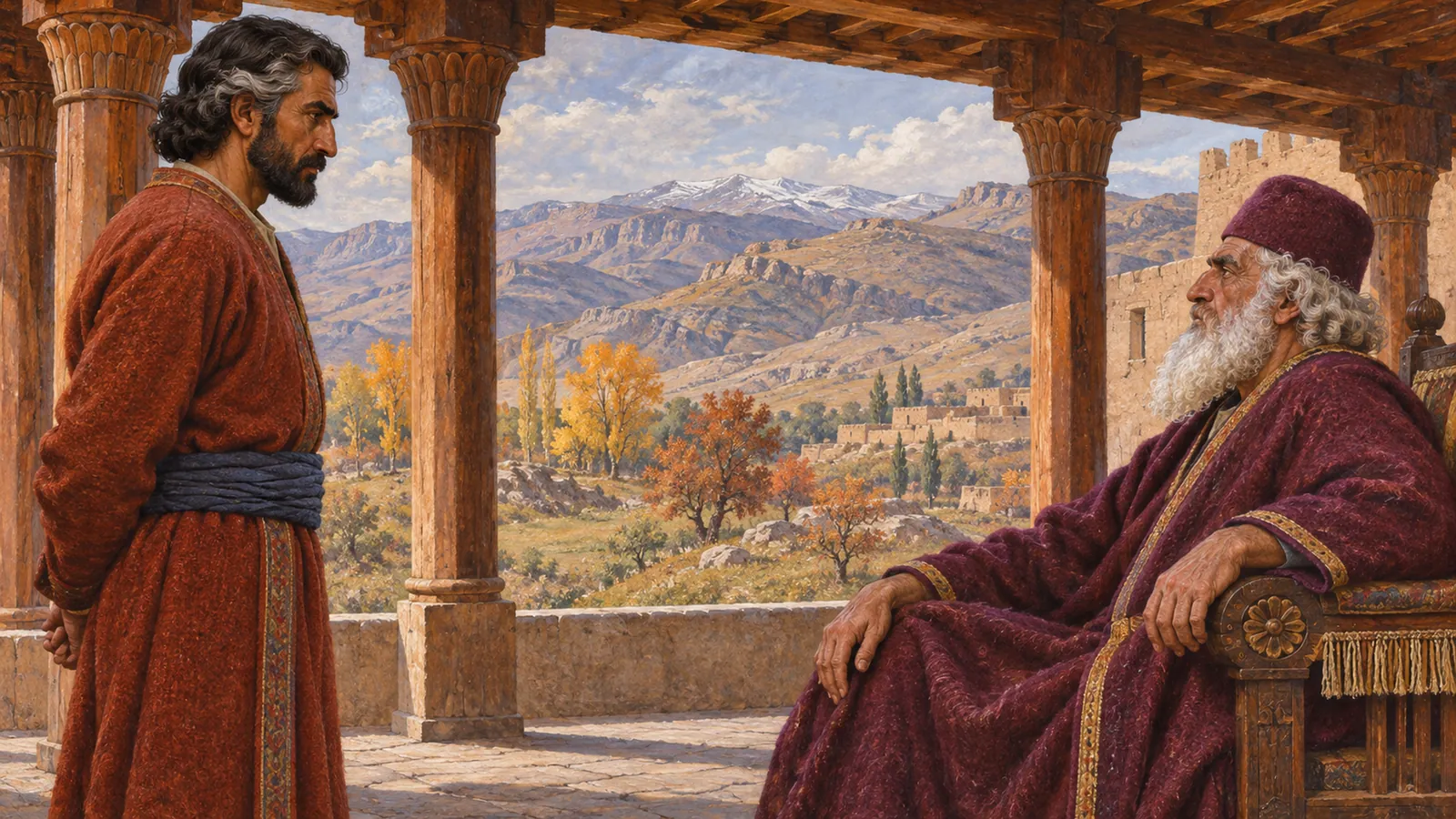
Harpagus claims the victory began with his letter. Astyages answers that Harpagus has given somebody else the throne. He asks why his own people must bear the cost of what happened at that feast.
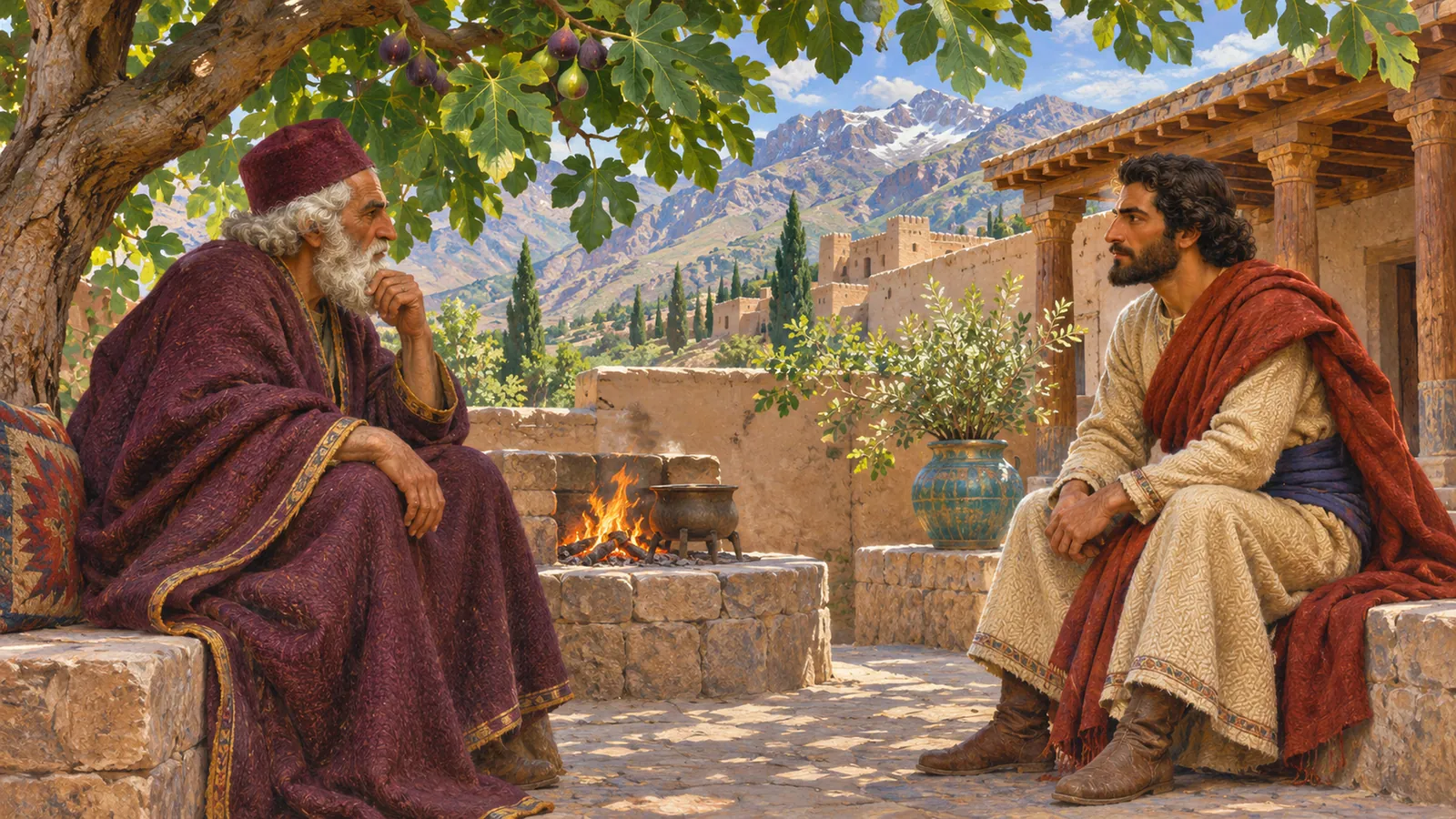
Herodotus says Cyrus kept Astyages in his household for the rest of the old king’s life and did him no further harm. The dream feared by the grandfather has come true in the storyteller’s hands.
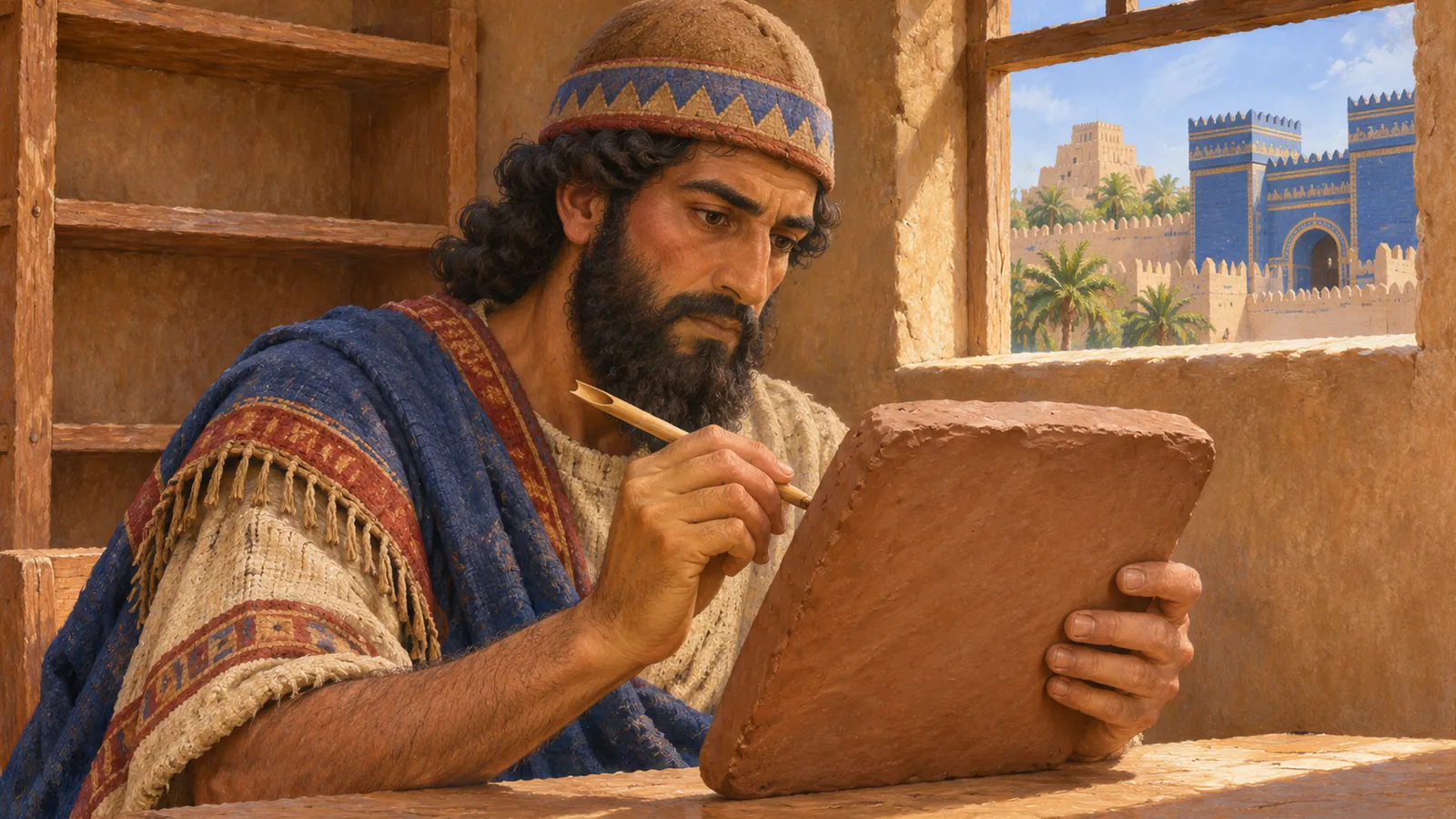
A BABYLONIAN TABLET
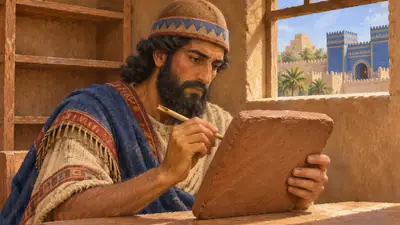
A Babylonian clay tablet offers a second account. It records events by year in the reign of Nabonidus. This part concerns two adult rulers at war. Their story fits into a few lines.
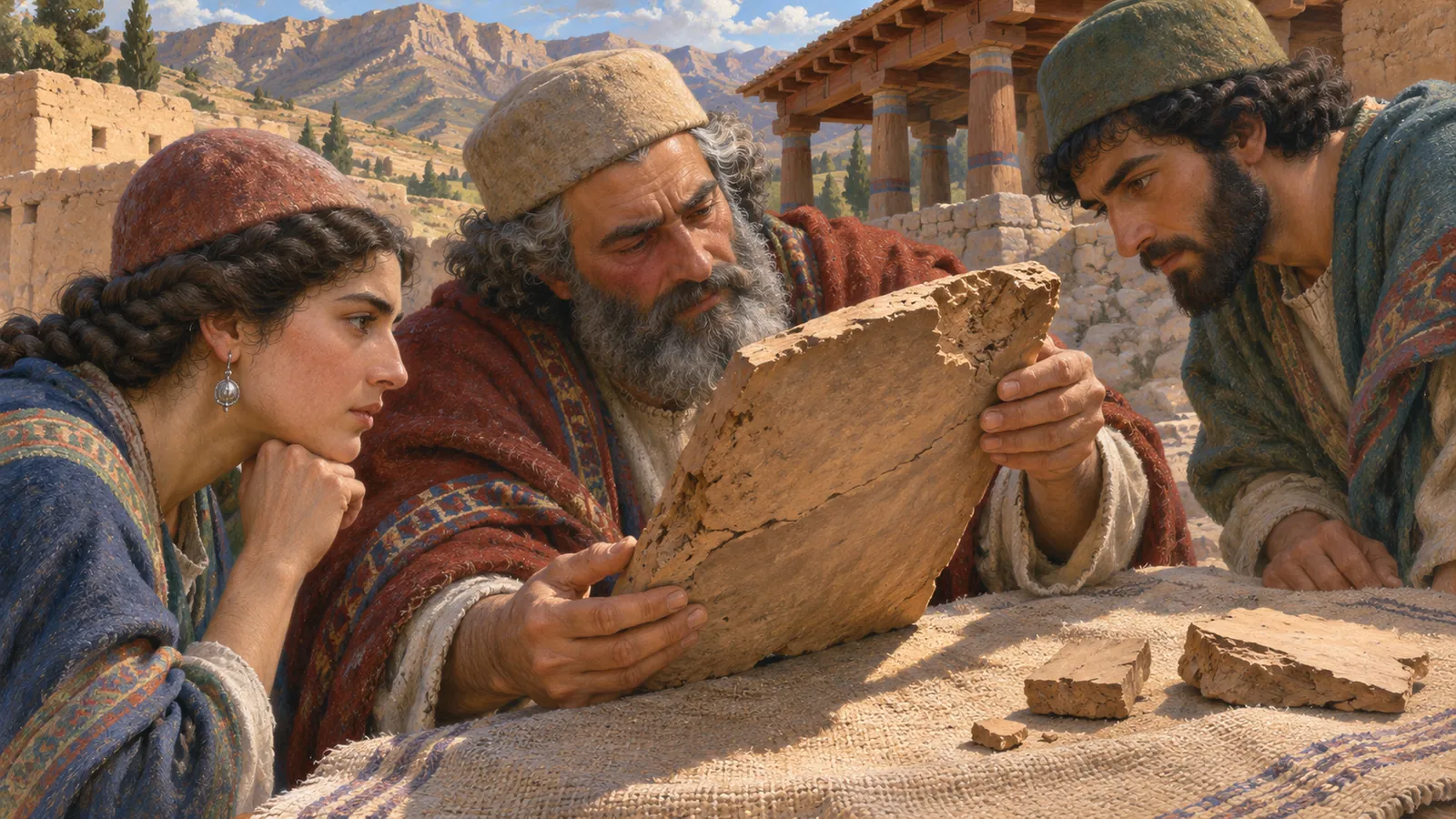
The entry falls under the sixth year of Nabonidus, about 550 BCE. The surviving tablet was copied much later. A break in the clay has taken part of the opening, but the two kings can still be read.
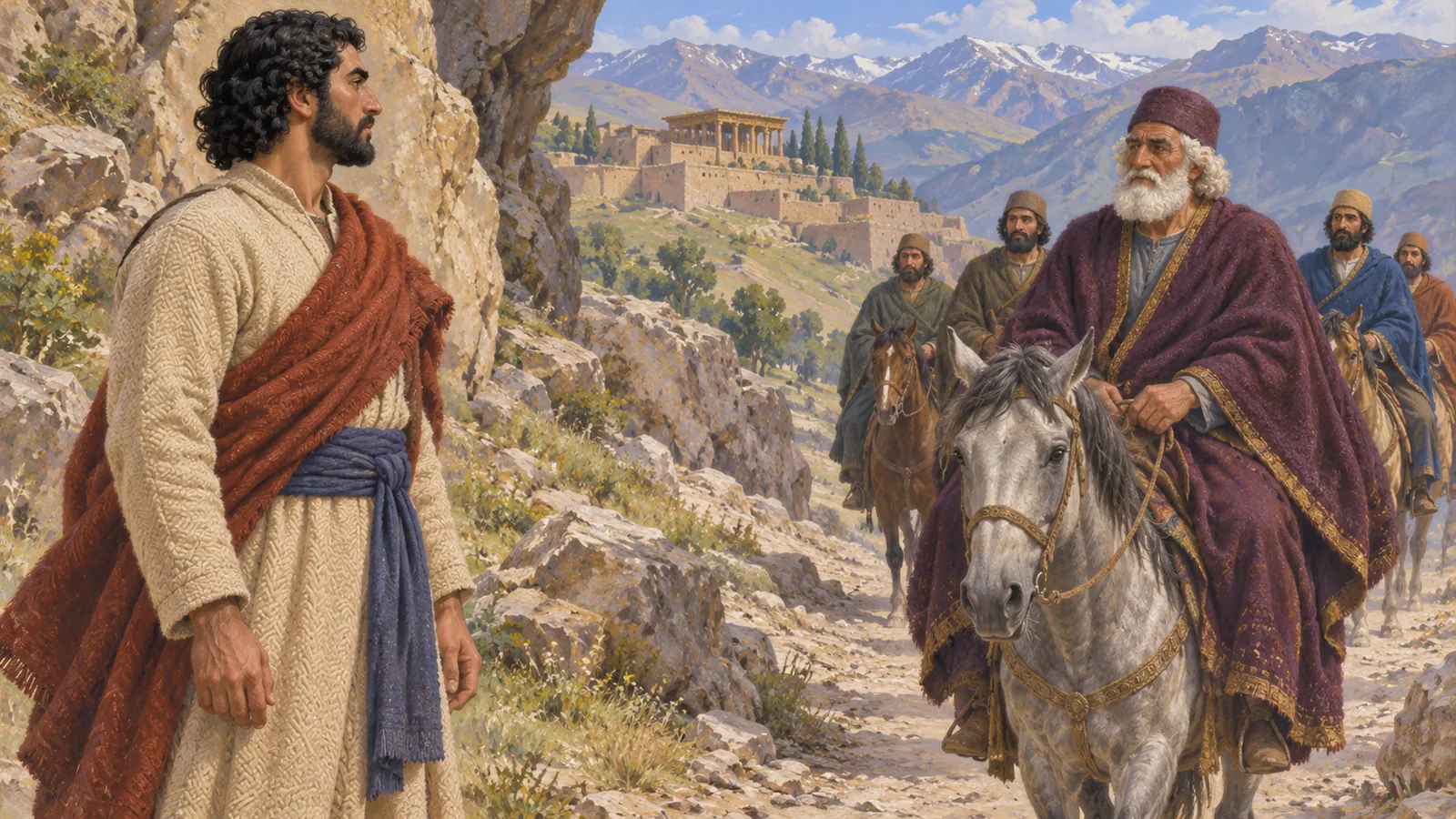
The chronicle calls Cyrus king of Anshan. In its account, Astyages goes out against him first. Then his own soldiers turn on him, seize him and deliver him to Cyrus.
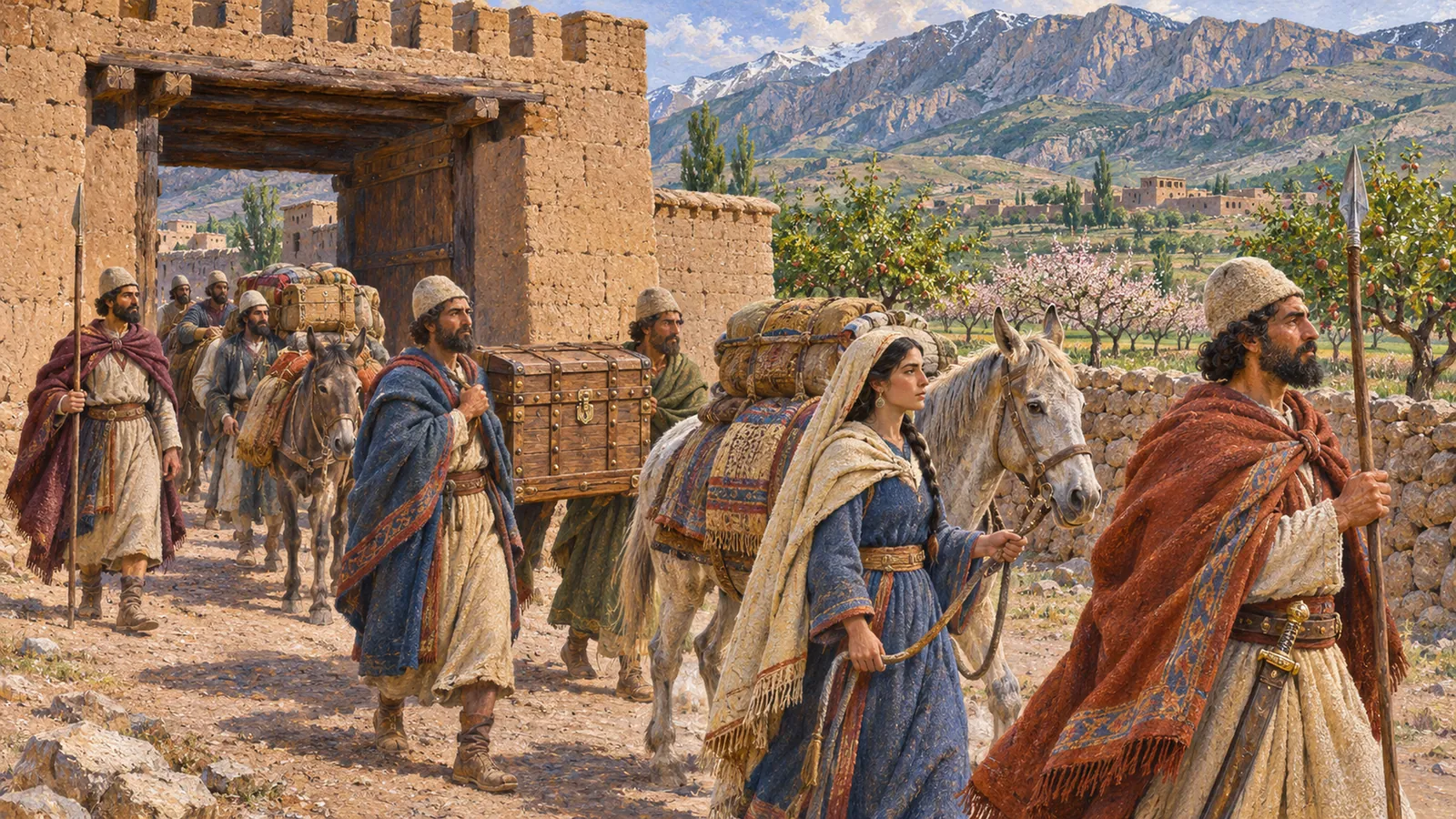
Cyrus takes the royal city named Agamtanu in the tablet and Ecbatana in Greek. The chronicle says he carries silver, gold and other goods away from the city to Anshan.
Both accounts end Astyages’ rule with Cyrus in power. Herodotus brings us there through a dream, a woman’s choice and a boy’s game. The Babylonian writer gives the change of power a place among the years of a different king.
End of chapter 1
All pages

Sources
Editions consulted
- Herodotus, Histories 1.107–130, English translation by A. D. Godley: — literary account. Section 1.95 introduces Herodotus’ choice among several versions.
- Perseus canonical Greek text, Herodotus Book I: — compare 1.107–130, especially the two dreams, the enslaved household and Spako’s name.
- British Museum, Nabonidus Chronicle, BM 35382: — Babylonian tablet and object history.
- British Museum image and catalogue description, Nabonidus Chronicle: — supplementary museum access and approximate date of the surviving copy.
- Late Babylonian Priestly Literature, Nabonidus Chronicle: — edited Akkadian transliteration and translation, col. ii.1–4.
- Amélie Kuhrt, The Persian Empire, pp. 50–53: — chronicle and historical context, including the approximate date of the event.
- A. Shapur Shahbazi, Clothing ii, Encyclopaedia Iranica: — comparative Median and early Achaemenid dress and limits of evidence.
- Stuart C. Brown, Ecbatana, Encyclopaedia Iranica: — place and limits of archaeological reconstruction.
Ancient lines behind each page
- Page 1: Herodotus, Histories 1.95, 1.107
- Page 2: Herodotus, Histories 1.98; Stuart C. Brown, Ecbatana
- Page 3: Herodotus, Histories 1.107.1
- Page 4: Herodotus, Histories 1.107.1
- Page 5: Herodotus, Histories 1.107.2
- Page 6: Herodotus, Histories 1.108.1
- Page 7: Herodotus, Histories 1.108.1
- Page 8: Herodotus, Histories 1.108.1
- Page 9: Herodotus, Histories 1.108.2
- Page 10: Herodotus, Histories 1.109
- Page 11: Herodotus, Histories 1.109–110
- Page 12: Herodotus, Histories 1.110.1
- Page 13: Herodotus, Histories 1.110–111
- Page 14: Herodotus, Histories 1.111
- Page 15: Herodotus, Histories 1.112
- Page 16: Herodotus, Histories 1.112
- Page 17: Herodotus, Histories 1.112–113
- Page 18: Herodotus, Histories 1.113
- Page 19: Herodotus, Histories 1.114.1
- Page 20: Herodotus, Histories 1.114.1
- Page 21: Herodotus, Histories 1.114
- Page 22: Herodotus, Histories 1.115
- Page 23: Herodotus, Histories 1.116
- Page 24: Herodotus, Histories 1.116
- Page 25: Herodotus, Histories 1.117–118
- Page 26: Herodotus, Histories 1.118–119.1
- Page 27: Herodotus, Histories 1.118–119
- Page 28: Herodotus, Histories 1.120
- Page 29: Herodotus, Histories 1.121–122.2
- Page 30: Herodotus, Histories 1.122
- Page 31: Herodotus, Histories 1.122–123.1
- Page 32: Herodotus, Histories 1.123.1
- Page 33: Herodotus, Histories 1.123.2
- Page 34: Herodotus, Histories 1.123.3–124.1
- Page 35: Herodotus, Histories 1.124–125
- Page 36: Herodotus, Histories 1.125
- Page 37: Herodotus, Histories 1.126.1
- Page 38: Herodotus, Histories 1.126.2–3
- Page 39: Herodotus, Histories 1.126.3–6, 1.127.1
- Page 40: Herodotus, Histories 1.127
- Page 41: Herodotus, Histories 1.127
- Page 42: Herodotus, Histories 1.128.1
- Page 43: Herodotus, Histories 1.128
- Page 44: Herodotus, Histories 1.129
- Page 45: Herodotus, Histories 1.130.3
- Page 46: Nabonidus Chronicle, BM 35382, col. ii.1–4
- Page 47: Nabonidus Chronicle, BM 35382, col. ii.1–4; British Museum catalogue
- Page 48: Nabonidus Chronicle, BM 35382, col. ii.1–4
- Page 49: Nabonidus Chronicle, BM 35382, col. ii.1–4
- Page 50: Herodotus, Histories 1.95, 1.107–130; Nabonidus Chronicle, BM 35382, col. ii.1–4
Illustrations made with AI tools by IL Archive; the text is based on the ancient sources (see the sources at the end of each chapter).