Urukagina’s Reforms Chapter 1
The Widow and the Orphan
The king’s account starts with buildings and water, then follows the old dues and how he says he changed them. The clay counts jars and loaves, imagines a seller turning down a powerful neighbor, and ends with protection for the widow and the orphan. Later records let us check one of the reported changes.
SourcesTurn the pages with the arrows, the arrow keys or a swipe.
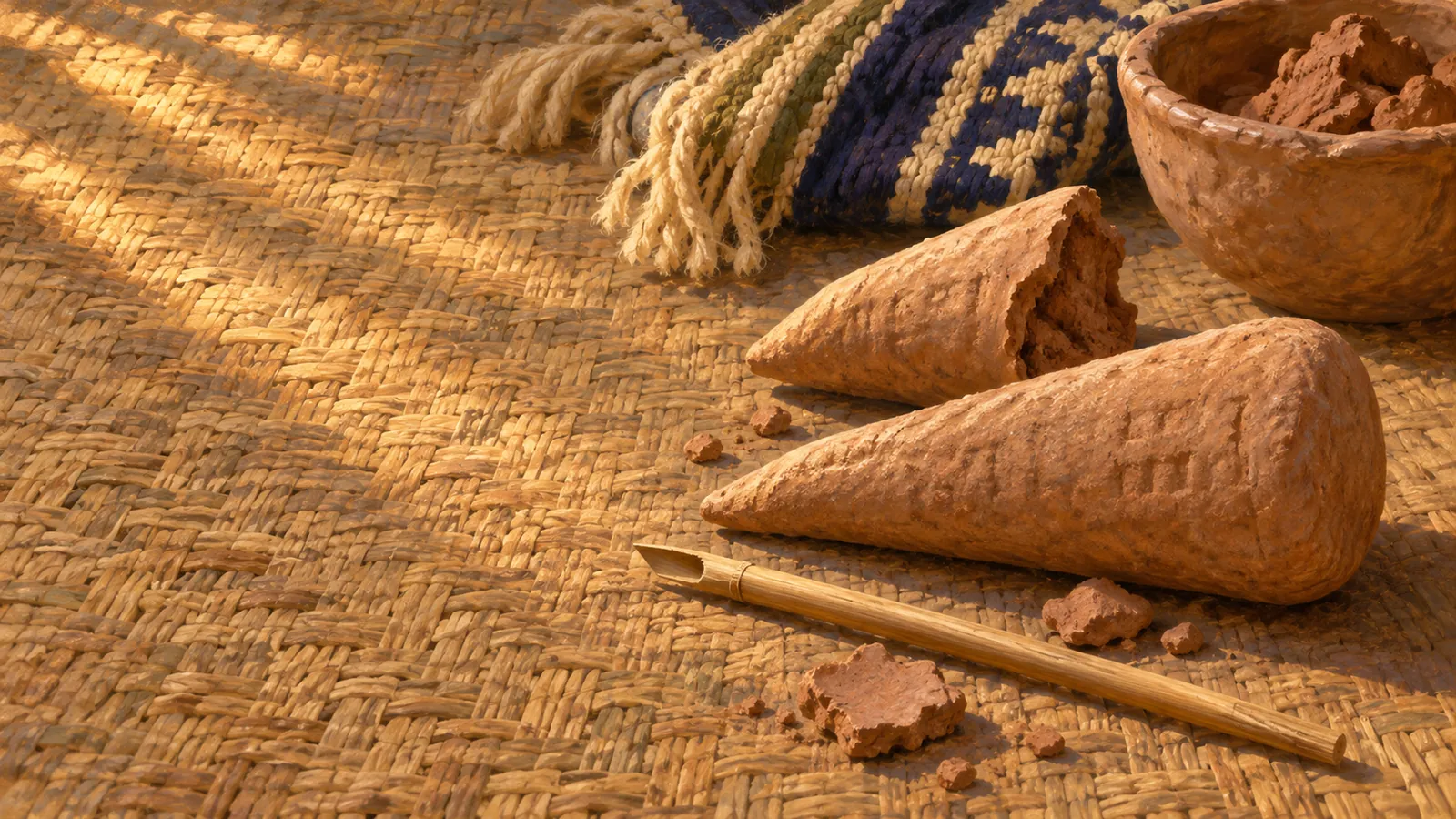
LAGASH
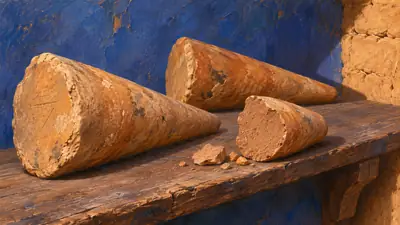
These clay cones carry a king’s account of life in Lagash. We call him Urukagina, a name also read as Uruinimgina. He begins by telling us what he built.
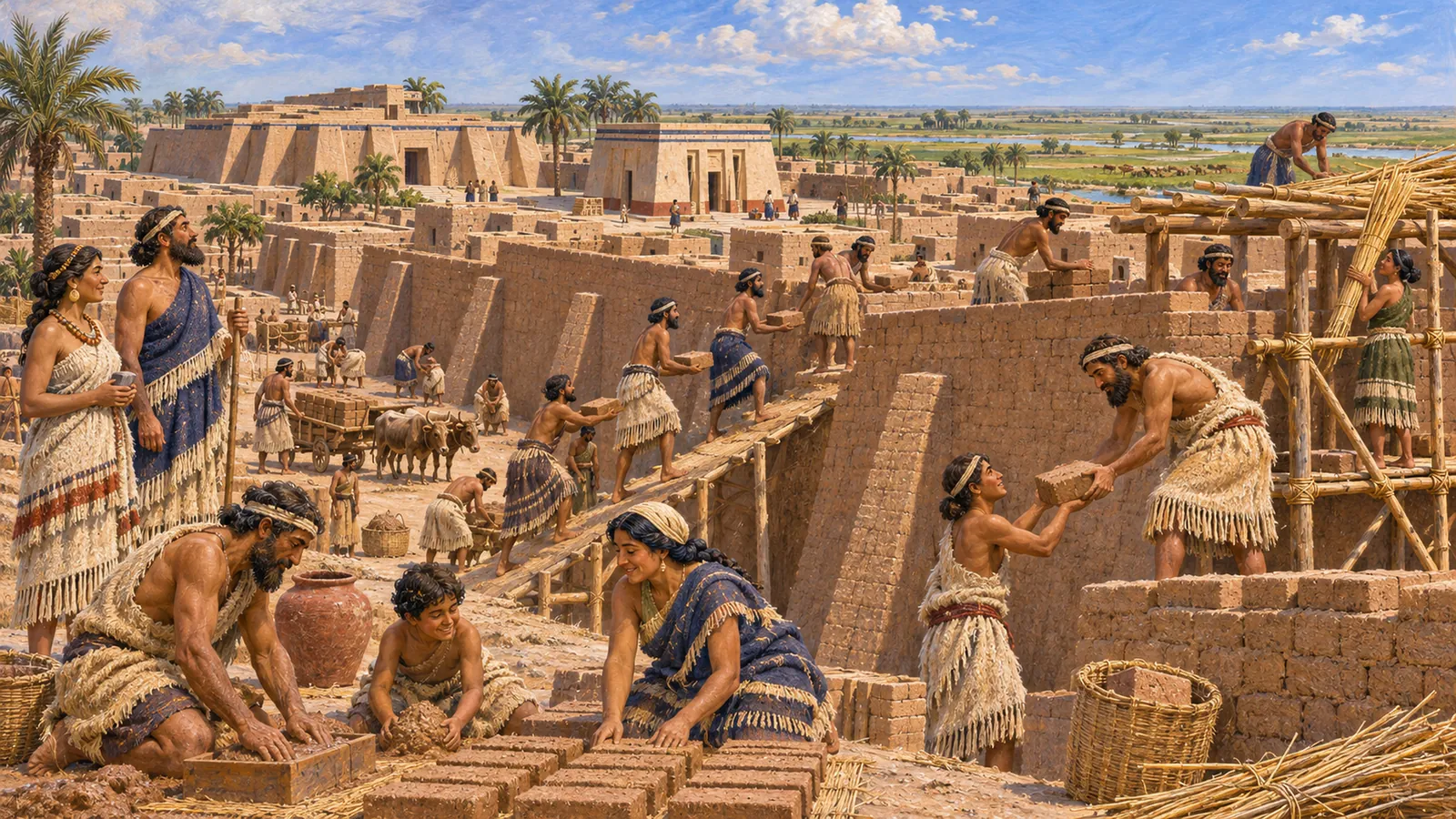
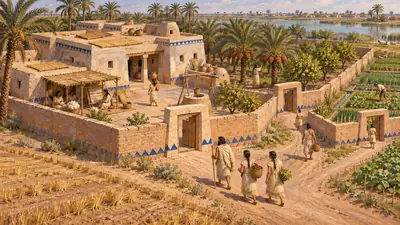
The king names the Tiraš palace and the Antasura for Ningirsu. He also records the wall of Girsu. Buildings and walls are the first works that he wants remembered.
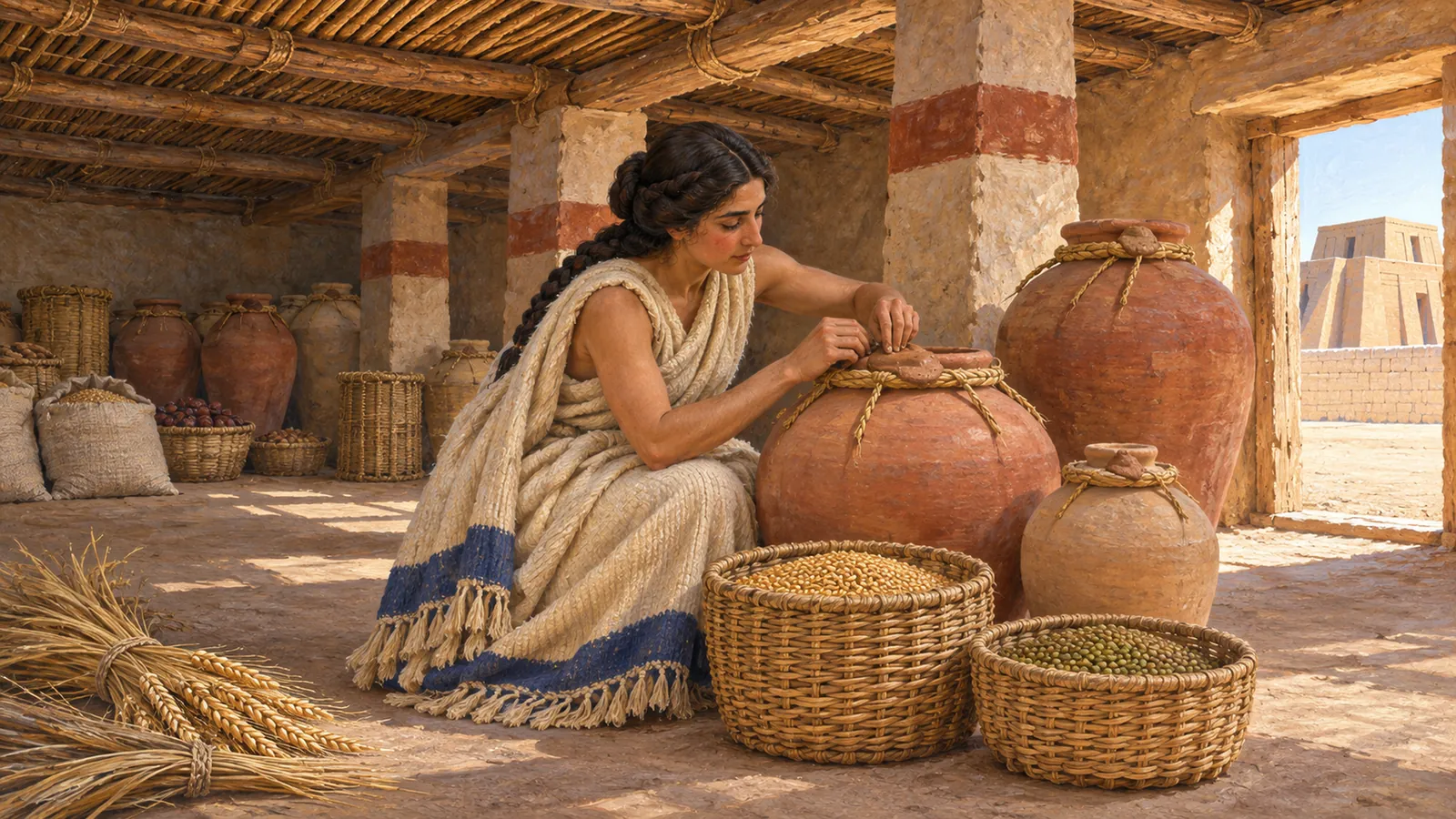
Urukagina says he built a temple for Baba and a house for the supplies she received regularly. Among the buildings he names is a shed where wool was taken from sheep.
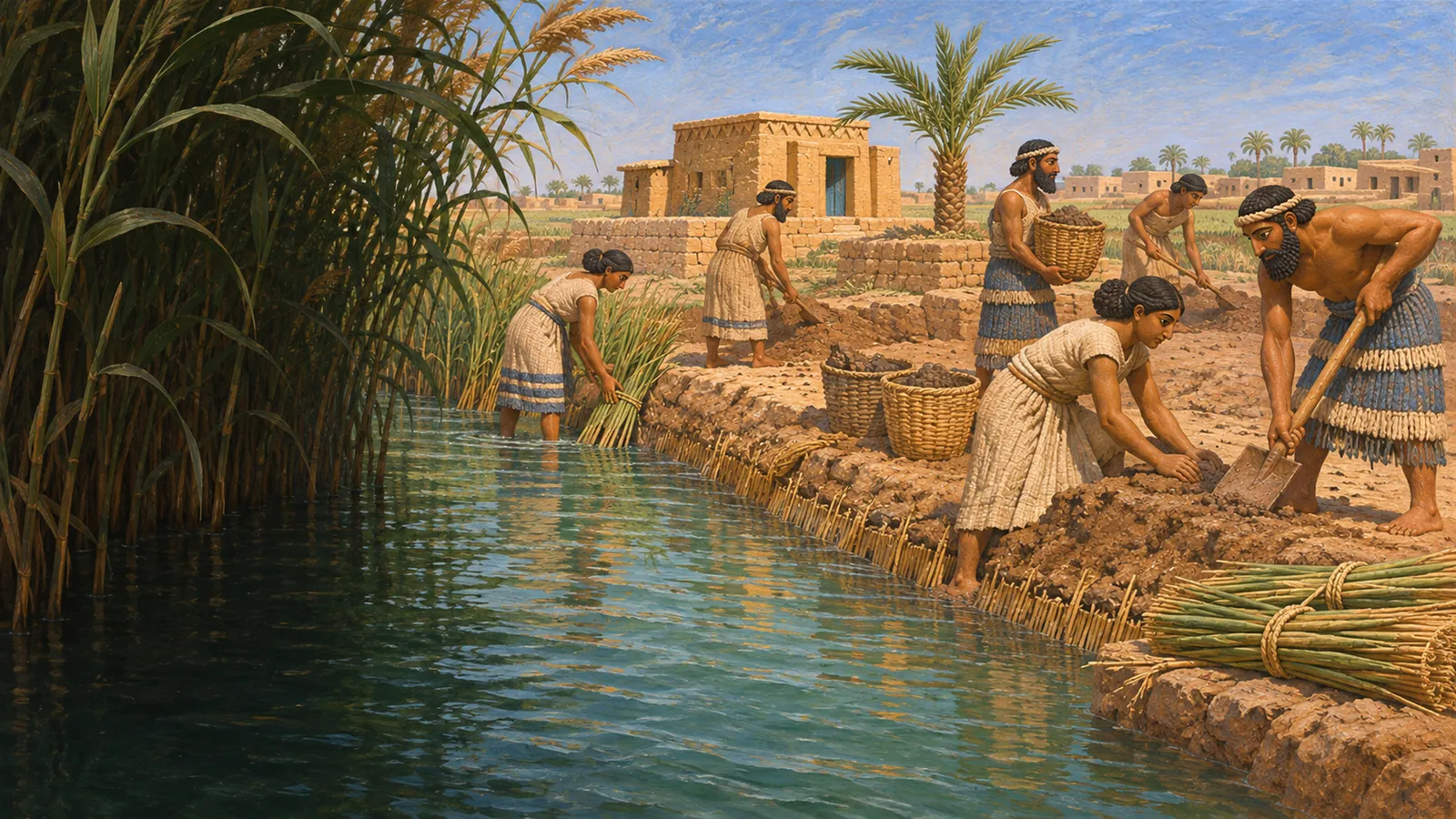
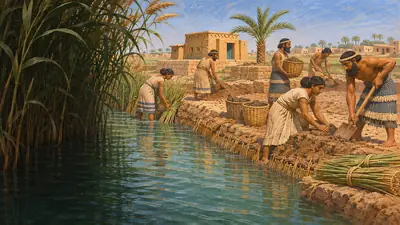
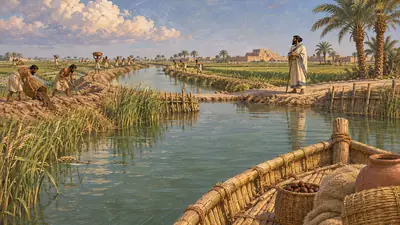
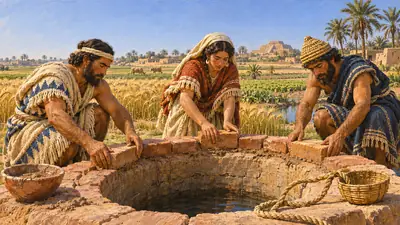
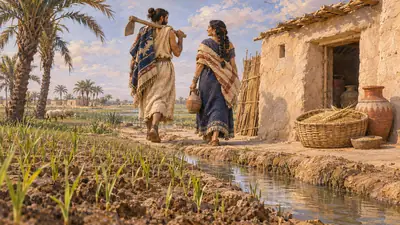
For Nanshe, the king says, he dug the canal that led toward Nigin. He boasts of extending its outlet. Follow the digging party from the buildings out along the bank.
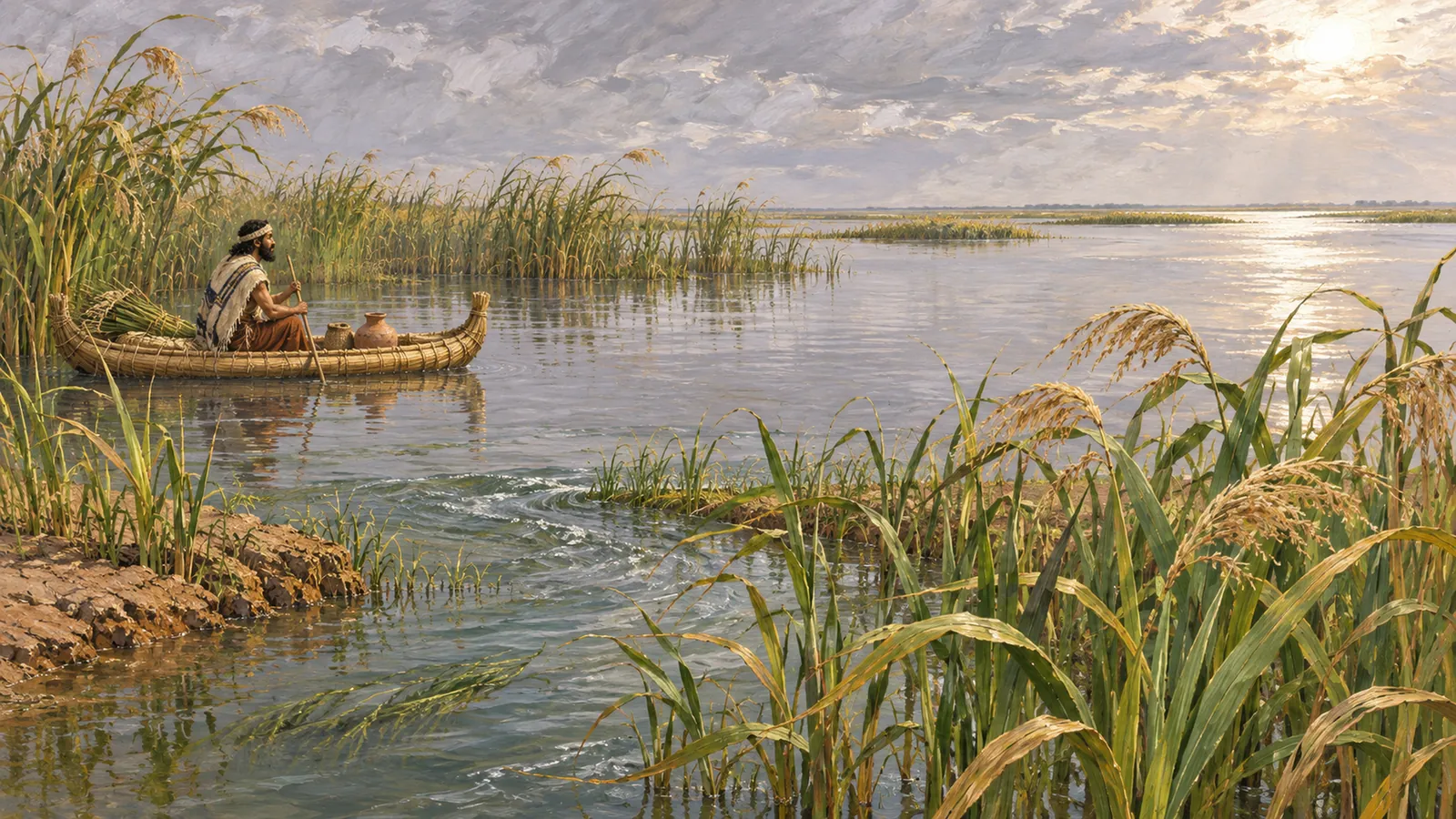
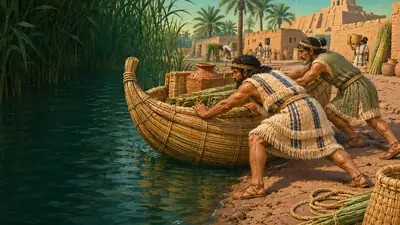
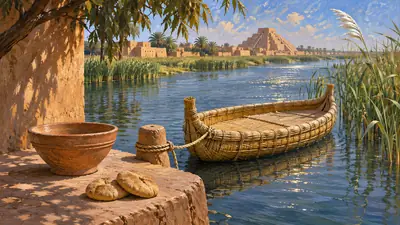
The inscription takes the outlet into the sea. Water joins the places and people in this account. Downstream, where the reeds thin out, boats and fishing make that connection visible.
OLD PRACTICES
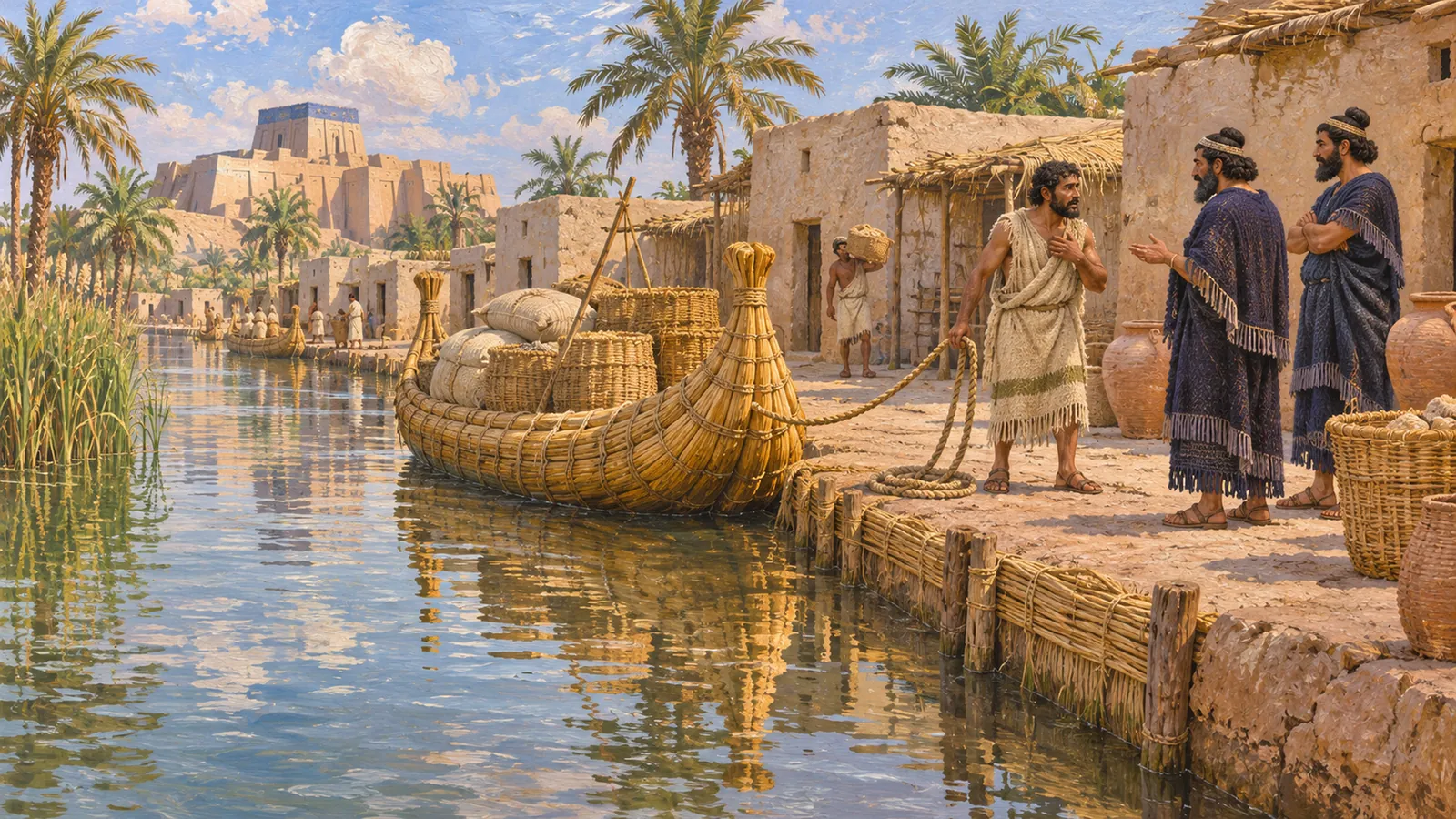
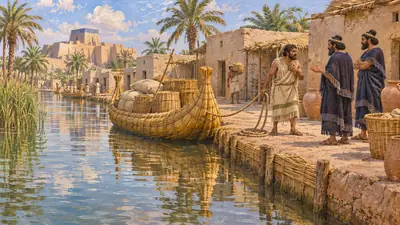
Next the king tells what he calls the customs of former times. The first grievance comes from the canal bank, where the official in charge of transport could seize boats.
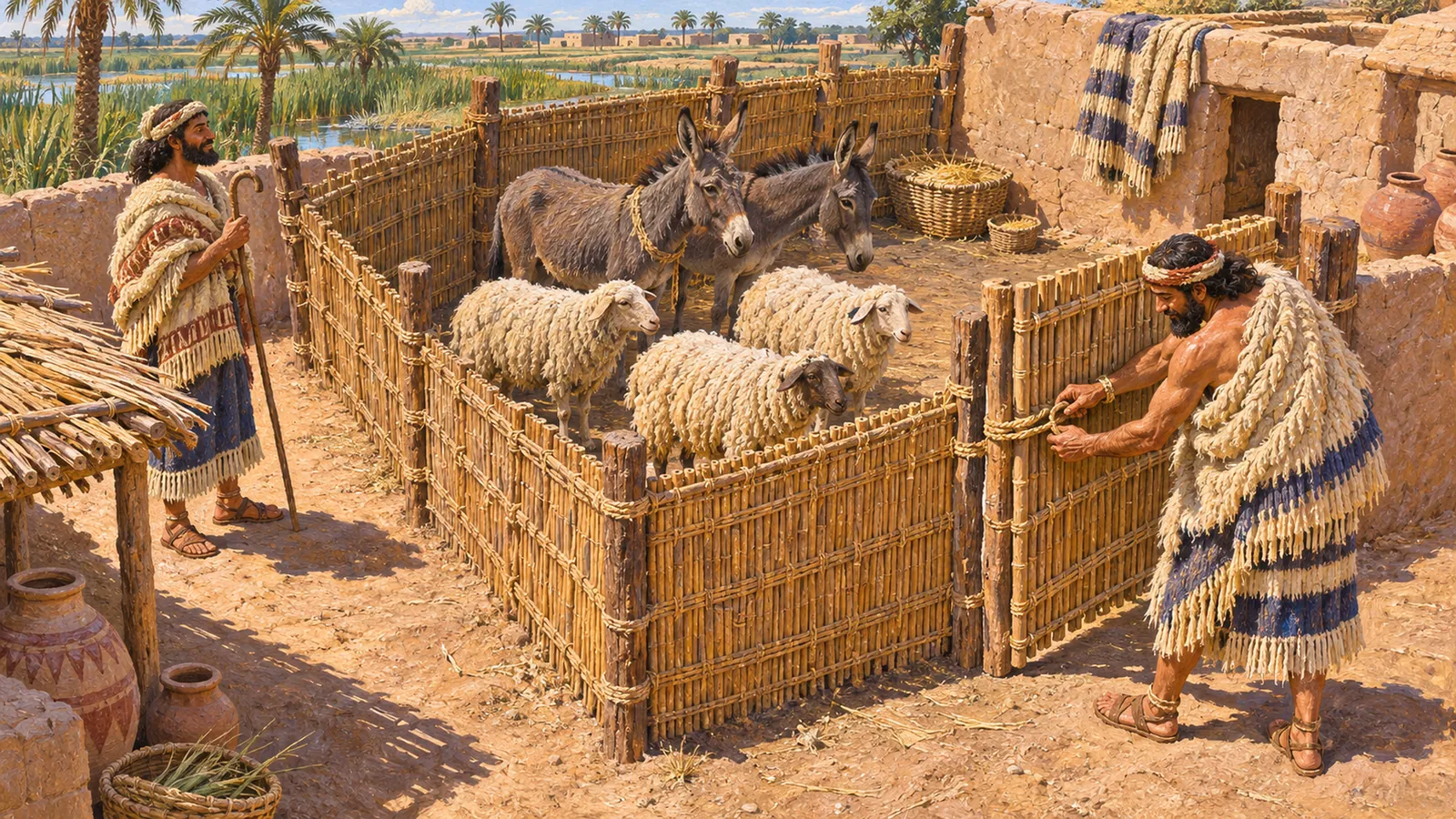
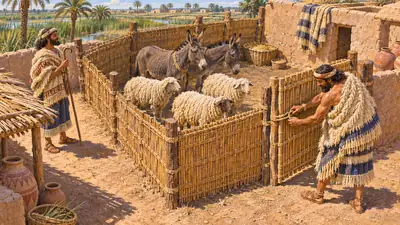
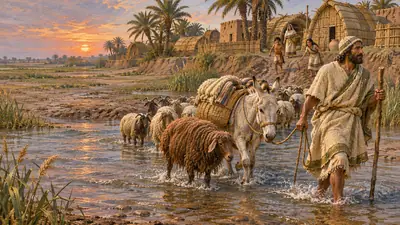
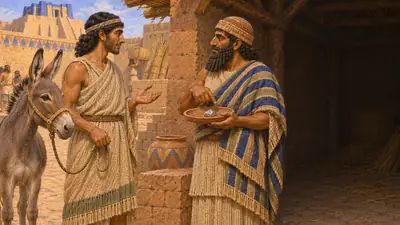
The account says officials also seized donkeys and sheep. For a person who tended a flock or relied on a donkey to carry a load, those few lines concern the work of a whole day.
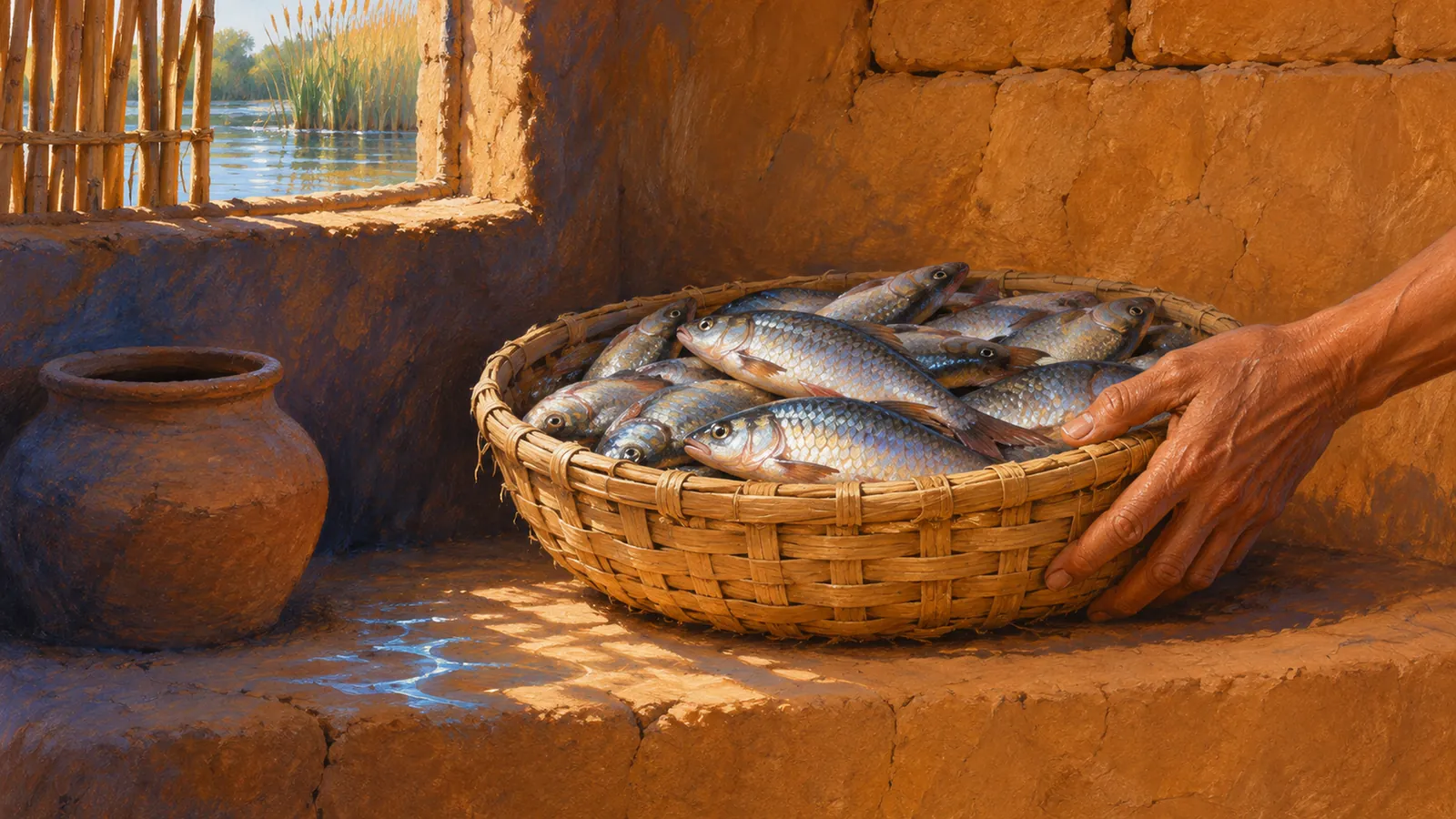
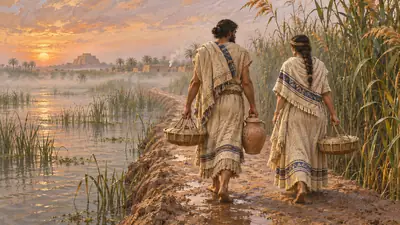
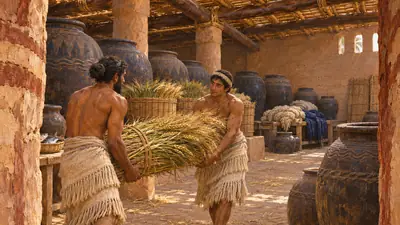
The fisheries inspector took fish from the stores, the inscription says. See the basket as a day’s work gathered in one place. The text puts that work under another official’s reach.
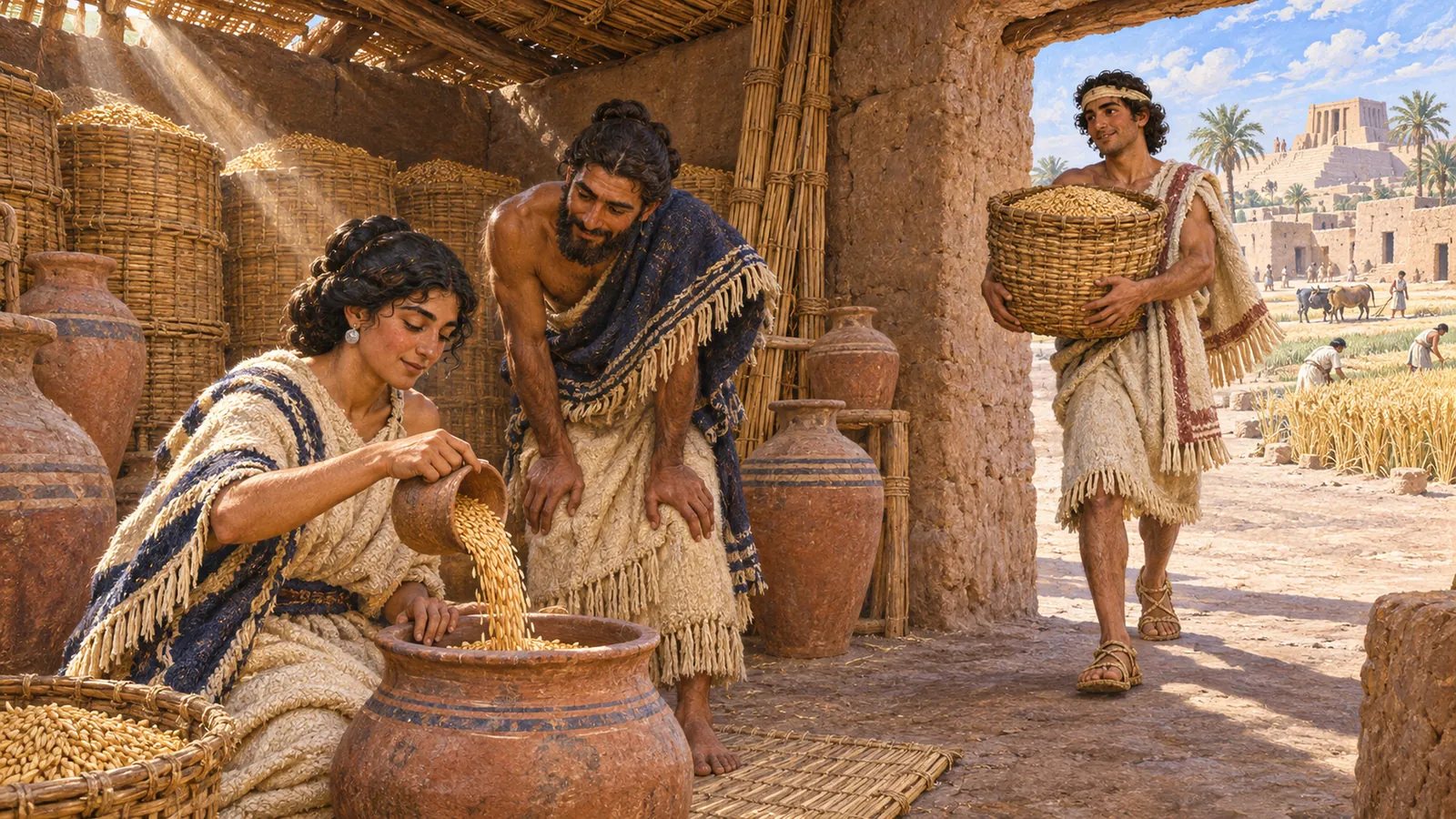
At Ambar, certain priests had to give grain. The ruler calls this one of the old practices. Its place beside the story of the fish puts temple grain and canal work in the same account.
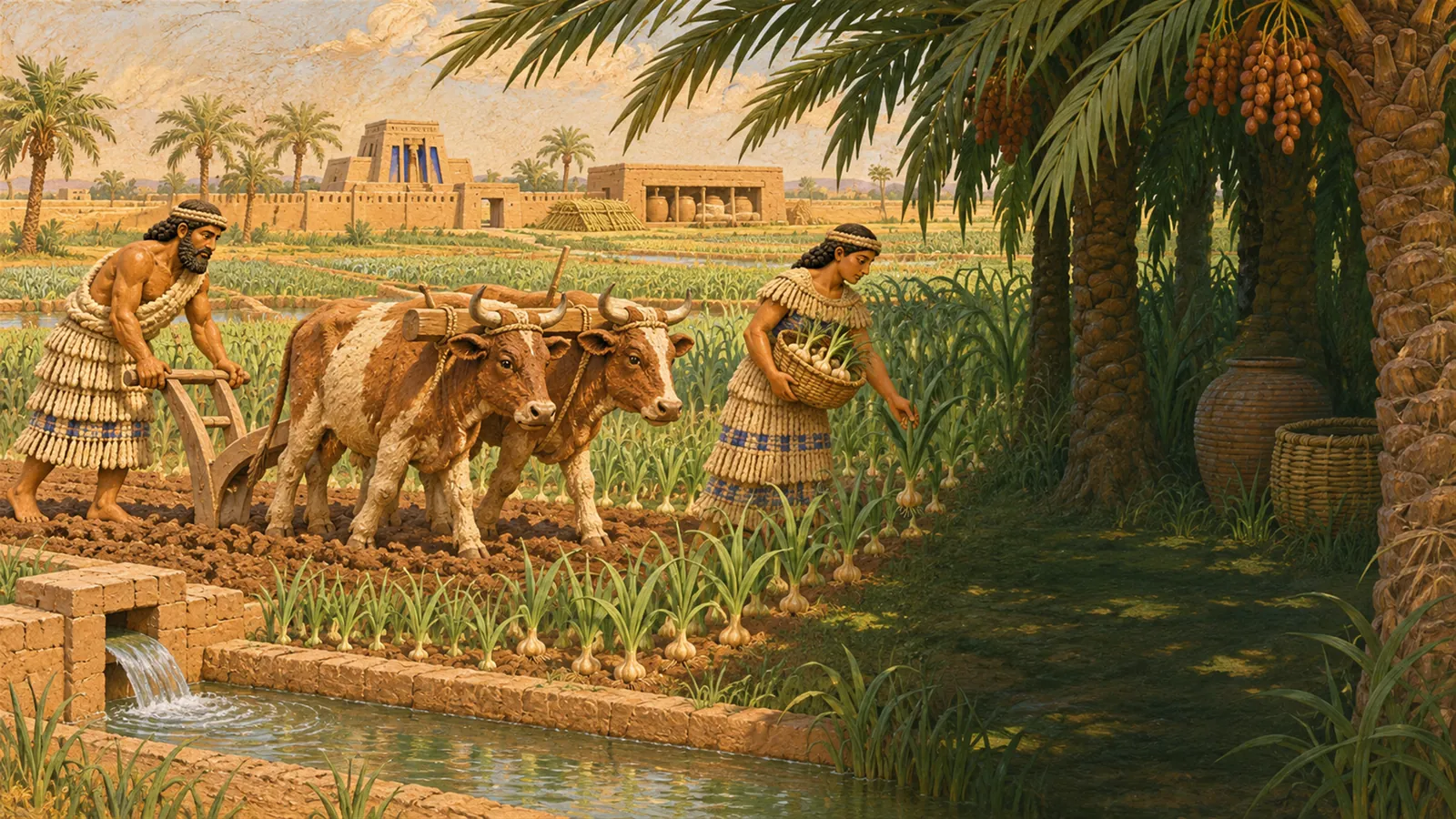
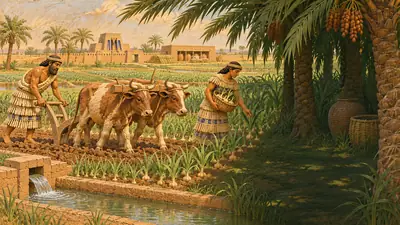
The king says oxen belonging to gods were harnessed to plow the ruler’s garlic plots. He says that the ruler’s garlic and cucumbers grew in some of the best temple fields.
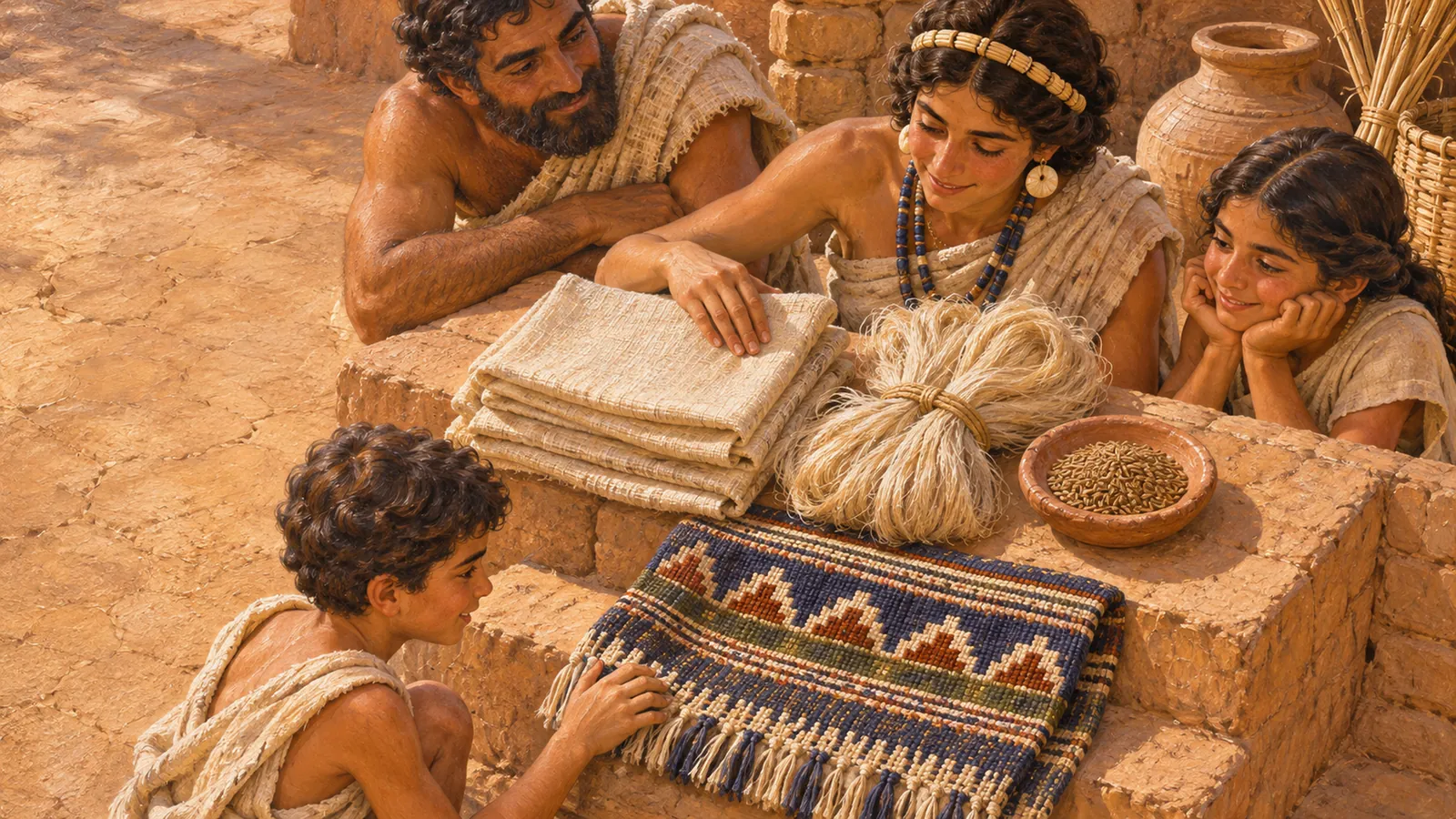
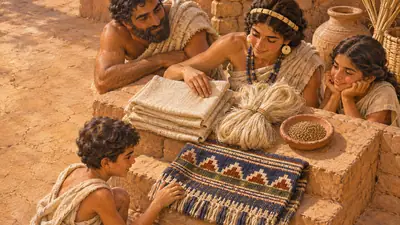
The inscription names things delivered to the palace by temple administrators. Among them were cloth, flax and even cumin. The list shows how a levy could reach the stores and workshops.
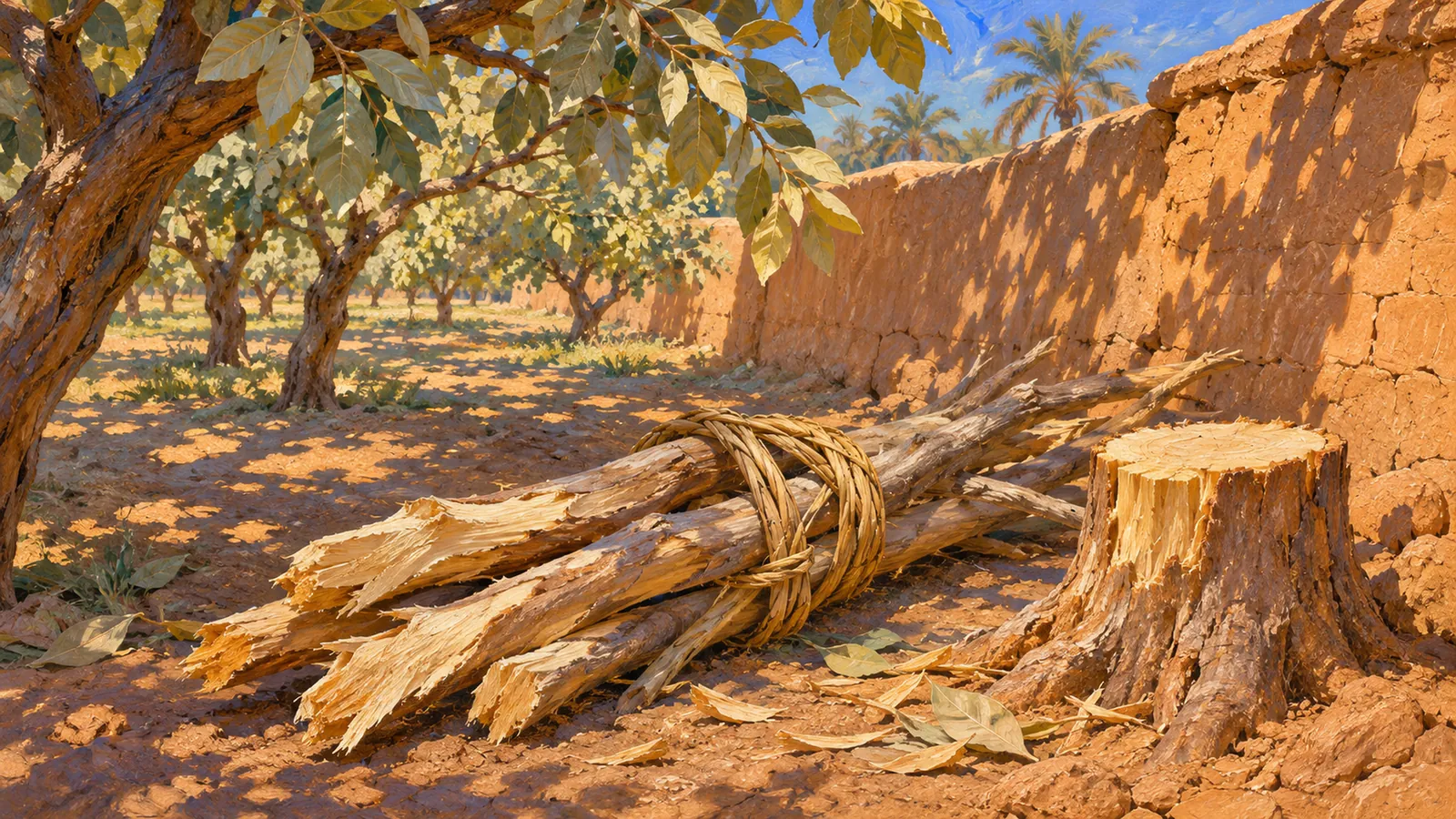
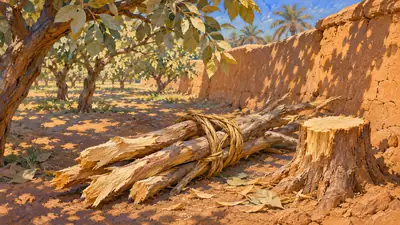
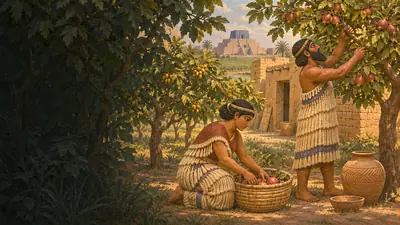
An official cut trees in an orchard belonging to poor people. The text remembers that the cut wood was bound with reed cord. A few words carry the scene right down to the bundle.
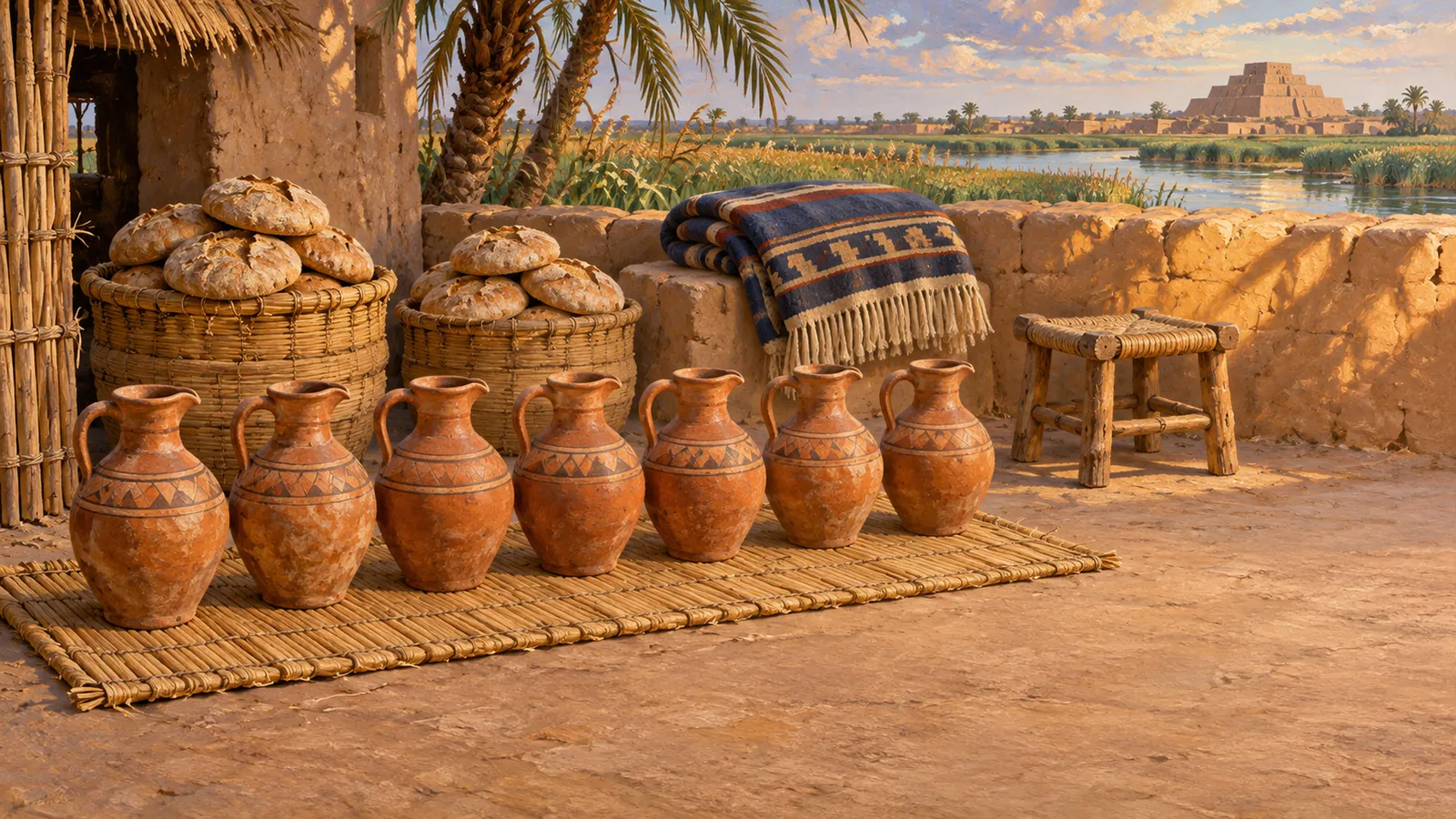
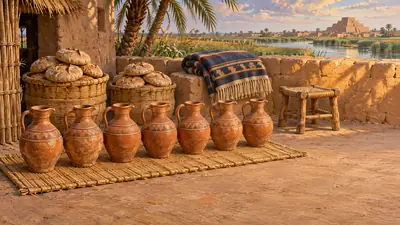
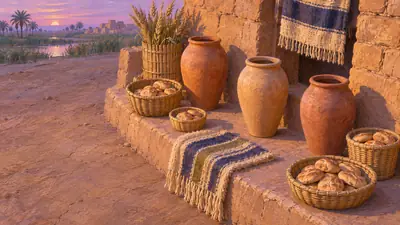
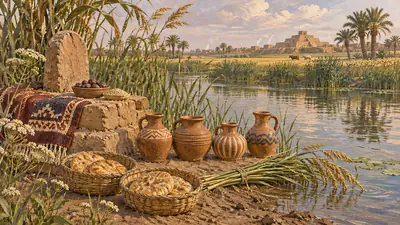
At the grave, the old schedule asked for seven jugs of beer and four hundred and twenty loaves. The numbers tell how much food could be required when a family was grieving.
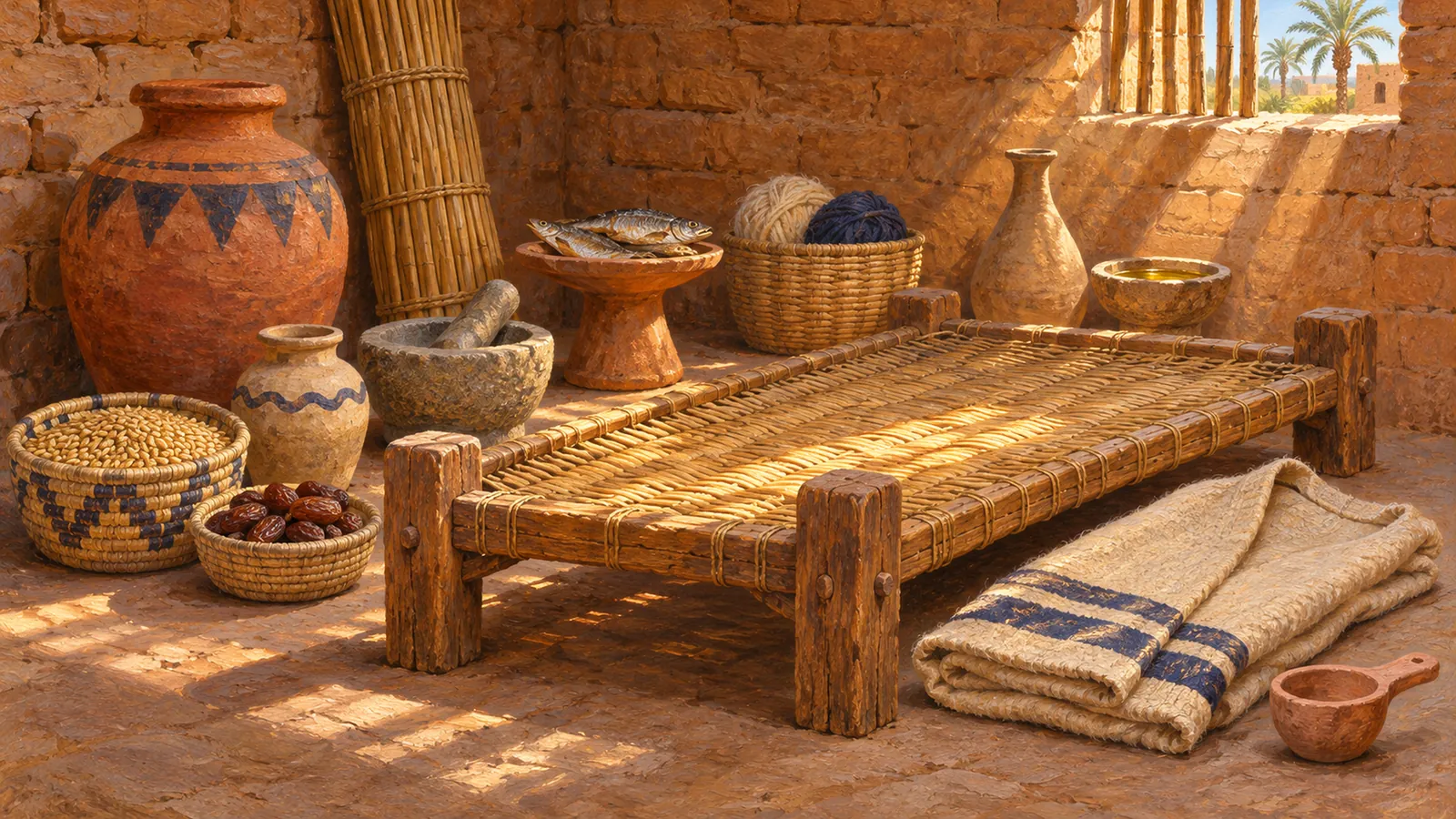
Bread and beer were only part of the charges. At the ordinary grave, the undertaker was given other goods, including a bed and a woolen garment. Other recipients took barley.
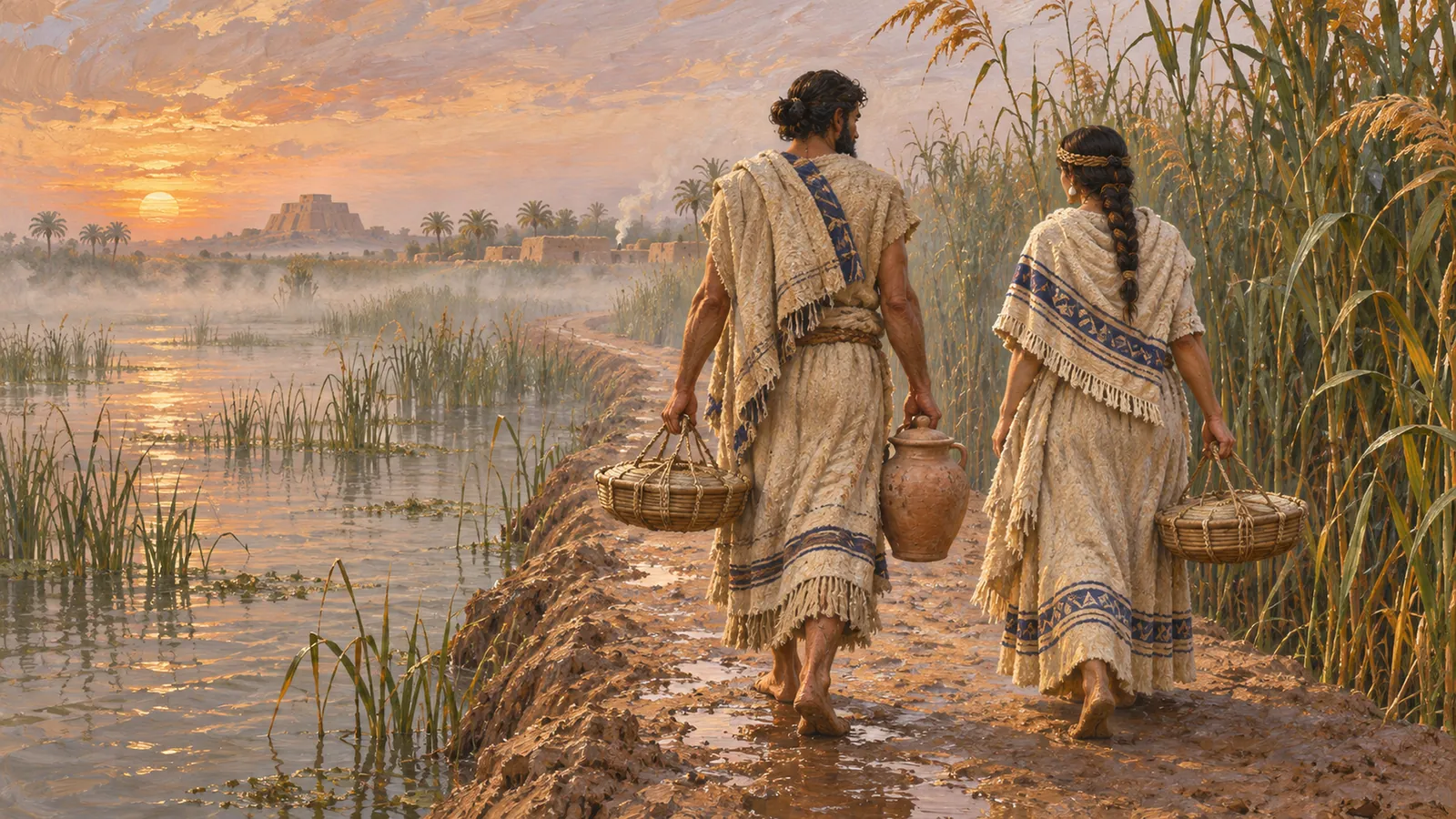
There was a separate reckoning when a burial took place in the reeds of Enki. It too required seven jugs and four hundred and twenty loaves, along with its own other goods.
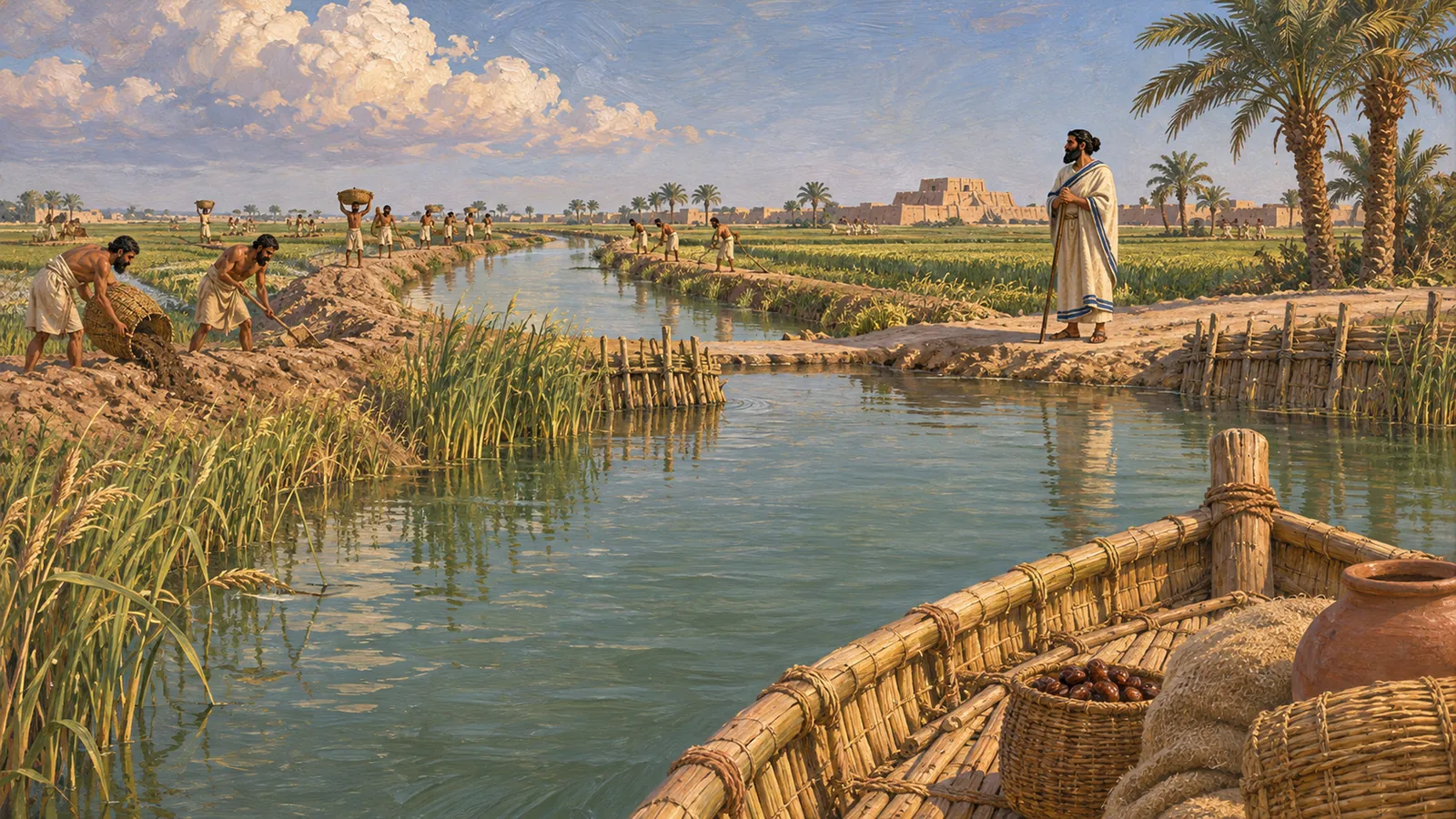
The king lists the ruler’s estate, the Woman’s House and the royal children’s estate. Then his account puts court officers everywhere from Ningirsu’s boundary to the sea, the same waters we saw before.
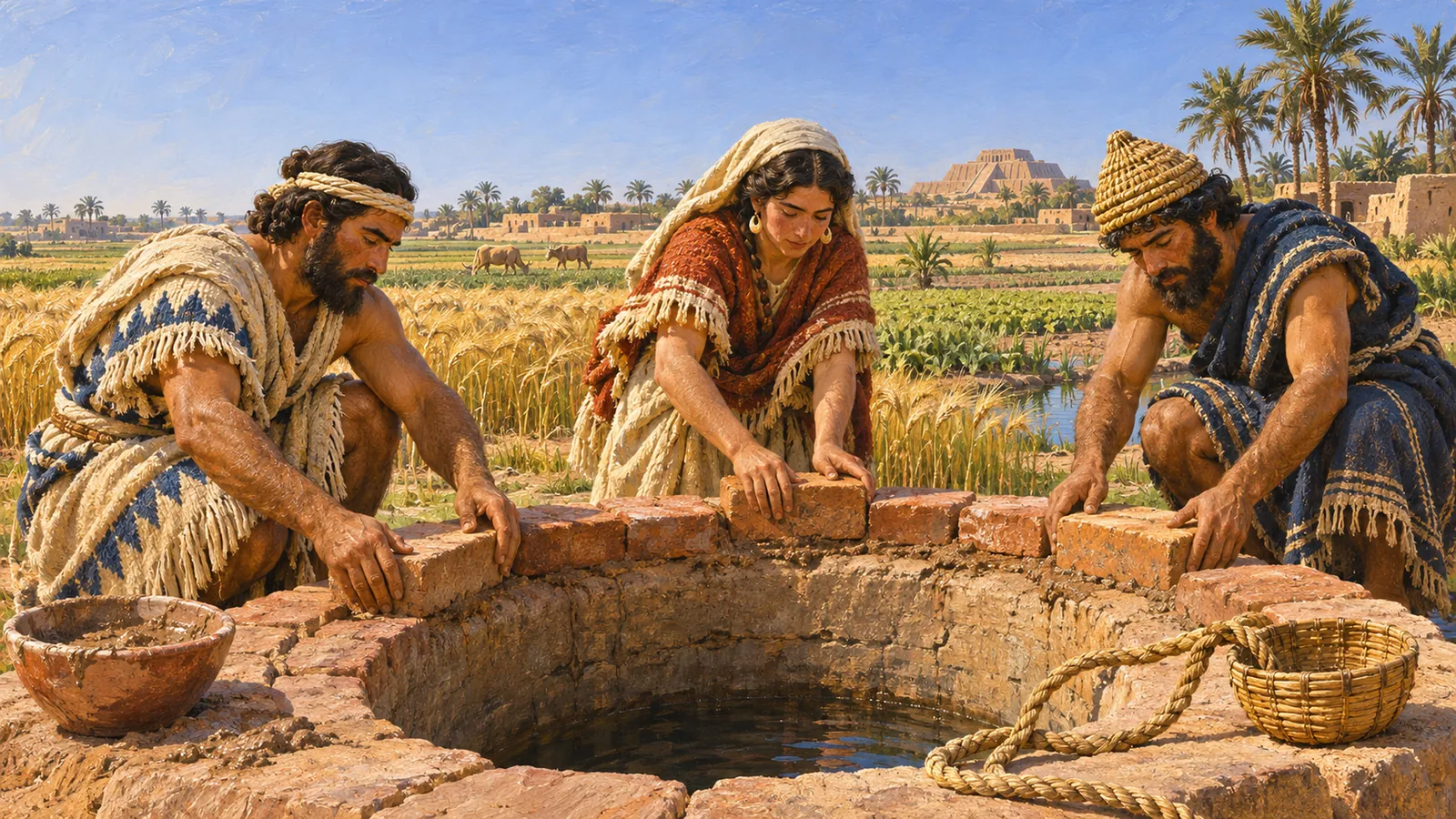
The last old practice concerns work in the fields. The inscription says blind workers could be taken to dig wells and work on channels for men in royal service. Then the account turns.
THE NEW KING
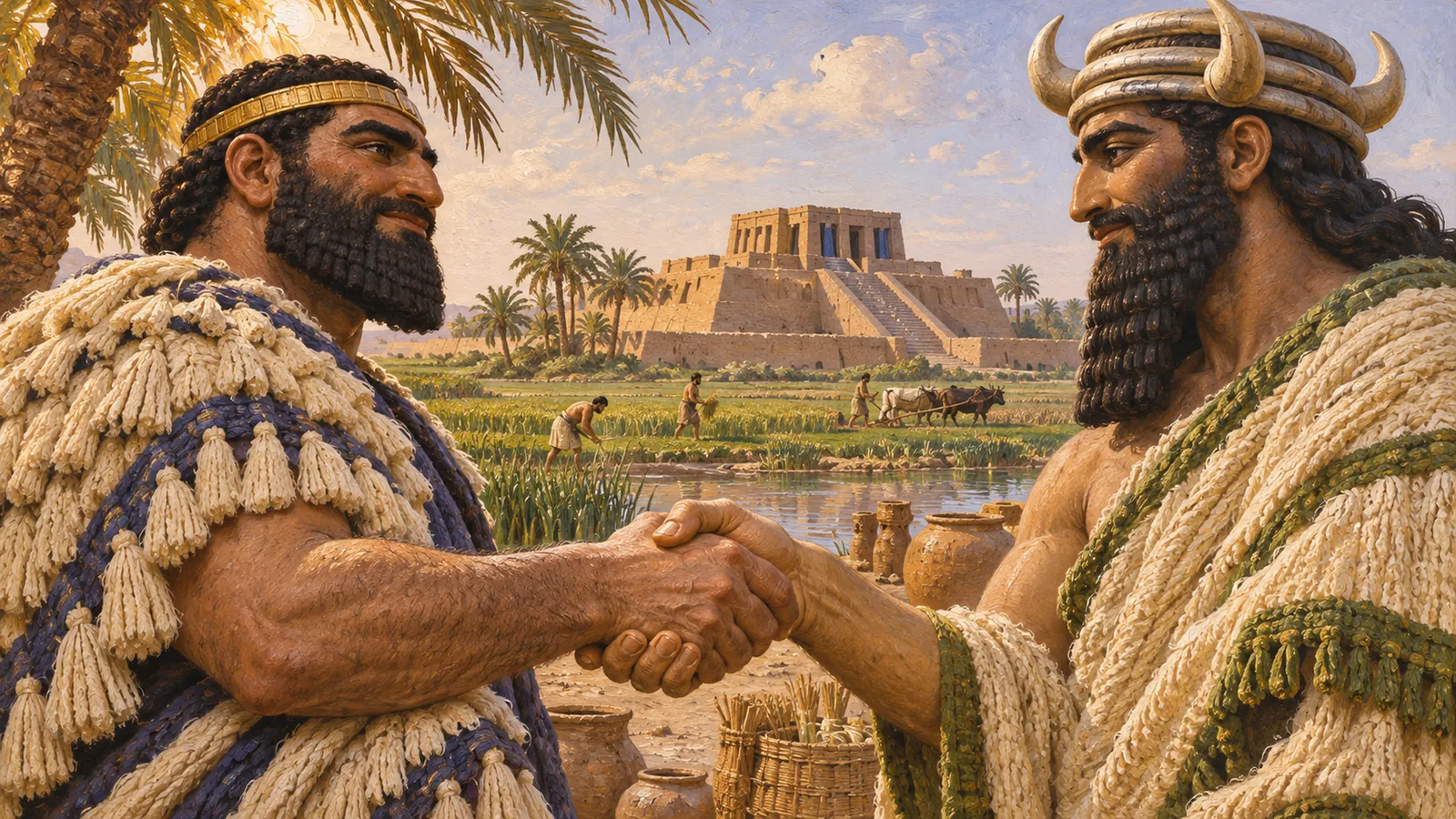
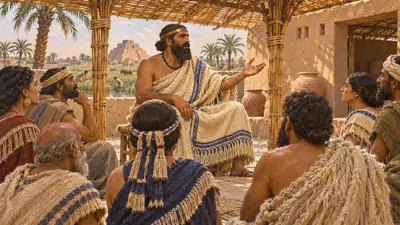
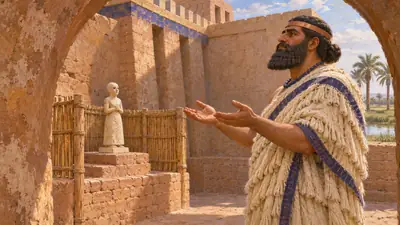
Urukagina says Ningirsu made him king of Lagash. The god, he says, chose him from among the people and took his hand. The clay uses that gesture to mark a change of rule.
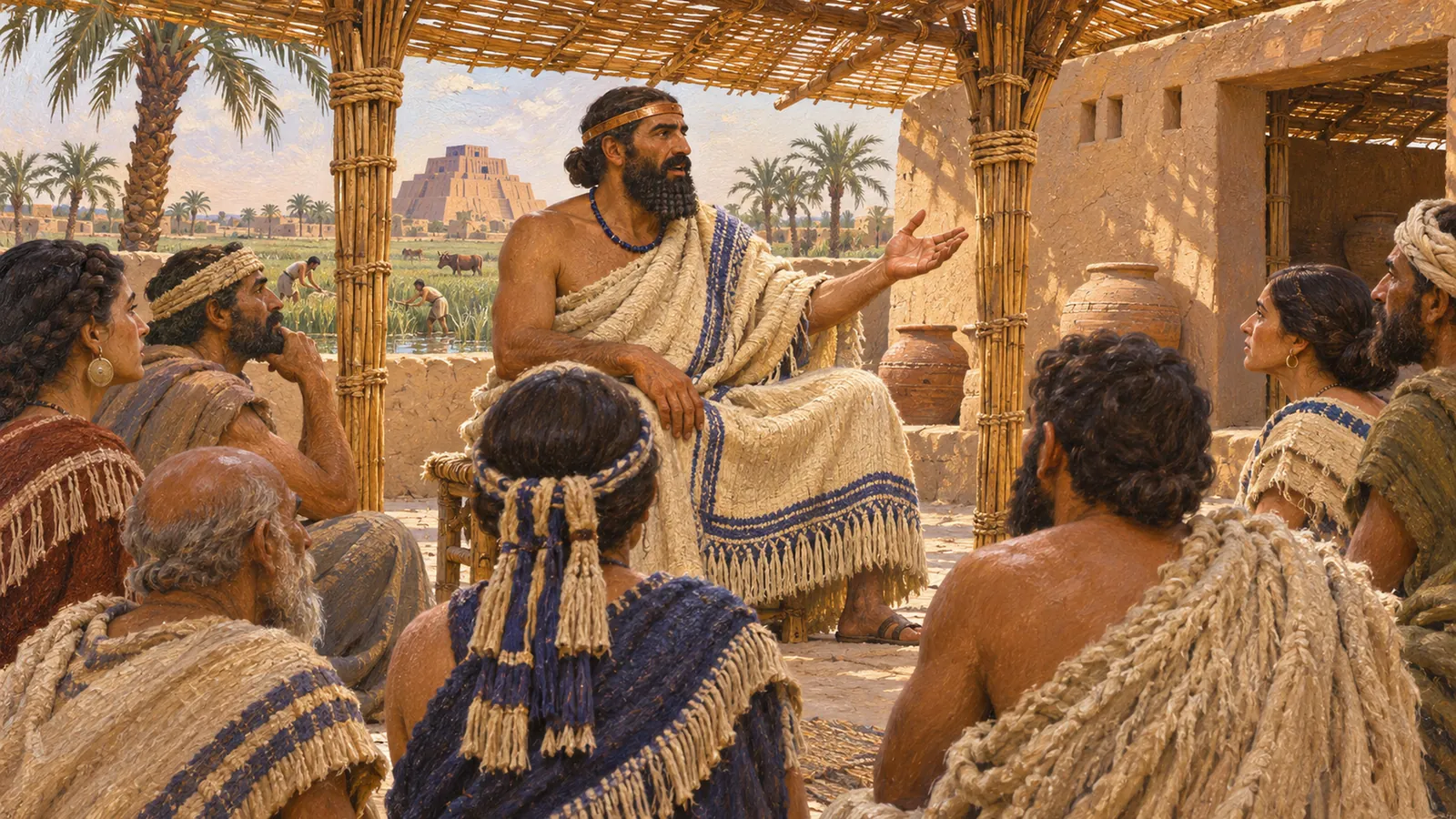
The king presents what comes next as a return to an old order. He says he took up Ningirsu’s instructions. Then the inscription goes back through the burdens it had described.
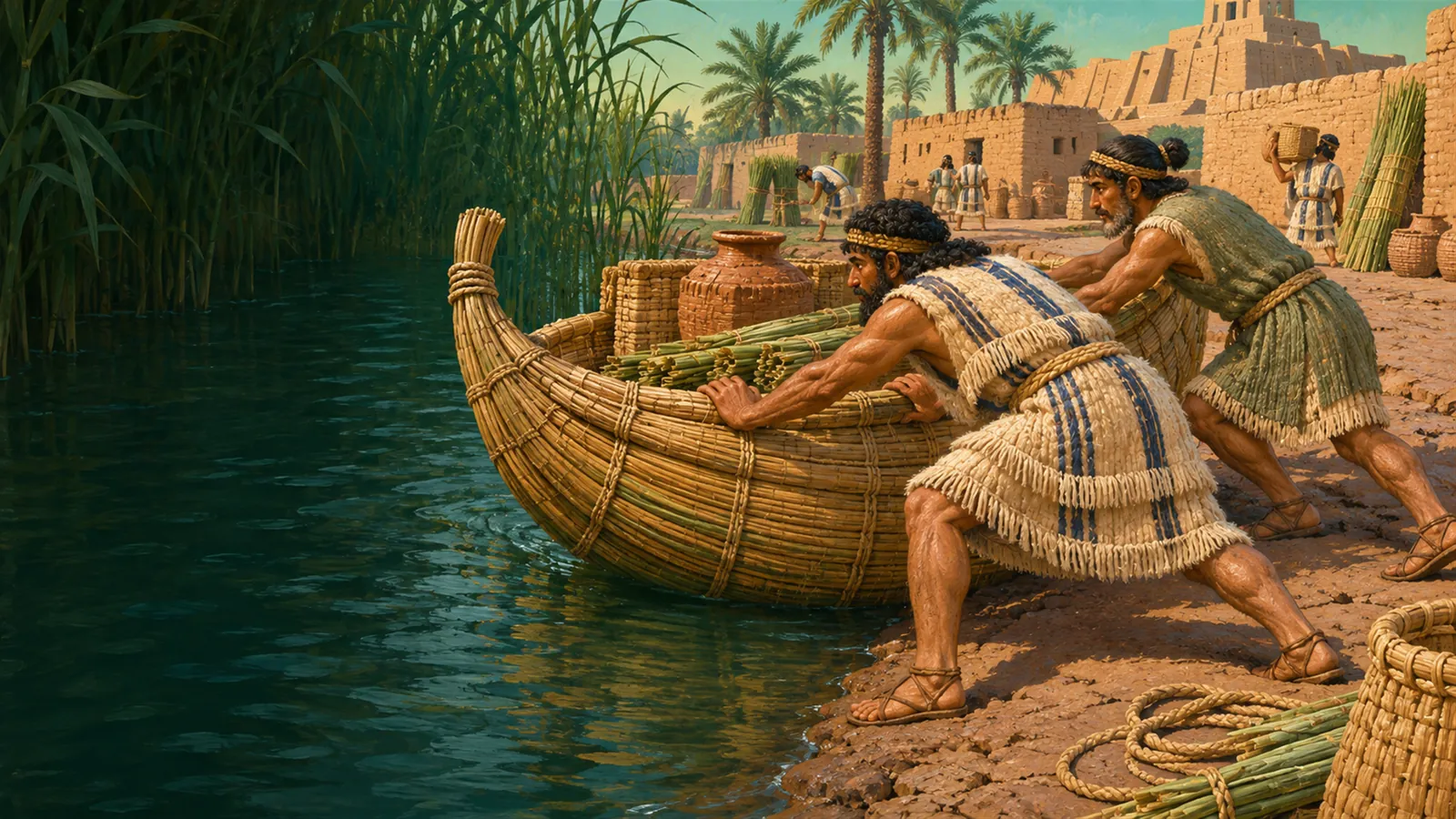
Urukagina says he removed the official in charge of transport from the boats. The changes begin at the same canal bank as the grievances. The rule now speaks to who can control the vessels.
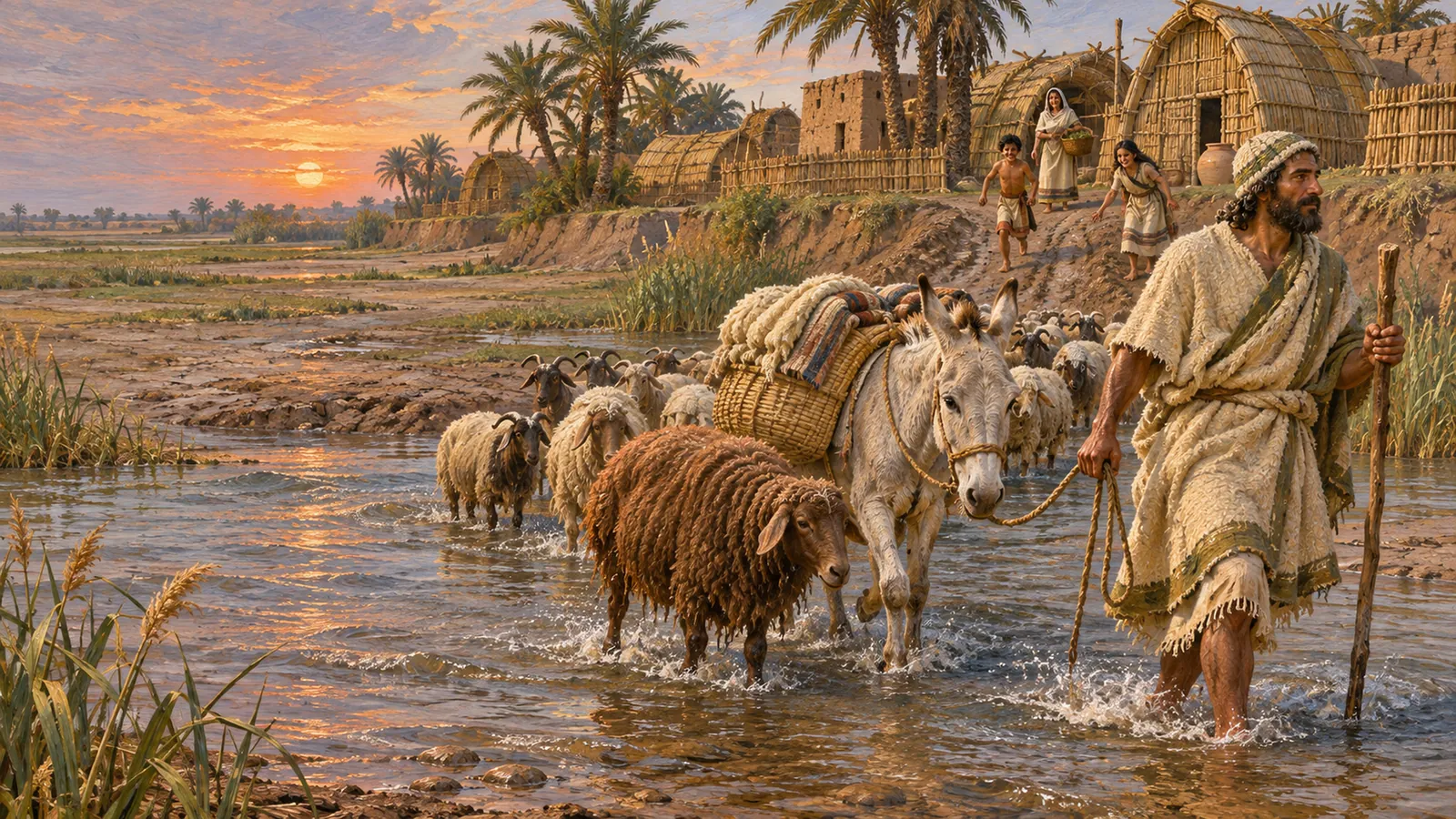
The new account turns again to donkeys and sheep. Urukagina says he removed the head herdsmen from them. Like the change at the landing, it takes a power away from an official.
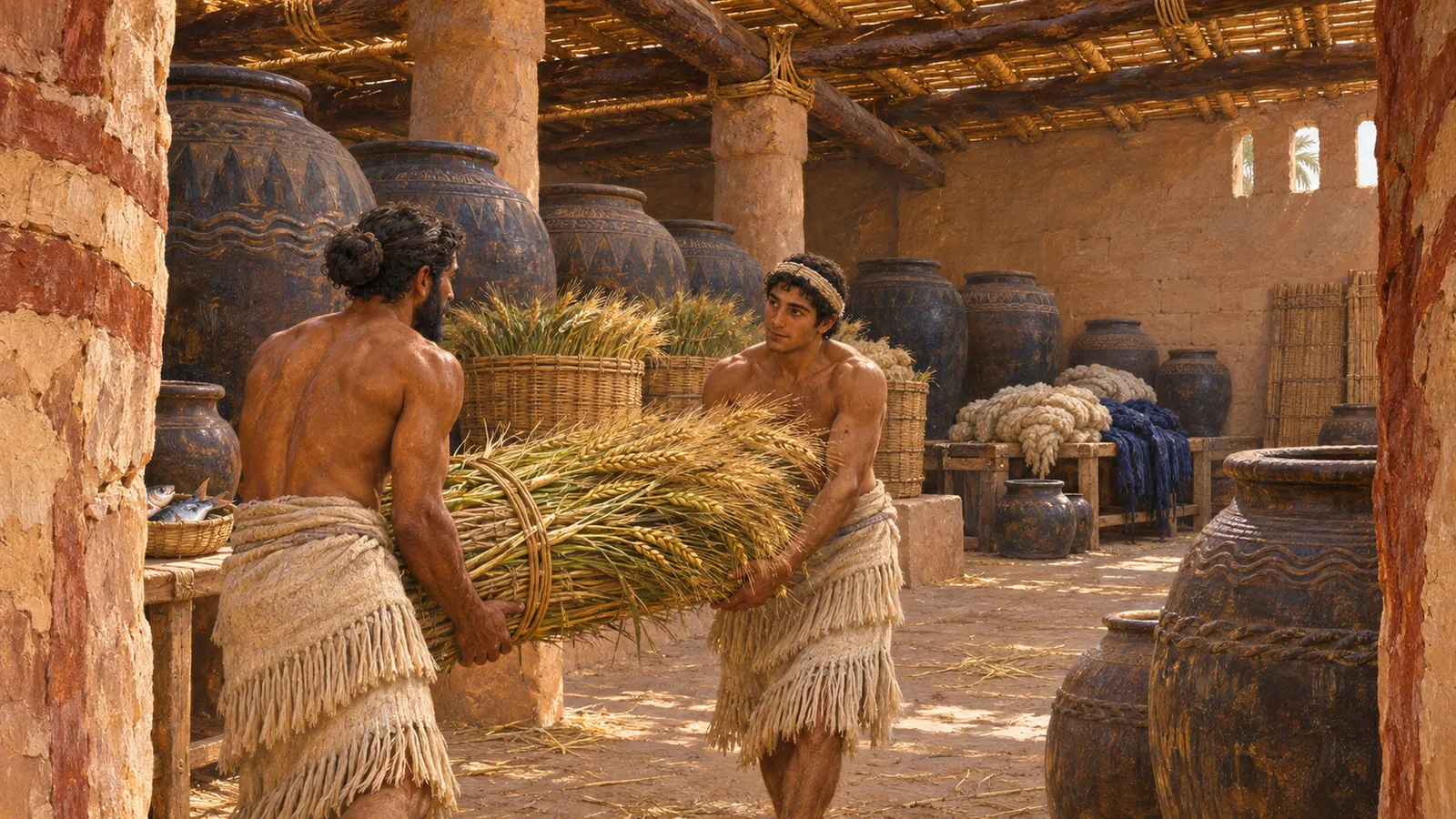
Urukagina says he removed the inspector from the fish stores and took the priests’ grain dues out of the granary supervisor’s hands. The words follow the same goods through two different arrangements.
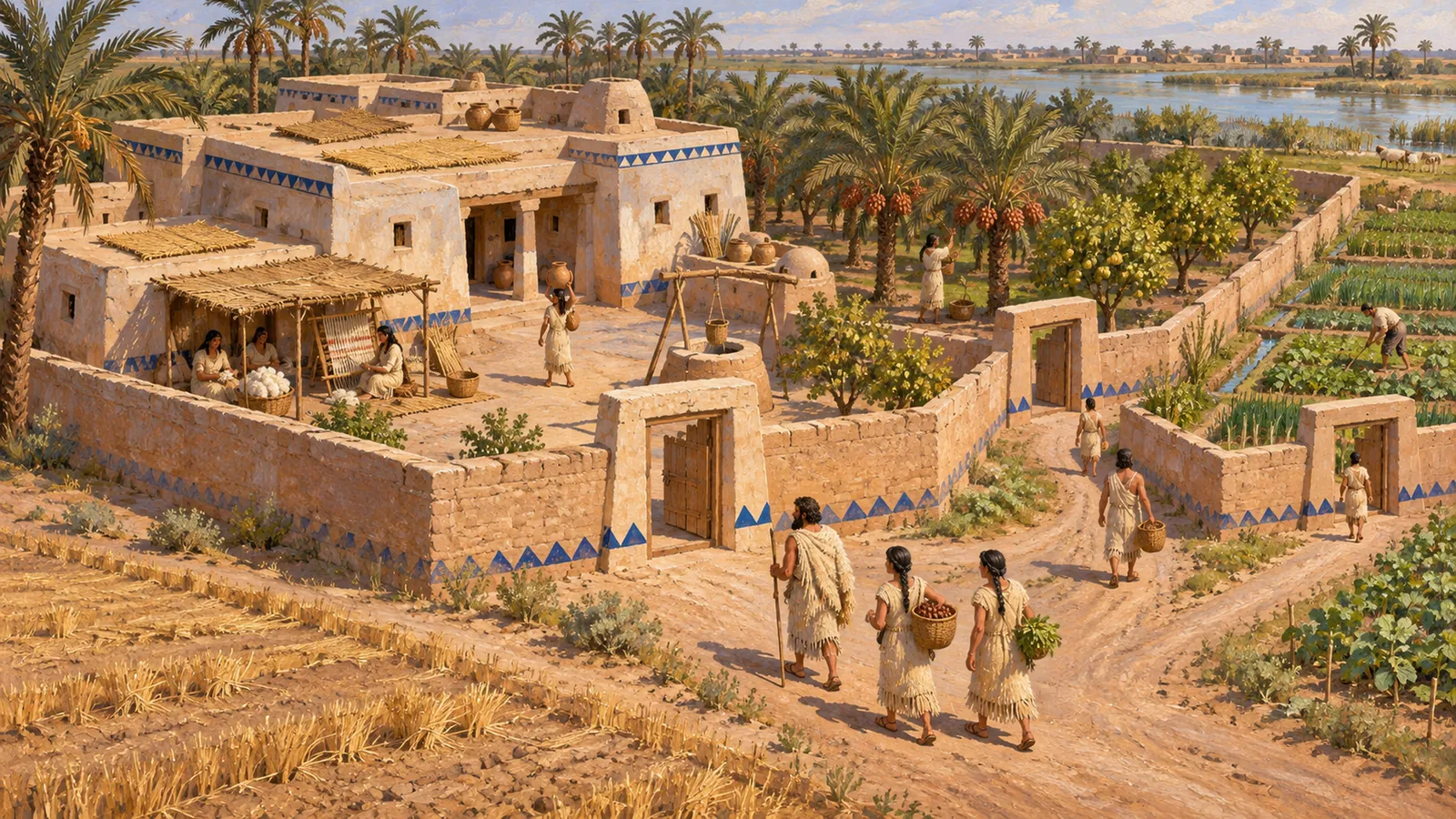
The account removes officials from certain silver payments and temple levies. Urukagina assigns the ruler’s household and its fields to Ningirsu. He places the Woman’s House and its fields under Baba.
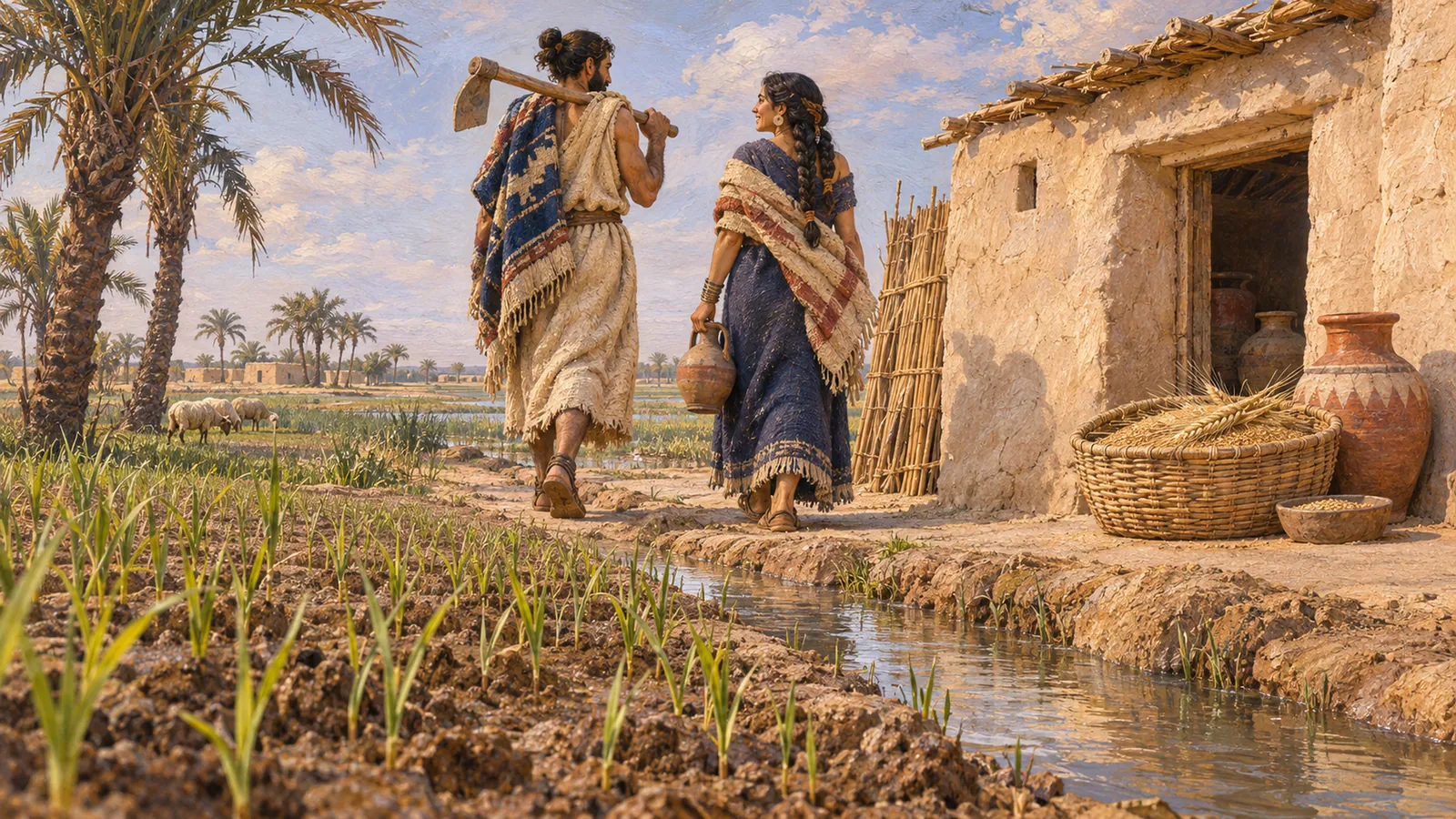
The household and fields of the royal children are assigned to Shulshagana. The next lines picture a land without the court officers the old account had placed from boundary to sea.
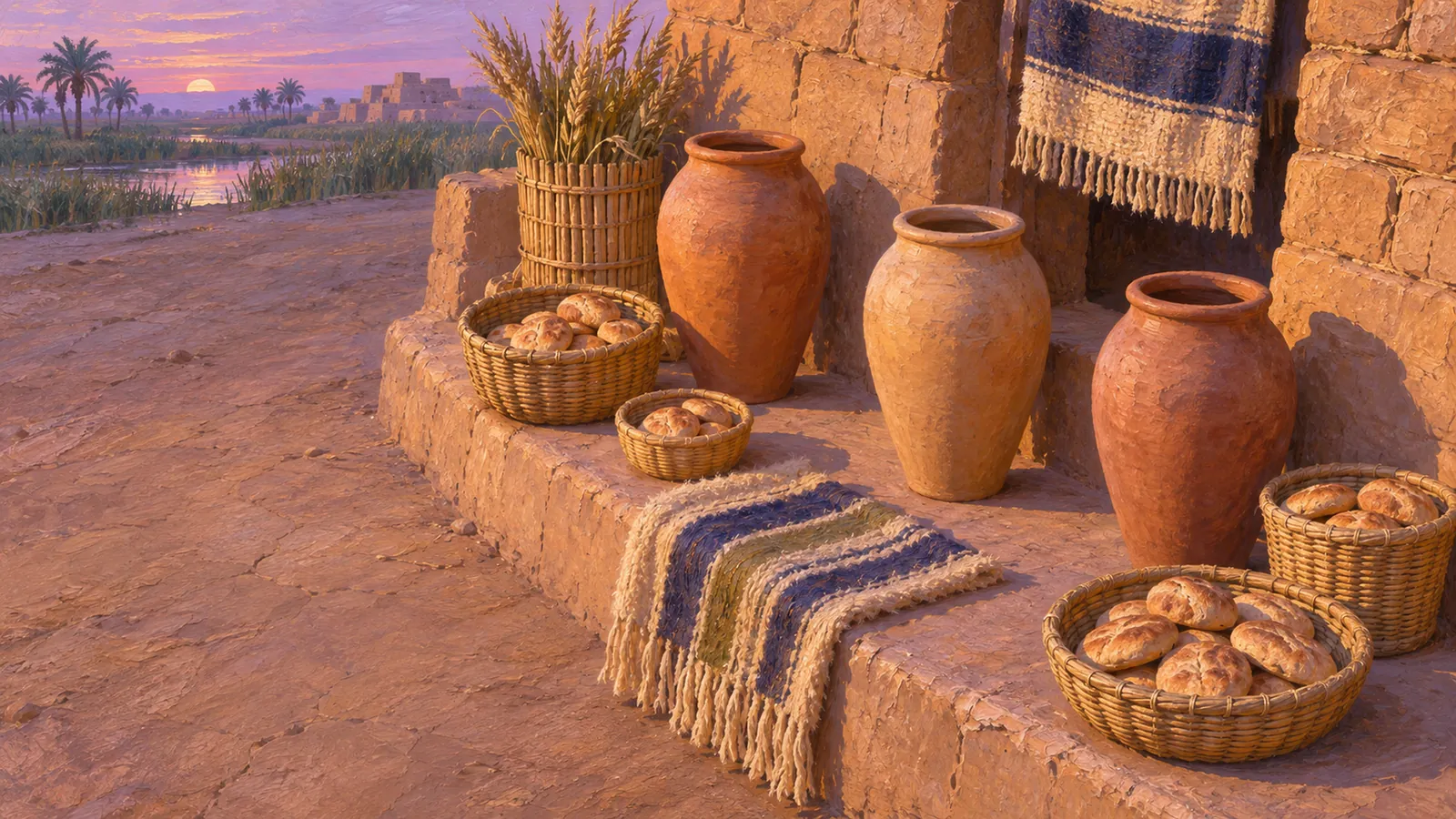
BURIAL DUES
The ordinary grave now calls for three jugs of beer and eighty loaves. Some other charges remain, including a bed and a measure of barley. The change is precise enough to count.
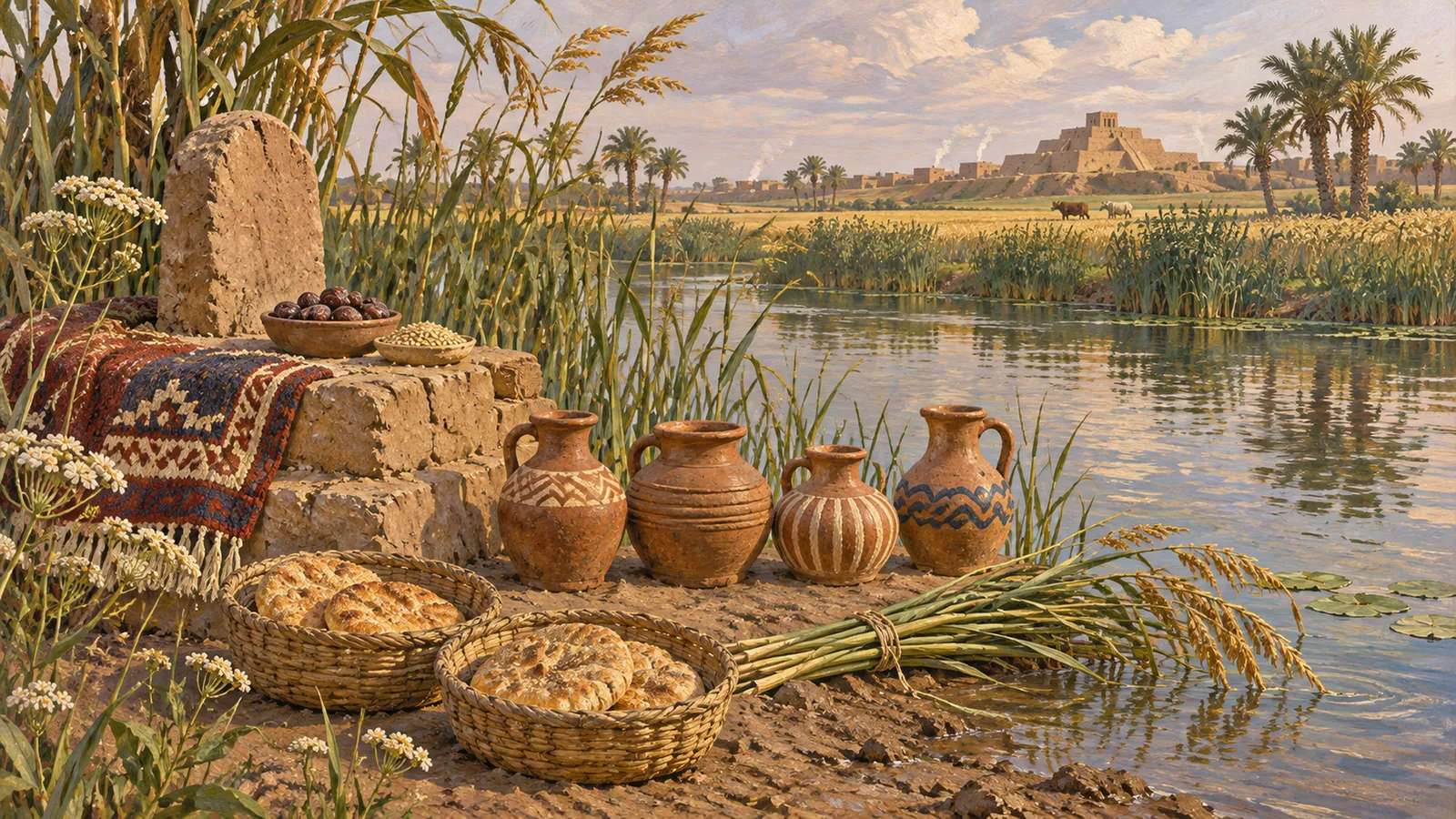
For the burial in Enki’s reeds, the king’s new schedule calls for four jugs and two hundred and forty loaves. The two kinds of burial still come with different numbers.
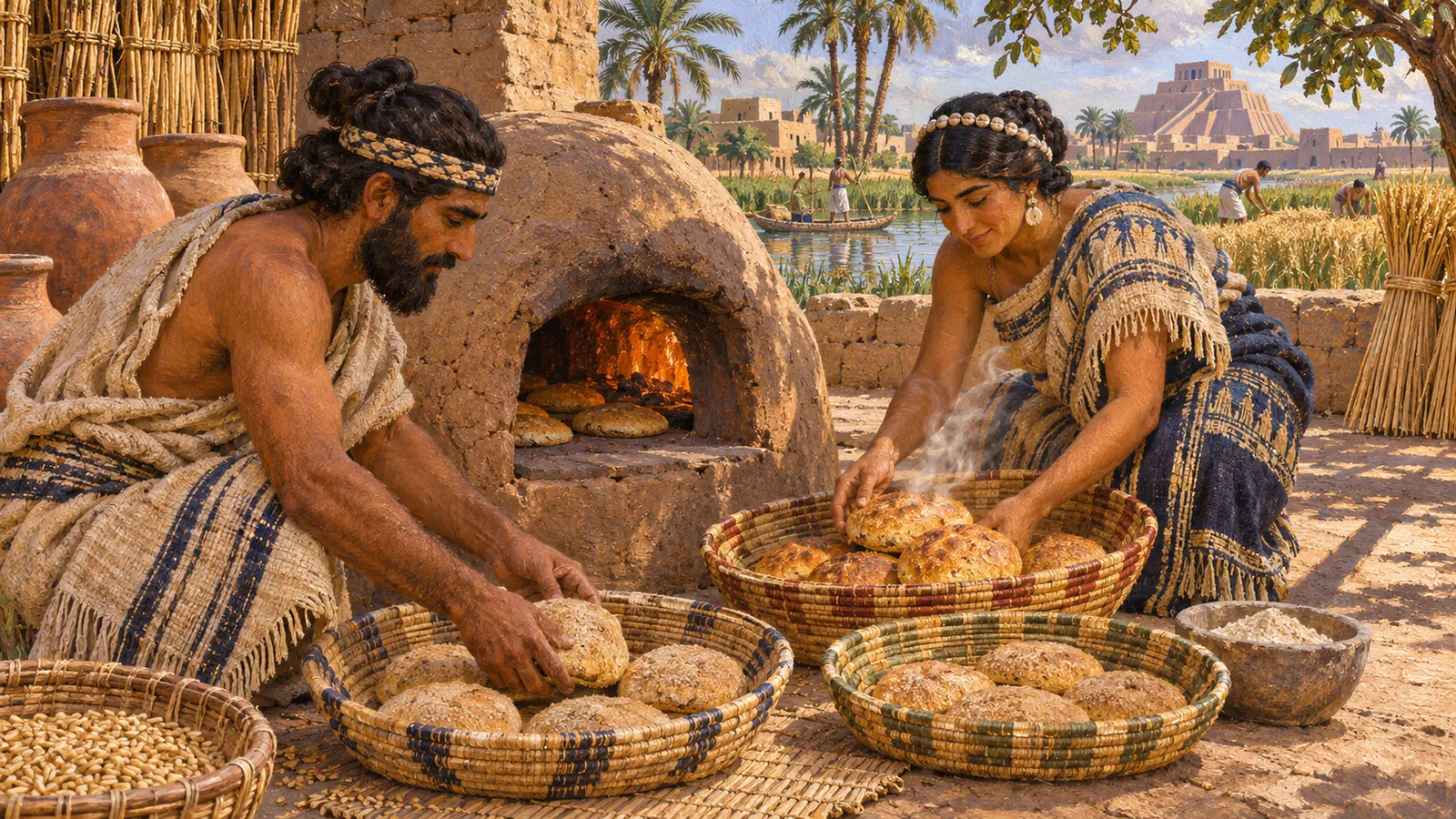
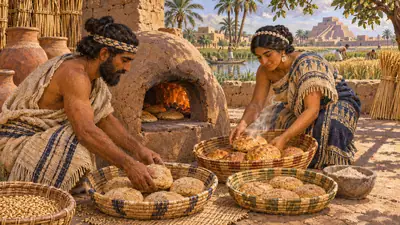
The inscription keeps counting bread by what it is for. Some loaves are set aside as dues, some are for eating, and some go on the table. It names beer for the lamentation singers.
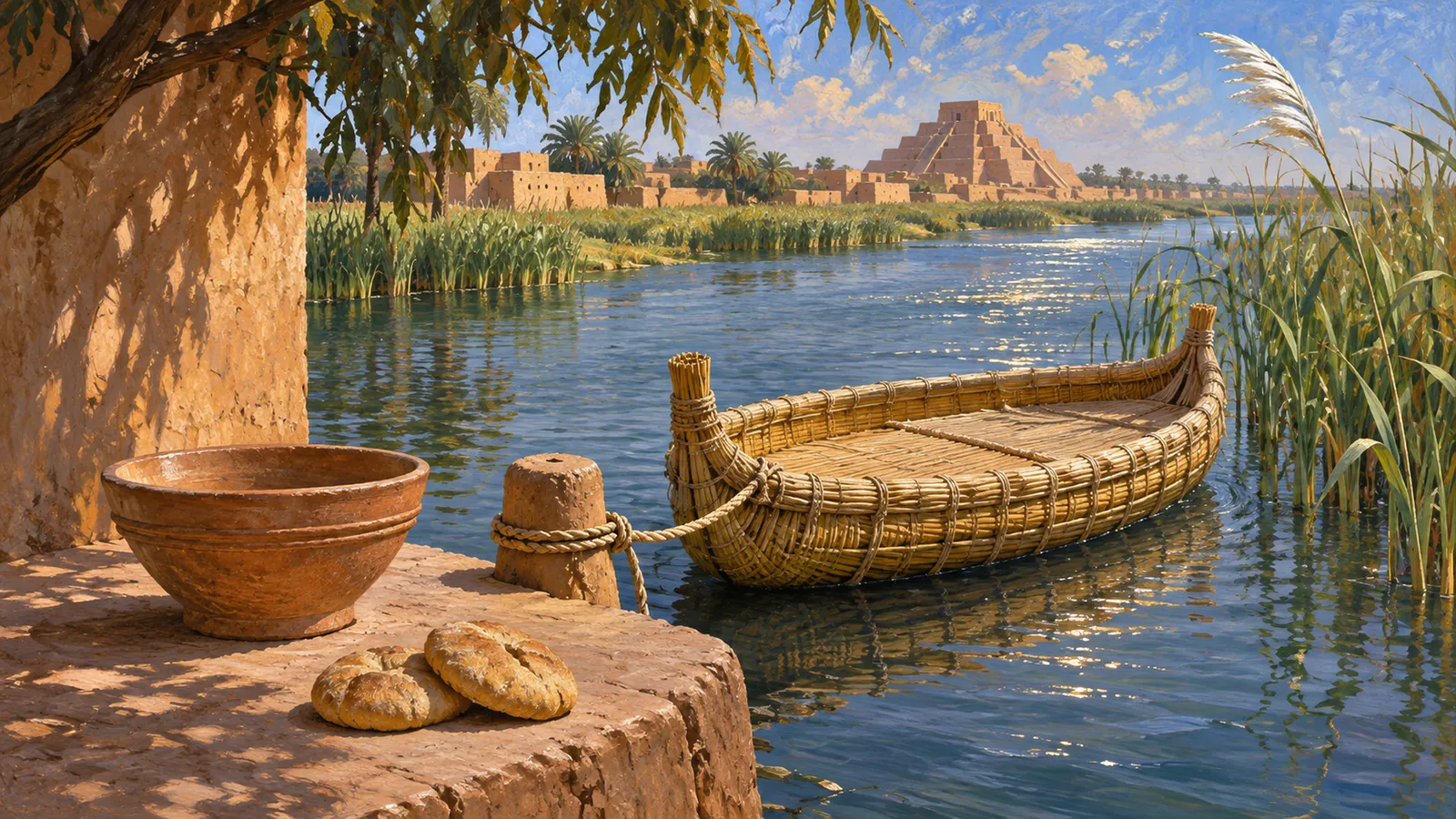
Then the king says he struck out a toll that went to a pair of workers and a bread due that went to craftsmen. The earlier list had already named both payments.
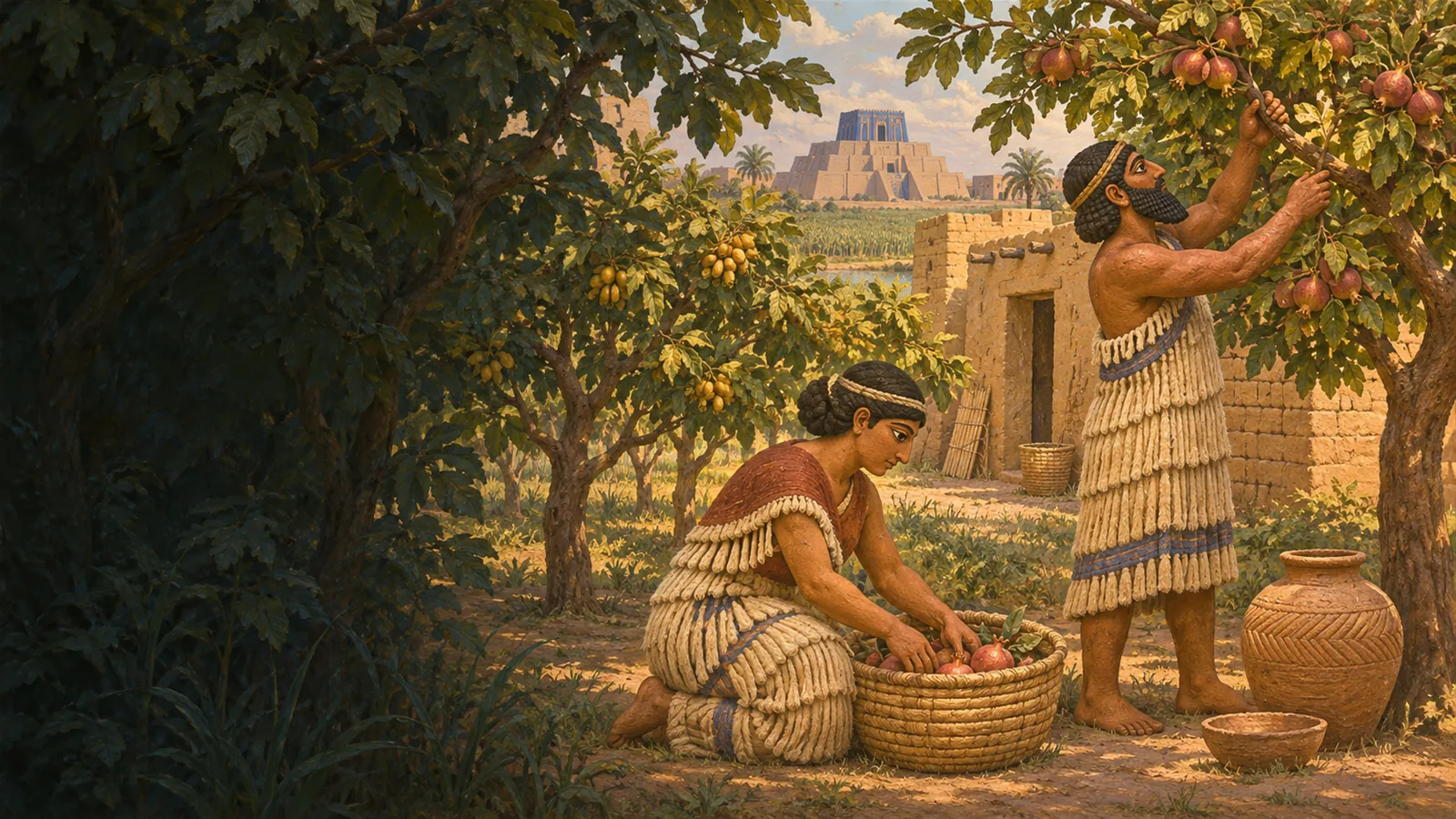
The old list took us to an orchard where wood was cut and tied in bundles. Now the inscription returns there and places the orchard of the poor beyond that official’s reach.
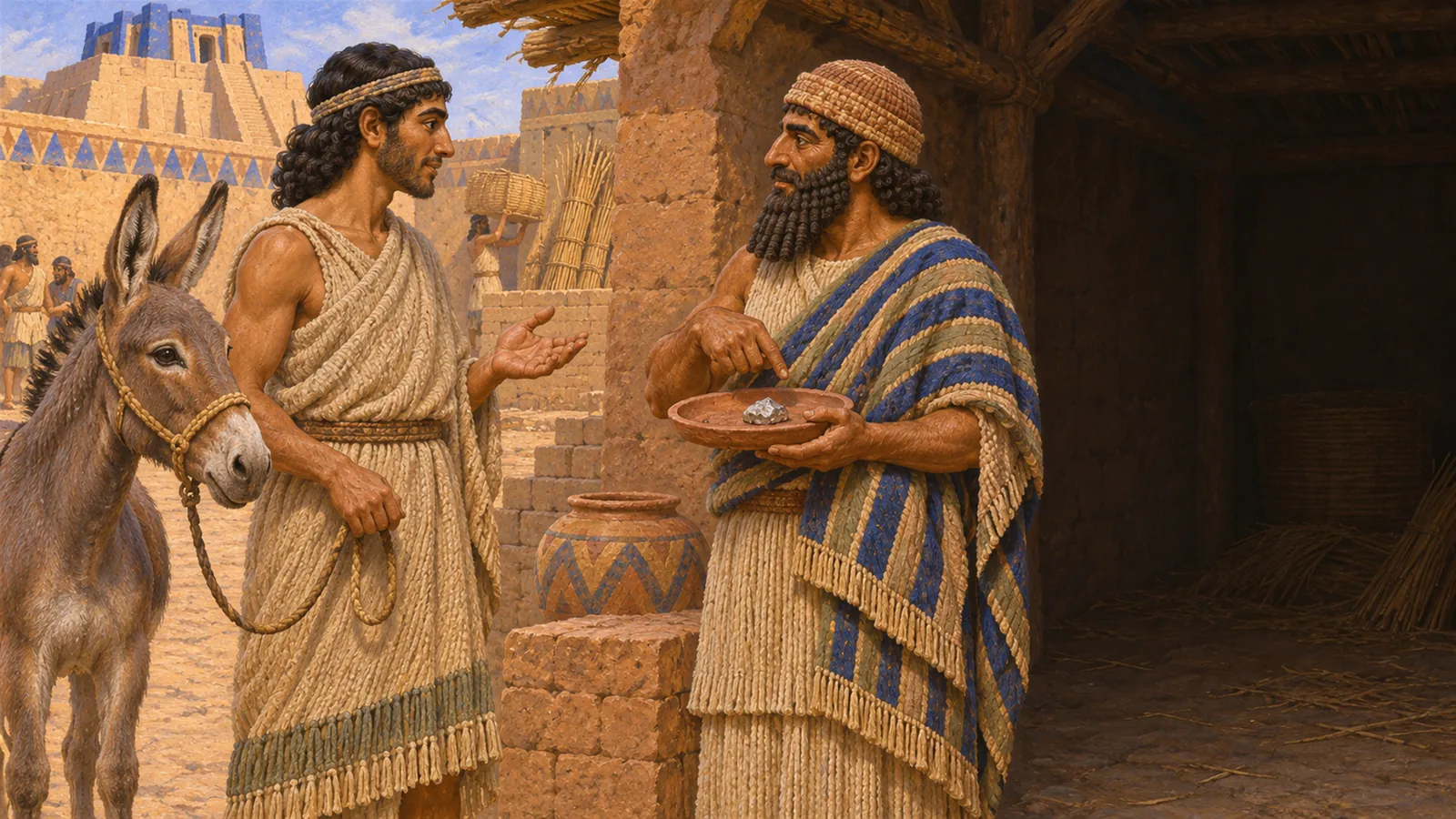
Imagine a fine donkey born to a man in royal service. The foreman wants to buy it. The owner can name a price in silver or refuse the sale without being struck in anger.

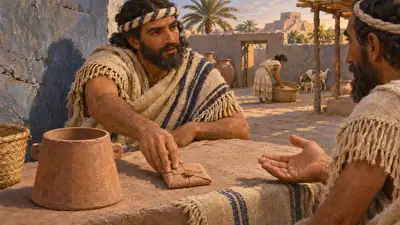
Silver in Lagash was reckoned by weight. Picture a small balance as the owner considers a price. The right to refuse mattered as much as the chance to name what the animal was worth.
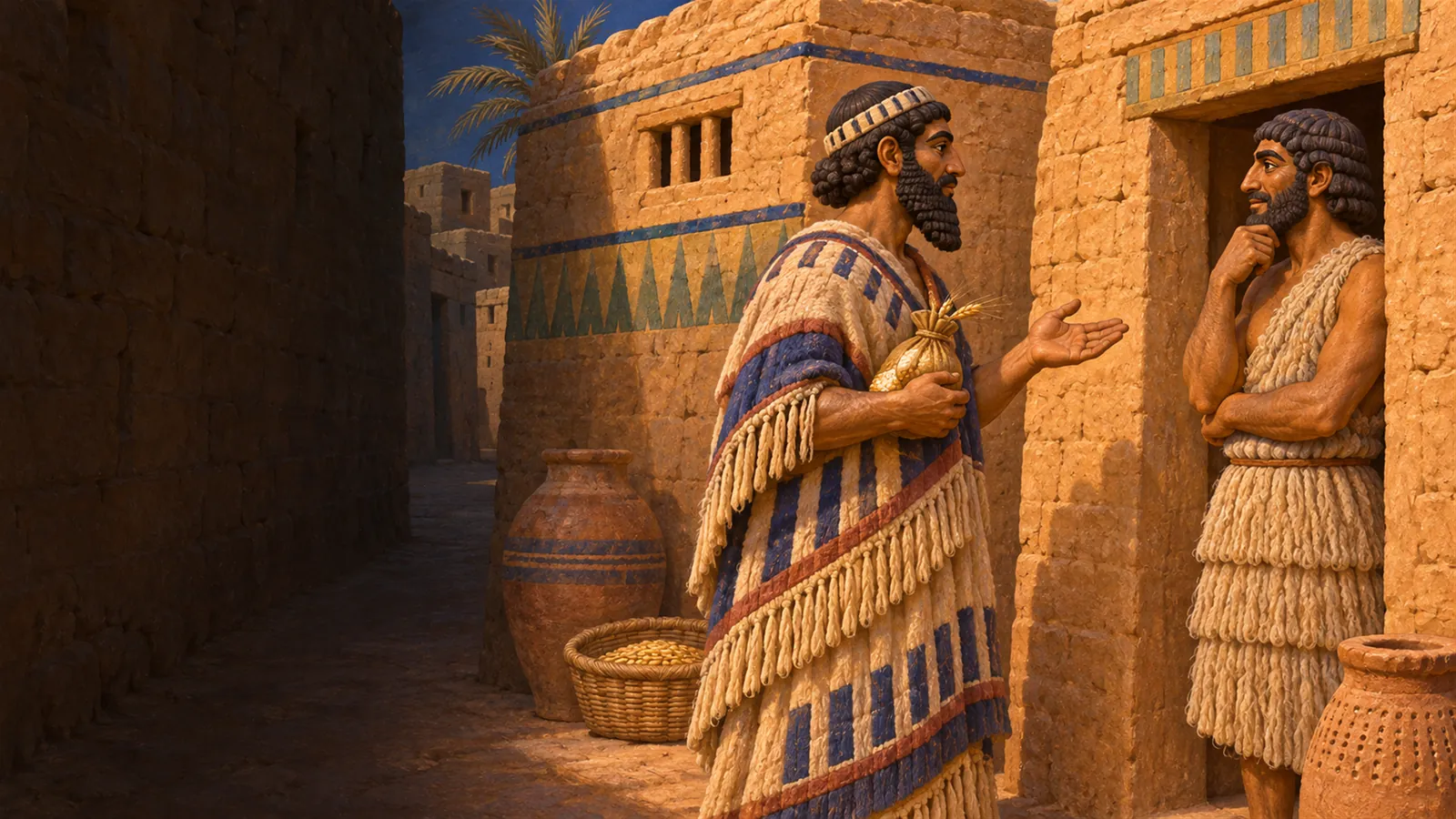
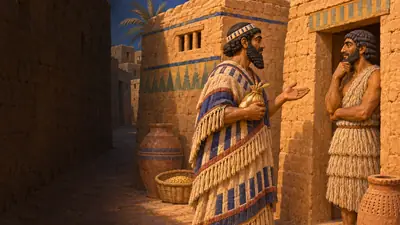
A wealthy man wants his neighbor’s house. The owner works for the king, and he can ask for silver or for barley. If he refuses, the inscription forbids the wealthy man to strike him.
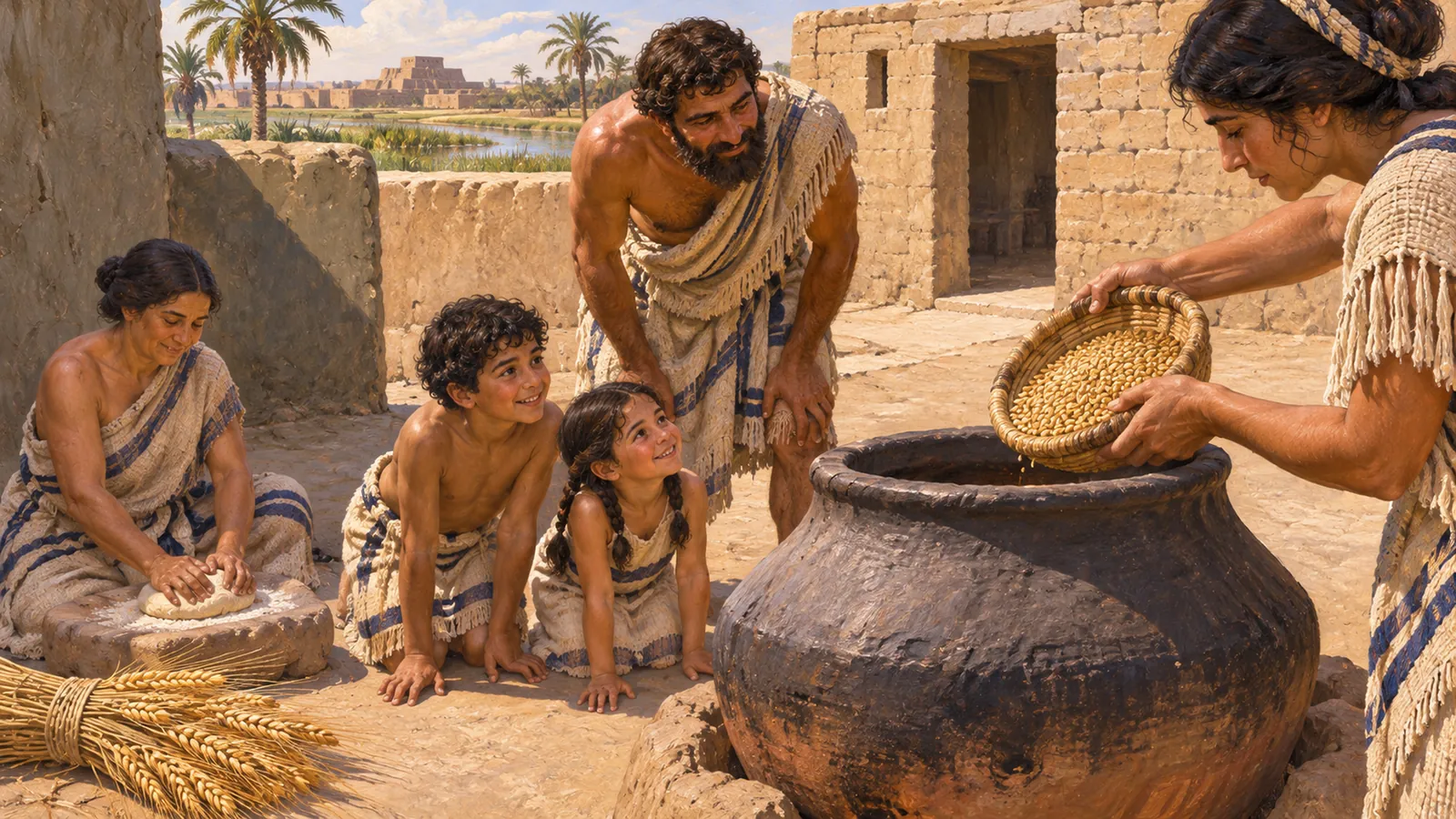
The householder’s reply compares his house to a cauldron to be filled with barley. The picture brings that comparison close. The old wording lets us hear the seller imagining what his house is worth.
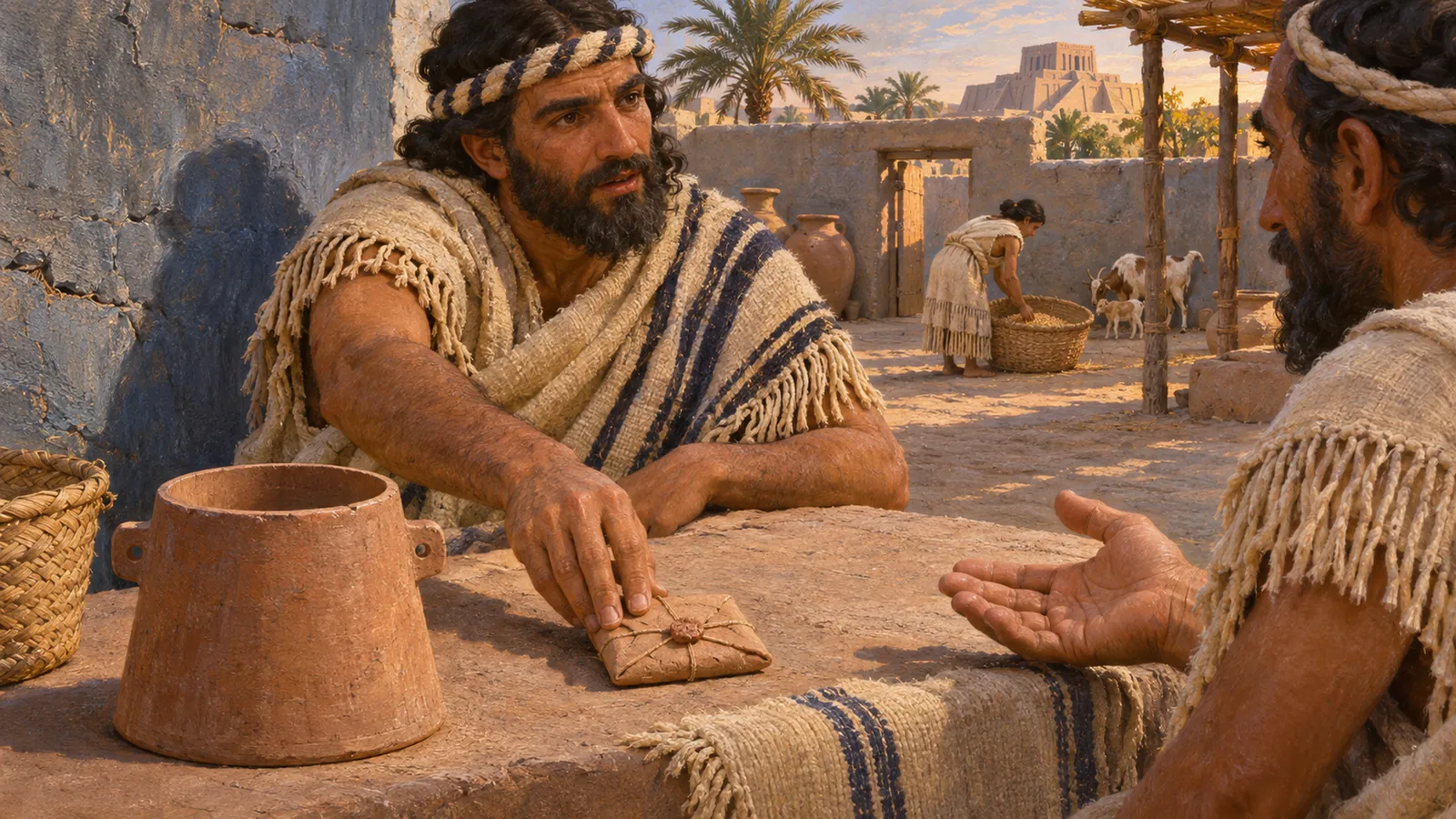
The king announces a release for people of Lagash. The lines include people living in debt and people accused of other wrongs. The exact scope of that release remains a subject of interpretation.
THE PROMISE
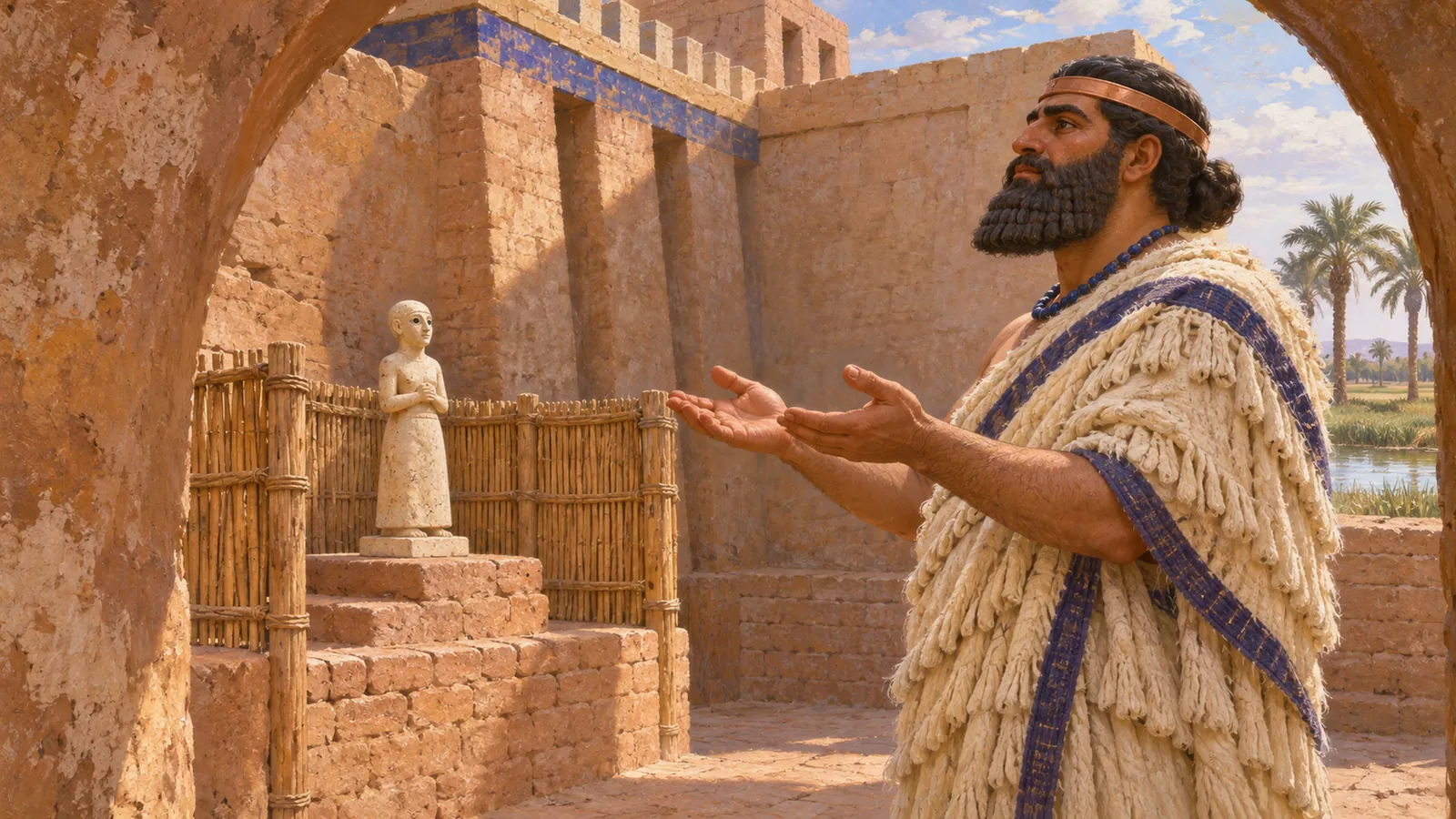
The words turn to a promise the king makes with Ningirsu. The inscription treats it as a binding agreement. At this point, saving the people at risk is the king’s own undertaking.
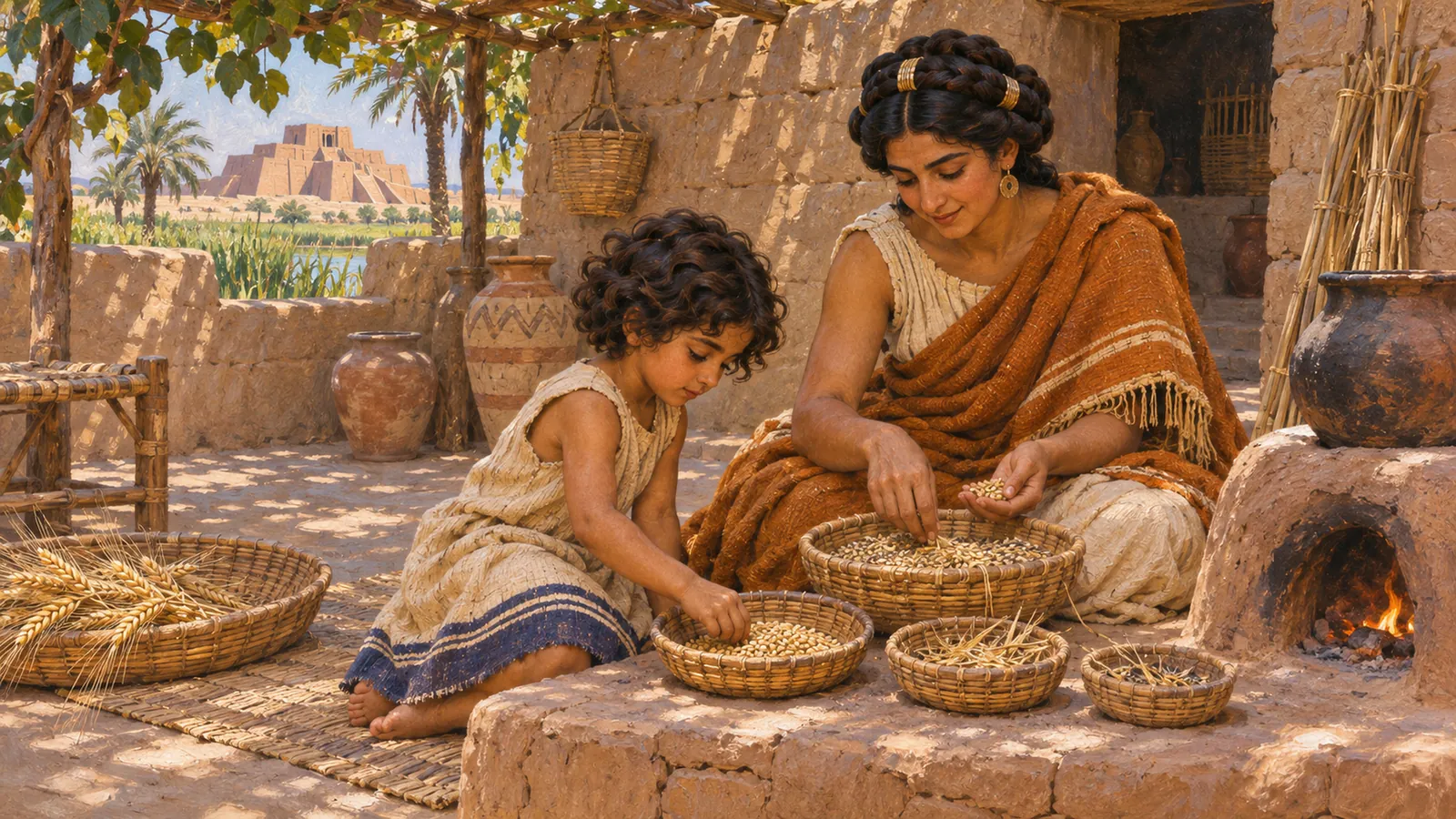
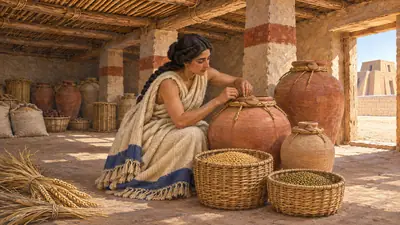
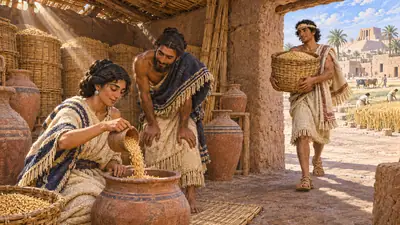
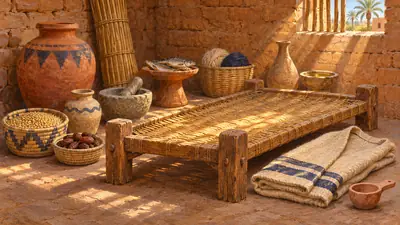
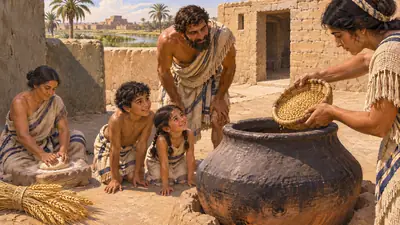
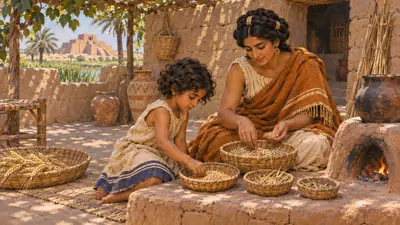
The promise names the widow and the orphan, people whom the powerful must not control. Imagine them at home, sorting grain for an ordinary meal. The text protects a household we can picture.
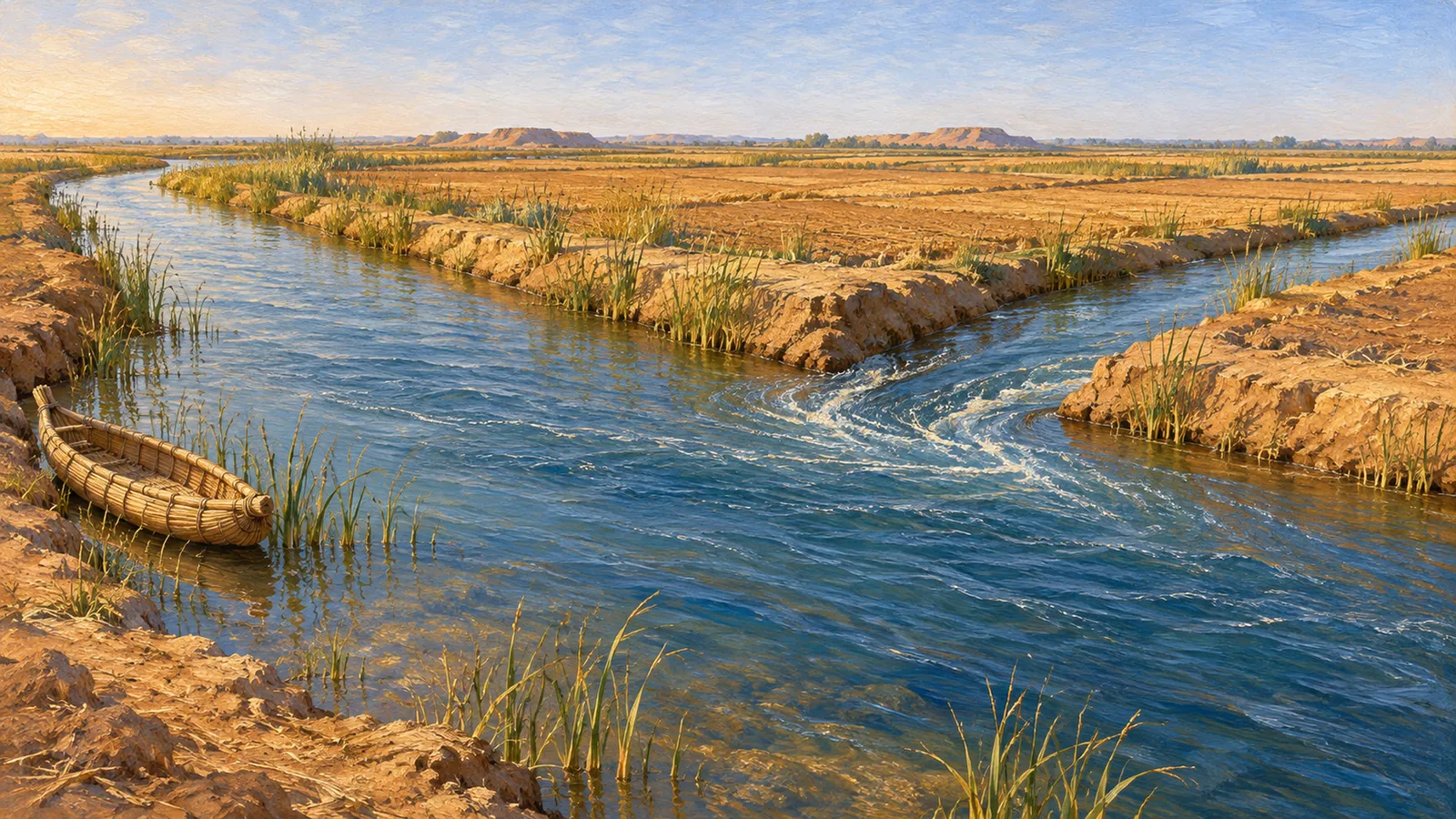
Urukagina says he dug the Little Canal of Girsu for Ningirsu and restored its former name. He extended it toward the canal going to Nigin. The account ends where it began, with water.
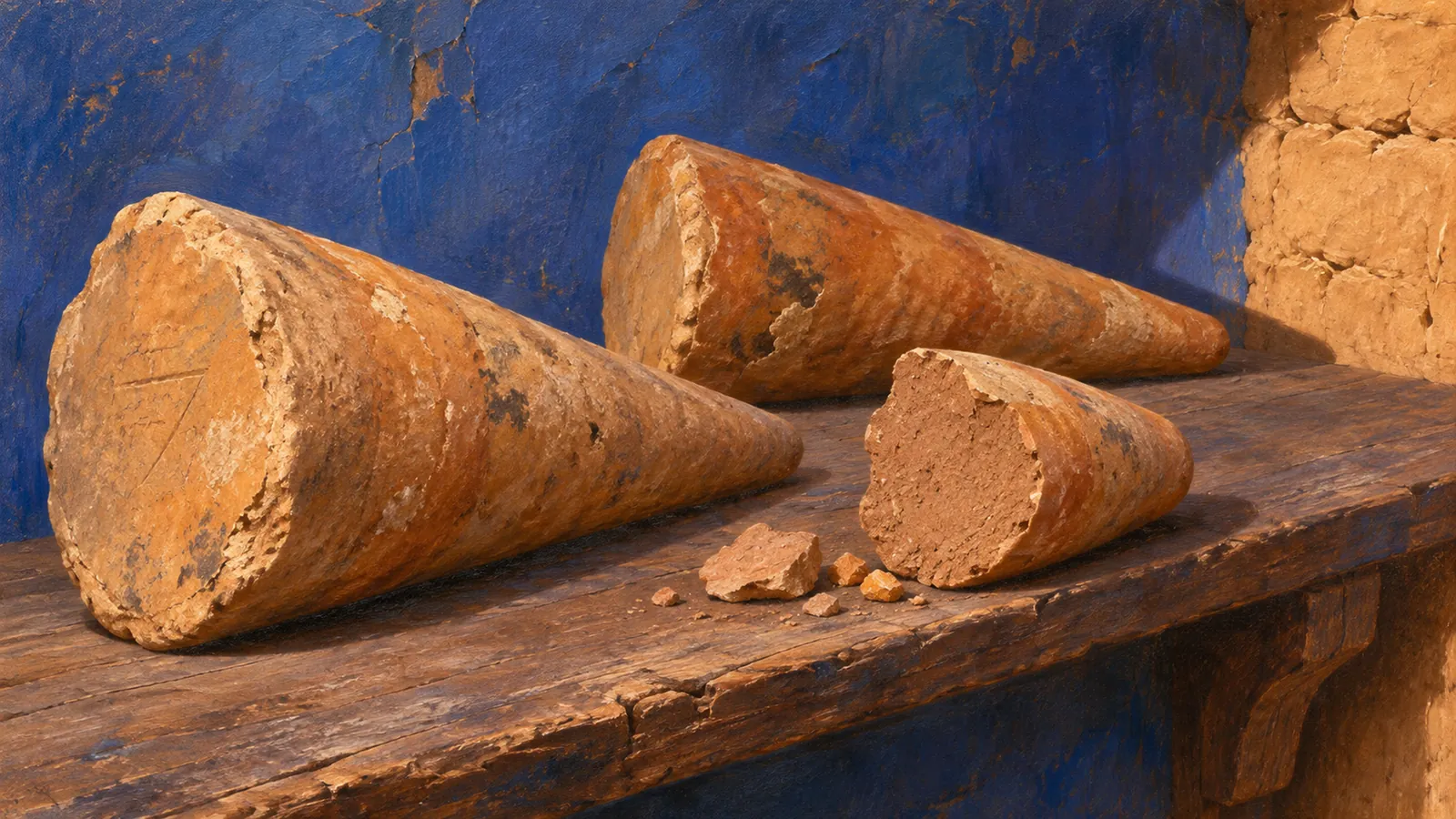
Cuneiform survives on several cones and fragments. Some belong to the same version, while later versions differ. Comparing their shapes and words lets us see how much of the king’s account has survived.
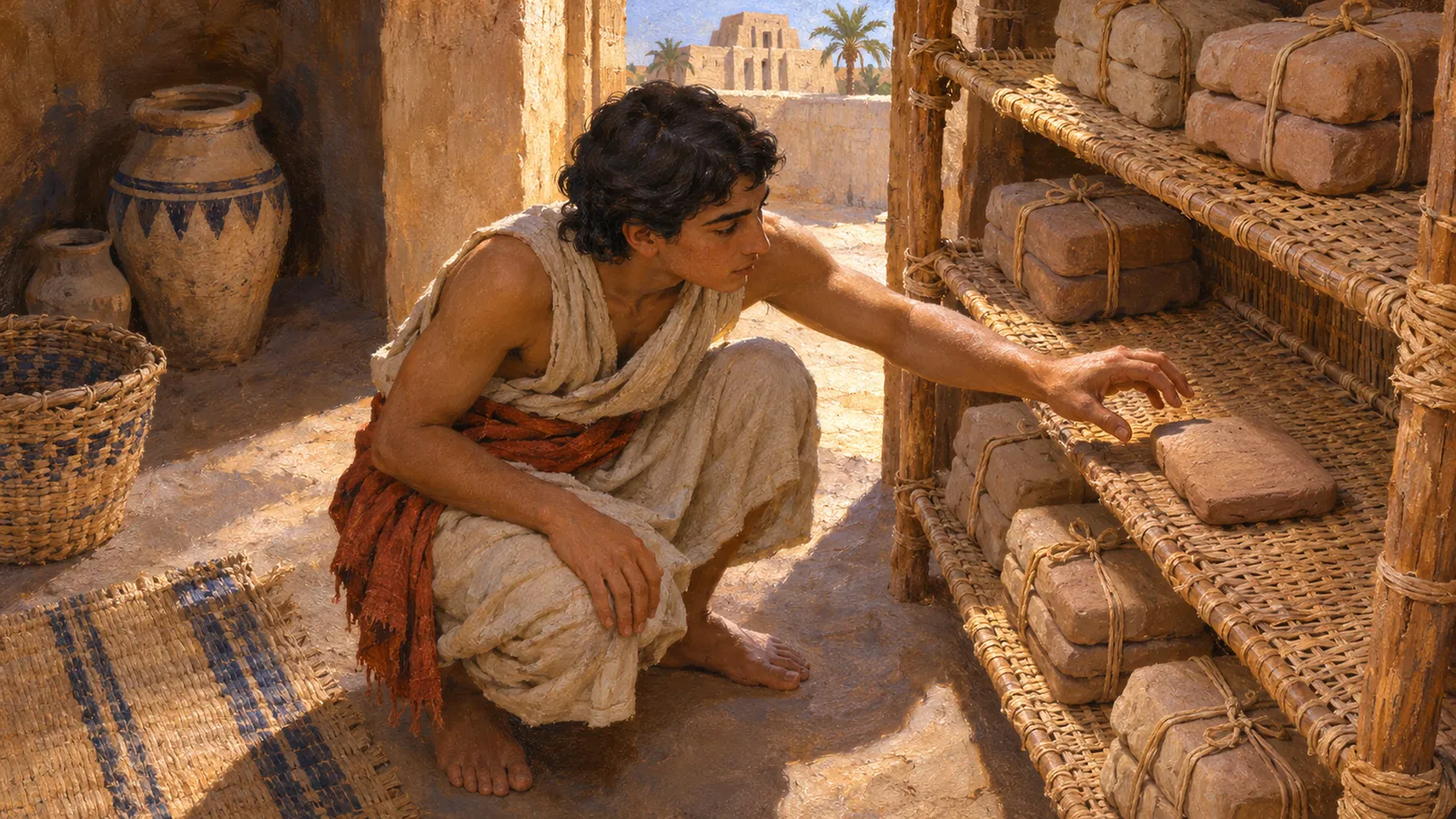
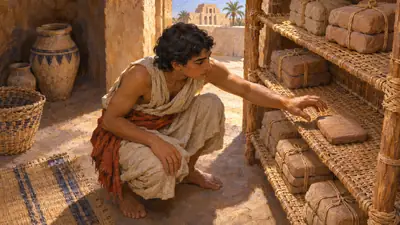
Other clay records were made for practical work. Scholars compared them with the royal inscription and found evidence for removing one kind of official from certain transactions. That checks one measure in the longer account.

In its last words the inscription wishes clean water to go on flowing for Nanshe. The canal carries us out of the story. The petitions, prices and promises still survive in clay.
End of chapter 1
All pages






Sources
Editions consulted
- CDLI P431154, translation and running lines of RIME 1.09.09.01
- ORACC ETCSRI Q001124, RIME E1.9.9.1
- CDLI P222607, Louvre AO 3278
- Musée du Louvre, Urukagina’s Cone C (AO 3149)
- ORACC ETCSRI Q004873, RIME E1.9.9.2
- CDLI P222610, witness to RIME E1.9.9.3
- Schrakamp and Zólyomi, contemporary records and the maškim official
- Gábor Zólyomi, Corrections and Notes to RIME 1
Ancient lines behind each page
- Page 1: RIME E1.9.9.1, CDLI composite ll. 1–9; Louvre AO 3149
- Page 2: RIME E1.9.9.1, CDLI composite ll. 1–9, 25–26
- Page 3: RIME E1.9.9.1, CDLI composite ll. 10–17
- Page 4: RIME E1.9.9.1, CDLI composite ll. 18–26
- Page 5: RIME E1.9.9.1, CDLI composite ll. 18–26
- Page 6: RIME E1.9.9.1, CDLI composite ll. 27–31
- Page 7: RIME E1.9.9.1, CDLI composite ll. 32–35
- Page 8: RIME E1.9.9.1, CDLI composite ll. 36–38
- Page 9: RIME E1.9.9.1, CDLI composite ll. 39–42
- Page 10: RIME E1.9.9.1, CDLI composite ll. 53–69
- Page 11: RIME E1.9.9.1, CDLI composite ll. 70–87
- Page 12: RIME E1.9.9.1, CDLI composite ll. 88–92
- Page 13: RIME E1.9.9.1, CDLI composite ll. 93–103
- Page 14: RIME E1.9.9.1, CDLI composite ll. 96–103
- Page 15: RIME E1.9.9.1, CDLI composite ll. 104–115
- Page 16: RIME E1.9.9.1, CDLI composite ll. 122–134
- Page 17: RIME E1.9.9.1, CDLI composite ll. 135–146
- Page 18: RIME E1.9.9.1, CDLI composite ll. 147–154
- Page 19: RIME E1.9.9.1, CDLI composite ll. 155–161
The royal text presents the proclamation as restoration of a prior order. - Page 20: RIME E1.9.9.1, CDLI composite ll. 162–164
- Page 21: RIME E1.9.9.1, CDLI composite ll. 165–168
- Page 22: RIME E1.9.9.1, CDLI composite ll. 169–175
- Page 23: RIME E1.9.9.1, CDLI composite ll. 176–195
- Page 24: RIME E1.9.9.1, CDLI composite ll. 196–204
- Page 25: RIME E1.9.9.1, CDLI composite ll. 205–213
- Page 26: RIME E1.9.9.1, CDLI composite ll. 214–222
- Page 27: RIME E1.9.9.1, CDLI composite ll. 223–262
- Page 28: RIME E1.9.9.1, CDLI composite ll. 263–268
- Page 29: RIME E1.9.9.1, CDLI composite ll. 269–271
- Page 30: RIME E1.9.9.1, CDLI composite ll. 272–283
- Page 31: RIME E1.9.9.1, CDLI composite ll. 279–301
- Page 32: RIME E1.9.9.1, CDLI composite ll. 284–301
- Page 33: RIME E1.9.9.1, CDLI composite ll. 290–301
- Page 34: RIME E1.9.9.1, CDLI composite ll. 303–312
- Page 35: RIME E1.9.9.1, CDLI composite ll. 313–318
- Page 36: RIME E1.9.9.1, CDLI composite ll. 313–318
The inscription names categories of people. - Page 37: RIME E1.9.9.1, CDLI composite ll. 319–330
- Page 38: Louvre AO 3149; CDLI P222607–P222610
- Page 39: Schrakamp and Zólyomi 2025, DOI 10.1515/aofo-2025-2006
- Page 40: RIME E1.9.9.1, CDLI composite ll. 331–334
Illustrations made with AI tools by IL Archive; the text is based on the ancient sources (see the sources at the end of each chapter).