Ani devant la balance Chapitre 1
La pesée du cœur
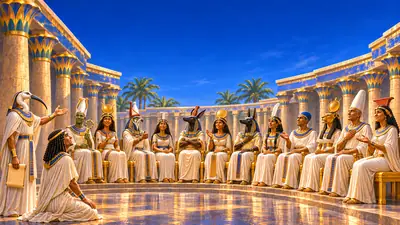
Ani s’adresse à son cœur avant la pesée, puis Thot et l’assemblée des dieux parlent du résultat. Horus conduit Ani auprès d’Osiris. Après la présentation par Horus, Ani formule sa propre demande.
SourcesTournez les pages avec les flèches, le clavier ou en balayant l’écran.
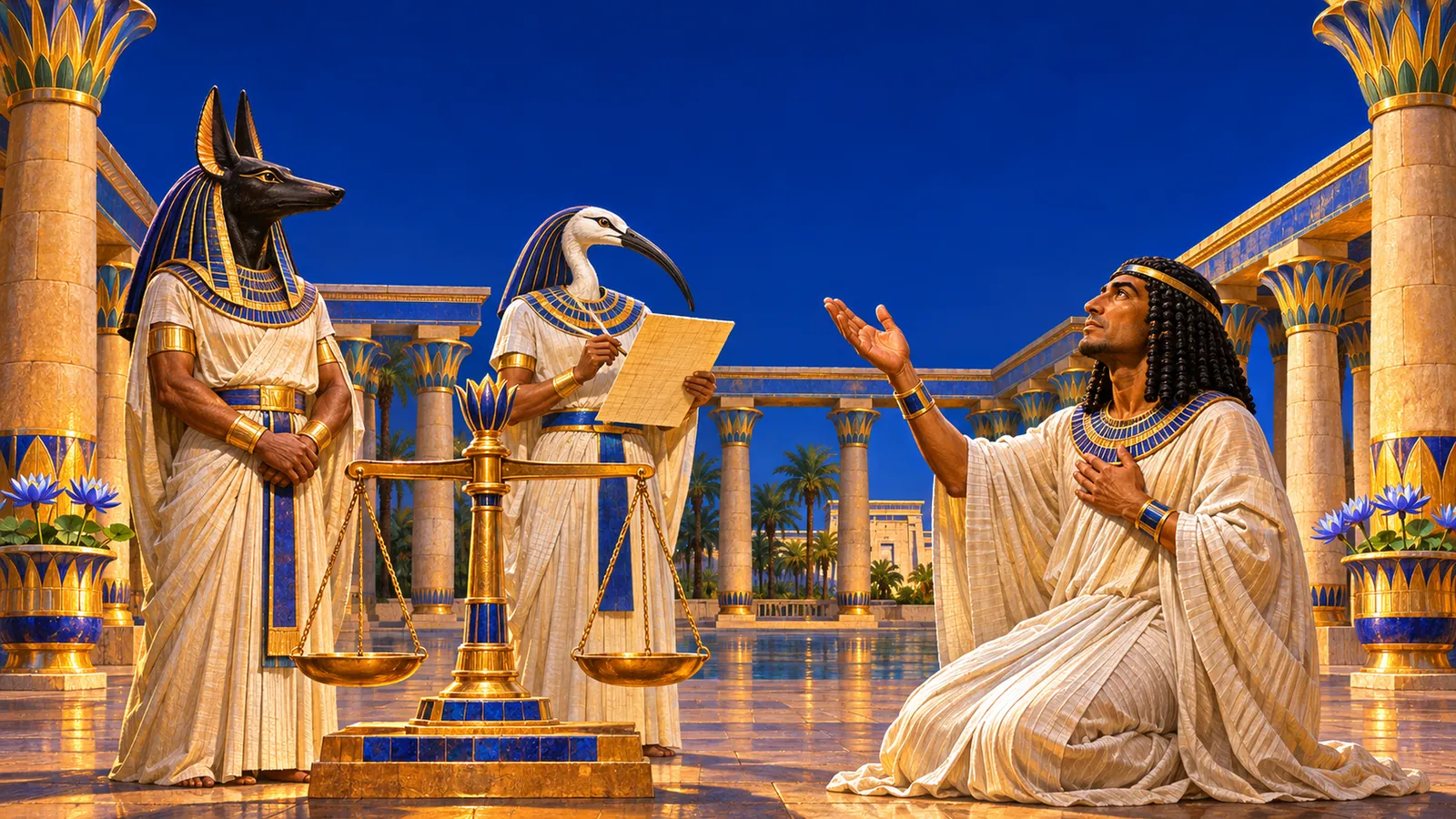
ANI DEVANT LA BALANCE
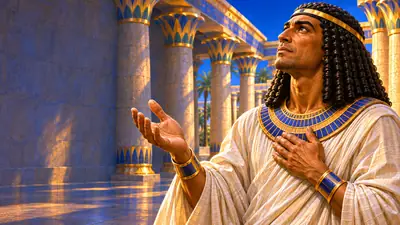
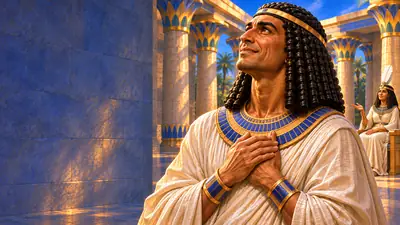
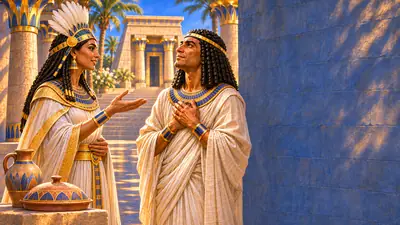
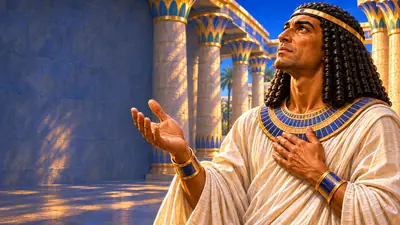
Avant la pesée, Ani s’adresse à son cœur. Il l’appelle deux fois sa mère, puis dit que c’est par ce cœur qu’il est venu à l’existence.
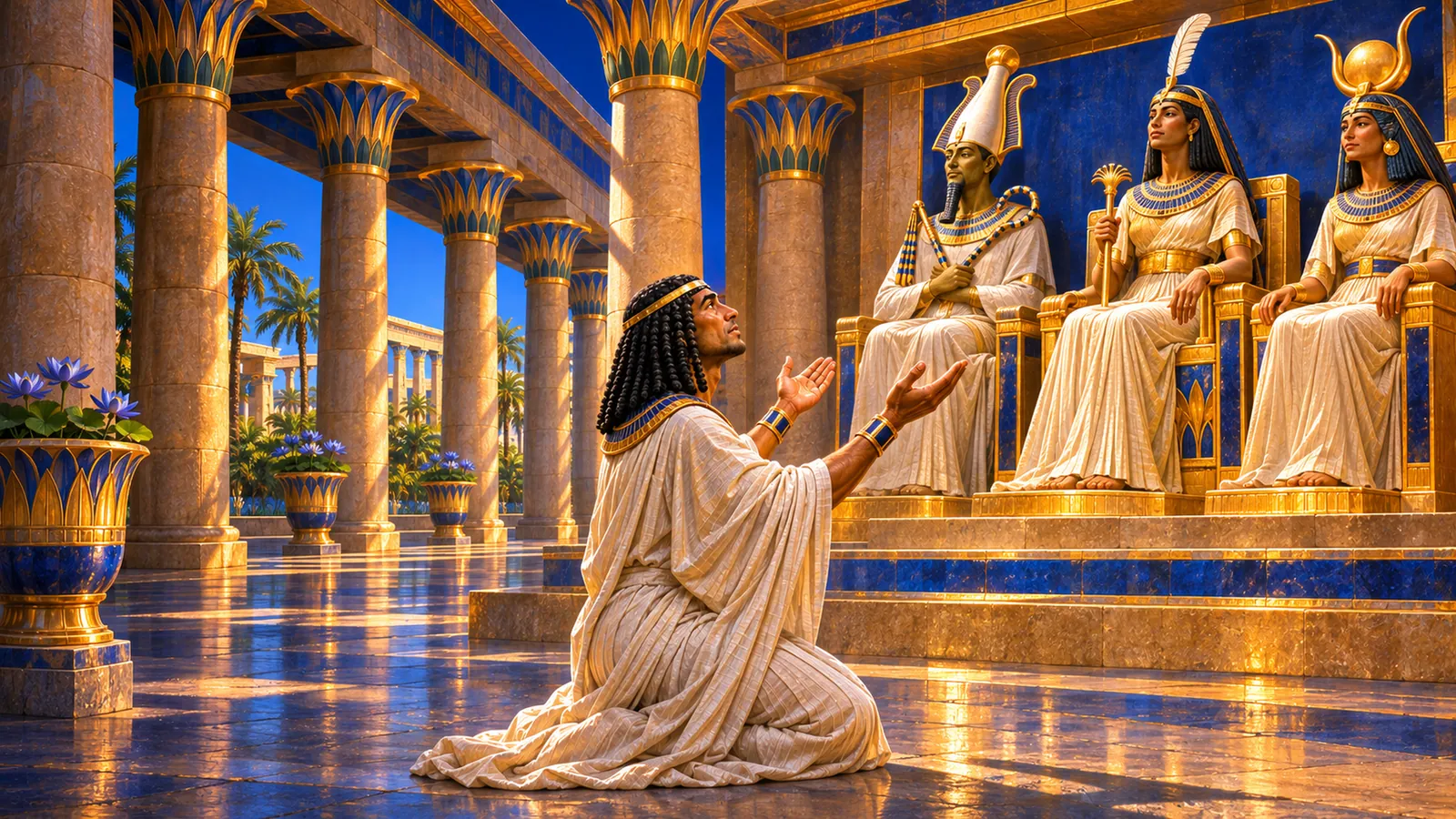
Il demande que rien ne se dresse contre lui lors du jugement. Il demande à ne rencontrer aucune opposition en présence des princes souverains.
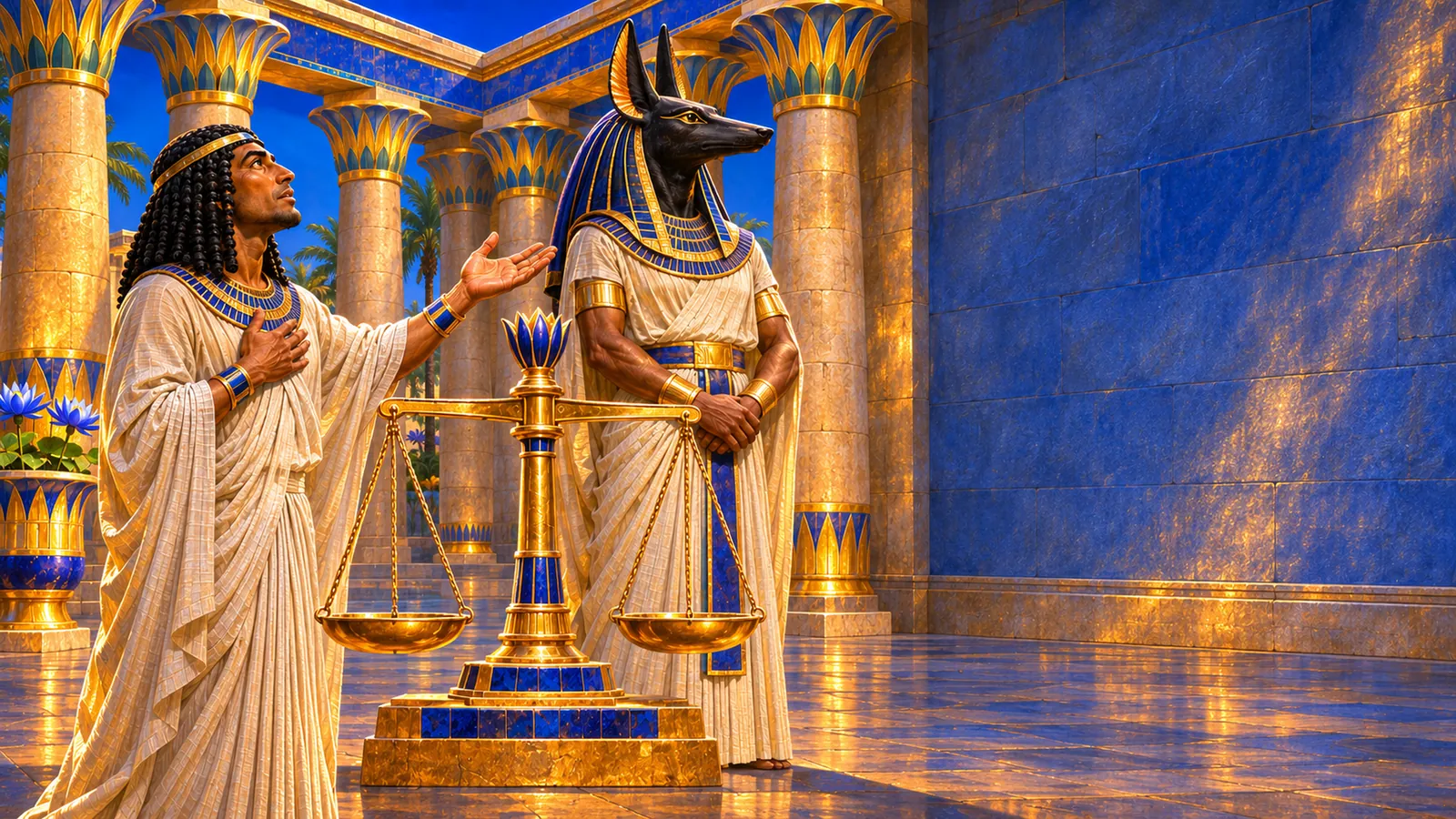
En présence du gardien de la Balance, Ani demande que son cœur et lui restent unis.
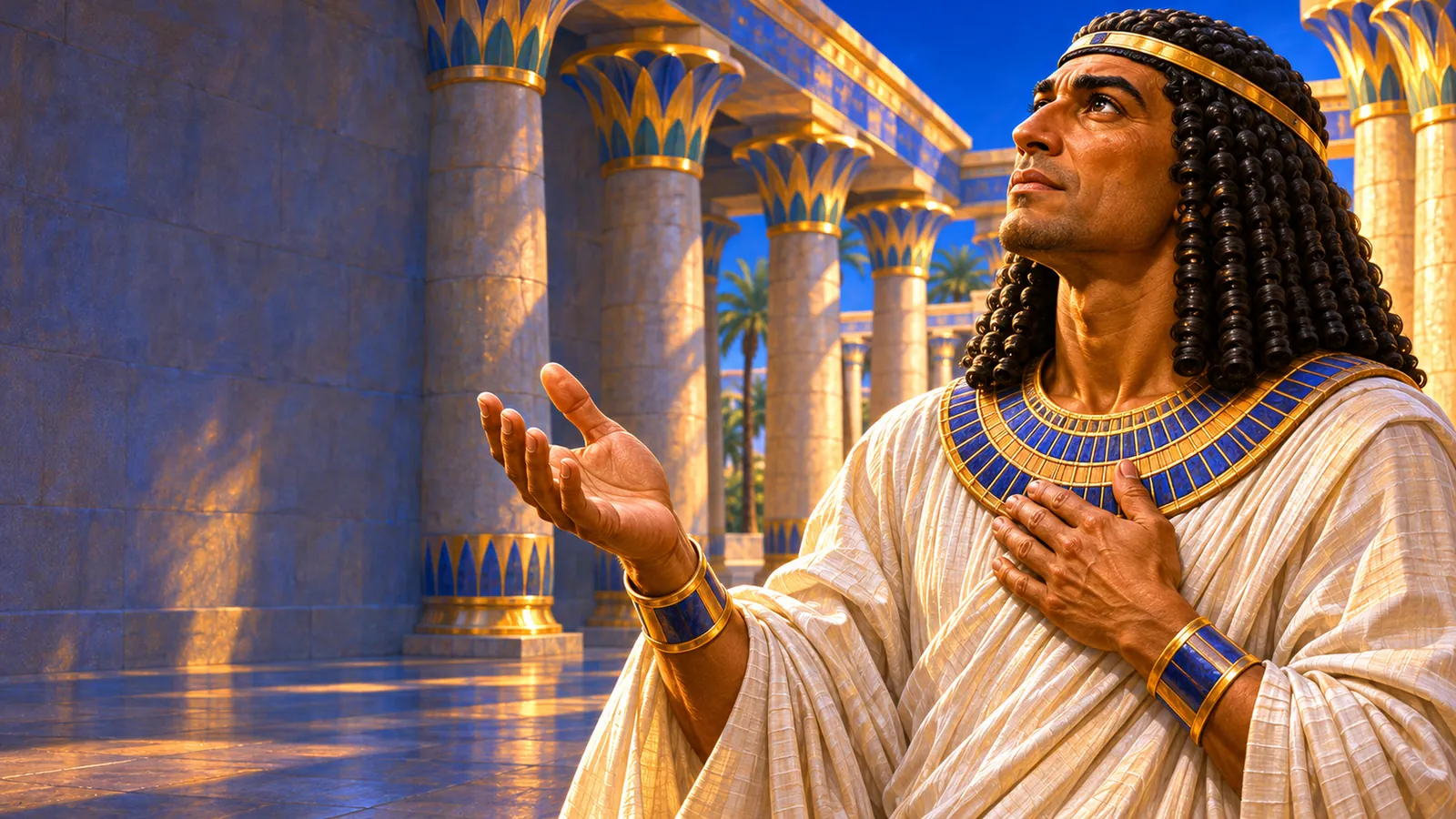
Toujours en s’adressant à son cœur, Ani lui dit qu’il est son ka, celui qui demeure dans son corps.
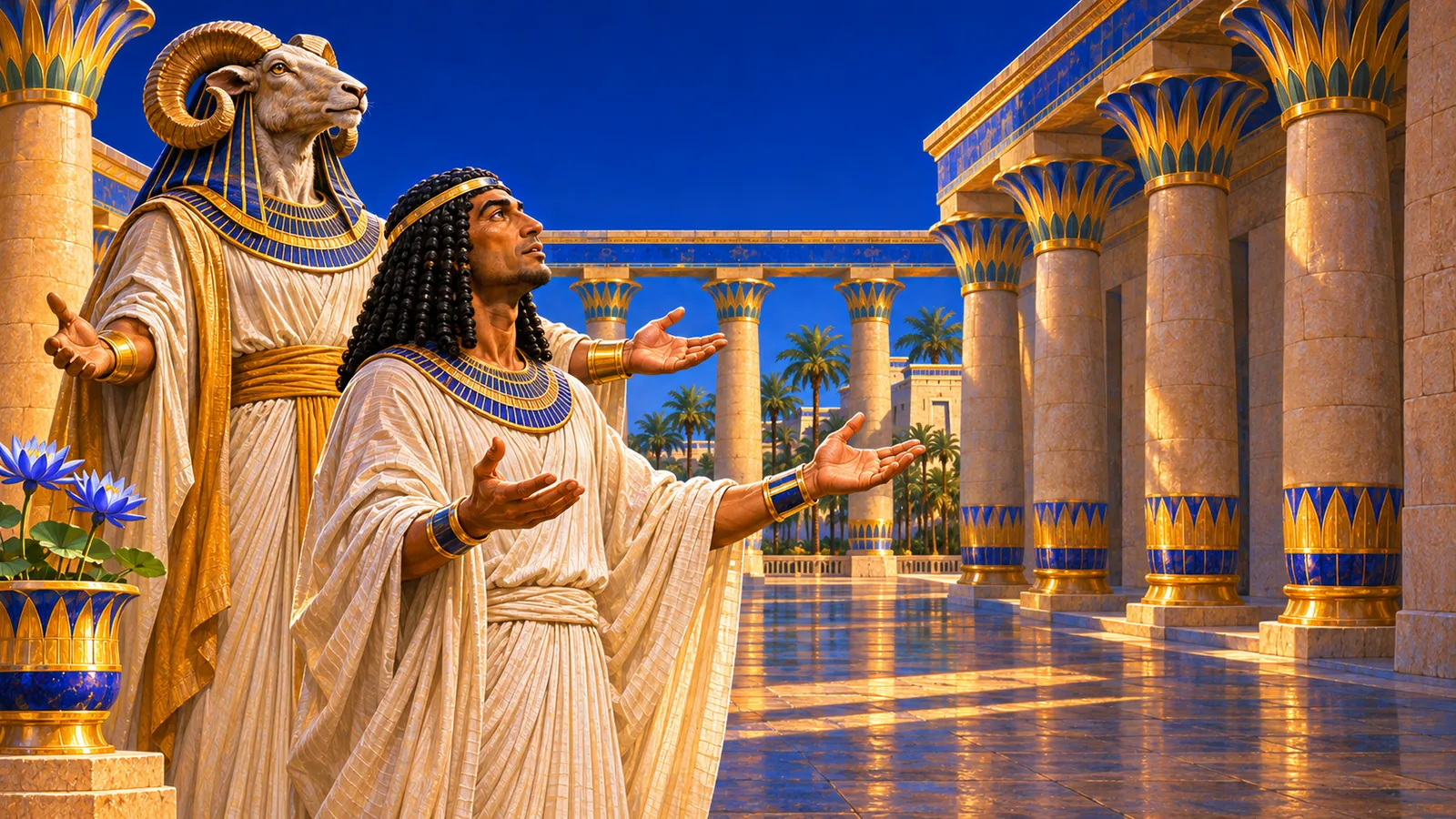
Dans le même appel, Ani nomme aussi son cœur le dieu Khnemu, qui assemble et fortifie ses membres.

Ani demande à son cœur de sortir vers le lieu du bonheur, celui où ils se rendent tous deux, dit-il.
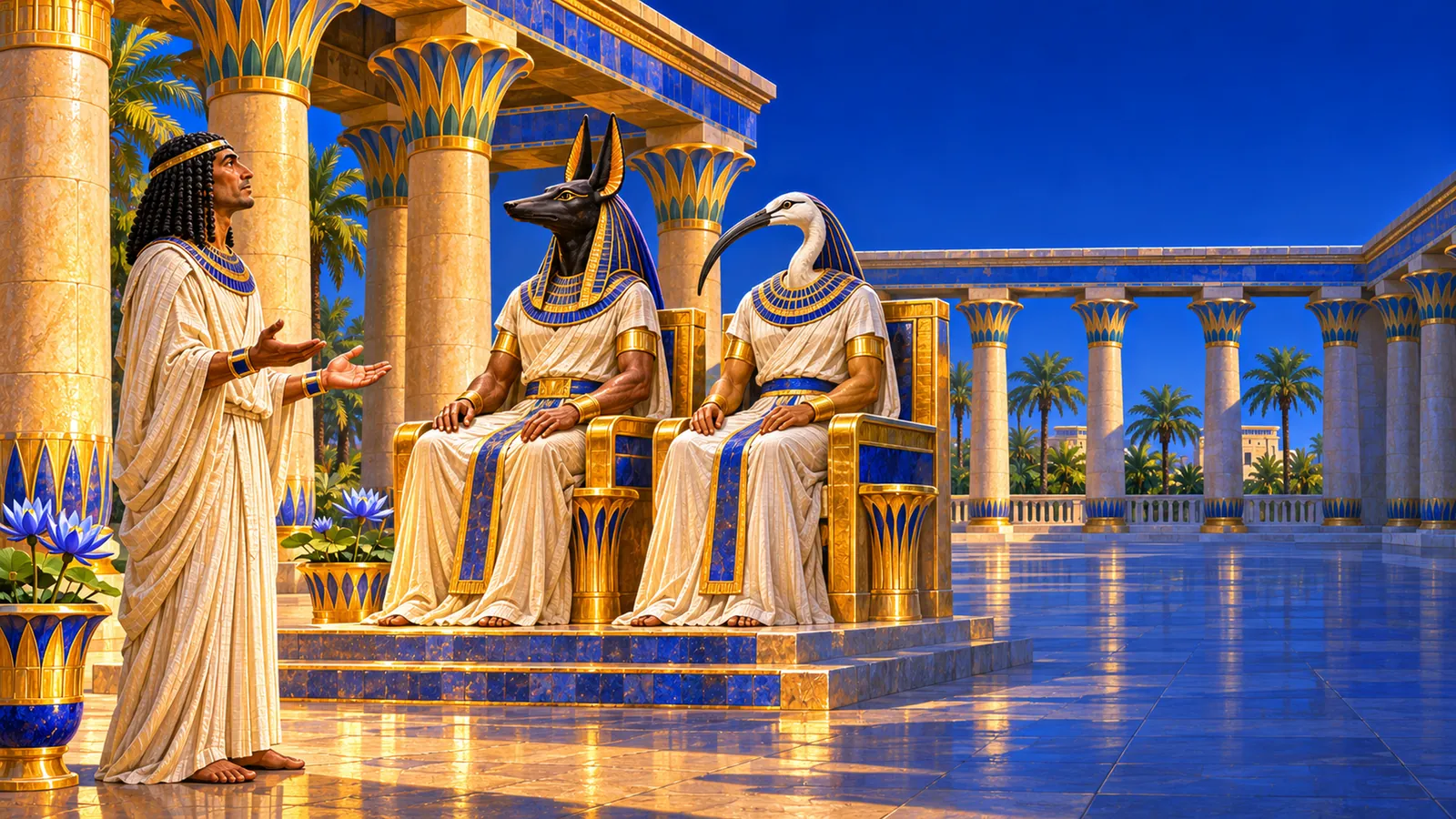
Ani dit que les princes du tribunal d’Osiris règlent les circonstances de la vie des gens. Il leur demande de ne pas donner mauvaise odeur à son nom.
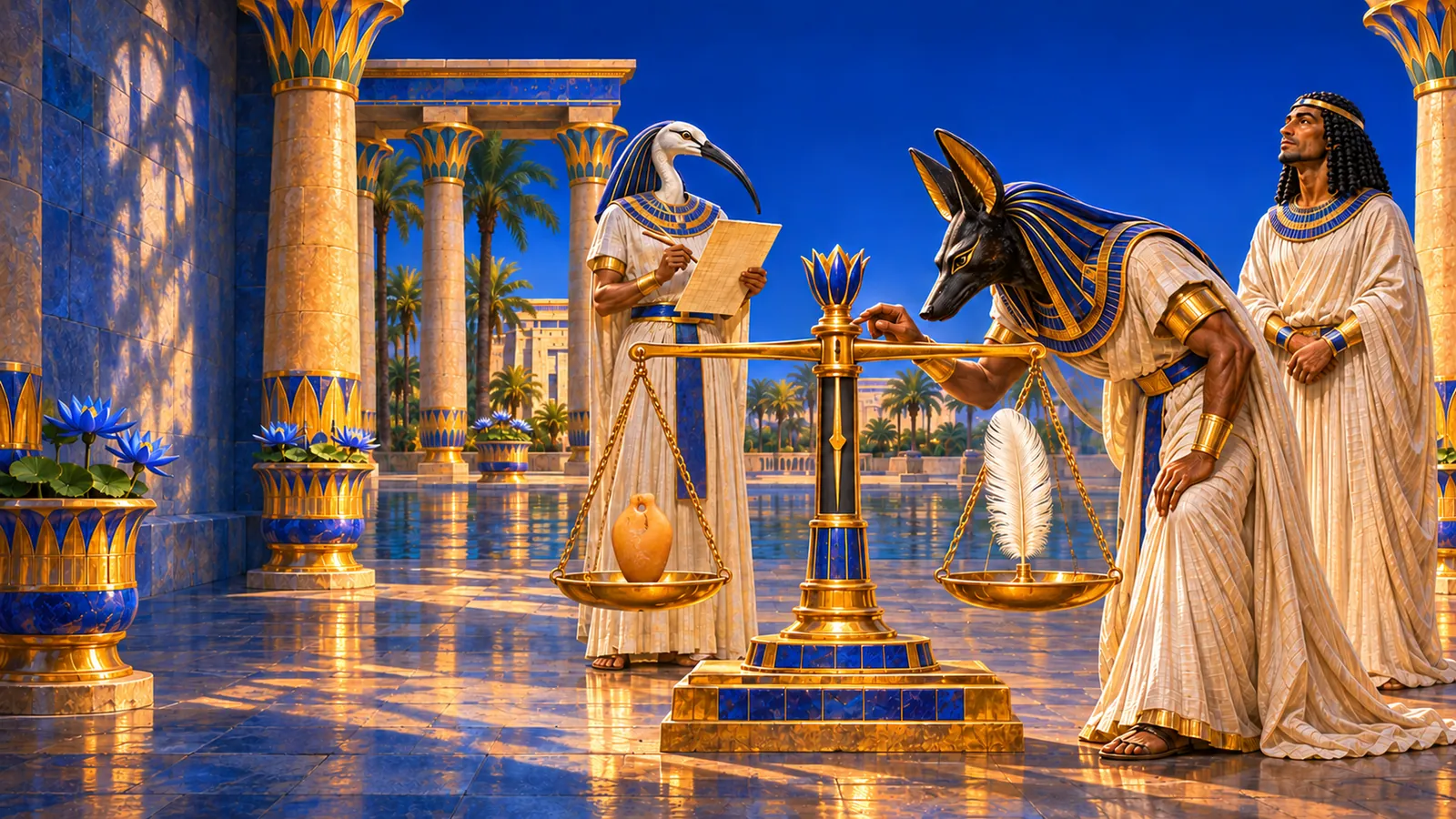
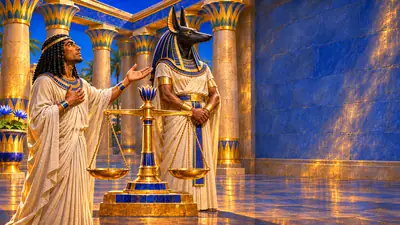
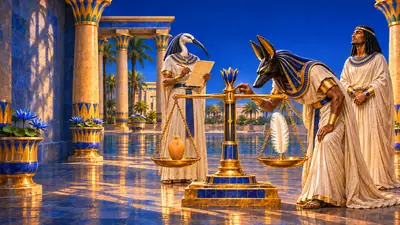
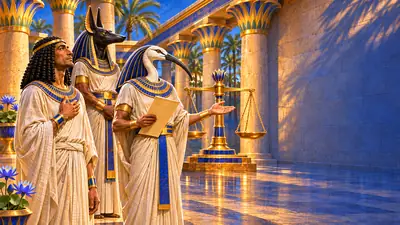
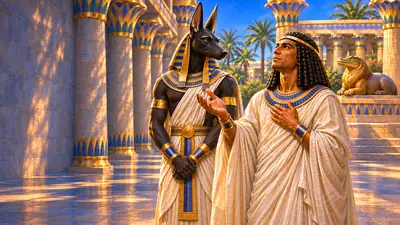
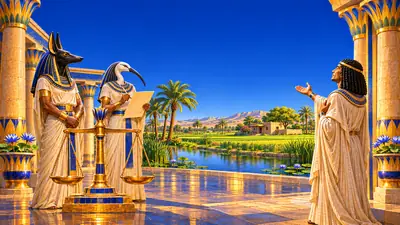
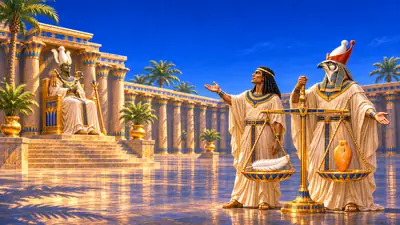
Budge décrit maintenant la pesée. Dans son récit, Anubis examine la langue de la balance, l’aiguille qui indique sa position.
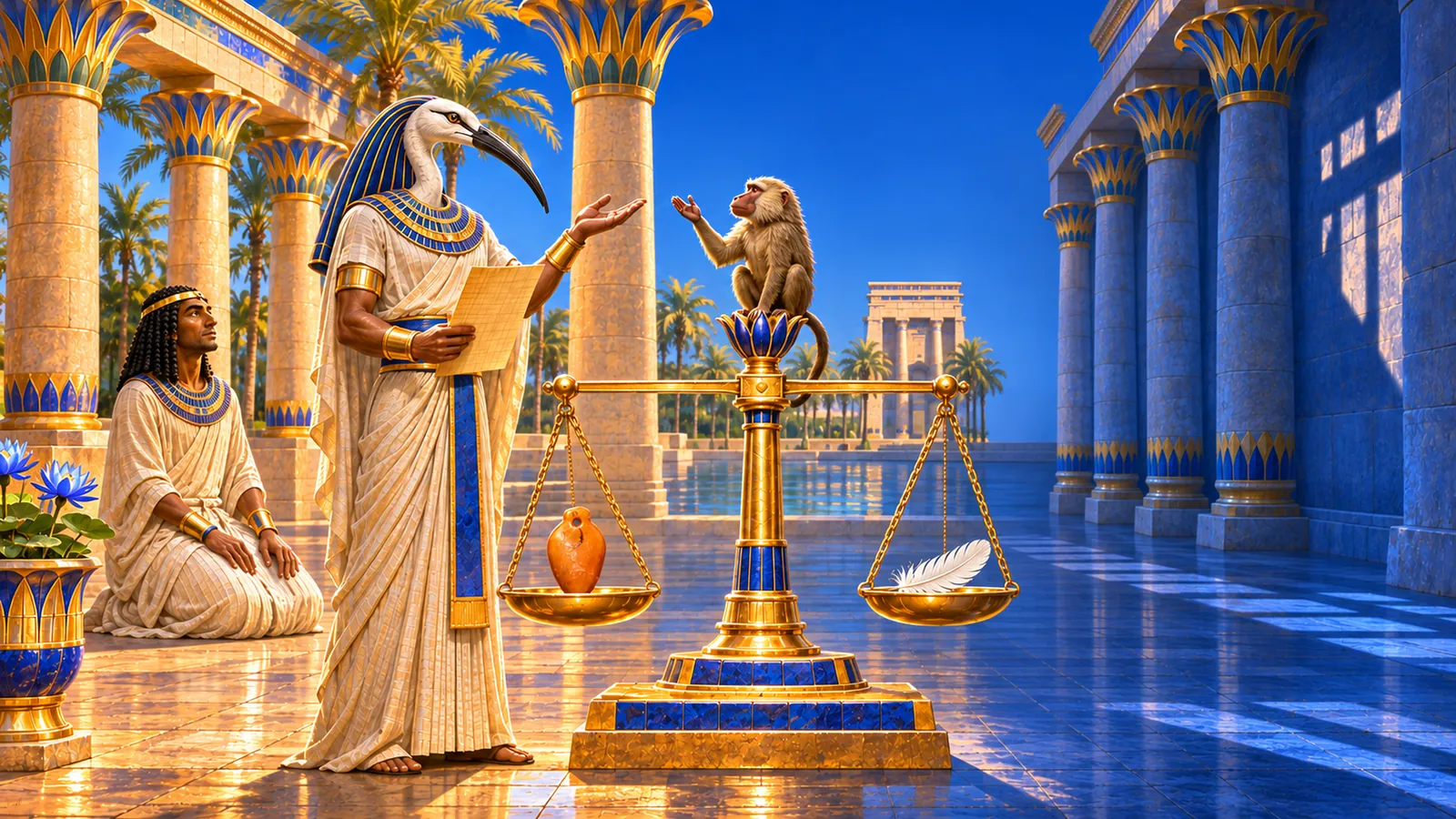
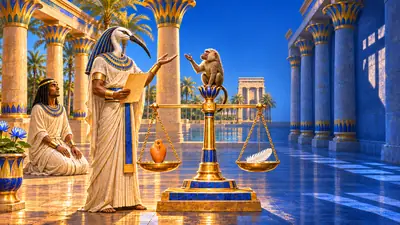
Budge décrit le singe qui indique à son associé Thot que le fléau de la balance est parfaitement horizontal.
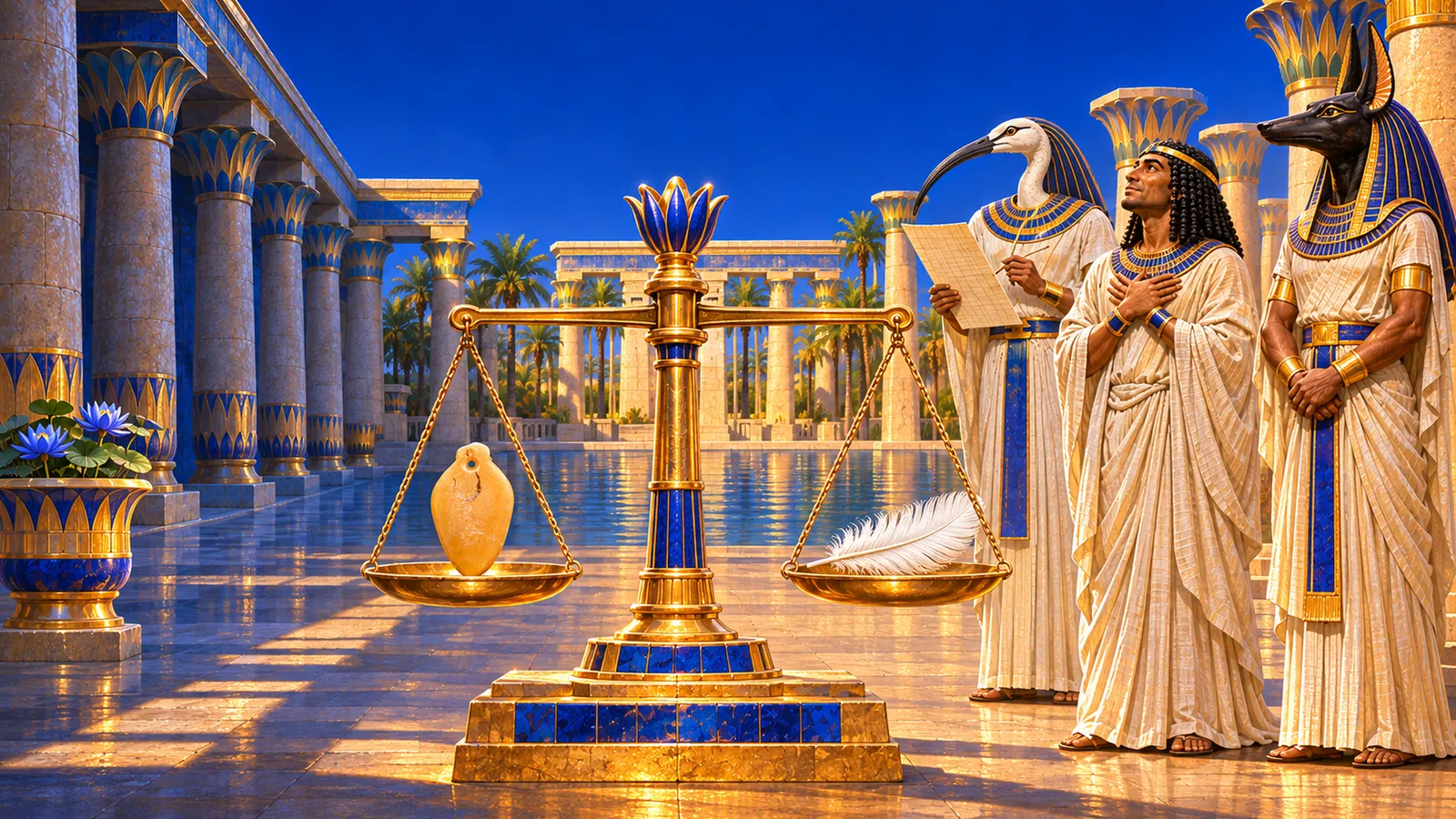
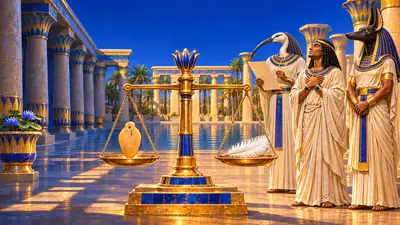
Dans le récit de Budge, le cœur d’Ani équilibre exactement la plume qui symbolise Maāt. Il explique ici Maāt par le droit, la vérité et la loi.
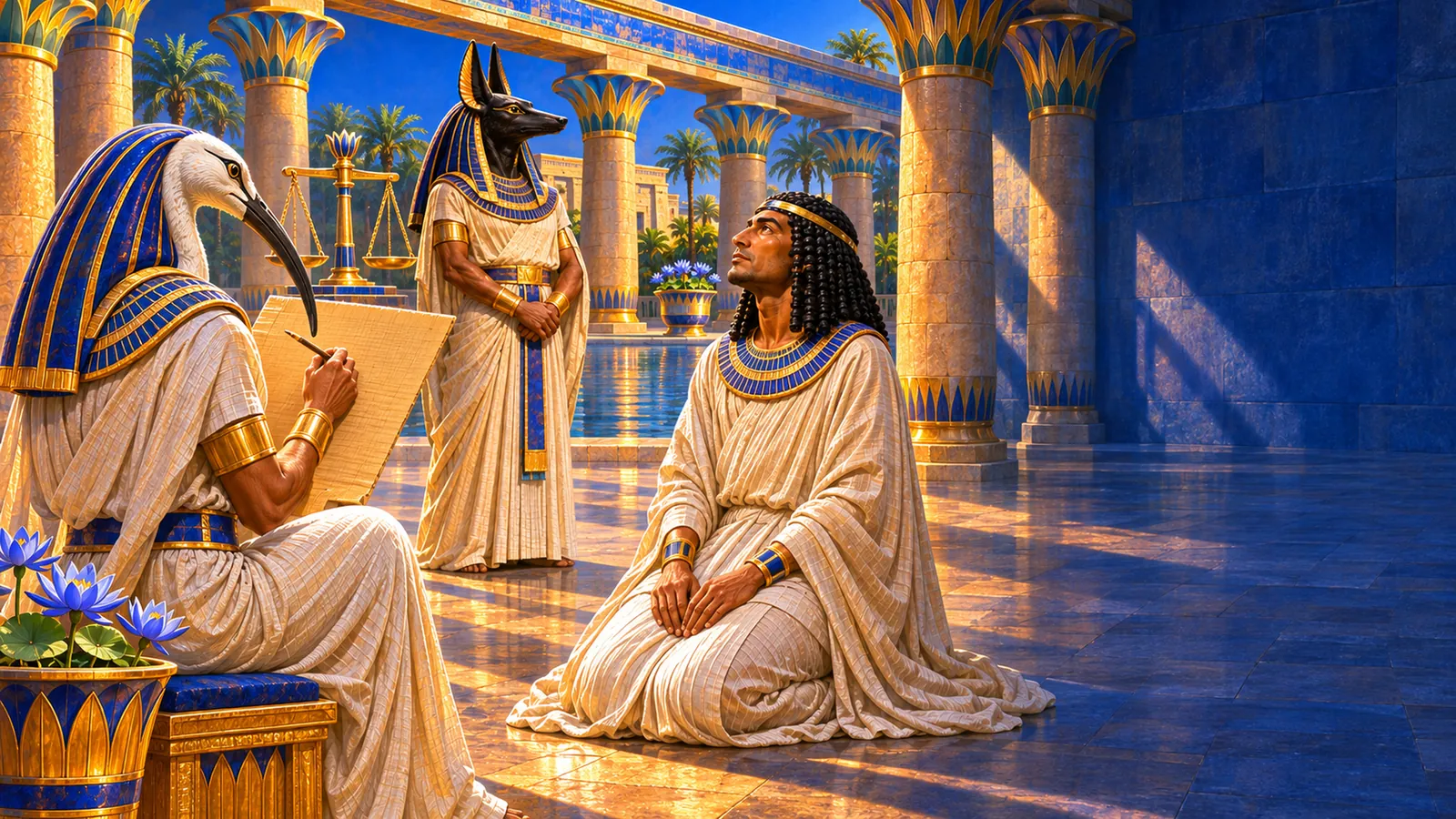
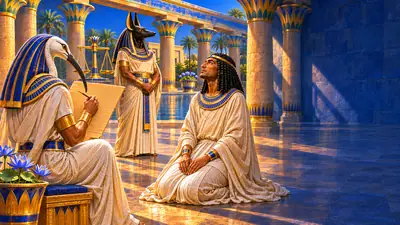
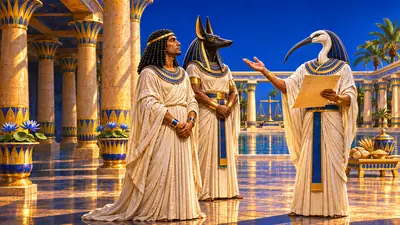
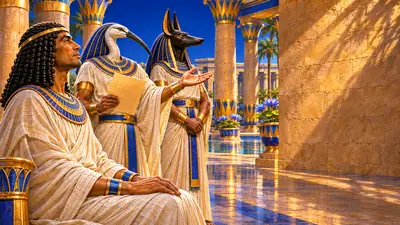
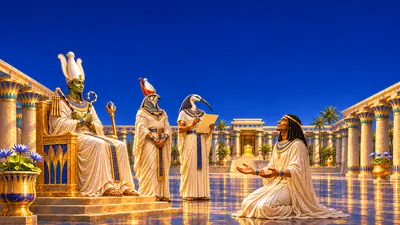
Budge dit que Thot note le résultat de la pesée. Thot s’adresse ensuite aux dieux.
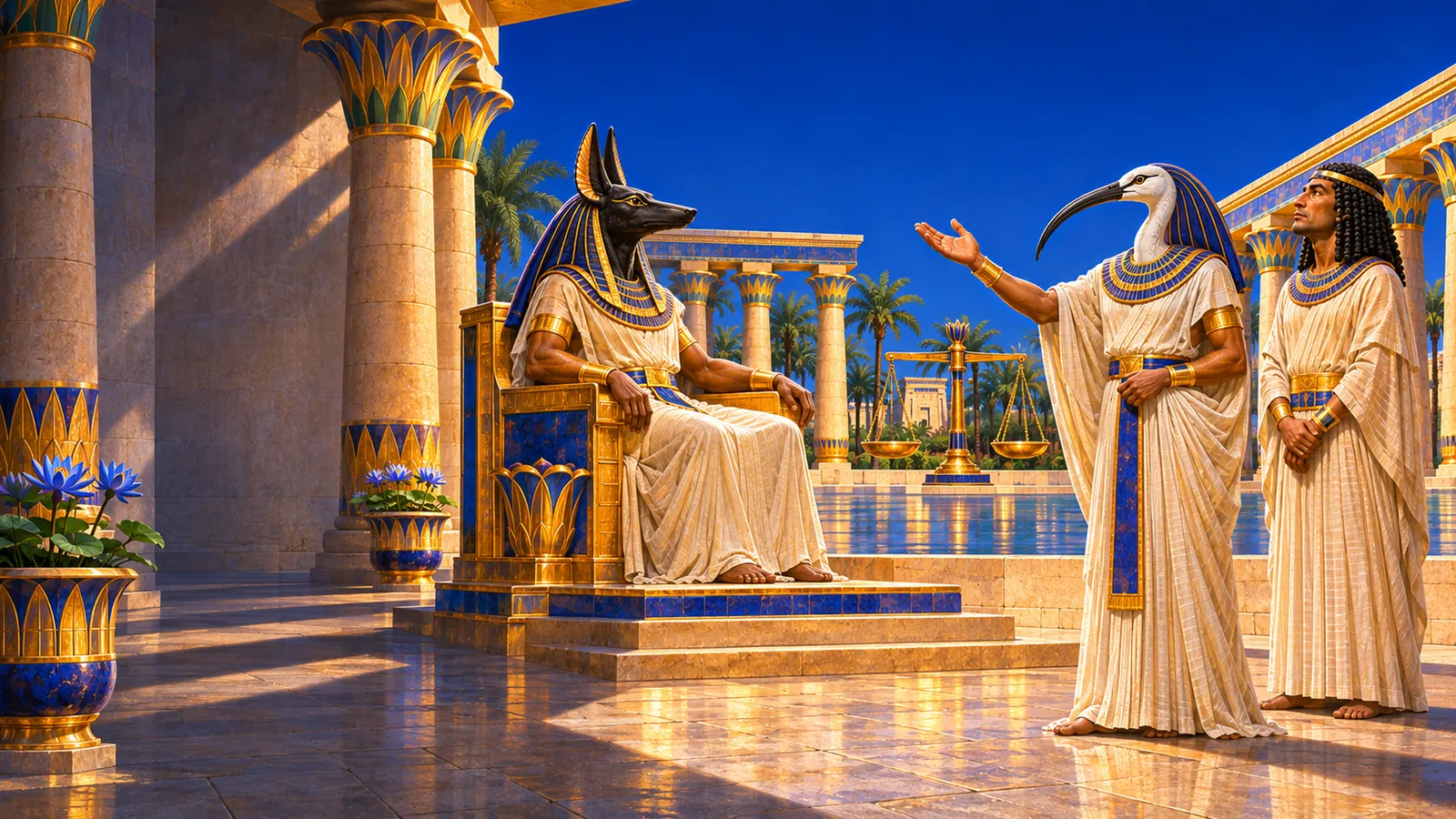
Thot invite les dieux à entendre le jugement. Il leur dit que le cœur d’Osiris a bel et bien été pesé.
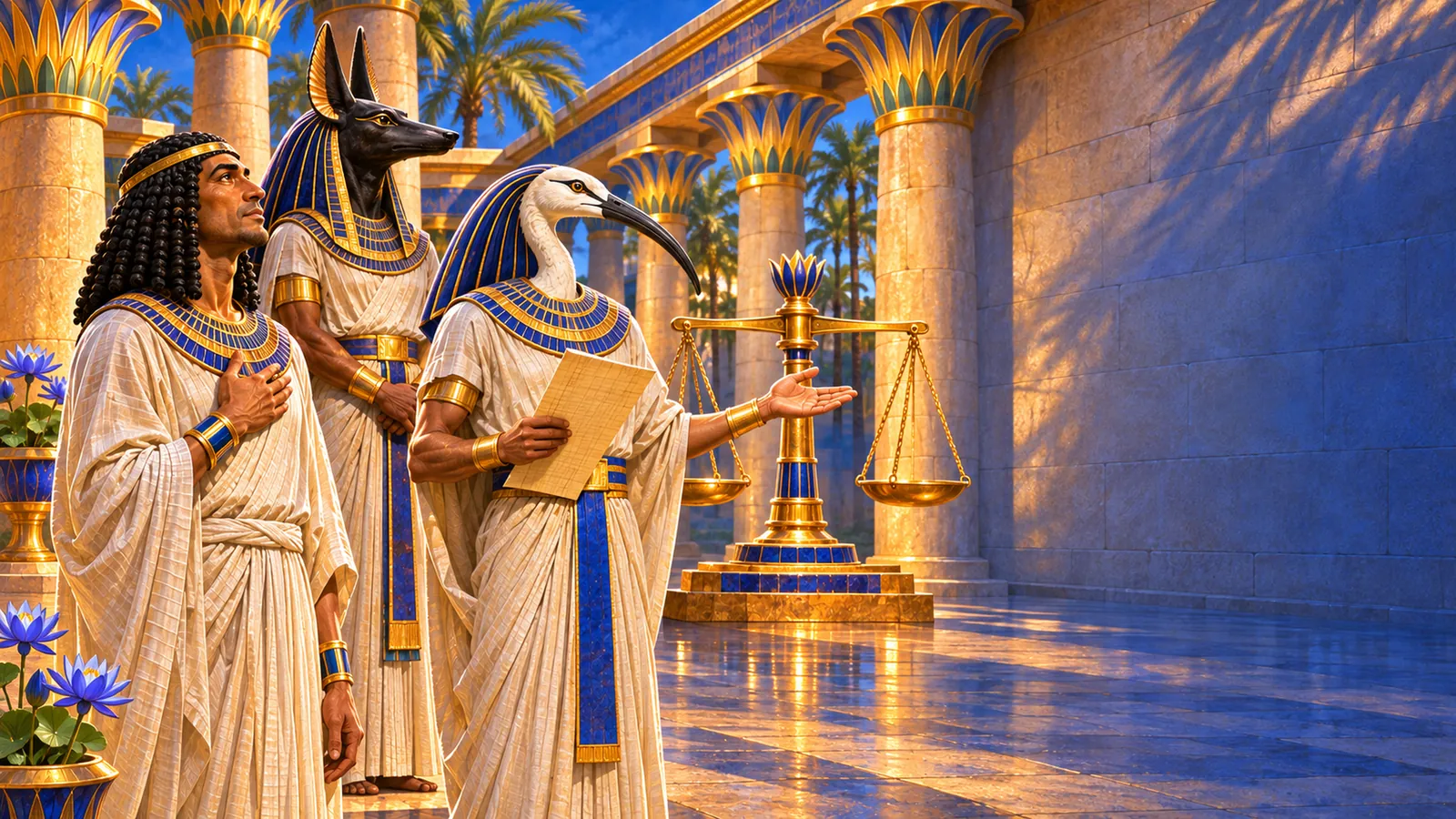
Thot dit que l’âme du défunt a témoigné en sa faveur. Il ajoute que l’épreuve de la Grande Balance en a établi la vérité.
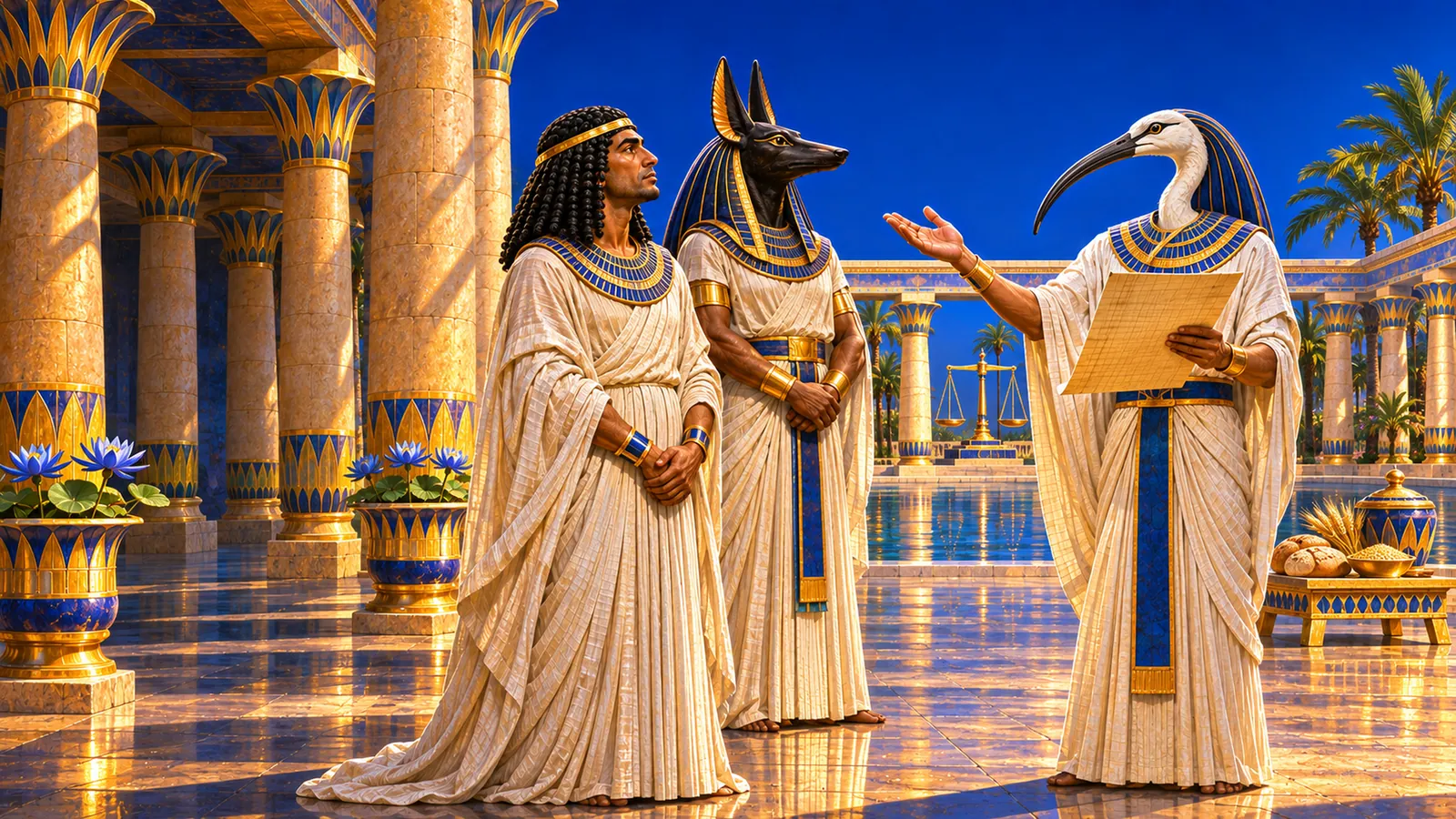
Thot rapporte qu’aucune méchanceté n’a été trouvée en Ani. Il ajoute qu’Ani n’a pas gaspillé les offrandes dans les temples.
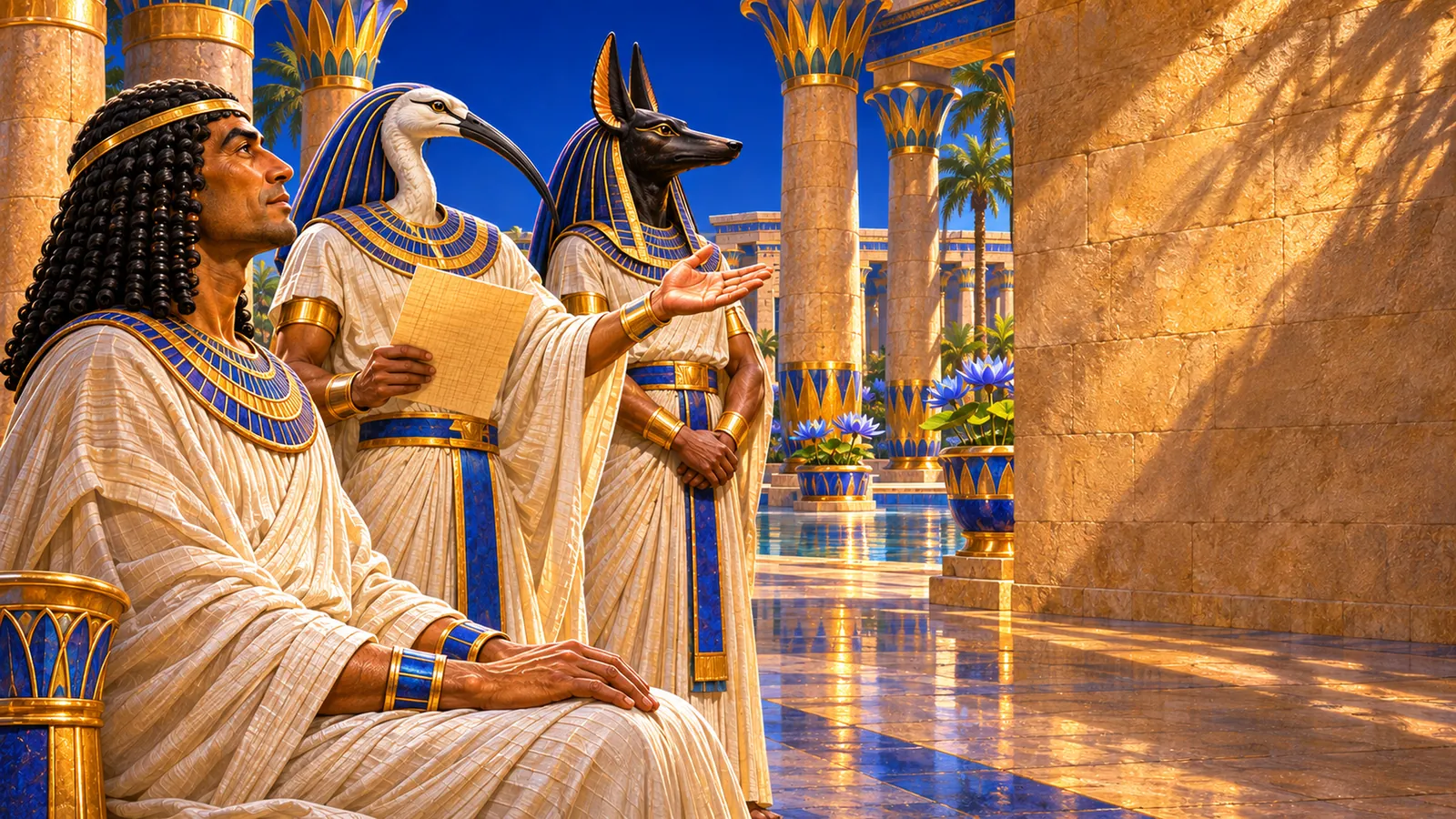
Thot dit qu’Ani n’a causé aucun tort par ses actes et n’a répandu aucun propos malveillant de son vivant sur terre.
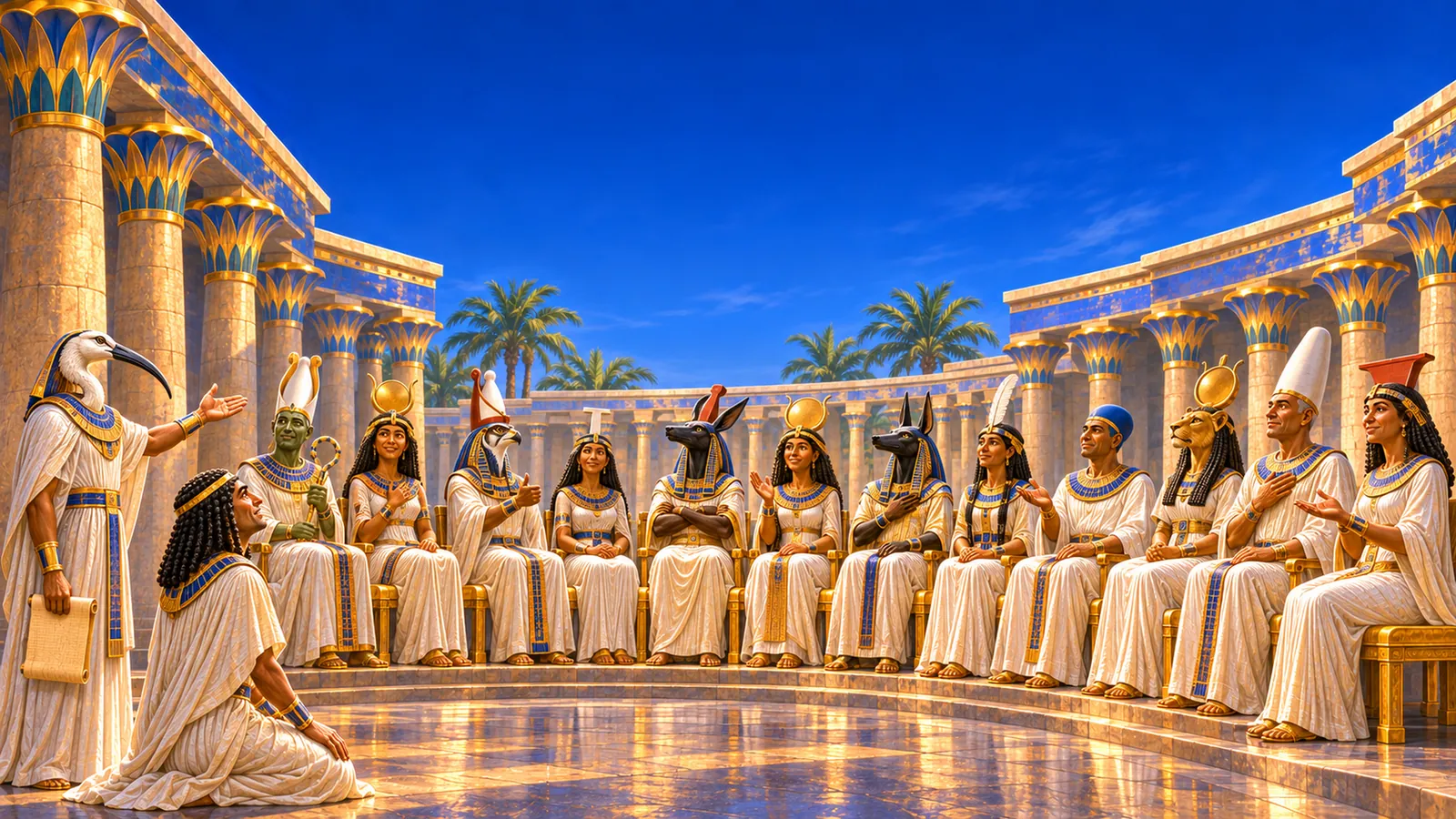
LA RÉPONSE
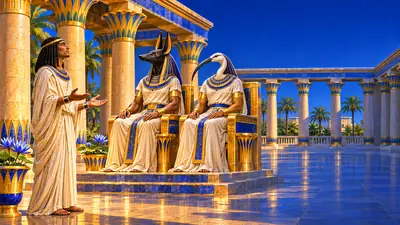
La grande assemblée des dieux dit à Thot que ses paroles sont confirmées. Elle s’adresse à lui comme à celui qui demeure à Khemennu, que Budge identifie à Hermopolis.
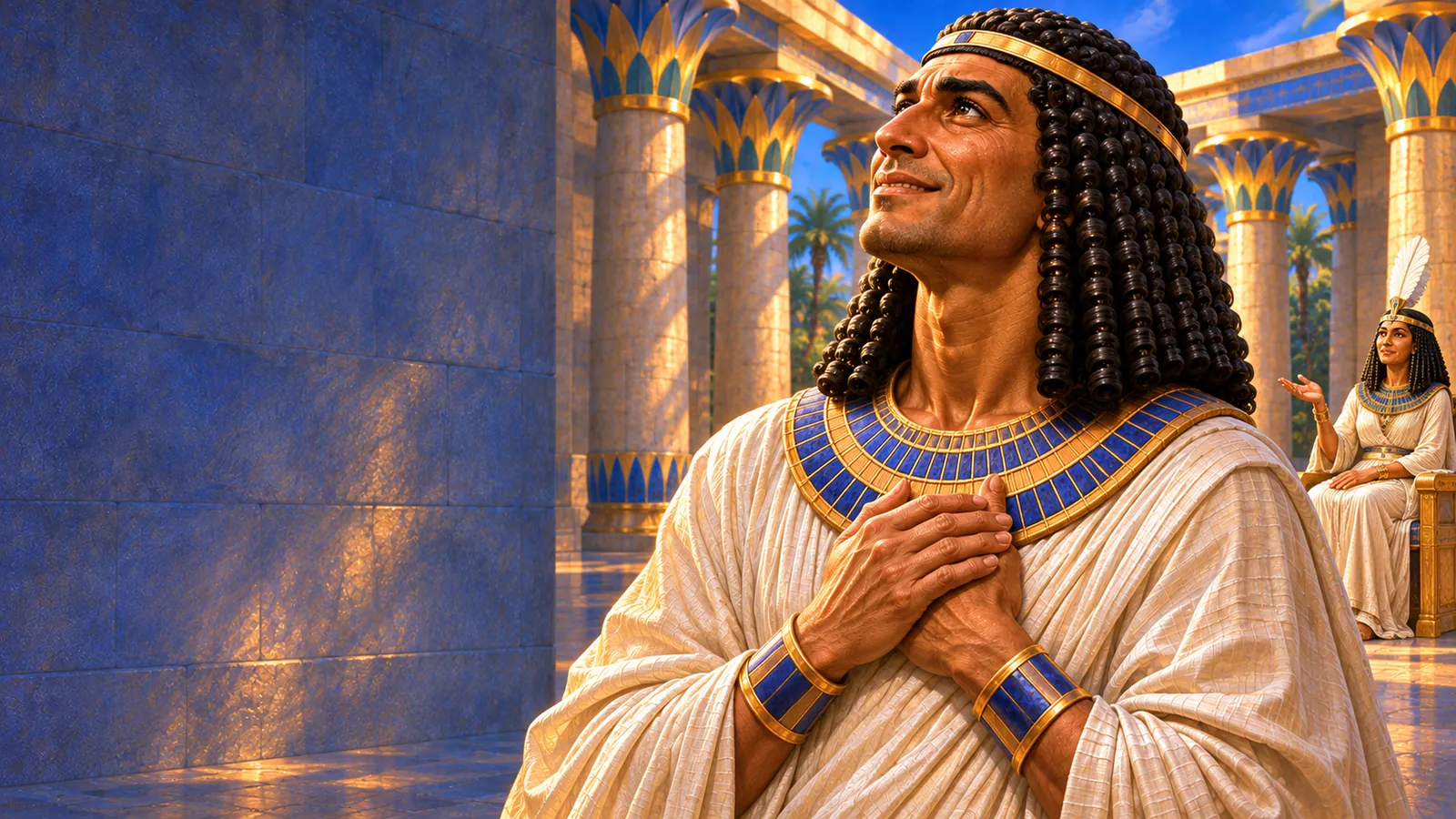
L’assemblée le nomme Osiris, le scribe Ani, triomphant. Elle le déclare saint et juste.
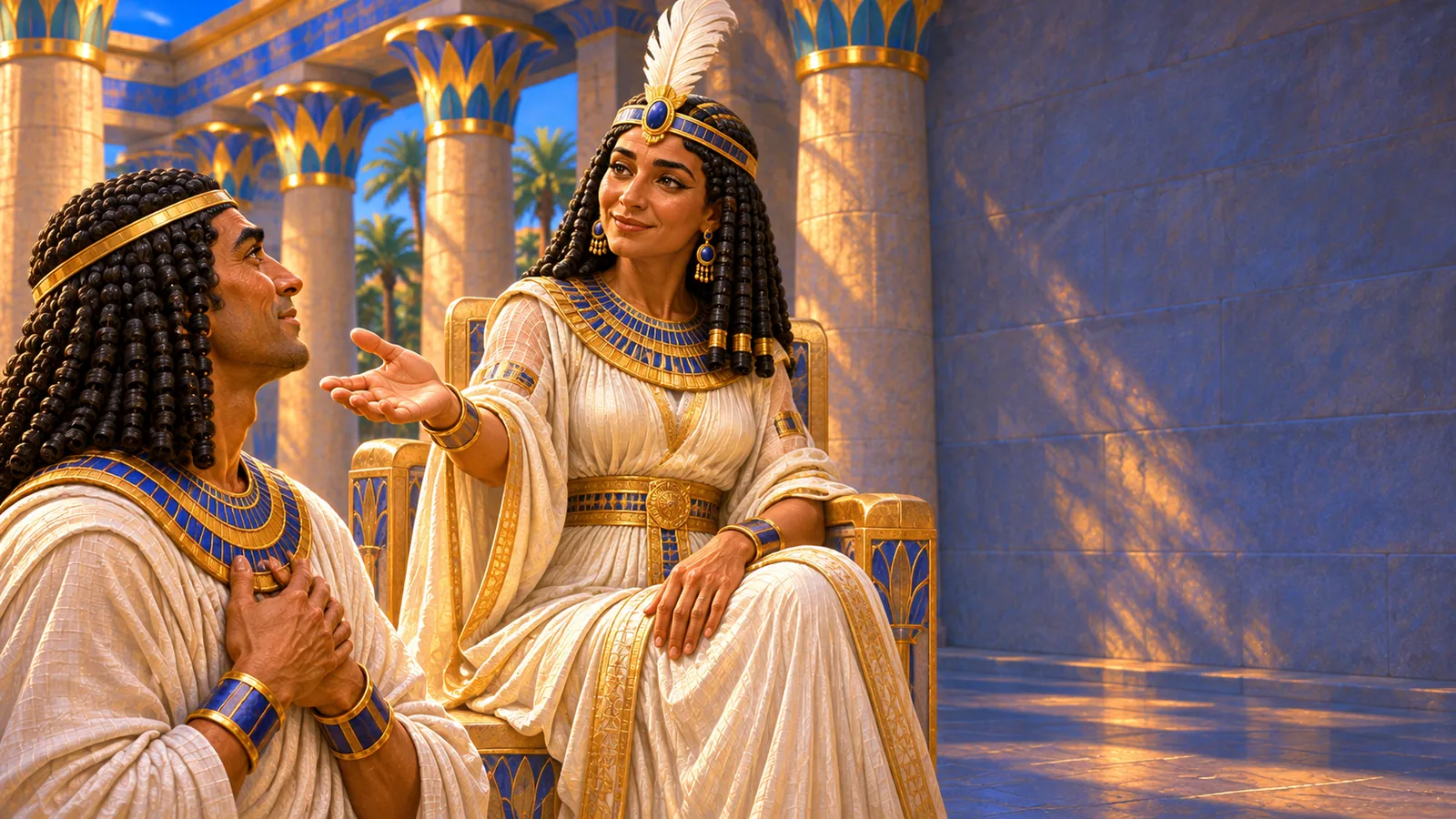
L’assemblée dit qu’Ani n’a pas péché. Elle ajoute qu’il ne leur a fait aucun mal.
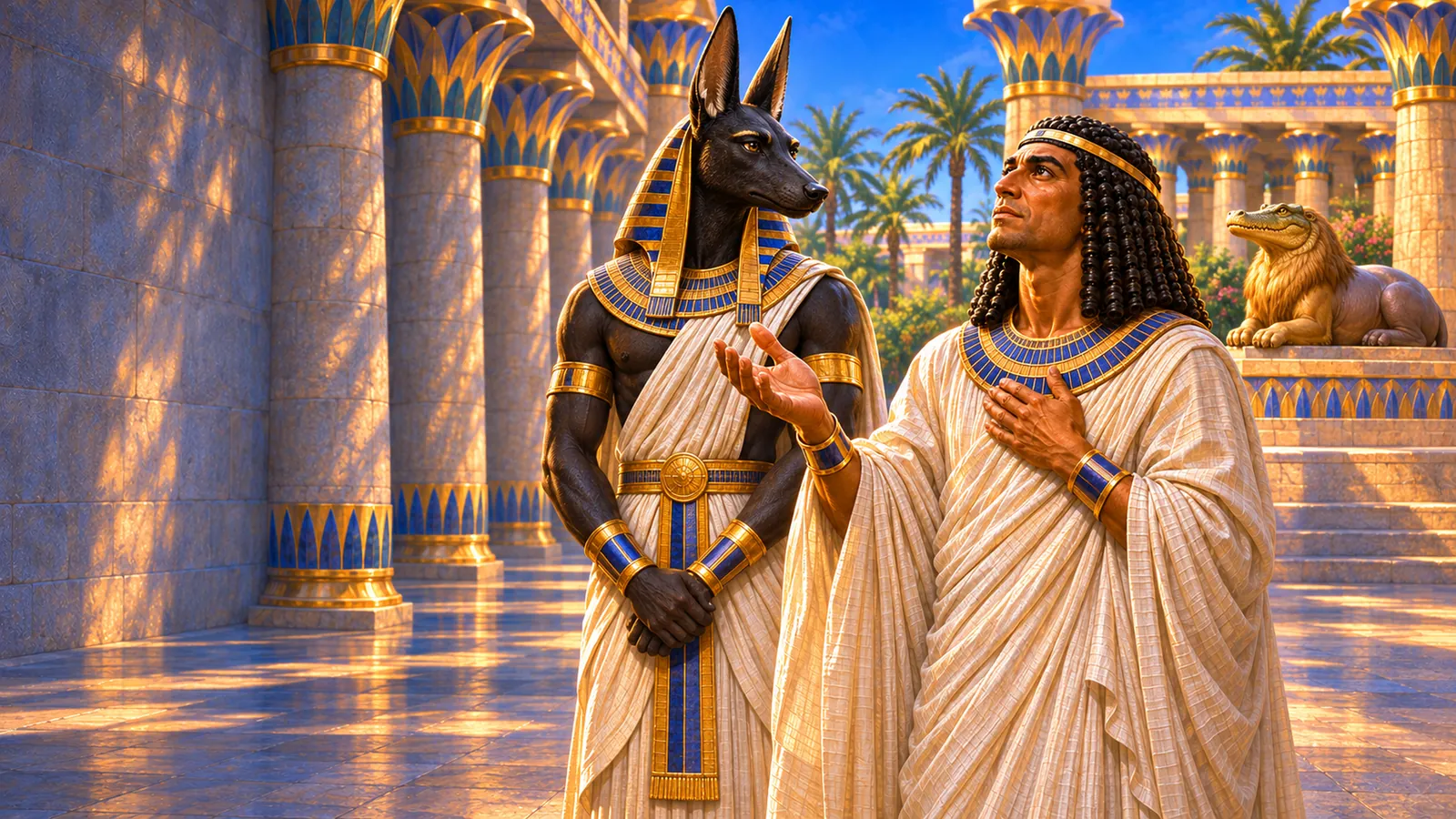
Dans sa réponse, l’assemblée déclare qu’Ām-mit, la Dévoreuse, ne sera pas autorisée à l’emporter sur Ani.
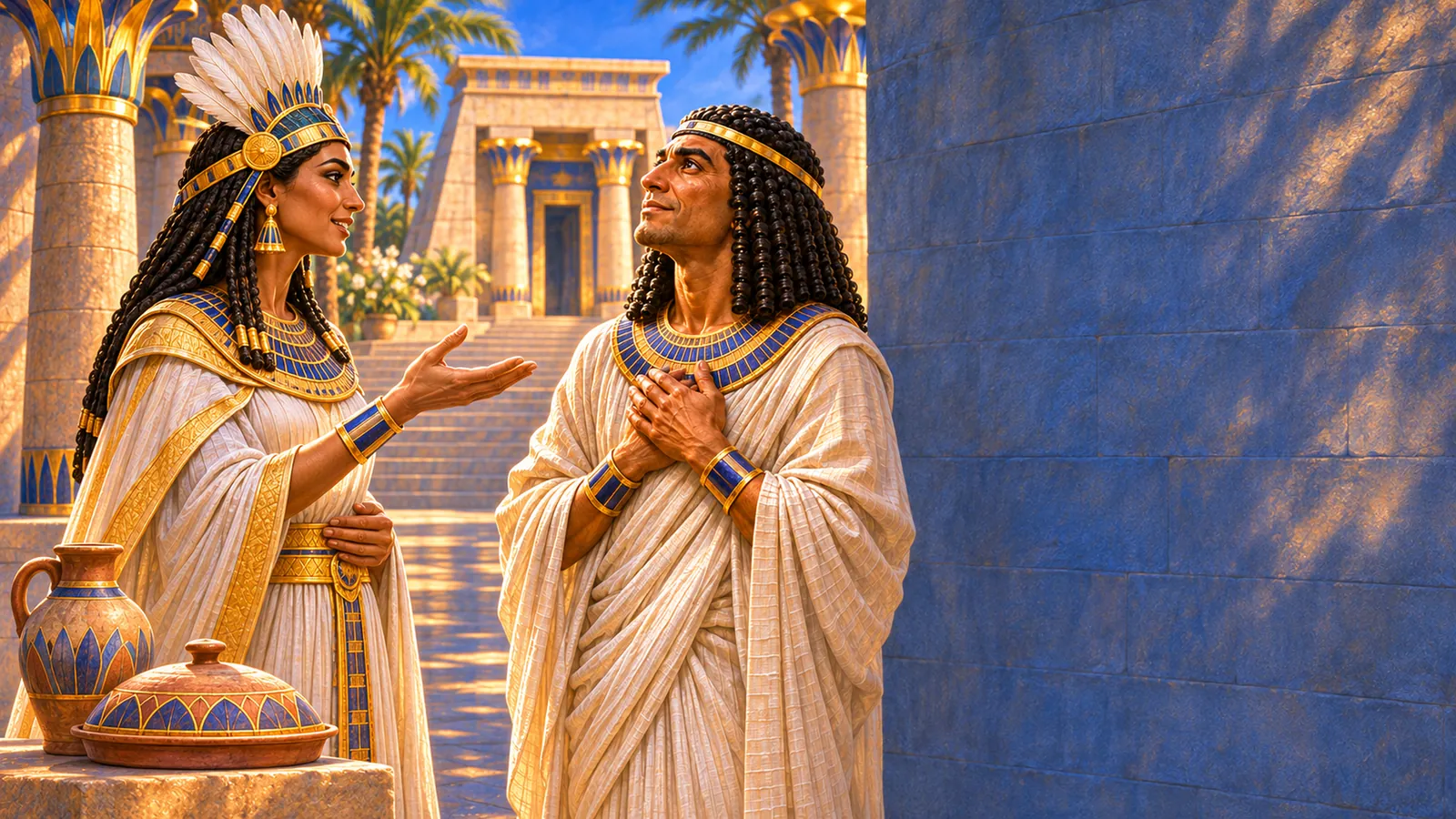
L’assemblée dit qu’Ani recevra des offrandes de viande et sera admis en présence du dieu Osiris.
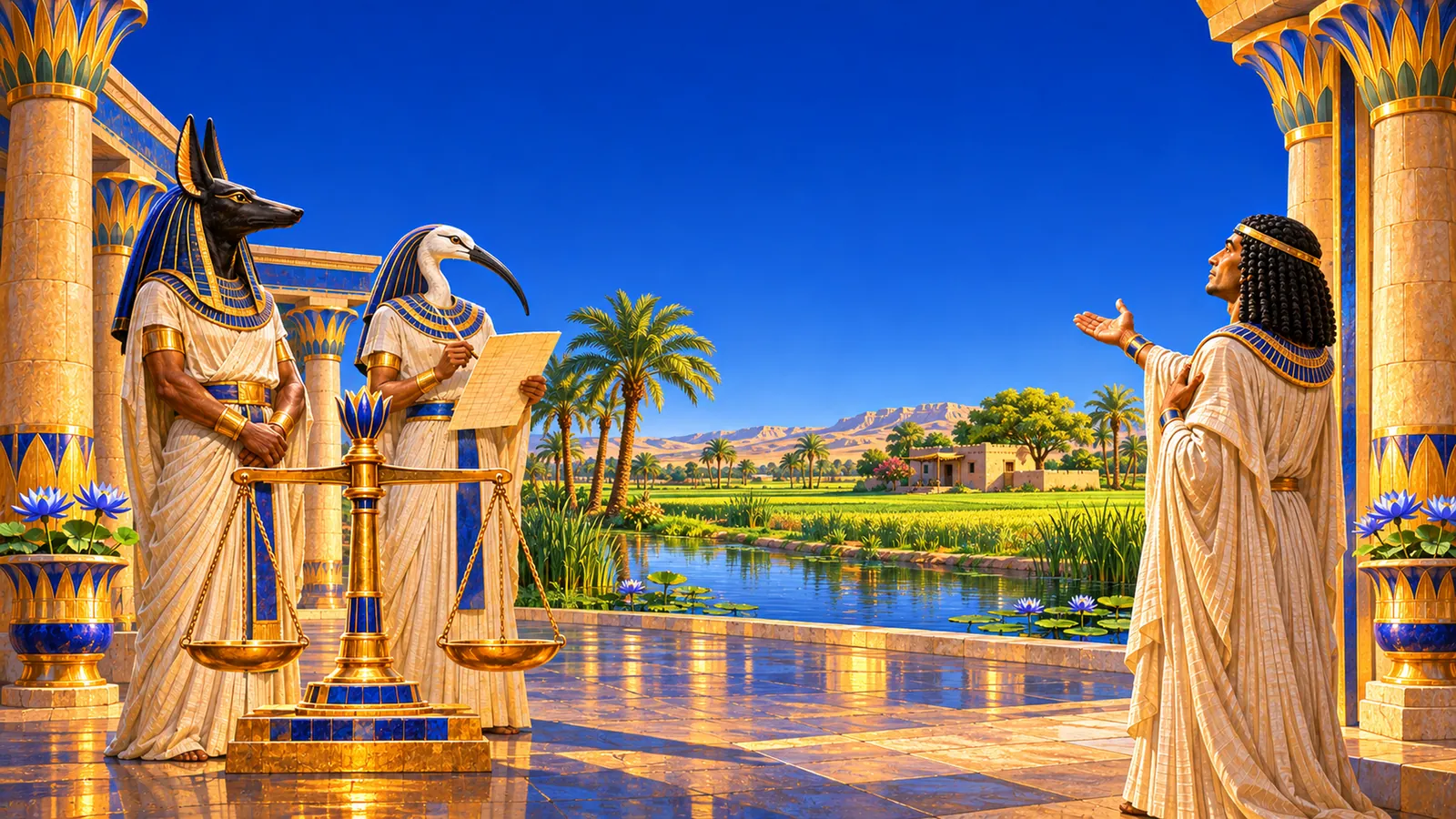
L’assemblée promet aussi à Ani une demeure pour toujours dans le Champ de la Paix, comme celle qui est accordée aux suivants d’Horus.
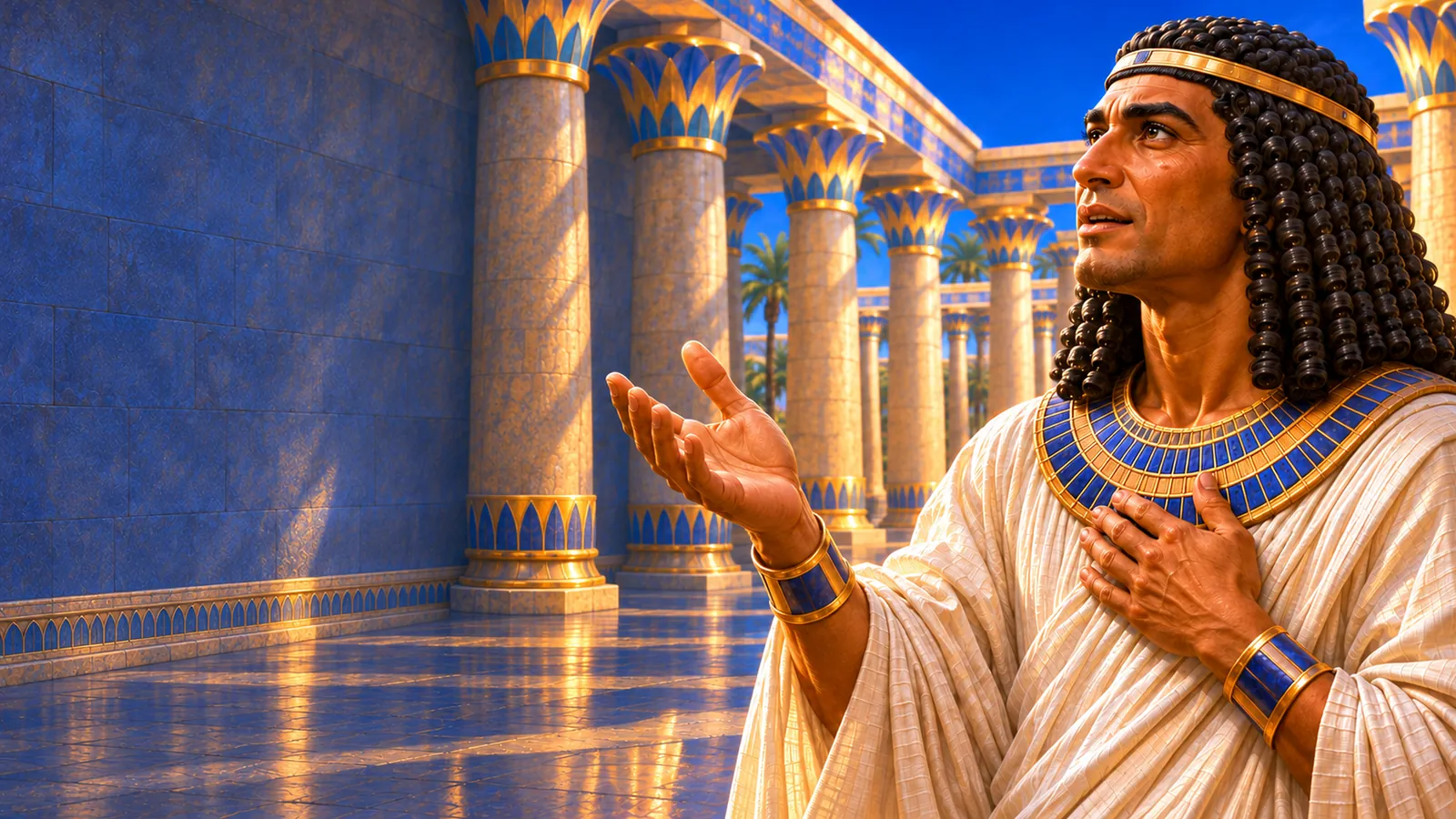
Budge traduit l’expression égyptienne maā kheru par « triomphant ». Il l’explique par « vrai de voix » ou « juste de parole ».
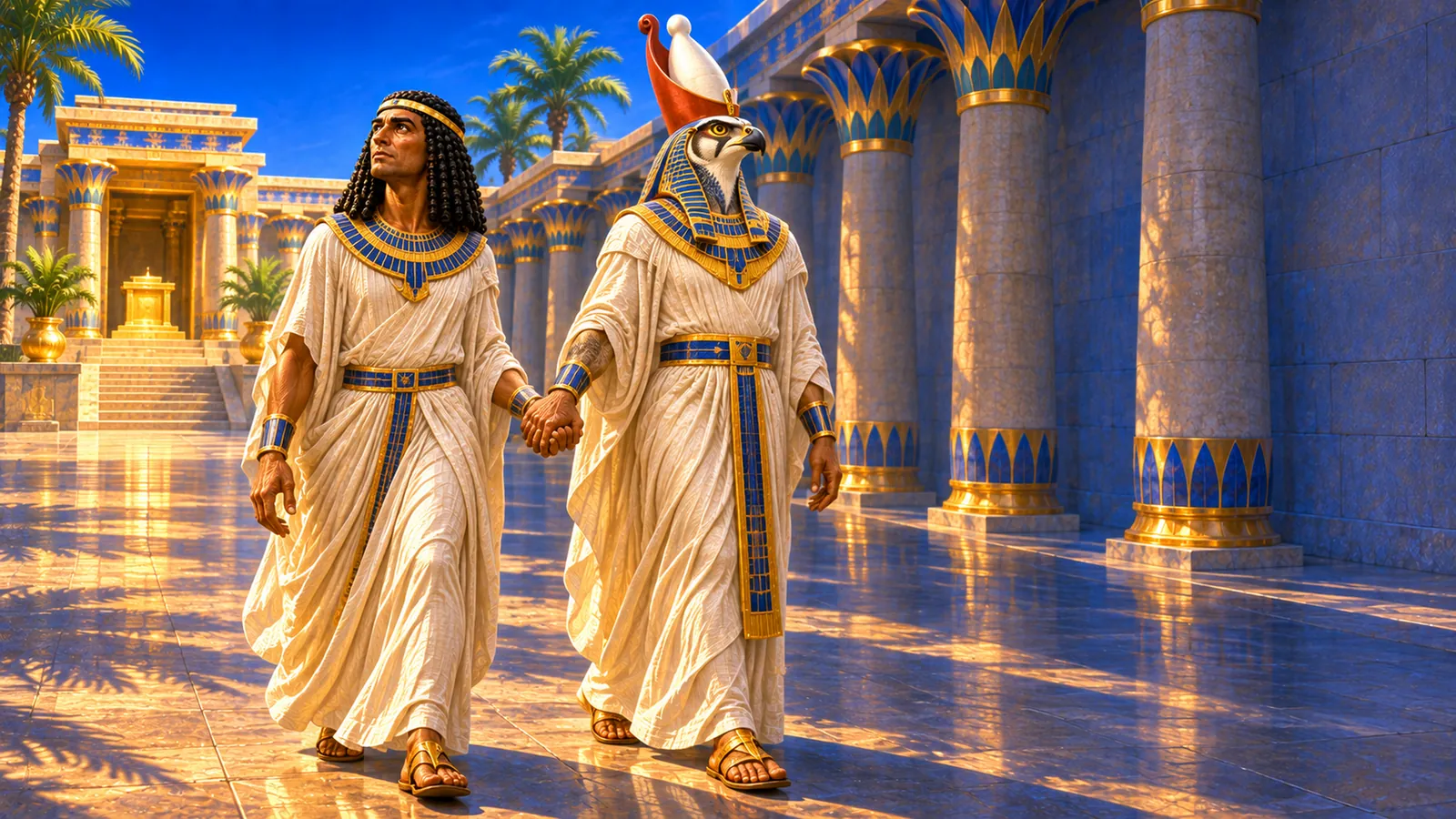
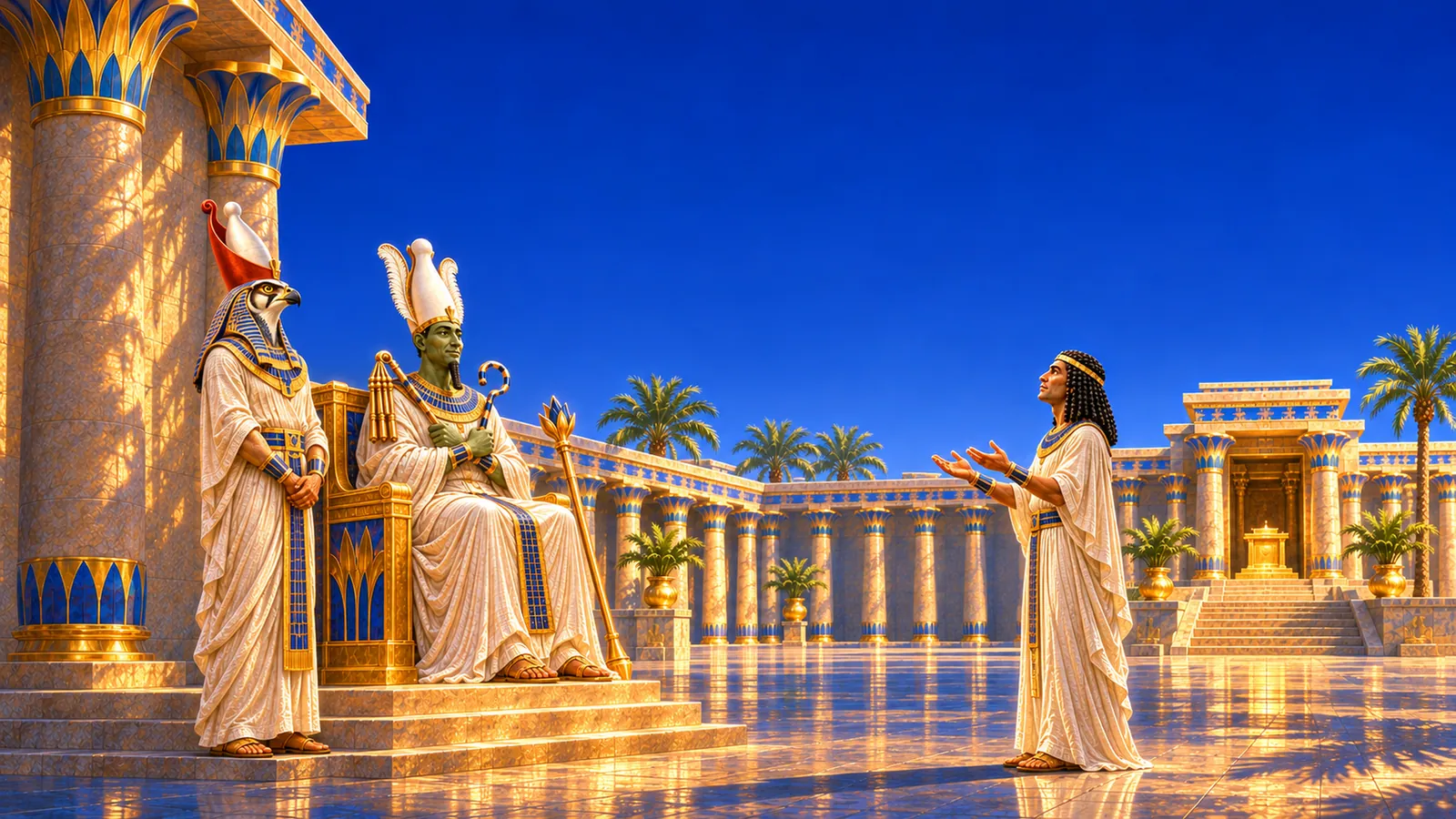
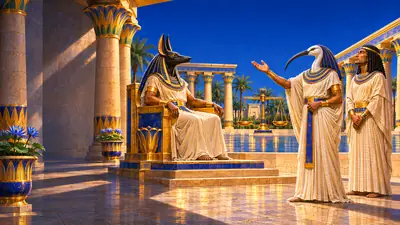
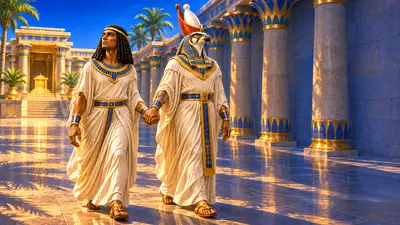
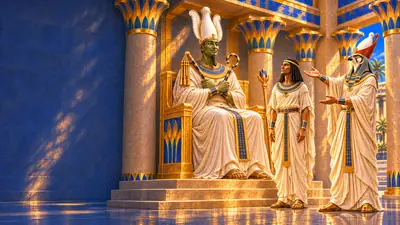
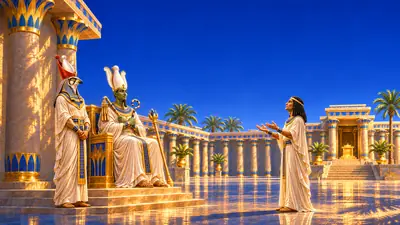
Dans la description de Budge, après le jugement, Horus, fils d’Isis, a pris tous les attributs de son père Osiris. Il prend de sa main droite la main gauche d’Ani et le conduit jusqu’au sanctuaire.
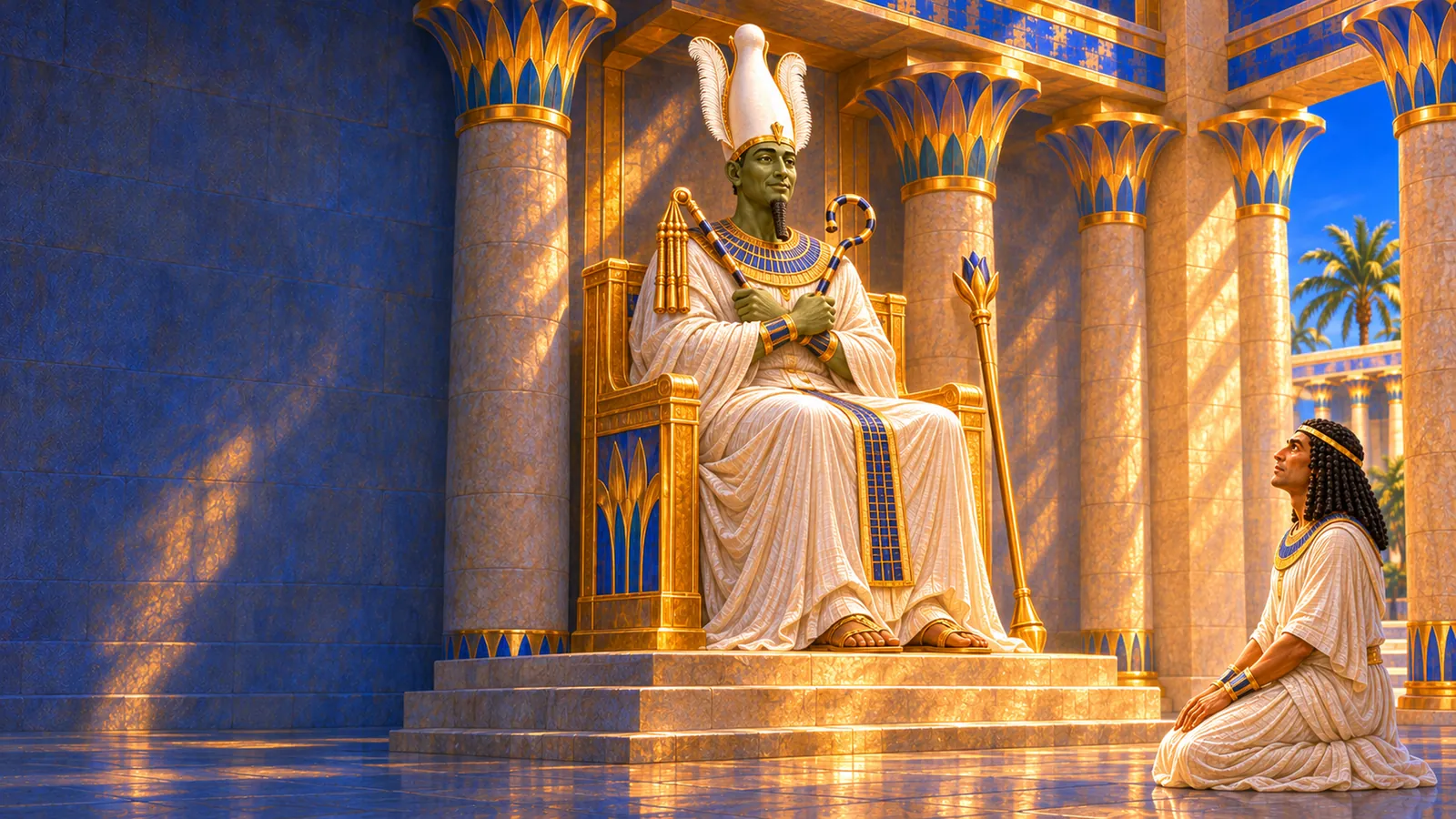
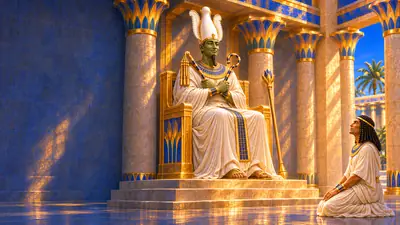
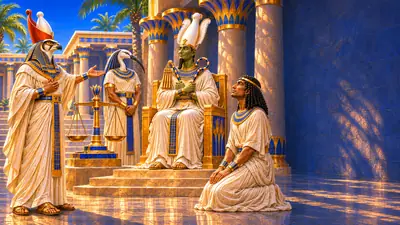
Budge décrit Osiris assis dans le sanctuaire, coiffé d’une couronne blanche à plumes et tenant un sceptre, une crosse et un fouet ou fléau. Il dit que ces objets symbolisent la souveraineté et la domination.
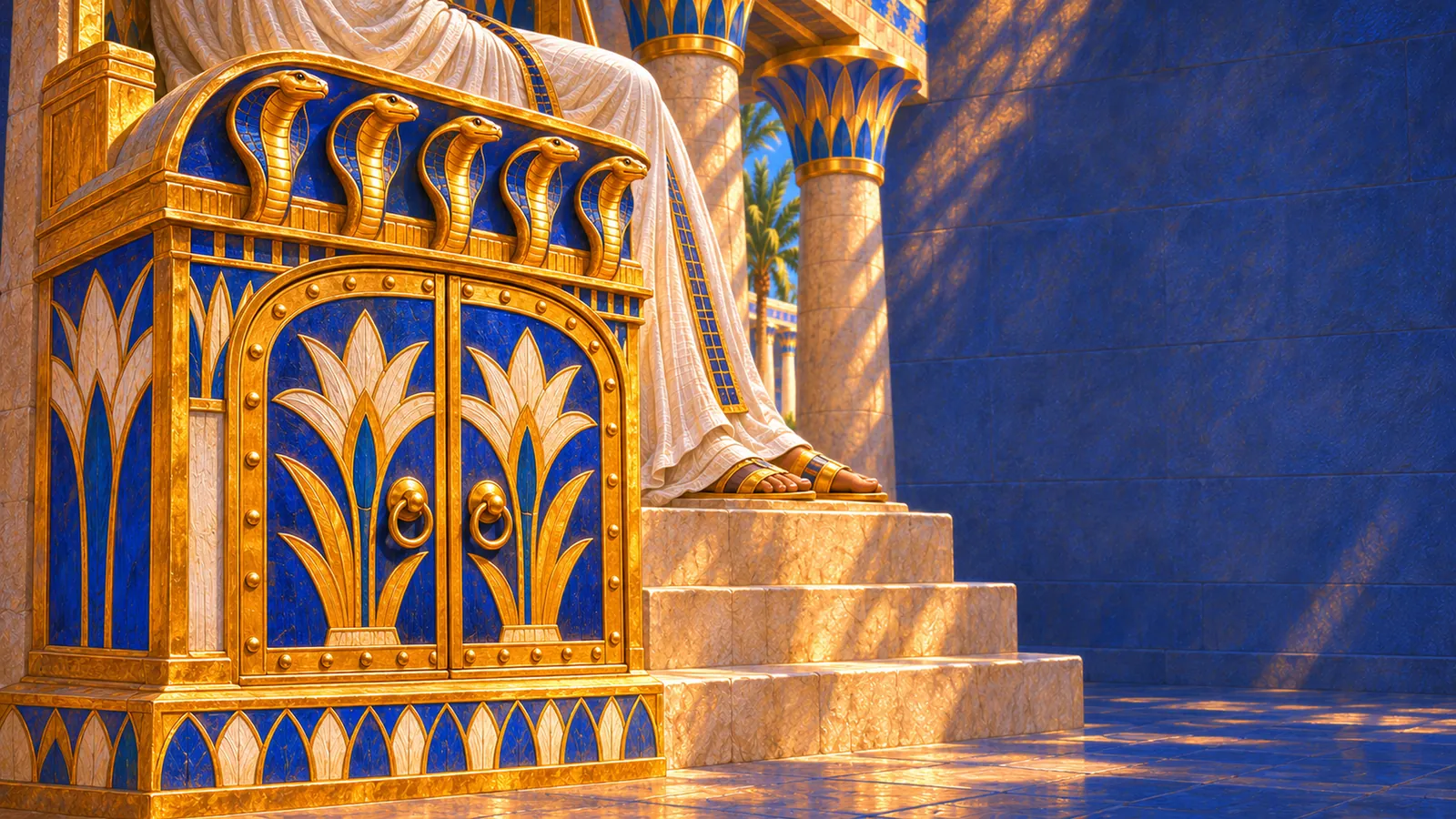
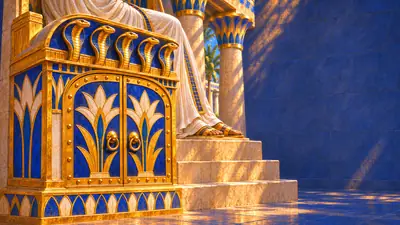
Dans la description de Budge, le trône est un tombeau. Sur son flanc figurent les portes verrouillées et la corniche d’uræus peintes.
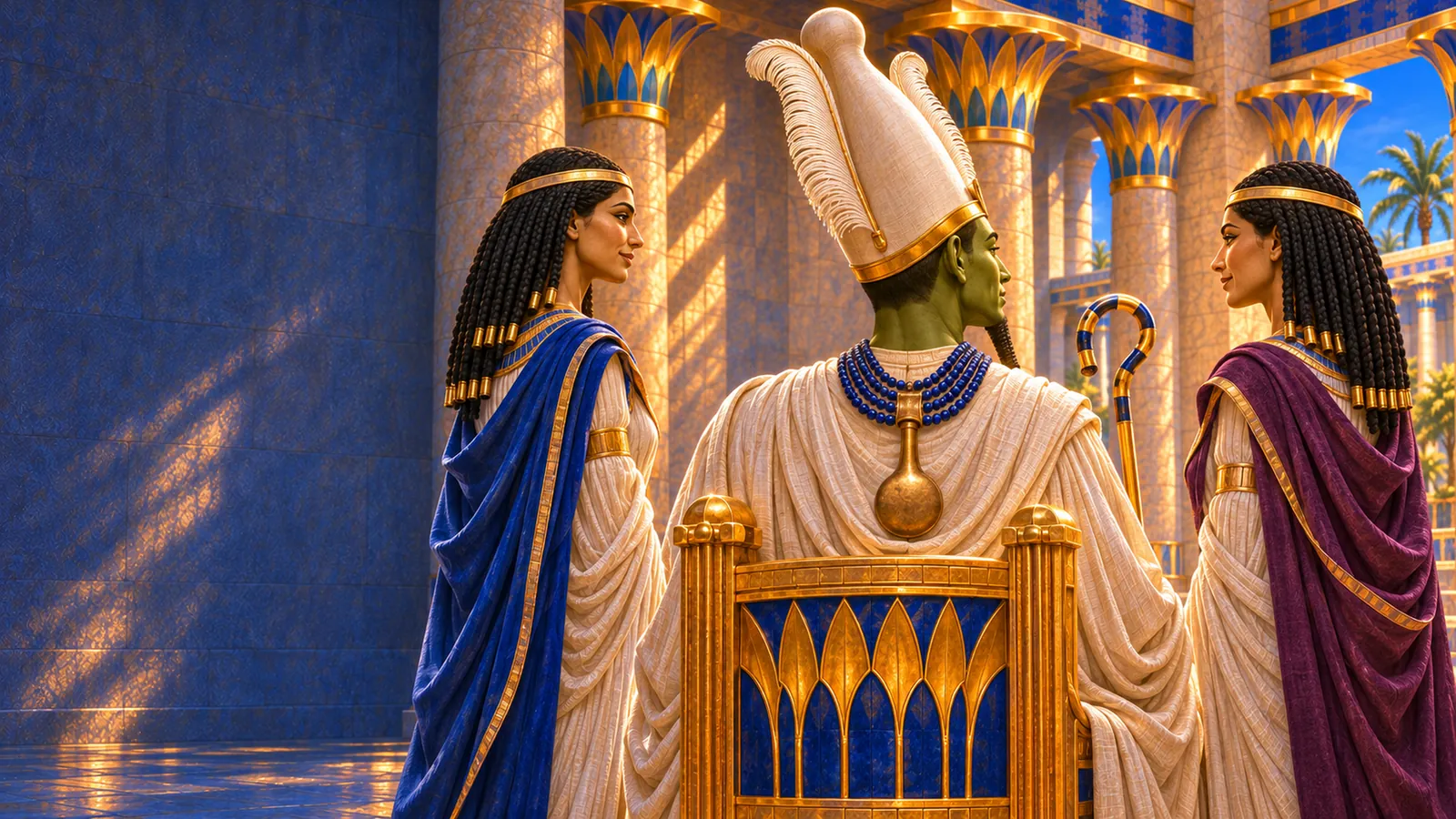
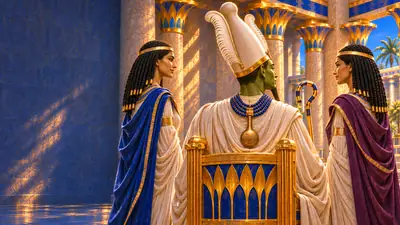
Budge indique qu’un ménat pend derrière le cou d’Osiris comme signe de joie et de bonheur. Nephtys se tient à sa droite et Isis à sa gauche.
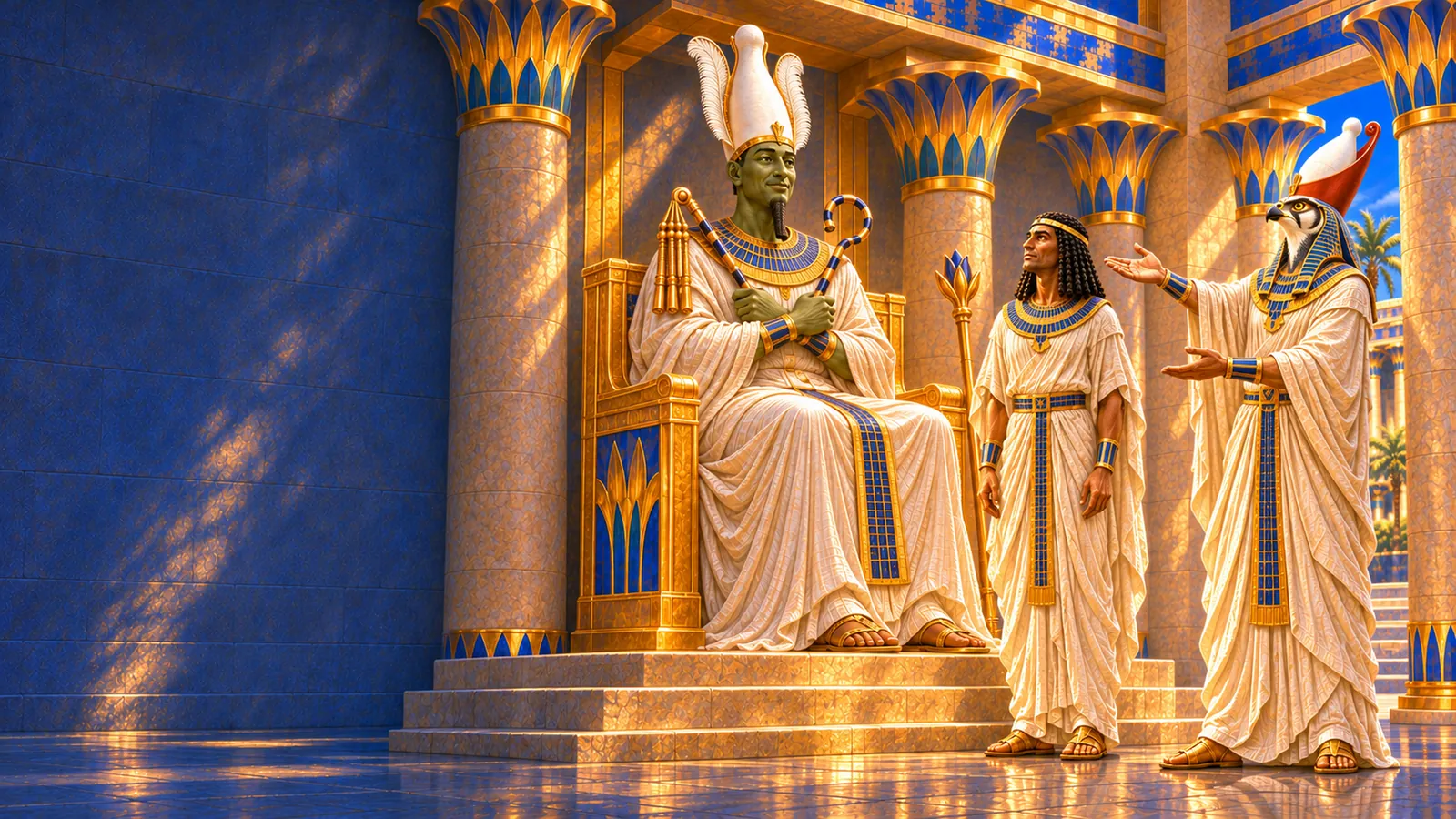
LA PRÉSENTATION
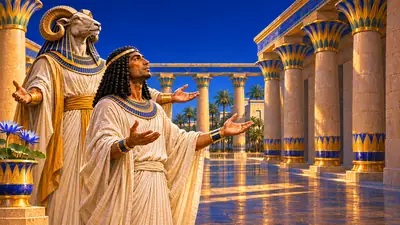
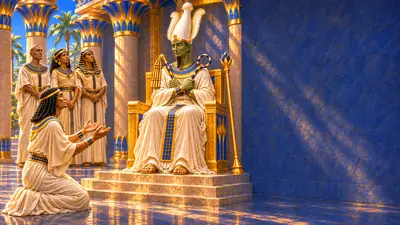
Horus s’adresse à Osiris et l’appelle Ounnefer. Il dit qu’il s’est présenté devant lui et qu’il lui a amené l’Osiris Ani.
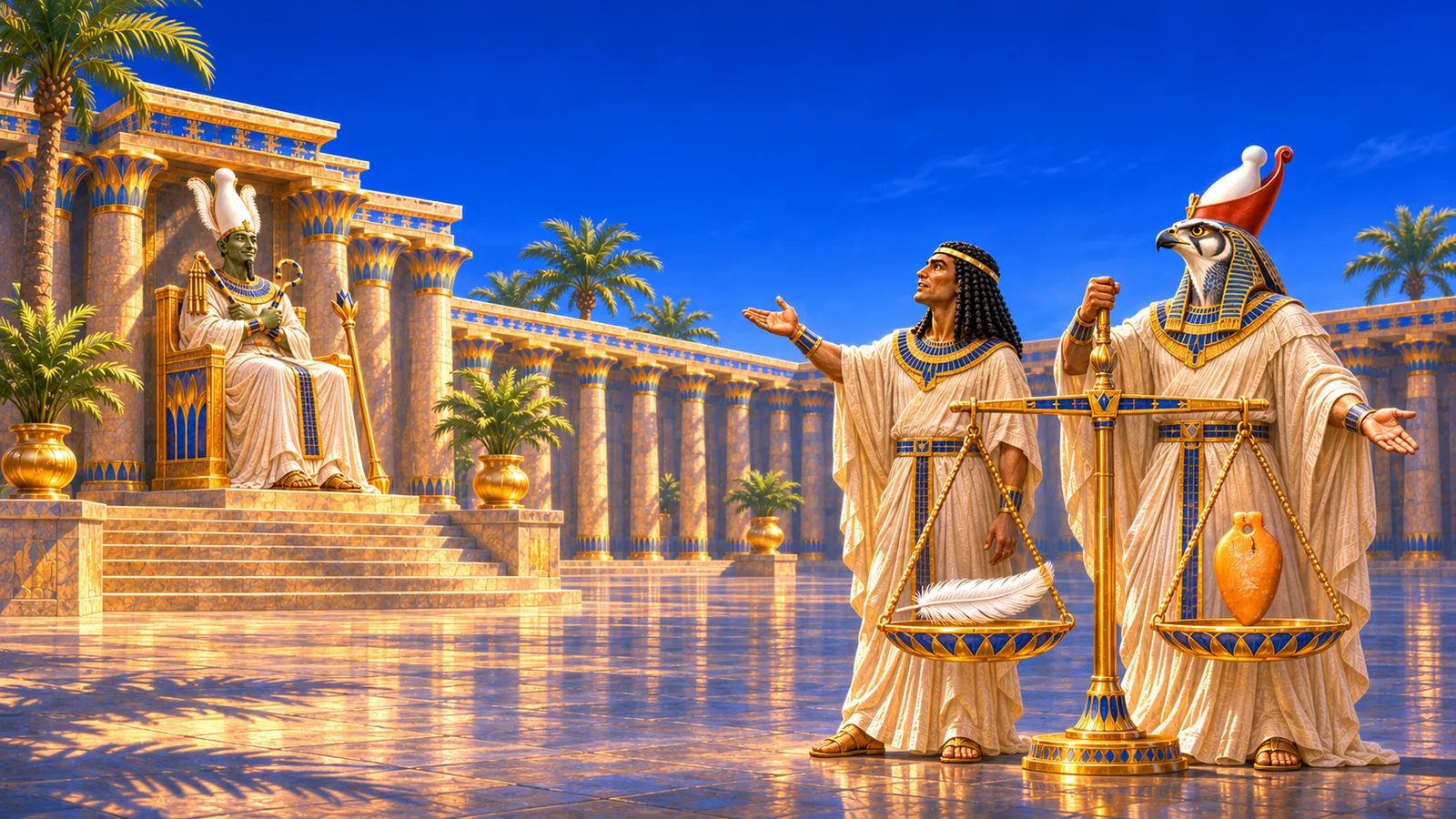
Horus dit que le cœur d’Ani a été reconnu juste et est sorti de la balance. Il n’a commis de faute envers aucun dieu ni aucune déesse.
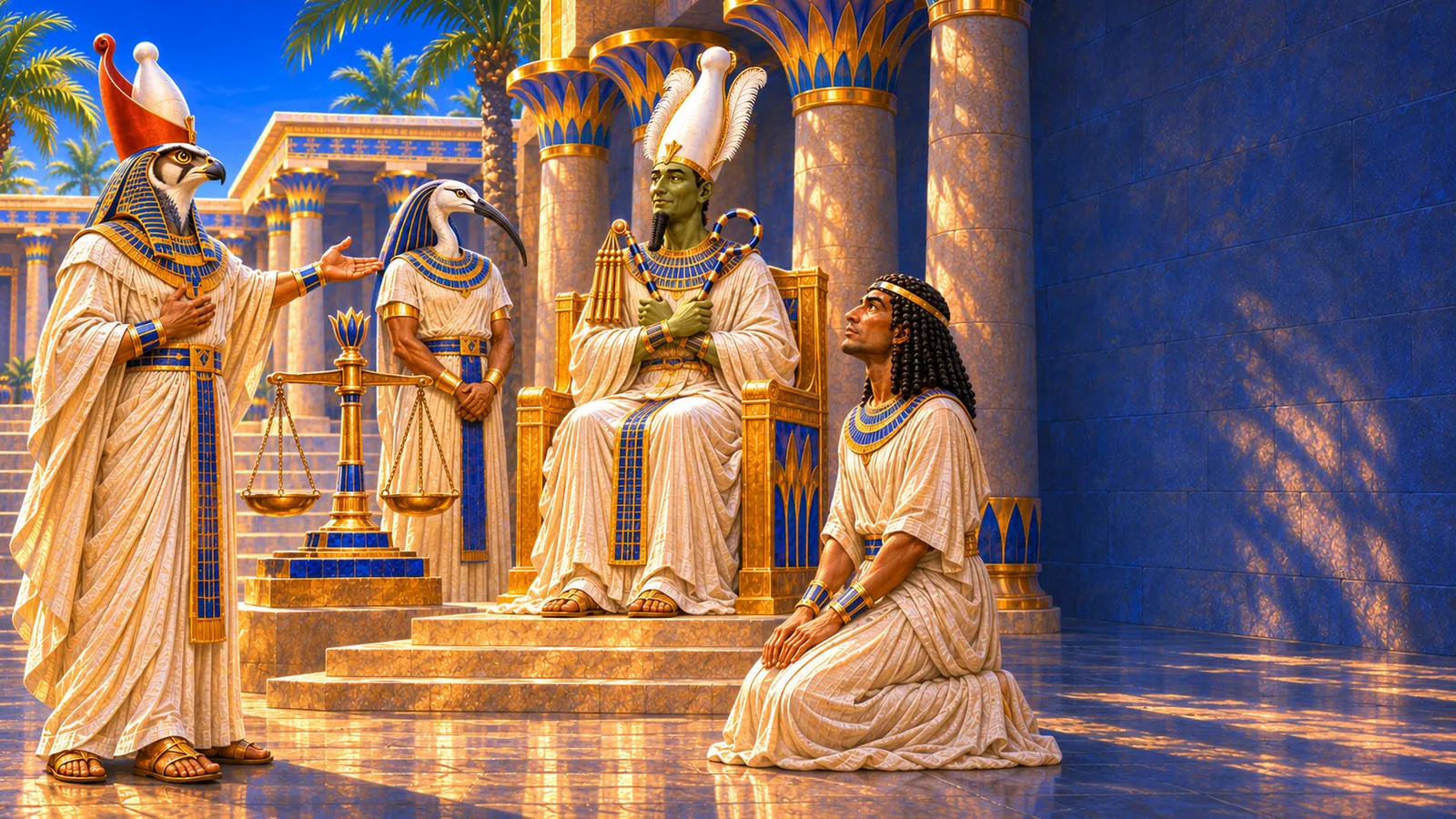
Horus ajoute que Thot l’a pesé selon le décret que l’assemblée des dieux lui avait donné. Il déclare le résultat véridique et juste.
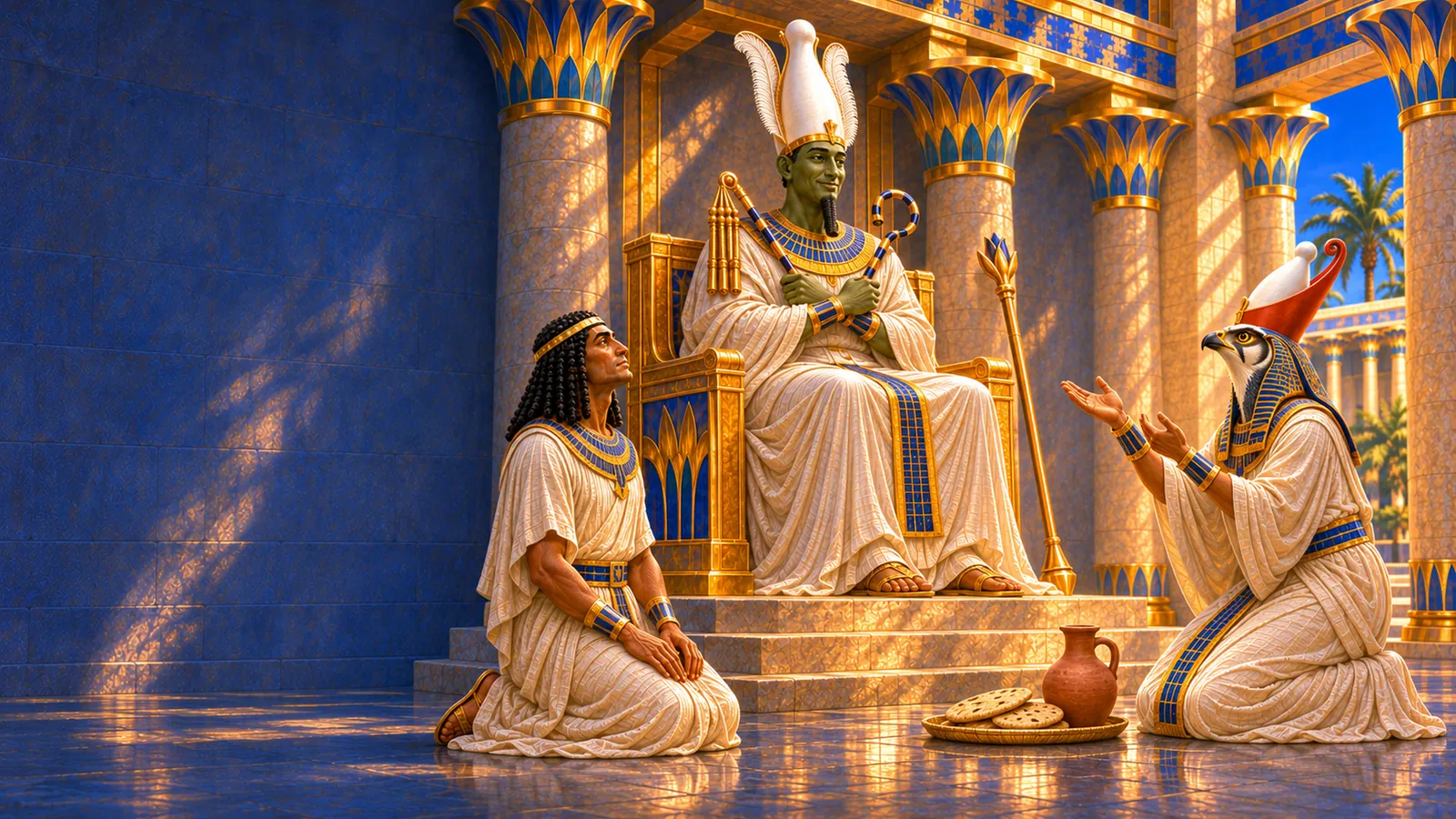
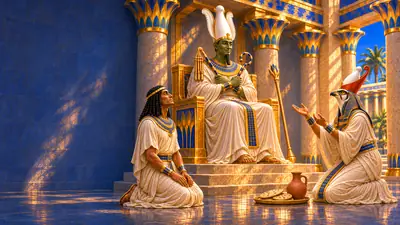
Horus demande à Osiris de donner à Ani des gâteaux et de la bière et de le recevoir en sa présence. Il souhaite qu’Ani soit à jamais comme les suivants d’Horus.
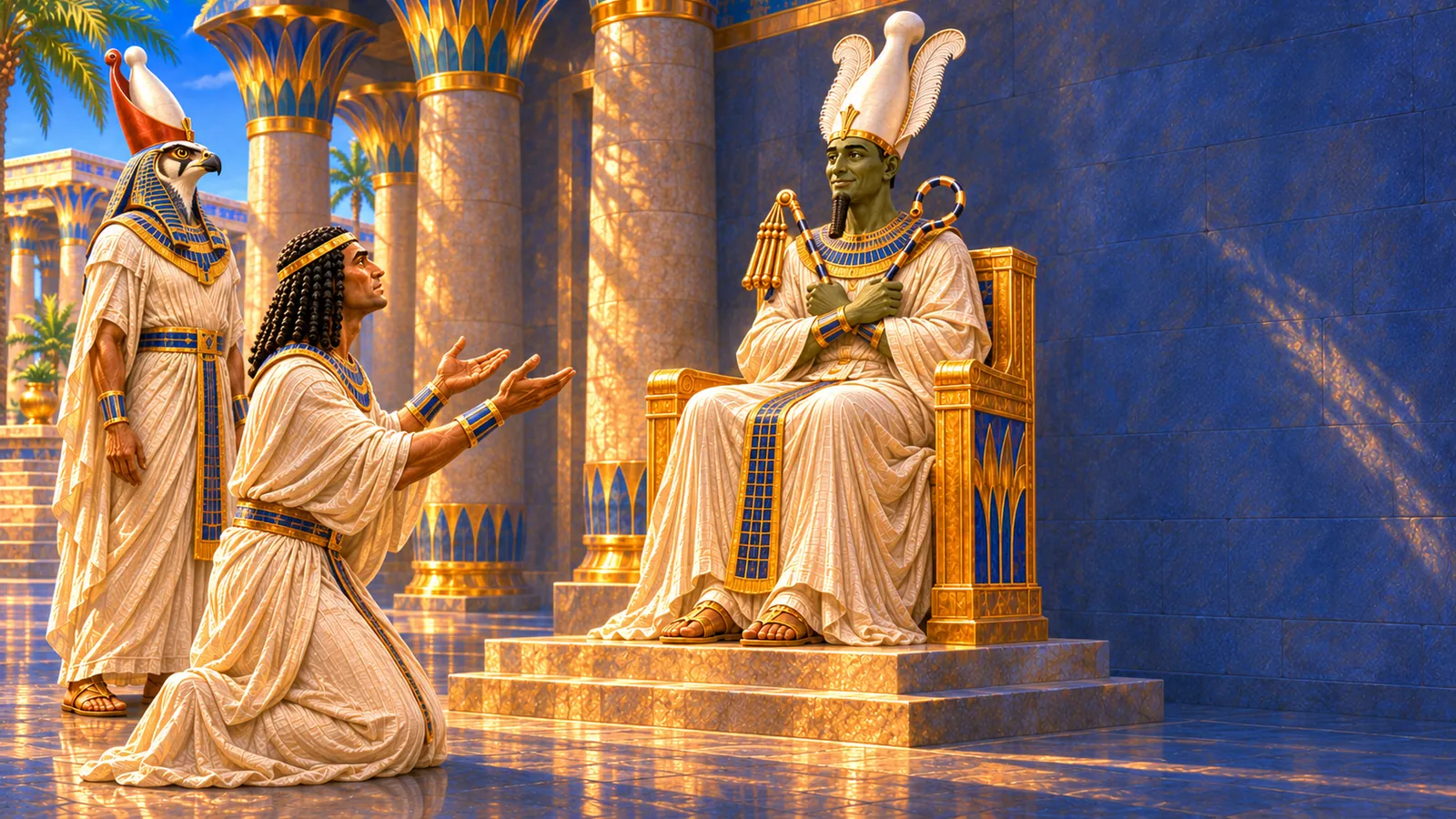
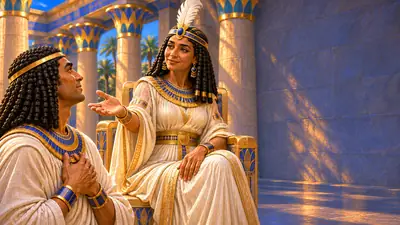
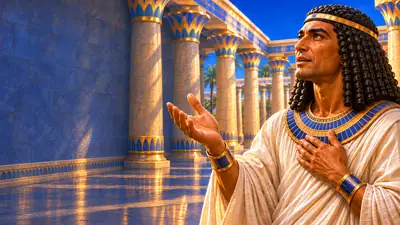
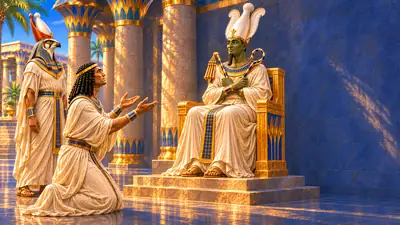
Puis Ani formule sa propre prière. Il s’adresse à Osiris sous le titre de Seigneur de l’Amentet et dit qu’il est en sa présence.
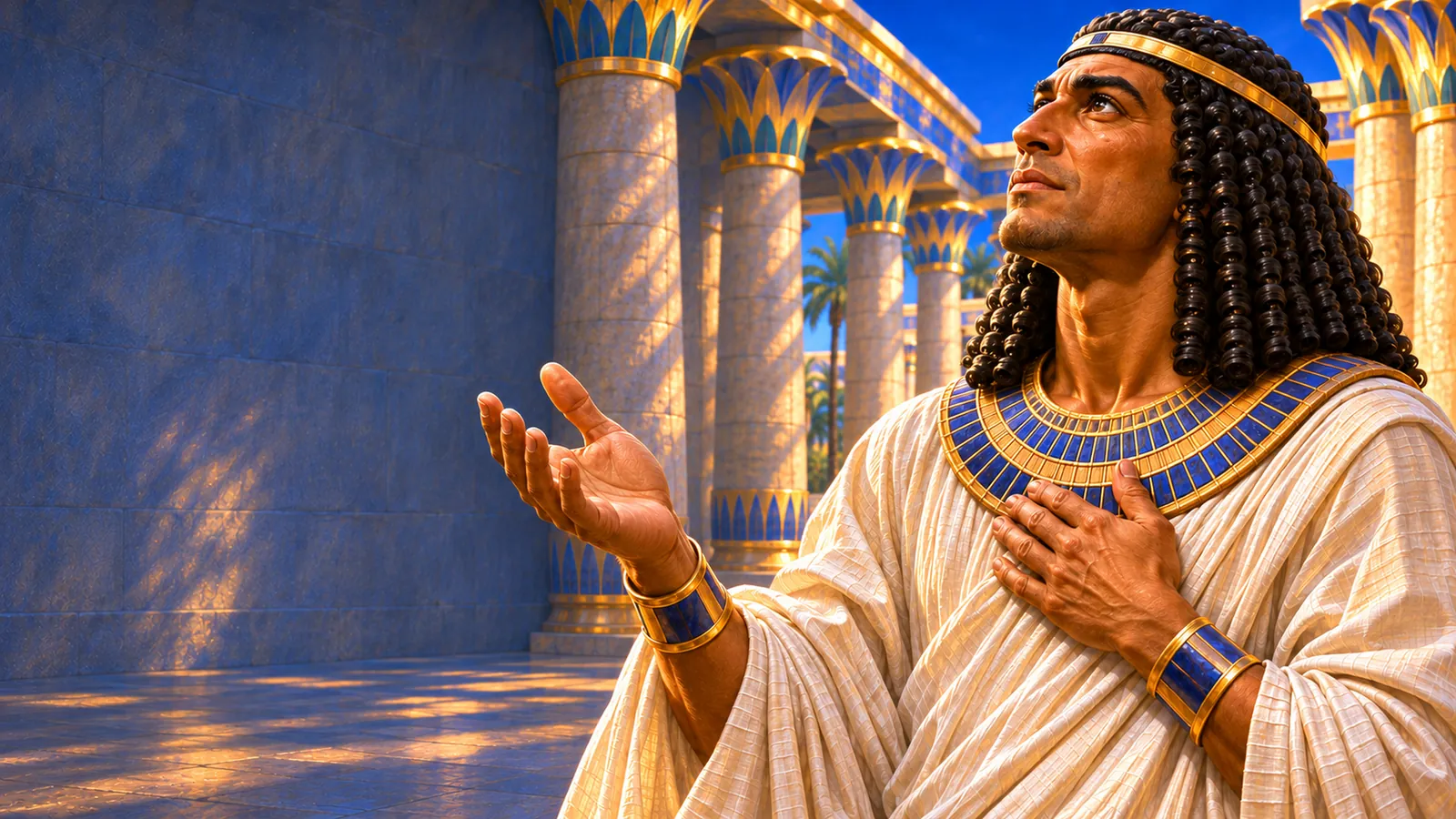
Ani dit qu’il n’y a en lui aucune faute. Il dit n’avoir jamais menti sciemment ni agi avec un cœur trompeur.
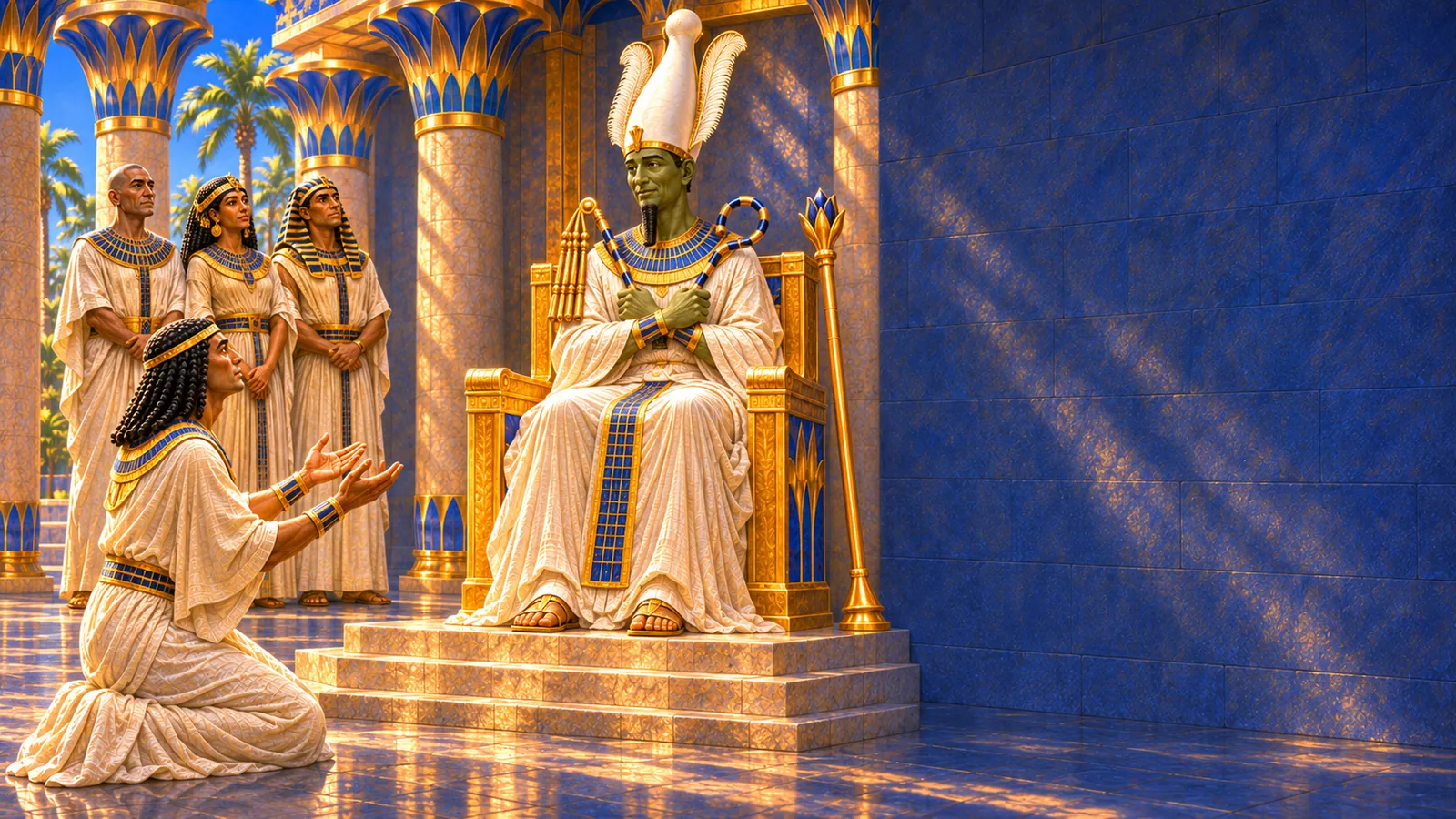
Dans sa prière, Ani demande à être comme les bienheureux qui entourent le seigneur auquel il s’adresse.
Ani demande à être un Osiris qui jouit de la grande faveur du beau dieu. Il demande à être aimé du Seigneur du monde.
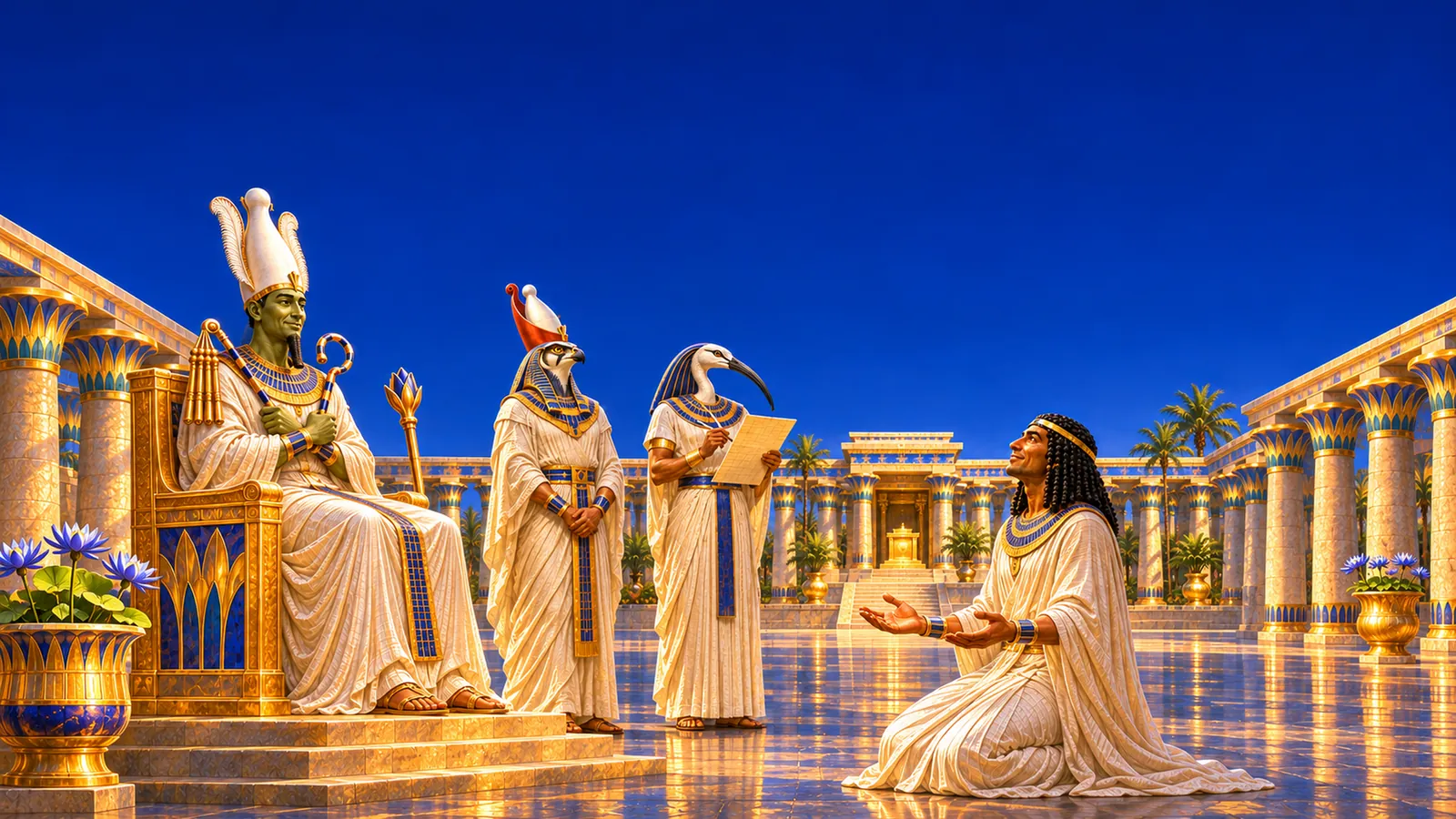
ANI DEVANT OSIRIS
Ani se nomme comme le scribe royal de Maât, « qui l’aime ». Il termine par son nom et les mots que Budge traduit par « triomphant devant Osiris ».
Fin du chapitre 1
Toutes les pages

Sources
The five speeches are paraphrased in order.
Éditions consultées
- Publication record for Egyptian Ideas of the Future Life
- The 1908 edition, Chapter IV
- Budge’s illustration and description of Ani’s weighing
- Budge’s illustration and description of Ani’s audience before Osiris
- Budge note 90, British Museum Papyrus of Ani No. 10470
- Budge note 118, sources for the scene and its response
- Budge note 119, closing speech and variant
Notes sur ce récit
Pages 01–02 · transcription lines 3476–3479. Budge introduces Ani’s words before the weighing. Ani calls his heart his mother twice and names it as the heart through which he came into being. His first requests concern opposition at judgment and opposition in the presence of the sovereign princes.
Pages 03–04 · transcription lines 3479–3481. Ani asks that he and his heart remain together before the keeper of the Balance. He tells his heart that it is his ka, which dwells in his body.
Pages 05–06 · transcription lines 3481–3483. The Khnemu phrase follows a semicolon in Budge and continues Ani’s direct address to the heart. The two actions are joining the limbs and strengthening them. Next Ani asks his heart to come forth into the place of happiness to which they go.
Page 07 · transcription lines 3483–3485a. Ani’s closing appeal names the princes of Osiris’s court as those who order the circumstances of people’s lives. The phrase about his name stinking is his request that they spare his name from disgrace. His speech closes on the first part of line 3485. Budge then introduces a separate addition found in “some papyri.”
Pages 08–09 · transcription lines 3491–3493. In Budge’s description, Anubis examines the tongue of the balance. The ape indicates to its associate Thoth that the beam is exactly level.
Pages 10–11 · transcription lines 3493–3496. The heart exactly counterbalances the feather symbolic of Maāt. Budge explains Maāt in this passage through right, truth and law. Thoth writes down the result and prepares to address the gods in Budge’s account.
Page 12 · transcription lines 3500–3501. Thoth calls for the judgment to be heard and reports that the heart of Osiris has indeed been weighed. This title is spoken within the judgment of Ani. His soul’s witness, the trial in the Great Balance and the reported findings follow on the next pages.
Page 13 · Thoth’s report, lines 3501–3502. The soul stands as a witness for the deceased.
Pages 14–15 · Thoth’s report, lines 3502–3505. Thoth says that no wickedness was found in Ani, the temple offerings were not wasted, no harm was done by Ani’s deeds and no evil reports were spread by him while he was on earth.
Pages 16–18 · The great company’s reply, lines 3509–3513. Budge identifies the respondents as the great company of the gods. They confirm Thoth’s words and address him as dwelling in Khemennu. Budge’s parenthetical identification gives Hermopolis. They name the deceased as Osiris, the scribe Ani, triumphant, and declare him holy and righteous. The next sentence says he has not sinned or done evil against them.
Pages 19–20 · The great company’s reply, lines 3513–3515. The company says the Devourer Ām-mit will not be allowed to prevail over Ani. It then states that Ani will be granted meat-offerings and entrance into the presence of Osiris. The actual introduction by Horus in Budge’s later description follows at its own point.
Page 21 · The great company’s reply, lines 3516–3517. The grant concludes with a homestead forever in the Field of Peace, as for the followers of Horus. Note 118 at transcription line 4999 describes those followers as a class of mythological beings and refers to Budge’s *Papyrus of Ani*, p. cxxv.
Page 22 · Budge’s gloss, lines 3529–3533. His adjoining discussion elaborates on the powers he attributes to this expression.
Pages 23–24 · Budge’s shrine description, lines 3581–3586. Horus takes Ani’s left hand in his right and leads him up to the shrine. Budge describes Osiris seated there, wearing the white crown with feathers and holding a sceptre, a crook and a whip or flail. Budge says the implements signify sovereignty and dominion. The details remain in the spoken description.
Page 25, Papyrus of Ani with Budge’s attributed prose where specified, transcription lines 3586–3587. Budge describes the tomb that forms the throne and says the bolted doors and uraeus cornice appear painted at its side. Only his prose carries these details.
Page 26, Papyrus of Ani with Budge’s attributed prose where specified, transcription lines 3587–3589. Budge glosses it as a symbol of joy and happiness and separately specifies the positions to Osiris’s right and left.
Page 27, Papyrus of Ani with Budge’s attributed prose where specified, transcription lines 3607–3608. Budge introduces Horus as the speaker. Un-nefer addresses Osiris. The Osiris Ani is the person Horus is introducing.
Page 28, Papyrus of Ani with Budge’s attributed prose where specified, transcription lines 3608–3610. Horus applies the three clauses to Ani’s heart and says it had sinned against neither god nor goddess.
Page 29, Papyrus of Ani with Budge’s attributed prose where specified, transcription lines 3610–3612. Horus attributes the weighing to Thoth under the company’s decree. Budge leaves the finding as “it” in this sentence.
Page 30, Papyrus of Ani with Budge’s attributed prose where specified, transcription lines 3612–3614a. The cakes and ale, entry and enduring likeness to Horus’s followers complete the speech. Stop at “for ever!” on 3614 before Budge’s account of what follows.
Page 31, Papyrus of Ani with Budge’s attributed prose where specified, transcription lines 3616.
Page 32, Papyrus of Ani with Budge’s attributed prose where specified, transcription lines 3616–3617. The three claims are Ani’s own words within the appeal and distinct from the prior verdict. All three appear in these lines.
Page 33, Papyrus of Ani with Budge’s attributed prose where specified, transcription lines 3617–3618. Ani asks to be like the favored ones around the addressee. The wish remains a request.
Page 34, Papyrus of Ani with Budge’s attributed prose where specified, transcription lines 3618–3620. The text distinguishes the beautiful god and the title Lord of the world. It does not resolve their relationship in these lines.
Page 35, Papyrus of Ani with Budge’s attributed prose where specified, transcription lines 3620–3622 and n. 119. Budge supplies [I] in 3620.
Les vers antiques de chaque page
- Page 1: Budge 1908, Egyptian Ideas of the Future Life, ch. IV, Papyrus of Ani judgment, Ani’s speech to his heart (local HTML 3476–3477)
- Page 2: Budge 1908, Egyptian Ideas of the Future Life, ch. IV, Papyrus of Ani judgment, Ani’s speech to his heart (local HTML 3477–3479)
- Page 3: Budge 1908, Egyptian Ideas of the Future Life, ch. IV, Papyrus of Ani judgment, Ani’s speech to his heart (local HTML 3479–3480)
- Page 4: Budge 1908, Egyptian Ideas of the Future Life, ch. IV, Papyrus of Ani judgment, Ani’s speech to his heart (local HTML 3480–3481)
- Page 5: Budge 1908, Egyptian Ideas of the Future Life, ch. IV, Papyrus of Ani judgment, Ani’s speech to his heart (local HTML 3481–3482)
- Page 6: Budge 1908, Egyptian Ideas of the Future Life, ch. IV, Papyrus of Ani judgment, Ani’s speech to his heart (local HTML 3482–3483)
- Page 7: Budge 1908, Egyptian Ideas of the Future Life, ch. IV, Papyrus of Ani judgment, Ani’s speech to his heart (local HTML 3483–3485a)
- Page 8: Budge 1908, Egyptian Ideas of the Future Life, ch. IV, Papyrus of Ani judgment, Budge’s weighing description (local HTML 3491)
- Page 9: Budge 1908, Egyptian Ideas of the Future Life, ch. IV, Papyrus of Ani judgment, Budge’s weighing description (local HTML 3491–3493)
- Page 10: Budge 1908, Egyptian Ideas of the Future Life, ch. IV, Papyrus of Ani judgment, Budge’s weighing description (local HTML 3493–3495)
- Page 11: Budge 1908, Egyptian Ideas of the Future Life, ch. IV, Papyrus of Ani judgment, Budge’s weighing description (local HTML 3495–3496)
- Page 12: Budge 1908, Egyptian Ideas of the Future Life, ch. IV, Papyrus of Ani judgment, Thoth’s report (local HTML 3500–3501)
- Page 13: Budge 1908, Egyptian Ideas of the Future Life, 3rd ed., ch. IV, Ani’s judgment, Thoth’s report
- Page 14: Budge 1908, Egyptian Ideas of the Future Life, 3rd ed., ch. IV, Ani’s judgment, Thoth’s report
- Page 15: Budge 1908, Egyptian Ideas of the Future Life, 3rd ed., ch. IV, Ani’s judgment, Thoth’s report
The entire right is an unbroken, naturally shaded blue-gray near wall, gently out of focus, with no line or mark through it. - Page 16: Budge 1908, Egyptian Ideas of the Future Life, 3rd ed., ch. IV, Ani’s judgment, the company’s reply
- Page 17: Budge 1908, Egyptian Ideas of the Future Life, 3rd ed., ch. IV, Ani’s judgment, the company’s reply
- Page 18: Budge 1908, Egyptian Ideas of the Future Life, 3rd ed., ch. IV, Ani’s judgment, the company’s reply
The entire right is one cool muted blue plaster plane, smoothly shaded, without a wall edge or meeting line. - Page 19: Budge 1908, Egyptian Ideas of the Future Life, 3rd ed., ch. IV, Ani’s judgment, the company’s reply
- Page 20: Budge 1908, Egyptian Ideas of the Future Life, 3rd ed., ch. IV, Ani’s judgment, the company’s reply
- Page 21: Budge 1908, Egyptian Ideas of the Future Life, 3rd ed., ch. IV, Ani’s judgment, the company’s reply
- Page 22: Budge 1908, Egyptian Ideas of the Future Life, 3rd ed., ch. IV, Ani’s judgment, gloss on maā kheru
- Page 23: Budge 1908, Egyptian Ideas of the Future Life, 3rd ed., ch. IV, Ani’s judgment, Budge’s shrine description
- Page 24: Budge 1908, Egyptian Ideas of the Future Life, 3rd ed., ch. IV, Ani’s judgment, Budge’s shrine description
- Page 25: Budge 1908, Egyptian Ideas of the Future Life, ch. IV, Ani’s judgment (local HTML 3586–3587)
- Page 26: Budge 1908, Egyptian Ideas of the Future Life, ch. IV, Ani’s judgment (local HTML 3587–3589)
- Page 27: Budge 1908, Egyptian Ideas of the Future Life, ch. IV, Ani’s judgment (local HTML 3607–3608)
- Page 28: Budge 1908, Egyptian Ideas of the Future Life, ch. IV, Ani’s judgment (local HTML 3608–3610)
- Page 29: Budge 1908, Egyptian Ideas of the Future Life, ch. IV, Ani’s judgment (local HTML 3610–3612)
- Page 30: Budge 1908, Egyptian Ideas of the Future Life, ch. IV, Ani’s judgment (local HTML 3612–3614a)
Every shelf line and sharp highlight is confined to far right. - Page 31: Budge 1908, Egyptian Ideas of the Future Life, ch. IV, Ani’s judgment (local HTML 3616)
- Page 32: Budge 1908, Egyptian Ideas of the Future Life, ch. IV, Ani’s judgment (local HTML 3616–3617)
- Page 33: Budge 1908, Egyptian Ideas of the Future Life, ch. IV, Ani’s judgment (local HTML 3617–3618)
- Page 34: Budge 1908, Egyptian Ideas of the Future Life, ch. IV, Ani’s judgment (local HTML 3618–3620)
- Page 35: Budge 1908, Egyptian Ideas of the Future Life, ch. IV, Ani’s judgment (local HTML 3620–3622 and n. 119)
Illustrations réalisées par IL Archive avec des outils d’IA ; le texte s’appuie sur les sources antiques (voir les sources à la fin de chaque chapitre).