Enlil et Ninlil Chapitre 1
La lune et ses frères
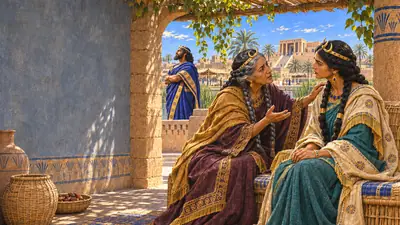
À Nippur, la mère de Ninlil la met en garde contre le canal. Après le viol de Ninlil par Enlil, l’assemblée des dieux le bannit et Ninlil le suit vers le monde souterrain. Le récit de Thorkild Jacobsen retrace l’origine du dieu de la lune et de ses trois frères liés au monde souterrain. Le passage qui donne le nom du troisième frère est endommagé.
SourcesTournez les pages avec les flèches, le clavier ou en balayant l’écran.
LA LUNE ET SES FRÈRES
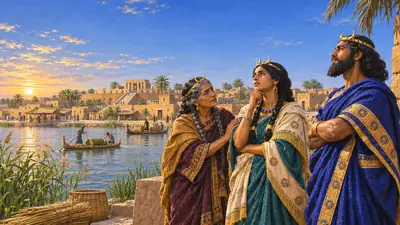
Dans le récit de Thorkild Jacobsen, l’histoire commence à Nippur aux premiers temps. Elle demande comment Sin, la lune, est venu au monde et pourquoi ses trois frères sont liés au monde souterrain.
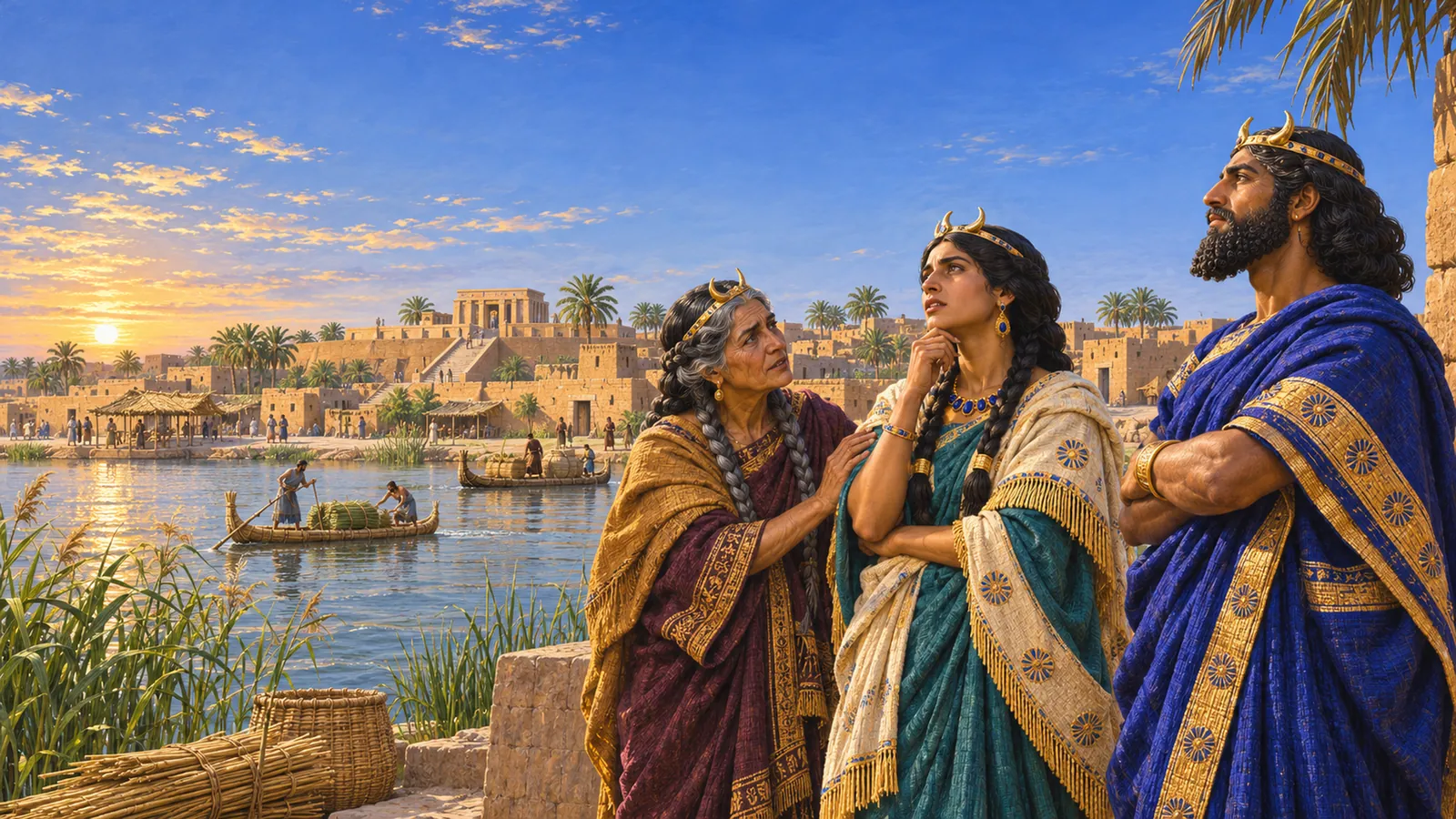
Les vers parlent de vivre dans cette ville, qu’ils nomment d’abord Duranki puis Durgishimmar. Jacobsen identifie ces deux noms comme ceux de Nippur.
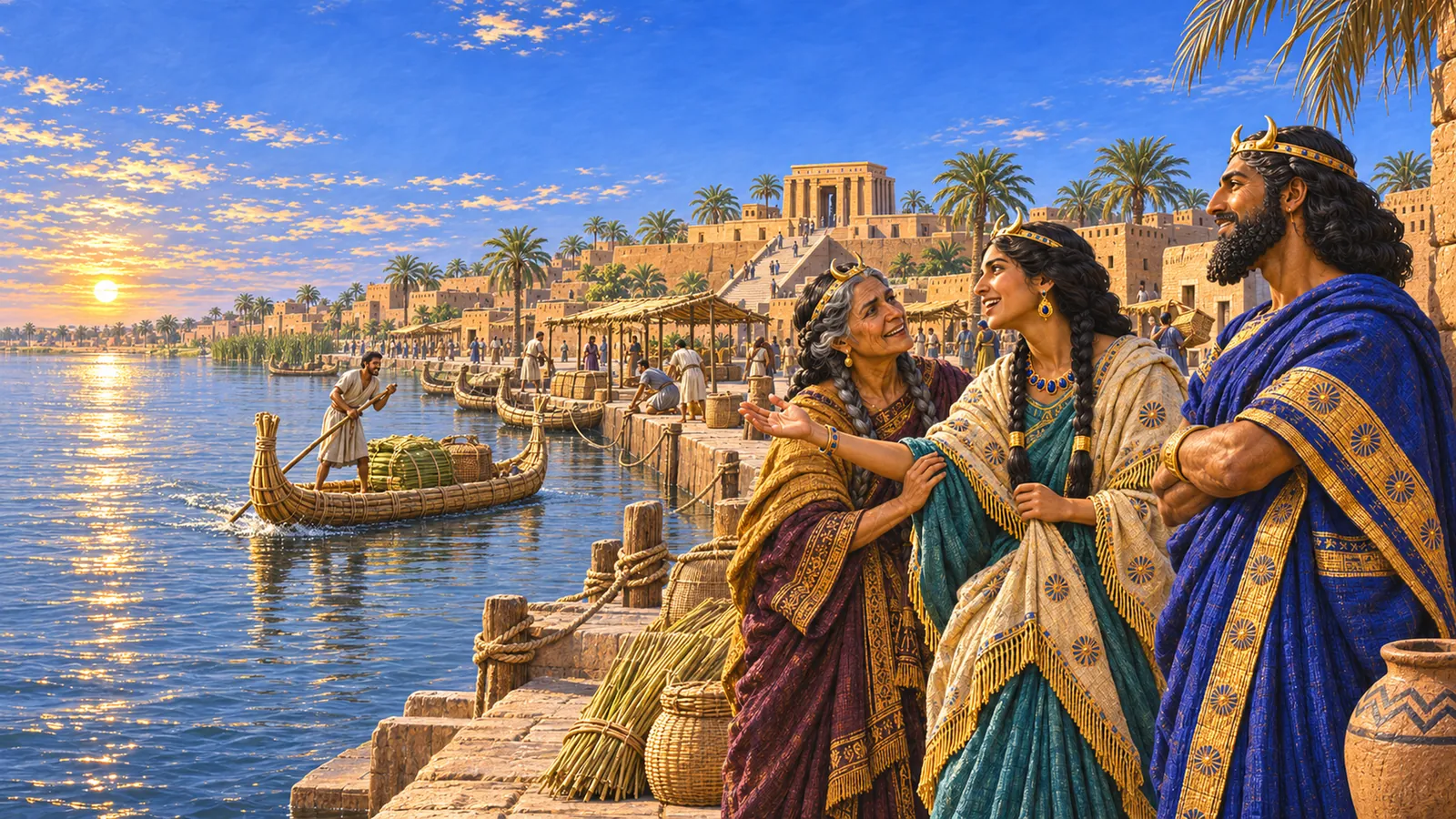
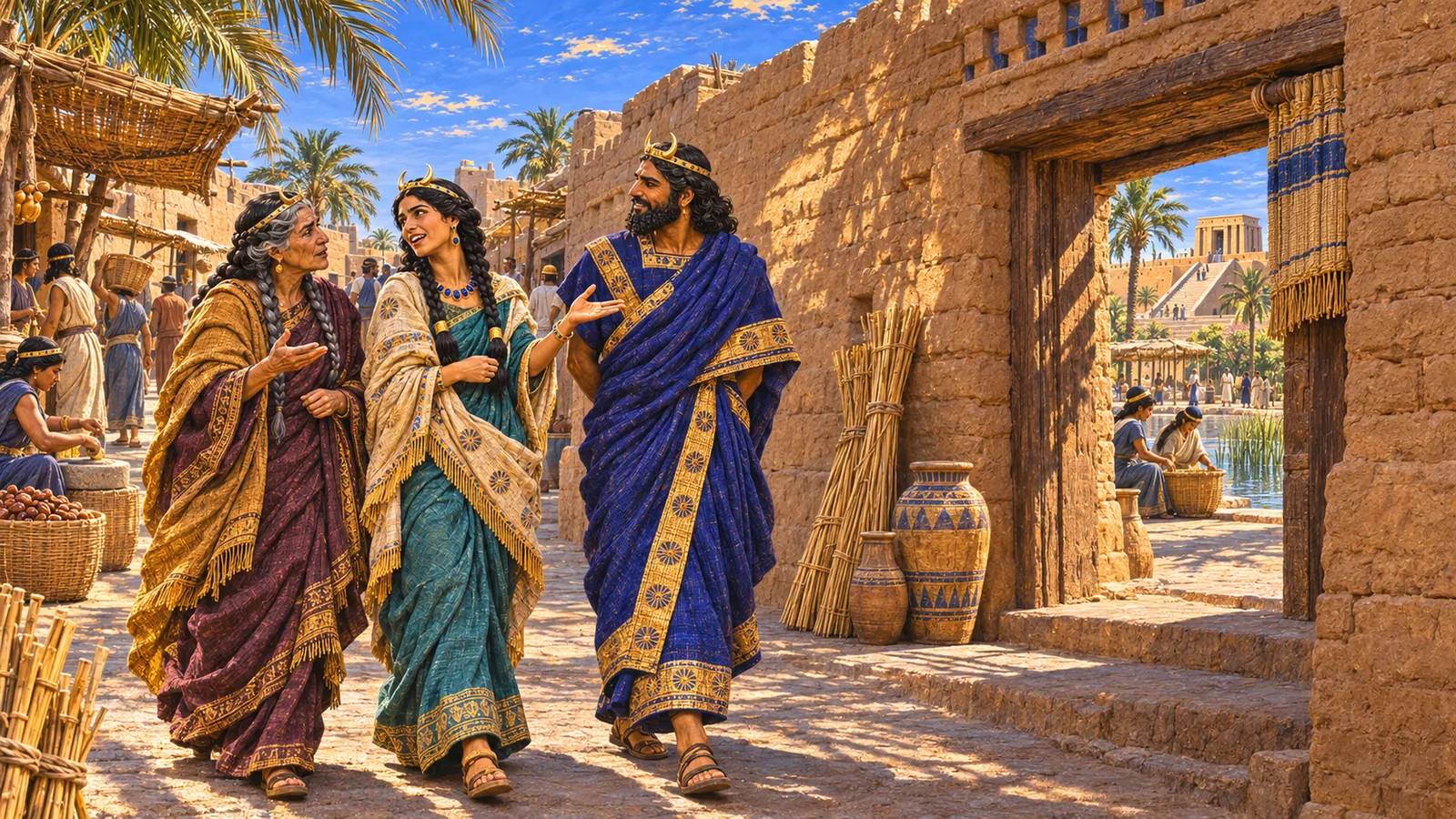
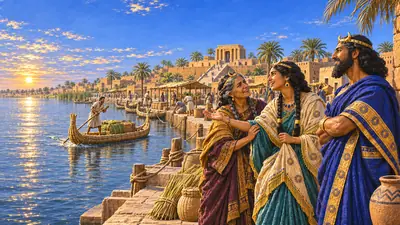
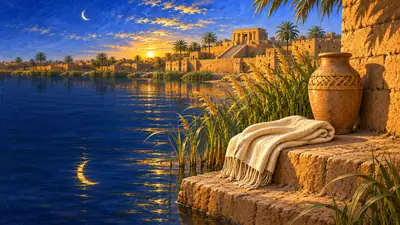
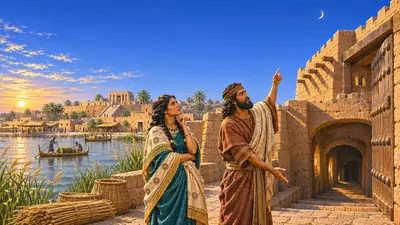
Les vers nomment Idsalla comme le fleuve pur de la ville, Kargeshtinna comme son quai et Karusar comme son port.
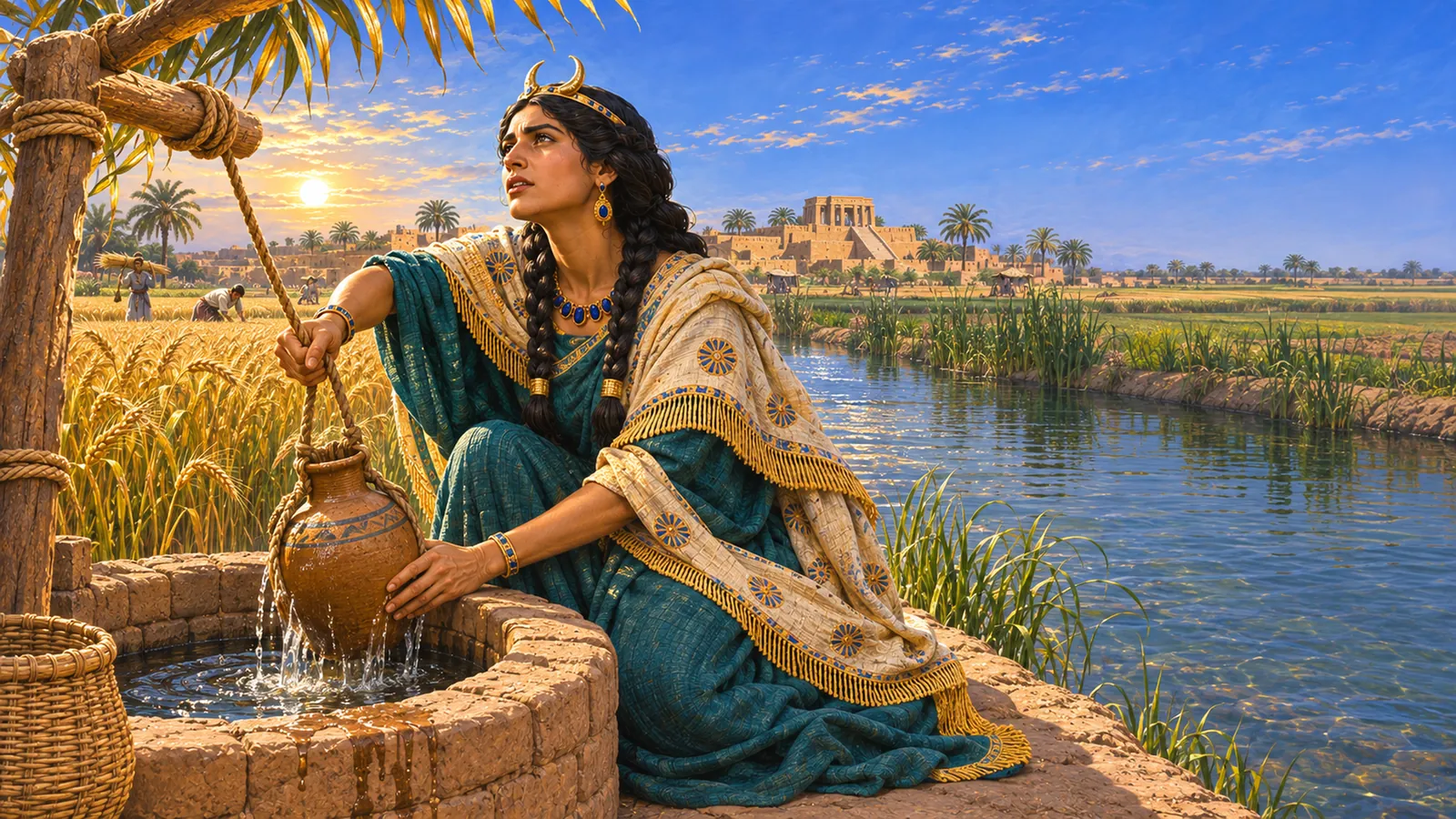
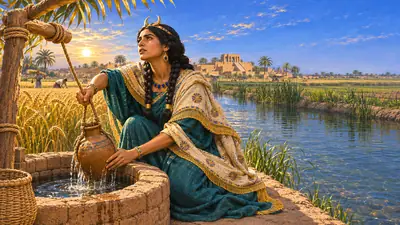
Pulal est le puits d’eau douce et Nunbirdu le canal étincelant, disent les vers. À les mesurer, les champs cultivés font au moins dix iku chacun.
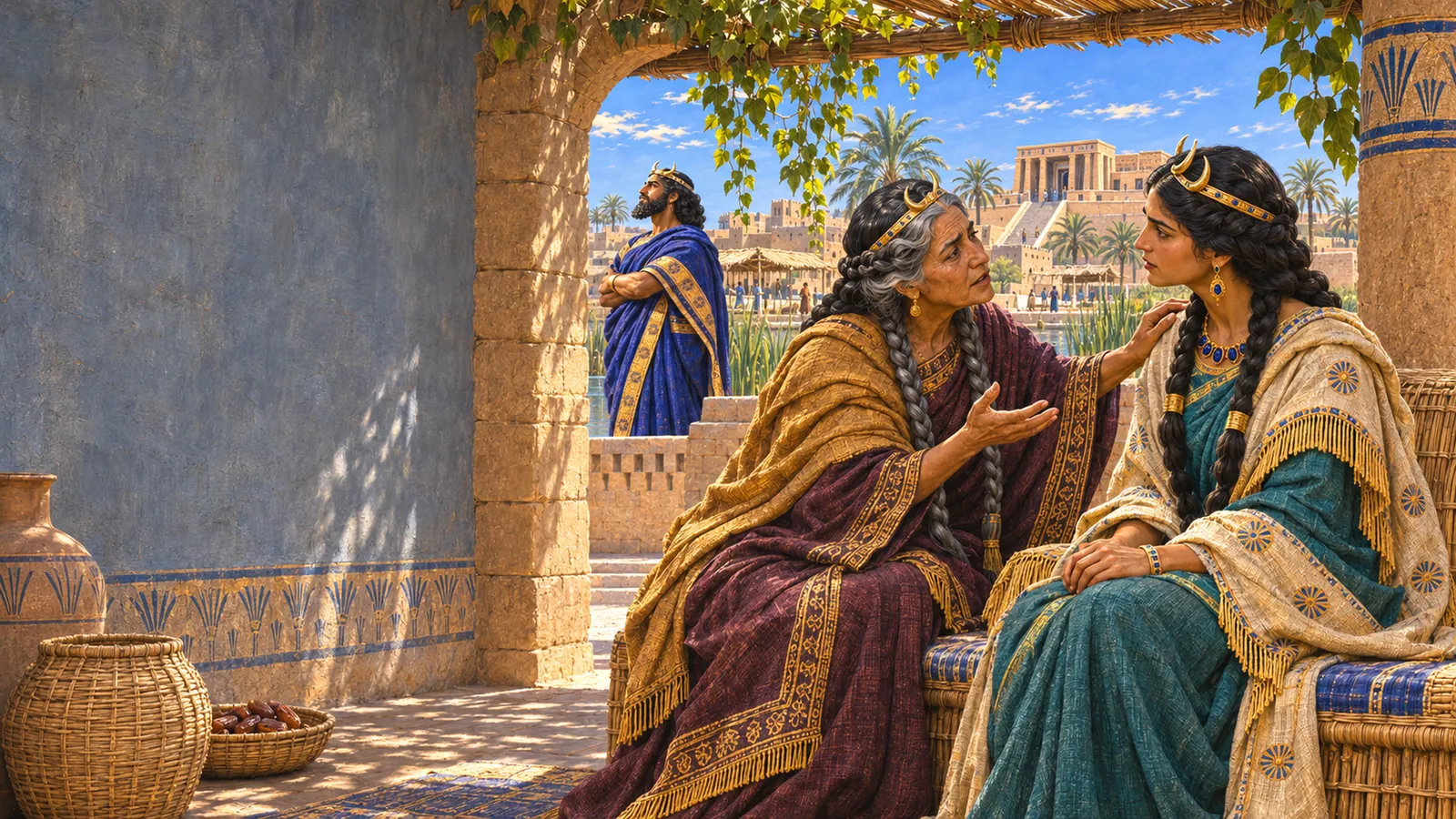
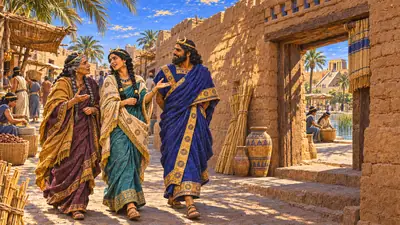
Les vers nomment Enlil comme le jeune homme de la ville et Ninlil comme la jeune femme. Ils nomment Ninshebargunu comme la mère de Ninlil.
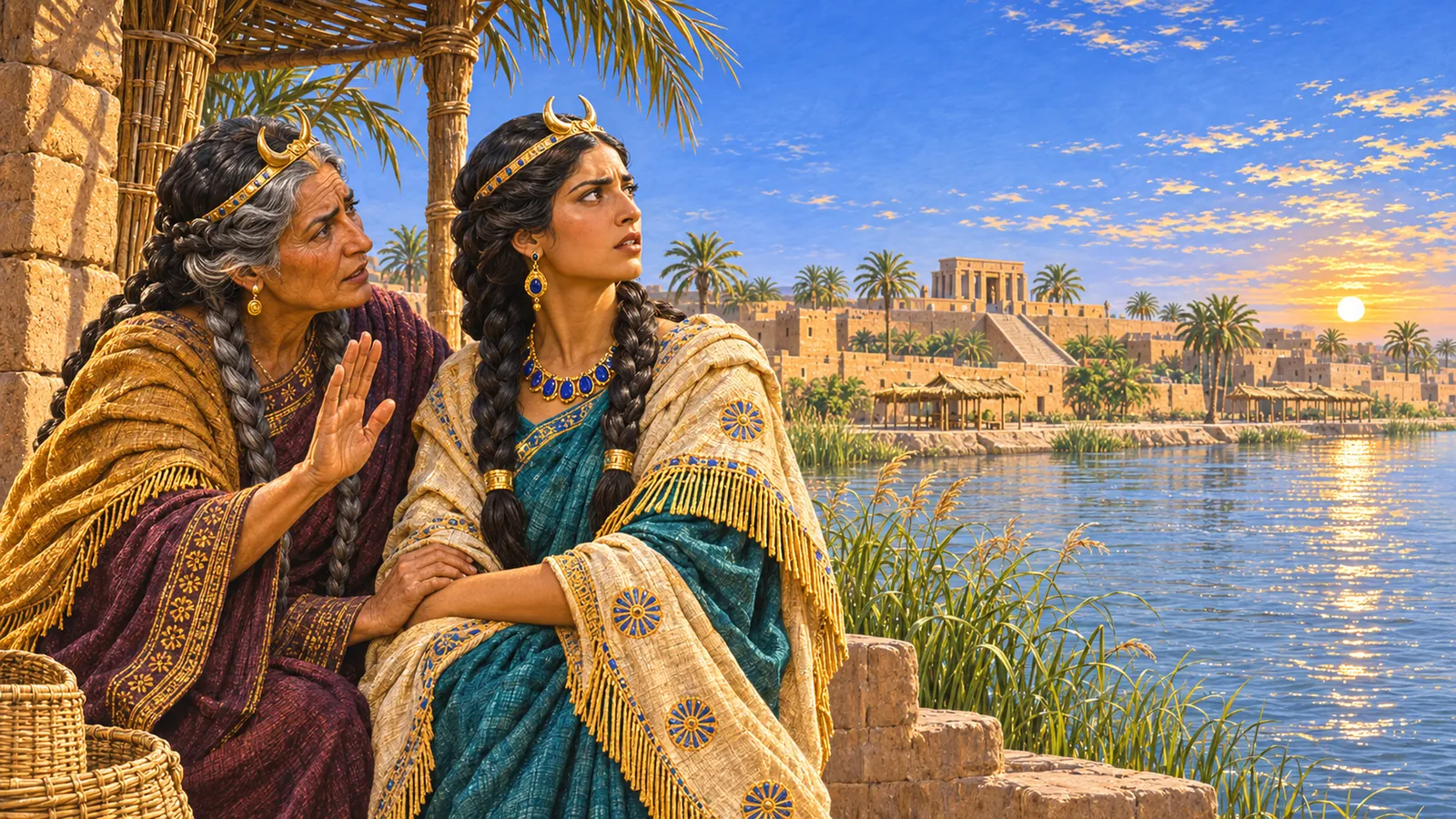
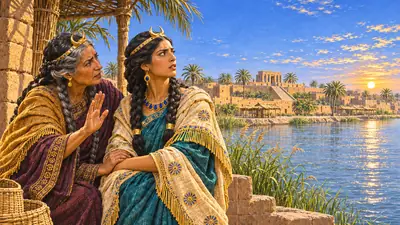
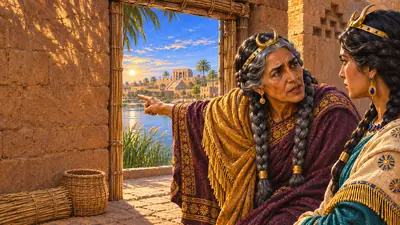
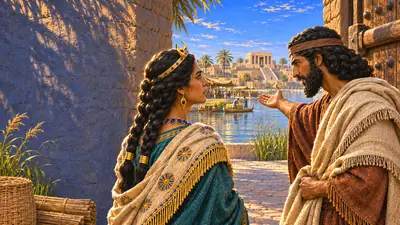
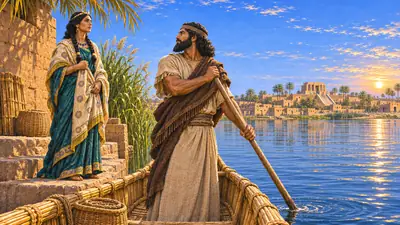
Ninshebargunu avertit à plusieurs reprises sa fille Ninlil de ne pas se baigner dans le courant pur. Elle lui dit aussi de ne pas monter sur la berge du canal Nunbirdu.
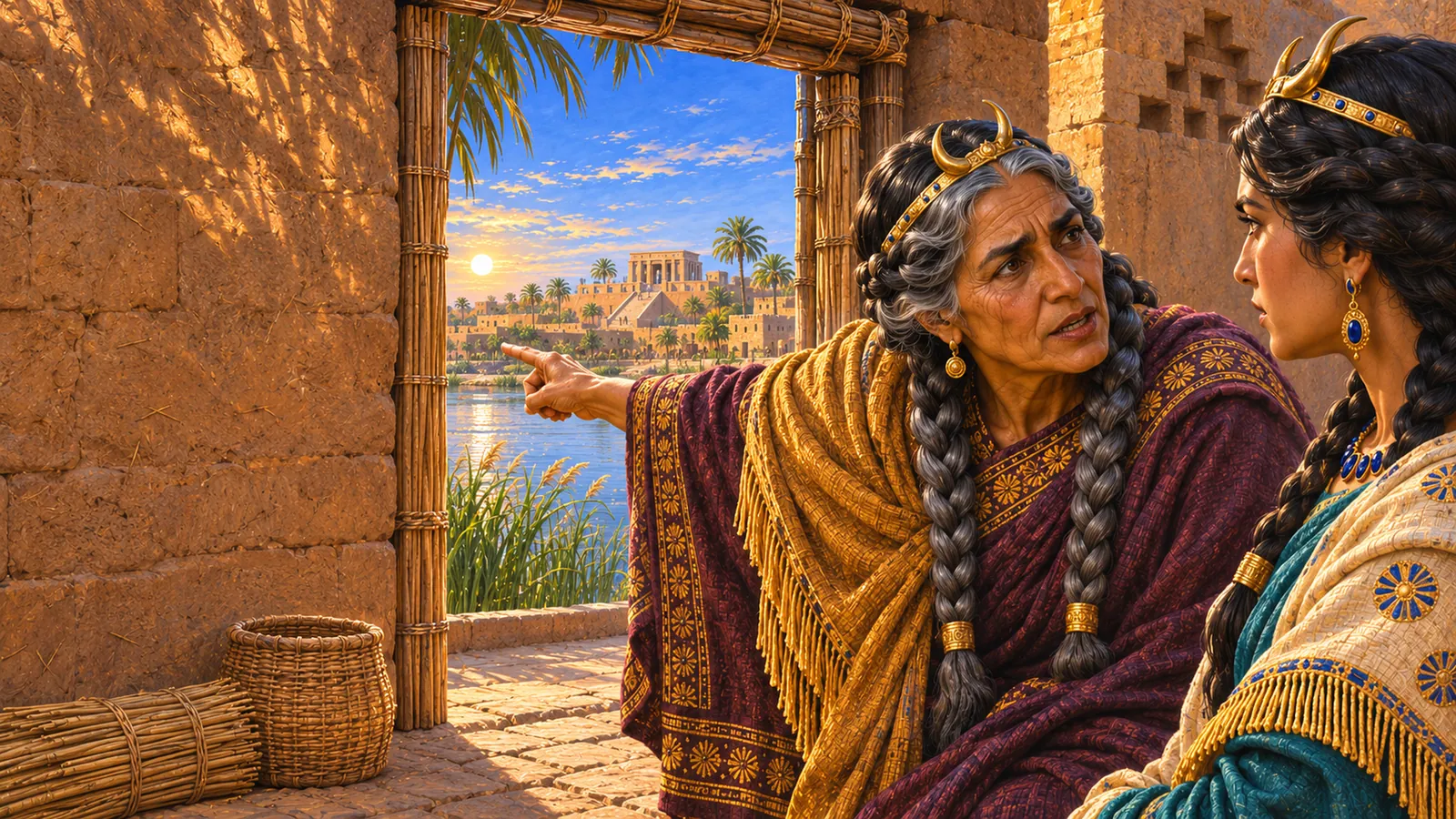
Elle avertit qu’Enlil verra Ninlil, l’enlacera et l’embrassera. Elle le nomme père Enlil, la grande montagne et celui qui fixe les destins.
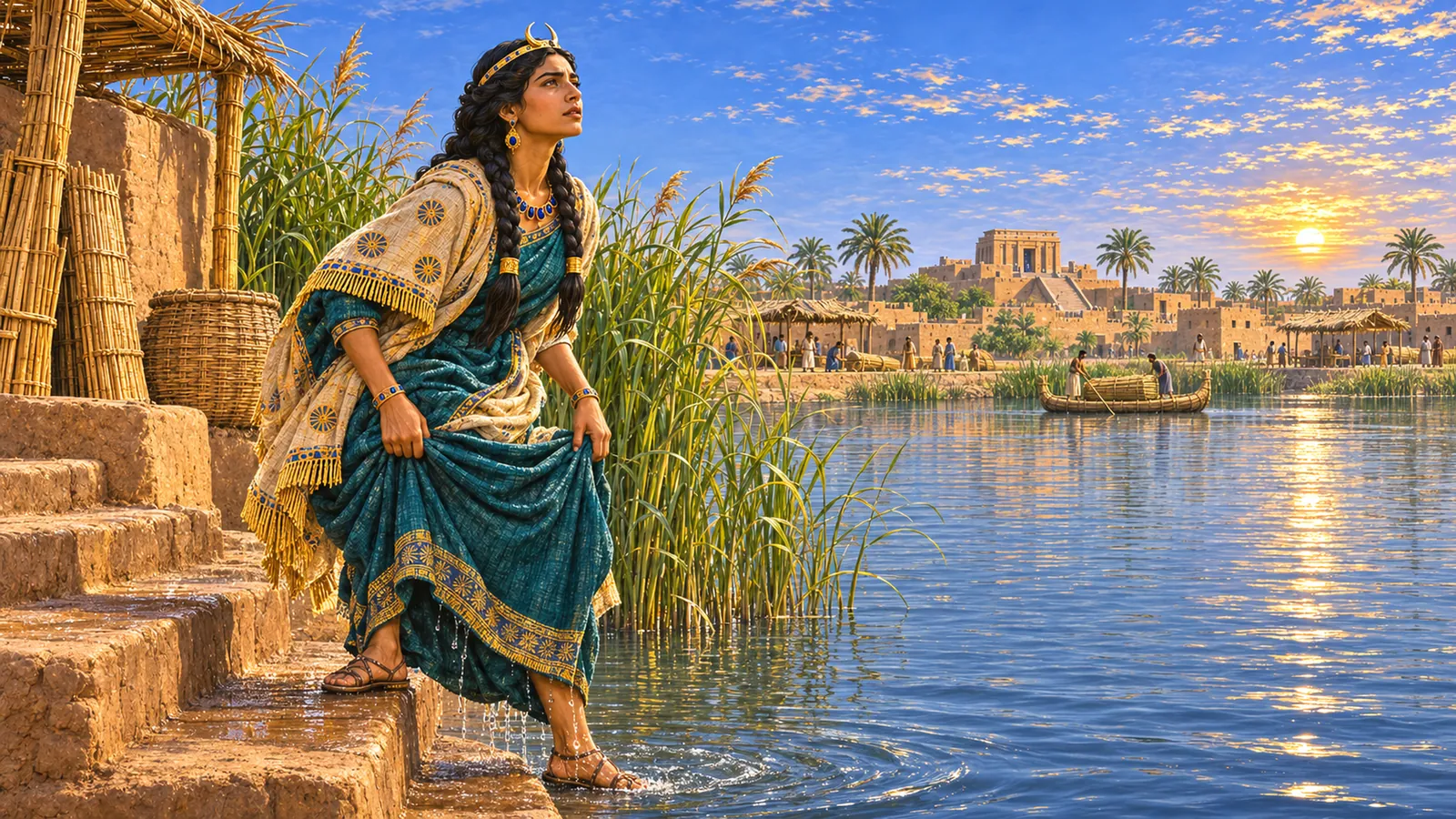
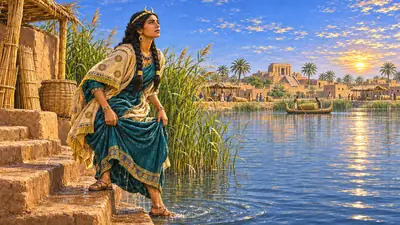
Les vers demandent si Ninlil a écouté sa mère. Ils disent ensuite qu’elle se baigne dans le courant pur et monte sur la berge de Nunbirdu.
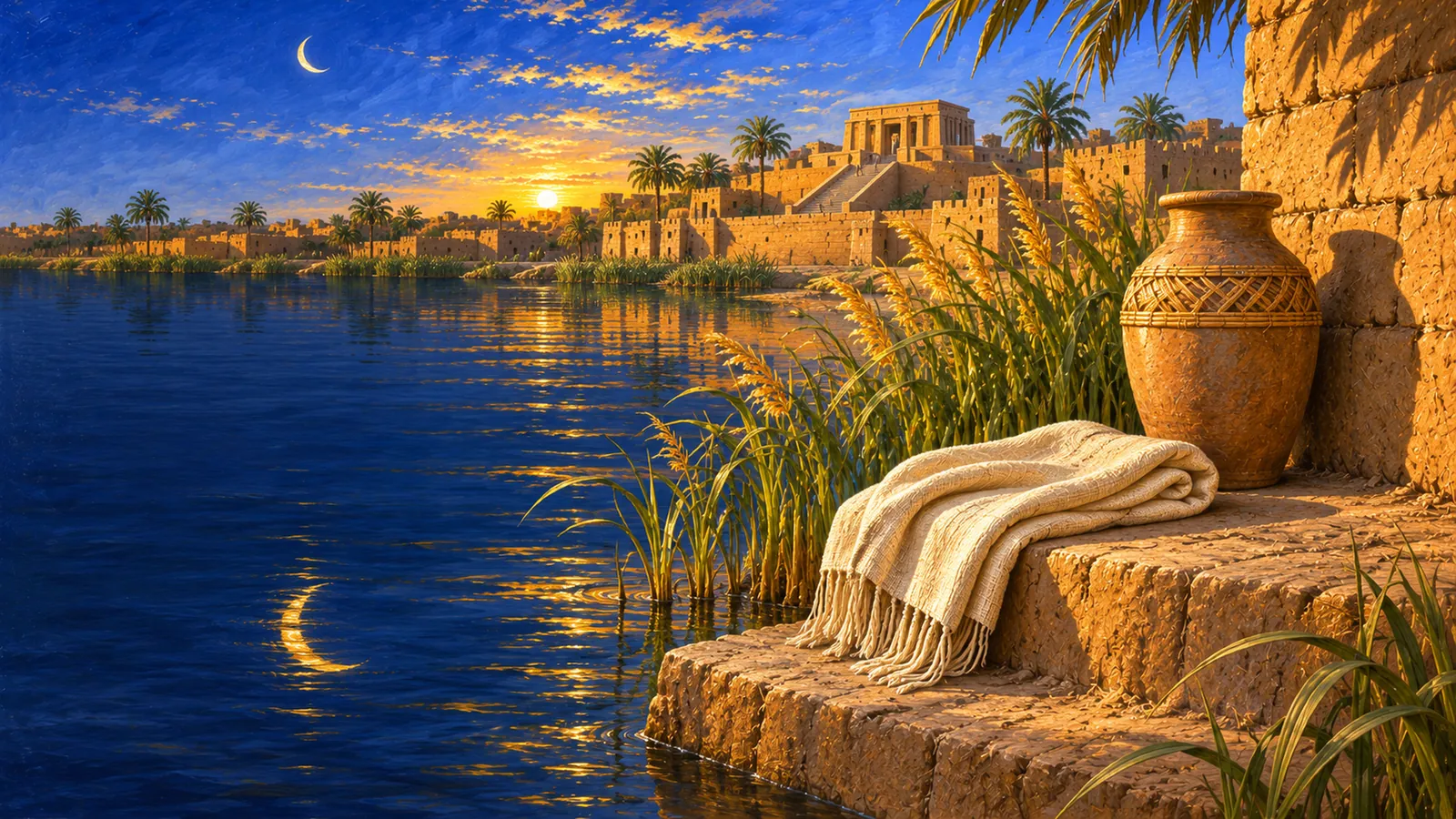
Jacobsen dit qu’Enlil viole Ninlil après qu’elle l’a repoussé et qu’elle devient enceinte de Sin, le dieu de la lune.
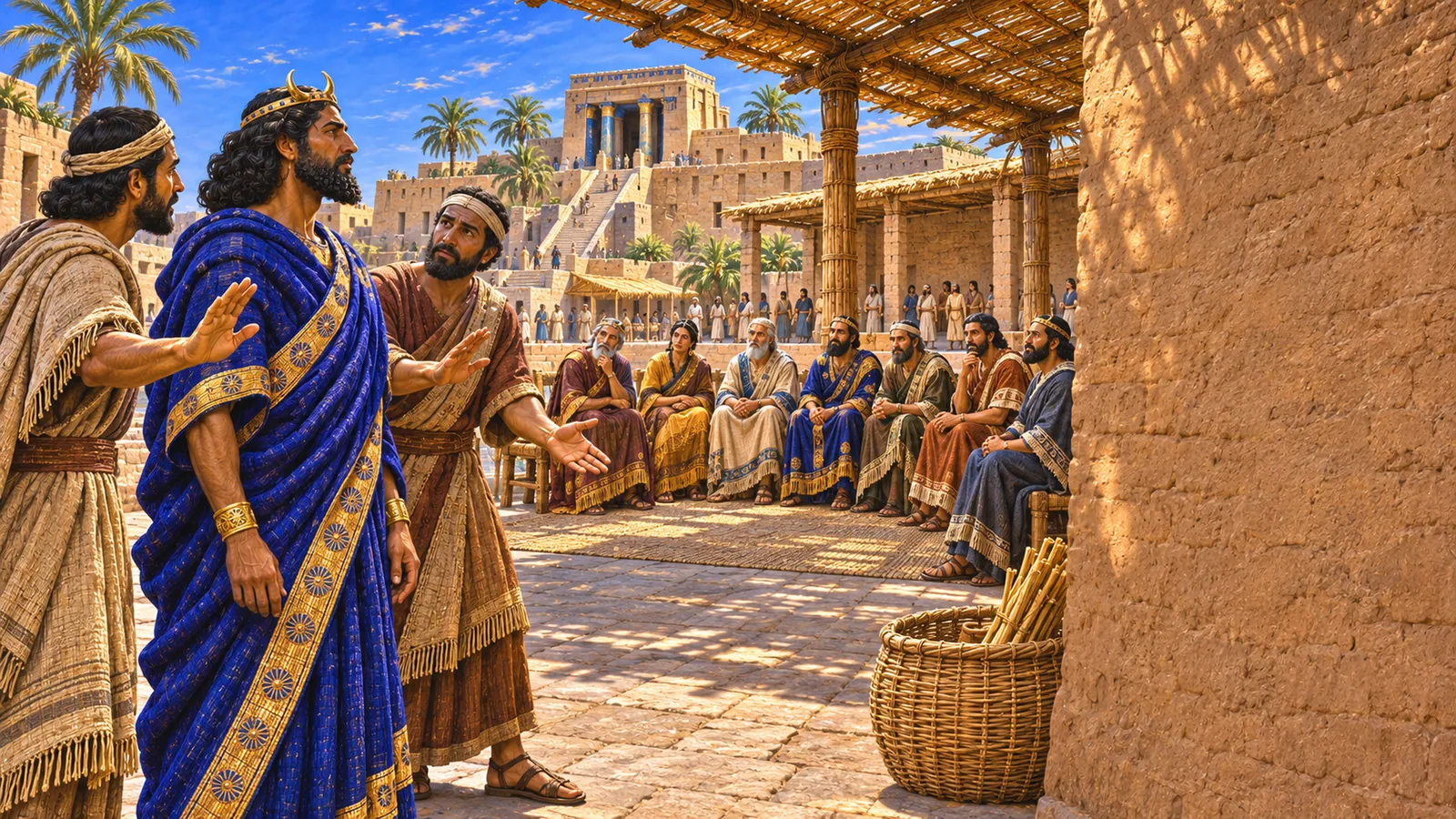
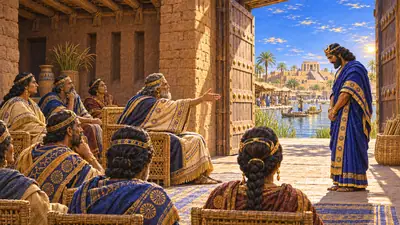
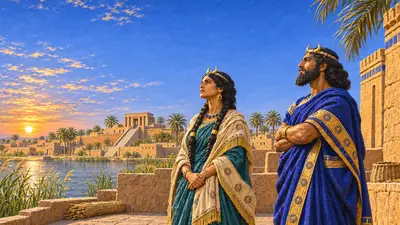
Les vers disent qu’Enlil entre à Kiur et qu’il y est arrêté. Les cinquante grands dieux et les sept dont la parole est décisive ordonnent son arrestation.
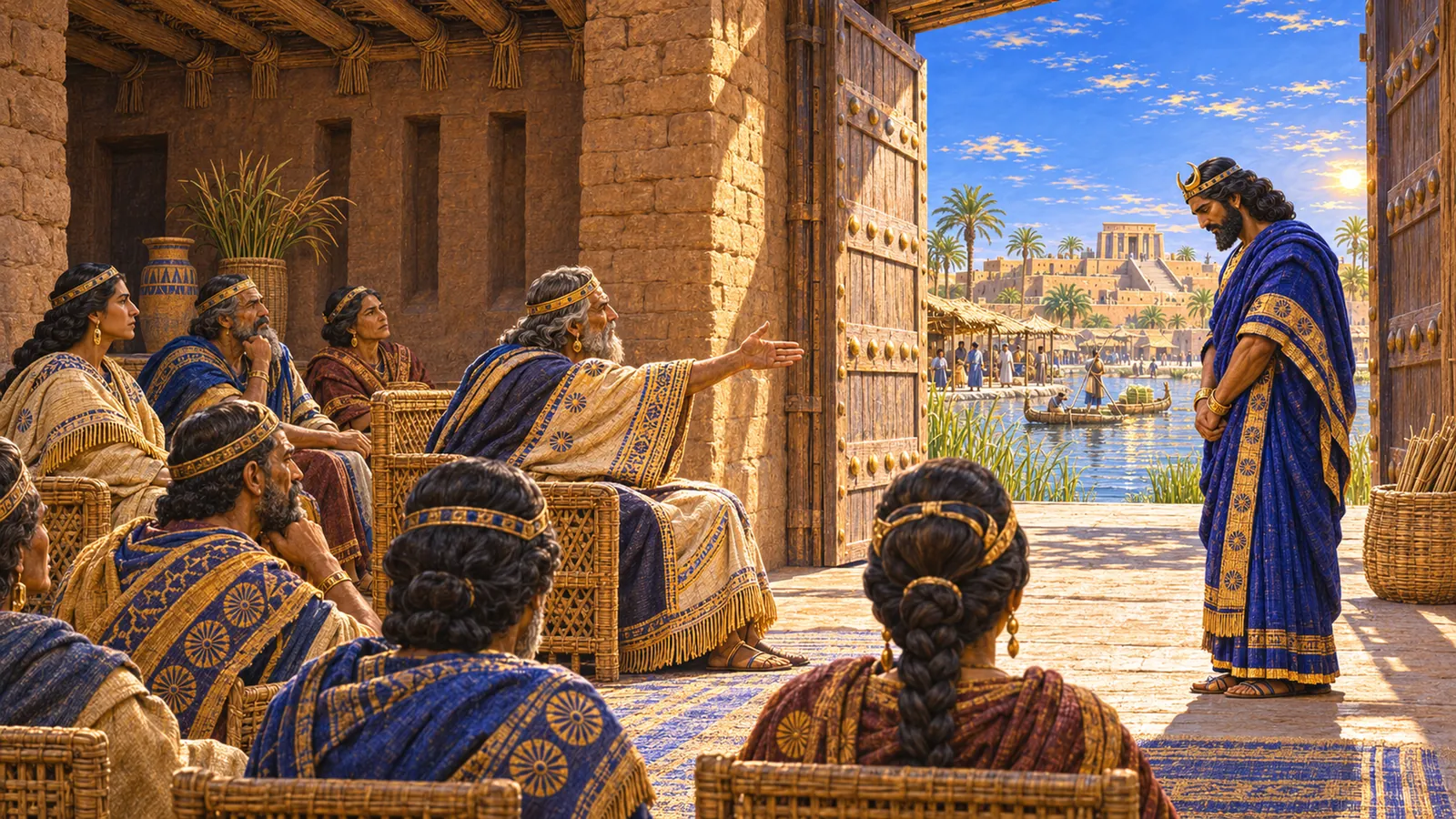
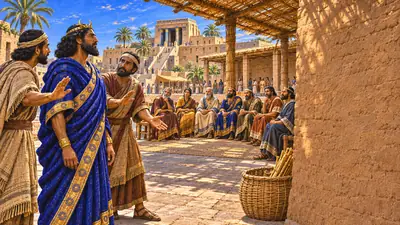
L’assemblée dit à Enlil, aussi appelé Nunamnir, de quitter la ville. Jacobsen explique que le terme qu’elle emploie désigne une personne soumise à un tabou sexuel.
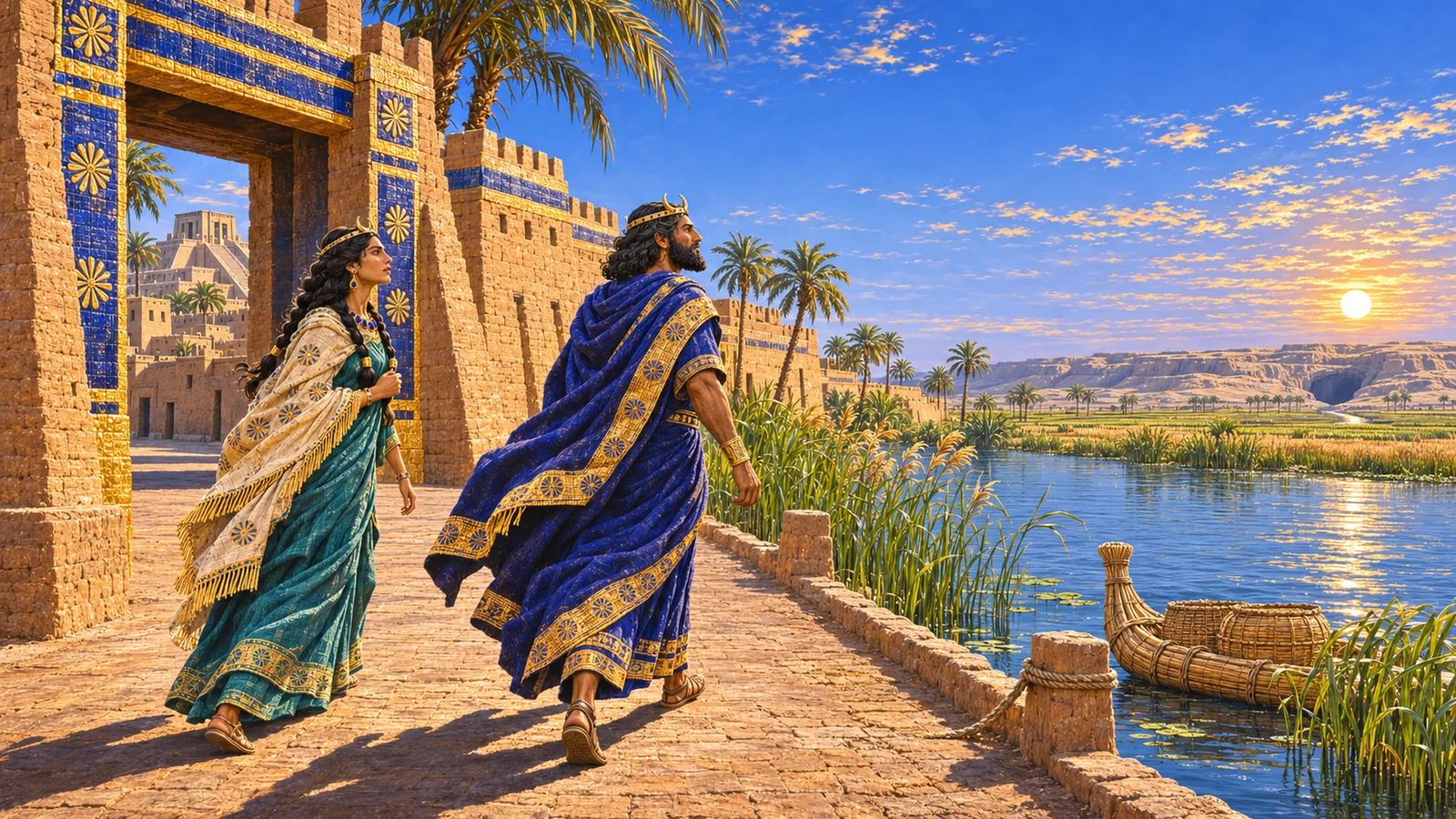
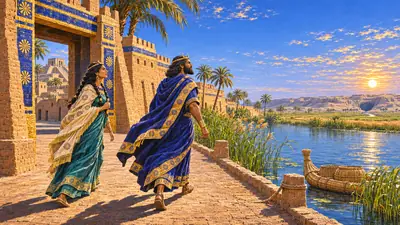
Enlil obéit au verdict et part. Jacobsen dit qu’il va vers le monde souterrain, et les vers disent que Ninlil le suit.
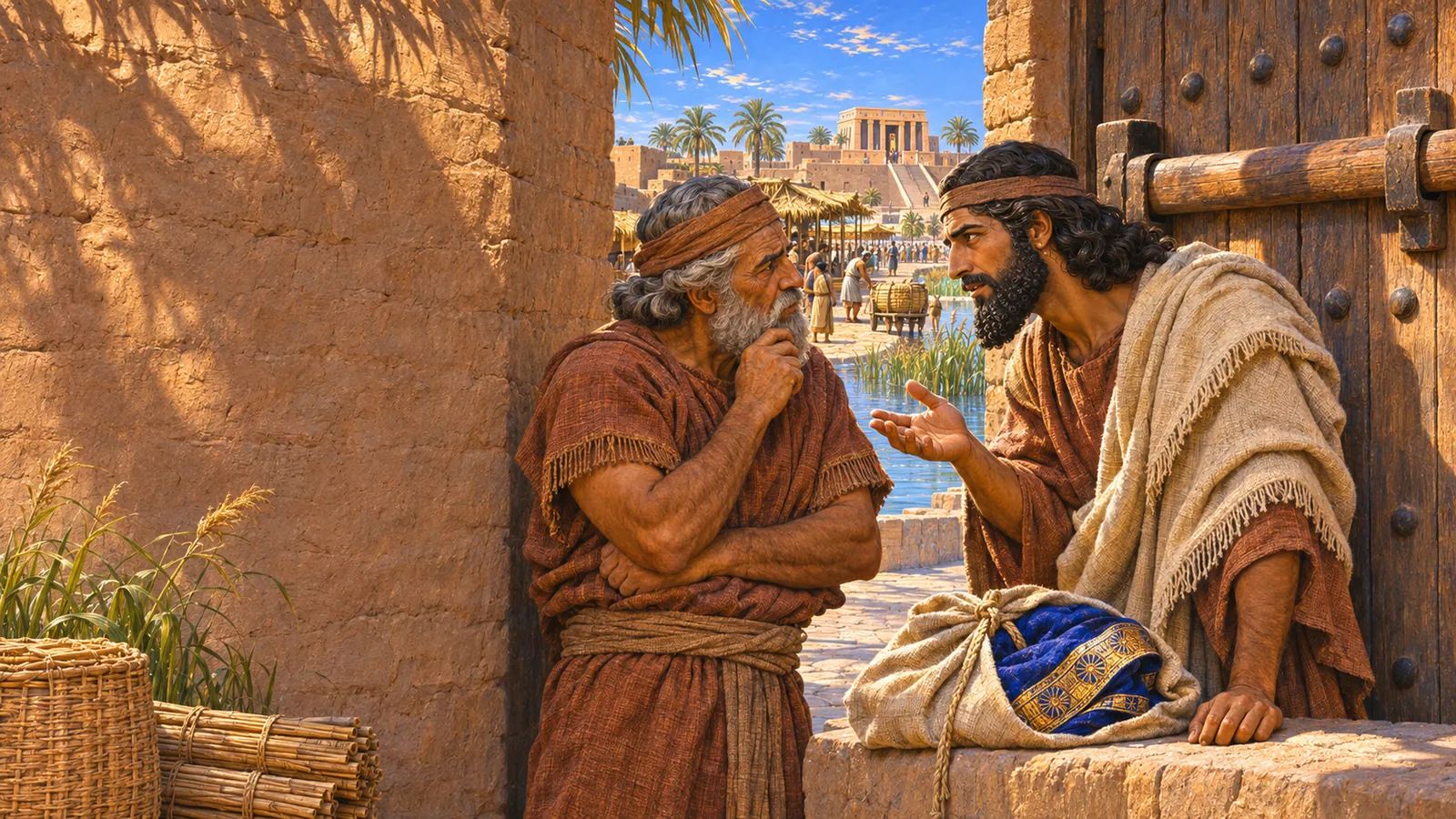
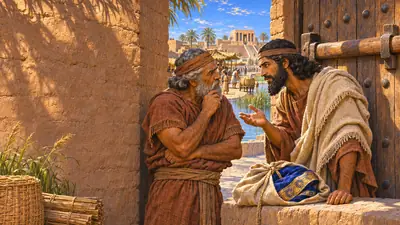
Jacobsen comprend qu’Enlil craint que d’autres fassent du mal à Ninlil. Il dit qu’Enlil prend la place et l’apparence du gardien et lui ordonne de taire où il se trouve.
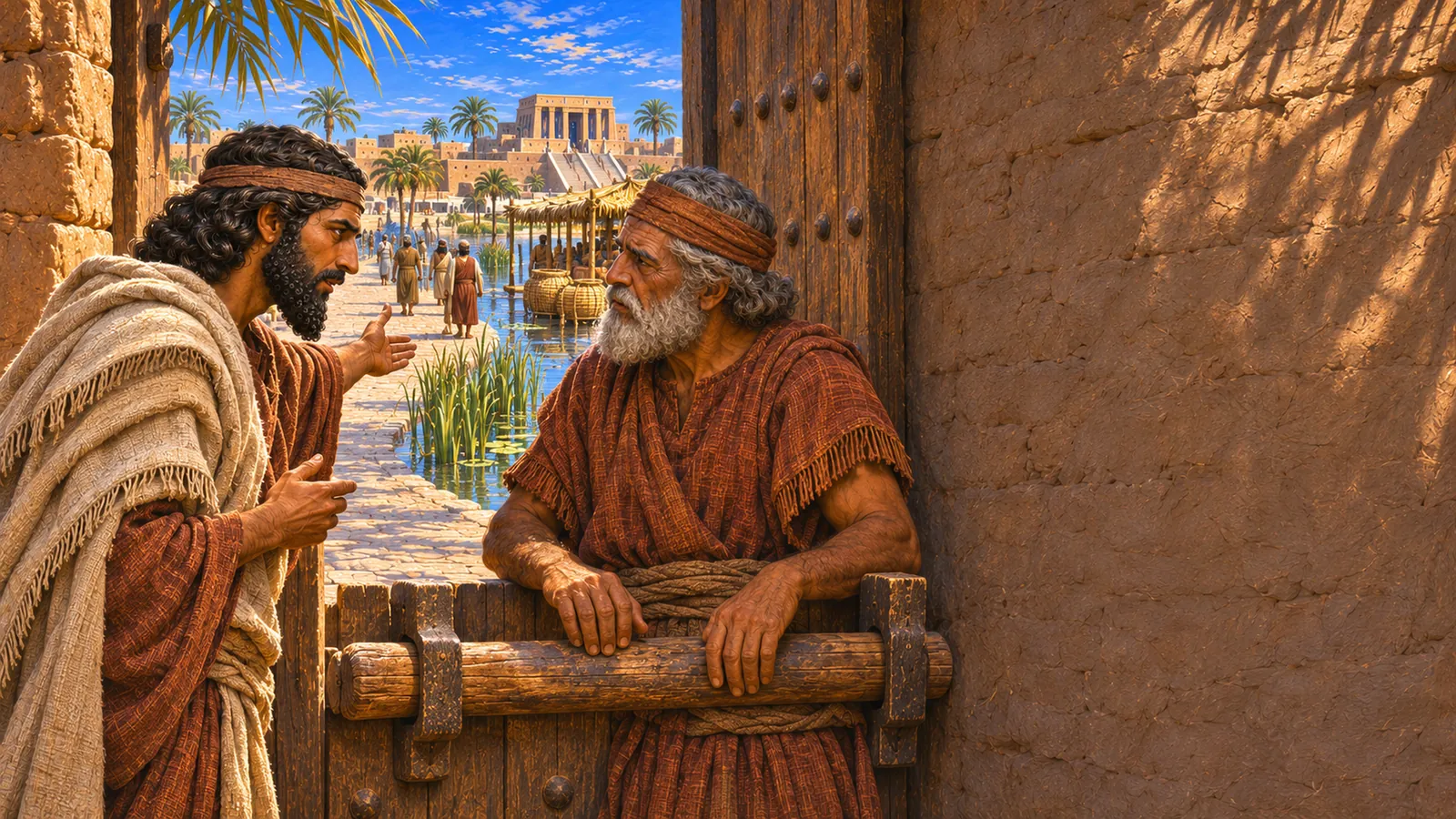
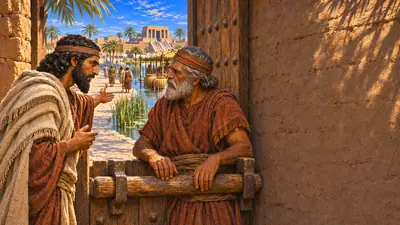
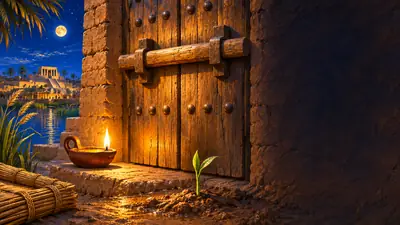
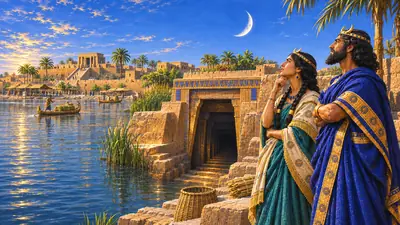
Enlil appelle le gardien de la porte, de la serrure, du verrou et du verrou sacré. La reine Ninlil arrive, et il ordonne au gardien de taire où il se trouve si elle le demande.
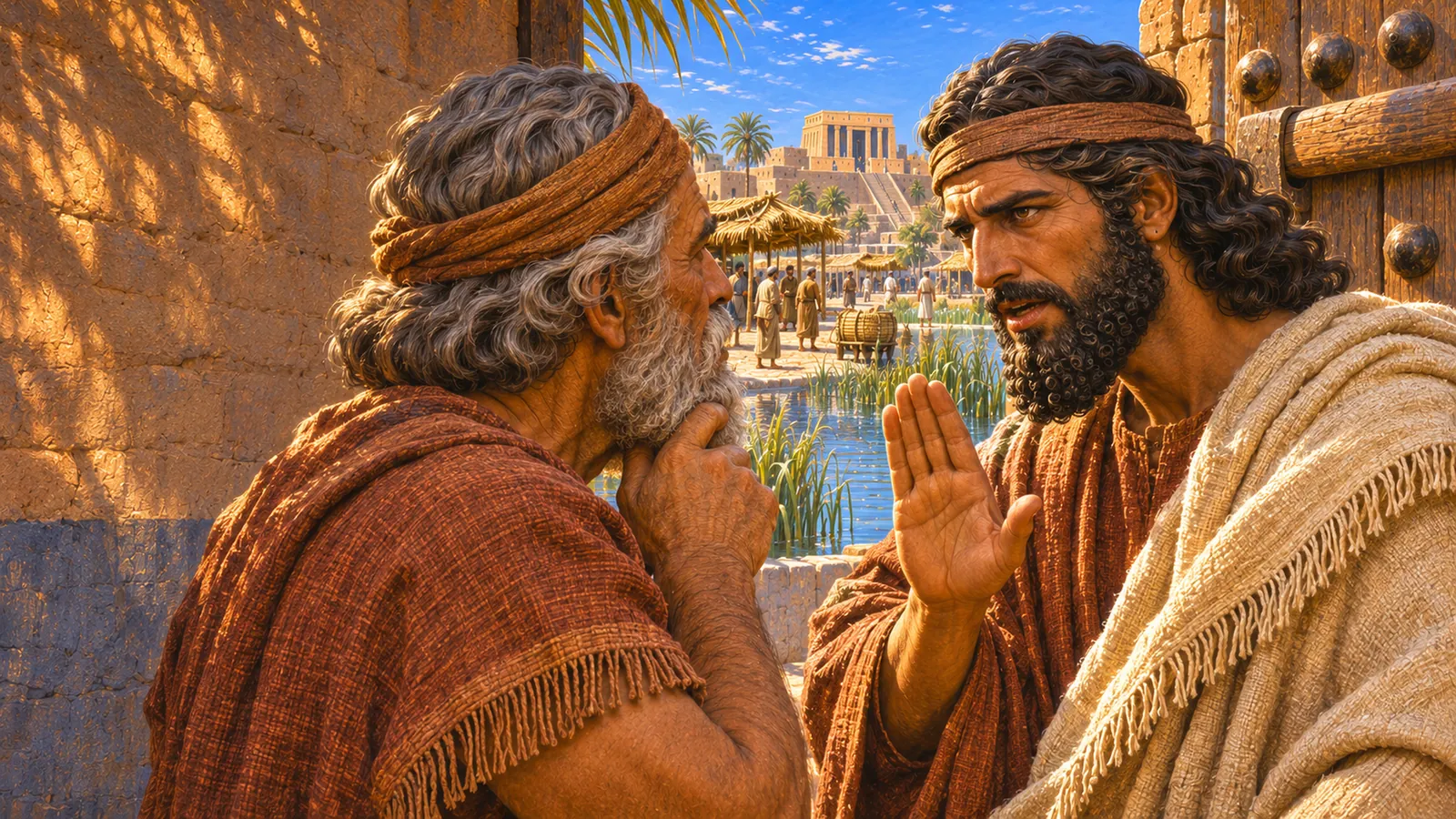
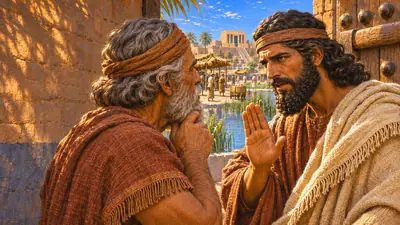
Enlil s’adresse de nouveau au gardien et lui annonce que Ninlil arrive. Il lui interdit de l’étreindre ou de l’embrasser. Dans ses propres paroles, Enlil présente son regard antérieur comme une marque de faveur.
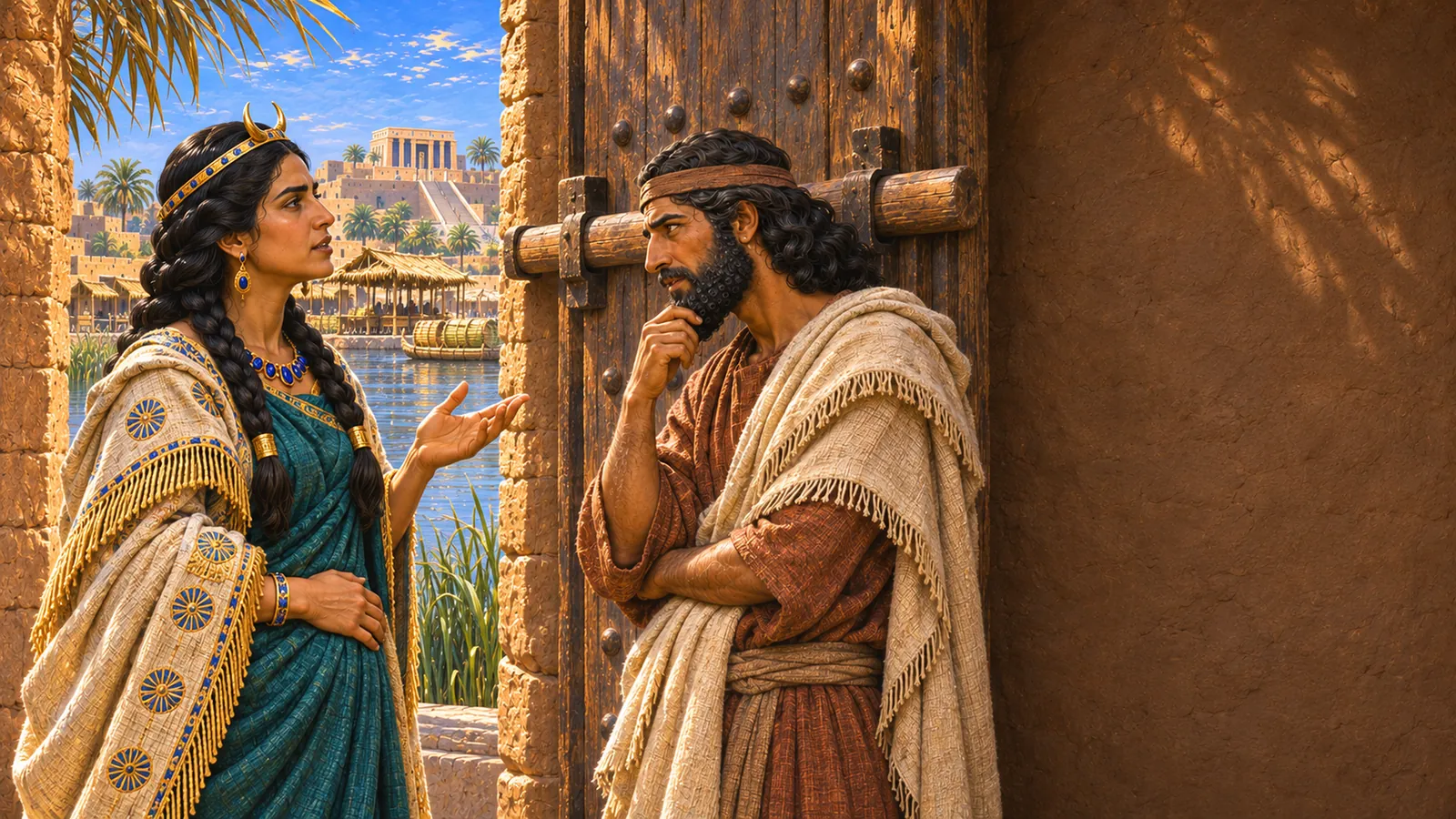
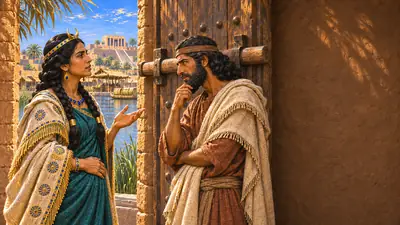
Jacobsen dit que Ninlil prend Enlil déguisé pour le gardien. Il prétend que son roi l’a recommandée, et elle répond qu’elle est sa reine et porte Sin, l’enfant d’Enlil.
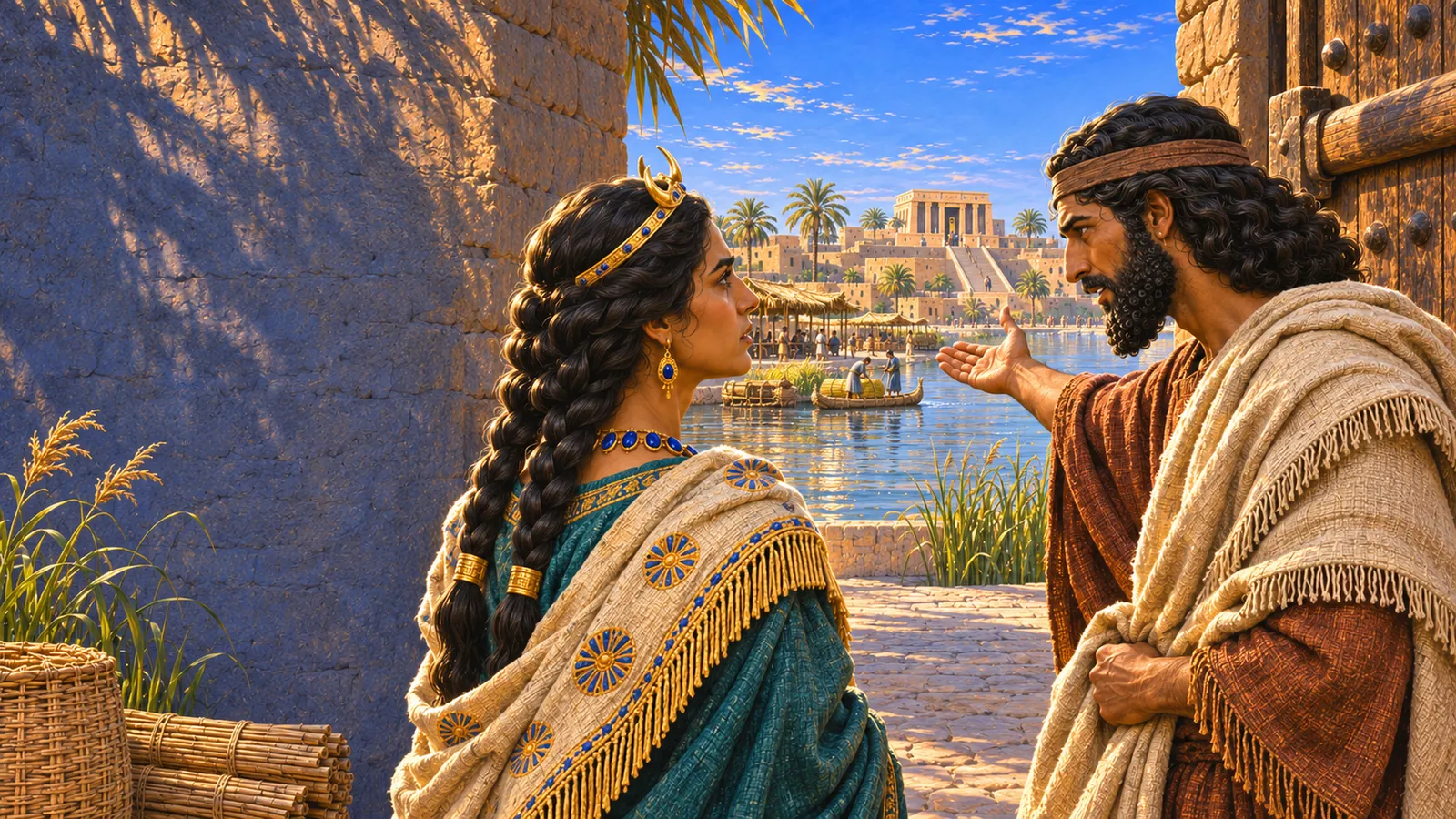
Jacobsen estime que le gardien déguisé fait peut-être semblant de craindre pour Sin. Il propose qu’un autre enfant naisse pour le monde des morts à la place du dieu-lune.
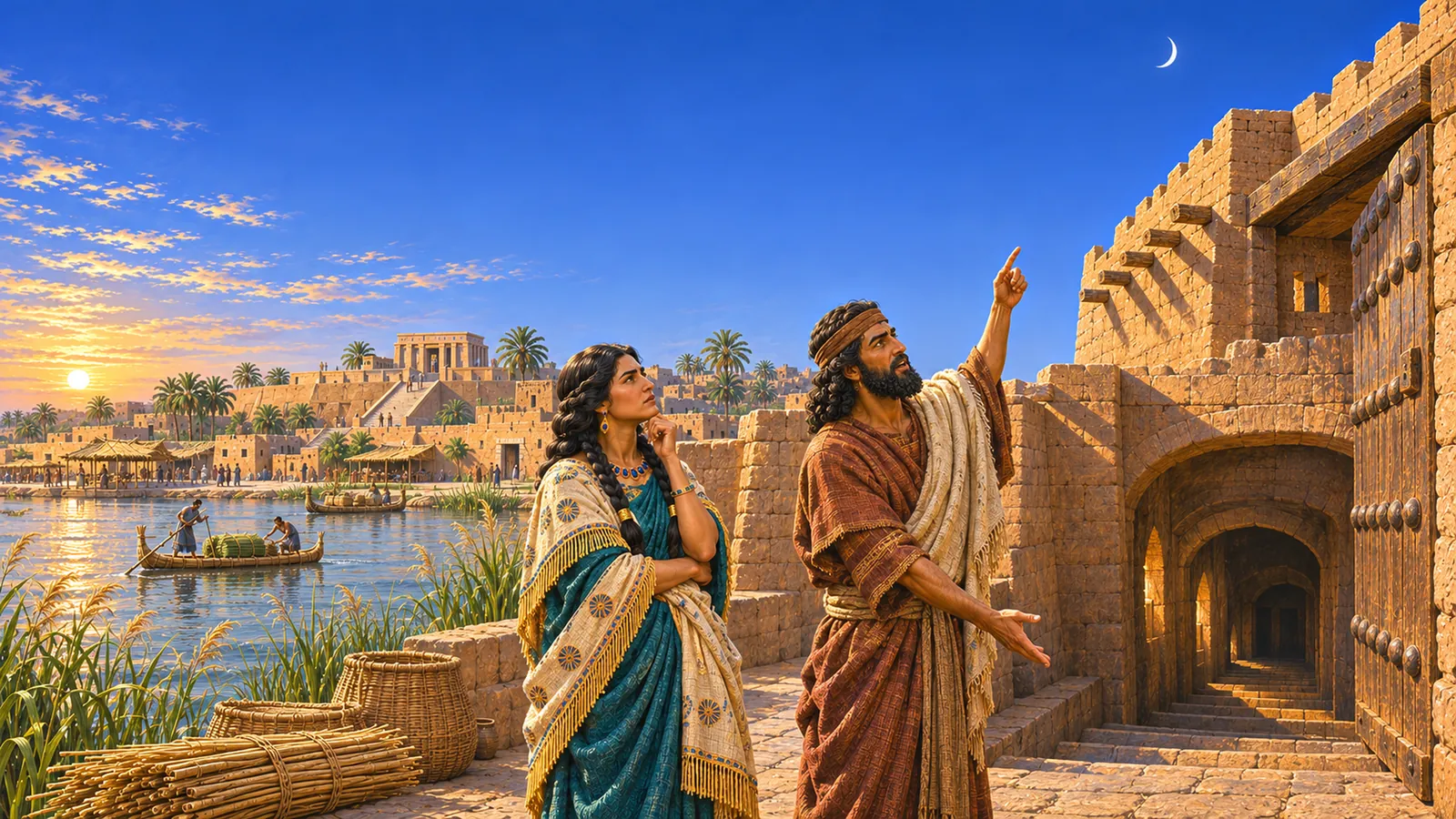
Le locuteur déguisé souhaite que le précieux enfant du roi aille au ciel. Il dit que son propre fils devrait aller au monde des morts et prendre la place de l’autre enfant.
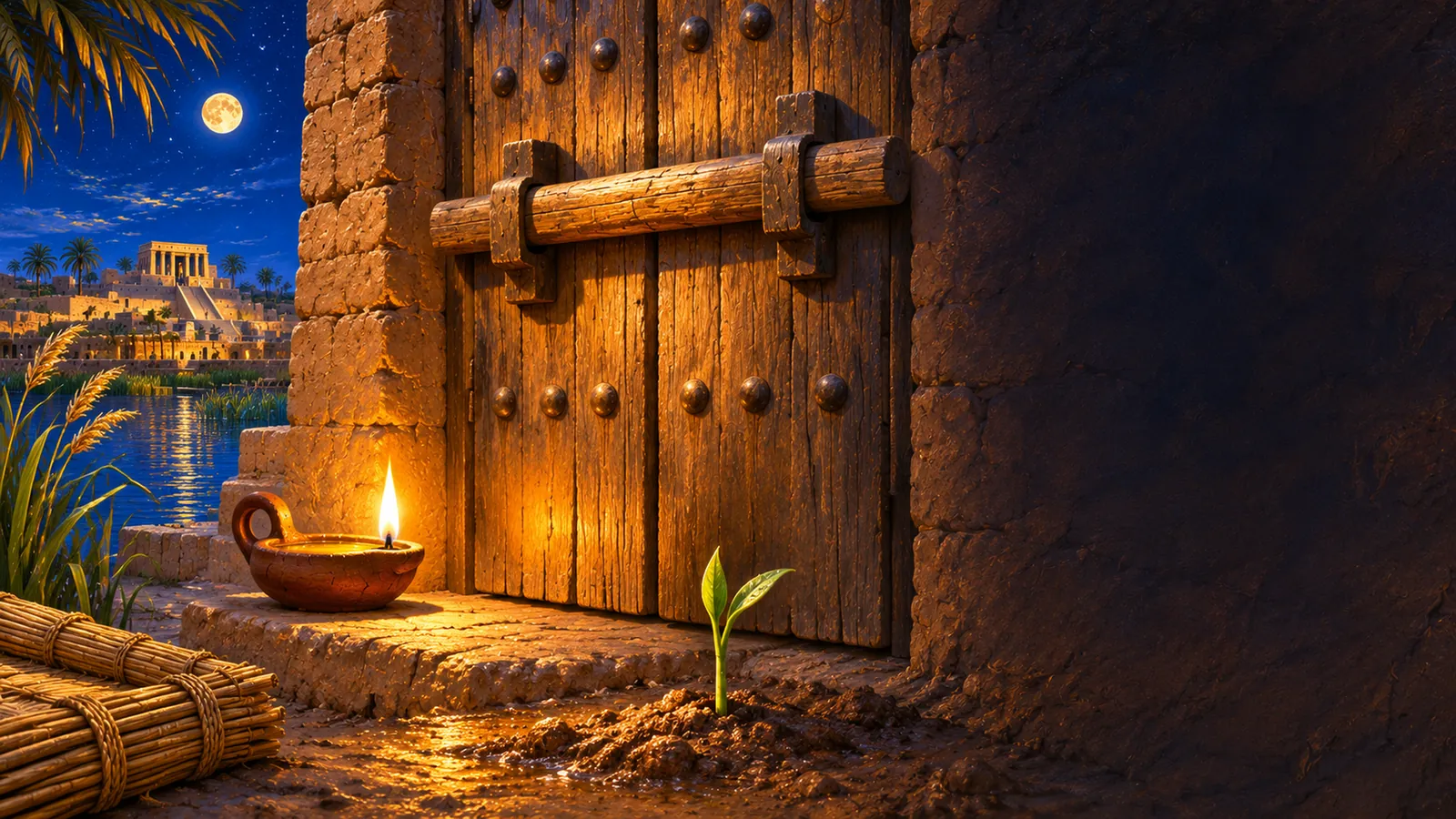
Jacobsen dit qu’Enlil a un rapport sexuel avec Ninlil sous l’apparence du gardien et qu’elle tombe enceinte de Meslamtaea, qu’il identifie comme un frère de Sin.
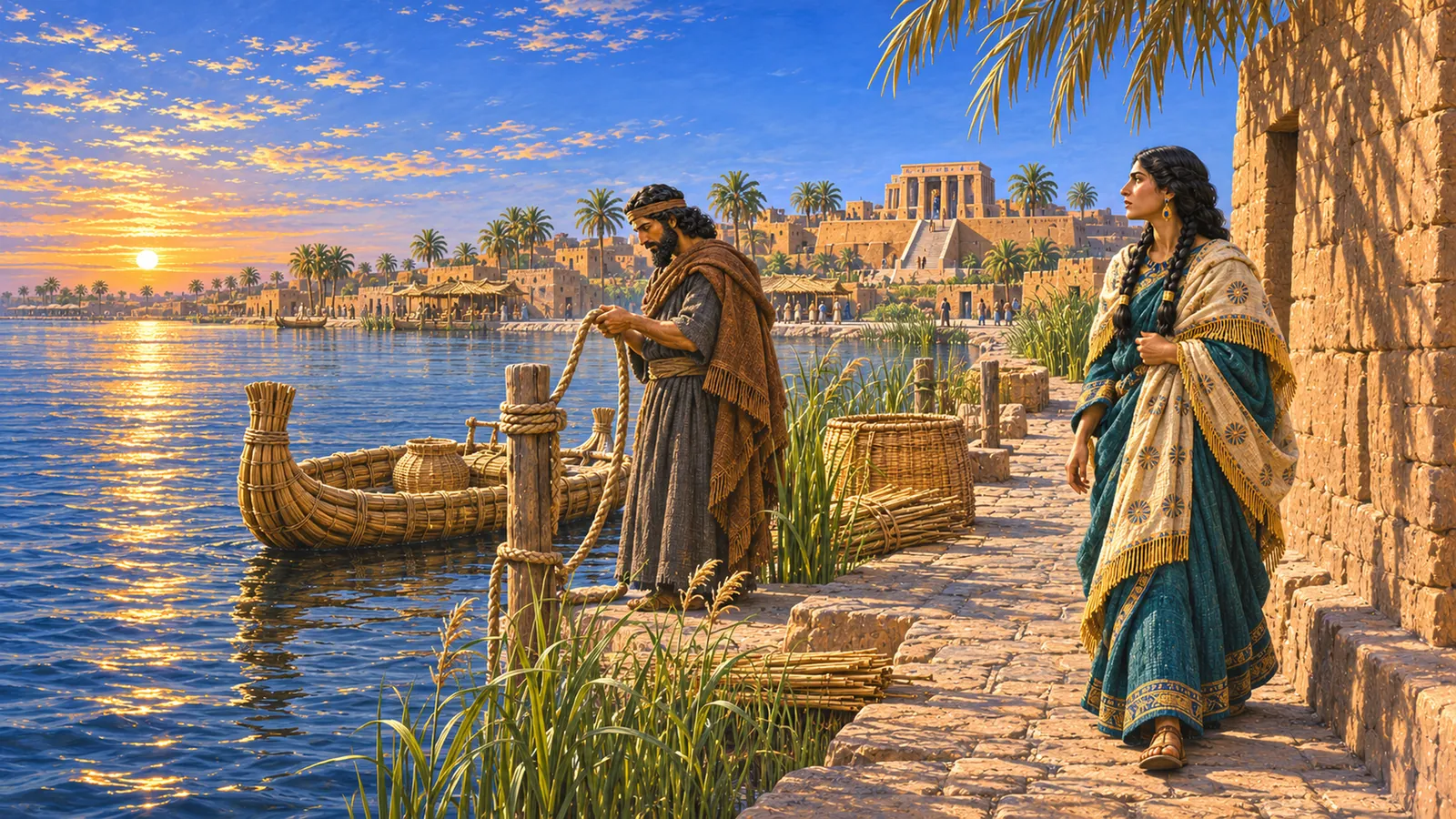
Dans le récit de Jacobsen, Ninlil suit Enlil qui poursuit sa route. Il prend l’apparence de l’homme de la rivière du monde des morts, et Ninazu est conçu lors de cette rencontre.
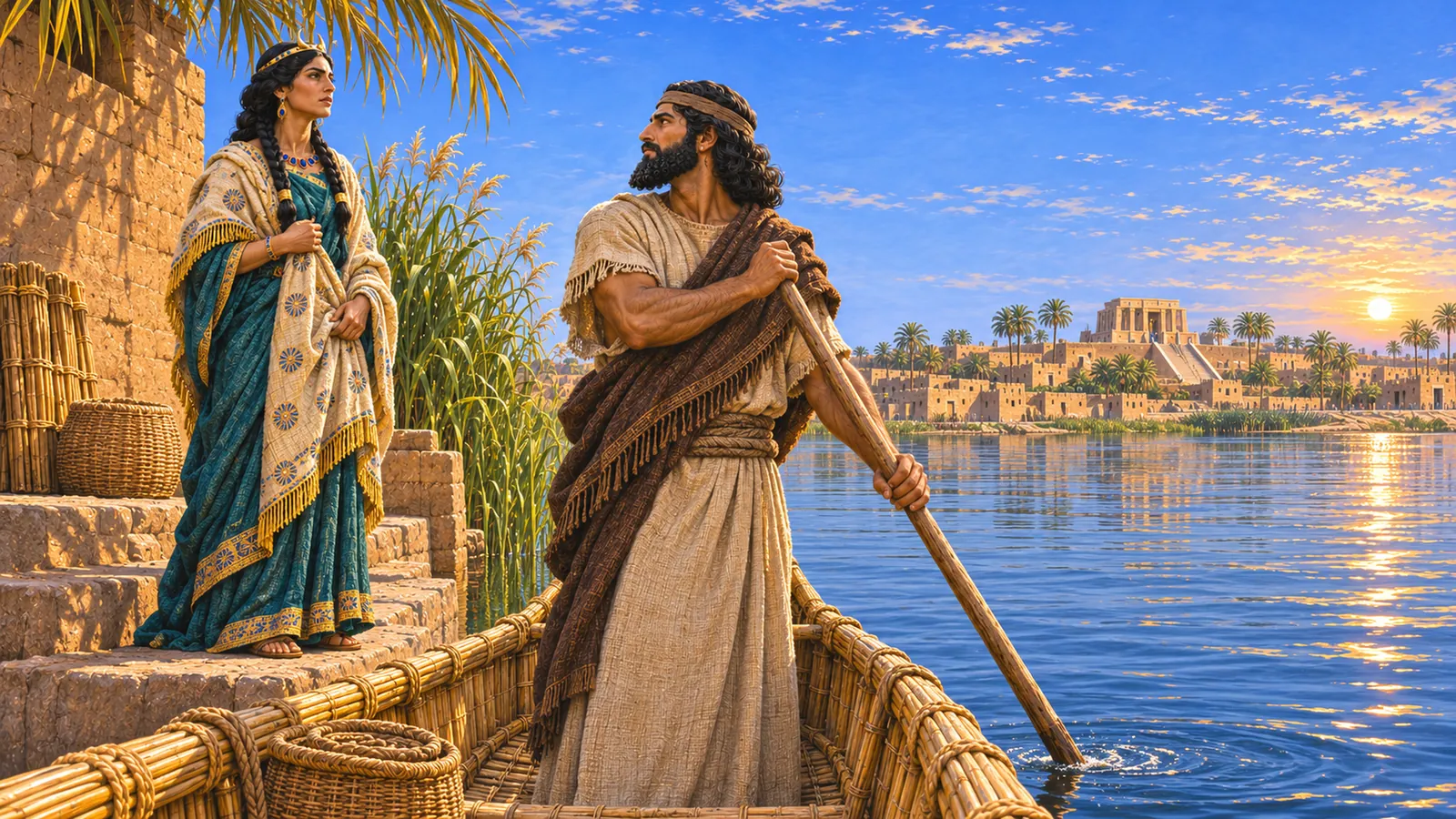
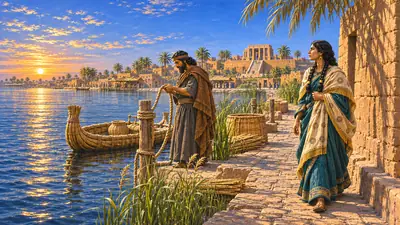
Jacobsen dit qu’Enlil prend l’apparence du passeur et qu’un autre dieu du monde des morts est conçu. Le nom de l’enfant est endommagé dans sa lecture.
L’HYMNE FINAL
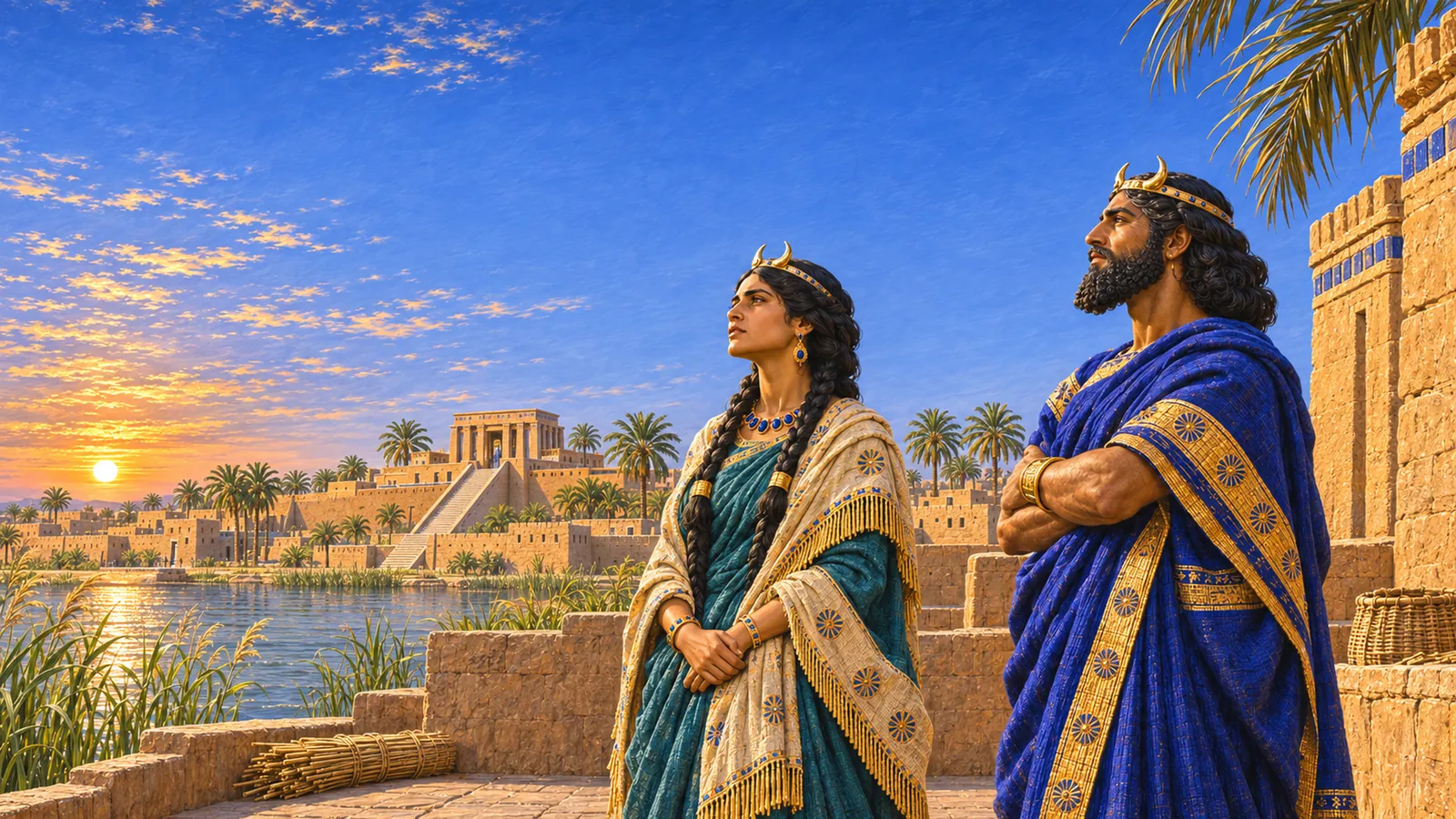
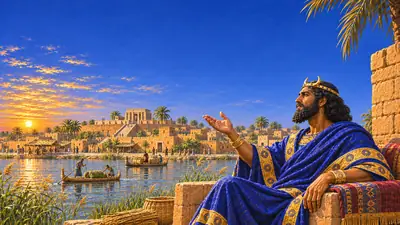
L’hymne appelle Enlil seigneur et roi et dit que sa parole, même impétueuse, ne peut être changée. Il se termine par la louange de la mère Ninlil et du père Enlil.
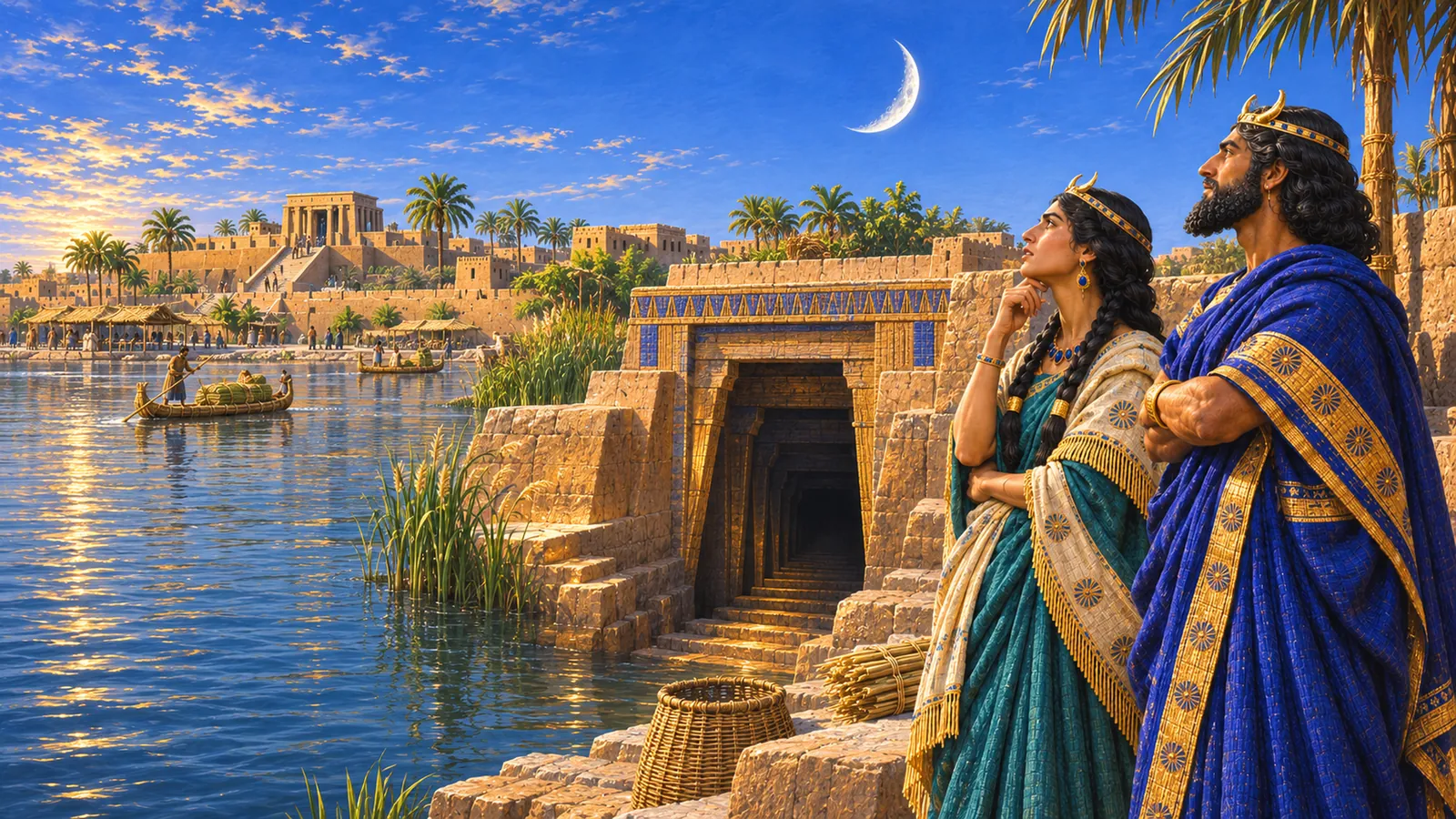
Dans la lecture de Jacobsen, le récit explique l’origine de Sin et de ses trois frères. Il relie leurs différents domaines au bannissement d’Enlil et à son voyage vers le monde des morts.
LA PAROLE QUI OBLIGE
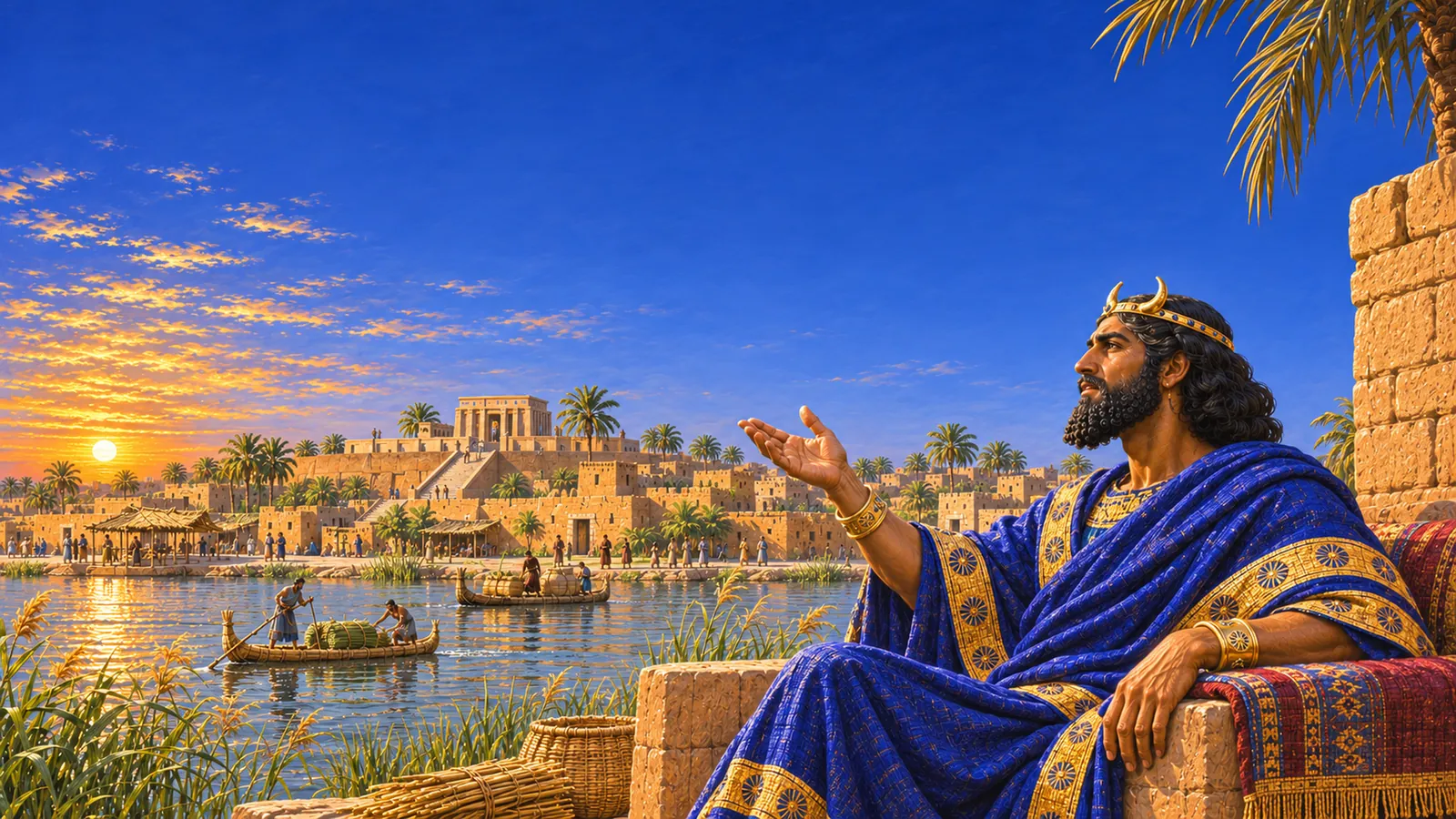
Jacobsen comprend le décret d’Enlil comme contraignant et entend dans l’hymne final un éloge de ce pouvoir. Il relie le décret à ce que le récit dit du caractère d’Enlil.
Fin du chapitre 1
Toutes les pages
Sources
This reading follows Thorkild Jacobsen’s subsection on Enlil and Ninlil in The Cosmos as a State, The Intellectual Adventure of Ancient Man, University of Chicago Press, 1946, first Phoenix edition 1977, pp. 152–156. The book credits H. A. Groenewegen Frankfort for the English poetic form (preface p. vi and p. 184, note 3). Chapter note 23 on p. 184 refers to Kramer’s Mythology, notes 47 and 48.
Éditions consultées
- University of Chicago, The Intellectual Adventure of Ancient Man
- Jacobsen’s selection, pp. 152–156
- Chapter notes 3 and 23, p. 184
Notes sur ce récit
Pages 01–02 · p. 152, opening prose and first verse selection. Jacobsen frames the story around the origin of Sin, the moon, and the moon’s three brothers connected with the underworld. He identifies Nippur by the names Duranki and Durgishimmar, which open the verse. The preposition before each name is printed in parentheses.
Pages 03–05 · p. 152, first verse selection. The river is Idsalla, the quay Kargeshtinna, the harbor Karusar, the sweet-water well Pulal and the canal Nunbirdu. The verse gives at least ten *iku* for each tilled field when measured. It introduces Enlil, Ninlil and Ninshebargunu as inhabitants and identifies Ninshebargunu as Ninlil’s mother.
Pages 06–07 · pp. 152–153, second verse selection. Ninshebargunu repeatedly warns Ninlil about bathing and going up to the bank of the Nunbirdu. She predicts Enlil’s gaze and advance. In the verse the title “father Enlil” appears with “great mountain” and the one who determines fates. Printed dots interrupt the accompanying epithet before “shepherd.”
Page 08 · p. 153, third verse selection. The verse asks whether Ninlil listened and says that she bathes and climbs the Nunbirdu bank. Jacobsen prints “young” in parentheses in the bathing line.
Page 09 · p. 153, Jacobsen’s prose. Jacobsen describes the rape after Ninlil refuses Enlil and says she becomes pregnant with Sin.
Pages 10–11 · p. 153, connecting prose and fourth verse selection. The verse describes the arrest of Enlil in Kiur by the fifty great gods and the seven whose words are decisive. Jacobsen renders its term “ravisher” and explains its wider sense as a person under a taboo relating to sexual matters.
Page 12 · p. 153, connecting prose and fifth verse selection. Enlil leaves in accordance with the sentence, going toward the underworld in Jacobsen’s prose. Ninlil follows in the translated verse. The words “in obedience” appear twice in parentheses in the verse.
Page 13, Jacobsen, Phoenix edition, p. 154, Jacobsen’s connecting prose. The setup comes from Jacobsen’s connecting prose. The fear of what others might do is his explanation. He says Enlil takes the gatekeeper’s position and appearance and tells him to say nothing if Ninlil asks.
Page 14, Jacobsen, Phoenix edition, p. 154, first gatekeeper address. The first address names gate, bolt, lock and sacred bolt. The speaker calls Ninlil the gatekeeper’s queen and orders him to conceal where Enlil is if she asks.
Page 15, Jacobsen, Phoenix edition, p. 154, second gatekeeper address. The second address repeats the epithets and the announcement that Ninlil is coming. It calls her sweet and beautiful, forbids embracing and kissing, and uses Enlil’s own words about favor and his shining gaze.
Page 16, Jacobsen, Phoenix edition, p. 154, Jacobsen’s connecting prose. He says that the supposed gatekeeper claims that Enlil recommended her to him. She identifies herself as his queen and says she carries Sin.
Page 17, Jacobsen, Phoenix edition, p. 154, Jacobsen’s connecting prose. Jacobsen marks the possible pretense explicitly. The disguised Enlil proposes that a son belong to the underworld in place of Sin. Distinguish this proposal from the final praise.
Page 18, Jacobsen, Phoenix edition, p. 154, substitution verse. The translated lines include the supplies my and own in parentheses, and the words changeling for. The royal child goes to heaven and the other son to the underworld in the proposed arrangement.
Page 19, Jacobsen, Phoenix edition, p. 154, Jacobsen’s connecting prose. Jacobsen describes the encounter in his prose and says Ninlil becomes pregnant with Meslamtaea. The speaker is Enlil using the gatekeeper’s appearance. The encounter is stated without physical particulars.
Page 20, Jacobsen, Phoenix edition, p. 154–155, Jacobsen’s connecting prose. The prose carries Ninlil’s pursuit across the page break.
Page 21, Jacobsen, Phoenix edition, p. 155, Jacobsen’s connecting prose. Jacobsen then gives the ferryman as the last guise. A further underworld god is conceived. He says damage prevents identification of the name in the text he is using.
Page 22, Jacobsen, Phoenix edition, p. 155, closing hymn. The praise calls Enlil lord and king and repeats the unalterable quality of his word. Jacobsen renders the second mention as impetuous. The translated excerpts end here.
Page 23, Jacobsen, Phoenix edition, p. 155–156, Jacobsen’s interpretation. He relates the difference between the moon god and his three brothers to the place of Enlil’s banishment and later journey. This reading does not resolve Ninlil’s later life.
Page 24, Jacobsen, Phoenix edition, p. 156, Jacobsen’s closing interpretation. Jacobsen connects Enlil’s character to the events prompting his decree. He explains the hymn as affirming the binding word. The story stops within this subsection at the end of printed page 156.
Les vers antiques de chaque page
- Page 1: Jacobsen 1977, The Intellectual Adventure of Ancient Man, ch. V, The Myth of Enlil and Ninlil, p. 152, Jacobsen’s opening prose
- Page 2: Jacobsen 1977, The Intellectual Adventure of Ancient Man, ch. V, The Myth of Enlil and Ninlil, p. 152, first verse selection, city names
- Page 3: Jacobsen 1977, The Intellectual Adventure of Ancient Man, ch. V, The Myth of Enlil and Ninlil, p. 152, first verse selection, river, quay and harbor
- Page 4: Jacobsen 1977, The Intellectual Adventure of Ancient Man, ch. V, The Myth of Enlil and Ninlil, p. 152, first verse selection, well, canal and fields
- Page 5: Jacobsen 1977, The Intellectual Adventure of Ancient Man, ch. V, The Myth of Enlil and Ninlil, p. 152, first verse selection, three inhabitants
- Page 6: Jacobsen 1977, The Intellectual Adventure of Ancient Man, ch. V, The Myth of Enlil and Ninlil, pp. 152–153, second verse selection, bathing and bank warning
- Page 7: Jacobsen 1977, The Intellectual Adventure of Ancient Man, ch. V, The Myth of Enlil and Ninlil, p. 153, second verse selection, warning continued
- Page 8: Jacobsen 1977, The Intellectual Adventure of Ancient Man, ch. V, The Myth of Enlil and Ninlil, p. 153, third verse selection, stream and canal bank
- Page 9: Jacobsen 1977, The Intellectual Adventure of Ancient Man, ch. V, The Myth of Enlil and Ninlil, p. 153, Jacobsen’s prose, assault after refusal and pregnancy
- Page 10: Jacobsen 1977, The Intellectual Adventure of Ancient Man, ch. V, The Myth of Enlil and Ninlil, p. 153, Jacobsen’s prose and fourth verse selection, arrest
- Page 11: Jacobsen 1977, The Intellectual Adventure of Ancient Man, ch. V, The Myth of Enlil and Ninlil, p. 153, fourth verse selection, verdict, and Jacobsen’s lexical note
The left is a continuous natural dark blue-grey shaded plain clay surface through the whole reserve with no dividing line, bright patch, objects, shape or marks. - Page 12: Jacobsen 1977, The Intellectual Adventure of Ancient Man, ch. V, The Myth of Enlil and Ninlil, p. 153, Jacobsen’s prose and fifth verse selection, departure and pursuit
- Page 13: Jacobsen, The Cosmos as a State, Phoenix ed. 1977, p. 154, Jacobsen’s connecting prose
- Page 14: Jacobsen, The Cosmos as a State, Phoenix ed. 1977, p. 154, first gatekeeper address
- Page 15: Jacobsen, The Cosmos as a State, Phoenix ed. 1977, p. 154, second gatekeeper address
- Page 16: Jacobsen, The Cosmos as a State, Phoenix ed. 1977, p. 154, Jacobsen’s connecting prose
- Page 17: Jacobsen, The Cosmos as a State, Phoenix ed. 1977, p. 154, Jacobsen’s connecting prose
- Page 18: Jacobsen, The Cosmos as a State, Phoenix ed. 1977, p. 154, substitution verse
- Page 19: Jacobsen, The Cosmos as a State, Phoenix ed. 1977, p. 154, Jacobsen’s connecting prose
- Page 20: Jacobsen, The Cosmos as a State, Phoenix ed. 1977, p. 154–155, Jacobsen’s connecting prose
- Page 21: Jacobsen, The Cosmos as a State, Phoenix ed. 1977, p. 155, Jacobsen’s connecting prose
- Page 22: Jacobsen, The Cosmos as a State, Phoenix ed. 1977, p. 155, closing hymn
- Page 23: Jacobsen, The Cosmos as a State, Phoenix ed. 1977, p. 155–156, Jacobsen’s interpretation
Left is uninterrupted calm dark indigo natural river haze with no glare, fine horizon or lines. - Page 24: Jacobsen, The Cosmos as a State, Phoenix ed. 1977, p. 156, Jacobsen’s closing interpretation
Very wide quiet southern Mesopotamian river horizon at full evening, with short line of weathered stone-and-clay revetment only in lower right.
Illustrations réalisées par IL Archive avec des outils d’IA ; le texte s’appuie sur les sources antiques (voir les sources à la fin de chaque chapitre).