Enmerkar et le seigneur d’Aratta Chapitre 2
Des mots dans l’argile
Enmerkar envoie de l’orge à Aratta, et la rivalité devient un affrontement d’énigmes et d’exigences. Quand le messager ne peut plus répéter les paroles du roi, Enmerkar les inscrit dans l’argile. La fin du poème ne subsiste que par fragments.
SourcesTournez les pages avec les flèches, le clavier ou en balayant l’écran.
L’AUBE
Le jour se leva et Utu parut. Dans l’image que le poème donne de ce matin, Enmerkar joint les eaux du Tigre et de l’Euphrate.
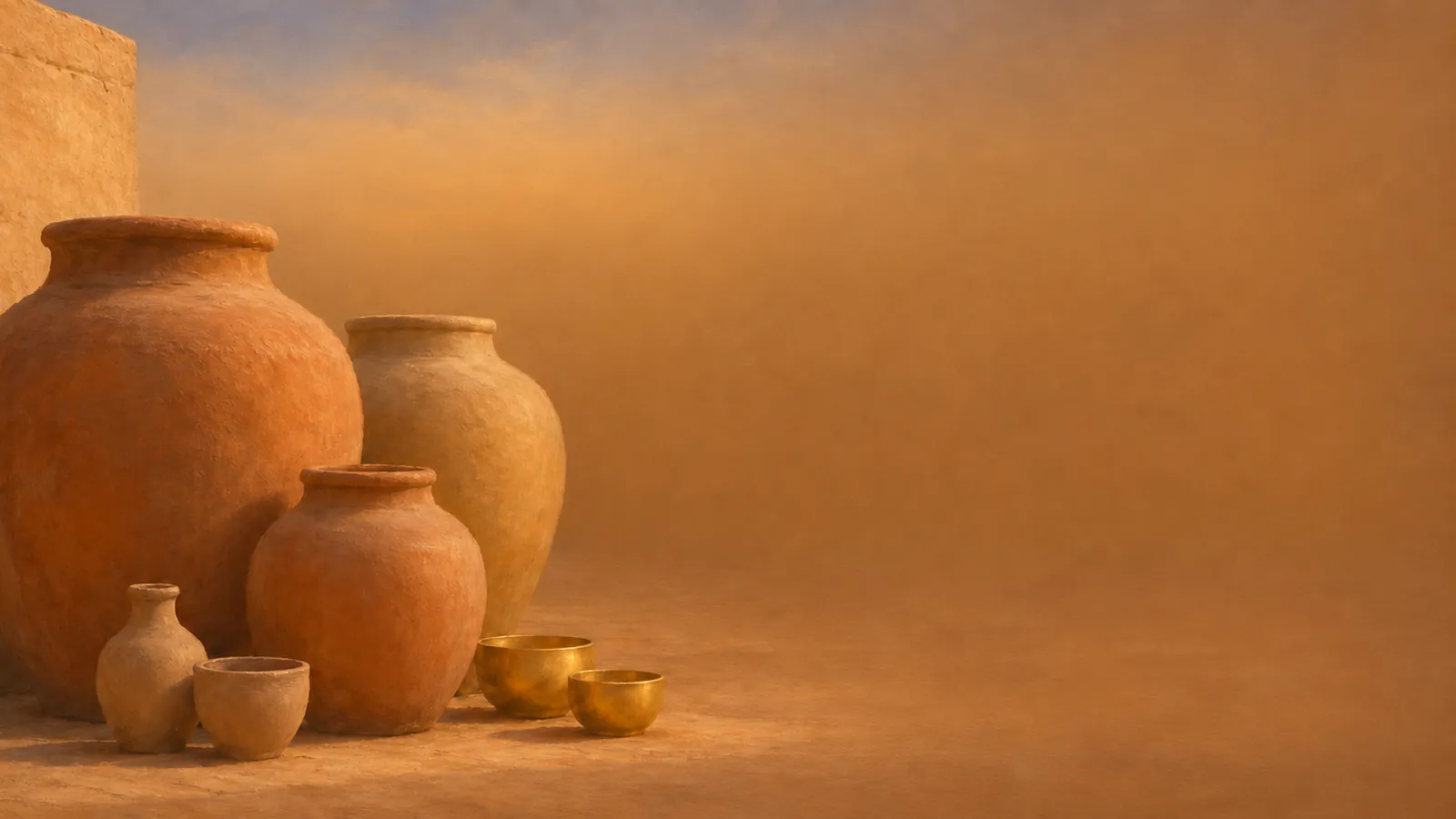
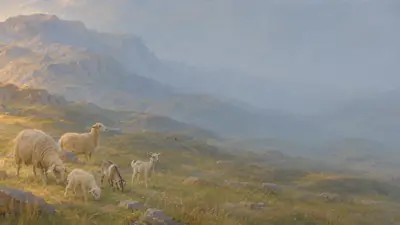
De grands récipients se dressaient en plein air, les petits à leurs côtés comme des agneaux dans l’herbe. Enmerkar écarta les récipients d’or les uns des autres.
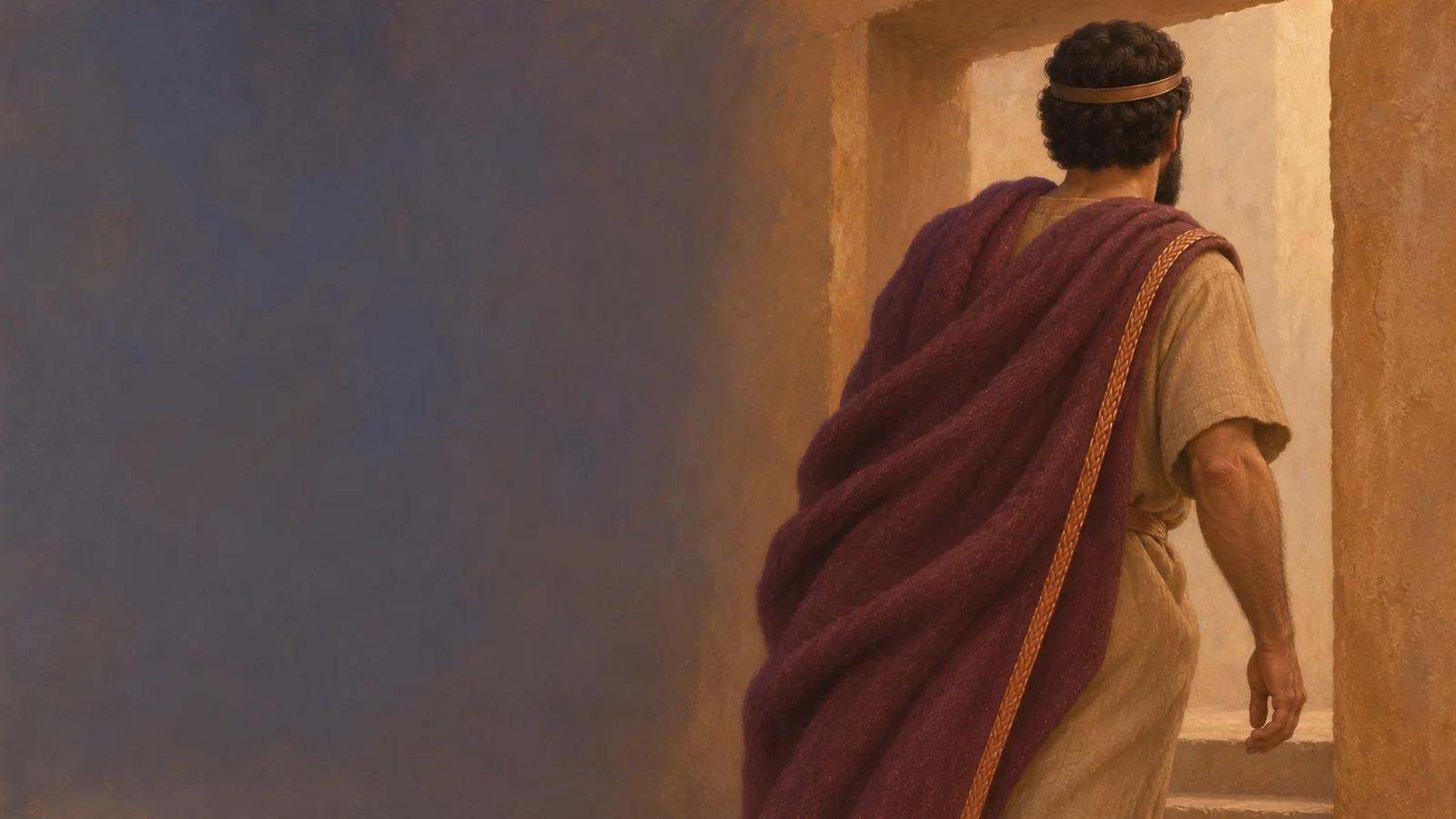
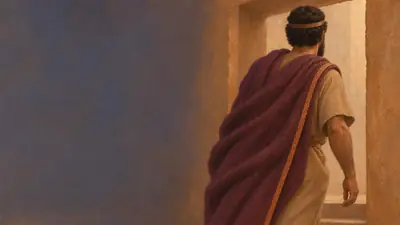
Dans un passage qui nous est parvenu par fragments, Nisaba ouvre sa maison de sagesse. Enmerkar y entre et prête une attention soutenue.
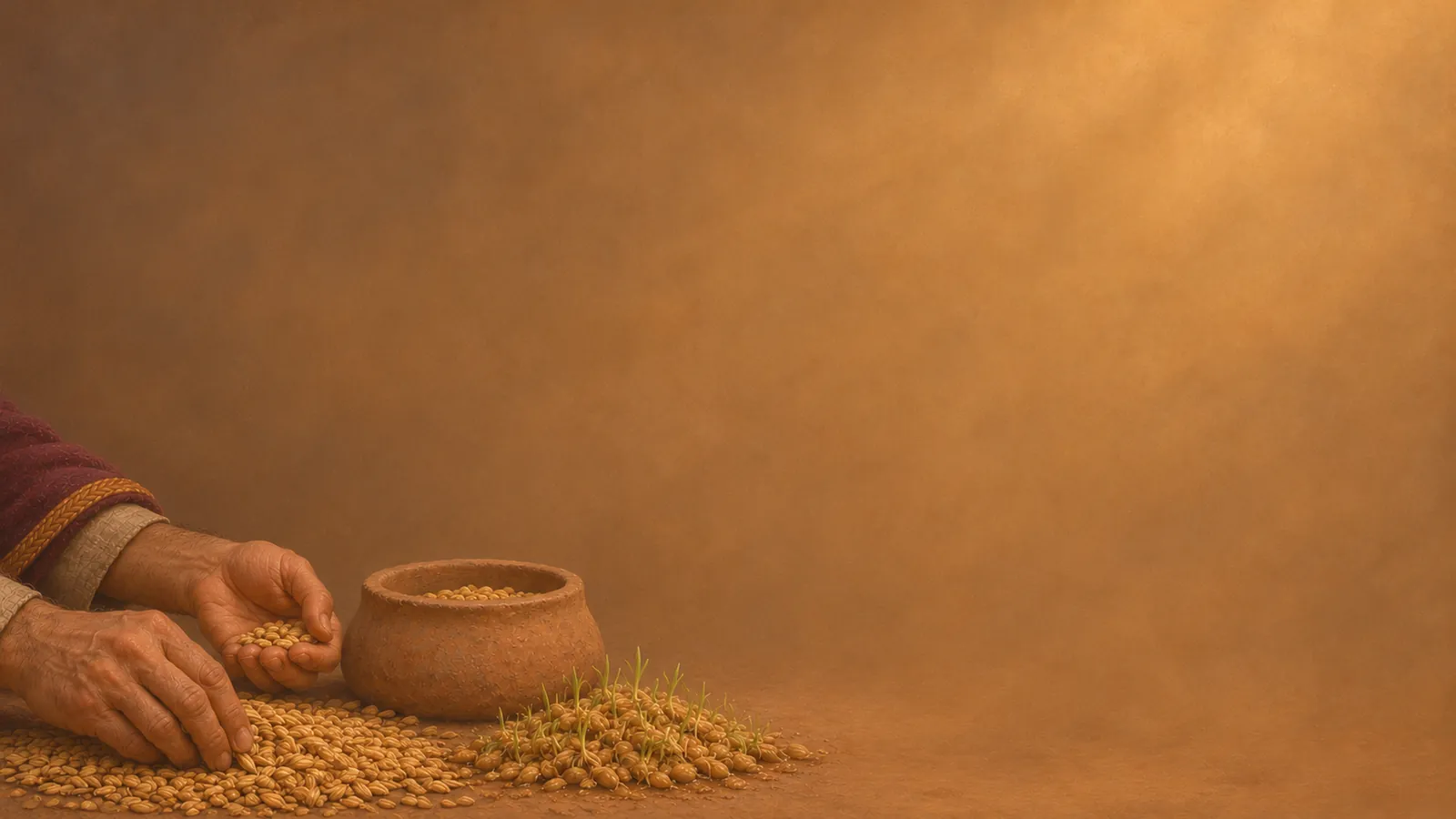
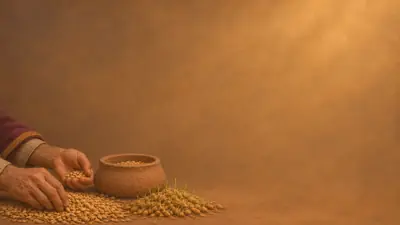
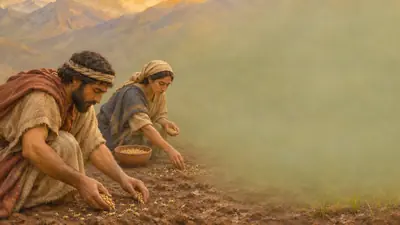
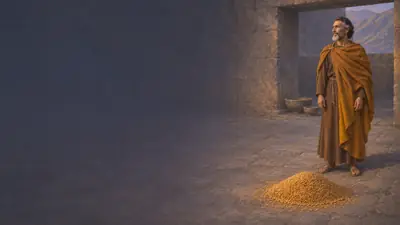
Enmerkar ouvrit sa réserve et posa une grande mesure à terre. Il mit l’orge ancienne à part et fit tremper le malt vert.
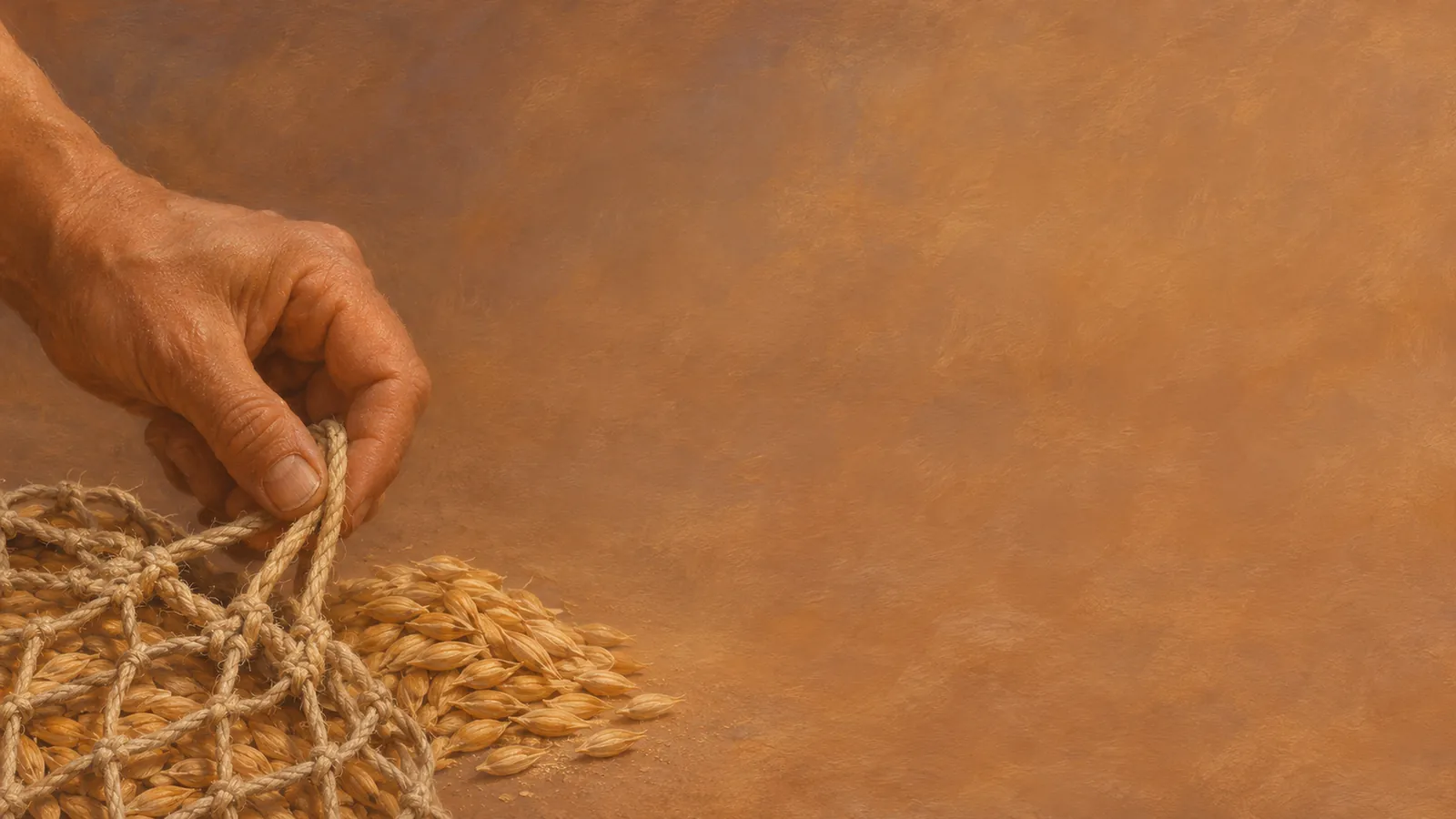
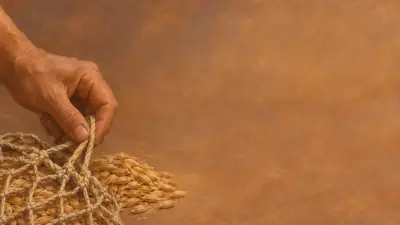
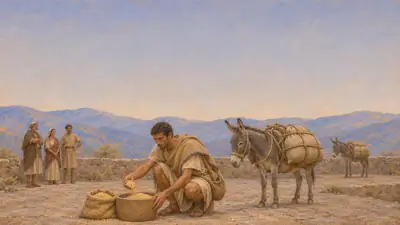
Il resserra les mailles des filets de transport. En mesurant l’orge, il en ajouta un peu pour les criquets.
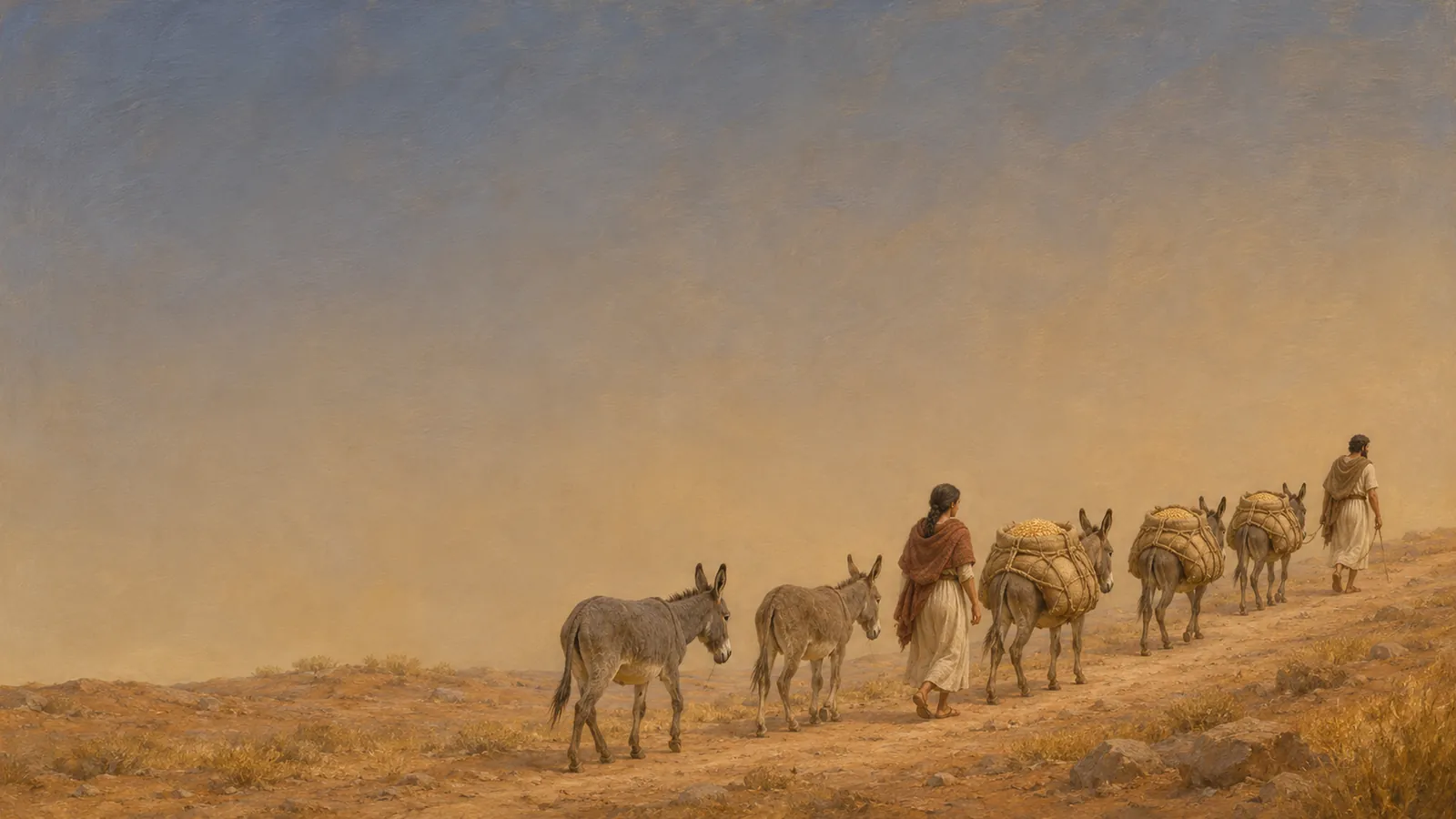
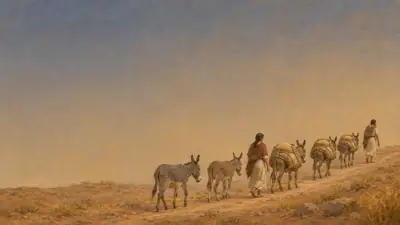
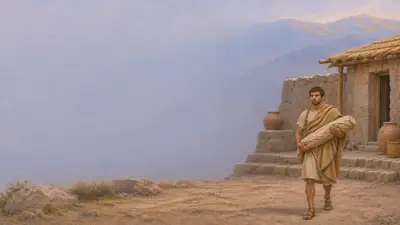
On chargea l’orge sur des ânes de bât, avec des bêtes de relais à côté. Enmerkar les envoya vers Aratta et les gens sortirent comme des fourmis.
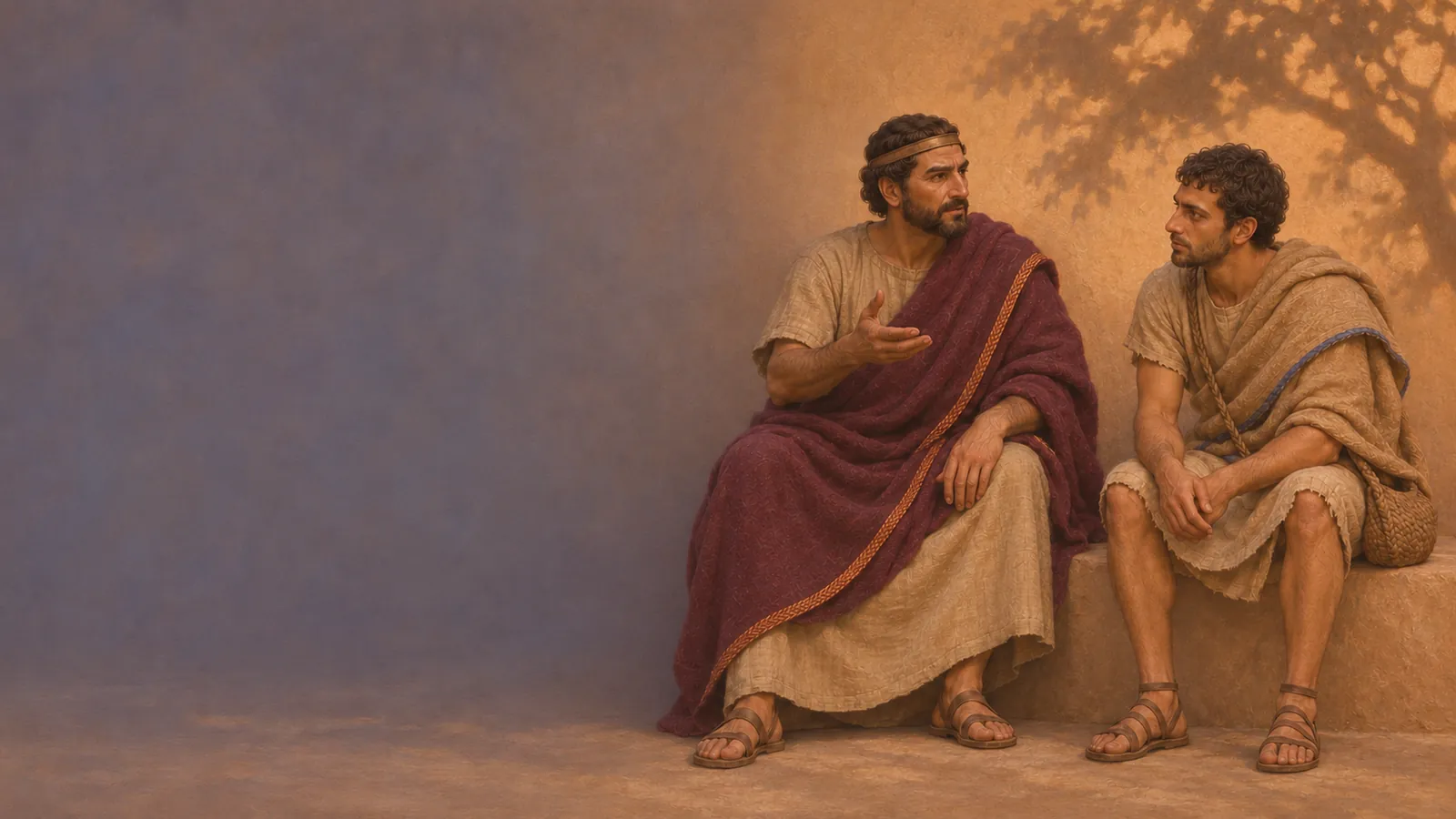
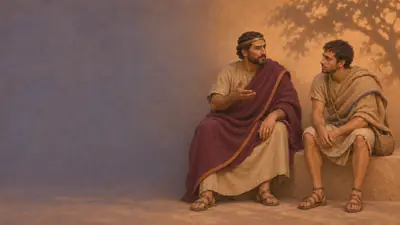
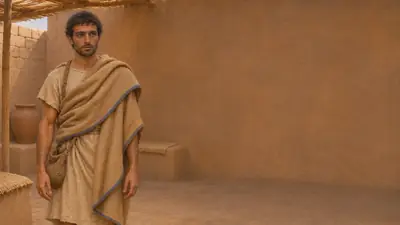
Enmerkar confia un autre message au messager. Il compara son sceptre à un arbre déployé dont l’ombre abritait Kulaba et atteignait Inanna à E-ana.
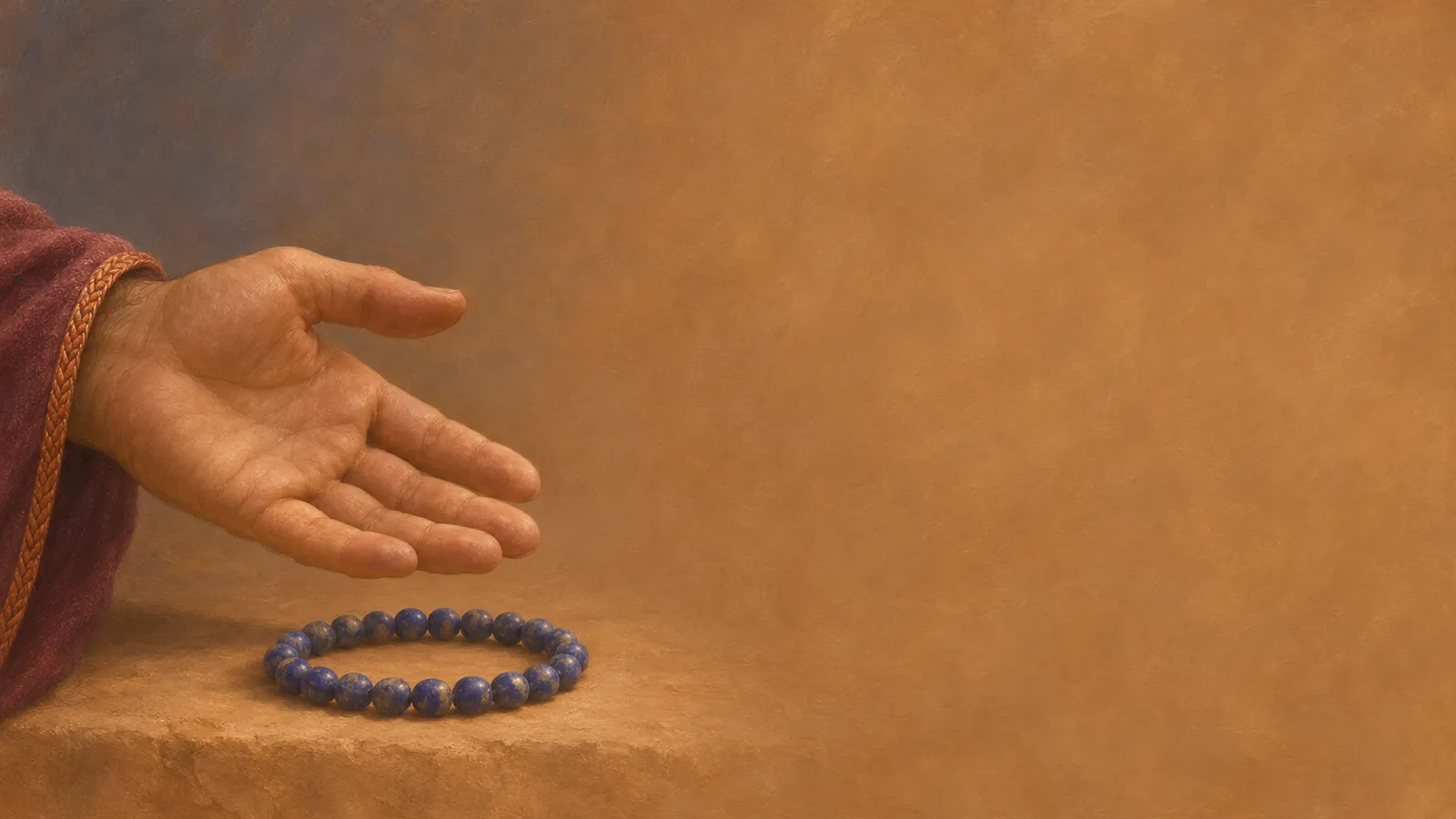
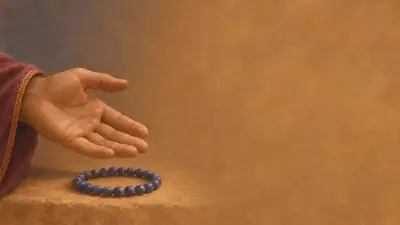
Que le seigneur d’Aratta en détache un éclat, dit Enmerkar. Qu’il le tienne avec le soin qu’il aurait pour un collier de lapis, et me l’apporte.
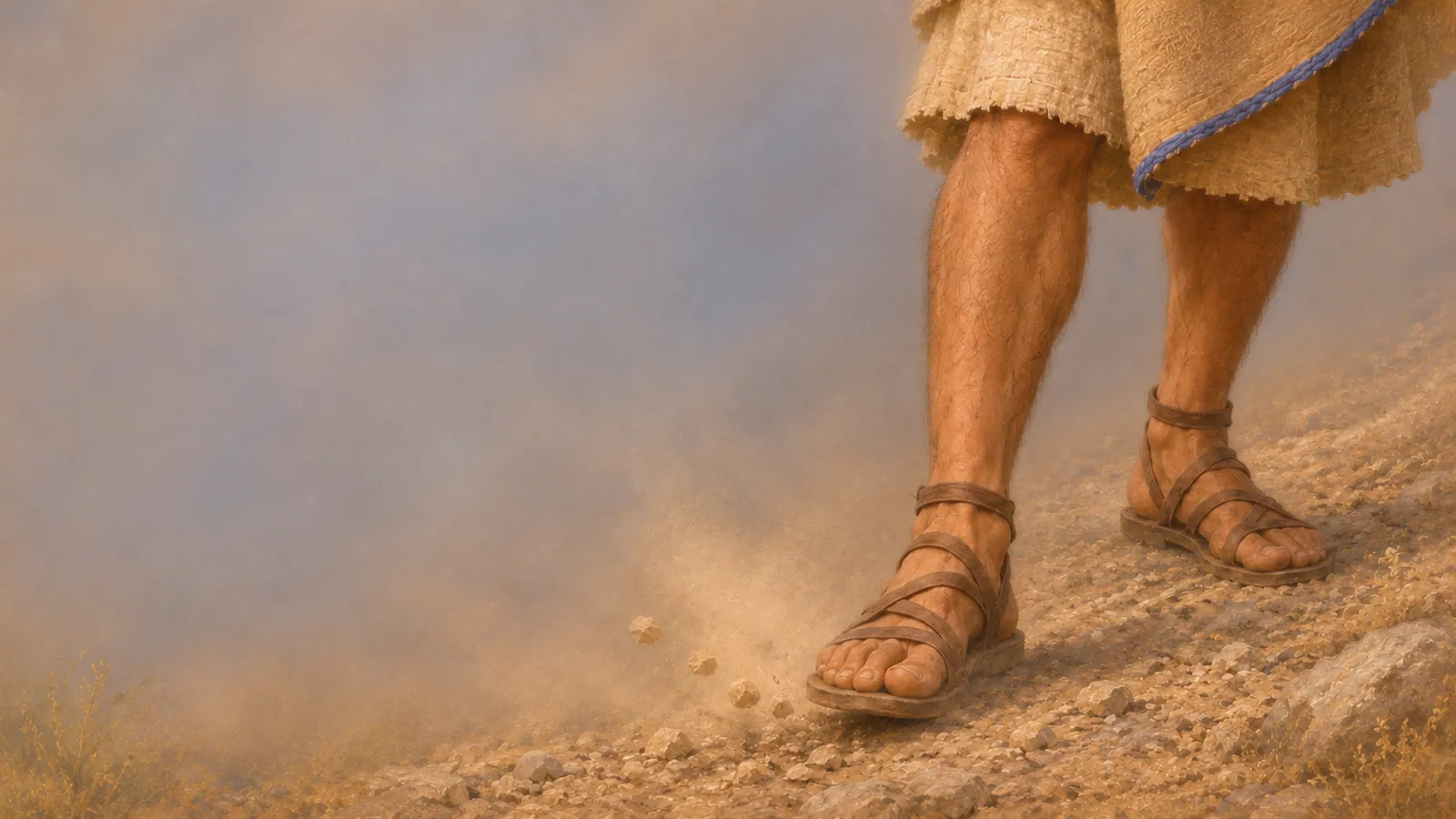
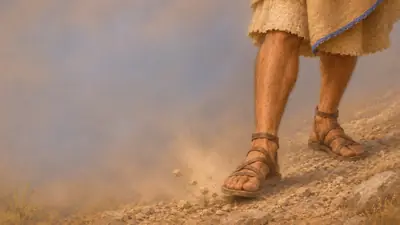
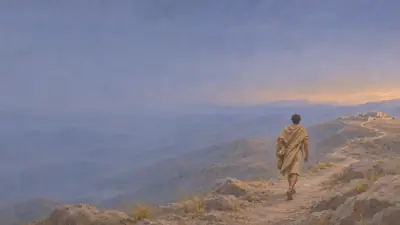
Le messager prit la route d’Aratta. Ses pas soulevaient la poussière du chemin et faisaient rouler les petits cailloux sur les collines.
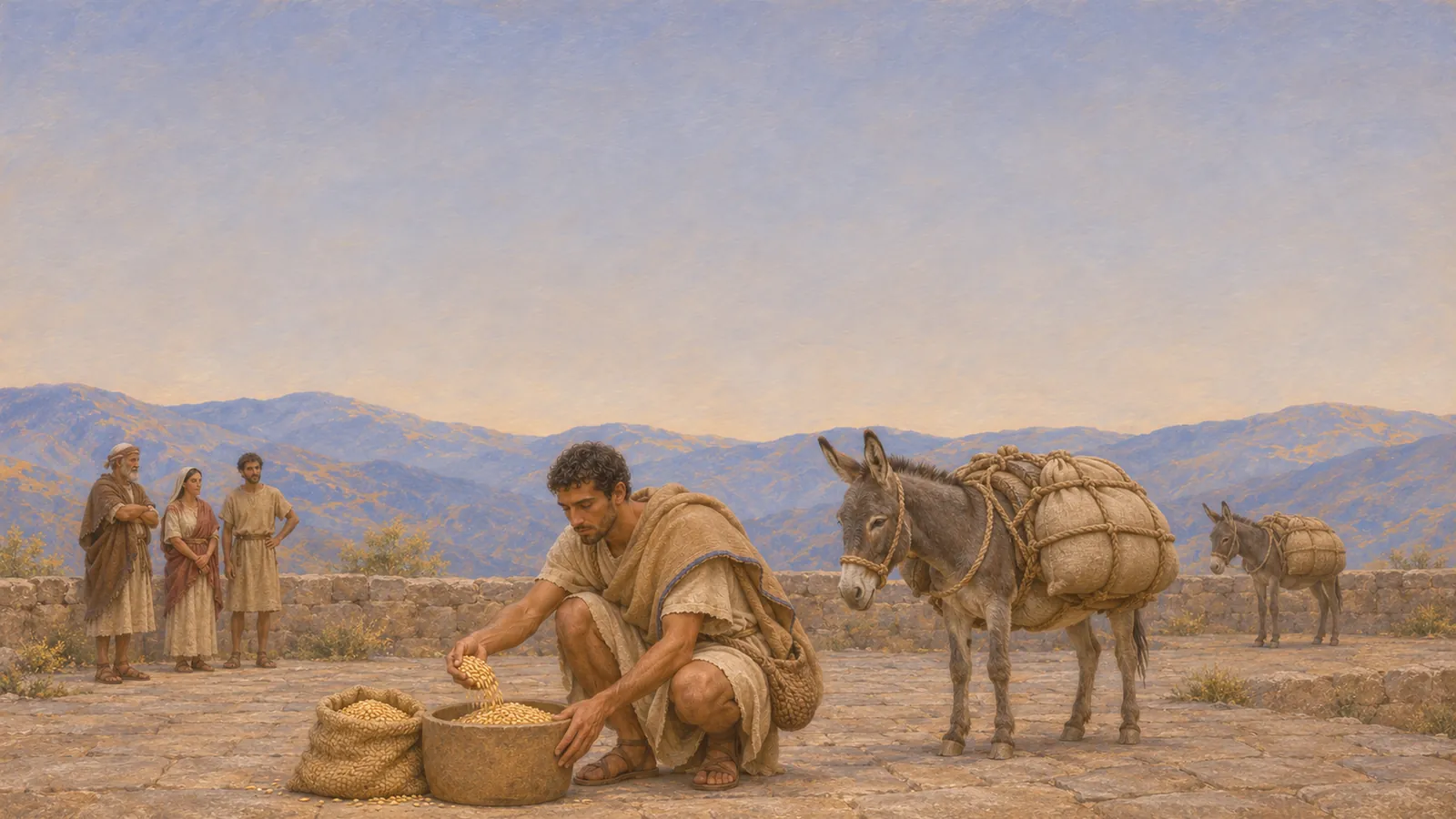
Les gens s’avancèrent pour voir les ânes chargés. Dans la cour d’Aratta, le messager mesura l’orge pour le grenier, avec une part de plus pour les criquets.
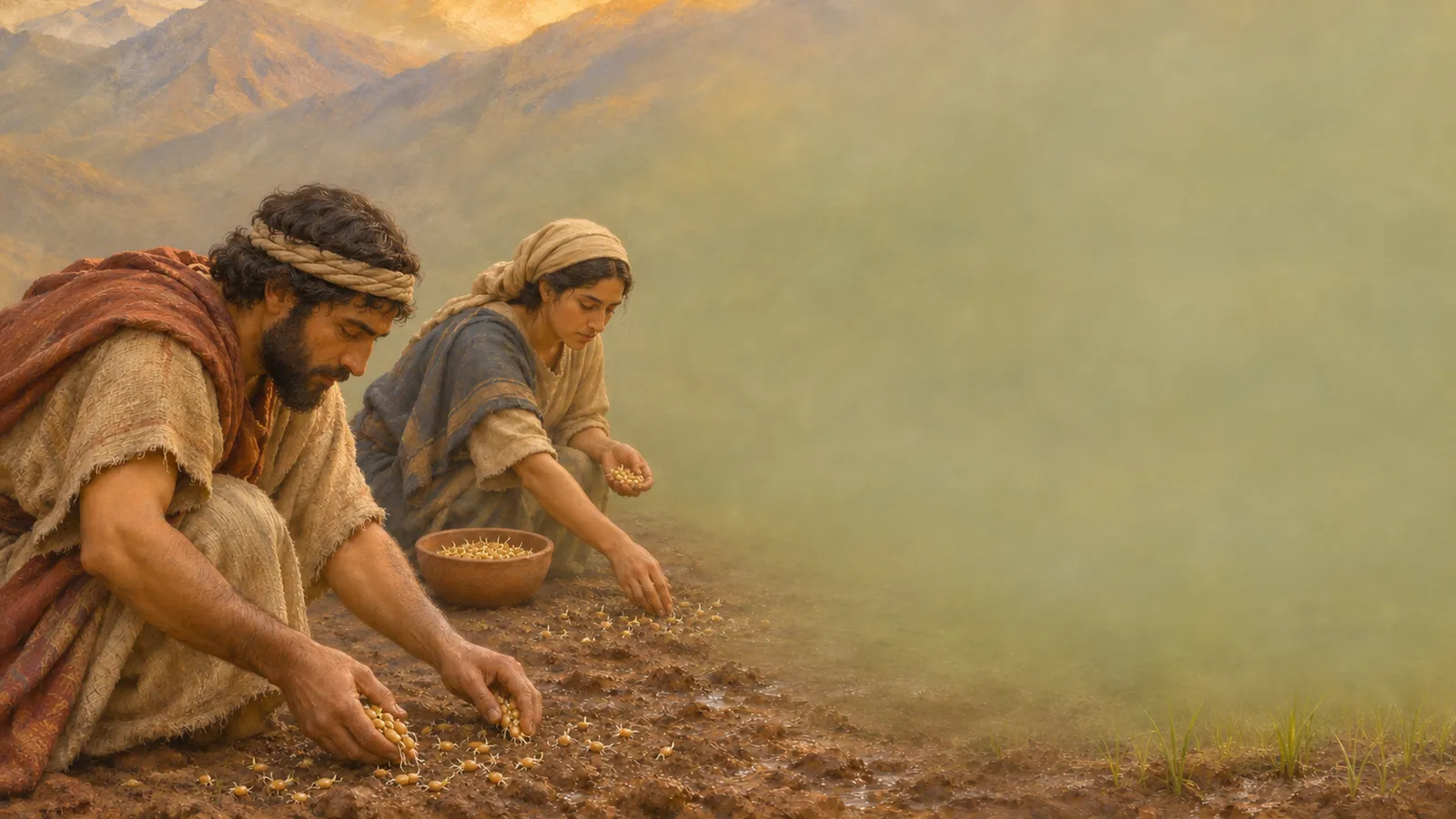
La nourriture arriva à Aratta, aussi bienvenue que la pluie et le soleil. La faim s’apaisa et les gens répandirent du malt vert trempé dans leurs champs.
Le texte s’interrompt autour des courriers et des officiers. Le peuple d’Aratta est encore nommé, mais il ne reste que des bribes de l’échange.
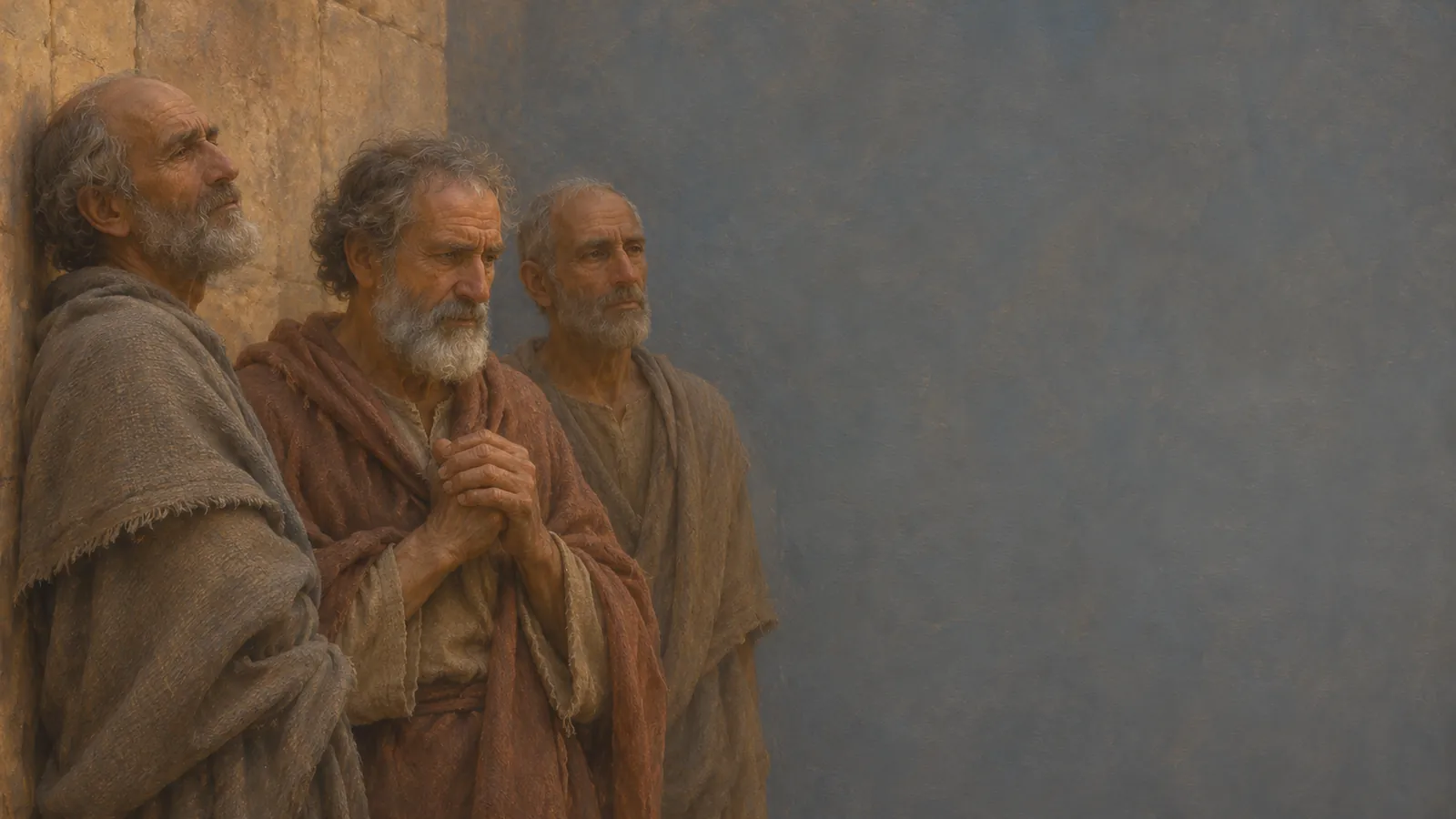
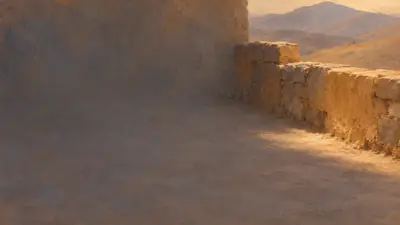
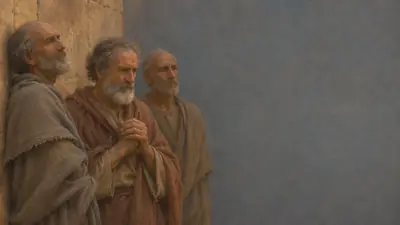
Une voix, dans ce passage fragmentaire, demande si les gens affamés doivent se soumettre à Kulaba. Les anciens s’appuient au mur et se tordent les mains.
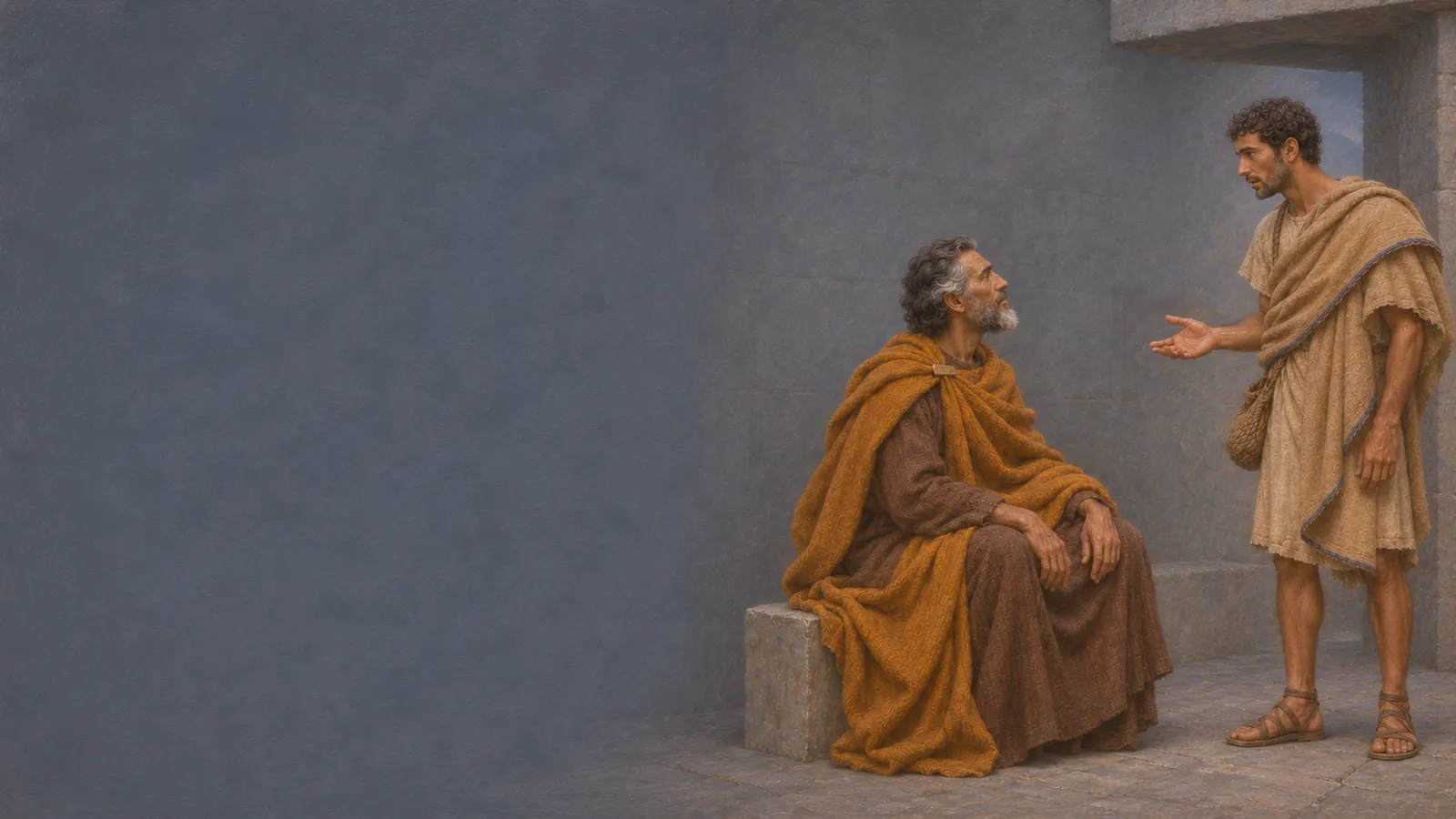
Le messager nomma Enmerkar, fils d’Utu, et répéta ses paroles sur le sceptre. Le seigneur d’Aratta devait en rapporter un éclat.
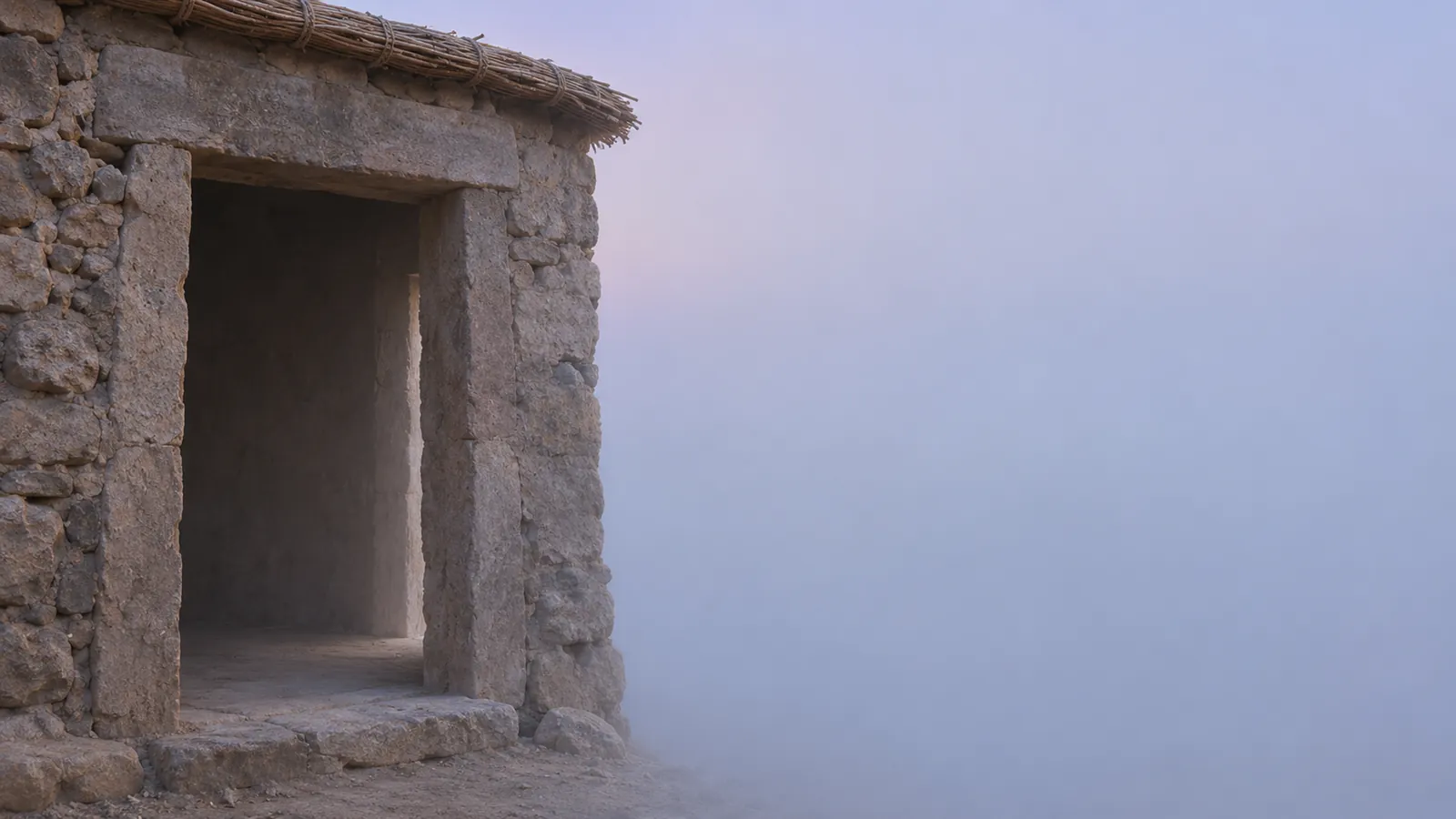
Le récit fragmentaire dit que quelqu’un entra dans le sanctuaire et s’allongea pour jeûner. Le jour se leva avant que leurs paroles reviennent.
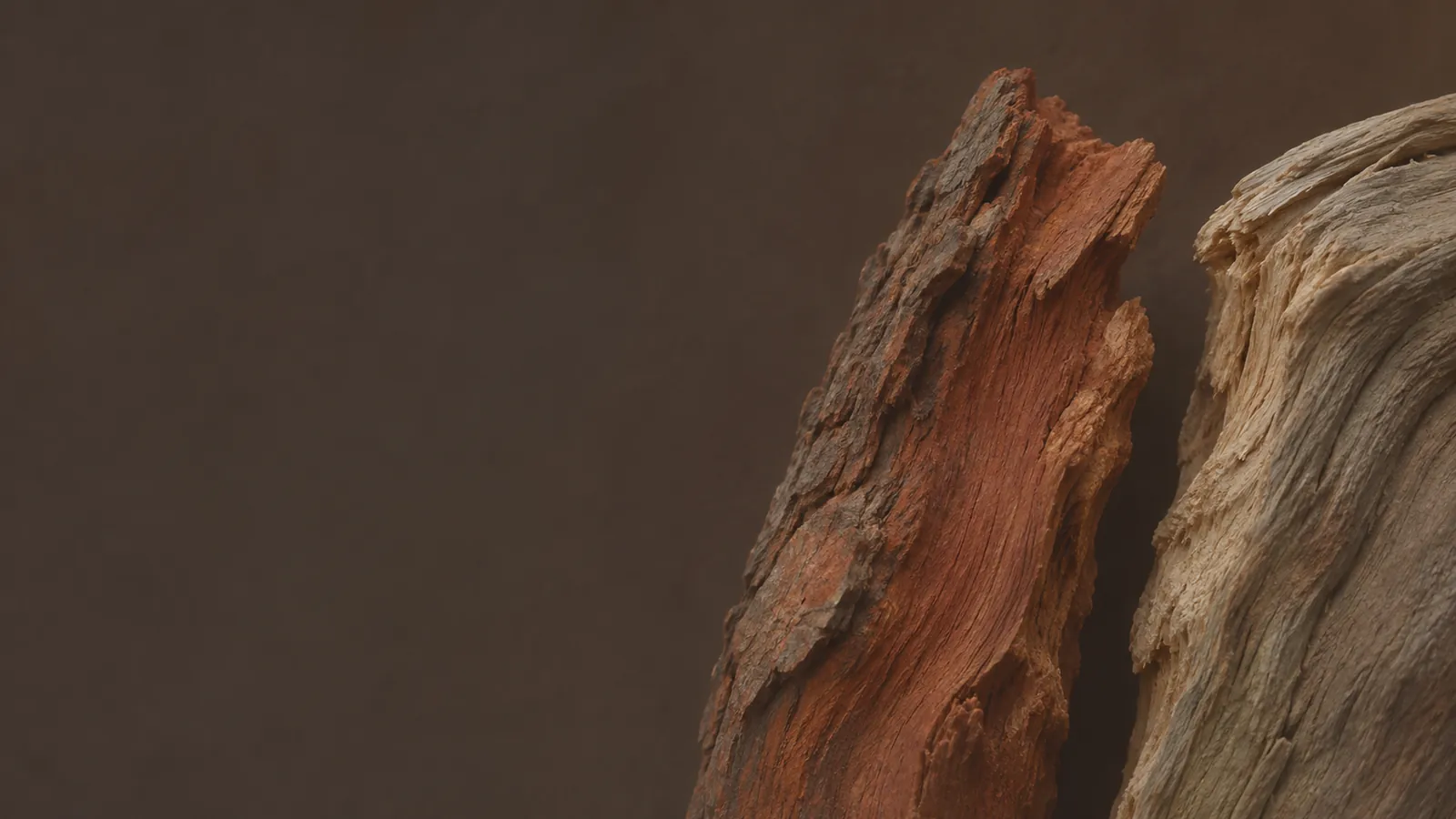
Le seigneur adressa à Enmerkar un défi en retour. Qu’il apporte un sceptre sans cèdre, sans cyprès, sans palmier et sans aucun des autres bois qu’il nomma.

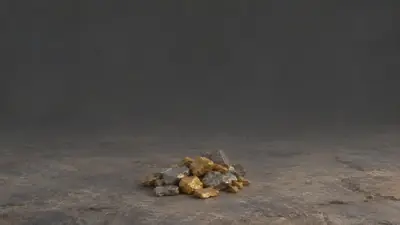
Le seigneur écarta aussi l’or, l’argent, le cuivre et les pierres précieuses. Enmerkar devait lui envoyer un éclat de ce qui restait.
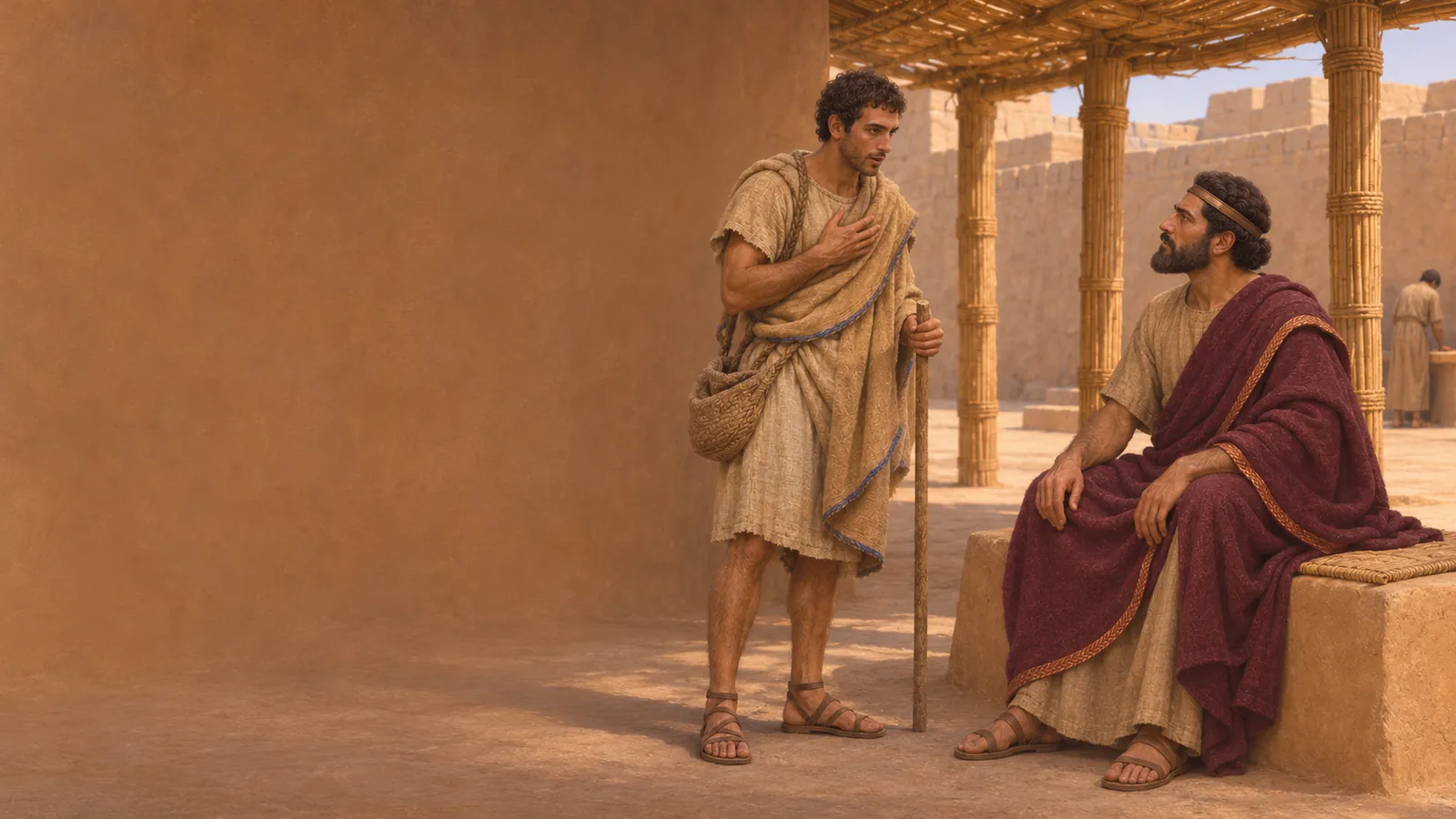
Le messager se hâta de rentrer à Kulaba et répéta le défi mot pour mot. Enki accorda la sagesse à Enmerkar, et le roi donna ses instructions à son intendant.
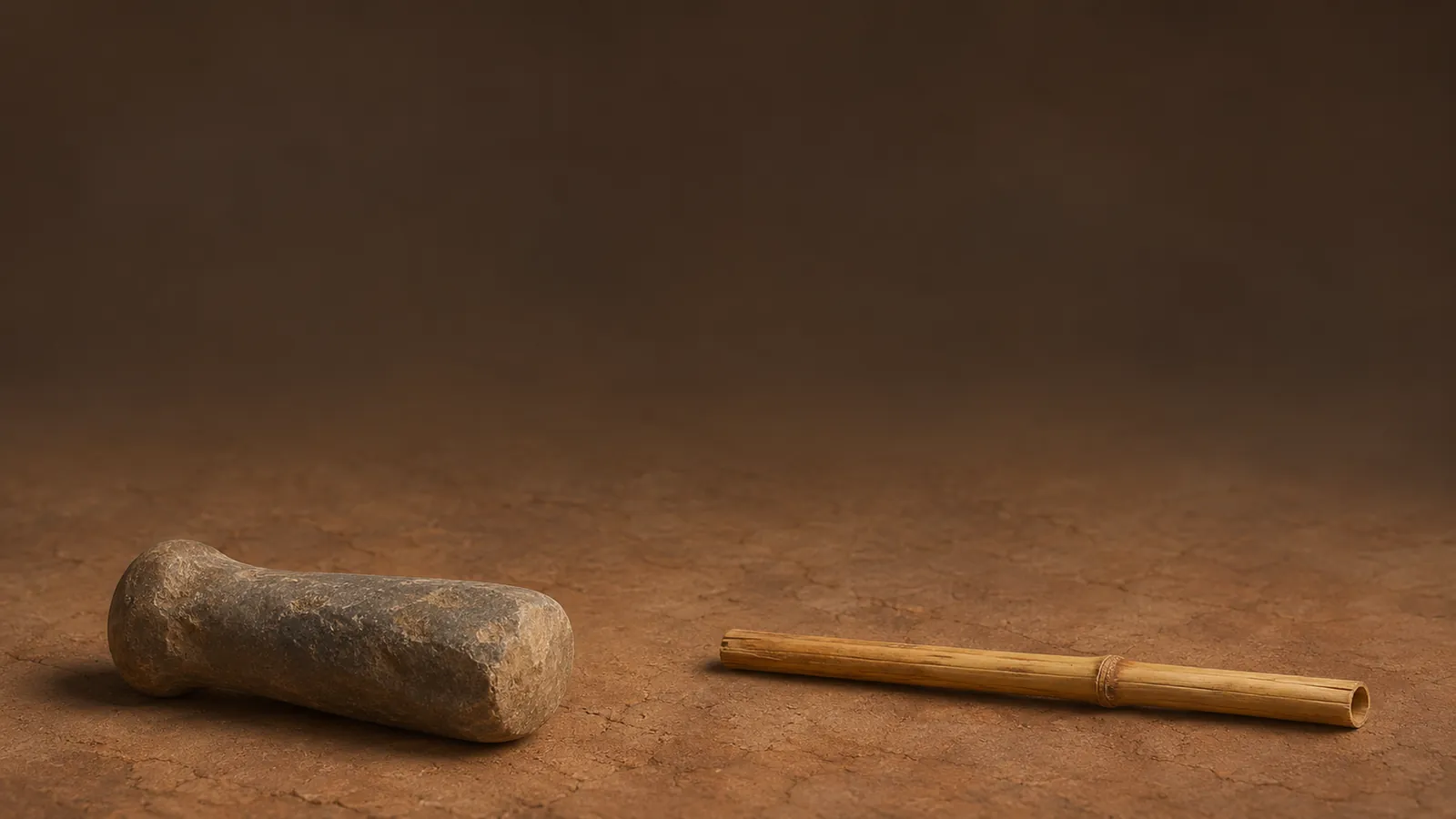
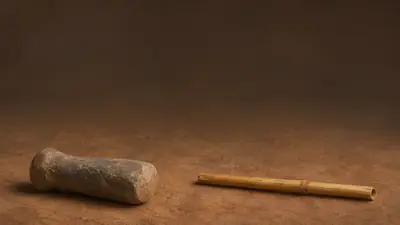
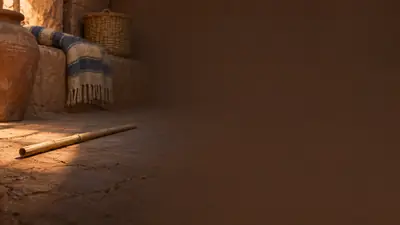
Le récit de son travail ne subsiste que par fragments. On y distingue encore un pilon, un roseau et quelque chose versé comme de l’huile.
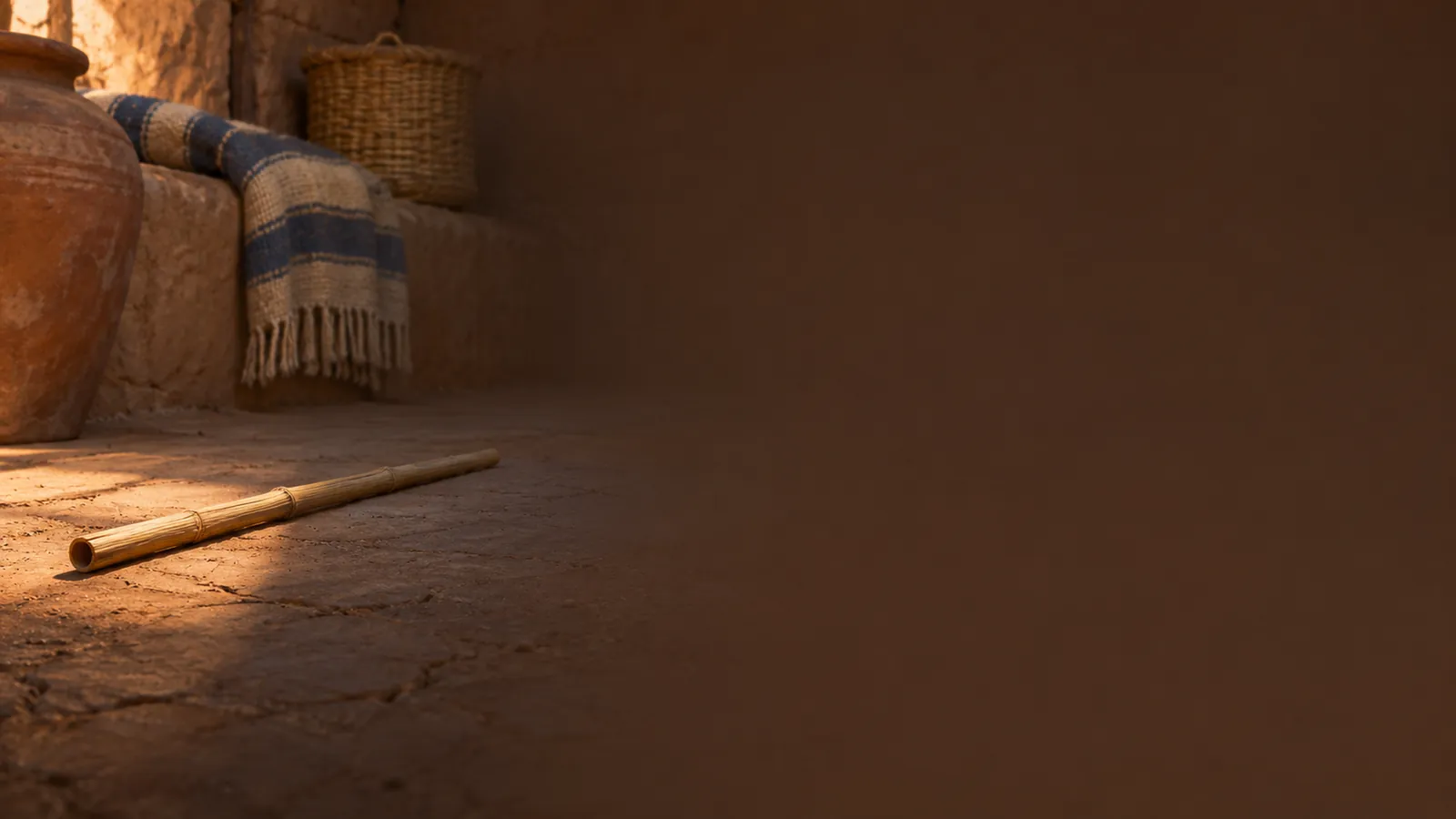
Le roseau passa du soleil à l’ombre, puis revint au soleil. Le poème compte cinq ans, puis dix, avant de raconter comment on fendit le roseau.
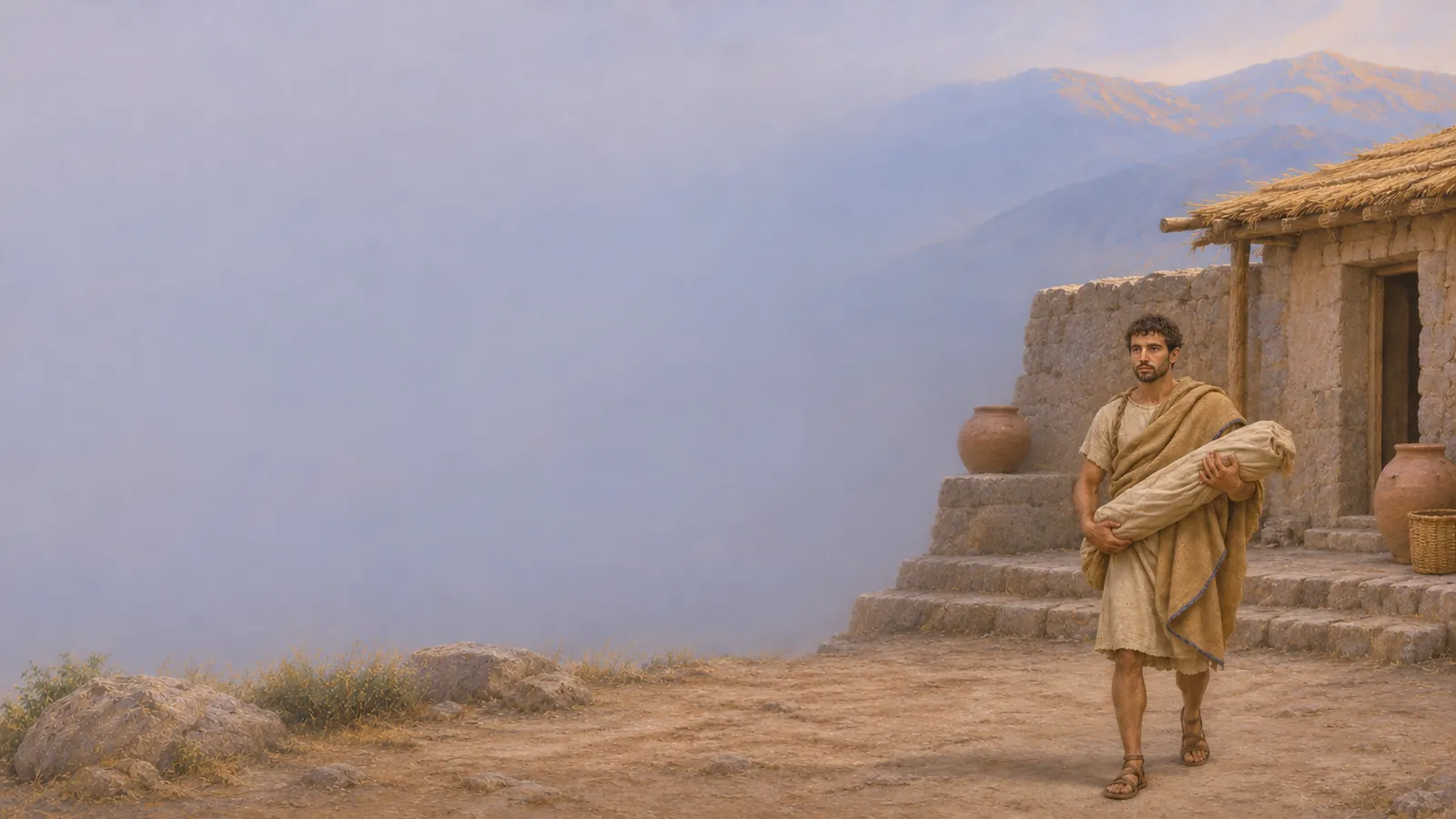
Enmerkar remit le sceptre au messager. L’homme traversa les montagnes à vive allure et entra de nouveau dans la cour d’Aratta.
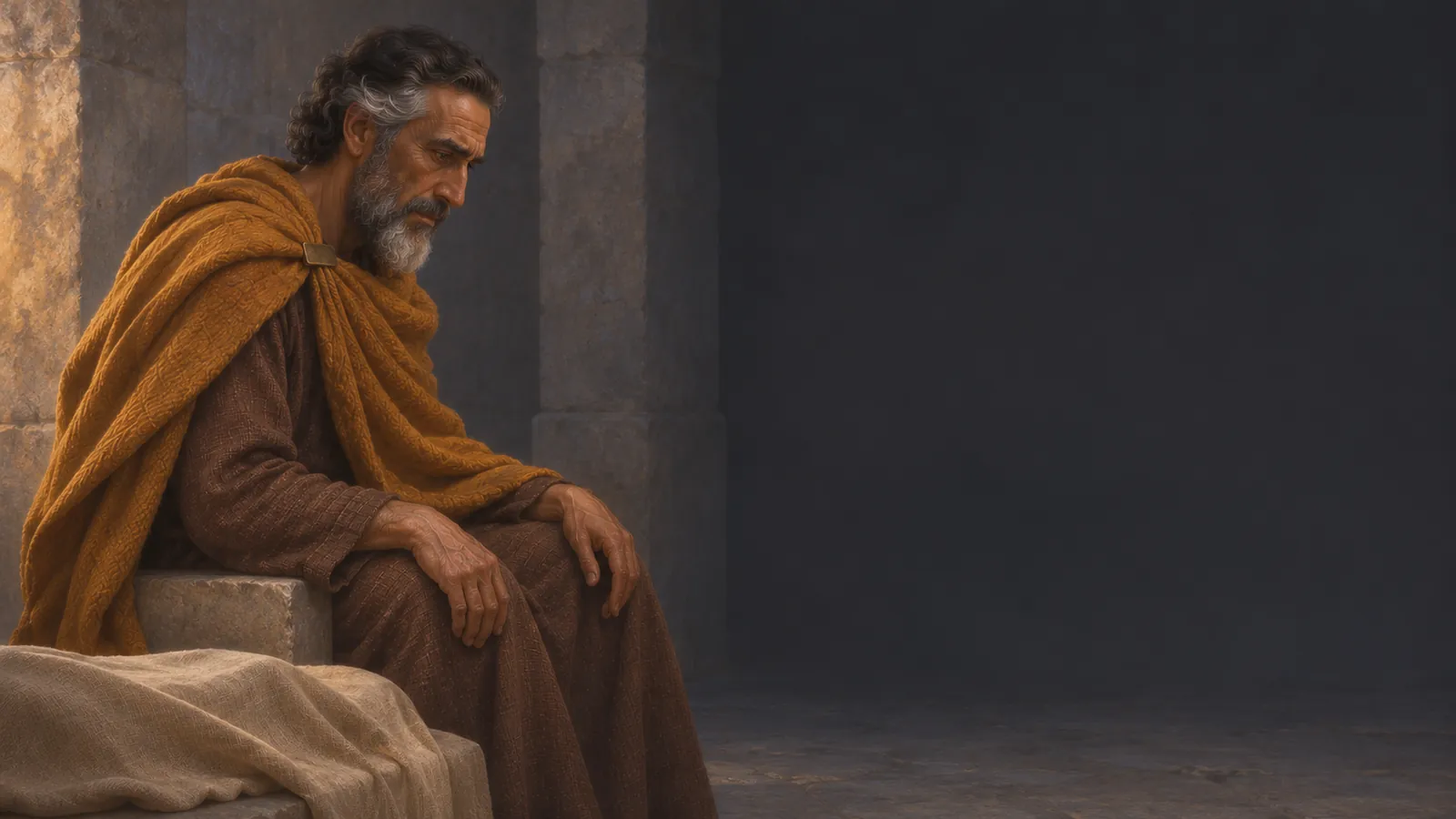
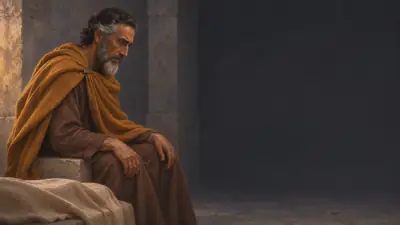
Le seigneur regarda le sceptre dans son sanctuaire. Il craignit qu’Inanna ne favorise désormais Kulaba et parla de nouveau de famine et de soumission.
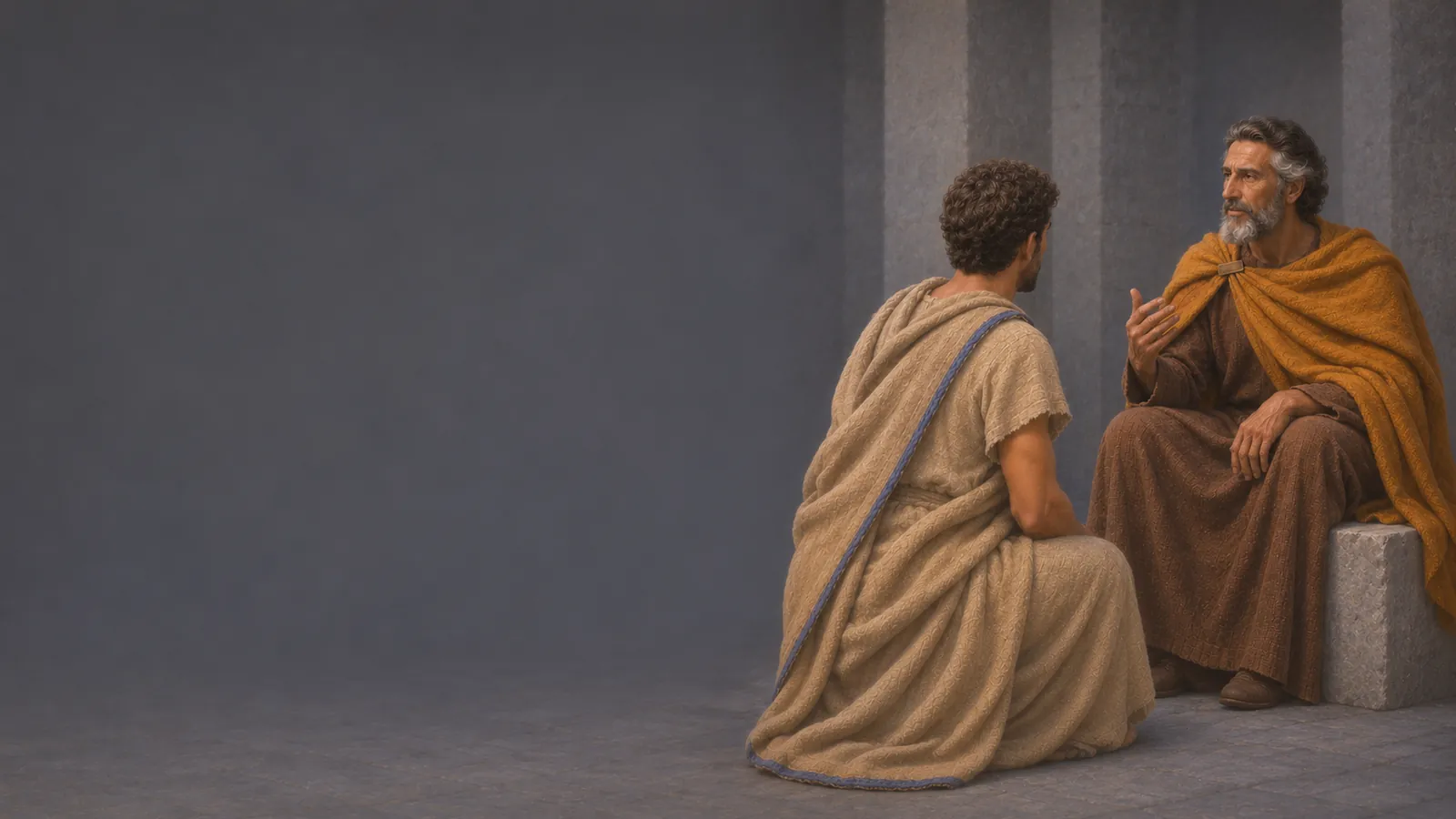
Le seigneur d’Aratta demanda un champion. Il énuméra les couleurs pour les écarter l’une après l’autre, puis appela les deux champions à se mesurer.
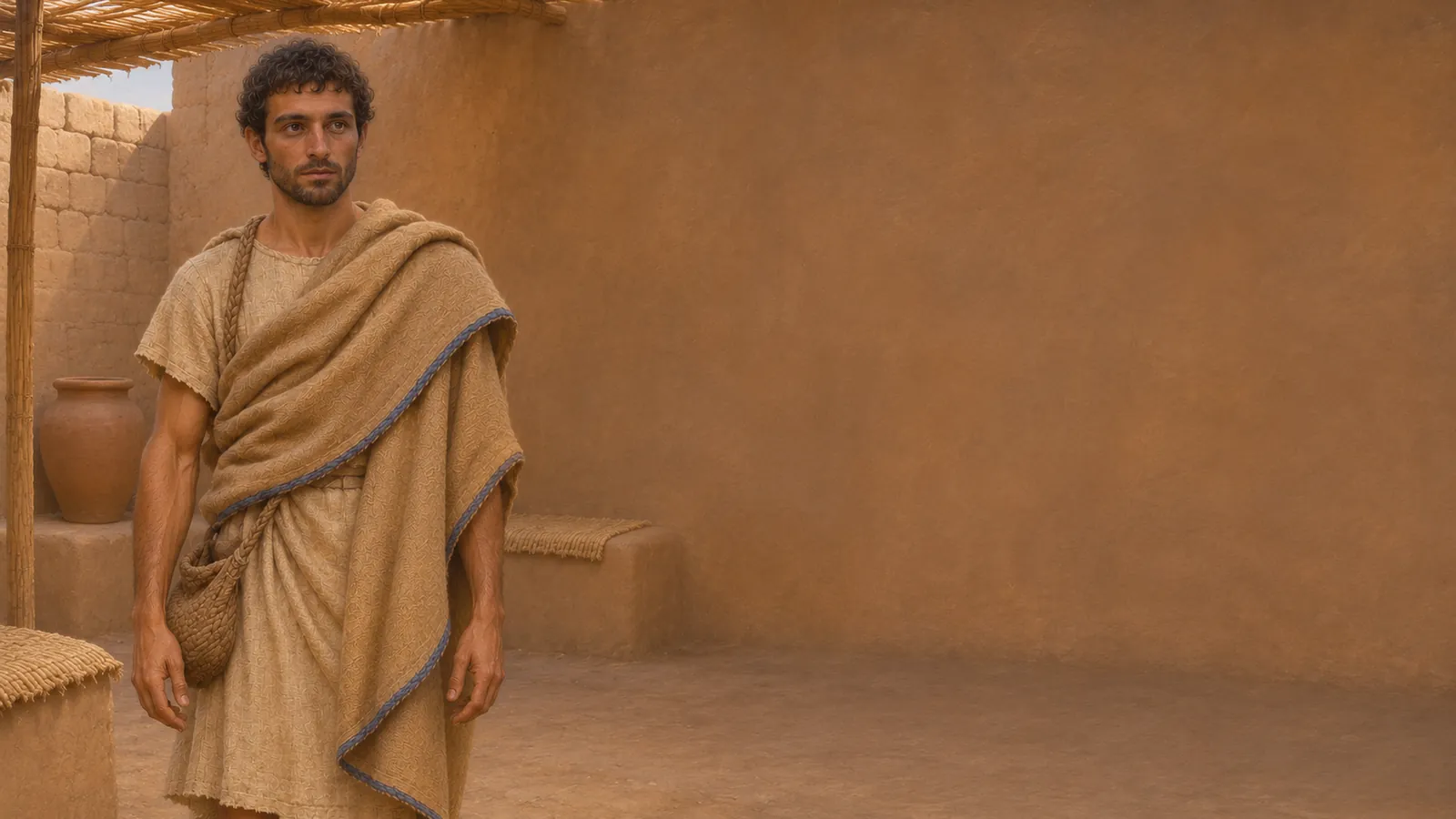
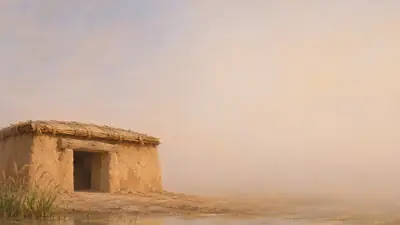
Le messager partit et atteignit Kulaba, bâtie en briques. Les lignes se brisent autour de son retour, mais une voix monte comme un torrent.

Enmerkar dit qu’il enverrait un vêtement d’une couleur qui ne figurait pas dans la liste. Il accepta l’épreuve et assura que son champion avait la faveur d’Enlil.
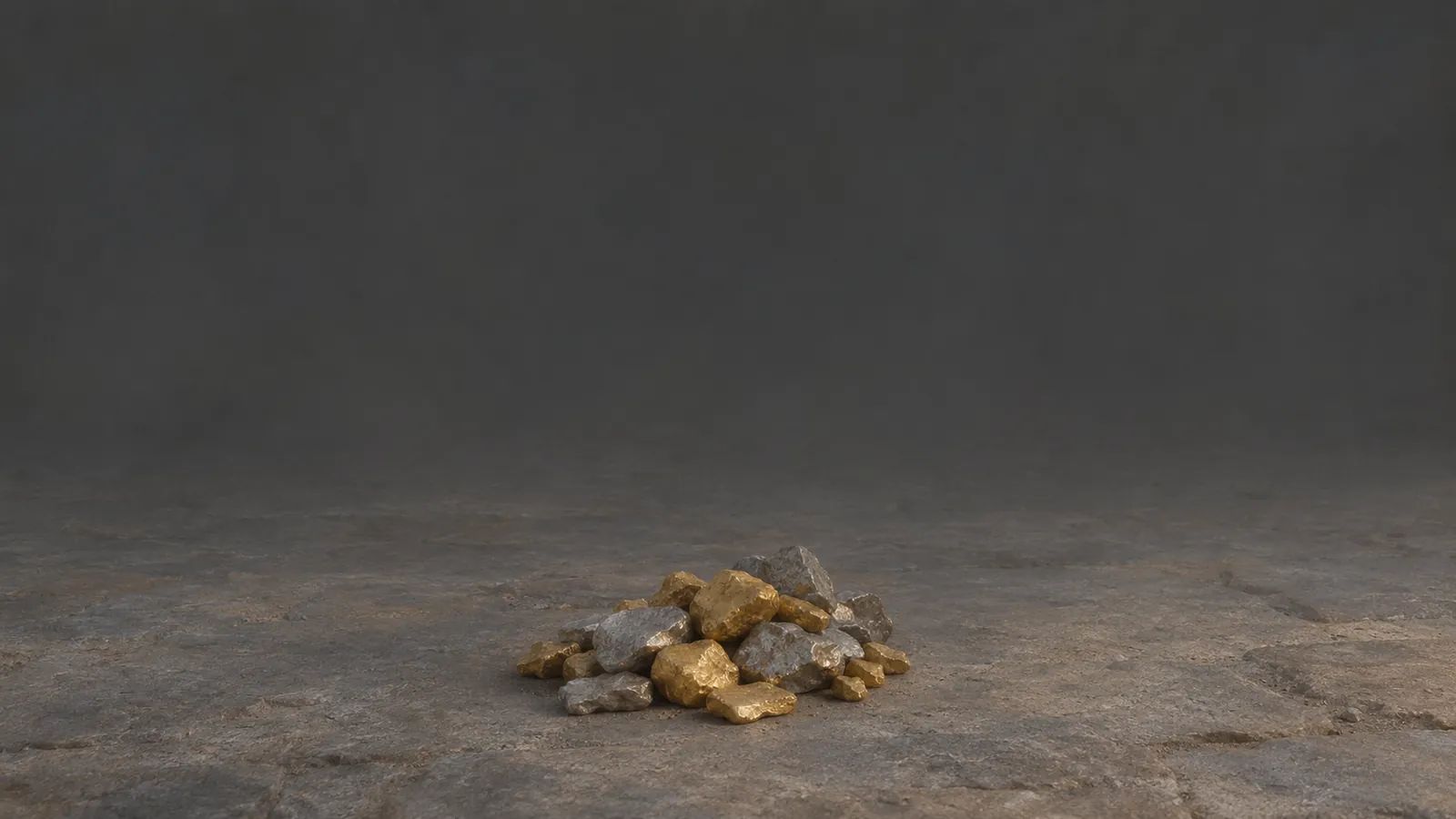
Enmerkar confia une nouvelle exigence au messager. Qu’on amoncelle l’or et l’argent dans la cour d’Aratta pour Inanna.
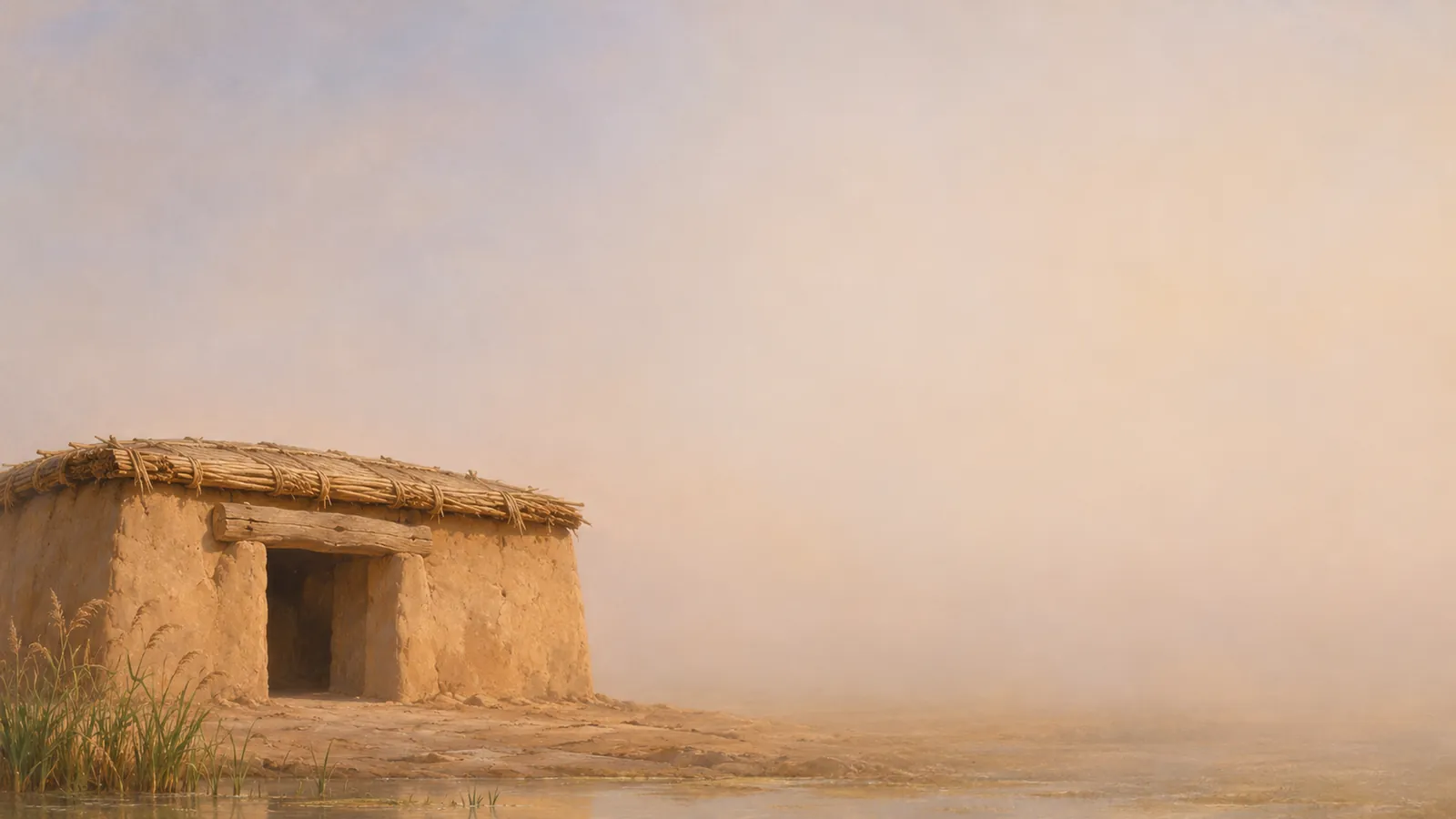
Il exigea de la pierre des montagnes pour rebâtir le grand sanctuaire d’Eridu. La menace et une partie de la suite ne nous sont parvenues que par fragments.
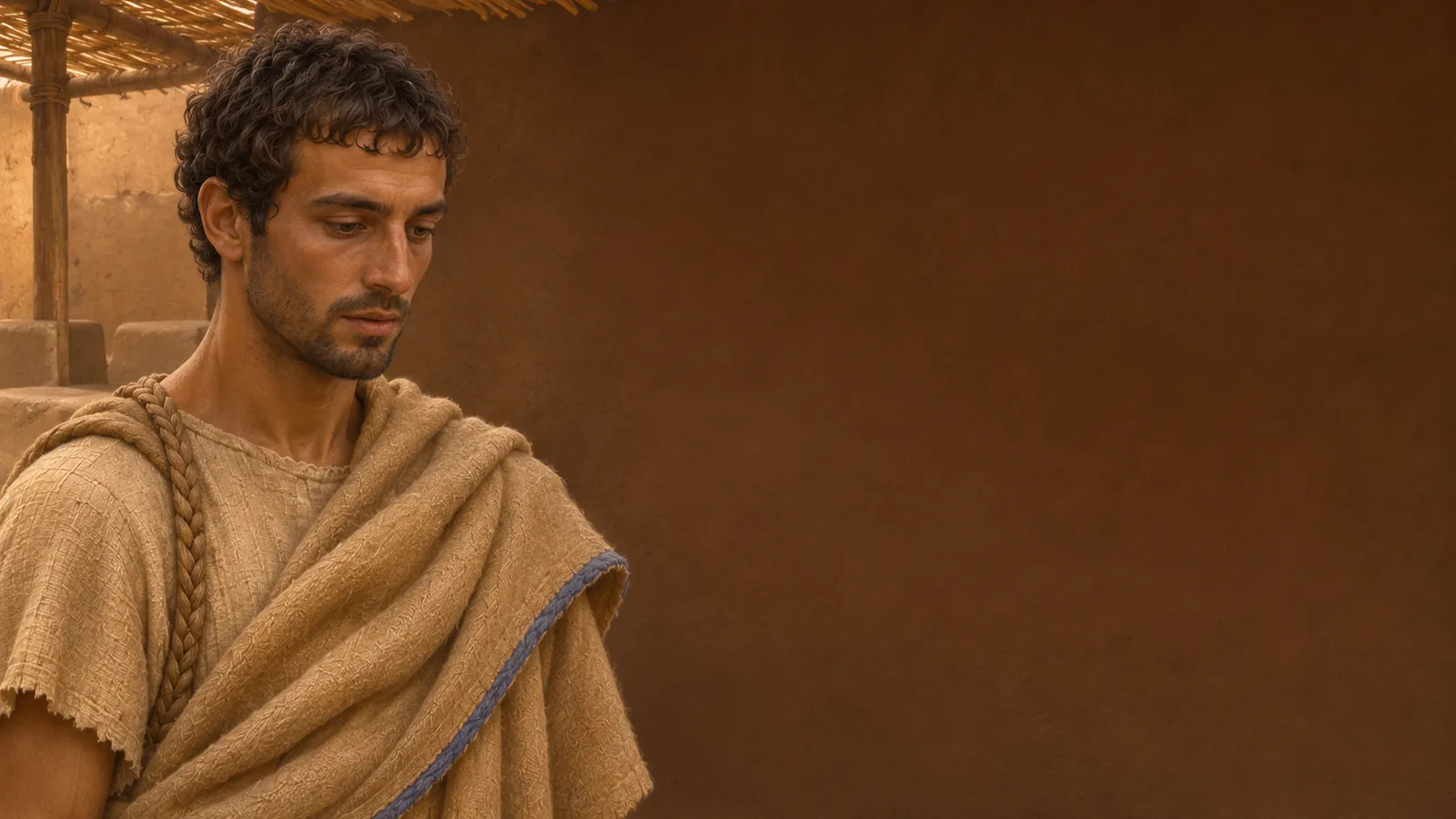
Les paroles du roi se succédaient. Le message était devenu si long que le messager, épuisé, ne pouvait plus le répéter.
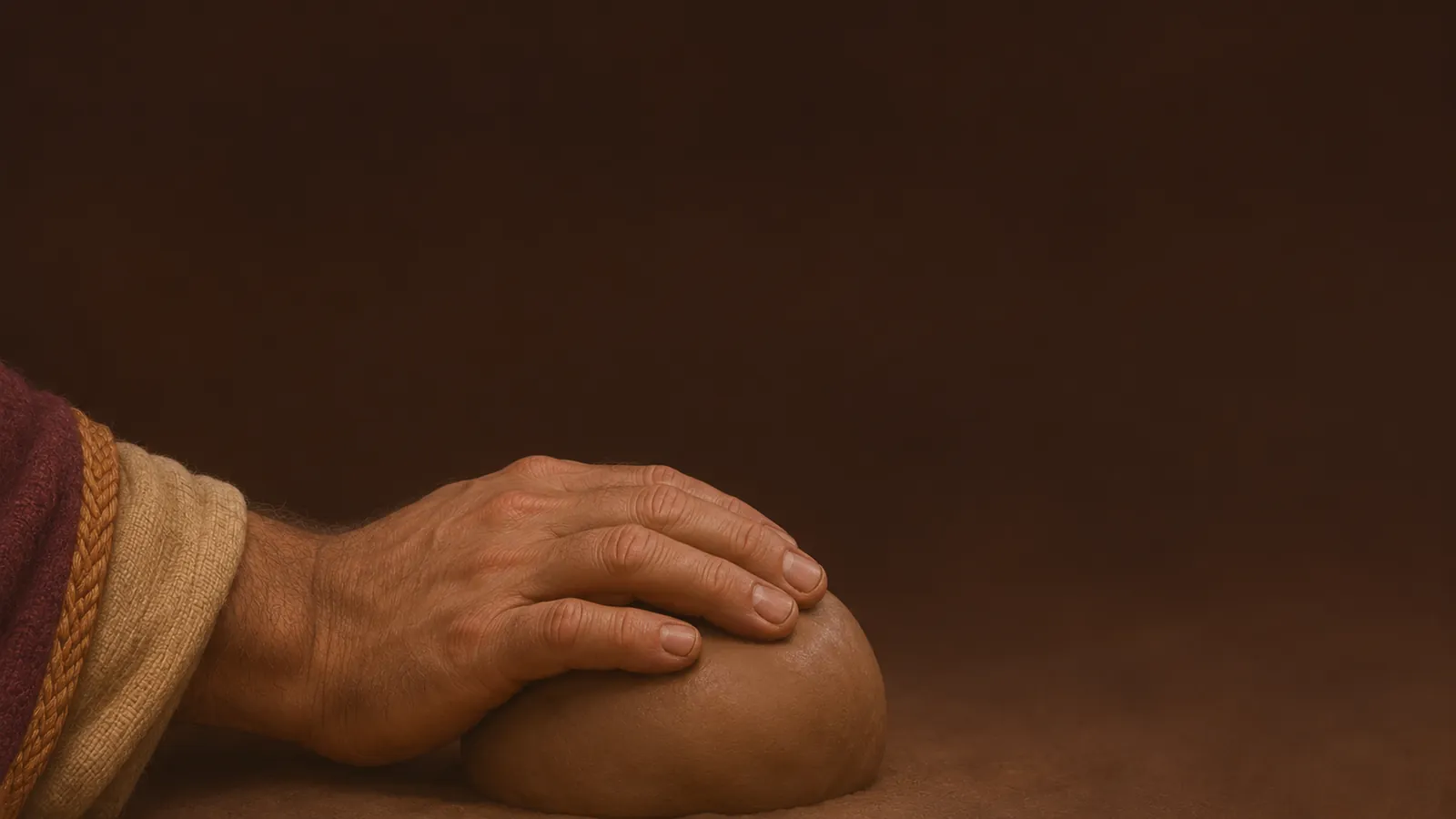
ARGILE
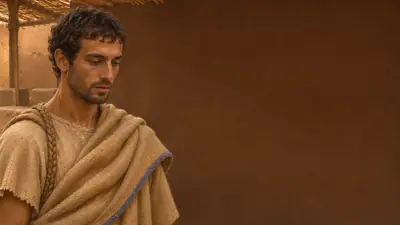
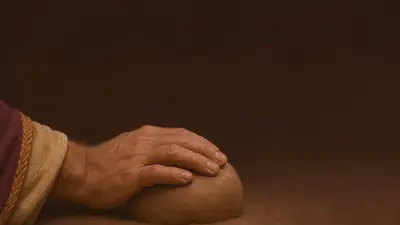
Enmerkar pressa un morceau d’argile et y inscrivit le message. Dans le poème, à partir de ce jour, un message pouvait voyager sur de l’argile.
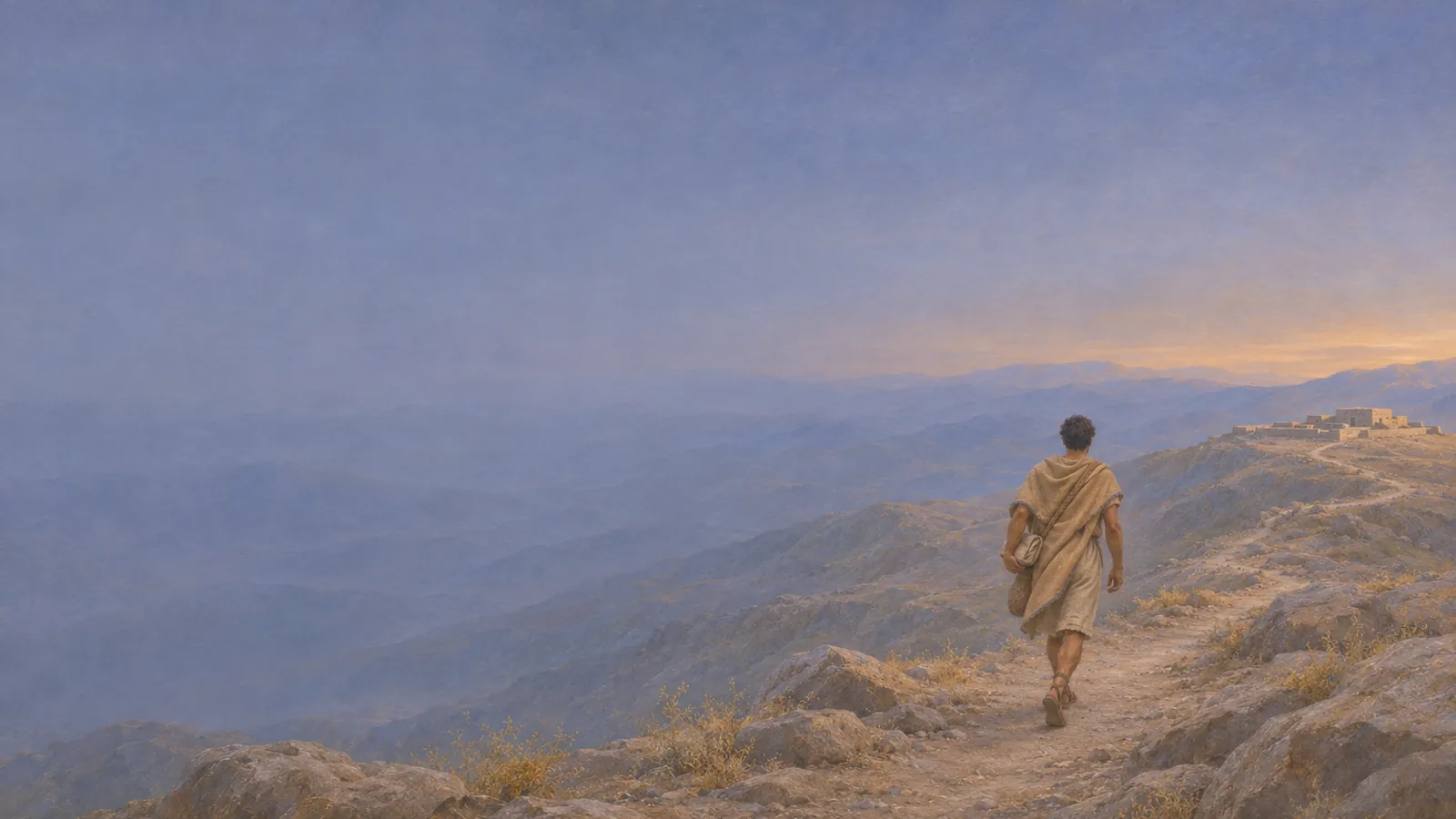
Par-dessus cinq montagnes, puis six, puis sept, le messager passa de nouveau. Il leva les yeux vers Aratta et entra joyeusement dans sa cour.
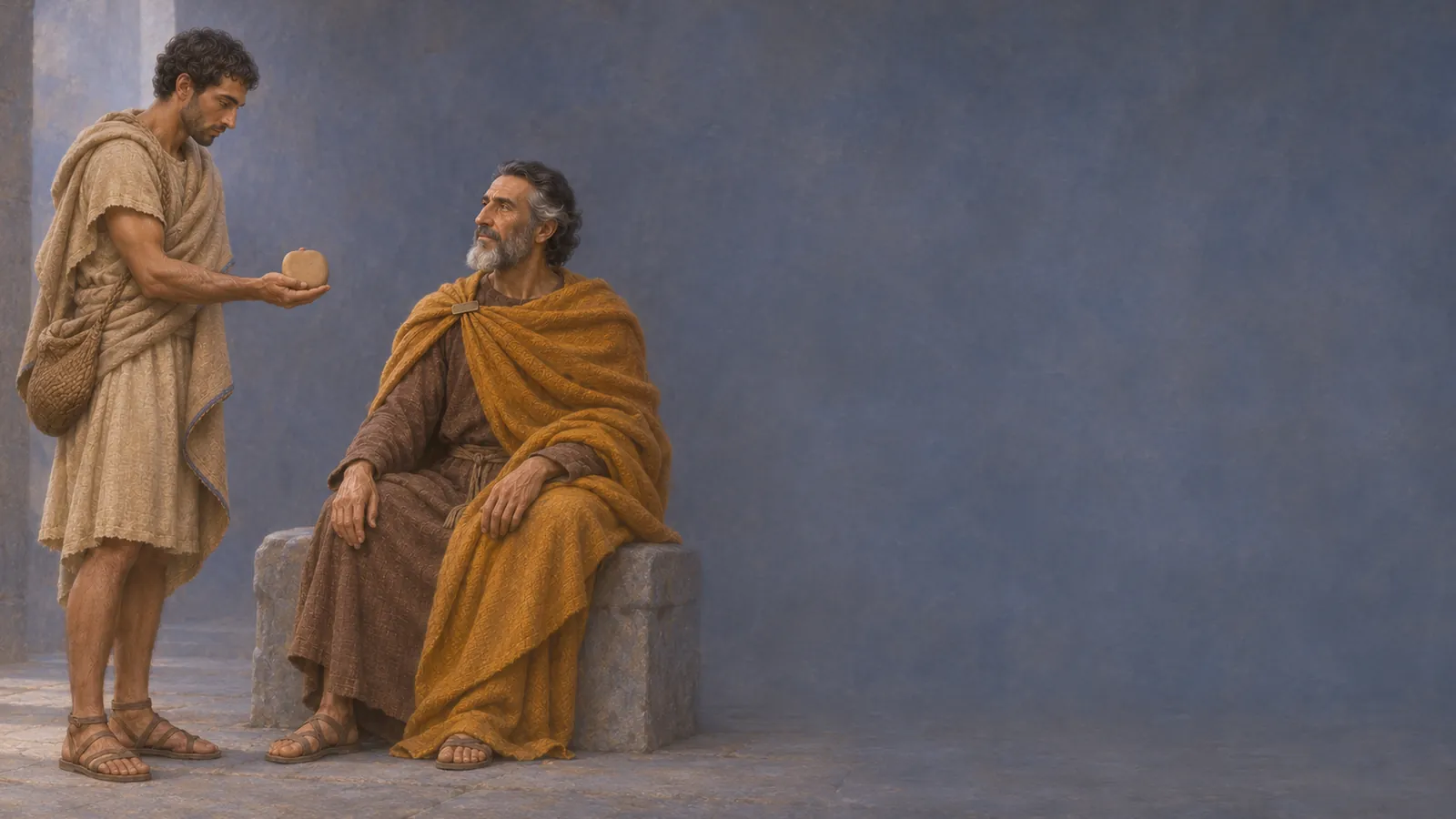
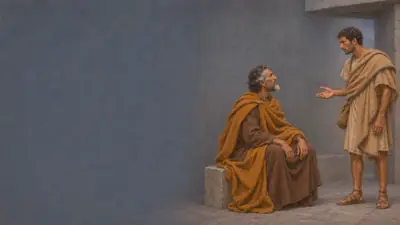
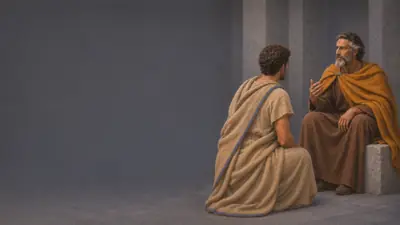
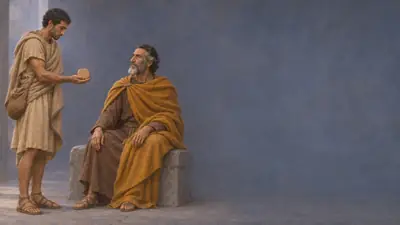
Le seigneur demanda de nouveau ce qu’avait dit le maître de son visiteur. Cette fois, le messager lui dit qu’Enmerkar lui avait remis une tablette d’argile.
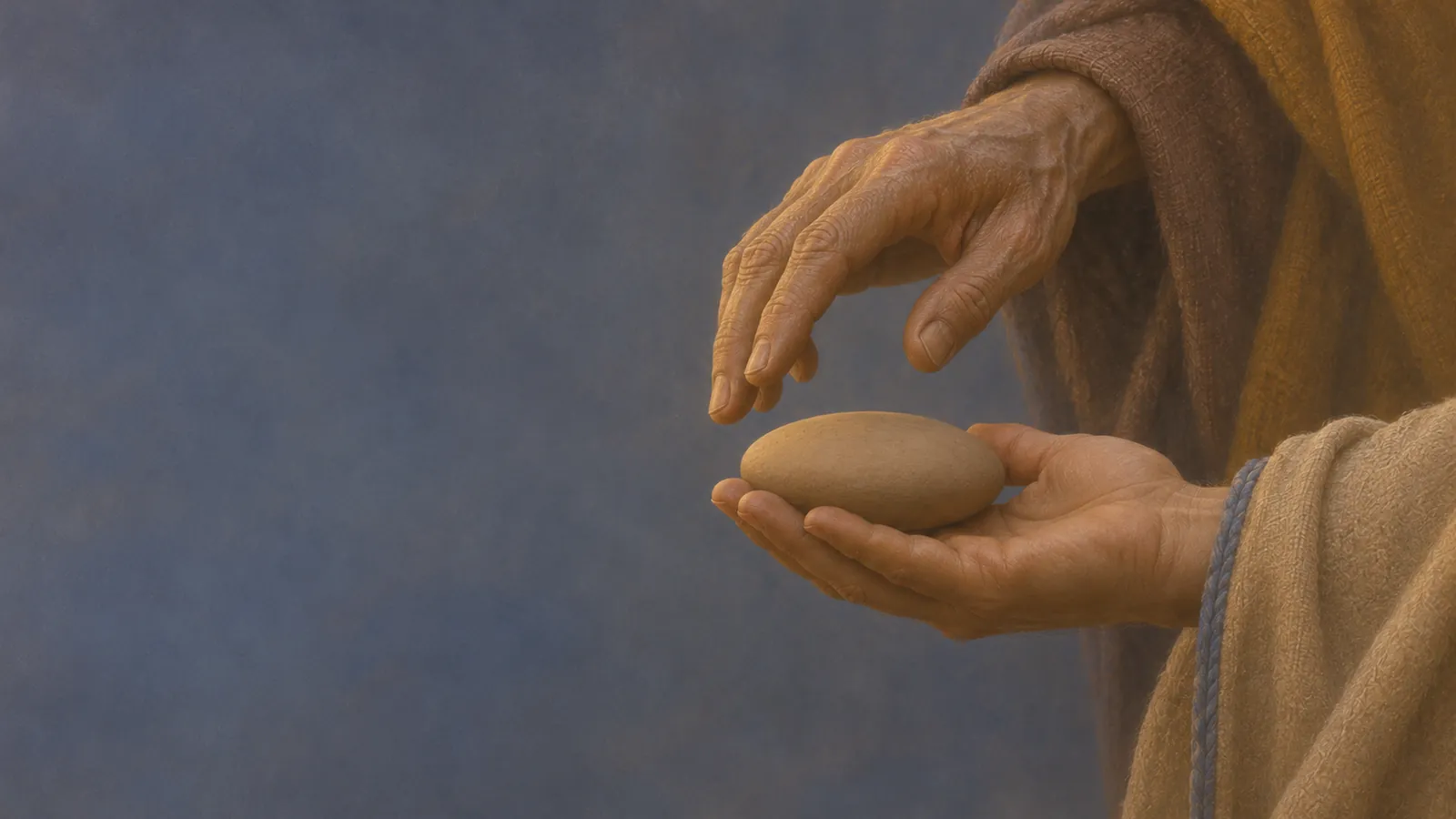
Le messager demanda au seigneur d’examiner l’argile et d’en comprendre le message. Il rapporterait ensuite la réponse à E-ana.

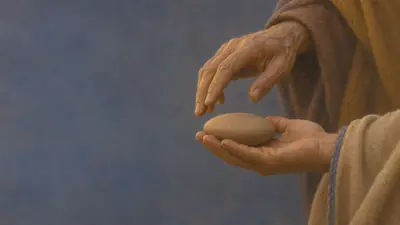
Le seigneur d’Aratta prit la tablette d’argile cuite et l’examina. Le poème compare le message à des clous, et le seigneur se mit en colère.
TEMPÊTE
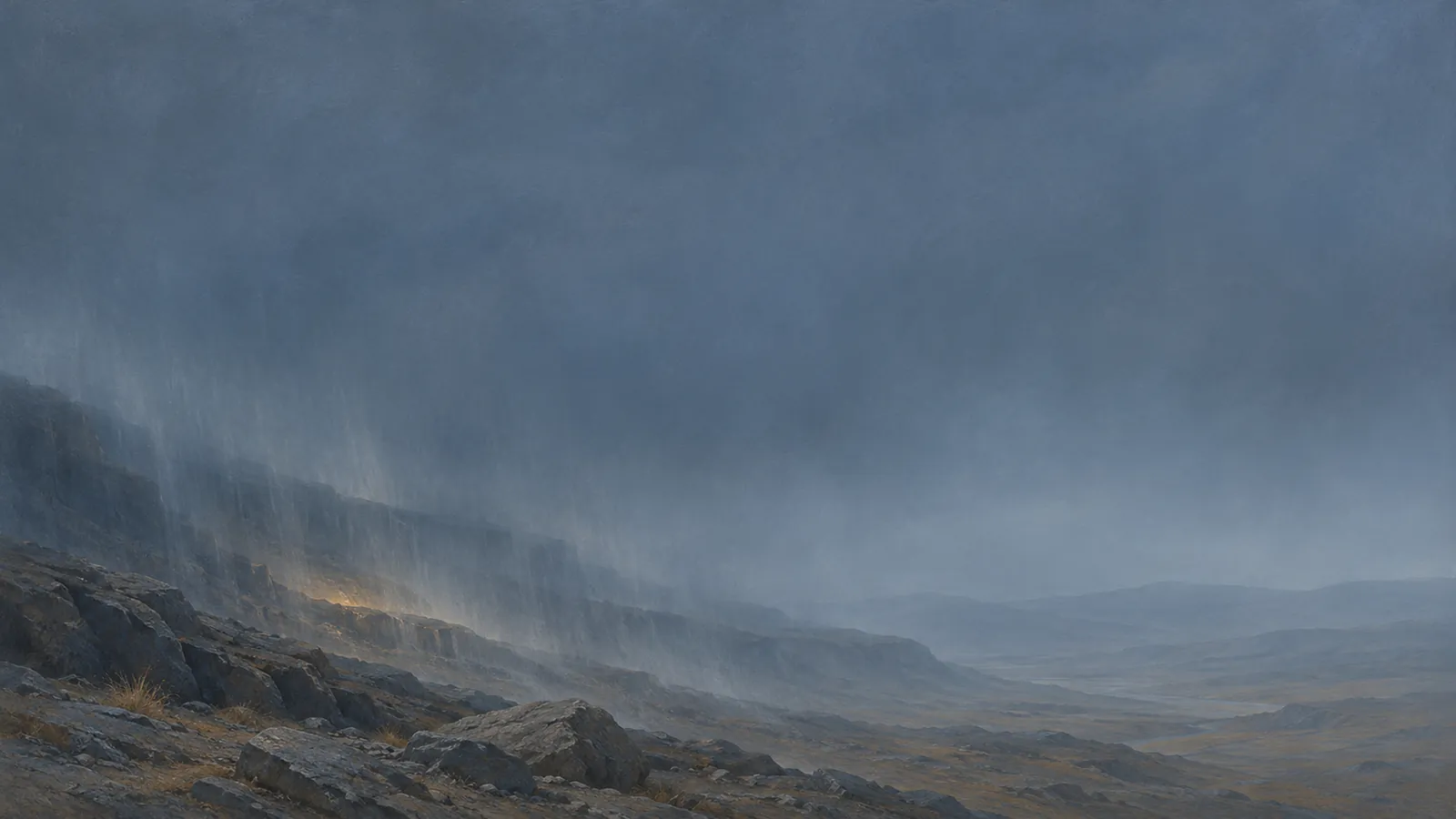
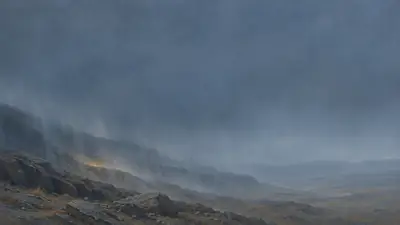
Puis Ishkur souleva une tempête. Le tonnerre roula dans le ciel et sur la terre, et les montagnes tremblèrent. Même dans les vers brisés, la tempête est terrible.
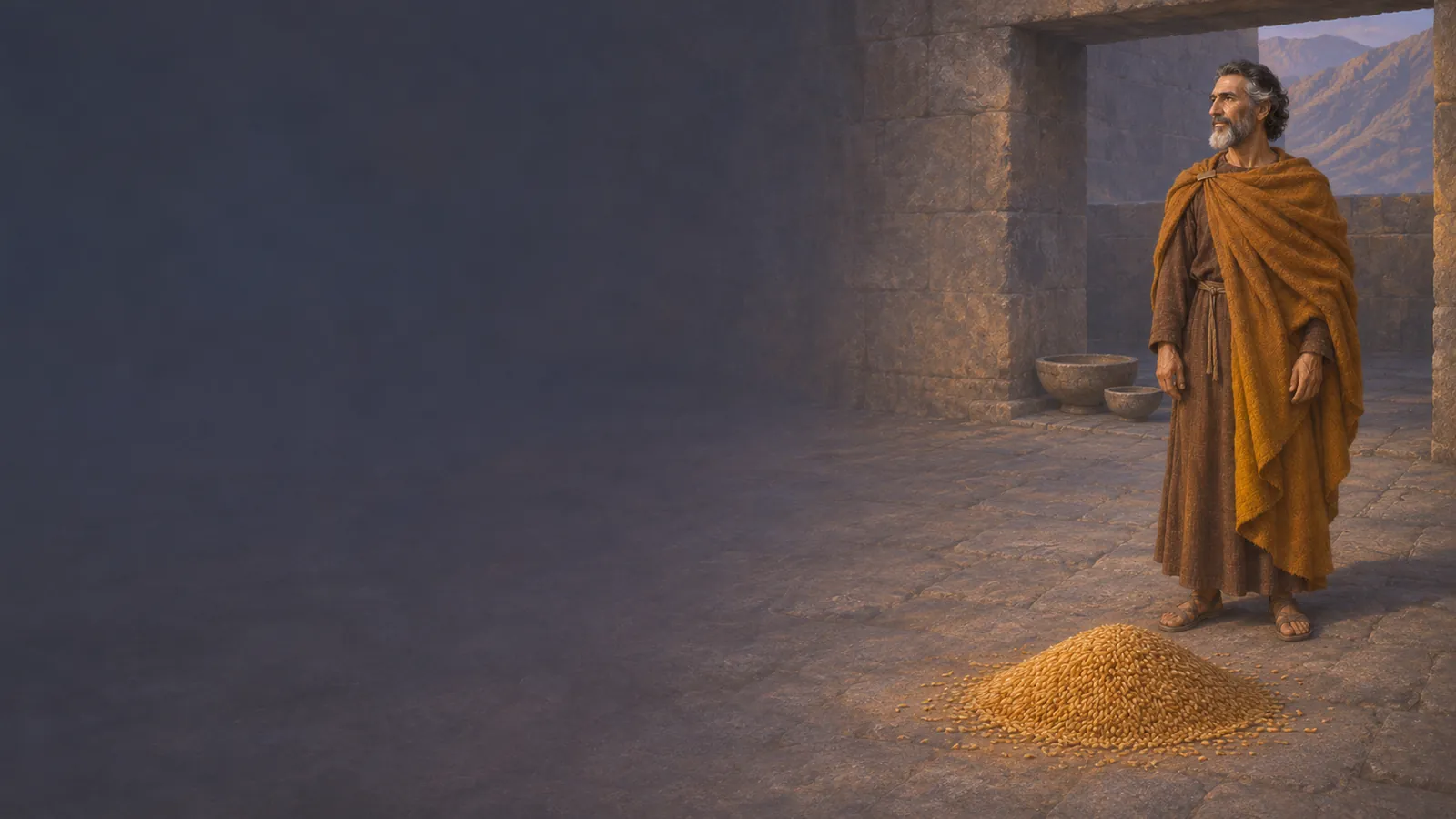
Sur les pentes sèches d’Aratta, du blé et des pois chiches poussèrent d’eux-mêmes. On apporta le blé au seigneur et on l’entassa dans sa cour.
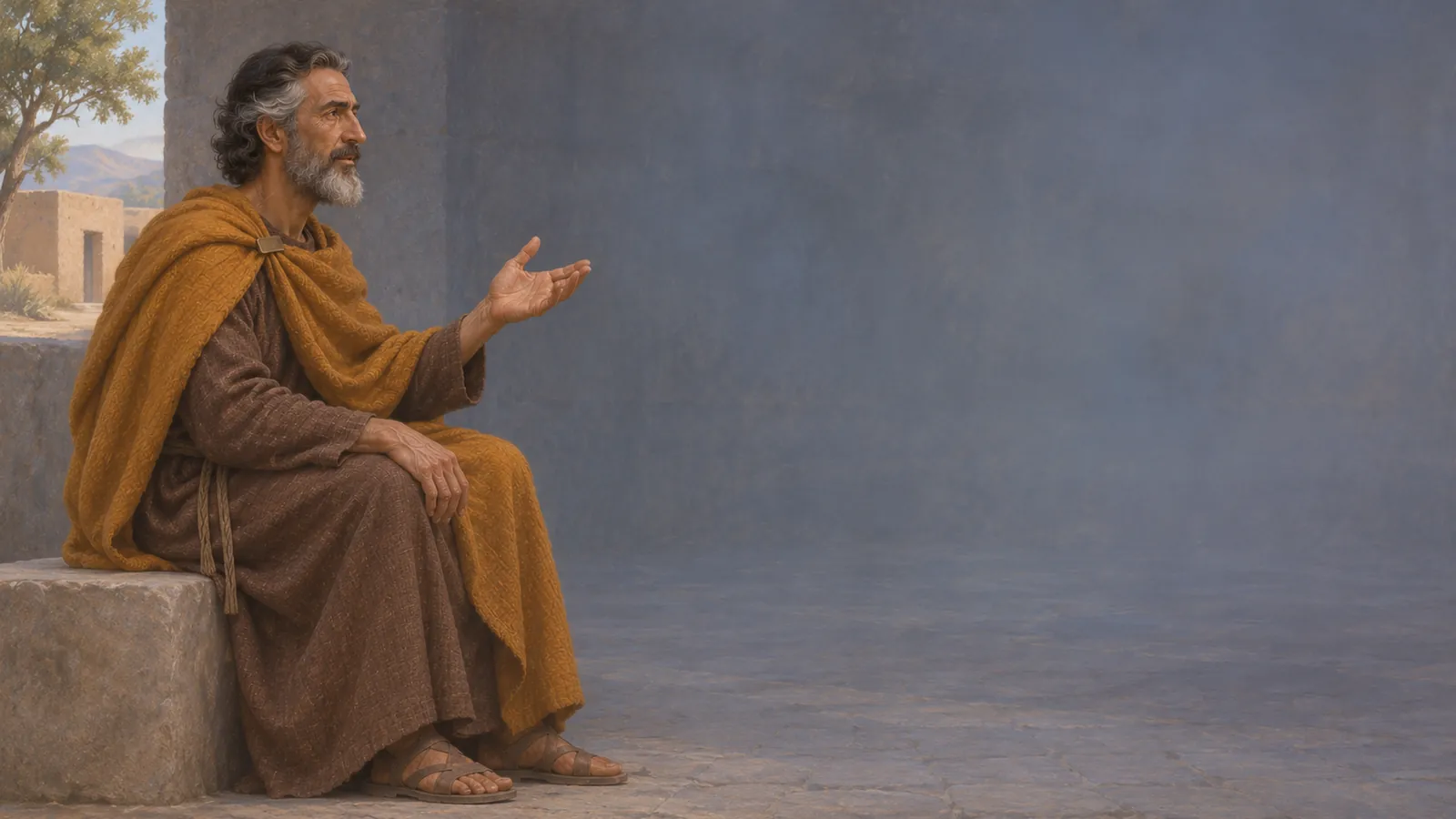
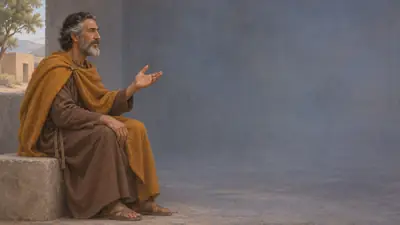
Le seigneur dit alors qu’Inanna était restée fidèle à Aratta. Elle était restée auprès de son sanctuaire d’E-zagina, disait-il, et sa ville gardait la première place.
Le seigneur évoqua ceux qui avaient affronté un déluge. Par amour pour Dumuzid, dit-il, Inanna les avait aspergés de l’eau de vie.
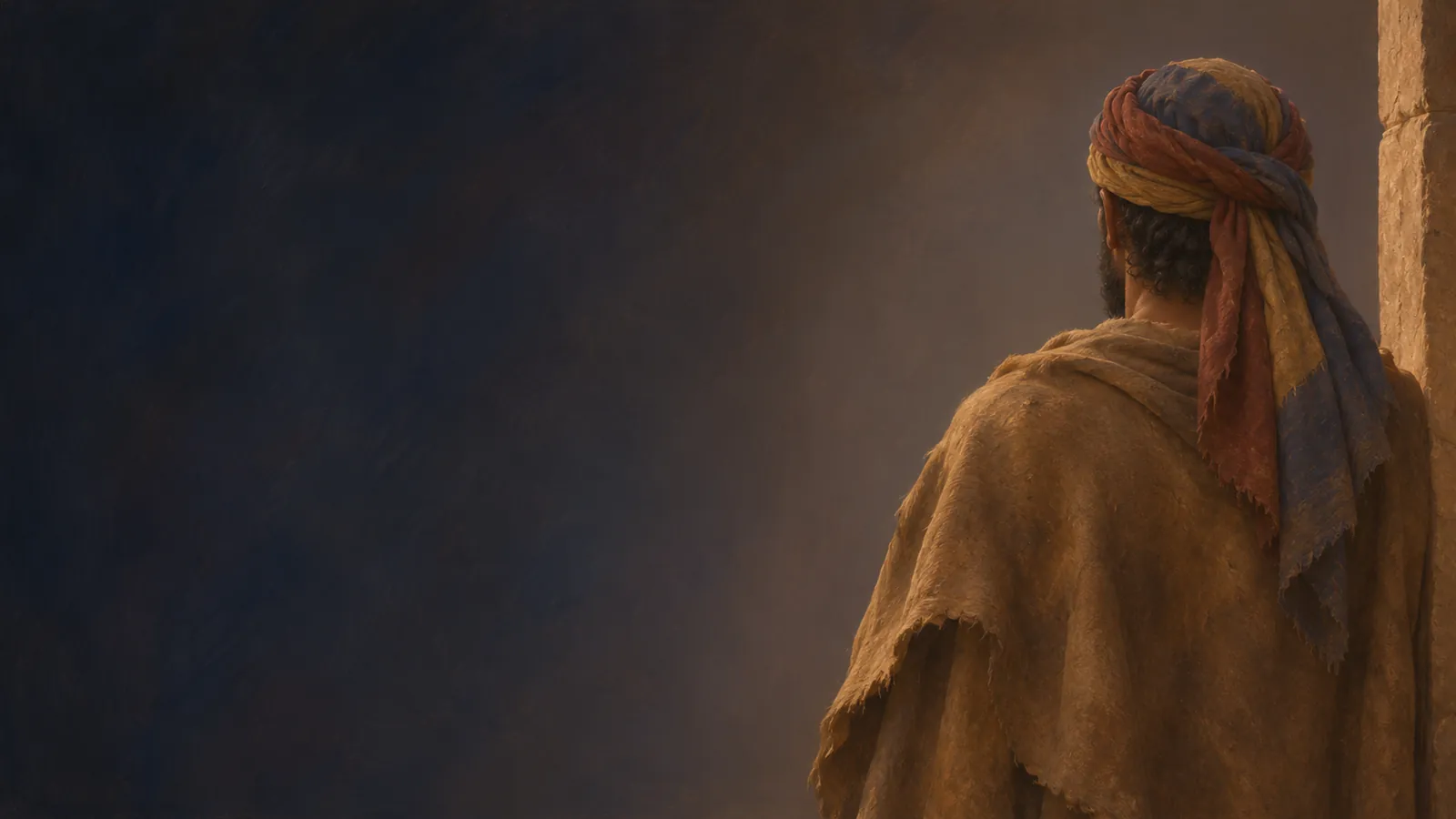
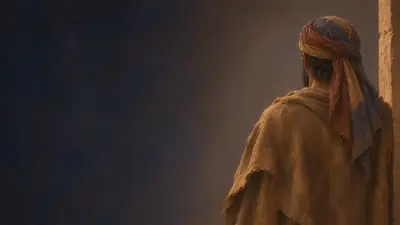
Le champion arriva, coiffé d’un turban multicolore et vêtu de peau de lion. Quatre vers obscurs suivent, et l’issue de l’épreuve nous échappe.
Les vers fragmentaires nomment Inanna et parlent d’un chant. Ils disent qu’elle chanta pour Dumuzid et que ce chant lui plut.
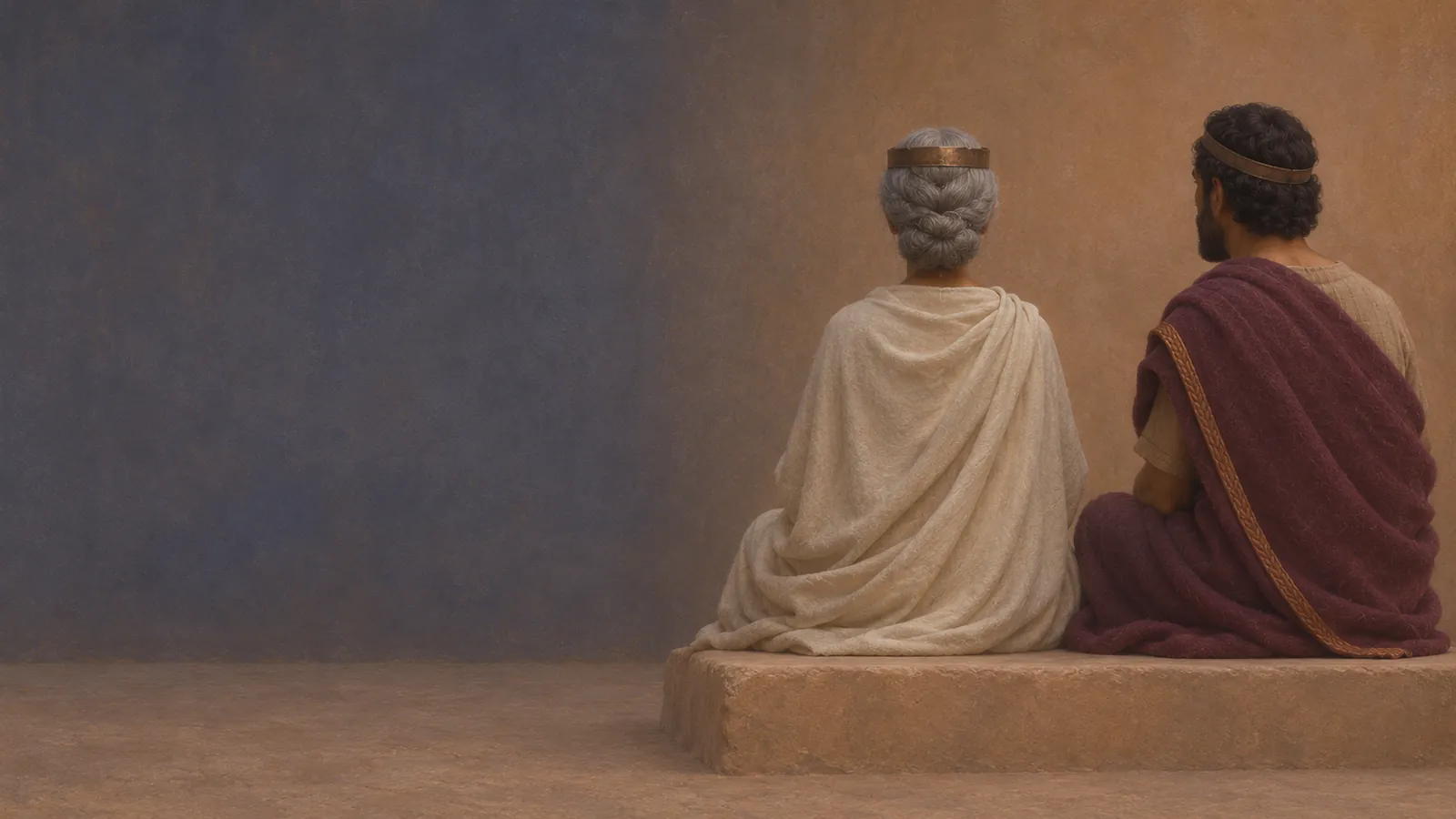
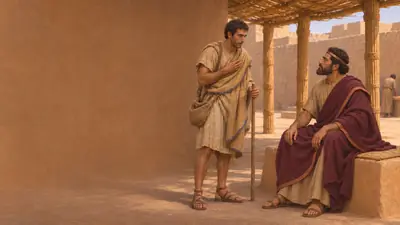
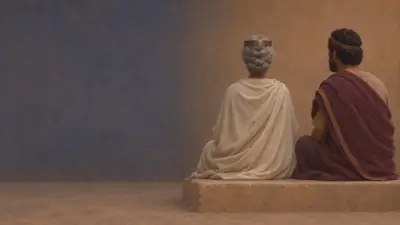
Une femme âgée arrive, vêtue de blanc, avec une couronne qui rappelle le clair de lune. Elle fait asseoir Enmerkar à ses côtés sur l’estrade. Le poème ne la nomme pas ici.
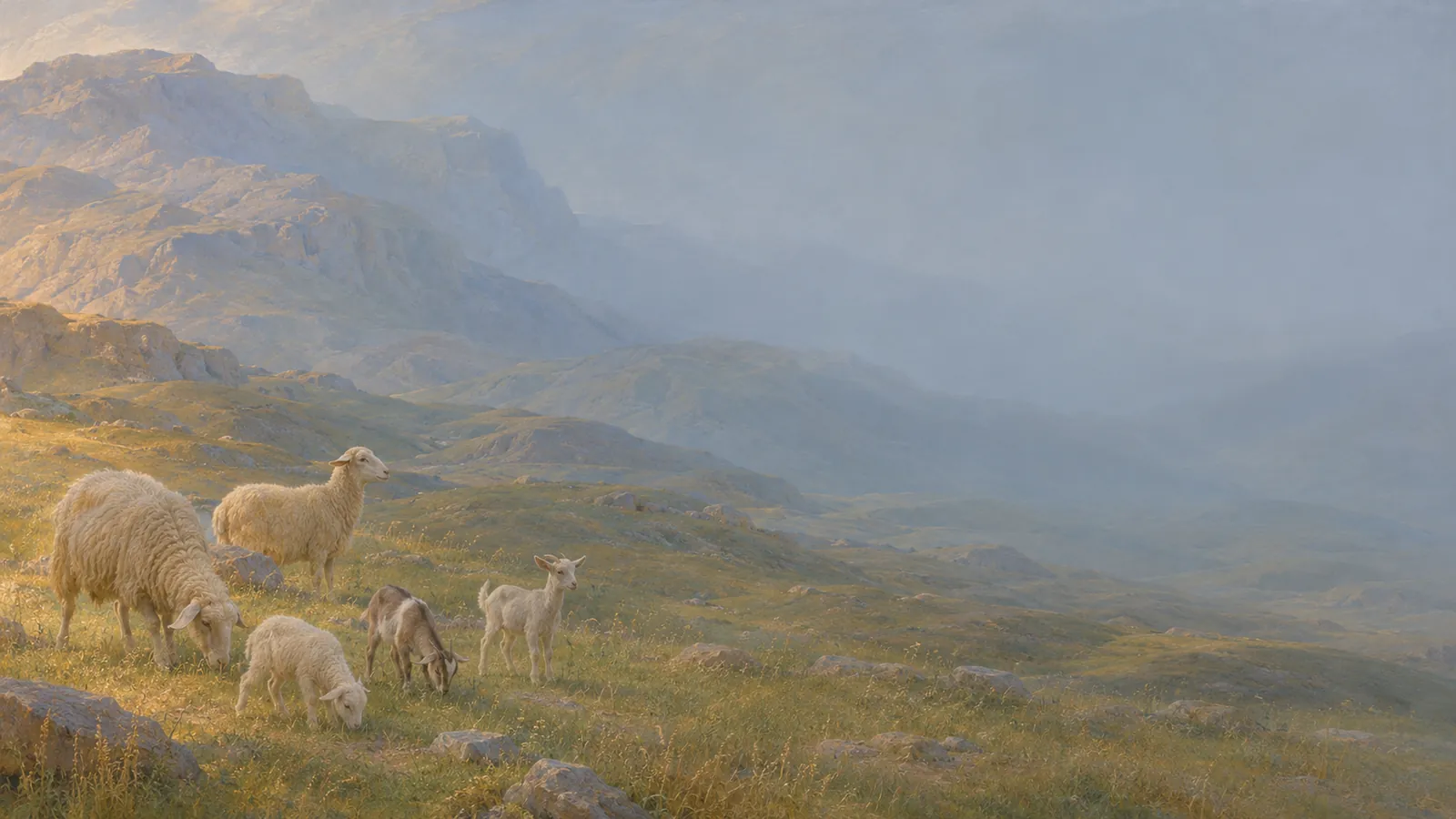
Le poème parle à nouveau d’abondance à Aratta. Agneaux, chevreaux, veaux et ânons sombres et rapides se multiplient, et les gens appellent à faire des tas de grain.
Le seigneur d’Aratta est de nouveau mentionné, mais les gestes autour de lui sont fragmentaires. Puis trois vers manquent au texte conservé.
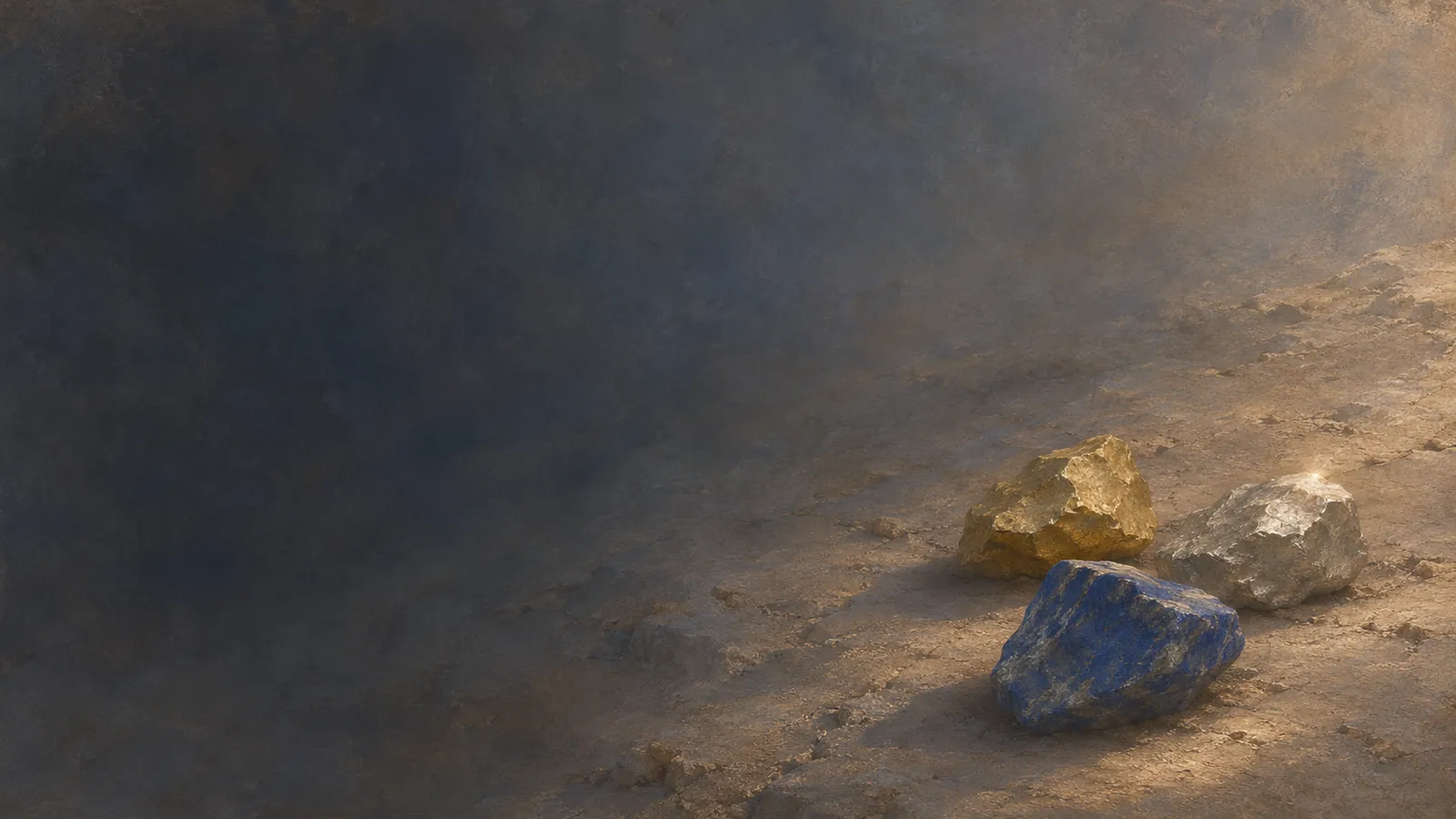
Une voix parle dans les fragments, sans que nous puissions nommer qui parle. Il y est question d’Enlil et de travaux d’or, d’argent et de lapis.
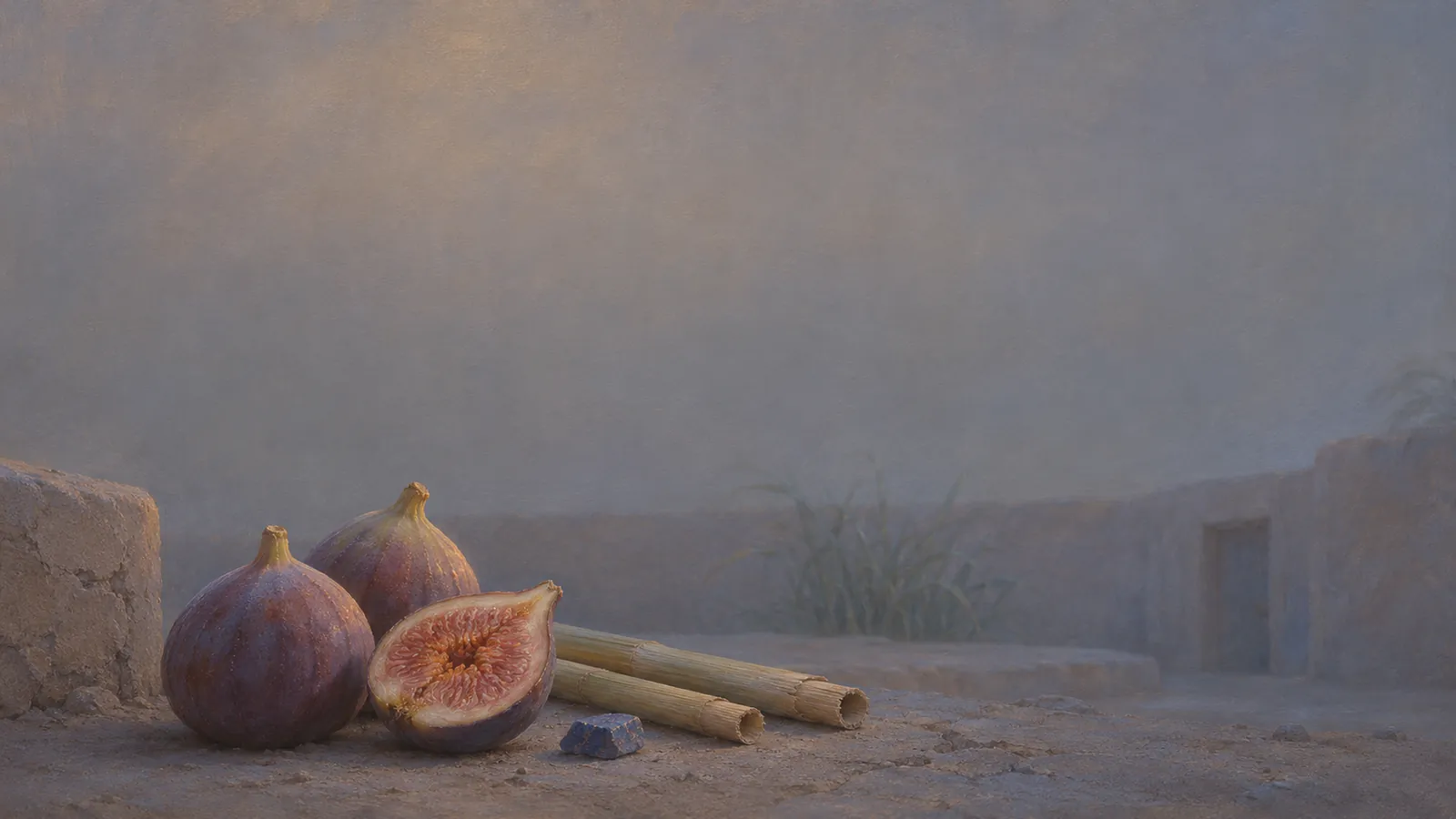
Des fruits, des roseaux et du lapis apparaissent dans les derniers vers. On entrevoit encore la cour d’E-ana, où l’on demande d’en faire des tas en l’honneur d’Inanna.
Parmi les derniers mots lisibles, il reste une offre de conseil, une revendication de la royauté et le nom de Geshtinanna.
LES DERNIERS VERS
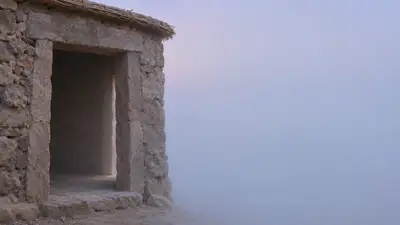
Ici s’interrompt le poème tel qu’il nous est parvenu. Il manque environ six vers, et les mots qui restent laissent inconnue l’issue de la rivalité.
Fin du chapitre 2
Toutes les pages





Sources
Éditions consultées
- Oxford ETCSL 1.8.2.3, translation, lines 308–636 and the final lacuna
- Oxford ETCSL 1.8.2.3, Sumerian composite and manuscript variants
- CDLI, written witnesses to the poem
- IL Archive, Enmerkar and the Lord of Aratta
- Metropolitan Museum of Art, administrative tablet from early Uruk
Les vers antiques de chaque page
- Page 1: ETCSL 1.8.2.3 308–311
- Page 2: ETCSL 1.8.2.3 312–316
One of the vessel names is damaged. - Page 3: ETCSL 1.8.2.3 317–322
The text mentions a tablet and stylus amid broken wording. - Page 4: ETCSL 1.8.2.3 323–326
- Page 5: ETCSL 1.8.2.3 327–329
The preceding plant phrase and the wording of the barley measure are uncertain. - Page 6: ETCSL 1.8.2.3 330–338
- Page 7: ETCSL 1.8.2.3 339–343
- Page 8: ETCSL 1.8.2.3 344–346
- Page 9: ETCSL 1.8.2.3 347–351
- Page 10: ETCSL 1.8.2.3 352–356
The exact wording of the barley measure is uncertain. - Page 11: ETCSL 1.8.2.3 357–362
- Page 12: ETCSL 1.8.2.3 363–370
Oxford marks two lines around the officials as unclear. Much of the nearby exchange is damaged. - Page 13: ETCSL 1.8.2.3 371–377
The speaker’s identity and what the elders offered are uncertain. - Page 14: ETCSL 1.8.2.3 378–388
- Page 15: ETCSL 1.8.2.3 389–396
The fasting person’s identity and some details of the exchange are uncertain. - Page 16: ETCSL 1.8.2.3 397–405
The surviving copies give different orders for some of the woods. - Page 17: ETCSL 1.8.2.3 406–411
- Page 18: ETCSL 1.8.2.3 412–421
- Page 19: ETCSL 1.8.2.3 422–426
The account of the work is damaged and leaves the substance and actions uncertain. - Page 20: ETCSL 1.8.2.3 427–432
The poem gives the sequence five years, then ten. The intended duration and the material of the resulting sceptre remain uncertain. - Page 21: ETCSL 1.8.2.3 433–440
The lines describing what happens to the sceptre on arrival are damaged. - Page 22: ETCSL 1.8.2.3 441–453
The lord’s words about Inanna report his own fear at this point in the poem. - Page 23: ETCSL 1.8.2.3 454–461
The expression and the significance of the colors remain uncertain. - Page 24: ETCSL 1.8.2.3 462–469
Several phrases around the messenger’s return are broken. - Page 25: ETCSL 1.8.2.3 470–478
- Page 26: ETCSL 1.8.2.3 479–487
- Page 27: ETCSL 1.8.2.3 488–499
Part of the threat and the following speech are damaged. - Page 28: ETCSL 1.8.2.3 500–502
- Page 29: ETCSL 1.8.2.3 503–506
Archaeological evidence for the beginnings of writing comes from other sources. - Page 30: ETCSL 1.8.2.3 507–514
The series of five, six and seven mountains repeats the poem’s travel formula. - Page 31: ETCSL 1.8.2.3 515–524
- Page 32: ETCSL 1.8.2.3 525–535
- Page 33: ETCSL 1.8.2.3 536–541
- Page 34: ETCSL 1.8.2.3 542–548
The description of the storm has several broken phrases. - Page 35: ETCSL 1.8.2.3 549–556
The granary phrase is damaged. - Page 36: ETCSL 1.8.2.3 557–562
- Page 37: ETCSL 1.8.2.3 563–576
Part of the nearby summons is damaged. - Page 38: ETCSL 1.8.2.3 577–583
Four lines after the champion’s arrival are unclear. An outcome for the contest does not survive in the text. - Page 39: ETCSL 1.8.2.3 584–587
The text mentions the song without preserving its words here. - Page 40: ETCSL 1.8.2.3 588–594
Oxford’s translation leaves the woman unnamed. Her identity is uncertain. - Page 41: ETCSL 1.8.2.3 595–602
- Page 42: ETCSL 1.8.2.3 603–610
Three lines numbered 608–610 are missing in the Oxford composite. - Page 43: ETCSL 1.8.2.3 611–619
- Page 44: ETCSL 1.8.2.3 620–625
The wording is fragmentary around the materials, their preparation and the heaps. - Page 45: ETCSL 1.8.2.3 626–636
Several phrases in the last surviving passage are broken. The speaker’s identity remains uncertain. - Page 46: ETCSL 1.8.2.3, final lacuna after 636
Oxford marks about six lines missing after line 636.
Illustrations réalisées par IL Archive avec des outils d’IA ; le texte s’appuie sur les sources antiques (voir les sources à la fin de chaque chapitre).