Le berger et le cultivateur Chapitre 1
La demande en mariage d’Inanna
Utu préfère Dumuzi, mais Inanna veut épouser un cultivateur. Dumuzi oppose sa laine et son lait aux étoffes et à la bière du cultivateur. Une voix que Jacobsen attribue avec réserve à Inanna offre du pâturage, de l’eau, du blé et des fèves. Jacobsen voit dans le dénouement une réconciliation.
SourcesTournez les pages avec les flèches, le clavier ou en balayant l’écran.
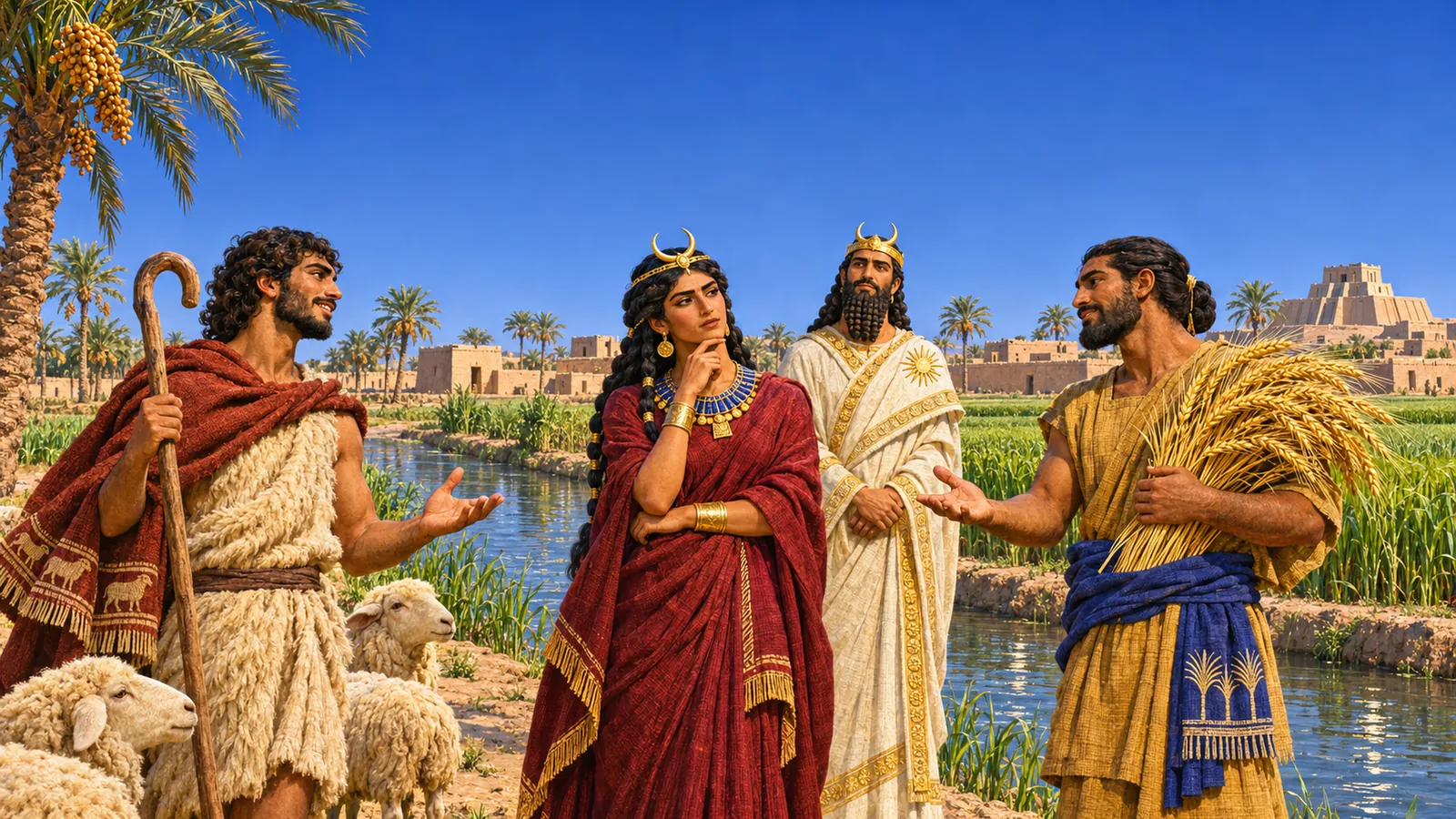
DEUX PRÉTENDANTS
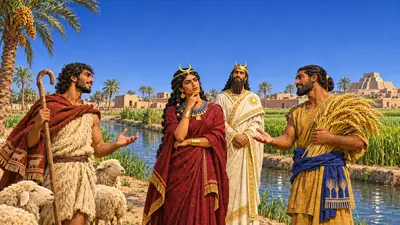
Dans le récit de Thorkild Jacobsen, le cultivateur Enkimdu et le berger Dumuzi veulent tous deux épouser Inanna. Son frère Utu est favorable à Dumuzi.
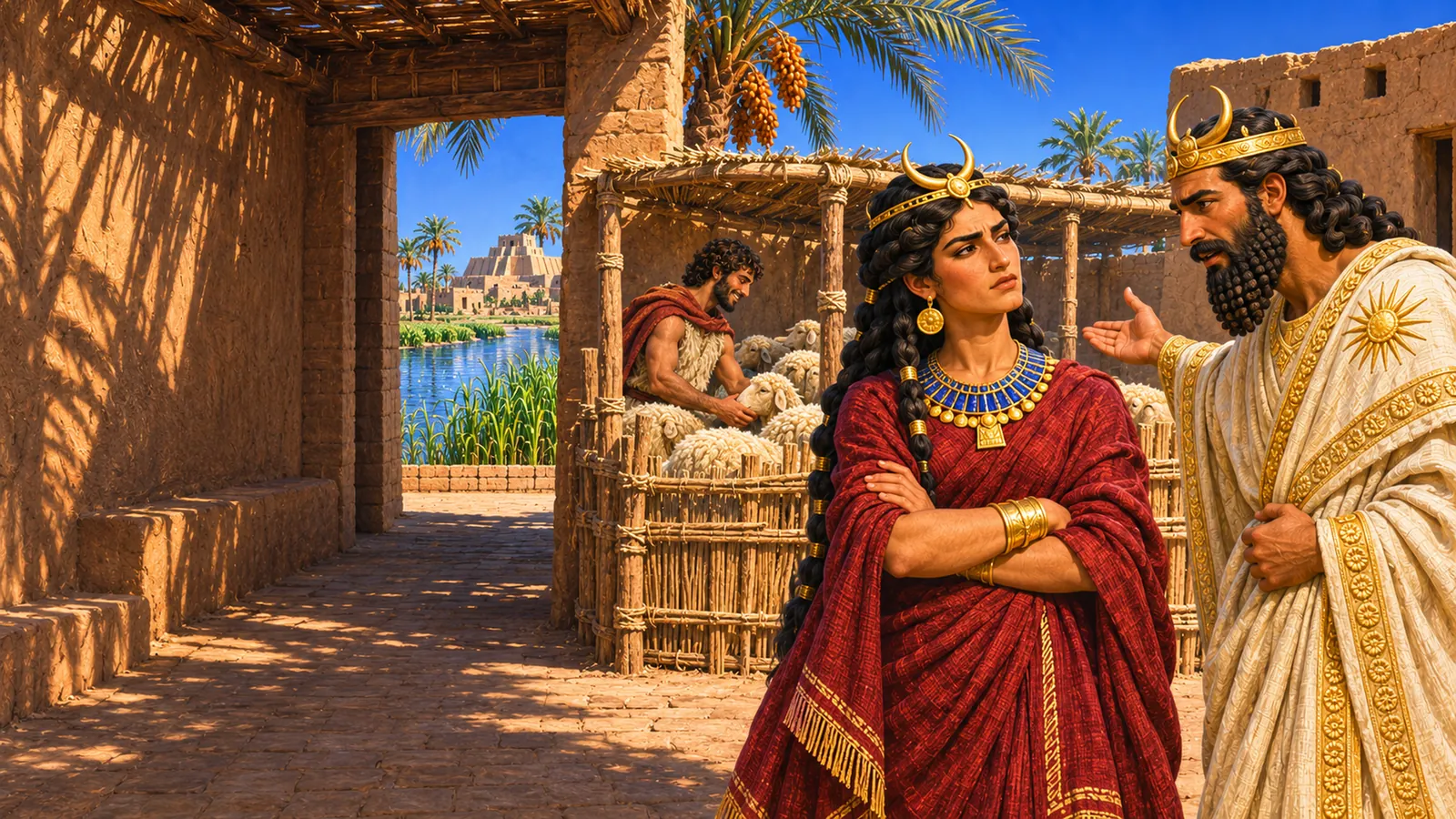
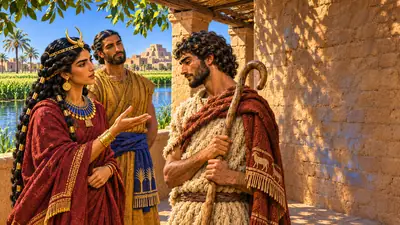
Les vers présentent Utu, le frère d’Inanna, comme un guerrier et un héros. Il conseille à sa sœur d’épouser le berger et lui demande pourquoi elle refuse.
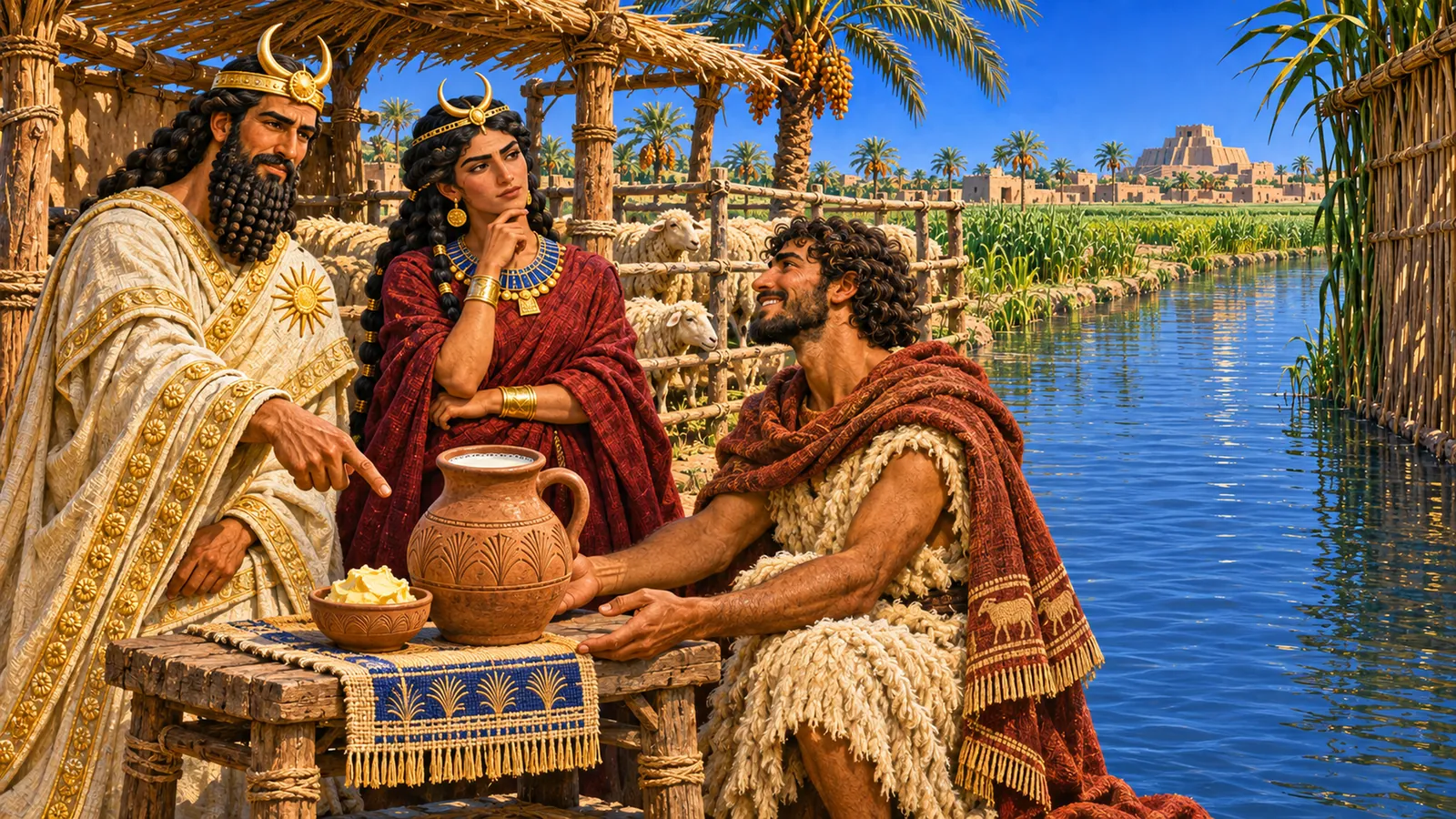
Utu vante la qualité du beurre et du lait du berger. Il dit que tous les produits du berger sont excellents et désigne Dumuzi comme celui qu’Inanna devrait épouser.
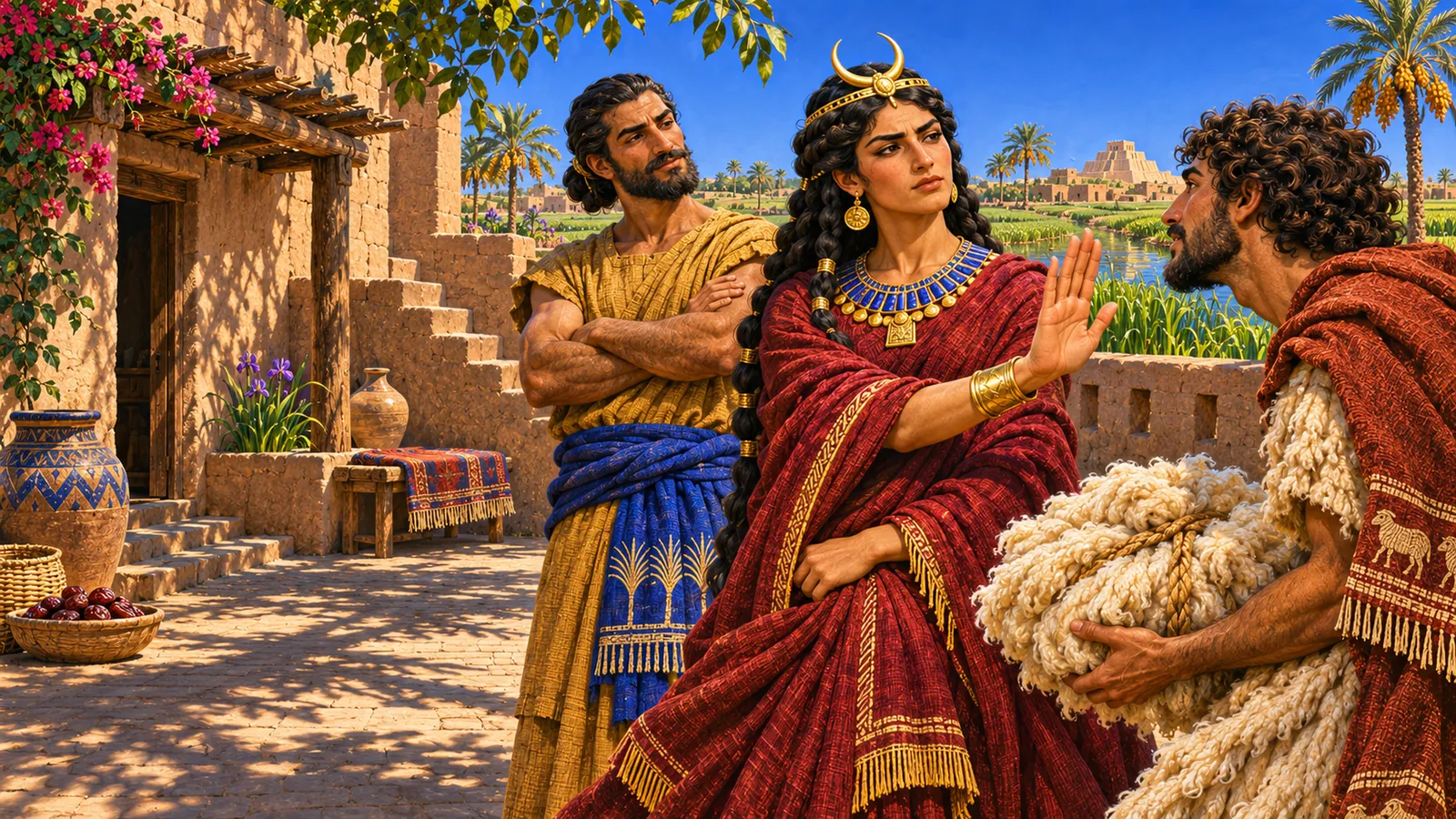
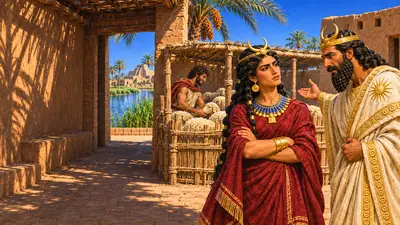
Inanna dit qu’elle n’épousera jamais le berger. Elle ne portera jamais son étoffe à houppes et refuse même le contact de sa laine la plus fine.
LE CULTIVATEUR
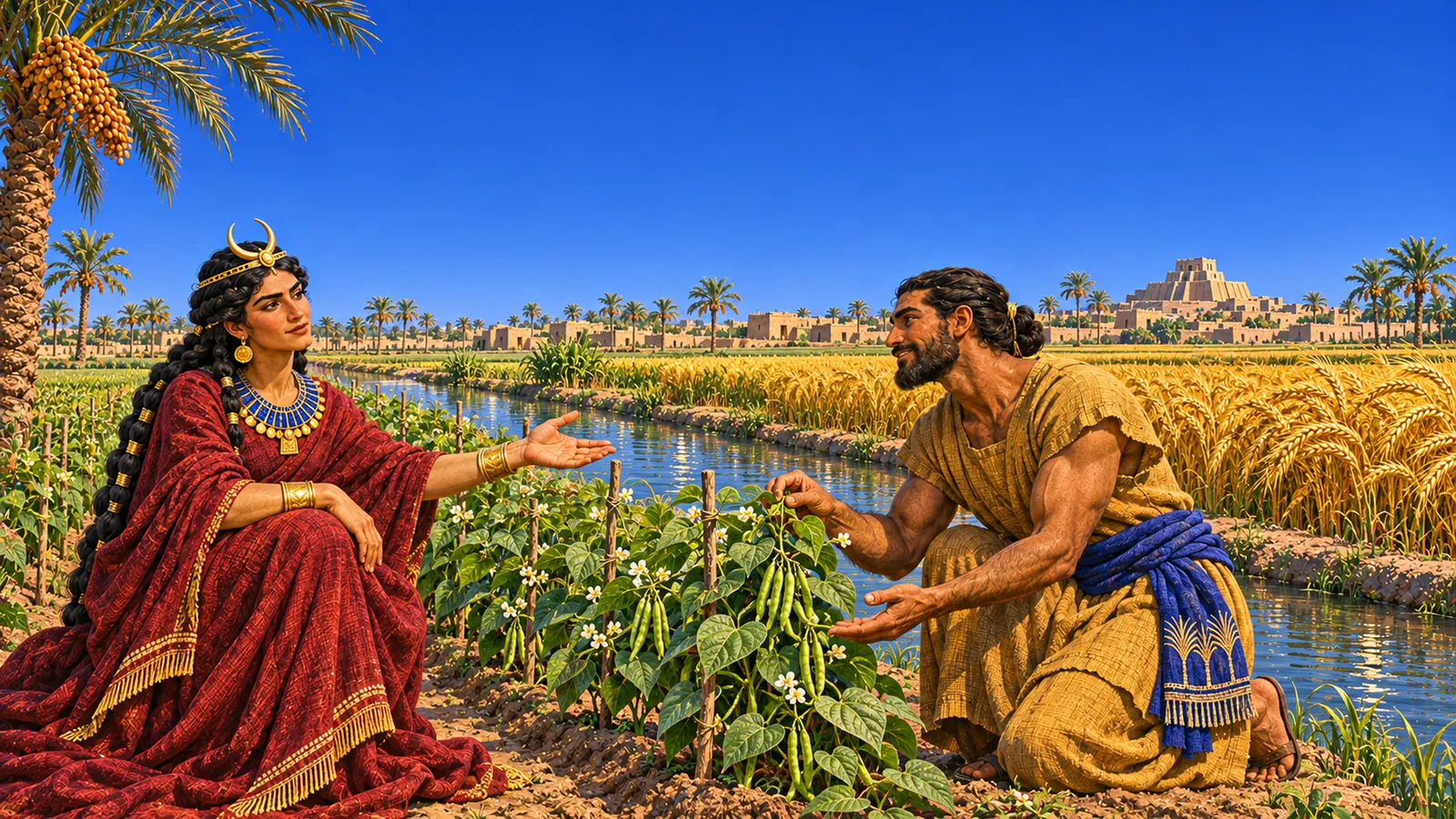
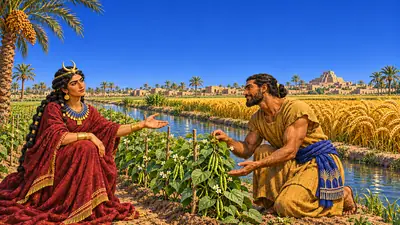
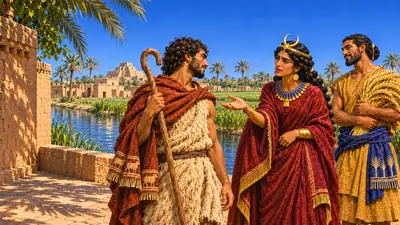
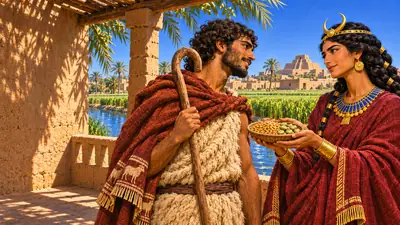
Inanna affirme qu’elle épousera uniquement un cultivateur. Elle décrit le mari qu’elle souhaite comme un homme qui sait faire pousser des fèves et des céréales.
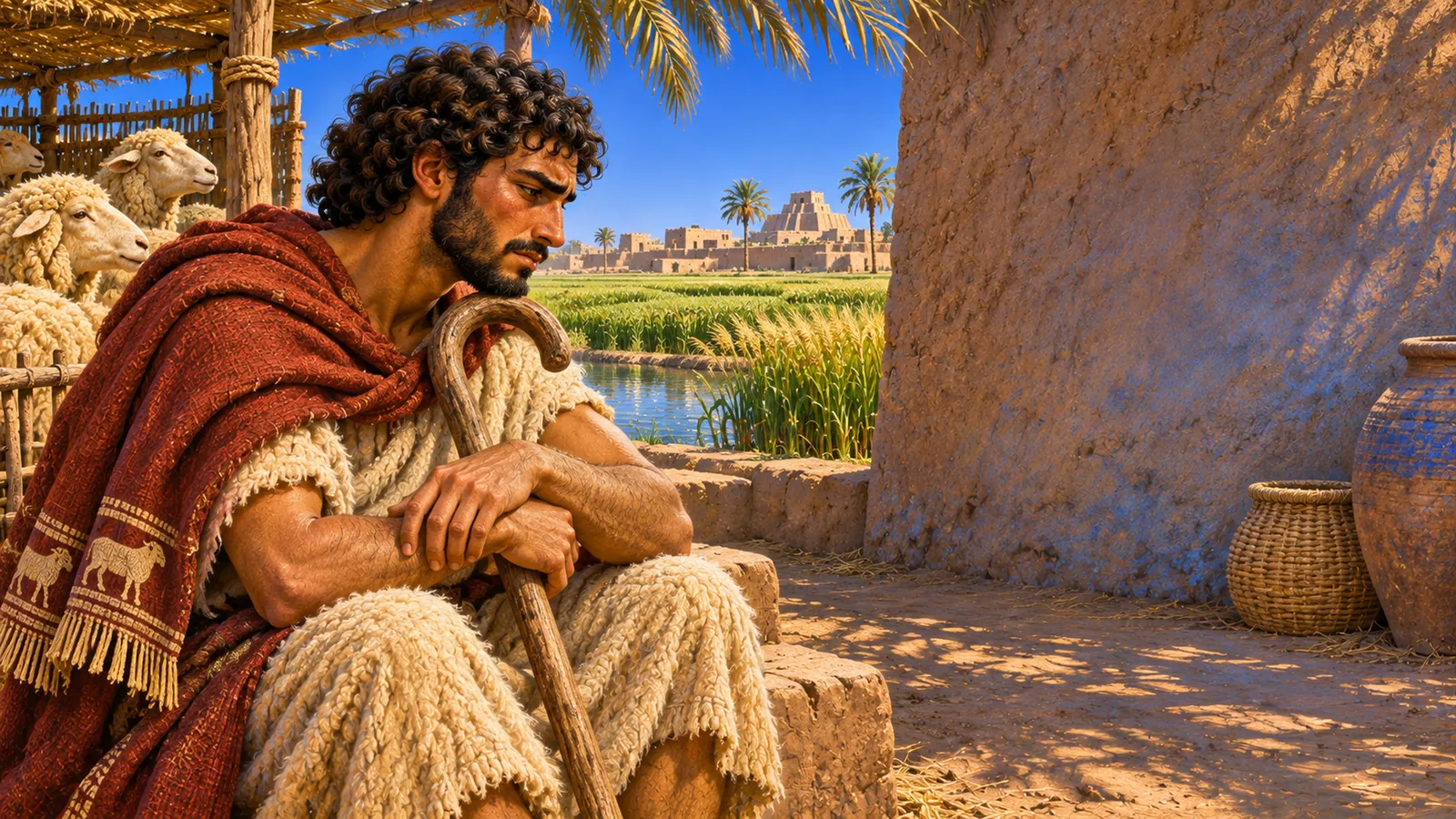
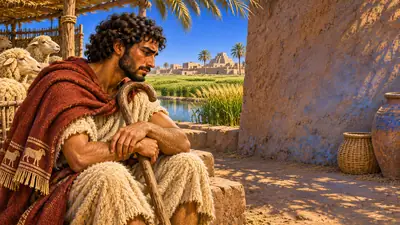
Dans le récit de Jacobsen, le refus décourage Dumuzi et blesse sa fierté. Il commence à chercher ce qu’il pourrait offrir en échange de chaque produit du cultivateur.
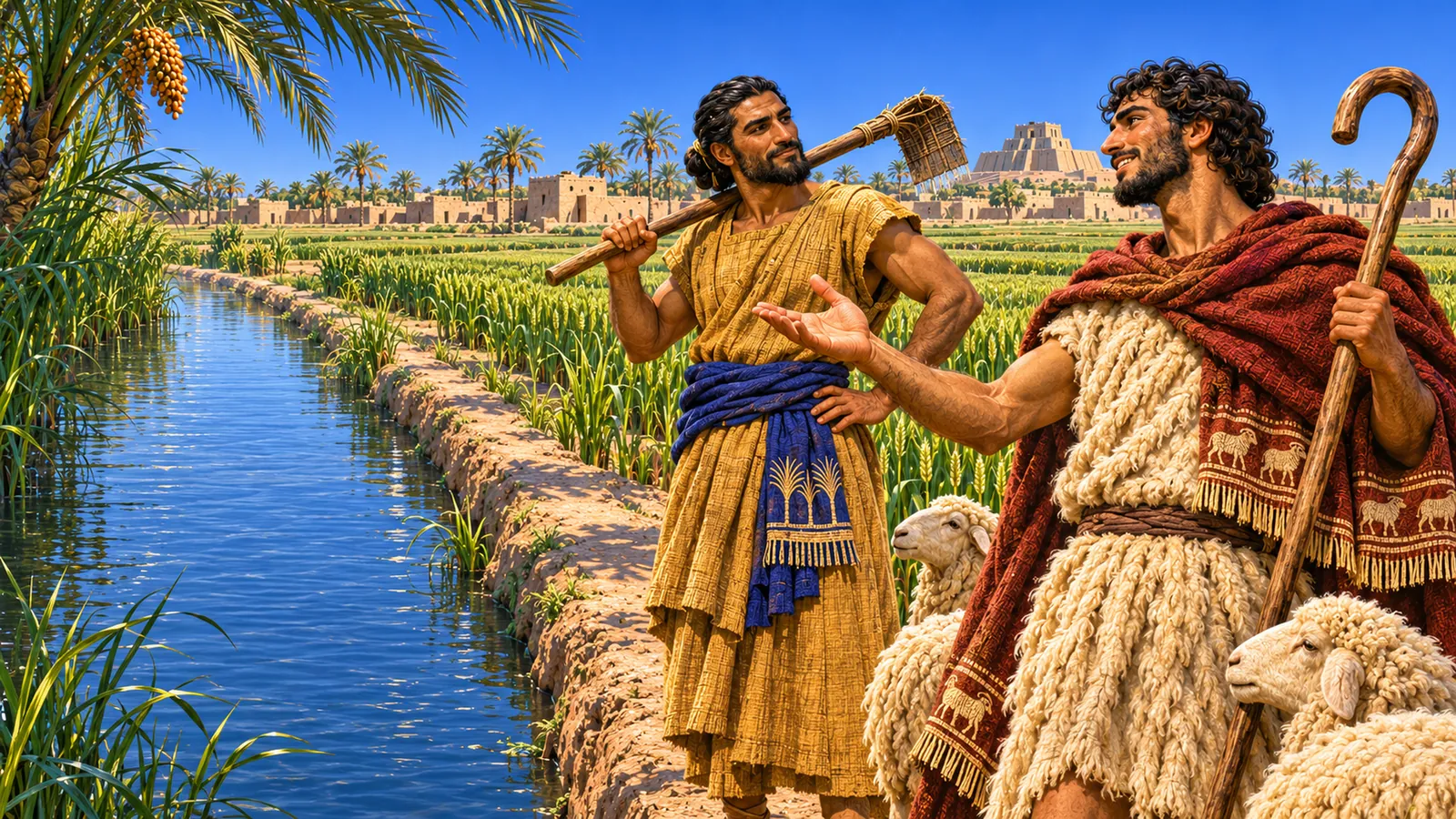
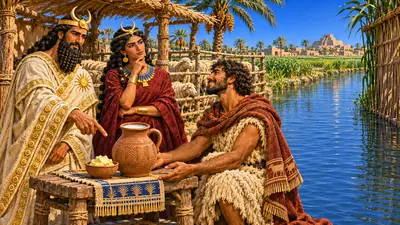
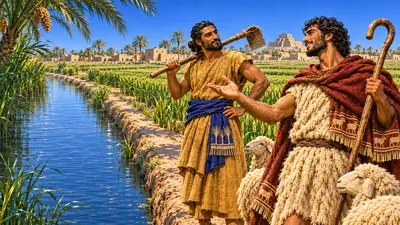
Dumuzi demande en quoi le cultivateur lui est supérieur. Il nomme Enkimdu, l’homme de la digue et du canal, puis revient à la même question.
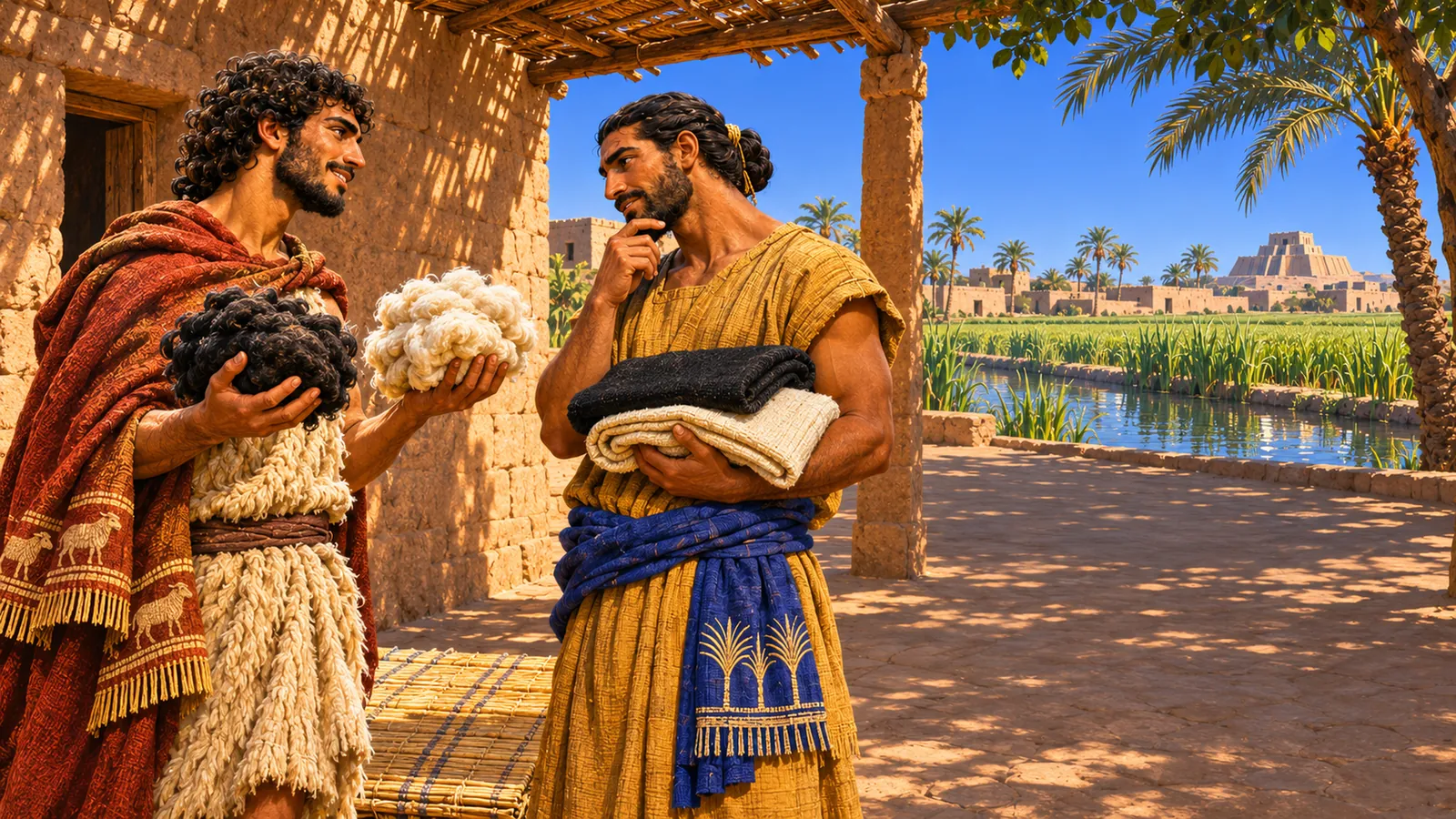
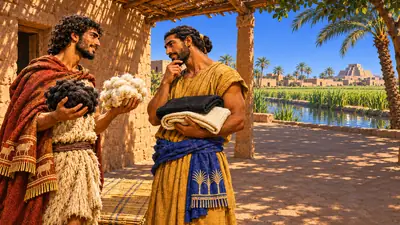
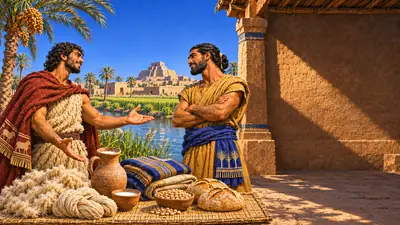
Dumuzi imagine ce qu’il donnerait si Enkimdu lui offrait de l’étoffe. Il donnerait de la laine noire pour l’étoffe noire et de la laine blanche pour l’étoffe blanche.
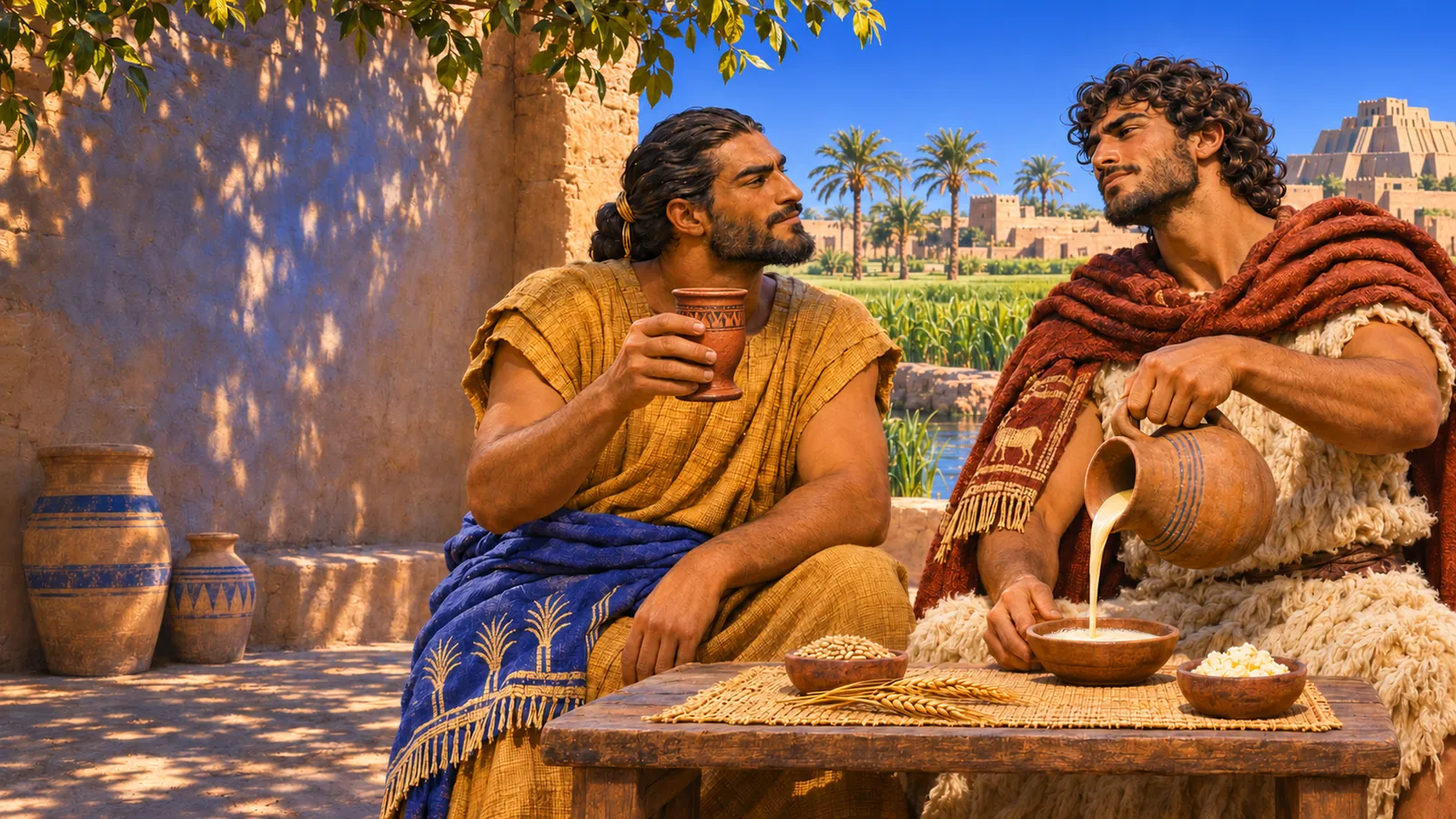
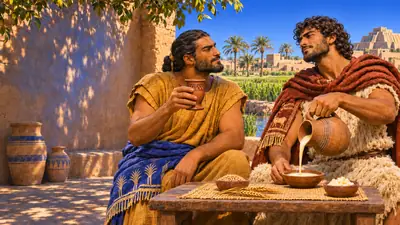
Dumuzi poursuit sa comparaison avec deux boissons. Si le cultivateur lui versait de sa meilleure bière, il lui verserait en retour de son lait jaune.
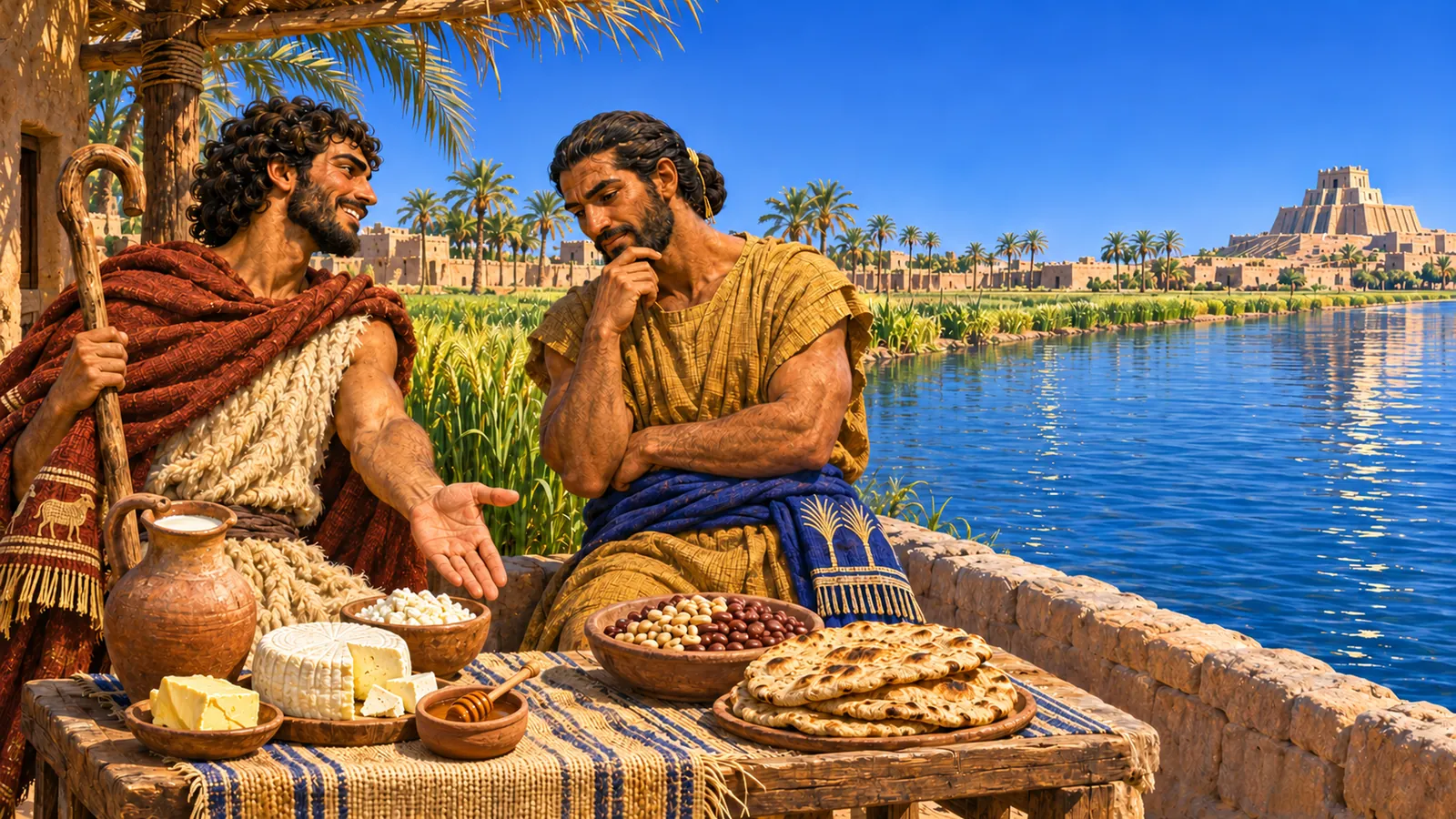
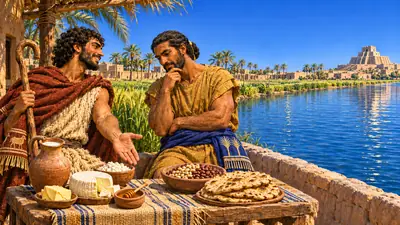
Jacobsen cite d’autres produits que Dumuzi oppose à ceux du cultivateur, dont de petits fromages pour les fèves et du caillé frais au miel pour le pain. Dumuzi calcule qu’il lui restera du beurre et du lait.
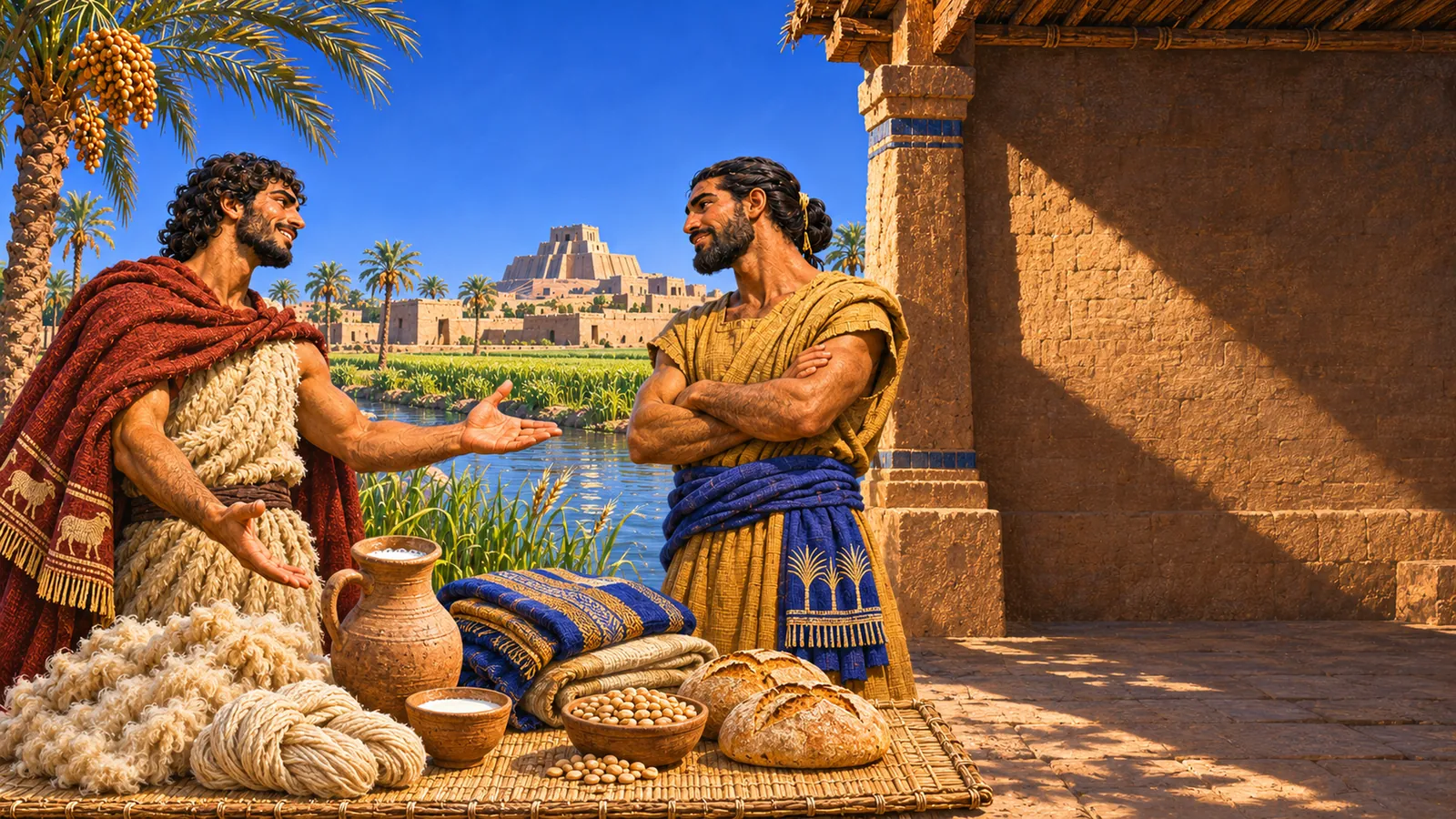
Jacobsen voit dans l’échange imaginé un concours de dons. Selon sa lecture, celui qui donne davantage ne doit rien et laisse l’autre en dette envers lui.
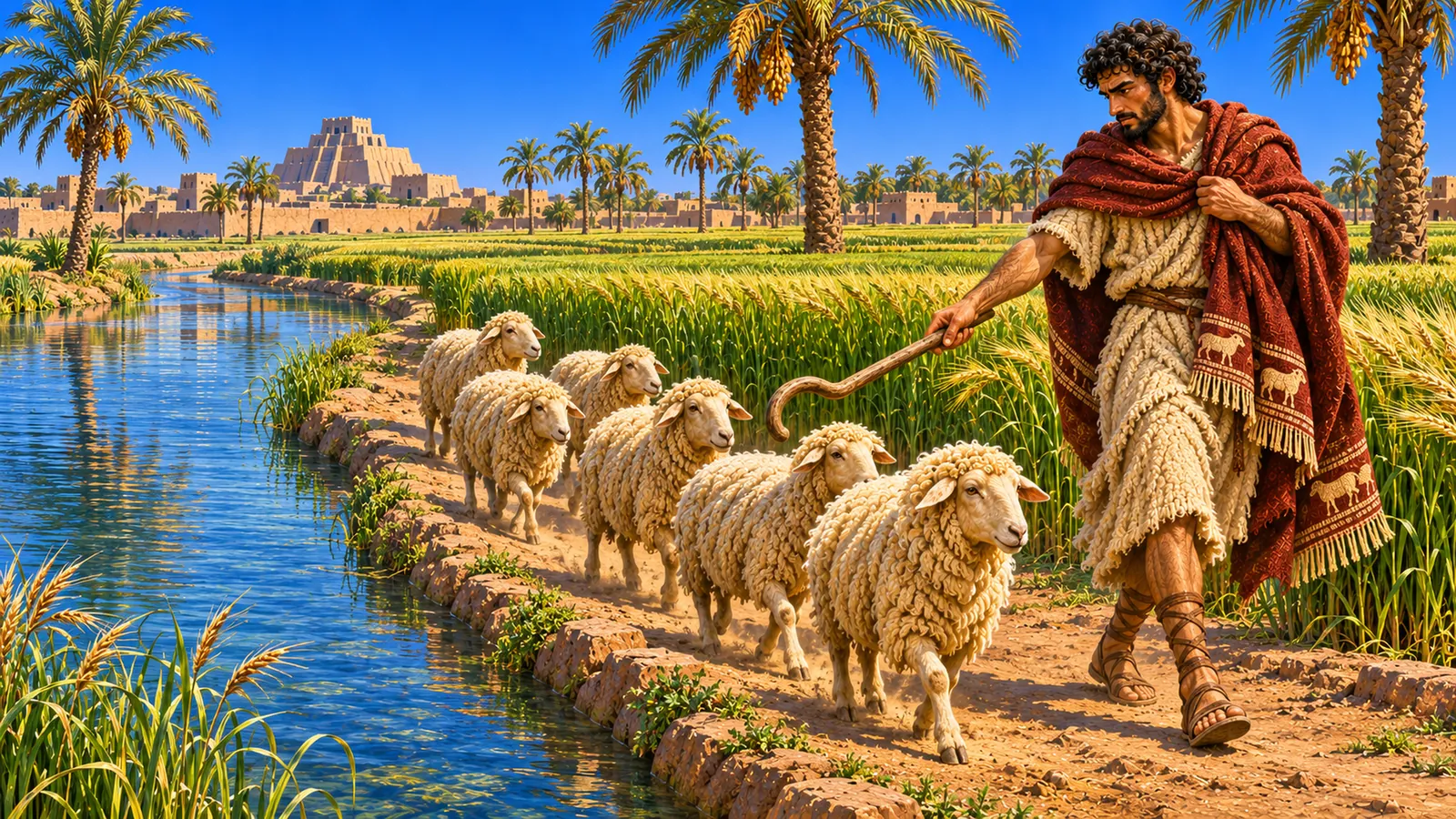
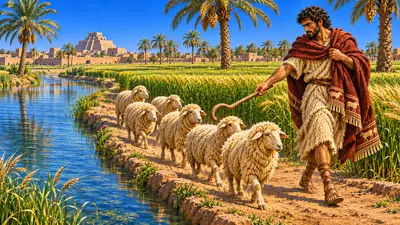
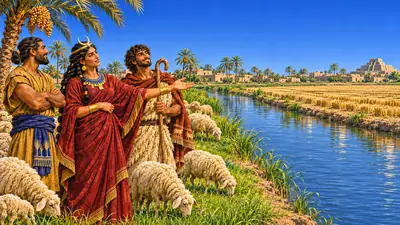
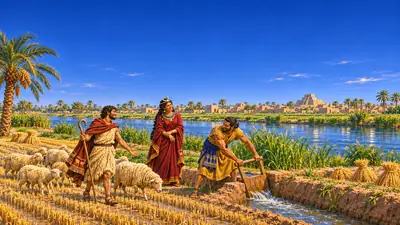
Dans le résumé de Jacobsen, le berger reprend confiance à mesure qu’il compare ce que chacun peut offrir. Il mène ses moutons jusqu’à la berge, au milieu des terres cultivées.
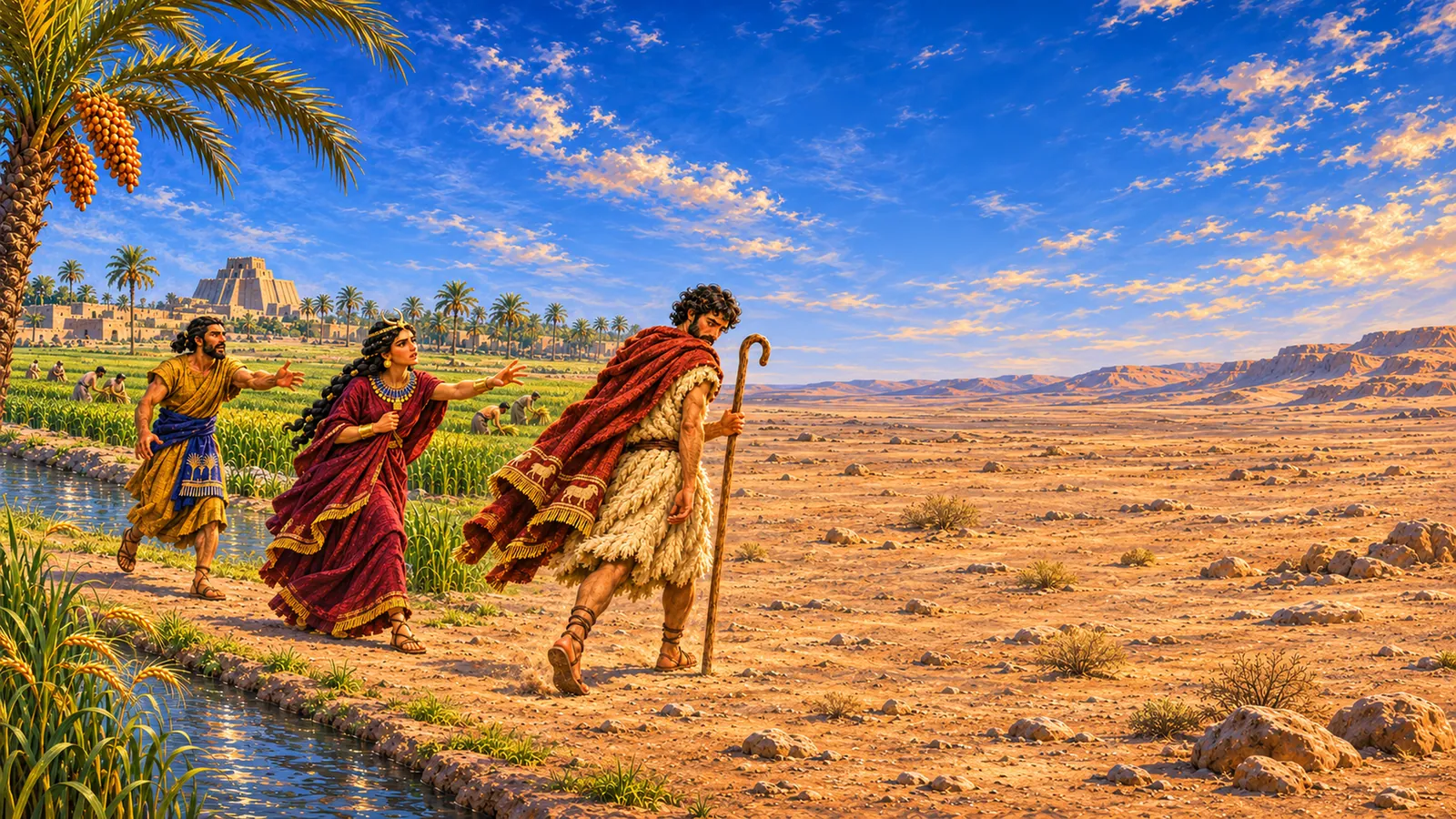
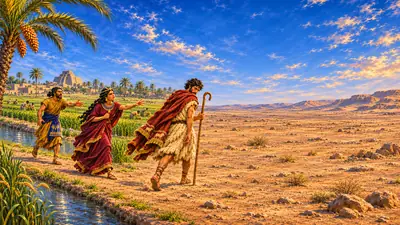
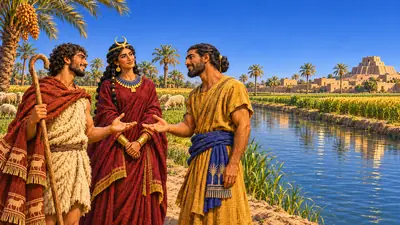
Jacobsen dit que Dumuzi voit Enkimdu et Inanna, puis se retire, gêné, vers le désert. Tous deux le suivent, et Jacobsen attribue avec réserve la réplique suivante à Inanna.
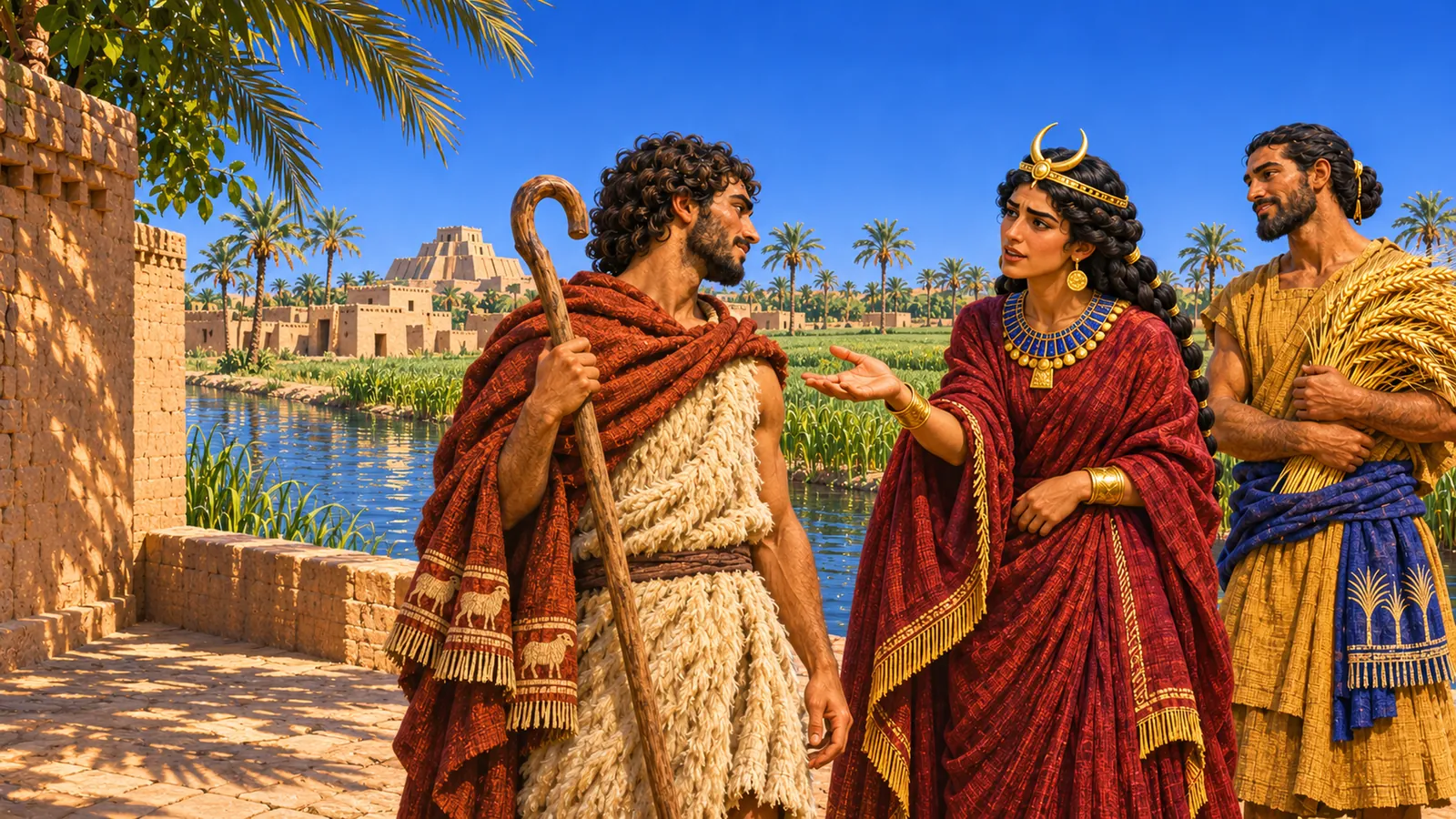
Dans les vers que Jacobsen attribue avec réserve à Inanna, la voix demande au berger pourquoi ils doivent courir l’un contre l’autre. L’appel au berger est répété.
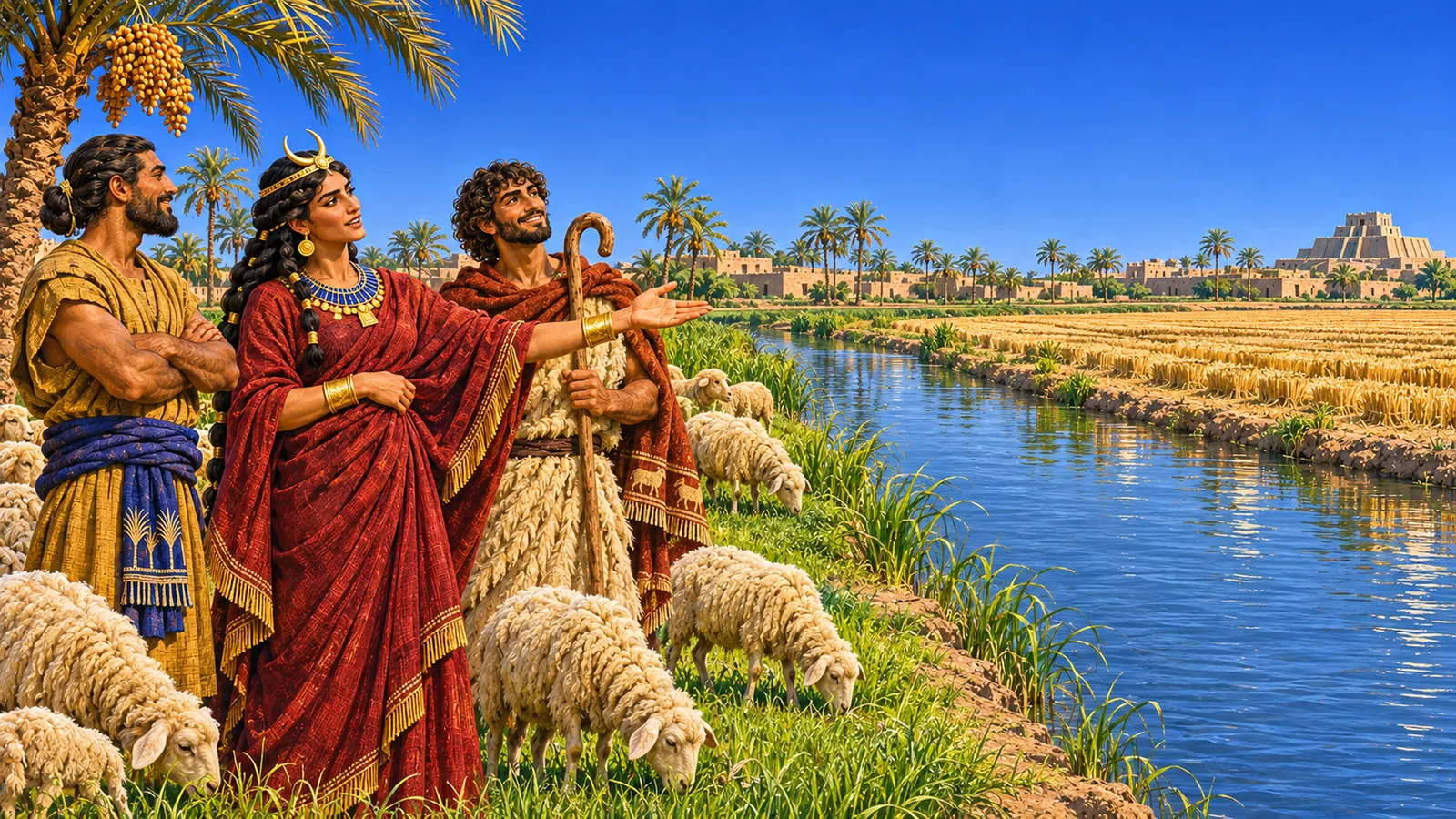
Dans la réplique que Jacobsen attribue avec réserve à Inanna, les moutons peuvent manger l’herbe de la berge et paître dans son champ de chaume. Jacobsen signale comme incertains les mots pour paître et chaume.
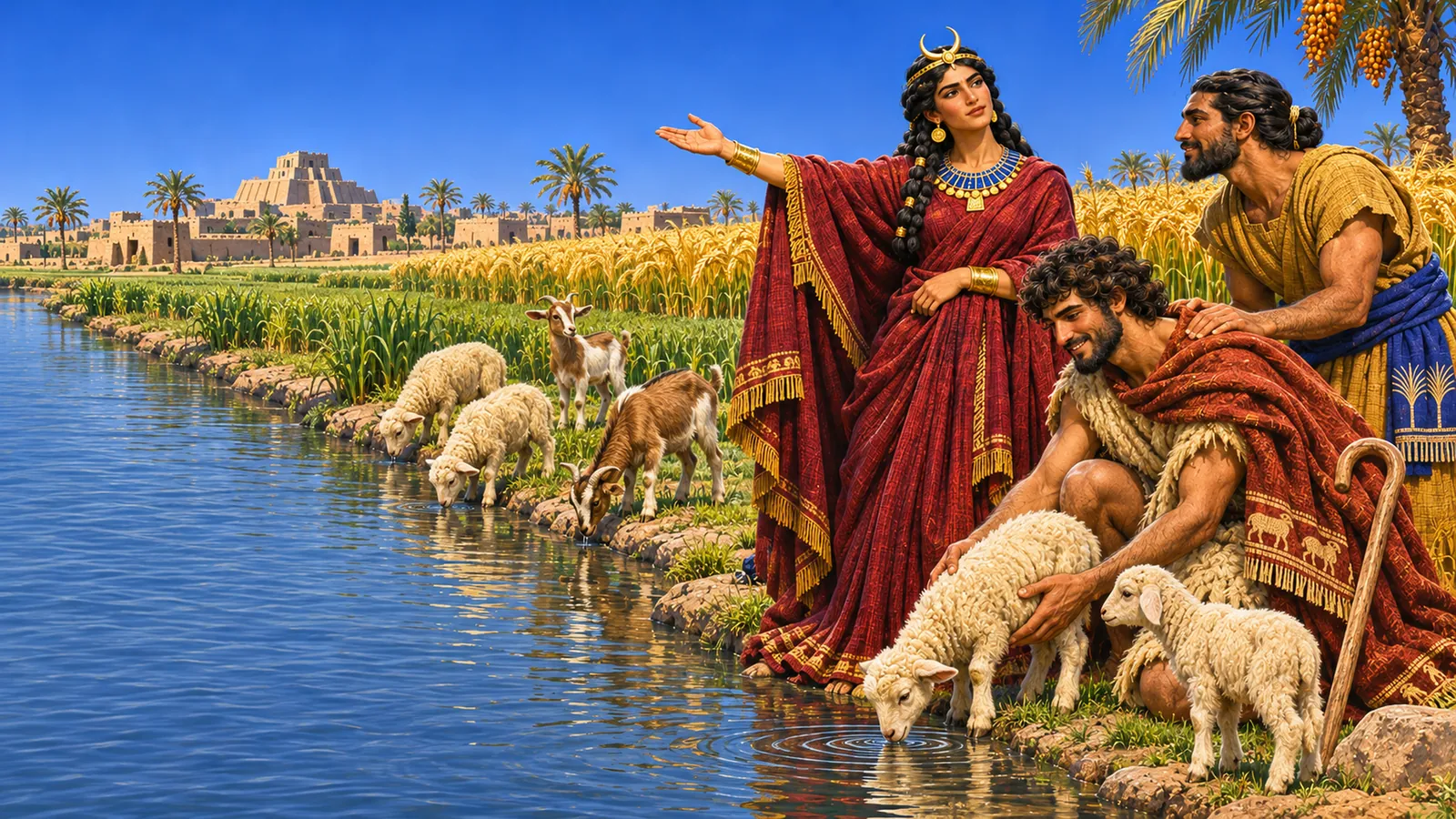
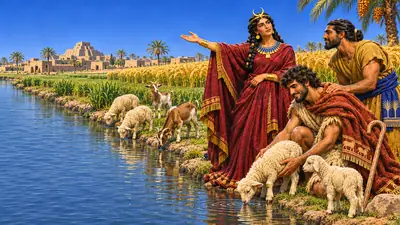
Dans la réplique que Jacobsen attribue avec réserve à Inanna, les moutons peuvent manger du grain dans les champs d’Uruk. Les agneaux et les chevreaux peuvent boire au canal d’Adab de la personne qui parle.
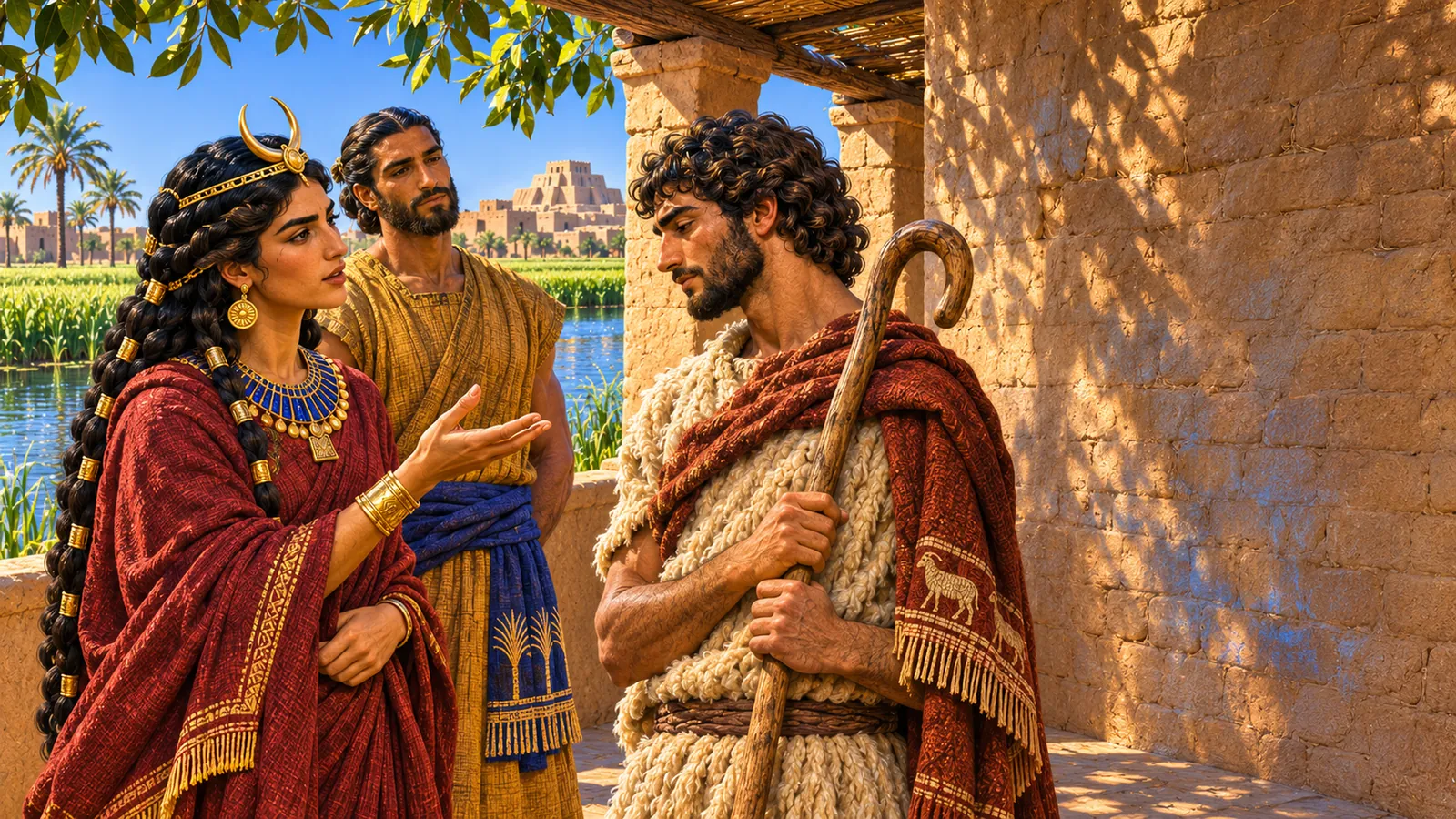
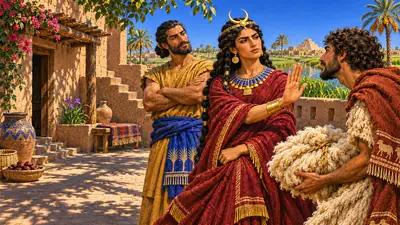
Jacobsen entend une préférence pour le fermier sans animosité envers le berger. Dans des vers qu’il attribue avec réserve à Inanna, le berger ne peut se changer en Enkimdu, le fermier ami, simplement pour épouser la personne qui parle.
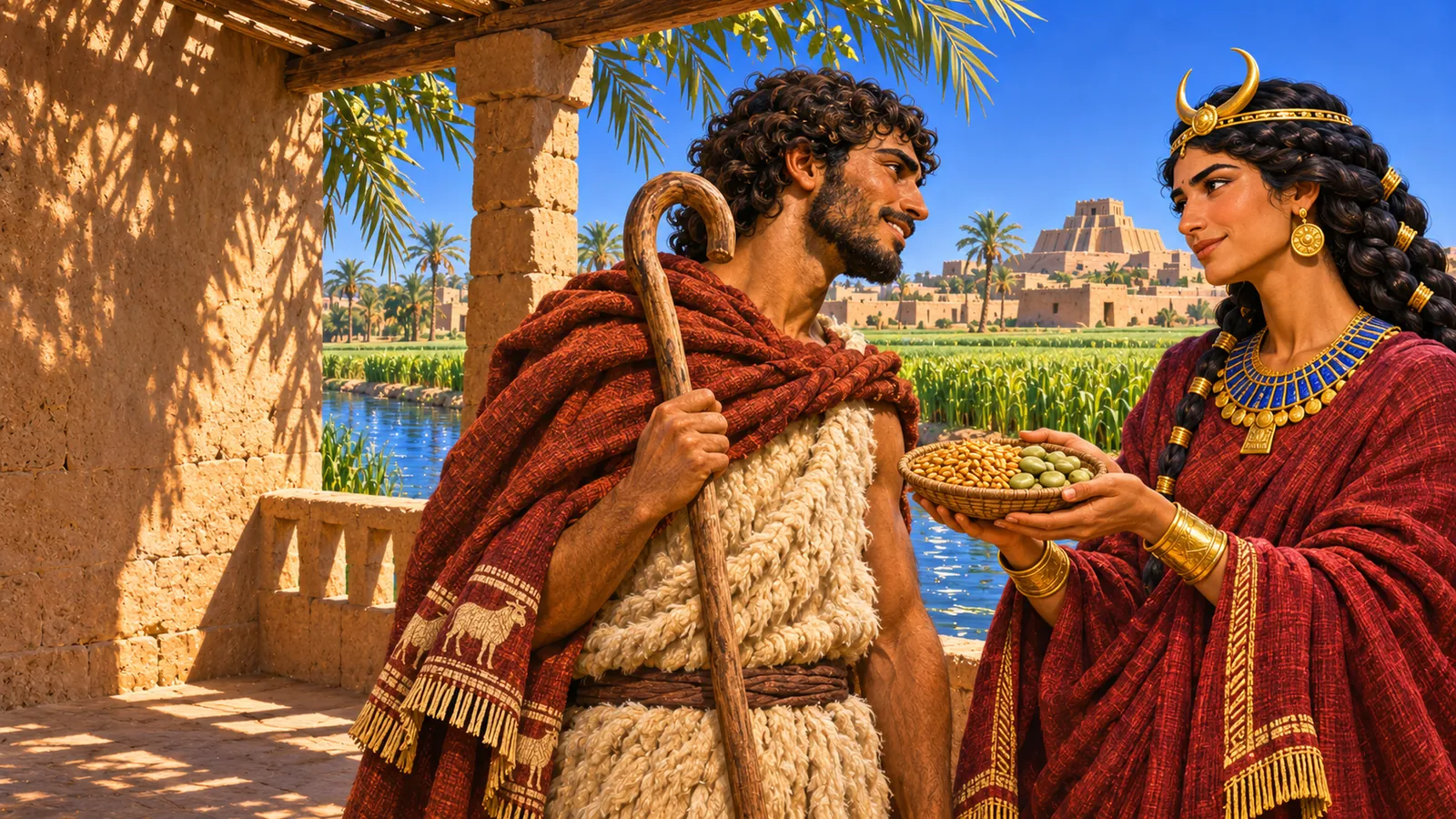
La voix, que Jacobsen attribue avec réserve à Inanna, promet d’apporter du blé et des fèves au berger. L’extrait traduit par Jacobsen se termine sur cette offre.
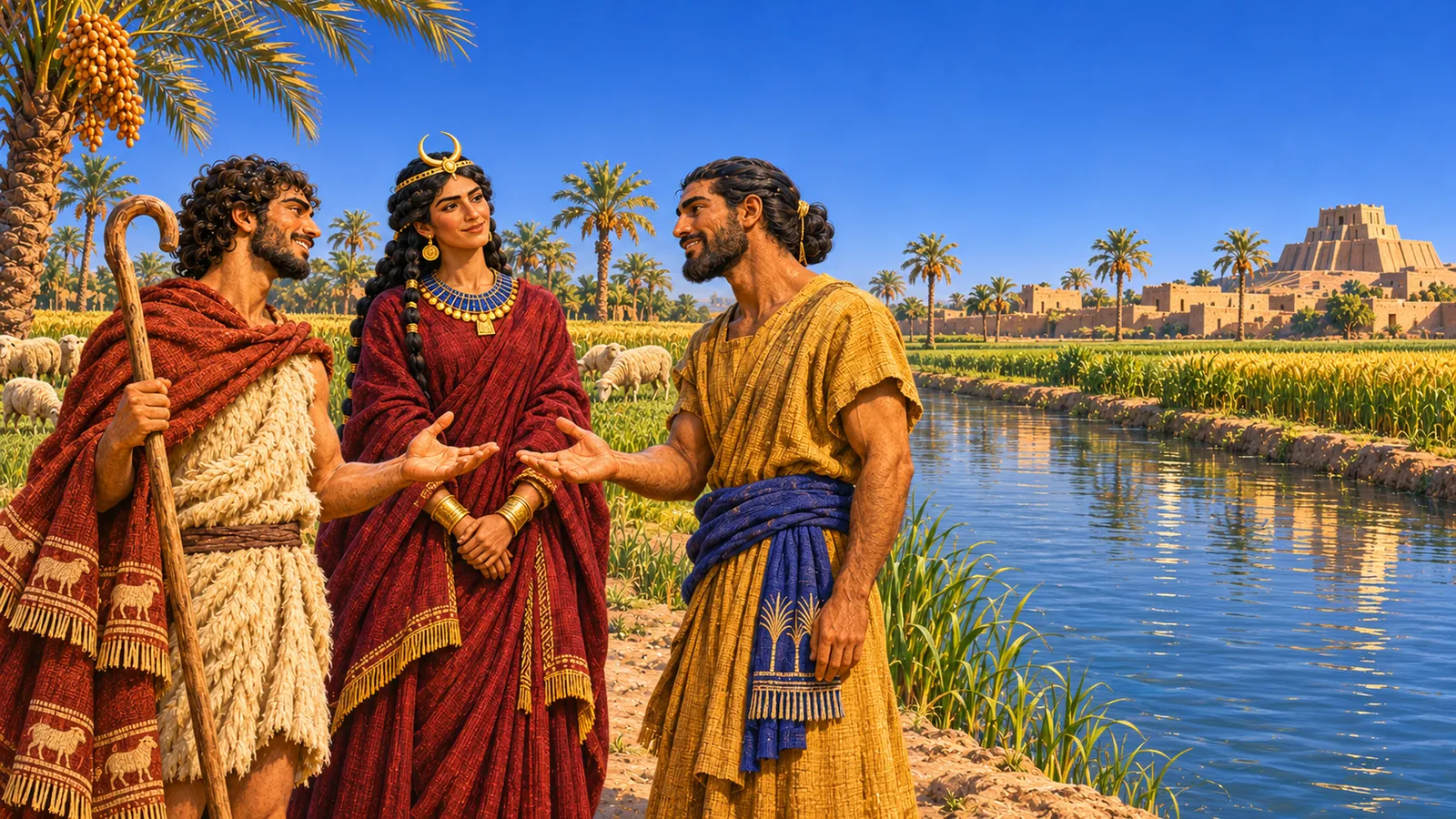
Jacobsen lit la fin comme une réconciliation et voit en Enkimdu celui qu’Inanna épouse. C’est son interprétation après les derniers vers traduits.
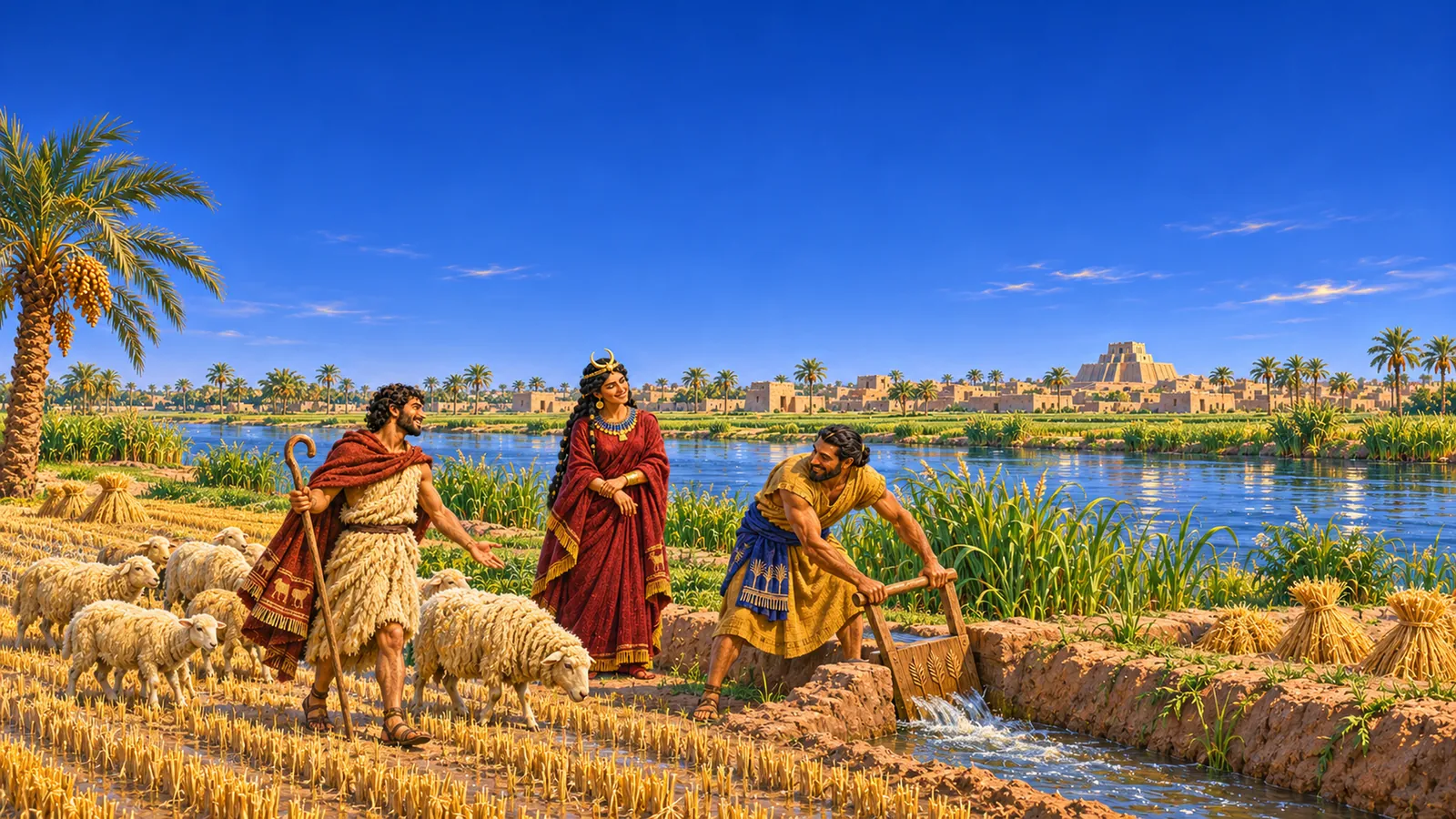
CHAMP ET PÂTURAGE
Jacobsen conclut que le fermier et le berger sont également nécessaires et que leurs produits se complètent. Il dit que malgré la rivalité, le berger peut profiter des champs de chaume et des canaux du fermier, et que les deux doivent s’entendre.
Fin du chapitre 1
Toutes les pages
Sources
This reading follows the printed subsection on the shepherd and the farmer in Thorkild Jacobsen’s The Cosmos as a State, The Intellectual Adventure of Ancient Man, University of Chicago Press, 1946, first Phoenix edition 1977, pp. 166–168. The volume credits H. A. Groenewegen Frankfort for the English poetic form (preface p. vi and p. 184, note 3). Chapter note 28 on p. 184 cites Chiera, SRT, no. 3 as the textual source.
Éditions consultées
- University of Chicago, The Intellectual Adventure of Ancient Man
- University of Chicago, printed pages 166–168, The Wooing of Inanna
- University of Bern catalogue record, Dumuzi et Enkimdu, 4.08.33
Notes sur ce récit
Page 1, opening account. The first paragraph under the heading on p. 166 identifies Enkimdu as the farmer, Dumuzi as the shepherd, and both as suitors of Inanna. The introduction’s identification of Utu as her guardian is Jacobsen’s contextual prose. The verse identifies him as her brother and introduces him as a warrior and hero.
Pages 2–3, Utu. The first verse selection on p. 166 gives Utu’s preference, his question to Inanna, his praise of butter, milk and the other products, and his recommendation of Dumuzi by name. The English verses are paraphrased; the volume credits H. A. Groenewegen Frankfort with the English poetic form of its ancient quotations (preface p. vi and p. 184, note 3).
Pages 4–5, Inanna. The reply on p. 166 repeats her refusal of the shepherd, his tufted cloth and his finest wool, before naming the cultivation of beans and grain in her preference for a farmer. These lines express her preference during the exchange.
Page 6, the connecting account. Jacobsen describes Dumuzi’s despondency and wounded pride in the prose that crosses pp. 166–167. He connects that reaction to Dumuzi’s comparison of what each man produces.
Page 7, Dumuzi’s repeated question. The third verse selection on p. 167 gives a repeated challenge and calls Enkimdu the man of the dike and canal. The printed dots in the repeated question signal wording absent from this presentation. The reading leaves those words unsupplied.
Pages 8–9, imagined exchanges. The translation distinguishes the farmer’s cloth from the shepherd’s wool in two matching colors. The comparison proceeds to the farmer’s prime beer and the shepherd’s yellow milk. The pairs are imagined offers in Dumuzi’s speech.
Page 10, the remaining pairs. He says Dumuzi expects to have butter and milk left over.
Pages 11–12 · p. 167, Jacobsen’s explanatory and connecting prose. Jacobsen interprets the exchange as a contest of gifts, where the larger giver incurs no debt and leaves the other in debt. He then describes Dumuzi recovering confidence as he compares the goods and driving his sheep to the riverbank amid cultivated ground.
Pages 13–14 · p. 167, connecting prose and fourth verse selection. Jacobsen says Dumuzi sees Enkimdu and Inanna, withdraws toward the desert in embarrassment and is followed by both. He tentatively assigns the following speech to Inanna. The first lines question why the speaker must race with the shepherd, addressing the shepherd repeatedly.
Pages 15–16 · p. 167, fourth verse selection. The sheep are offered grass on the bank and access to a field. Jacobsen prints question marks after “pasture” and “stubble.” The following lines offer grain from the fields of Uruk and water at the speaker’s Adab canal for lambs and young goats. The two names are retained as printed. The unoccupied views are symbolic landscapes.
Page 17 · p. 167, connecting prose and fifth verse selection. The speech says that the shepherd cannot turn into the farmer Enkimdu simply to become the speaker’s husband. Enkimdu is called a friend. The words “(the kind of man)” are printed as a parenthetical supply. The speaker attribution remains Jacobsen’s tentative reading.
Page 18 · p. 167, end of fifth verse selection. The offered provisions close the excerpted ancient verse in this subsection.
Pages 19–20 · p. 168, Jacobsen’s closing interpretation. Jacobsen reads the outcome as a reconciliation and interprets the farmer as the one Inanna marries. He then argues that farmer and shepherd are equally useful, their produce complements each other and rivalry can coexist with the shepherd’s access to stubble and canal water. He closes by saying the two should get along. Both pages speak in Jacobsen’s name. The following discussion opens a different subject.
Les vers antiques de chaque page
- Page 1: Jacobsen, “The Wooing of Inanna,” 1977 Phoenix ed., p. 166, opening prose
- Page 2: Jacobsen, “The Wooing of Inanna,” 1977 Phoenix ed., p. 166, verse block 1 opening
- Page 3: Jacobsen, “The Wooing of Inanna,” 1977 Phoenix ed., p. 166, verse block 1 close
- Page 4: Jacobsen, “The Wooing of Inanna,” 1977 Phoenix ed., p. 166, verse block 2 opening
- Page 5: Jacobsen, “The Wooing of Inanna,” 1977 Phoenix ed., p. 166, verse block 2 close
- Page 6: Jacobsen, “The Wooing of Inanna,” 1977 Phoenix ed., p. 166–167, connecting prose
- Page 7: Jacobsen, “The Wooing of Inanna,” 1977 Phoenix ed., p. 167, verse block 3 opening
- Page 8: Jacobsen, “The Wooing of Inanna,” 1977 Phoenix ed., p. 167, verse block 3, fabric exchanges
- Page 9: Jacobsen, “The Wooing of Inanna,” 1977 Phoenix ed., p. 167, verse block 3 close
- Page 10: Jacobsen, “The Wooing of Inanna,” 1977 Phoenix ed., p. 167, prose summary after verse block 3
- Page 11: Jacobsen 1977, The Intellectual Adventure of Ancient Man, ch. V, The Wooing of Inanna, p. 167, Jacobsen’s explanatory prose on gift exchange
- Page 12: Jacobsen 1977, The Intellectual Adventure of Ancient Man, ch. V, The Wooing of Inanna, p. 167, Jacobsen’s connecting prose, first movement
- Page 13: Jacobsen 1977, The Intellectual Adventure of Ancient Man, ch. V, The Wooing of Inanna, p. 167, Jacobsen’s connecting prose, encounter and retreat
- Page 14: Jacobsen 1977, The Intellectual Adventure of Ancient Man, ch. V, The Wooing of Inanna, p. 167, fourth translated verse selection, opening
- Page 15: Jacobsen 1977, The Intellectual Adventure of Ancient Man, ch. V, The Wooing of Inanna, p. 167, fourth translated verse selection, grass and stubble
- Page 16: Jacobsen 1977, The Intellectual Adventure of Ancient Man, ch. V, The Wooing of Inanna, p. 167, fourth translated verse selection, grain and water
- Page 17: Jacobsen 1977, The Intellectual Adventure of Ancient Man, ch. V, The Wooing of Inanna, p. 167, Jacobsen’s connecting prose and fifth translated verse selection, opening
- Page 18: Jacobsen 1977, The Intellectual Adventure of Ancient Man, ch. V, The Wooing of Inanna, p. 167, fifth translated verse selection, closing offer
- Page 19: Jacobsen 1977, The Intellectual Adventure of Ancient Man, ch. V, The Wooing of Inanna, p. 168, Jacobsen’s closing interpretive prose, opening
- Page 20: Jacobsen 1977, The Intellectual Adventure of Ancient Man, ch. V, The Wooing of Inanna, p. 168, Jacobsen’s closing interpretive prose, end of first paragraph
Illustrations réalisées par IL Archive avec des outils d’IA ; le texte s’appuie sur les sources antiques (voir les sources à la fin de chaque chapitre).