Le Conte de Sinuhe Chapitre 1
L’histoire de Sinuhe
À la nouvelle de la mort d’Amenemhat, Sinuhe quitte l’Égypte et refait sa vie à l’étranger. Des années plus tard, une lettre de Senusret lui ouvre le chemin du retour à la cour égyptienne.
SourcesTournez les pages avec les flèches, le clavier ou en balayant l’écran.
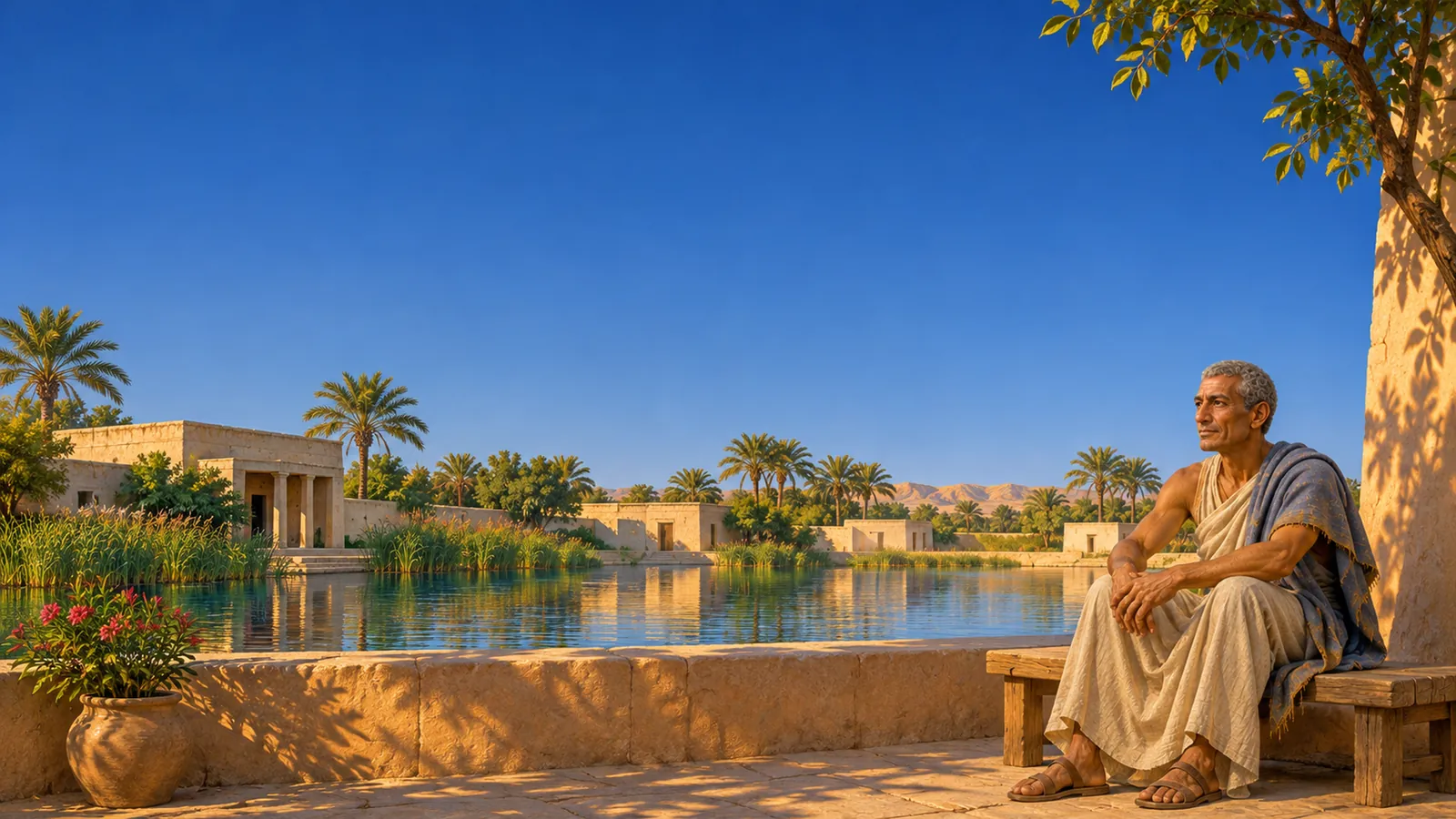
L’HISTOIRE DE SINUHE
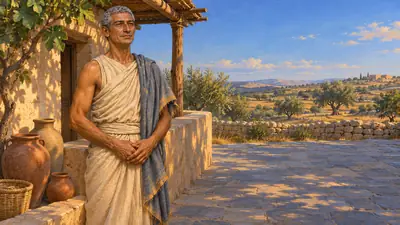
Le narrateur se présente sous le nom de Sinuhe. Avant de raconter ce qui lui est arrivé, il énumère les charges et les honneurs qui le lient à la cour d’Égypte.
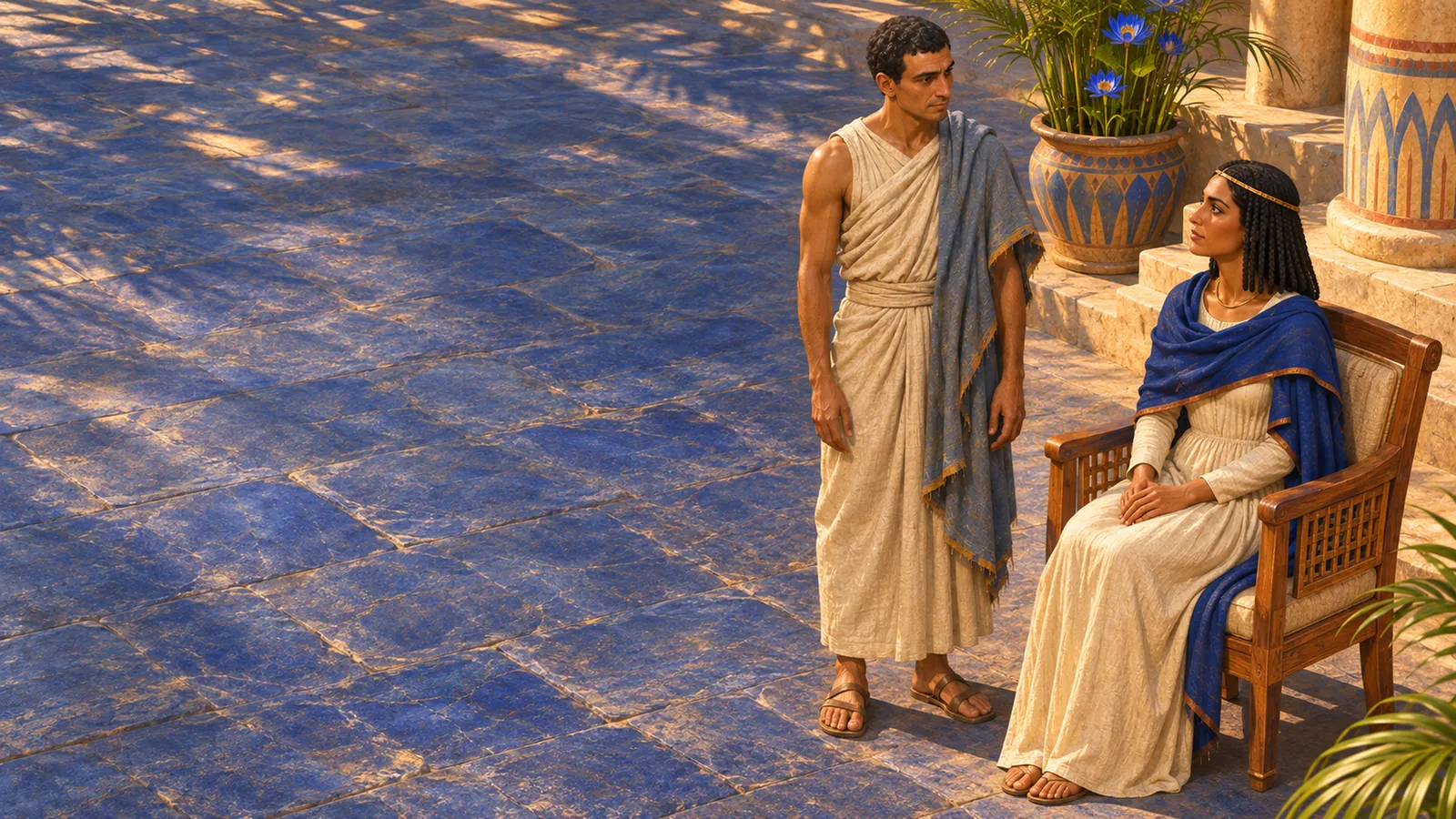
Sinuhe dit qu’il était au service de Neferu. Elle était la fille d’Amenemhat et l’épouse de Senusret, dont le règne est sur le point de commencer dans le récit.
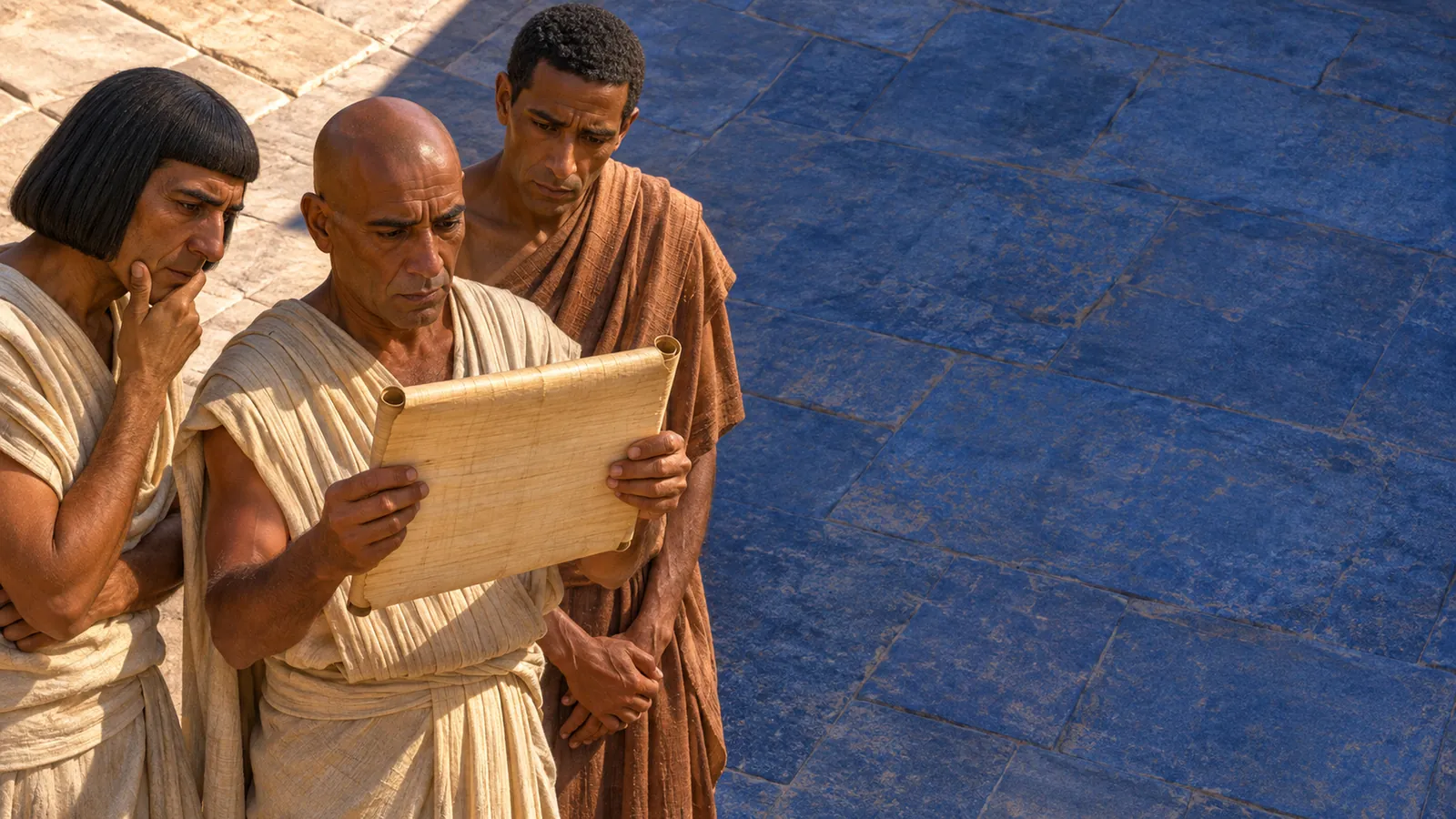
Le récit situe la mort d’Amenemhat dans la trentième année de son règne, le septième jour du troisième mois d’Akhet. L’annonce évoque le roi par des images du ciel.
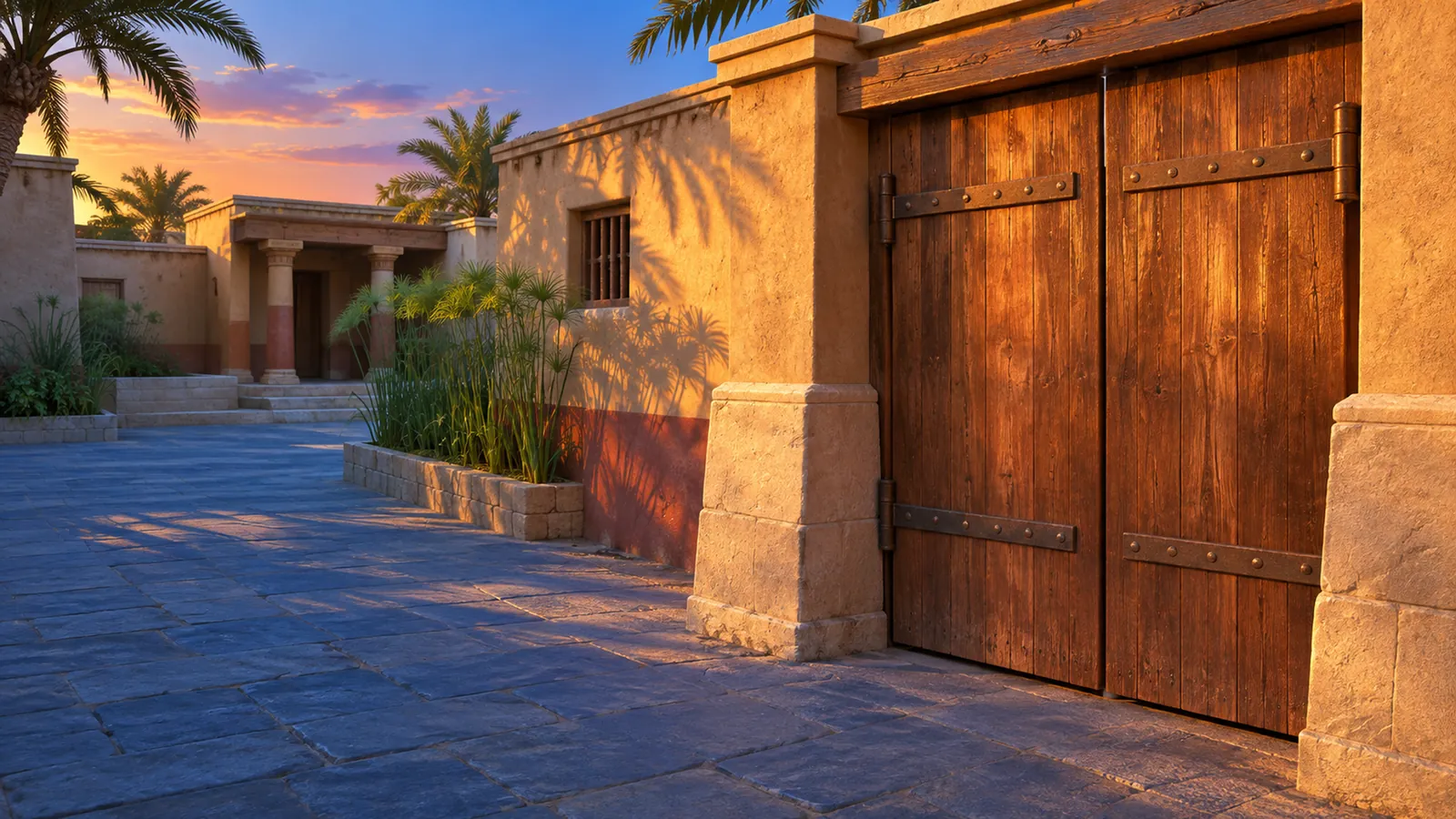
LA PORTE FERMÉE
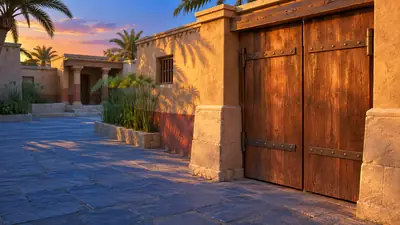
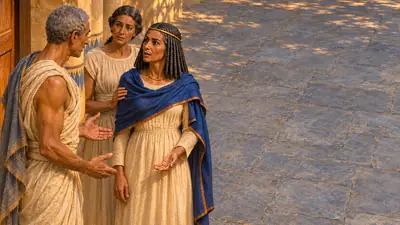
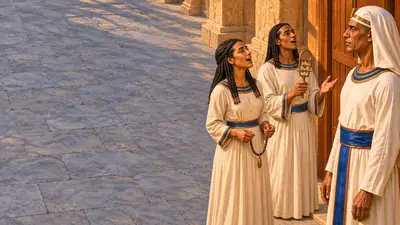
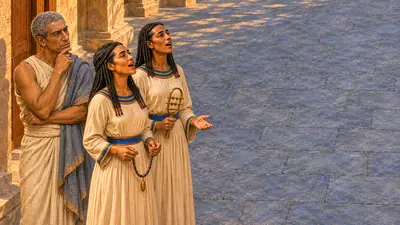
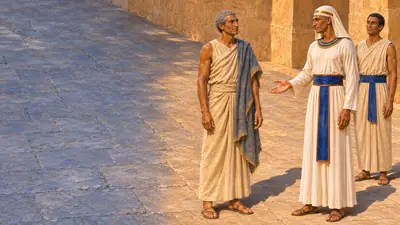
La porte de la Résidence est fermée. La maison royale se tait, et la cour porte le deuil du roi.
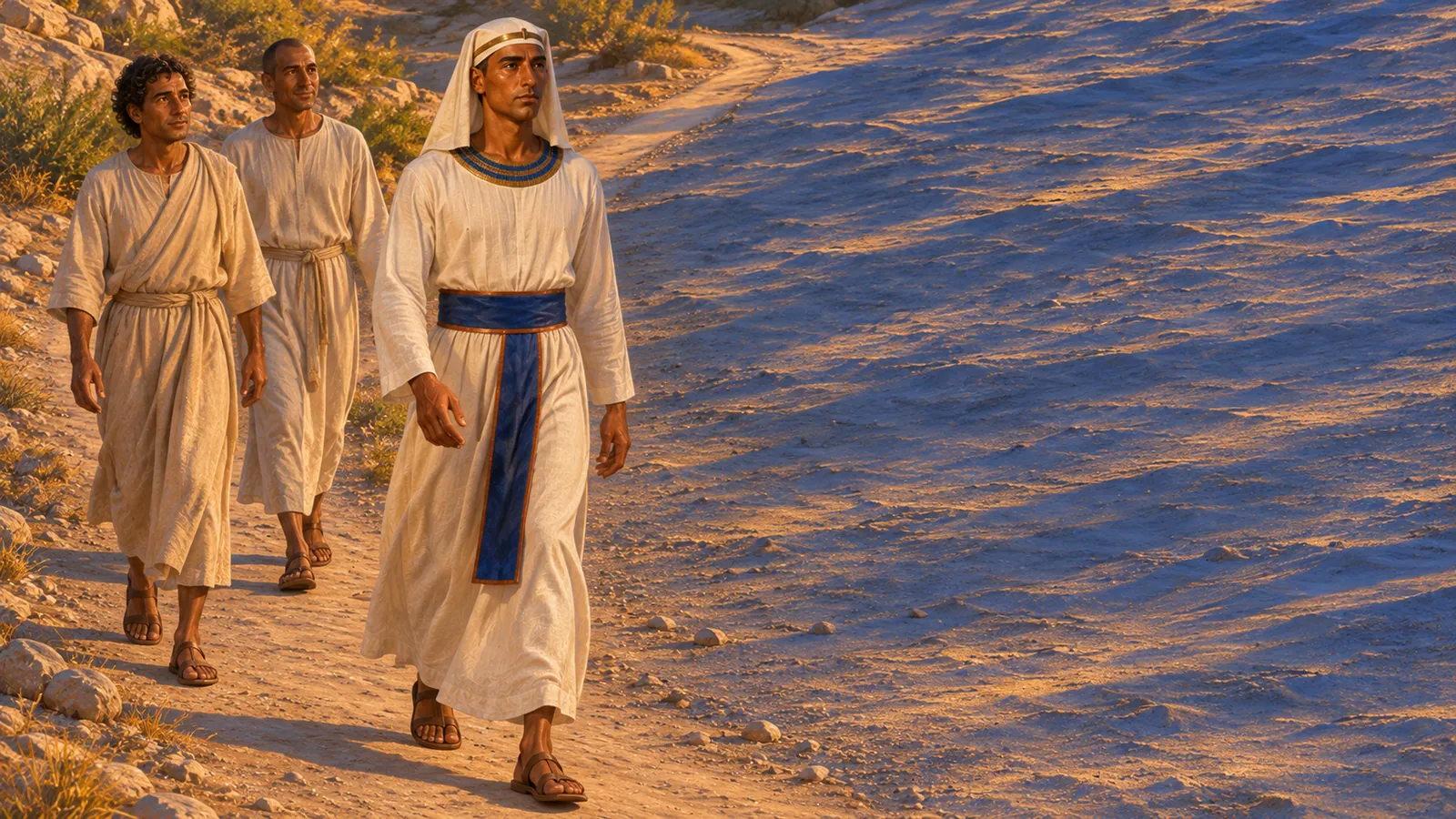
Senusret, le fils aîné d’Amenemhat, est loin de la Résidence. Il est sur le chemin du retour après une expédition à l’ouest.
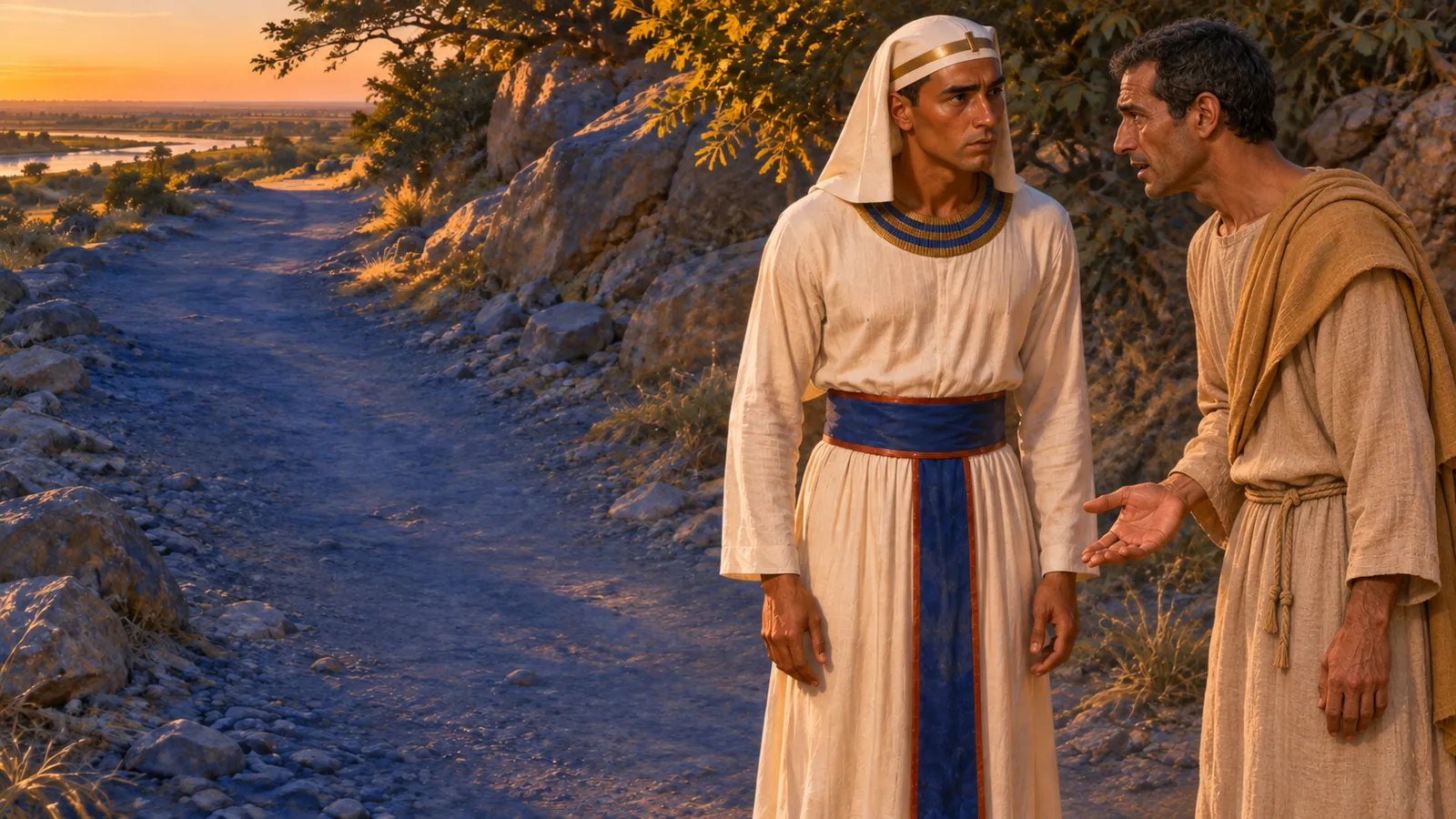
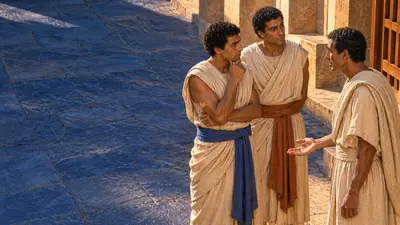
Les gens de la cour envoient des messagers rejoindre Senusret sur la route. À la fin du jour, ils le trouvent et lui annoncent la nouvelle.

Senusret part sans tarder avec ses suivants. Le récit le compare à un faucon au moment du départ et fait de l’oiseau une image royale.
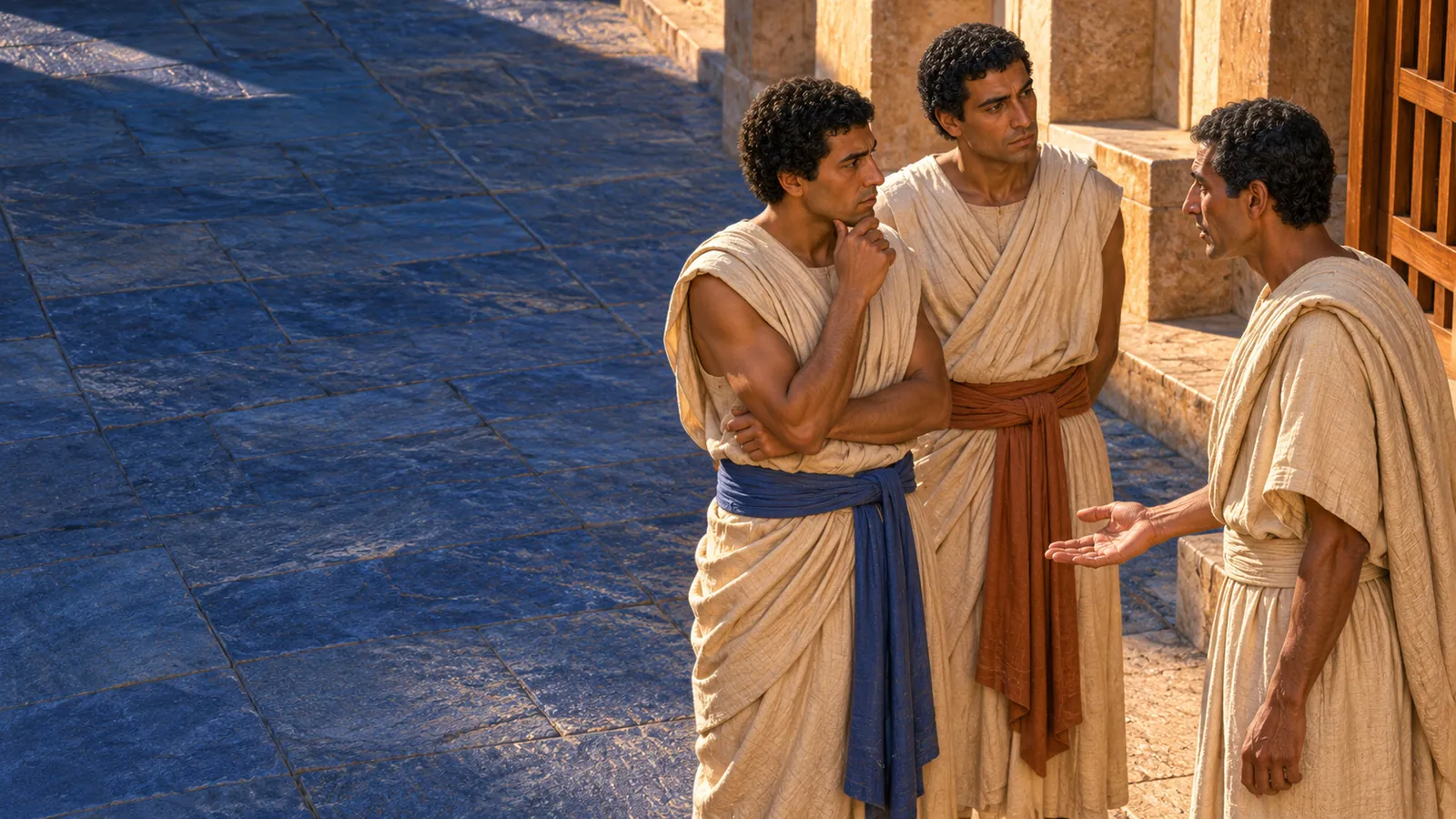
Les fils du roi reçoivent une convocation distincte. Les copies conservées se recoupent ici sur le même passage, lorsque le récit passe de Senusret à ce que Sinuhe a entendu.
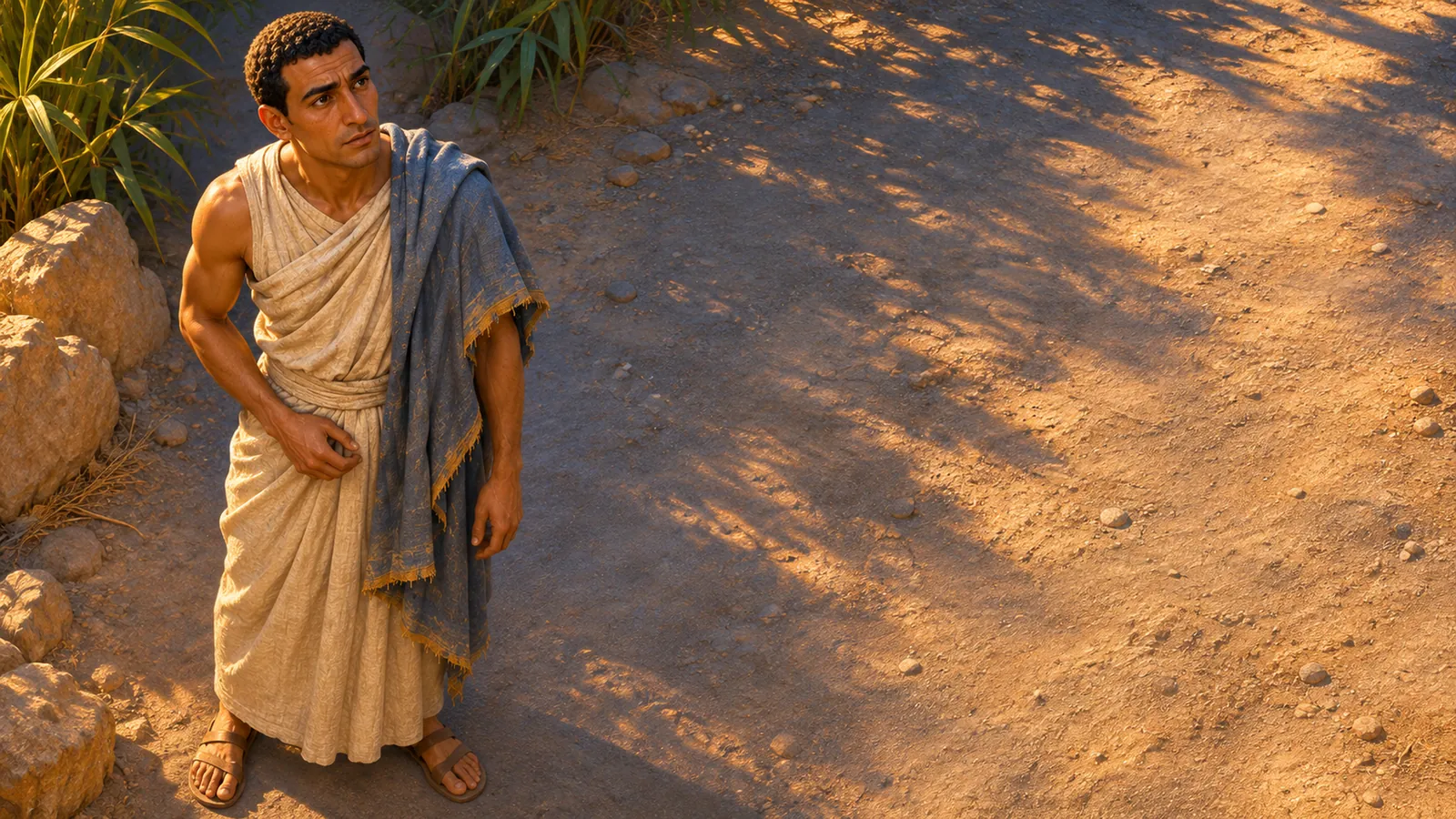
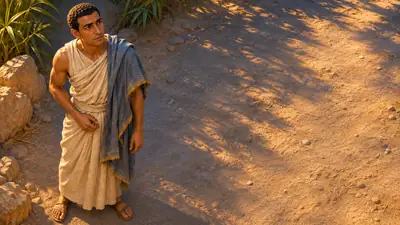
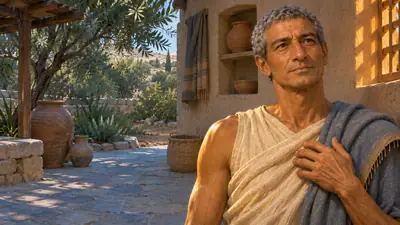
Sinuhe entend une voix tout près. Il dit que ce moment l’a effrayé, mais le récit conservé ne rapporte pas les paroles qu’il a entendues.
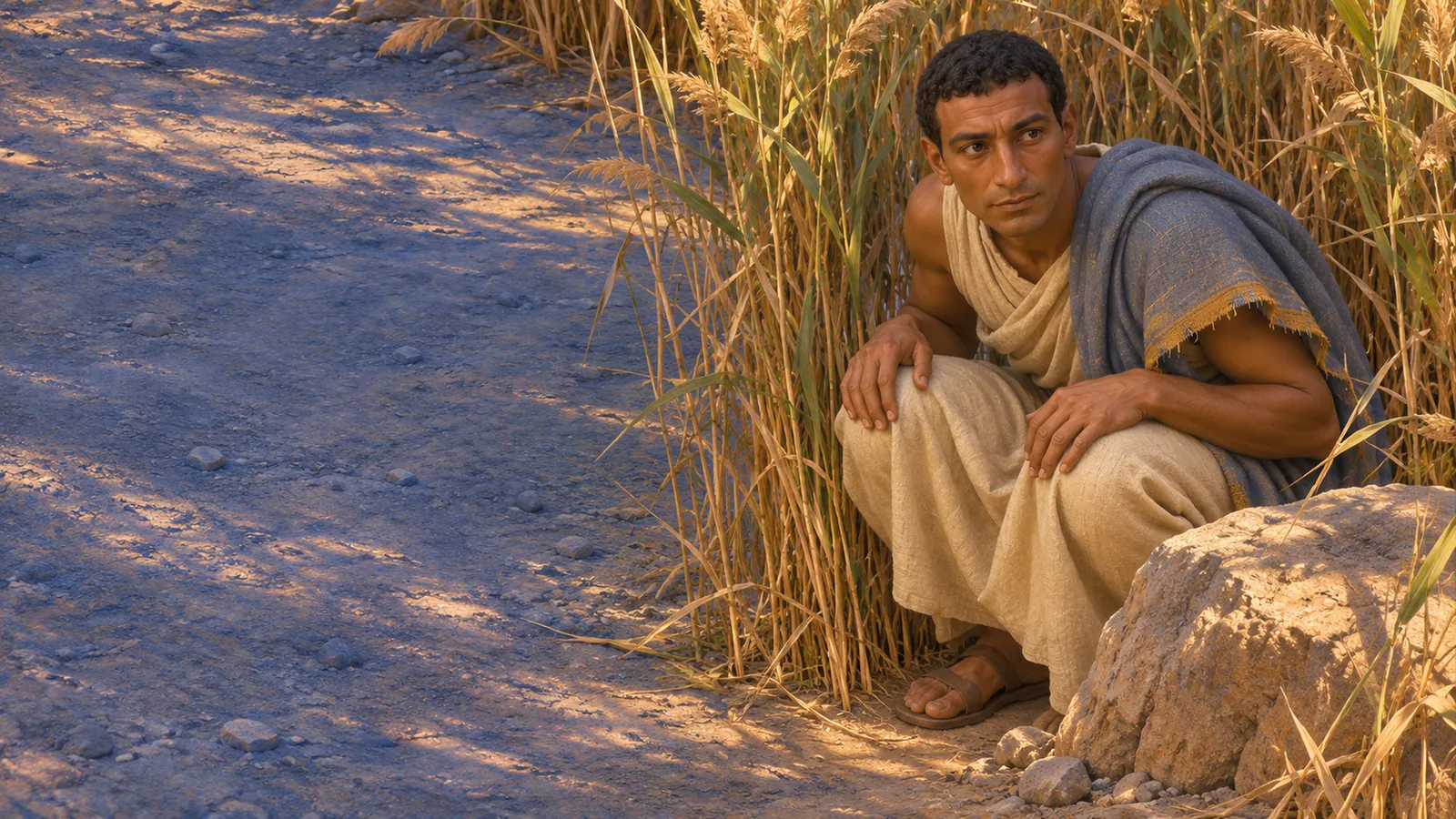
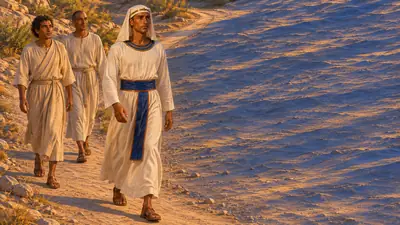
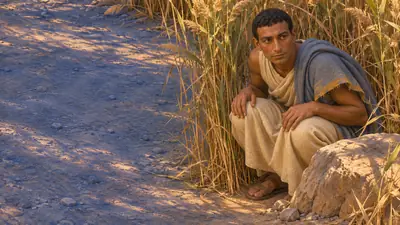
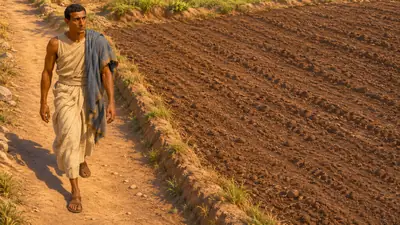
Effrayé par ce qu’il a entendu, Sinuhe s’éloigne. Il trouve un abri au bord du chemin et se tient à l’écart des passants.
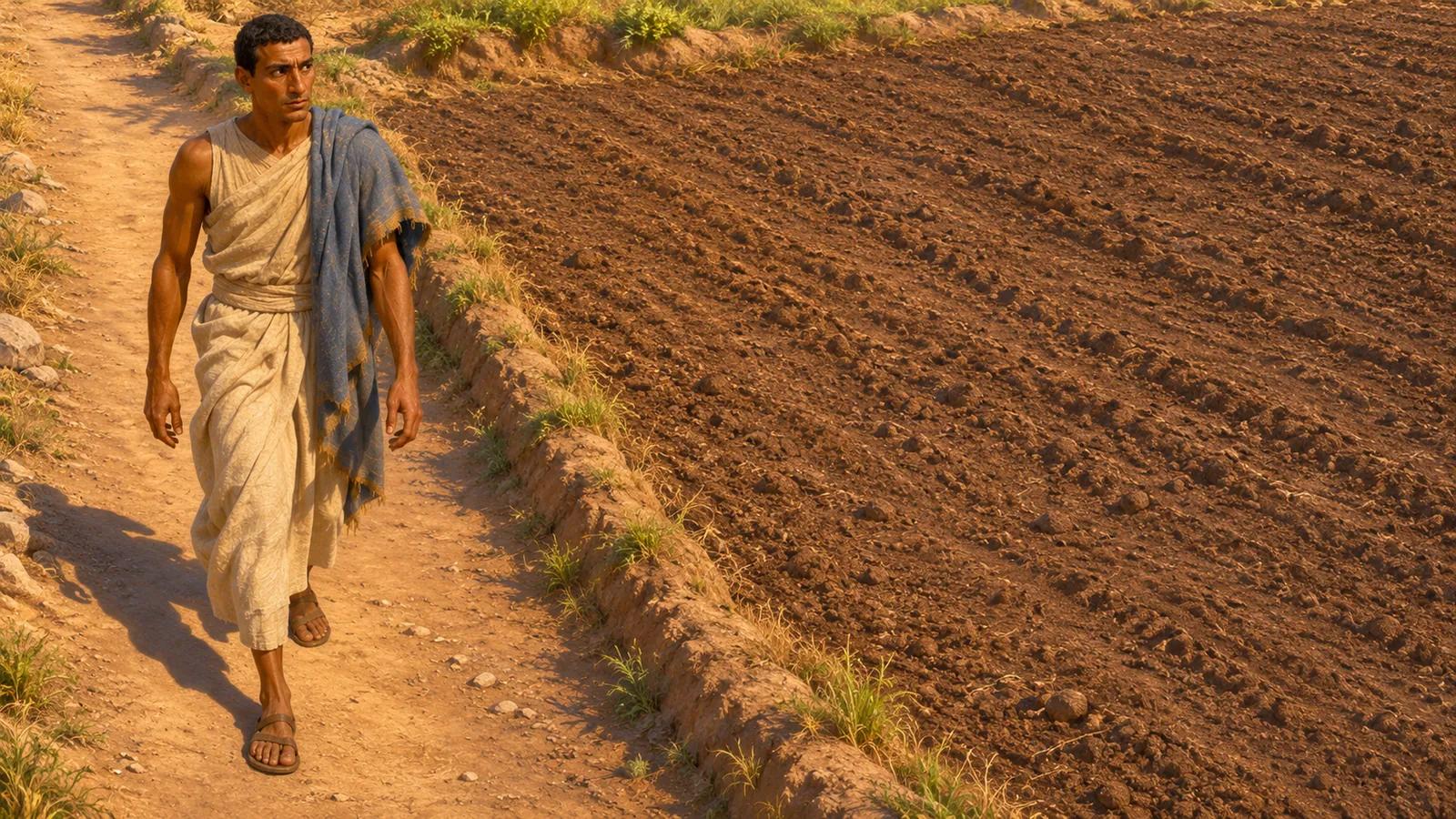
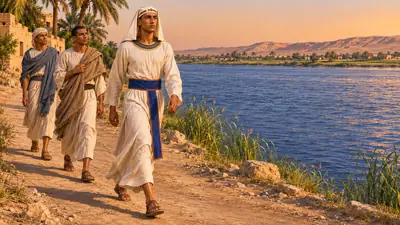
Sinuhe part vers le sud. Il évite la Résidence parce qu’il craint ce qui pourrait s’y passer une fois la nouvelle répandue.
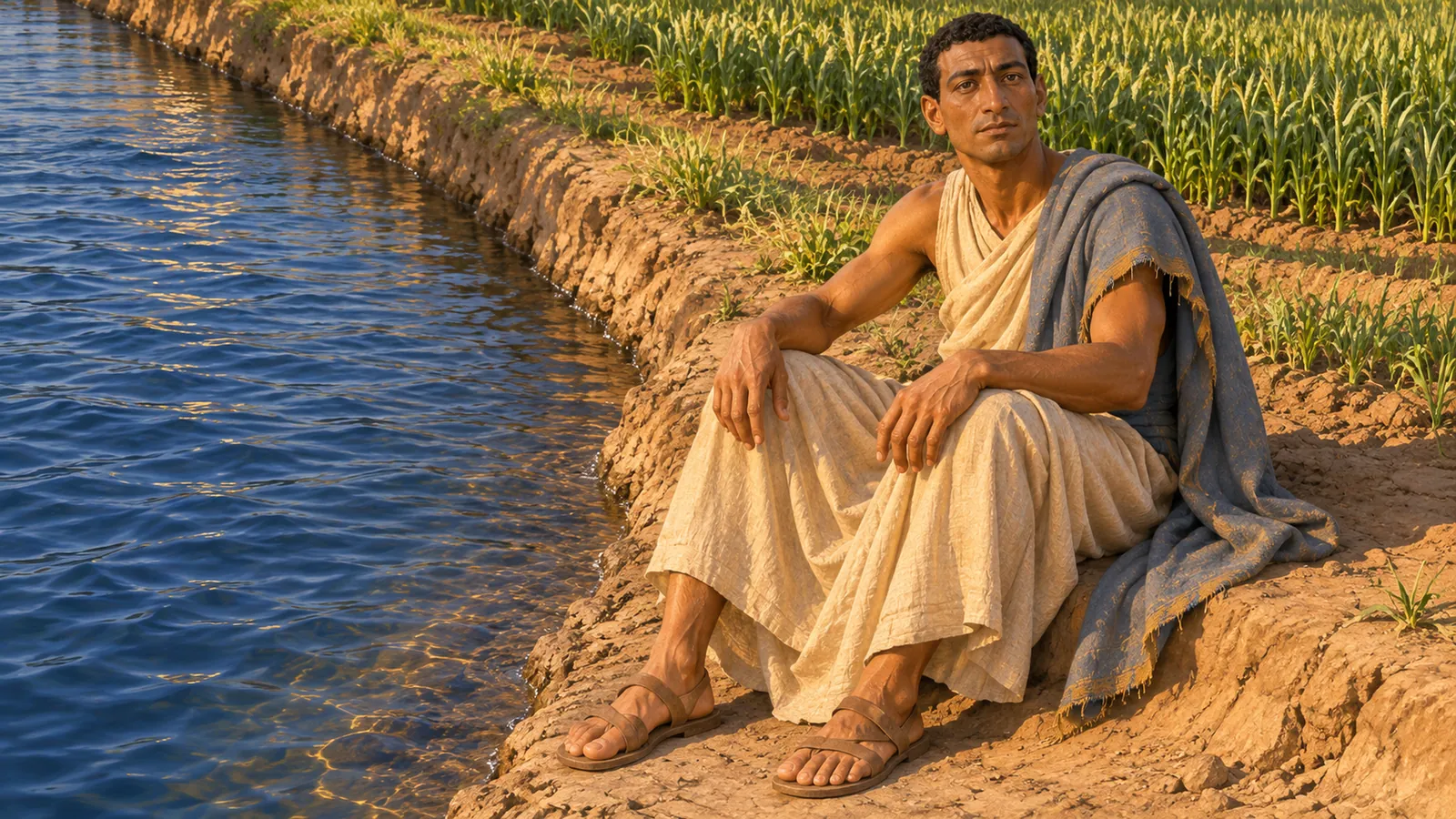
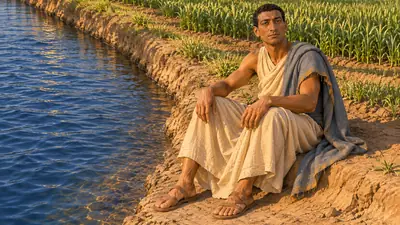
Son chemin le mène par Maati jusqu’à l’endroit qu’il appelle l’île de Sneferu. Il s’arrête pour se reposer près de terres cultivées.
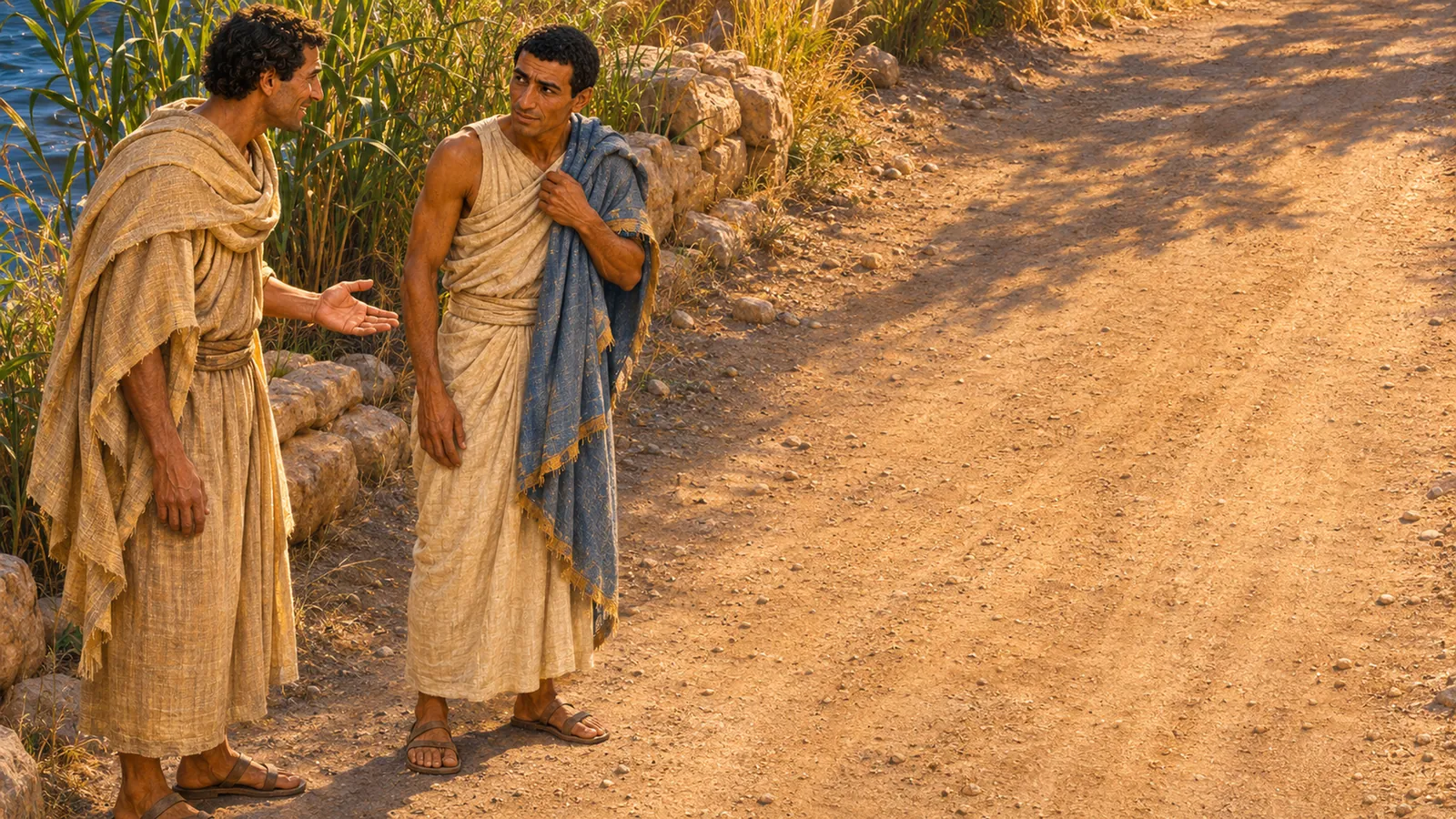
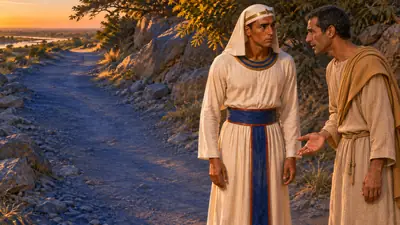
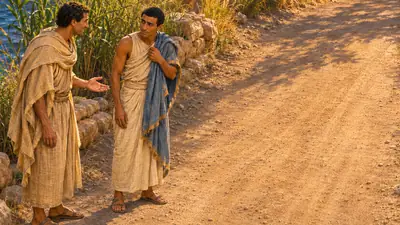
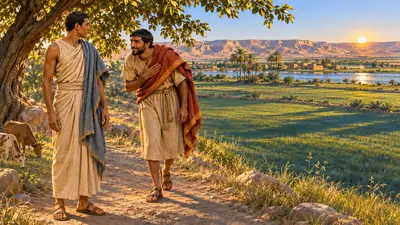
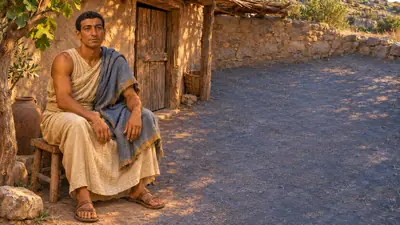
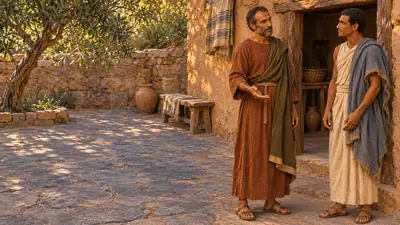
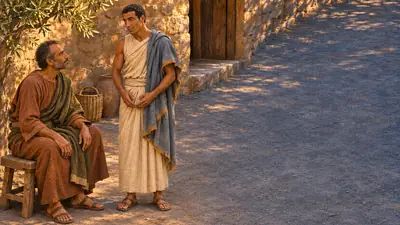
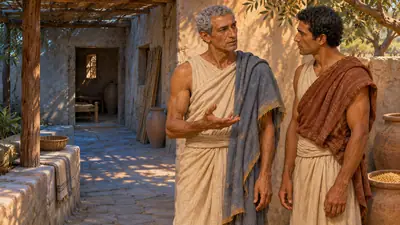
Un homme paraît et salue Sinuhe. Sinuhe a toujours peur au moment de leur rencontre.
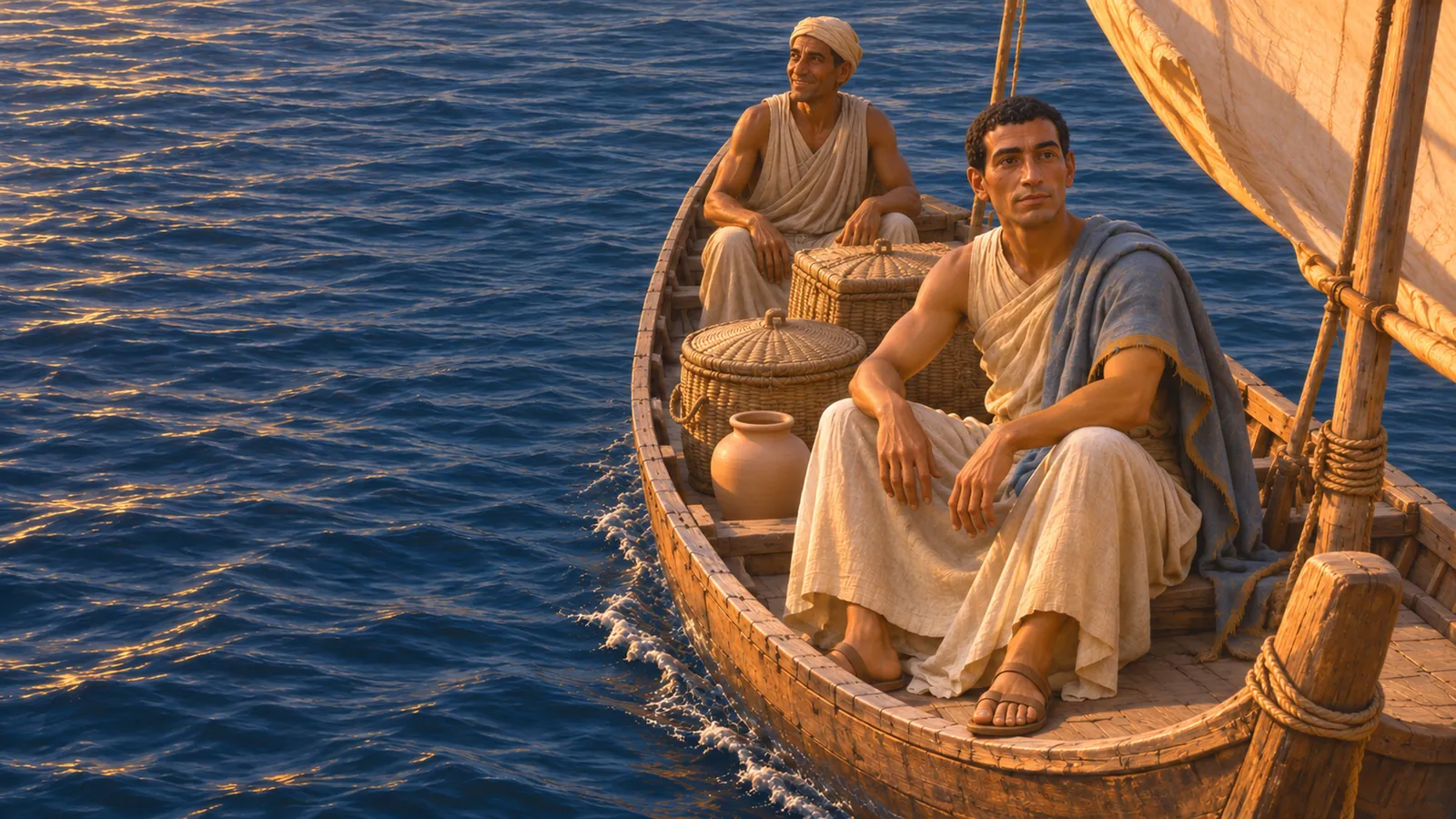
UNE TRAVERSÉE AU CRÉPUSCULE
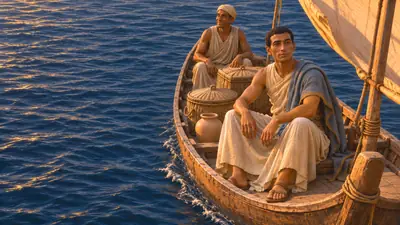
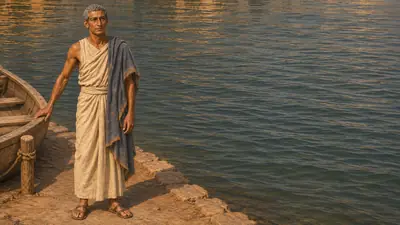
Vers le soir, Sinuhe atteint un mouillage. Il traverse sur un bateau de charge poussé par le vent d’ouest.
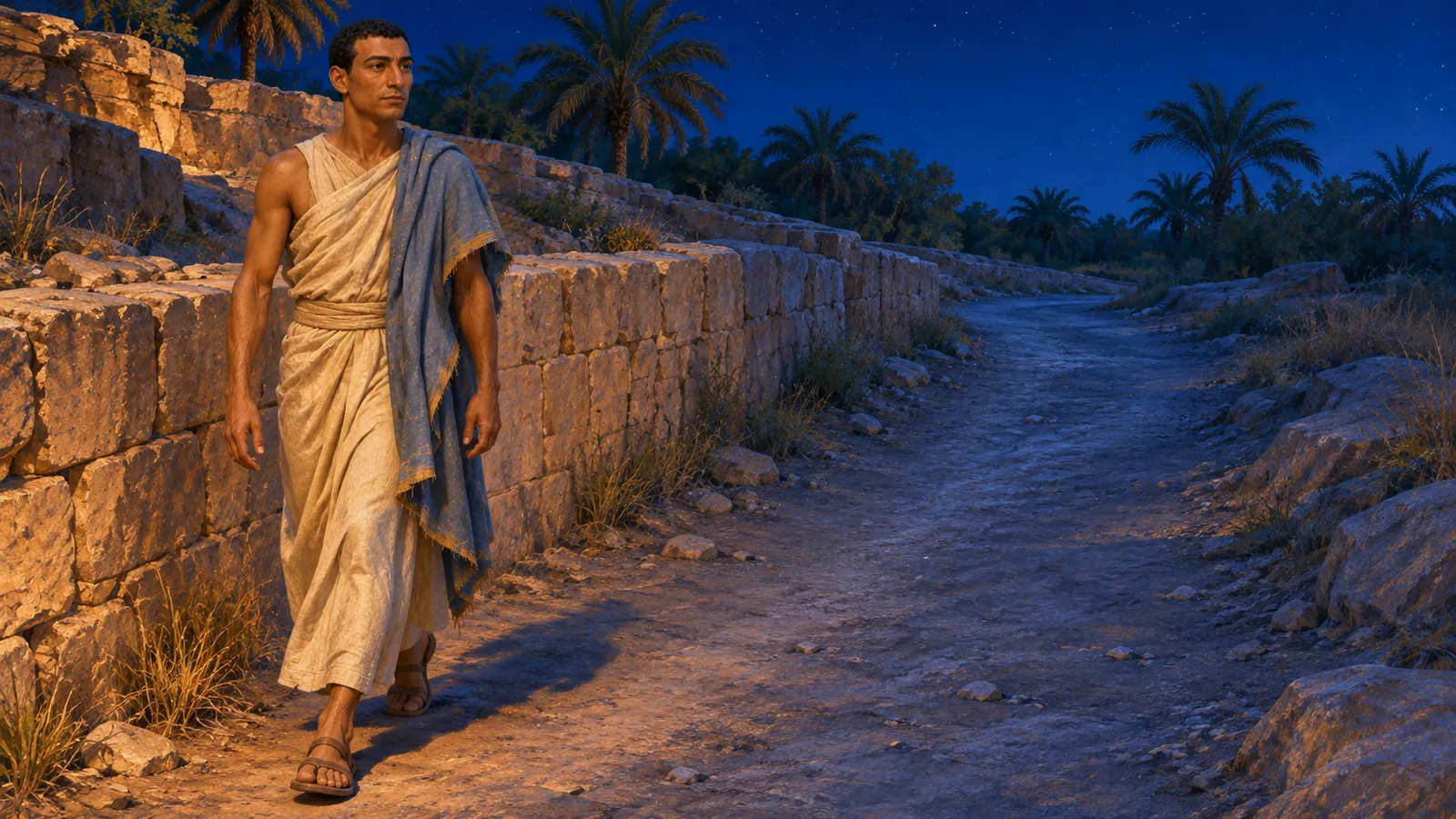
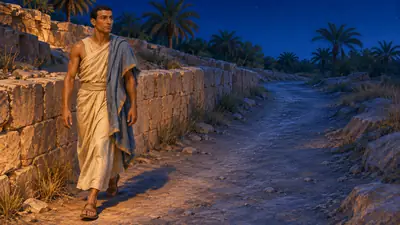
Sinuhe passe la carrière et atteint les Murs du Souverain. Il se tient hors de vue et poursuit son chemin après la tombée de la nuit.
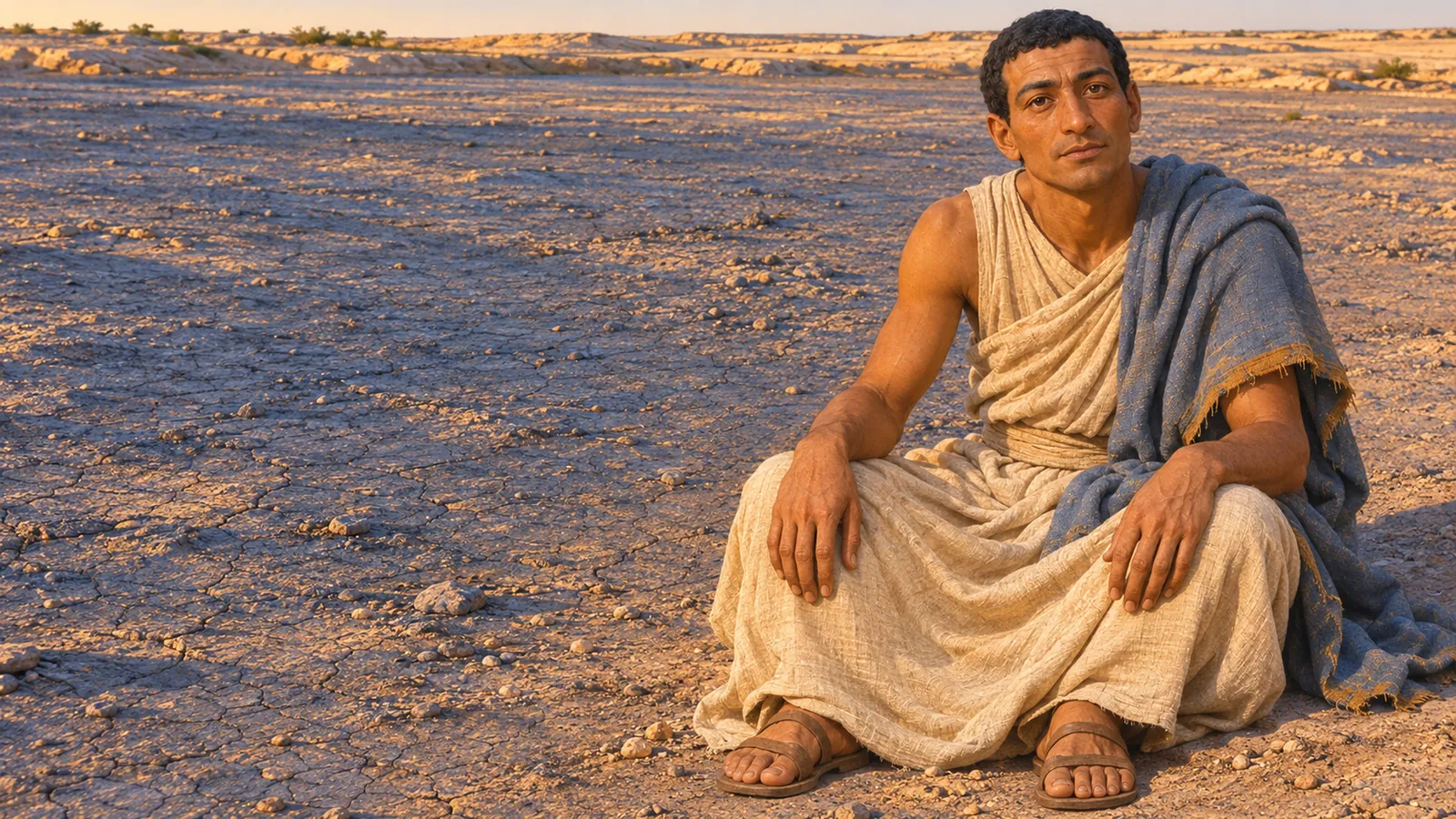
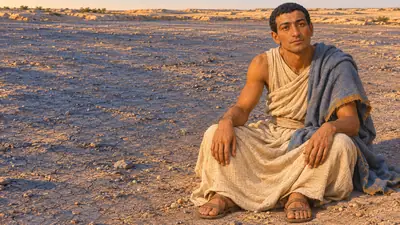
Au jour, il atteint Peten et la région de la Grande Eau noire. Sinuhe se souvient à quel point il avait soif.
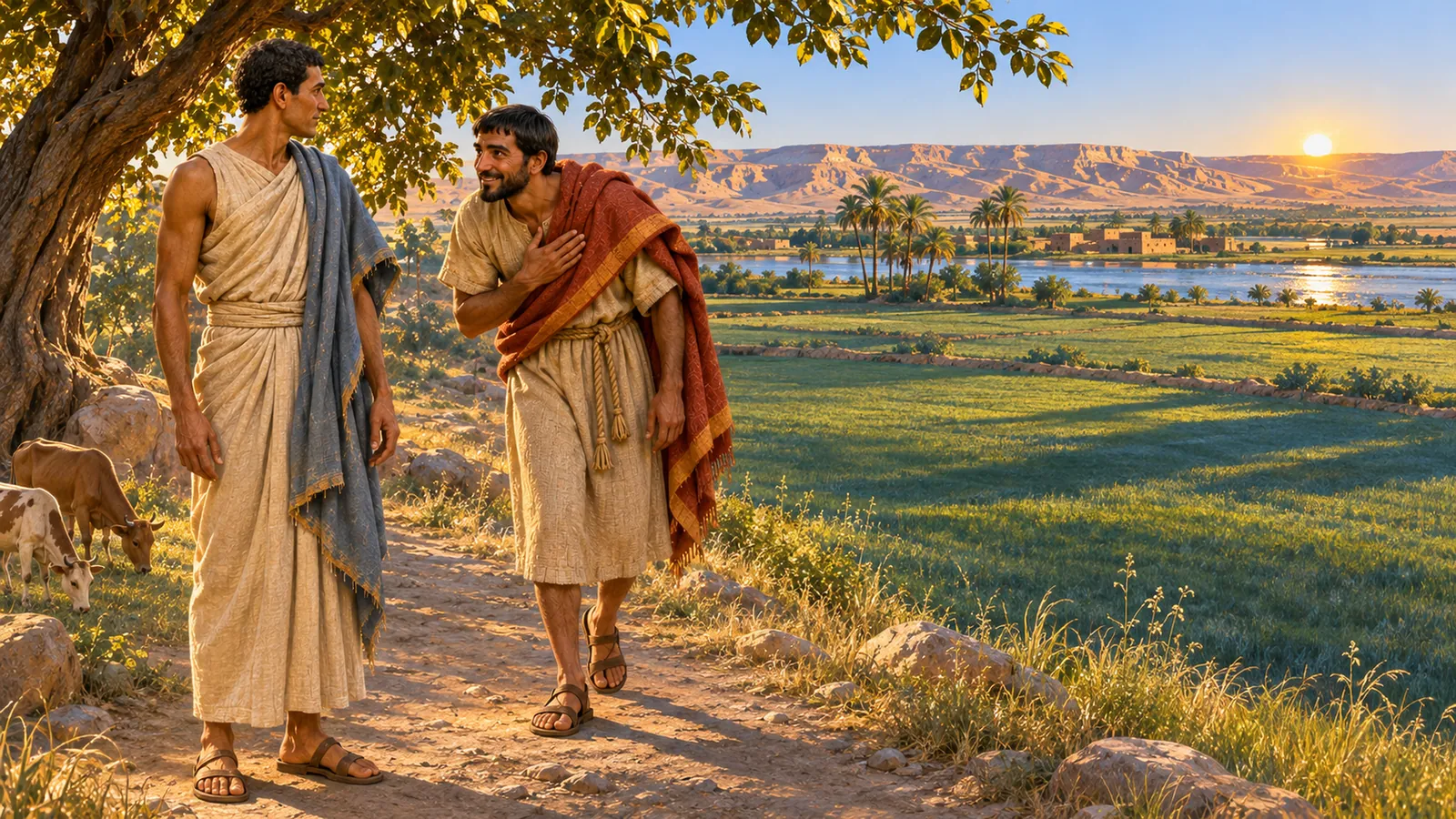
Sinuhe entend du bétail et trouve des gens. Un éclaireur qui est déjà allé en Égypte le reconnaît et s’approche.
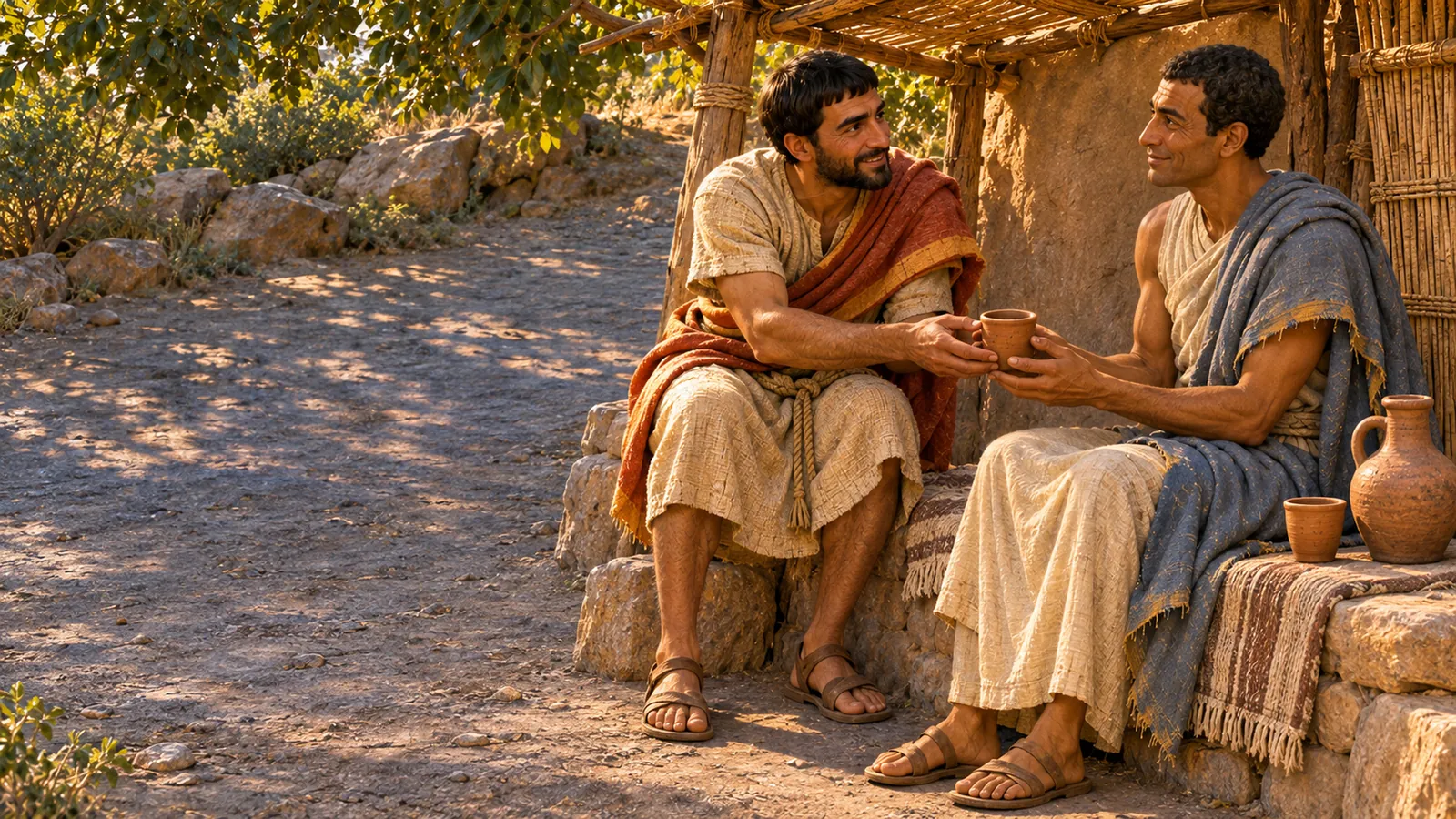
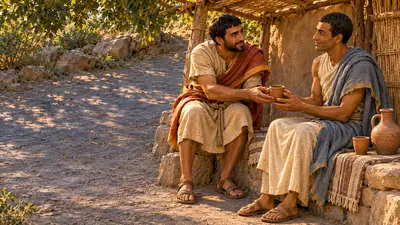
L’éclaireur donne à Sinuhe de l’eau et du lait. Sinuhe part avec les gens de l’éclaireur et quitte l’endroit où il a souffert de la soif.
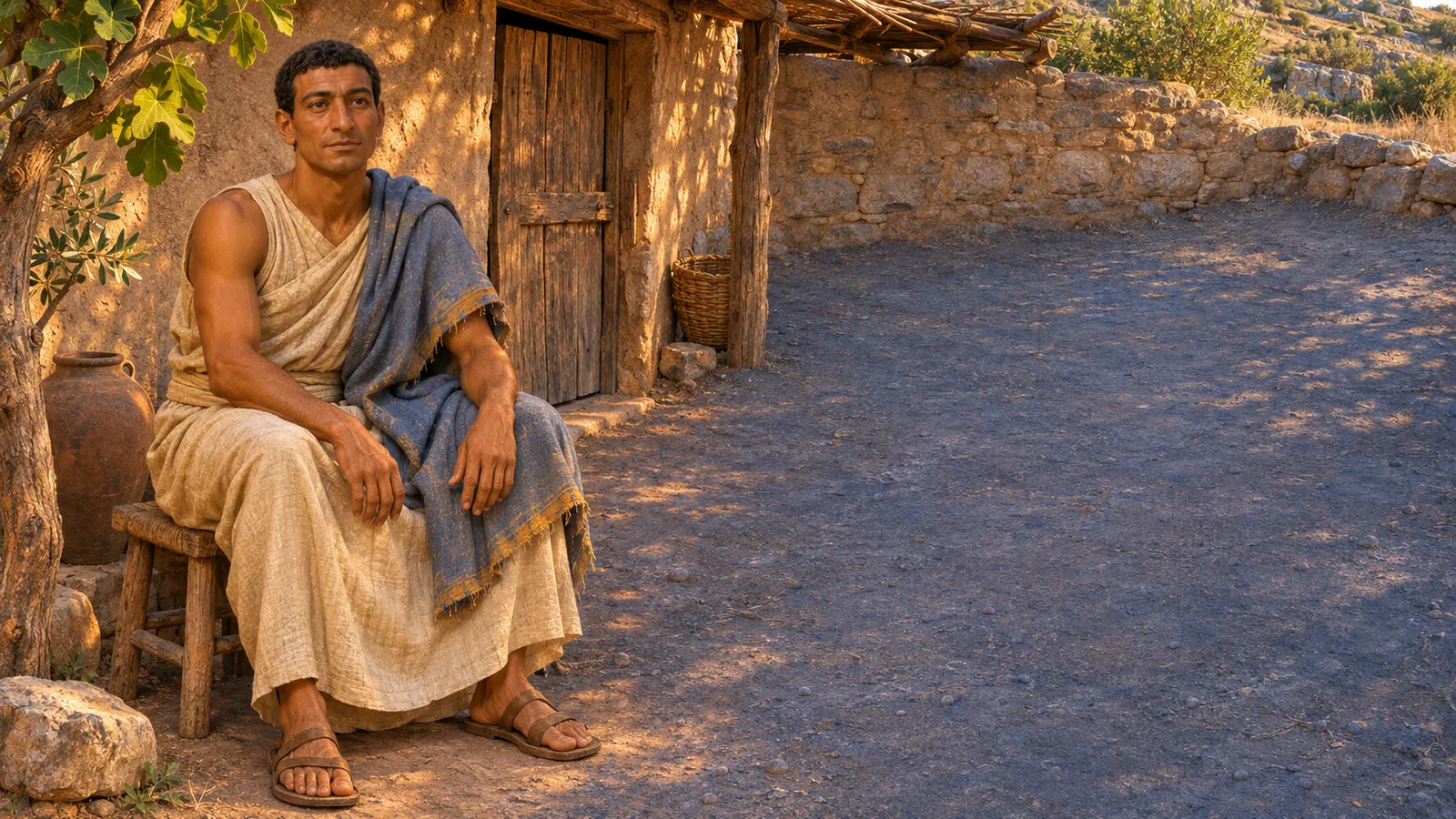
Sinuhe nomme Byblos et Qedem parmi les lieux de son voyage. Il reste un an et demi à Qedem, jusqu’à ce qu’Amunenshi le fasse chercher.
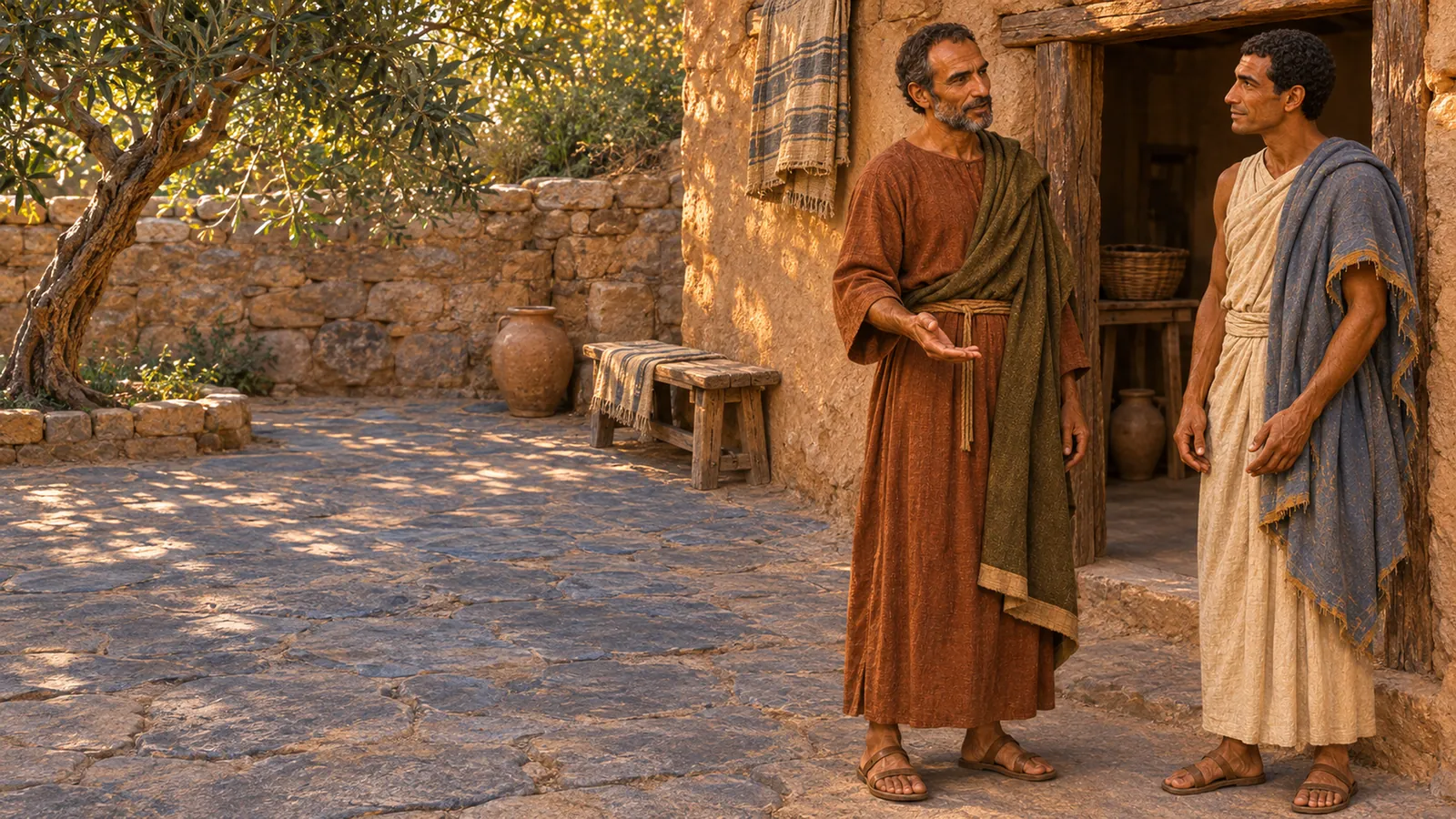
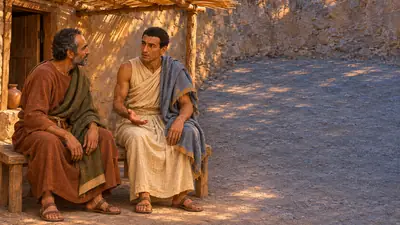
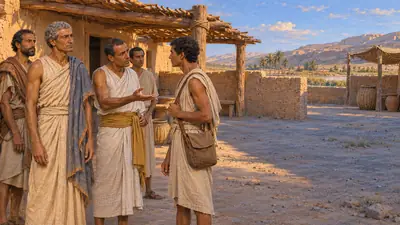
Amunenshi dit à Sinuhe qu’il pourra entendre parler égyptien parmi les siens. Des Égyptiens qui y vivent ont parlé en sa faveur. Amunenshi lui demande ce qui s’est passé à la Résidence.
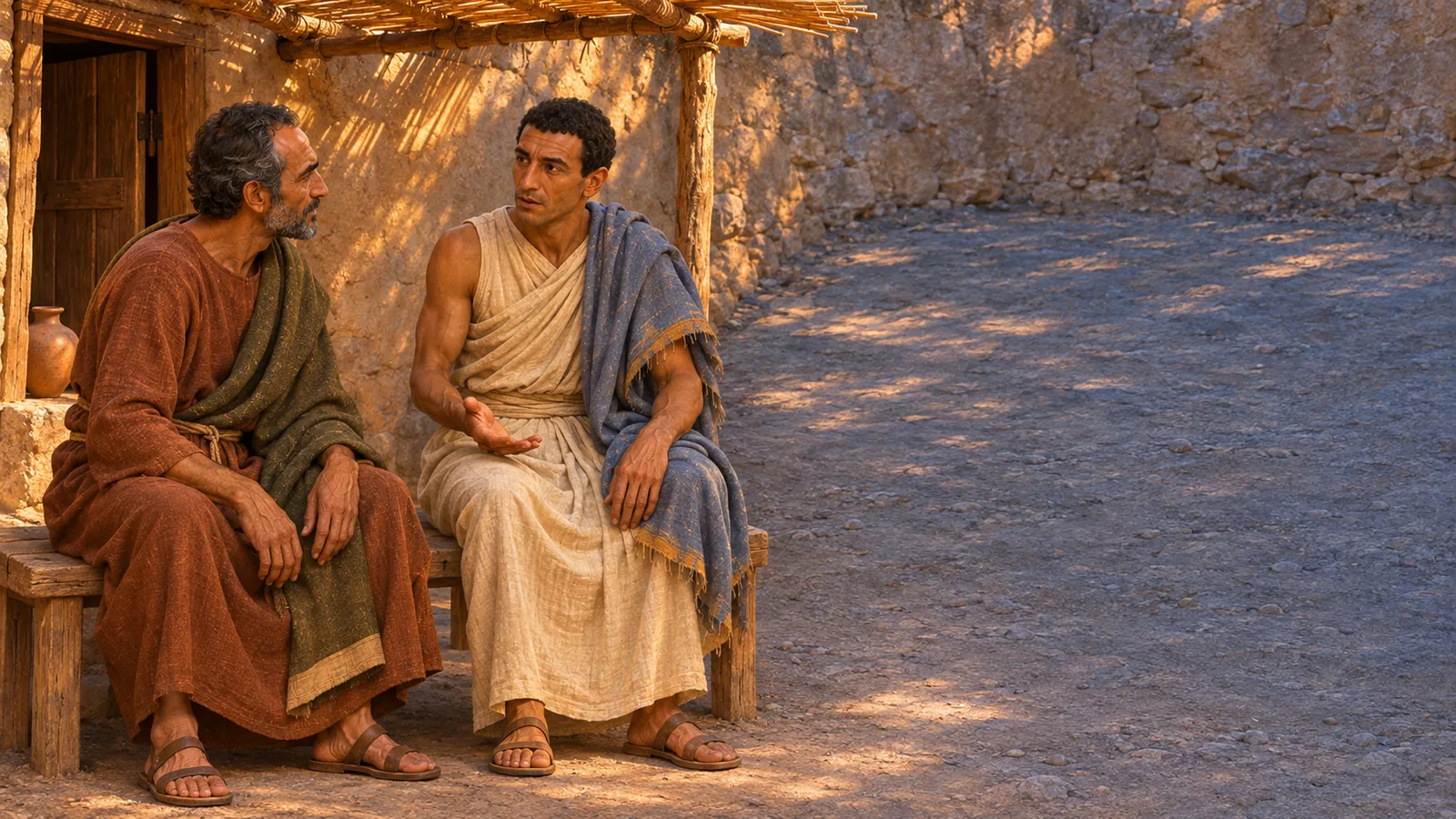
Sinuhe annonce à Amunenshi la mort du roi et dit qu’il en ignore les circonstances. Puis il se souvient d’avoir entendu une voix et d’être parti sous l’effet de la peur.
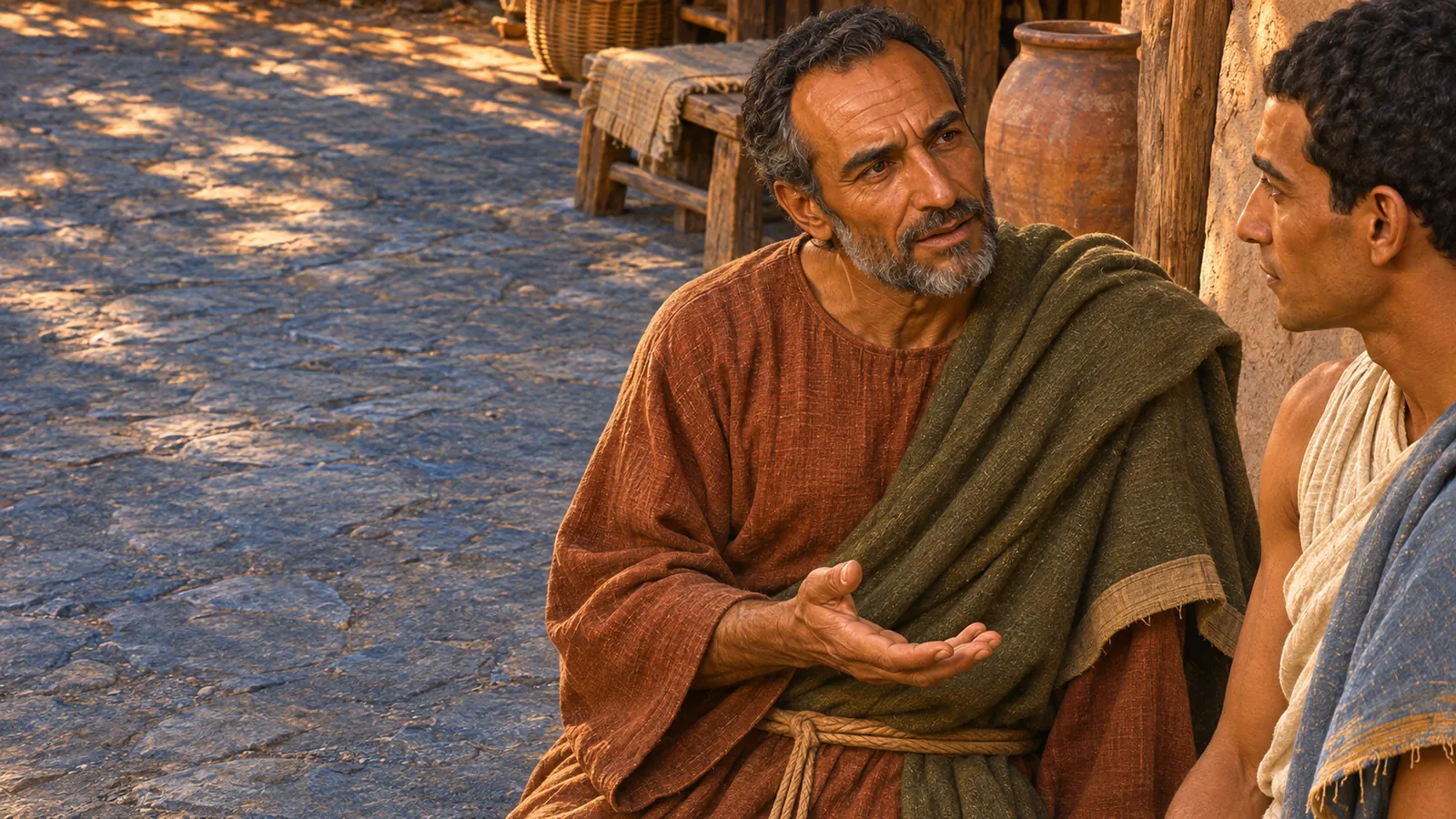
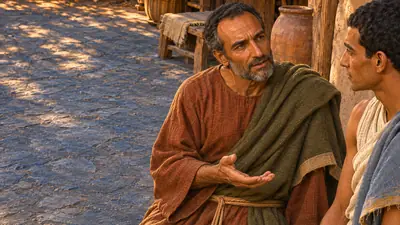
Amunenshi demande ce que va devenir l’Égypte. Sa question fait passer la conversation de la perte de l’ancien roi au souverain qui lui succède.
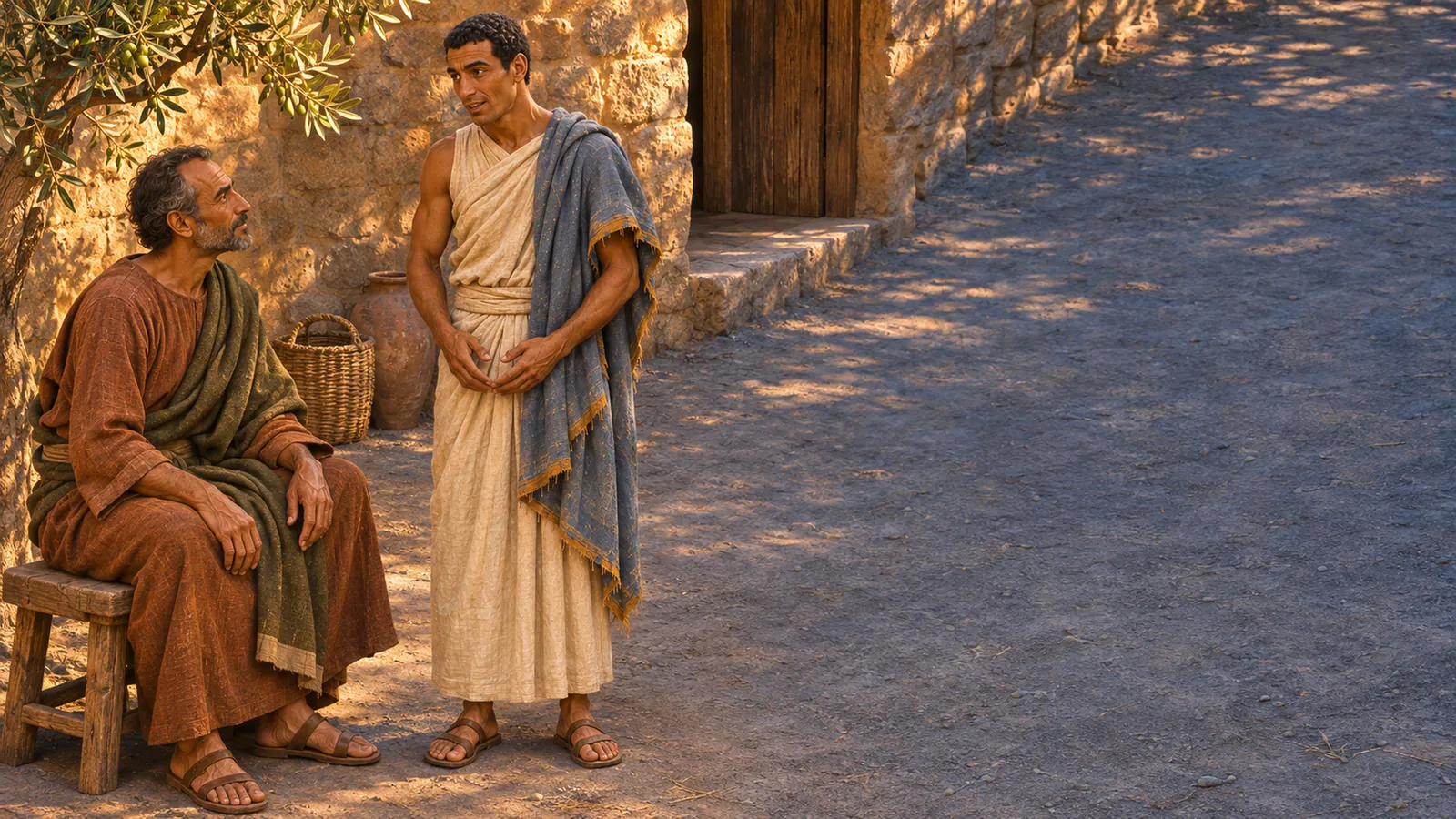
Sinuhe dit que Senusret a succédé à son père comme roi. Dans sa réponse, il commence à dire longuement ce qu’il admire chez le nouveau souverain.
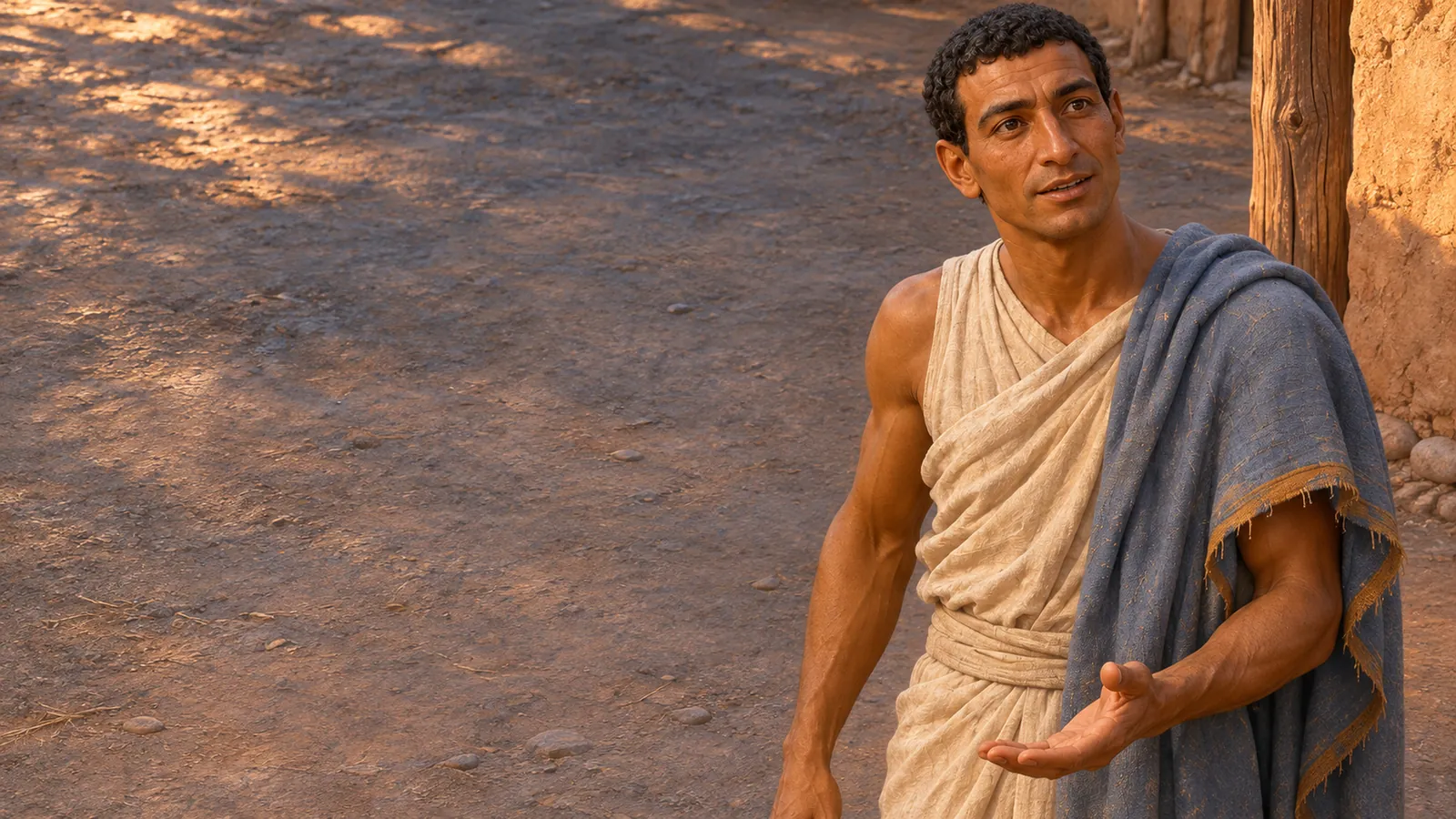
Sinuhe parle de l’affection que le peuple porte à Senusret. Il décrit la bienveillance du roi pour faire valoir qu’il faut s’adresser à lui.
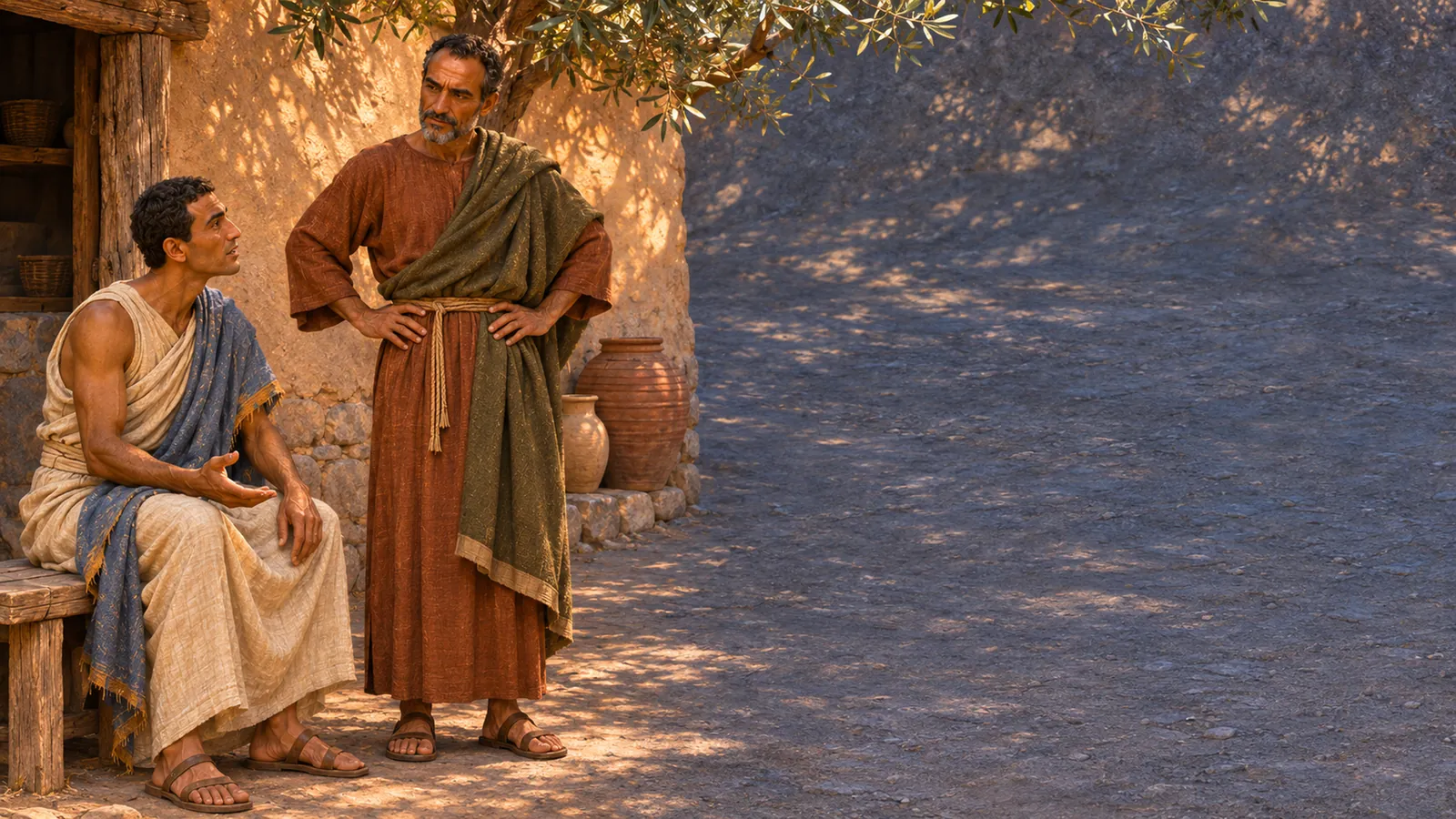
Sinuhe conseille à Amunenshi de se faire connaître de Senusret. Il assure à son hôte que le roi d’Égypte accueillera cette démarche avec bienveillance.
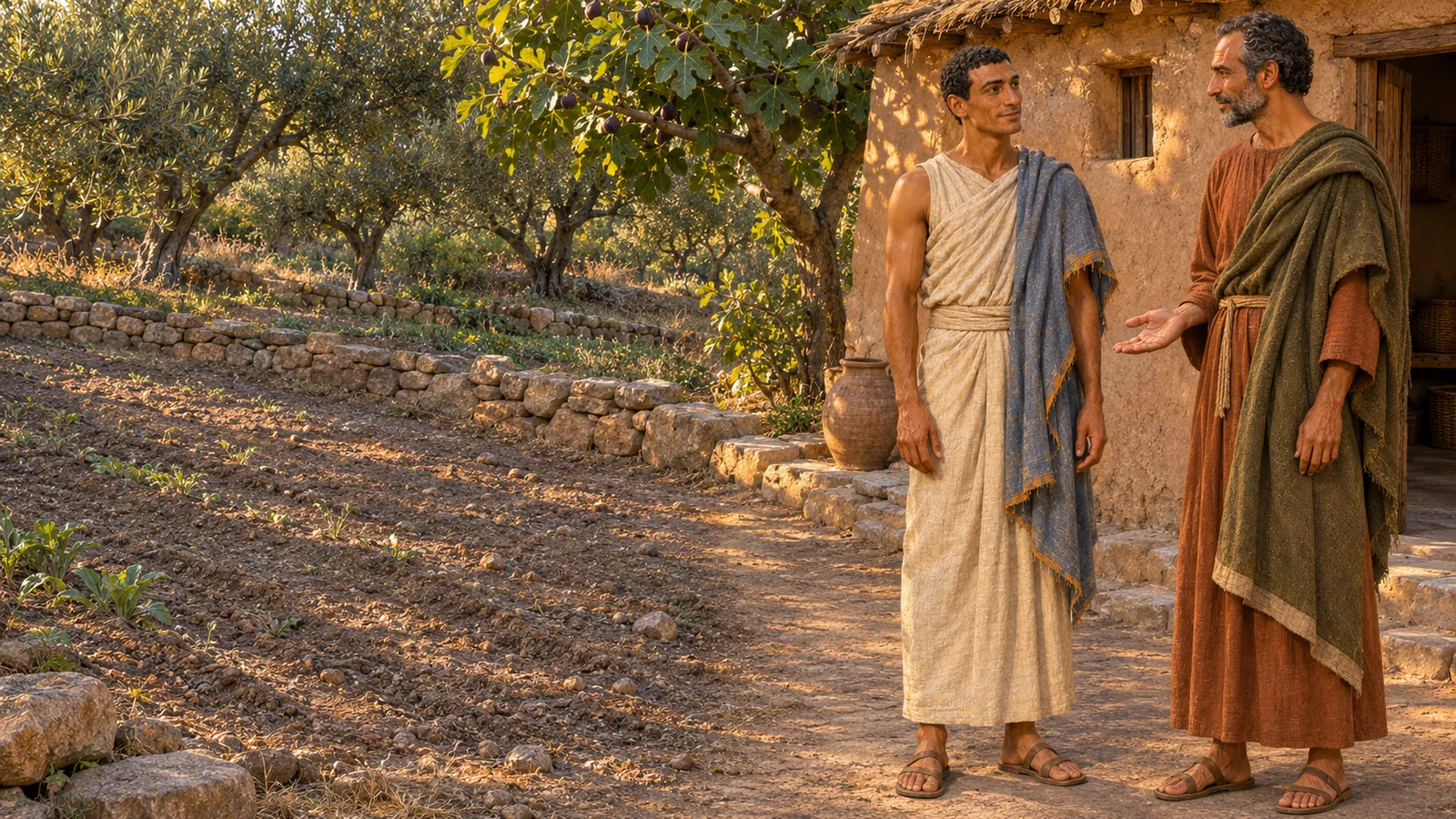
Amunenshi dit qu’il gardera Sinuhe auprès de lui. Il lui donne sa fille aînée pour épouse et le laisse choisir une terre pour son foyer.
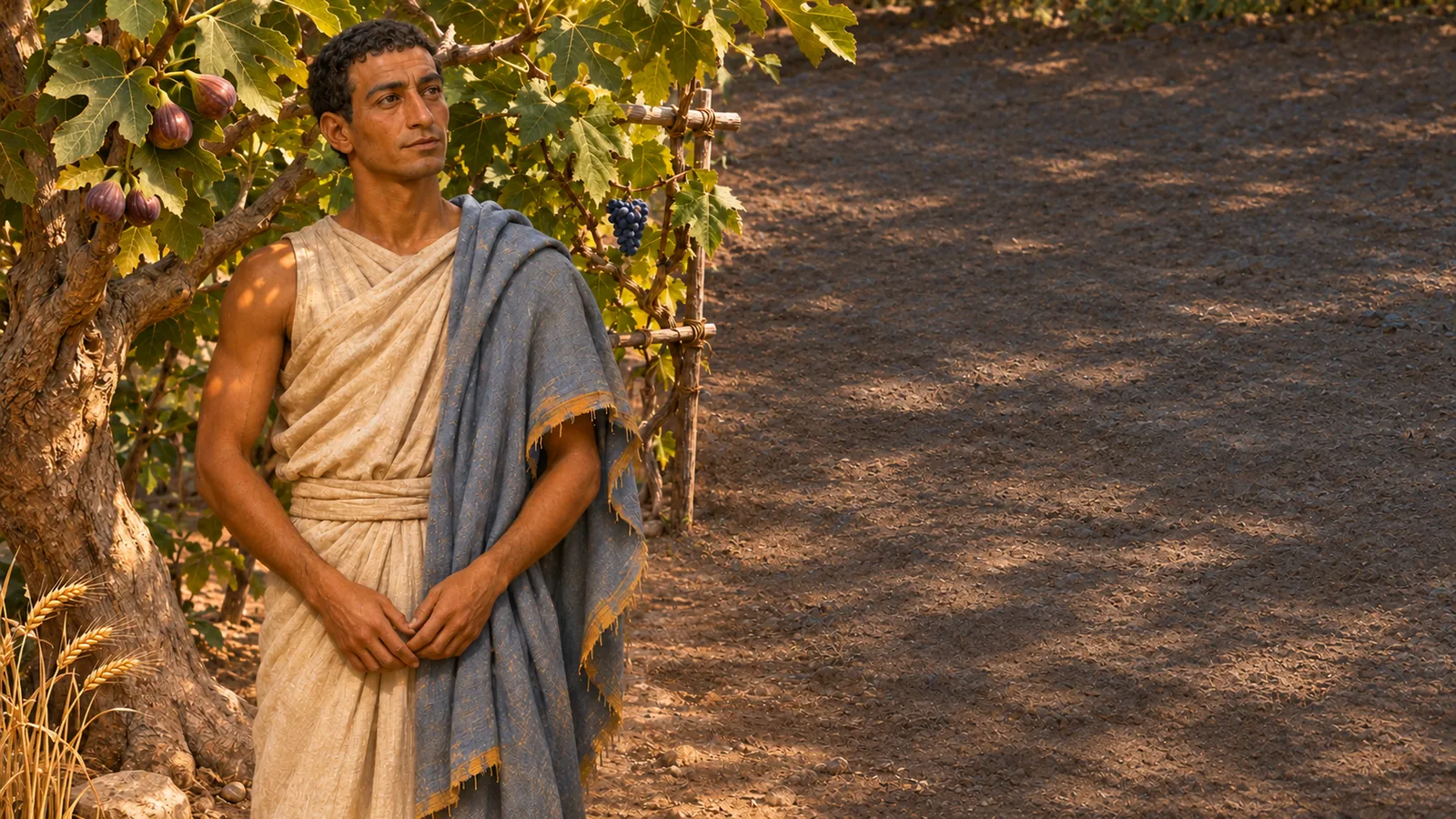
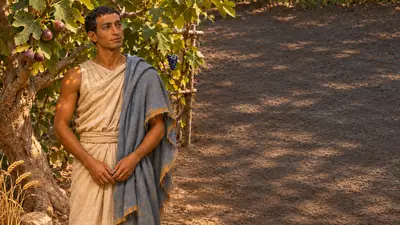
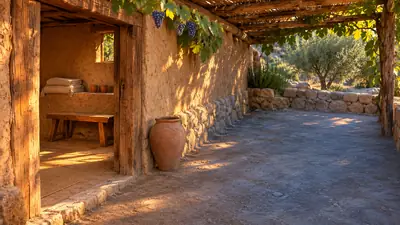
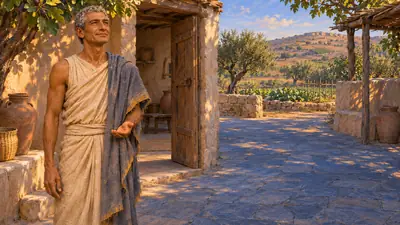
Sinuhe appelle cet endroit Iaa. Il parle de figues, de vignes, de céréales et de troupeaux pour décrire la terre où il s’installe avec les siens.
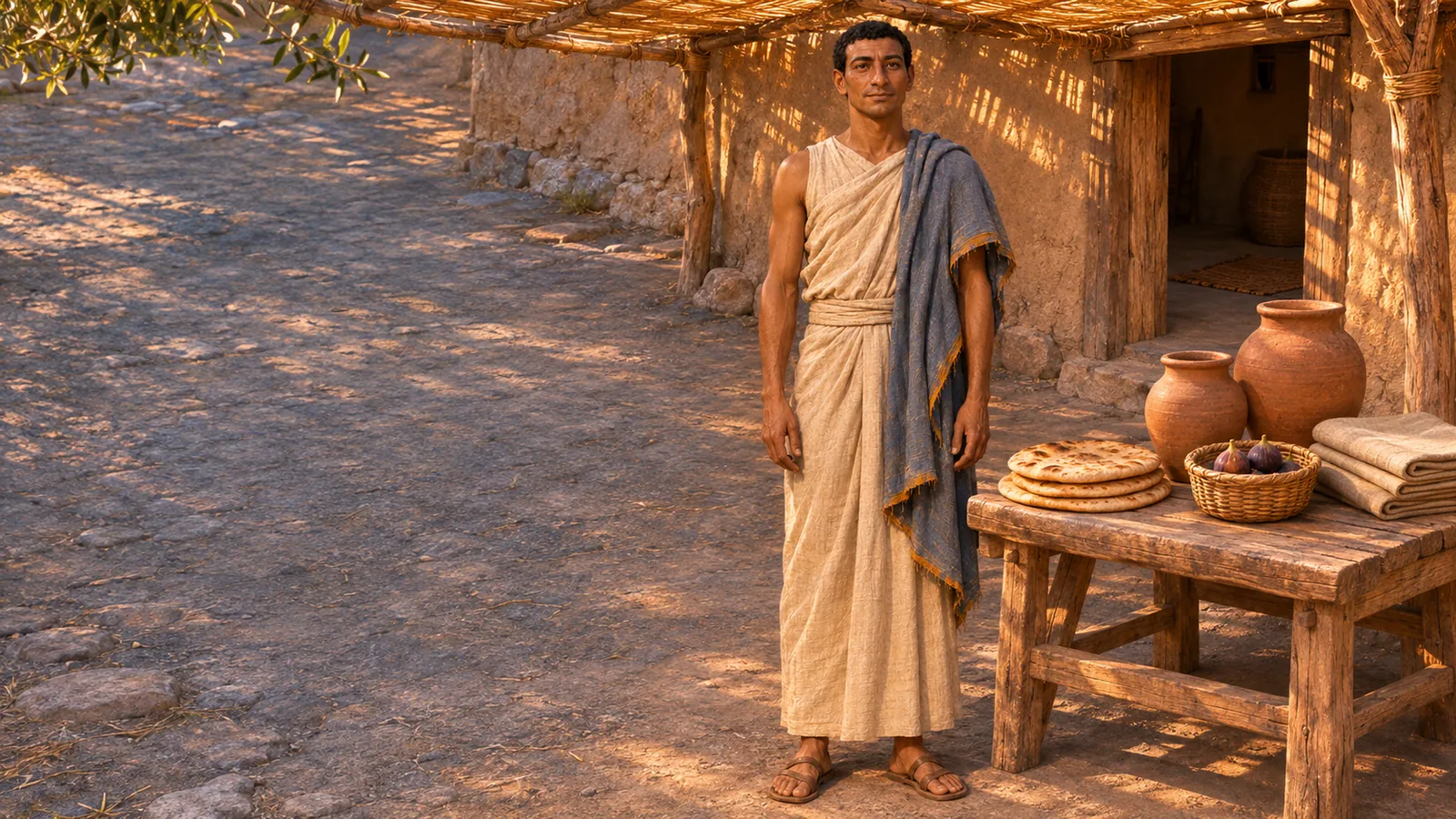
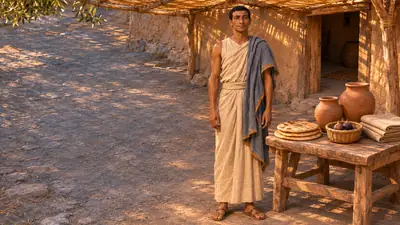
Amunenshi confie à Sinuhe la charge d’une communauté. Sinuhe décrit un foyer bien approvisionné, où des vivres sont apportés à sa table.
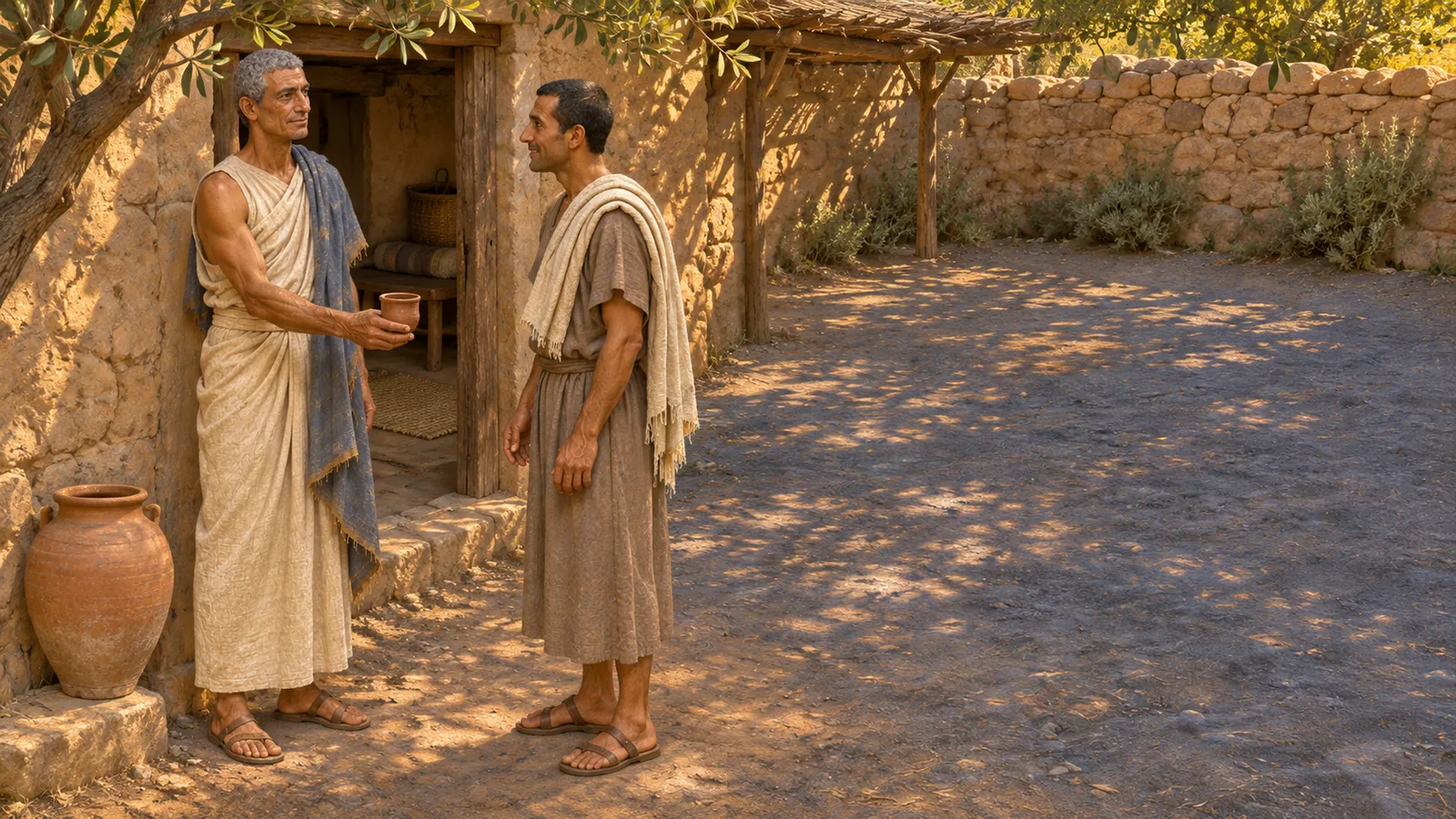
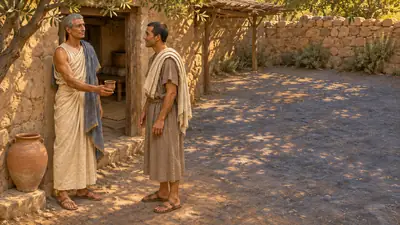
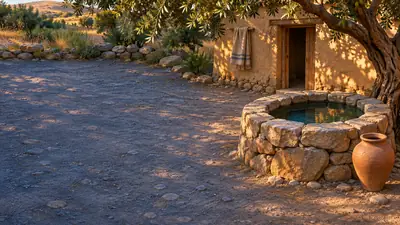
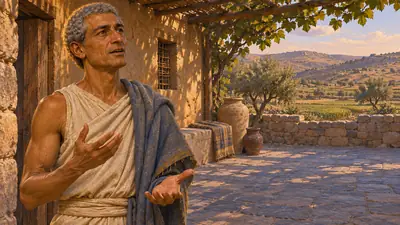
Les années passent et les enfants de Sinuhe grandissent. Il dit qu’il a donné de l’eau aux voyageurs, leur a indiqué le chemin et a reçu les envoyés de passage.
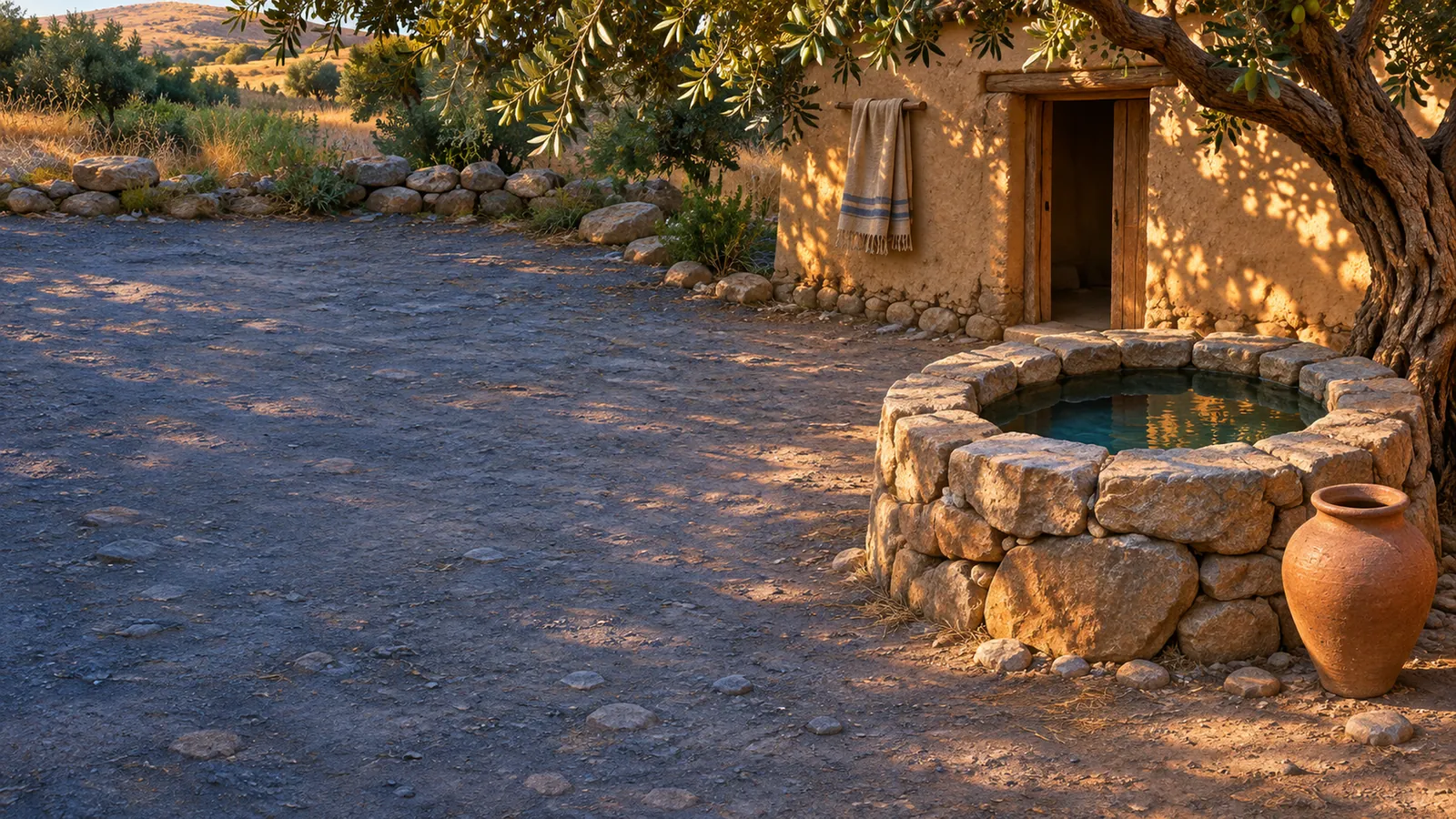
Amunenshi confie à Sinuhe le commandement de ses troupes. Sinuhe dit avoir mené des raids, chassé des gens de leurs puits, tué des personnes et pris des captifs et du bétail.
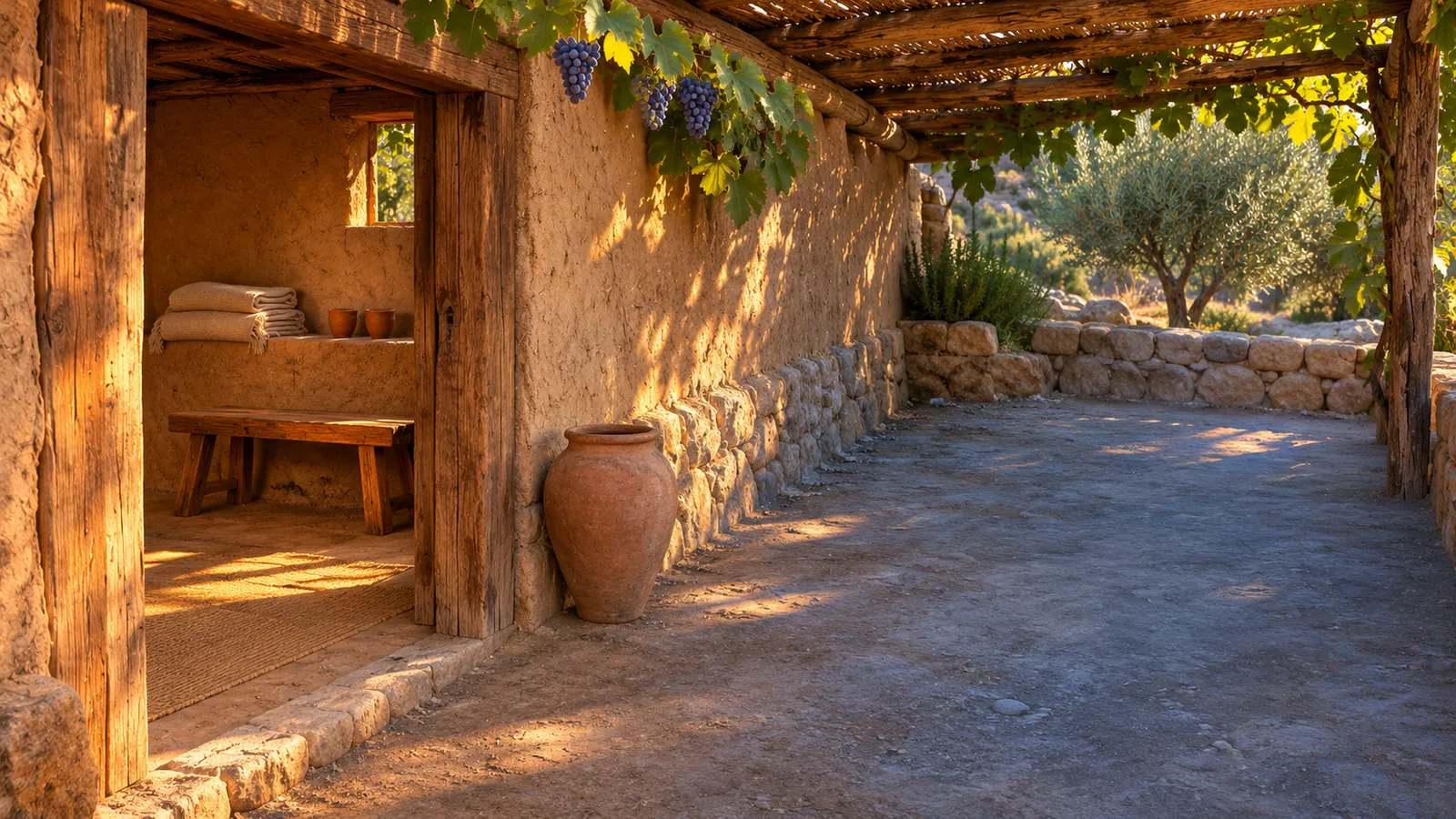
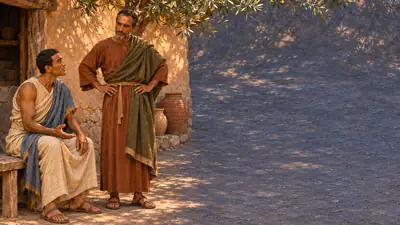
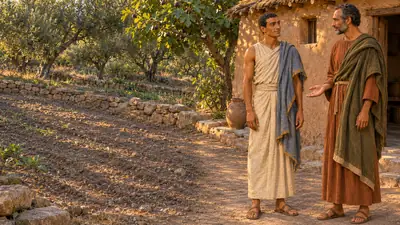
Amunenshi s’entretient avec Sinuhe. Sinuhe dit avoir tué l’homme qui l’avait défié et pris ses biens. Amunenshi vient ensuite l’accueillir chaleureusement.
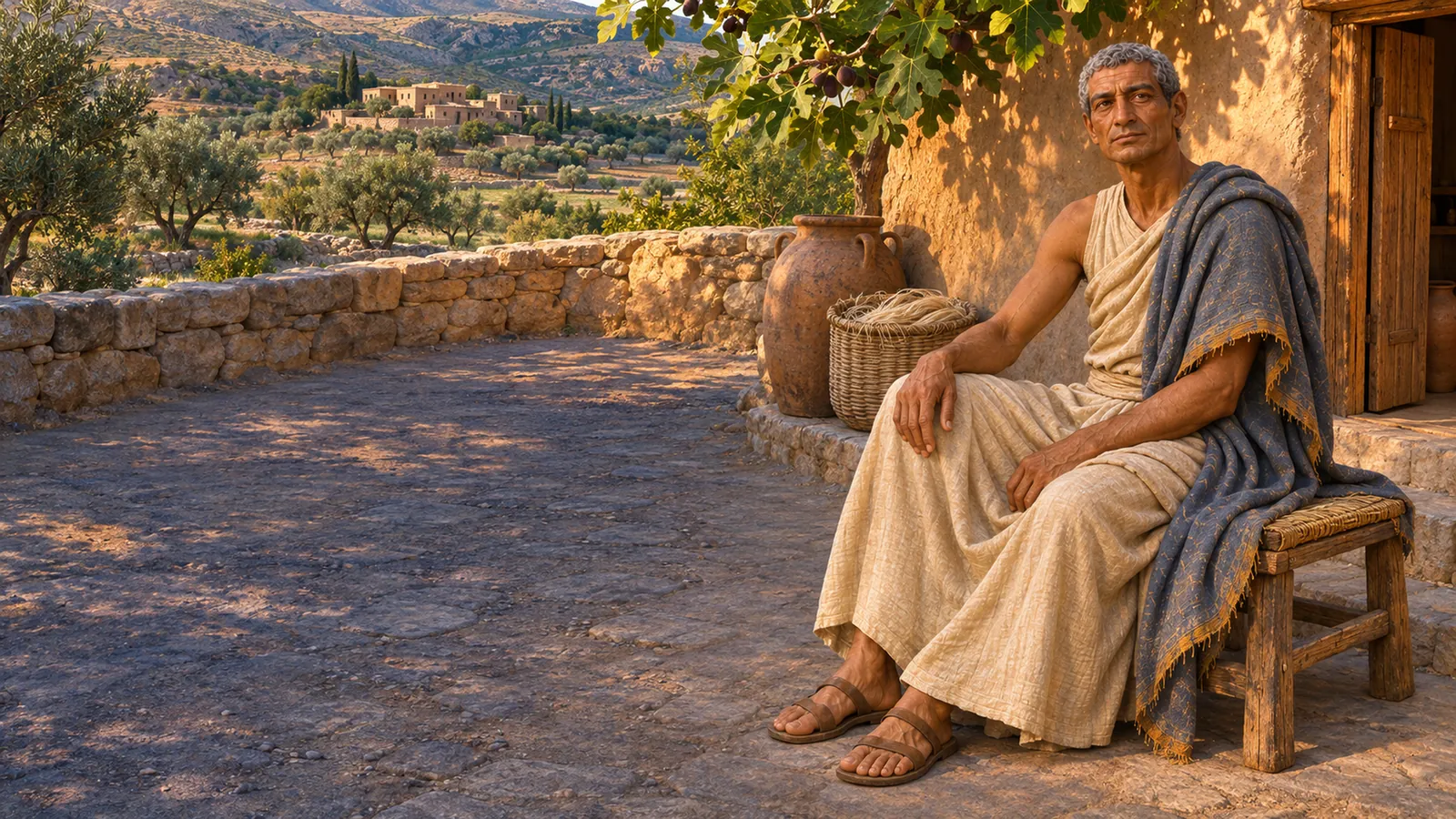
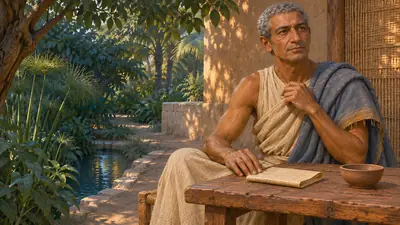
Sinuhe voit dans ce changement de fortune le signe qu’une puissance divine s’est réconciliée avec lui. Même dans son nouveau foyer, il pense à la Résidence.
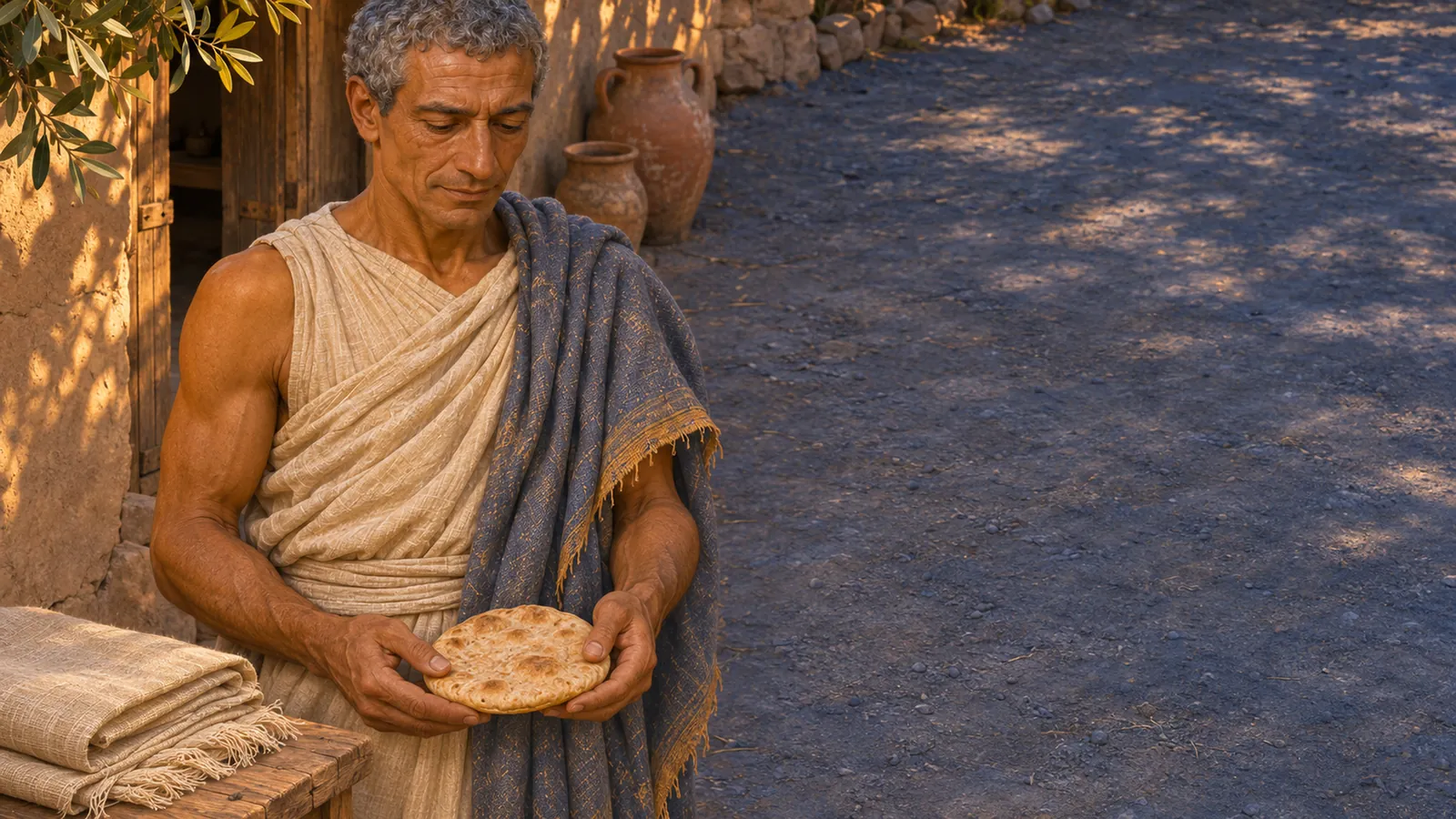
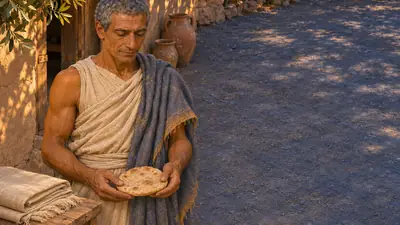
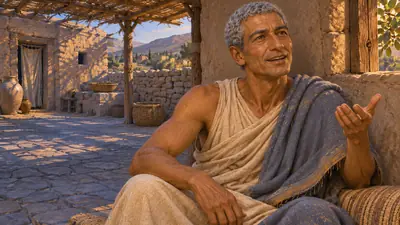
Sinuhe évoque le pain qu’il peut partager et l’étoffe fine qu’il peut porter. Il parle de la place qu’il a acquise à l’étranger.
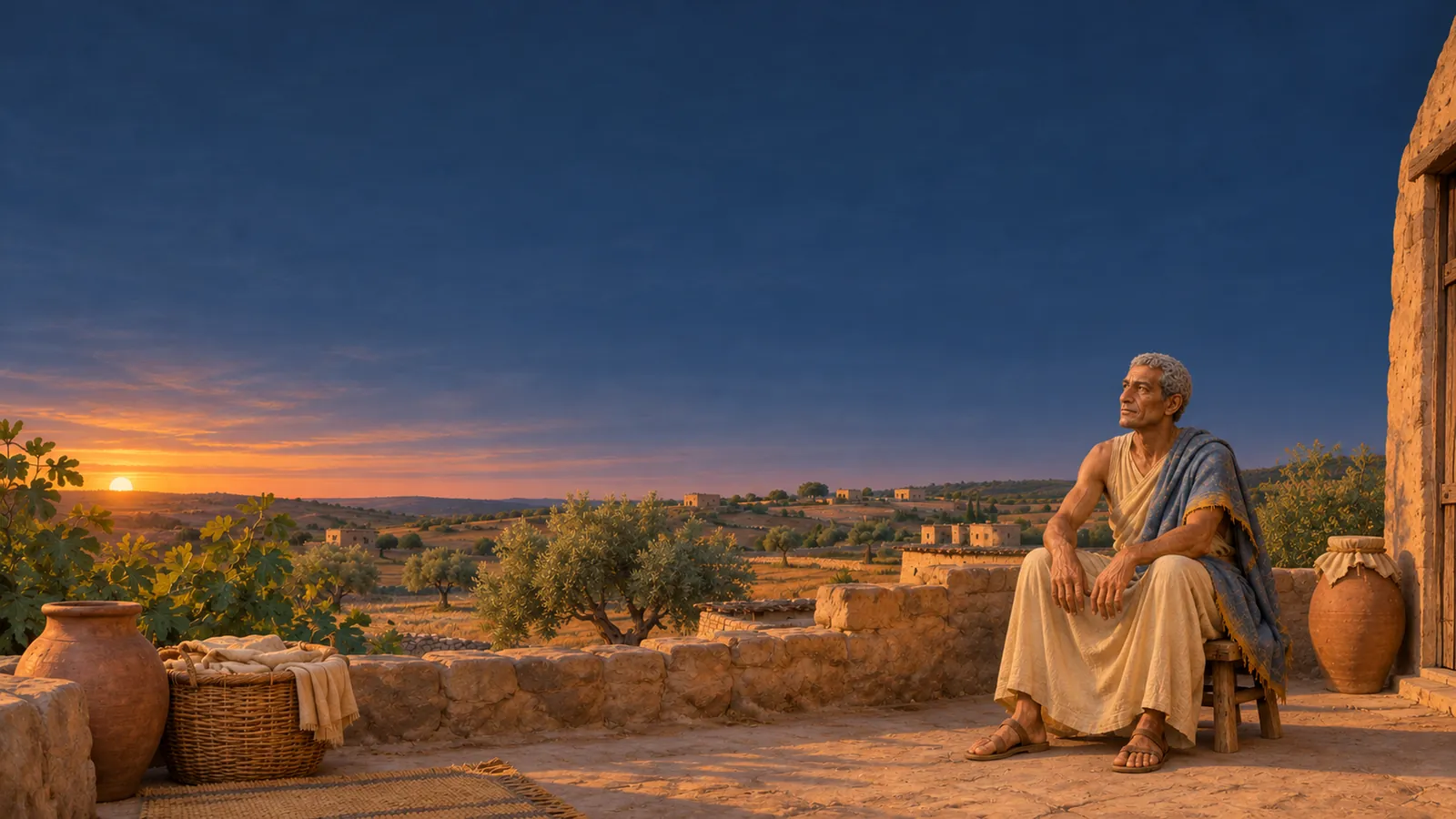
LE PAYS QUI LUI MANQUE
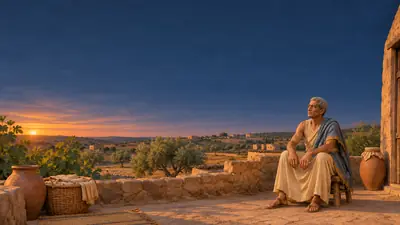
Sinuhe demande à revoir le lieu qui lui manque. Quand sa vie prendra fin, il souhaite être enterré dans le pays où il est né.
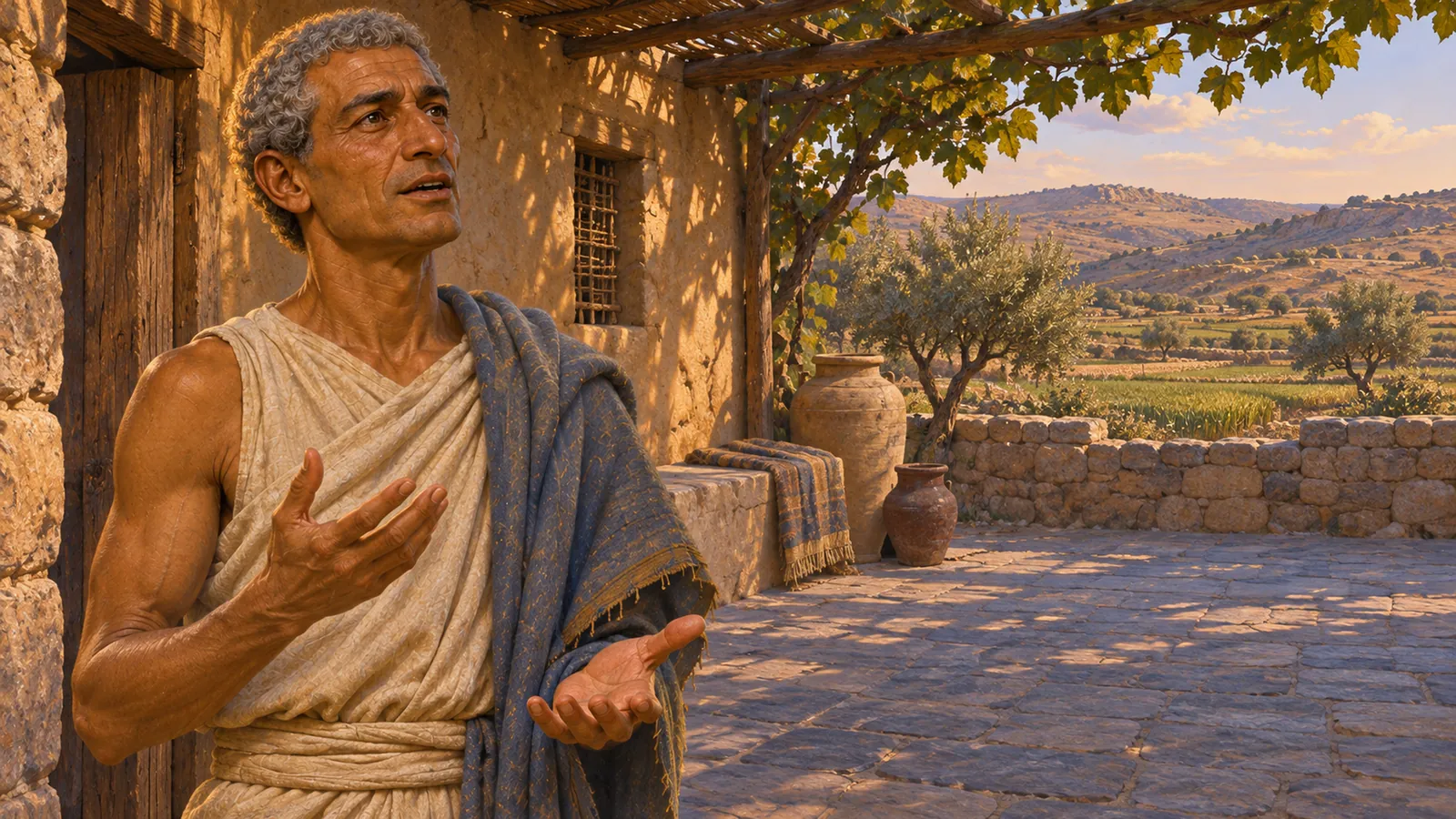
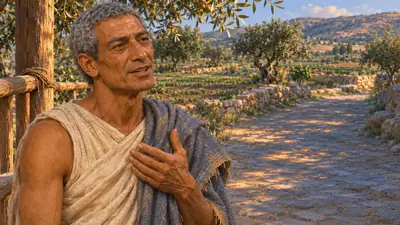
Sinuhe demande que soit entendue la prière d’un exilé. Il aspire à revenir dans le lieu qu’il a quitté.
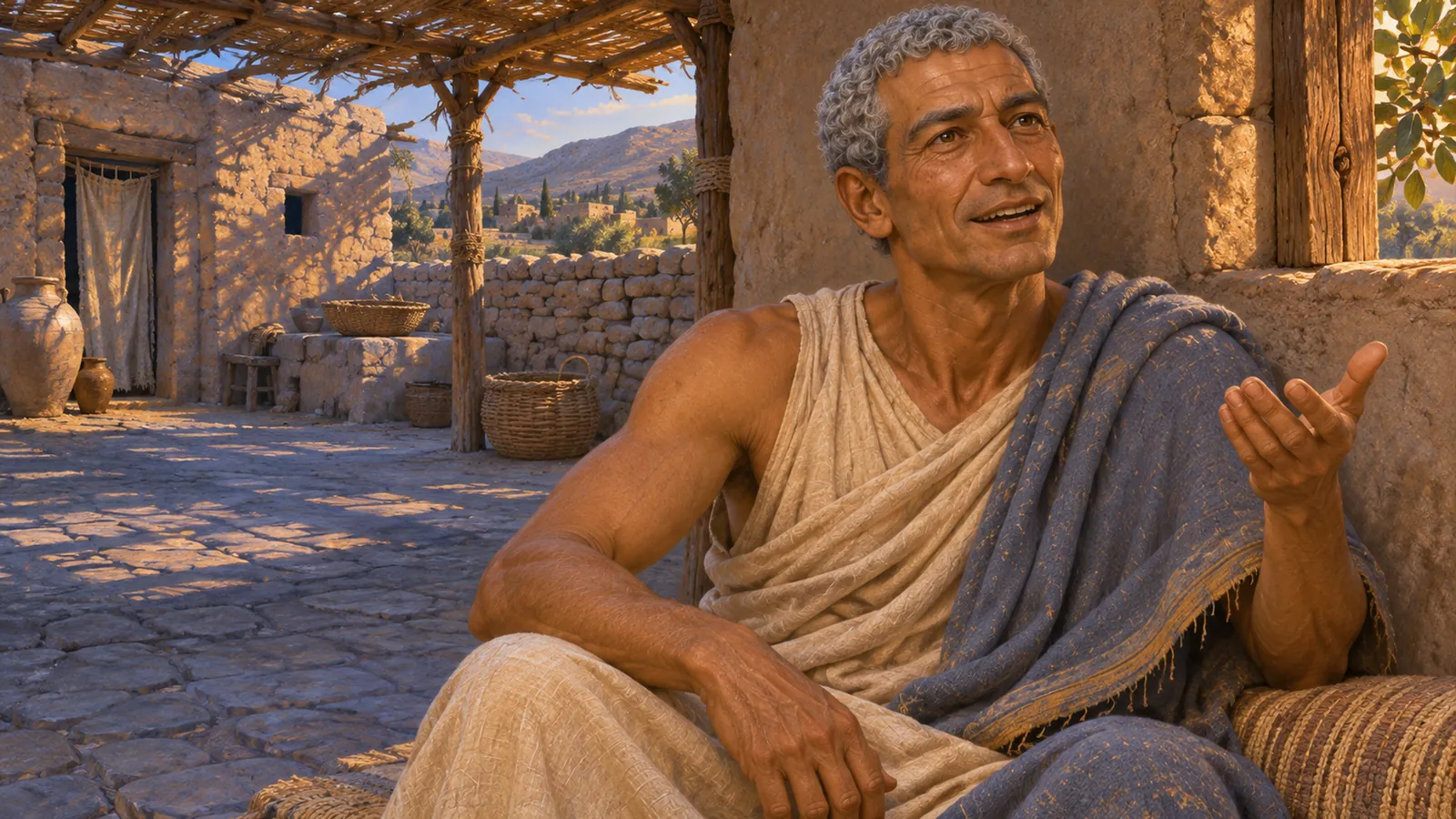
Sinuhe espère retrouver la faveur du roi. Il veut saluer la dame du palais et recevoir des nouvelles de ses enfants.
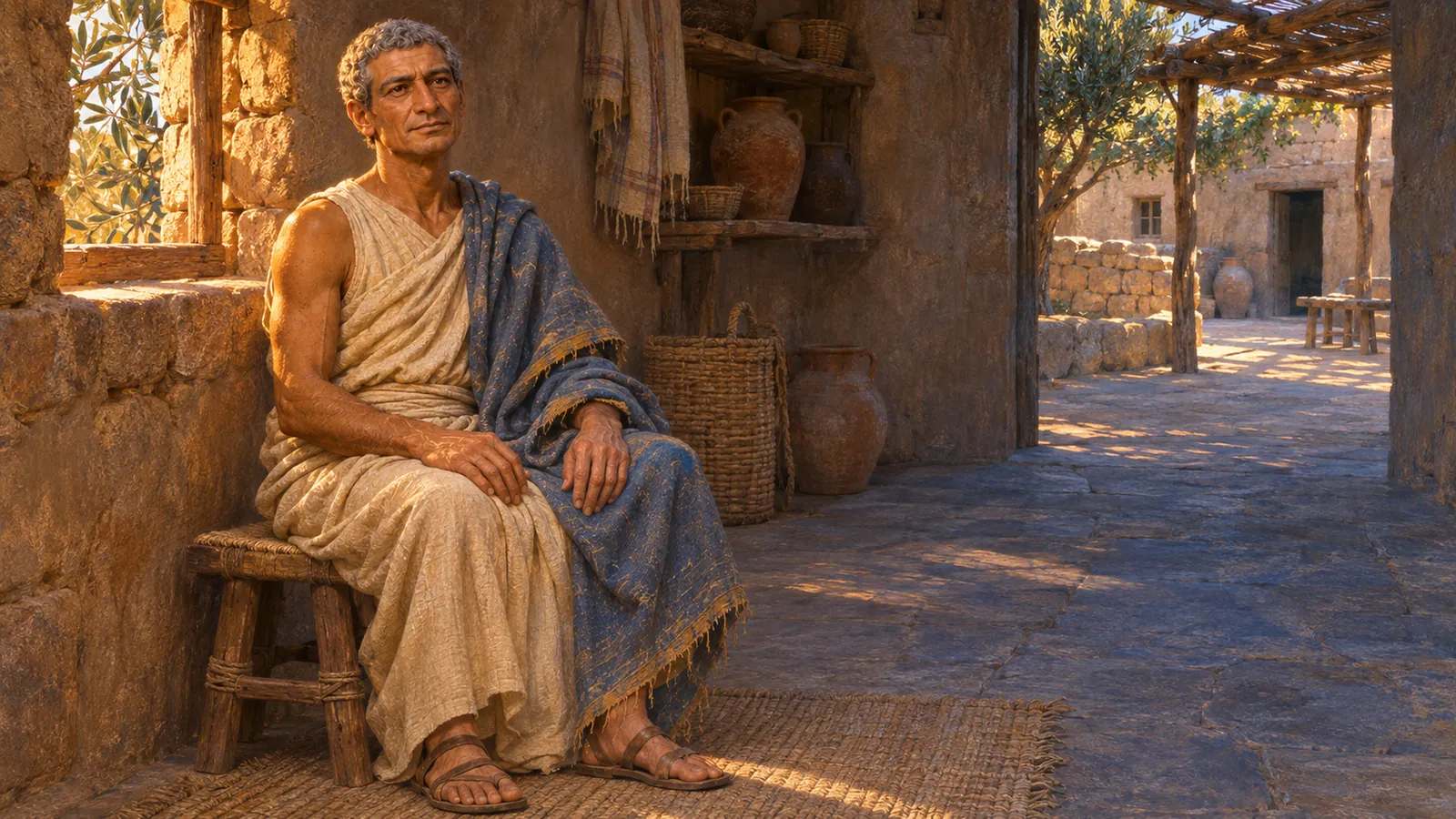
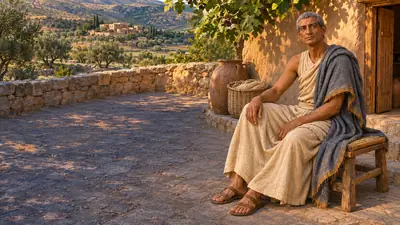
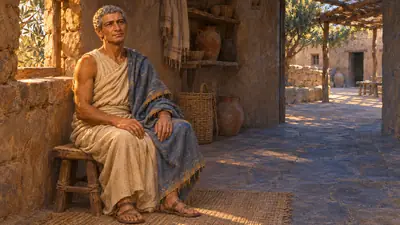
Sinuhe sent le poids de l’âge et aspire au repos. Il demande à passer le temps qui lui reste dans le lieu qu’il considère comme son foyer.
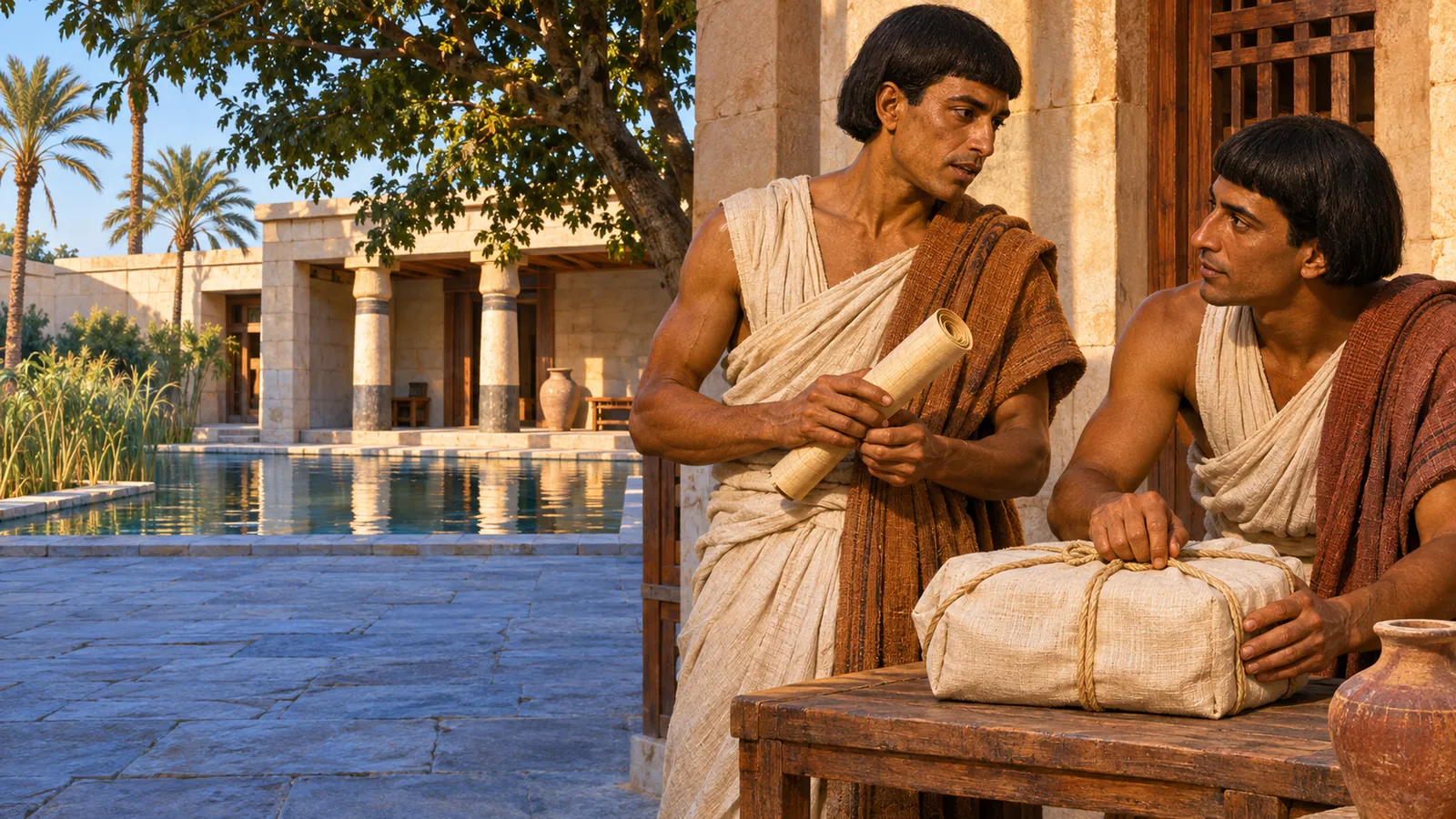
LE MESSAGE DU ROI
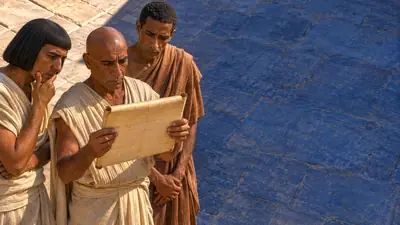
Des nouvelles de Sinuhe parviennent à Kheperkare, le roi que nous connaissons sous le nom de Senusret. Le roi envoie des présents, et la maison royale fait parvenir ses propres messages.
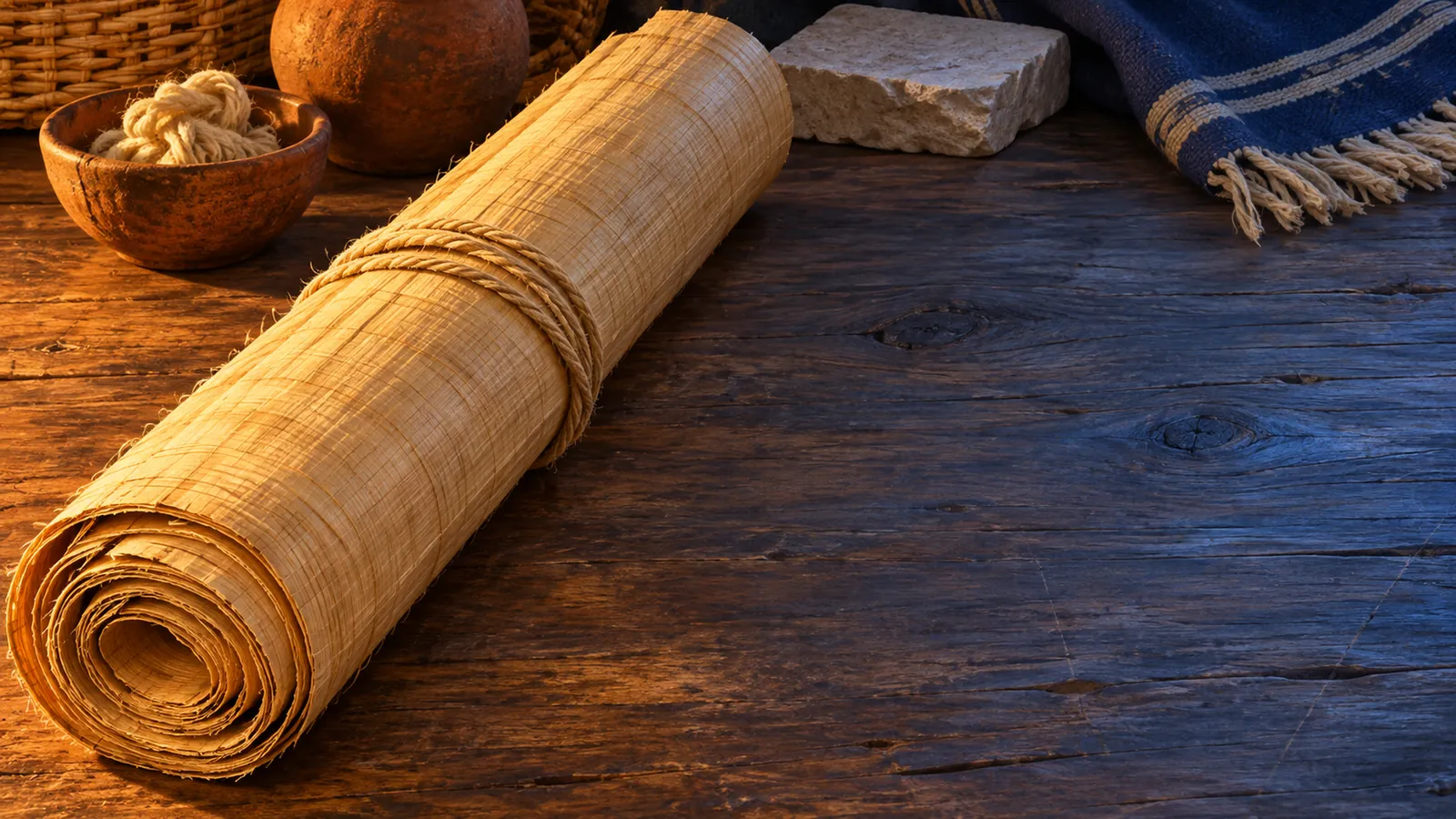
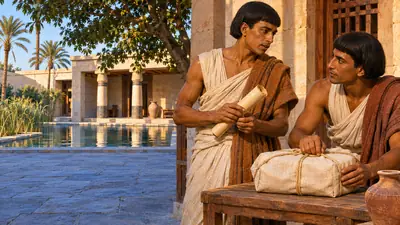
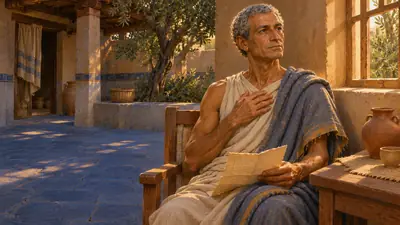
Le récit donne une copie du décret envoyé pour faire revenir Sinuhe en Égypte. Le décret parle au nom du roi et s’adresse à Sinuhe par son nom.
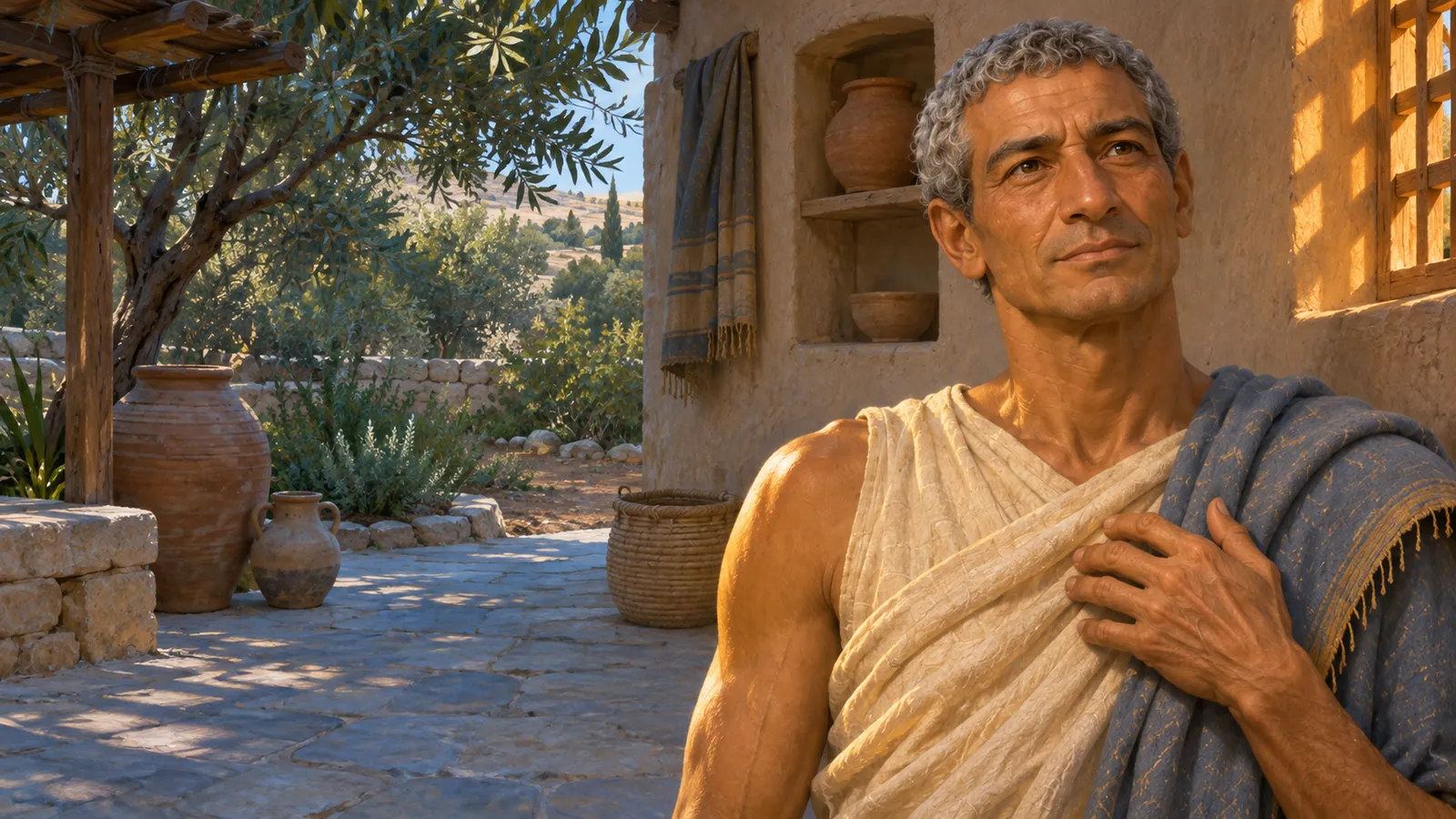
Le message du roi rappelle les voyages de Sinuhe de pays en pays. Il lui demande ce qu’il a fait pour mériter un reproche et dit que le roi ne lui en veut pas.
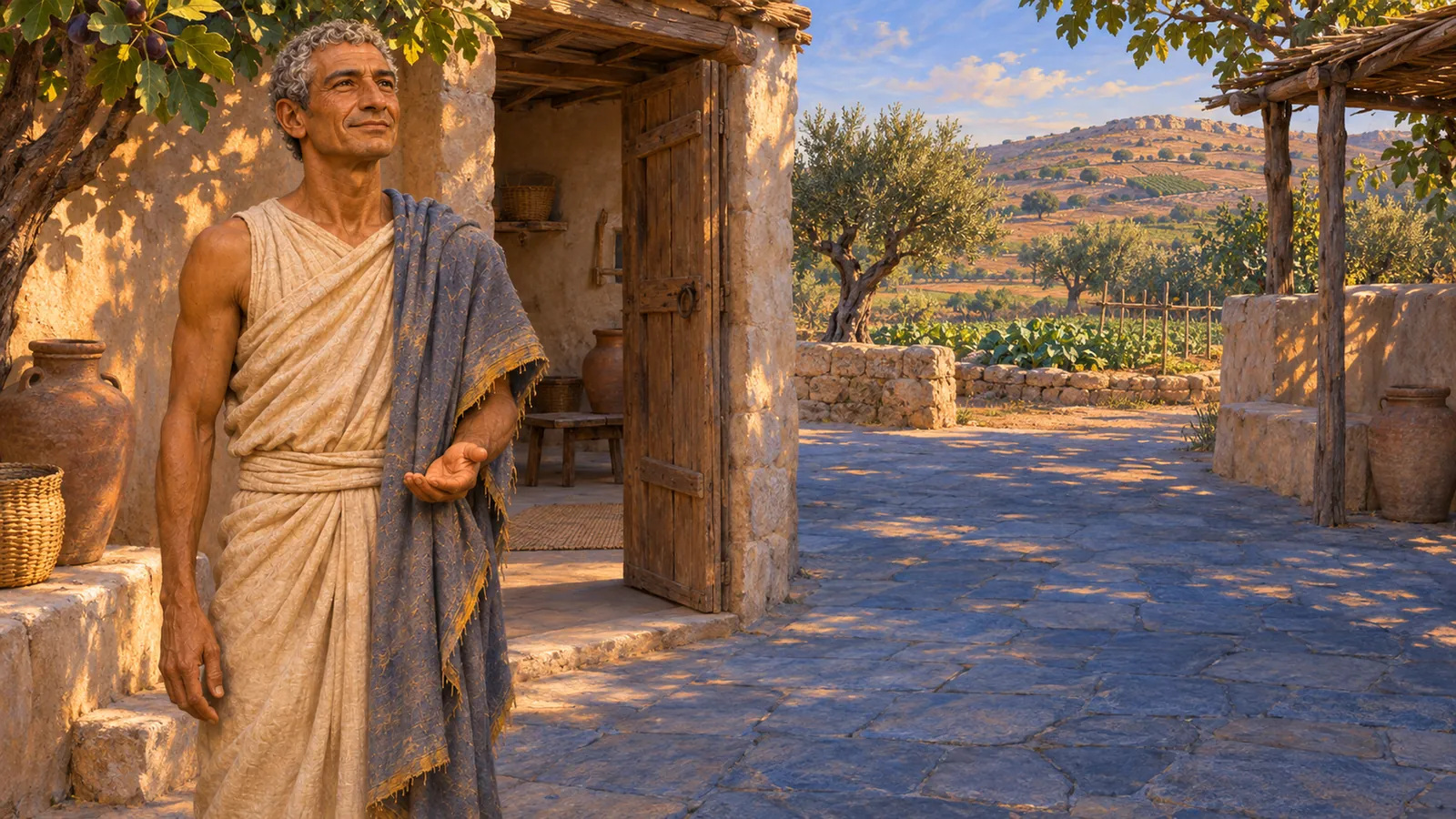
Le roi dit que la dame du palais et ses enfants se portent bien. Il invite Sinuhe à revenir en Égypte et à entrer dans la Résidence par sa grande porte.
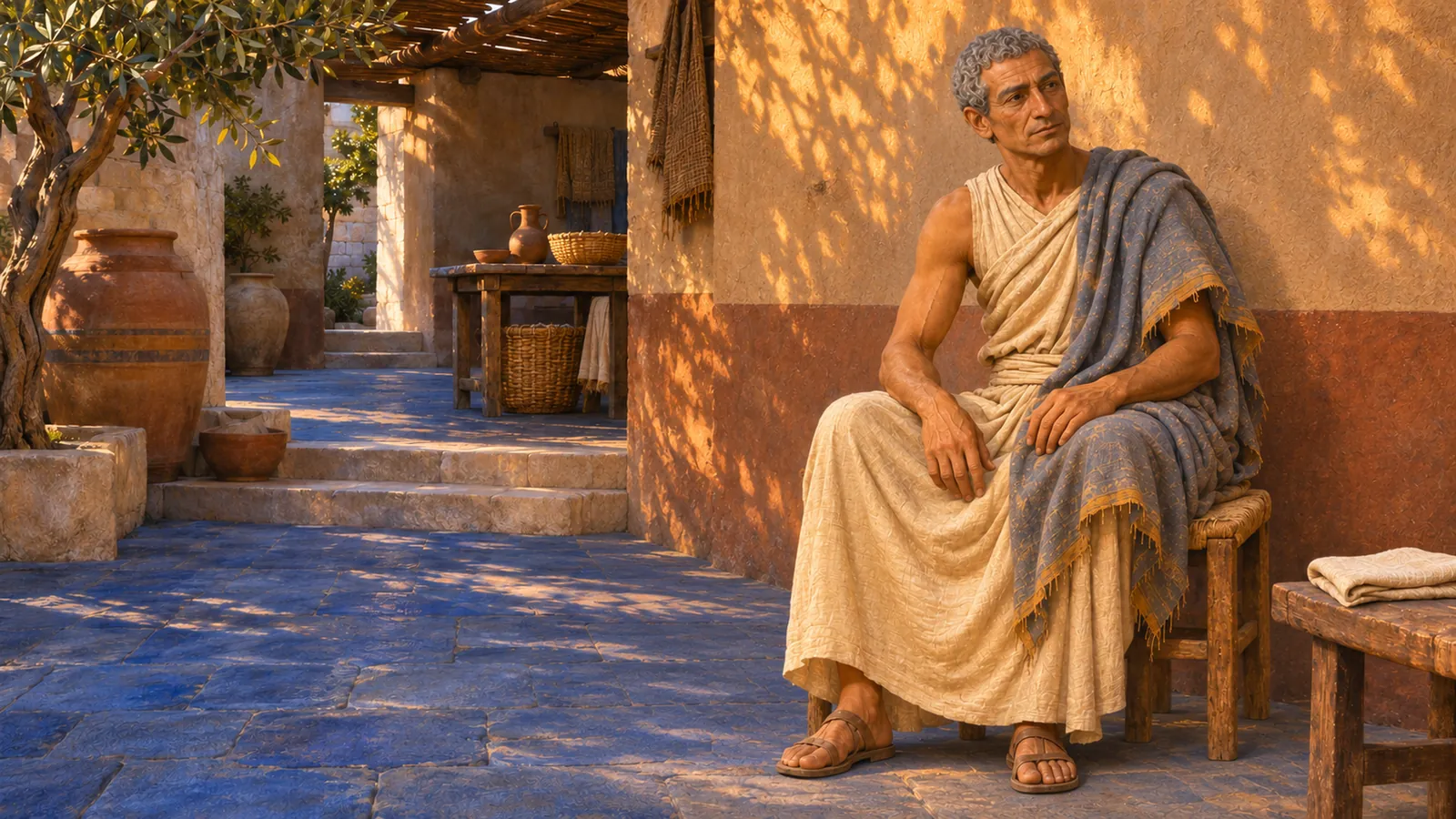
Le décret évoque les années à venir et promet à Sinuhe des funérailles honorables en Égypte. Ce sont les dispositions que le roi propose dans sa lettre.
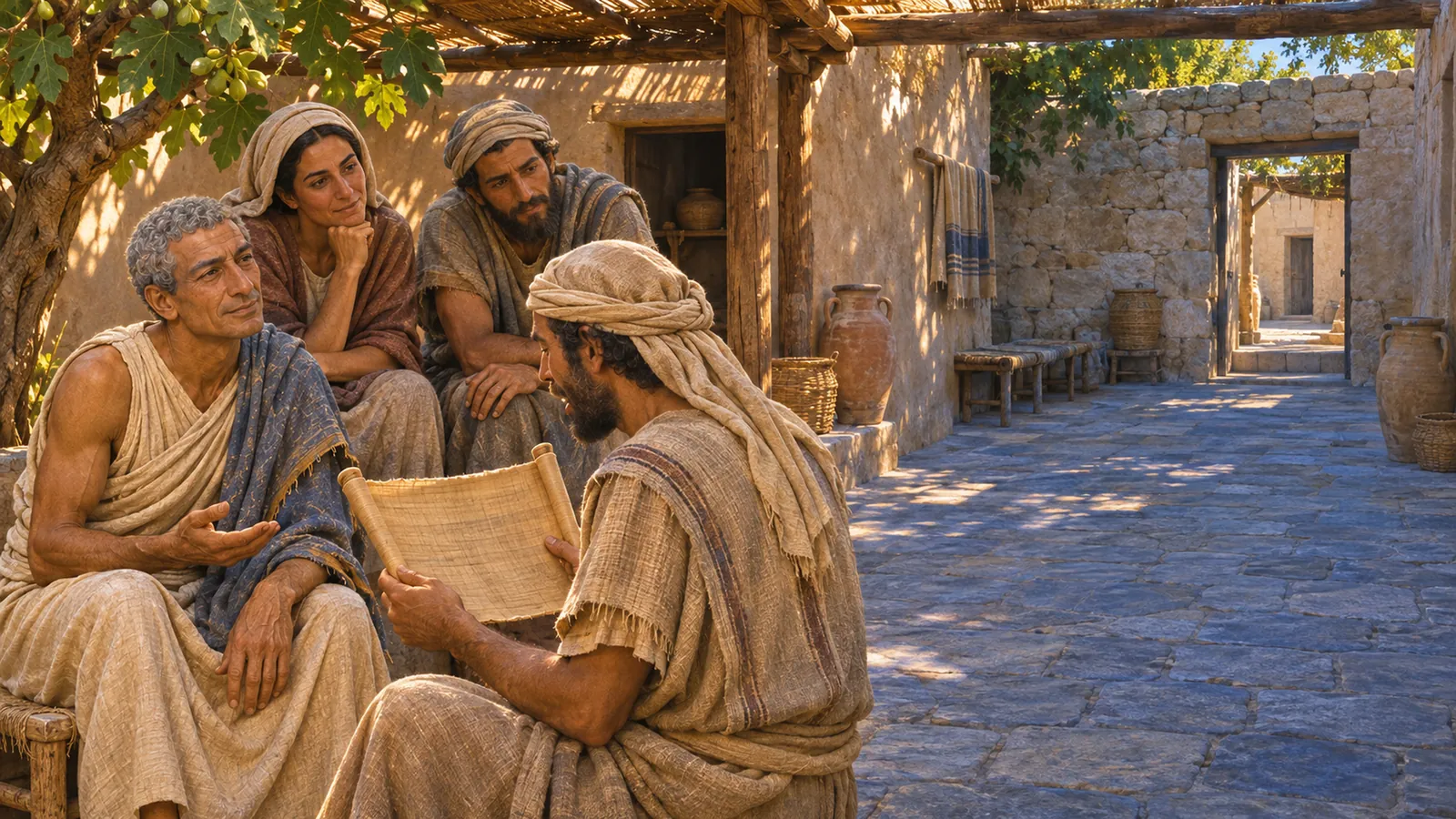
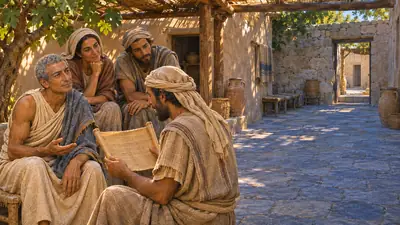
Le décret parvient à Sinuhe alors qu’il est parmi les siens. Il écoute sa lecture et parle de la bonté qui lui permettra de rentrer.
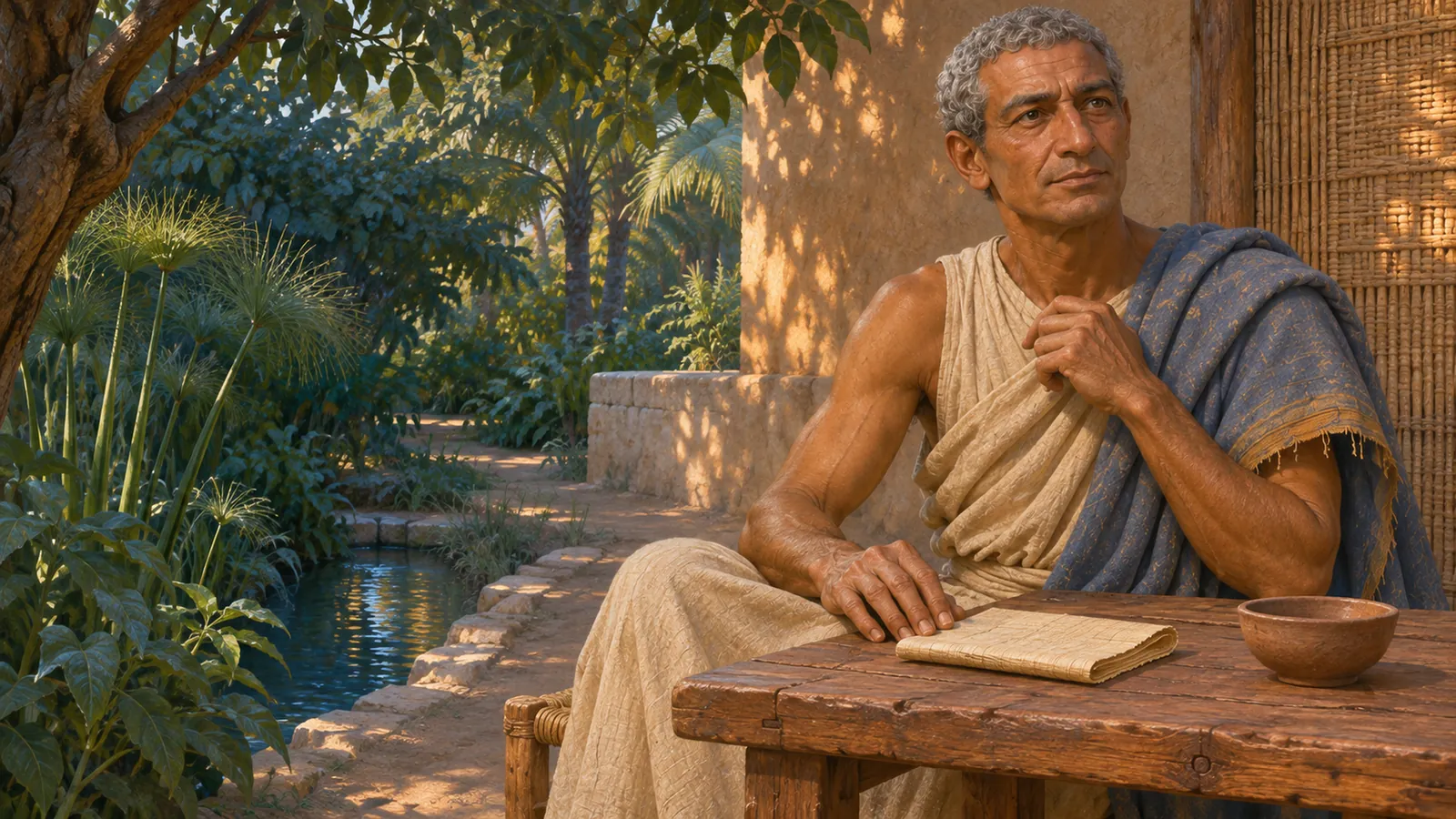
Le récit donne aussi la réponse de Sinuhe. Il commence par des vœux et demande aux dieux d’Égypte et des autres pays de bénir le roi.
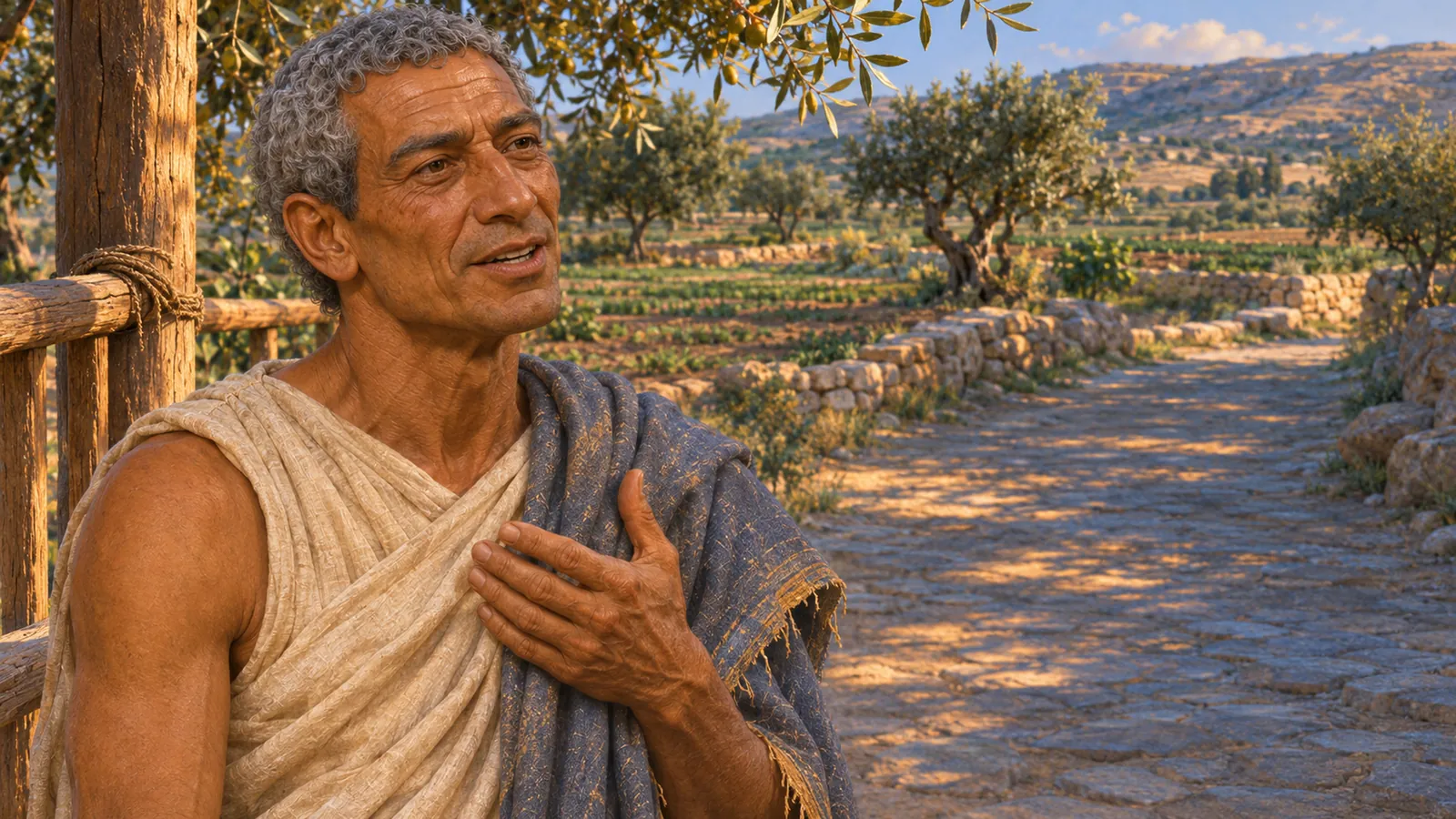
Sinuhe loue le roi de comprendre ceux qui se présentent devant lui. Sa réponse nomme des dirigeants de plusieurs pays et évoque leurs liens avec l’Égypte.
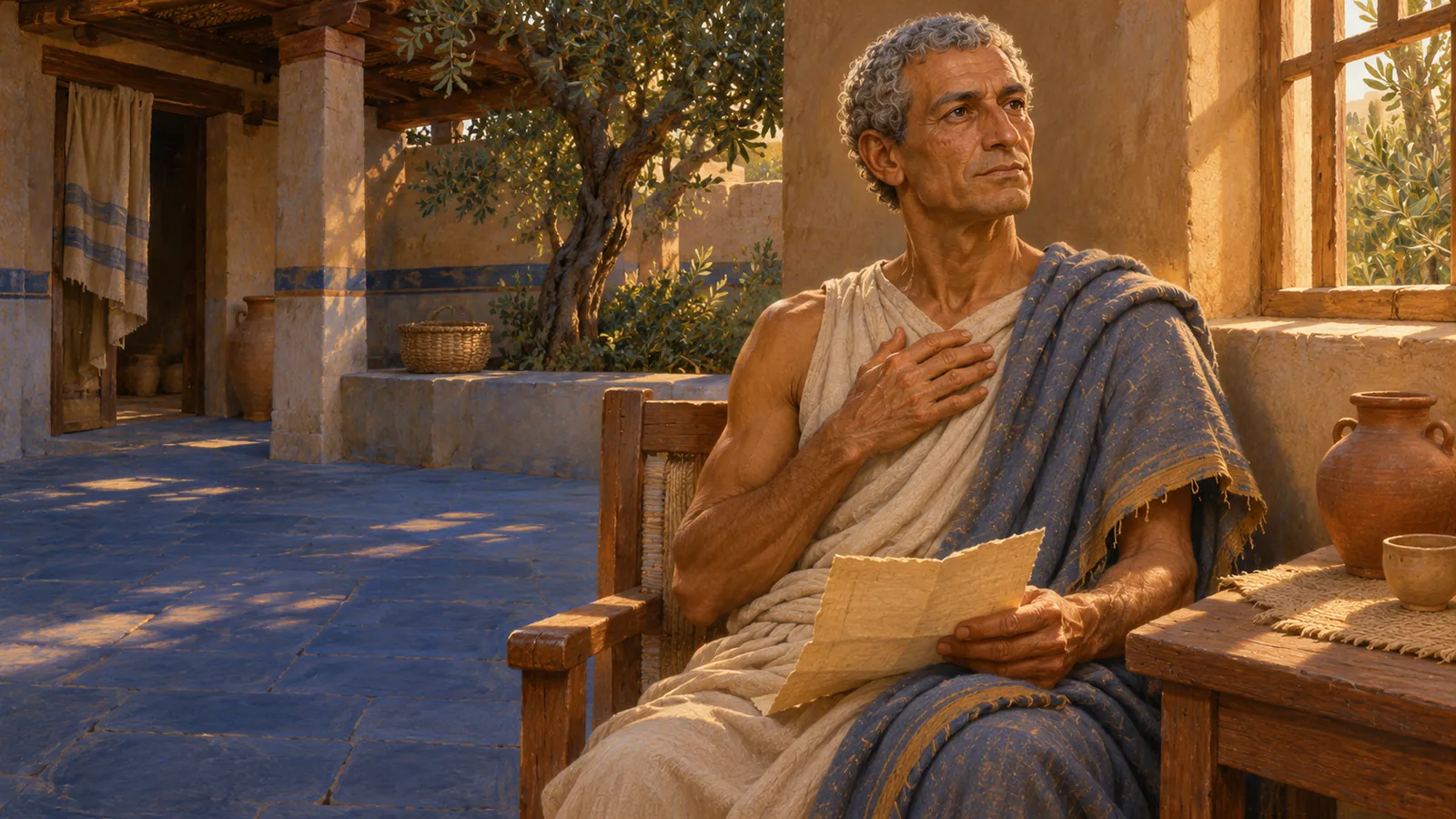
Sinuhe dit au roi qu’il n’avait pas prévu de fuir. Il dit n’avoir entendu aucune accusation contre lui, mais la peur s’est emparée de lui.
Sinuhe dit qu’un dieu l’a emmené au loin sans le nommer. Dans la même réponse, il loue le roi par des images de soleil, d’eau du fleuve et d’air.
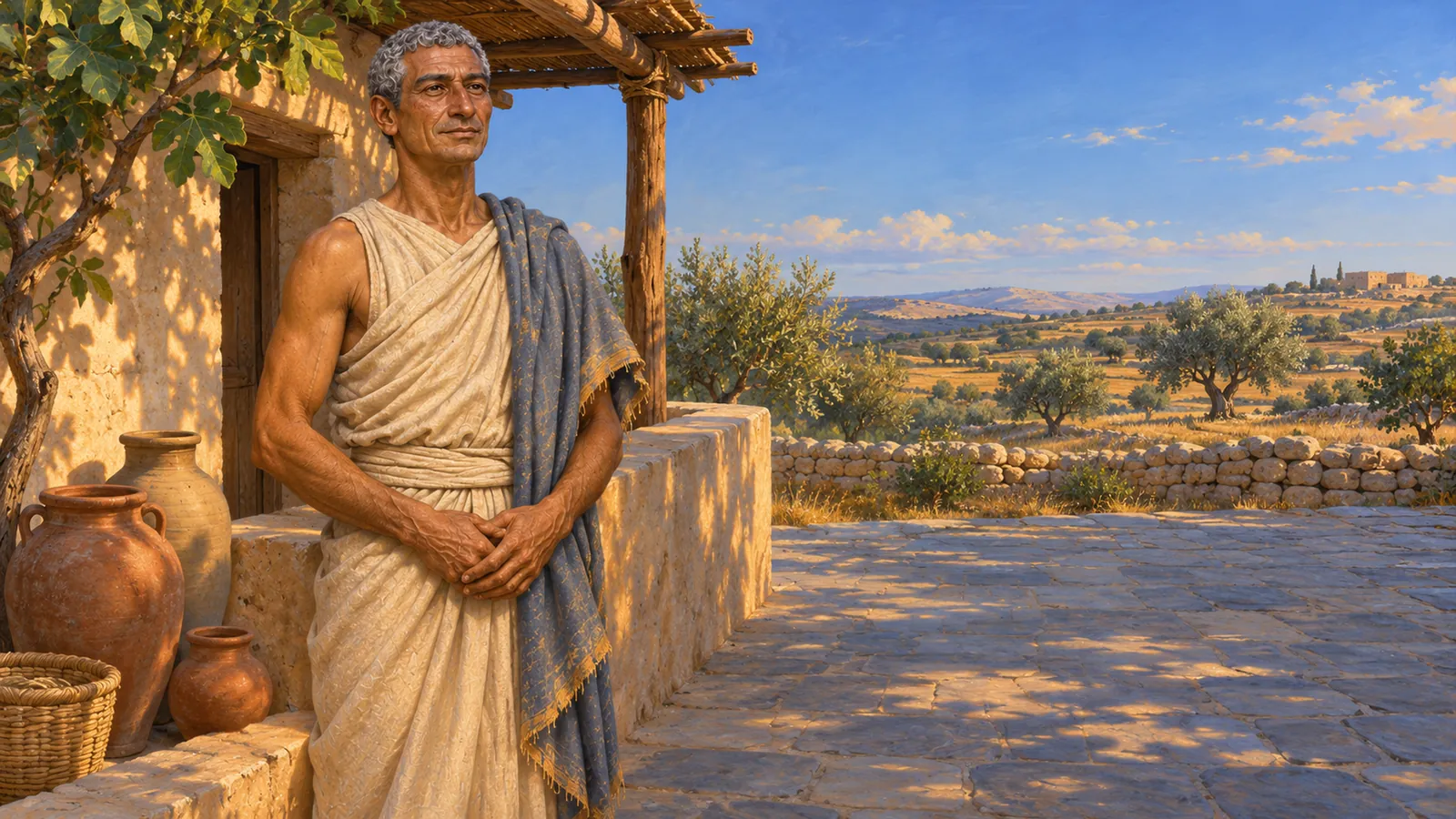
À la fin de sa réponse, Sinuhe parle de ce qu’il laissera derrière lui. Il remet son retour entre les mains du roi et termine par une bénédiction.
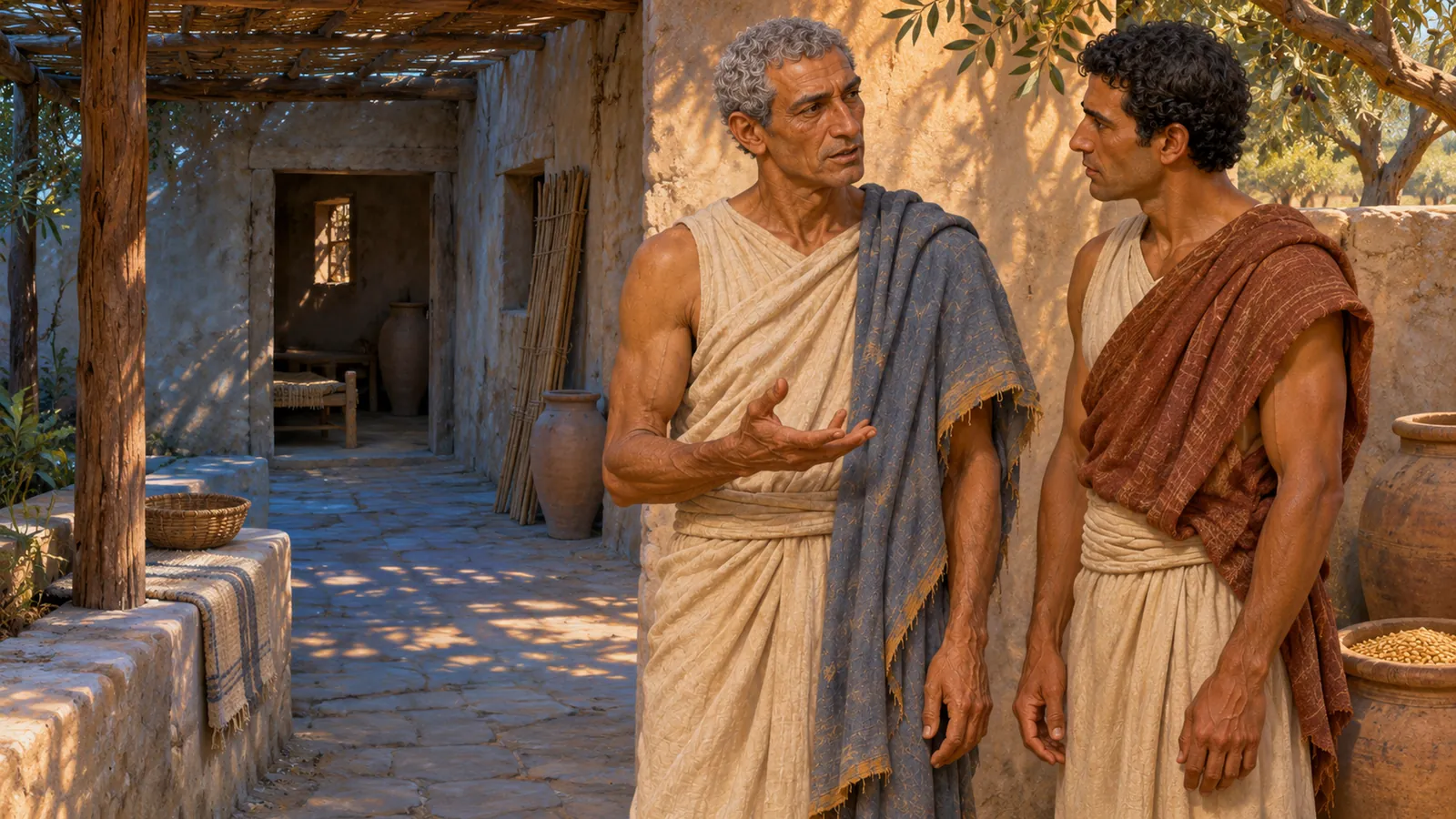
Sinuhe dispose d’une journée à Iaa pour transmettre ses biens à ses enfants. Son fils aîné prend en charge la maison, les troupeaux et la communauté.
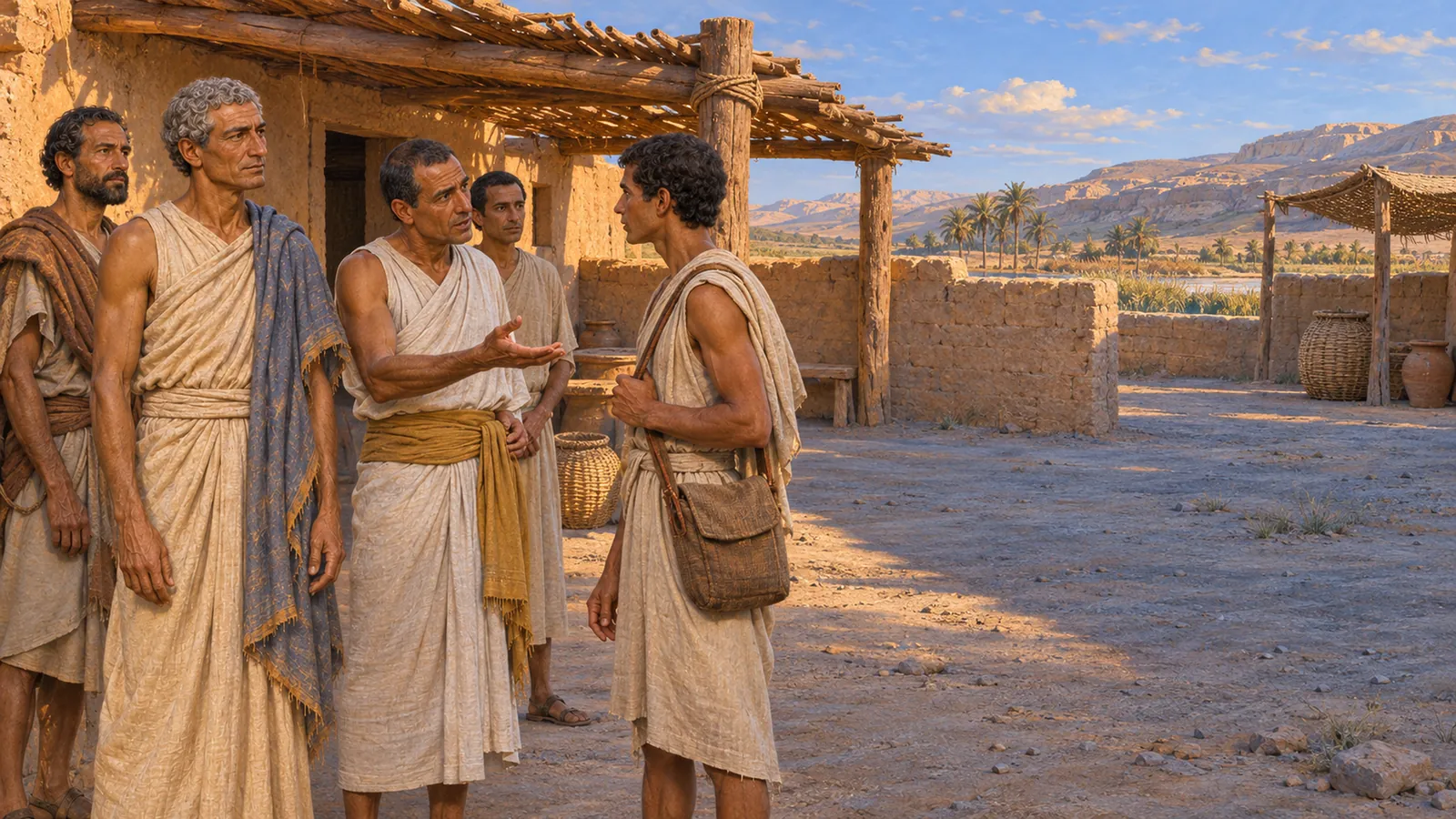
Sinuhe descend vers le sud jusqu’aux Chemins d’Horus. Le responsable à la frontière envoie un message pour informer la Résidence de son arrivée.
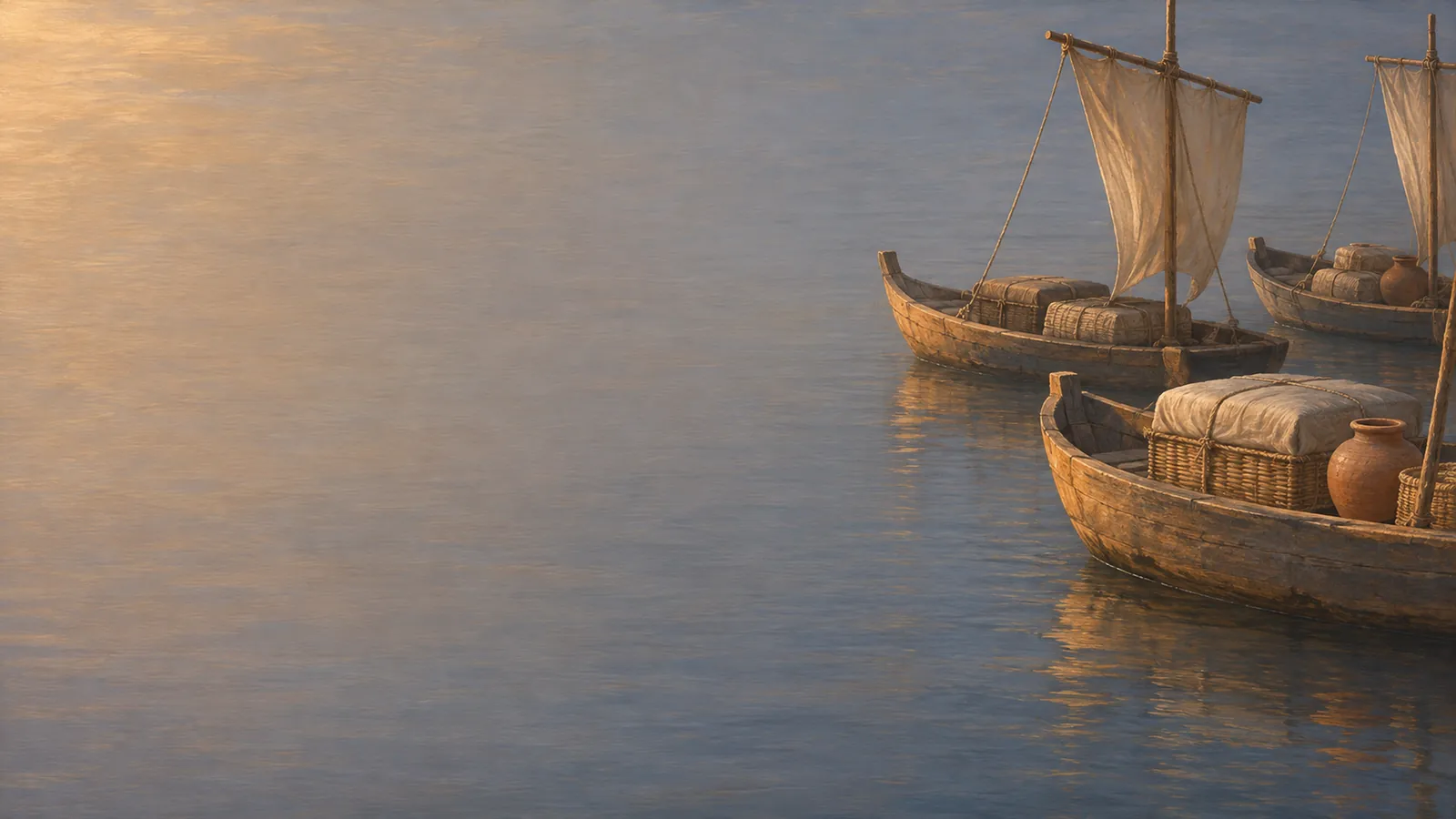
Senusret envoie des bateaux chargés de présents pour ceux qui ont accompagné Sinuhe. Sinuhe dit qu’il nomme chacun de ceux qui l’ont accompagné.
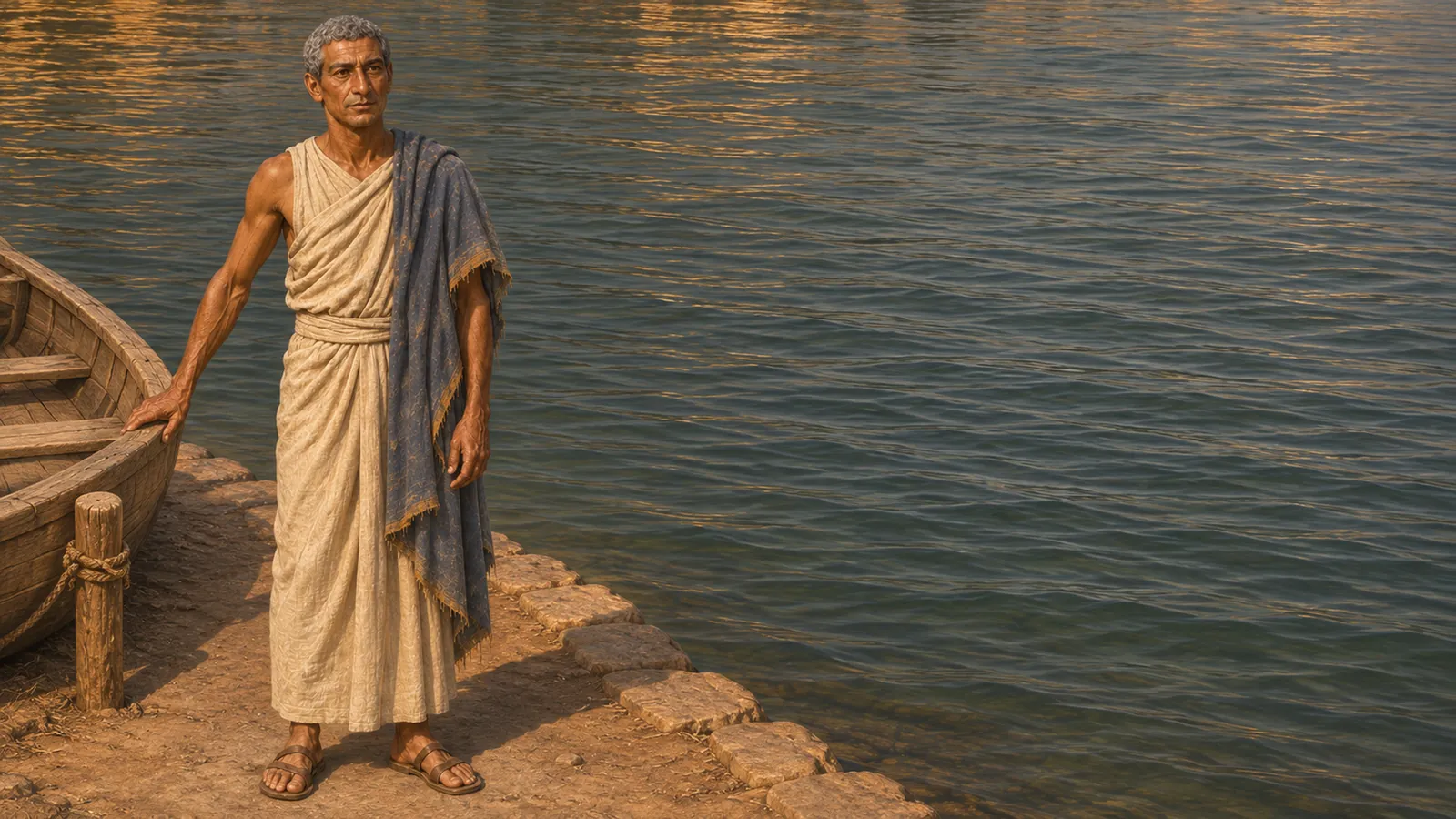
Le voyage sur le fleuve mène Sinuhe au débarcadère d’Itjtawy. Le récit s’arrête sur son arrivée avant que l’aube ne lui apporte une convocation au palais.
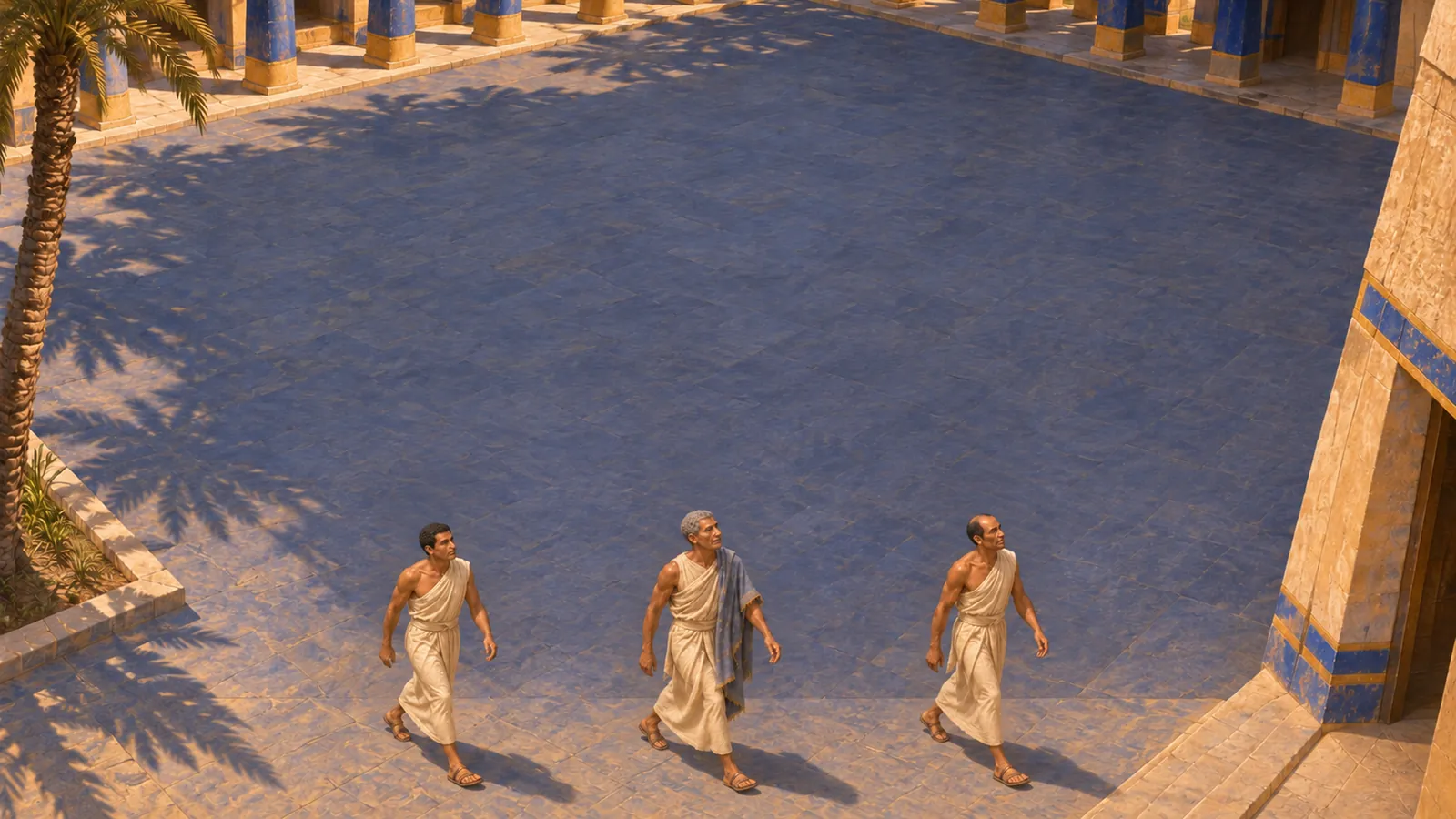
L’APPEL AU PALAIS
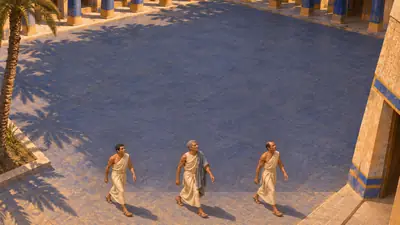
Aux premières lueurs, une escorte vient conduire Sinuhe au palais. Des membres de la maison royale guettent son arrivée.
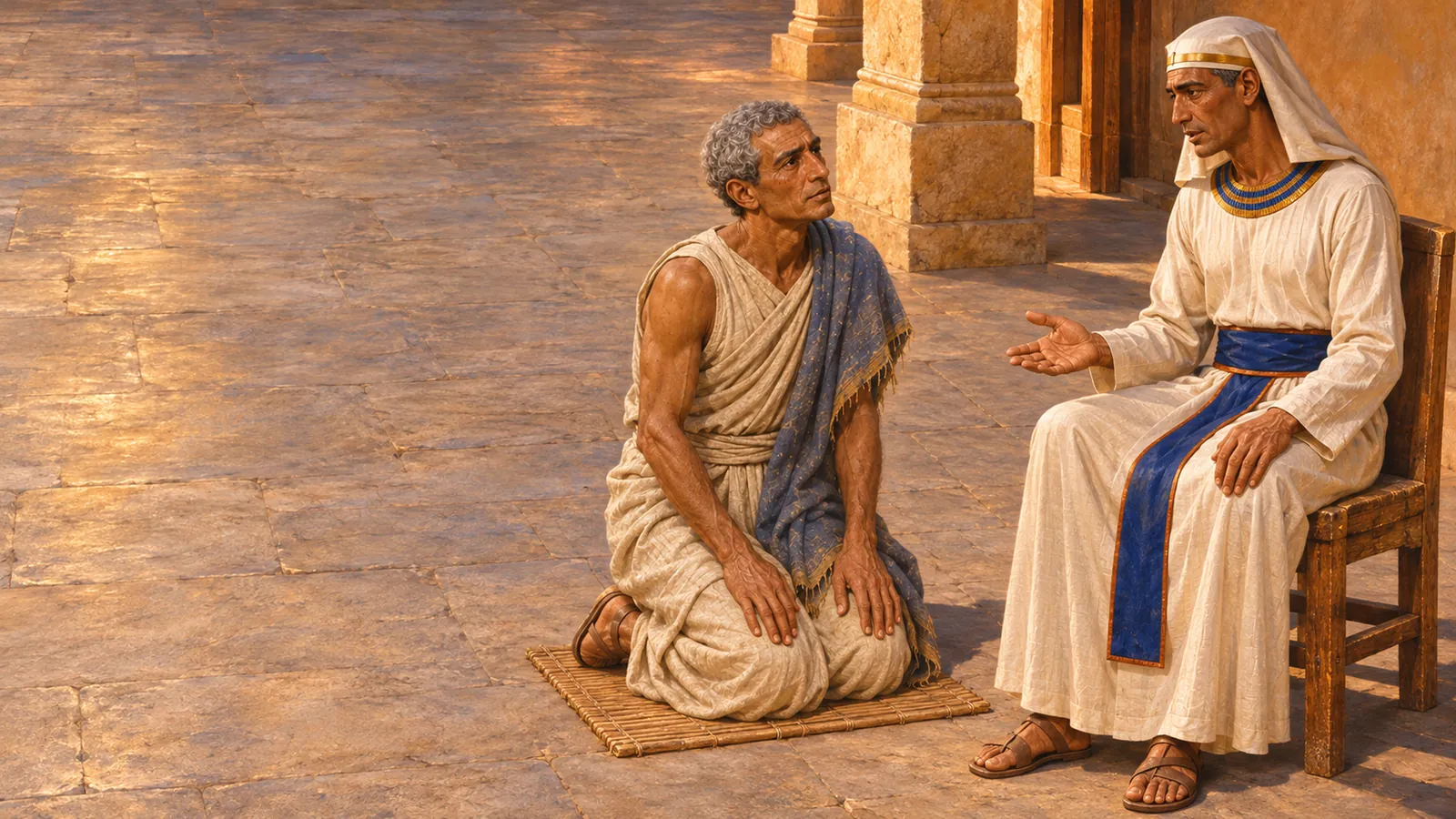
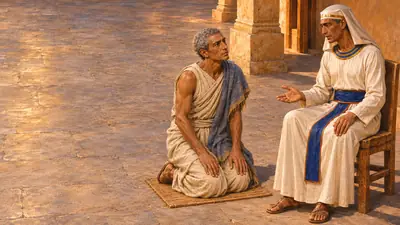
Sinuhe paraît devant Senusret et l’émotion le submerge. Le roi lui parle avec douceur tandis qu’il cherche les mots pour répondre.
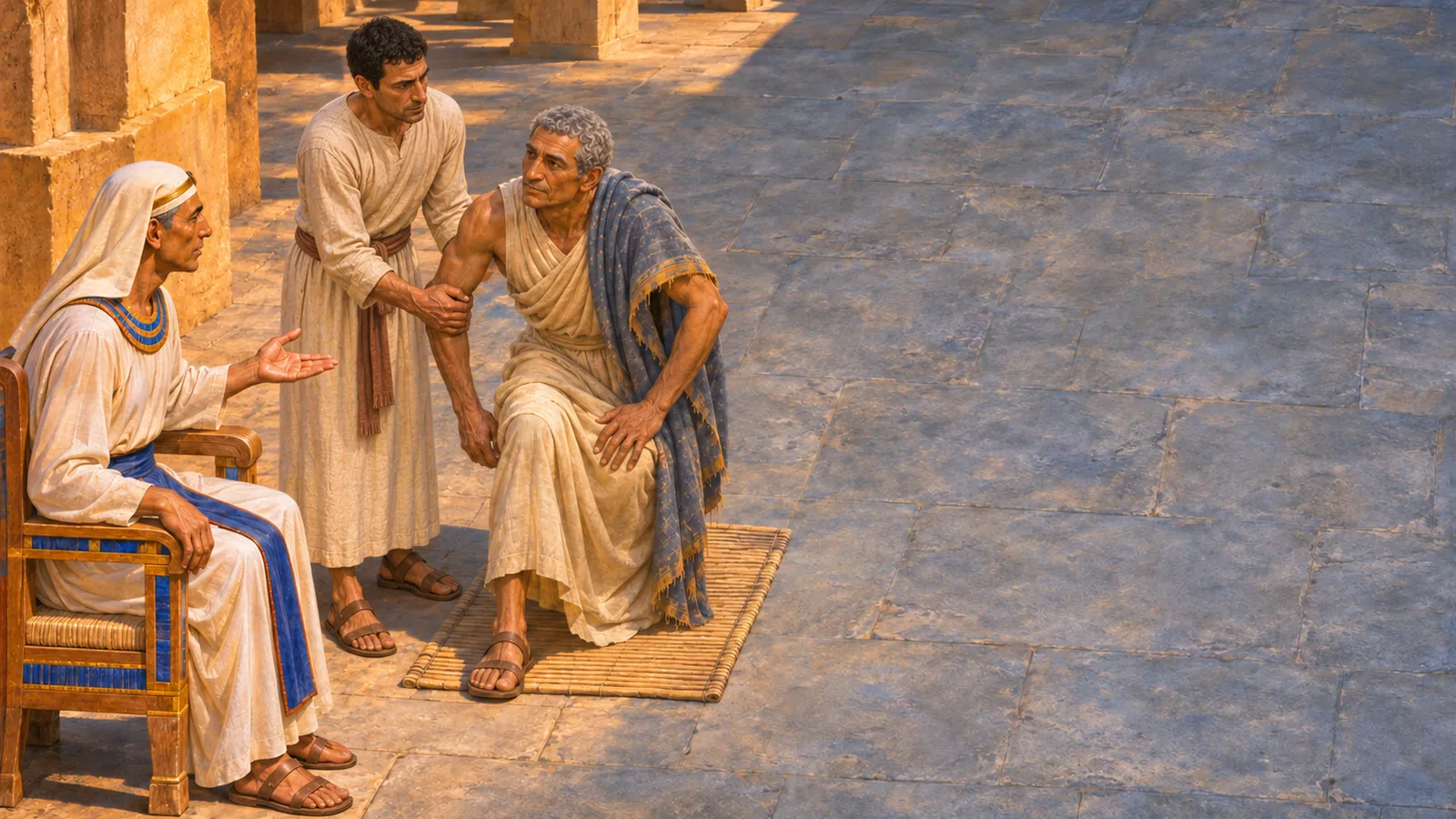
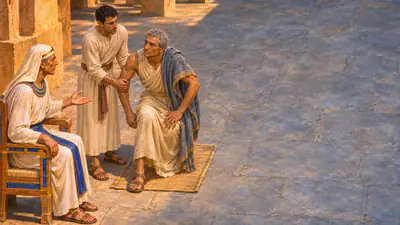
Senusret demande à un courtisan d’aider Sinuhe à se relever. Il évoque les années de son absence et l’invite à répondre.
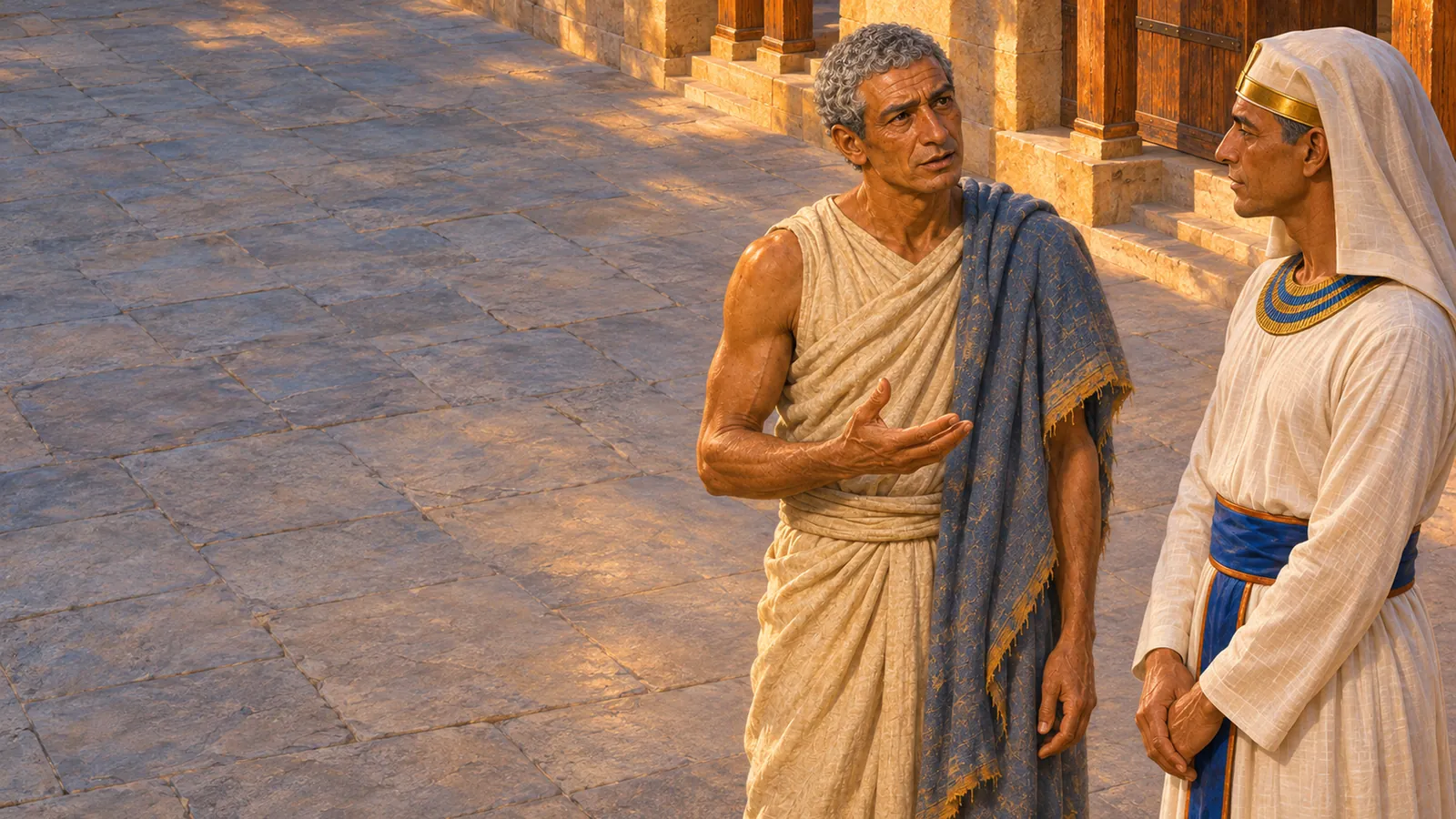
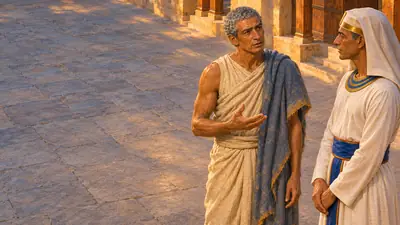
Sinuhe répond au roi qu’il a encore peur. Il se remet entre les mains de Senusret et lui laisse la décision.
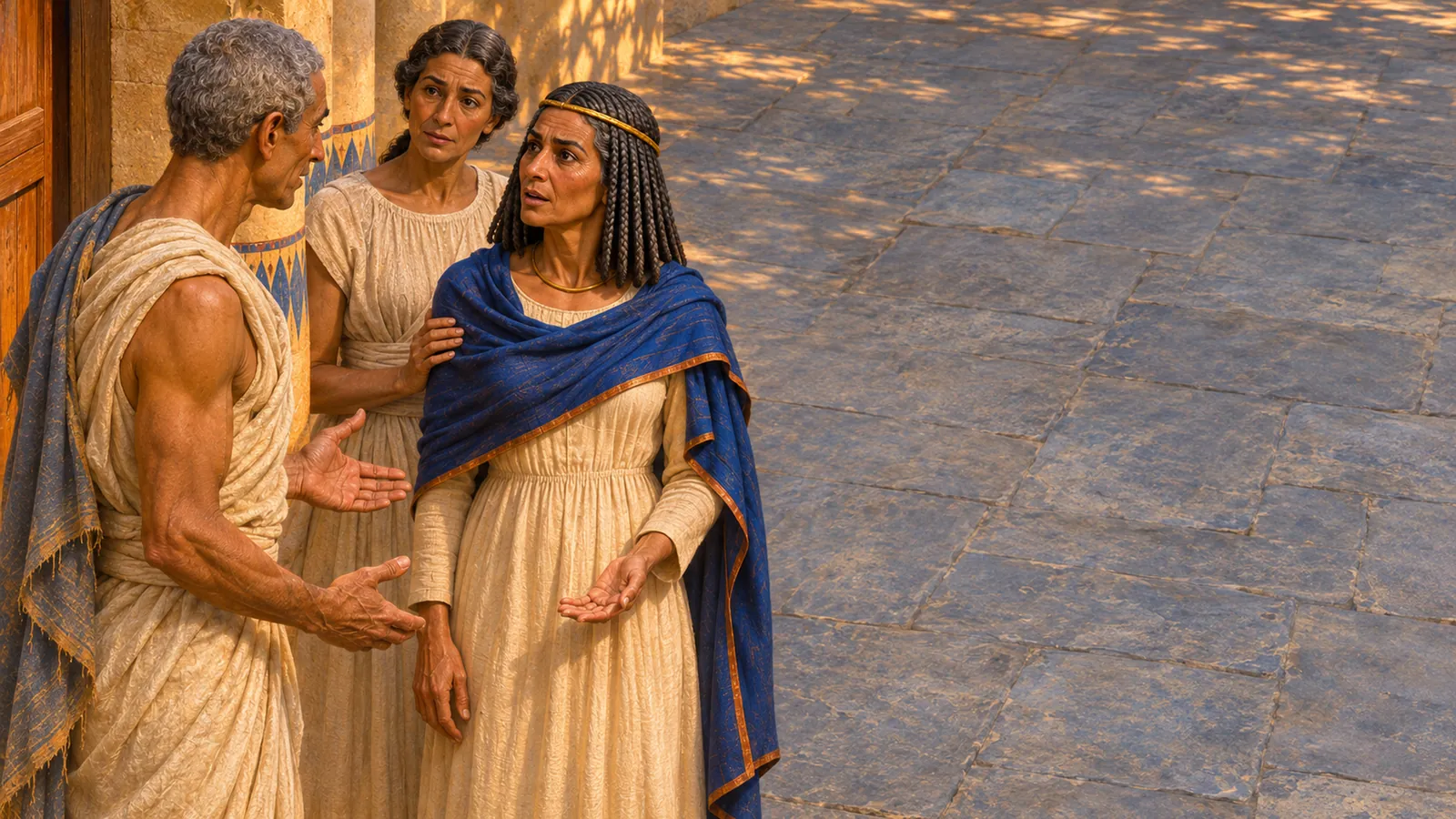
L’épouse du roi et la maison royale s’étonnent de voir à quel point le voyageur a changé. Le roi dit que l’homme devant eux est bien Sinuhe.
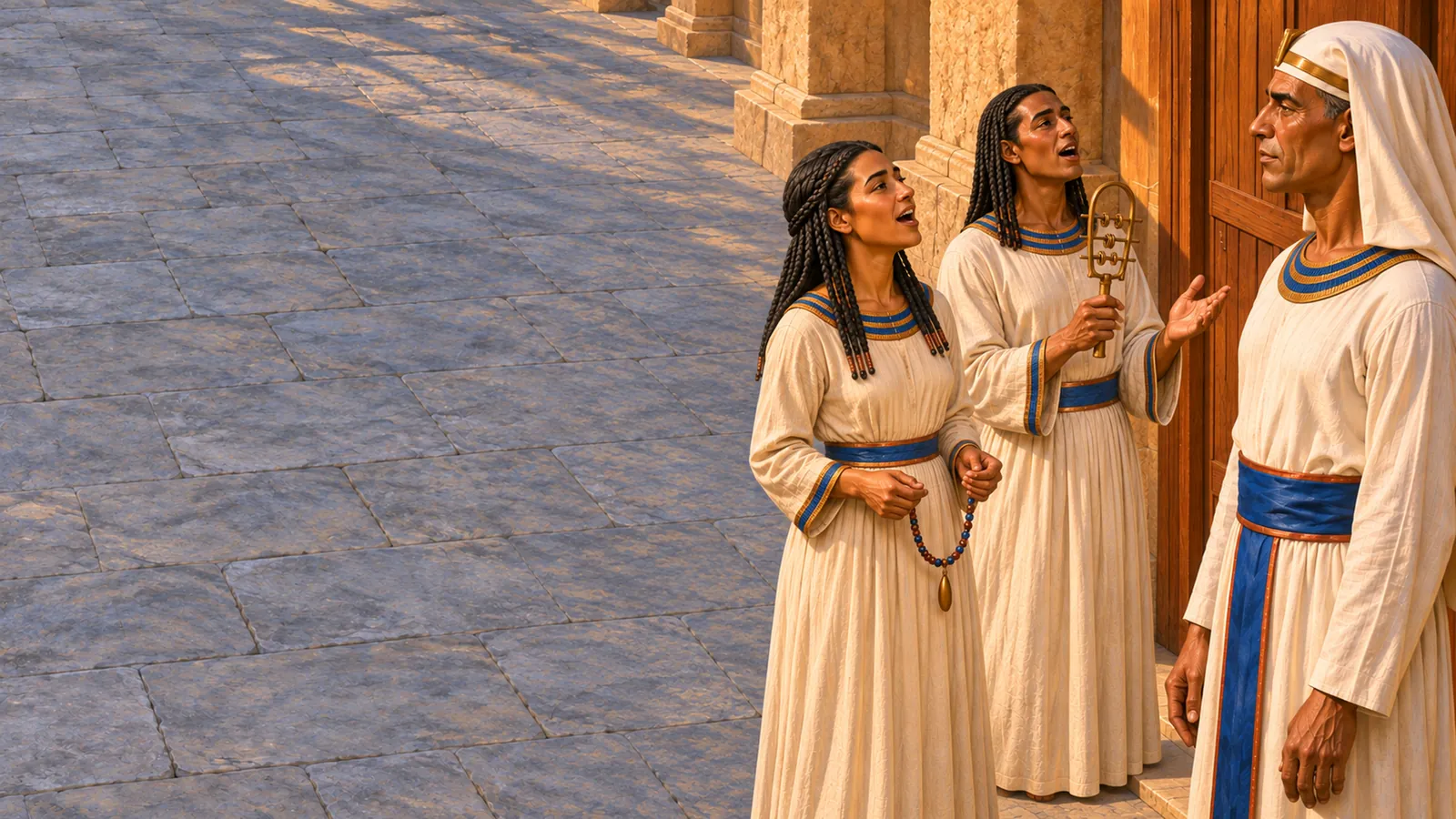
Des membres de la maison royale apportent leurs instruments devant le roi. Leur chant commence par des paroles de louange pour Senusret.
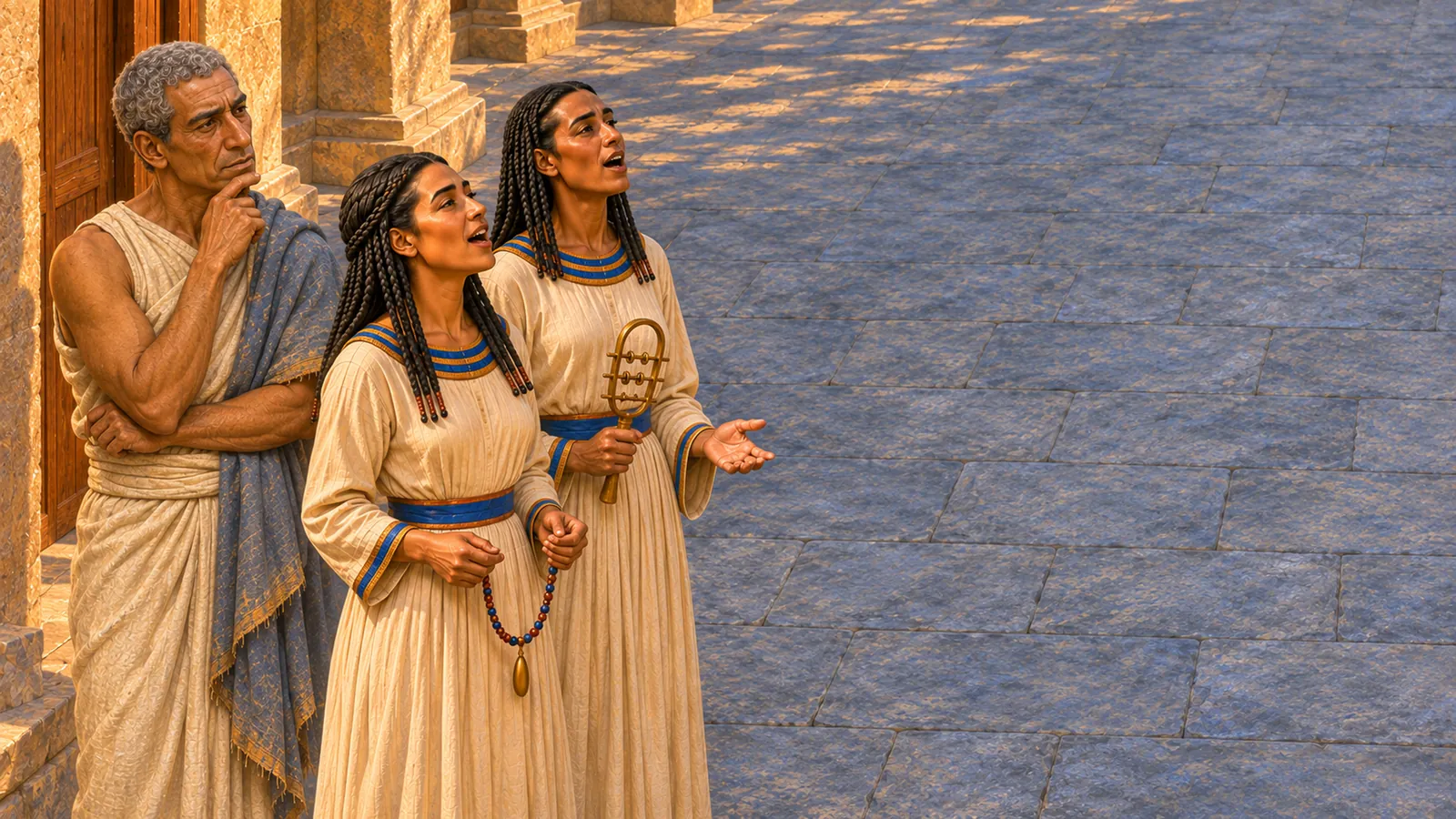
Tandis que le chant se poursuit, la maison royale demande au roi d’accueillir le voyageur avec bonté. Elle demande que Sinuhe n’ait plus de raison d’avoir peur.
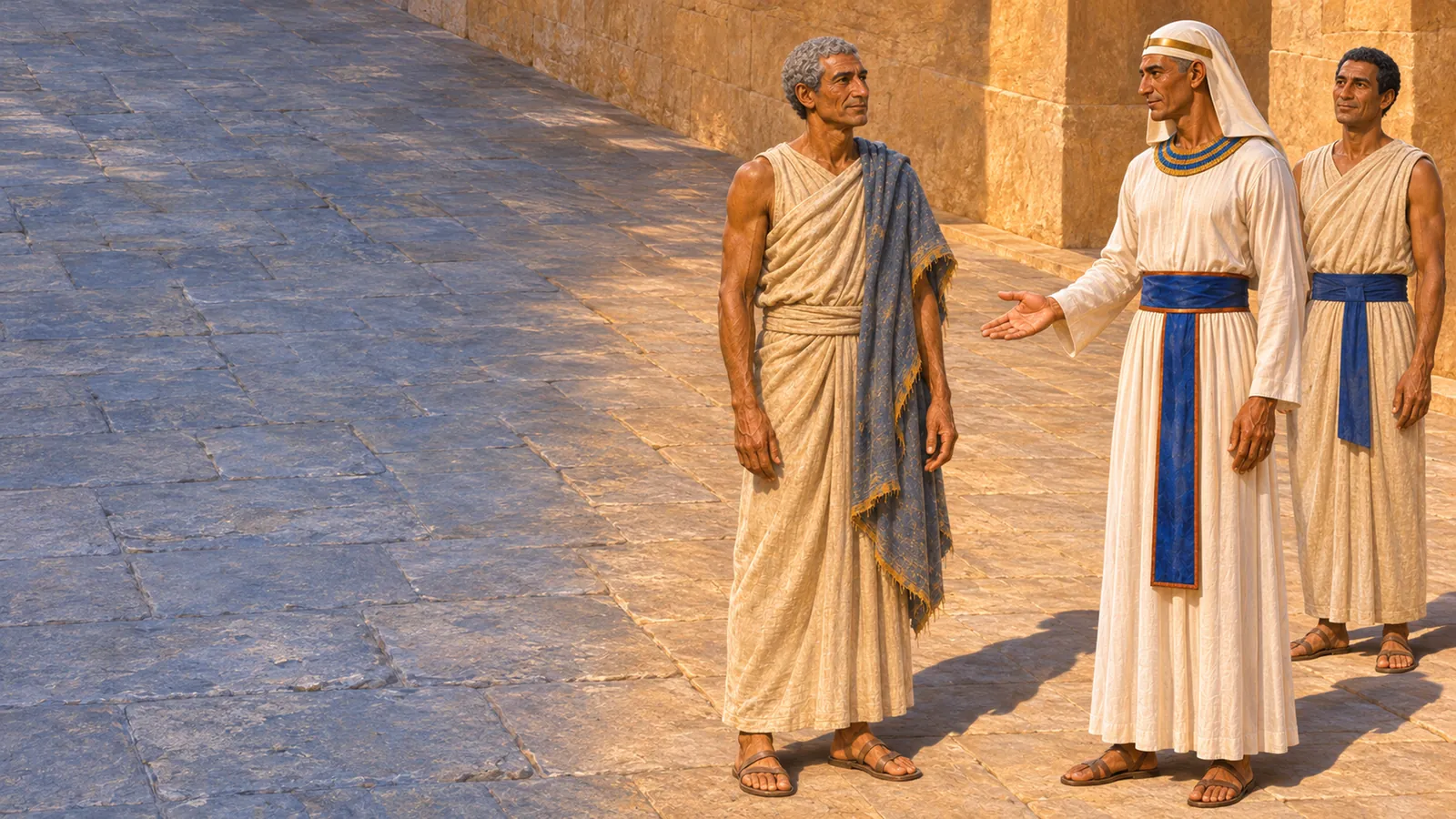
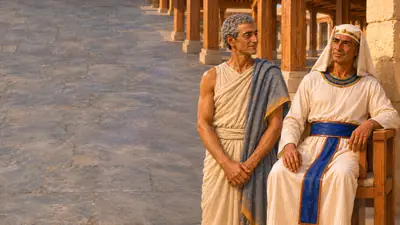
Senusret dit à la cour que Sinuhe n’a aucune raison d’avoir peur. Il lui donne une place parmi ses courtisans et fait connaître son rang.
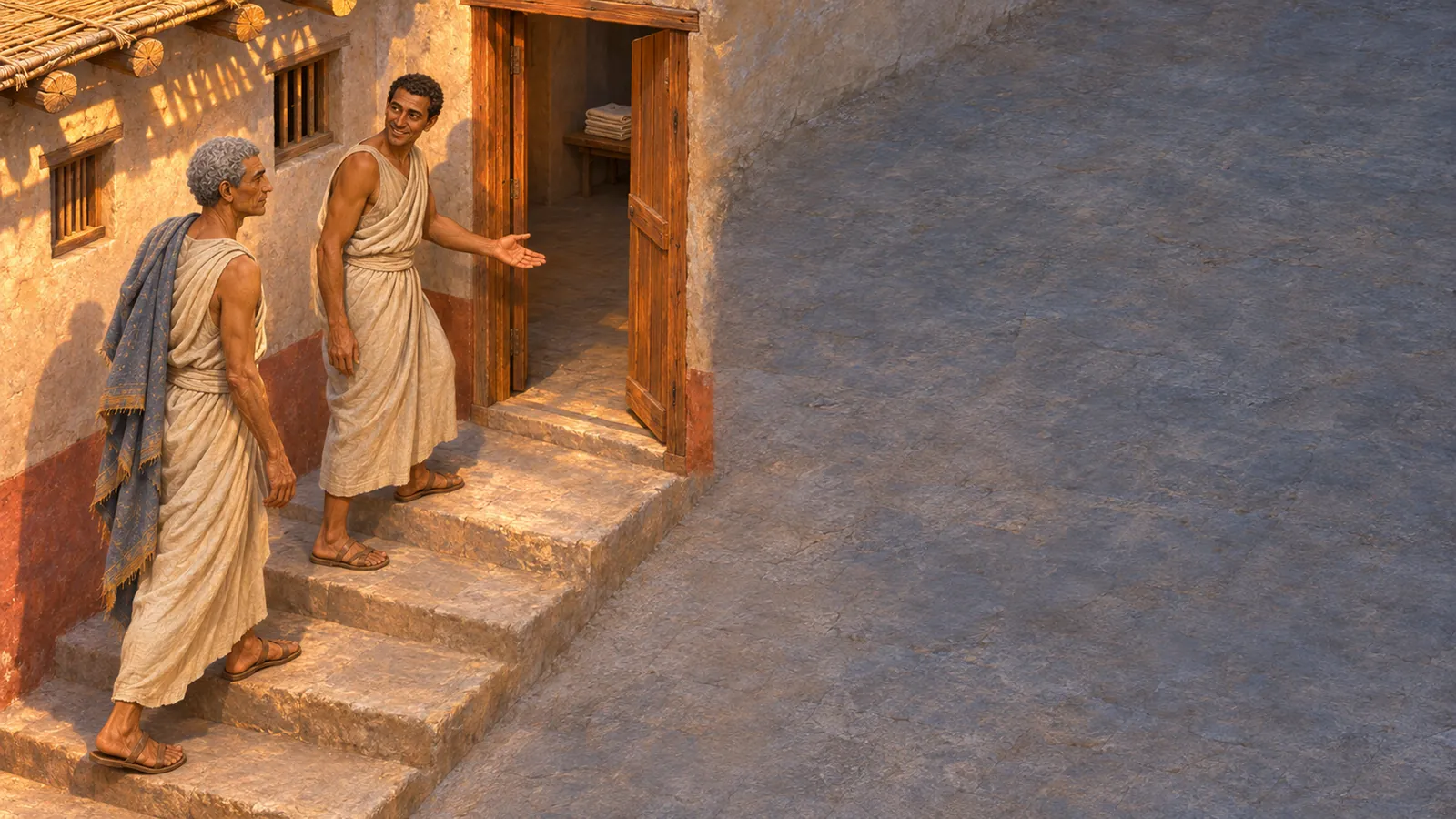
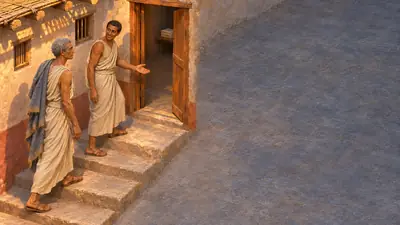
Des membres de la maison royale raccompagnent Sinuhe. On lui donne un logement chez un fils du roi, où du lin fin et d’autres provisions l’attendent.
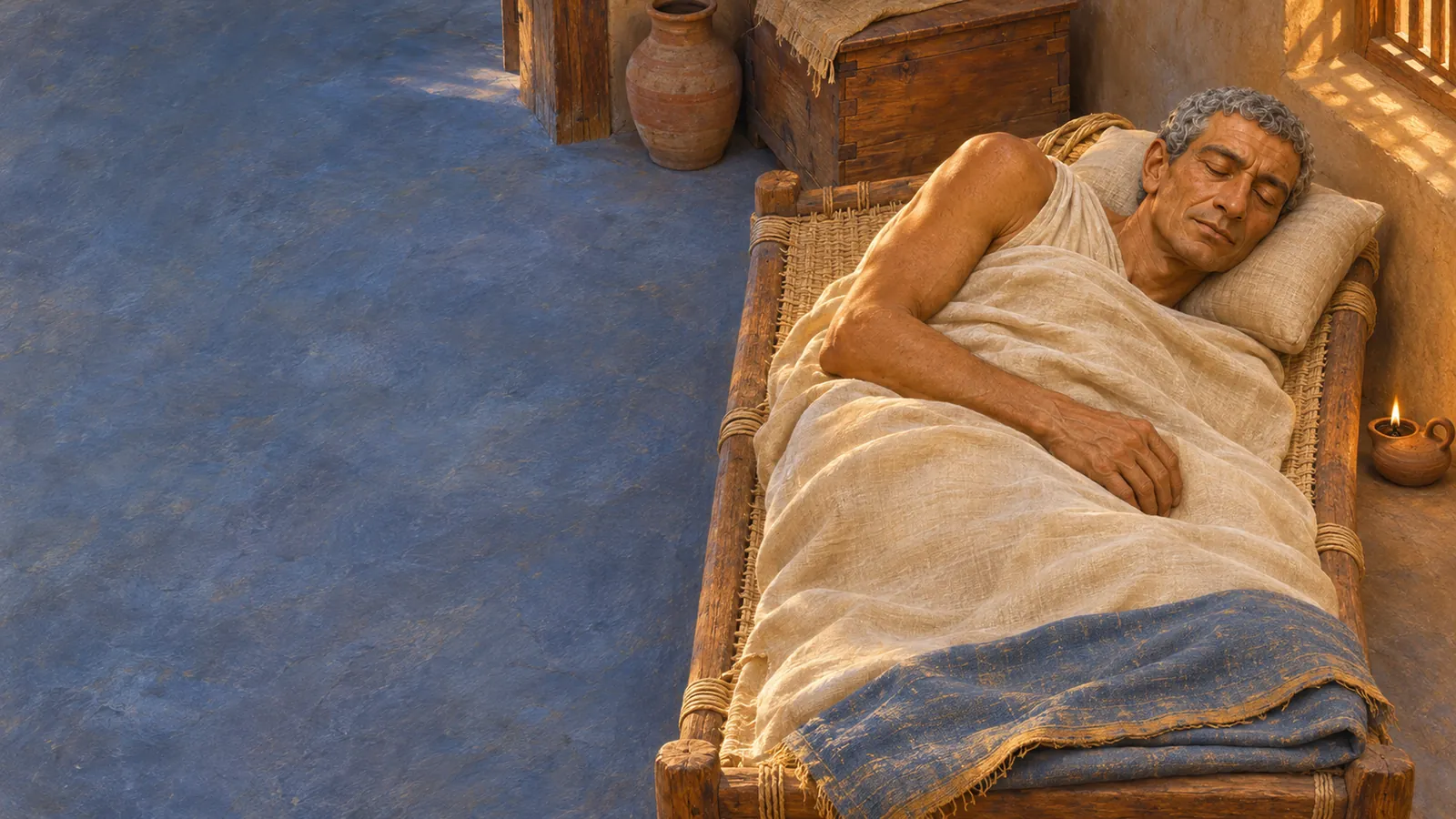
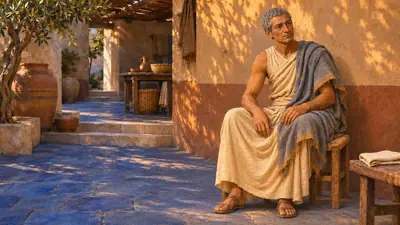
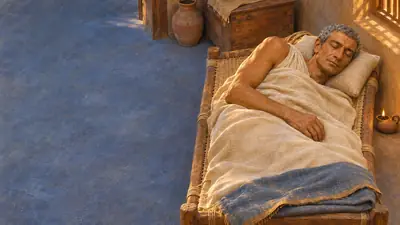
Sinuhe reçoit du lin fin et de l’huile, et dort dans un lit. Dans son récit, ces soins le font se sentir jeune à nouveau.
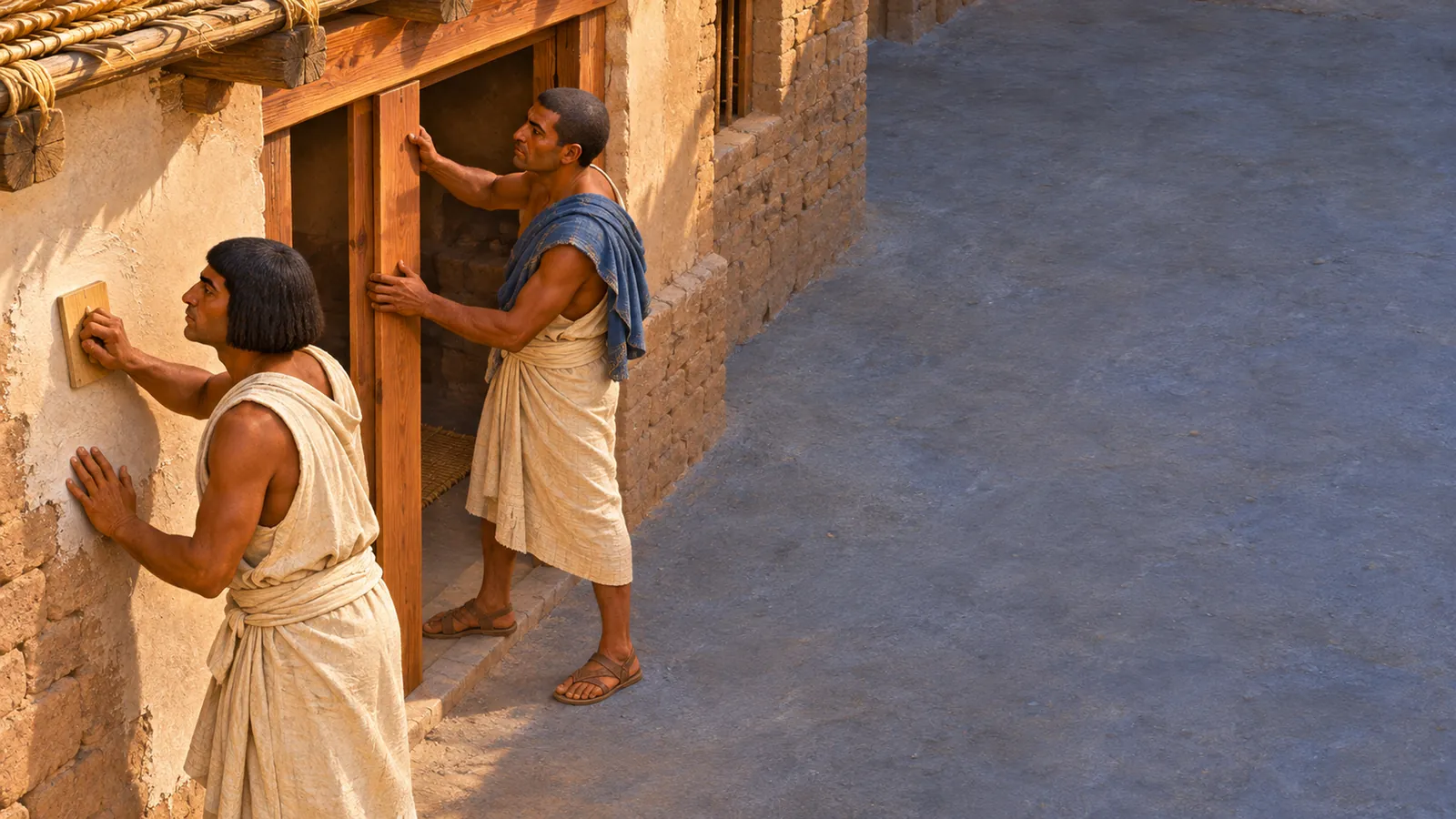
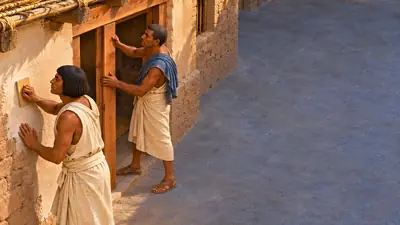
On prépare une maison pour Sinuhe. La ligne sur la personne qui l’occupait avant lui est difficile à interpréter. Le poème dit que des artisans remettent le lieu à neuf.
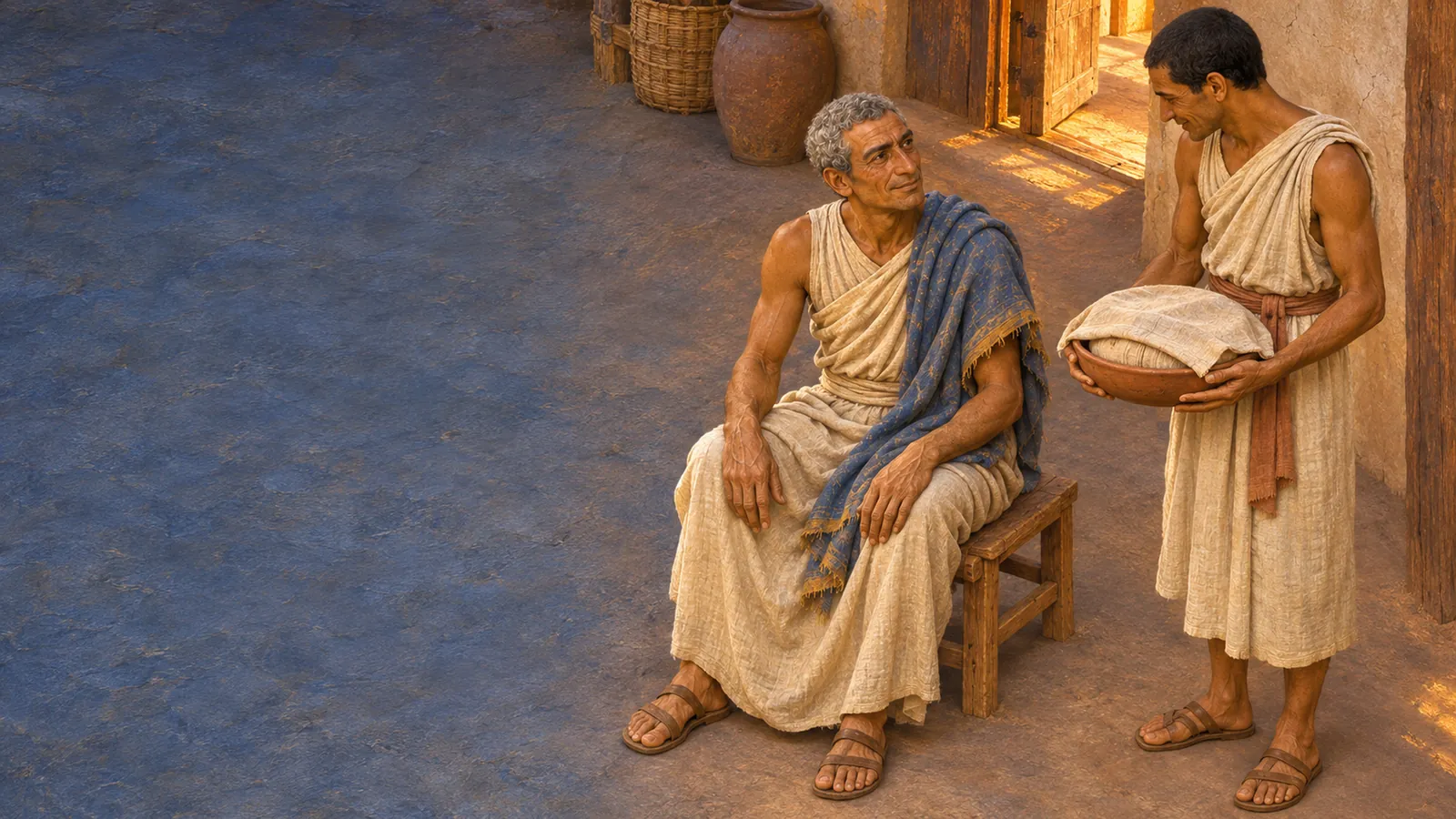
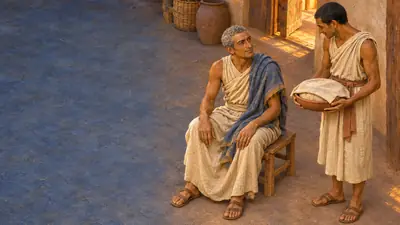
Des repas arrivent régulièrement du palais. Des gens de la maison royale envoient aussi des présents, et Sinuhe dit que leurs soins ne cessent pas.
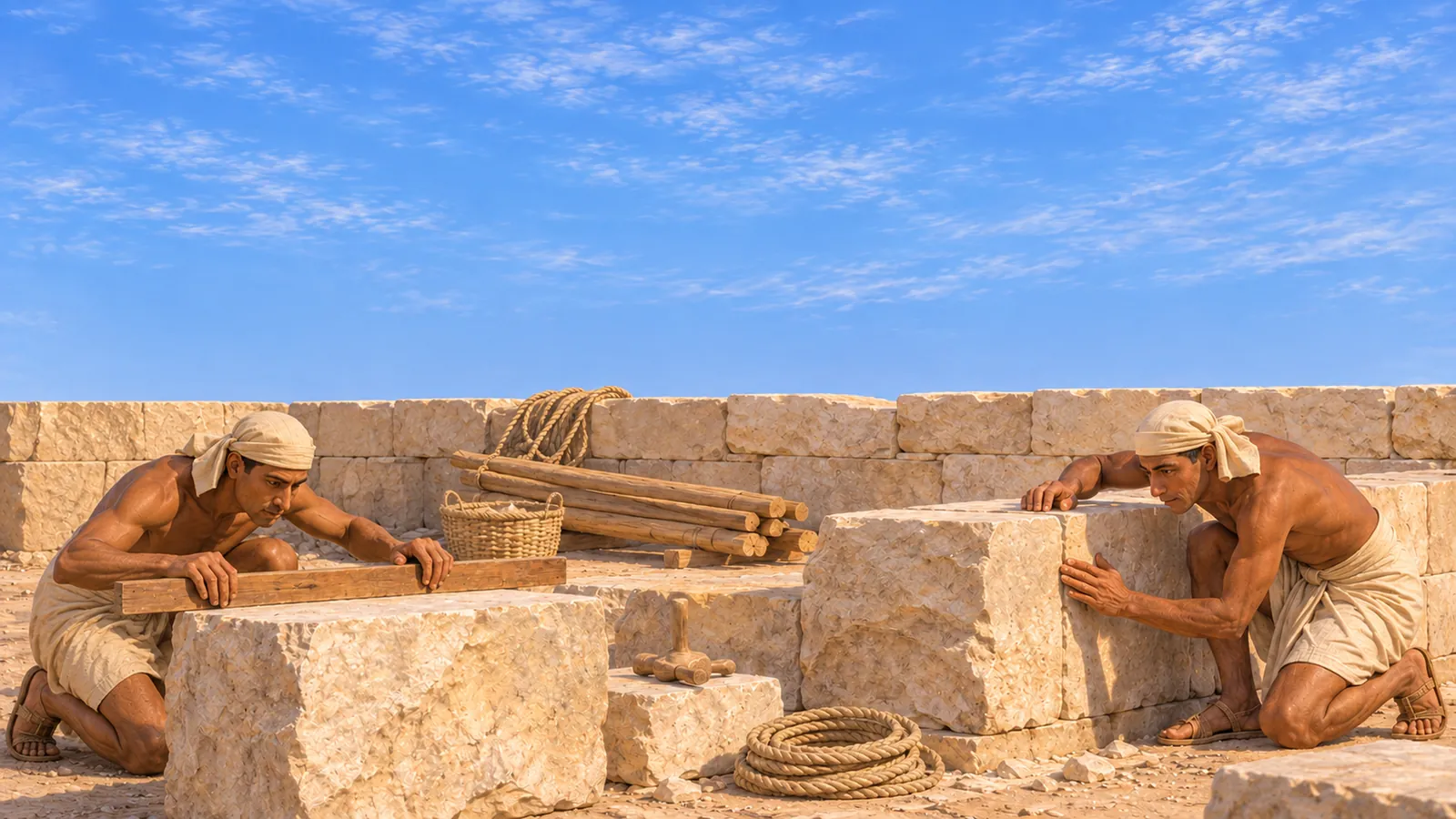
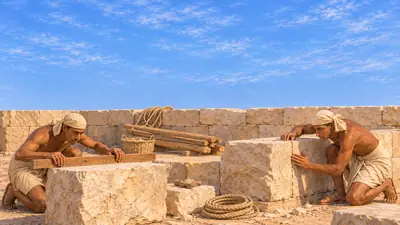
Un monument funéraire en pierre est bâti pour Sinuhe en Égypte. Le texte nomme les différents ouvriers qui préparent le terrain, taillent la pierre et aménagent le monument.

Le récit mentionne des personnes chargées de veiller sur le monument. Il parle aussi de terres cultivées qui lui sont réservées, comme pour un grand officier de la cour.
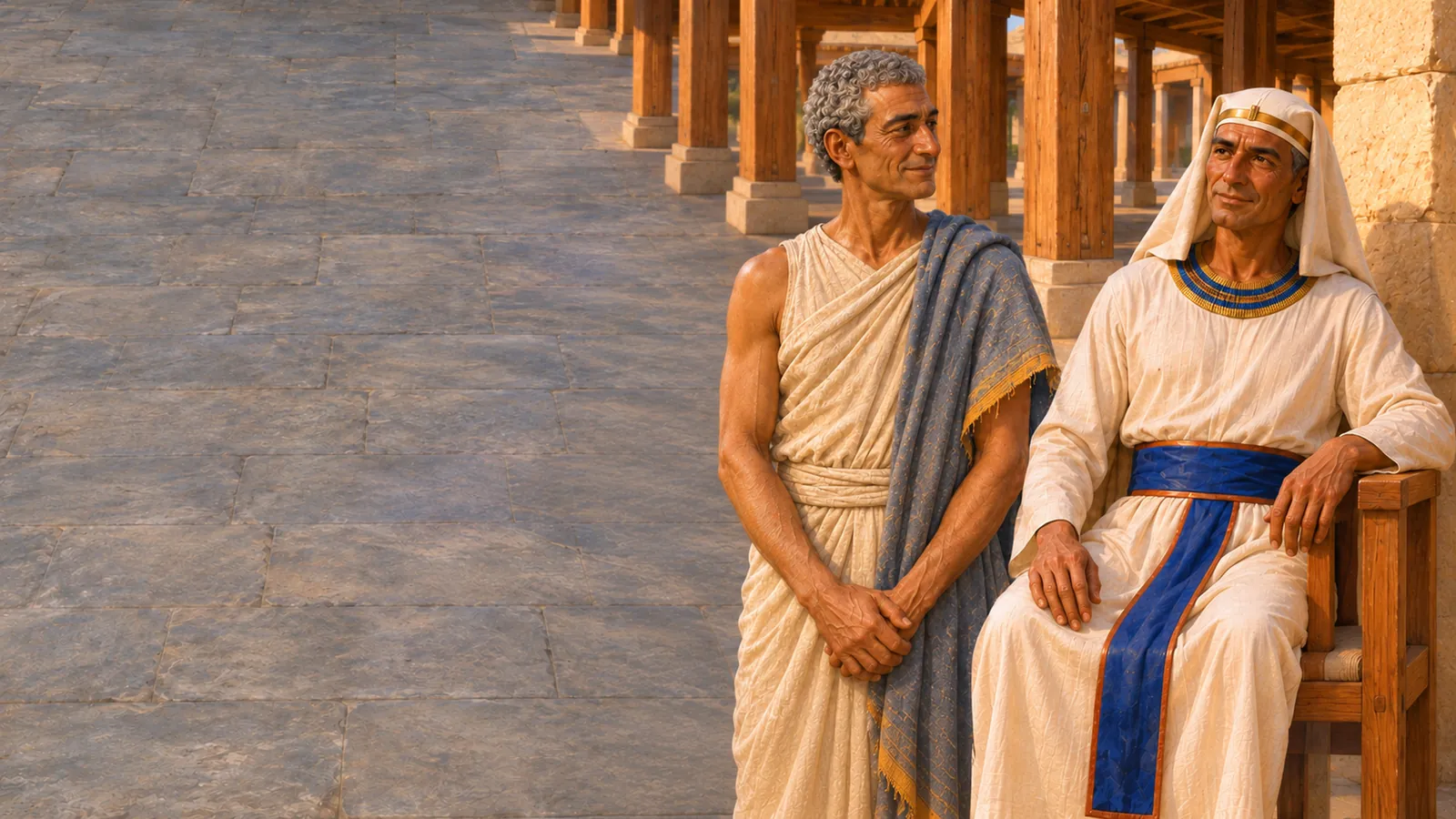
Le roi fait réaliser une image précieuse de Sinuhe. Sinuhe dit qu’il demeure dans la faveur royale jusqu’à la fin de sa vie.
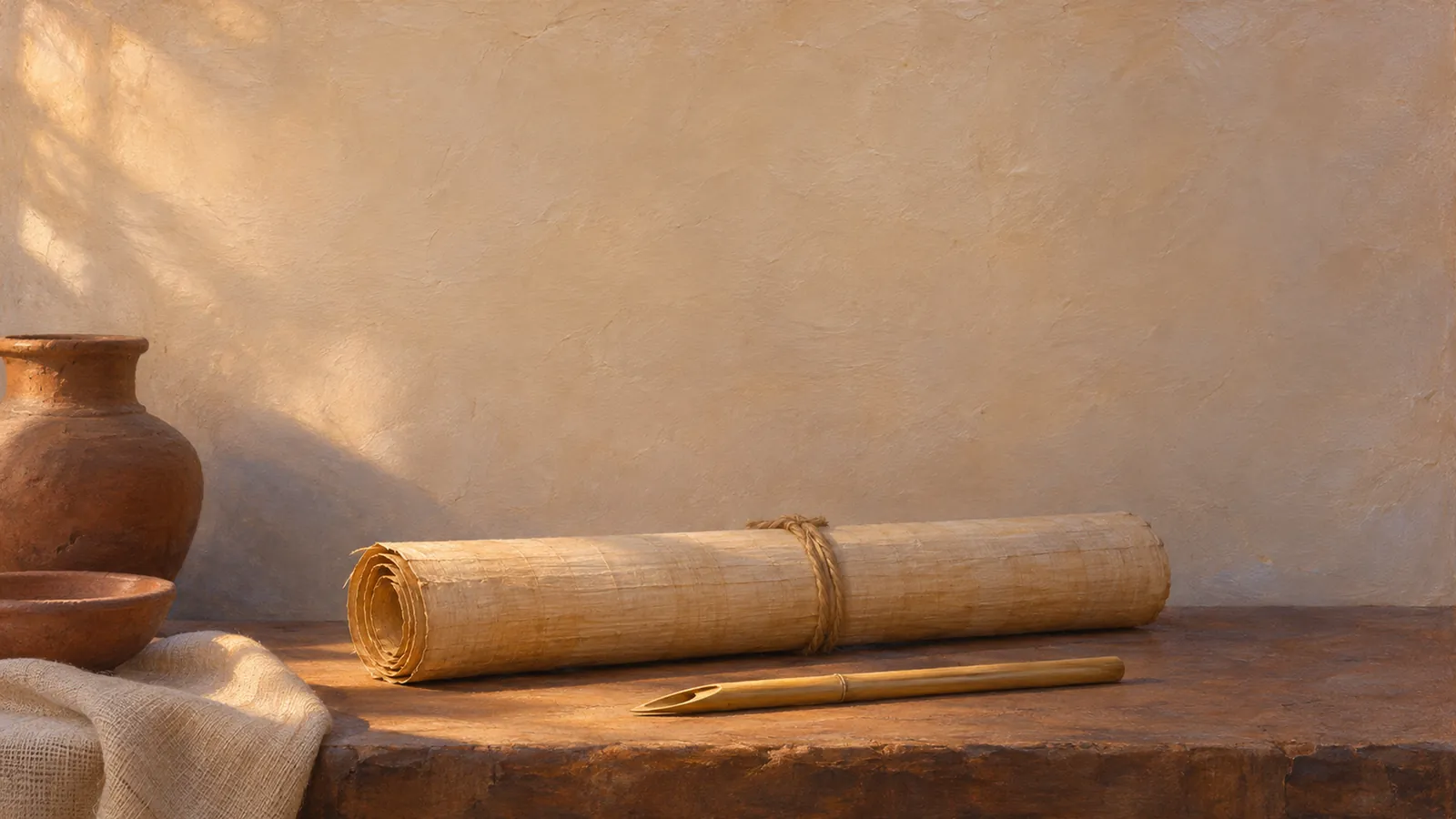
LA FIN DE LA COPIE
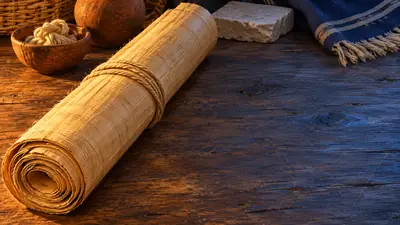
Le récit de Sinuhe s’achève. Une note séparée dit que l’histoire a été copiée du début à la fin, d’après le texte écrit dont disposait le copiste.
Fin du chapitre 1
Toutes les pages



Sources
Page 31: the man of Retjenu challenges Sinuhe. Sinuhe’s arrow strikes his neck, and Sinuhe kills him with the man’s own axe, then takes his goods (Berlin P 3022, B 109–147; Quirke §§26–30 and Nederhof).
Éditions consultées
- Stephen Quirke, Sanehat, line-numbered text and translation, UCL Digital Egypt
- UCL Digital Egypt, sources for the Tale of Sanehat
- Mark-Jan Nederhof, Sinuhe, Koch-based readings of R, B and the parallel witnesses
- James P. Allen, The Story of Sinuhe, witness survey
- Claude Obsomer, Sinouhé l’Égyptien et les raisons de son exil
- University of Basel, Sinuhe bibliography
- Petrie Museum, Harageh papyrus UC 32773
- Ashmolean Museum, Sinuhe ostracon AN1945.40
- Egypt Exploration Society, The Tale of Sinuhe and Berlin P 3022
Notes sur ce récit
Page 30: Sinuhe’s account includes driving people from their pastures and wells, taking people and cattle, and using his bow (Berlin P 3022, B 99–109; Quirke §25 and Nederhof).
Les vers antiques de chaque page
- Page 1: R 1–2 · §1
- Page 2: R 2–5 · §2
- Page 3: R 5–8 · §3
- Page 4: R 8–11 · §3
- Page 5: R 12–16 · §4
- Page 6: R 17–20 · §5
- Page 7: R 20–22 · §5
- Page 8: R 22–24, with overlap into B 1–2 · §6
- Page 9: B 1–2 · §6
- Page 10: B 2–5 · §7
- Page 11: B 5–7 · §7
- Page 12: B 8–10 · §8
- Page 13: B 10–11 · §8
- Page 14: B 11–14 · §9
- Page 15: B 14–20 · §9
- Page 16: B 20–24 · §10
- Page 17: B 24–26 · §11
- Page 18: B 26–28 · §11
- Page 19: B 28–31 · §12
- Page 20: B 31–36 · §13
- Page 21: B 36–43 · §14
- Page 22: B 43–45 · §15
- Page 23: B 45–51 · §16
- Page 24: B 51–70 · §§17–19
- Page 25: B 71–75 · §20
- Page 26: B 75–81 · §21
- Page 27: B 81–85 · §22
- Page 28: B 85–92 · §23
- Page 29: B 92–99 · §24
- Page 30: B 99–109 · §25
- Page 31: B 109–149 · §§26–30, especially B 113 and 142–149
- Page 32: B 147–152 · §§30–31
- Page 33: B 151–156 · §31
- Page 34: B 156–160 · §32
- Page 35: Berlin P 3022, B 160–164 · §32 (Quirke, UCL; Nederhof after Koch)
- Page 36: Berlin P 3022, B 165–169 · §33 (Quirke, UCL; Nederhof after Koch)
- Page 37: Berlin P 3022, B 169–173 · §33 (Quirke, UCL; Nederhof after Koch)
- Page 38: Berlin P 3022, B 173–177 · §34 (Quirke, UCL; Nederhof after Koch)
- Page 39: Berlin P 3022, B 178–181 · §35 (Quirke, UCL; Nederhof after Koch)
The royal titulary has a name variant at B 180. - Page 40: Berlin P 3022, B 181–185 · §35 (Quirke, UCL; Nederhof after Koch)
- Page 41: Berlin P 3022, B 185–189 · §§35–36 (Quirke, UCL; Nederhof after Koch)
- Page 42: Berlin P 3022, B 190–199 · §36 (Quirke, UCL; Nederhof after Koch)
- Page 43: Berlin P 3022, B 199–204 · §37 (Quirke, UCL; Nederhof after Koch)
- Page 44: Berlin P 3022, B 204–214 · §38 (Quirke, UCL; Nederhof after Koch)
- Page 45: Berlin P 3022, B 214–223 · §39 (Quirke, UCL; Nederhof after Koch)
- Page 46: Berlin P 3022, B 223–229 · §40 (Quirke, UCL; Nederhof after Koch)
- Page 47: Berlin P 3022, B 229–234 · §40 (Quirke, UCL; Nederhof after Koch)
- Page 48: Berlin P 3022, B 234–238 · §41 (Quirke, UCL; Nederhof after Koch)
Wording for the object being entrusted at the start of §41 varies by translation. - Page 49: Berlin P 3022, B 238–241 · §41 (Quirke, UCL; Nederhof after Koch)
- Page 50: Berlin P 3022, B 241–243 · §42 (Quirke, UCL; Nederhof after Koch)
- Page 51: Berlin P 3022, B 243–247 · §42 (Quirke, UCL; Nederhof after Koch)
- Page 52: Berlin P 3022, B 246–248 · §§42–43 (Quirke, UCL; Nederhof after Koch)
- Page 53: Berlin P 3022, B 248–252 · §43 (Quirke, UCL; Nederhof after Koch)
- Page 54: Berlin P 3022, B 252–256 · §43 (Quirke, UCL; Nederhof after Koch)
- Page 55: Berlin P 3022, B 256–260 · §44 (Quirke, UCL; Nederhof after Koch)
- Page 56: Berlin P 3022, B 260–263 · §45 (Quirke, UCL; Nederhof after Koch)
- Page 57: Berlin P 3022, B 263–268 · §46 (Quirke, UCL; Nederhof after Koch)
- Page 58: Berlin P 3022, B 268–274 · §47 (Quirke, UCL; Nederhof after Koch)
- Page 59: Berlin P 3022, B 274–279 · §47 (Quirke, UCL; Nederhof after Koch)
- Page 60: Berlin P 3022, B 279–284 · §48 (Quirke, UCL; Nederhof after Koch)
- Page 61: Berlin P 3022, B 284–290 · §48 (Quirke, UCL; Nederhof after Koch)
- Page 62: Berlin P 3022, B 290–295 · §49 (Quirke, UCL; Nederhof after Koch)
- Page 63: Berlin P 3022, B 296–298 · §49 (Quirke, UCL; Nederhof after Koch)
- Page 64: Berlin P 3022, B 298–300 · §49 (Quirke, UCL; Nederhof after Koch)
- Page 65: Berlin P 3022, B 300–305 · §50 (Quirke, UCL; Nederhof after Koch)
- Page 66: Berlin P 3022, B 306–307 · §50 (Quirke, UCL; Nederhof after Koch)
- Page 67: Berlin P 3022, B 308–310 · §50 (Quirke, UCL; Nederhof after Koch)
- Page 68: Berlin P 3022, B 311 · colophon (Quirke, UCL; Nederhof after Koch)
Illustrations réalisées par IL Archive avec des outils d’IA ; le texte s’appuie sur les sources antiques (voir les sources à la fin de chaque chapitre).