Le récit sumérien du Déluge Chapitre 1
Ziusudra et le Déluge
Cinq villes reçoivent leur nom, et un avertissement adressé à un mur parvient à Ziusudra, roi et prêtre. Après sept jours et sept nuits sur l’eau, le jour revient. An et Enlil accordent à Ziusudra une vie durable et l’établissent à Dilmun.
SourcesTournez les pages avec les flèches, le clavier ou en balayant l’écran.
DÉLUGE
Le début de ce récit sumérien est perdu. Lorsque les mots reprennent, une voix parle déjà des gens.
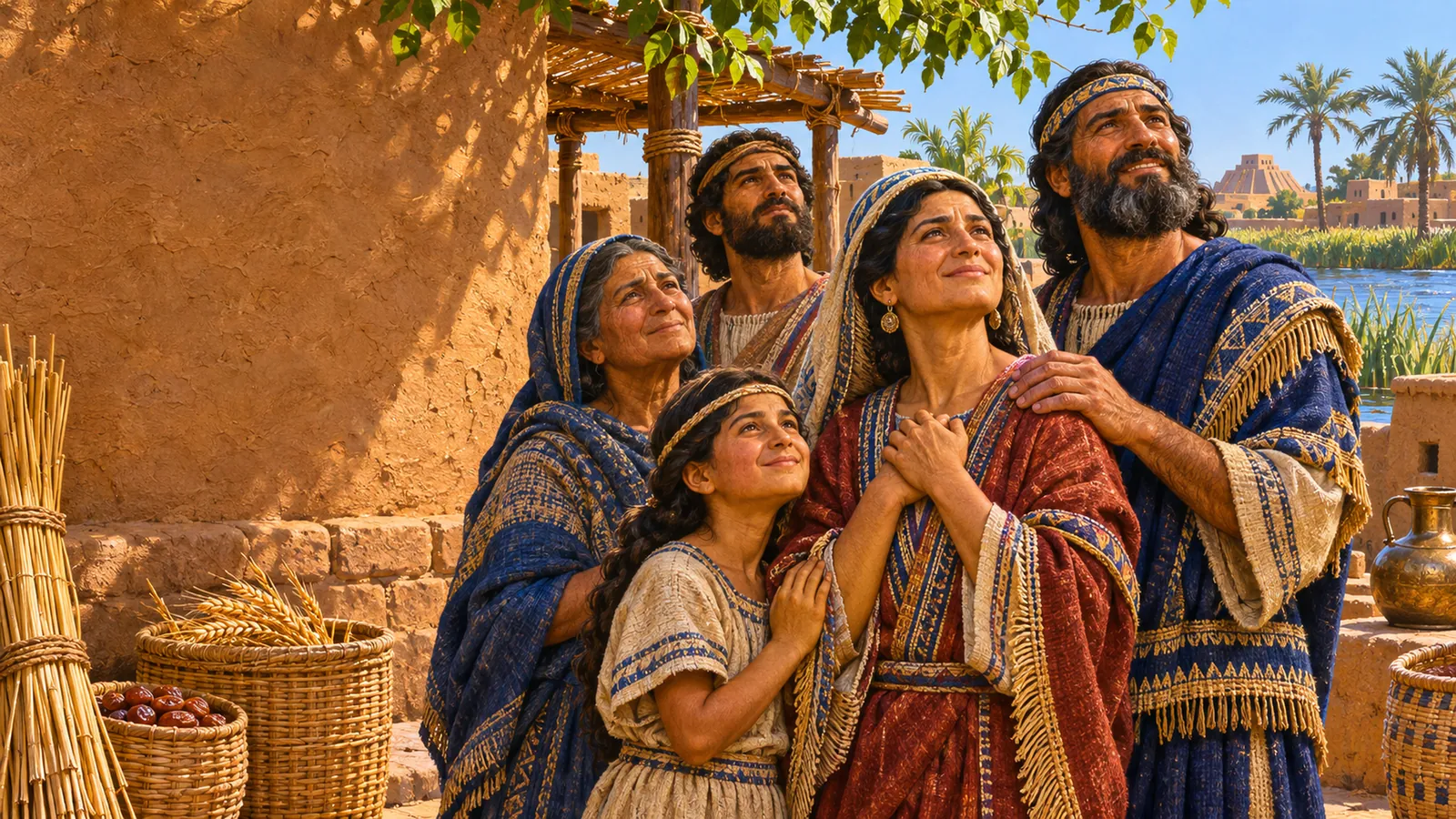
En évoquant Nintud, une voix sans nom promet d’arrêter la destruction de ses créatures. Les mots qui subsistent parlent aussi de ramener les gens.
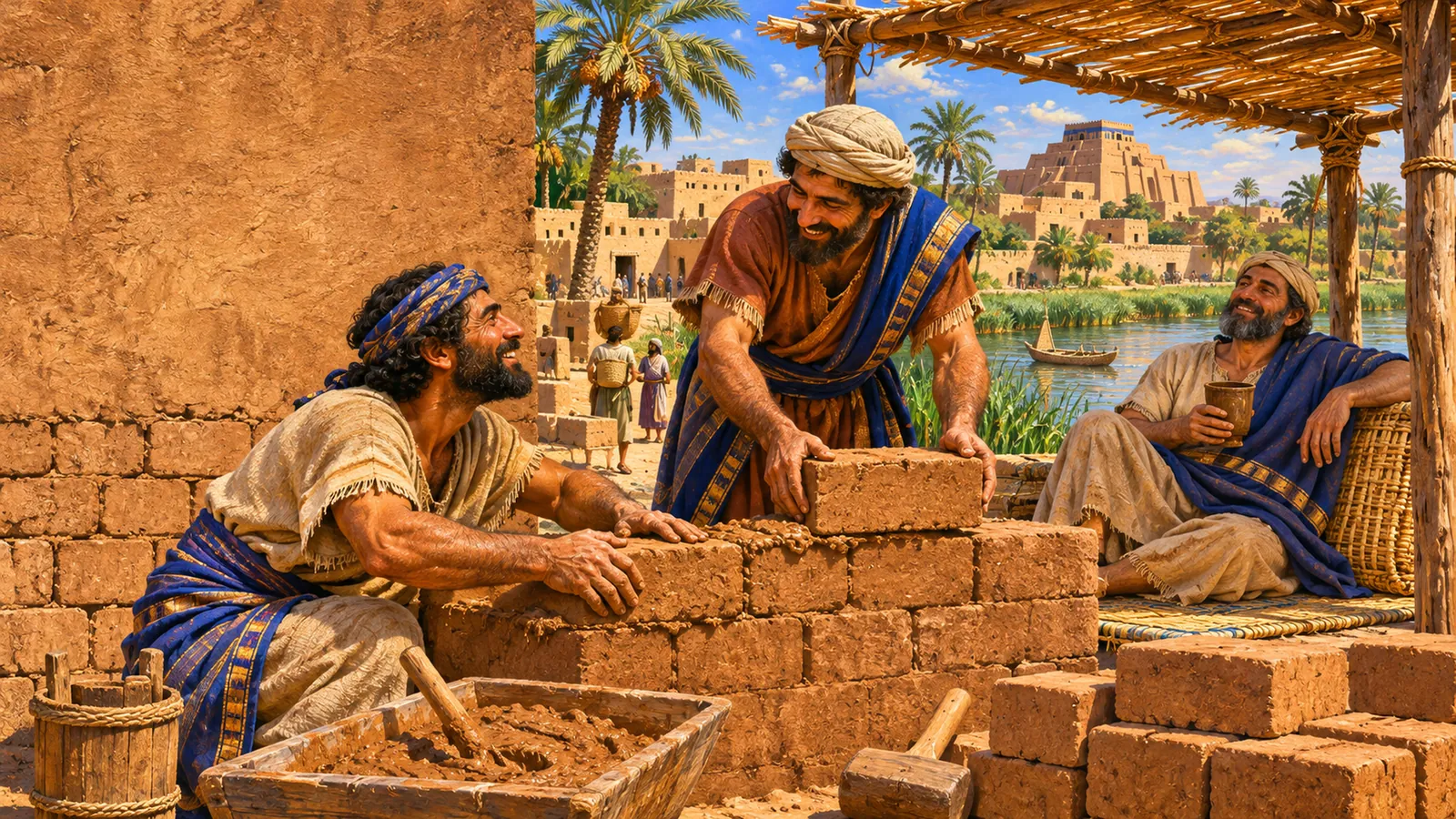
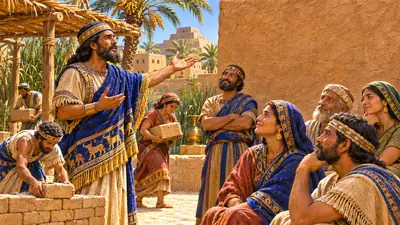
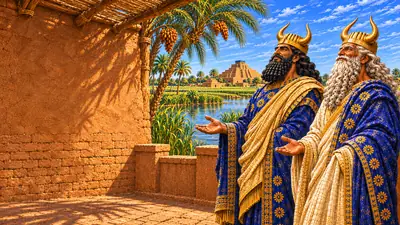
La voix demande que l’on construise de nombreuses villes. Elle parle du repos que procurera leur ombre.
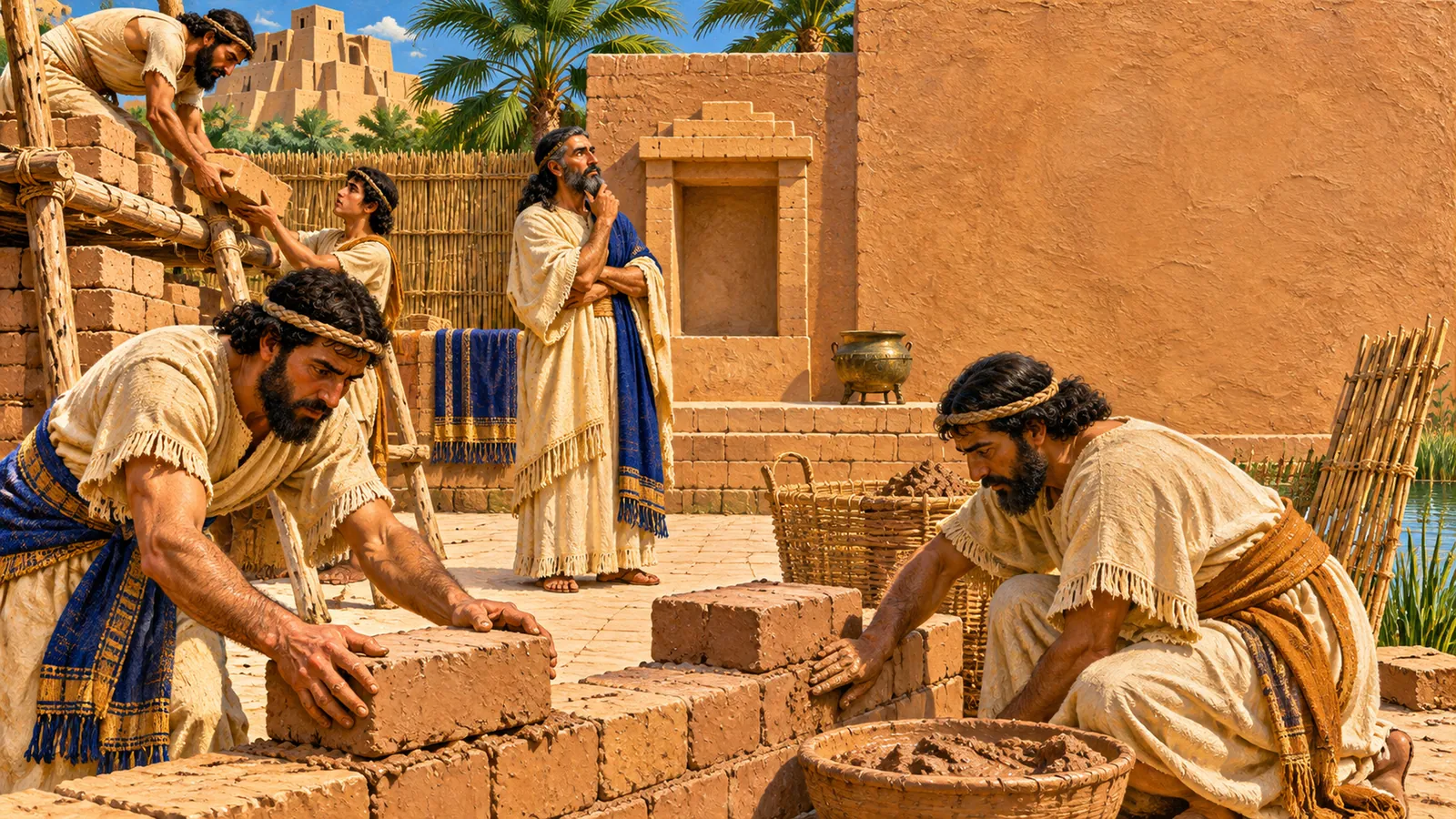
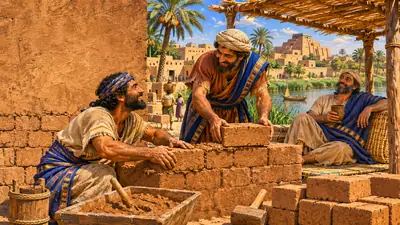
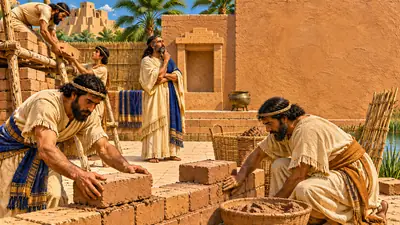
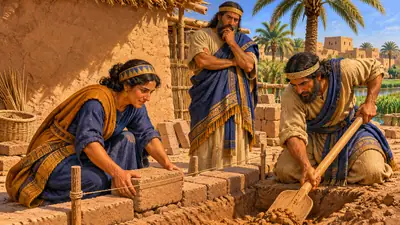
Les villes doivent être bâties en briques dans des lieux gardés purs. La voix demande aussi que des lieux soient réservés à la divination.
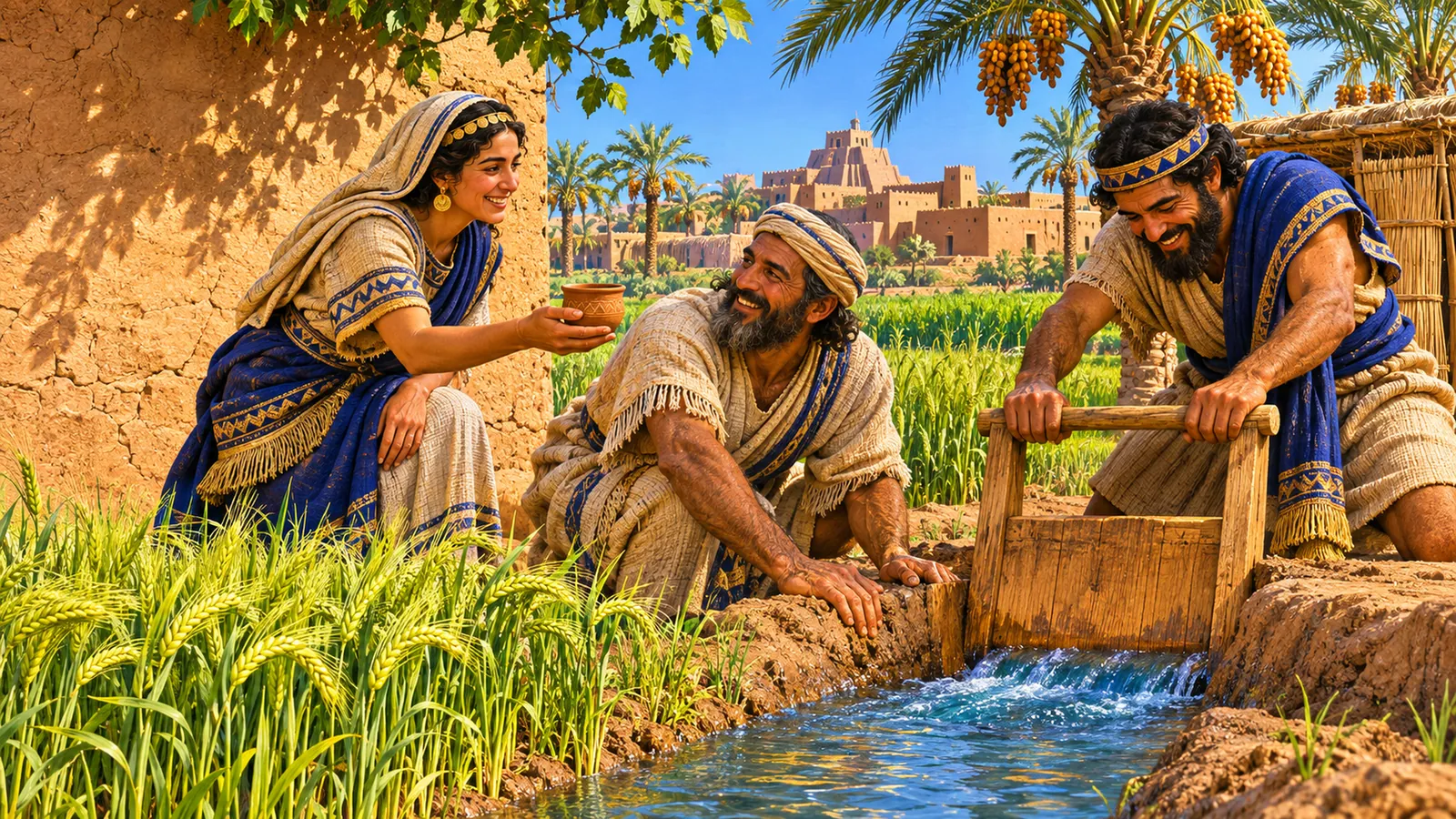
La voix parle de rites et de pouvoirs mis en ordre, puis de l’eau qui atteint la terre. Elle promet alors la prospérité au pays.
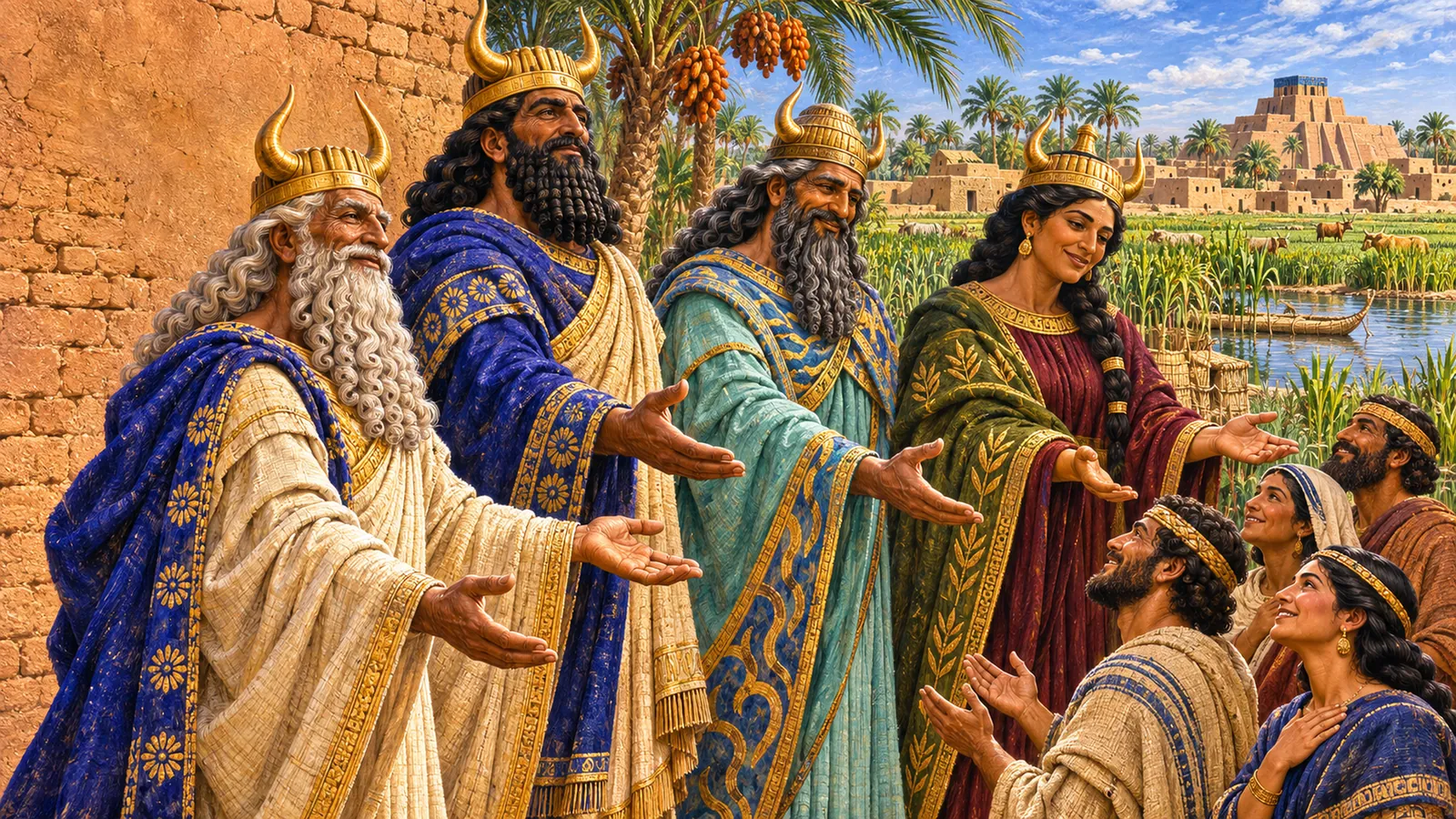
Au commencement de la vie humaine, dit le poème, les dieux An, Enlil, Enki et Ninhursag façonnèrent les humains.
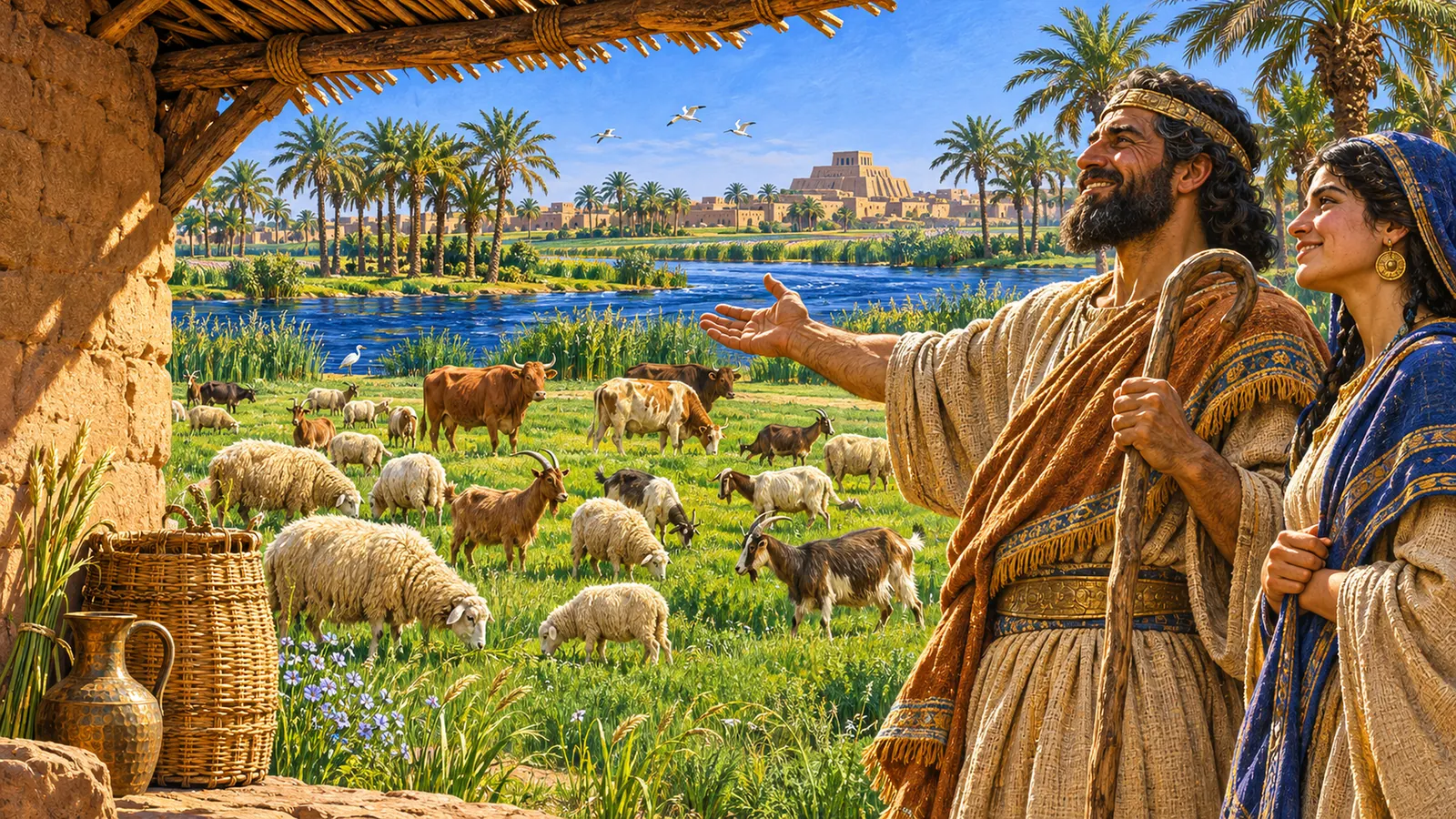
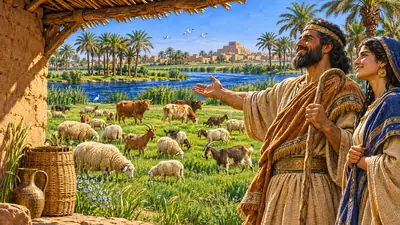
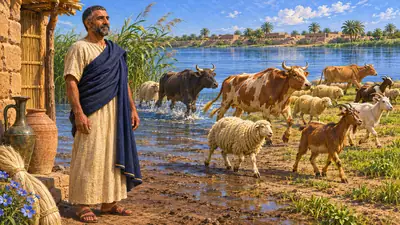
Les dieux font aussi se multiplier les animaux. Dans les plaines, dit le poème, vivent des troupeaux de bêtes à quatre pattes.

Il manque ici environ trente-deux lignes. Quelques autres sont trop fragmentaires pour être traduites, puis une voix reprend la parole.
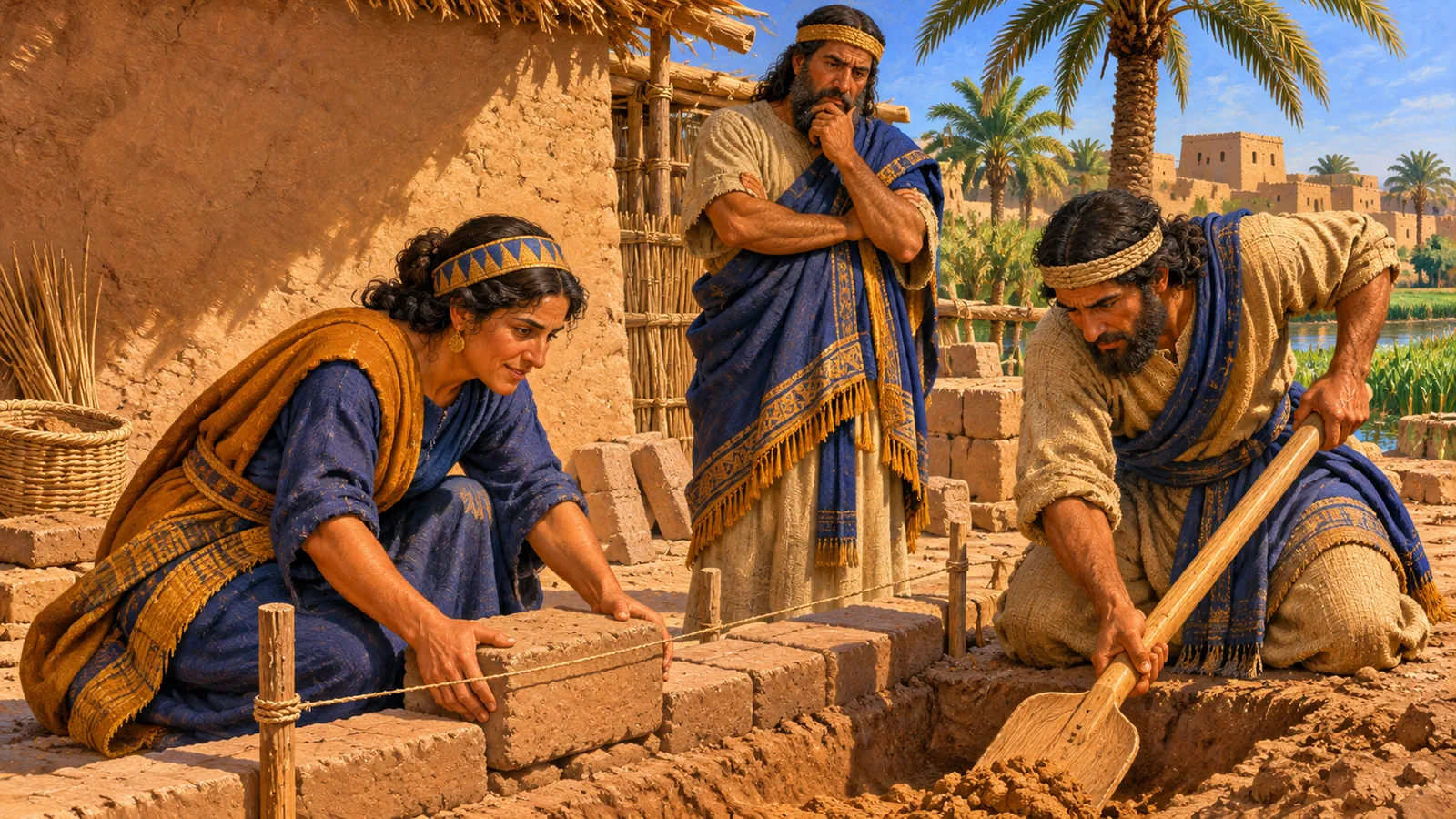
La voix dit qu’elle surveillera les travaux. Elle demande au bâtisseur du pays de creuser des fondations solides.
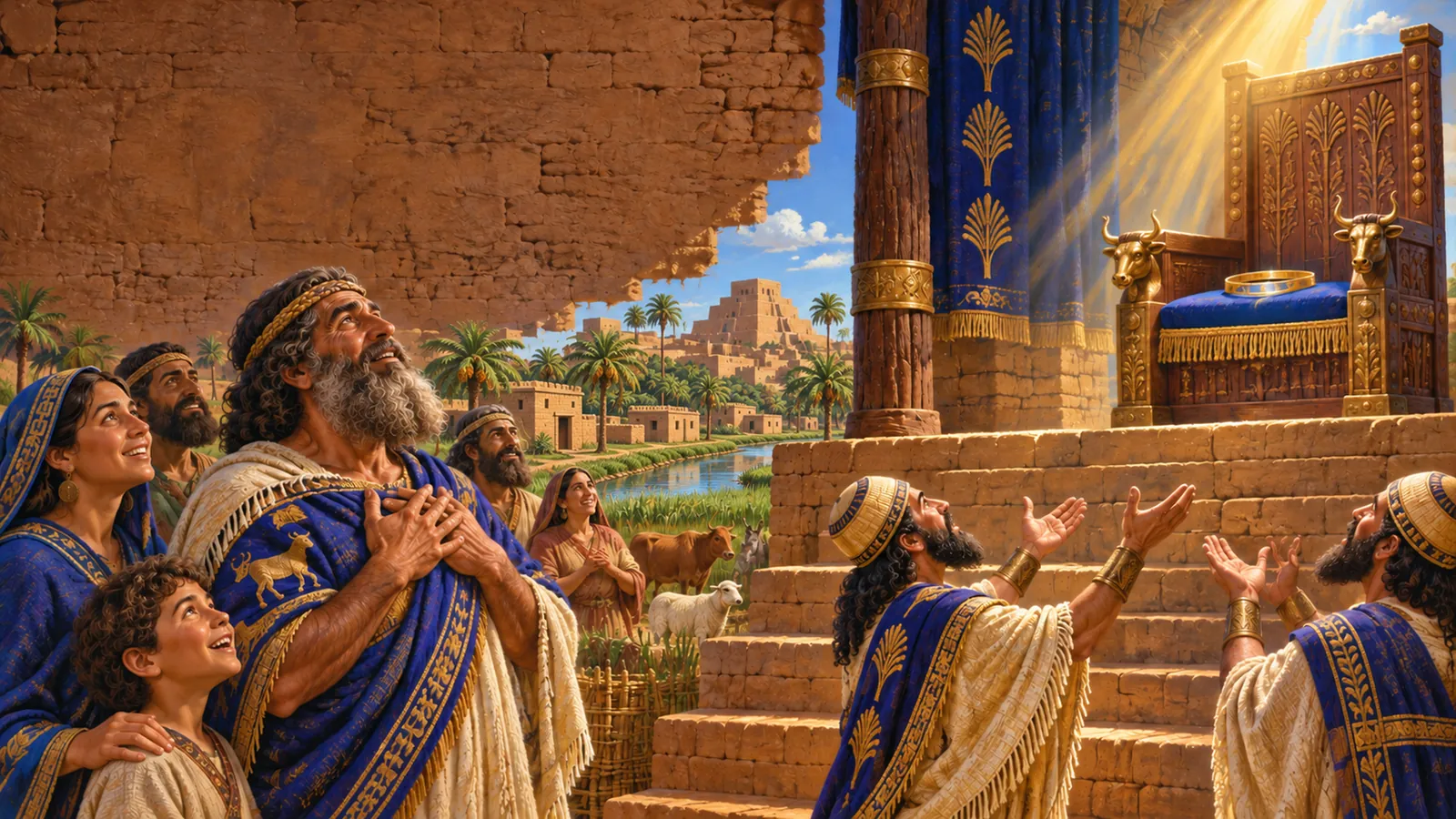
ROYAUTÉ
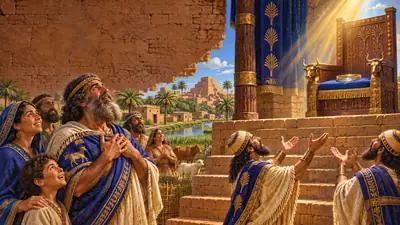
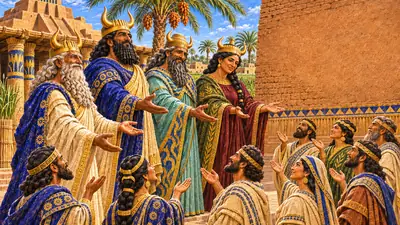
La couronne et le trône de la royauté descendent du ciel au moment où le récit se tourne vers les villes.
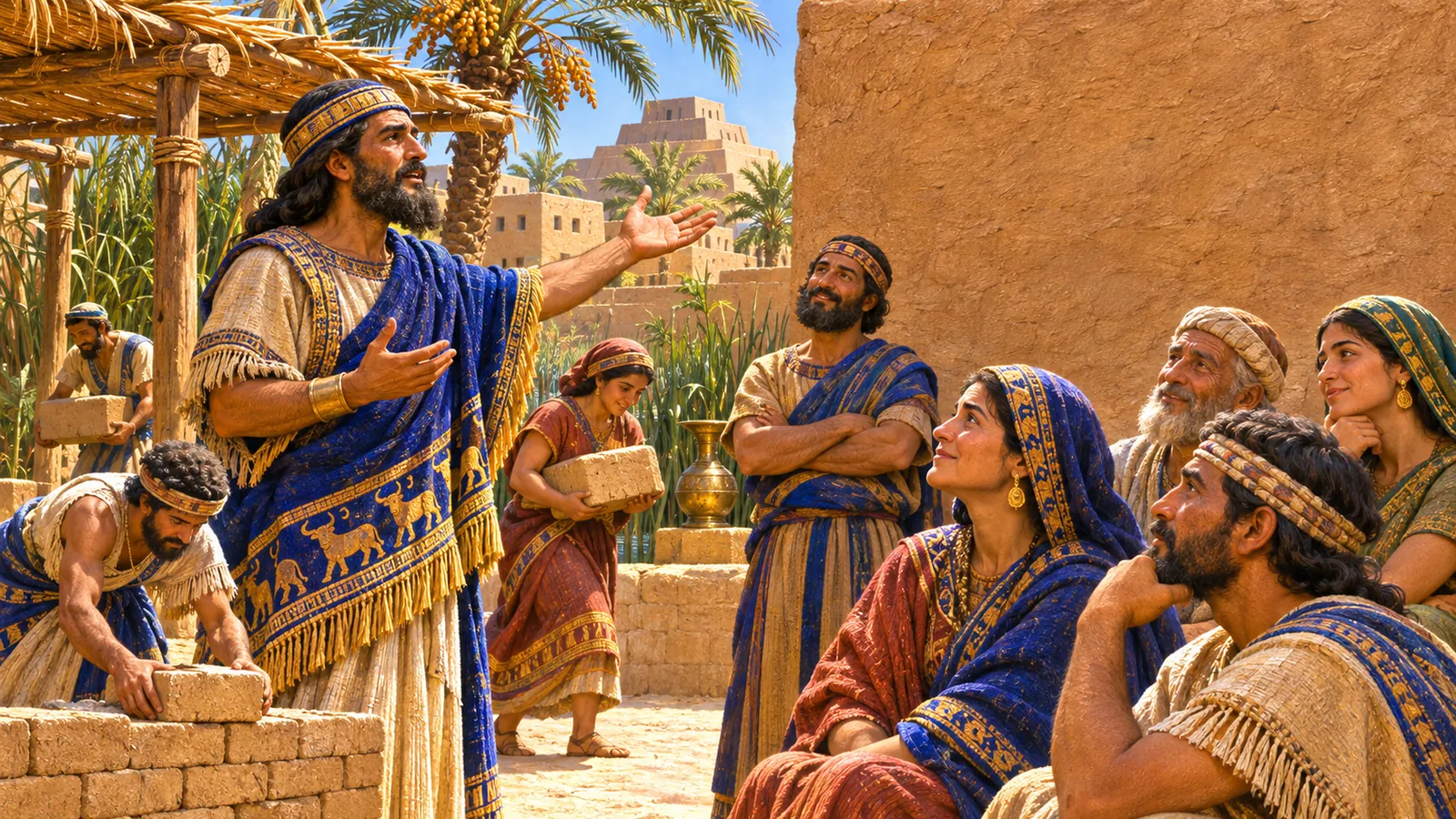
Les rites et les pouvoirs sont mis en ordre. Des briques sont posées dans des lieux sacrés, et les noms des villes sont prononcés.
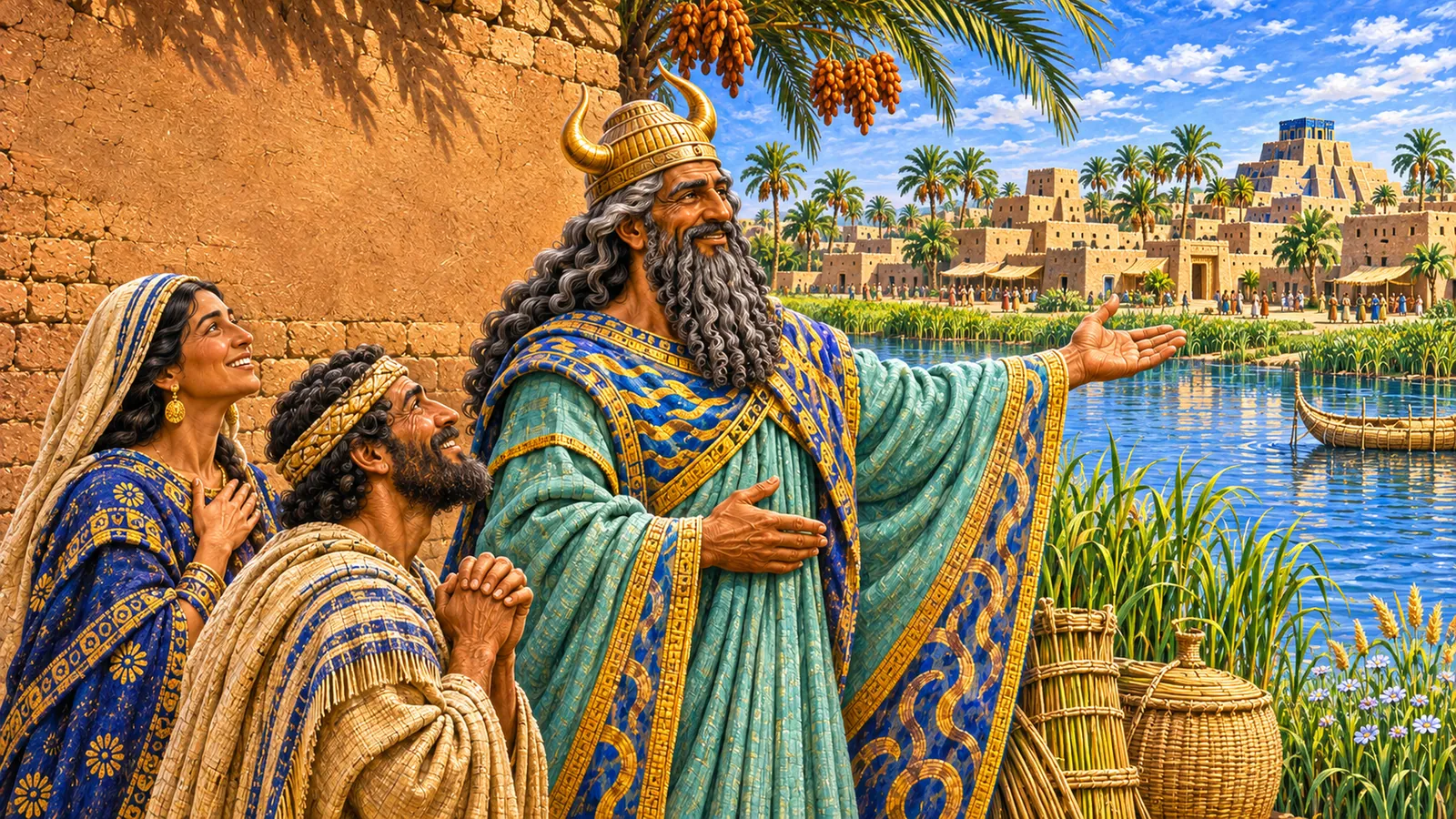
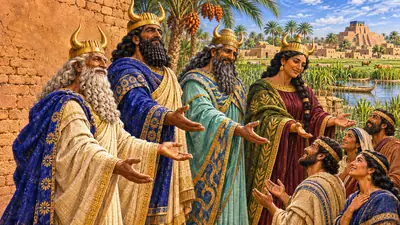
La première ville que nomme le poème est Eridu. Elle est donnée à Nudimmud, l’un des noms d’Enki.
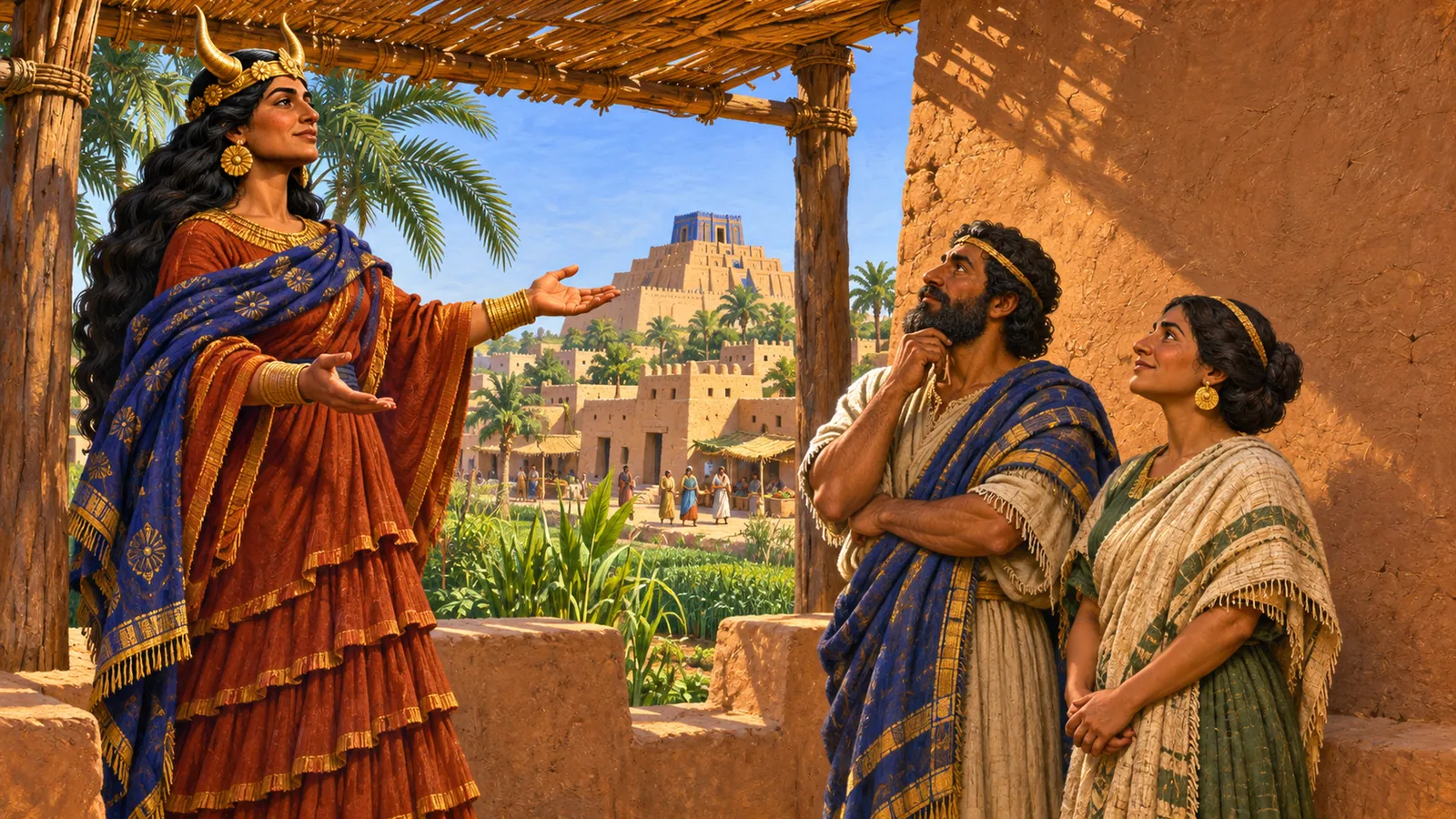
Le poème passe à Bad-tibira, la deuxième ville. Elle est donnée à celle que le poème appelle la Maîtresse.
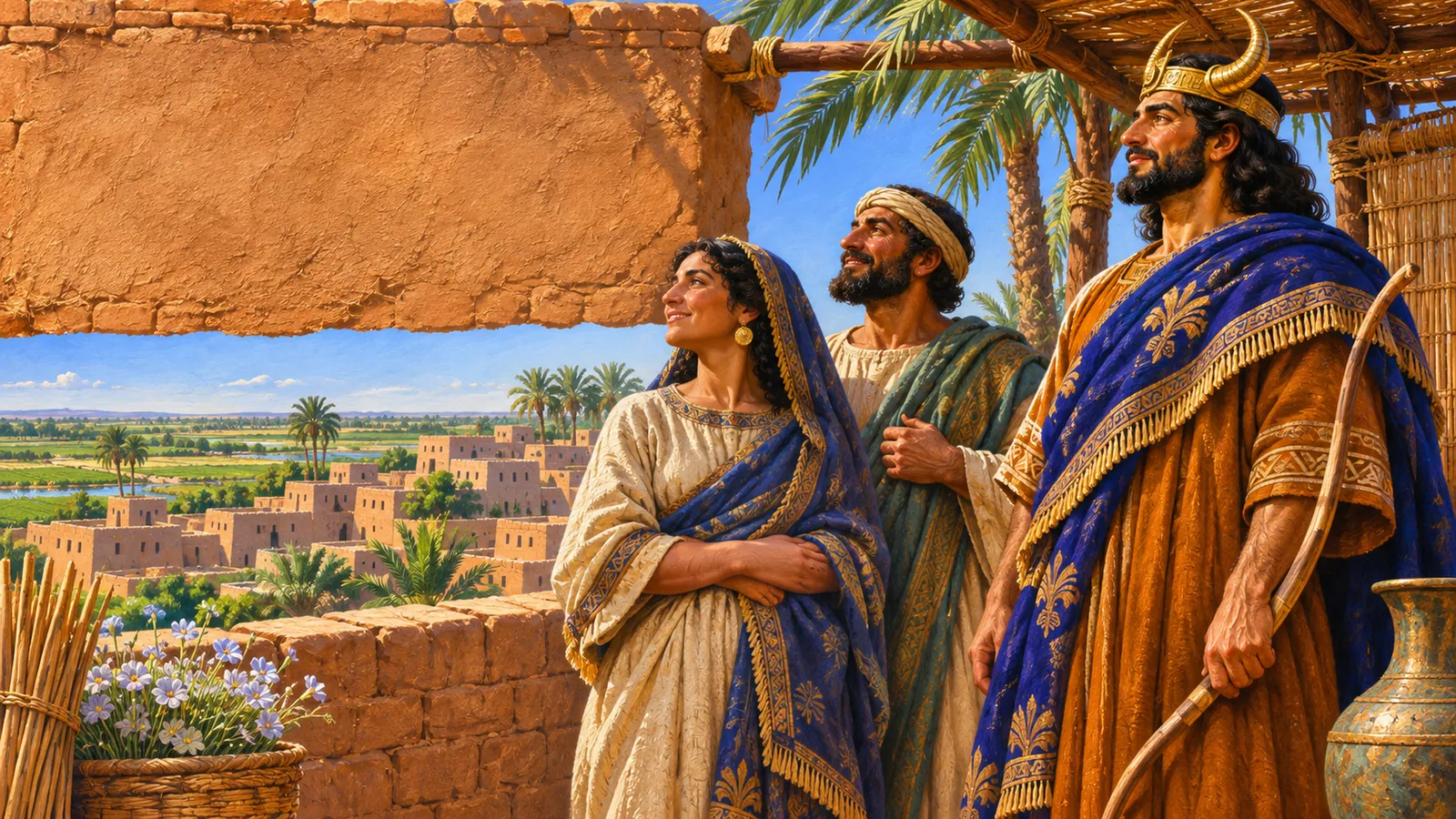
La troisième ville de la liste est Larag. Ici, le récit nomme Pabilsaj comme celui qui la reçoit.
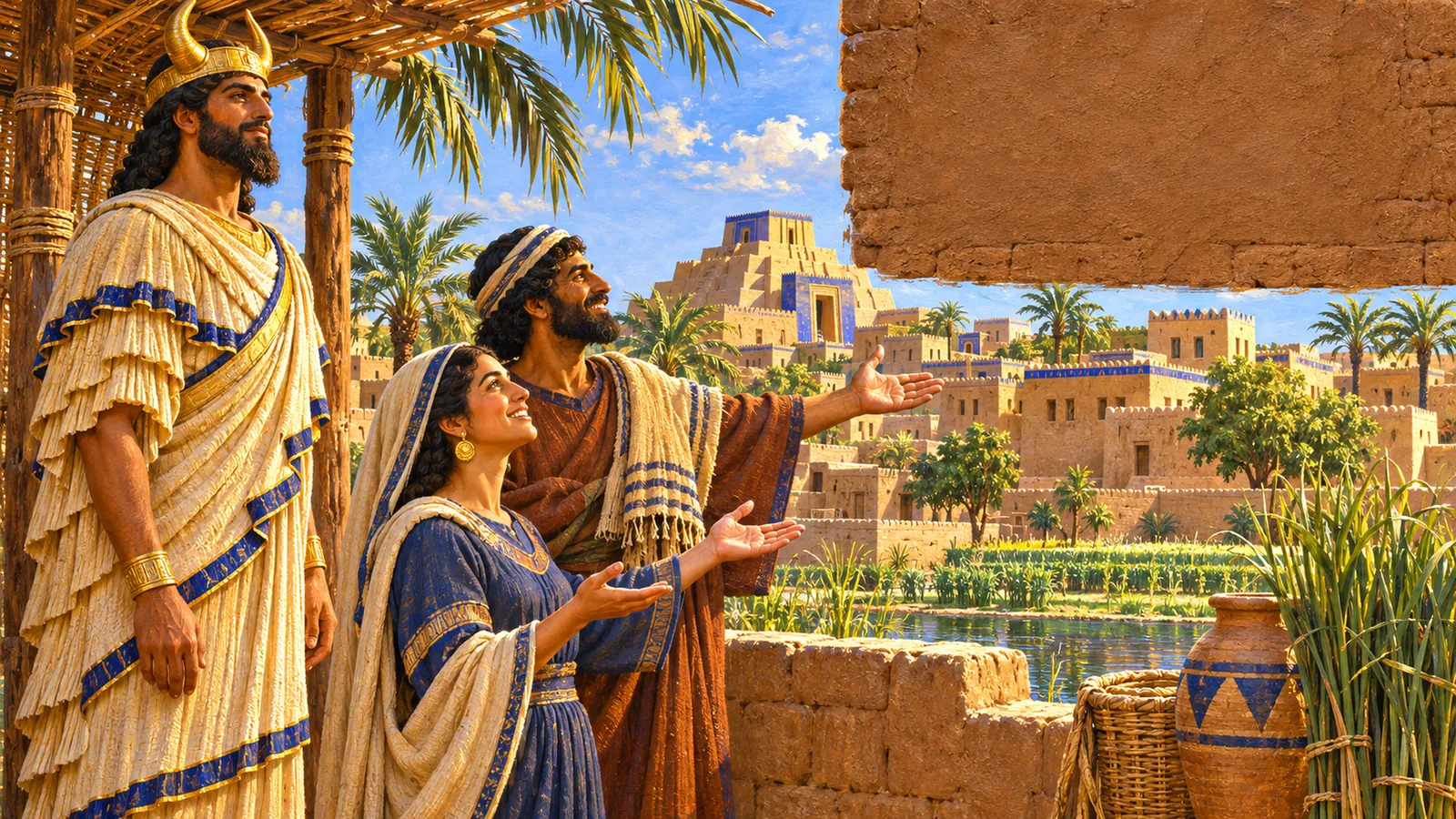
La liste passe ensuite à Sippar, sa quatrième ville. Elle revient à Utu, que le poème appelle un héros.
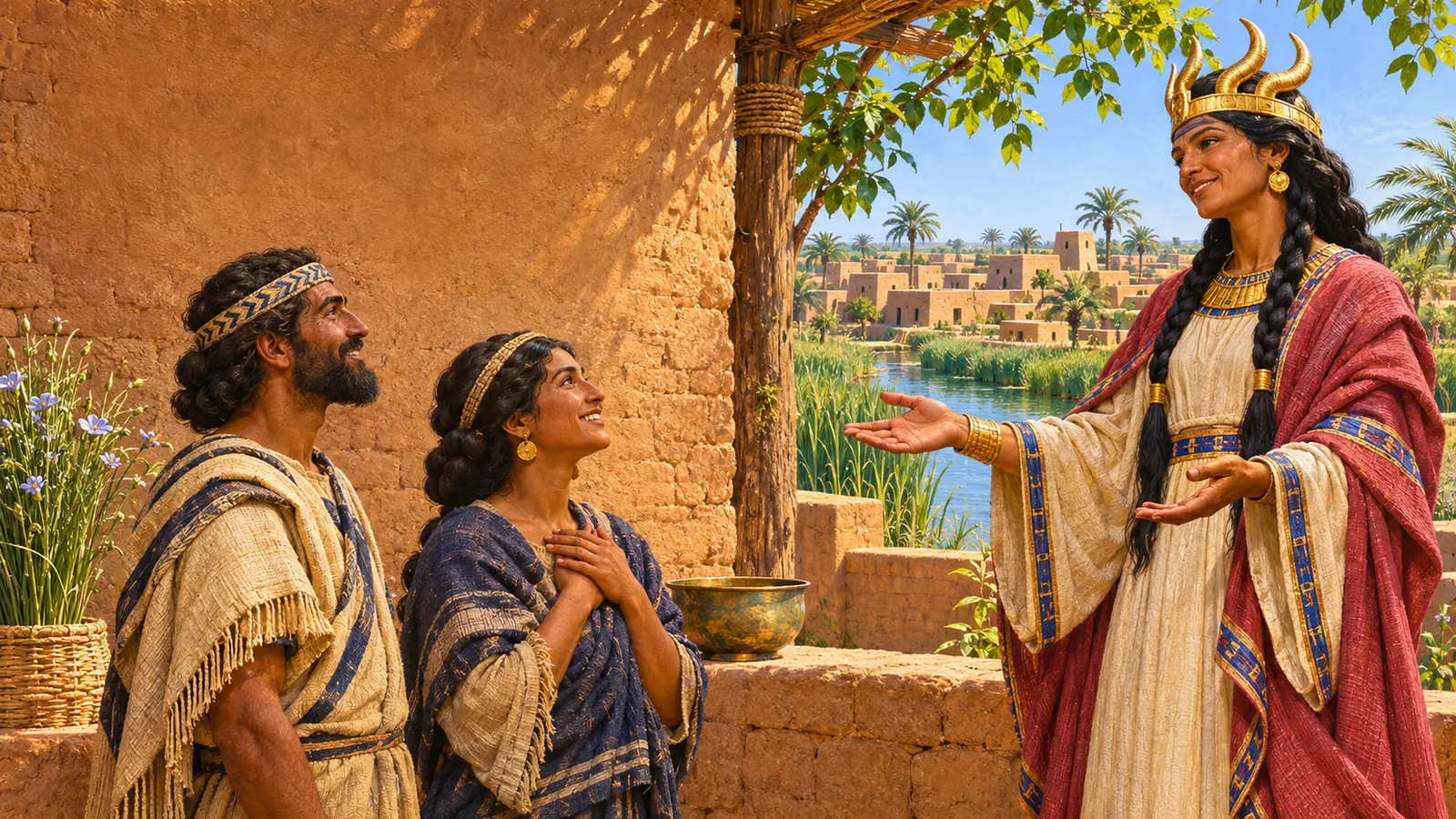
En cinquième vient Shuruppak, qui est donnée à Sud. Avec ce nom, le passage achève la liste des cinq villes.
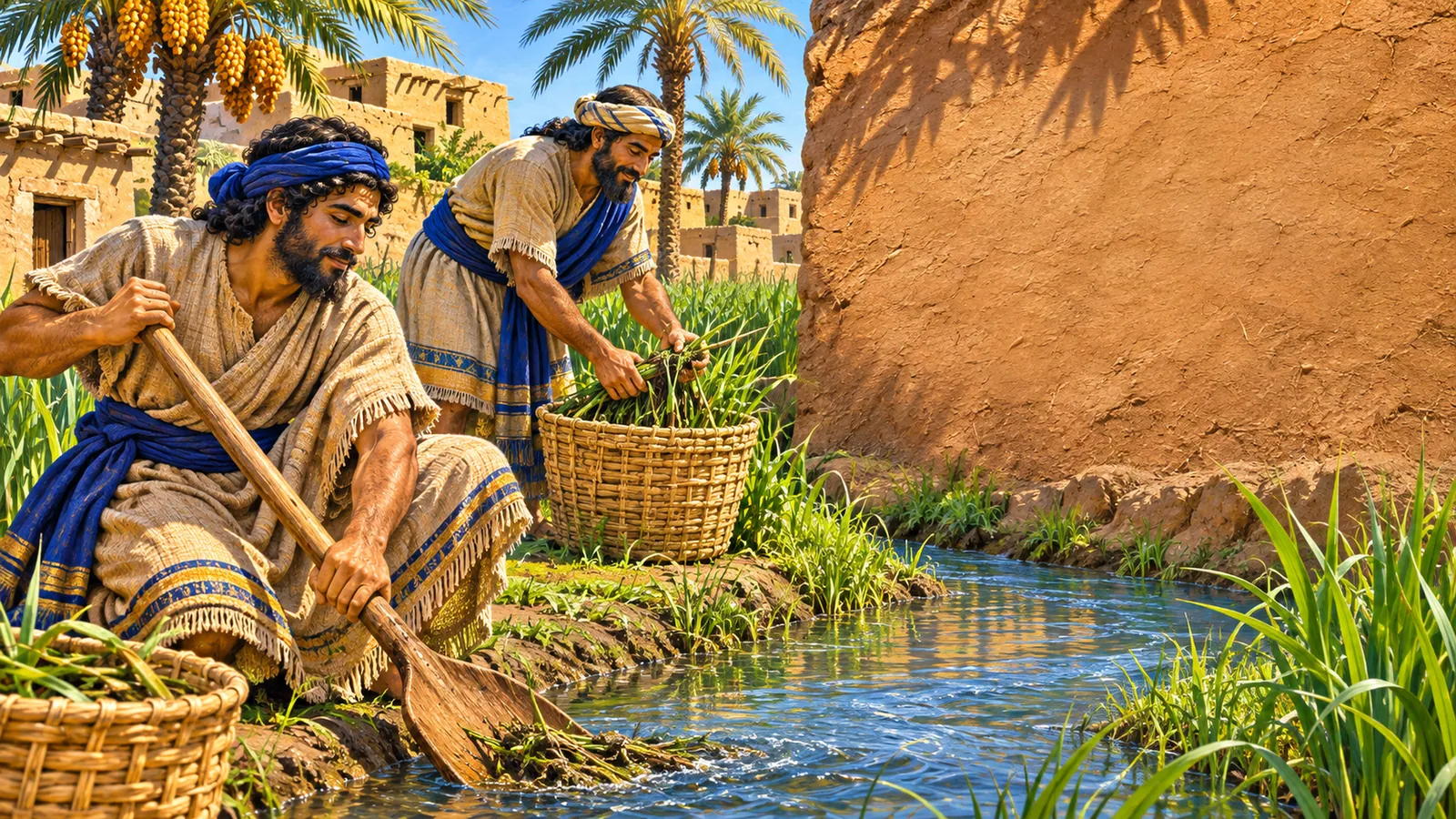
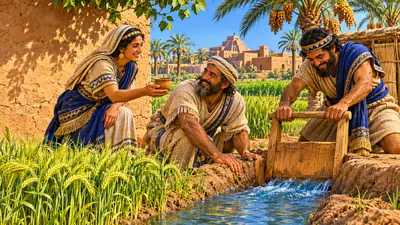
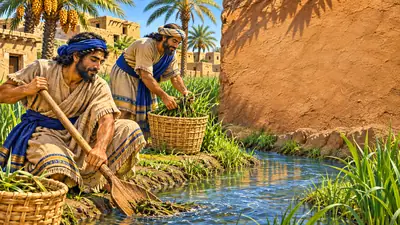
Le texte se tourne vers l’eau. Le passage sur le fleuve est endommagé, mais les mots sur le nettoyage des petits canaux restent lisibles.
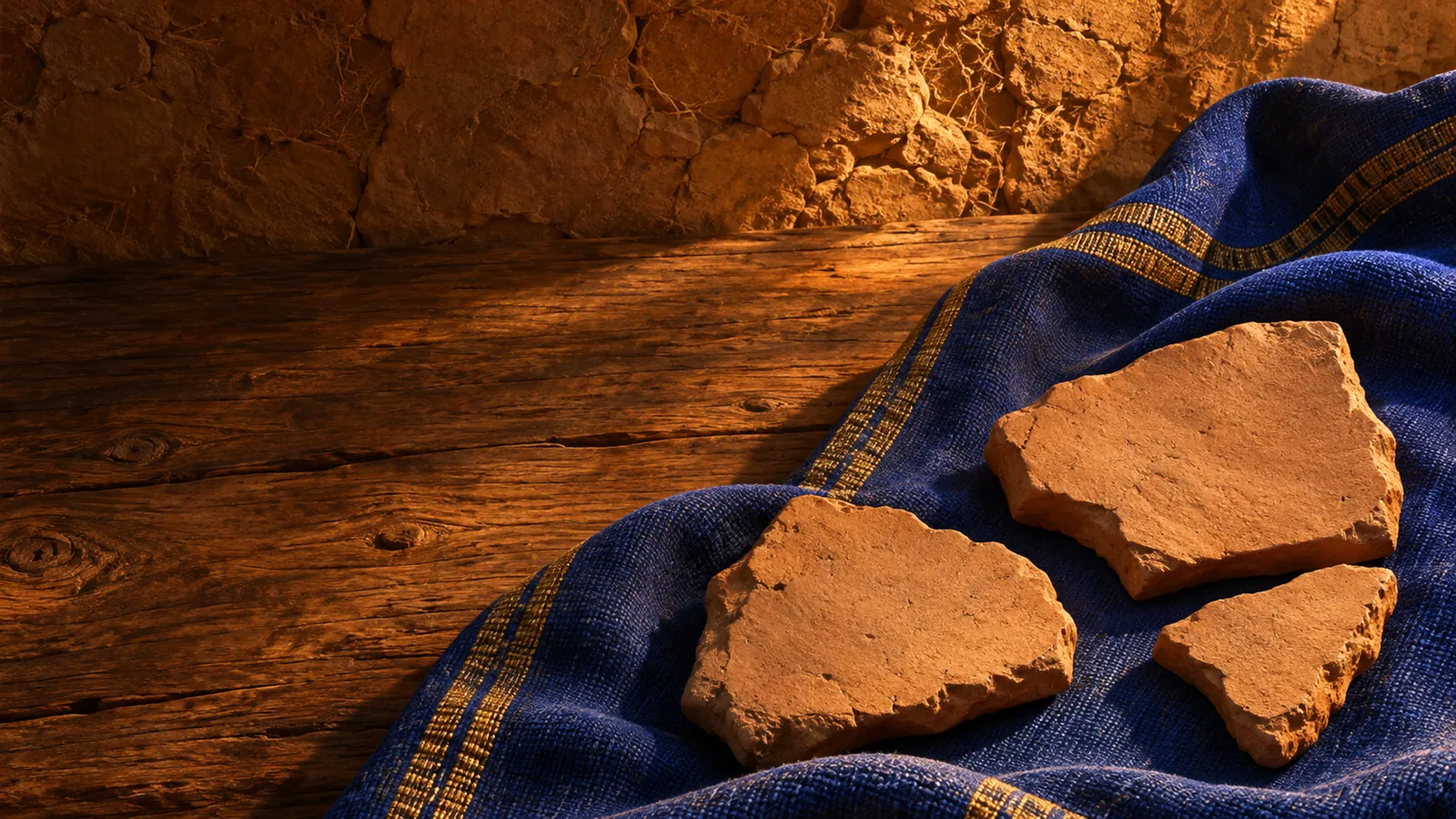
Il manque ici environ trente-quatre lignes. Lorsque les mots reprennent, des phrases brisées évoquent seules le ciel, le déluge et l’humanité.
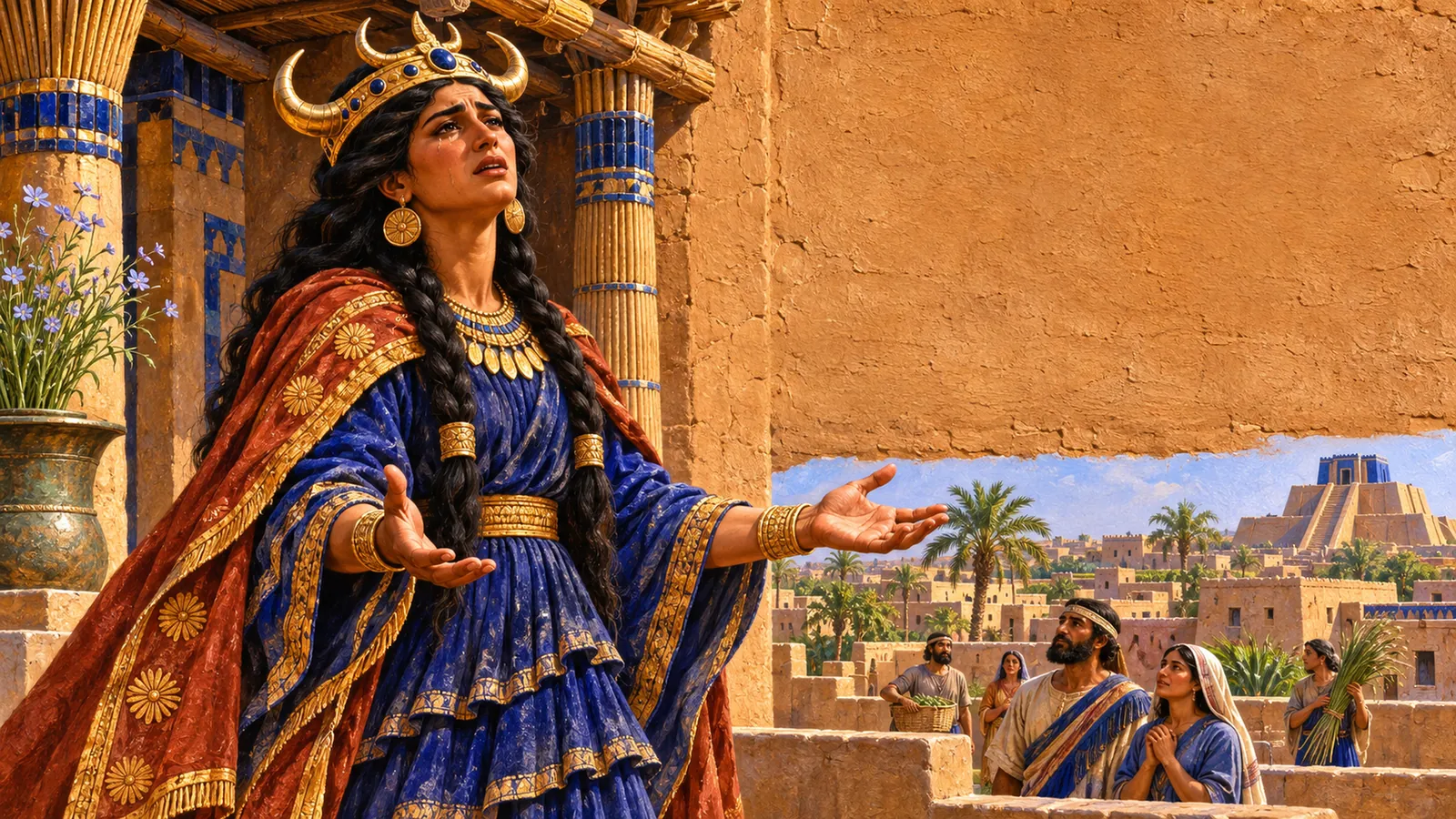
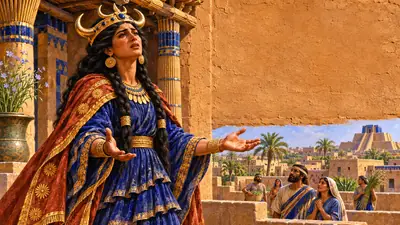
Inanna entonne une lamentation pour le peuple. Sa voix est l’une des premières que l’on retrouve clairement après la lacune.
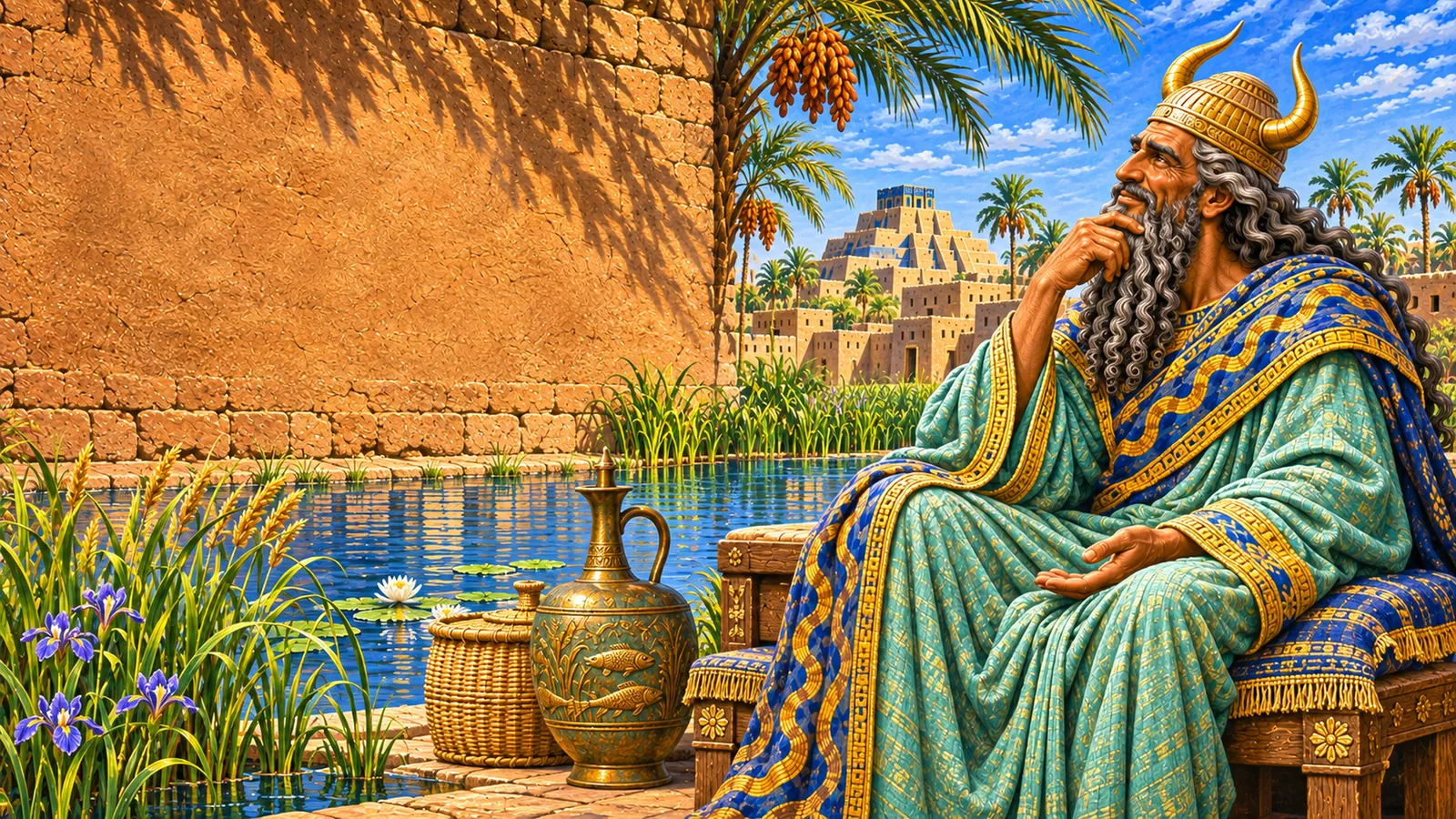
Enki se consulte lui-même. La tablette le dit en une courte phrase au milieu des lignes lacunaires.
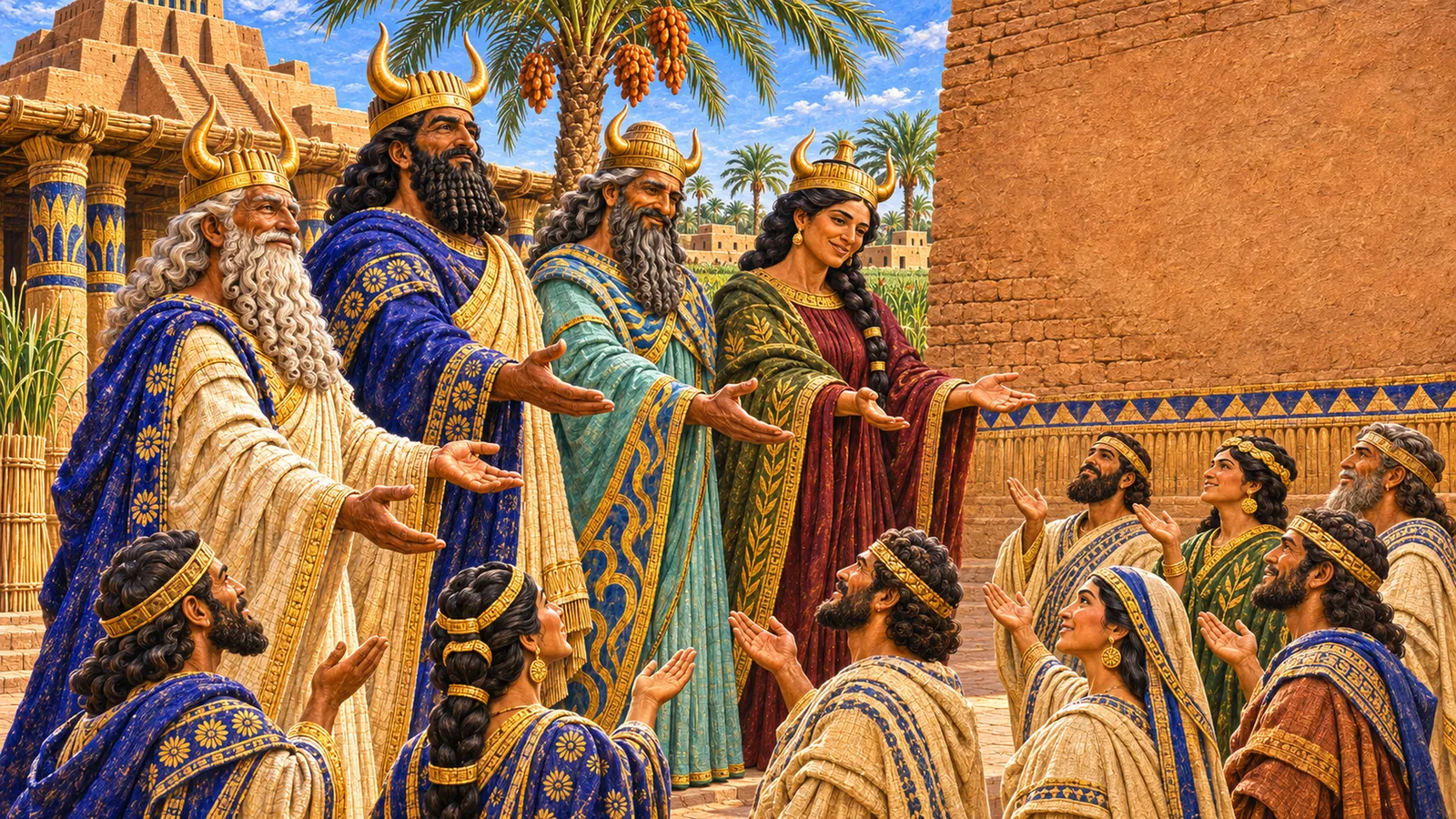
An, Enlil, Enki et Ninhursag font prêter serment aux dieux du ciel et de la terre. En jurant, les dieux invoquent An et Enlil.
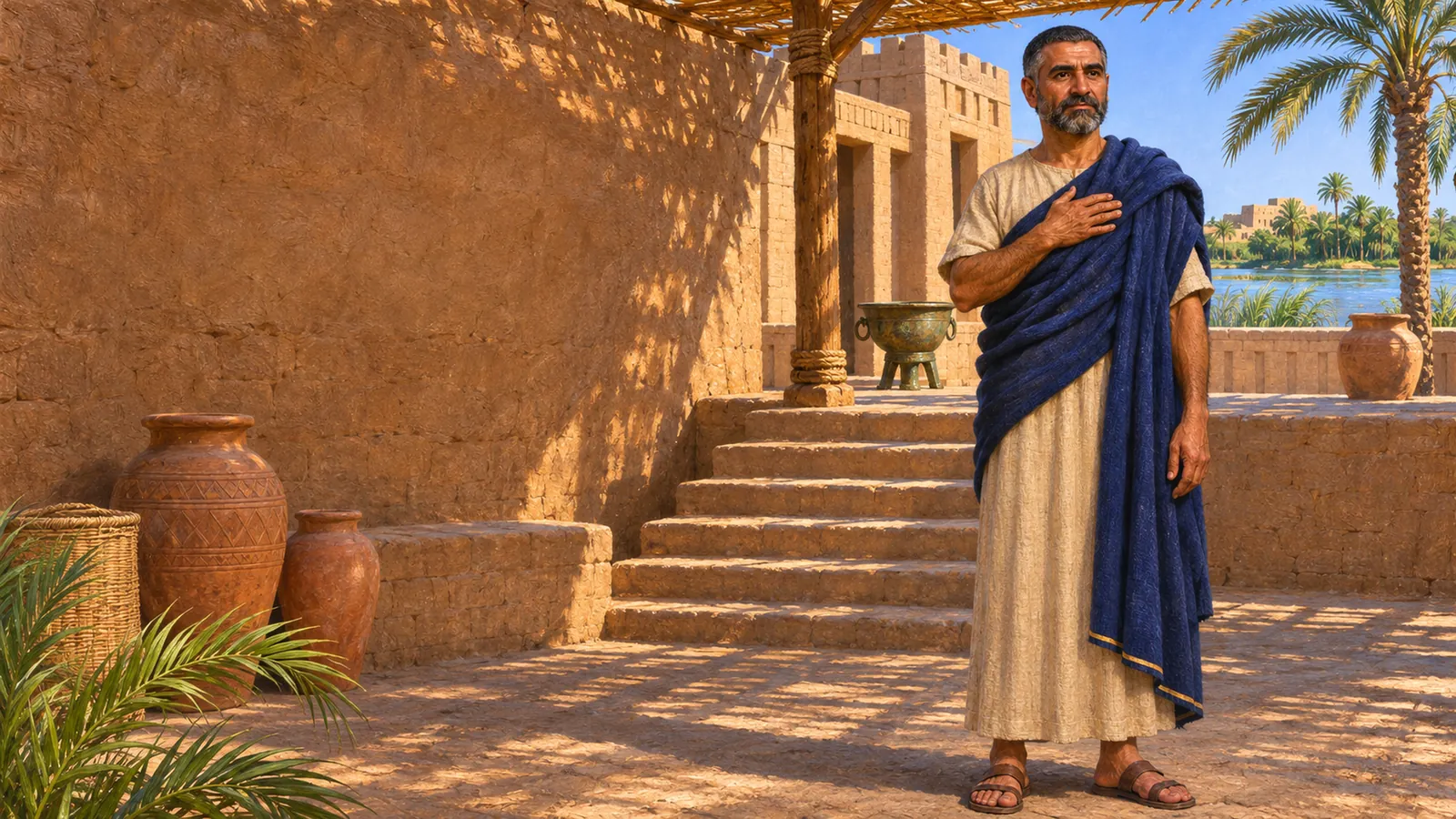
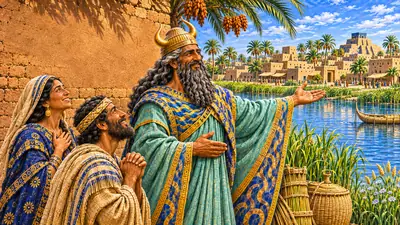
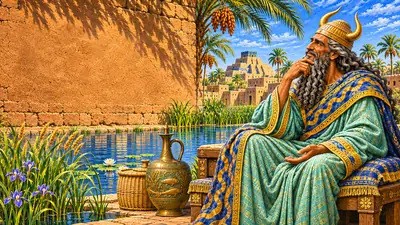
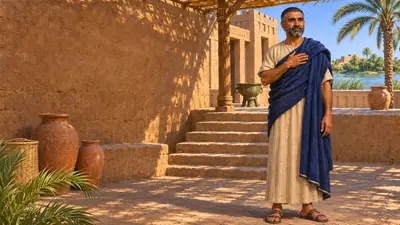
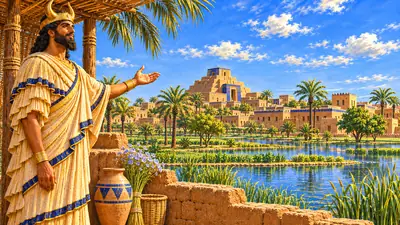
Ici, la tablette nomme Ziusudra, le roi et prêtre gudu. Les mots qui entourent le récit de ce qu’il faisait nous sont parvenus par fragments.
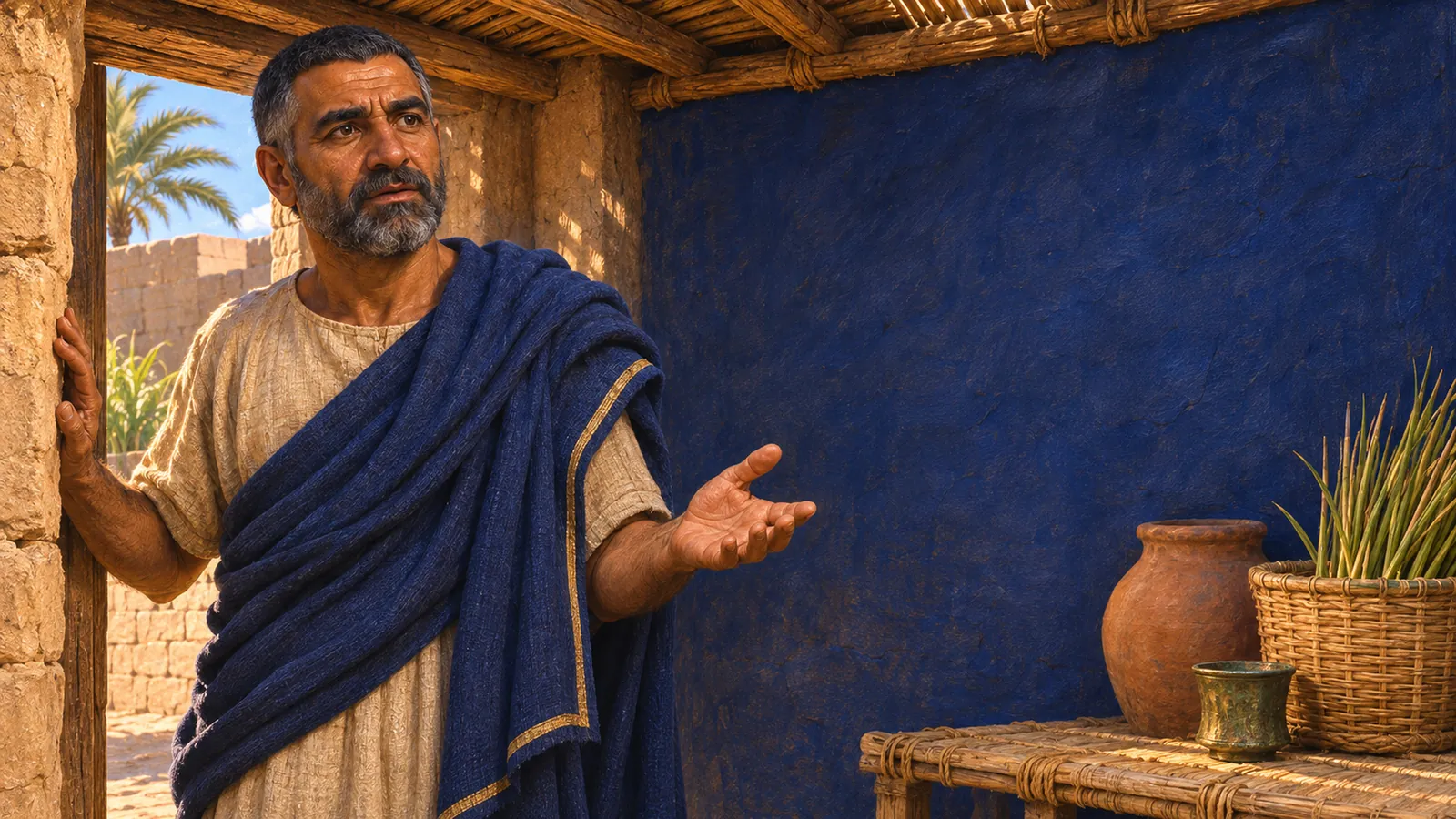
Quelque chose apparaît que le texte dit être autre chose qu’un rêve. Les lignes se brisent avant que l’on apprenne ce qui est apparu.
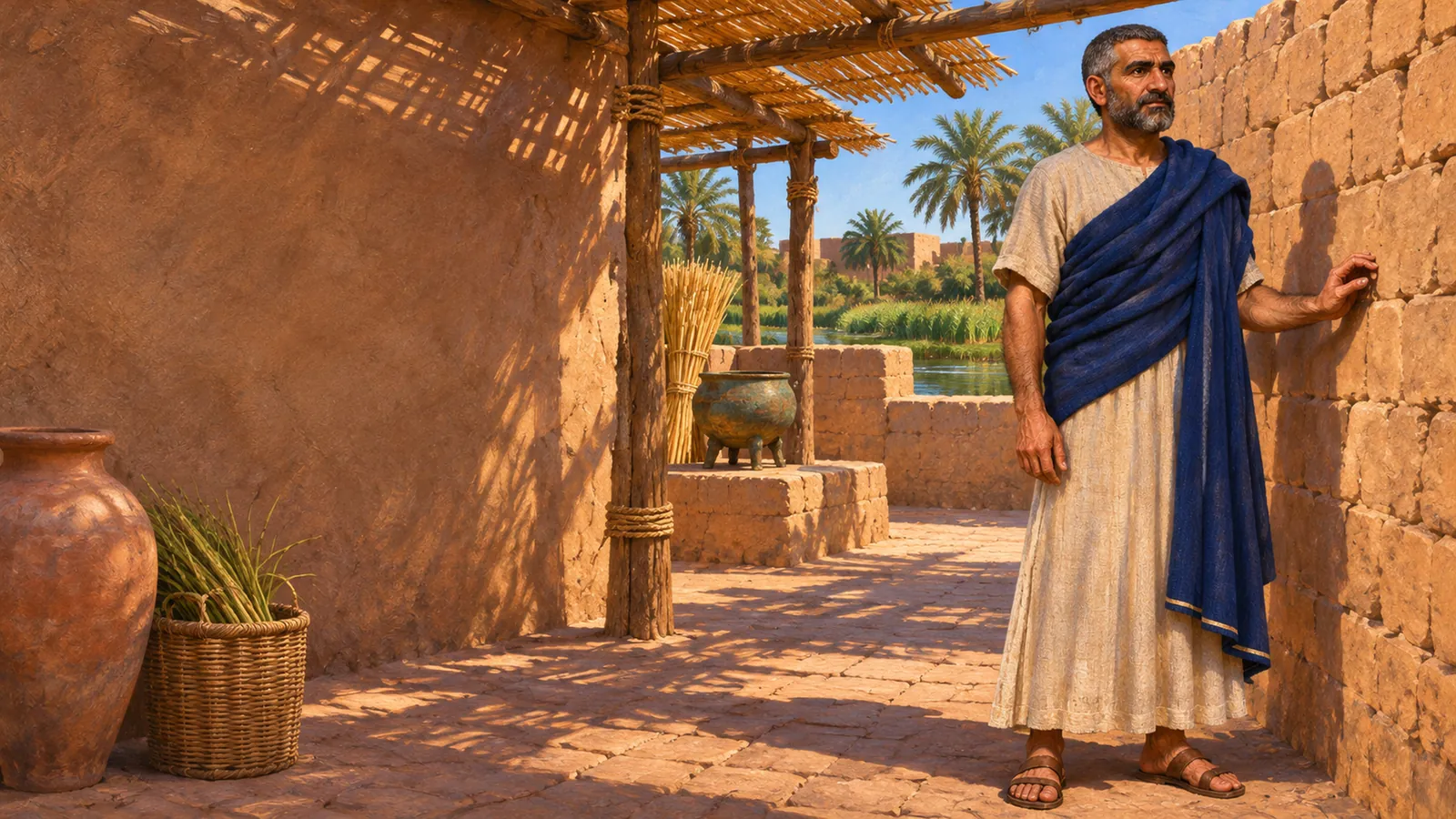
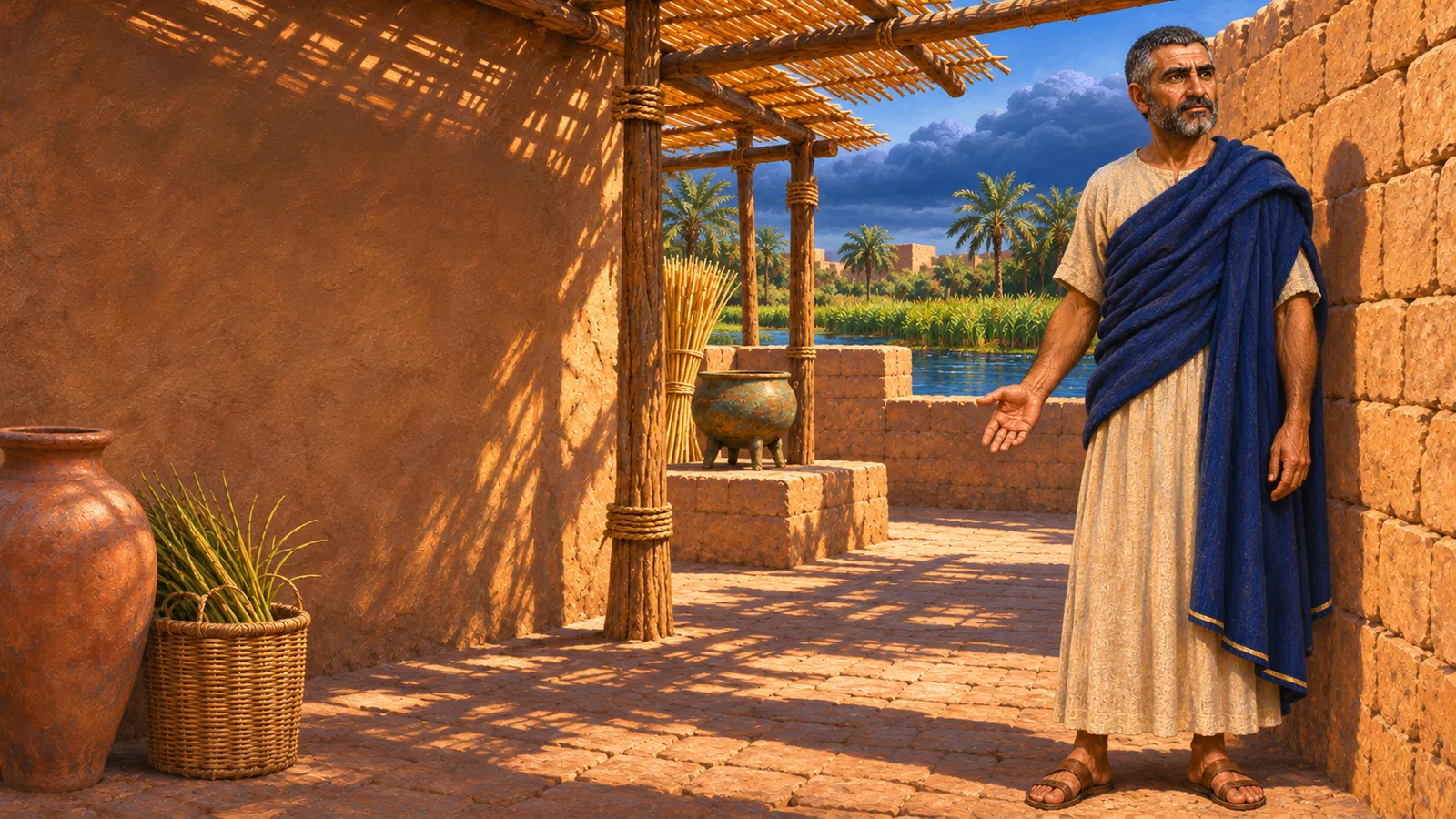
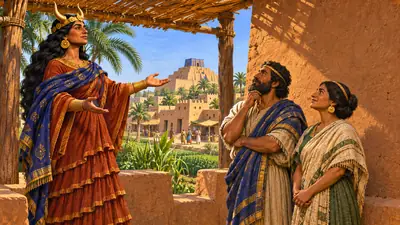
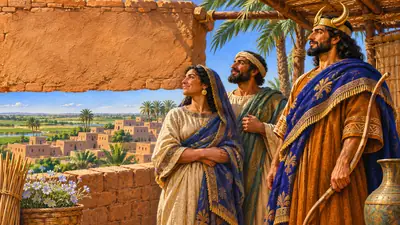
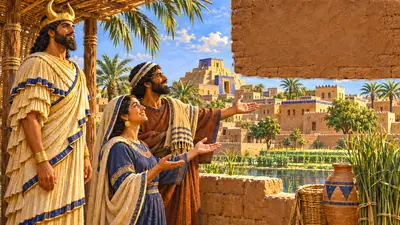
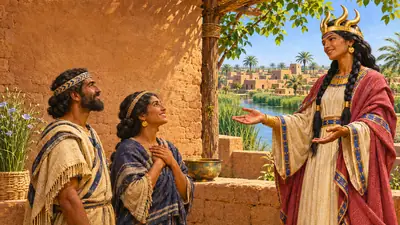
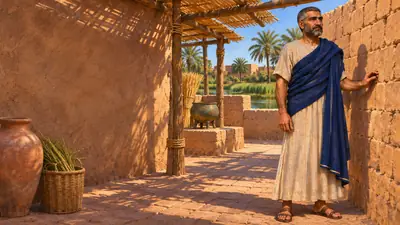
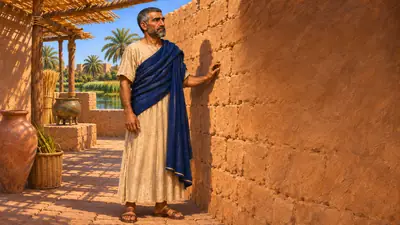
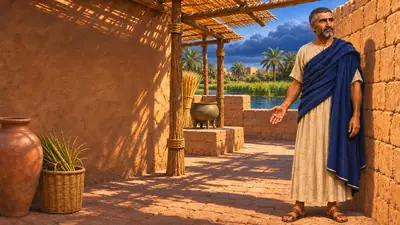
Les lignes conservées nomment le Ki-ur. Ziusudra s’y tient près d’un mur, à l’endroit où il va entendre l’avertissement.
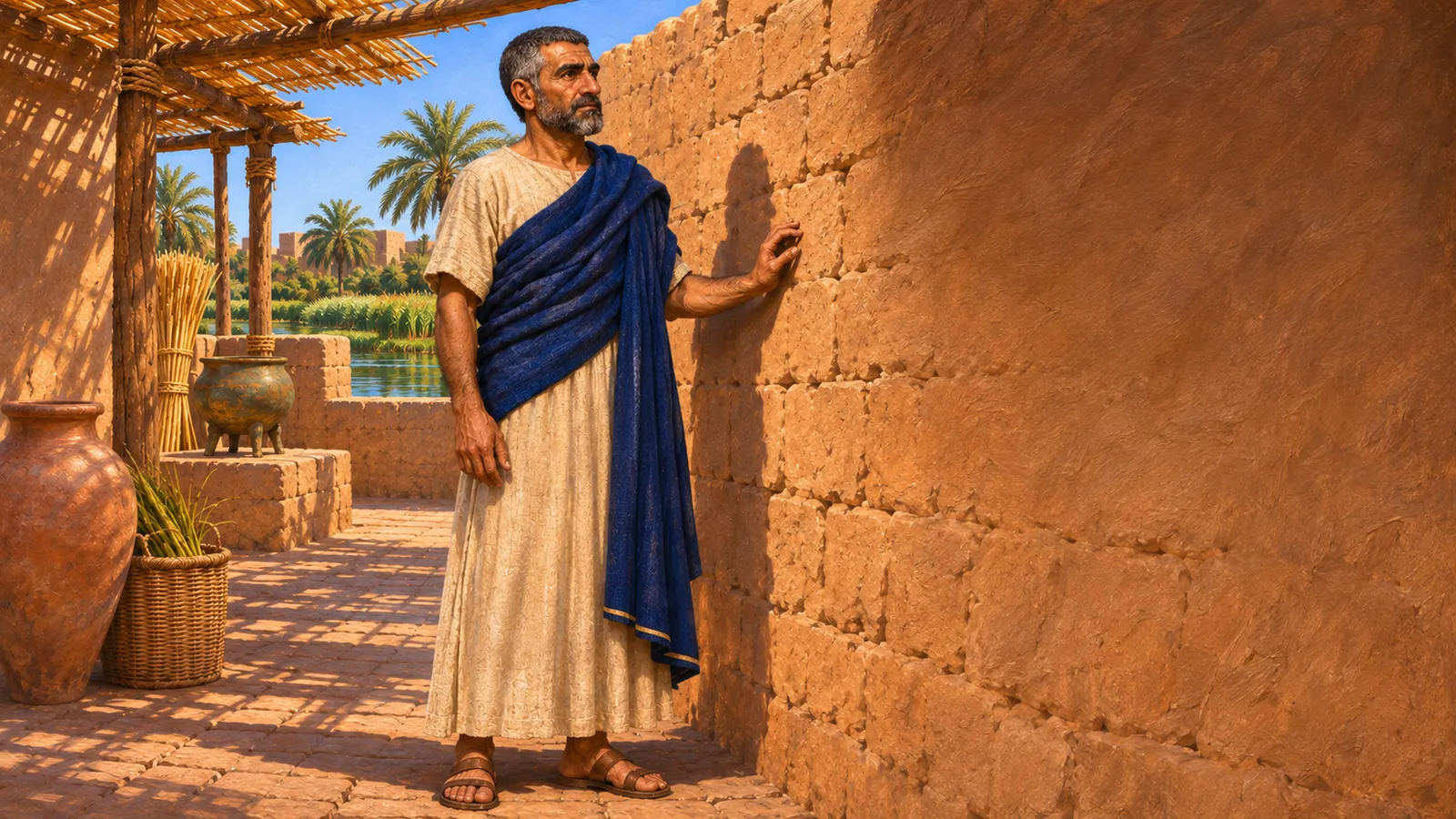
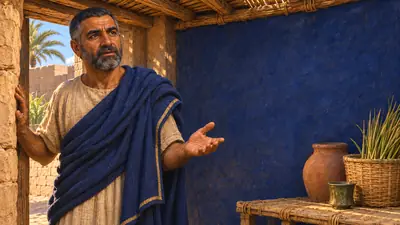
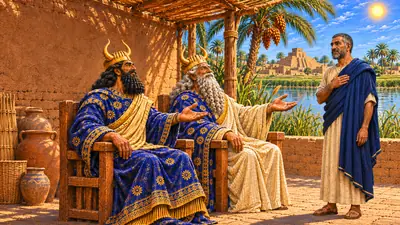
Ziusudra entend une voix près du mur. Elle s’adresse au mur lui-même et lui demande d’écouter attentivement et de prendre garde à ce qu’on lui dit.
LE DÉLUGE
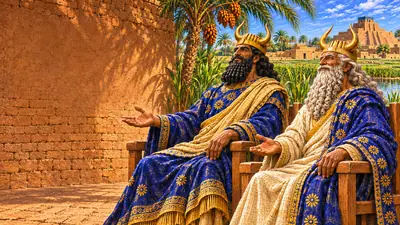
La voix annonce un déluge et dit que l’assemblée divine a décidé d’anéantir l’humanité.
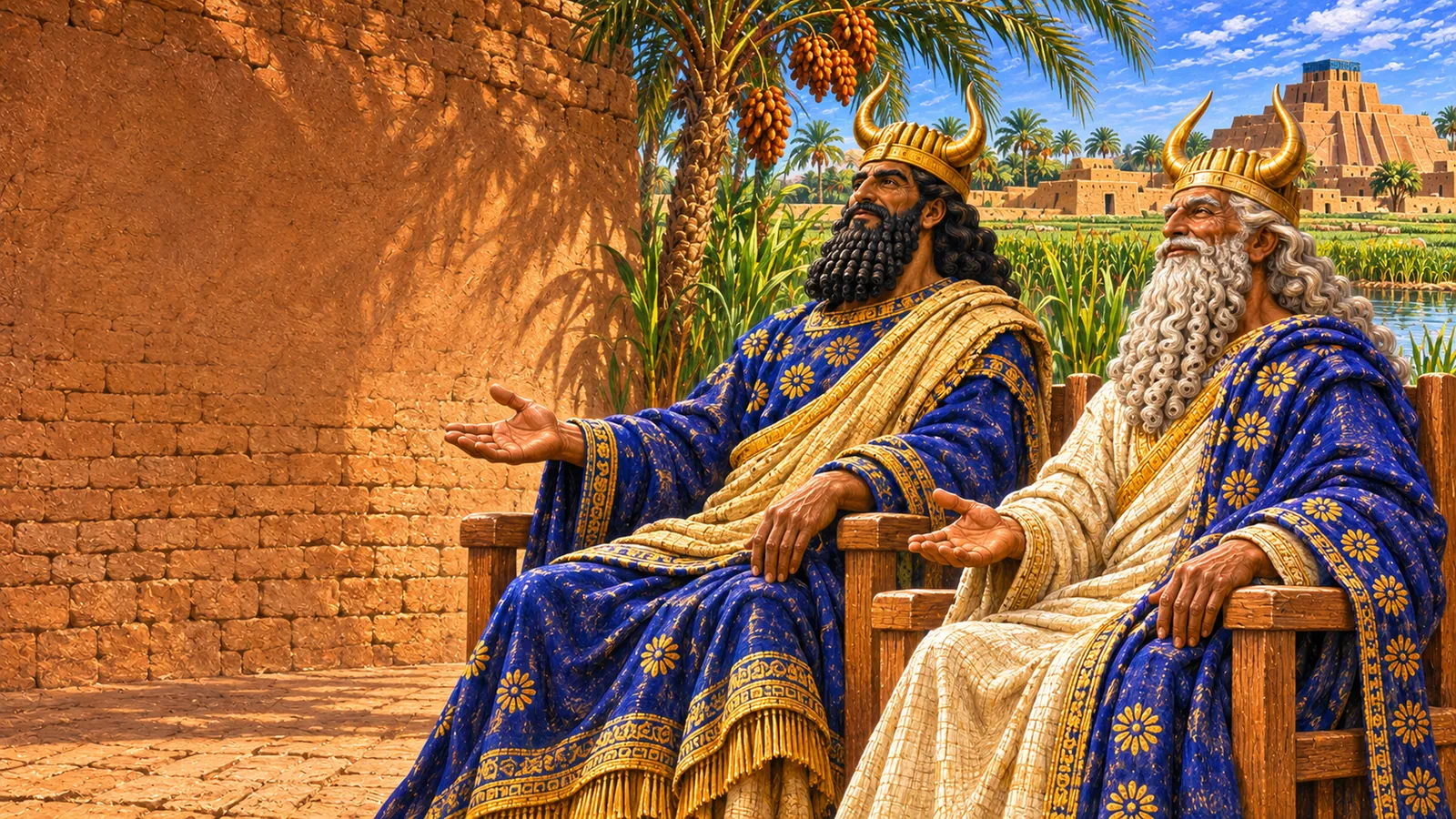
L’ordre annoncé par An et Enlil ne peut être révoqué. La voix parle de la fin d’un règne, mais le passage autour de ces mots est endommagé.
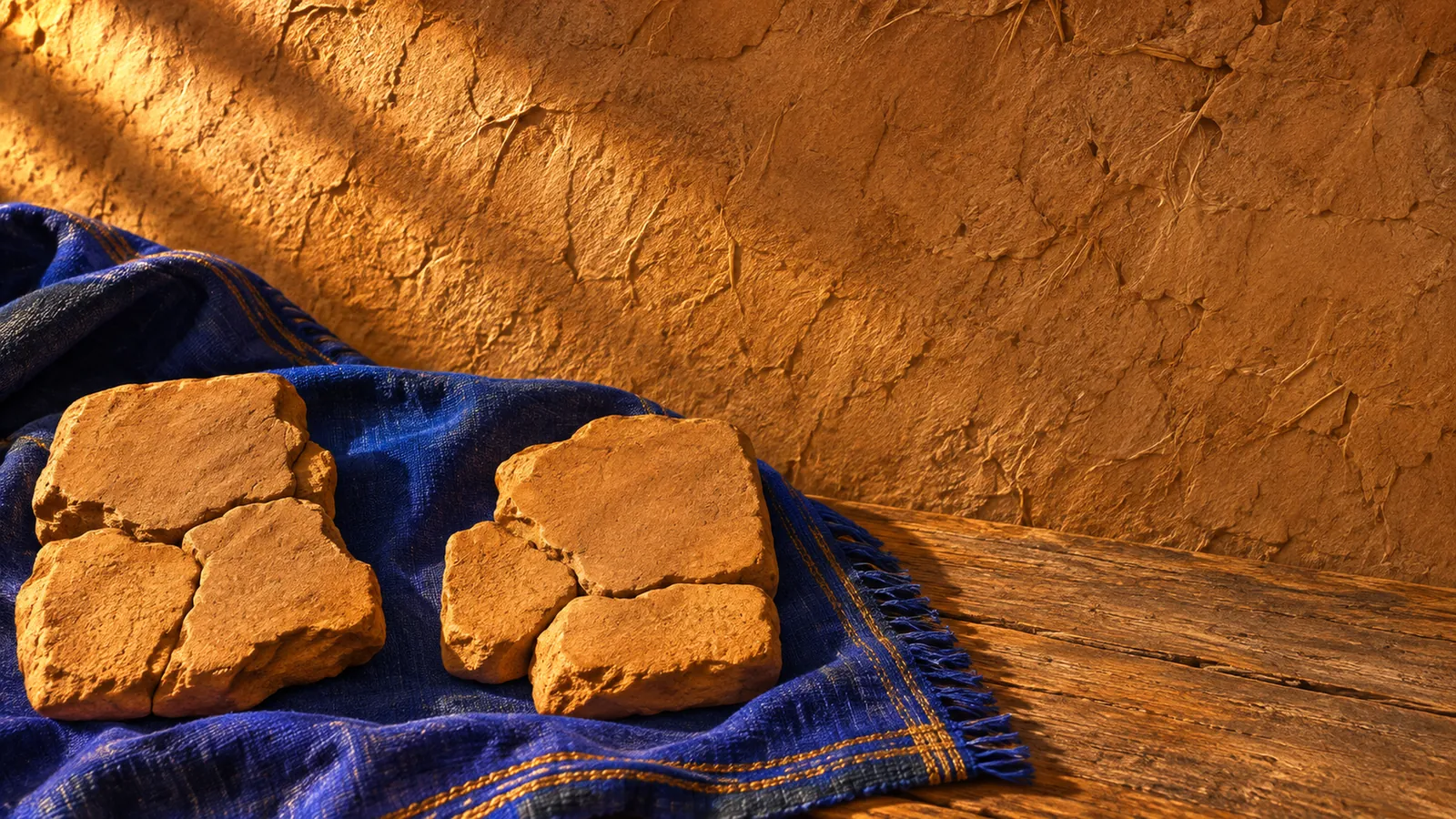
Il manque ici environ trente-huit lignes. Lorsque la tablette redevient lisible, le déluge a commencé et un grand bateau est déjà là.
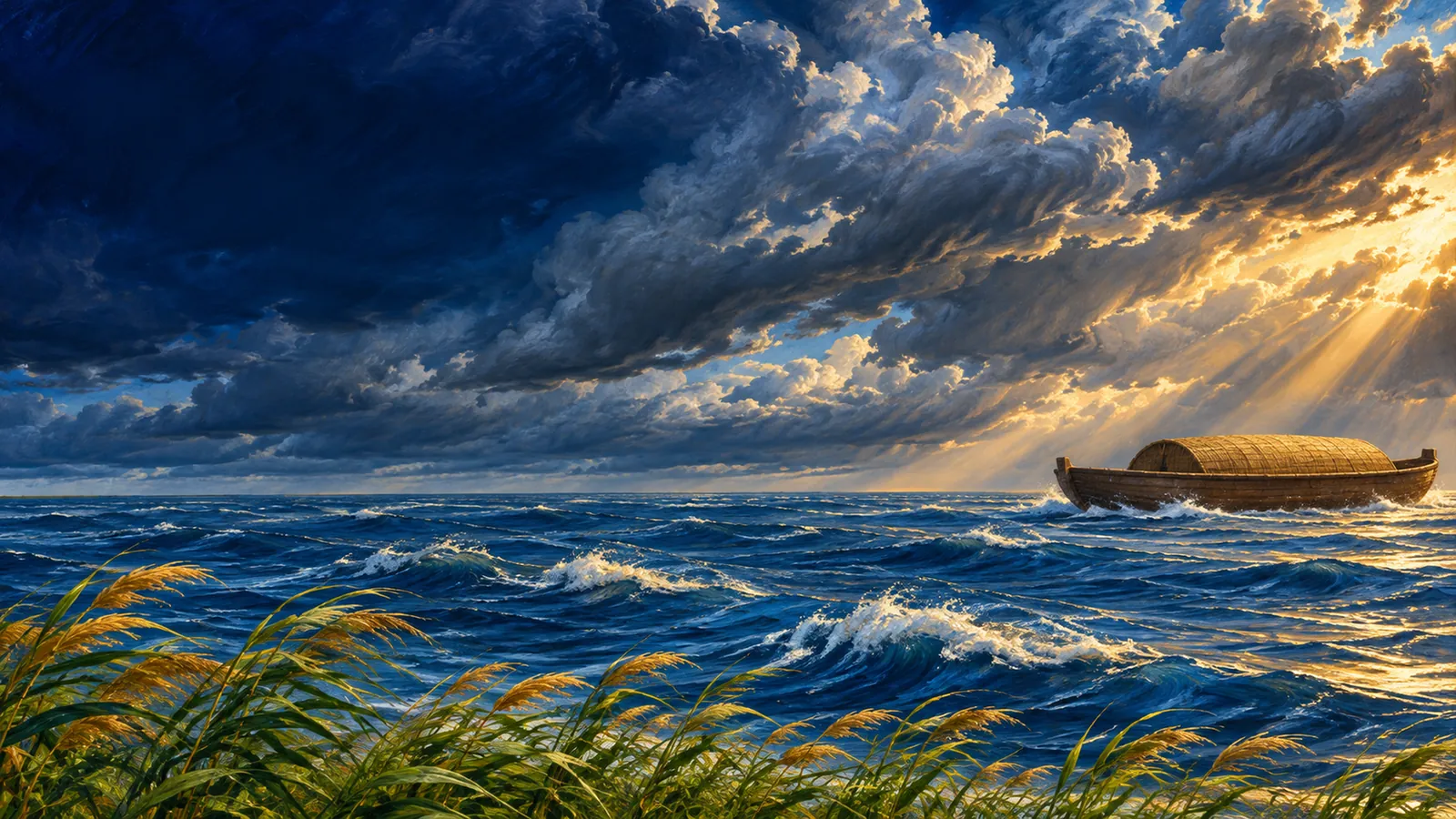
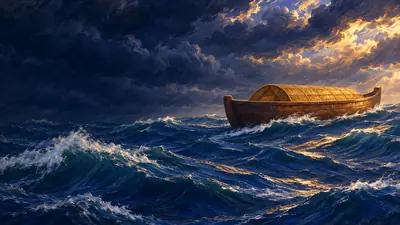
Les tempêtes et les bourrasques se lèvent ensemble, et les eaux du déluge balayent le pays. Les lignes conservées qui suivent évoquent un grand bateau au milieu du vent et des vagues.
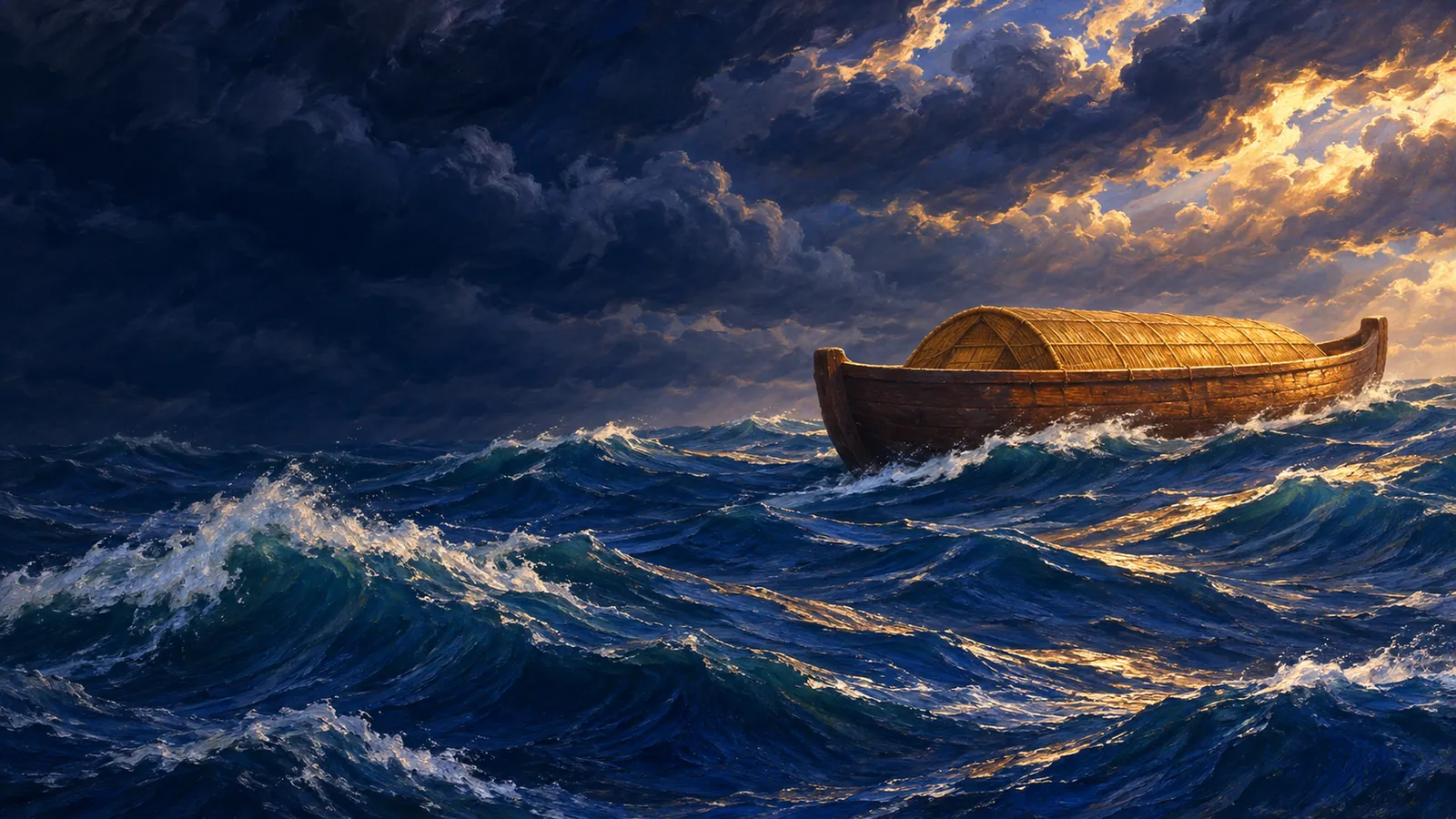
Pendant sept jours et sept nuits, le vent et les vagues secouent le grand bateau. C’est la durée que la tablette donne à la tempête.
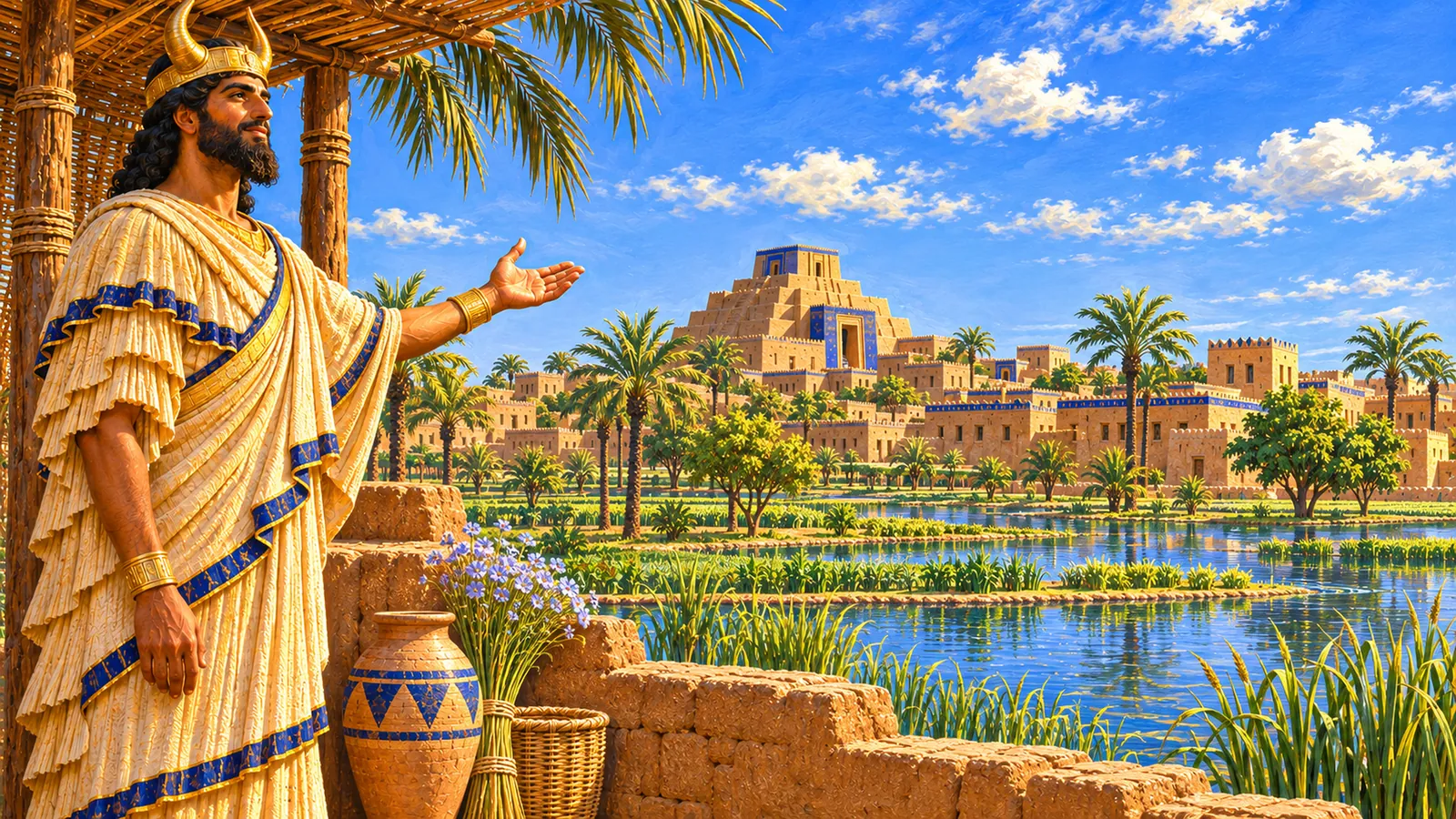
Puis Utu, le dieu du soleil, paraît et éclaire le ciel et la terre. Après la longue tempête, le jour atteint la terre inondée.
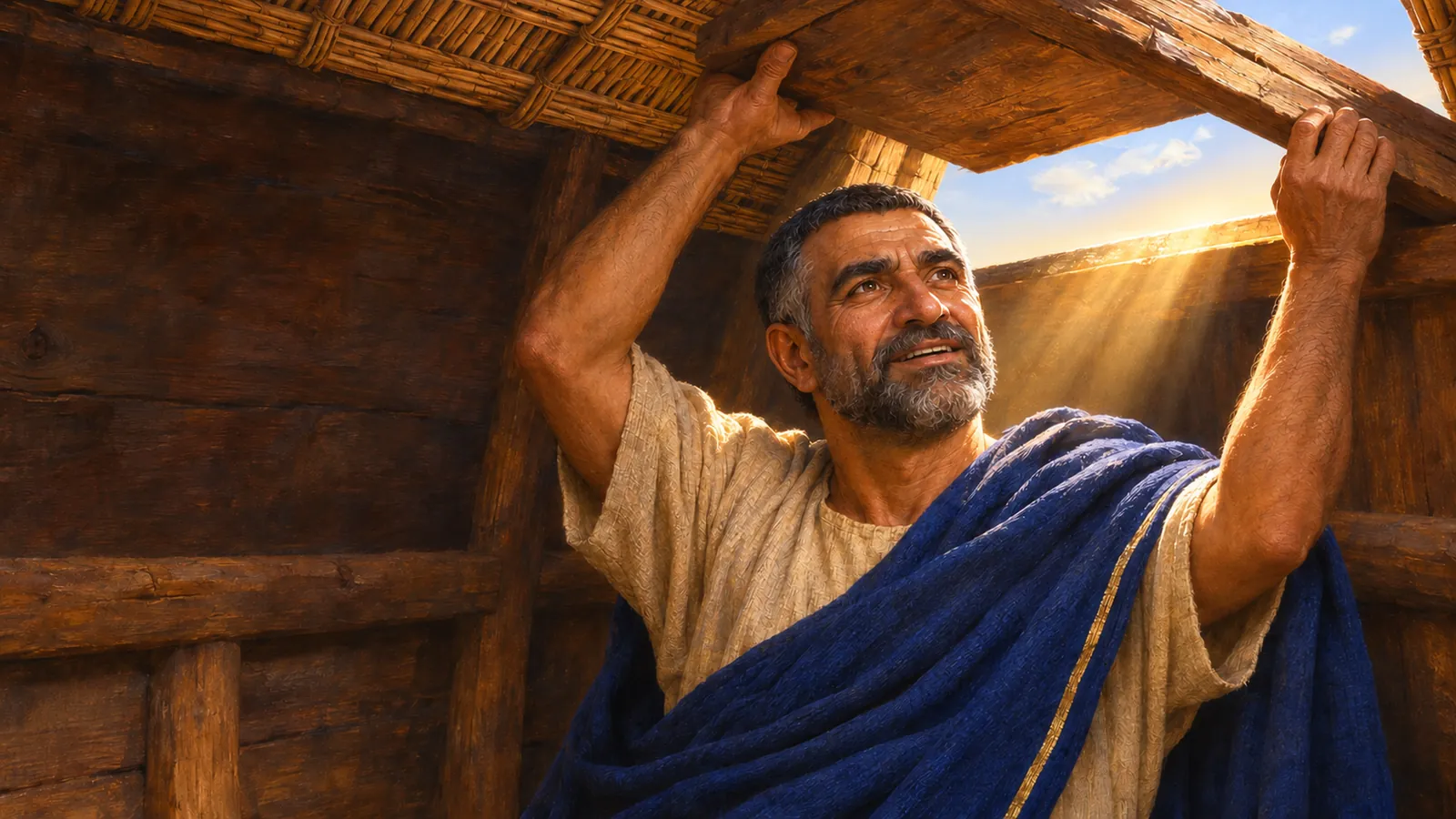
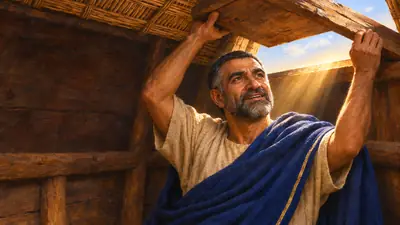
Ziusudra pratique une ouverture dans le grand bateau. Les rayons d’Utu y pénètrent par cette ouverture et atteignent l’intérieur.
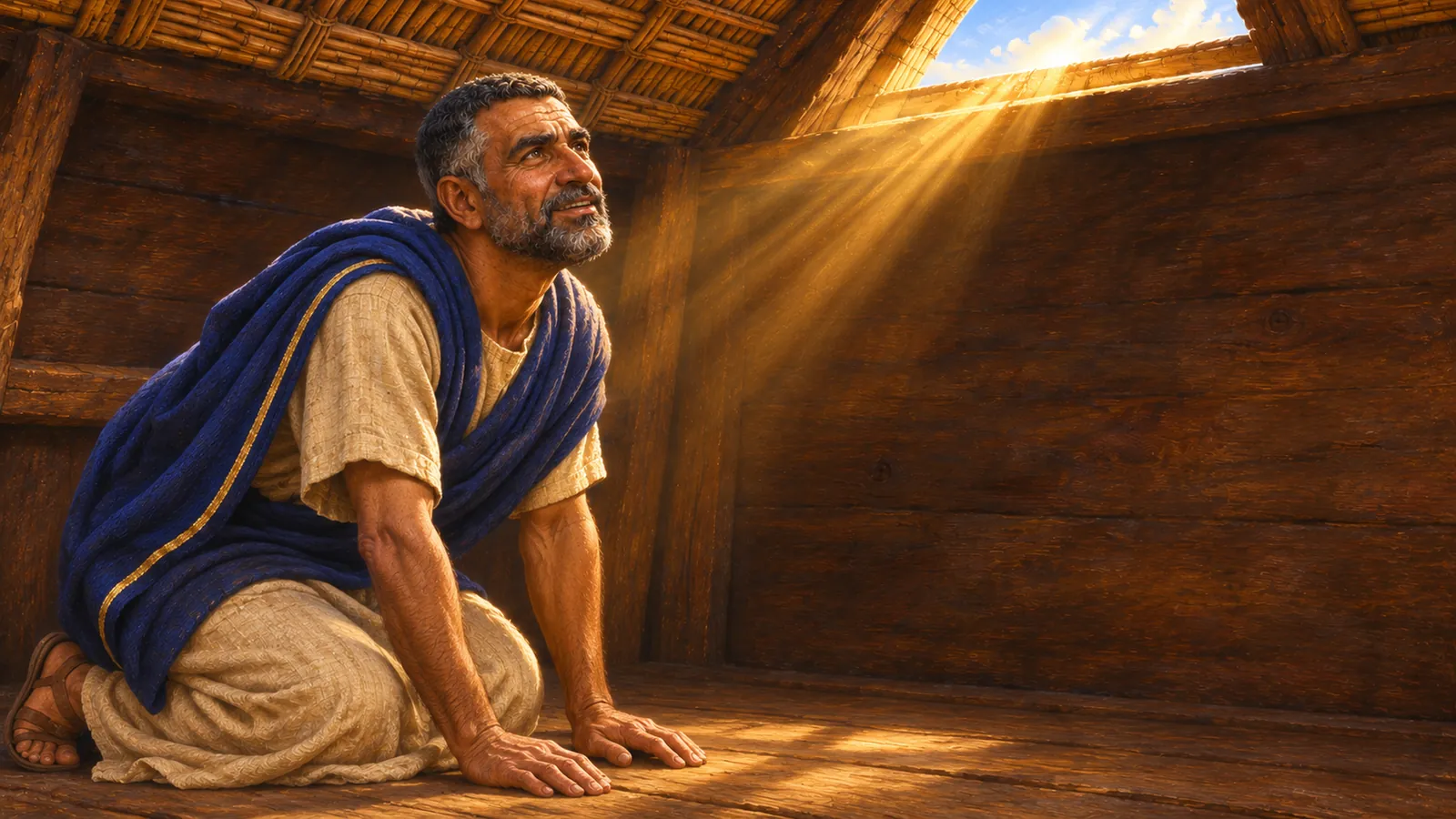
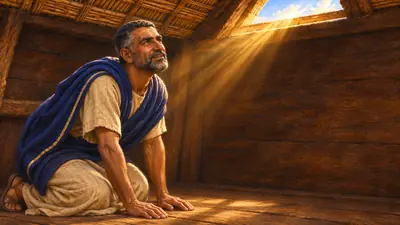
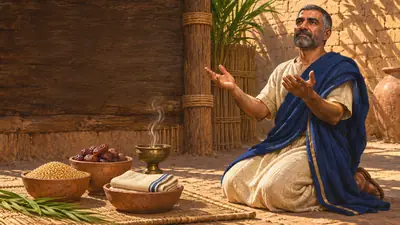
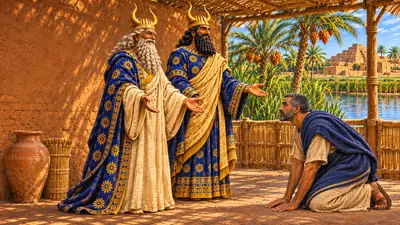
Le roi Ziusudra se prosterne devant Utu, le dieu du soleil dont les rayons ont pénétré par l’ouverture du bateau.
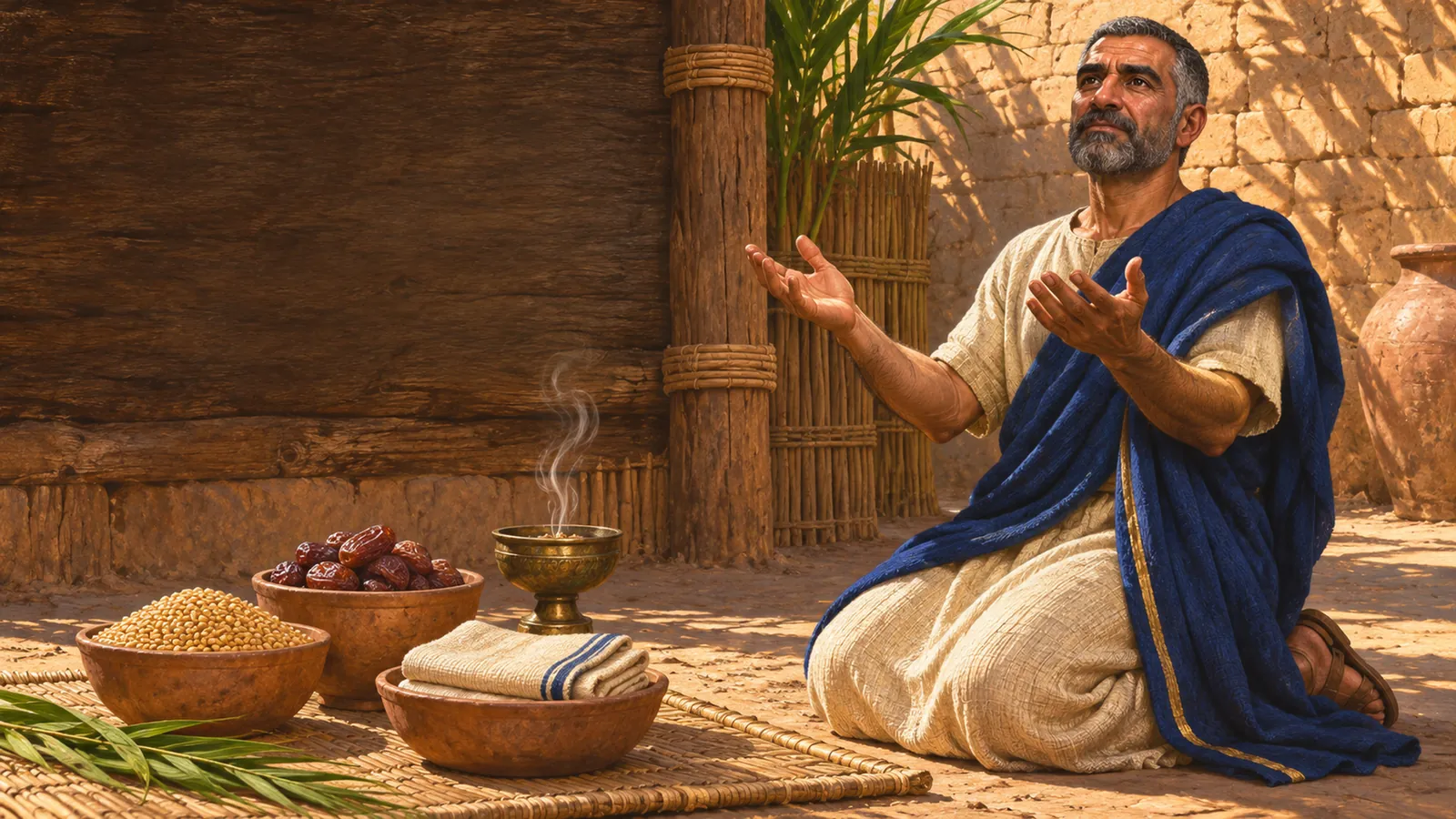
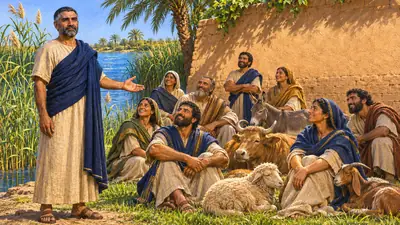
Ziusudra sacrifie des bœufs et offre de nombreux moutons. La tablette rapporte ce que le roi donne après le retour de la lumière.
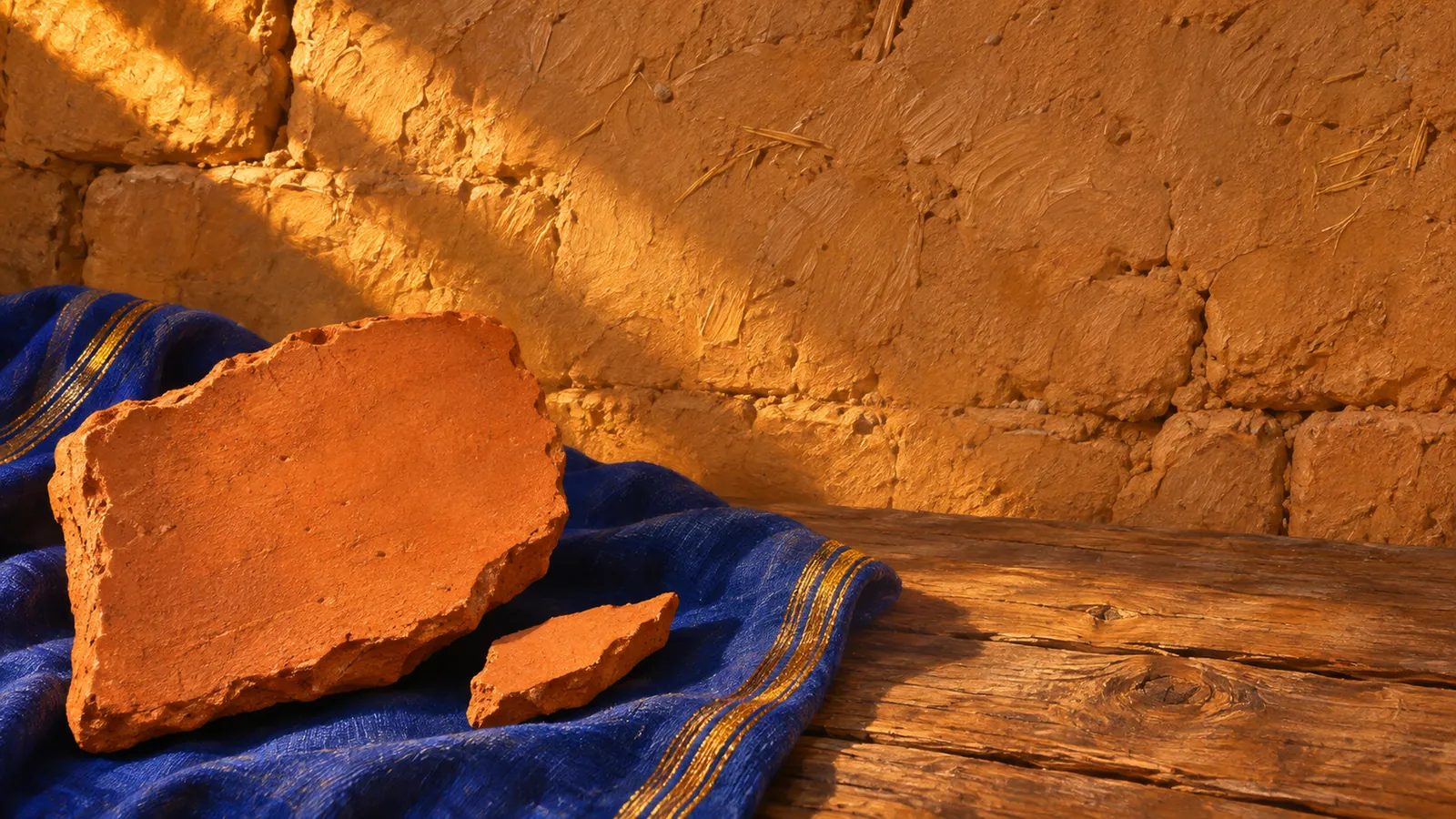
Les six lignes suivantes sont trop fragmentaires pour être traduites. Il en manque encore environ trente-trois avant que les mots conservés reprennent.
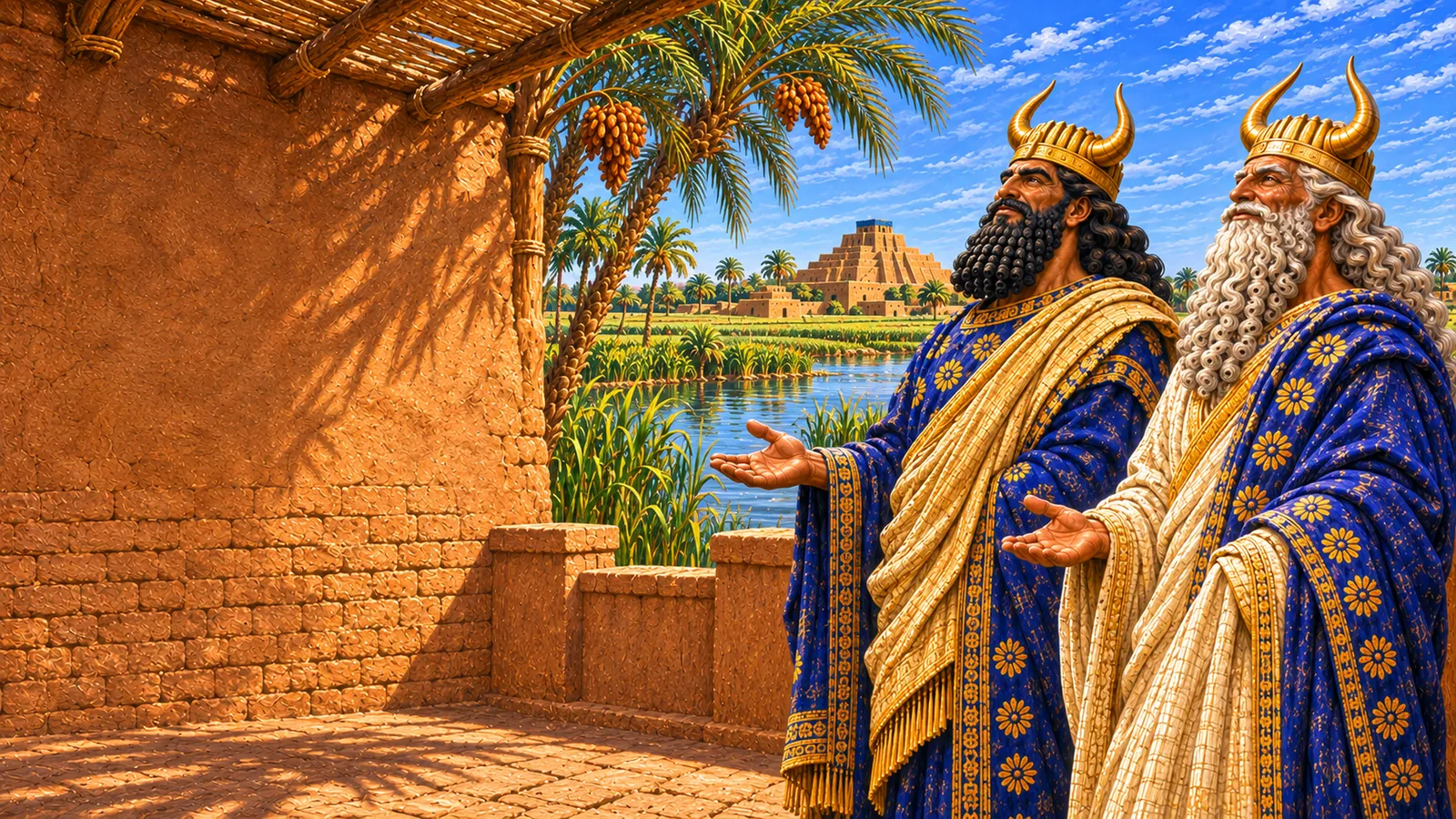
Un discours fragmentaire nomme An et Enlil et parle d’un serment par le ciel et la terre. Les mots qui entouraient le serment sont perdus.
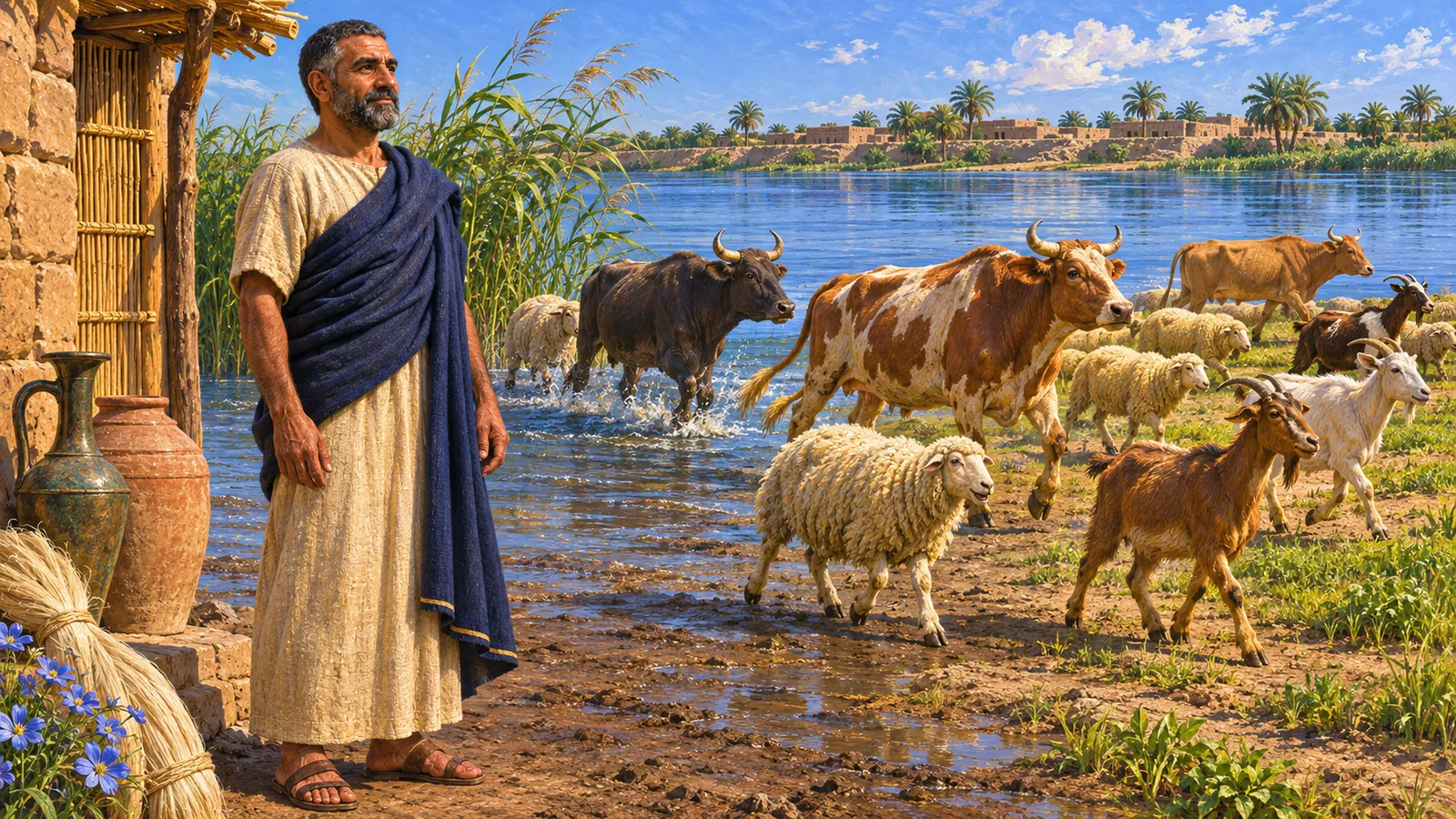
De plus en plus d’animaux débarquent. Après la lacune, la tablette reprend avec leur arrivée à terre.
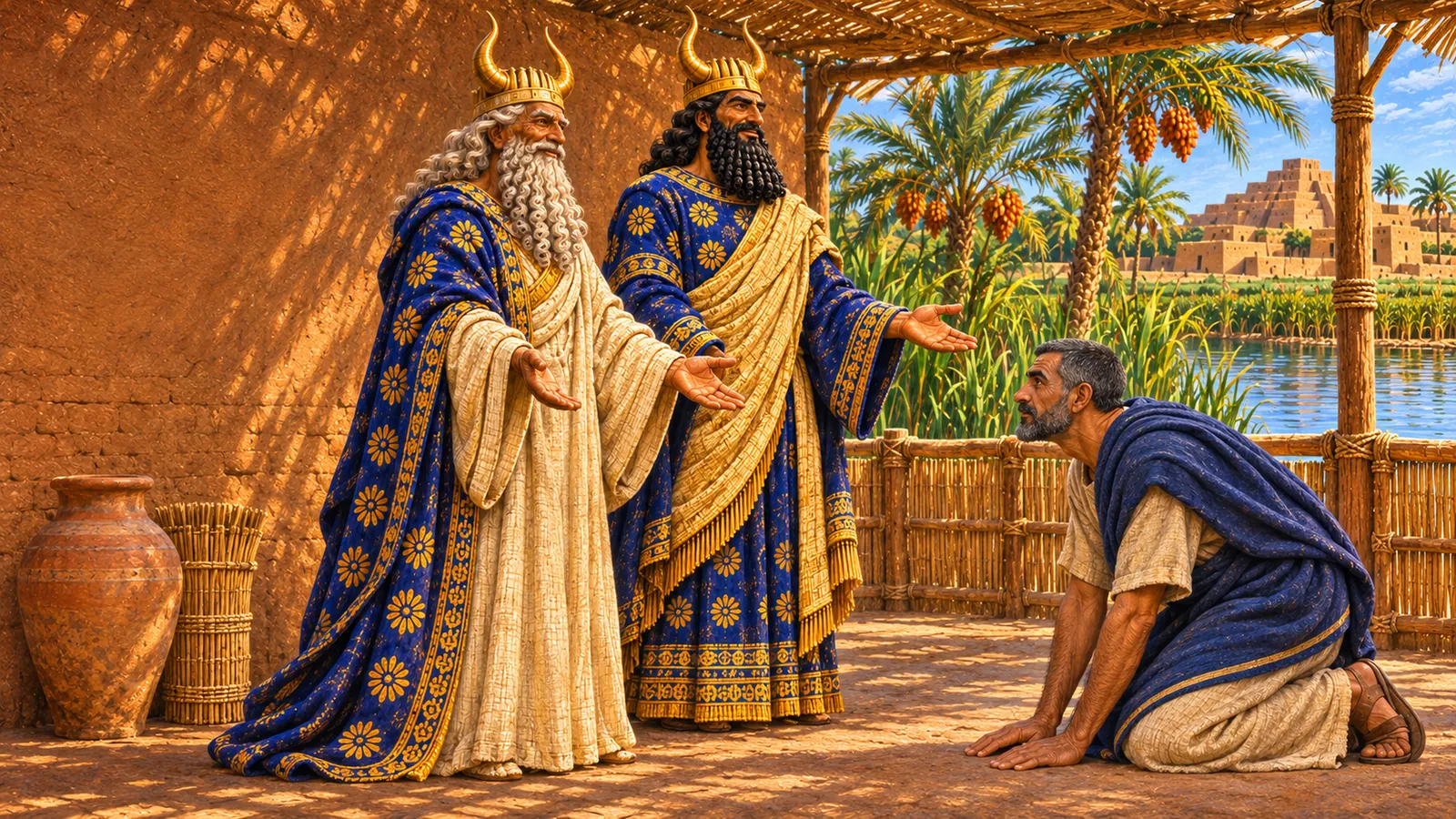
Le roi Ziusudra se prosterne devant An et Enlil. Il s’incline devant les deux dont la voix au mur avait annoncé l’ordre.
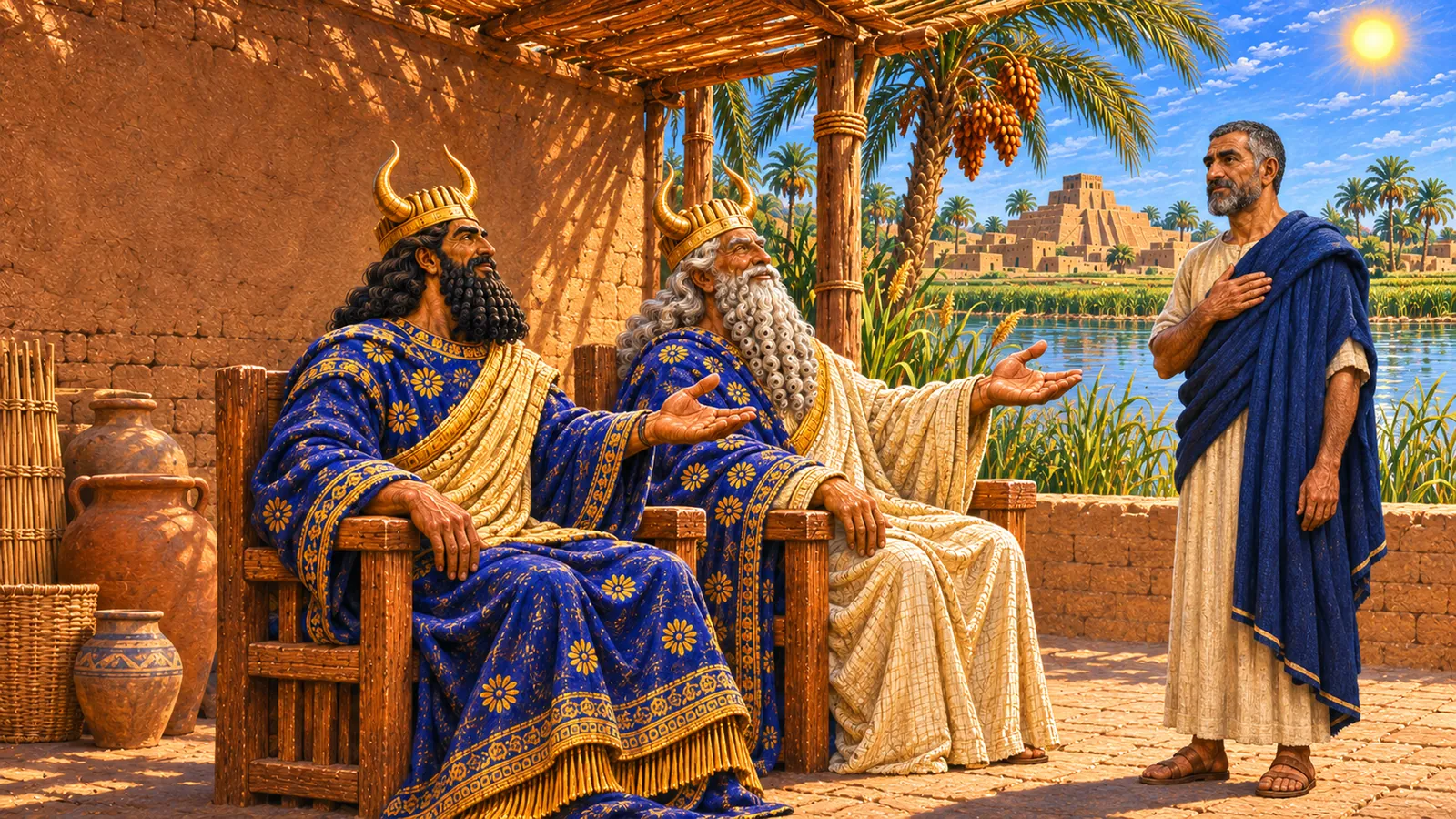
LA VIE
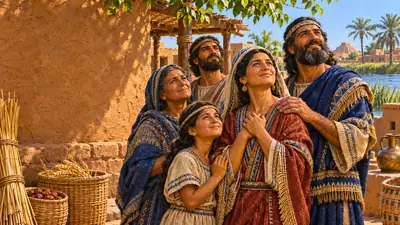
An et Enlil traitent Ziusudra avec bonté. La tablette dit qu’ils lui accordent une vie éternelle, pareille à celle d’un dieu.
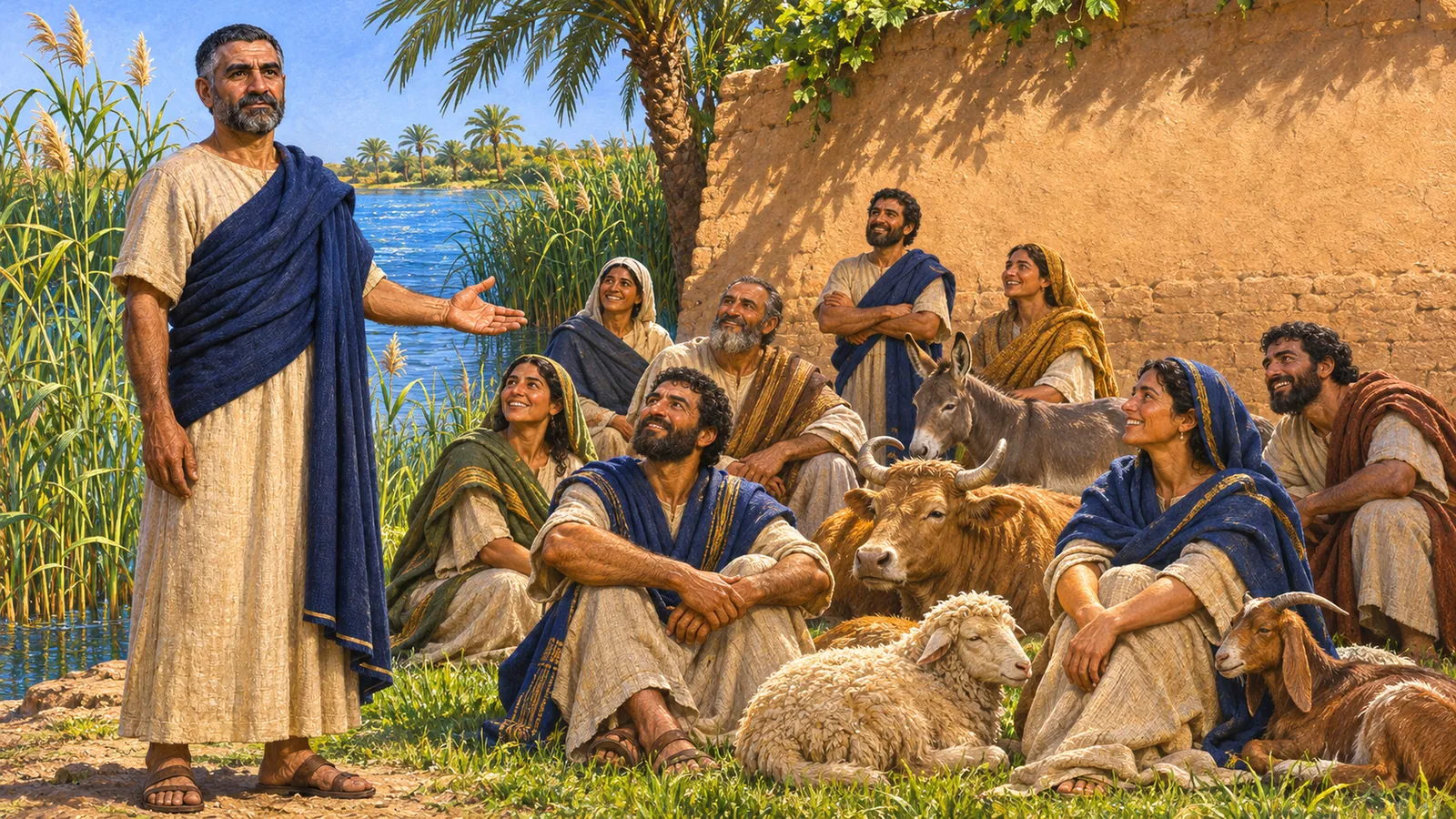
Le récit rappelle que Ziusudra a préservé les animaux et l’humanité. Il donne cette raison à son installation au-delà de la mer.
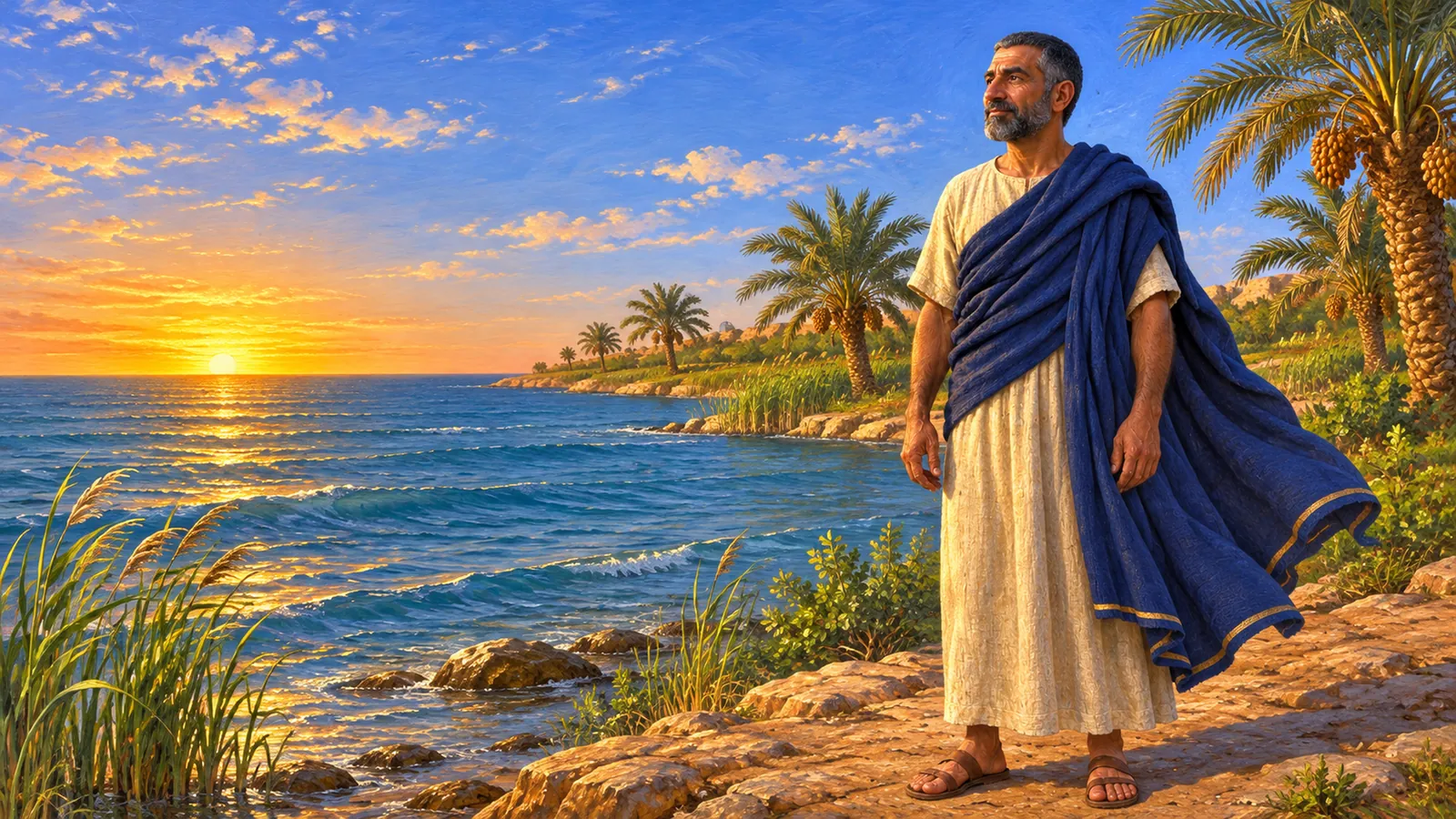
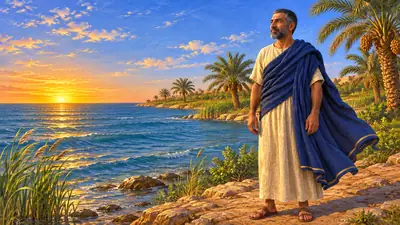
An et Enlil installent le roi Ziusudra à Dilmun, une terre au-delà de la mer. C’est là que le soleil se lève, dit le récit.
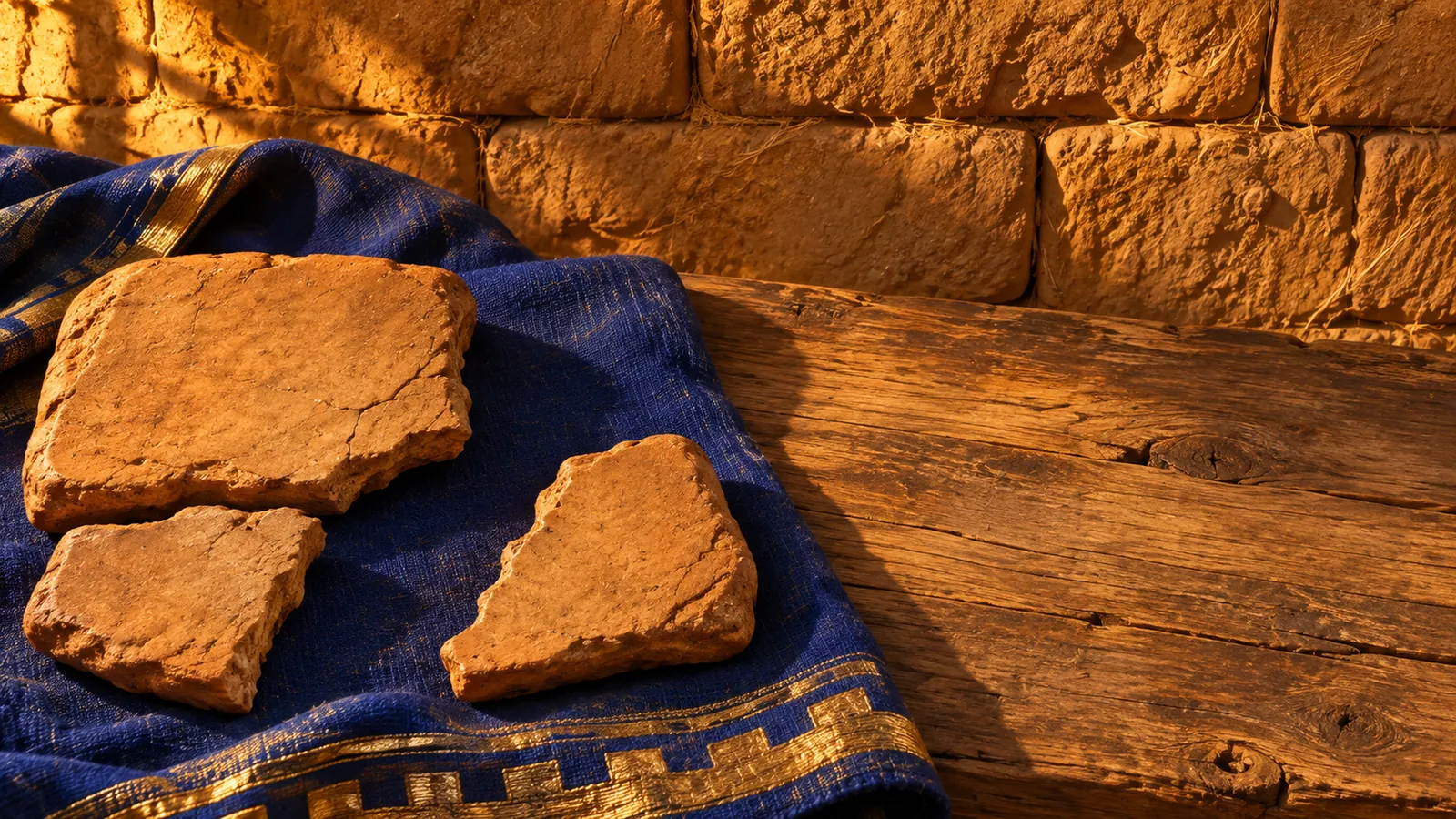
Un dernier fragment de discours subsiste après l’installation de Ziusudra. Il manque ensuite environ trente-neuf lignes, et la suite du récit est perdue.
Fin du chapitre 1
Toutes les pages


Sources
On page 5, the words about rites, powers and irrigation follow a damaged phrase about quenching a fire (Oxford ETCSL English translation, A 1–10).
Éditions consultées
- University of Oxford, ETCSL 1.7.4, English translation and segment divisions
- University of Oxford, ETCSL 1.7.4, bibliography and witness numbering
- Penn Museum, catalogue of the Nippur Flood Tablet, CBS 10673
- CDLI P265876, CBS 10673 and its join CBS 10867
- Jeremiah Peterson, N 3514 and its proposed relationship to the Nippur tablet
Notes sur ce récit
On page 6, the Oxford English translation uses the expression “black-headed people” for those fashioned by An, Enlil, Enki and Ninhursag (A 10–14).
On pages 12–16, the Oxford English translation uses the spellings Eridug, Bad-tibira, Larag, Zimbir and Curuppag (B 6–18). The translation identifies the recipient of Bad-tibira by the title “the Mistress.”
The speaker’s identity remains uncertain in the surviving words.
On pages 29–30, windstorms and gales rise together, floodwater sweeps over the land, and wind and waves rock the large boat for seven days and seven nights (Oxford ETCSL English translation, D 1–11).
On page 34, the text describes Ziusudra sacrificing oxen and offering innumerable sheep (Oxford ETCSL English translation, D 1–11).
On page 42, the last readable speech fragment has the displayed Oxford locator E 12–99. About 39 missing lines follow.
Les vers antiques de chaque page
- Page 1: ETCSL 1.7.4, Opening lacuna and A 1–10
- Page 2: ETCSL 1.7.4, A 1–10
An empty place to carry the damaged speech. - Page 3: ETCSL 1.7.4, A 1–10
- Page 4: ETCSL 1.7.4, A 1–10
- Page 5: ETCSL 1.7.4, A 1–10
- Page 6: ETCSL 1.7.4, A 10–14
- Page 7: ETCSL 1.7.4, A 10–14
- Page 8: ETCSL 1.7.4, A/B lacuna and B 1–3
- Page 9: ETCSL 1.7.4, B 4–5
- Page 10: ETCSL 1.7.4, B 6–18
- Page 11: ETCSL 1.7.4, B 6–18
- Page 12: ETCSL 1.7.4, B 6–18
- Page 13: ETCSL 1.7.4, B 6–18
- Page 14: ETCSL 1.7.4, B 6–18
- Page 15: ETCSL 1.7.4, B 6–18
- Page 16: ETCSL 1.7.4, B 6–18
- Page 17: ETCSL 1.7.4, B 6–18
- Page 18: ETCSL 1.7.4, B/C lacuna and C 1–27 (opening)
Simple transition between surviving parts without enacted weather. - Page 19: ETCSL 1.7.4, C 1–27
- Page 20: ETCSL 1.7.4, C 1–27
- Page 21: ETCSL 1.7.4, C 1–27
- Page 22: ETCSL 1.7.4, C 1–27
- Page 23: ETCSL 1.7.4, C 1–27
- Page 24: ETCSL 1.7.4, C 1–27
- Page 25: ETCSL 1.7.4, C 1–27
- Page 26: ETCSL 1.7.4, C 1–27
- Page 27: ETCSL 1.7.4, C 1–27
- Page 28: ETCSL 1.7.4, C/D lacuna
- Page 29: ETCSL 1.7.4, D 1–11
- Page 30: ETCSL 1.7.4, D 1–11
- Page 31: ETCSL 1.7.4, D 1–11
- Page 32: ETCSL 1.7.4, D 1–11
- Page 33: ETCSL 1.7.4, D 1–11
- Page 34: ETCSL 1.7.4, D 1–11
- Page 35: ETCSL 1.7.4, D 12–17 and D/E lacuna
- Page 36: ETCSL 1.7.4, E 1–2
- Page 37: ETCSL 1.7.4, E 3–11
- Page 38: ETCSL 1.7.4, E 3–11
- Page 39: ETCSL 1.7.4, E 3–11
- Page 40: ETCSL 1.7.4, E 3–11
- Page 41: ETCSL 1.7.4, E 3–11
- Page 42: ETCSL 1.7.4, E 12–99 display label and closing lacuna
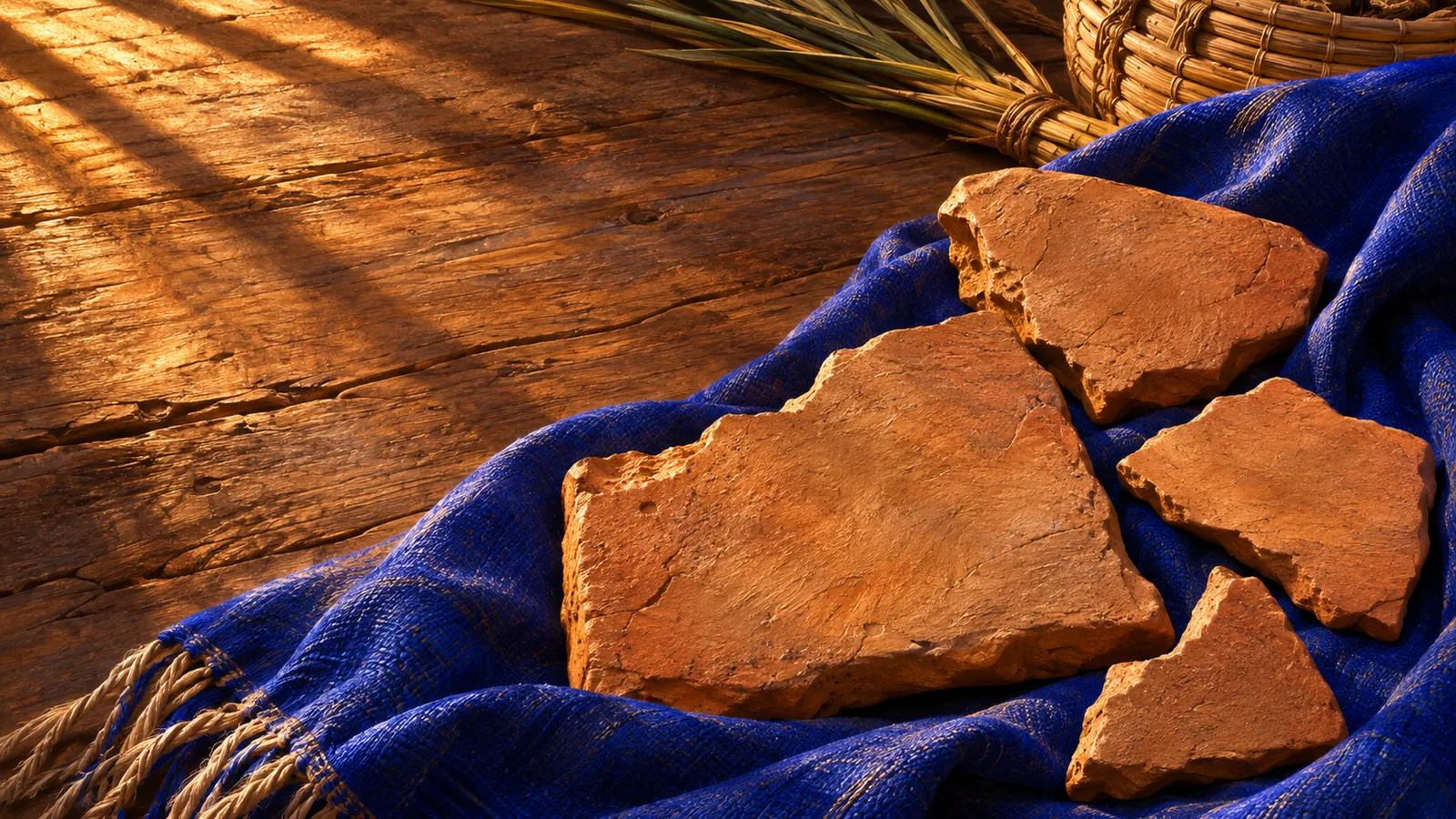
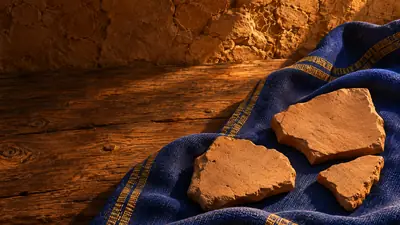
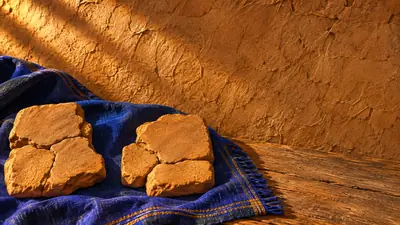
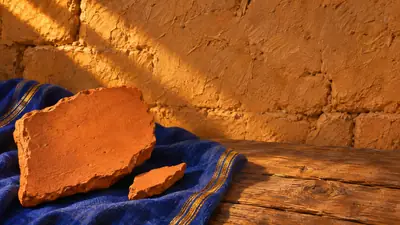
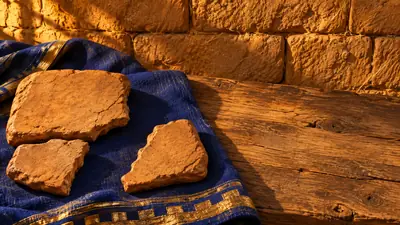
A final editorial still of low, unmarked clay fragments along the very bottom left.
Illustrations réalisées par IL Archive avec des outils d’IA ; le texte s’appuie sur les sources antiques (voir les sources à la fin de chaque chapitre).