Téti et l’ascension vers Nout Chapitre 1
Le sarcophage et les portes de l’Est
Les formules du sarcophage de Téti évoquent sa naissance, les régions que Nout lui accorde et son héritage de Geb. Les formules d’ascension passent de l’ouverture des portes et du Champ des Roseaux à une échelle, au voyage du Soleil et à une lamentation finale.
SourcesTournez les pages avec les flèches, le clavier ou en balayant l’écran.
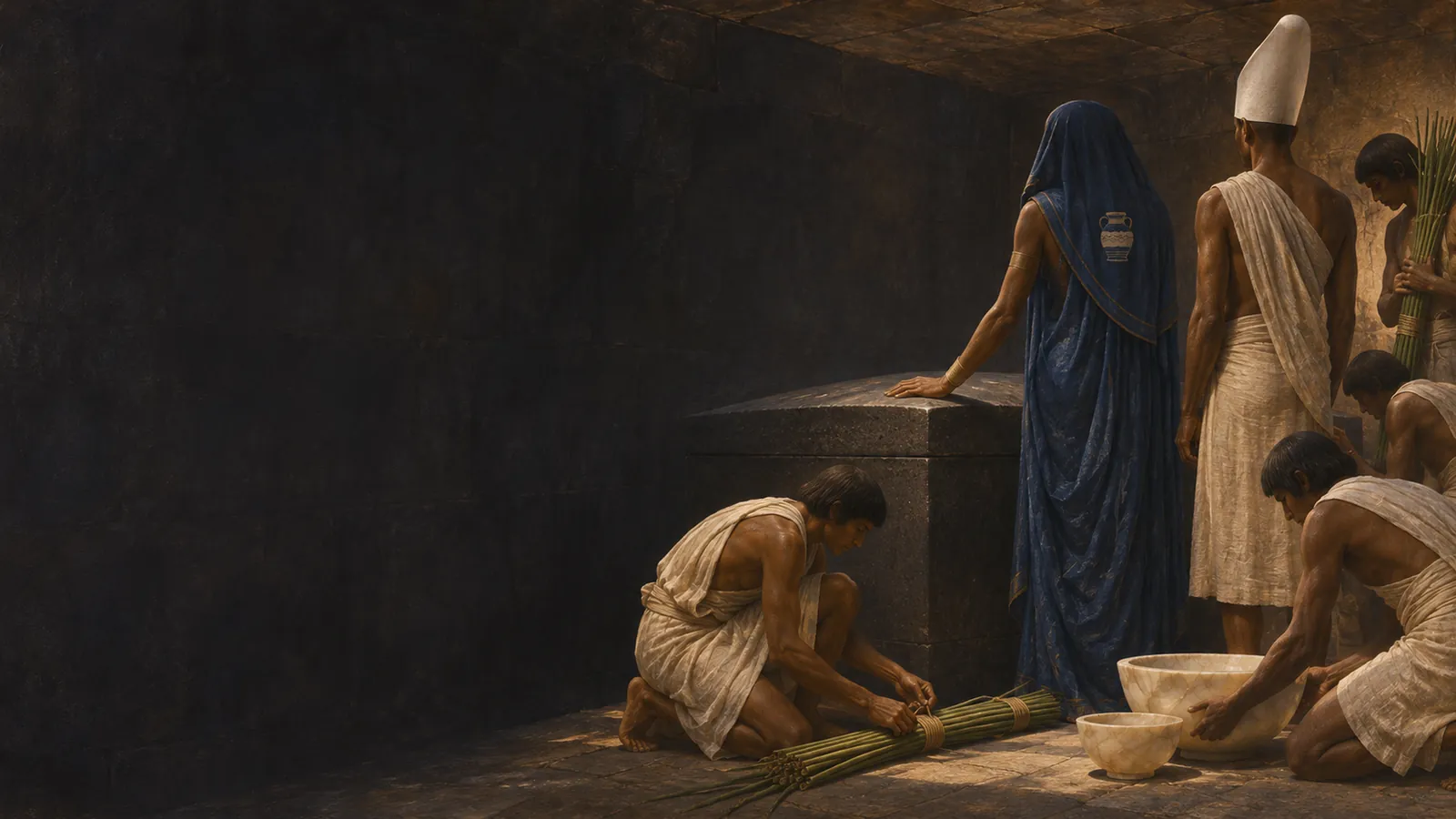
LE SARCOPHAGE ET LES PORTES DE L’EST
Dans la traduction de James Allen, les récitations sur la face extérieure du couvercle du sarcophage de Téti commencent par les paroles de Nout. L’inscription l’appelle la Grande Efficace, et elle appelle Téti son fils.
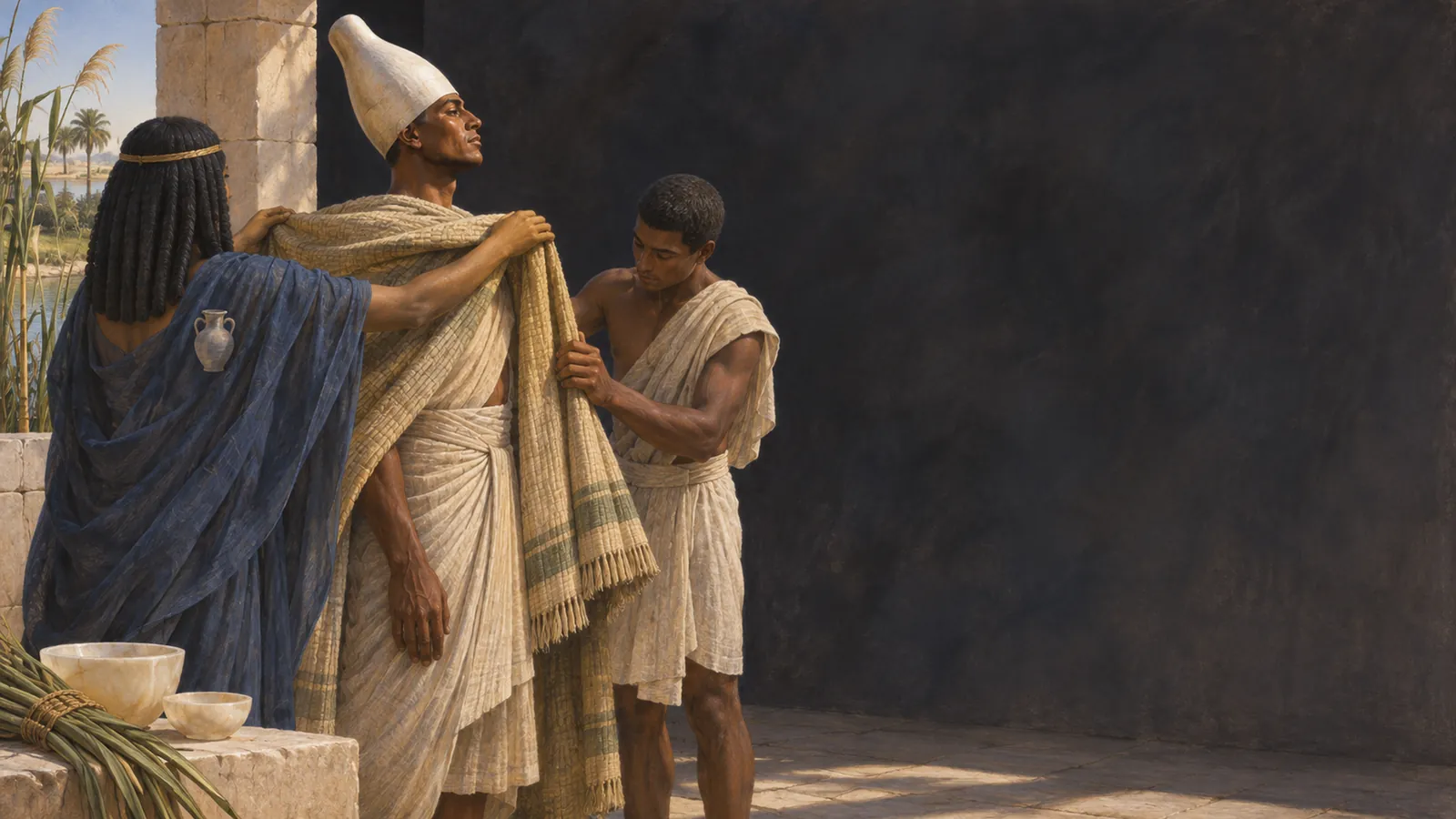
Nout dit qu’elle a donné naissance à Téti et qu’il est sorti de son corps. Elle dit qu’il est l’enfant qu’elle désirait et qu’elle trouve en lui sa satisfaction.
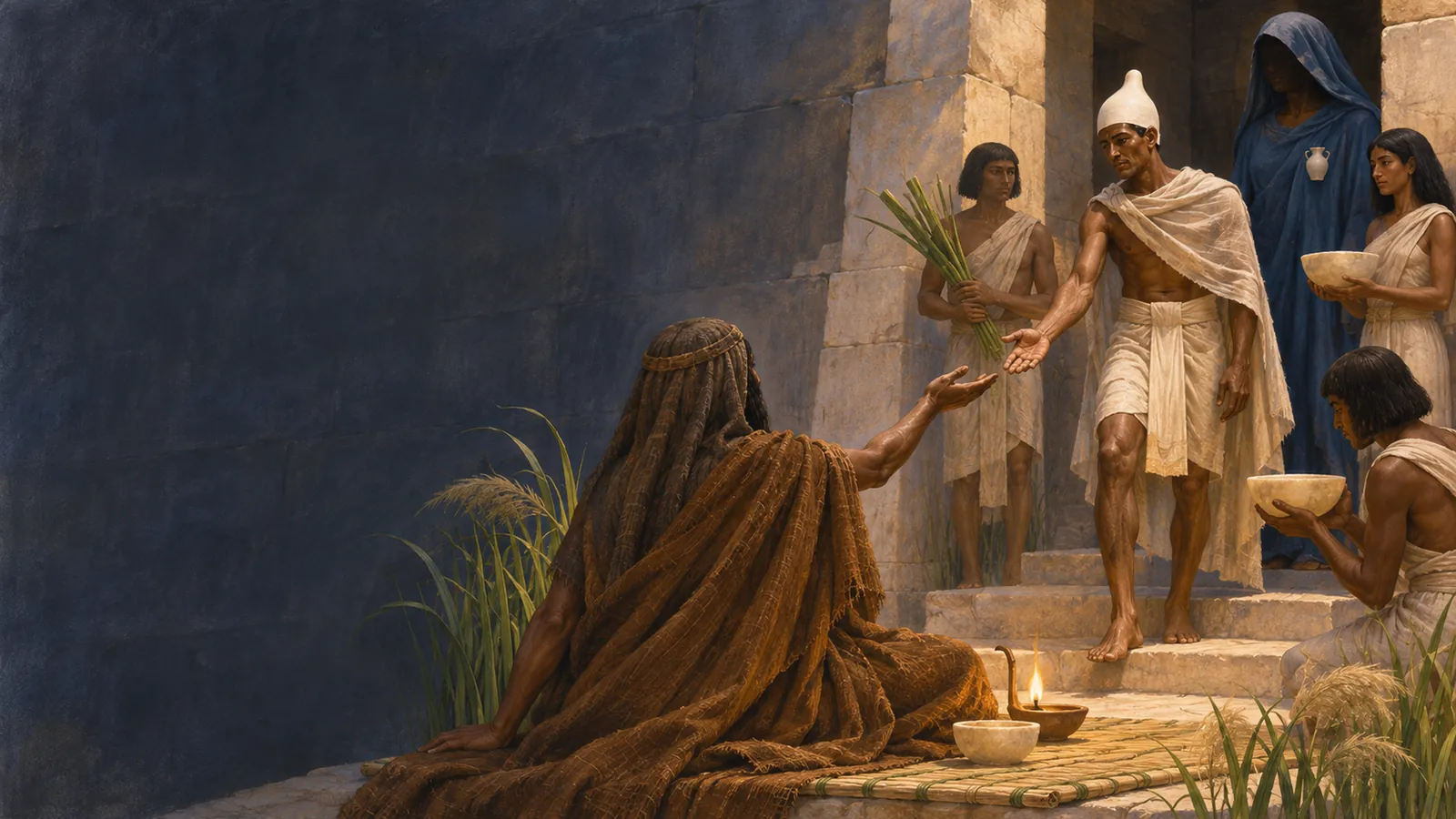
Une deuxième voix, celle de Geb, appelle Téti un fils issu de son propre corps. Le texte conservé s’interrompt aussitôt après ces mots.
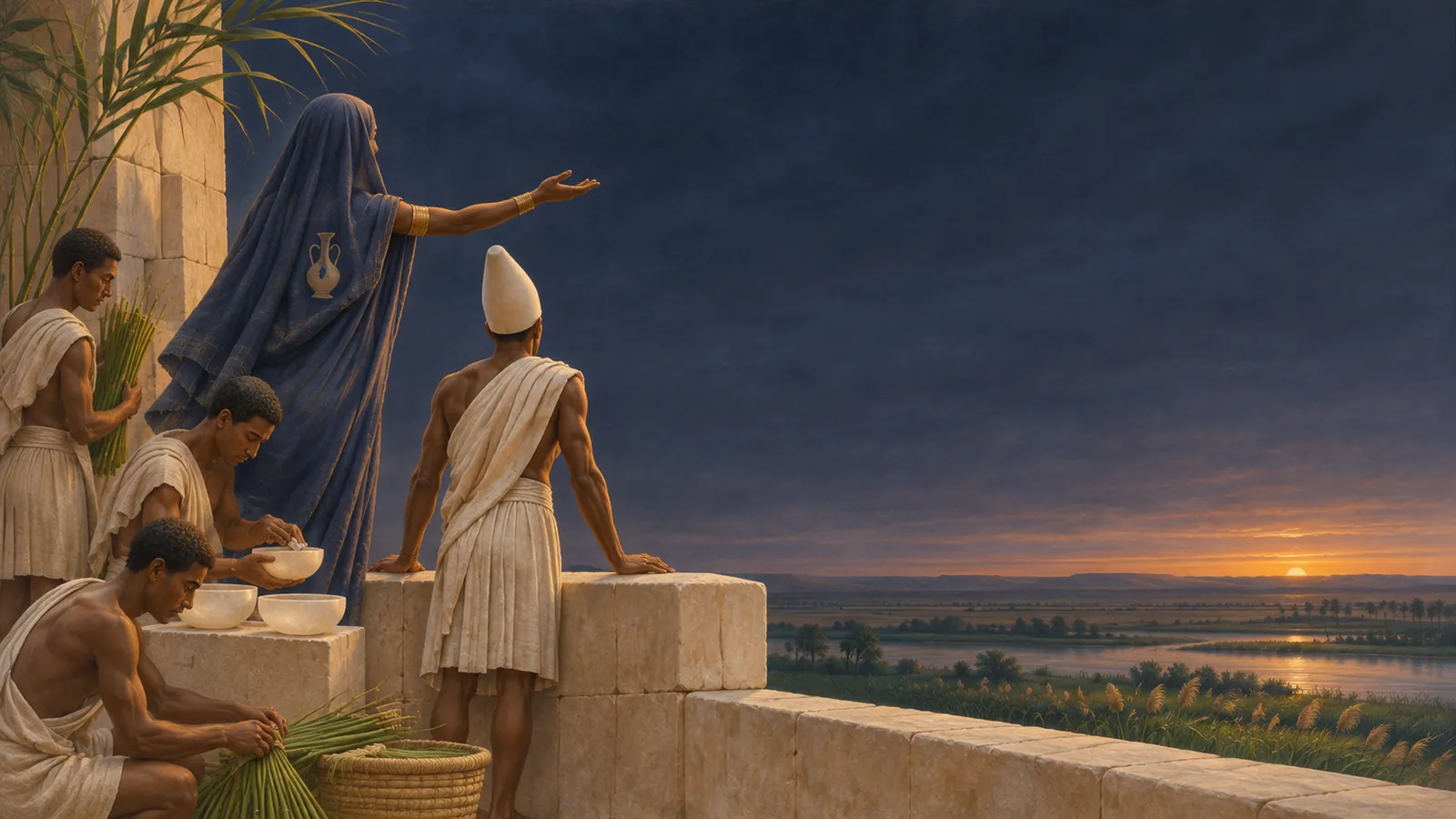
Nout, appelée le Bourgeon Aîné dans cette formule, dit que Téti est le fils qu’elle désirait. Elle dit lui avoir donné l’Akhet pour qu’il le gouverne en tant qu’Horus de l’Akhet.
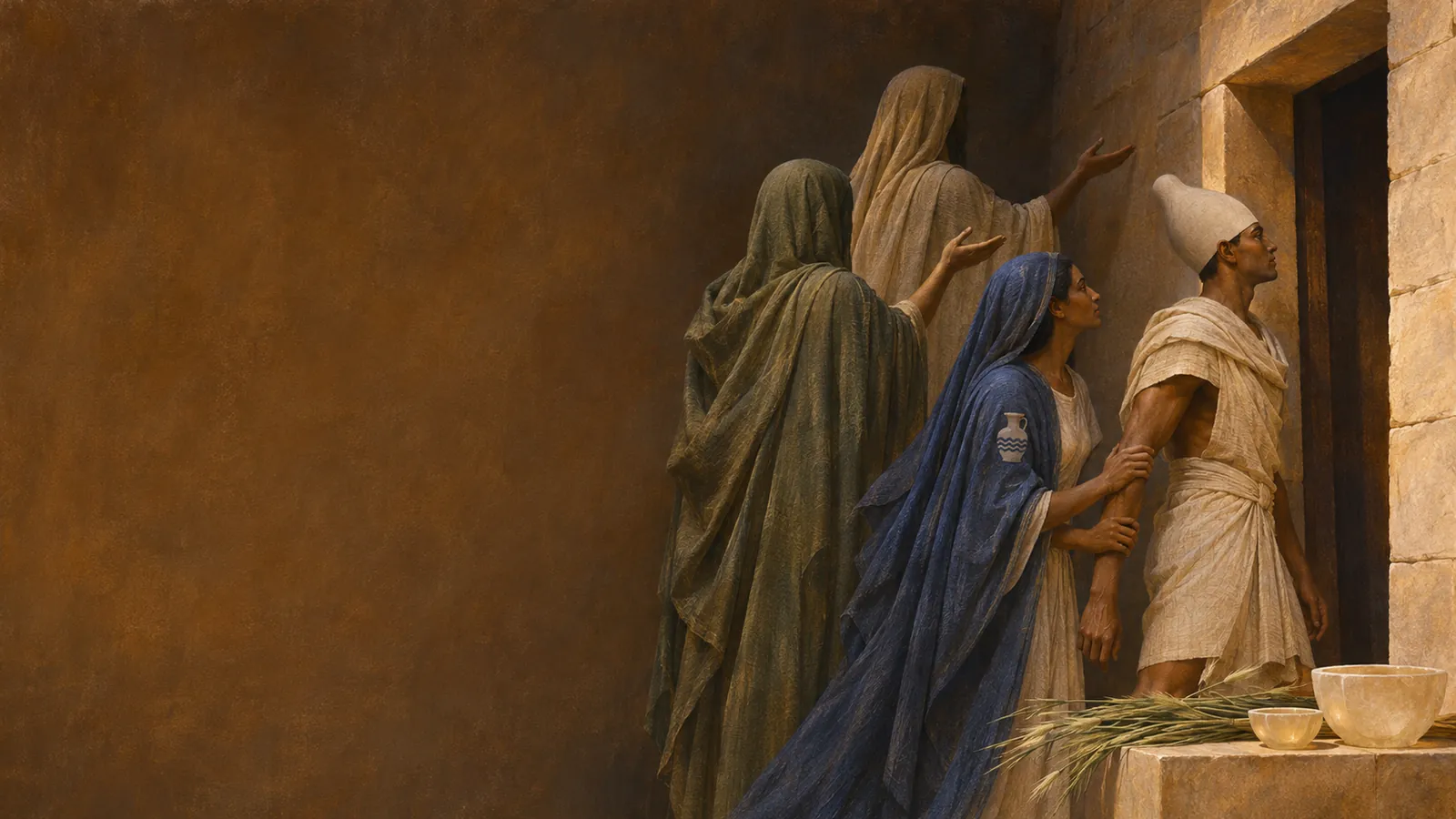
Dans la récitation, les dieux approuvent le choix de Nout et disent que Téti est celui qu’elle a désiré parmi ses enfants. Ils lui demandent de l’accompagner pour toujours.
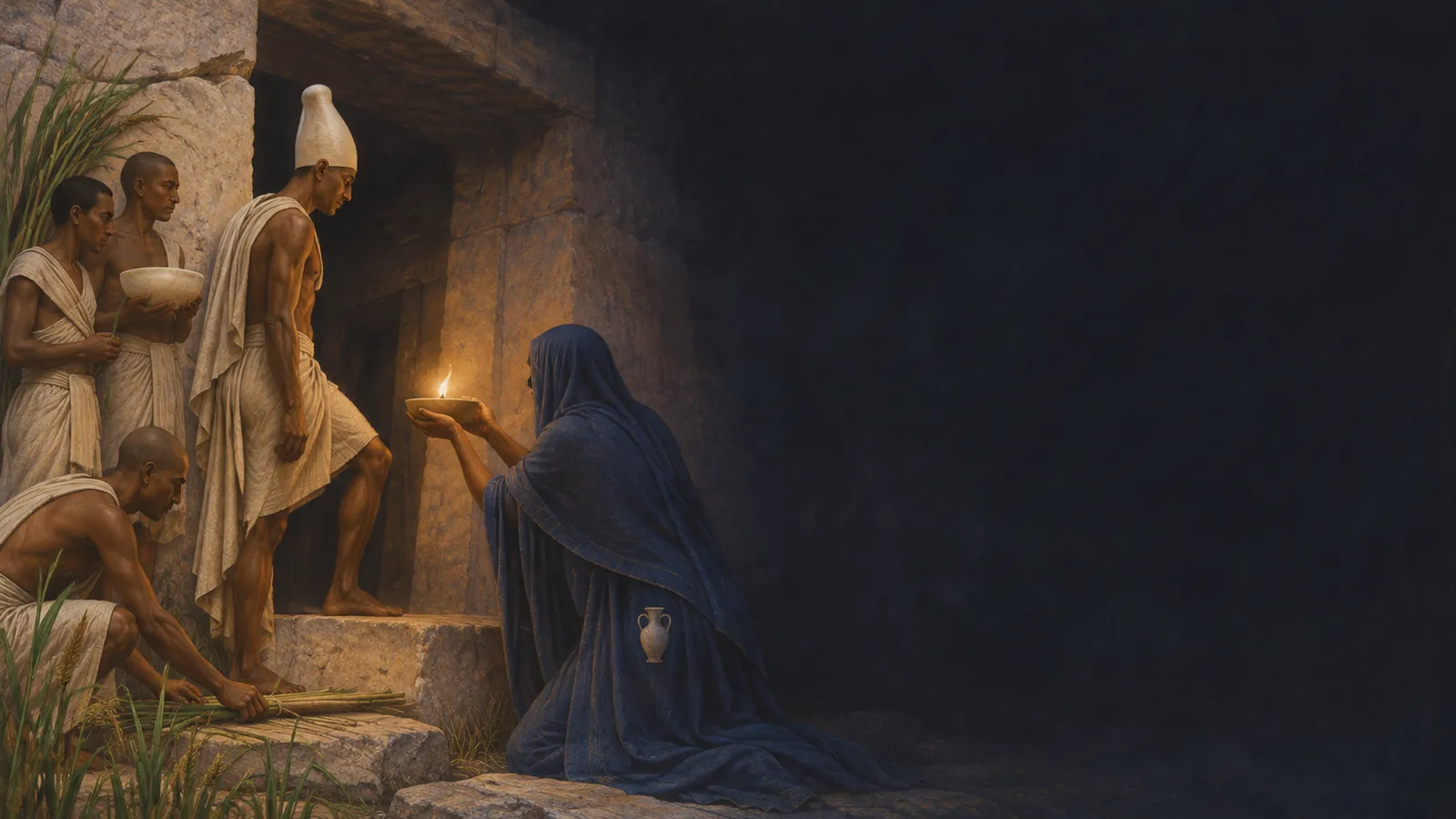
Nout, appelée l’Aînée dans l’enceinte de Shenit, appelle Téti le fils de sa propre volonté. Elle dit lui avoir donné la Douat pour qu’il y soit le premier en tant qu’Horus.
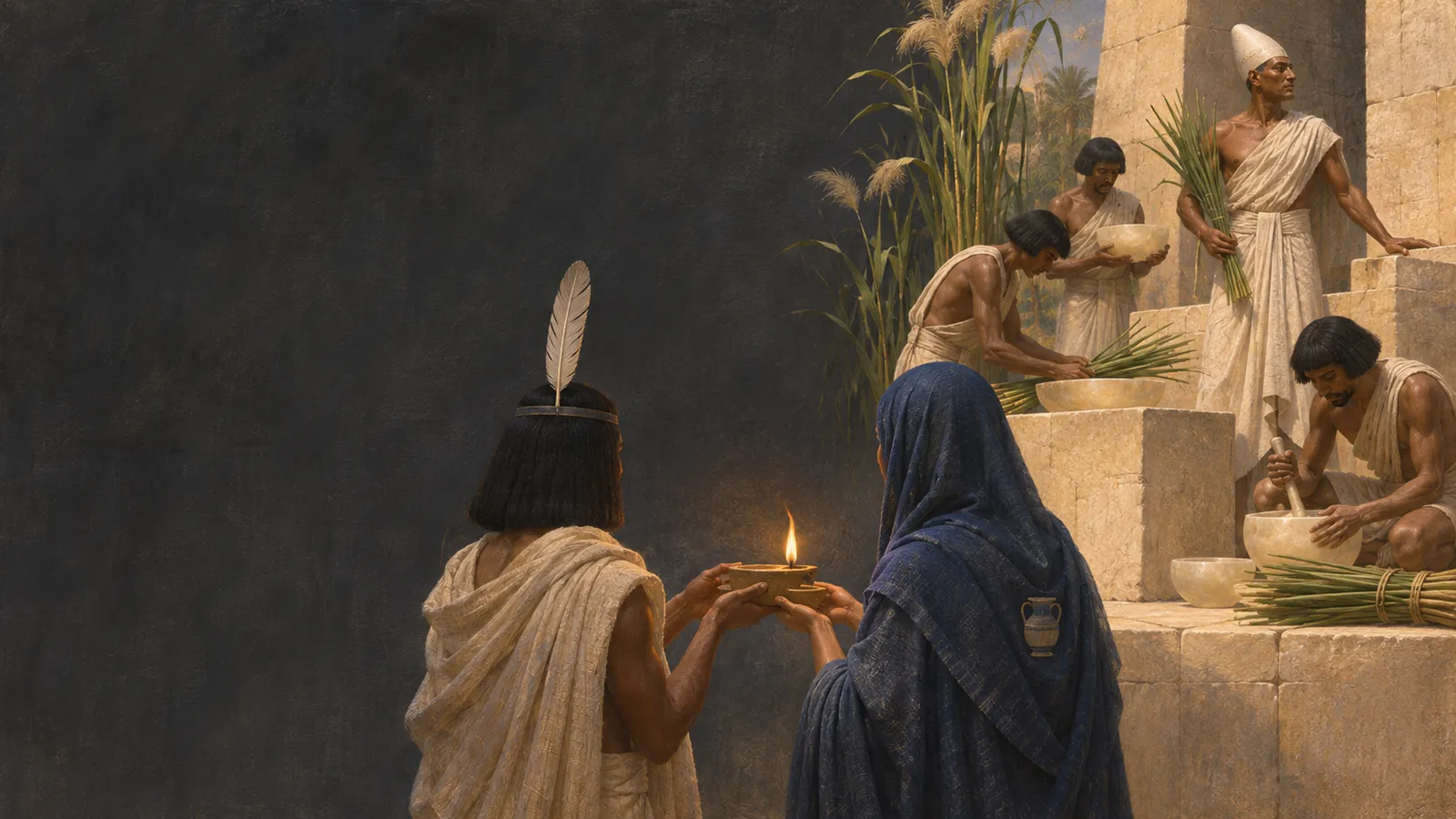
Les dieux disent que Shou, qu’ils appellent le père de Téti, sait combien Nout aime Téti. Ils disent qu’elle l’aime plus qu’elle n’aime sa propre mère, Tefnout.
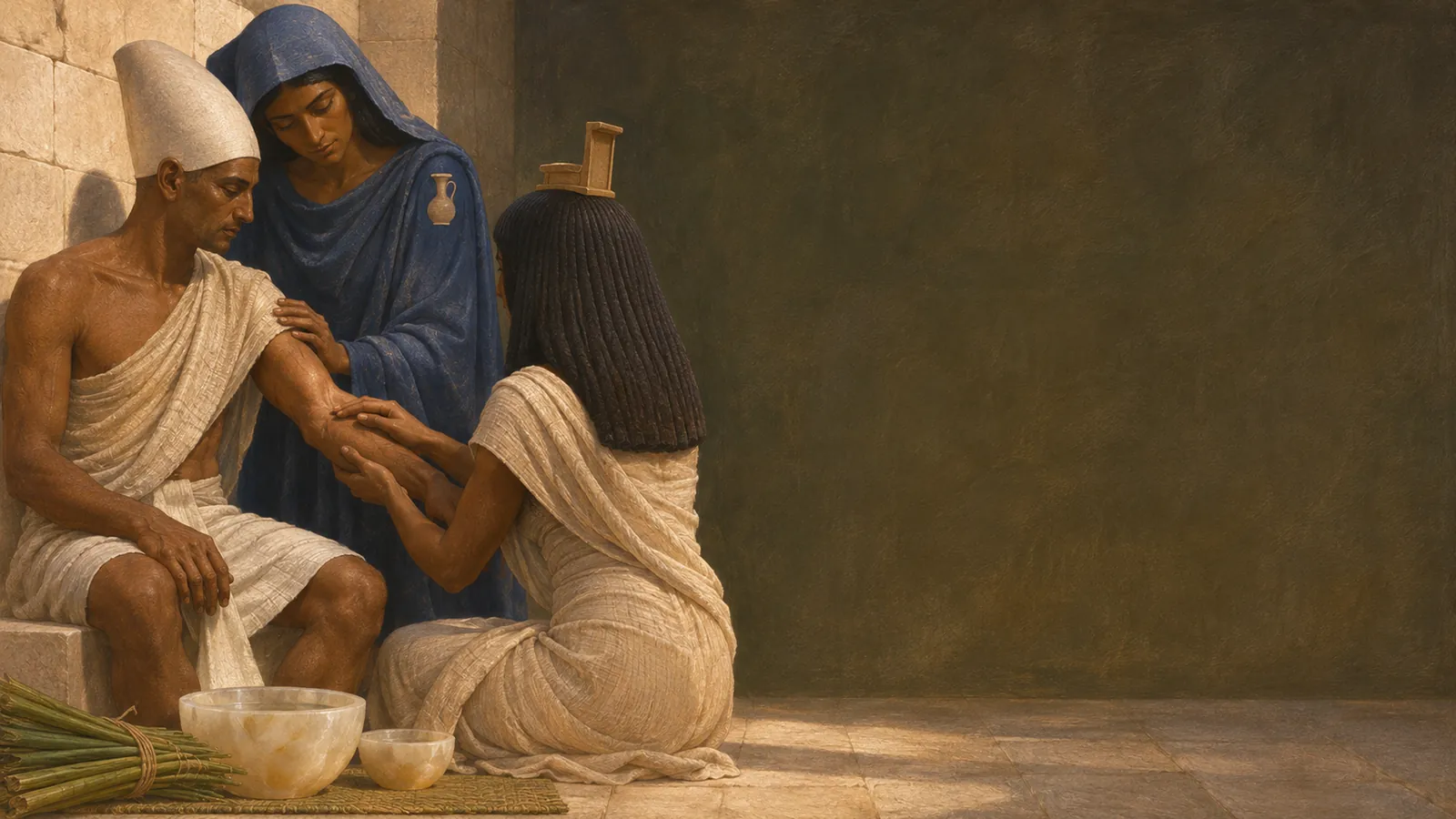
Dans la formule suivante, Nout dit à Téti qu’elle lui a donné sa sœur Isis. Isis doit le saisir et donner son esprit à son corps.
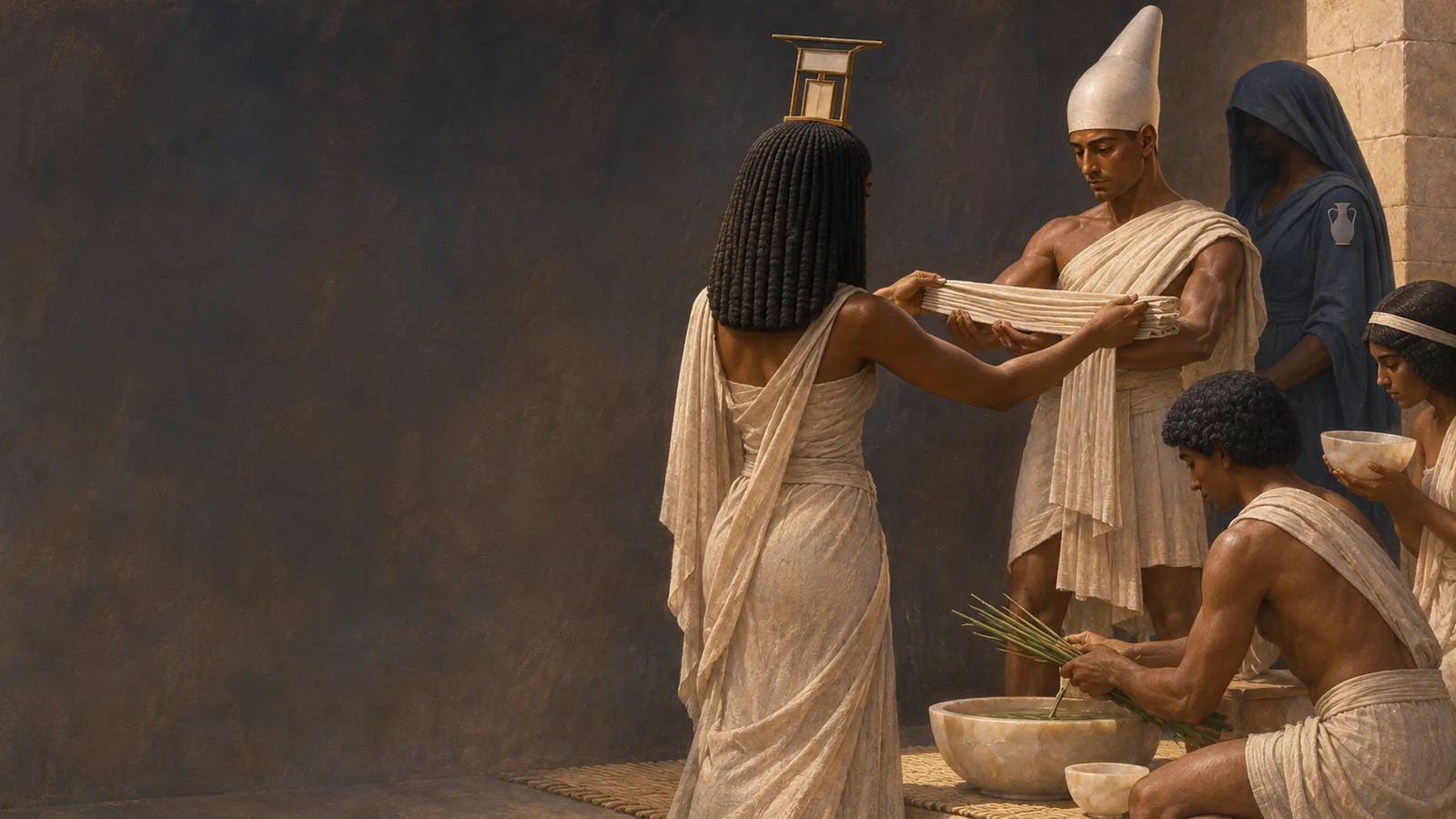
Dans une récitation distincte, Nout donne à Téti sa sœur Nephtys. Nout lui confie la même tâche qu’à Isis, celle de le saisir et de donner son esprit à son corps.
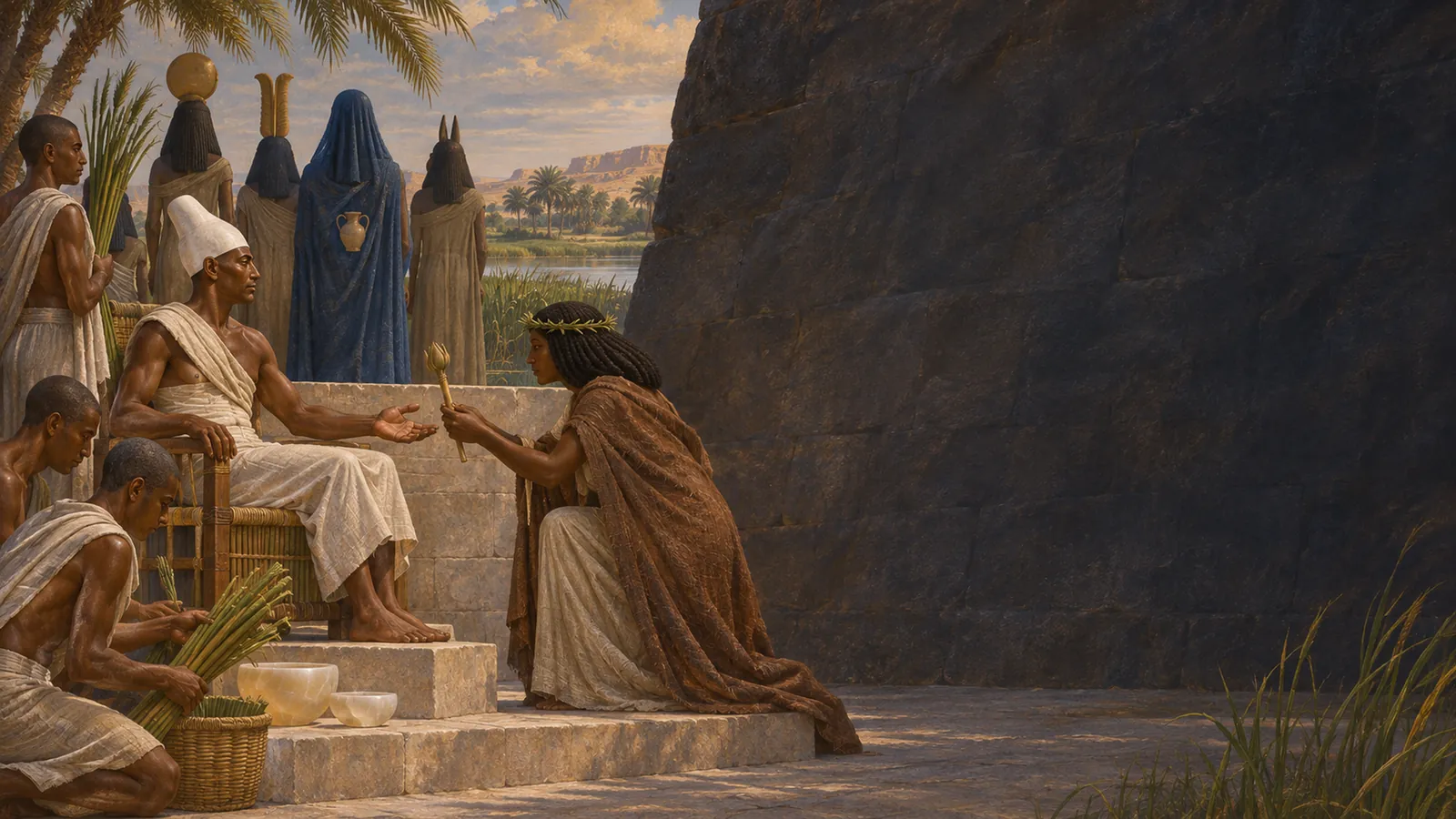
Nout, appelée la Grande de l’enceinte inférieure, nomme Téti le fils qu’elle désirait et le premier-né sur le trône de Geb. Elle dit que Geb est satisfait de lui et lui a donné son héritage devant la Grande Ennéade.
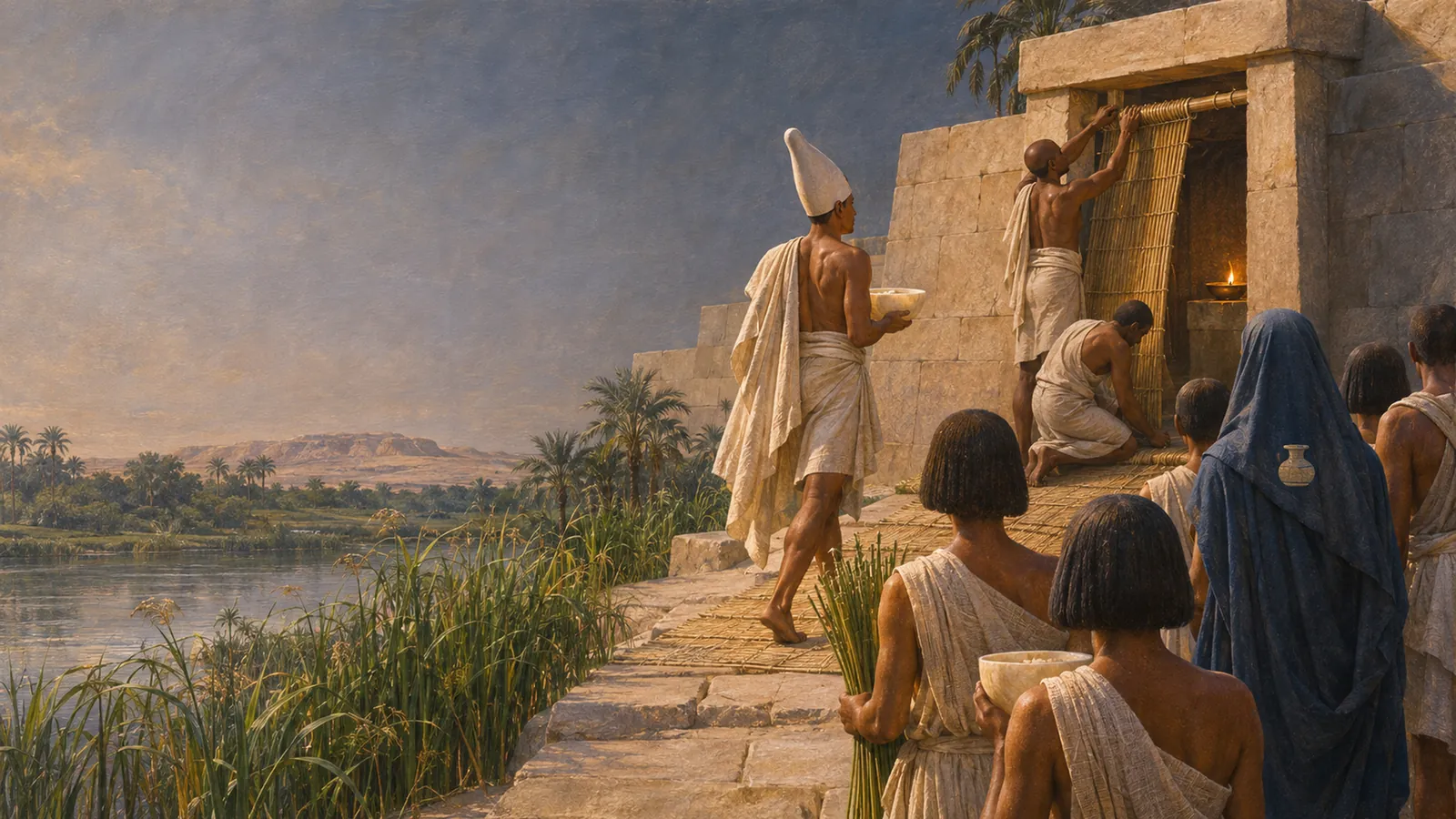
Dans les derniers mots des formules du sarcophage, les dieux parlent avec enthousiasme. Ils s’exclament que Téti est heureux parce que son père Geb est satisfait de lui.
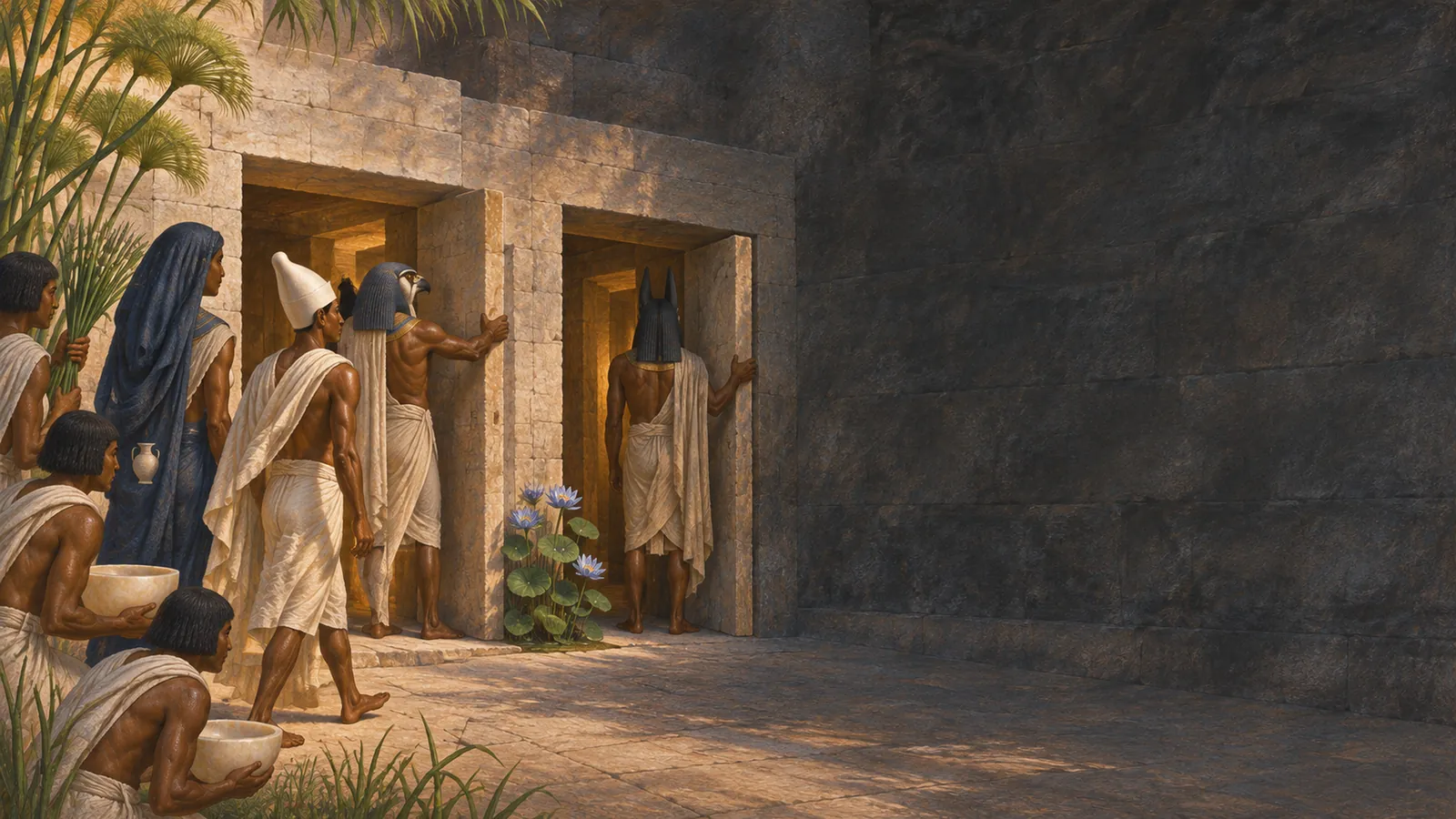
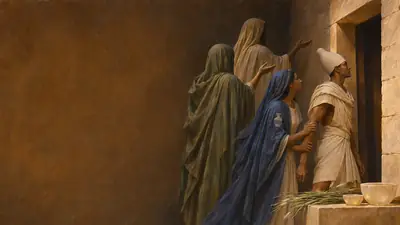
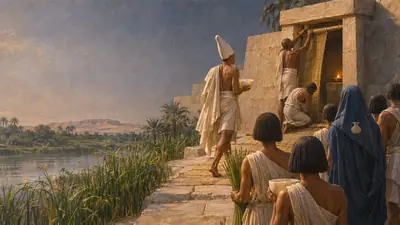
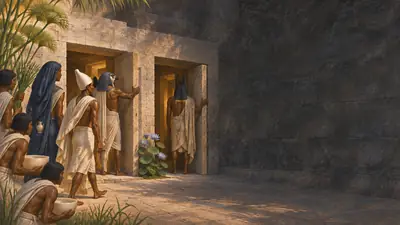
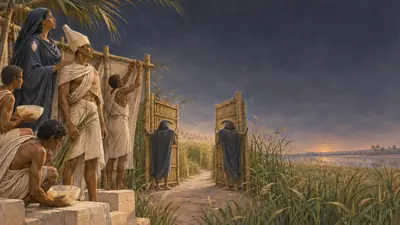
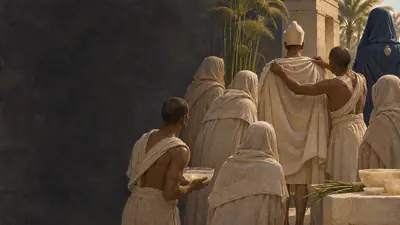
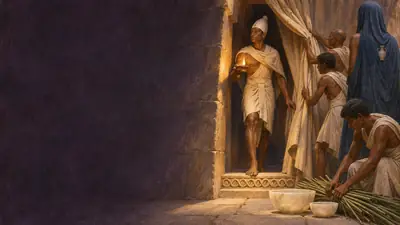
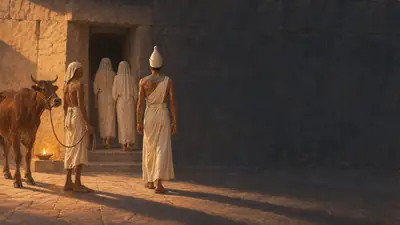
La récitation de l’ascension appelle le ciel et la terre à s’ouvrir. La porte du mur de l’enceinte s’ouvre pour Horus, et la porte des lotus s’ouvre pour Seth.
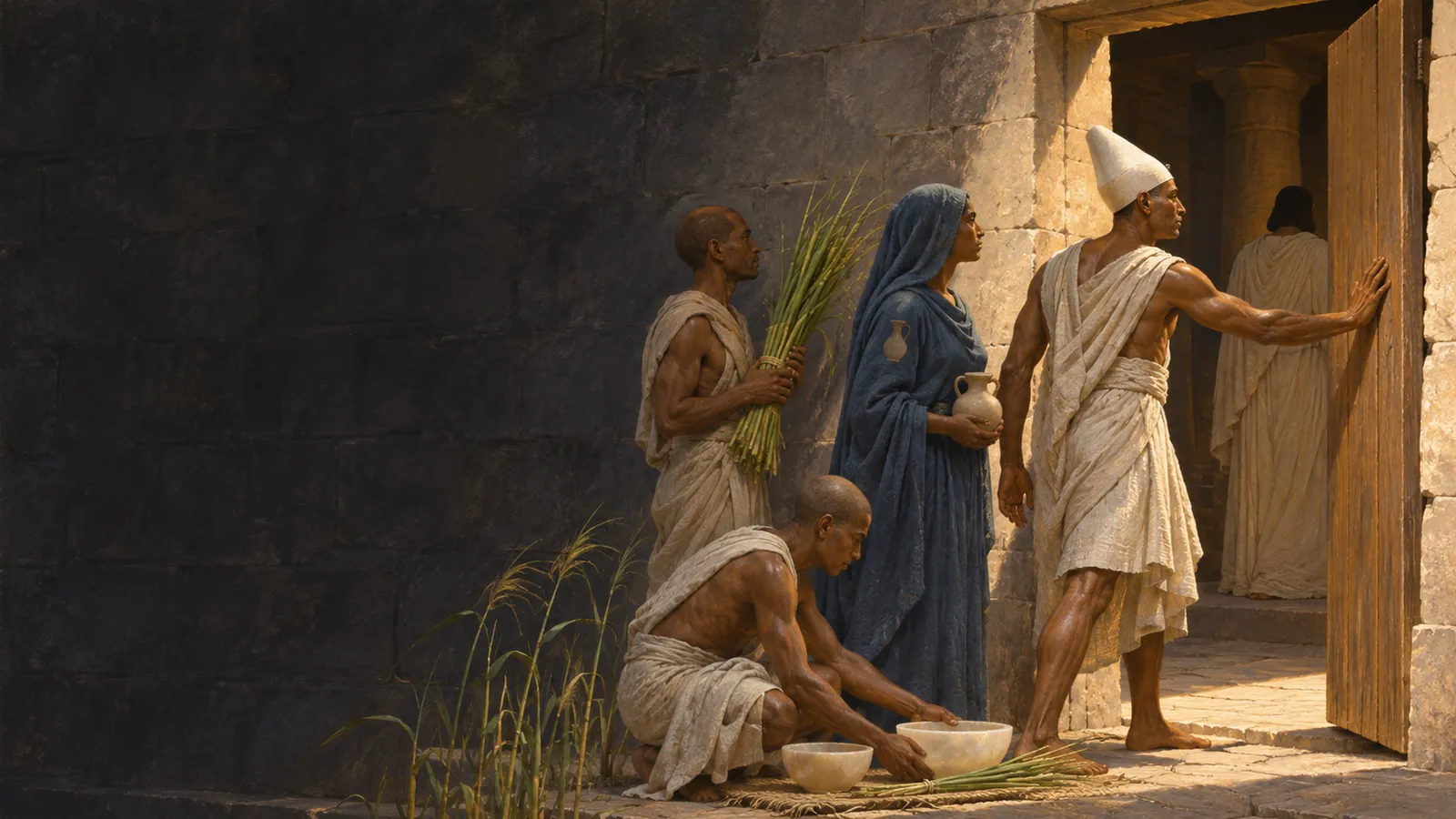
Le récitant demande à la porte de se retourner pour lui, qui se tient à l’avant de sa muraille. Il dit être passé devant la porte sous la forme d’Atoum.
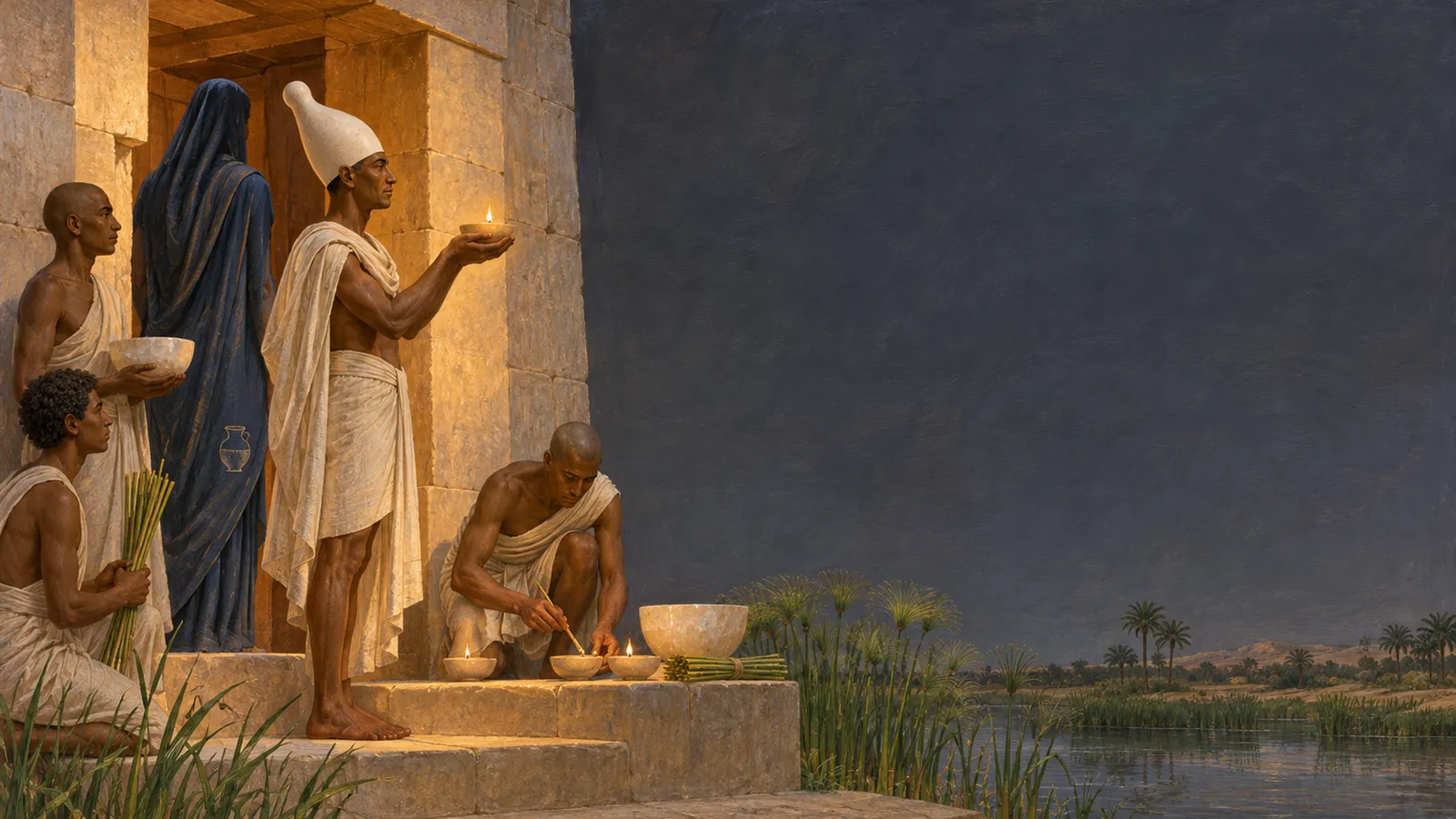
Les derniers mots de cette récitation appellent le récitant Celui qui apparaît dans la chaleur et le placent au milieu de Negau.
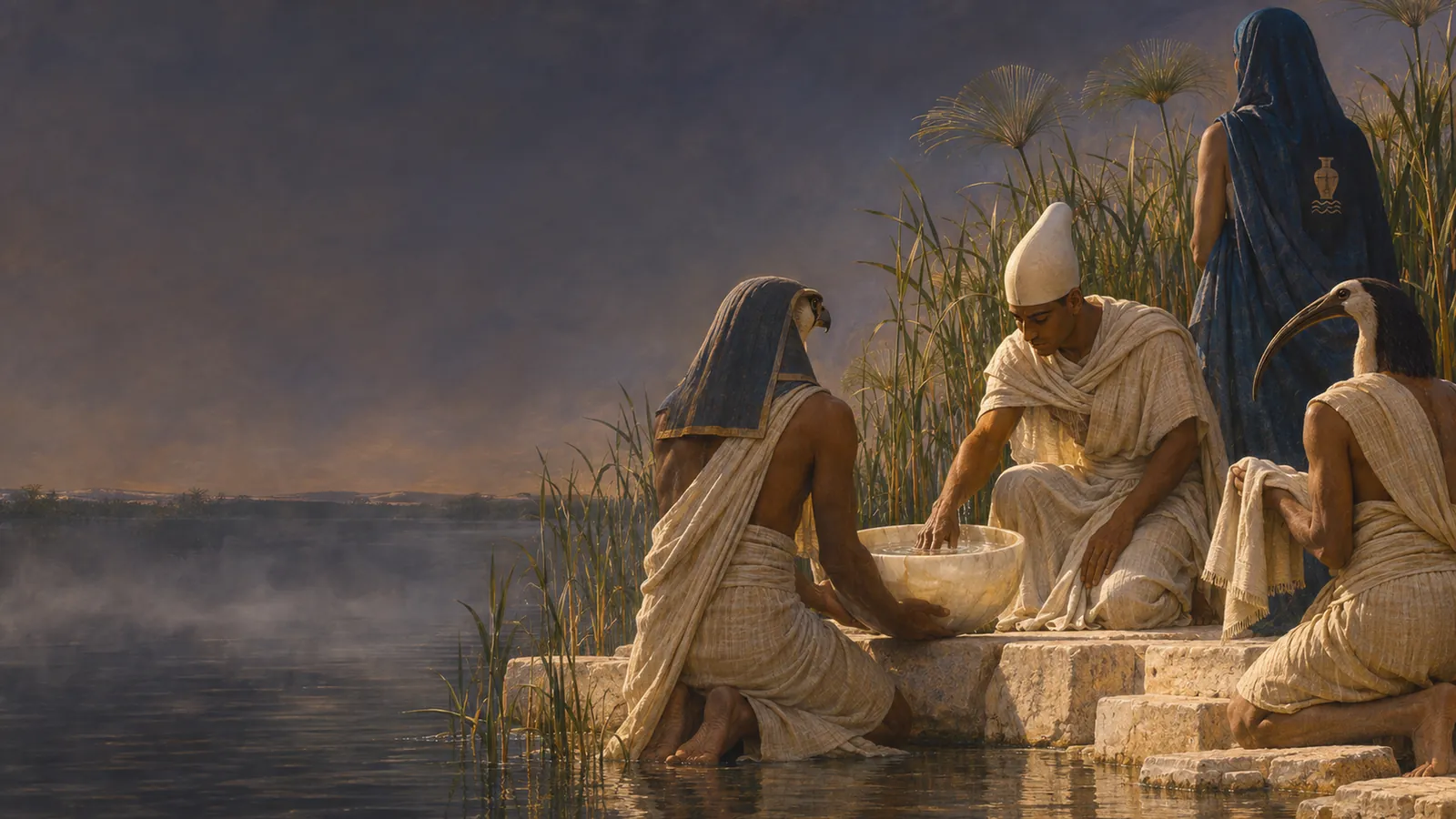
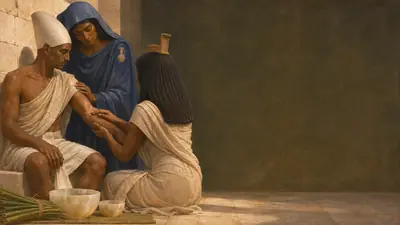
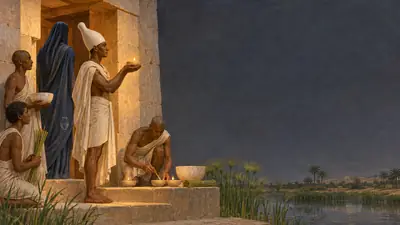
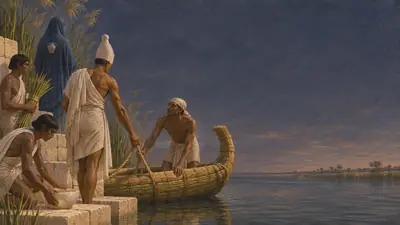
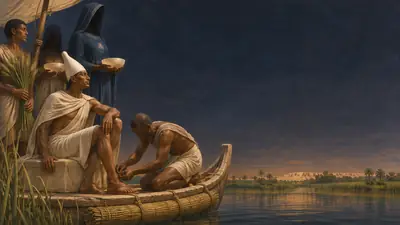
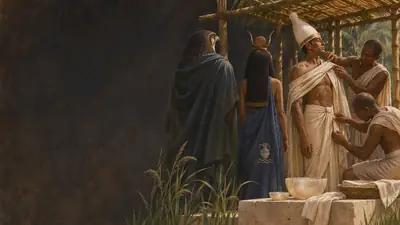
Le récitant dit qu’il se purifie avec le Soleil dans le Lac des Roseaux. Une autre voix dit ensuite qu’Horus lui frotte la chair et que Thot lui frotte les pieds.
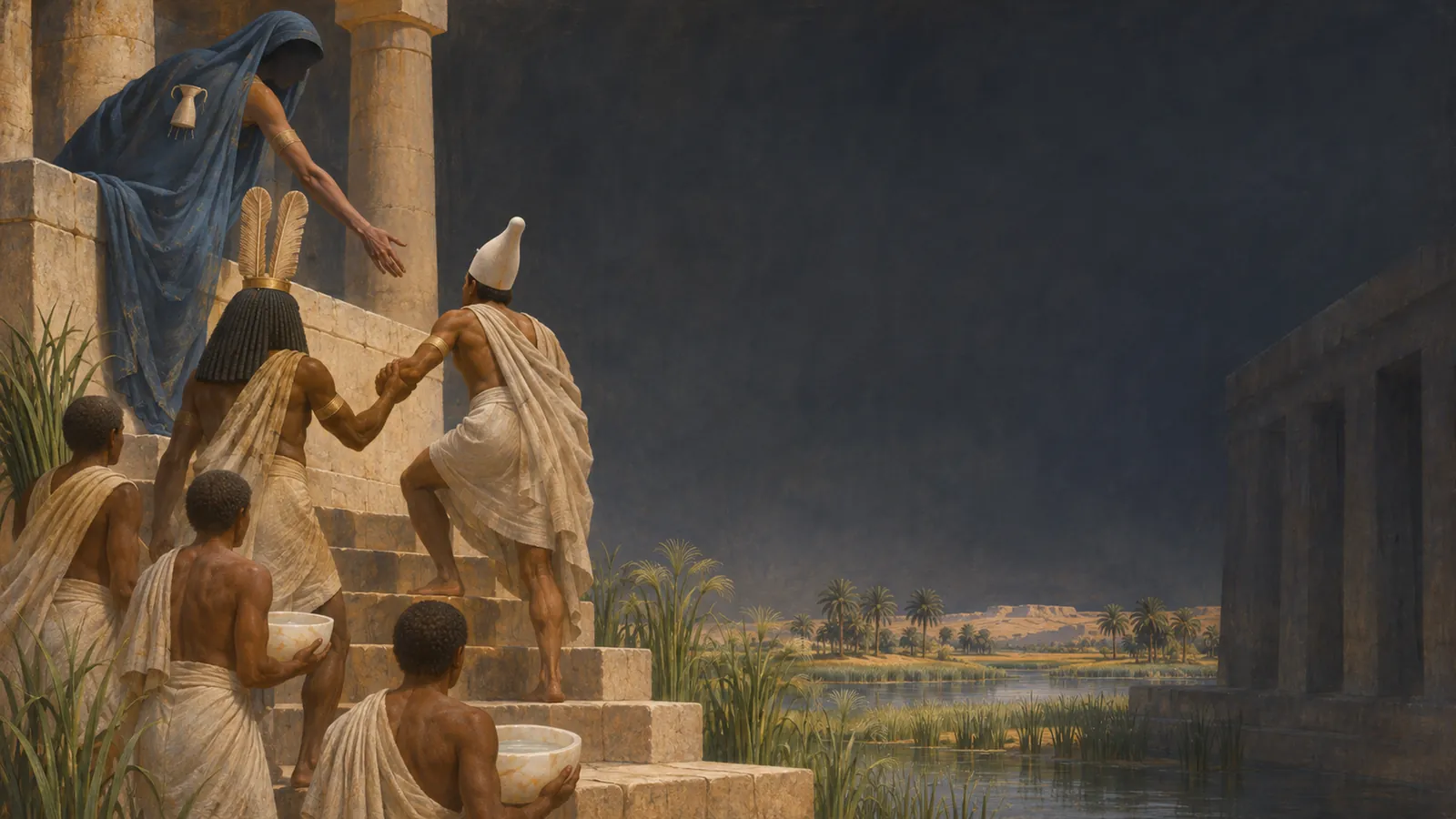
À la fin de la récitation, le récitant demande à Chou de l’élever. Il demande à Nout de lui tendre le bras.
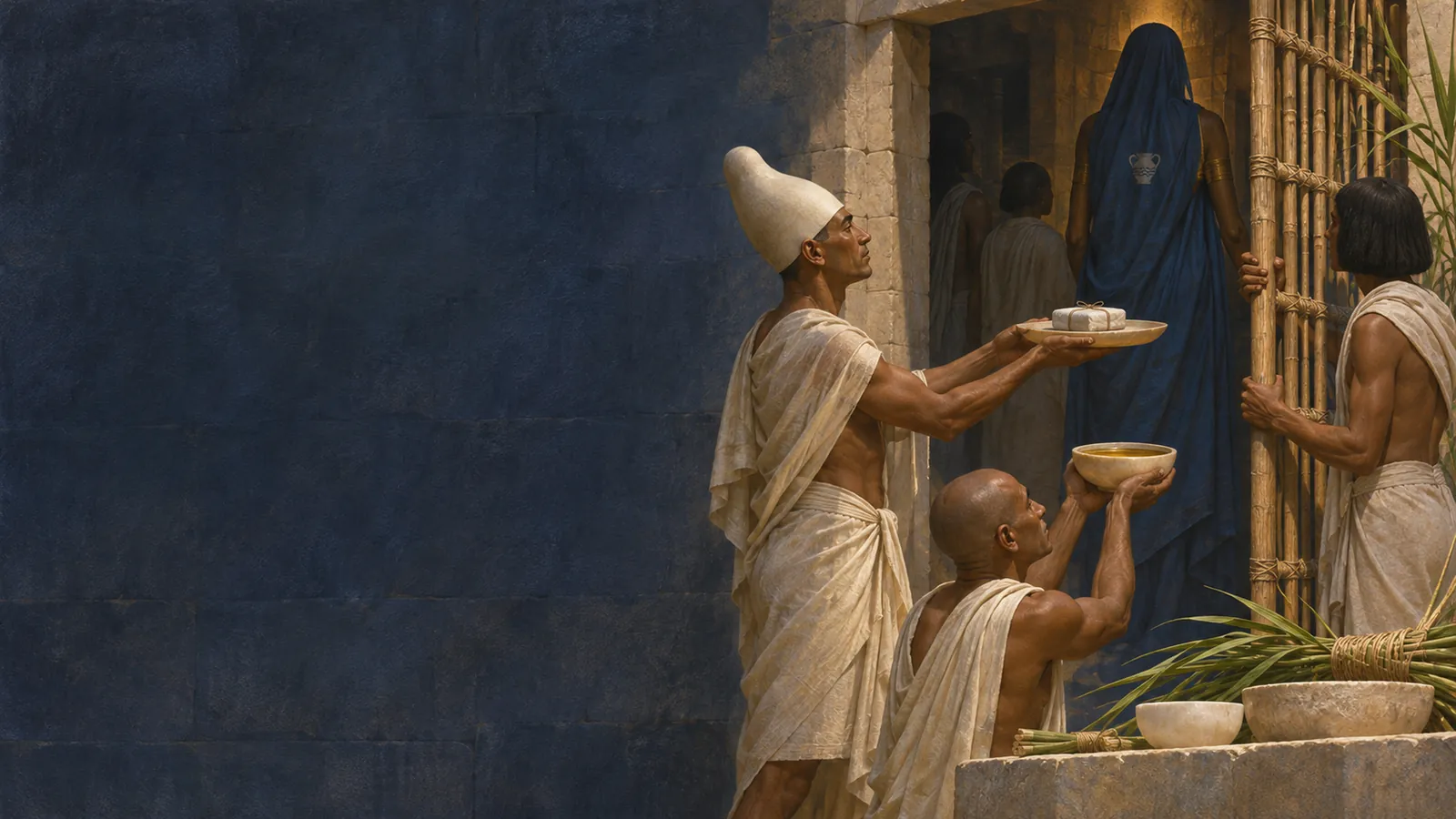
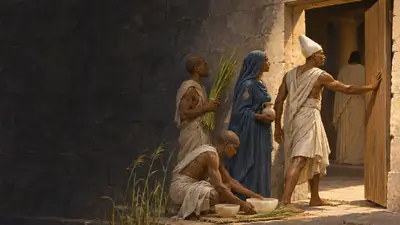
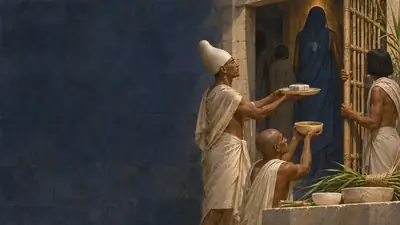
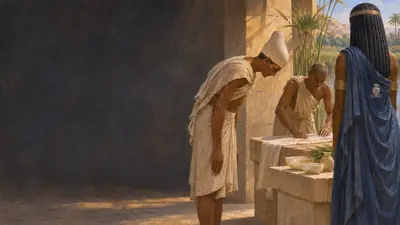
Le récitant salue le portier d’Horus et le gardien de la porte d’Osiris et leur demande de dire à Horus qui il est. Il dit apporter ce qu’Allen traduit par salive pour les cheveux.
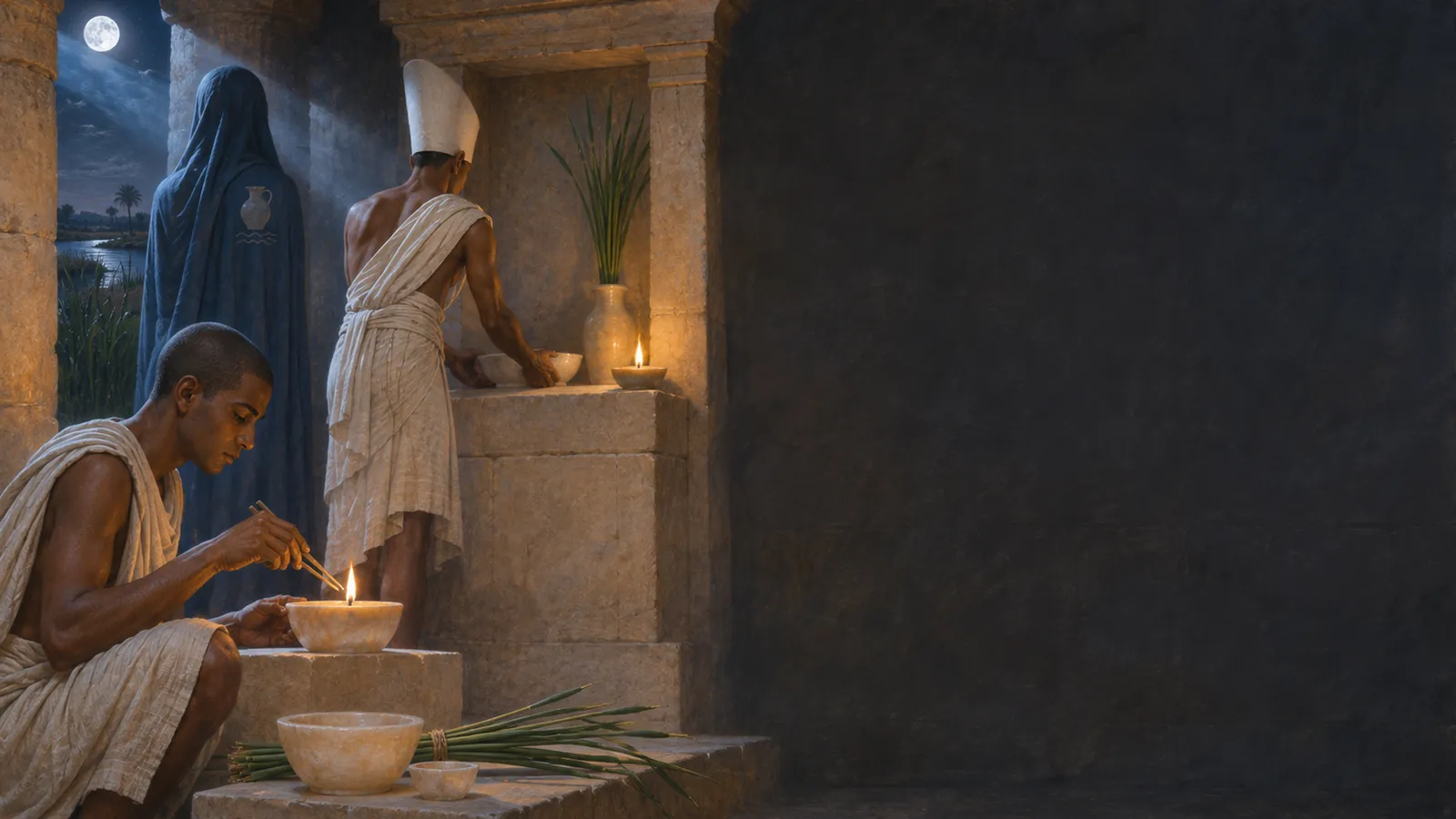
La formule dit que la chevelure d’Horus est malade au début du mois et dégarnie à mi-mois. Une voix dit au récitant de l’apaiser avec la magie des dieux au moment de sa première apparition.
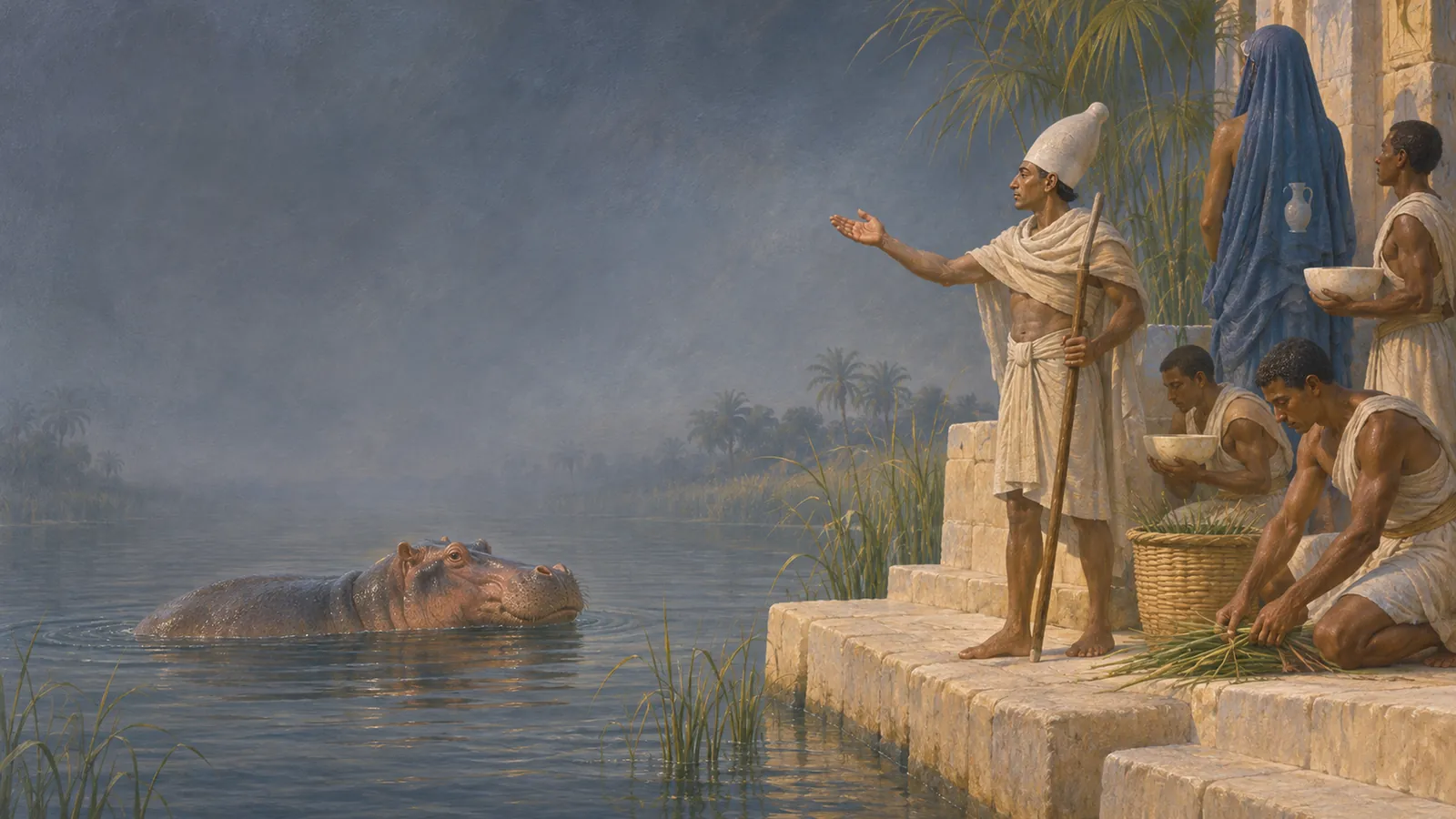
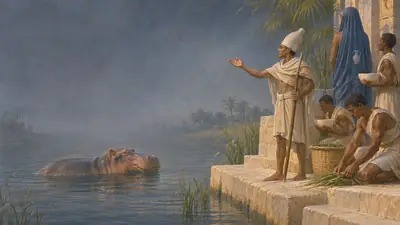
Le récitant s’adresse en suppliant à la femelle de l’hippopotame et dit qu’elle s’est avancée contre lui. Il lui a pris l’un des deux sceptres d’Horus et l’en a frappée. Dans sa réponse, elle le salue au moment où il vient à l’existence.
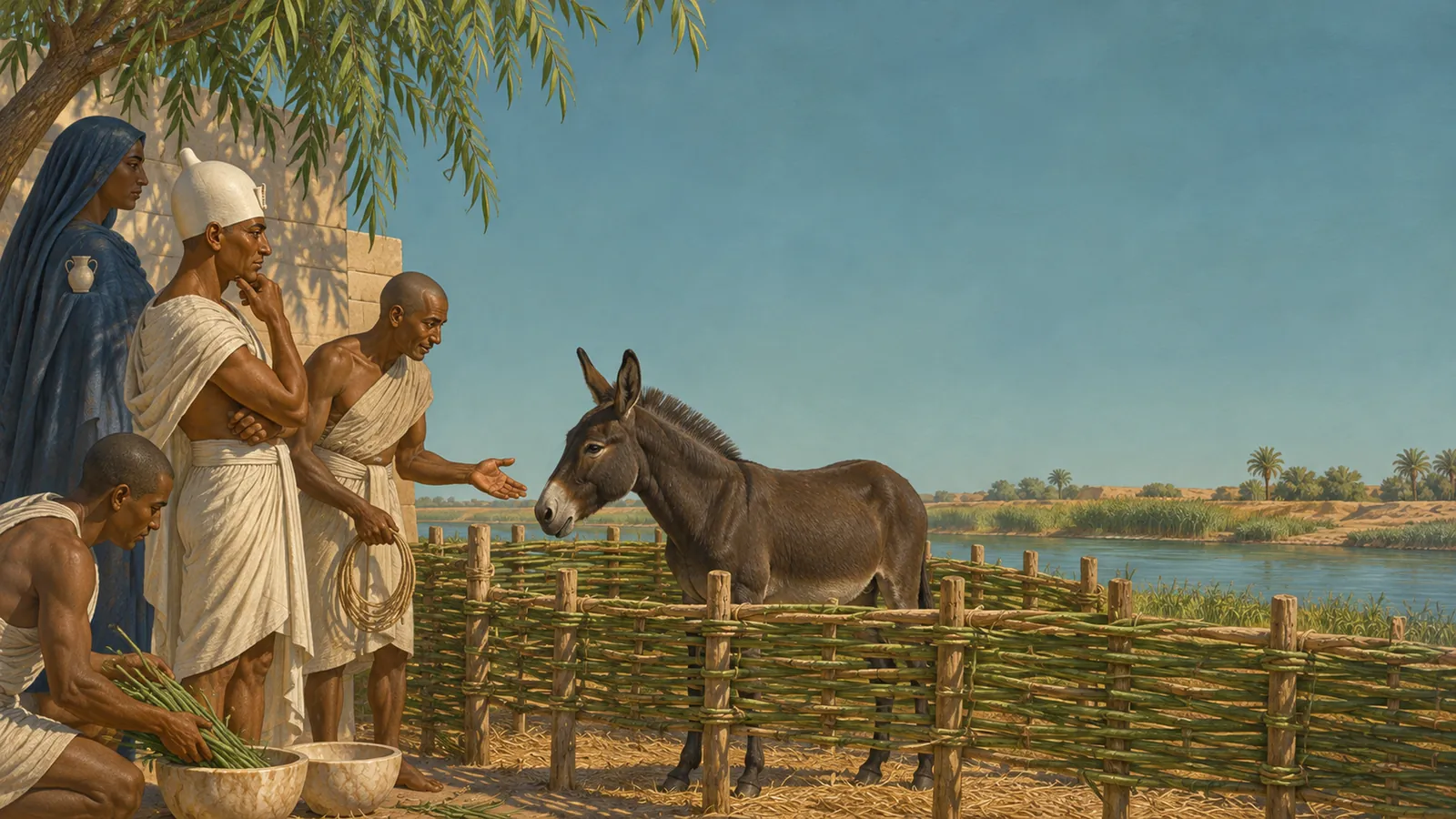
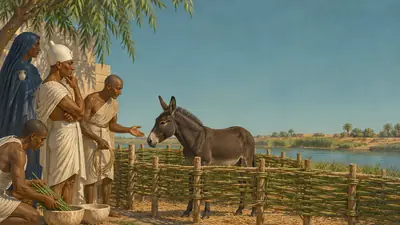
Le récitant salue l’ânesse monstrueuse, puis dit qu’elle s’est avancée contre lui. Il dit l’avoir frappée avec une queue qui pousse dans le lac d’Osiris.
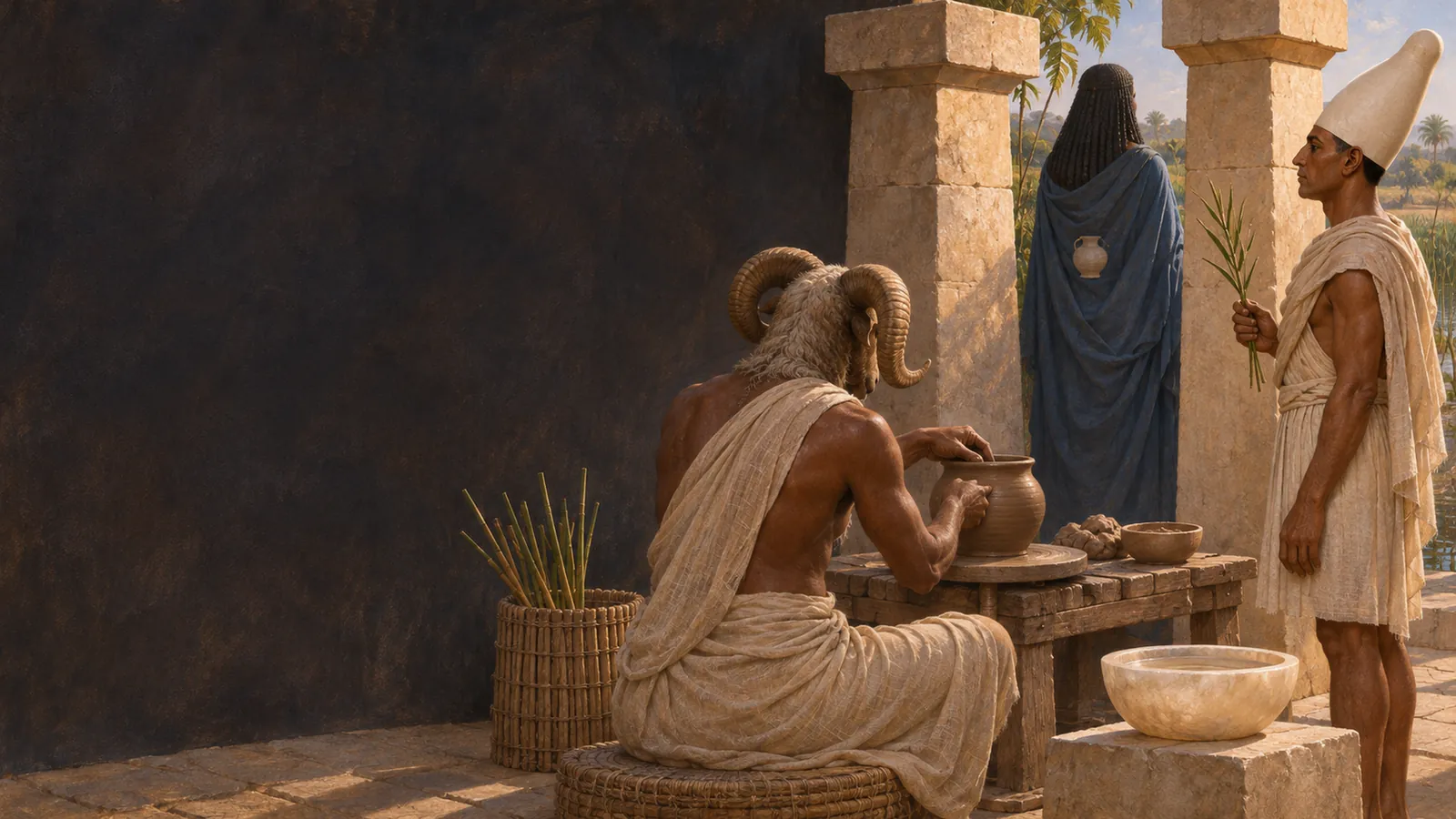
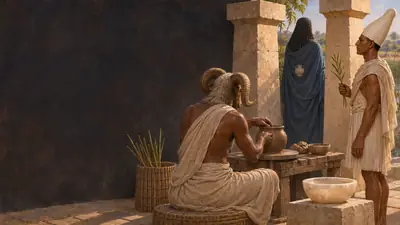
Le récitant s’adresse à Khnoum, qui est contraint de le façonner, et le compare à une plante ëmë qu’il piétine et qui ne peut repousser entre ses orteils. Dans la réponse, le récitant est appelé l’un des deux piliers du Grand Enclos.
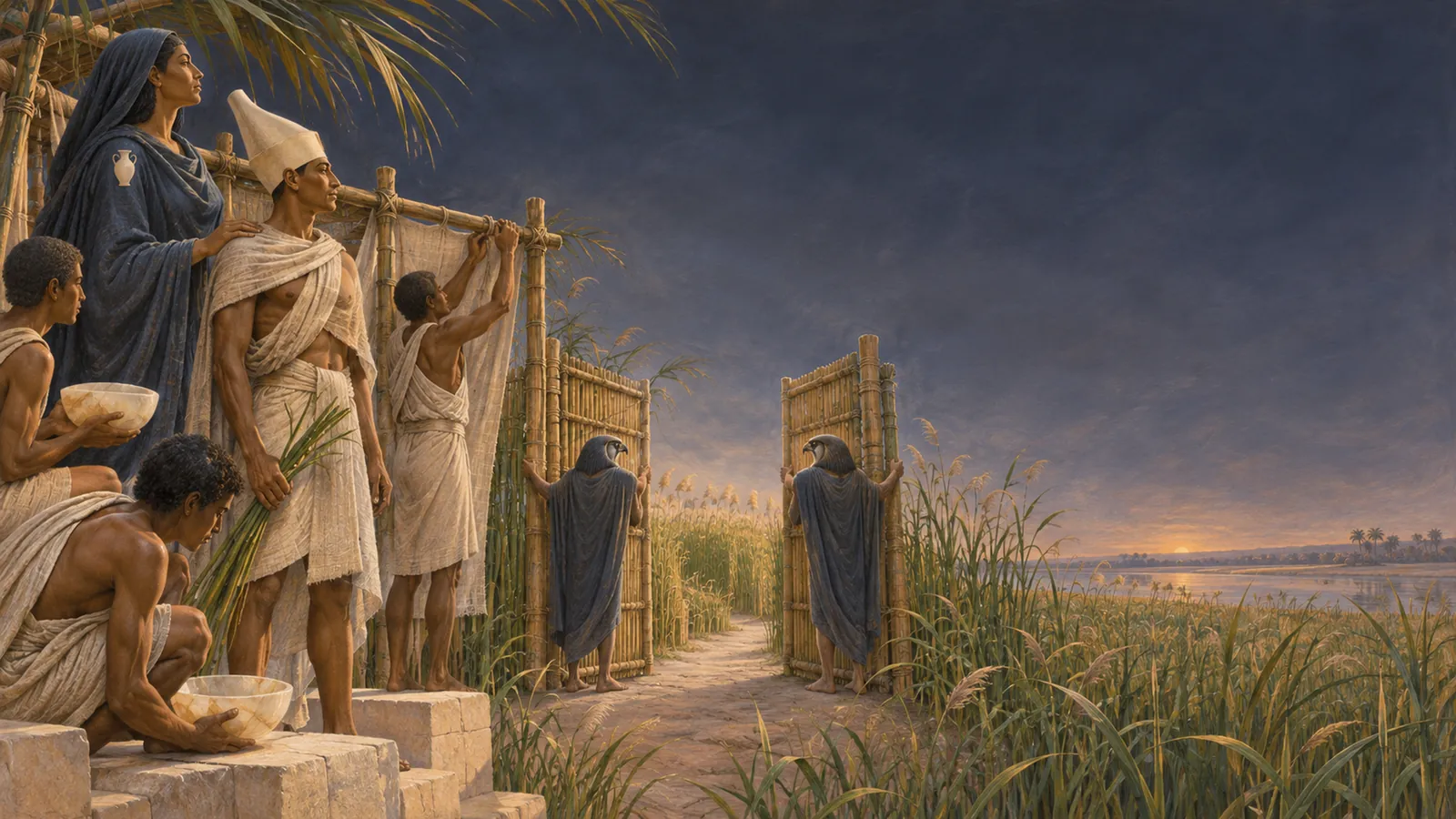
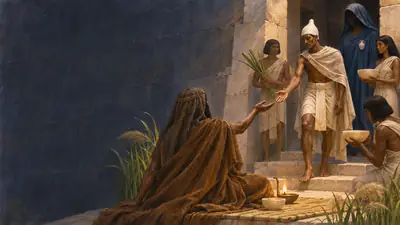
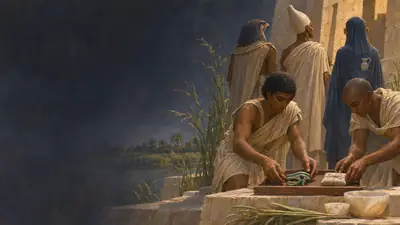
La récitation nomme Horus des dieux, Horus de l’Akhet, Horus oriental et Horus de Shezmet. À l’aube, la porte du ciel et la porte des Eaux fraîches s’ouvrent pour que chacun émerge et se purifie dans le Champ des Roseaux.
L’AUBE
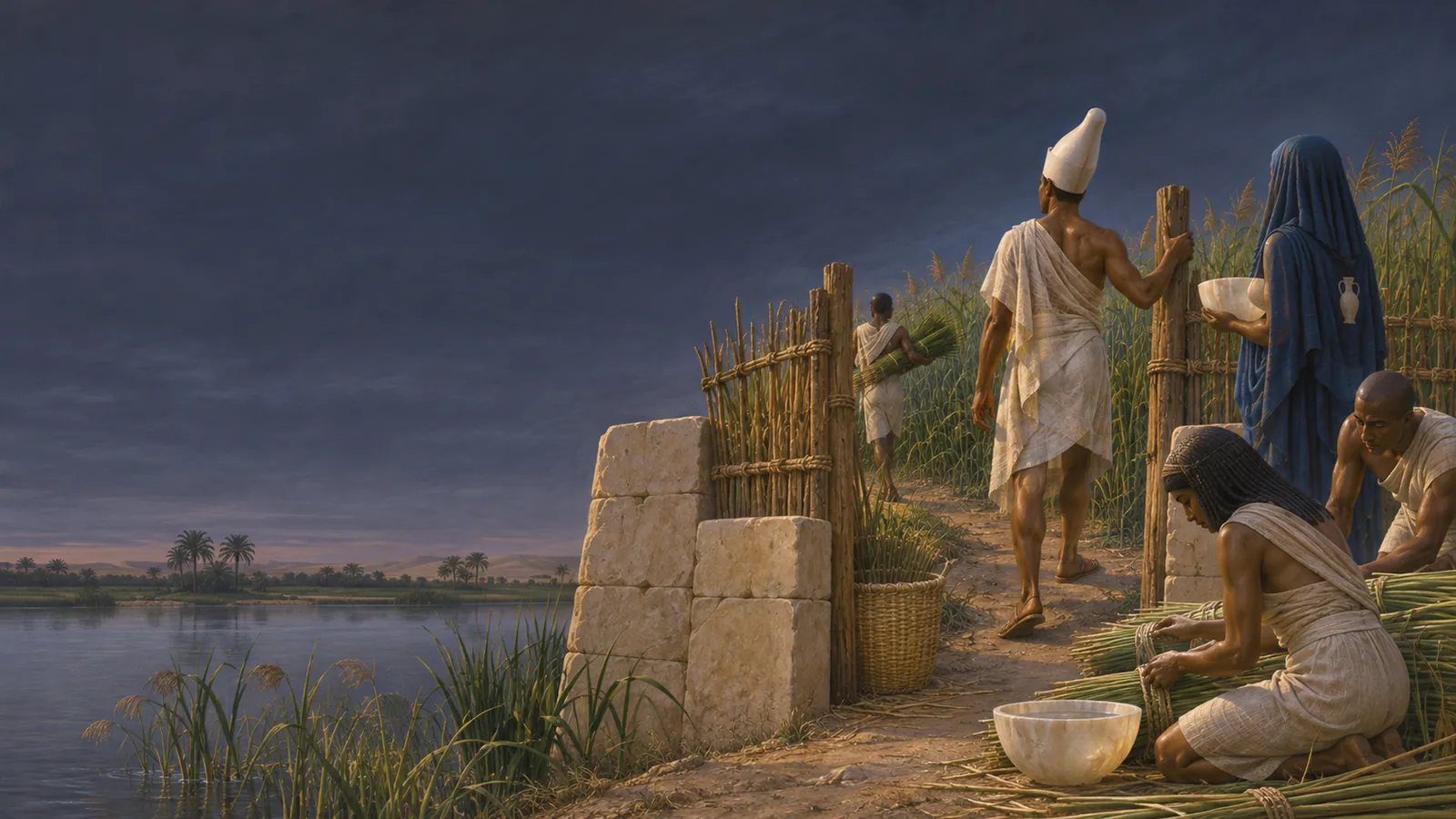
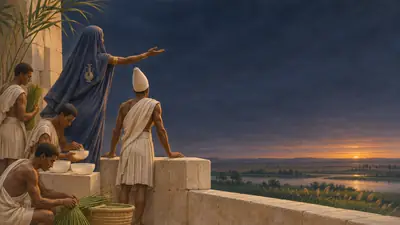
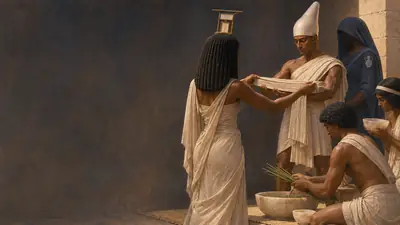
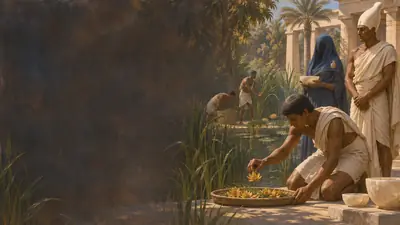
Le récitant dit maintenant que la porte du ciel et la porte des Eaux fraîches s’ouvrent pour lui à l’aube. Il doit émerger et se purifier dans le Champ des Roseaux.
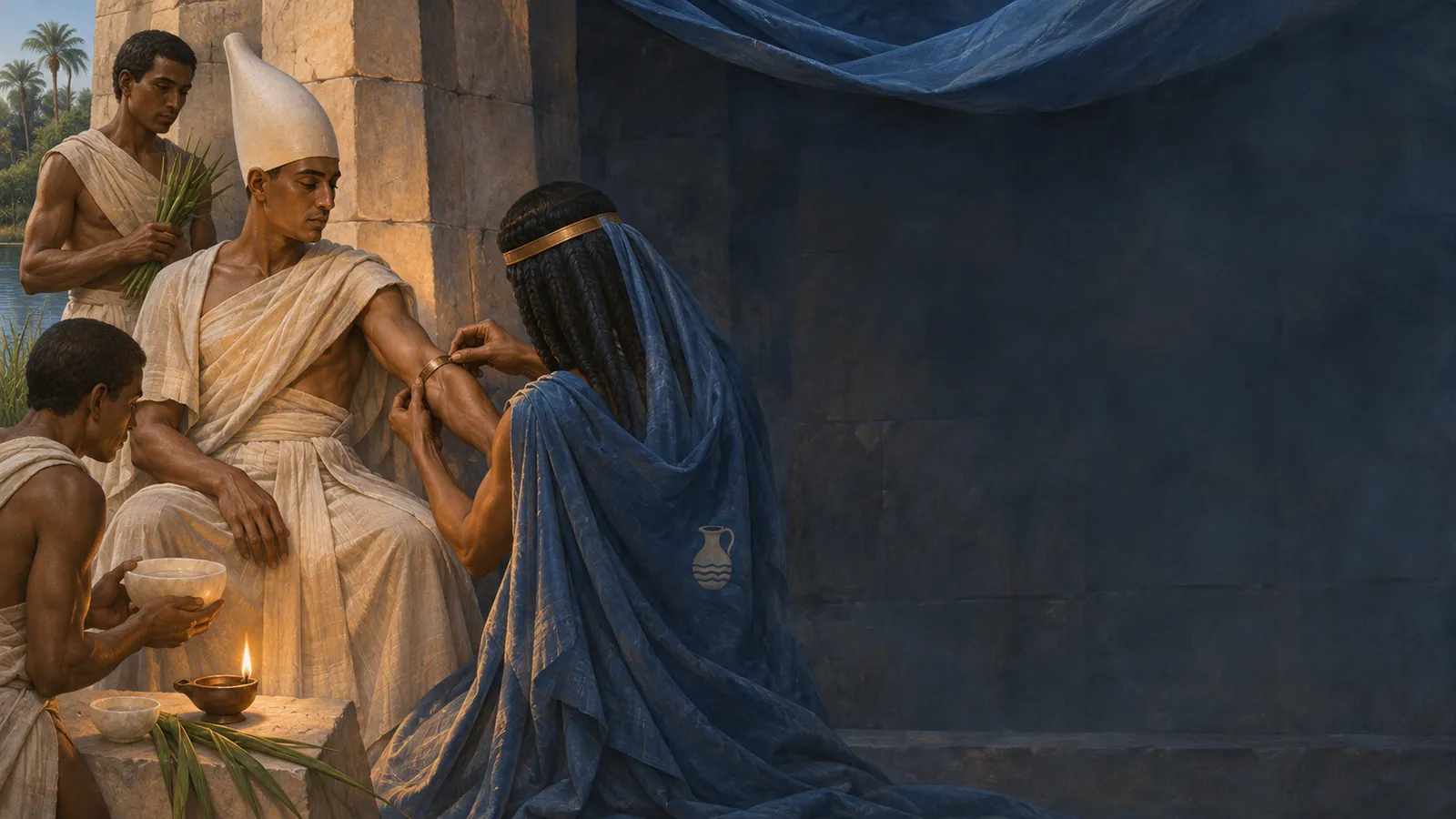
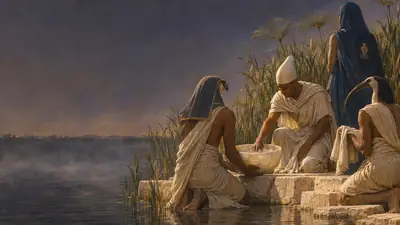
Le récitant dit qu’il se purifie et reçoit ses os de métal. Il dit qu’il étend ses membres impérissables dans le ventre de Nout, sa mère.
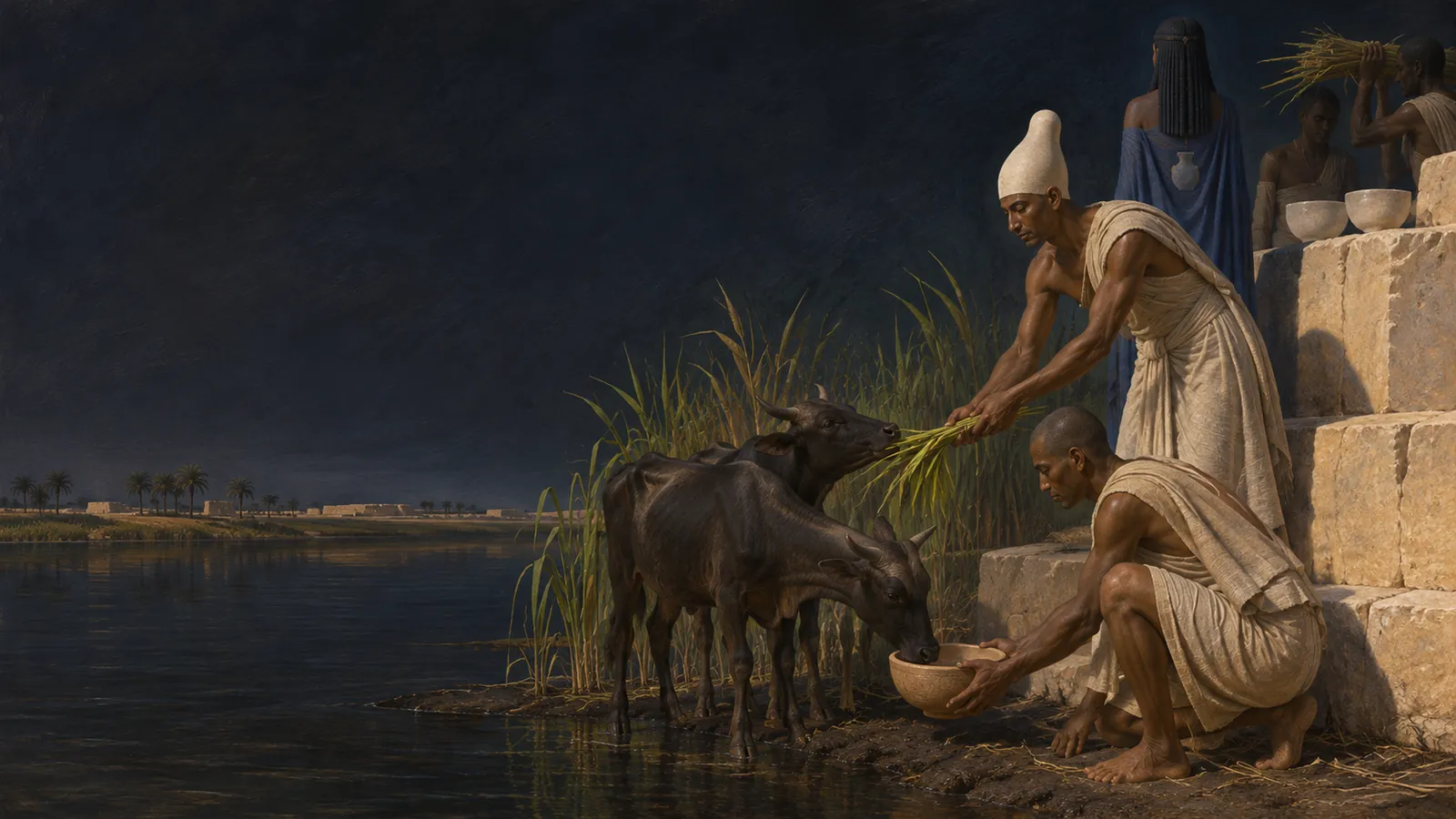
Il demande au Soleil de lui donner ses bras pour que Chou le prenne comme compagnon à jamais. Il dit avoir été allaité par les deux vaches noires qui nourrissent les bas d’Héliopolis.
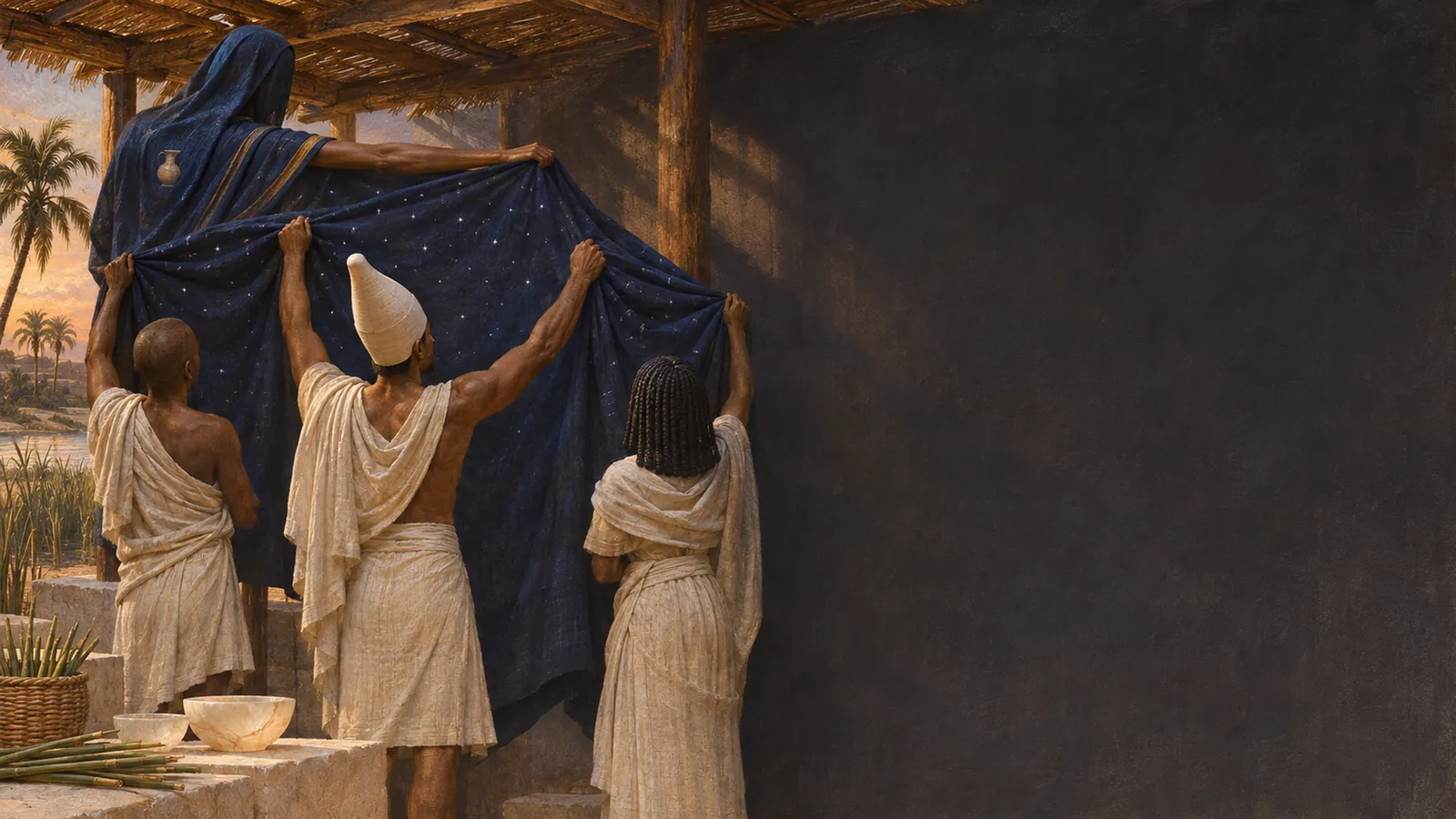
Le récitant s’adresse à Hepatj et dit que le ventre du ciel a enflé sous la force de la semence du dieu. Il dit être la semence qui s’y trouve.
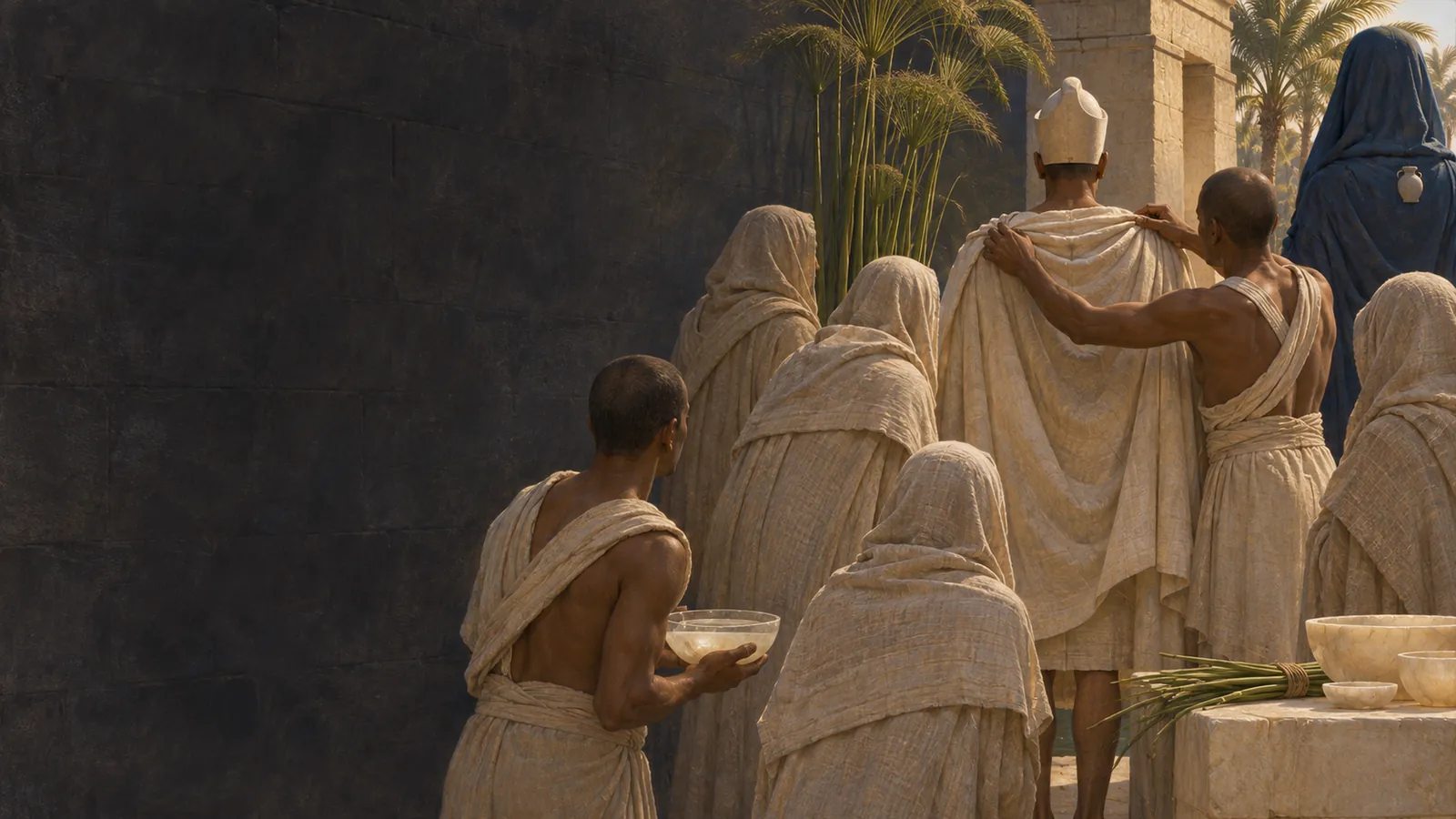
Le récitant appelle Hepatj, l’Ululateur et Zemnenu. Il dit que le manteau reçu l’a purifié et établi comme dieu, et leur demande de l’installer parmi eux.
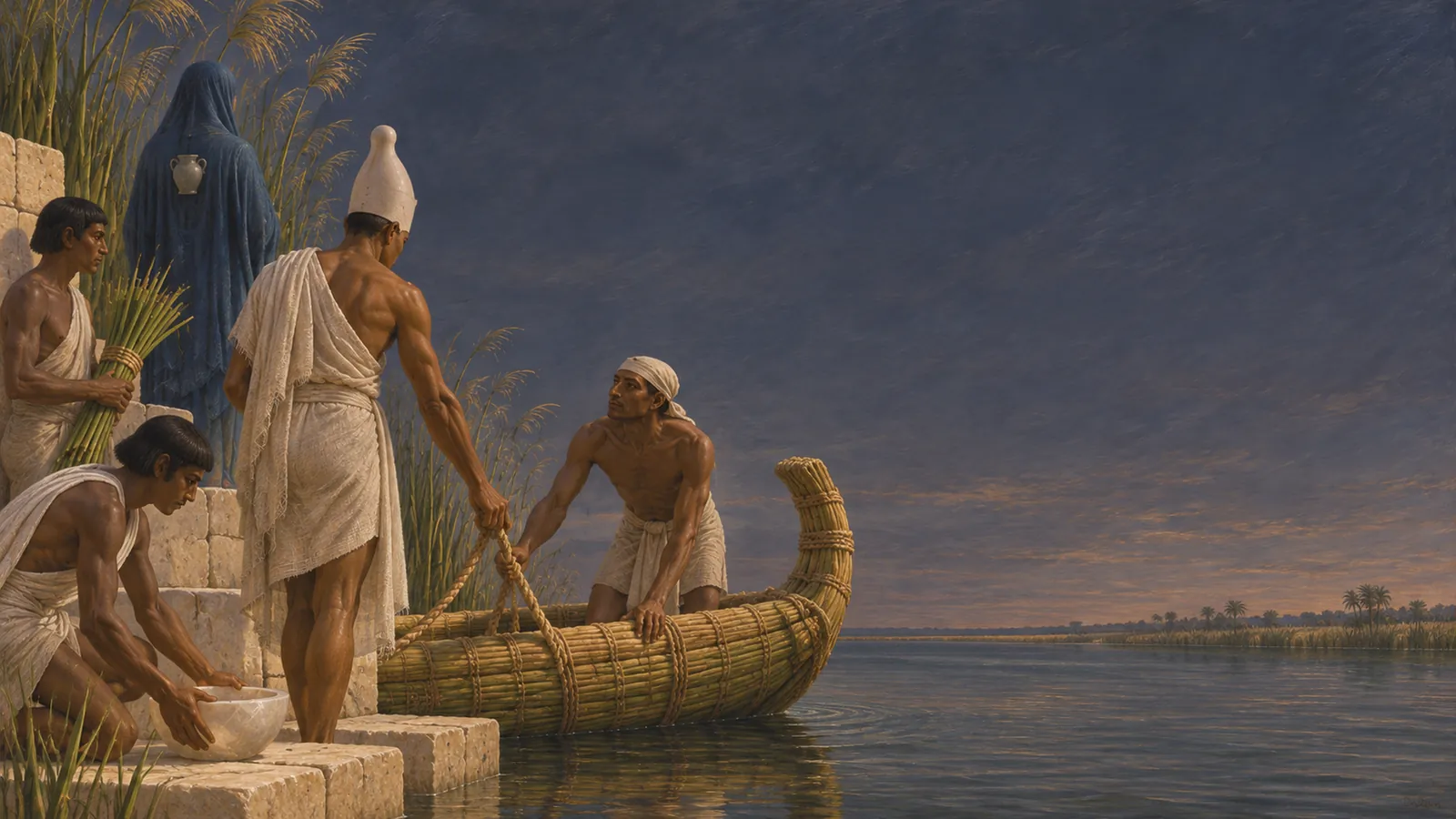
Le récitant s’adresse au nageur du canal d’Horus, à l’avant sombre, que la formule place au cou du Soleil. Il dit qu’ils ont tous deux le ciel pour destination.
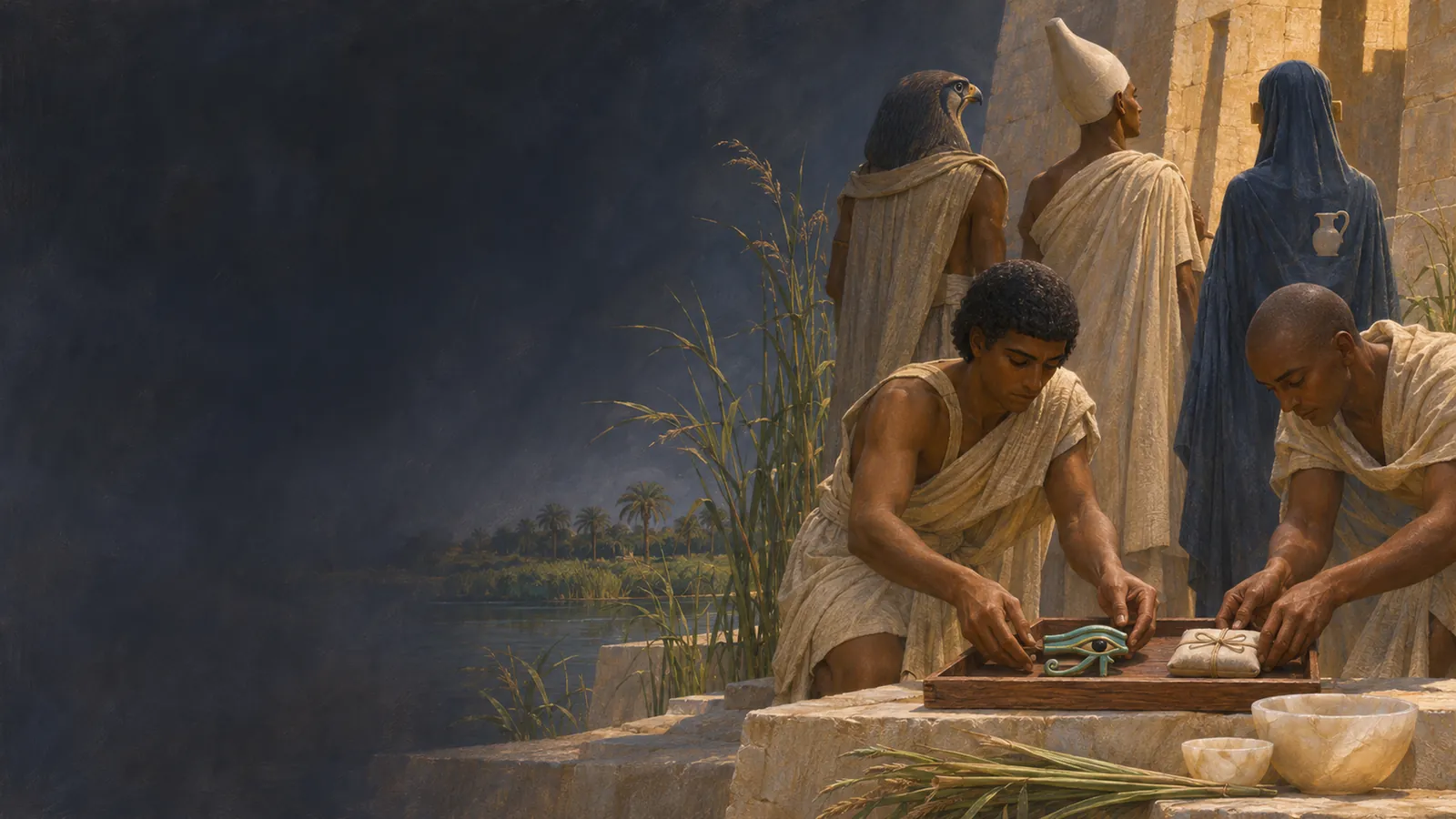
Horus et Seth cherchent le récitant pour avoir rapporté l’œil d’Horus et les testicules de Seth. Thot le cherche aussi, et Allen restitue la raison, la récupération de ses bras, d’après Pépi II.
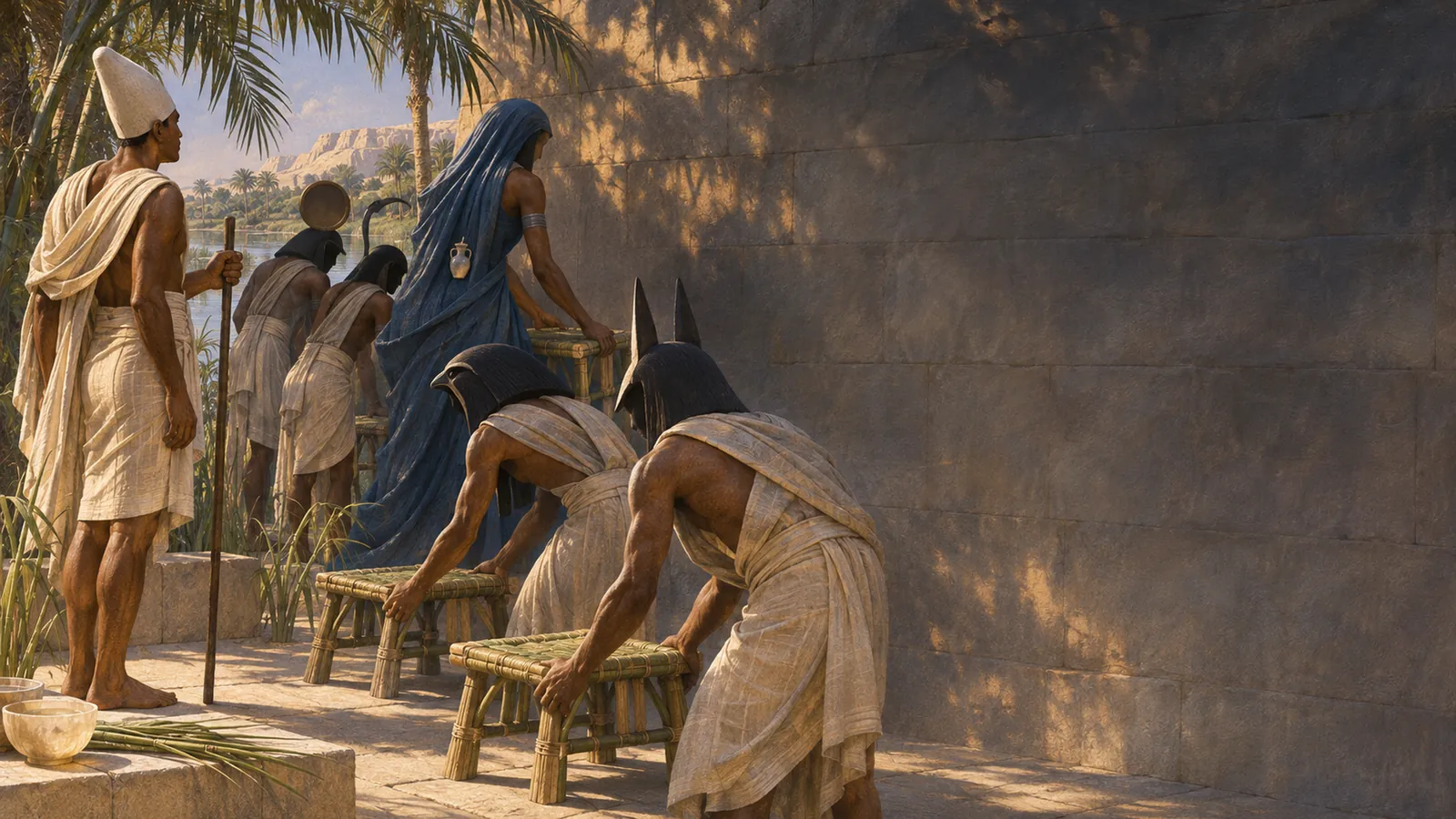
Les deux Ennéades tremblent devant ceux qui viennent chercher le récitant. La formule dit qu’ils le désirent et le mèneront à un état de satisfaction.
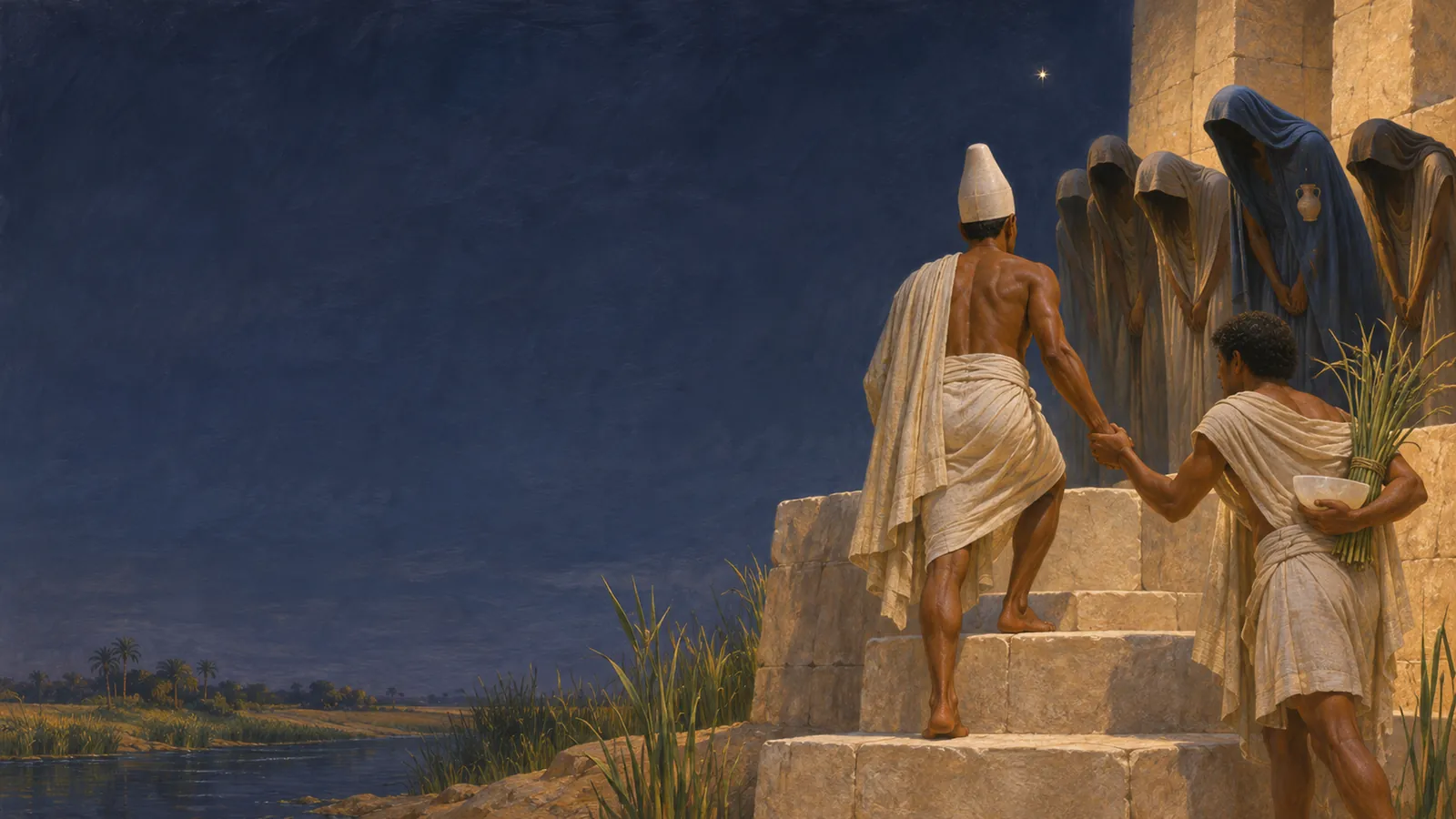
Le récitant se dit deux fois une étoile devant laquelle les dieux s’inclinent et les deux Ennéades tremblent. Dans la première formule, sa main l’élève. Dans la seconde, il voit son ascension et respire.
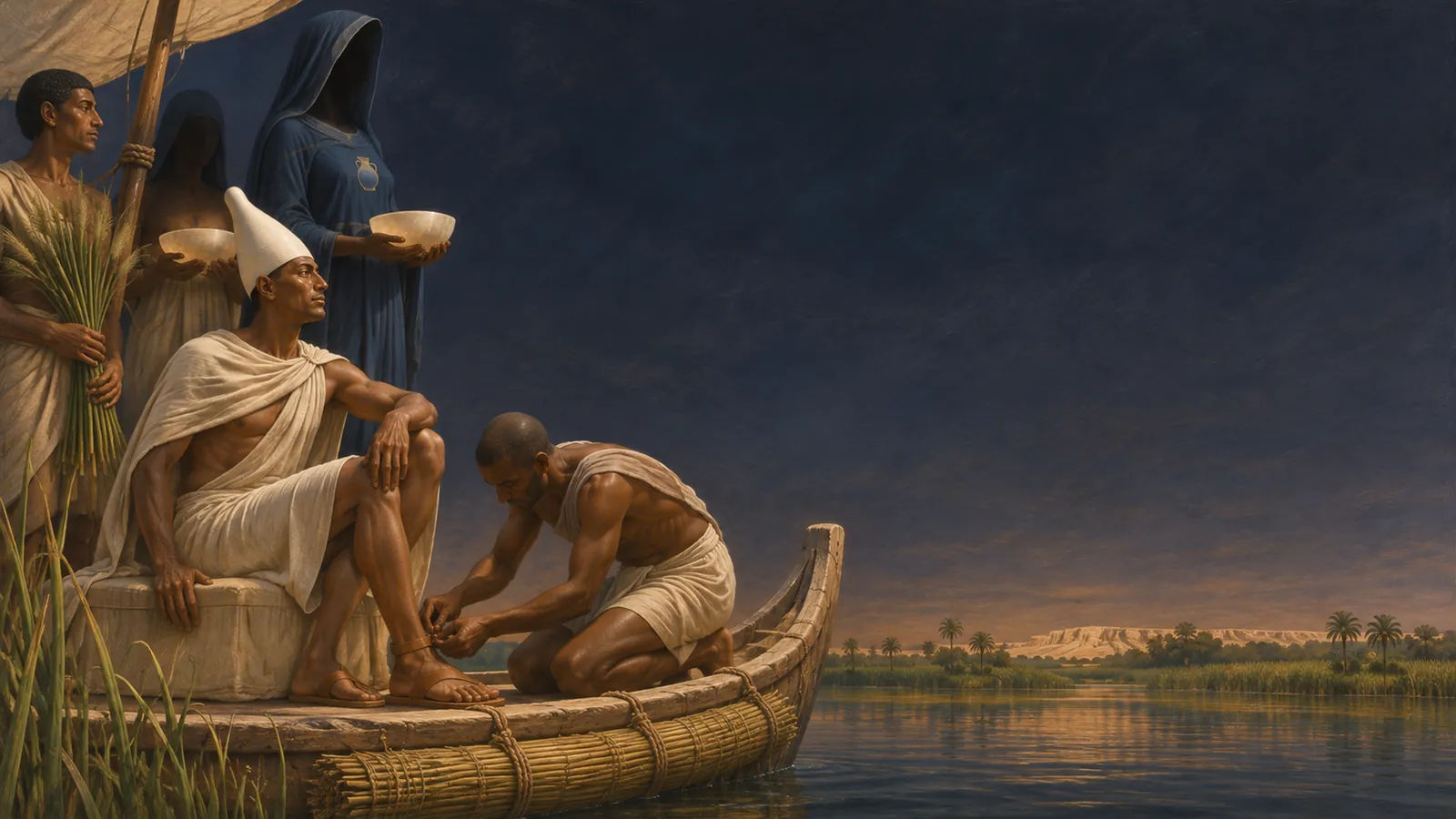
Dans deux formules parallèles, le récitant monte au ciel sur un coussin placé à la proue et saisit la sandale du ciel. La seconde revient à la vision de son ascension et au souffle.
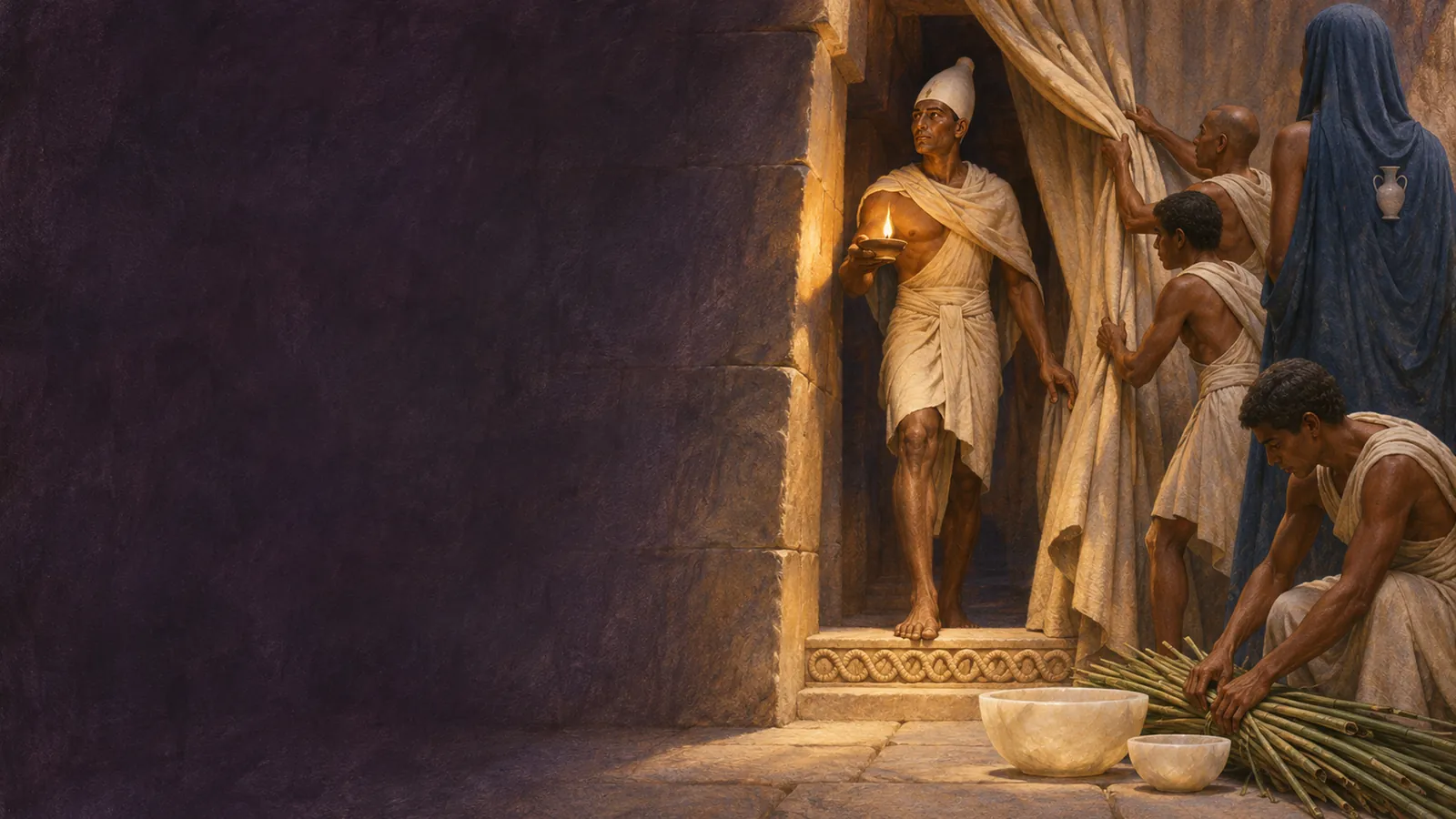
Le récitant dit qu’il a émergé de celui qu’Allen appelle l’Enroulé. Il dit qu’il en est sorti avec une force de feu qui repousse les adversaires.
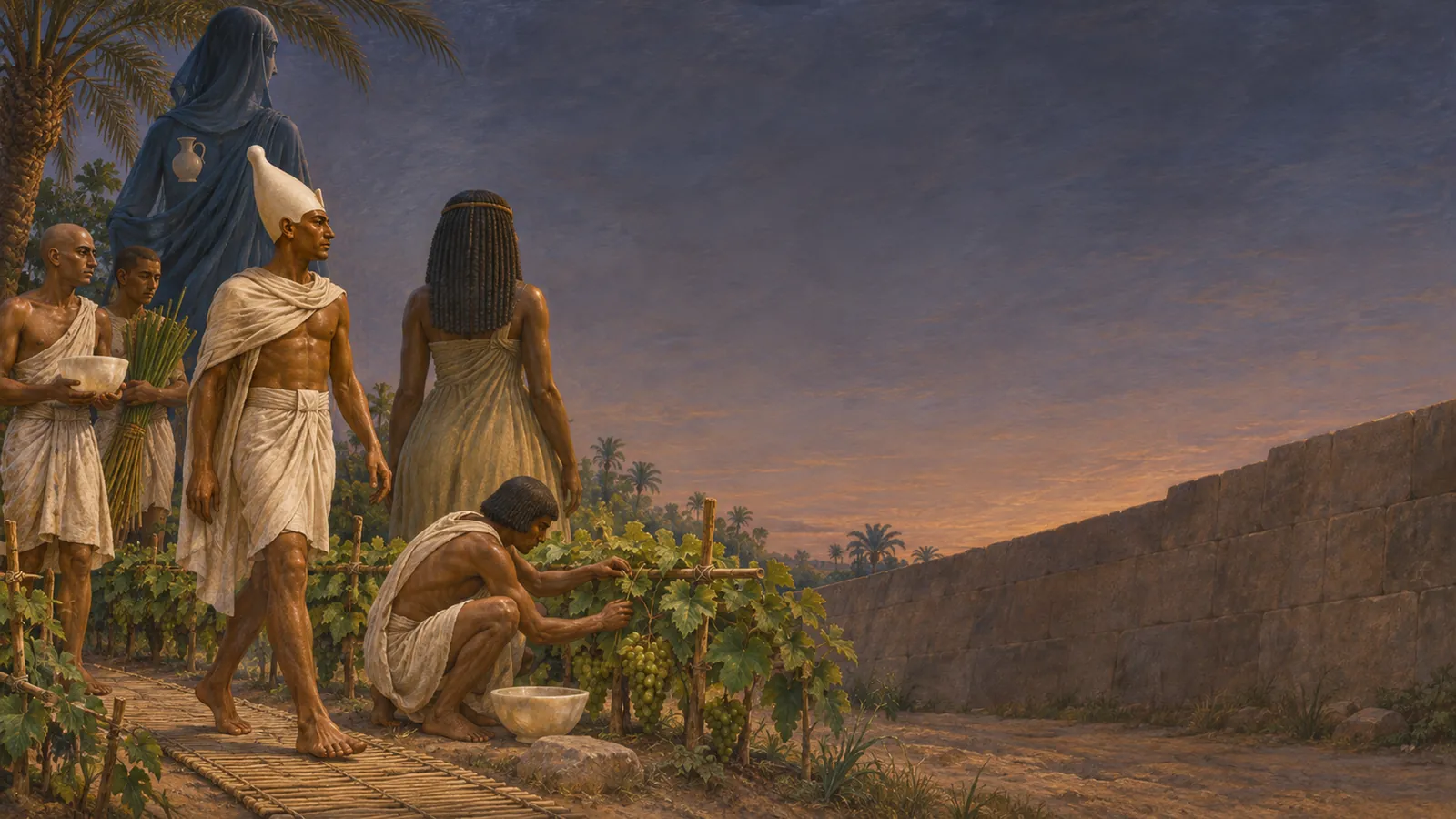
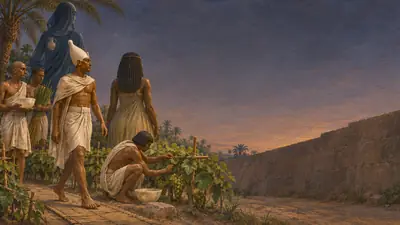
La formule dit que les deux ciels et les deux terres sont venus à lui. Il pose le pied sur la vigne verte sous les pieds de Geb et emprunte les chemins de Nout.
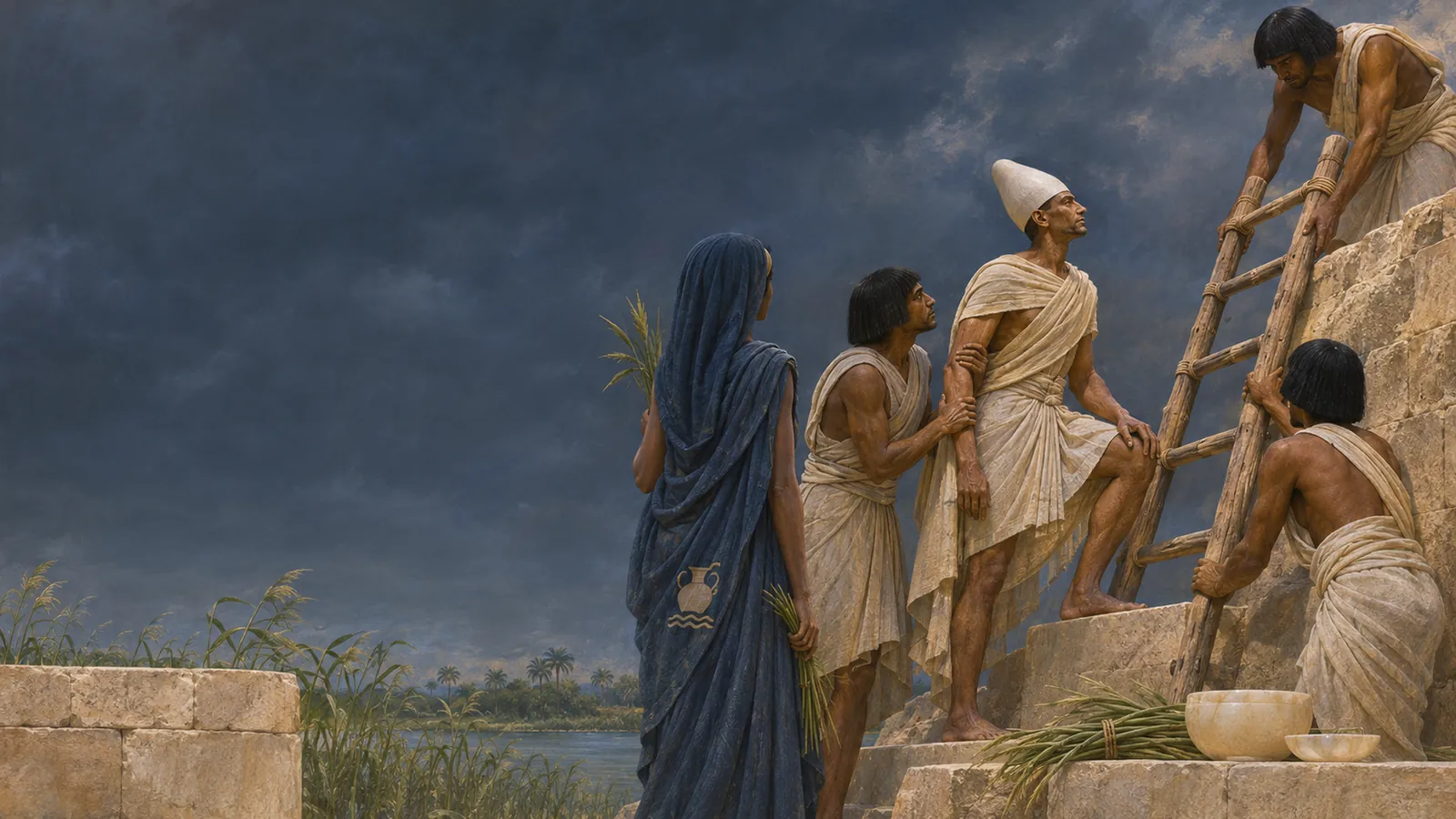
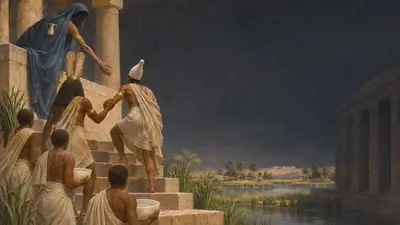
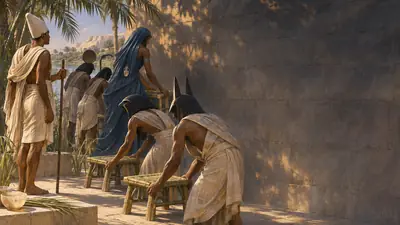
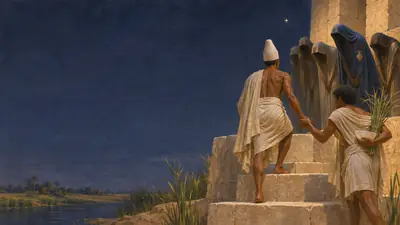
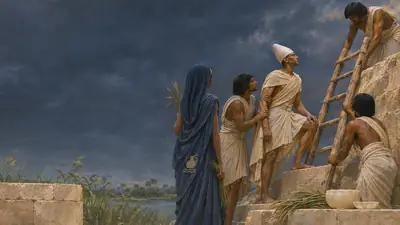
Il se purifie sur la même colline où le Soleil s’est purifié. Il installe un escabeau et dresse une échelle tandis que ceux de l’ouest lui saisissent le bras.
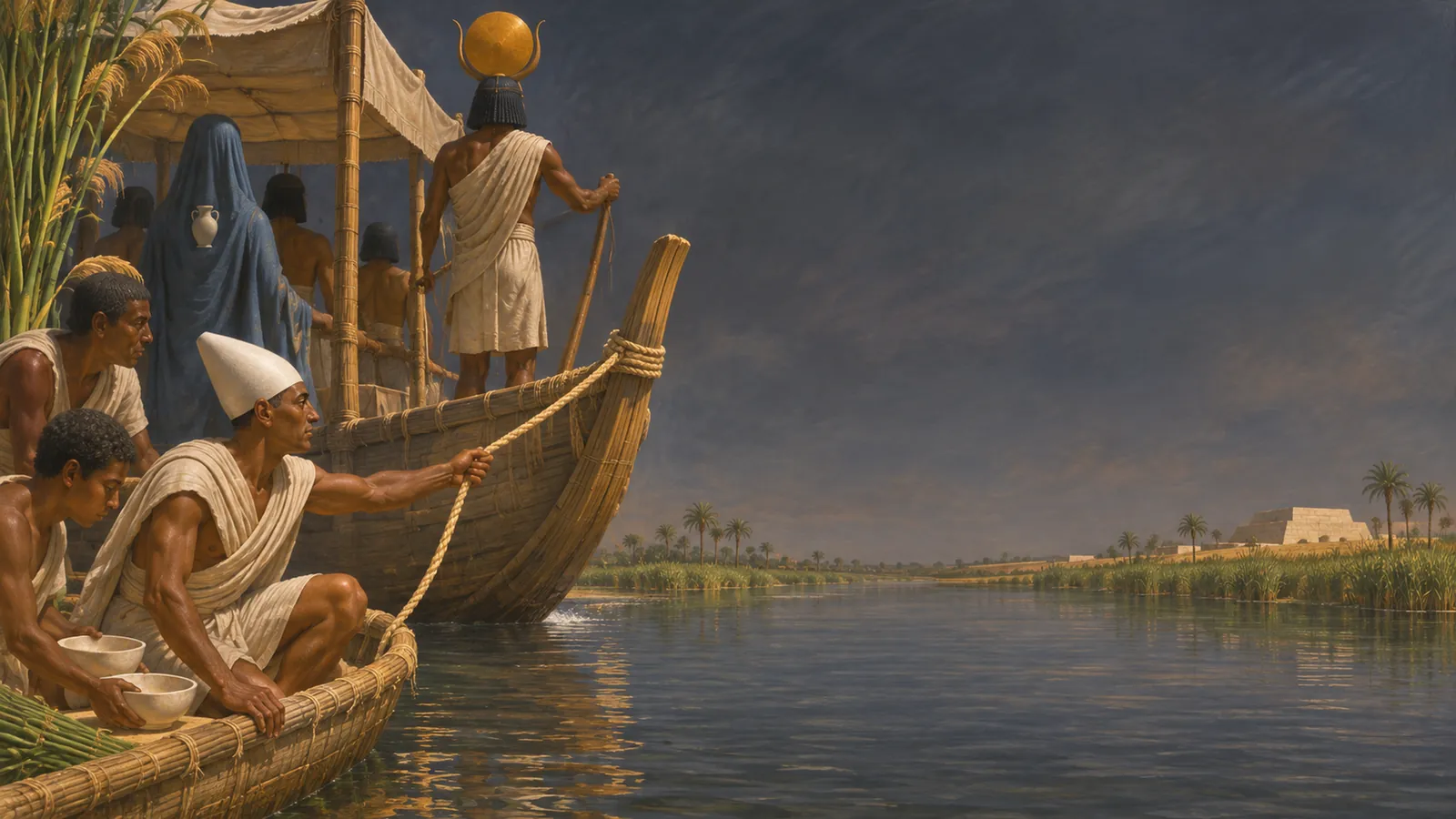
Il salue le Soleil qui traverse Nout et le Canal sinueux. Il dit qu’il a saisi sa queue, car il est un dieu et l’enfant d’un dieu.
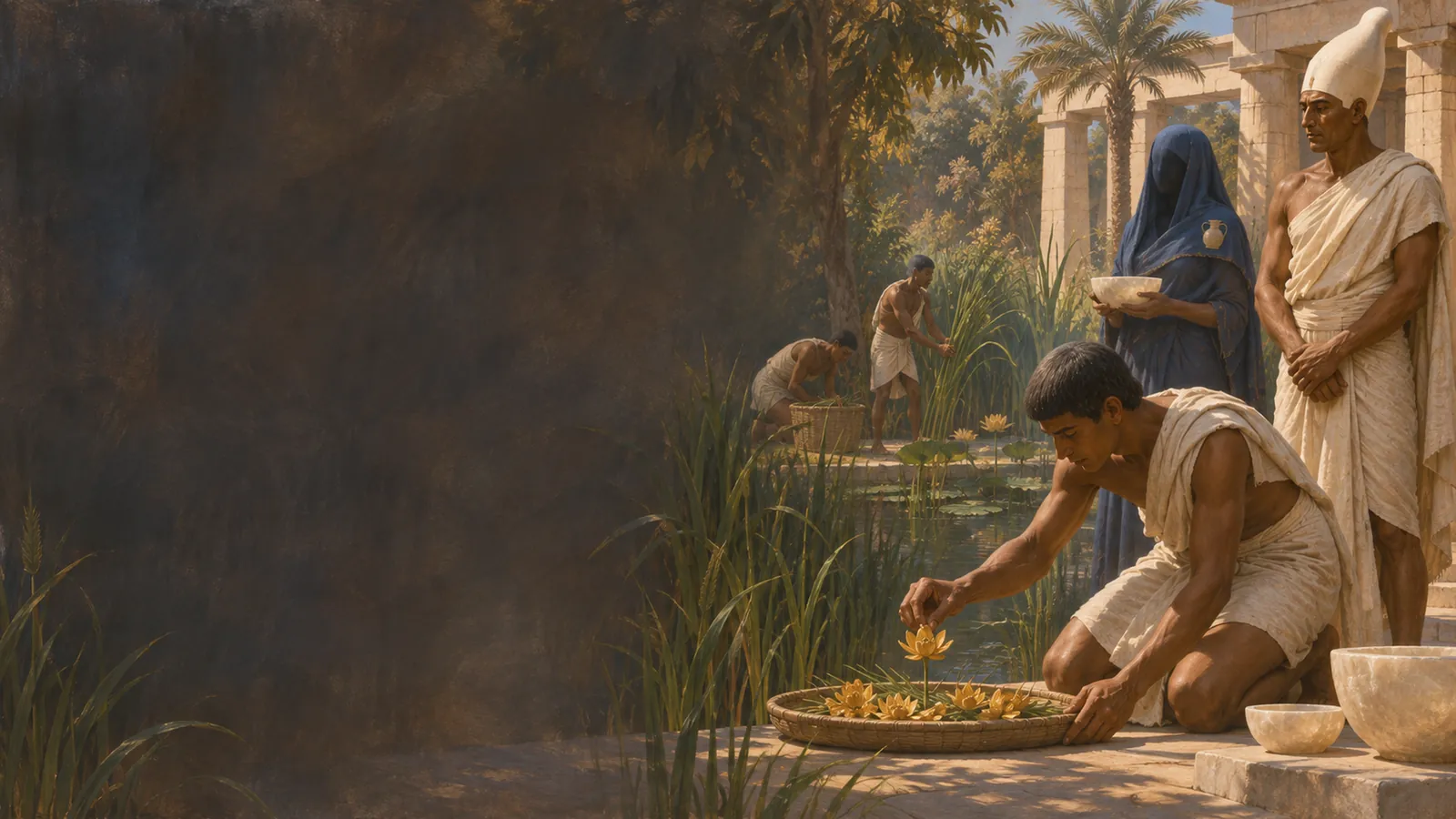
Le récitant se nomme la fleur qui a émergé sous la forme d’un ka. Il se nomme aussi la fleur dorée qui a émergé à Iséum.
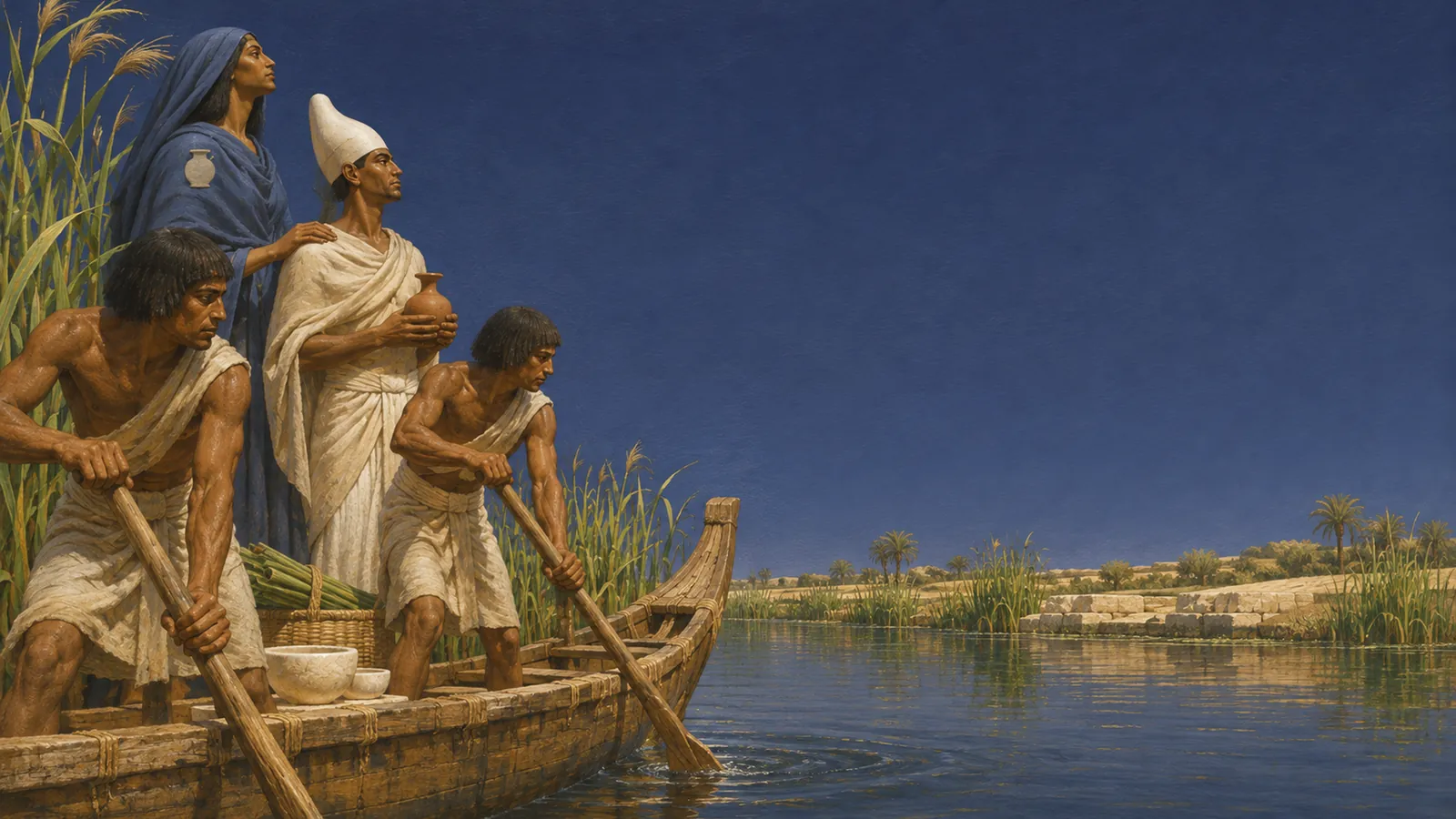
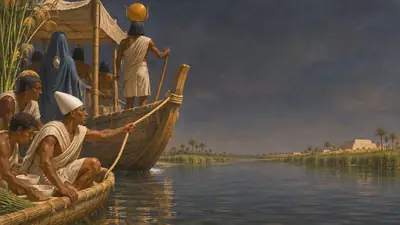
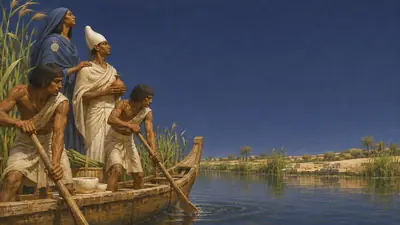
Le récitant parcourt Pé comme l’être du monde souterrain à la tête de Nezat et traverse Kenmut comme Shezmu dans sa barque du pressoir à huile. Il dit que le dieu tient davantage à sa vie qu’à celle de Fetekte.
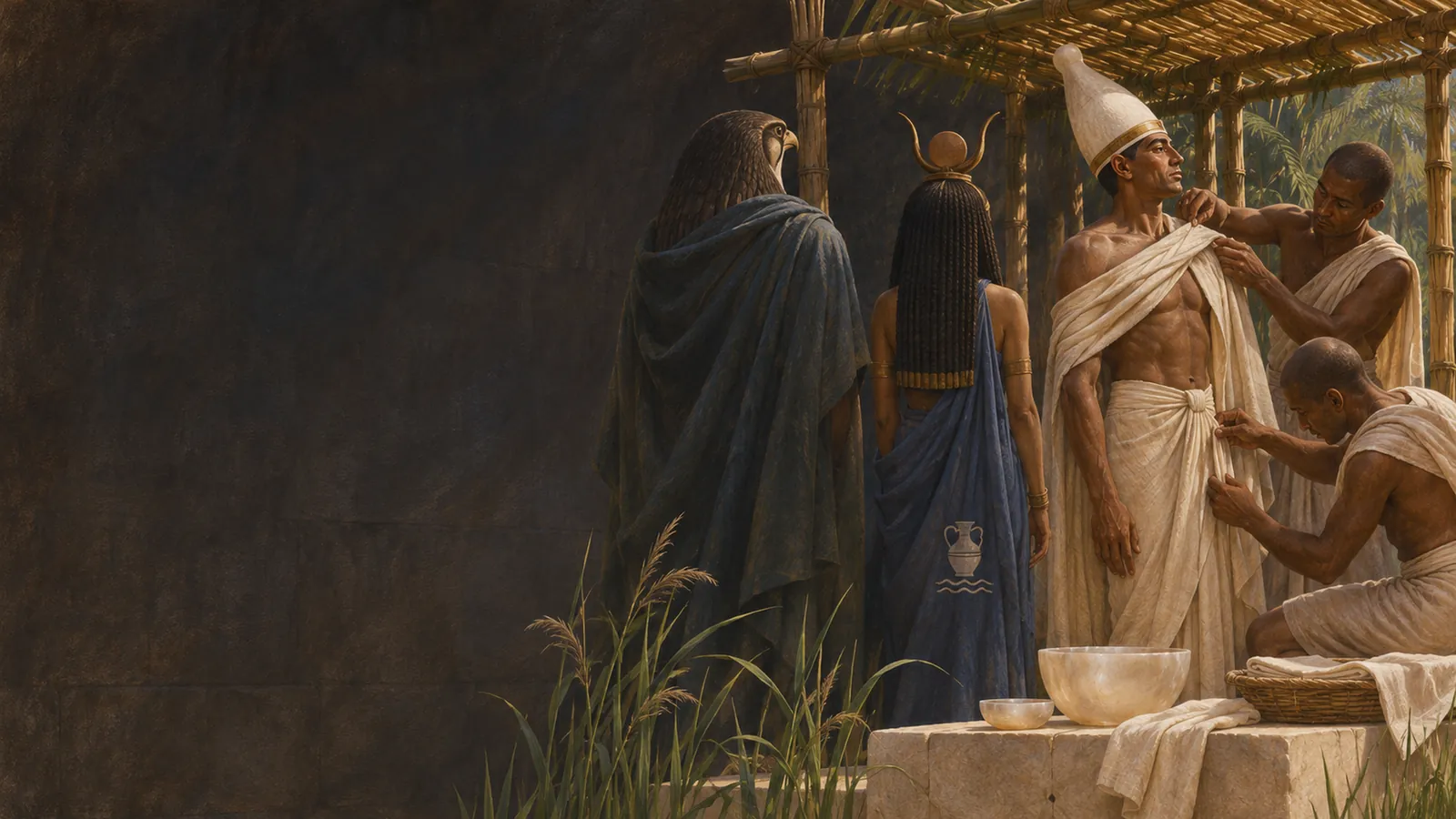
Il s’émerveille de son apparence avec un bandeau du front du Soleil, un pagne d’Hathor et le plumage d’un faucon. Il monte au ciel parmi les dieux, ses frères.
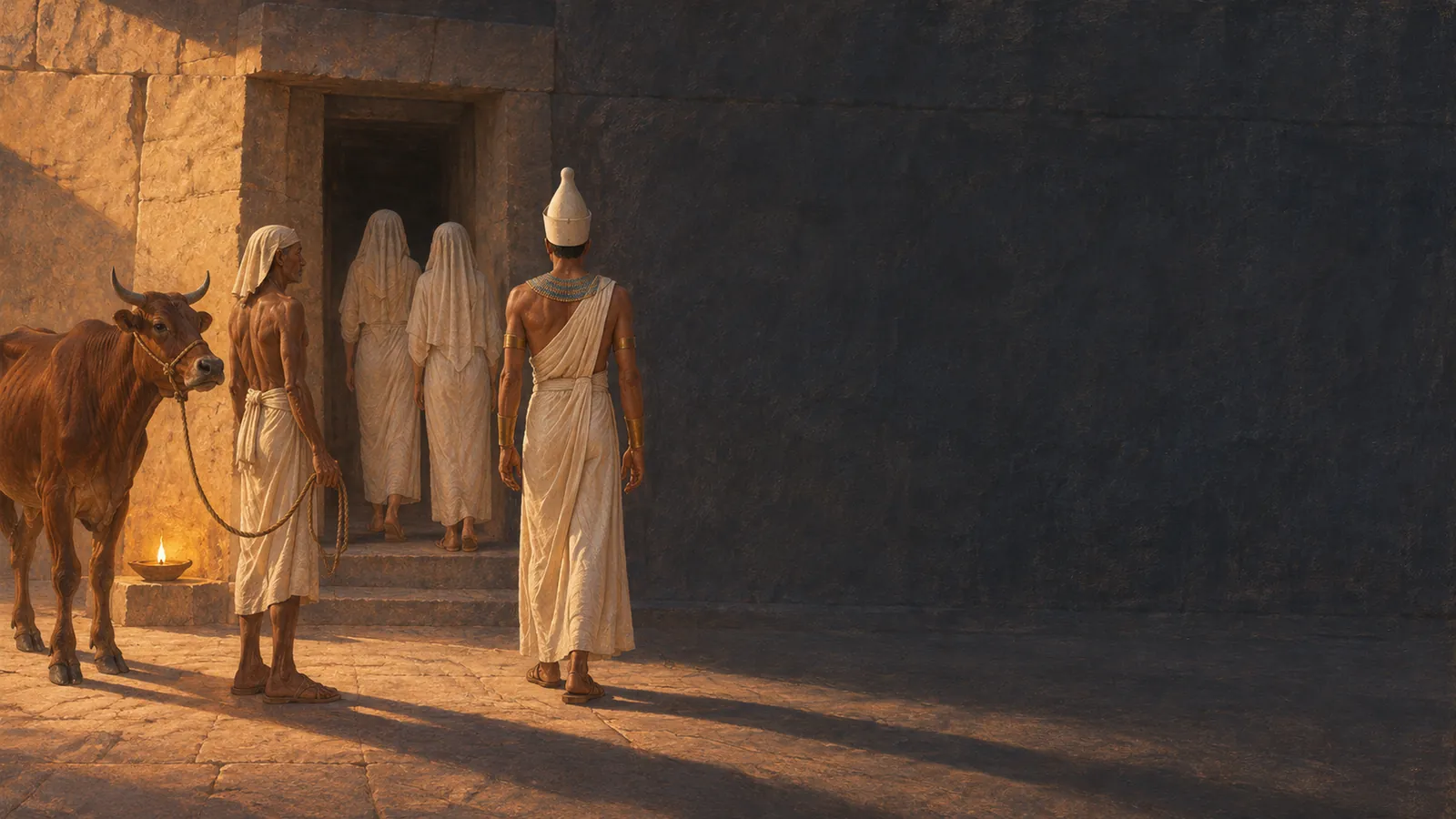
Dans cette formule, le récitant salue le bœuf qui émerge et dit le saisir par la queue et le bas de la colonne. Une grande déesse le précède et une autre le suit.
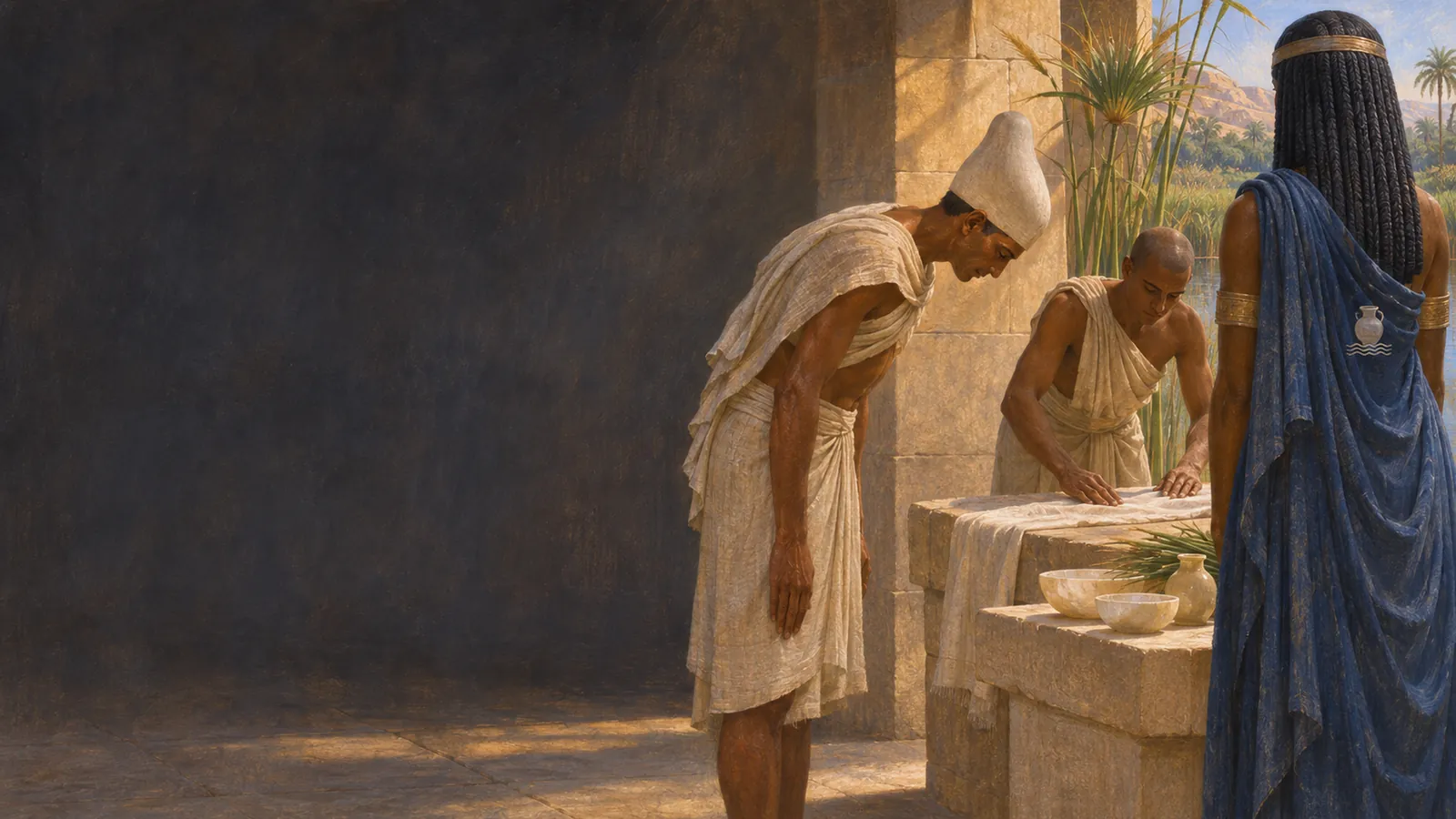
Il demande au plus grand des dieux de le recevoir, car il lui appartient. La formule compare les parties de la dépouille du récitant à celles d’un enfant.
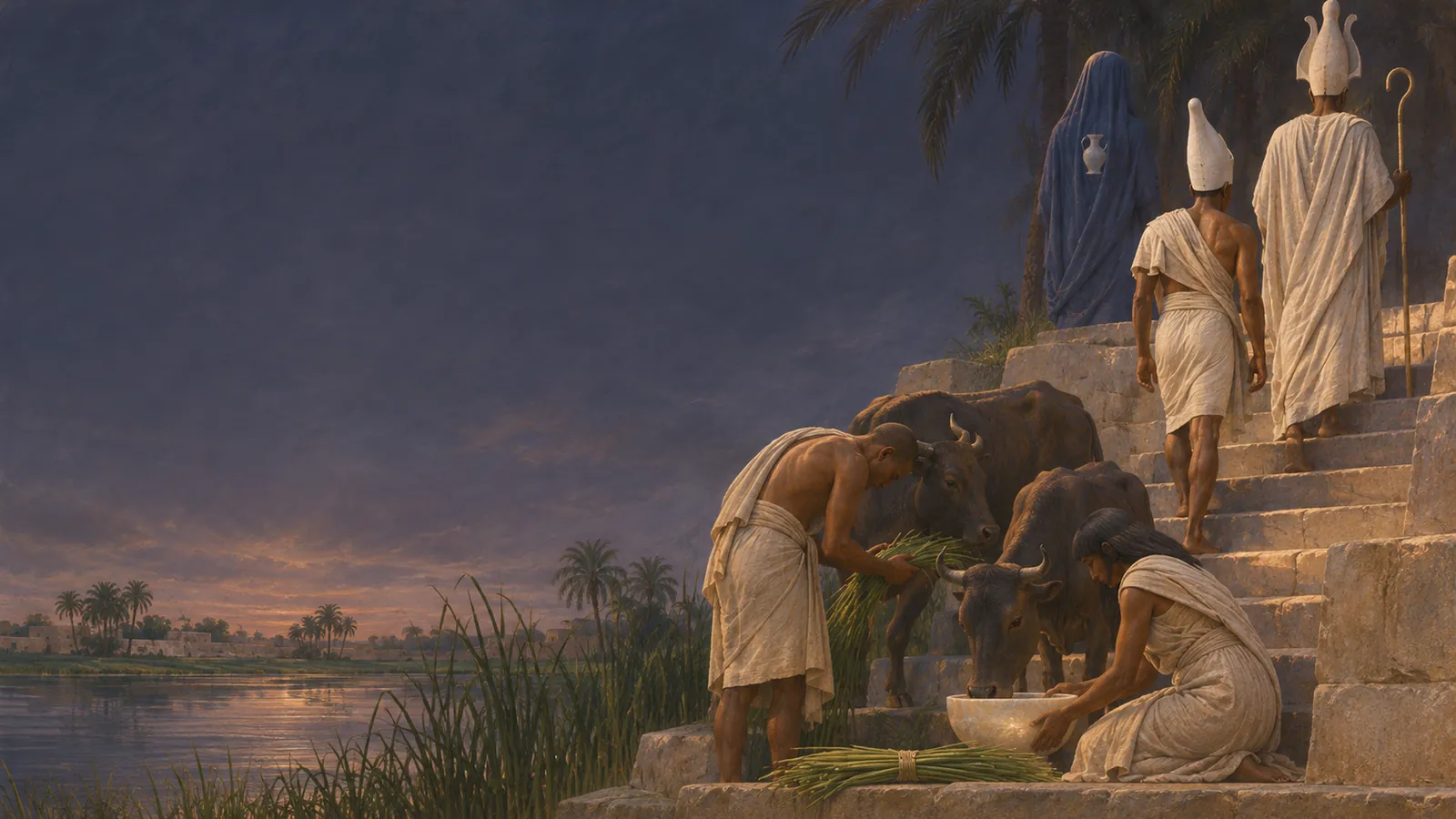
LE DEUIL À L’ASCENSION
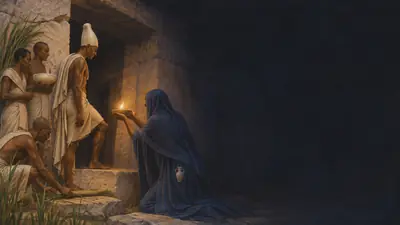
Le ciel parle et la terre tremble quand Osiris émerge. La formule appelle les vaches qui le nourrissent à se rassembler, se frapper la poitrine et le pleurer alors qu’il monte au ciel parmi ses frères divins.
Fin du chapitre 1
Toutes les pages
Sources
Allen’s Teti chapter, The Ancient Egyptian Pyramid Texts, second edition, SBL Press, 2015, pp. 70–74. The sarcophagus spells appear in Teti’s printed order, PT1–2, 6, 7, 4, 5, 3. The west gable runs PT322–337. The first sequence preserves the break after Geb’s opening words. In PT327, Allen takes the reason given for Thoth’s action from Pepi II and prints it in parentheses.
Éditions consultées
- SBL Press, James P. Allen, The Ancient Egyptian Pyramid Texts, second edition
- Teti, printed pp. 70–74, sarcophagus and west gable
- Teti, printed p. 98, notes 2–7
Notes sur ce récit
PT 1–2. Nut speaks first and identifies Teti as the son she bore. The phrase about his emerging from her body paraphrases the words about opening her belly. Geb calls Teti the son of his own body. The printed brackets mark a break immediately afterward. Allen’s note 2 on p. 98 places PT 1–2 on the exterior of the sarcophagus lid.
PT 6. Addressed as the Elder Bud, Nut says she has given the Akhet to her desired son Teti so he may control it as Horus of the Akhet. The gods tell Nut that her choice is proper and ask her to escort him forever. Note 2 places this spell on the east wall of the sarcophagus interior.
PT 7. Nut is styled the Elder One and associated with the Compound of Shenit. She gives Teti the Duat so that he may be foremost there as Horus. In their reply, the gods call Shu Teti’s father and say he knows Nut loves Teti more than she loves her mother Tefnut. Later in the printed sequence the gods call Geb his father. Note 2 places PT 7 on the west wall inside the sarcophagus.
PT 4 and PT 5. These closely parallel recitations name Isis and then Nephthys. In each, Nut gives a sister to Teti so that she may take hold of him and give his mind to his body. Note 2 places PT 4 on the north wall and PT 5 on the south wall inside the sarcophagus.
PT 3. Nut is associated with the Lower Compound. She calls Teti the firstborn on Geb’s throne and says Geb gives him his inheritance before the Big Ennead. The gods’ exclamation about Teti’s happiness concludes the group. Note 2 places this spell on the bottom inside the sarcophagus.
PT 322, opening. The call for sky and earth to open begins Spells for Ascending to Nut. The compound-wall door opens to Horus and the lotus door opens to Seth.
Pages 13–14, PT 322. Allen supplies “door” in parentheses in the address to it. The words refer to the one at the front of his wall and to passing as Atum. The closing designation “Apparent in Heat” and the location within Negau remain specific to Allen’s reading.
Pages 15–16, PT 323. The speaker says he becomes clean with the Sun in the Lake of Reeds. The final two requests go to Shu and Nut, respectively.
Pages 17–18, PT 324, opening. The speaker addresses the keeper of Horus and the keeper of Osiris. Allen’s rendering “hair-spit” is retained for the thing he says he has brought. The words about hair becoming ill and bald are followed by a response about the gods’ magic. Allen brackets the verb “say” in the attribution of that response.
Pages 19–20, PT 324, two encounters. The speaker addresses the beseeched she-hippopotamus and says that she came against him. Allen brackets the coming verb. The speaker says he took one of Horus’s two scepters from her and struck her. A greeting tied to first coming into being follows, with her speaking marked in parentheses. The second address is to the monstrous she-donkey and gives the tail from the lake of Osiris. The two actions belong to the speaker’s recitation.
Page 21, PT 324, Khnum. The act of stepping on it is bracketed. Allen supplies the identification of the reply’s speaker in parentheses. The reply calls the reciter one of the Big Compound’s two pillars.
Pages 22–23, PT 325, the five openings. The five printed formulas repeat the doors, daybreak, emergence and cleansing. The four forms of Horus appear in the same order as the source and the fifth formula turns to the reciter. Allen brackets the first opening verb and a small preposition in the first formula, the emergence phrase in the fourth, and the preposition before daybreak in the fifth.
Page 24, PT 325, purification. Allen brackets the linking conjunction and the words for extending the limbs to oneself.
Page 25, PT 325, the Sun, Shu and the nurses. Allen calls them the nurses of the bas of Heliopolis.
Page 26, PT 325, Hepatj. The first address to Hepatj links the sky’s swollen womb to the force of a god’s seed. The speaker identifies himself with that seed. This is the speaker’s metaphor within the recitation.
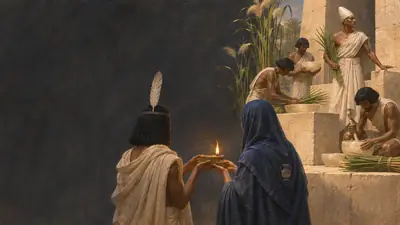
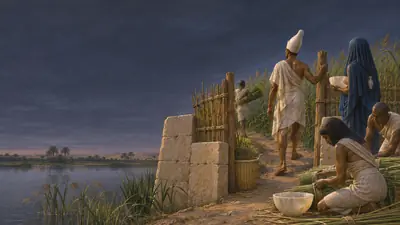
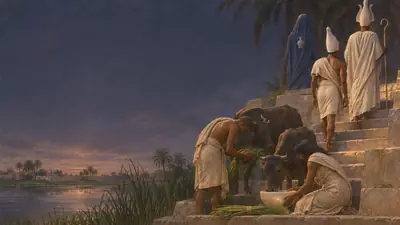
Purification takes place beside the Lake of Reeds.
Page 27, Allen 2015, Teti, p. 72, PT325. The final appeals of PT325 name Hepatj, Ululator and Zemnenu. The recipient attributes purification and divine establishment to the cloak and asks to be taken and settled as one of them.
Page 28, Allen 2015, Teti, p. 72, PT326. PT326 places the dark-fronted canal-swimmer at the Sun’s neck. Allen’s note 3 on p. 98 suggests a possible horizon reference.
Page 29, Allen 2015, Teti, p. 73, PT327, opening. PT327 names what was fetched for Horus and Seth. Allen’s p.
Page 30, Allen 2015, Teti, p. 73, PT327, conclusion. PT327 says the two Enneads shake. Allen supplies with fear in parentheses. The three seek, fetch and will fetch the speaker to contentment in the recitation.
Page 31, Allen 2015, Teti, p. 73, PT328–329. The divine bows and the Enneads shaking occur in both PT328 and PT329. Allen supplies a snake in parentheses in both. PT328 ends with the hand elevating the speaker.
Page 32, Allen 2015, Teti, p. 73, PT330–331. PT330 and PT331 both give the cushion in the prow and the grasping of the sandal. Allen supplies of the standard in PT330. In note 5 the possessor of the sandal is the sky. PT331 adds the repeated breath and sight formula.
Page 33, Allen 2015, Teti, p. 73, PT332, opening. The speaker says he emerged from the Coiled One with a fiery blast that drives opponents away. Allen supplies opponents in parentheses. Note 6 identifies a double reference in the written sign to completing a board game and overcoming the obstructing serpent.
Page 34, Allen 2015, Teti, p. 73, PT332, remainder. The speaker receives the two skies and lands, steps on the green vine under Geb’s feet and tramples Nut’s paths. Note 7 explains the skies north and south of the Winding Canal and the lands as the Nile Valley and Delta.
Page 35, Allen 2015, Teti, p. 73, PT333. PT333 locates the speaker’s purification on the Sun’s hill, distinguishes the stepladder and ladder, and says those of the west are grasping his arm.
Page 36, Allen 2015, Teti, p. 73, PT334, opening. The greeting in PT334 addresses the Sun crossing the sky and Nut. The speaker mentions the Sun’s journey on the Winding Canal, grasping its tail and his own divine parentage.
Page 37, Allen 2015, Teti, p. 73, PT334, blossom. The second movement of PT334 makes a paired claim about the blossom that comes forth as ka and the gilded blossom in Iseum.
Page 38, Allen 2015, Teti, p. 73, PT334, crossings. Pe, Nezat, Kenmut, Shezmu and Fetekte remain as printed. The speaker names his two crossings and the boat. This selection gives the stated preference for the speaker’s life without reporting any outcome for Fetekte.
Page 39, Allen 2015, Teti, p. 74, PT335. PT335 lists the headband from the Sun’s brow, the kilt from Hathor and the falcon’s plumage.
Page 40, Allen 2015, Teti, p. 74, PT336, first address. The first address of PT336 greets the steer at emergence and places two great goddesses around it.
Page 41, Allen 2015, Teti, p. 74, PT336, second address. The second address of PT336 asks the greatest god to receive the speaker. The description compares the parts of the speaker’s dead body to those of a child. The line does not describe harm to a child.
Page 42, Allen 2015, Teti, p. 74, PT337. PT337 gives the shaking of the earth and speech of the sky at Osiris’s emergence. The nurse-cows are called to gather and mourn as he goes to the sky.
Les vers antiques de chaque page
- Page 1: Allen 2015, The Ancient Egyptian Pyramid Texts, Teti, p. 70, PT 1–2, opening
- Page 2: Allen 2015, The Ancient Egyptian Pyramid Texts, Teti, p. 70, PT 1–2, Nut’s speech
- Page 3: Allen 2015, The Ancient Egyptian Pyramid Texts, Teti, p. 70, PT 1–2, Geb’s speech
- Page 4: Allen 2015, The Ancient Egyptian Pyramid Texts, Teti, p. 71, PT 6, Nut’s speech
- Page 5: Allen 2015, The Ancient Egyptian Pyramid Texts, Teti, p. 71, PT 6, gods’ reply
- Page 6: Allen 2015, The Ancient Egyptian Pyramid Texts, Teti, p. 71, PT 7, Nut’s speech
- Page 7: Allen 2015, The Ancient Egyptian Pyramid Texts, Teti, p. 71, PT 7, gods’ reply
- Page 8: Allen 2015, The Ancient Egyptian Pyramid Texts, Teti, p. 71, PT 4
- Page 9: Allen 2015, The Ancient Egyptian Pyramid Texts, Teti, p. 71, PT 5
- Page 10: Allen 2015, The Ancient Egyptian Pyramid Texts, Teti, p. 71, PT 3, Nut’s speech
- Page 11: Allen 2015, The Ancient Egyptian Pyramid Texts, Teti, p. 71, PT 3, gods’ reply
- Page 12: Allen 2015, The Ancient Egyptian Pyramid Texts, Teti, p. 71, PT 322, opening
- Page 13: Allen, The Ancient Egyptian Pyramid Texts, 2nd ed. (2015), Teti, p. 71, PT 322, middle
- Page 14: Allen, The Ancient Egyptian Pyramid Texts, 2nd ed. (2015), Teti, p. 71, PT 322, ending
- Page 15: Allen, The Ancient Egyptian Pyramid Texts, 2nd ed. (2015), Teti, p. 71, PT 323, opening
- Page 16: Allen, The Ancient Egyptian Pyramid Texts, 2nd ed. (2015), Teti, p. 71, PT 323, ending
- Page 17: Allen, The Ancient Egyptian Pyramid Texts, 2nd ed. (2015), Teti, p. 71, PT 324, errand
- Page 18: Allen, The Ancient Egyptian Pyramid Texts, 2nd ed. (2015), Teti, p. 71, PT 324, hair and reply
- Page 19: Allen, The Ancient Egyptian Pyramid Texts, 2nd ed. (2015), Teti, p. 72, PT 324, first encounter
- Page 20: Allen, The Ancient Egyptian Pyramid Texts, 2nd ed. (2015), Teti, p. 72, PT 324, second encounter
- Page 21: Allen, The Ancient Egyptian Pyramid Texts, 2nd ed. (2015), Teti, p. 72, PT 324, Khnum and reply
- Page 22: Allen, The Ancient Egyptian Pyramid Texts, 2nd ed. (2015), Teti, p. 72, PT 325, first four openings
- Page 23: Allen, The Ancient Egyptian Pyramid Texts, 2nd ed. (2015), Teti, p. 72, PT 325, first-person opening
- Page 24: Allen, The Ancient Egyptian Pyramid Texts, 2nd ed. (2015), Teti, p. 72, PT 325, purification and body
- Page 25: Allen, The Ancient Egyptian Pyramid Texts, 2nd ed. (2015), Teti, p. 72, PT 325, Sun, Shu and Heliopolis
- Page 26: Allen, The Ancient Egyptian Pyramid Texts, 2nd ed. (2015), Teti, p. 72, PT 325, Hepatj and the sky
- Page 27: Allen, The Ancient Egyptian Pyramid Texts, 2nd ed. (2015), Teti, p. 72, PT325
- Page 28: Allen, The Ancient Egyptian Pyramid Texts, 2nd ed. (2015), Teti, p. 72, PT326
- Page 29: Allen, The Ancient Egyptian Pyramid Texts, 2nd ed. (2015), Teti, p. 73, PT327, opening
- Page 30: Allen, The Ancient Egyptian Pyramid Texts, 2nd ed. (2015), Teti, p. 73, PT327, conclusion
- Page 31: Allen, The Ancient Egyptian Pyramid Texts, 2nd ed. (2015), Teti, p. 73, PT328–329
- Page 32: Allen, The Ancient Egyptian Pyramid Texts, 2nd ed. (2015), Teti, p. 73, PT330–331
- Page 33: Allen, The Ancient Egyptian Pyramid Texts, 2nd ed. (2015), Teti, p. 73, PT332, opening
- Page 34: Allen, The Ancient Egyptian Pyramid Texts, 2nd ed. (2015), Teti, p. 73, PT332, remainder
- Page 35: Allen, The Ancient Egyptian Pyramid Texts, 2nd ed. (2015), Teti, p. 73, PT333
- Page 36: Allen, The Ancient Egyptian Pyramid Texts, 2nd ed. (2015), Teti, p. 73, PT334, opening
- Page 37: Allen, The Ancient Egyptian Pyramid Texts, 2nd ed. (2015), Teti, p. 73, PT334, blossom
- Page 38: Allen, The Ancient Egyptian Pyramid Texts, 2nd ed. (2015), Teti, p. 73, PT334, crossings
- Page 39: Allen, The Ancient Egyptian Pyramid Texts, 2nd ed. (2015), Teti, p. 74, PT335
- Page 40: Allen, The Ancient Egyptian Pyramid Texts, 2nd ed. (2015), Teti, p. 74, PT336, first address
- Page 41: Allen, The Ancient Egyptian Pyramid Texts, 2nd ed. (2015), Teti, p. 74, PT336, second address
- Page 42: Allen, The Ancient Egyptian Pyramid Texts, 2nd ed. (2015), Teti, p. 74, PT337
Illustrations réalisées par IL Archive avec des outils d’IA ; le texte s’appuie sur les sources antiques (voir les sources à la fin de chaque chapitre).