Téti et le passeur du Canal sinueux Chapitre 1
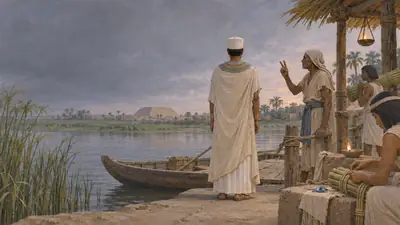
Appeler le passeur
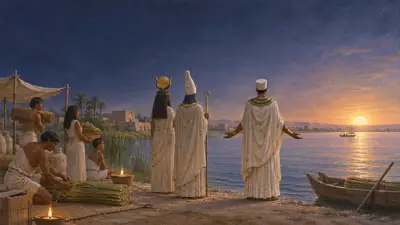
Dans une récitation de la pyramide de Téti, l’œil d’Horus bondit et la voix cherche à traverser vers la partie orientale du ciel. Elle fait appel au passeur et dit avoir trouvé son siège vide à la poupe de la barque du Soleil.
SourcesTournez les pages avec les flèches, le clavier ou en balayant l’écran.
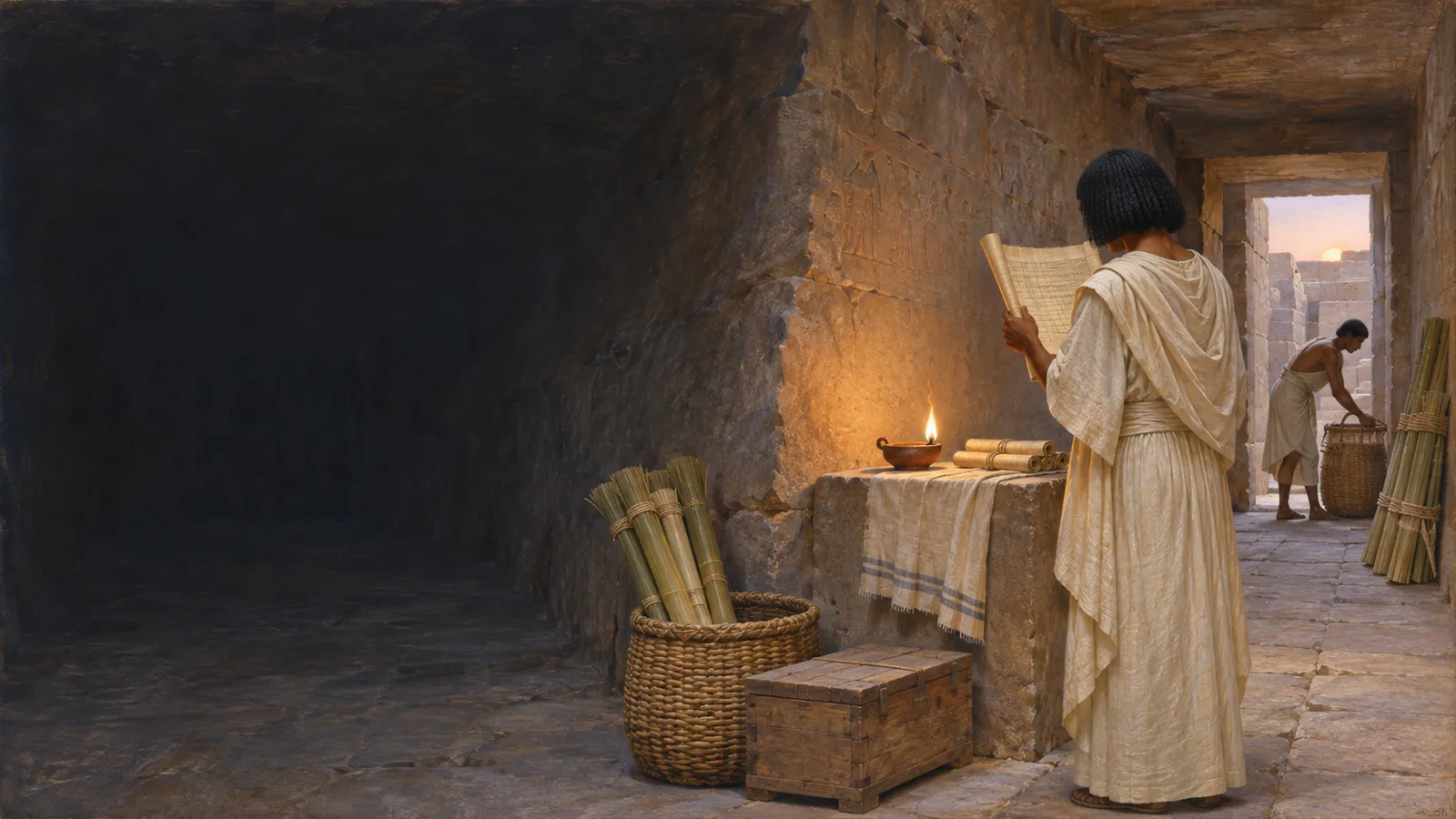
APPELER LE PASSEUR
James Allen traduit cette récitation de la pyramide de Téti. Elle est gravée dans le passage qui relie la chambre funéraire à l’antichambre et figure parmi les formules de sortie de la Douat.
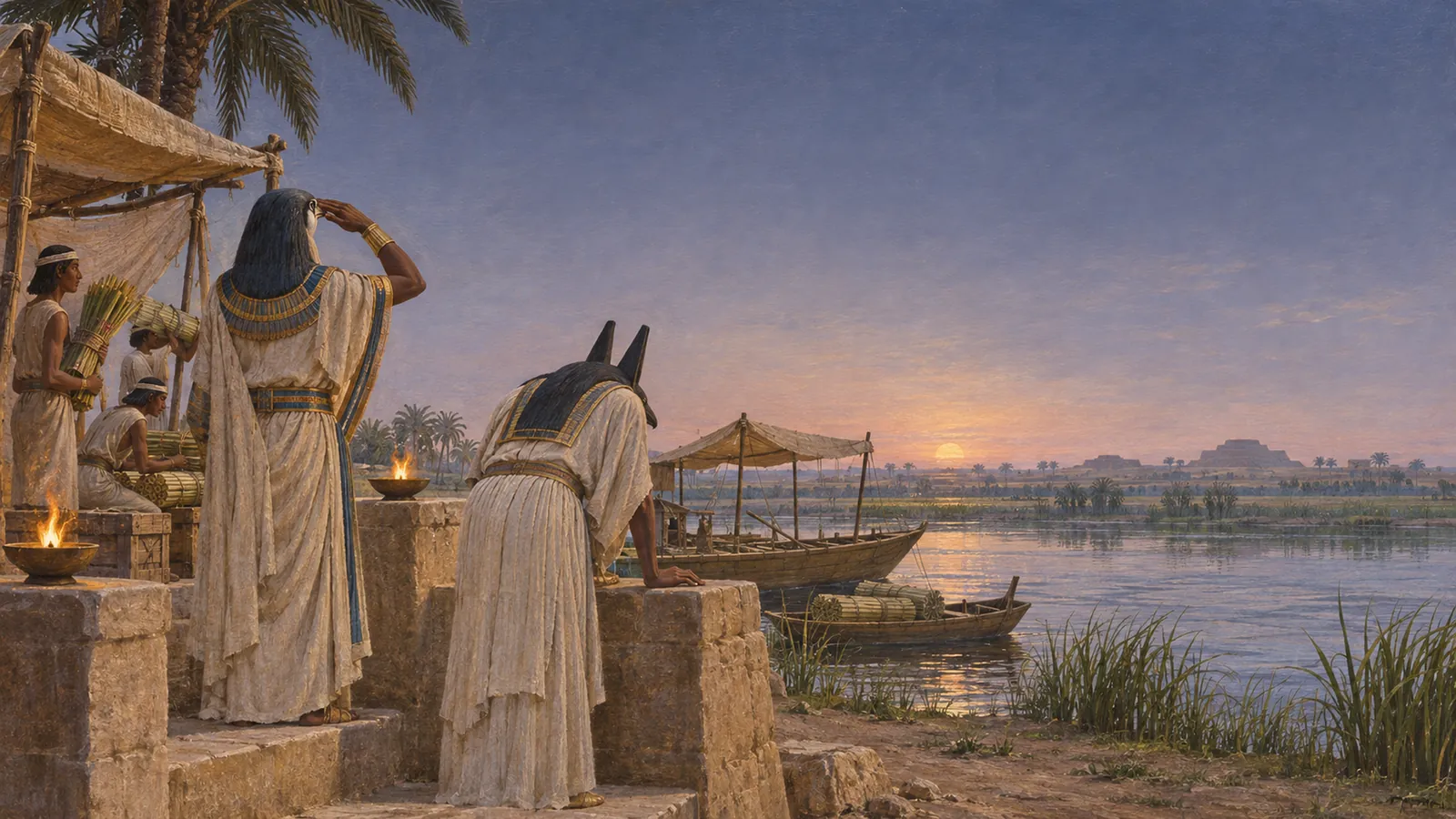
Au début de la récitation, Horus pousse un cri à cause de son œil et Seth à cause de ses testicules.
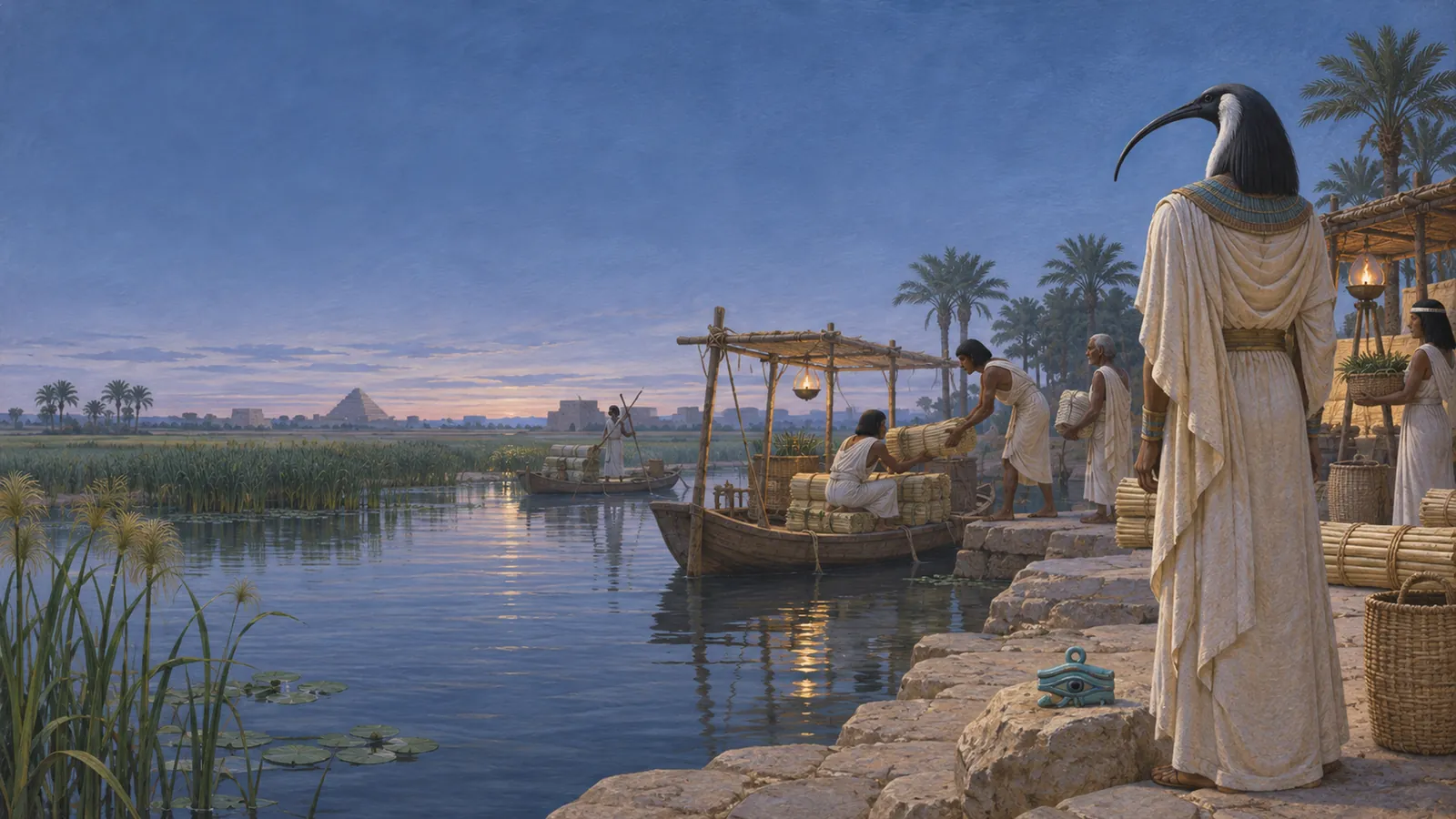
L’œil d’Horus bondit pour échapper à Seth. La récitation rapporte une arrivée de l’autre côté du Canal sinueux et dit que Thot avait été aperçu sur cette rive.
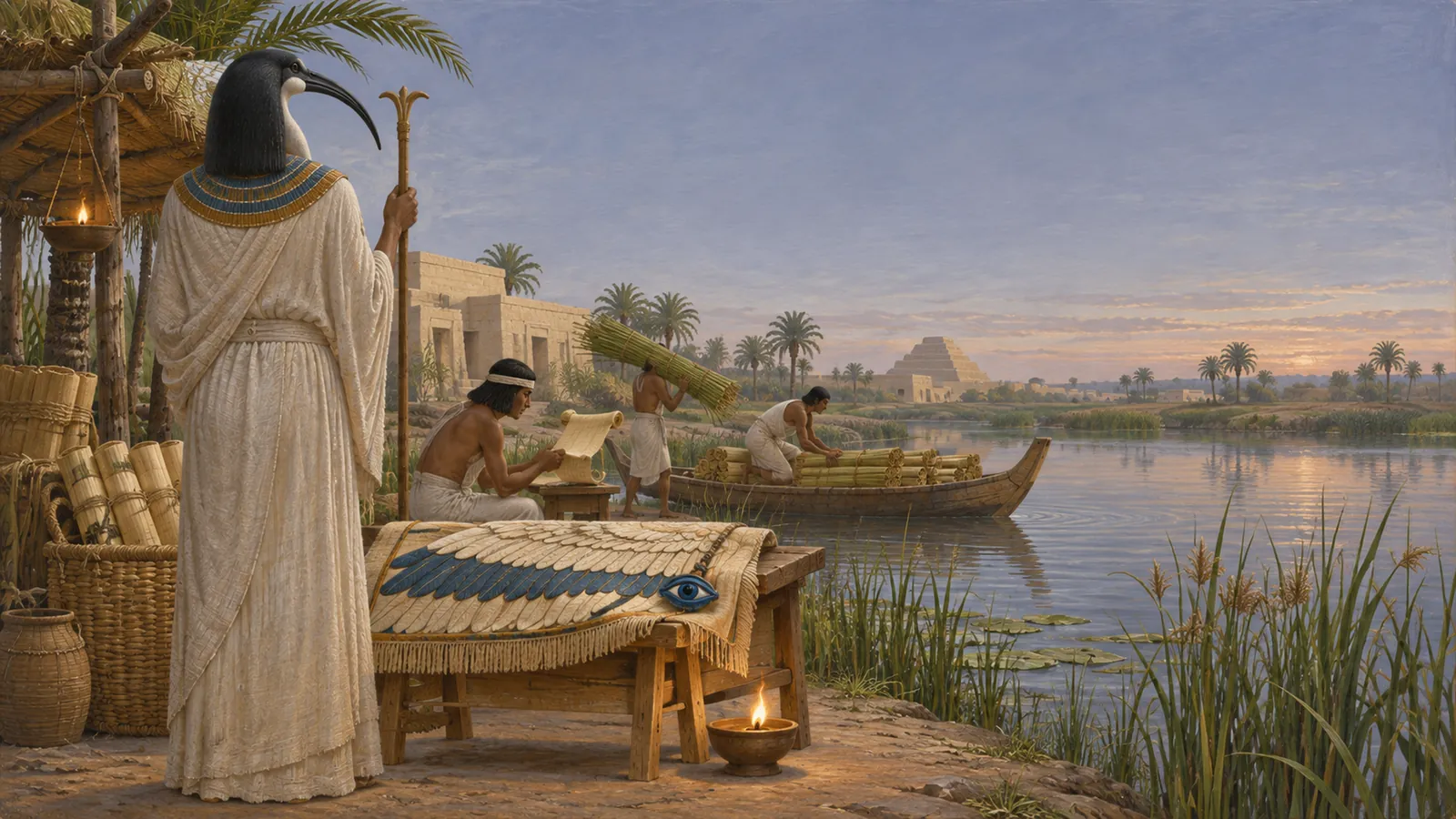
La formule dit que l’œil d’Horus bondit de nouveau de l’autre côté du canal. Elle rapporte ensuite une arrivée sur l’aile de Thot.
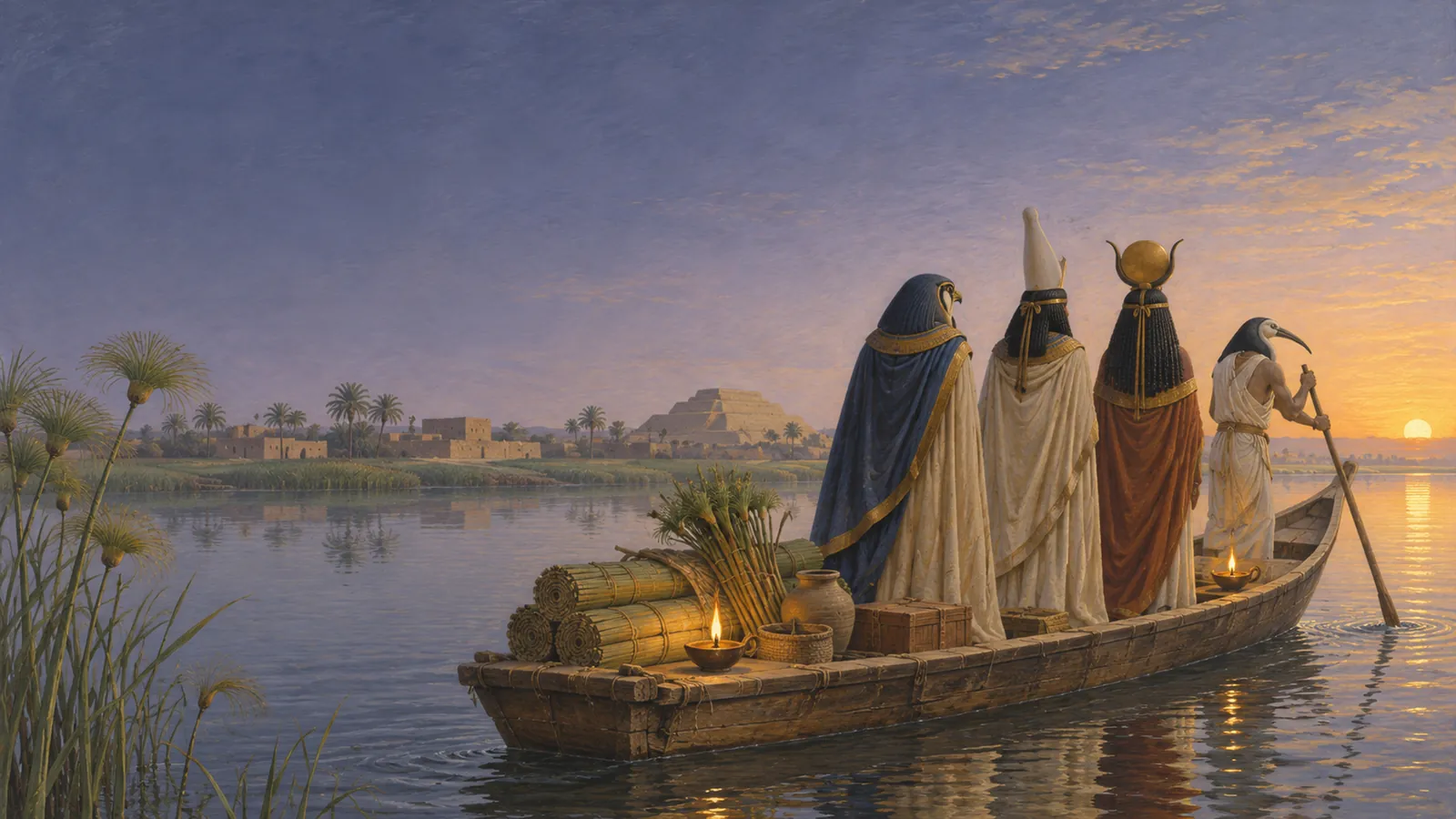
La voix s’adresse aux dieux qui traversent sur l’aile de Thot jusqu’au côté oriental du ciel. Ils traversent pour contester à Seth l’œil d’Horus.
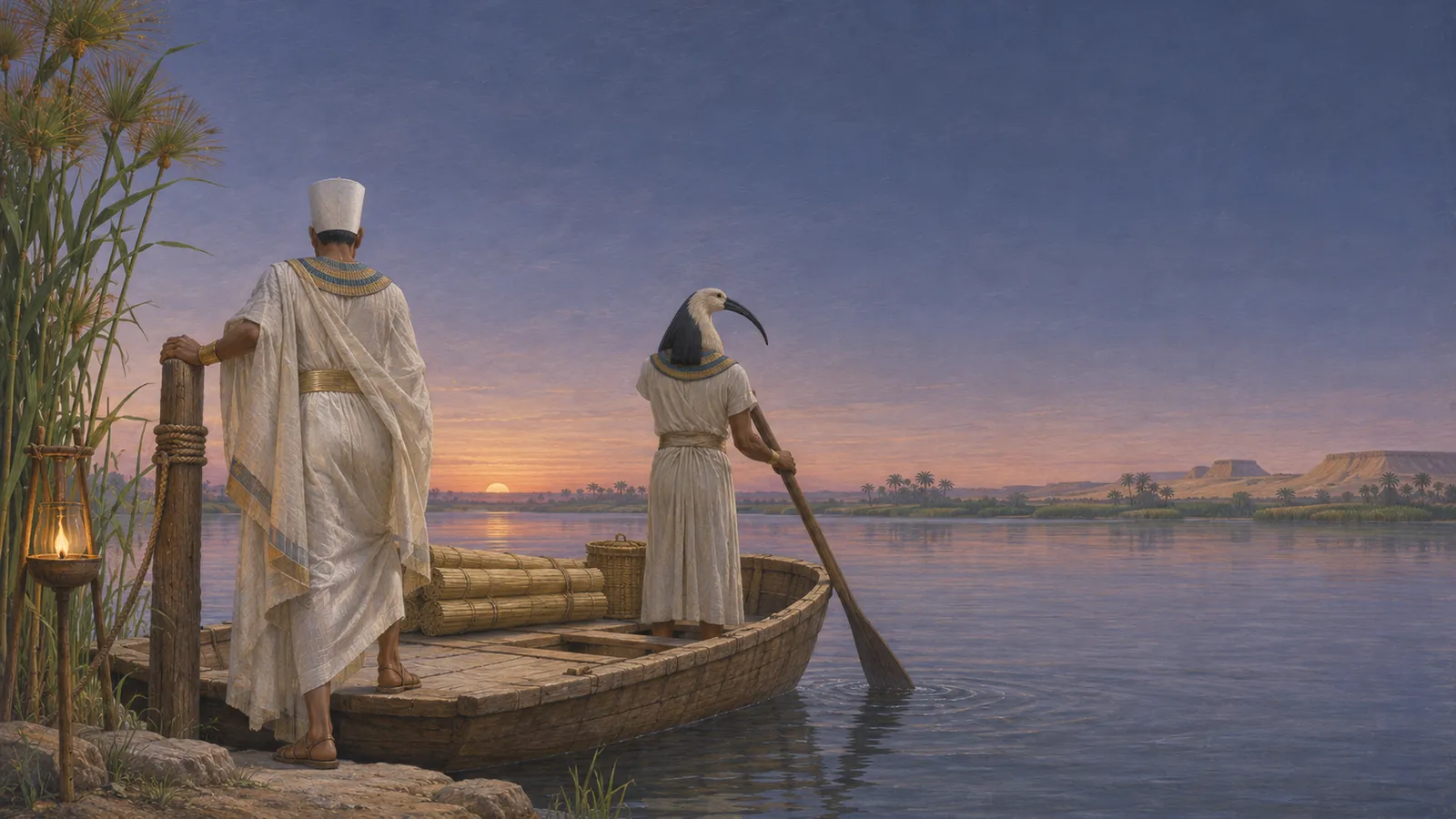
La voix dit qu’elle traversera à son tour le Canal sinueux sur l’aile de Thot vers le ciel de l’est. Elle dit qu’elle contestera à Seth ce même œil.
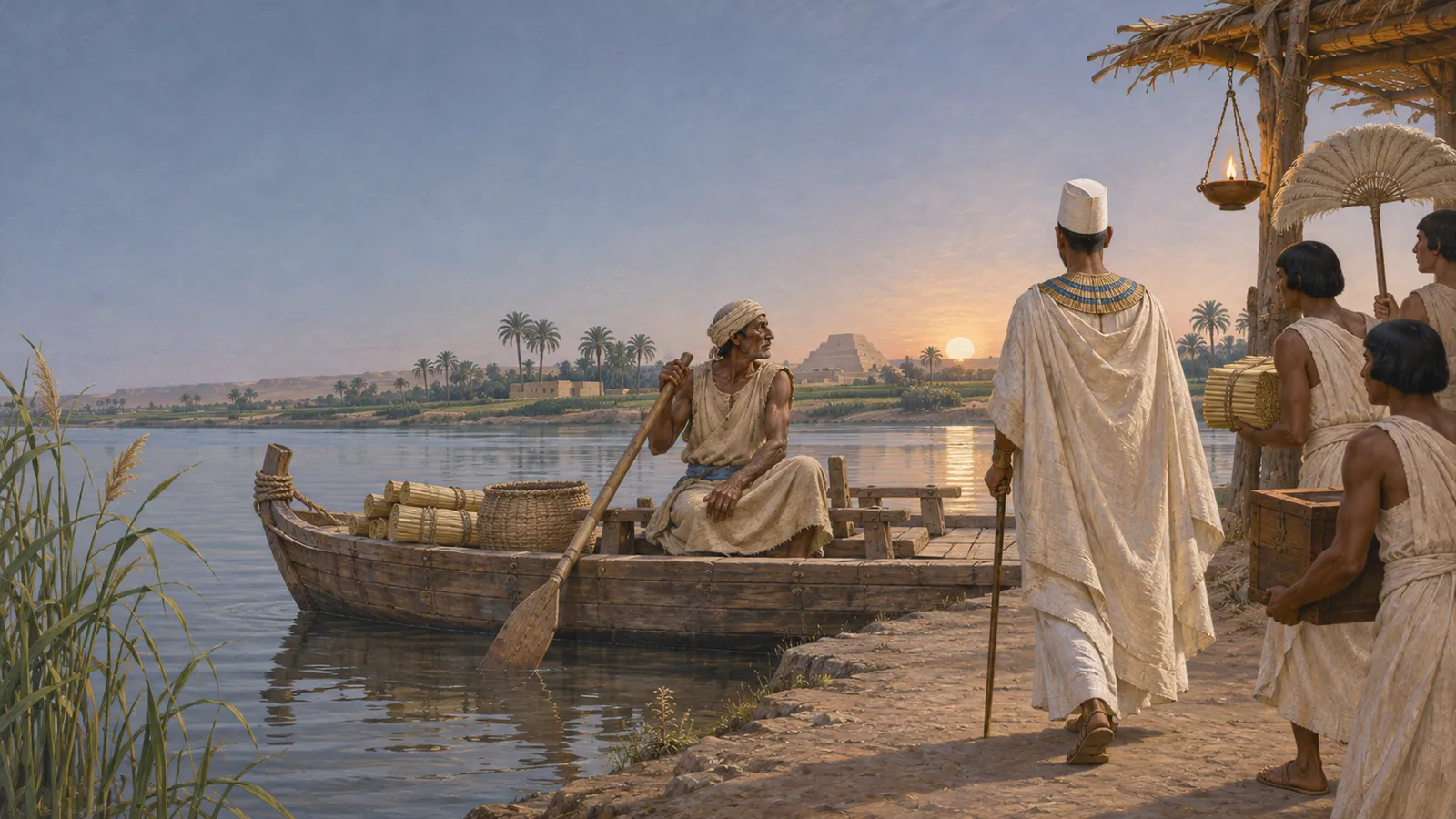
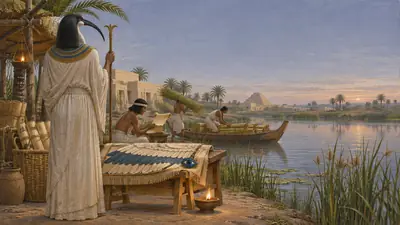
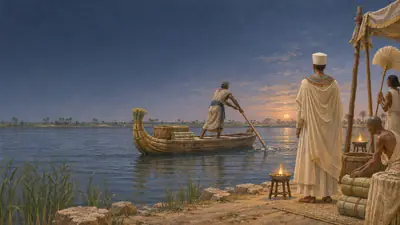
La voix salue le passeur appelé Celui qui voit derrière lui. Elle le nomme aussi rameur de Nout et passeur du Canal sinueux, puis lui souhaite un réveil paisible.
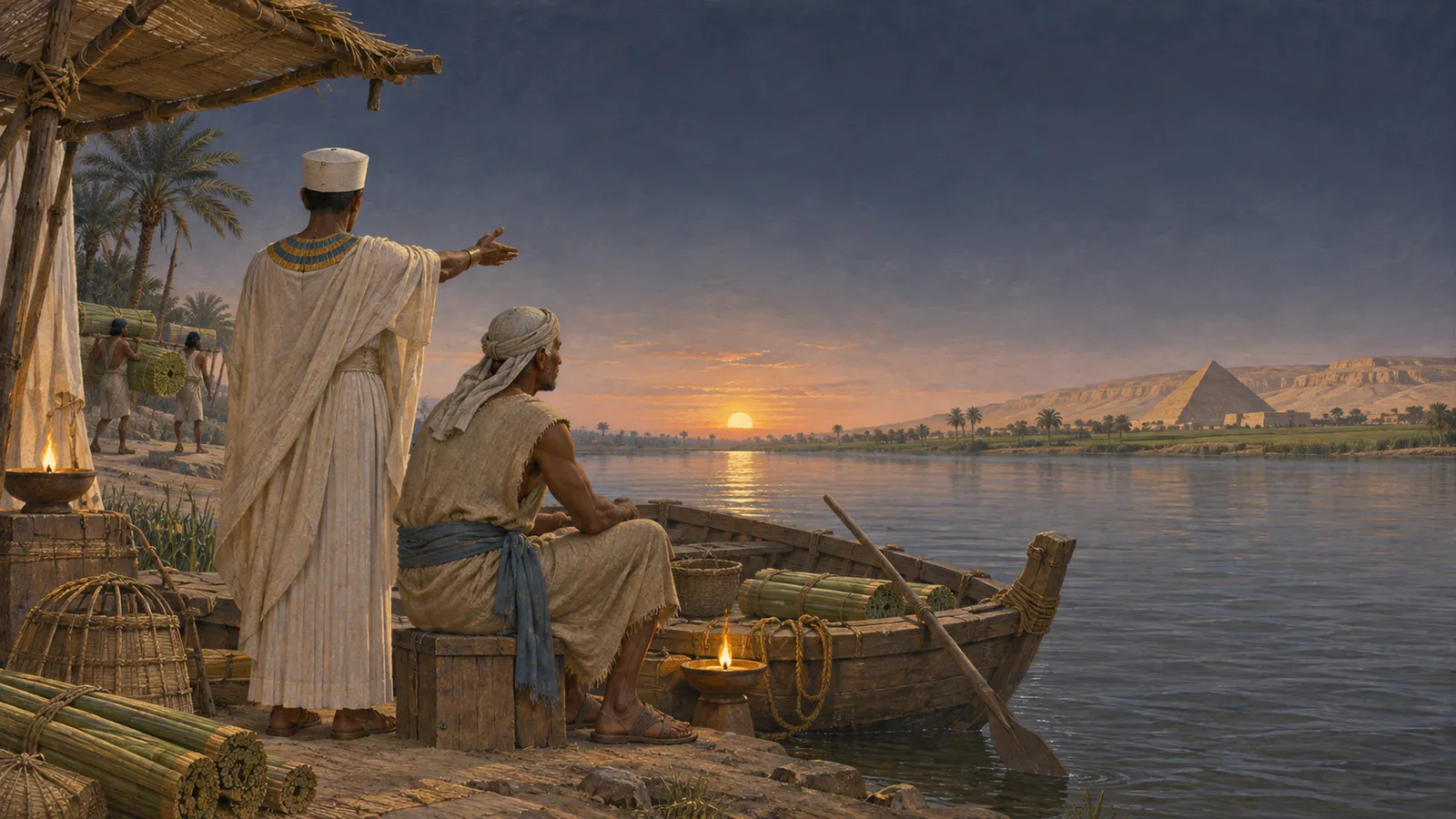
La voix demande au passeur de dire son nom au Soleil et de l’annoncer devant lui.
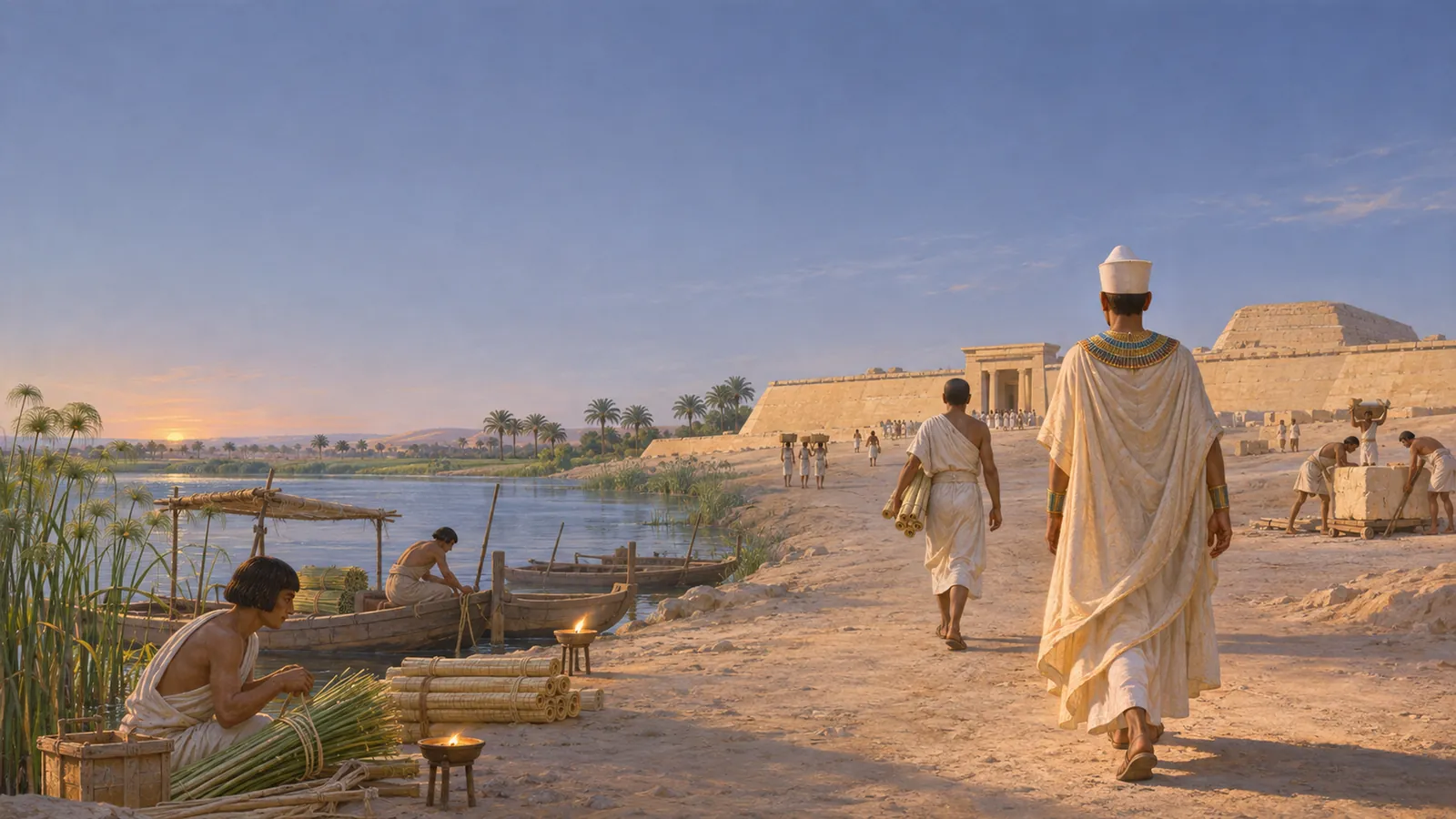
La voix dit qu’elle est en route vers le palais des seigneurs des kas.
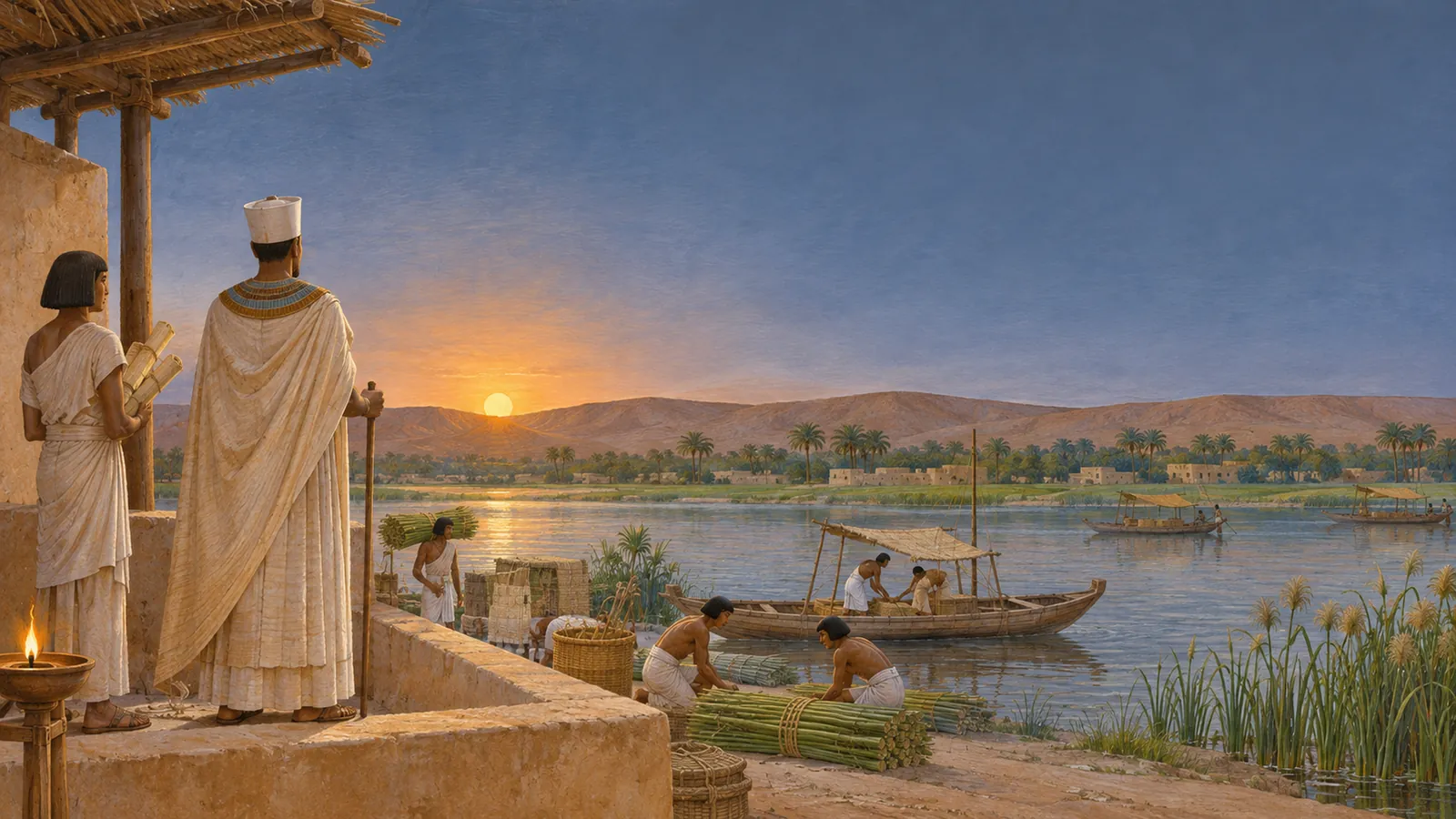
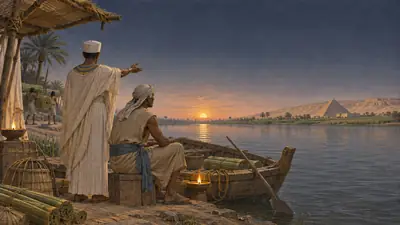
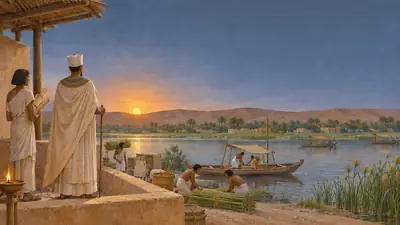
Au palais des seigneurs des kas, le Soleil se lève depuis les buttes d’Horus et de Seth. La formule le nomme dieu de ceux qui vont vers leurs kas.
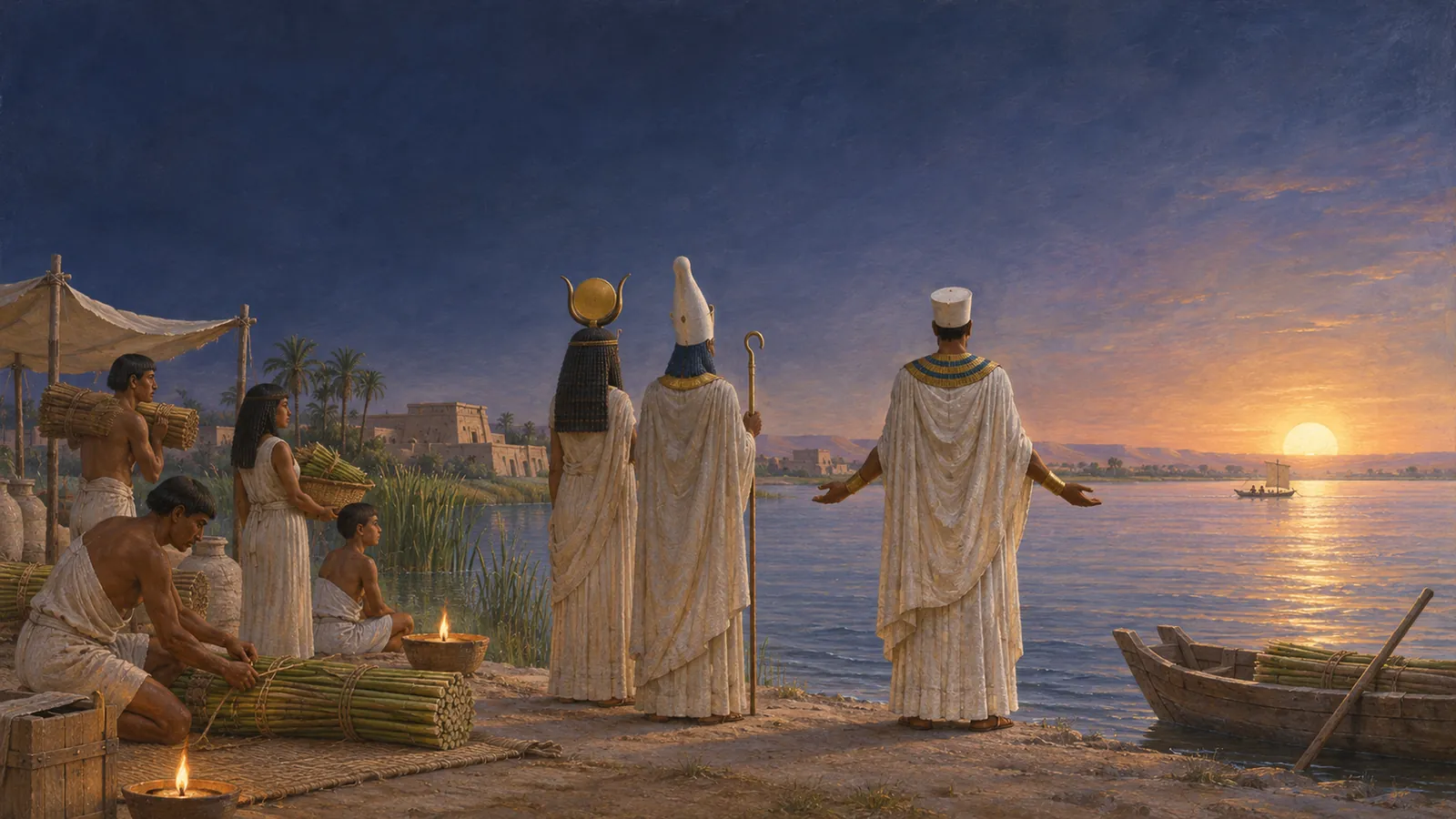
Le récitant s’adresse maintenant au Soleil. Il demande qu’il le recommande au passeur du Canal sinueux, celui qui est appelé Celui-qui-voit-derrière-lui.
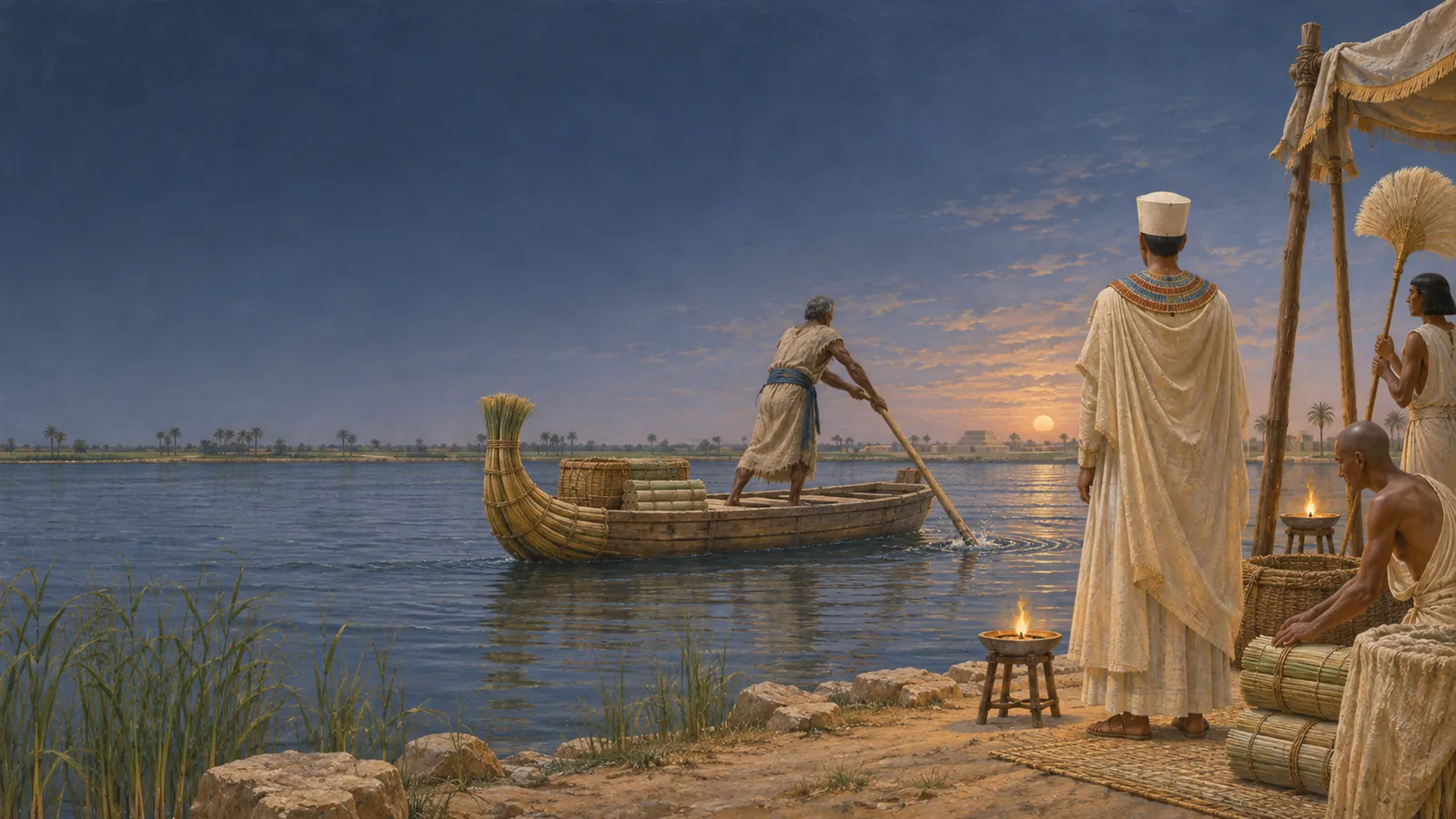
LE BAC DES DIEUX
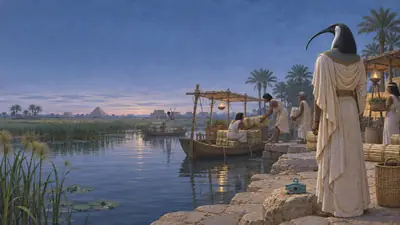
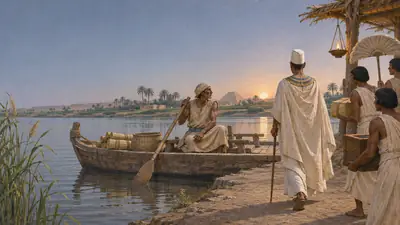
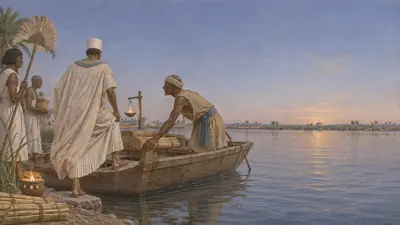
Il veut que le passeur lui amène le bac du Canal sinueux. C’est le bateau que les dieux prennent pour passer du côté oriental du ciel.
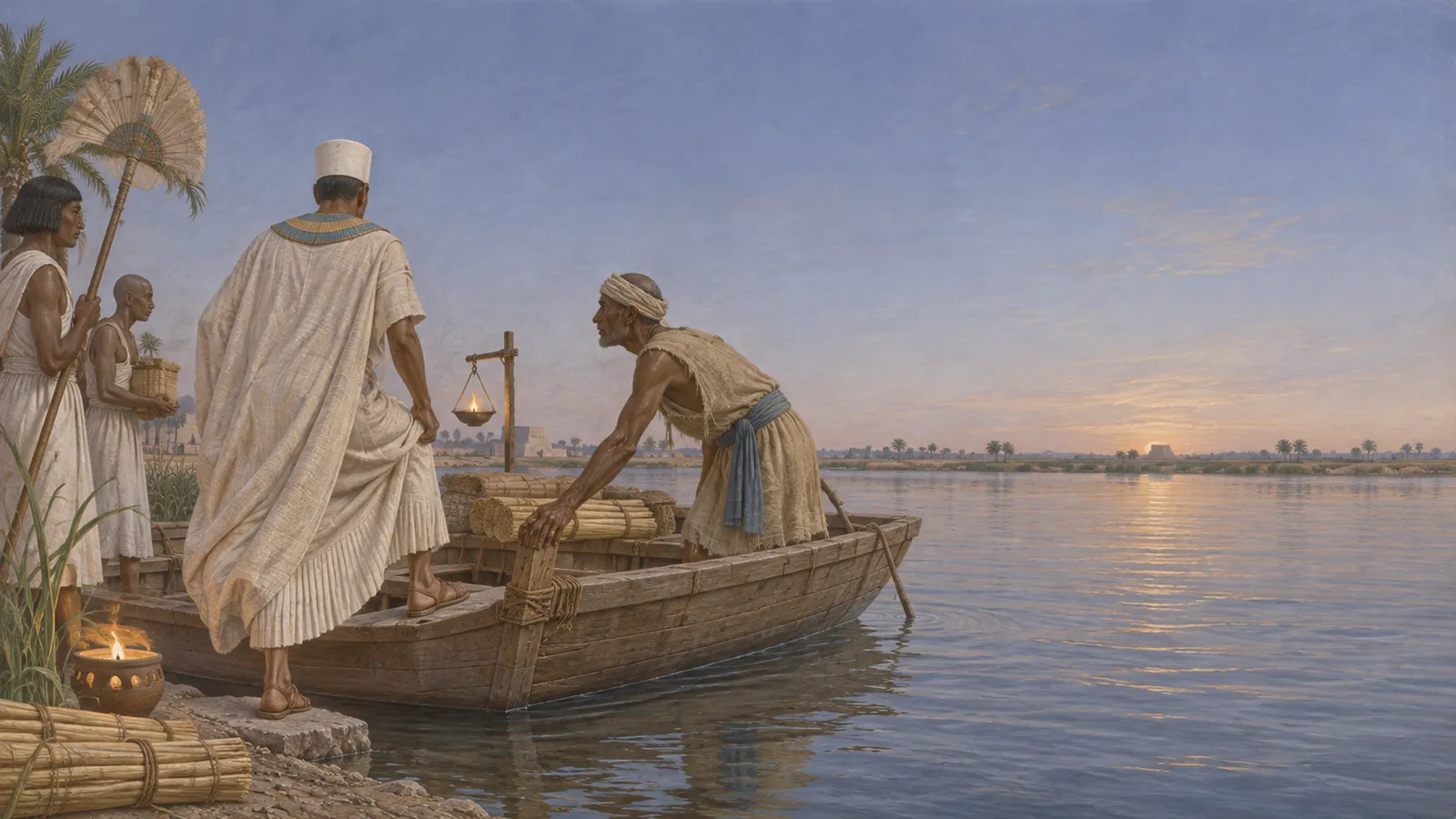
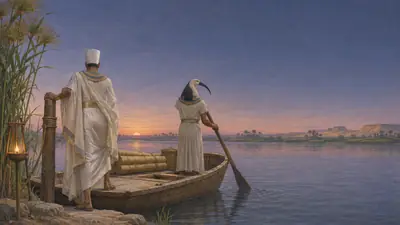
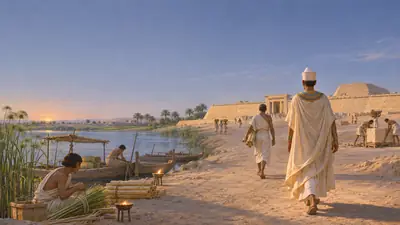
Le récitant demande à son tour de franchir le Canal sinueux. Il nomme sa destination, le côté oriental du ciel.
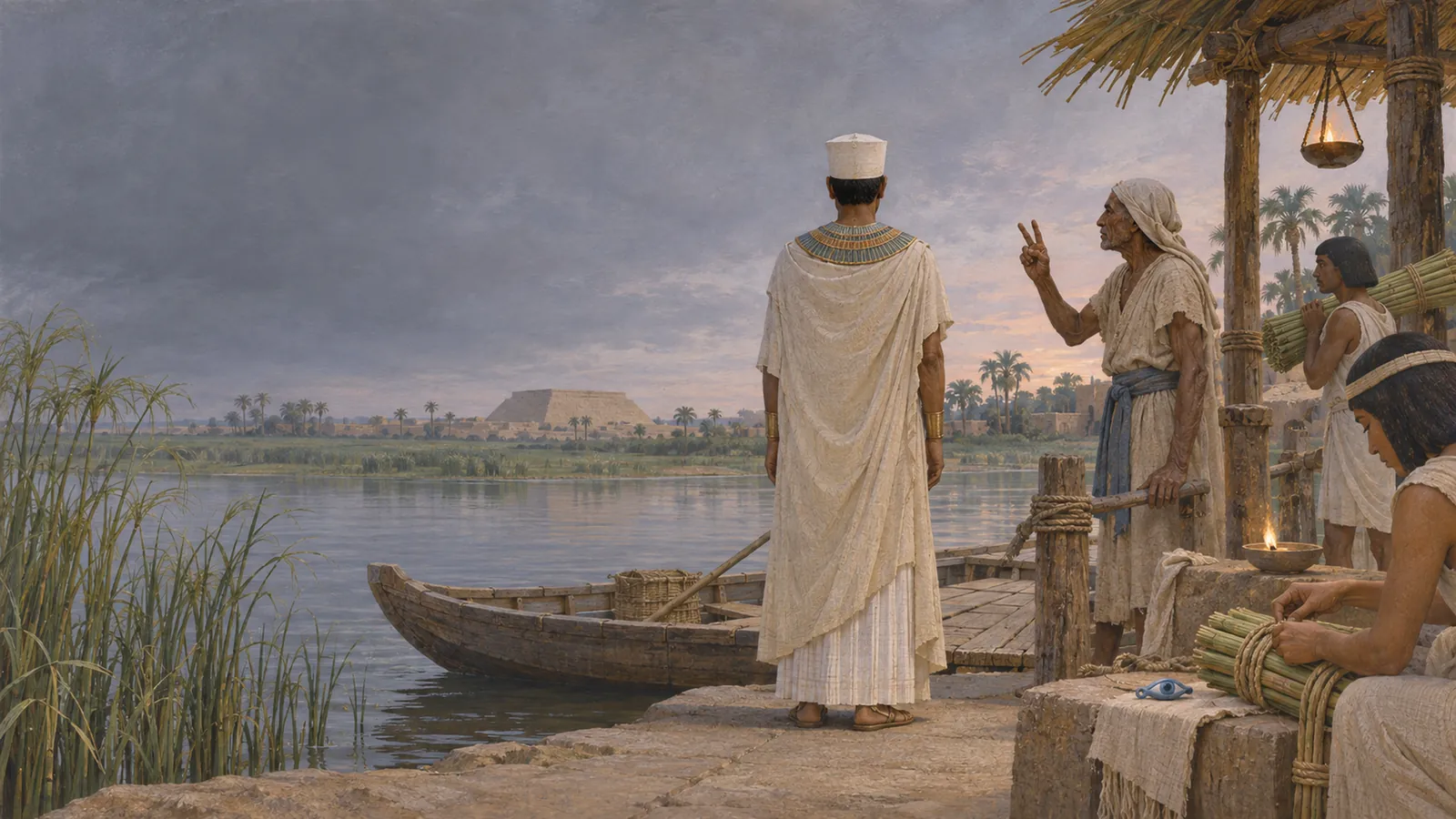
Il dit qu’il recherche l’œil même d’Horus. Il va aussi compter les doigts, ce qu’Allen décrit comme une épreuve pour embarquer.
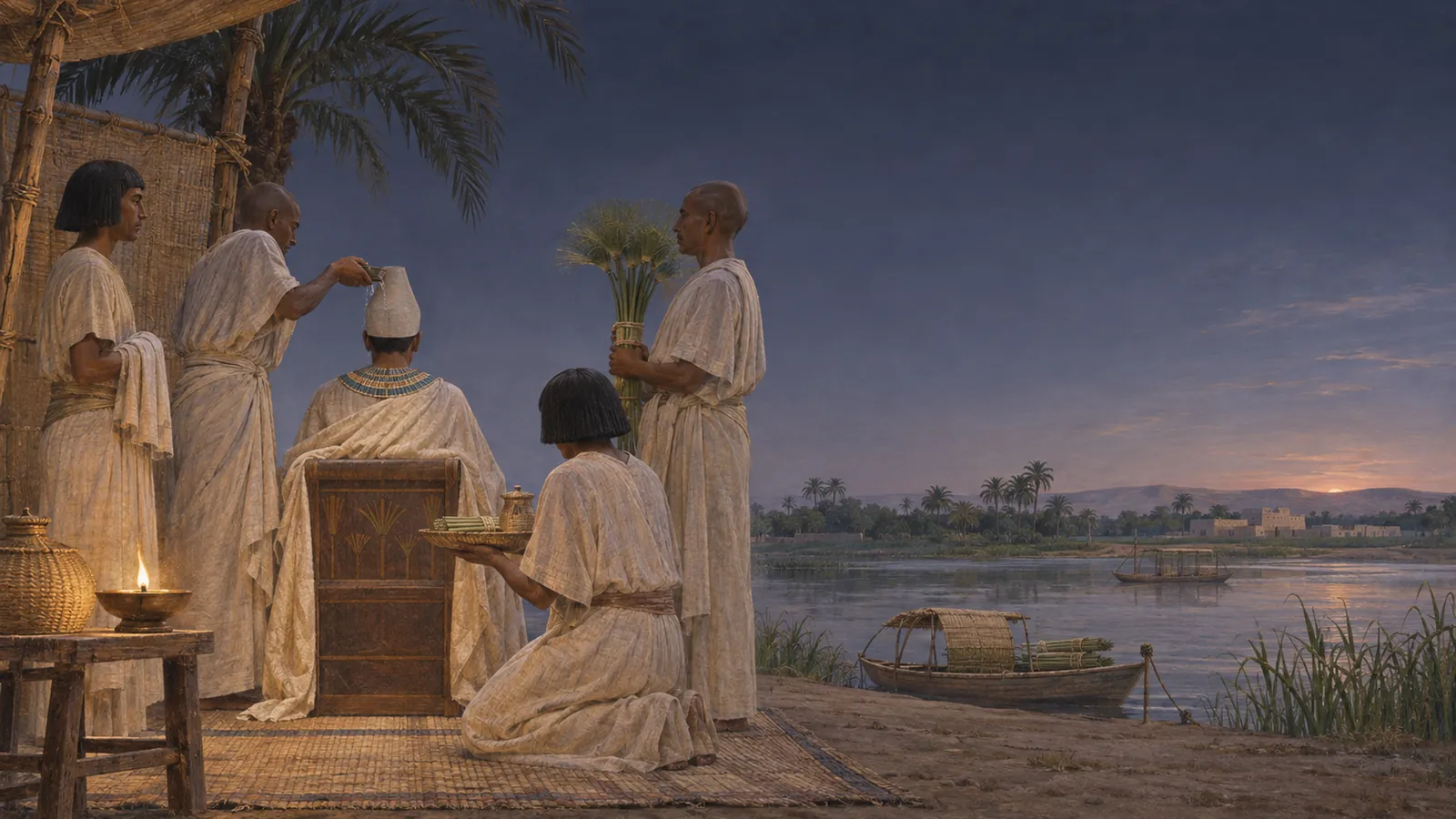
Les dieux et les déesses lavent son visage, dit la formule. Elle nomme Imseti, Hapi, Douamoutef et Qebehsenouef pour le côté droit, qu’elle appelle Horus.
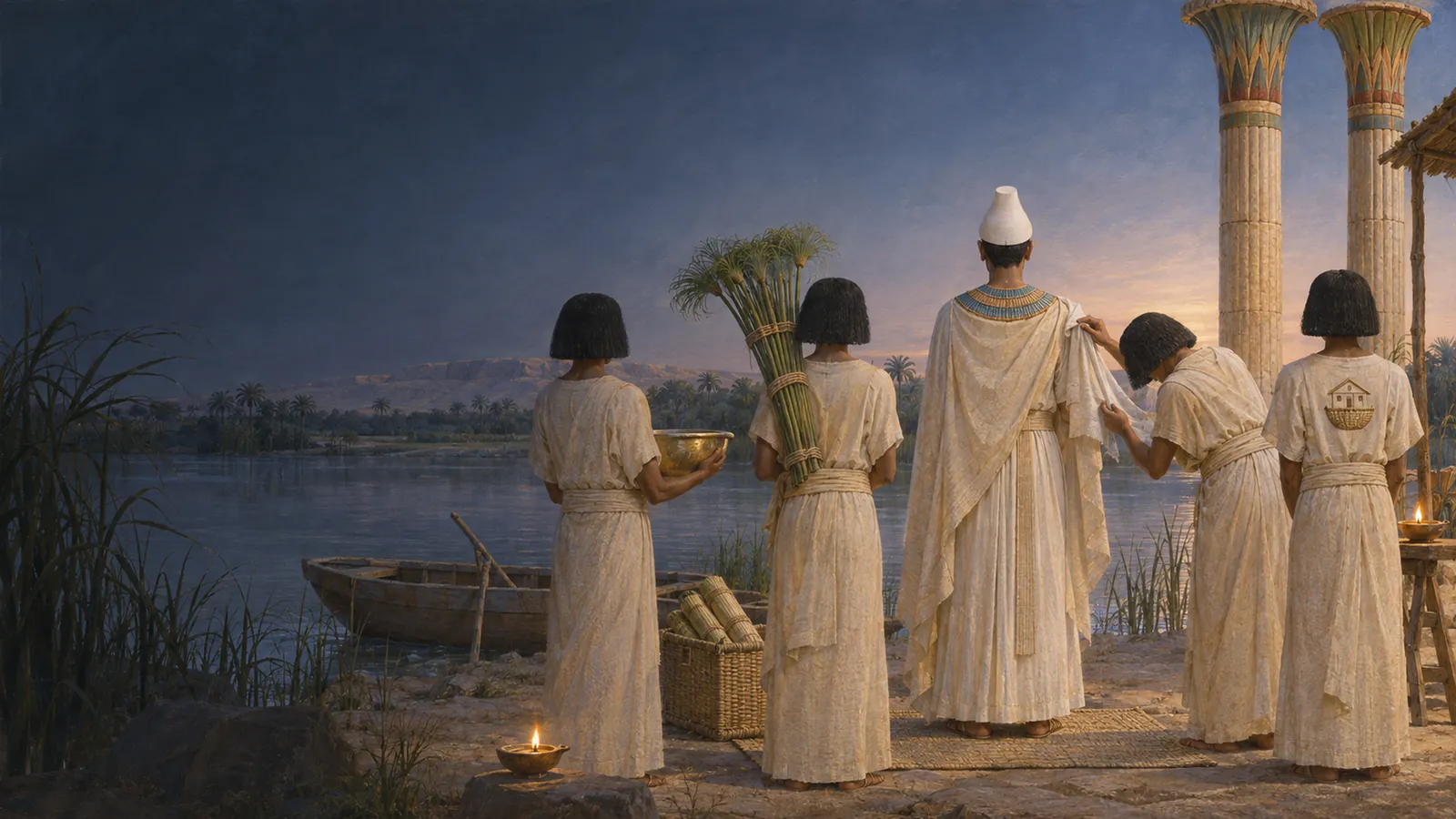
Pour le côté gauche, la formule nomme le frappeur de la barque Djenderou, celui qui se tient devant ses deux colonnes de papyrus, Nephtys et Yeux-en-avant. Elle appelle ce côté Seth.
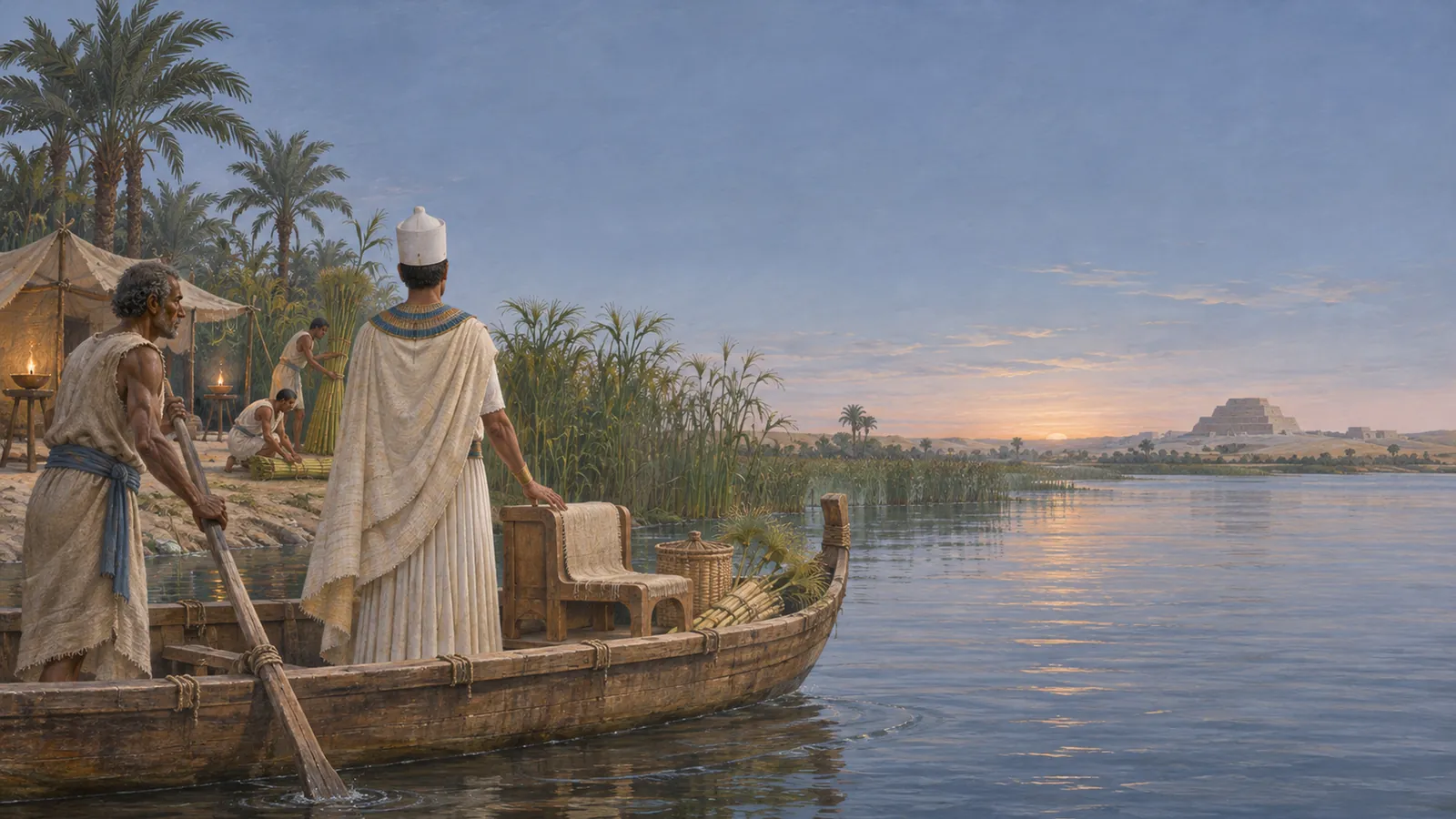
La formule revient au bateau avec les mots du récitant. Il dit que son siège a tenu compte de lui et que son gouvernail l’a reconnu.
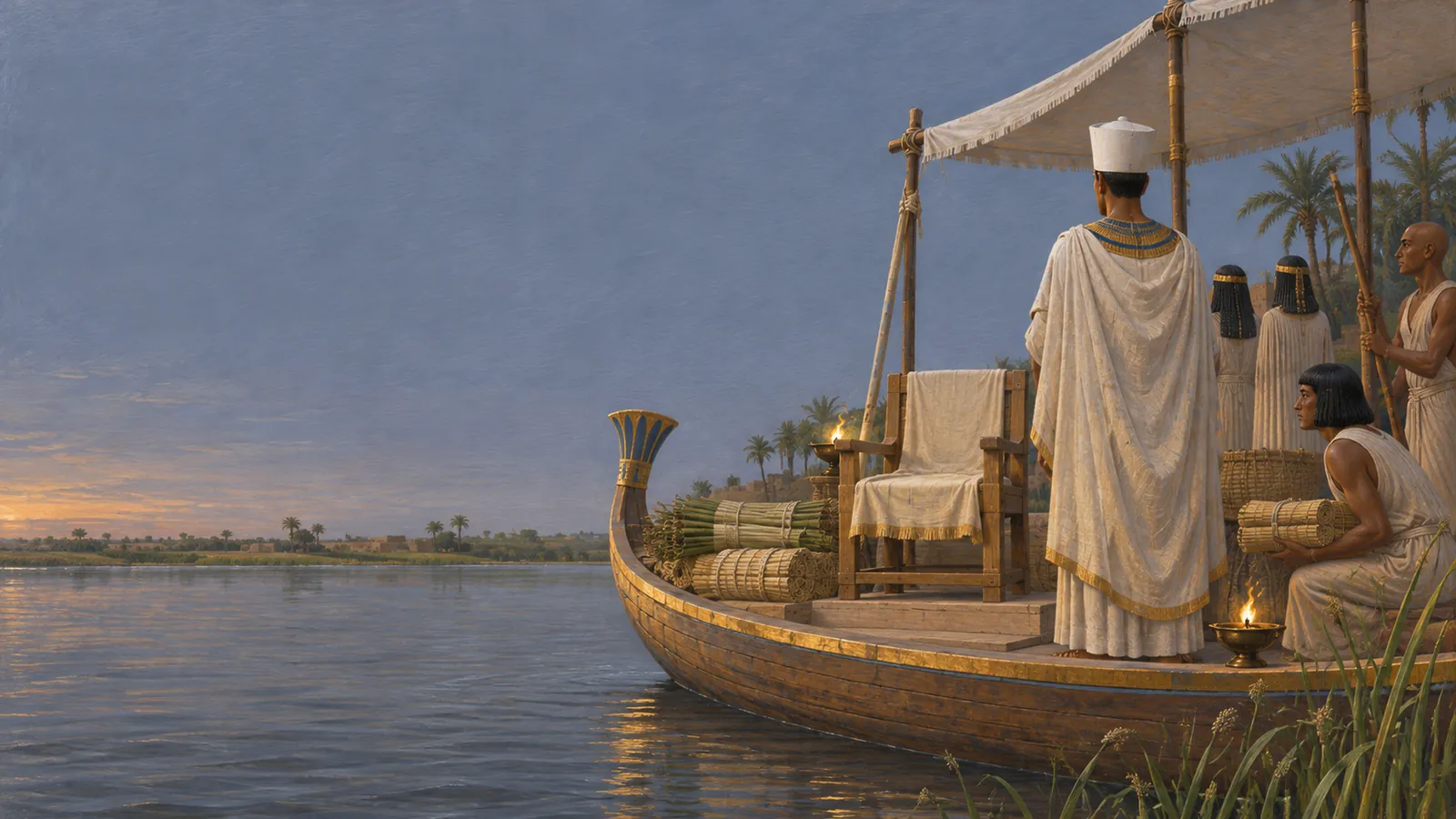
LA PLACE VACANTE
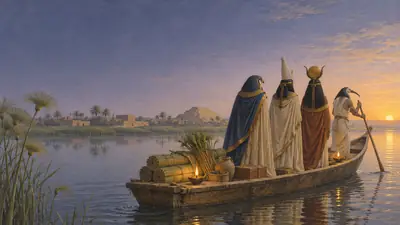
Il trouve son siège vide à la poupe de la barque dorée du Soleil. La formule s’arrête là, sur la place qui reste libre.
Fin du chapitre 1
Toutes les pages
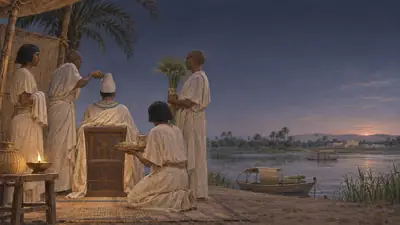
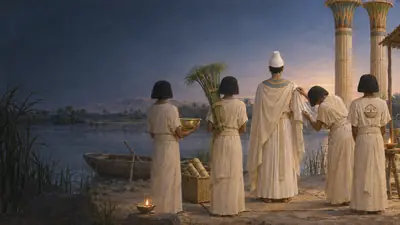
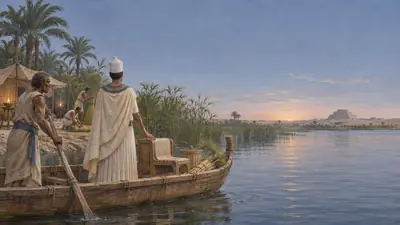
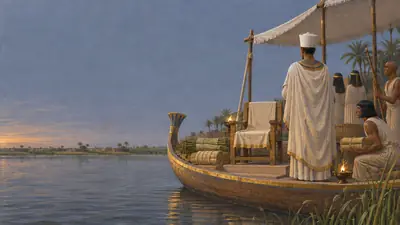
Sources
The reading paraphrases the complete Teti recitation PT359 under Summoning the Ferryman in James P. Allen’s The Ancient Egyptian Pyramid Texts, second edition, SBL Press, 2015, p. 80. Allen explains the finger-counting as a test of competence for boarding in note 16. The recitation names the test and gives no result. The next heading begins a separate spell at the gate to the Akhet on p. 81.
Éditions consultées
- SBL Press, James P. Allen, The Ancient Egyptian Pyramid Texts, second edition
- PT359 in Teti, printed p. 80, Summoning the Ferryman
- Allen’s note 16, printed p. 99
Notes sur ce récit
printed pp. 69–70 and 80. The opening identifies the translator and location of the witness. Allen’s introduction places the spells of passage from the Duat to the Akhet in the passage between the burial chamber and the antechamber. The heading on p. 80 locates this spell there.
PT 359, first sentence. Horus cries out over his eye and Seth over his testicles. The text gives no cause in this sentence.
PT 359, first paragraph.
PT 359, second paragraph. The ancient address first describes the gods crossing on Thoth’s wing to the eastern side of the sky. They go to argue against Seth over Horus’s eye. The speaker then says he will join their crossing and argue against Seth over the same eye. His crossing here is stated as an intention.
PT 359, third paragraph. The speaker wishes a peaceful awakening to Sees Behind Him, Nut’s oarsman and the ferryman of the Winding Canal. He asks that his name be told to the Sun and names the palace of the lords of kas as his destination. In this edition, *kas* is a plural of *ka*, an Egyptian term for a vital aspect of a person.
Page 10, Allen 2015, Teti, p. 80, PT359. The Sun dawns from the Horus Mounds and Seth Mounds. The recitation names the Sun as the god of those who go to their kas.
Page 11, Allen 2015, Teti, p. 80, PT359. The speaker addresses the Sun and asks it to commend him to Sees Behind Him. The recitation has already identified him as the ferryman of the Winding Canal.
Page 12, Allen 2015, Teti, p. 80, PT359. The speaker asks for the ferryboat of the Winding Canal. The gods use it to cross to the eastern side of the sky.
Page 13, Allen 2015, Teti, p. 80, PT359. The speaker asks to be ferried to the same eastern side. The recitation states his request at this point.
Page 14, Allen 2015, Teti, p. 80, PT359. The quest is for Horus’s own eye. Allen describes counting fingers as a test of competence for boarding in note 16, p. 99. This passage gives no test result.
Page 15, Allen 2015, Teti, p. 80, PT359. The right side is called Horus. Allen gives Imseti, Hapi, Duamutef and Qebehsenuef. The verb have washed appears in parentheses in this part of the translation.
Page 16, Allen 2015, Teti, p. 80, PT359. The left side is called Seth and the second list names the Djenderu-bark-striker, the one at the front of his two papyrus columns, Nephthys and Eyes-Forward. The note preserves the distinct names for this side.
Page 17, Allen 2015, Teti, p. 80, PT359. The recitation describes the seat taking account of the speaker and the rudder recognizing him.
Page 18, Allen 2015, Teti, p. 80, PT359. The final line finds the seat empty at the stern of the golden bark of the Sun. The selection ends here. The next printed heading on p. 81 begins a different spell at the gate to the Akhet.
Les vers antiques de chaque page
- Page 1: Allen 2015, The Ancient Egyptian Pyramid Texts, Teti, pp. 69–70, 80, PT 359 and passage context
- Page 2: Allen 2015, The Ancient Egyptian Pyramid Texts, Teti, p. 80, PT 359, opening laments
- Page 3: Allen 2015, The Ancient Egyptian Pyramid Texts, Teti, p. 80, PT 359, first jump and landfall
- Page 4: Allen 2015, The Ancient Egyptian Pyramid Texts, Teti, p. 80, PT 359, second jump and landfall
- Page 5: Allen 2015, The Ancient Egyptian Pyramid Texts, Teti, p. 80, PT 359, address to the crossing gods
- Page 6: Allen 2015, The Ancient Egyptian Pyramid Texts, Teti, p. 80, PT 359, speaker’s own crossing
- Page 7: Allen 2015, The Ancient Egyptian Pyramid Texts, Teti, p. 80, PT 359, greeting the ferryman
- Page 8: Allen 2015, The Ancient Egyptian Pyramid Texts, Teti, p. 80, PT 359, announcement to the Sun
- Page 9: Allen 2015, The Ancient Egyptian Pyramid Texts, Teti, p. 80, PT 359, destination of the speaker
- Page 10: Allen, The Ancient Egyptian Pyramid Texts, 2nd ed. (2015), Teti, p. 80, PT359
- Page 11: Allen, The Ancient Egyptian Pyramid Texts, 2nd ed. (2015), Teti, p. 80, PT359
- Page 12: Allen, The Ancient Egyptian Pyramid Texts, 2nd ed. (2015), Teti, p. 80, PT359
- Page 13: Allen, The Ancient Egyptian Pyramid Texts, 2nd ed. (2015), Teti, p. 80, PT359
- Page 14: Allen, The Ancient Egyptian Pyramid Texts, 2nd ed. (2015), Teti, p. 80, PT359, and p. 99, n. 16
- Page 15: Allen, The Ancient Egyptian Pyramid Texts, 2nd ed. (2015), Teti, p. 80, PT359
- Page 16: Allen, The Ancient Egyptian Pyramid Texts, 2nd ed. (2015), Teti, p. 80, PT359
- Page 17: Allen, The Ancient Egyptian Pyramid Texts, 2nd ed. (2015), Teti, p. 80, PT359
- Page 18: Allen, The Ancient Egyptian Pyramid Texts, 2nd ed. (2015), Teti, p. 80, PT359
Illustrations réalisées par IL Archive avec des outils d’IA ; le texte s’appuie sur les sources antiques (voir les sources à la fin de chaque chapitre).