Entity · Literary spirit
Ashmedai
A reference page linking a name, group, or concept to the materials that discuss it.
In the Babylonian Talmud, Solomon needs Ashmedai’s help to find the shamir for the Temple. The story turns when the captive king of the demons takes Solomon’s place.
Estimated reading time: 2 min Published Last reviewed:
Share article
Text
Introduction
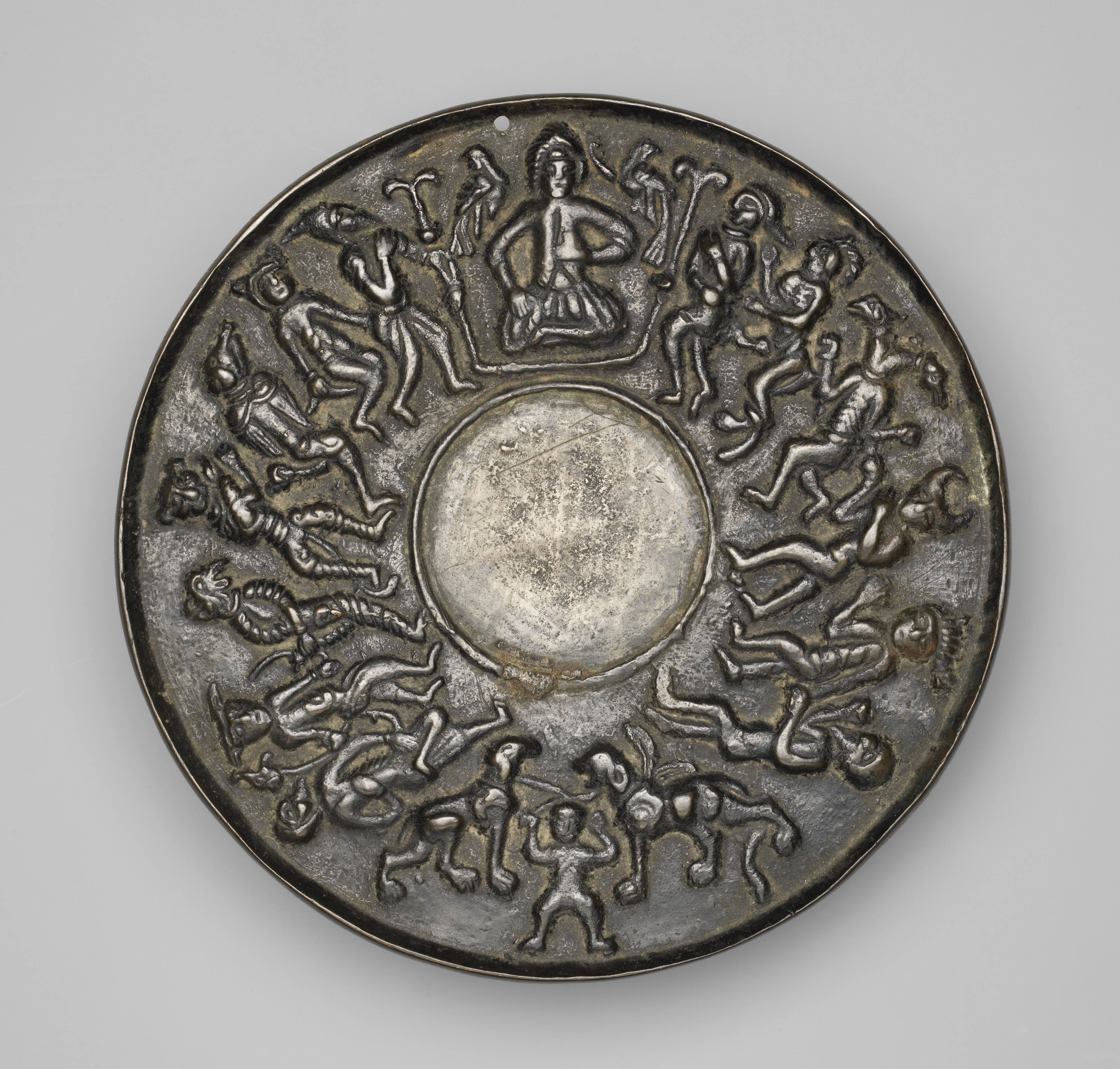
Ashmedai is the king of the demons in a story about SolomonSolomonSolomon is the biblical king, David’s son, associated in Kings with Jerusalem and building the templeGlossary · Click to read the explanation in the Babylonian Talmud, Gittin 68a–b. Solomon wants to build the Temple without using iron to shape its stones at the site. He sends Benaiah son of Jehoiada to bring Ashmedai to him because Ashmedai may know where to find the shamir, which in the story can cut stone. This episode belongs to a rabbinic text transmitted many centuries after the period traditionally associated with Solomon. [1][2]
The search for the shamir
The rabbis bring up the shamir while discussing a verse about the building of the Temple, 1 Kings 6:7. In the Talmudic account, Solomon first questions a male and a female demon. They say they do not know and suggest Ashmedai, who studies in the heavenly study hall and the earthly one each day and drinks from a sealed pit of water. Benaiah uses wine to get past those precautions, then restrains him with a chain inscribed with a divine name. [1]
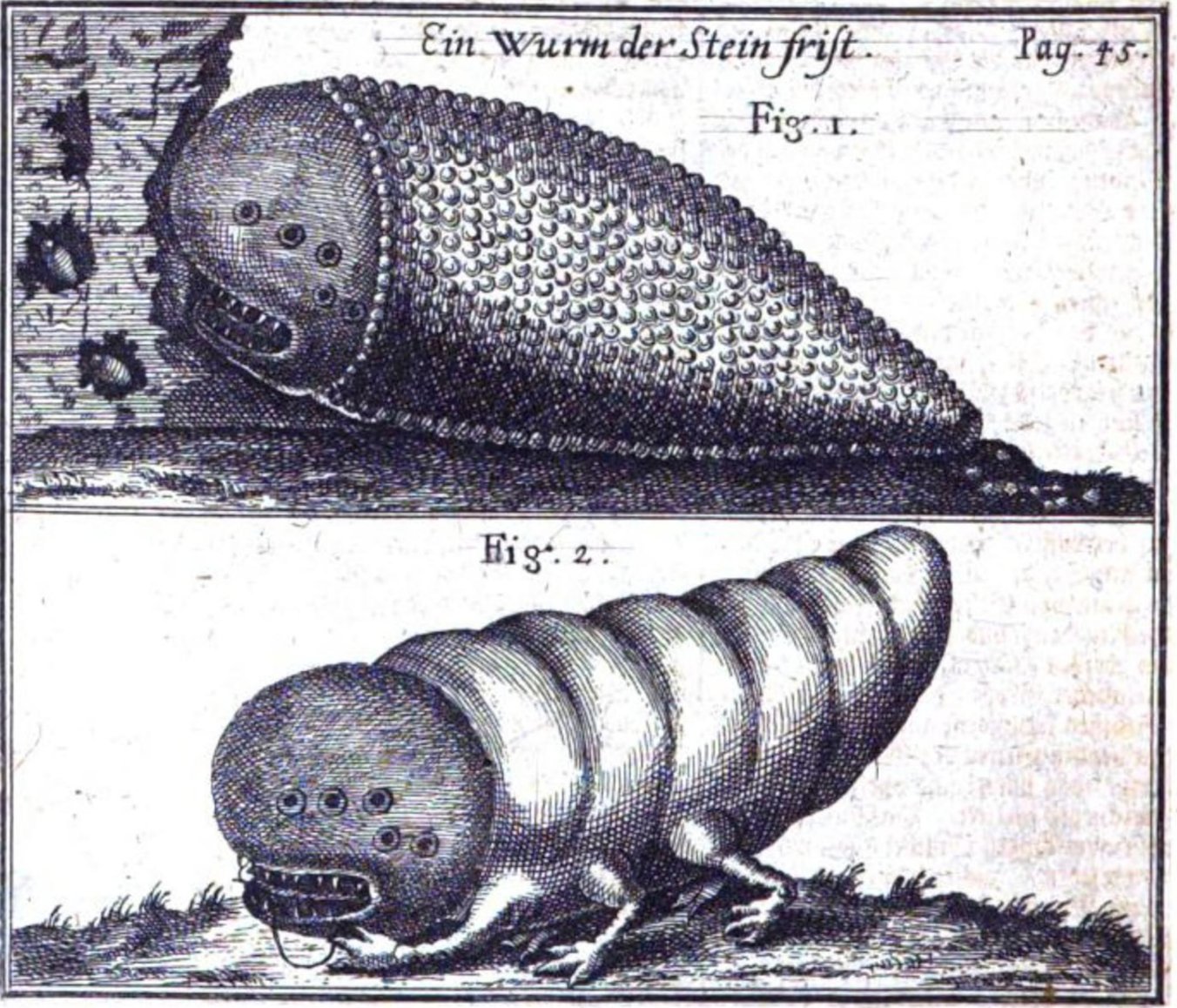
Ashmedai tells Solomon that the minister of the sea has entrusted the shamir to a wild bird, called a hoopoe in the Davidson translation. The bird uses it to split rock so that seeds can take root. Solomon’s men find the bird’s nest covered with glass. The bird sets the shamir on the glass to break it, and when they startle it, it drops the shamir and they take it. [2]
The reversal after the building
After the Temple is built, Solomon asks Ashmedai in what way the demons are greater than humans. Ashmedai induces him to remove the chain and give him the ring bearing the divine name. He then displaces Solomon, who wanders and tells people he once ruled in JerusalemJerusalemJerusalem is a city of religious importance in Judaism, Christianity and IslamGlossary · Click to read the explanation. When the sages investigate, they identify the imposture. At the close of the episode, Rav and Shmuel disagree on whether Solomon regained his kingship. The transmitted passage preserves both endings. [2]
Solomon and the jinn
The Qur’an also recounts Solomon’s command over supernatural workers. In surah 34:12–14, jinn work by permission of God, and their discovery of Solomon’s death forms the end of the scene. Those verses give no name corresponding to Ashmedai. The hoopoe who holds the shamir and the dispute about Solomon’s restoration can be located specifically in Gittin 68b. [2][3][4][5]
References and notes (5)
- Babylonian Talmud, Gittin 68a, William Davidson Talmud §§7–13, Temple stones, the search and Ashmedai’s capture Return to the text ↑
- Babylonian Talmud, Gittin 68b, William Davidson Talmud §§5–20, the bird and the shamir, the displacement and the final dispute Return to the text ↑
- Quranic Arabic Corpus, University of Leeds 34:12, parallel English translations Return to the text ↑
- Quranic Arabic Corpus, University of Leeds 34:13, parallel English translations Return to the text ↑
- Quranic Arabic Corpus, University of Leeds 34:14, parallel English translations Return to the text ↑
Suggest a correction · Suggest a source for this record
Cite this record
IL Archive, «Ashmedai», https://ilarchive.com/en/entities/ashmedai
Continue reading