Entity
Ritual impurity
A reference page linking a name, group, or concept to the materials that discuss it.
Religious classification concerning sacred access and purification; not automatically moral condemnation or a modern medical diagnosis.
Text
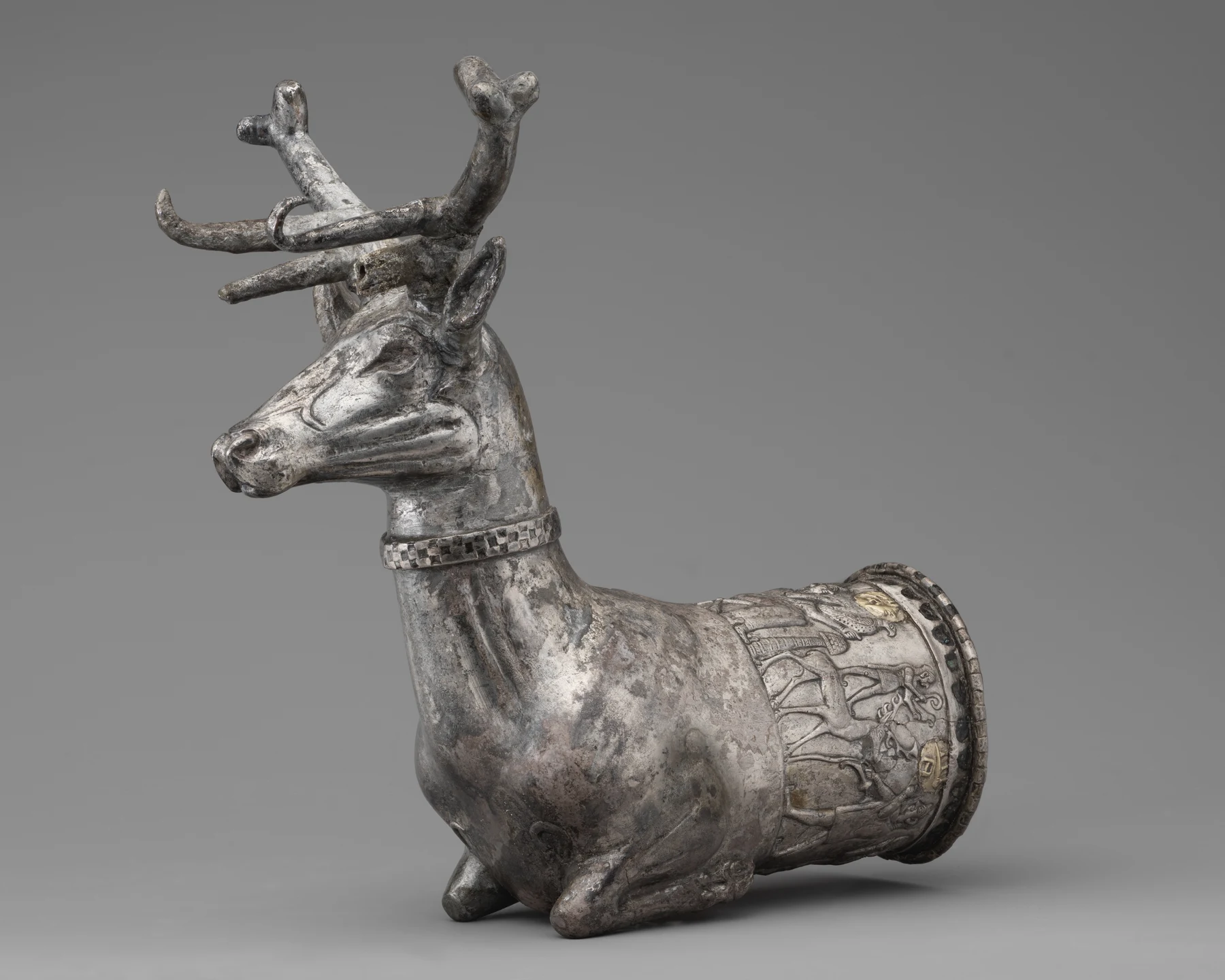
Leviticus 12 prescribes purification periods and offerings after childbirth without narrating a maternal crime. Leviticus 16 places treatment of sanctuary and community within a larger rite. Identify each textual case before equating impurity with sin or another religion’s concepts. The image shows Hittite ritualRitualAn organised or distinguished practice meaningful to a community; it may leave traces, but its form alone does not reveal an associated doctrine.Glossary · Click to read the explanation material culture, not impurity or established purification apparatus. [3][4][10]
References and notes
- Whole chapter read in scapegoat research; blood/removal passage reread here. No original manuscript examination. Leviticus 16:1–34; especially 14–22, 30–33 Return to the text ↑
- Whole chapter read; no maternal crime narrated. An offering’s name alone does not establish moral condemnation. Leviticus 12:1–8 Return to the text ↑
- Museum identity, rights and API checked; original viewed. Hittite silver/gold-inlay vessel, not established apparatus of a particular blood rite. Metropolitan Museum 1989.281.10; Vessel terminating in the forepart of a stag; ca. 14th–13th century BCE Return to the text ↑
Research history
Substantive changes are retained here. Minor copy edits remain in the internal operational log.
-
Substantive record update
Suggest a correction · Suggest a source for this record
Cite this record
IL Archive, «Ritual impurity», Edition 2, https://ilarchive.com/en/entities/ritual-impurity