Entity · People
Shasu
A reference page linking a name, group, or concept to the materials that discuss it.
- Timeline
- From 1400 BCE to 1200 BCE
Egyptian designation for mobile pastoral groups; Yhw occurs in their lists without automatically identifying a deity or Israel.
Reading path
Links recorded in this entry.
Periods
When does it appear?
- From 1400 BCE to 1200 BCE
Dates
Dates have distinct roles. The timeline uses creation, composition or historical coverage, rather than publication or discovery dates.
- Historical coverage
- Approximately From 1400 BCE to 1200 BCE
Text
Groups and name
Shasu is an external Egyptian designation, not one people with known boundaries. Soleb and Amarah West lists preserve Yhw within their world. Its connection with YahwehYahwehThe divine proper name written YHWH in the Hebrew Bible.Glossary · Click to read the explanation is important for research, but an Edom/Seir location and the group’s worship are not explicit.
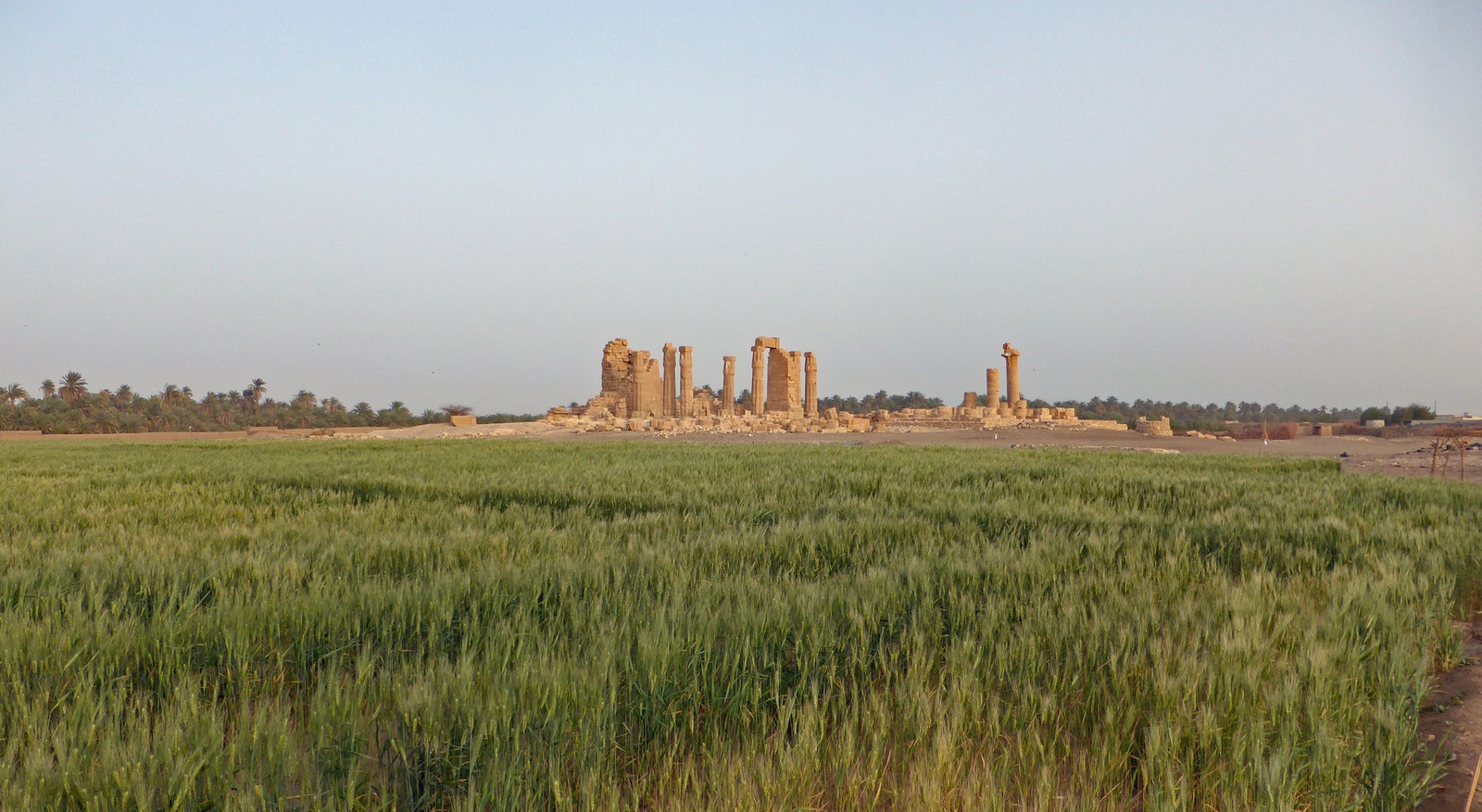
The photograph shows Soleb temple, where one list survives. It depicts neither the Shasu nor the Yhw entry, and does not place their homeland in Sudan. Dates concern the Egyptian witnesses discussed, rather than the lifespan of all groups called Shasu. [1][2][3]
References and notes
- Daniel E. Fleming (2020). Yhwʒ of Shasu-Land. Yahweh before Israel, chapter 2, pp. 23–66. doi:10.1017/9781108875479.003. Publisher summary/metadata: Soleb/Amenhotep III, Amarah West/Ramesses II, conditional link to the divine name. Not full chapter or independent hieroglyphic reading. Group/location qualifications also checked in chapters 3/5 summaries. Return to the text ↑
- Daniel E. Fleming (2020). The Midianite Hypothesis: Moses and the Priest of Midian. Yahweh before Israel, chapter 3, pp. 67–110. doi:10.1017/9781108875479.004. Publisher summary: Egyptian evidence does not straightforwardly yield southern origin, Yhw not fixed in Seir/Edom, shift from prose toward poetry. Summary only; limits on identifying first worshippers also supported by chapter 5 summary. Return to the text ↑
- Daniel E. Fleming (2020). The Name Yahweh. Yahweh before Israel, chapter 5, pp. 162–184. doi:10.1017/9781108875479.006. Publisher summary: neighboring kinship does not identify first worshippers; explicit Egyptian usage is not divine and does not fix a particularly southern location. Summary only, not full chapter. Return to the text ↑
Research history
Substantive changes are retained here. Minor copy edits remain in the internal operational log.
-
Substantive record update
Suggest a correction · Suggest a source for this record
Cite this record
IL Archive, «Shasu», Edition 2, https://ilarchive.com/en/entities/shasu