Person
Xerxes I and Ahasuerus
Achaemenid king, 486–465 BCE, usually identified by name with Ahasuerus in Hebrew Esther.
Last reviewed:
Text
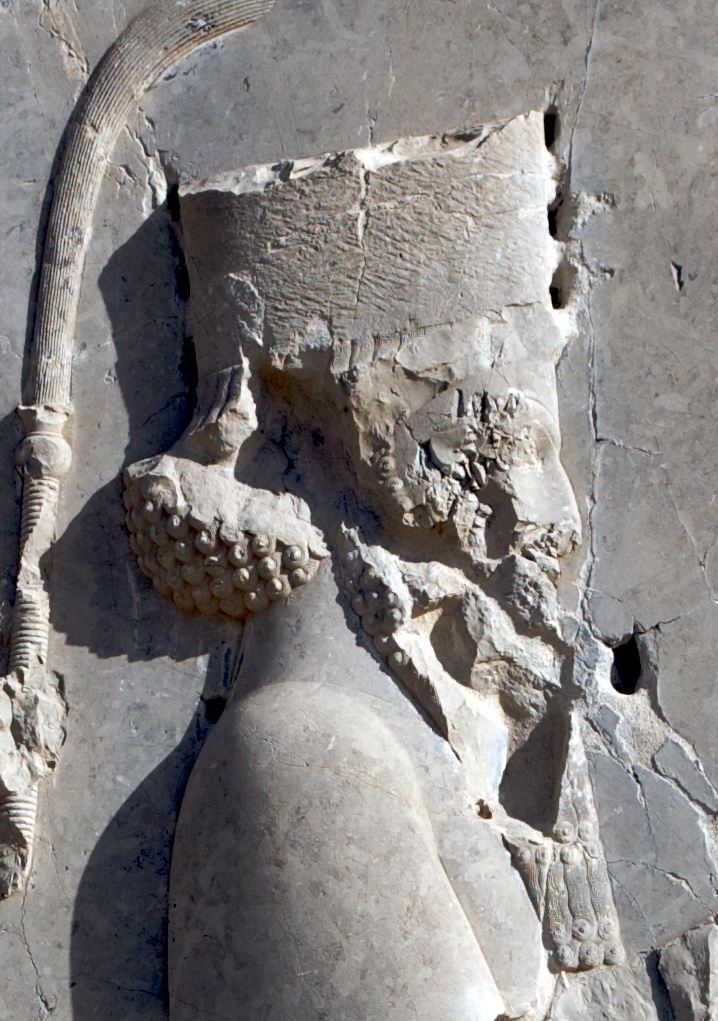
Xerxes I is the Greek form of the Persian royal name Khshayarsha. He ruled from 486 to 465 BCE. Scholars usually connect HebrewHebrewA Northwest Semitic language of the Canaanite group, encompassing Iron Age epigraphy, Biblical, Rabbinic, medieval and Modern Hebrew; its scripts and pronunciations changed over time.Glossary · Click to read the explanation Esther’s Ahasuerus with this royal name. Identifying the name locates the narrative’s proposed setting; composition dates and verification of the events remain separate questions. [1][2]
Old Greek Esther calls its king Artaxerxes, whereas Alpha uses Assyeros. Comparing witnesses requires preserving that distinction rather than assuming every version identifies one ruler in the same way. [3]
References and notes
- UNESCO, Persepolis: Xerxes’s building activity and reign. UNESCO, Persepolis: Xerxes’s building activity and reign. Return to the text ↑
- Shaked: Ahasuerus and Esther’s setting. Shaked: Ahasuerus and Esther’s setting. Return to the text ↑
- NETS, p.426: royal names in Old Greek and Alpha columns. NETS, p.426: royal names in Old Greek and Alpha columns. Return to the text ↑
Suggest a correction · Suggest a source for this record
Cite this record
IL Archive, «Xerxes I and Ahasuerus», https://ilarchive.com/en/people/xerxes-i-ahasuerus