Site
Behistun and Darius I’s inscription
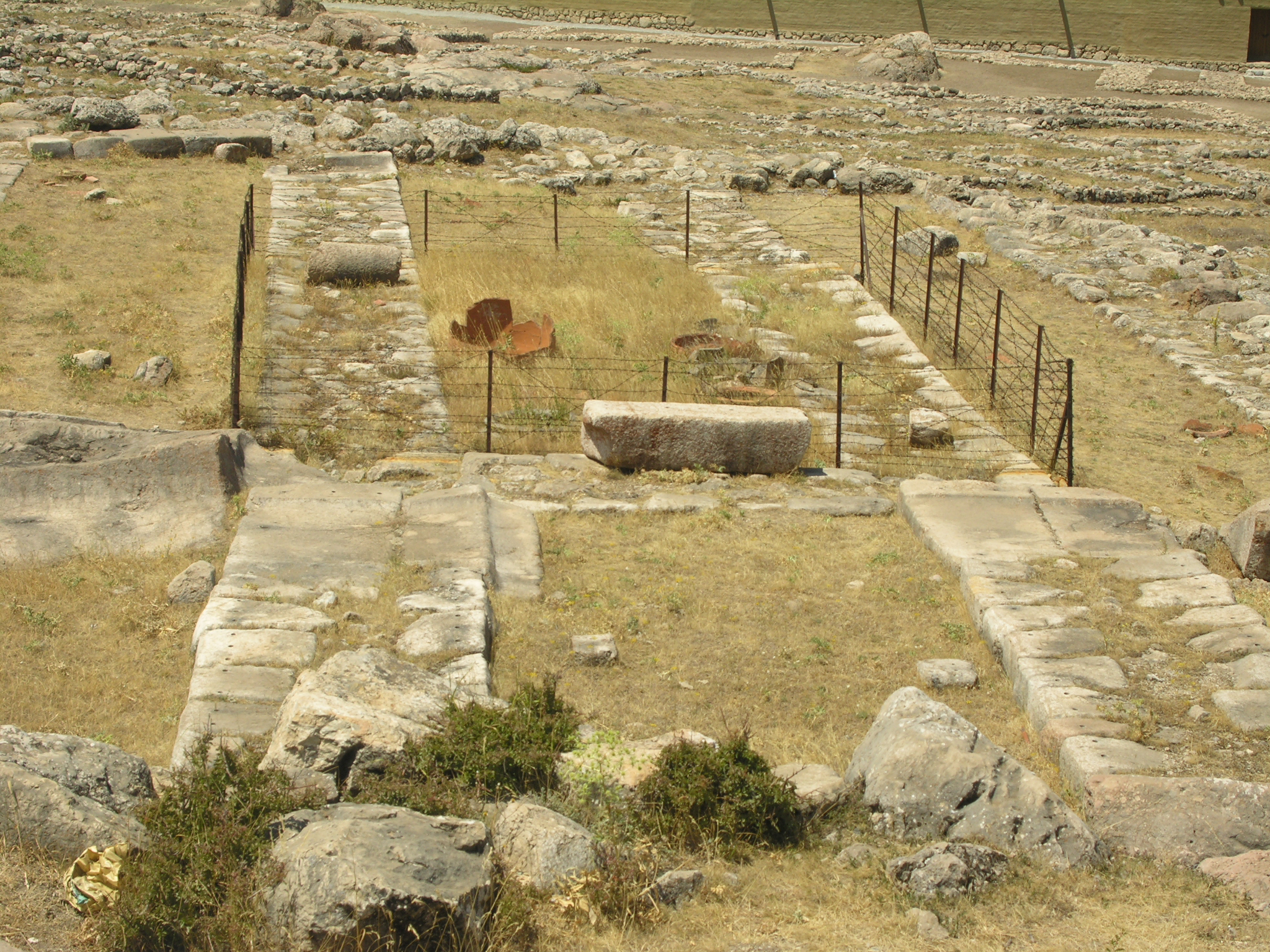
Iranian site preserving a royal inscription in three languages from the late sixth century BCE.
Last reviewed:
Text
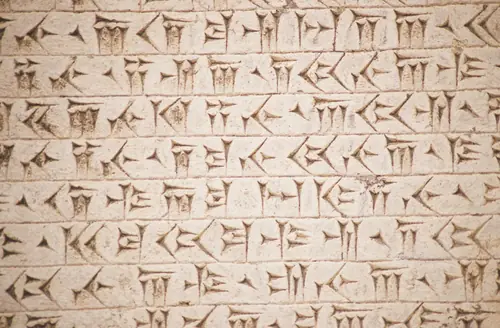
Behistun, also called Bisotun, is an Iranian site preserving a royal inscription and relief of Darius IDarius IPersian king of the late sixth and early fifth centuries BCE, responsible for the Behistun inscription.Glossary · Click to read the explanation. The text has Old Persian, Elamite and Babylonian versions, produced in stages in the late sixth century BCE. [1]
Its blessings and curses figure in Gad BarneaGad BarneaResearcher in Hebrew texts and their history, comparing Deuteronomic covenant with ancient imperial formulations.Glossary · Click to read the explanation’s comparison with layers of Deuteronomy. The photograph is a writing detail from the site, not an identification of the exact compared clauses. Comparison does not imply a copy excavated in Judah. [1][2]
References and notes
- Rüdiger Schmitt, Bisotun III: Darius’s Inscriptions; selected introduction, condition, versions and work-history paragraphs read, not the entire article. Return to the text ↑
- Gad Barnea, Enforcing YHWH’s Covenant with Blessings and Curses—Imperial Style (2022); whole main essay, notes1–35 and biography read. Return to the text ↑
Suggest a correction · Suggest a source for this record
Cite this record
IL Archive, «Behistun and Darius I’s inscription», https://ilarchive.com/en/sites/behistun-darius-rock-inscription
Continue reading