Site · City
Zalpa in Hittite Tradition
- Names
- Zalp(uw)a · Zalpa · Zalpuwa
- Region
- شمال الأناضول
Zalpa appears in a Hittite tale of the queen of Kanesh and in early royal accounts. Scholars look for the northern city near the Black Sea, where its precise location remains disputed.
Estimated reading time: 4 min Published Last reviewed:
Share article
Text
Introduction
Zalpa is the name of a city in early Hittite texts. A tale sets the arrival of the queen of Kanesh's infant sons in the land of Zalpuwa beside the sea. A political narrative preserved with that story describes the fall of a city called Zalpa. The Proclamation of Anitta also names a ruler of Zalpuwa and tells of a sacred image carried away from Nesha. Scholars associate these northern traditions with the Black Sea region of AnatoliaAnatoliaAnatolia is the region occupying the Asian part of present-day TurkeyGlossary · Click to read the explanation. Several ancient towns had similar names, and archaeologists have yet to establish the location of the northern city. [1][2][3]
The river in the tale
The queen of Kanesh gives birth to thirty sons. She puts them in baskets sealed with grease and sets them afloat. The river carries them to the sea in the land of Zalpuwa, where gods recover and raise them. Years later the queen bears thirty daughters and keeps them with her. When the sons make their way inland, an exchange with residents of a town on the road helps them discover who their mother is. On reaching Nesha they find that she does not recognize them. Most of the sons fail to recognize their sisters, while the youngest realizes the relationship and objects to the proposed marriages. [1]
The opening connects a royal city inland with a land beside the sea. The sequence turns on concealment and recognition. The baskets separate the children from their family, a conversation on the road leads them back to it, and a change in their appearance prevents recognition when they arrive. These are details of a literary plot. The tale can help explain why a river route mattered to the people who transmitted it, but it gives no itinerary with distances or securely identified stations between Kanesh and the coast. [1][4]
The conflict for Zalpa
A damaged political account follows the opening in the Hittite manuscript tradition. Its cast includes a king, an old king and a grandfather, along with princes and the elders of cities. One fragment concerns attempts to manage relations between Zalpa and HattusaHattusha, Hittite capitalHittite capital near Boğazkale in present-day Turkey, preserving witnesses to treaty traditions.Glossary · Click to read the explanation through an agreement and the appointment of a prince. In the siege account, the king demands the surrender of Tabarna and Happi. The city refuses, and the narrative ends with its destruction. The breaks in the tablets leave uncertainties about the preceding disputes and the identity of each of the royal figures. [1][4][5]
Scholars use the language of succession and appointment to reconstruct the political sequence. Alwin Kloekhorst follows Richard Beal in proposing identities for the successive kings, including Hattusili I for the figure called the king. Kloekhorst also argues that Hattusa may have served as a base for campaigns while the early rulers described in the text still governed from Nesha. Beal had argued that the passage shows Hattusa already functioning as a capital during an earlier reign. A place from which a campaign is launched need not be the same as a king's regular seat. The disagreement affects how the text is used to reconstruct the emergence of Hittite power. [4]
Anitta's claim and similar place-names
The Proclamation of Anitta gives another account of dealings with Zalpuwa. It names Uhna as a ruler who had carried a cult image from Nesha to Zalpuwa. Anitta describes bringing Huzziya, another ruler of Zalpuwa, alive to Nesha. The episode appears amid accounts of campaigns and the favor of deities. It associates the northern place with a captured ruler and with the removal of an image that mattered to Nesha. It neither names the queen nor supplies the missing passages in the separate Tale of Zalpa. [2]
The spelling of the place-name cannot settle every geographical question. Jared Miller distinguishes a northern Zalp(uw)a near the Black Sea from similarly named places in Syria and near the Balikh River. He also notes disagreement over how some of the Syrian names should be assigned to particular towns. A written occurrence therefore has to be read with its neighboring places and the route or events described around it. The sea and the northern connections matter more for identifying this Zalpa than a resemblance between names across texts. [3]
The sites at the river mouth
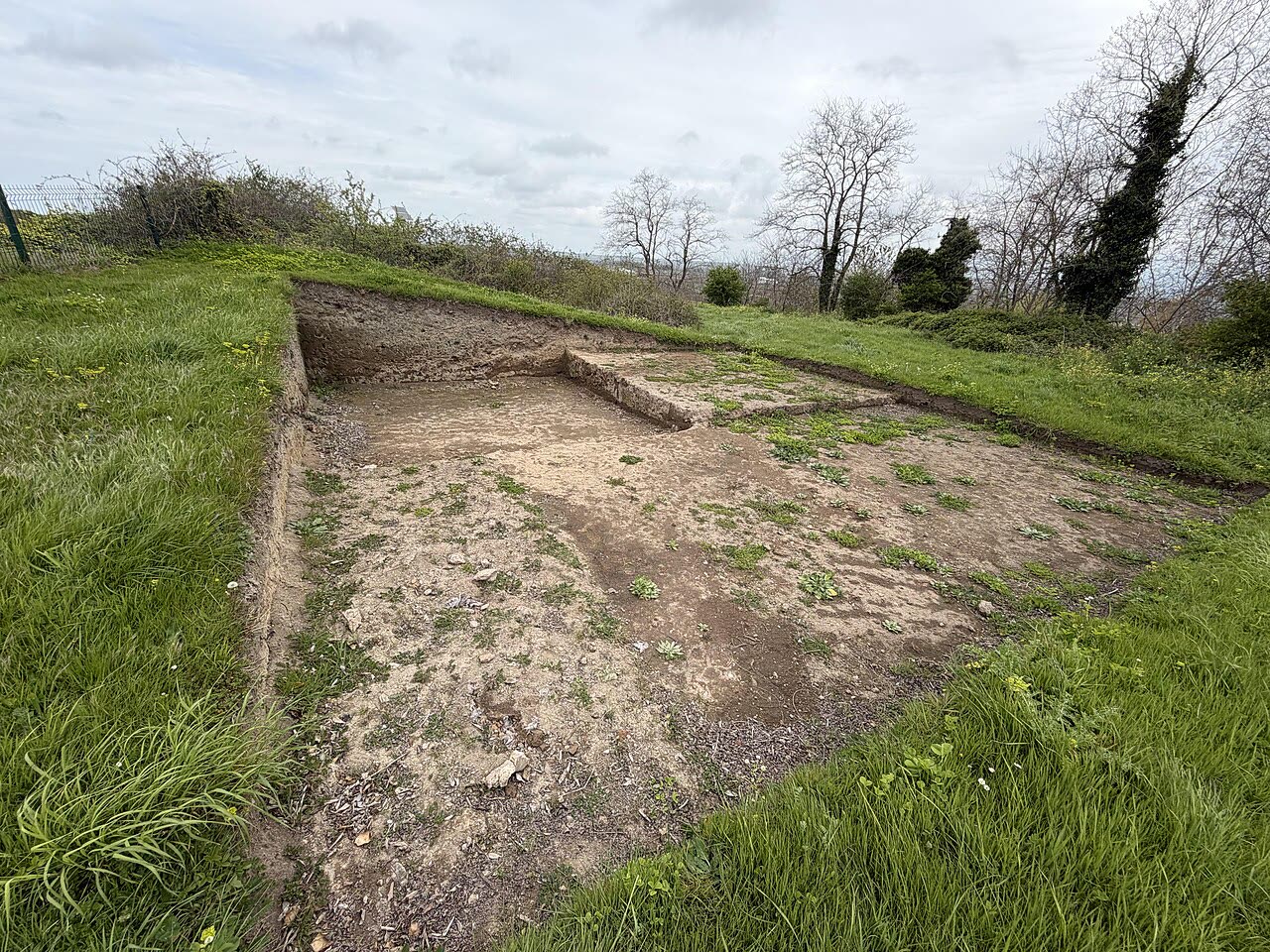
İkiztepe and Tatlıgöl Höyük are archaeological locations in or near the delta of the Kızılırmak, the ancient Halys. The archaeologist Önder Bilgi reported Bronze Age building levels and ceramics from İkiztepe. He questioned its identification as Zalpa in the absence of written records or sealings. The excavation recorded several mounds and different phases on each. On Mound I, earthen floors and burnt plaster with traces of wood help establish how buildings were constructed. Those remains can be compared with buildings at other sites even when the ancient name remains unknown. Atila Türker argues that the region around the river mouth still deserves attention and includes Tatlıgöl as a candidate. Its surface finds establish Bronze Age activity, and Türker emphasizes the need for excavation before seeking a positive identification. Deposits carried down the river have also shifted the coastline since the first occupation of İkiztepe. A modern map shows where the excavated places stand today, while the archaeological evidence has to help reconstruct where ancient people could reach the sea. [3][6][7]
References and notes (7)
- Gary B. Holland and Marina Zorman, The Tale of Zalpa §1.5, translations of A obverse and reverse and B obverse Return to the text ↑
- Harry A. Hoffner Jr., Proclamation of Anitta of Kuššar The Context of Scripture 1.72, §11, references to Zalpuwa, Uhna and Huzziya Return to the text ↑
- Jared L. Miller, The Contribution of the Hittite Documentation to the Historical Geography of the Middle Orontes Region Note 6, differentiation of northern Anatolian and similarly named Syrian towns Return to the text ↑
- Alwin Kloekhorst, A New Interpretation of the Old Hittite Zalpa-Text Introduction, royal identifications and the discussion of Hattusa in relation to Nesha Return to the text ↑
- LAMAN, Hittite and Anatolian Names, CTH 3.1.A Manuscript concordance and attestations of Zalpa in the tale Return to the text ↑
- Önder Bilgi, Ikiztepe: An Early Bronze Age Site by the Central Black Sea Coast in Turkey Geographical location and stratification sections Return to the text ↑
- Atila Türker, Tatlıgöl Höyük: A New Archaeological Location in the Bafra Plain Pp. 89–91, northern Zalpa proposals and the surface evidence Return to the text ↑
Suggest a correction · Suggest a source for this record
Cite this record
IL Archive, «Zalpa in Hittite Tradition», https://ilarchive.com/en/sites/zalpa