The Agushaya Poem Chapter 1
The Whirling Dance
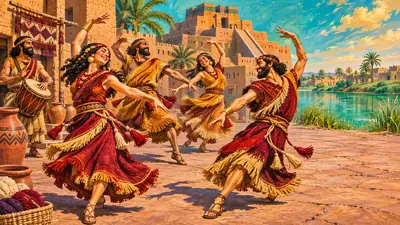
When Saltu turns her clamor against Ishtar, the goddess asks Ea to send her away. Ea gives future generations a way to remember the quarrel with a dance that returns every year.
SourcesTurn the pages with the arrows, the arrow keys or a swipe.
ISHTAR
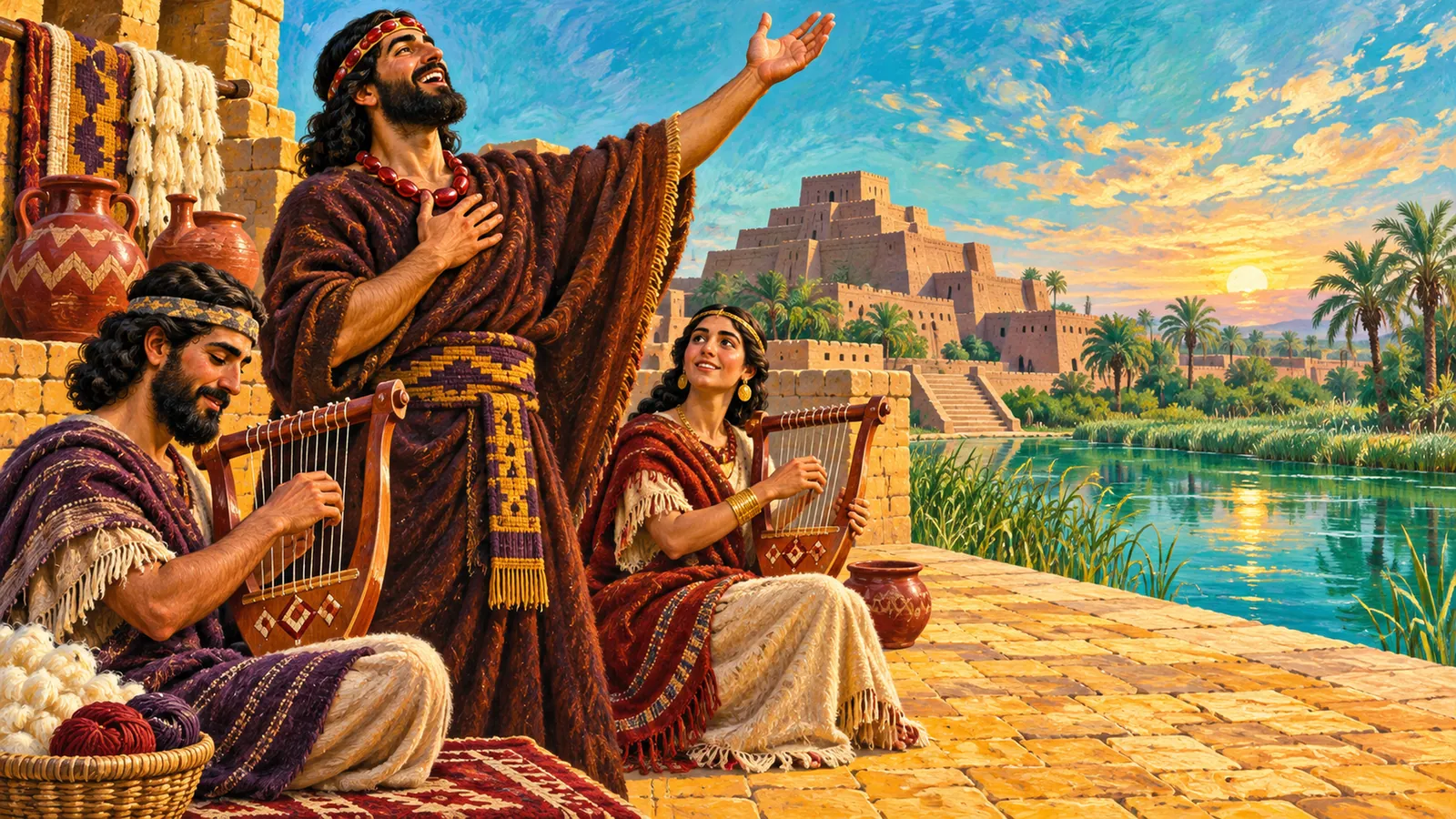
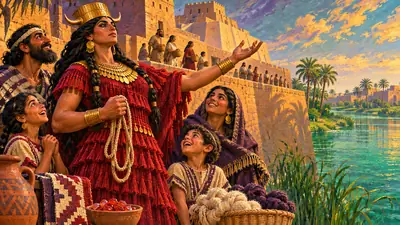
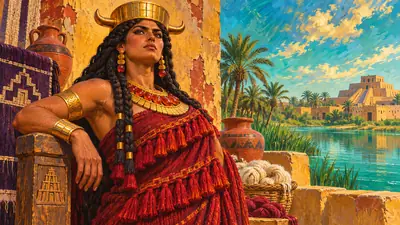
The singer begins with a wish to praise the greatest heroine among the gods. Her name is Ishtar. Each return to her name gives the song new strength.
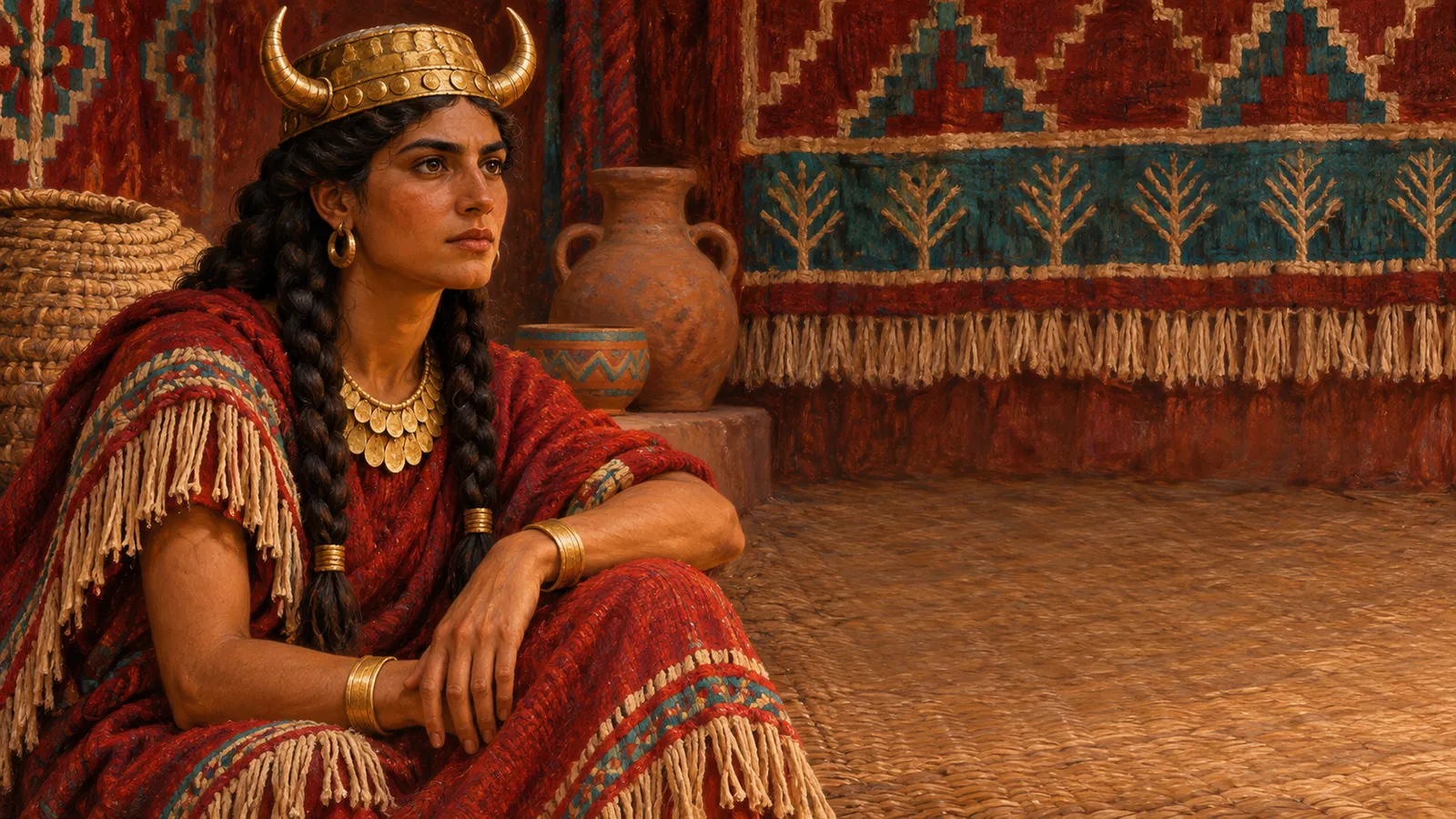
The song twice calls Ishtar the firstborn daughter of Ningal. People know her greatness, the singer says, even when they cannot fathom the way she acts.
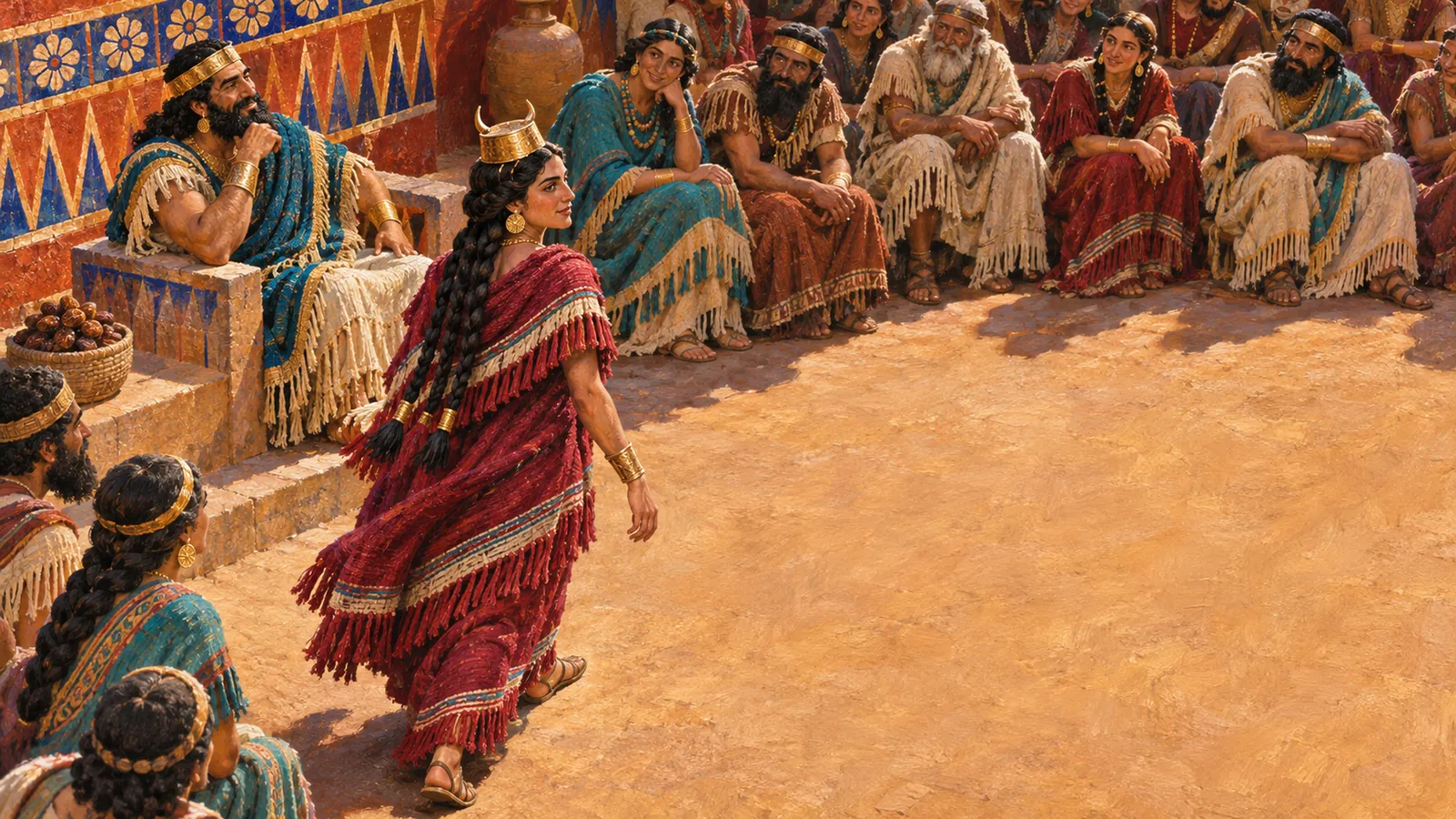
Ishtar dances around gods and kings, with a boldness the Akkadian singer calls manly. The tablet marks a first song and its answering refrain near these lines.
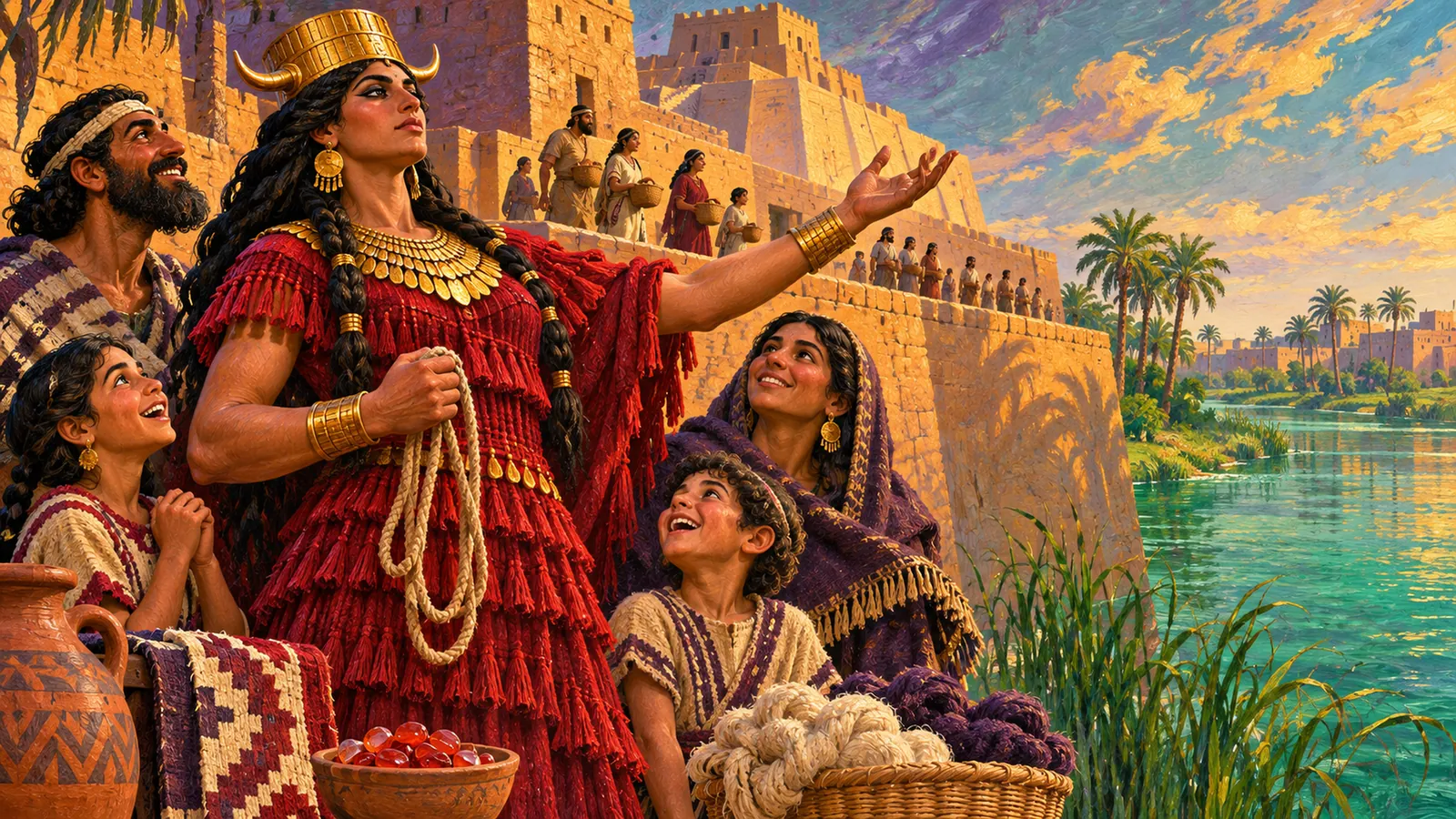
She holds all the divine powers. The hymn pictures her with humankind’s lead rope in her hand, free to bestow what she holds and to have her word obeyed.
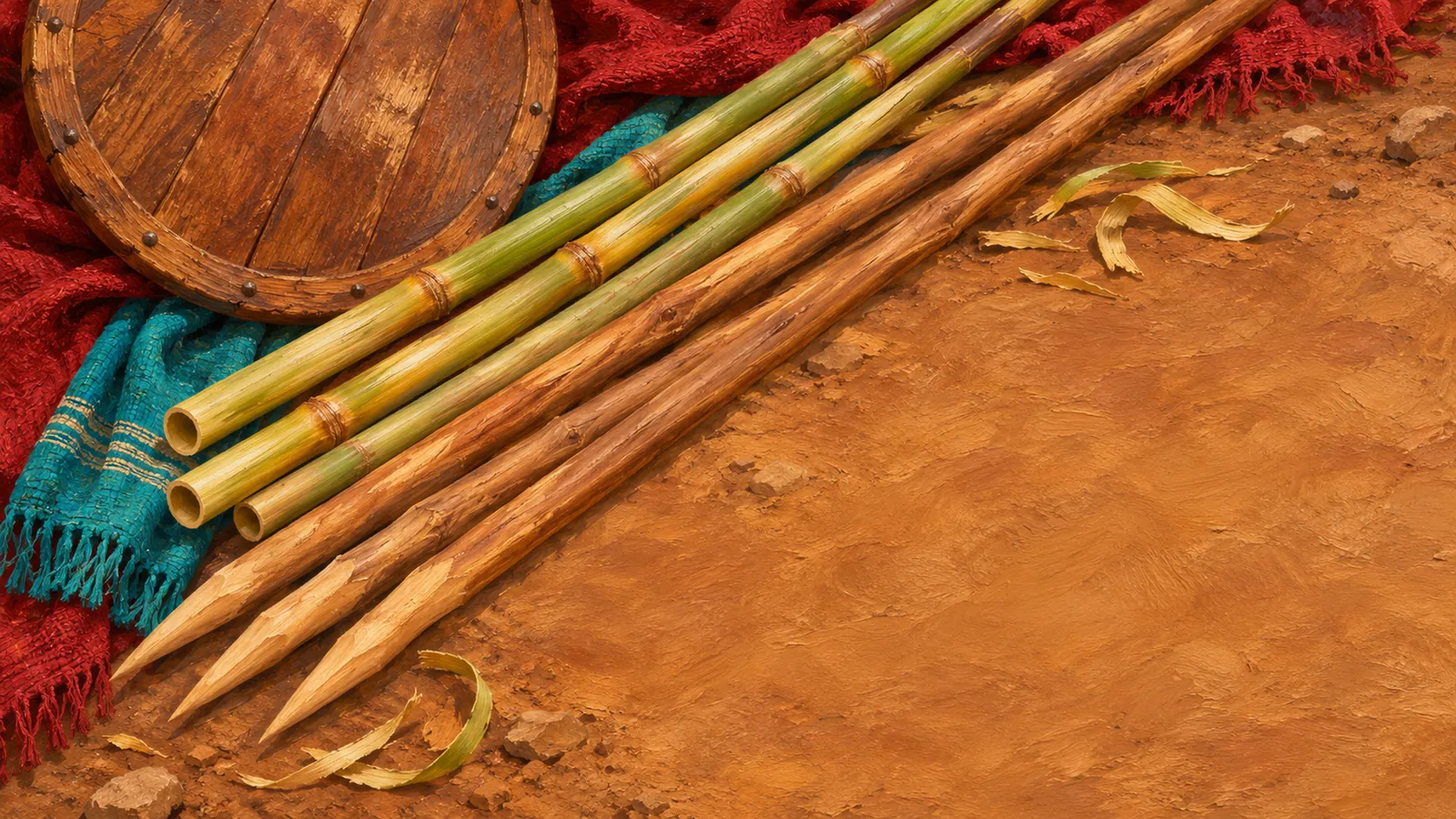
Beyond another break comes an image of young men cut down like poles for spears. An answering refrain turns back to the one heroine who surpasses all others.
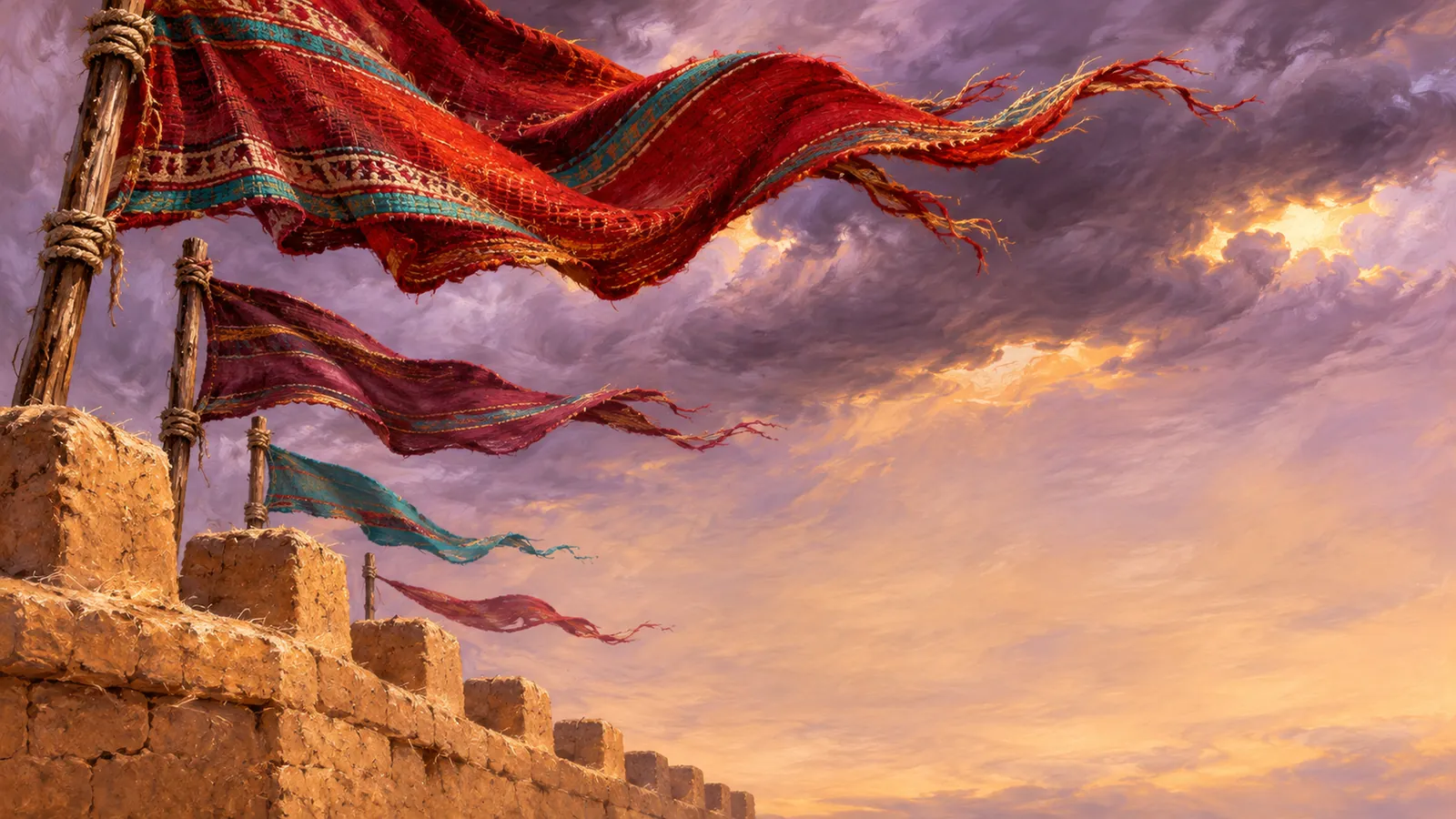
Ishtar’s festival, the poem says, is battle. The damaged refrain calls up dancing and mighty people swept away. Fierce energy in a fight is her allotted share.
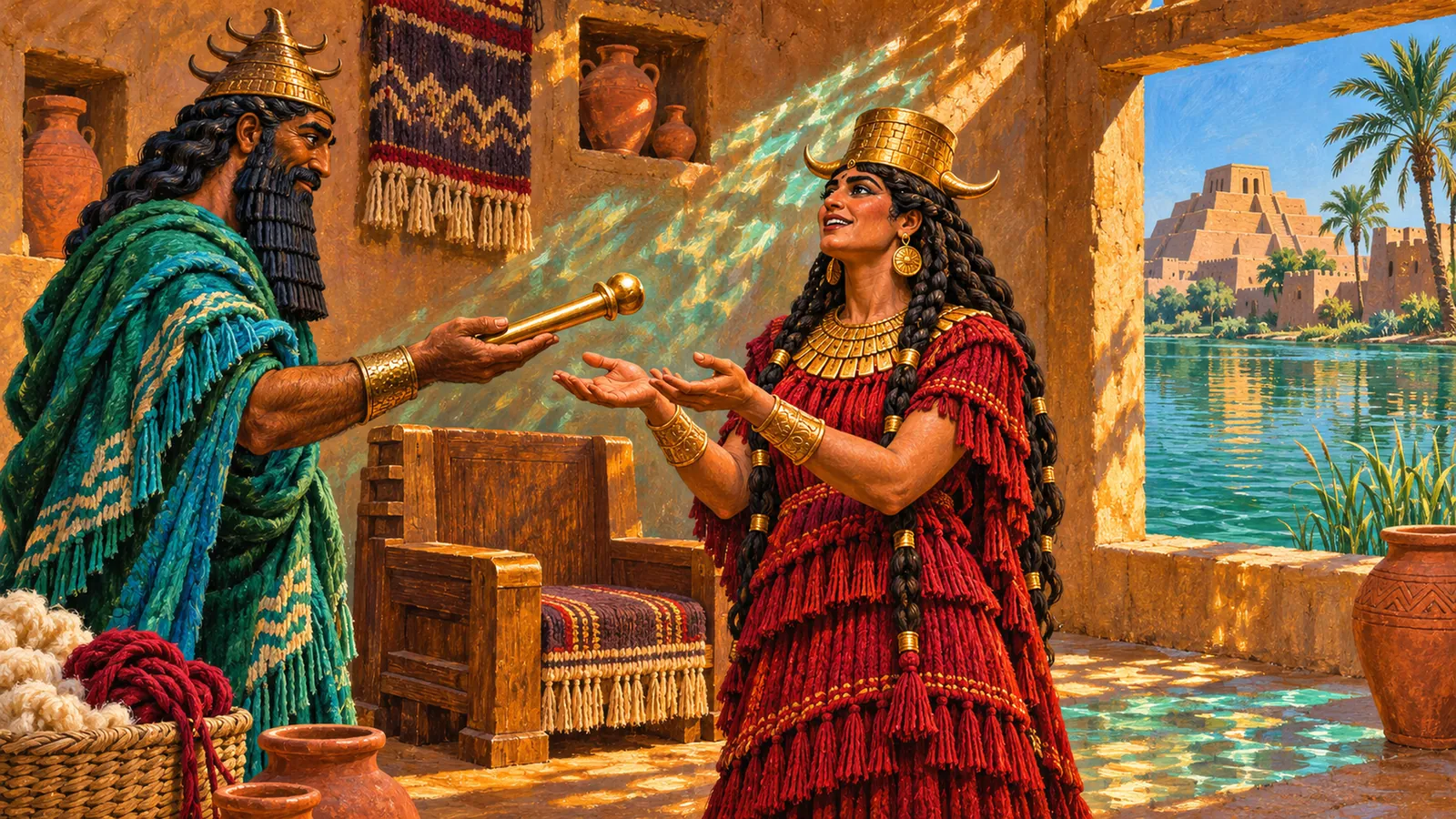
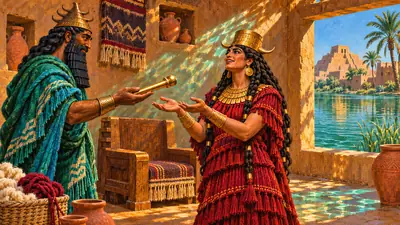
Beyond the damaged lines, we find Ishtar receiving the emblems of kingship. A scepter, a throne and a crown suit her, and Ea adds strength and great deeds.
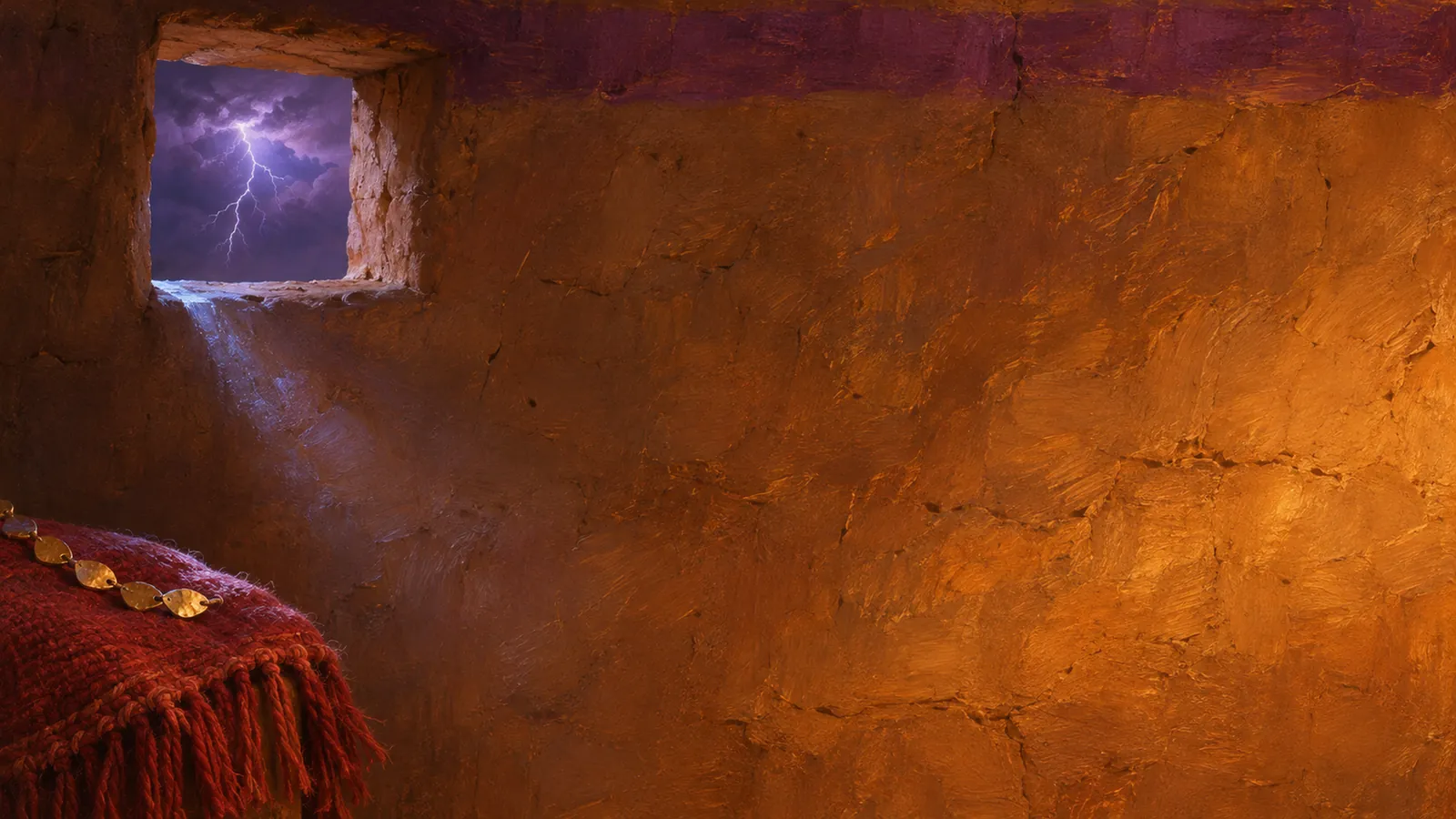
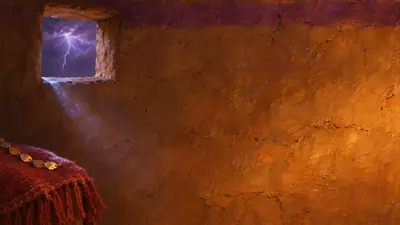
Ea surrounds her with lightning and a brightness that inspires awe. She begins to imagine a battle, and her thoughts turn toward the dwelling of the very god who armed her.
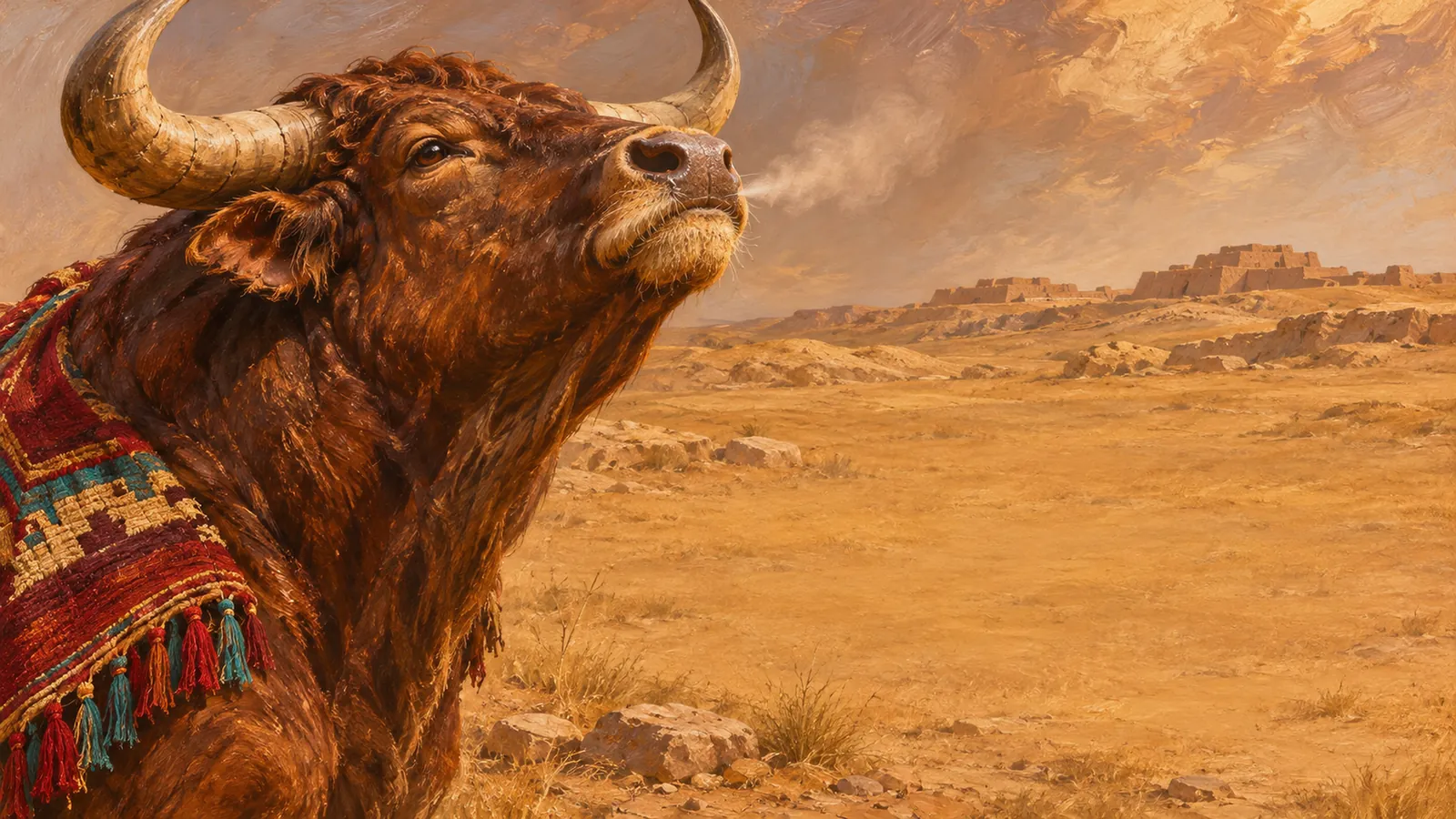
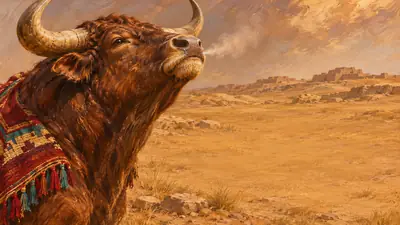
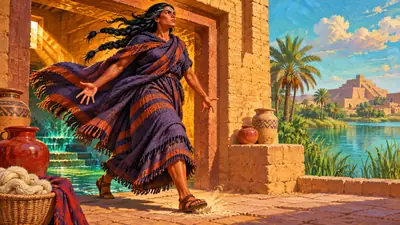
She went out in her strength. Her voice made others tremble more than an angry bull could. The poet measures the sound by the fear it raises.
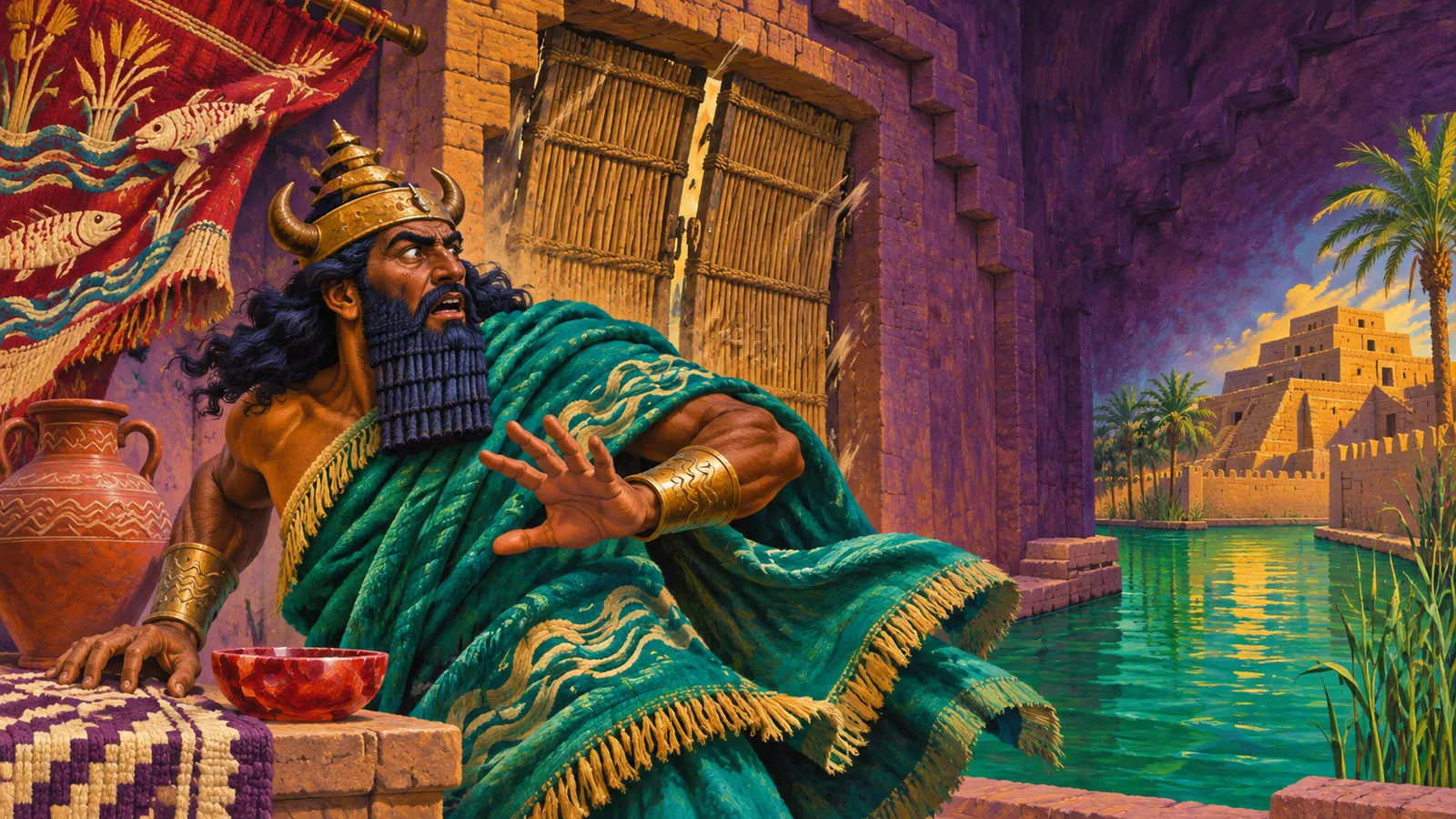
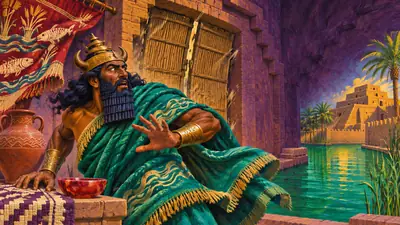
The clamor reached Ea, the wise god. It frightened him, and then it made him angry with Ishtar. Near this turn the tablet marks its third song.
DISCORD
After the break the words call for someone strong, defiant and quick to quarrel. Her artfully arranged hair is to flourish, and her cry is to continue day and night.
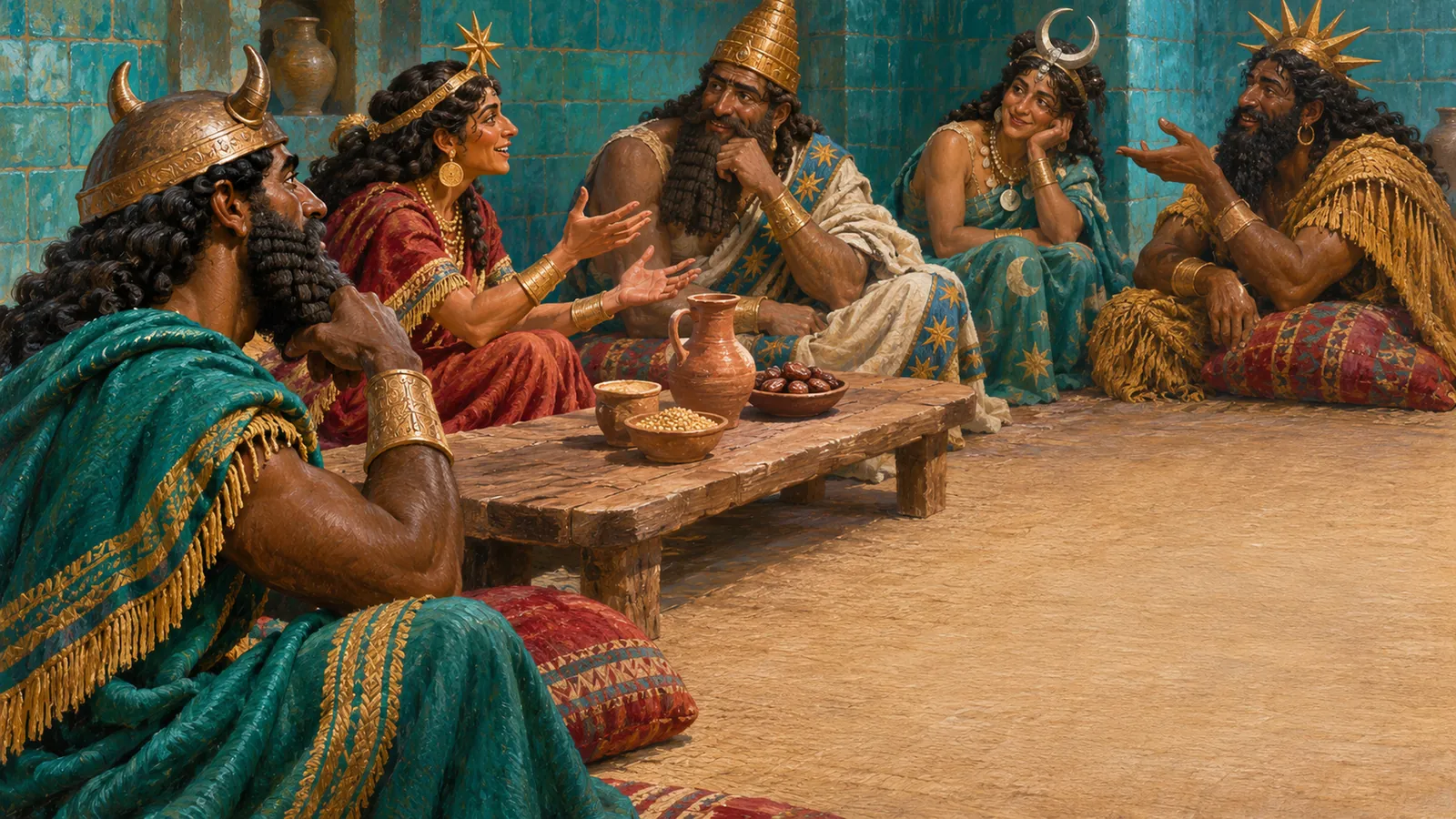
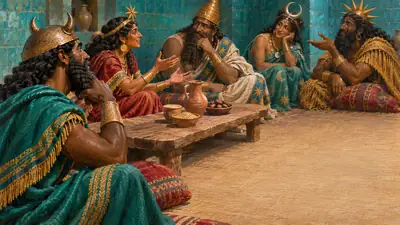
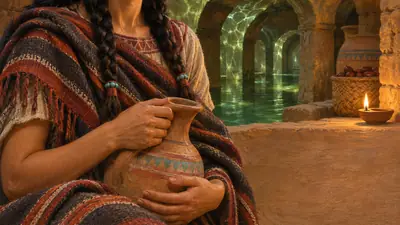
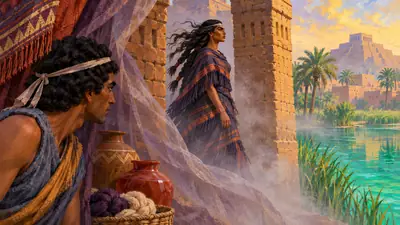
The gods assembled and discussed what they wanted to make. They could not bring her forth by themselves. They turned to Ea, whose wisdom made such a thing possible.
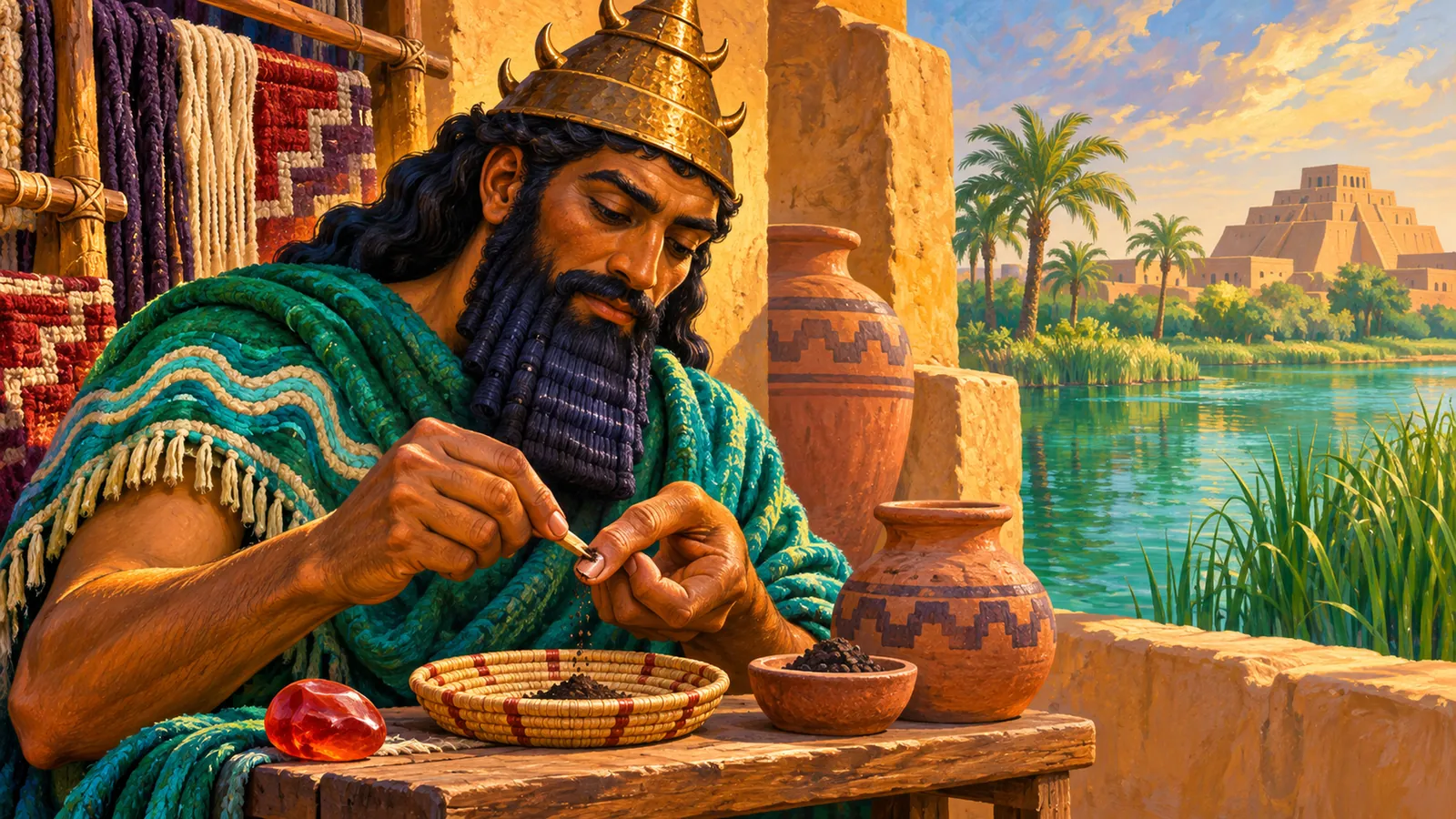
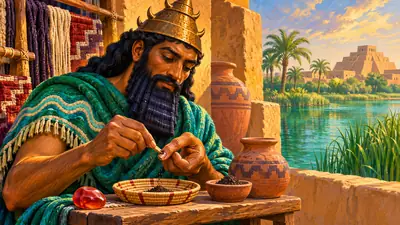
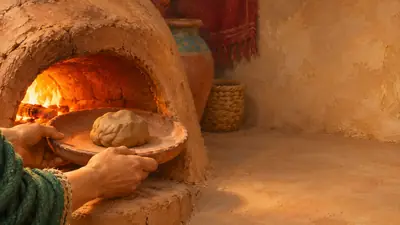
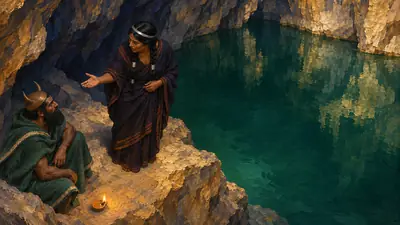
Ea listened to their words. Seven times he scraped the dirt from beneath his nails. When he had gathered it in his palm, he took that small matter to be baked.
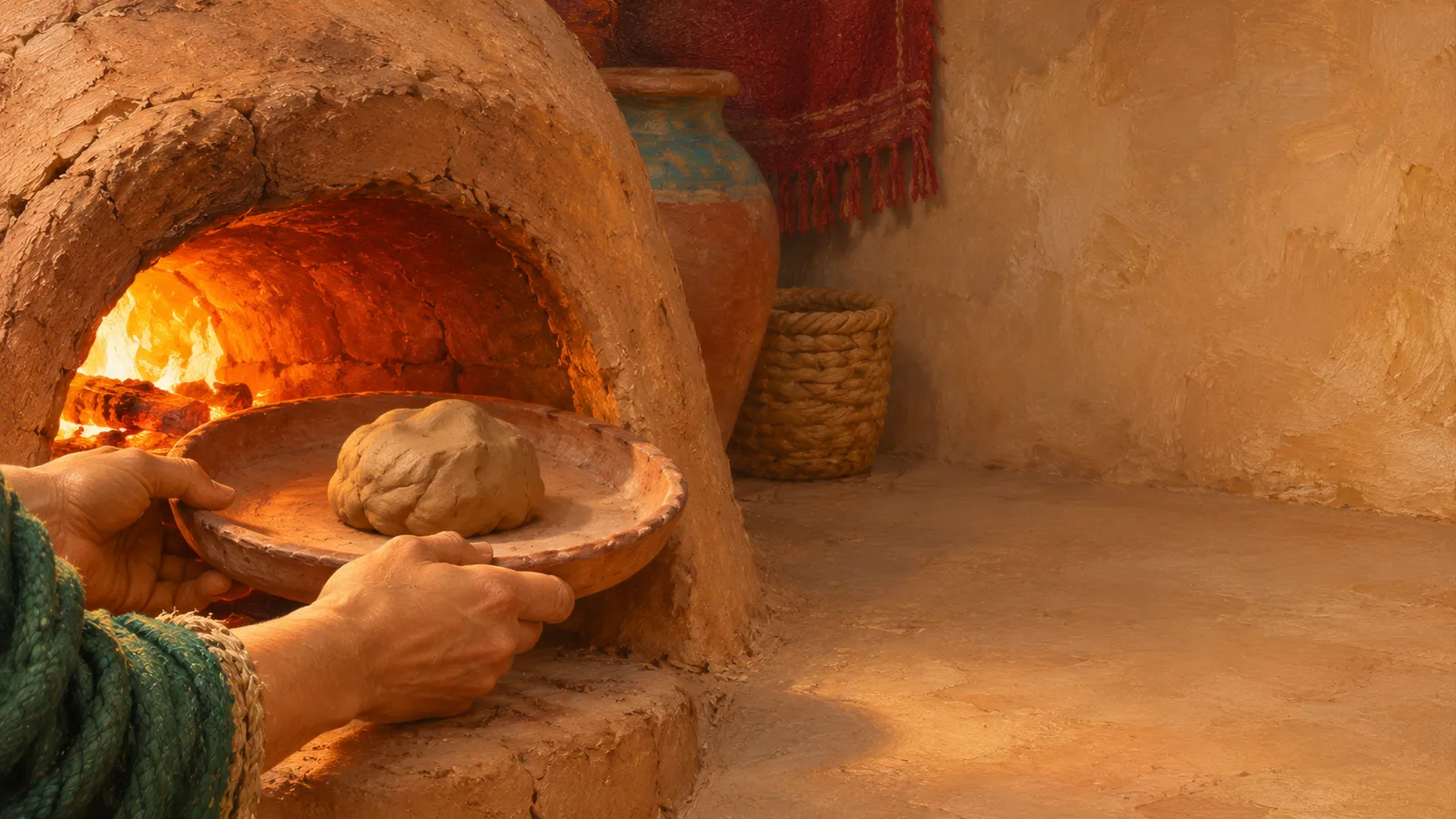
Out of what he had gathered and baked, Ea made Saltu. Her name means Discord. The fourth song and its answer both mark the making of a rival for Ishtar.
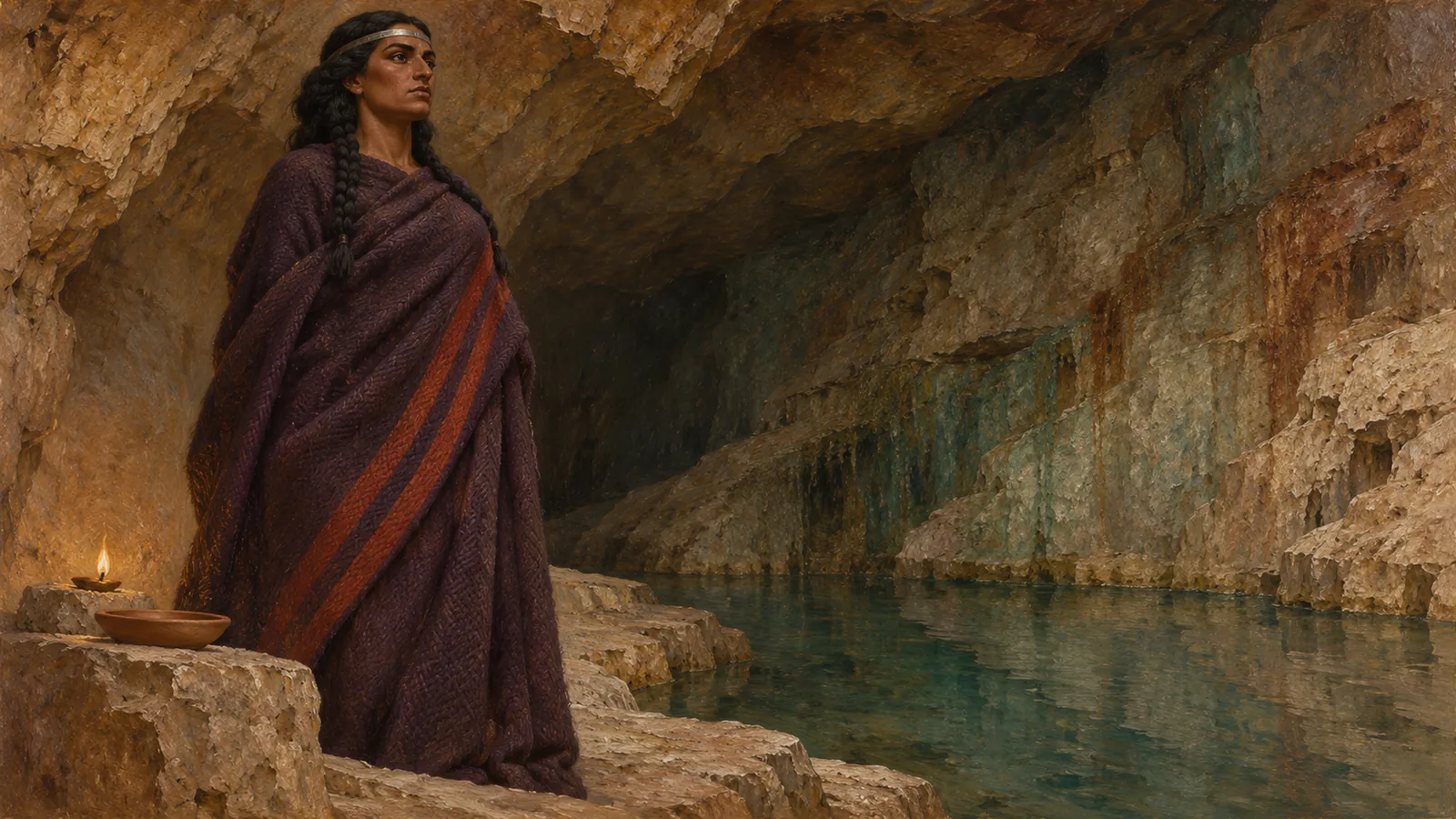
The new figure was strong and artfully made. The old words call her shape doubled, though the exact sense is disputed. The song insists no one could match her.
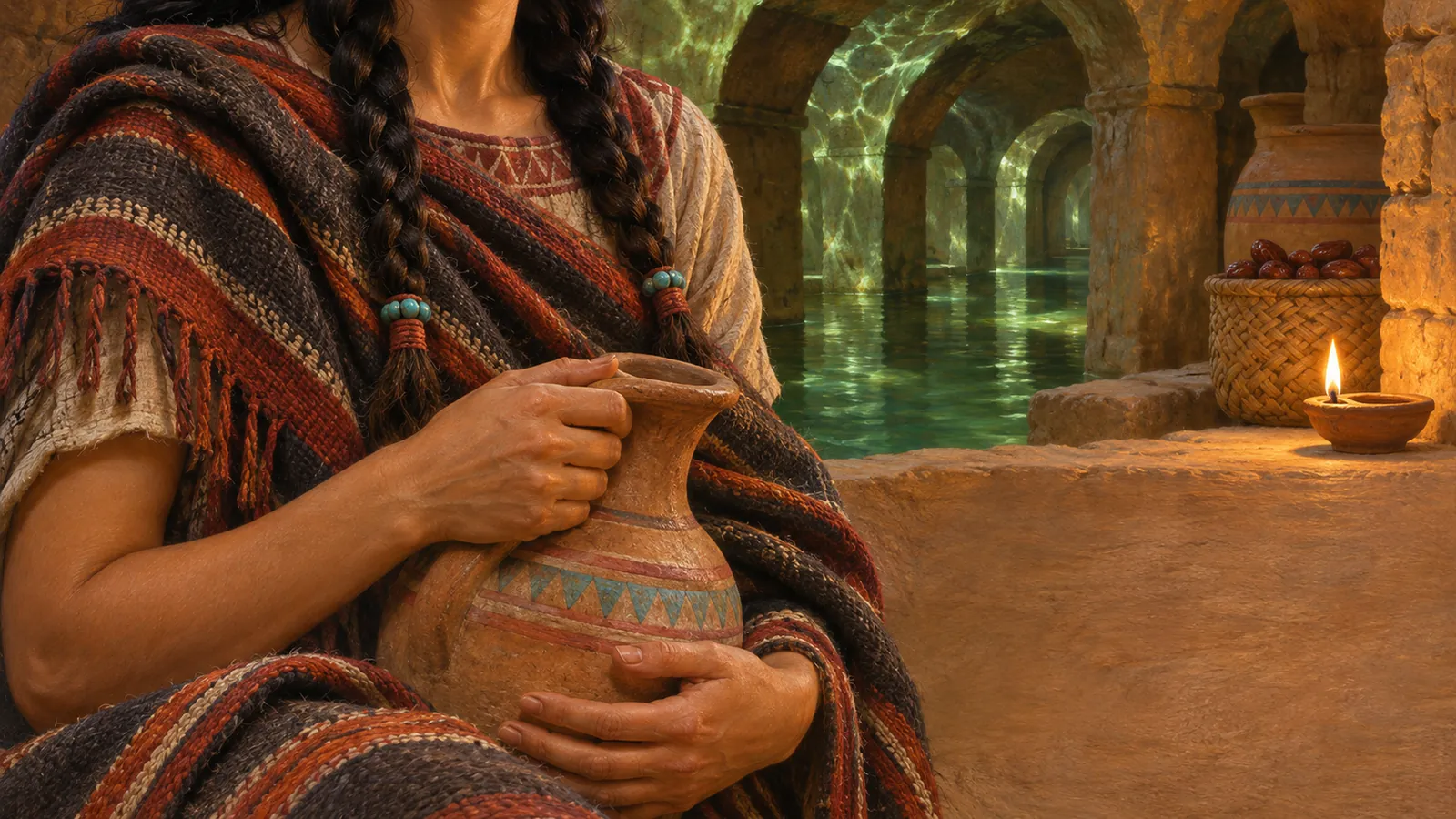
The poet makes battle the very flesh of Saltu and combat her hair. Her strength covers her like clothing. The Akkadian song keeps turning her fury into things we can see.
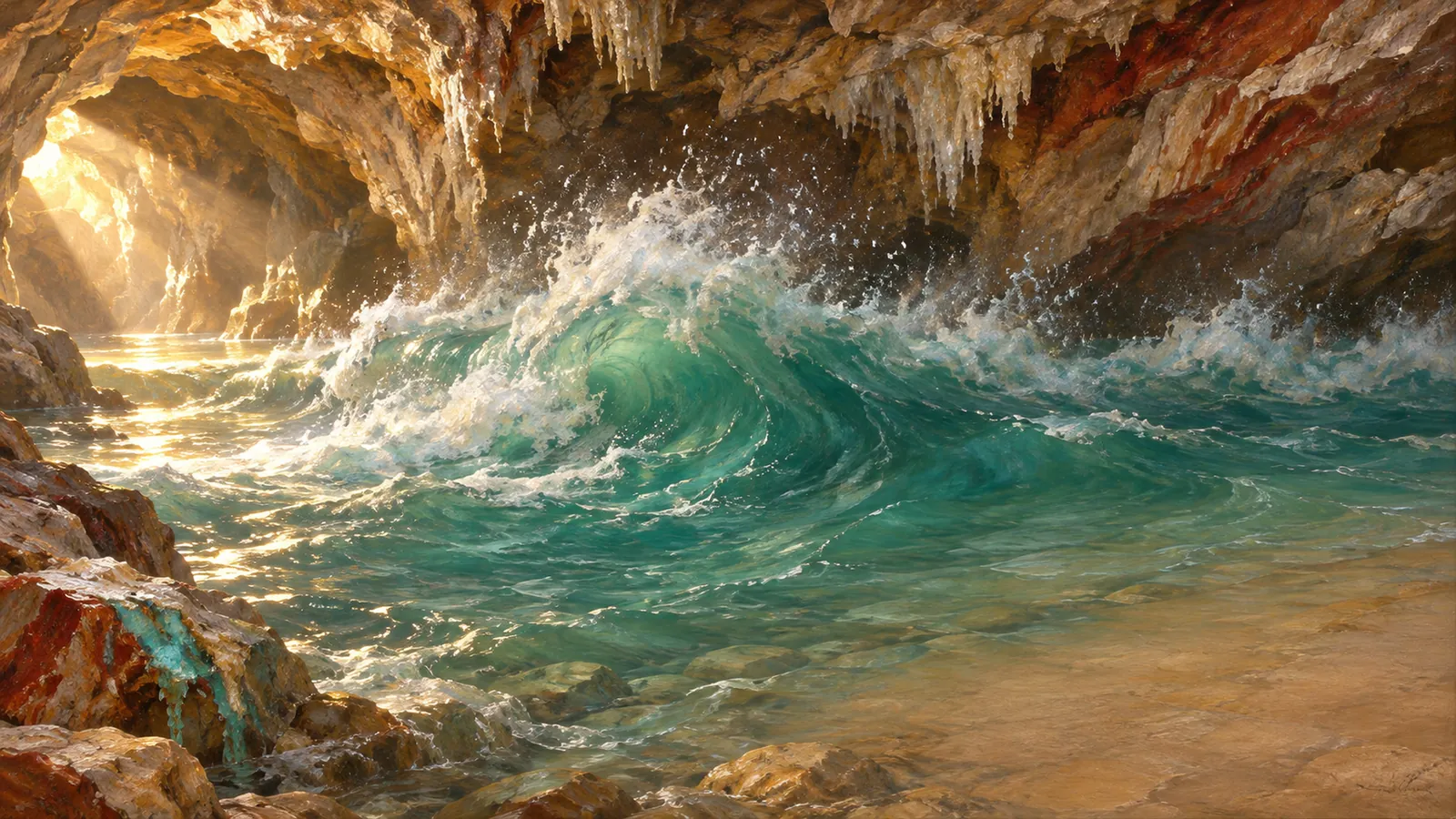
Her cry is born of floodwater. Saltu stands in the middle of the Apsu, the deep fresh waters in Ea’s domain, and her words turn back to her.
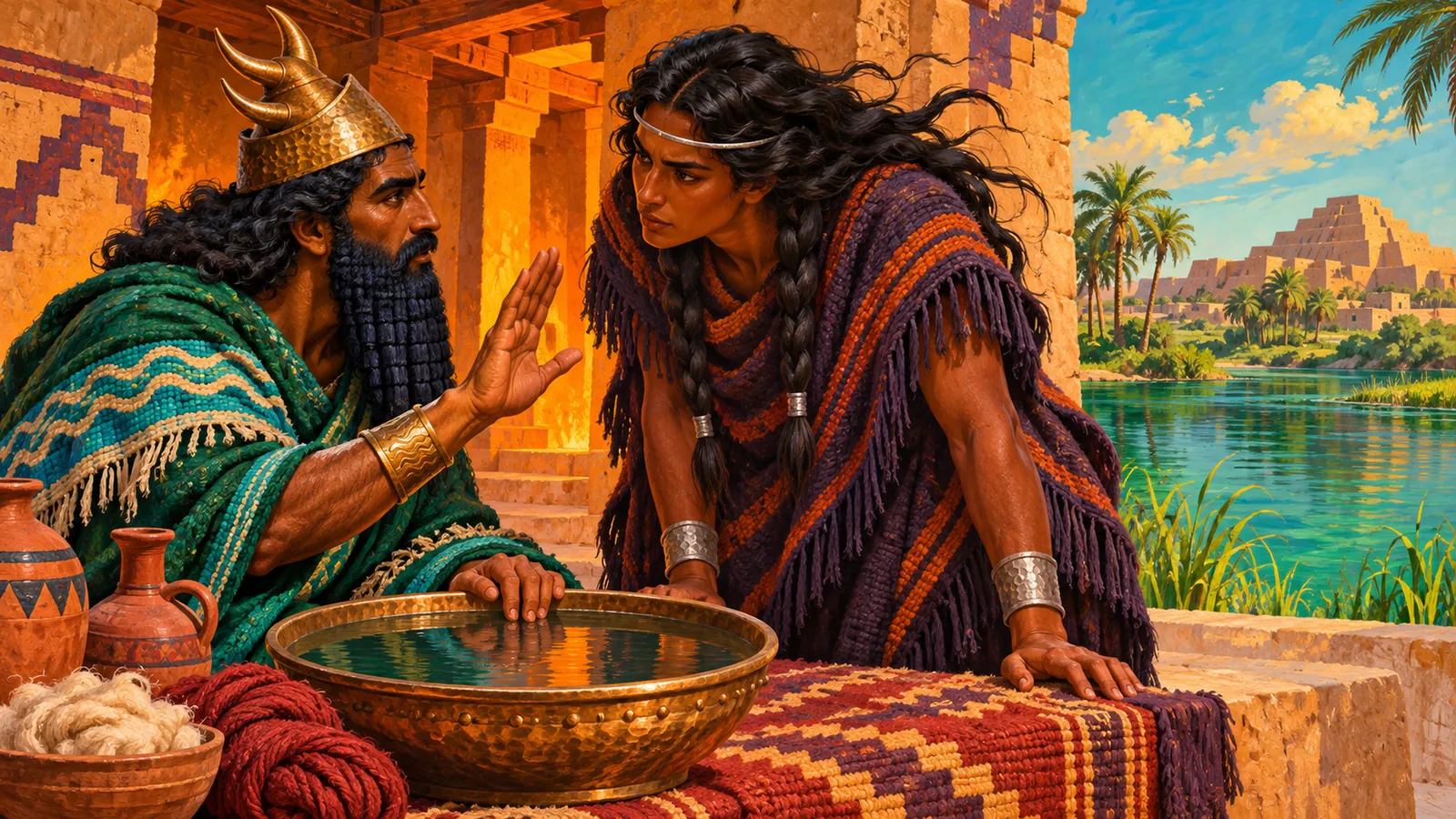
Ea told Saltu to be quiet, attend to his words and remember his orders. The goddess she was to challenge was Irnina, another name for Ishtar, Ningal’s firstborn.
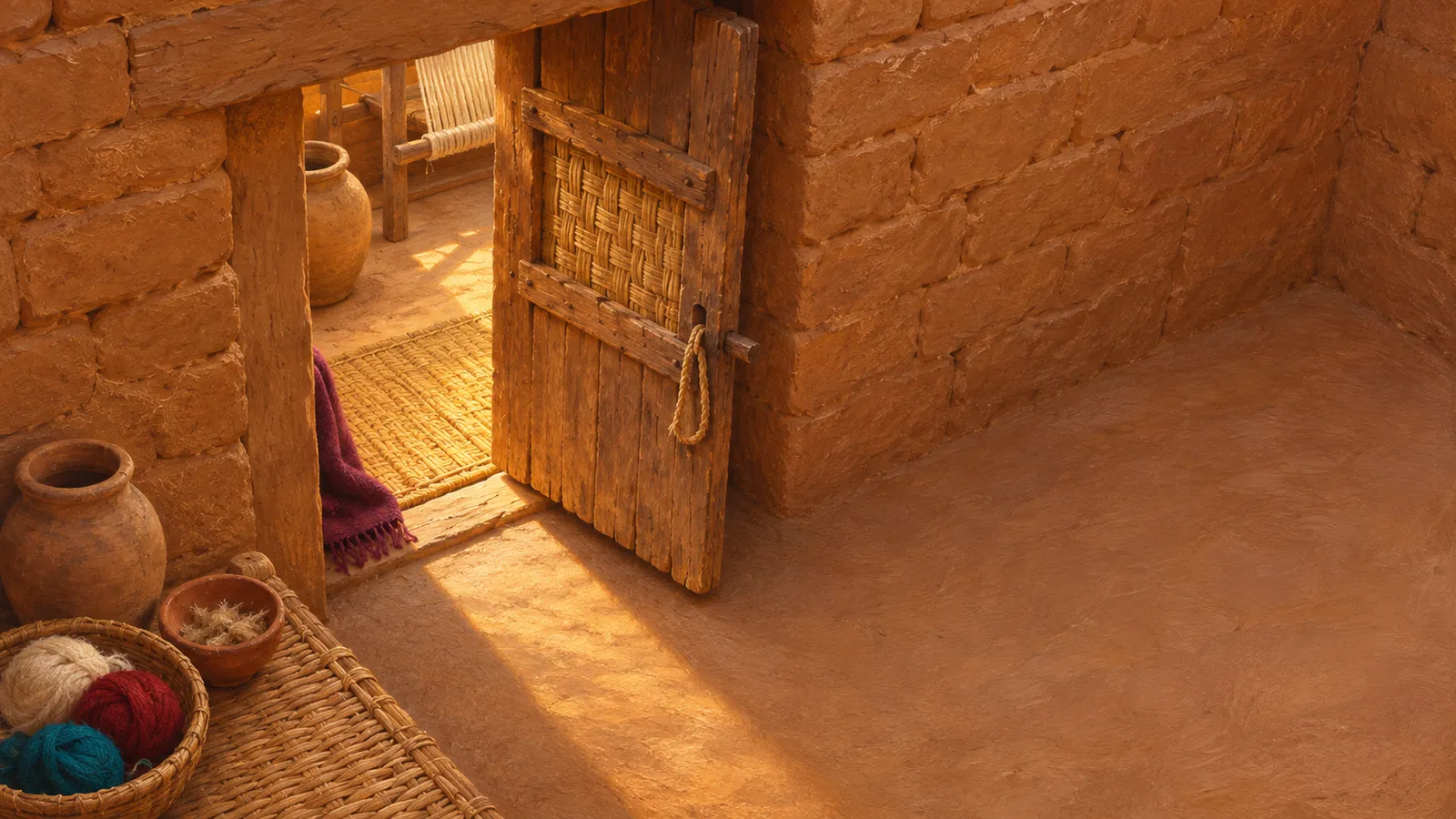
Ea reminded Saltu that he had added prowess to her stature. She was to go to Ishtar’s inner room. He imagined Ishtar opening to ask what Saltu intended.
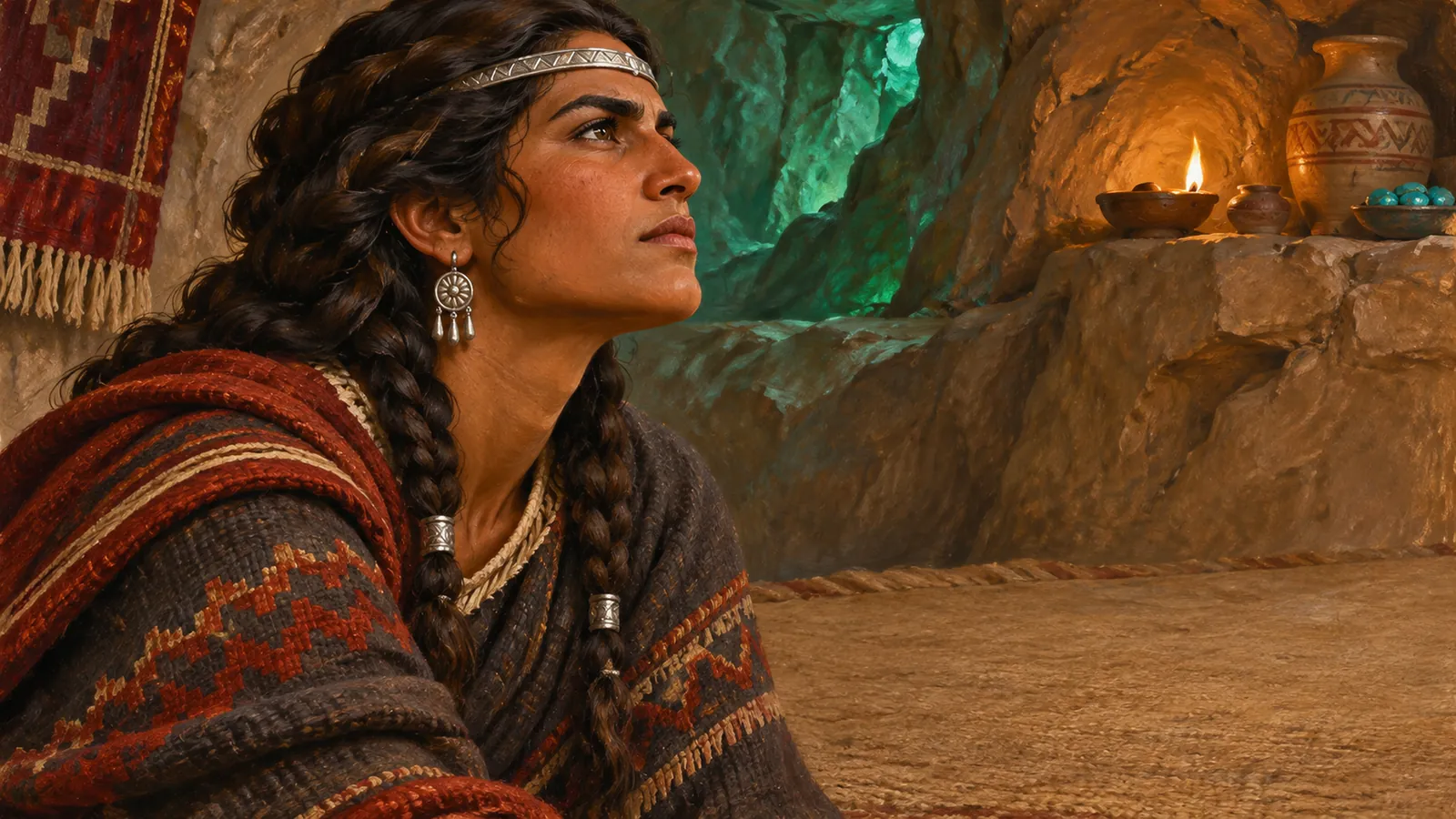
Ea told Saltu to withhold every gesture of deference. She was his own creation. She could speak in the commanding voice she chose and address Ishtar as an equal.
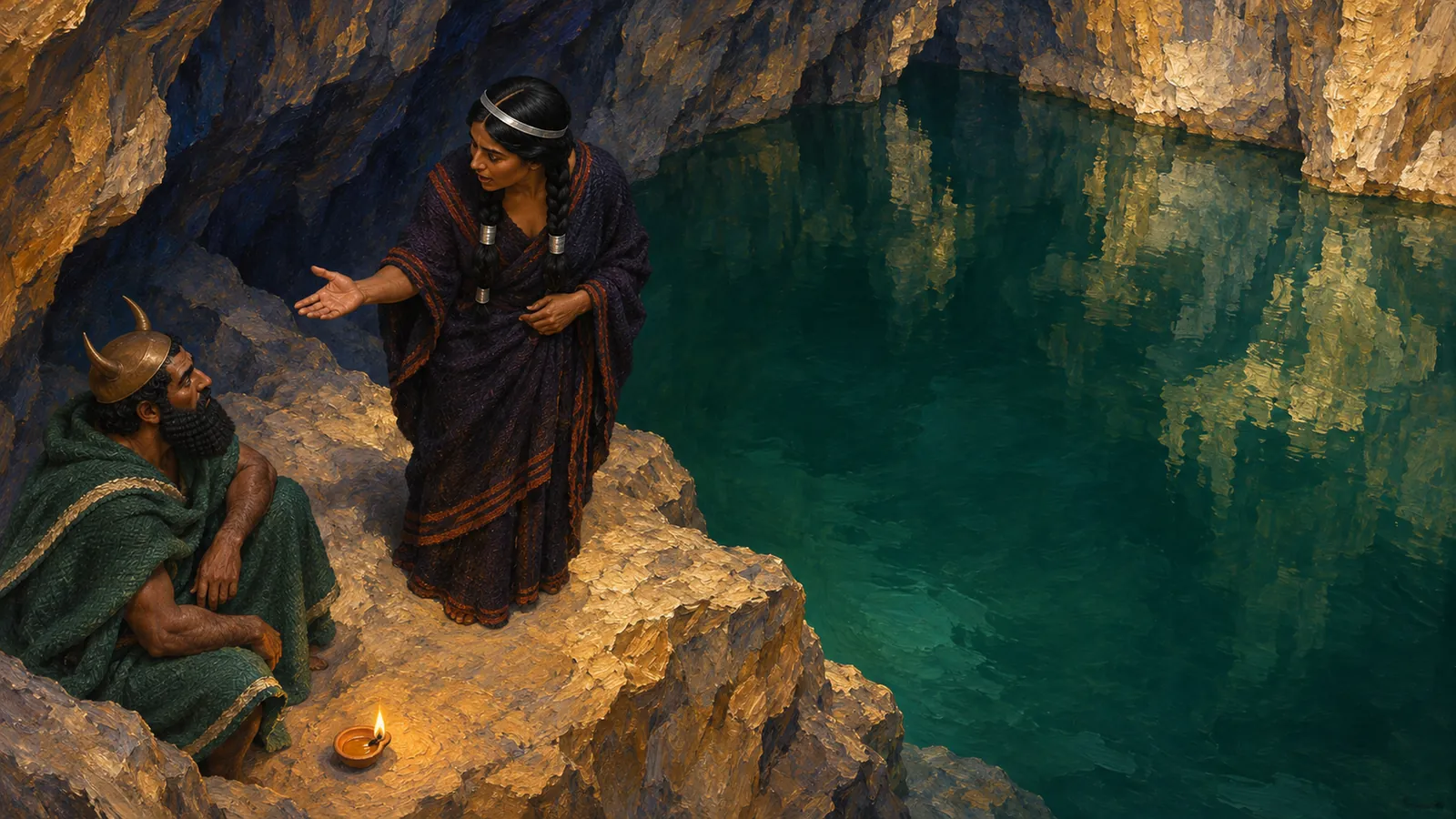
The tablet marks a fifth song. In its answering lines Saltu stands in prayer while Ea decrees her strength in the depths. Their voices briefly answer one another.
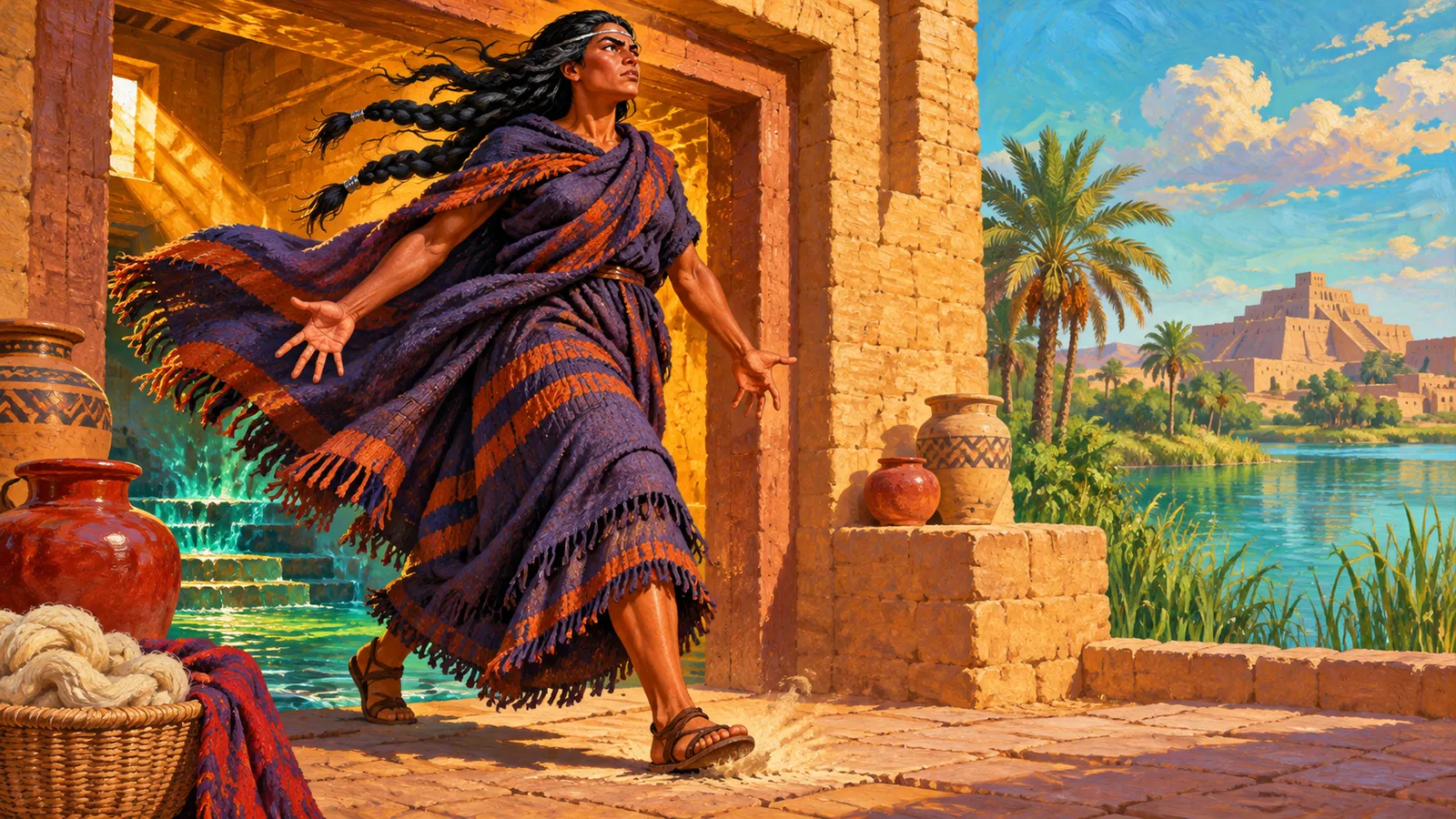
Ea led Saltu away, putting word after word in her mind. He reminded her of the dignity he himself had given Ishtar, a queen no one had dared oppose before.

At the edge of the encounter, the voices break into fragments. We can still hear a plea for a message and a comparison between anger and a wave at sea.
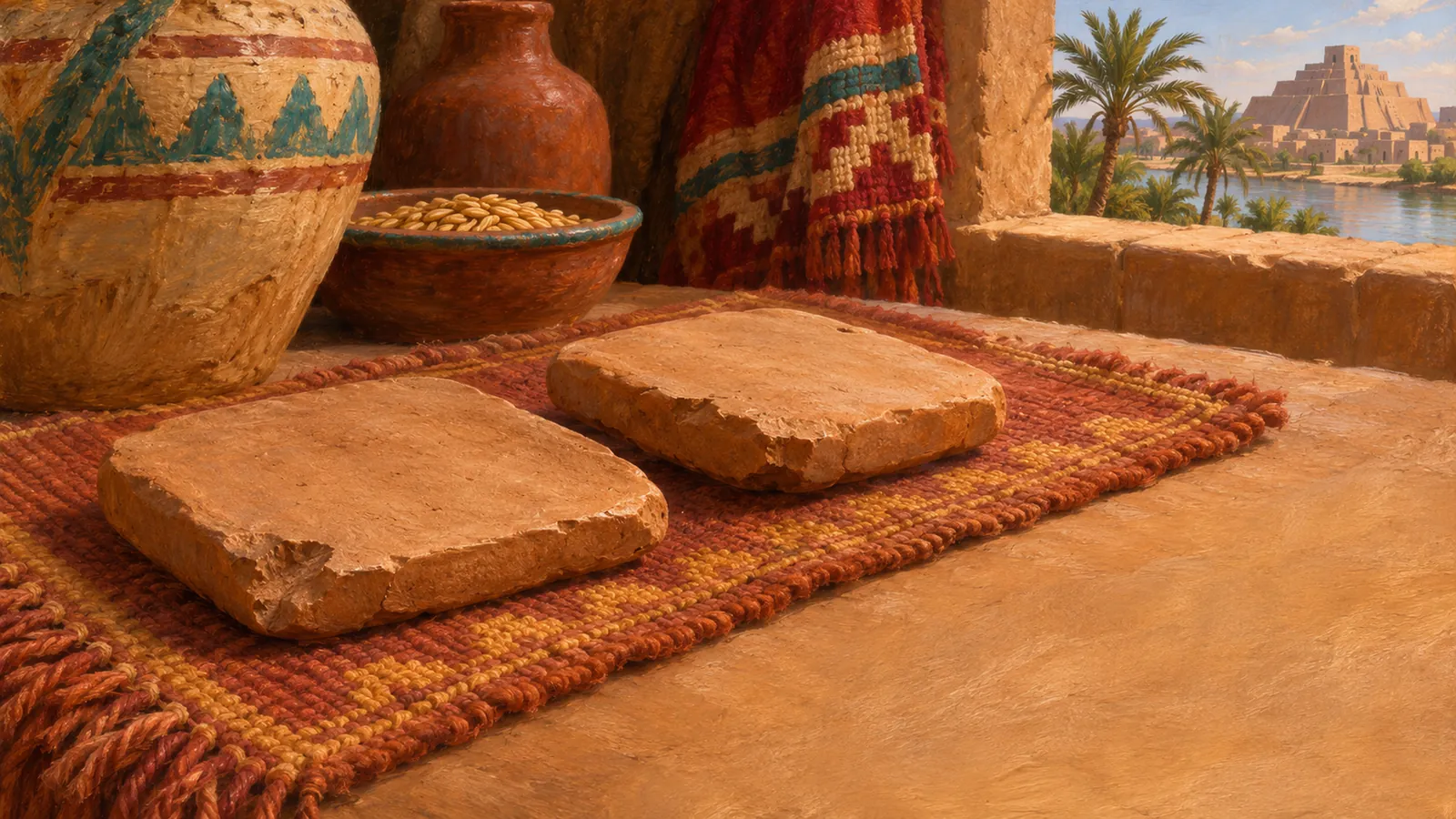
THE ENVOY
The first tablet marks the end of its sixth song. There is a break between the two surviving tablets. Then a voice asks someone to study the signs of a woman’s strength.
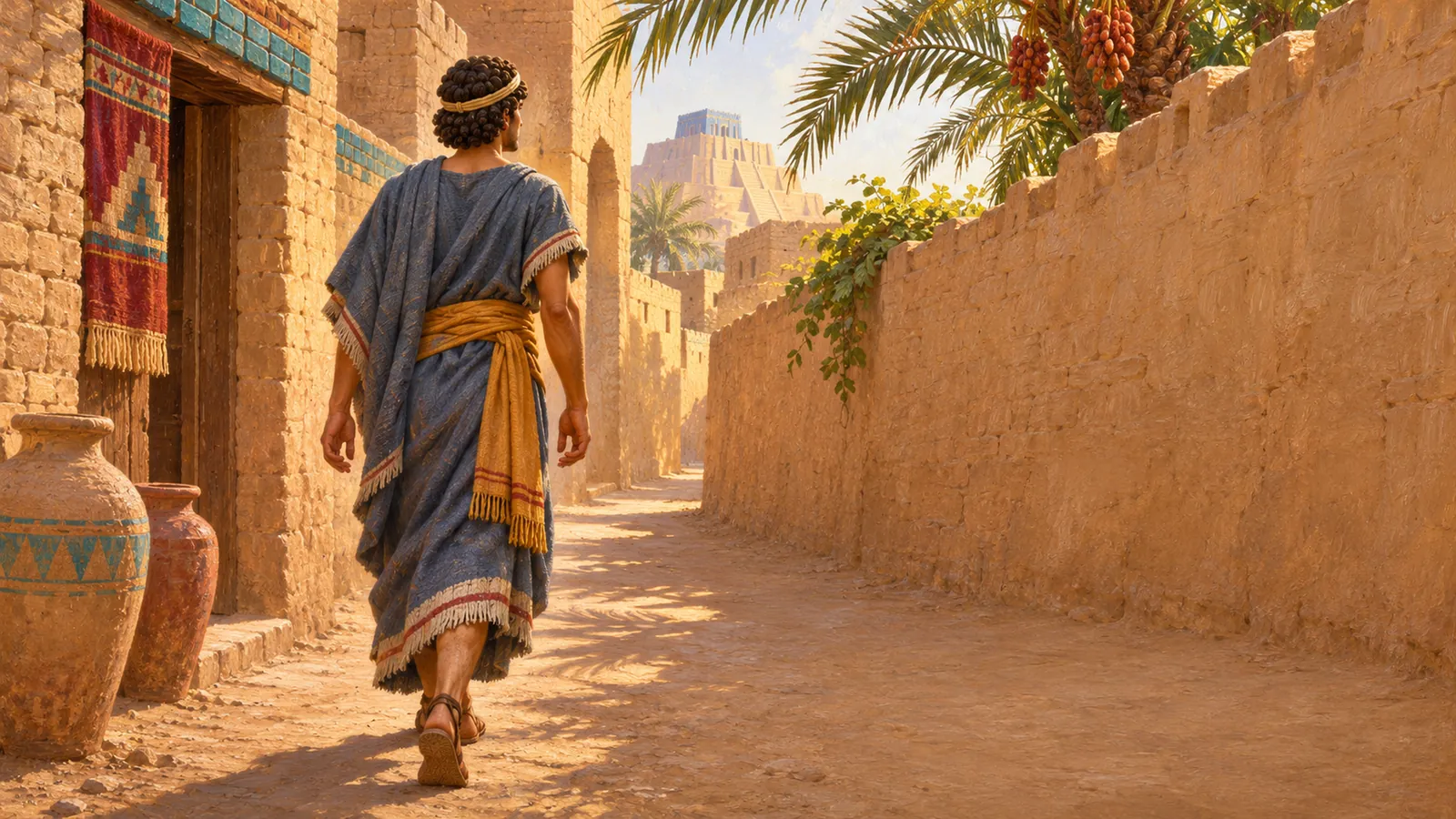
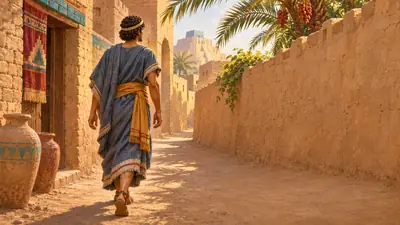
The speaker wants an account of the woman’s conduct. The poem names the capable messenger Ninshubur. The lines around the dispatch are damaged, but we know the envoy went alone.
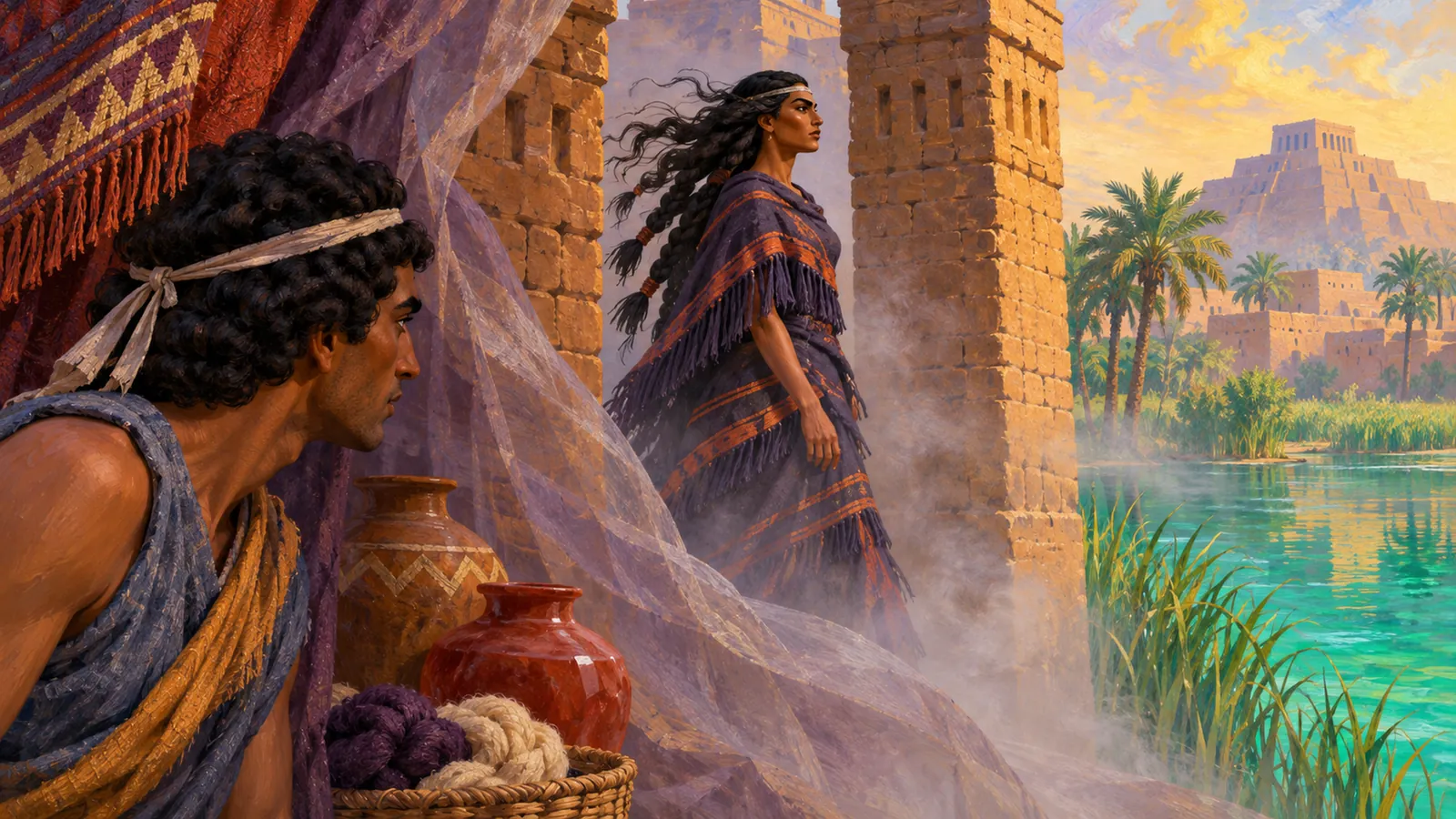
The envoy studies a commanding figure. The broken lines mention victory, a fierce splendor and clamor. Soon both Saltu and Ishtar appear by name in the remains of the seventh song.
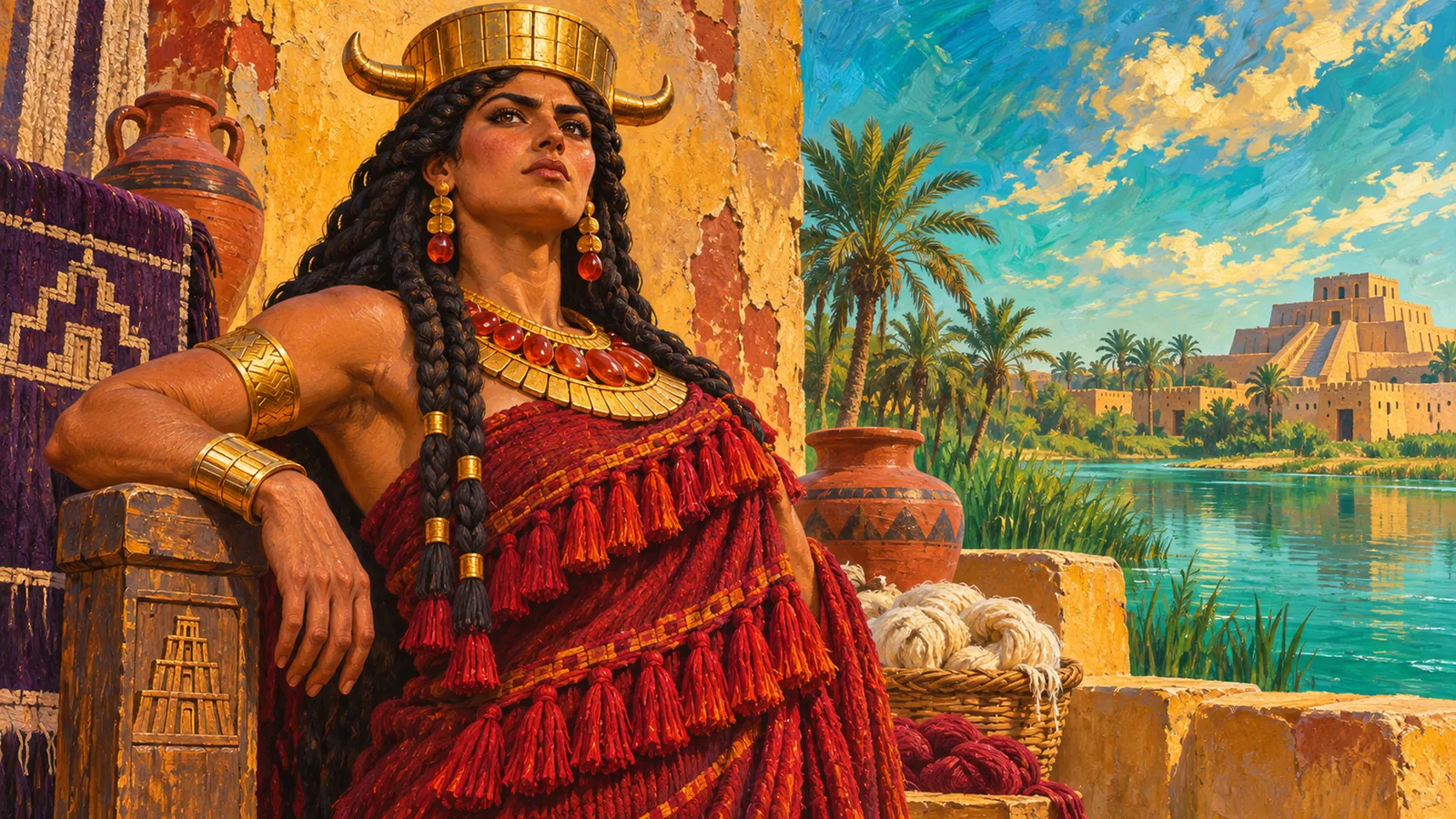
The answering refrain returns to Ishtar. Twice it praises the might with which the heroine stands firm. Her great deeds wear down what is turned against her.
The refrain says that Ishtar never retreats. When she speaks, she does so with the same force. More is lost before we hear her speak to Ea.
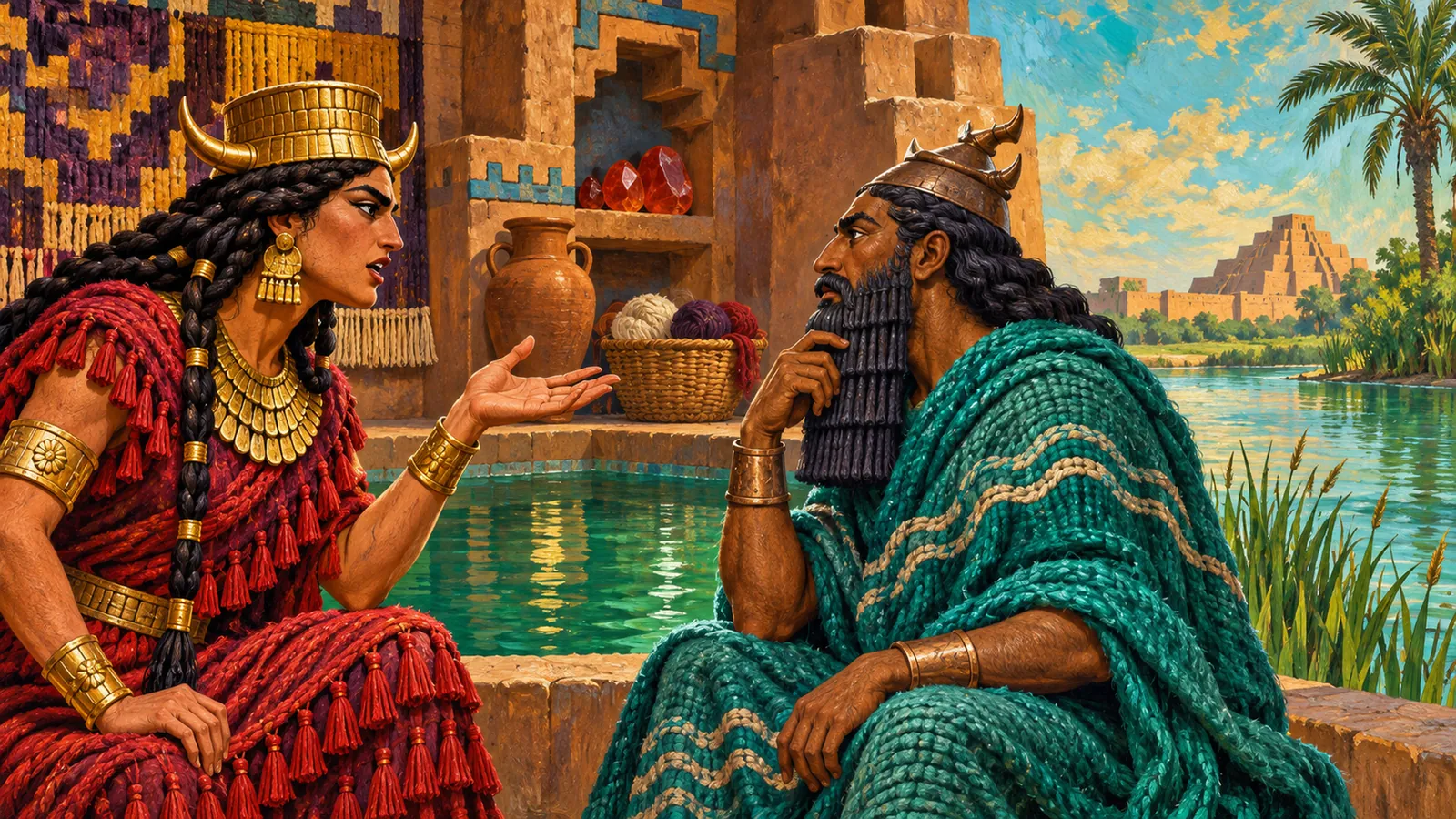
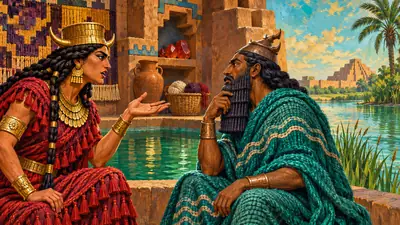
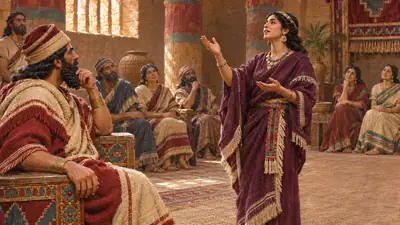
The shattered lines name Agushaya and indicate that she is addressing Ea. Her complaint is finally clear. Saltu, the rival Ea empowered, has raised her clamor against her.
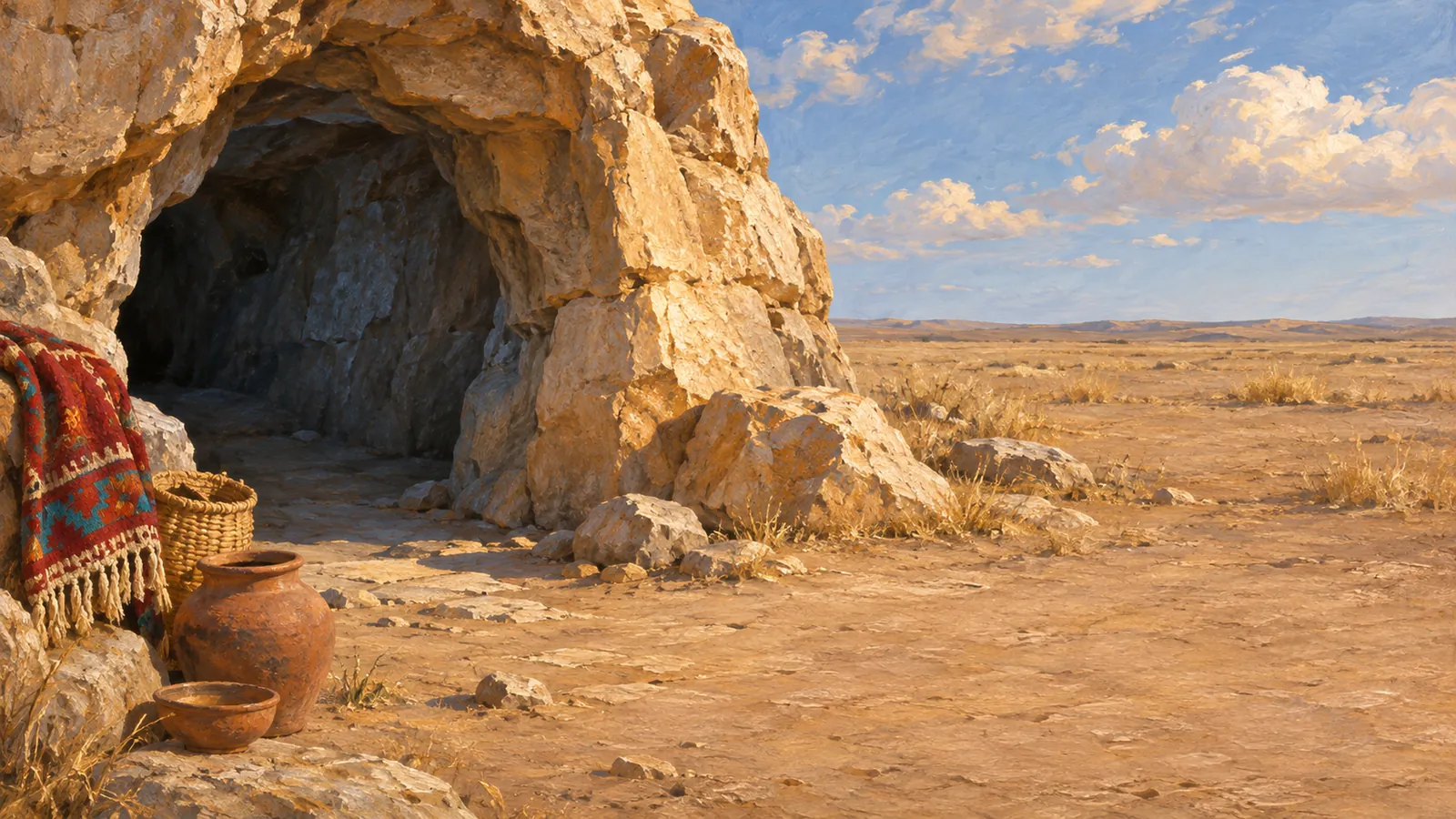
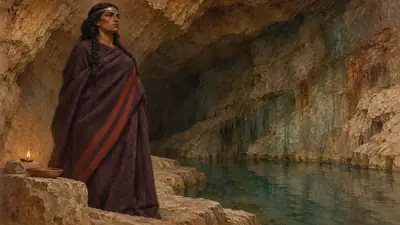
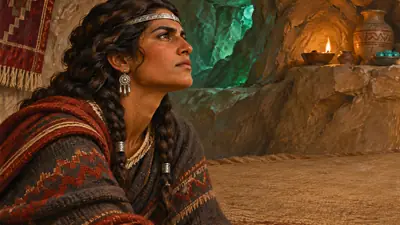
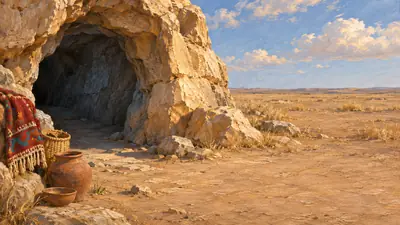
Agushaya asks Ea to send Saltu back to the hollow she came from. One translation calls it a cave. The words we still have give us Ishtar’s demand.
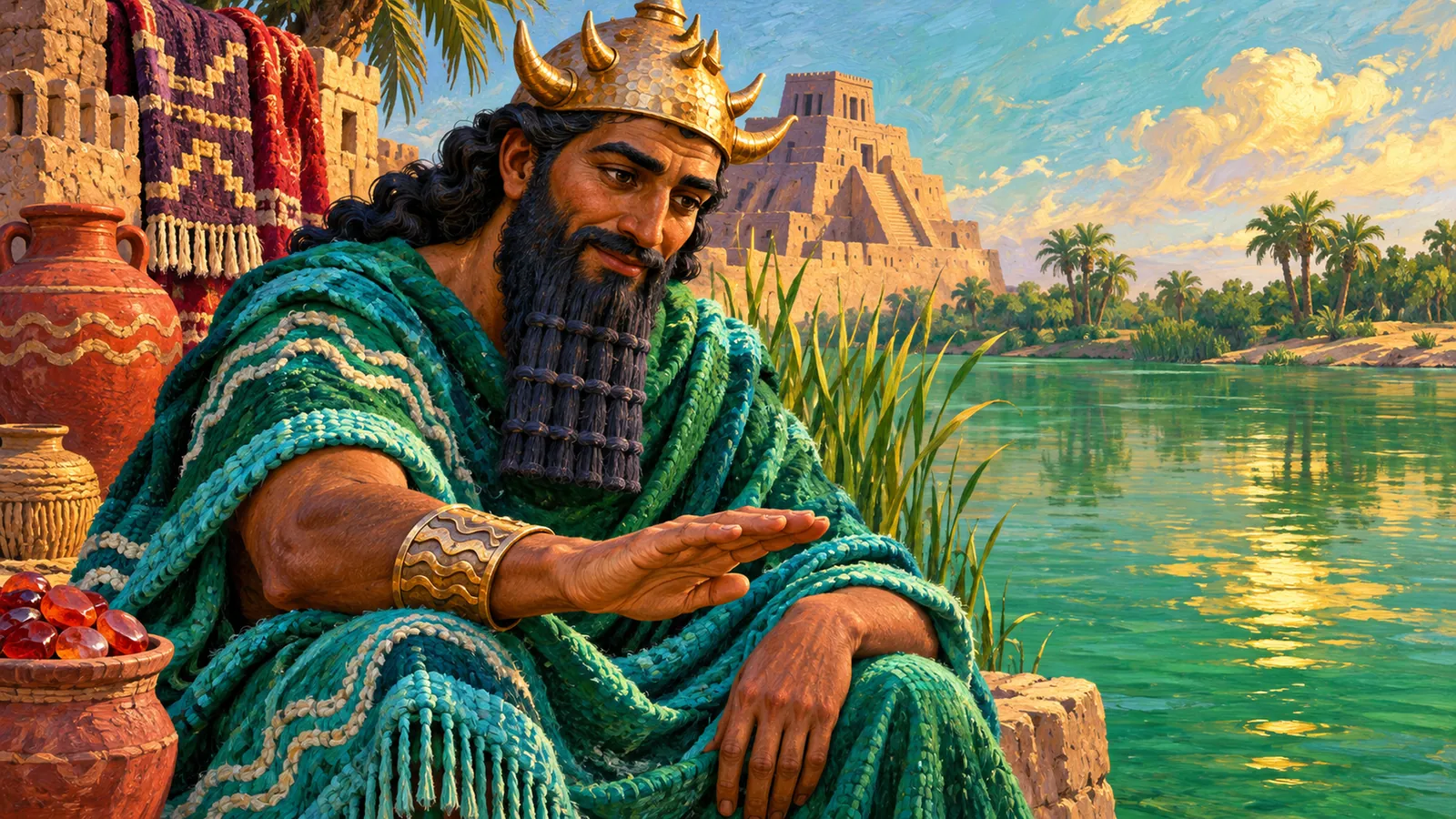
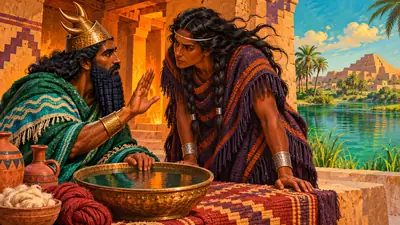
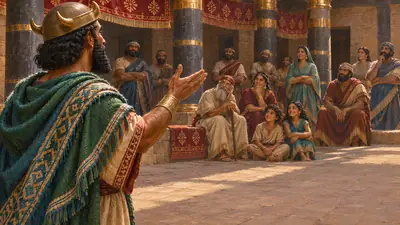
Ea speaks to Agushaya and agrees to do what she asks. He wants the making of Saltu and the report of what happened to reach the people of future days.
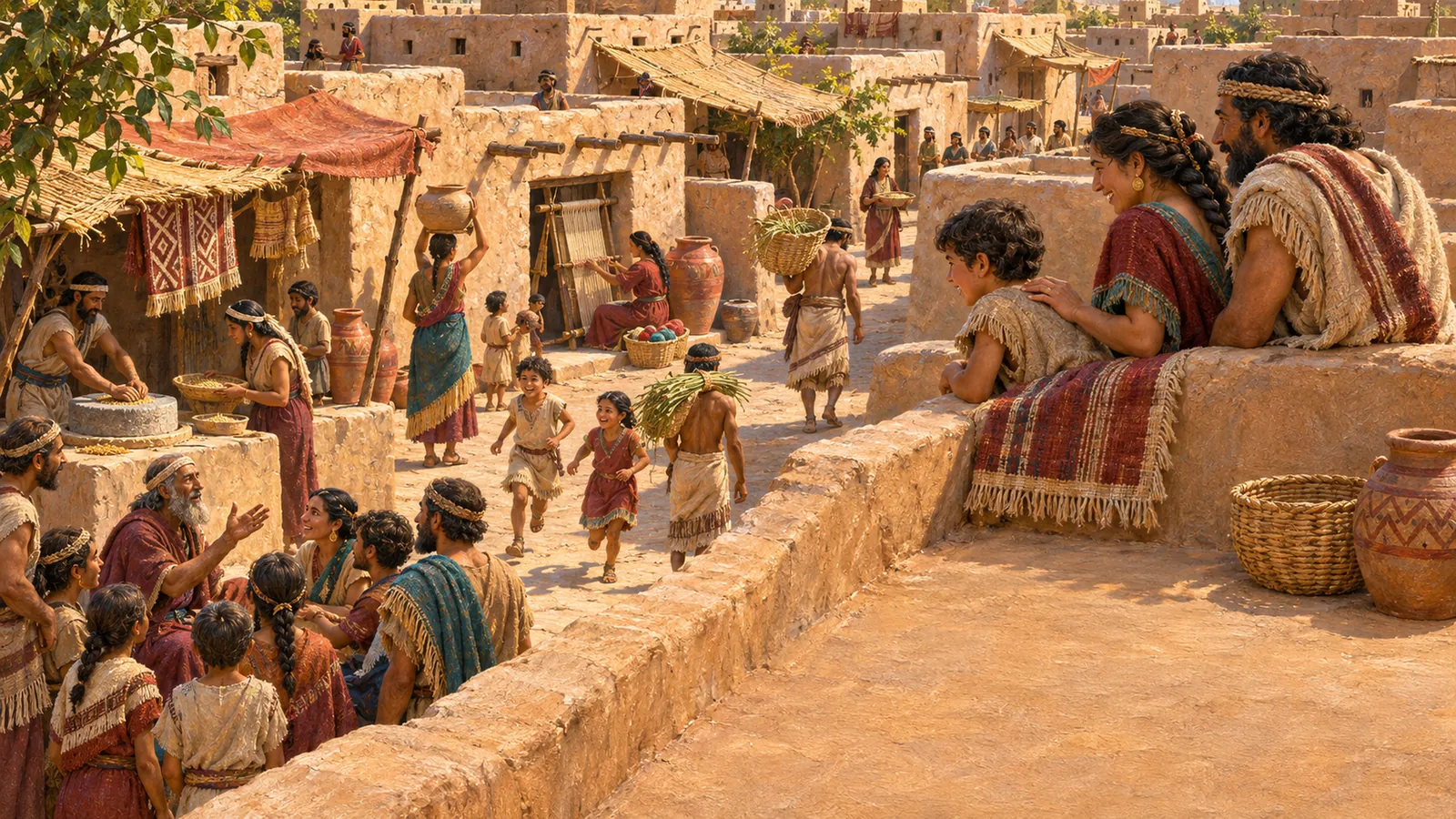
What was made in the depths would now have a life in public memory. Ea calls on future generations to remember Saltu as part of a festival for Ishtar.
THE DANCE
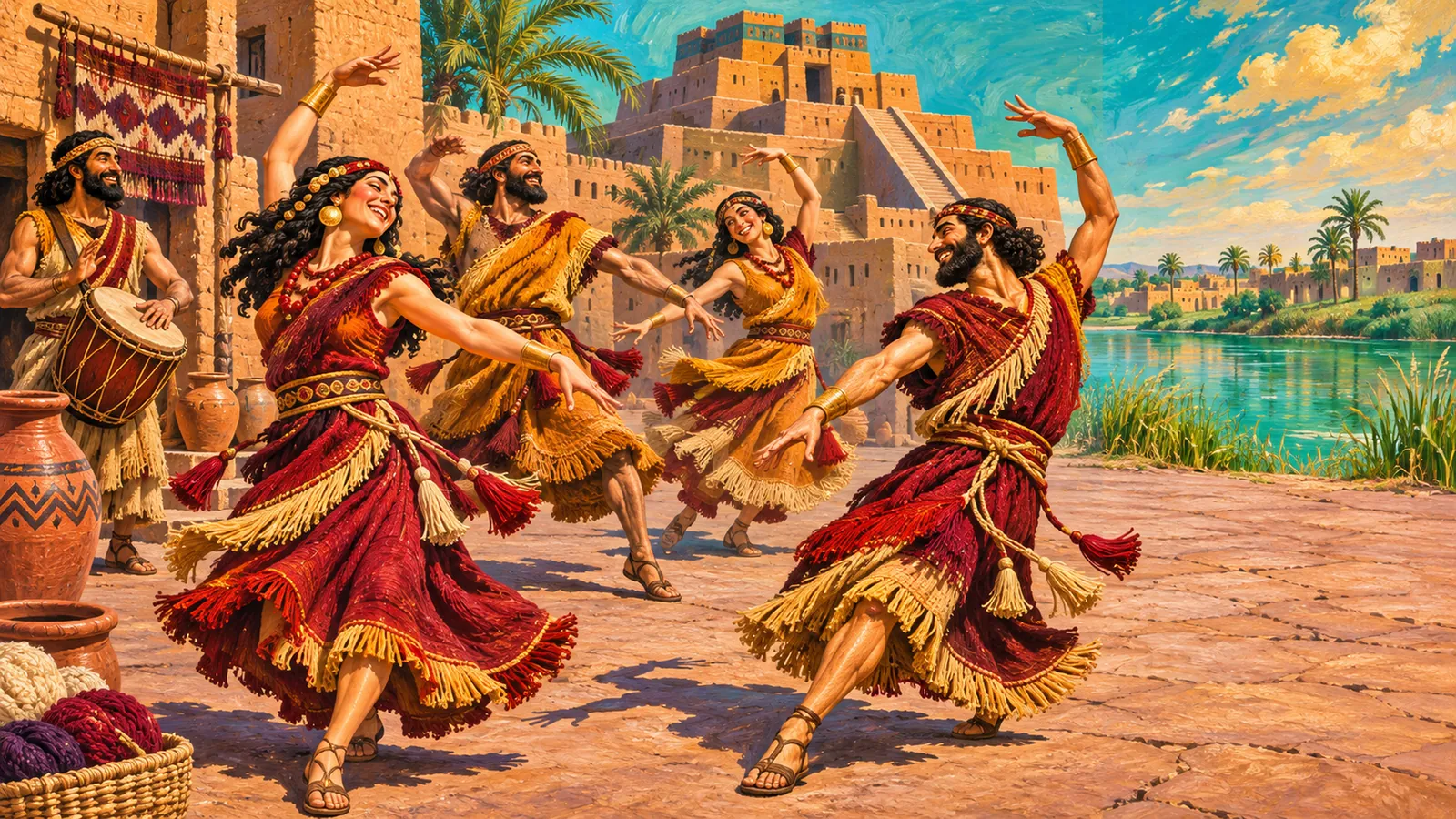
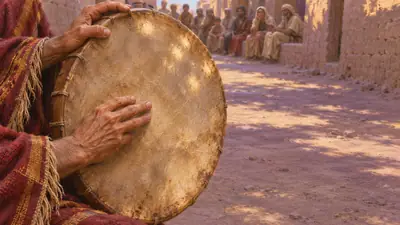
Ea calls for a dance with turning steps on the cult days of each year. The Akkadian word for the dance, gushtu, echoes the goddess’s name to some readers.
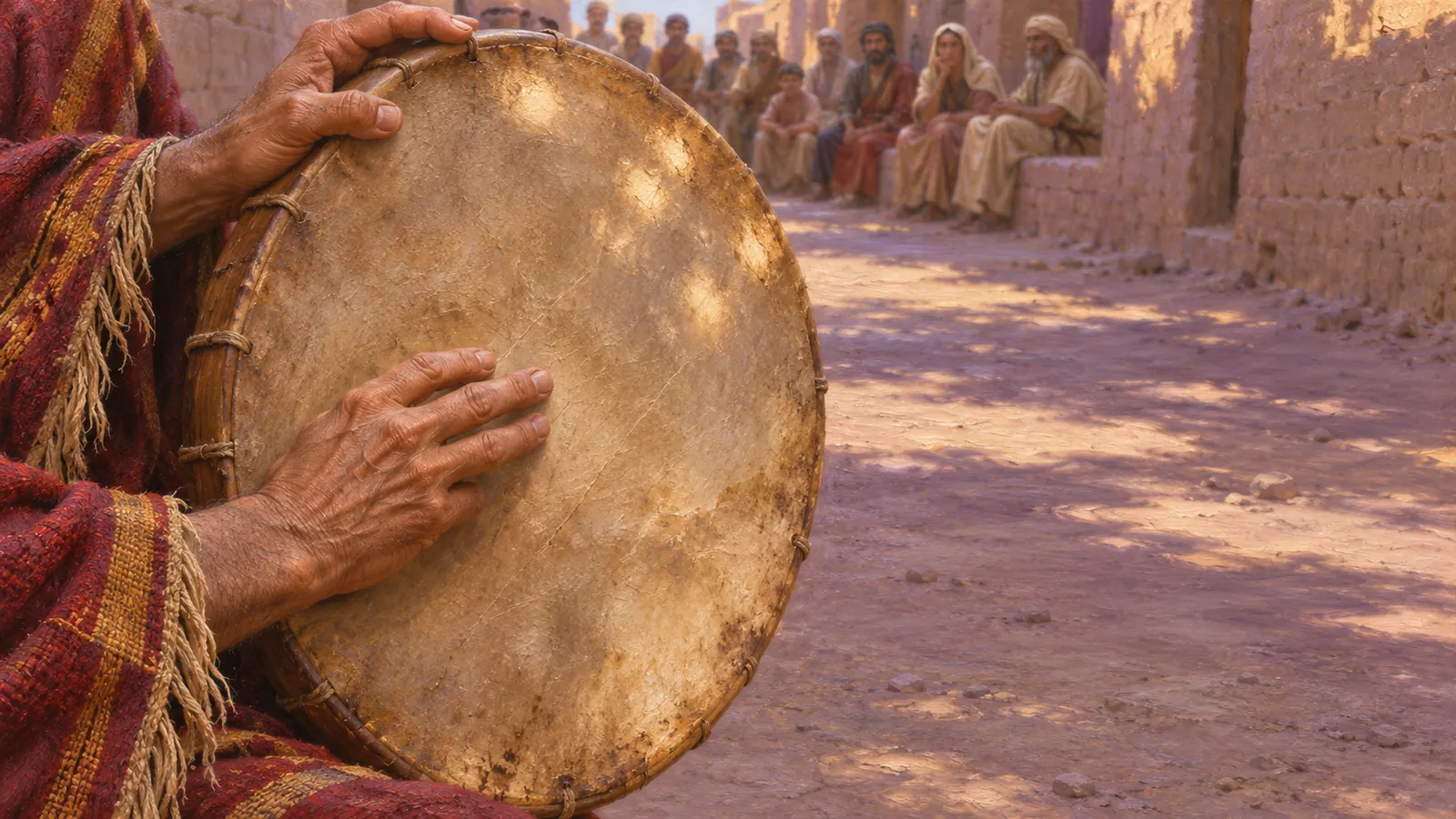
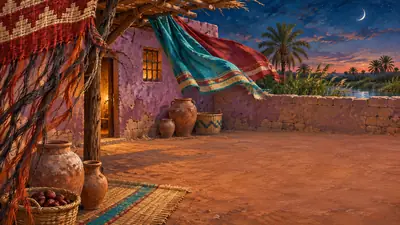
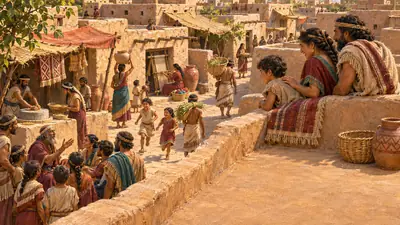
Ea tells Ishtar to look at the people at play in the street, to hear their clamor and learn what they intend. Their skill is worth the goddess’s attention.
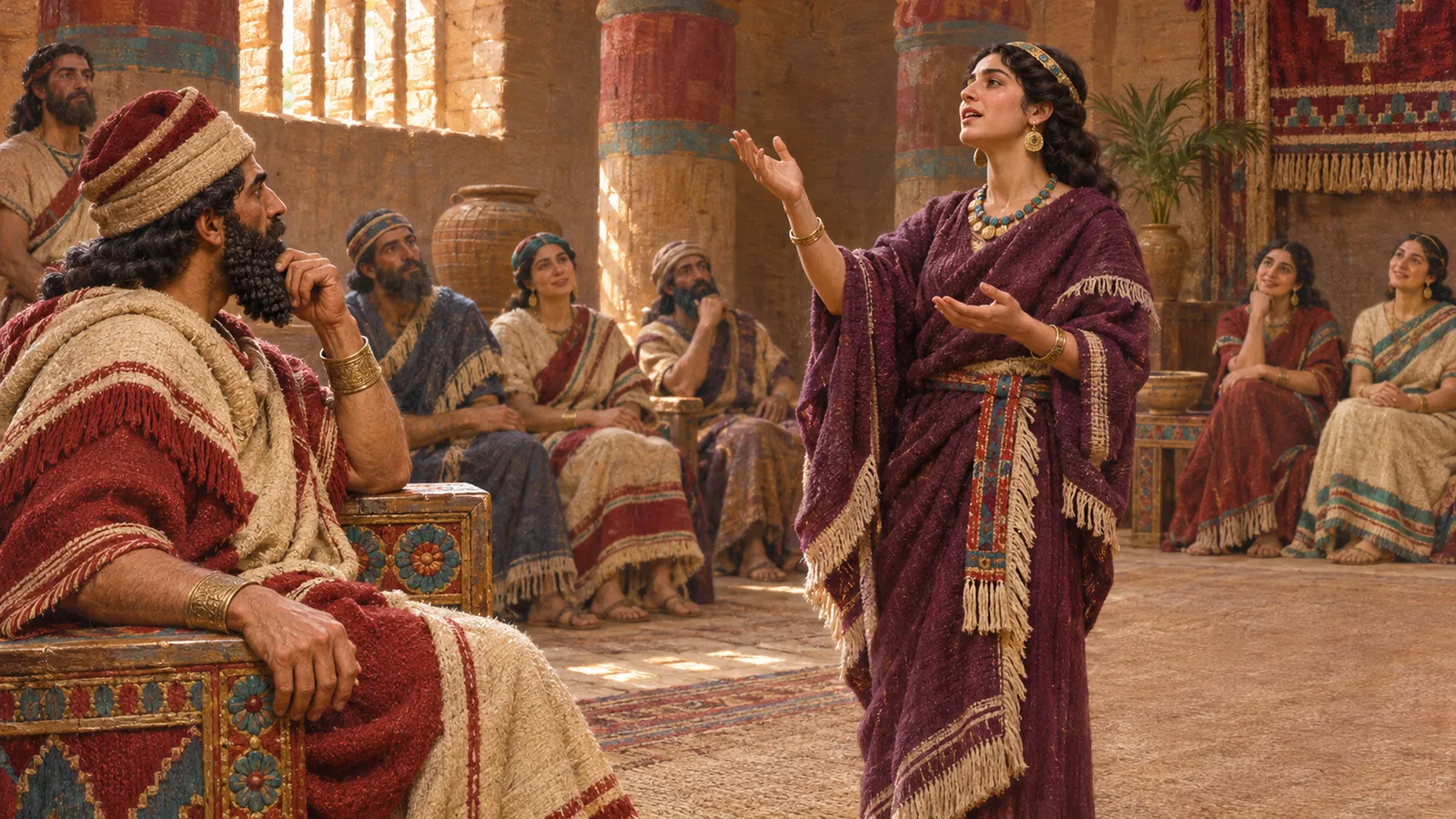
The song names Hammurabi, the king who hears it, and ties this praise of Ishtar to his reign. The verses ask for life to be granted to him forever.
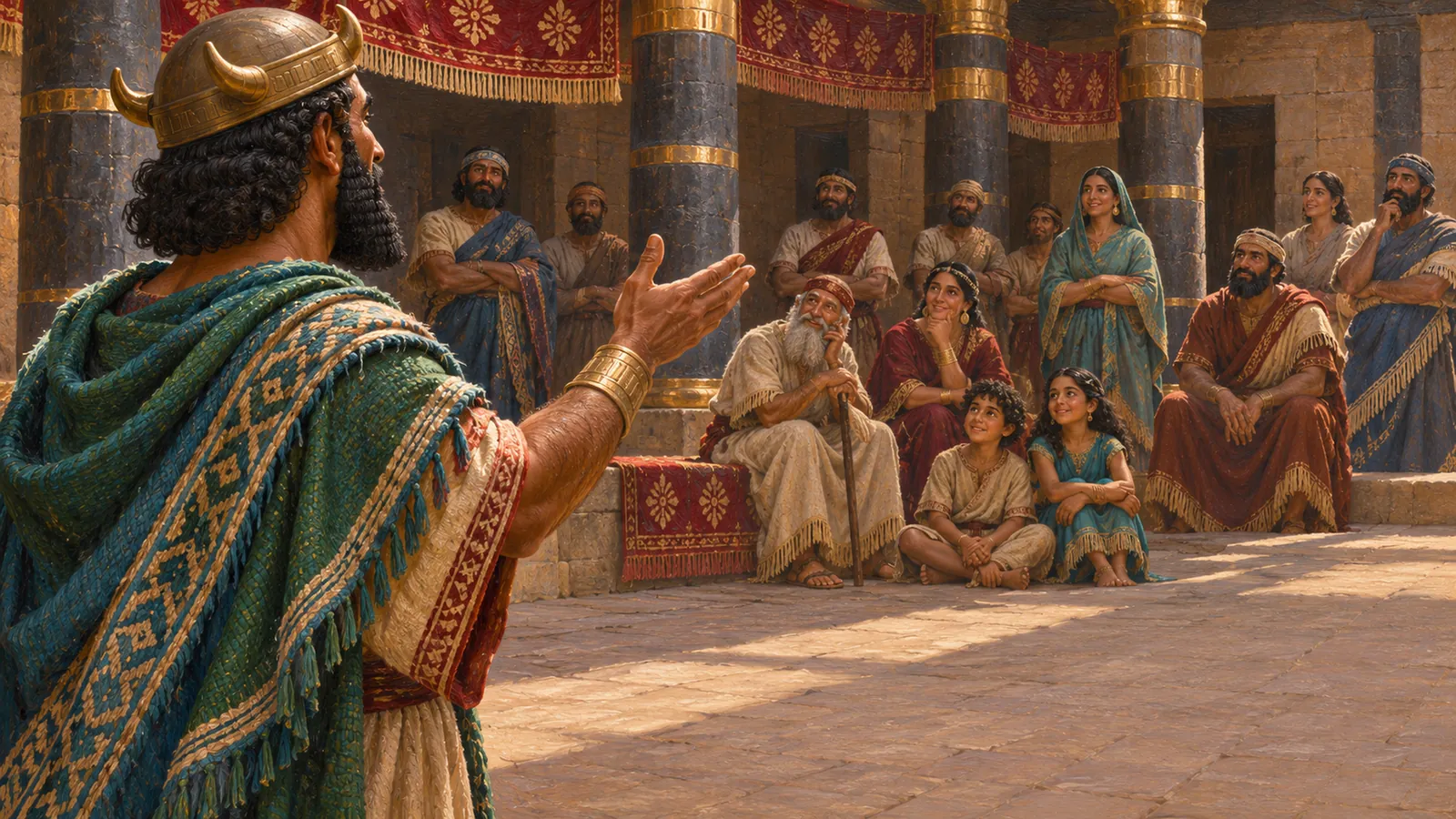
Broken lines leave Saltu’s fate in doubt. In the closing song Ea praises Ishtar, queen of the goddesses, and makes the signs of her strength known to all the people.
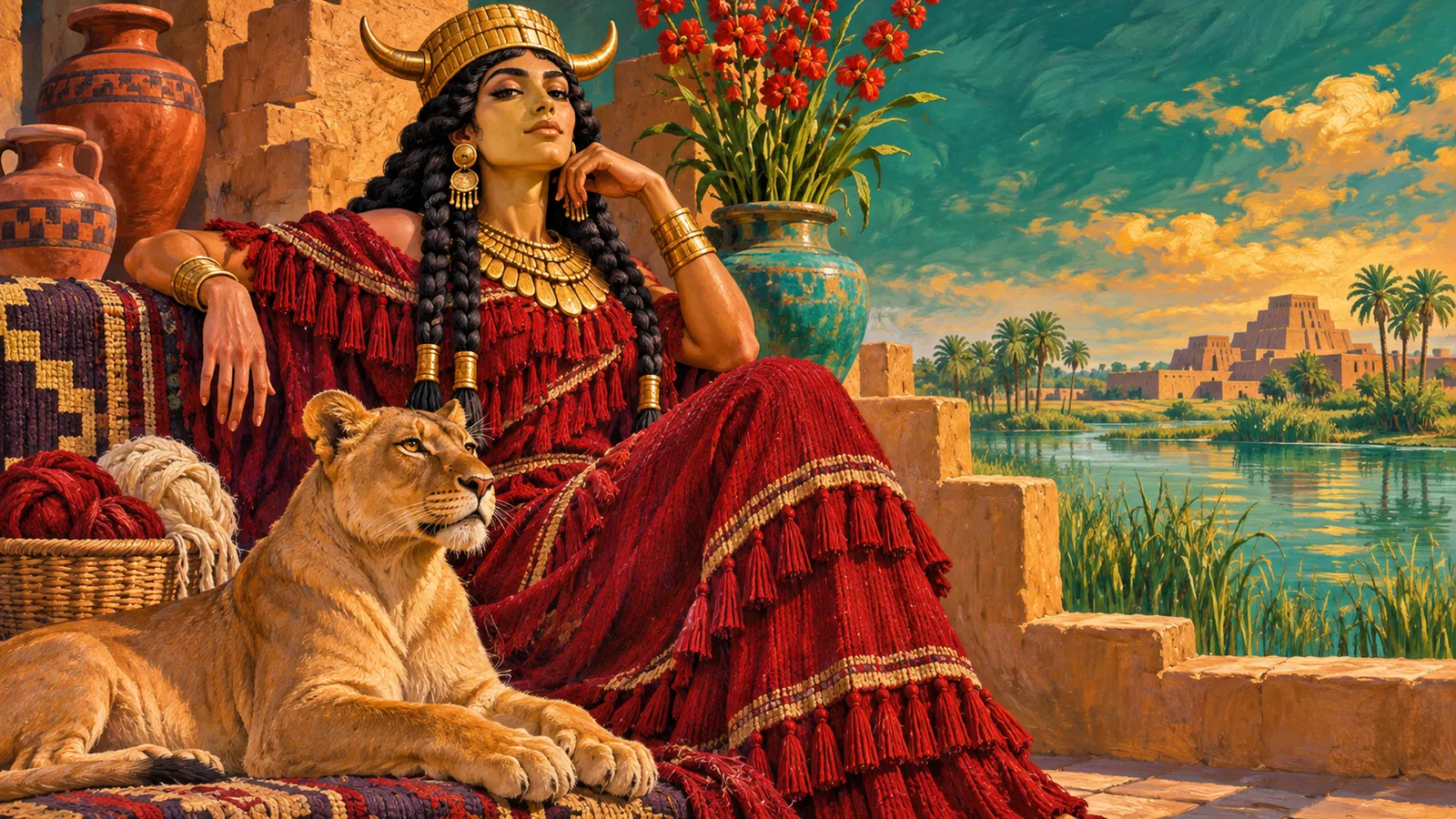
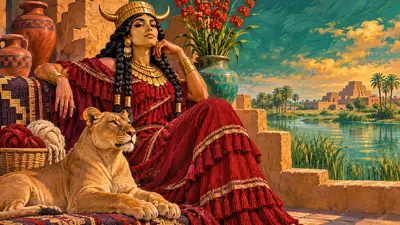
The tenth song ends with a quieter image. Fame comes to Ishtar and her heart settles. The very goddess whose voice once made Ea tremble is called a lioness at peace.
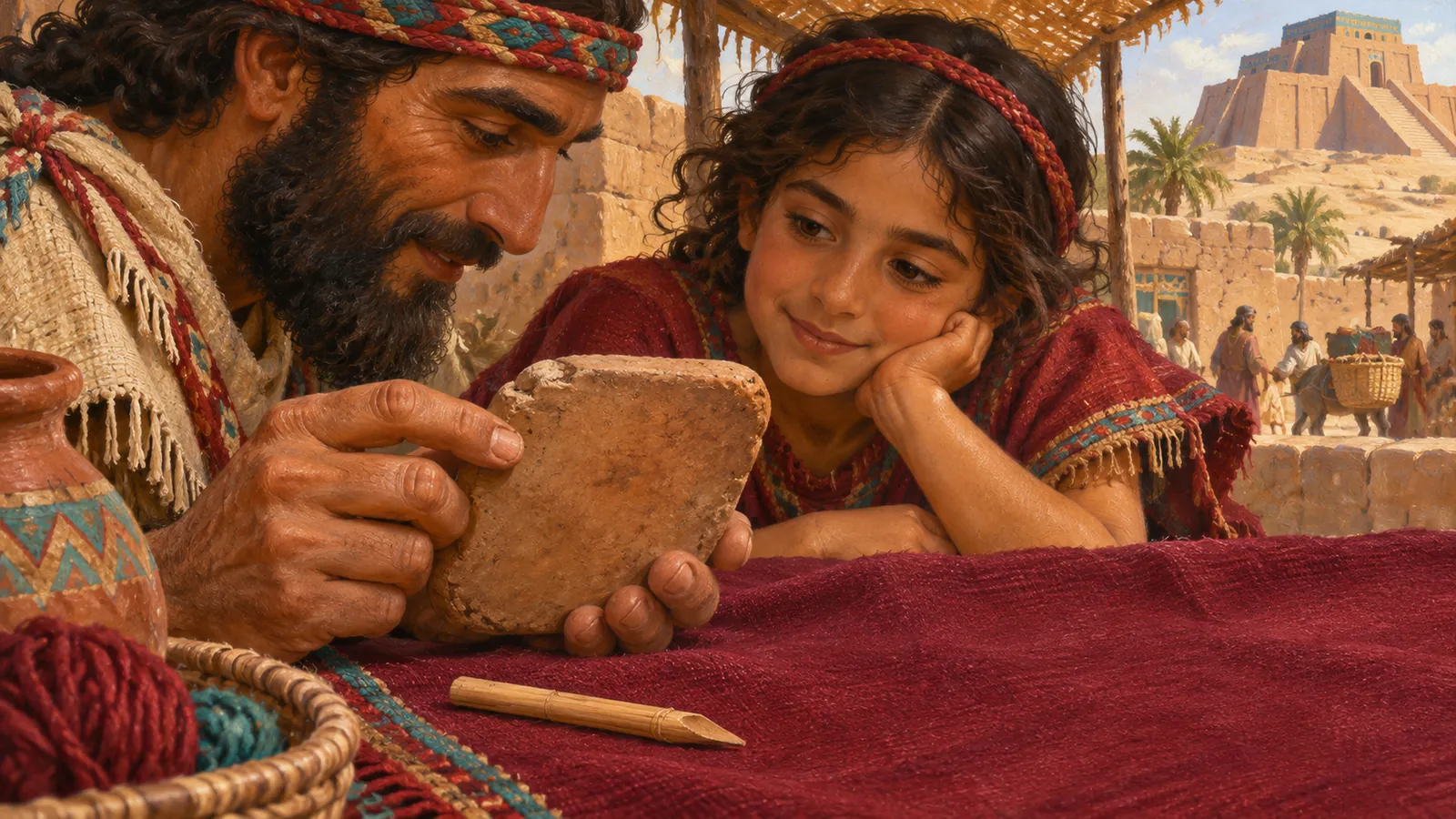
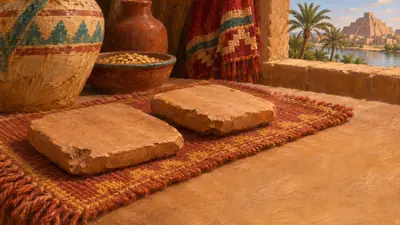
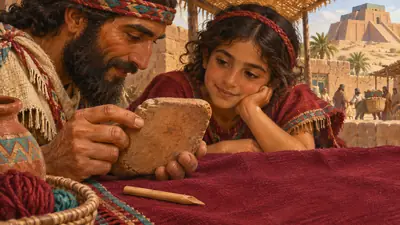
One last line names the tablet of Agushaya. Two damaged clay records transmit the song. They leave us the turning dance, the quarrel and the praise with which it began.
End of chapter 1
All pages


Sources
Editions consulted
- Sources of Early Akkadian Literature, Agušaya A, VS 10, 214
- Sources of Early Akkadian Literature, Agušaya B, RA 15, 159ff.
- Antonia Pohl, Die akkadischen Hymnen der altbabylonischen Zeit, pp. 124–175
- Benjamin R. Foster, review of Pohl’s edition
- Michael P. Streck, Notes on the Old Babylonian Hymns of Agušaya
Ancient lines behind each page
- Page 1: SEAL Agušaya A i 1–8
- Page 2: SEAL Agušaya A i 3–12
- Page 3: SEAL Agušaya A ii 1–6
- Page 4: SEAL Agušaya A ii 7–13
- Page 5: SEAL Agušaya A iii 1–6
- Page 6: SEAL Agušaya A iii 7–17
- Page 7: SEAL Agušaya A iv 1–6
- Page 8: SEAL Agušaya A iv 5–13
- Page 9: SEAL Agušaya A iv 14–17
- Page 10: SEAL Agušaya A iv 18–26
- Page 11: SEAL Agušaya A iv 27–34; v 1′–13′
- Page 12: SEAL Agušaya A v 14′–23′
- Page 13: SEAL Agušaya A v 22′–26′
- Page 14: SEAL Agušaya A v 26′–34′
- Page 15: SEAL Agušaya A v 35′–44′
- Page 16: SEAL Agušaya A v 43′–44′; vi 2′–7′
- Page 17: SEAL Agušaya A vi 6′–13′
- Page 18: SEAL Agušaya A vi 14′–28′
- Page 19: SEAL Agušaya A vi 29′–41′
- Page 20: SEAL Agušaya A vi 42′–49′
- Page 21: SEAL Agušaya A vii 1′–5′
- Page 22: SEAL Agušaya A vii 6′–22′
- Page 23: SEAL Agušaya A vii 23′–41′; viii 1′–32′
- Page 24: SEAL Agušaya A viii 26′–33′; B i 1–9
Break and damaged passages across the tablets. - Page 25: SEAL Agušaya B i 1–16
- Page 26: SEAL Agušaya B i 17–30; ii 1′–10′
- Page 27: SEAL Agušaya B ii 11′–22′
- Page 28: SEAL Agušaya B ii 19′–26′; iii 1′–21′
- Page 29: SEAL Agušaya B iv 1′–16′; v 1–3
Complaint preserved beyond a break. - Page 30: SEAL Agušaya B v 1–4
- Page 31: SEAL Agušaya B v 5–14
- Page 32: SEAL Agušaya B v 11–16
- Page 33: SEAL Agušaya B v 15–17
- Page 34: SEAL Agušaya B v 17–22
- Page 35: SEAL Agušaya B v 23–29
- Page 36: SEAL Agušaya B vi 1–20
- Page 37: SEAL Agušaya B vi 21–25
- Page 38: SEAL Agušaya B vi 25–26; A and B, catalogue
Illustrations made with AI tools by IL Archive; the text is based on the ancient sources (see the sources at the end of each chapter).