Creation at Heliopolis Chapter 1
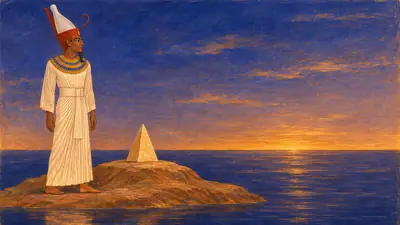
The First Mound
A hill rises from Nun. Shu and Tefnut come into being, the creator sends his Eye after them, and the family of the earth and sky grows. Two tellings on papyrus describe the return differently. An older spell carries the family’s story into a royal pyramid at Saqqara.
SourcesTurn the pages with the arrows, the arrow keys or a swipe.
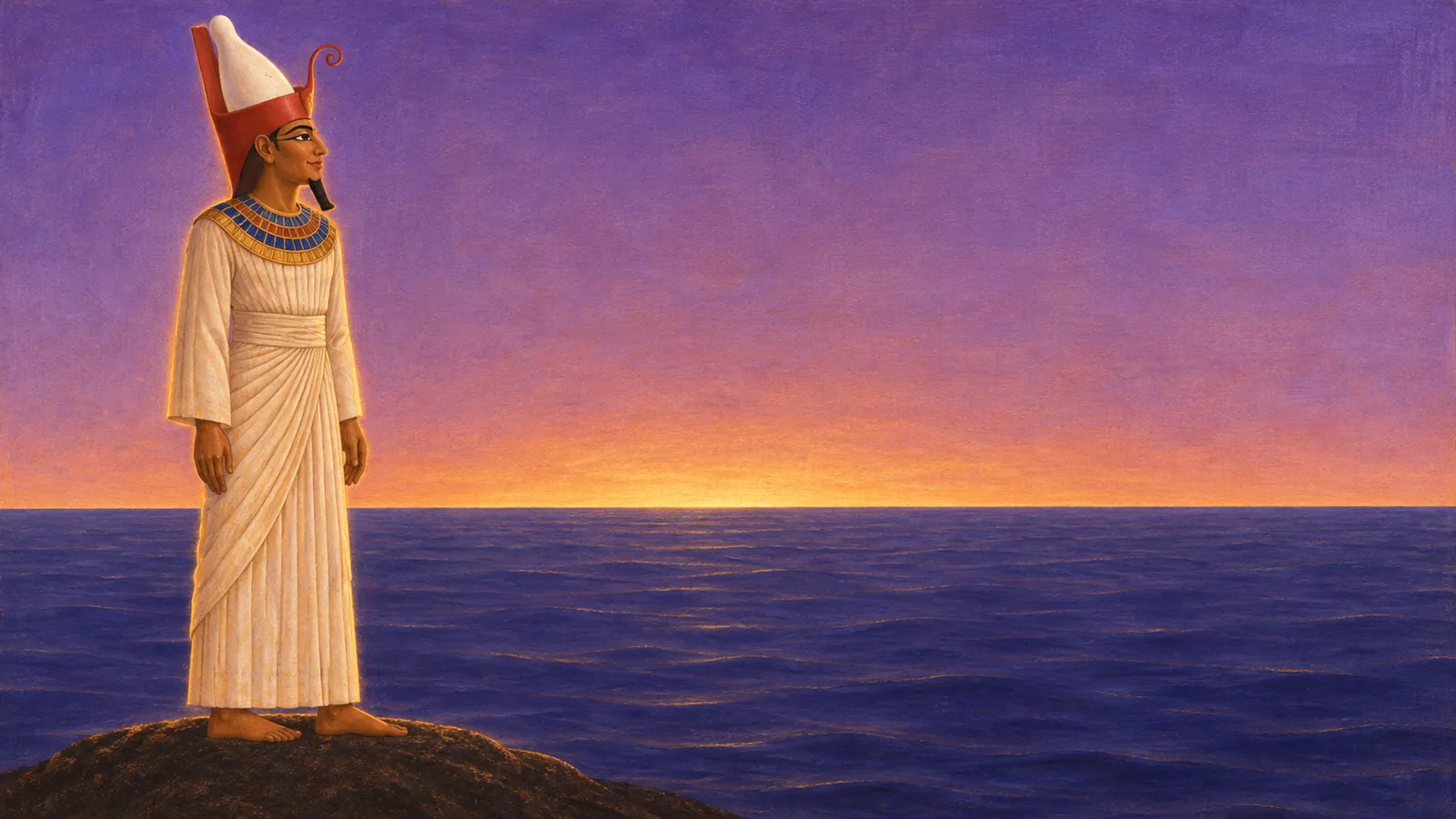
ATUM
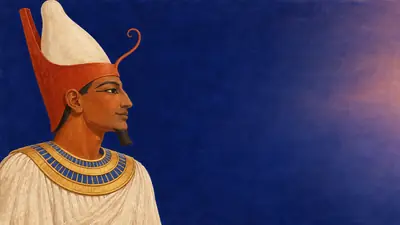
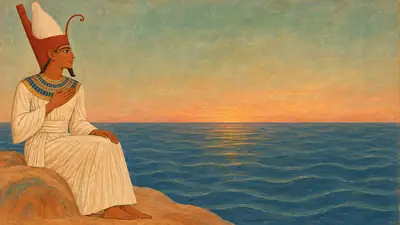
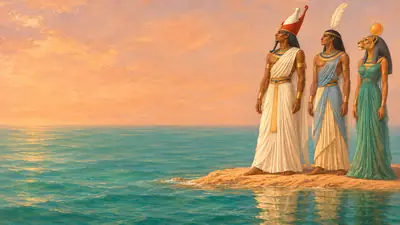
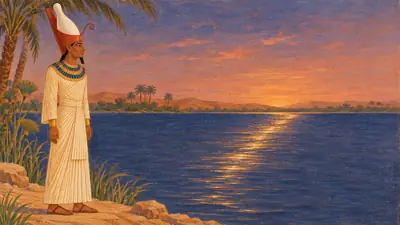
In the Egyptian tradition of Heliopolis, the beginning of the world takes the shape of a hill rising from water. Atum is the first god in this telling. The waters around the hill are called Nun.
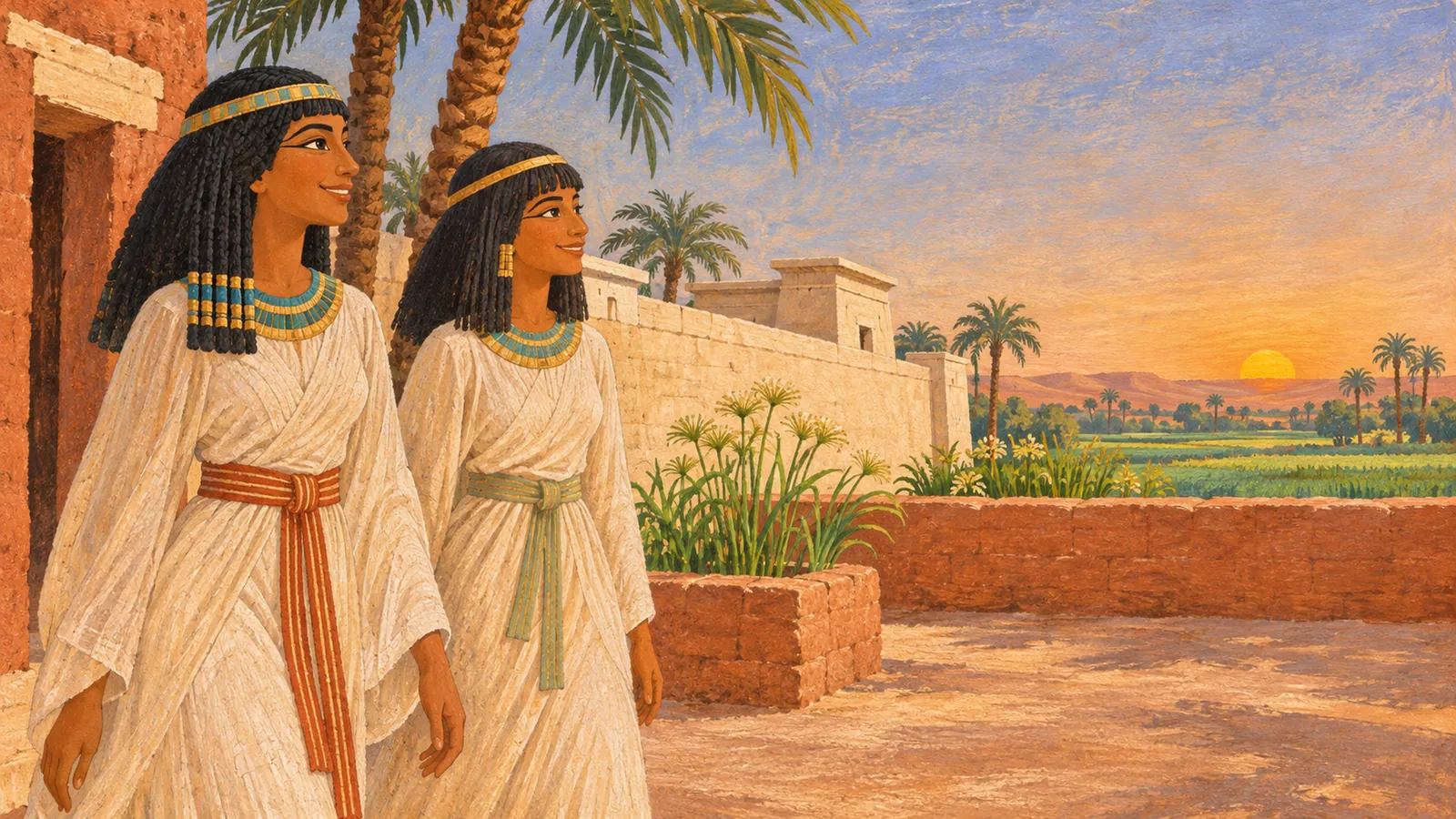
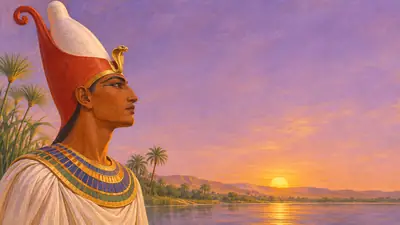
The Egyptians called the city Iunu. Heliopolis, its Greek name, means City of the Sun. Long after the beginning imagined here, people there honored Atum and told how he came to be.
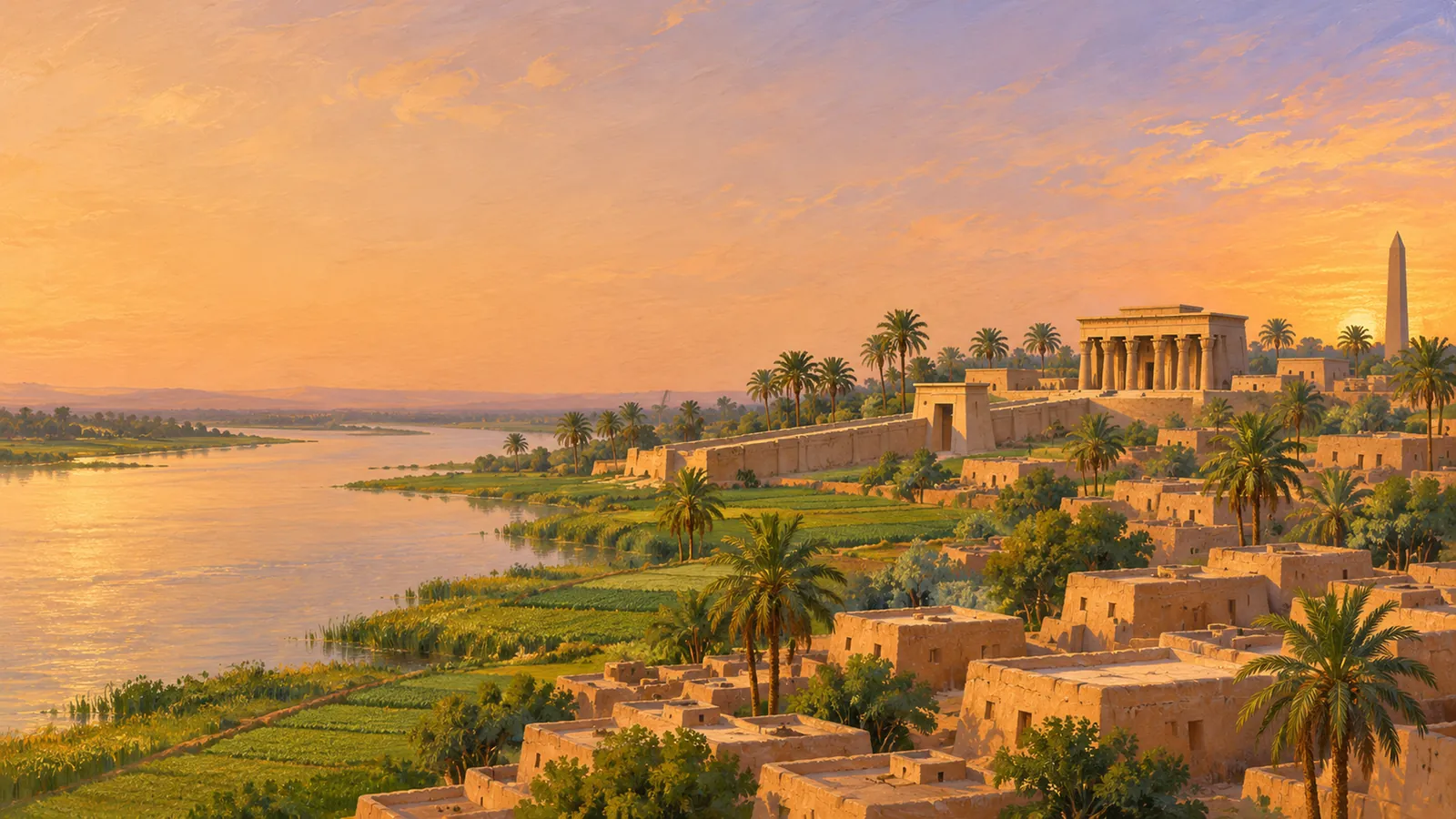
Iunu grew into a center of sun worship. Centuries after the pyramid inscriptions, an obelisk stood in its sanctuary precinct. Its stone caught the same first light the old spell placed on the benben.
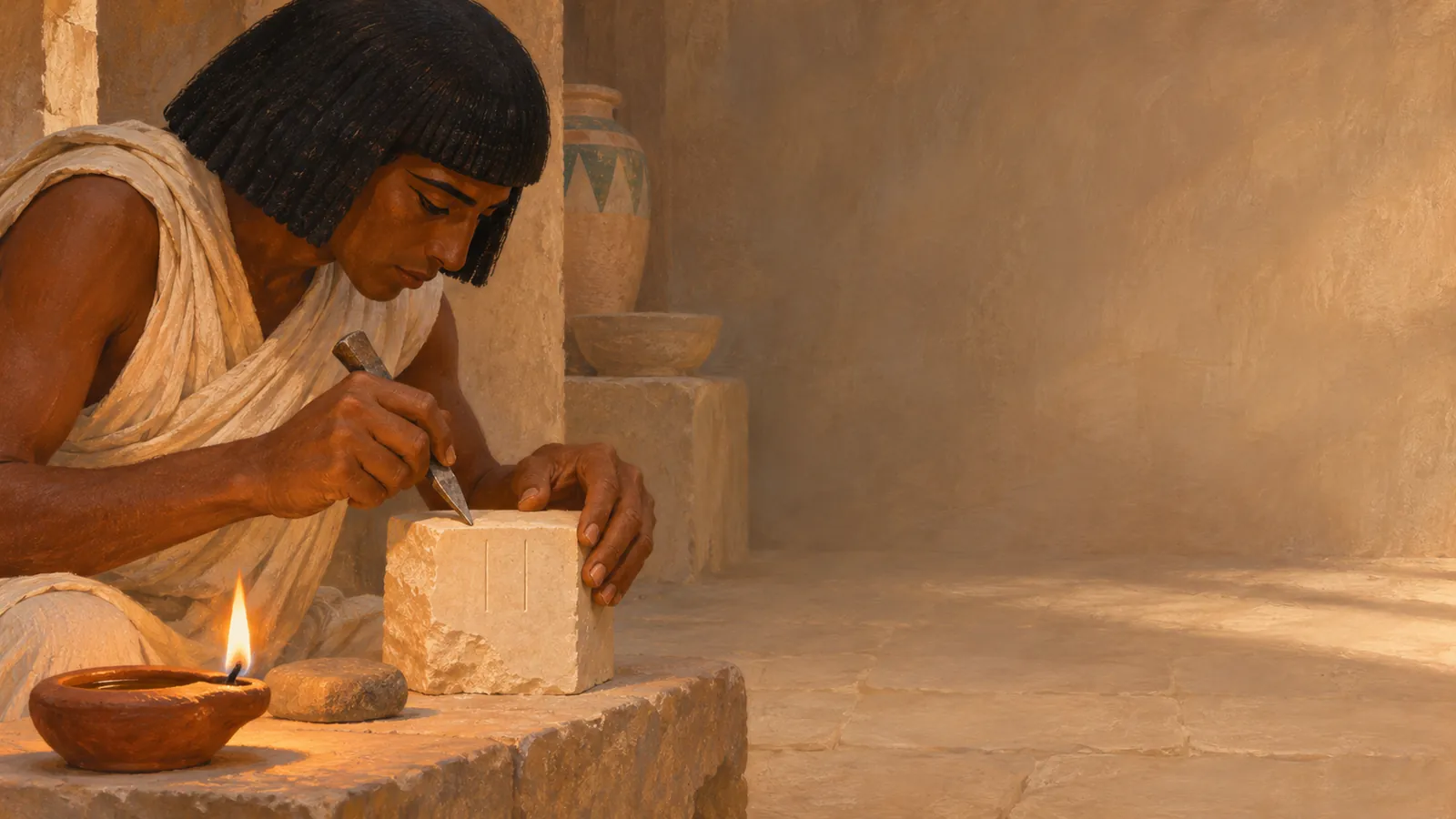
Some of the oldest words about Atum are carved in royal pyramids. One spell names the first pair of gods. Another recalls the mound and asks for protection for a king.
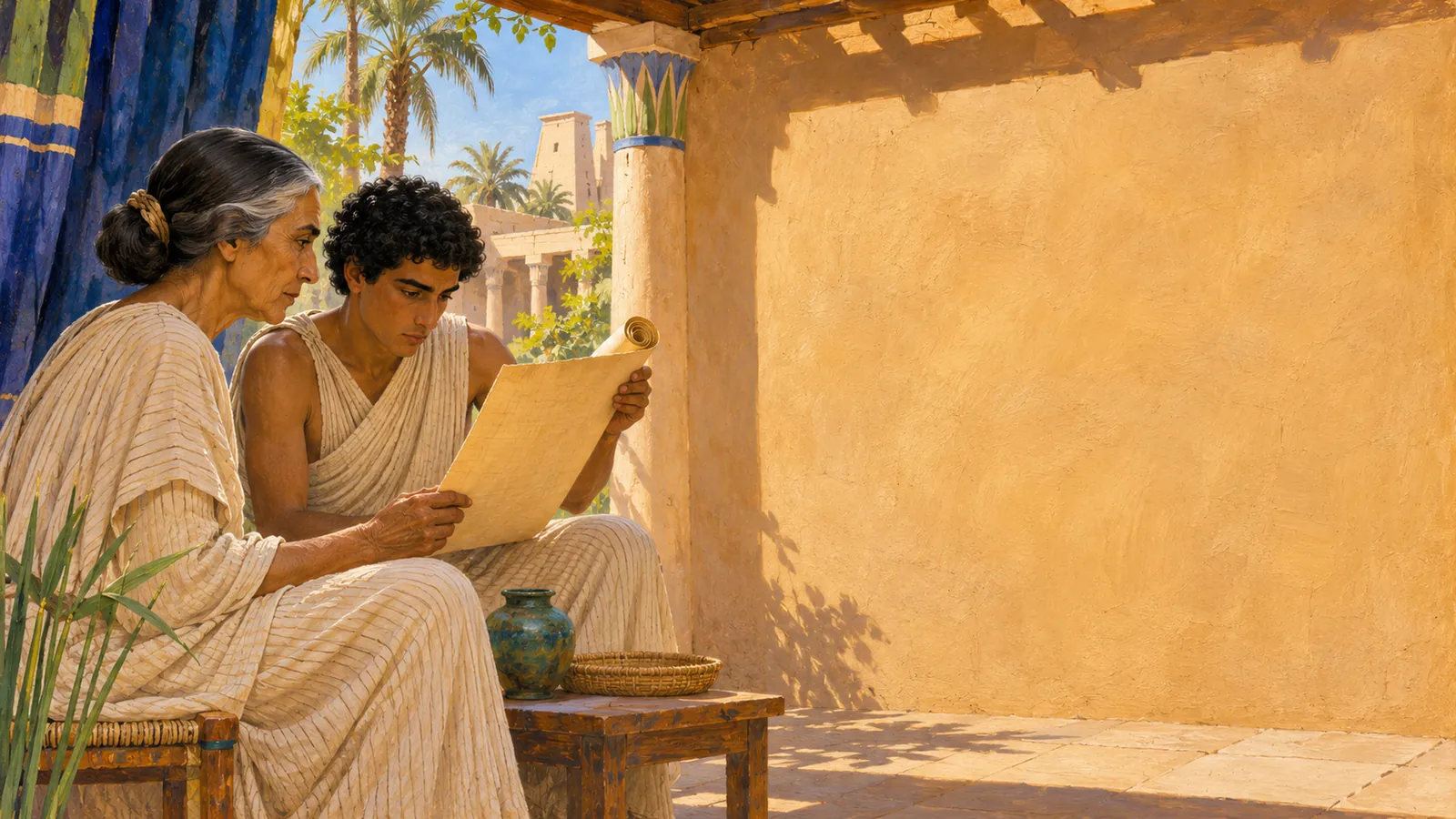
Some two thousand years later, a papyrus from Thebes recorded versions of the beginning. The sun god speaks there. He tells how he and the other gods came into being.
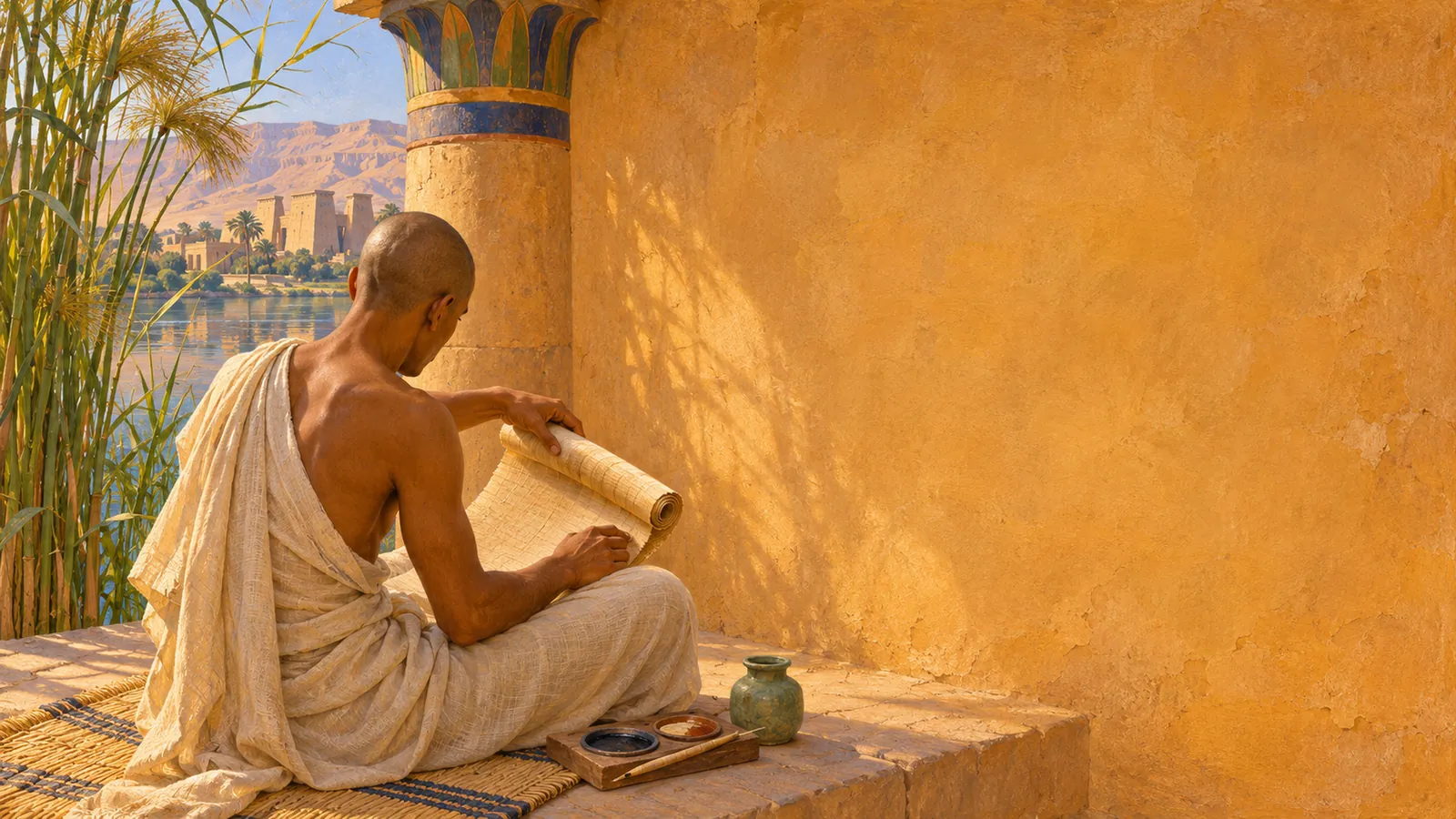
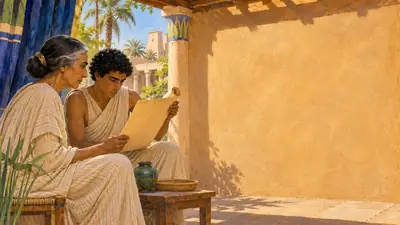
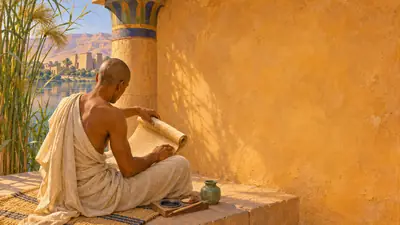
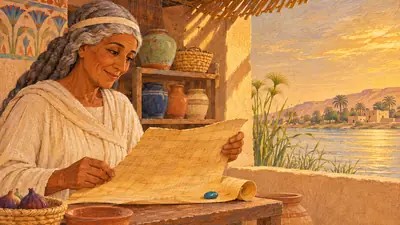
The Theban roll names a priest, Nesmin. Its scribes used hieratic, a flowing script for papyrus. Within this roll, the creator speaks about the beginning twice.

In the papyrus, earth and sky have yet to come into being. There is Nun, the water at the beginning of everything. It stretches beyond any place where the first god can set his feet.
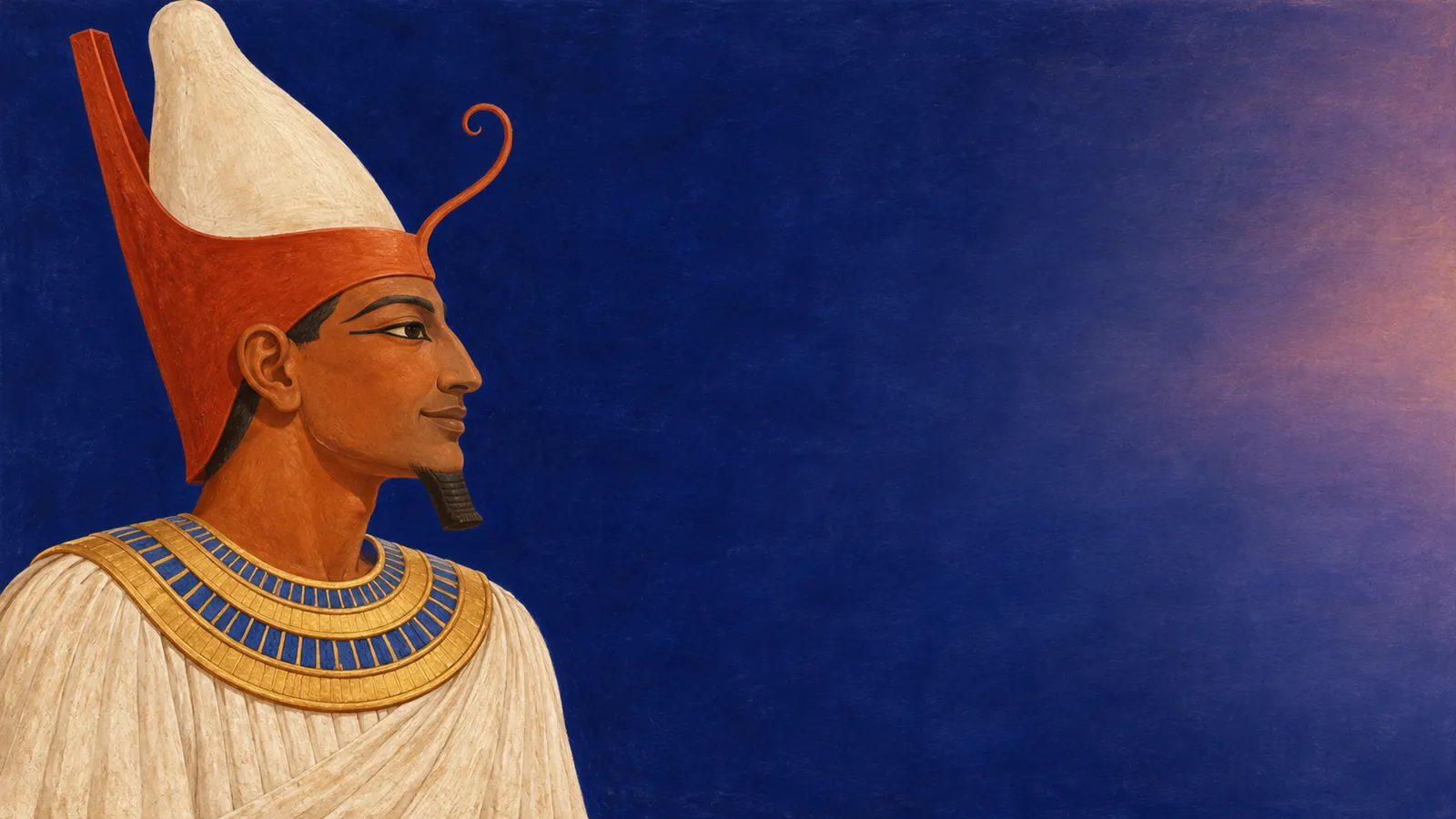
The speaker remembers being alone in Nun. He had come into being, and there were no other gods beside him. He describes a beginning in which even a place to stand still had to come into being.

In the second account the creator says he preceded the oldest gods. Even his name was older than theirs. The first recalls the many forms that followed him.
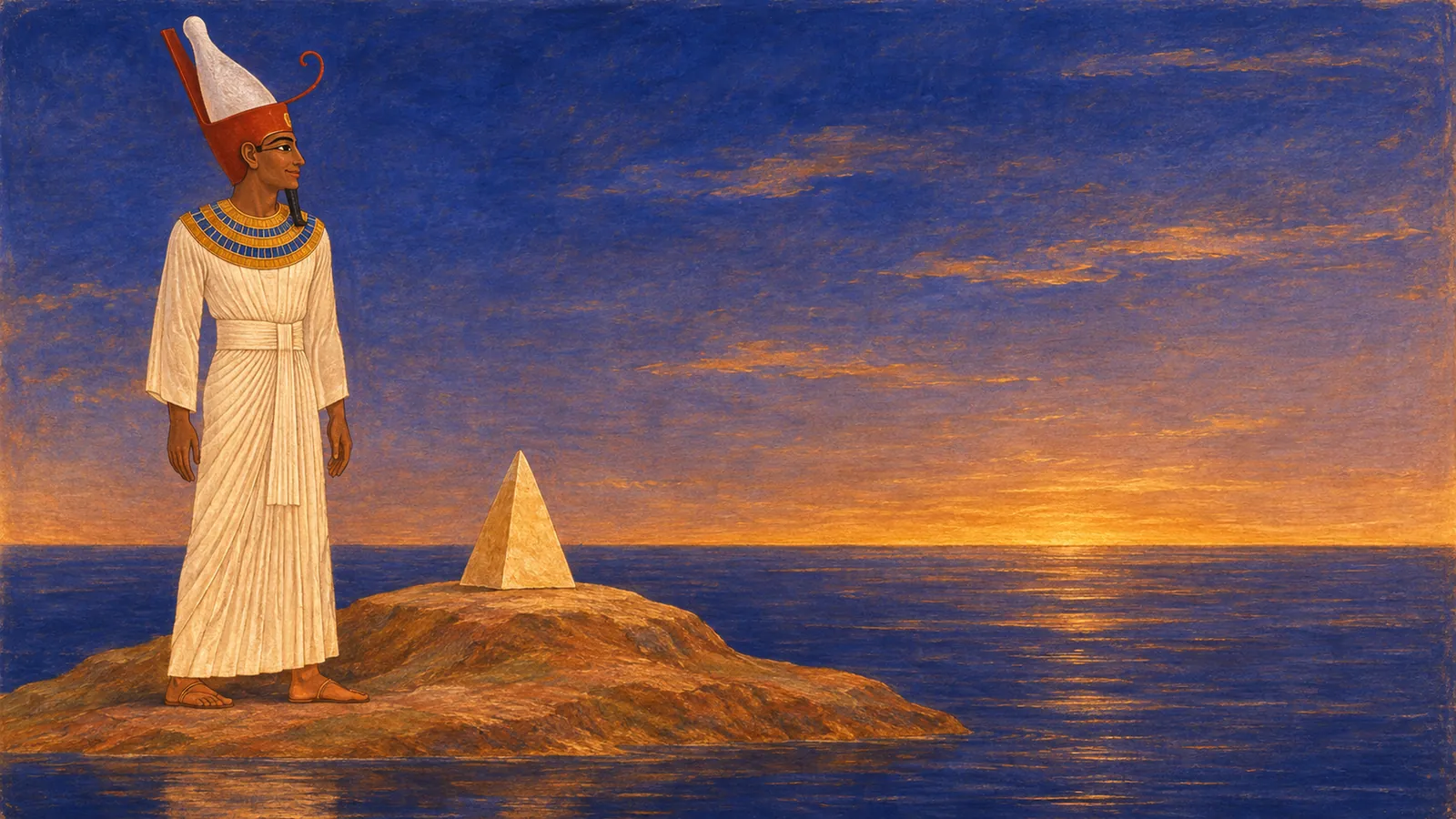
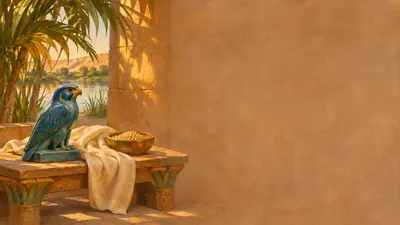
In one Pyramid Text, Atum rises in the form of the first hill. The spell also names the benben, a sacred feature of his sanctuary at Heliopolis. The words place the beginning of the world in the city that honored him.
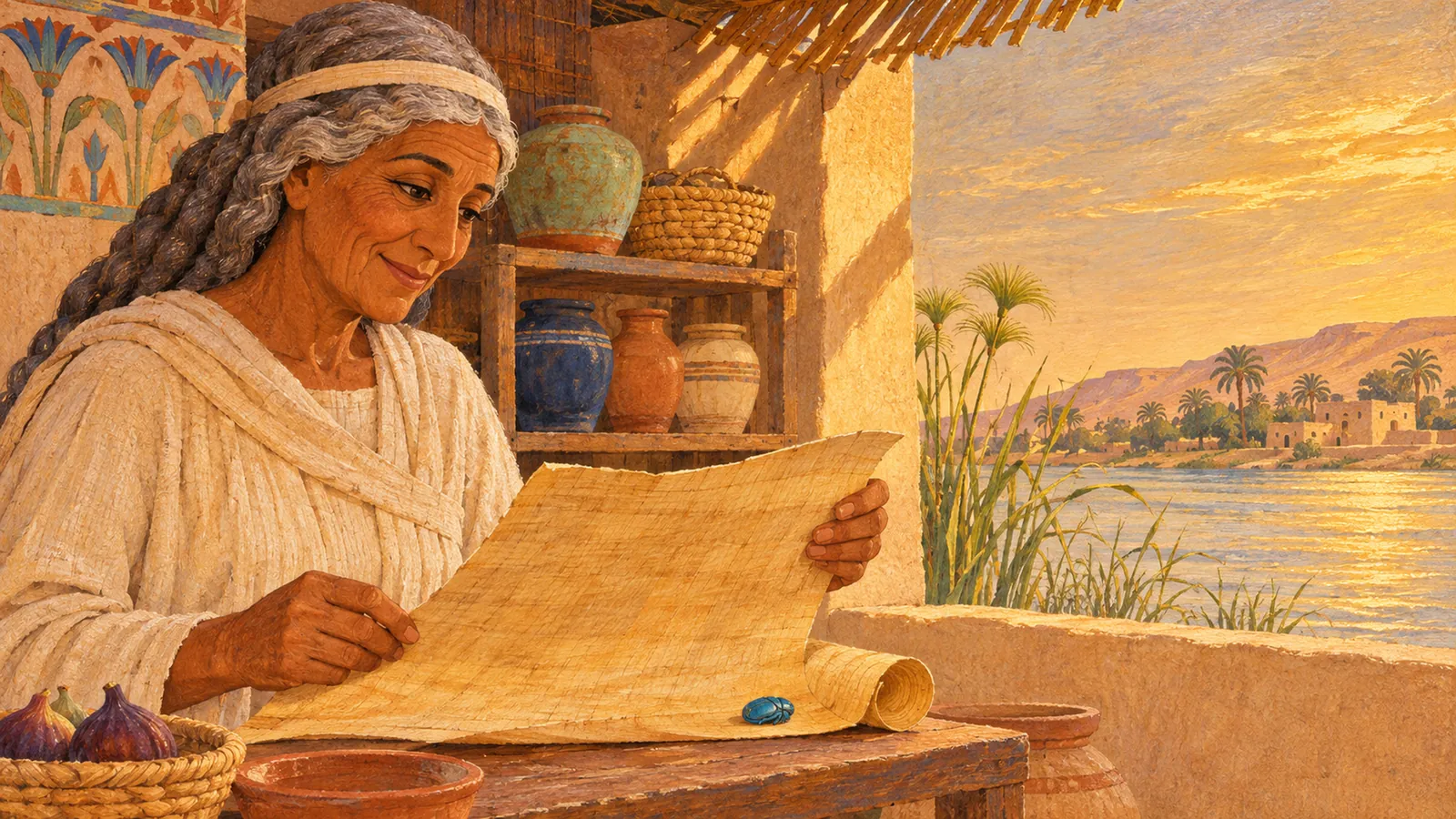
In the papyrus the creator calls himself Khepri. The name echoes the Egyptian words for coming into being. Those words recur as he speaks of the many forms that followed him.
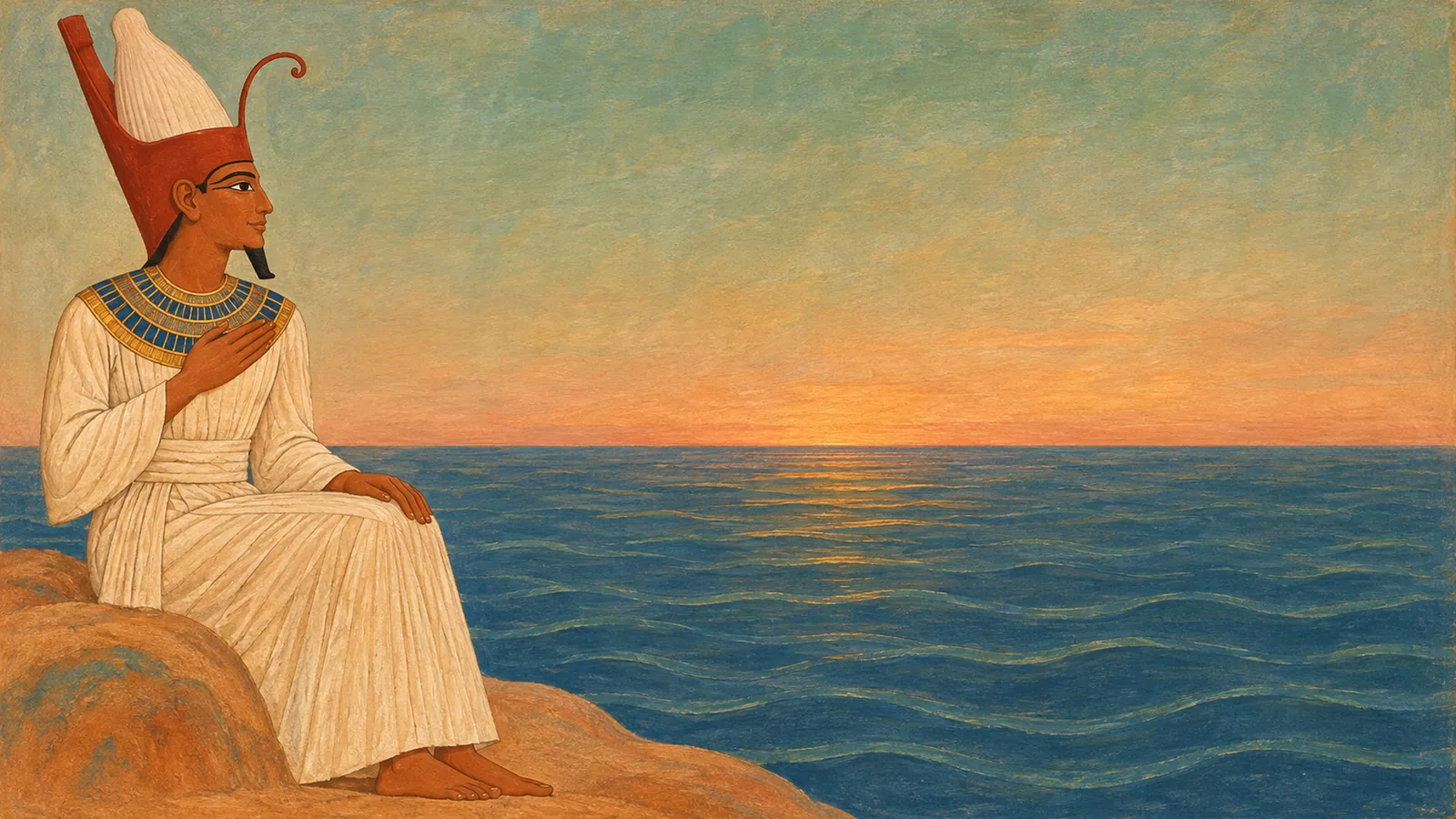
The sun god remembers working things out in his heart while he was alone. He says the many forms of the world were already in his thoughts before Shu or Tefnut appeared.

The papyrus puts the heart beside the power of sight. The creator says that his heart grew strong and that he shaped what he could see in his mind. The many forms include children and their children.
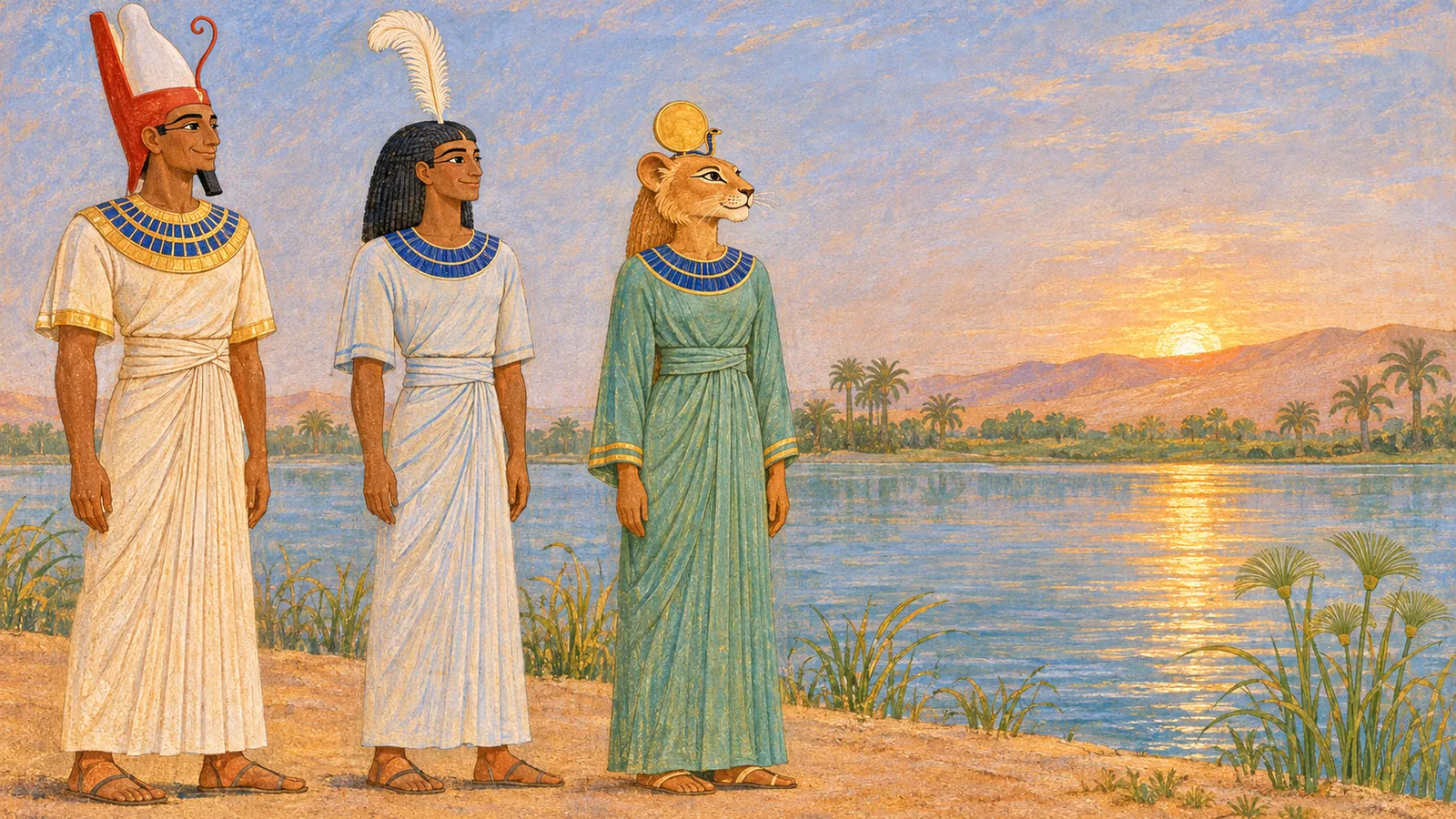
SHU AND TEFNUT
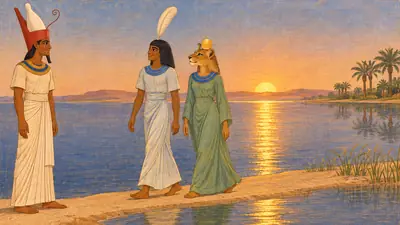
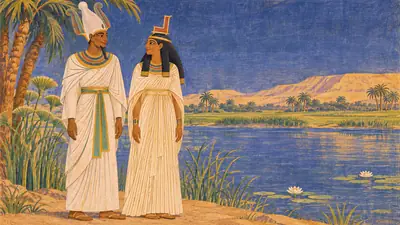
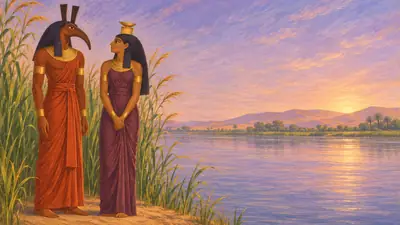
One Pyramid Text says that Atum, alone in Heliopolis, brought two twins into being. They are Shu and Tefnut. The two belong together from the first time their names are spoken.
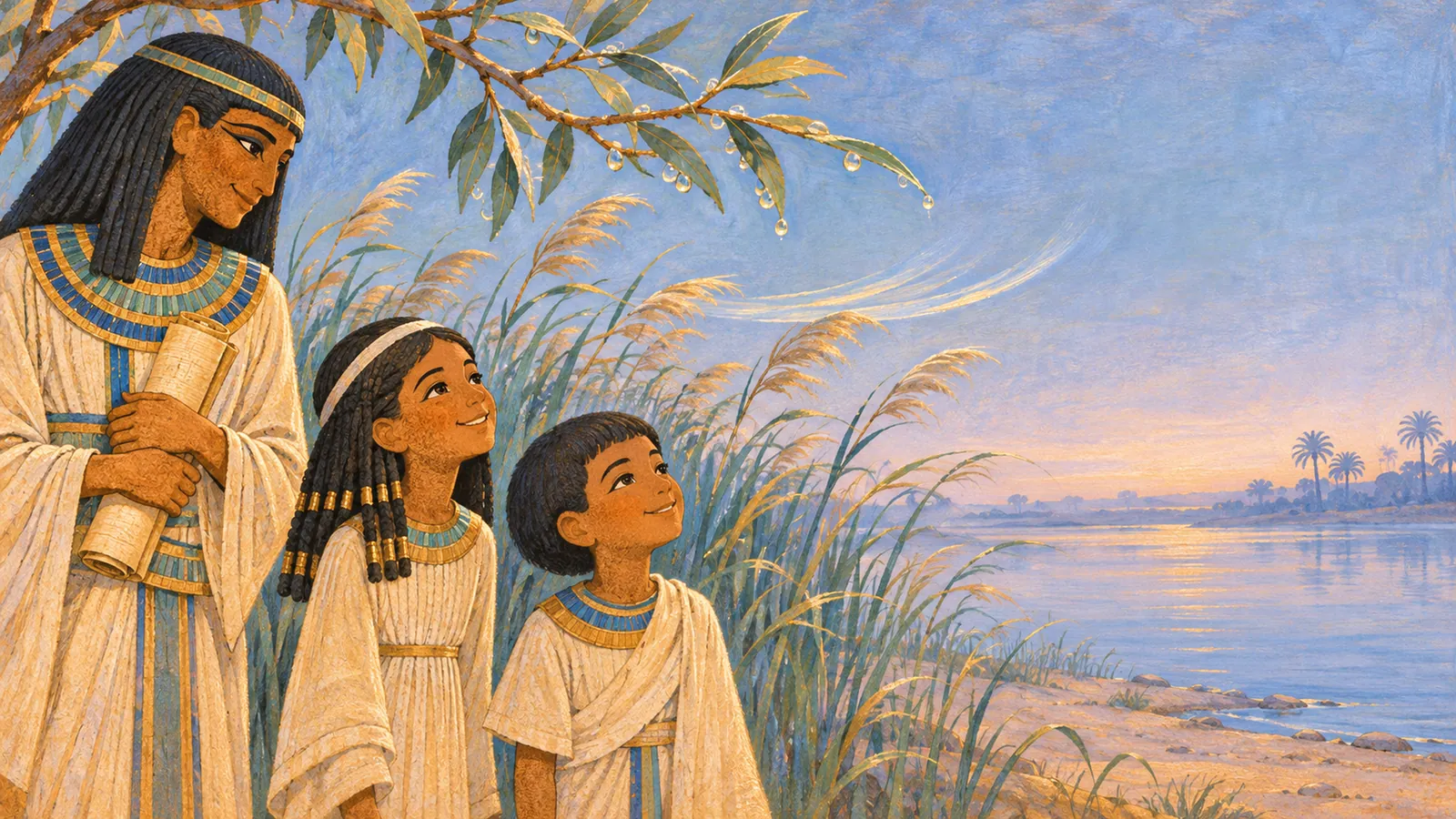
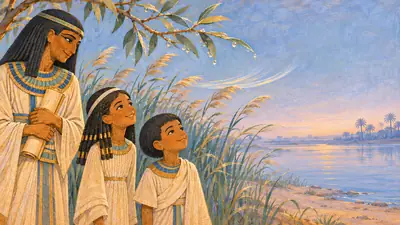
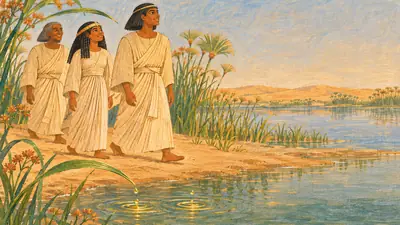
Another Pyramid Text says Shu and Tefnut came from Atum’s mouth. Their names echo the two sounds the spell describes. Wind and droplets suggest those sounds in the picture.
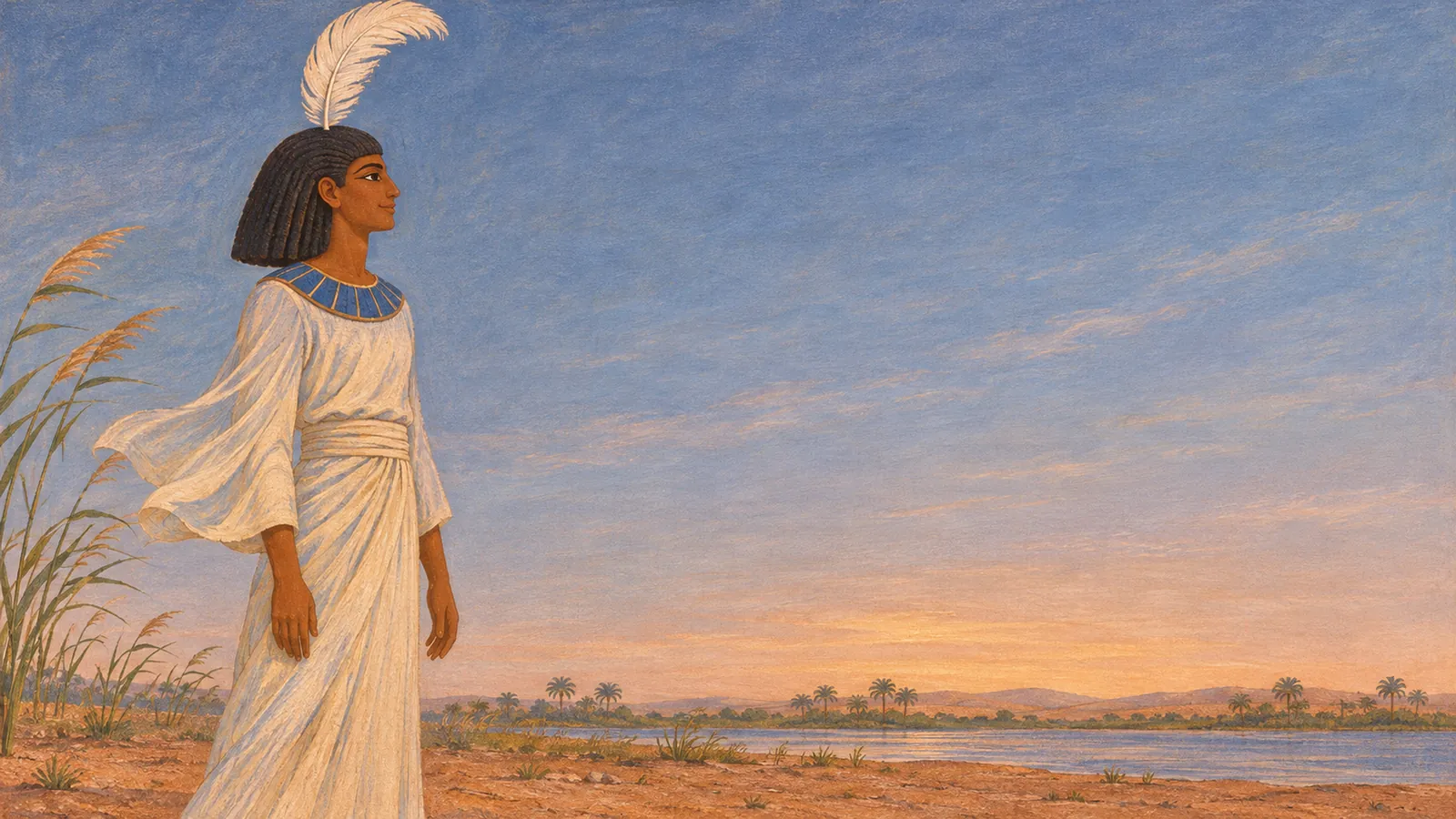
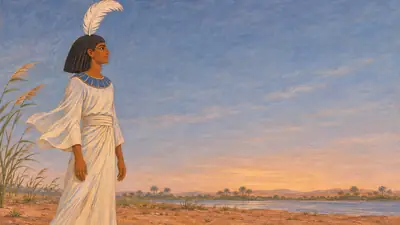
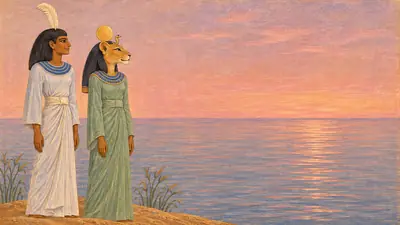
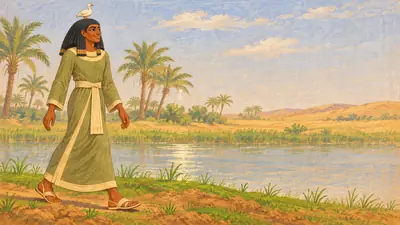
Shu is associated with the air and the space in which things can live. You can picture that space in the gap between the damp ground and the light above it, or in a small stirring of the reeds.
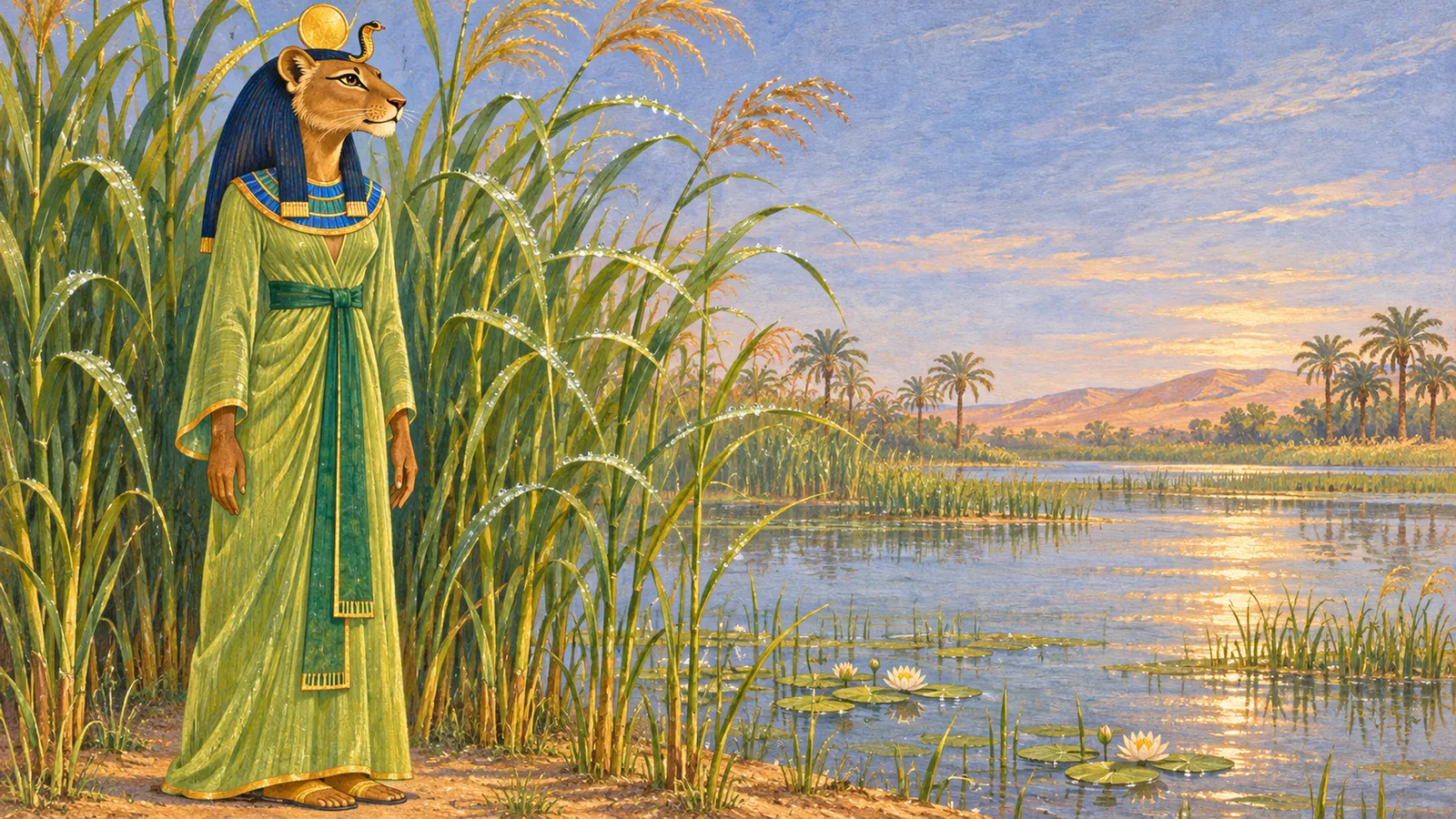
Tefnut, Shu’s sister, is often associated with moisture. The little beads on a reed catch the morning light. They give us a way to picture her place beside Shu in the new world.
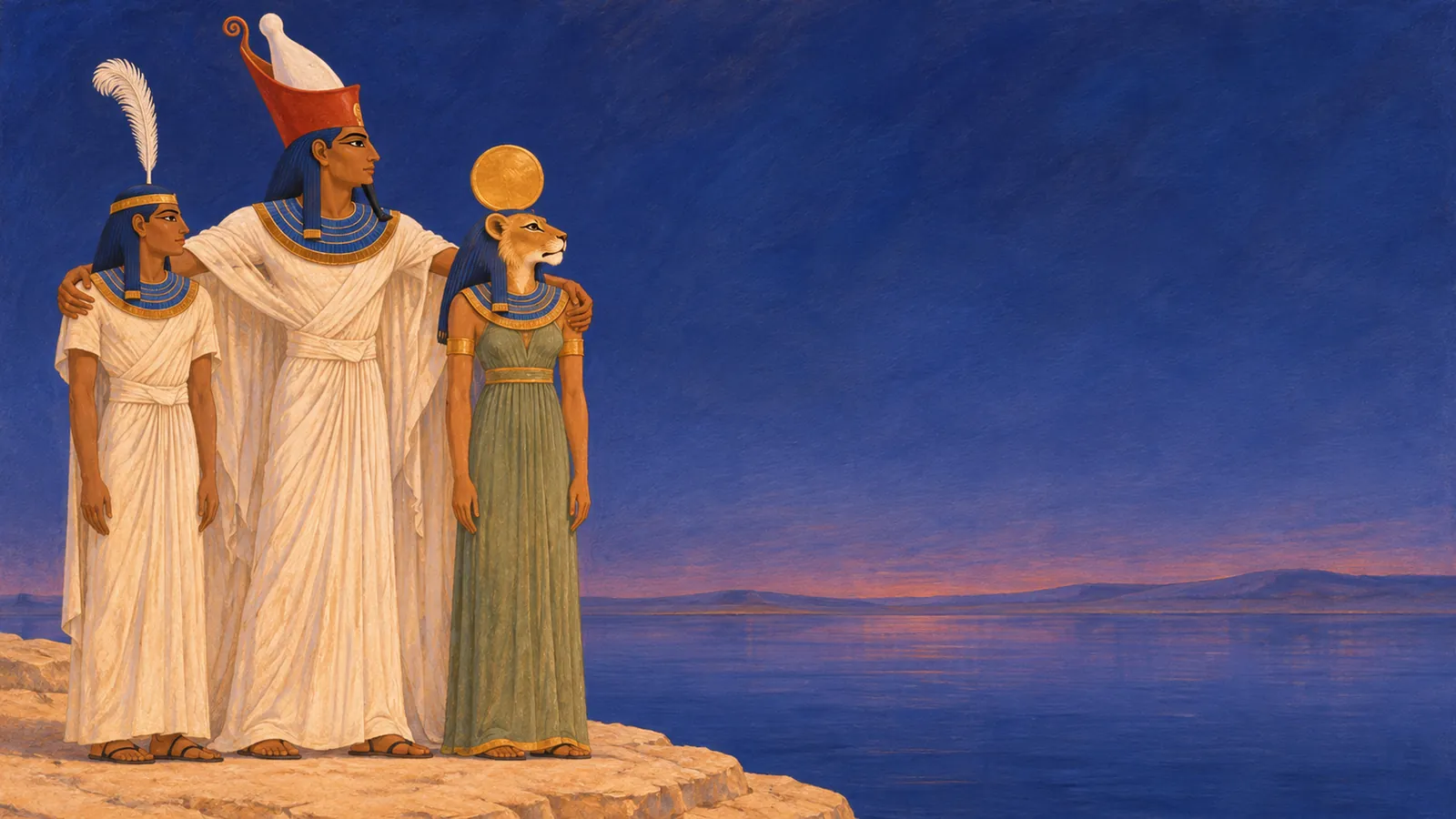
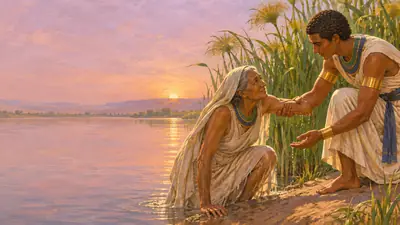
The Pyramid Text tells how Atum holds his arms around Shu and Tefnut. It says he does so that his ka, a power of life, can be in them. Later the spell asks for the same protection for a king.
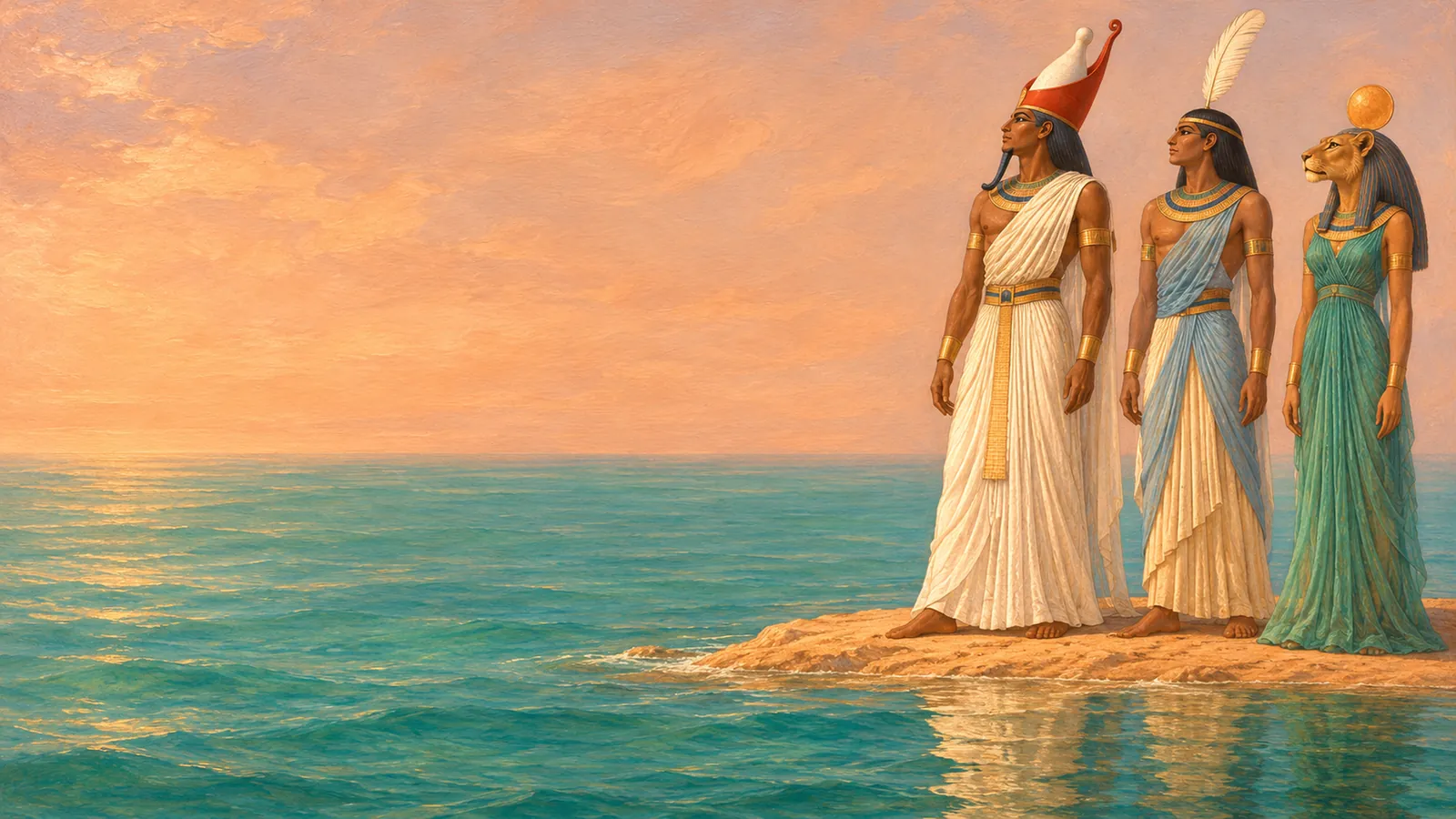
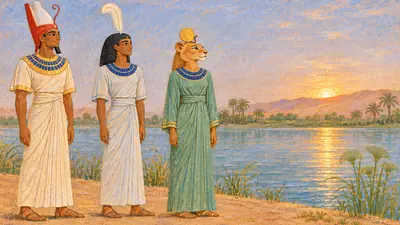
There had been one god. After Shu and Tefnut came into being, there were three. The twins and their children would carry that beginning further.
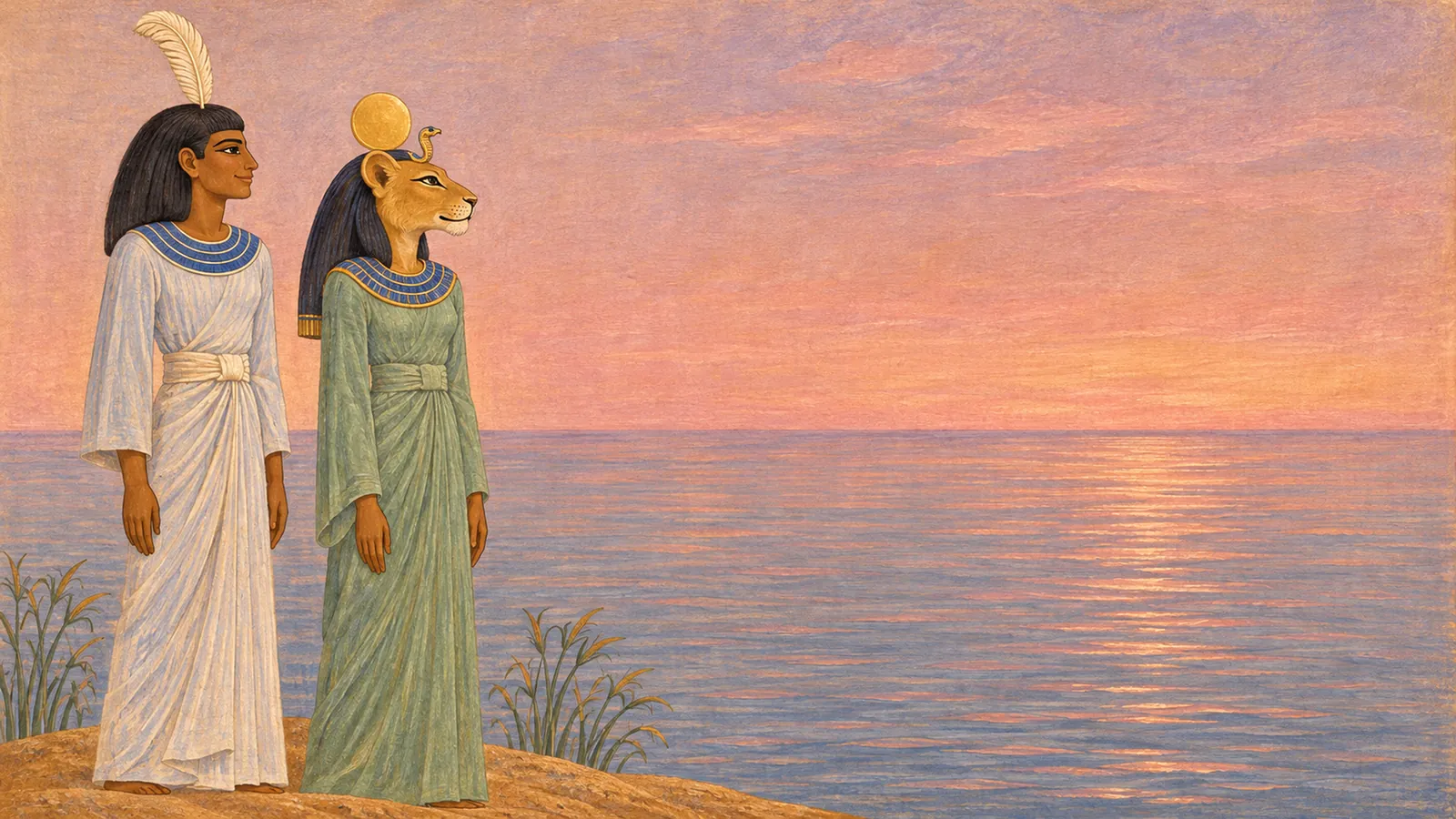
In one version on the papyrus, Shu and Tefnut spend time in Nun. The creator calls the waters his father and says Nun cared for the pair. For a while, the two are far away from him.
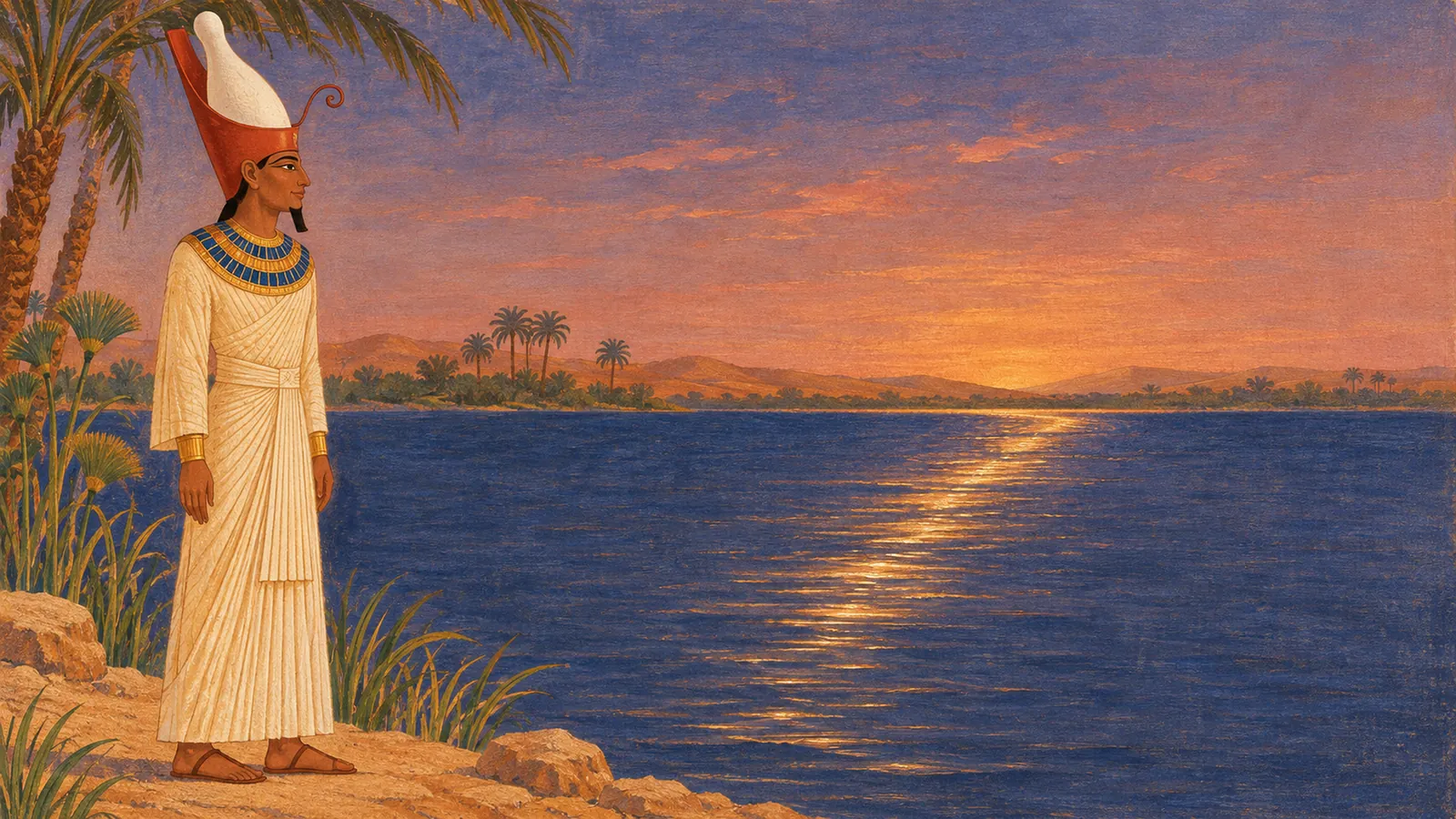
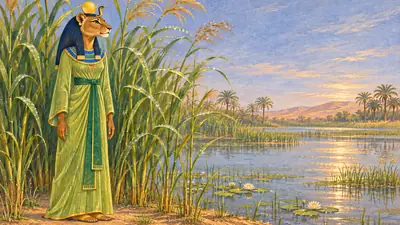
The creator’s Eye goes after the twins. The Eye can act apart from him. Light on the water suggests its search.
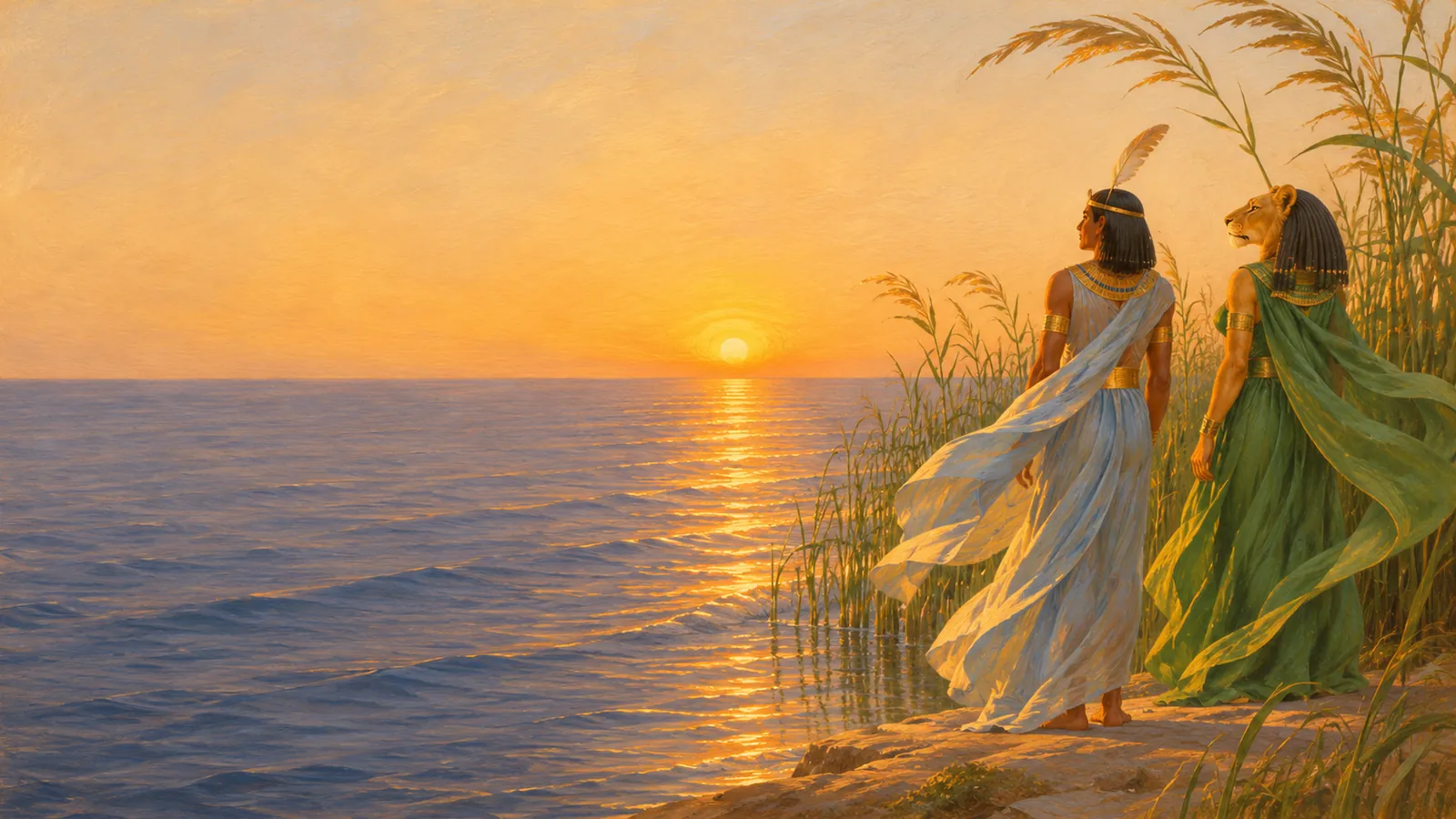
One account says the twins brought back the Eye when they returned. The other says the Eye brought the twins back to their father. Both remember a long separation and a reunion.
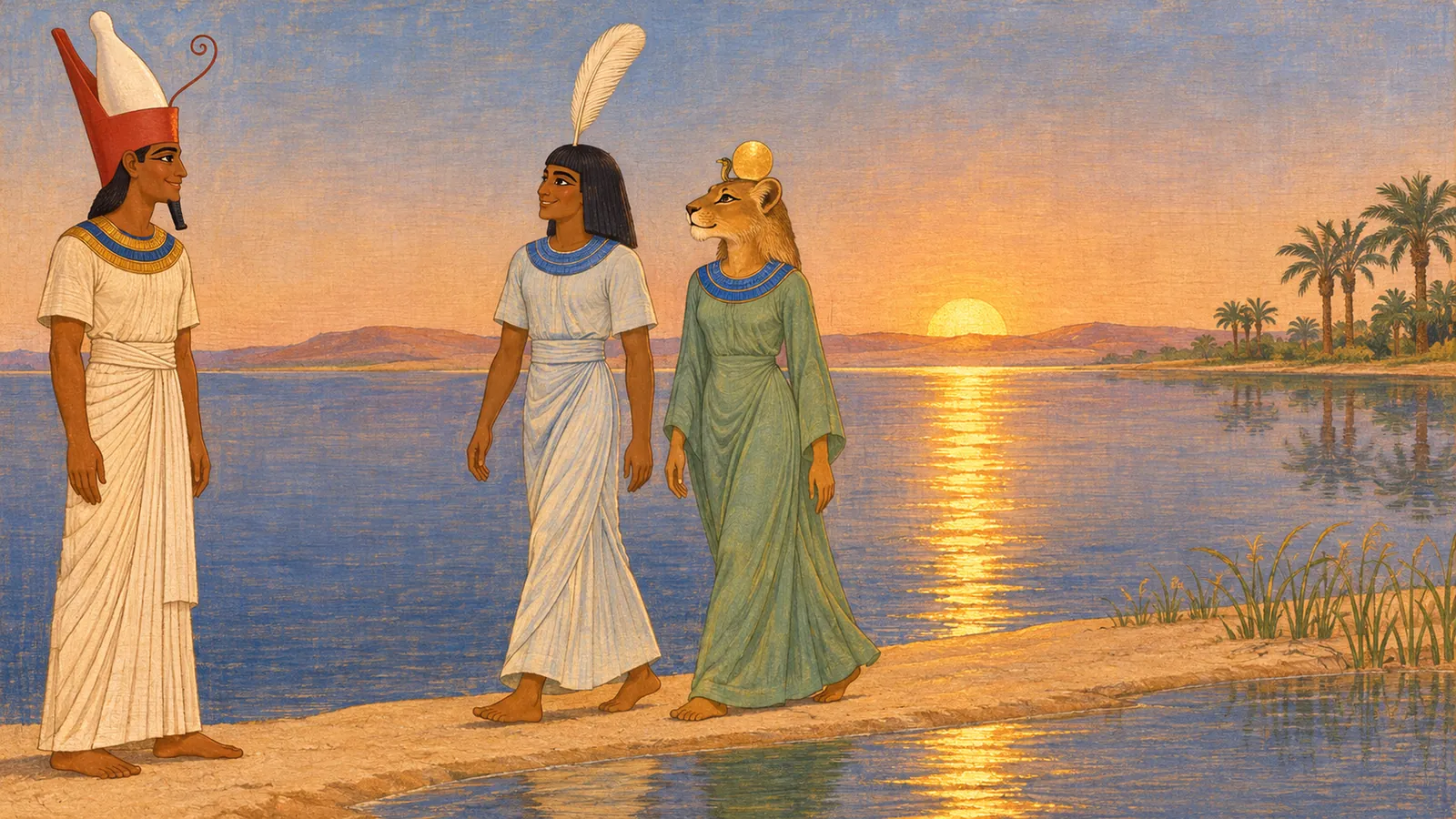
Shu and Tefnut returned with the Eye. It found a new eye in its place and grew angry. The Eye could seek, return and feel anger on its own.
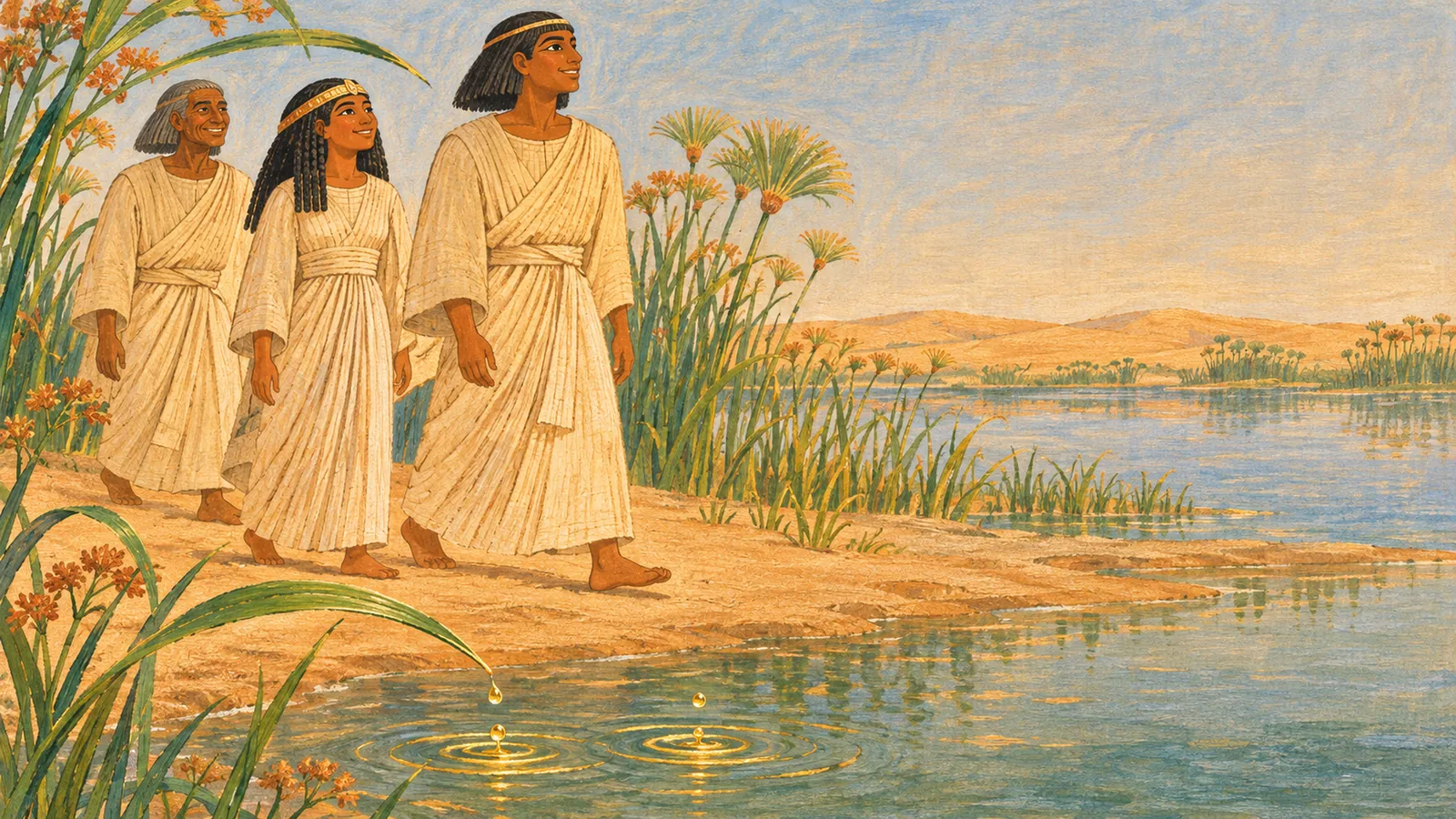
The papyrus connects the first people with tears from the creator’s Eye. The Egyptian words for people and tears sound alike. Later in the same passage the returning Eye is given a place on the creator’s brow.
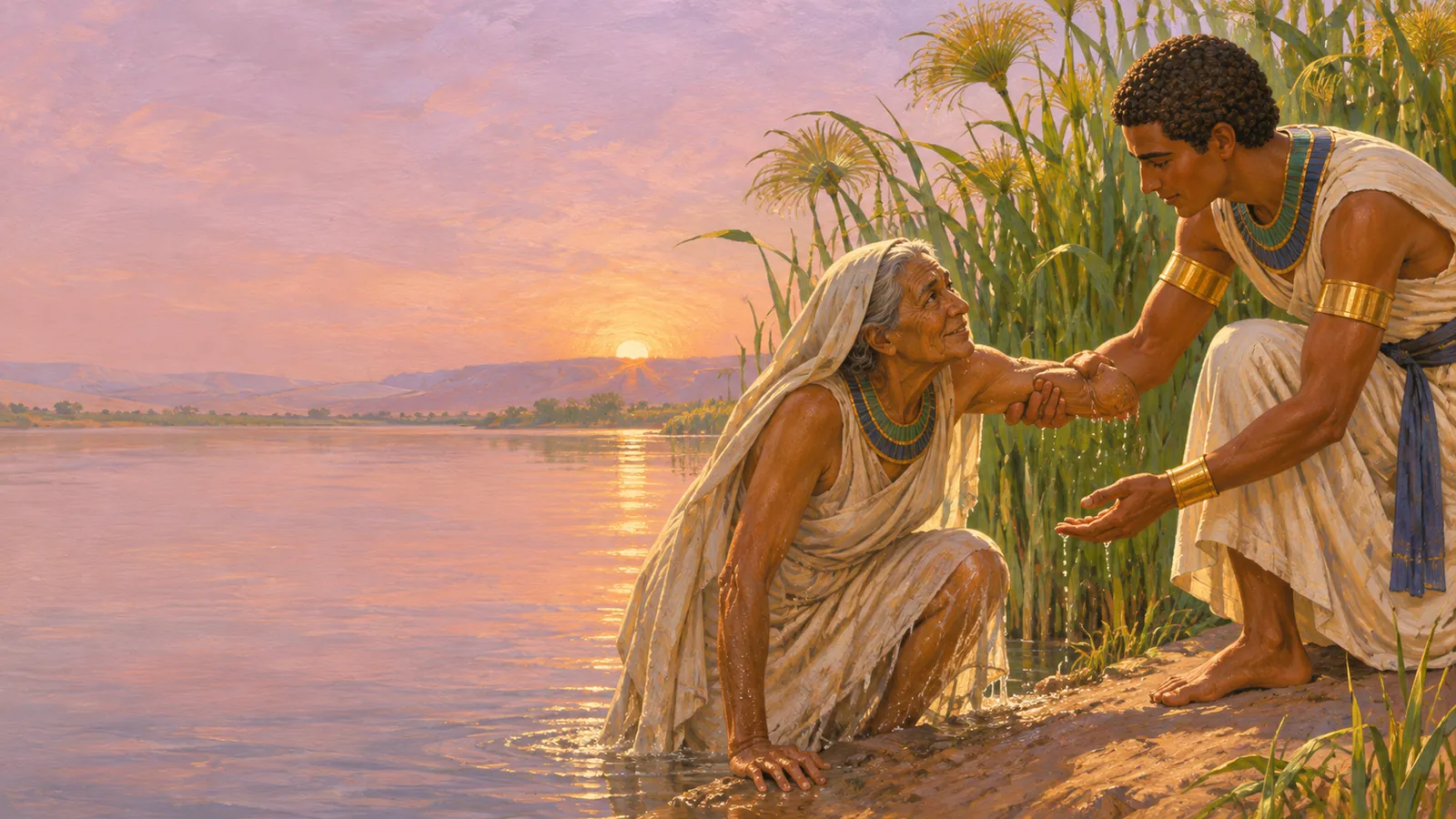
The creator wept at the reunion, and people came from his tears. Further on in the papyrus, these same people stand with the sun.
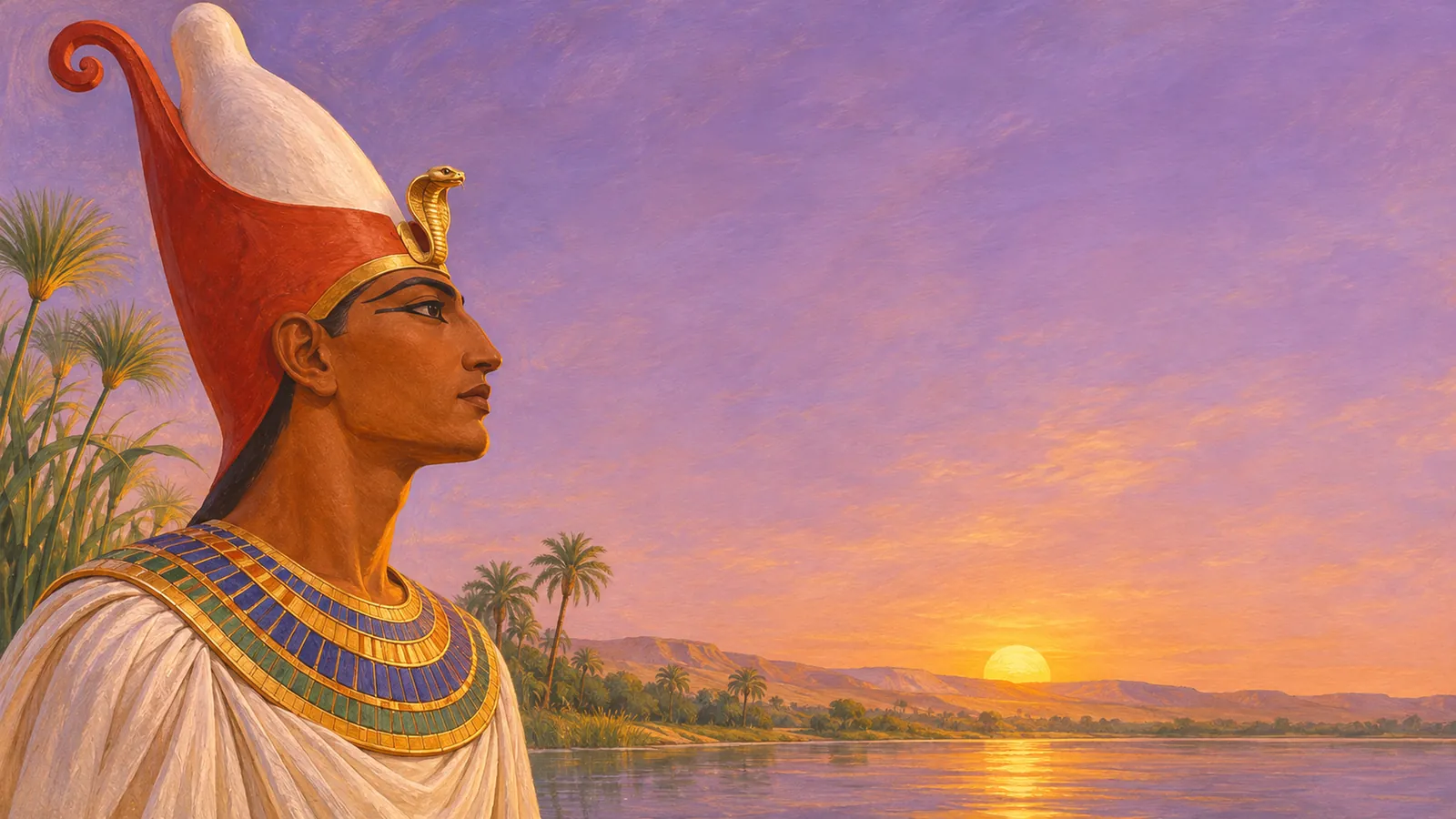
The returning Eye was angry to find a shining eye had taken its place. The god raised it to his brow, where it looked out over the land. A cobra on an Egyptian crown can evoke that place of power.
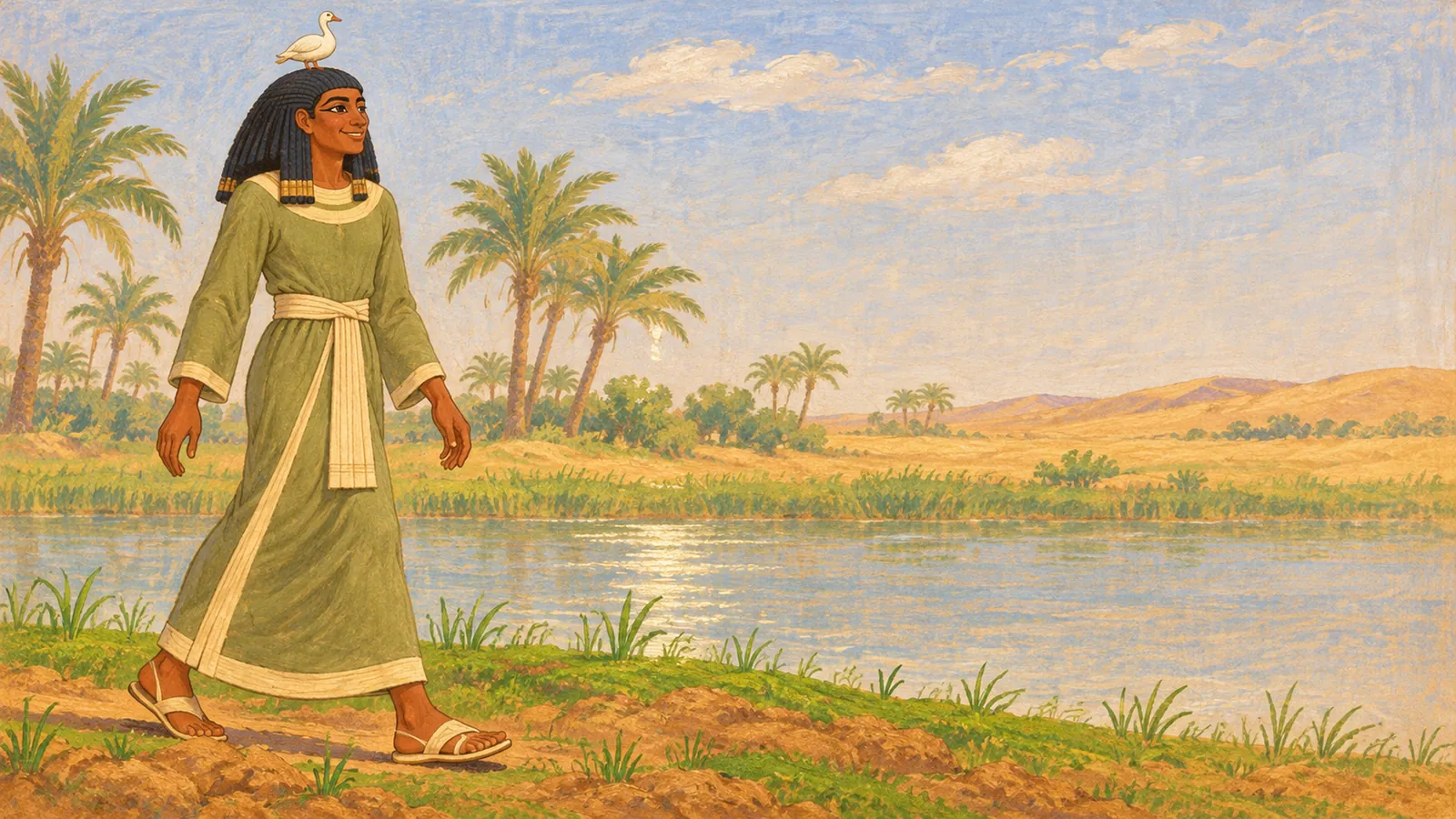
In the papyrus, Shu and Tefnut are the parents of Geb and Nut. Geb is the earth in the Egyptian account of the world. After Nun’s first expanse of water, solid ground now has a name and a face.
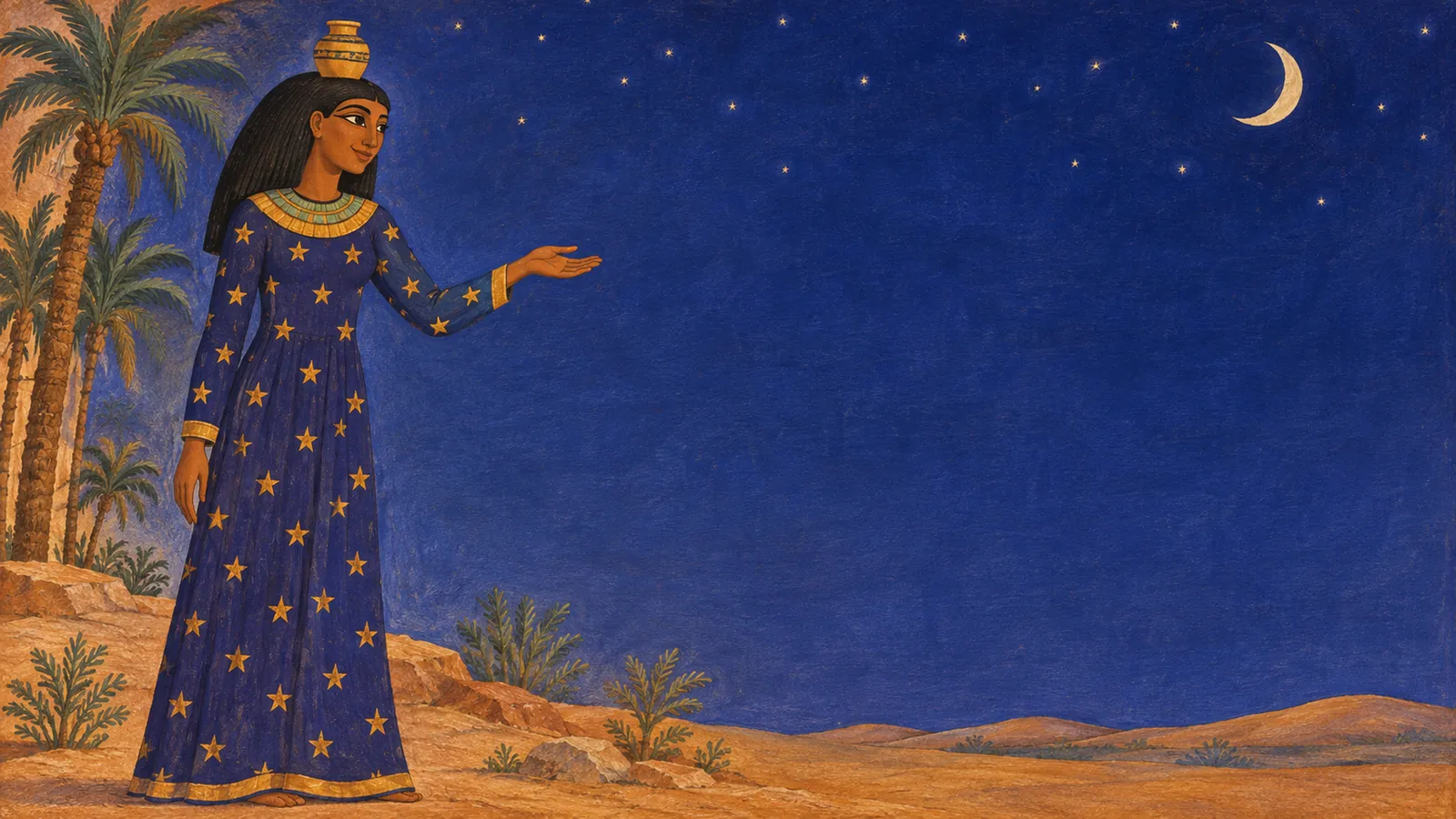
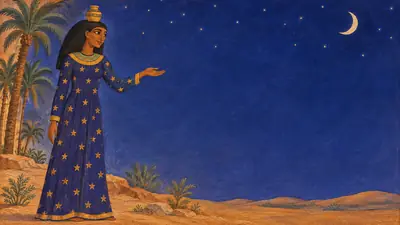
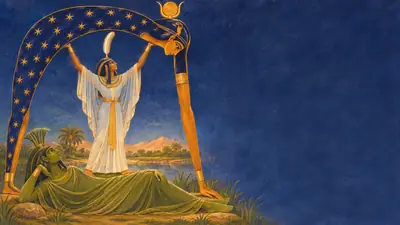
Nut is the sky. Artists in ancient Egypt often gave her stars, like the ones that shine above the earth. Shu’s air gives the eye a way to picture the space between Geb and Nut.
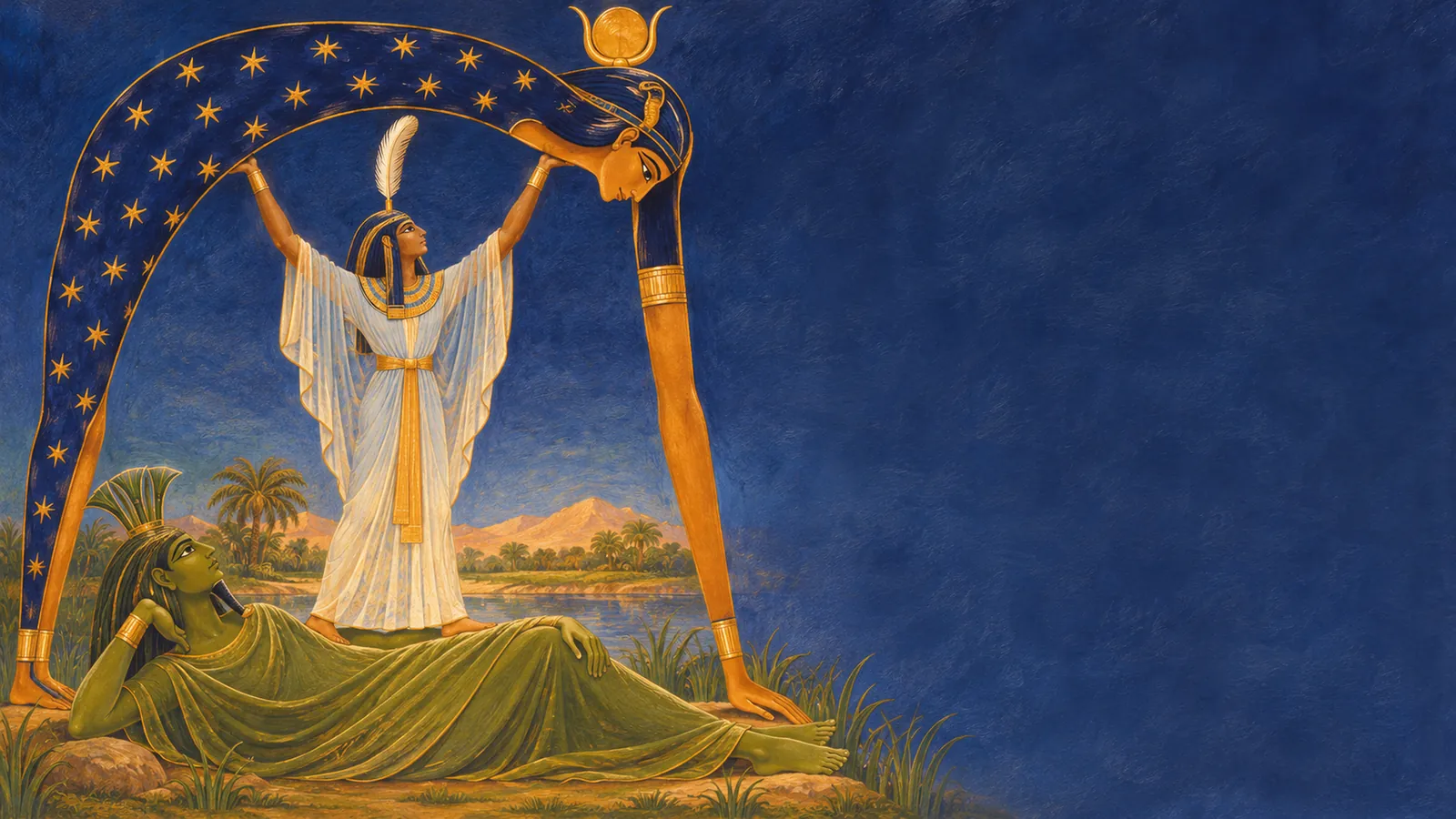
Egyptian images sometimes show Shu beneath the curving sky, holding Nut up above Geb. With earth below and stars above, the space that Shu holds open is the space in which people live.
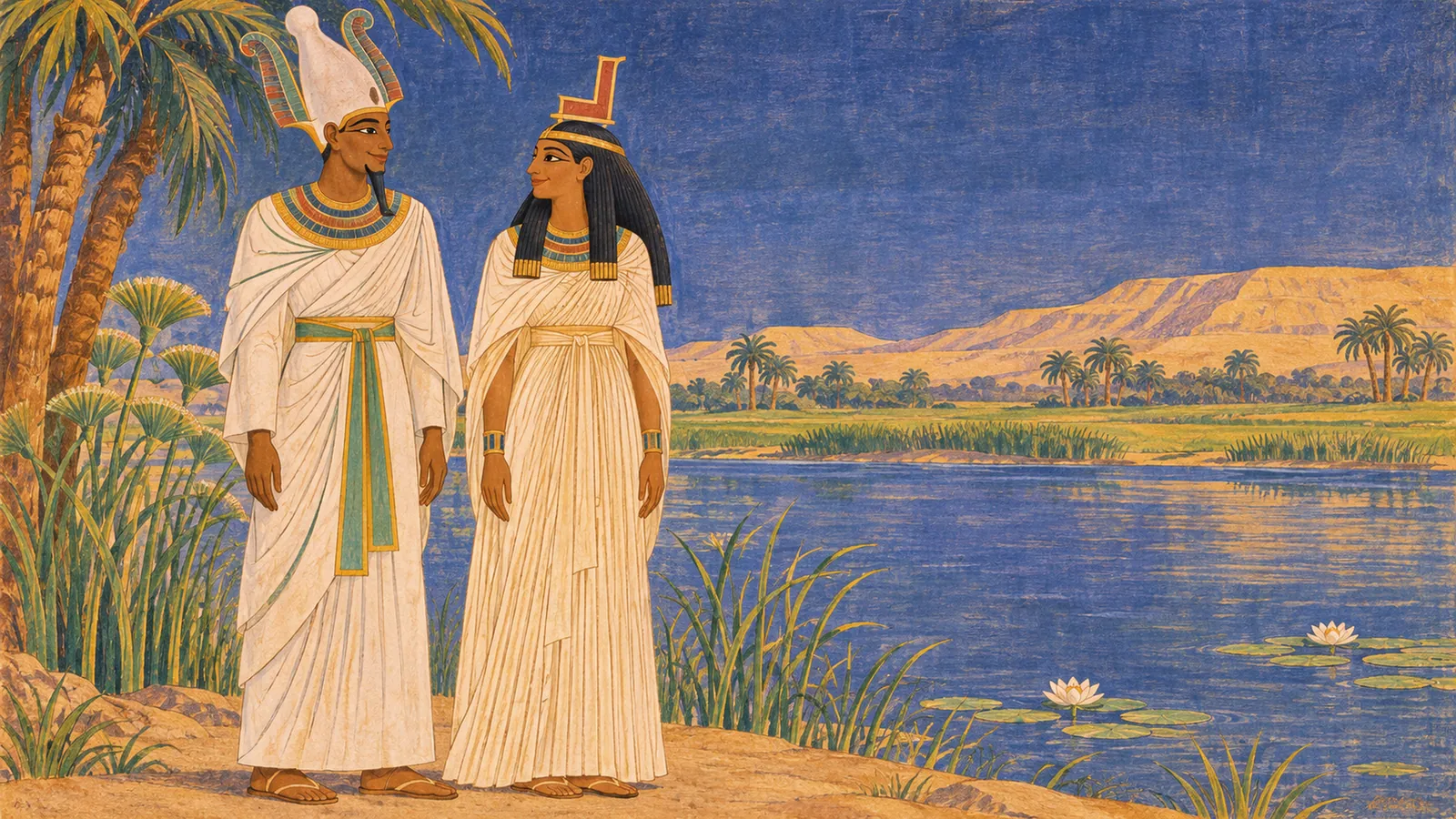
Geb and Nut have children, whose names carry the family of Atum forward another generation. Osiris and Isis are among them. The older Pyramid Text and the later papyrus both name these two.
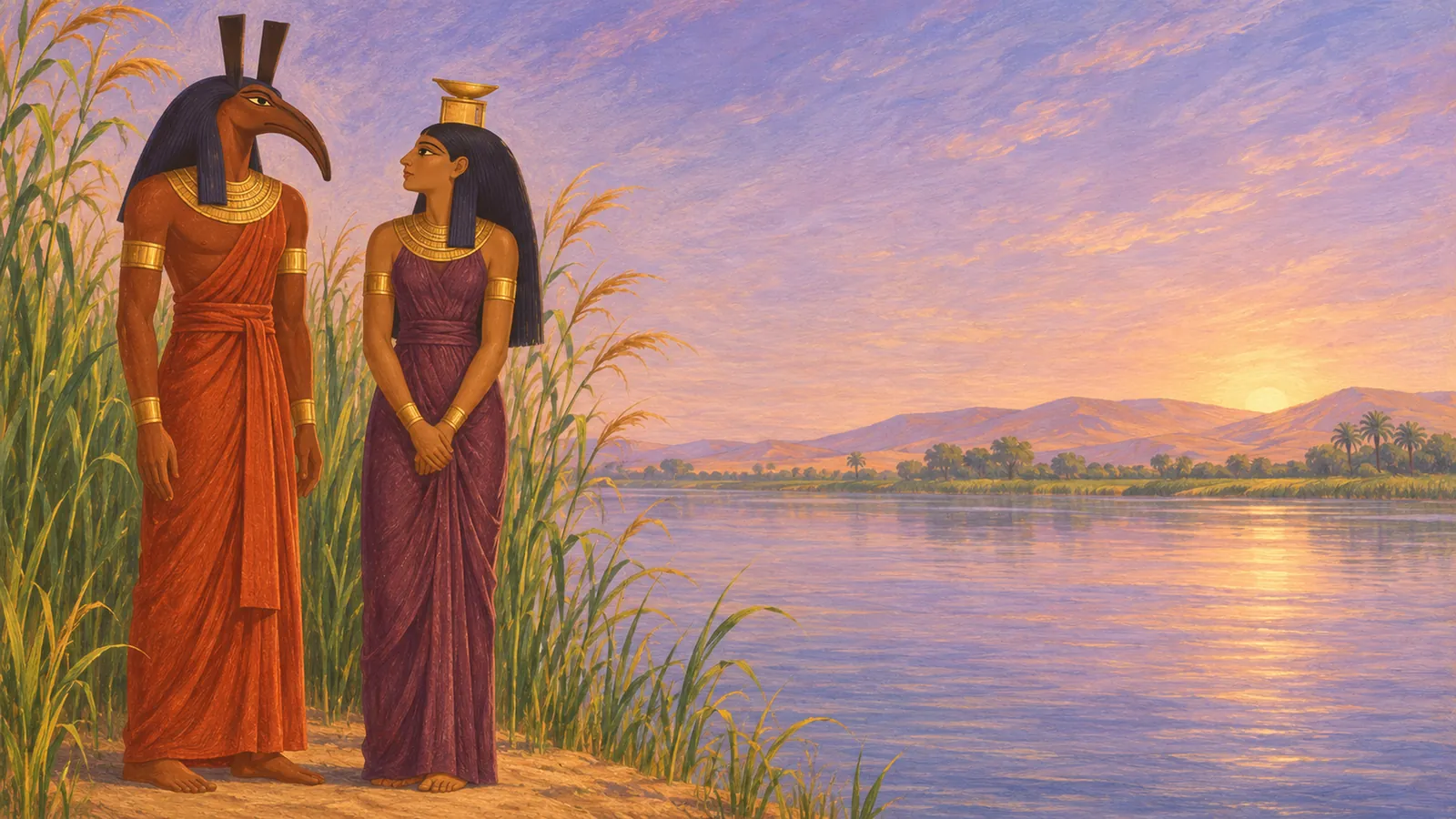
Seth and Nephthys are children of Geb and Nut. The Pyramid Text names them among the Nine. The first papyrus version also names a form of Horus as their sibling.
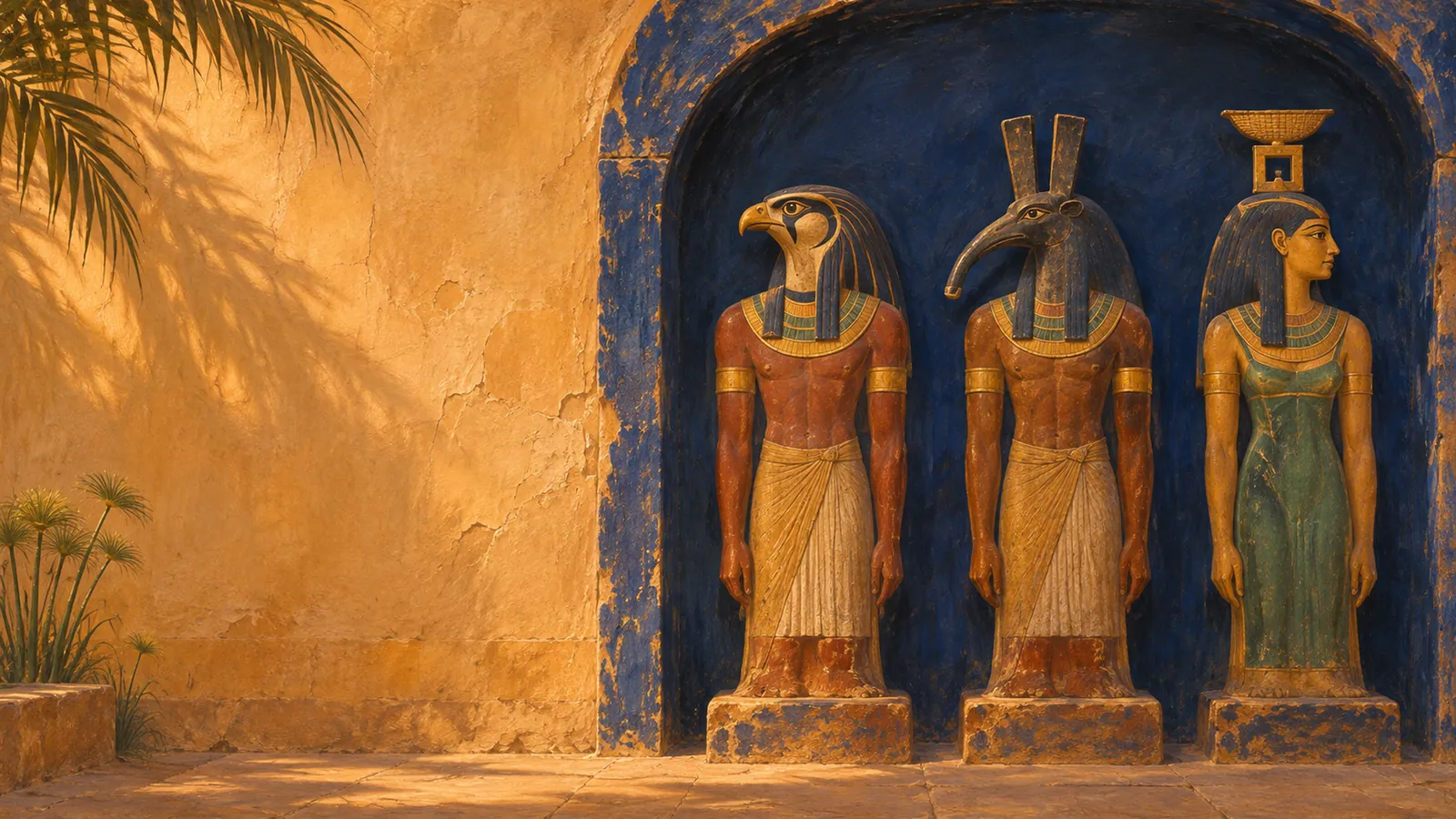
One papyrus passage names five children of earth and sky in its own order. It gives Osiris, a form of Horus called Mekhentienirty, Seth, Isis and Nephthys. The older spell’s Nine count the family differently.

The creator speaks in a book about overcoming Apophis, a serpent opposed to the sun. The gods who came from him help him. The new world needs tending.
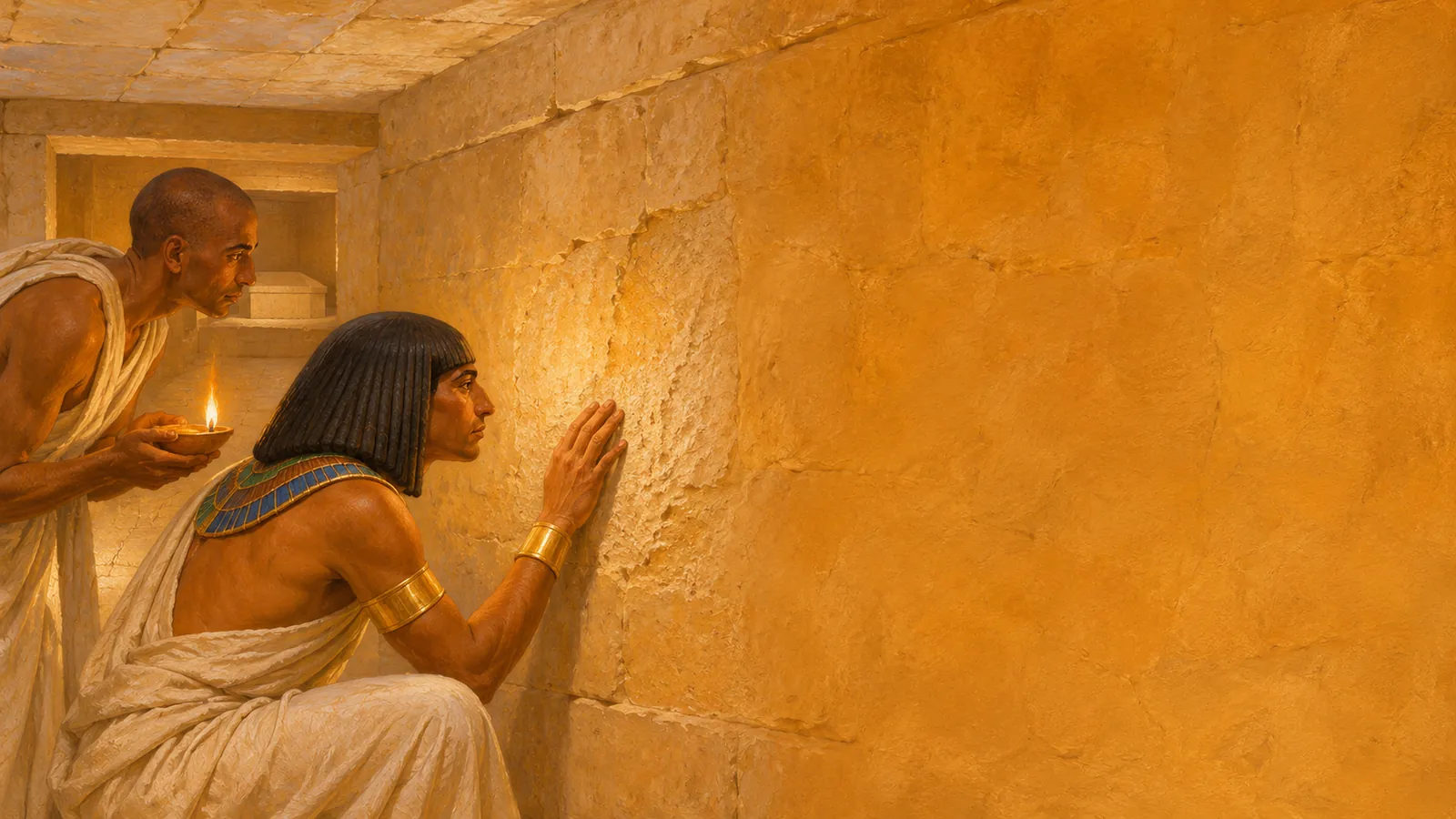
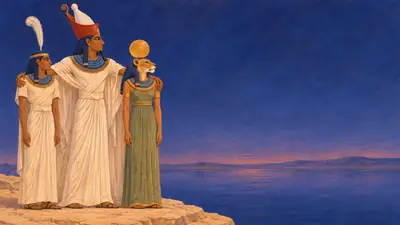
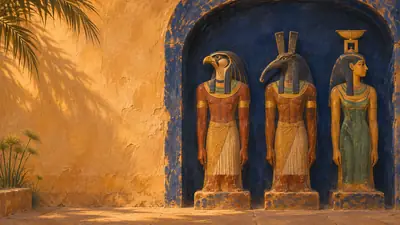
The Pyramid Text calls on nine gods at Heliopolis. There is Atum, then Shu and Tefnut, then Geb and Nut, then Osiris, Isis, Seth and Nephthys. The spell asks this group to keep watch over the king and his pyramid.

One Pyramid Text gives the twins a part in the king’s own journey. In it, he says they bring him among the gods of the Field of Rest. He speaks of going up to the sky and down to earth.
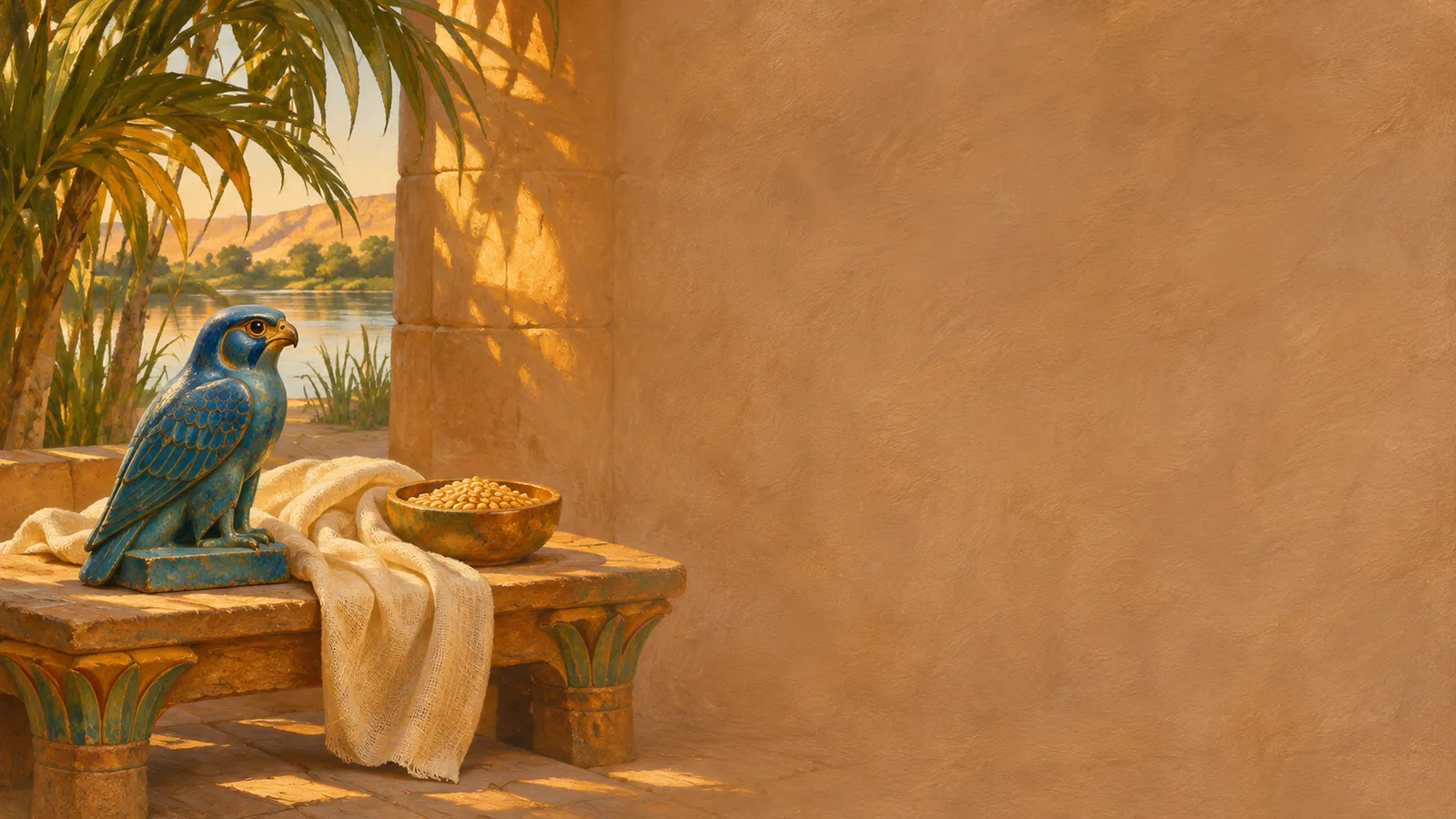
The spell of the Nine asks them to stay together with Atum as he keeps watch. Then it calls on Horus apart from the group and brings Osiris and his son Horus into the same appeal.
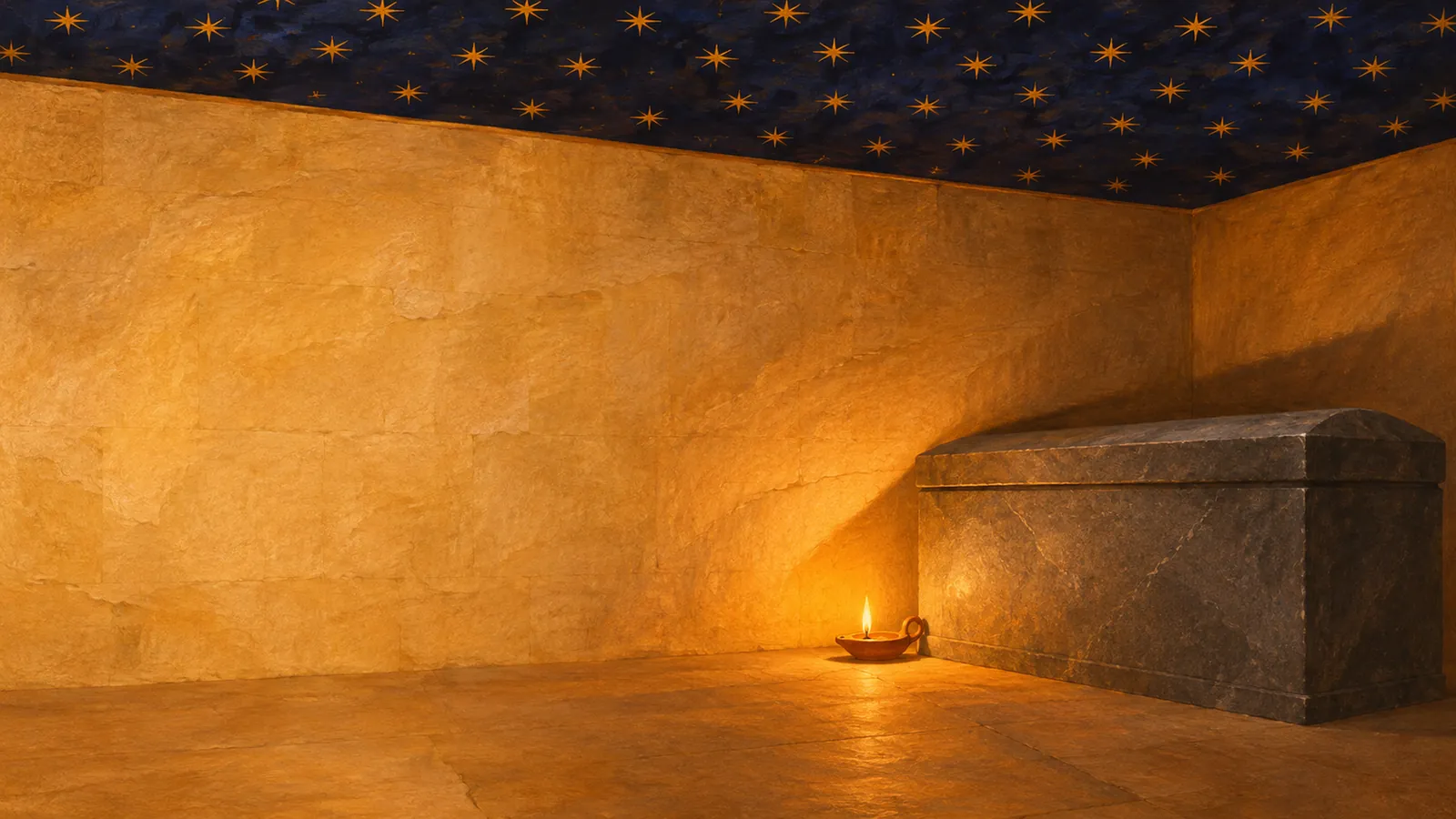
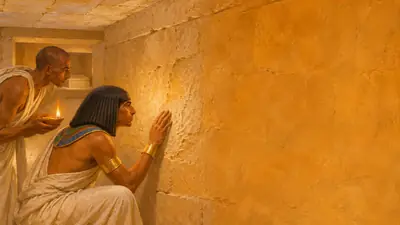
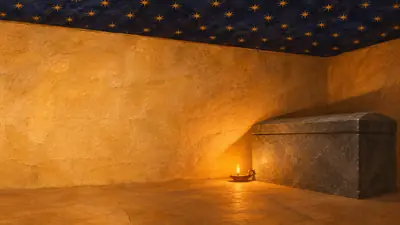
The old spell asks Atum to enfold Pepi II, his pyramid and the work built for him. The gesture recalls Atum holding Shu and Tefnut. In a room of stone, the story of the beginning becomes a wish for protection.
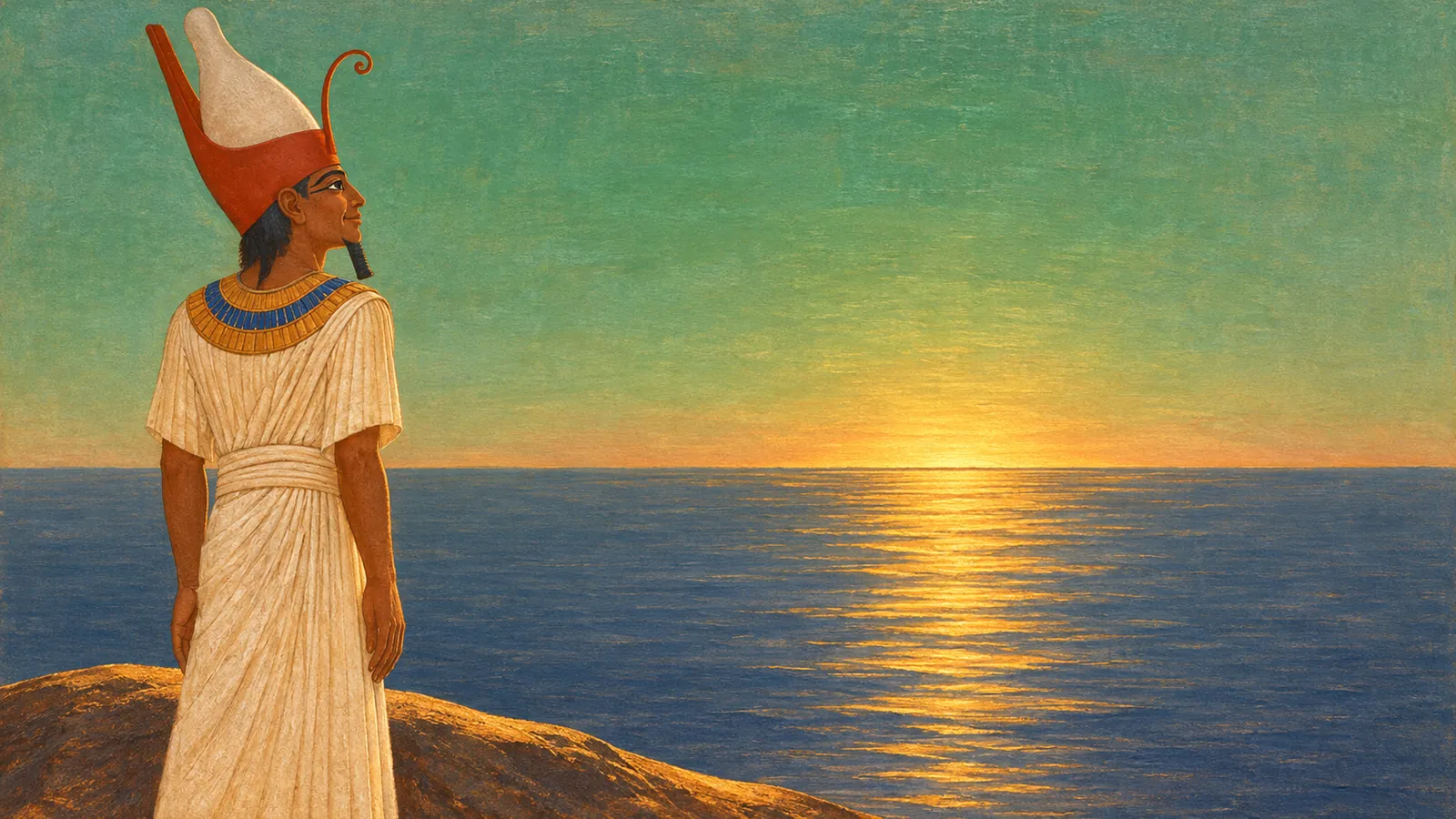
THE FIRST MOUND
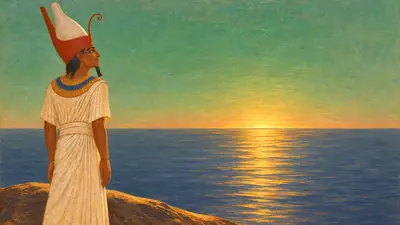
The stone texts and the papyrus tell the beginning with different words. A lone creator has become the beginning of many lives. Back at the first mound, a little dry ground catches the light above the waters of Nun.
End of chapter 1
All pages







Sources
Editions consulted
- British Museum, Bremner–Rhind Papyrus, EA10188
- Thesaurus Linguae Aegyptiae, pBM 10188 object and manuscript date
- R. O. Faulkner, The Papyrus Bremner-Rhind, 1933, hieroglyphic edition
- R. O. Faulkner, The Bremner-Rhind Papyrus III, 1937, first creation account
- R. O. Faulkner, The Bremner-Rhind Papyrus IV, 1938, second creation account
- James P. Allen, The Ancient Egyptian Pyramid Texts, 2nd ed., 2015, utterances 527 and 600
- James P. Allen, Genesis in Egypt, 1988, texts 3, 4 and 9 with commentary
- Egyptian Ministry of Tourism and Antiquities, Iunu or Heliopolis
- Louvre, stela with human-shaped Atum wearing the pschent
- Louvre, stela with lioness-headed Tefnut
- Metropolitan Museum of Art, Nut, Shu and Geb on the sarcophagus of Wereshnefer
- Metropolitan Museum of Art, amulet associating Shu and Tefnut with air and rain
- Thesaurus Linguae Aegyptiae, Book of Overthrowing Apophis, EA10188
- R. O. Faulkner, The Bremner–Rhind Papyrus II, priest Nesmin and colophon
Ancient lines behind each page
- Page 1: PT 600 §1652; pBM EA10188 26.21–24 (scene combines the images with source attribution in subsequent frames)
See source notes for which details are attested. - Page 2: Egyptian Ministry of Tourism and Antiquities, Iunu; PT 600 §1652
See source notes for which details are attested. - Page 3: Egyptian Ministry, Ayn Shams City; Pyramid Text 600
See source notes for which details are attested. - Page 4: Allen 2015, Pyramid Texts 527 and 600, Pepi I and Pepi II
See source notes for which details are attested. - Page 5: pBM EA10188, TLA object; Faulkner 1937, pp. 166–185; 1938, pp. 41–53
See source notes for which details are attested. - Page 6: Bremner–Rhind Papyrus, col. 17; 26.21 and 28.20; Faulkner 1933, 1937, 1938
See source notes for which details are attested. - Page 7: pBM EA10188 26.21–23; Faulkner 1937, p. 172; Allen 1988, text 9
See source notes for which details are attested. - Page 8: pBM EA10188 26.22–24; 28.24–26; Faulkner 1937 and 1938; Allen 1988, text 9
See source notes for which details are attested. - Page 9: Bremner–Rhind Papyrus 26.21–24; 28.20–24
See source notes for which details are attested. - Page 10: PT 600 §1652a–b; Allen 2015, p. 265
See source notes for which details are attested. - Page 11: pBM EA10188 26.21–22 and 28.20–22; Faulkner 1937, p. 172, and 1938, p. 41
See source notes for which details are attested. - Page 12: pBM EA10188 26.23–27; 28.24–26; Faulkner 1937 and 1938; Allen 1988, text 9
See source notes for which details are attested. - Page 13: Bremner–Rhind Papyrus 26.22–25; 28.24–26
See source notes for which details are attested. - Page 14: PT 527 §§1248–1249; Allen 2015, p. 168
See source notes for which details are attested. - Page 15: PT 600 §1652c; pBM EA10188 27.1; Allen 1988, texts 4 and 9
See source notes for which details are attested. - Page 16: Allen 1988, The Elements of Creation and The Creation of the Void; Met 04.2.791 and 14.7.1a, b
See source notes for which details are attested. - Page 17: PT 600 §1652c; pBM EA10188 27.1; Met 04.2.791; Louvre cl010005998
See source notes for which details are attested. - Page 18: PT 600 §§1653–1654; Allen 2015, p. 265
See source notes for which details are attested. - Page 19: Bremner–Rhind Papyrus 26.26–27.1 and 28.26–29.2
See source notes for which details are attested. - Page 20: pBM EA10188 27.1–2; Faulkner 1937, p. 172; Allen 1988, text 9
See source notes for which details are attested. - Page 21: pBM EA10188 27.1–2; Allen 1988, text 9
See source notes for which details are attested. - Page 22: Bremner–Rhind Papyrus 27.1–2; 28.26–29.3
See source notes for which details are attested. - Page 23: pBM EA10188 27.2–3; Faulkner 1937, p. 172; Allen 1988, text 9
See source notes for which details are attested. - Page 24: pBM EA10188 27.2–4; Faulkner 1937, text and commentary; Allen 1988, text 9
See source notes for which details are attested. - Page 25: Bremner–Rhind Papyrus 27.2–3; 28.7–10
See source notes for which details are attested. - Page 26: Bremner–Rhind Papyrus 27.2–4; 29.3–5; Allen, Genesis in Egypt, Text 9
See source notes for which details are attested. - Page 27: pBM EA10188 27.4–5; Allen 1988, texts 1 and 9
See source notes for which details are attested. - Page 28: pBM EA10188 27.4–5; Allen 1988, text 1; Met 14.7.1a, b
See source notes for which details are attested. - Page 29: Allen, Pyramid Texts, introduction; Metropolitan Museum of Art, Wereshnefer sarcophagus
See source notes for which details are attested. - Page 30: pBM EA10188 27.4–5; PT 600 §1655; Allen 2015, p. 265
See source notes for which details are attested. - Page 31: pBM EA10188 27.4–5; PT 600 §1655; Allen 2015, p. 265
See source notes for which details are attested. - Page 32: Bremner–Rhind Papyrus 27.4–5 and 29.5–6; Pyramid Text 600 §1655
See source notes for which details are attested. - Page 33: Bremner–Rhind Papyrus 26.21; 27.5–9; 29.5–7
See source notes for which details are attested. - Page 34: PT 600 §§1655–1656; Allen 2015, p. 265
See source notes for which details are attested. - Page 35: Pyramid Text 527 §1249; Allen 2015, p. 168
See source notes for which details are attested. - Page 36: Pyramid Text 600 §§1655–1656; Allen 2015, pp. 265–266
See source notes for which details are attested. - Page 37: Pyramid Text 600 §§1653–1656; Allen 2015, pp. 265–266
See source notes for which details are attested. - Page 38: PT 527 and 600; pBM EA10188 26.21–27.5 and 28.20–29.6
See source notes for which details are attested.
Illustrations made with AI tools by IL Archive; the text is based on the ancient sources (see the sources at the end of each chapter).