Entity · Contextual definition
Atum
A reference page linking a name, group, or concept to the materials that discuss it.
In the texts of ancient Egypt, Atum is associated with the beginning of creation and the setting sun. A pyramid recitation and images from Egyptian temples and burials show what worshippers asked of him.
Estimated reading time: 3 min Published Last reviewed:
Share article
Text
Introduction
Atum was a creator god in the religious traditions of HeliopolisHeliopolis, ancient IunuHeliopolis is the Greek name of Egyptian Iunu, at Matariya in northern present-day CairoGlossary · Click to read the explanation, ancient Iunu in the area of present-day Cairo. Egyptian texts describe him emerging at the beginning of creation and bringing forth the first members of a divine family. The Pyramid Texts invoke him to protect a king and his pyramid. Later images also present Atum as the evening sun. The texts and objects preserve several ways Egyptians understood and addressed him. [1][2][3][4][7]
Creation at Heliopolis
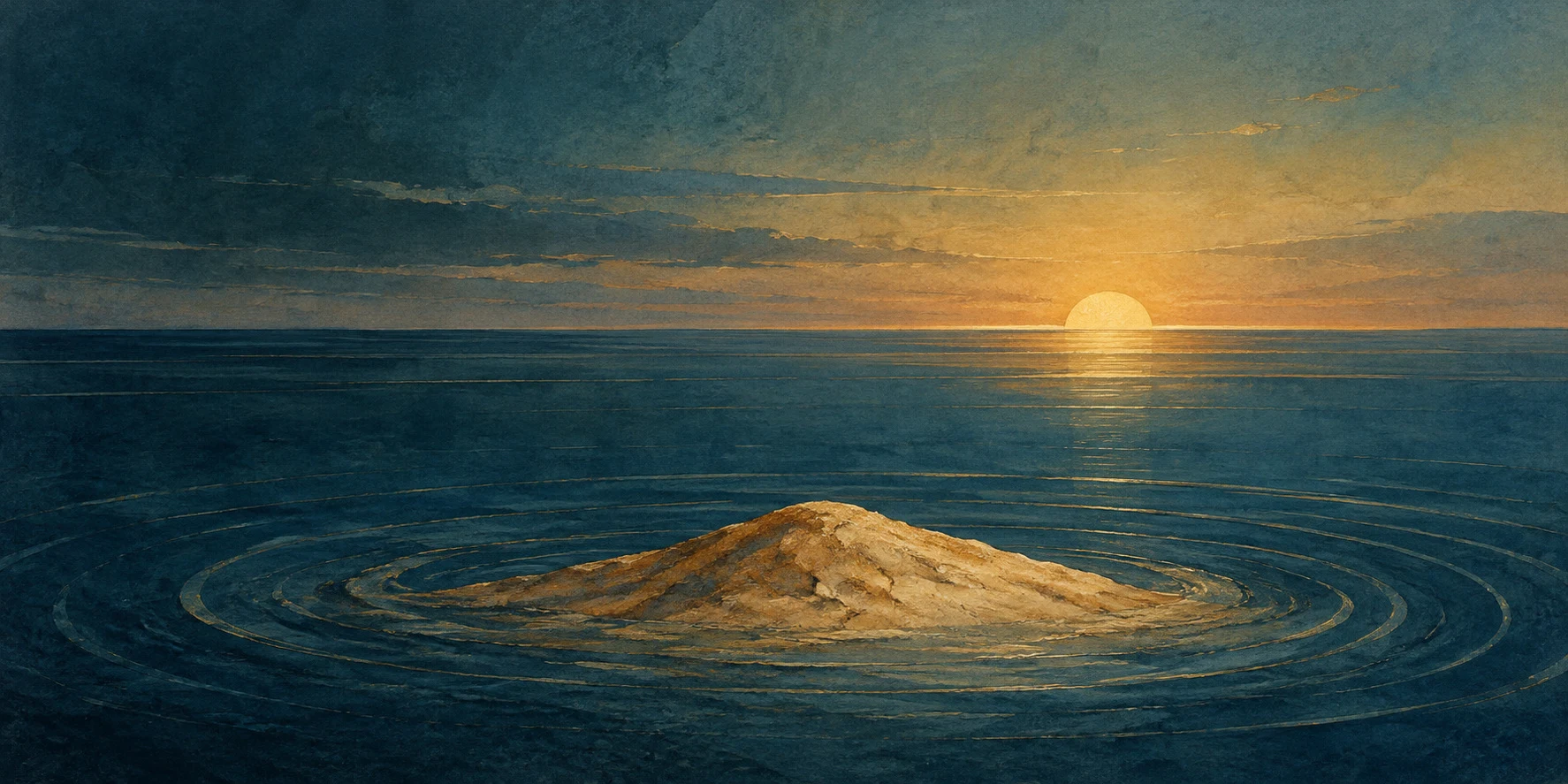
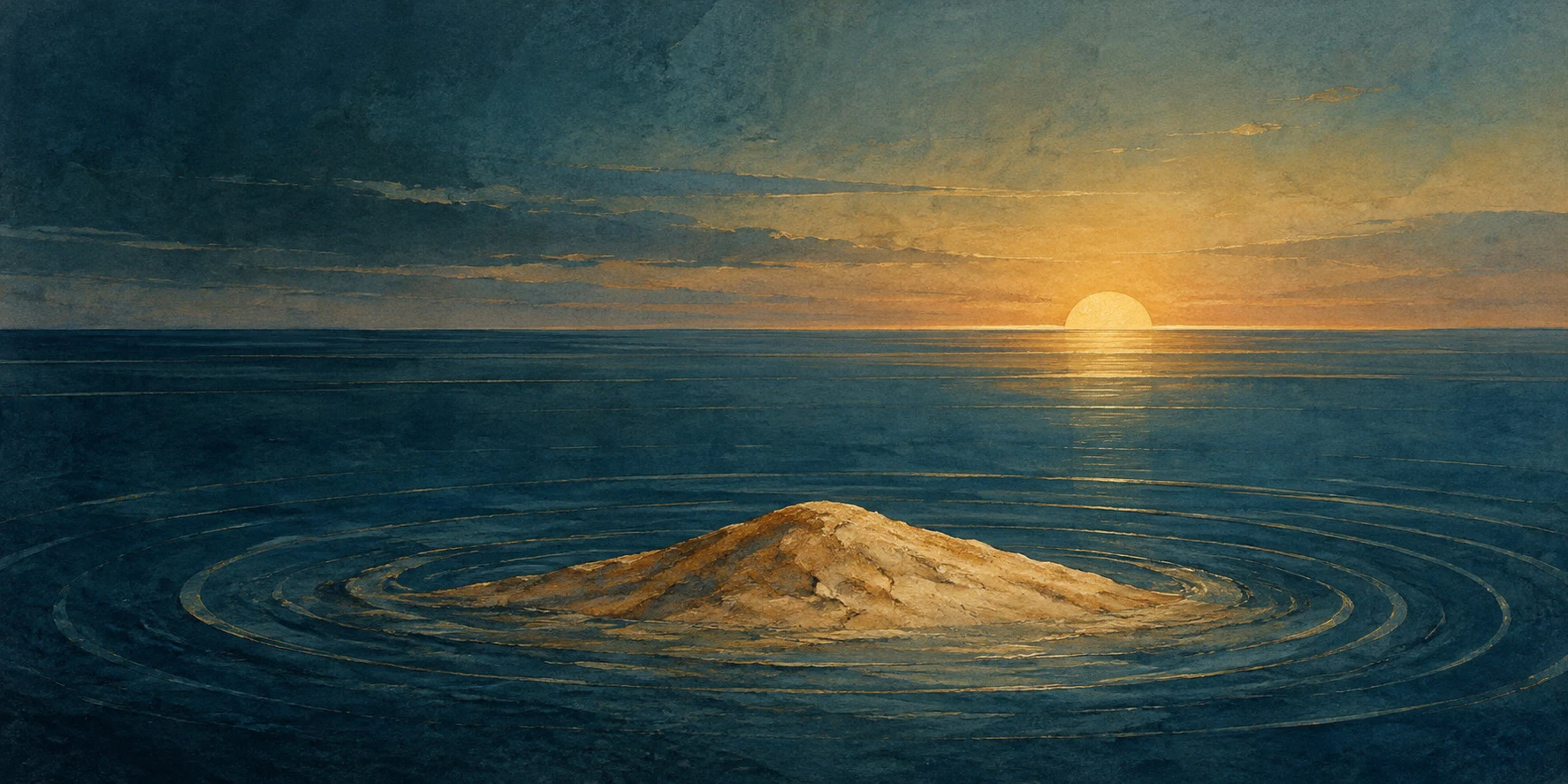
In recitation 600 of the Pyramid Texts, preserved in the pyramid of Pepi IIPepi IIPepi II was an Egyptian king of the Sixth Dynasty in the late third millennium BCEGlossary · Click to read the explanation, Atum rises as the benben in the sanctuary at HeliopolisHeliopolis, ancient IunuHeliopolis is the Greek name of Egyptian Iunu, at Matariya in northern present-day CairoGlossary · Click to read the explanation. The benben was a sacred stone associated with the first mound at creation. He brings forth Shu and Tefnut and embraces them. In James P. AllenJames P. AllenEgyptologist and Brown professor emeritus, studying ancient Egyptian language, literature and religion, including the Pyramid Texts.Glossary · Click to read the explanation’s translation, the recitation then asks Atum to extend similar protection to the king and his pyramid. The account of creation is thus part of a ritualRitualAn organised or distinguished practice meaningful to a community; it may leave traces, but its form alone does not reveal an associated doctrine.Glossary · Click to read the explanation appeal for the protection of a particular burial monument. [3][10]
The recitation also addresses the Great Ennead of Heliopolis, a group of nine gods. It names Atum, Shu, Tefnut, Geb, Nut, OsirisOsirisOsiris was an ancient Egyptian deity associated with the dead, life after death, renewal, and kingship. His roles appear in changing funerary texts, rituals, and judgment scenes, notably the weighing of the heart.Glossary · Click to read the explanation, Isis, Seth and Nephthys. Other Egyptian accounts describe Shu and Tefnut as the first pair brought forth by the creator and identify Geb and Nut as their children. In these texts, the successive generations help explain how the world took form. [3][4]
The sanctuary and its personnel
Ancient Iunu lay at modern Matariya in northern Cairo. University College London’s site index places the city around a sanctuary associated with Re and Atum. Archaeologists working in the precinct distinguish the standing obelisk of Senusret I, surviving sections of the enclosure and areas known through excavations. The obelisk is one of the principal monuments still visible at the site. [2][5]
Inscriptions also document the people who served the cult. A block statue in the Louvre, E 25550, names Hatre as a priest of Atum and Heliopolis. His titles also place him in charge of goldsmiths in the domain of ReRe, Egyptian sun godRe is the Egyptian sun god, associated with creation, life and renewal of cosmic orderGlossary · Click to read the explanation. The inscription connects the worship of the two deities with an individual’s responsibilities. [6]
Atum in solar and funerary images
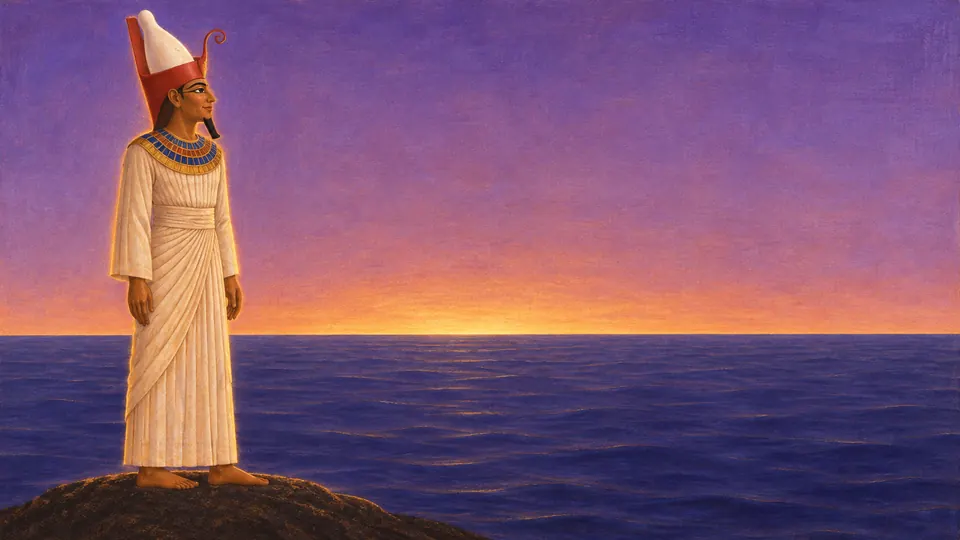
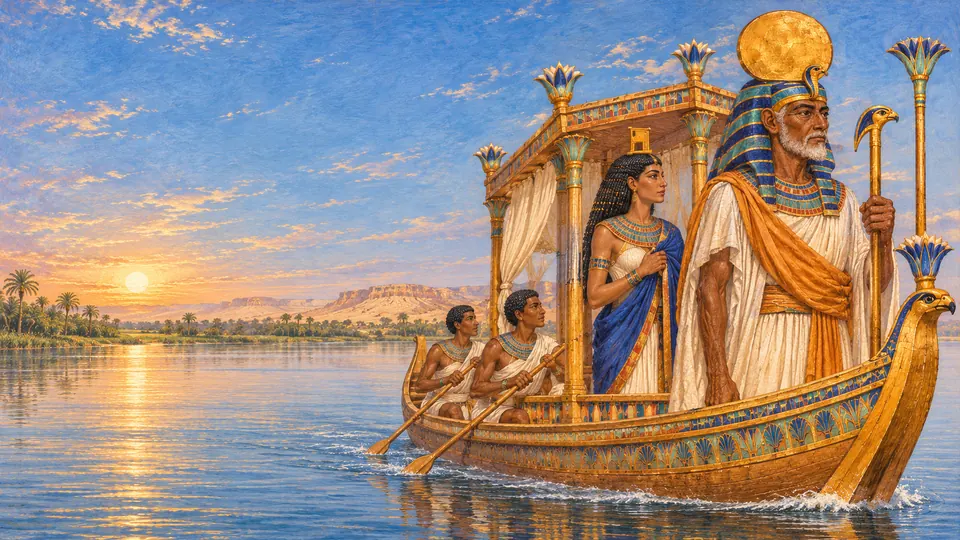
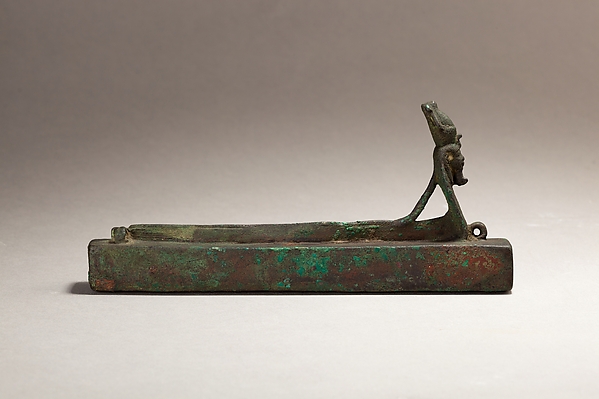
Egyptian traditions associate Atum with the setting sun and also use the combined name Re-Atum. On the stela of Tagemirmut, Budapest 51.2149, Atum sits in a solar boat with Re-Harakhty and Khepri. The museum reads the figures as the setting sun, the sun at its height and the rising sun, respectively. [1][7]
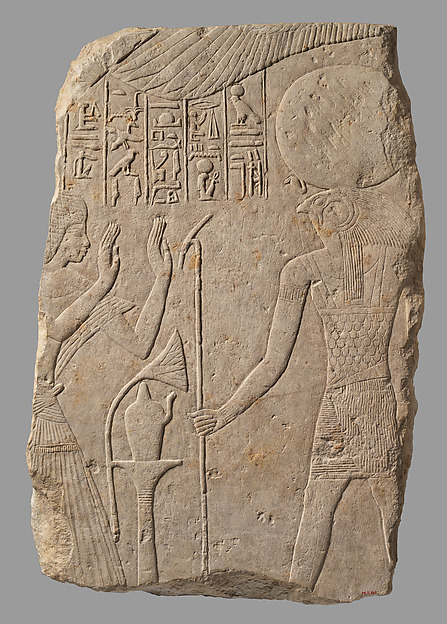
On the funerary stela of Irtihareru, Met 30.3.57, the temple servant of Amun is shown adoring Re-Harakhty and Atum. On a stela of Taba in the Louvre, E 9947, Atum stands with a double crown and a was sceptre. The two stelae give specific examples of how artists identified Atum in scenes of worship. [8][9]
Quick answers
Where was Atum especially worshipped?
He was associated with the sanctuary at Heliopolis, ancient Iunu. [1][2]
What does recitation 600 say about Atum?
It describes his emergence as the benben, mentions Shu and Tefnut, and asks Atum to protect the king and his pyramid. [3]
Which phase of the sun is associated with Atum?
Egyptian texts and images associate him with the setting sun. [1][7]
References and notes (10)
- The Global Egyptian Museum, “Atum” Glossary entry. Creation at Heliopolis, Re-Atum and the association with the evening sun. Return to the text ↑
- University College London, Digital Egypt for Universities, site index, “Iunu” Entry under Memphis and pyramid fields. Ancient Iunu, modern Matariya and the sanctuary of Ra and Atum. Return to the text ↑
- James P. Allen, The Ancient Egyptian Pyramid Texts (Society of Biblical Literature, 2005) Printed p. 265, Pepi II, recitation 600. The benben, Shu and Tefnut, the named Ennead and the appeal to protect the king and his pyramid. Return to the text ↑
- University College London, Digital Egypt for Universities, “God and goddesses in ancient Egypt: creation” Overview of creation through successive generations. Shu and Tefnut, Geb and Nut, and the terminology of the Ennead. Return to the text ↑
- Klara Dietze and Federica Ugliano, “A Dialogue Between Past and Current Excavations at Heliopolis,” Rivista del Museo Egizio 6 (2022) Introduction and section 3. Standing obelisk of Senusret I, traces of the enclosure, modern Matariya and the archaeological investigation of the precinct. Return to the text ↑
- Musée du Louvre, “statue cube,” E 25550 Inscription section and inventory. Hatre’s priestly titles for Atum and Heliopolis and oversight of goldsmiths in the domain of Re. Return to the text ↑
- Museum of Fine Arts, Budapest, “Stela of Tagemirmut,” 51.2149 Upper register and curatorial description. Atum, Re-Harakhty and Khepri in a solar boat, and the three stages of the sun. Return to the text ↑
- Metropolitan Museum of Art, “Stela of the temple servant of Amun Irtihareru adoring Re-Harakhty and Atum,” 30.3.57 Object commentary and inventory. Irtihareru’s adoration of Re-Harakhty and Atum. Return to the text ↑
- Musée du Louvre, “stèle cintrée,” E 9947 Description, names and inventory. Taba’s two scenes of adoration and Atum’s double crown and was sceptre. Return to the text ↑
- The Global Egyptian Museum, “Heliopolis” Description of the Benben sanctuary and the sacred stone as a symbol of the primeval mound. Return to the text ↑
Suggest a correction · Suggest a source for this record
Cite this record
IL Archive, «Atum», https://ilarchive.com/en/entities/atum
Continue reading
Related readings