Isis and the Secret Name of Ra Chapter 1
The name kept close
Isis makes a serpent from earth. It waits where Ra walks with the gods of his court. After the bite he tells her about the first waters, the hidden horizon and the change from daylight to dark. The name she asks for has stayed with him since his parents gave it to him. When he finally speaks, he sets a condition involving Horus. The tale survives on two papyri and in fragments.
SourcesTurn the pages with the arrows, the arrow keys or a swipe.
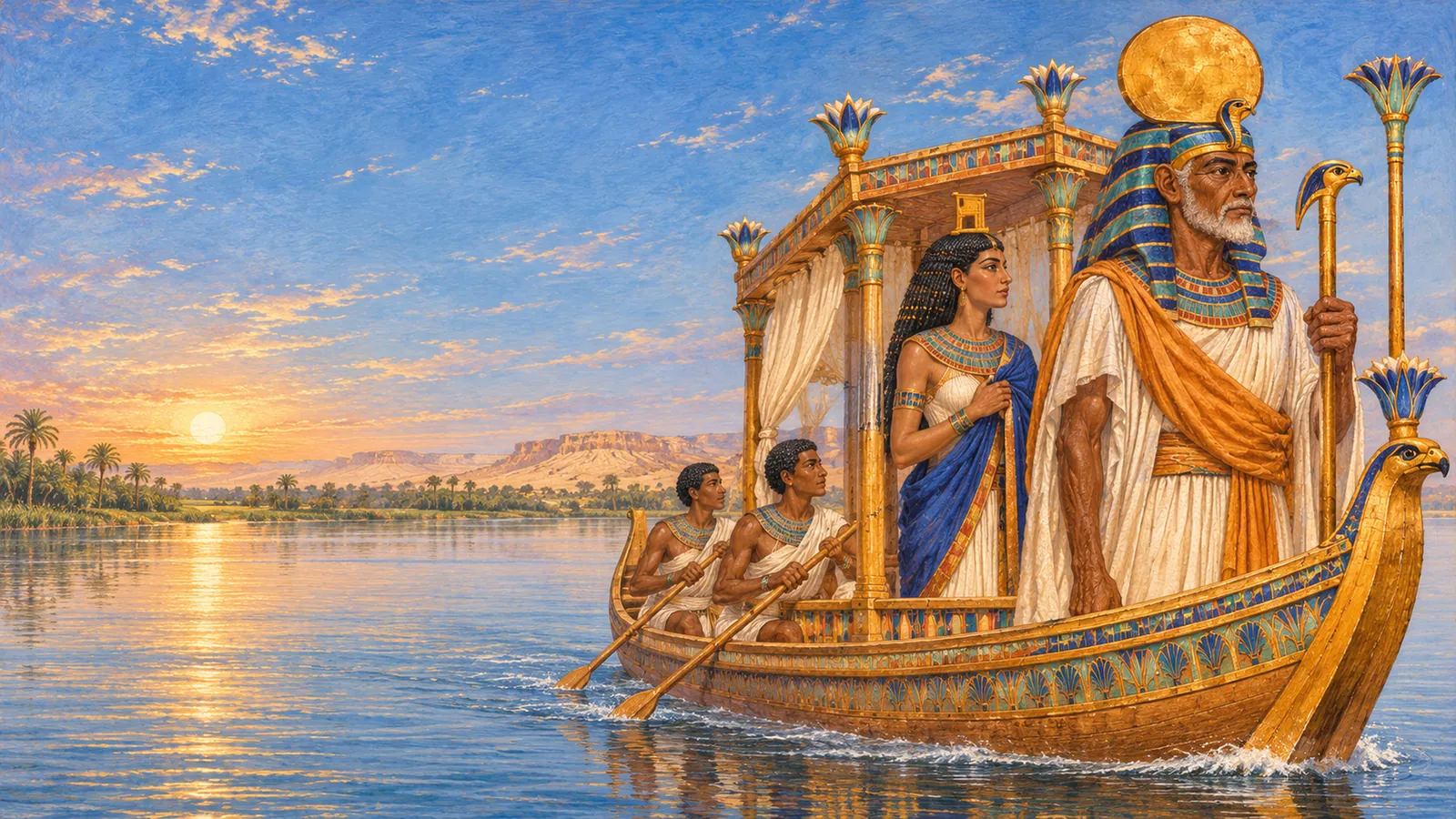
THE SUN GOD
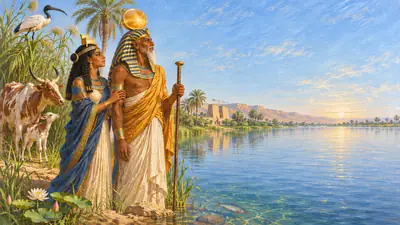
Ra, the sun god of ancient Egypt, had many names. The old account begins in an age when he ruled over gods and people together.
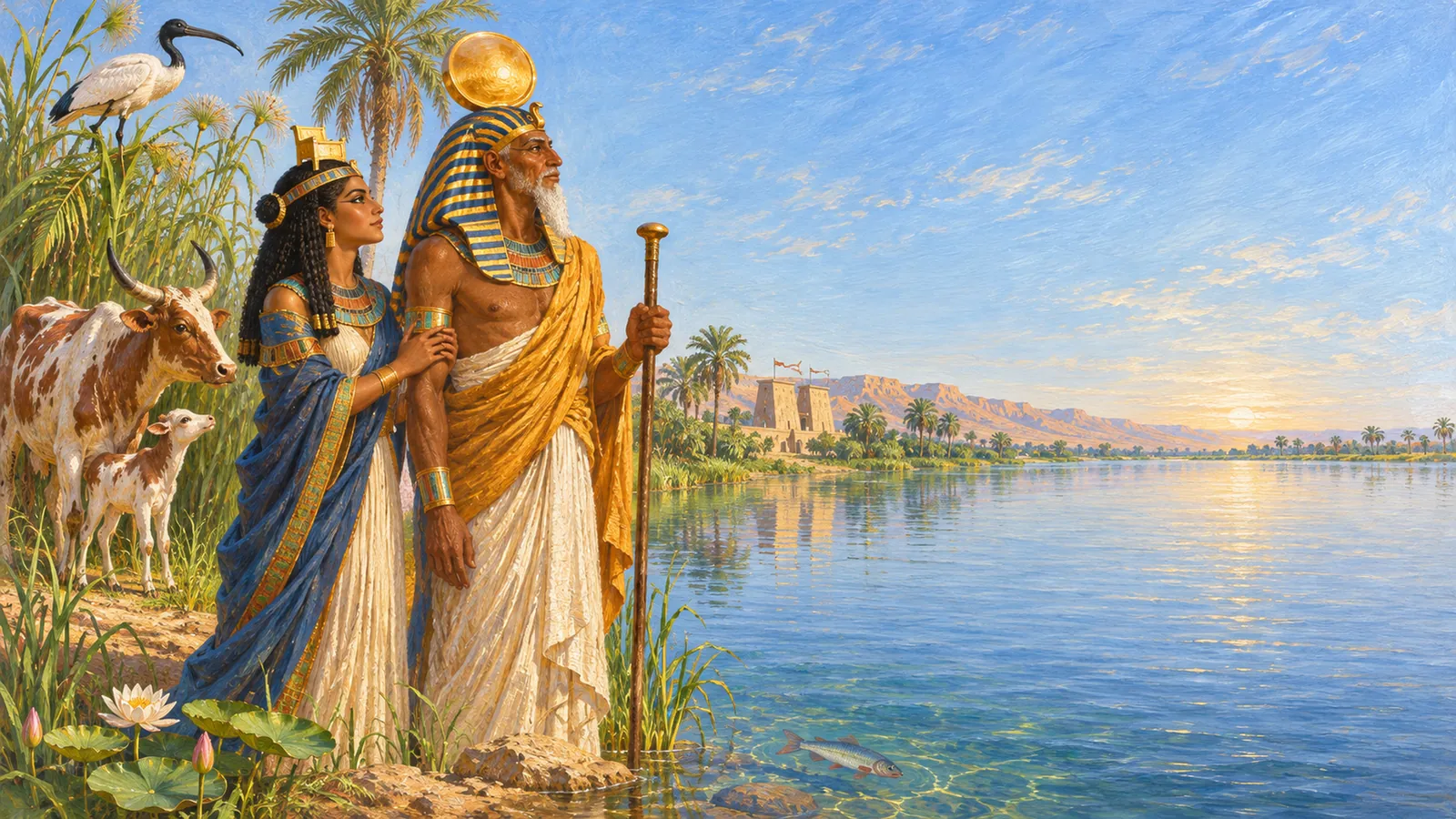
In the old account, Ra made heaven and earth, water and the breath of life. Birds, fish and herds all belonged to the world over which he ruled.
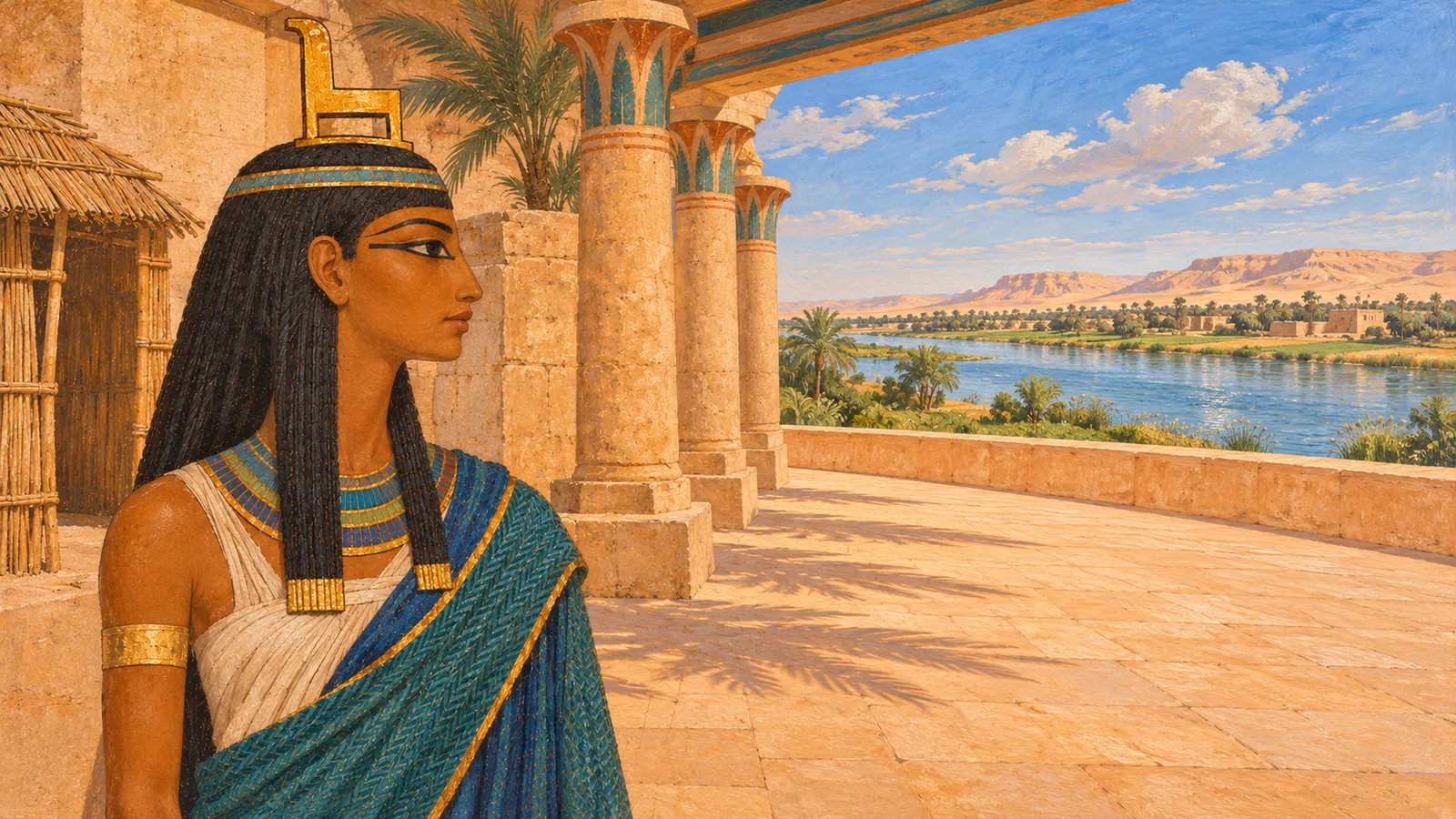
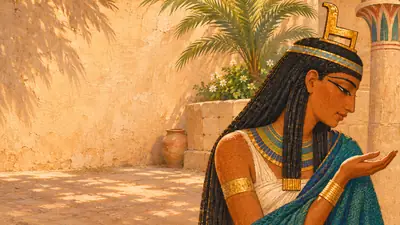
Isis was wise and knew the power of words. She meant to learn the name Ra had guarded from all the others.
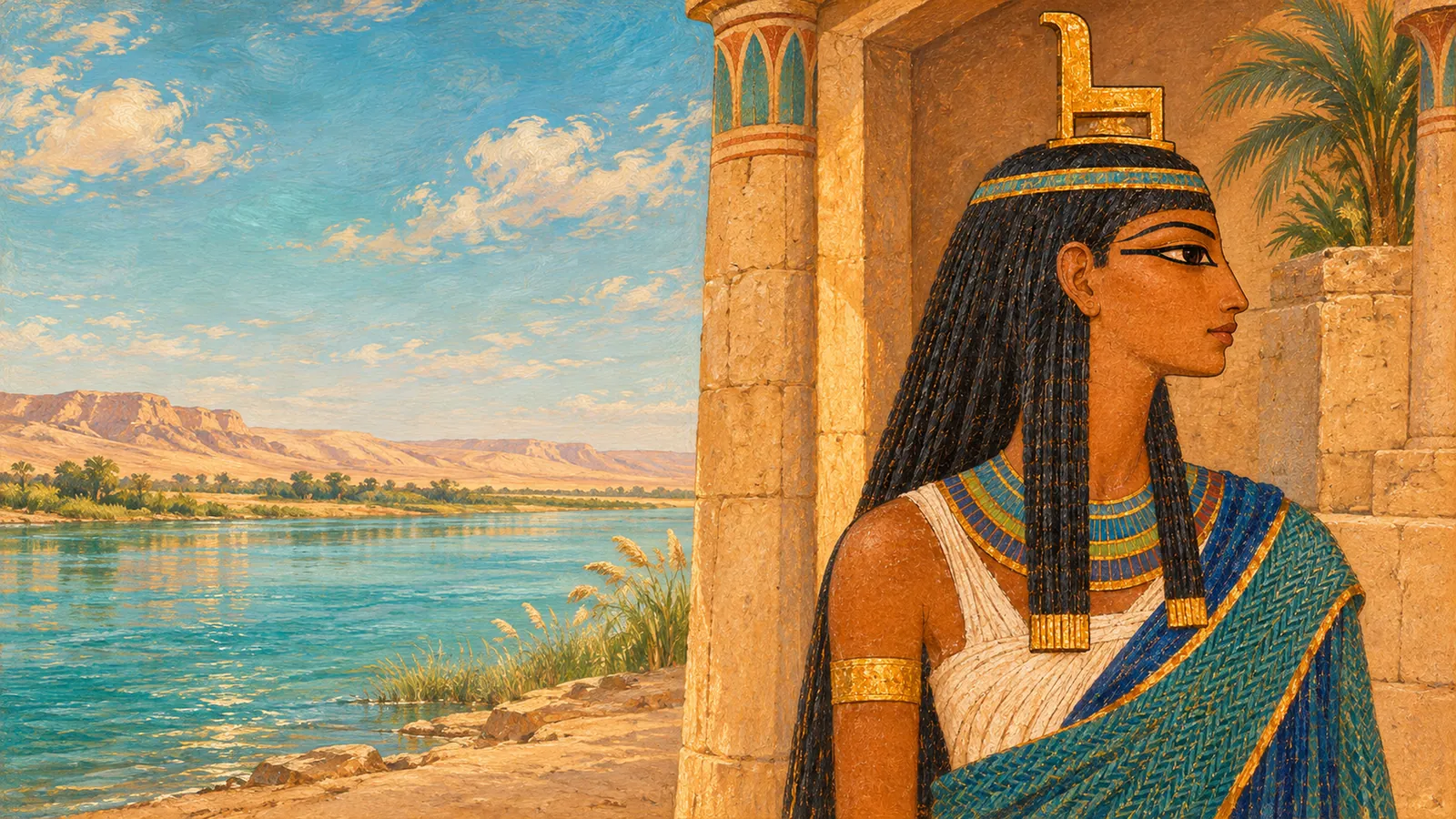
The old account weighs the quickness of Isis’s mind against that of countless people, gods and spirits. She sets herself the one task that might test it.

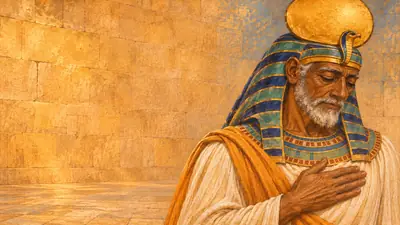
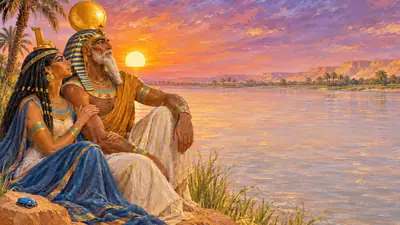
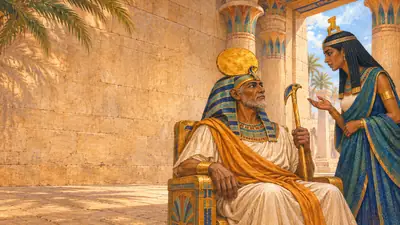
Ra took his place at the front of the crew each day. The old story places his throne between the two horizons, where the sun’s journey begins and ends.

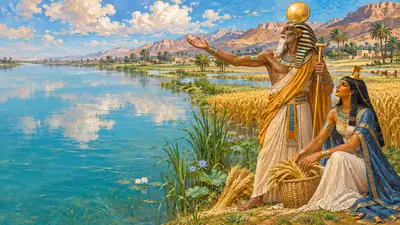
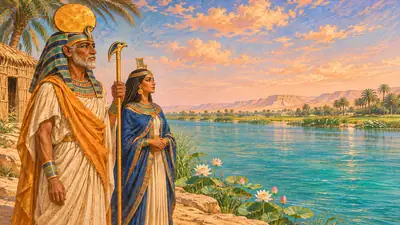
Egyptians called their country the Two Lands, the south and the north. This is the country Ra says he made and loved to see as he walked.
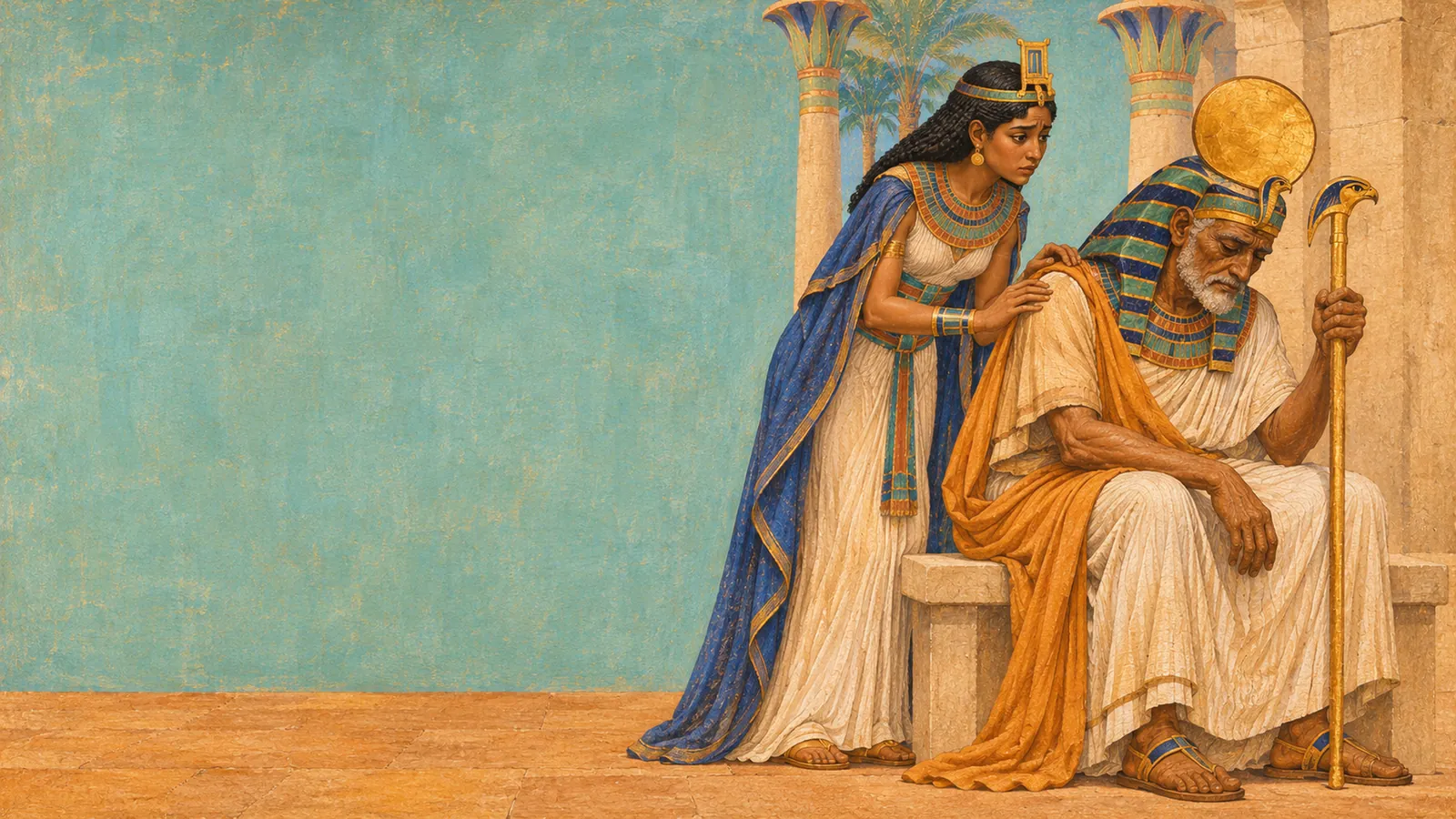
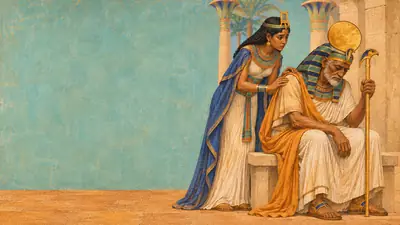
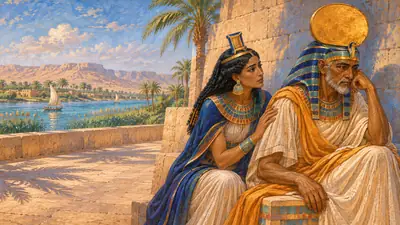
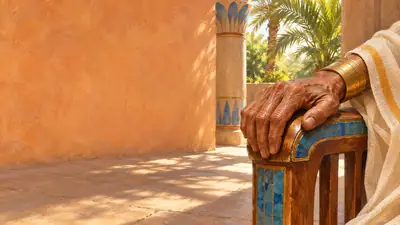
The sun god had grown old. Once, as he bent his head, a little of his spittle fell to the earth. Isis noticed what the others had passed by.
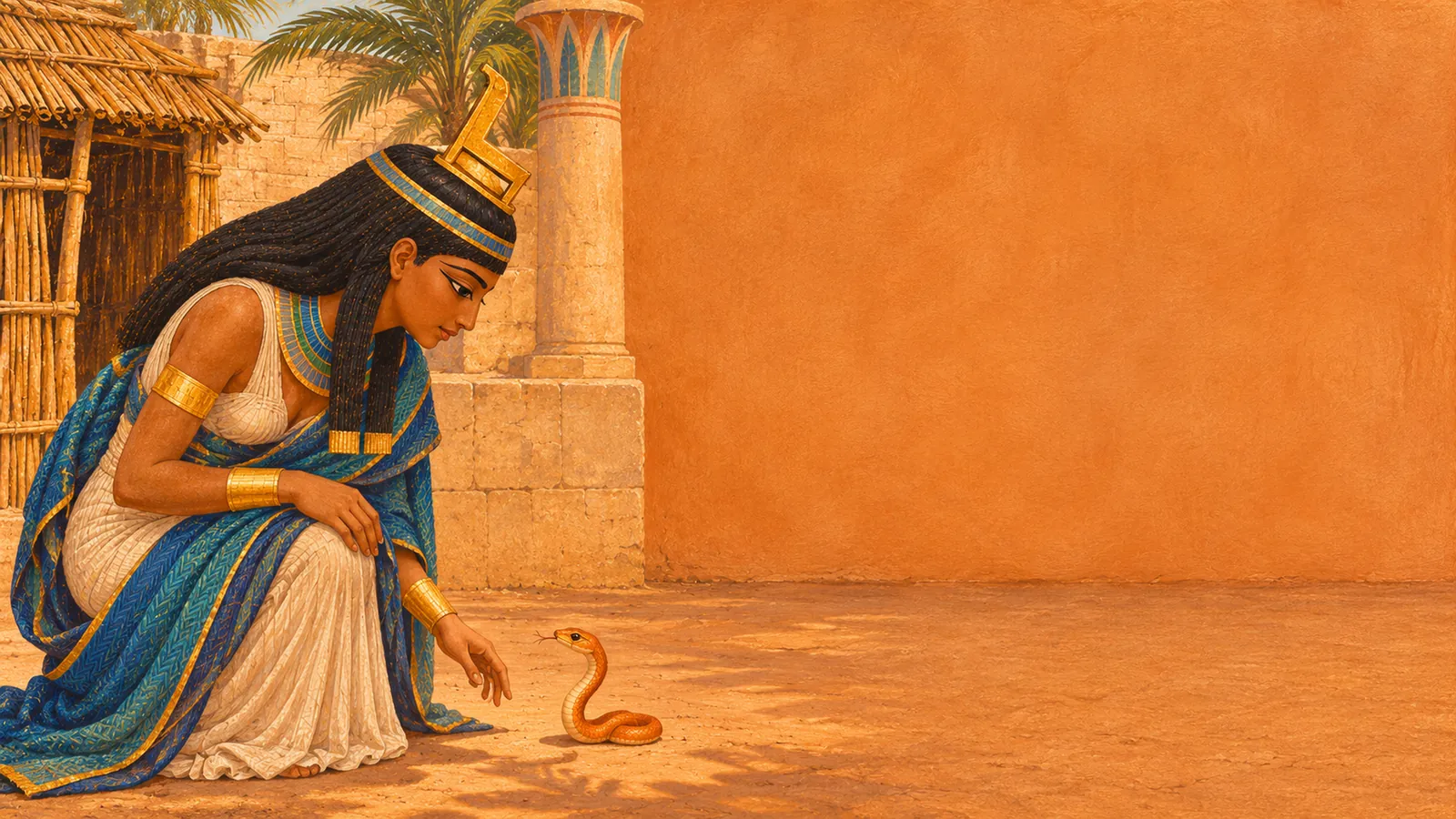
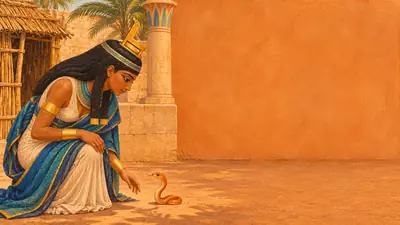
From the earth there, Isis fashioned a serpent. It was alive before her, the story says, though it lay as still as a shape in clay.
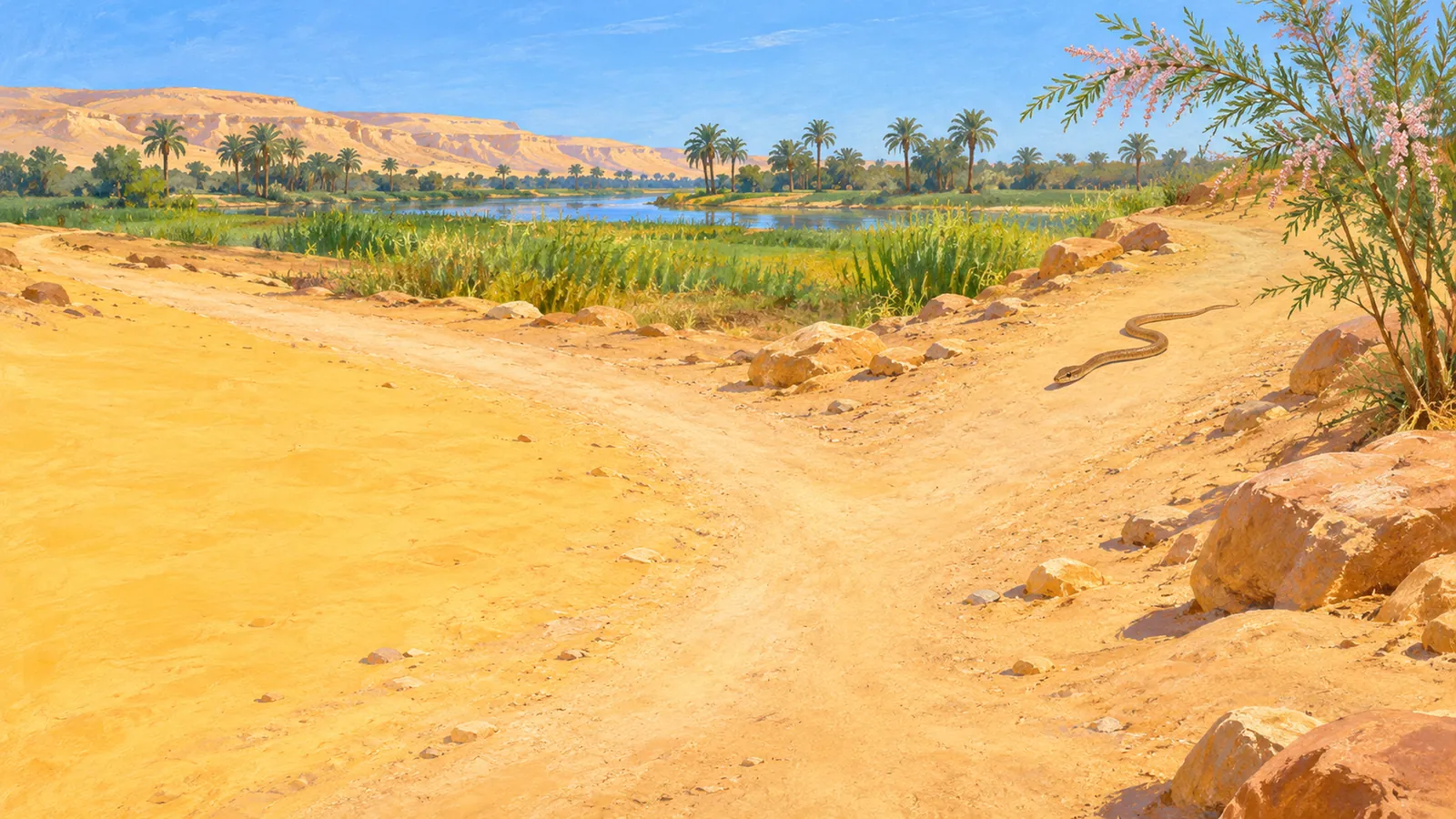
THE CROSSROADS
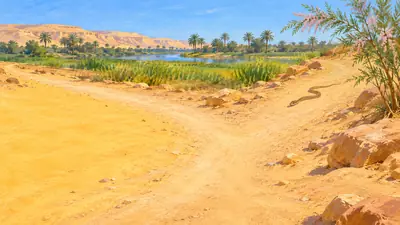
She left the serpent at a crossroads that Ra used on his daily walk. In a place so familiar, he expected to see the things he knew.
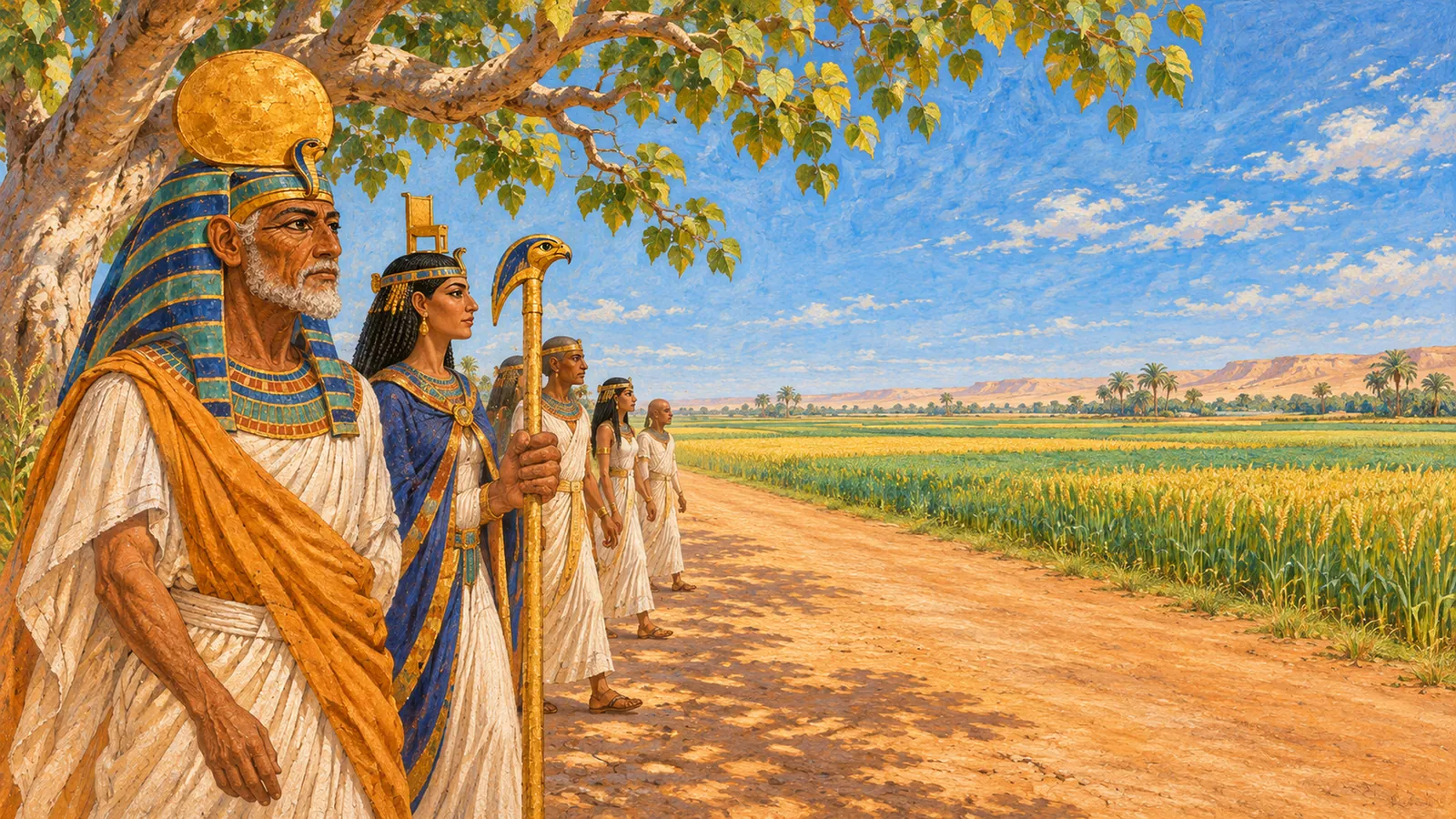
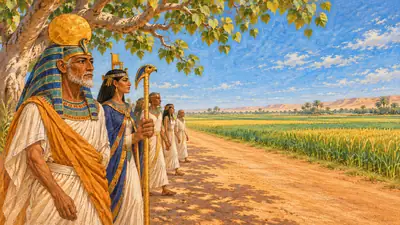
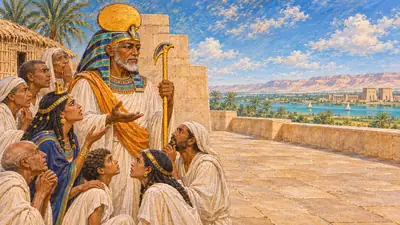
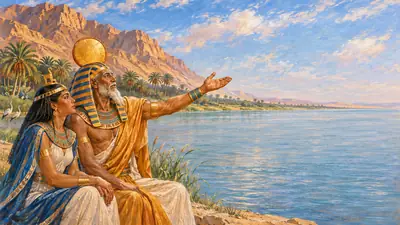
The sun god went out with the gods of his court. He wanted to see the land he had made, as he had on many days before.

In the ancient account, the path led among trees. Some readers identify them as pines. The serpent waited along a route the sun god already knew well.
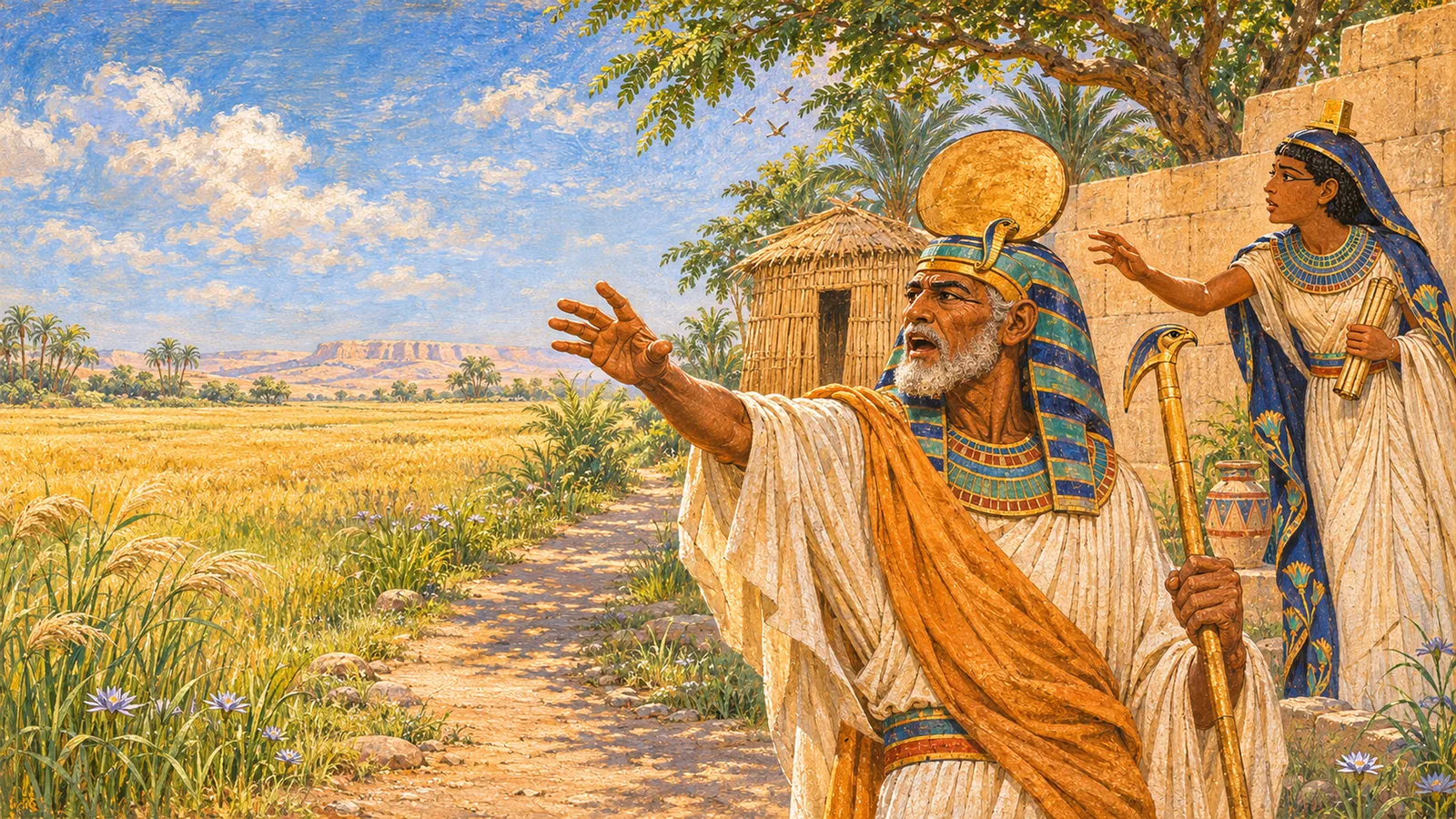
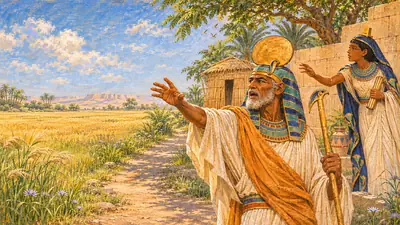
The serpent bit Ra, and he cried out. The story says his voice carried all the way to the sky.
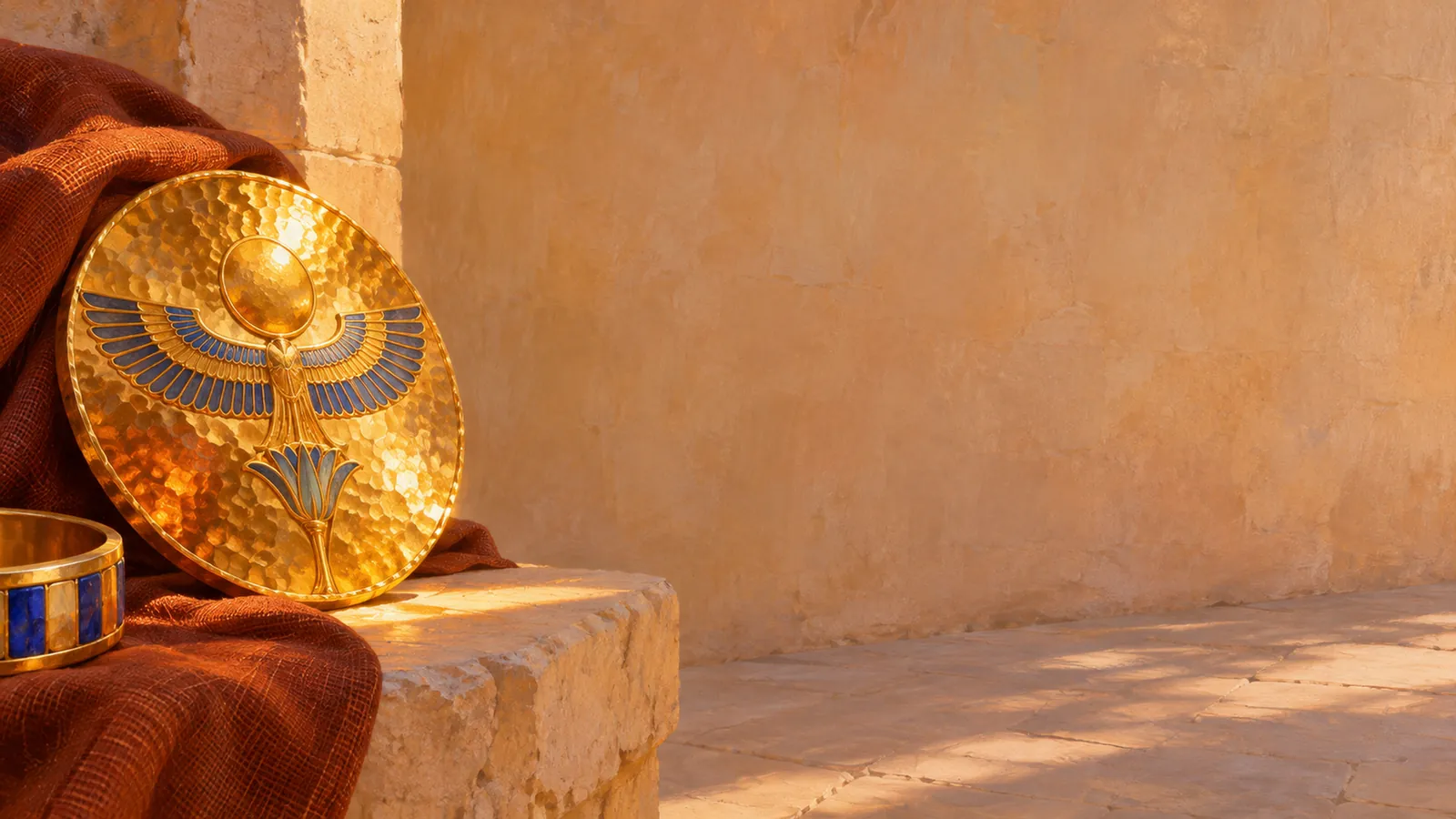
The tale calls what coursed through Ra living fire. In a strange turn, it traces the heat back to the sun god himself, whose power had brought the clay serpent to life.
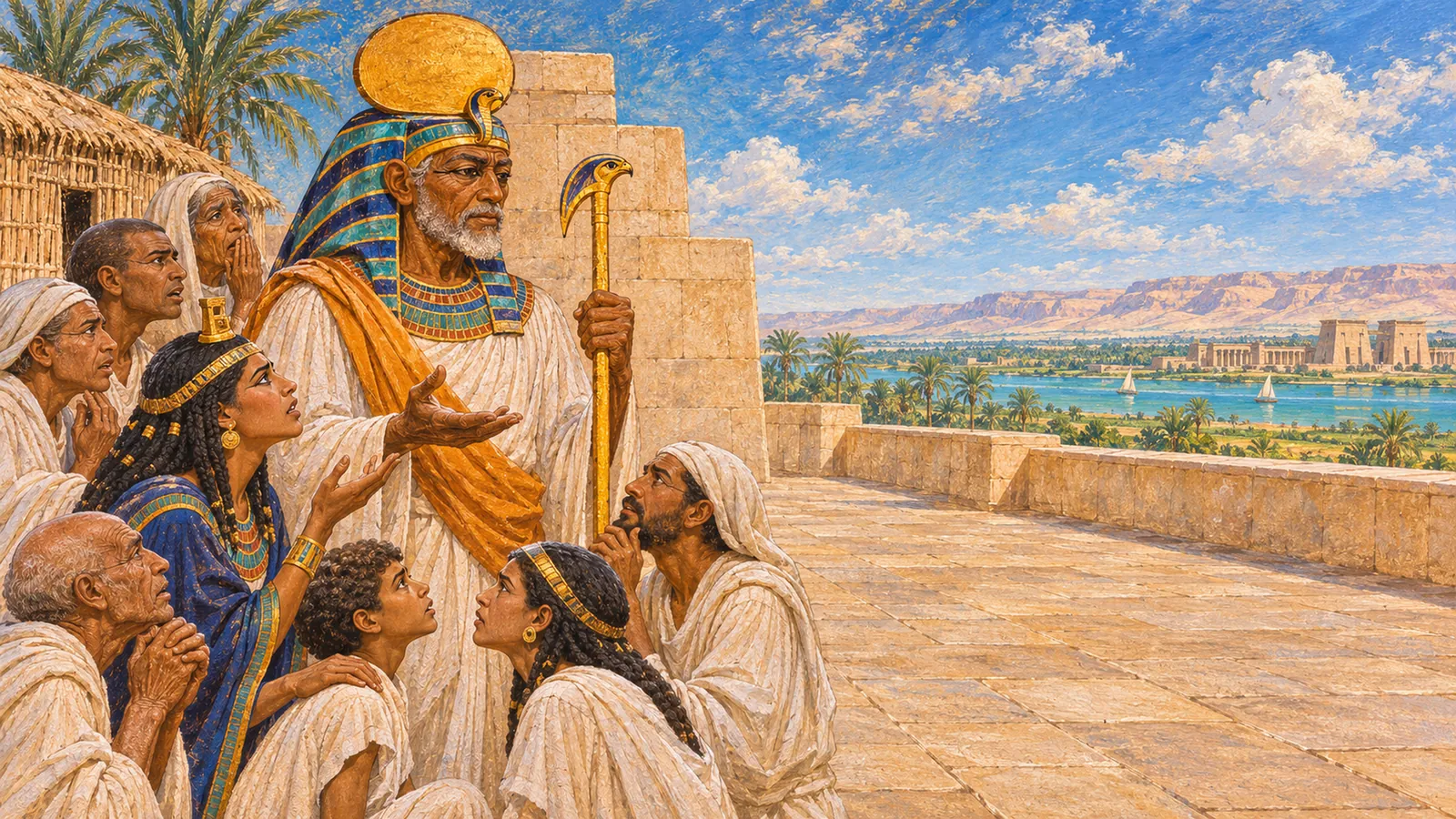
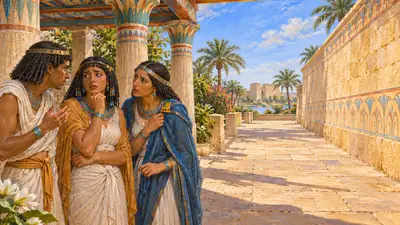
The gods gathered around him and asked what had happened. At first the sun god could scarcely answer. He had seen nothing that could explain what he felt.
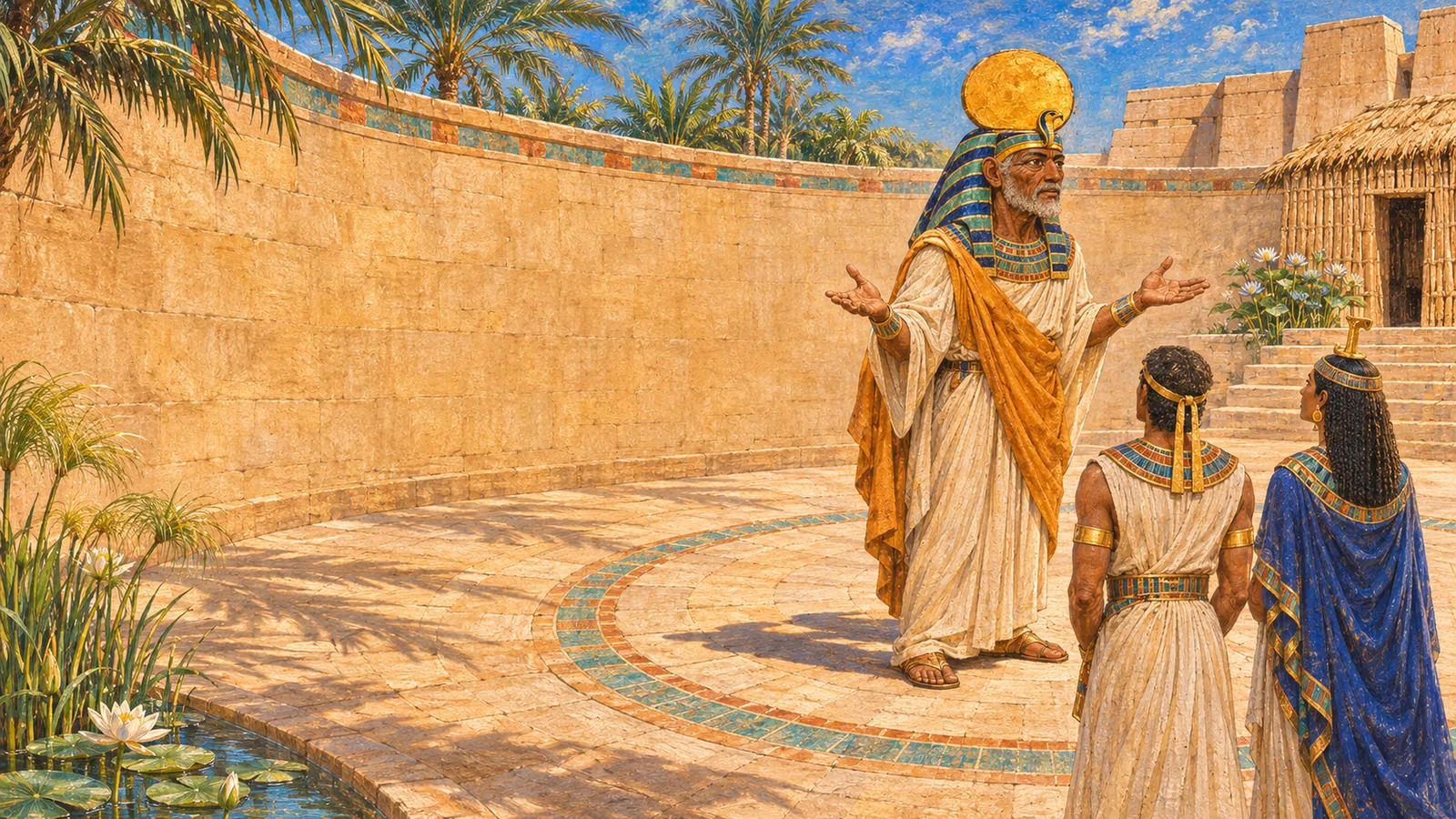
When Ra found his voice, he called to those who had come from him. He knew there was pain. He could find nothing among his creations that explained it.
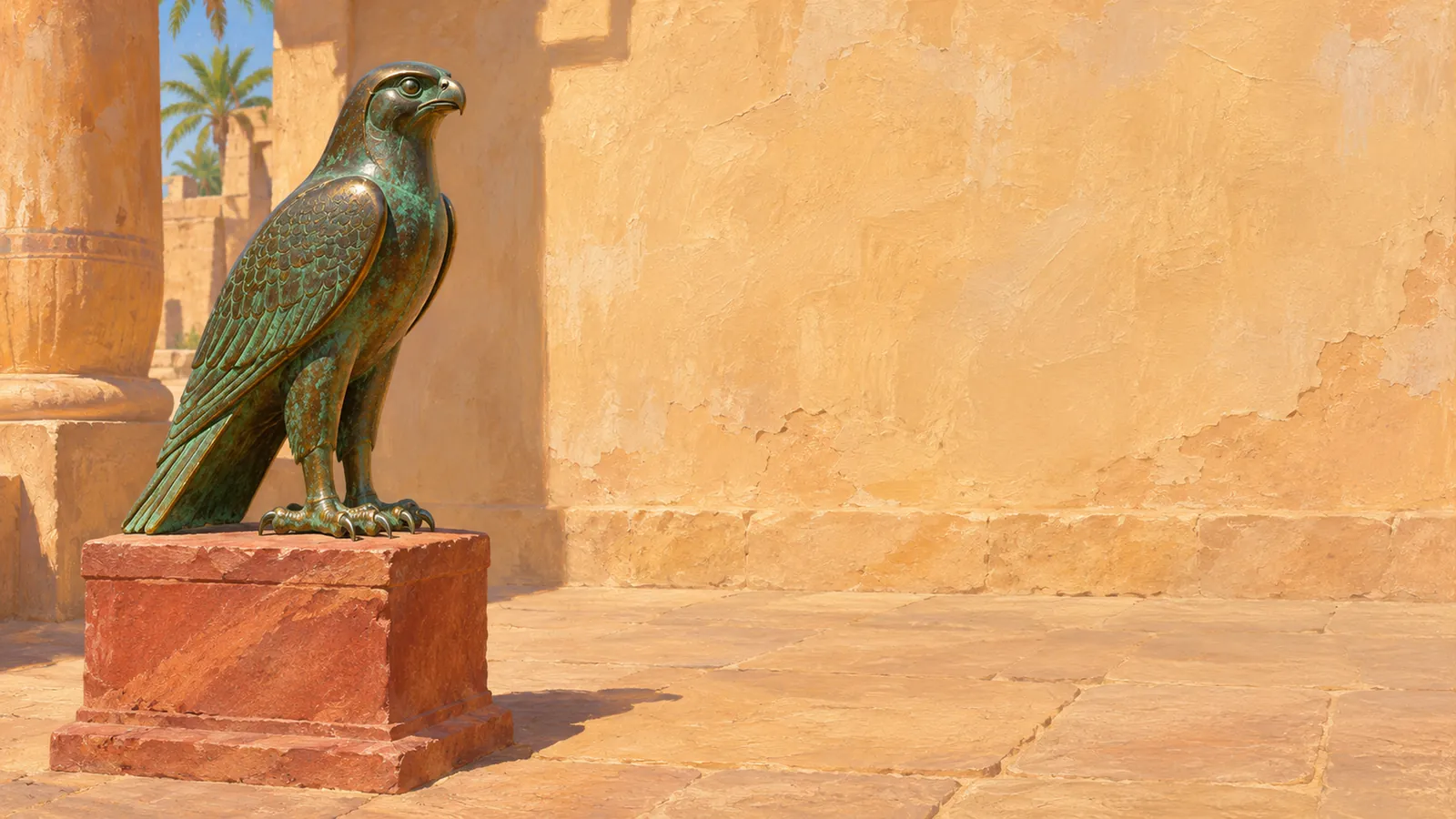
Ra spoke of his father and recalled how many forms he had. One old name joins him with Atum and Horus of Praise. Even that name could be said aloud.
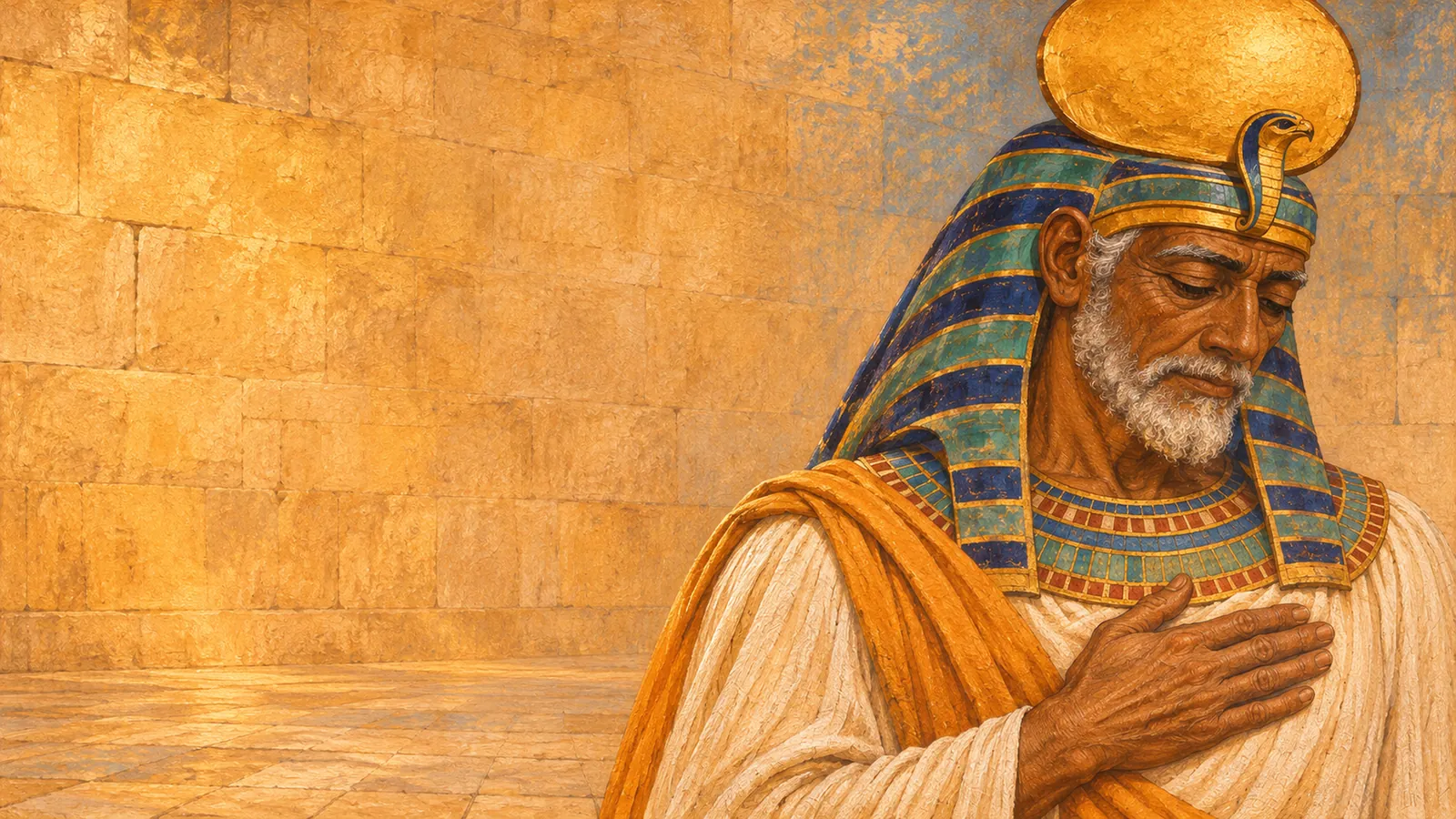
The name was a secret his parents had given him. He kept it close within himself so no one could use its power against him.
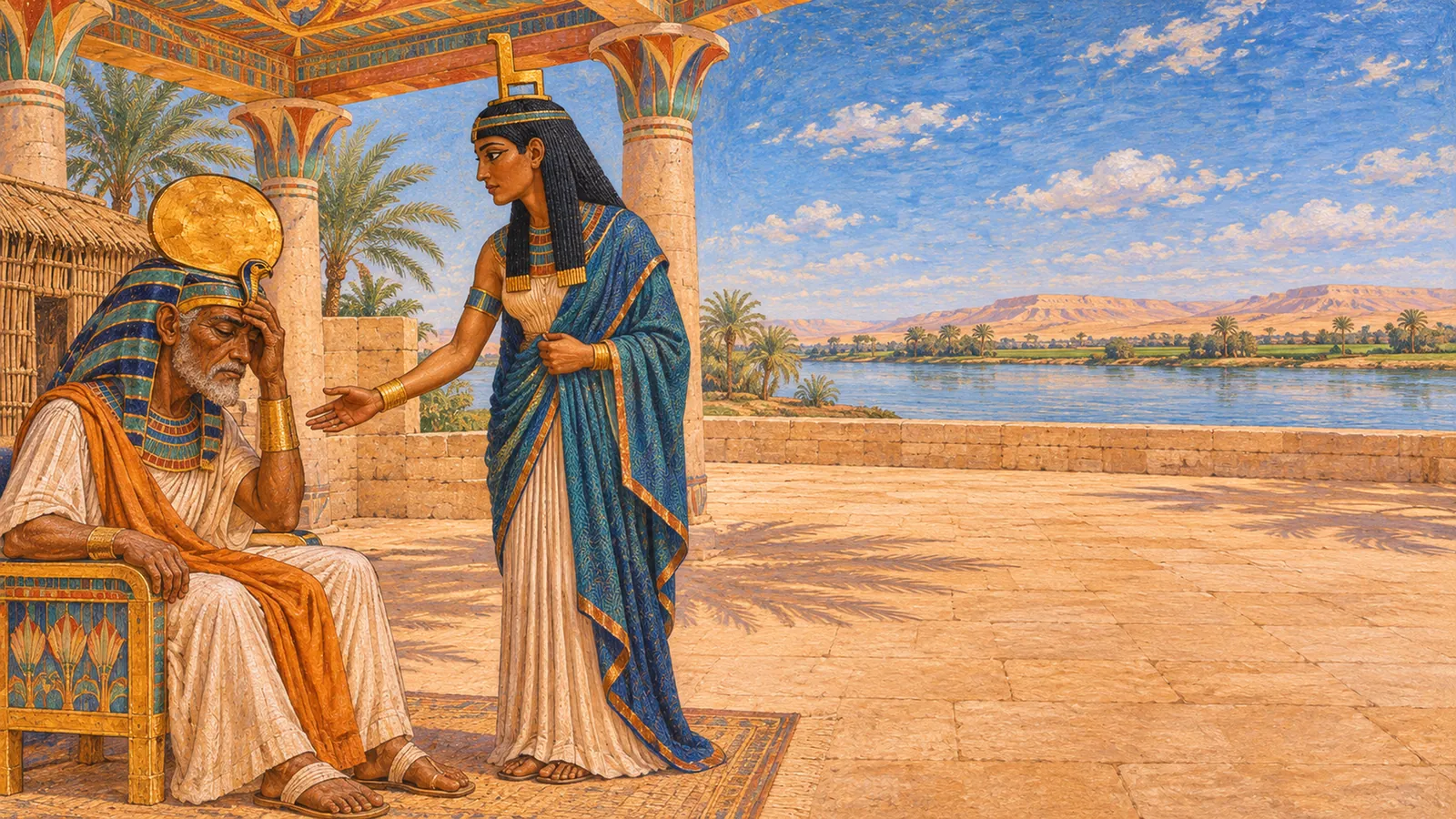
Ra asked for the gods whose words had power. Isis came among them. The tale says that her speech brought relief to those who suffered.
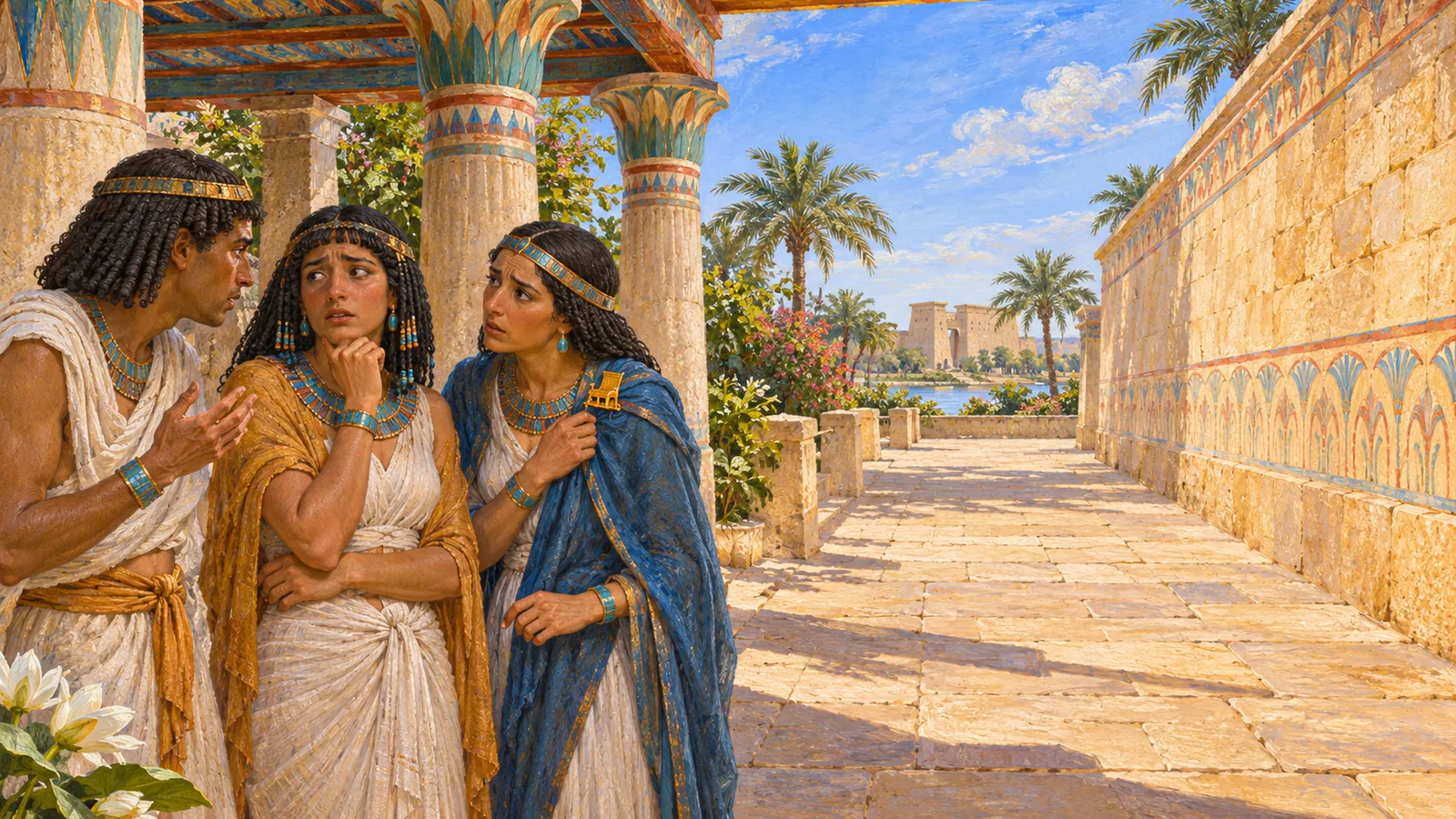
The others came because Ra had asked for voices with power. The Turin roll describes their distress. In another copy, each comes with his own boast.
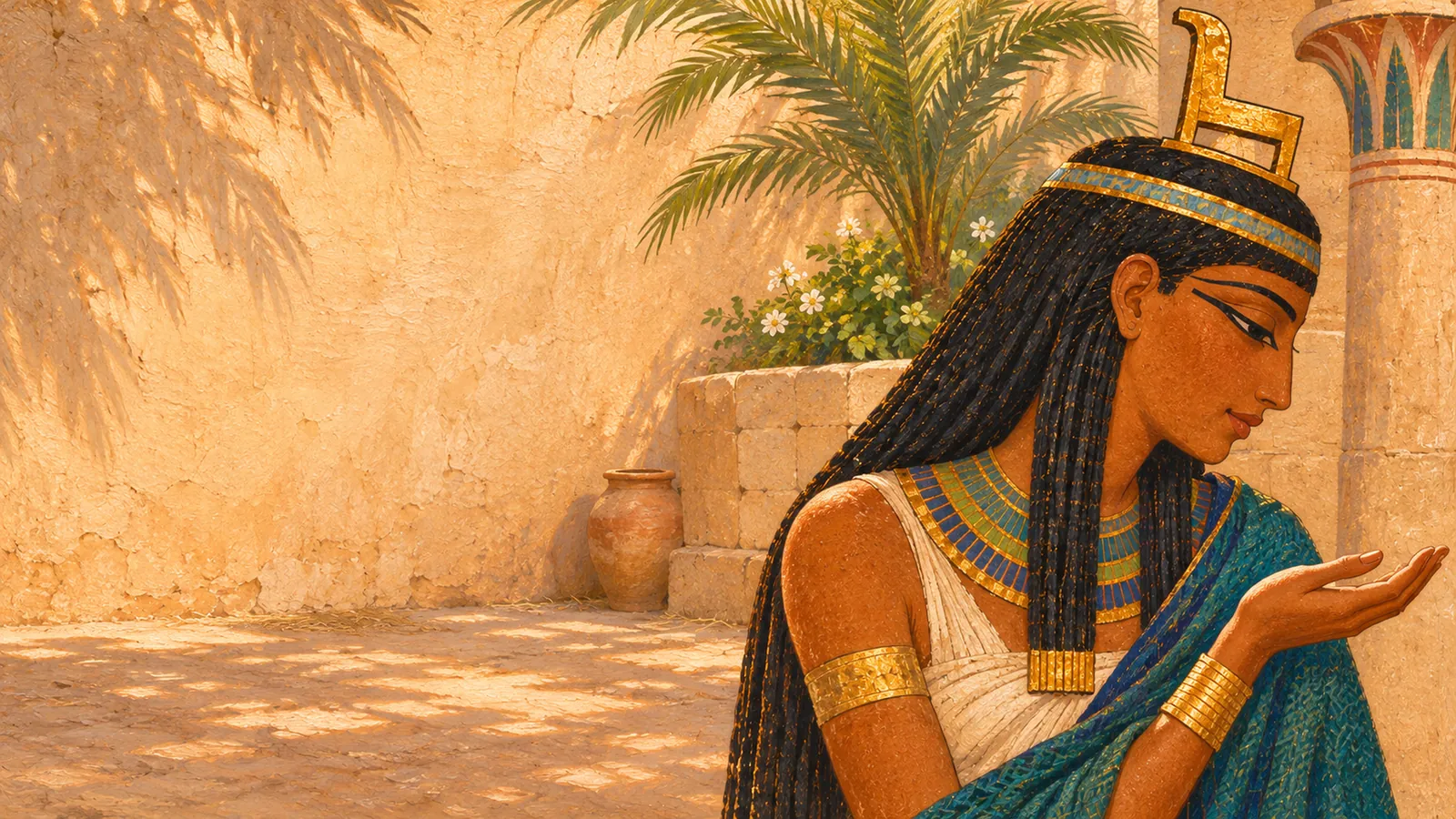
Isis asked whether a serpent, one of Ra’s own creatures, had risen against him. She said her words could send it away. Ra told her about the road.
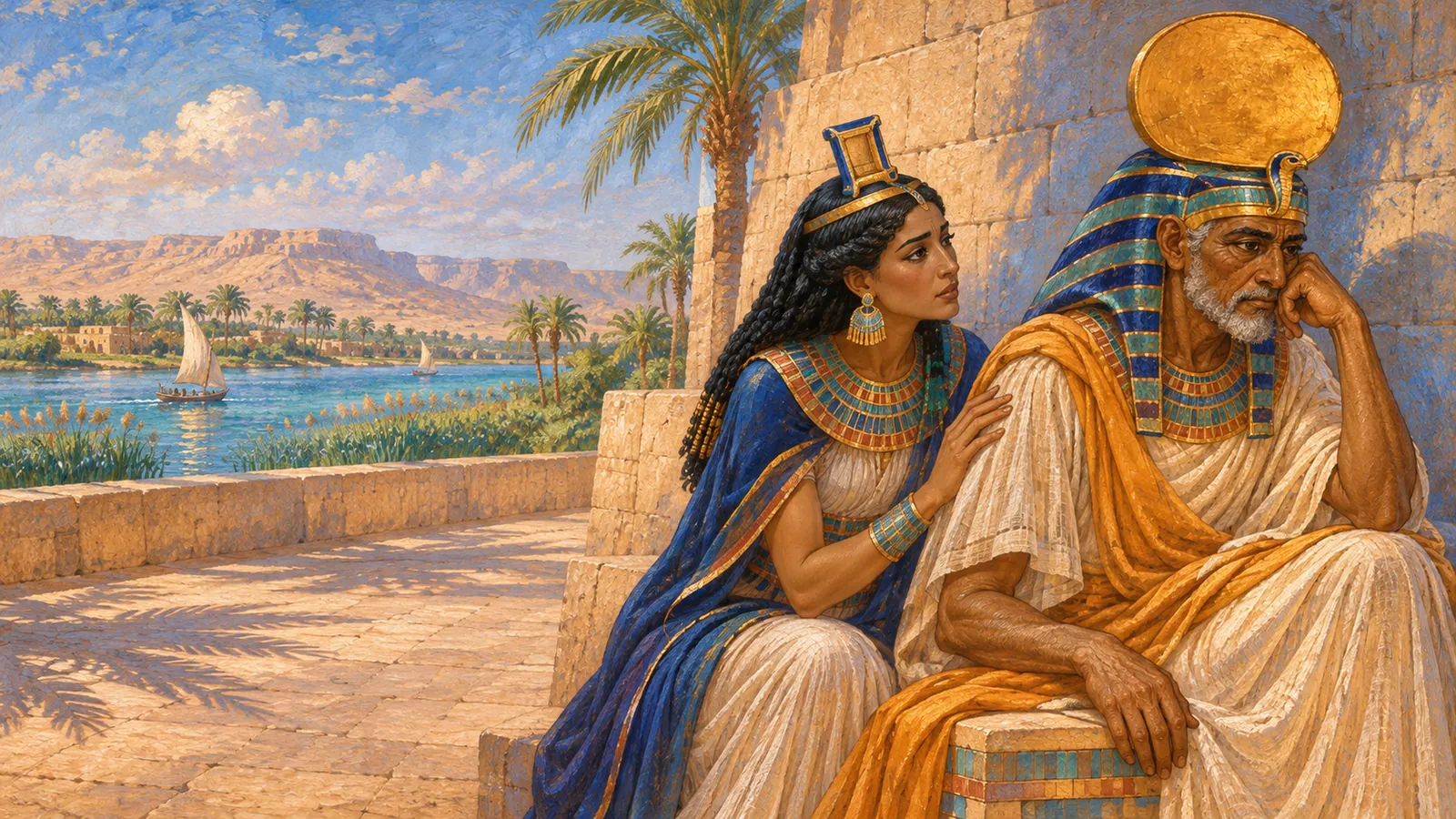
Ra said it felt as though he were colder than water and hotter than fire. The storyteller had already compared the rush of pain to the Nile in flood.
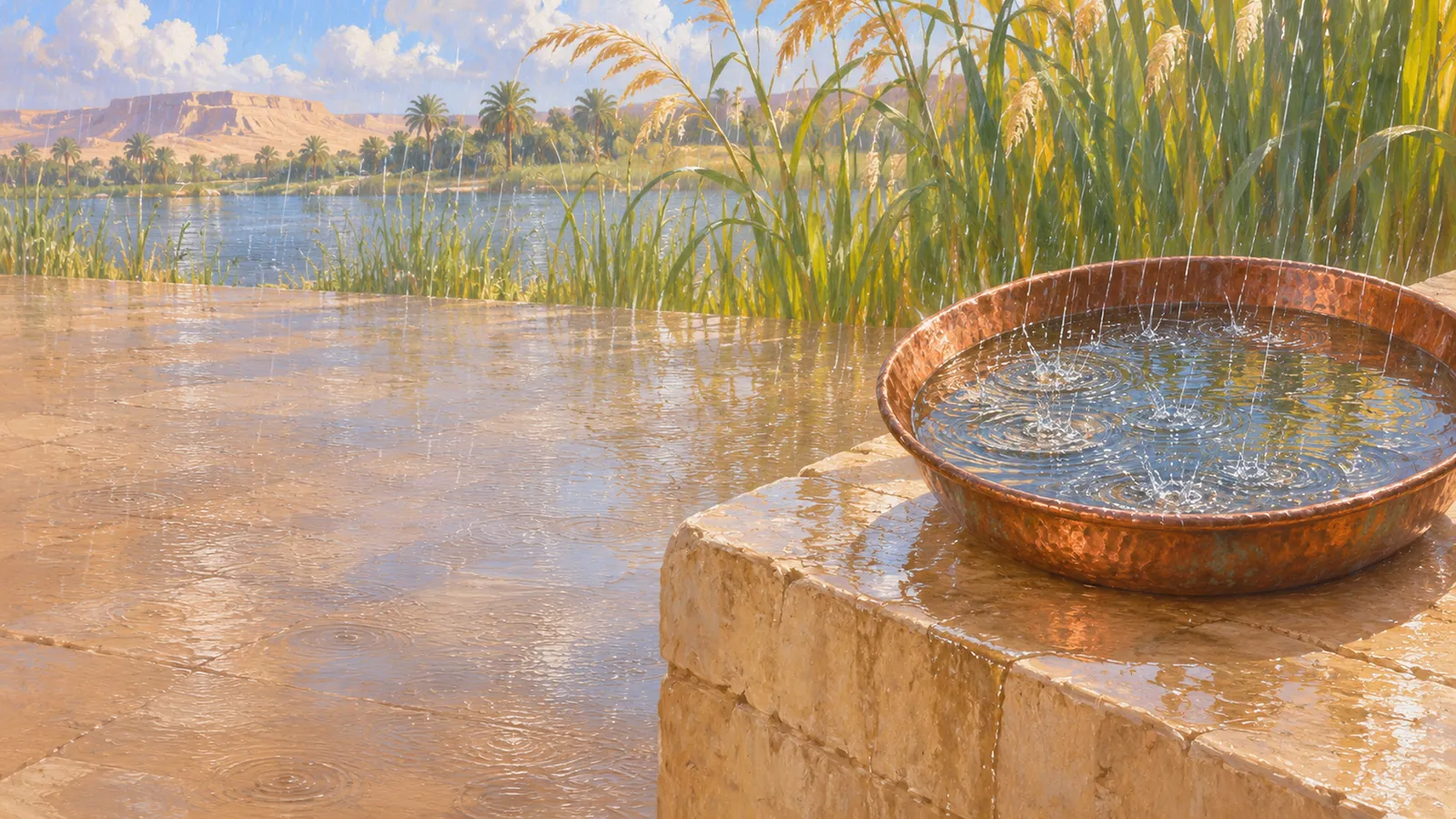
Ra trembled and could scarcely see. He compared the sweat on his face to summer rain. As he tried to explain what he felt, Isis listened.
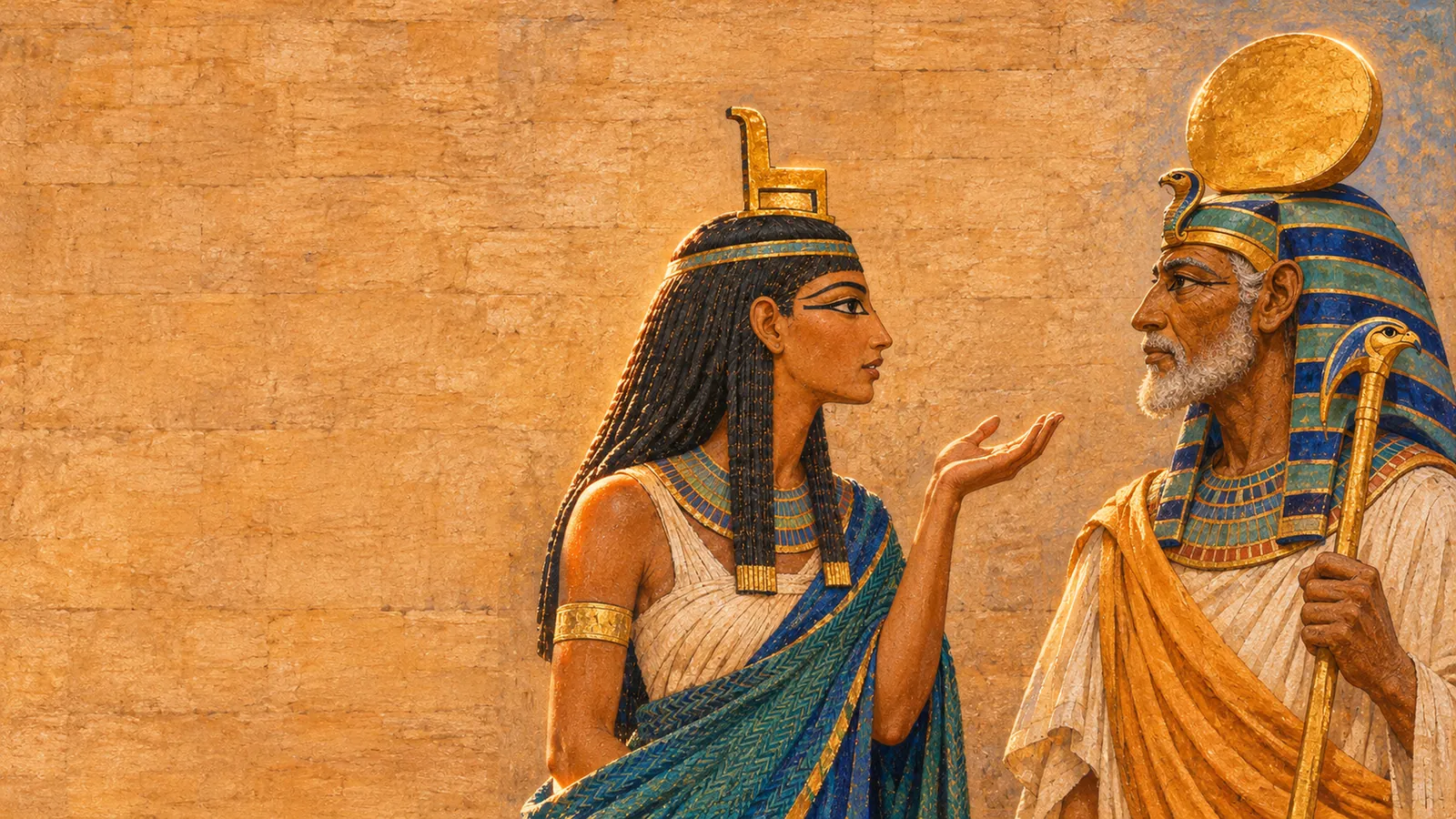
THE NAME
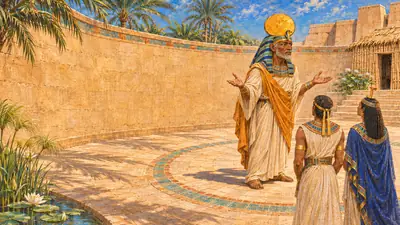
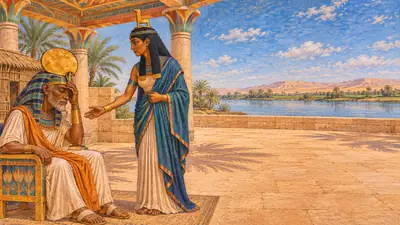
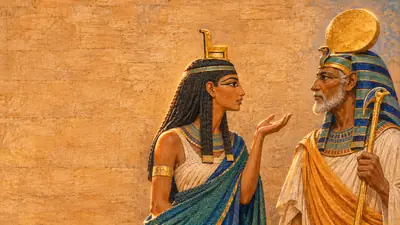
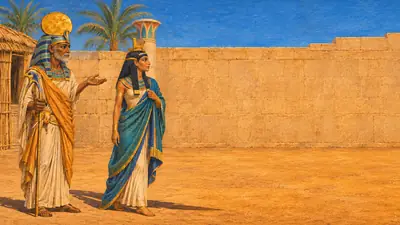
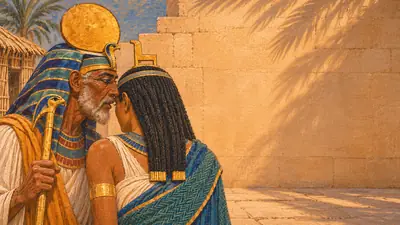
Isis asks Ra to tell her his name. In the tale, speaking someone’s own name is part of bringing life back to them.
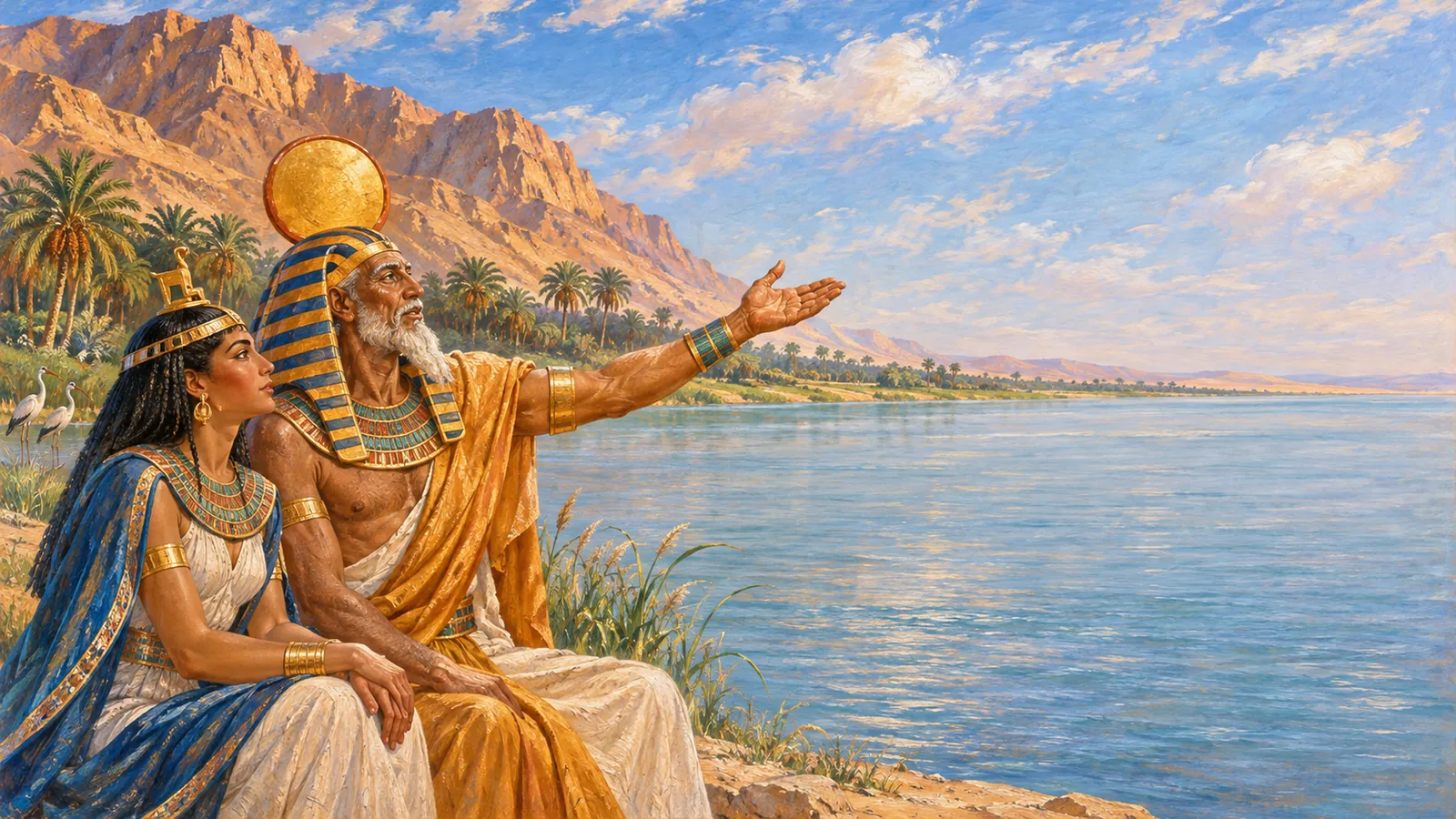
Ra begins with what he has made. He speaks of the sky and the earth, the joining of mountains and the waters in which life could grow.

Ra also calls himself the maker of the first waters. One reading sees in his words the heavenly cow that bears the sun boat, swimming through the sky.

Ra told Isis he had made a hidden place at the horizon, beyond the world they could see. There, he said, he placed the spirits of the gods.
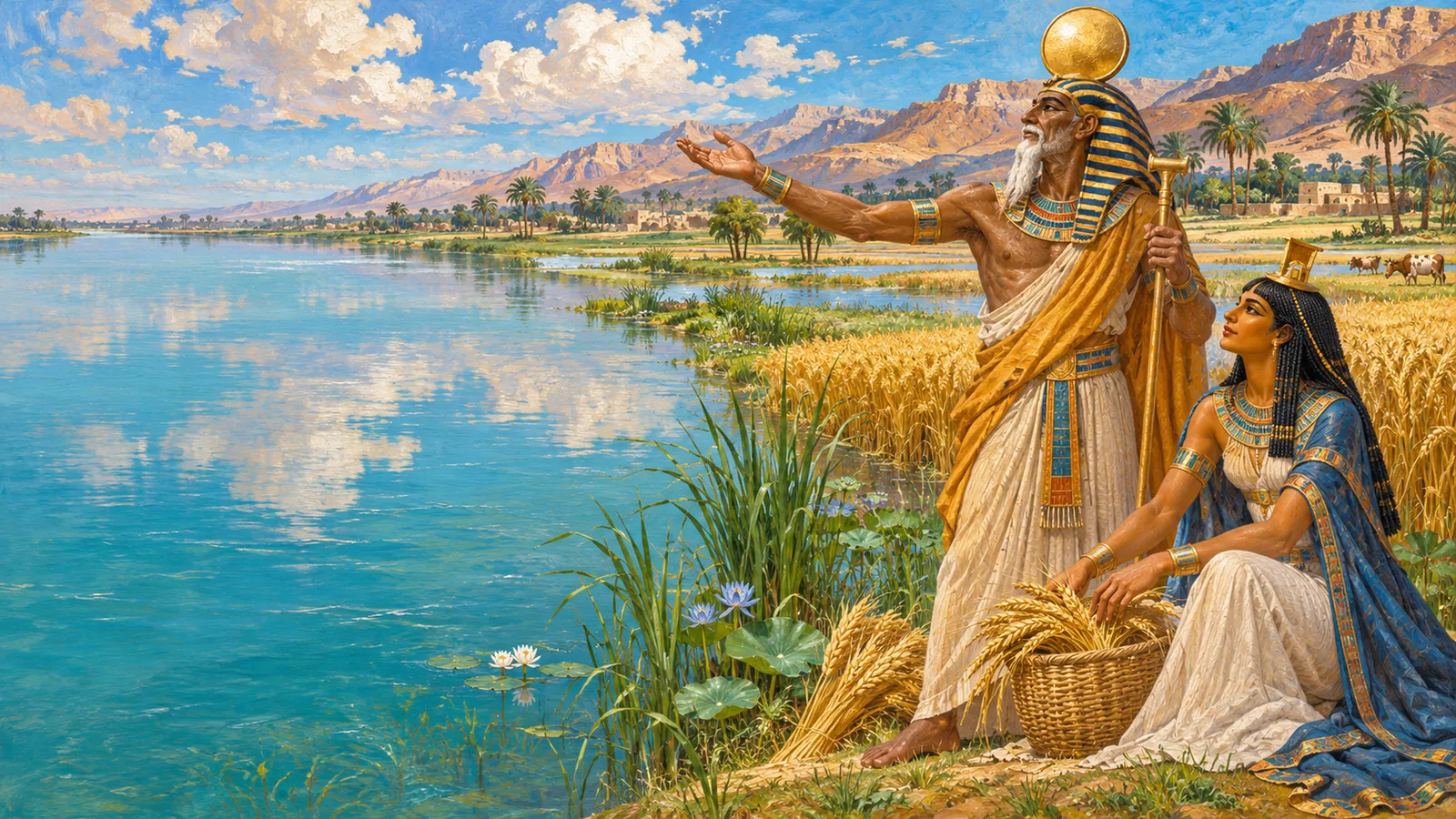
When he opens his eyes there is light, he says. When he closes them there is darkness. He made the hours, divided the year and called the river into being.
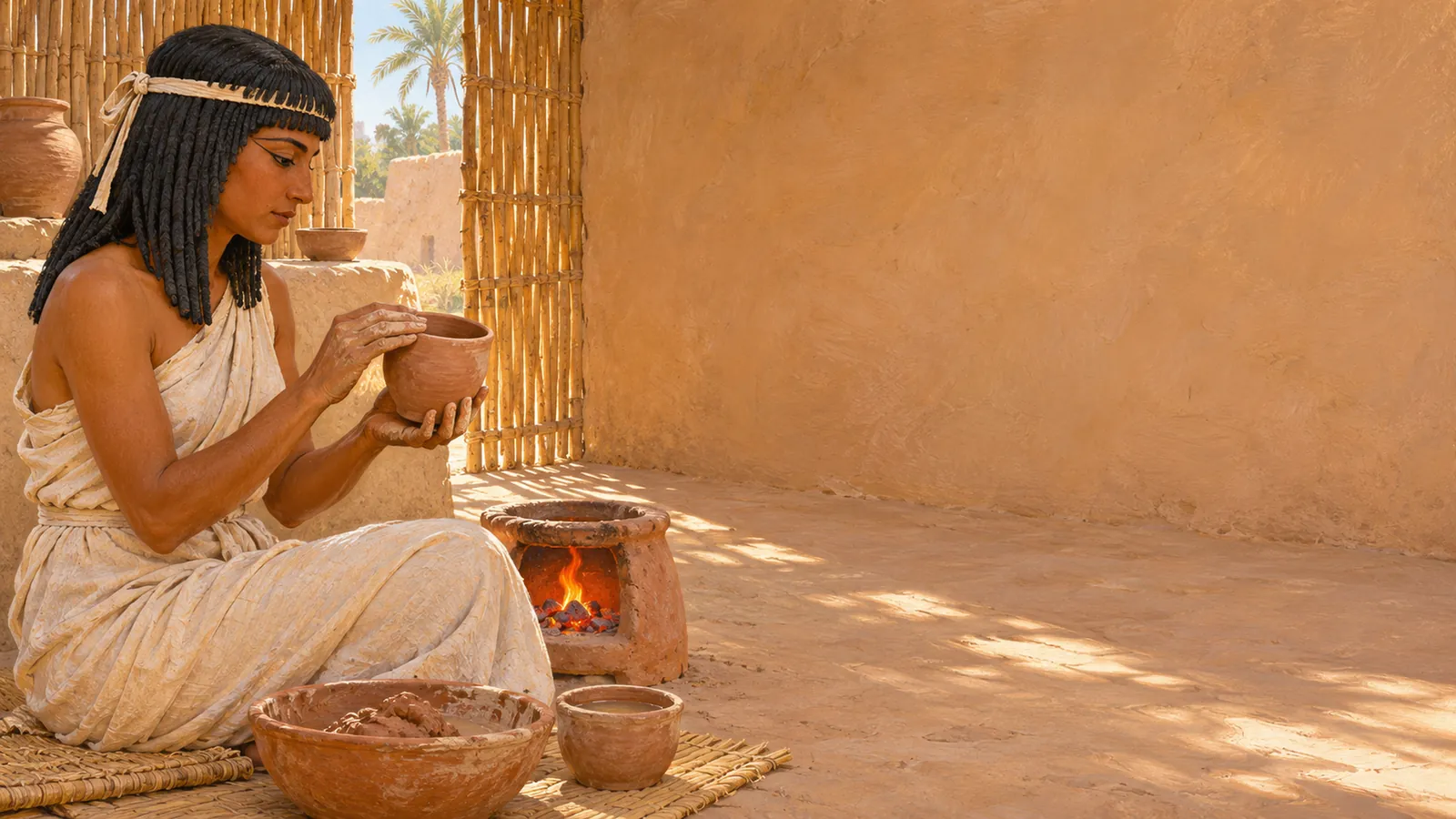
Ra had also made the fire people used to work, he told Isis. From the flood that filled the fields to a fire in a house, he claimed each as his own.
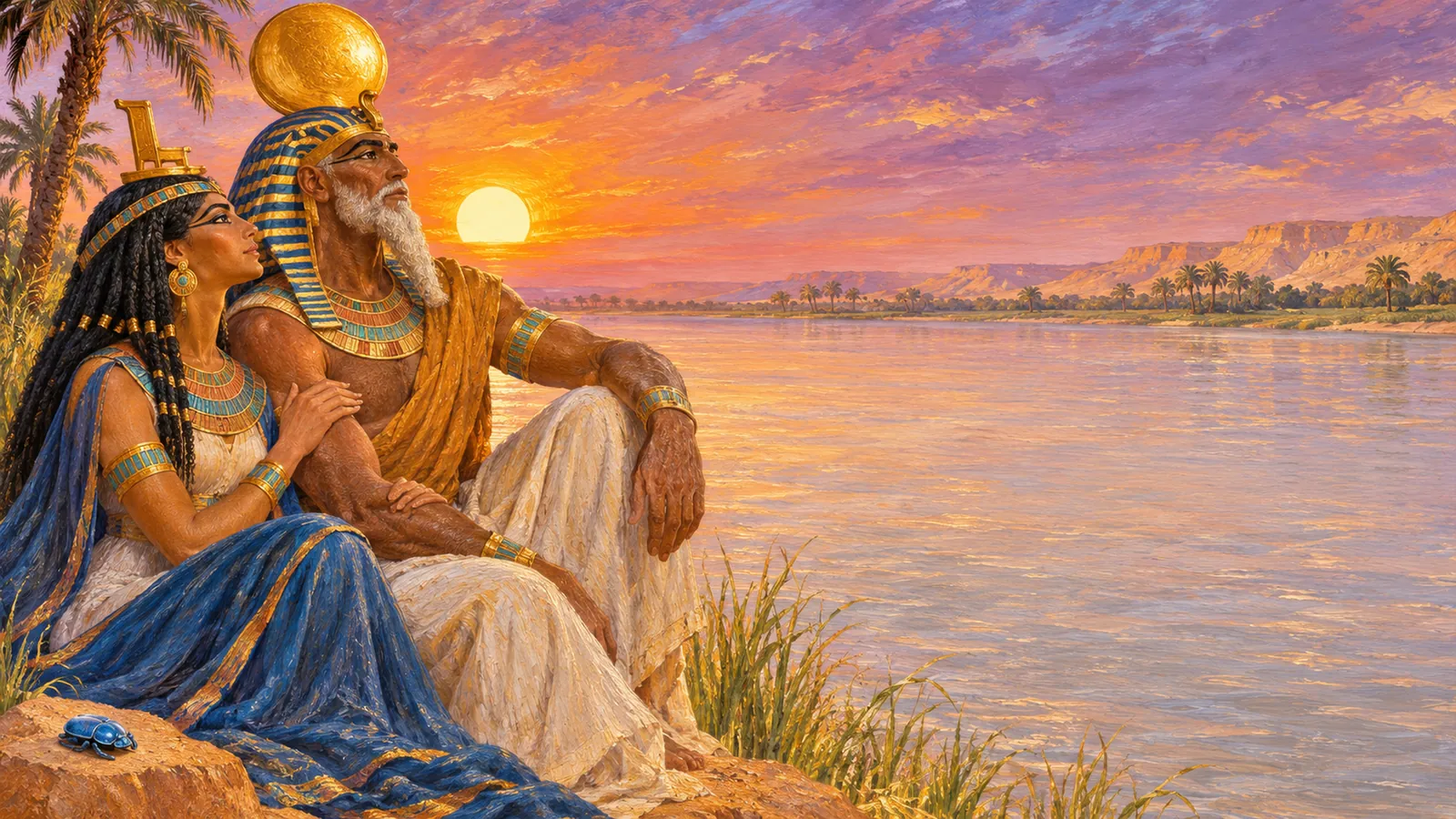
In the morning he is Khepri. At noon he is Ra. As the sun sets, he is Atum. Isis listens to each of these names in turn.
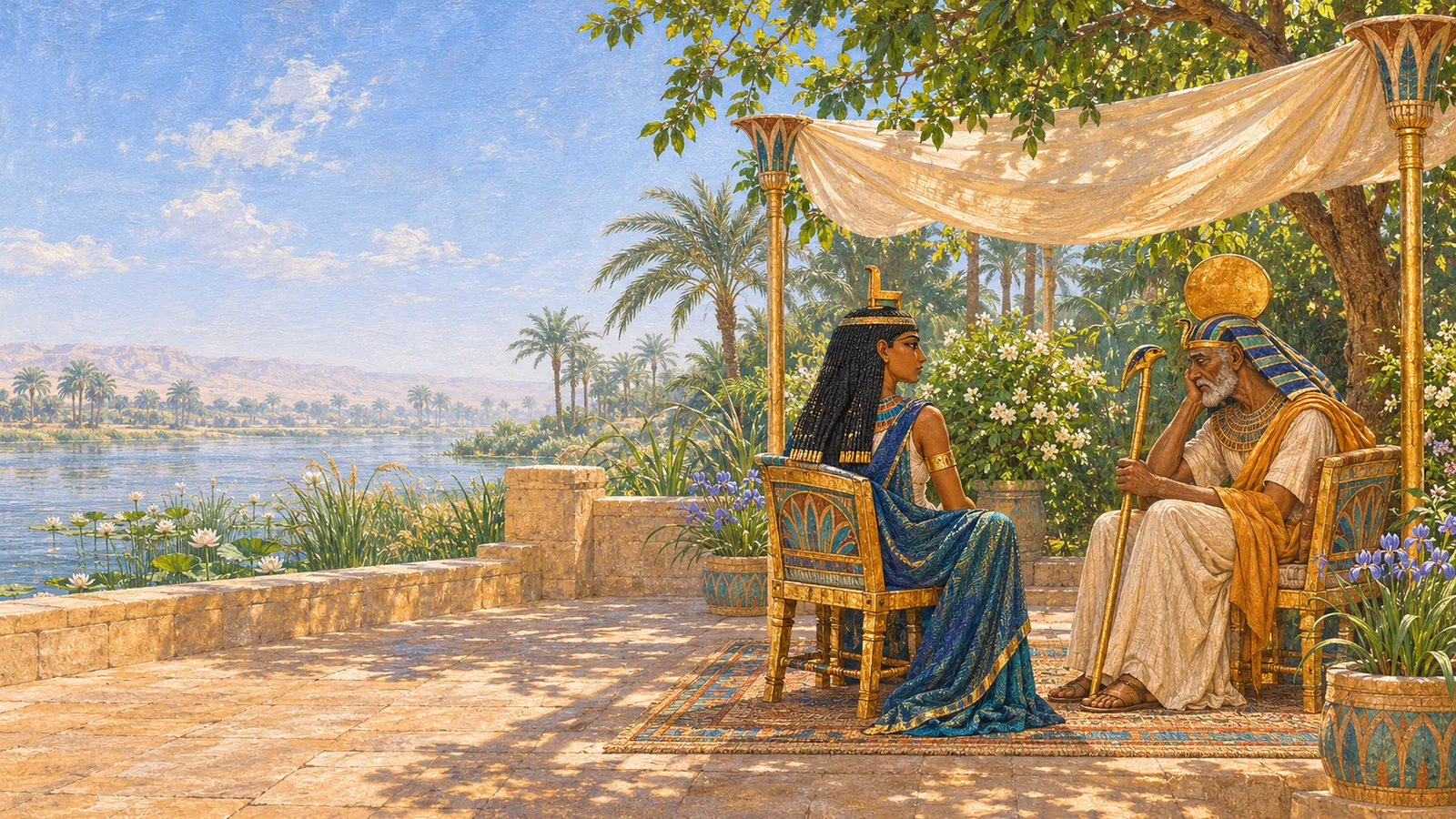
The names came and went, and the pain stayed. Isis told him the name she needed was still missing from all the words he had spoken.
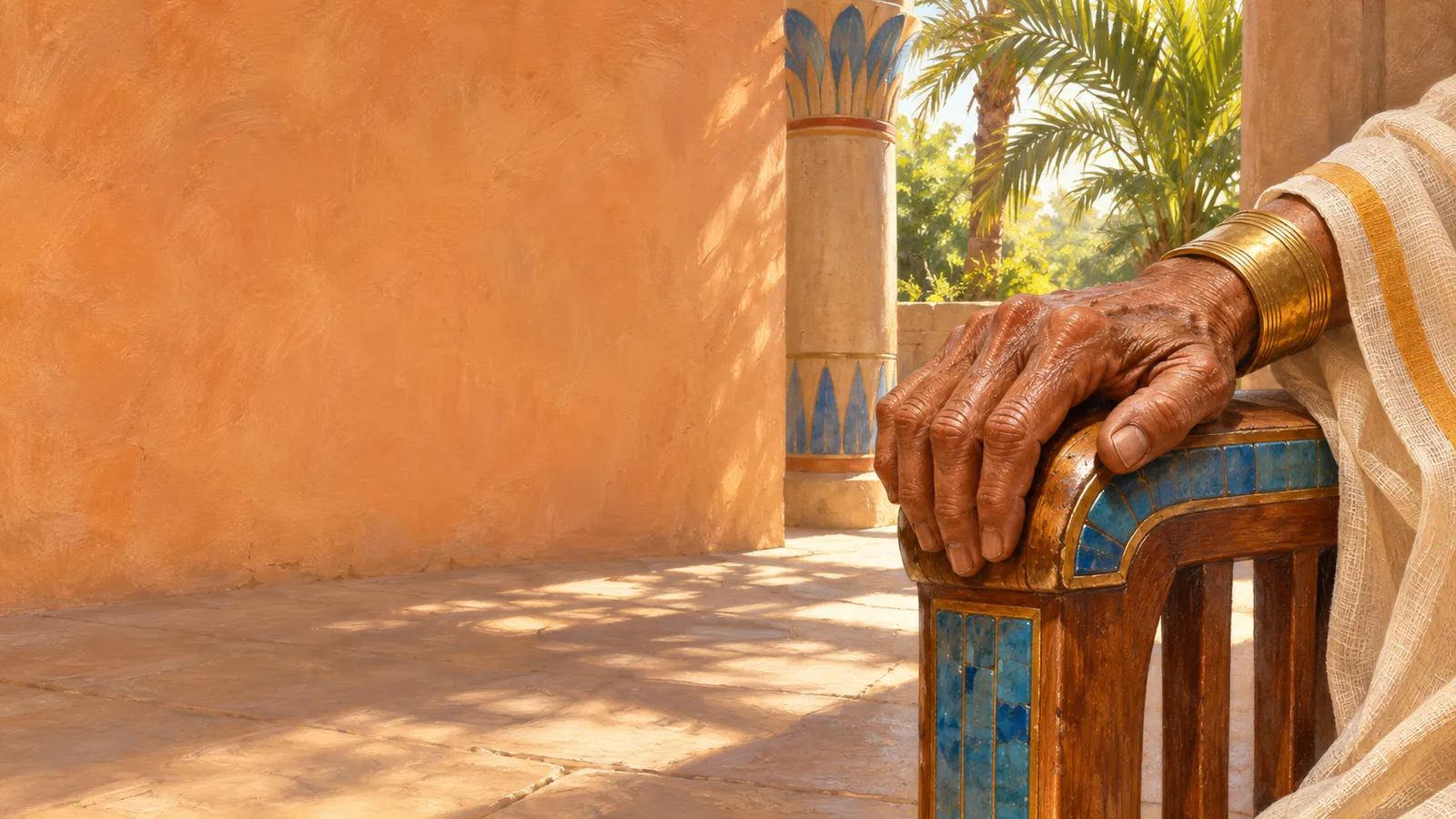
Isis asks once more for the name he was given. The old story says the pain grew fiercer than flame. Ra had still to answer her.
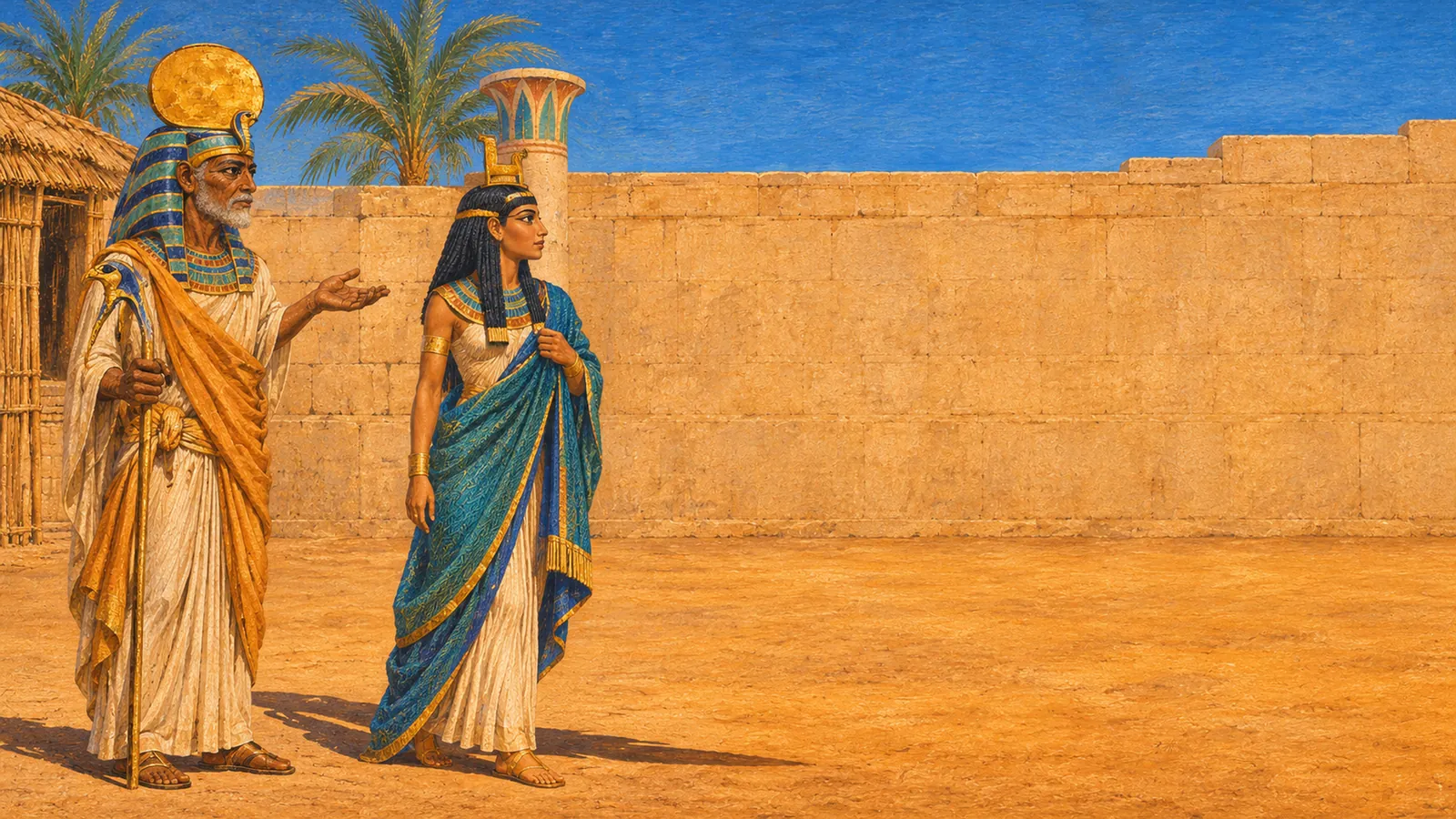
At last Ra asked Isis to come close and listen. The name could pass from deep within him to her. It had always belonged to him alone.

As Ra speaks quietly to Isis, he returns to the boat the gods knew him by. He calls it the Boat of Millions and links its reach to the name he kept hidden.
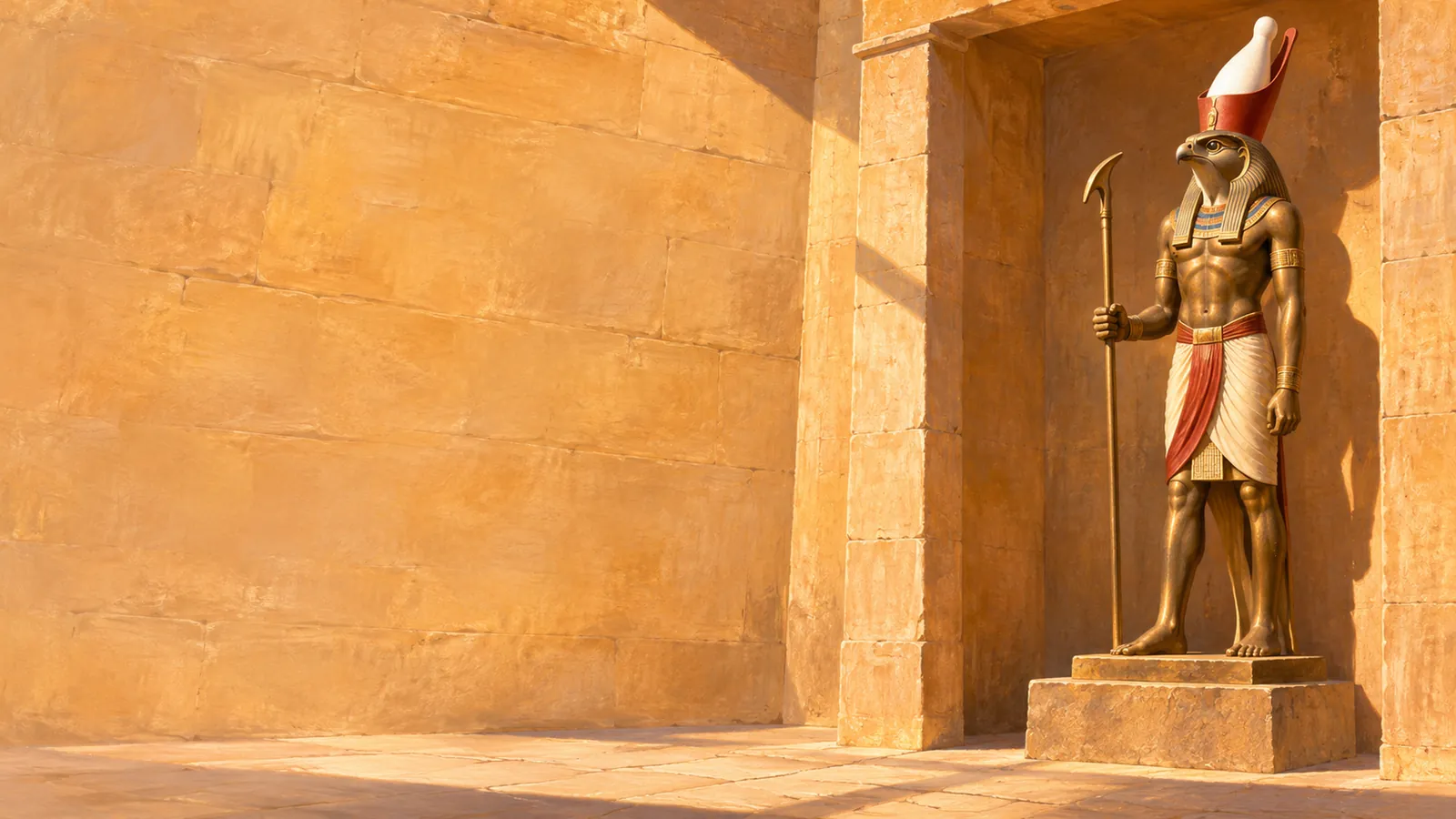
Ra set a condition. If Isis ever told the name to her son Horus, she would bind him by a solemn oath. That is how closely he wanted the name kept.
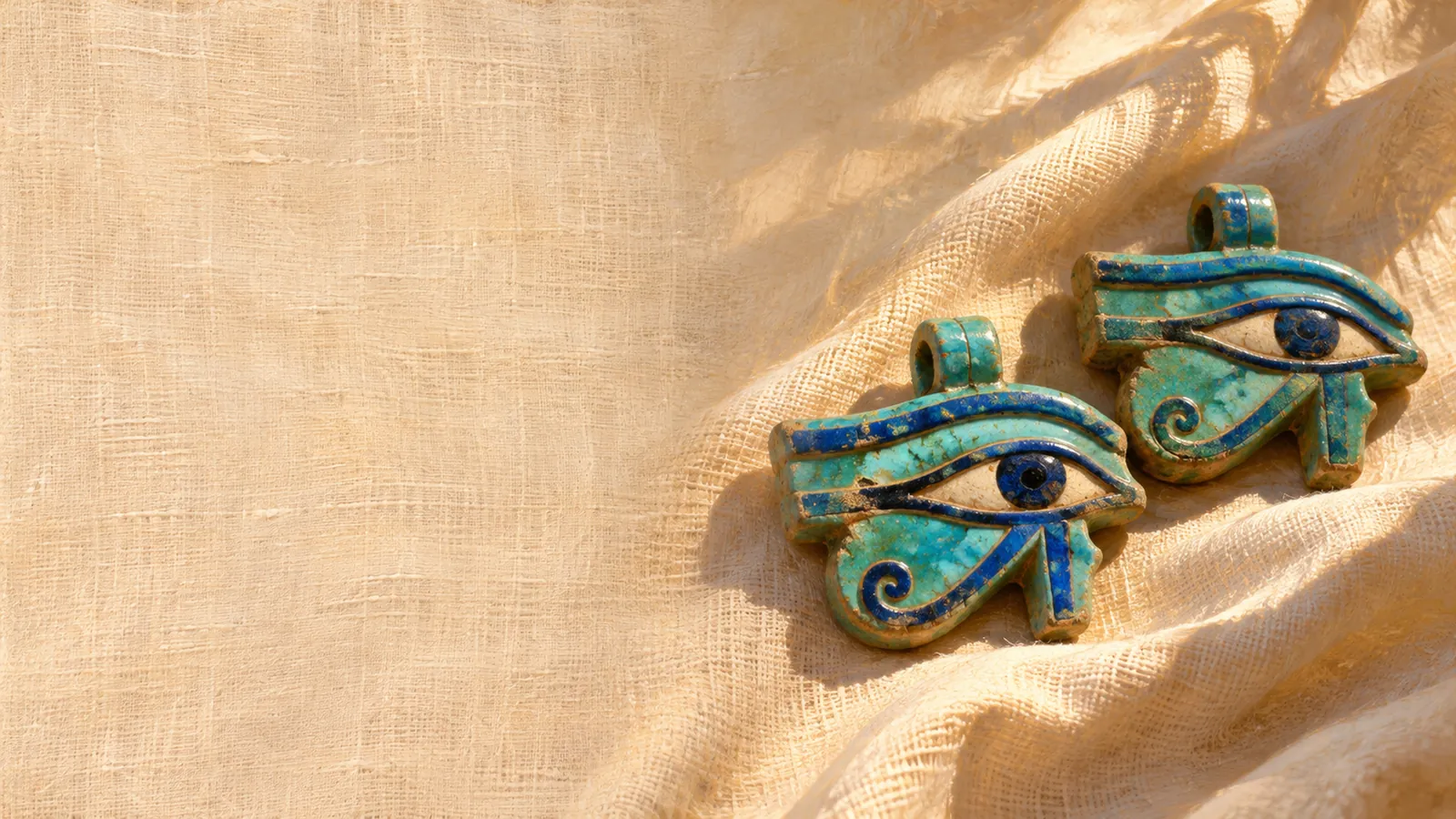
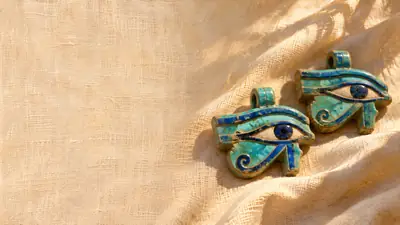
The words of the oath mention the god’s two eyes. One reading links them to Horus, whose injured eye Isis healed in another story. Here, the oath protects what may be said.
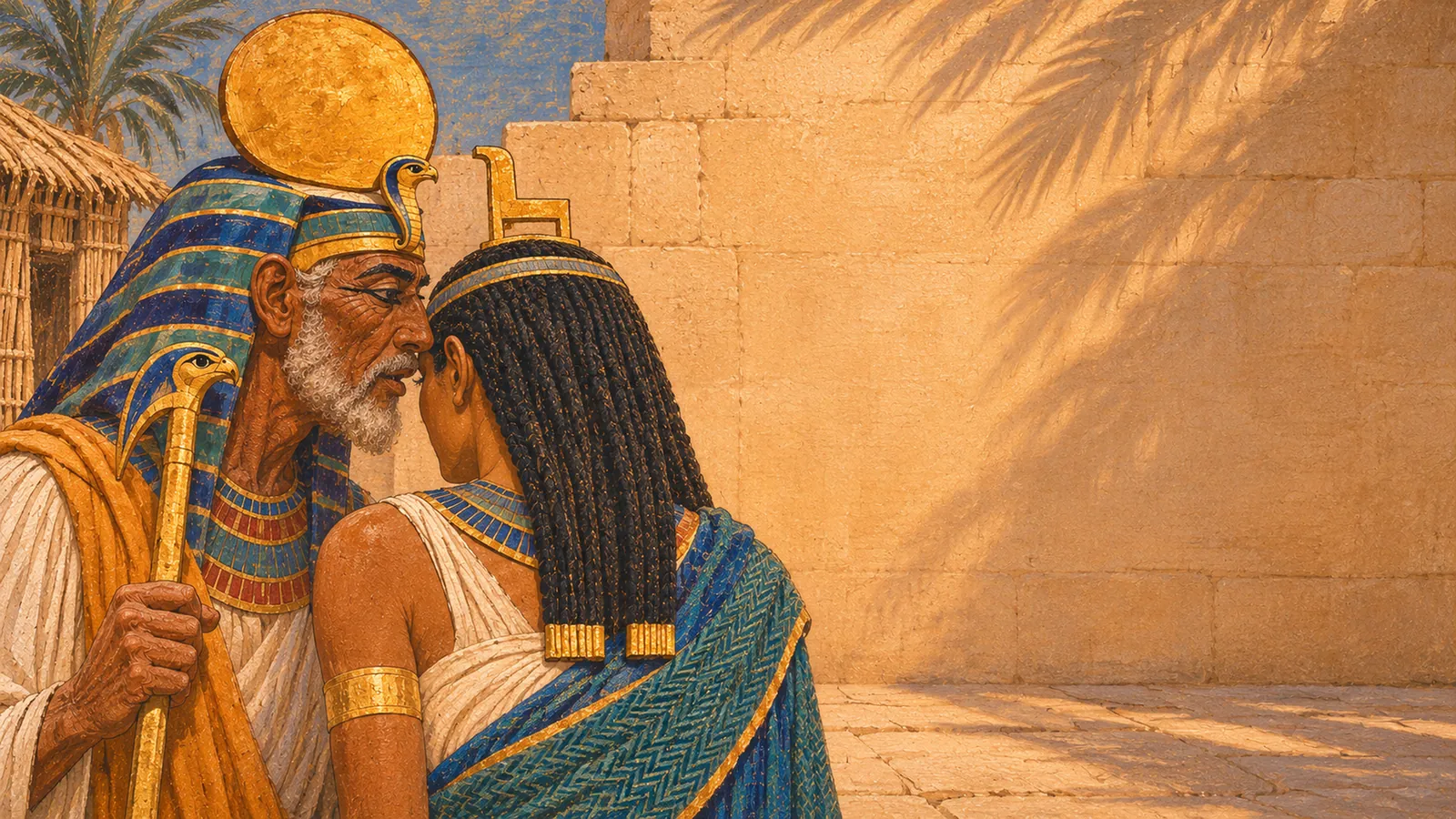
Ra let Isis hear the secret name. The old papyrus tells us that she heard it. It keeps the name itself out of our hearing.
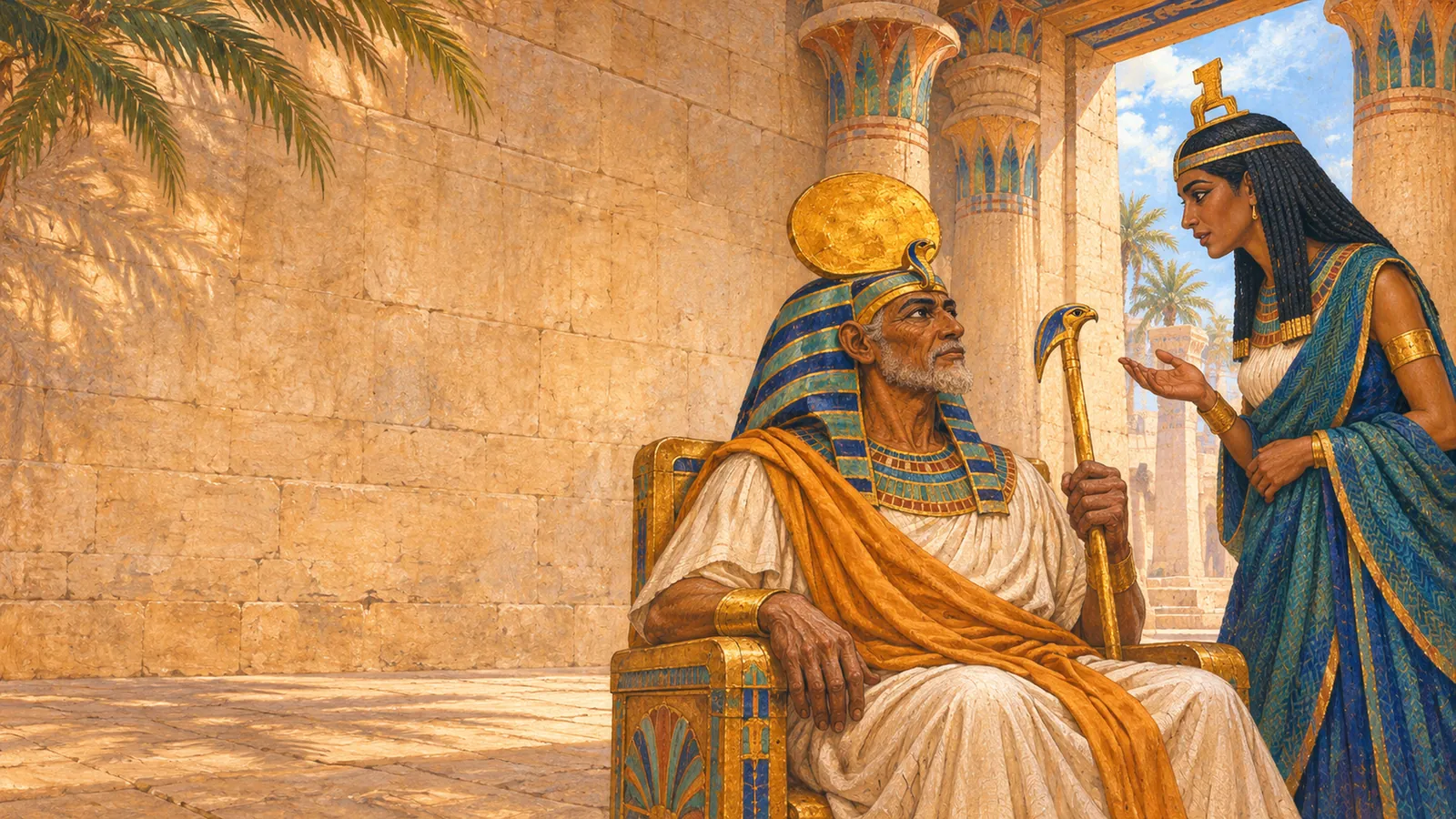
Isis spoke in the language of power the gods had called for. In the story, her words sent the venom away and released Ra from his pain.
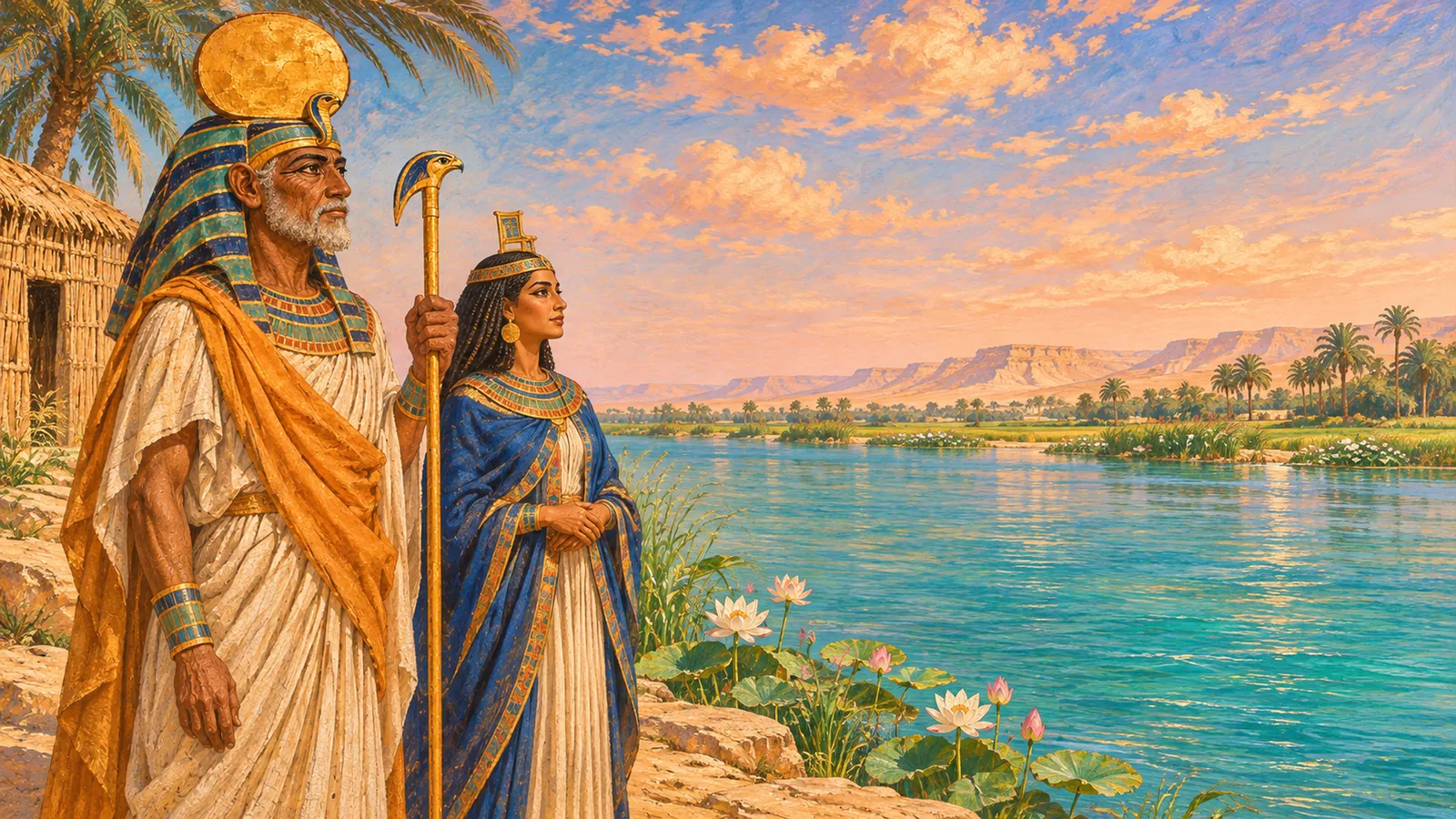
The ancient account says that Ra lived and his suffering ended. Its closing lines turn to another person in need of help, whose name could be spoken alongside Ra’s.
THE PAPYRUS
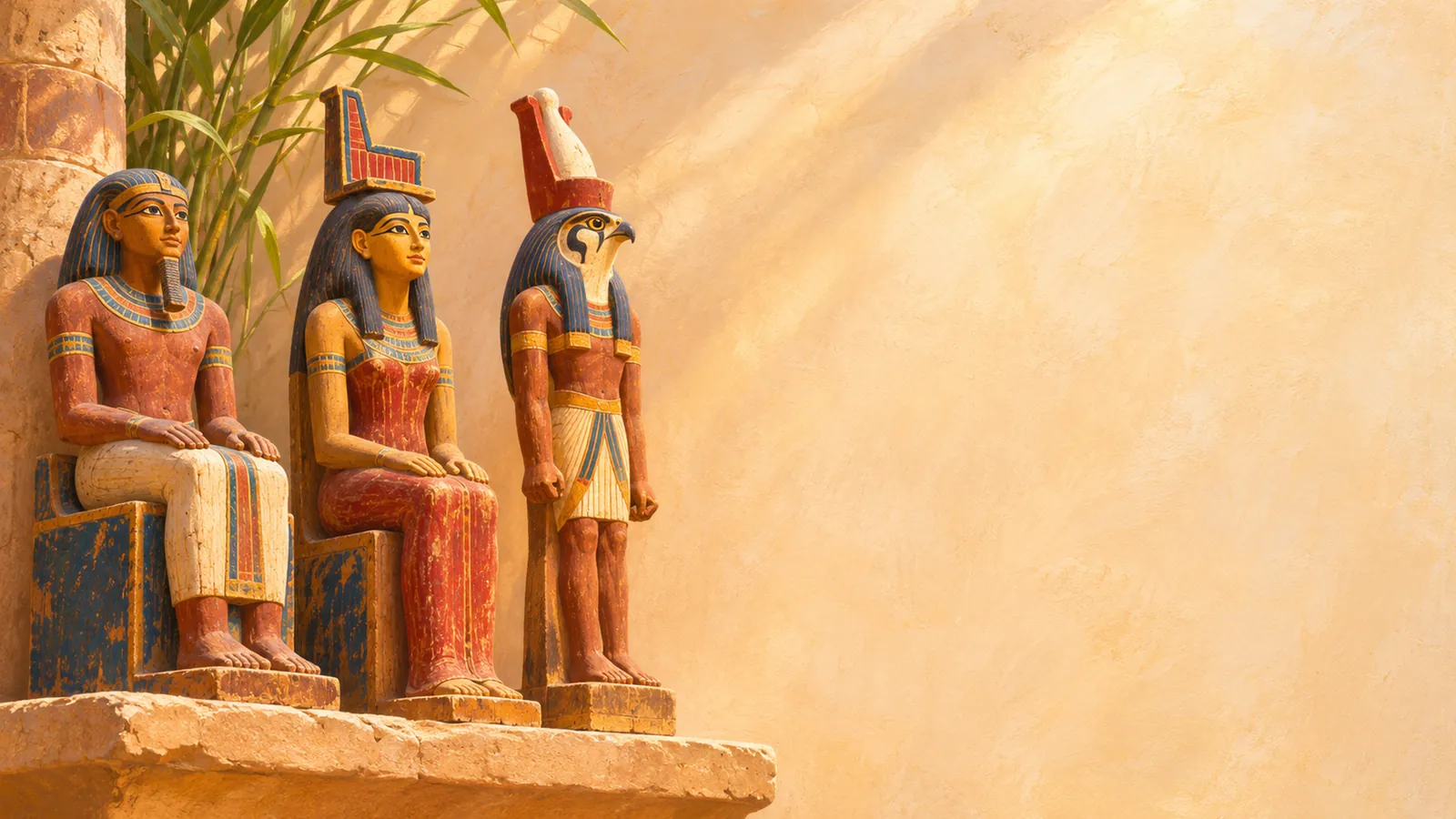
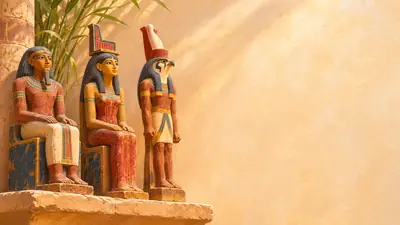
At the end of the tale, the copy turns to people who remembered this account when someone was hurt. It names images of the gods, including Isis and Horus.
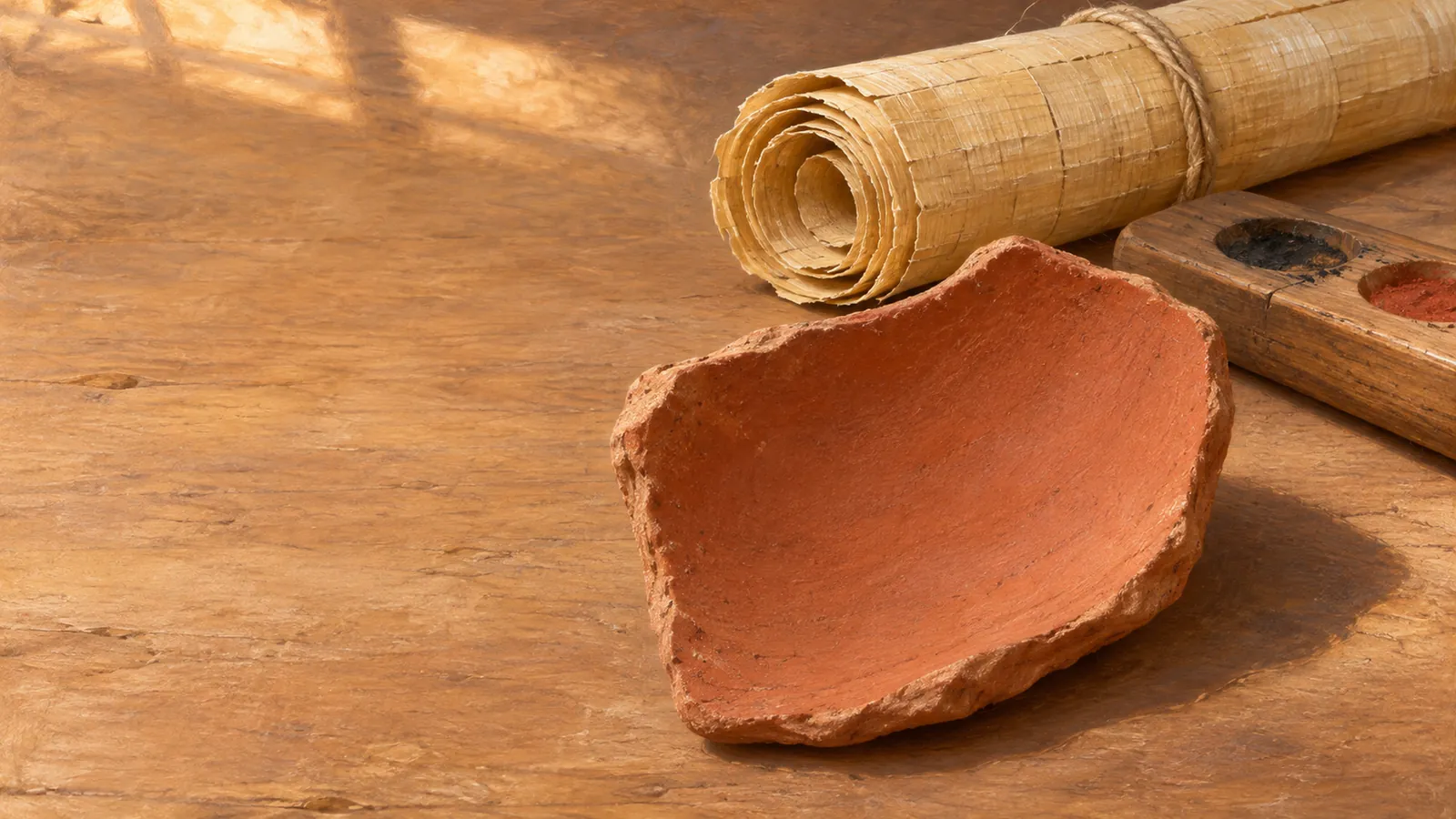
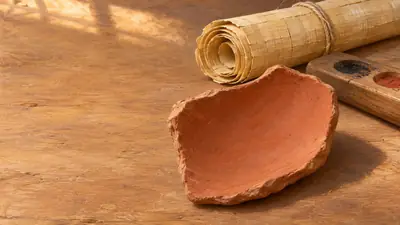
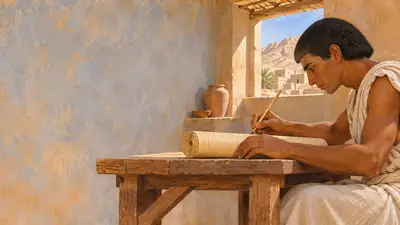
The Turin Papyrus holds one copy. Part of the story also survives on another papyrus and on broken writing surfaces. A red pottery sherd preserves the opening.
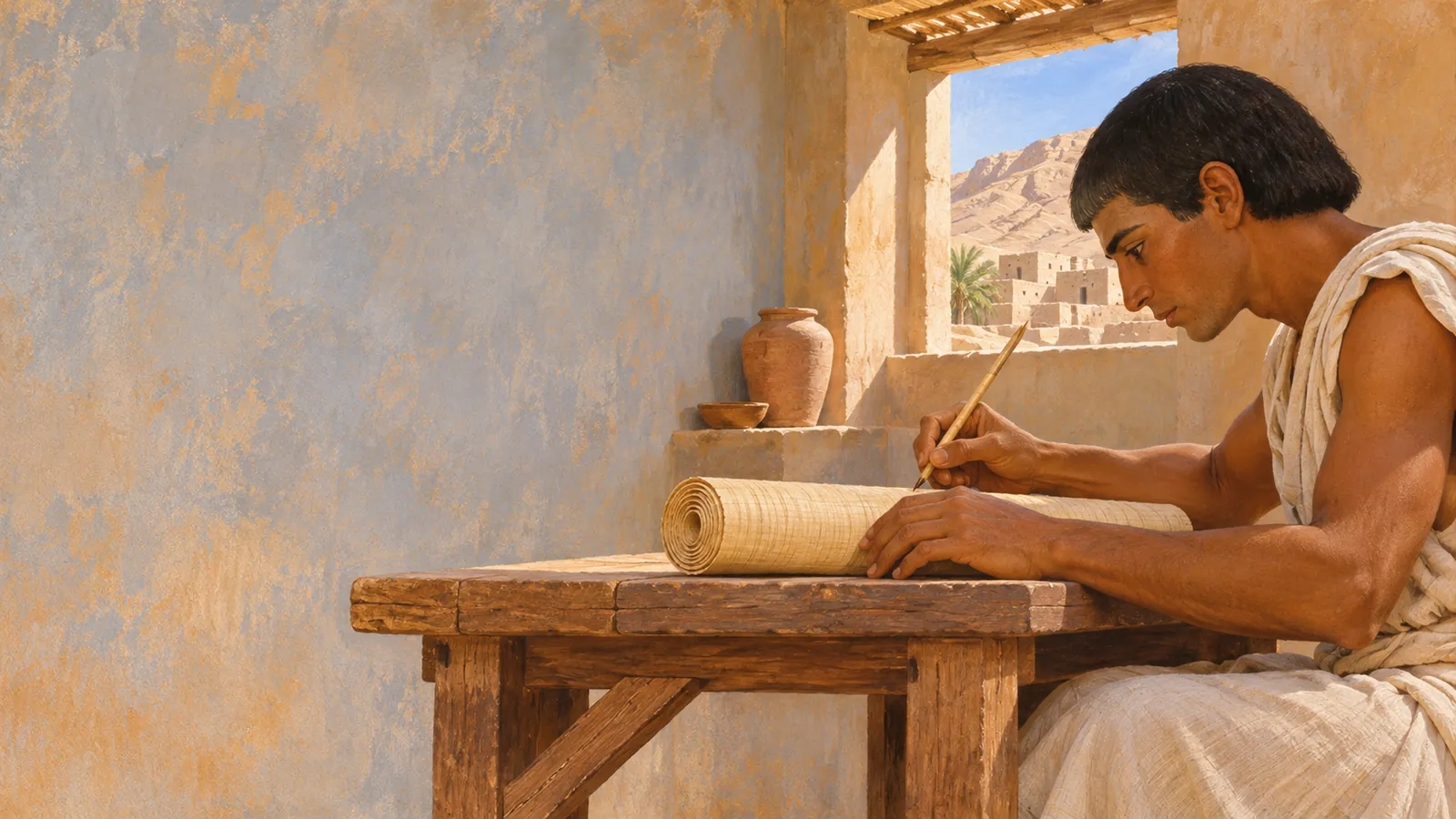
We can read every familiar name Ra offers, from the first light to the last. The one Isis heard stays inside the story, known to her and kept secret from us.
End of chapter 1
All pages






Sources
Editions consulted
- Museo Egizio, Cat. 1993, the magical papyrus of Isis
- Robert K. Ritner, The Legend of Isis and the Name of Re
- UCL Digital Egypt, transliteration and translation of Isis and the Name of Ra
- Leipzig Academy, Papyrus Turin CGT 54051
- Robert K. Ritner, The Mechanics of Ancient Egyptian Magical Practice
- Deir el-Medina ostraca catalogue, UCL Digital Egypt: , entry 7, UC 39610.
- Petrie 7, Science in Ancient Egypt: , description of the red pottery sherd and edition of its surviving lines.
- Deir el-Medina manuscripts, UCL Digital Egypt: , list of ancient manuscripts including Chester Beatty XI, BM EA 10691.
- Alessandro Roccati, Magica Taurinensia: , description of the 2011 edition and Giuseppina Lenzo’s palaeographical study.
Ancient lines behind each page
- Page 1: Ritner 1.22; Turin 1993 recto 2.11 ff; UCL ¶1
See source notes for which details are attested. - Page 2: UCL ¶1; Turin Cat. 1993 recto 2.11 ff
See source notes for which details are attested. - Page 3: Ritner 1.22; UCL ¶1
See source notes for which details are attested. - Page 4: UCL ¶1; Ritner, COS 1.22
See source notes for which details are attested. - Page 5: UCL ¶1; Ritner, COS 1.22
See source notes for which details are attested. - Page 6: UCL ¶¶2 and 5; Ritner, COS 1.22 n. 4
See source notes for which details are attested. - Page 7: Ritner 1.22; UCL ¶2
See source notes for which details are attested. - Page 8: Ritner 1.22; UCL ¶2
See source notes for which details are attested. - Page 9: Ritner 1.22; UCL ¶2
See source notes for which details are attested. - Page 10: Ritner 1.22; UCL ¶3
See source notes for which details are attested. - Page 11: UCL ¶3; Ritner, COS 1.22
See source notes for which details are attested. - Page 12: Ritner 1.22; UCL ¶3
See source notes for which details are attested. - Page 13: UCL ¶¶2–3; Ritner, COS 1.22 n. 5
See source notes for which details are attested. - Page 14: Ritner 1.22; UCL ¶3
See source notes for which details are attested. - Page 15: UCL ¶4; Ritner, COS 1.22
See source notes for which details are attested. - Page 16: UCL ¶5; Ritner, COS 1.22
See source notes for which details are attested. - Page 17: Ritner 1.22; UCL ¶4–5
See source notes for which details are attested. - Page 18: Ritner 1.22; UCL ¶6
See source notes for which details are attested. - Page 19: UCL ¶6; Ritner, COS 1.22 n. 8, Chester Beatty XI
See source notes for which details are attested. - Page 20: UCL ¶¶6–7; Ritner, COS 1.22
See source notes for which details are attested. - Page 21: UCL ¶¶3, 5 and 7; Ritner, COS 1.22
See source notes for which details are attested. - Page 22: UCL ¶7; Ritner, COS 1.22 n. 9
See source notes for which details are attested. - Page 23: UCL ¶8; Ritner, COS 1.22
See source notes for which details are attested. - Page 24: UCL ¶8; Ritner, COS 1.22
See source notes for which details are attested. - Page 25: UCL ¶8; Ritner, COS 1.22 n. 11
See source notes for which details are attested. - Page 26: UCL ¶8; Ritner, COS 1.22
See source notes for which details are attested. - Page 27: UCL ¶8; Ritner, COS 1.22
See source notes for which details are attested. - Page 28: UCL ¶8; Ritner, COS 1.22
See source notes for which details are attested. - Page 29: UCL ¶8; Ritner, COS 1.22
See source notes for which details are attested. - Page 30: UCL ¶¶8–9; Ritner, COS 1.22
See source notes for which details are attested. - Page 31: UCL ¶9; Ritner, COS 1.22
See source notes for which details are attested. - Page 32: Ritner 1.22; UCL ¶9
See source notes for which details are attested. - Page 33: UCL ¶9; Ritner, COS 1.22 n. 15
See source notes for which details are attested. - Page 34: Ritner 1.22; UCL ¶9
See source notes for which details are attested. - Page 35: UCL ¶9; Ritner, COS 1.22 n. 16
See source notes for which details are attested. - Page 36: Ritner 1.22; UCL ¶9
See source notes for which details are attested. - Page 37: UCL ¶9; Ritner, COS 1.22
See source notes for which details are attested. - Page 38: UCL ¶9; Ritner, COS 1.22, closing refrain
See source notes for which details are attested. - Page 39: UCL concluding recitation; Turin Cat. 1993 recto 5.4–5.5
See source notes for which details are attested. - Page 40: Science in Ancient Egypt, Ostracon Petrie 7 (UC 39610); UCL manuscript list, Chester Beatty XI
See source notes for which details are attested. - Page 41: Ritner 1.22; Museo Egizio, magical papyrus 1993
See source notes for which details are attested.
Illustrations made with AI tools by IL Archive; the text is based on the ancient sources (see the sources at the end of each chapter).