Entity · Contextual definition
Re, Egyptian sun god
A reference page linking a name, group, or concept to the materials that discuss it.
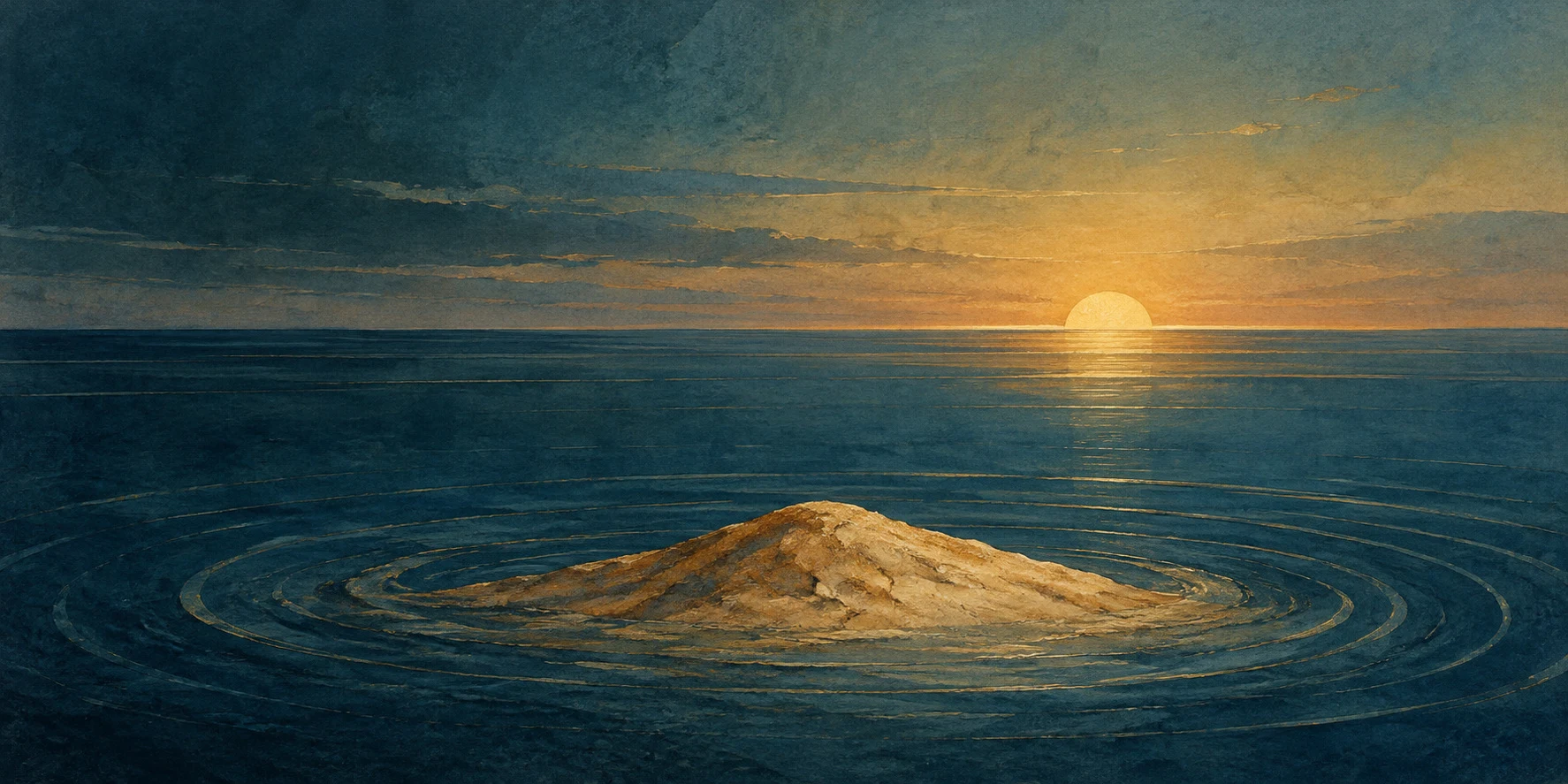
Egyptian temples, royal inscriptions and funerary texts present Re through the course of the sun. The solar boat, the title “Son of Re” and images of sunrise and sunset show how his worship shaped different parts of Egyptian life.
Estimated reading time: 3 min Published Last reviewed:
Share article
Text
Introduction
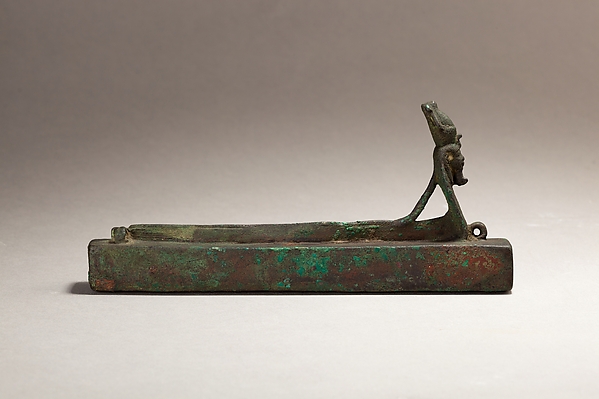
Re, also written Ra, was the ancient Egyptian sun god. One of his main centres of worship was IunuHeliopolis, ancient IunuHeliopolis is the Greek name of Egyptian Iunu, at Matariya in northern present-day CairoGlossary · Click to read the explanation, the city the Greeks called Heliopolis. In Egyptian texts and images, he travels across the sky in a solar boat and continues his journey through the underworld at night. His daily return was associated with renewal. Kings included his name in their titles, and funerary texts described his journey as part of what the dead might experience. [1][2][7][8]
The sun in temples and royal names
At HeliopolisHeliopolis, ancient IunuHeliopolis is the Greek name of Egyptian Iunu, at Matariya in northern present-day CairoGlossary · Click to read the explanation, sources associate the sanctuary with Re and AtumAtumAtum is an Egyptian creator god associated with HeliopolisGlossary · Click to read the explanation. Atum-Re was a form in which Re was linked to creation. Egyptian kings also built temples to the sun at other sites. The Fifth Dynasty ruler Niuserra built a solar temple at Abu Ghurab. Archaeologists describe a valley temple, a causeway and an upper temple. The upper enclosure contained rooms and open spaces for the cult. The remains show how the worship of the sun was given a setting in a royal building. [1][2][3]
“Son of Re” became part of the Egyptian king’s titulary. A relief from the pyramid temple of Amenemhat I, Met 08.200.11, preserves the title and the top of a cartouche that contained one of the king’s names. Re also appears in the name Amun-Re, a solar form of AmunAmunAmun is an Egyptian deity centered on Thebes and Karnak, the “hidden one,” also worshipped as Amun-Re. His names and images were targeted under Akhenaten before royal support resumed.Glossary · Click to read the explanation. A statue of Ramesses II holding a sacred standard, Met 42.2.1, carries a dedication to Amun-Re. The inscription and the title bring Re into two different settings of royal worship. [1][4][9][12]
Images of the course of the sun
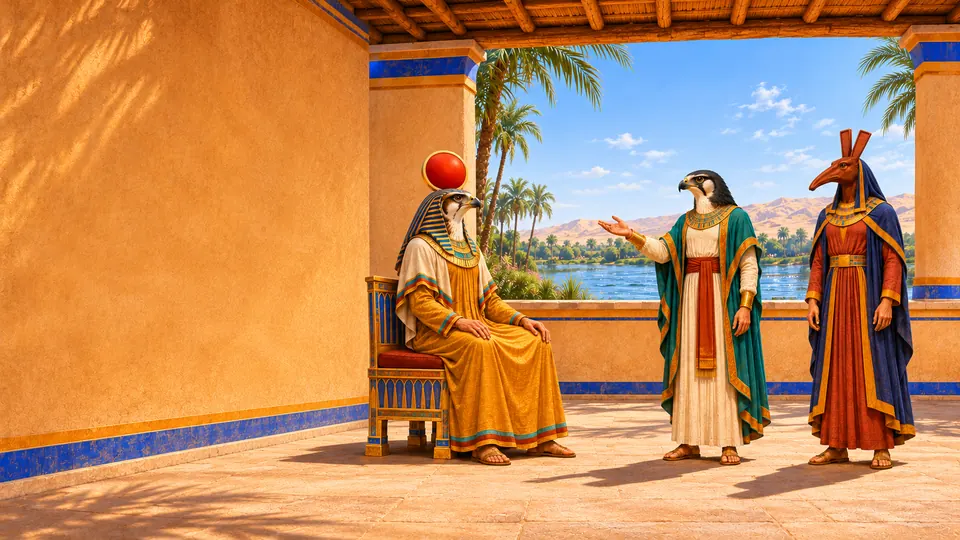
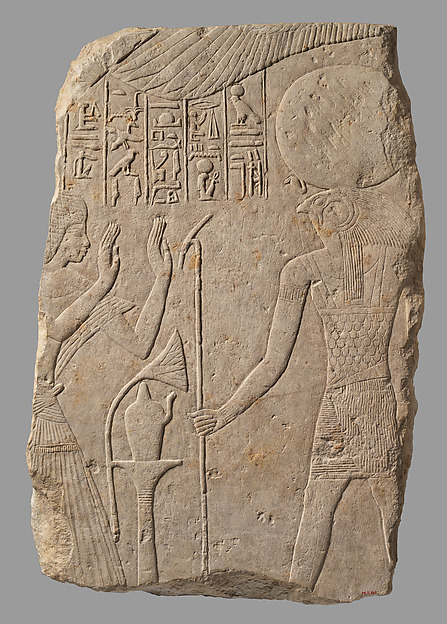
Re could appear with a falcon’s head and a sun disk. On an unfinished stela in the Met, O.C.81, a man offers burning incense to Re-Harakhty, who is shown with a solar disk and an upright cobra. The name associates Re with Horus of the Two Horizons. On another stela fragment in the Met, 04.2.527, Pay, overseer of the royal chambers, raises his hands before the same deity. [5][11]
A stela made for Tagemirmut, Budapest 51.2149, shows three solar figures together in a boat. In this scene, the museum identifies Khepri with the rising sun, Re-Harakhty with the sun at its height, and Atum with the setting sun. Isis and Nephthys also appear in the boat. The scene brings different stages of the sun’s course into a single funerary image. [6]
Re’s journey through the night
The funerary composition called the Amduat describes the sun’s passage through the underworld in twelve hours. In the tomb of Thutmose III, the hours are painted on the walls of the burial chamber. Near the end of the journey the sun appears as the scarab Khepri, an image of its renewed daytime form. Later manuscripts in the Museo Egizio show that the composition was also written on funerary papyri. The Great Litany of Re, which names many forms of the god, survives in part on a stone sarcophagus fragment, Met 04.2.539. [7][8][10]
Quick answers
Where was Re particularly worshipped?
Heliopolis, ancient Iunu in what is now the Cairo area, was one of his main centres of worship. [1][2]
Why is Re shown in a boat?
Egyptian texts and images describe the sun god’s passage across the sky and through the underworld aboard a solar boat. [1][6][7]
What does Re-Harakhty mean?
The name joins Re with Horus of the Two Horizons. [5]
References and notes (12)
- The Global Egyptian Museum, “Re” Glossary entry. Heliopolis, the relationship with Atum, the solar boat, sunrise and royal titulary. Return to the text ↑
- University College London, Digital Egypt for Universities, site index, “Iunu” Entry in “Memphis and pyramid fields.” Ancient and modern place names and the temple associated with Ra and Atum. Return to the text ↑
- Institut français d’archéologie orientale, “Mission dédiée à la fouille et à l’étude des temples de Niouserrê (Ve dynastie) à Abu Ghurab” Project description, section on the sun temple. King and dynasty, valley temple, causeway, upper enclosure and cultic rooms. Return to the text ↑
- Metropolitan Museum of Art, “Relief fragment with the Son of Re name of Amenemhat I,” 08.200.11 Object commentary and inventory. The pyramid-temple fragment, the title Son of Re and the surviving upper part of the cartouche. Return to the text ↑
- Metropolitan Museum of Art, “Stela with man offering to Re-Harakhty, unfinished,” O.C.81 Object commentary and inventory. Incense offering, falcon head, solar disk and cobra, and the identification with Horus of the Two Horizons. Return to the text ↑
- Museum of Fine Arts, Budapest, “Stela of Tagemirmut,” 51.2149 Description of the upper register. The five deities in a solar boat and the curator’s identification of three stages of the sun’s course. Return to the text ↑
- Joshua Aaron Roberson, “The Iconicity of the Vertical: Hieroglyphic Encoding and the Akhet in Royal Burial Chambers of Egypt’s New Kingdom” Sections 4 and 7 and fig. 2.7. The twelve hours of the Amduat, their placement in KV34 and the form of Khepri at the end of the journey. Return to the text ↑
- Enrico Pozzi, “The Amduat Papyri in the Museo Egizio. Tradition and Innovation Between the Twenty-first and Twenty-second Dynasties,” Rivista del Museo Egizio 8 (2024) Abstract and section 2. The Theban funerary papyri that preserve the Amduat. Return to the text ↑
- Metropolitan Museum of Art, “Fragmentary statue of Ramesses II as a standard bearer,” 42.2.1 Object commentary and inventory. Sacred standard and the dedication to Amun-Re on the shaft and back pillar. Return to the text ↑
- Metropolitan Museum of Art, “Fragment from the sarcophagus of Usermaatre, son of Djedkhonsuefankh,” 04.2.539 Object commentary and inventory. Scenes from the Amduat and speeches from the Great Litany of Re preserved on the fragments. Return to the text ↑
- Metropolitan Museum of Art, “Stela fragment depicting Pay adoring Re-Harakhty,” 04.2.527 Object commentary, inventory and image. Pay raises his hands before Re-Harakhty, about 1328–1318 BCE. The image is in the public domain. Return to the text ↑
- Metropolitan Museum of Art, “Statuette of Amun,” 26.7.1412 Gallery commentary. The museum identifies Amun-Re as the solar aspect of Amun. Return to the text ↑
Suggest a correction · Suggest a source for this record
Cite this record
IL Archive, «Re, Egyptian sun god», https://ilarchive.com/en/entities/ra-egyptian-sun
Continue reading
Related readings