The Contendings of Horus and Seth Chapter 1
The Disputed Throne
Horus and Seth contest Osiris’s office through an eighty-year court dispute, deception and extraordinary trials. Letters from Osiris precede the final judgment for Horus, while the sun god proposes a heavenly place for Seth.
SourcesTurn the pages with the arrows, the arrow keys or a swipe.
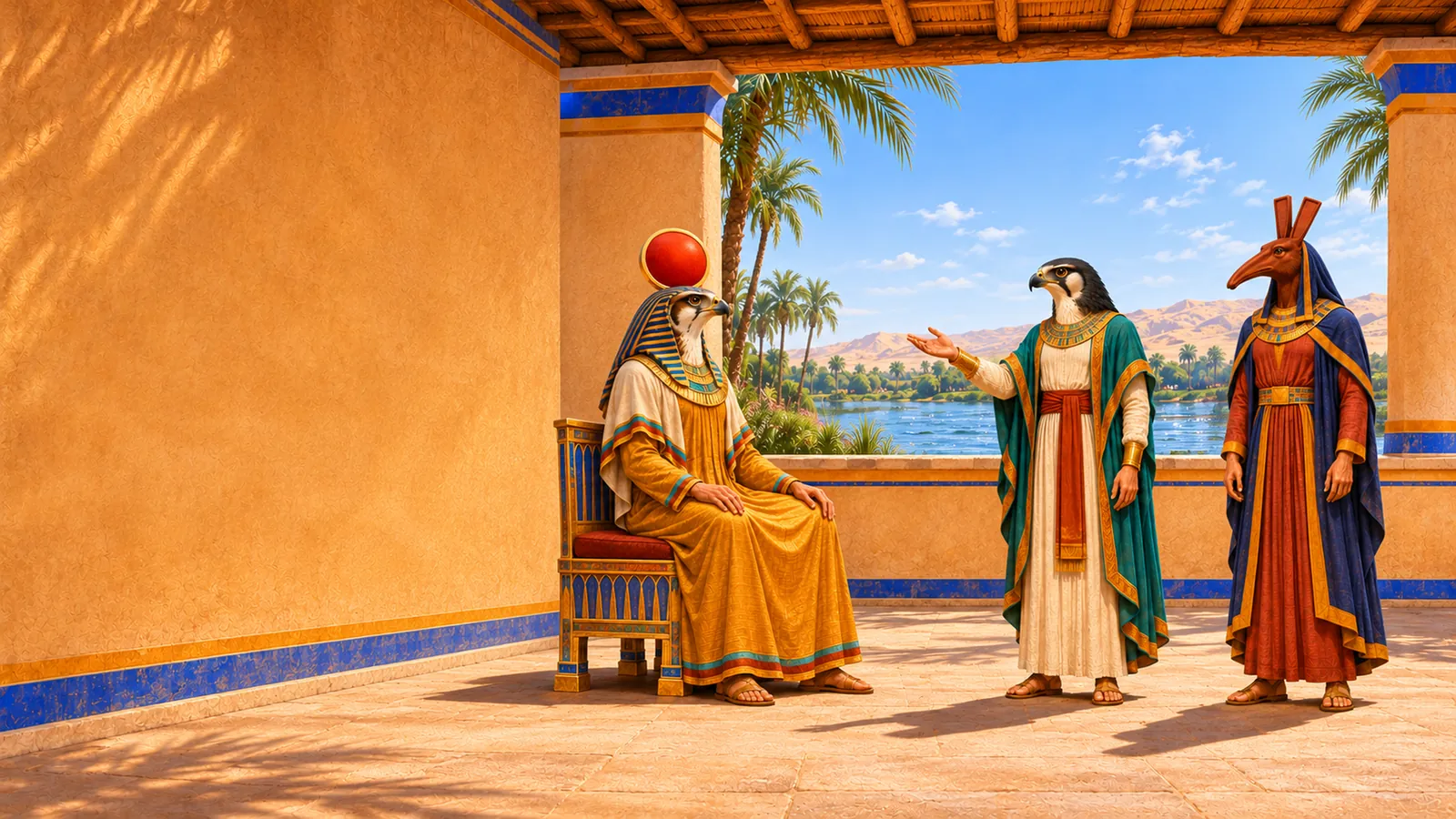
THE DISPUTE
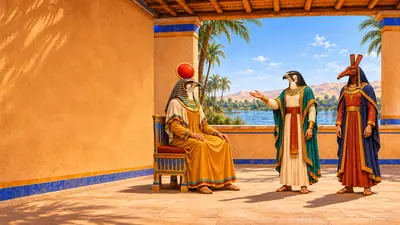
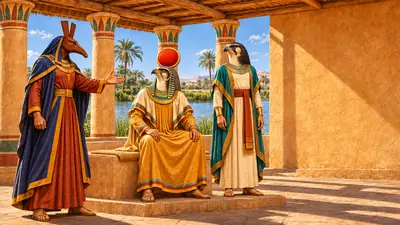
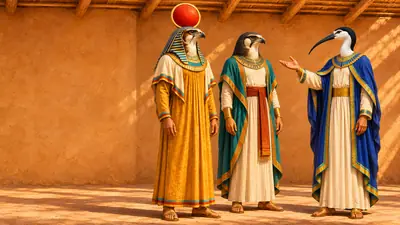
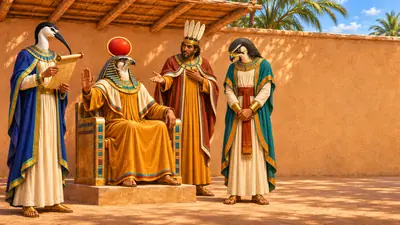
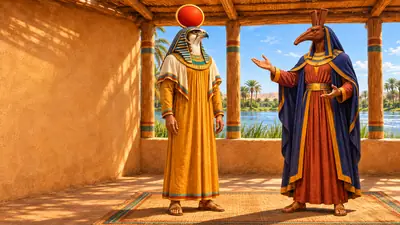
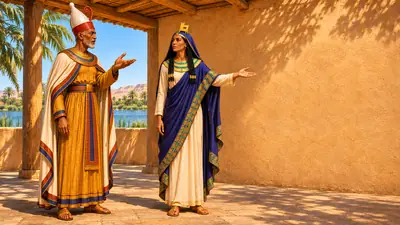
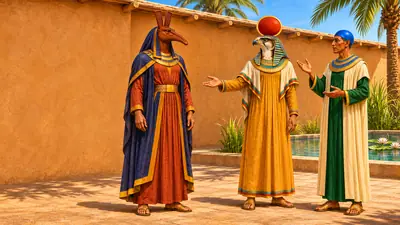
Before the divine court, Horus claimed the royal office of his father Osiris. The gods faced a dispute that strength alone could not settle.
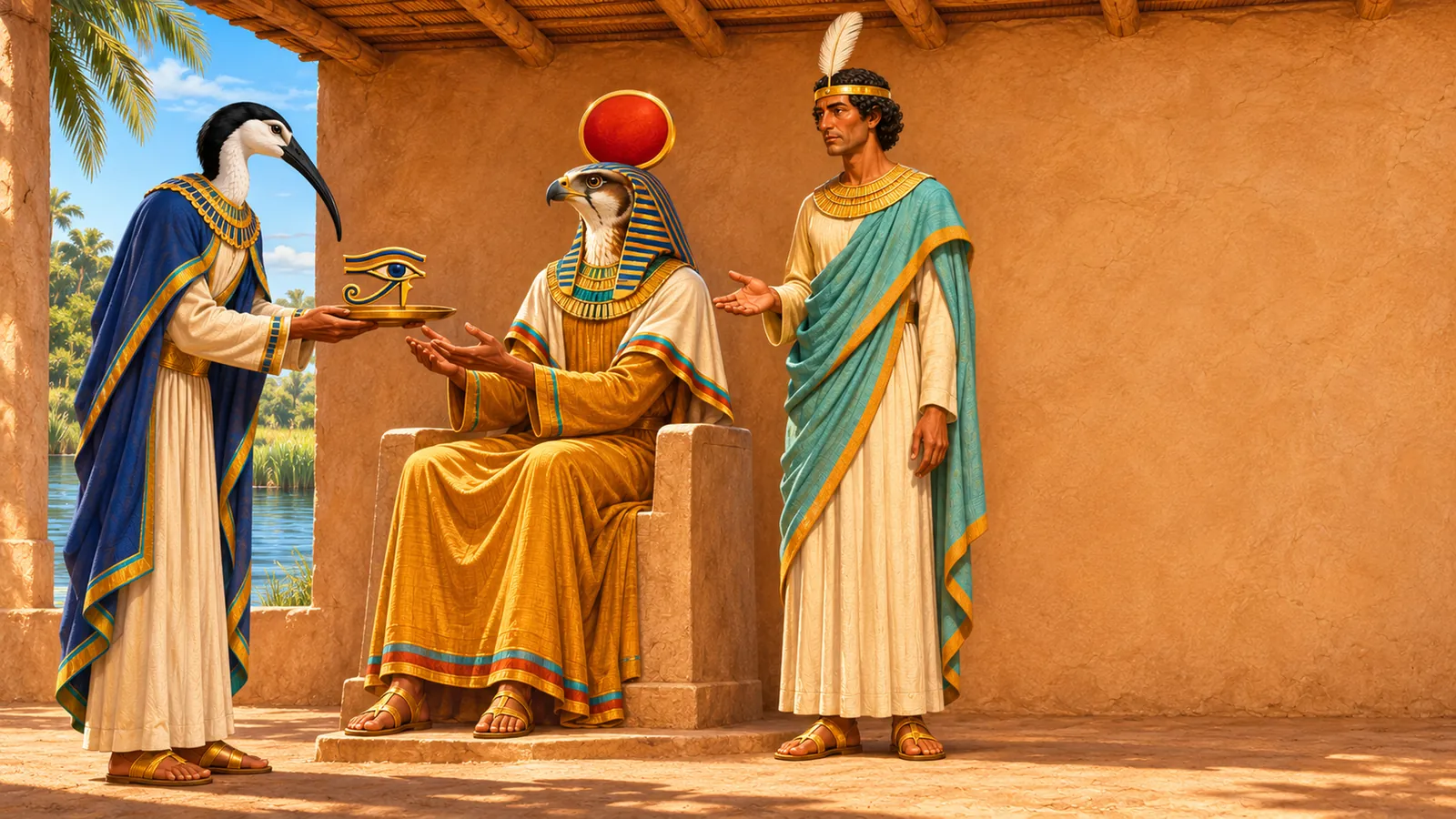
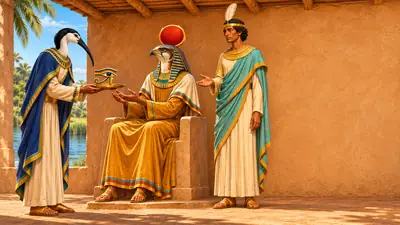
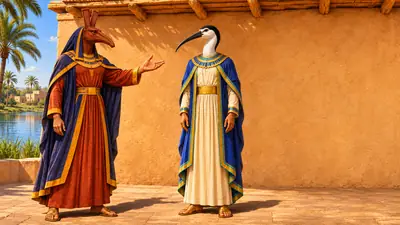
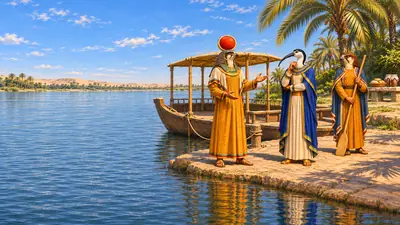
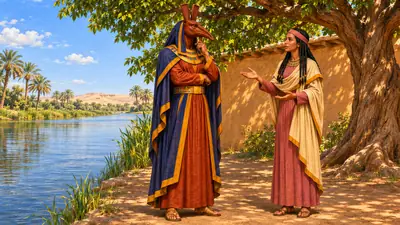
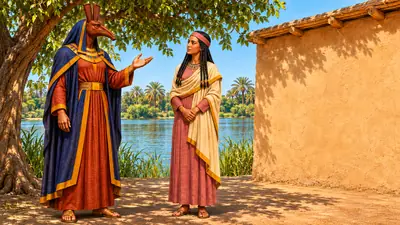
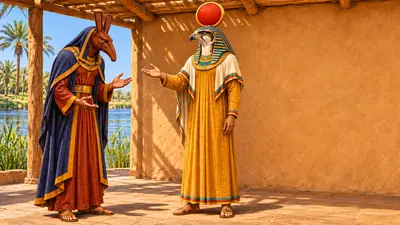
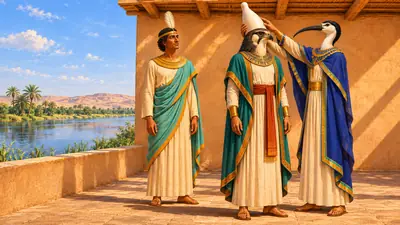
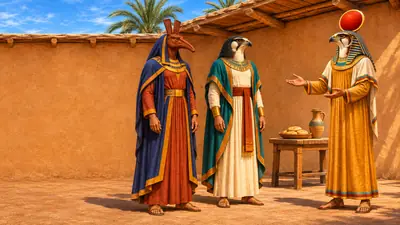
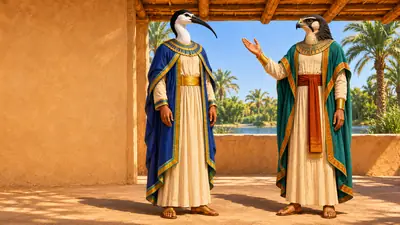
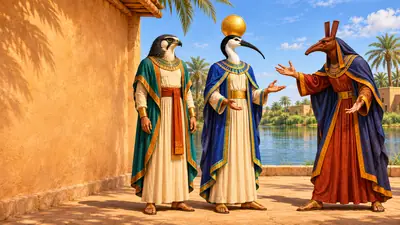
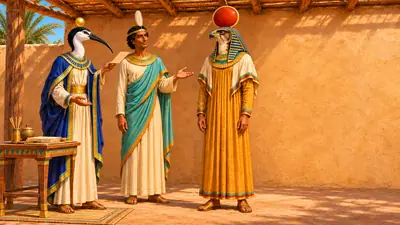
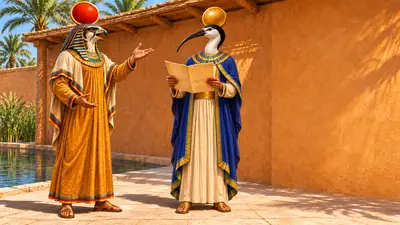
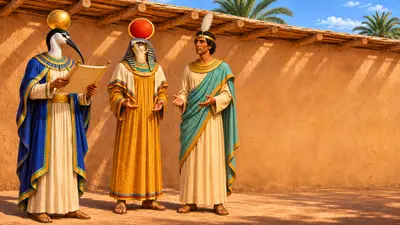
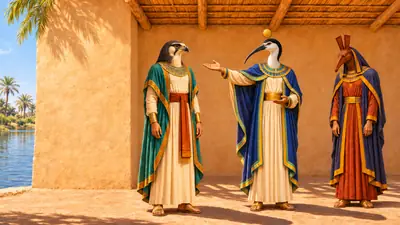
Thoth presented the sacred Eye before the sun god. Shu urged that Horus receive the office, and Thoth declared his agreement before the assembled gods.

Isis rejoiced at their words. She called upon the north wind to carry the good news westward to Osiris, who ruled in the land of the dead.
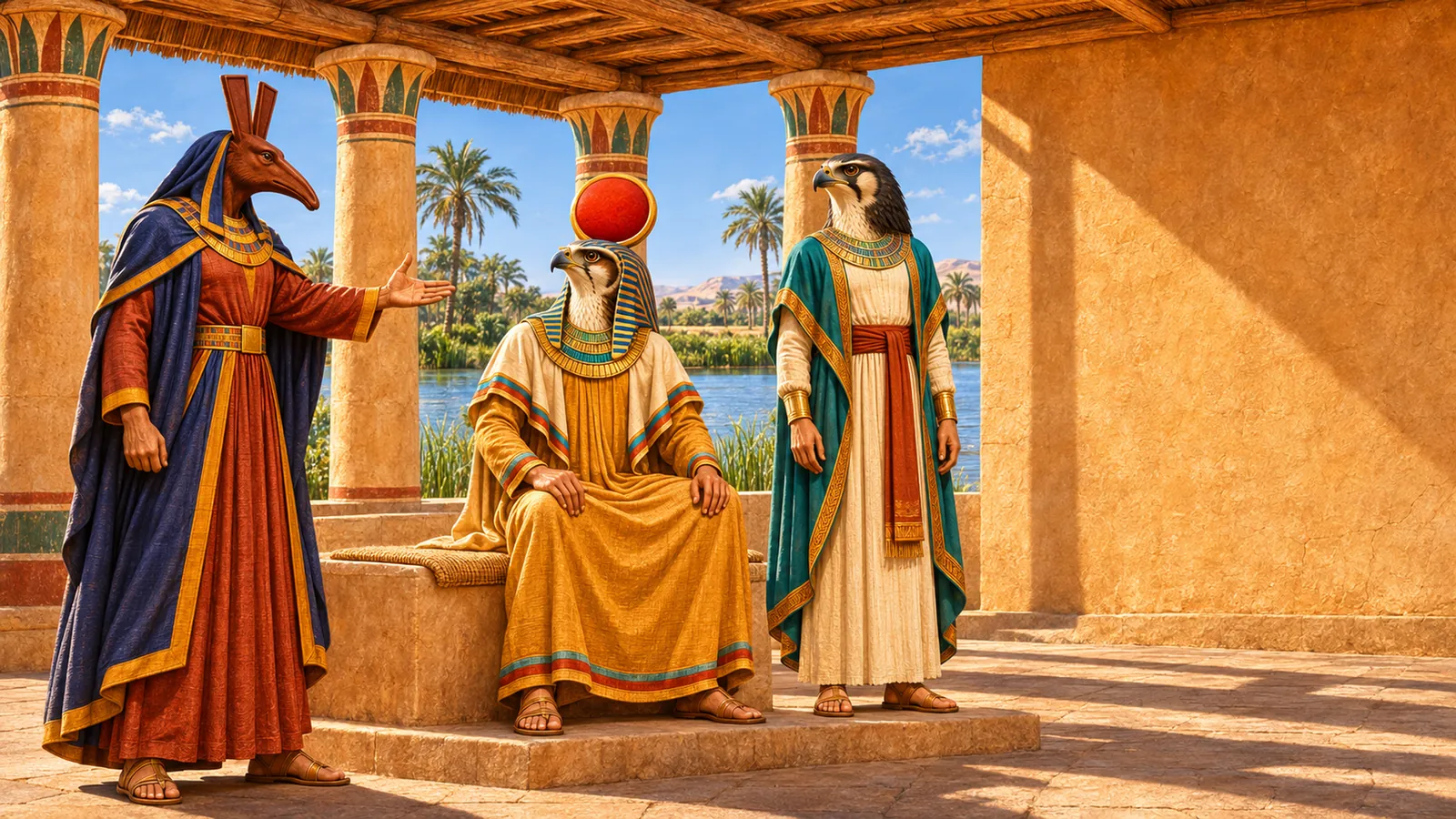
The sun god resented the council’s decision. Seth demanded a contest that would display his greater strength, seeking to overcome Horus before the court.
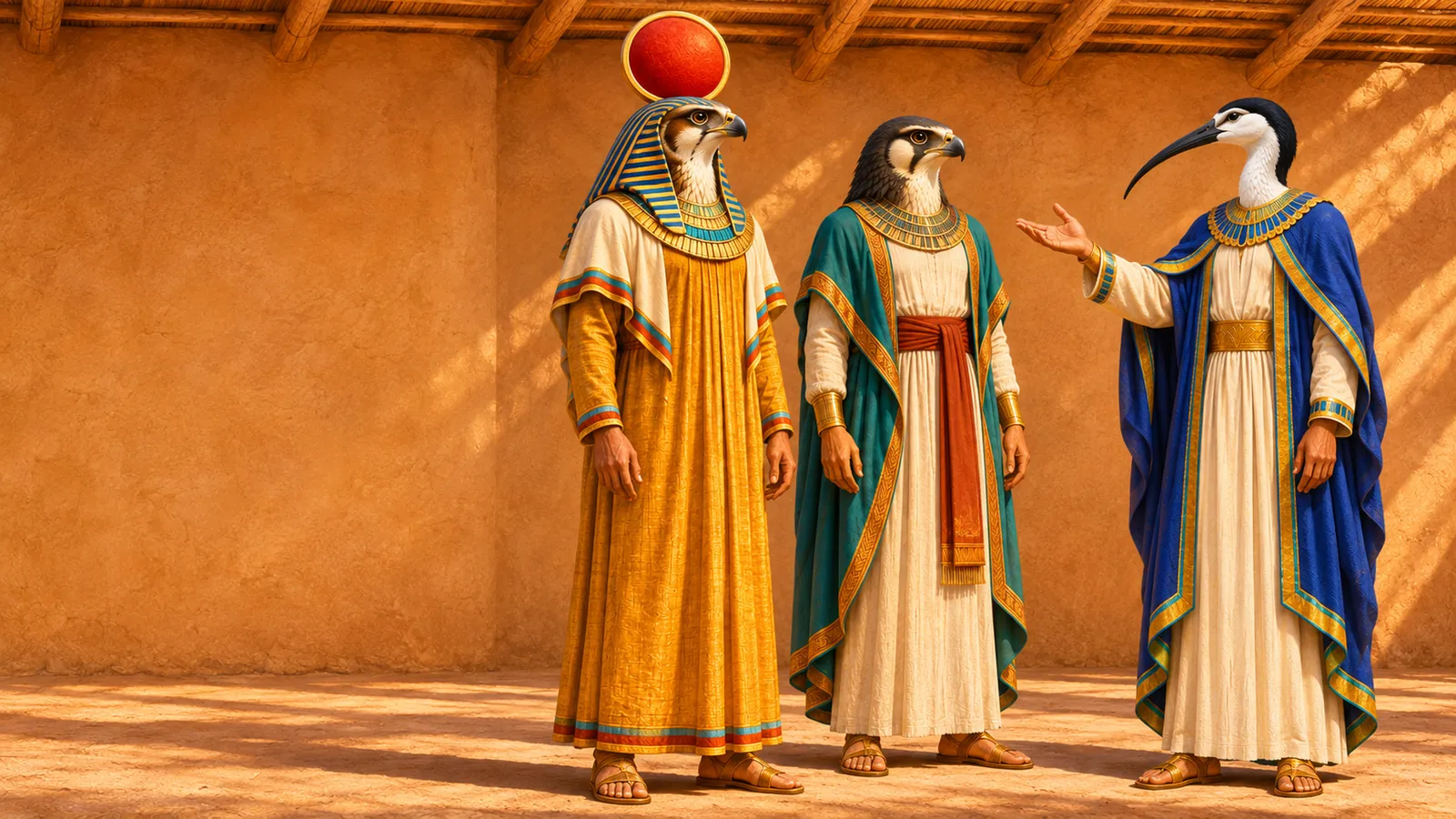
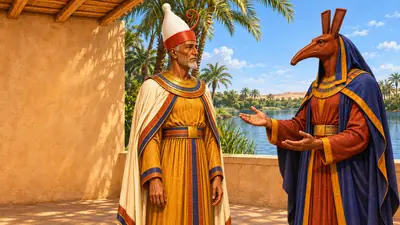
Thoth challenged Seth’s demand. Why should Osiris’s office pass to Seth while Horus, Osiris’s own son, was alive? Yet the sun god continued to favour Seth.
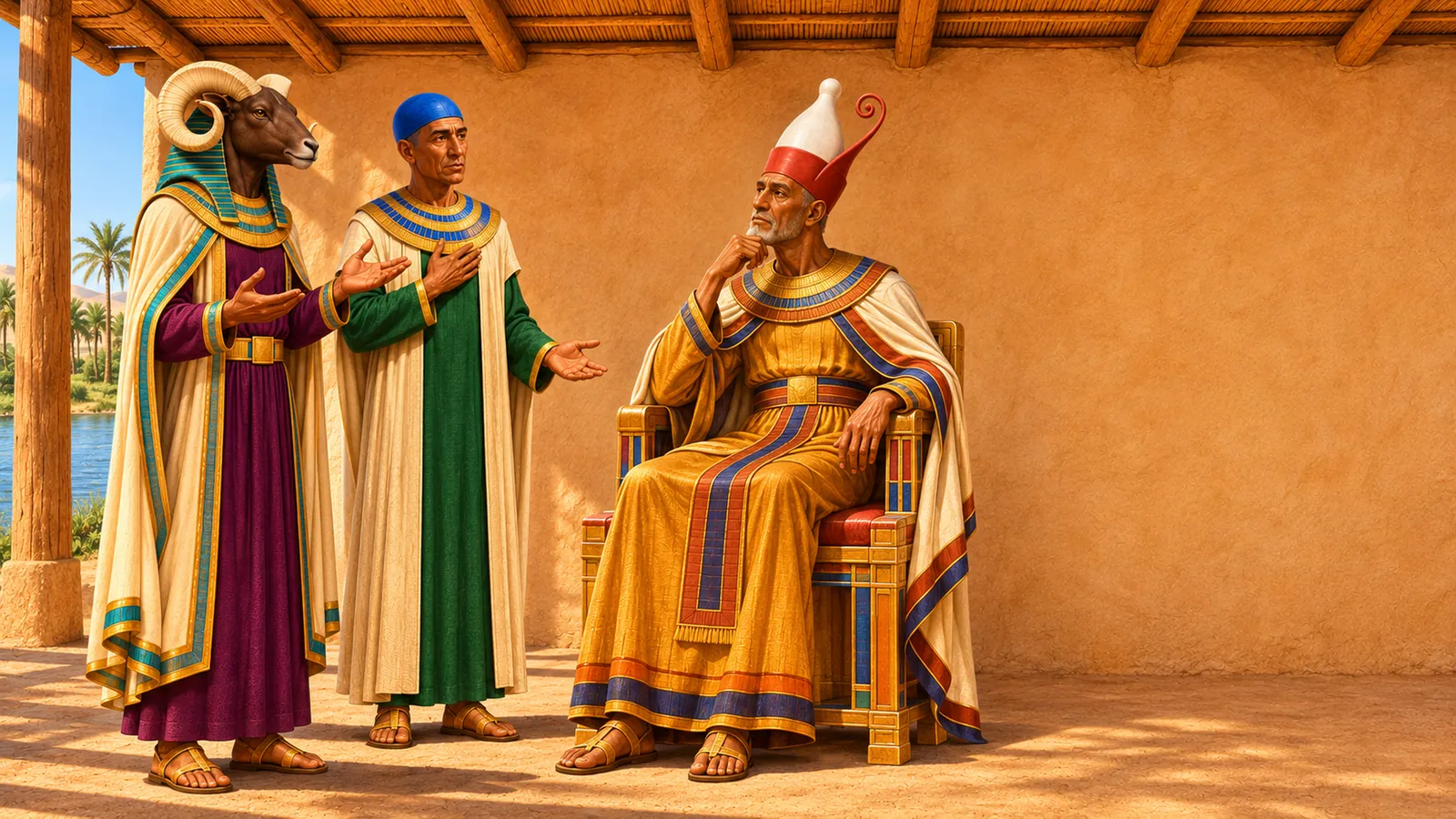
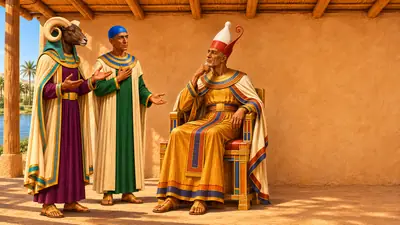
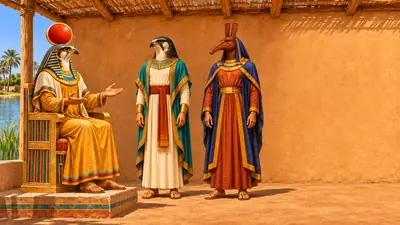
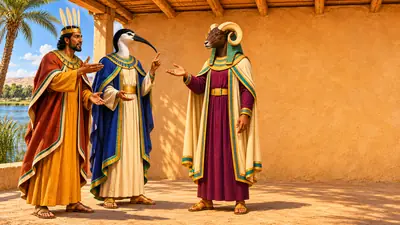
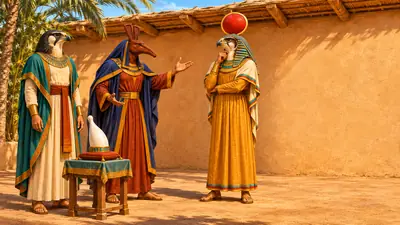
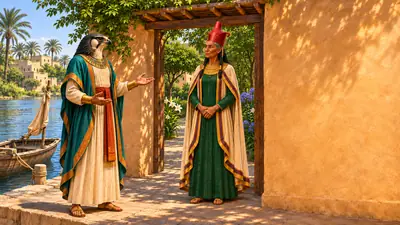
Banebdjedet came before Atum together with Ptah-Tatenen. Rather than judge without knowledge, he proposed asking Neith, the great divine mother, what should be done.
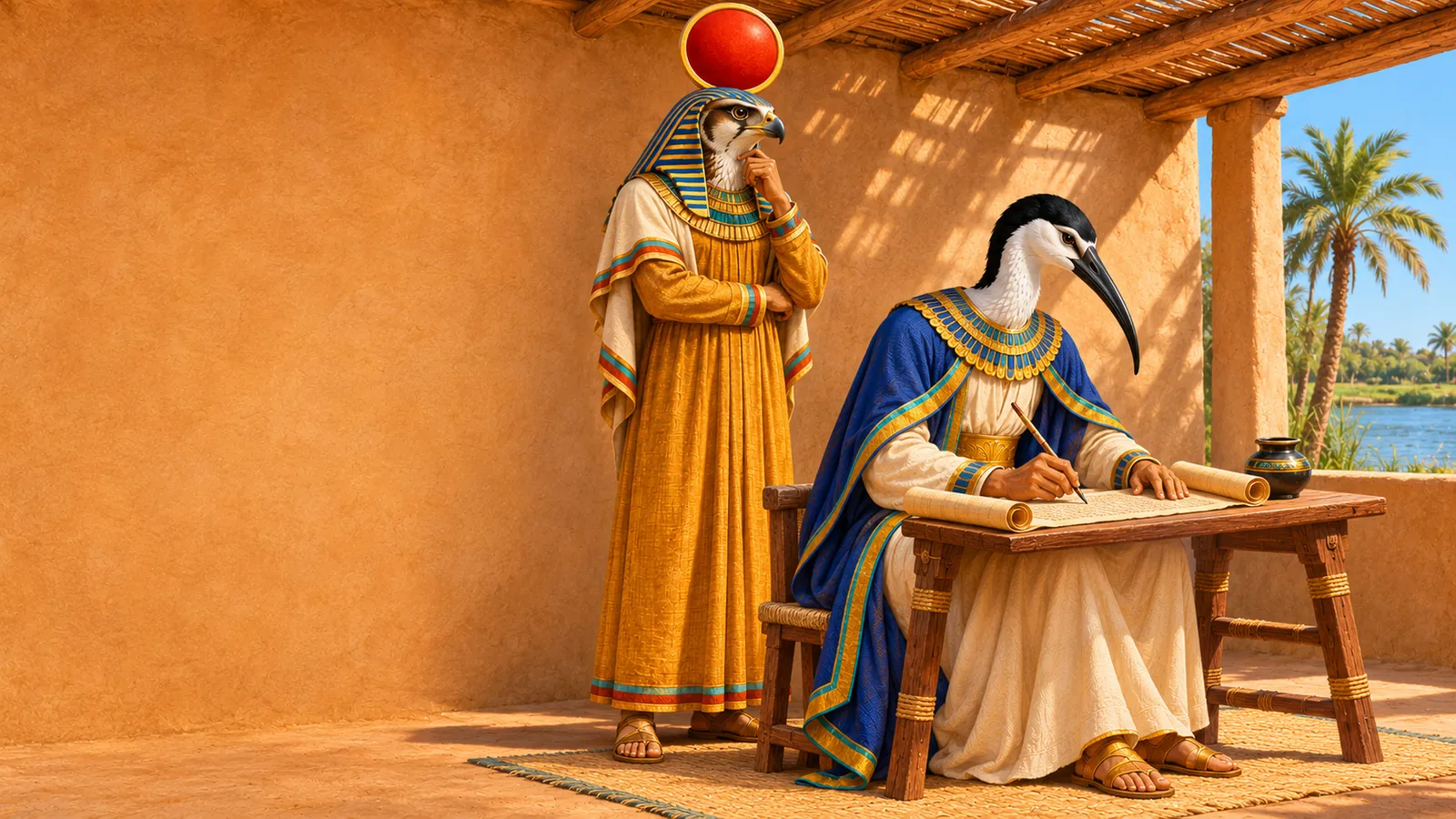
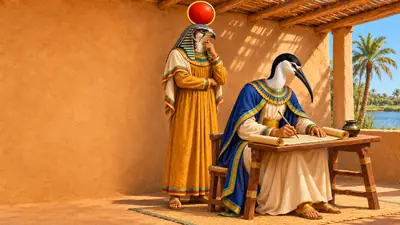
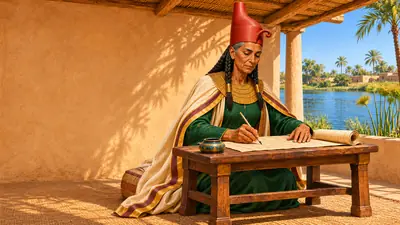
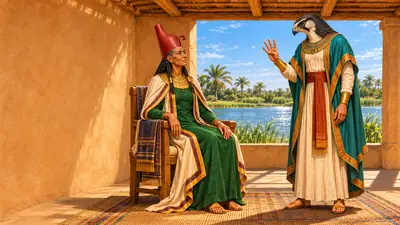
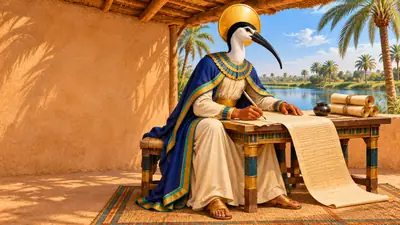
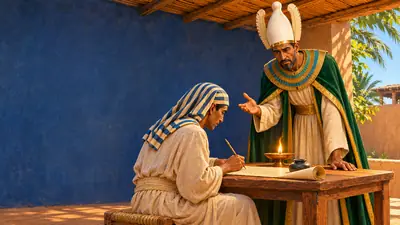
Thoth wrote to Neith in the sun god’s name. The letter described eighty years of hearings and asked how the two claimants should finally be judged.
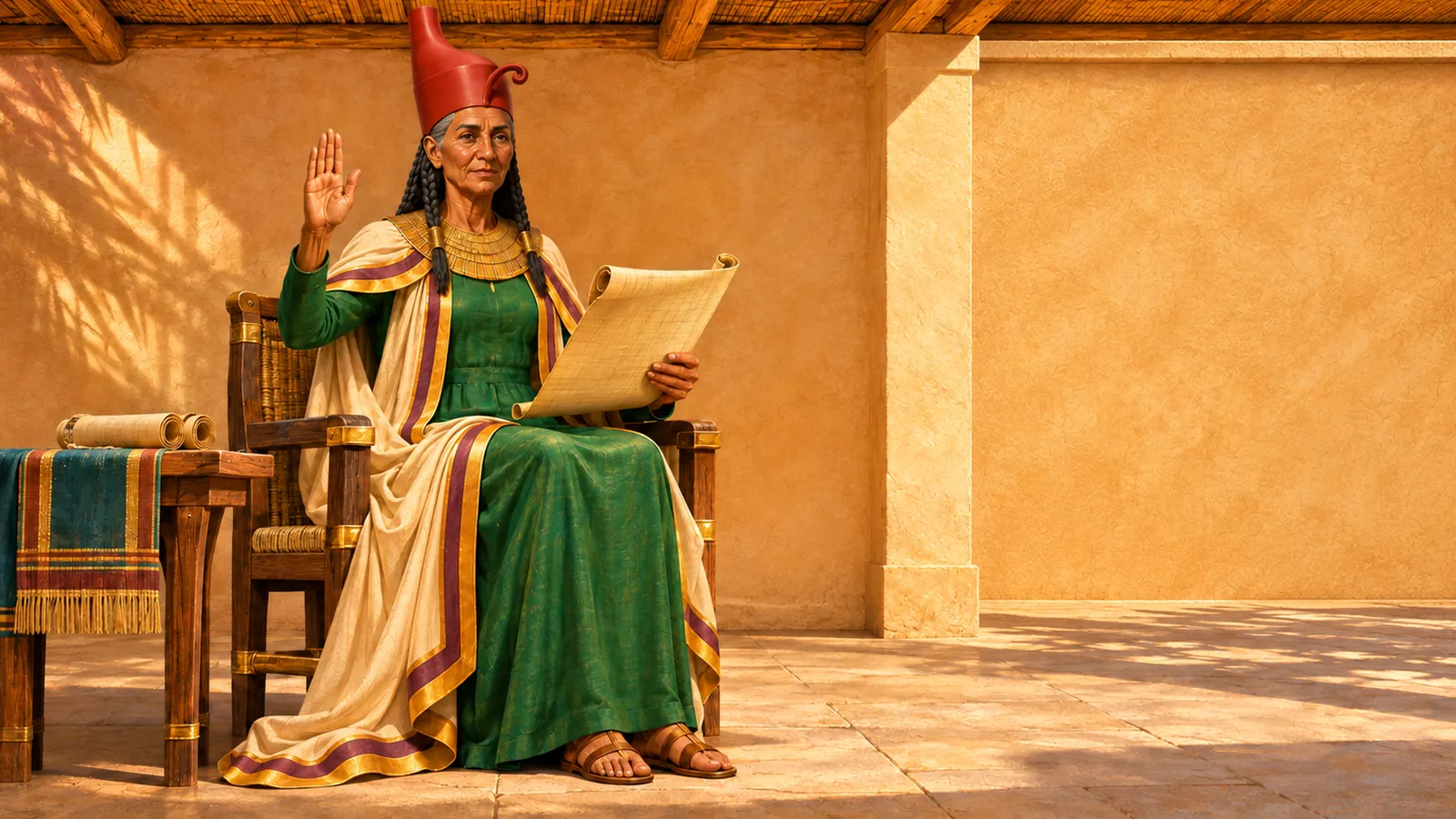
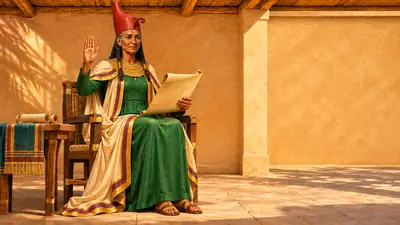
Neith answered that Horus must receive his father’s office. She warned that denying him would anger her so greatly that the sky would fall to earth.
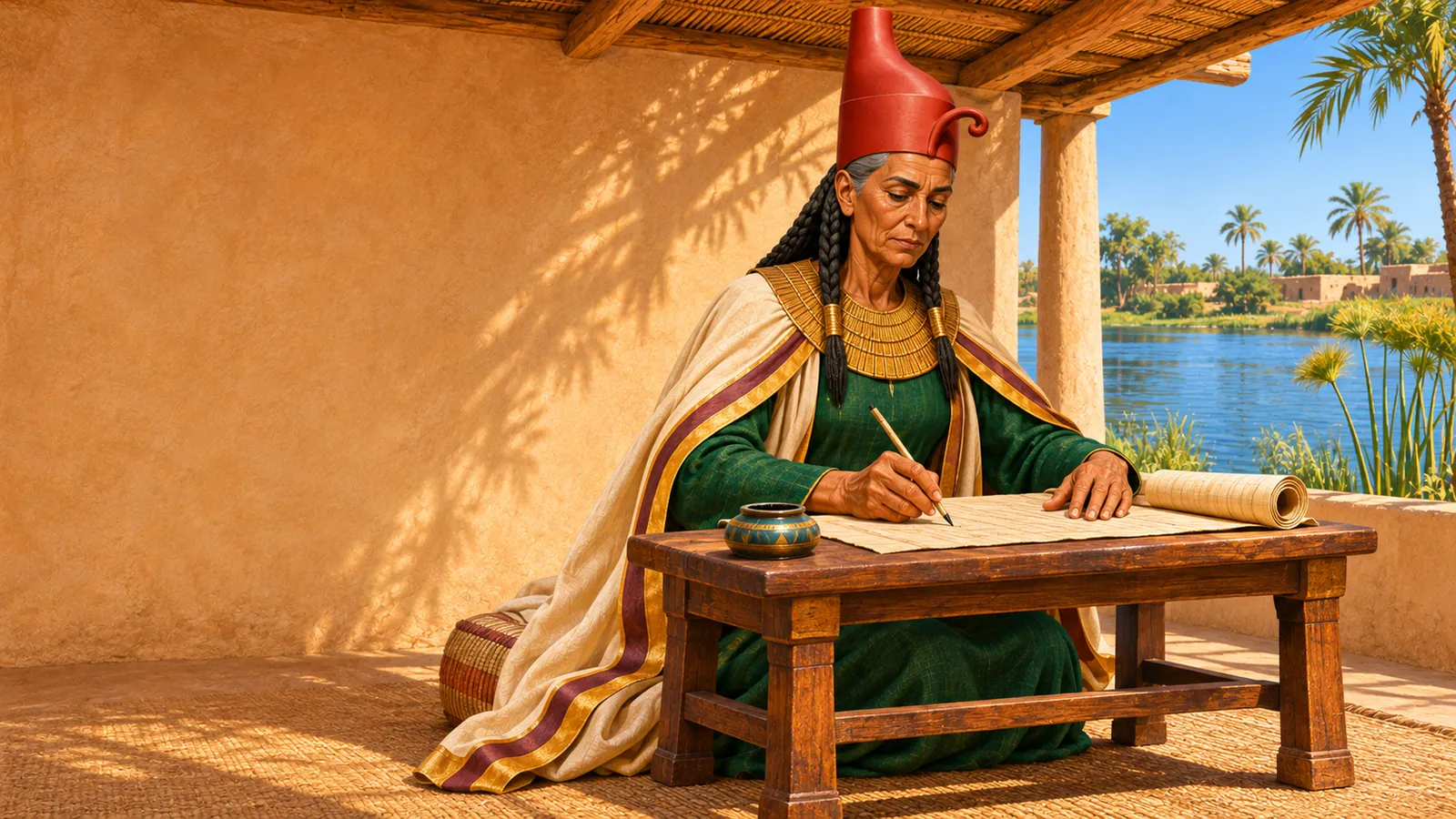
For Seth, Neith proposed doubled possessions and marriage to Anat and Astarte, the sun god’s daughters. Her letter recommended these gifts; it did not describe their fulfilment.
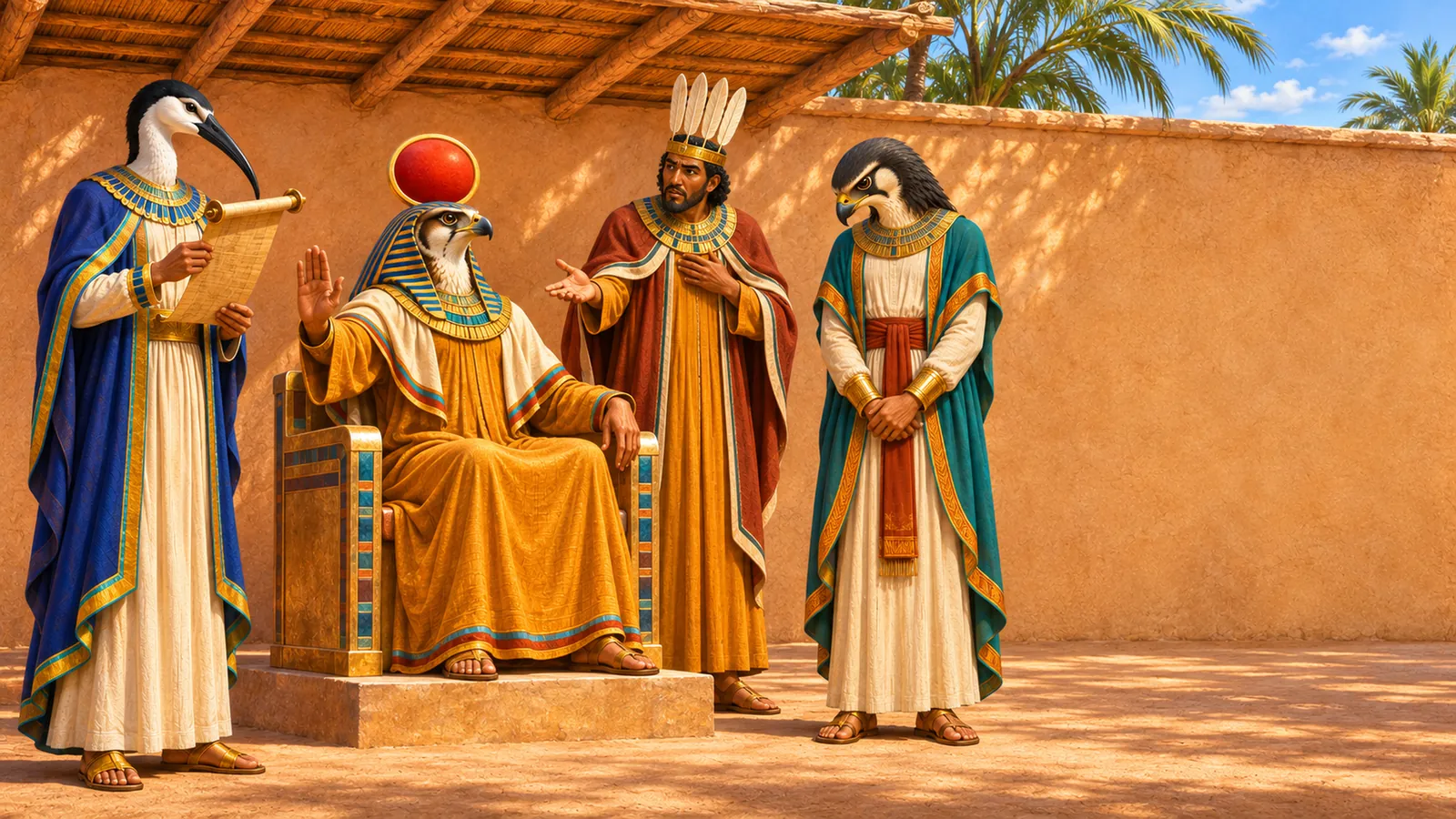
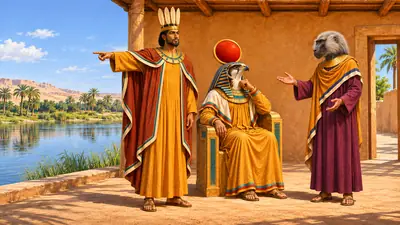
The council approved Neith’s answer. But the sun god disparaged Horus as too weak and too young for kingship, provoking anger among the assembled gods.
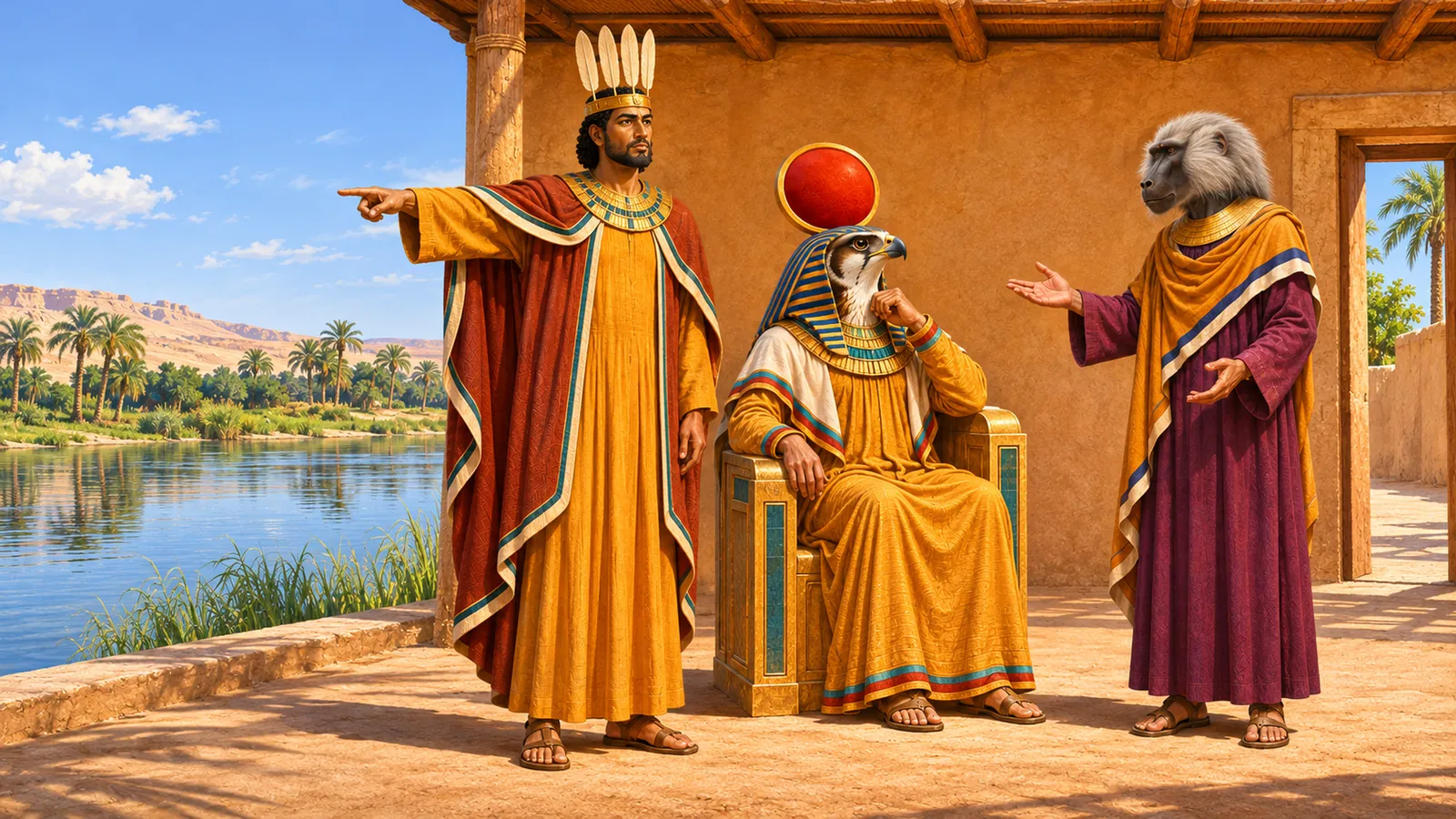
Baba rose and insulted the sun god, declaring his shrine empty. The council condemned the insult and ordered Baba away, leaving the dispute unresolved.
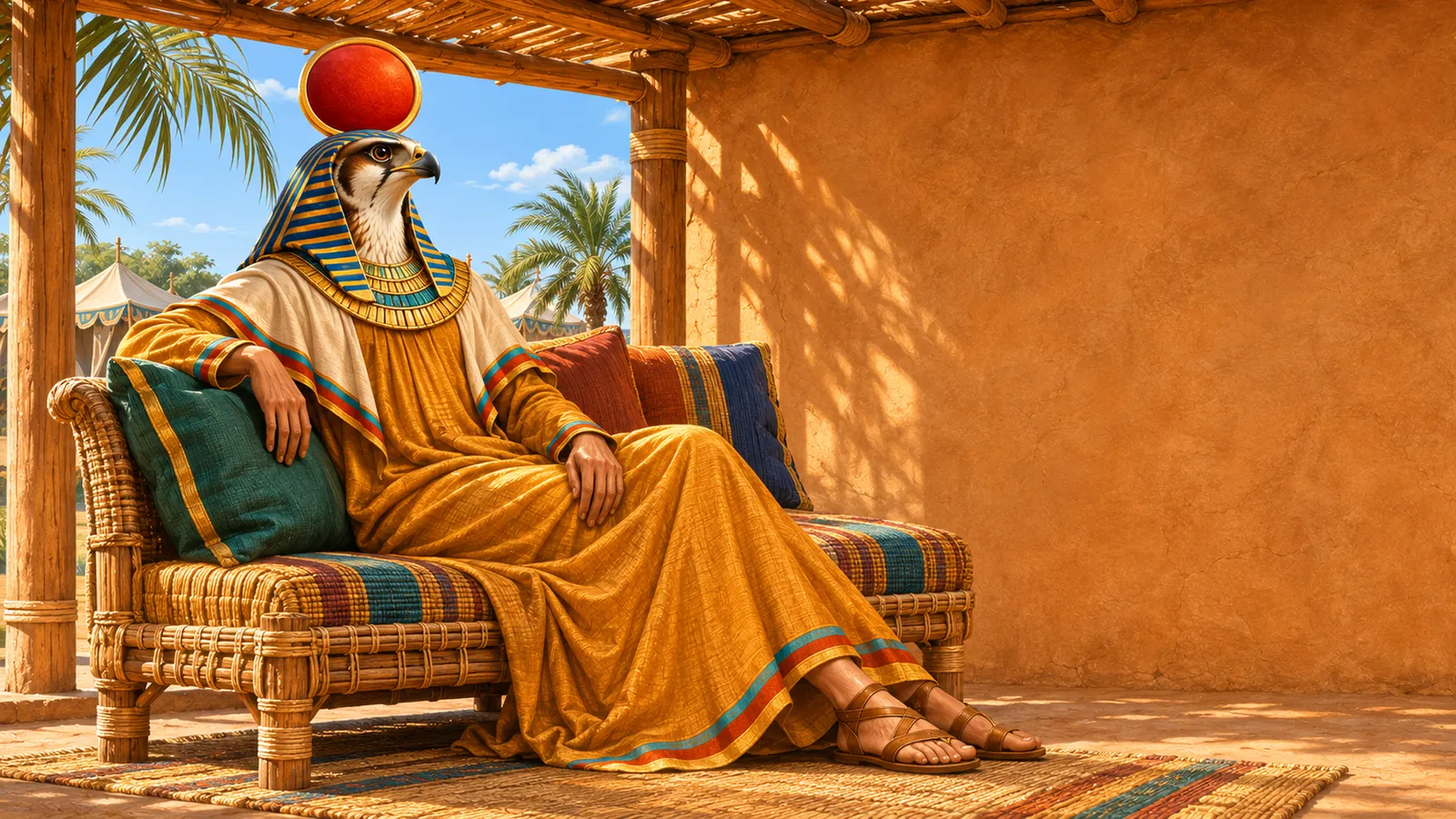
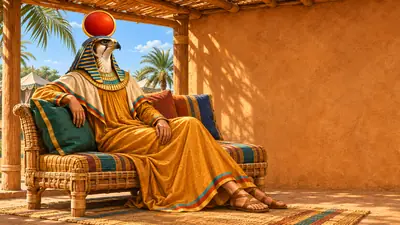
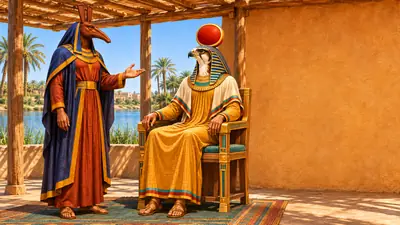
Deeply offended, the sun god lay alone in his pavilion for a day. The other gods withdrew to their tents, and the court fell silent.

To make her father laugh again, Hathor uncovered herself before him. The sun god laughed, and his anger passed. He rose and returned to the council.
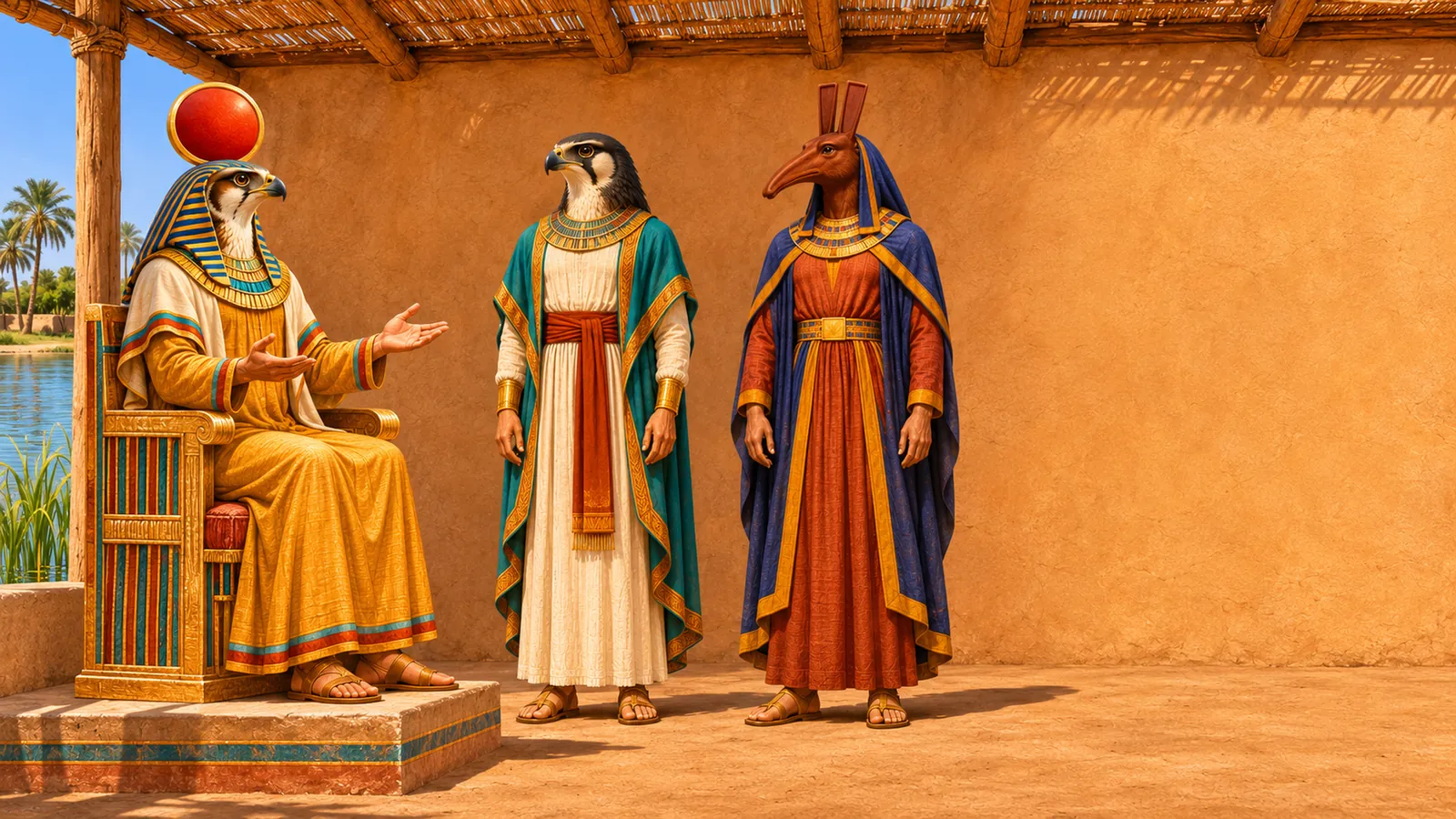
The sun god sat again with the divine council. He summoned Horus and Seth to speak for themselves, reopening a hearing that had already lasted generations.
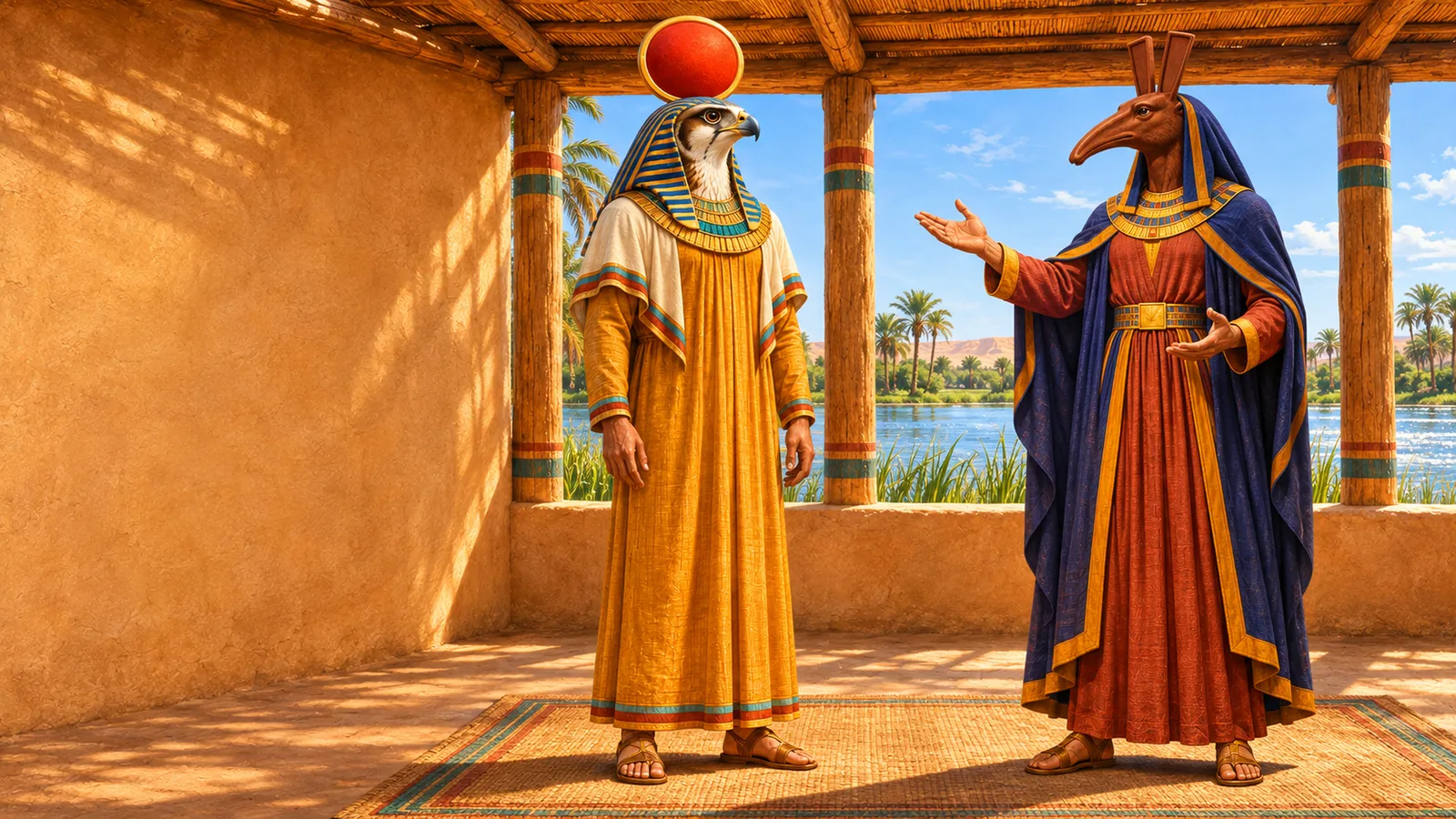
Seth claimed that he alone destroyed the sun god’s enemy each day from the solar boat. He argued that this strength entitled him to Osiris’s office.
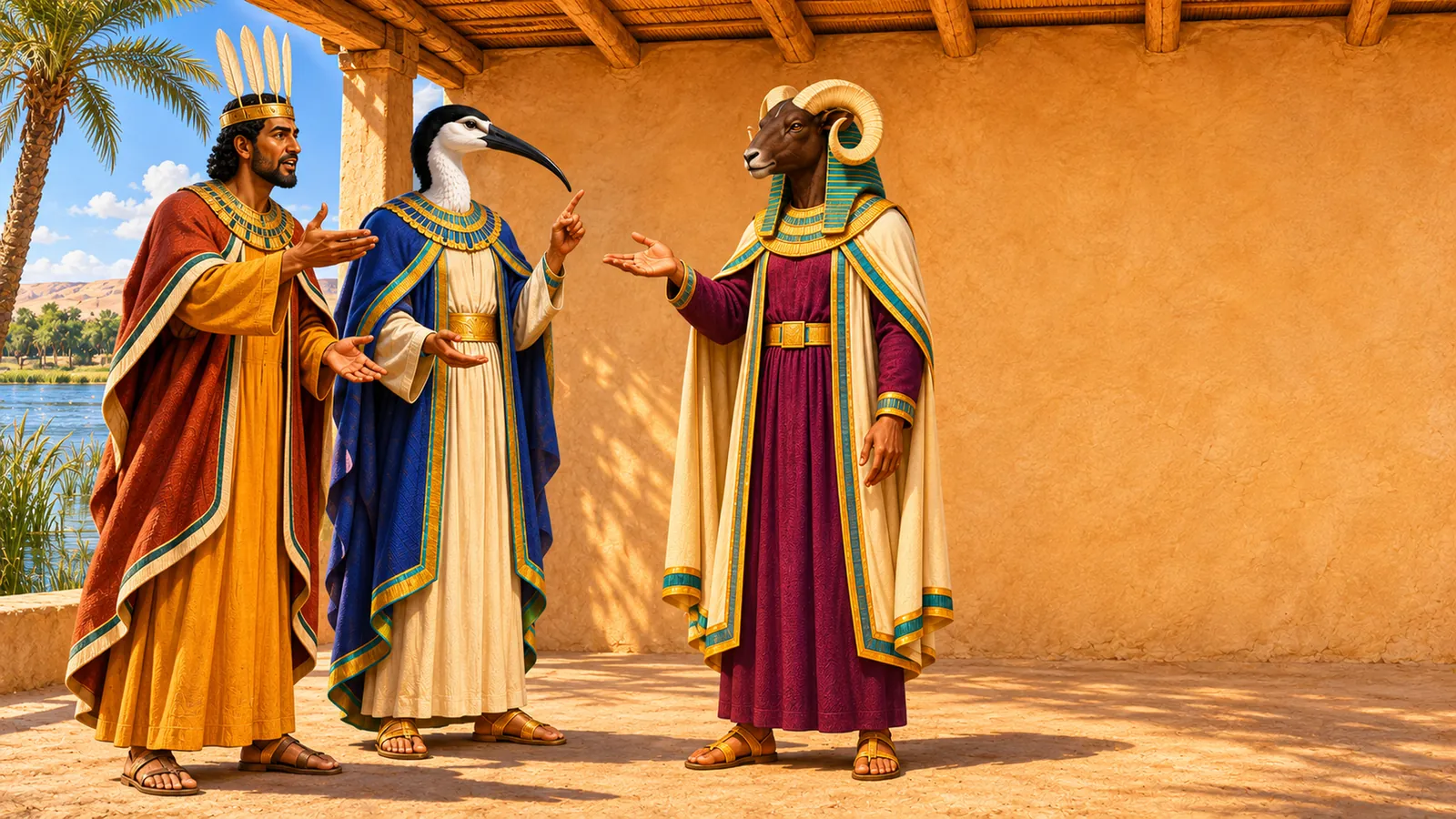
Onuris and Thoth defended the living son’s inheritance. Banebdjedet answered for Seth’s seniority, calling him Horus’s elder brother, as different traditions mingled within the story.
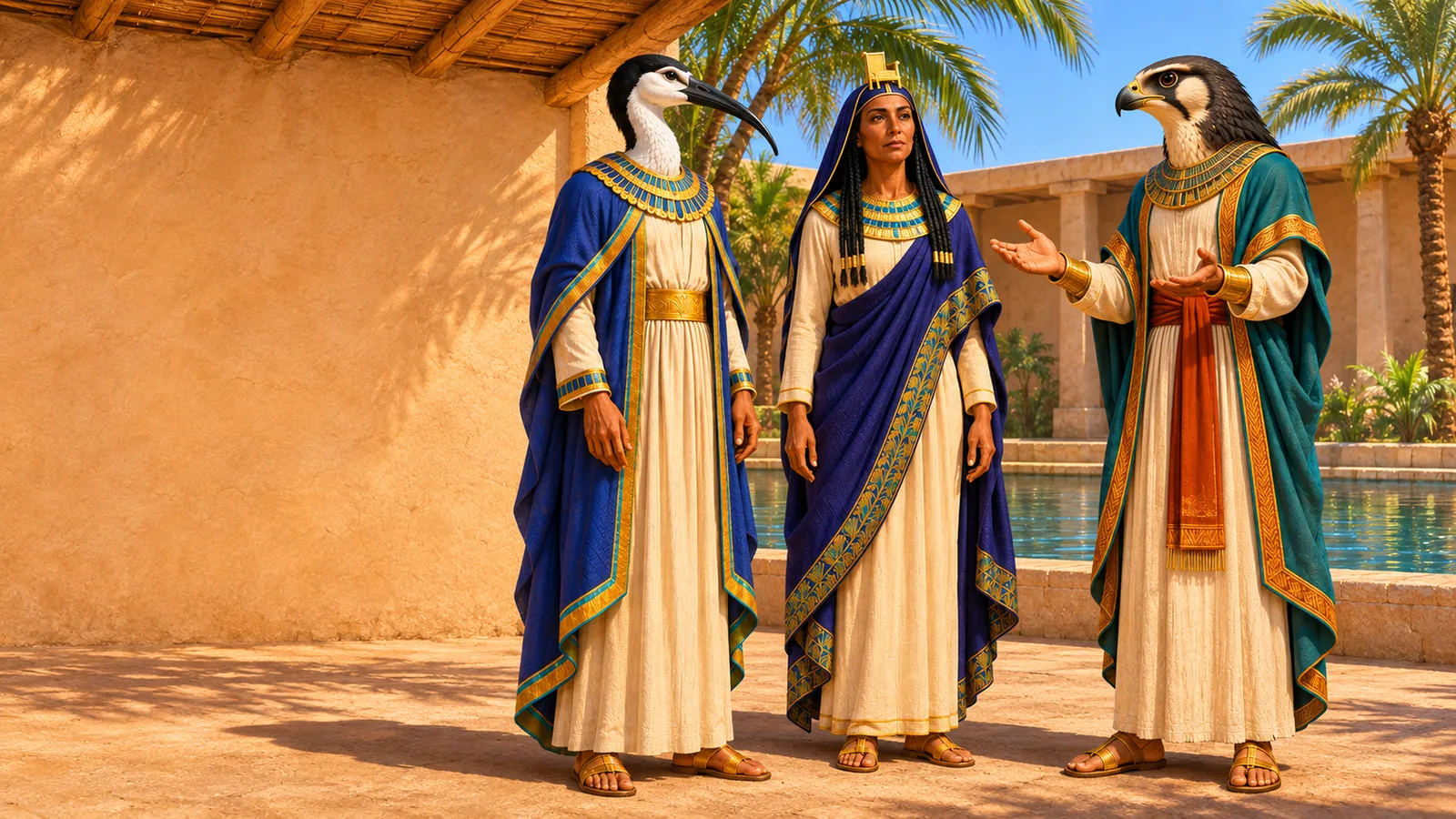
Horus protested that his father’s office was being taken from him. Isis swore to pursue the matter, and the council promised that right would receive its due.
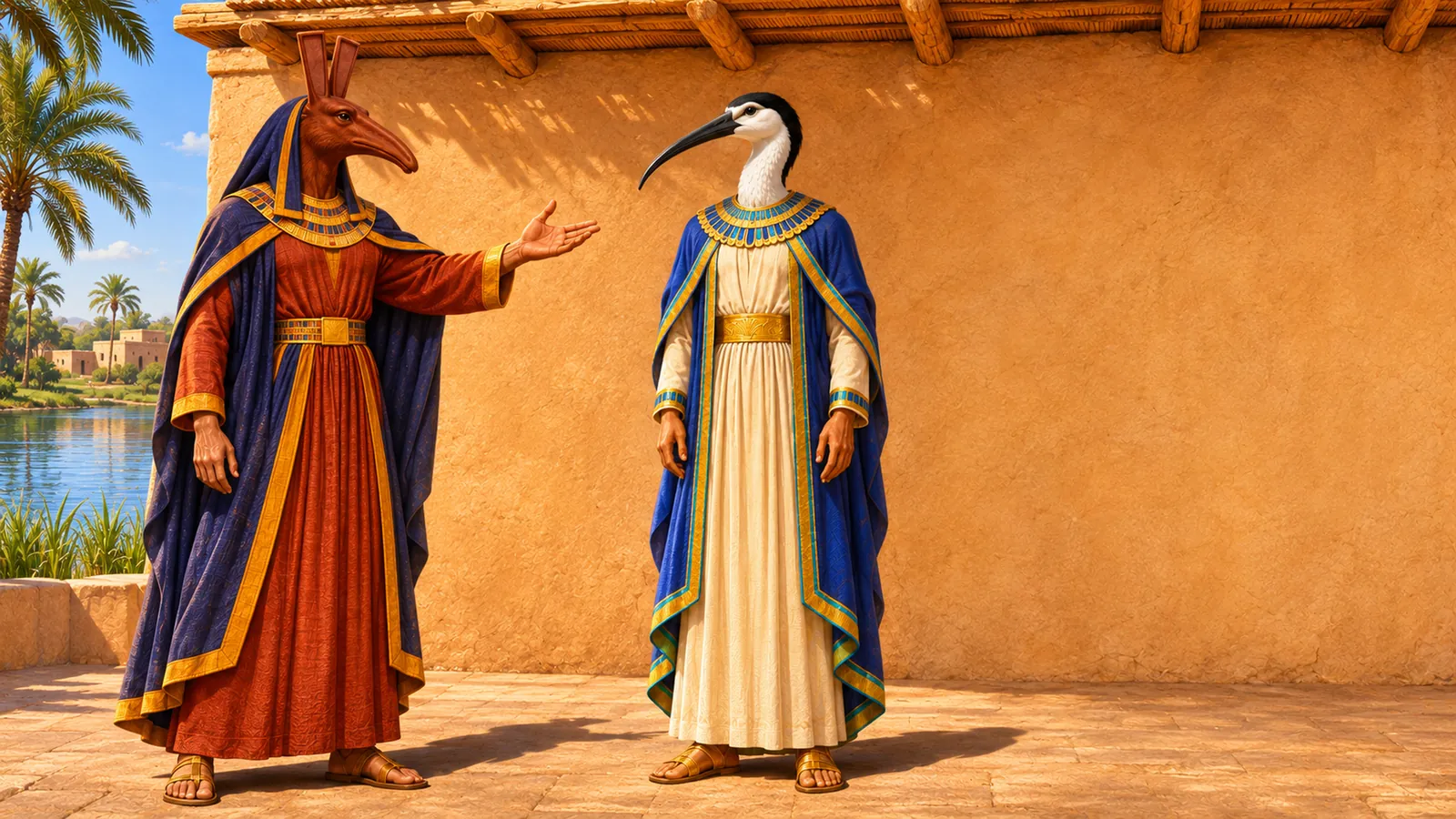
Seth threatened to kill a councillor each day with his enormous sceptre. He then refused to continue the trial while Isis remained in the court.
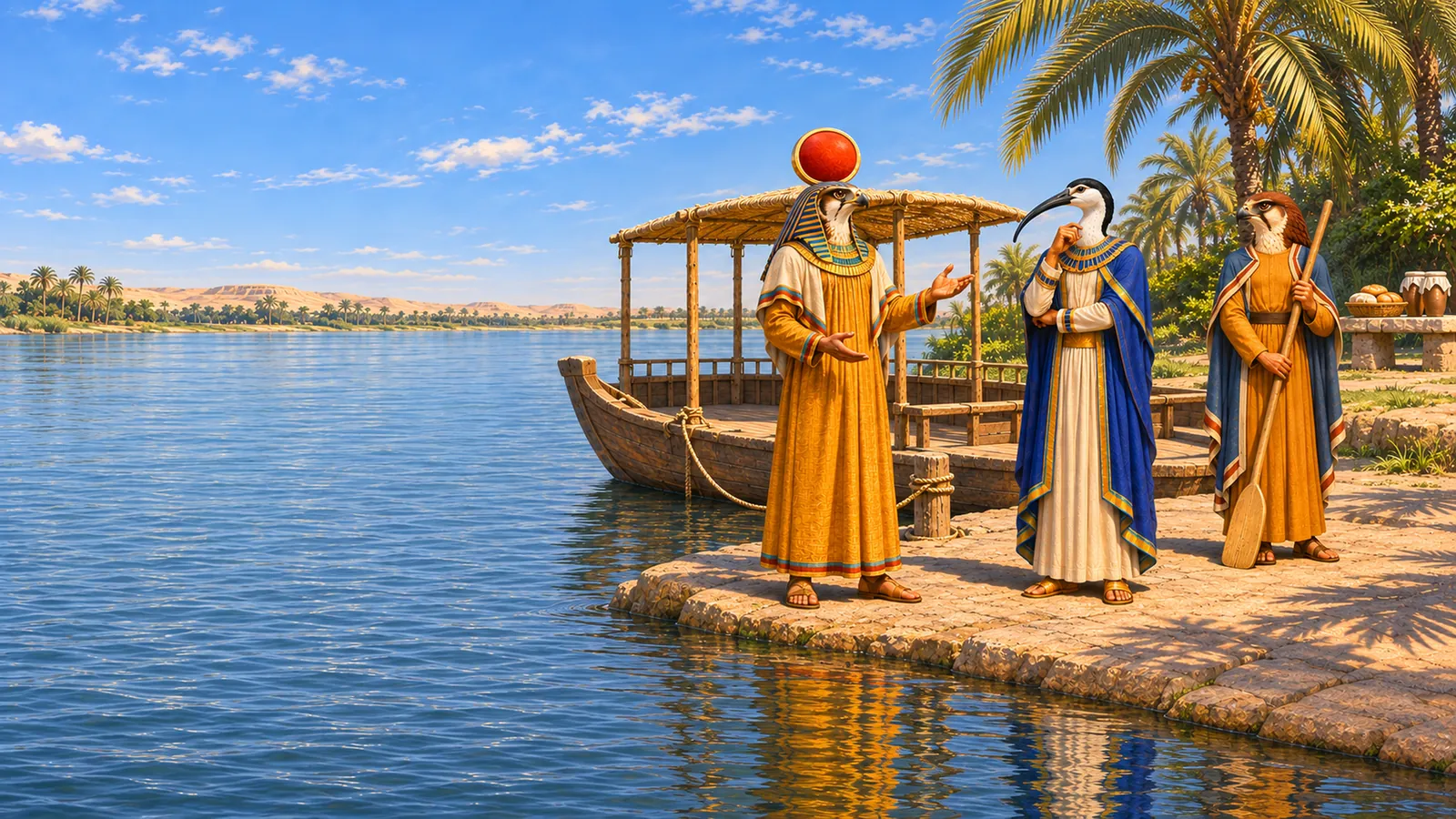
The court crossed to the Island-in-the-Midst and sat down to eat. The ferryman Nemty was ordered to let no woman resembling Isis cross after them.
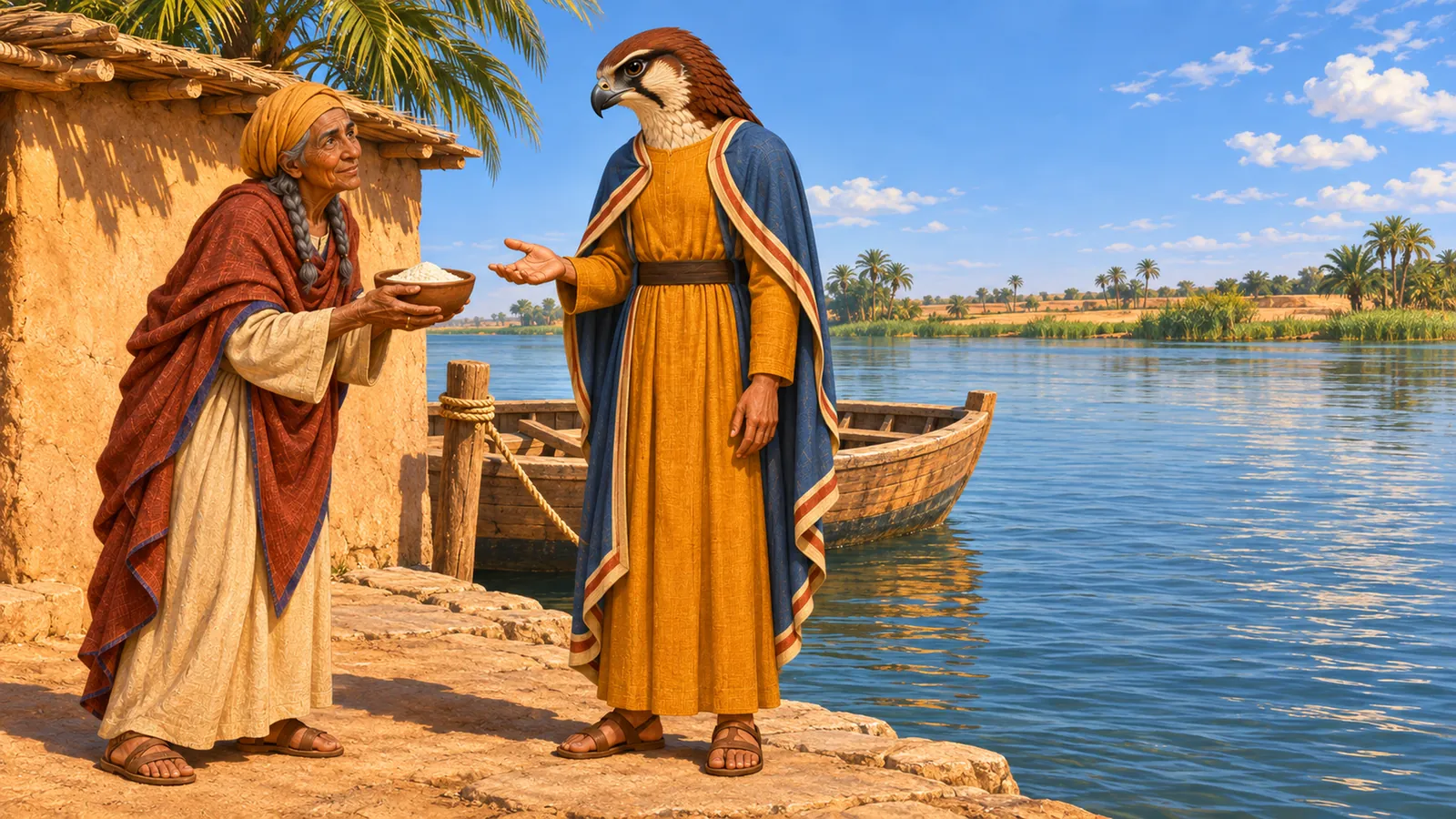
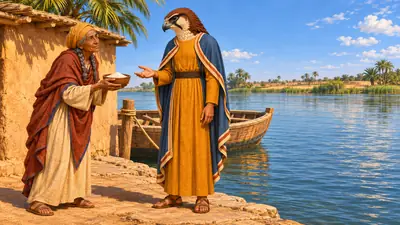
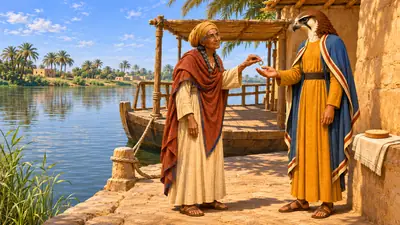
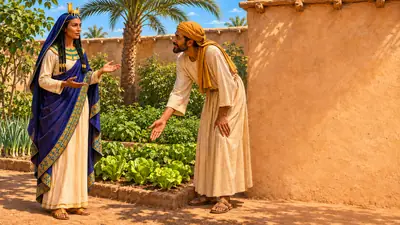
Disguised as an old woman, Isis approached Nemty with flour. She claimed she was bringing food to a hungry boy tending cattle on the island.
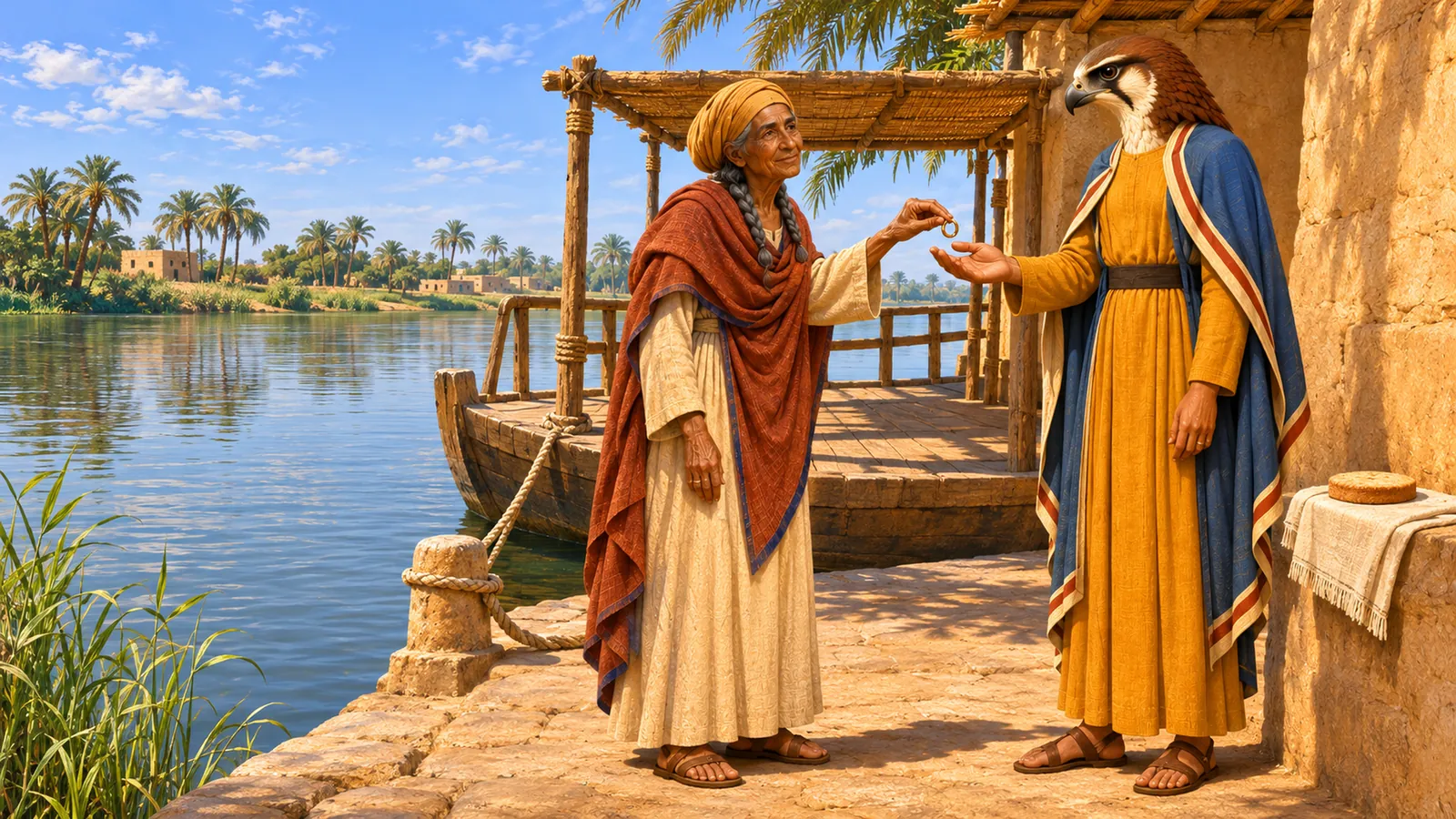
Nemty rejected the cake she offered. When Isis offered her gold ring instead, he accepted it and ferried the disguised goddess across to the island.
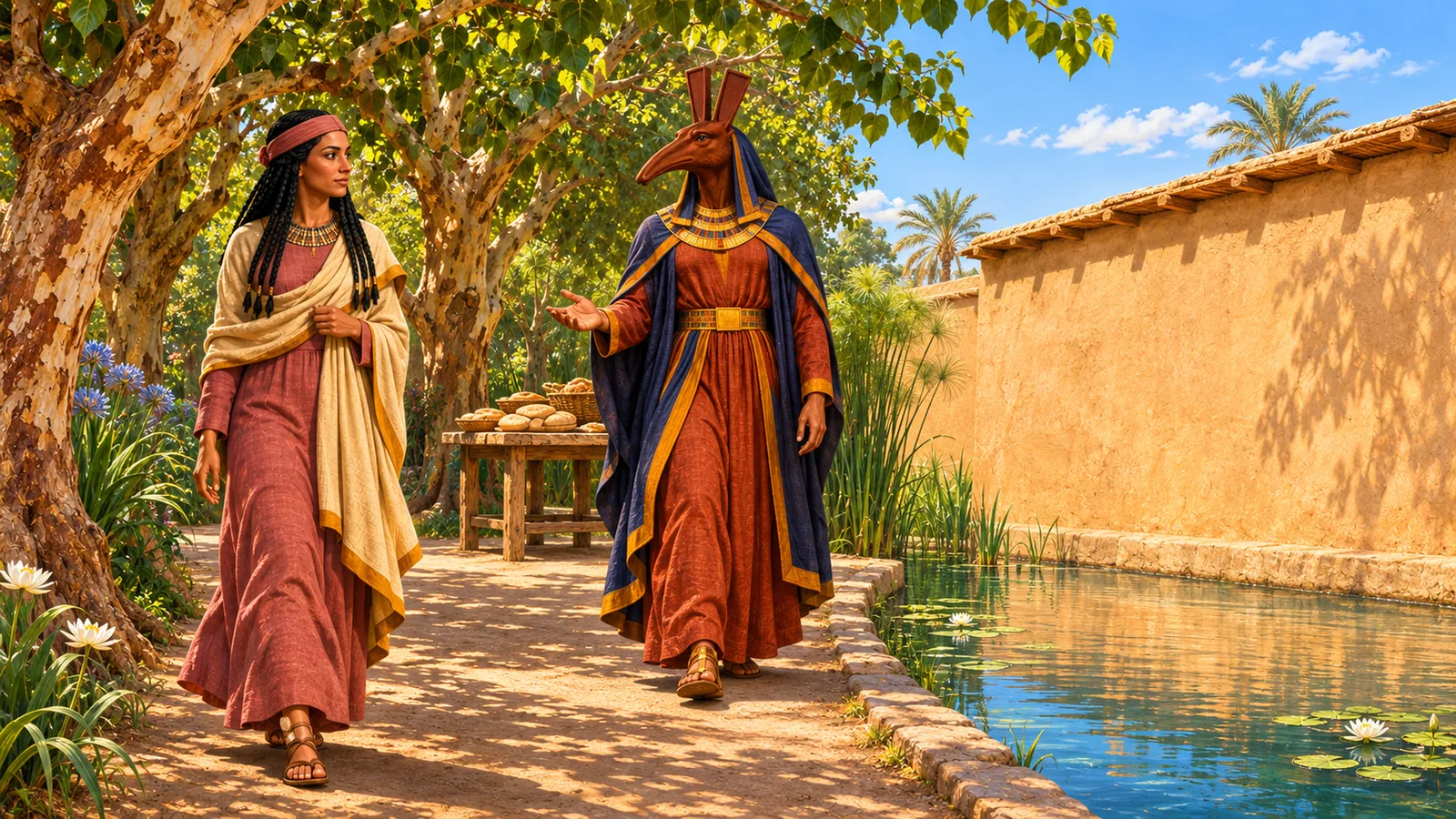
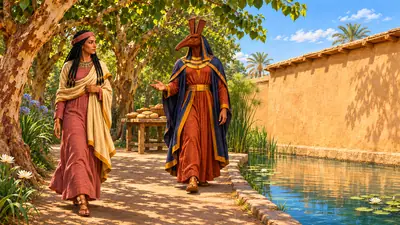
Beneath the island’s trees, Isis changed into a beautiful young woman. Seth saw her, desired her, and left the council’s meal to approach her alone.
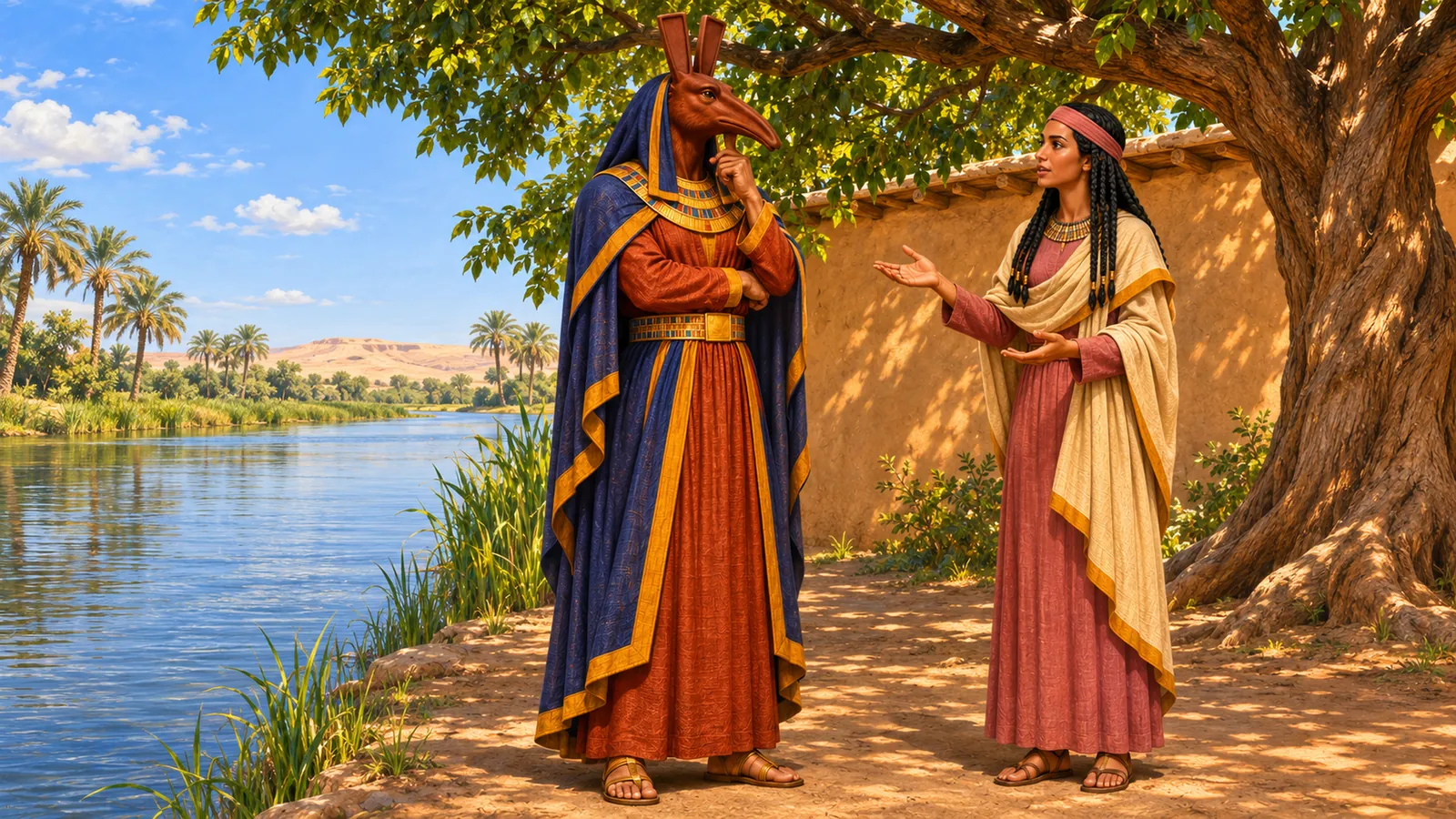
Isis told a fictitious widow’s story: a stranger threatened her son and his inherited cattle. She asked Seth to defend the boy against that injustice.
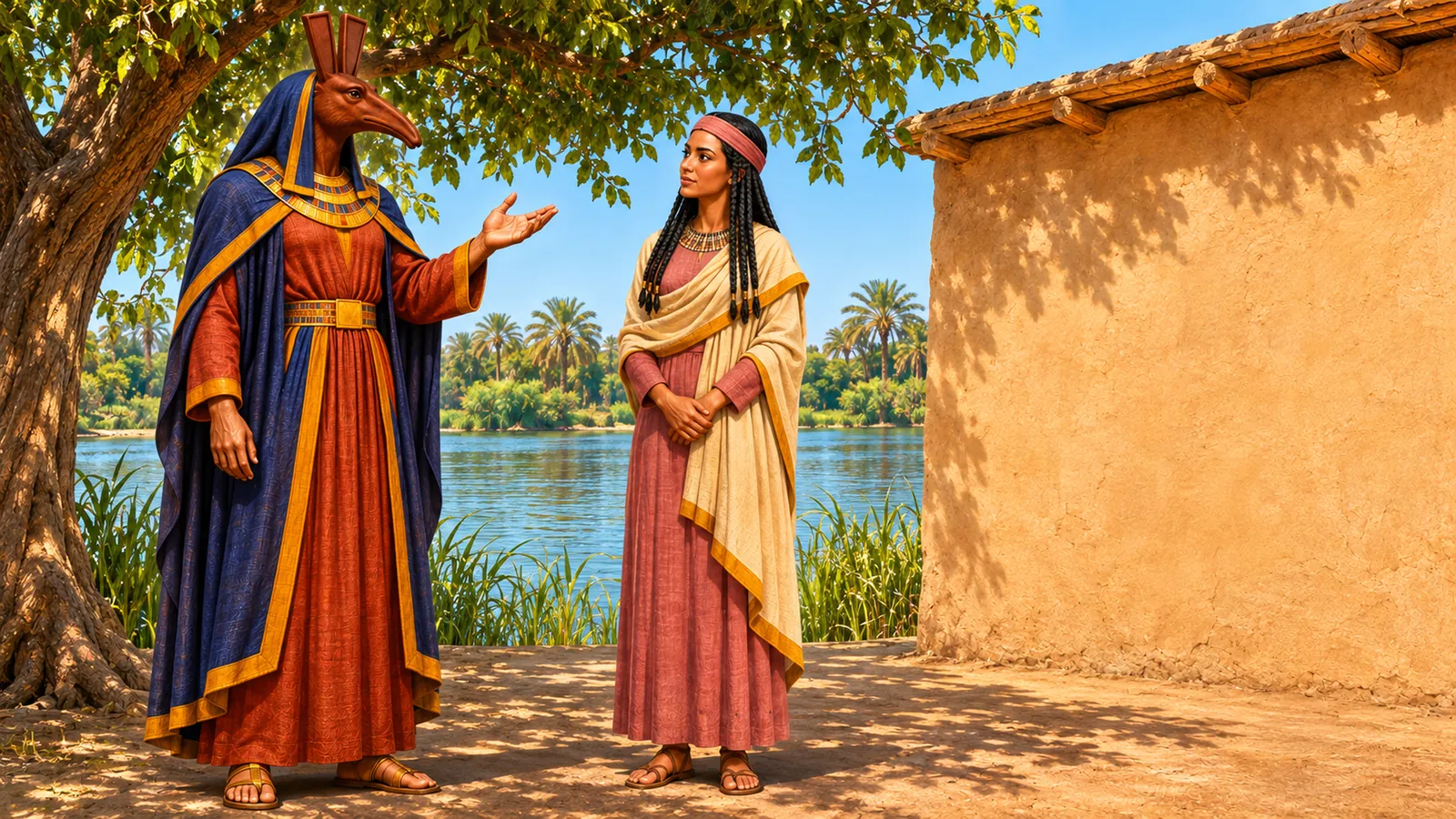
Seth declared that the stranger must not inherit while the dead man’s son lived. In defending the widow’s son, he had spoken against his own claim.

Isis became a kite and perched upon an acacia. From above, she told Seth that his own mouth and his own judgment had condemned him.
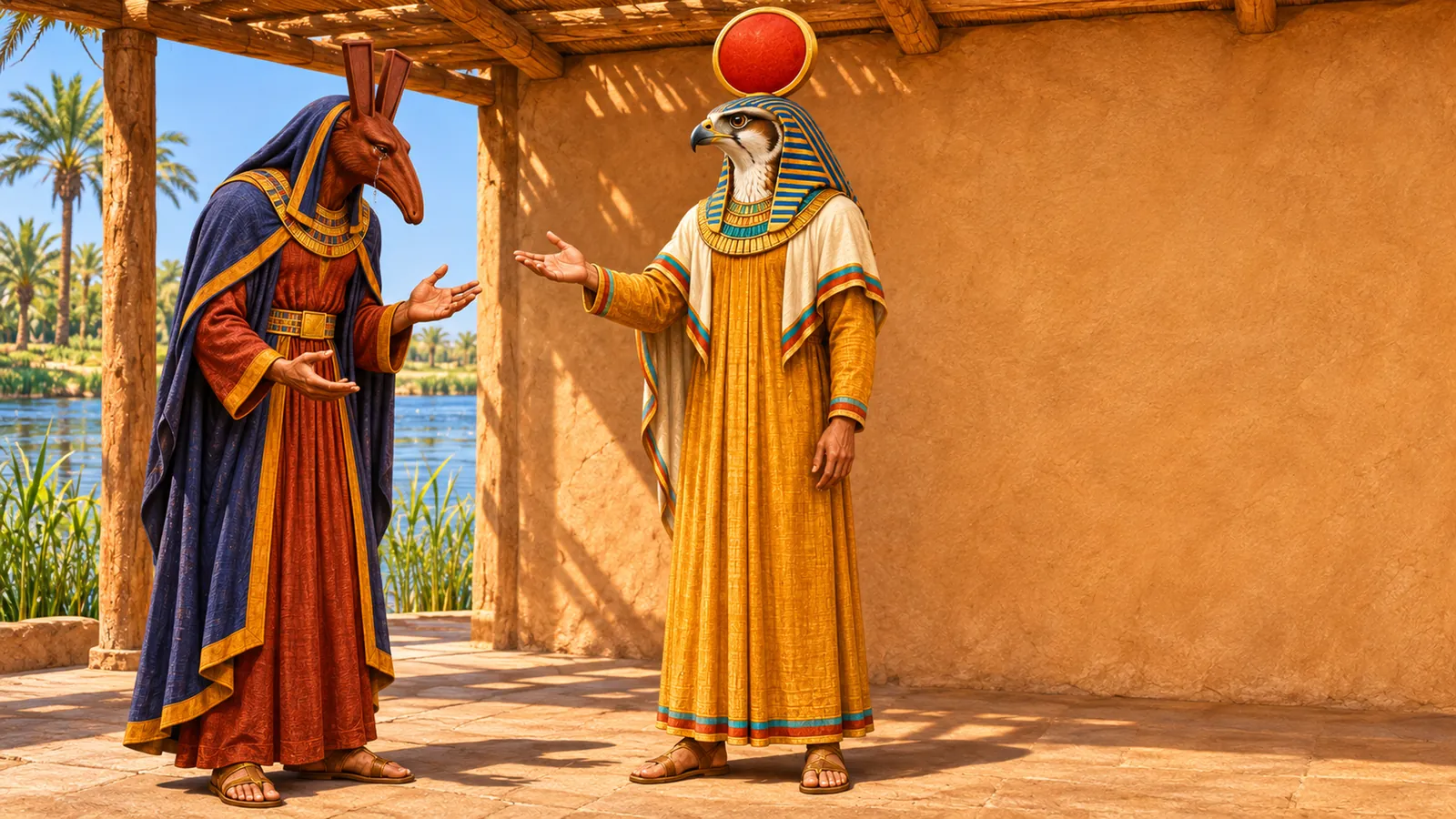
Seth wept before the sun god and repeated the disguised woman’s story. After hearing his answer, the sun god confirmed that Seth had judged himself.

At Seth’s demand, Nemty was brought before the council, and his toes were cut off for carrying Isis across. The narrative then turns to his rejection of gold.
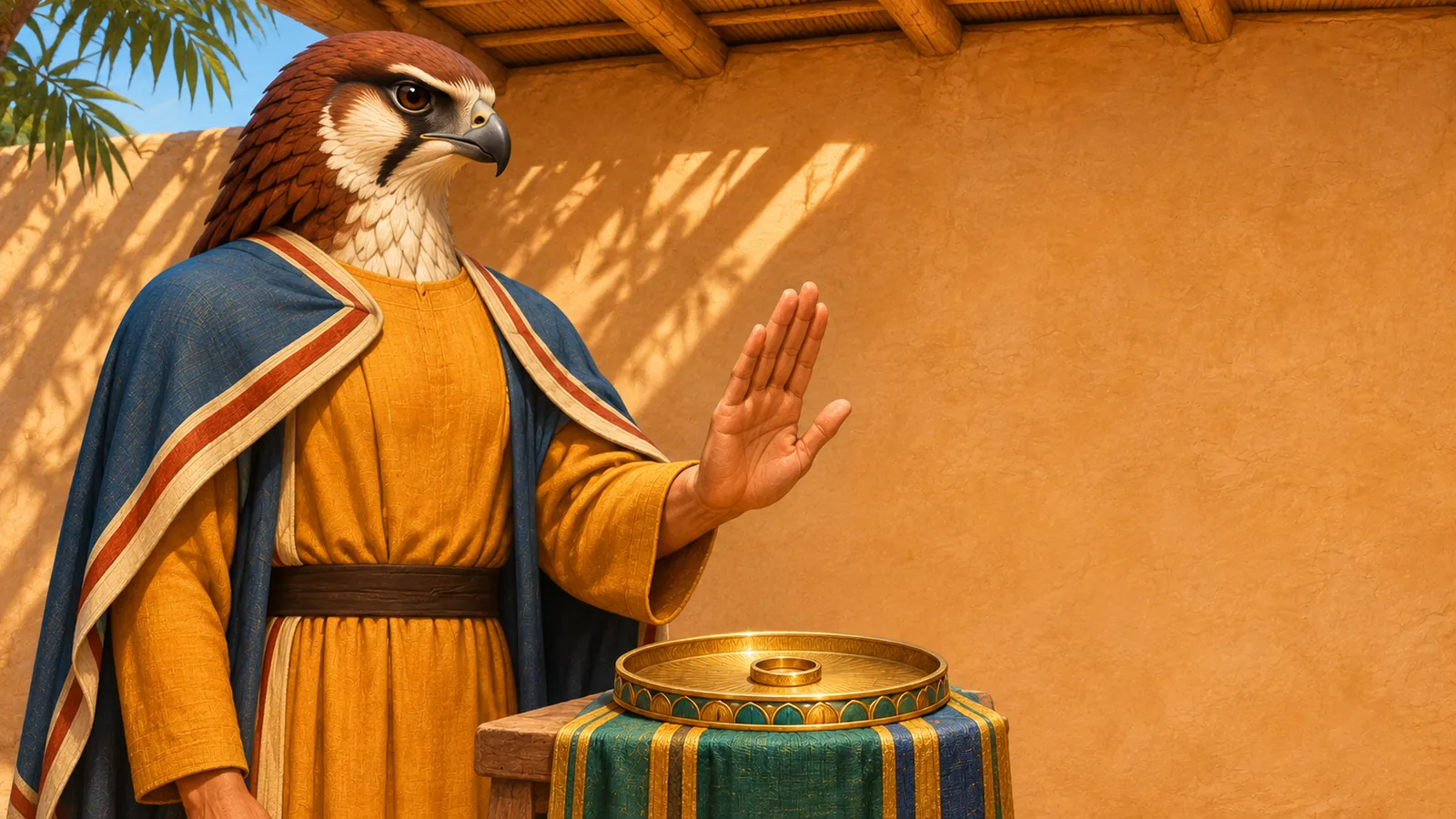
Before the council, Nemty renounced gold, declaring it forbidden to him in his town. The ring that bought the crossing had brought him a terrible punishment.
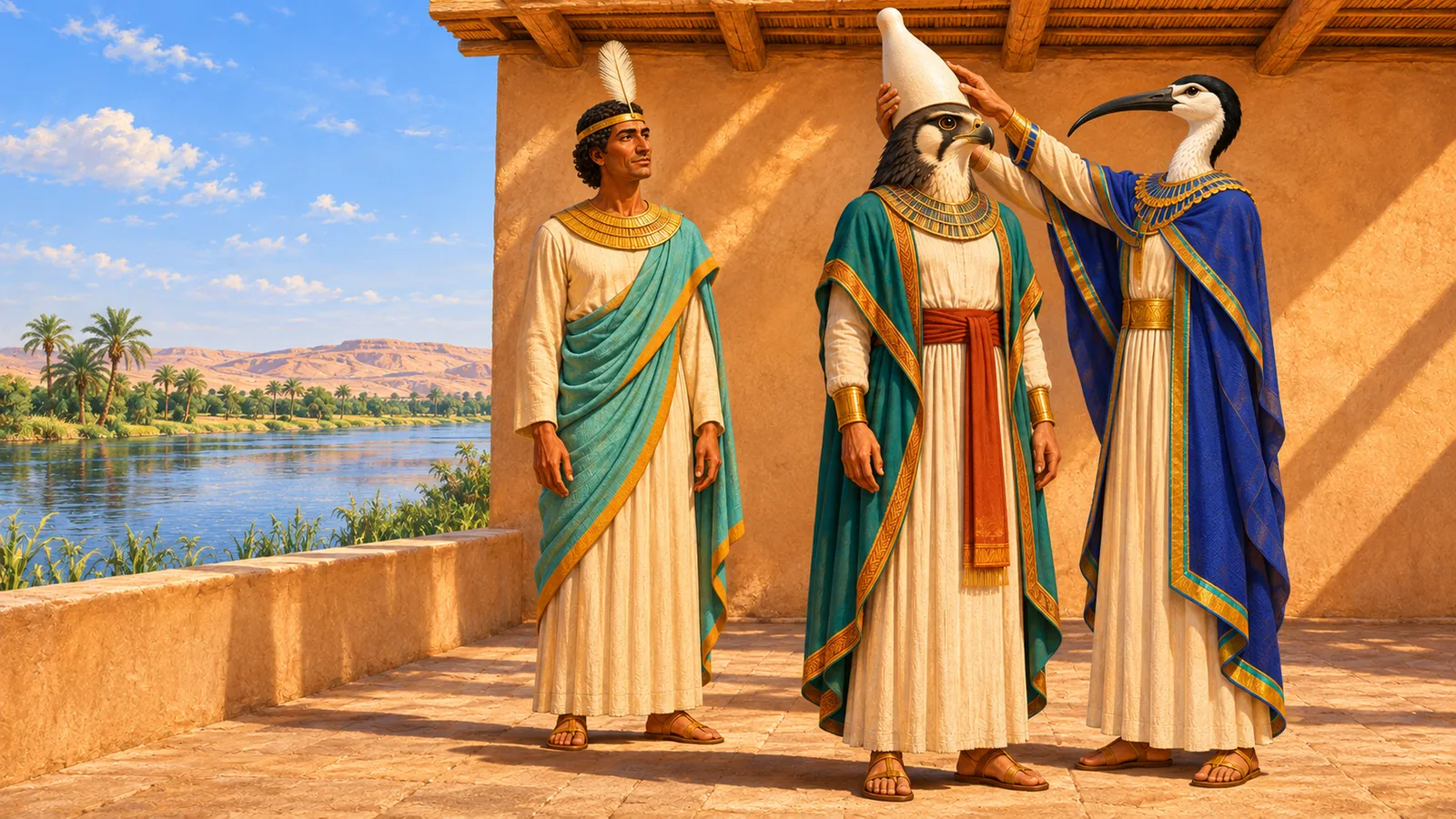
On the western shore, the gods received another command to end the delay. They placed the White Crown upon Horus and awarded him his father’s position.
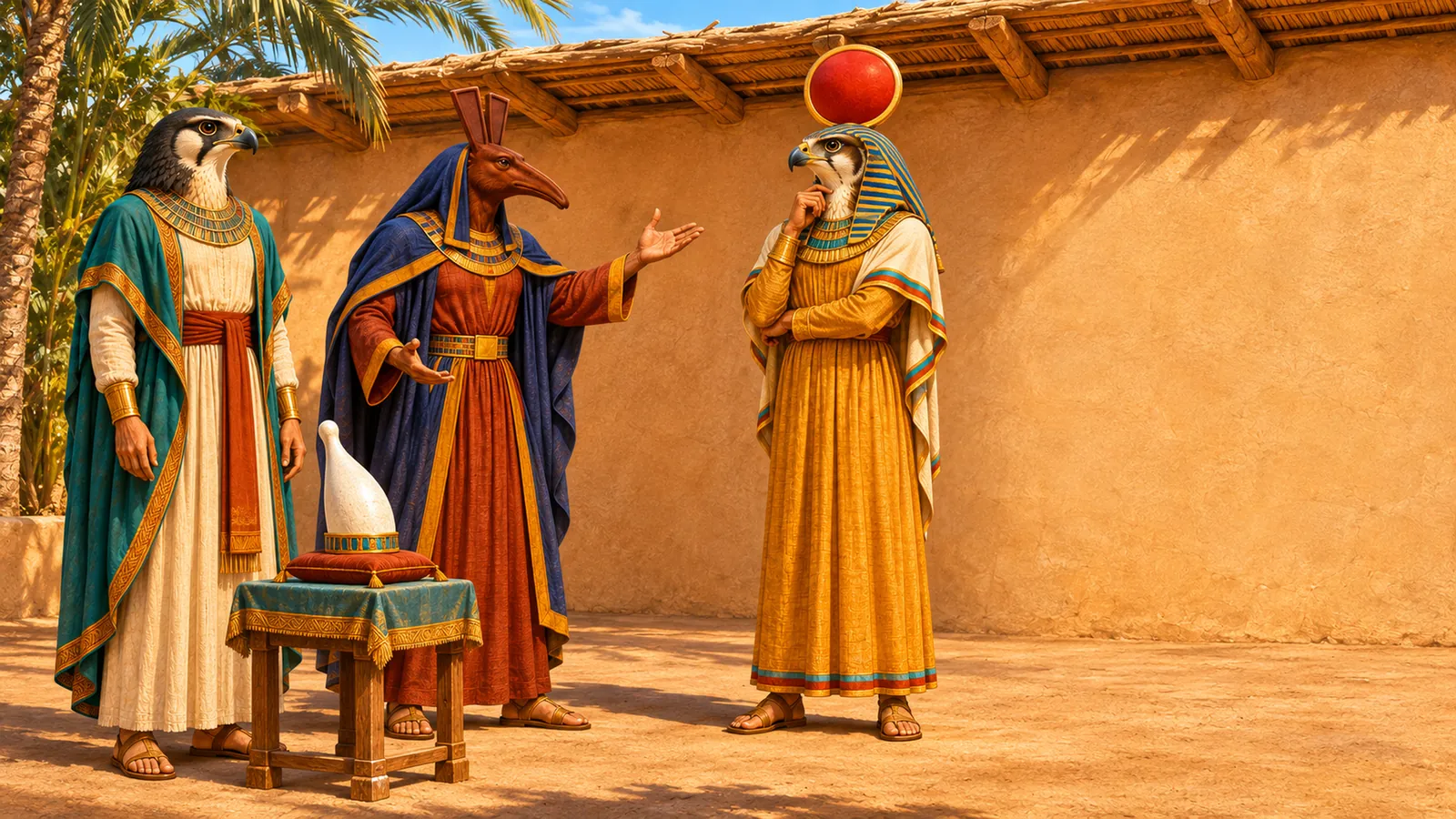
Seth protested furiously and demanded that Horus lose the crown and enter the water to compete. The sun god acted on his demand, overturning the settlement.
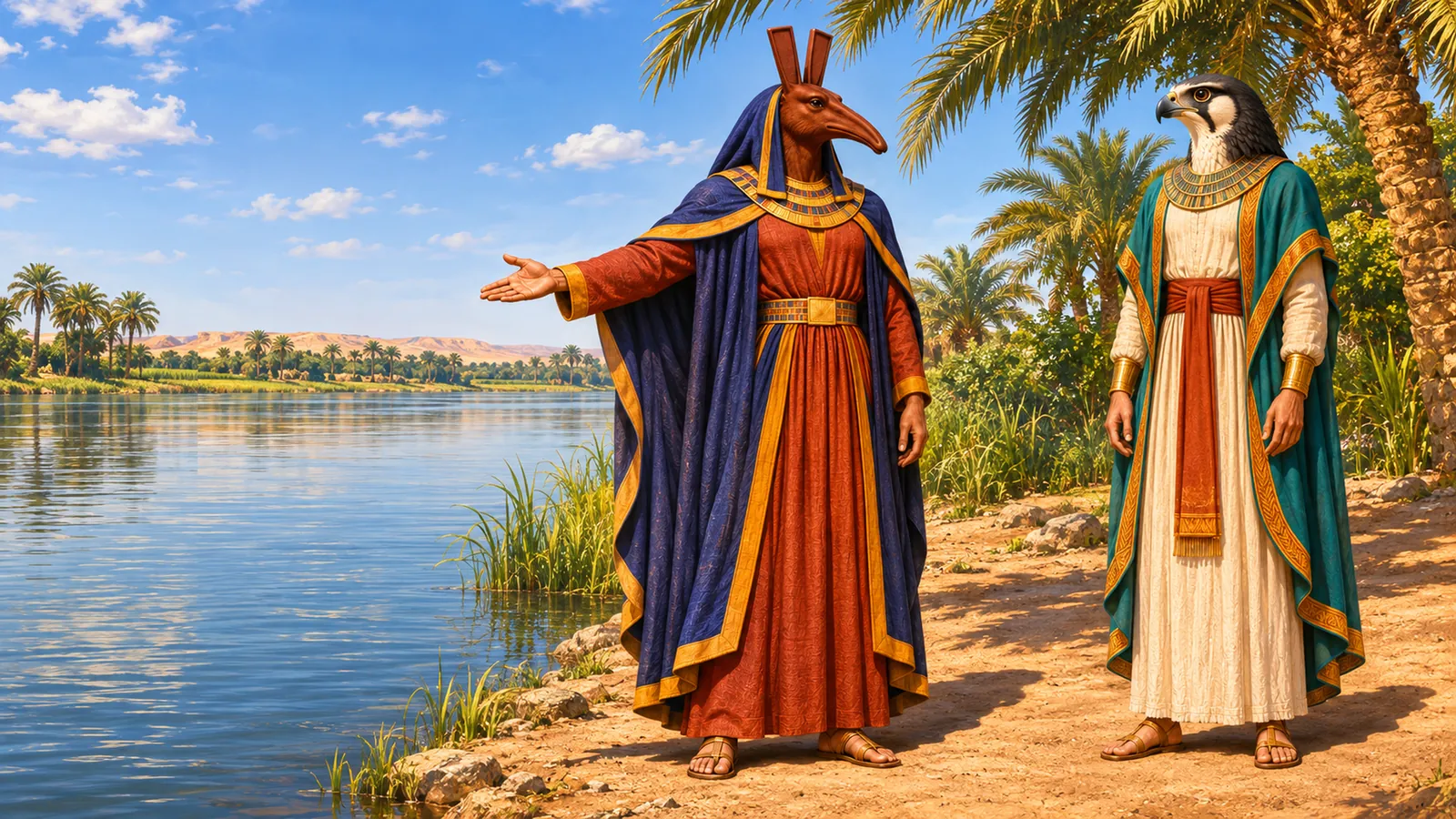
Seth proposed that both become hippopotamuses and remain beneath the water. Whoever emerged within three months would lose the claim to the royal office.

Horus and Seth changed into hippopotamuses and plunged together into the water. Their struggle for kingship had moved from arguments in court to a dangerous contest.

Isis wept, fearing that Seth would kill her son. She twisted a rope and prepared a copper harpoon to intervene in the contest beneath the water.

Isis cast her harpoon, but it struck Horus. When he called out that he was her son, she ordered the weapon to release him, and it obeyed.

Her second cast struck Seth. He appealed to their shared mother and begged for mercy; Isis took pity on her brother and ordered the harpoon to release him.

Furious that Isis had released Seth, Horus cut off his mother’s head and carried it into the mountains. His anger brought another grievous act into the dispute.

Isis changed into a headless statue of flint. The tale gives no restoration of her head here, although she will act again later in the narrative.
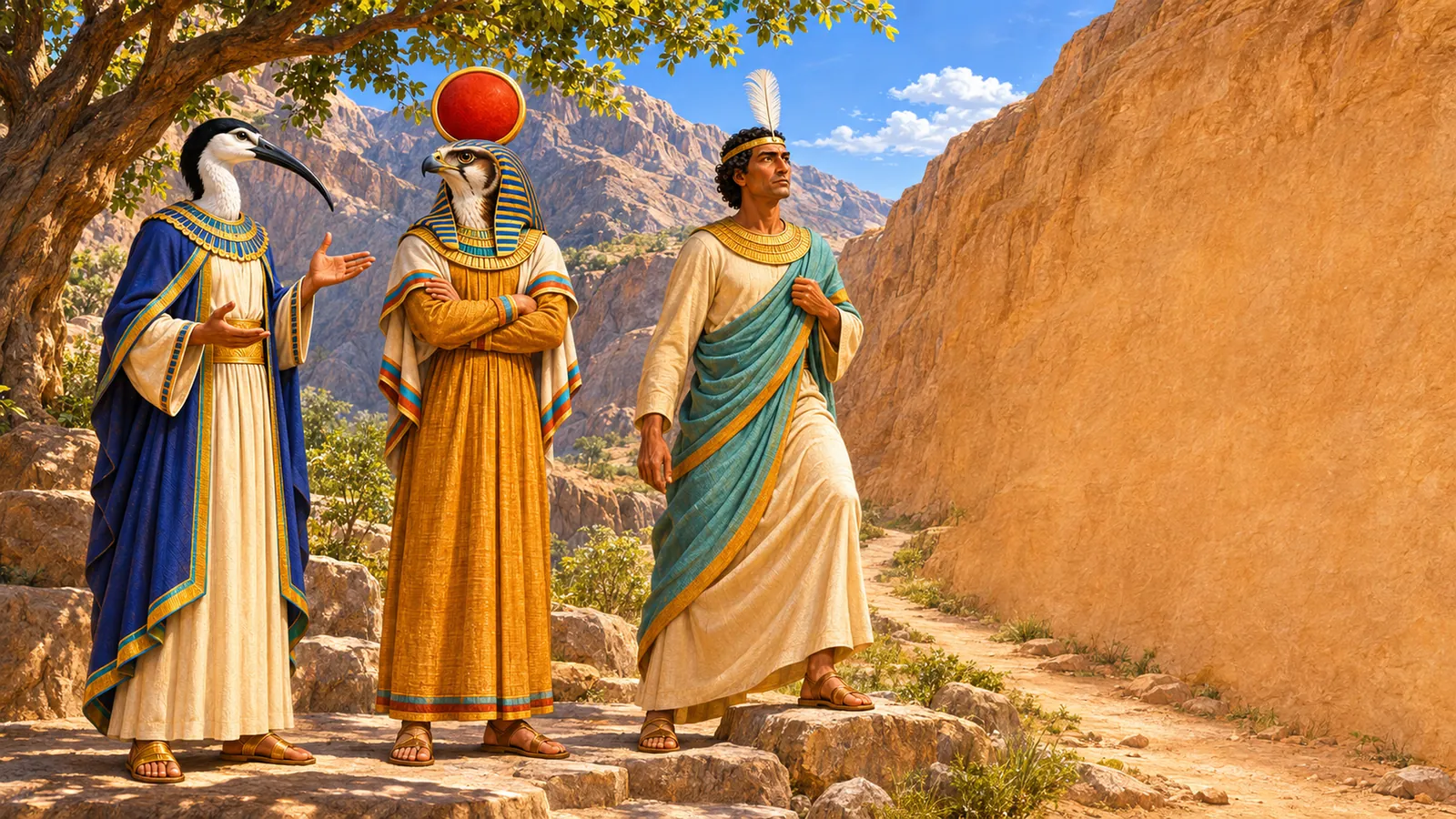
Thoth identified Isis before the sun god and explained what Horus had done. The sun god ordered punishment, and the gods went into the mountains to search.
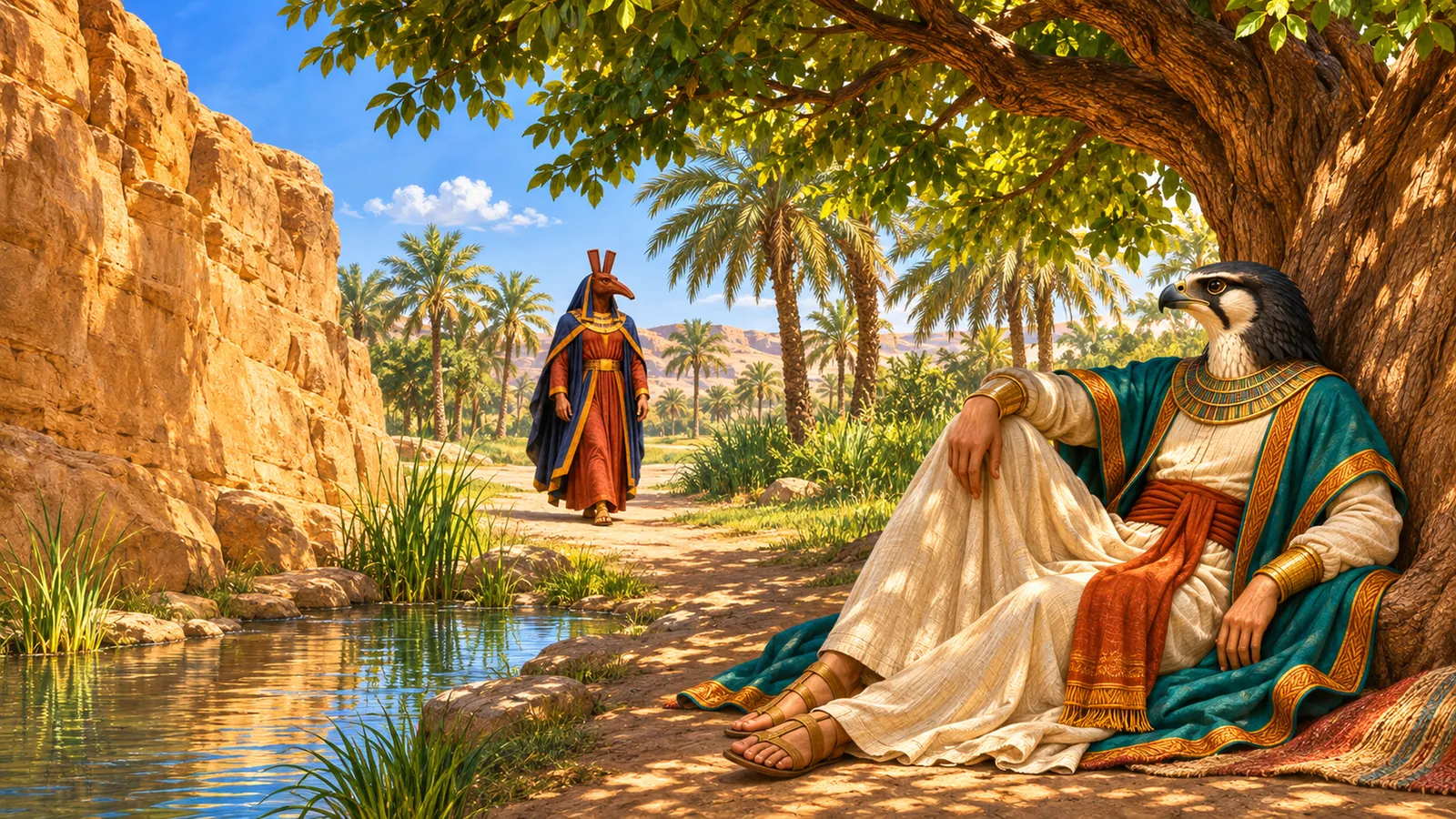
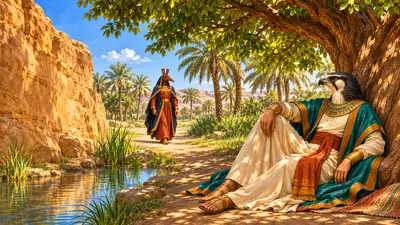
Horus lay beneath a shenusha tree in the oasis country. Seth found him there while the gods were searching the mountains for the son of Isis.

Seth seized Horus, removed both his eyes and buried them in the mountain. The tale follows this act with a transformation of what had been buried.

The buried eyes became two bulbs, and two lotuses grew from them. The story gives this change as part of the marvels surrounding Horus’s injury.
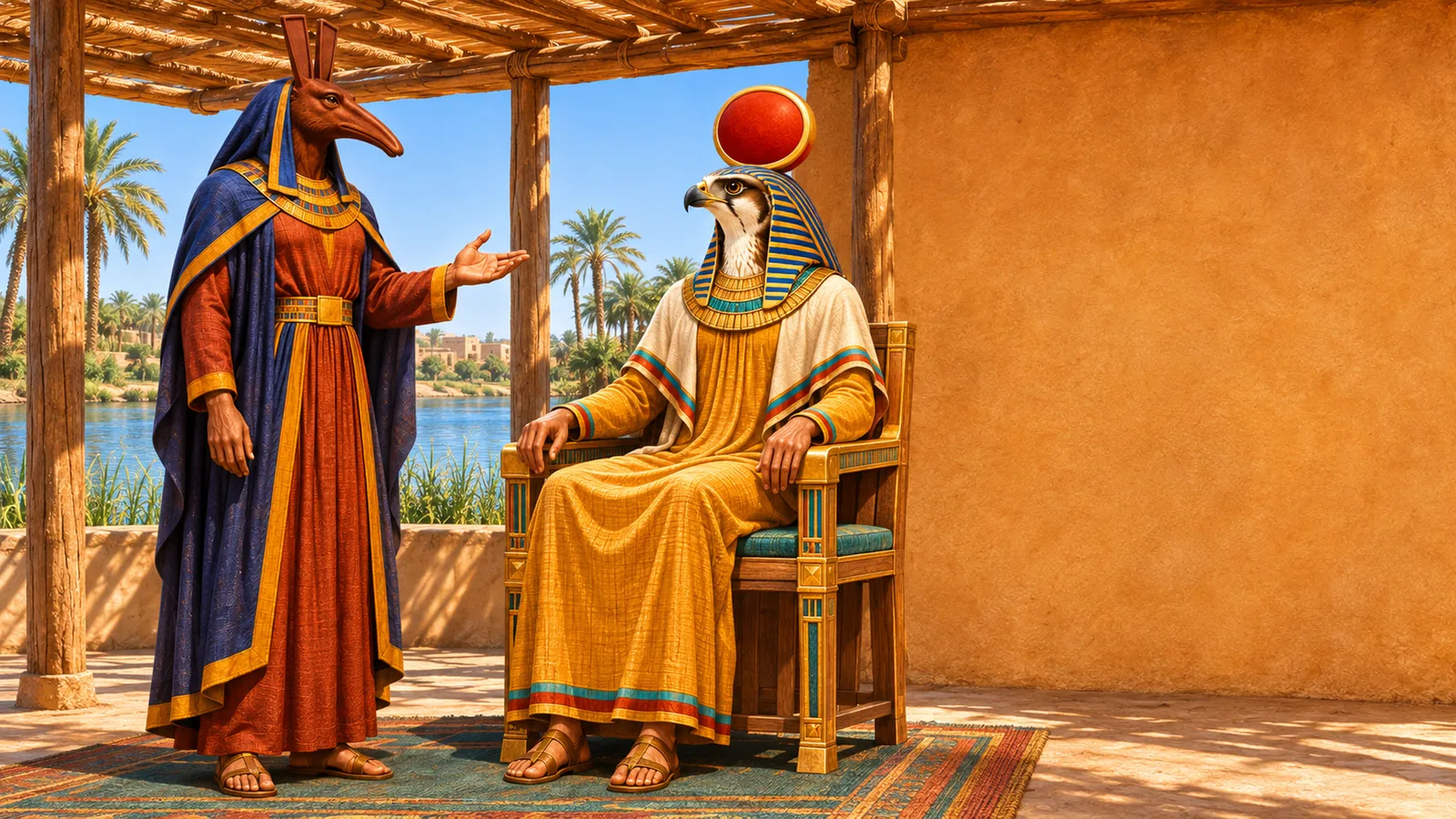
Seth returned to the sun god and said that he had not found Horus. The narrator makes the falsehood plain: Seth had found him and harmed him.
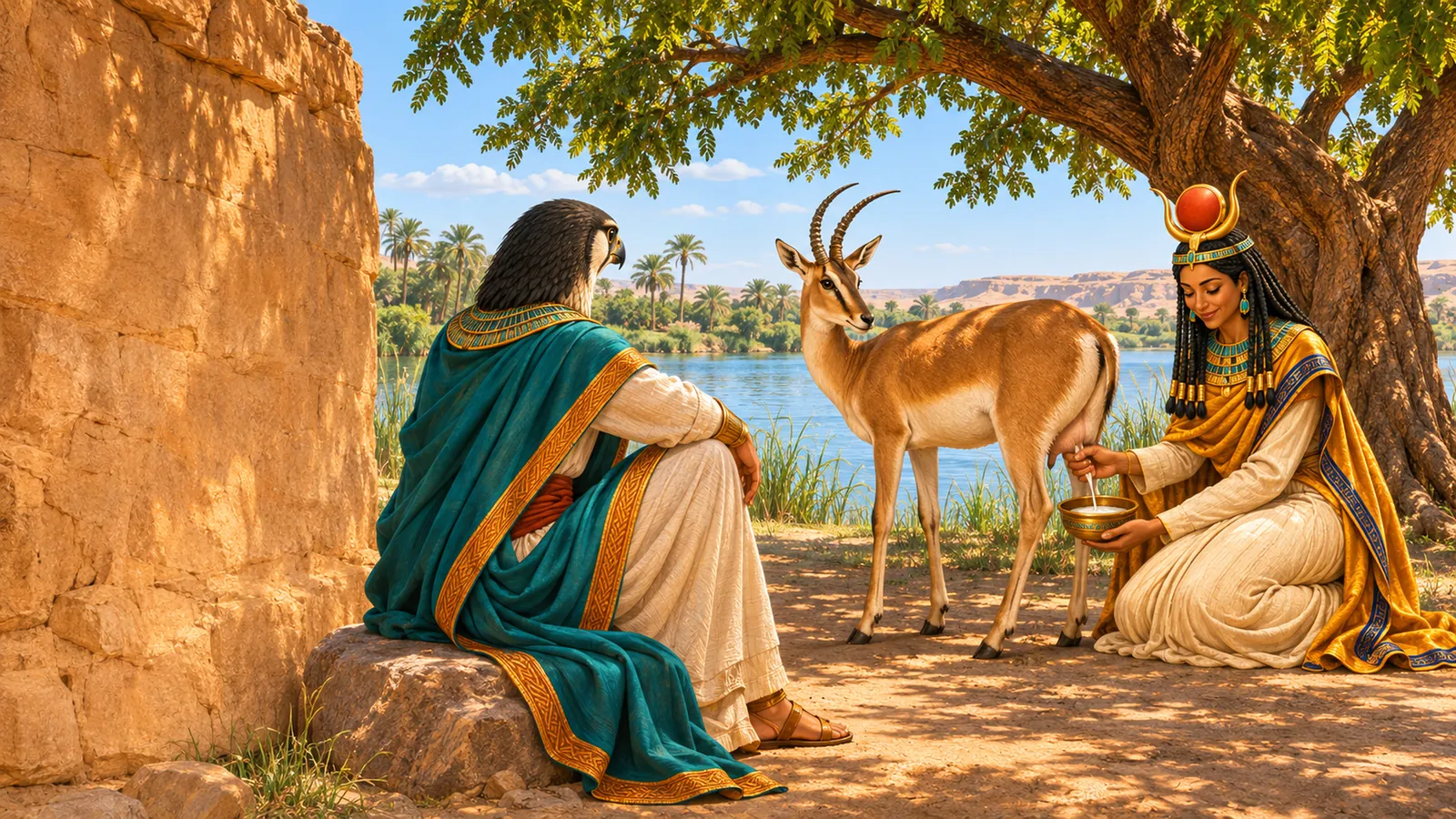
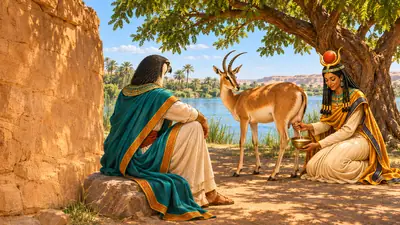
Hathor found Horus weeping in the desert. She caught a gazelle and milked it, bringing its milk to restore the sight that Seth had taken.
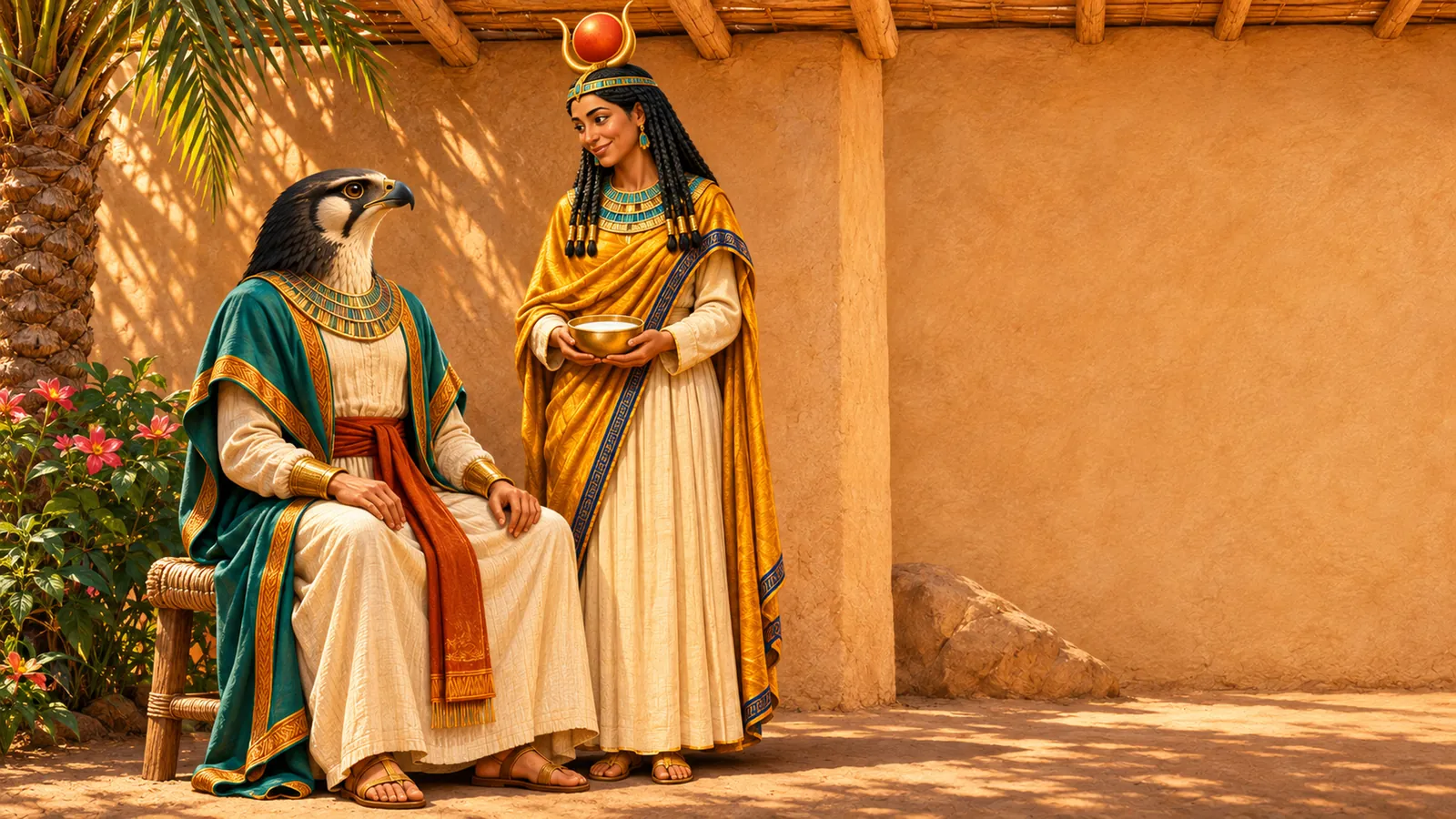
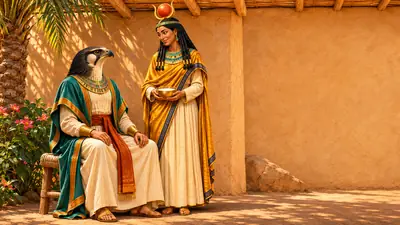
Hathor put the milk into Horus’s right eye and his left. His sight returned, and she reported his recovery and Seth’s act to the sun god.
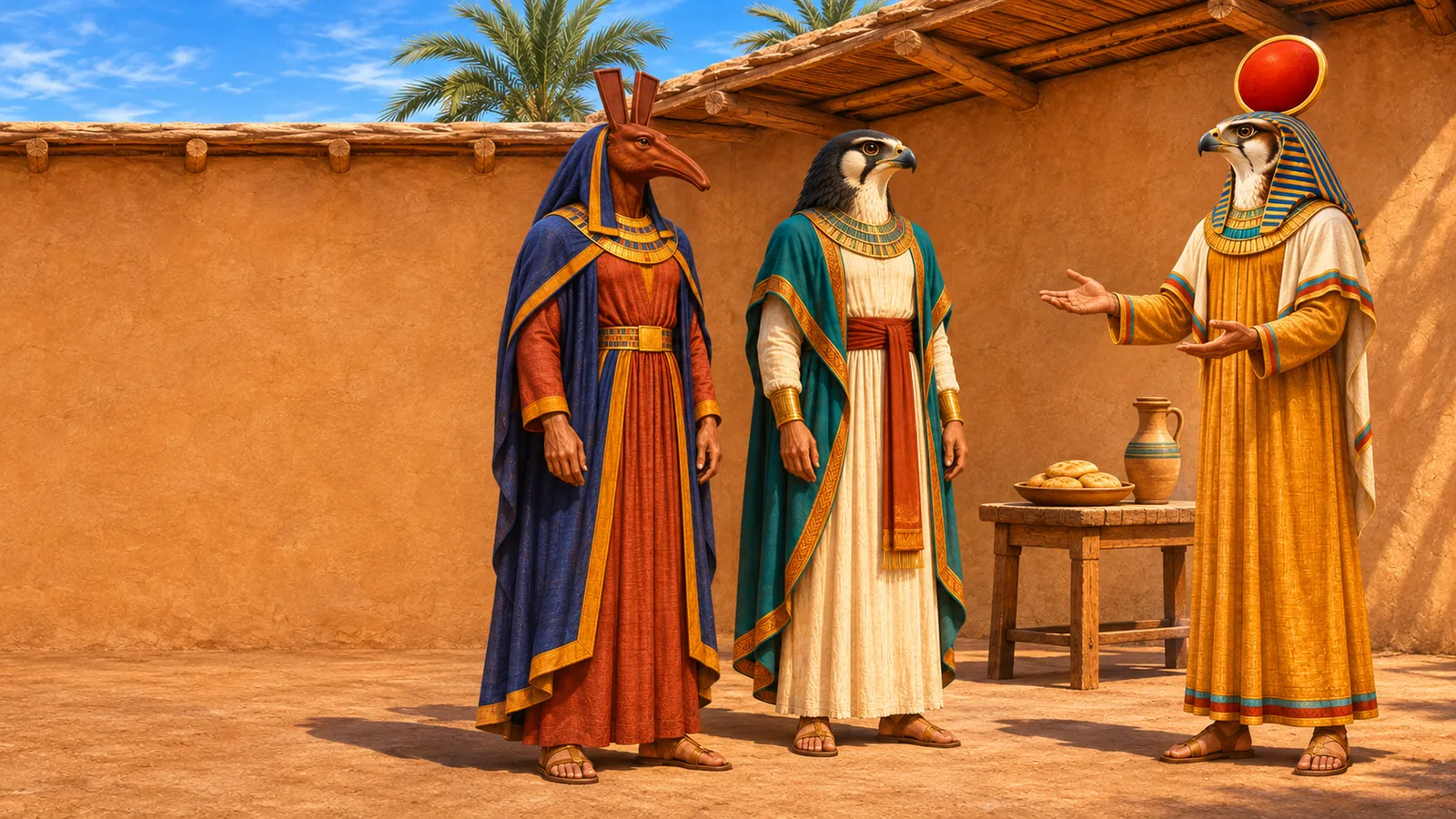
Horus and Seth were summoned again. The sun god told them to eat, drink and stop their daily quarrels, but his command did not settle their rivalry.

Seth invited Horus to spend a feast day in his house. Horus accepted, and the two went together, carrying their unresolved struggle into another setting.

Seth sexually assaulted Horus in the night, but Horus kept a trace of what had happened. He went to Isis and told her what Seth had done.

When Isis saw what Horus carried, she cut off his hand and threw it into the water. She then made him a new hand in its place.

With Horus’s help, Isis collected what she needed from him in a jar for her counter-trick. In the morning she carried the jar to Seth’s garden.
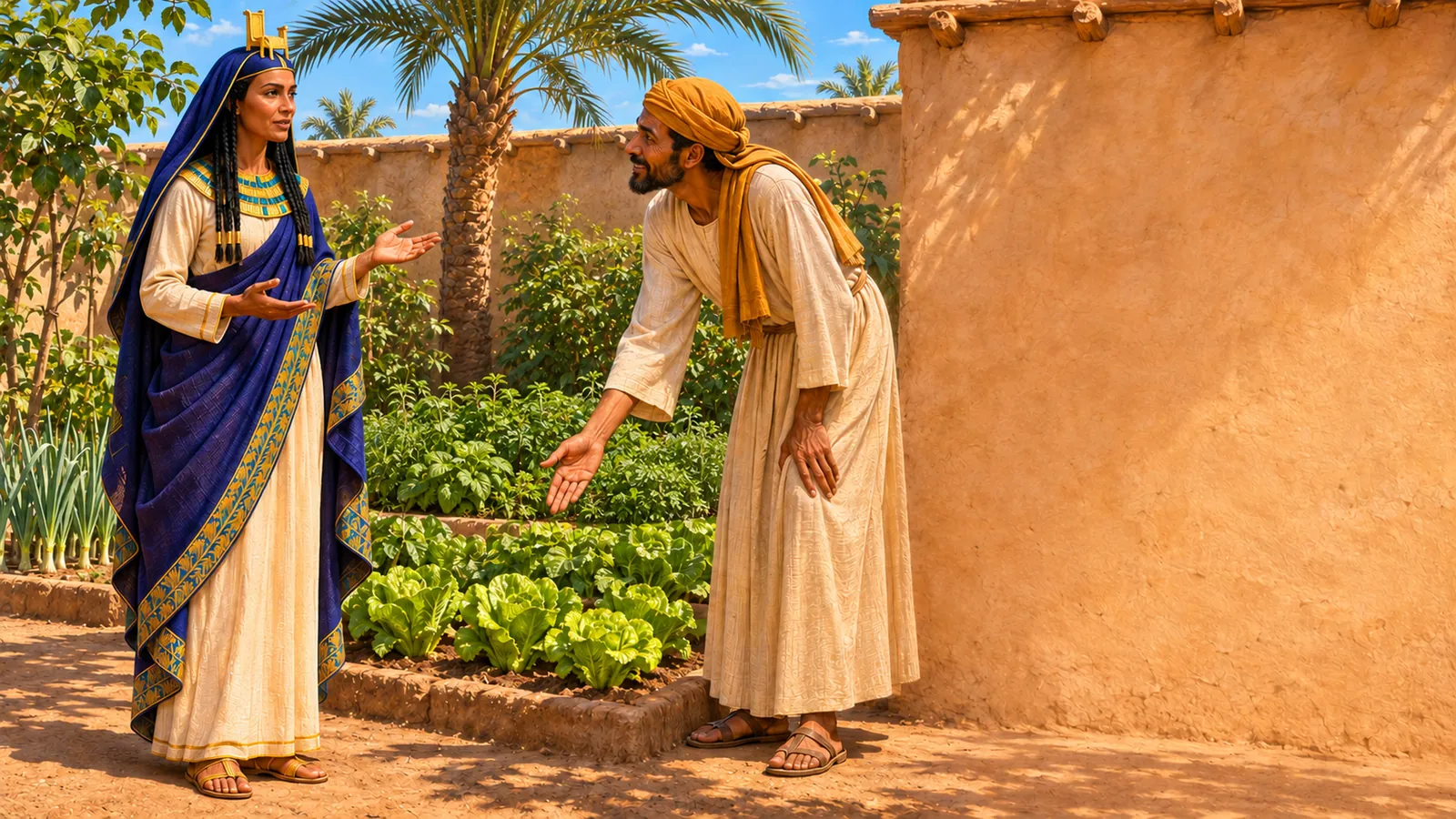
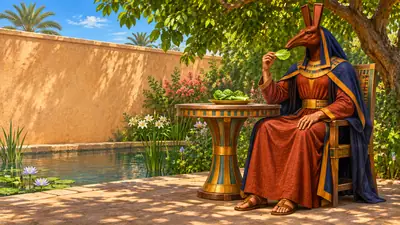
Isis asked Seth’s gardener which plants his master ate. The gardener answered that Seth ate only lettuce there, giving her the opening she had sought.
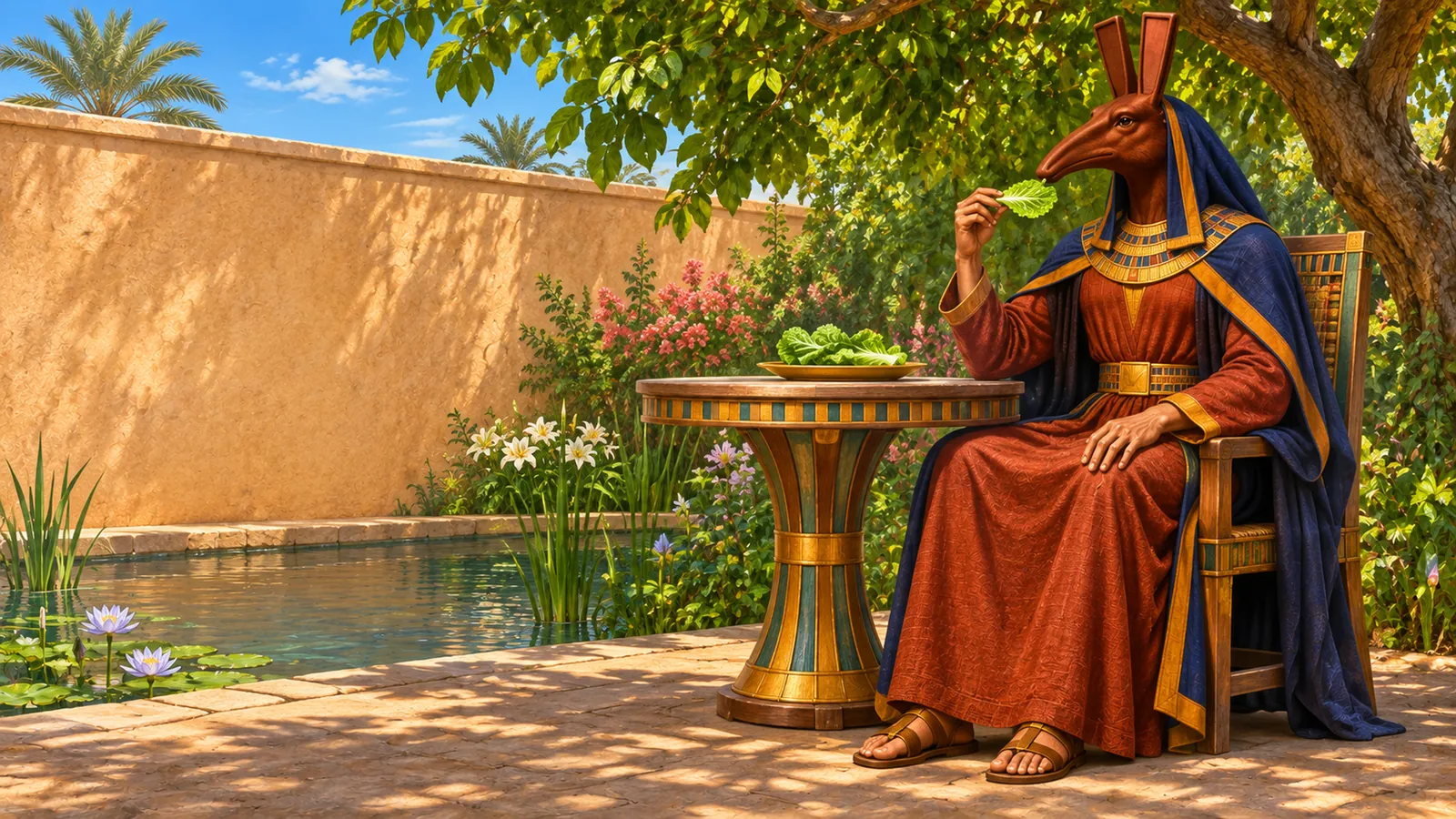
Isis prepared the lettuce with what she had brought from Horus, and Seth ate it as usual. The tale says the trick made him pregnant.
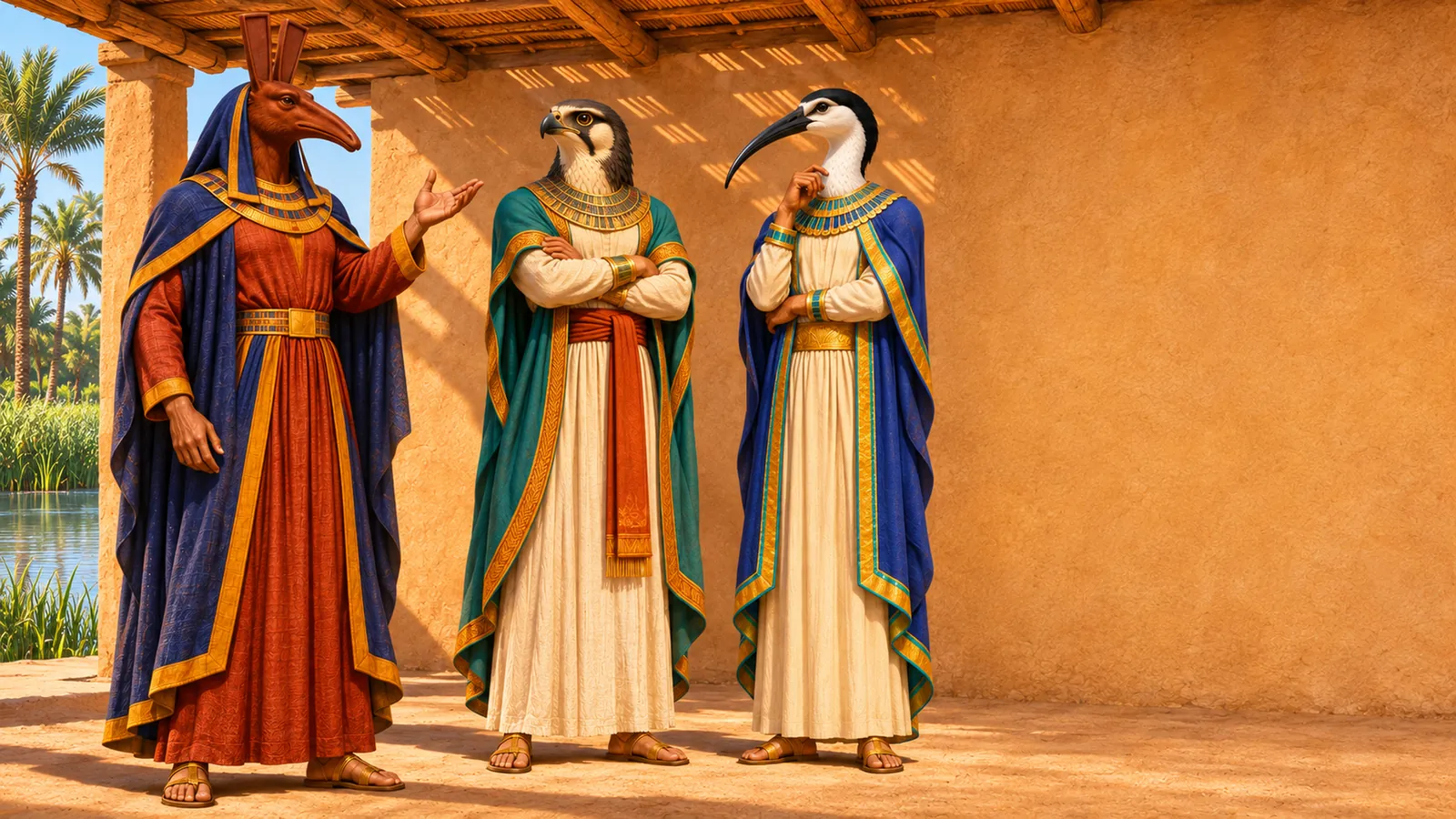
Before the court, Seth claimed that his assault on Horus proved his right to rule. The gods spat before Horus, but he laughed and disputed Seth’s claim.
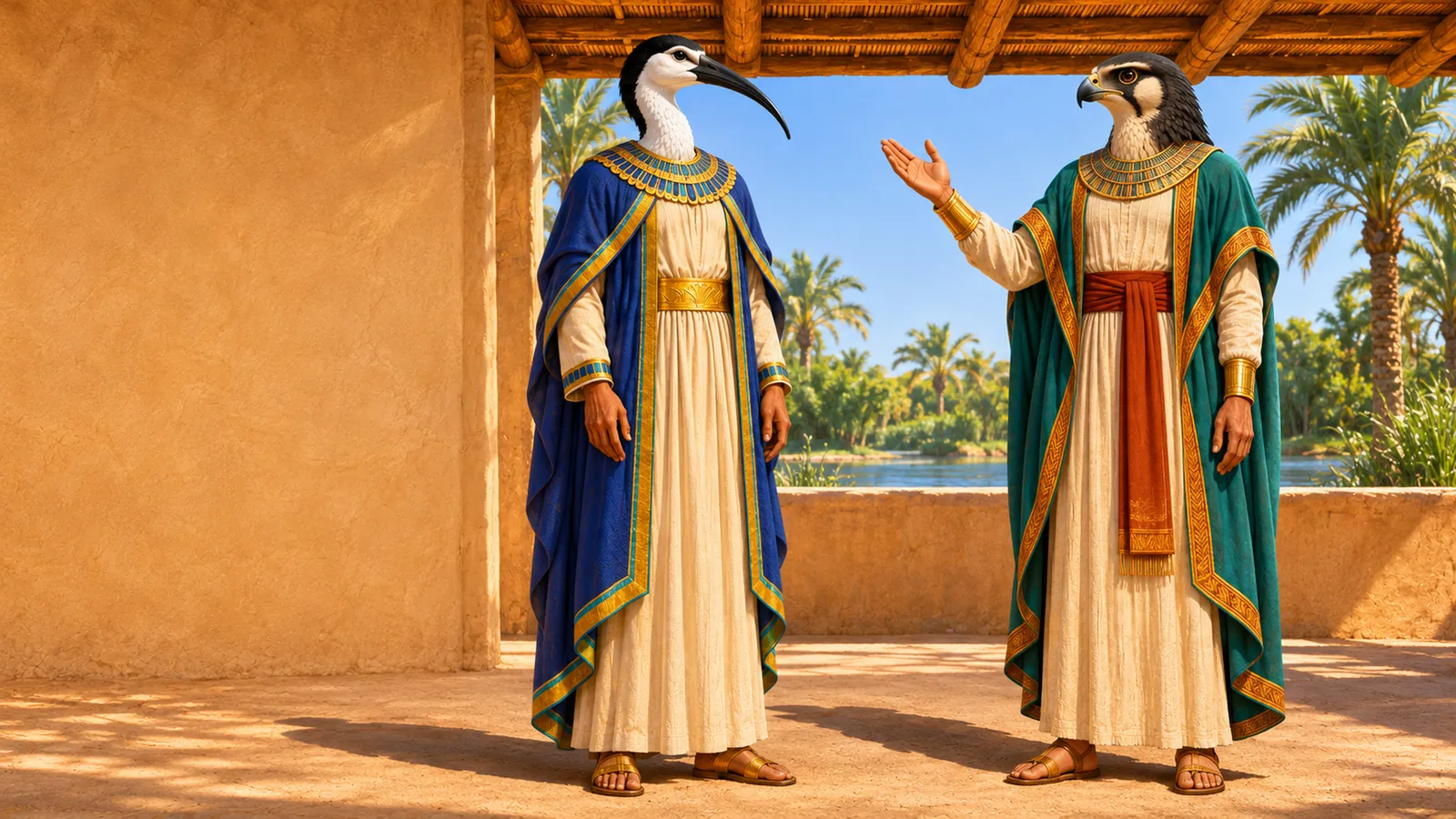
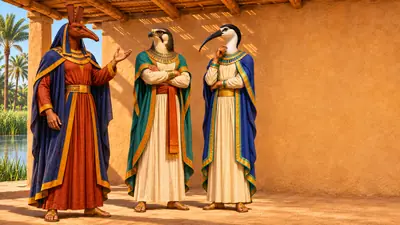
Horus swore that Seth’s claim was false. He asked the court to call on each god’s evidence to speak, so everyone could hear where the answers came from.
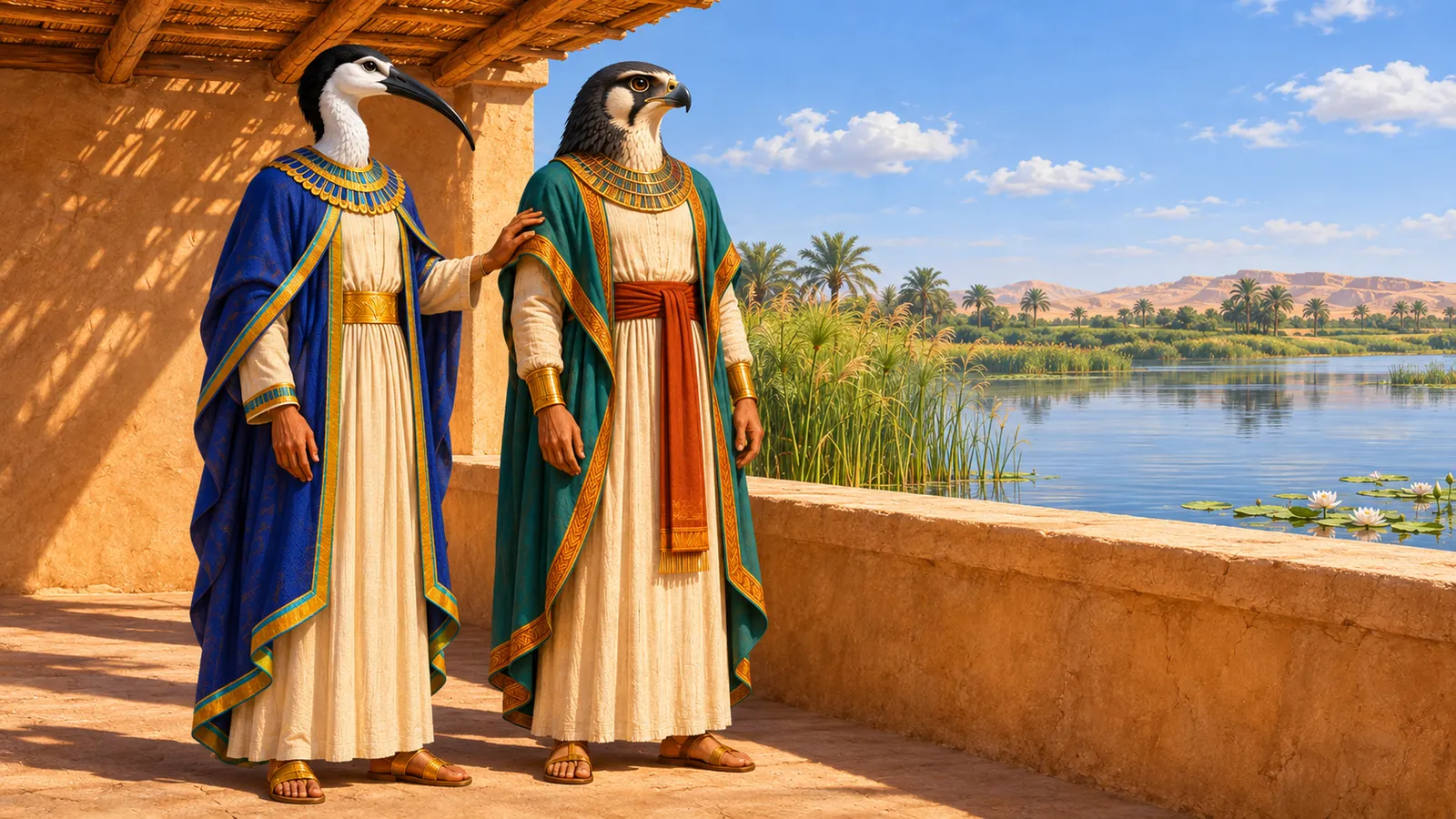
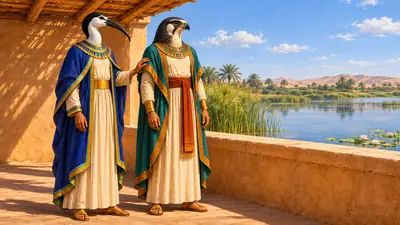
Thoth laid a hand on Horus’s arm and called for Seth’s evidence to speak. The answer came from the marsh where Isis had thrown the hand she removed.
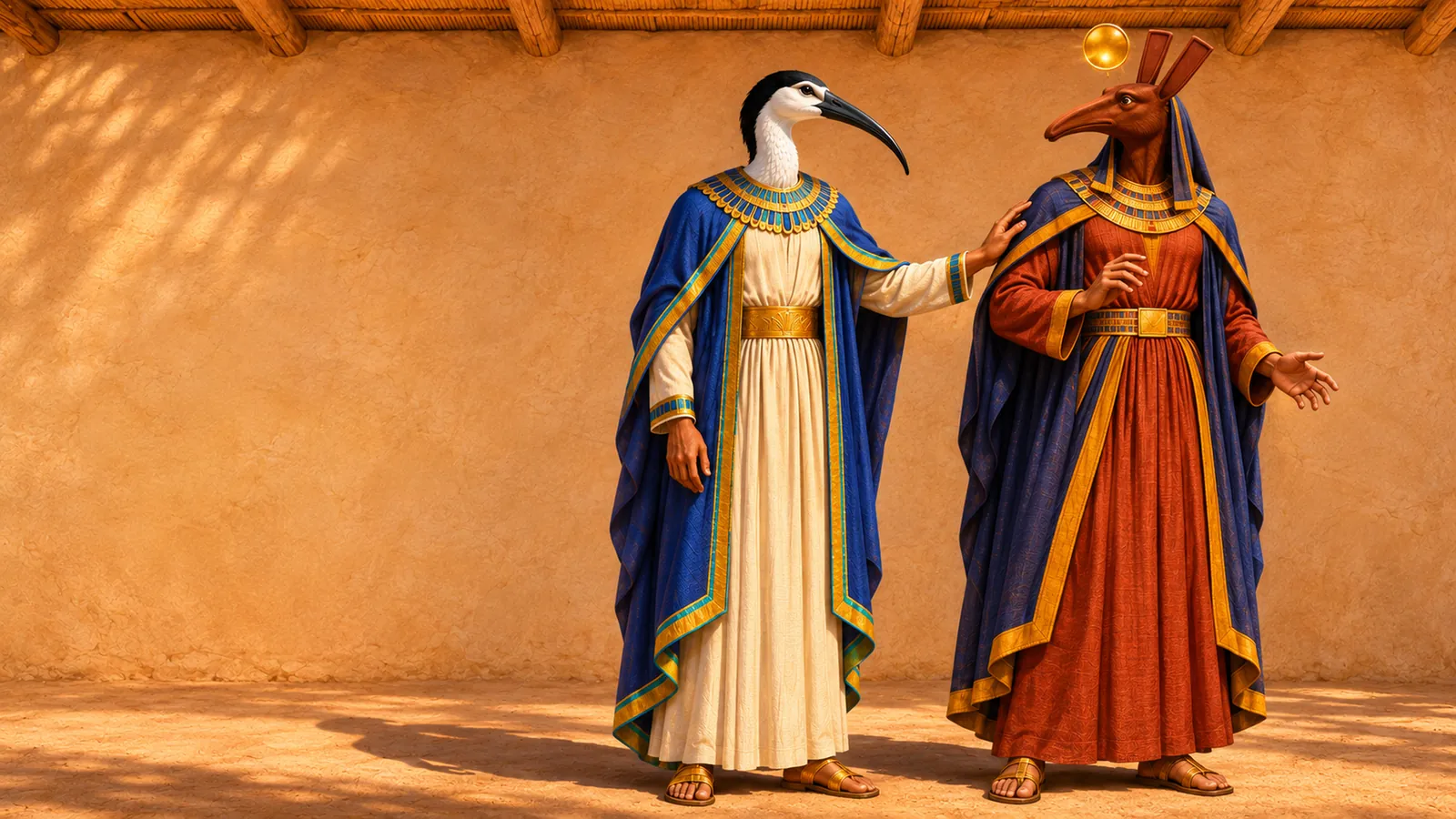
Thoth then touched Seth’s arm and called for Horus’s evidence. It answered from within Seth, refused to come out through an ear and emerged from his forehead as a golden disc.
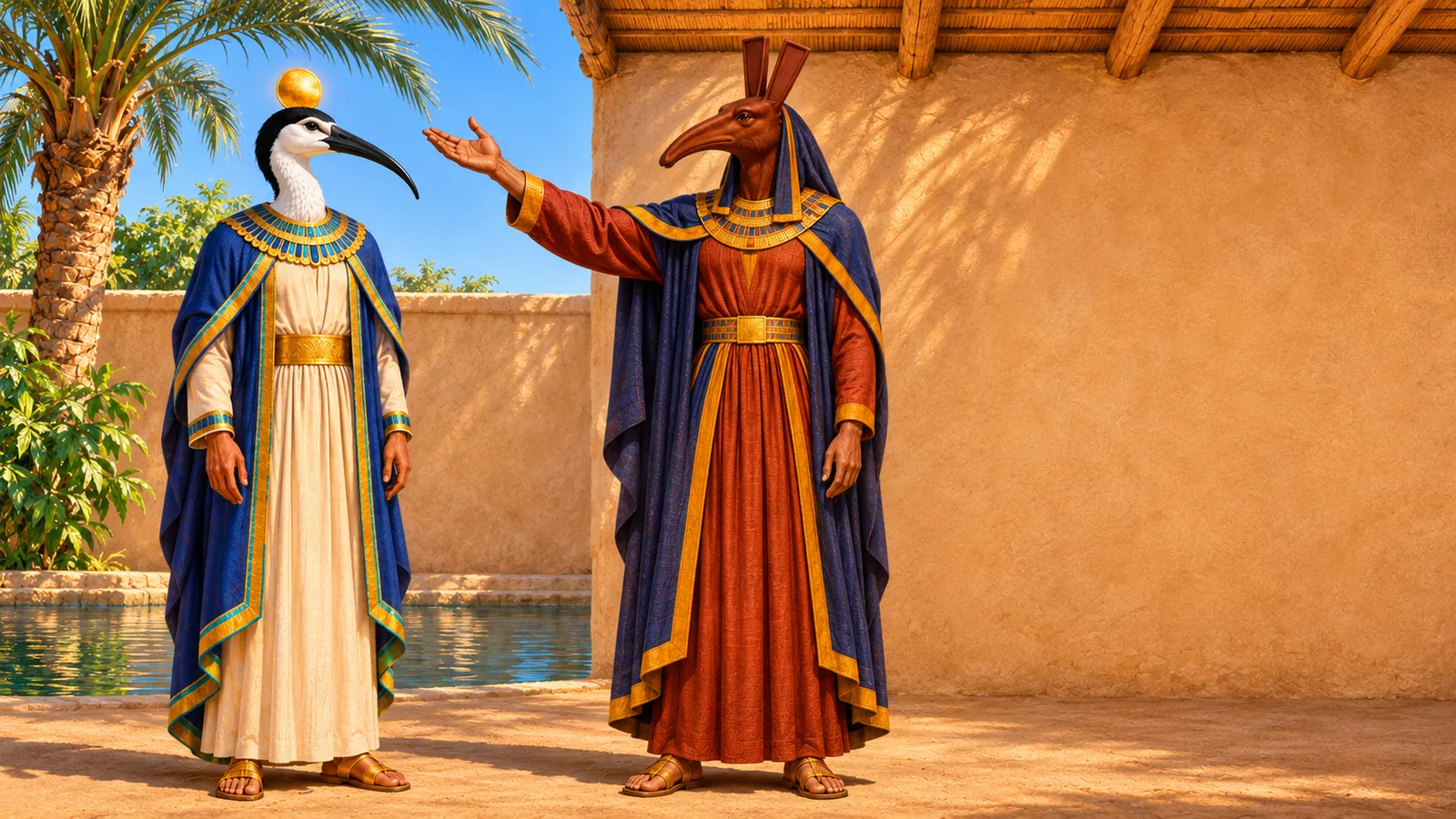
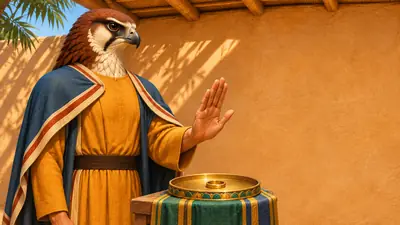
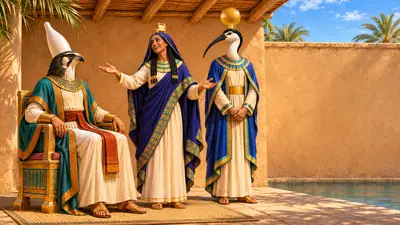
Seth angrily reached for the golden disc. Thoth took it first and wore it upon his own head; the council declared Horus right and Seth wrong.
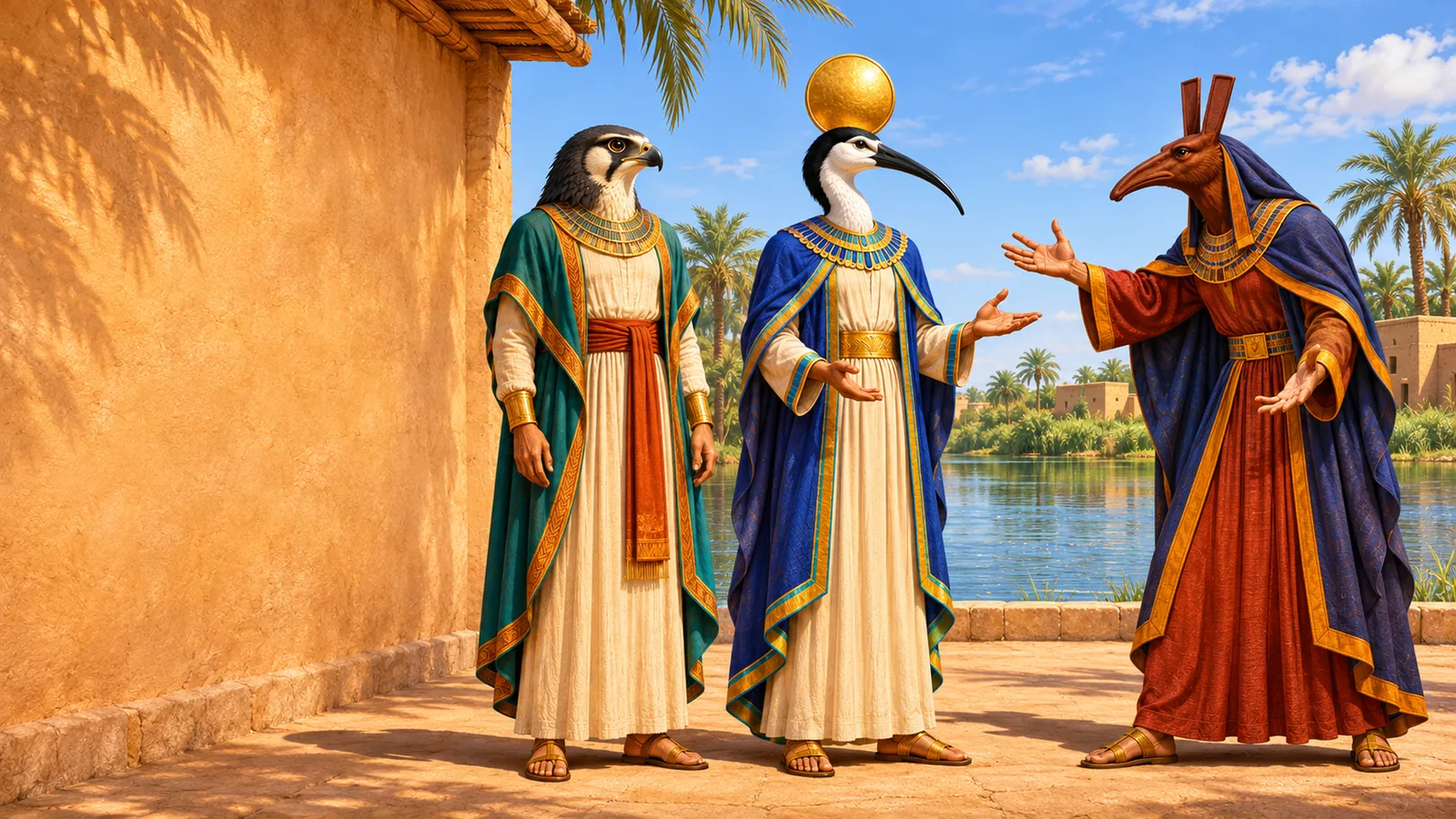
Seth cried out in anger at the verdict. Even after the magical testimony, he would not accept that Horus should receive the office of ruler.
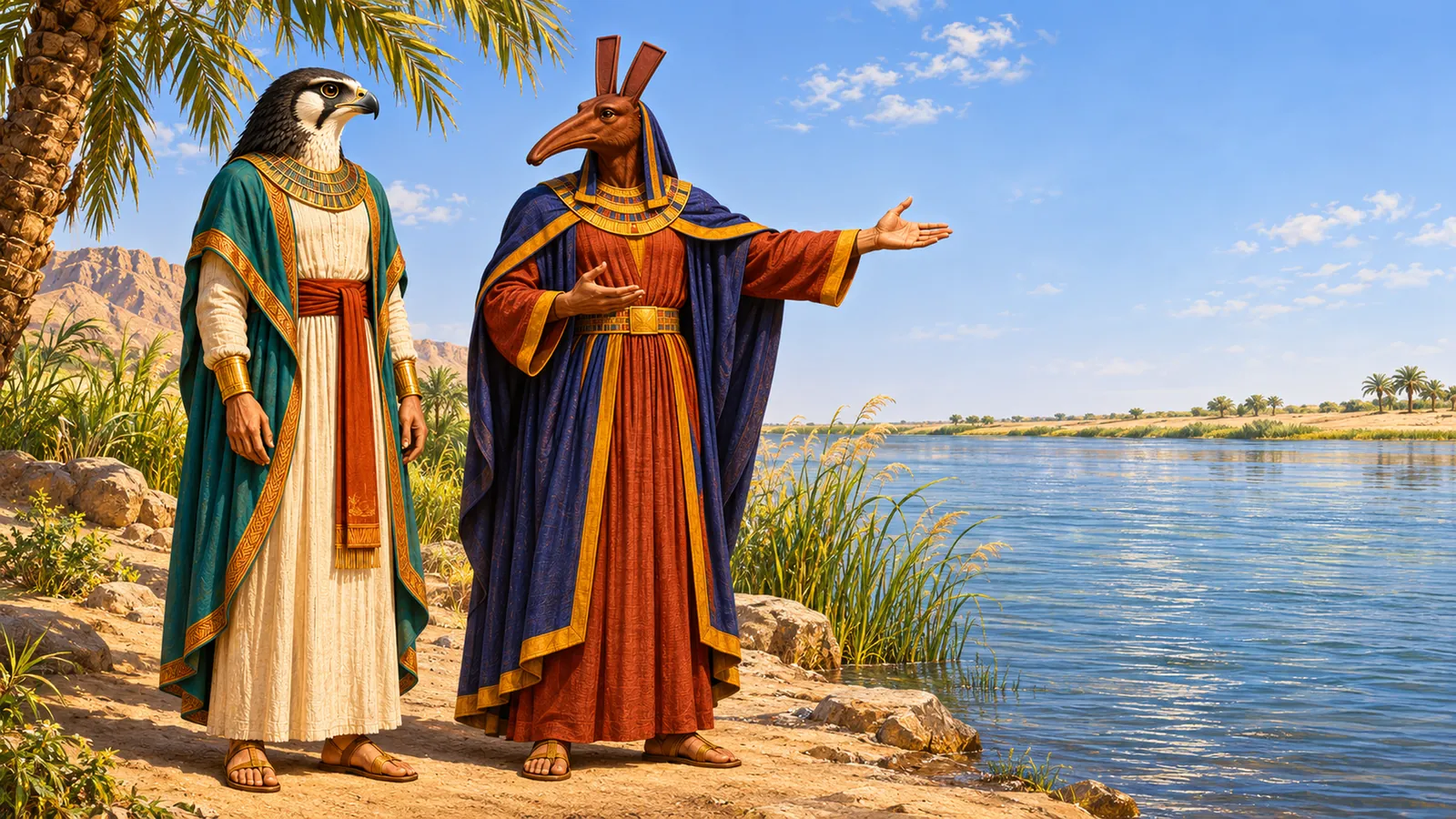
Seth demanded another contest before kingship could be awarded. Both rivals would build boats of stone and race; the winner would receive the royal office.
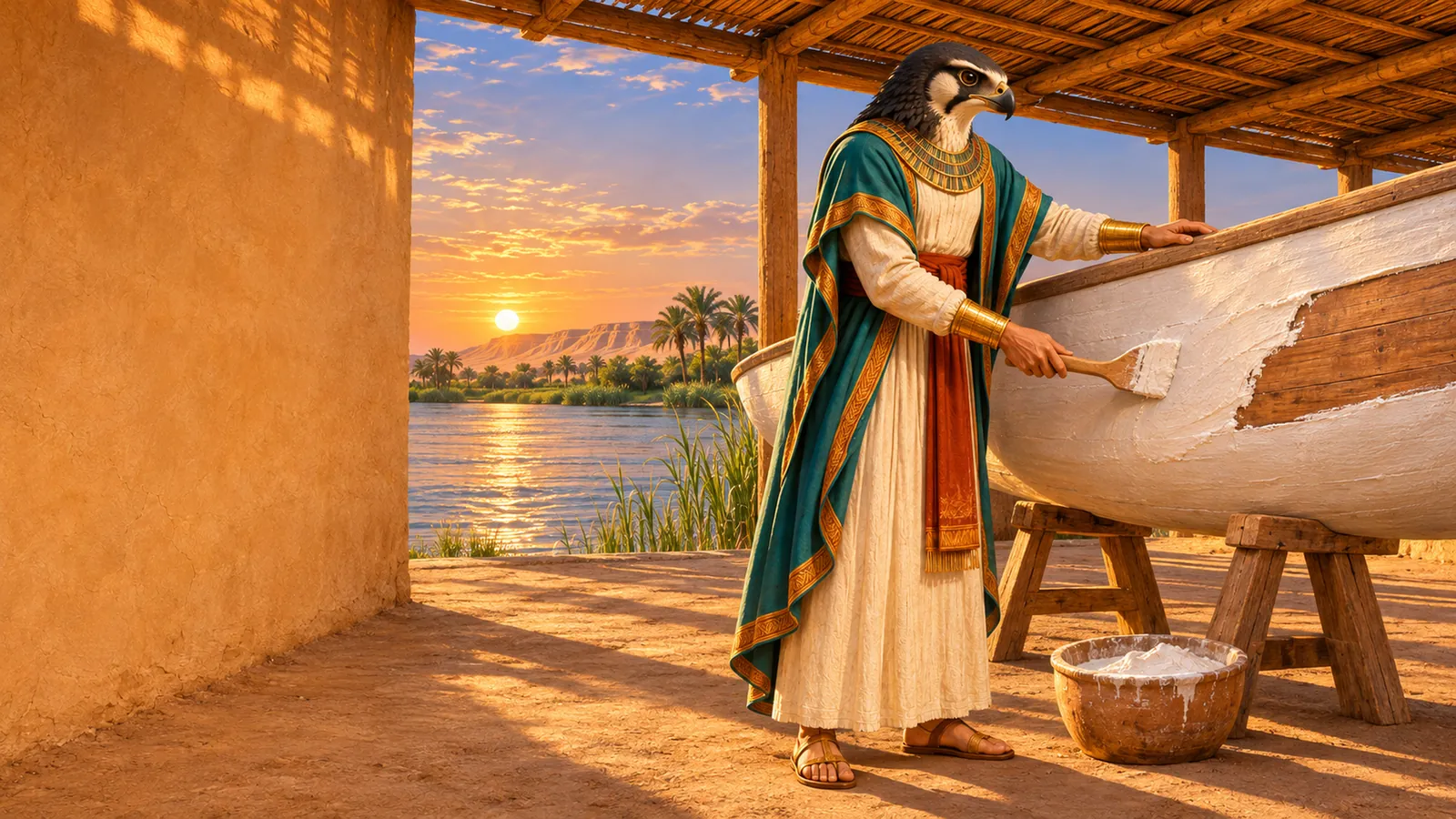
Horus built his boat from wood and coated it with gypsum. He launched it secretly at evening, making a wooden vessel appear to be stone.
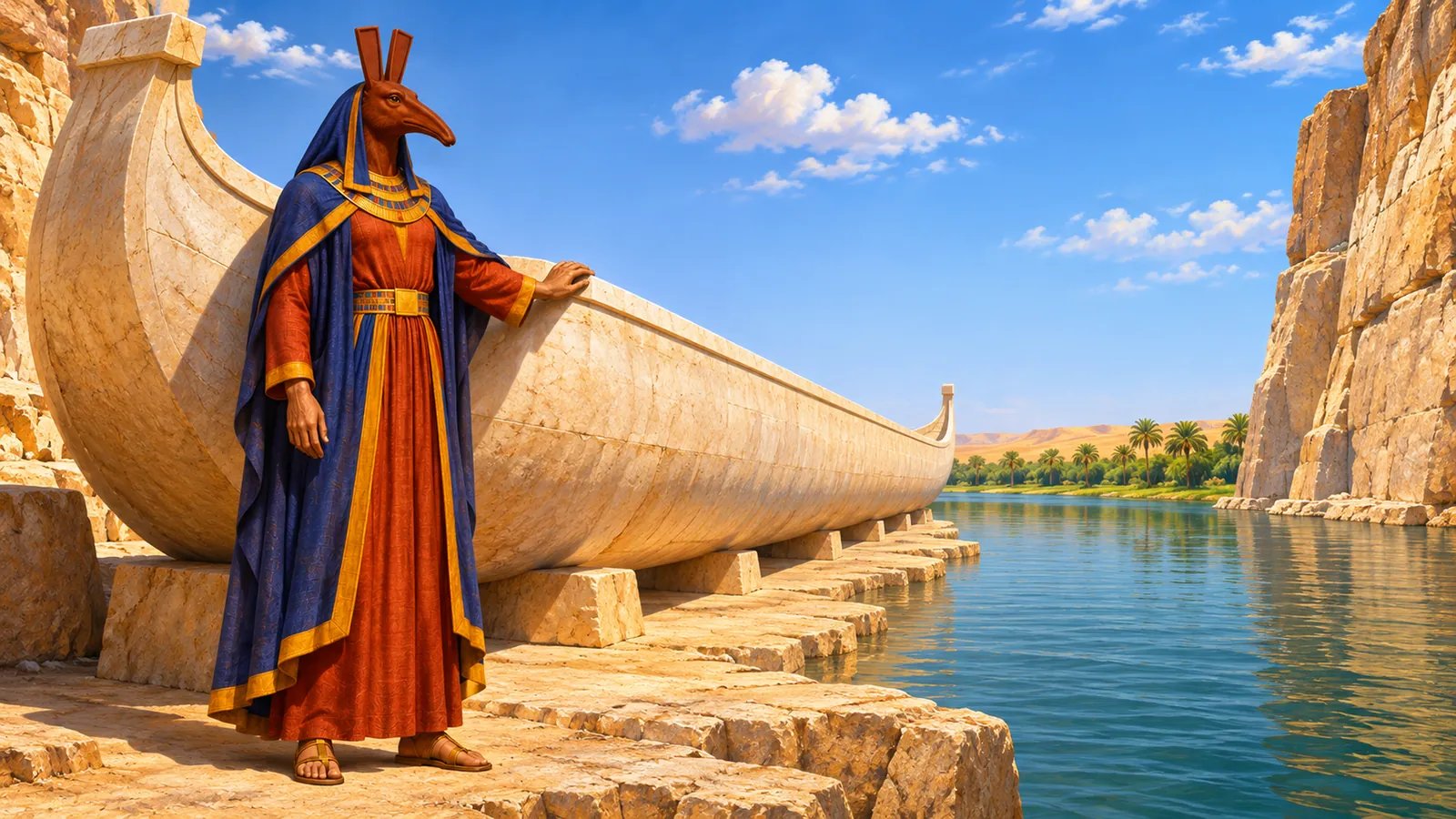
Seth saw Horus’s boat and believed it was stone. He cut a peak from the mountain and shaped a stone vessel measuring a hundred and thirty-eight cubits.

Before the divine council, the rivals entered their boats. Seth’s stone vessel sank into the water, defeating the material he had trusted for the contest.

Seth changed into a hippopotamus and wrecked Horus’s boat. The contest had again become an attack, even after the stone vessel’s failure before the gods.

Horus struck Seth with his weapon, and the council ordered him to stop. He gathered his gear and turned toward another appeal to the goddess Neith.
ANOTHER APPEAL
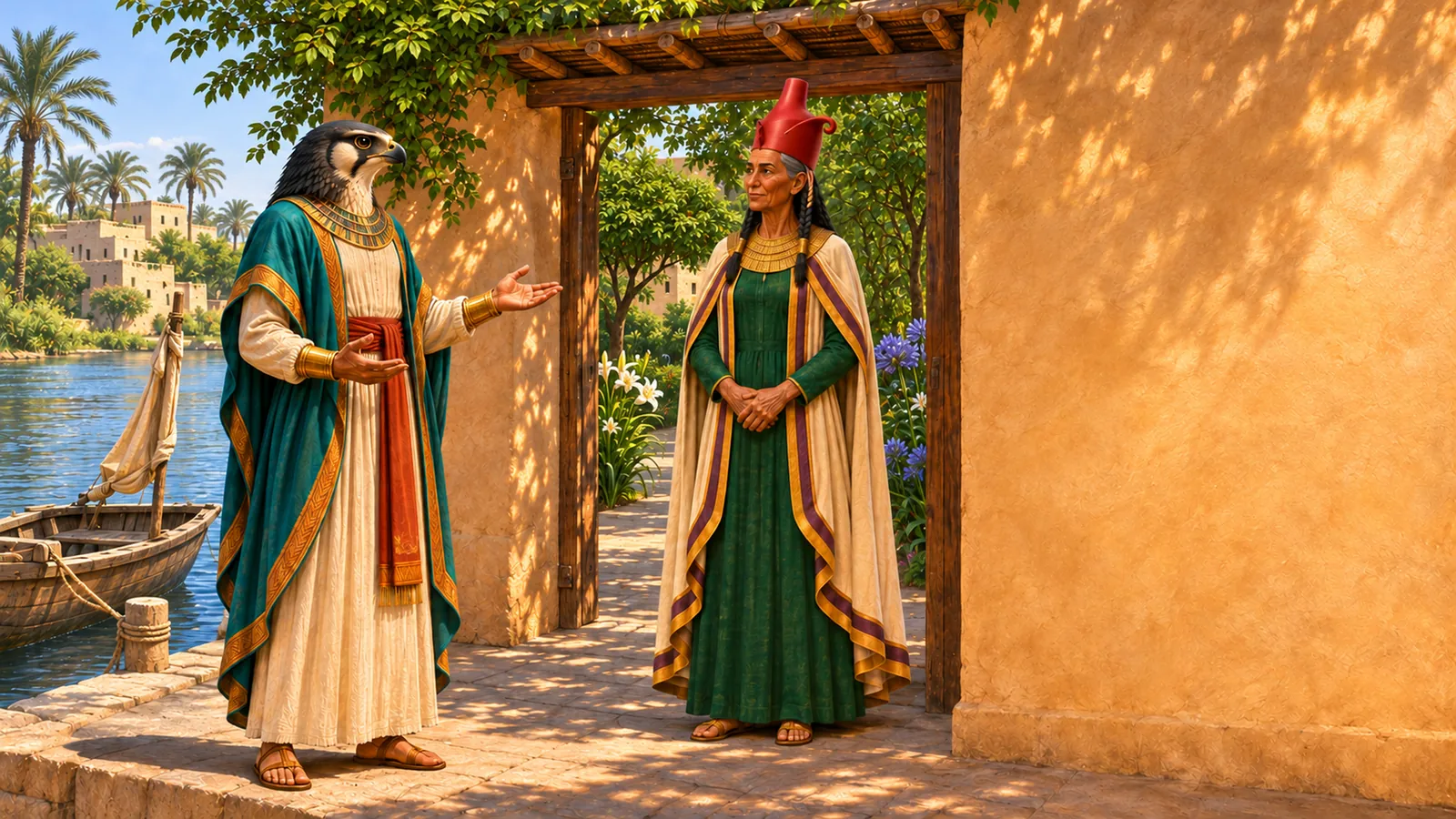
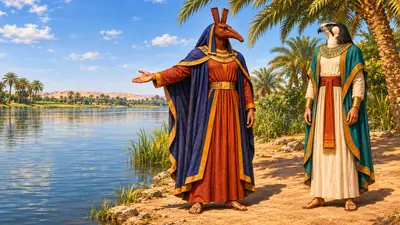
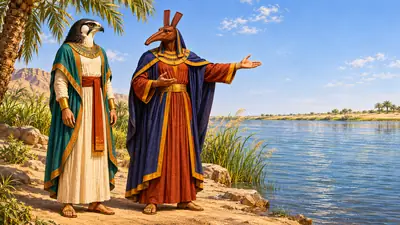
Horus travelled downriver to Sais and appealed to Neith. Eighty years had passed, he said, and repeated judgments in his favour still had not ended the dispute.
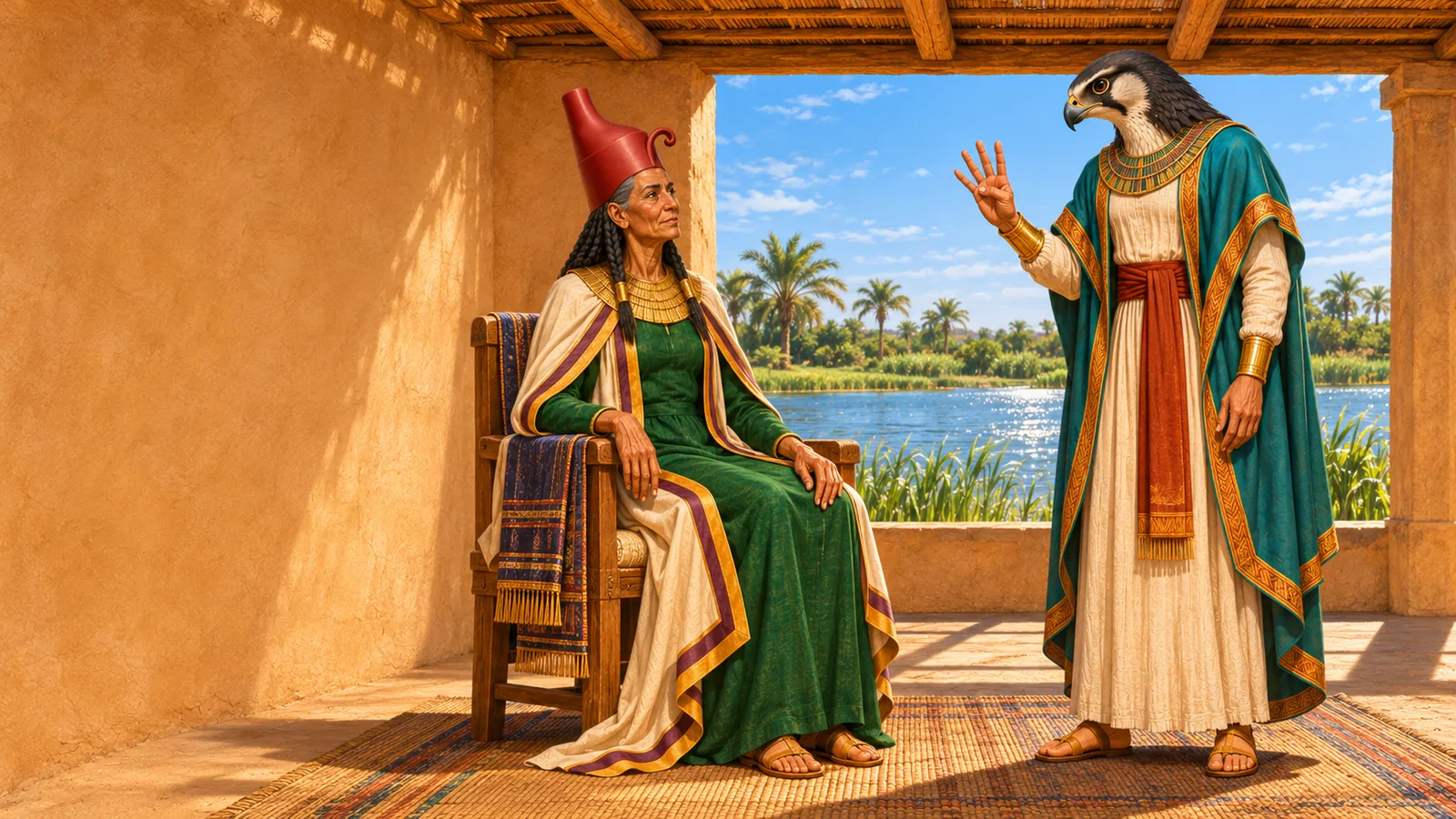
Horus named four judgment halls where his claim had prevailed. Seth ignored the council’s decisions, he complained, and each victory left him waiting for his father’s office.
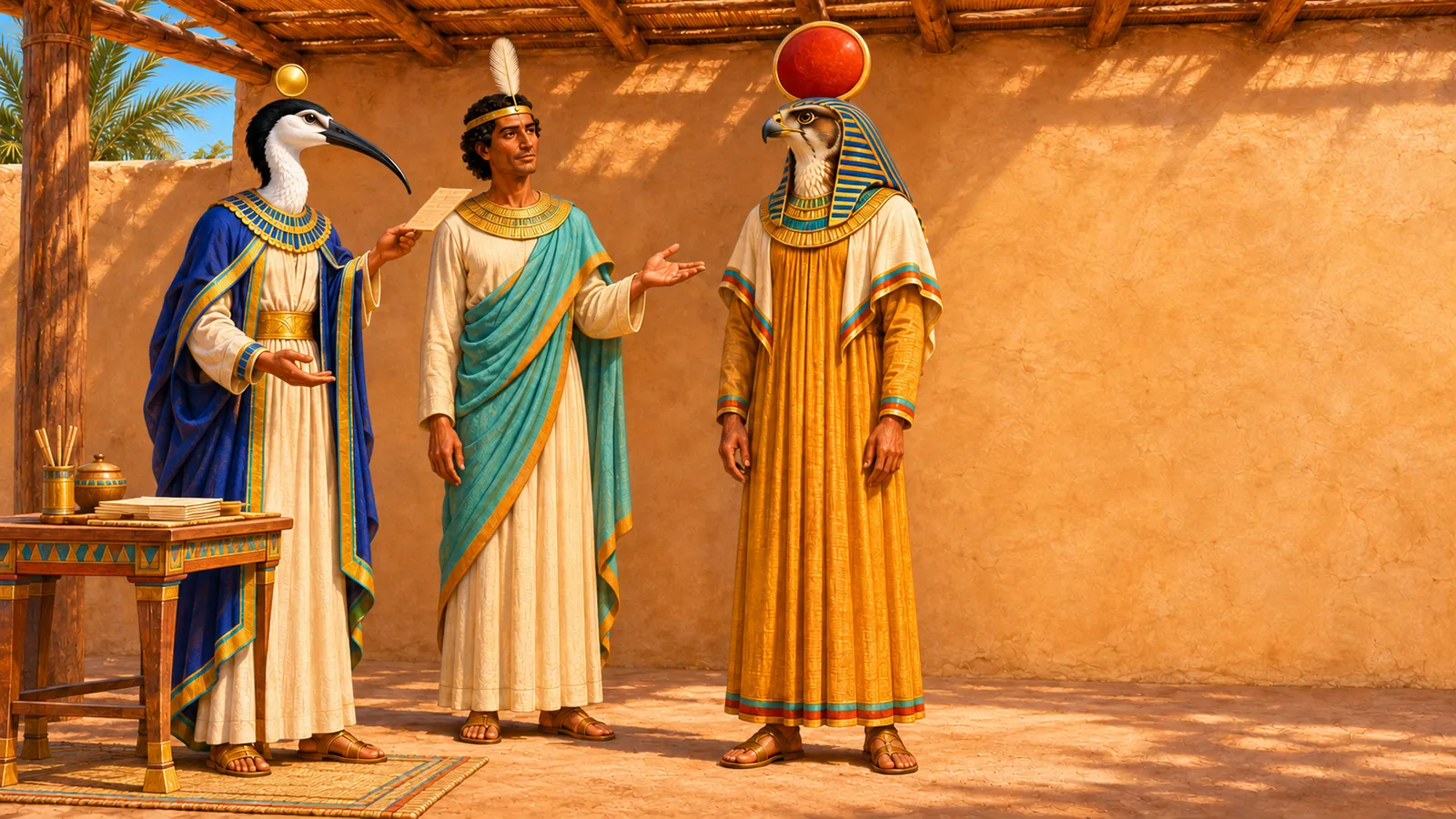
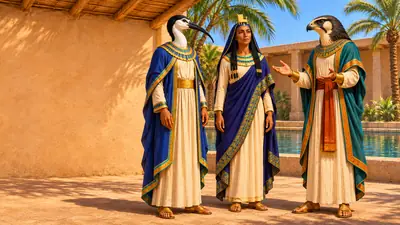
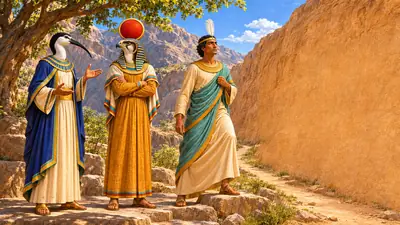
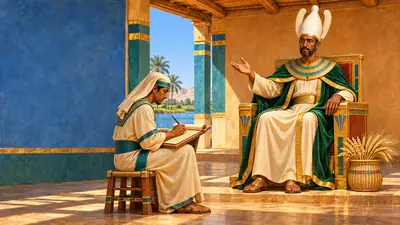
Thoth proposed writing to Osiris himself. Shu supported him, and the sun god ordered a letter asking the dead king how Horus and Seth should be judged.
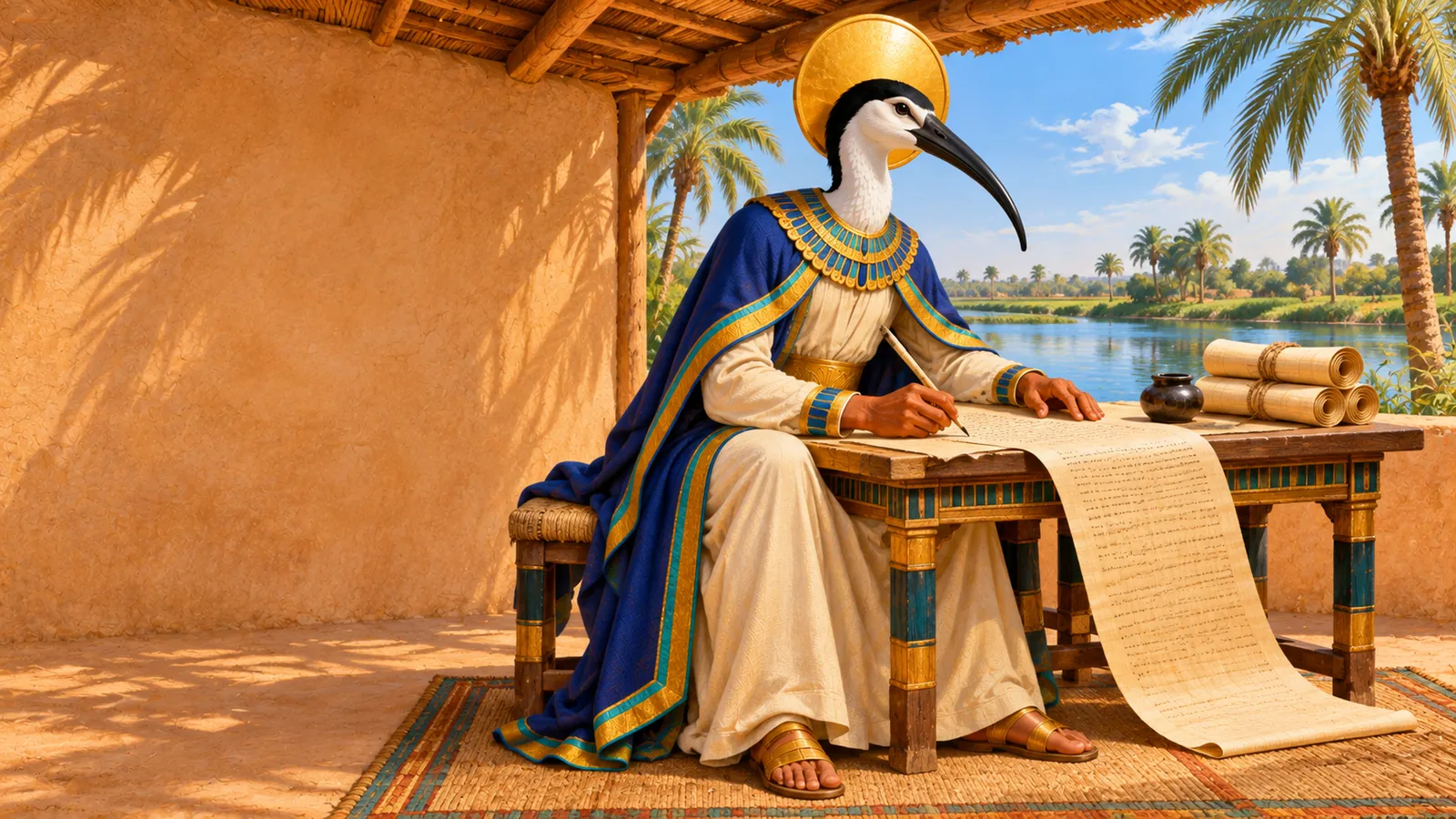
Thoth composed the letter with an elaborate royal titulary for the sun god. Its question was direct: what should the court do, so that it would not act in ignorance?
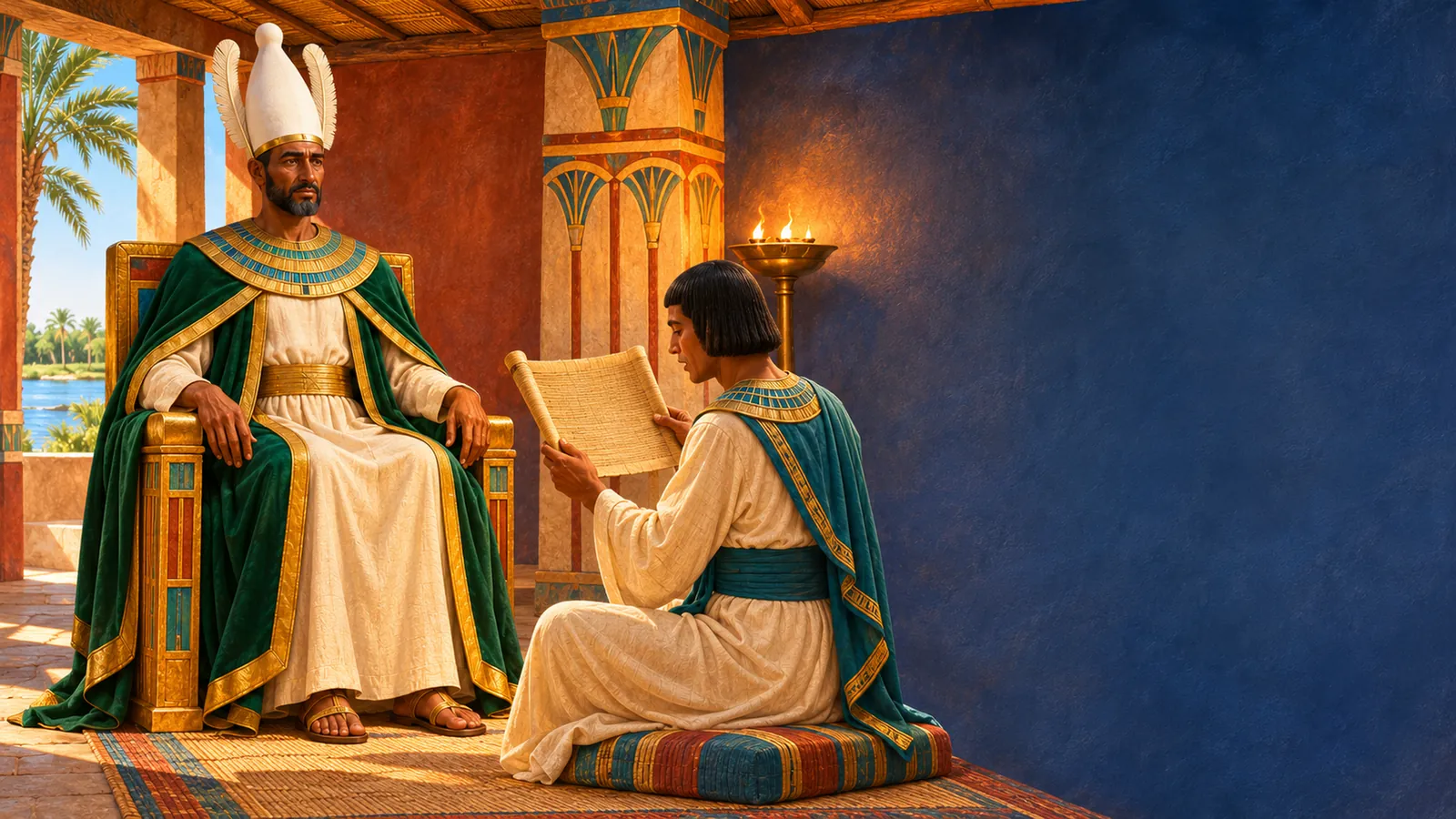
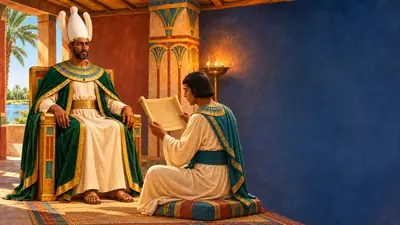
The letter reached Osiris, the king called Great in Bounty, Lord of Sustenance. He cried out when it was read and answered the court in haste.
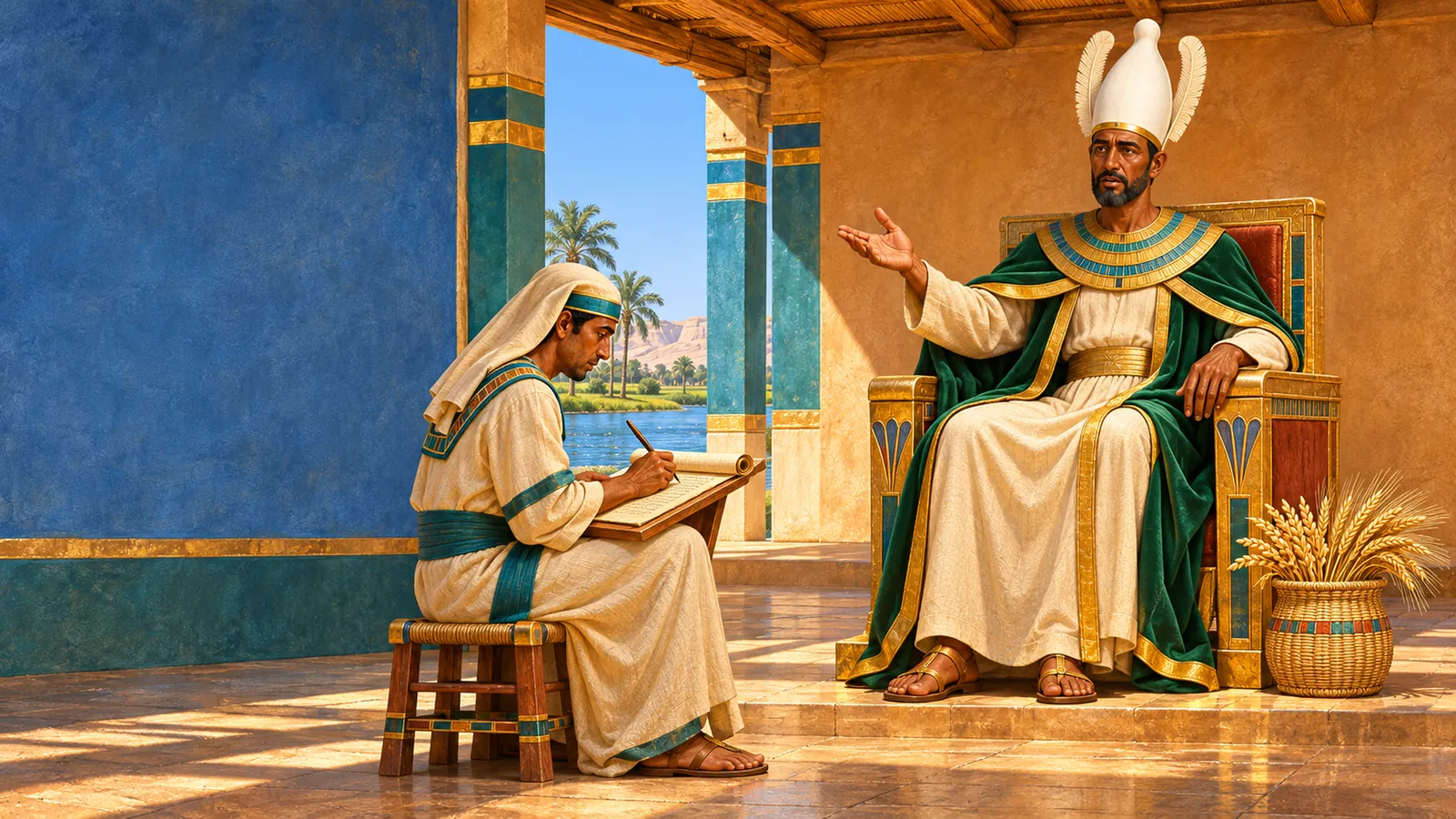
Osiris asked why his son was being deprived of his right. He claimed that he had made barley and emmer to nourish the gods and the living creatures.
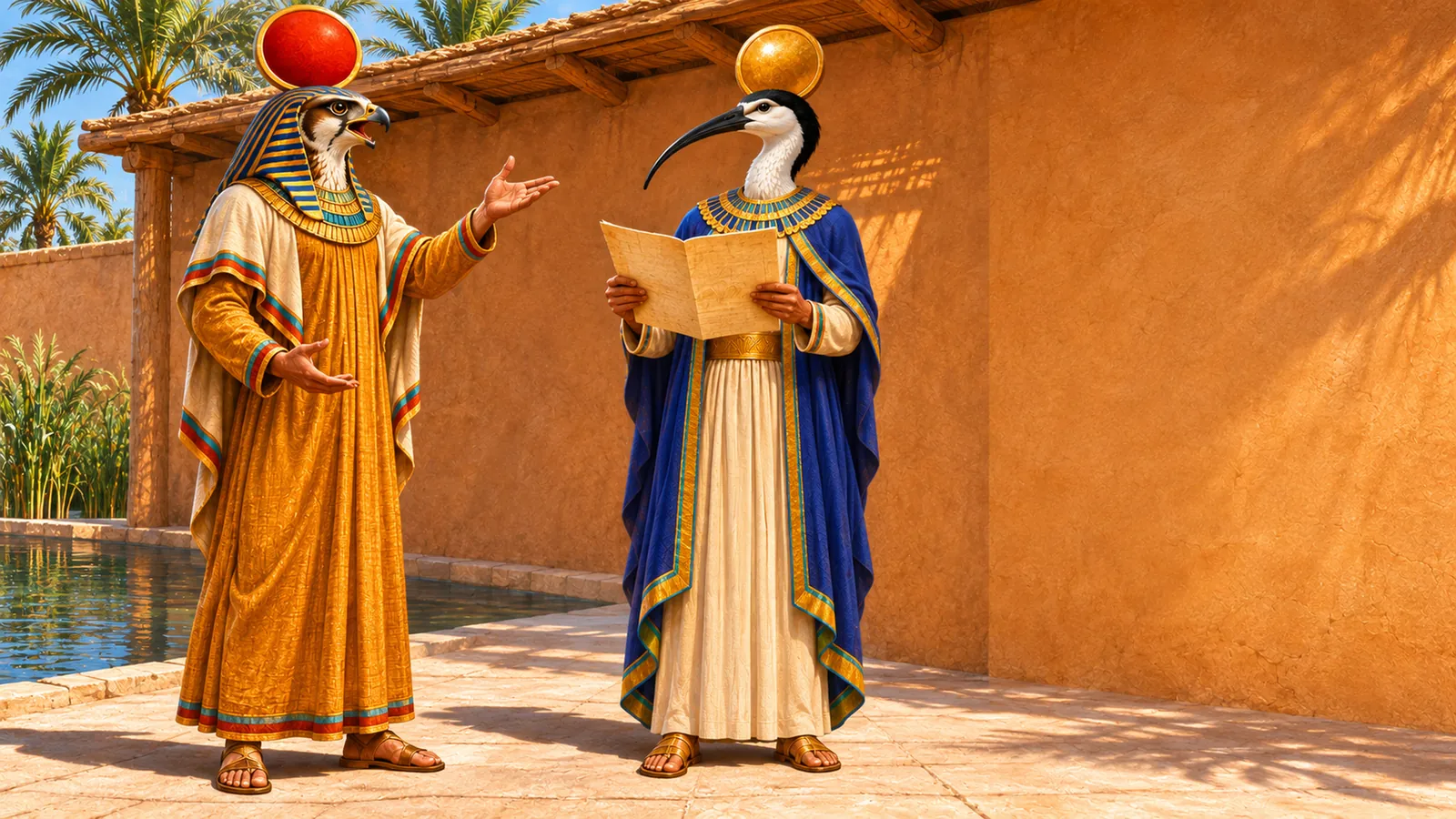
The letter was read to the sun god and the council at Xois. He replied that barley and emmer would exist even if Osiris had never been born.
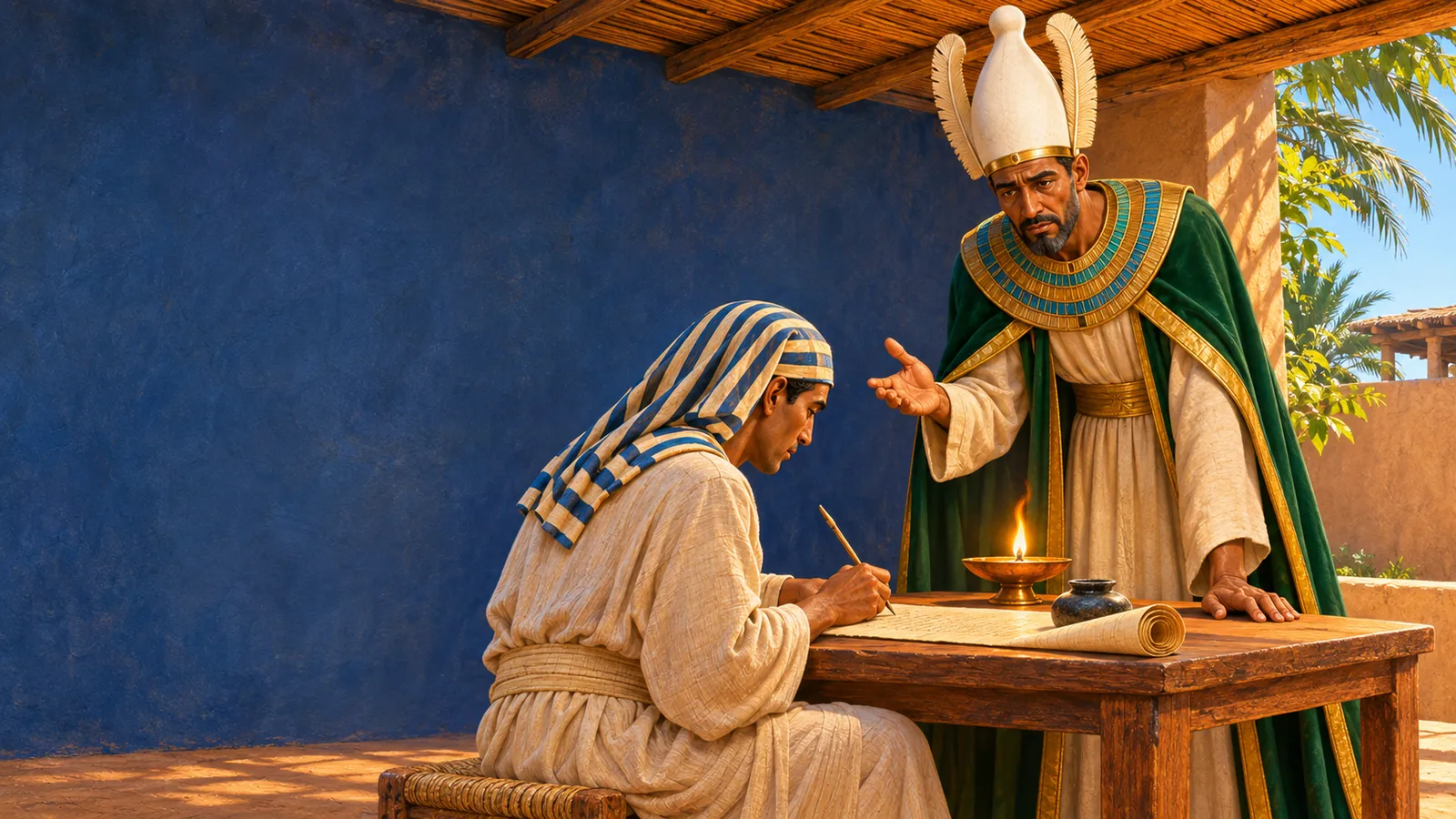
Osiris answered again, bitterly praising what the gods had done while justice had sunk into the netherworld. He demanded that the sun god attend to the case.
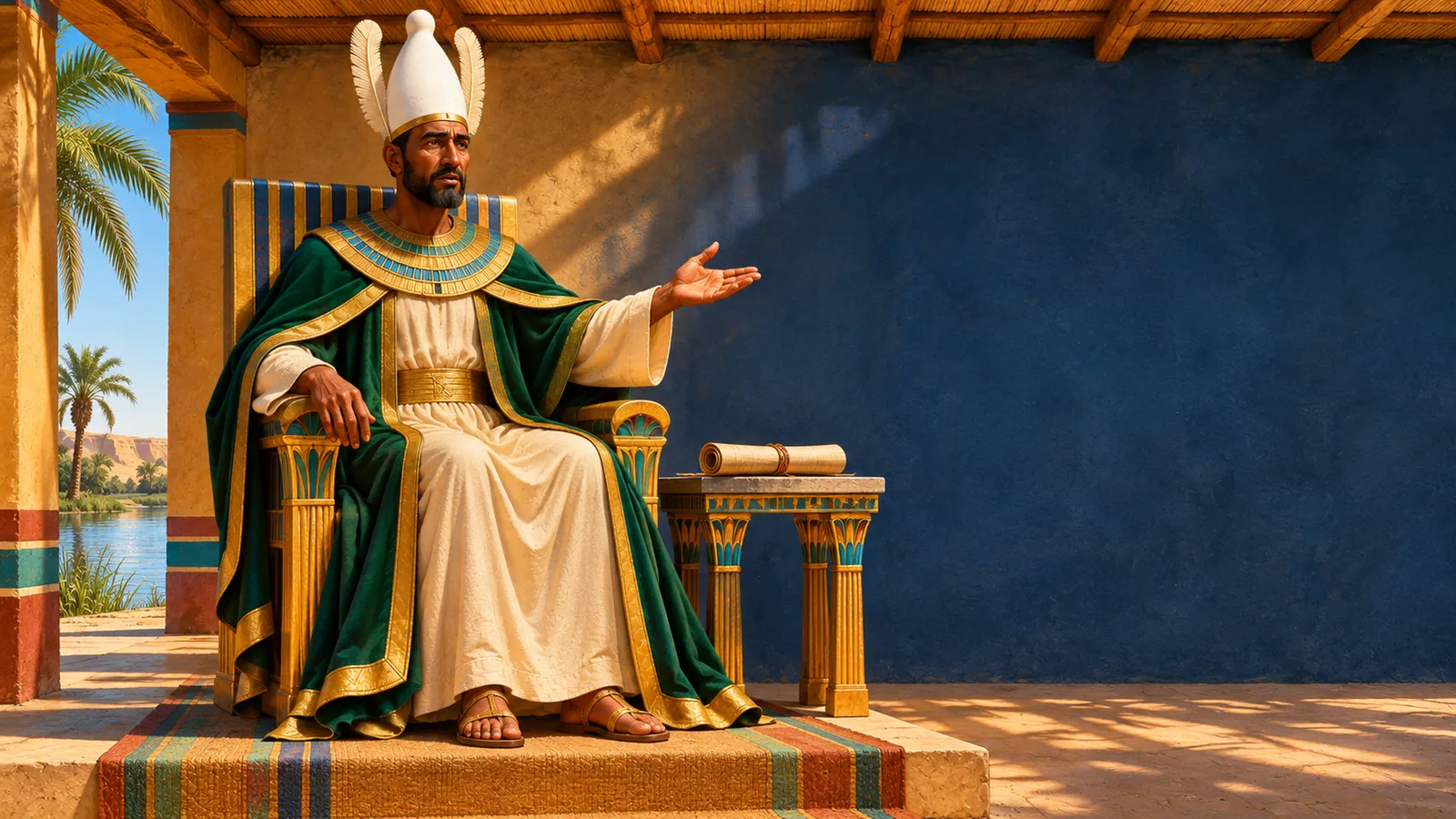
Osiris warned that his fearless messengers could seize wrongdoers’ hearts and bring them to him. His letter threatened this punishment; the story does not show it performed.

Osiris recalled Ptah’s decree: the stars rest in the west each night, and gods and humankind must also come there. His distant kingdom could not be dismissed.
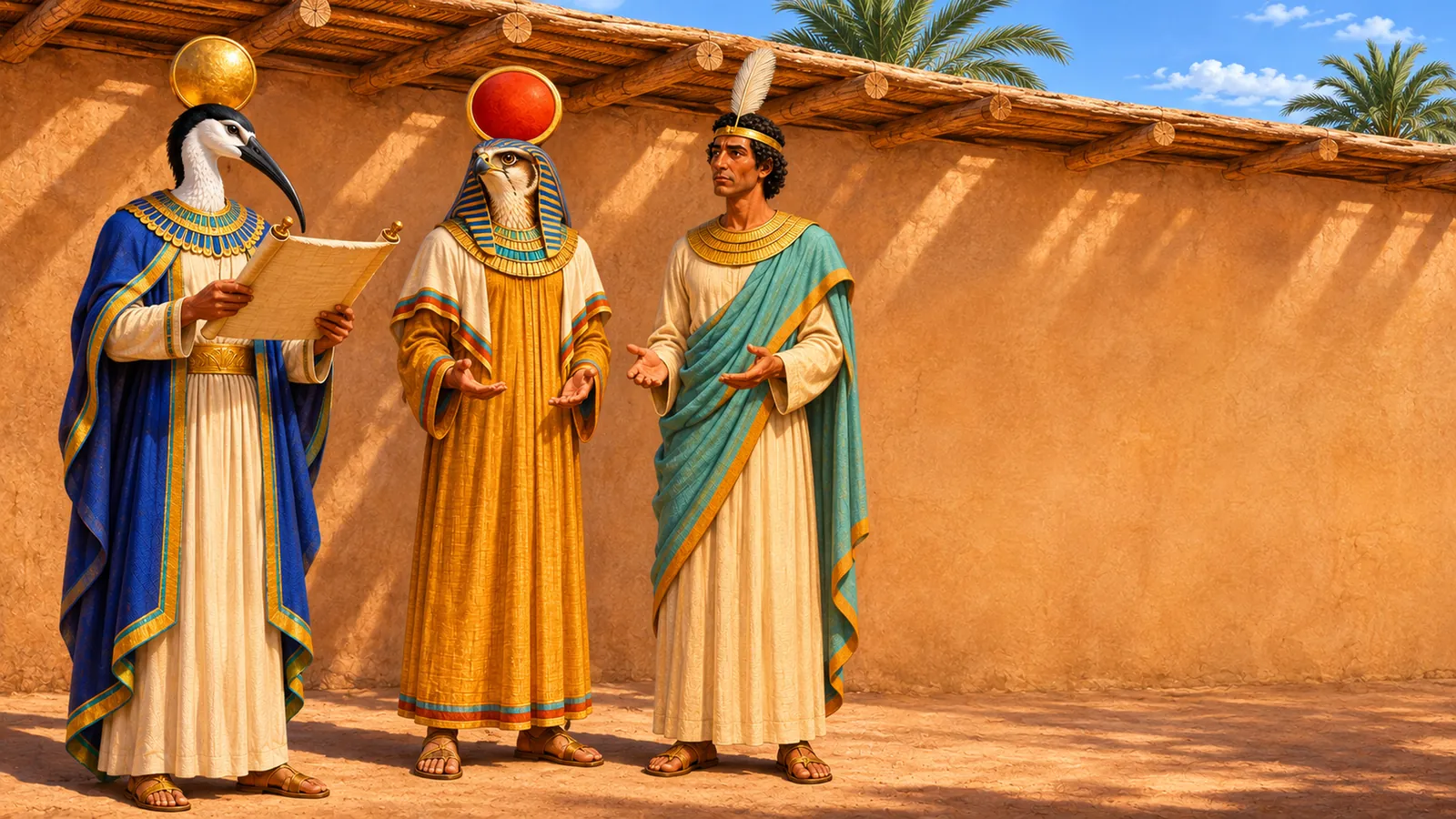
Thoth read Osiris’s second letter before the sun god and the council. This time they declared that the Lord of Sustenance was right in all he had said.
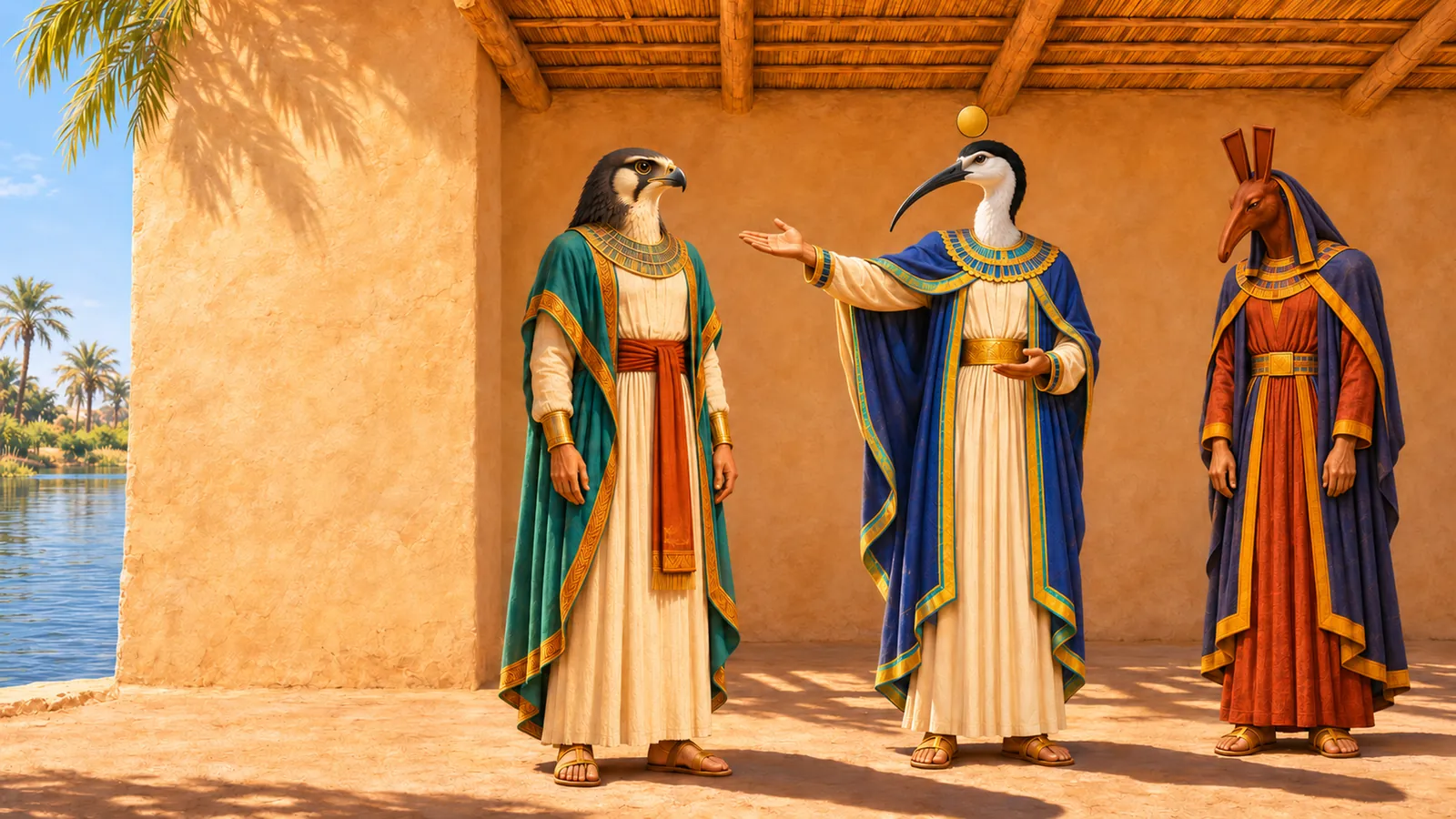
Seth demanded one more hearing on the Island-in-the-Midst. There, too, the judgment went against him, and Horus was again declared to be in the right.
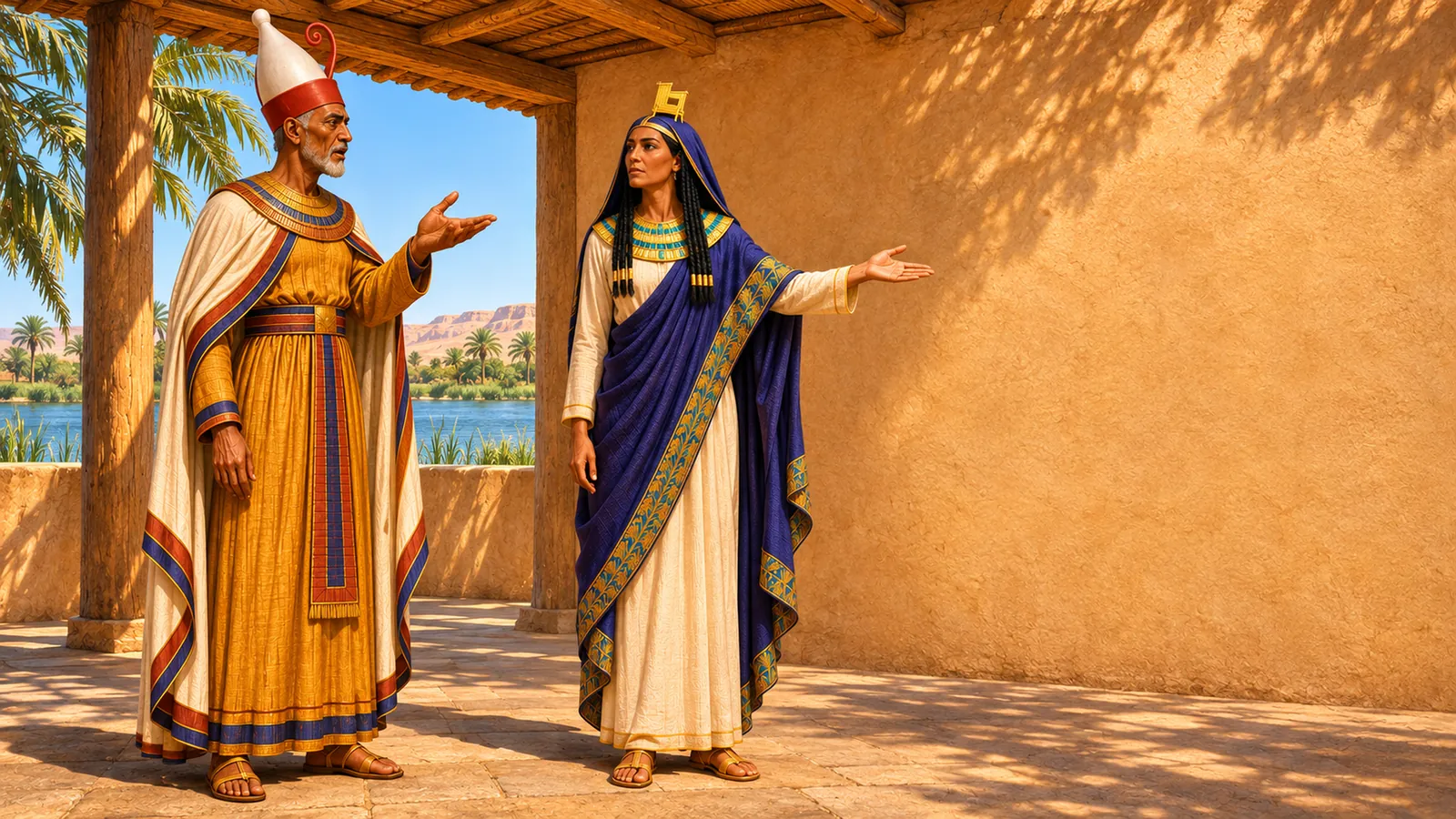
Atum ordered Isis to bring Seth bound before him, and she did so. He demanded to know why Seth had resisted judgment and taken Horus’s office for himself.
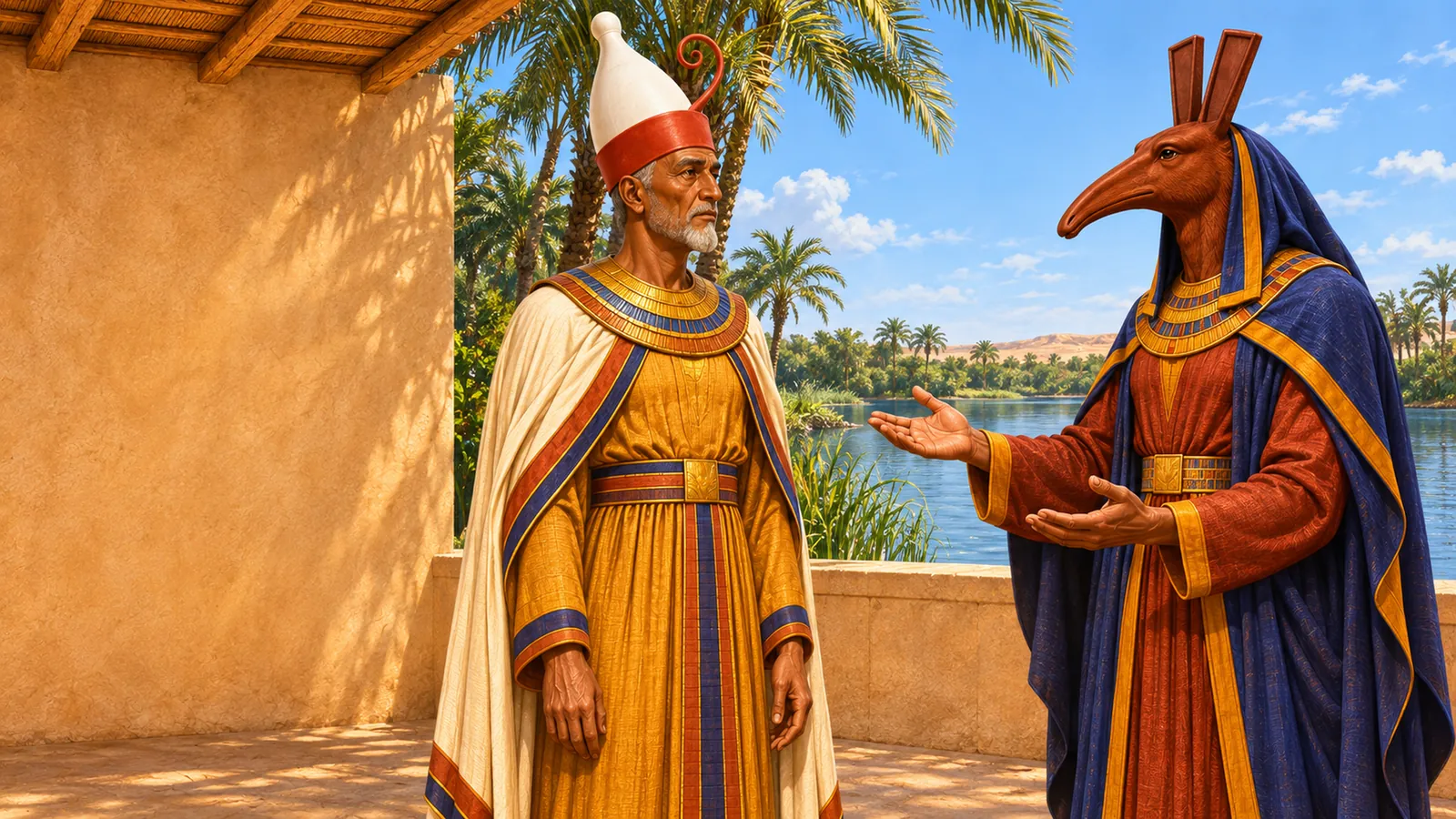
Seth answered that Horus should be summoned and given the office of his father Osiris. After so many refusals, he now spoke in favour of his rival’s succession.
HORUS THE KING
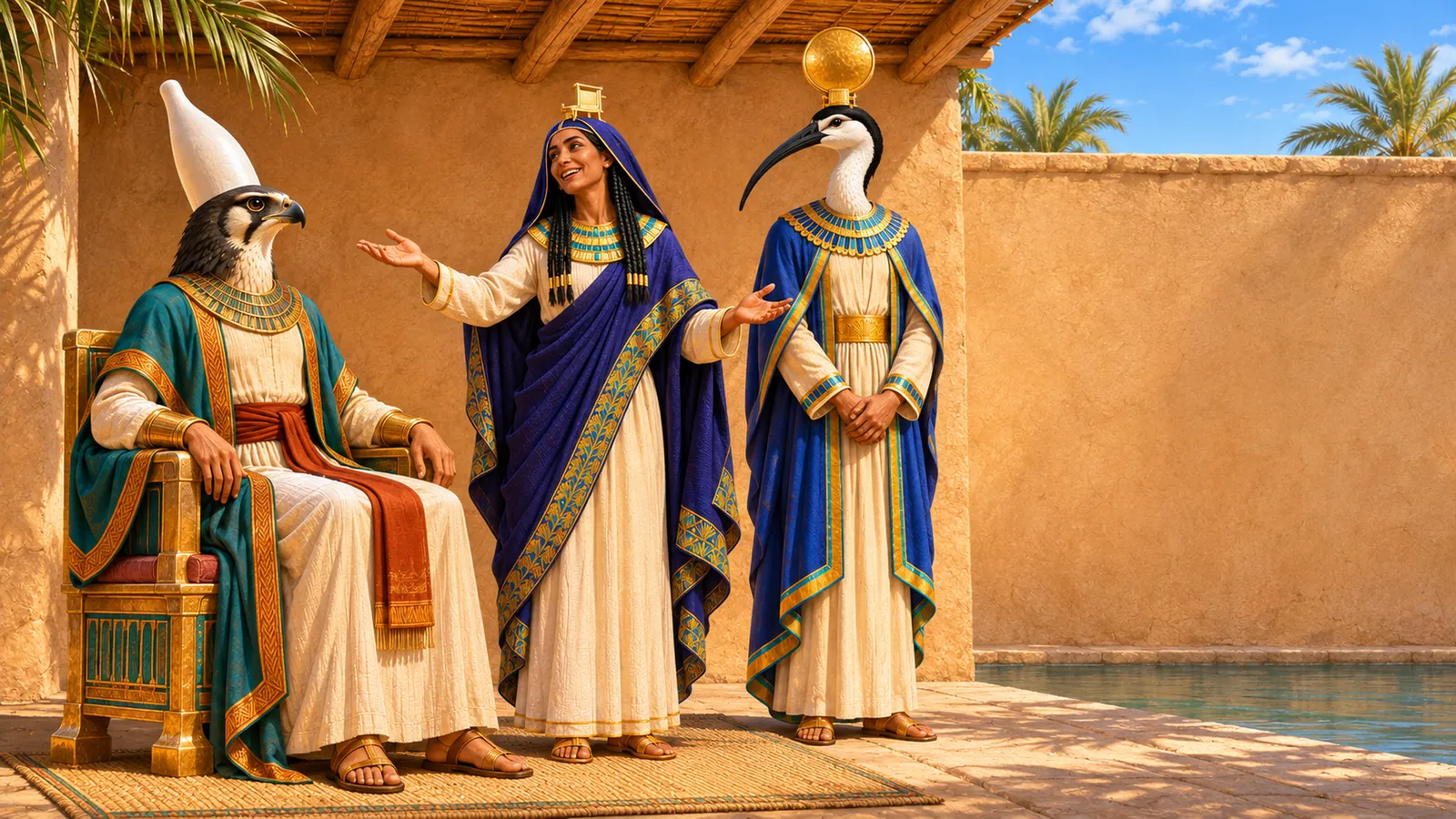
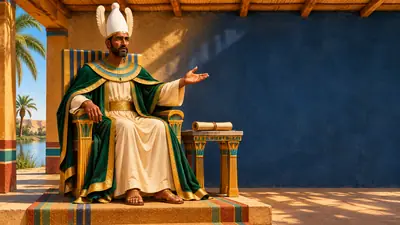
Horus was crowned and seated in his father’s place. The gods hailed him as Egypt’s good king, and Isis cried out with joy at her son’s accession.
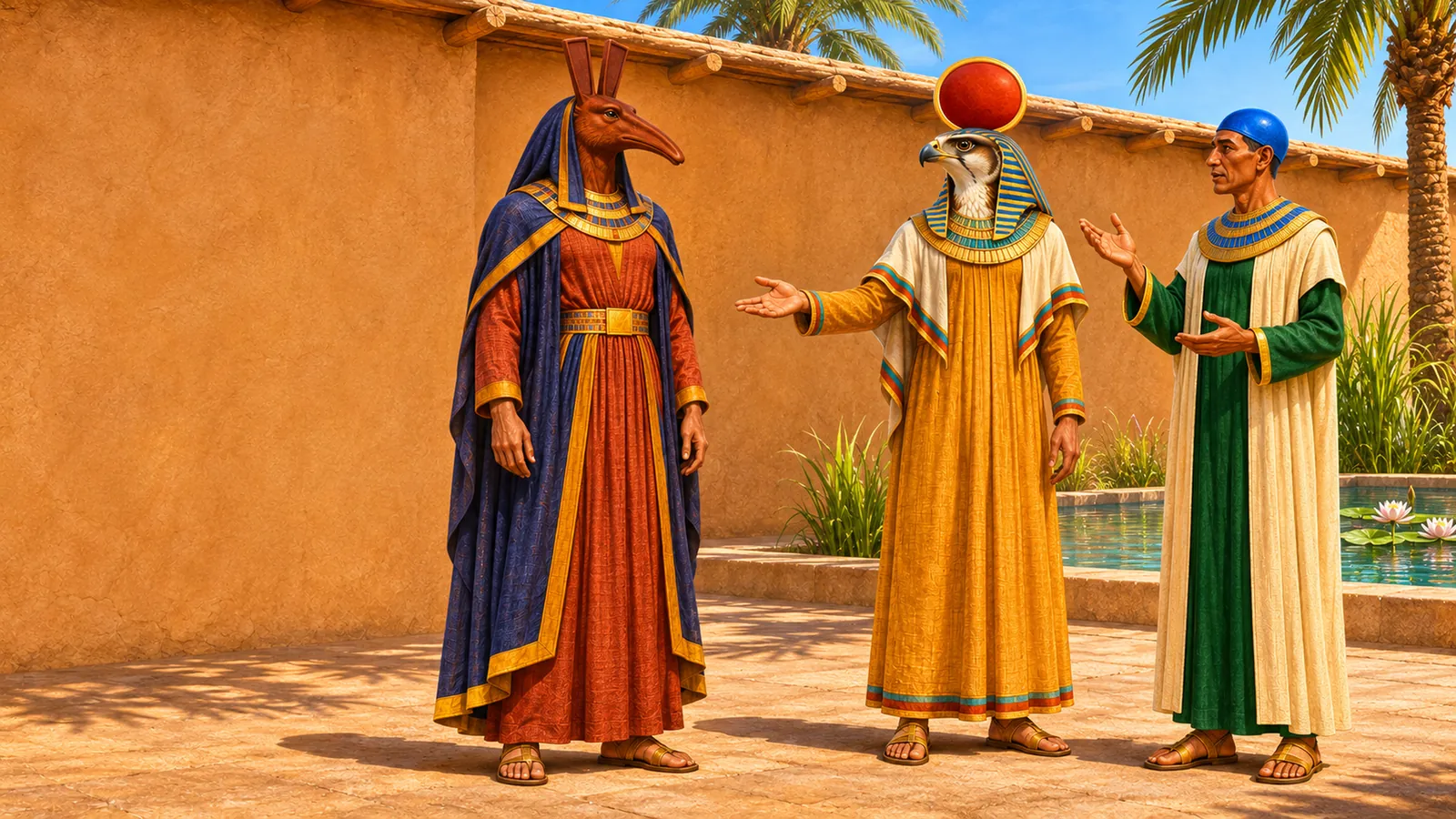
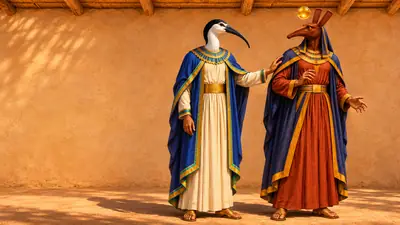
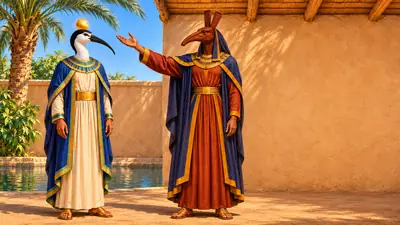
Ptah asked what should now be done for Seth. The sun god proposed taking him as a son to dwell with him and thunder in the sky.
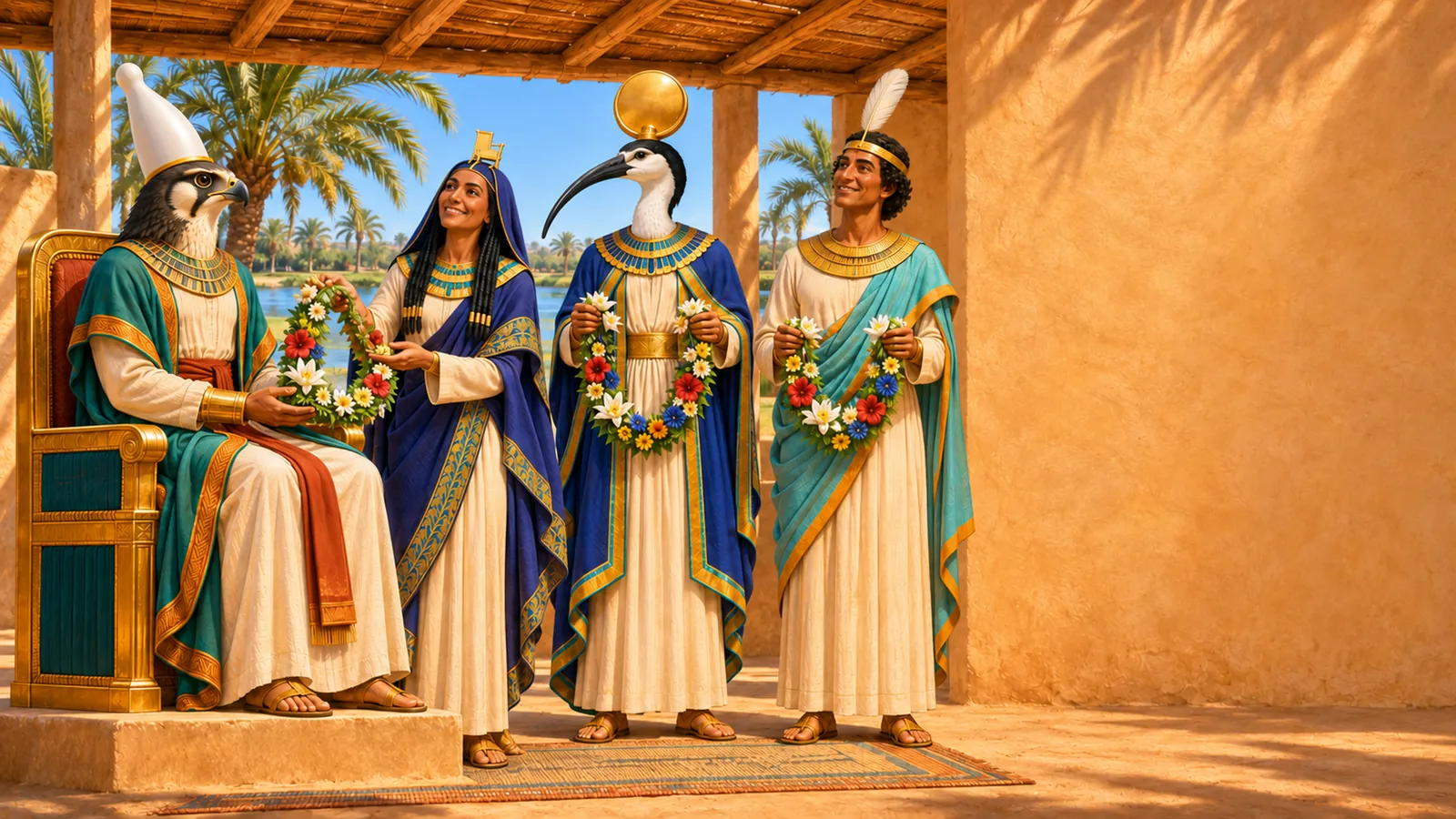
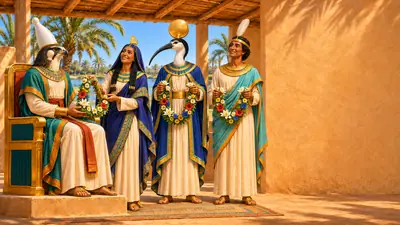
The gods took garlands, and the land rejoiced that Horus held his father’s office. The tale closes in celebration, followed by its scribe’s formula of completion.
End of chapter 1
All pages






















Sources
Papyrus Chester Beatty I, recto 1.1–16.8, an Egyptian hieratic literary witness from the reign of Ramesses V, Twentieth Dynasty, with Theban context; the witness dates the manuscript, not the mythical events. Gardiner 1931, complete §8 translation and notes, printed 13–26 (PDF 20–33), and Lichtheim, Ancient Egyptian Literature II, complete introduction, translation and twelve notes, printed 214–223 (PDF 113–117), read in full and compared. The institutional collection guide lists CBL Papyrus Chester Beatty I; the database’s BM 10681 heading does not justify claiming current British Museum custody. Gardiner’s dated judgments and speculative explanations are not adopted as facts. Translation variants and imported parallels are distinguished in page notes. The ancient tale really ends in Horus’s accession, a proposed solar role for Seth and celebration. This is an original retelling of ancient subject matter, not a reproduction of a modern translation.
Editions consulted
- Alan H. Gardiner1931, complete §8 translation and notes, printed13–26
- Miriam Lichtheim, Ancient Egyptian Literature II, complete tale and notes,214–223
- Ramses, manuscript description and opening only
- Chester Beatty, institutional guide, CBL Papyrus Chester Beatty I entry only
- IL Archive, horus egyptian deity
- IL Archive, osiris
- IL Archive, ra egyptian sun
- IL Archive, thoth egyptian god
- IL Archive, egypt
- IL Archive, thebes luxor egypt
Ancient lines behind each page
- Page 1: Papyrus Chester Beatty I, recto 1.1–1.3; Gardiner §8; Lichtheim 214–223
The opening has damage/restoration. - Page 2: Papyrus Chester Beatty I, recto 1.3–1.5; Gardiner §8; Lichtheim 214–223
The exact wording of Shu’s maxim and the recipient implied by later comments vary between translations. - Page 3: Papyrus Chester Beatty I, recto 1.6; Gardiner §8; Lichtheim 214–223
- Page 4: Papyrus Chester Beatty I, recto 1.7–1.10; Gardiner §8; Lichtheim 214–223
The following royal name-ring/White Crown clause is damaged and interpreted as proposal in Lichtheim, accomplished action in Gardiner. - Page 5: Papyrus Chester Beatty I, recto 1.11–2.2; Gardiner §8; Lichtheim 214–223
- Page 6: Papyrus Chester Beatty I, recto 2.3–2.6; Gardiner §8; Lichtheim 214–223
- Page 7: Papyrus Chester Beatty I, recto 2.7–3.1; Gardiner §8; Lichtheim 214–223
- Page 8: Papyrus Chester Beatty I, recto 3.2–3.4; Gardiner §8; Lichtheim 214–223
- Page 9: Papyrus Chester Beatty I, recto 3.4; Gardiner §8; Lichtheim 214–223
The two goddesses are named as the solar god’s daughters in this letter, not as an explanation of all ancient genealogies. - Page 10: Papyrus Chester Beatty I, recto 3.5–3.9; Gardiner §8; Lichtheim 214–223
- Page 11: Papyrus Chester Beatty I, recto 3.9–3.12; Gardiner §8; Lichtheim 214–223
- Page 12: Papyrus Chester Beatty I, recto 3.12–4.1; Gardiner §8; Lichtheim 214–223
- Page 13: Papyrus Chester Beatty I, recto 4.2–4.3; Gardiner §8; Lichtheim 214–223
- Page 14: Papyrus Chester Beatty I, recto 4.3; Gardiner §8; Lichtheim 214–223
- Page 15: Papyrus Chester Beatty I, recto 4.4–4.6; Gardiner §8; Lichtheim 214–223
- Page 16: Papyrus Chester Beatty I, recto 4.6–4.8; Gardiner §8; Lichtheim 214–223
- Page 17: Papyrus Chester Beatty I, recto 4.9–4.13; Gardiner §8; Lichtheim 214–223
- Page 18: Papyrus Chester Beatty I, recto 5.1–5.3; Gardiner §8; Lichtheim 214–223
Seth threatens one councillor’s death daily with a sceptre of4500 weight units, rendered pounds in older translations. - Page 19: Papyrus Chester Beatty I, recto 5.4–5.6; Gardiner §8; Lichtheim 214–223
Nemty is Anti in Gardiner’s older reading. - Page 20: Papyrus Chester Beatty I, recto 5.6–5.12; Gardiner §8; Lichtheim 214–223
- Page 21: Papyrus Chester Beatty I, recto 5.13–6.2; Gardiner §8; Lichtheim 214–223
- Page 22: Papyrus Chester Beatty I, recto 6.3–6.7; Gardiner §8; Lichtheim 214–223
- Page 23: Papyrus Chester Beatty I, recto 6.7–6.12; Gardiner §8; Lichtheim 214–223
The cattle/office words create a pun that translations cannot reproduce directly. - Page 24: Papyrus Chester Beatty I, recto 6.12–6.13; Gardiner §8; Lichtheim 214–223
- Page 25: Papyrus Chester Beatty I, recto 6.14–7.1; Gardiner §8; Lichtheim 214–223
- Page 26: Papyrus Chester Beatty I, recto 7.2–7.12; Gardiner §8; Lichtheim 214–223
- Page 27: Papyrus Chester Beatty I, recto 7.12–7.13; Gardiner §8; Lichtheim 214–223
The retelling follows the later toes reading, states the bodily harm plainly and uses an empty ferry symbol. - Page 28: Papyrus Chester Beatty I, recto 8.1; Gardiner §8; Lichtheim 214–223
- Page 29: Papyrus Chester Beatty I, recto 8.2–8.6; Gardiner §8; Lichtheim 214–223
The solar names are treated both separately and together in this passage. - Page 30: Papyrus Chester Beatty I, recto 8.7–8.9; Gardiner §8; Lichtheim 214–223
- Page 31: Papyrus Chester Beatty I, recto 8.9–8.11; Gardiner §8; Lichtheim 214–223
- Page 32: Papyrus Chester Beatty I, recto 8.11–8.12; Gardiner §8; Lichtheim 214–223
- Page 33: Papyrus Chester Beatty I, recto 8.12–8.13; Gardiner §8; Lichtheim 214–223
The text’s weight is not converted into a verified modern value. - Page 34: Papyrus Chester Beatty I, recto 8.13–9.3; Gardiner §8; Lichtheim 214–223
- Page 35: Papyrus Chester Beatty I, recto 9.4–9.7; Gardiner §8; Lichtheim 214–223
The foreigner/estrangement wording is problematic and differs from the distinct Sallier parallel; it is not used to invent an extra foreign character. - Page 36: Papyrus Chester Beatty I, recto 9.8–9.9; Gardiner §8; Lichtheim 214–223
The leopard is a simile, not another transformation. - Page 37: Papyrus Chester Beatty I, recto 9.9–9.10; Gardiner §8; Lichtheim 214–223
A cow-head restoration by Thoth belongs to the Sallier/Plutarch parallel discussed in Gardiner’s note, not this narrative, and is not imported. - Page 38: Papyrus Chester Beatty I, recto 9.10–10.2; Gardiner §8; Lichtheim 214–223
- Page 39: Papyrus Chester Beatty I, recto 10.2–10.3; Gardiner §8; Lichtheim 214–223
- Page 40: Papyrus Chester Beatty I, recto 10.3–10.5; Gardiner §8; Lichtheim 214–223
- Page 41: Papyrus Chester Beatty I, recto 10.5; Gardiner §8; Lichtheim 214–223
Gardiner’s illumine-earth phrase and Lichtheim’s toward-morning rendering differ. - Page 42: Papyrus Chester Beatty I, recto 10.5–10.6; Gardiner §8; Lichtheim 214–223
- Page 43: Papyrus Chester Beatty I, recto 10.7–10.8; Gardiner §8; Lichtheim 214–223
- Page 44: Papyrus Chester Beatty I, recto 10.8–10.11; Gardiner §8; Lichtheim 214–223
- Page 45: Papyrus Chester Beatty I, recto 10.11–11.1; Gardiner §8; Lichtheim 214–223
- Page 46: Papyrus Chester Beatty I, recto 11.2; Gardiner §8; Lichtheim 214–223
- Page 47: Papyrus Chester Beatty I, recto 11.3–11.6; Gardiner §8; Lichtheim 214–223
- Page 48: Papyrus Chester Beatty I, recto 11.6–11.7; Gardiner §8; Lichtheim 214–223
- Page 49: Papyrus Chester Beatty I, recto 11.7–11.9; Gardiner §8; Lichtheim 214–223
- Page 50: Papyrus Chester Beatty I, recto 11.9–11.11; Gardiner §8; Lichtheim 214–223
- Page 51: Papyrus Chester Beatty I, recto 11.11–11.12; Gardiner §8; Lichtheim 214–223
- Page 52: Papyrus Chester Beatty I, recto 12.1–12.5; Gardiner §8; Lichtheim 214–223
- Page 53: Papyrus Chester Beatty I, recto 12.5–12.6; Gardiner §8; Lichtheim 214–223
- Page 54: Papyrus Chester Beatty I, recto 12.7–12.8; Gardiner §8; Lichtheim 214–223
- Page 55: Papyrus Chester Beatty I, recto 12.9–12.12; Gardiner §8; Lichtheim 214–223
- Page 56: Papyrus Chester Beatty I, recto 12.13–13.1; Gardiner §8; Lichtheim 214–223
Other versions make Thoth himself the offspring emerging from Seth. - Page 57: Papyrus Chester Beatty I, recto 13.1–13.2; Gardiner §8; Lichtheim 214–223
- Page 58: Papyrus Chester Beatty I, recto 13.2–13.5; Gardiner §8; Lichtheim 214–223
- Page 59: Papyrus Chester Beatty I, recto 13.5–13.6; Gardiner §8; Lichtheim 214–223
The text does not say Horus builds an actual stone ship by magic. - Page 60: Papyrus Chester Beatty I, recto 13.7–13.8; Gardiner §8; Lichtheim 214–223
- Page 61: Papyrus Chester Beatty I, recto 13.9; Gardiner §8; Lichtheim 214–223
- Page 62: Papyrus Chester Beatty I, recto 13.10; Gardiner §8; Lichtheim 214–223
- Page 63: Papyrus Chester Beatty I, recto 13.10–13.11; Gardiner §8; Lichtheim 214–223
- Page 64: Papyrus Chester Beatty I, recto 13.11–14.1; Gardiner §8; Lichtheim 214–223
The text passes from wrecked boat to travel without describing a repair. - Page 65: Papyrus Chester Beatty I, recto 14.1–14.4; Gardiner §8; Lichtheim 214–223
- Page 66: Papyrus Chester Beatty I, recto 14.5–14.6; Gardiner §8; Lichtheim 214–223
- Page 67: Papyrus Chester Beatty I, recto 14.7–14.9; Gardiner §8; Lichtheim 214–223
The letter gives elaborate royal names to its sender, the solar deity, including son of Ptah; these are not all titles of Osiris. - Page 68: Papyrus Chester Beatty I, recto 14.10–14.11; Gardiner §8; Lichtheim 214–223
- Page 69: Papyrus Chester Beatty I, recto 14.11–15.1; Gardiner §8; Lichtheim 214–223
- Page 70: Papyrus Chester Beatty I, recto 15.1–15.3; Gardiner §8; Lichtheim 214–223
- Page 71: Papyrus Chester Beatty I, recto 15.3–15.4; Gardiner §8; Lichtheim 214–223
- Page 72: Papyrus Chester Beatty I, recto 15.4–15.6; Gardiner §8; Lichtheim 214–223
The words are a warning, not narrated dispatch, heart extraction or mass death. - Page 73: Papyrus Chester Beatty I, recto 15.6–15.9; Gardiner §8; Lichtheim 214–223
- Page 74: Papyrus Chester Beatty I, recto 15.9–15.10; Gardiner §8; Lichtheim 214–223
Thoth reads it and the gods acknowledge Osiris’s words as right. - Page 75: Papyrus Chester Beatty I, recto 15.11; Gardiner §8; Lichtheim 214–223
- Page 76: Papyrus Chester Beatty I, recto 15.12–15.13; Gardiner §8; Lichtheim 214–223
- Page 77: Papyrus Chester Beatty I, recto 15.13–16.1; Gardiner §8; Lichtheim 214–223
- Page 78: Papyrus Chester Beatty I, recto 16.1–16.3; Gardiner §8; Lichtheim 214–223
- Page 79: Papyrus Chester Beatty I, recto 16.3–16.4; Gardiner §8; Lichtheim 214–223
- Page 80: Papyrus Chester Beatty I, recto 16.5–16.8; Gardiner §8; Lichtheim 214–223
The colophon traditionally reads completion in Thebes, place of truth, but Gardiner explicitly calls the final place-reading precarious.
Illustrations made with AI tools by IL Archive; the text is based on the ancient sources (see the sources at the end of each chapter).