The Destruction of Mankind Chapter 1
The Eye and the Red Fields
On the gods’ advice, Ra sends Hathor against people who have fled to the desert. After she kills some of them, he has the fields filled with red beer and saves those who remain.
SourcesTurn the pages with the arrows, the arrow keys or a swipe.
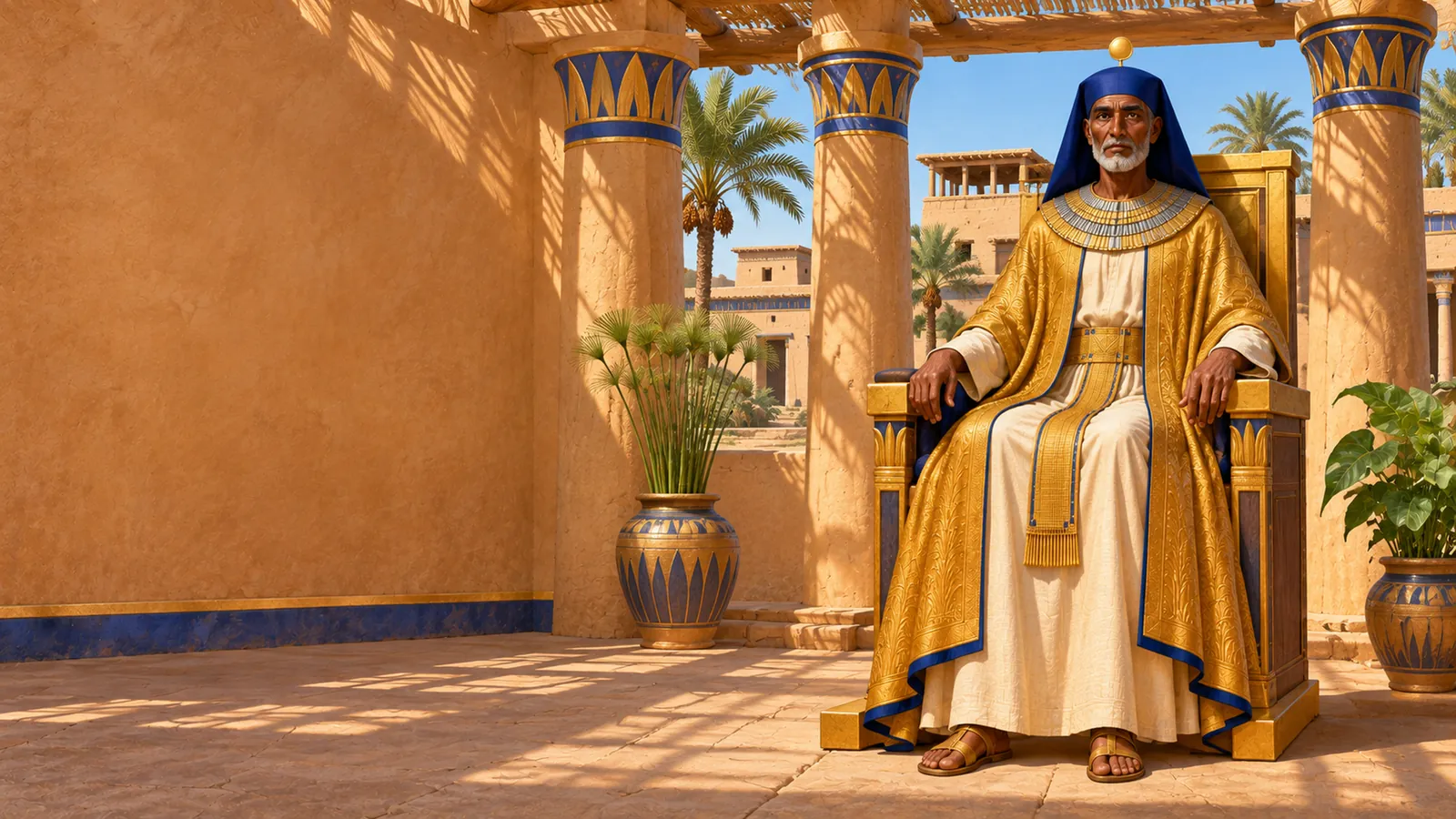
RA
The Egyptian story opens in the age of Ra. A few words are lost, but the sun god is already reigning when the account begins.
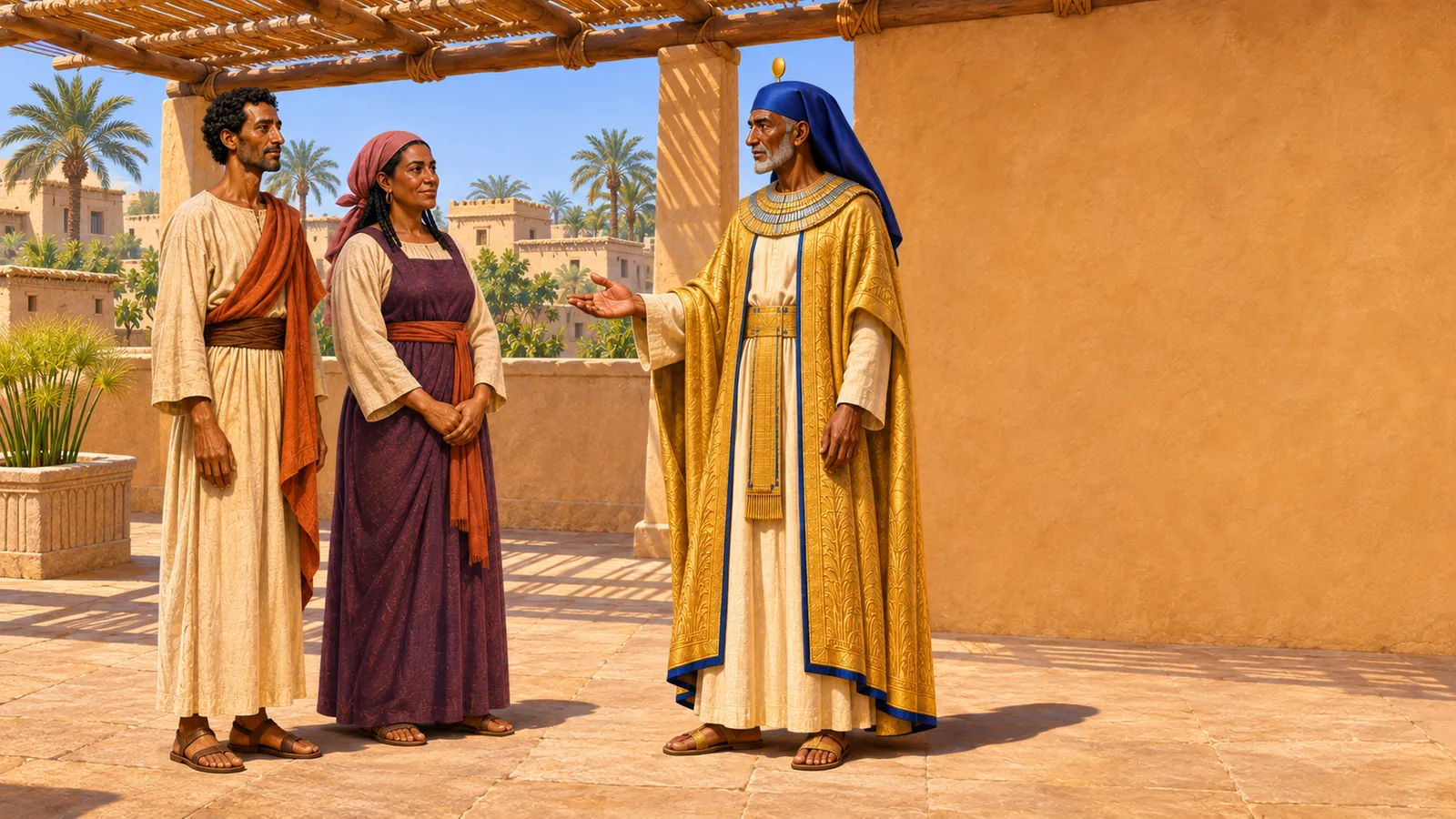
In those days, gods and people belonged to one realm. Ra had come into being by himself and ruled over them all.
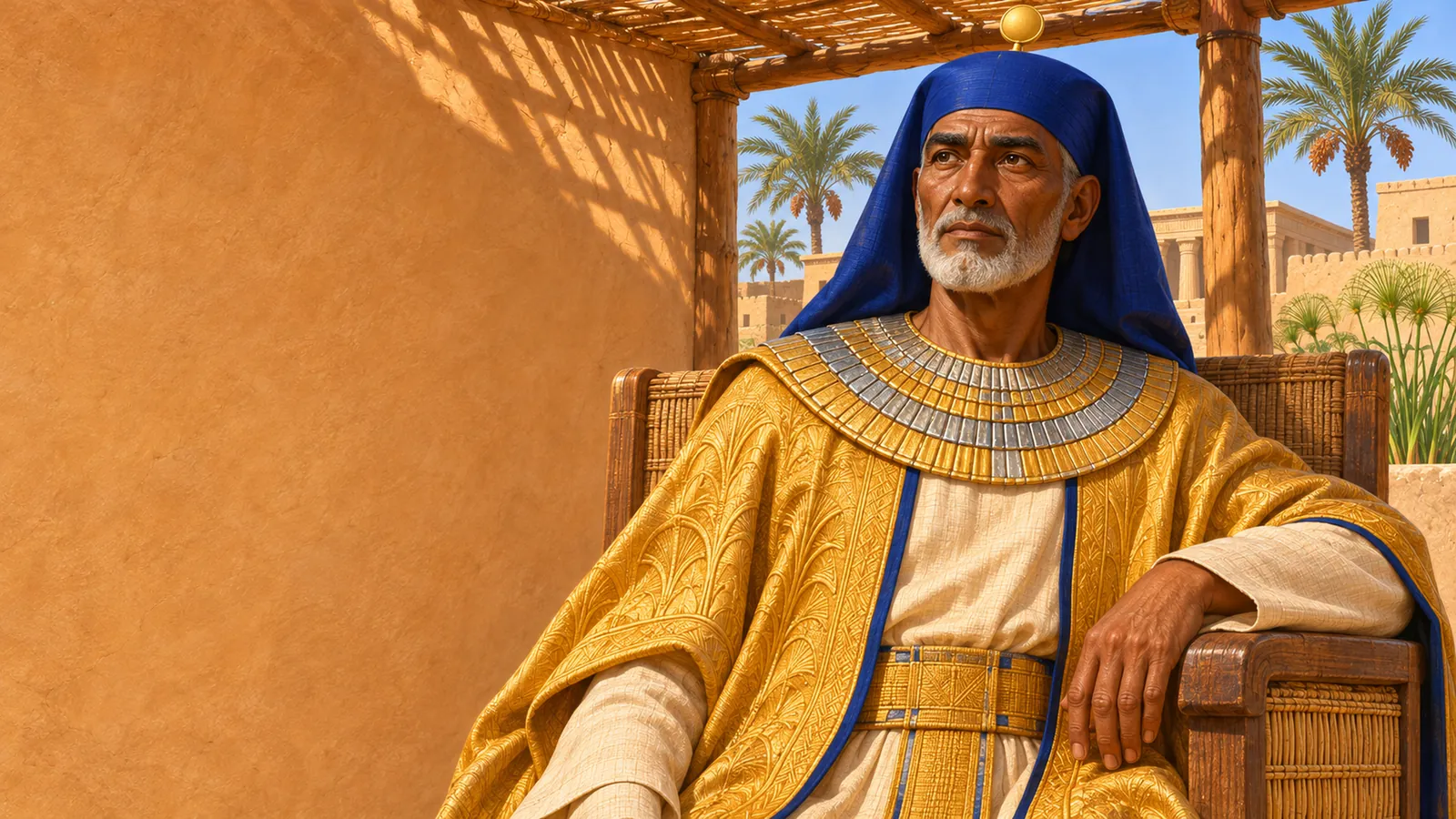
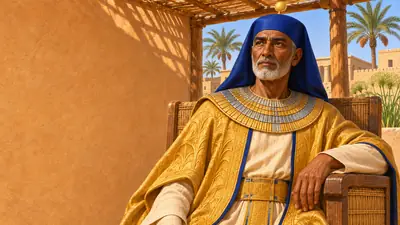
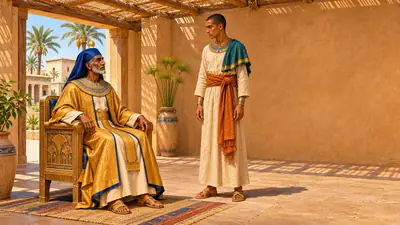
Ra had grown old. The story describes his bones as silver, his flesh as gold and his hair as genuine lapis lazuli.
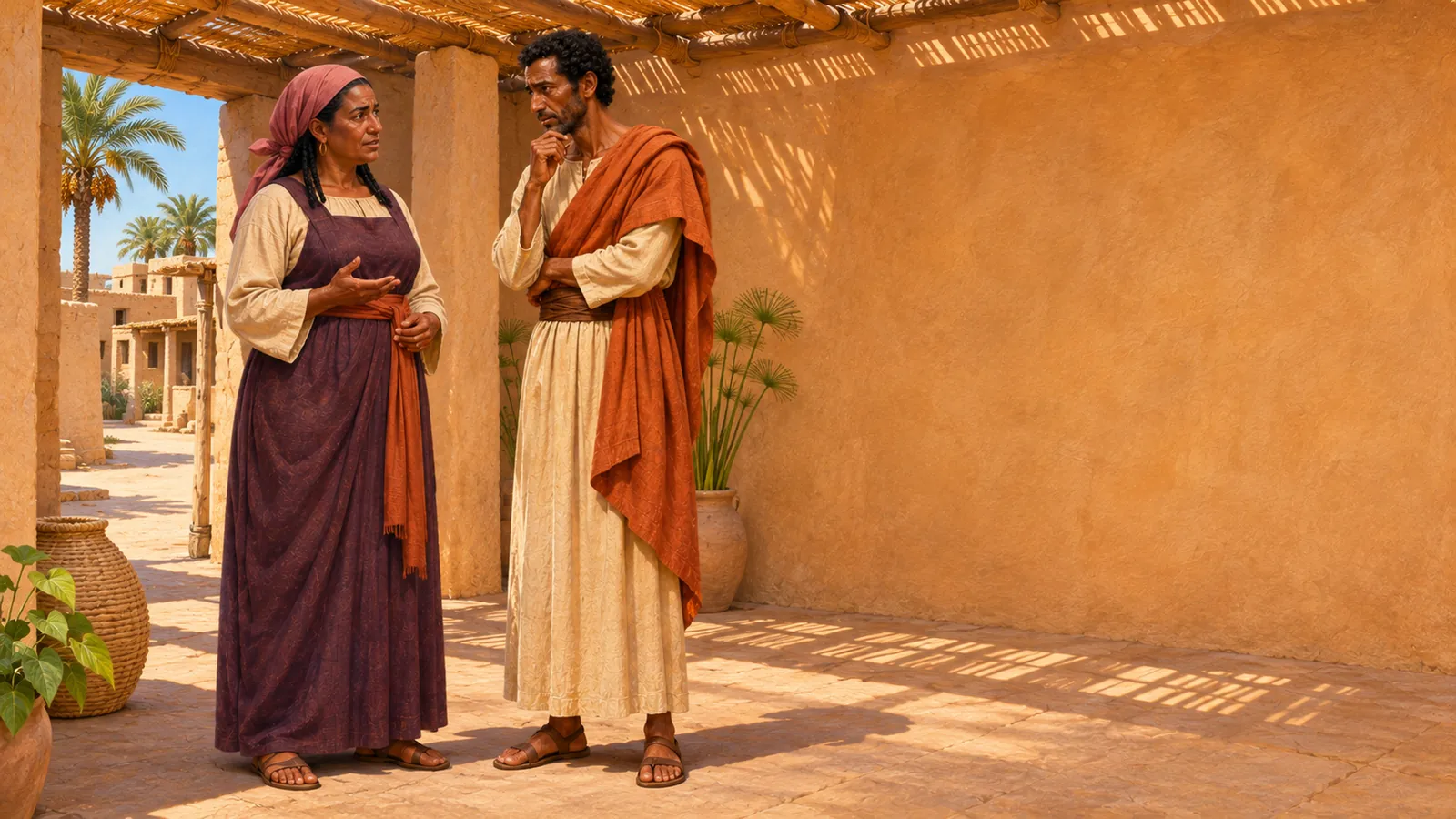
People began to plot against the aging king. The account leaves their words and plans unspoken and turns to what Ra did on learning of them.
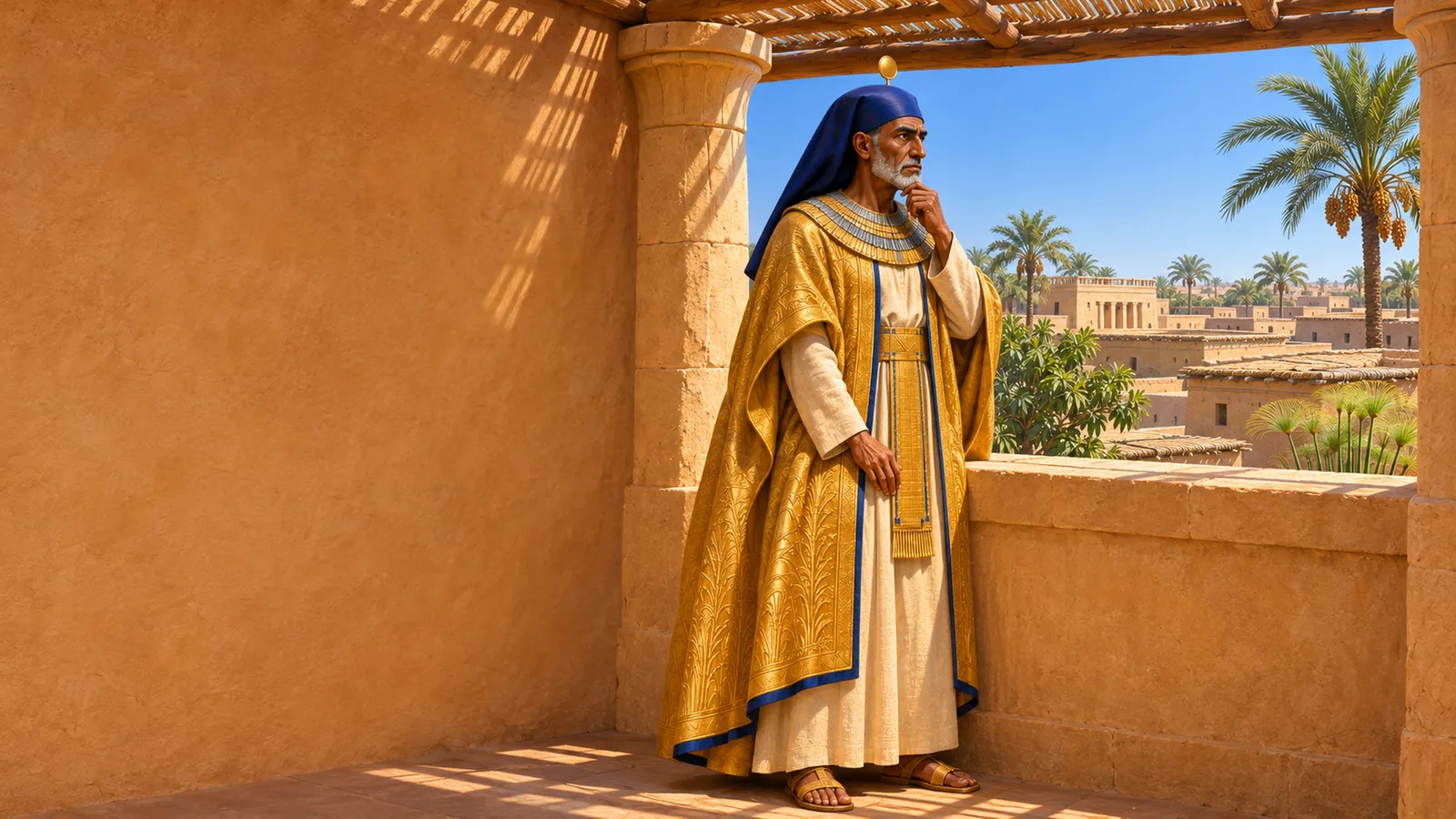
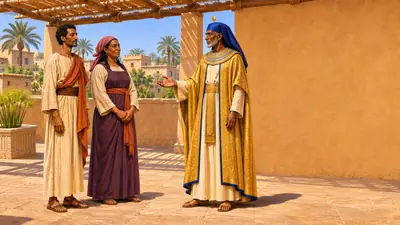
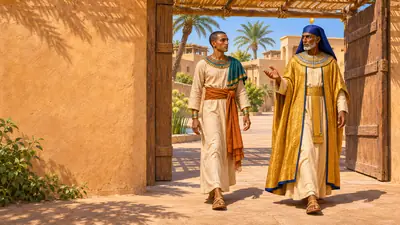
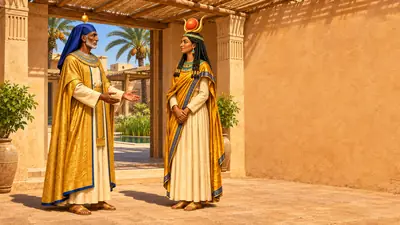
Ra became aware of what people were doing against him. He spoke first to those already in his service at the palace.
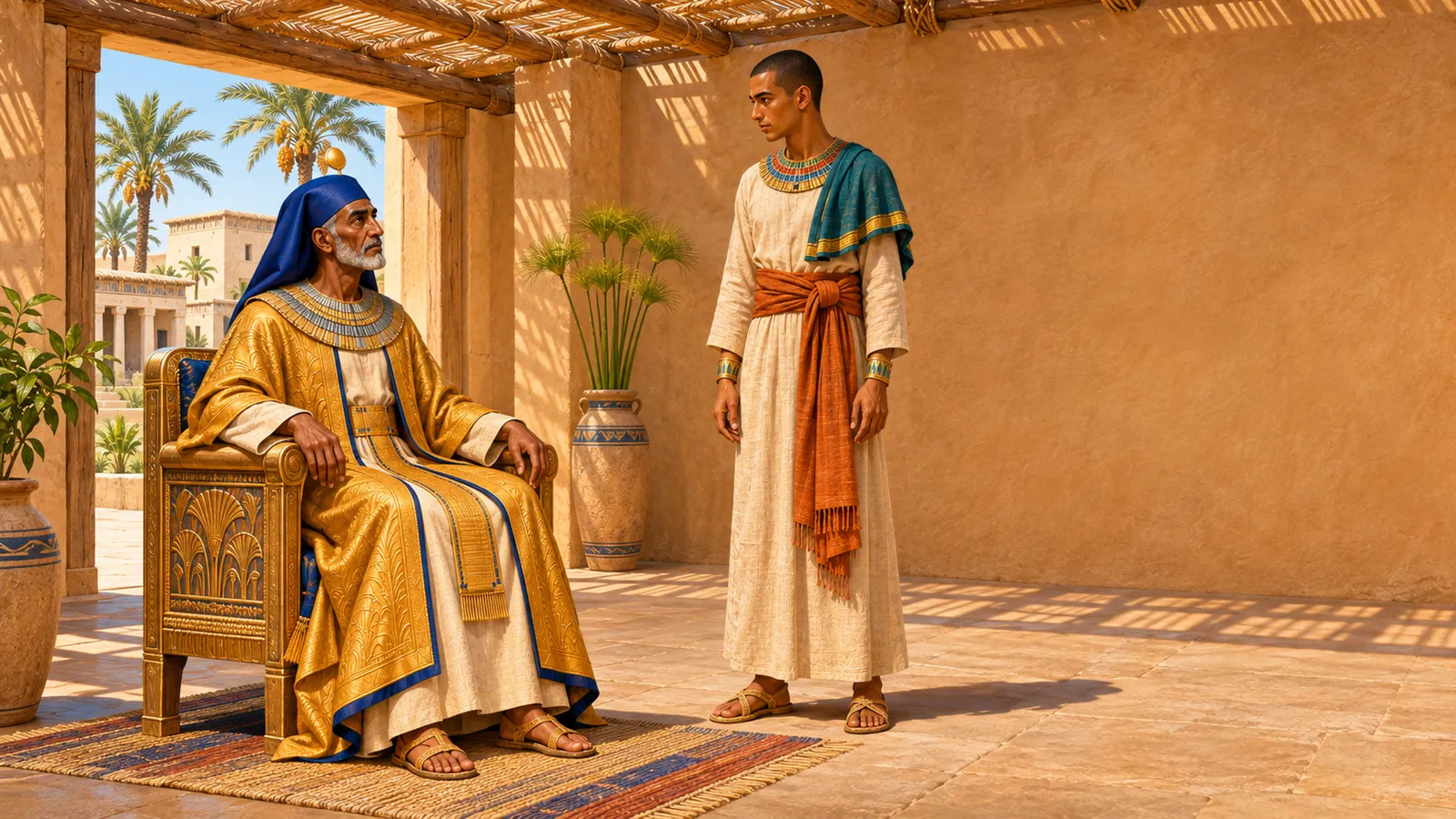
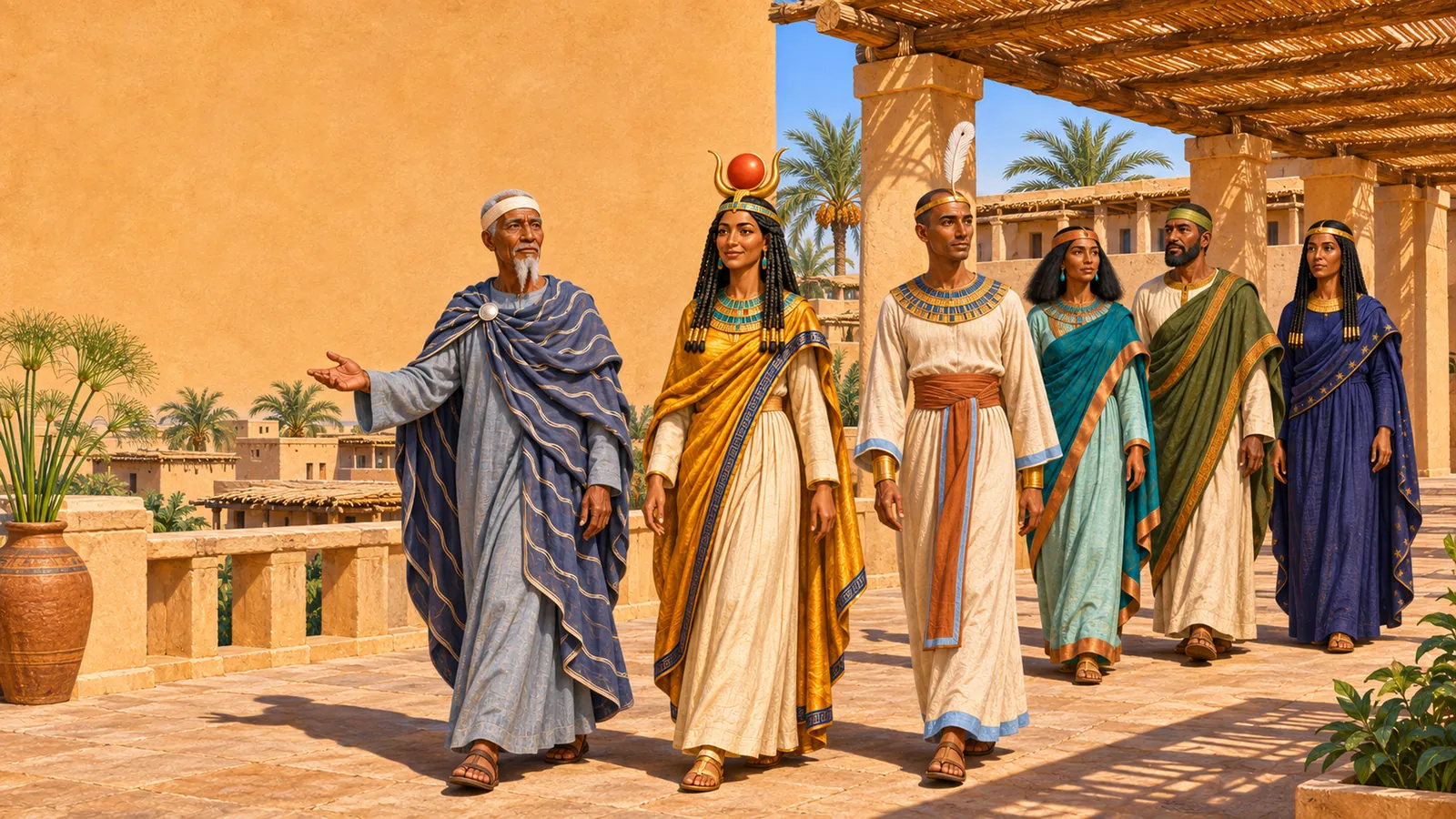
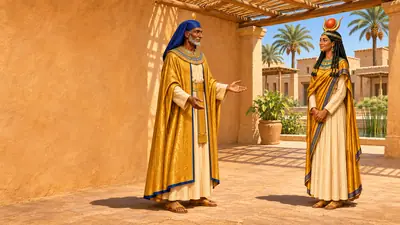
Ra told his attendants to summon his Eye, along with Shu, Tefnut, Geb and Nut. He also called the gods who had been with him in the beginning.
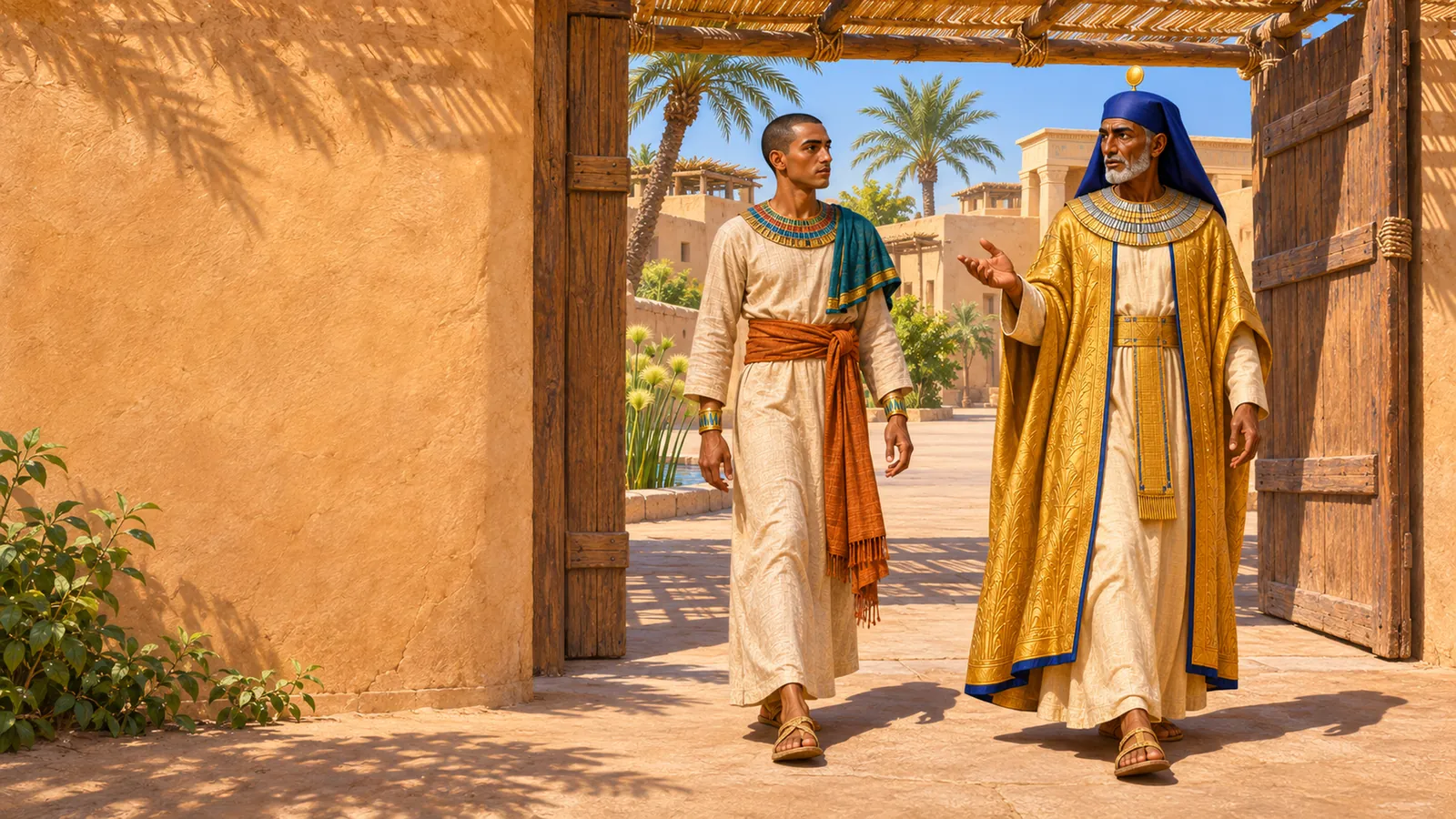
One summons named Nun, the elder of the primordial waters. Ra asked that he come to the palace and bring his own courtiers.
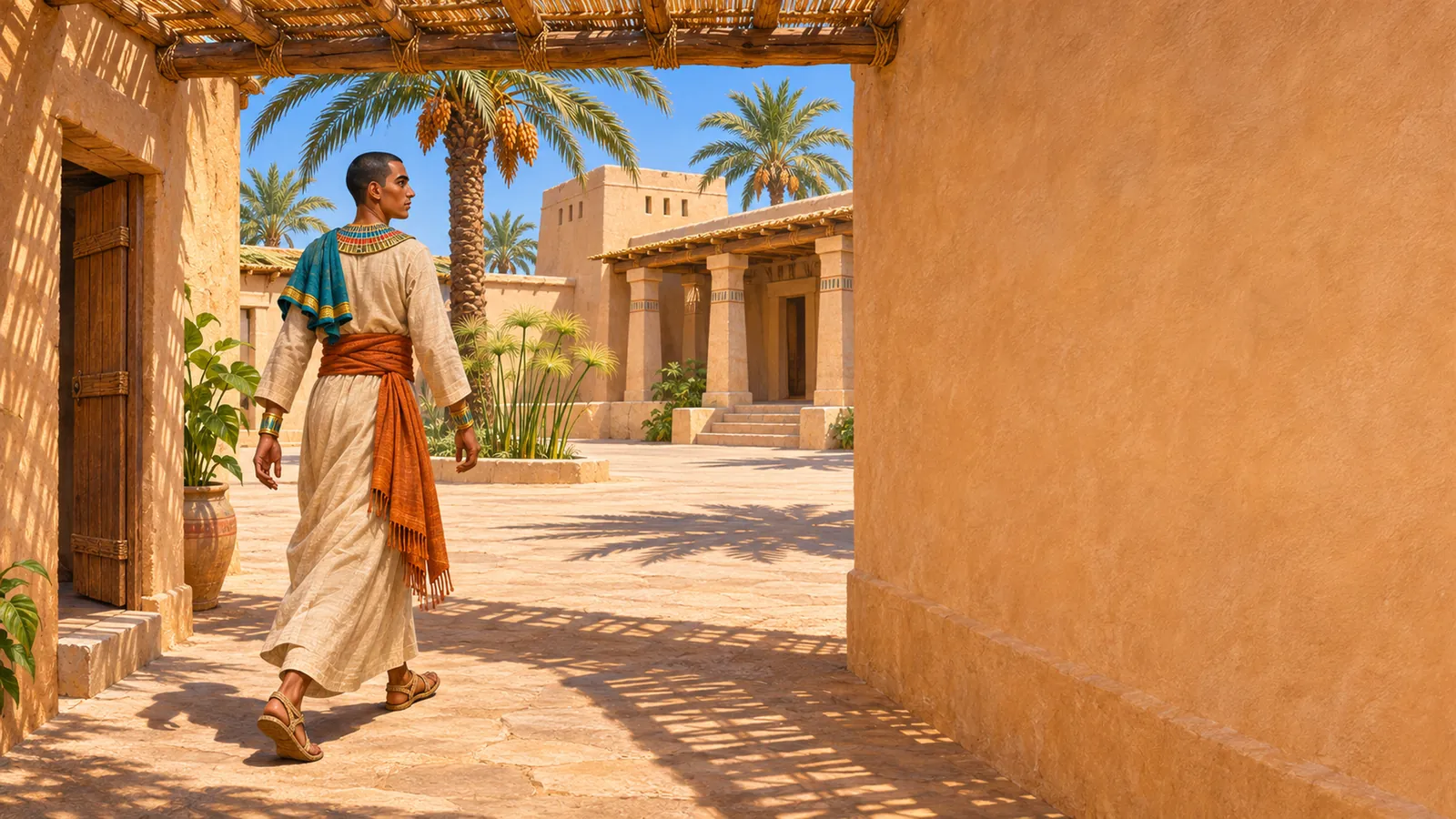
Ra asked his attendants to bring the gods in secret. They were to reach the palace unseen so the people would not grow afraid.
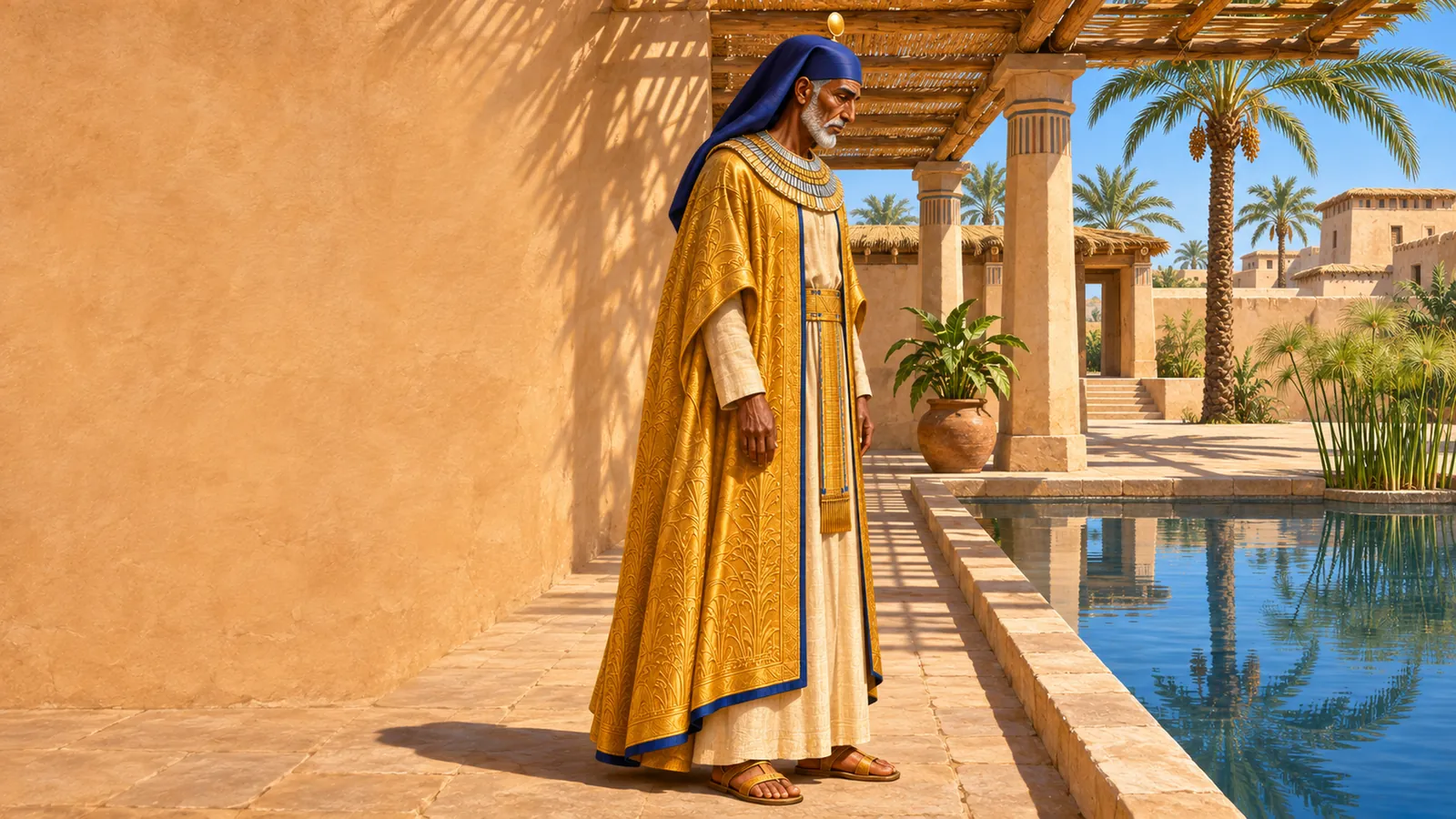
Ra wanted the elders’ counsel at his palace. He spoke of returning to the waters of Nun, the place where he had first come into being.
COUNCIL
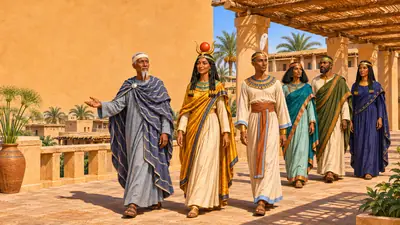
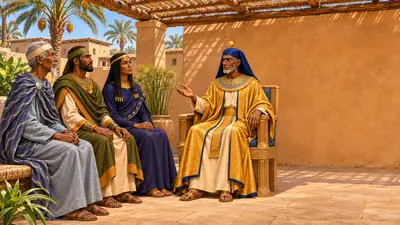
Those whom Ra had named were brought to the palace. His Eye and the elder gods came to hear what troubled their king.
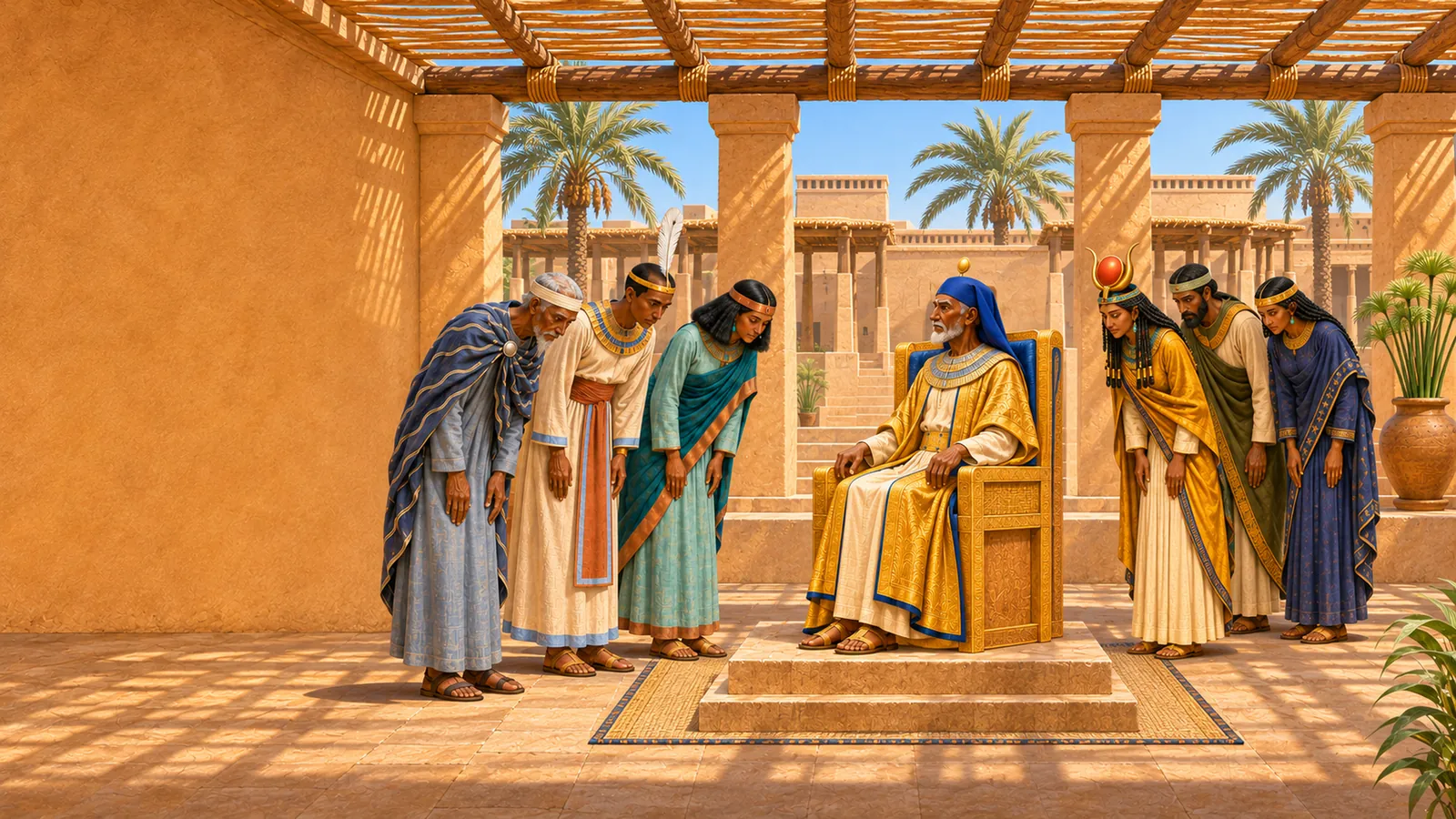
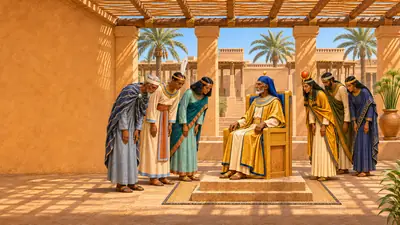
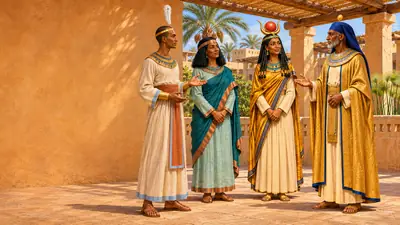
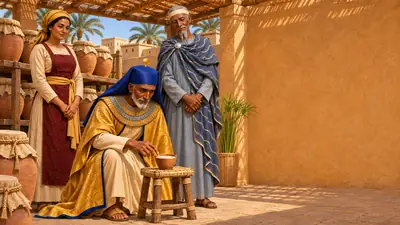
The gods gathered on both sides of Ra and bowed to the ground. Nun, the eldest, stood among those who would hear him.
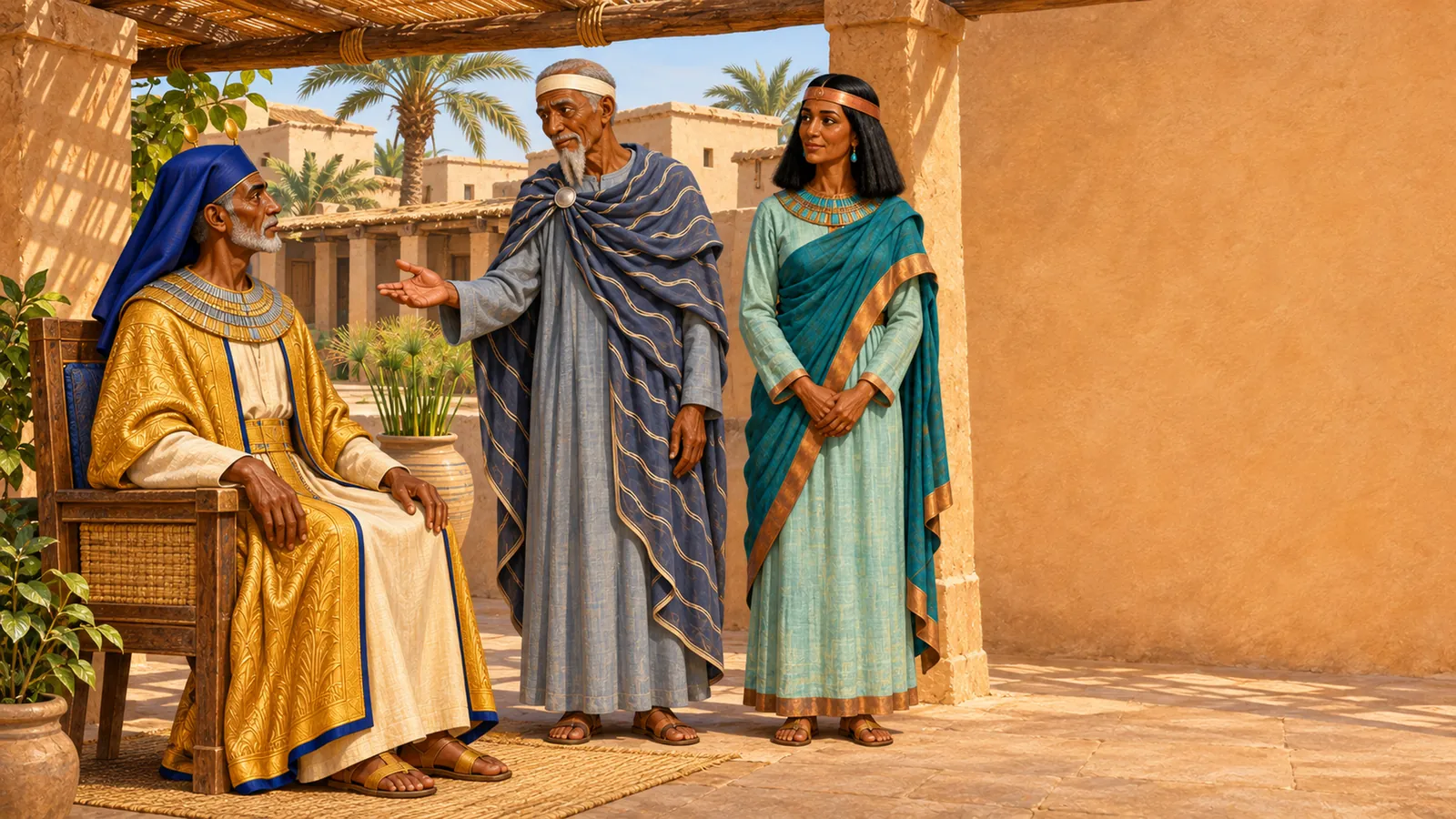
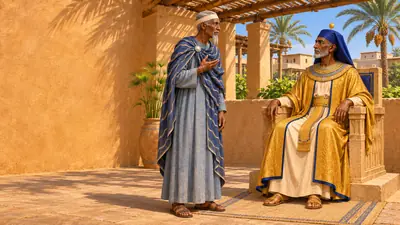
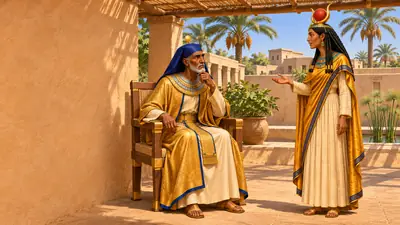
The assembled gods asked Ra to tell them what had happened. He turned to Nun and addressed him in the hearing of the council.
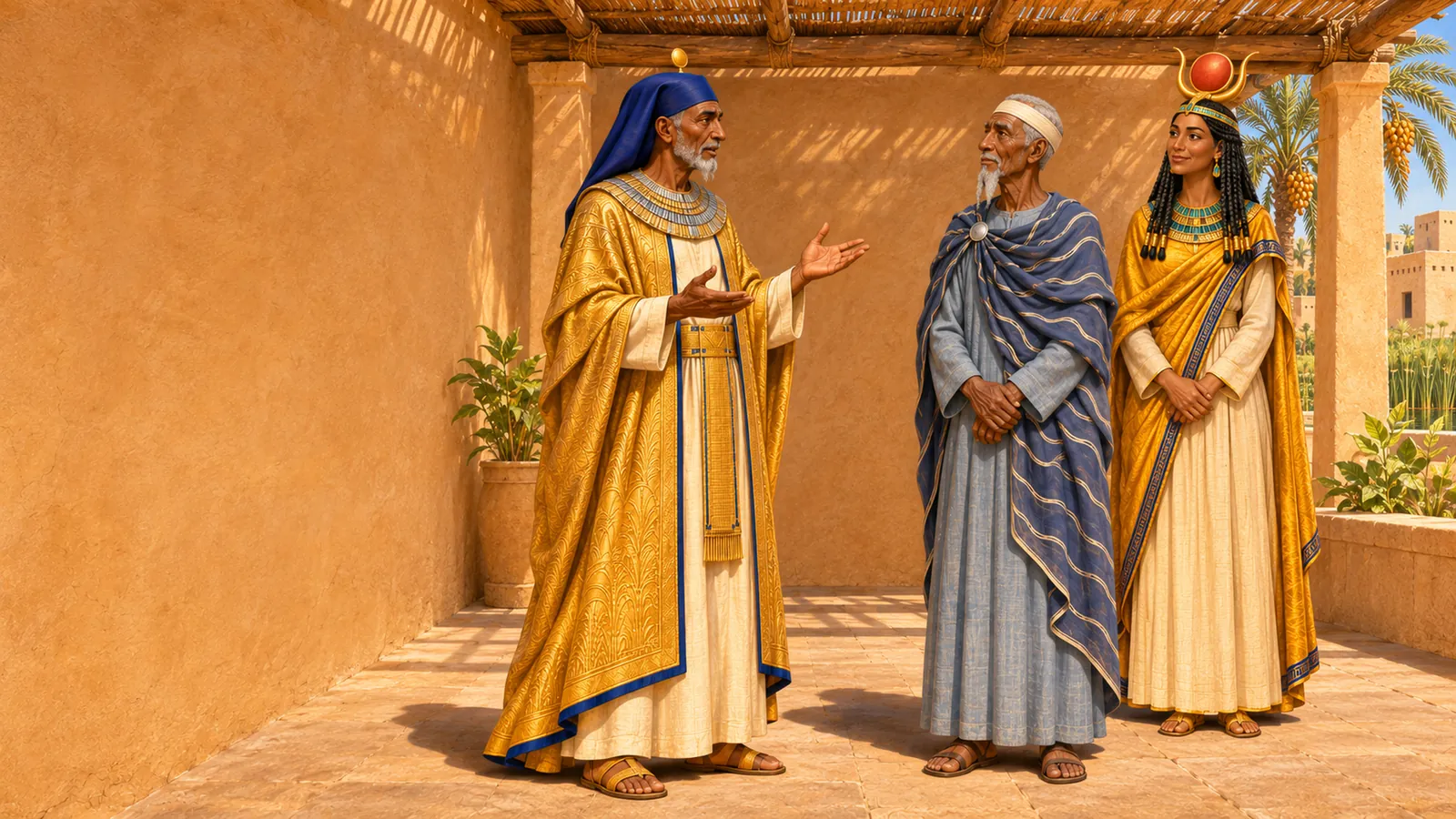
Ra called Nun the elder in whose waters he had arisen. He said that the very people who came forth from his Eye were plotting against him.
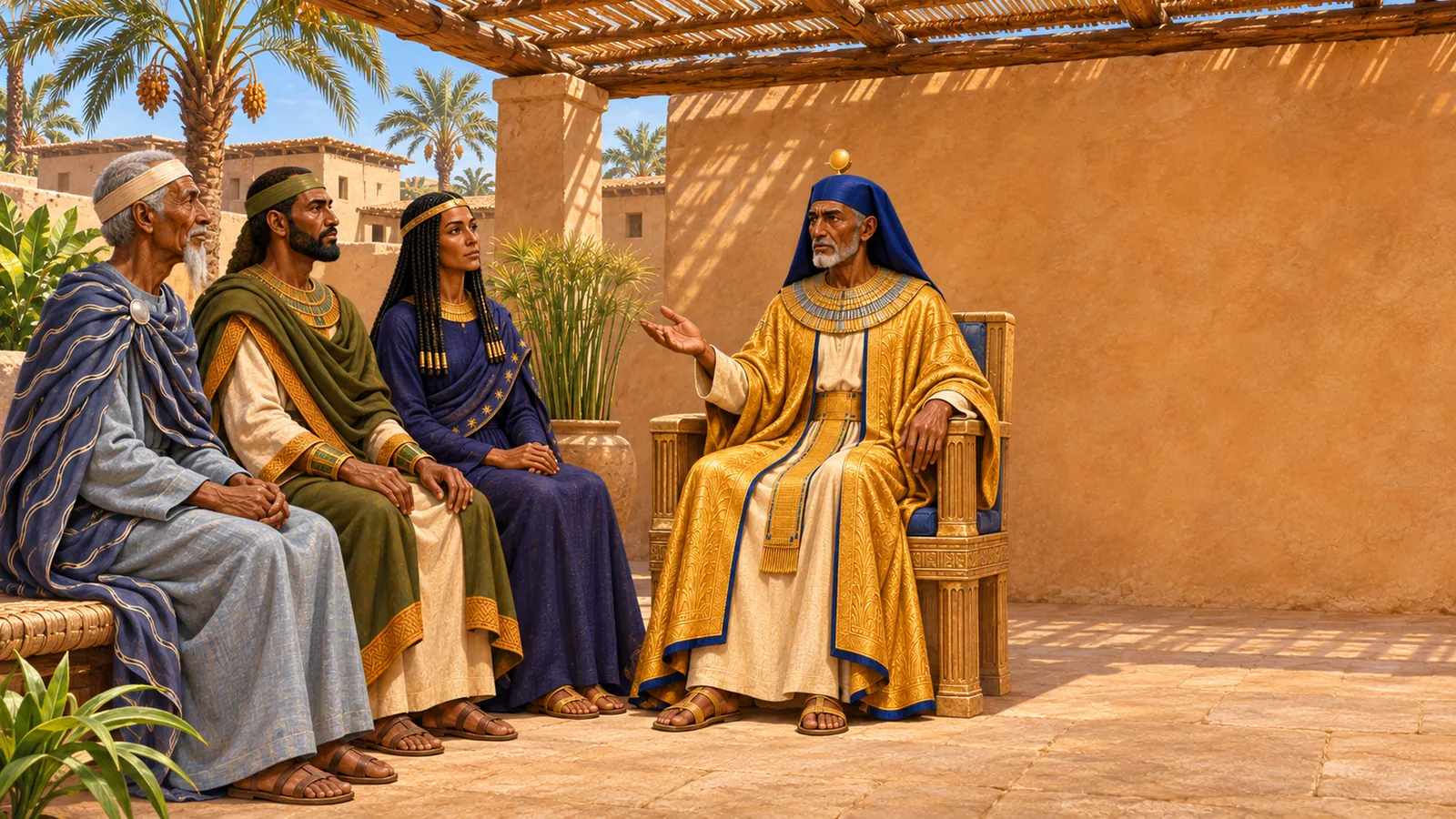
Ra asked the elders what they would do. He said he was still considering the matter and would hear their advice before taking lives.
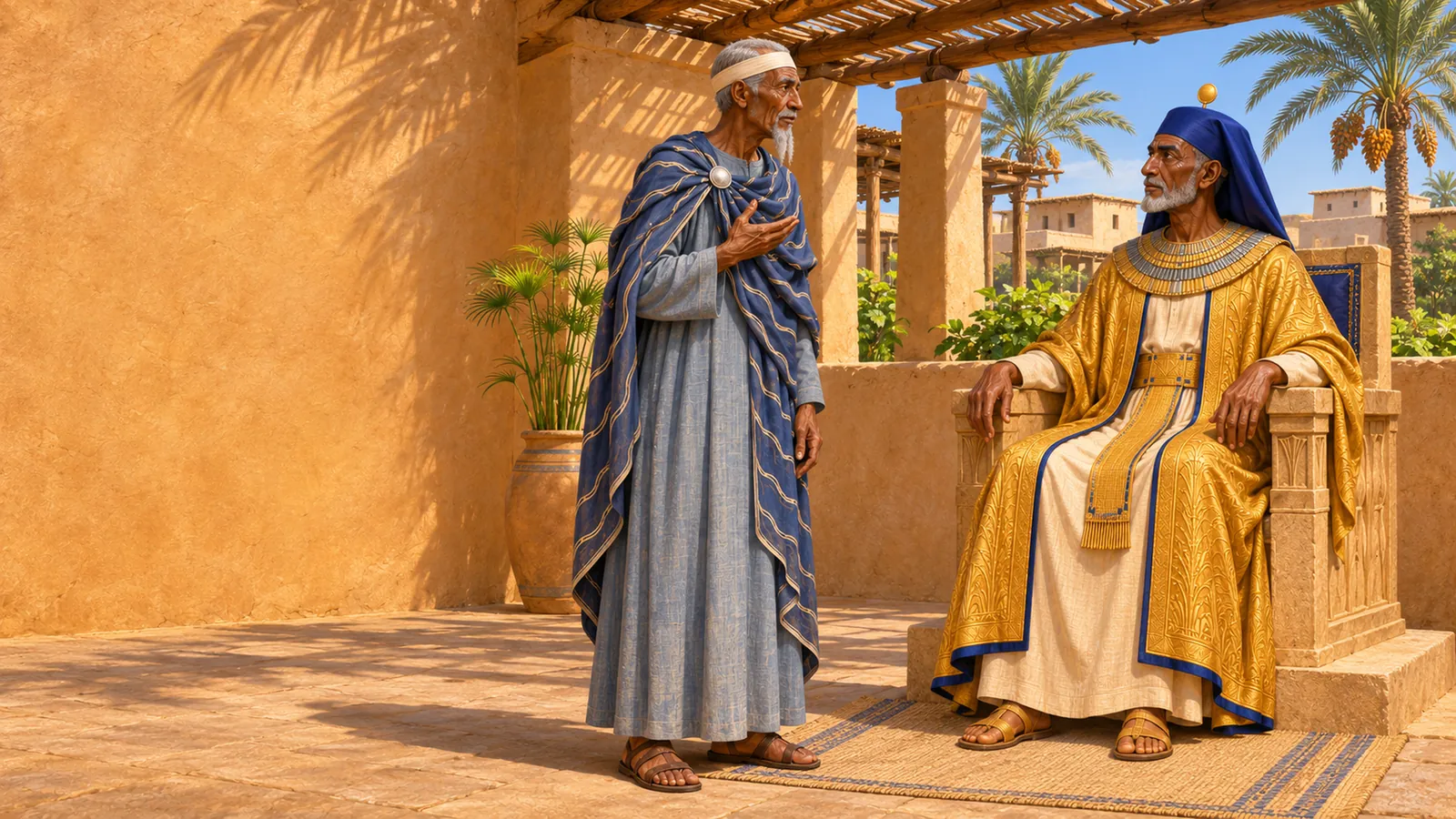
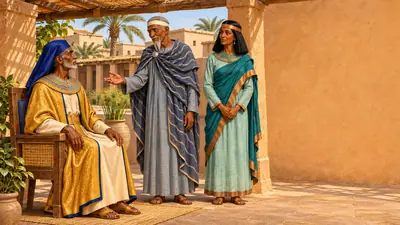
Nun addressed Ra as his son and said Ra was greater than those who made him. He urged him to remain on his throne.
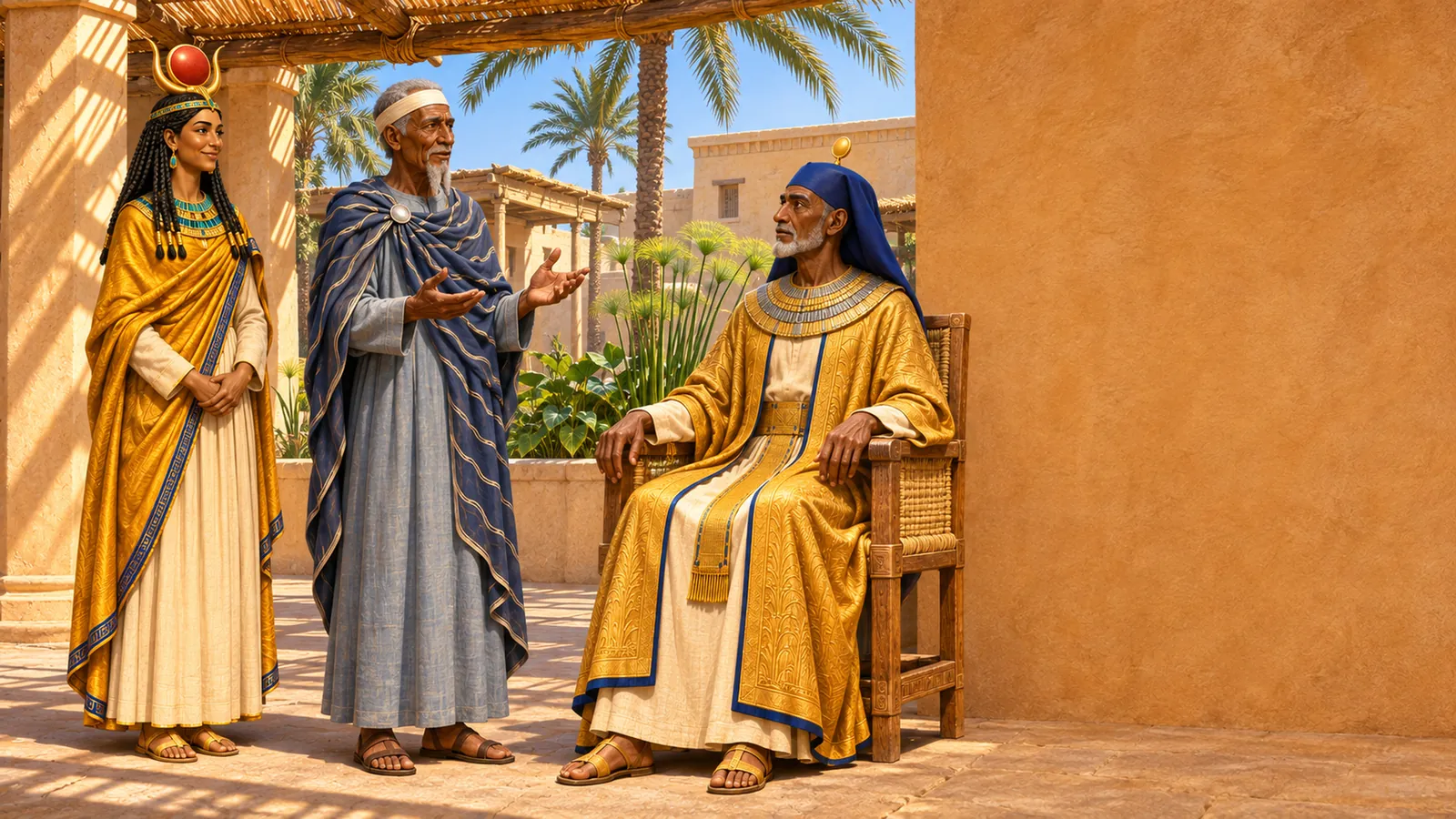
Nun said the people already feared Ra’s power. His Eye could turn against those who were conspiring while he remained on his throne.
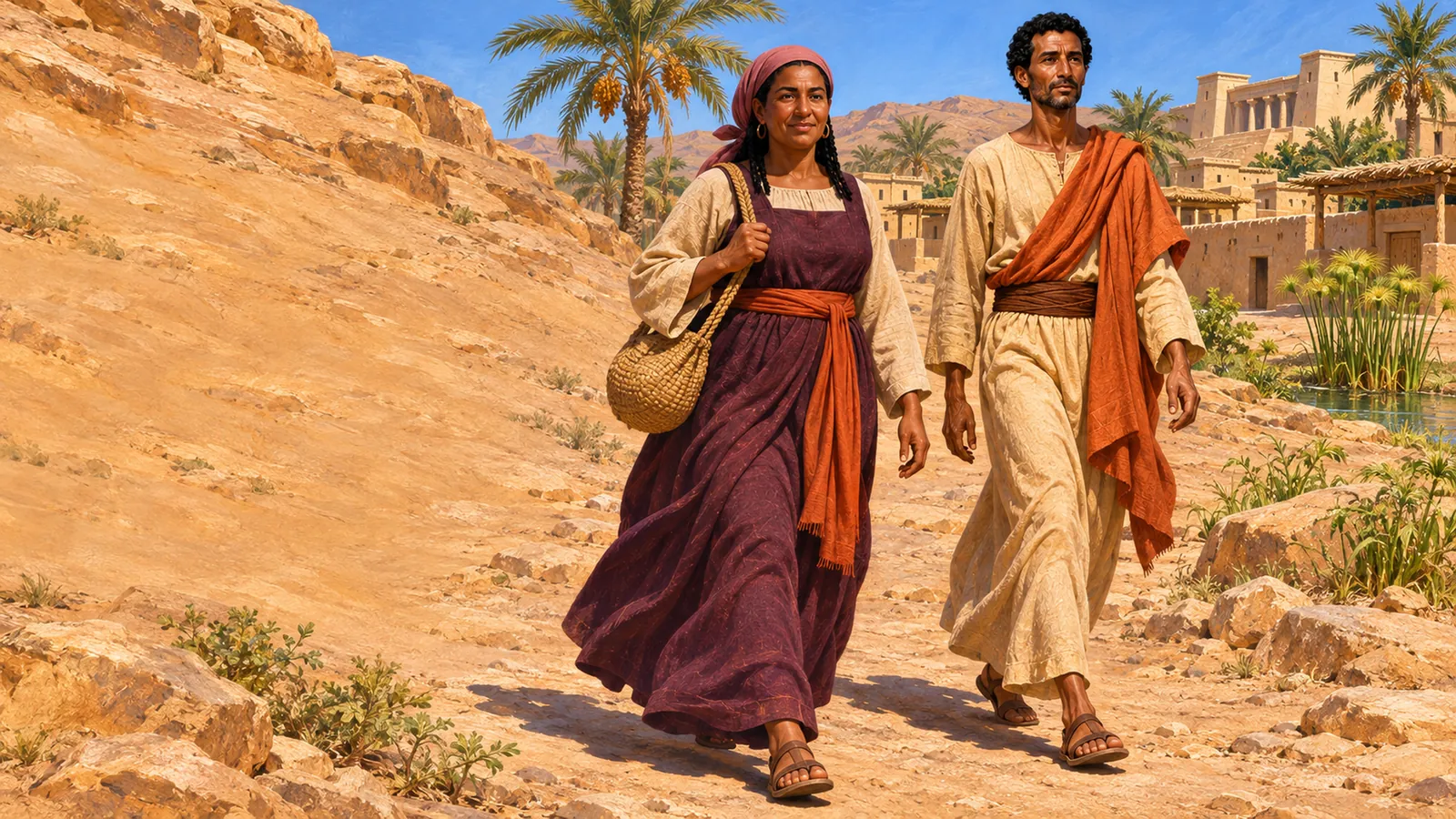
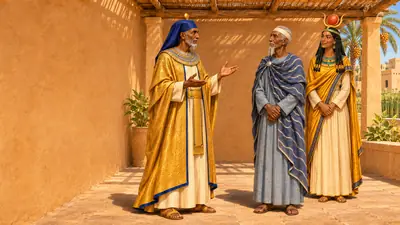
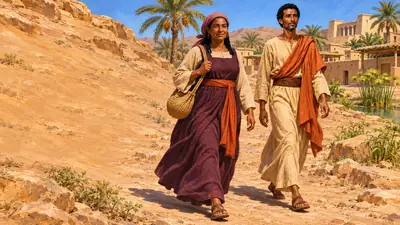
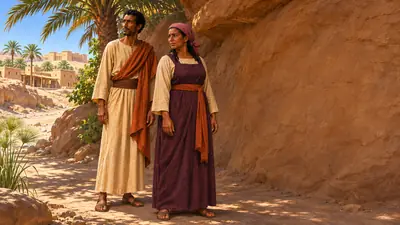
Ra told the council that the people had already fled into the desert. They had gone before the Eye was sent after them.
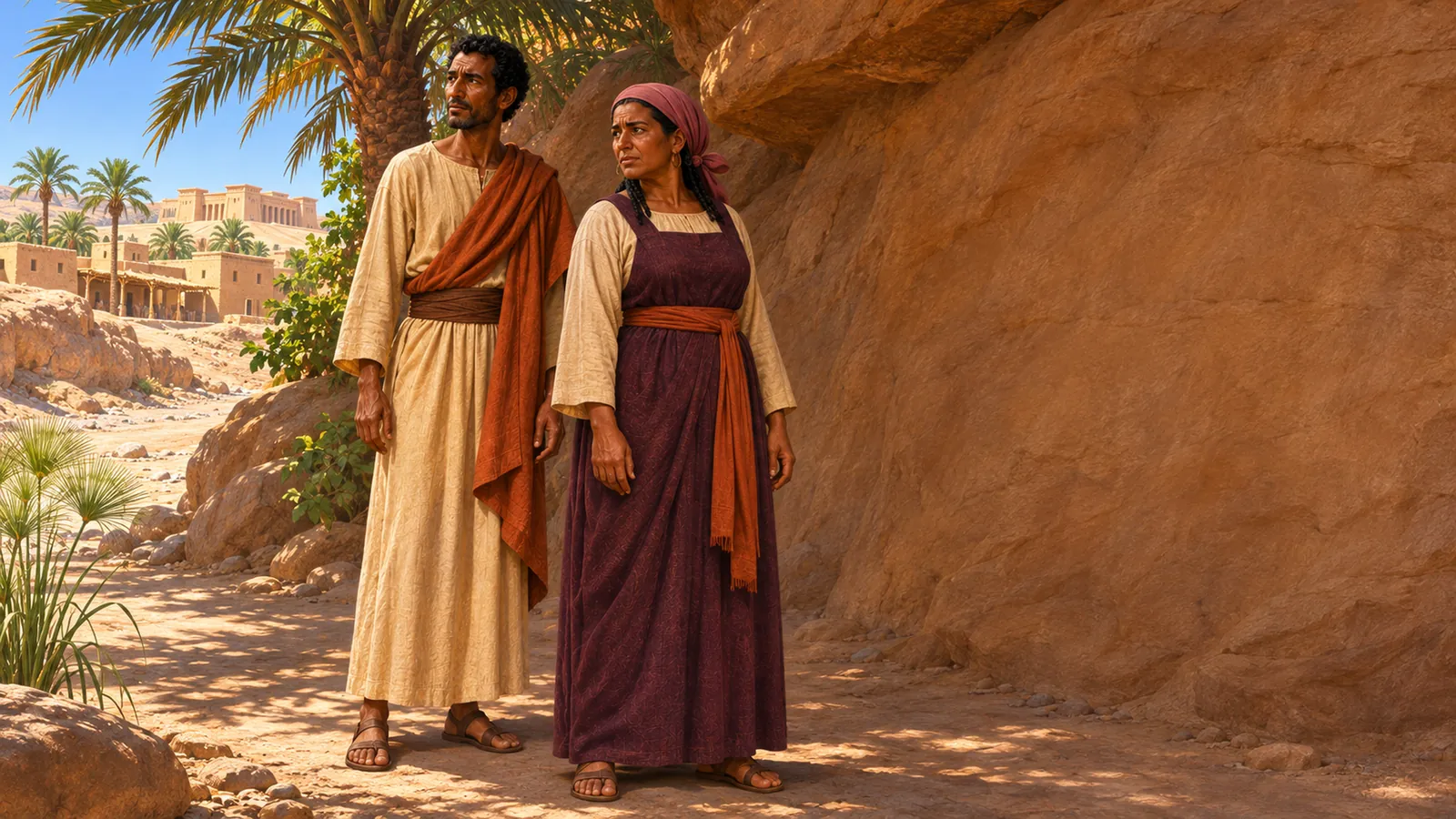
Ra said fear had driven them away. The people were afraid of what he might say to them now that he knew of their plot.
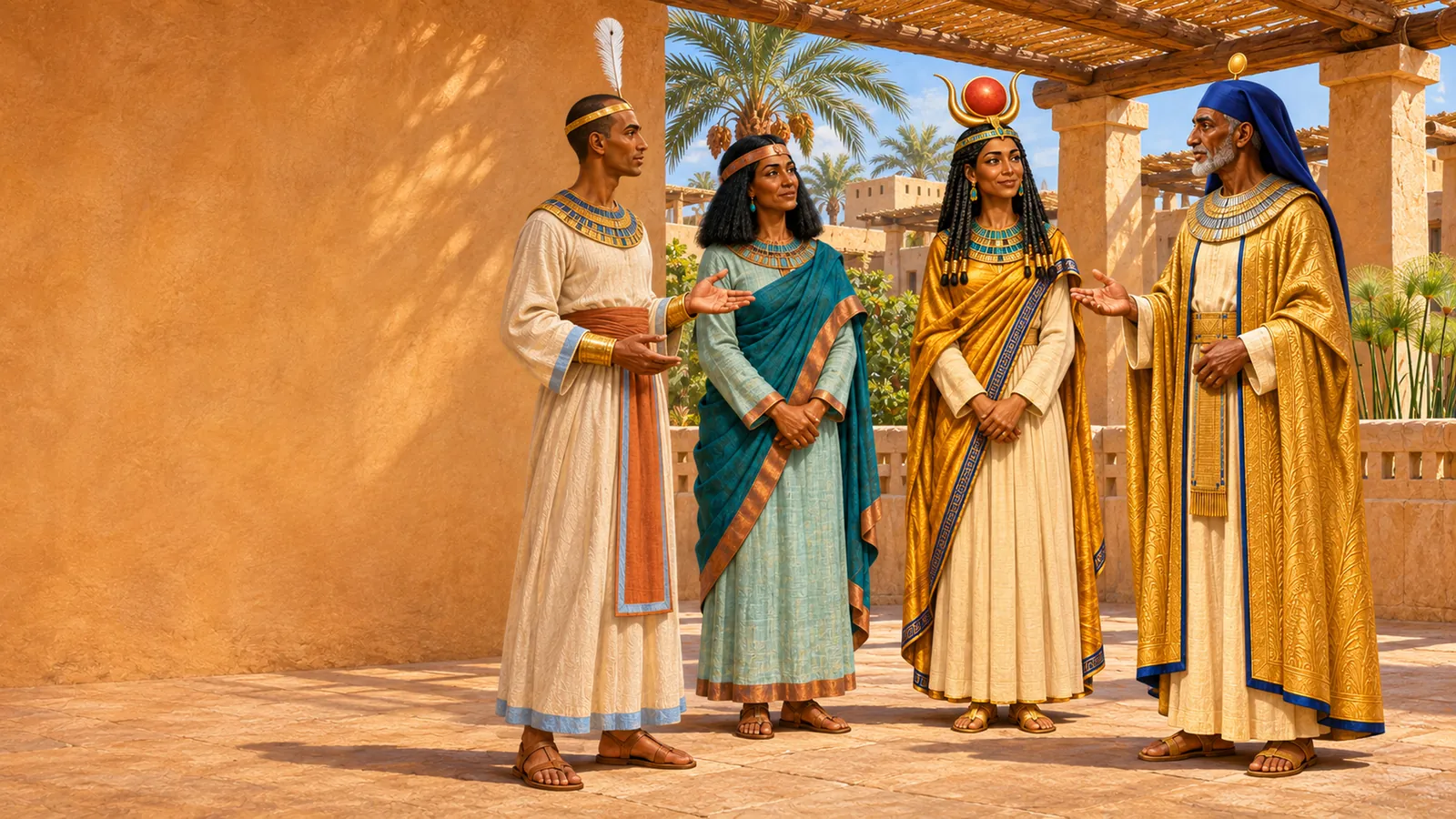
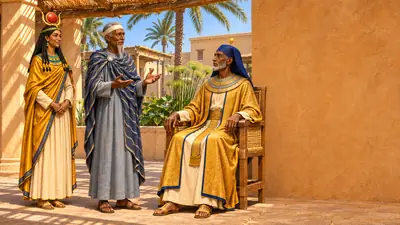
The gods urged Ra to send his Eye against the conspirators. They said no other Eye could do this and asked that she descend as Hathor.
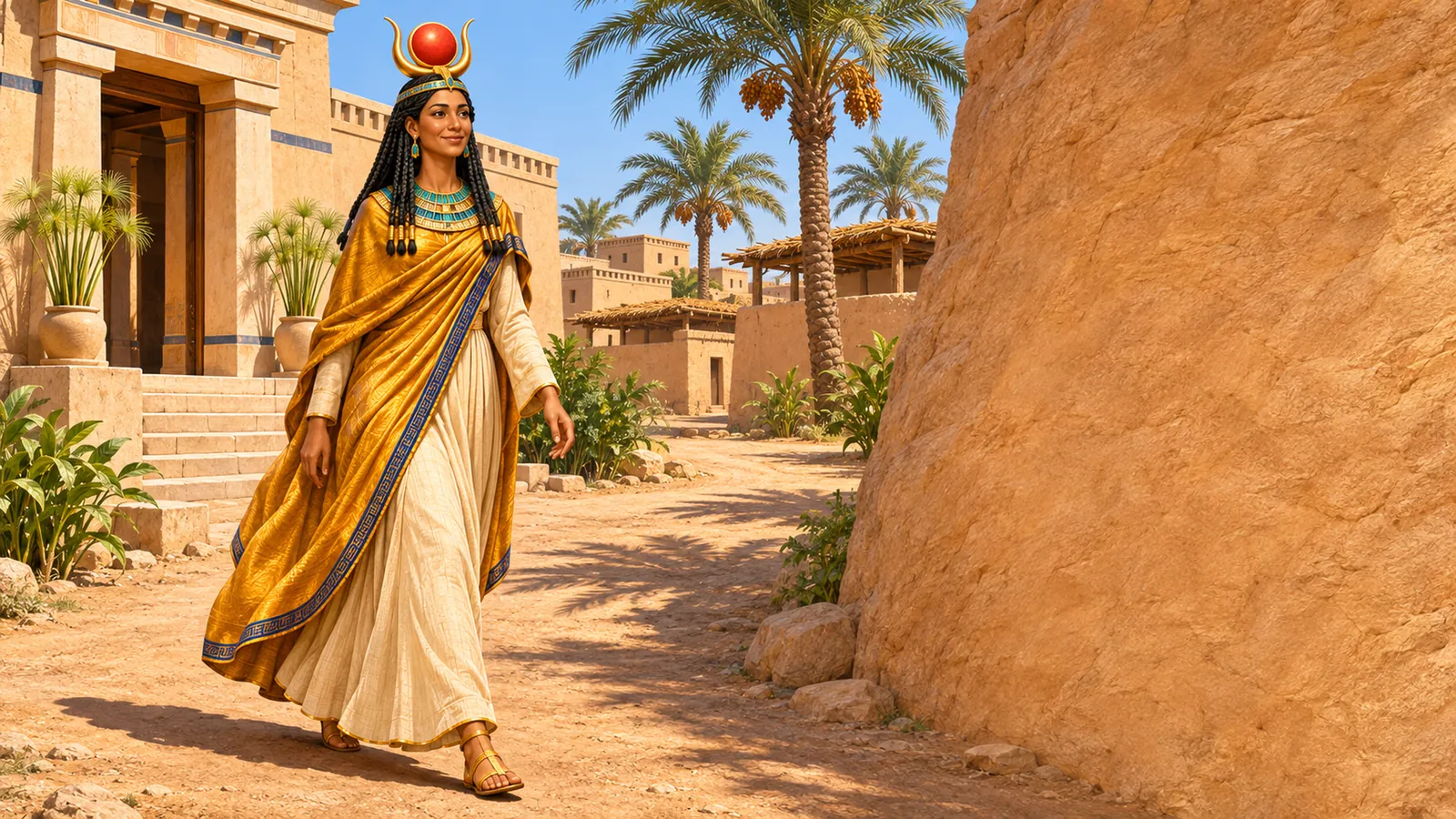
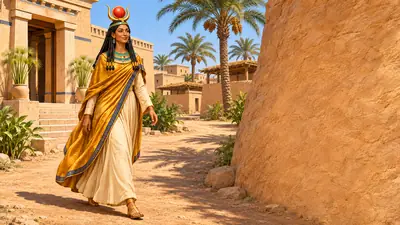
Hathor went out as Ra’s Eye. With the council’s urging behind her, she set out toward the desert where the people had fled.
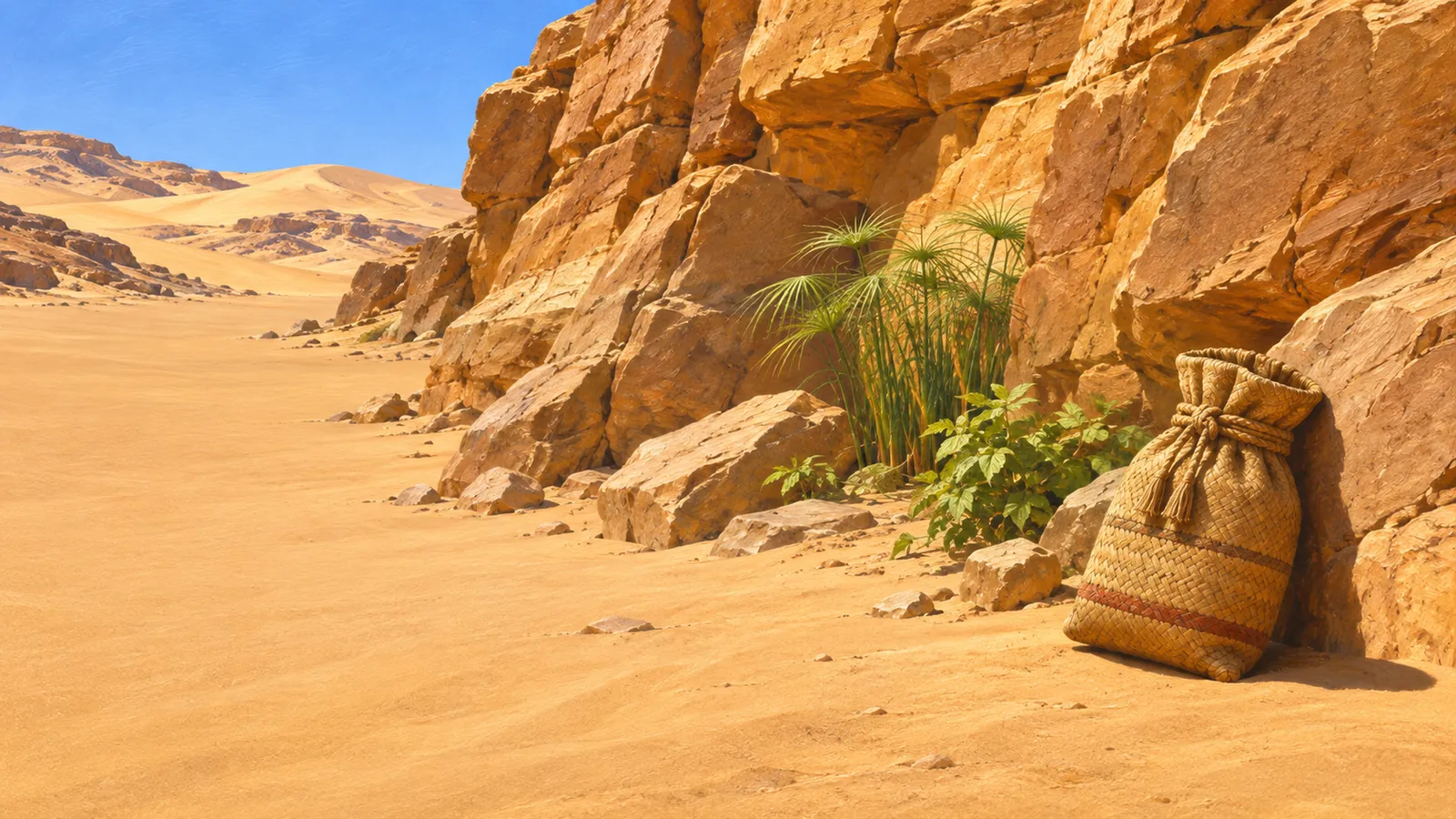
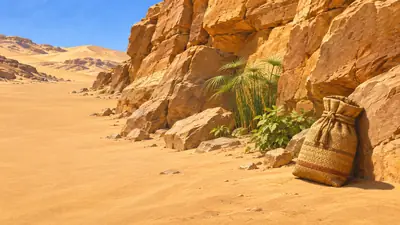
Hathor killed people in the desert. The account leaves the number of the dead unstated and follows the goddess back to Ra.
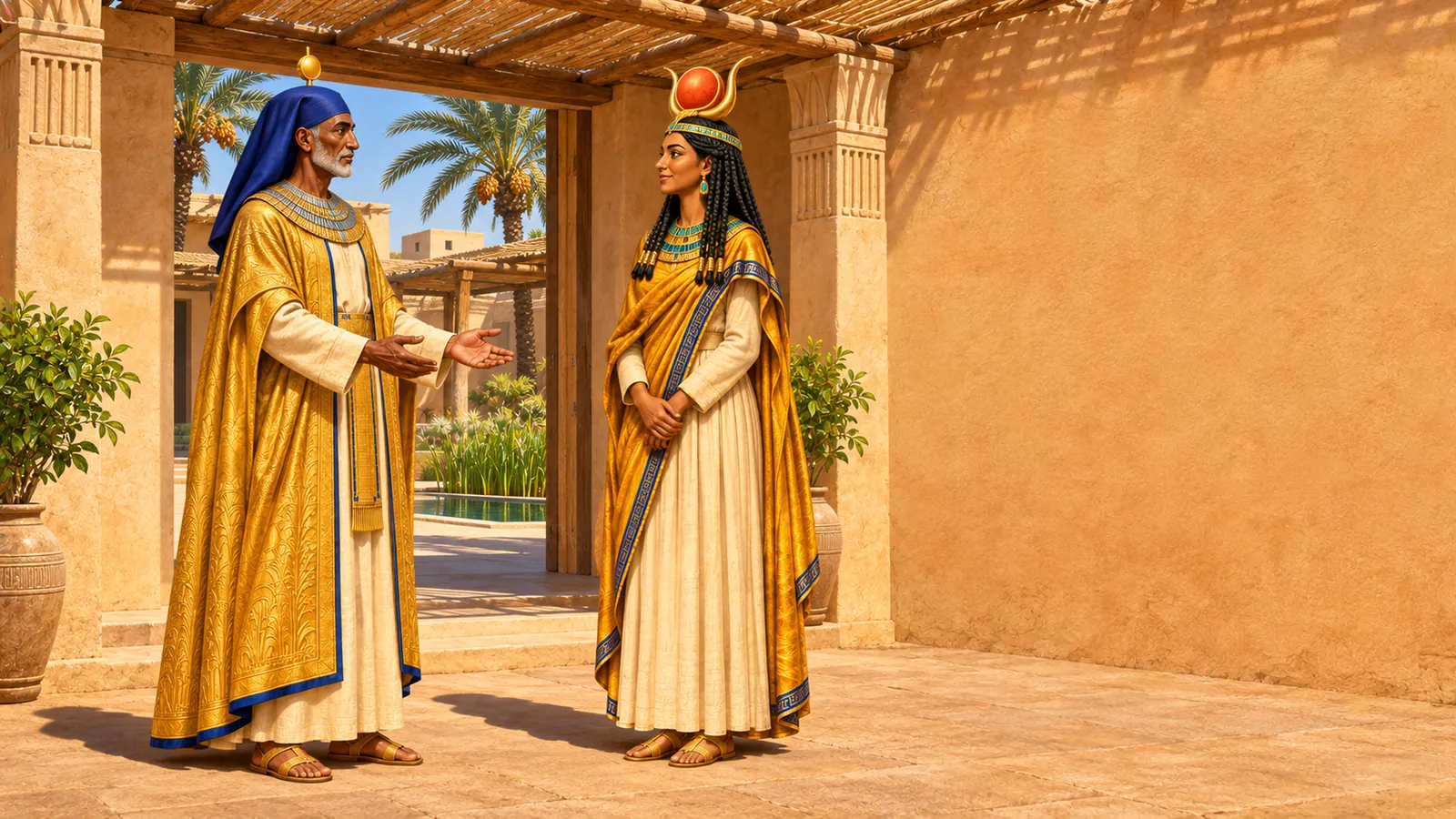
When Hathor returned, Ra welcomed her. He addressed her as the Eye who had carried out the task for which she had gone.
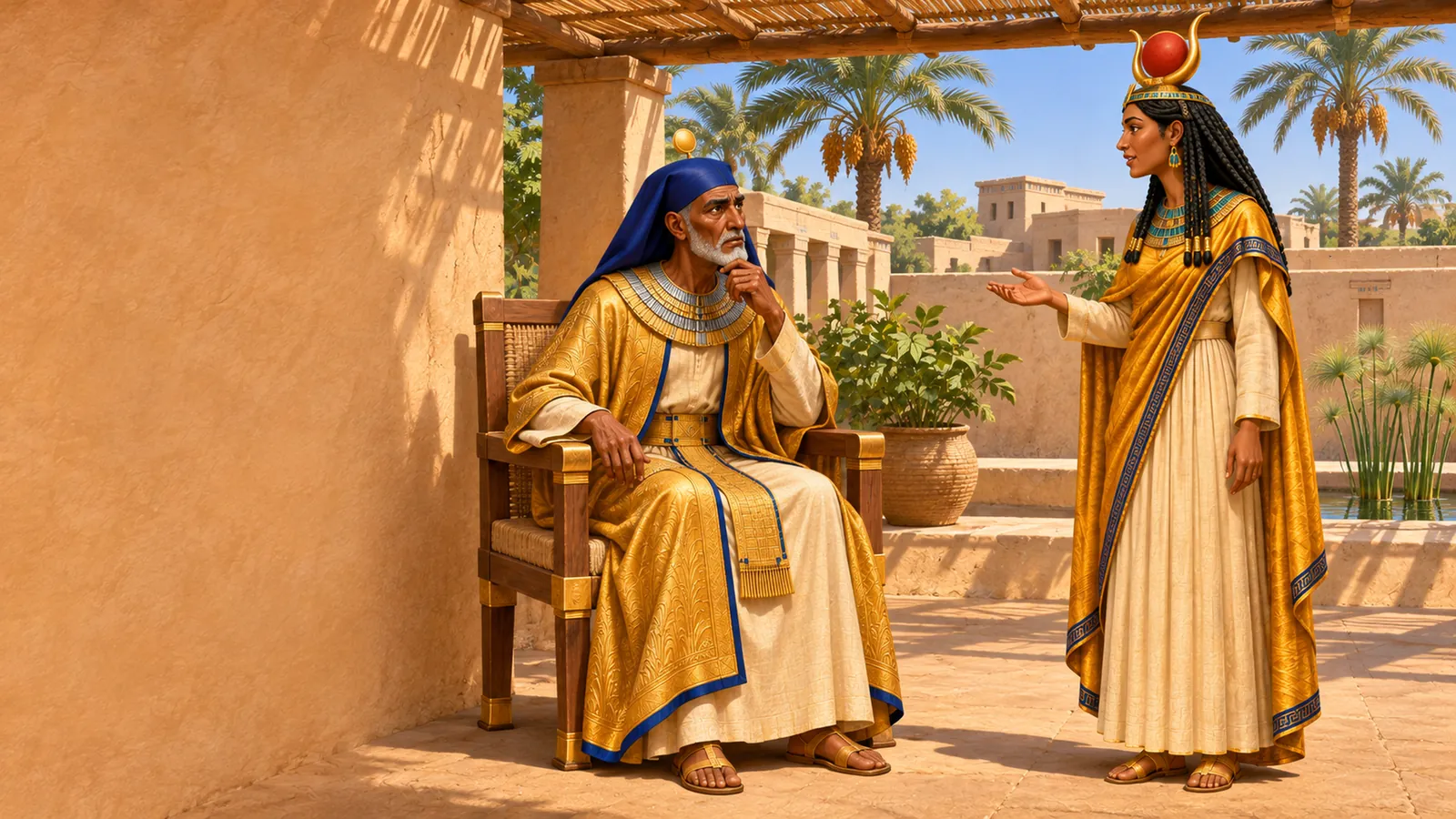
Hathor told Ra that she had overpowered the people, and that it had pleased her. The danger to those who remained was still present.
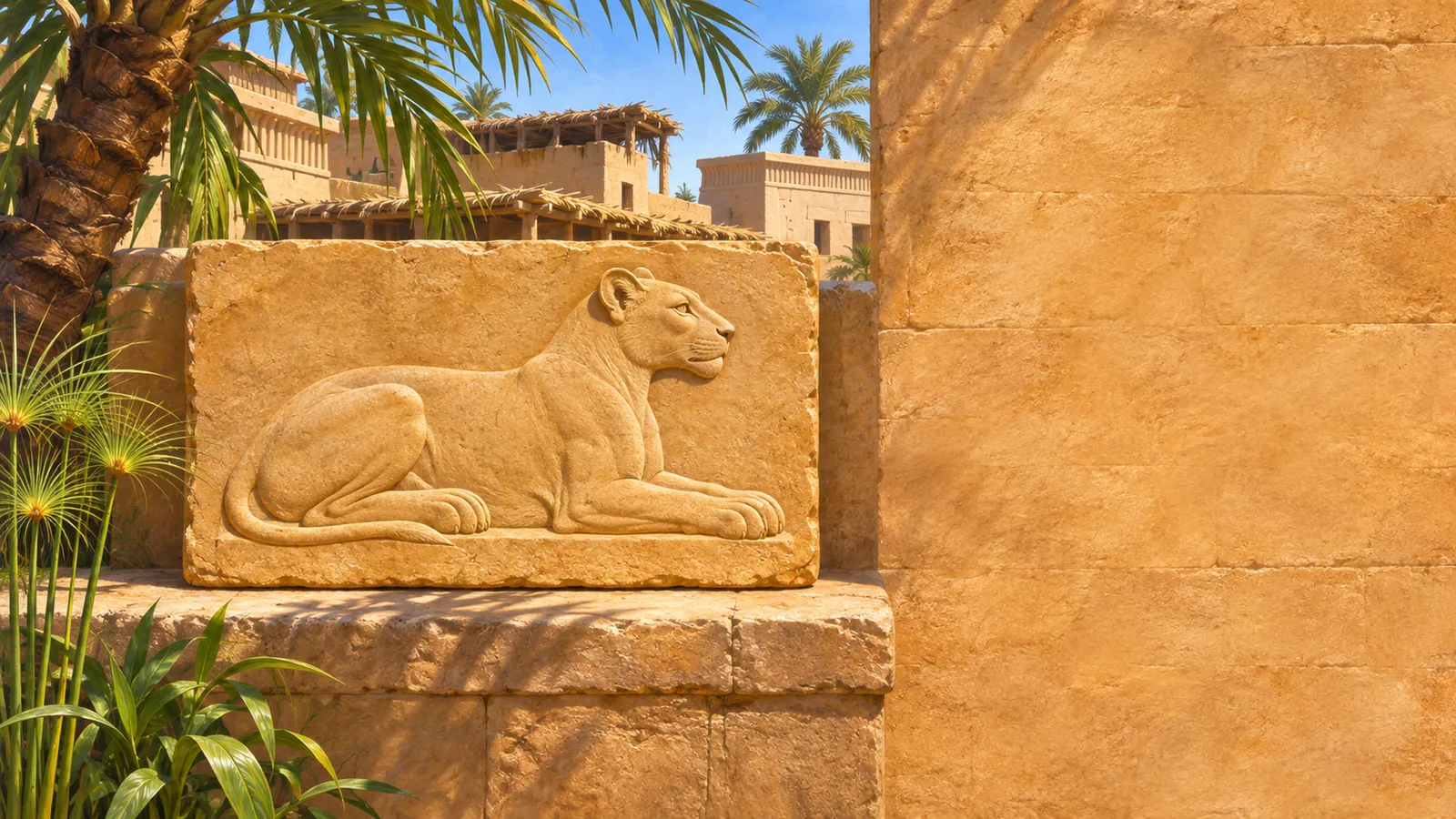
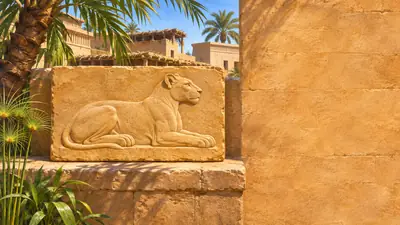
Ra spoke of royal power over the people. The next lines play on the name Sekhmet, meaning the Powerful One, as danger reaches toward Herakleopolis.
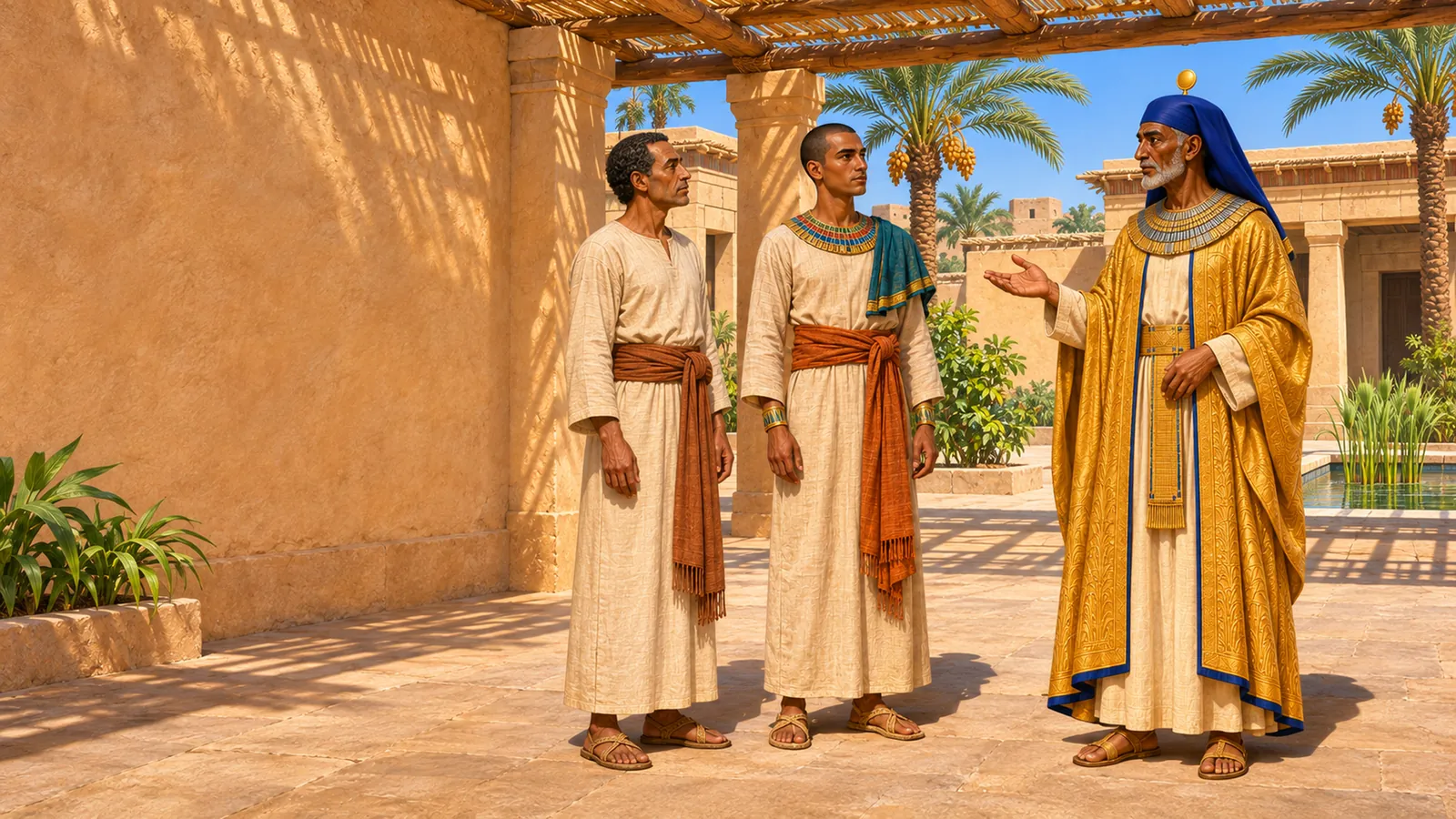
OCHRE
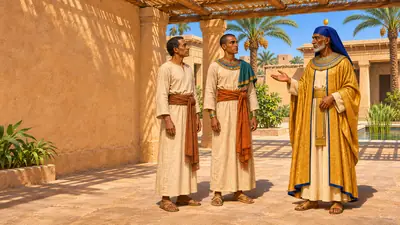
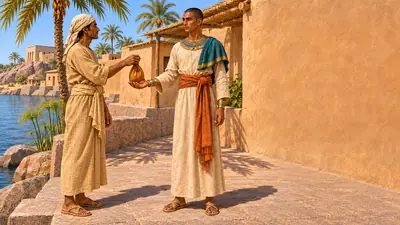
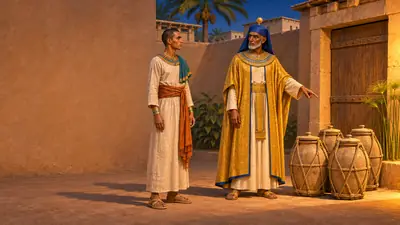
Ra called for his quickest messengers. He wanted them to move as swiftly as a shadow, and they were brought to him at once.
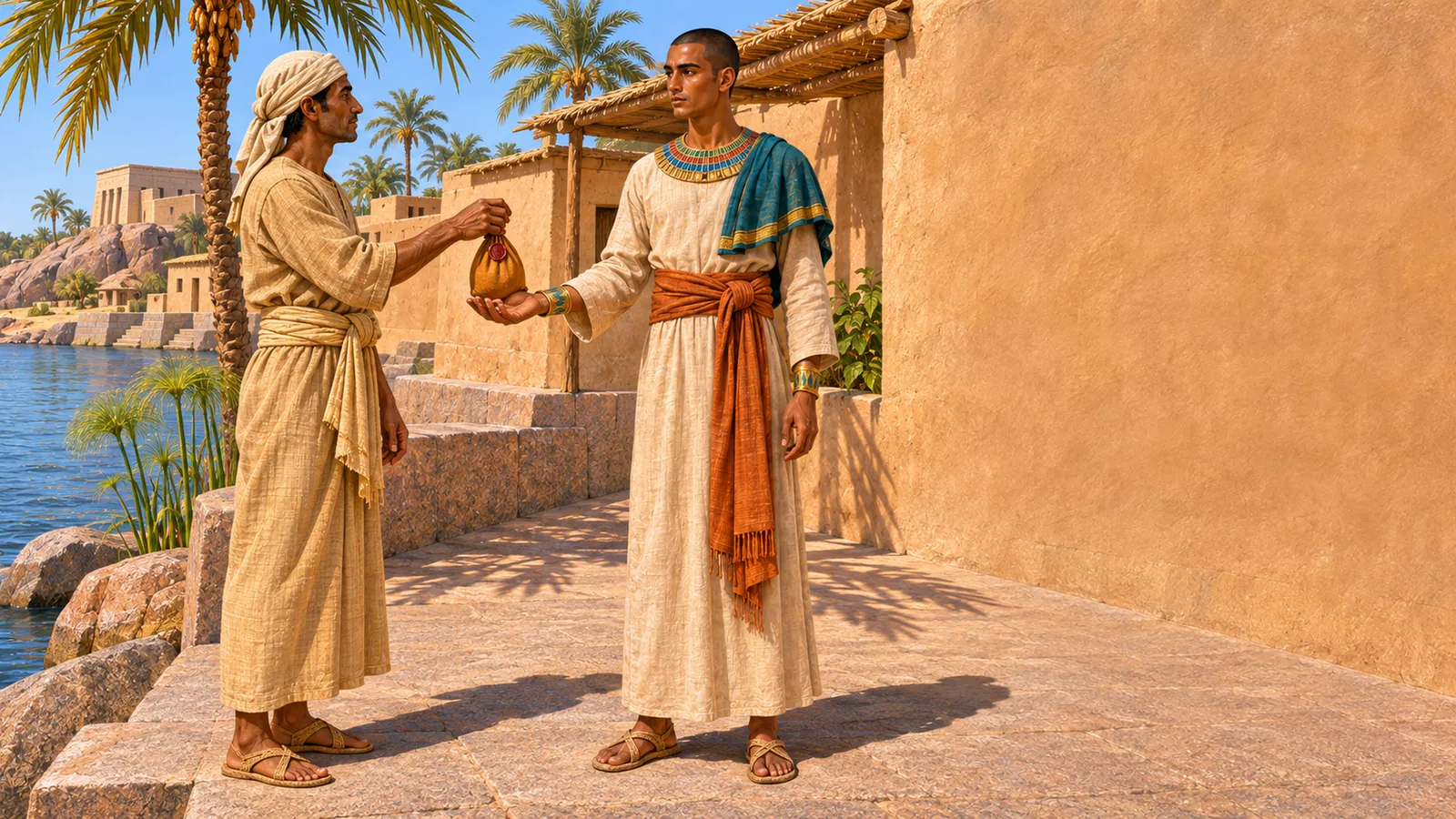
Ra sent the messengers to Elephantine to fetch a large quantity of red ochre. The order took them south to the island on the Nile.
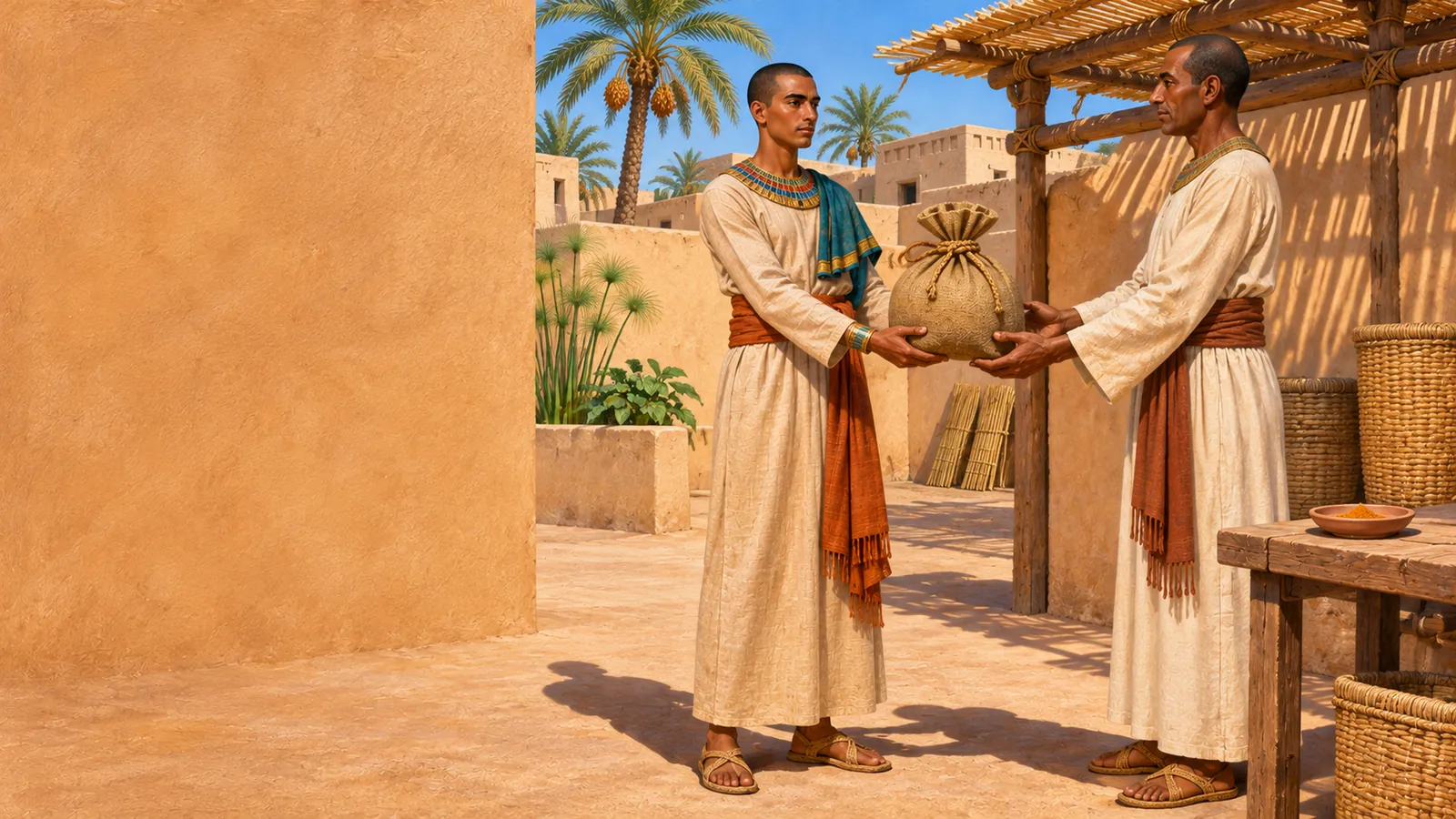
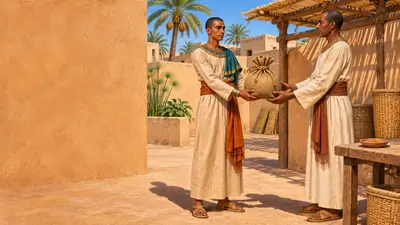
The messengers brought the red earth back to Ra. He assigned the people who would prepare it and the barley for what he had in mind.
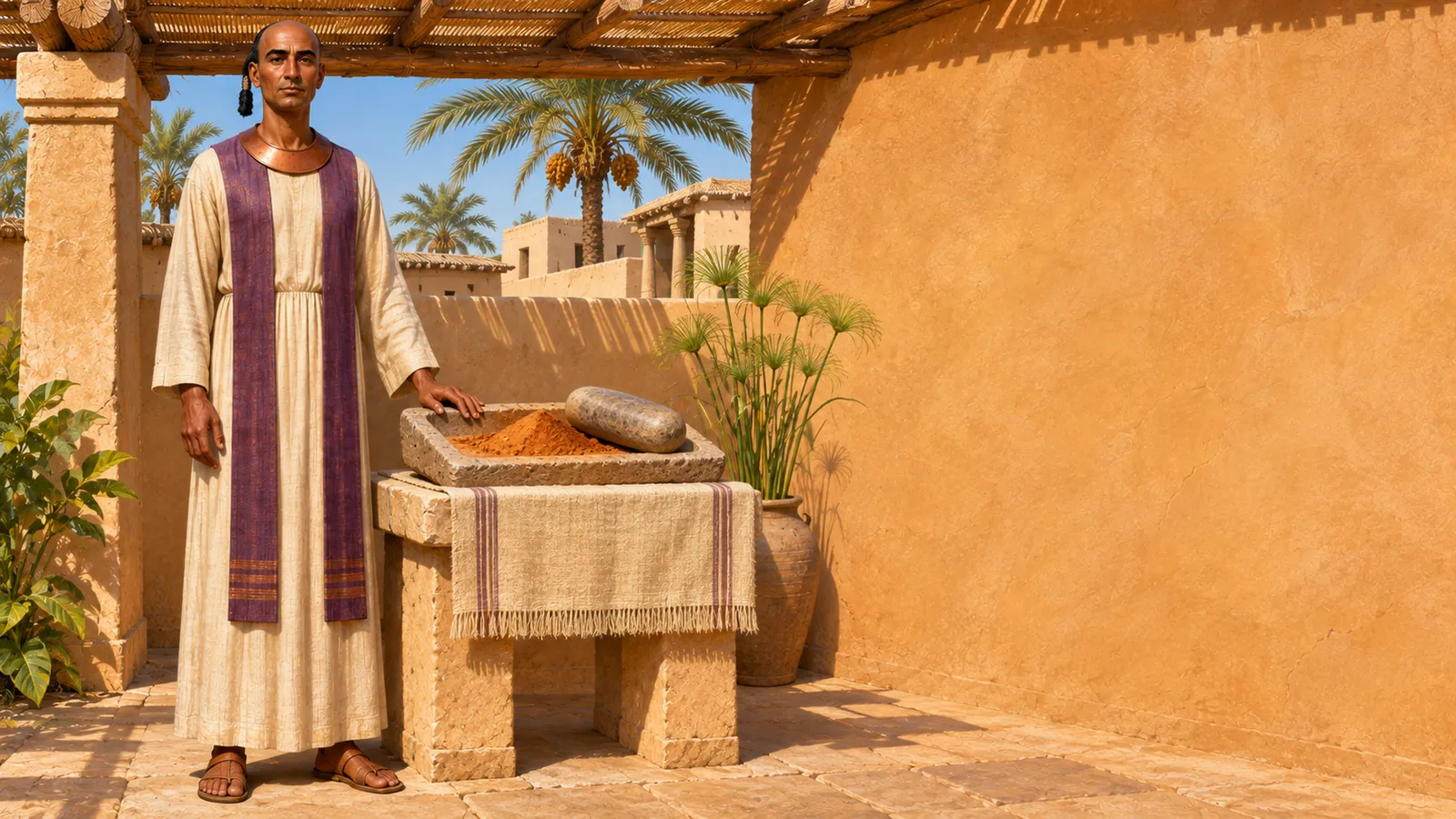
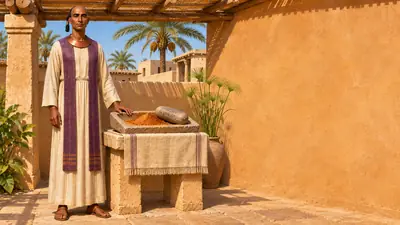
At Heliopolis, Ra assigned the grinding to the priest known by his side-lock. He was to reduce the red mineral to powder.
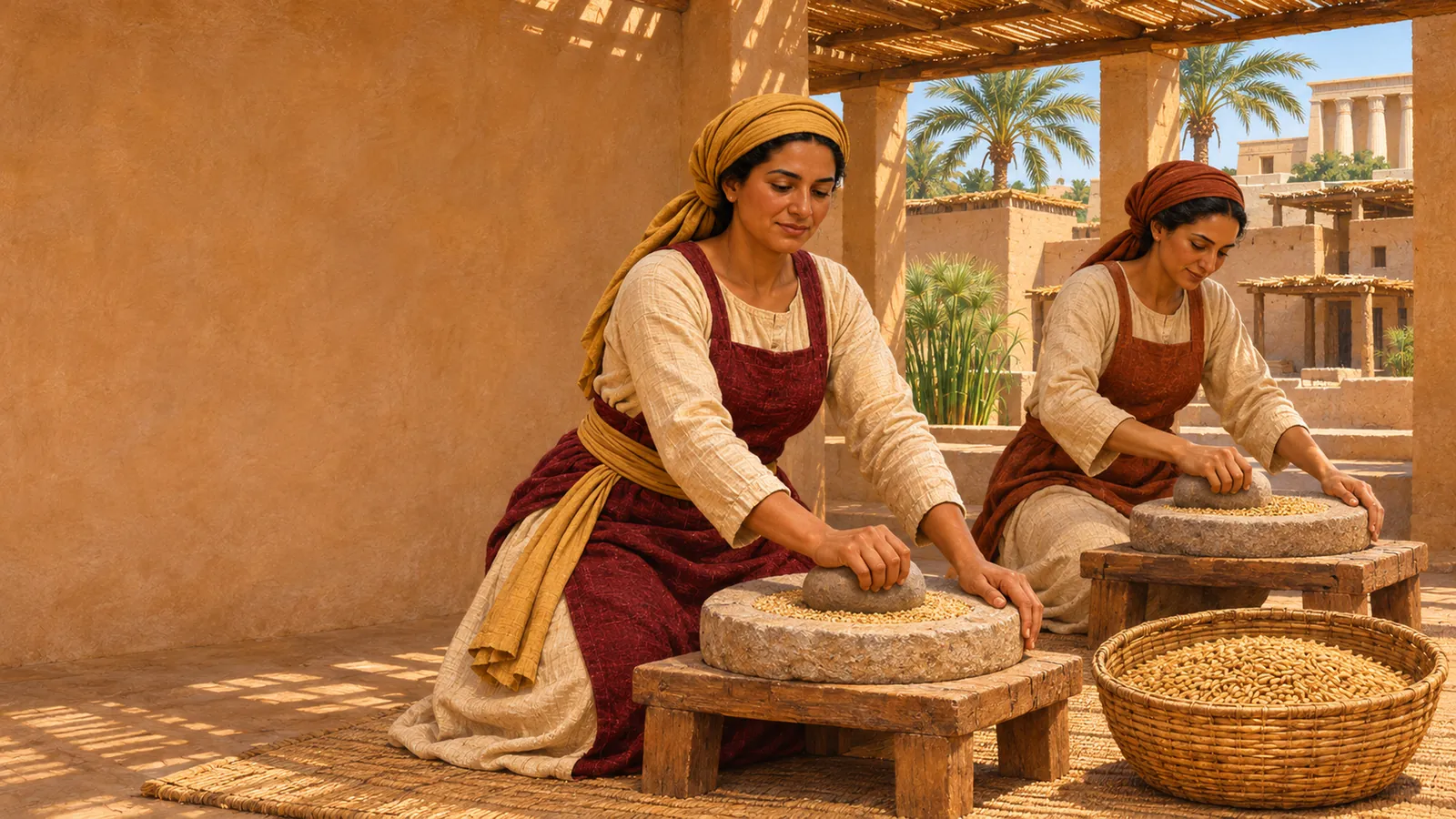
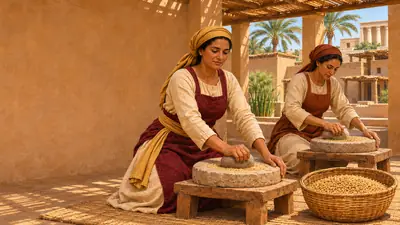
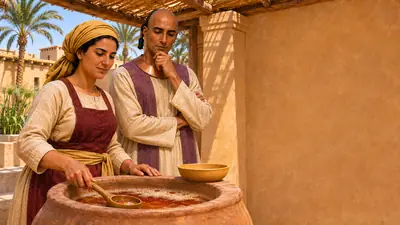
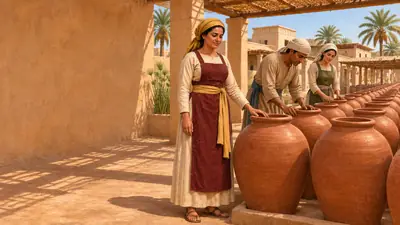
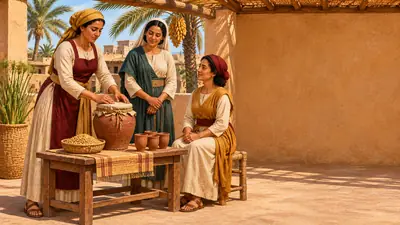
As the priest ground the ochre, the women of the household crushed barley. They were preparing the grain for beer.
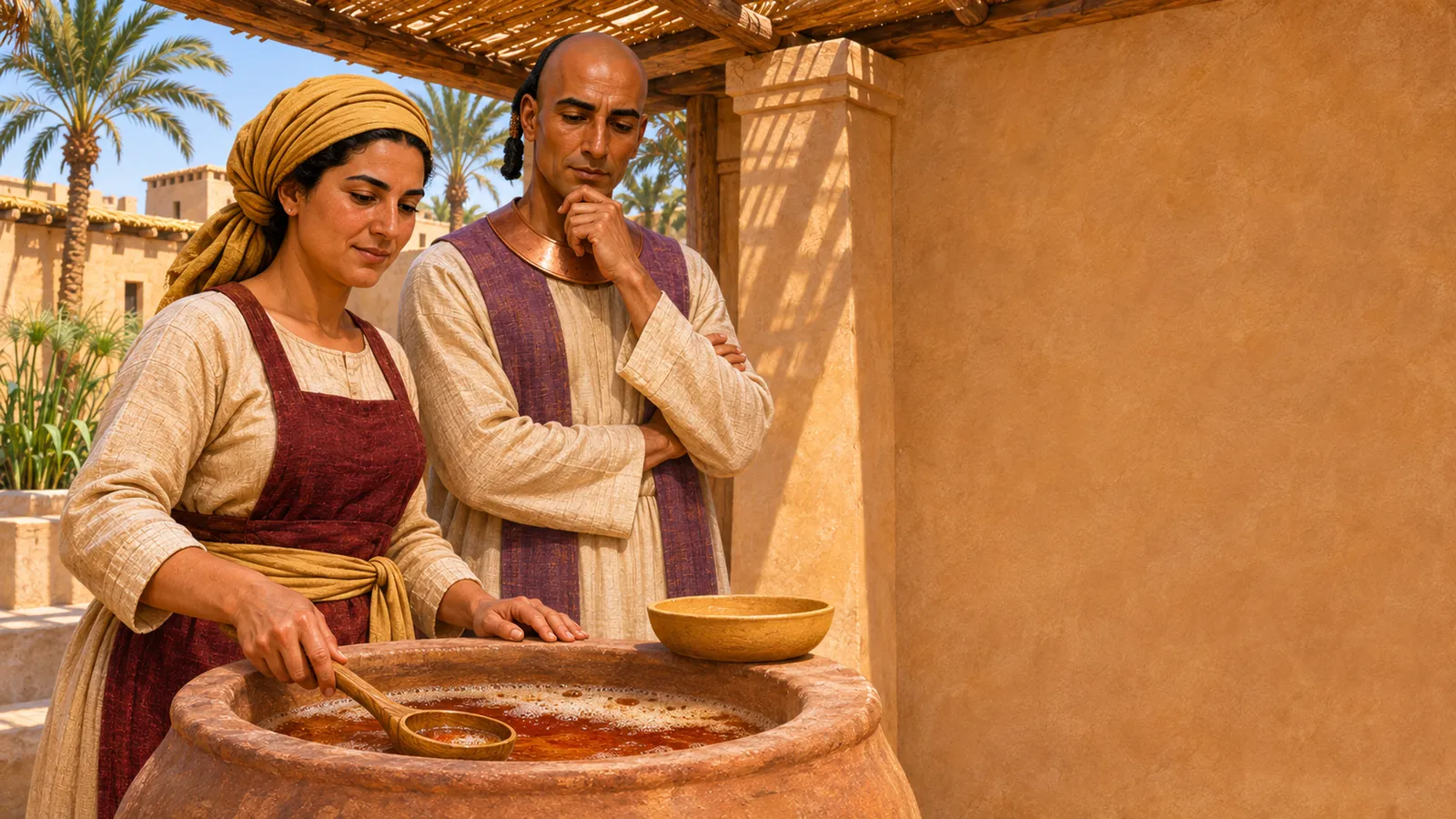
The ochre went into the beer mash. It turned the drink a deep red that looked like human blood.
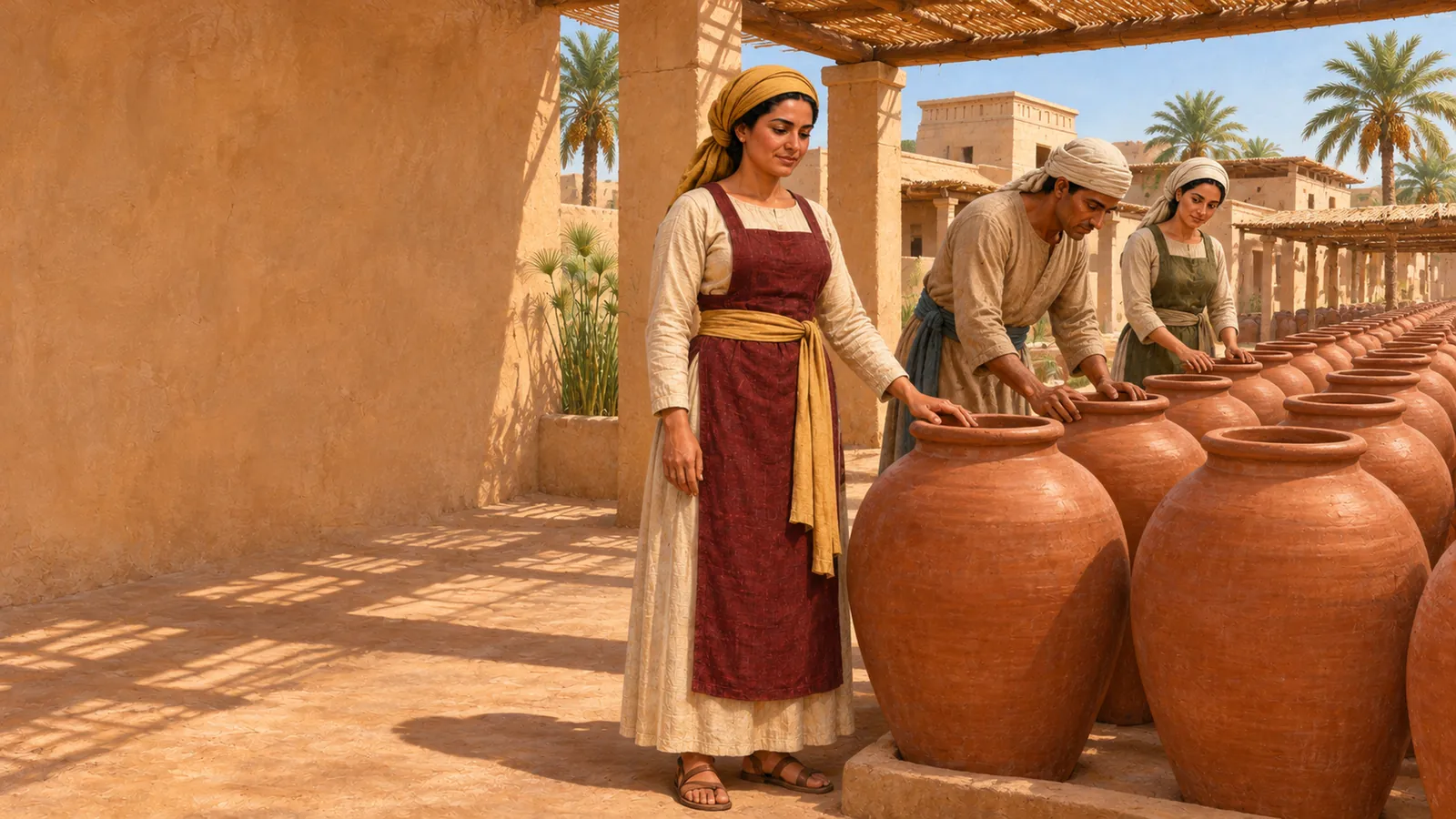
By the tale’s count, seven thousand jars of the red beer were prepared. Ra came with the gods to see what had been made.
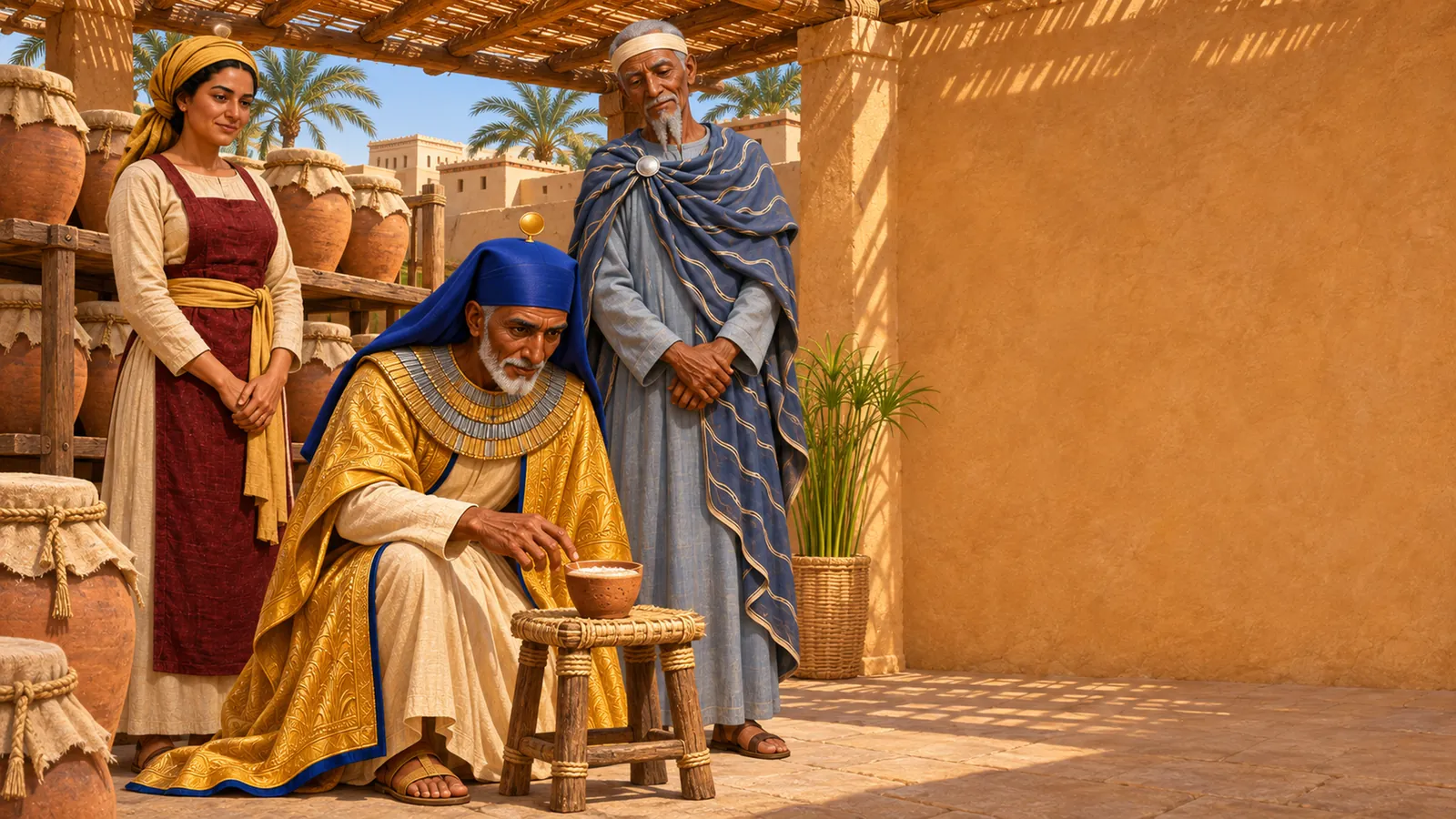
The time of Hathor’s next attack was drawing near. When Ra saw the red beer, he said he would use it to save the people from her.
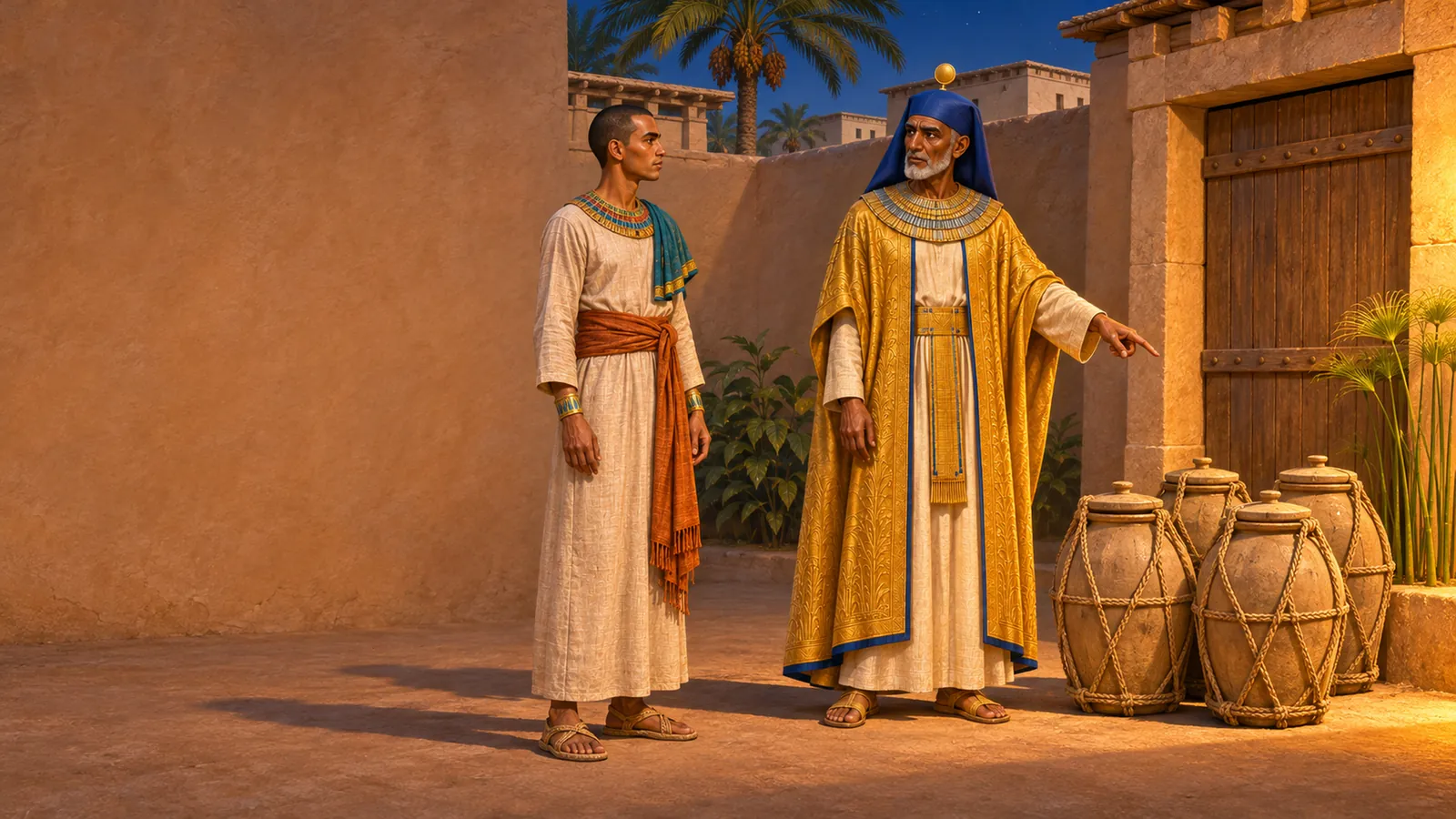
Ra ordered the jars carried to the place Hathor had named. That was where she intended to kill more people.
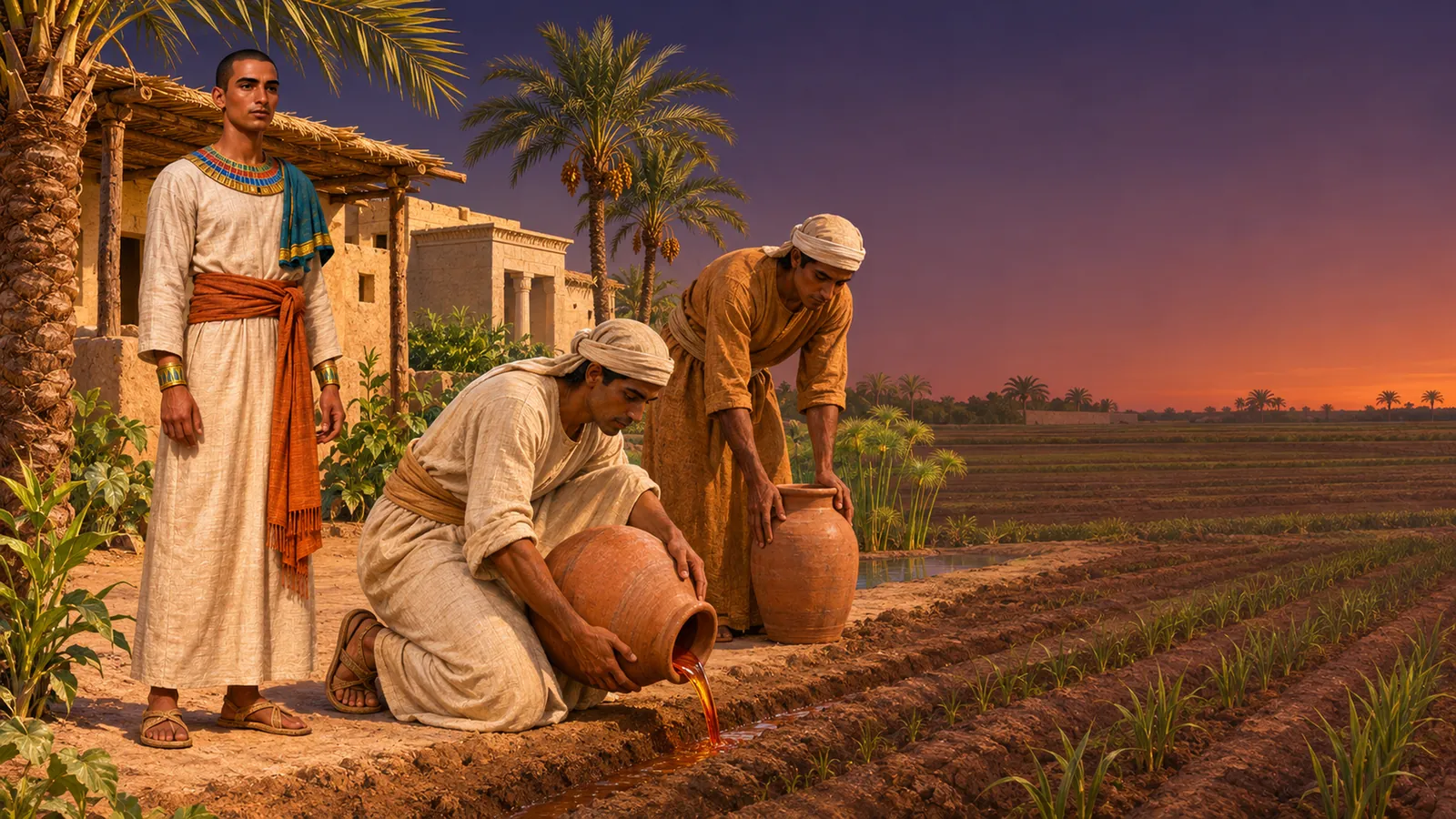
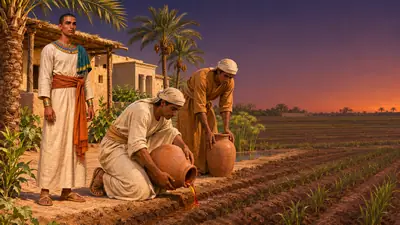
Ra rose while it was still dark. At his order the red beer was poured out in the fields before the goddess arrived.
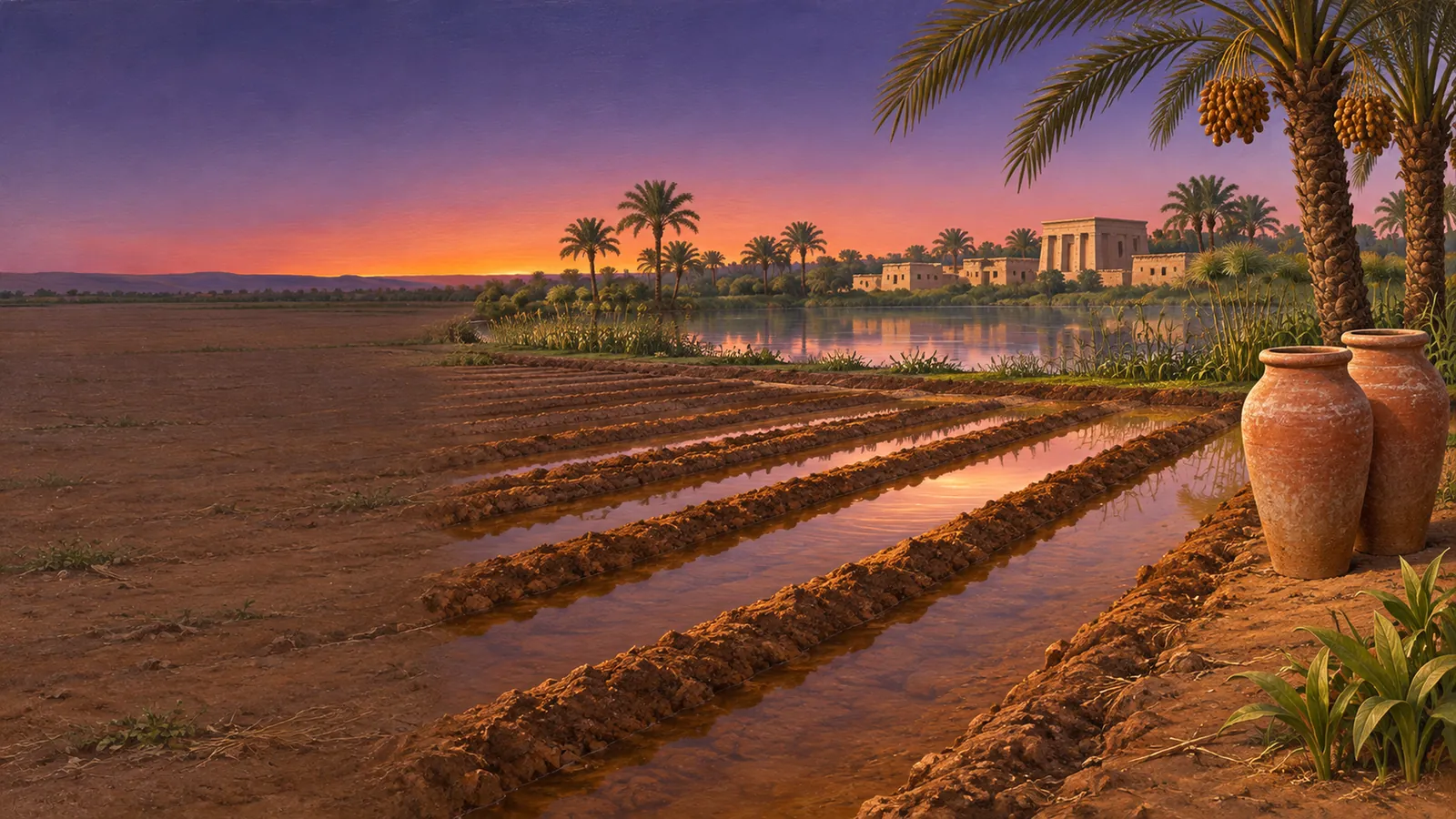
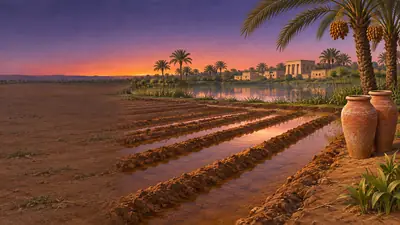
The red beer spread over the fields. The story says the liquid rose three palms deep by the power of Ra.
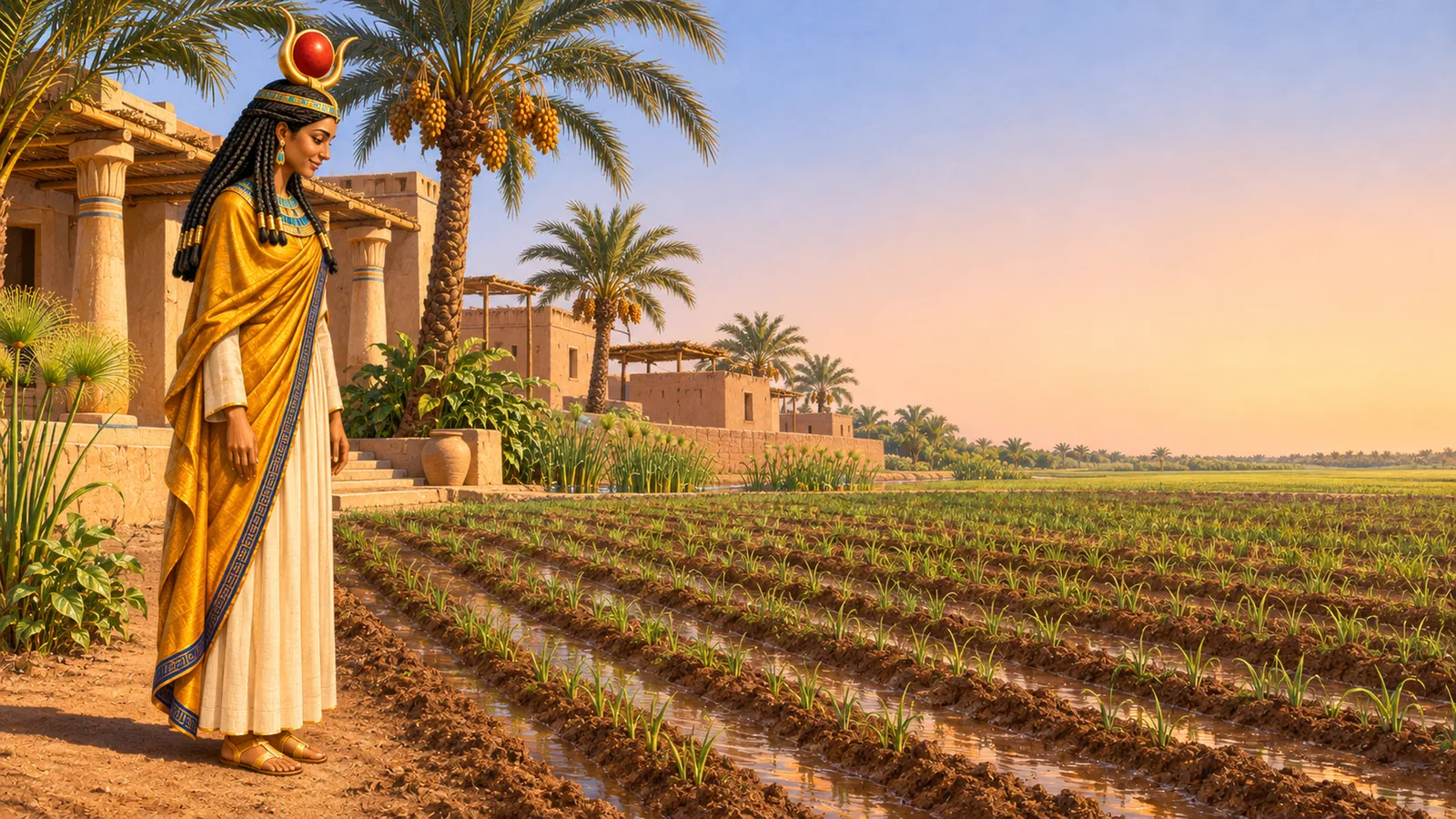
DAWN
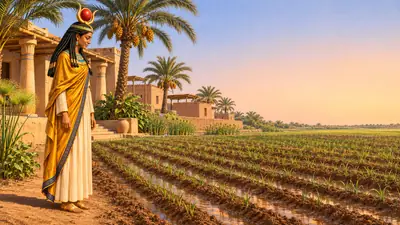
Hathor arrived in the morning and saw the fields covered with the red liquid. The sight drew her attention and pleased her.
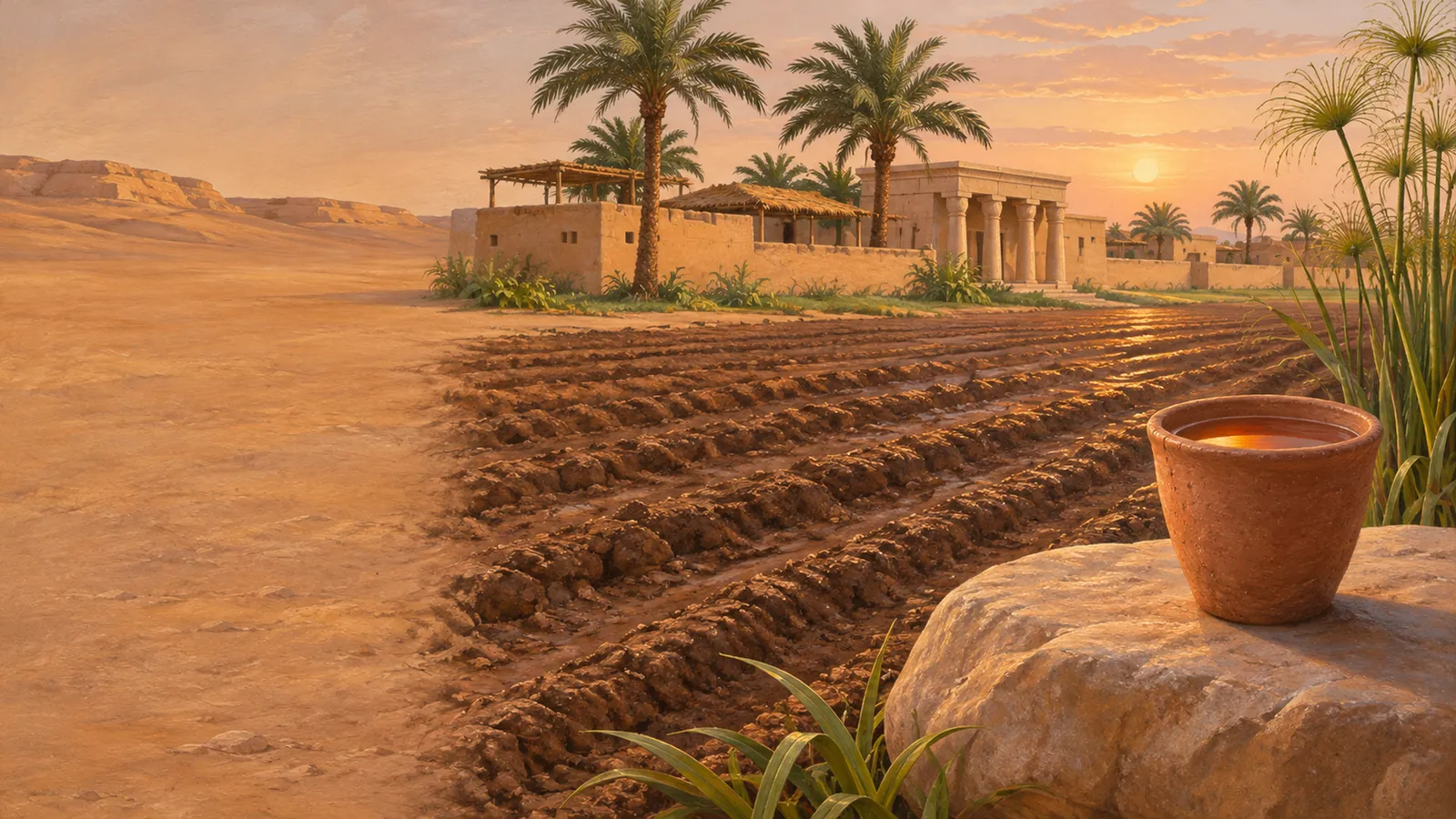
Hathor drank from the liquid that lay over the fields. It pleased her, and the beer began to take effect.

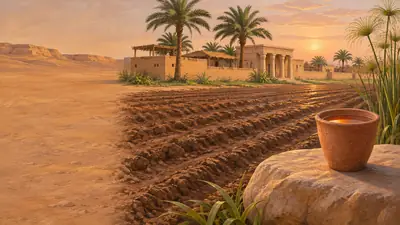
Hathor was intoxicated when she returned. She had gone back without perceiving the people, and the killing Ra had feared did not take place.
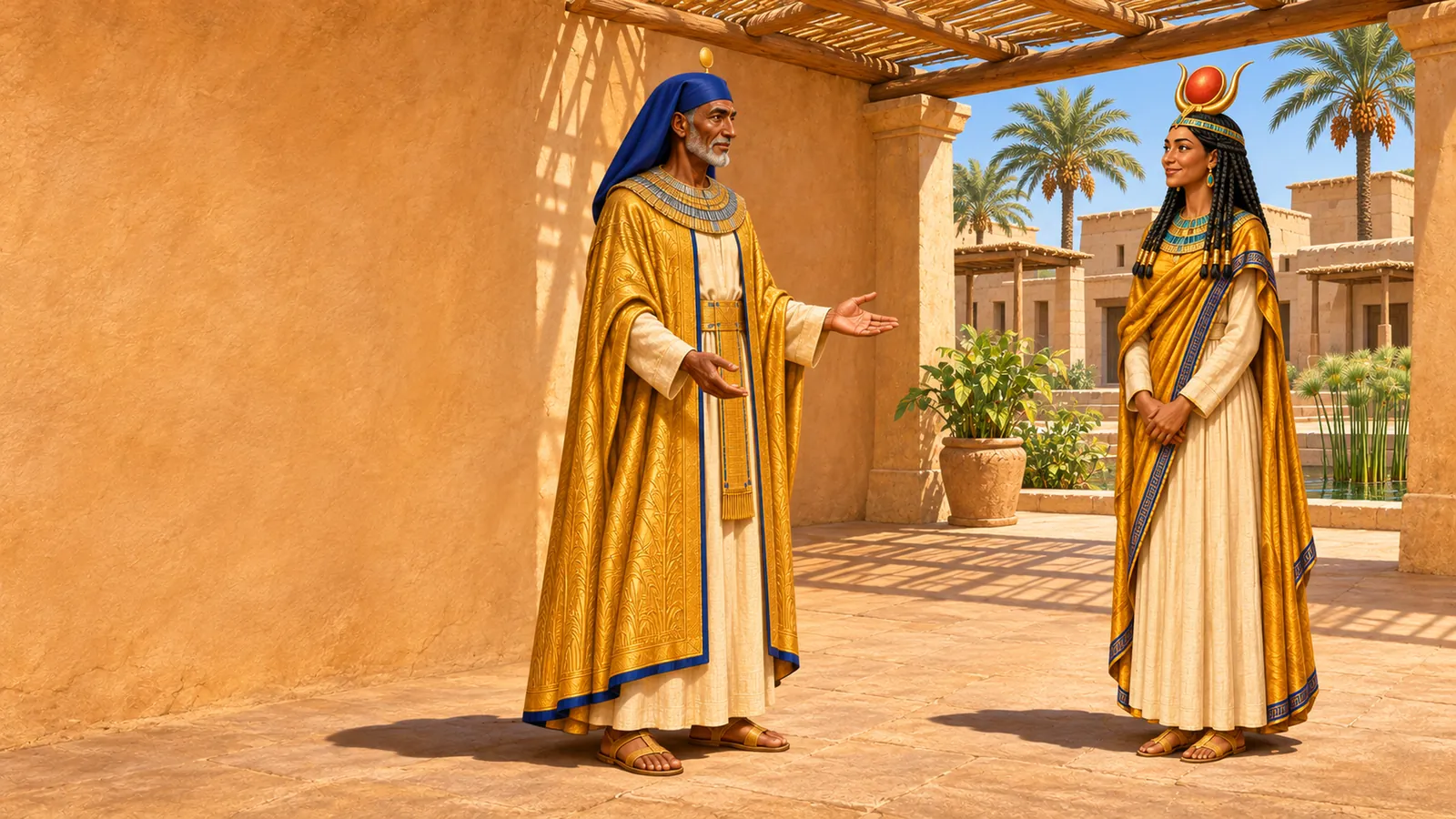
Ra greeted Hathor in peace and called her gracious. The ancient account connects his greeting with the beautiful women of Imau.
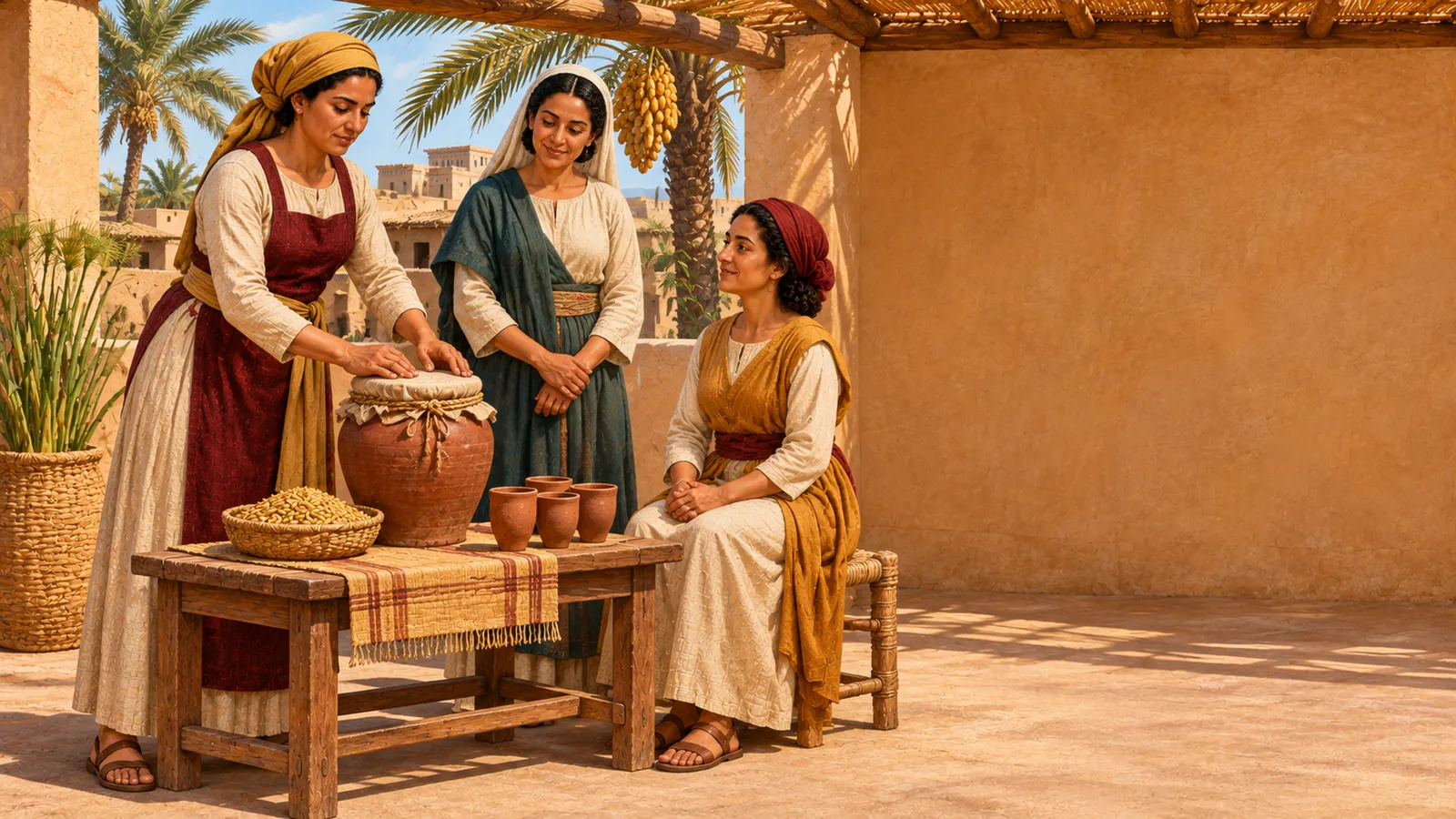
The people who remained were spared. Ra called for the women to prepare drink at Hathor’s yearly feasts, a custom the story traces to that day.
End of chapter 1
All pages

Sources
Compared all of the Destruction passages in Nederhof, Lichtheim and Wilson, and the festival close in Hornung. The New Kingdom witnesses attest the text, and the events occupy mythical time. The source receipt records coverage, variants and the relationship of the opening story to the later book.
Editions consulted
- Mark-Jan Nederhof, complete parallel Destruction text
- Miriam Lichtheim, Ancient Egyptian Literature II, pp. 197–199
- John A. Wilson, Deliverance of Mankind from Destruction
- Erik Hornung, Destruction and festival passage reproduced from Simpson
- Charles Maystre, Egyptian text witnesses and concordance
- Nadine Guilhou, Myth of the Heavenly Cow
Ancient lines behind each page
- Page 1: Book of the Heavenly Cow, Seti I opening, cols. 1–2
- Page 2: Book of the Heavenly Cow, Seti I opening, cols. 1–2
The two ideas coexist in the poem. - Page 3: Book of the Heavenly Cow, Seti I opening, cols. 2–3
- Page 4: Book of the Heavenly Cow, Seti I opening, cols. 2–3
The source gives the plot without identifying its participants or terms. - Page 5: Book of the Heavenly Cow, Seti I opening, cols. 3–4
- Page 6: Book of the Heavenly Cow, Seti I opening, cols. 4–5
- Page 7: Book of the Heavenly Cow, Seti I opening, cols. 5
- Page 8: Book of the Heavenly Cow, Seti I opening, cols. 5–6
- Page 9: Book of the Heavenly Cow, Seti I opening, cols. 6–7
- Page 10: Book of the Heavenly Cow, Seti I opening, cols. 7
The source also includes ancestral gods and Nun’s court. - Page 11: Book of the Heavenly Cow, Seti I opening, cols. 7–8
- Page 12: Book of the Heavenly Cow, Seti I opening, cols. 8–9
- Page 13: Book of the Heavenly Cow, Seti I opening, cols. 9
- Page 14: Book of the Heavenly Cow, Seti I opening, cols. 9–10
- Page 15: Book of the Heavenly Cow, Seti I opening, cols. 10–11
- Page 16: Book of the Heavenly Cow, Seti I opening, cols. 11
- Page 17: Book of the Heavenly Cow, Seti I opening, cols. 11–12
- Page 18: Book of the Heavenly Cow, Seti I opening, cols. 12
- Page 19: Book of the Heavenly Cow, Seti I opening, cols. 12–13
- Page 20: Book of the Heavenly Cow, Seti I opening, cols. 13
- Page 21: Book of the Heavenly Cow, Seti I opening, cols. 13–14
The text states that Hathor killed people in the desert. - Page 22: Book of the Heavenly Cow, Seti I opening, cols. 14
- Page 23: Book of the Heavenly Cow, Seti I opening, cols. 14–15
- Page 24: Book of the Heavenly Cow, Seti I opening, cols. 15–16
The difficult Herakleopolis and night mash phrase precedes the new order. - Page 25: Book of the Heavenly Cow, Seti I opening, cols. 16–17
- Page 26: Book of the Heavenly Cow, Seti I opening, cols. 17–18
- Page 27: Book of the Heavenly Cow, Seti I opening, cols. 18
- Page 28: Book of the Heavenly Cow, Seti I opening, cols. 18–19
- Page 29: Book of the Heavenly Cow, Seti I opening, cols. 18–19
- Page 30: Book of the Heavenly Cow, Seti I opening, cols. 19
- Page 31: Book of the Heavenly Cow, Seti I opening, cols. 19
- Page 32: Book of the Heavenly Cow, Seti I opening, cols. 19–21
Translations vary on the timing of the eve or dawn of the threatened attack and whose southward journey is meant. - Page 33: Book of the Heavenly Cow, Seti I opening, cols. 21
The text gives no name for the field Hathor had chosen. - Page 34: Book of the Heavenly Cow, Seti I opening, cols. 21–22
- Page 35: Book of the Heavenly Cow, Seti I opening, cols. 22
- Page 36: Book of the Heavenly Cow, Seti I opening, cols. 22–23
- Page 37: Book of the Heavenly Cow, Seti I opening, cols. 23–24
- Page 38: Book of the Heavenly Cow, Seti I opening, cols. 23–24
- Page 39: Book of the Heavenly Cow, Seti I opening, cols. 24–25
Nederhof’s excerpt ends after this line. - Page 40: Book of the Heavenly Cow, Seti I opening, cols. 25–27 festival close
Wilson mentions this custom after his translation ends.
Illustrations made with AI tools by IL Archive; the text is based on the ancient sources (see the sources at the end of each chapter).