Harkhuf and the Boy King’s Letter Chapter 1
The letter from the court
Three expeditions take Harkhuf from the Elephantine and oasis roads to the territories of southern rulers. A later royal reply praises his work and gives careful instructions for a dancer’s trip north, on the boat and in camp.
SourcesTurn the pages with the arrows, the arrow keys or a swipe.
HARKHUF AND THE BOY KING’S LETTER
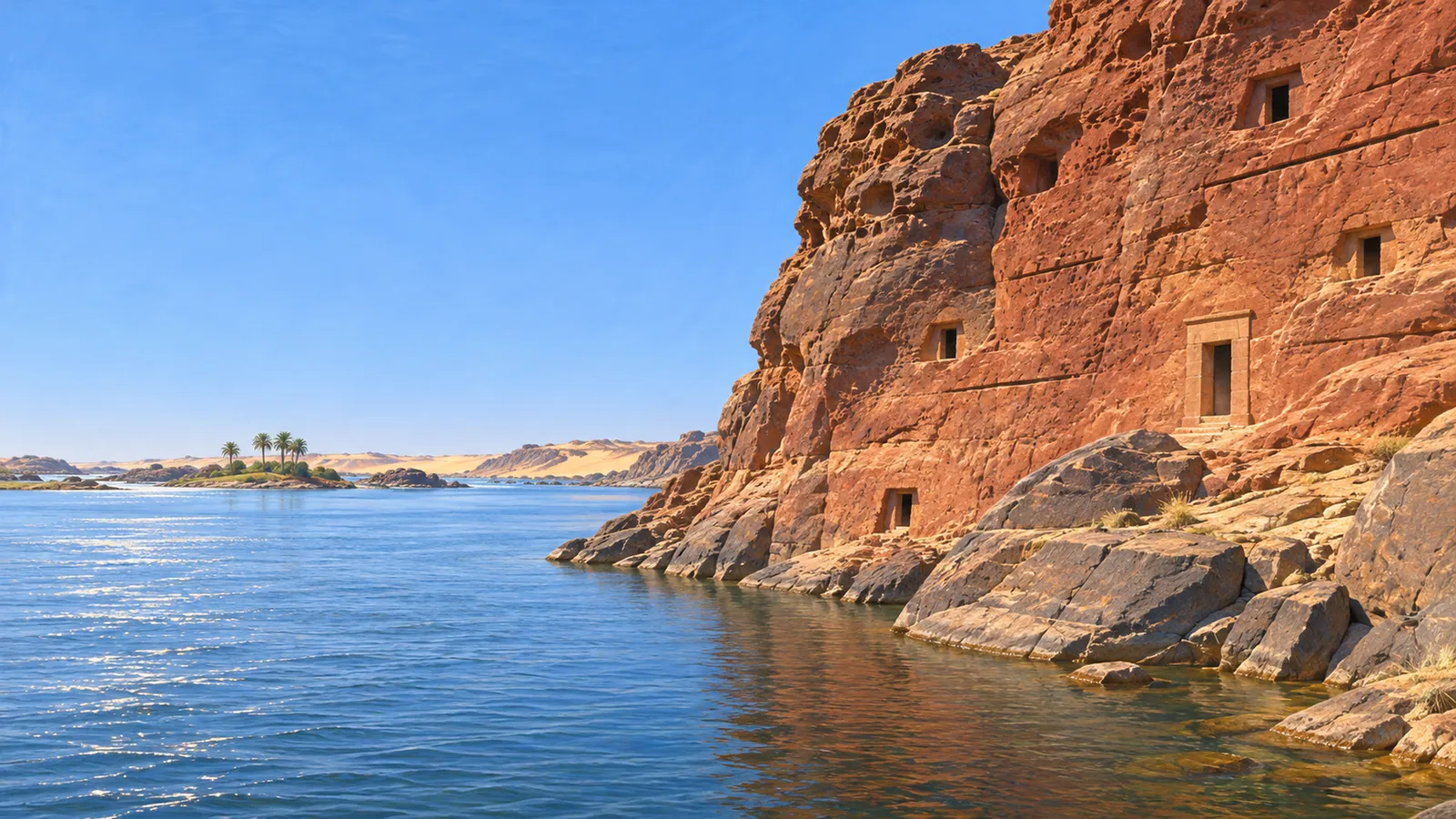
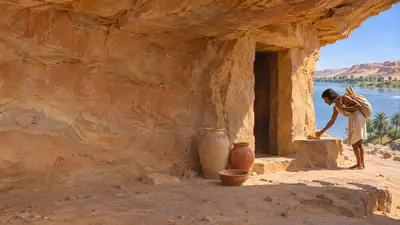
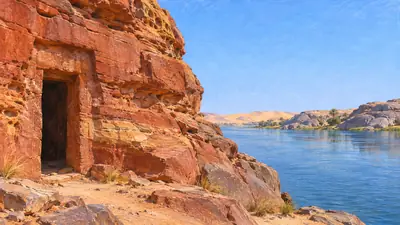
On the west bank of the Nile, above the water that faces Elephantine, a doorway opens in the cliff. Beside it survives an Old Kingdom letter from a king to a traveler named Harkhuf.
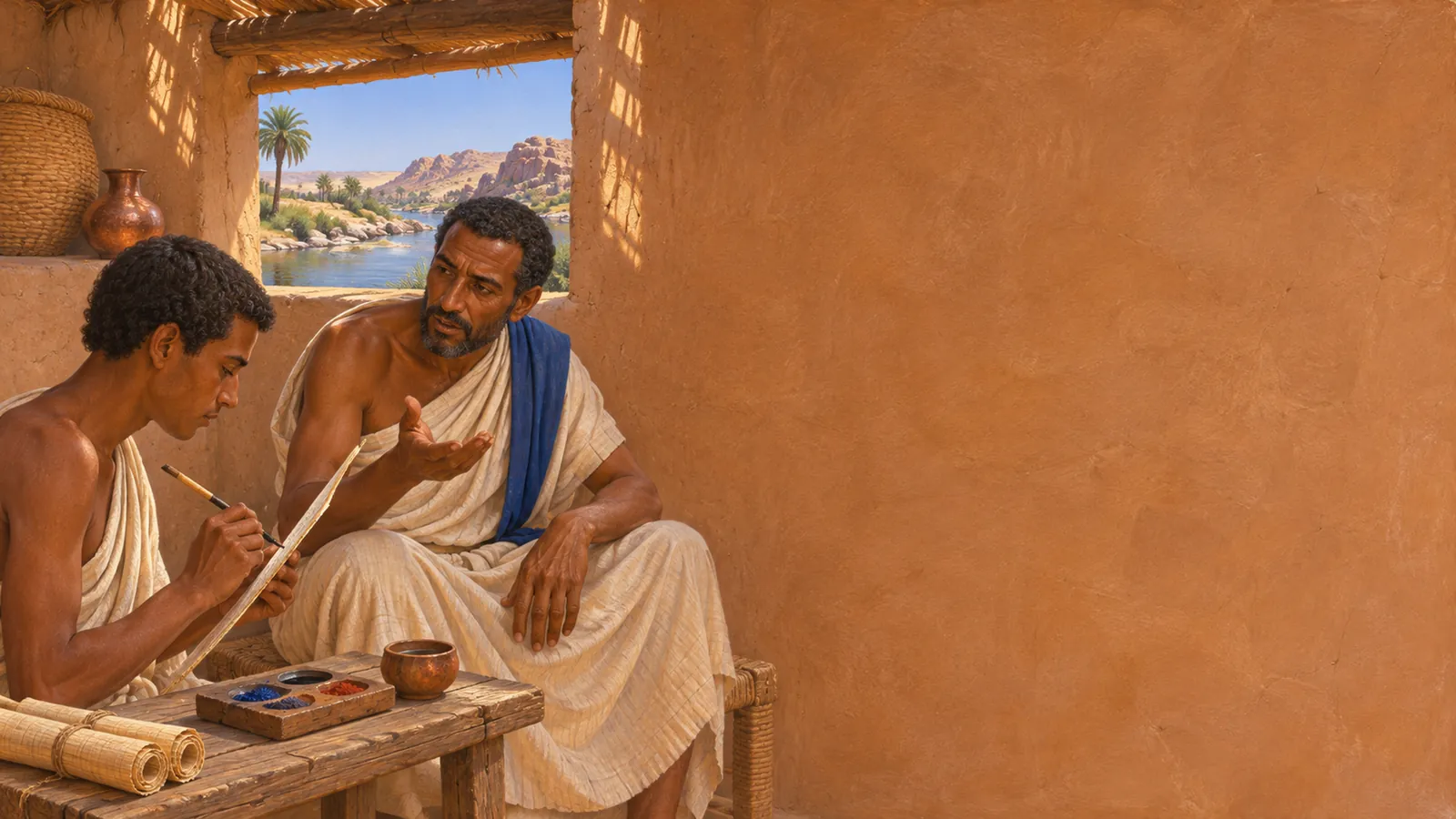
The tomb preserves a second voice as well. Harkhuf tells his own story there. His titles name him as a royal seal bearer, a reader of ritual and the leader of scouts and caravans.
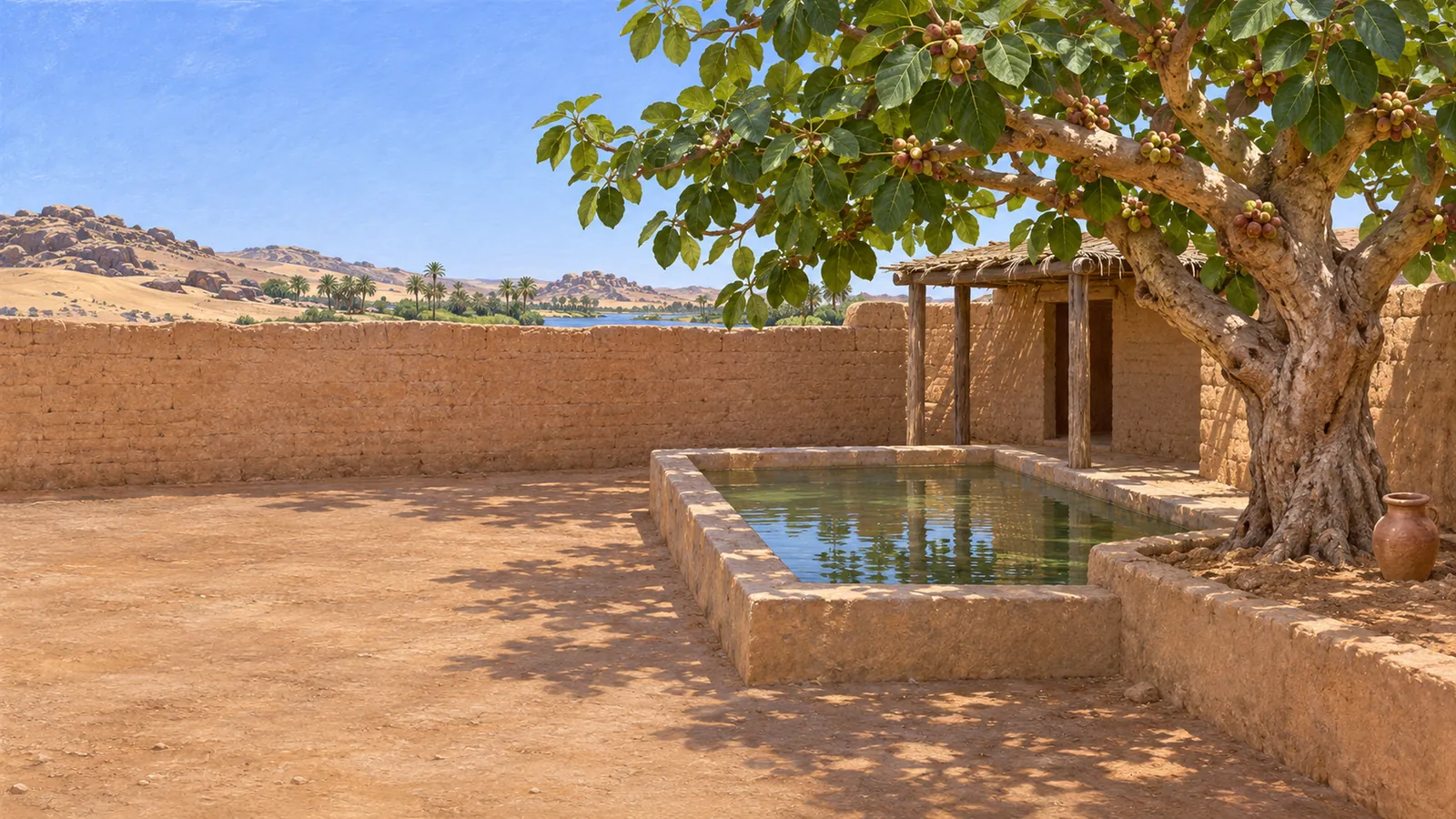
Harkhuf says he came from his town, built a house and set its doors in place. He also dug a pool and planted sycamores. These are among the first things he wants visitors to know.
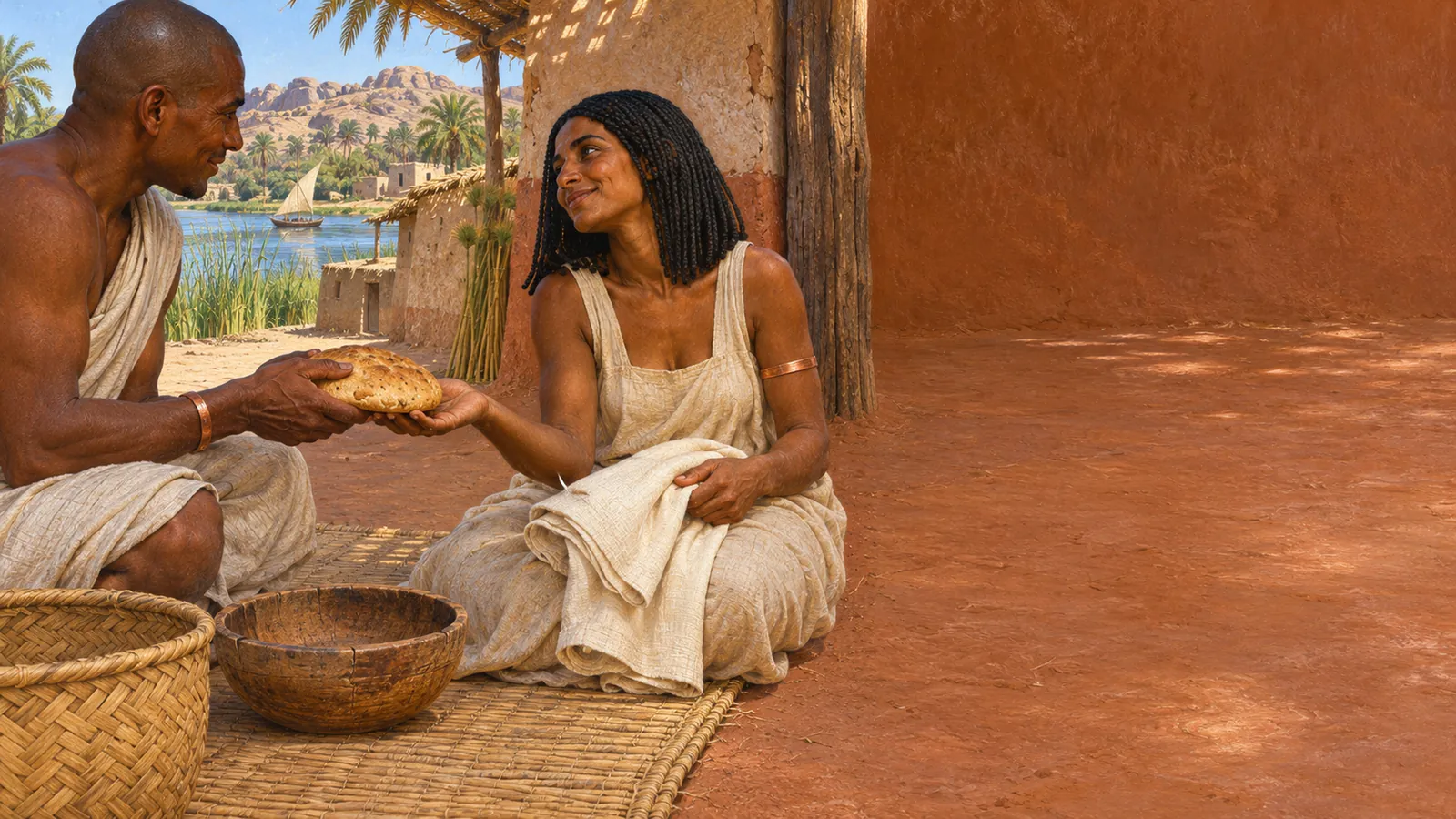
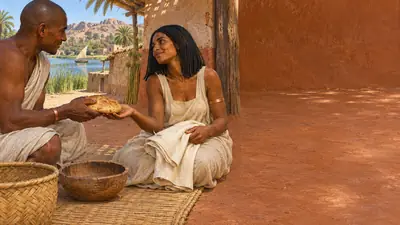
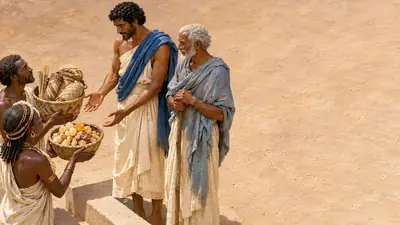
His account claims that he gave bread to the hungry, clothing to people who needed it and passage to those without a boat. The words present a man taking pride in how he treated others.
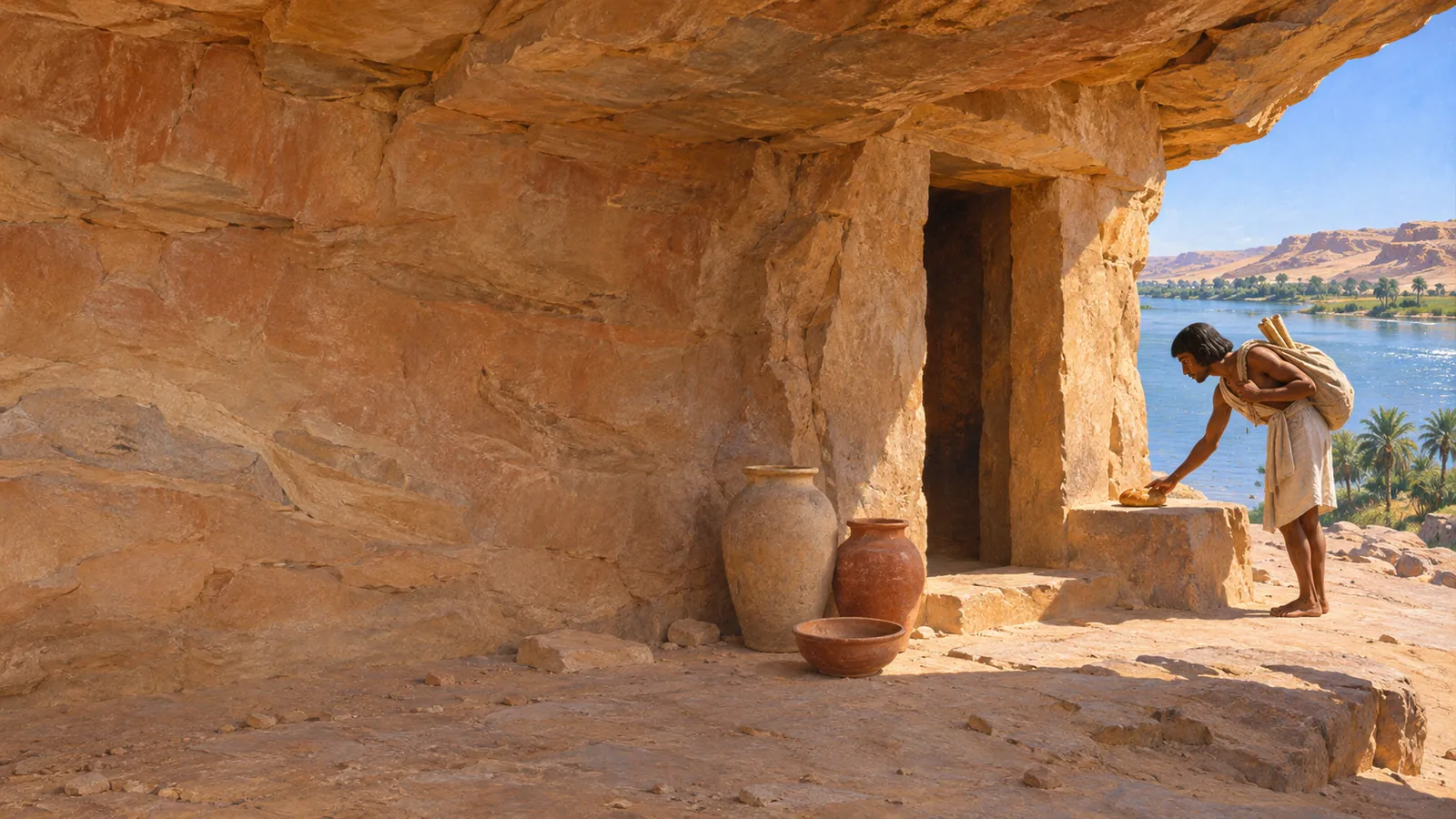
Harkhuf addresses anyone who travels past his tomb northward or southward. He asks them to speak an offering of bread and beer for him and in return promises to watch over them in the necropolis.
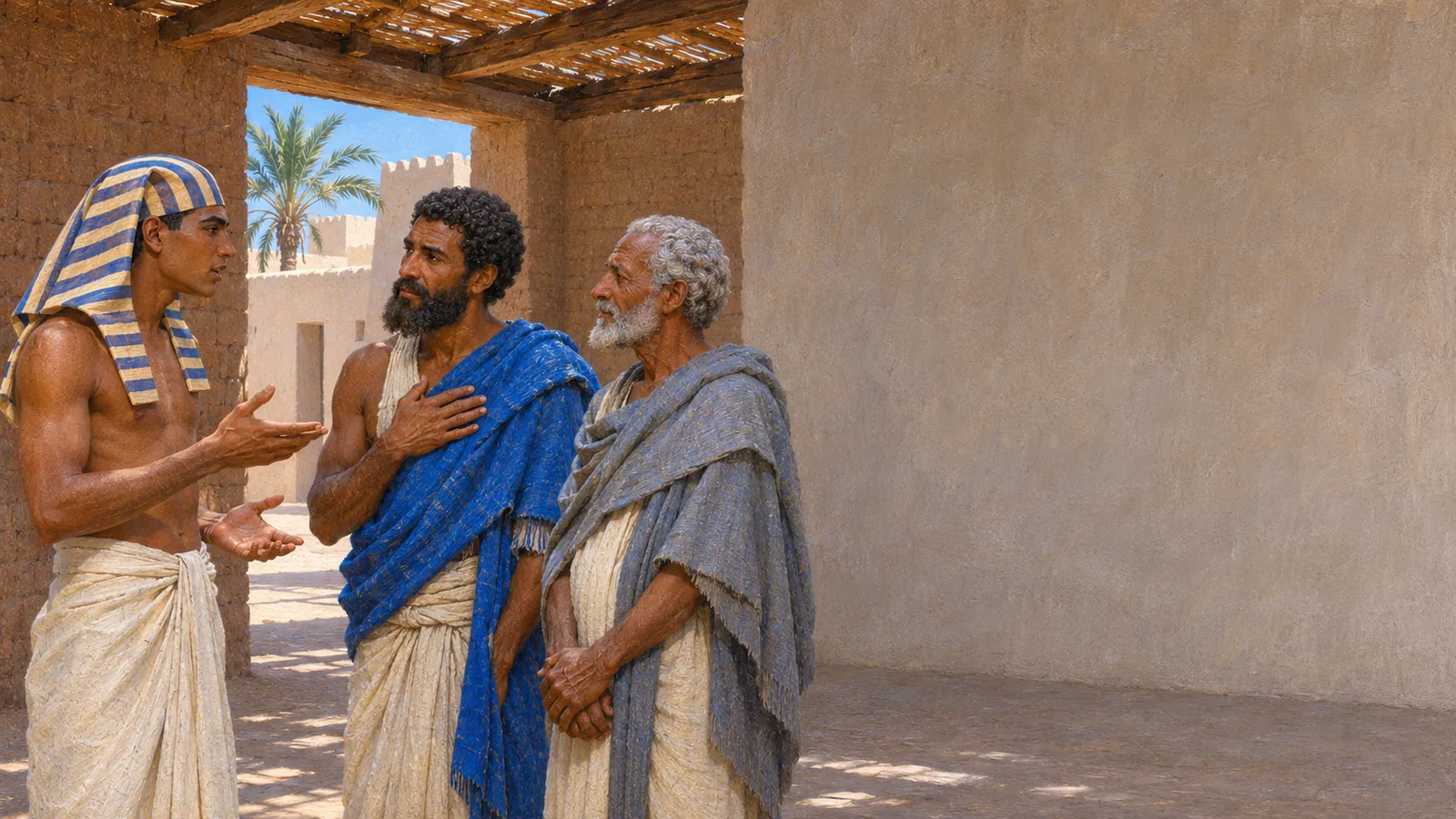
Harkhuf served two kings of the Sixth Dynasty. The first to appear in his journeys is Merenre, who sends Harkhuf and his father Iri to open a route to a country called Yam.
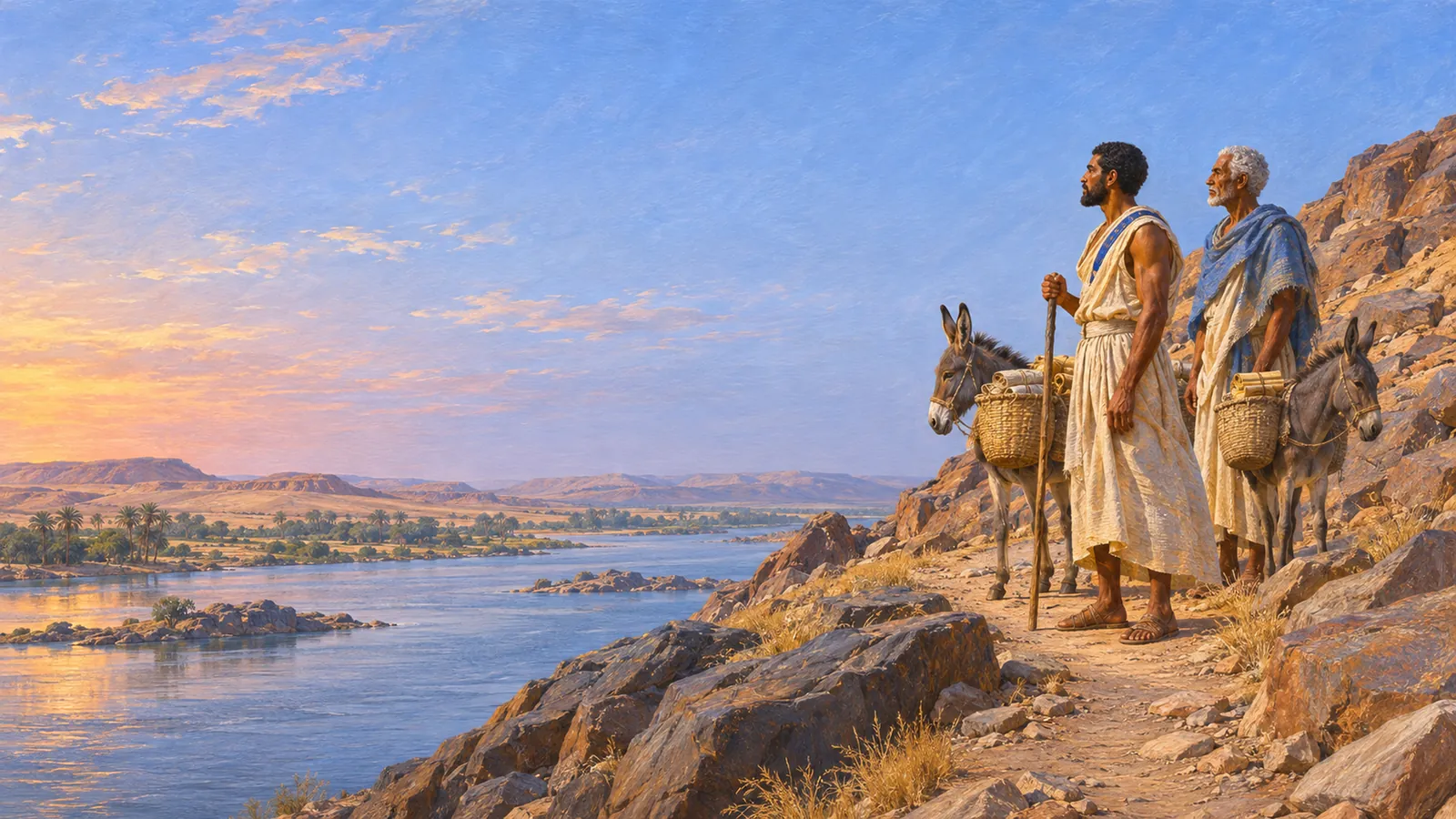
Iri is himself a priest and royal companion. Father and son go south together. Their record preserves the purpose of the journey. The precise location of Yam remains a question scholars discuss.
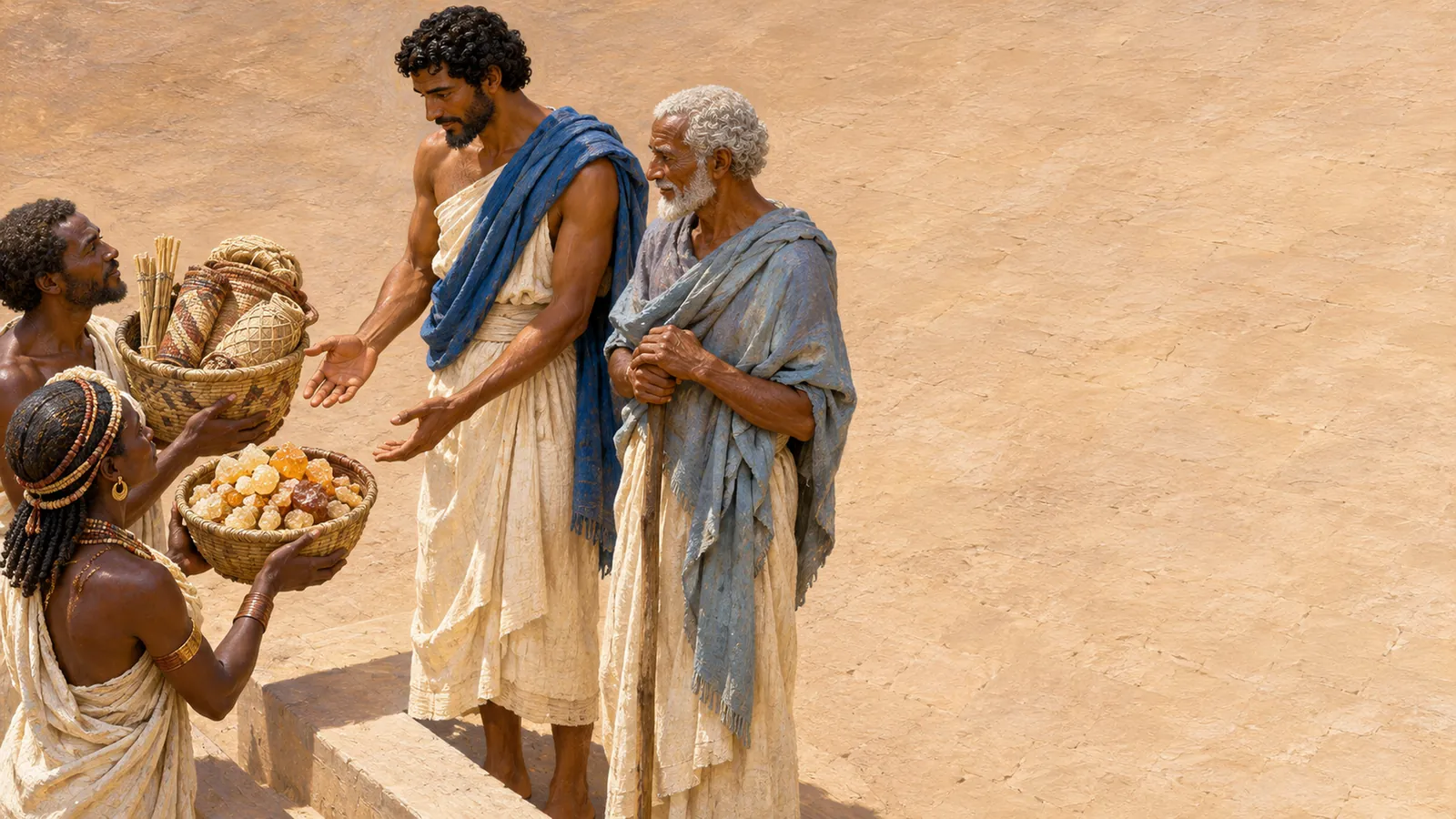
Harkhuf counts seven months for the first mission. He remembers goods that were rare and admired at the Egyptian court, and says he received great praise on bringing them back.

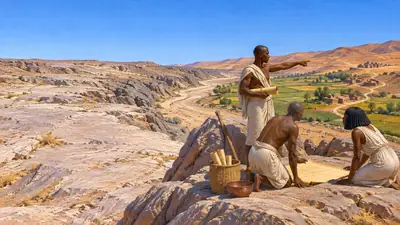
On the second mission the king sends Harkhuf on his own, without his father. Harkhuf takes the Elephantine road. His account pays particular attention to the places he comes through on the return.
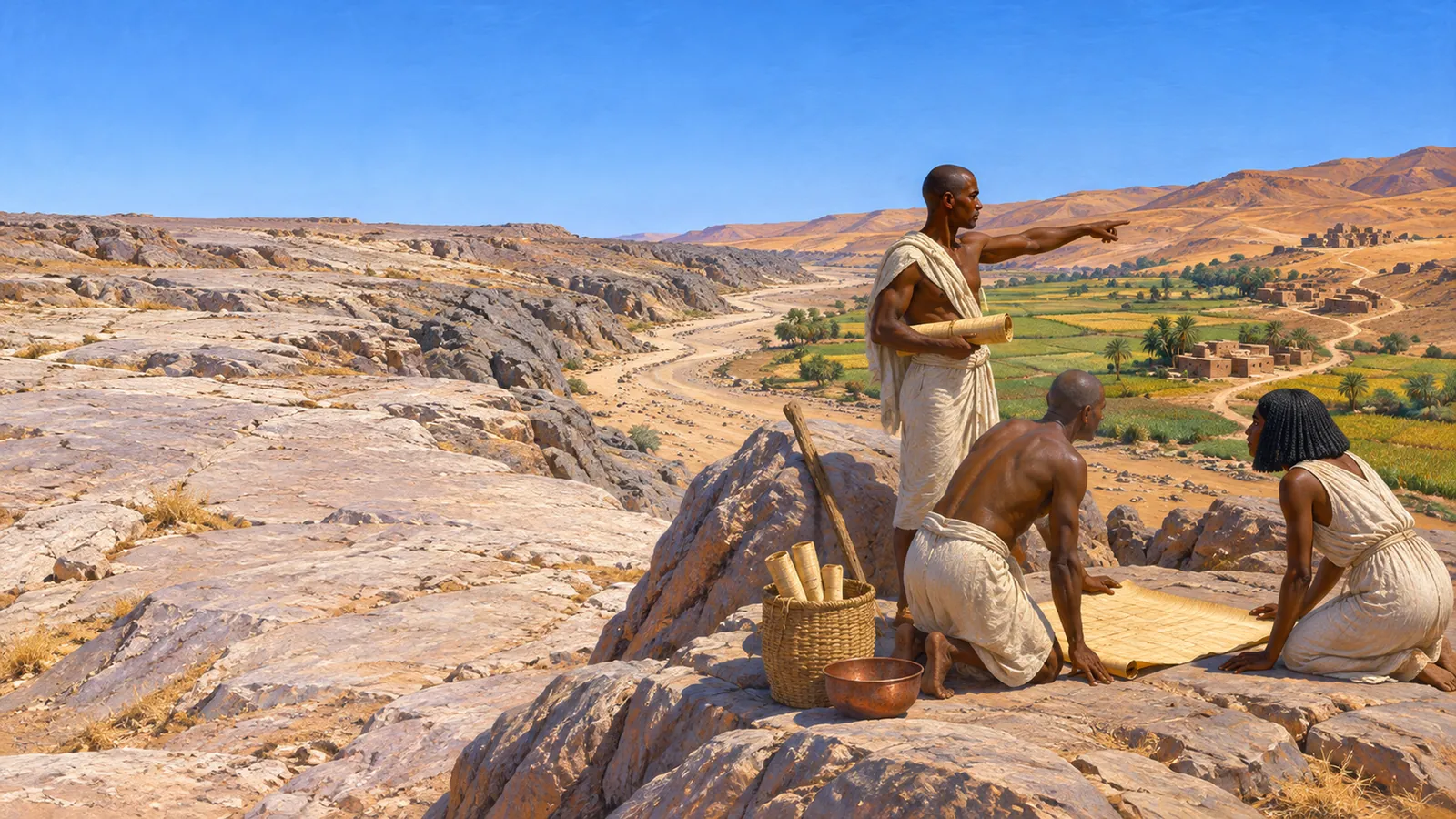
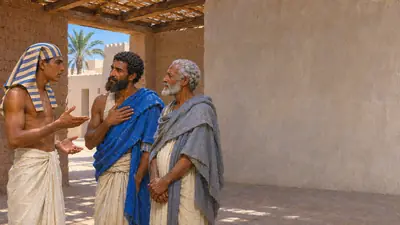
The inscription names Mekher, Terers and Irtjet. Harkhuf also speaks of passing through the territory of the ruler of Setju and Irtjet. These names show how many different places the road brought together.
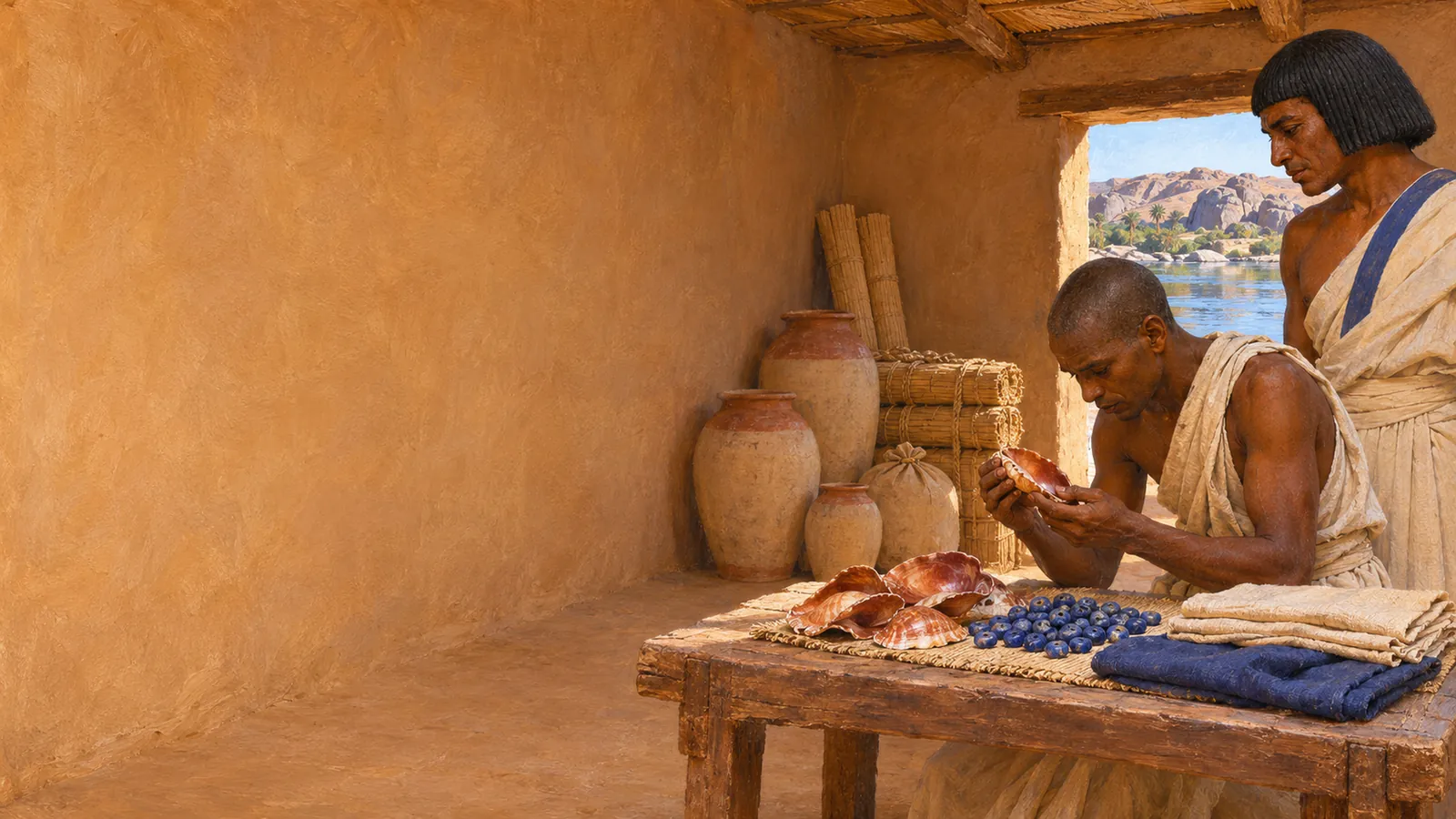
The trip takes eight months. Harkhuf says he returned with many goods and explored land beyond anywhere earlier Egyptian caravan leaders bound for Yam had been. That is his account.
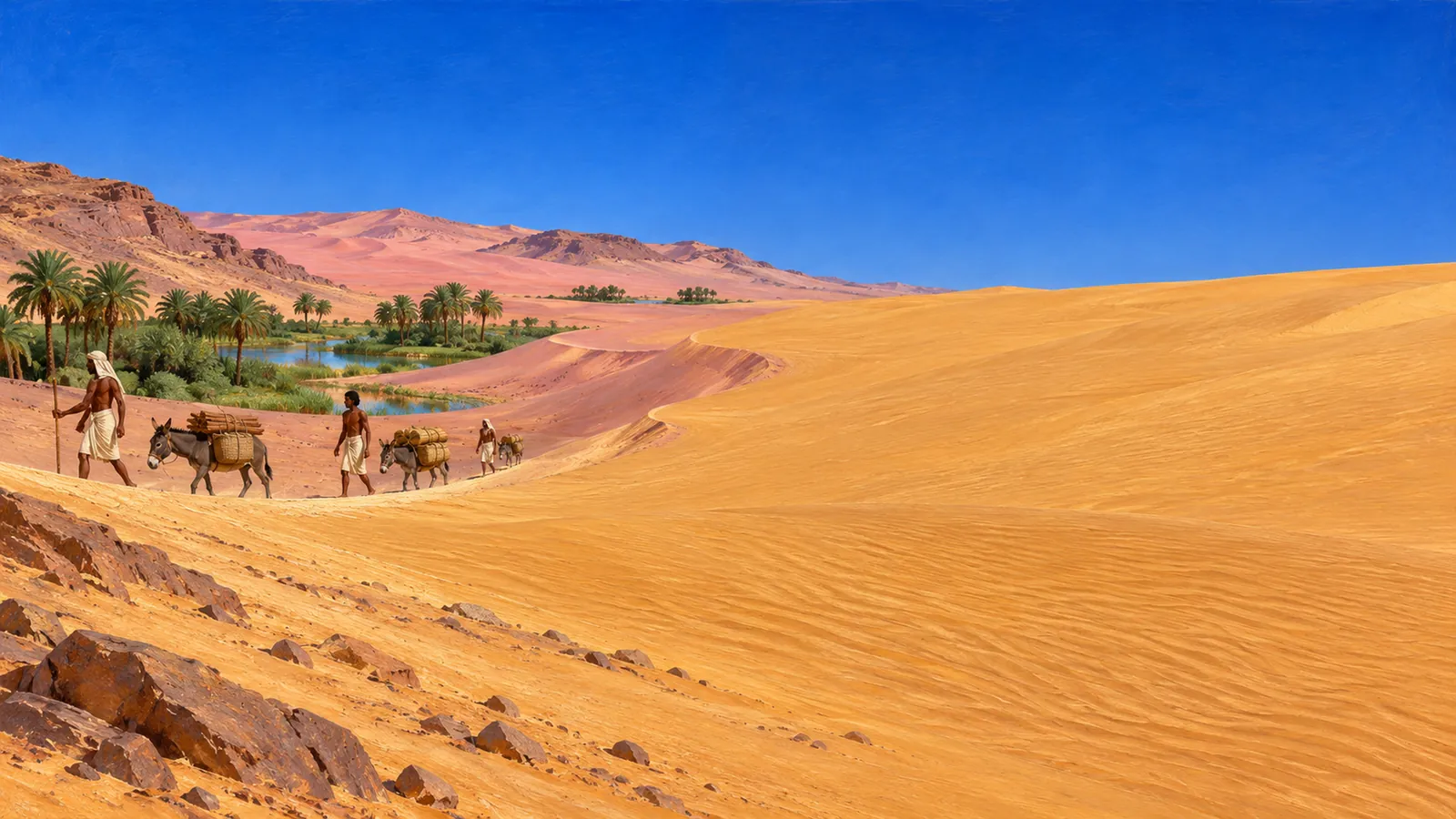
For the third venture Harkhuf says he sets out through the country of This and takes the oasis road. This time, when he reaches Yam, the person he has come to see is away.

The ruler of Yam has set out west to campaign against the people of Tjemeh. Harkhuf follows him, carrying the king’s business out past the place where he had expected to meet the ruler.
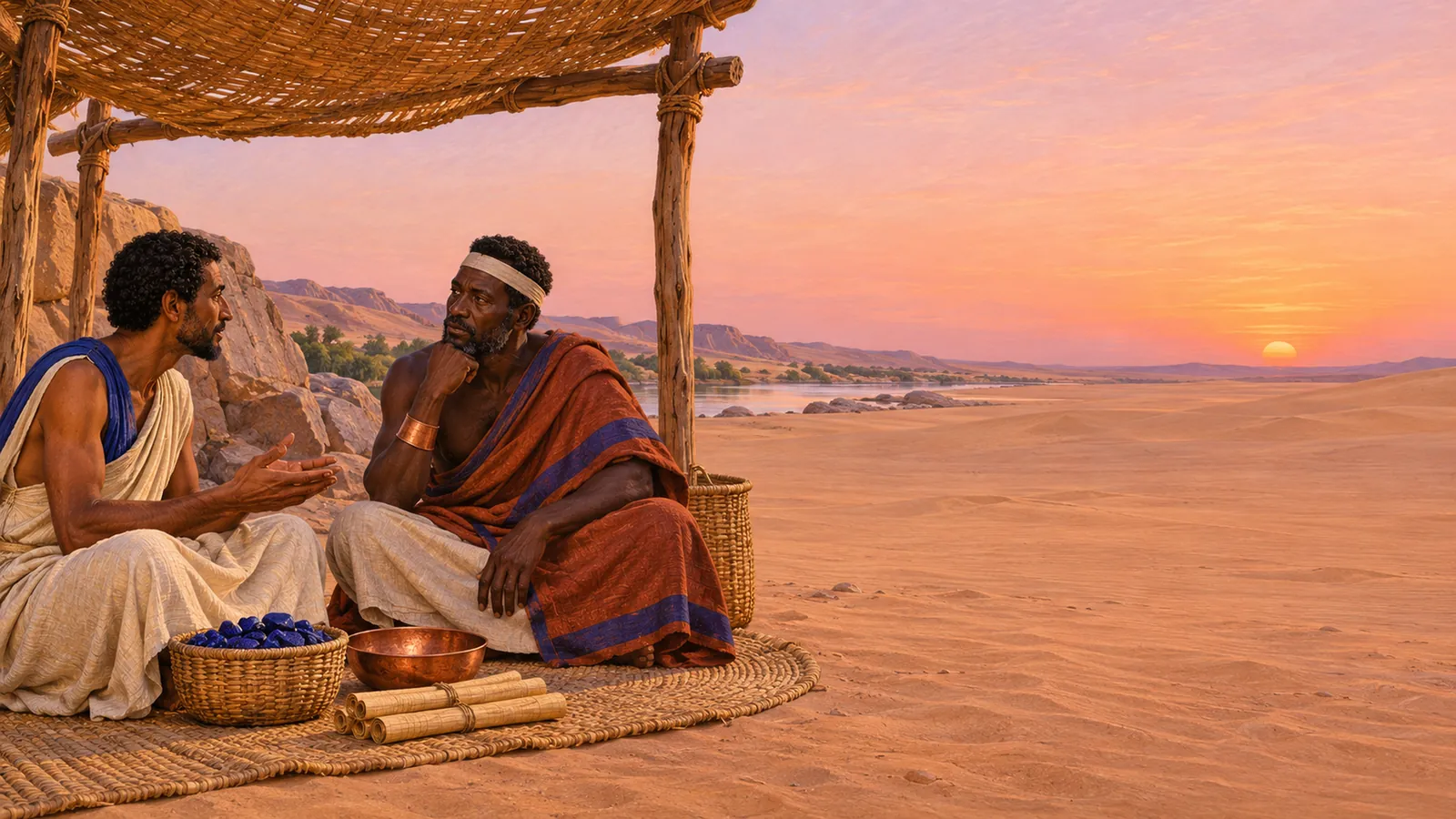
Harkhuf finds the ruler in the west and says he wins him over. In Harkhuf’s telling, the ruler praises the gods on behalf of Merenre. The story now turns to the route north.
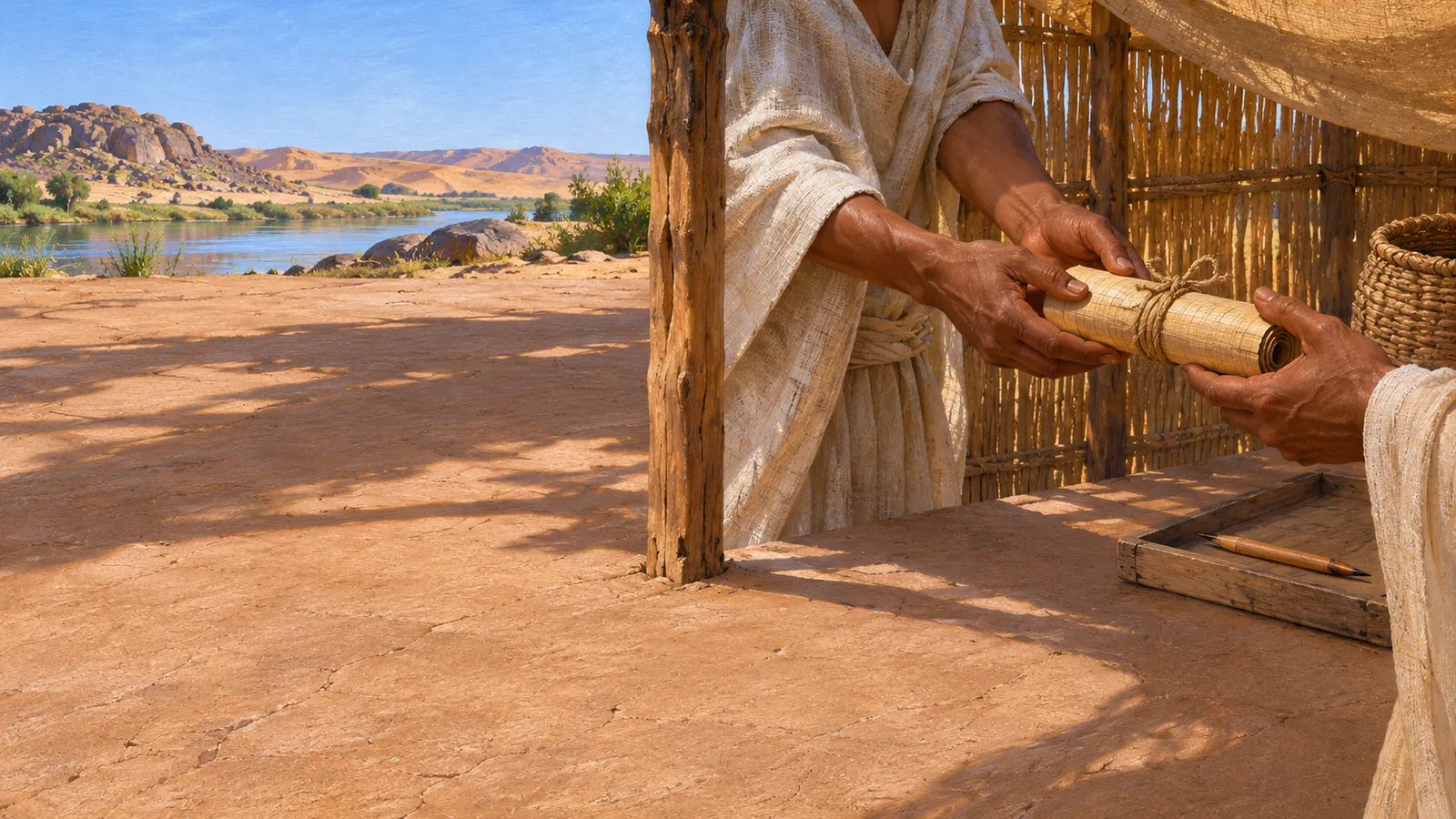
Part of the inscription here is damaged. Enough survives to show that news of the journey was meant to reach Merenre. Just beyond the break, Harkhuf is back among named places on the route north.
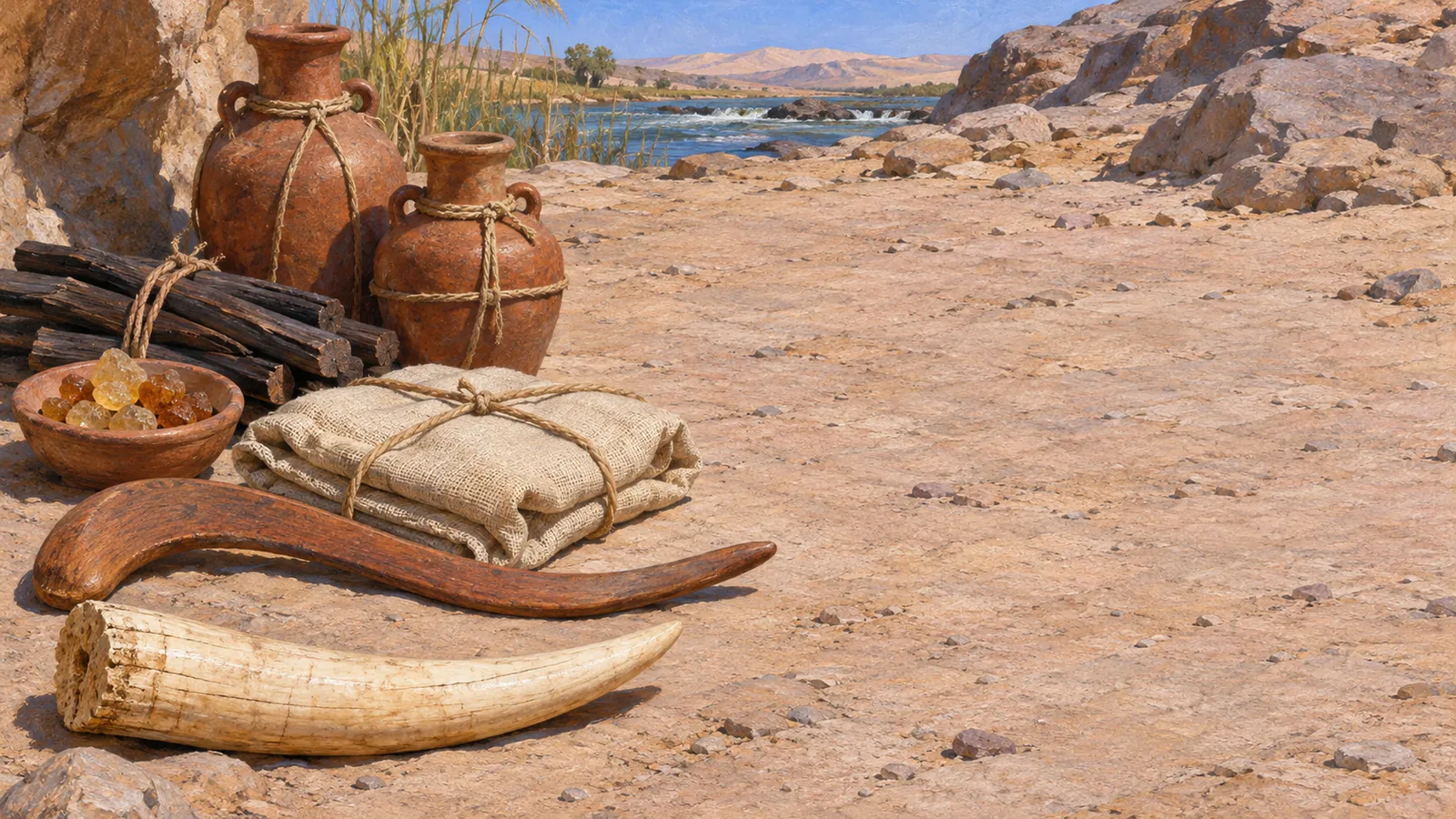
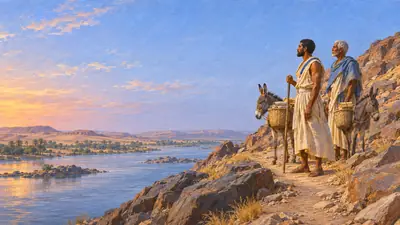
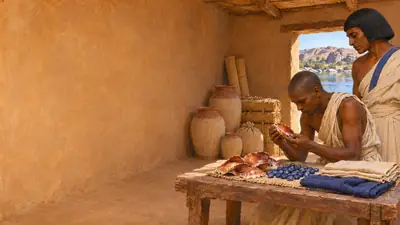
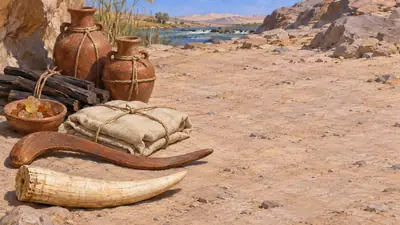
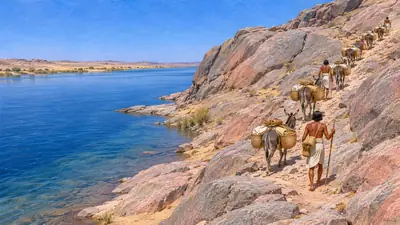
Incense and ebony travel in the caravan with oils, animal skins and ivory. The list also names throwing sticks. Harkhuf remembers his return through the weight and variety of what the donkeys carry.
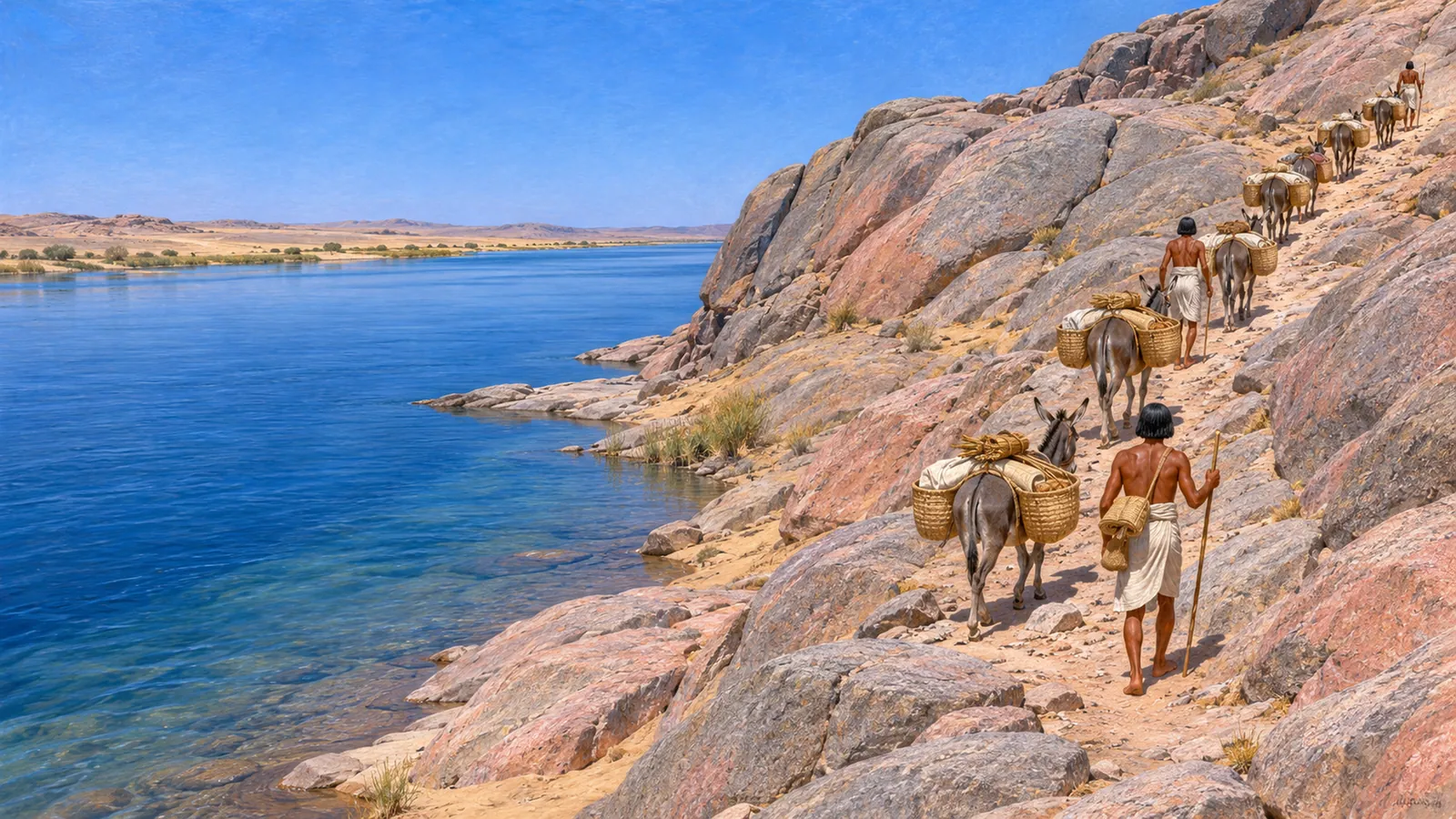
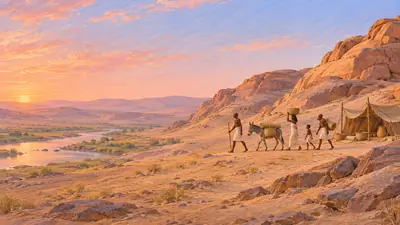
Harkhuf counts three hundred pack donkeys. People travel north with the caravan as well. Among them are an escort from Yam and the Egyptian troops who had already been sent with him.
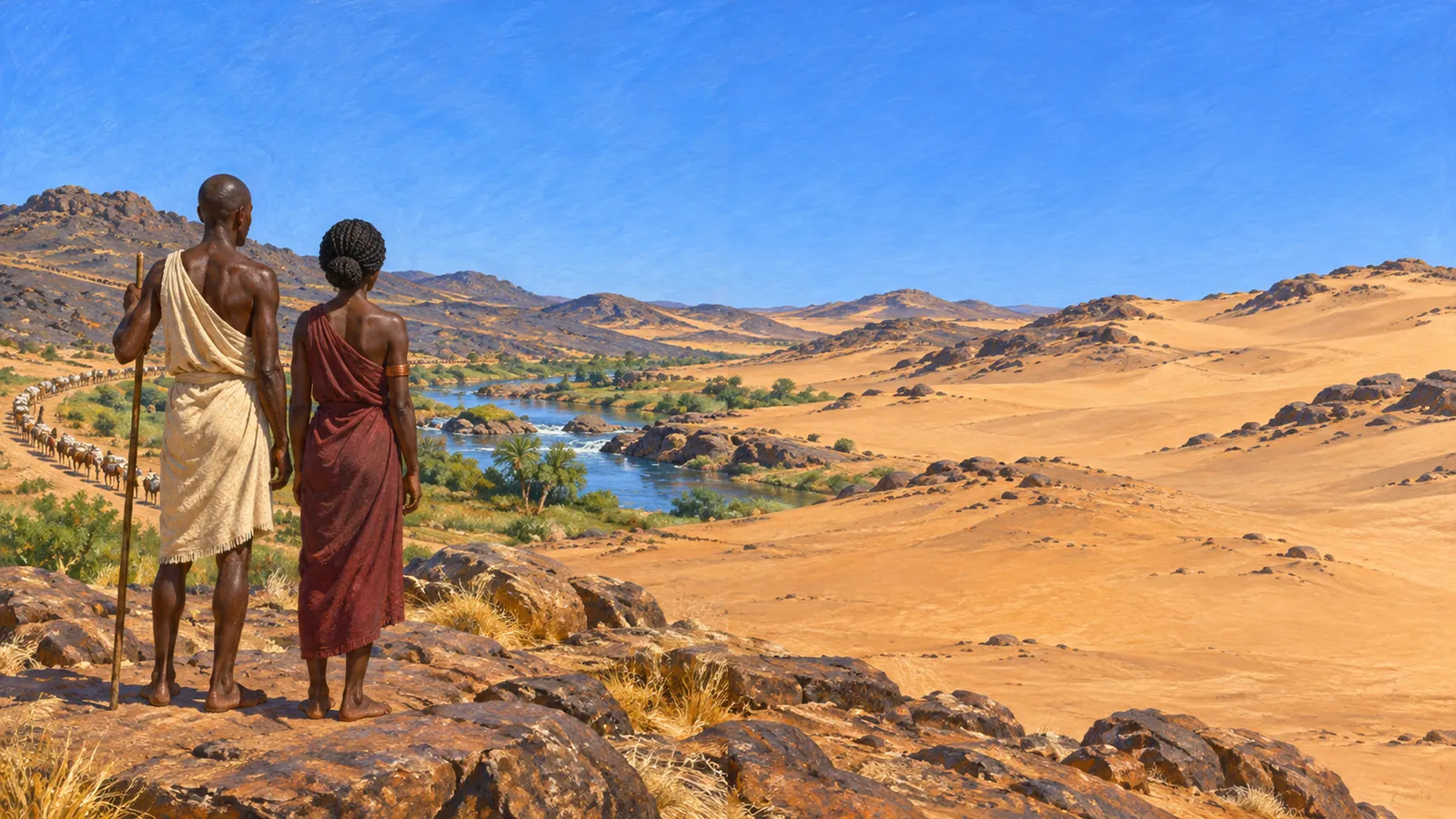
A ruler associated with Irtjet, Setju and Wawat sees how many people from Yam and from Egypt are travelling with Harkhuf. The next part of the journey runs through this ruler’s country.
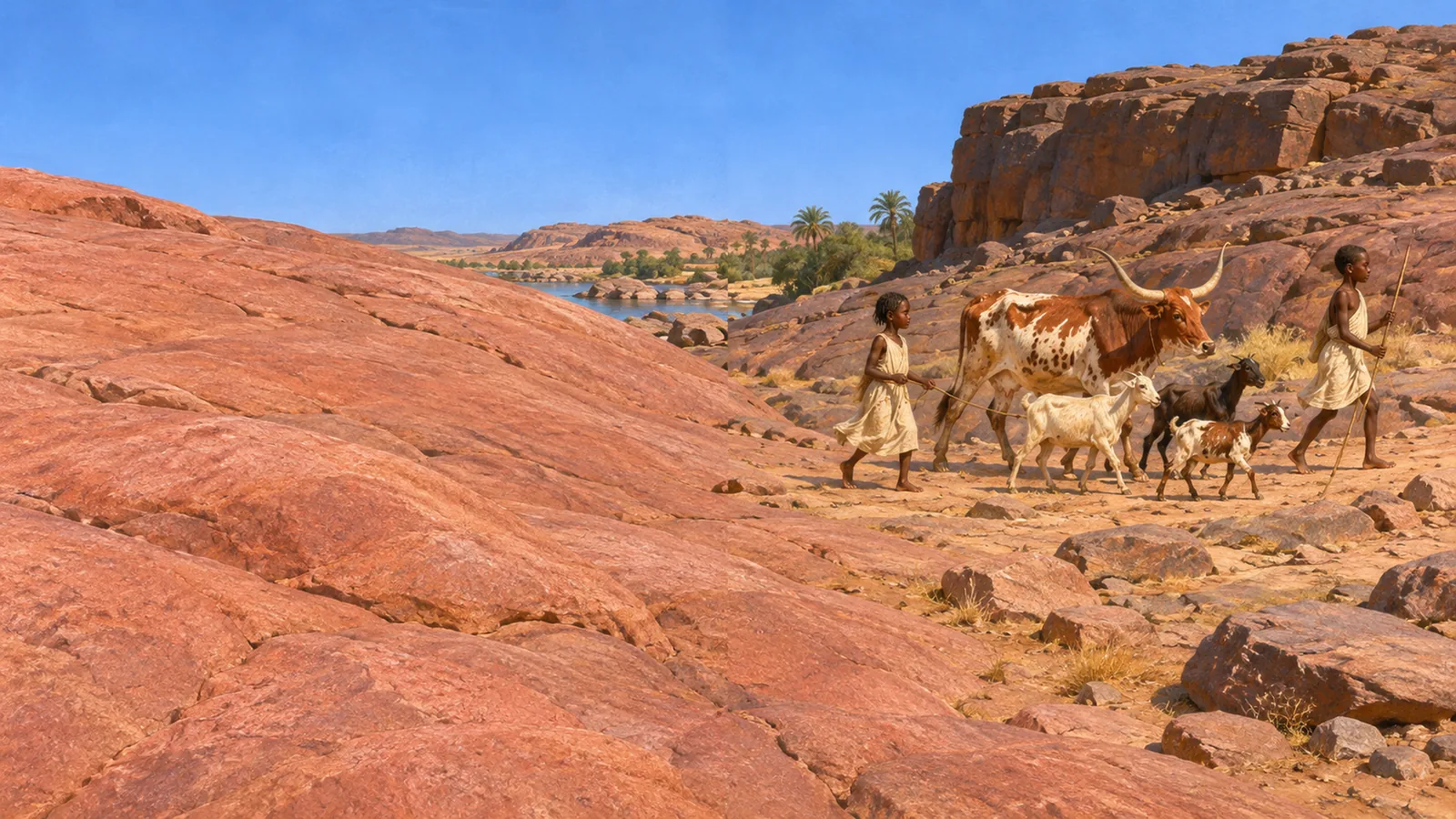
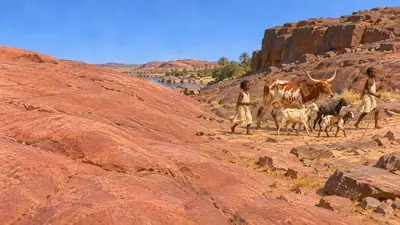
The ruler provides cattle and goats and guides the company along the highland paths of Irtjet. Harkhuf puts this welcome down to the care and judgment he says he brought to the king’s business.
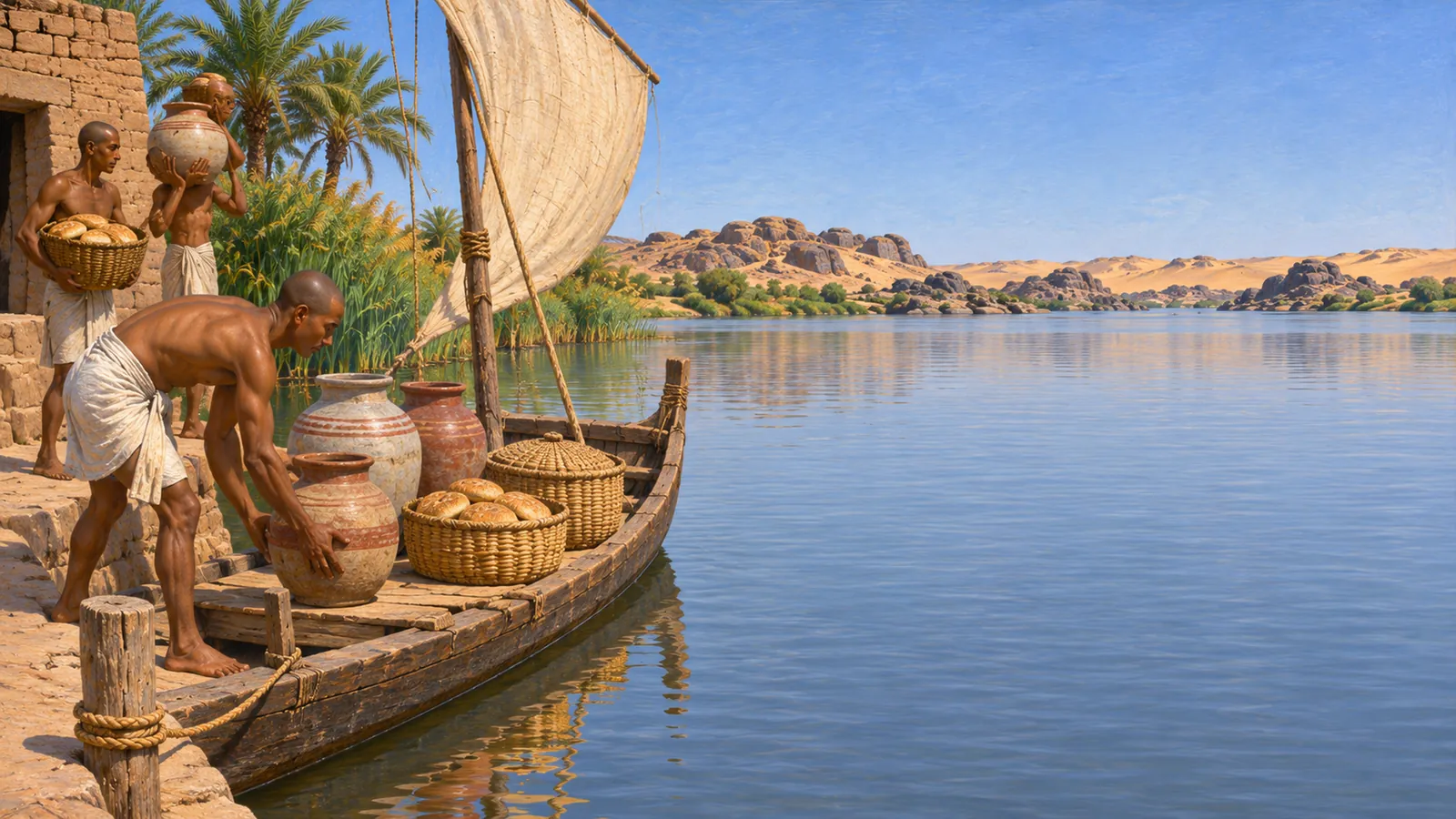
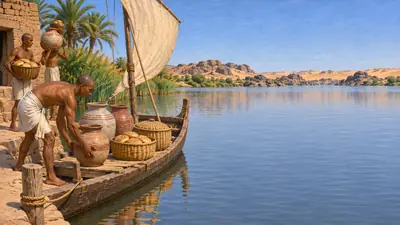
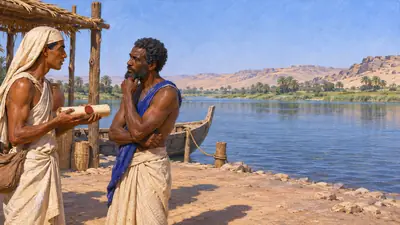
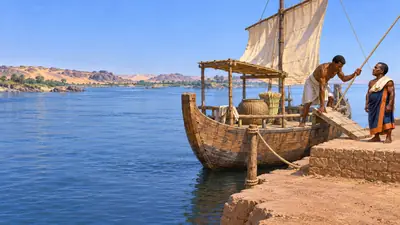
As Harkhuf heads toward the royal residence, an official called Khuni is sent to meet him. His boats carry bread, cakes, beer and date wine. The welcome comes out on the river.
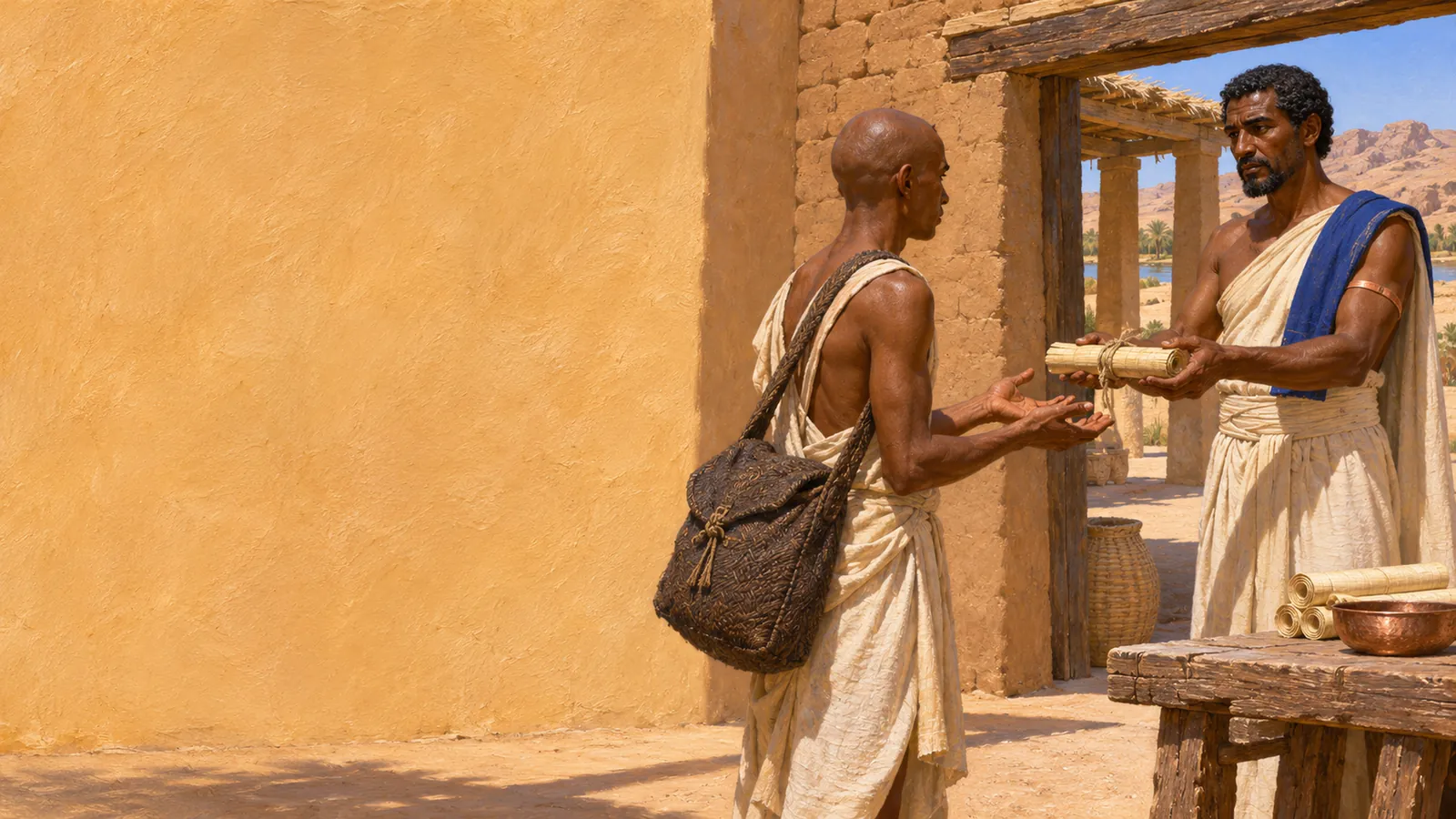
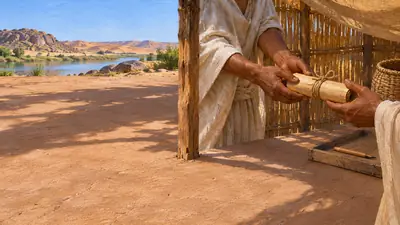
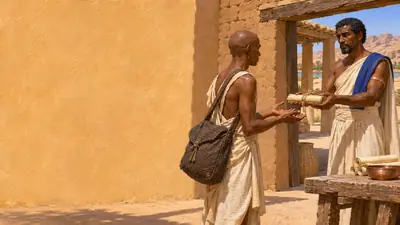
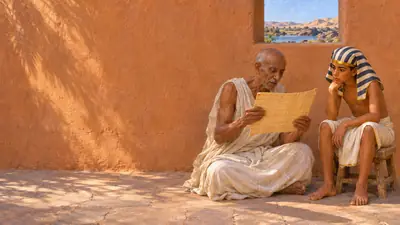
A later journey survives in a different kind of writing. The king’s reply tells us that Harkhuf sent a report to the palace, saying that he and the people travelling with him had returned safely from Yam.
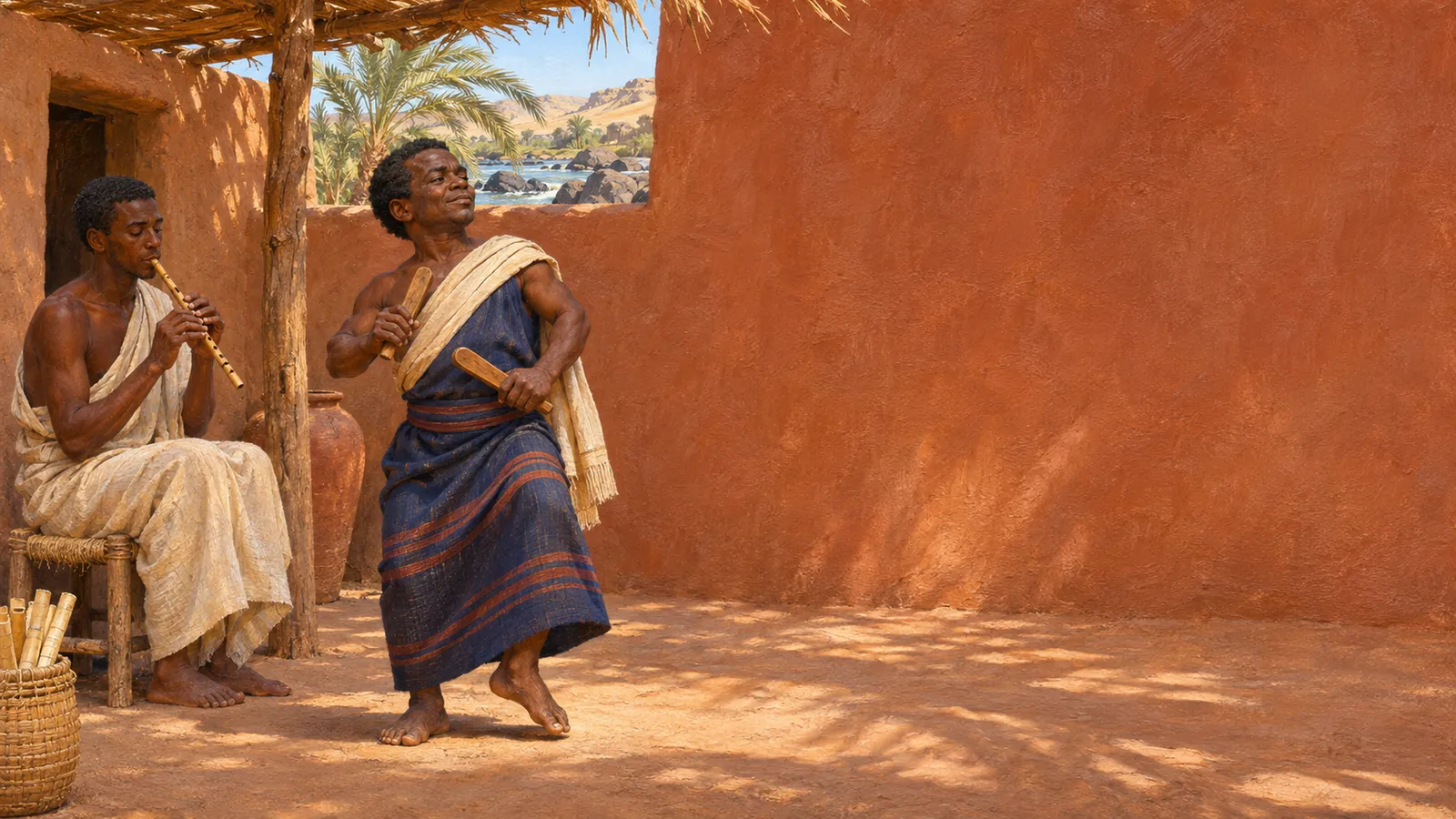
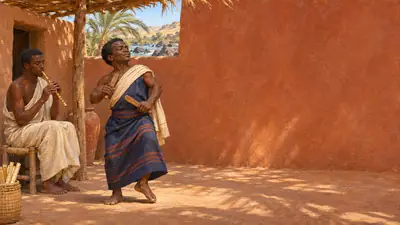
The report also tells of a dancer skilled in a ceremony for a god. Harkhuf says no previous visitor to Yam had brought someone like him. The reply preserves those words, while leaving the dancer’s name unrecorded.
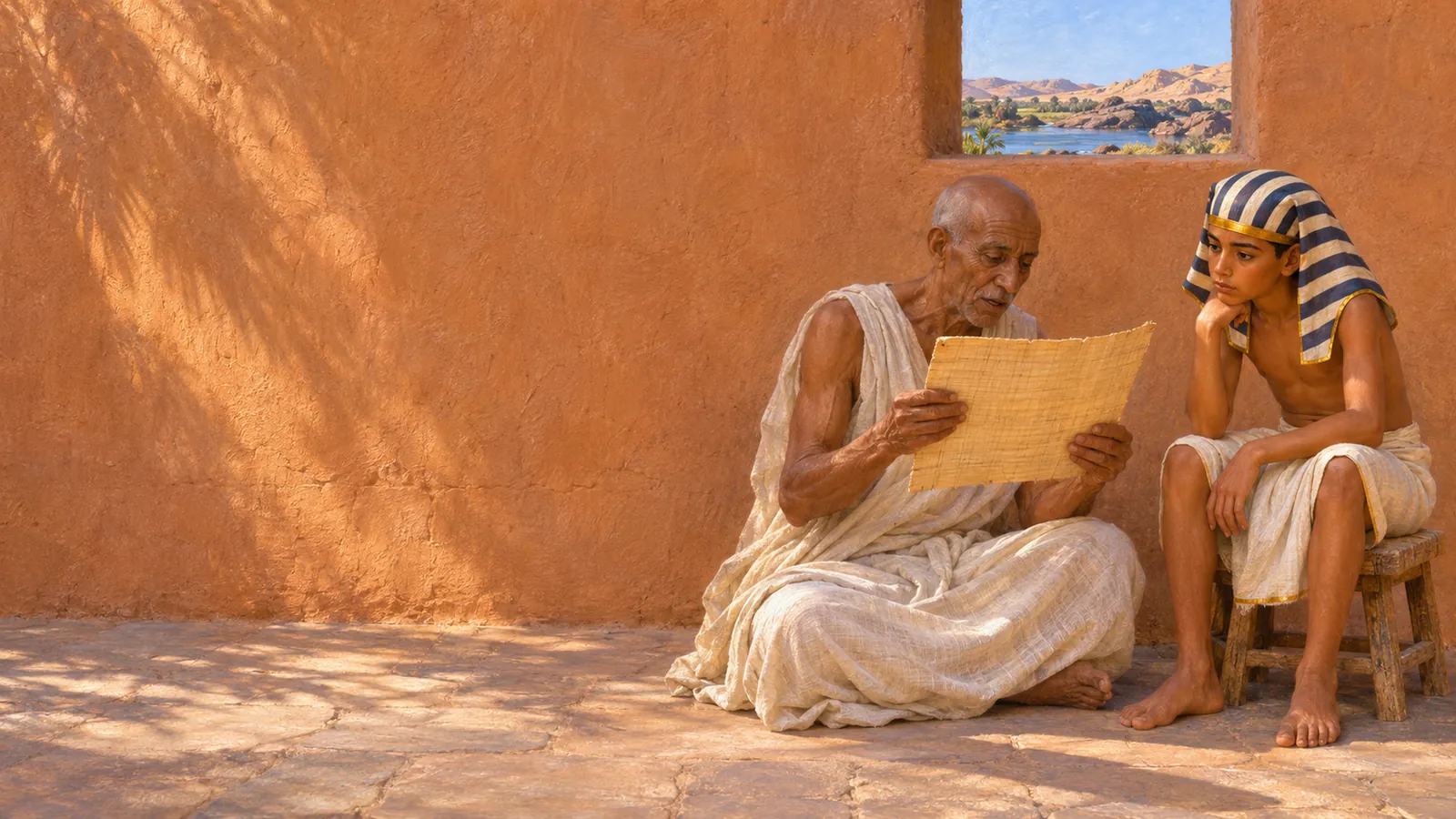
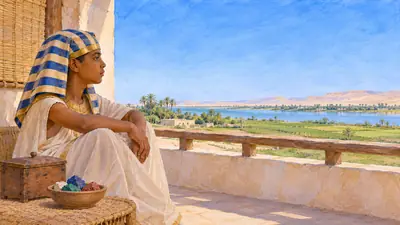
The king who replies is young Pepi II, called Neferkare in the letter. He takes note of the caravan and its safe return. One part of the dispatch in particular catches his interest.
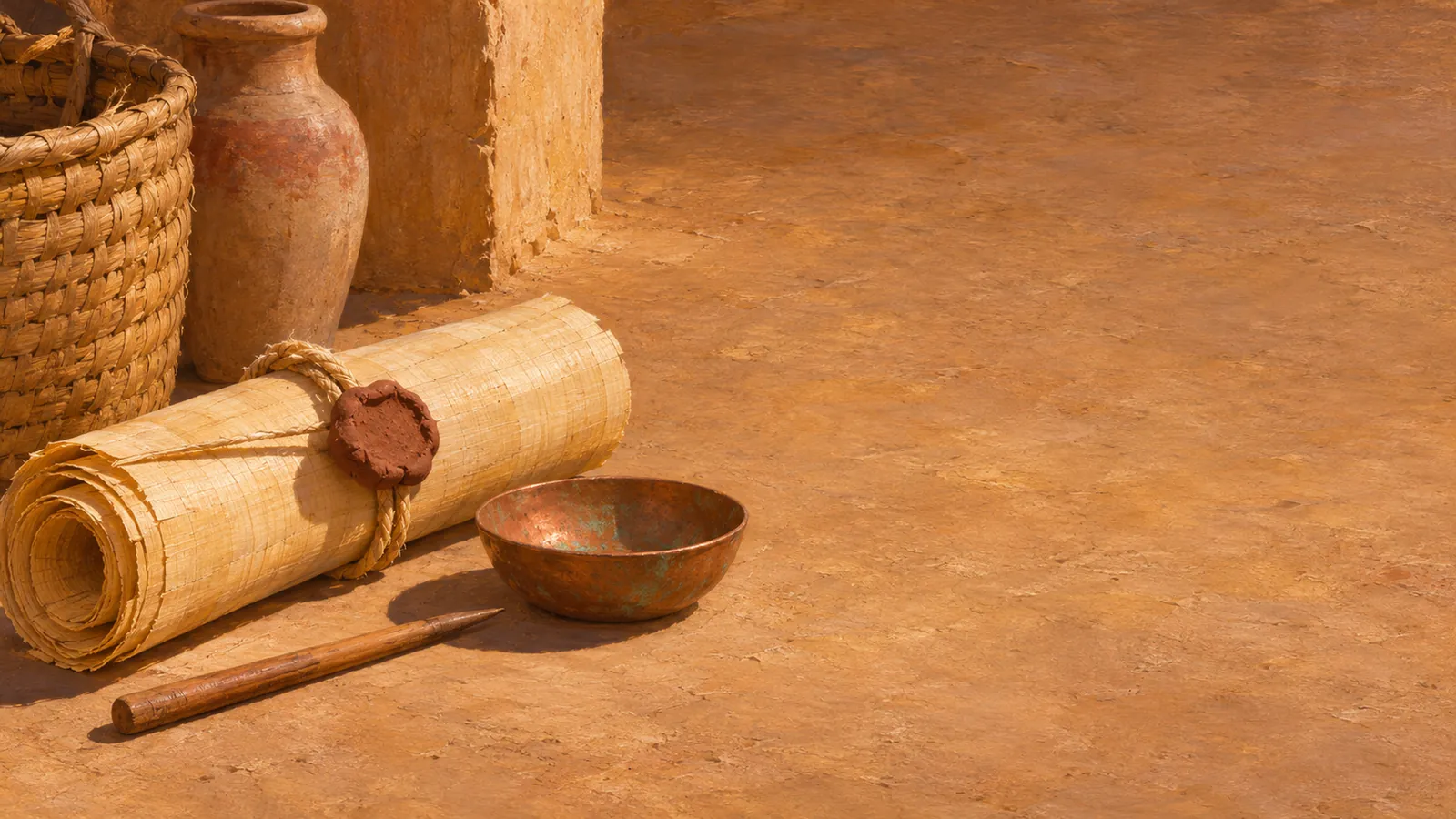
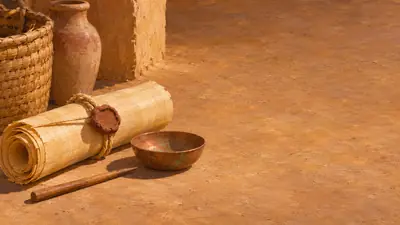
The copy on the rock opens with the royal seal and a date. It is the fifteenth day of the third month of the first season, in the second year of Pepi’s reign.
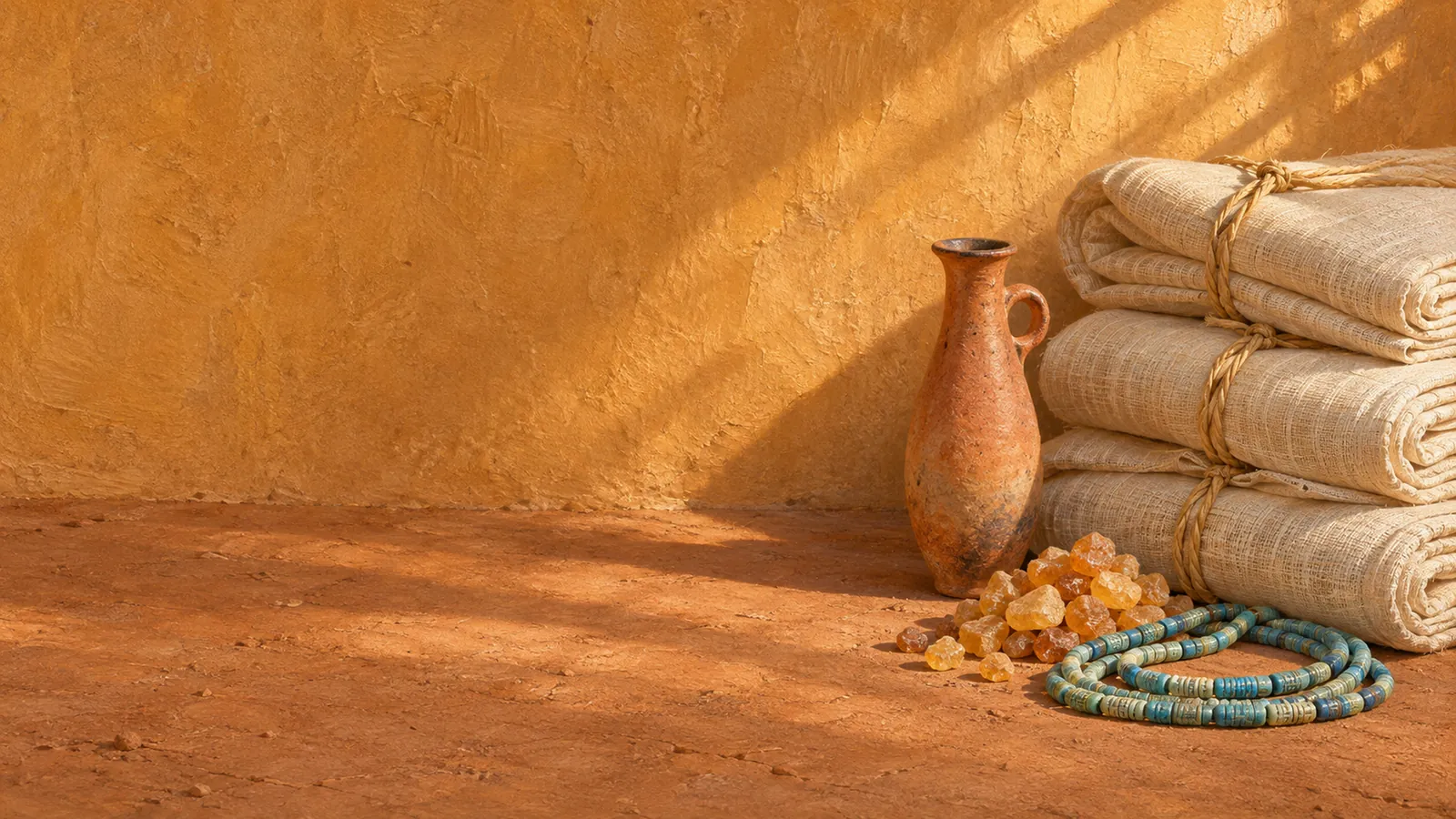
Pepi repeats Harkhuf’s report of fine gifts. The letter says that Hathor, honored in the place called Imaau, has granted them to the king. It remembers the gifts in the words of the royal court.
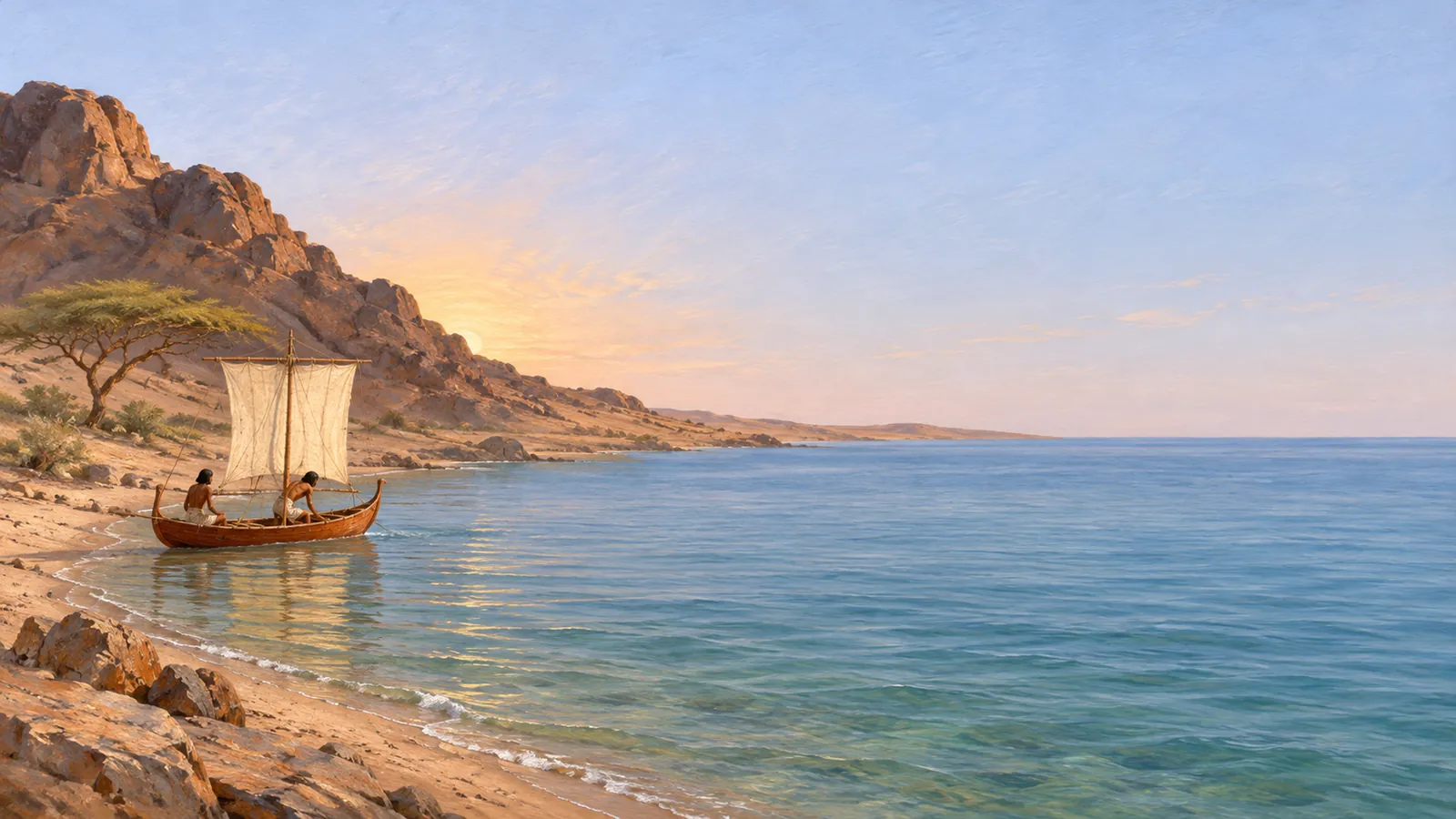
The dancer reminds Pepi of another performer whom Bawerded, an official, brought from Punt in the days of Isesi. The letter uses the older journey as a comparison. It leaves the new traveler’s birthplace open.
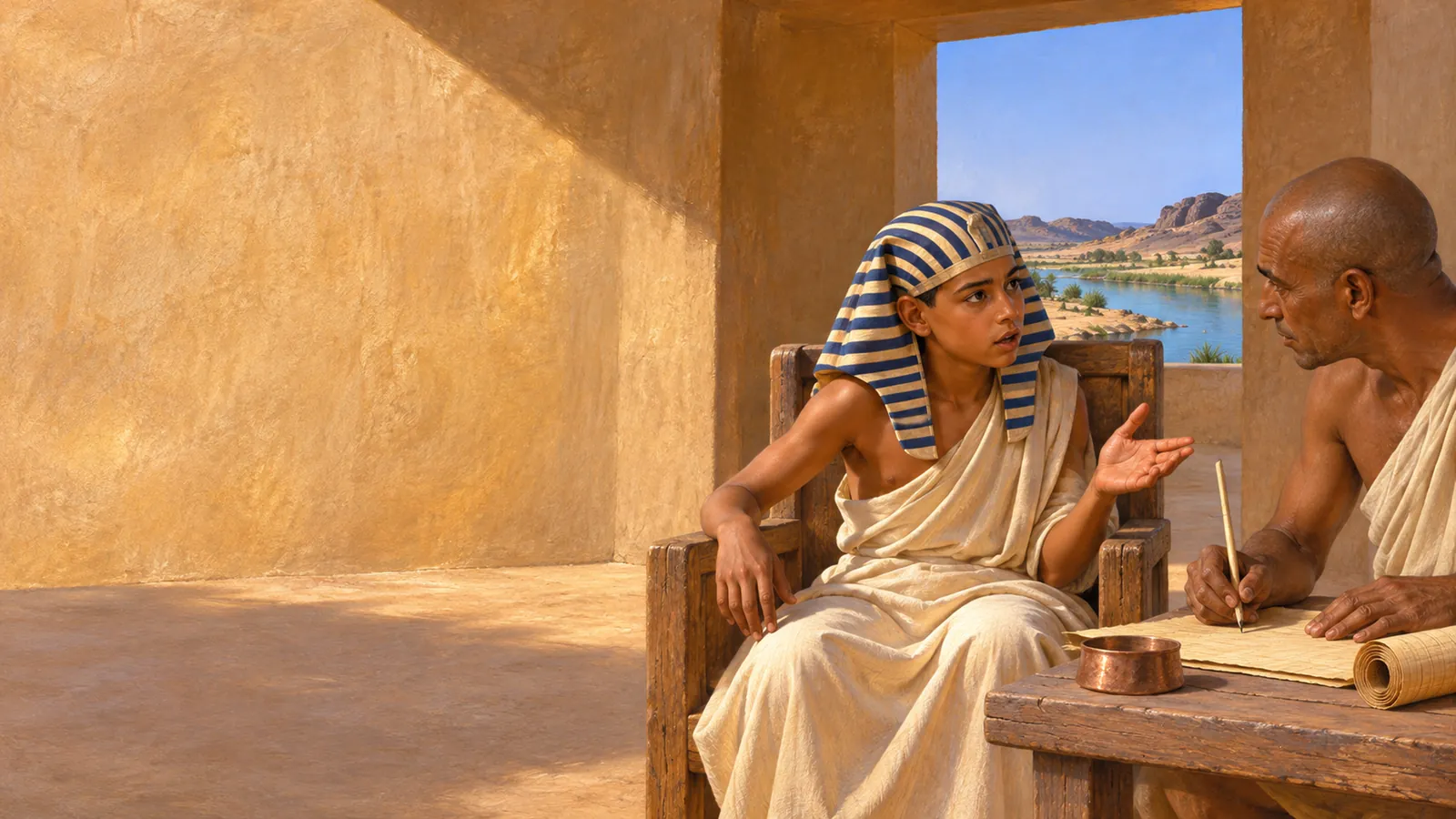
The king praises Harkhuf for attending to the court’s business day and night. He promises honors people will talk about long afterward, honors that can still be a source of pride to Harkhuf’s grandson.
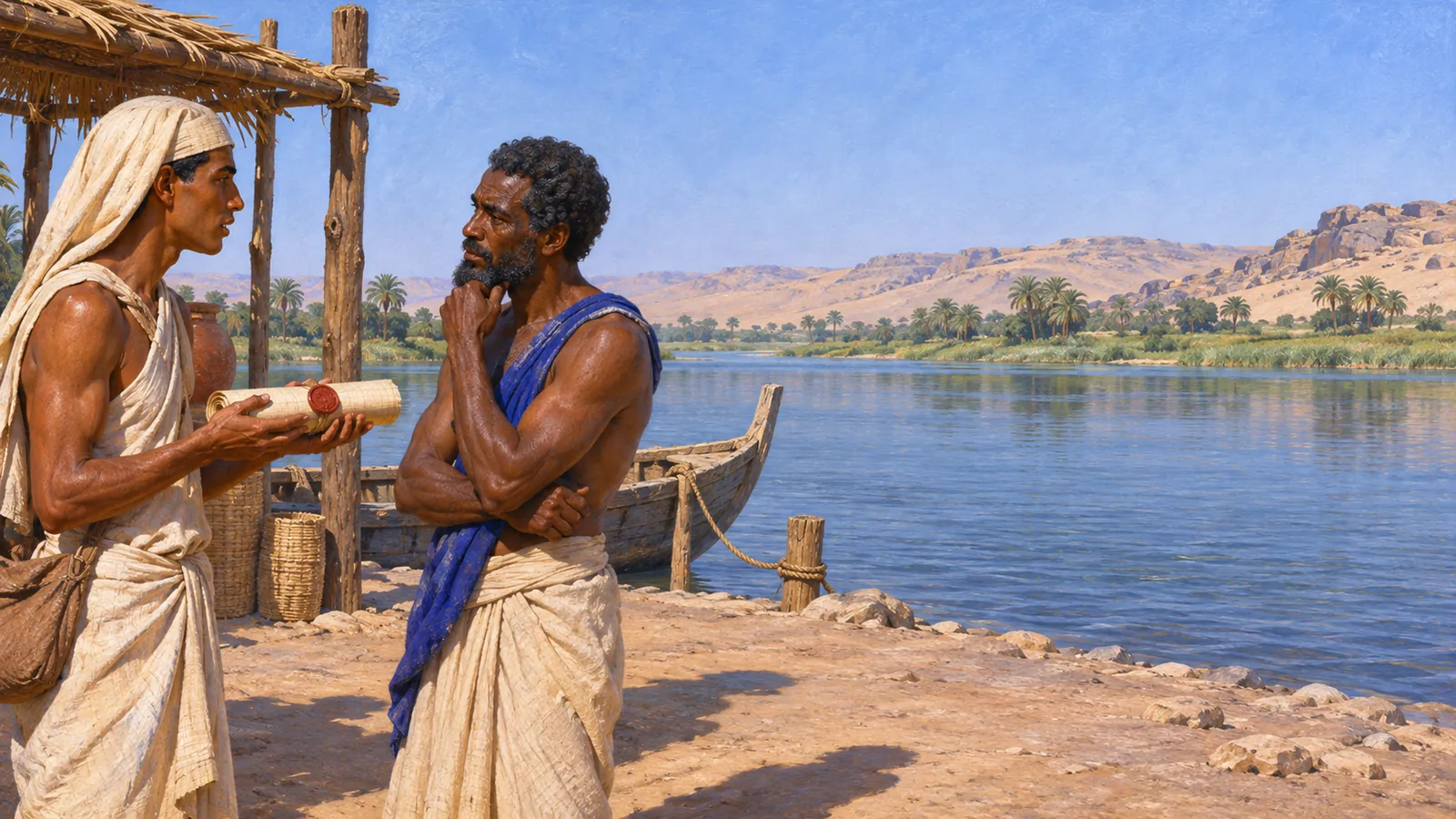
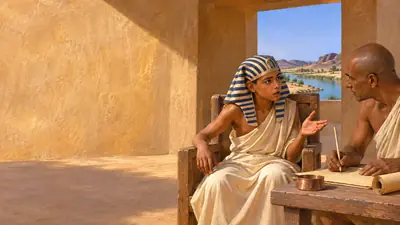
Then the letter gives its most urgent instruction. Come north to the royal residence at once, Pepi tells Harkhuf. Bring the dancer safely and in good health for the dances of the god.
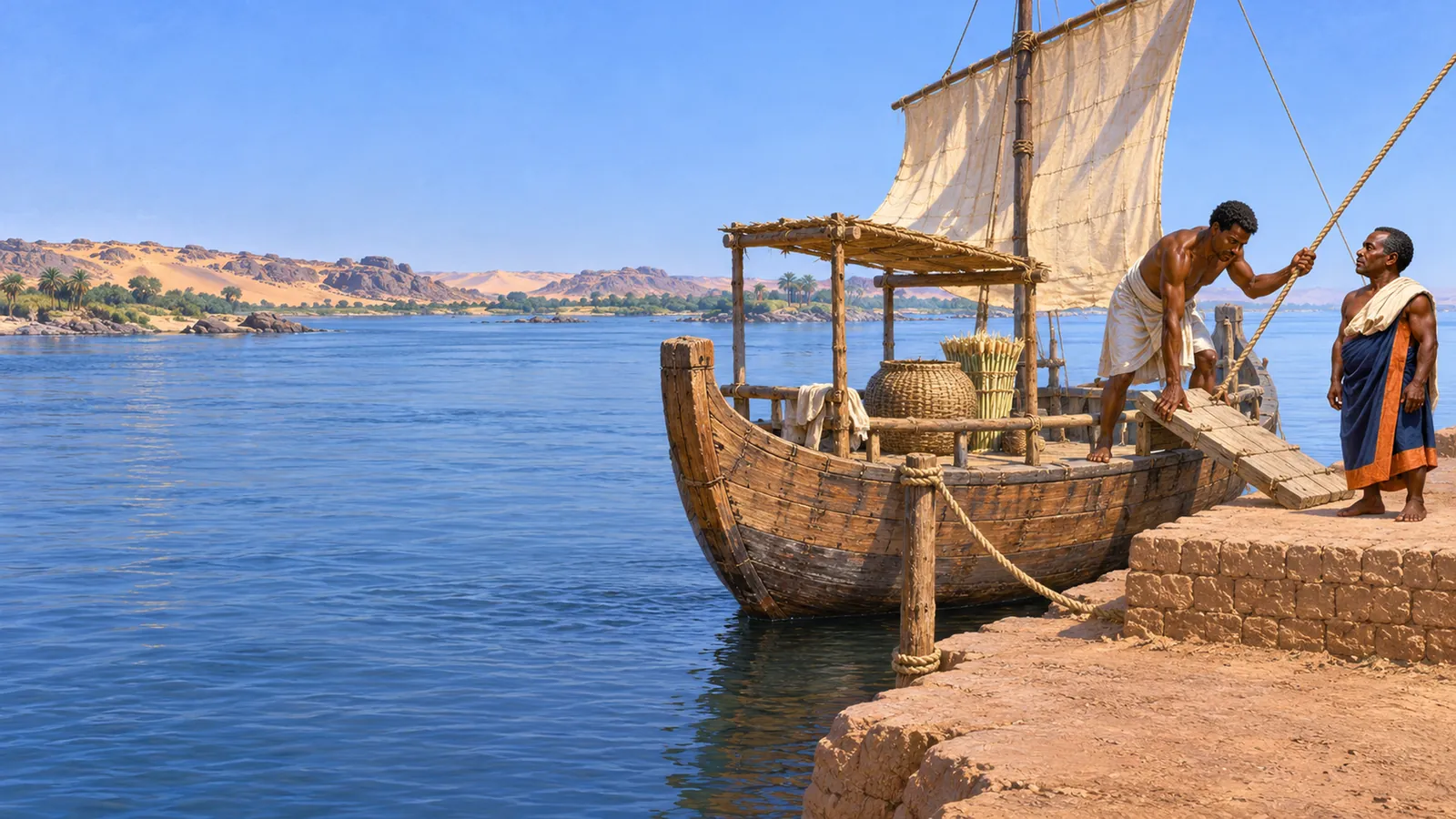
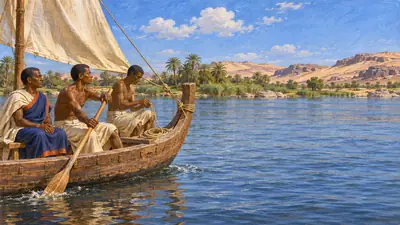
Pepi thinks about how the man will get aboard the boat. The letter turns from royal praise to what could happen on a river crossing. The attendants are to take care that he stays clear of the water.
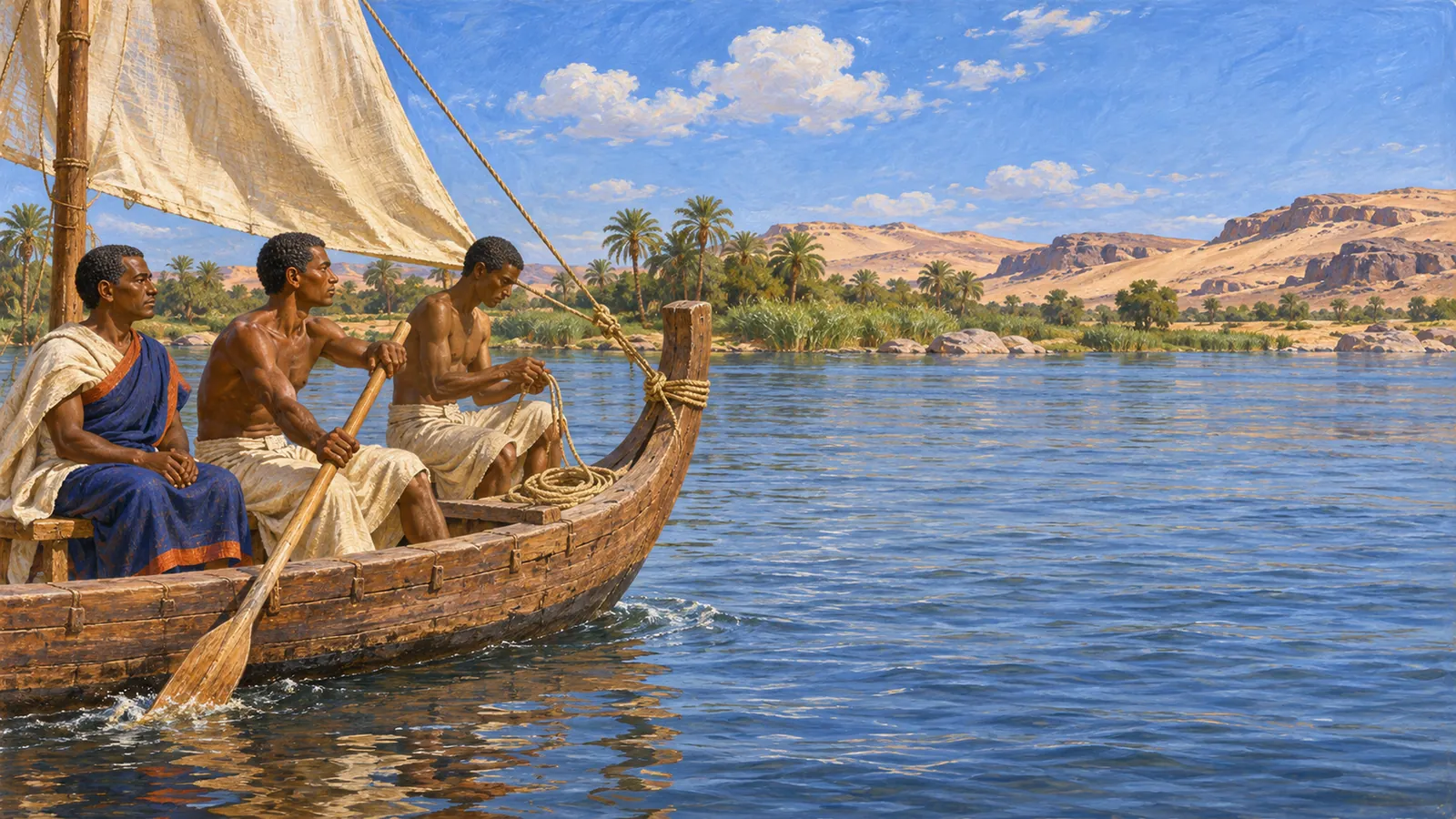
The king asks Harkhuf to choose people he can trust and have them stand around the dancer on deck. In the narrow space of the boat they are to guard him from a fall.
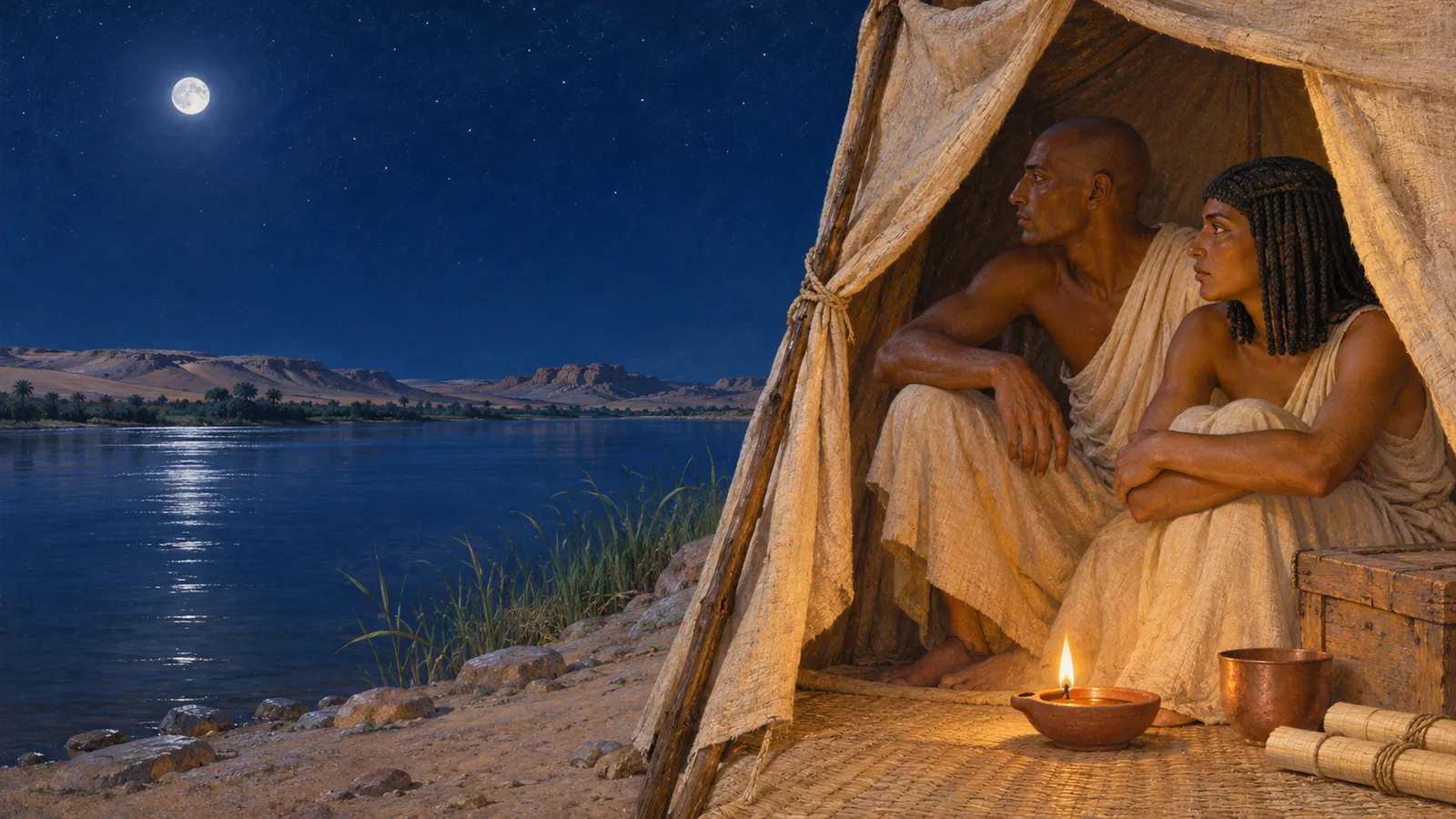
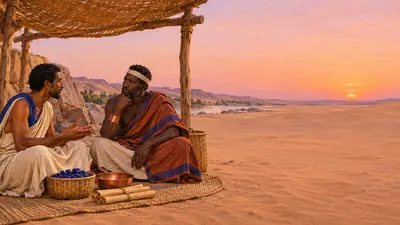
Pepi thinks through the night as well. Reliable men are to lie near the traveler inside his tent. The king calls for ten checks during the night, a detail still clear in the letter.
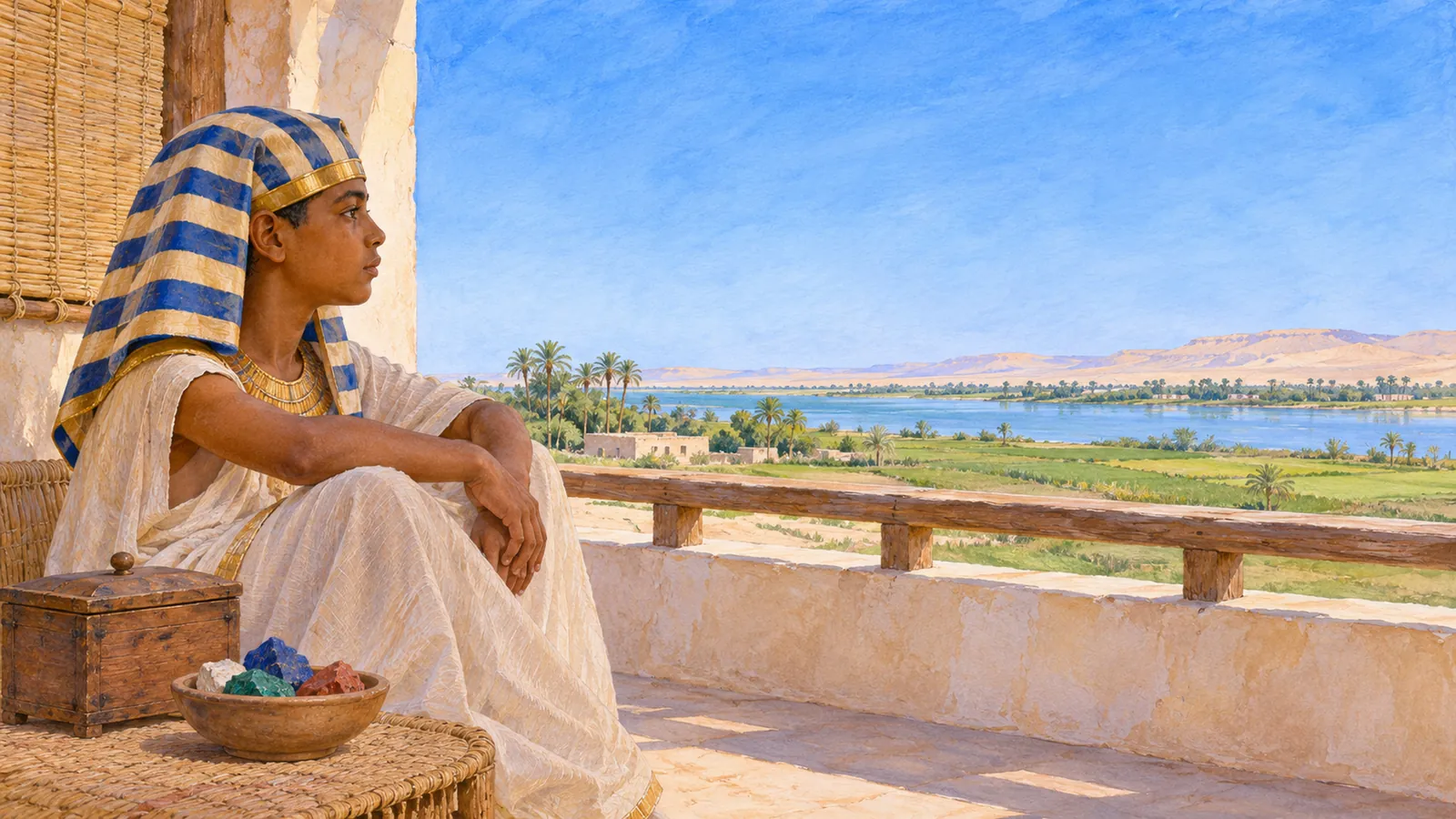
Pepi says he wants to see the dancer more than the gifts from Sinai, the land of the mines, and from Punt. The king names places that had long supplied precious goods to Egypt.
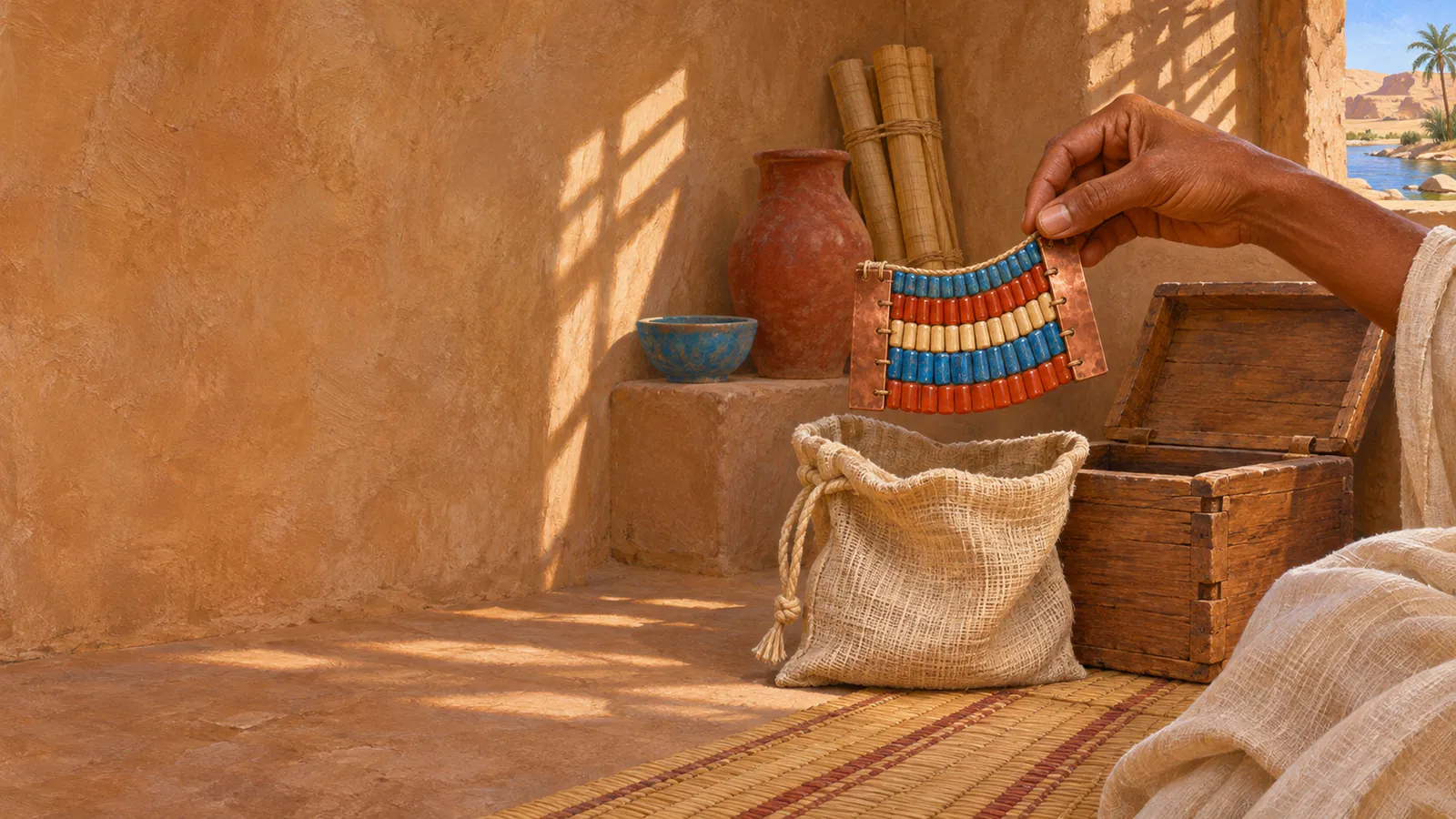
Pepi promises an even greater reward than Bawerded received, if Harkhuf arrives with the dancer safe and well. He repeats the comparison with the man who had brought an earlier dancer to Isesi.
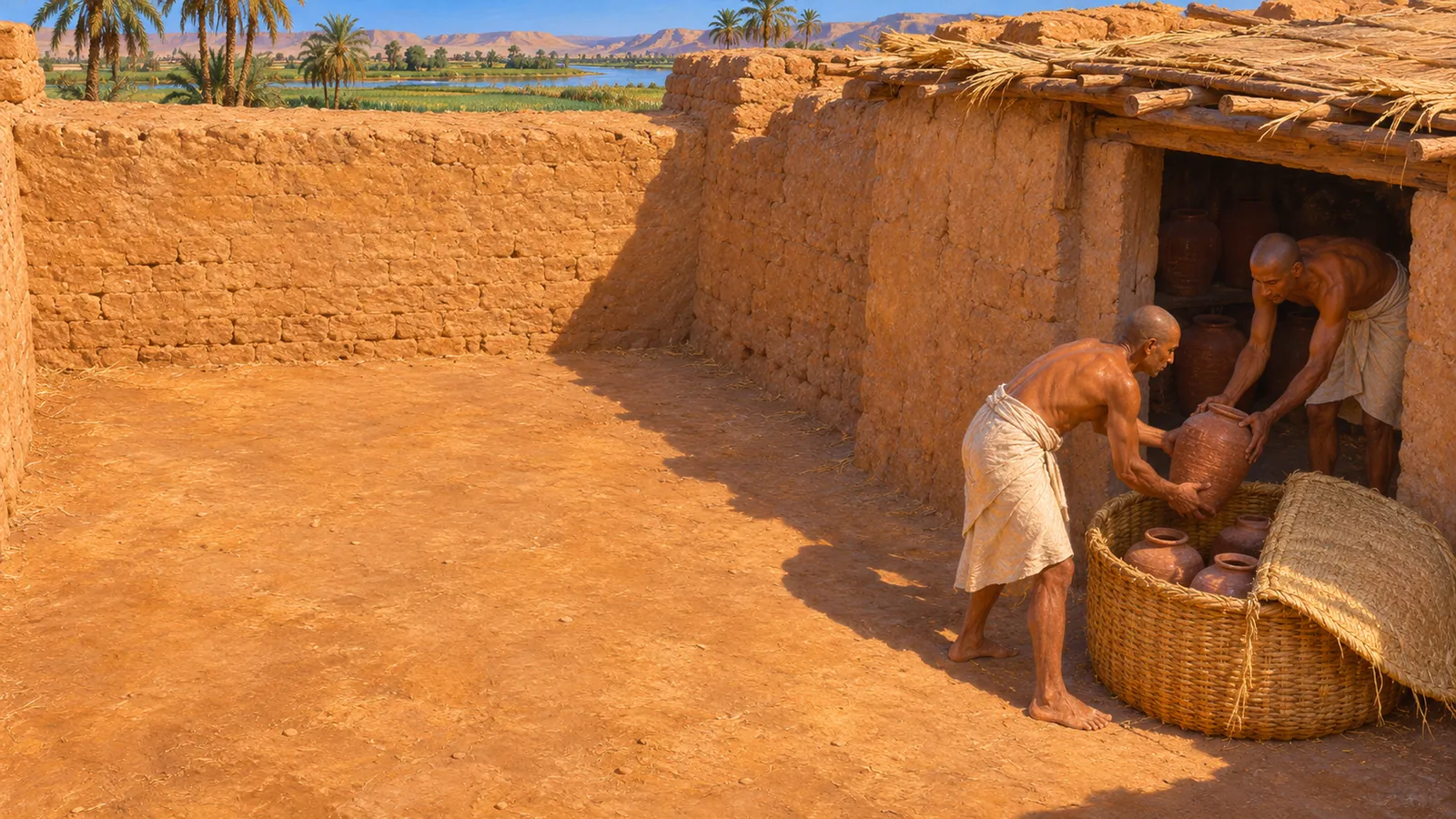
Orders also go to officials responsible for new towns and temples. They are to issue supplies from storehouses and eligible temples along the route. The king provides for the journey he has told them to make.

The letter preserves the traveler’s skill and the king’s instructions for his care. It leaves his own words unrecorded. We hear Harkhuf and Pepi speak about him through the royal reply.
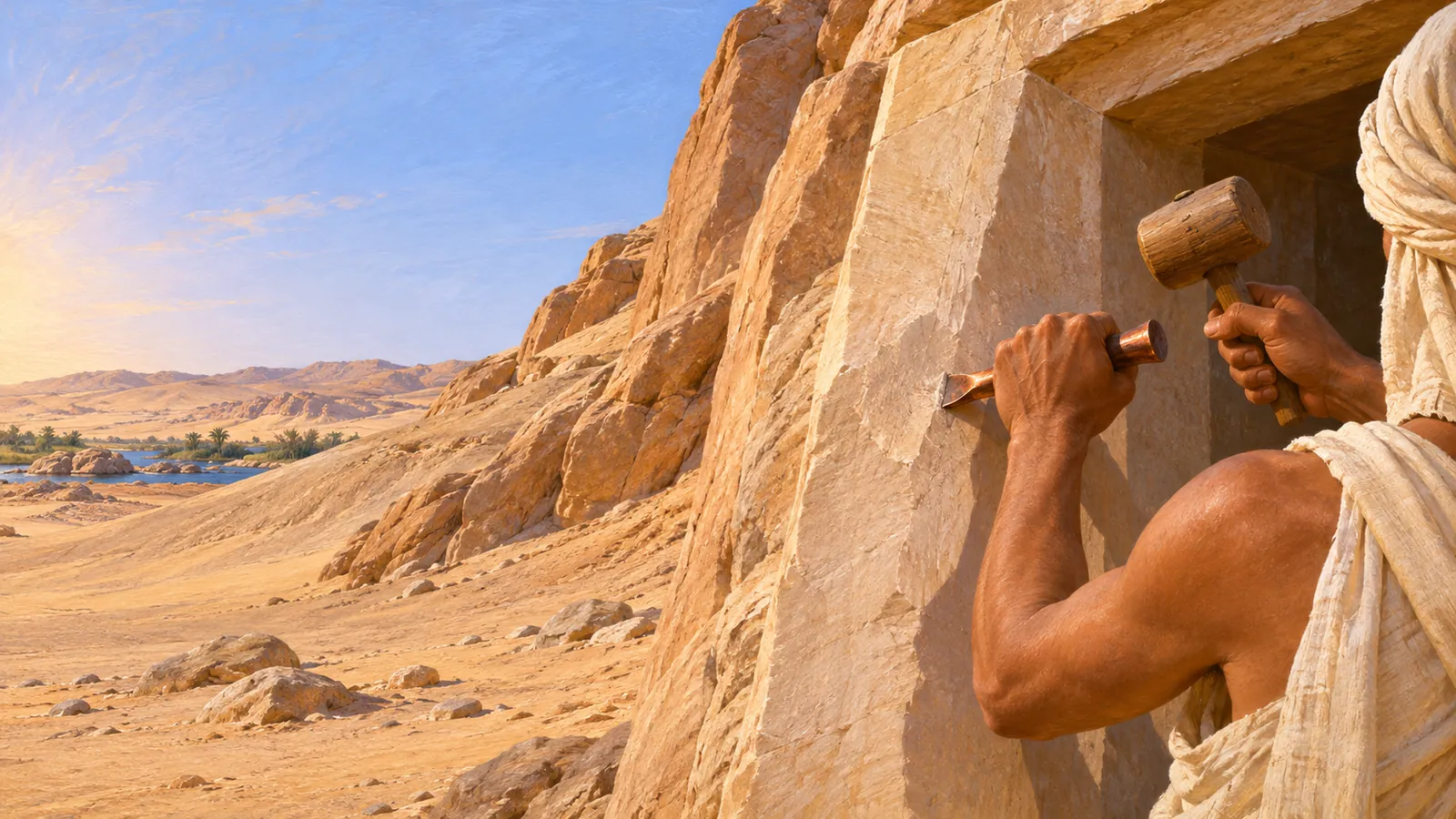
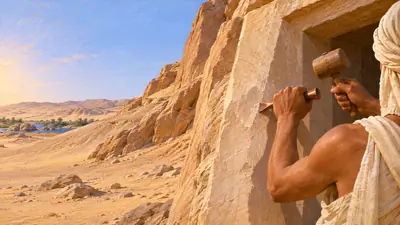
Harkhuf has the royal reply copied onto the facade near the account of his expeditions. The original message had been sent from the palace. The stone preserves the words after their work was done.
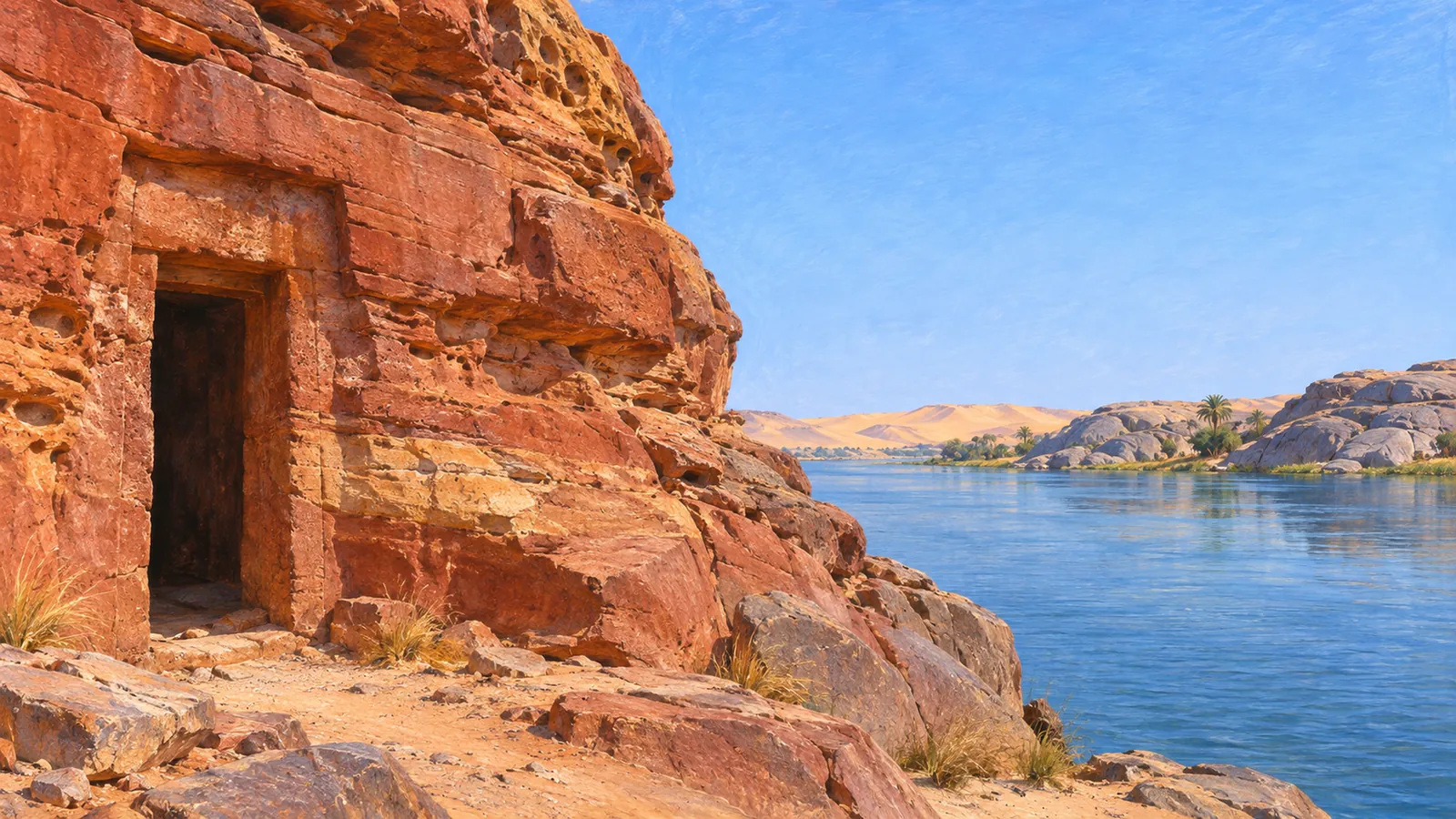
Parts of the surface have weathered, and archaeologists record what is still visible. An early photograph shows the position of the writing at the opening in the cliff. The text stays close to the river it describes.

The order to hurry north can still be read at Harkhuf’s tomb. The inscription ends with arrangements for the road. The meeting that Pepi so eagerly imagines lies beyond the last lines.
End of chapter 1
All pages








Sources
Editions consulted
- Miriam Lichtheim, The Autobiography of Harkhuf, *Ancient Egyptian Literature* I, pp. 23–27
- Museo Egizio Photo Archive, Tomb QH 34n of Harkhuf, E00338 and E00339
- Thesaurus Linguae Aegyptiae, letter of Pepi II and the Qubbet el-Hawa tomb copy
- James Henry Breasted, *Ancient Records of Egypt* I, §§ 325–336 and 350–354
- James Henry Breasted’s translation of inscription and letter, §§ 333–336 and 351–354, alternate public transcription
- Angelini, Capriotti Vittozzi and Baldi, *The high official Harkhuf and the inscriptions of his tomb in Aswan*, pp. 71–79
- Julie Stauder-Porchet, *Harkhuf’s Autobiographical Inscriptions: a study in Old Kingdom Monumental Rhetoric*
Ancient lines behind each page
- Page 1: Museo Egizio E00338 and E00339; Angelini et al. 2016, pp. 71–72
See source notes for which details are attested. - Page 2: Lichtheim, AEL I, pp. 23–25
See source notes for which details are attested. - Page 3: Lichtheim, AEL I, p. 24, above the entrance
See source notes for which details are attested. - Page 4: Lichtheim, AEL I, p. 24, above the entrance
See source notes for which details are attested. - Page 5: Lichtheim, AEL I, p. 24, above the entrance
See source notes for which details are attested. - Page 6: Lichtheim, AEL I, p. 25; Breasted §§ 333–335
See source notes for which details are attested. - Page 7: Lichtheim, AEL I, p. 25; Breasted §§ 333–335
See source notes for which details are attested. - Page 8: Lichtheim, AEL I, p. 25; Breasted §§ 333–335
See source notes for which details are attested. - Page 9: Lichtheim, AEL I, p. 25; Breasted §§ 333–335
See source notes for which details are attested. - Page 10: Lichtheim, AEL I, p. 25; Breasted §§ 333–335
See source notes for which details are attested. - Page 11: Lichtheim, AEL I, p. 25; Breasted §§ 333–335
See source notes for which details are attested. - Page 12: Lichtheim, AEL I, p. 25; Breasted §§ 333–335
See source notes for which details are attested. - Page 13: Lichtheim, AEL I, p. 25; Breasted §§ 333–335
See source notes for which details are attested. - Page 14: Lichtheim, AEL I, pp. 25–26; Breasted § 336
See source notes for which details are attested. - Page 15: Lichtheim, AEL I, pp. 25–26; Breasted § 336
See source notes for which details are attested. - Page 16: Lichtheim, AEL I, pp. 25–26; Breasted § 336
See source notes for which details are attested. - Page 17: Lichtheim, AEL I, pp. 25–26; Breasted § 336
See source notes for which details are attested. - Page 18: Lichtheim, AEL I, pp. 25–26; Breasted § 336
See source notes for which details are attested. - Page 19: Lichtheim, AEL I, pp. 25–26; Breasted § 336
See source notes for which details are attested. - Page 20: Lichtheim, AEL I, pp. 25–26; Breasted § 336
See source notes for which details are attested. - Page 21: Lichtheim, AEL I, pp. 26–27; Breasted §§ 350–354
See source notes for which details are attested. - Page 22: Lichtheim, AEL I, pp. 26–27; Breasted §§ 350–354
See source notes for which details are attested. - Page 23: Lichtheim, AEL I, pp. 26–27; Breasted §§ 350–354
See source notes for which details are attested. - Page 24: Lichtheim, AEL I, pp. 26–27; Breasted §§ 350–354
See source notes for which details are attested. - Page 25: Lichtheim, AEL I, pp. 26–27; Breasted §§ 350–354
See source notes for which details are attested. - Page 26: Lichtheim, AEL I, pp. 26–27; Breasted §§ 350–354
See source notes for which details are attested. - Page 27: Lichtheim, AEL I, pp. 26–27; Breasted §§ 350–354
See source notes for which details are attested. - Page 28: Lichtheim, AEL I, pp. 26–27; Breasted §§ 350–354
See source notes for which details are attested. - Page 29: Lichtheim, AEL I, pp. 26–27; Breasted §§ 350–354
See source notes for which details are attested. - Page 30: Lichtheim, AEL I, pp. 26–27; Breasted §§ 350–354
See source notes for which details are attested. - Page 31: Lichtheim, AEL I, pp. 26–27; Breasted §§ 350–354
See source notes for which details are attested. - Page 32: Lichtheim, AEL I, pp. 26–27; Breasted §§ 350–354
See source notes for which details are attested. - Page 33: Lichtheim, AEL I, pp. 26–27; Breasted §§ 350–354
See source notes for which details are attested. - Page 34: Lichtheim, AEL I, pp. 26–27; Breasted §§ 350–354
See source notes for which details are attested. - Page 35: Lichtheim, AEL I, pp. 26–27; Breasted §§ 350–354
See source notes for which details are attested. - Page 36: Lichtheim, AEL I, pp. 23 and 26–27; Museo Egizio E00339
See source notes for which details are attested. - Page 37: Museo Egizio E00338 and E00339; Angelini et al. 2016, pp. 72–76
See source notes for which details are attested. - Page 38: Lichtheim, AEL I, pp. 26–27; Breasted §§ 350–354
See source notes for which details are attested.
Illustrations made with AI tools by IL Archive; the text is based on the ancient sources (see the sources at the end of each chapter).