The Winged Horus of Edfu Chapter 1
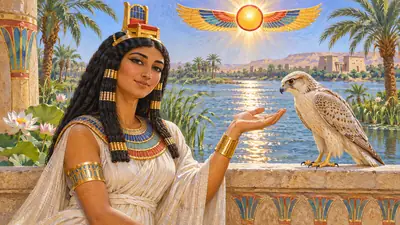
The Winged Disk
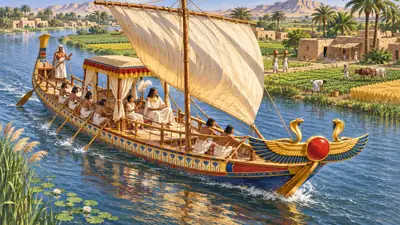
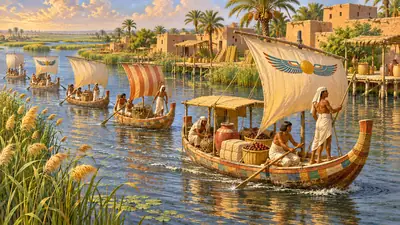
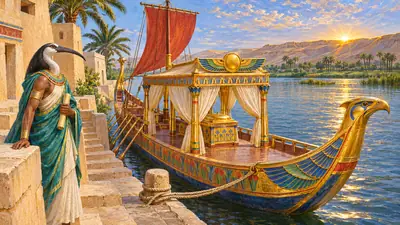
Re sails with Horus of Behdet, who becomes a shining disk and shields the boat. Two serpent goddesses join him, Seth rises against him, and Isis seeks protection for her son. At the end of the voyage, Thoth places the winged disk in Egypt’s sanctuaries.
SourcesTurn the pages with the arrows, the arrow keys or a swipe.
UNDER THE WINGS
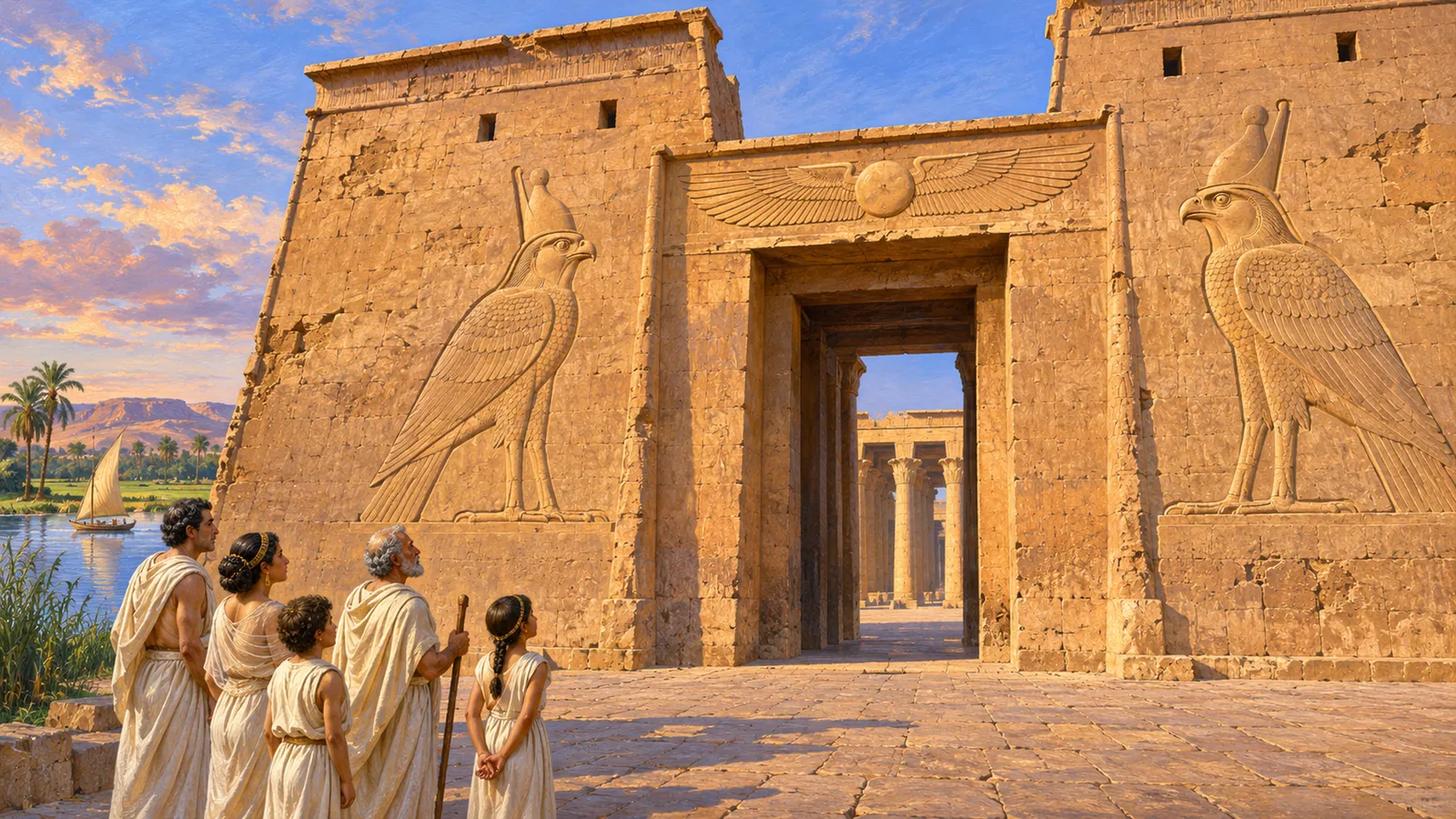
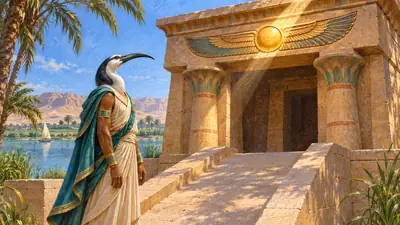
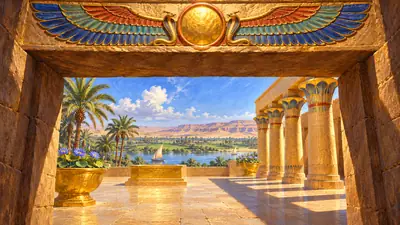
At Edfu, in a temple built under the Ptolemies, a wall tells how the sun grew wings. Look up at the stone above the doorway. The story will bring us back there.
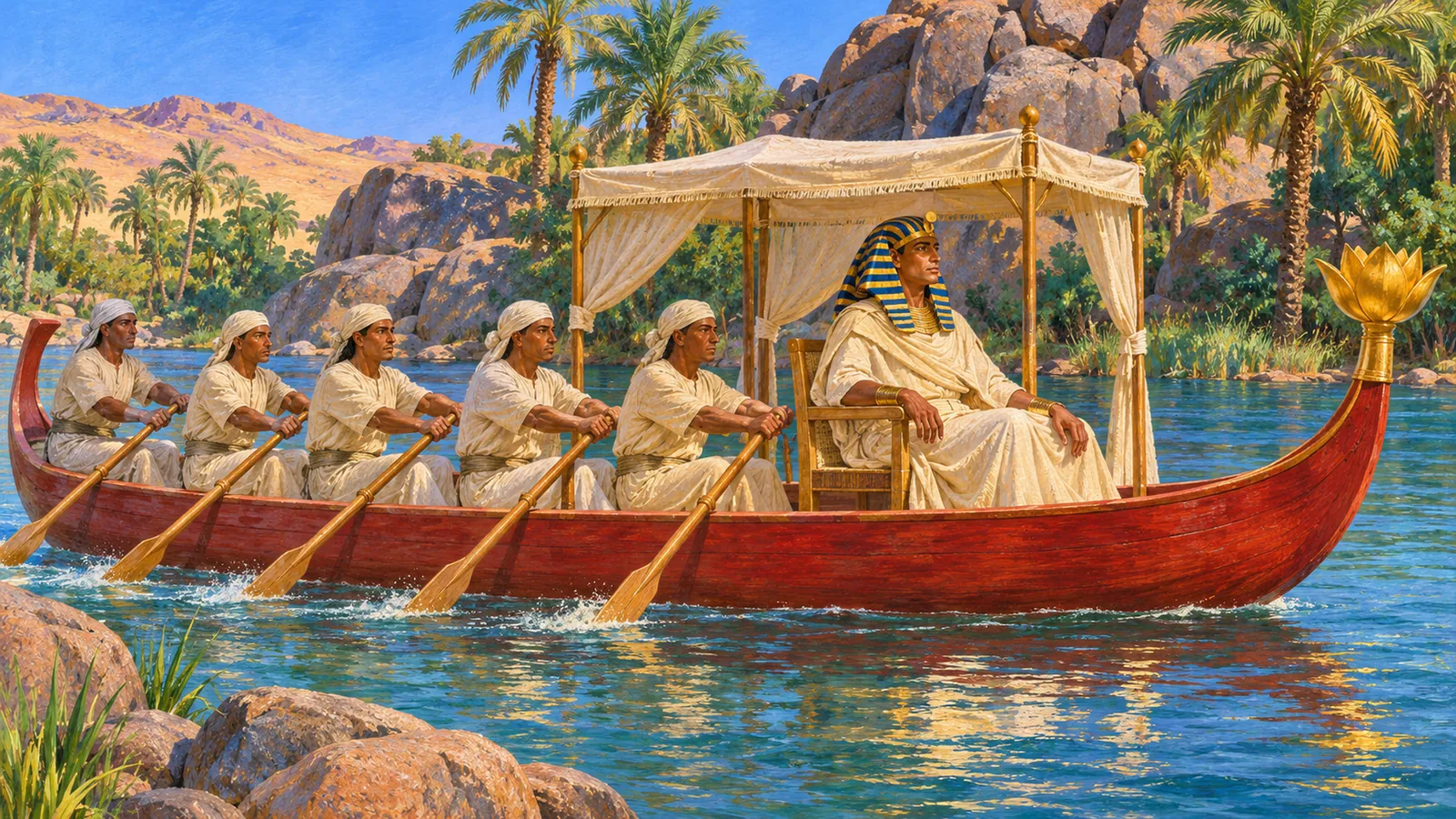
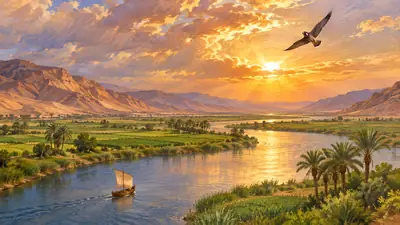
The wall dates the voyage to year 363 of Re-Horakhty. That is a year in the life of the sun god. In the story, his boat comes out of the south.
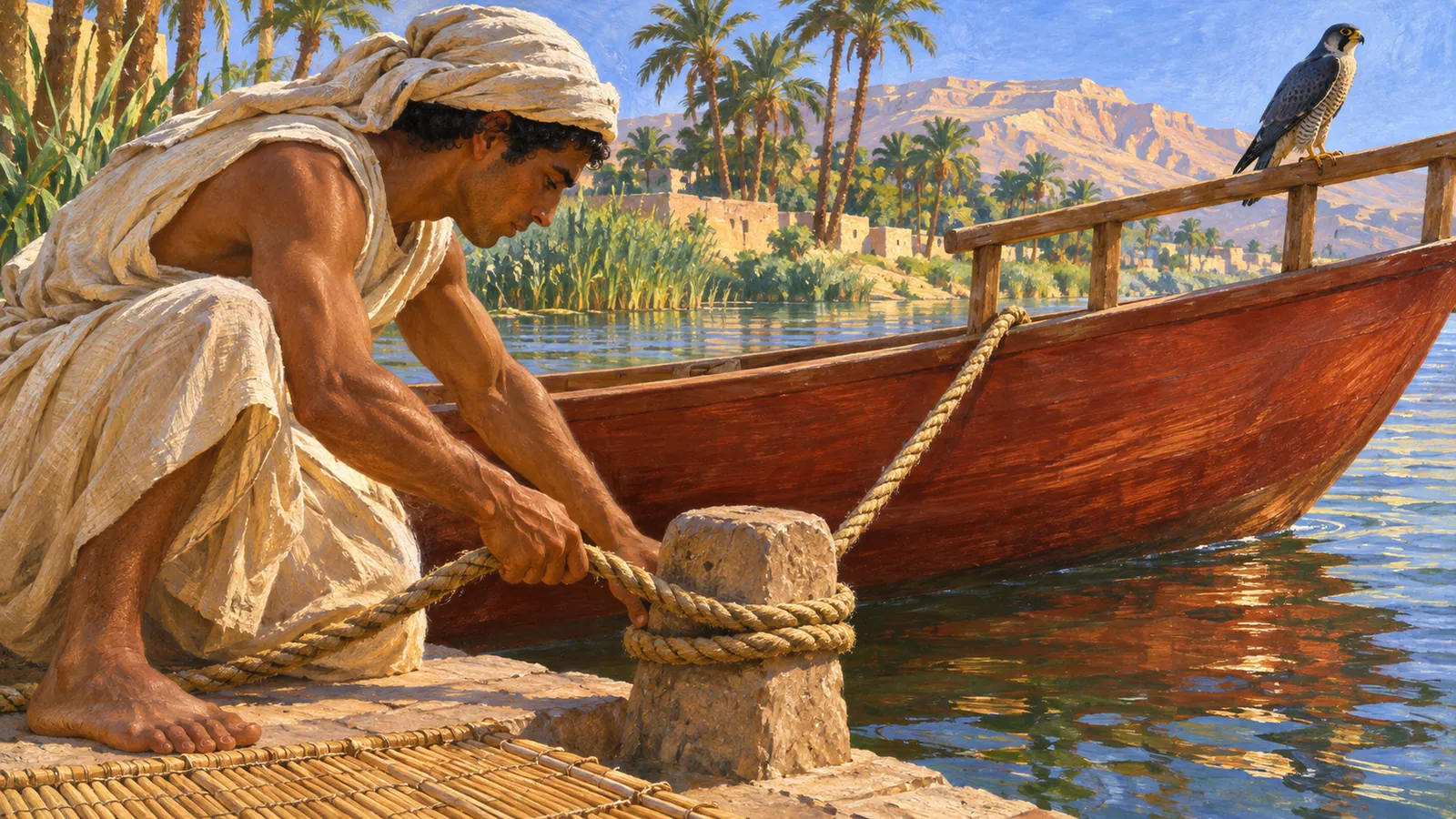
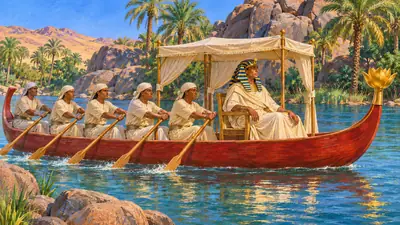
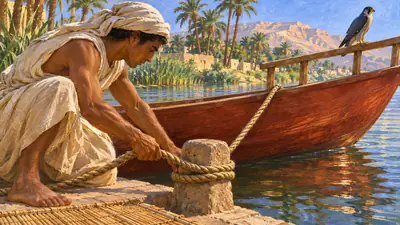
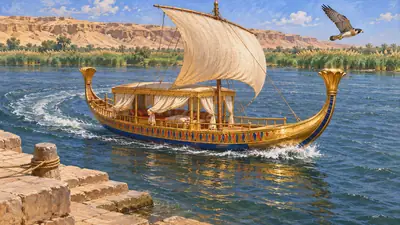
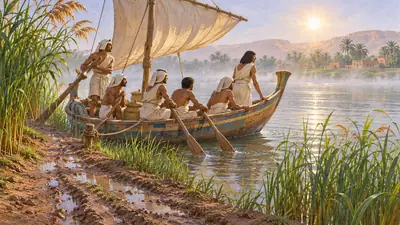
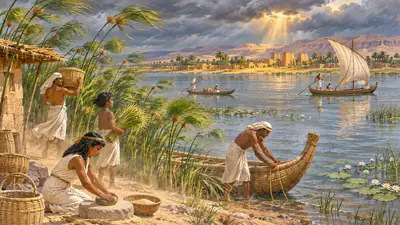
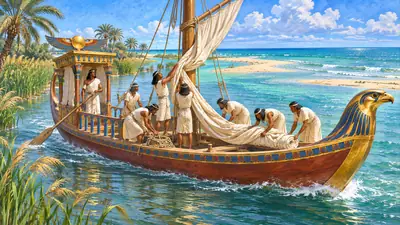
The company reaches Behdet, the district of Edfu. Just east of the canal, the crew bring the boat to shore. Horus of Behdet is there with Re.
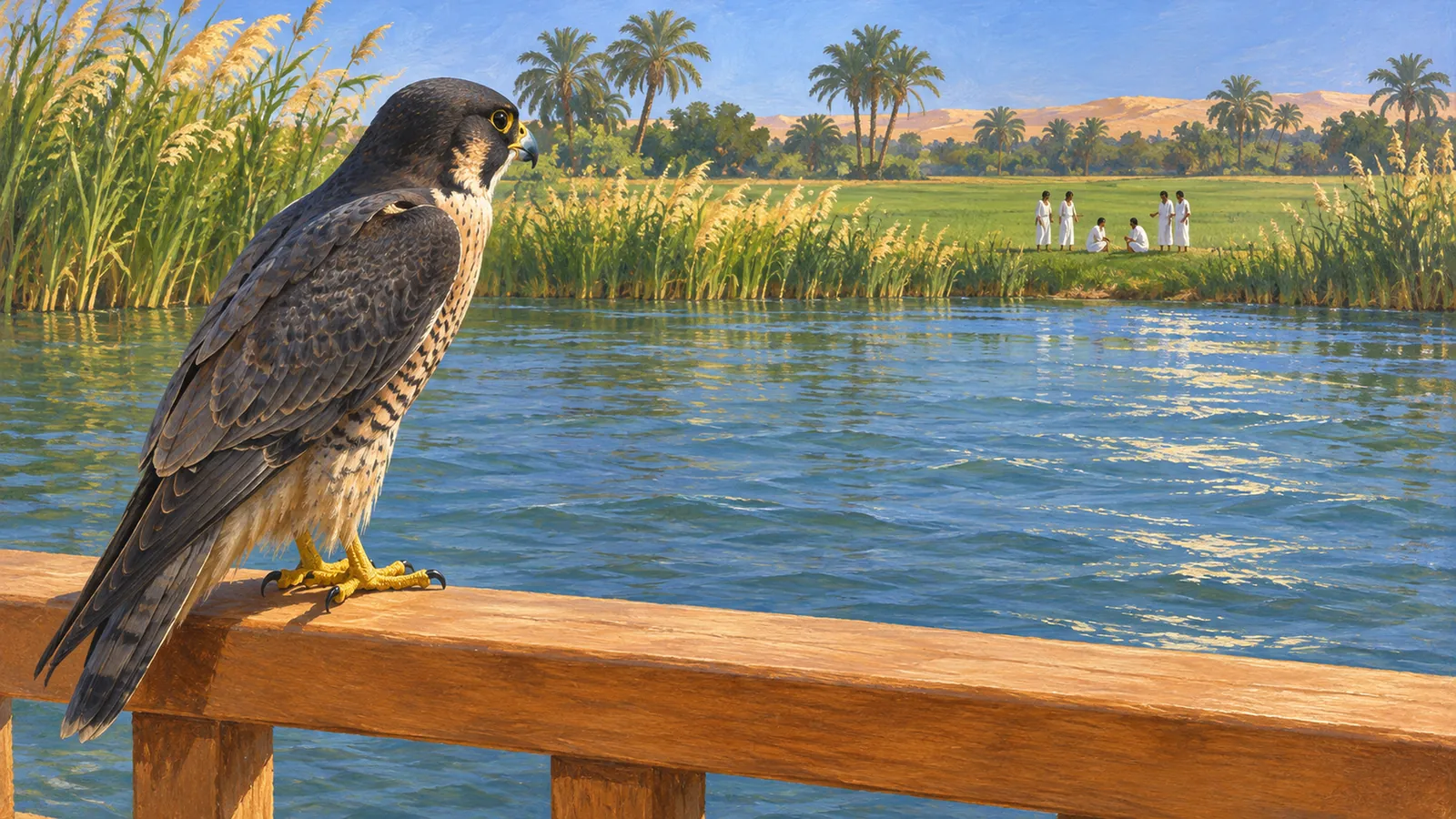
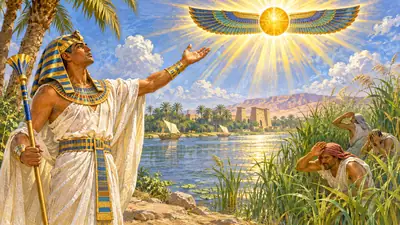
Horus sees people gathering against Re. He brings word to the sun god and asks to go out against them. From the boat, the far bank looks as quiet as ever.
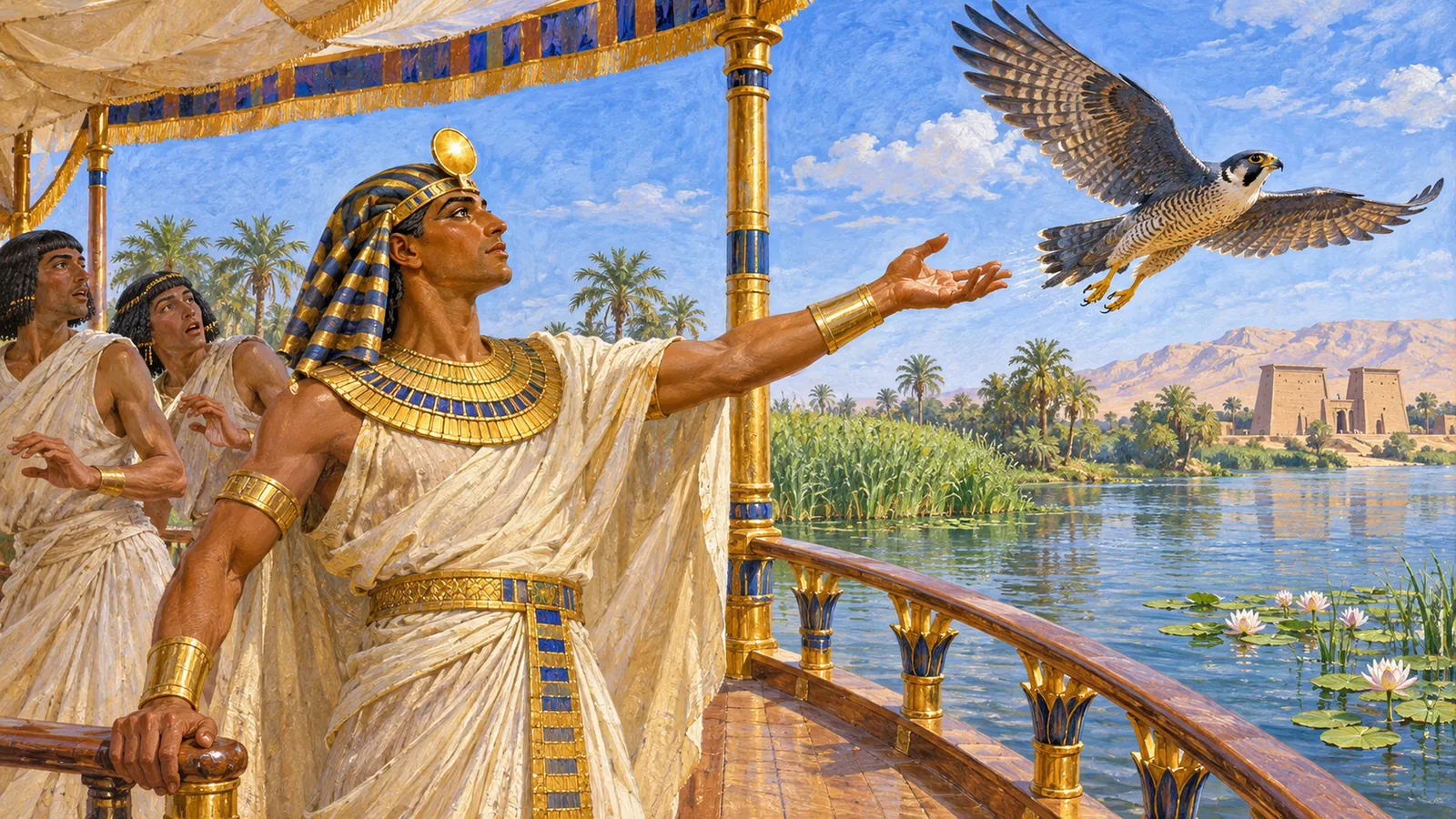
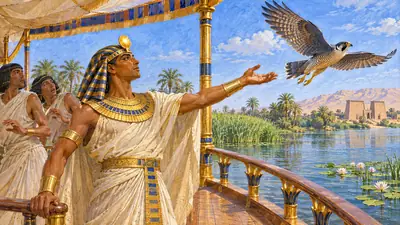
Re calls Horus his son and gives him leave to go. A moment ago the threat was somewhere downriver. Now Horus is about to be seen from both banks.
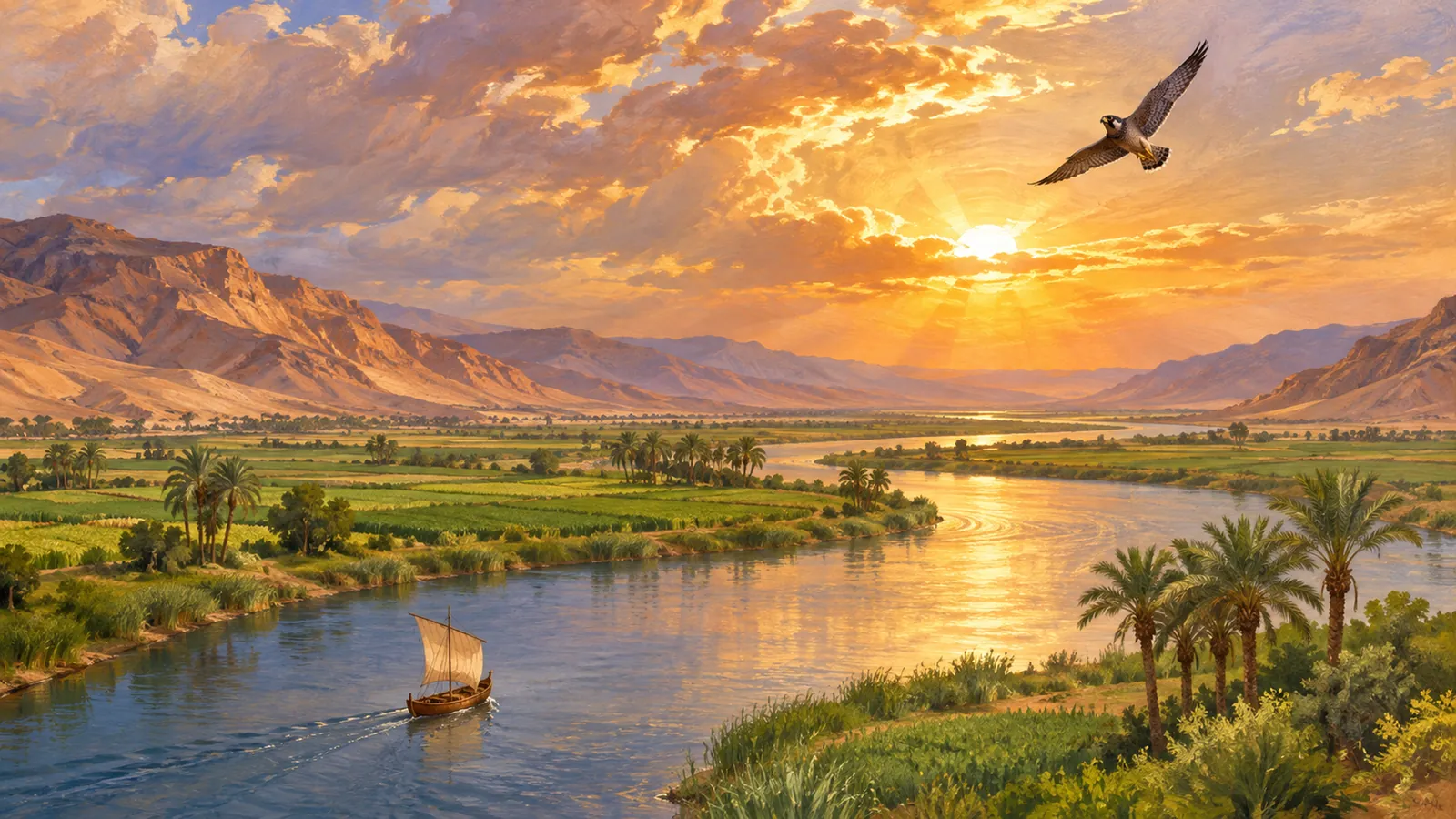
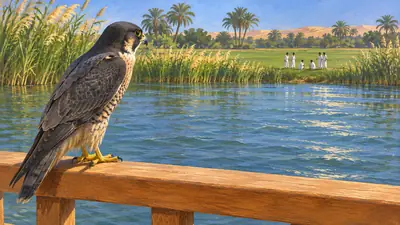
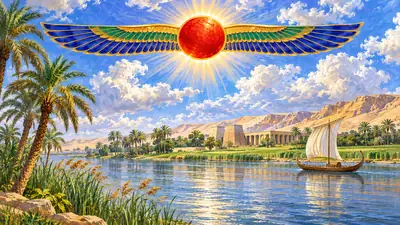
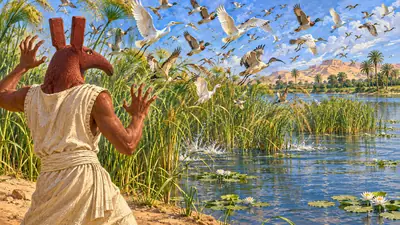
Horus flies up from the company. The boat grows small below him. High over Behdet, the rising figure takes the shape that the wall will call the Great Winged Disk.
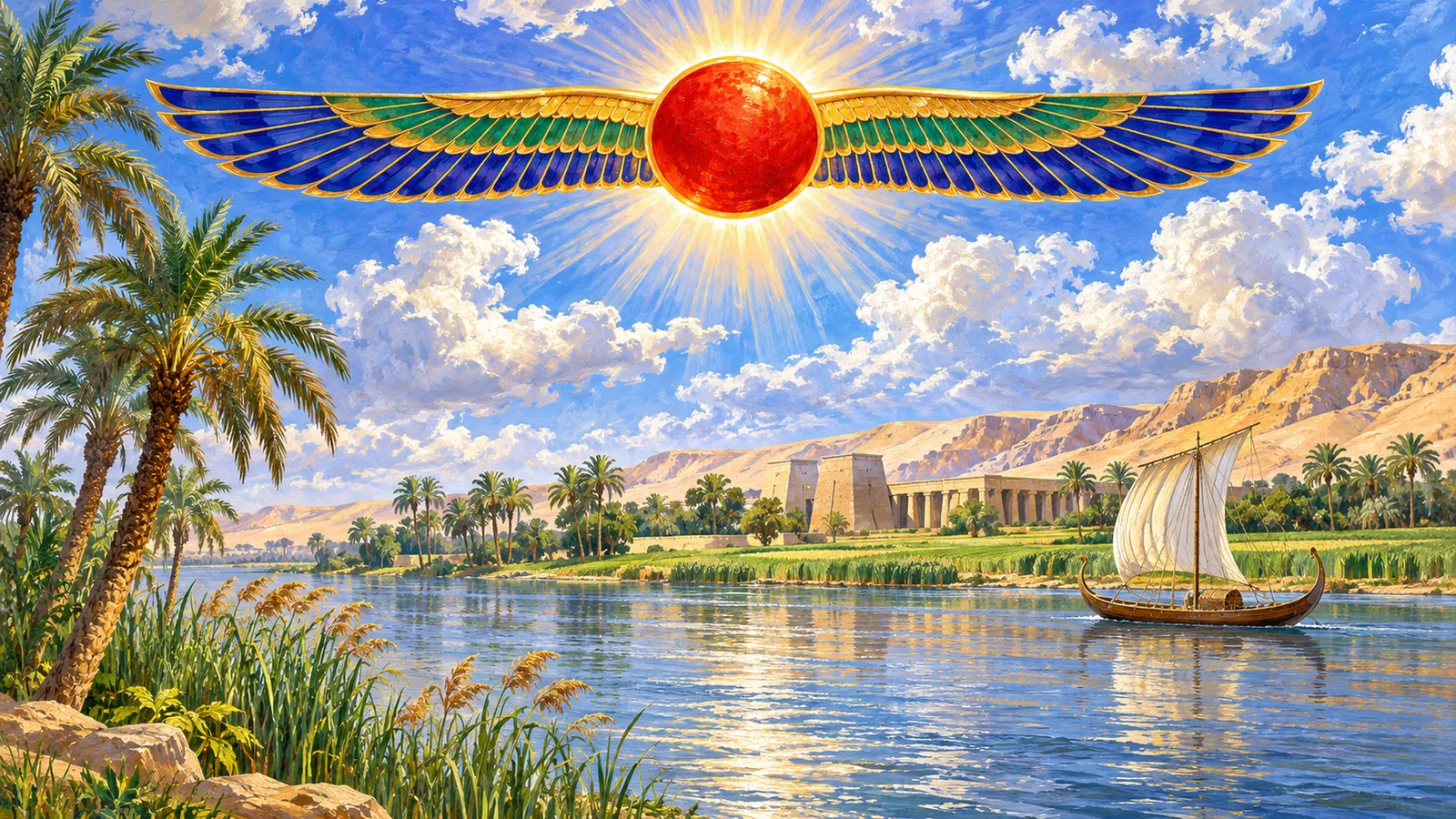
THE SUN TAKES WING
Long wings spread on either side of a circle of sun. From this moment the story gives Horus of Behdet a title that belongs to the sky itself.
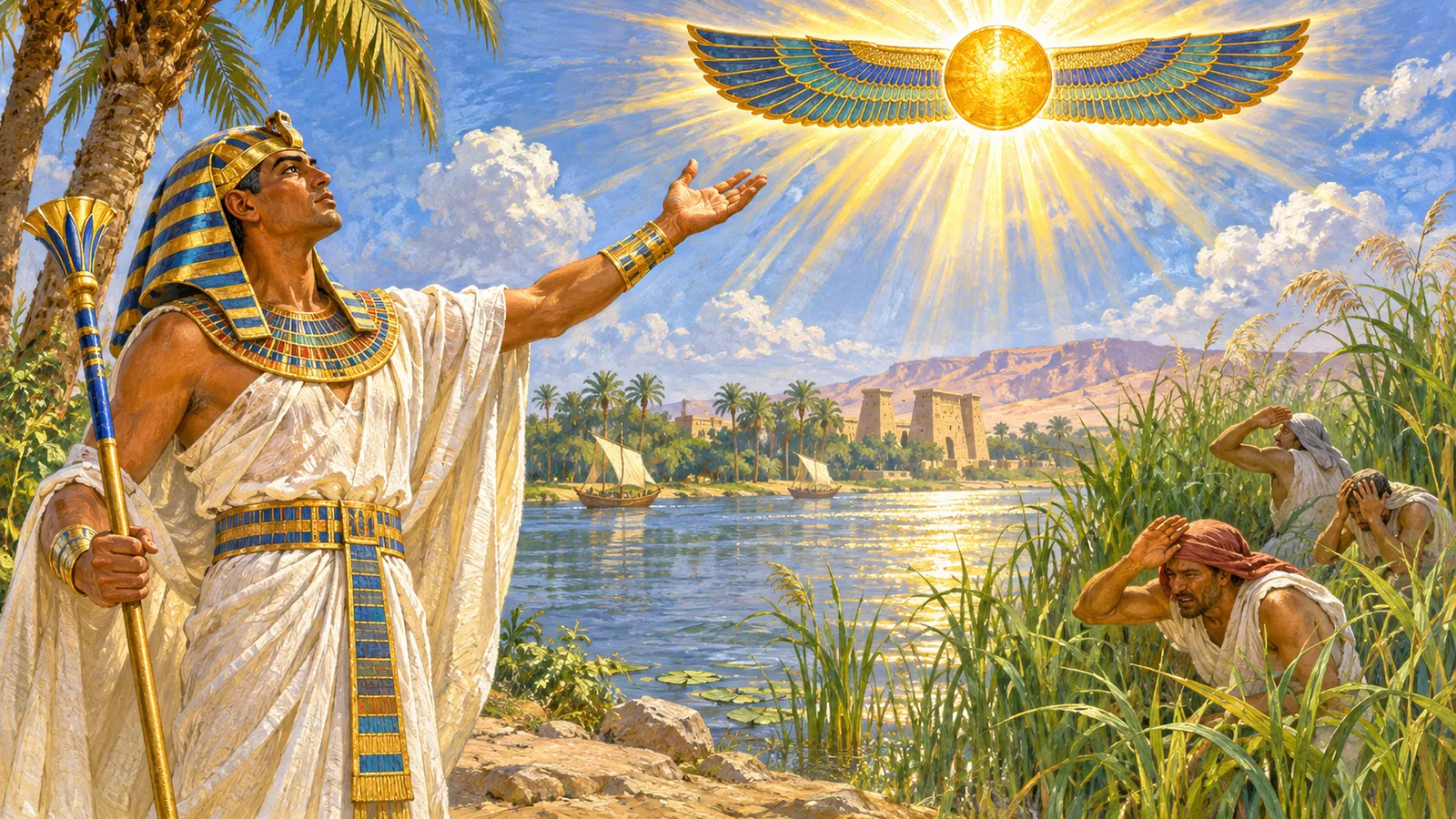
The disk sweeps toward the people who have gathered against Re. The brightness and the roar overwhelm them. They can neither see nor hear, and some turn on their own companions.
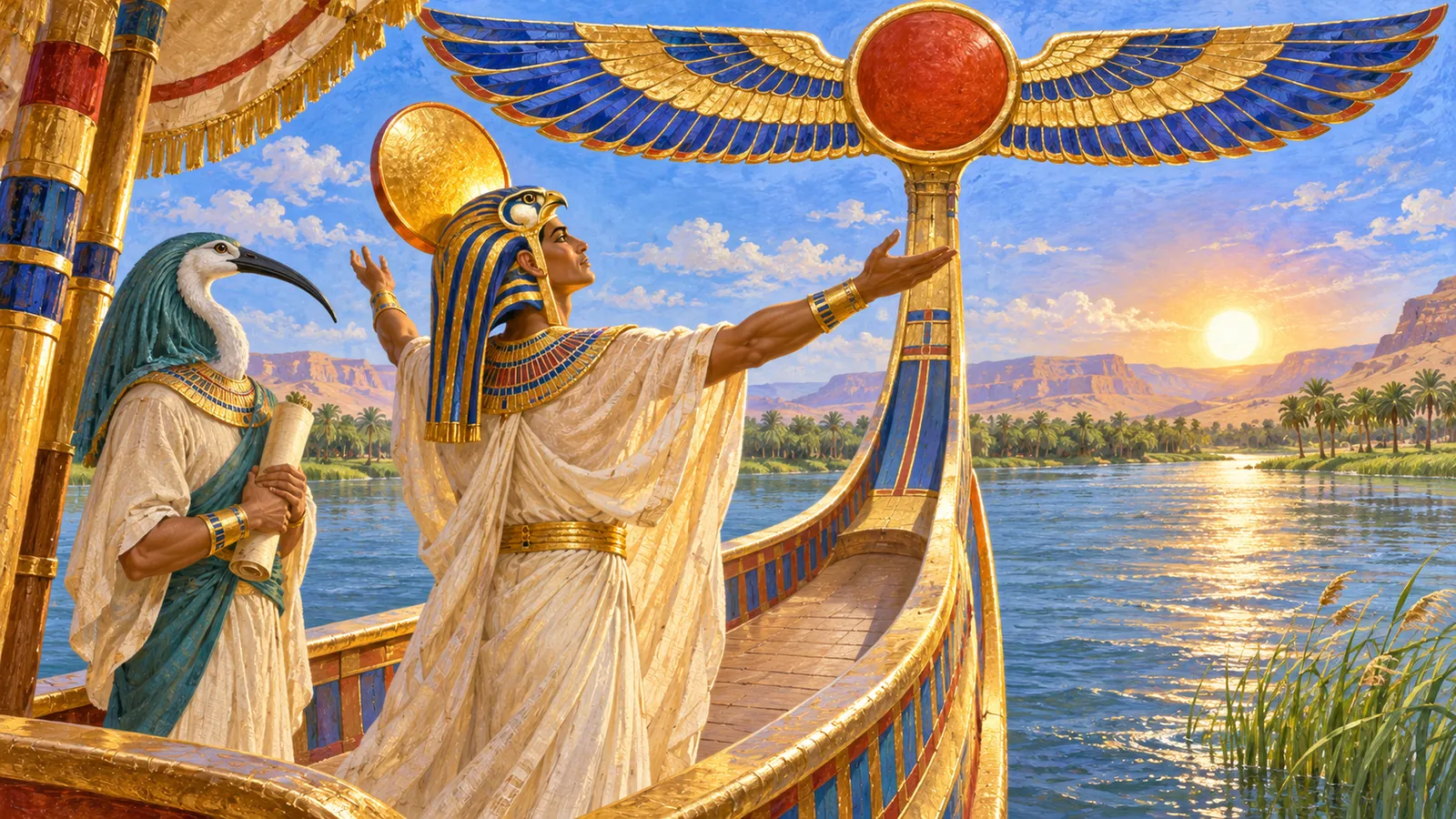
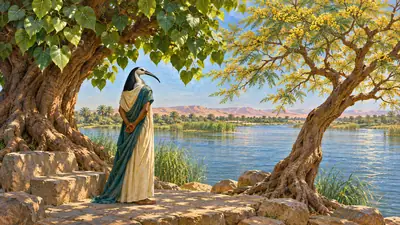
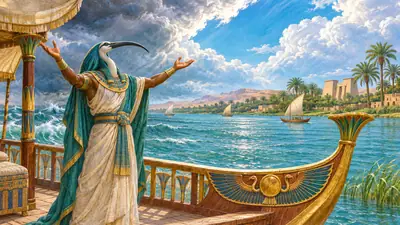
Horus returns to the barque in colors like feathers catching the sun. Thoth greets him, and Re receives him with joy. The people of the region remember him as the many-colored one.
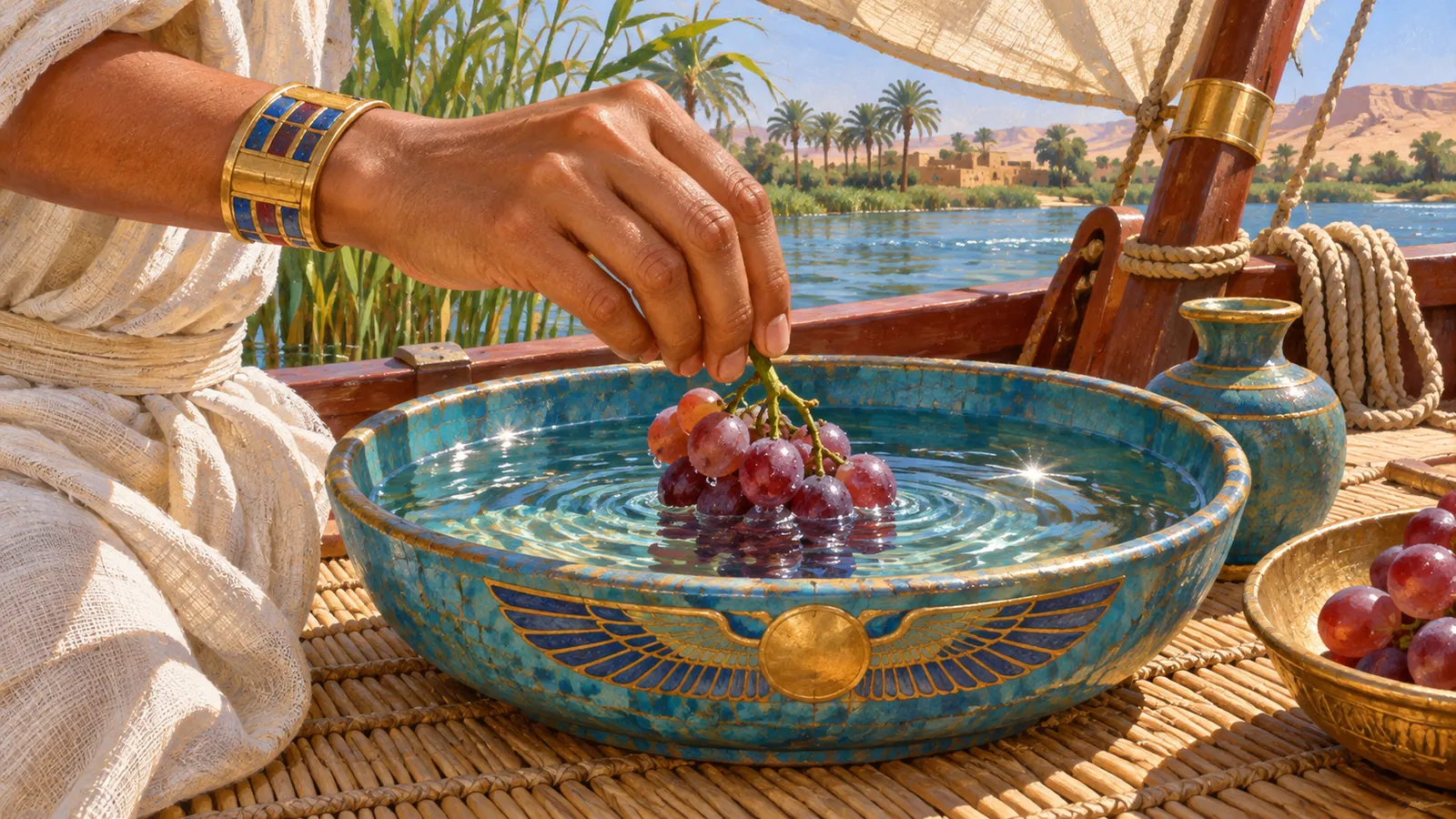
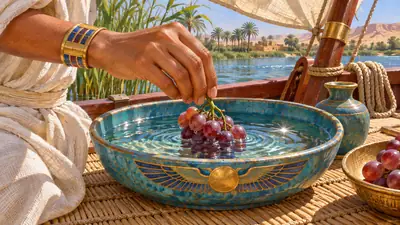
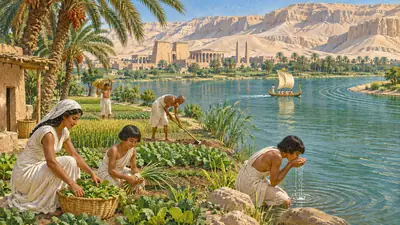
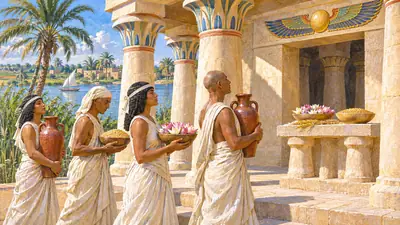
The wall connects his return with a custom still remembered when the story was carved. Grapes are put into water for Horus of Behdet. A few dark berries carry the memory of a god.
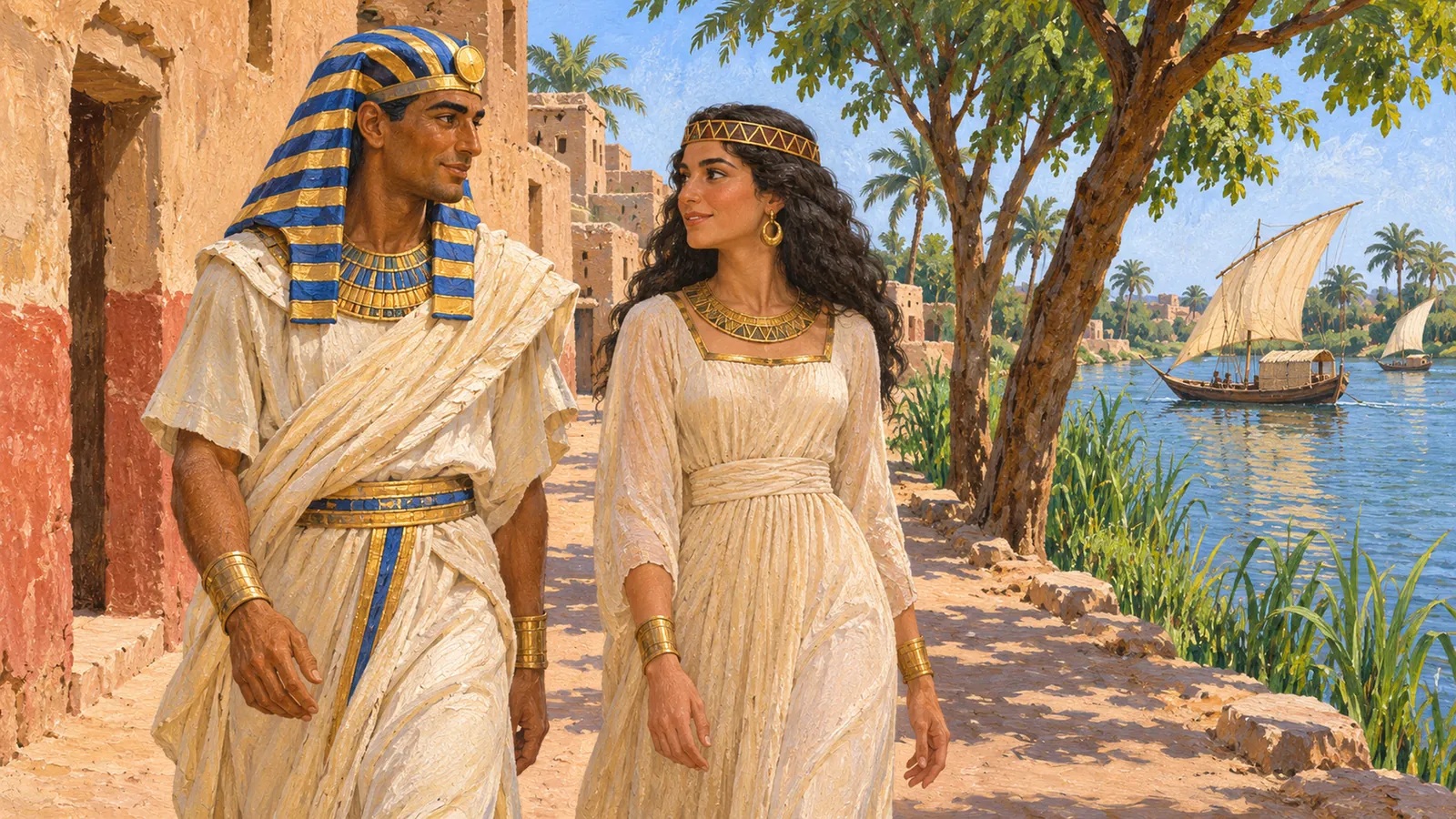
Re goes ashore with the goddess Astarte and sees that the danger on land has passed. At Edfu the temple story gives Horus’s palace a name that recalls the relief of that moment.
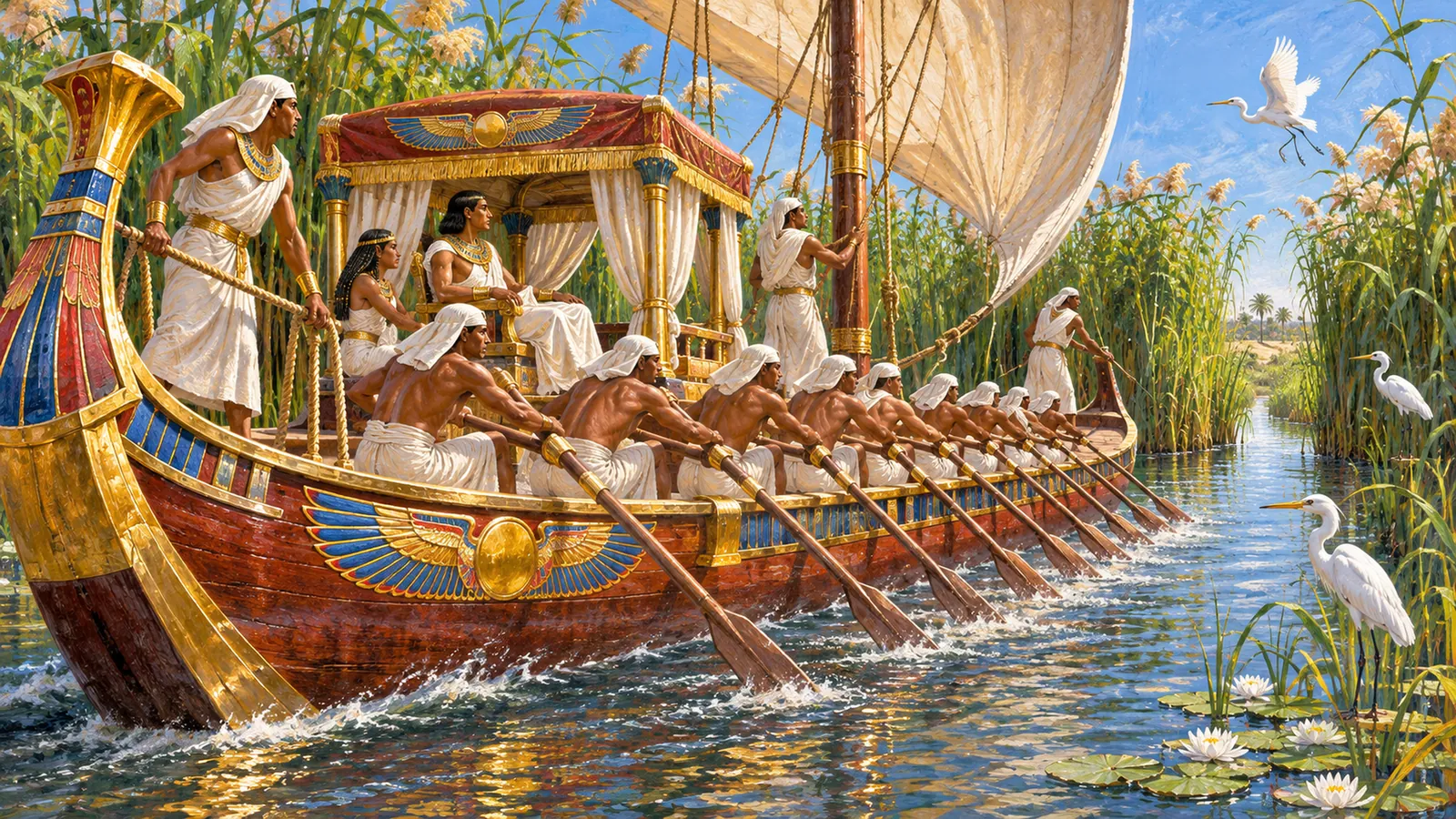
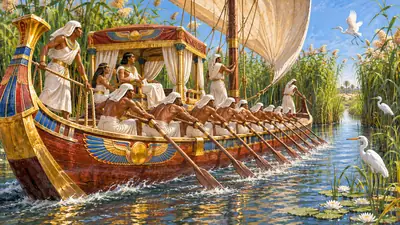
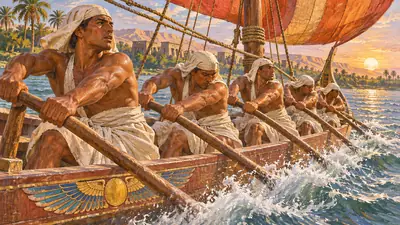
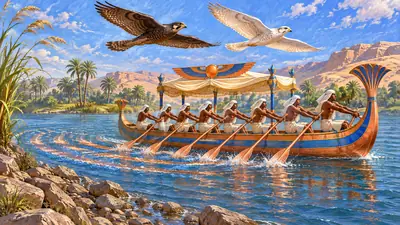
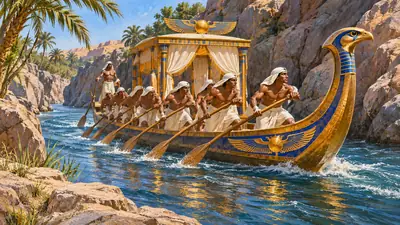
Thoth praises Horus for keeping the company safe. The barque of Horus receives a name that remembers his protection. Re calls for the oars, and the company enters the canal again.
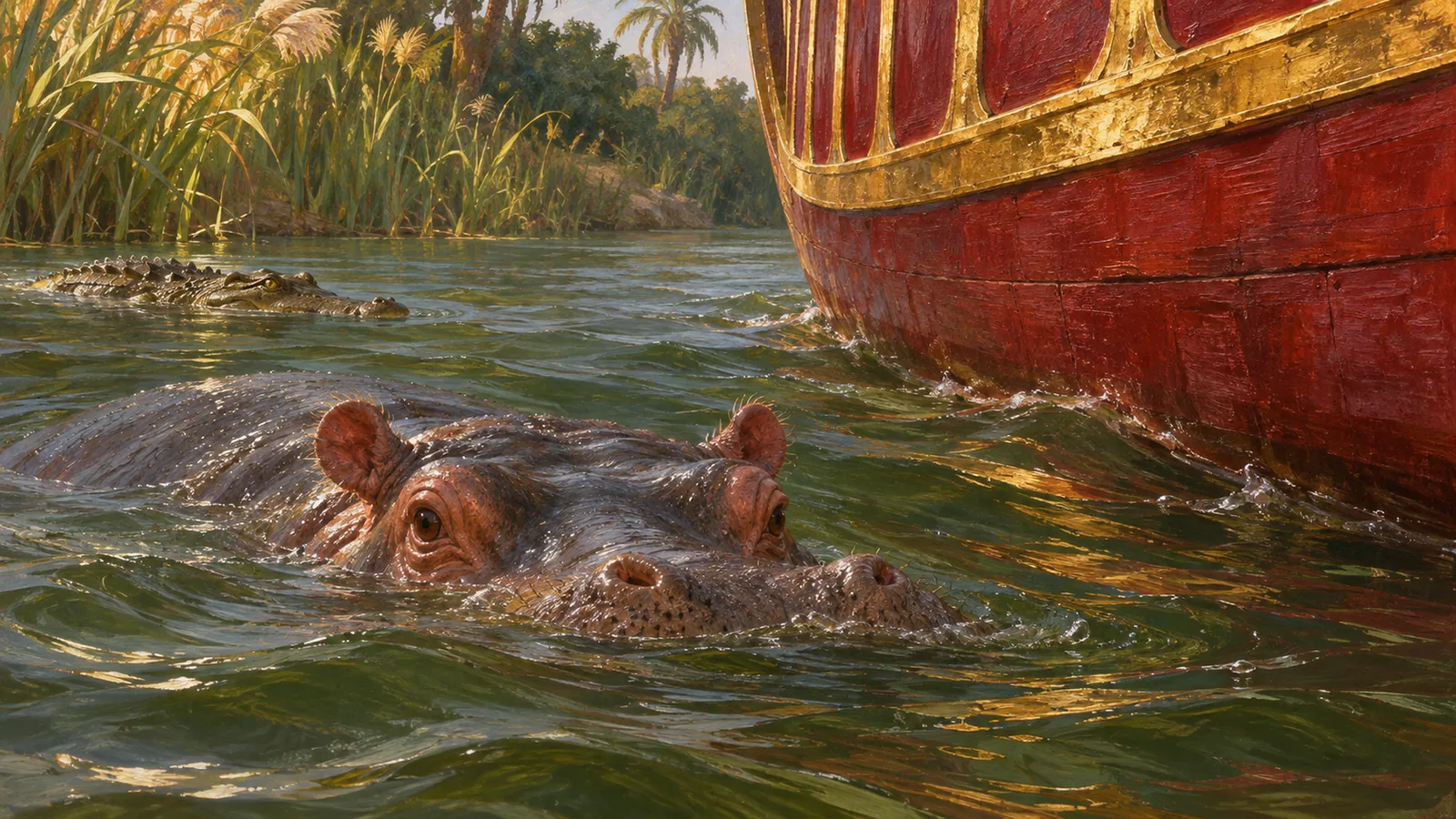
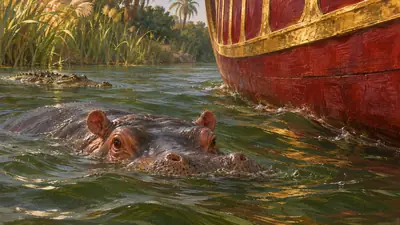
The danger has changed its shape. Some of Re’s enemies slip into the water as crocodiles and hippopotamuses. A long back and two small ears break the surface beside the barque.
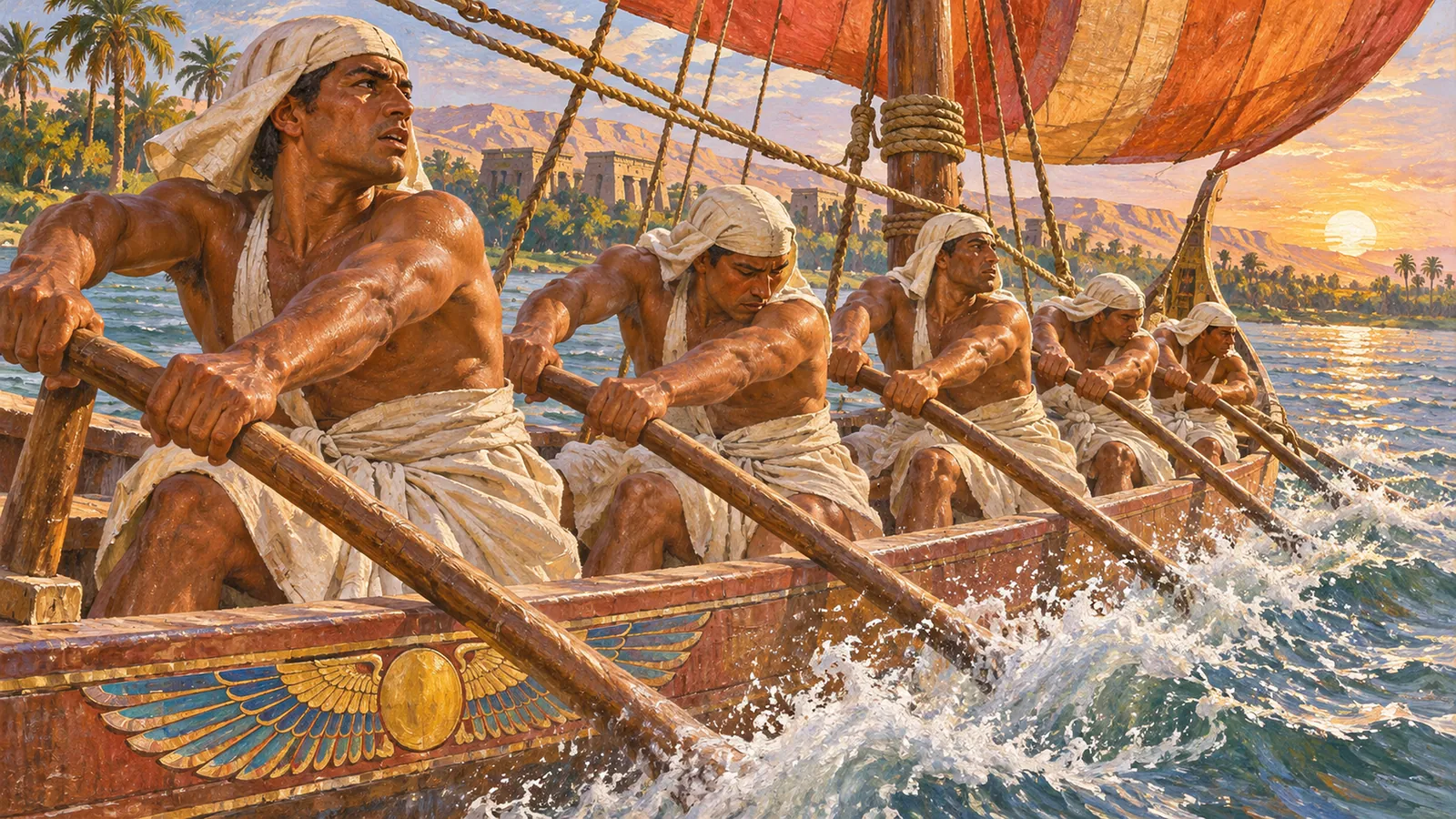
The animals close on Re’s barque. Horus and his followers meet the threat on the water, and the boat passes through. The company will remember the people who came to its aid.
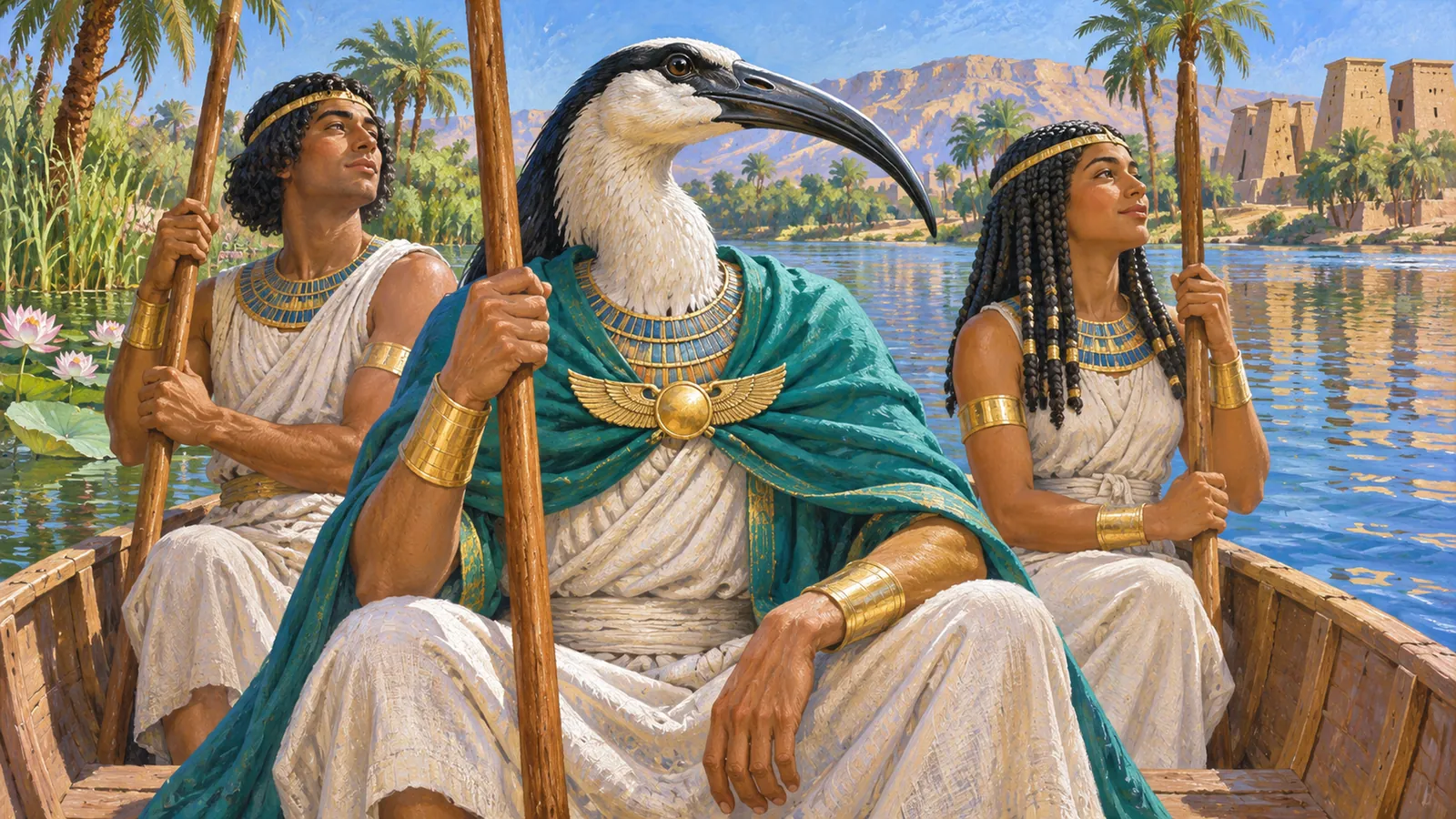
Thoth calls on the gods of earth and sky to rejoice. Horus has returned in peace after a journey full of wonders. The wall remembers this as the beginning of his company of harpooners.
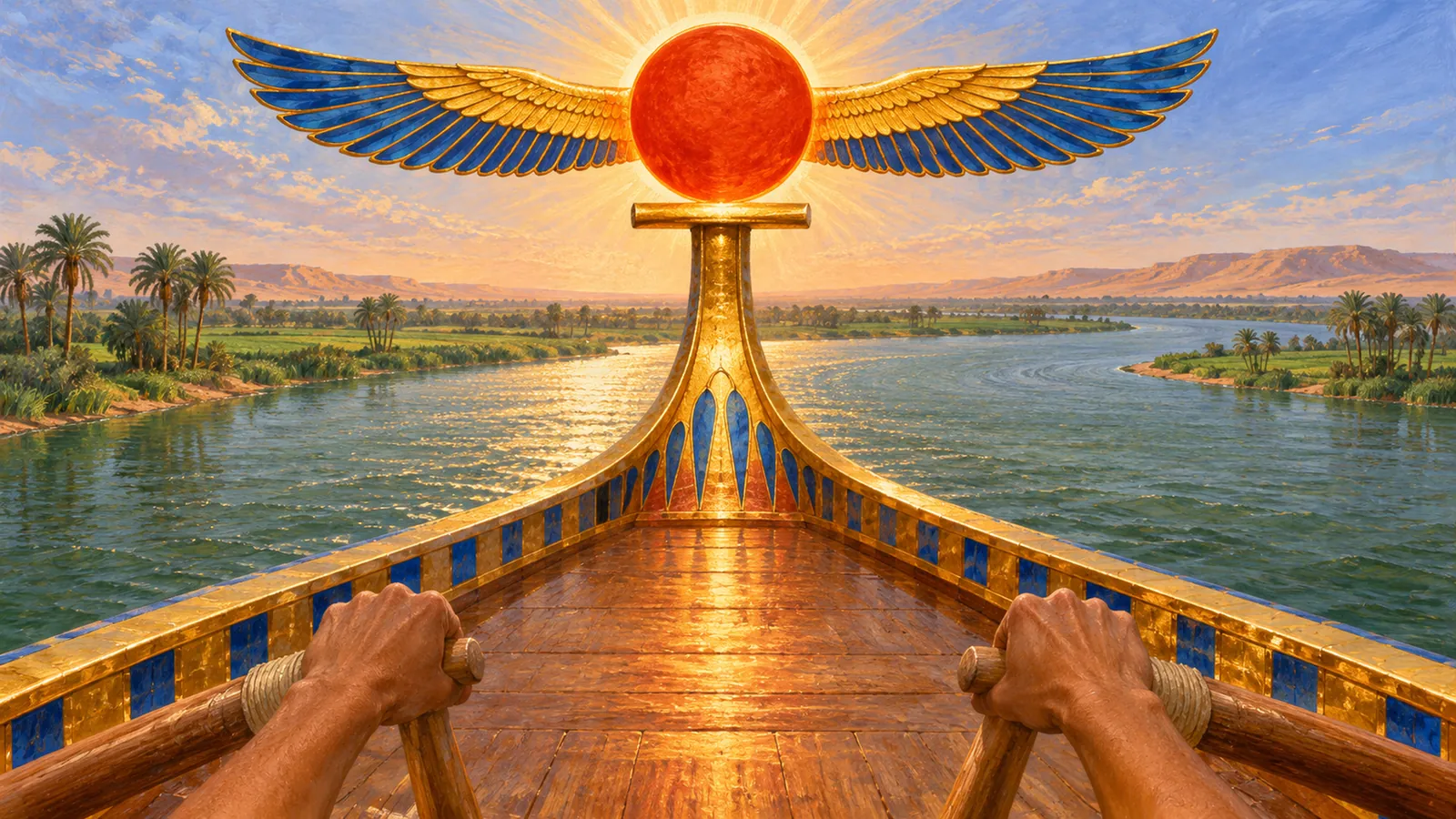
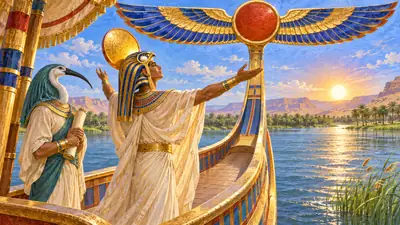
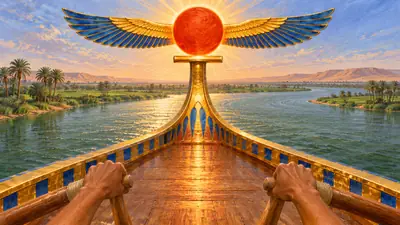
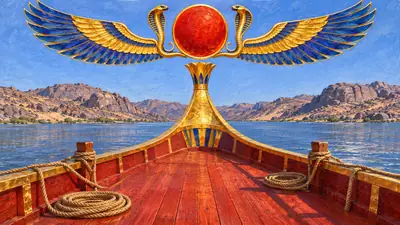
Horus takes the disk’s shape once more. This time it stands at the prow of Re’s barque. Facing forward, the crew can see the sun and the place where the river bends.
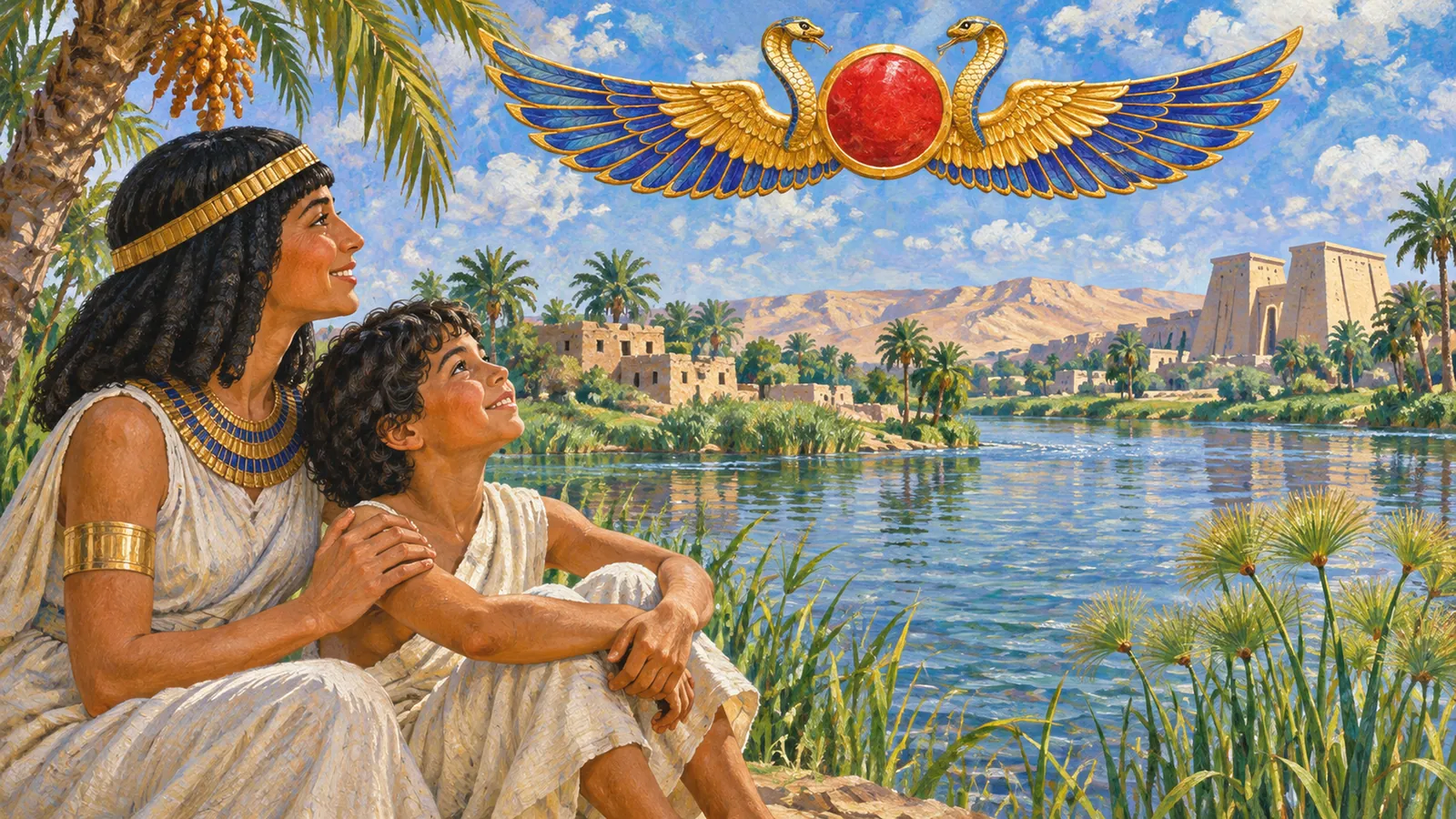
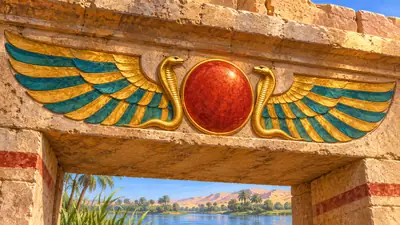
Nekhbet and Wadjet go with Horus. Both take the form of upright cobras, called uraei. One stands at either side of the sun. The three now travel together in a single image.
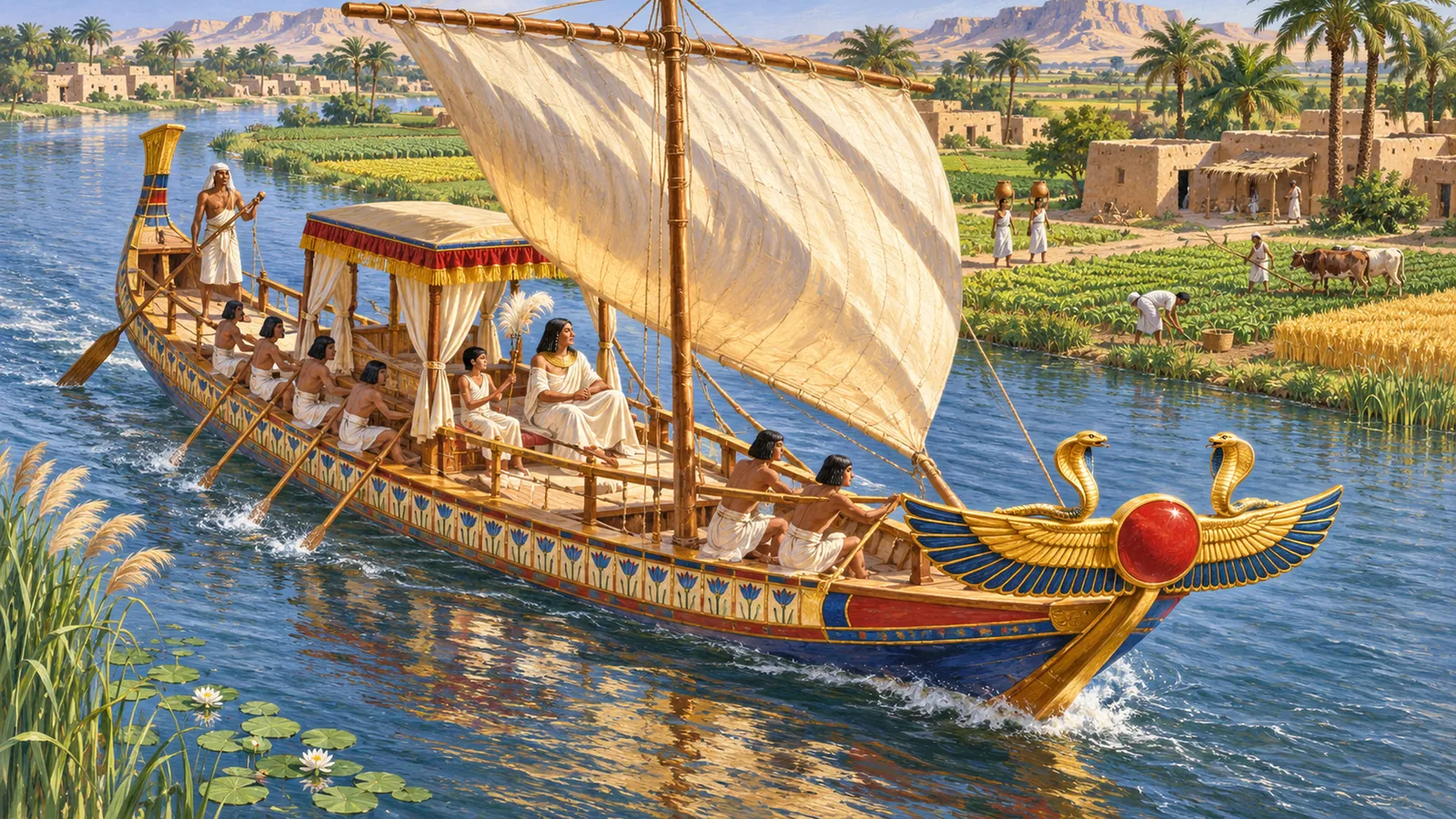
Nekhbet belongs with Upper Egypt, the land upstream to the south. Wadjet belongs with Lower Egypt, downstream to the north. At the prow of the same boat, their places are side by side.
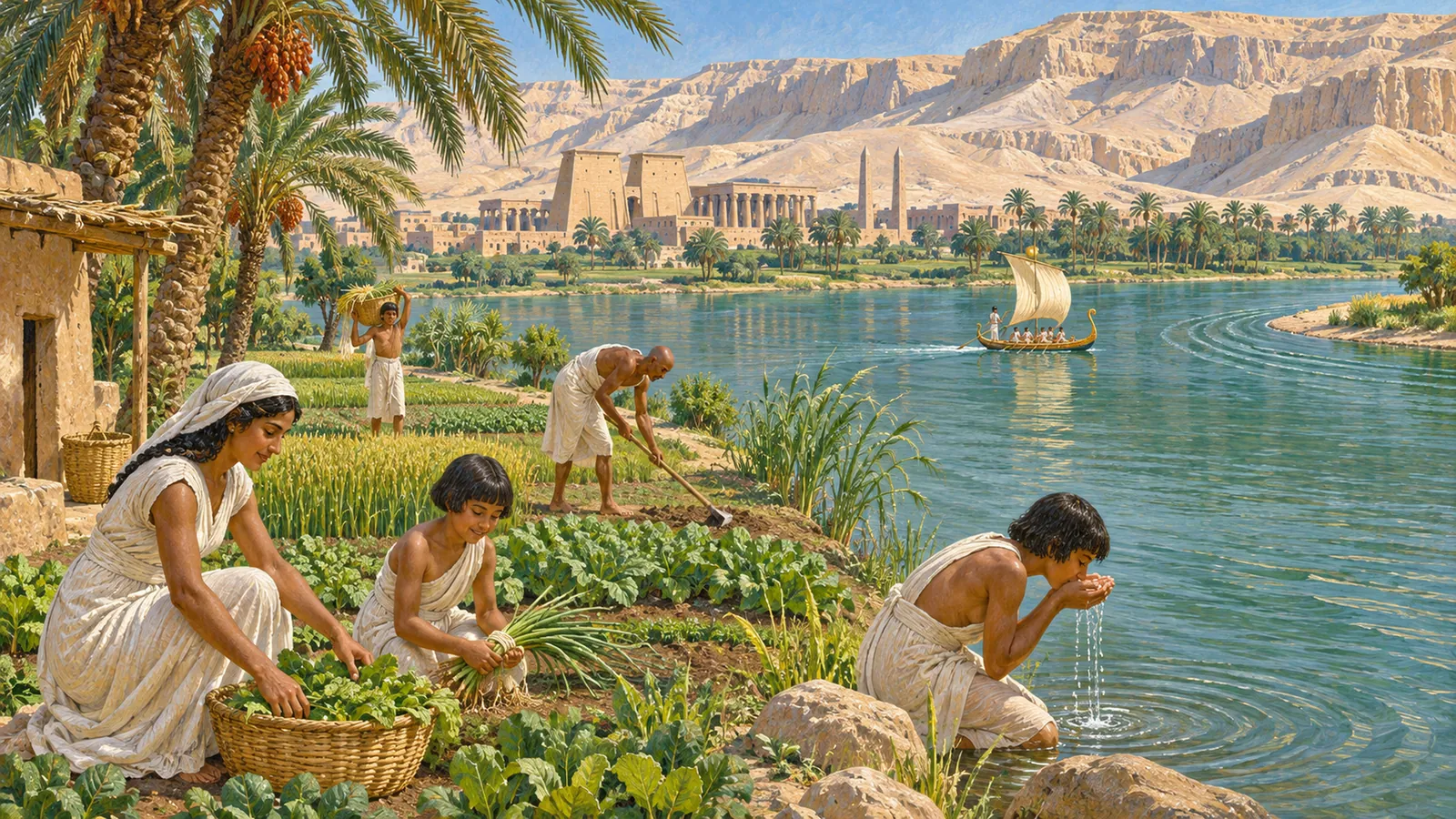
The fugitives change course as the barque follows. The inscription first picks them out southeast of Thebes. It tells each encounter as a memory of a particular stretch of the river.
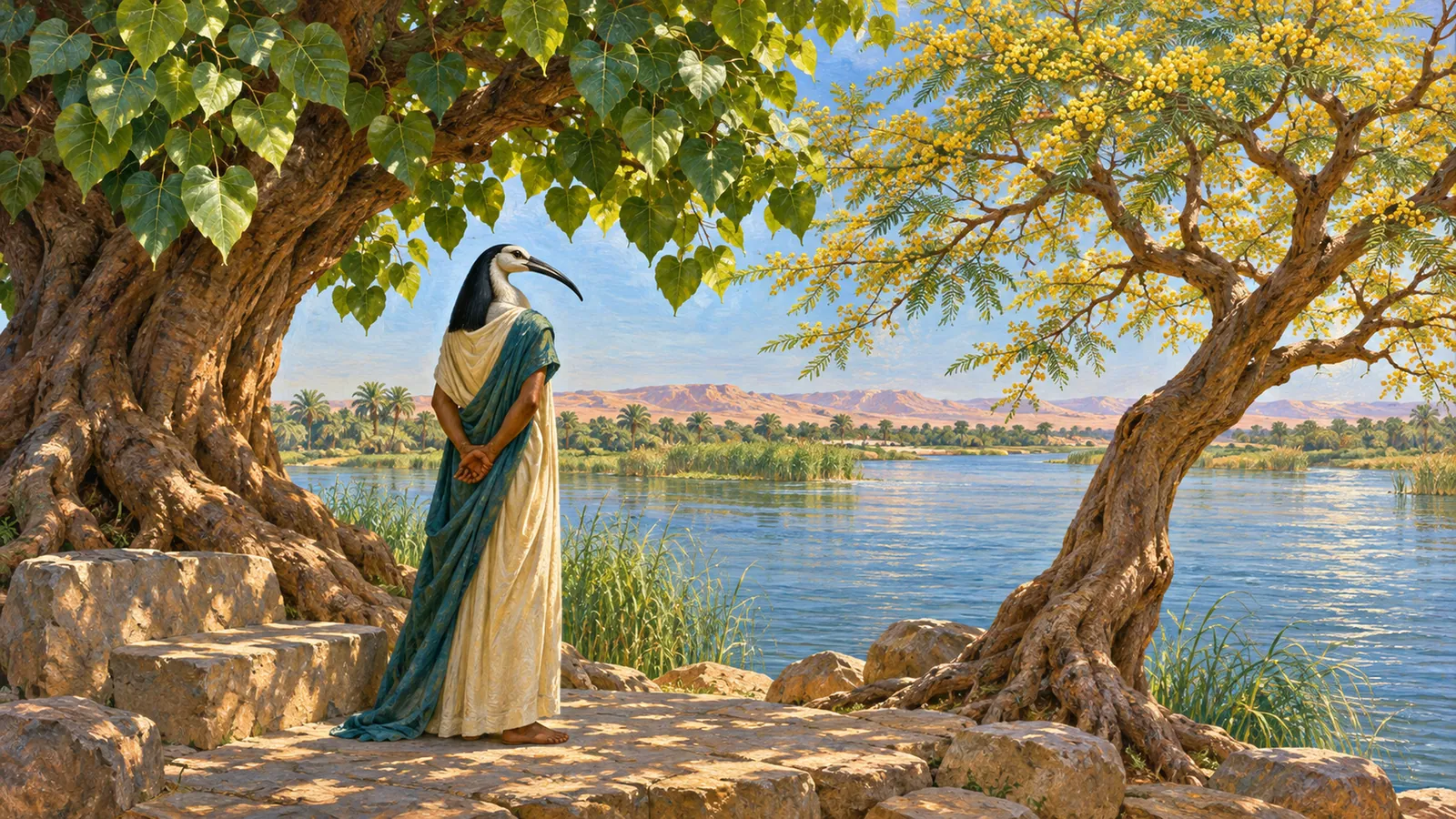
Horus waits a day and sees the fugitives again near Dendera. Afterward Thoth names the place. The wall remembers two sacred trees there, as well as what happened on the river.
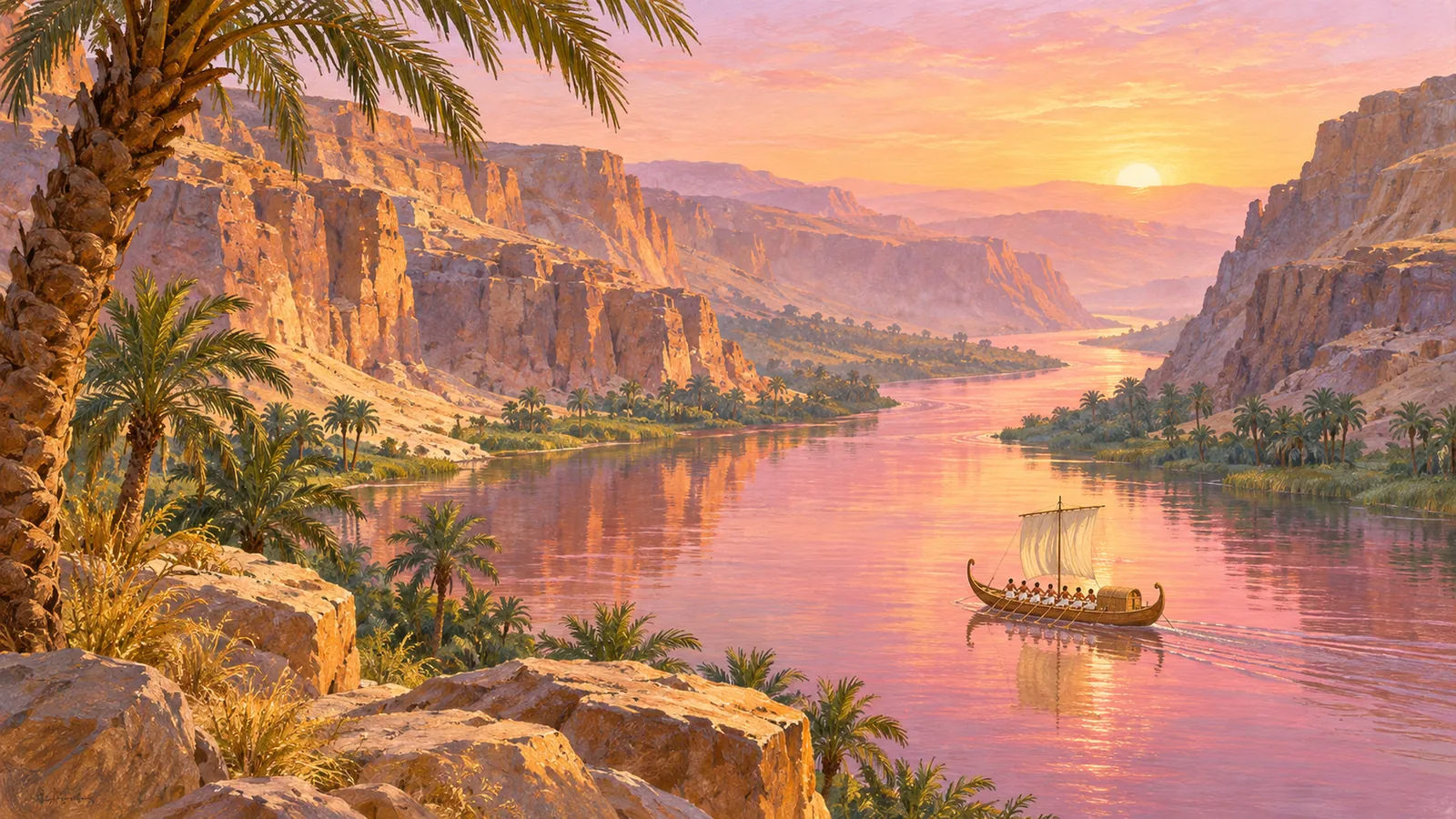
The chase runs northward. For four days and four nights, the boat goes on without catching sight of a crocodile or a hippopotamus. The oars rise and fall beside one empty reach after another.
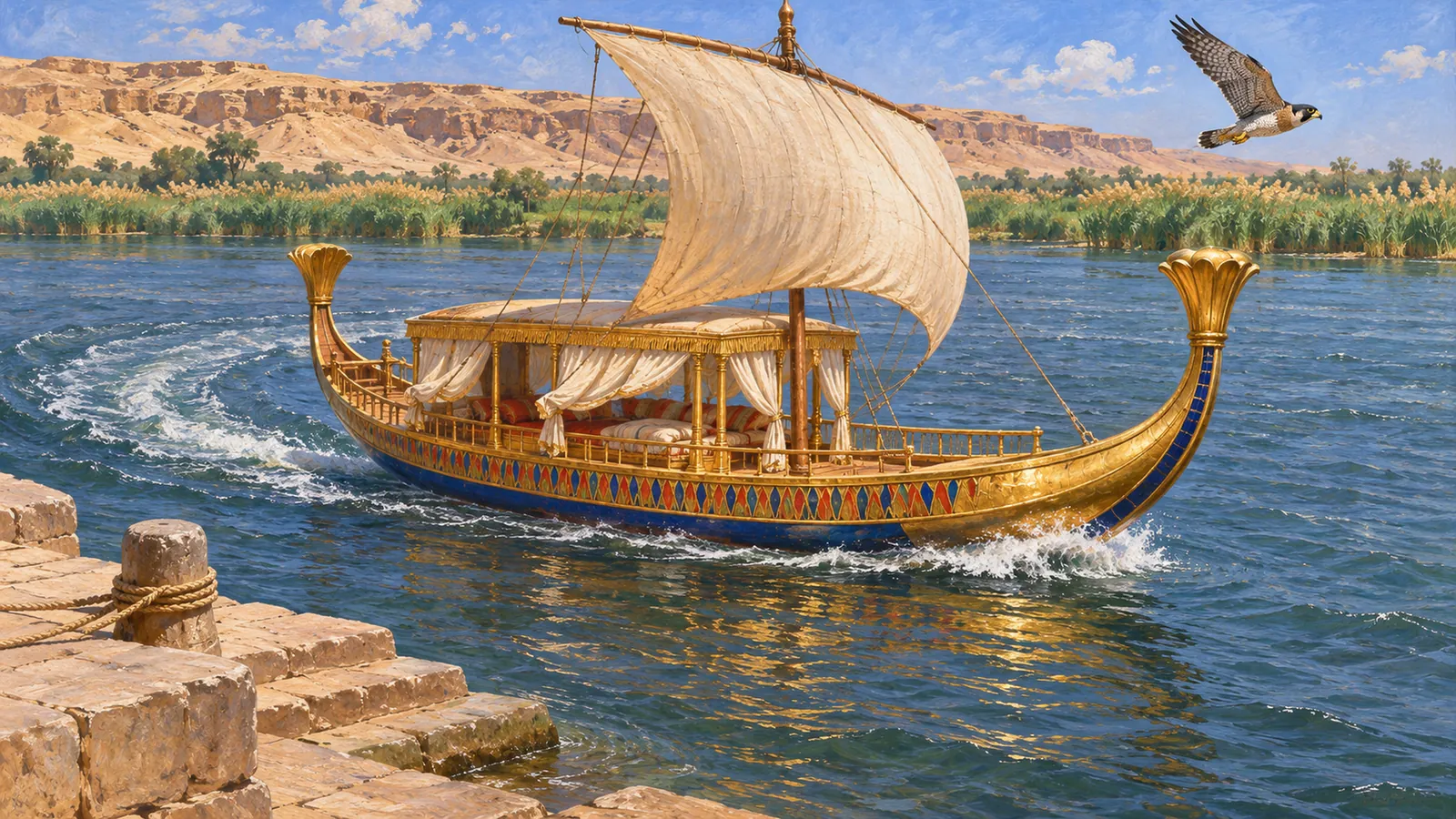
The company sees them at last near Hebenu. Horus drives them from the bank, and Thoth gives the winged god a title that keeps the town’s name with his own.
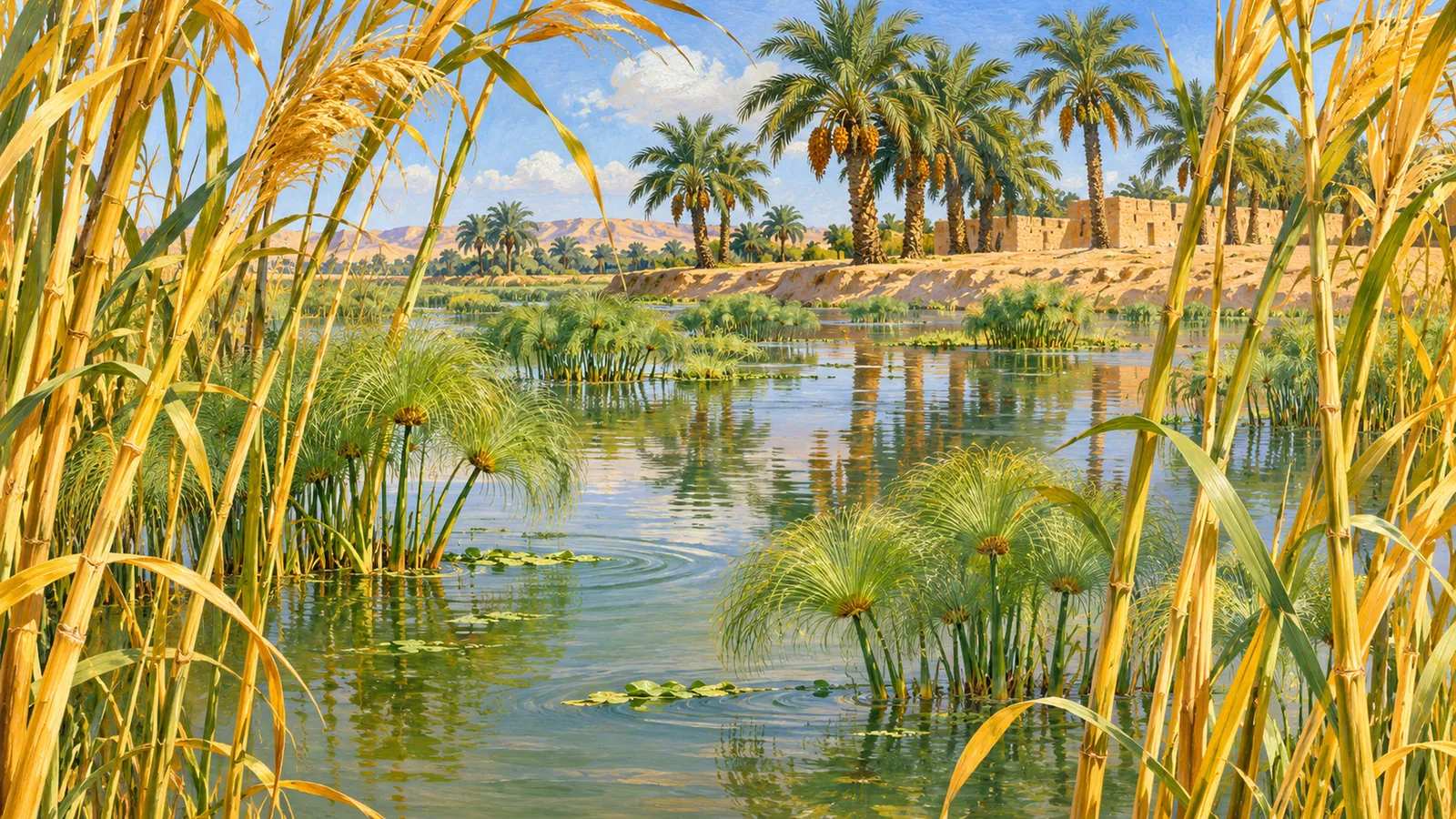
INTO THE REEDS
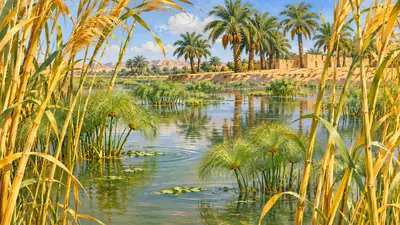
The fugitives hope to reach the sea by going north. Instead they turn into the western waters of Mert, where Seth’s followers are gathered. Horus loses them among the waterways.
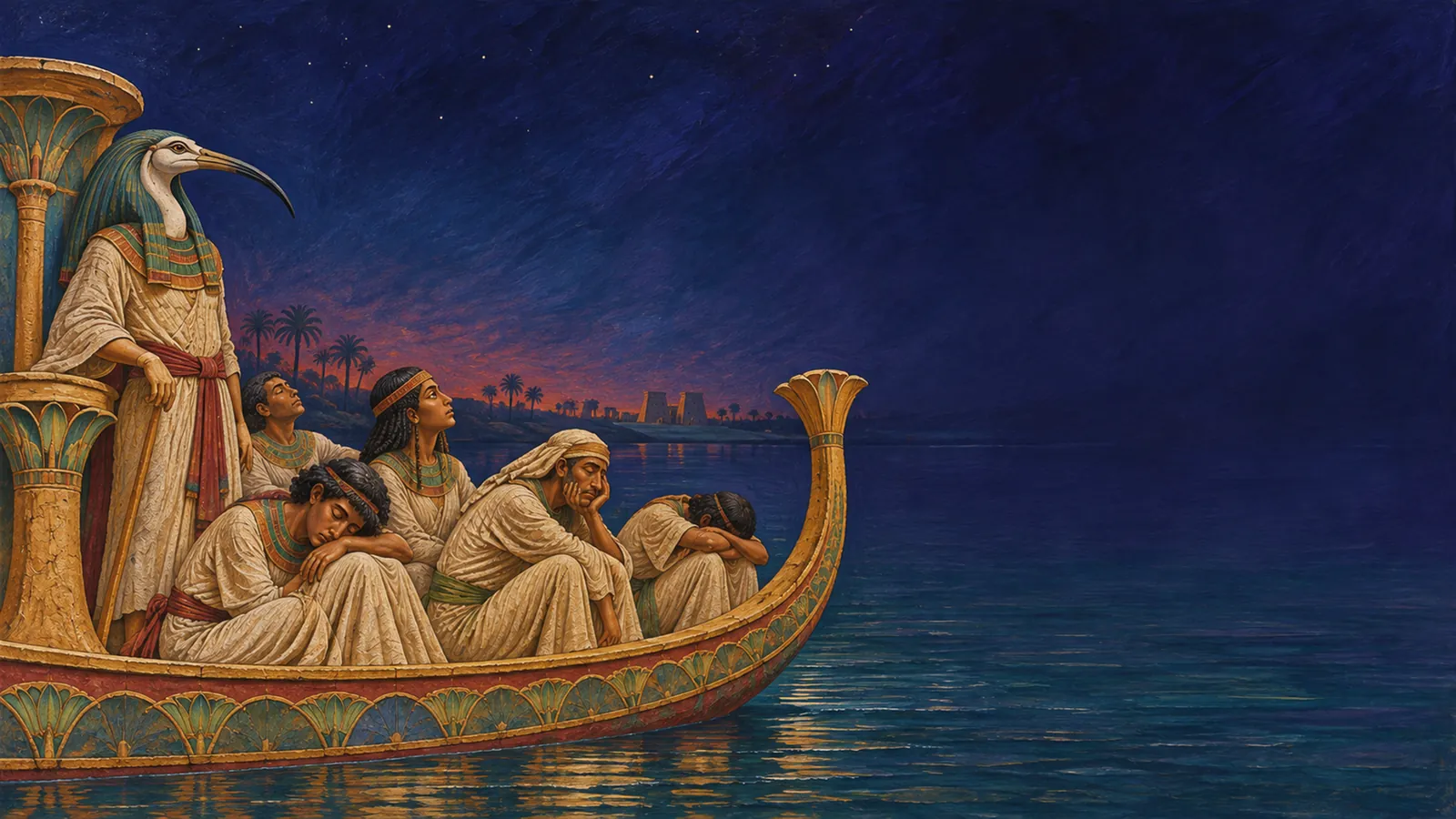
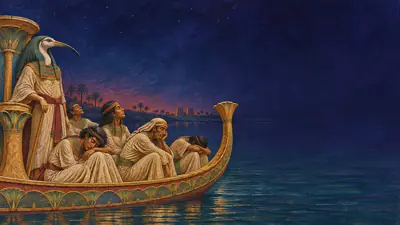
All day the company looks for the fugitives. Darkness comes, and the vigil goes on. Even people who know a river well can lose their way among its dark channels.
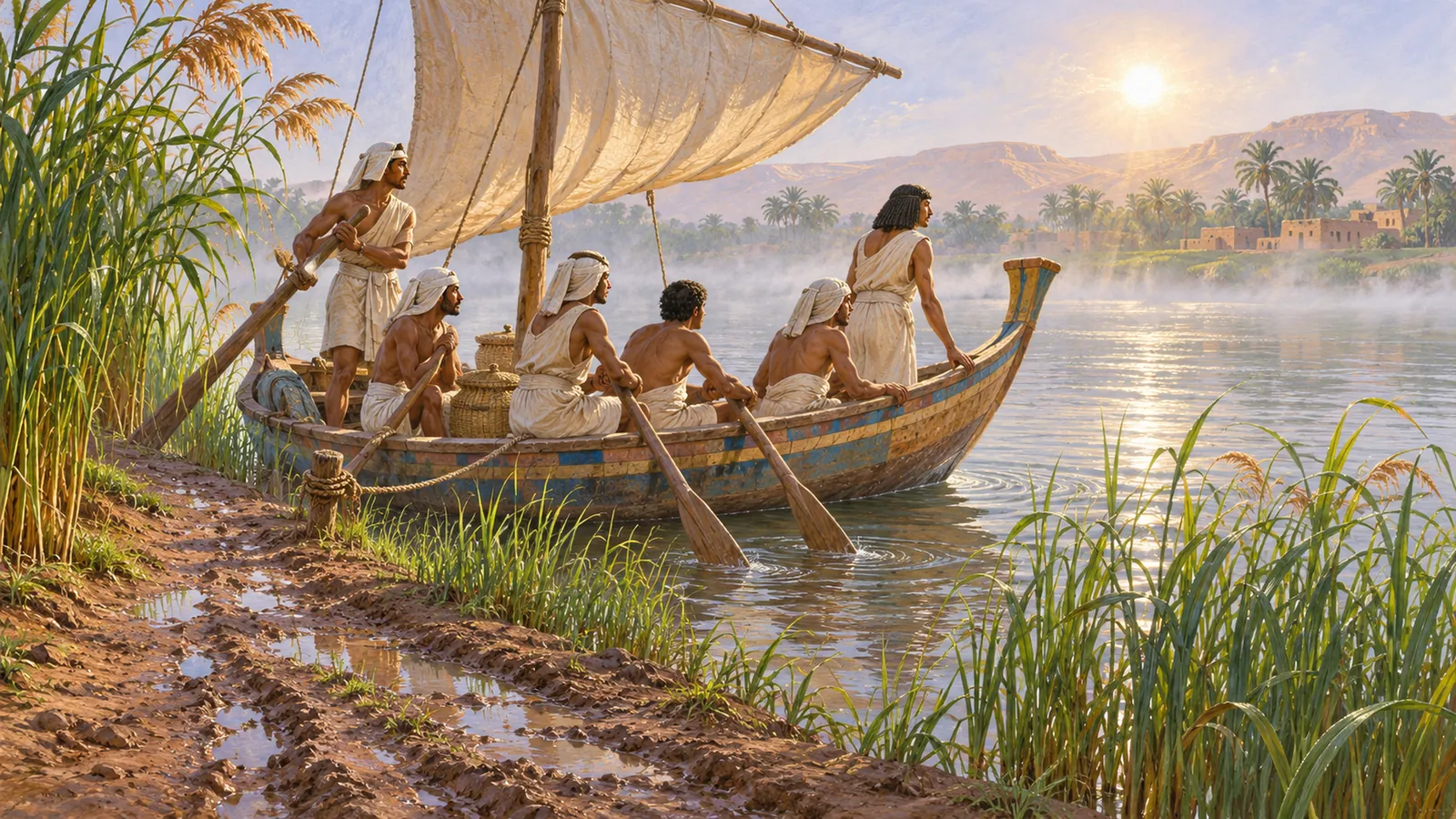
The trail leads back into the western waters of Mert. There, on the southern bank, Horus of Behdet finds the company again. The wall also gives a name to the waters, Dmit.
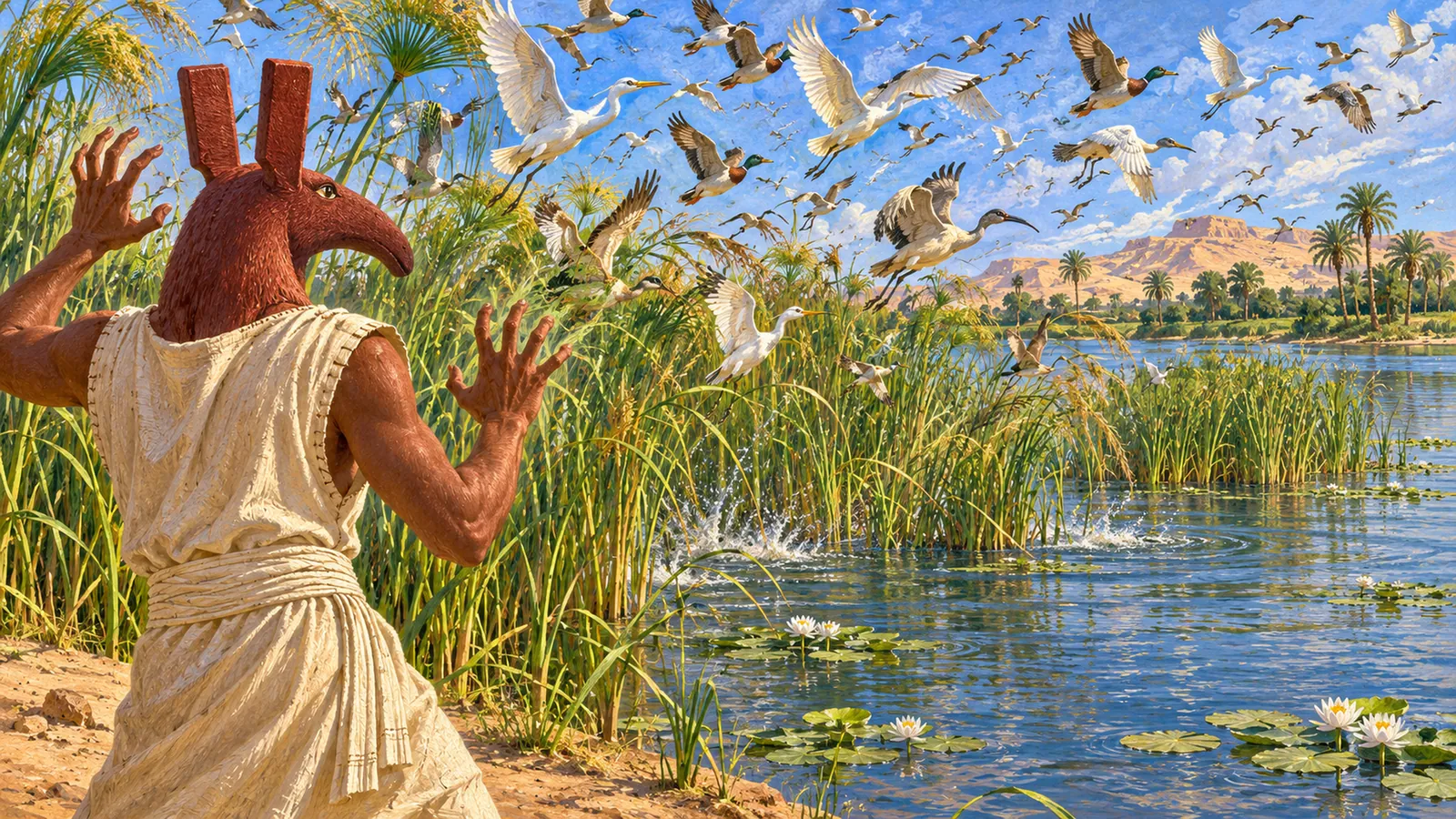
Horus defeats Seth’s company. A roar rises from beside the water, loud enough for Re to ask Thoth whose cries he is hearing. It is Seth himself at last.
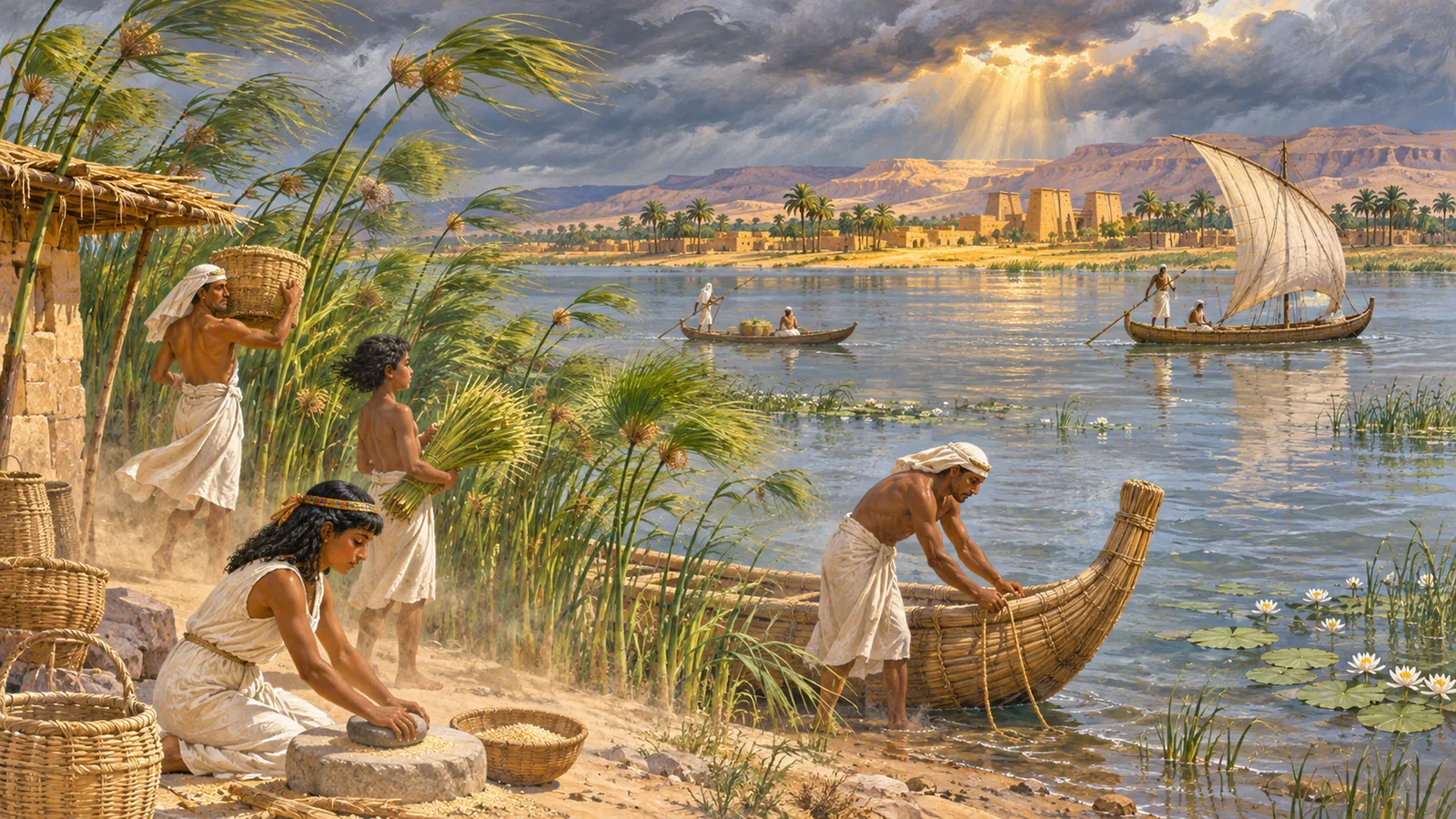
Thoth says the place will take its name from the savage cries. The boat has followed water, tracks and glimpses of animals. Now a sound marks the spot where Horus faces Seth himself.
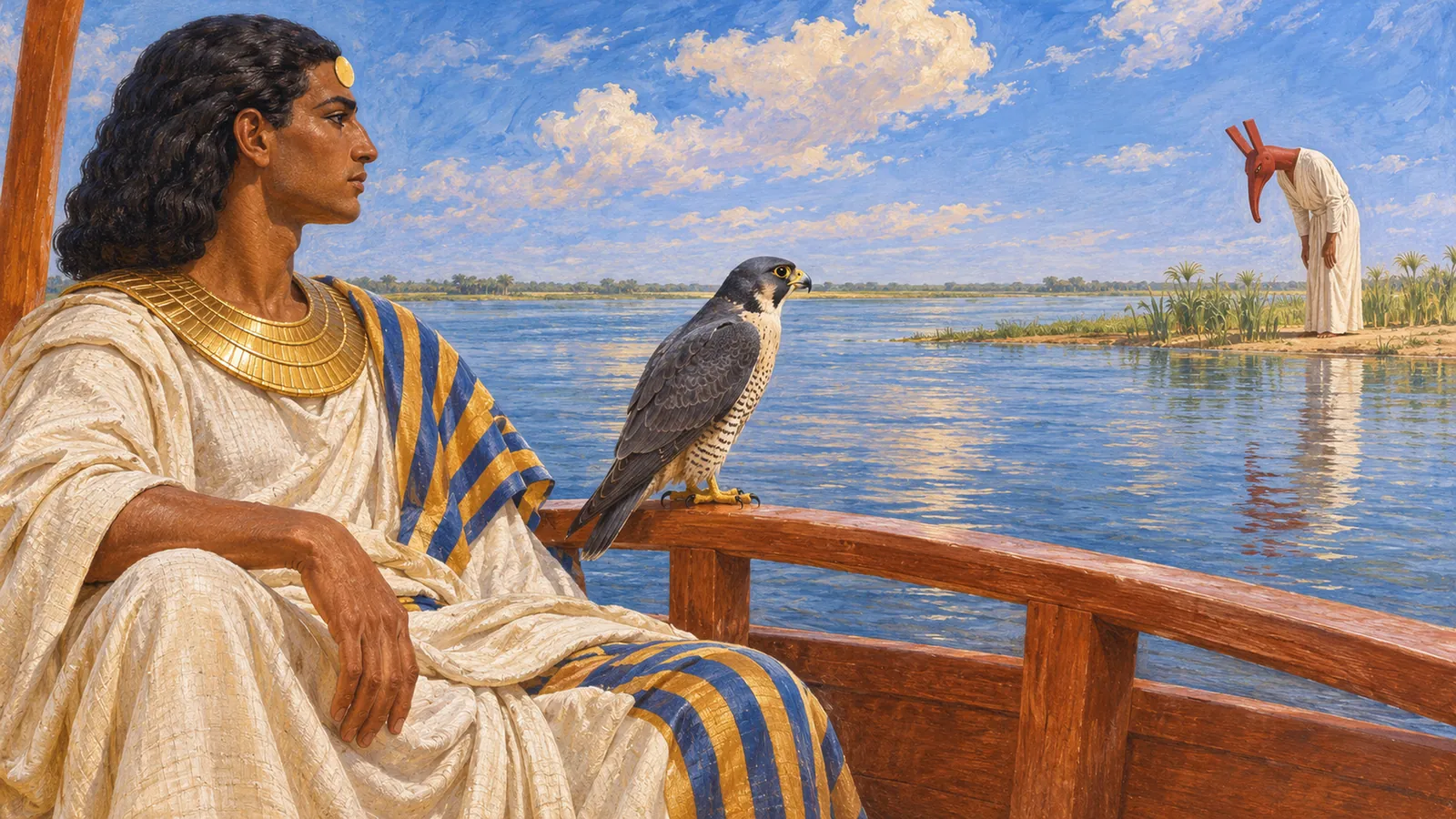
Horus of Behdet prevails and brings Seth before the sun god. Re addresses Horus as the winged disk. He says the place has been made pure again, and Thoth keeps that word in the palace’s name.
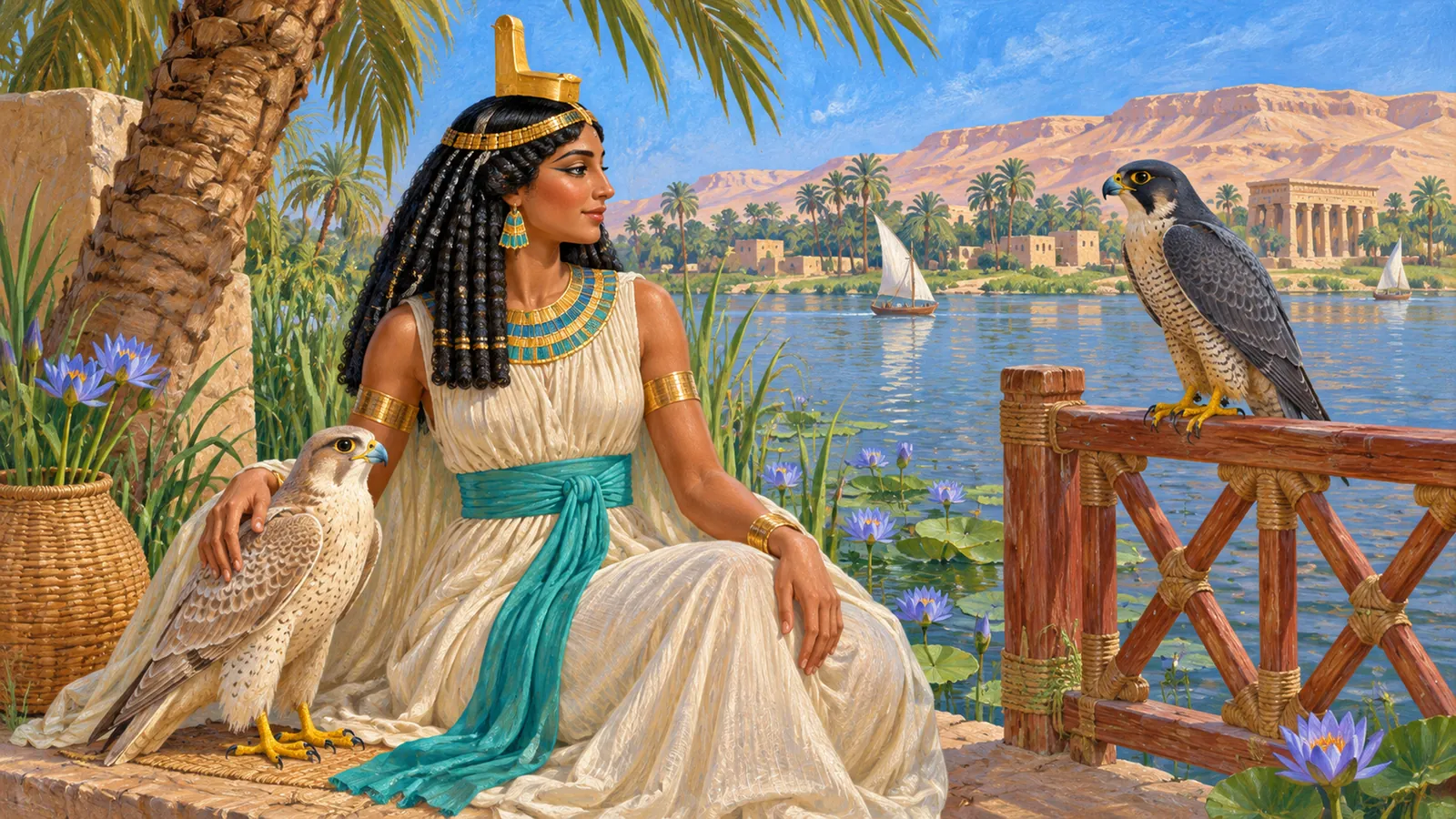
Isis and her son have stood together against Seth’s company. Her son is also called Horus. He and Horus of Behdet appear side by side in this part of the temple story.
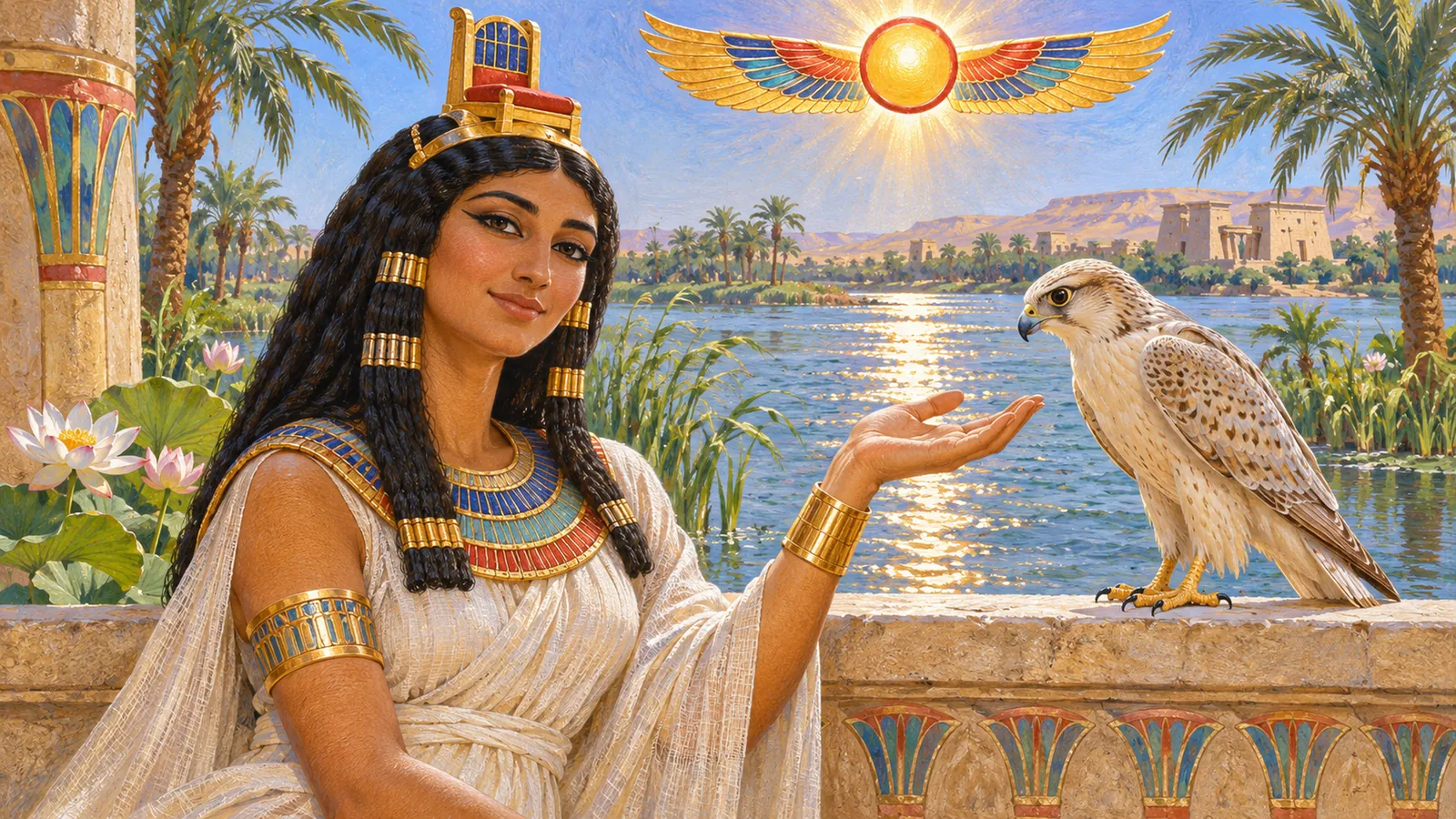
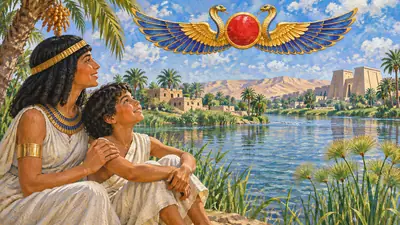
Isis asks that the winged disk be set over her son. She knows what it did at the prow of Re’s boat. Here, beside the lake, the story puts its protection to a new use.

The inscription calls the sacred lake the Lake of Combat. The story has moved from canal to river to lake. Each kind of water holds a different part of the encounter.
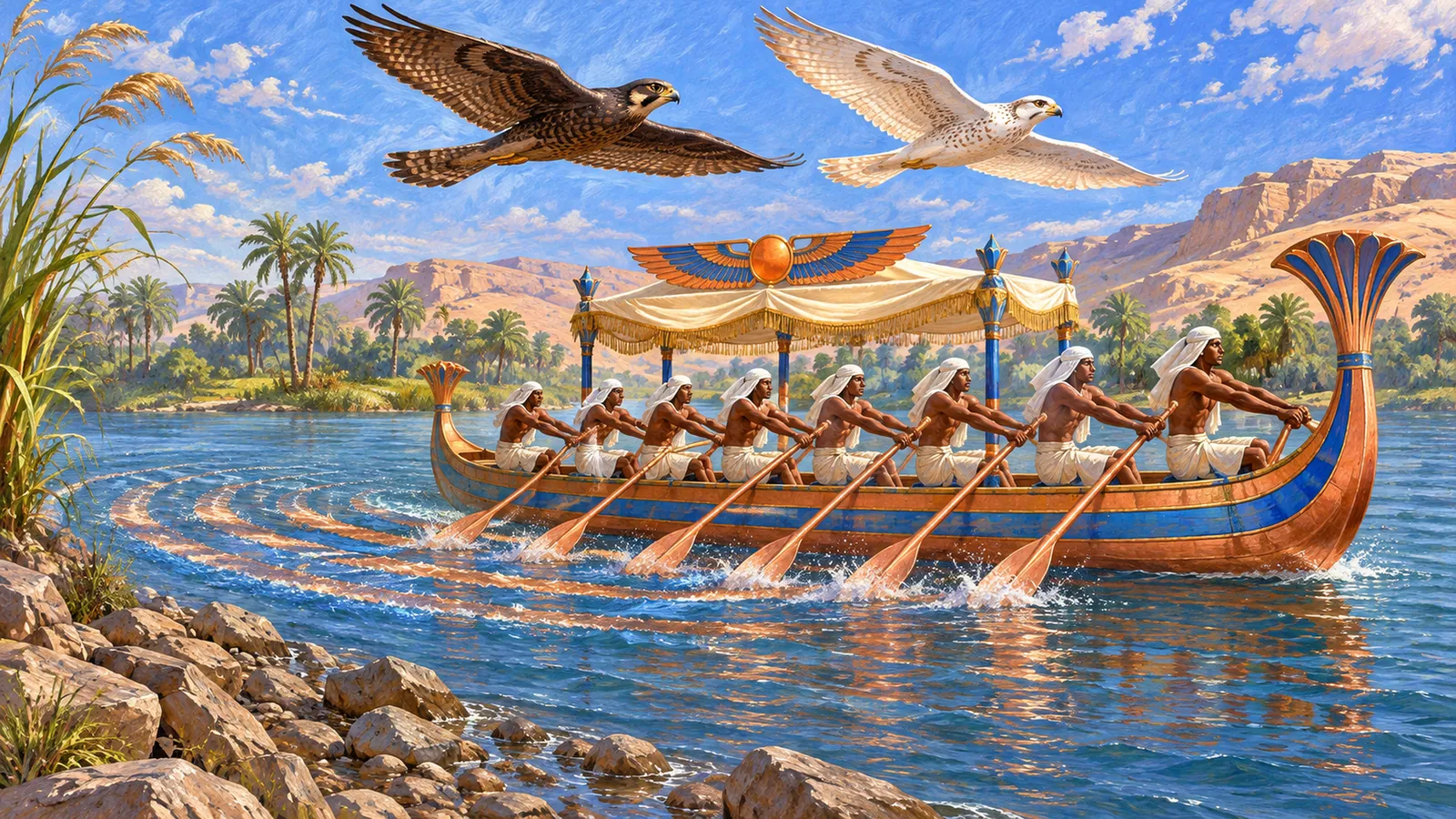
The two Horuses face the enemy together. The temple account commemorates the day each year in the Feast of Rowing. The name brings back the sound of many oars moving at once.

Seth takes the form of a roaring serpent. He slips into the earth and vanishes from sight. Close to the water, a dark opening is all that remains where he went down.
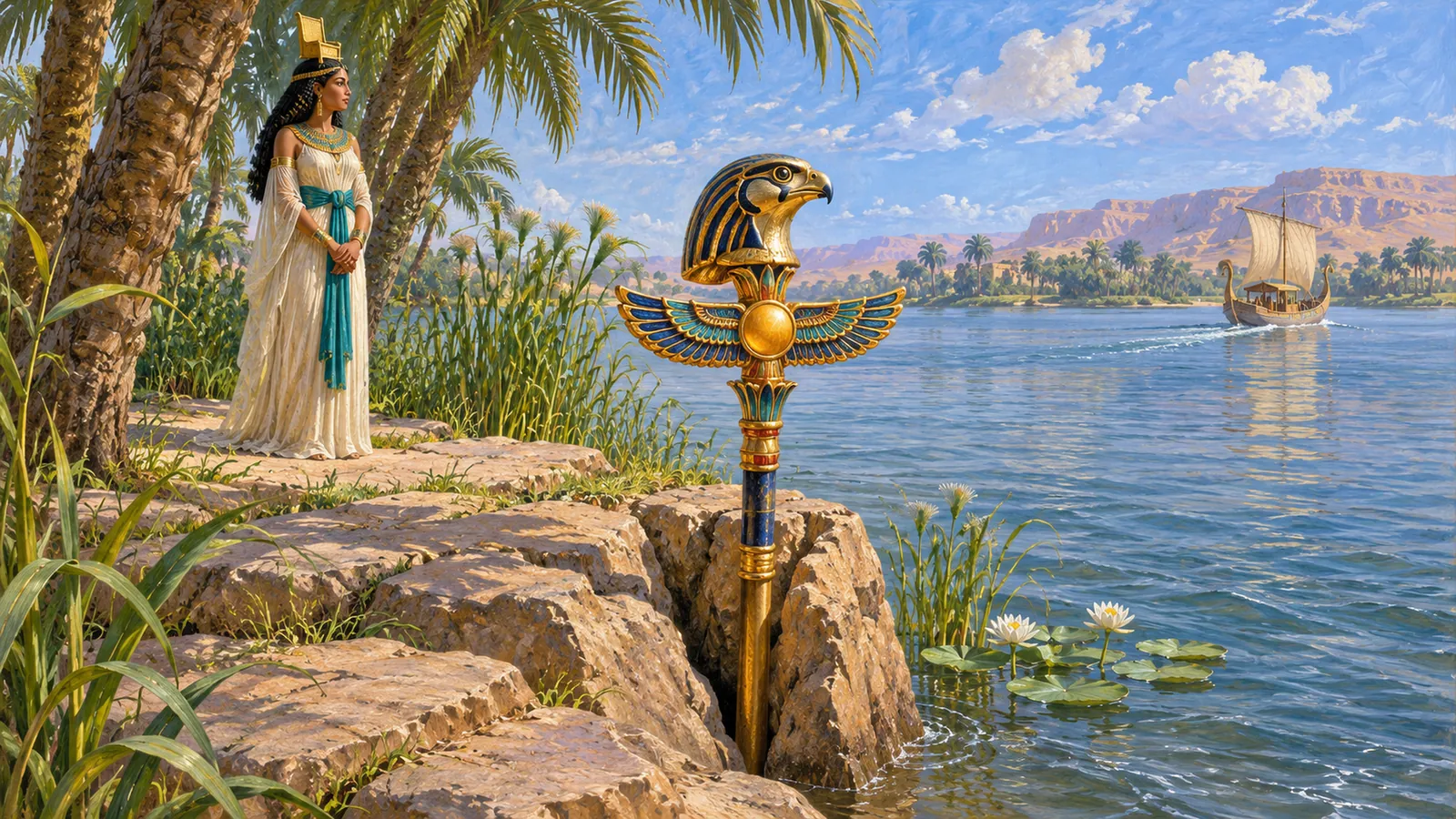
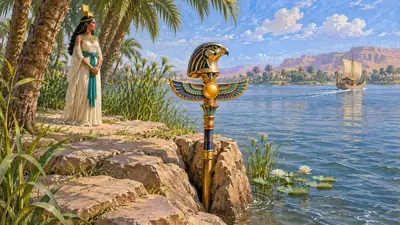
Re puts Horus son of Isis at the place where Seth disappeared. A falcon-headed staff marks his watch. The story keeps Isis there beside him, even as the sun god’s boat goes on.
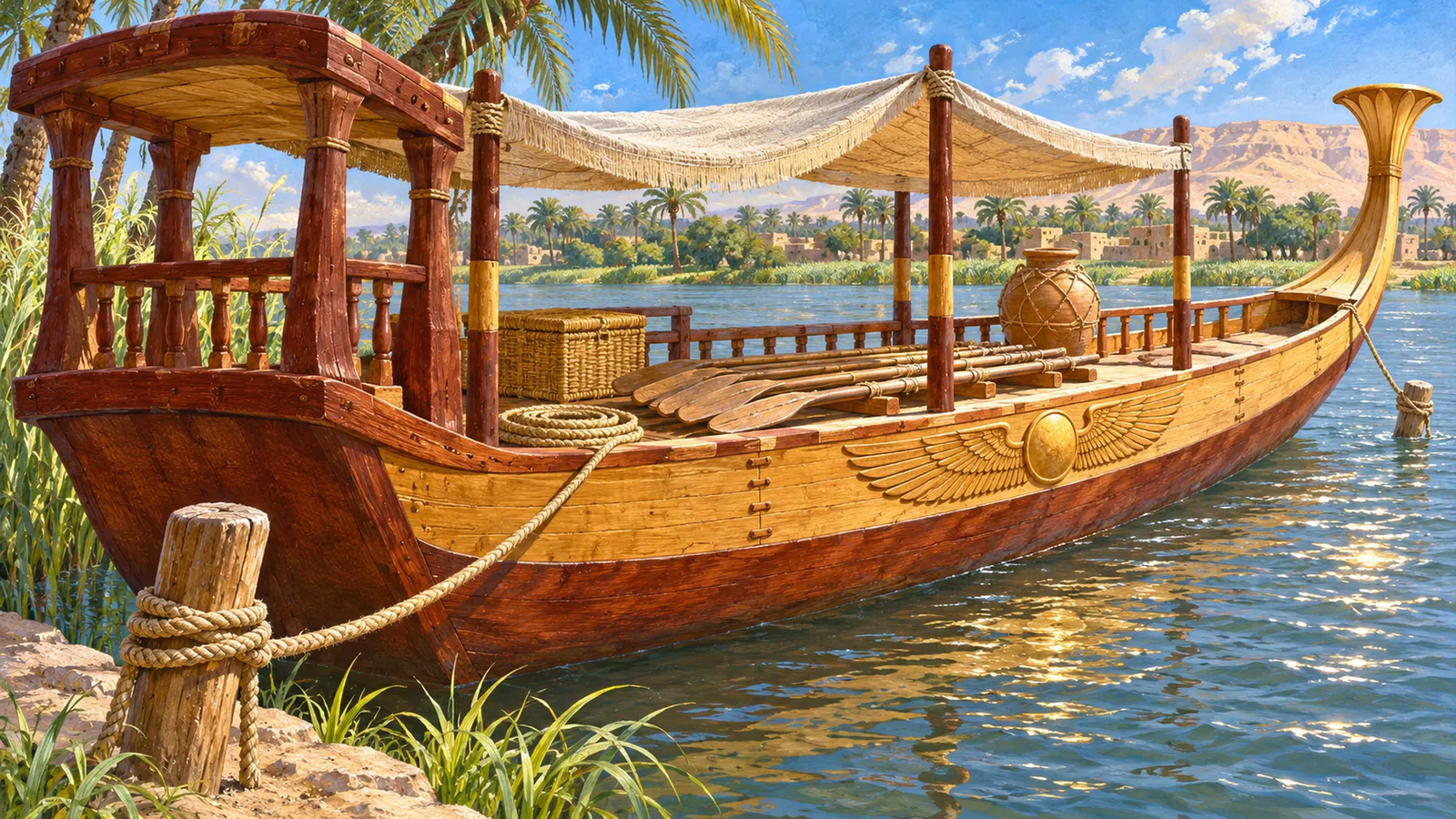
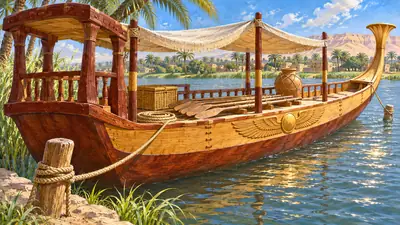
When the barque reaches its next mooring, the inscription names two kinds of wood in the boat, one at each end. Horus’s barque receives another title, Lord of Rowing.
A WIDER VOYAGE
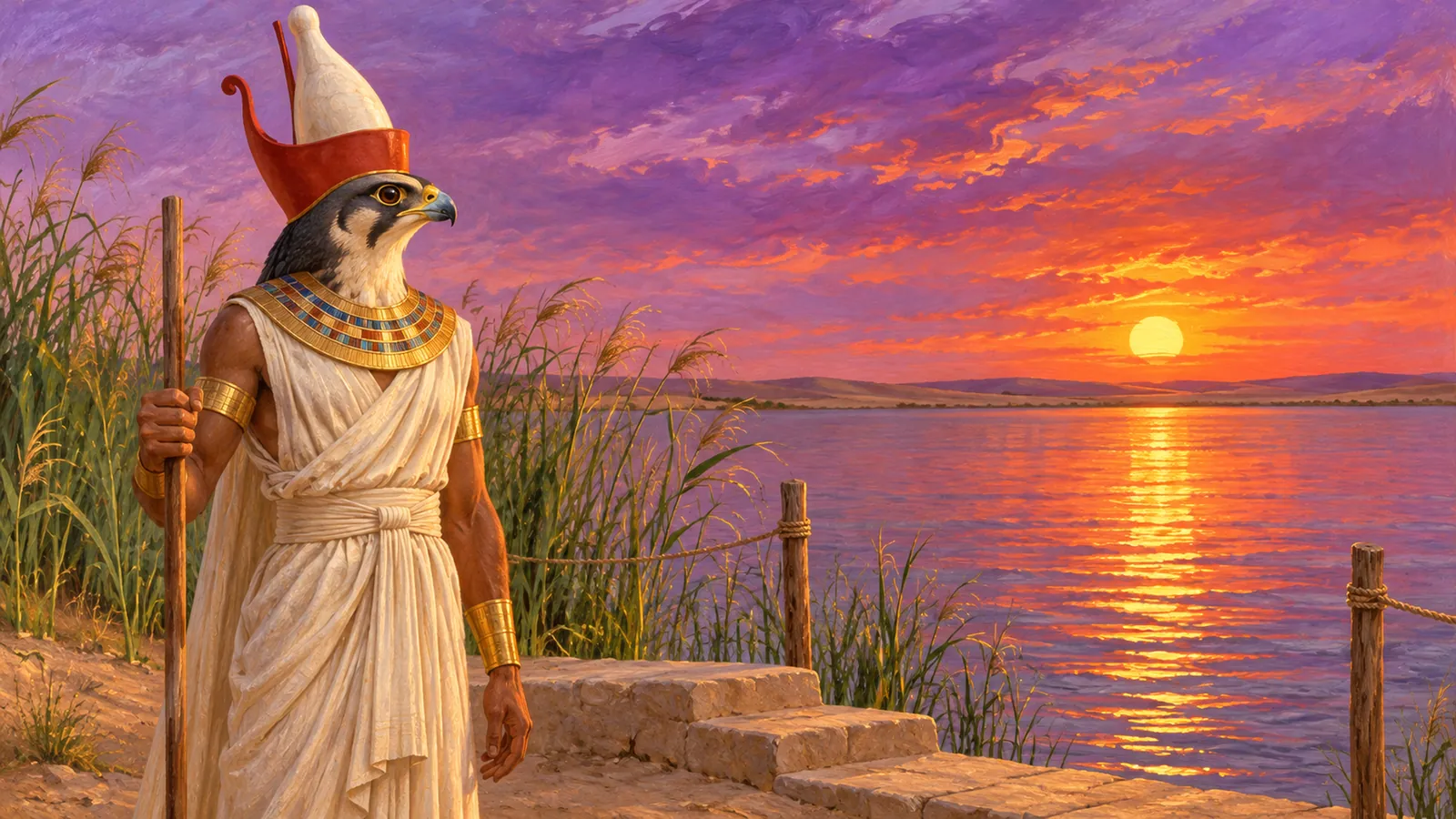
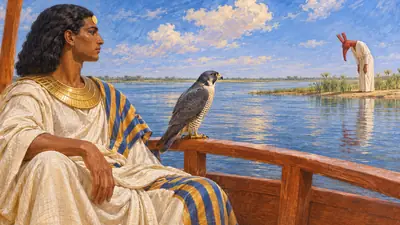
At Neref the boat stops again. Horus of Behdet keeps watch against danger from the west. Here the wall imagines him in the form of a falcon-headed man wearing the crowns of Egypt.
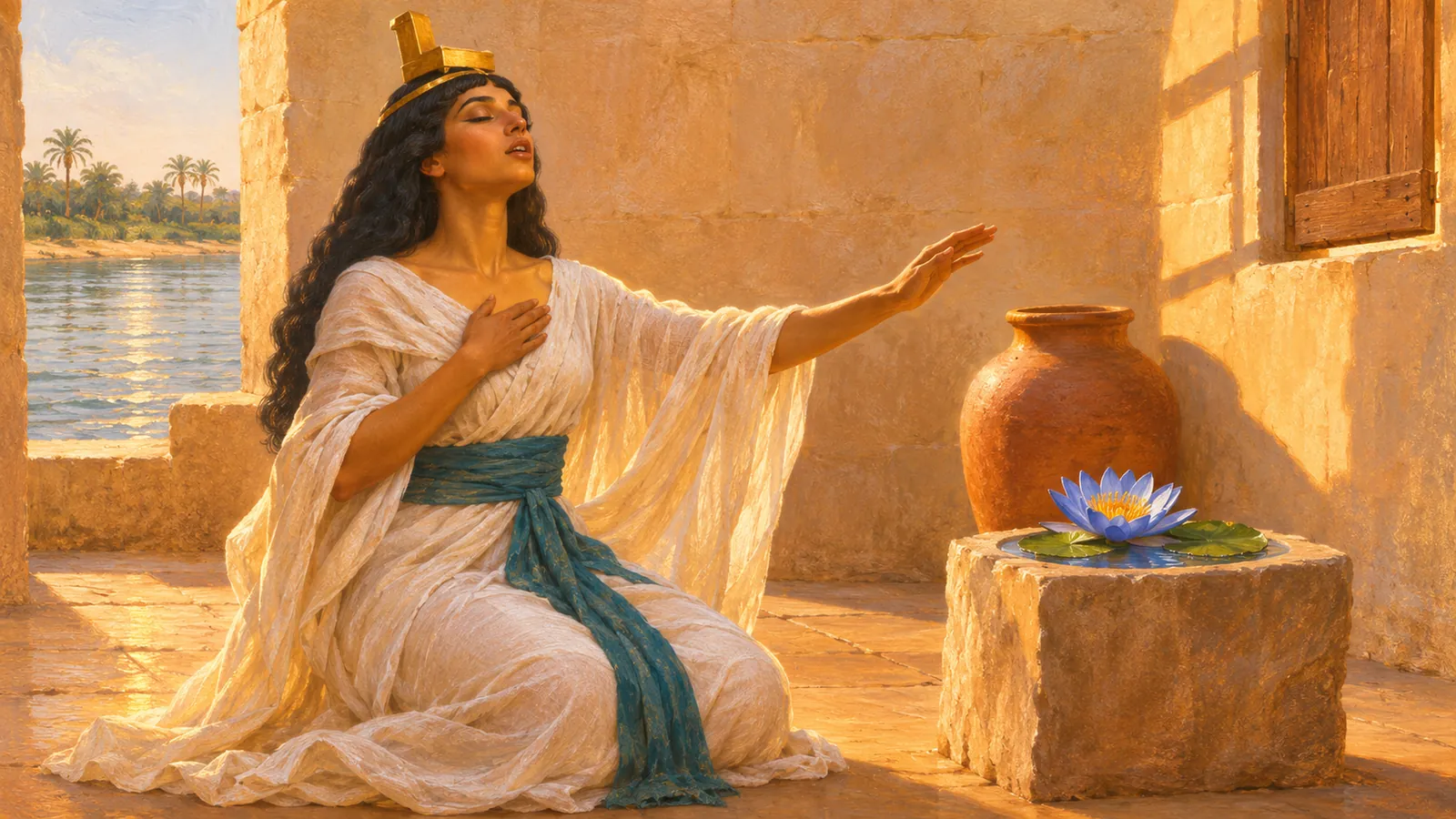
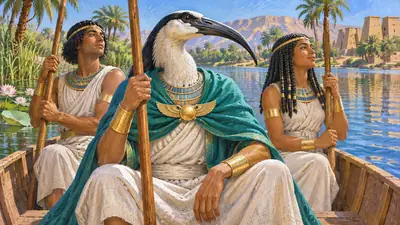
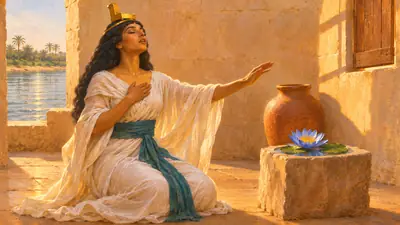
Isis recites words of protection at Neref. The wall gives the temple singer a title that remembers what Isis did. A voice, as much as a boat or a crown, has a place in this legend.
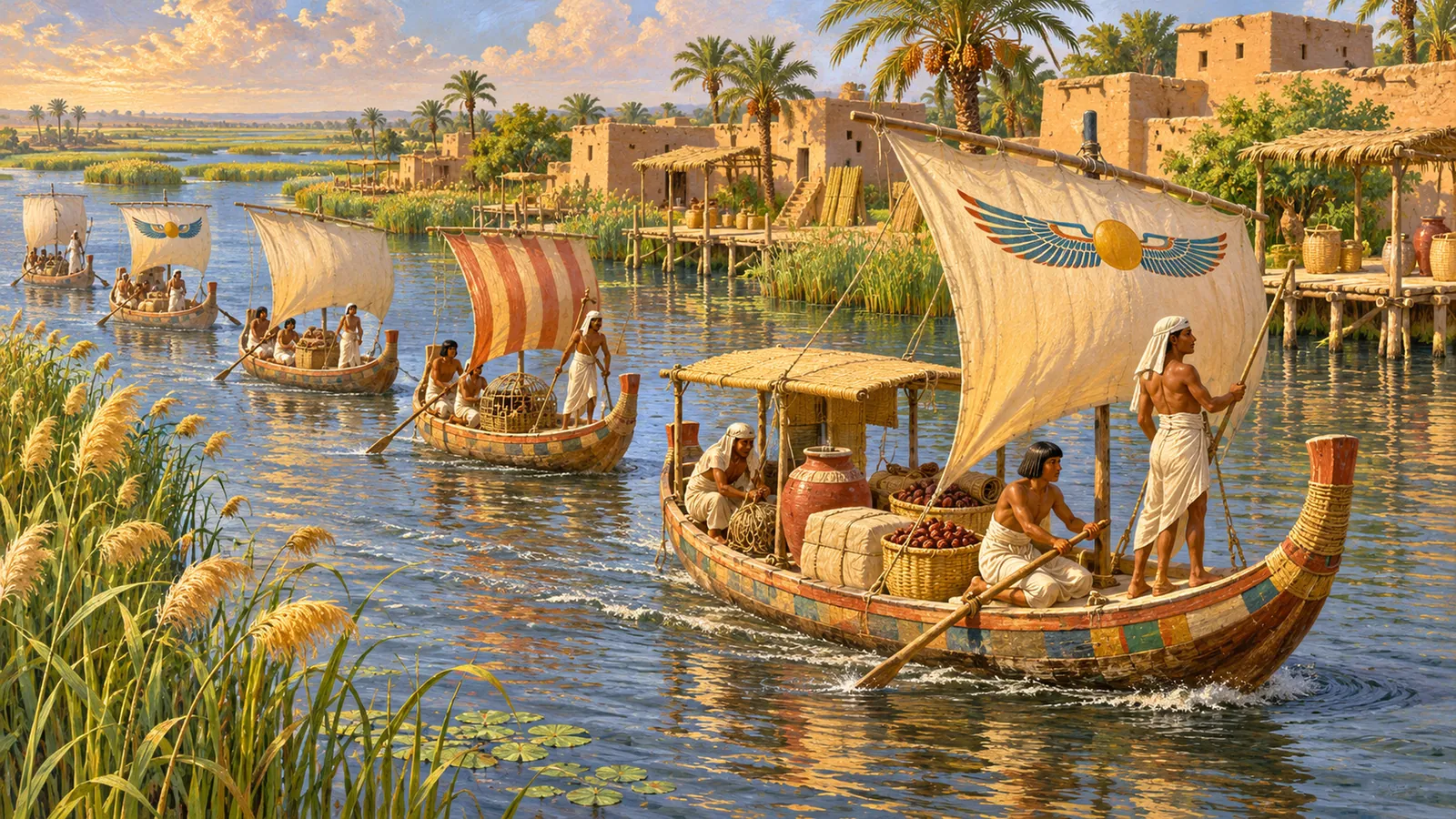
The boats go north with groups of followers. The inscription remembers the groups gathering on different stretches of water. The towns they pass will keep their deeds alive with images and offerings.
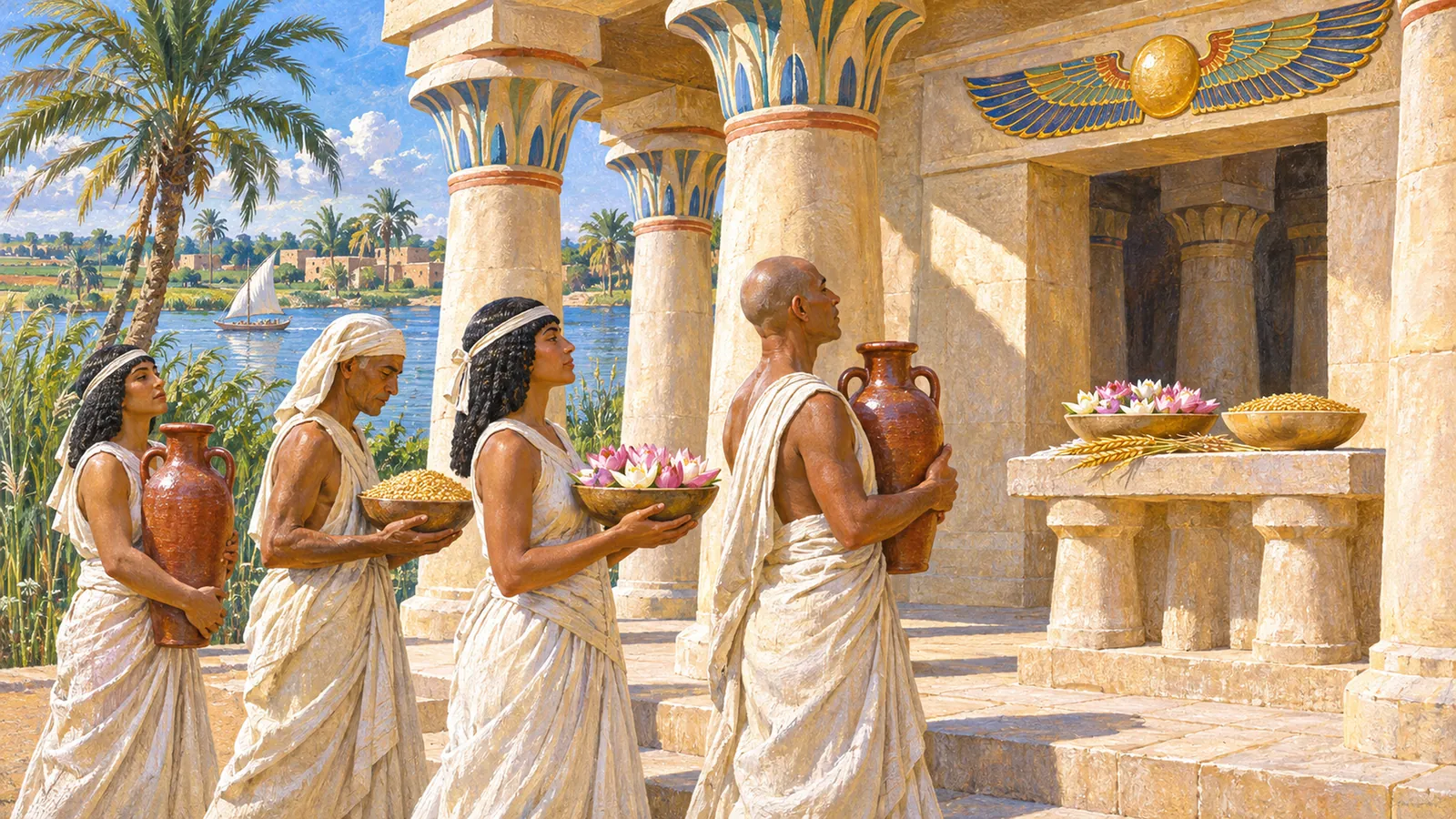
The temple wall names places for the followers in Lower Egypt. It even assigns four days for their rites. Readers at Edfu can follow the voyage on a calendar as well as down a river.
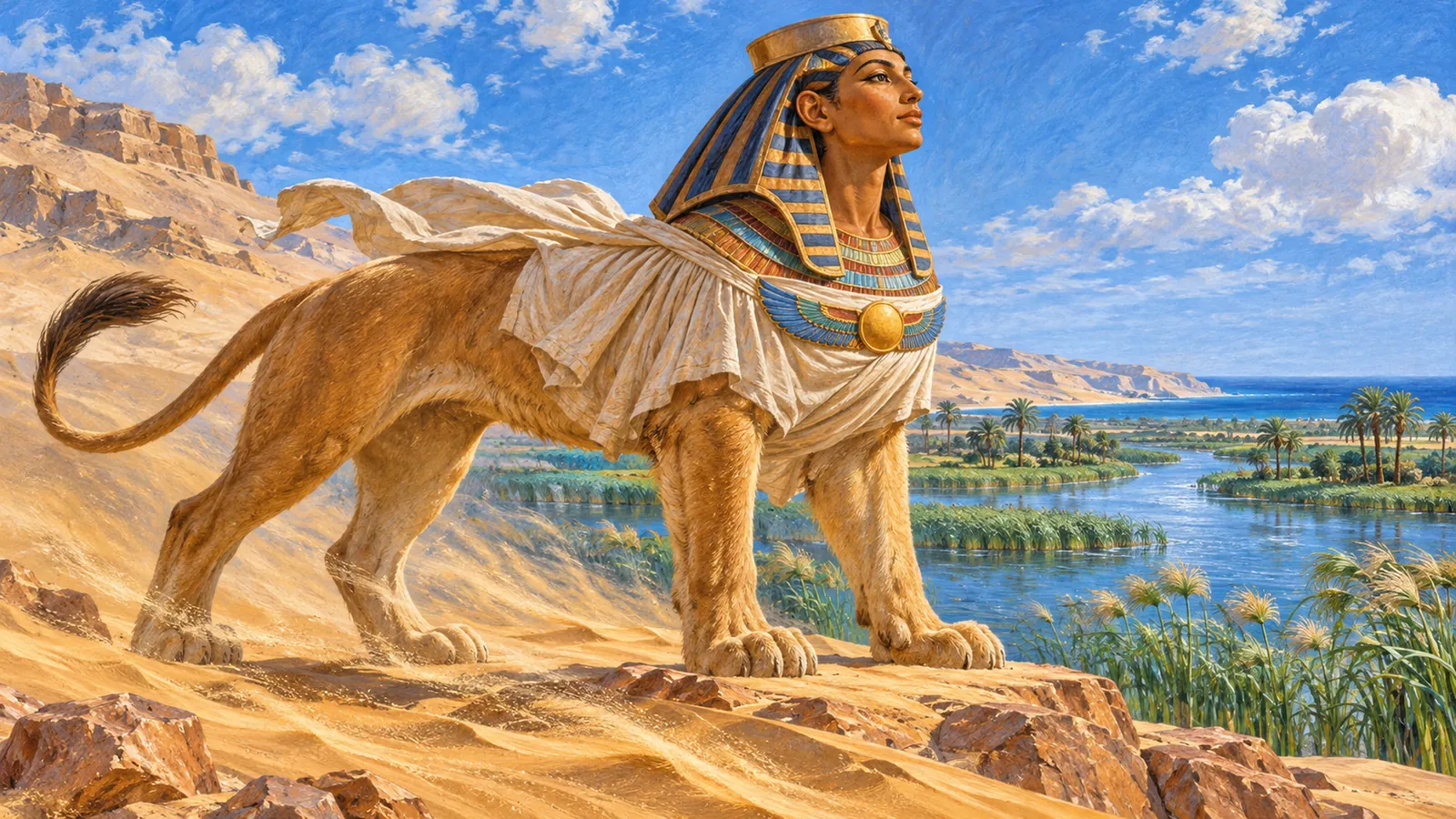
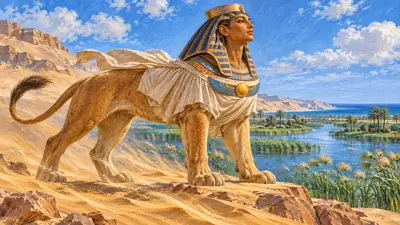
Close to the northern sea, the enemies scatter between the water and the heights. Horus takes the shape of a lion with a human face. On this shore the story makes him a guardian of another kind.
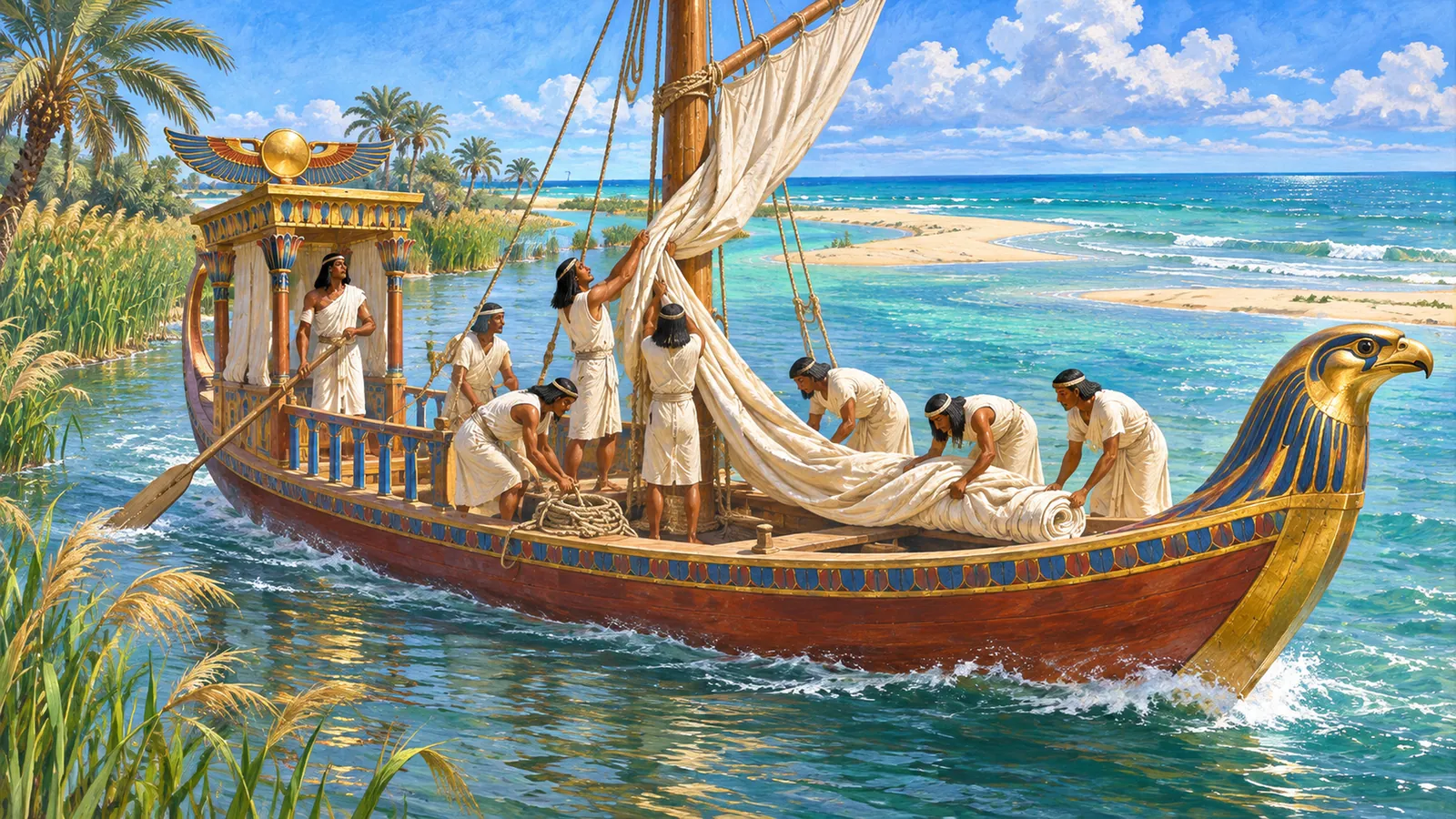
Re wants to pursue the last fugitives into the sea. The country opens out as the boats leave the marshes. Low reeds and banks give way to wind and moving water.
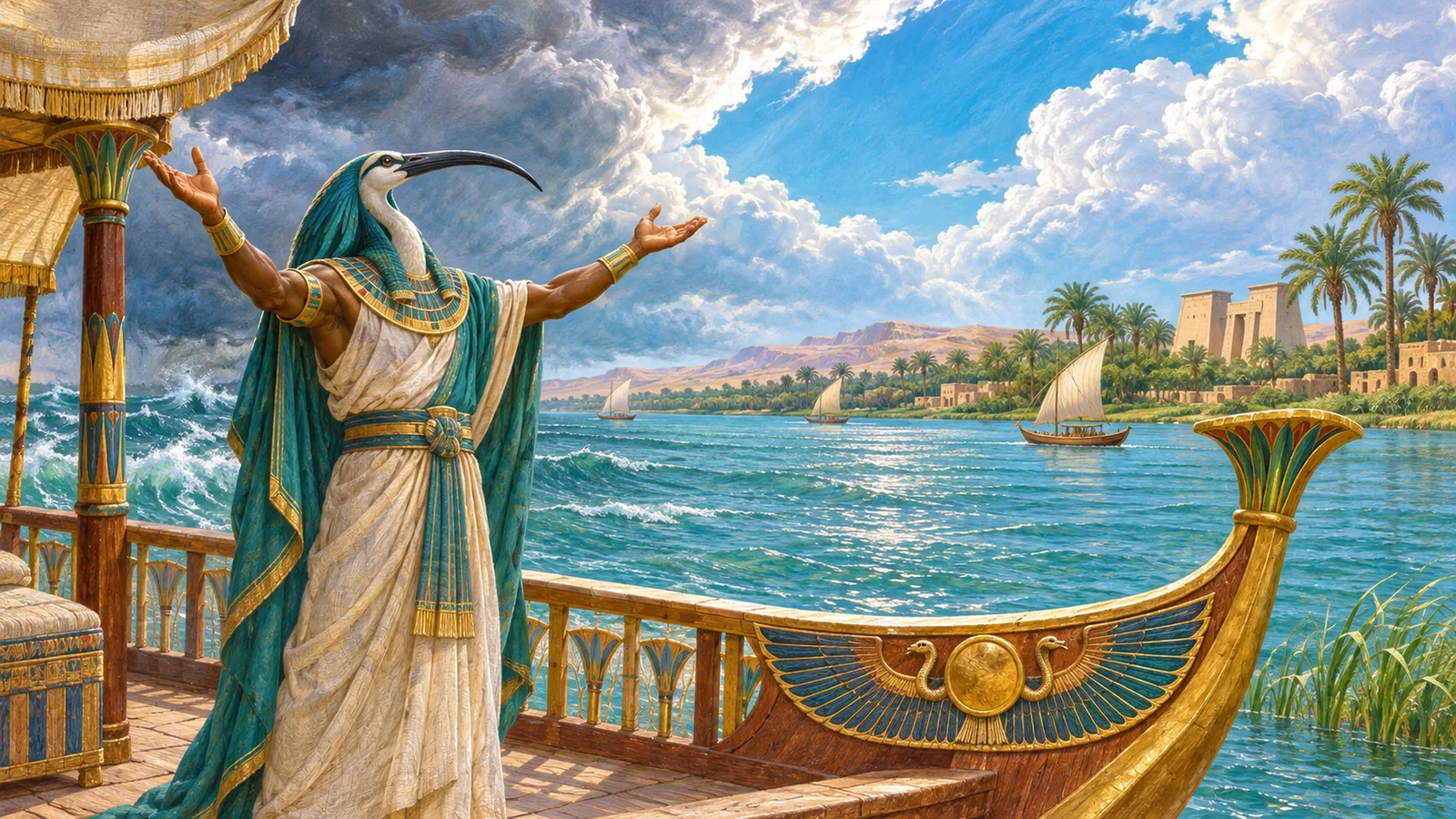
Wind drives the waves against the boats. Thoth speaks words to protect Re’s barque and its companions, and the water quiets. They call this reach the Waters of Travel, remembering how far they have come.

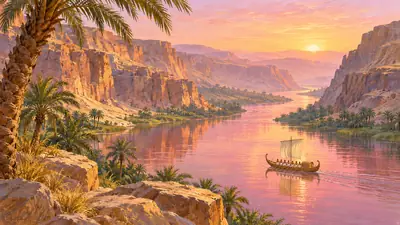
The boats turn upstream by night. Hour after hour, the crew sees no sign of the fugitives. The broad water is behind them when they reach the rocky banks of Nubia.
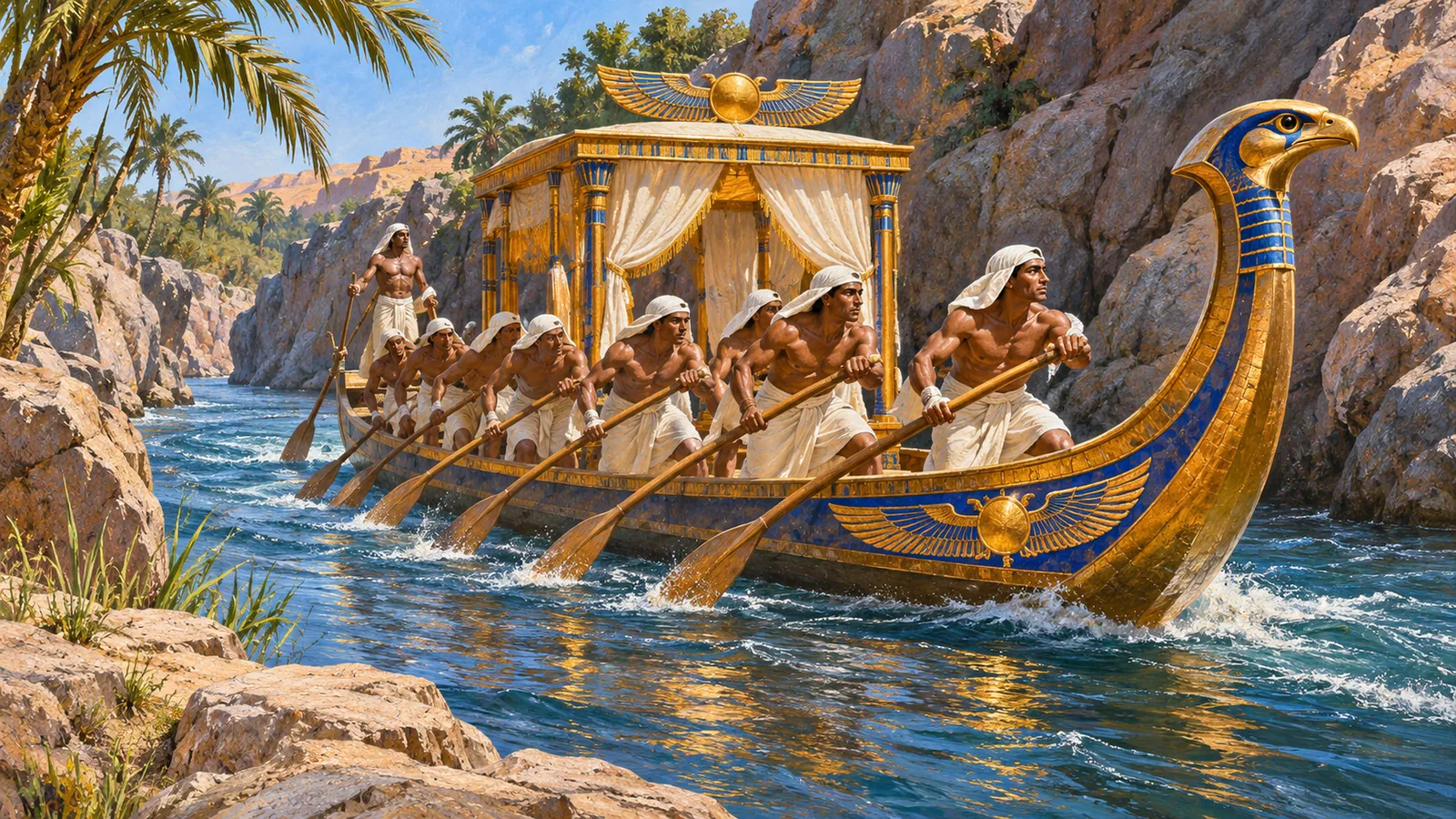
The sailors row against the current through the narrow reaches. In the Nubian land of Wawat, Horus sees a last gathering of people plotting against Re. The winged disk will rise once more.
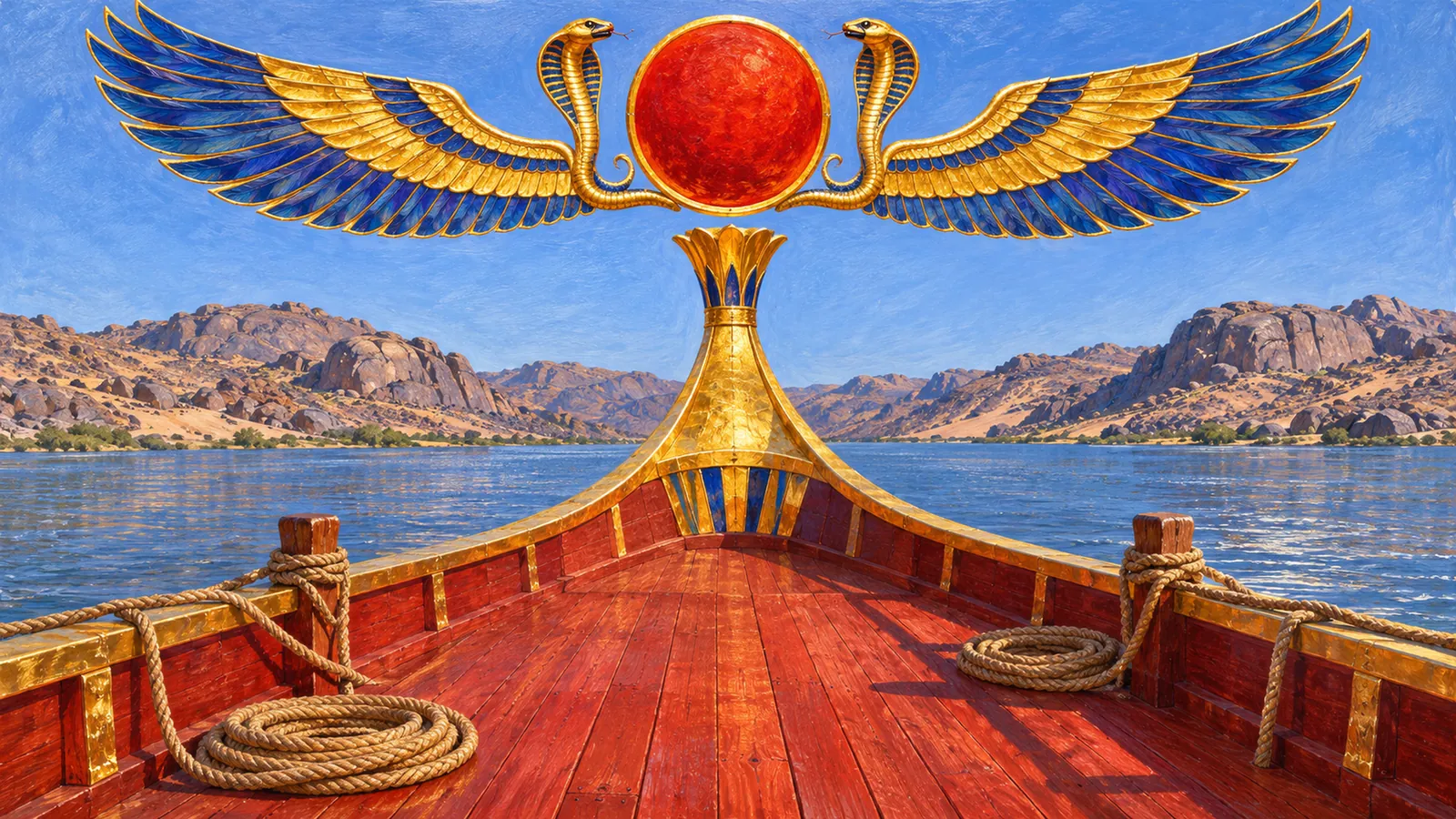
Horus appears above the prow as the winged disk between Nekhbet and Wadjet. The rebels lose their courage at the sight. Re praises the two goddesses who have shared the long voyage.
ABOVE THE DOOR
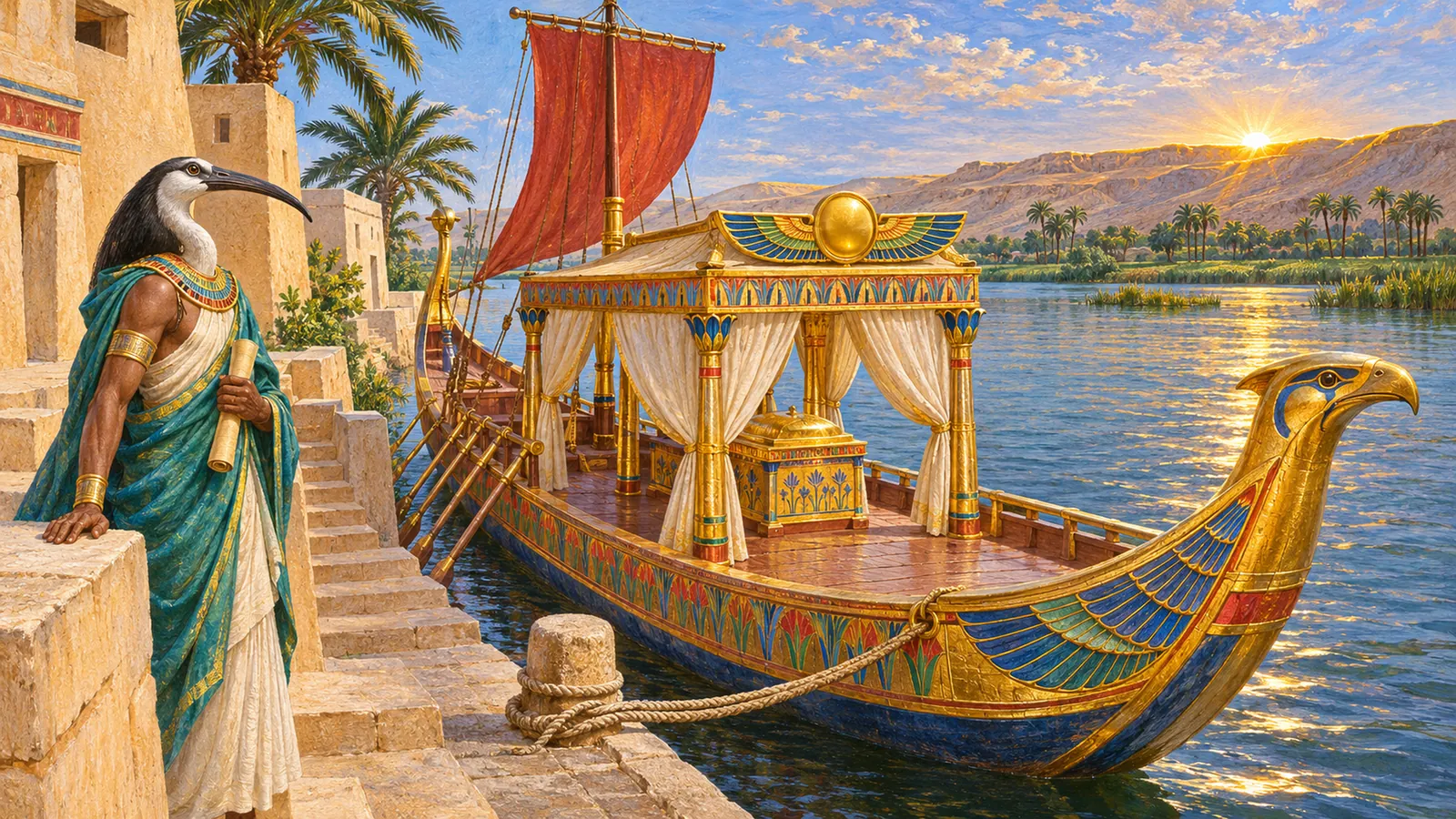
The sun god’s boat moors again at Behdet. Thoth remembers the colors of the figure that came from the horizon. At the end of the voyage, Re has one more task for him.
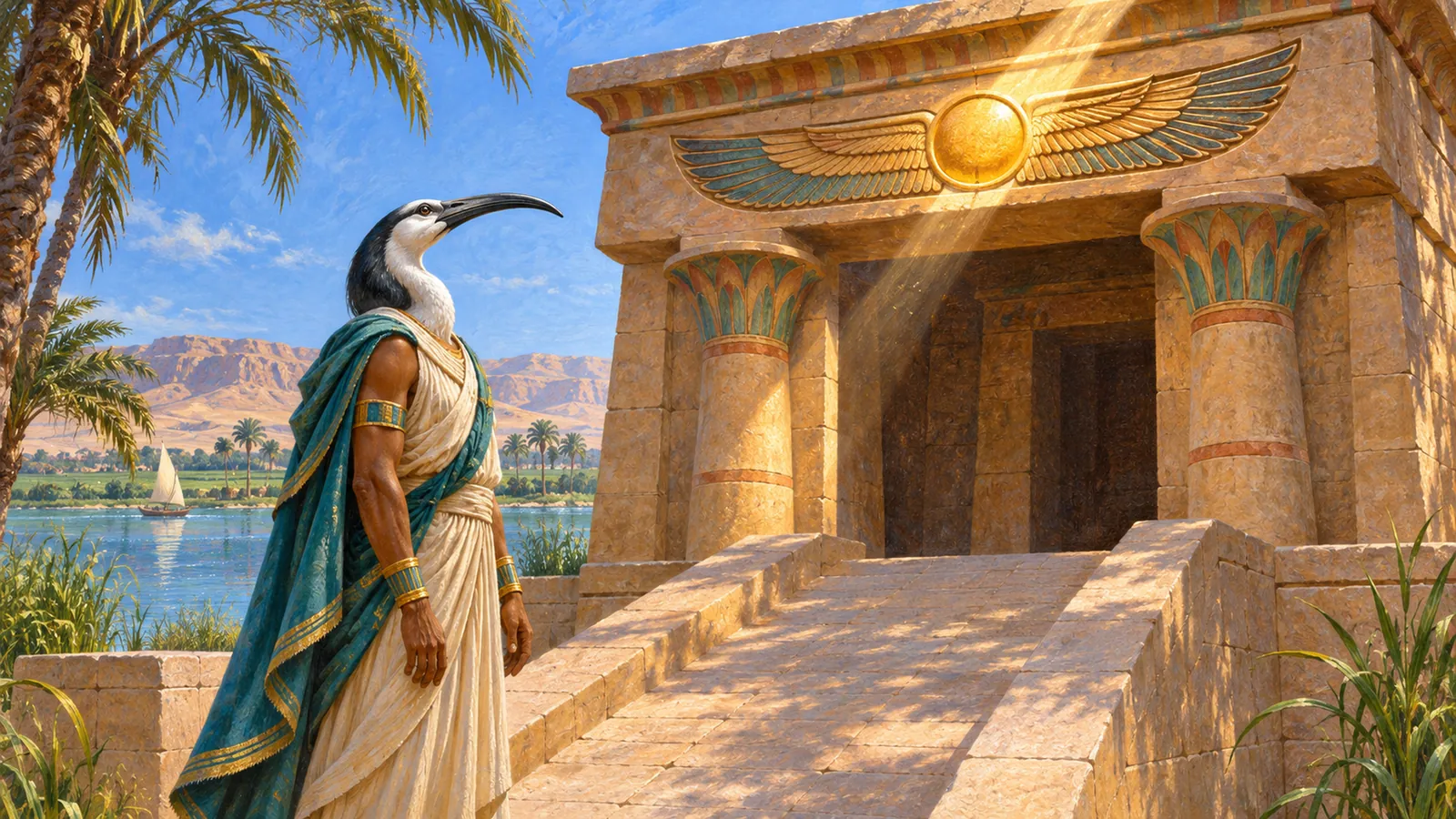
Re asks Thoth to put the disk where the gods and goddesses dwell, in Upper and Lower Egypt. Thoth sets it up. The shape from the prow now has a place above the people who enter.
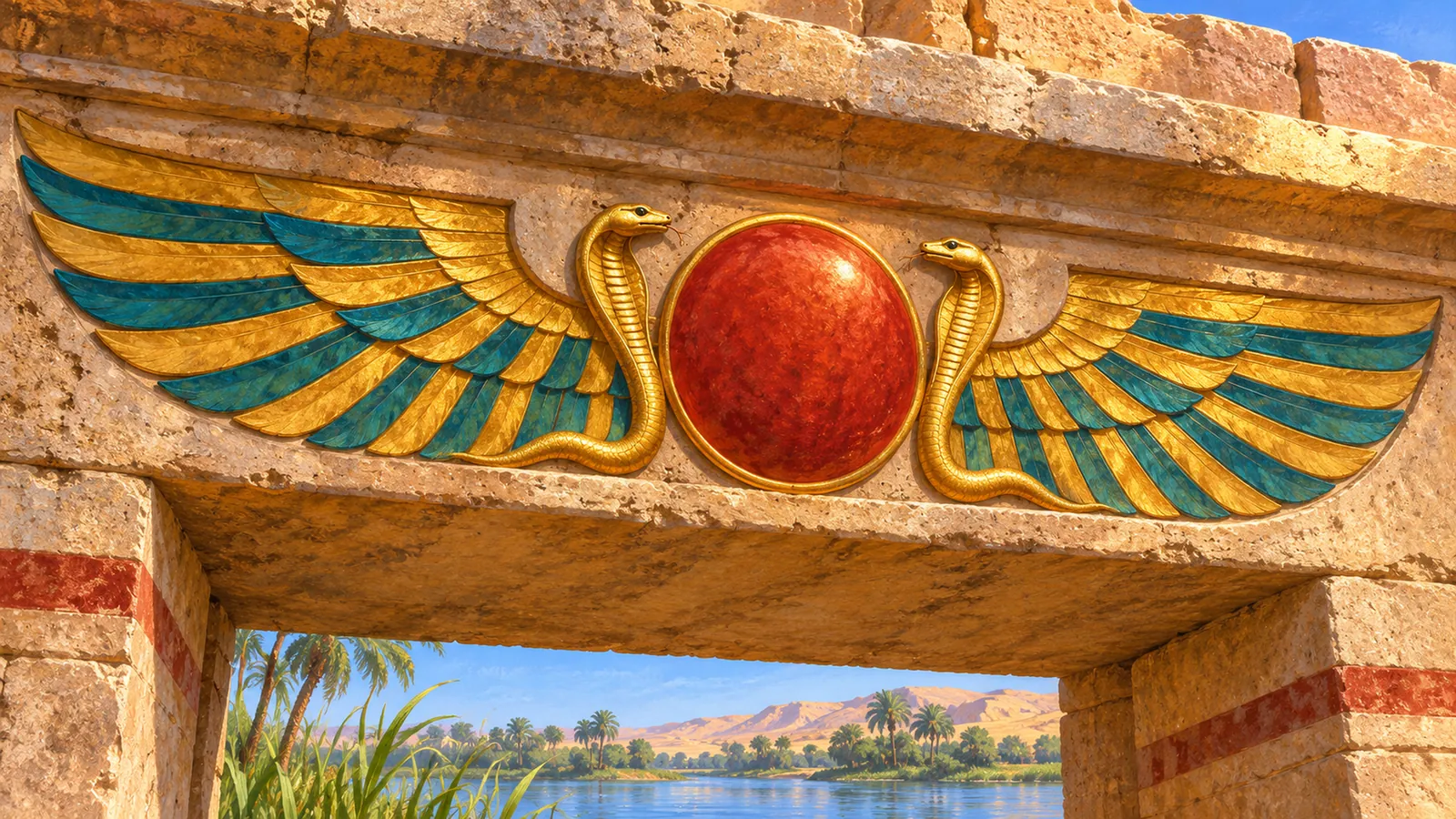
The temple words place Nekhbet with the southern form of Horus and Wadjet with the northern one. At Edfu, wings and cobras can bring those parts of Egypt together over a single opening.
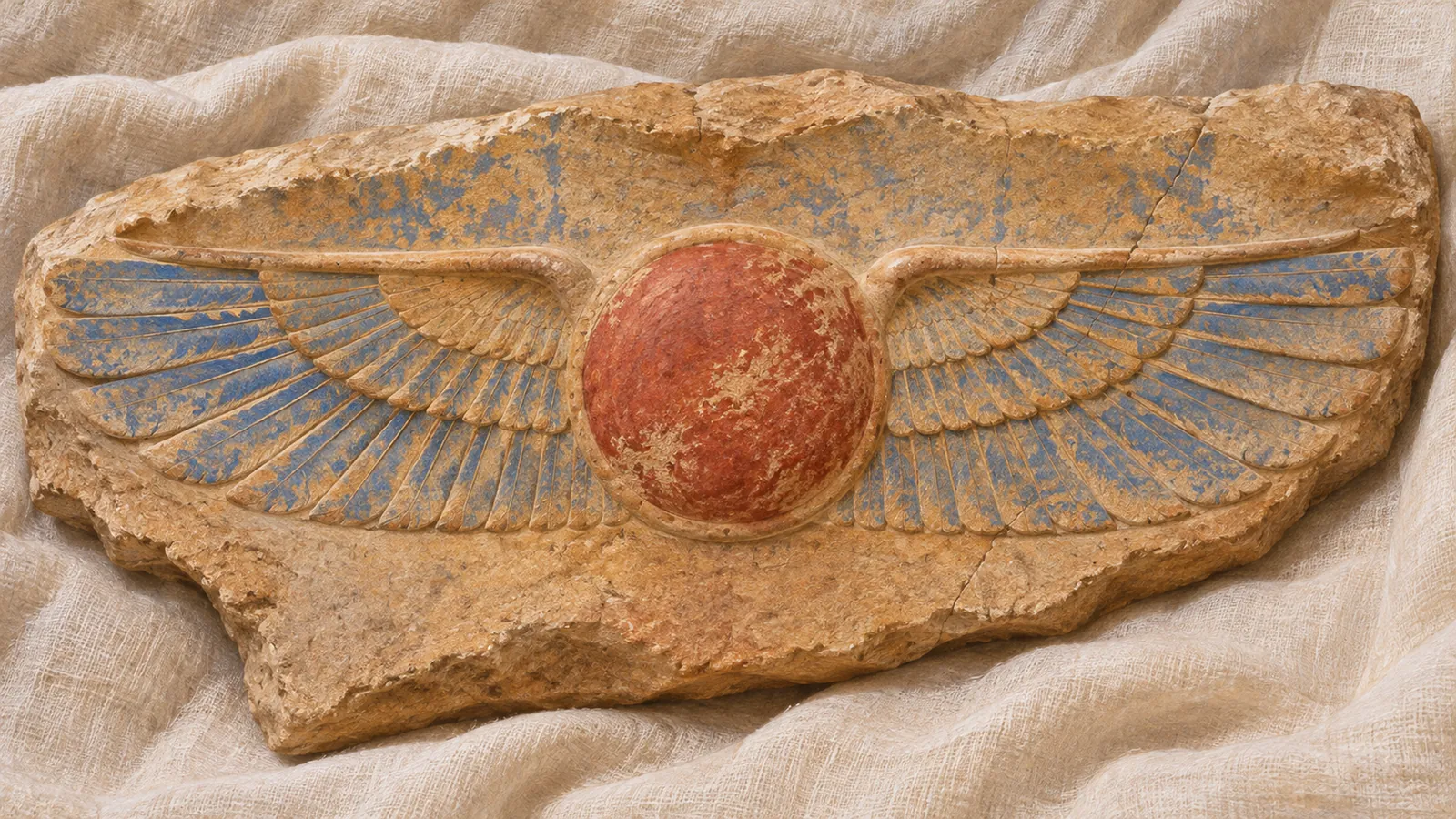
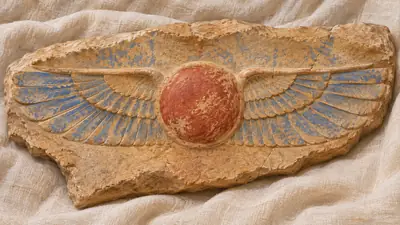
The winged sun was already an Egyptian image long before the Ptolemies built this temple. Edfu gives the old image a voyage, a set of companions, and a reason to watch over a doorway.
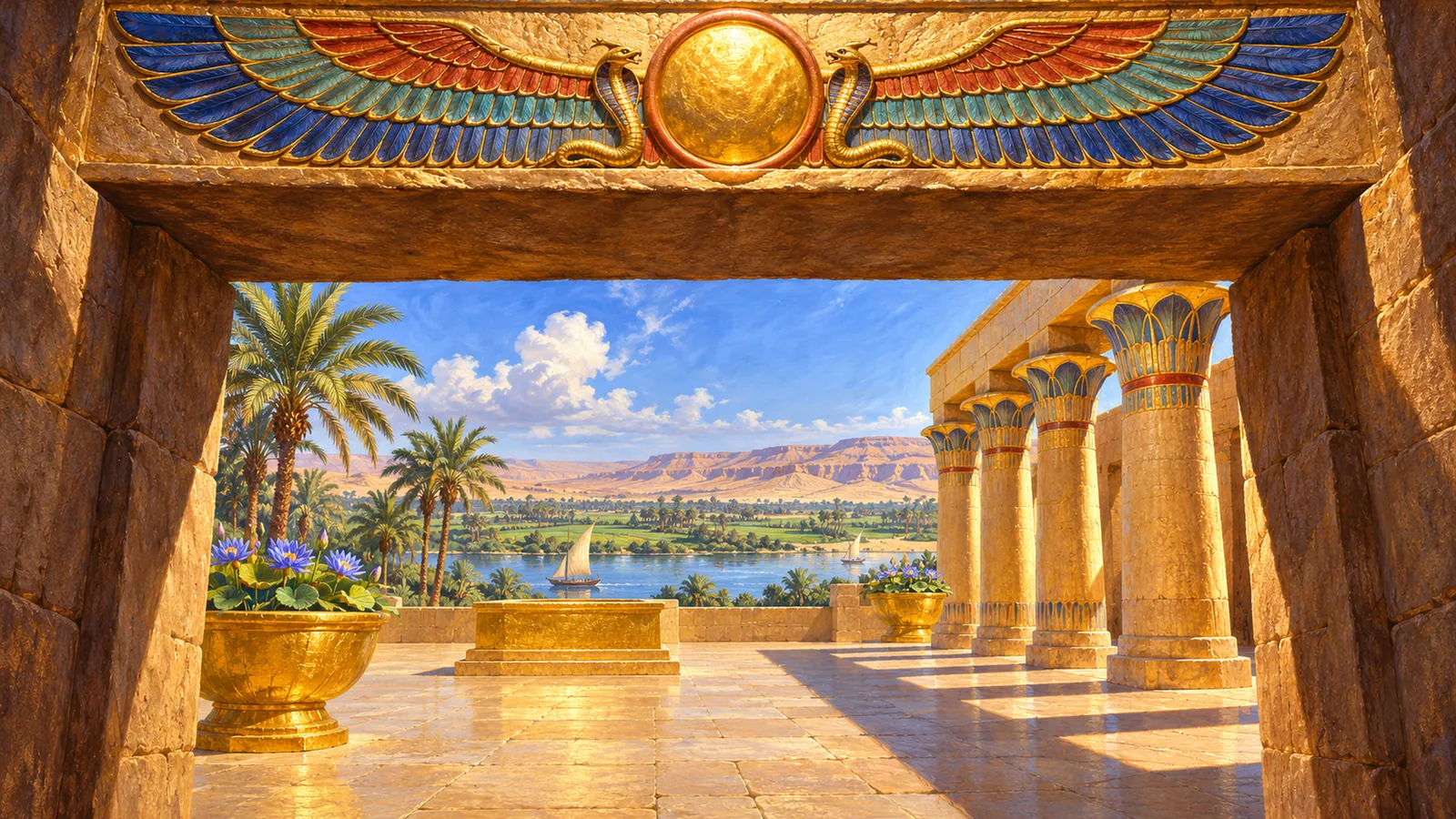
At Edfu the sun now catches the stone at the doorway. We have come back to the place where we began. The boat is gone from sight, but the wings are still here.
End of chapter 1
All pages




Sources
Editions consulted
- Émile Chassinat, Le temple d’Edfou, VI: , 1931, pp. 108–132, the hieroglyphic edition of the west enclosure wall.
- H. W. Fairman, The Myth of Horus at Edfu—I: , JEA 21 (1935), pp. 26–36, section A, scenes 5–12. [Digitized volume text](https://archive.org/stream/in.ernet.dli.2015.70995/2015.70995.Journal-Of-Egyptian-Archaeology-Vol21_djvu.txt).
- Édouard Naville, Textes relatifs au mythe d’Horus: , 1870, plates XII–XIX, earlier copies from the temple.
- Dieter Kurth et al., Edfou VI: , 2014, scholarly German edition. References to lines 111.4, 114.3 and 129.8–11 were cross-checked in published extracts.
- A. M. Blackman and H. W. Fairman, The Myth of Horus at Edfu II–IV: , 1942–44, the separately edited festival drama.
- Egyptian Ministry of Tourism and Antiquities, Edfu Temple: , temple setting and Ptolemaic construction.
- Randy L. Shonkwiler, The Behdetite: , University of Chicago, 2014. See chapter 3, pp. 63–70, for Old Kingdom examples, including Nyuserre’s Sinai relief.
Ancient lines behind each page
- Page 1: Fairman 1935, pp. 26–27; Temple of Edfu, Egyptian Ministry
- Page 2: Edfou VI 108–110; Fairman A, scene 5
- Page 3: Edfou VI 108–110; Fairman A, scene 5
- Page 4: Edfou VI 108–110; Fairman A, scene 5
- Page 5: Edfou VI 111–113; Fairman A, scene 6
- Page 6: Edfou VI 111–113; Fairman A, scene 6
- Page 7: Edfou VI 111–113; Fairman A, scene 6
- Page 8: Edfou VI 111–113; Fairman A, scene 6
- Page 9: Edfou VI 111–113; Fairman A, scene 6
- Page 10: Edfou VI 111–113; Fairman A, scene 6
- Page 11: Edfou VI 111–113; Fairman A, scene 6
- Page 12: Edfou VI 111–113; Fairman A, scene 6
- Page 13: Edfou VI 111–113; Fairman A, scene 6
- Page 14: Edfou VI 111–113; Fairman A, scene 6
- Page 15: Edfou VI 114–117; Fairman A, scene 7
- Page 16: Edfou VI 114–117; Fairman A, scene 7
- Page 17: Edfou VI 114–117; Fairman A, scene 7
- Page 18: Edfou VI 114–117; Fairman A, scene 7
- Page 19: Edfou VI 114–117; Fairman A, scene 7
- Page 20: Edfou VI 114–117; Fairman A, scene 7
- Page 21: Edfou VI 114–117; Fairman A, scene 7
- Page 22: Edfou VI 114–117; Fairman A, scene 7
- Page 23: Edfou VI 118–120; Fairman A, scene 8
- Page 24: Edfou VI 118–120; Fairman A, scene 8
- Page 25: Edfou VI 118–120; Fairman A, scene 8
- Page 26: Edfou VI 118–120; Fairman A, scene 8
- Page 27: Edfou VI 118–120; Fairman A, scene 8
- Page 28: Edfou VI 118–120; Fairman A, scene 8
- Page 29: Edfou VI 118–120; Fairman A, scene 8
- Page 30: Edfou VI 118–120; Fairman A, scene 8
- Page 31: Edfou VI 118–120; Fairman A, scene 8
- Page 32: Edfou VI 121–122; Fairman A, scene 9
- Page 33: Edfou VI 121–122; Fairman A, scene 9
- Page 34: Edfou VI 121–122; Fairman A, scene 9
- Page 35: Edfou VI 121–122; Fairman A, scene 9
- Page 36: Edfou VI 123–126; Fairman A, scene 10
- Page 37: Edfou VI 123–126; Fairman A, scene 10
- Page 38: Edfou VI 123–126; Fairman A, scene 10
- Page 39: Edfou VI 123–126; Fairman A, scene 10
- Page 40: Edfou VI 127–128; Fairman A, scene 11
- Page 41: Edfou VI 127–128; Fairman A, scene 11
- Page 42: Edfou VI 127–128; Fairman A, scene 11
- Page 43: Edfou VI 127–128; Fairman A, scene 11
- Page 44: Edfou VI 127–128; Fairman A, scene 11
- Page 45: Edfou VI 127–128; Fairman A, scene 11
- Page 46: Edfou VI 129.8–131; Fairman A, scene 12
- Page 47: Edfou VI 129.8–131; Fairman A, scene 12
- Page 48: Edfou VI 129.8–131; Fairman A, scene 12
- Page 49: Shonkwiler 2014, ch. 3, pp. 63–70; Temple of Edfu, Egyptian Ministry
- Page 50: Edfou VI 129.8–131; Fairman A, scene 12
Illustrations made with AI tools by IL Archive; the text is based on the ancient sources (see the sources at the end of each chapter).