The Nippur Murder Trial Chapter 1
The Assembly Hears the Case
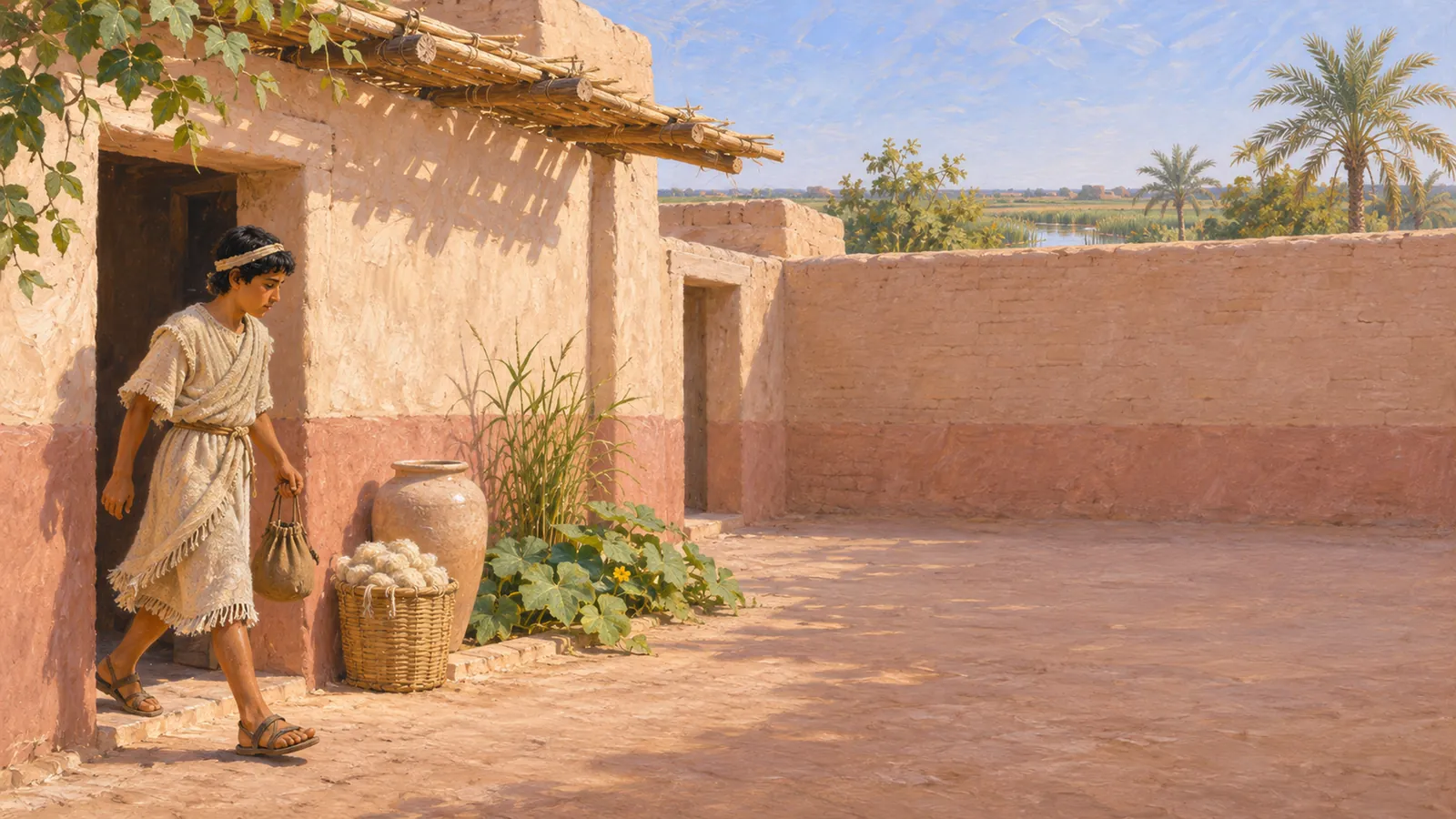
Lu-Inana’s place in the house is empty. At the hearing, nine men invoke the seat that belonged to his office. Shuqalilum and Ubar-Suen ask what Nin-Dada has done, while the assembly gives its own account of what silence means. Later, learners in the scribal quarter copy the questions and answers onto clay.
SourcesTurn the pages with the arrows, the arrow keys or a swipe.

THE CLAY
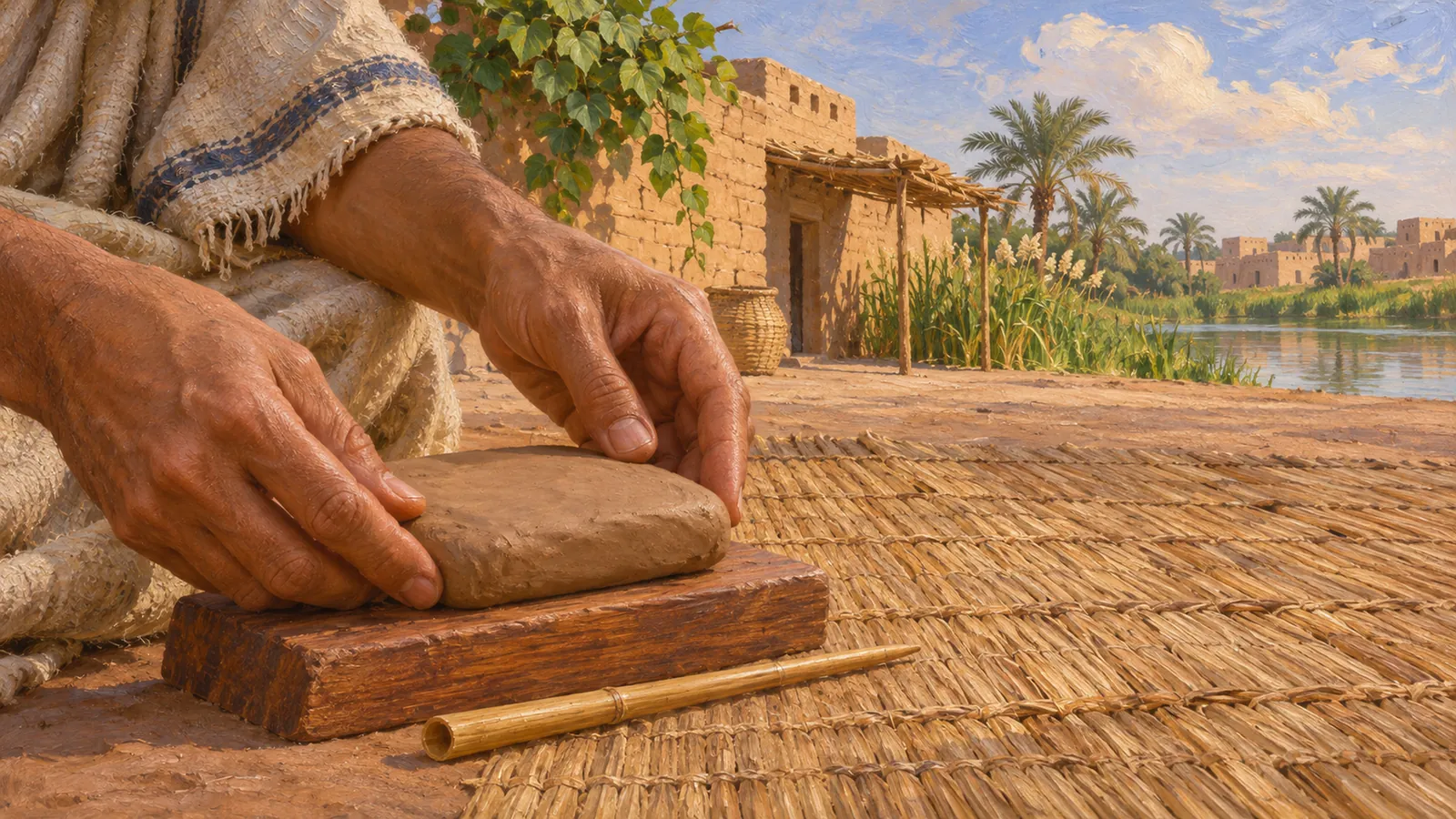
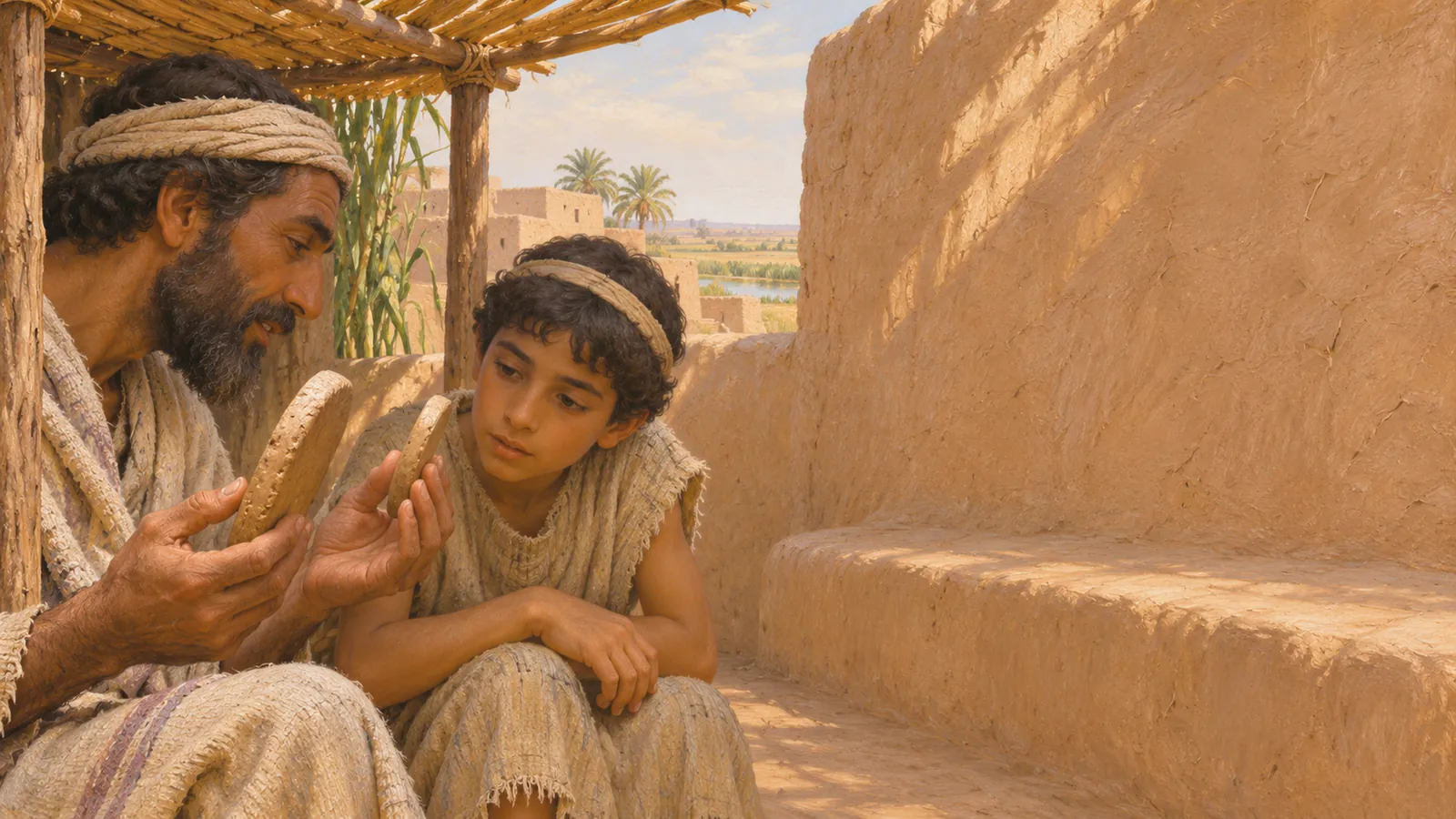
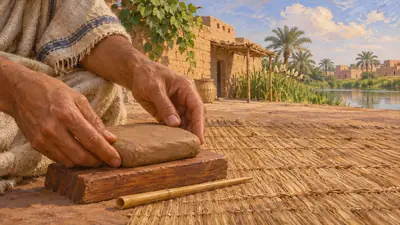
A teacher and pupil turn a clay tablet in the light. Its story opens with a death in Nippur and leaves us with a question about a woman who kept silent.

The account puts the case in the reign of Ur-Ninurta, king of Isin. The tablets in our hands come from later scribes who still considered the story worth copying.

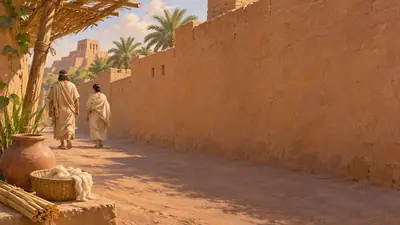
Nippur stood on the alluvial plain of southern Mesopotamia. The temple of Enlil lay beside its great stepped mound. The scribes’ own neighborhood lay elsewhere within the city.
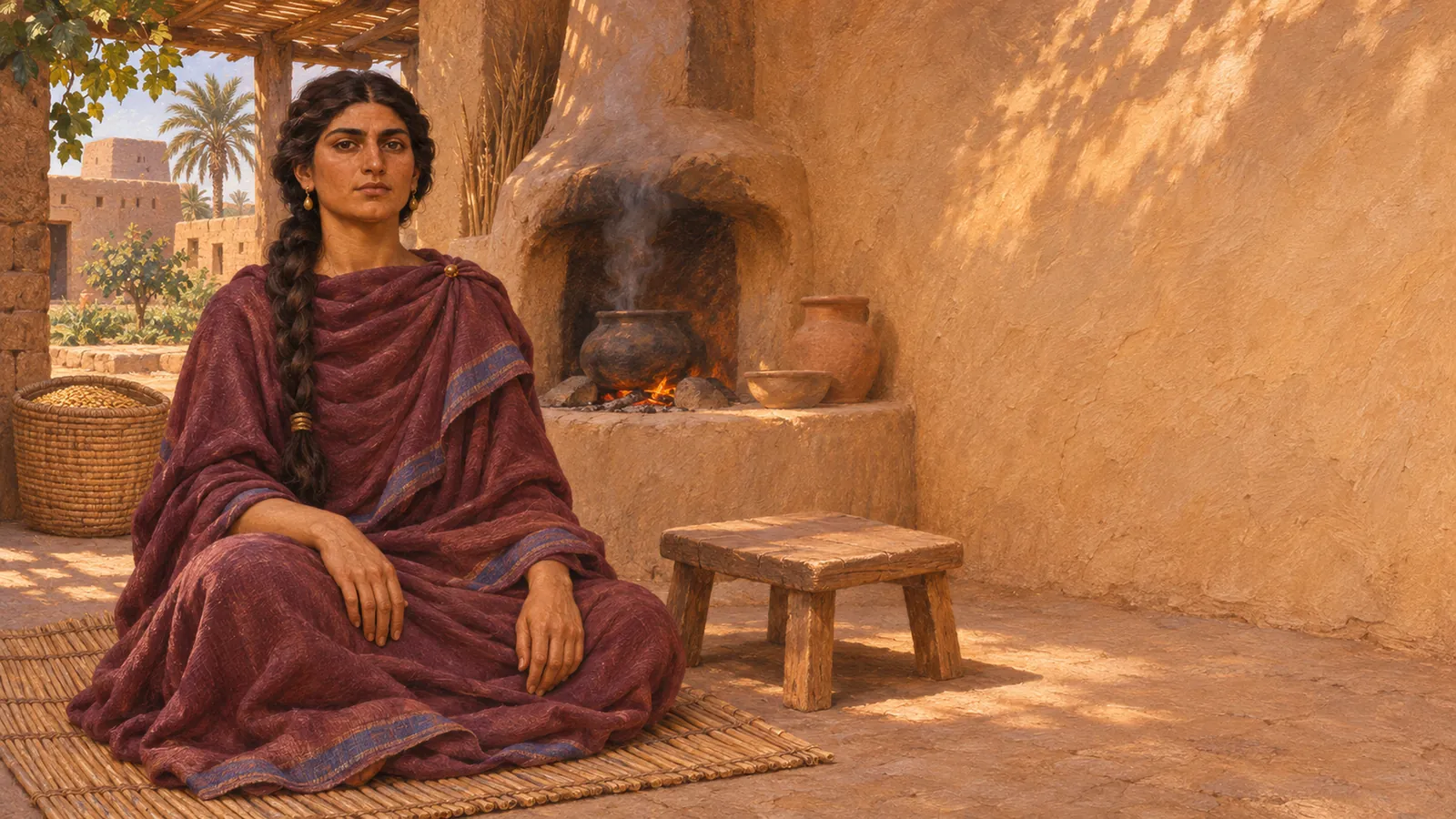
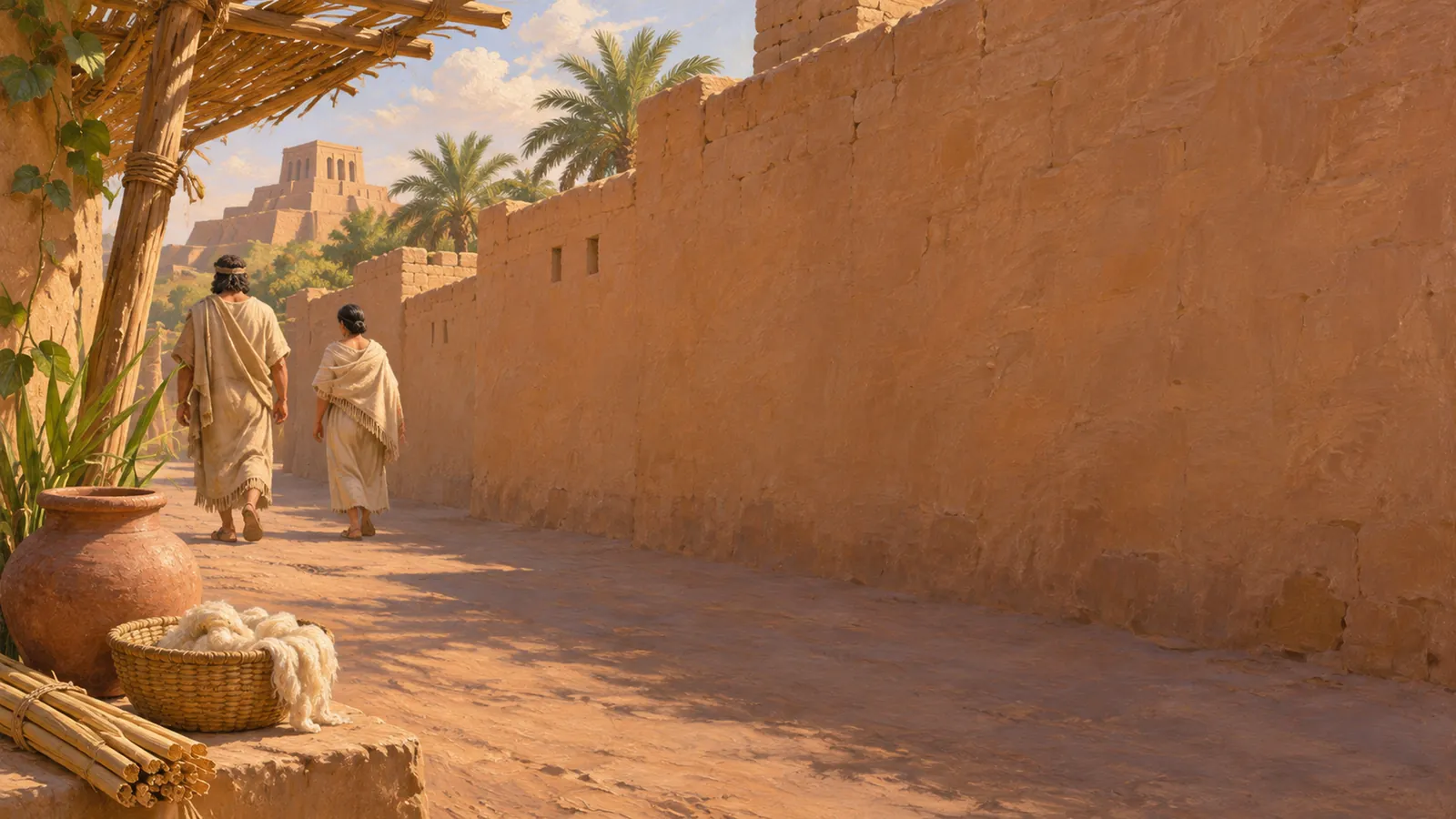
The first lines name Lu-Inana and his father. Imagine an empty place at home as you listen. The account starts where Lu-Inana’s life has ended.

Lu-Inana’s title was nesakku, an office in the service of Enlil at Nippur. His position comes into the argument later, when the speakers mention a seat that belonged to him.
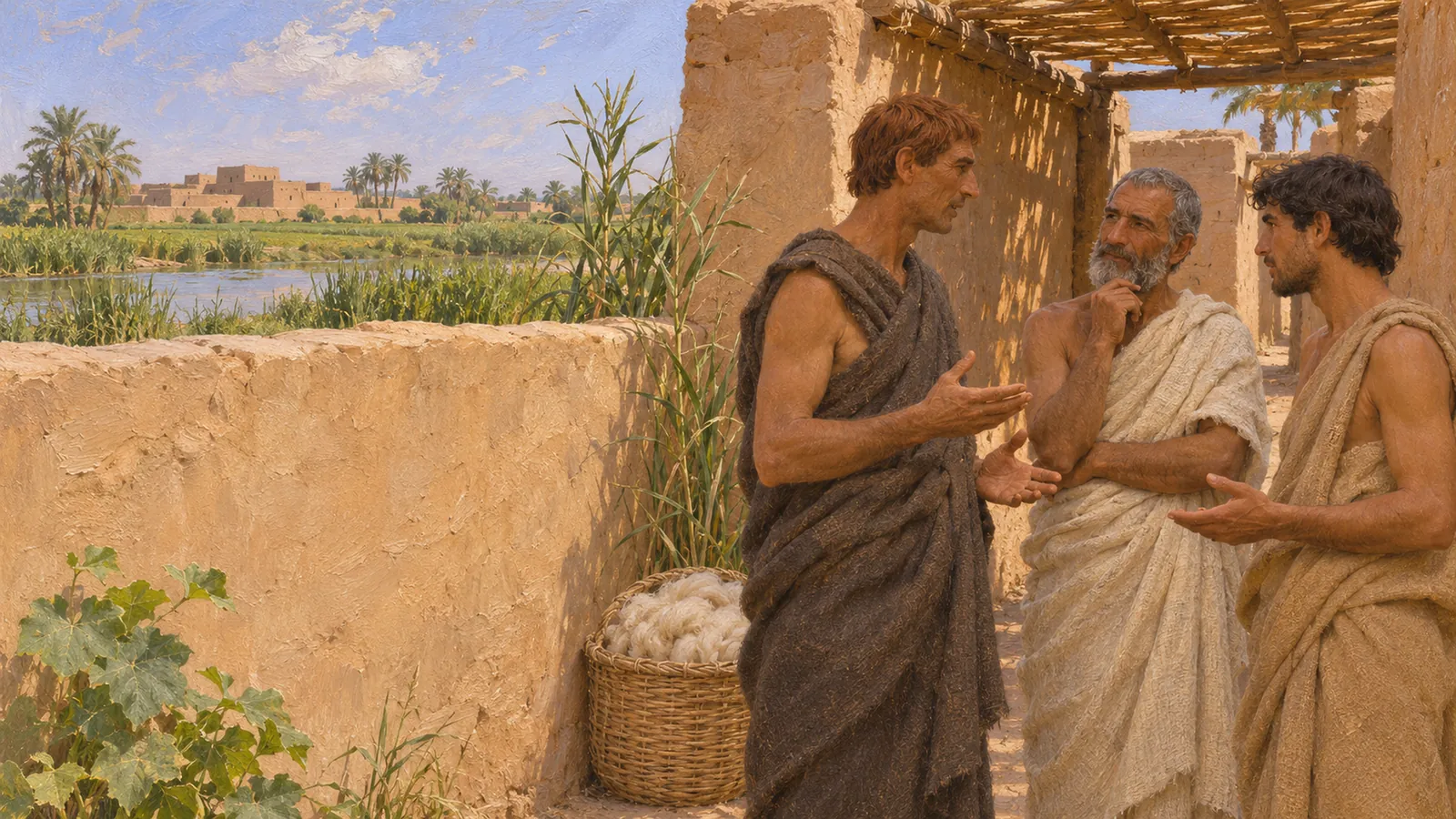
Nanna-sig, Ku-Enlilla and Enlil-ennam are named as the men who killed him. The account gives the names up front and then follows the three men to someone who knew Lu-Inana.

Ku-Enlilla was the son of Ku-Nanna and worked as a barber. Enlil-ennam is identified by his service to Adda-kalla, a man who kept an orchard. The third man’s trade is unrecorded.
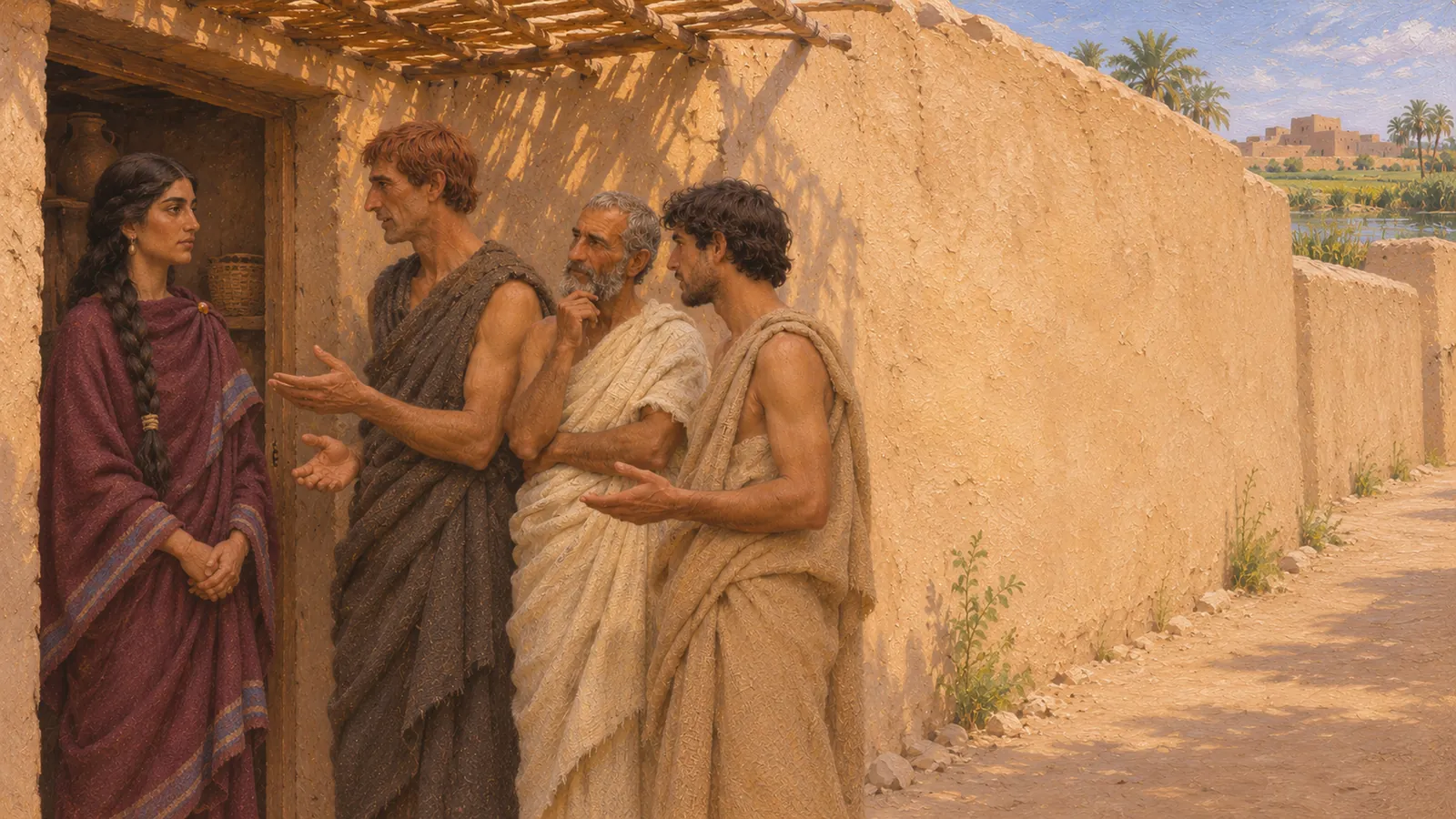
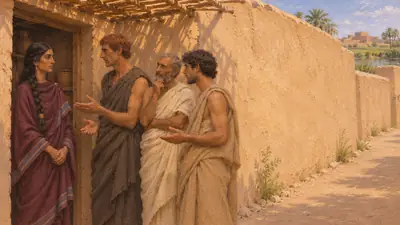
After Lu-Inana’s death the same three men tell his wife what has happened. Her name is Nin-Dada. Here the record preserves that they spoke to her and lets their words fall away.

At that point the tablet says she stayed silent. It describes her mouth as covered with cloth. The image in those words is as close as the first lines bring us to her reaction.
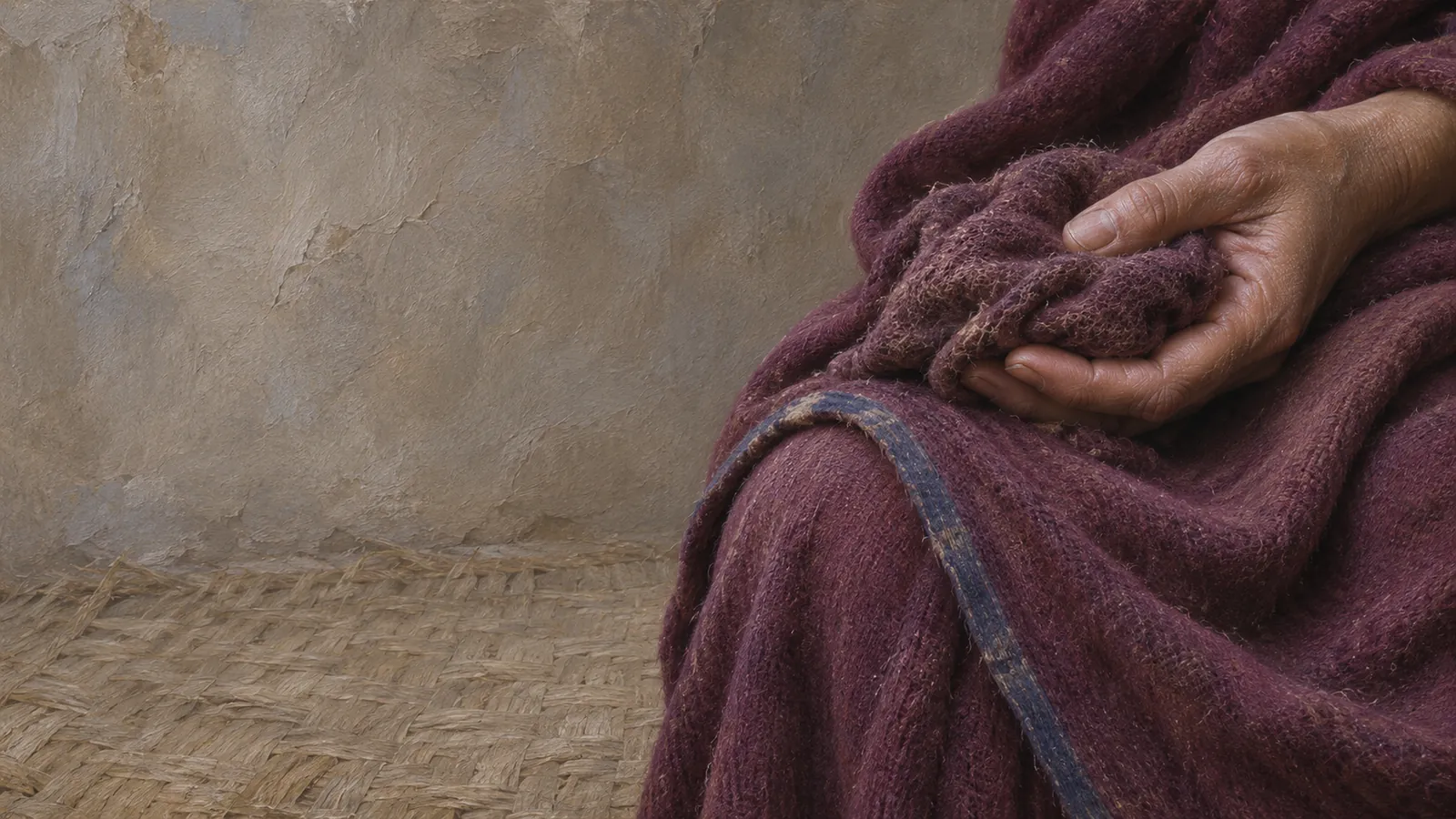
The cloth in that expression may be a way of describing silence. We can hear the force of the phrase while leaving open how Nin-Dada actually looked in that moment.

THE ROYAL ORDER
The case is brought before the king in Isin. One line in the account carries it from the city where Lu-Inana held office to the court that could decide who would hear it.
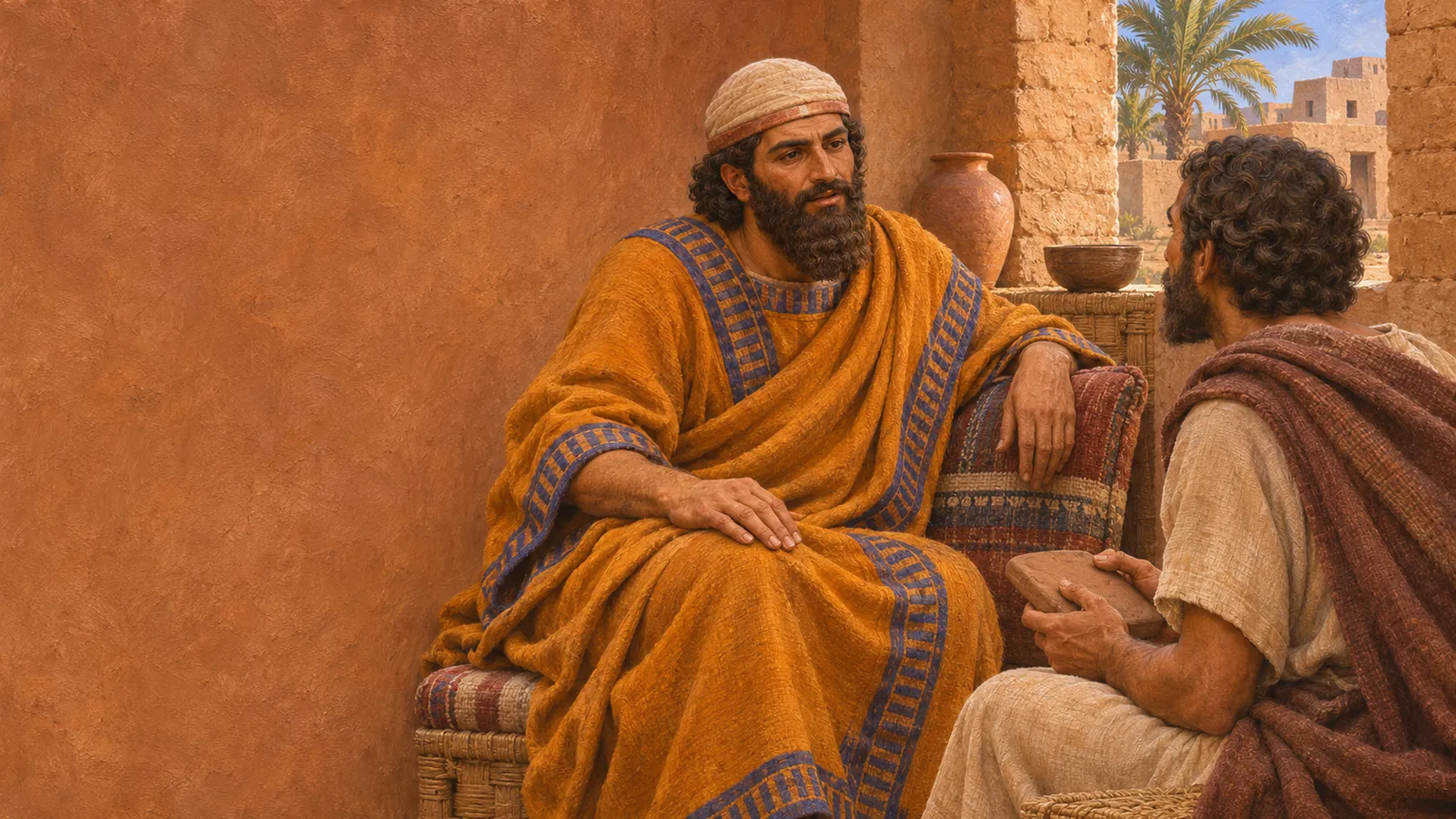
Ur-Ninurta sends the matter to the assembly at Nippur. The words of his order carry the dispute back to the city named in the first part of the account.

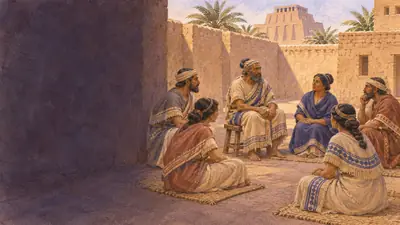
The word the text uses for the assembly is puhrum. The king tells that body to take up the case. Its members will hear arguments about the acts and the silence.

The road leads back to Nippur. What comes before the assembly concerns a household, and others from the city will speak about what they think should follow from the death.
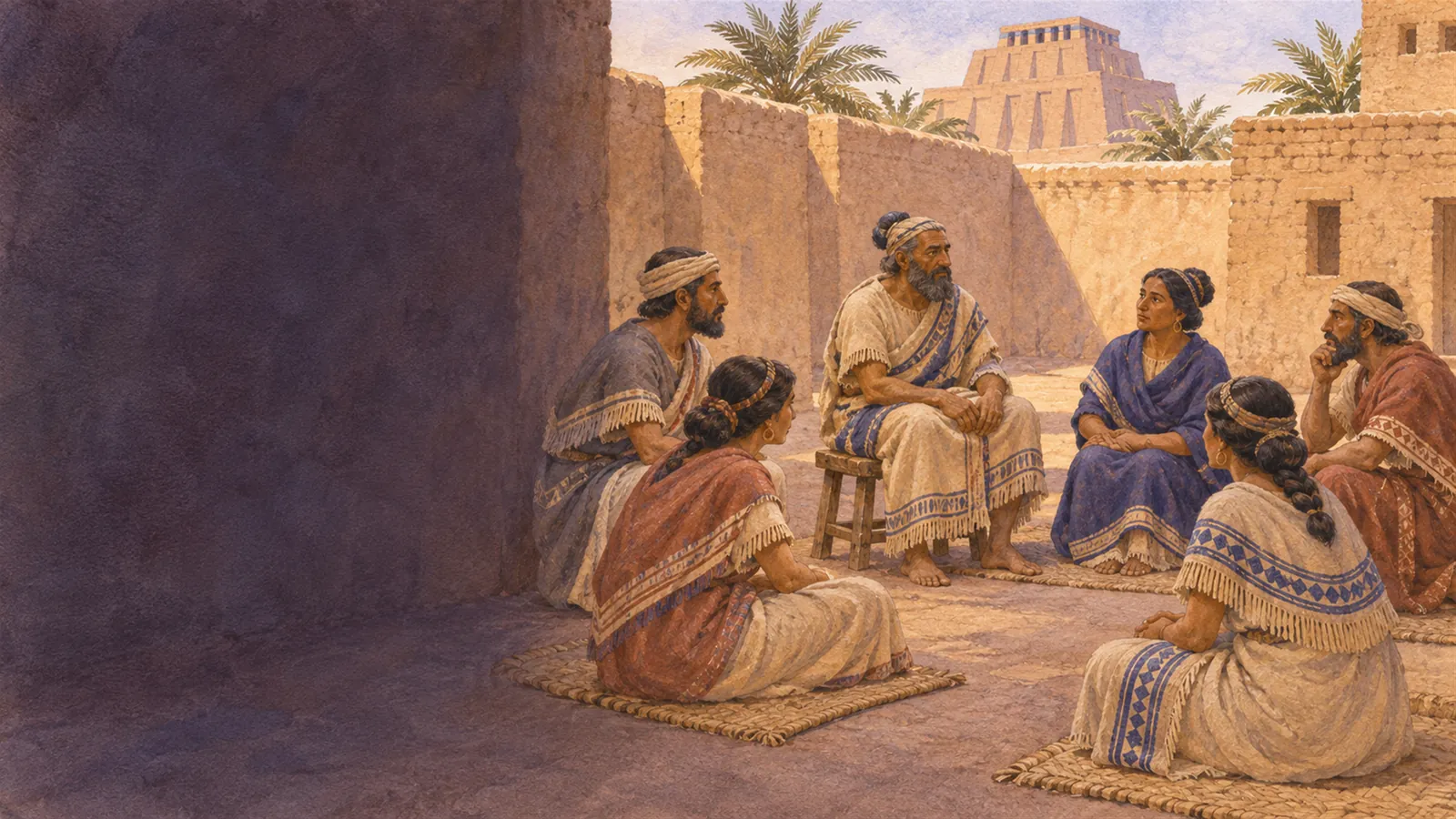
We enter the hearing through its speakers. The account names some by their fathers and others by their occupations, even when they speak together.

Dudu caught birds. Shesh-kalla made pottery, and Lugal-kam tended an orchard. Their work had its own rhythms in the city. Here the three are listed among men making the same appeal.

Six others are listed alongside them, including Ur-gula, Puzu and Lugal-azida. Another man bears the name Shesh-kalla. When the speech comes, the scribe has all nine address the assembly together.
THE DEMAND
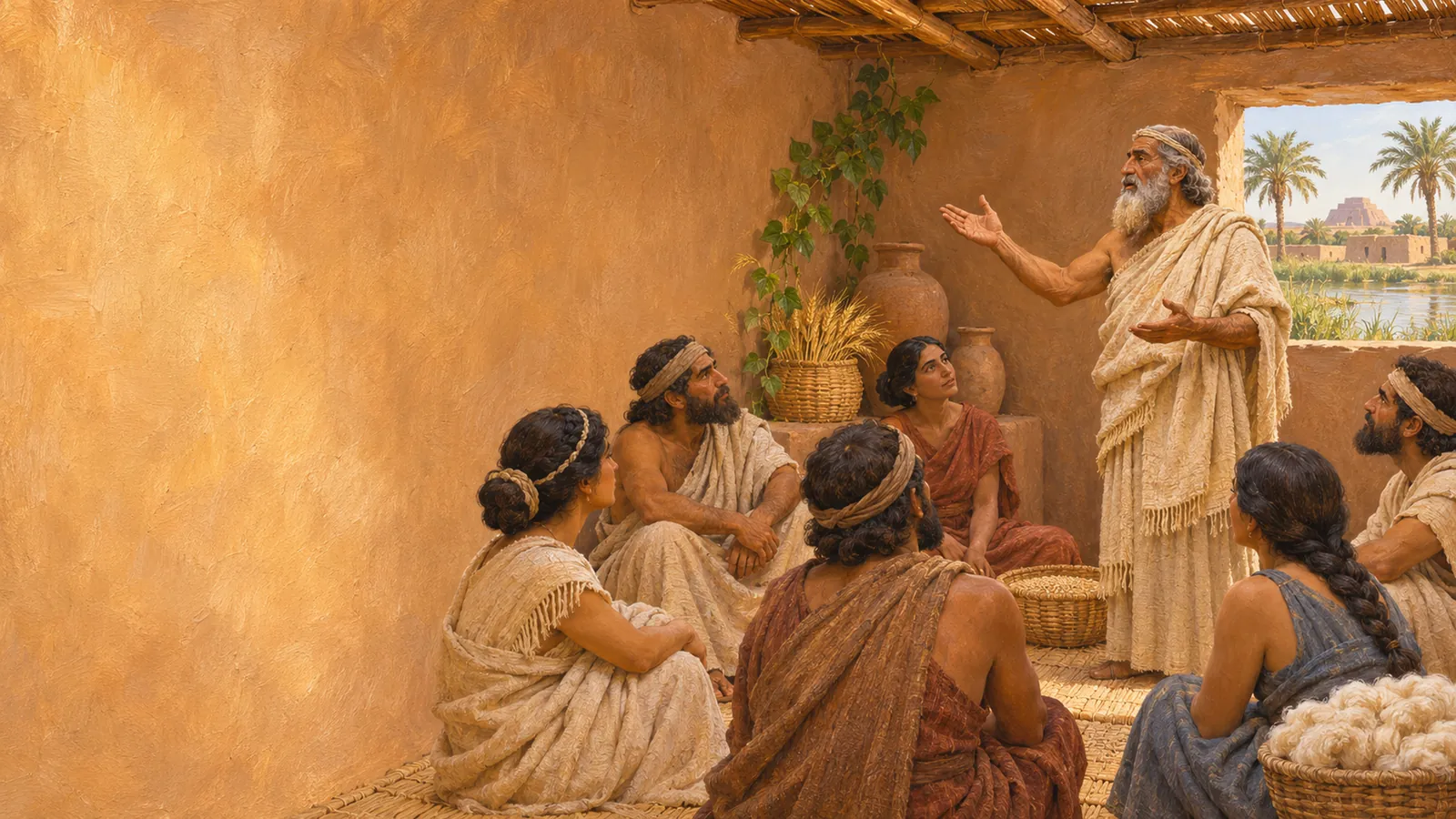
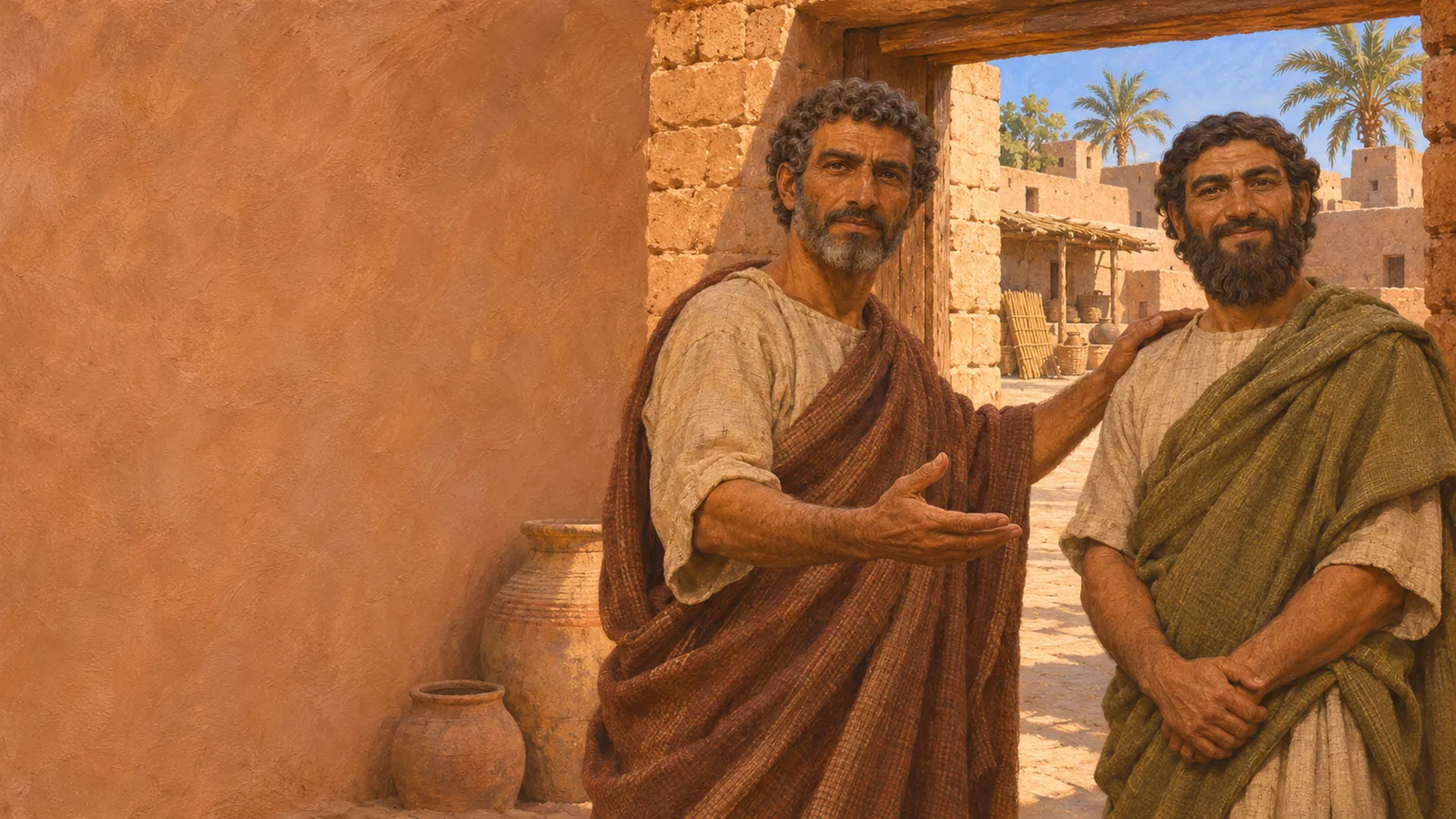
The nine demand a death sentence for the three men who killed Lu-Inana. They add the woman the men had told.

The speakers ask for the same sentence for Nin-Dada. They place all four before Lu-Inana’s official seat in their appeal. The reference to his seat comes in their words.
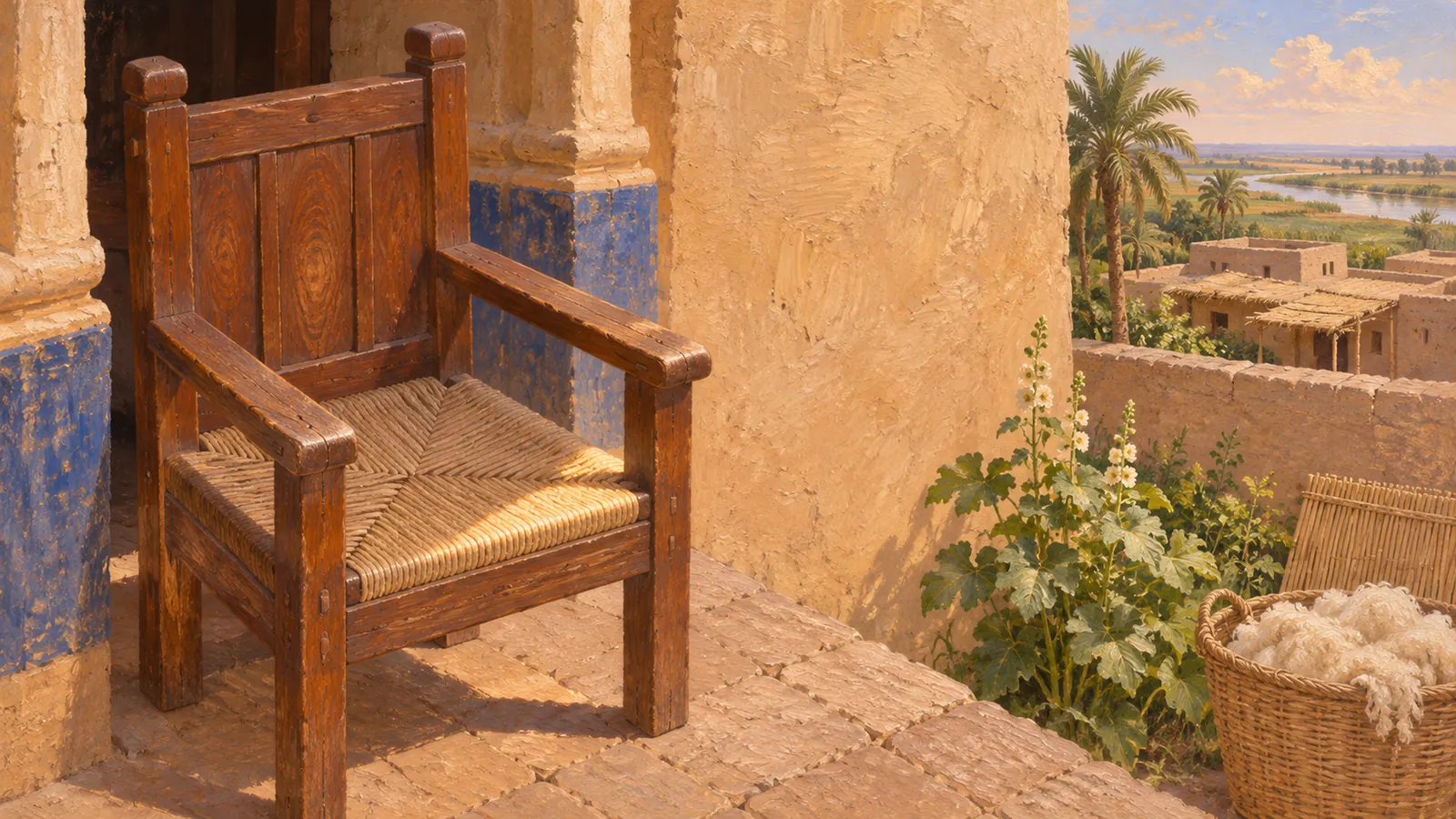
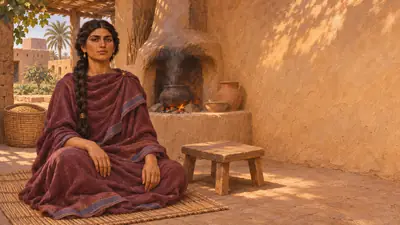
The stool at the beginning stands for an absence at home. The seat named by the nine belongs to the official Lu-Inana. The text leaves its part in the proceedings open.
THE DEFENSE
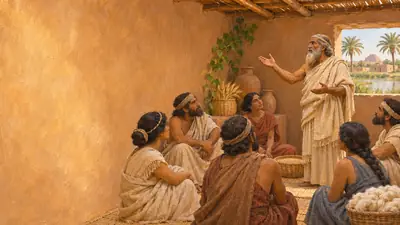
Shuqalilum and Ubar-Suen speak for Nin-Dada. The first commands a troop and the second tends an orchard. Their speech asks the assembly to examine the grounds for the demand.
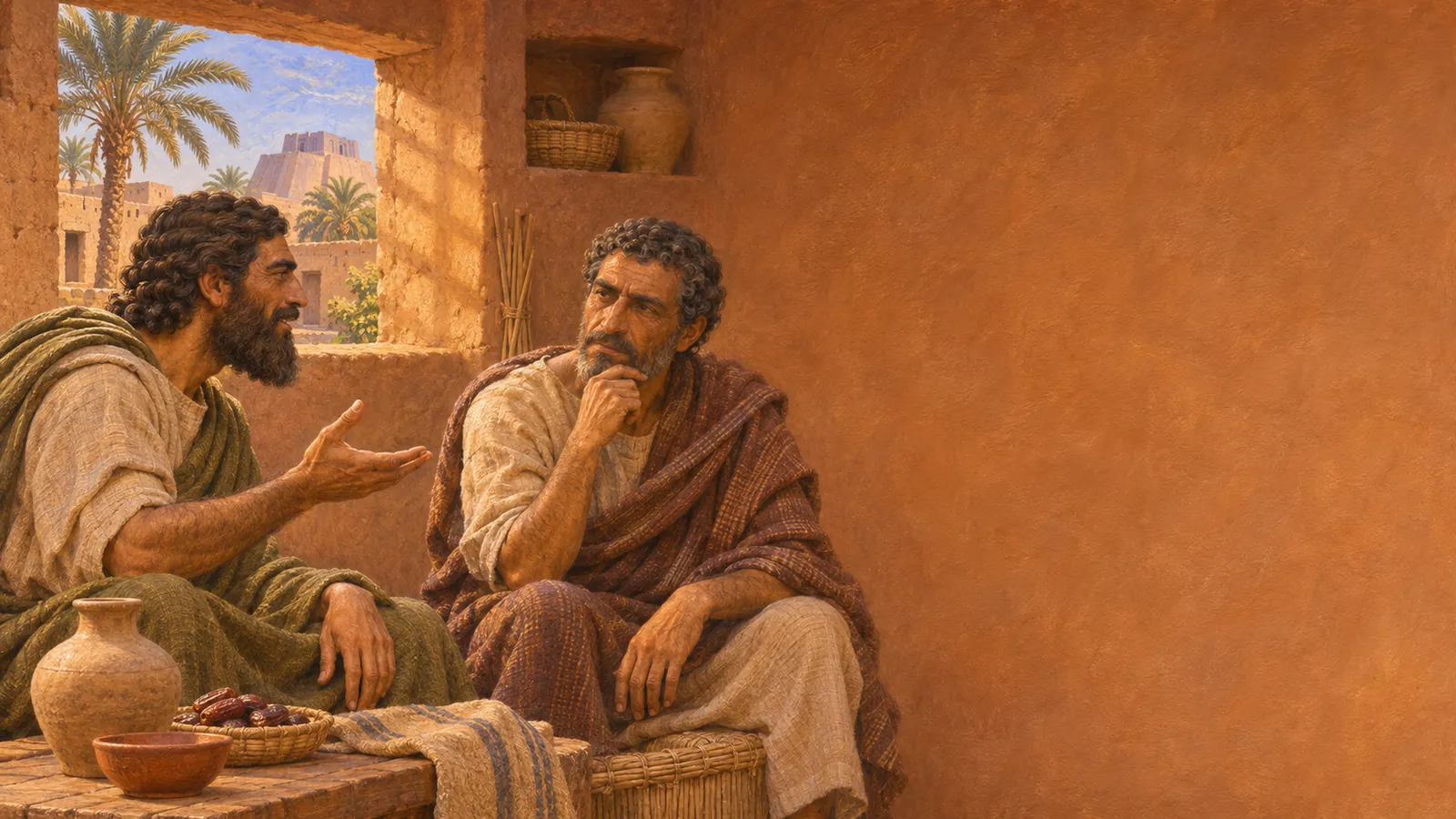
The defenders ask what Nin-Dada could have done to deserve death. Their question turns the hearing toward her own conduct after the account names three other people as the killers.

One translation hears the defenders grant a supposition for the sake of argument. A reading of another copy hears a direct question about whether she actually caused the death.

The assembly imagines a wife who cared little for her husband and knew his enemy. They turn that possibility into an argument.

The assembly asks what a man who gave away the news might have expected from the woman who heard him. Her silence is the detail the speakers keep coming back to.

The speakers reason that the man could trust her to keep the news to herself. They use that inference to link her to the killing. This is how their own argument proceeds.

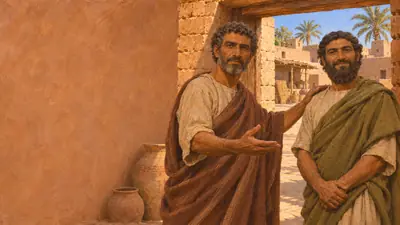
Nin-Dada is identified through her father, her husband and the act of listening. Her account of what she knew and why she stayed silent never comes to us in her own words.

THE JUDGMENT
The assembly rejects the defense and attributes the death to Nin-Dada as well. It calls her guilt greater than that of the three men. The judgment records the assembly’s view.
The closing lines name Nanna-sig, Ku-Enlilla and Enlil-ennam once more. It is easy to skim these familiar names until the list reaches the one the assembly has just been debating.

Nin-Dada appears in the last list with the three men. In the reading followed here, the words place all four under the sentence of death. That is where the judgment lands.
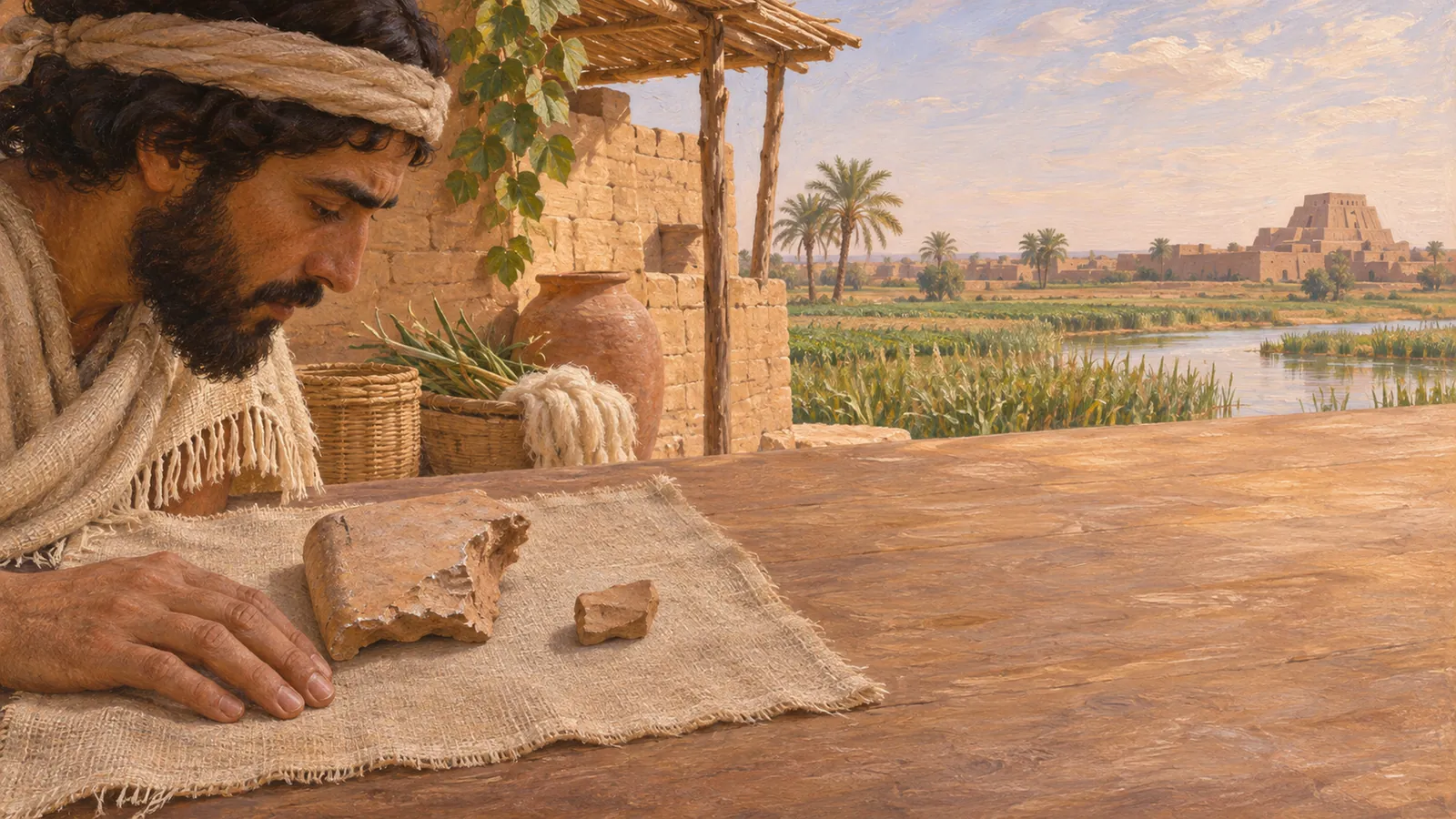
An earlier modern translation took the closing words to spare Nin-Dada. A revised edition and later translations include her. The difference matters because the same clay can prompt scholars to reconsider a conclusion.
The last line calls this a case of the Assembly of Nippur. Other listeners could go home after the hearing. The surviving account ends there, before we learn what became of the four.

The surviving copies preserve this case as a text for scribes. An earlier hearing may lie behind it. The details that reach us were handed down in the form learners used to study the case.

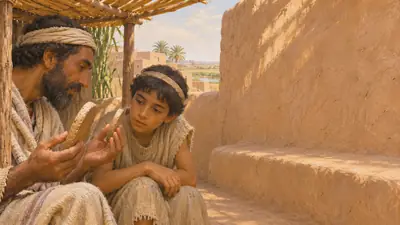
A pupil copying the case saw how speakers gave different meanings to the same silence. The lesson joined practice in writing with practice in reasoning.
The tablet called A30240 preserves three model cases together. Its fragments came from the rooms of House F in Nippur, where many other exercises from the scribal curriculum have also been found.
There were also tablets that carried this case on its own. When a line breaks off in one copy, a few signs from another can help scholars work out what the line once said.

One later copy came from the scribal quarter. The soil that covered the buildings also kept the clay. Room plans and inventories now help readers place individual fragments beside the places where they survived.

The clay keeps the demand, the defense and the assembly’s answer. Nin-Dada’s silence still sits among those words. Each new reader can hear how much the speakers tried to make it say.
End of chapter 1
All pages






























Sources
Editions consulted
- PBS 8/2, 173, CBS 07178 / P230709: , Sumerian tablet witness from Nippur, and [Penn Museum object record](https://collections.penn.museum/collections/object/582027).
- Thorkild Jacobsen, An Ancient Mesopotamian Trial for Homicide: , Analecta Biblica 12 (1959), pp. 130–150, reprinted in Toward the Image of Tammuz (1970), pp. 193–214.
- J. J. Finkelstein, A Trial for Murder: , translation based on Jacobsen’s edition, in Ancient Near Eastern Texts (1969), p. 546.
- Martha T. Roth, Gender and Law: A Case Study from Ancient Mesopotamia: , 1998, pp. 173–184, with the complete translation and notes on lines 1–60.
- Colton G. Siegmund, The Morphological Means for Coding Modality in the Sumerian Verbal Complex: , pp. 115–119, transliterations and analysis of the assembly’s arguments.
- Susanne Paulus, ed., Back to School in Babylonia: , pp. 353–354, catalogue no. 92, and [Journal of Near Eastern Studies, 83.1 front cover](https://www.journals.uchicago.edu/doi/10.1086/730888), the House F model-case compilation A30240+.
- Donald E. McCown and Richard C. Haines, Nippur I: , OIP 78, 1967, temple and scribal-quarter contexts, especially pp. 75 and 116.
- Nippur Homicide Trial tablets in the Cambridge appendix: , inventory identifiers for the principal text and its duplicates.
- Samuel Noah Kramer, History Begins at Sumer: , chapter 9, for comparison with the early interpretation that excludes Nin-Dada from the sentence.
- Nippur Tablet Project: , Institute for the Study of Ancient Cultures, the House F finds and reconstruction of the Old Babylonian scribal curriculum.
Ancient lines behind each page
- Page 1: Roth lines 1–19, 53–60; Penn CBS7178
See source notes for which details are attested. - Page 2: Roth lines 15–19; ISAC cat. 92
See source notes for which details are attested. - Page 3: McCown and Haines, Nippur I, chs. 1–2
See source notes for which details are attested. - Page 4: Roth lines 1–5
See source notes for which details are attested. - Page 5: Roth lines 1–5, 30–34
See source notes for which details are attested. - Page 6: Roth lines 1–12
See source notes for which details are attested. - Page 7: Roth lines 1–5
See source notes for which details are attested. - Page 8: Roth lines 6–12
See source notes for which details are attested. - Page 9: Roth lines 13–14
See source notes for which details are attested. - Page 10: Roth lines 13–14 and textual notes
See source notes for which details are attested. - Page 11: Roth lines 15–16
See source notes for which details are attested. - Page 12: Roth lines 17–19
See source notes for which details are attested. - Page 13: Roth lines 17–19, 42, 60
See source notes for which details are attested. - Page 14: Roth lines 17–34
See source notes for which details are attested. - Page 15: Roth lines 20–29, 35–37
See source notes for which details are attested. - Page 16: Roth lines 20–29
See source notes for which details are attested. - Page 17: Roth lines 20–34
See source notes for which details are attested. - Page 18: Roth lines 30–34
See source notes for which details are attested. - Page 19: Roth lines 30–34
See source notes for which details are attested. - Page 20: Roth lines 33–34; symbolic illustration
See source notes for which details are attested. - Page 21: Roth lines 35–41
See source notes for which details are attested. - Page 22: Roth lines 38–41; Siegmund ex. 3.68
See source notes for which details are attested. - Page 23: Roth lines 38–41; Siegmund ex. 3.68
See source notes for which details are attested. - Page 24: Roth lines 42–46; Siegmund ex. 3.69
See source notes for which details are attested. - Page 25: Roth lines 44–49; Siegmund ex. 3.70
See source notes for which details are attested. - Page 26: Roth lines 47–52; Siegmund ex. 3.70
See source notes for which details are attested. - Page 27: Roth lines 6–14, 20–52
See source notes for which details are attested. - Page 28: Roth lines 50–52
See source notes for which details are attested. - Page 29: Roth lines 53–59
See source notes for which details are attested. - Page 30: Roth lines 53–60; ANET p. 546
See source notes for which details are attested. - Page 31: Kramer, History Begins at Sumer, ch. 9; Jacobsen 1959; Roth lines 53–60
See source notes for which details are attested. - Page 32: Roth line 60
See source notes for which details are attested. - Page 33: Penn CBS7178; ISAC cat. 92; Roth p. 175
See source notes for which details are attested. - Page 34: Paulus, Practicing Law; Siegmund pp. 115–119
See source notes for which details are attested. - Page 35: ISAC cat. 92; JNES 83.1 cover
See source notes for which details are attested. - Page 36: Roth p. 175 n. 5; CDLI P230709
See source notes for which details are attested. - Page 37: McCown and Haines, Nippur I, pp. 75, 116; ISAC cat. 92
See source notes for which details are attested. - Page 38: Roth lines 20–60
See source notes for which details are attested.
Illustrations made with AI tools by IL Archive; the text is based on the ancient sources (see the sources at the end of each chapter).