Teti and the Ferryman of the Winding Canal Chapter 1
Summoning the Ferryman
In a recitation from the Pyramid of Teti, the Eye of Horus leaps and the speaker seeks passage to the eastern sky. He appeals to the ferryman and finds his place empty at the stern of the Sun’s boat.
SourcesTurn the pages with the arrows, the arrow keys or a swipe.
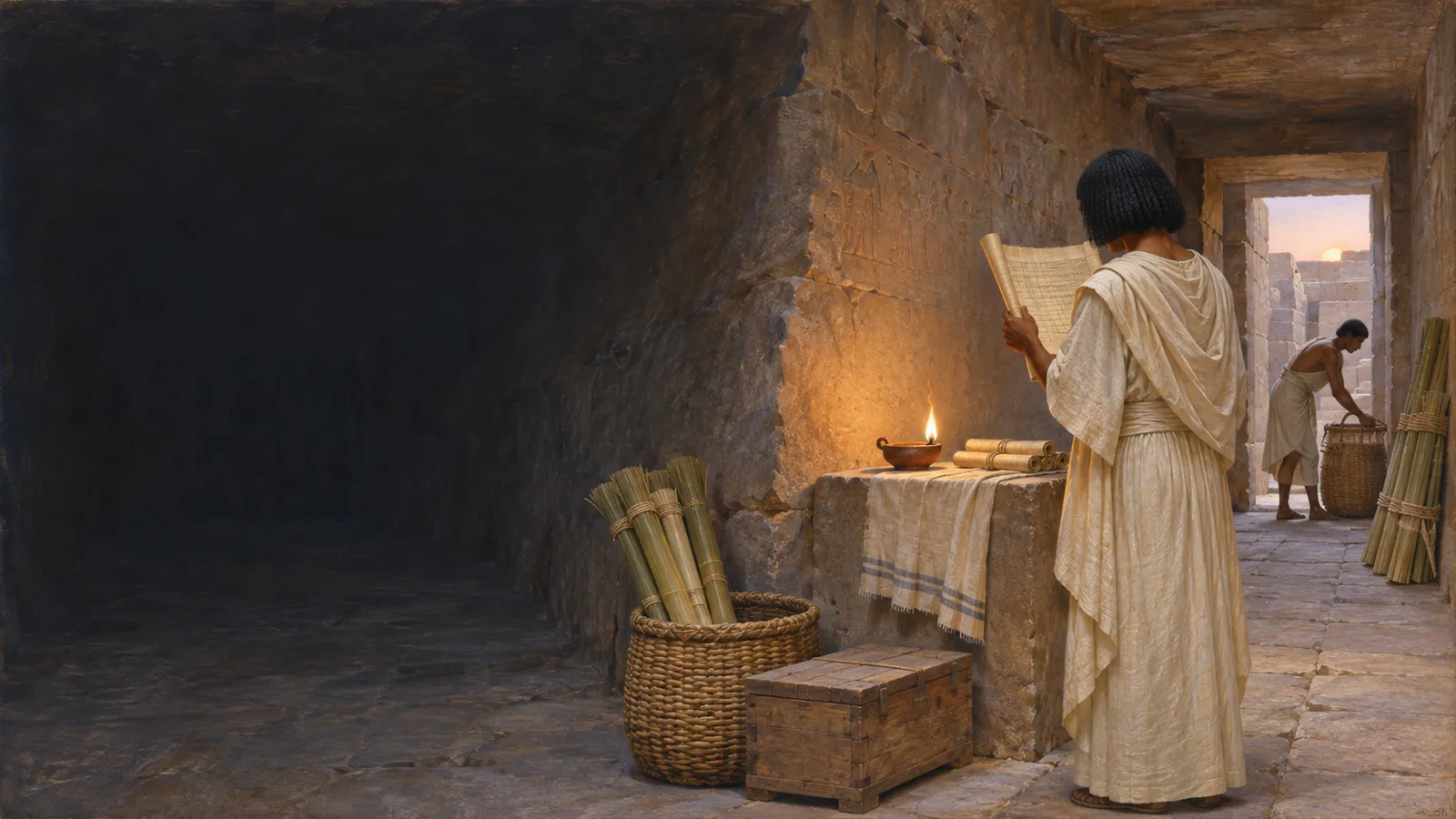
SUMMONING THE FERRYMAN
James Allen translates this recitation from Teti’s pyramid. It is carved in the passage from the burial chamber to the antechamber, among the spells for leaving the Duat.
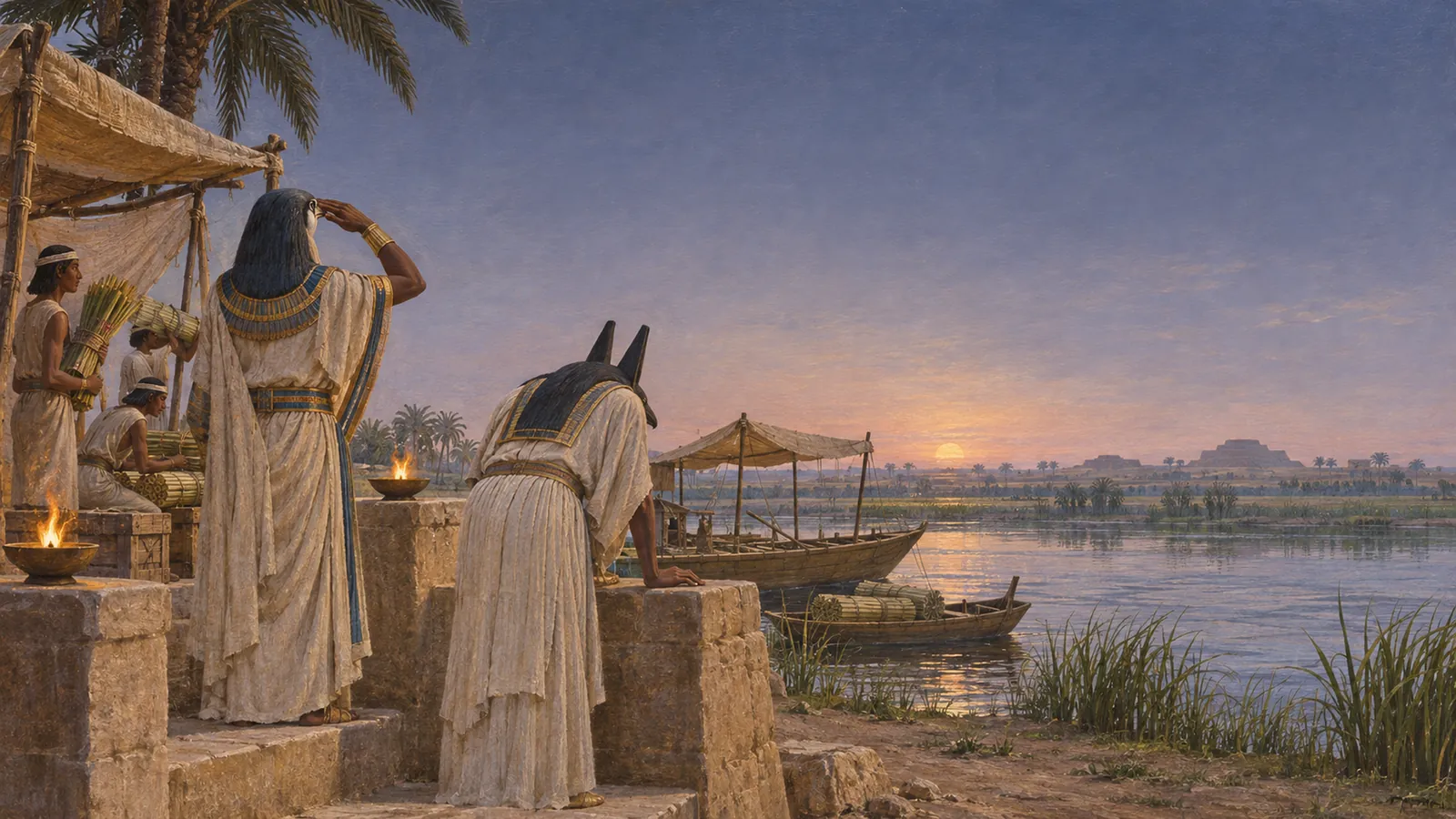
At the start of the recitation, Horus cries out over his eye and Seth cries out over his testicles.
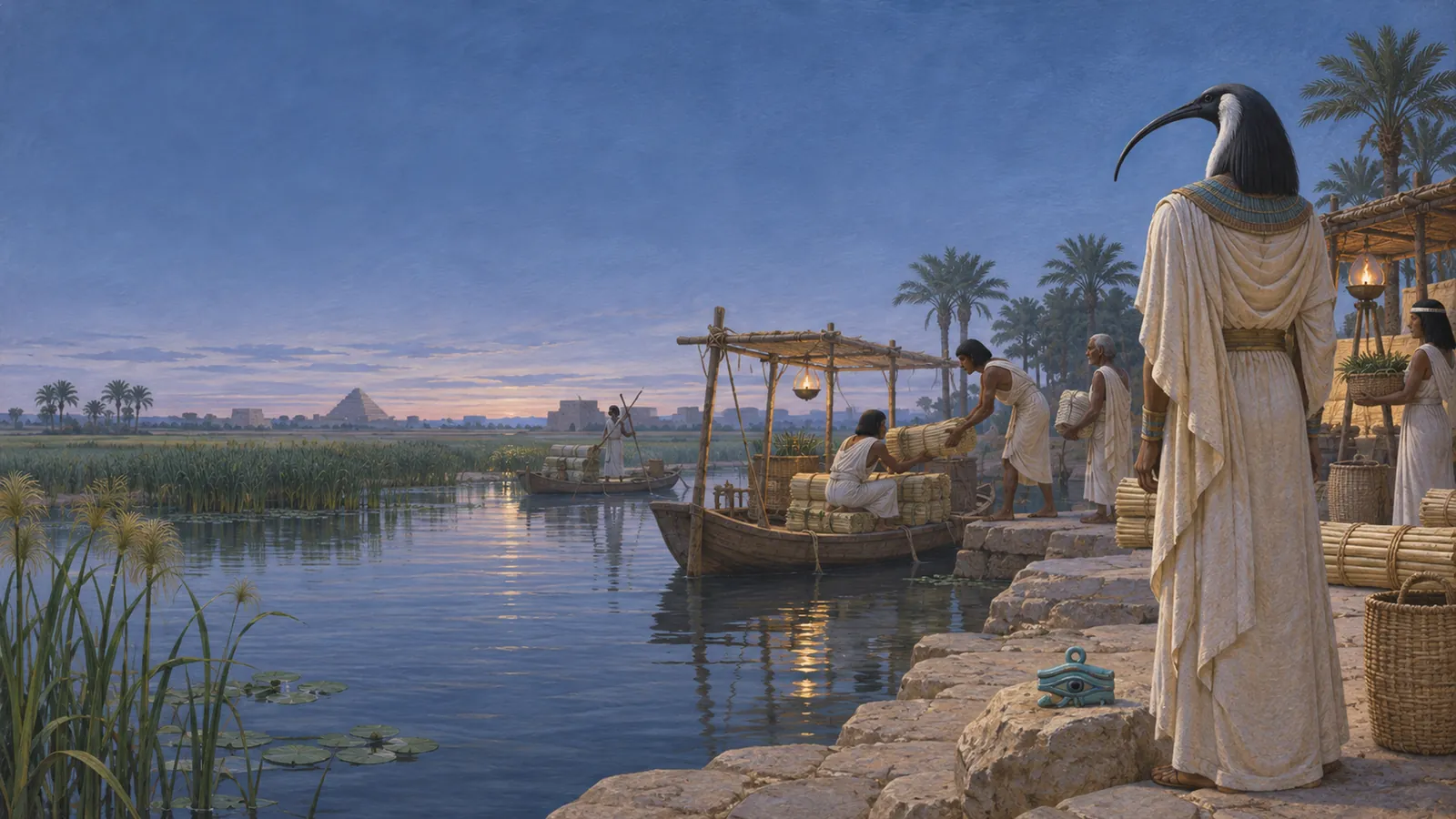
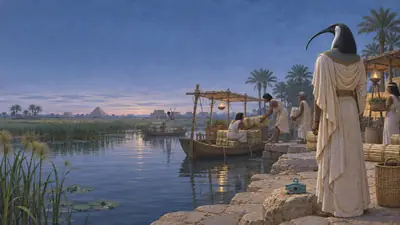
Horus’s eye leaps, seeking to escape Seth. The recitation places a landing across the Winding Canal and says that Thoth had been seen on that bank.
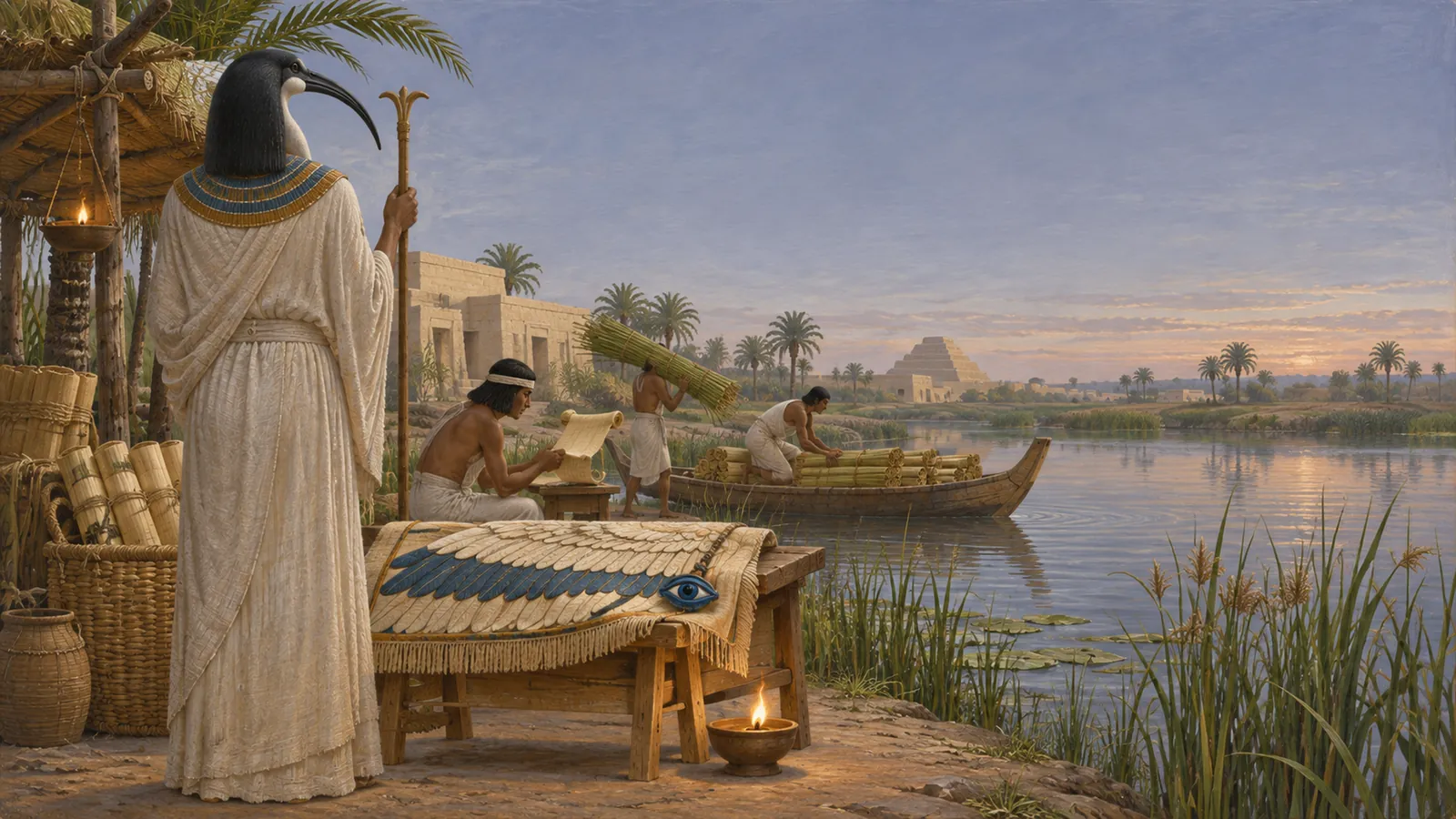
The spell says Horus’s eye leaps again on the far side of the canal. It then describes a landing on Thoth’s wing.
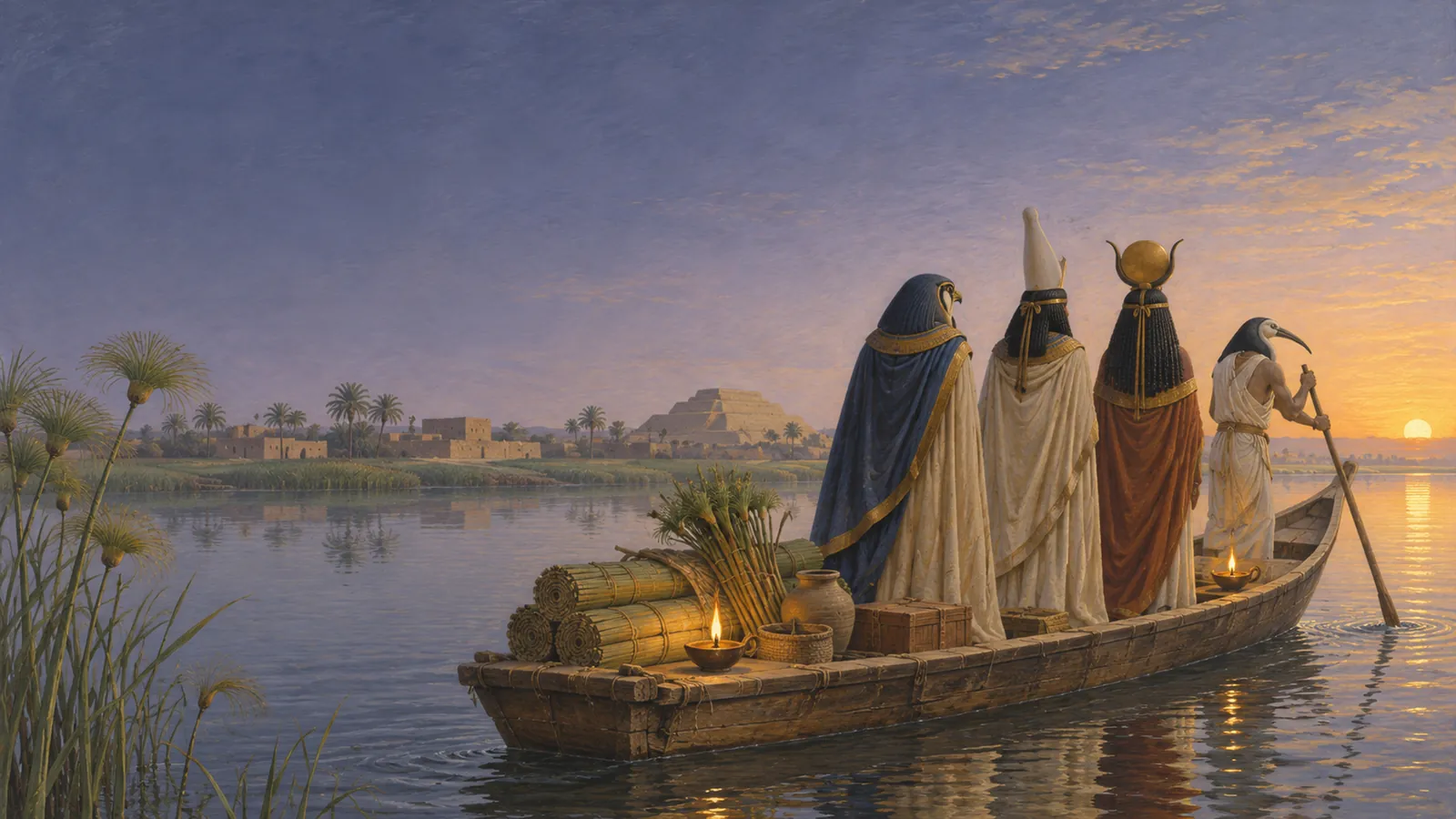
The speaker addresses the gods who cross on Thoth’s wing to the eastern side of the sky. They cross to argue against Seth over the Eye of Horus.
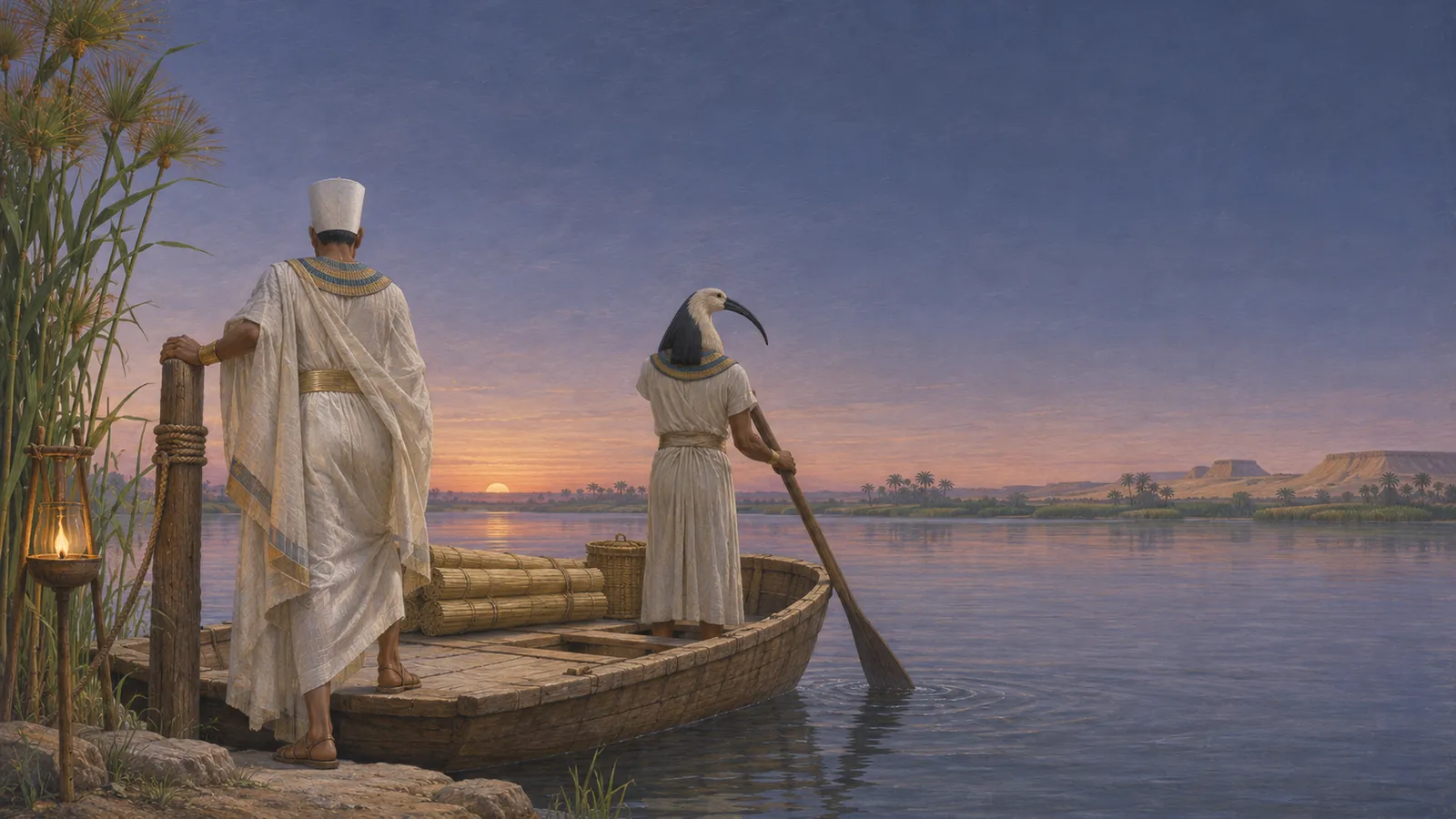
The speaker says that he, too, will cross the Winding Canal on Thoth’s wing toward the eastern sky. He says he will argue against Seth over that same eye.
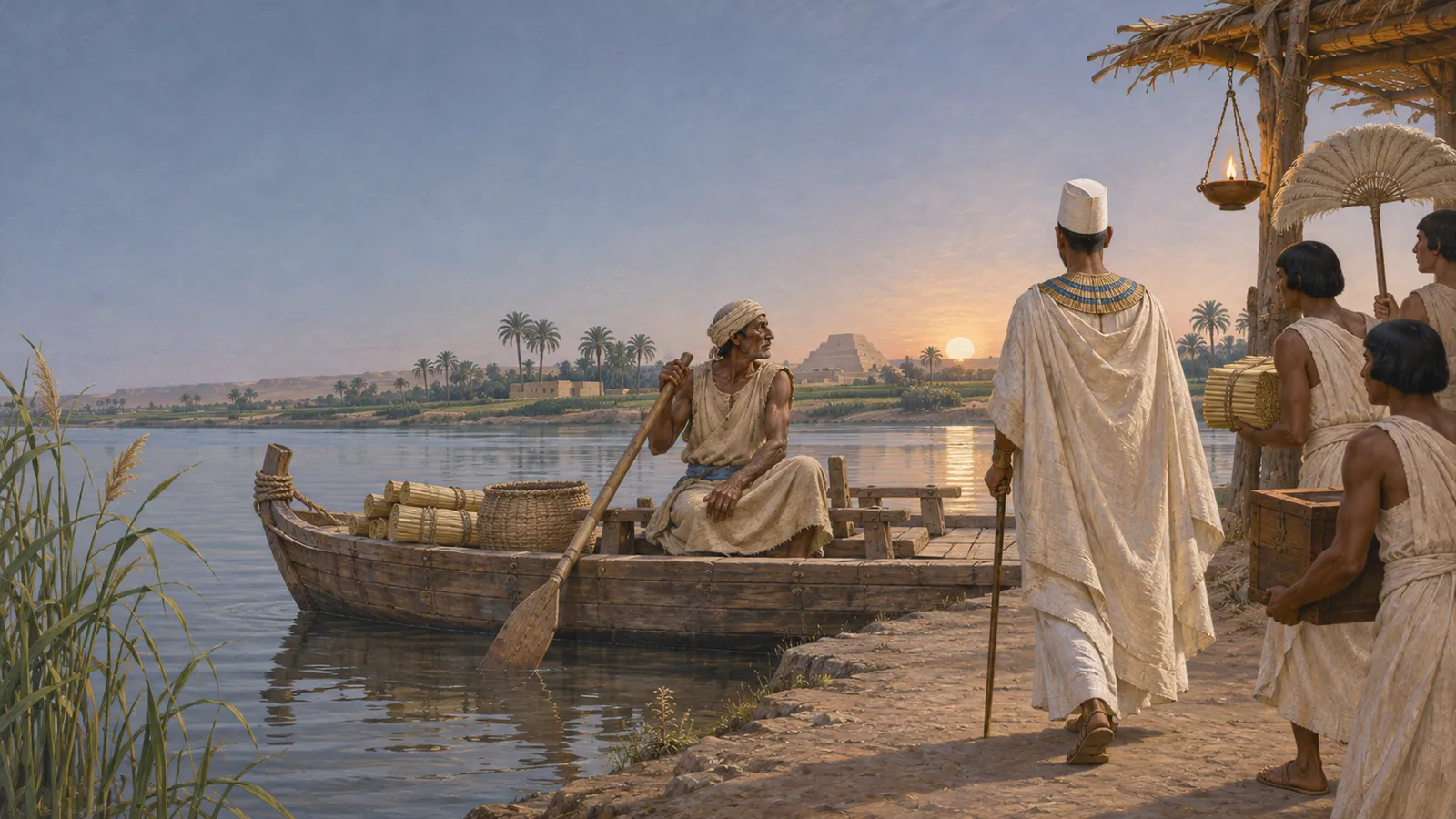
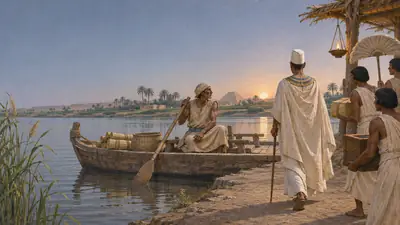
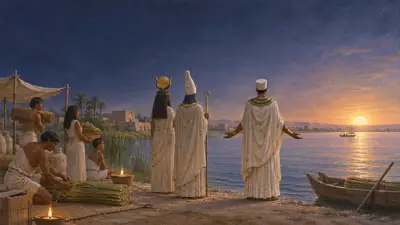
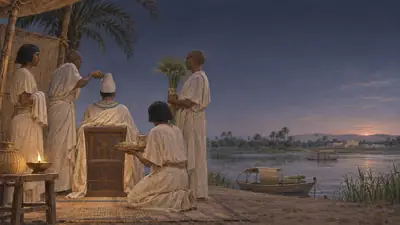
The speaker greets the ferryman called Sees Behind Him, whom he also calls Nut’s oarsman and the ferryman of the Winding Canal. He wishes him a peaceful awakening.
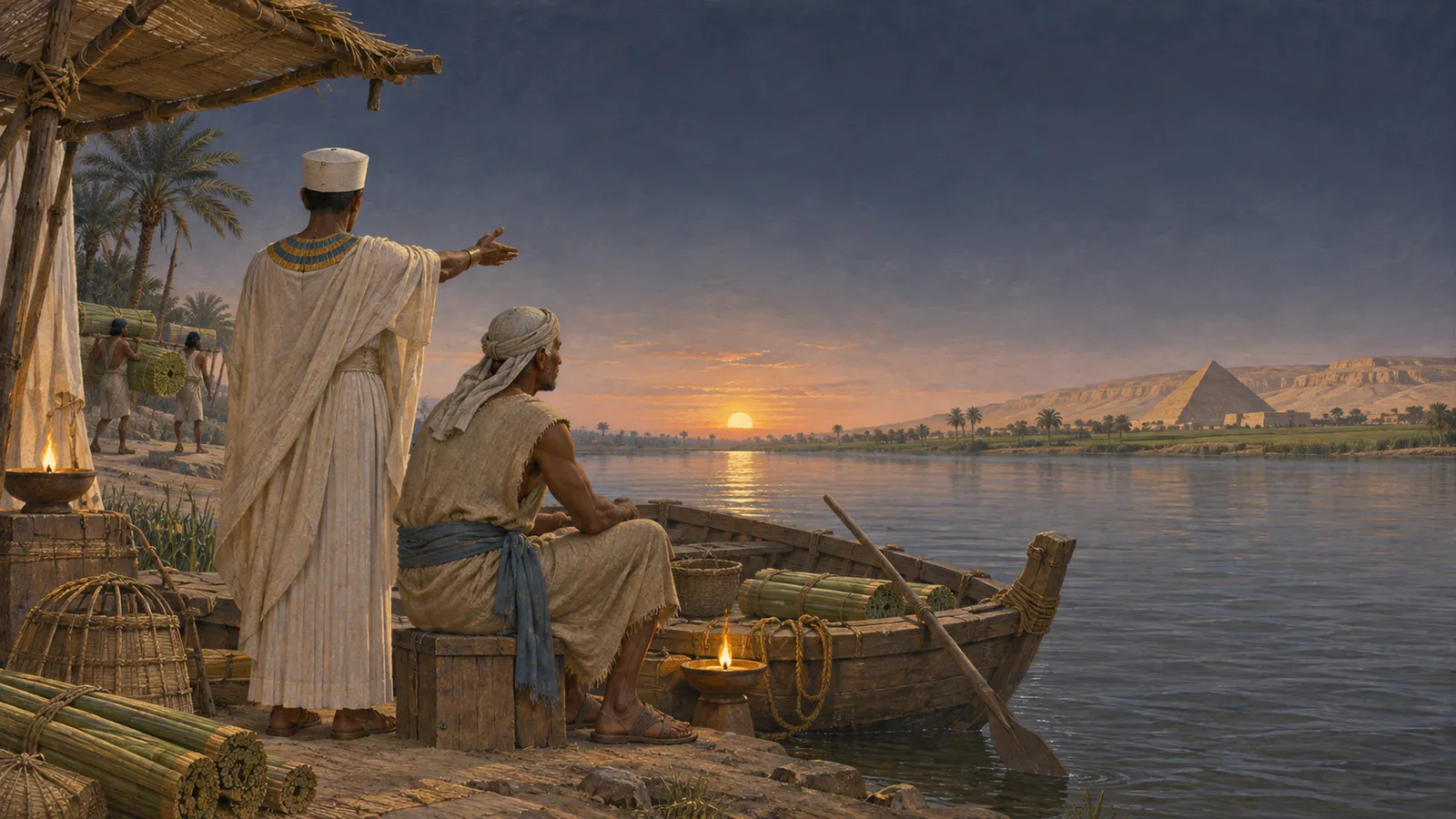
The speaker asks the ferryman to tell the Sun his name and to announce him to the Sun.
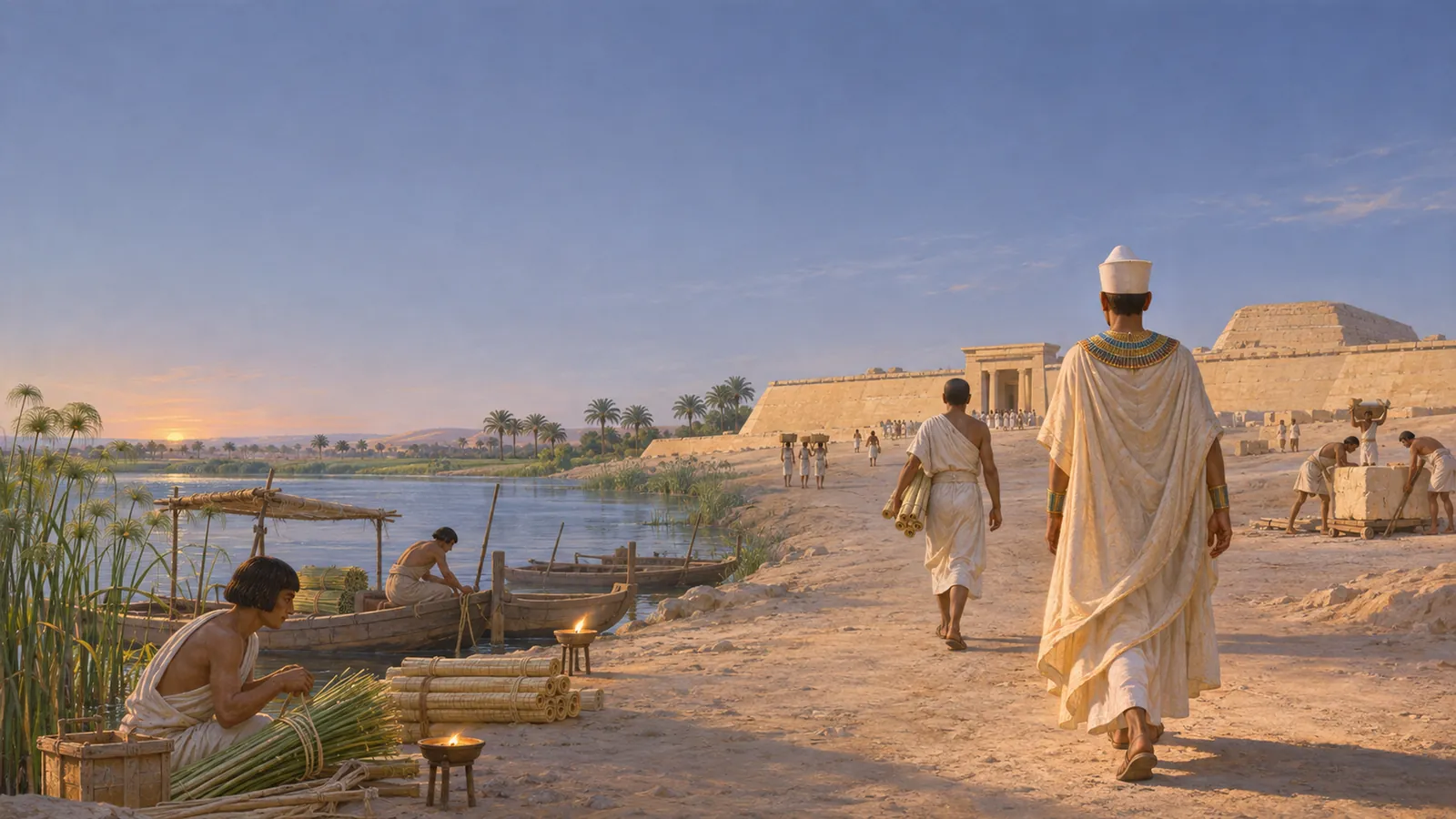
The speaker says that he is on his way to the palace of the lords of kas.
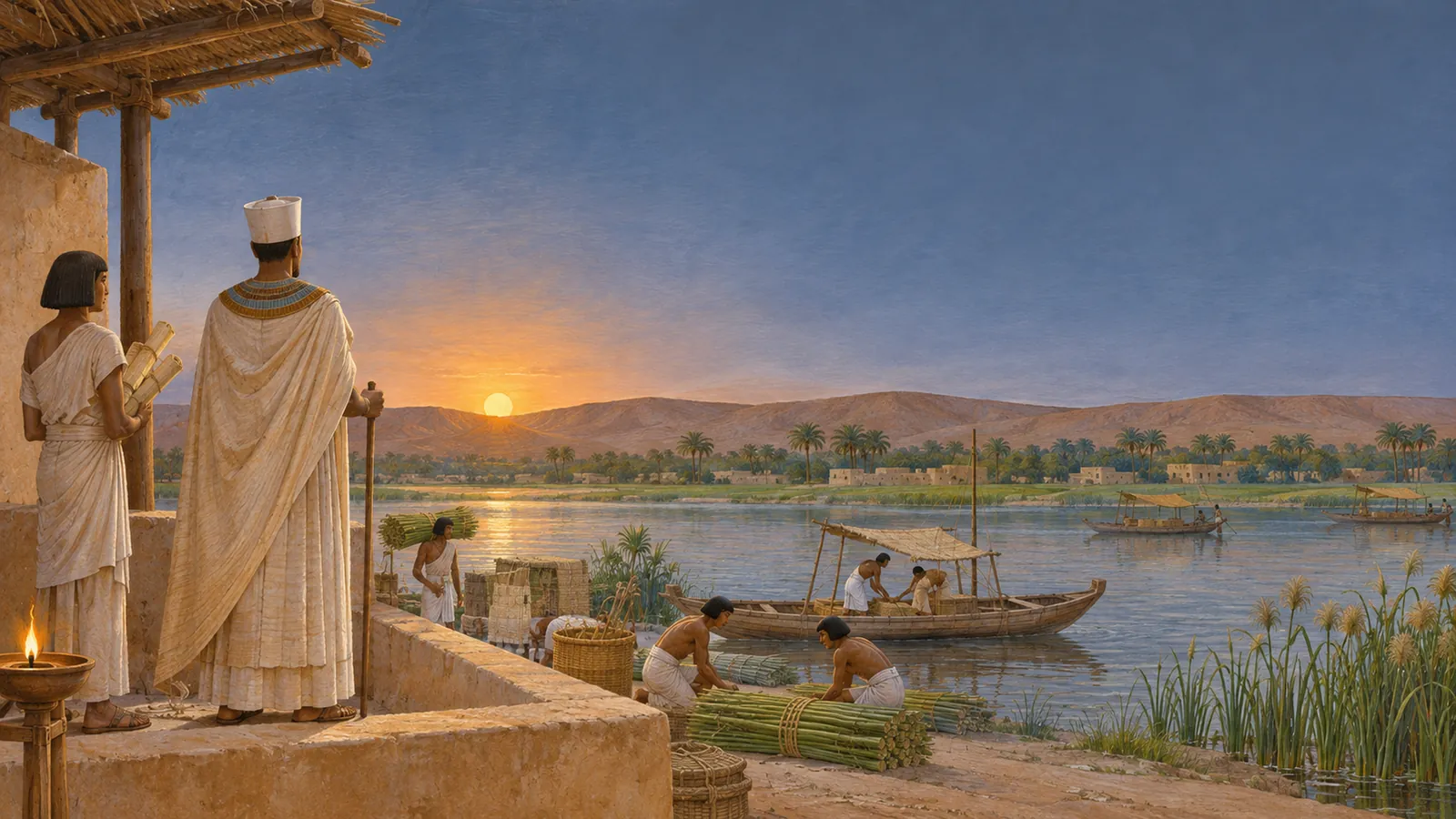
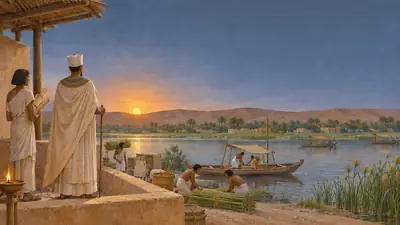
At the palace of the lords of kas, the Sun rises from the Horus Mounds and the Seth Mounds. The recitation names the Sun as the god of those who go to their kas.
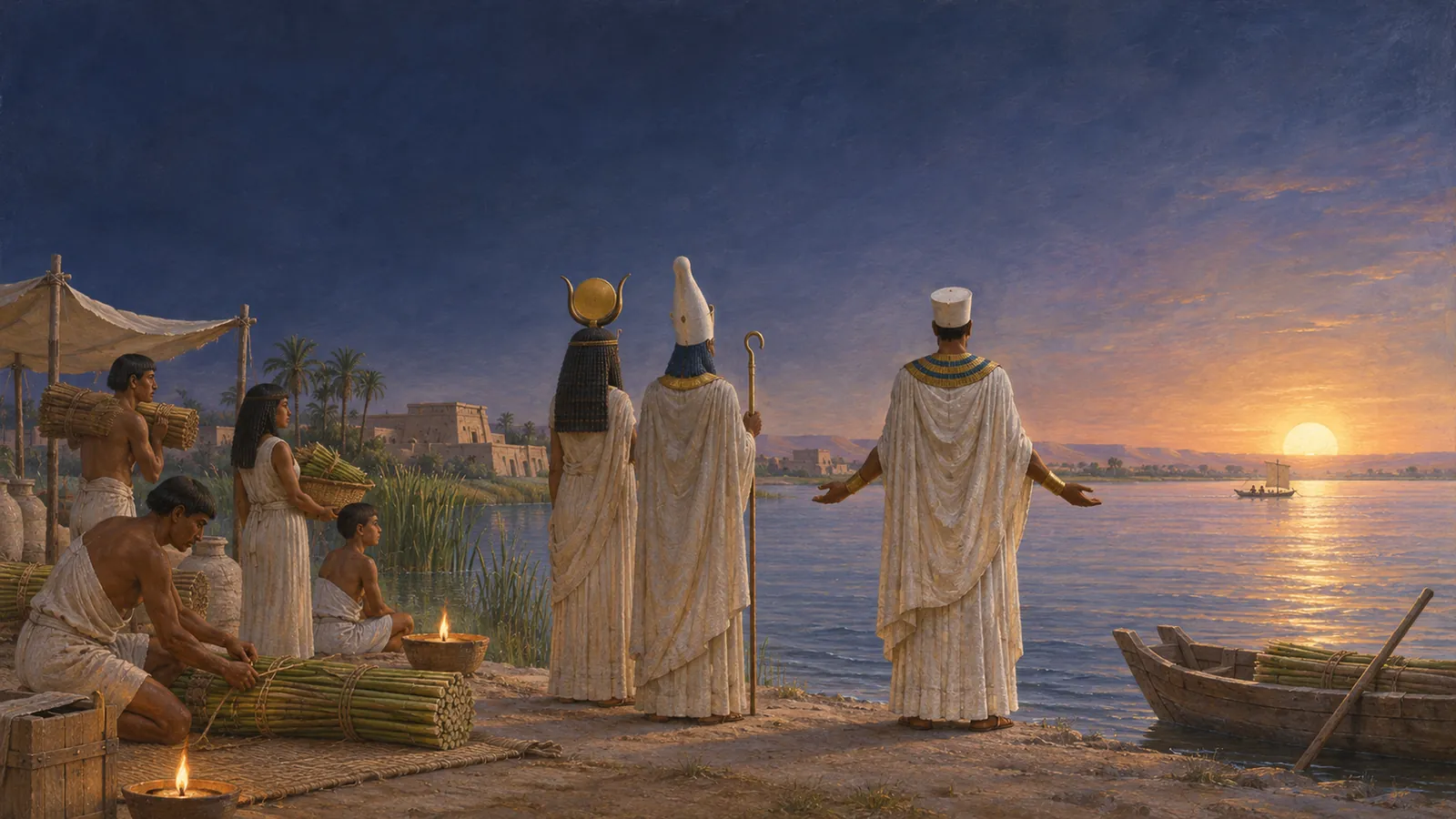
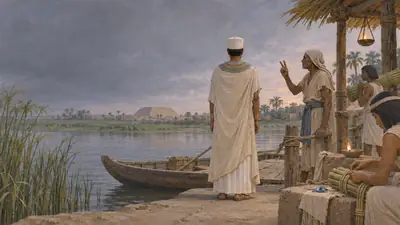
The speaker now addresses the Sun. He asks to be commended to the ferryman of the Winding Canal, the one called Sees Behind Him.
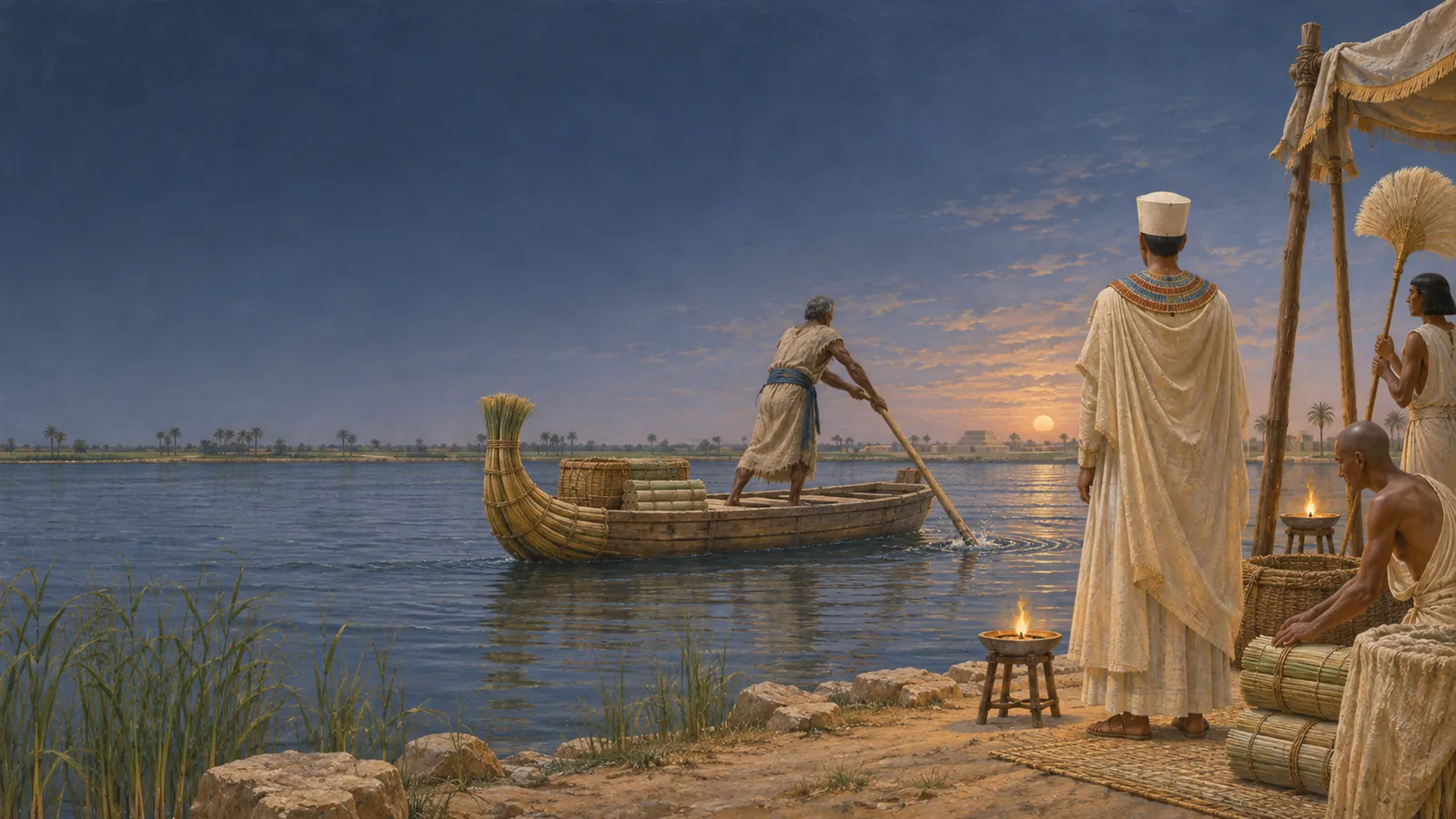
THE GODS’ FERRY
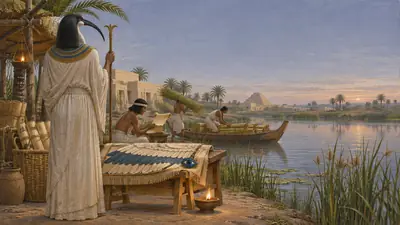
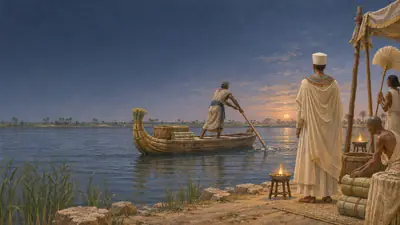
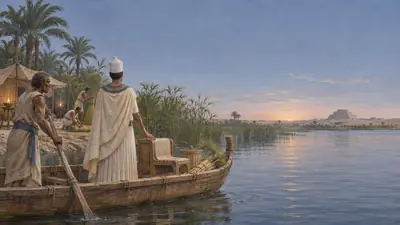
He wants the ferryman to bring him the ferryboat of the Winding Canal. This is the boat the gods use to cross over to the eastern side of the sky.
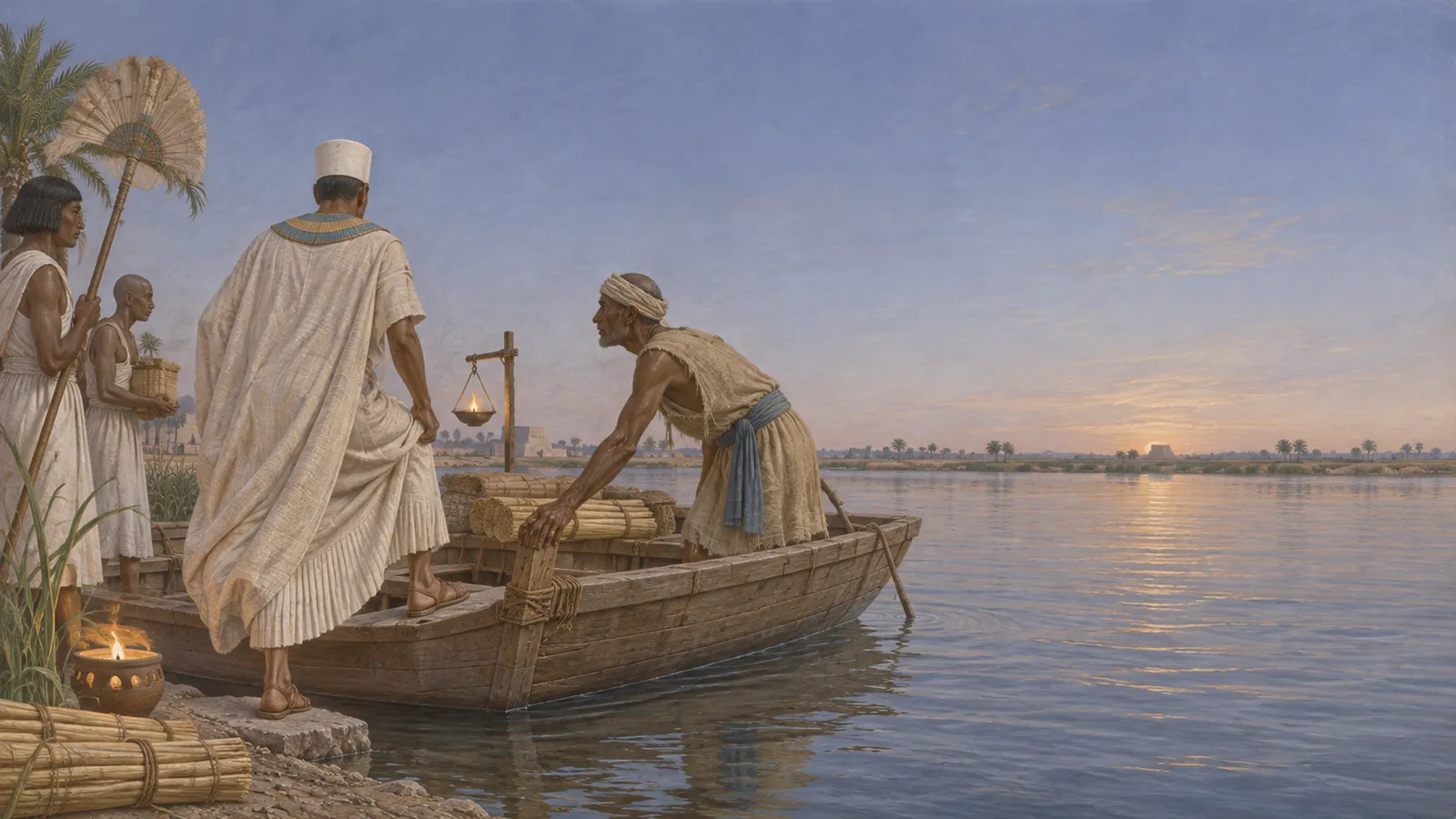
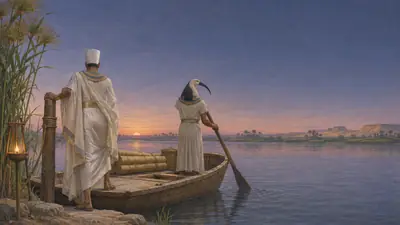
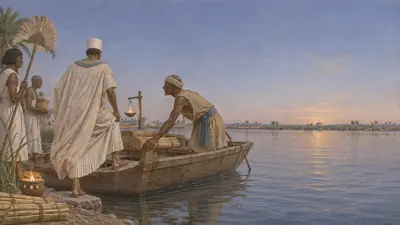
The speaker asks to be taken across the Winding Canal himself. He names his destination as the eastern side of the sky.
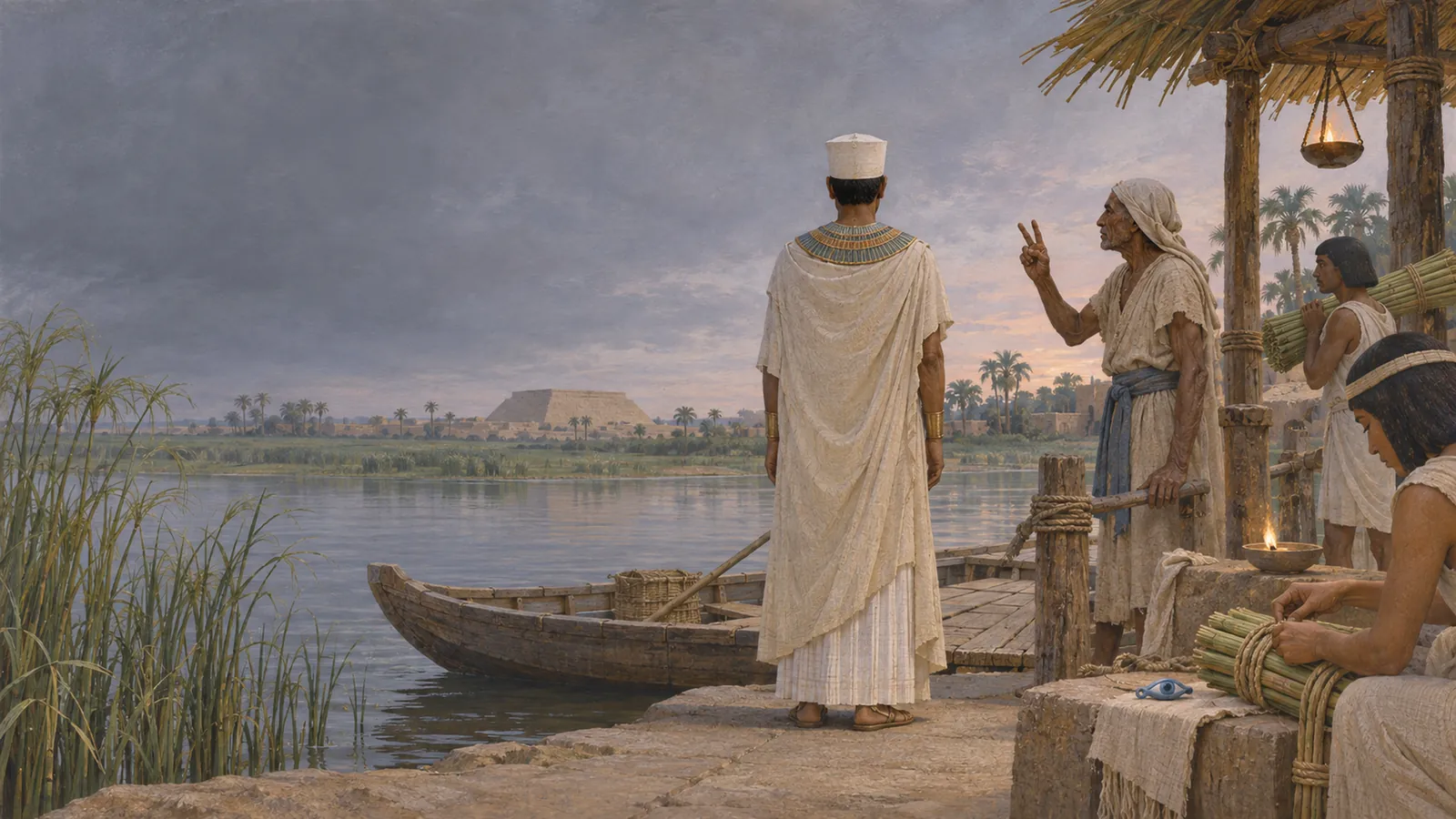
He says that he is searching for Horus’s own eye. He is also going to the reckoning of fingers, which Allen describes as a test for boarding.
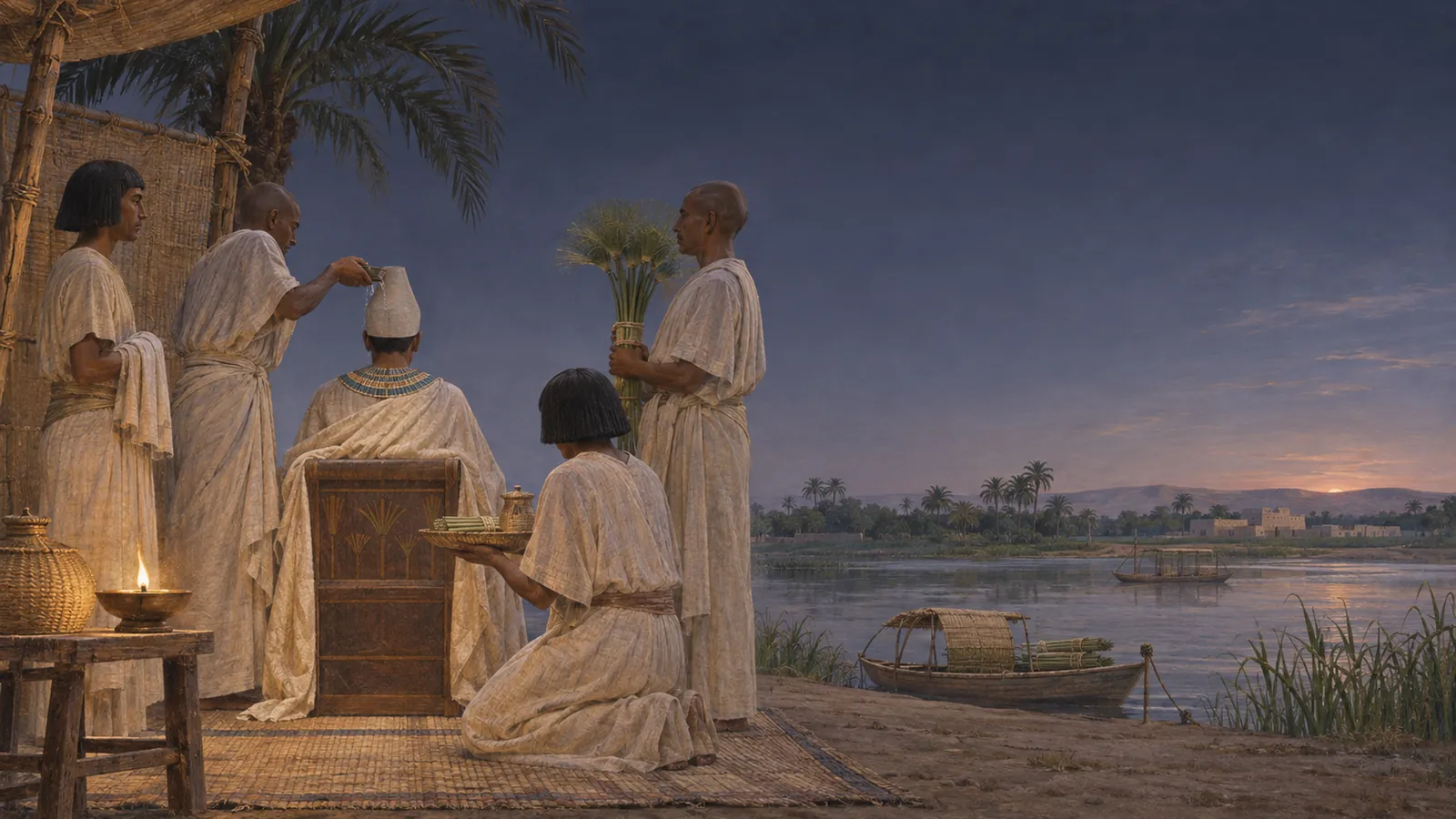
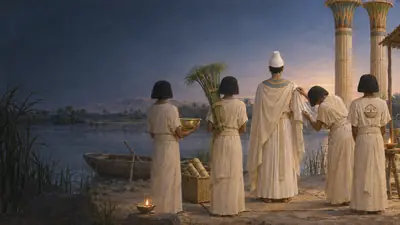
His face is washed by gods and goddesses, the spell says. It names Imseti, Hapi, Duamutef and Qebehsenuef for the right side, which it calls Horus.
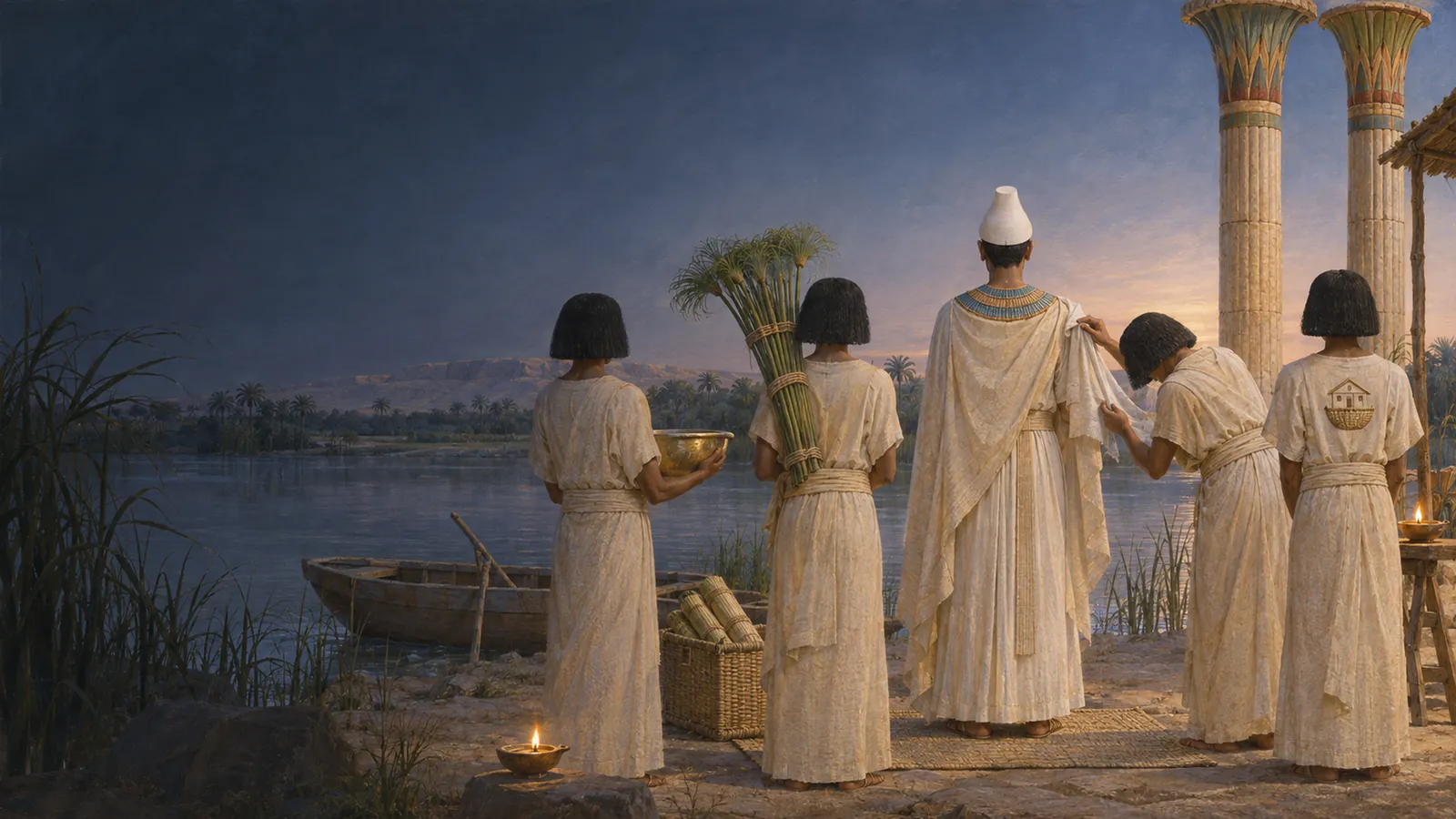
For the left side, the spell names the Djenderu bark striker, the one at the front of his two papyrus columns, Nephthys and Eyes-Forward. It calls the left side Seth.
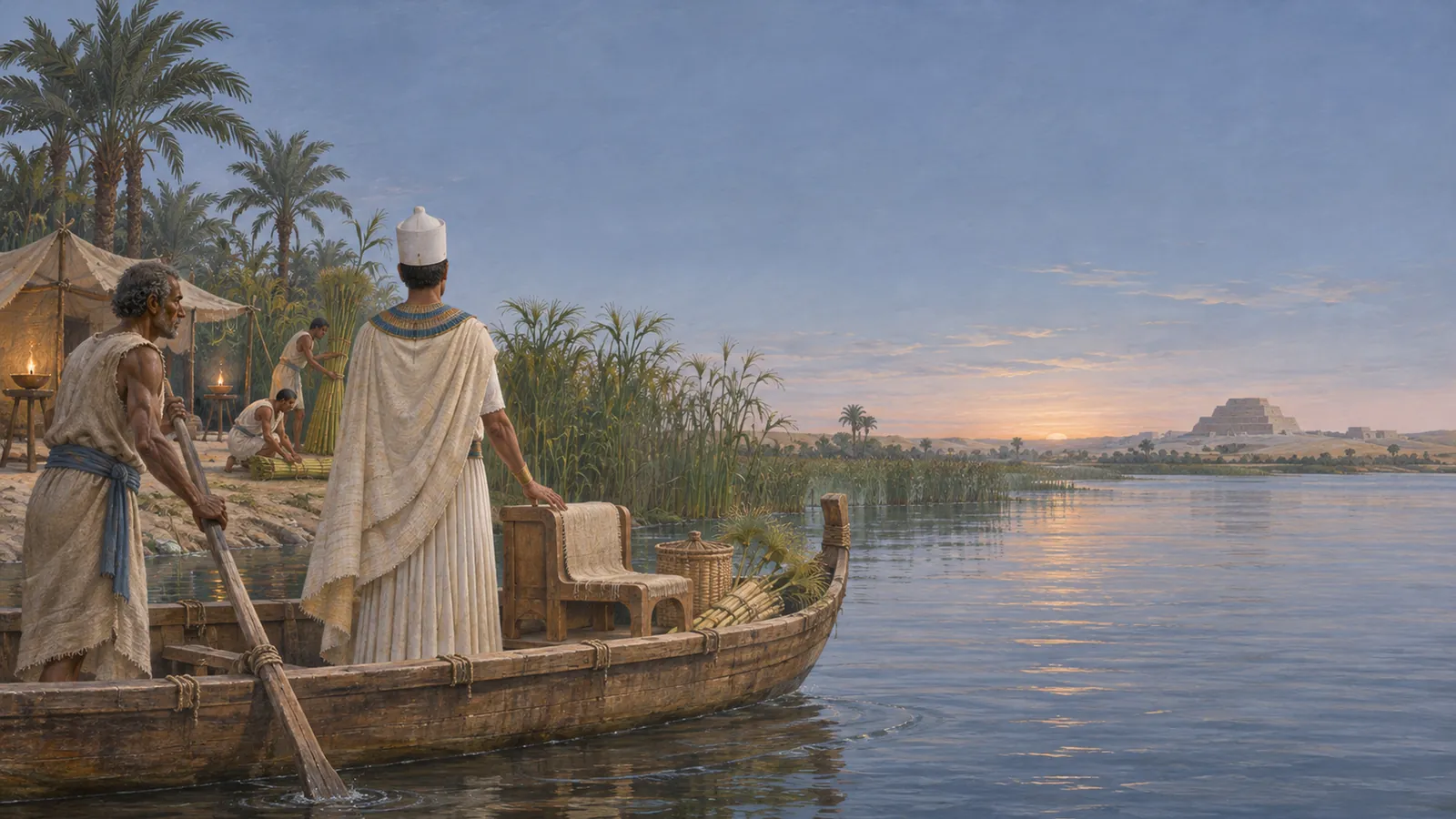
The recitation turns to the boat in the speaker’s own words. He says that his seat takes account of him and that his rudder recognizes him.
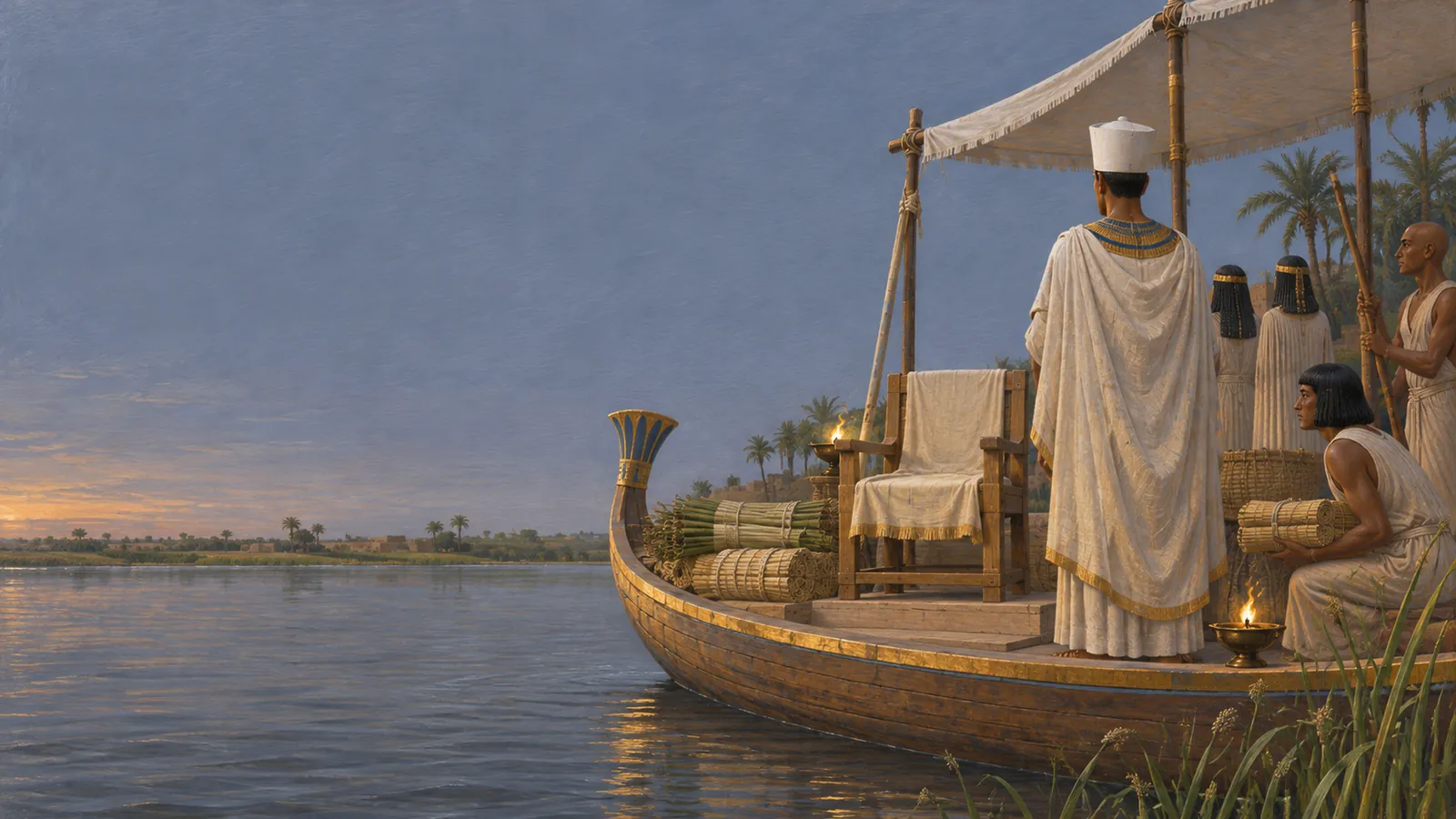
THE EMPTY PLACE
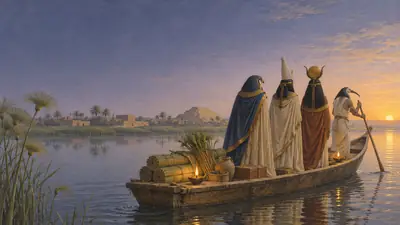
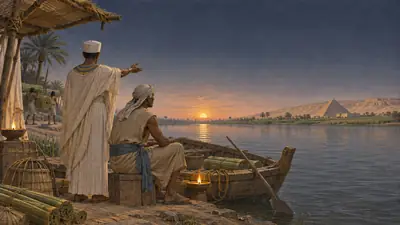
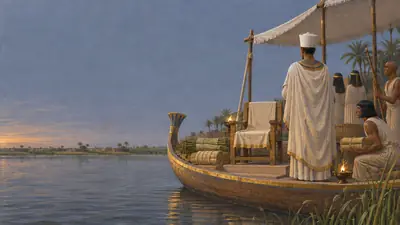
He finds his seat empty at the stern of the Sun’s golden boat. That is where the recitation ends, with his place still open.
End of chapter 1
All pages
Sources
The reading paraphrases the complete Teti recitation PT359 under Summoning the Ferryman in James P. Allen’s The Ancient Egyptian Pyramid Texts, second edition, SBL Press, 2015, p. 80. Allen explains the finger-counting as a test of competence for boarding in note 16. The recitation names the test and gives no result. The next heading begins a separate spell at the gate to the Akhet on p. 81.
Editions consulted
- SBL Press, James P. Allen, The Ancient Egyptian Pyramid Texts, second edition
- PT359 in Teti, printed p. 80, Summoning the Ferryman
- Allen’s note 16, printed p. 99
Notes on this retelling
printed pp. 69–70 and 80. The opening identifies the translator and location of the witness. Allen’s introduction places the spells of passage from the Duat to the Akhet in the passage between the burial chamber and the antechamber. The heading on p. 80 locates this spell there.
PT 359, first sentence. Horus cries out over his eye and Seth over his testicles. The text gives no cause in this sentence.
PT 359, first paragraph.
PT 359, second paragraph. The ancient address first describes the gods crossing on Thoth’s wing to the eastern side of the sky. They go to argue against Seth over Horus’s eye. The speaker then says he will join their crossing and argue against Seth over the same eye. His crossing here is stated as an intention.
PT 359, third paragraph. The speaker wishes a peaceful awakening to Sees Behind Him, Nut’s oarsman and the ferryman of the Winding Canal. He asks that his name be told to the Sun and names the palace of the lords of kas as his destination. In this edition, *kas* is a plural of *ka*, an Egyptian term for a vital aspect of a person.
Page 10, Allen 2015, Teti, p. 80, PT359. The Sun dawns from the Horus Mounds and Seth Mounds. The recitation names the Sun as the god of those who go to their kas.
Page 11, Allen 2015, Teti, p. 80, PT359. The speaker addresses the Sun and asks it to commend him to Sees Behind Him. The recitation has already identified him as the ferryman of the Winding Canal.
Page 12, Allen 2015, Teti, p. 80, PT359. The speaker asks for the ferryboat of the Winding Canal. The gods use it to cross to the eastern side of the sky.
Page 13, Allen 2015, Teti, p. 80, PT359. The speaker asks to be ferried to the same eastern side. The recitation states his request at this point.
Page 14, Allen 2015, Teti, p. 80, PT359. The quest is for Horus’s own eye. Allen describes counting fingers as a test of competence for boarding in note 16, p. 99. This passage gives no test result.
Page 15, Allen 2015, Teti, p. 80, PT359. The right side is called Horus. Allen gives Imseti, Hapi, Duamutef and Qebehsenuef. The verb have washed appears in parentheses in this part of the translation.
Page 16, Allen 2015, Teti, p. 80, PT359. The left side is called Seth and the second list names the Djenderu-bark-striker, the one at the front of his two papyrus columns, Nephthys and Eyes-Forward. The note preserves the distinct names for this side.
Page 17, Allen 2015, Teti, p. 80, PT359. The recitation describes the seat taking account of the speaker and the rudder recognizing him.
Page 18, Allen 2015, Teti, p. 80, PT359. The final line finds the seat empty at the stern of the golden bark of the Sun. The selection ends here. The next printed heading on p. 81 begins a different spell at the gate to the Akhet.
Ancient lines behind each page
- Page 1: Allen 2015, The Ancient Egyptian Pyramid Texts, Teti, pp. 69–70, 80, PT 359 and passage context
- Page 2: Allen 2015, The Ancient Egyptian Pyramid Texts, Teti, p. 80, PT 359, opening laments
- Page 3: Allen 2015, The Ancient Egyptian Pyramid Texts, Teti, p. 80, PT 359, first jump and landfall
- Page 4: Allen 2015, The Ancient Egyptian Pyramid Texts, Teti, p. 80, PT 359, second jump and landfall
- Page 5: Allen 2015, The Ancient Egyptian Pyramid Texts, Teti, p. 80, PT 359, address to the crossing gods
- Page 6: Allen 2015, The Ancient Egyptian Pyramid Texts, Teti, p. 80, PT 359, speaker’s own crossing
- Page 7: Allen 2015, The Ancient Egyptian Pyramid Texts, Teti, p. 80, PT 359, greeting the ferryman
- Page 8: Allen 2015, The Ancient Egyptian Pyramid Texts, Teti, p. 80, PT 359, announcement to the Sun
- Page 9: Allen 2015, The Ancient Egyptian Pyramid Texts, Teti, p. 80, PT 359, destination of the speaker
- Page 10: Allen, The Ancient Egyptian Pyramid Texts, 2nd ed. (2015), Teti, p. 80, PT359
- Page 11: Allen, The Ancient Egyptian Pyramid Texts, 2nd ed. (2015), Teti, p. 80, PT359
- Page 12: Allen, The Ancient Egyptian Pyramid Texts, 2nd ed. (2015), Teti, p. 80, PT359
- Page 13: Allen, The Ancient Egyptian Pyramid Texts, 2nd ed. (2015), Teti, p. 80, PT359
- Page 14: Allen, The Ancient Egyptian Pyramid Texts, 2nd ed. (2015), Teti, p. 80, PT359, and p. 99, n. 16
- Page 15: Allen, The Ancient Egyptian Pyramid Texts, 2nd ed. (2015), Teti, p. 80, PT359
- Page 16: Allen, The Ancient Egyptian Pyramid Texts, 2nd ed. (2015), Teti, p. 80, PT359
- Page 17: Allen, The Ancient Egyptian Pyramid Texts, 2nd ed. (2015), Teti, p. 80, PT359
- Page 18: Allen, The Ancient Egyptian Pyramid Texts, 2nd ed. (2015), Teti, p. 80, PT359
Illustrations made with AI tools by IL Archive; the text is based on the ancient sources (see the sources at the end of each chapter).