Unis and the Litany of Osiris Chapter 1
The Litany of Identification with Osiris
A recurring refrain links the lives of Osiris and Unis as the litany names different speakers, addressees and identities. The closing address states the link between them in two lines that reverse the same condition.
SourcesTurn the pages with the arrows, the arrow keys or a swipe.
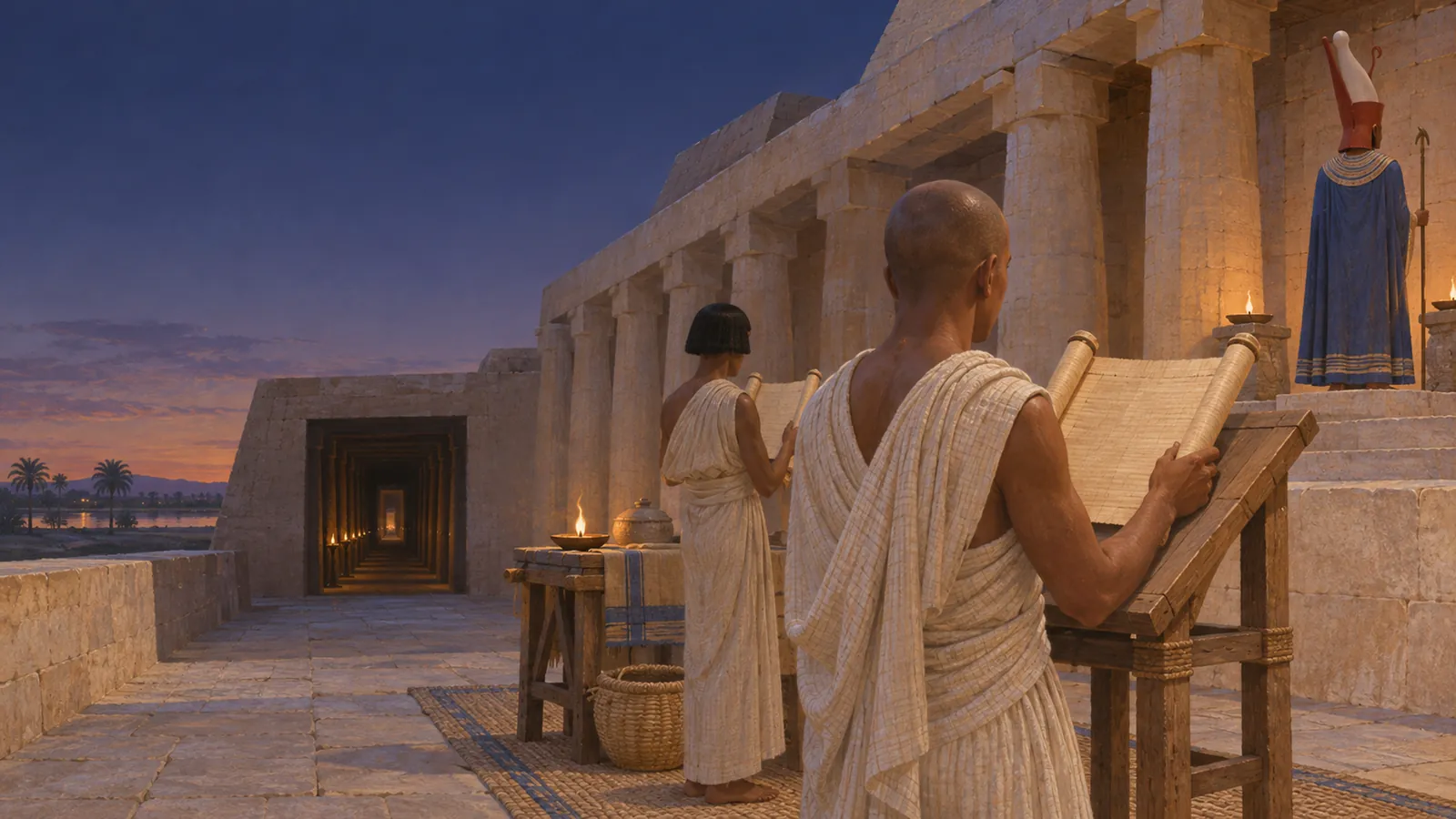
LITANY OF OSIRIS
The litany addresses Atum and says that he has brought his son Osiris back to life. It declares that Osiris and Unis live and that neither dies.
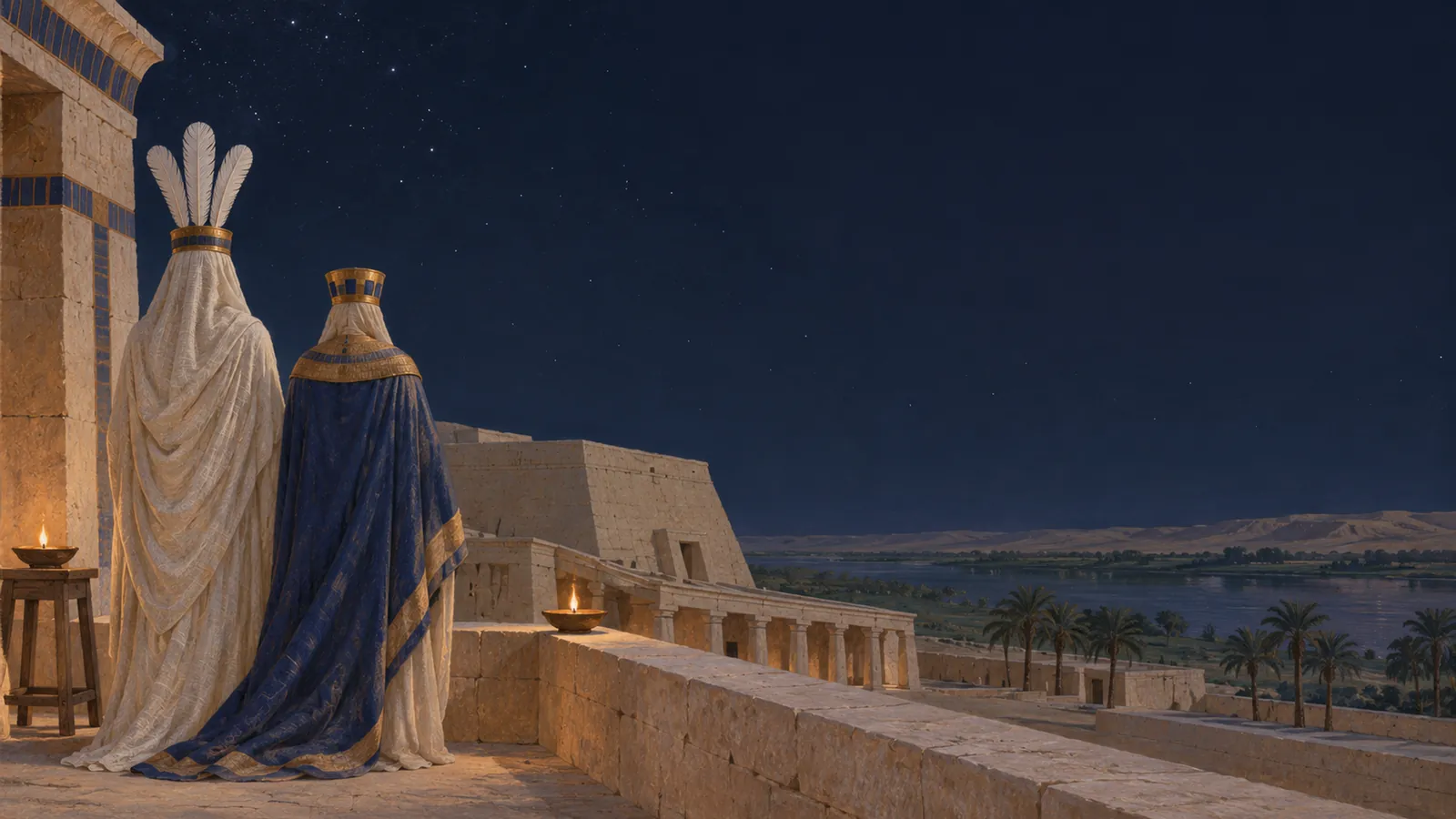
The litany says that neither Osiris nor Unis perishes and neither is taken away. If Unis is taken away, the voice says, Osiris will be taken away as well.
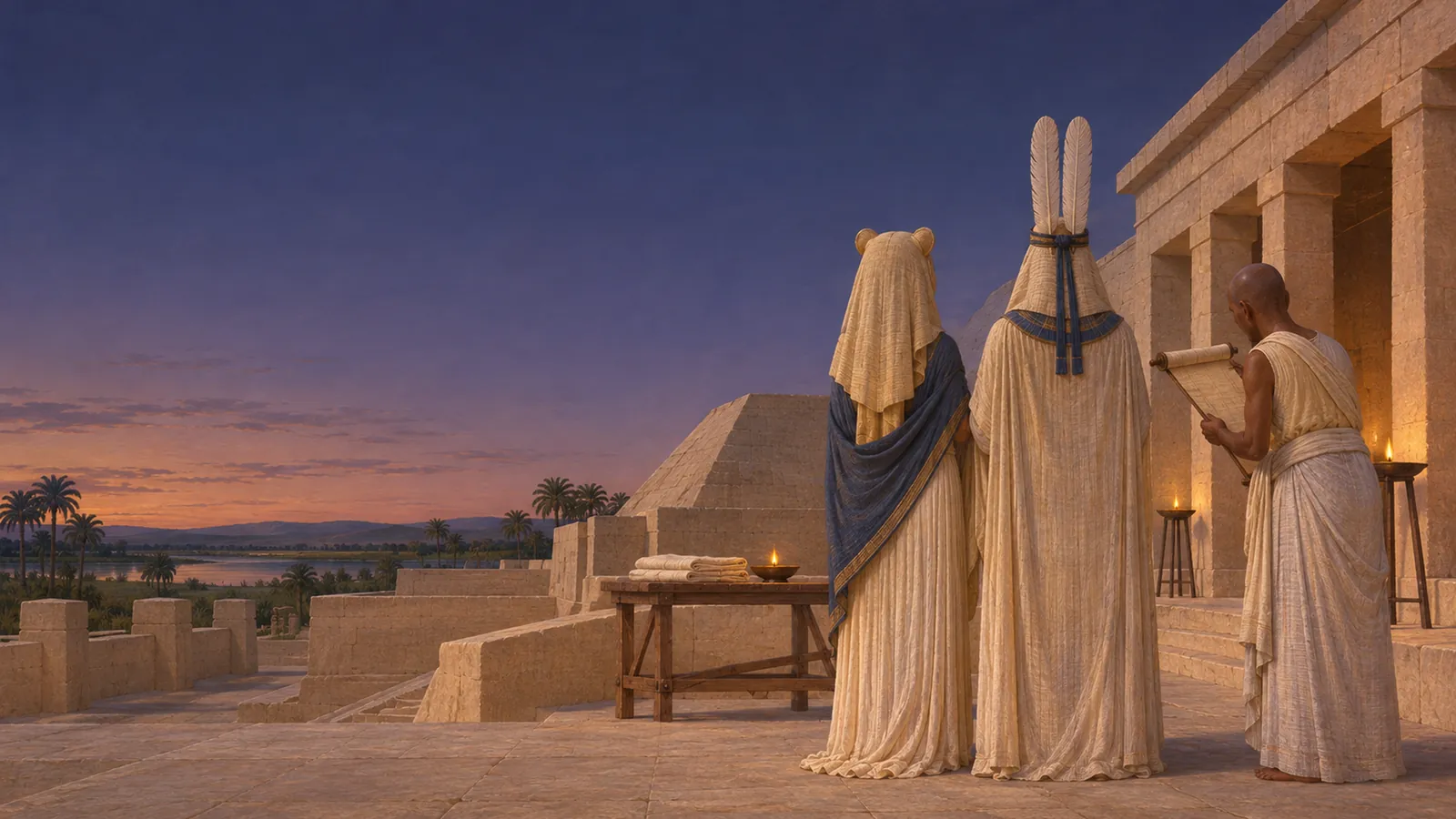
The voice addresses Shu and then Tefnut. Each is told that Osiris is their son and that they brought him back to life.
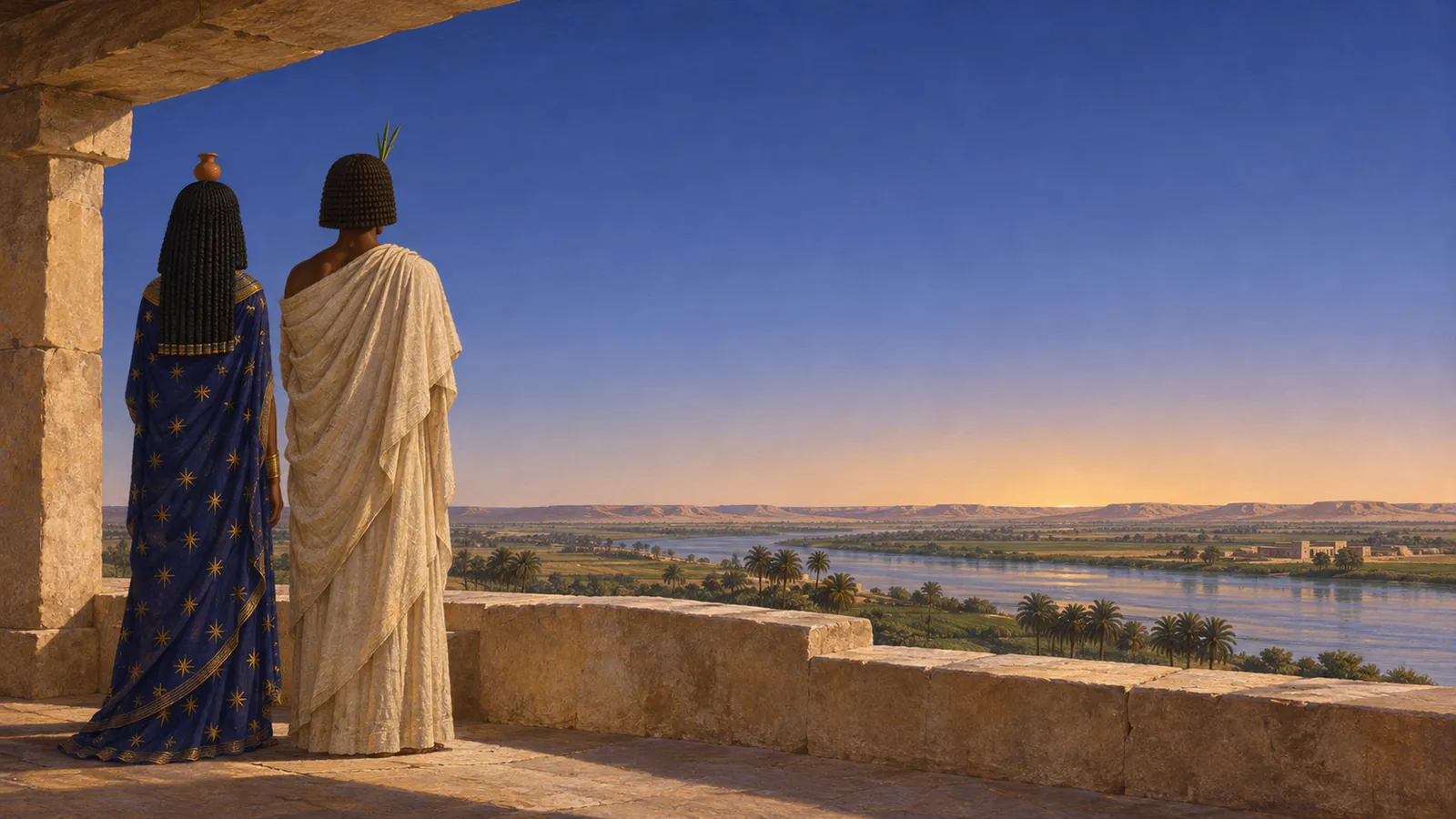
The same address is made to Geb and then to Nut. Each is told that Osiris is their son and that they brought him back to life.
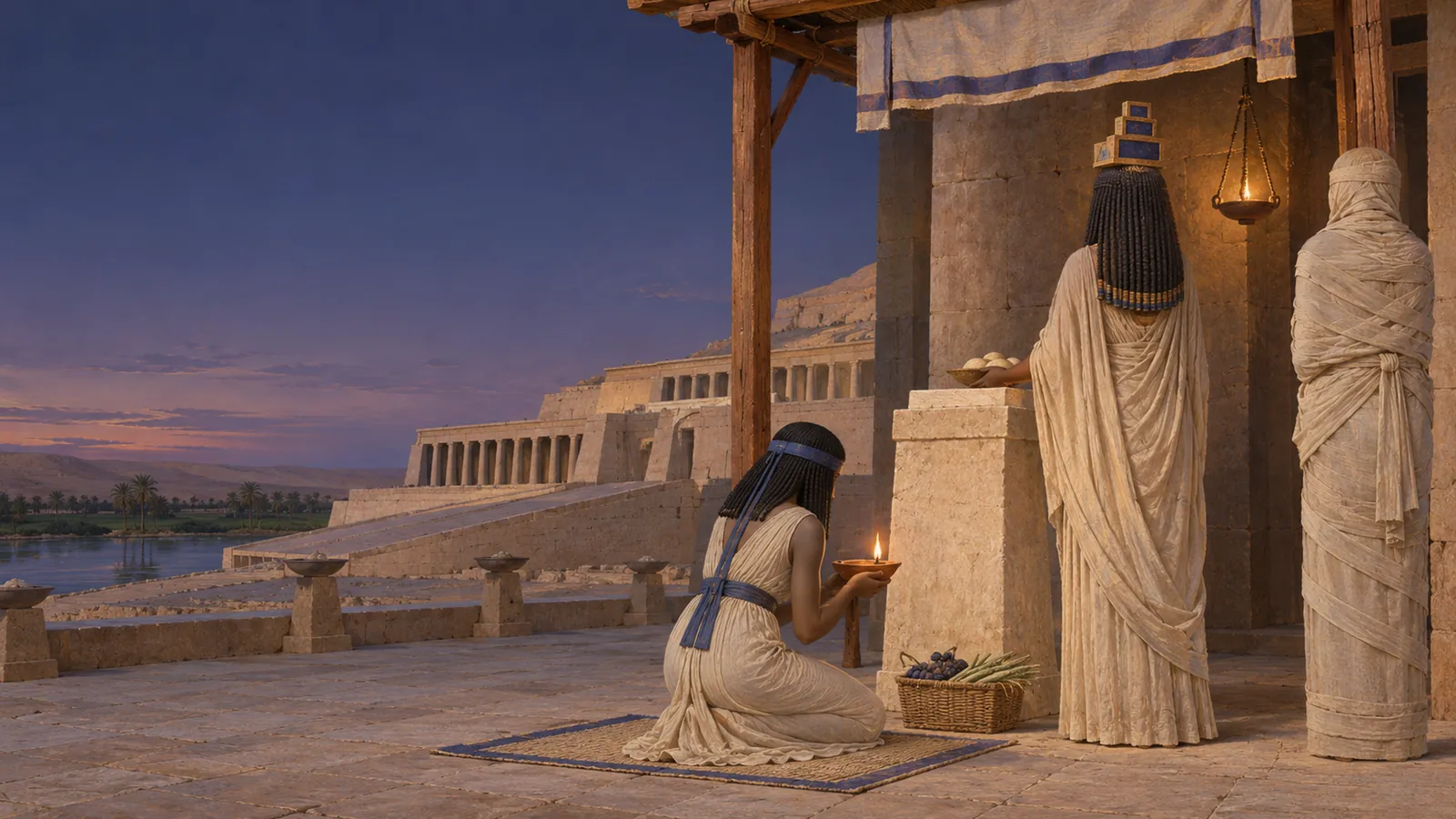
The litany now addresses Isis and calls Osiris her brother. It says she brought him back to life, and the refrain follows.
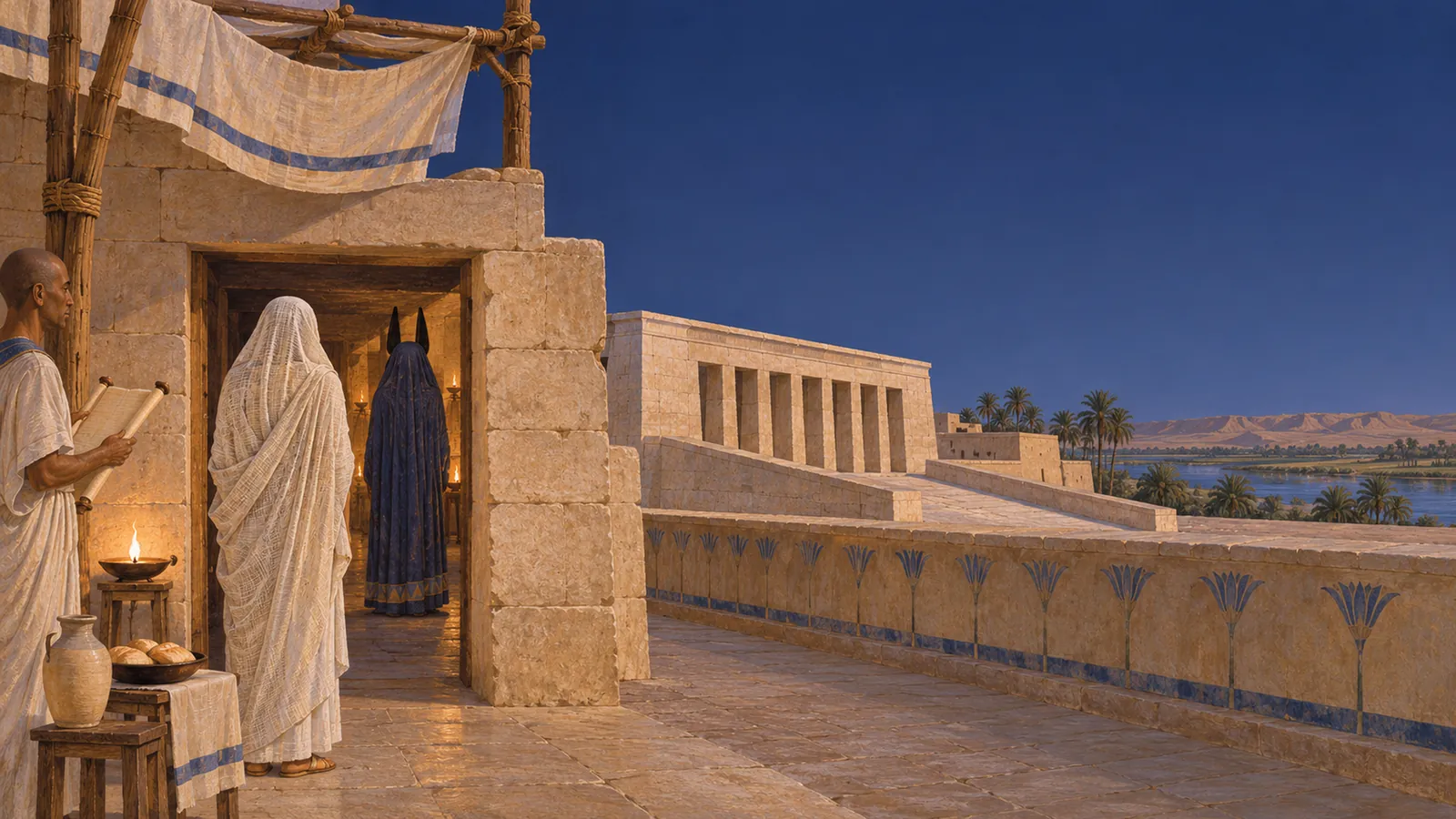
The voice next addresses Seth as Osiris’s brother. It says that Osiris was brought back to life so that he could catch Seth.
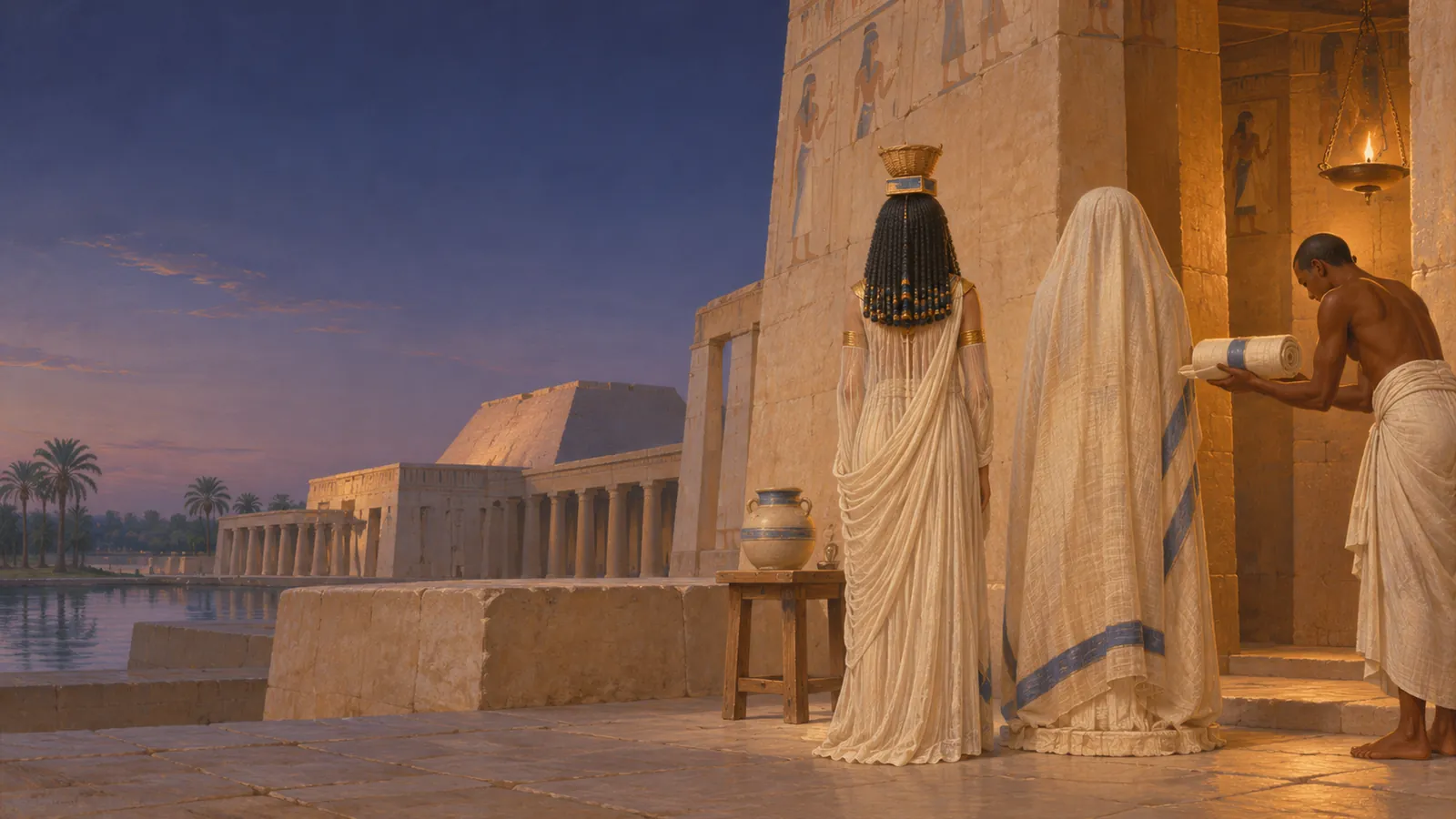
The next address calls Osiris the brother of Nephthys and says she brought him back to life. The refrain again names Osiris and Unis together.
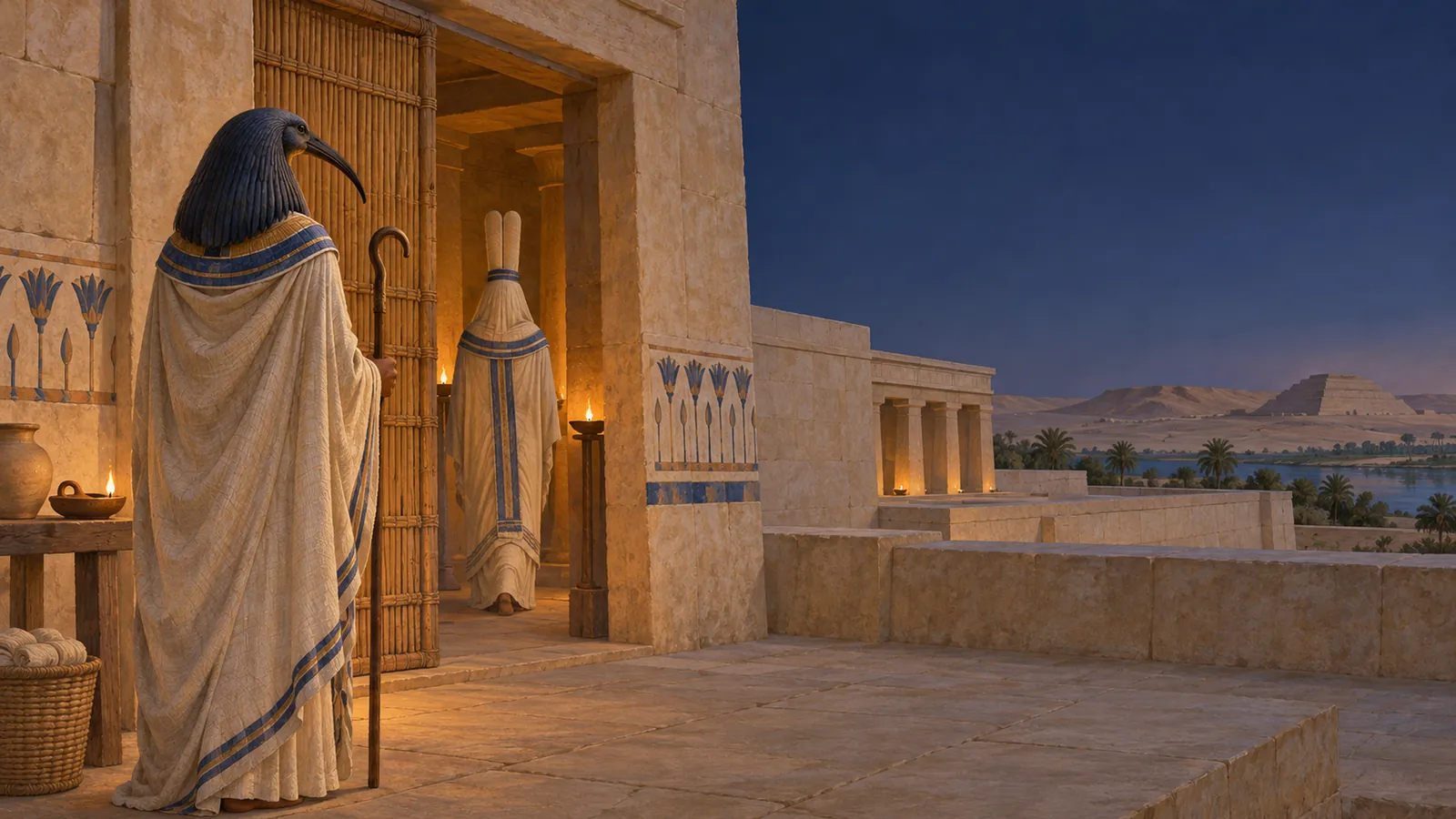
The litany next calls Osiris the brother of Thoth. It says that Osiris was brought back to life so that he could catch Thoth.
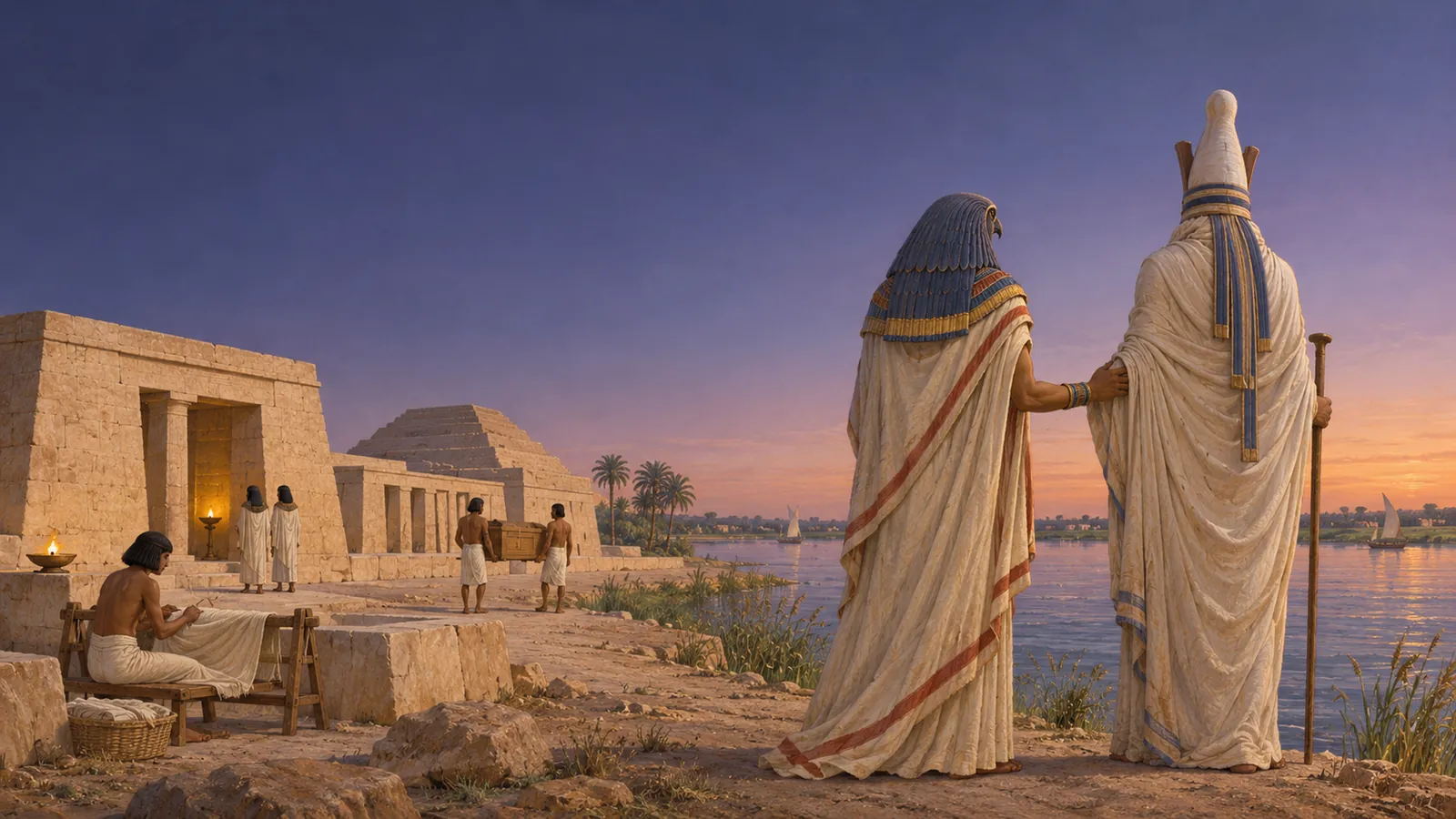
Horus is addressed next, and here Osiris is called his father. The litany credits Horus with bringing his father back to life.
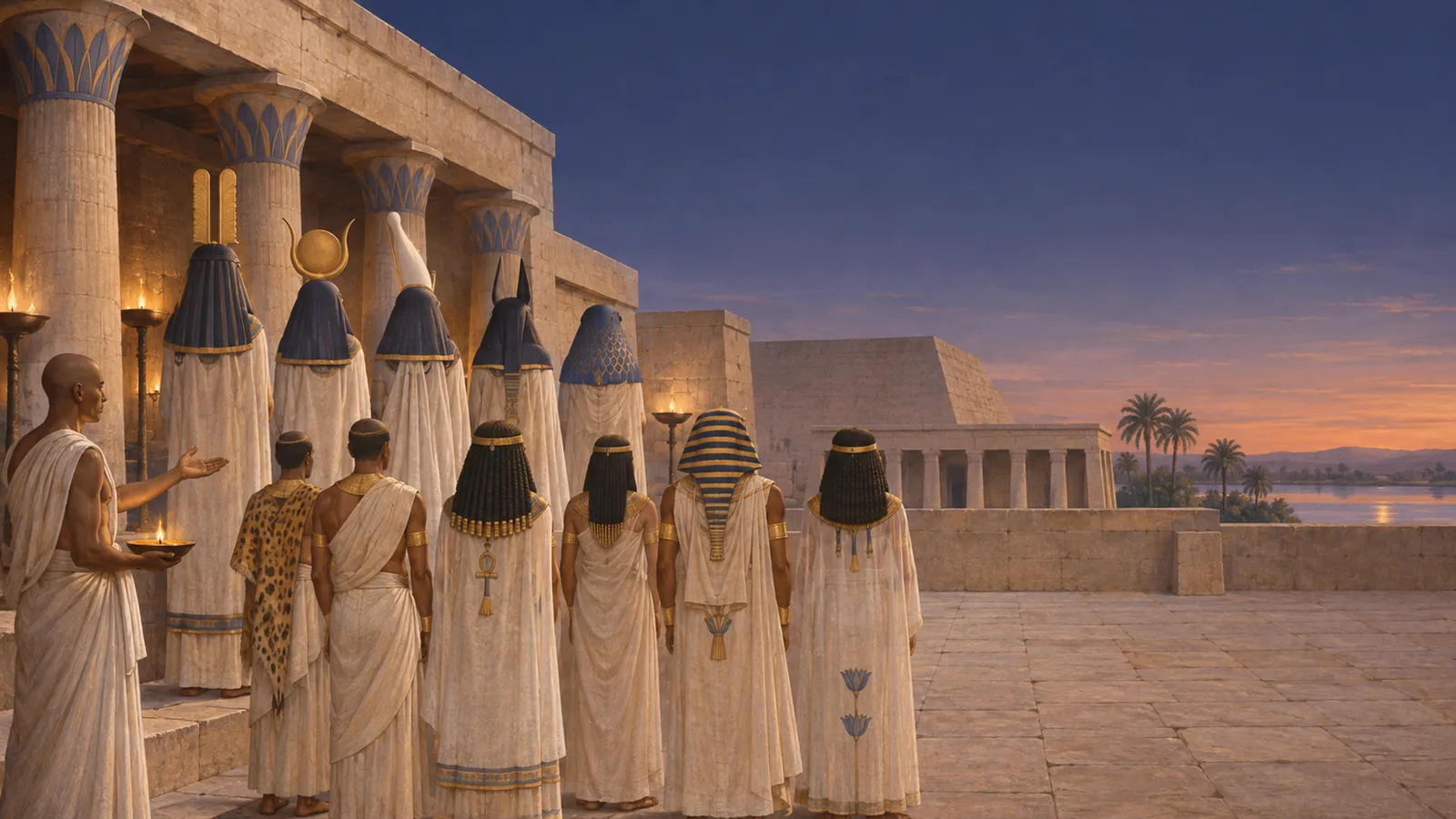
The voice addresses the Big Ennead and then the Little Ennead. The same words identify the one before them as Osiris and say they brought him back to life.
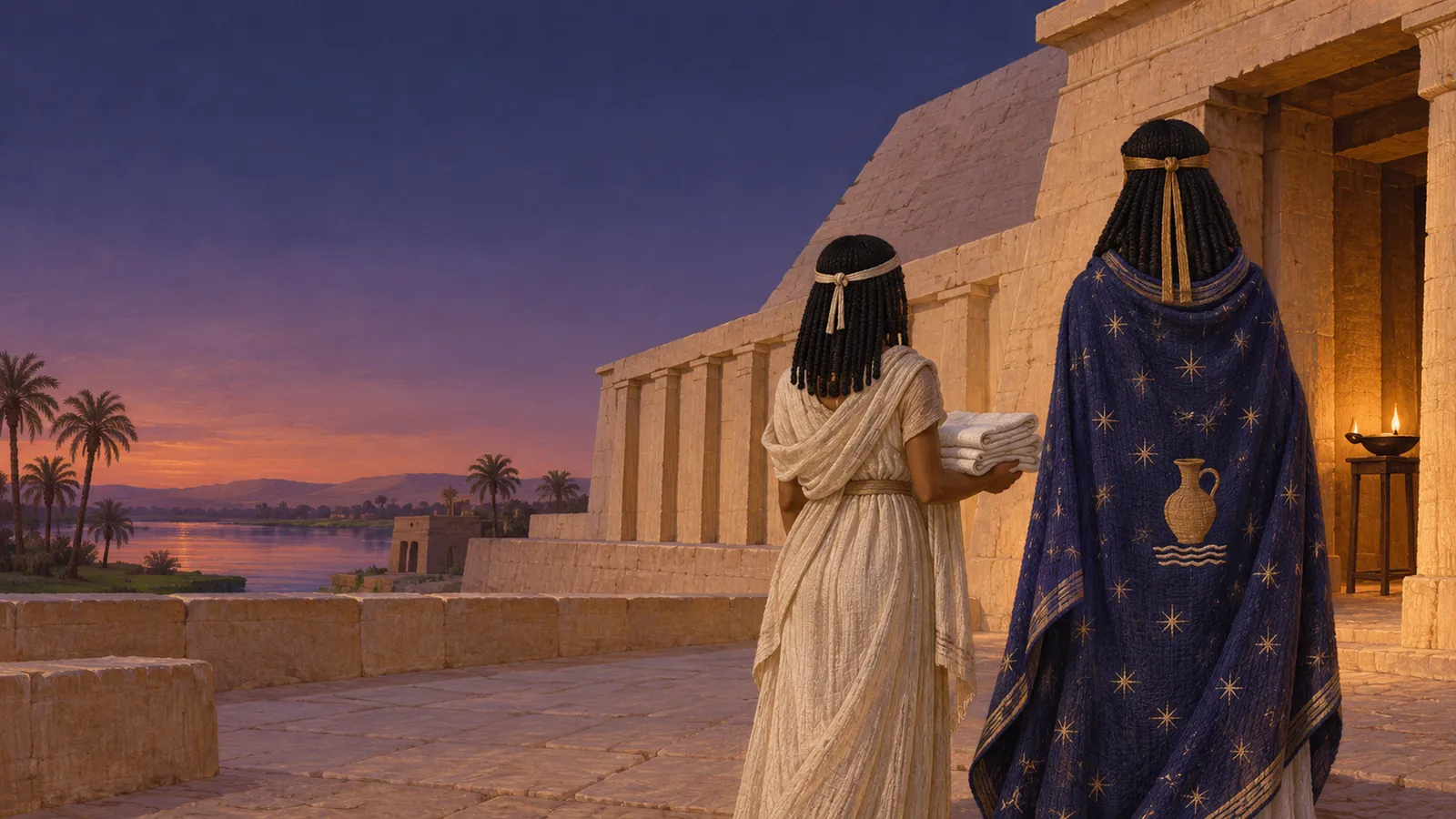
The litany addresses Nut again, calling Osiris her son. It now recalls what she said of him, that someone had been born to her.
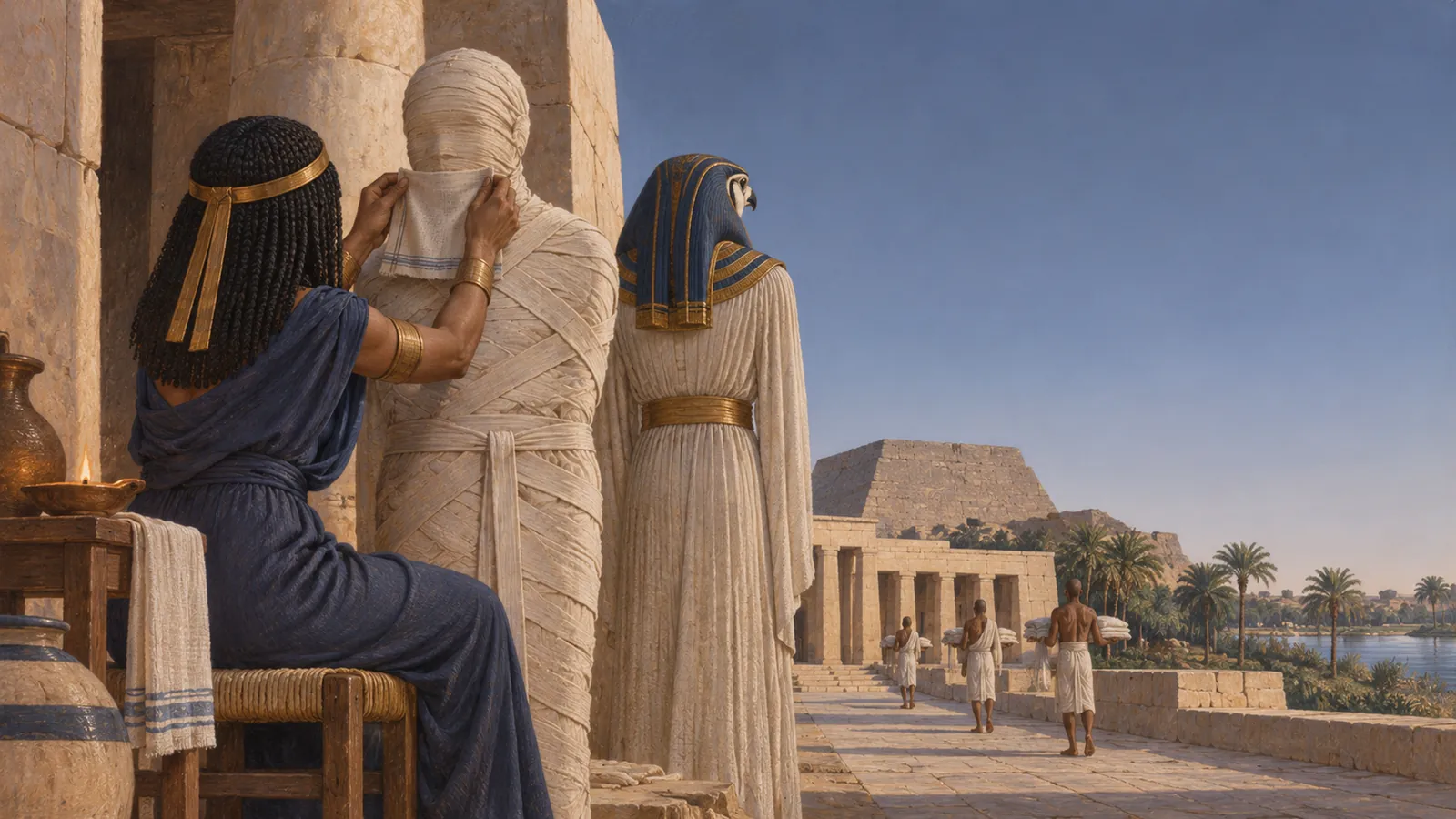
The litany says that Nut wiped Osiris’s mouth after his beloved son Horus had parted it and the gods had counted his limbs.
THE IDENTITIES
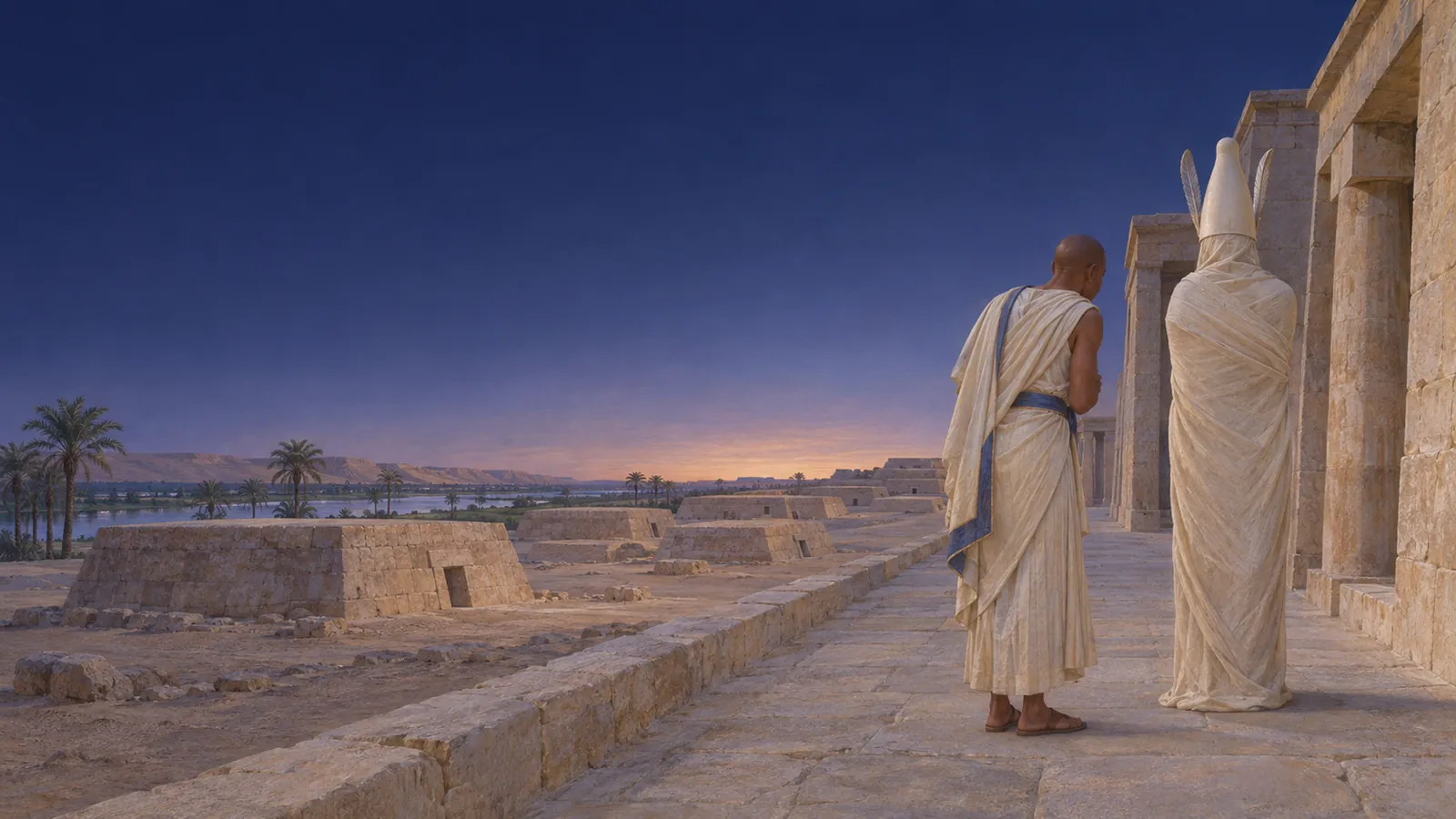
The litany now turns to the identities of Osiris. The first is the Heliopolitan, who endures in his necropolis before the recurring words linking his life with that of Unis.
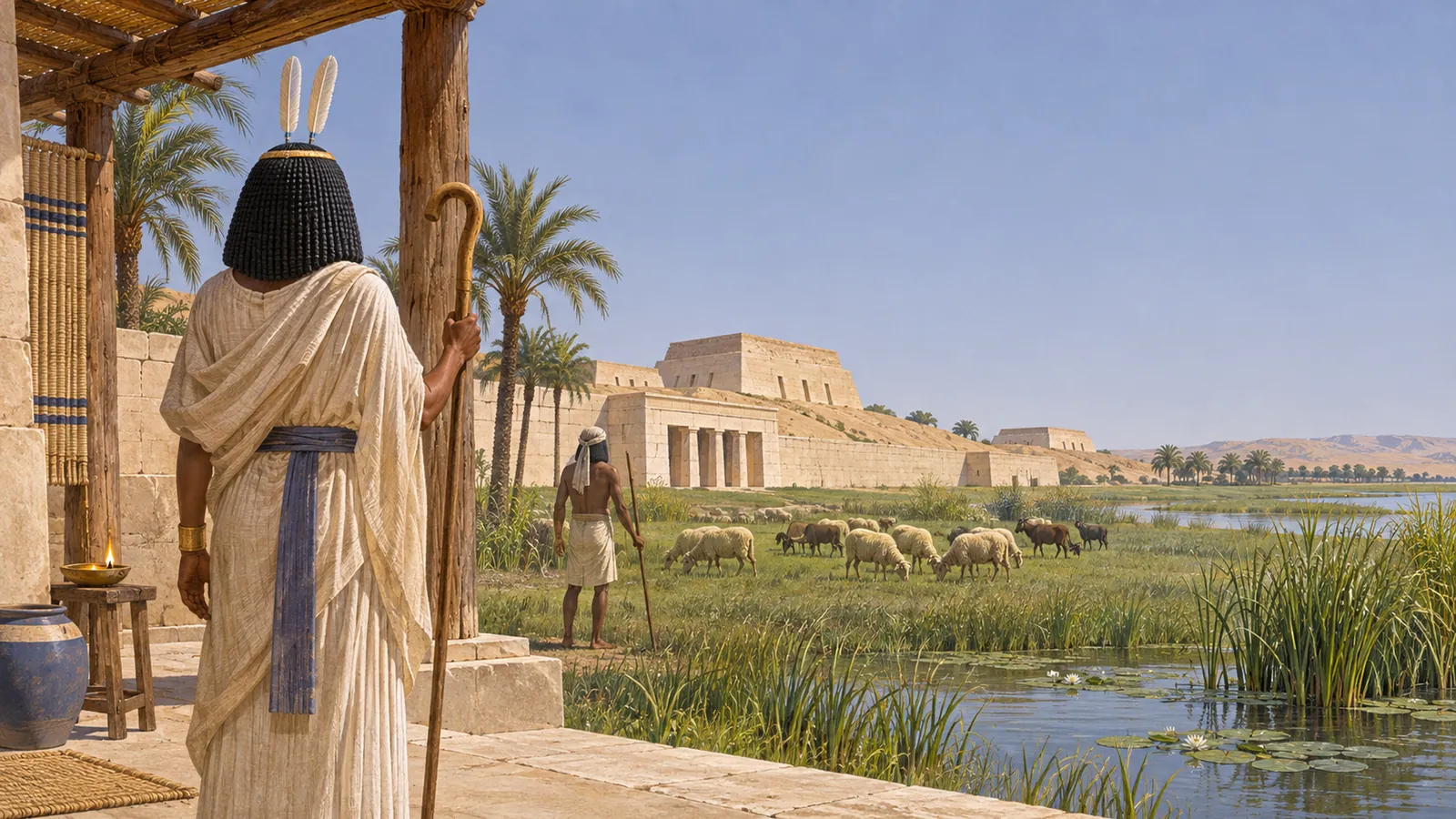
The second identity is Andjeti. The voice says that he stands at the head of his countrysides, and then speaks the same refrain for him and Unis.
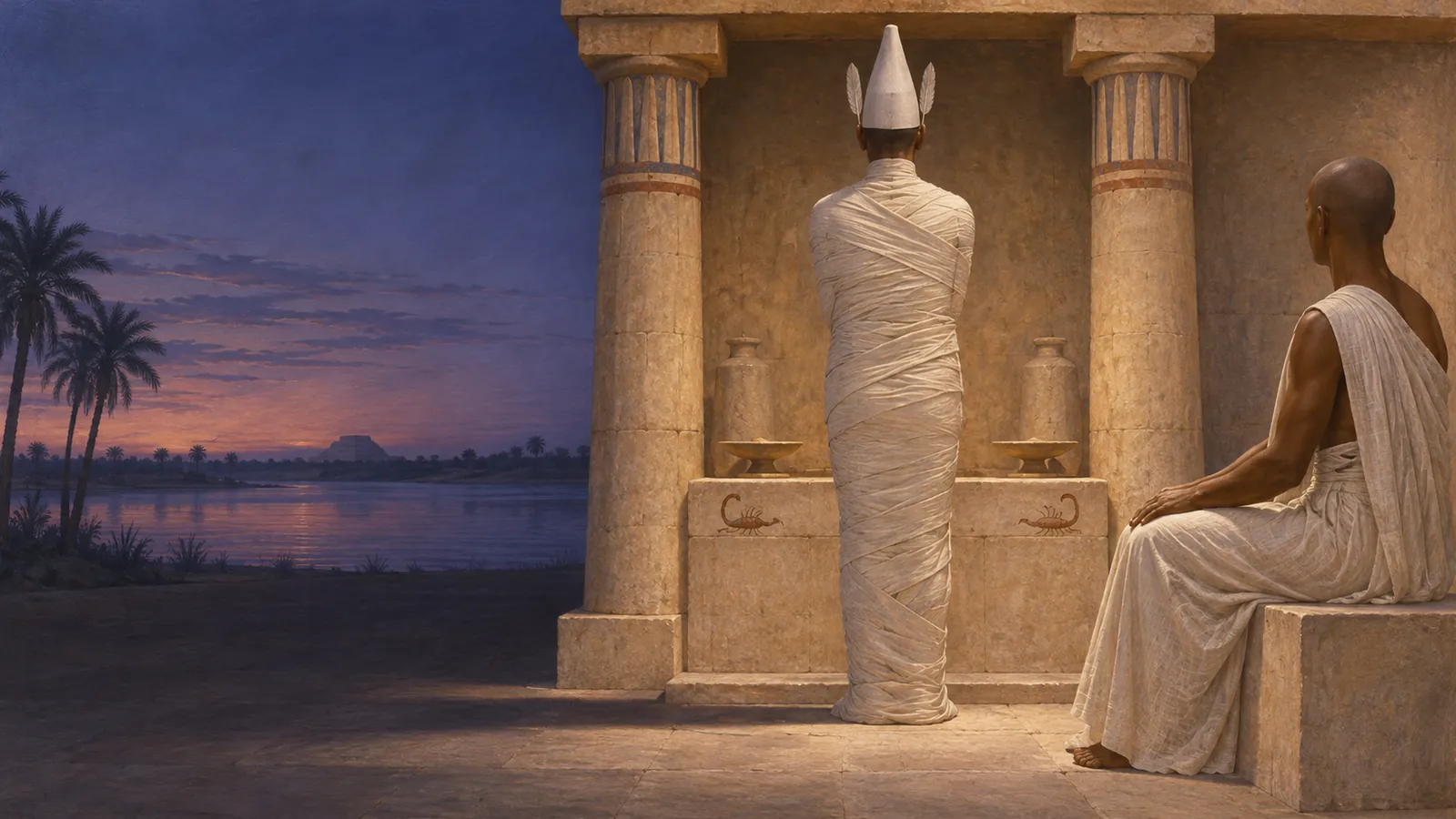
The next address names the identity of the one in the Scorpion Compound. It calls him the Ka At Rest and then returns to the refrain.
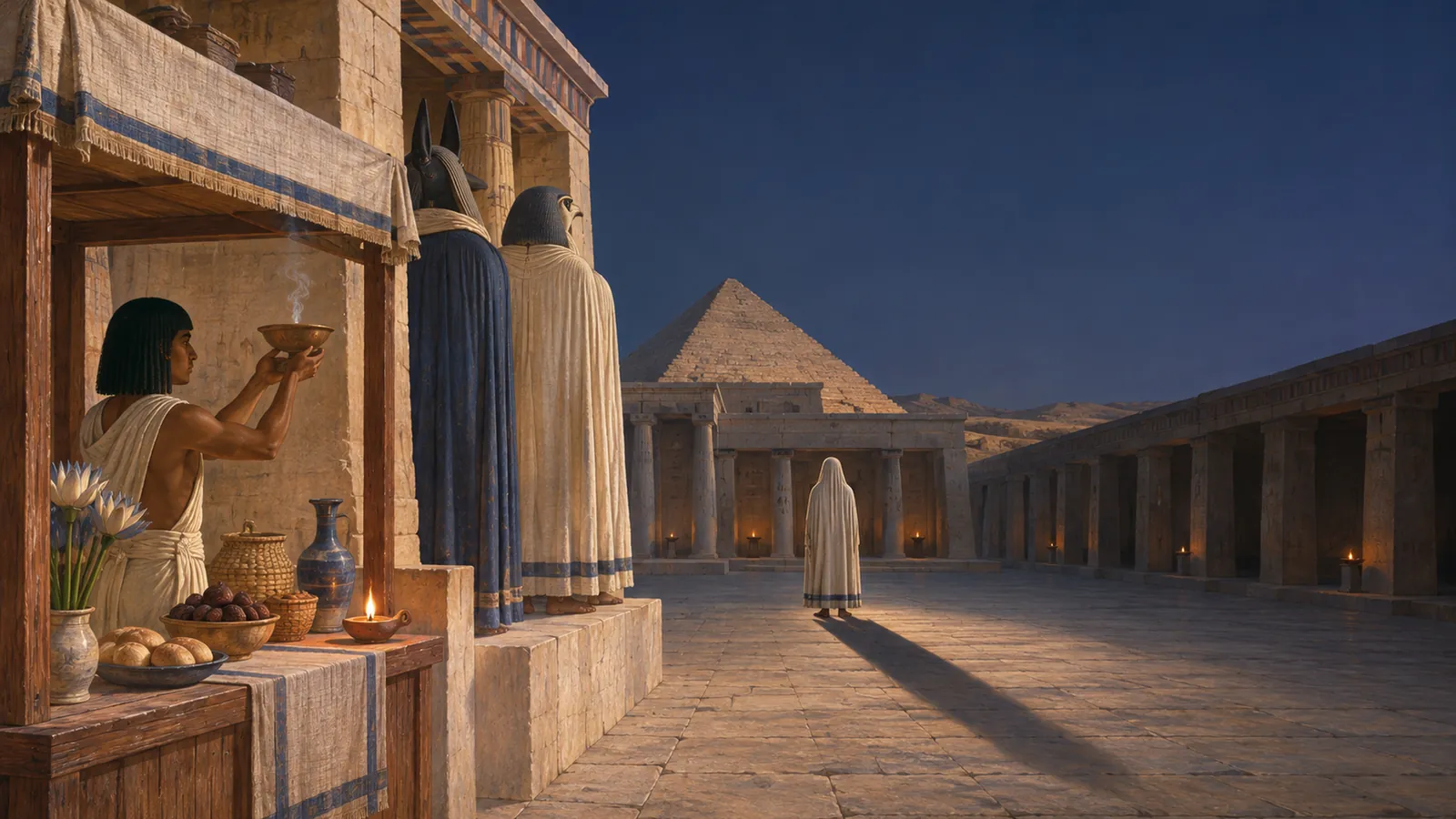
The voice begins a new address to the one in the god’s booth. It calls him the one in the censing before the list of three containers.
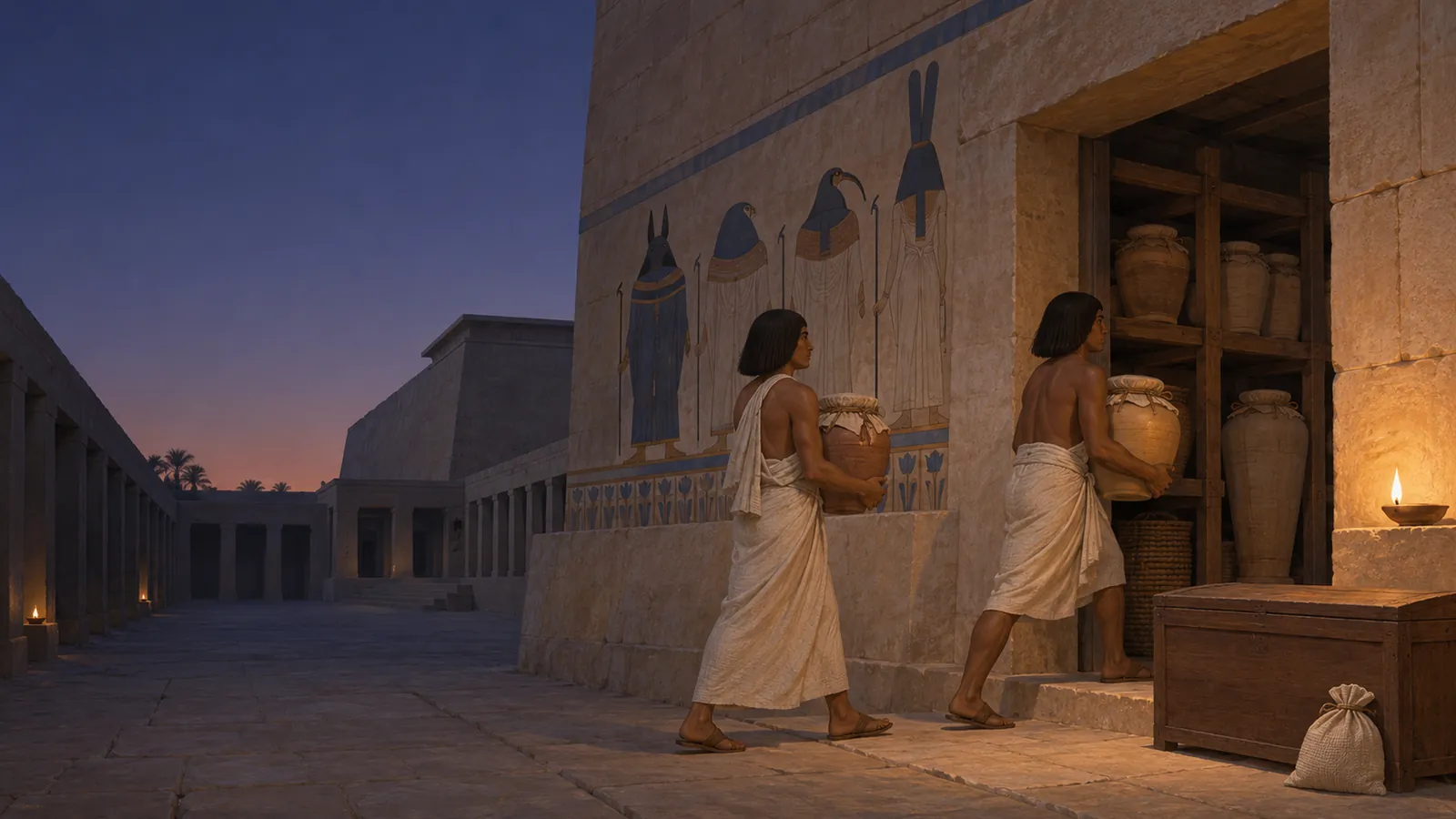
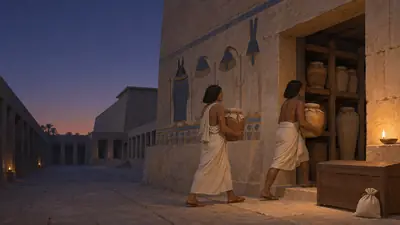
The address names the coffer, the chest and the sack. Allen’s note connects them with the containers in which Seth hid Osiris’s dismembered body.
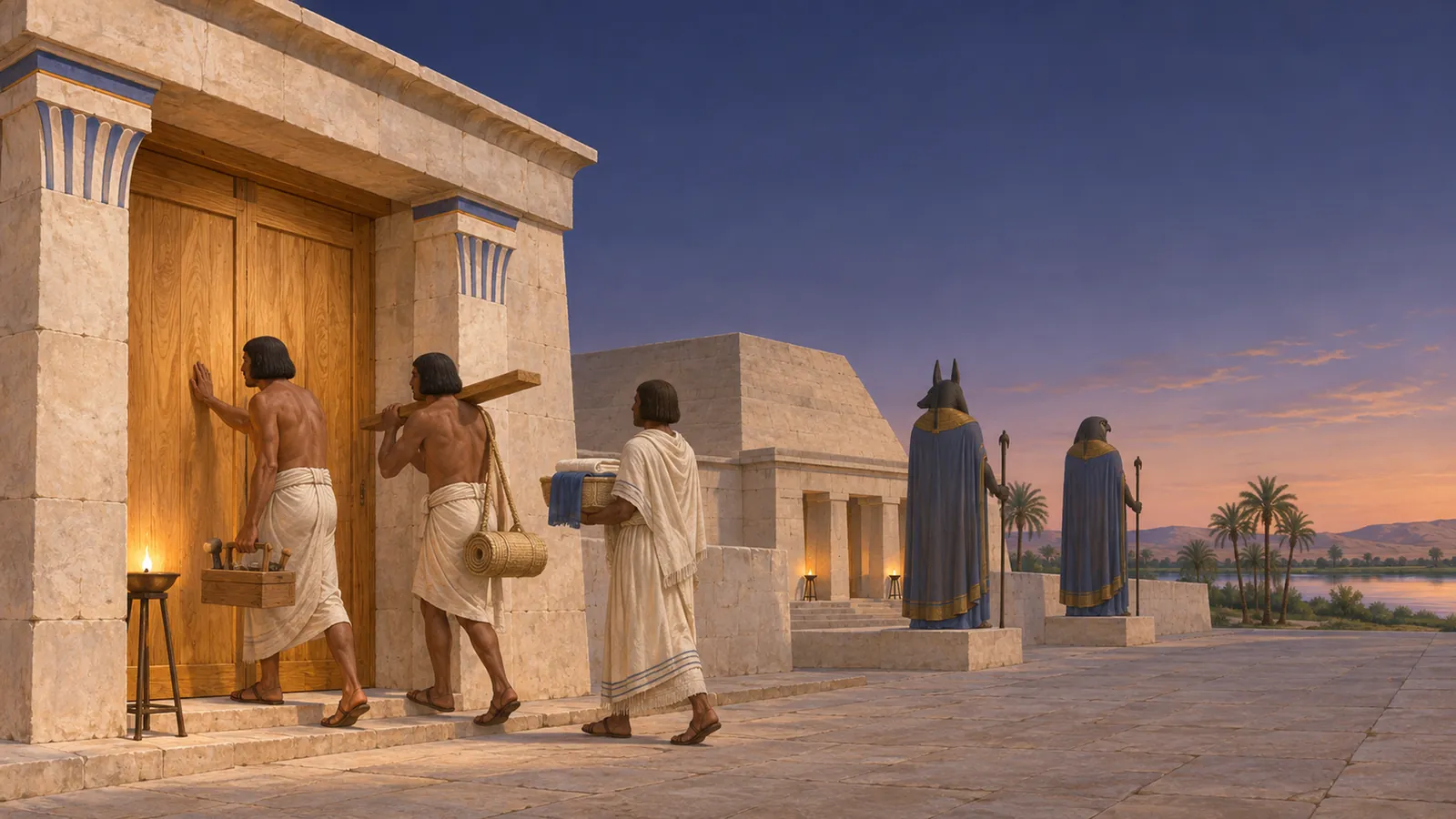
The next identity belongs to the one in the white palace of laurelwood. The voice names the palace and its wood before returning to the familiar declaration of life.
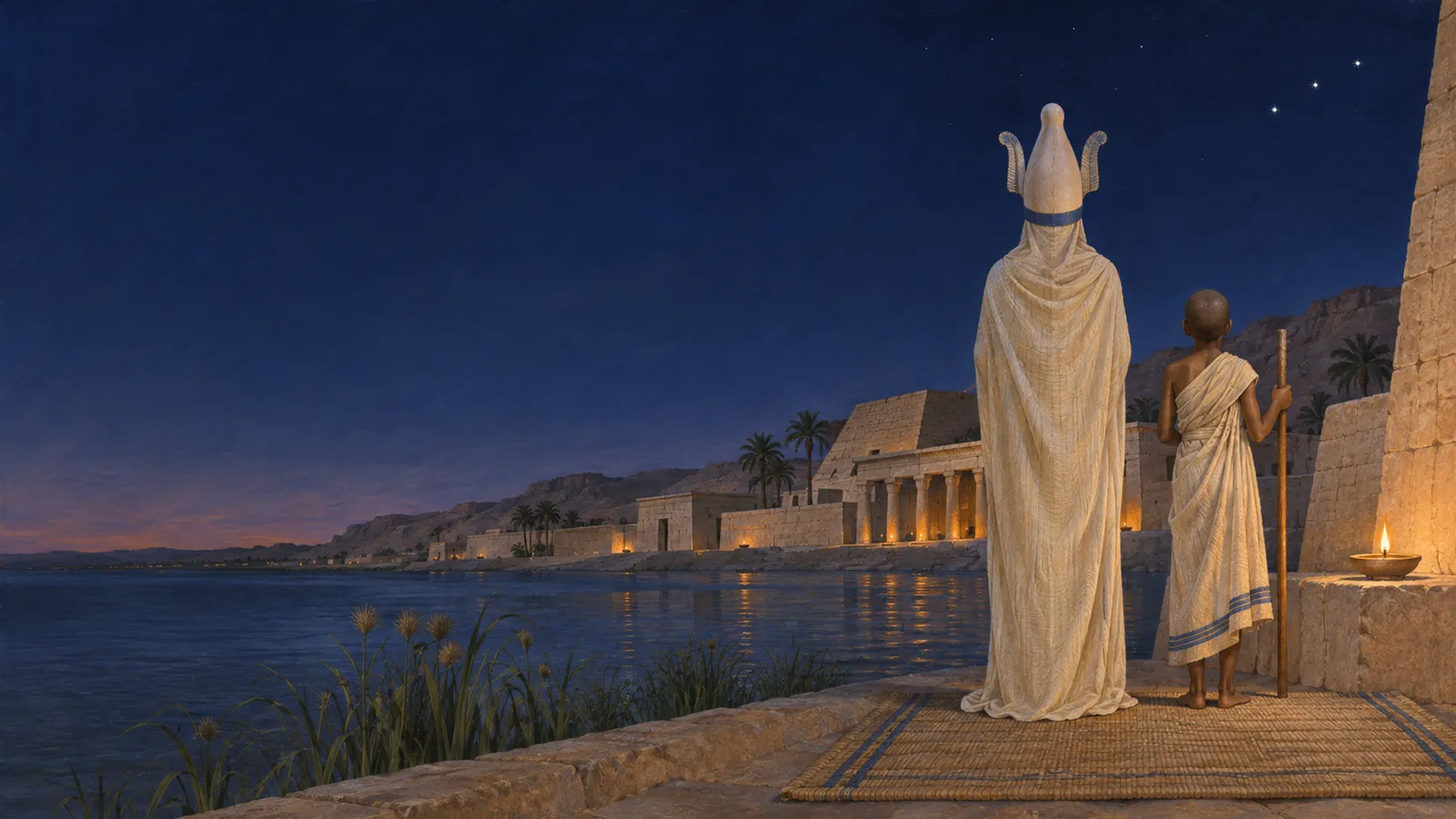
The voice addresses the one in Orion. It says that he has his season at the sky as well as his season at the earth.
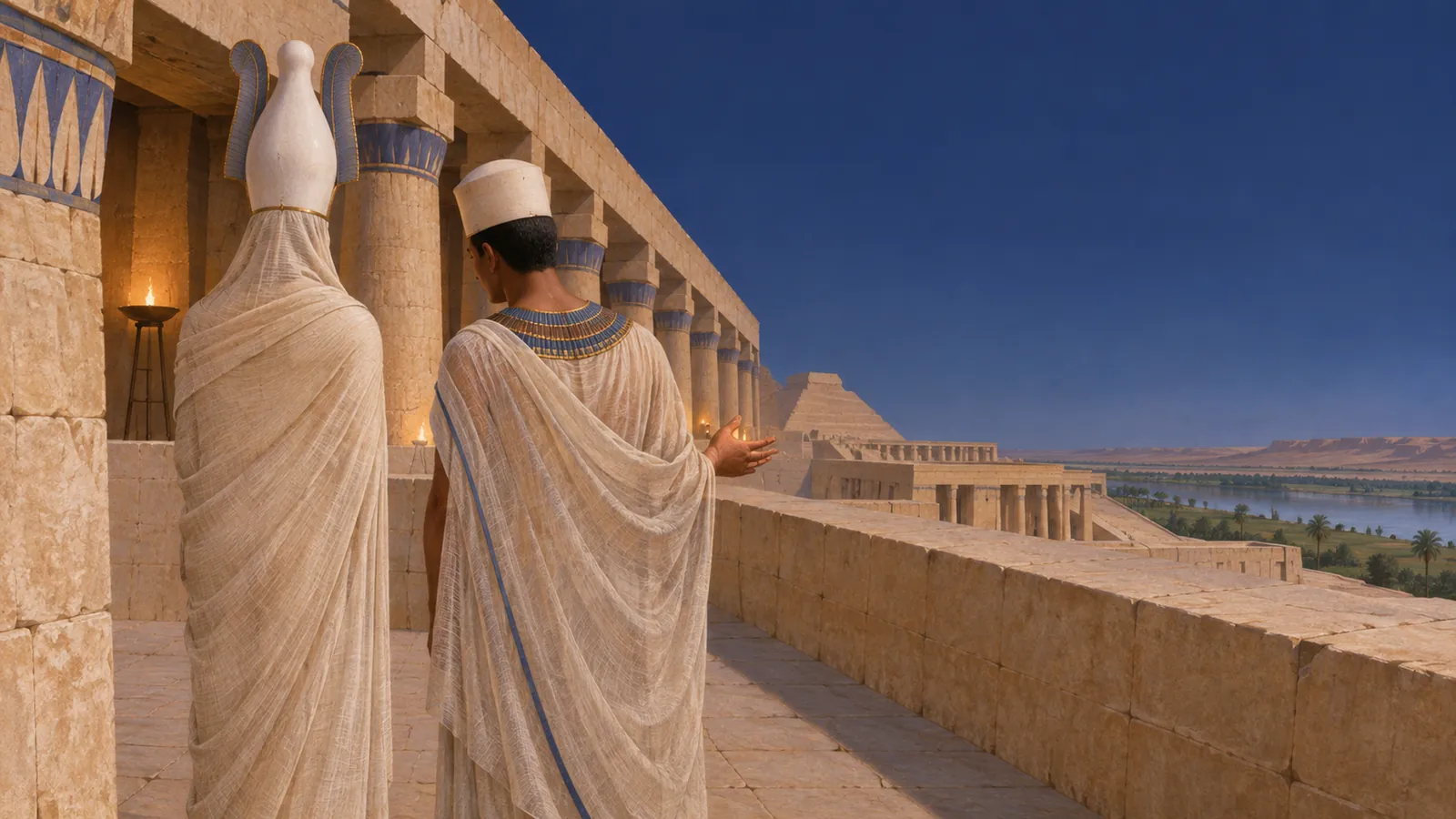
In the same address, the voice asks Osiris to turn his face and look at Unis. It calls Unis the seed who came forth from him active.
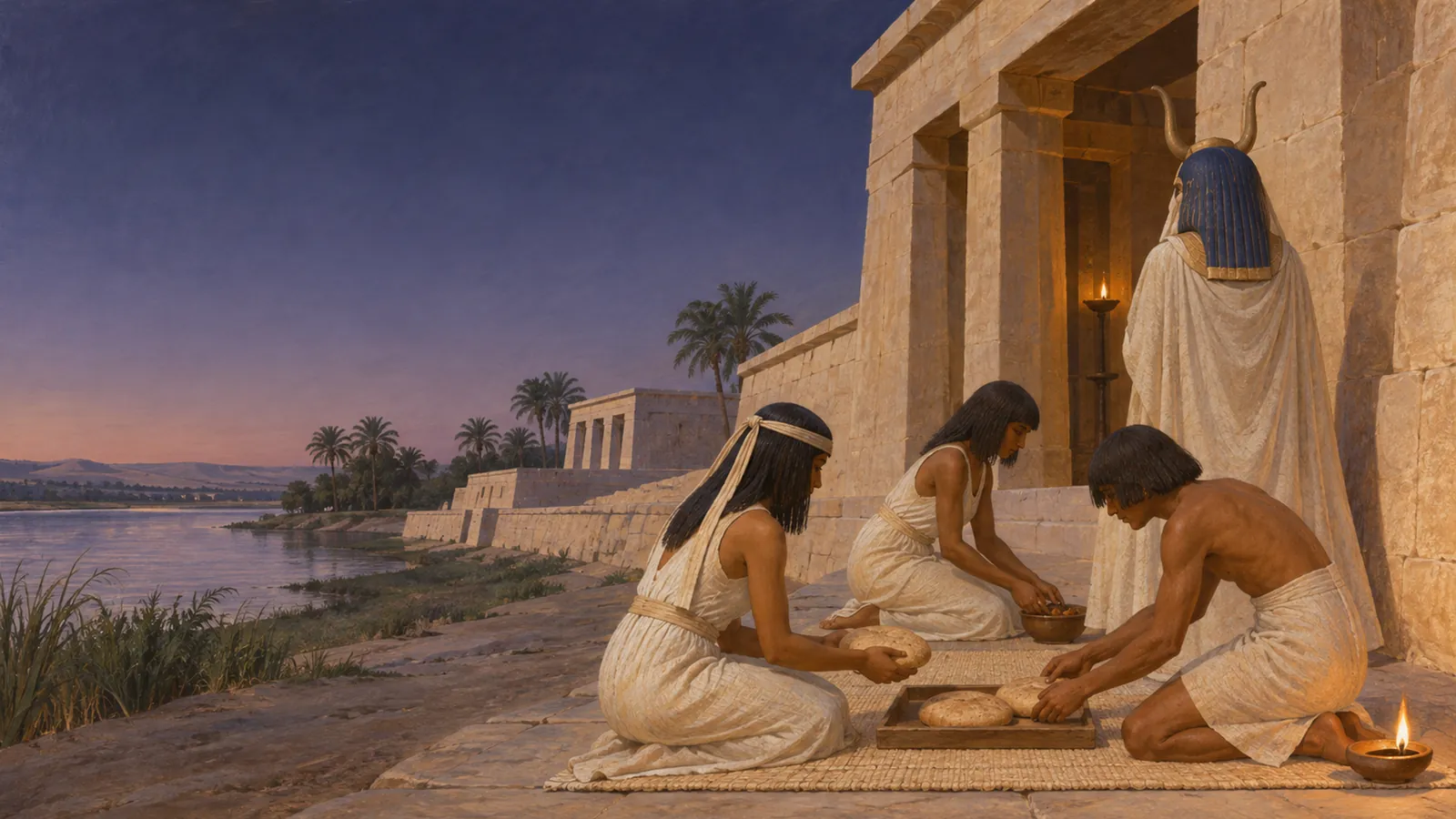
The litany addresses Osiris at Dep, the Compound of the Eldest of Bulls, Southern Hermopolis and Northern Hermopolis. In each appeal it asks him to embrace the meal it calls his daughter and to provide himself with it.
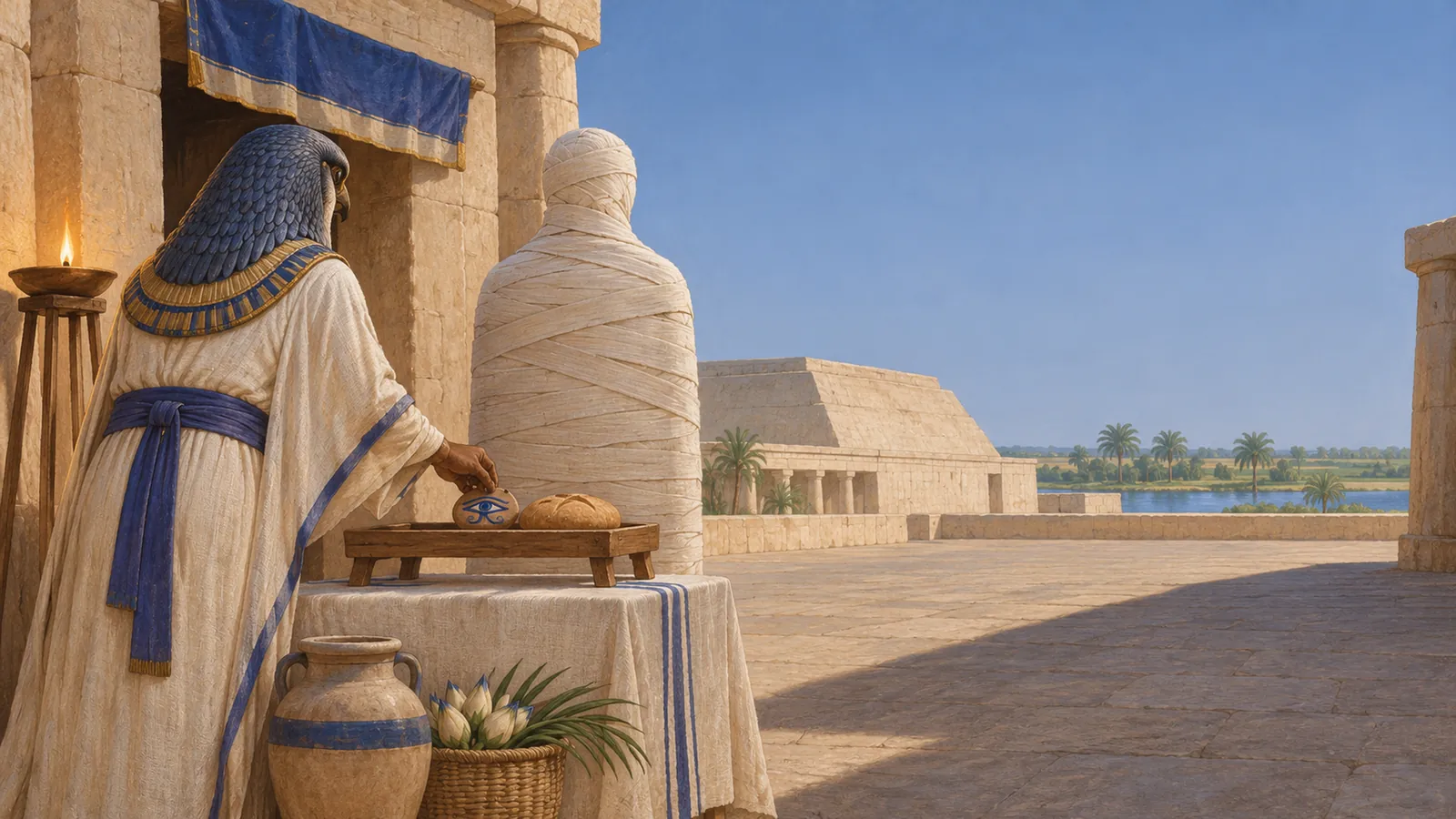
In the Town of Basins, Osiris is said to have eaten the Eye, making his belly round. His son Horus releases it to him so that he can live from it.
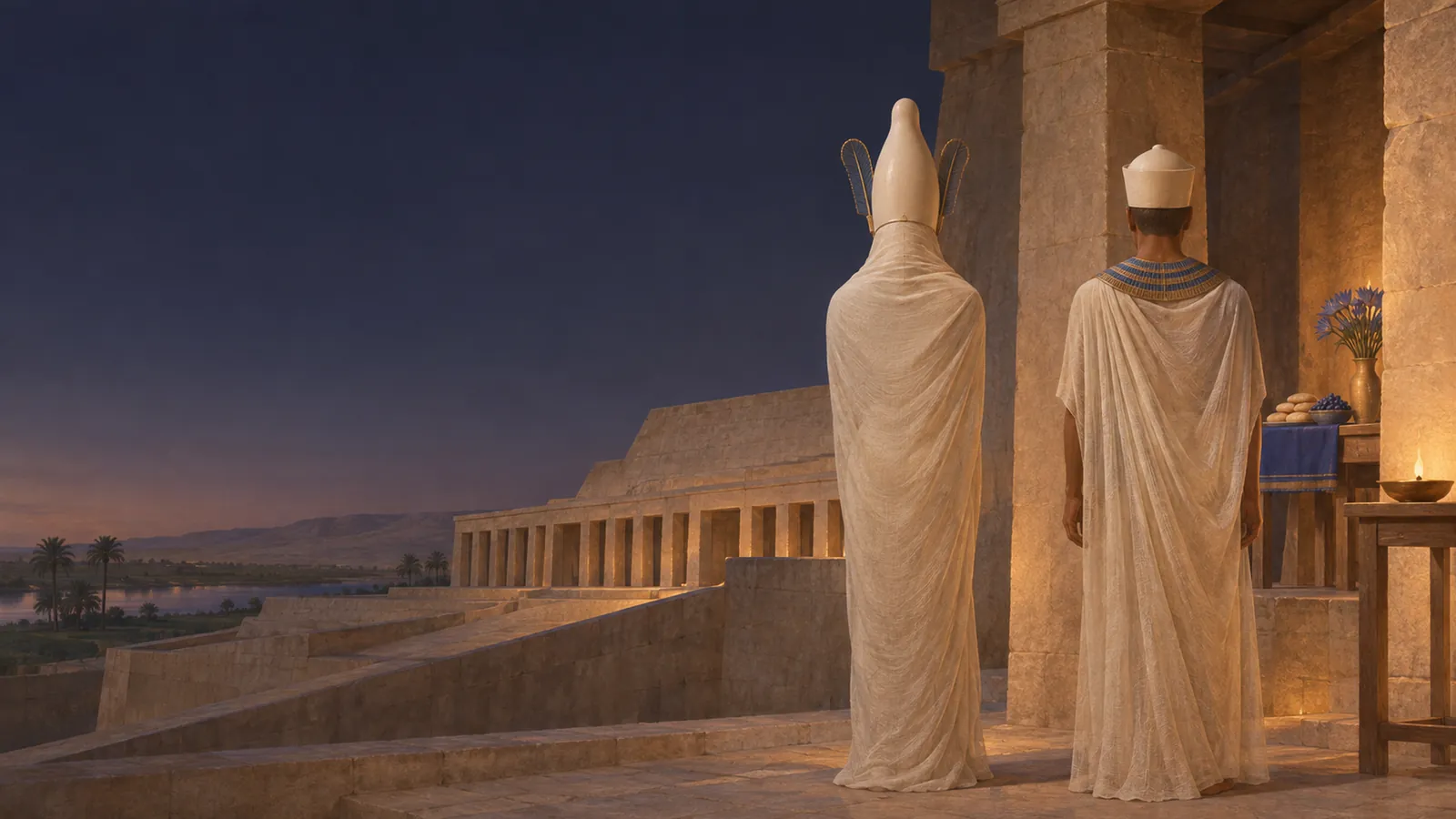
The closing words address Osiris directly. They say that his body is Unis’s body, his flesh is Unis’s flesh, and his bones are Unis’s bones.
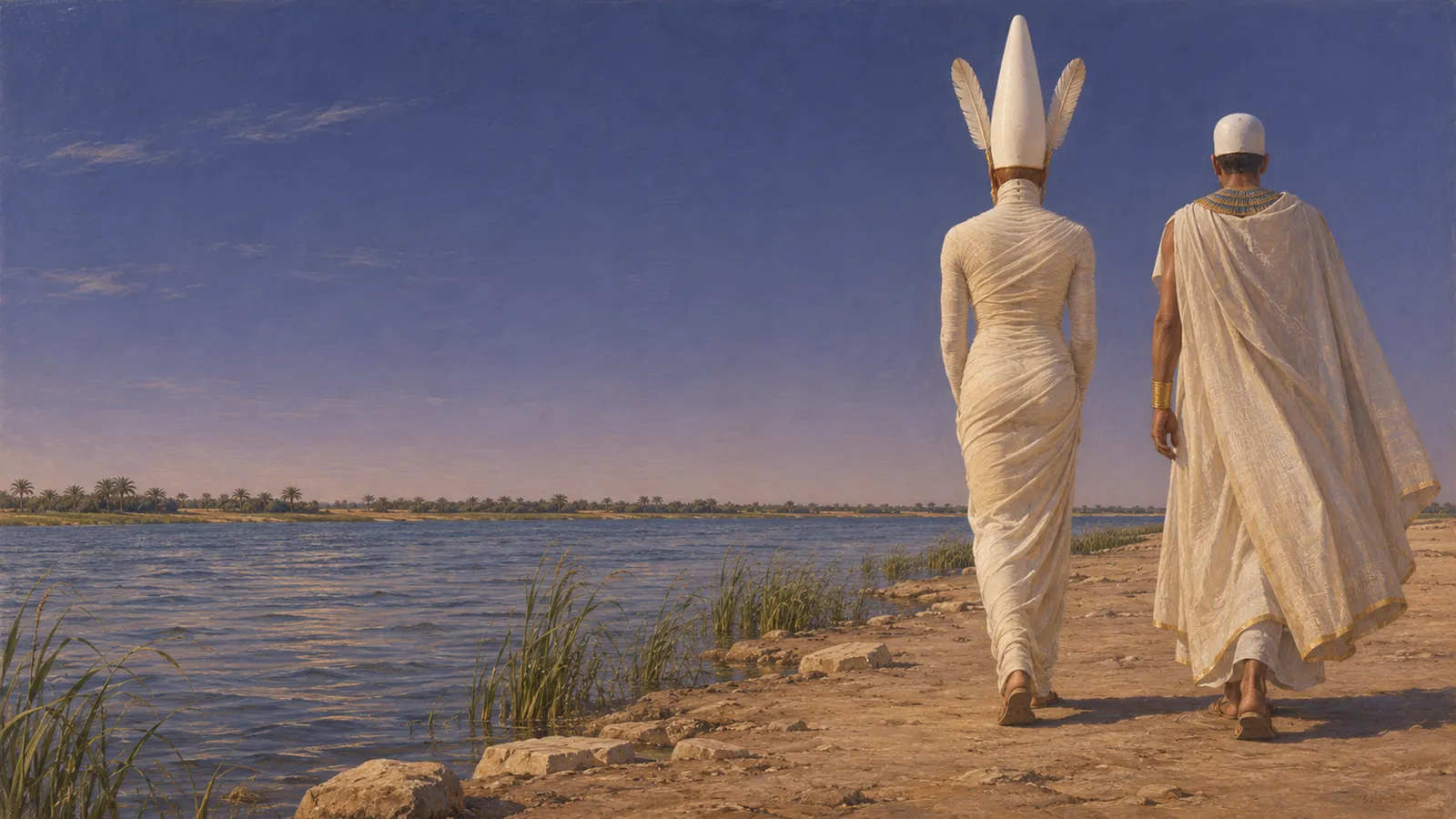
THE LAST LINES
The litany closes with two lines saying that if Unis goes, Osiris goes. The order of the clauses reverses. Allen supplies the words from life in the first line.
End of chapter 1
All pages

Sources
Editions consulted
- James P. Allen, The Ancient Egyptian Pyramid Texts, second edition, SBL Press, 2015
- Opening of PT 219 and its refrain, printed page 37
- Nut’s second address, printed page 39
- The succession of identities, printed page 40
- The closing identities and final condition, printed page 41
- Notes 41–42 on the containers and the meal, printed page 66
Ancient lines behind each page
- Page 1: Allen 2015, The Ancient Egyptian Pyramid Texts, Unis PT 219, p. 37
- Page 2: Allen 2015, The Ancient Egyptian Pyramid Texts, Unis PT 219, p. 38
- Page 3: Allen 2015, The Ancient Egyptian Pyramid Texts, Unis PT 219, p. 38
- Page 4: Allen 2015, The Ancient Egyptian Pyramid Texts, Unis PT 219, p. 38
- Page 5: Allen 2015, The Ancient Egyptian Pyramid Texts, Unis PT 219, p. 38
- Page 6: Allen 2015, The Ancient Egyptian Pyramid Texts, Unis PT 219, p. 38
- Page 7: Allen 2015, The Ancient Egyptian Pyramid Texts, Unis PT 219, p. 39
- Page 8: Allen 2015, The Ancient Egyptian Pyramid Texts, Unis PT 219, p. 39
- Page 9: Allen 2015, The Ancient Egyptian Pyramid Texts, Unis PT 219, p. 39
- Page 10: Allen 2015, The Ancient Egyptian Pyramid Texts, Unis PT 219, p. 39
- Page 11: Allen 2015, The Ancient Egyptian Pyramid Texts, Unis PT 219, p. 39
- Page 12: Allen 2015, The Ancient Egyptian Pyramid Texts, Unis PT 219, pp. 39–40
- Page 13: Allen 2015, The Ancient Egyptian Pyramid Texts, Unis PT 219, p. 40
- Page 14: Allen 2015, The Ancient Egyptian Pyramid Texts, Unis PT 219, p. 40
- Page 15: Allen 2015, The Ancient Egyptian Pyramid Texts, Unis PT 219, p. 40
- Page 16: Allen 2015, The Ancient Egyptian Pyramid Texts, Unis PT 219, p. 40
- Page 17: Allen 2015, The Ancient Egyptian Pyramid Texts, Unis PT 219, p. 40
- Page 18: Allen 2015, The Ancient Egyptian Pyramid Texts, Unis PT 219, p. 40
- Page 19: Allen 2015, The Ancient Egyptian Pyramid Texts, Unis PT 219, p. 40
- Page 20: Allen 2015, The Ancient Egyptian Pyramid Texts, Unis PT 219, p. 40
- Page 21: Allen 2015, The Ancient Egyptian Pyramid Texts, Unis PT 219, p. 41
- Page 22: Allen 2015, The Ancient Egyptian Pyramid Texts, Unis PT 219, p. 41
- Page 23: Allen 2015, The Ancient Egyptian Pyramid Texts, Unis PT 219, p. 41
- Page 24: Allen 2015, The Ancient Egyptian Pyramid Texts, Unis PT 219, p. 41
Illustrations made with AI tools by IL Archive; the text is based on the ancient sources (see the sources at the end of each chapter).