Weni the Loyal Chapter 1
In the service of three kings
Weni’s own account follows him from Teti’s storeroom to Pepi’s confidential work and Merenre’s quarries. The stone at Abydos tells what he chose to record. Other finds at the same cemetery carry his story a little further.
SourcesTurn the pages with the arrows, the arrow keys or a swipe.
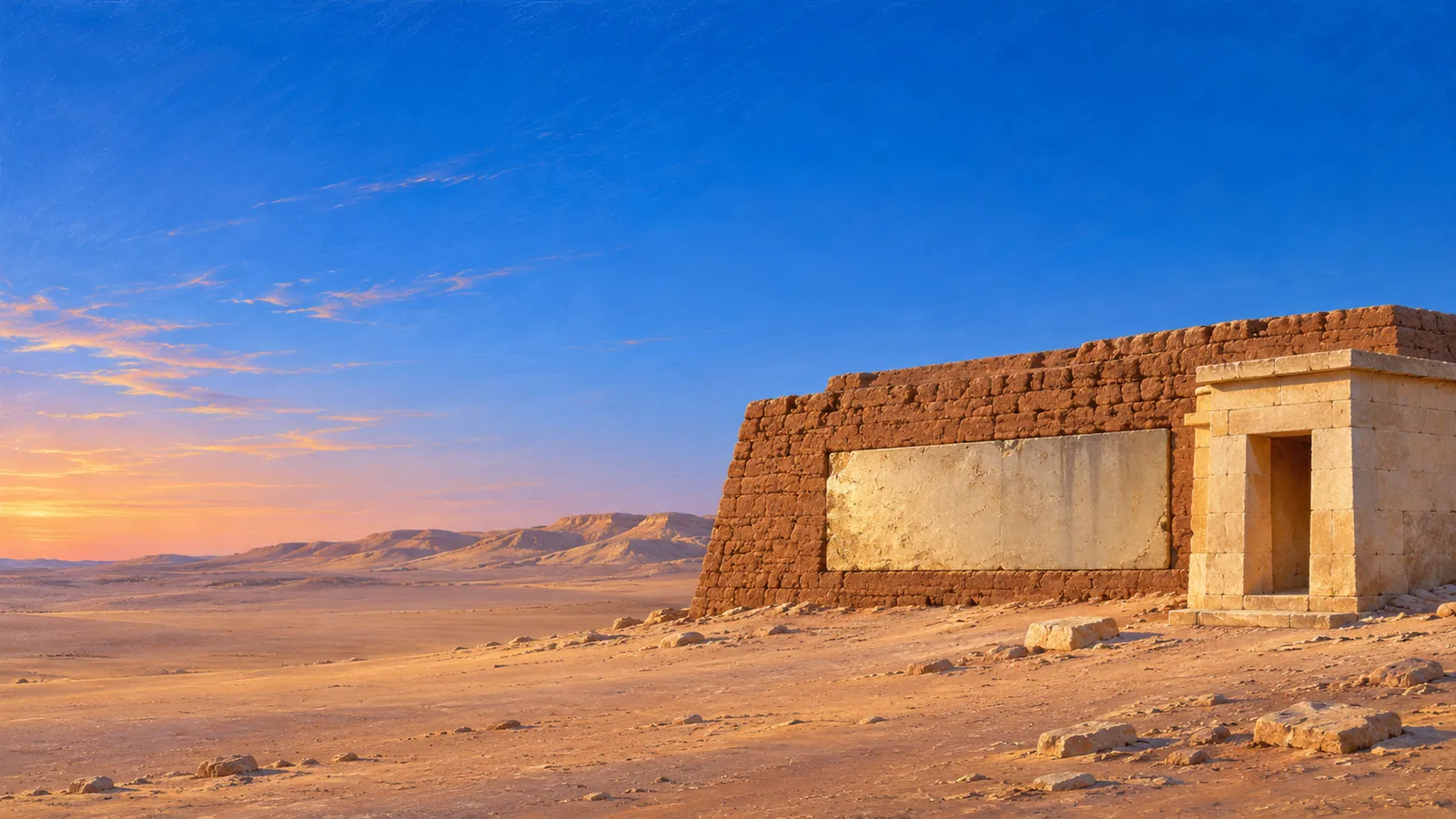
WENI THE LOYAL
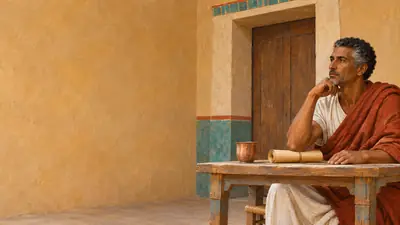
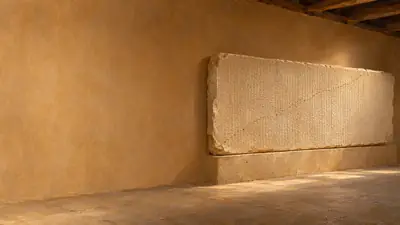
At Abydos, a limestone slab carried Weni’s account of his life. The writing ran down fifty-one columns. Weni had served three kings, and he wanted visitors to his chapel to know what he had done.
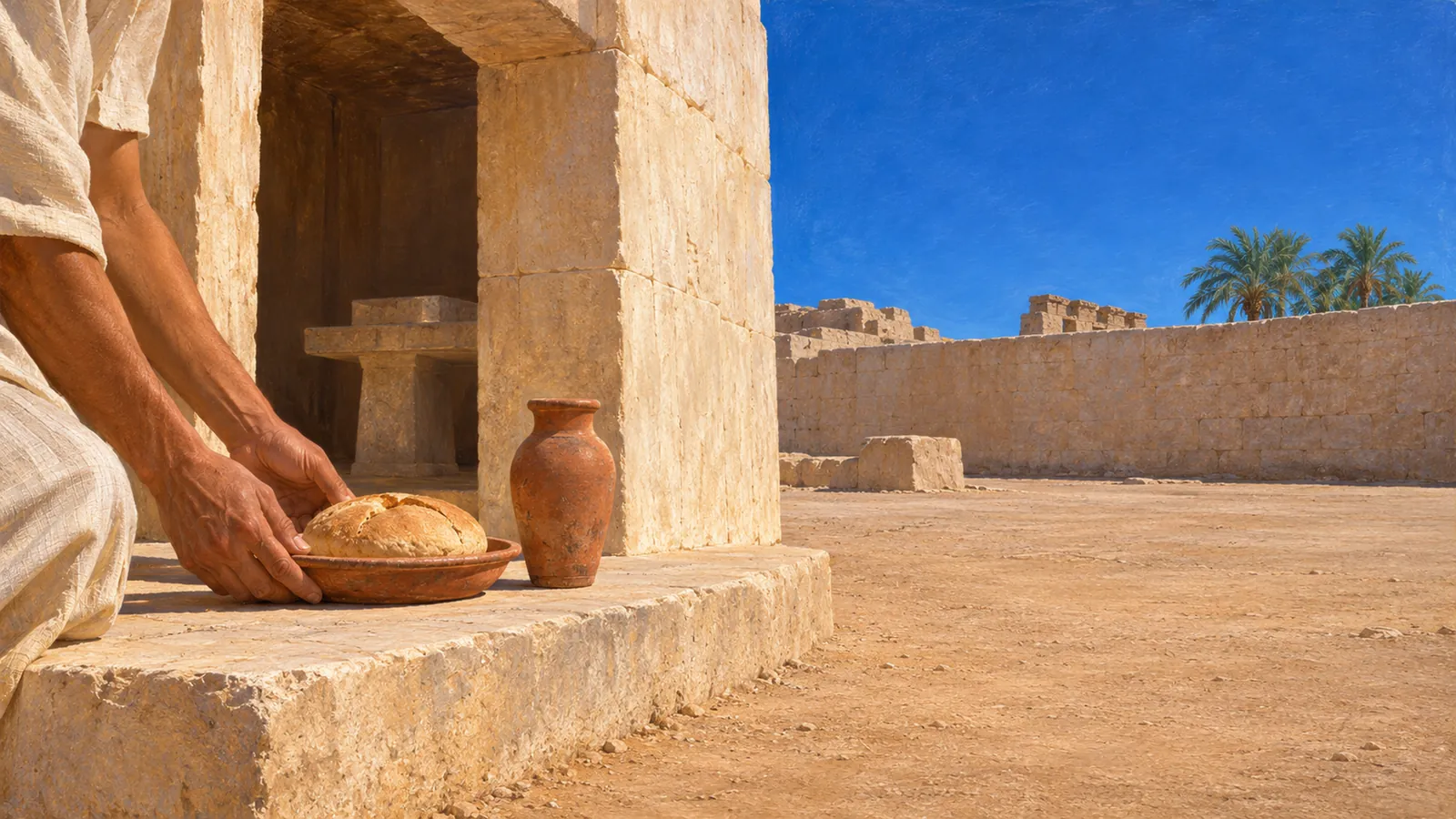
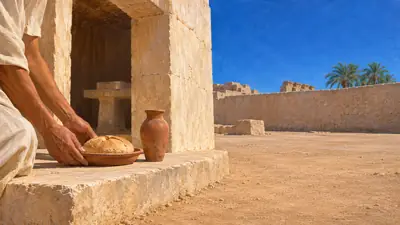
A line above the life story asks for offerings for Weni. Then come his titles, including offices linked to Nekhen and Nekheb. Some of the last posts he held stand at the beginning of his account.
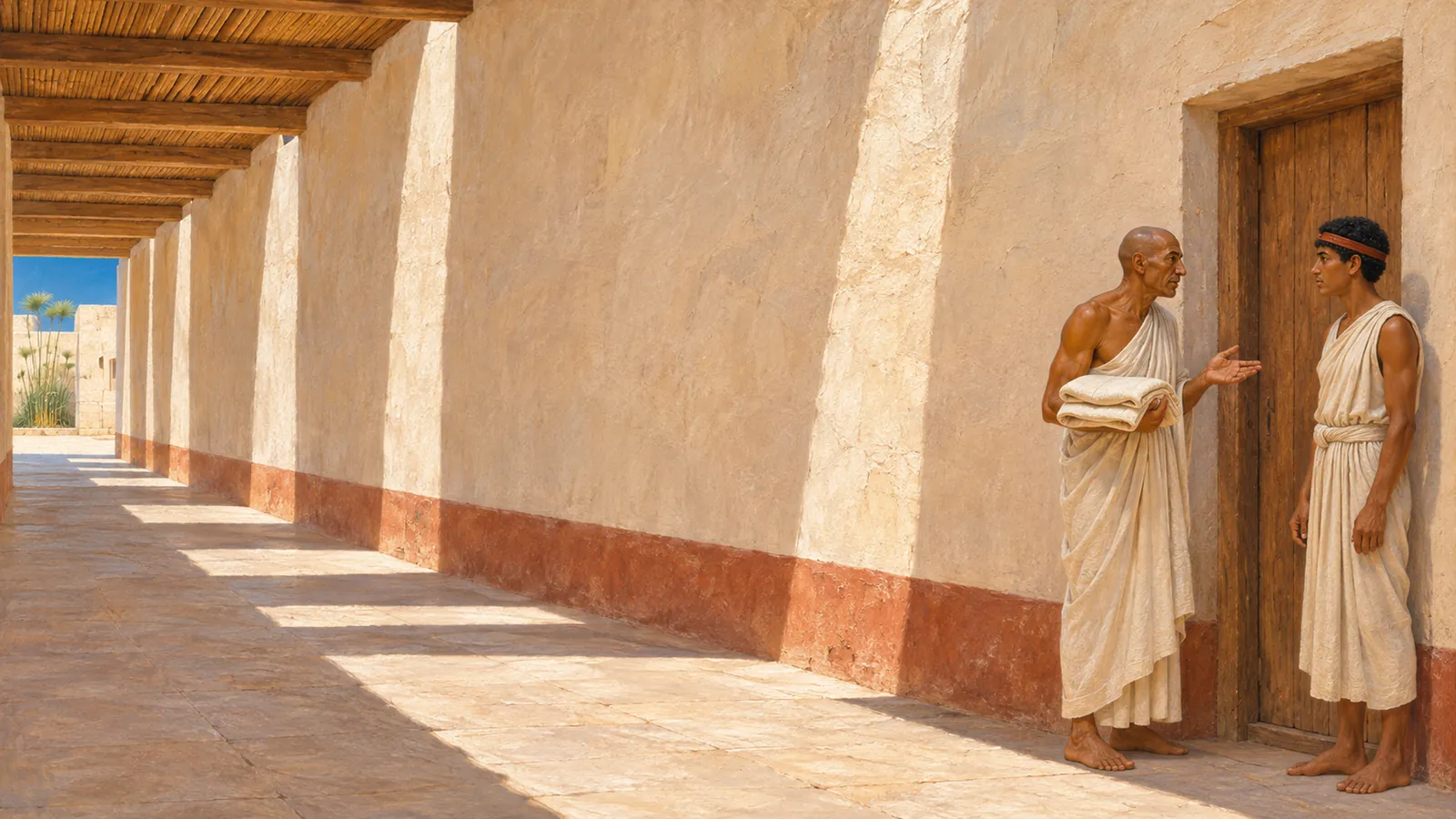
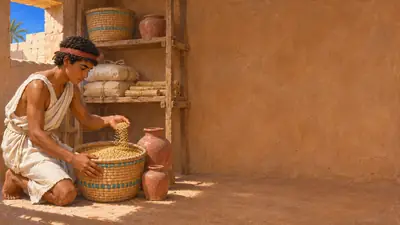
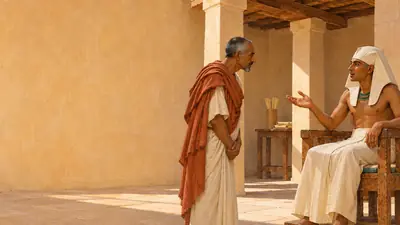
Weni goes back to the reign of Teti. He remembers himself wearing a narrow band around his head. In this early part of his story, his daily work belongs to the palace stores.
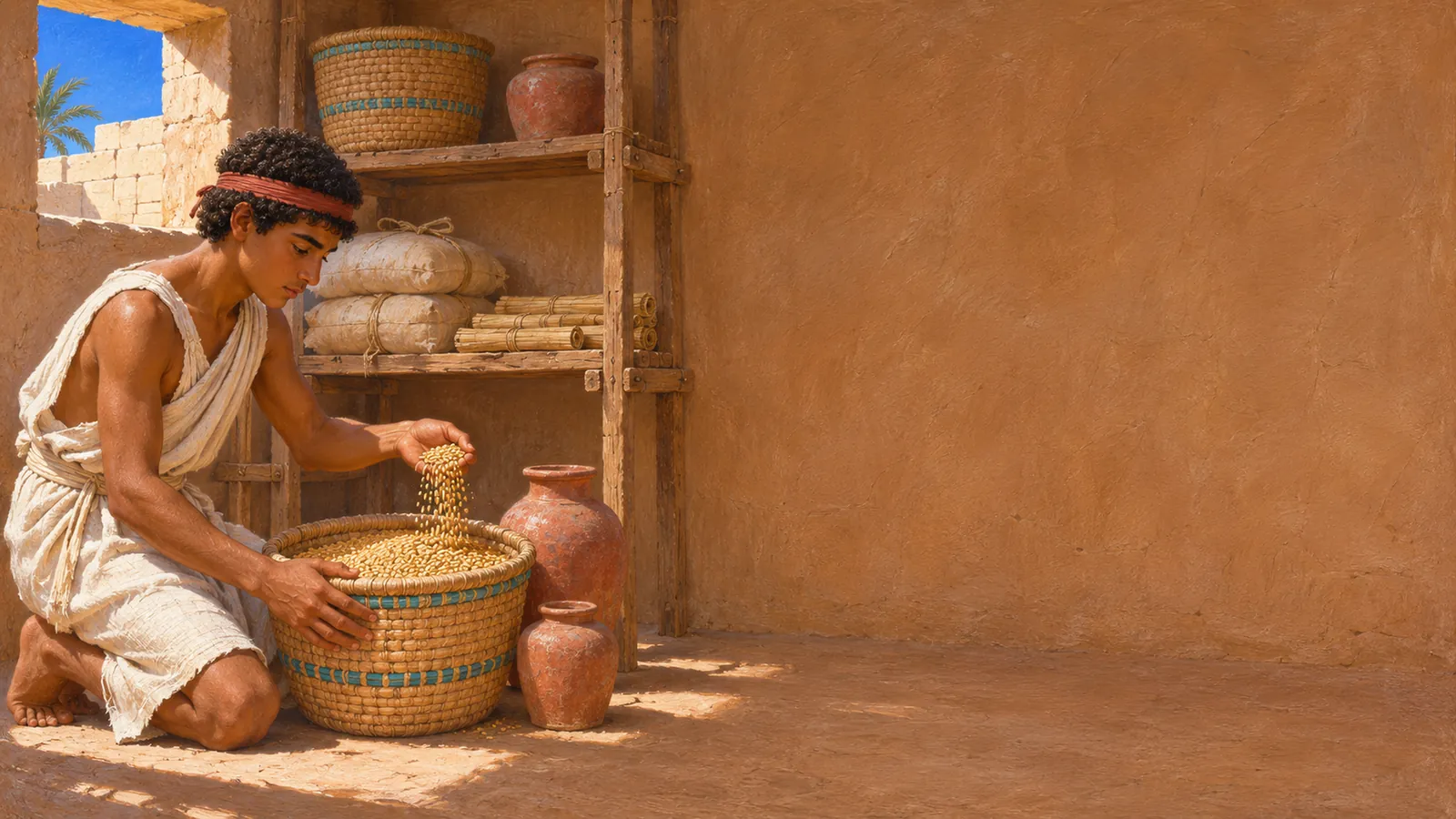
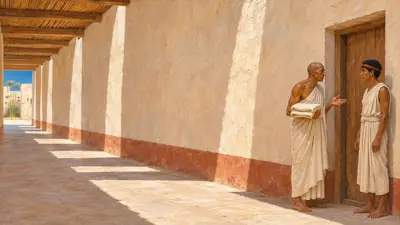
Weni calls himself a keeper of the storeroom. His next duty seems to have concerned people attached to the palace, though the title is difficult to translate. Soon his work would bring him closer to the king.
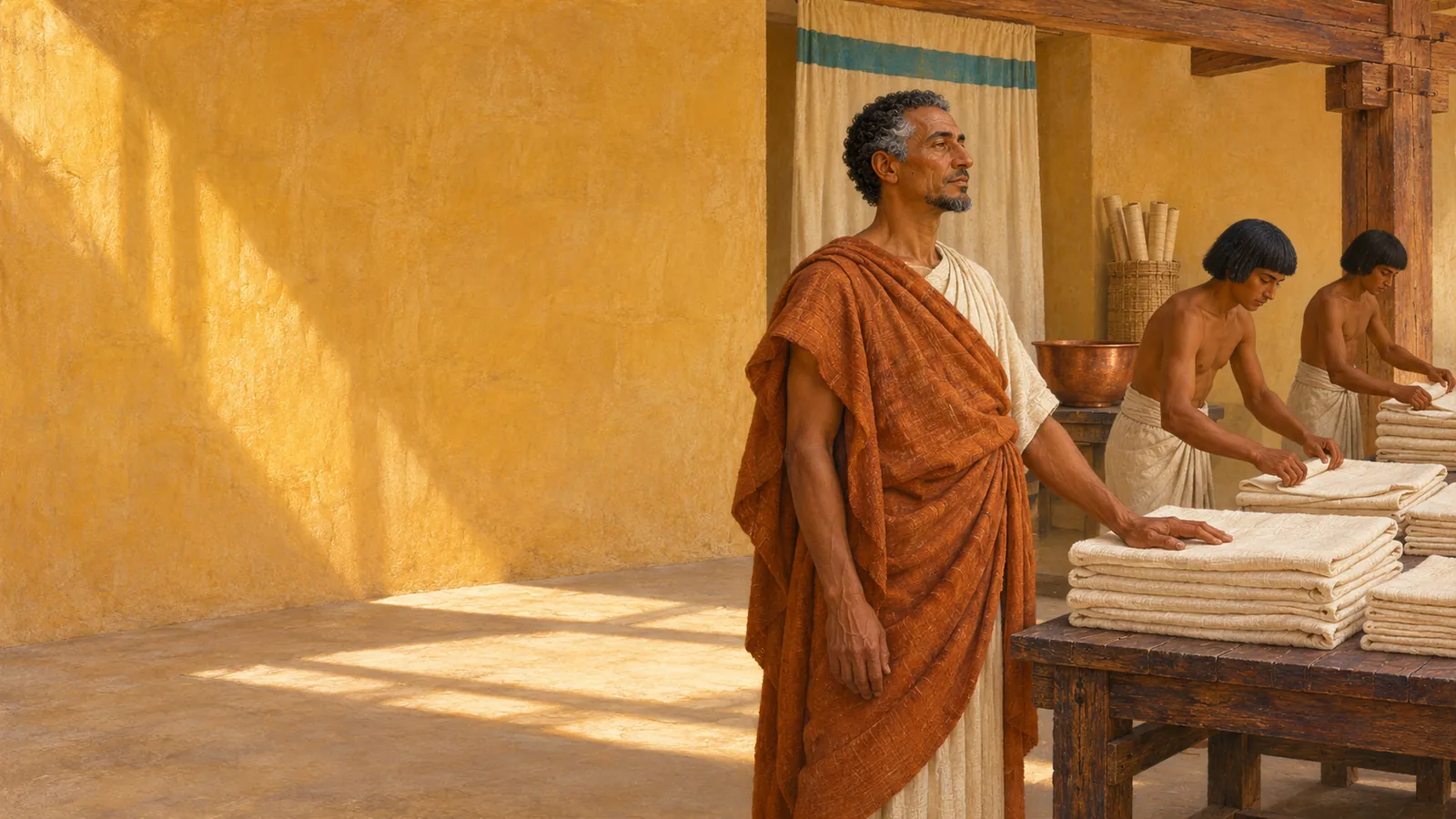
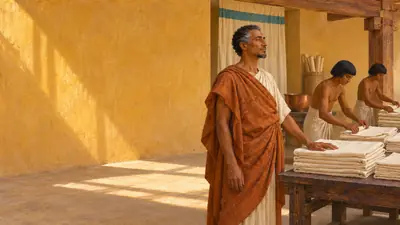
Under Pepi the First, Weni oversees the royal robing room, where garments for the king are kept. Pepi makes him a companion and gives him an office among the priests of his pyramid town.
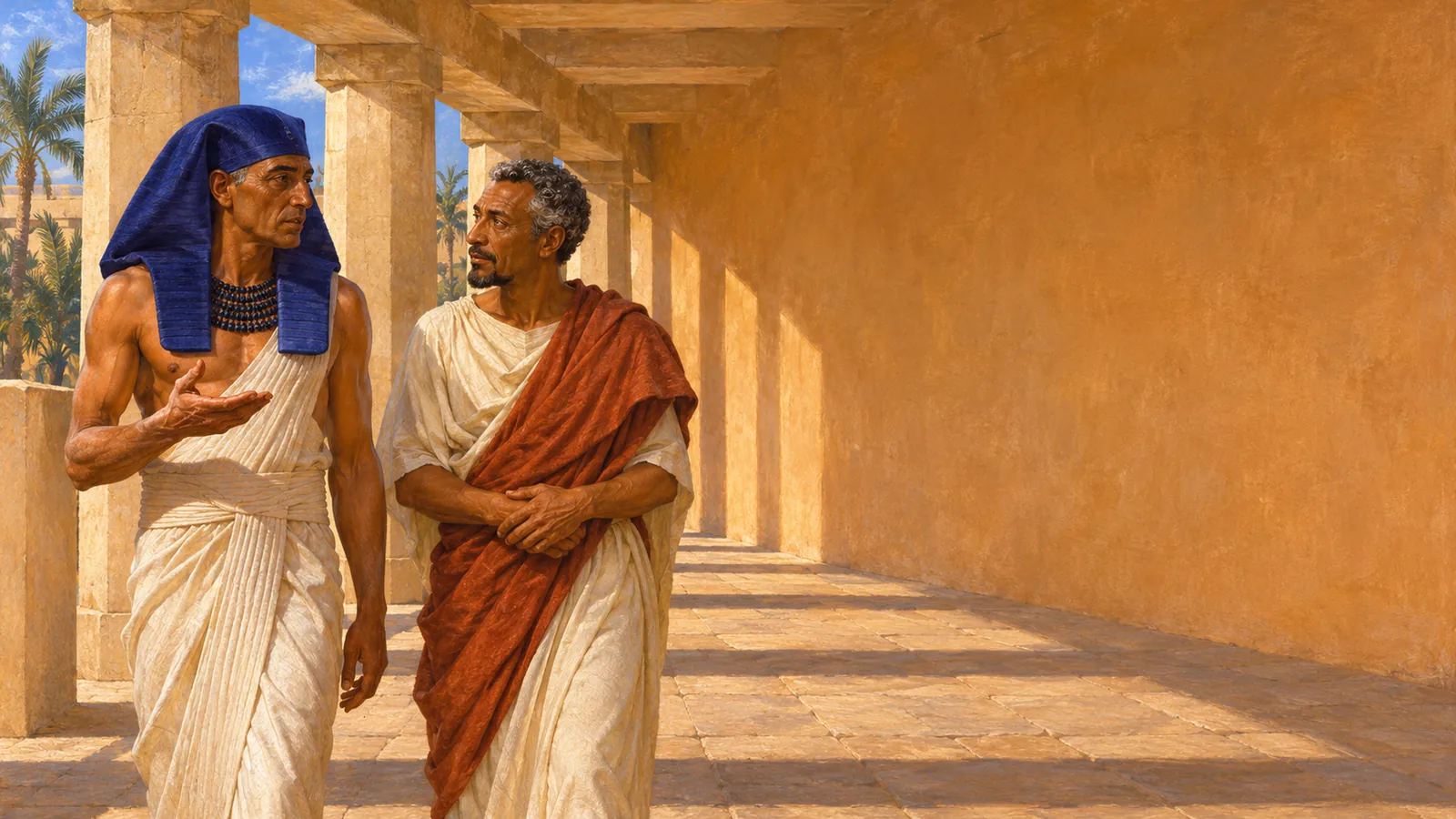
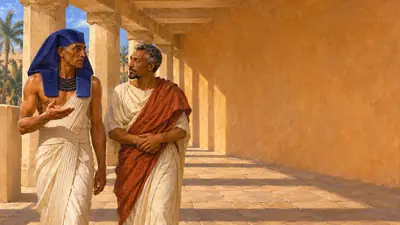
Weni becomes a senior warden of Nekhen. He attends the king and stands guard. Again and again he attributes such duties to the same thing, the place he believes he has earned in Pepi’s heart.
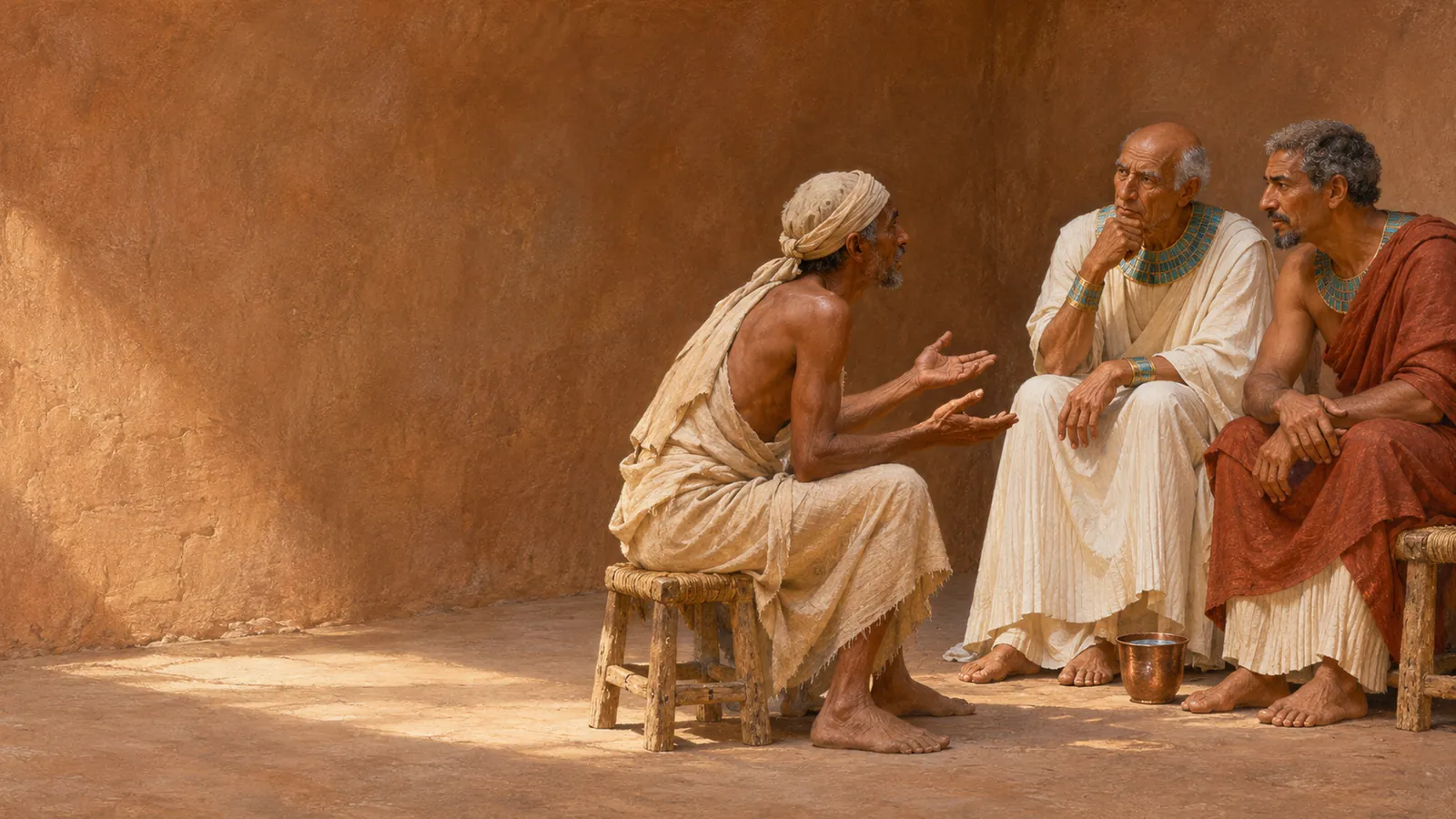
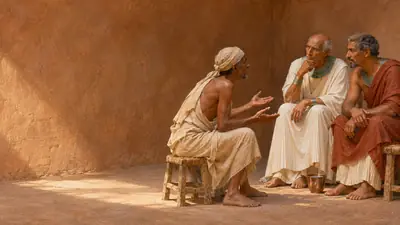
Weni says he hears confidential cases with the chief judge and vizier. He also names duties connected with the royal household and the six great houses. One later case will be entrusted to him directly.
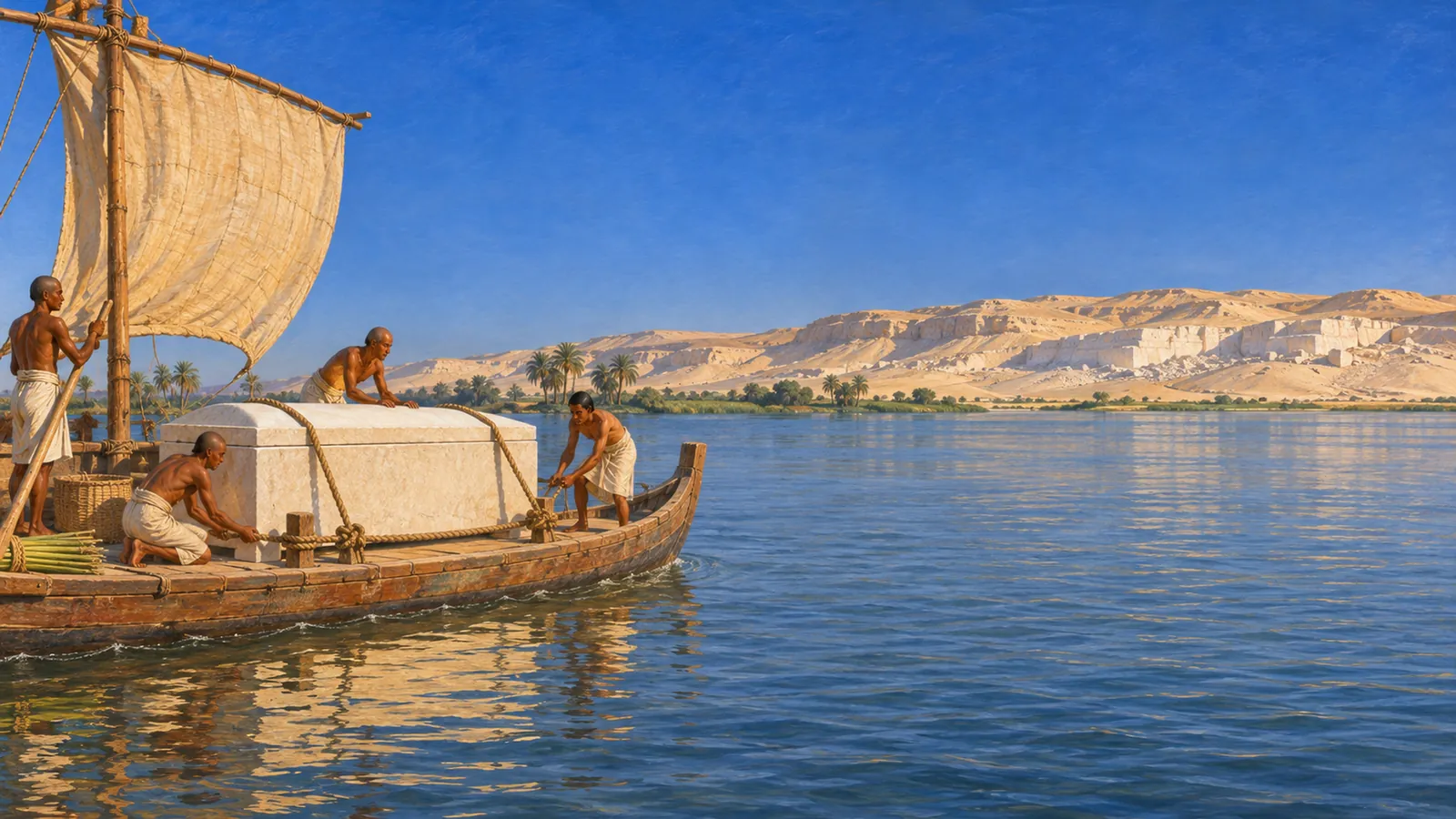
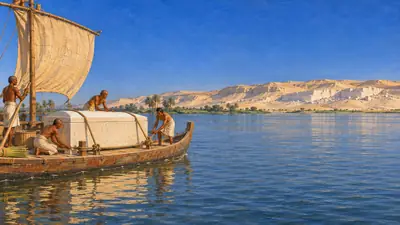
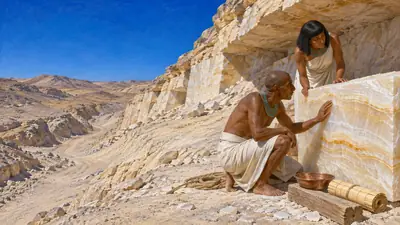
Weni asks Pepi for a sarcophagus of white stone from Tura. The king sends a seal bearer and a crew. Weni has the great barge and its cargo remembered on his chapel wall.
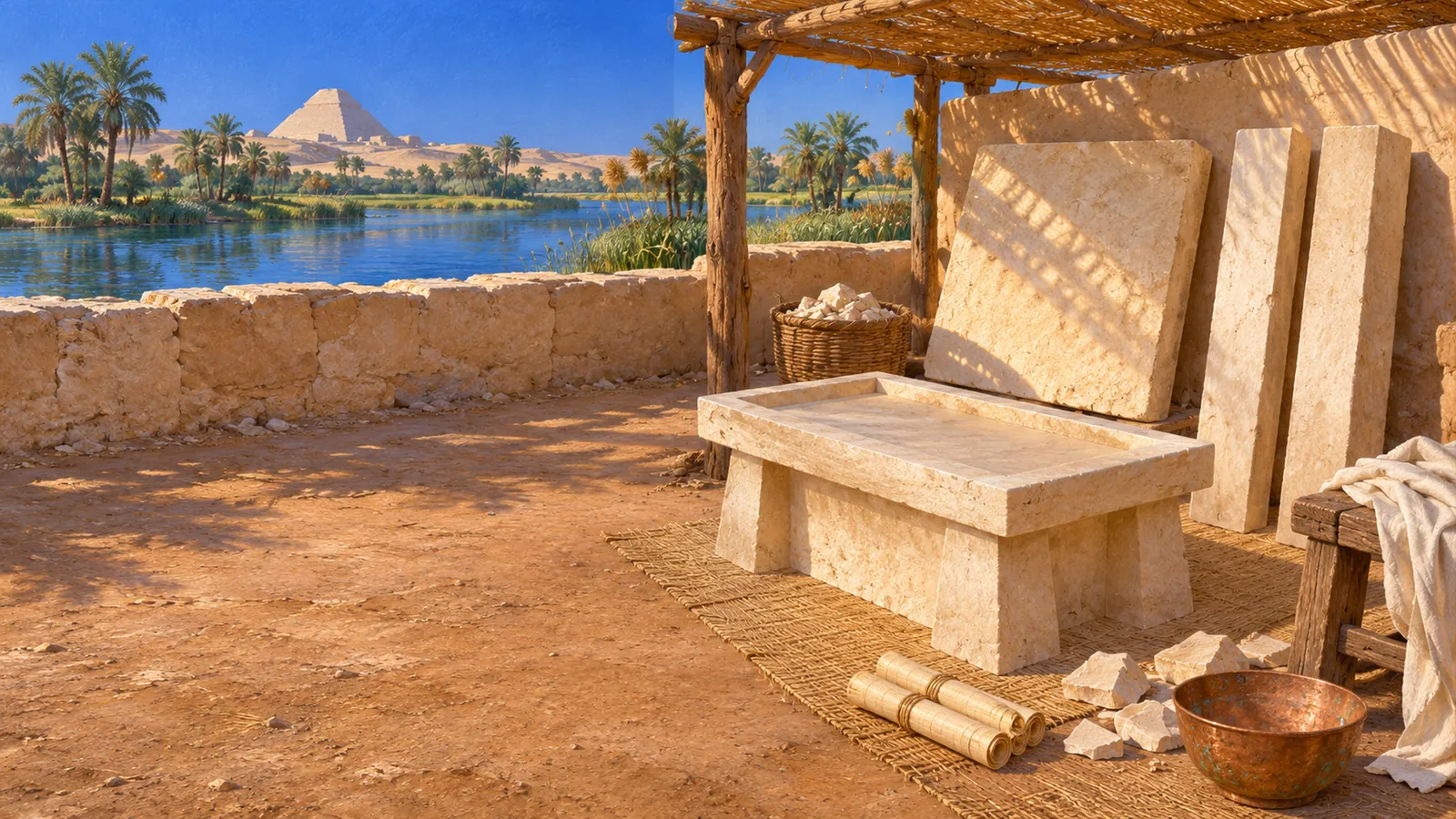
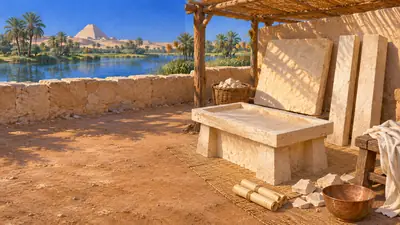
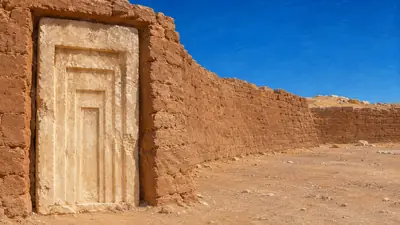
The shipment includes a lid, an entrance, a table for liquid offerings and a false door where visitors could address the dead. Weni presents the whole gift as an exceptional honor.
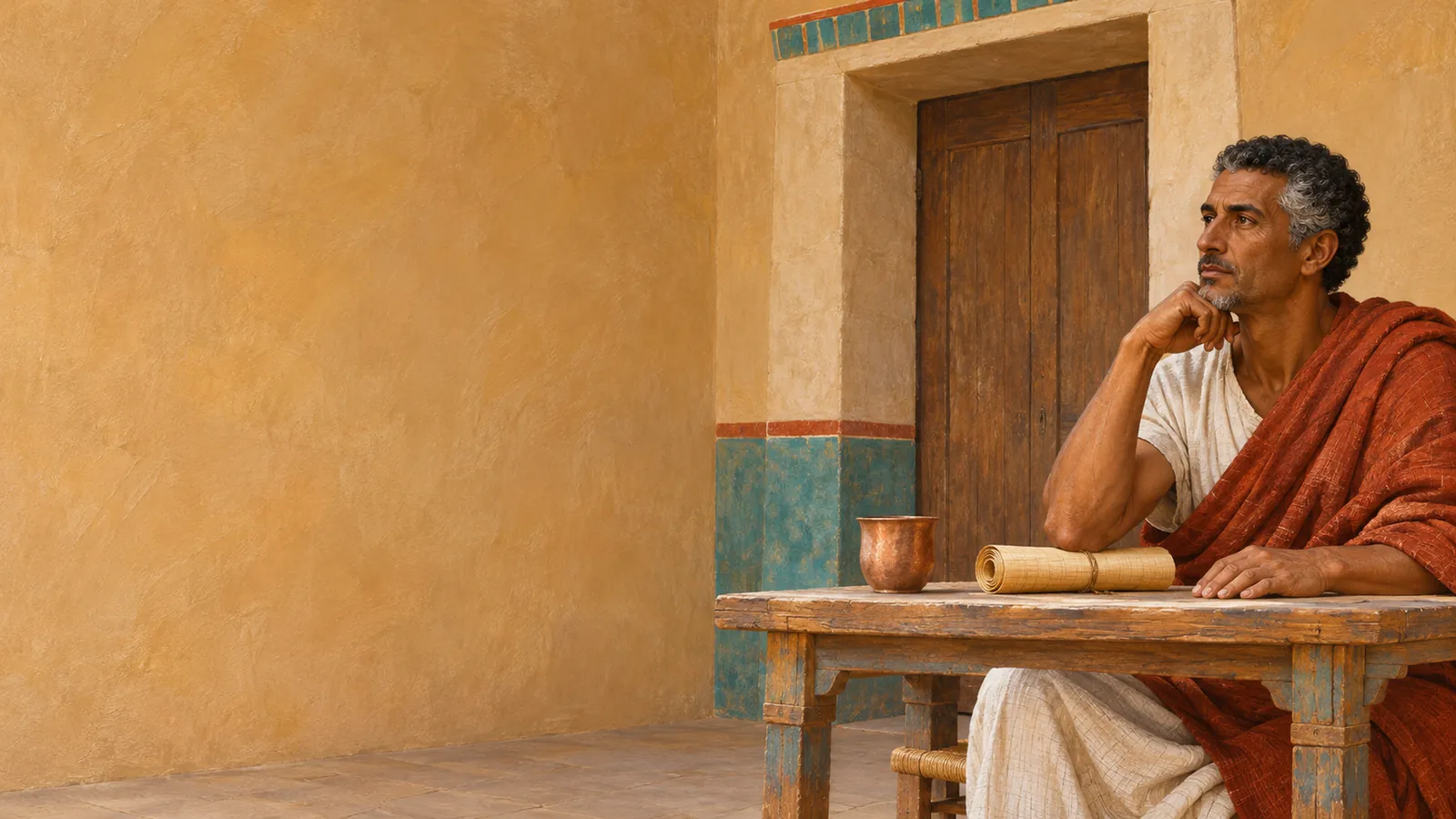
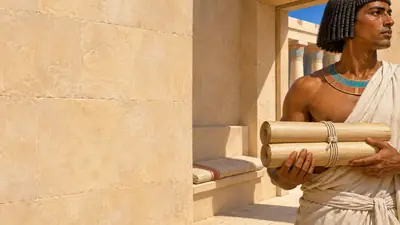
Pepi entrusts Weni with a secret charge against Queen Weret-Yamtes. Weni emphasizes that he heard the matter in the absence of the chief judge and other officials. The stone leaves the charge and verdict undisclosed.

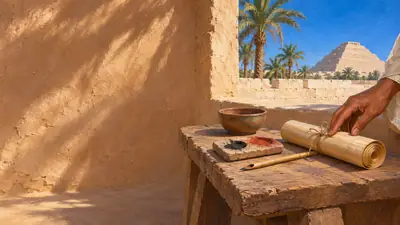
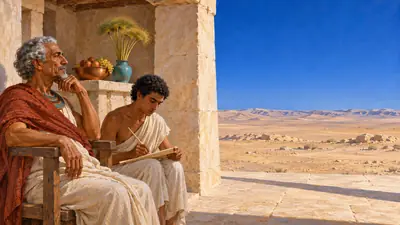
Weni says he records the hearing with another senior warden of Nekhen. He remembers the rank of the official who helped him. The record of the case itself is absent from his story.
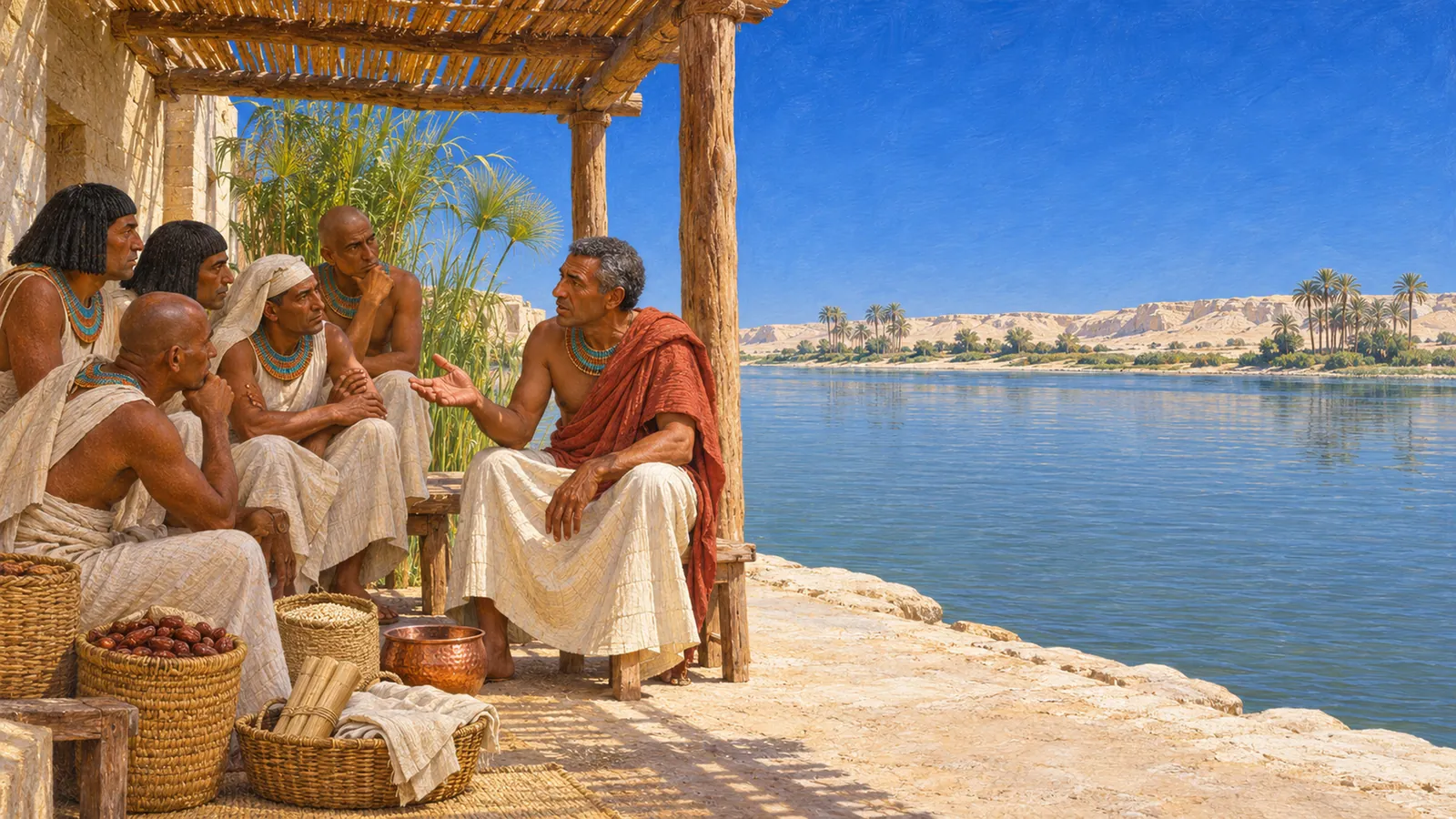
Pepi calls up a great host for a campaign. Weni names the local leaders responsible for their own people. He answers to the king and says the responsibility was remarkable for someone of his rank.
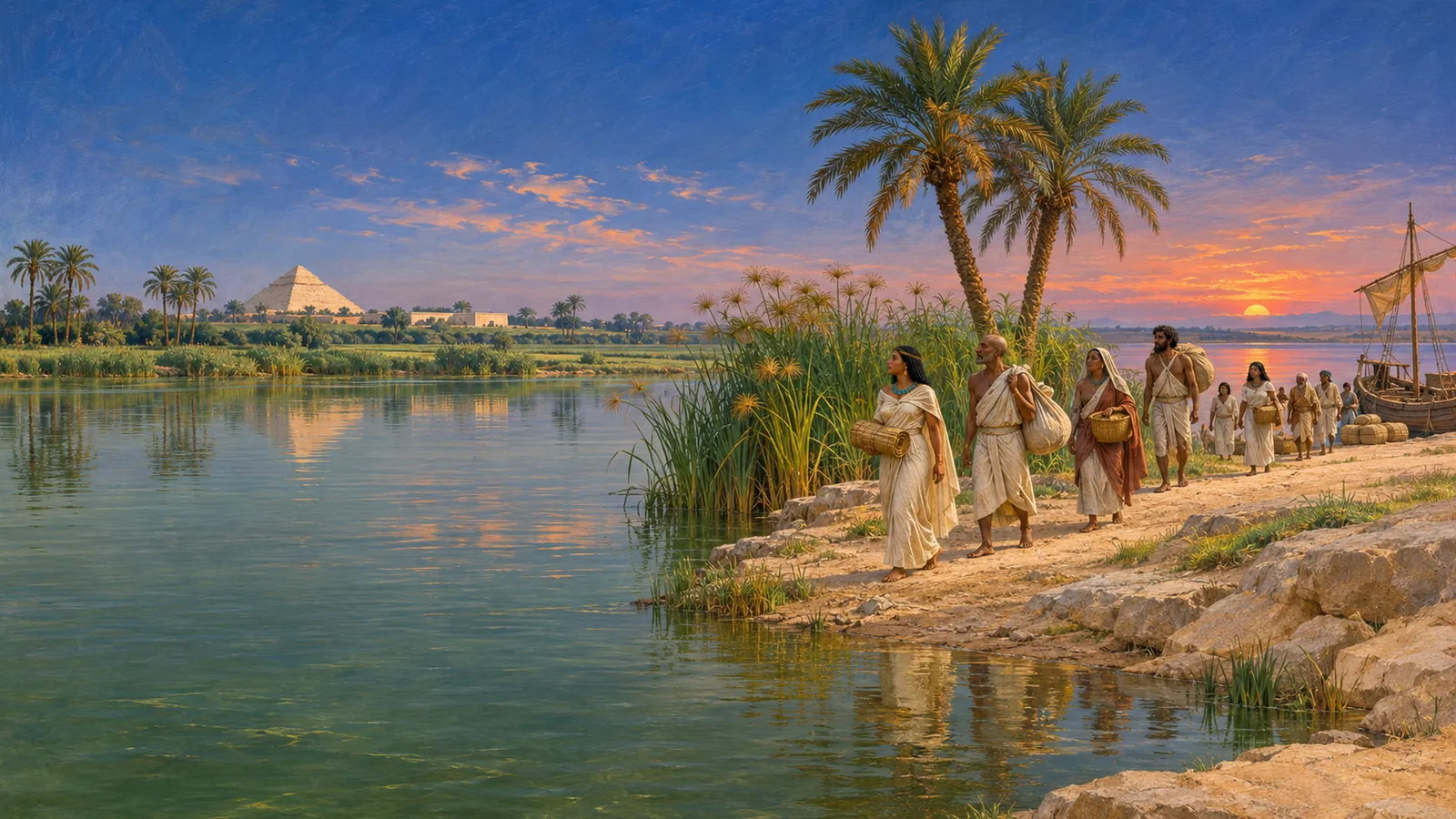
People come from towns and villages in the Delta and the valley upriver. Weni also names people from Irtjet, Medja, Yam, Wawat and Kaau, communities with lives and allegiances of their own.
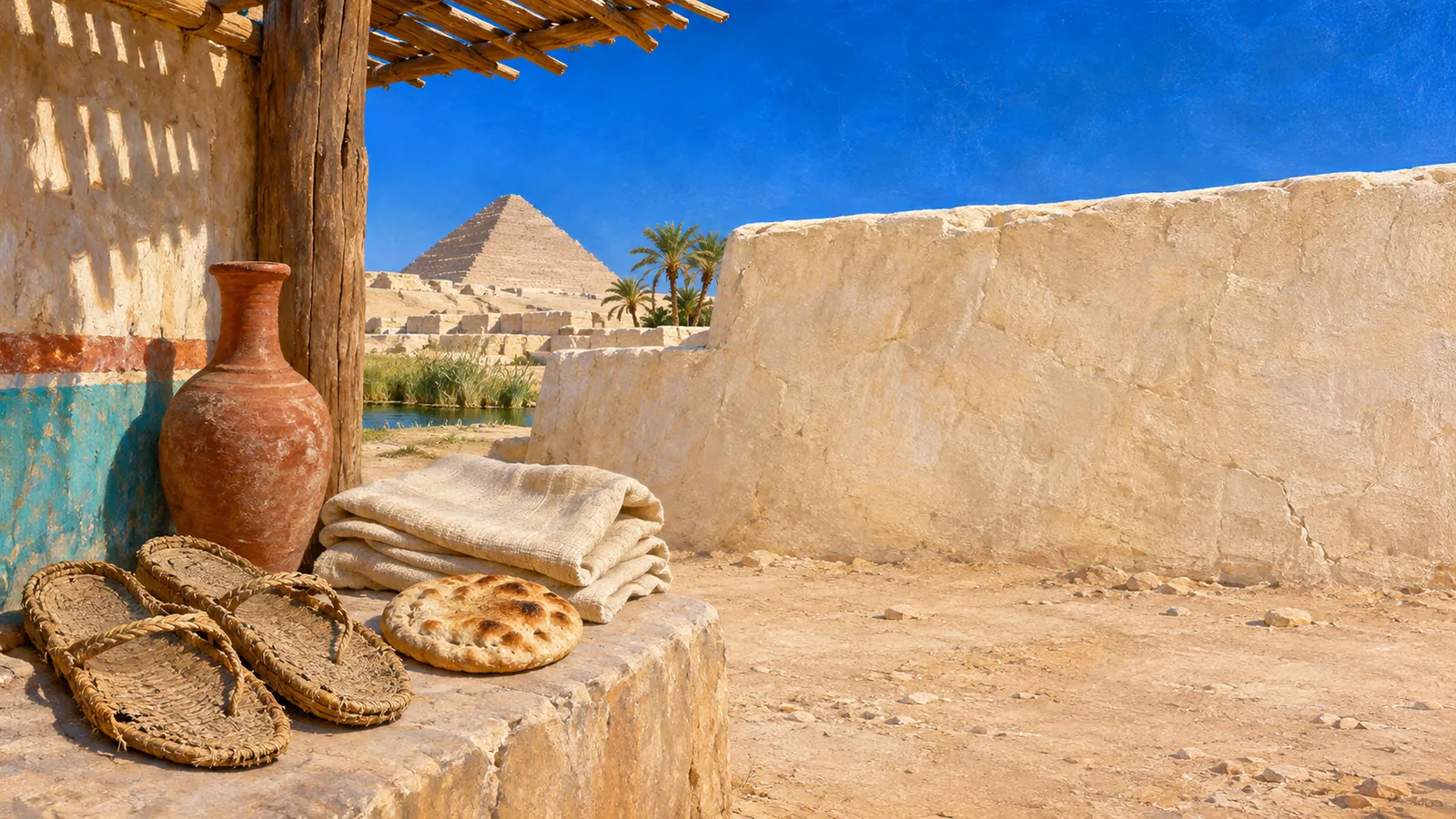
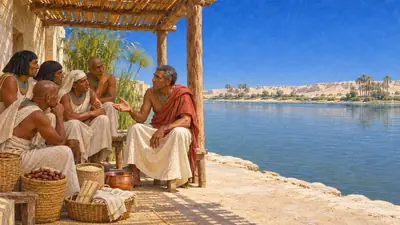
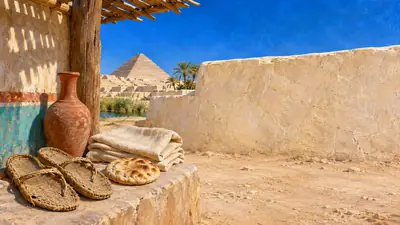
Weni claims that nobody under his command seized a traveler’s loaf or sandals. He adds that nobody took a cloth from a town or a goat from anyone. These are his examples of good conduct.
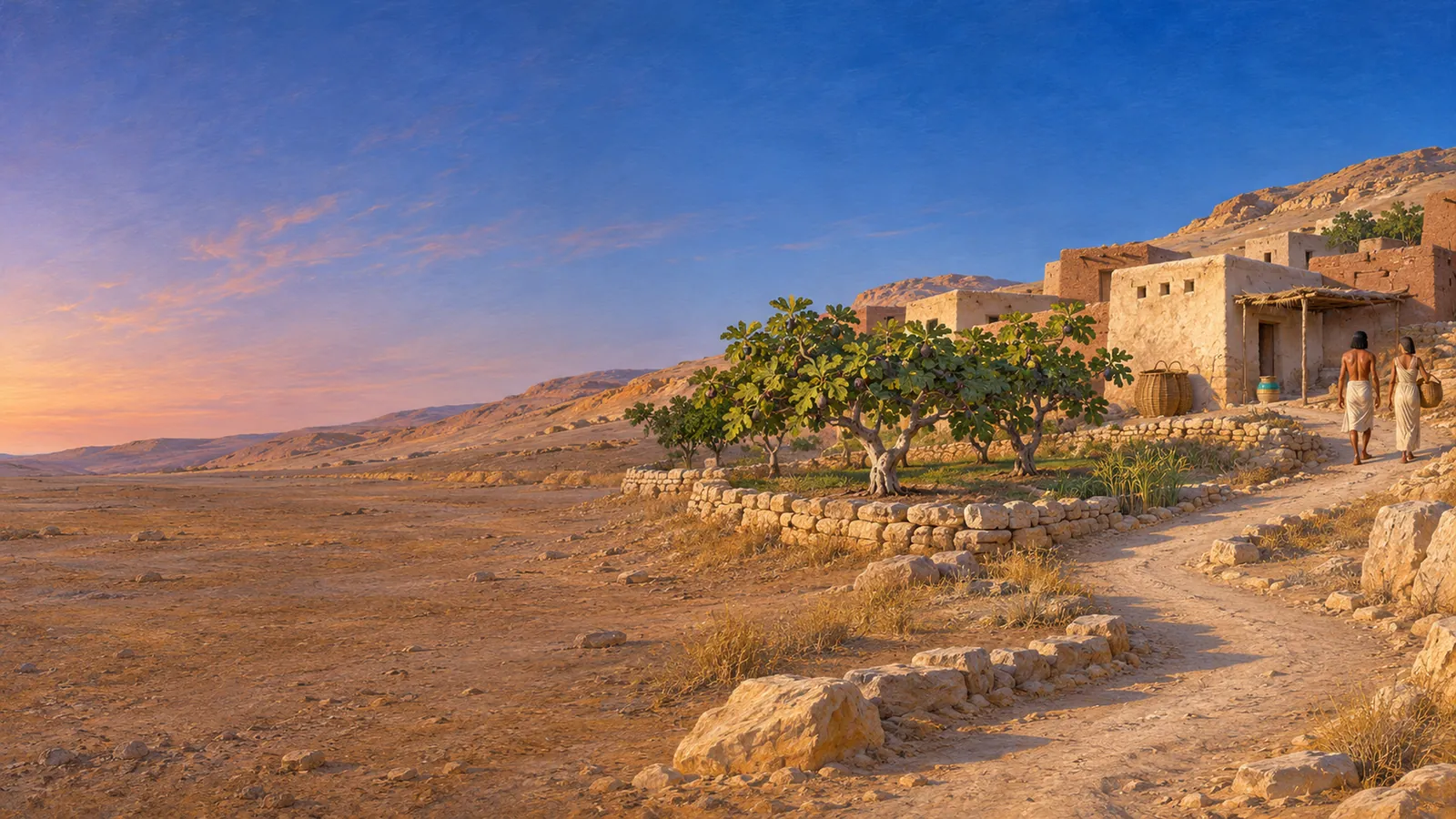
The inscription gives Weni’s reasons for taking pride in service to Pepi. Its view of the campaign comes from his side. The lives of the people in the country he was sent against remain outside it.

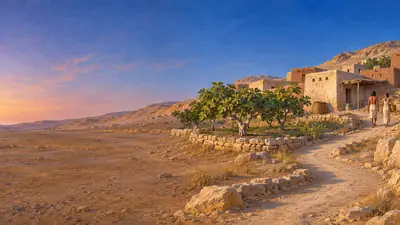
The inscription repeats that the king’s people came back safely. Between those lines it records ruined strongholds, felled fig trees and vines, and people taken captive. The verse also preserves what the return cost others.
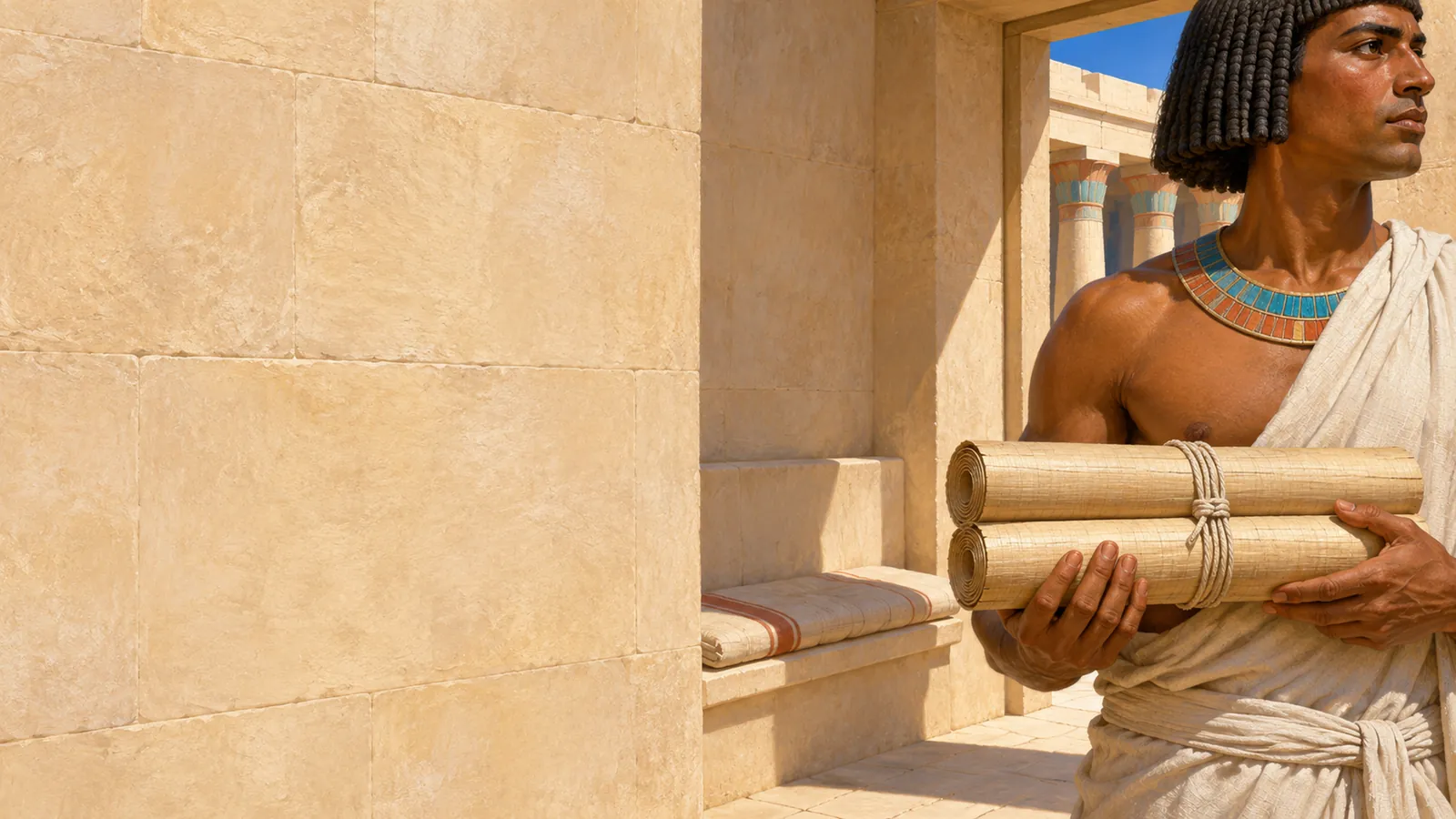
Weni says Pepi sends him back on campaigns five times. He takes the repeated assignments as a measure of royal favor. Ancient place names survive in this passage, though their locations are still debated.
UNDER MERENRE
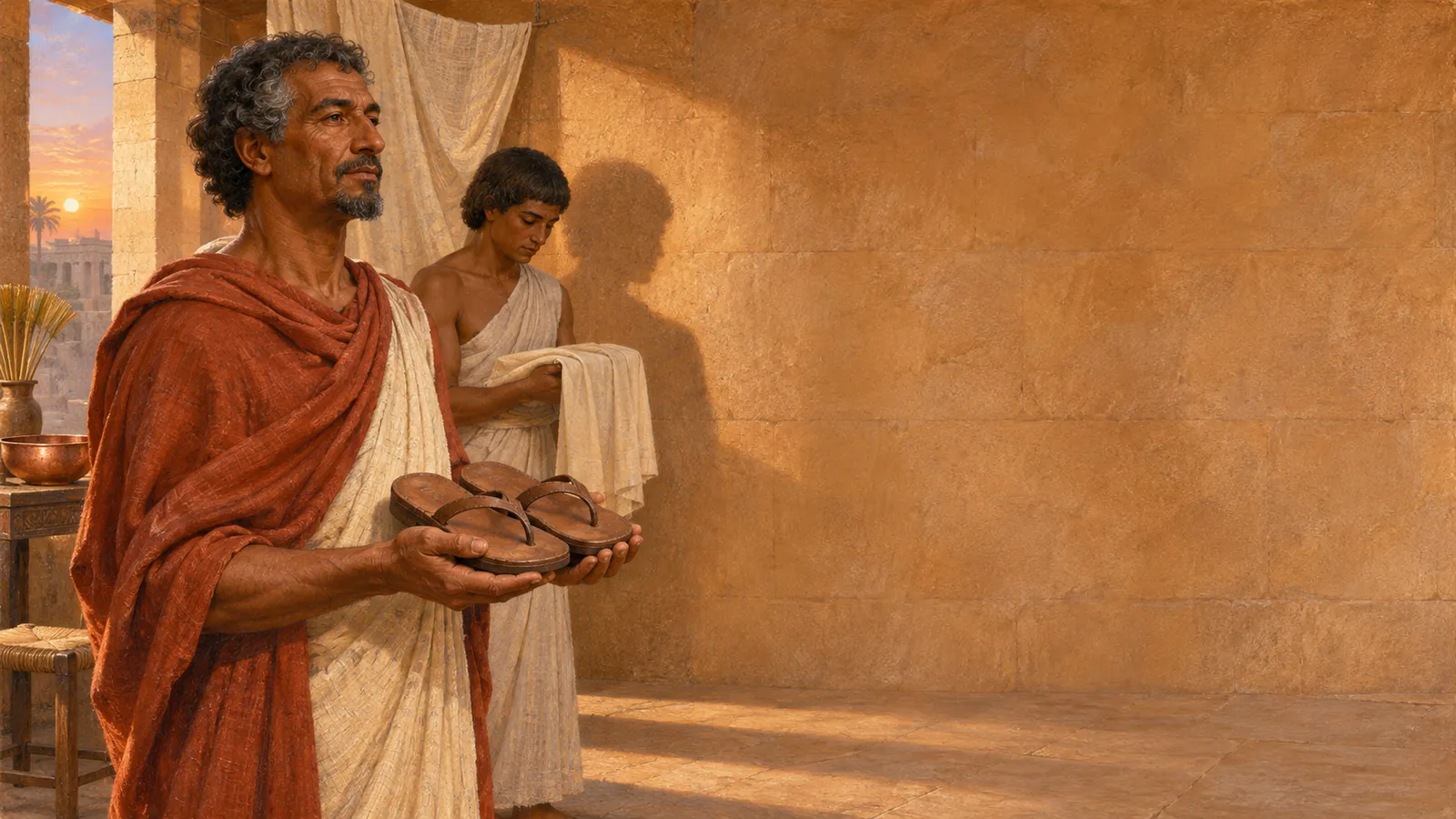
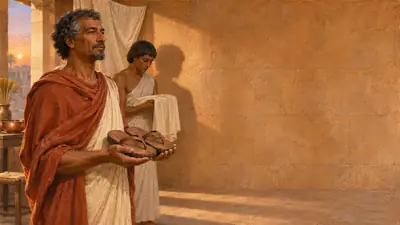
Under Merenre, Weni recalls duties inside the palace. He serves as chamberlain and sandal bearer, close to the king in person. He gives particular weight to the watching and guarding he did at court.
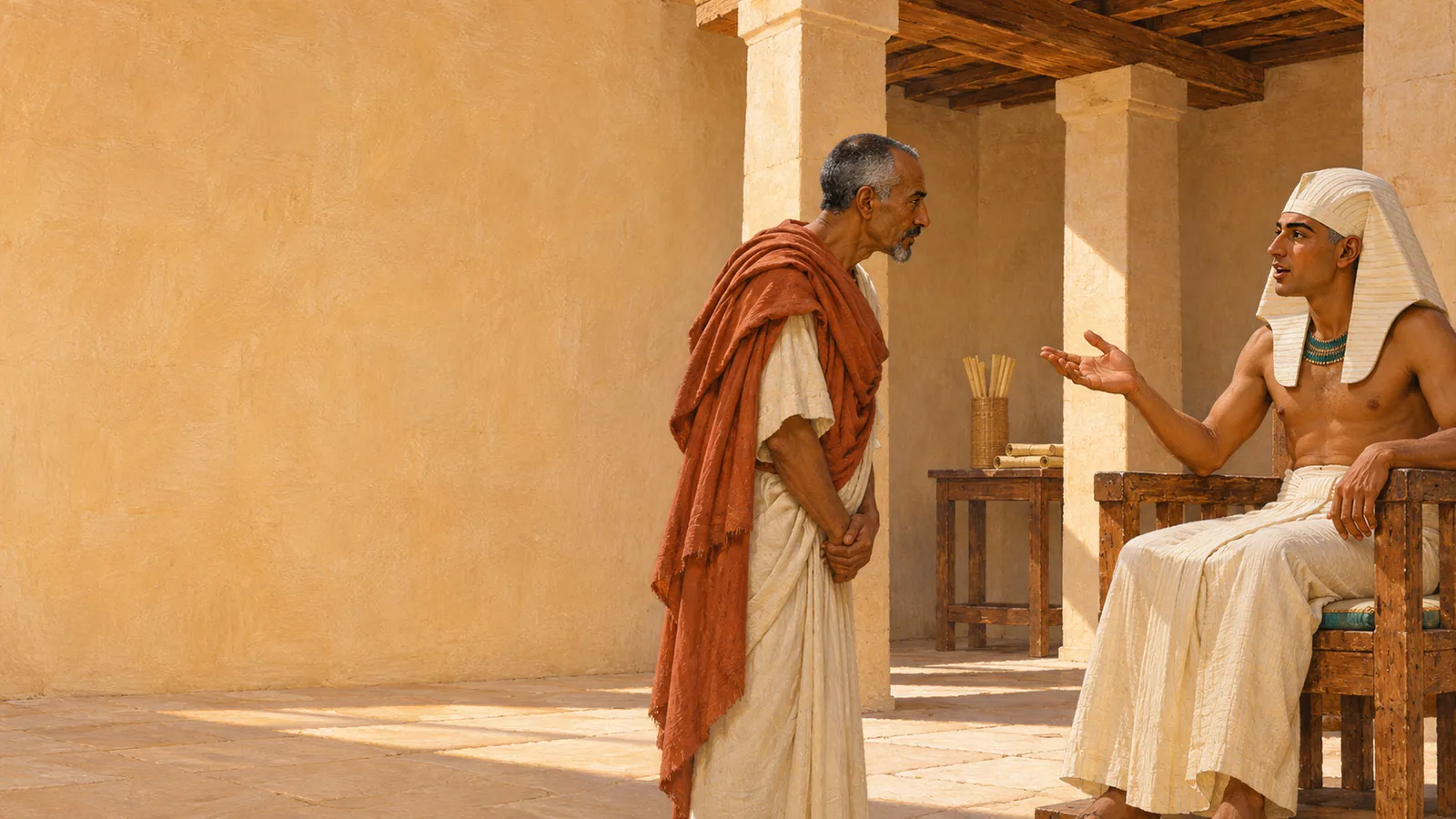
Merenre makes Weni a count and governor of Upper Egypt. Weni claims the appointment went beyond anything others of his standing had attained. He describes his new duties by naming both ends of the territory.

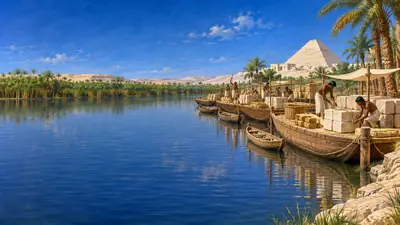
At the southern end stands Yebu, later called Elephantine. At the northern end Weni names Medenyt. The towns lie along the Nile, which will carry the heaviest loads he undertakes for Merenre.
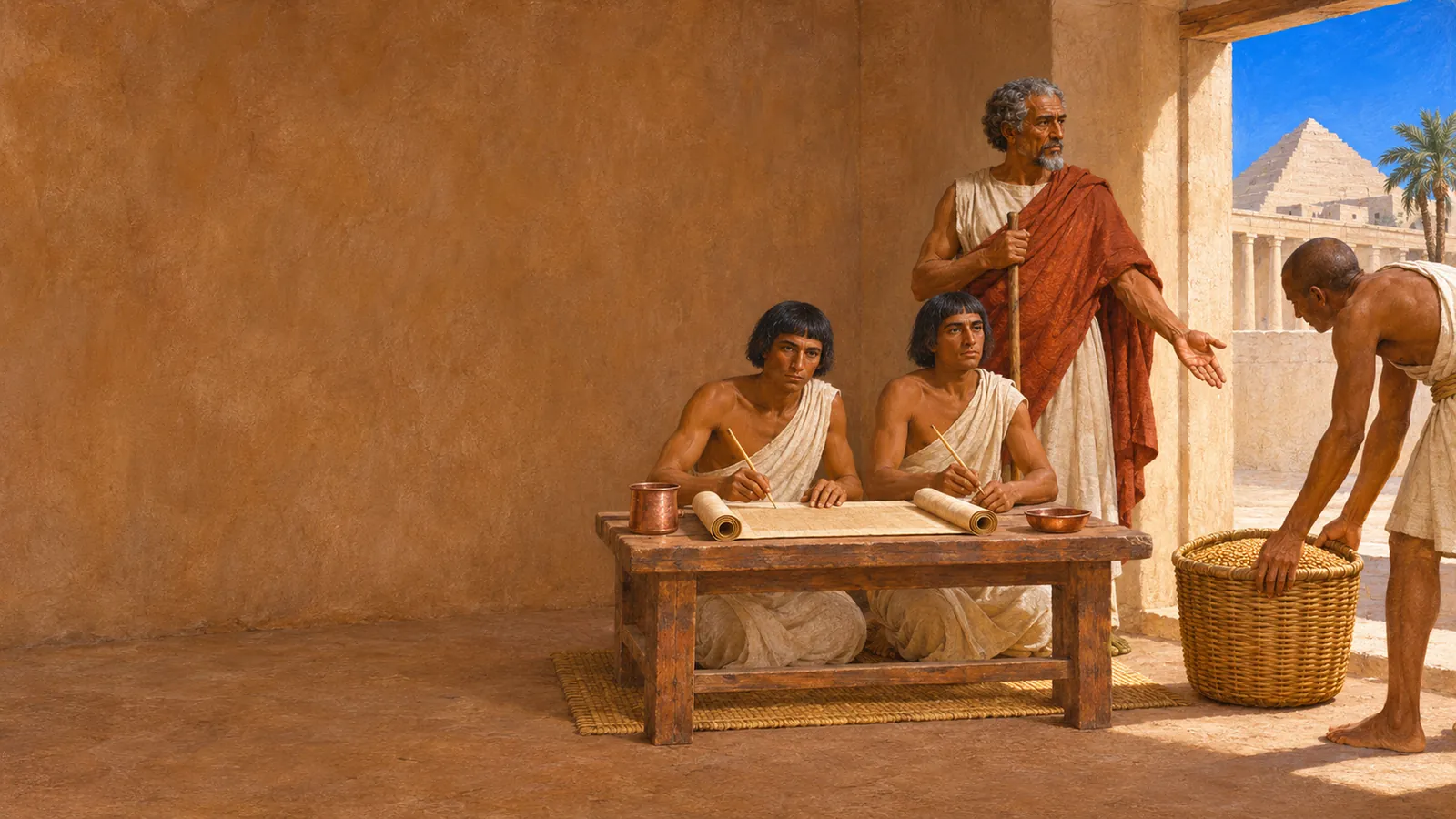
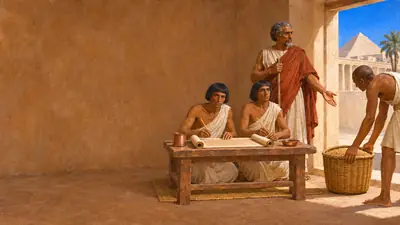
Weni claims to have counted the goods due to the palace twice, and likewise the services owed. The wording allows several readings. In his account the tally shows good government.

The king sends Weni to procure stone for his pyramid. Its name honors Merenre appearing in splendor. Weni speaks of the pyramid with the respect he gives someone who can command his service.
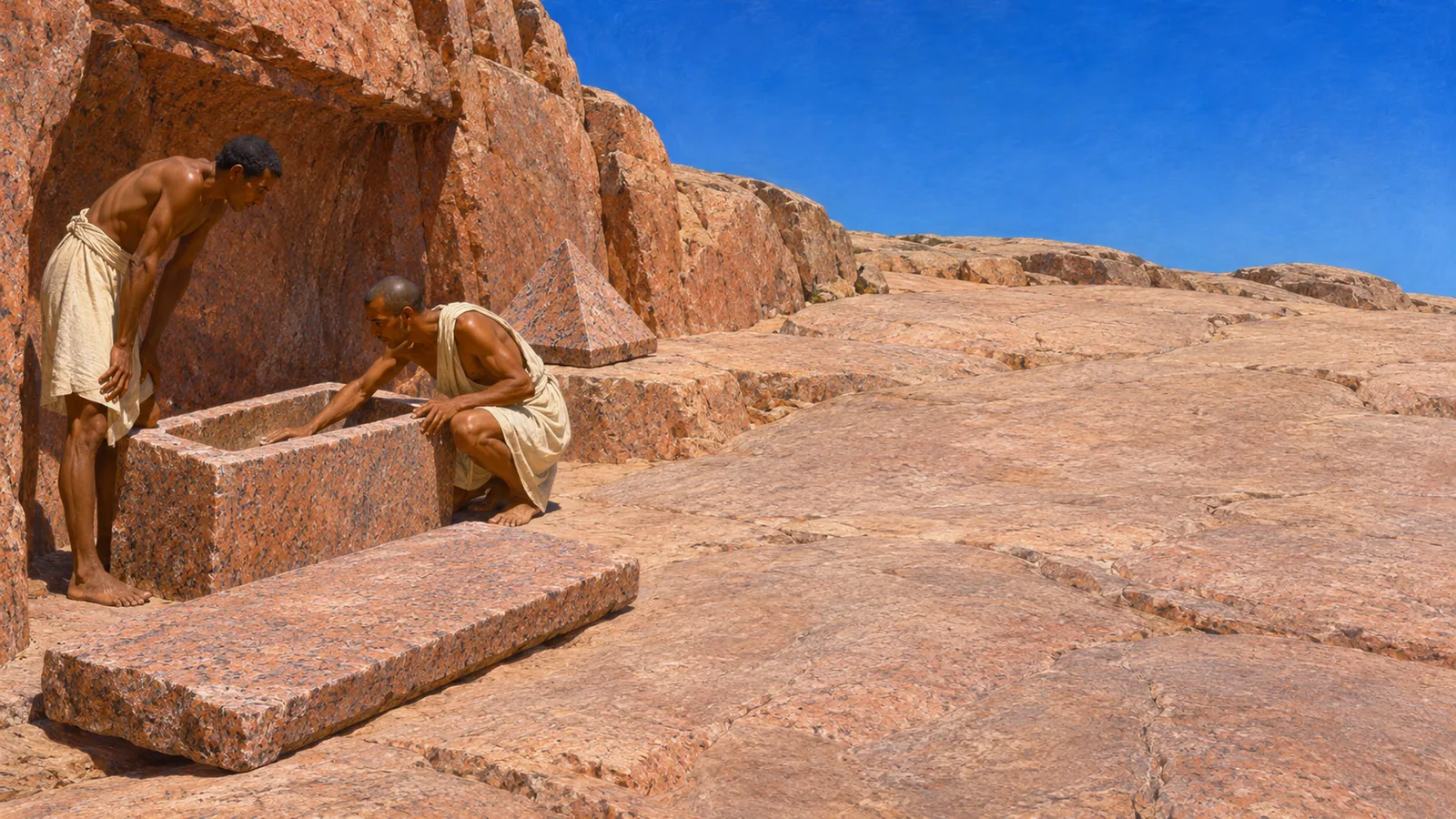
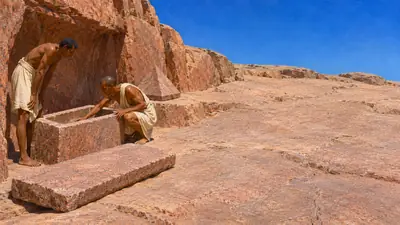
Ibhat provides the king’s sarcophagus and its lid. Weni names one more object from there, the fine stone for the summit. It will stand above all the other dressed stone of the royal pyramid.
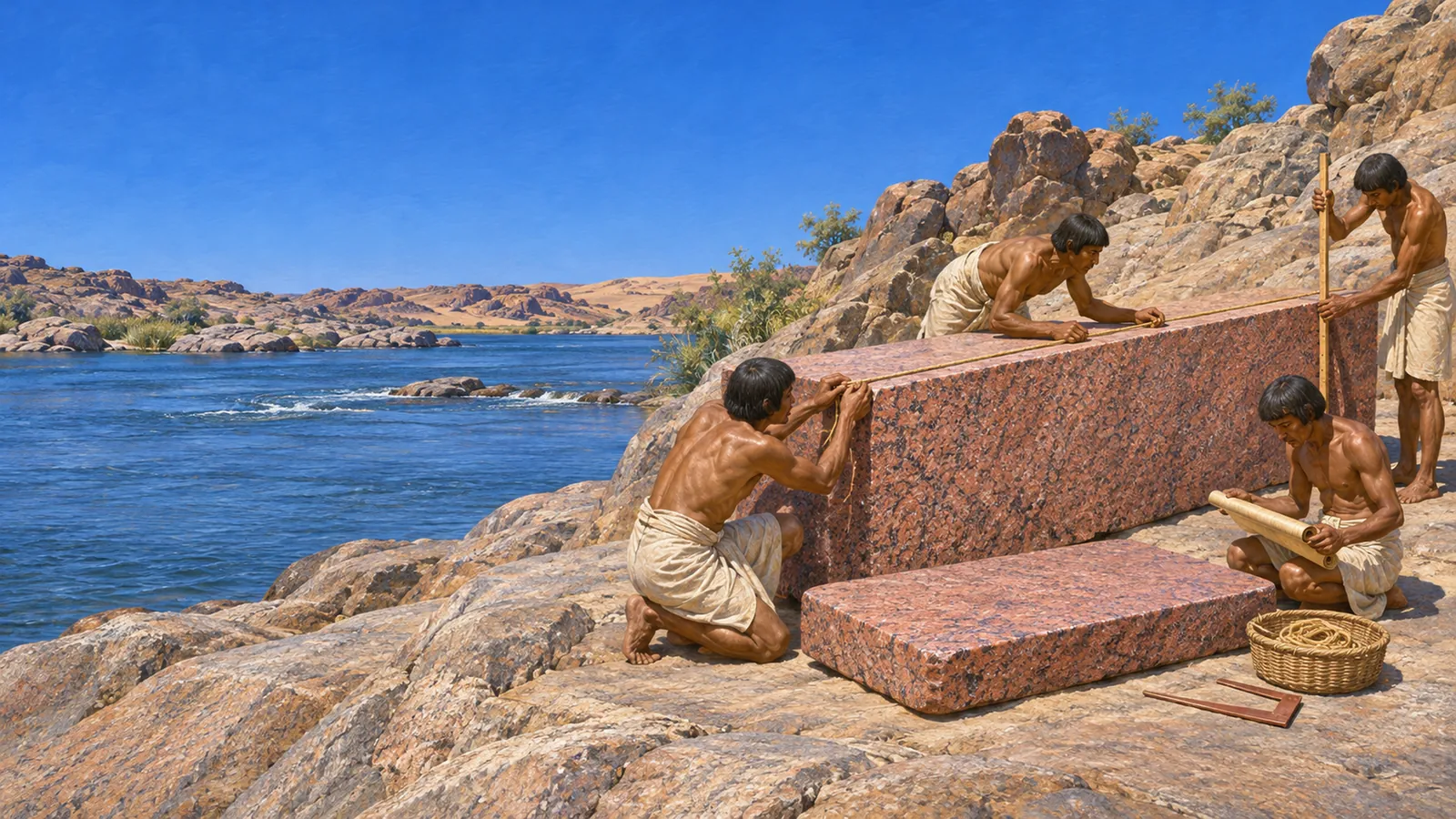
Elephantine provides granite for doors and places for pouring offerings. Weni names the upper chamber among their destinations. The pieces have many forms and all must travel north.
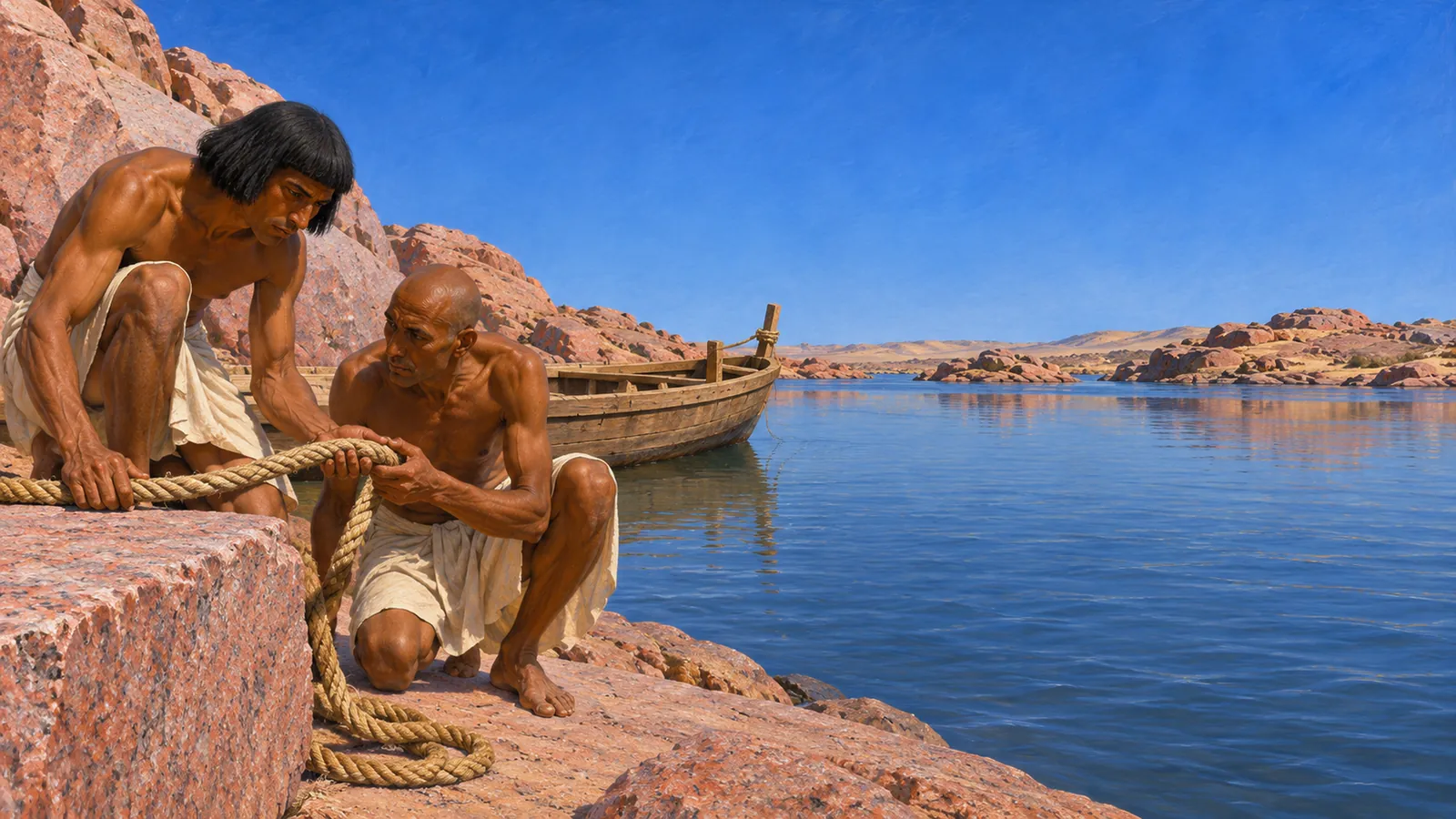
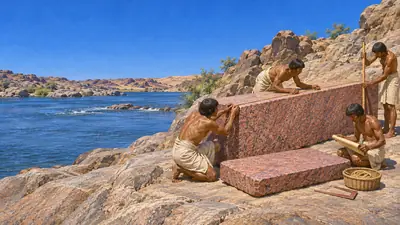
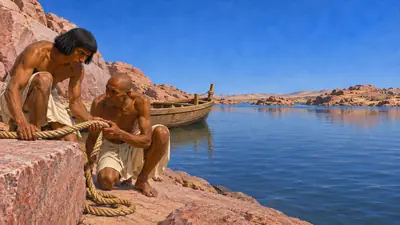
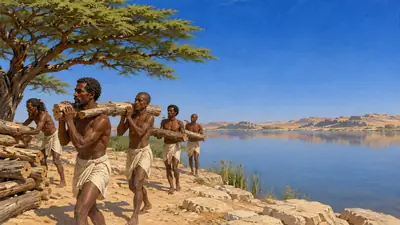
At the landing, quarry work becomes river work. The inscription names the stone and counts the craft, leaving most of the workers unmentioned. All those heavy pieces had to pass through their hands.
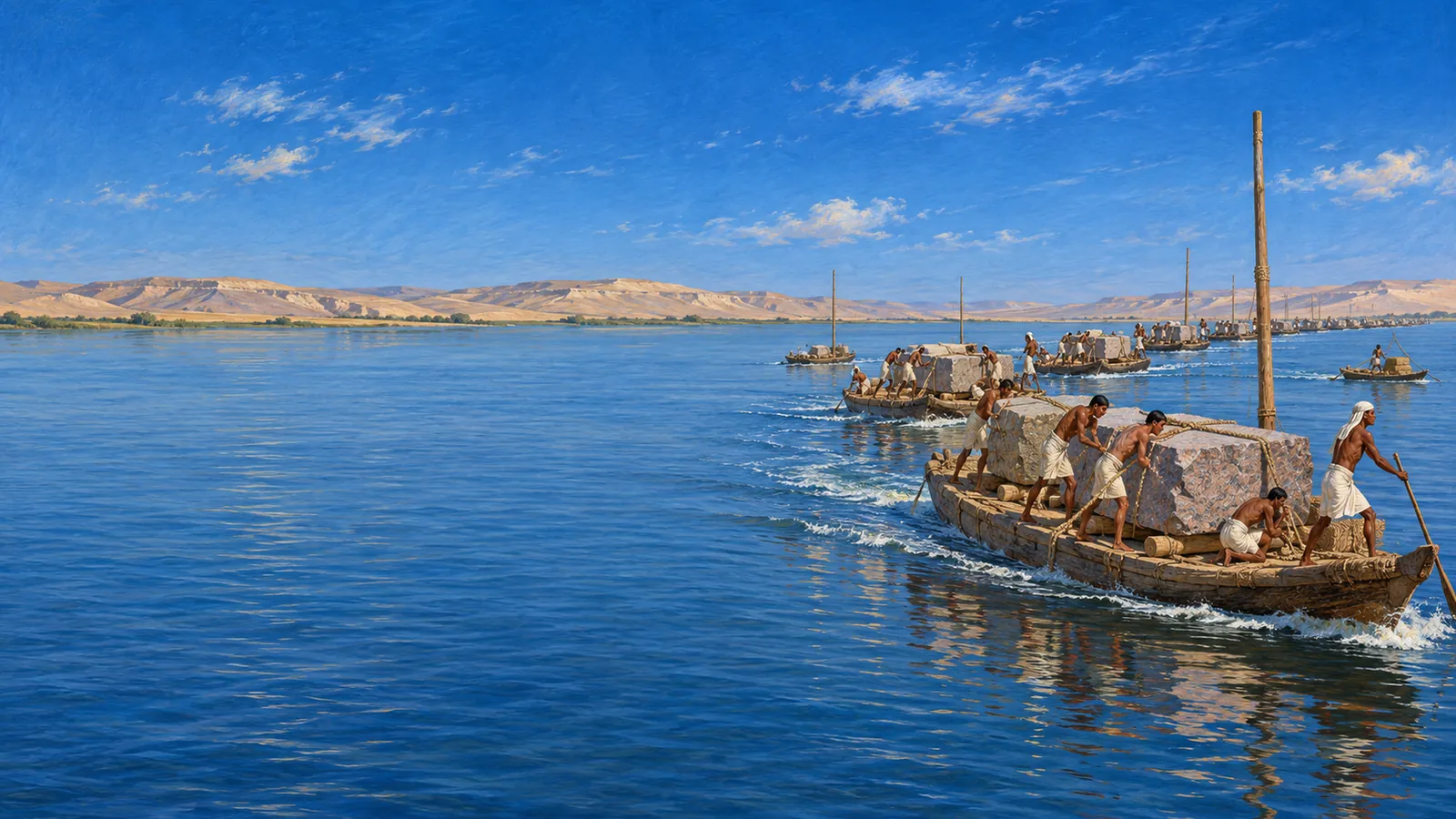
Weni counts six barges and three towing craft. He says the stone from Elephantine and Ibhat reached the royal pyramid in a single trip, something no earlier servant had done.
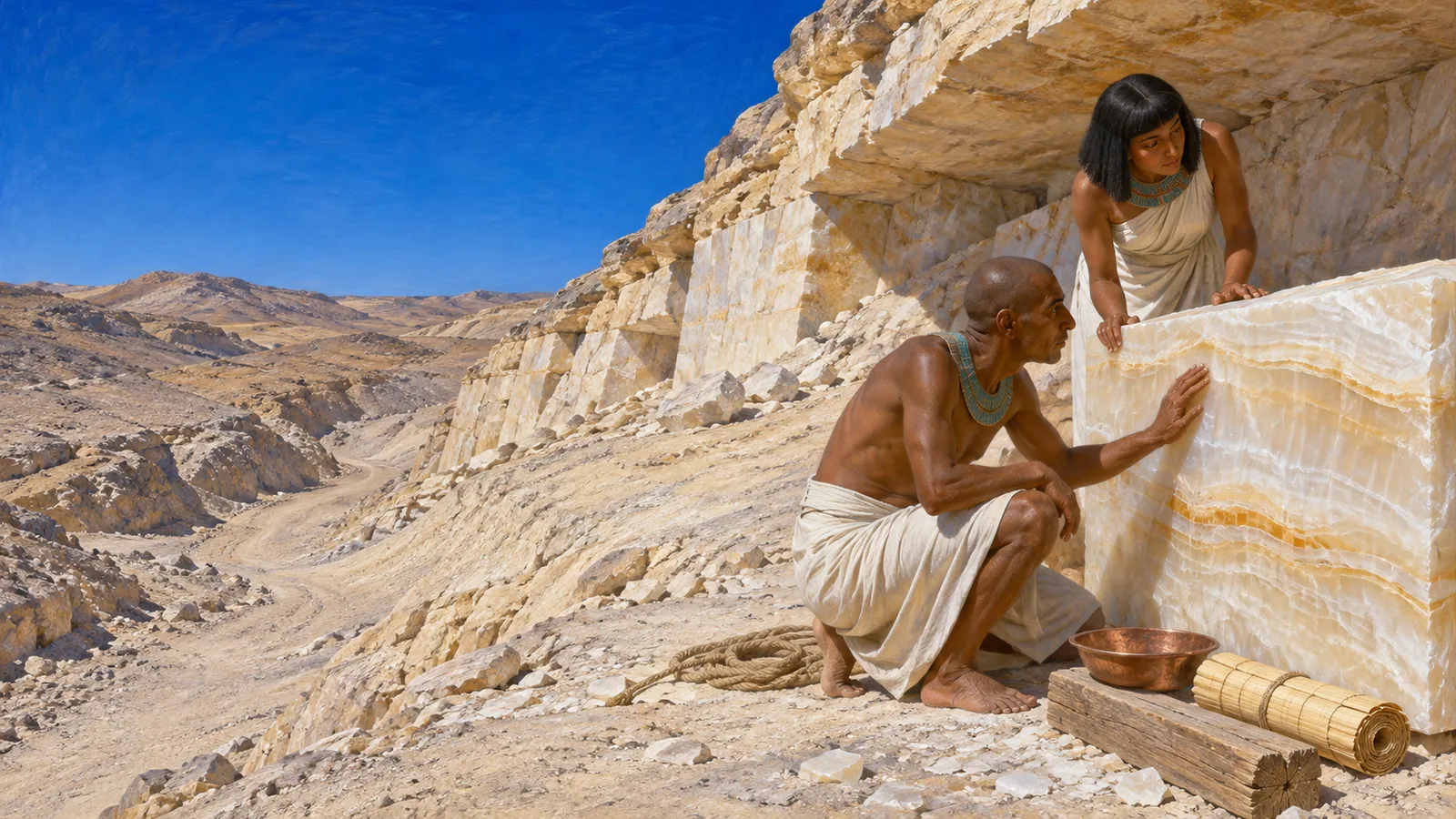
A fresh command takes Weni to Hatnub, a quarry in the desert east of the Nile. He has to bring back a great altar of pale stone often called Egyptian alabaster.
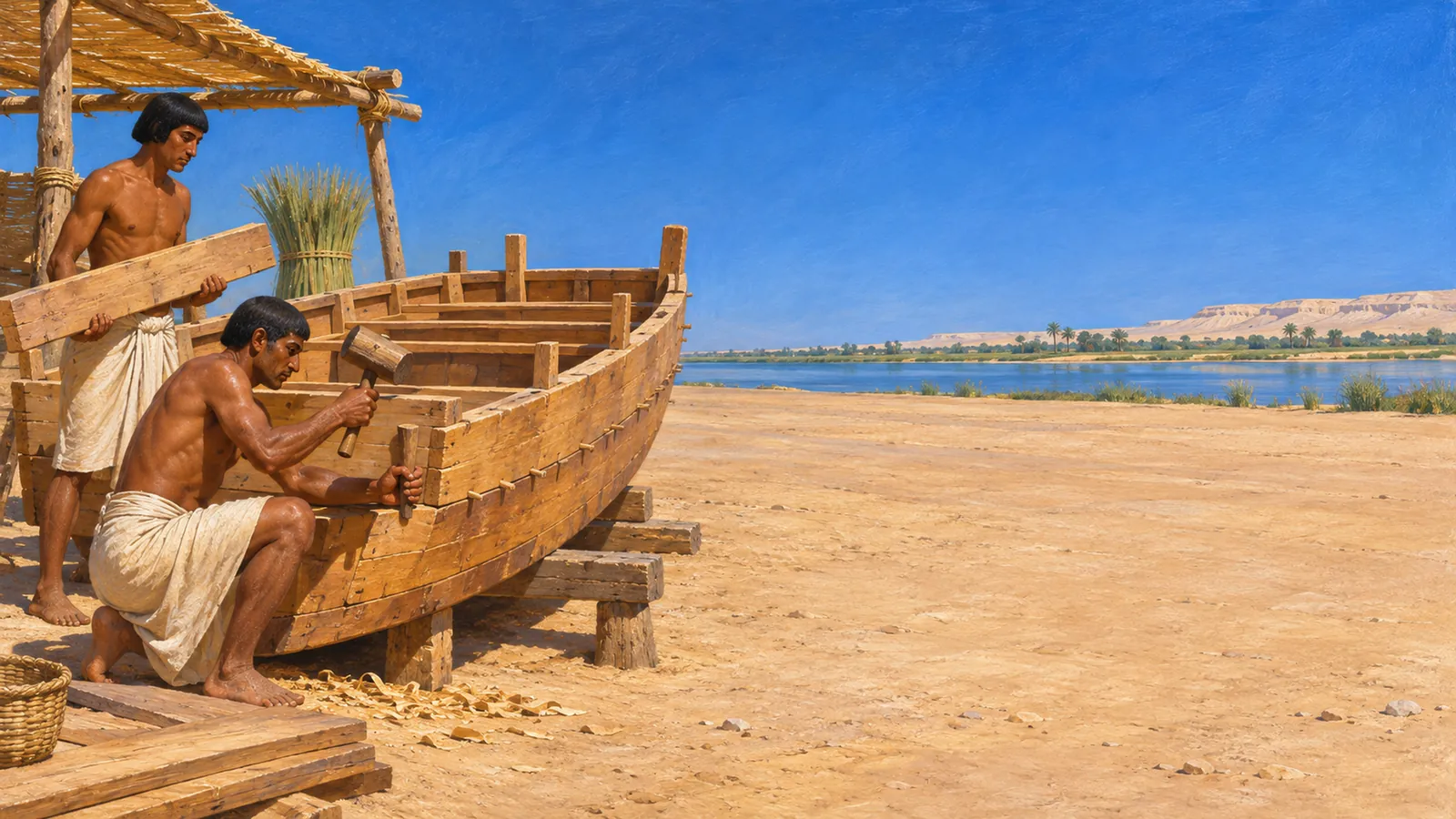
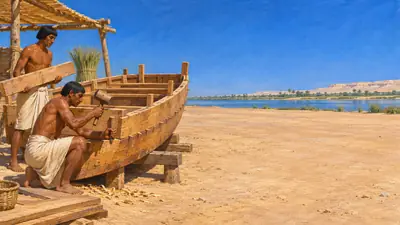
Weni says a barge of acacia was assembled for the altar. The text gives measurements and counts seventeen days. Some of the details are disputed. The account plainly stresses how quickly the work was done.
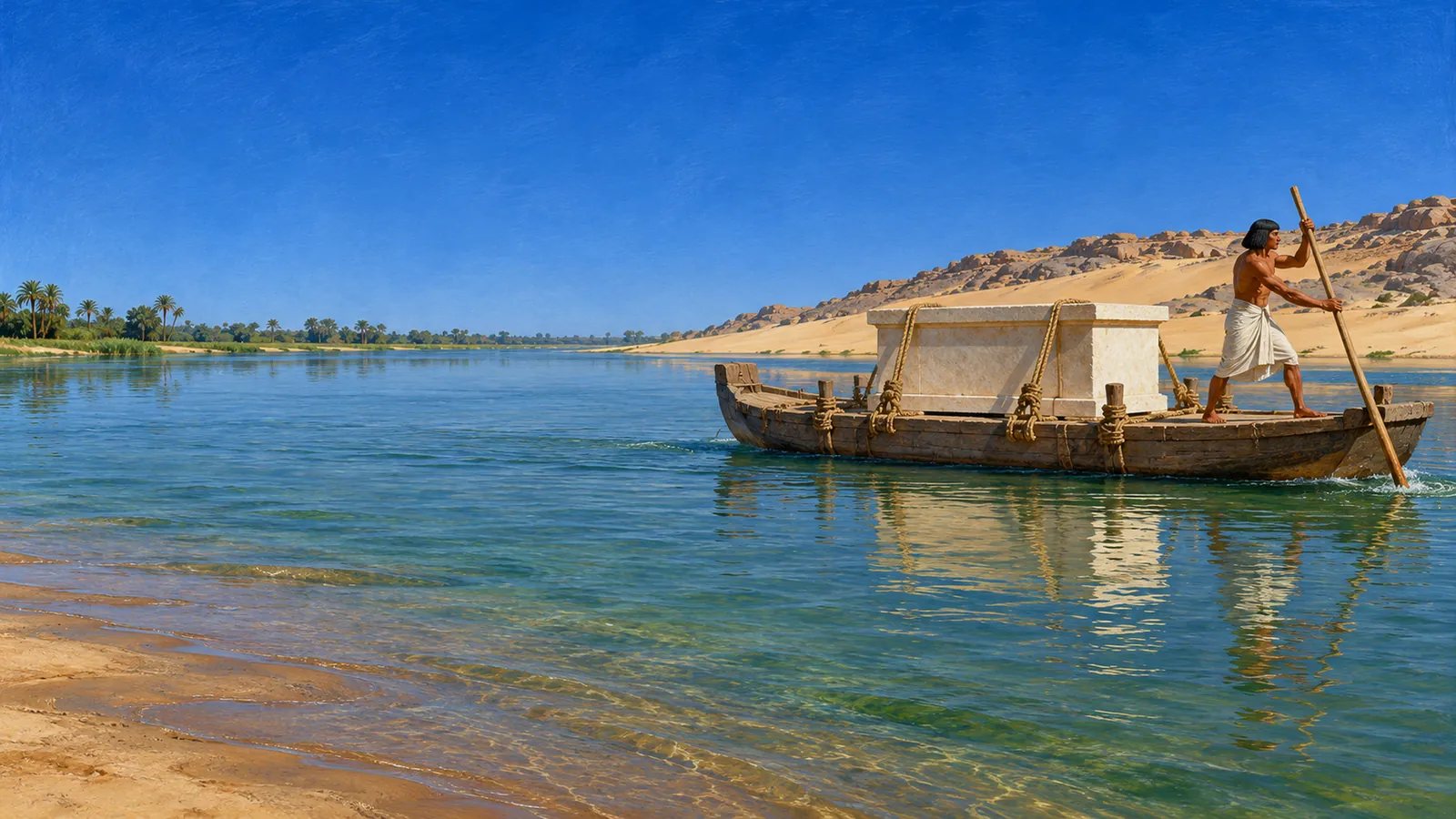
It is the third month of summer, and the river is low. Sandbanks stand exposed as the altar travels north. Weni remembers above all that the cargo reaches the pyramid safely.

Merenre tells Weni to dig five canals in Upper Egypt and provide new boats. Channels can bring a heavy load and a vessel together. Work far from the pyramid serves the monument.
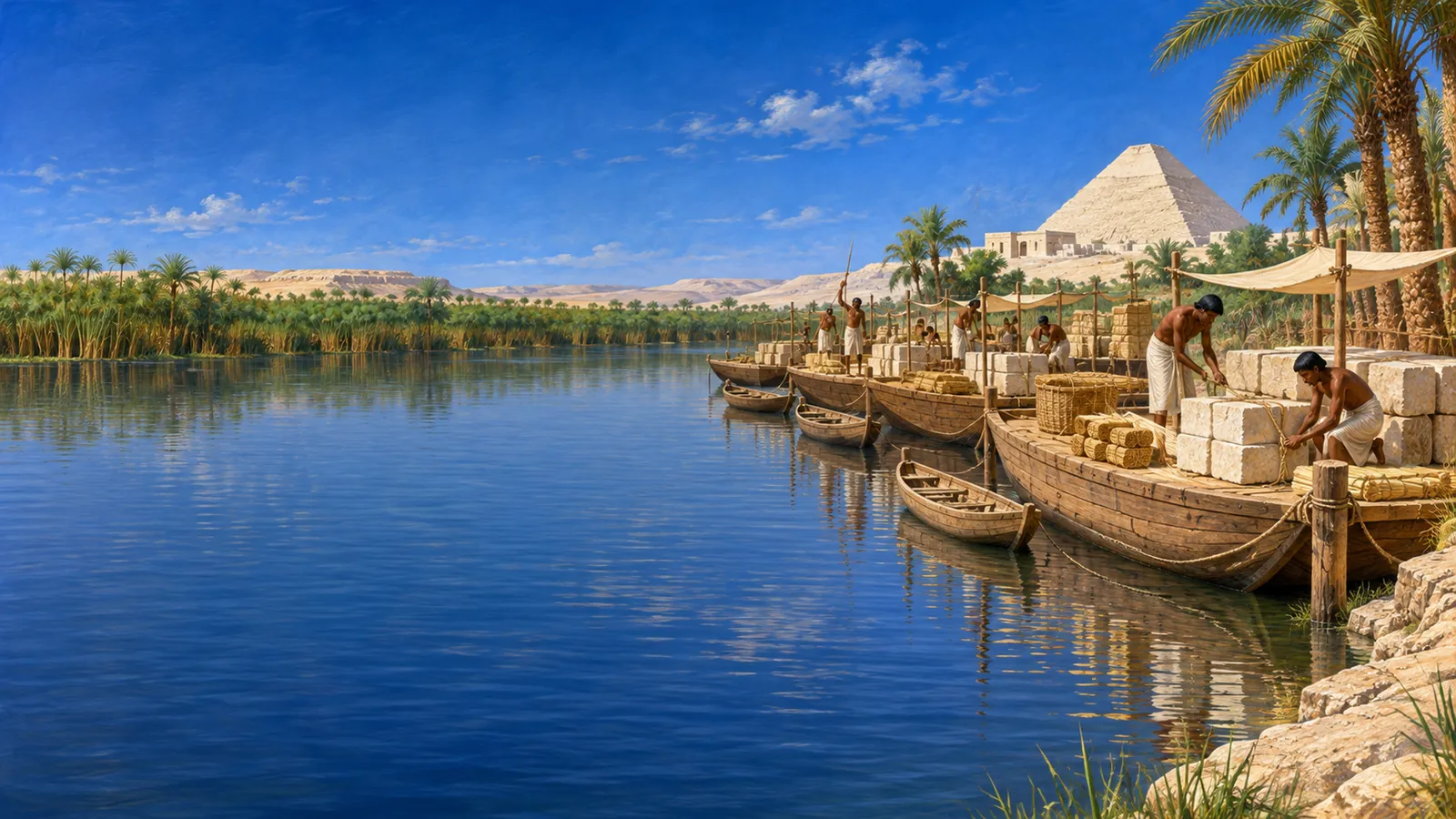
The order names three barges and four towing craft made of acacia from Wawat. Weni remembers the vessels and the canals together, though the timber and stone come from different places.
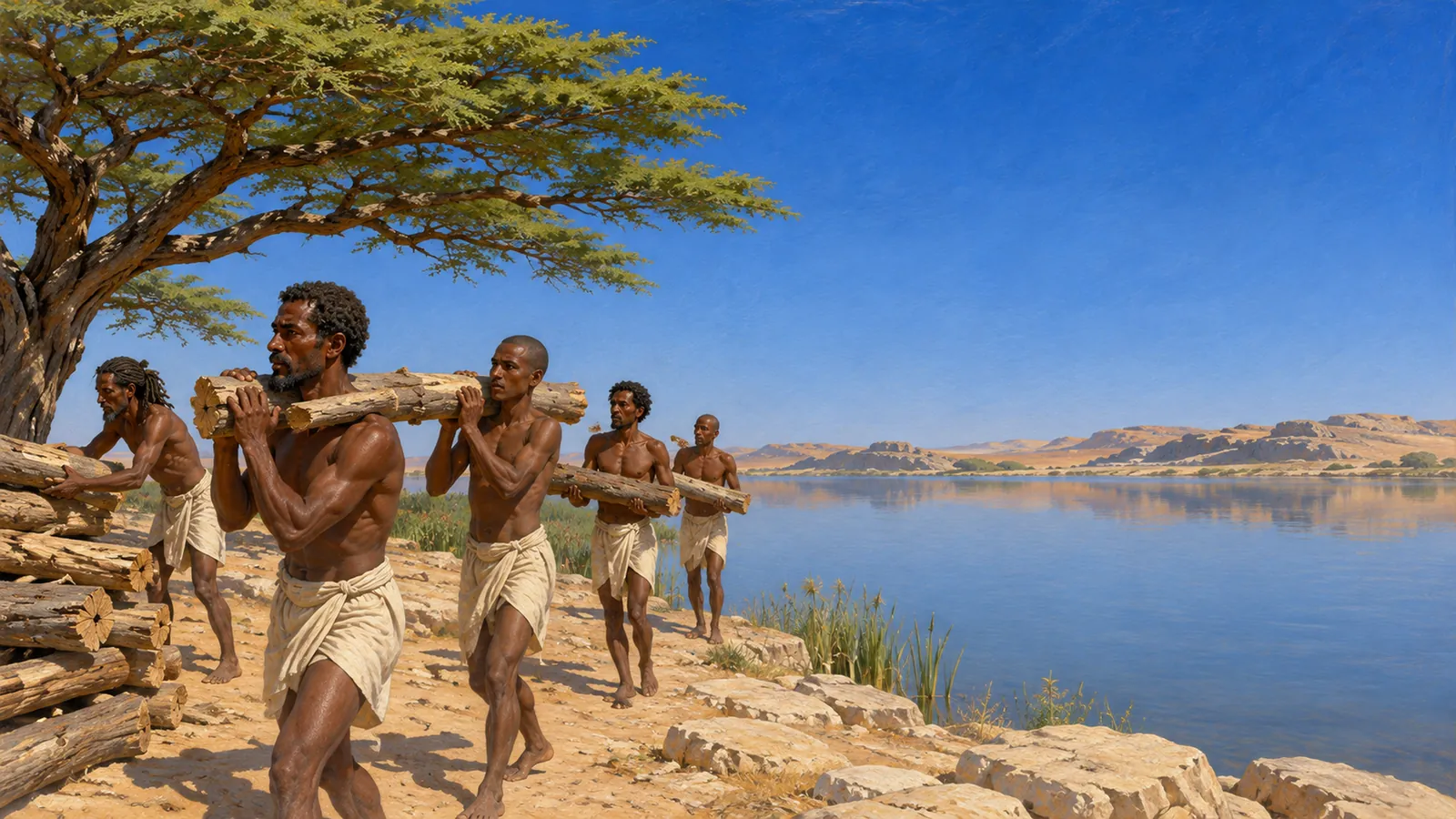
The chiefs of Irtjet, Wawat, Yam and Medja help provide the timber. Weni says the work was done in a year. He traces the flotilla north again, carrying great pieces of granite.
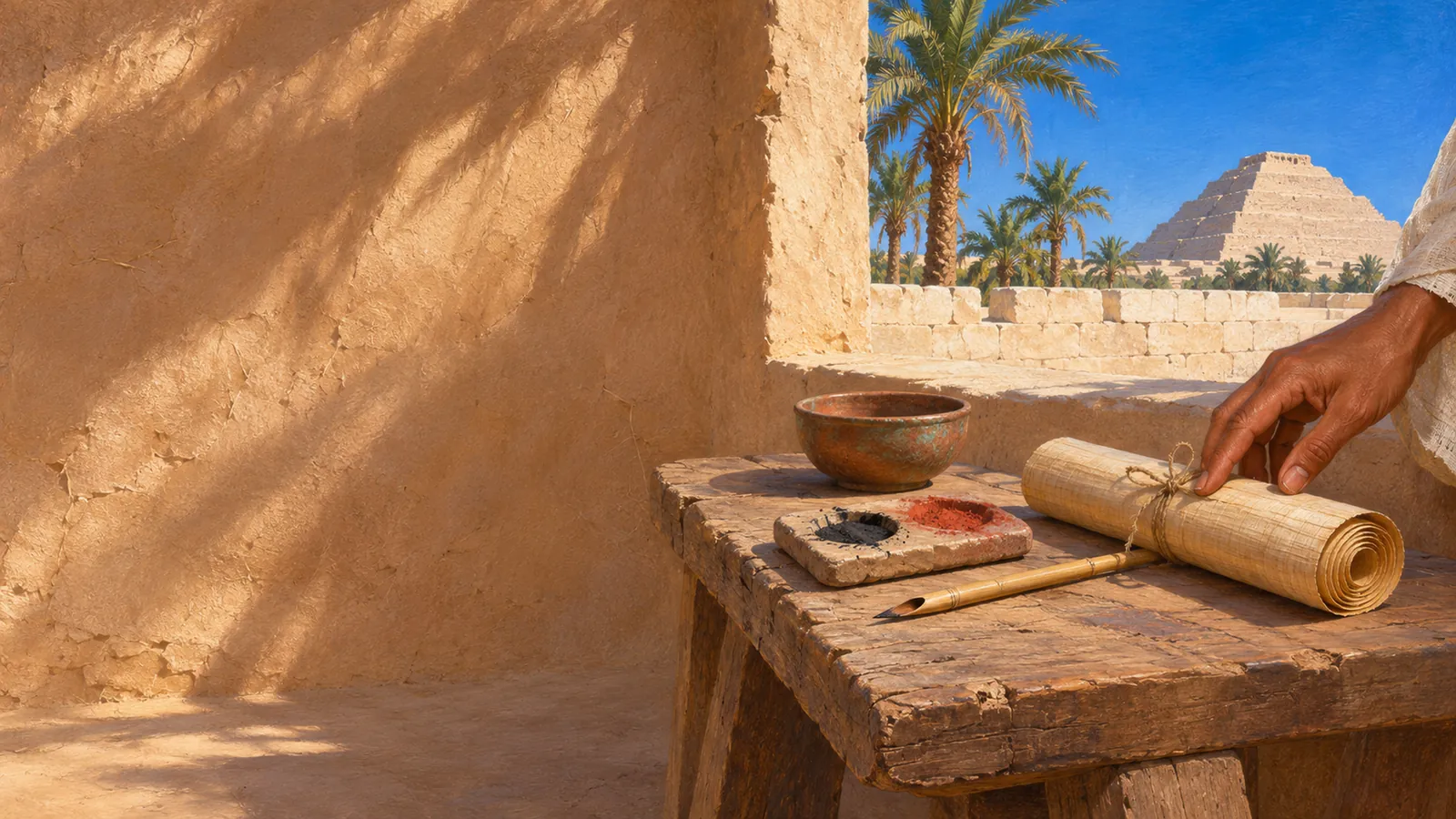
Weni credits the five canals with a saving for the palace. His account has followed many kinds of work to reach this point, from bringing down the timber to moving the granite upriver.
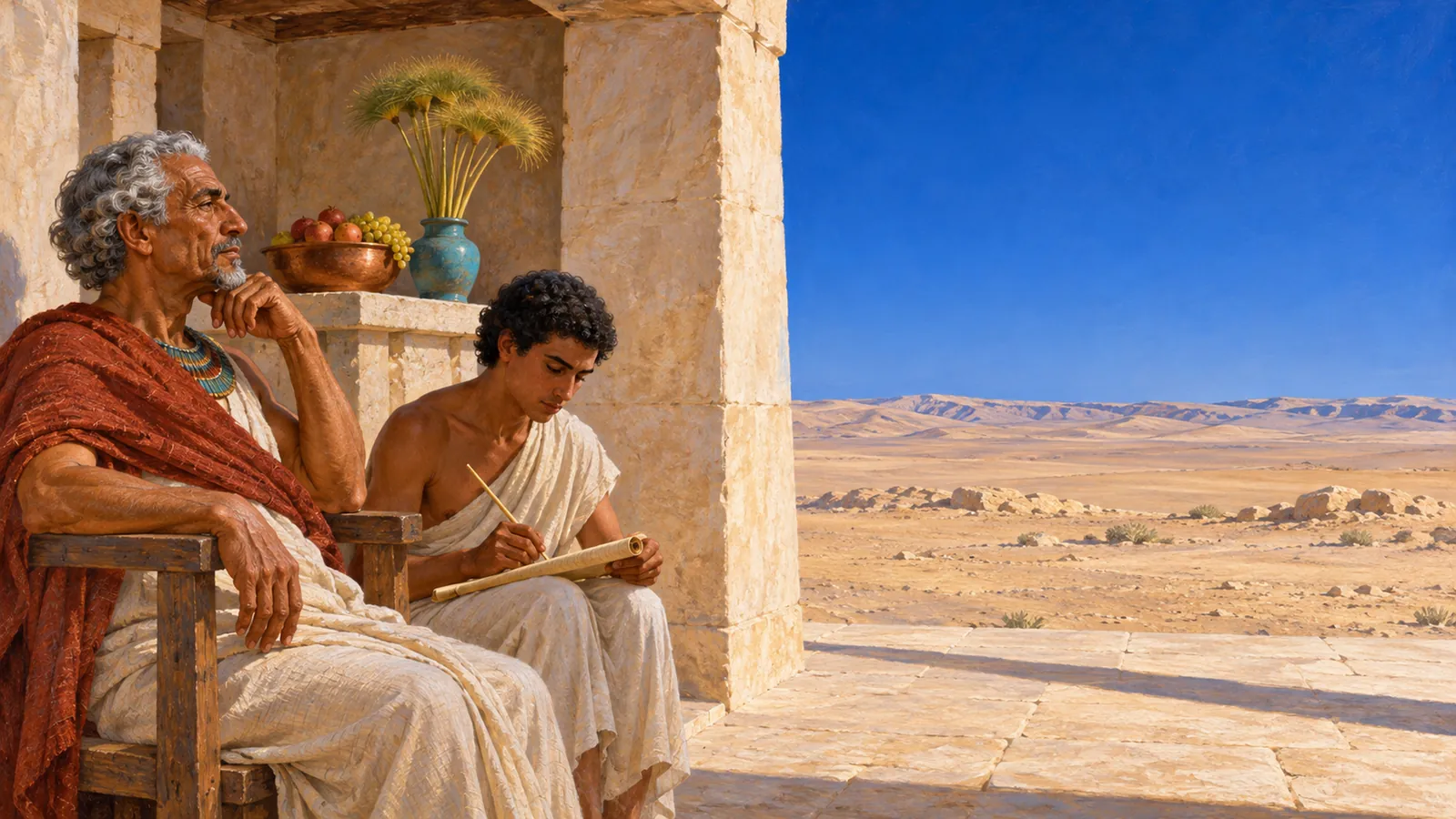
Weni ends with his father’s affection, his mother’s praise and his regard for his brothers. He names himself true governor of Upper Egypt and one honored by Osiris. Here his own account ends.
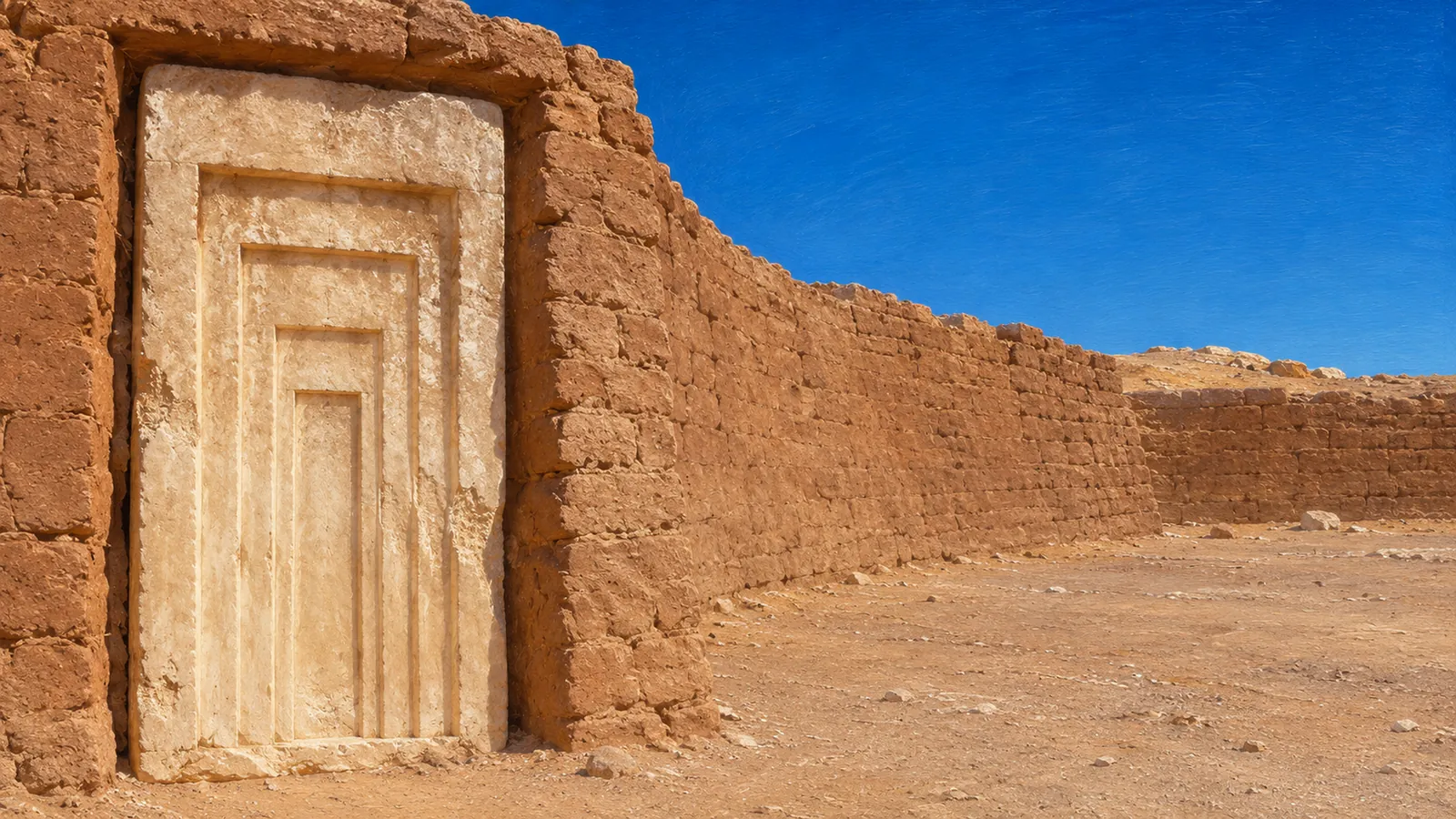
At the northern face of the mastaba, excavators found a false door that adds to the life story. It calls Weni chief judge and vizier, a later title absent from the slab.
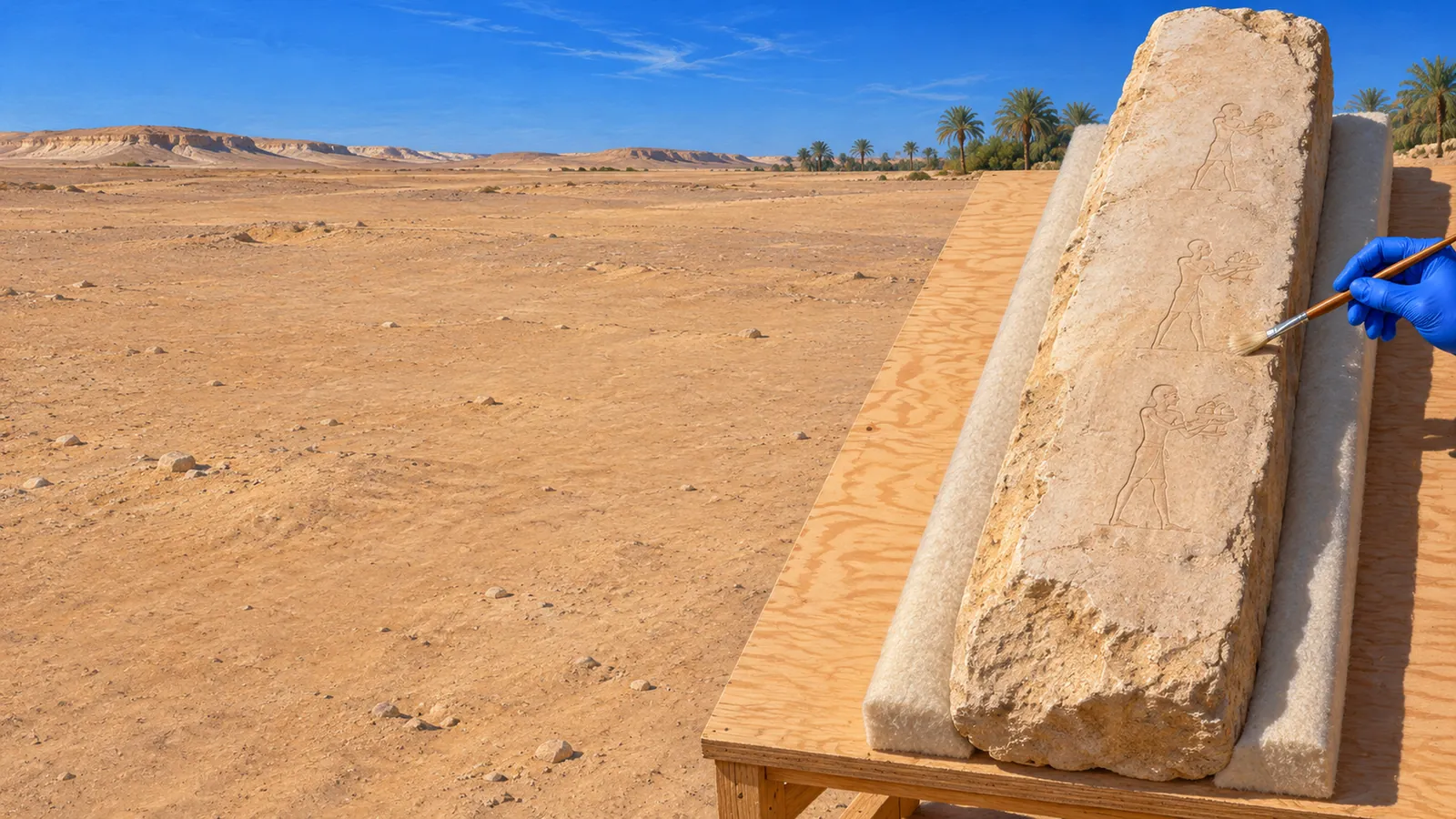
A doorjamb found near the mastaba names the vizier Iww and identifies Weni as his eldest son. Weni stressed the confidence of kings. This second object connects him to a powerful family.
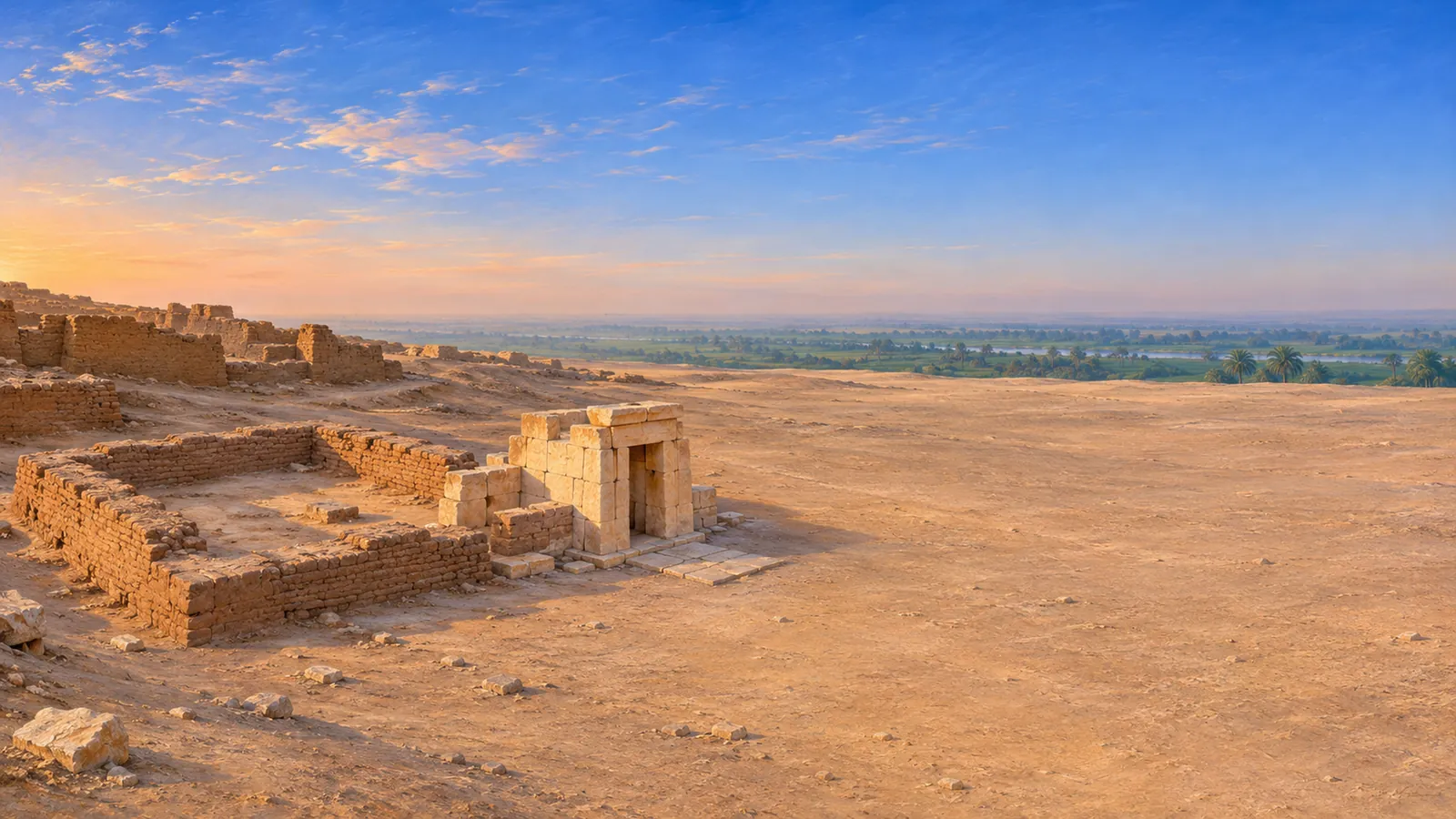
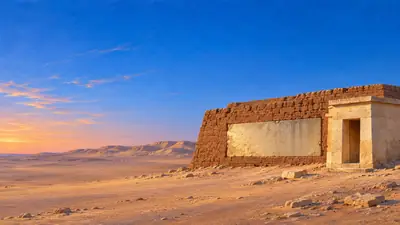
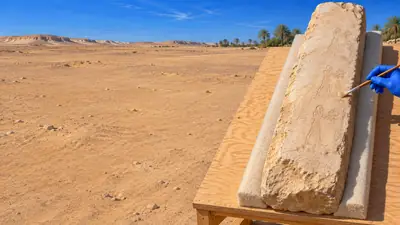
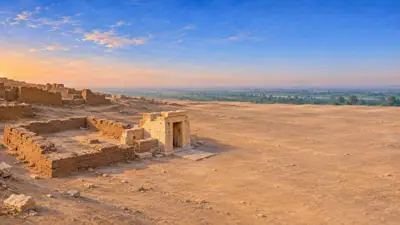
Excavators found painted relief fragments and a small chapel on the mastaba’s east side. The door stood off center. They proposed that the broad slab had faced the open air on that outer wall.
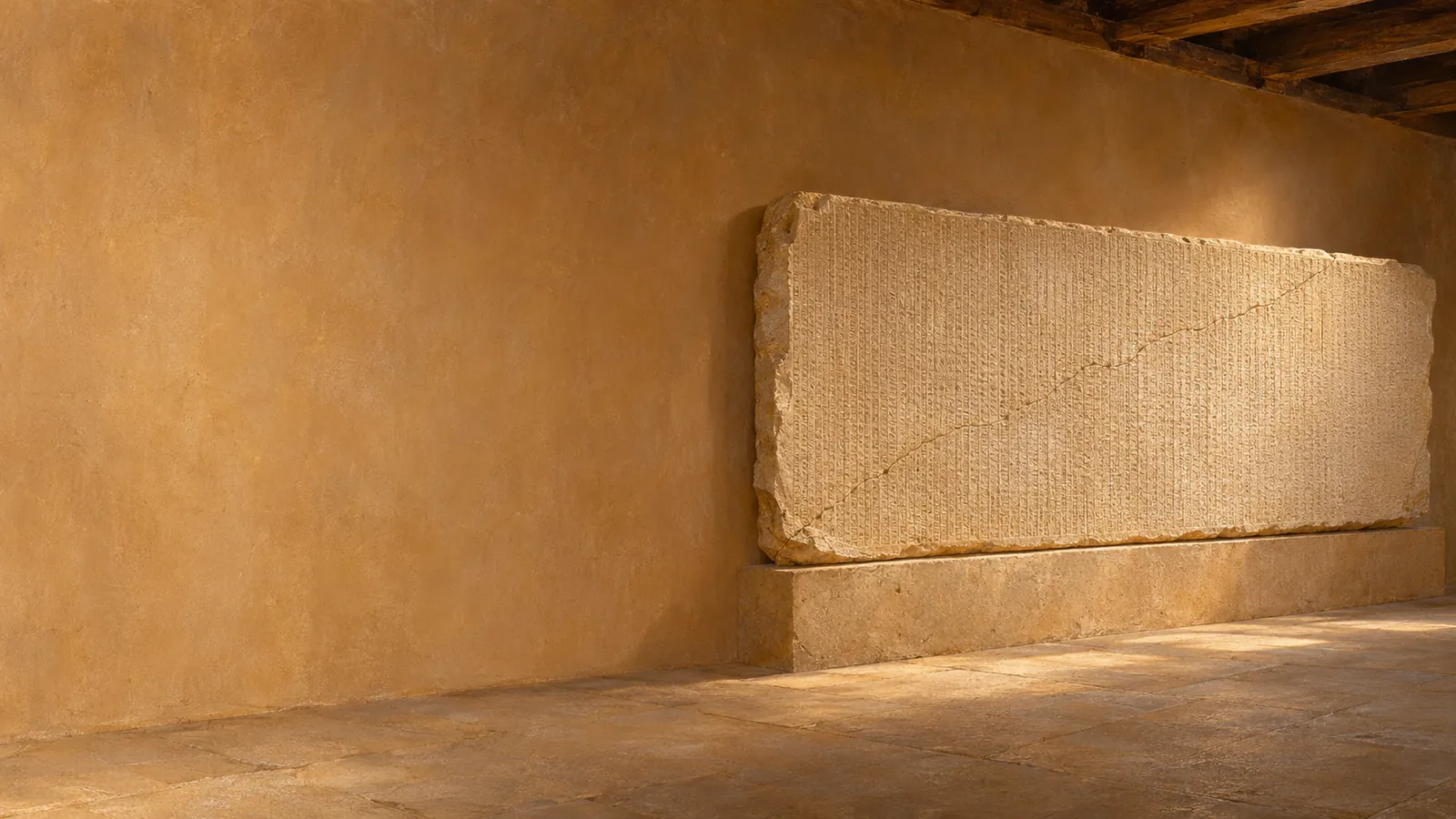
The slab taken from the cemetery in the nineteenth century survives in Cairo. Later finds at Abydos help place it back in its chapel. The two places preserve different details of the same man.
End of chapter 1
All pages








Sources
Editions consulted
- Miriam Lichtheim, The Autobiography of Weni, Ancient Egyptian Literature I, pp. 18–23
- James Henry Breasted, Ancient Records of Egypt I, §§ 292–294, 306–315 and 319–324
- The Autobiography of Weni (1), epigraphic study and images
- The Autobiography of Weni (2), Hatnub passage and vessel measurements
- Janet Richards, the mastaba, chapel, doorjamb and rediscovered titles, Kelsey Museum
- Topographical Bibliography V, Abydos and Cairo 1435, Griffith Institute
Ancient lines behind each page
- Page 1: Cairo CG 1435, cols. 1–2
See source notes for which details are attested. - Page 2: Cairo CG 1435, cols. 1–2
See source notes for which details are attested. - Page 3: Cairo CG 1435, cols. 2–3
See source notes for which details are attested. - Page 4: Cairo CG 1435, cols. 2–4
See source notes for which details are attested. - Page 5: Cairo CG 1435, cols. 3–5
See source notes for which details are attested. - Page 6: Cairo CG 1435, cols. 4–5, 8–10
See source notes for which details are attested. - Page 7: Cairo CG 1435, cols. 4–5
See source notes for which details are attested. - Page 8: Cairo CG 1435, cols. 5–8
See source notes for which details are attested. - Page 9: Cairo CG 1435, cols. 6–8
See source notes for which details are attested. - Page 10: Cairo CG 1435, cols. 10–12
See source notes for which details are attested. - Page 11: Cairo CG 1435, cols. 11–13
See source notes for which details are attested. - Page 12: Cairo CG 1435, cols. 13–20
See source notes for which details are attested. - Page 13: Cairo CG 1435, cols. 15–20
See source notes for which details are attested. - Page 14: Cairo CG 1435, cols. 20–22
See source notes for which details are attested. - Page 15: Cairo CG 1435, cols. 13–14, 22–28
See source notes for which details are attested. - Page 16: Cairo CG 1435, cols. 22–28
See source notes for which details are attested. - Page 17: Cairo CG 1435, cols. 28–32
See source notes for which details are attested. - Page 18: Cairo CG 1435, cols. 32–36
See source notes for which details are attested. - Page 19: Cairo CG 1435, cols. 33–36
See source notes for which details are attested. - Page 20: Cairo CG 1435, cols. 33–38
See source notes for which details are attested. - Page 21: Cairo CG 1435, cols. 36–38
See source notes for which details are attested. - Page 22: Cairo CG 1435, cols. 38–43
See source notes for which details are attested. - Page 23: Cairo CG 1435, cols. 38–39
See source notes for which details are attested. - Page 24: Cairo CG 1435, cols. 39–41
See source notes for which details are attested. - Page 25: Cairo CG 1435, cols. 38–43
See source notes for which details are attested. - Page 26: Cairo CG 1435, cols. 41–43
See source notes for which details are attested. - Page 27: Cairo CG 1435, cols. 43–45
See source notes for which details are attested. - Page 28: Cairo CG 1435, cols. 43–46
See source notes for which details are attested. - Page 29: Cairo CG 1435, cols. 44–47
See source notes for which details are attested. - Page 30: Cairo CG 1435, cols. 47–49
See source notes for which details are attested. - Page 31: Cairo CG 1435, cols. 47–49
See source notes for which details are attested. - Page 32: Cairo CG 1435, cols. 48–50
See source notes for which details are attested. - Page 33: Cairo CG 1435, cols. 49–50
See source notes for which details are attested. - Page 34: Cairo CG 1435, cols. 49–51
See source notes for which details are attested. - Page 35: Janet Richards, Abydos Middle Cemetery Project; Abydos excavation
See source notes for which details are attested. - Page 36: Janet Richards, Abydos Middle Cemetery Project; Abydos excavation
See source notes for which details are attested. - Page 37: Janet Richards, Abydos Middle Cemetery Project; Abydos excavation
See source notes for which details are attested. - Page 38: Janet Richards, Abydos Middle Cemetery Project; Abydos excavation; Cairo CG 1435
See source notes for which details are attested.
Illustrations made with AI tools by IL Archive; the text is based on the ancient sources (see the sources at the end of each chapter).