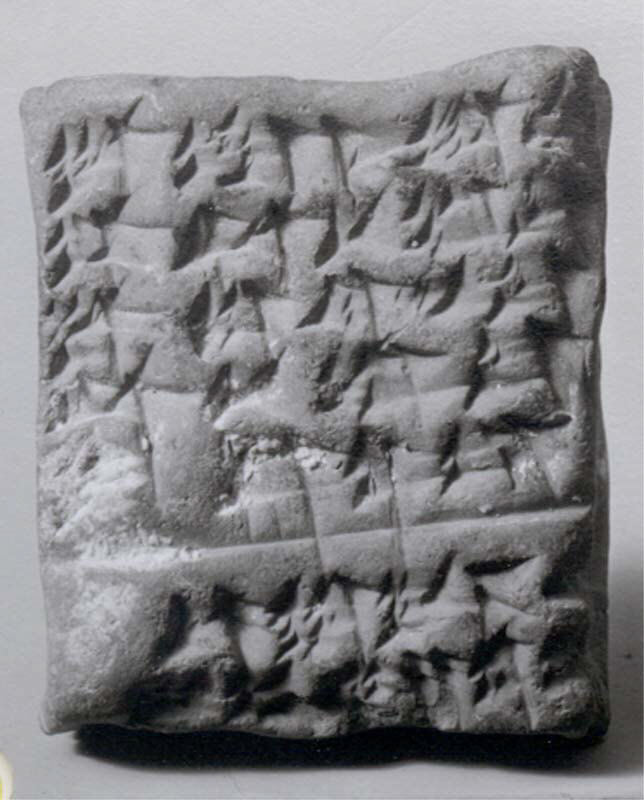
Ancient text
Sifre Deuteronomy
A text for line-by-line reading, with transliteration, translation, and resources.
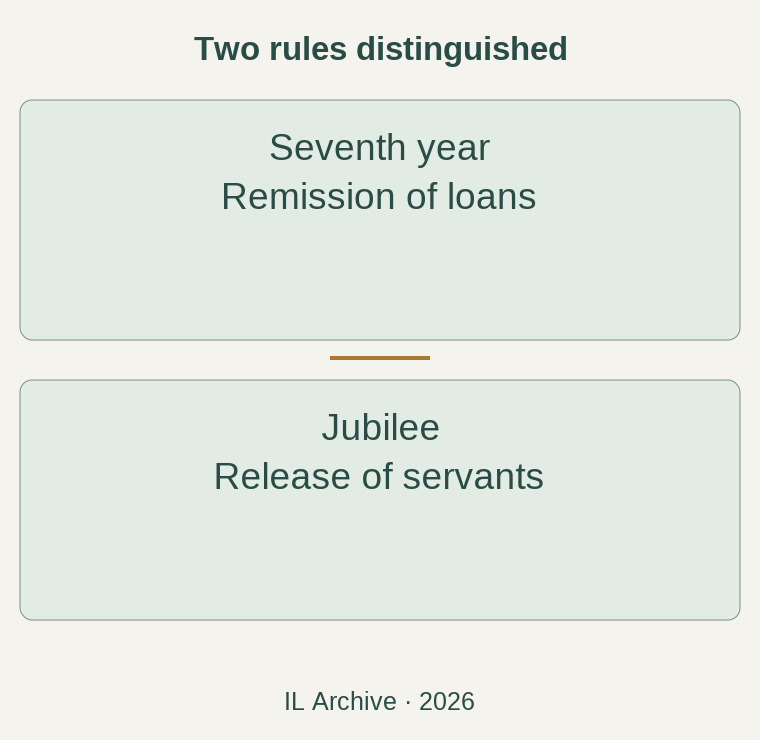
Rabbinic interpretation of Deuteronomy distinguishing seventh-year remission and jubilee release in the compared passage.
Last reviewed:
Text
Sifre Deuteronomy is a rabbinic collection interpreting DeuteronomyBook of DeuteronomyTorah book presenting commandments in Moses’ discourse and grounding Sabbath rest in slavery and liberation from Egypt.Glossary · Click to read the explanation and its laws. It preserves traditions from the early centuries CE; Bartos and Levinson place its compilation approximately in the third century CE. Its title differs from Sifra Leviticus and other Sifre collections. [1]
Section 112 distinguishes loan remission in the seventh year from servant release at the jubilee. It shows an ancient interpretation of the laws’ relationship, centuries later than the 11QMelchizedek manuscript. [1]
References and notes
- Michael Bartos and Bernard M. Levinson, “This Is the Manner of the Remission”: Implicit Legal Exegesis in 11QMelchizedek as a Response to the Formation of the Torah, JBL132/2(2013),pp.351–371, read in full, including Hebrew quotations and translations. PDF pages145–165; the file is a journal issue, not only a Berman paper. Return to the text ↑
Archive records may be reviewed and refined as better evidence or sources become available. Suggest a correction
Suggest a correction · Suggest a source for this record
Cite this record
IL Archive, «Sifre Deuteronomy», https://ilarchive.com/en/texts/sifre-deuteronomy-rabbinic-commentary
Continue reading