Les jours de Dumuzi Chapitre 1
Les rites à Arba’il
Un commentaire rituel lacunaire nomme le jour des cris et celui où Tammuz se lève, avec des dates restituées pour les deux. L’extrait associe sa mort à l’orge grillée et se termine par l’image d’un frère dans une lecture où ce terme est restitué.
SourcesTournez les pages avec les flèches, le clavier ou en balayant l’écran.
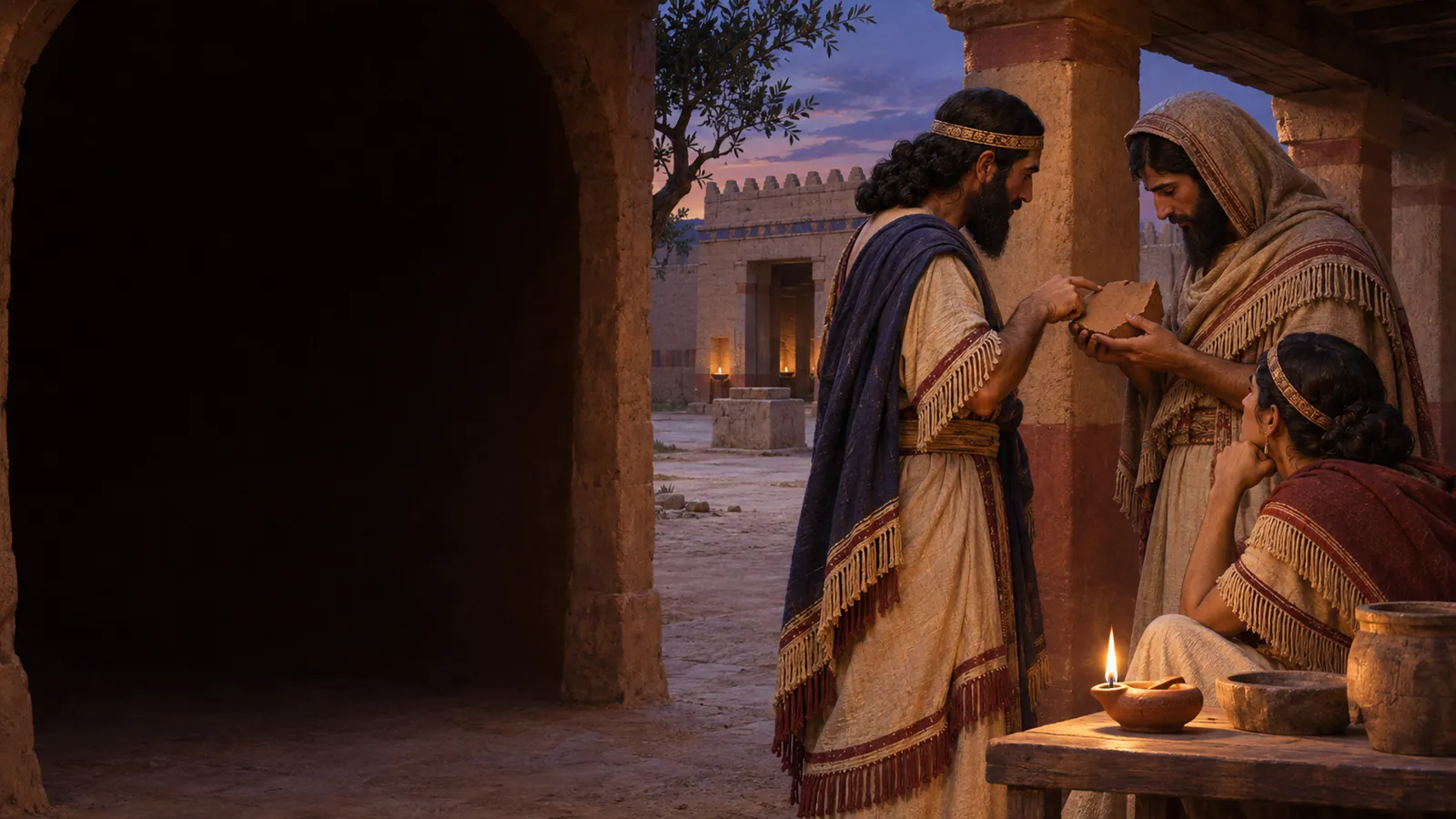
LES RITES À ARBA’IL
La première ligne est endommagée. Les mots conservés disent que quelque chose est accompli jusqu’au trentième jour, avec une partie du verbe restituée.
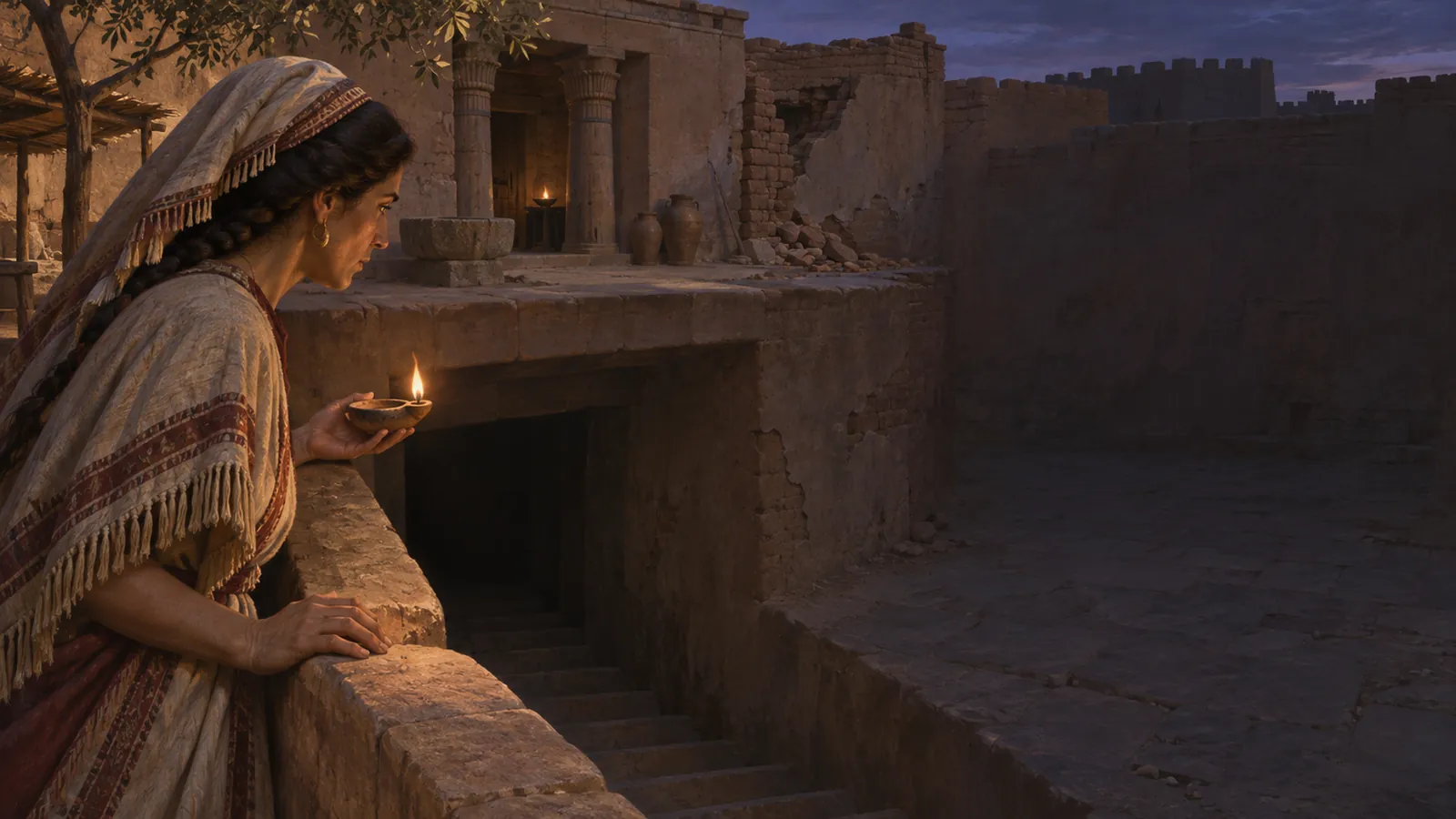
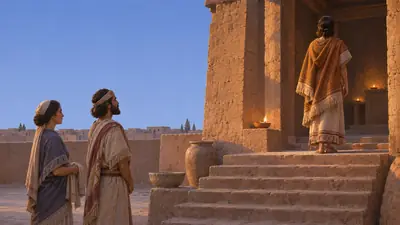
L’entrée endommagée suivante mentionne une frappe et une descente. La date, l’identité de qui ou de ce qui descend et sa destination sont perdues.
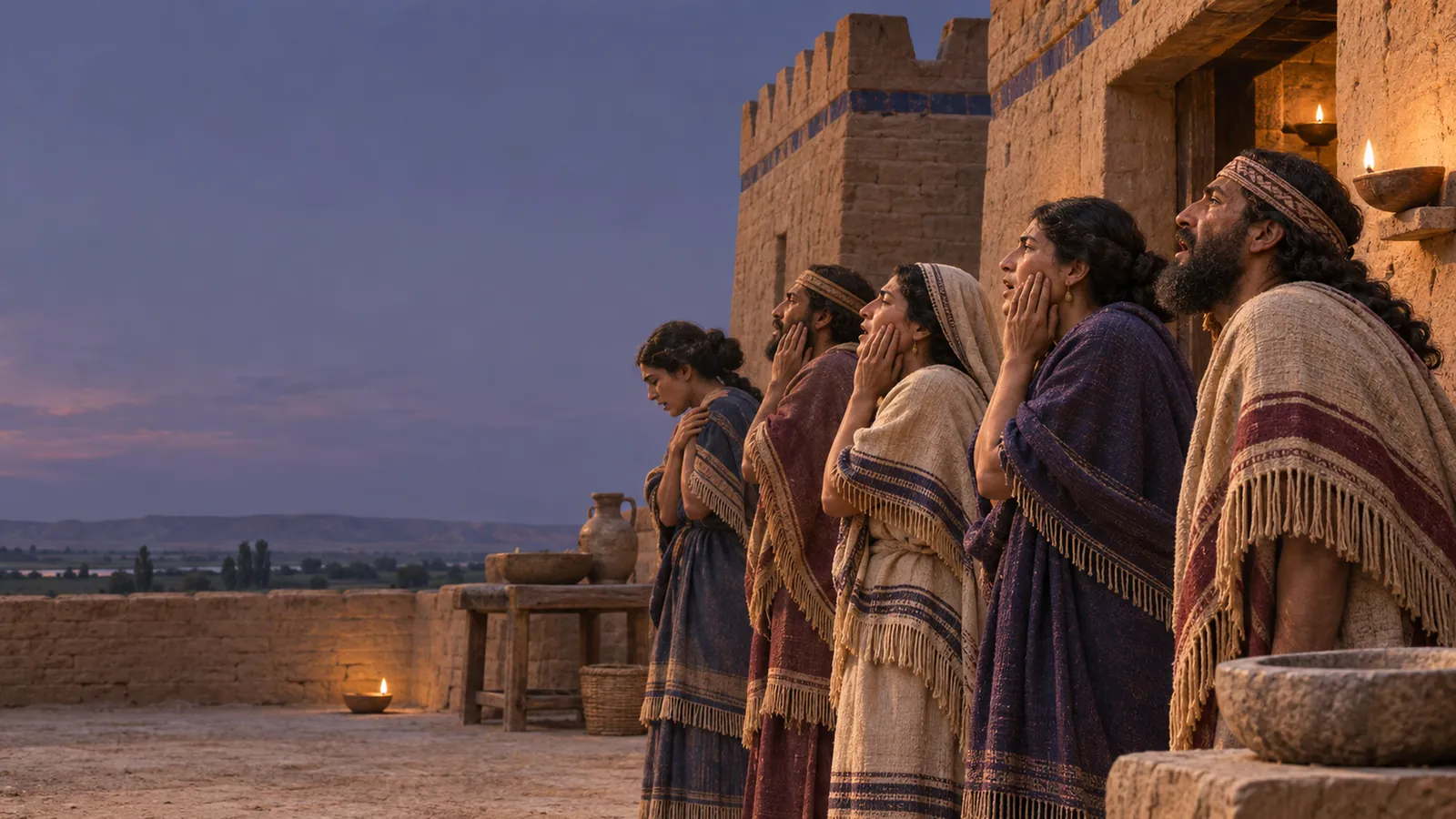
La date restituée est le vingt-sixième jour. Le texte l’appelle le jour des cris, puis nomme Anu dans une phrase qui s’interrompt.
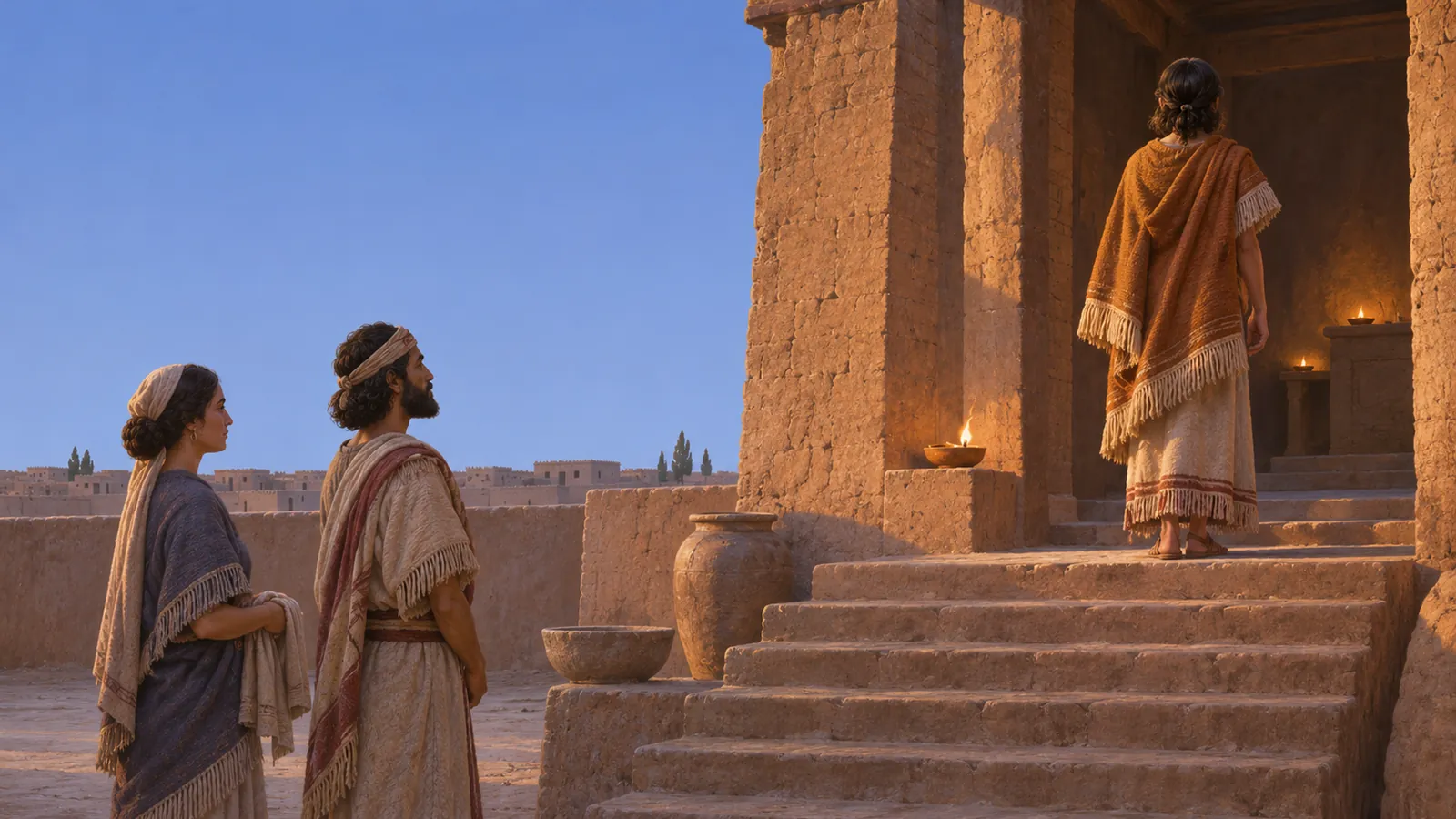
Au vingt-huitième jour, dont la date est restituée, le passage dit que Tammuz se lève à la demande de quelqu’un. Les mots conservés laissent l’auteur de la demande sans nom.
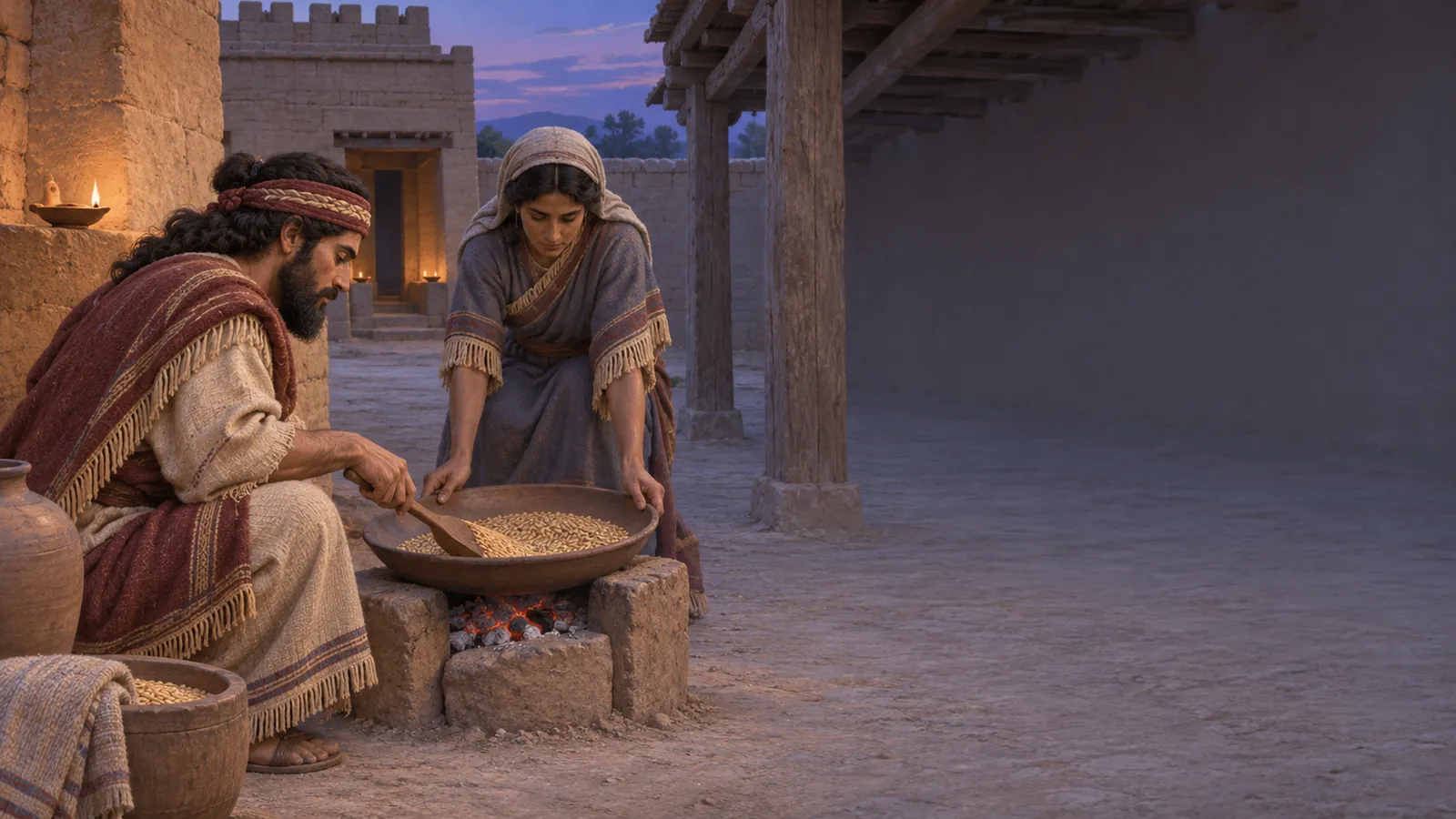
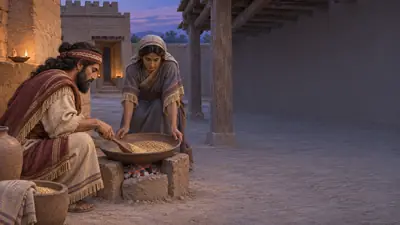
Le commentaire identifie la mort de Tammuz à l’orge grillée. Une partie du mot qui désigne la mort est restituée dans la traduction d’Ehara.
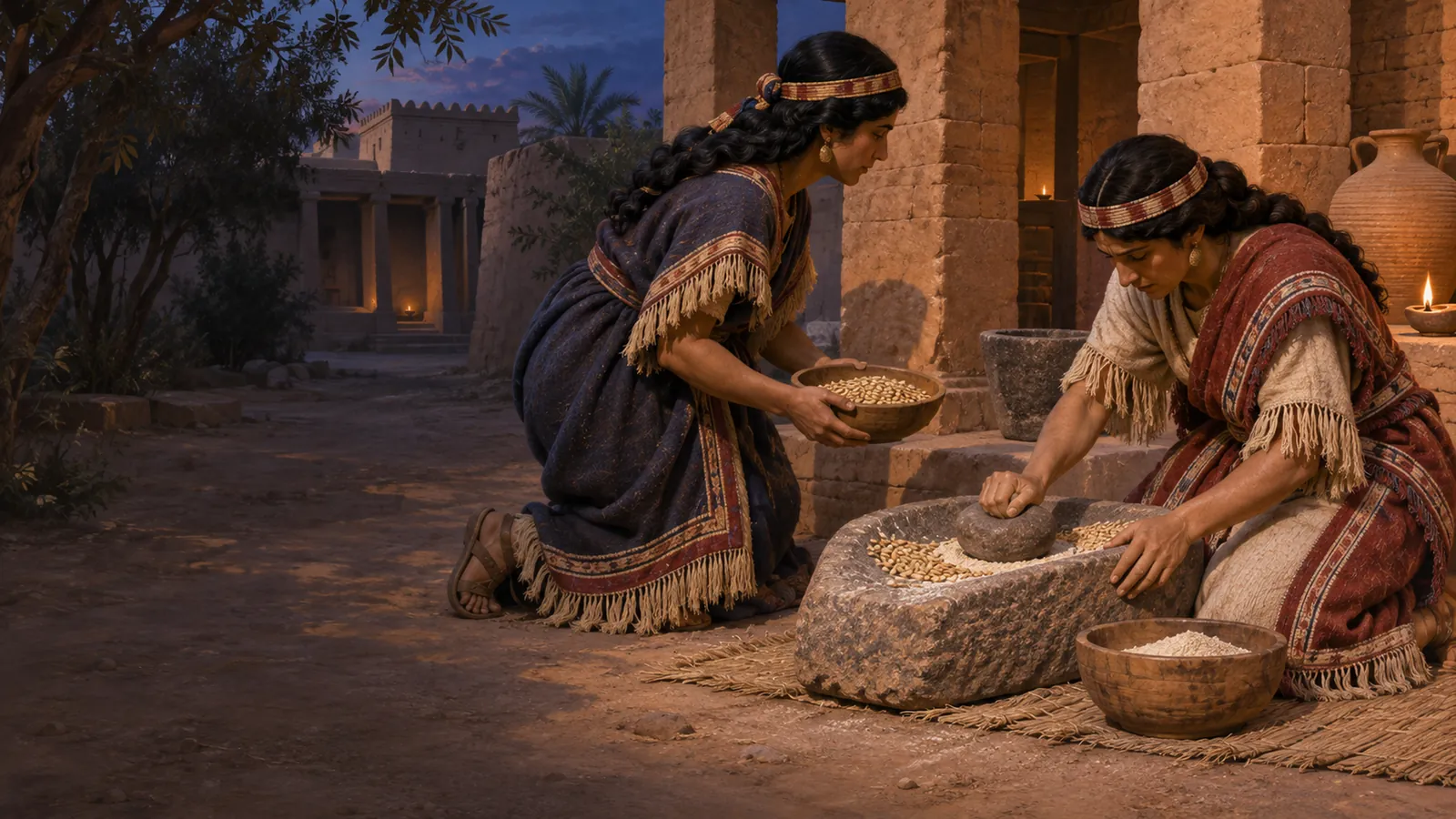
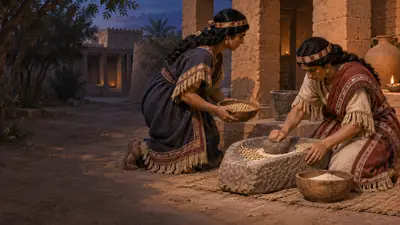
Dans la lecture d’Ehara, ils jettent l’orge vers Dumuzi quand ils la broient avec des meules. Livingstone comprend le verbe discuté au sens de brûler.
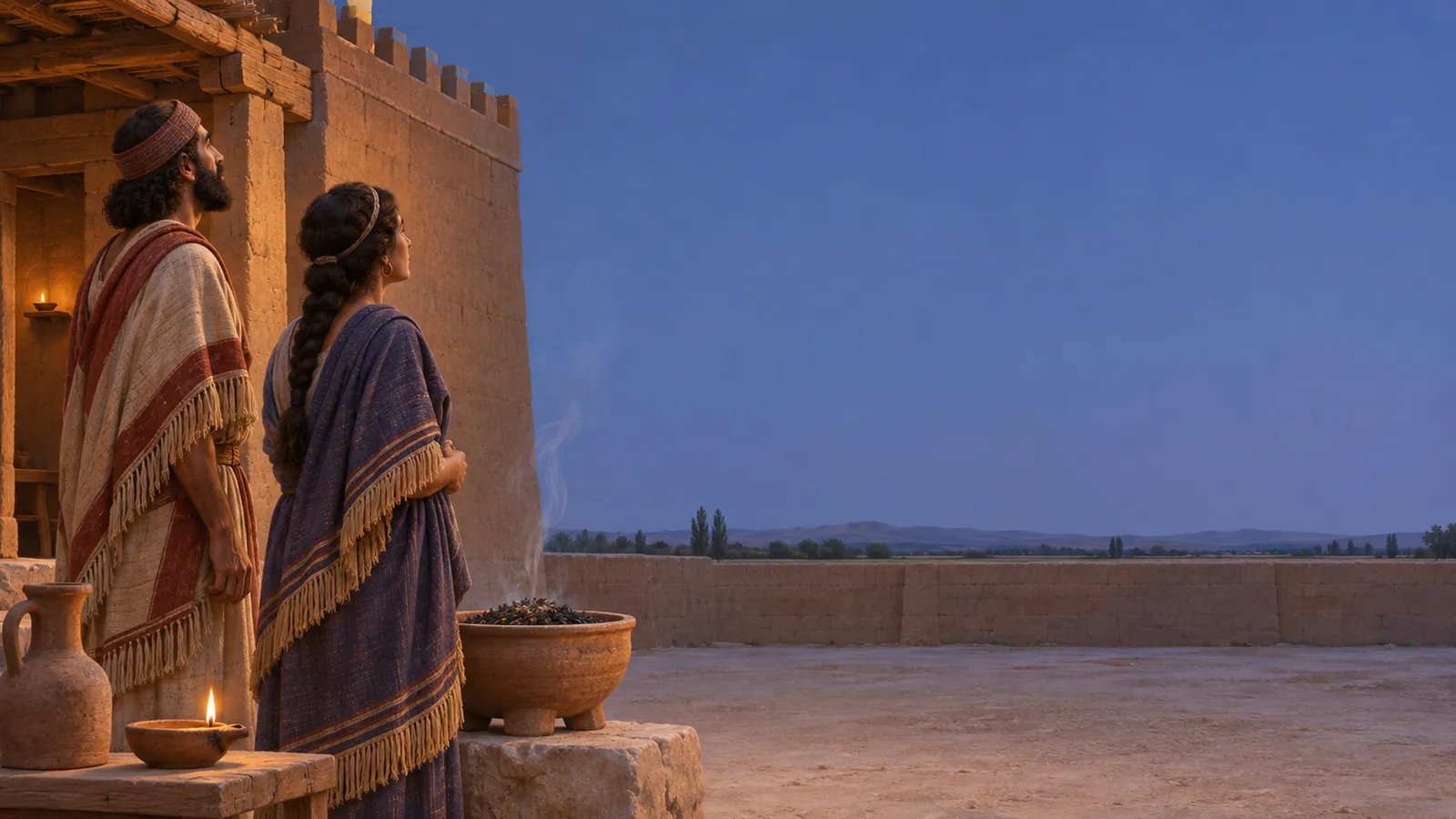
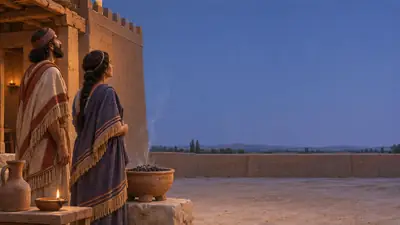
Le commentaire dit que les parties brûlées qui se forment montent dans les régions supérieures, comme il est dit.
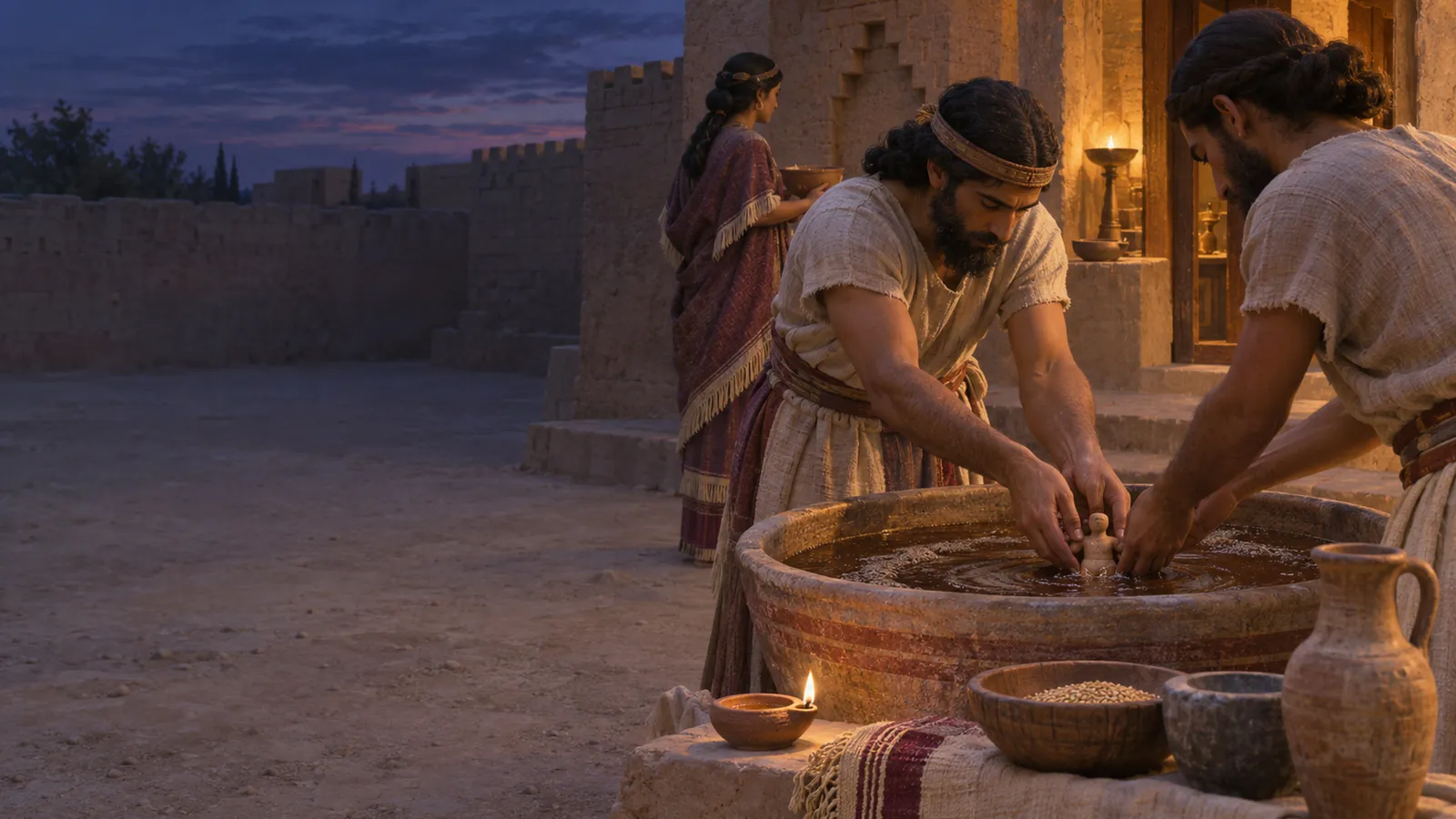
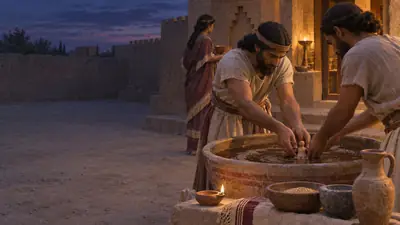
Le passage dit qu’ils trempent dans la bière l’image de ton frère. Les mots qui désignent l’image sont restitués dans la traduction d’Ehara.
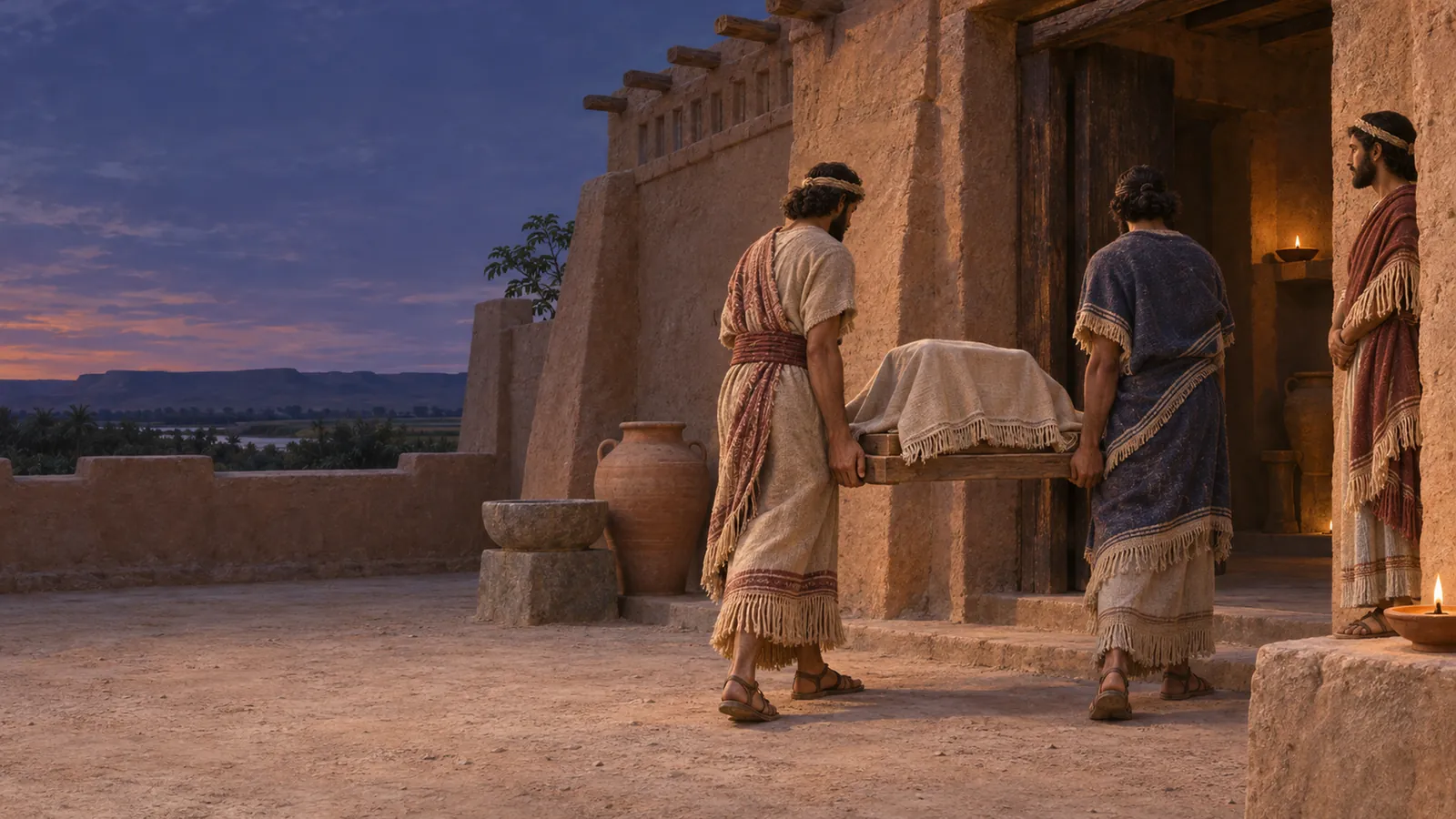
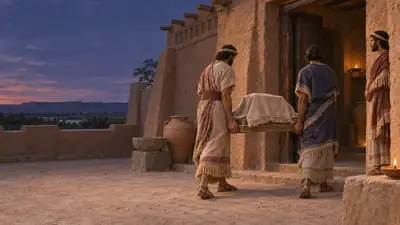
Dans cette lecture, l’image soulève le corps du frère. Le passage se termine par les mots comme il est dit.
Fin du chapitre 1
Toutes les pages
Sources
97 of ORIENT 59 (2024), SAA 3, no. 38, reverse 2–8. Ehara identifies the Neo-Assyrian text as a commentary on the rites of the Egašankalama temple of Ištar at Arba’il. The surviving details, damaged sections and restored dates are attributed in the notes. Ehara’s note 8 discusses different readings of the verb in the barley passage.
Éditions consultées
- Satoko Ehara, ORIENT 59 (2024), p. 97 and note 8
- ORIENT 59, article bibliographic record and open full text
- ORIENT 59, the open article PDF, p. 97
Notes sur ce récit
through the thirtieth day. An opening break leaves the activity unspecified. Ehara prints part of the verb in brackets as [perfor]med and gives the duration through the thirtieth day.
the striking and descent. The printed supplies and breaks are [The …th day is], [when…] and [to…]. The text mentions a striking and a descent. The date, what goes down and where are left open.
the day of screaming. Ehara supplies [The 26th day]. The entry calls it the day of screaming.
the rising of Tammuz. Ehara supplies [The 28th day]. Tammuz rises at a request and a break follows where the requester would be identified. The next clause refers to his death. The name Dumuzi appears in the subsequent barley action.
roasted barley and the disputed verb. Ehara prints [de]ath and identifies it with the roasted barley. The next clause describes throwing the barley toward Dumuzi. In note 8 Ehara prints the phrase *ina NA4 meš ki i-qa-mu-⌈šú⌉*. She follows Thorkild Jacobsen in reading *qamû* as grinding and interprets the stones as millstones. Alasdair Livingstone reads burning. Ehara refers to Livingstone, *Court Poetry and Literary Miscellanea*, SAA 3 (1989), p. 98, and Jacobsen, “Religious Drama in Ancient Mesopotamia” (1975), p. 72. The English rendering and alternative stay distinct.
the upper regions. The burned parts that are produced go up to the upper regions, followed by “as it is said.” The quoted clause leaves the parts unspecified.
the brother and the closing formula. The same subject lifts the brother’s body. The excerpt ends with its second “as it is said.” The brother’s identity remains open.
Les vers antiques de chaque page
- Page 1: Ehara 2024, ORIENT 59, p. 97, SAA 3 no. 38, reverse 2–8, opening through day thirty
- Page 2: Ehara 2024, ORIENT 59, p. 97, SAA 3 no. 38, reverse 2–8, striking and descent
- Page 3: Ehara 2024, ORIENT 59, p. 97, SAA 3 no. 38, reverse 2–8, restored day twenty-six and damaged Anu clause
- Page 4: Ehara 2024, ORIENT 59, p. 97, SAA 3 no. 38, reverse 2–8, restored day twenty-eight and Tammuz’s rising
- Page 5: Ehara 2024, ORIENT 59, p. 97, SAA 3 no. 38, reverse 2–8, death and roasted barley
- Page 6: Ehara 2024, ORIENT 59, p. 97, SAA 3 no. 38, reverse 2–8, barley thrown toward Dumuzi, note 8
- Page 7: Ehara 2024, ORIENT 59, p. 97, SAA 3 no. 38, reverse 2–8, burned parts rise to the upper regions
- Page 8: Ehara 2024, ORIENT 59, p. 97, SAA 3 no. 38, reverse 2–8, brother’s image and soaking in beer
- Page 9: Ehara 2024, ORIENT 59, p. 97, SAA 3 no. 38, reverse 2–8, the brother’s body and closing formula
Illustrations réalisées par IL Archive avec des outils d’IA ; le texte s’appuie sur les sources antiques (voir les sources à la fin de chaque chapitre).