Enuma Elish Chapitre 1
Avant les cieux
Avant que le ciel ait un nom, les eaux d’Apsû et de Tiamat se mêlent et les premiers dieux apparaissent. Ea déjoue le projet d’Apsû, Marduk naît dans les profondeurs et Tiamat remet à Qingu la Tablette des destins.
Voir le filmSourcesTournez les pages avec les flèches, le clavier ou en balayant l’écran.
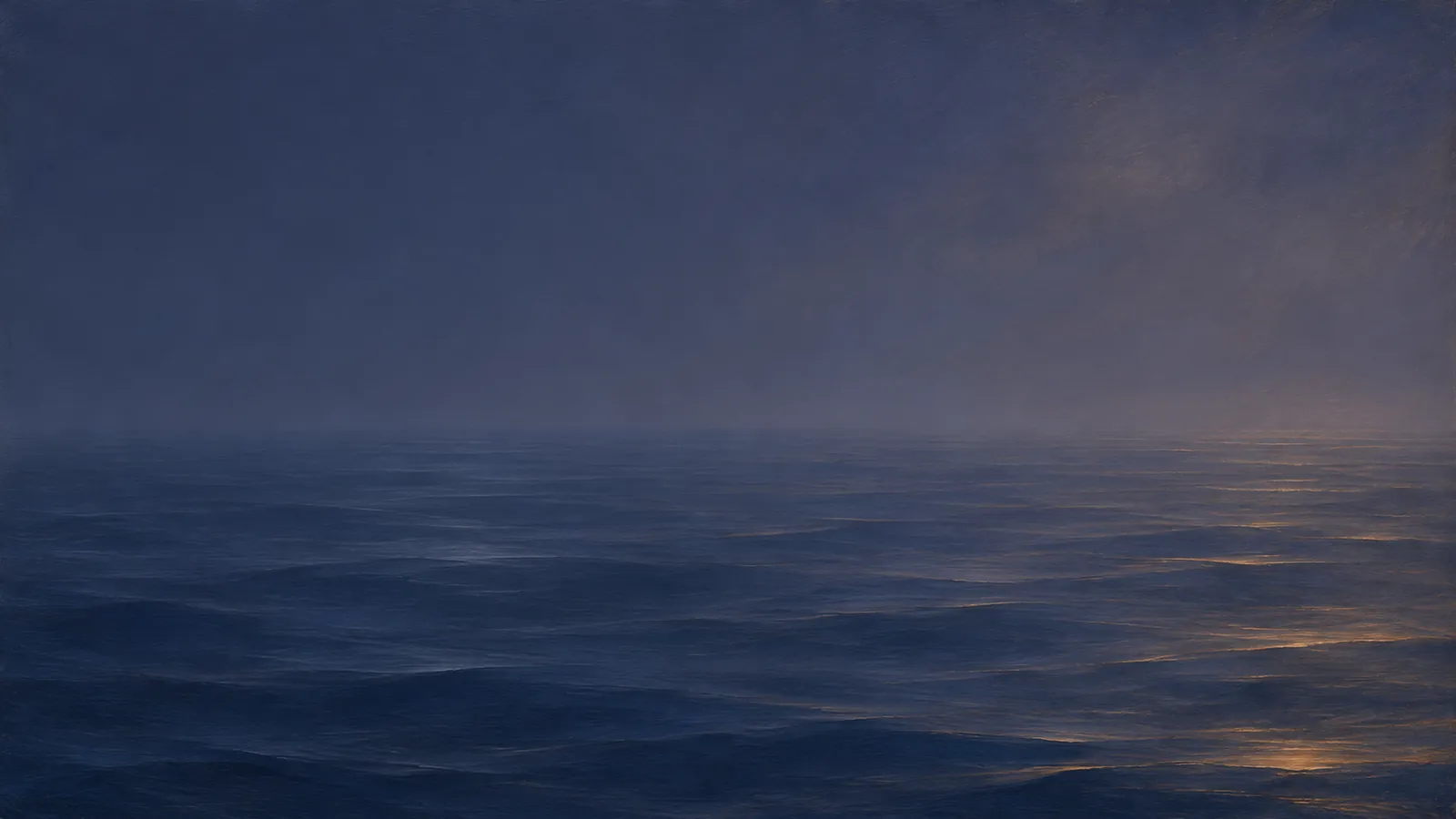
AVANT LES CIEUX
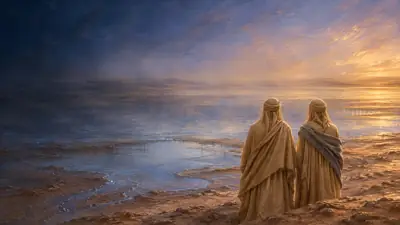
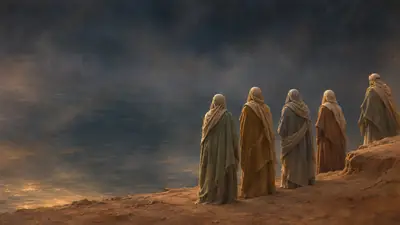
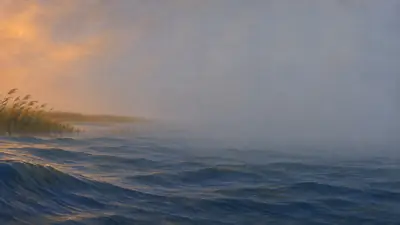
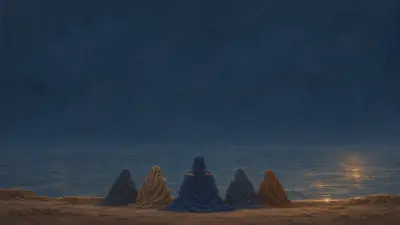
Le poème commence avant que le ciel ou la terre au-dessous aient un nom. Le monde tel que nous le connaissons n’avait pas encore pris forme.

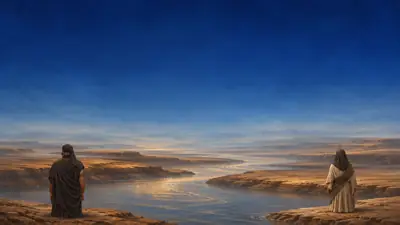
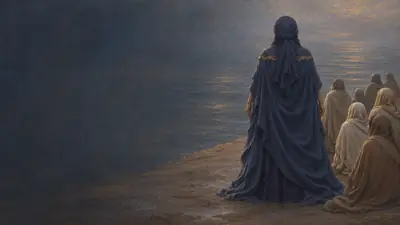
Apsû et Tiamat étaient là au commencement. Leurs eaux se mêlèrent, et de ce mélange vinrent les premiers dieux.

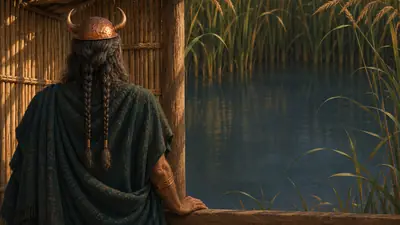
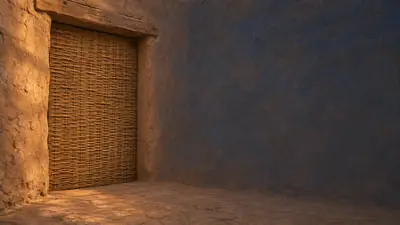
Aucune roselière ne s’était formée, et les eaux peu profondes n’avaient encore pris aucune forme. Aucun dieu n’avait paru pour recevoir un nom ou un destin.
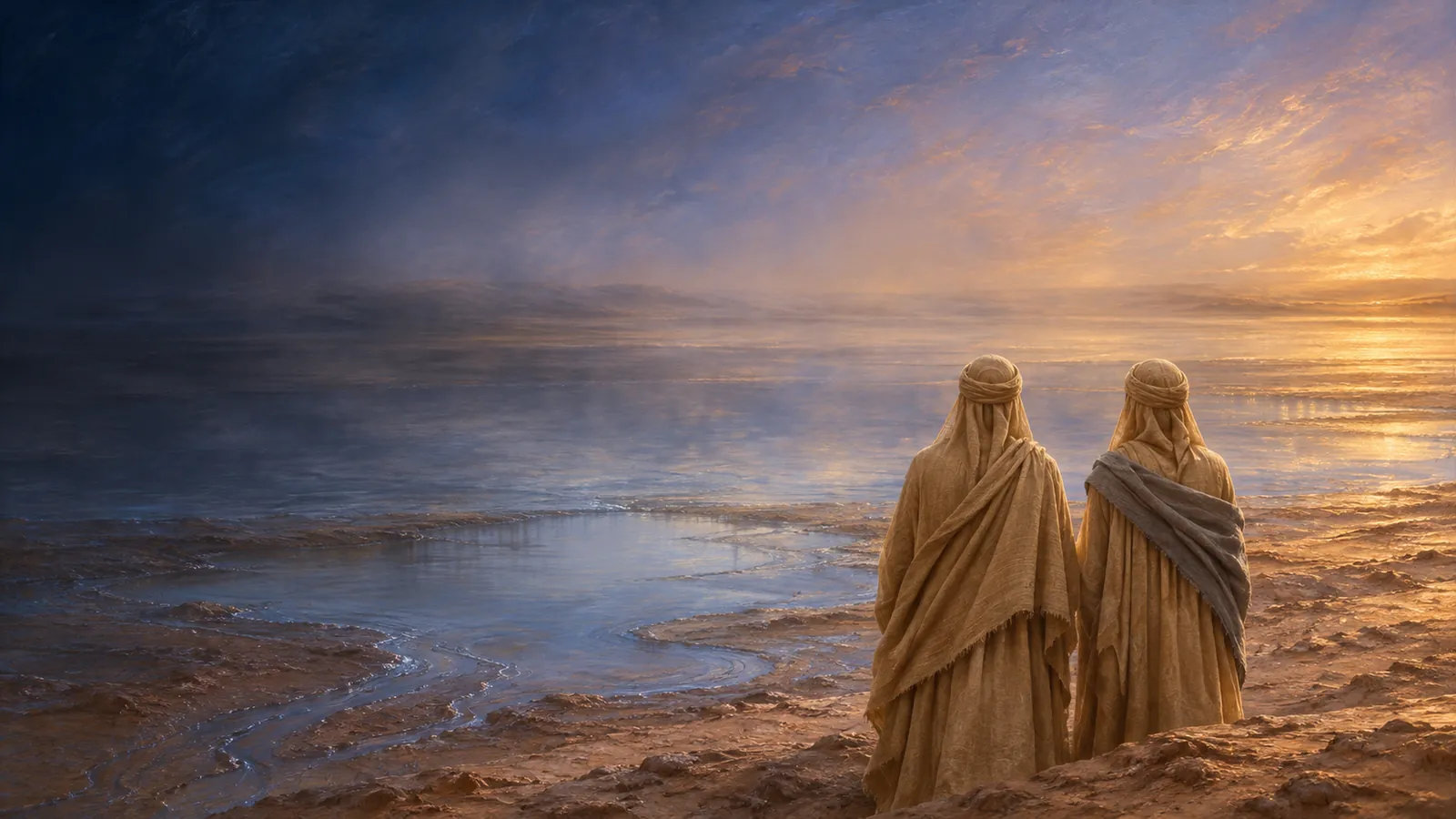
Du sein des eaux vinrent les premiers dieux que nomme le poème, Lahmu et Lahamu. Ils grandirent avant qu’un autre couple ne voie le jour.
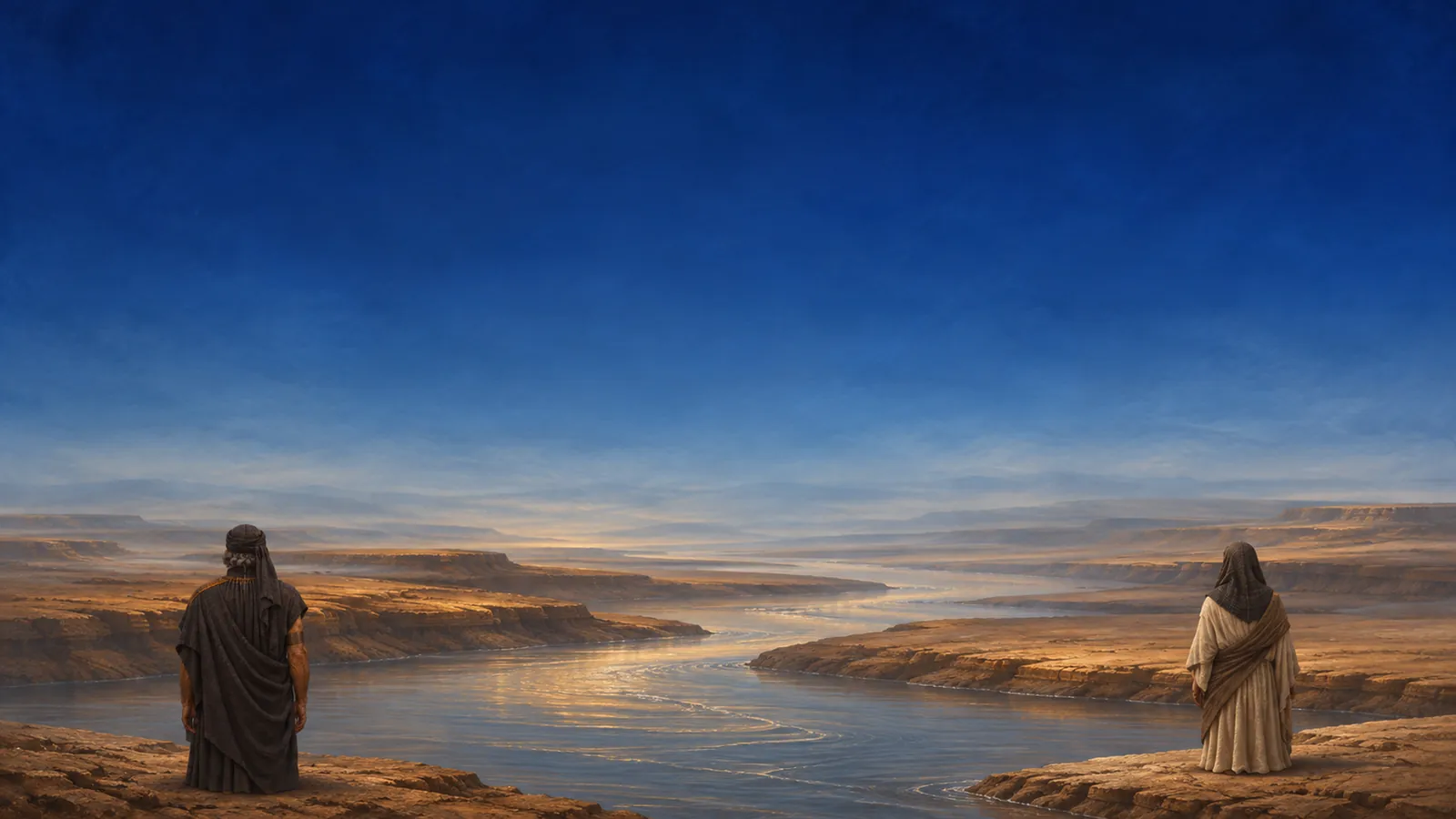
Puis vinrent Anshar et Kishar, plus grands que le couple qui les avait précédés. Les jours s’étirèrent en années, et Anu leur succéda dans leur lignée.
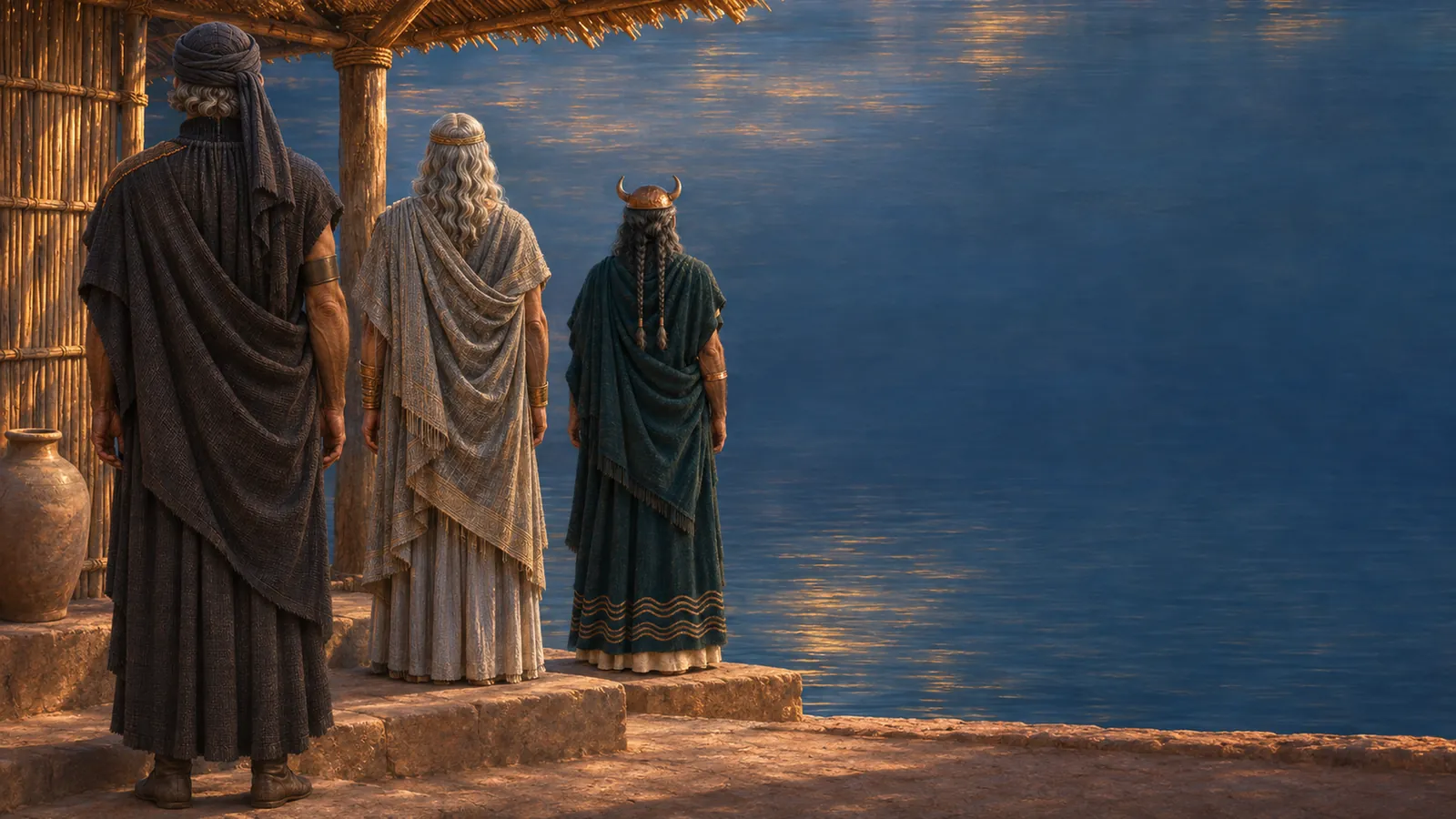
Anu ressemblait à Anshar et, le moment venu, il engendra à son tour un fils à son image. Ce fils était Nudimmud, que le poème appelle aussi Ea.
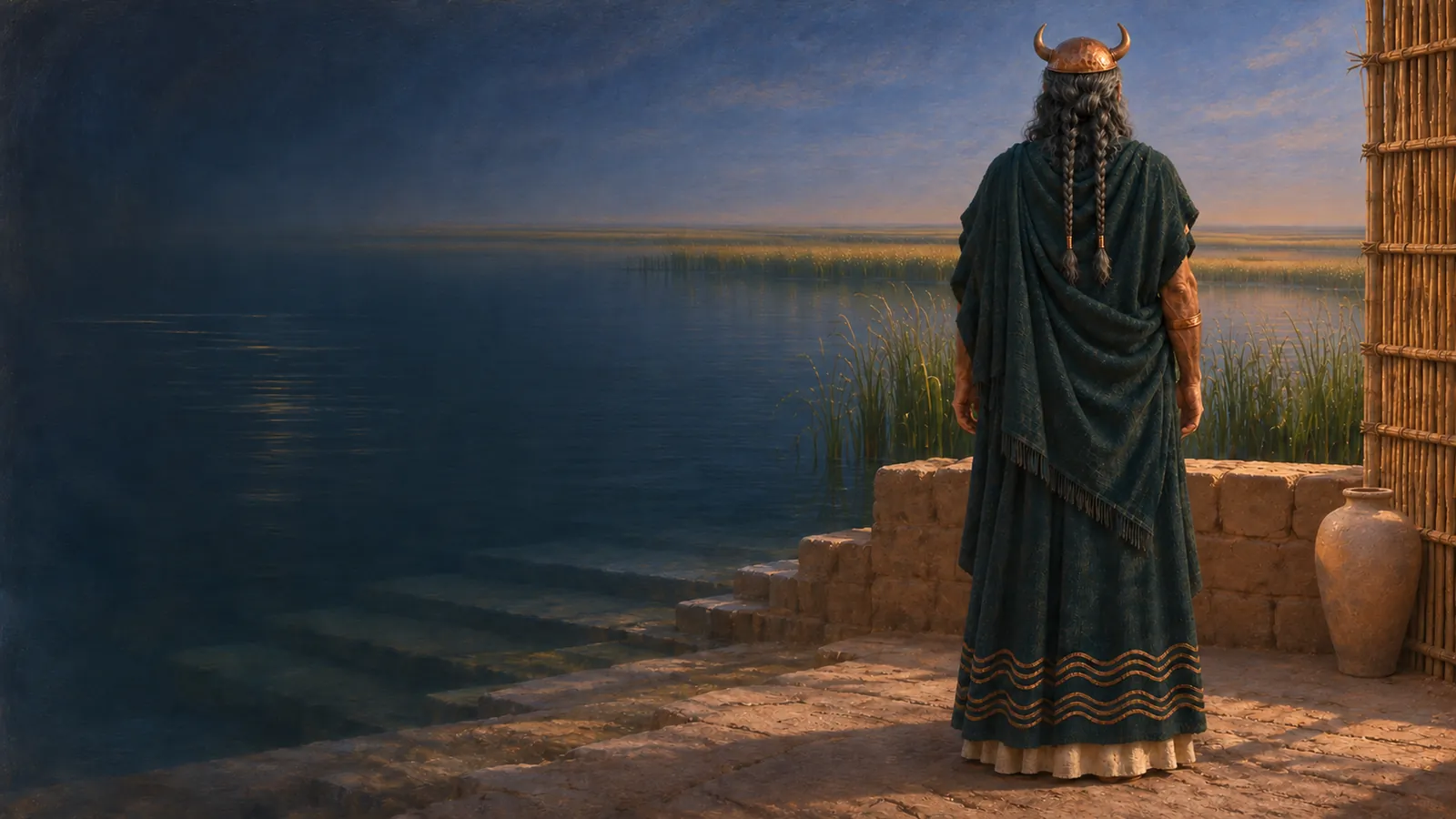
Ea se distinguait au sein de sa génération. Le poème loue l’étendue de son intelligence et dit que même Anshar n’égalait pas sa force.
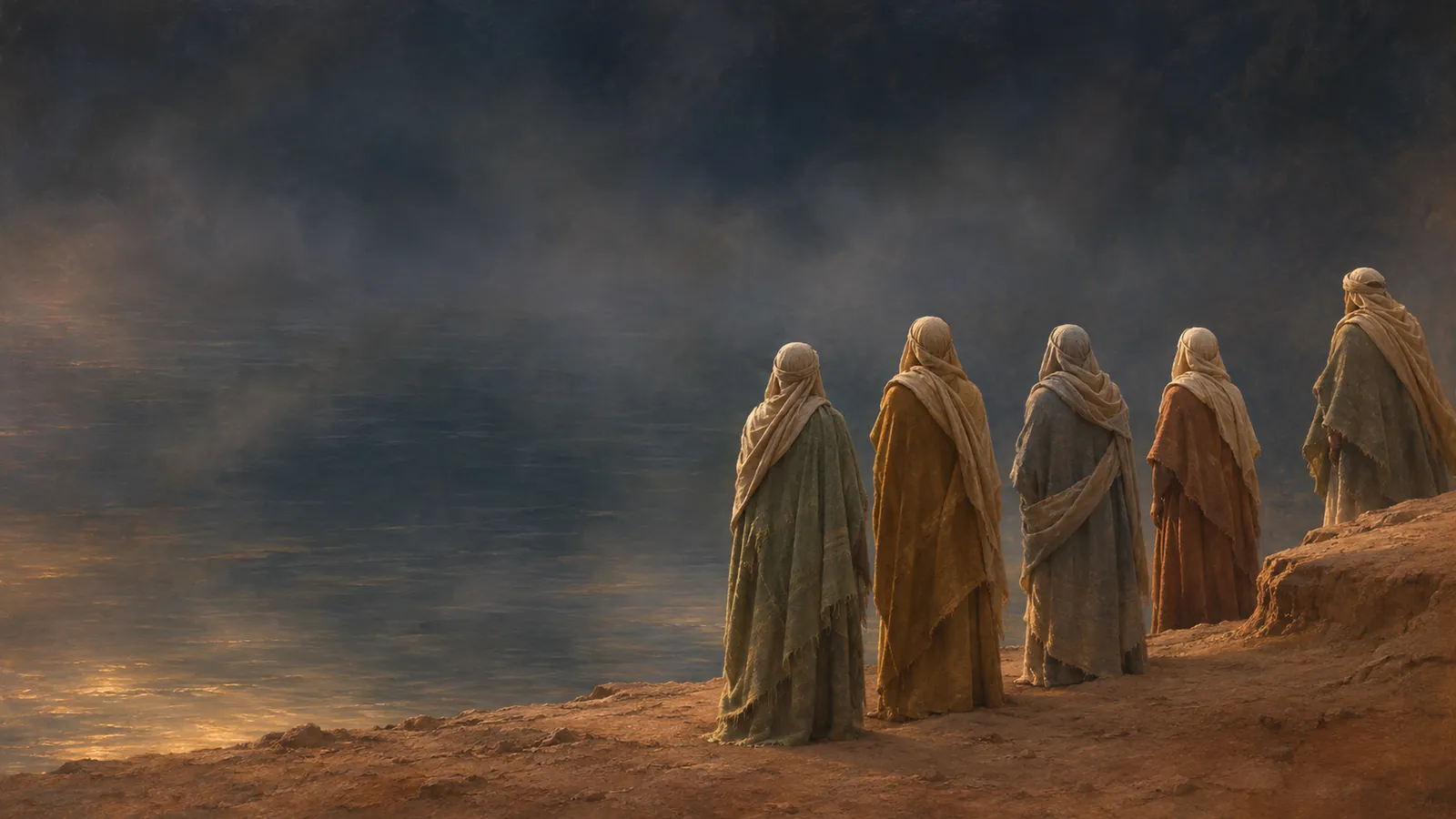
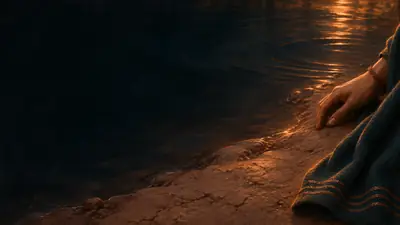
Les jeunes dieux se mirent à se rassembler dans les eaux. À chaque rencontre, leurs voix montaient et portaient plus loin dans le lieu qu’ils partageaient.
Leur vacarme atteignit Tiamat. Dans le poème, il agite ses eaux et la trouble au plus profond d’elle-même, comme si le même remous traversait les deux.
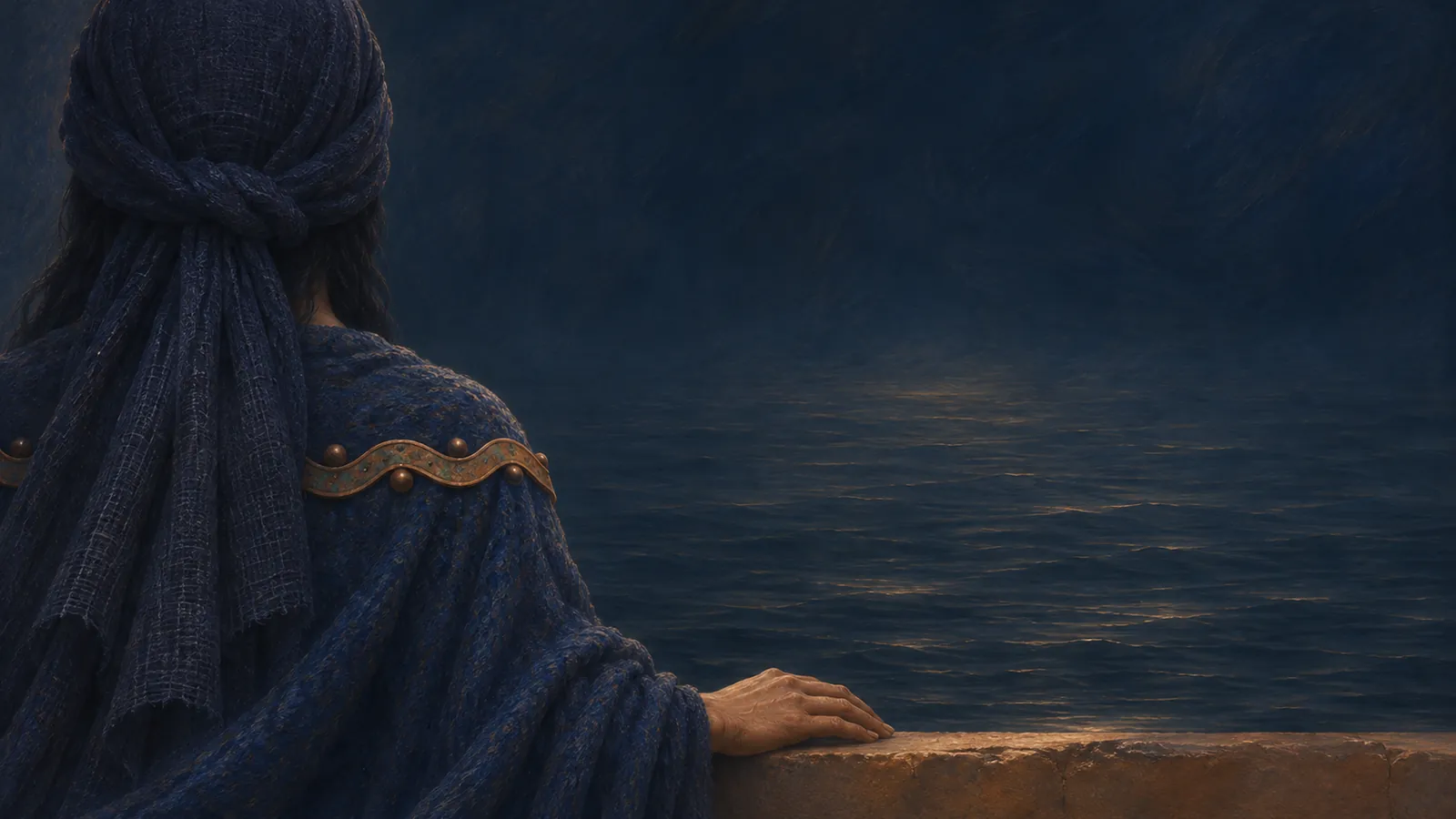
Apsû supportait à peine les agissements des jeunes dieux. Tiamat était troublée elle aussi, mais quelque temps elle garda le silence devant eux.
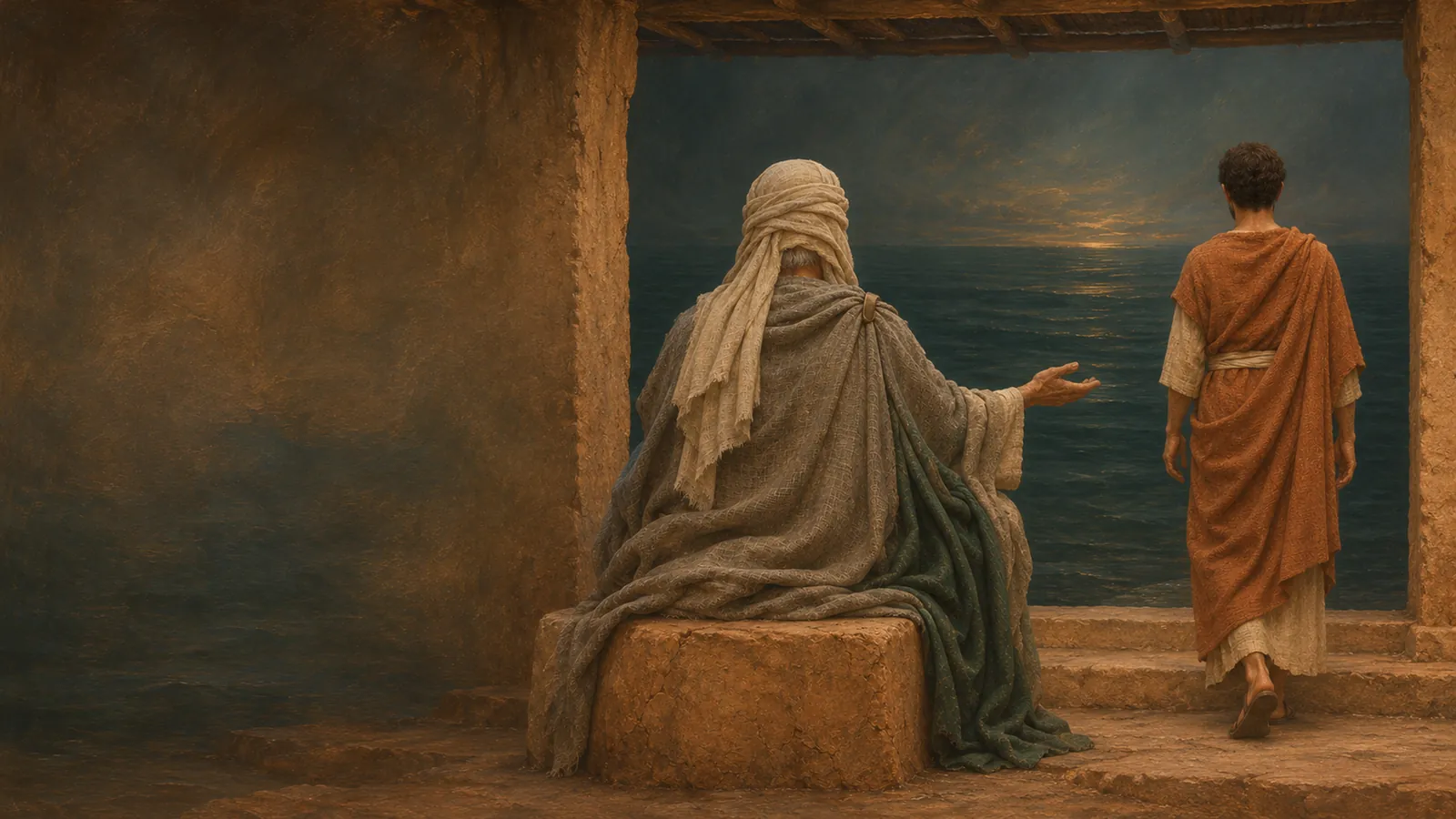
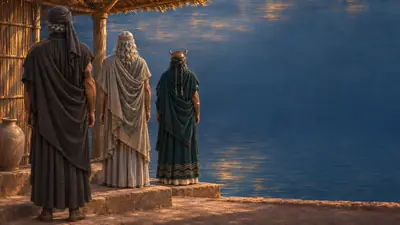
Apsû appela Mummu, le conseiller qui connaissait ses pensées. Il lui demanda de l’accompagner pour prendre conseil auprès de Tiamat.
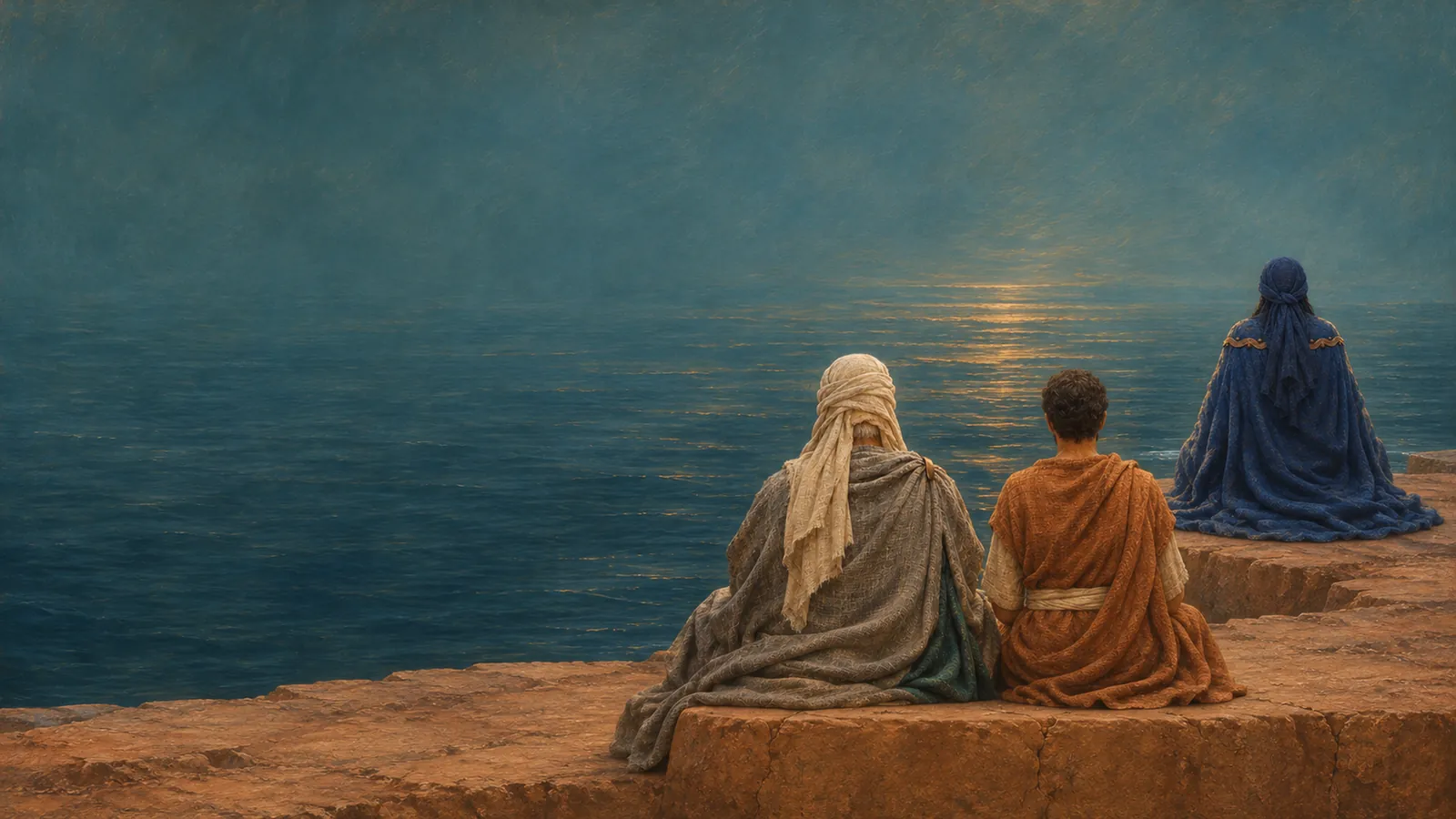
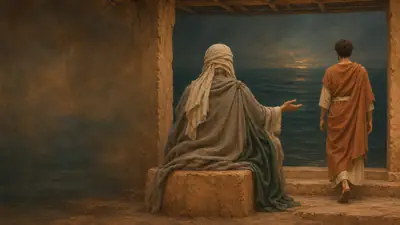
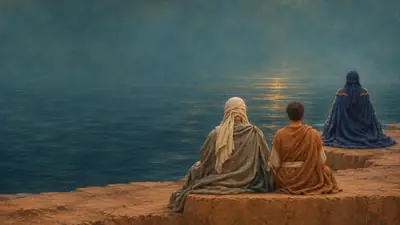
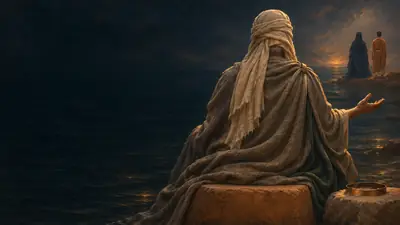
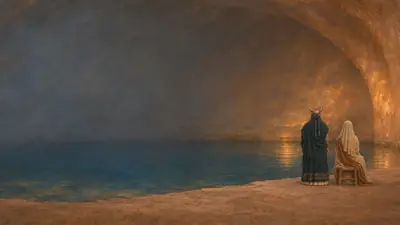
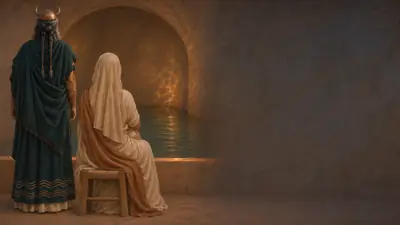
Tous deux allèrent donc s’asseoir devant Tiamat. Apsû voulait parler des dieux que Tiamat et lui avaient fait naître.
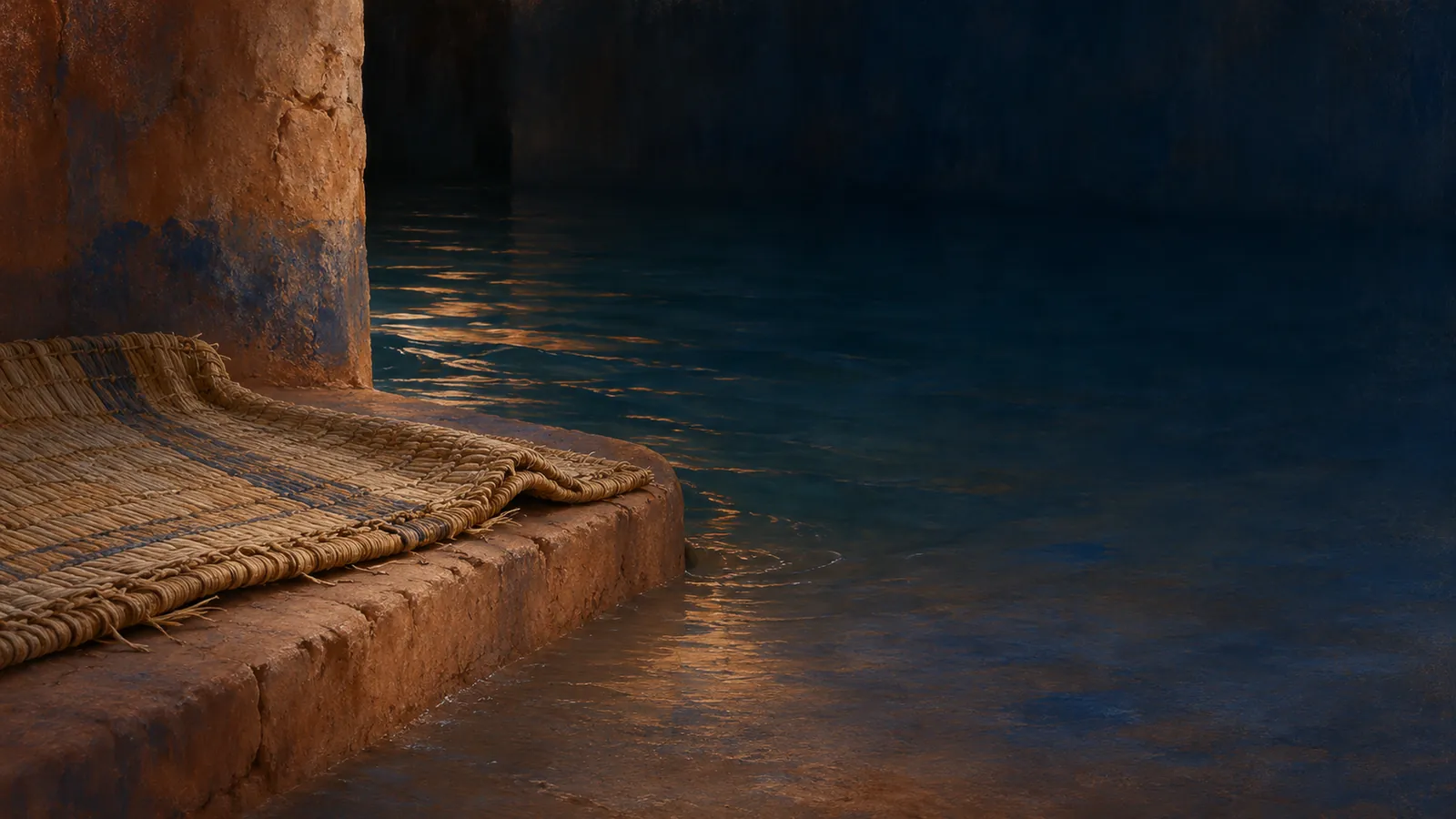
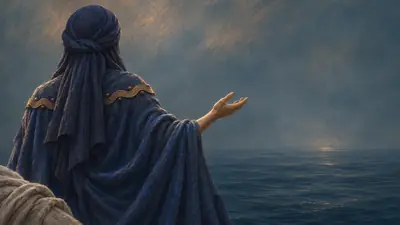
Apsû dit à Tiamat qu’il ne trouvait aucun repos le jour. Même à la nuit tombée, les jeunes dieux ne lui laissaient pas le sommeil.
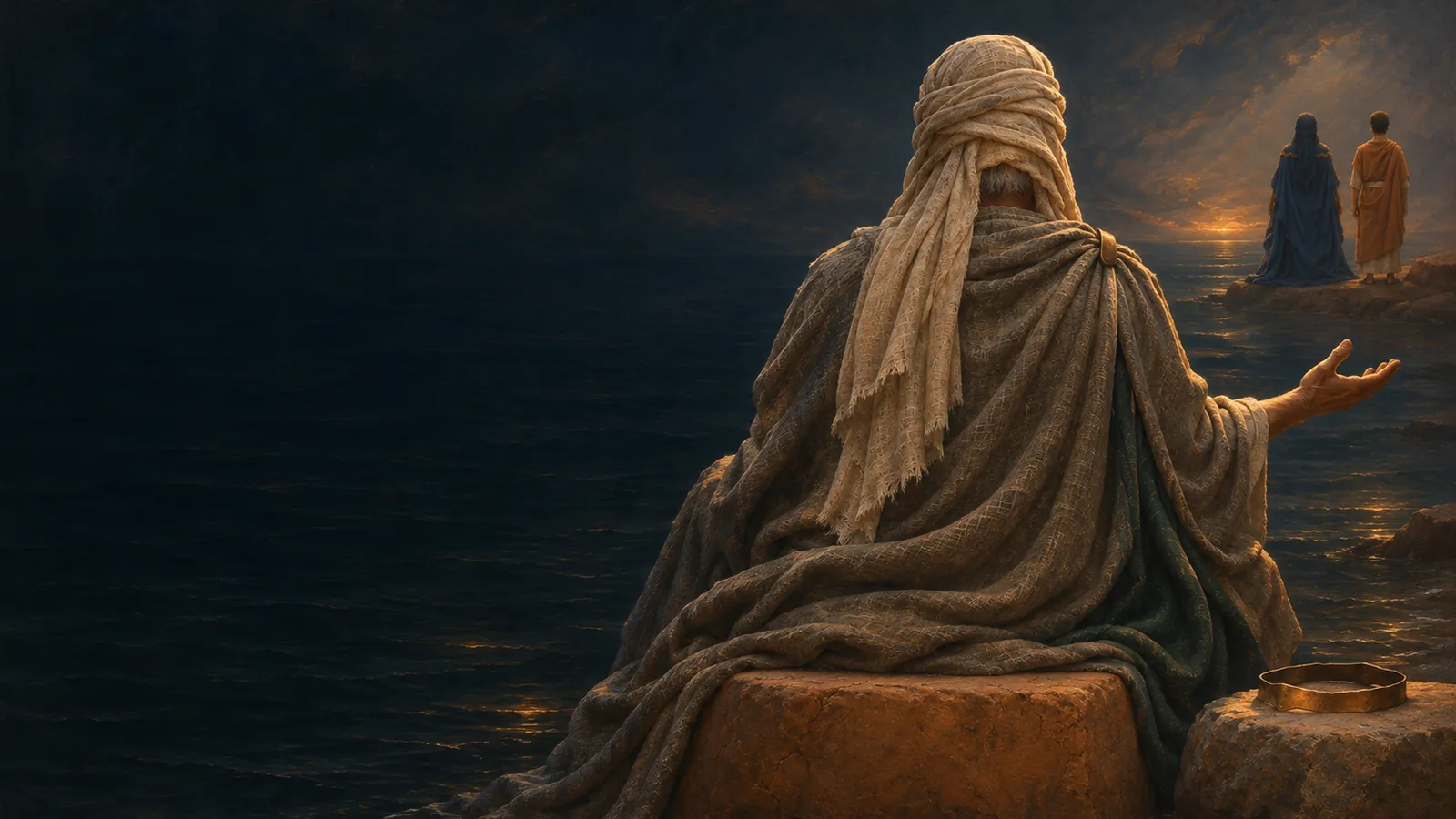
Pour mettre fin au bruit, Apsû proposa de faire disparaître les jeunes dieux. Alors, dit-il à Tiamat, ils auraient peut-être assez de silence pour dormir.
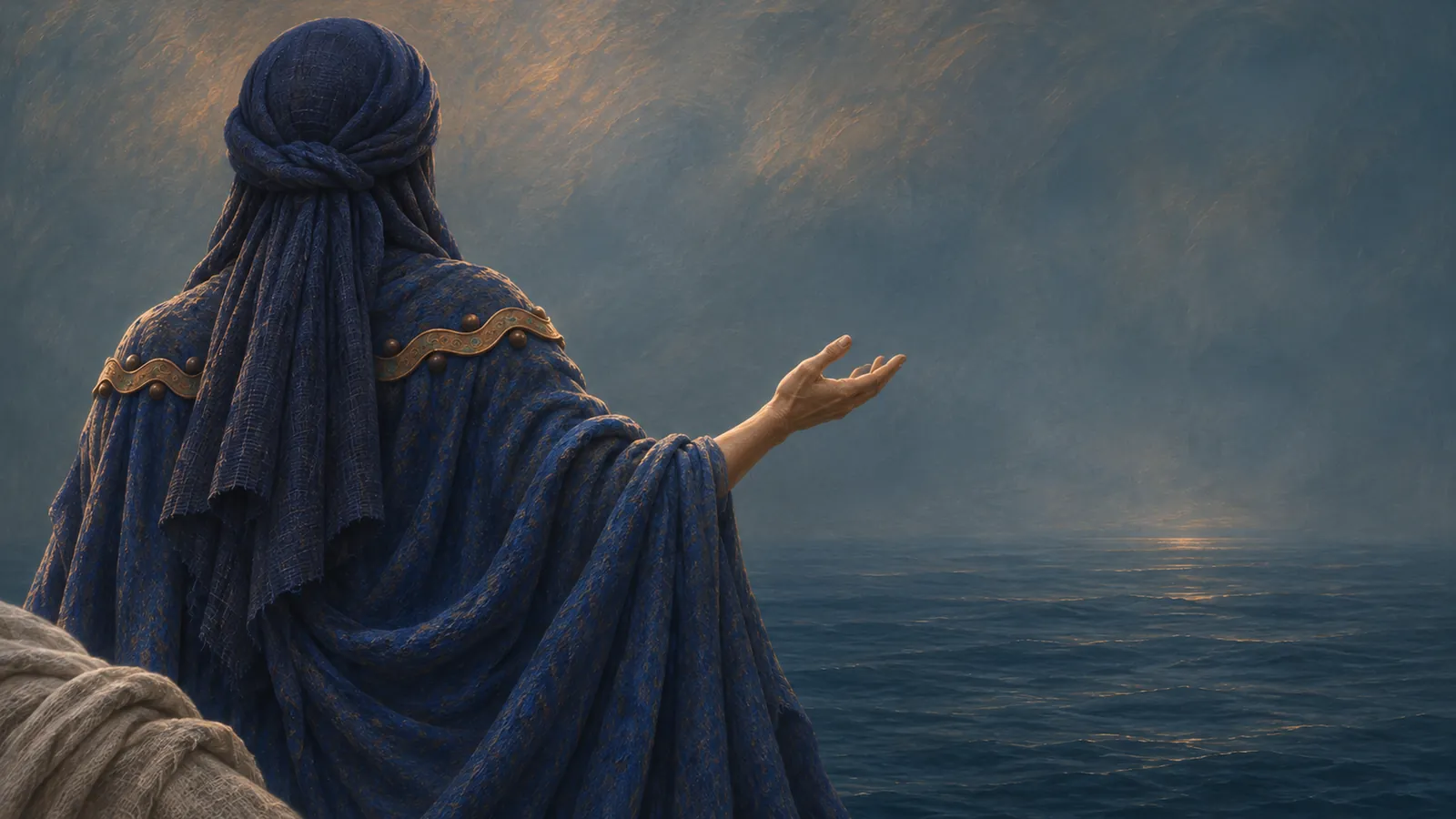
Tiamat se mit en colère en l’entendant. Ces dieux, ils les avaient eux-mêmes fait naître, et si pénibles qu’ils fussent, elle l’exhorta à les supporter.
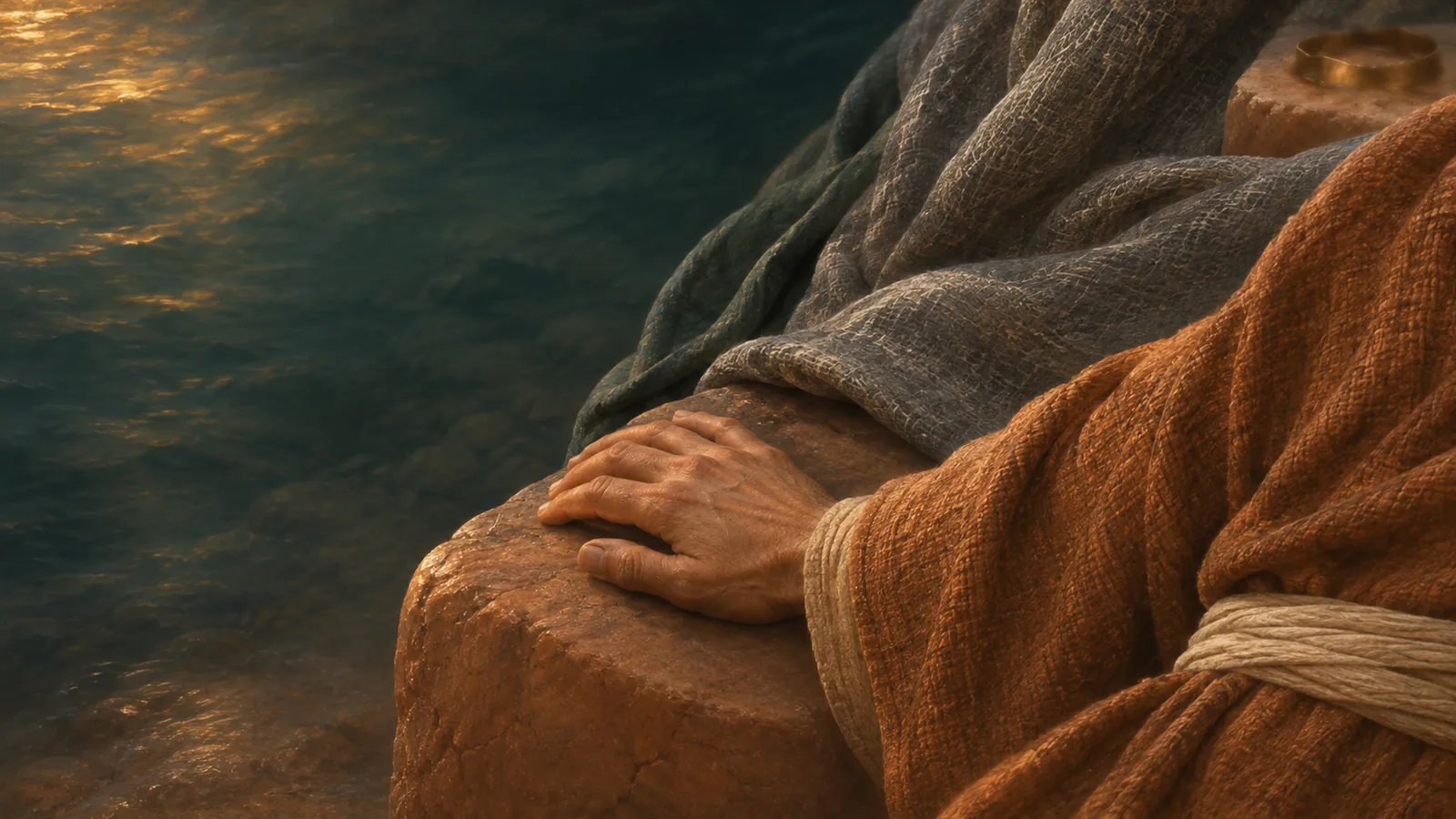
Mummu pressa Apsû de mettre son projet à exécution et lui promit le calme en retour. Son conseil plut à Apsû, qui le fit venir près de lui pour réfléchir à la suite.
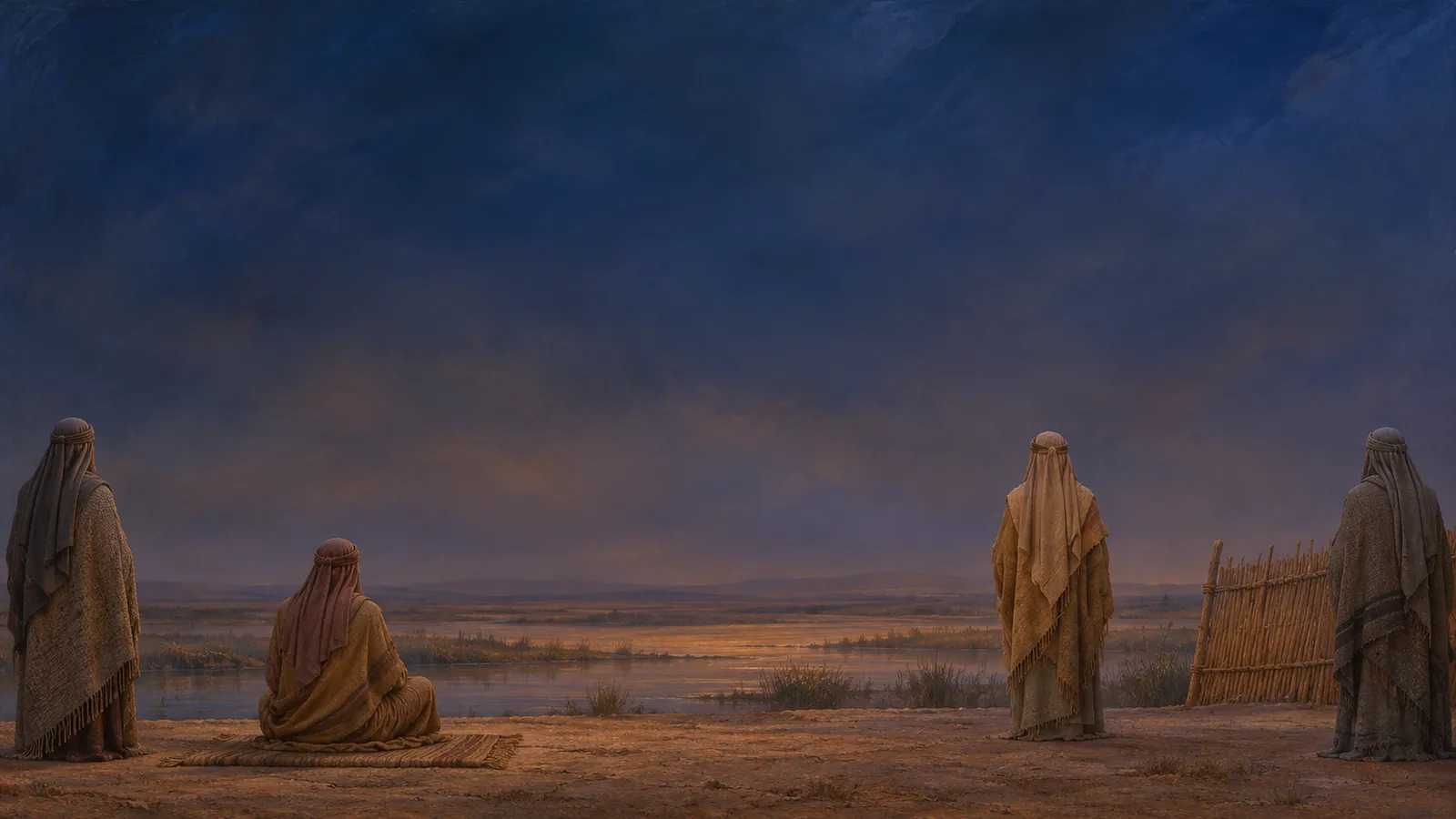
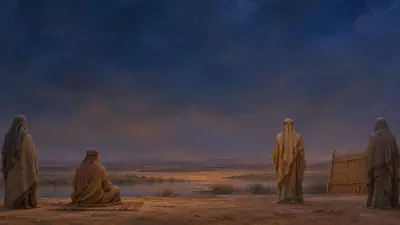
Les jeunes dieux apprirent ce qu’Apsû et Mummu projetaient. Leurs rassemblements avaient été bruyants, mais à présent ils restaient assis sans parler.
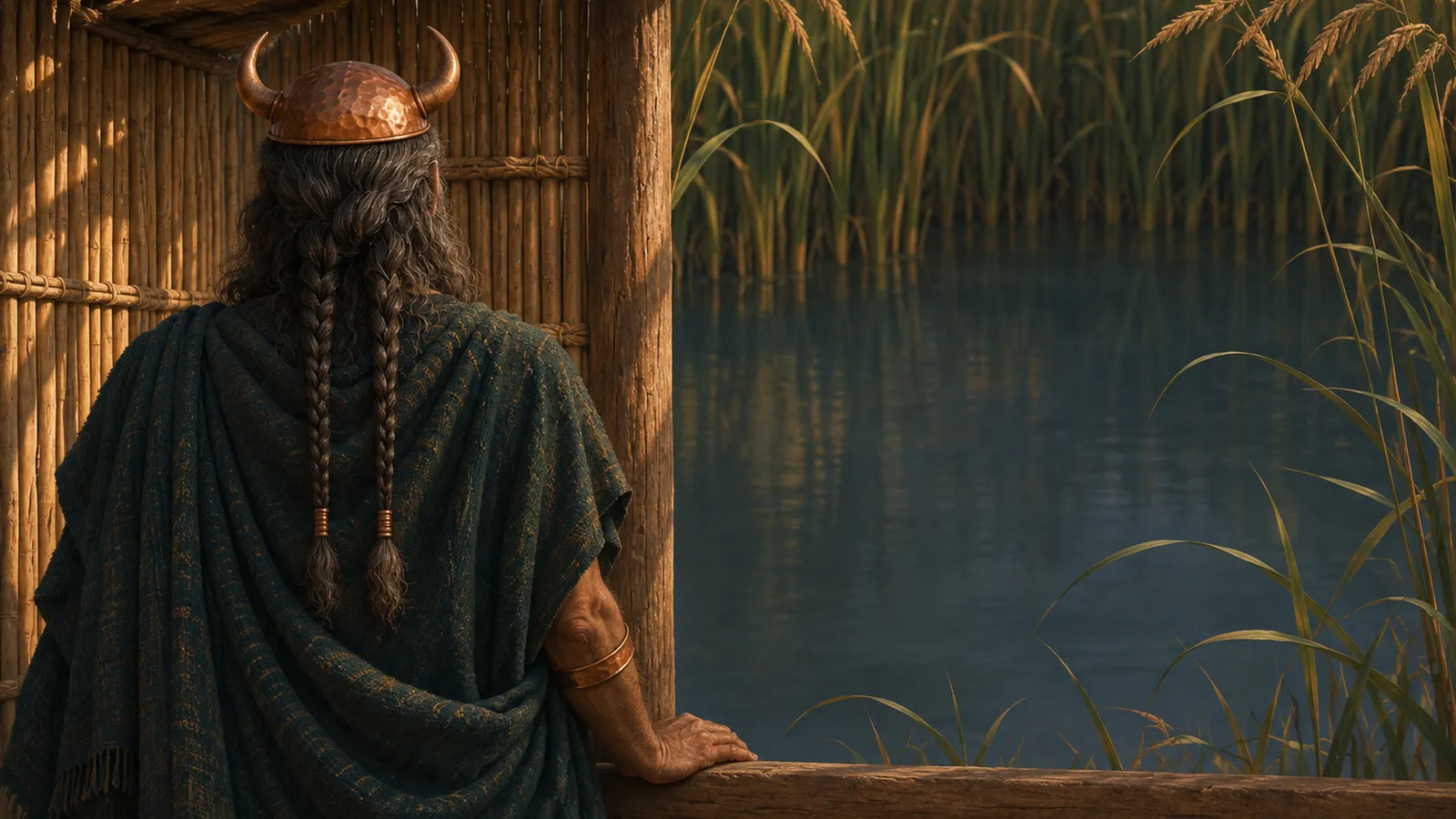
Ea entendit ce que les autres avaient appris. Il comprit ce qui se préparait contre eux et se mit à chercher comment l’empêcher.
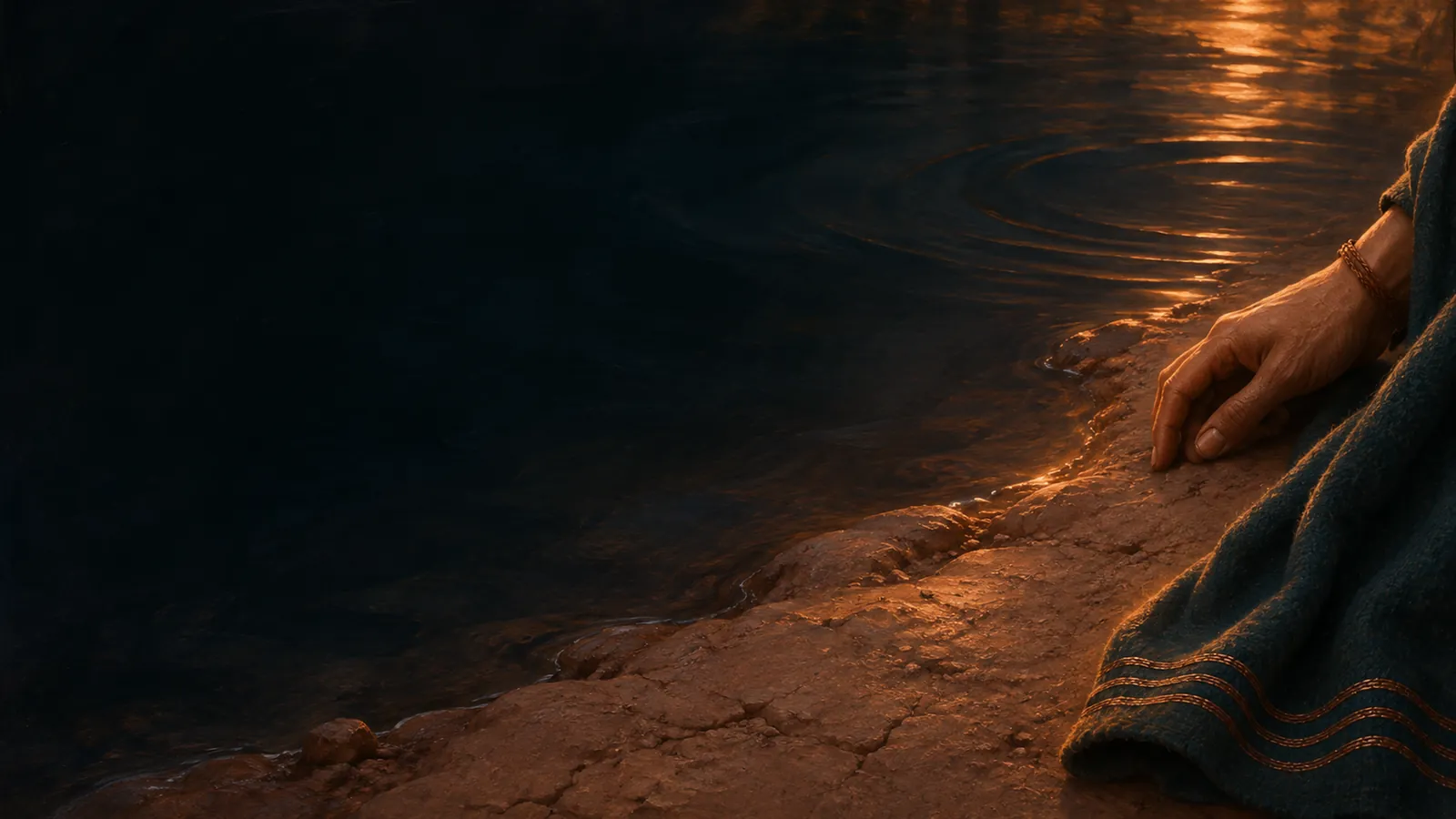
Ea conçut une incantation et la prononça au-dessus des eaux. Ces paroles étaient sa réponse au projet formé contre les jeunes dieux.
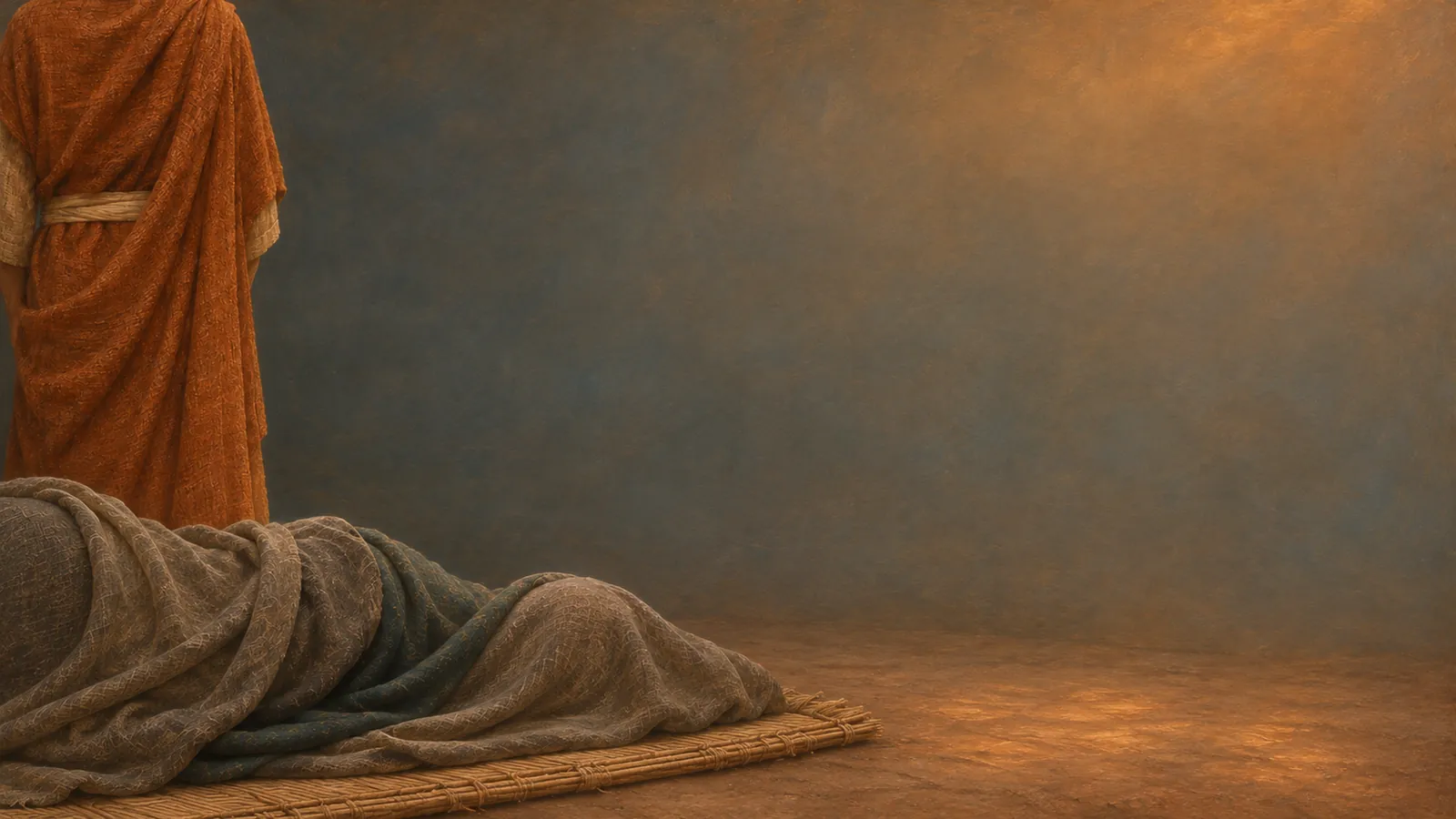
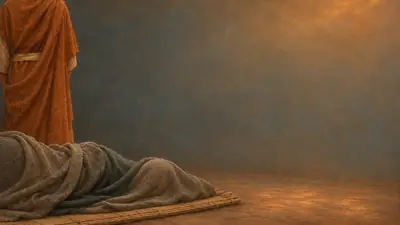
Apsû tomba dans le sommeil qu’Ea lui avait imposé. Mummu était encore éveillé, mais le sort le rendit incapable de secourir son seigneur.
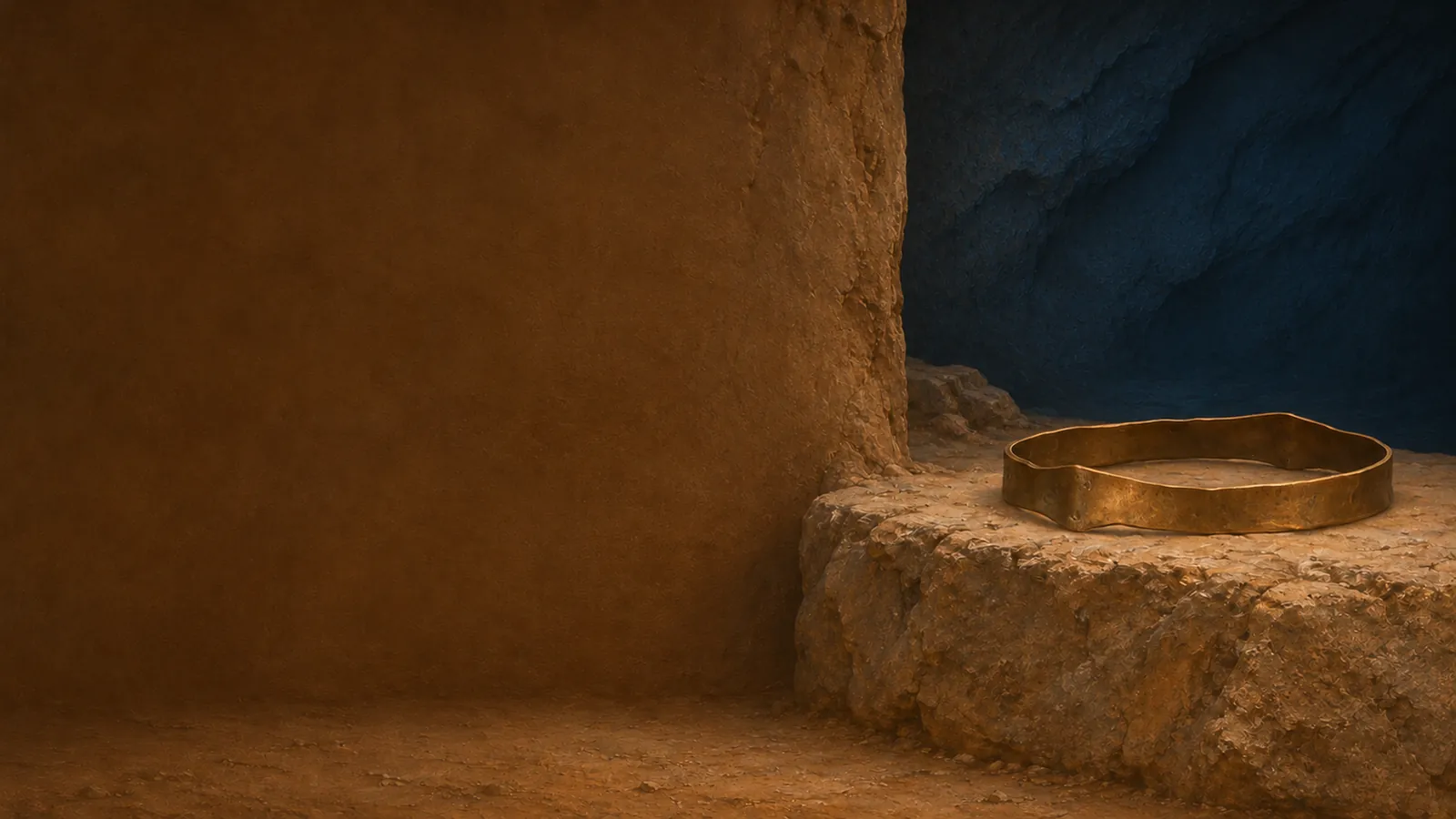
LA COURONNE
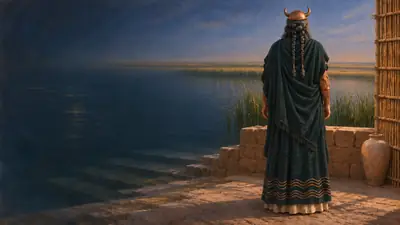
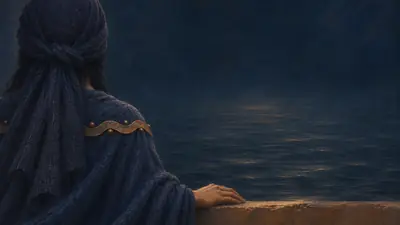
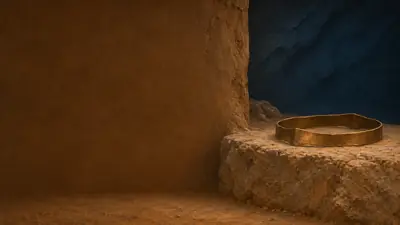
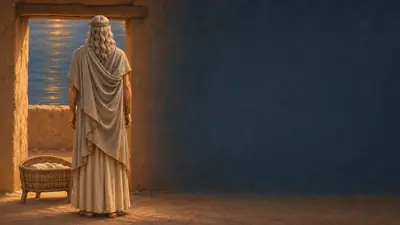
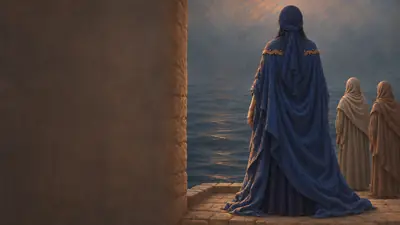
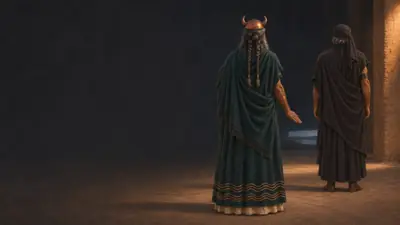
Ea ôta sa couronne à Apsû et prit pour lui son éclat. Le poème dit qu’il tua Apsû, et l’ancien pouvoir prit fin.
Mummu tomba lui aussi au pouvoir d’Ea. Les lignes sont difficiles à interpréter avec précision, mais le conseiller reste captif une fois les adversaires d’Ea vaincus.
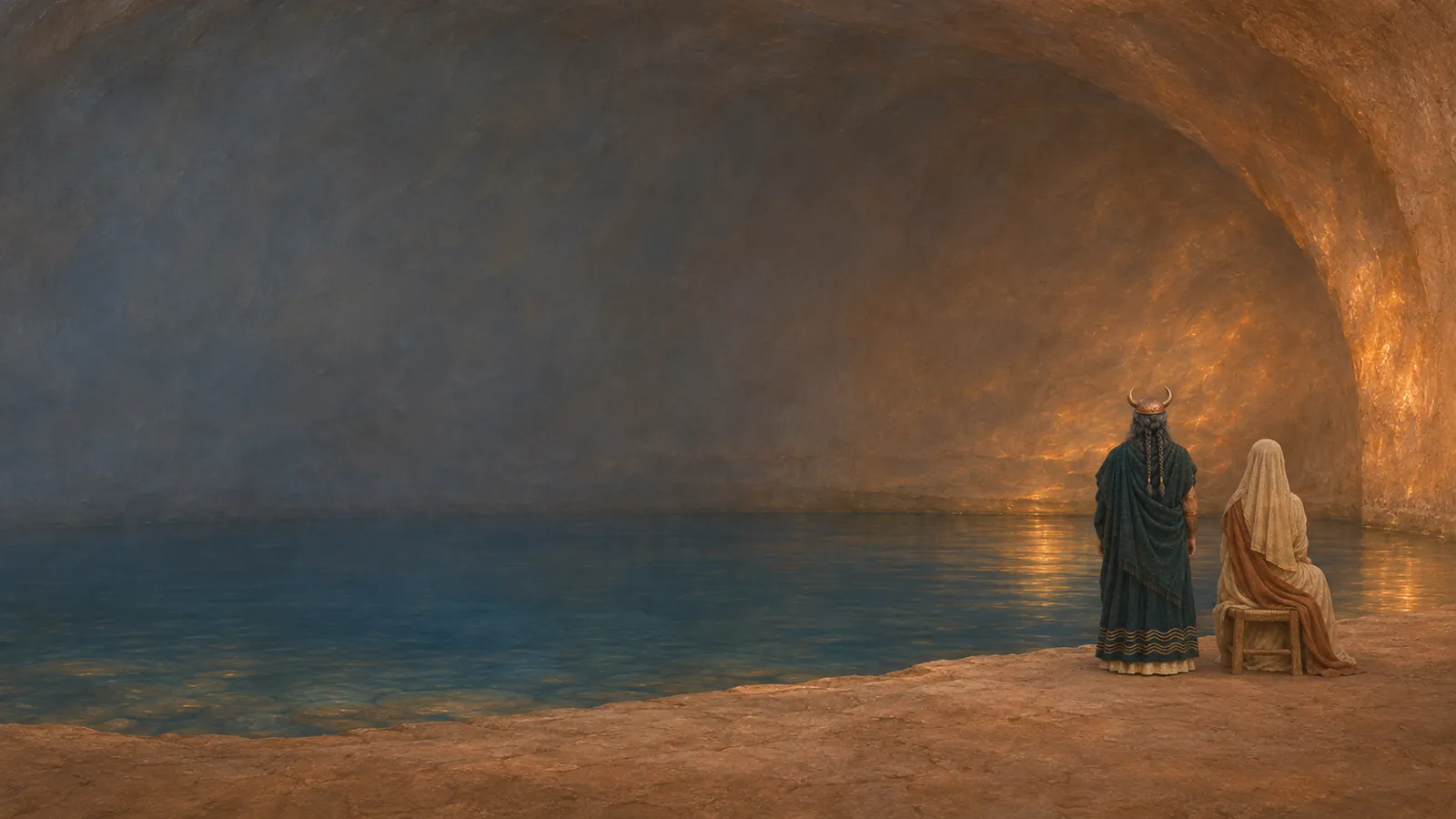
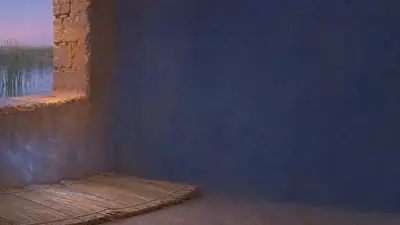
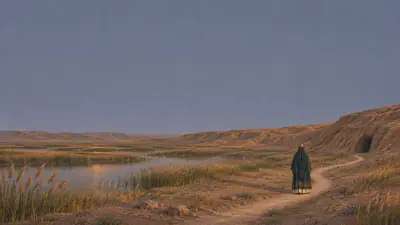
Ea trouva le repos là où il l’avait emporté. Il donna à sa demeure le nom d’Apsû et y vécut avec Damkina.
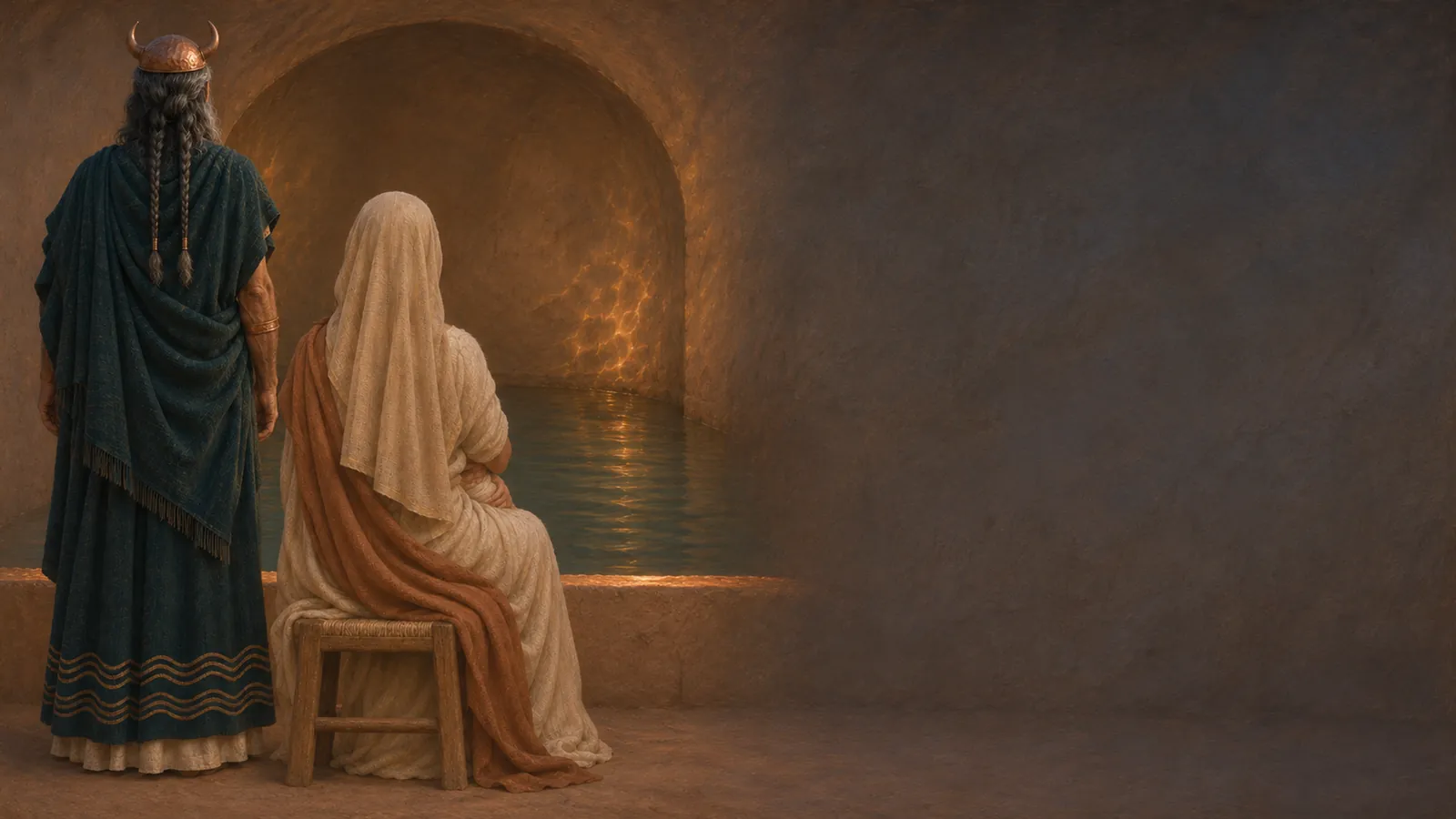
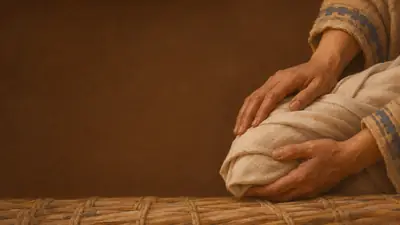
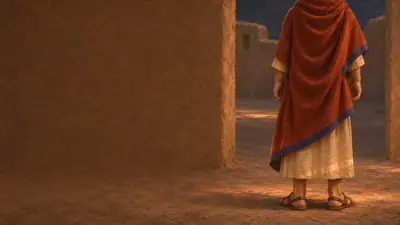
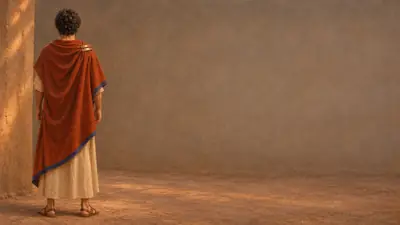
Dans la demeure des profondeurs, un enfant naquit. Ea était son père, Damkina sa mère, et l’enfant s’appelait Marduk.
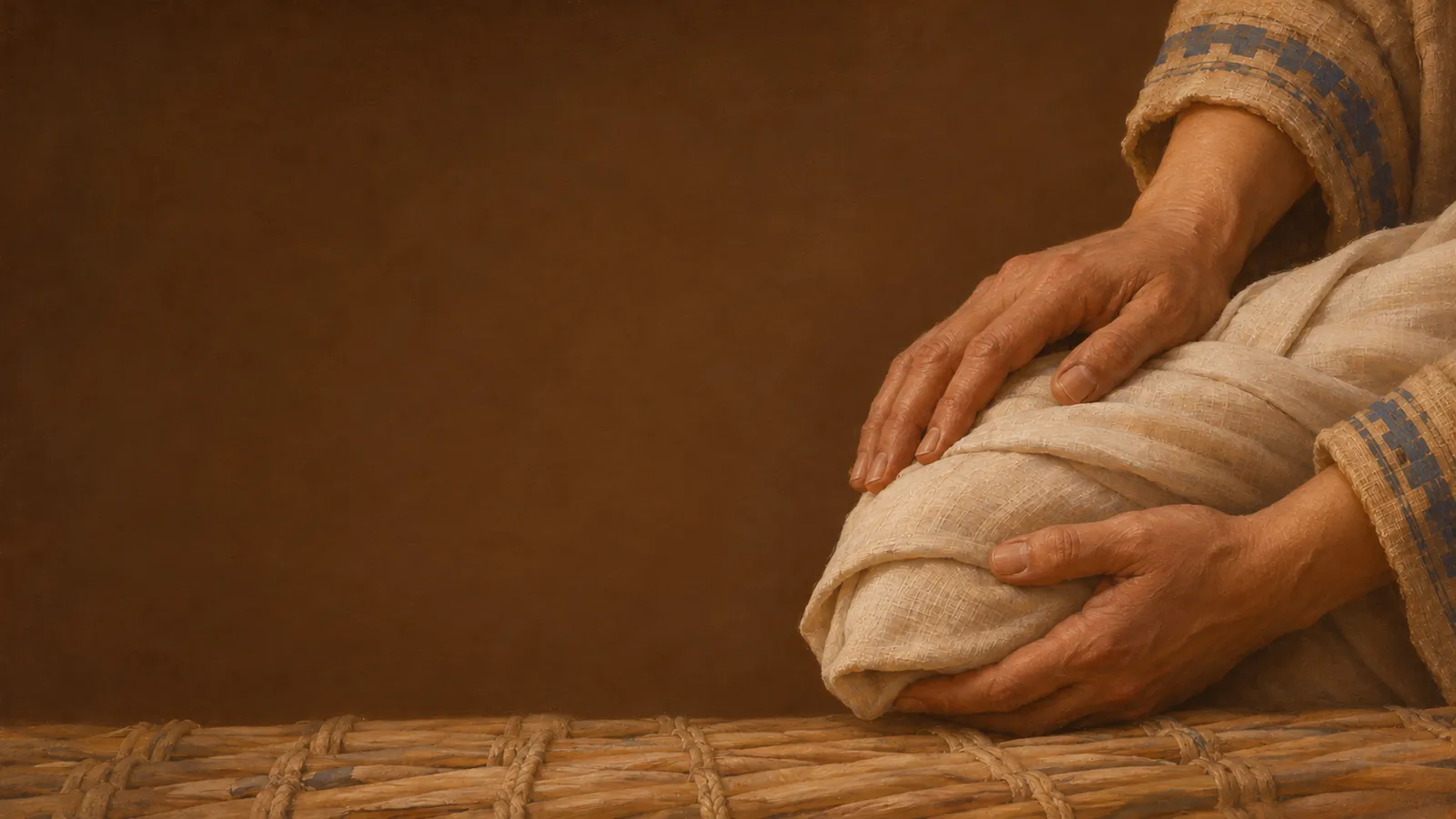
Des déesses allaitèrent Marduk, et la nourrice qui l’éleva contribua à faire de lui un enfant imposant. Sa force se manifesta dès ses premiers jours.
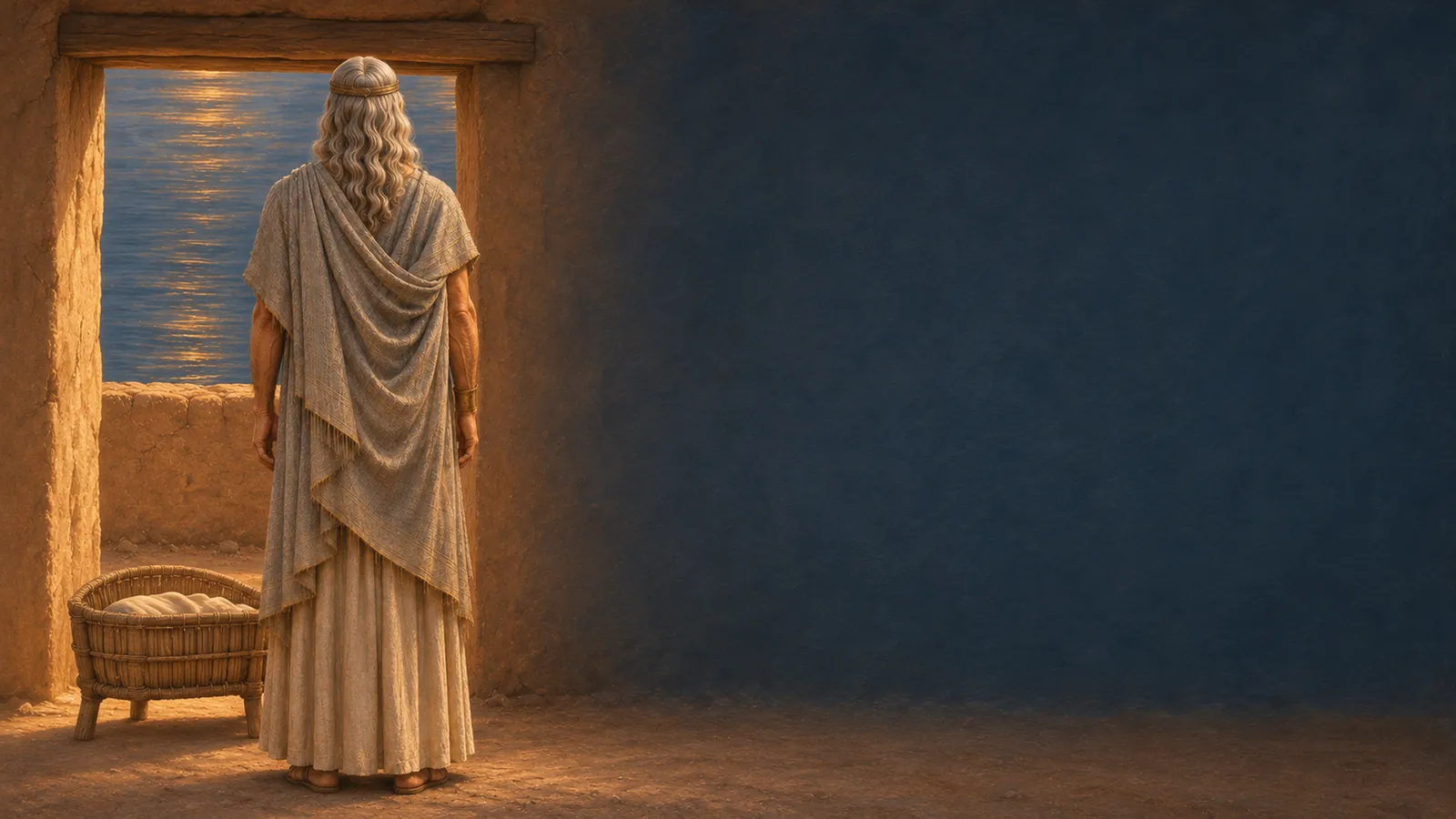
Anu vit l’enfant de son fils et fut rempli de joie. Dans le poème, il accroît encore les dons du jeune dieu.
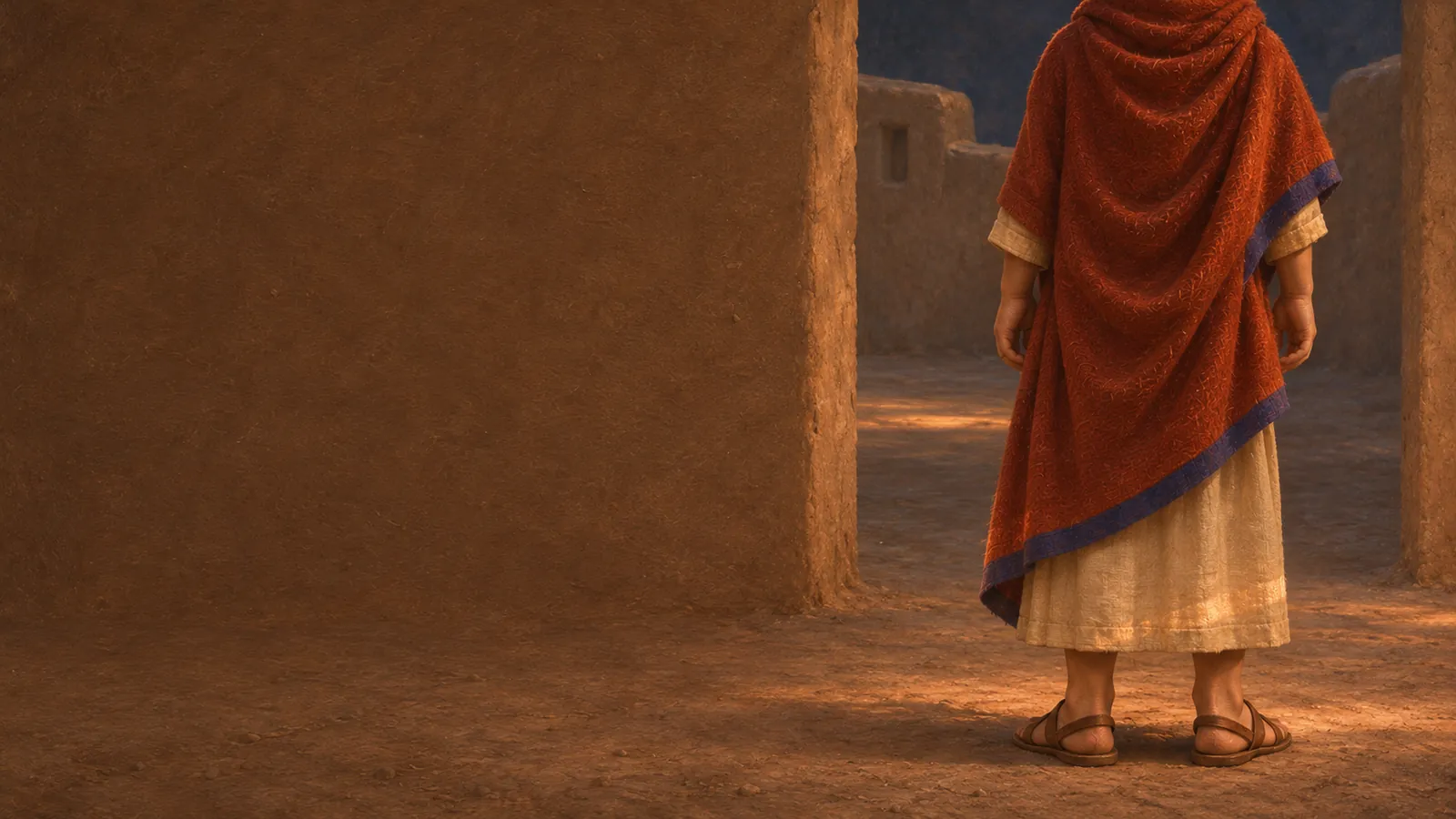
Pour dire jusqu’où portaient les sens de Marduk, le poème lui donne quatre yeux et quatre oreilles. Il dit que le feu jaillissait quand il parlait.
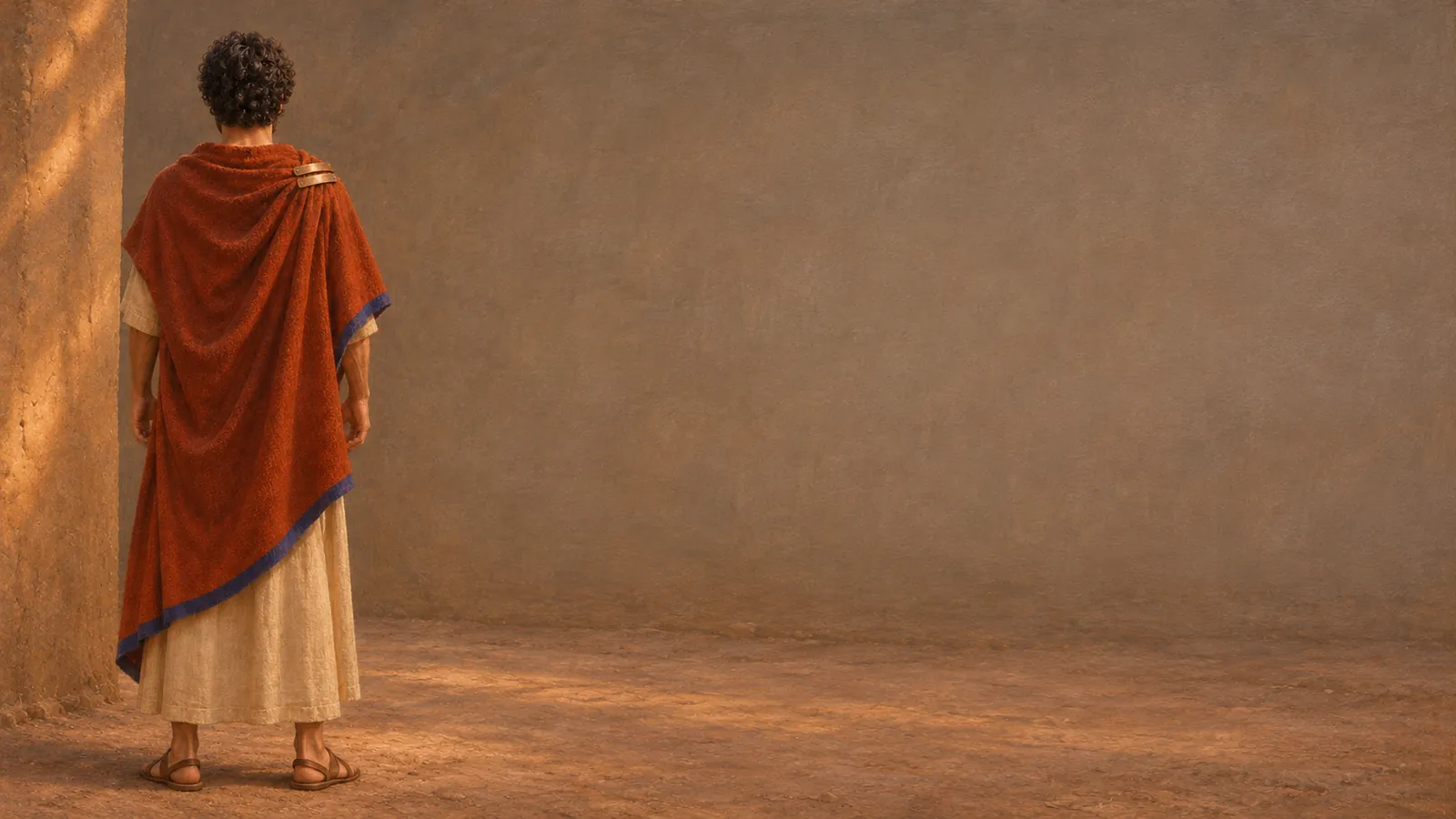
Le poème emprunte au soleil son éclat pour célébrer Marduk. Sa lumière et le respect mêlé de crainte qu’il inspire le distinguent des autres dieux.
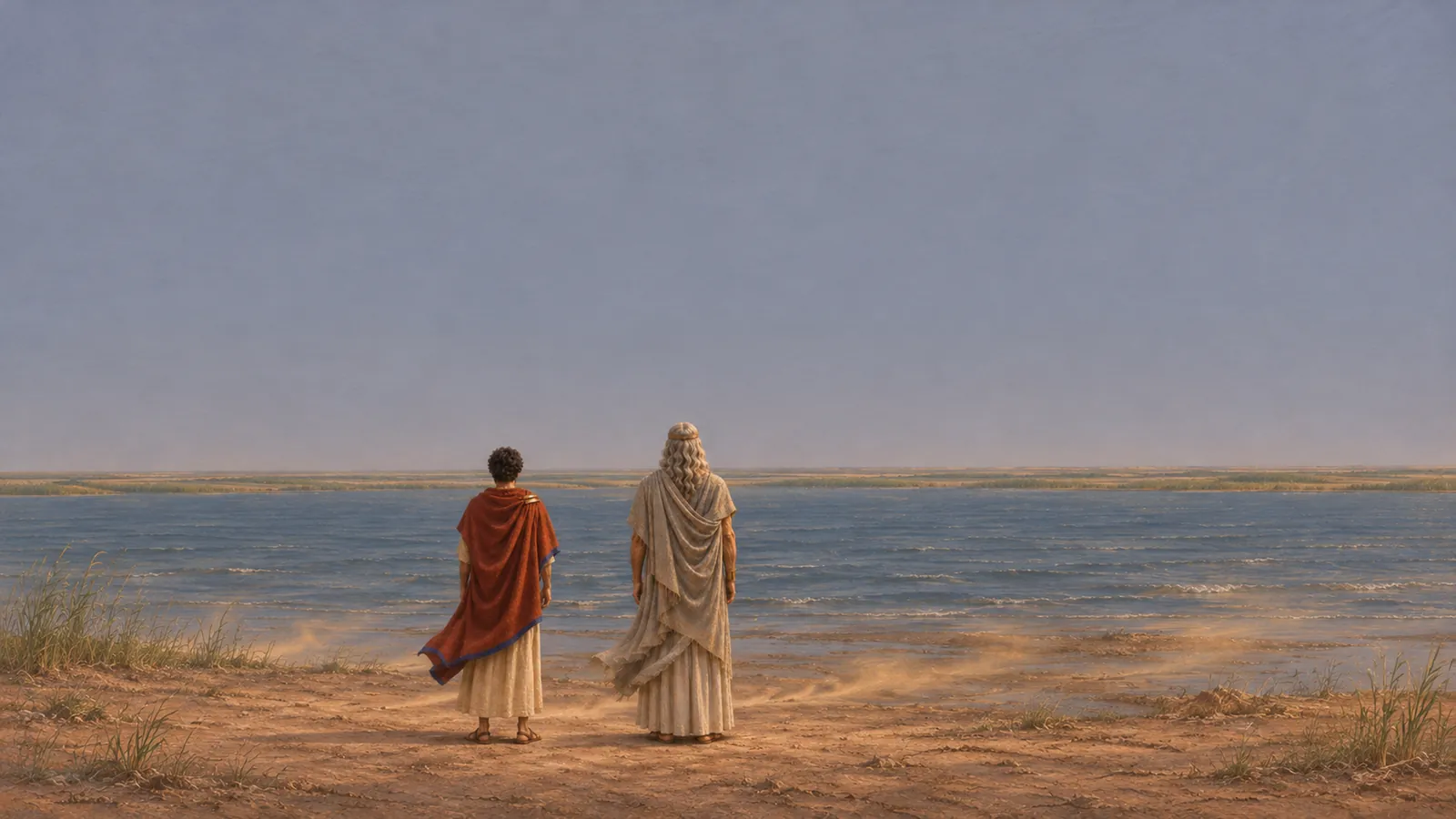
LES QUATRE VENTS
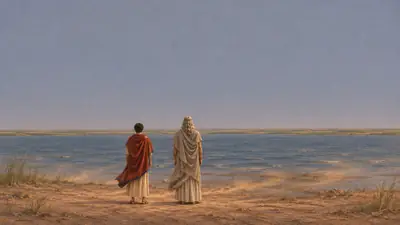
Anu fit naître quatre vents et les donna à Marduk. Tandis que le jeune dieu jouait avec eux, des vagues se levèrent et Tiamat en fut troublée.
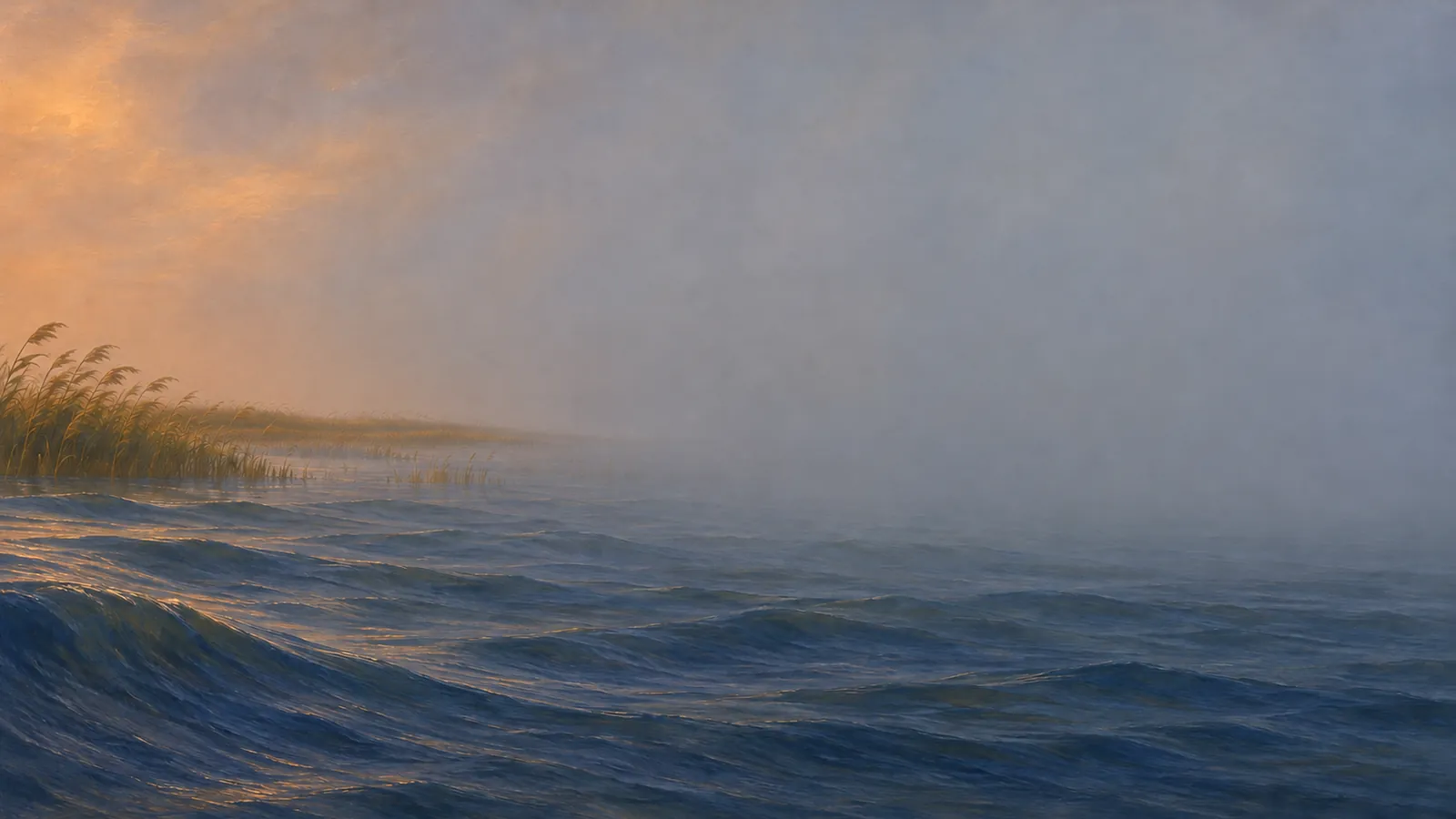
Les vents continuaient de troubler Tiamat, de jour comme de nuit. Dans les eaux qui les entouraient, les dieux ne pouvaient plus demeurer tranquilles ni trouver le repos.
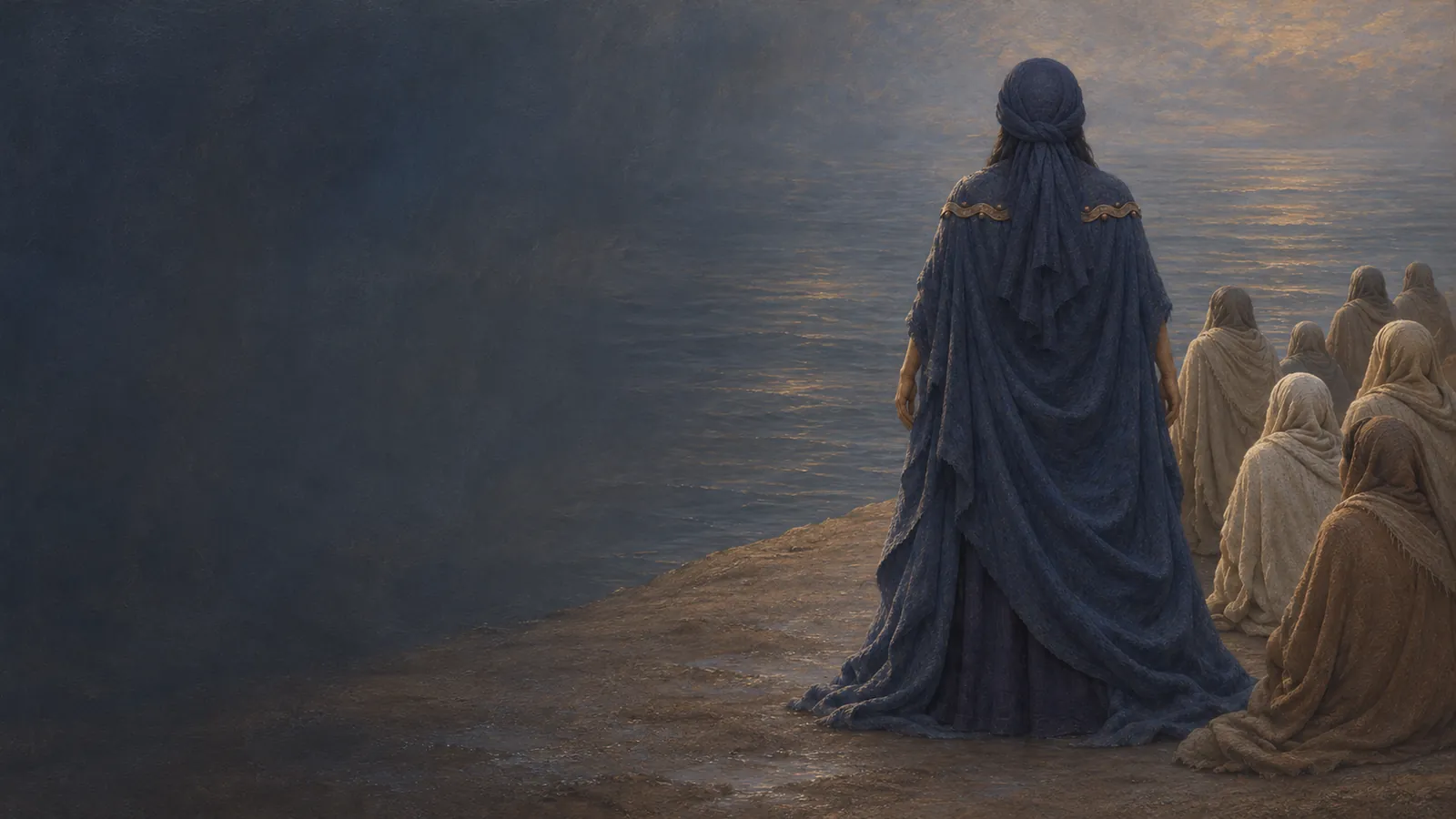
Quelques dieux rappelèrent la mort d’Apsû. Ils dirent à Tiamat qu’elle était alors restée assise en silence, et que Mummu lui aussi avait été emmené.
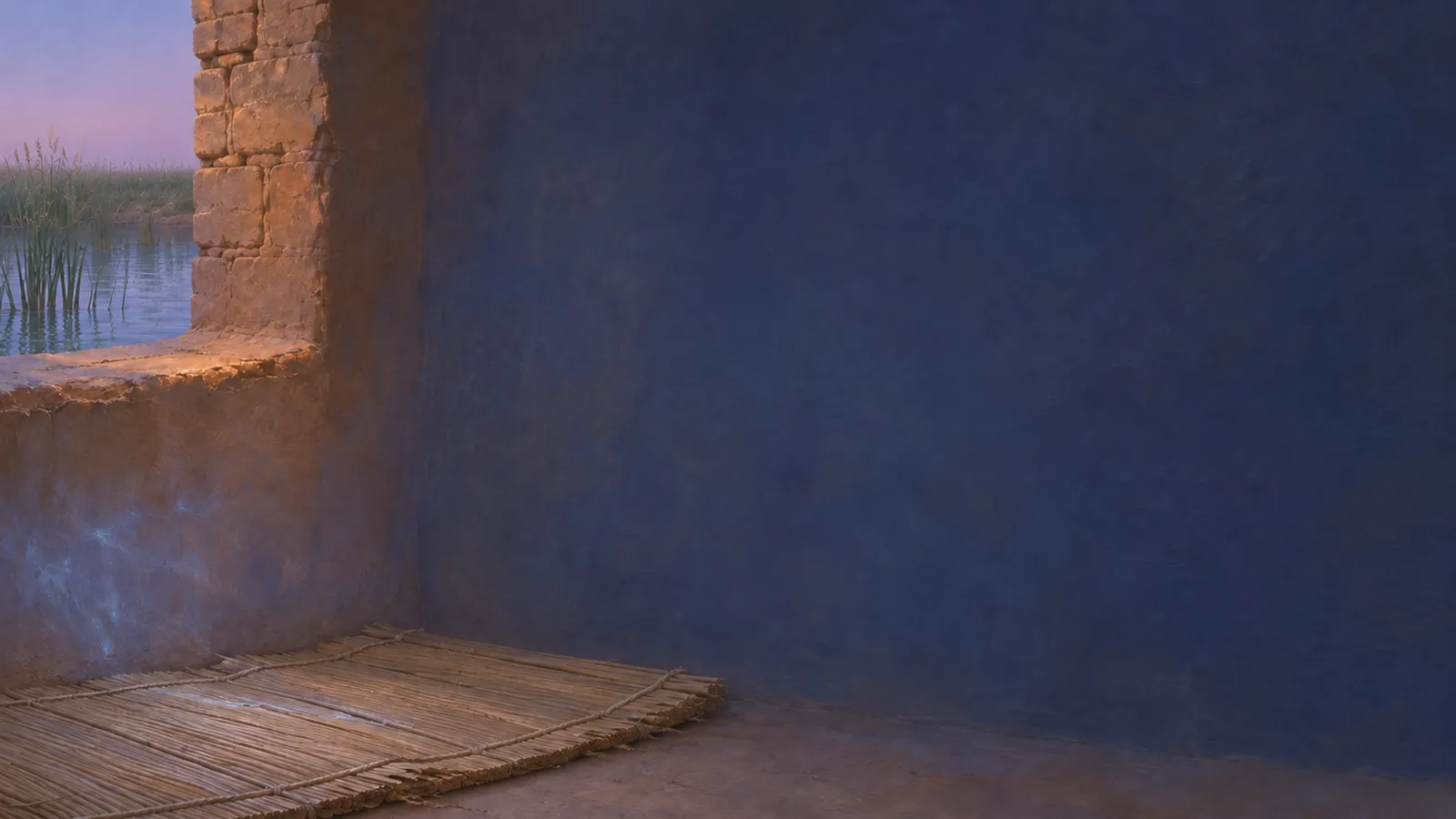
Ils demandèrent à Tiamat de mettre fin à leurs nuits sans sommeil et de venger ce qui s’était passé. La fin de leur appel est endommagée, mais leur demande d’agir est claire.
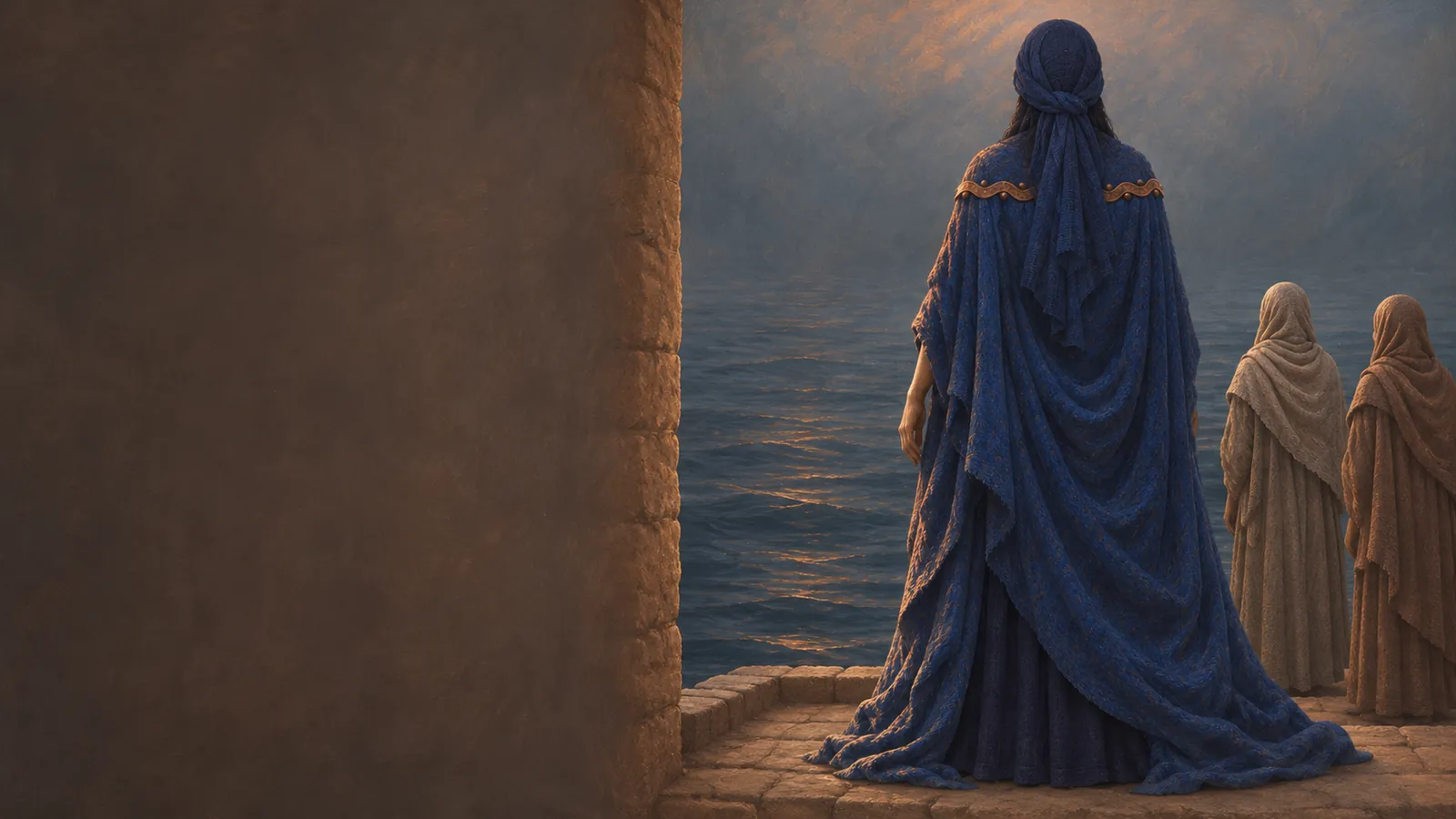
Cette fois, Tiamat accepta leur conseil. Elle dit qu’ils feraient ce qu’ils avaient proposé, et les dieux se rassemblèrent au sein de ses eaux pour agir.
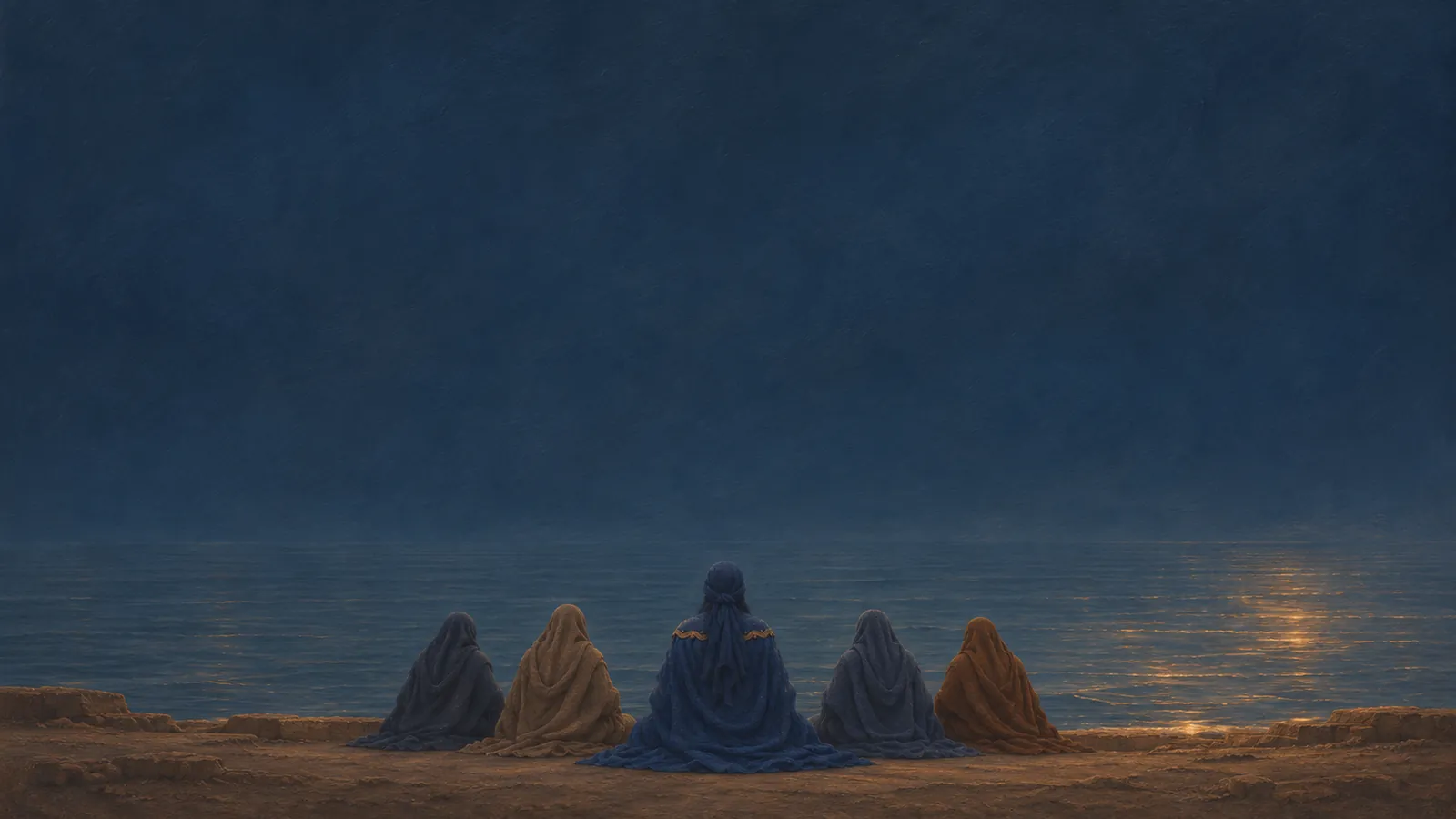
Les dieux prirent place aux côtés de Tiamat. L’ancien trouble les avait tenus éveillés, et à présent ils passaient ces jours et ces nuits à préparer le conflit.
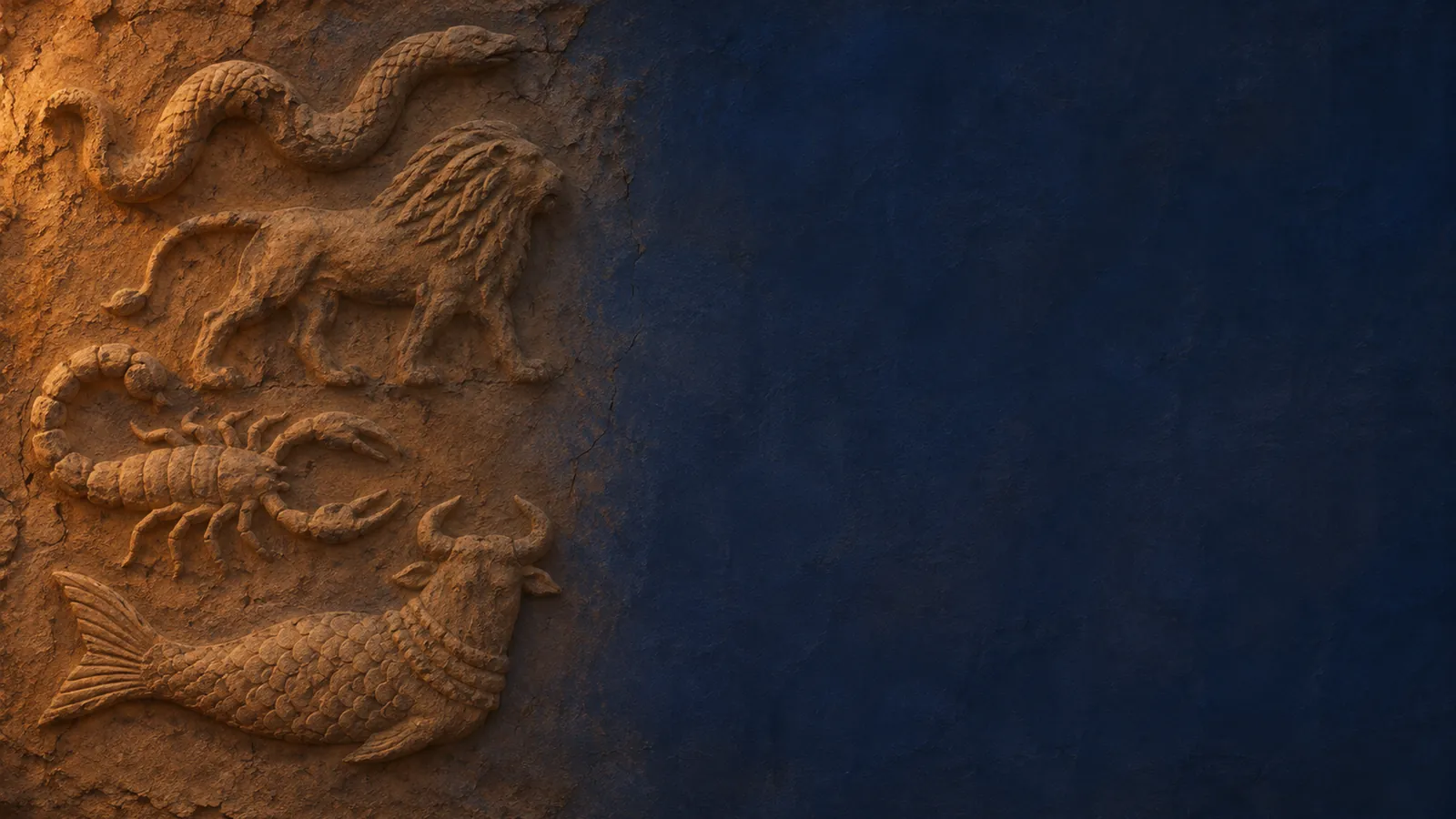
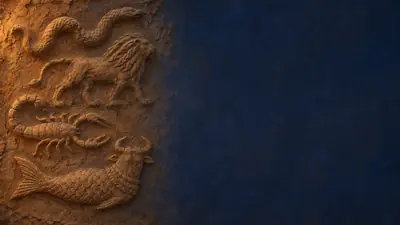
Tiamat fit naître onze êtres. Parmi ceux qu’elle rassembla, le poème nomme des serpents et des créatures aux formes de lions, de scorpions, de poissons et de taureaux.
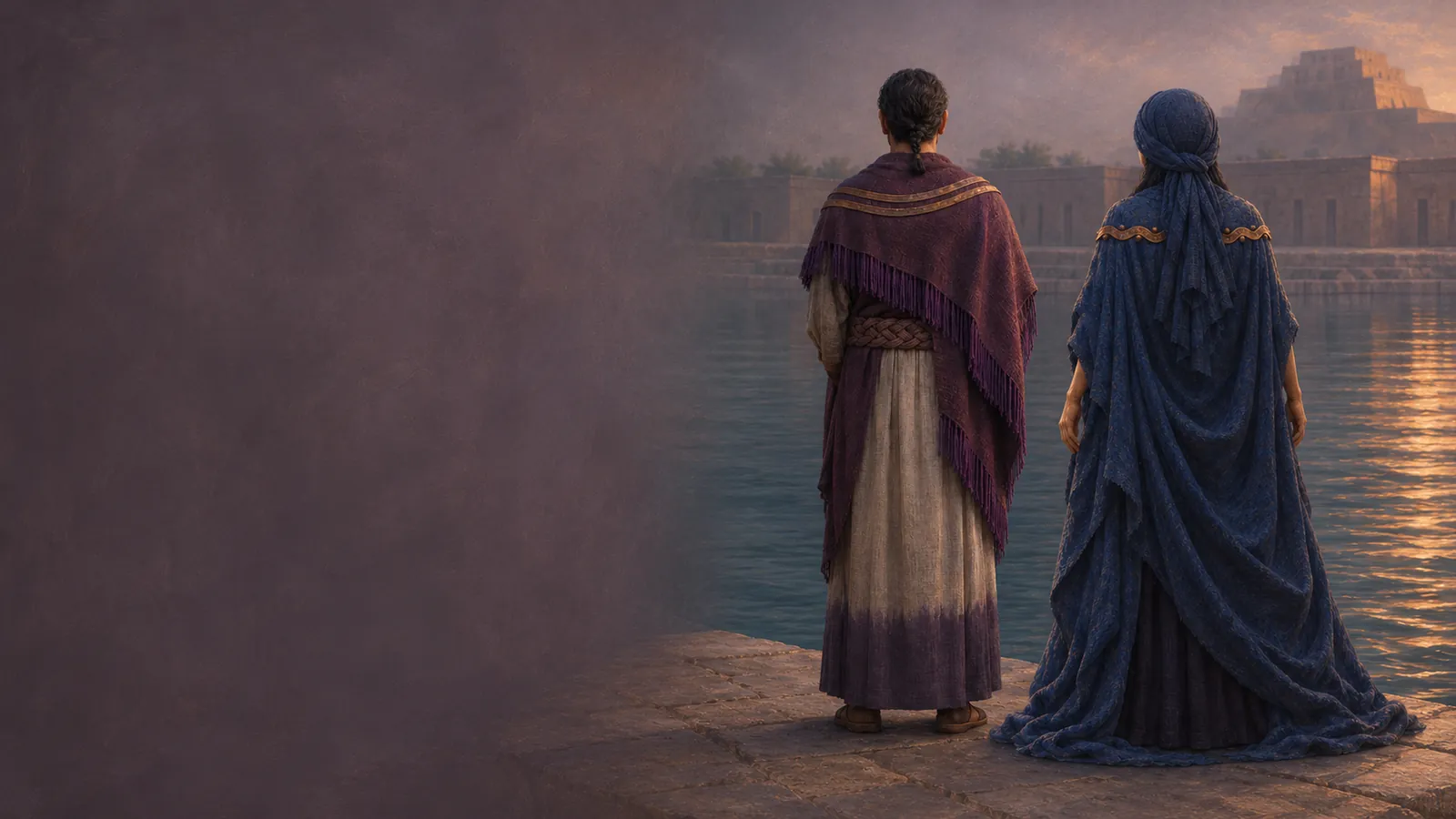
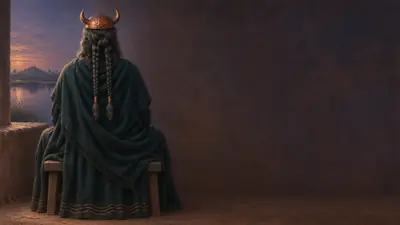
Parmi les dieux qui s’étaient joints à elle, Tiamat choisit Qingu. Elle l’éleva au-dessus des autres et lui donna une place à la tête de son conseil.
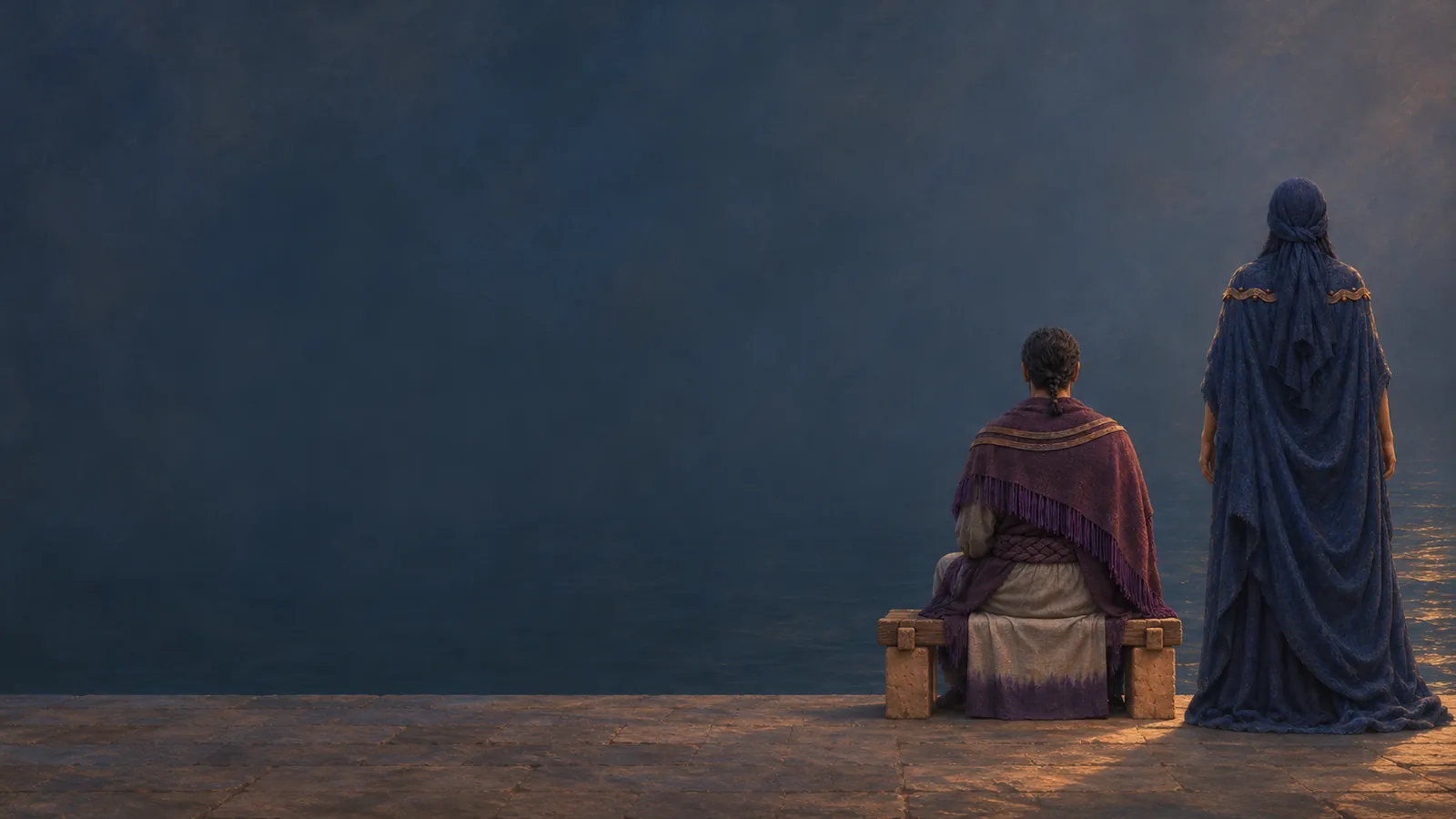
Tiamat chargea Qingu de conduire ceux qui se tenaient à ses côtés. Elle lui confia l’assemblée et le fit asseoir à la place du commandement.
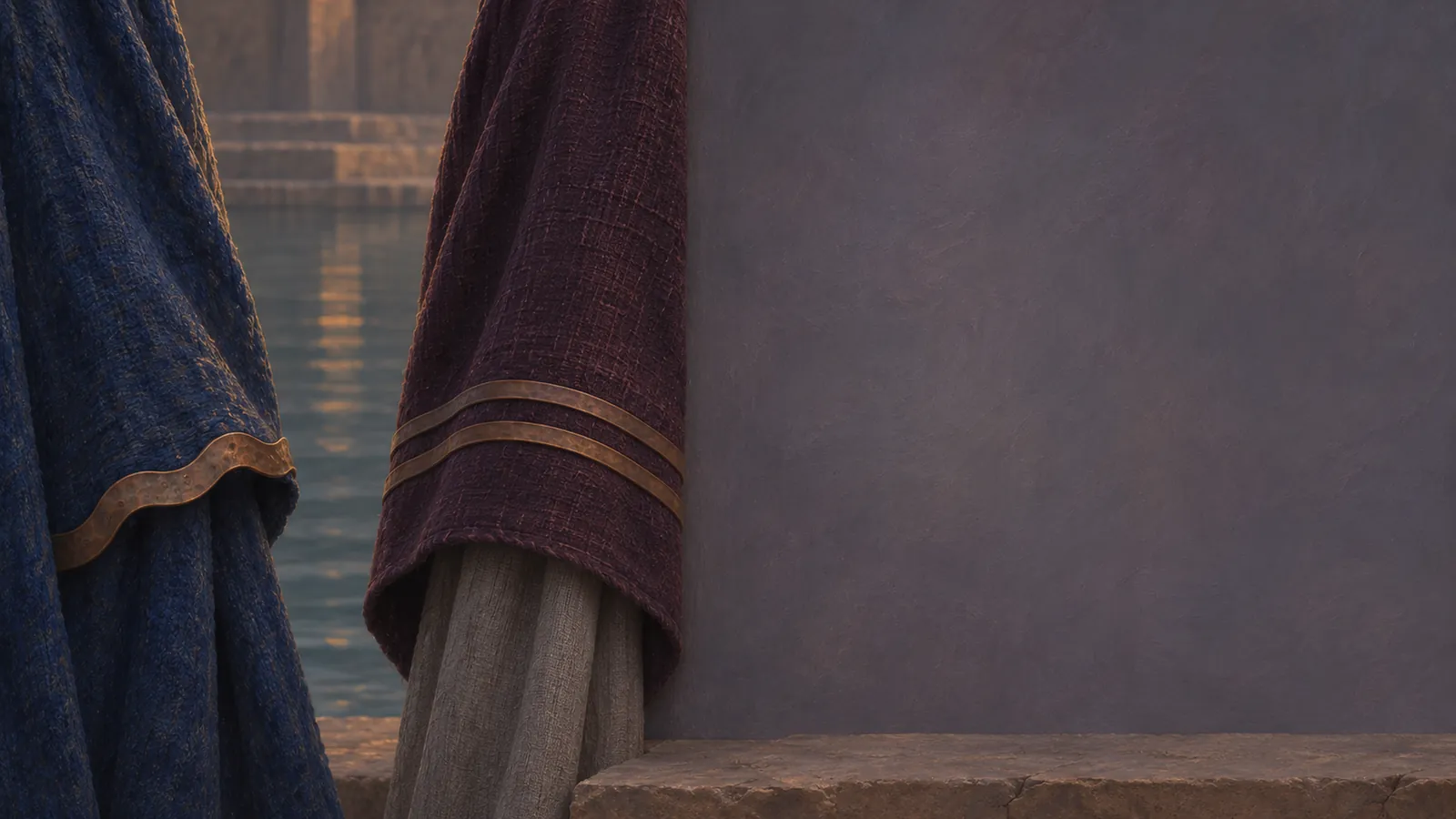
Devant les dieux réunis, Tiamat déclara avoir choisi Qingu pour compagnon. Désormais, dit-elle, sa parole aurait le plus grand poids dans leur assemblée.
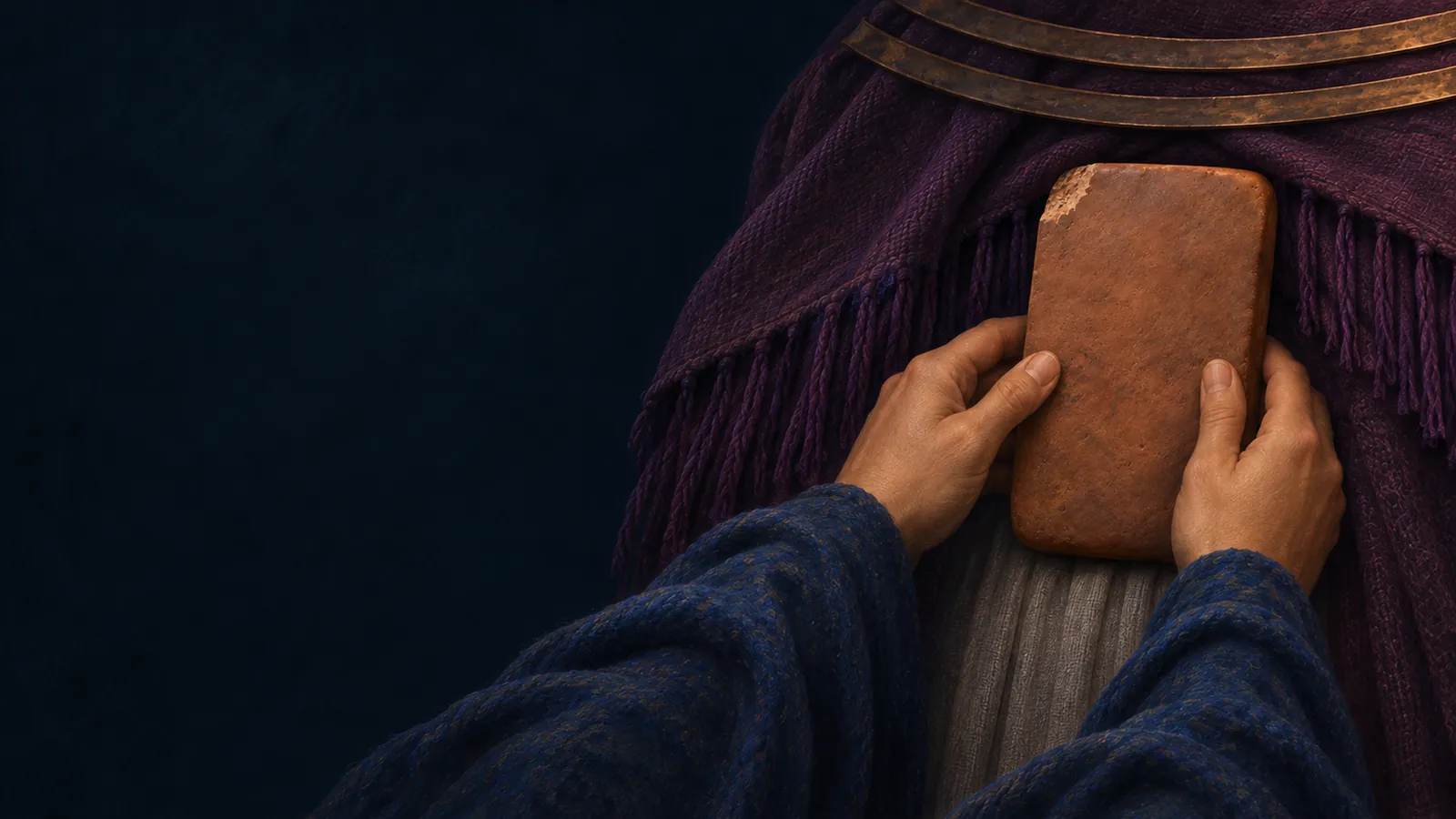
LA TABLETTE DES DESTINS
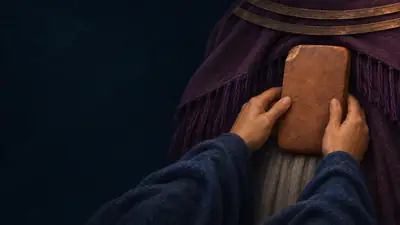
Tiamat plaça la Tablette des destins contre la poitrine de Qingu. Elle déclara que les décisions qu’il prononcerait désormais resteraient en vigueur sans changement.
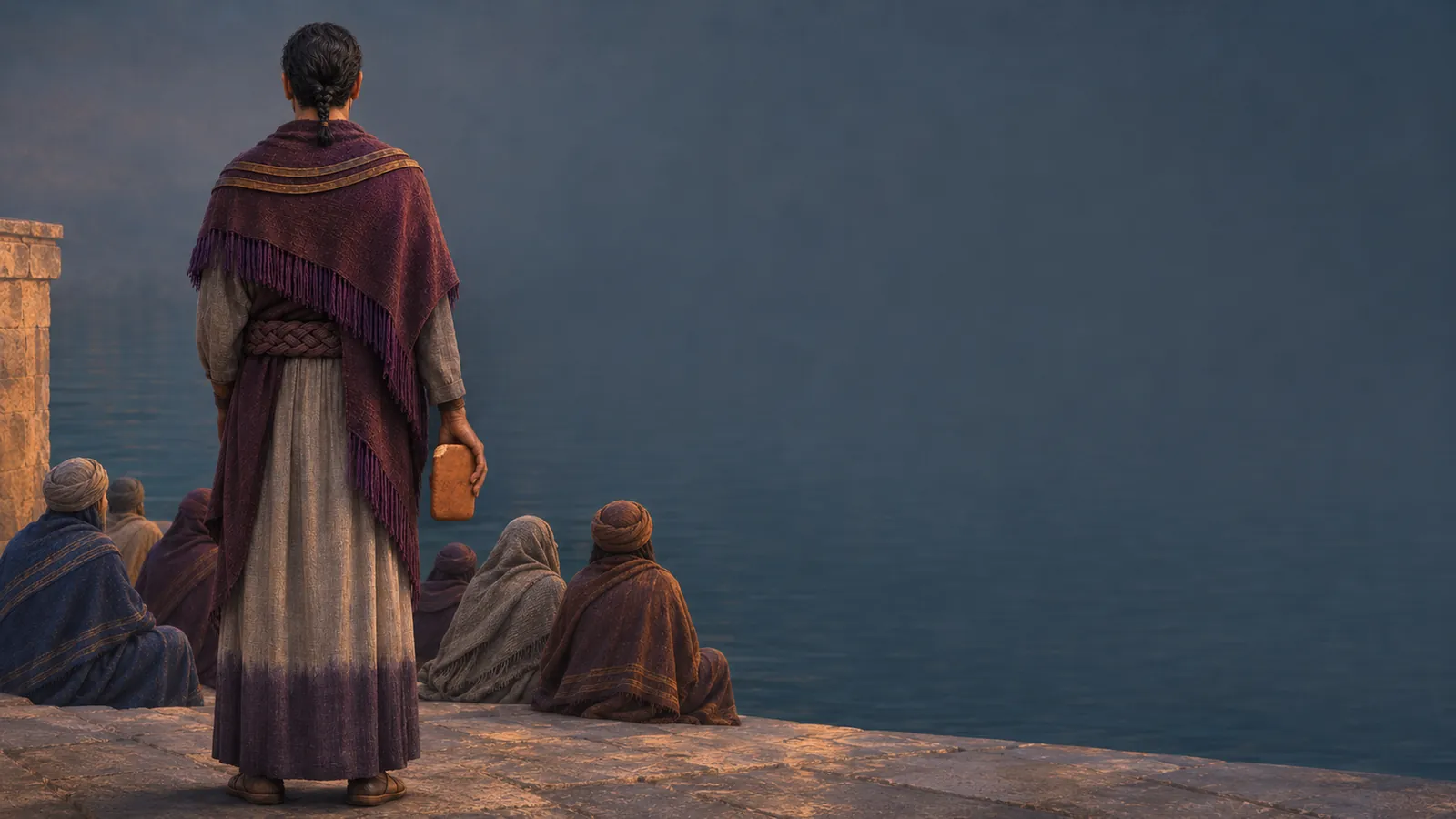
Qingu reçut sa nouvelle autorité et commença à fixer le destin de ceux qui entouraient Tiamat. Le poème prête à ses paroles un pouvoir capable d’apaiser le feu.
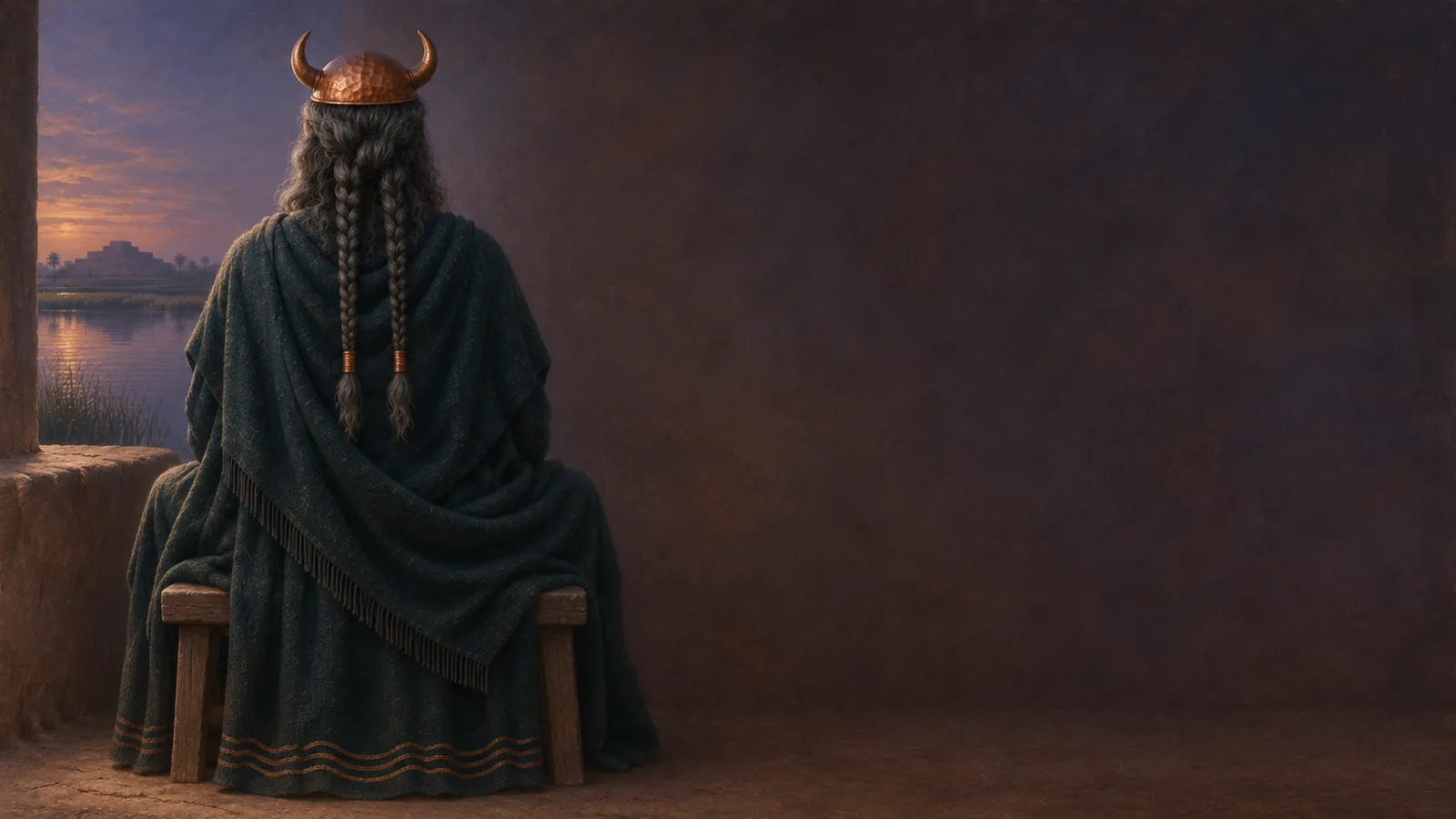
Ea apprit que Tiamat avait rassemblé les siens. Quand la nouvelle lui parvint, elle le laissa sans voix et il resta quelque temps seul dans sa chambre.
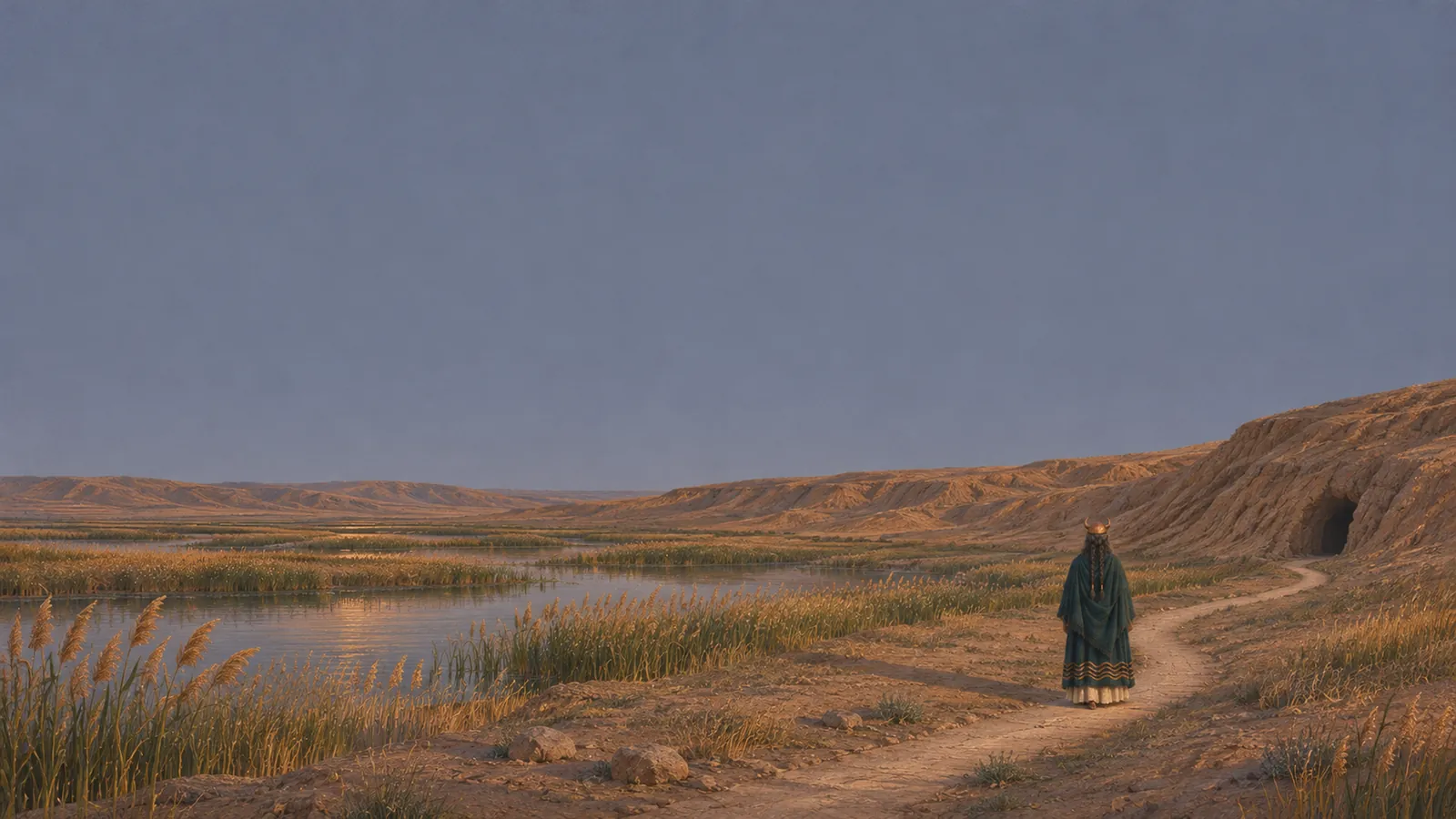
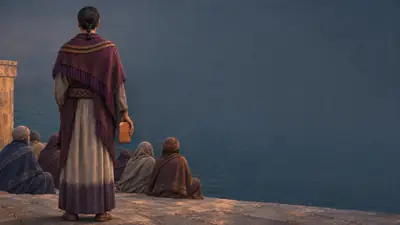
Après avoir réfléchi et laissé retomber sa colère, Ea se rendit auprès d’Anshar. Il se présenta devant le père de son père pour lui dire ce qu’il avait entendu.
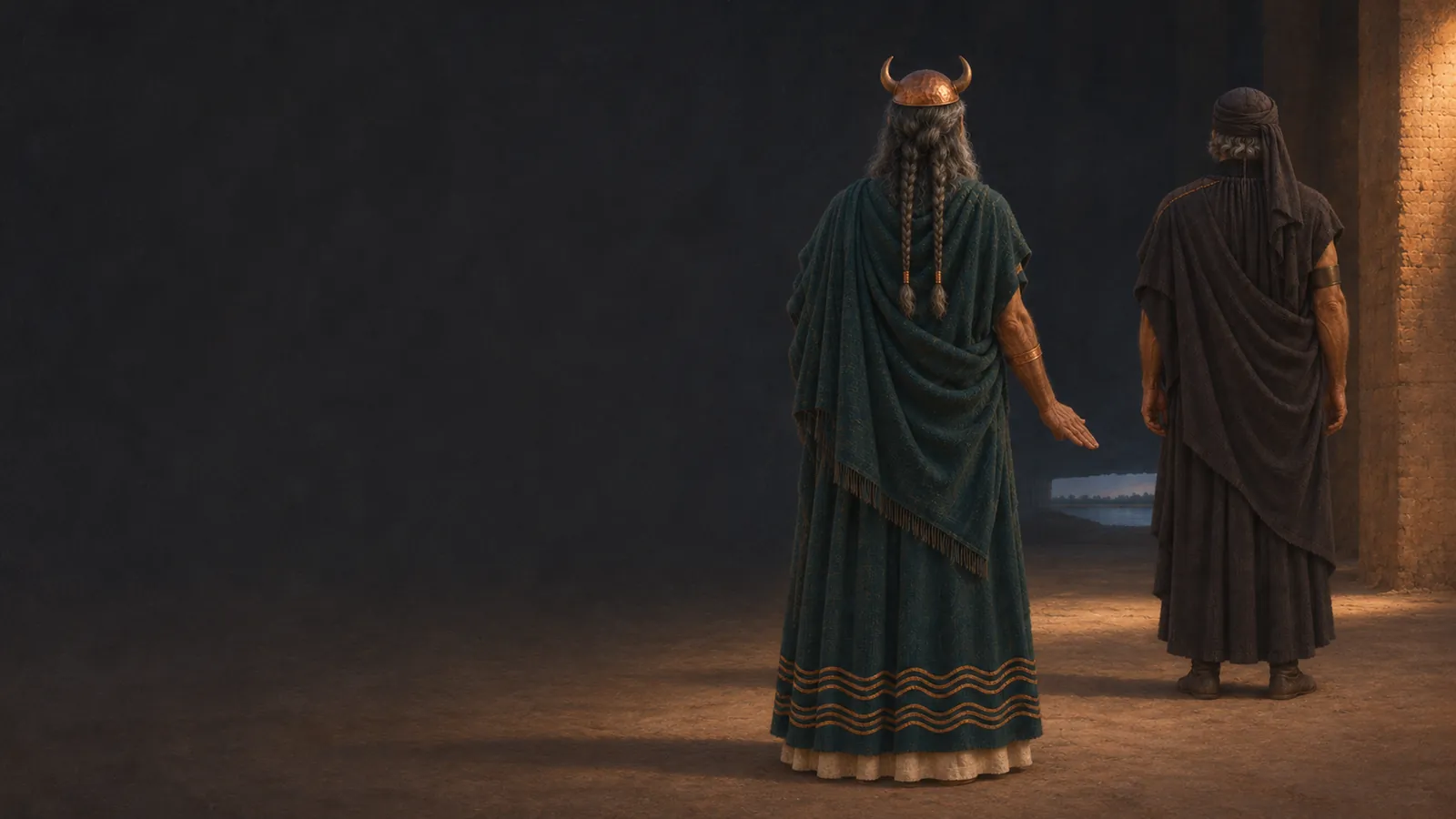
Ea parla à Anshar du rassemblement de Tiamat et des onze êtres qu’elle avait fait naître. Il raconta comment elle avait élevé Qingu et lui avait remis la Tablette des destins.
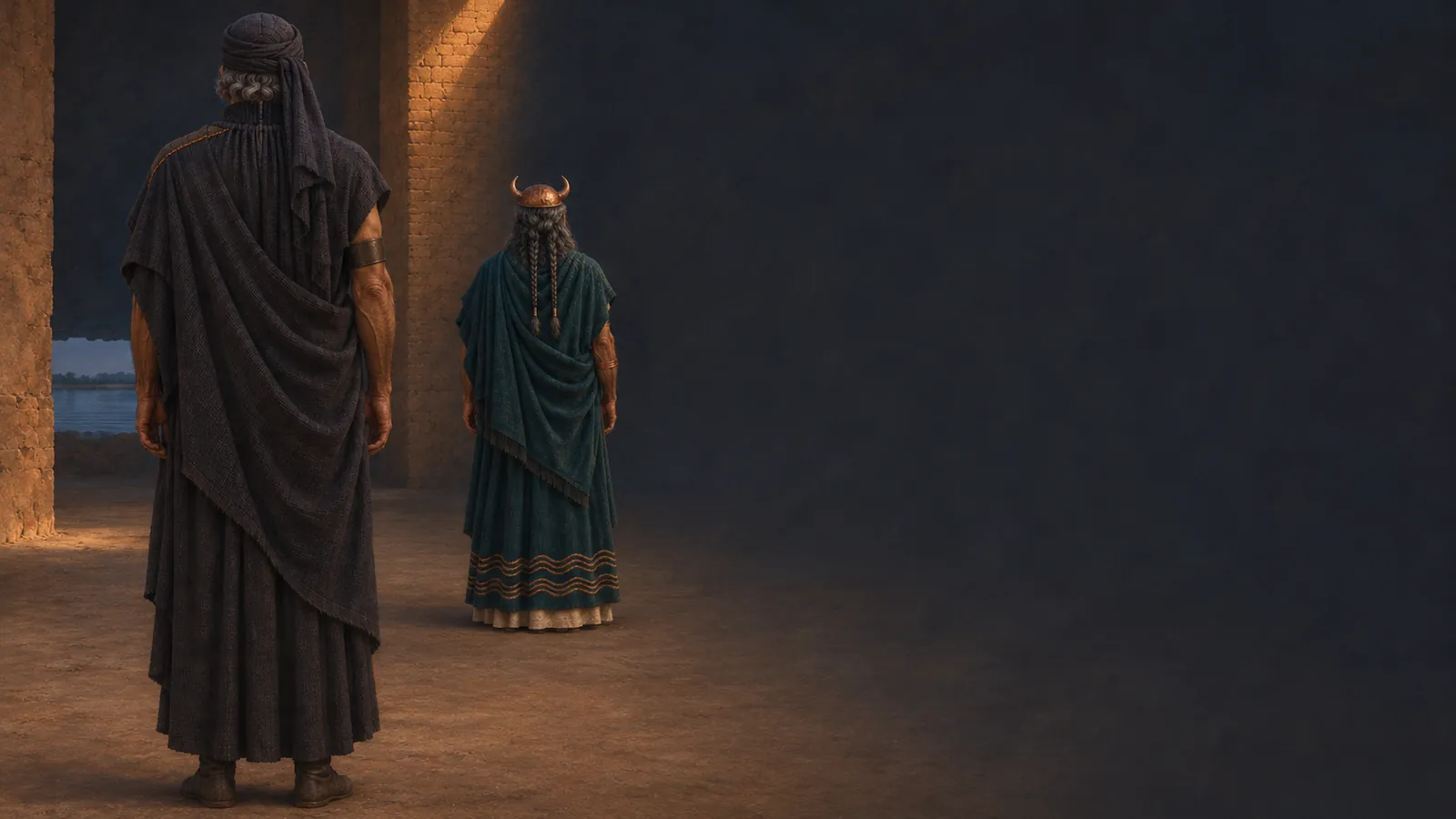
Le récit troubla Anshar au point qu’il s’en prit à Ea. Il lui reprocha d’avoir tué Apsû et demanda qui pouvait désormais tenir tête à Tiamat.

Ea répondit avec douceur et demanda à Anshar de l’écouter jusqu’au bout. Il défendit sa décision et demanda qui aurait pu prévoir les troubles qui suivraient.
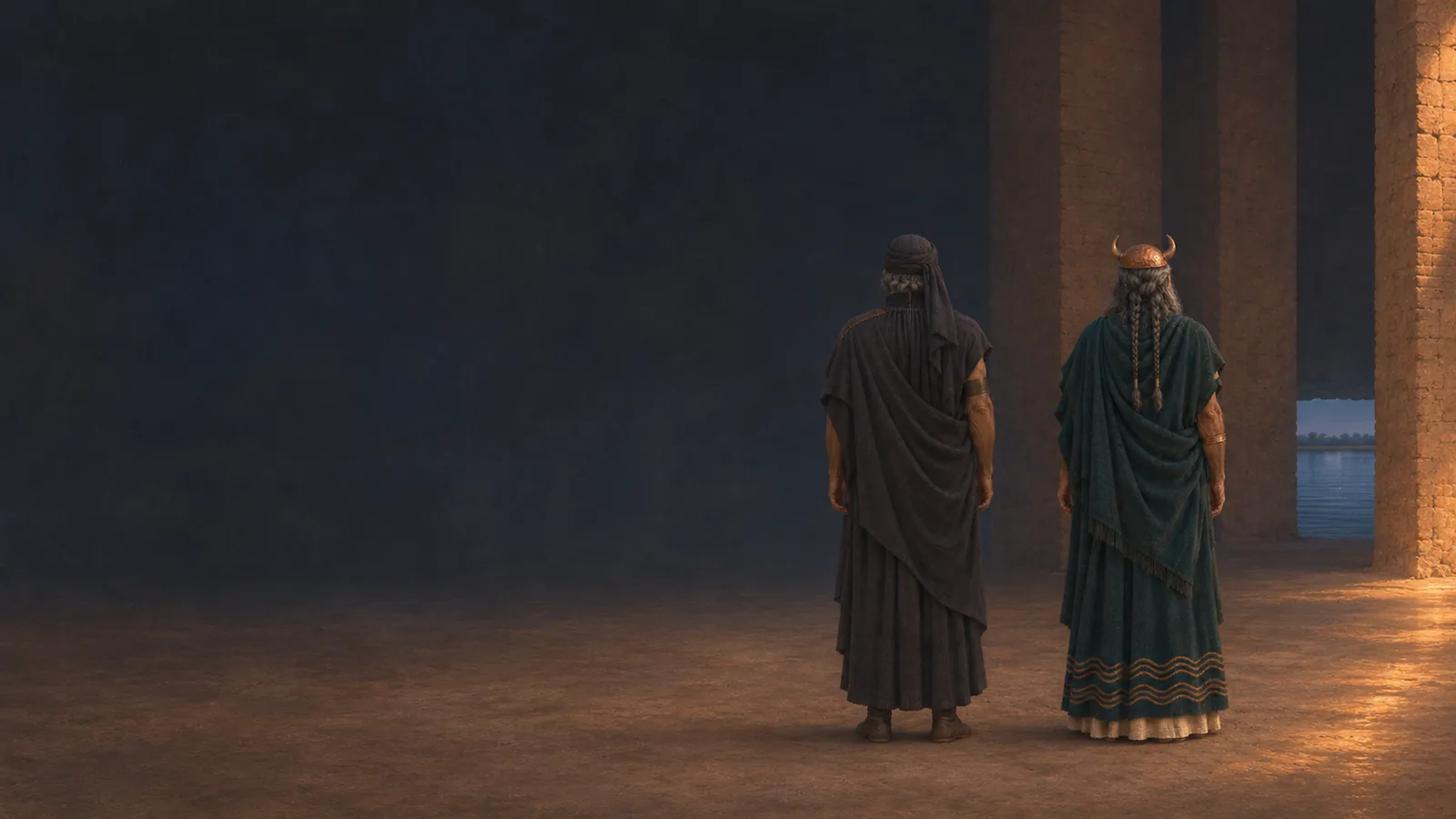
ANSHAR ÉCOUTE
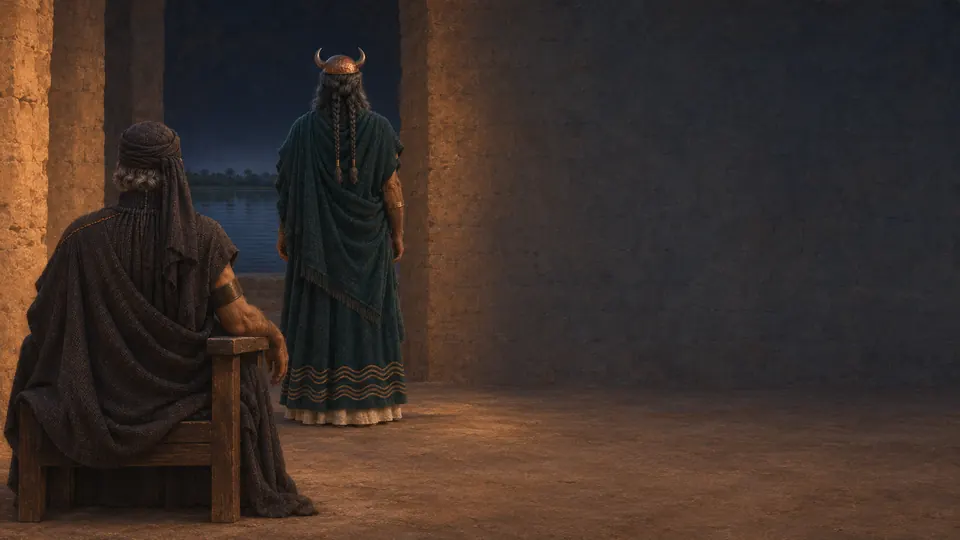
Anshar écouta la réponse d’Ea et sa colère s’apaisa. Quand il reprit la parole, il était prêt à entendre ce qu’on pouvait faire au sujet de Tiamat.
Fin du chapitre 1
Toutes les pages







Sources
Éditions consultées
- Electronic Babylonian Library, Tablet I: , lines 1–162.
- Electronic Babylonian Library, Tablet II: , lines 1–70.
- Heinrich and Helle, open 2024 edition: , pp. 24–41.
- IL Archive, Enuma Elish: , for story context and terminology.
Les vers antiques de chaque page
- Page 1: Enūma Eliš I 1–2, eBL L I.2; Heinrich–Helle
- Page 2: Enūma Eliš I 3–5, eBL L I.2; Heinrich–Helle
- Page 3: Enūma Eliš I 6–8, eBL L I.2; Heinrich–Helle
The two plant-place words vary in translation. - Page 4: Enūma Eliš I 9–11, eBL L I.2; Heinrich–Helle
- Page 5: Enūma Eliš I 12–14, eBL L I.2; Heinrich–Helle
- Page 6: Enūma Eliš I 14–17, eBL L I.2; Heinrich–Helle
- Page 7: Enūma Eliš I 17–20, eBL L I.2; Heinrich–Helle
- Page 8: Enūma Eliš I 21–22, eBL L I.2; Heinrich–Helle
- Page 9: Enūma Eliš I 22–24, eBL L I.2; Heinrich–Helle
The text joins physical and inward disturbance. - Page 10: Enūma Eliš I 25–29, eBL L I.2; Heinrich–Helle
I 25–29 is difficult, and the possible reading of lenience is left open. - Page 11: Enūma Eliš I 30–33, eBL L I.2; Heinrich–Helle
Mummu here is a named adviser. - Page 12: Enūma Eliš I 33–36, eBL L I.2; Heinrich–Helle
- Page 13: Enūma Eliš I 37–38, eBL L I.2; Heinrich–Helle
- Page 14: Enūma Eliš I 39–40, eBL L I.2; Heinrich–Helle
- Page 15: Enūma Eliš I 41–46, eBL L I.2; Heinrich–Helle
- Page 16: Enūma Eliš I 47–54, eBL L I.2; Heinrich–Helle
- Page 17: Enūma Eliš I 55–58, eBL L I.2; Heinrich–Helle
- Page 18: Enūma Eliš I 59–61, eBL L I.2; Heinrich–Helle
- Page 19: Enūma Eliš I 60–64, eBL L I.2; Heinrich–Helle
- Page 20: Enūma Eliš I 64–66, eBL L I.2; Heinrich–Helle
- Page 21: Enūma Eliš I 67–69, eBL L I.2; Heinrich–Helle
- Page 22: Enūma Eliš I 70–74, eBL L I.2; Heinrich–Helle
The reading of Tablet I, line 70 is disputed. - Page 23: Enūma Eliš I 75–78, eBL L I.2; Heinrich–Helle
- Page 24: Enūma Eliš I 79–84, eBL L I.2; Heinrich–Helle
- Page 25: Enūma Eliš I 85–88, eBL L I.2; Heinrich–Helle
- Page 26: Enūma Eliš I 89–92, eBL L I.2; Heinrich–Helle
- Page 27: Enūma Eliš I 93–100, eBL L I.2; Heinrich–Helle
The poem gives Marduk four eyes and four ears. - Page 28: Enūma Eliš I 101–104, eBL L I.2; Heinrich–Helle
- Page 29: Enūma Eliš I 105–108, eBL L I.2; Heinrich–Helle
- Page 30: Enūma Eliš I 109–112, eBL L I.2; Heinrich–Helle
- Page 31: Enūma Eliš I 113–118, eBL L I.2; Heinrich–Helle
- Page 32: Enūma Eliš I 119–124, eBL L I.2; Heinrich–Helle
Vengeance wording in 123–124 is partly restored. - Page 33: Enūma Eliš I 125–128, eBL L I.2; Heinrich–Helle
- Page 34: Enūma Eliš I 129–133, eBL L I.2; Heinrich–Helle
- Page 35: Enūma Eliš I 134–146, eBL L I.2; Heinrich–Helle
- Page 36: Enūma Eliš I 147–148, eBL L I.2; Heinrich–Helle
- Page 37: Enūma Eliš I 149–152, eBL L I.2; Heinrich–Helle
- Page 38: Enūma Eliš I 153–156, eBL L I.2; Heinrich–Helle
- Page 39: Enūma Eliš I 157–158, eBL L I.2; Heinrich–Helle
- Page 40: Enūma Eliš I 159–162, eBL L I.2; Heinrich–Helle
- Page 41: Enūma Eliš II 1–6, eBL L I.2; Heinrich–Helle
- Page 42: Enūma Eliš II 7–10, eBL L I.2; Heinrich–Helle
- Page 43: Enūma Eliš II 11–48, eBL L I.2; Heinrich–Helle
- Page 44: Enūma Eliš II 49–56, eBL L I.2; Heinrich–Helle
- Page 45: Enūma Eliš II 57–68, eBL L I.2; Heinrich–Helle
- Page 46: Enūma Eliš II 69–70, eBL L I.2; Heinrich–Helle
Illustrations réalisées par IL Archive avec des outils d’IA ; le texte s’appuie sur les sources antiques (voir les sources à la fin de chaque chapitre).