À travers les champs de Hetep Chapitre 2
Les champs et les lacs
Le récitant renouvelle sa demande de vivre avec Hetep et de recevoir de la nourriture et de la puissance. Il s’adresse à des lieux par leur nom, fait le compte de sa récolte et termine en amarrant sa barque dans les lacs célestes et en louant les dieux de Sekhet-hetep.
SourcesTournez les pages avec les flèches, le clavier ou en balayant l’écran.
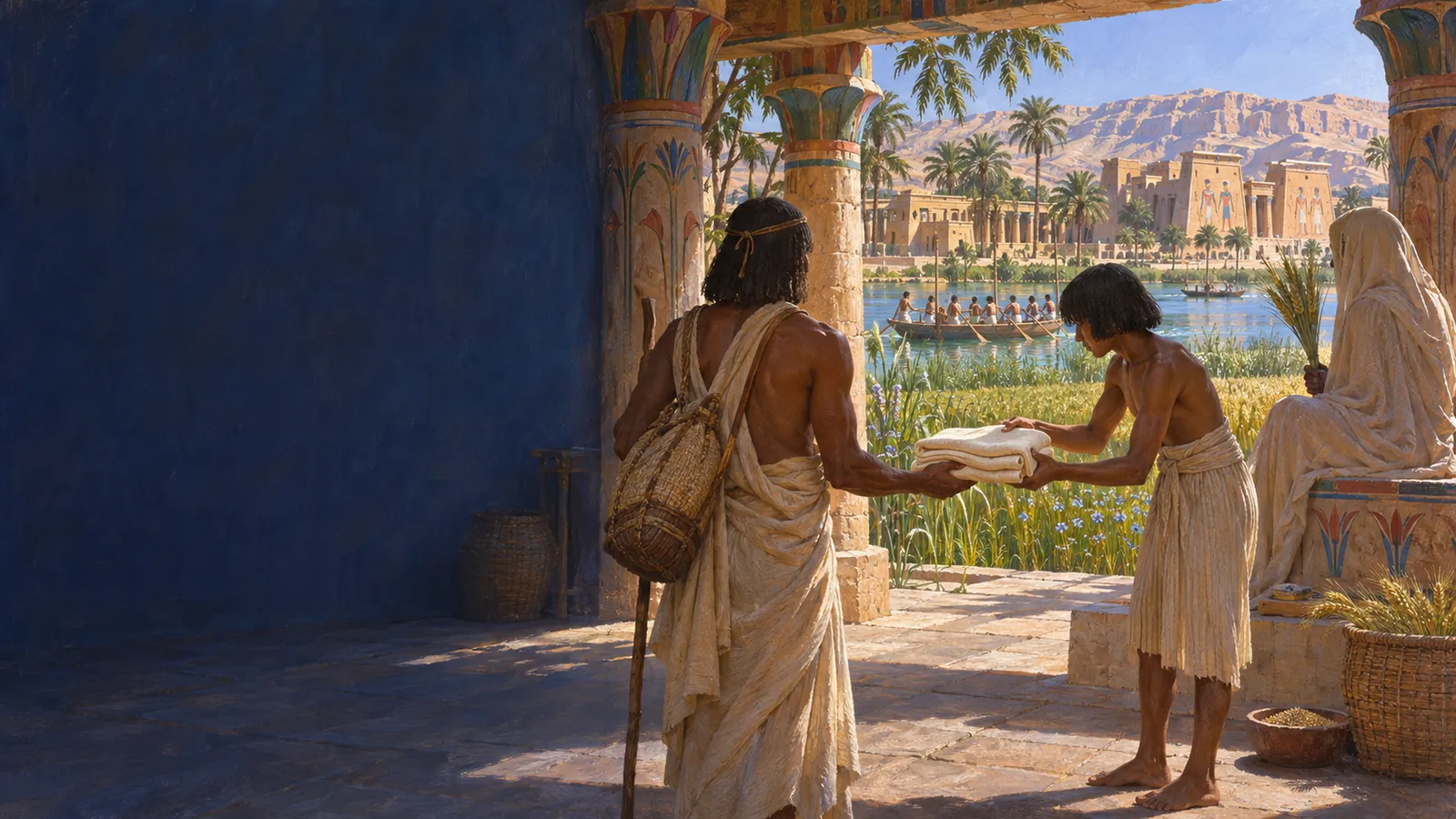
LES CHAMPS ET LES LACS
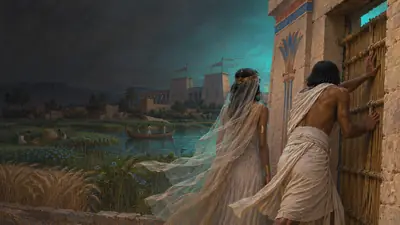
Le récitant demande à vivre avec le dieu Hetep, à être vêtu et à être à l’abri du pillage des seigneurs du Nord.
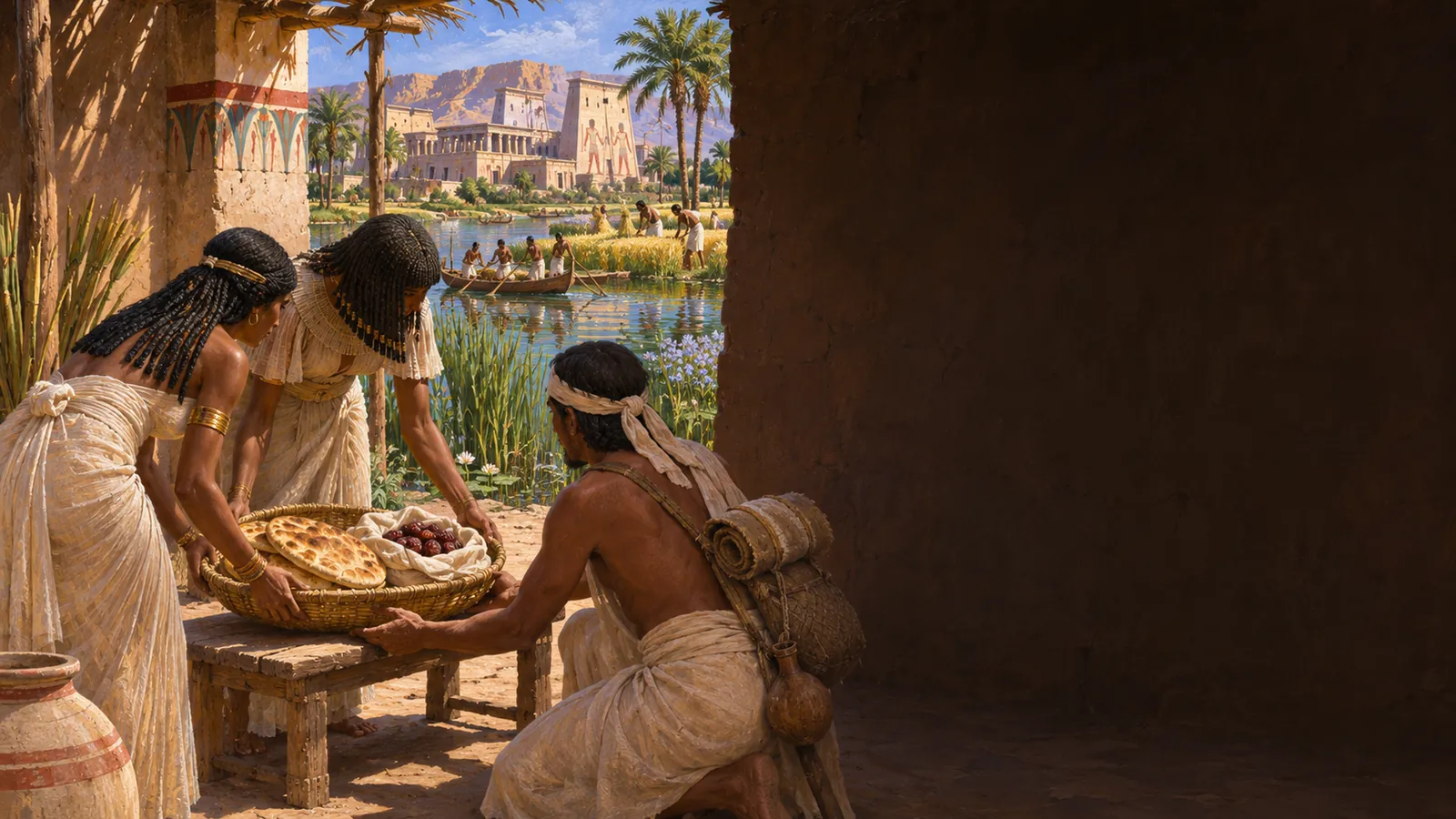
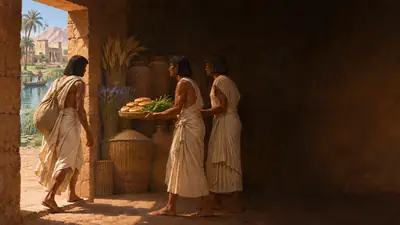
La prière se poursuit et le récitant demande à celui qu’il appelle le seigneur des choses divines de lui apporter de la nourriture.
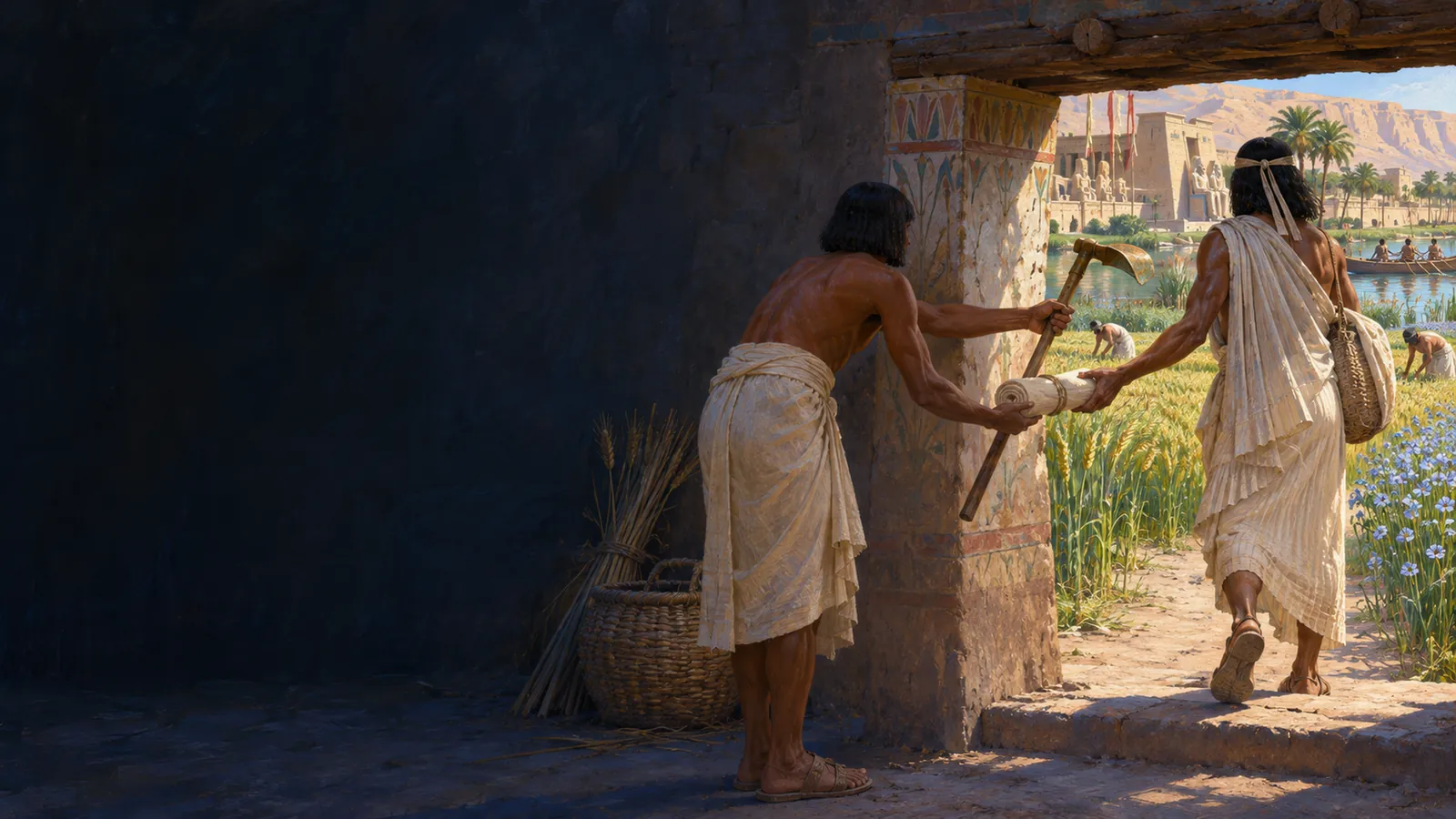
Il demande à avancer et à sortir. Il demande que sa puissance lui soit apportée là pour qu’il la reçoive et que son équipement lui vienne de Hetep.
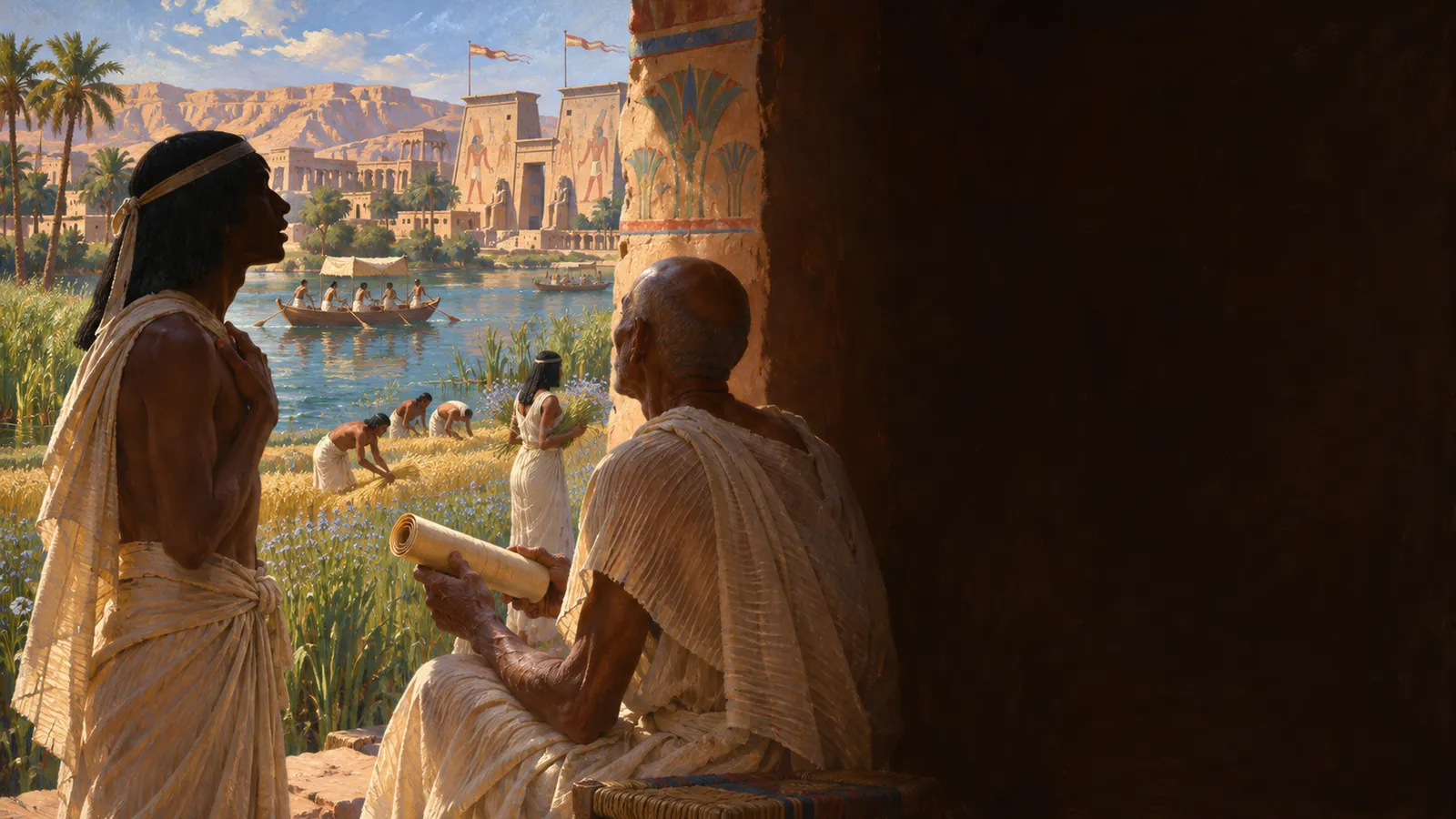
Le récitant demande à maîtriser la grande et puissante parole qu’il porte dans son corps. Il dit que par cette parole il se souviendra et oubliera.
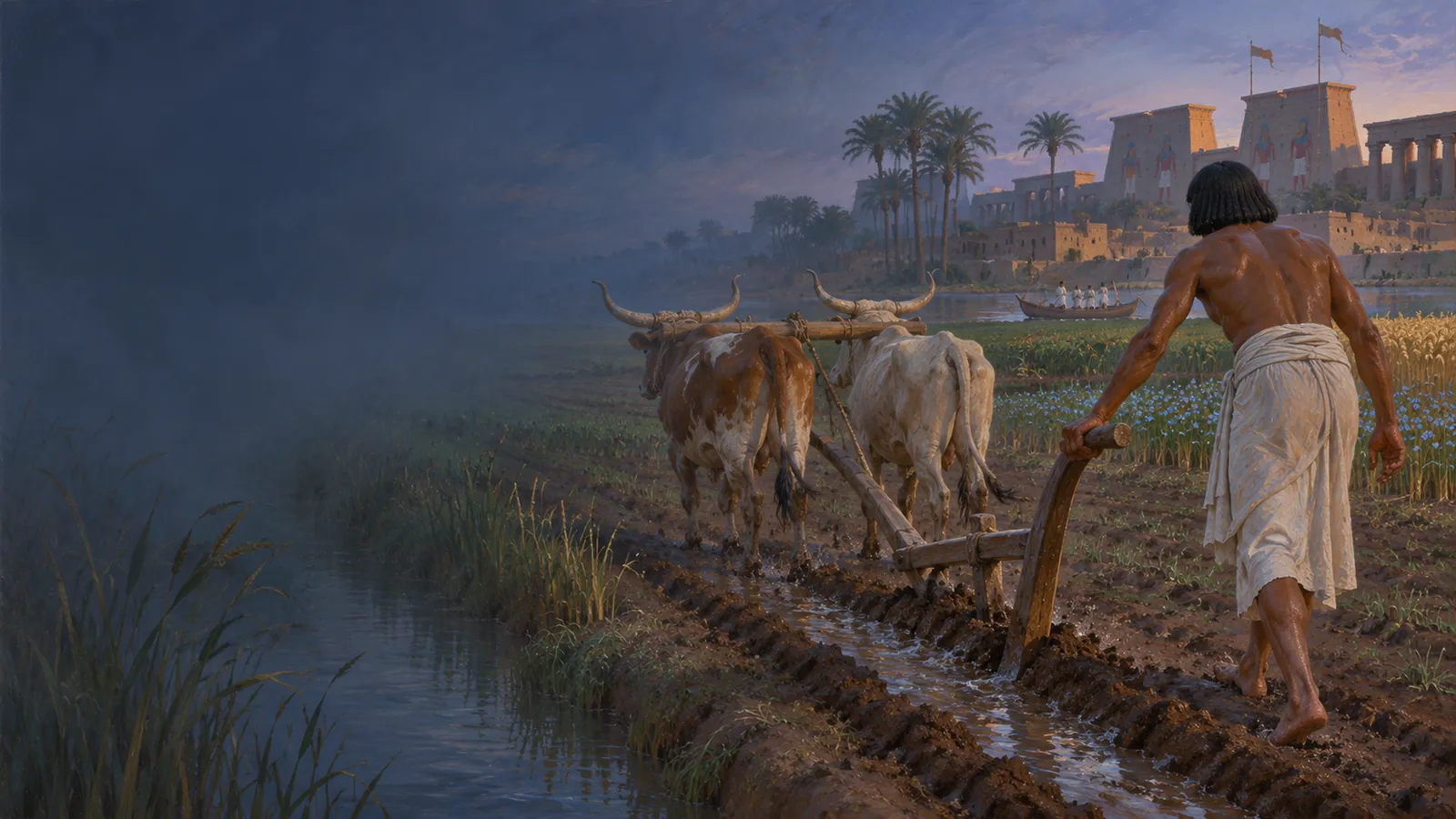
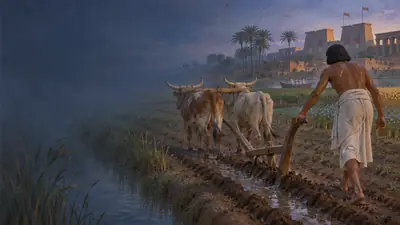
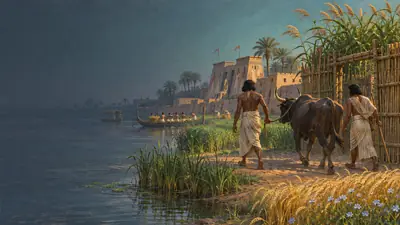
Le récitant demande qu’on le laisse poursuivre sa route et labourer.
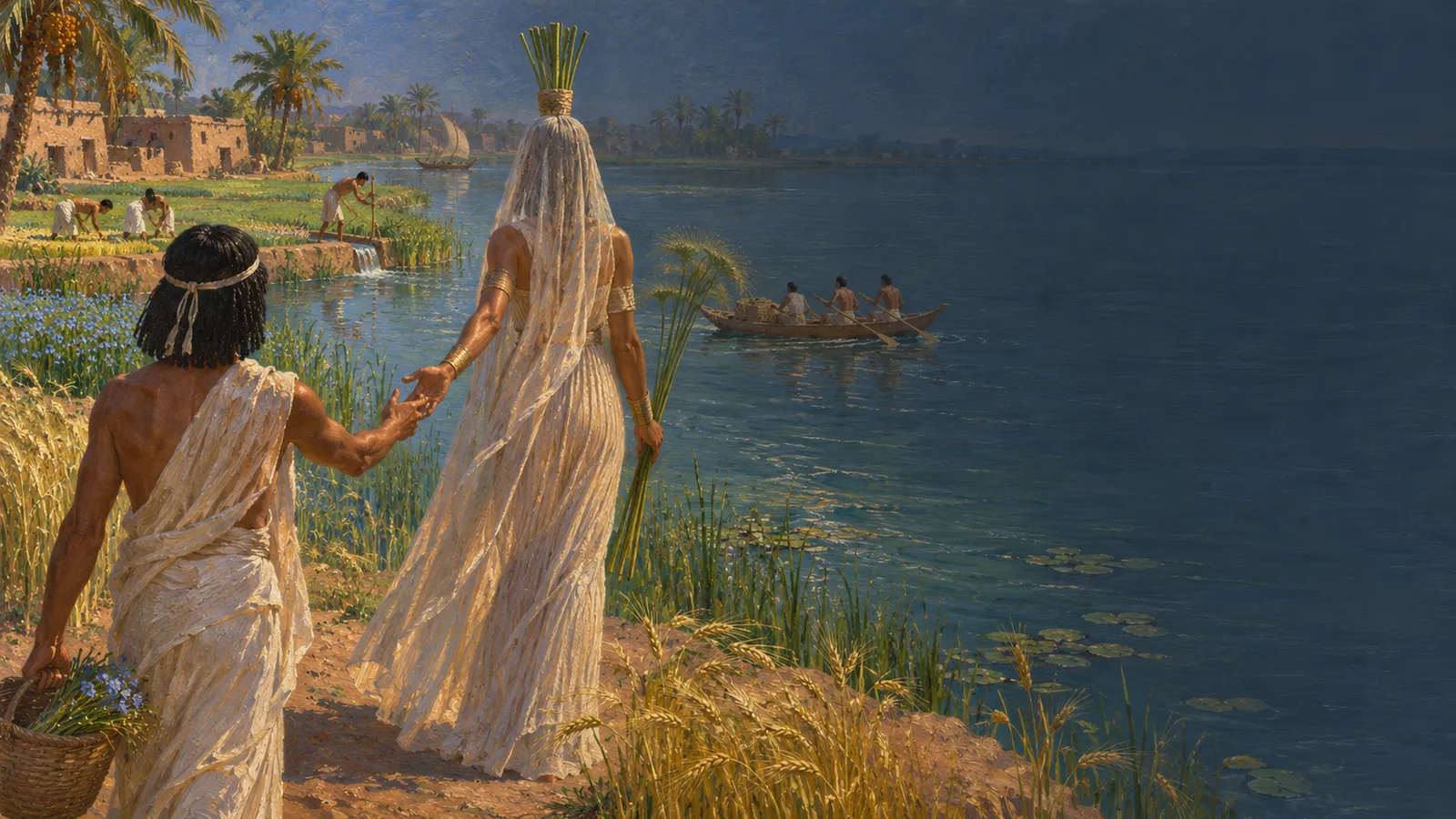
Le récitant dit qu’il est en paix avec le dieu de la ville. Il dit connaître les eaux, les villes, les nomes et les lacs de Sekhet-Hetep.
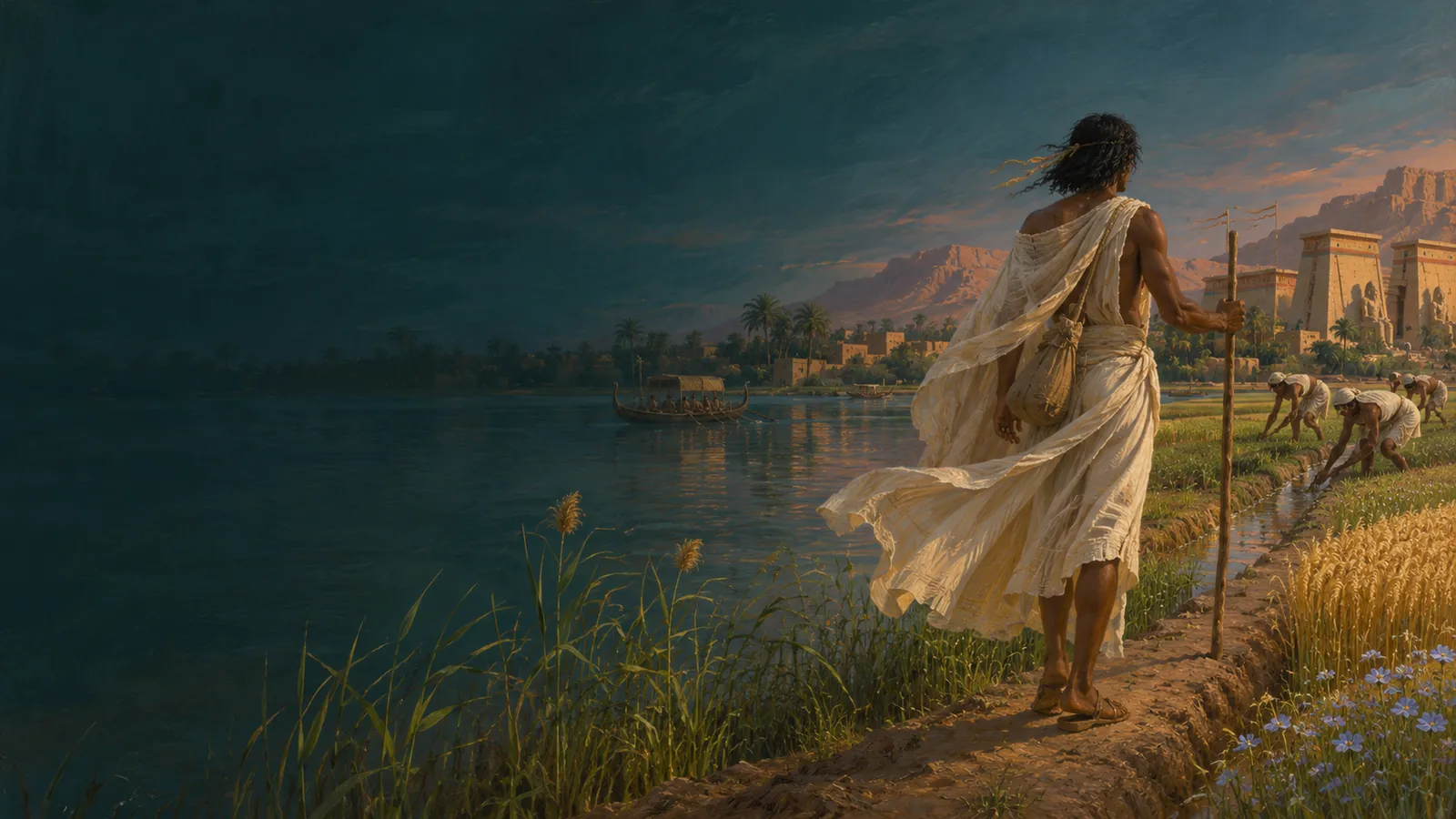
Le récitant déclare qu’il existe dans ce lieu et qu’il y est fort. Il dit qu’il y est devenu un esprit.
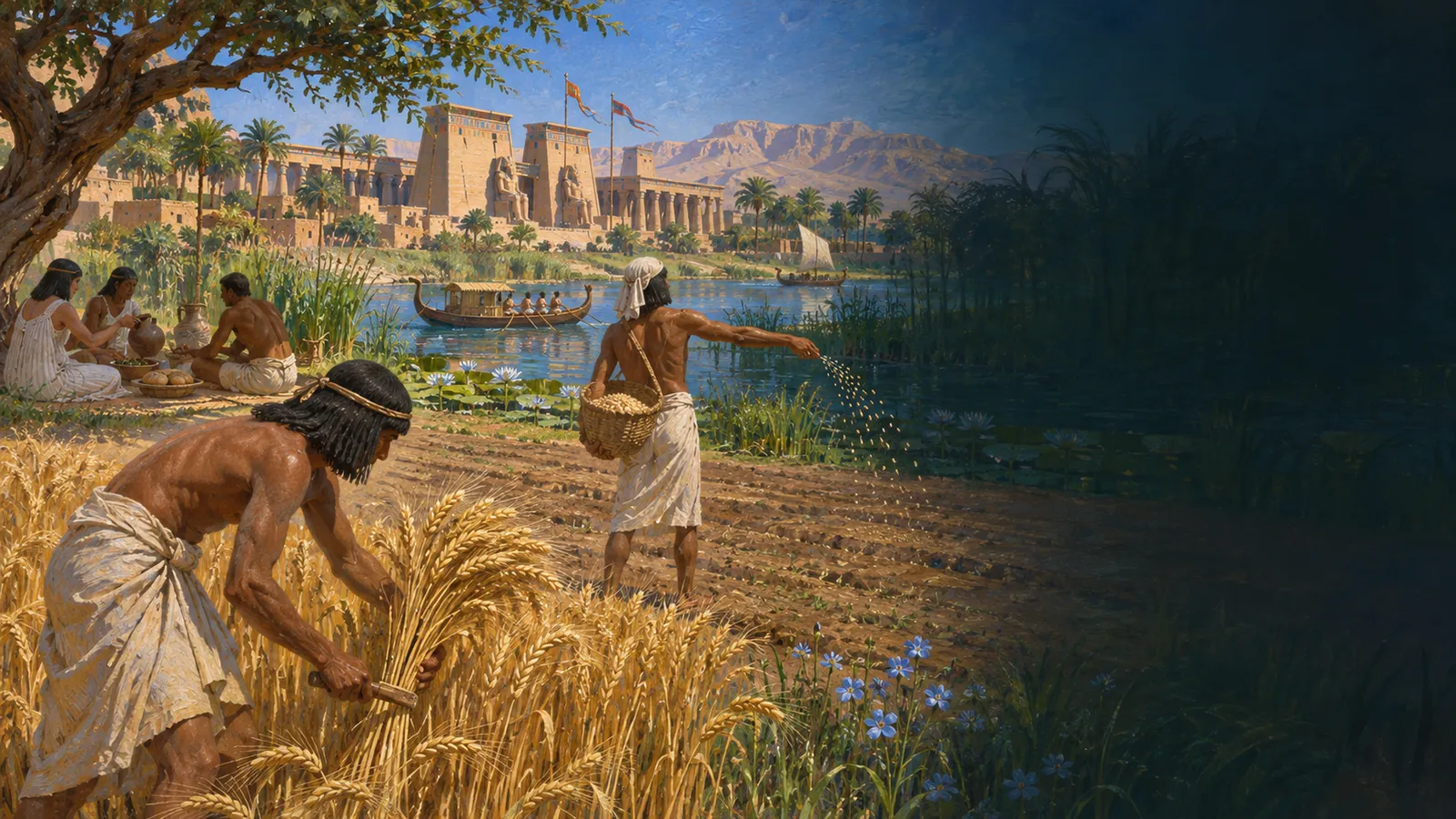
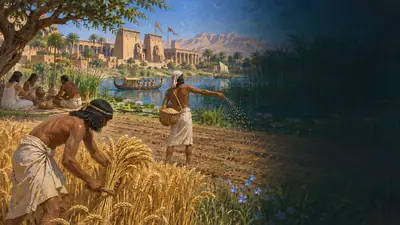
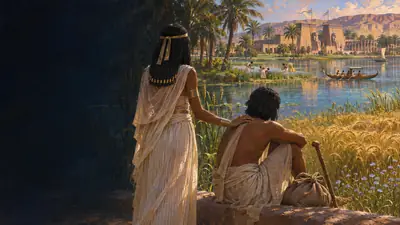
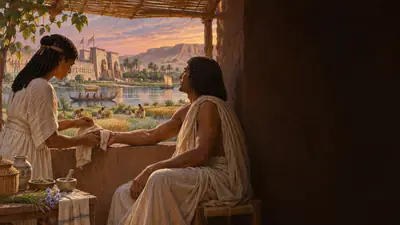
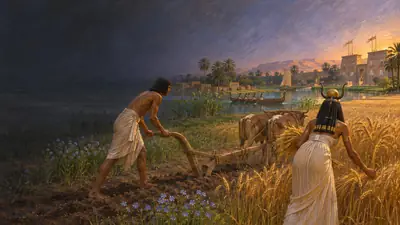
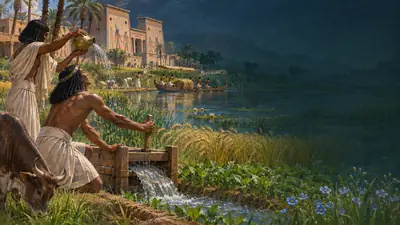
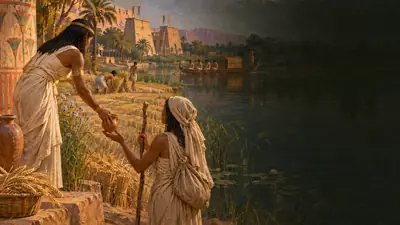
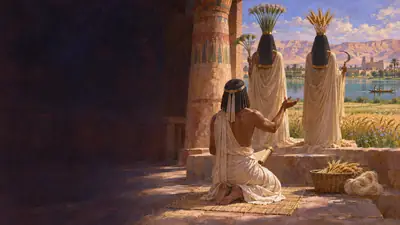
Le récitant dit qu’à Sekhet-Hetep il mange, sème, fait la moisson et laboure la terre.
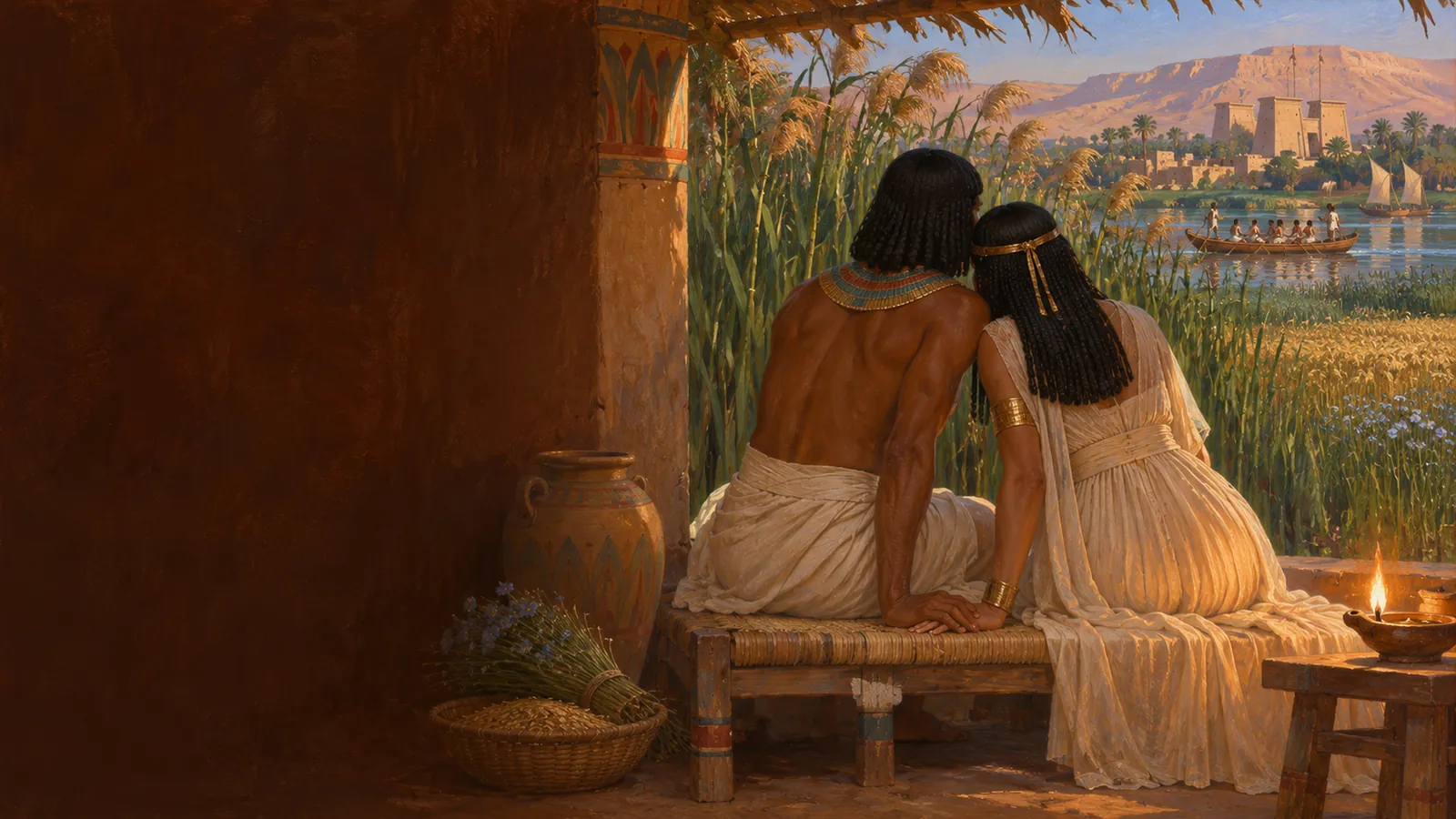
Le récitant dit qu’il fait l’amour à Sekhet-Hetep et qu’il est en paix avec le dieu Hetep.
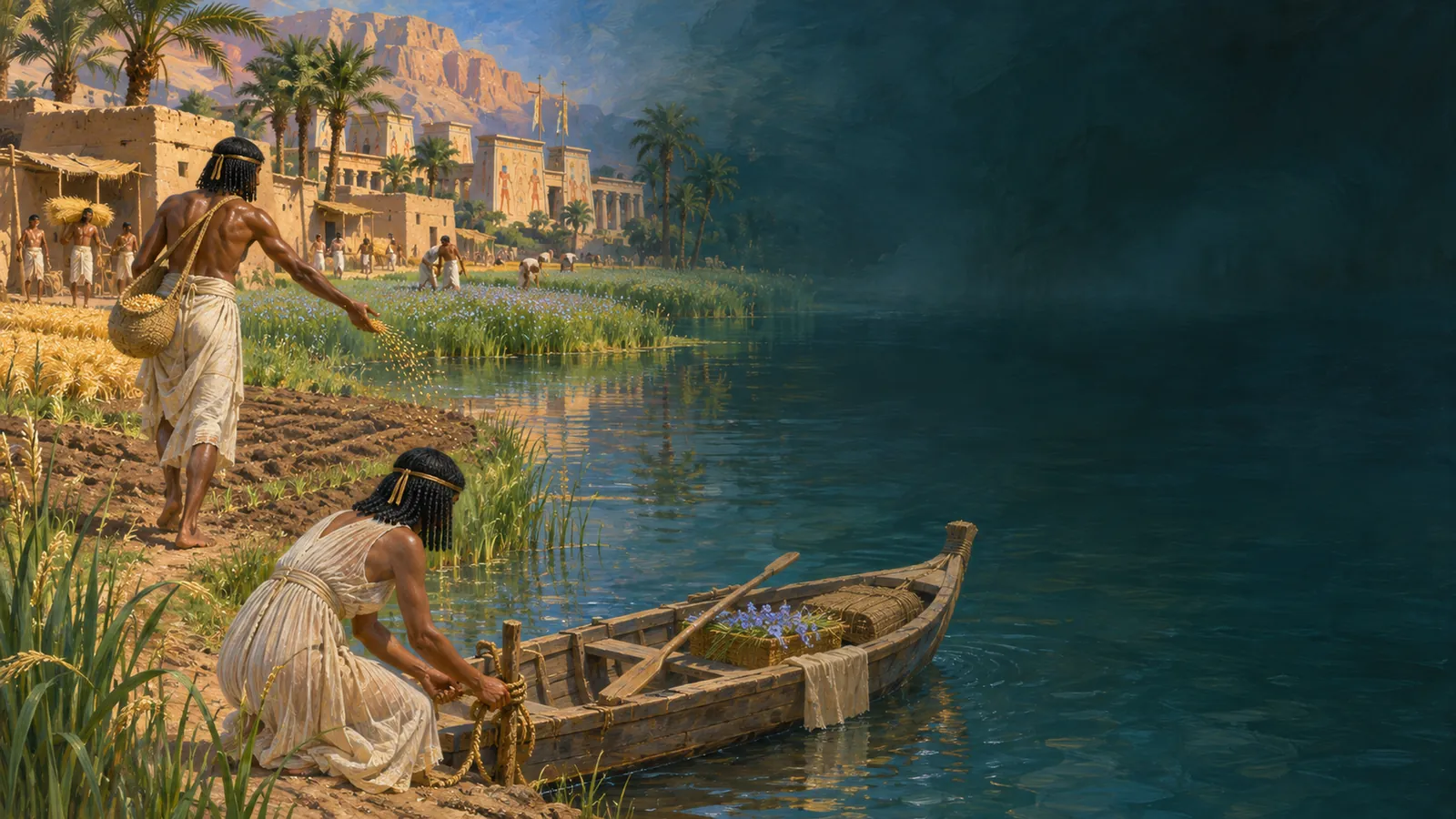
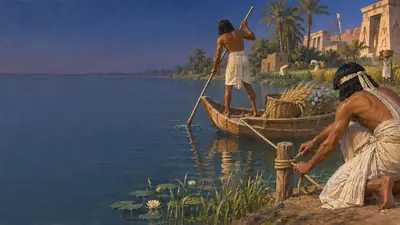
Le récitant dit au divin Hetep qu’il répand la semence, navigue parmi les lacs et avance vers leurs villes.
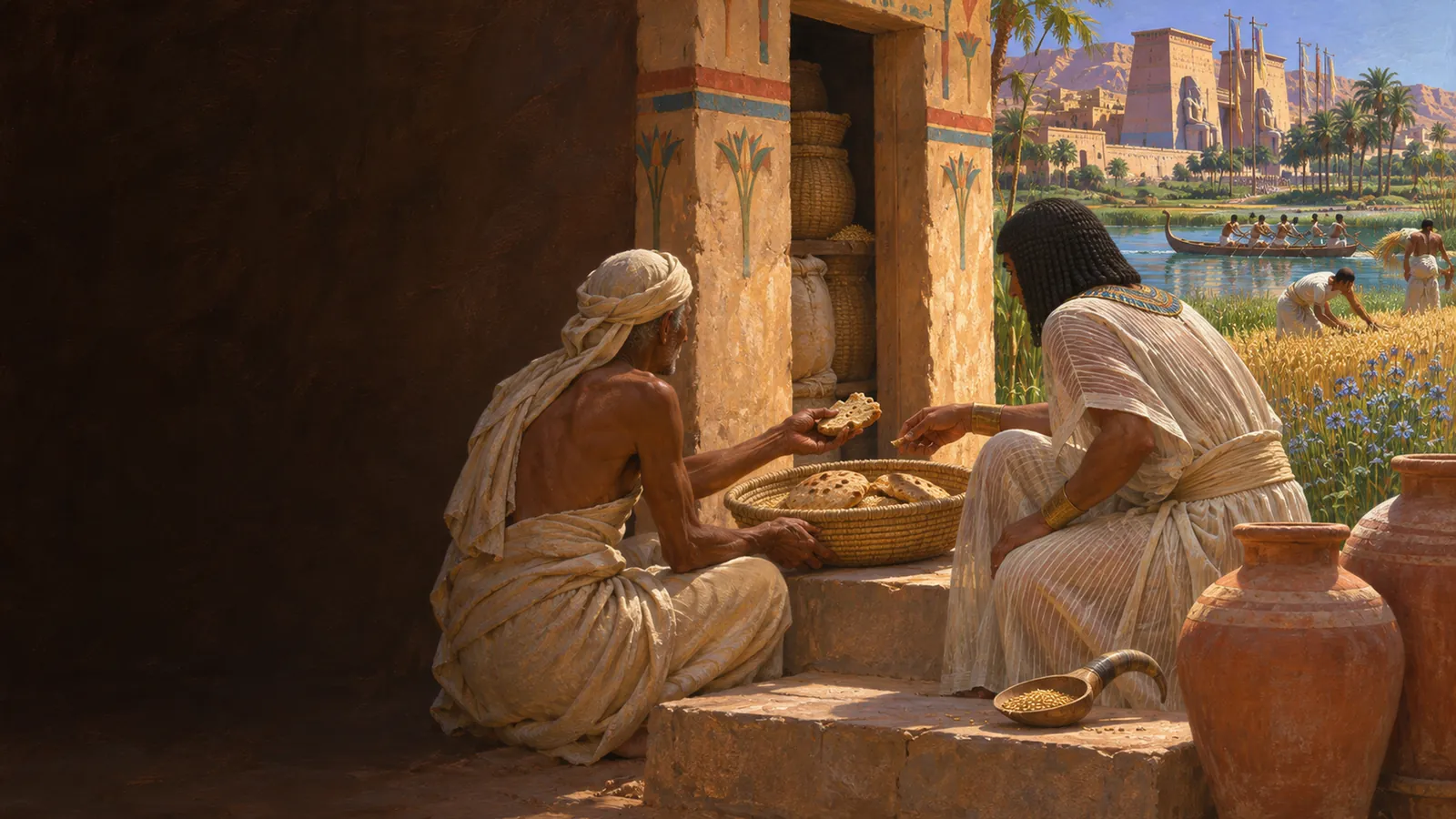
Le récitant dit que sa bouche est pourvue de dents semblables à des cornes, dans une formule où Budge ajoute des mots entre crochets. Il demande une nourriture abondante, de celle dont vivent les Doubles et les Esprits.
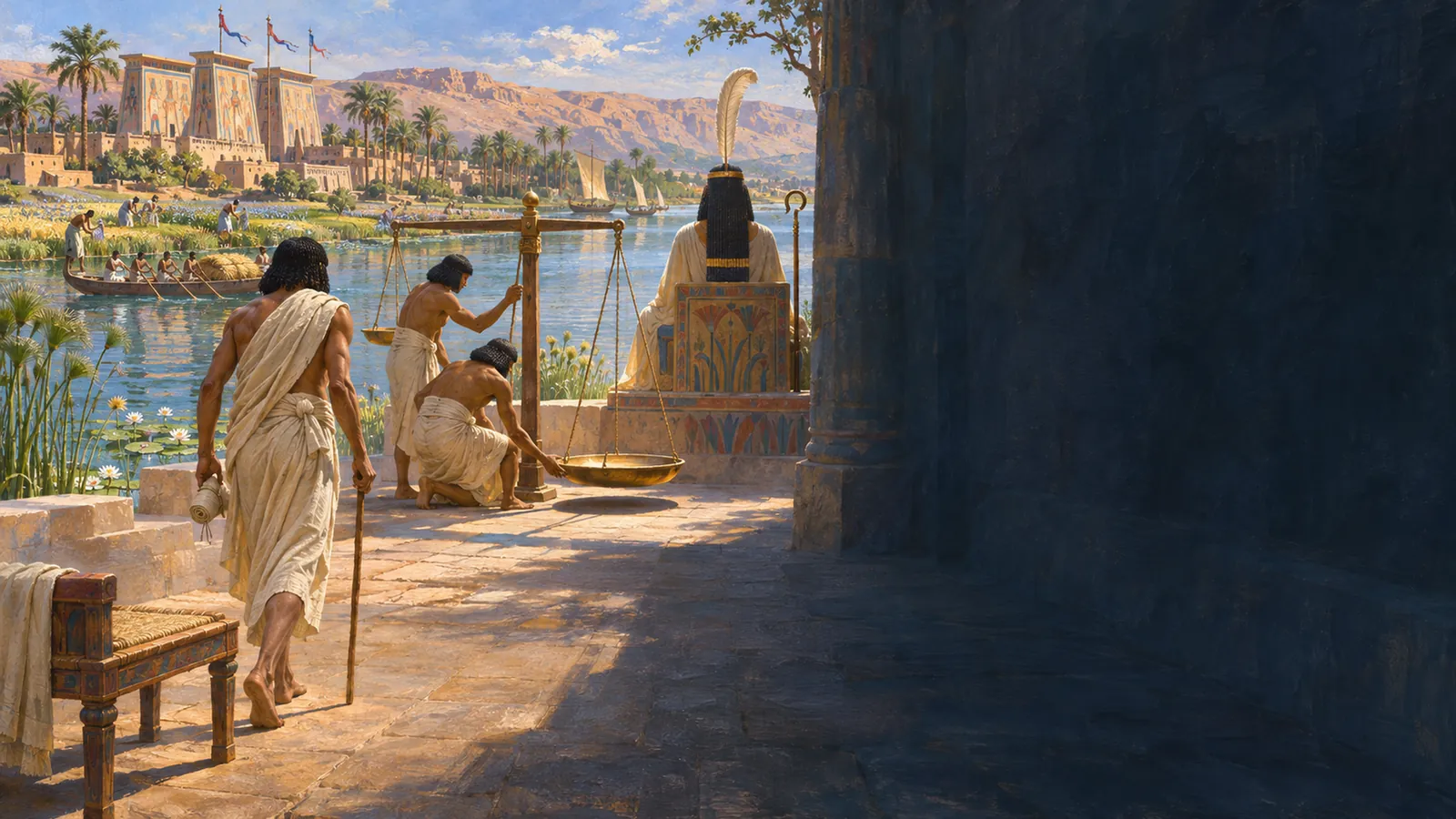
Le récitant dit avoir passé le jugement que Shou prononce sur celui qui le connaît.
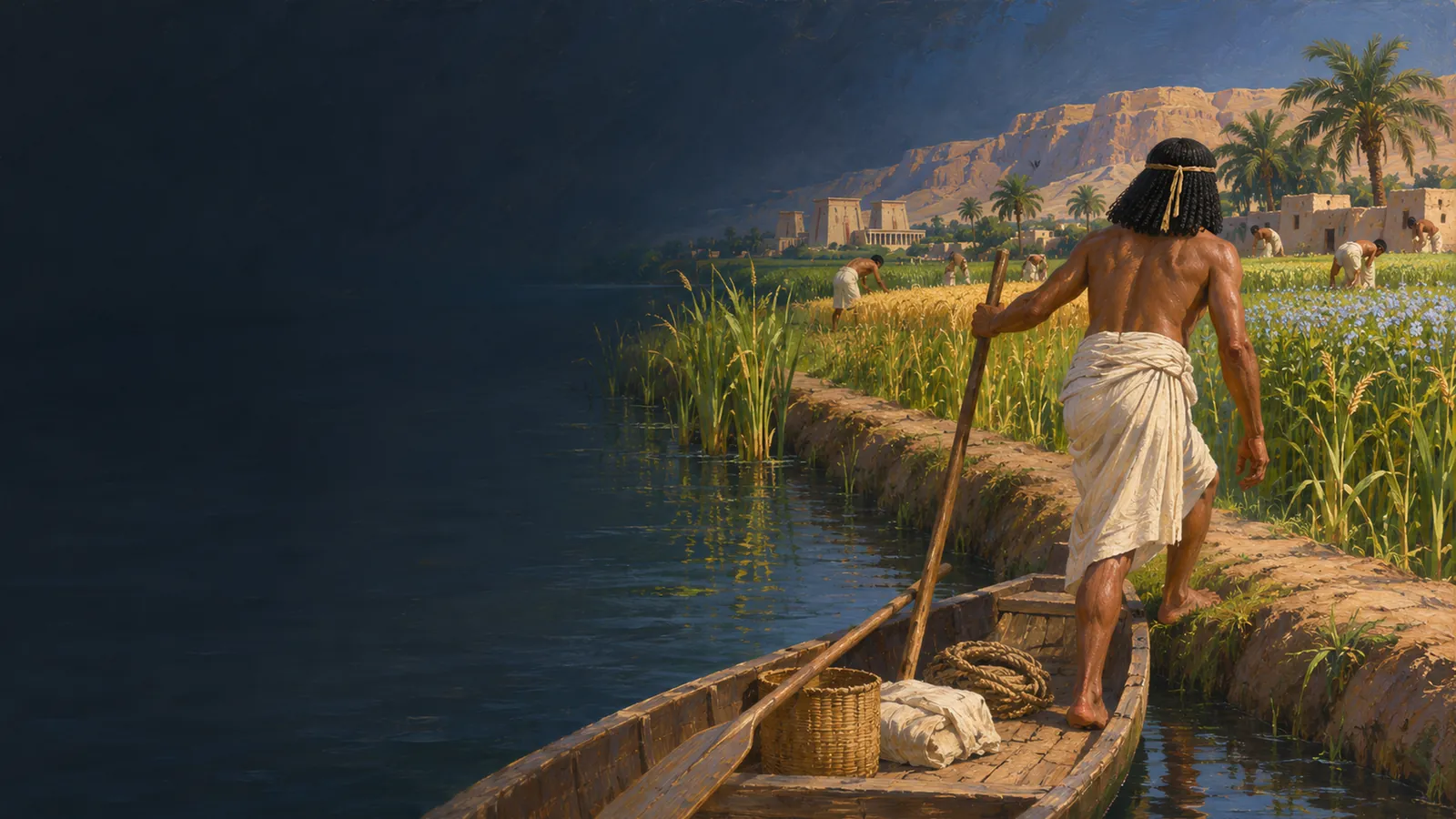
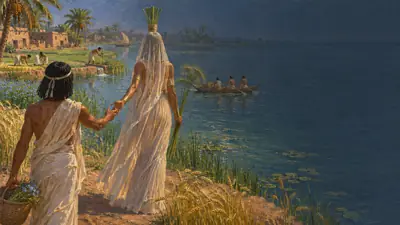
Le récitant demande donc de partir vers les villes de Hetep. Il demande de naviguer parmi ses lacs et de marcher dans Sekhet-Hetep.
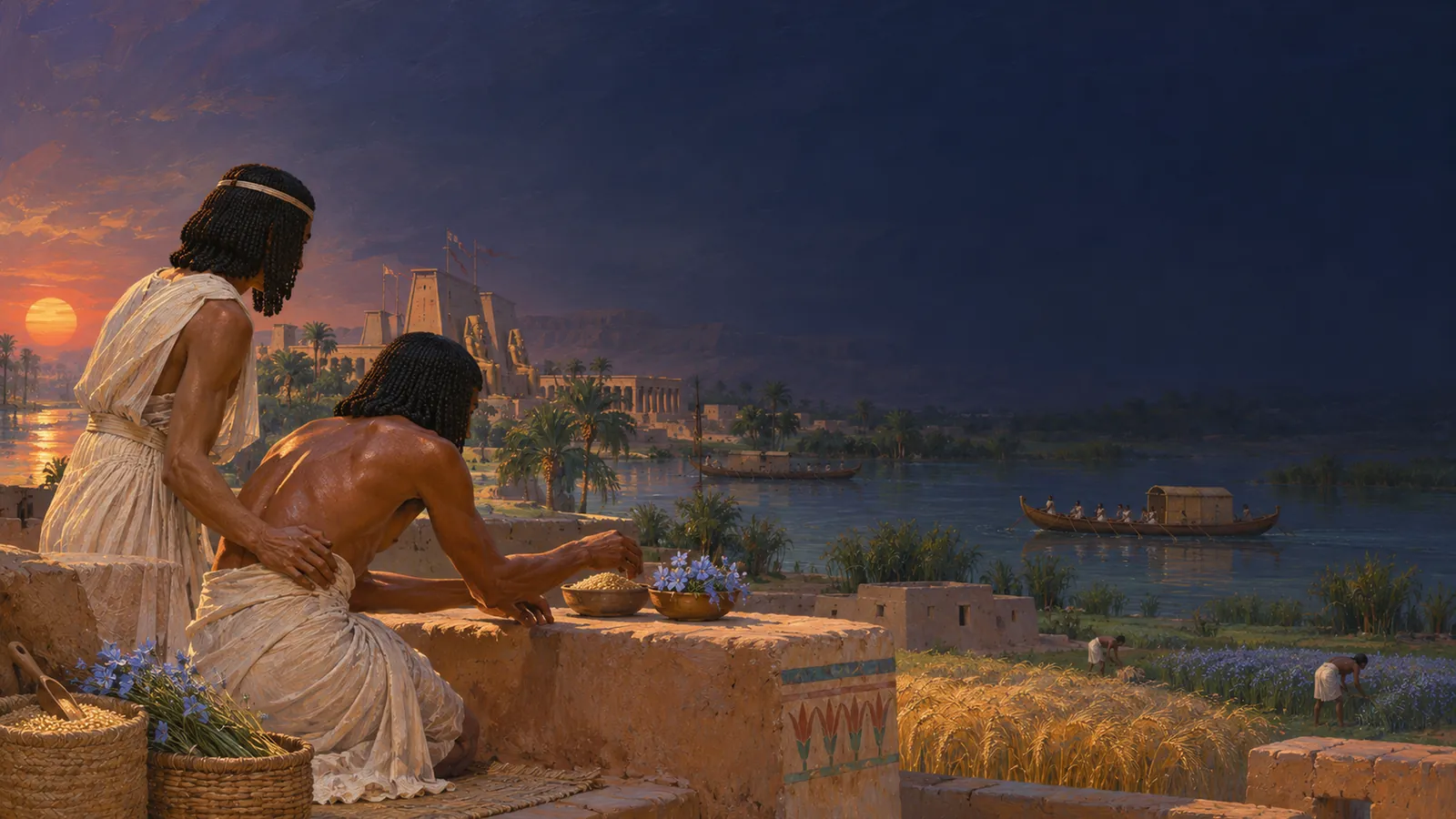
Le récitant dit que Rê est au ciel et appelle le dieu Hetep « sa double offrande ».
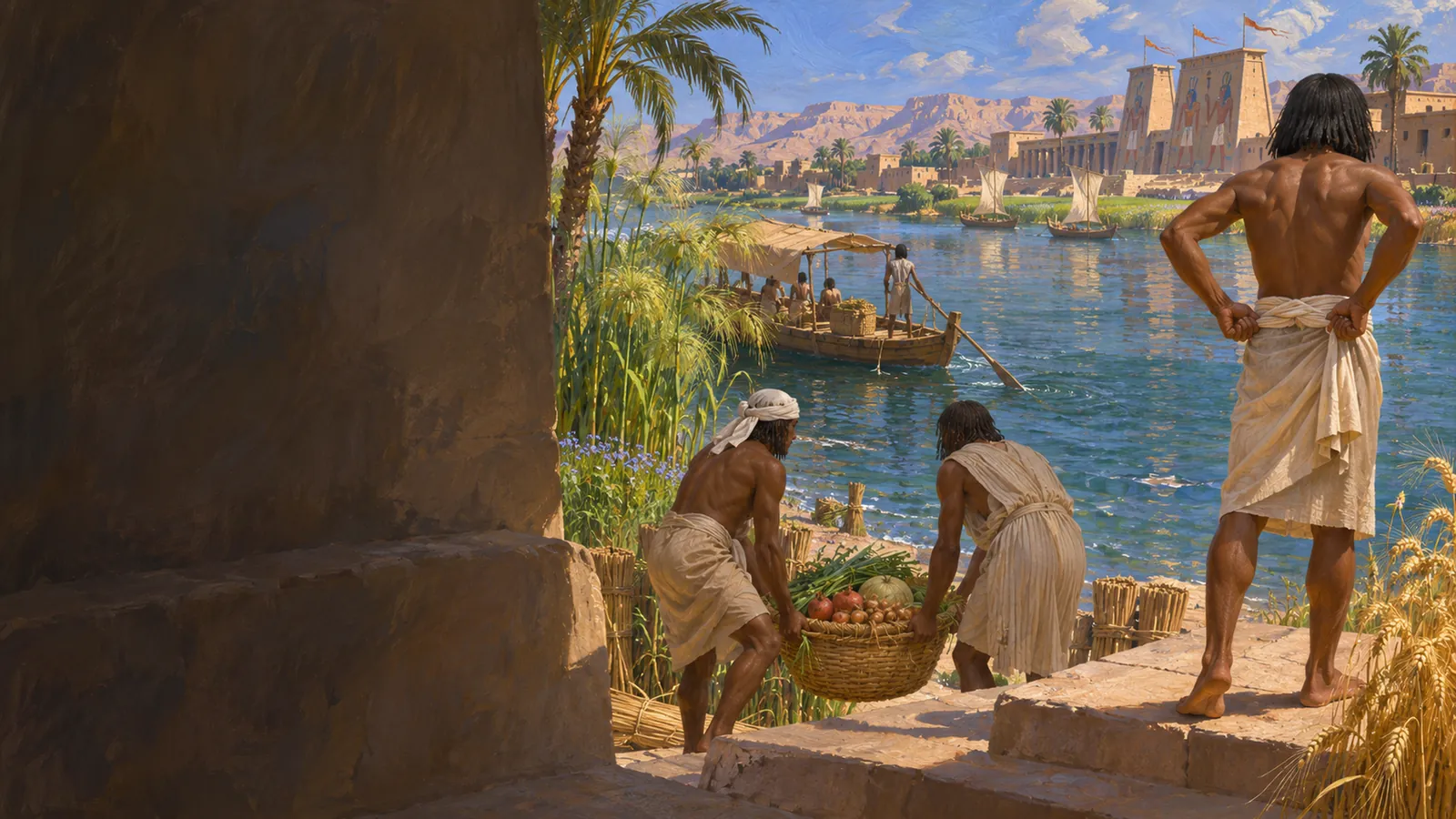
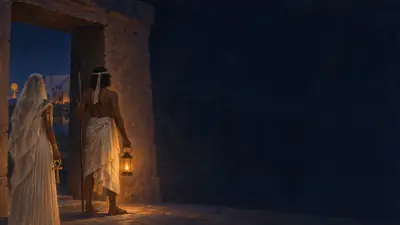
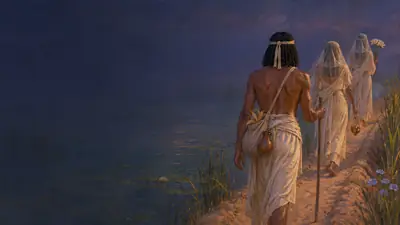
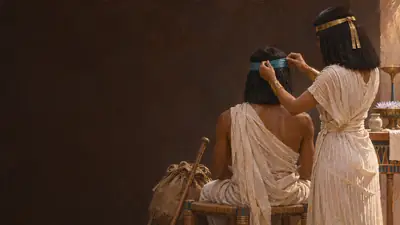
Le récitant dit qu’il a atteint le pays de Hetep et s’est ceint les reins. Il dit qu’il est sorti pour recevoir les dons sur le point de lui être accordés.
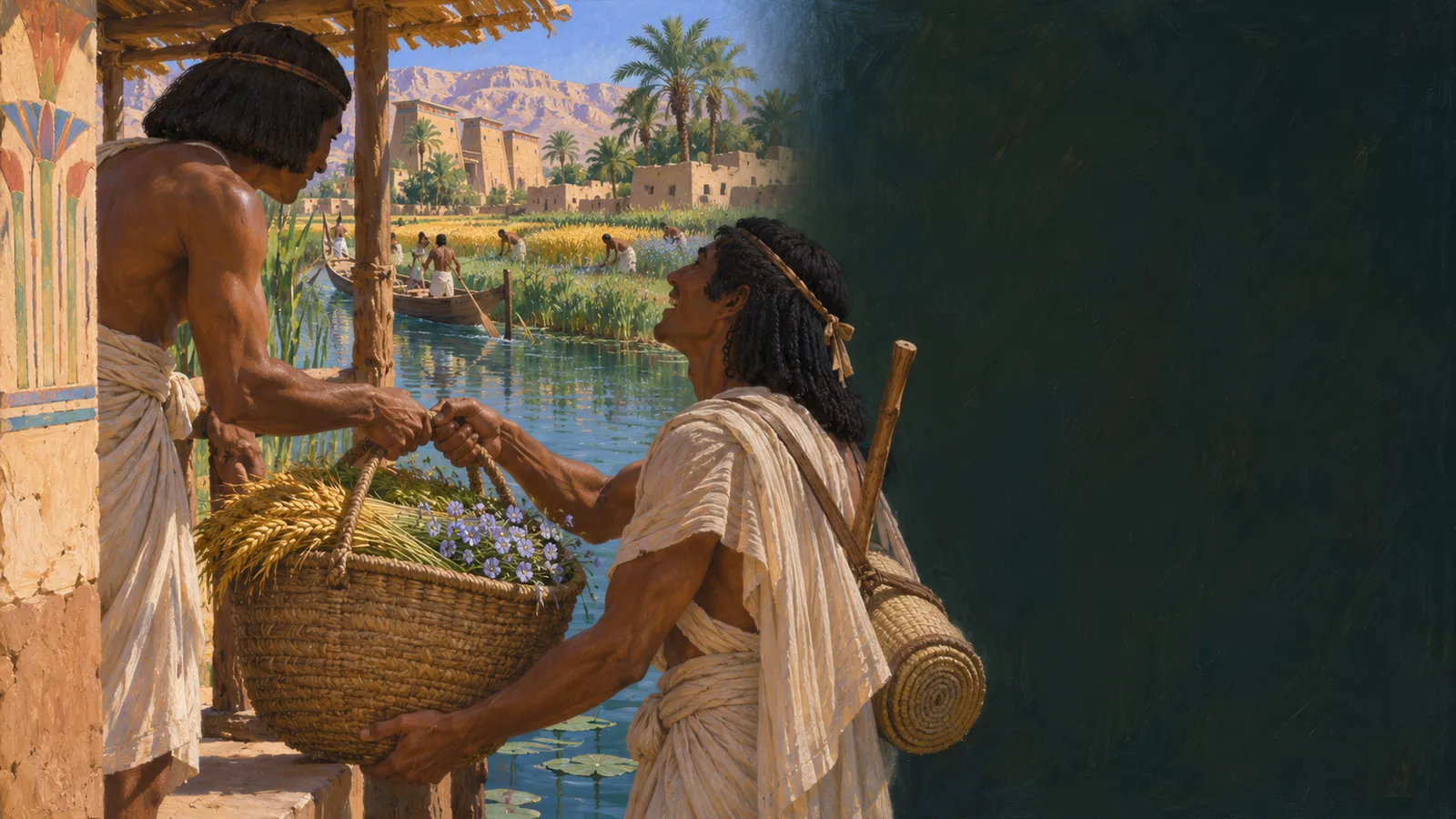
Le récitant dit qu’il se réjouit et qu’il saisit sa force, que le dieu Hetep a grandement accrue pour lui.
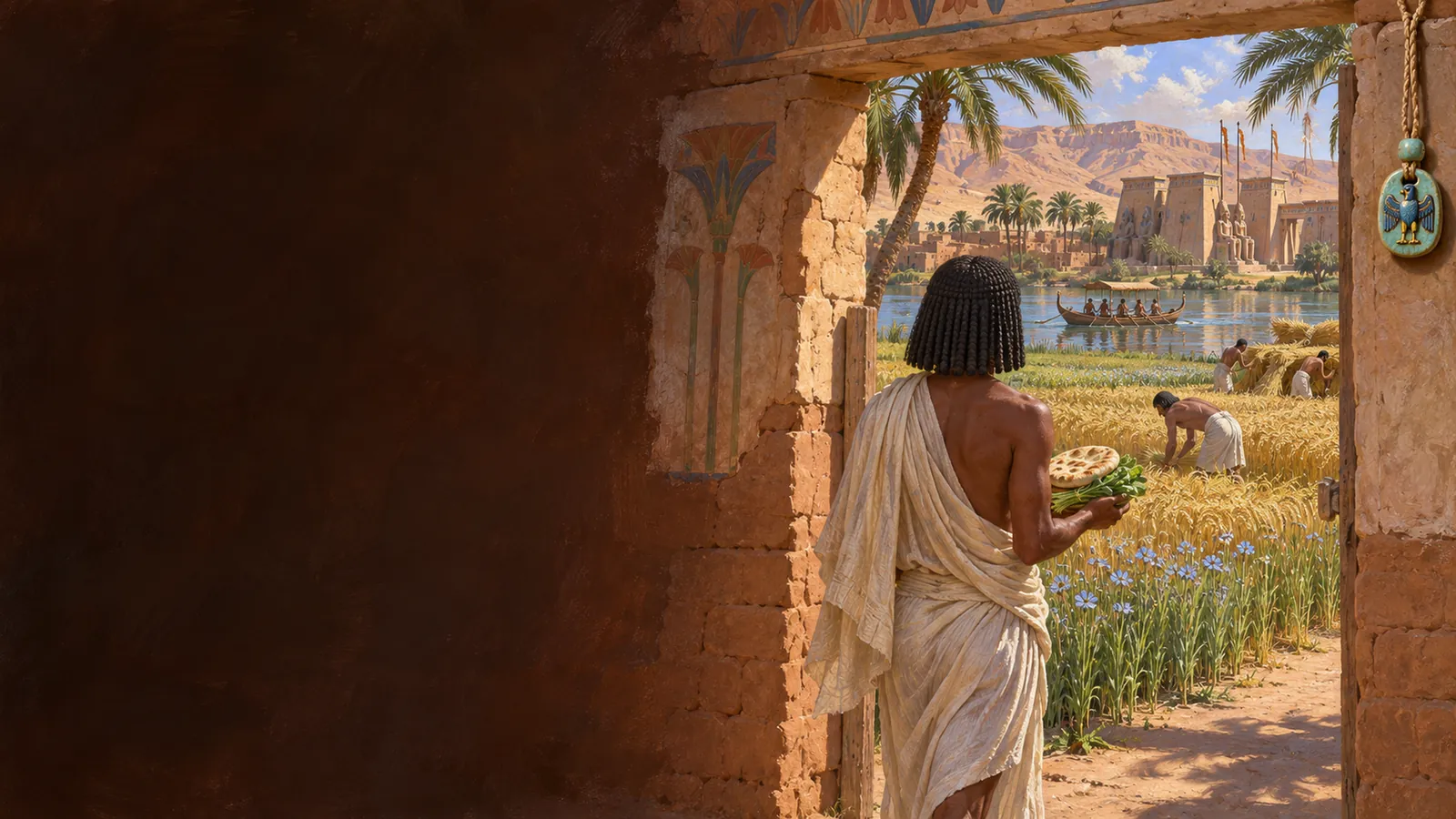
ARRIVÉE
Le récitant s’adresse à Unen-em-hetep et dit qu’il y est entré, suivi de son âme. Il dit que sa nourriture divine est sur ses mains.
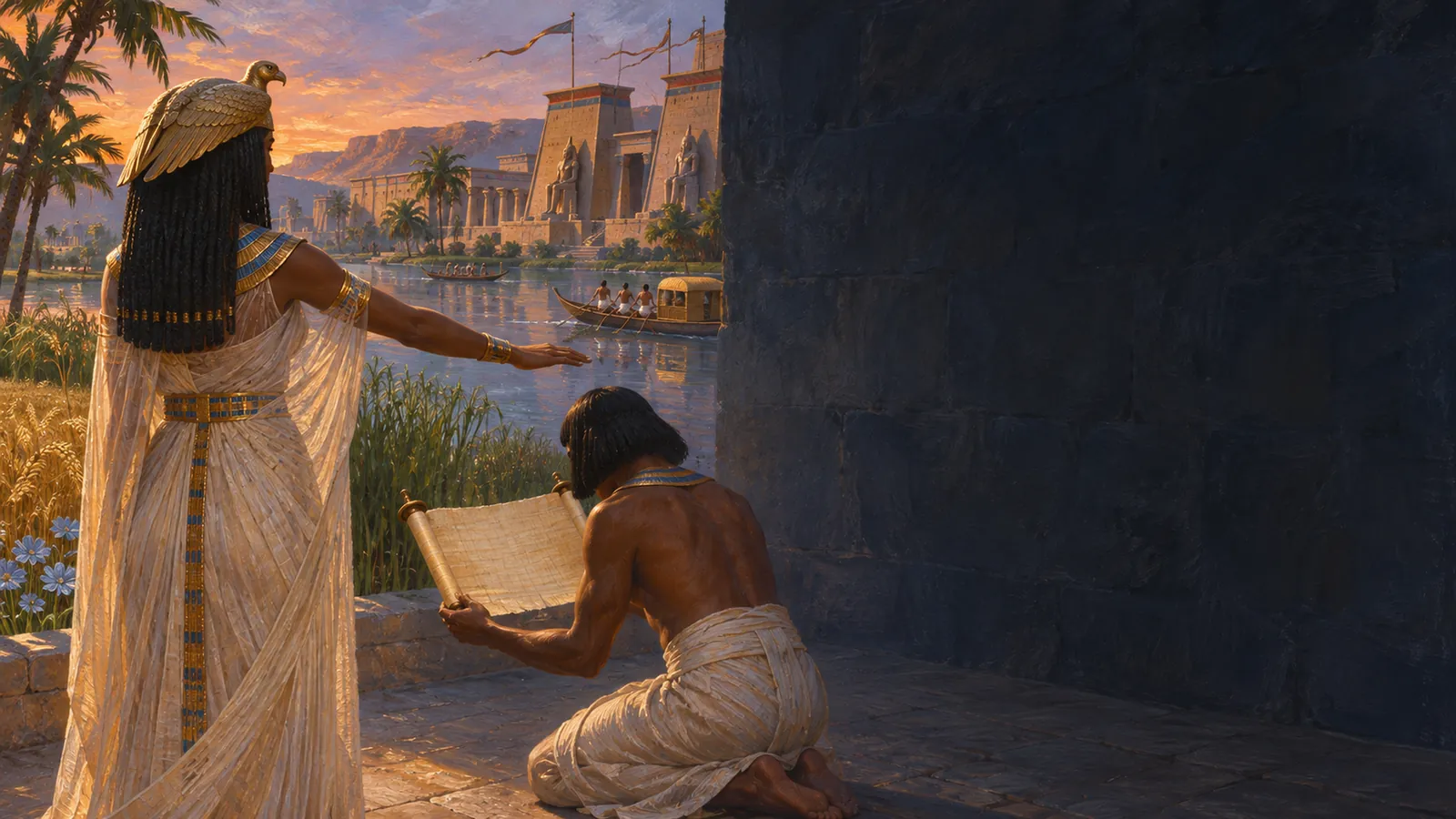
Le récitant invoque la Dame des Deux Terres. Il dit qu’elle affermit sa parole, par laquelle il se souvient et oublie.
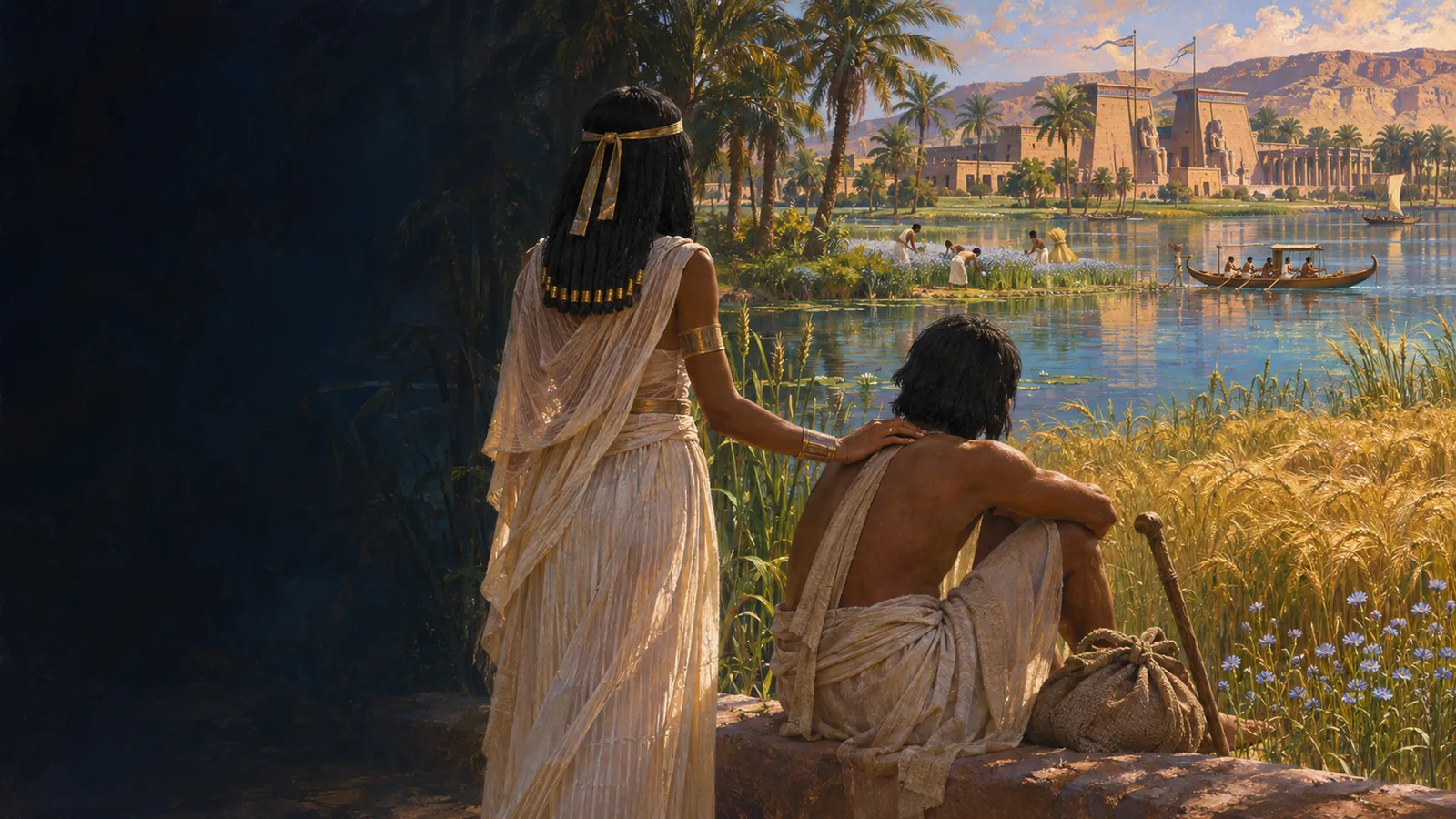
Le récitant demande de vivre sans subir de blessure. Il demande la joie du cœur et prie la Dame de le mettre en paix.
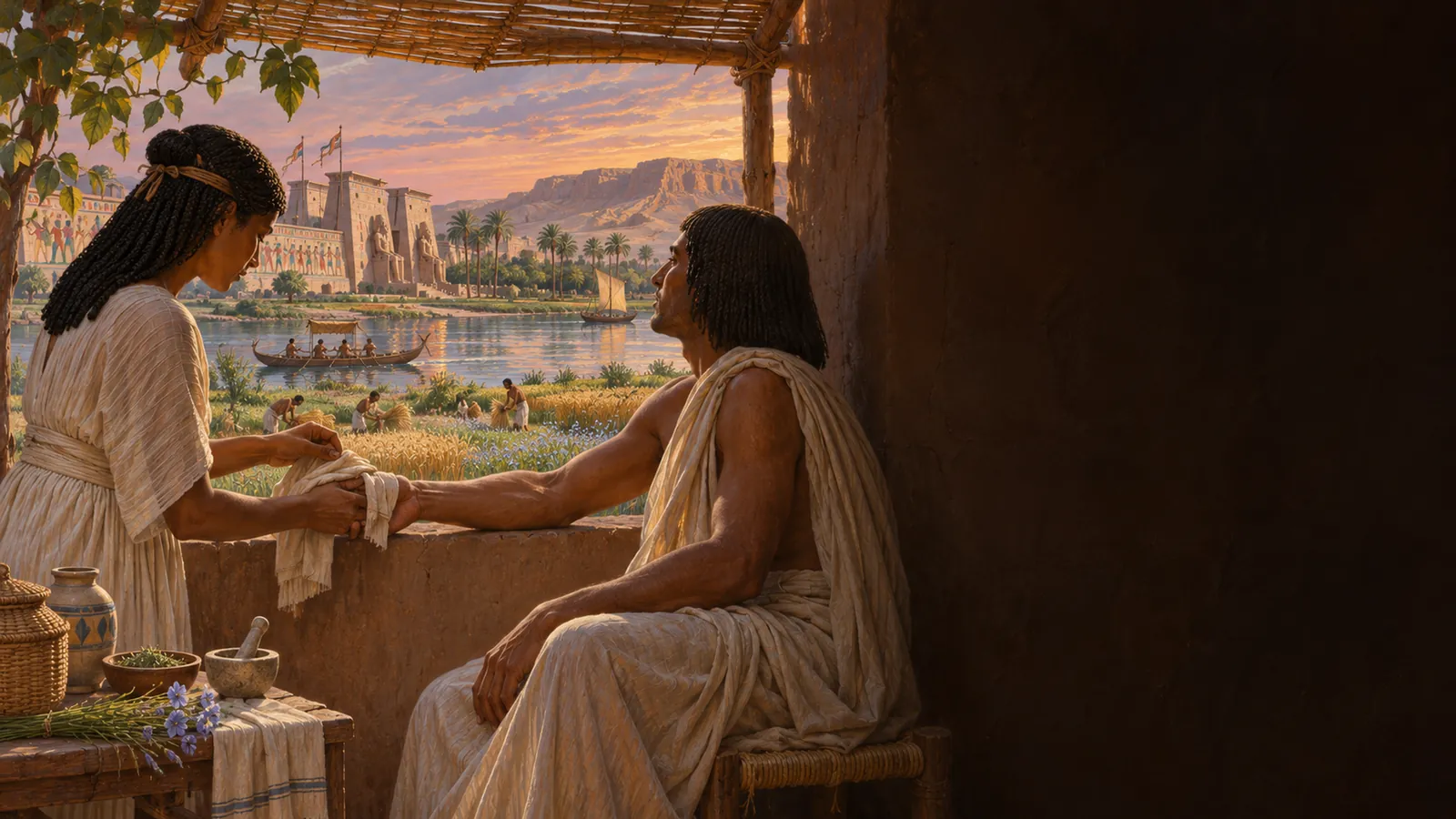
Il demande à la Dame des Deux Terres de lier ses tendons et ses muscles et de lui faire recevoir l’air.
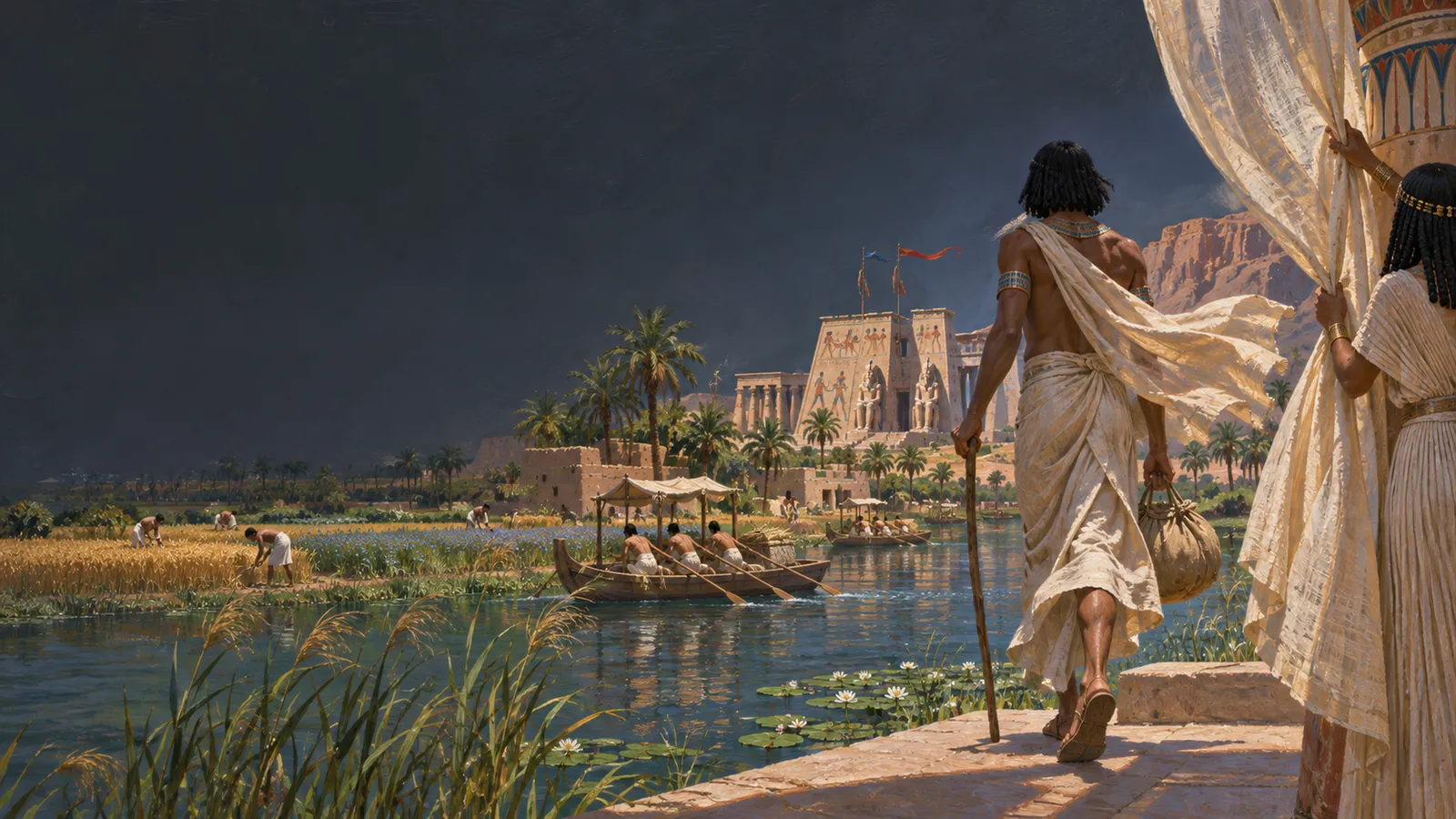
Le récitant s’adresse à Unen-em-hetep en l’appelant Dame des Vents. Il dit qu’il y est entré et y a montré sa tête.
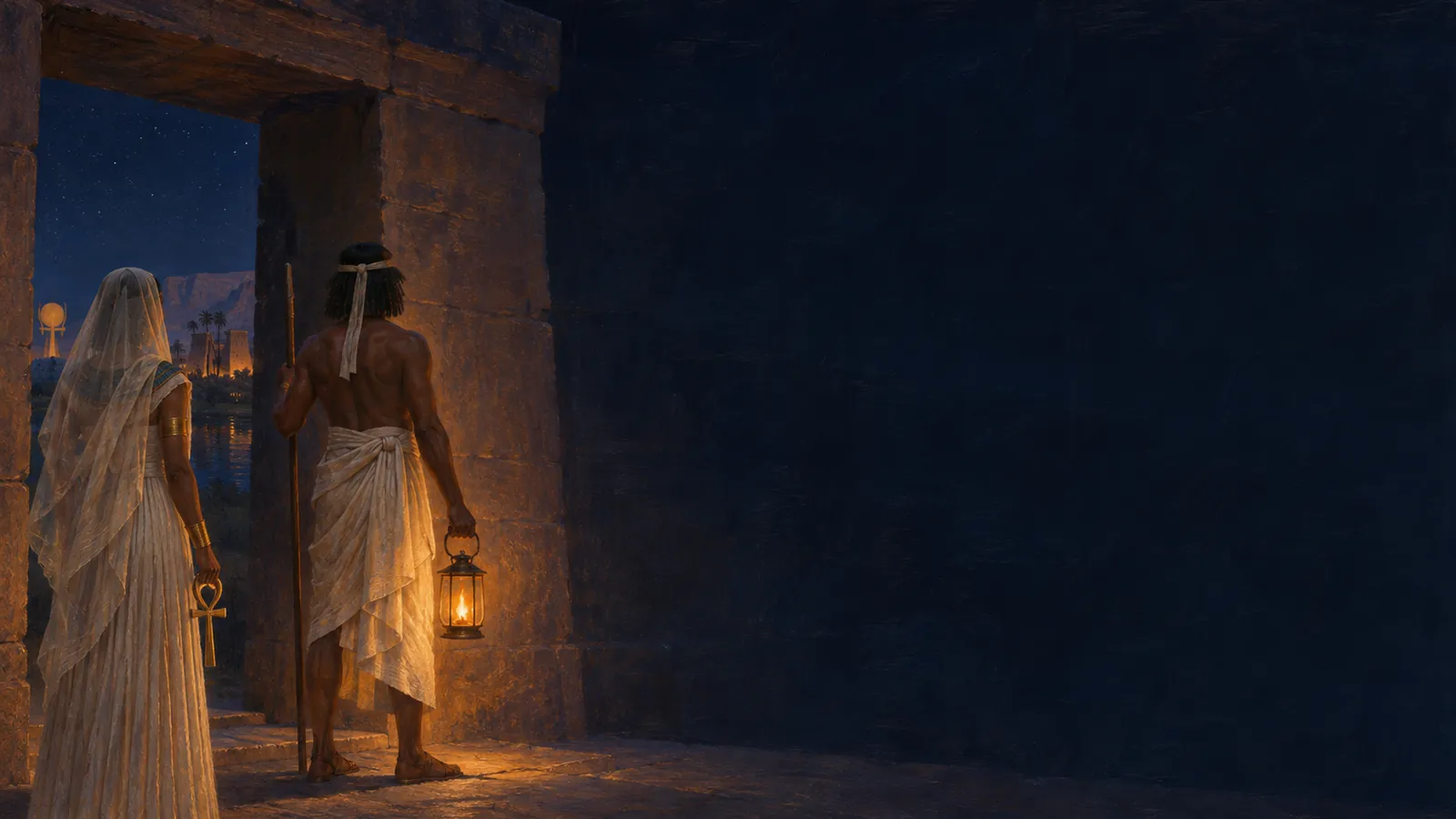
Rê dort et le récitant dit qu’il est éveillé. Il dit que la déesse Hast est à la porte du ciel pendant la nuit.
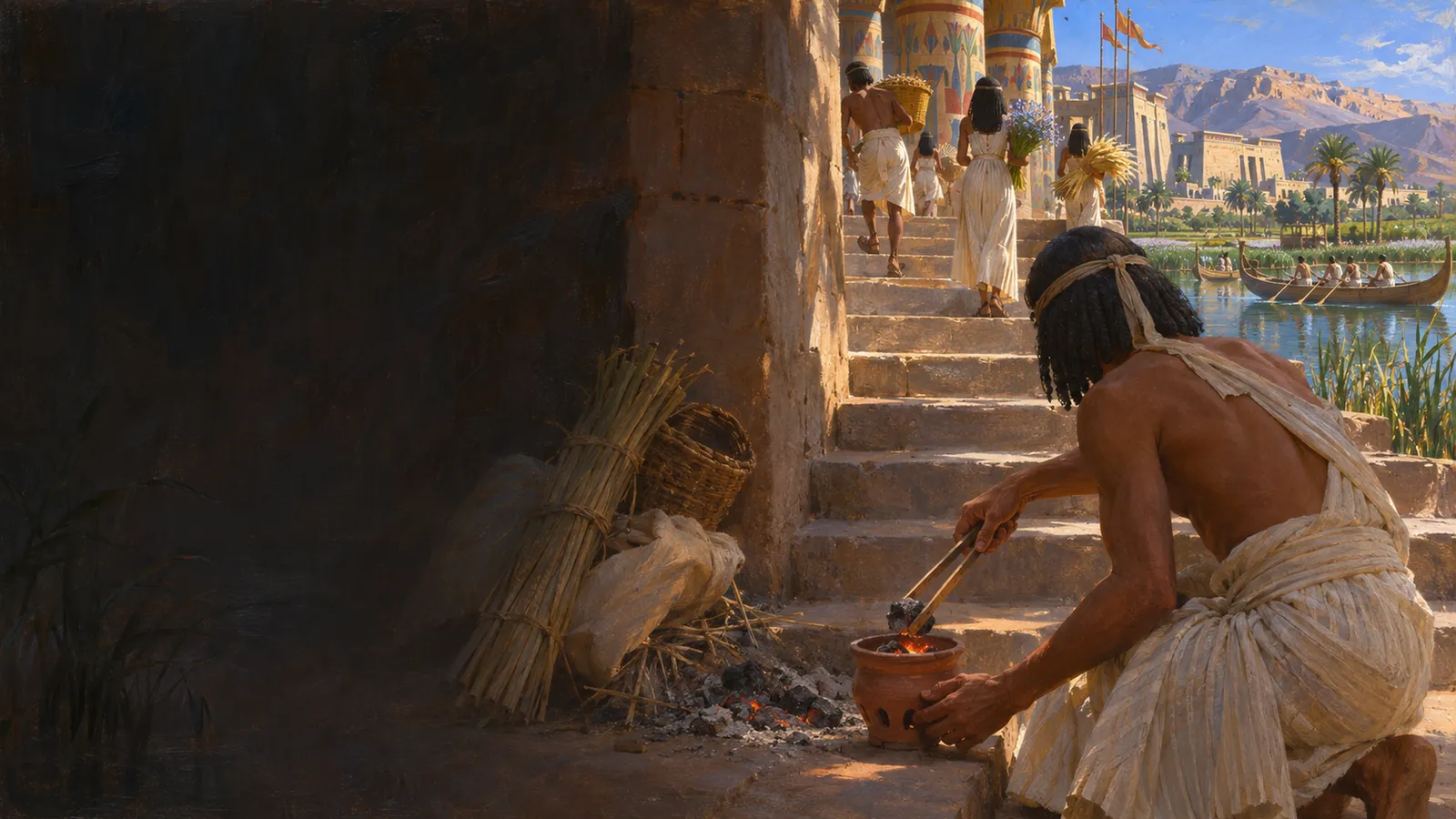
Le récitant dit que des obstacles ont été placés devant lui, mais qu’il a rassemblé ce que Rê avait émis. Il dit qu’il est dans sa ville.
NUT-URT ET UAKH
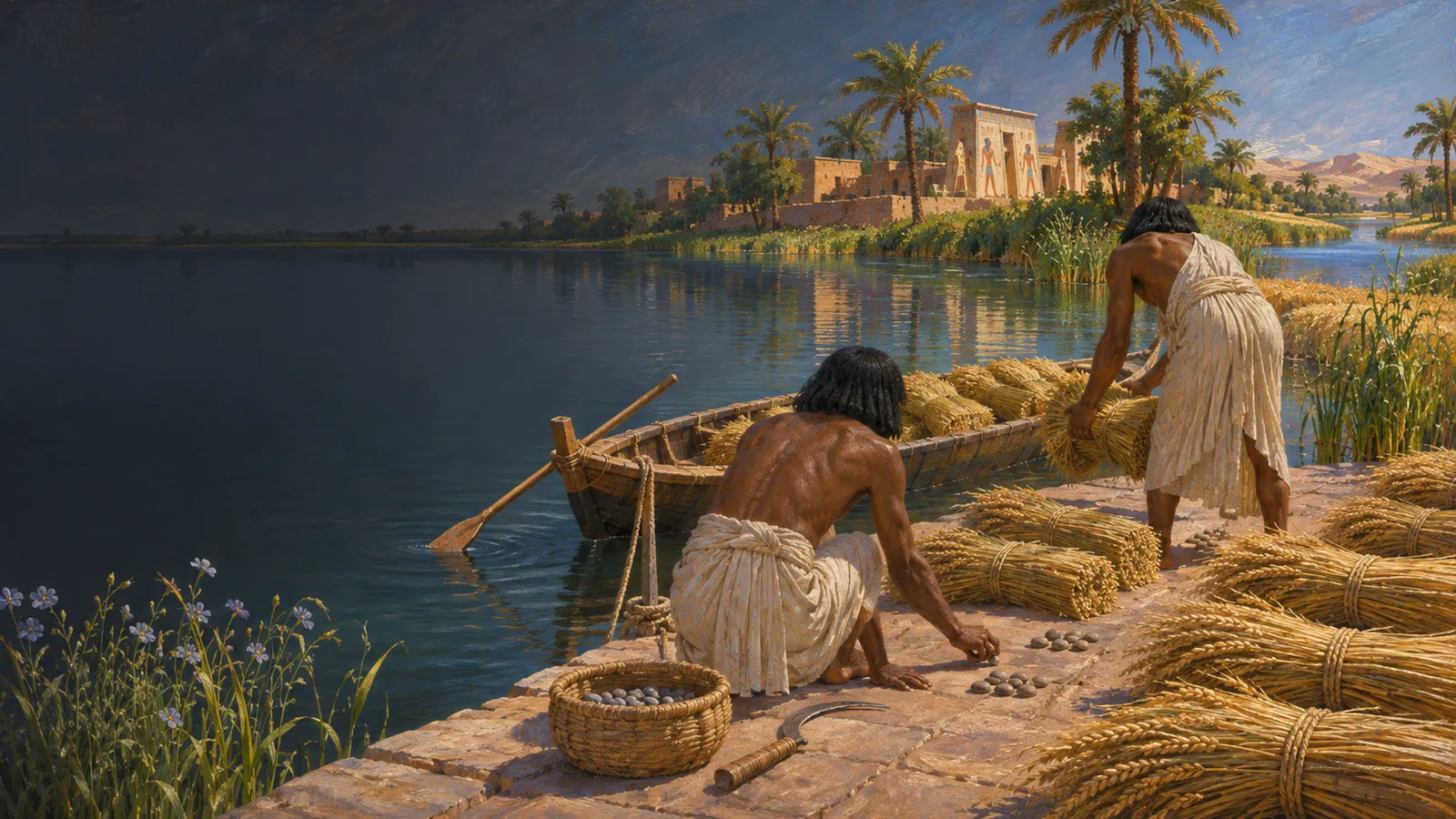
Le récitant dit qu’il est entré dans Nut-urt, a compté sa récolte et a poursuivi vers Uakh. Budge identifie les deux lieux comme des lacs.
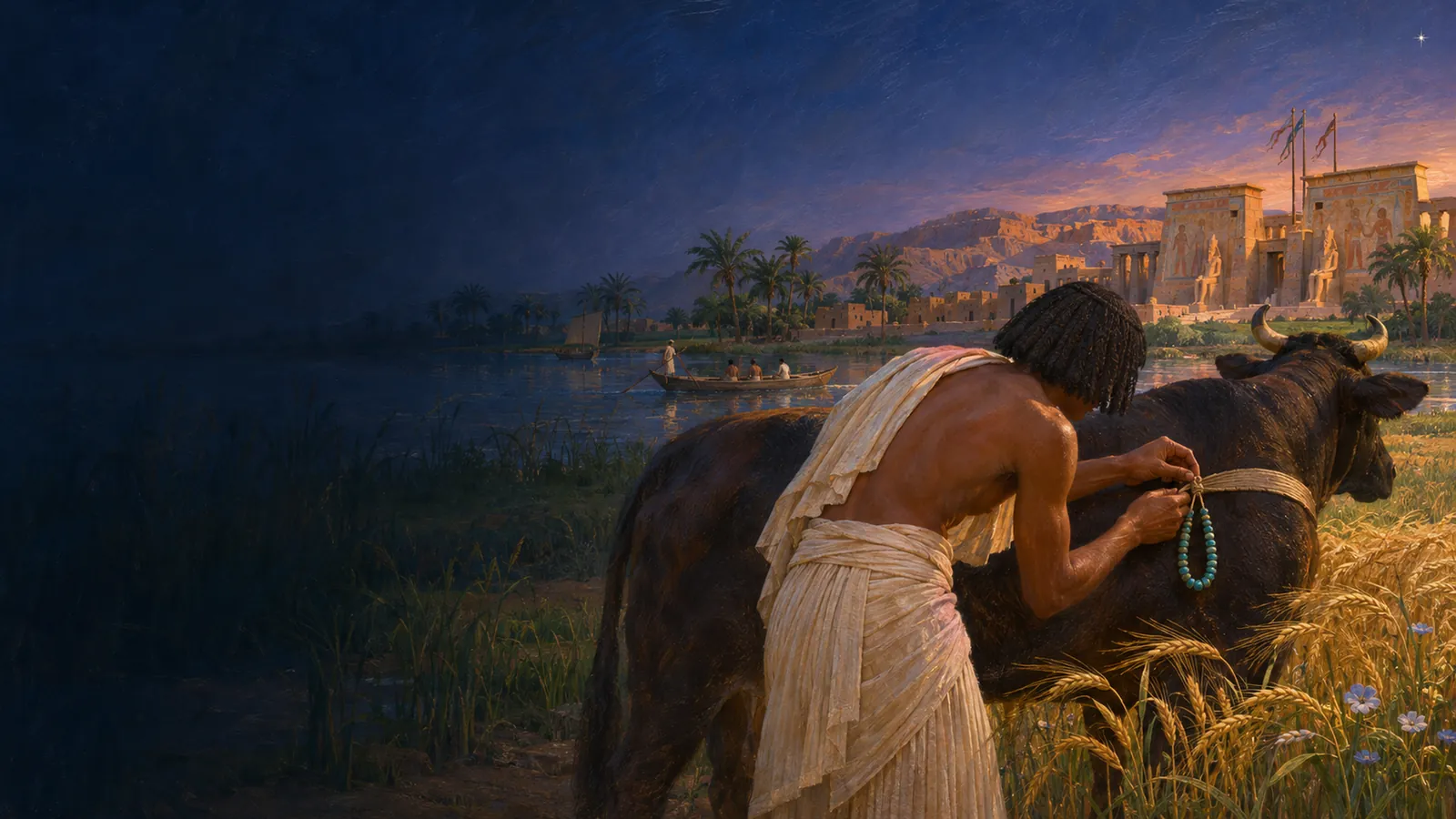
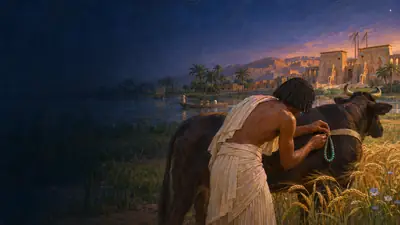
Le récitant se dit le Taureau enveloppé de turquoise et seigneur du Champ du Taureau. Il se dit maître de la parole divine de Septet à ses heures. Budge identifie Septet à Sothis.
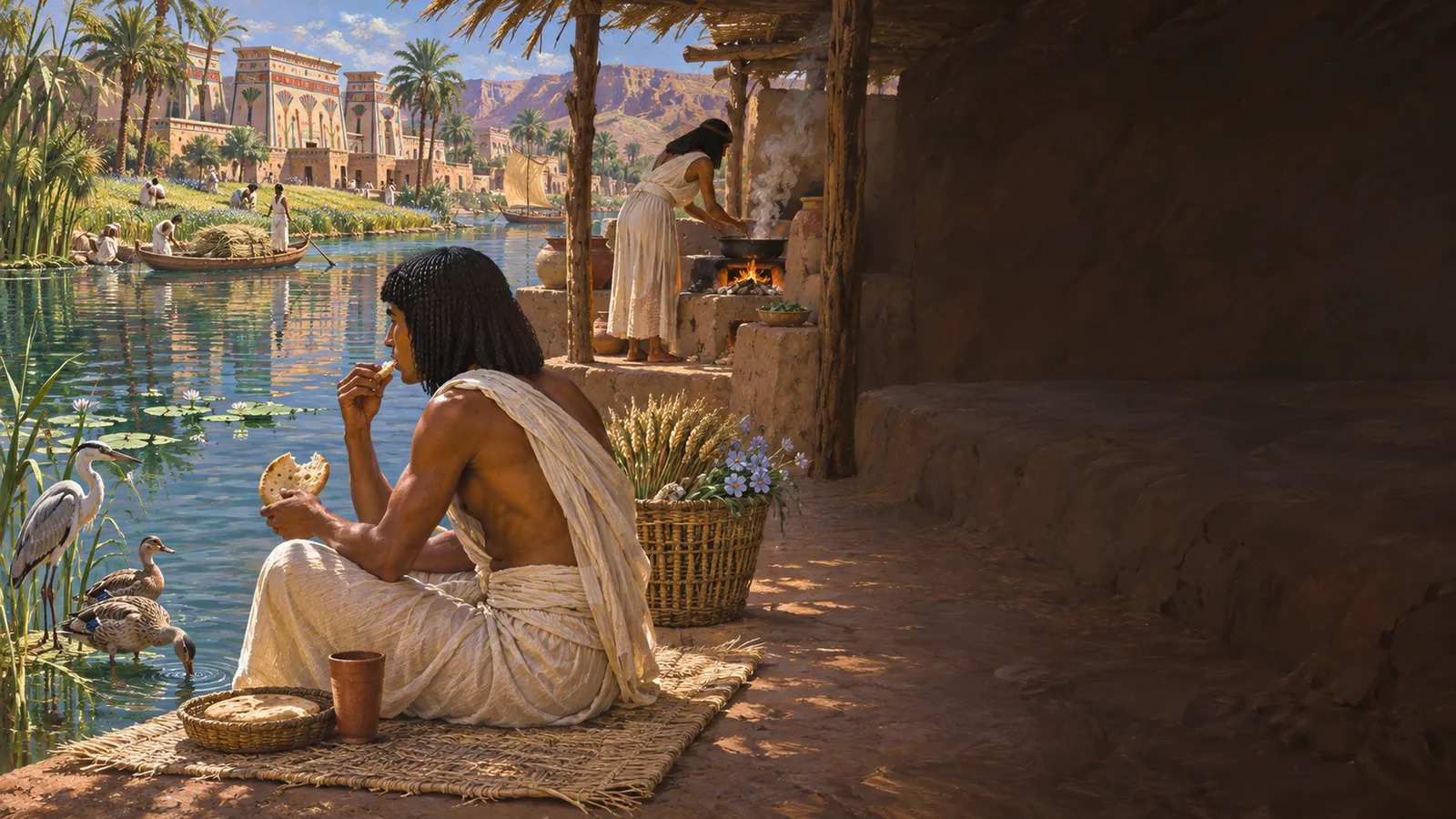
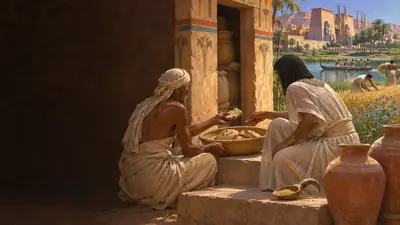
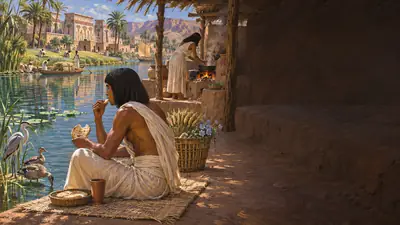
Il dit qu’il est entré dans Uakh, qu’il a mangé son pain et qu’il a pu disposer de morceaux choisis de bœuf et de volaille. Il dit qu’on lui a donné les oiseaux de Shou.
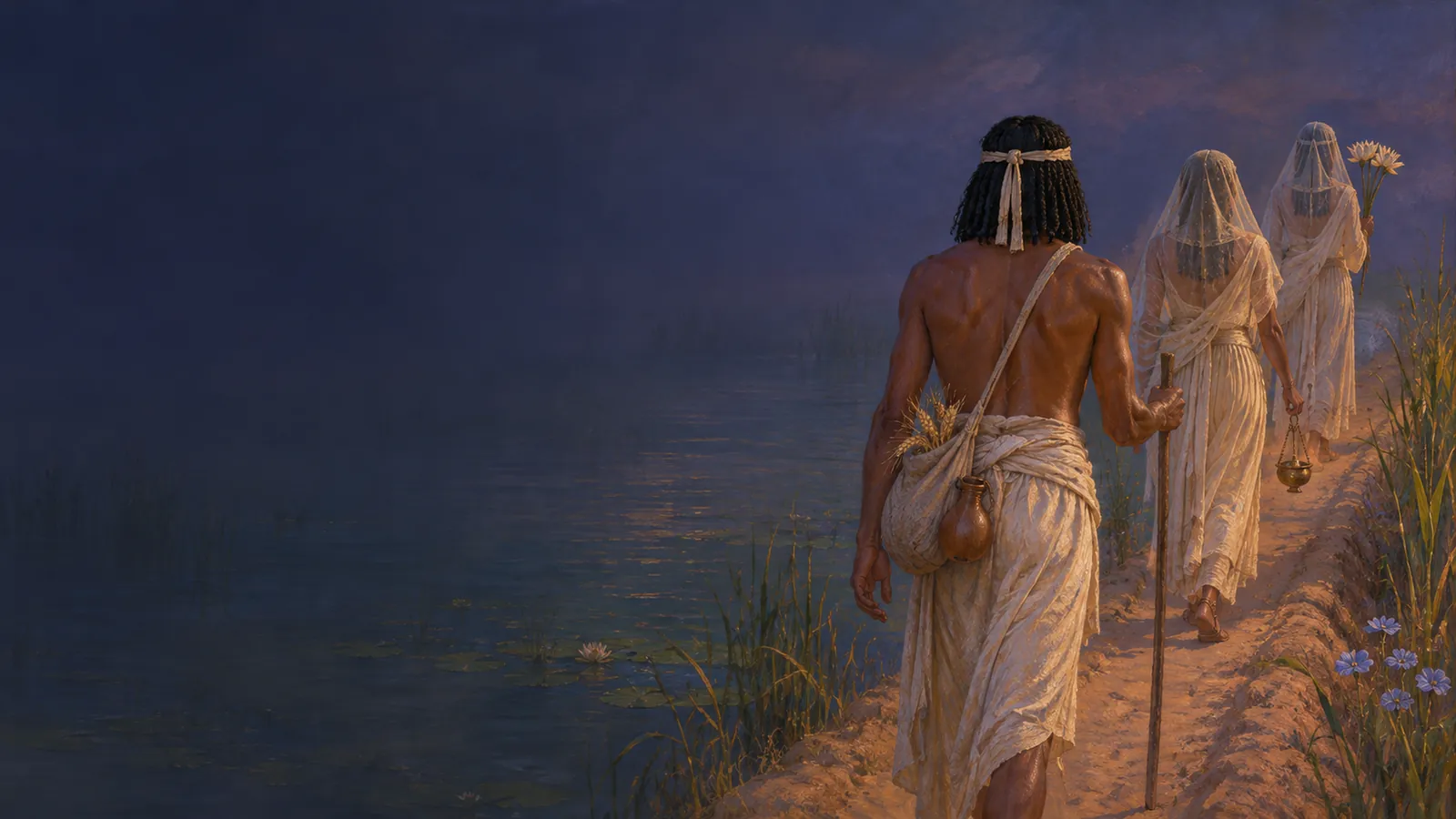
Le récitant termine son adresse à Uakh en disant qu’il suit les dieux et les Doubles divins.
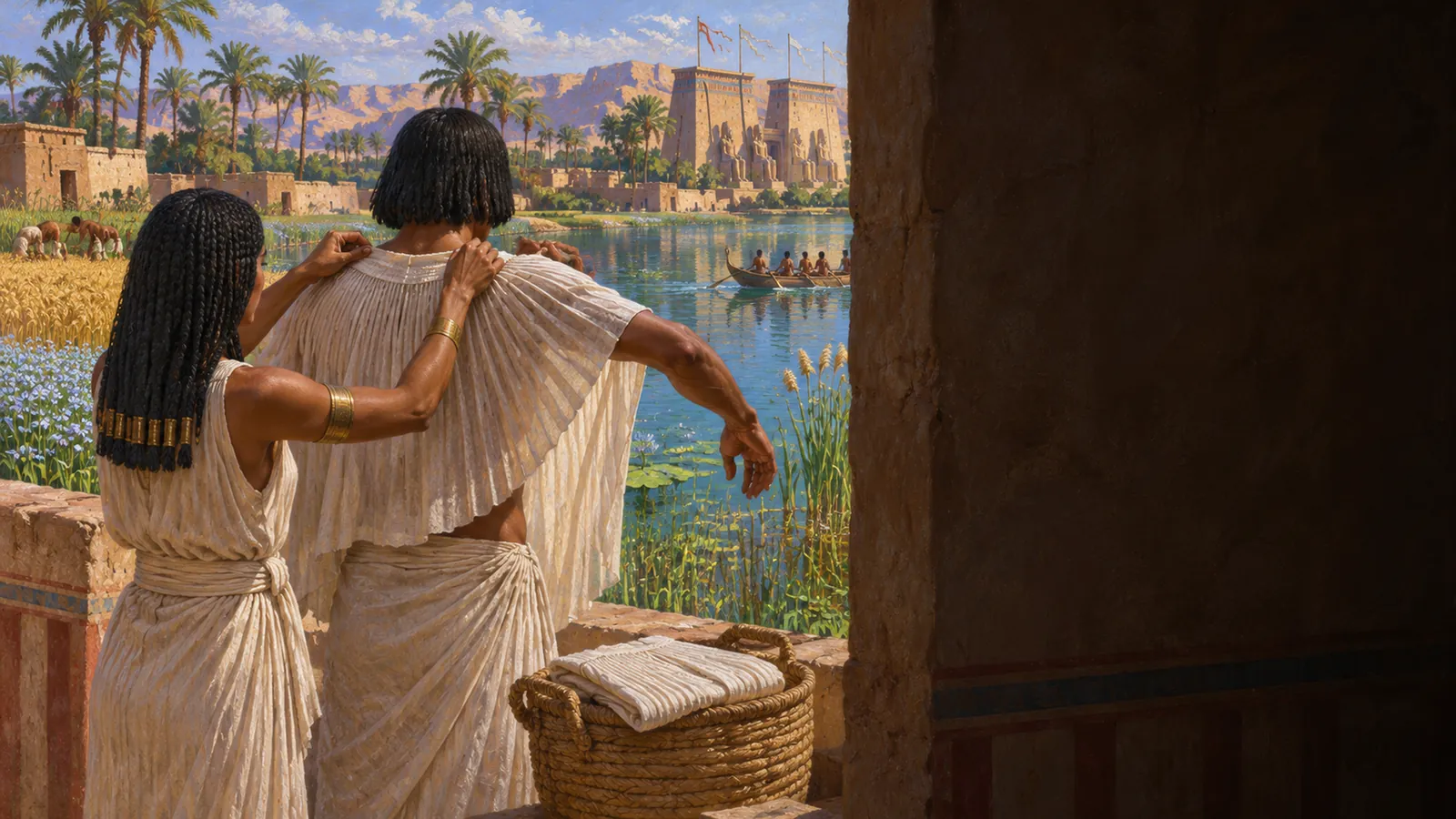
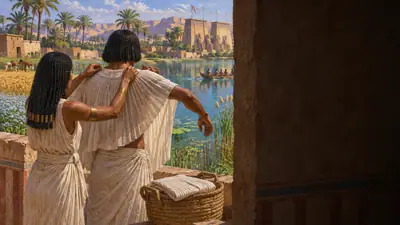
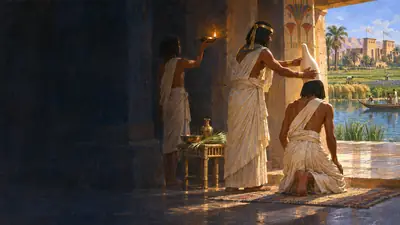
Le récitant dit qu’il est entré dans Tohefet et qu’il s’est vêtu. Il dit qu’il s’est protégé avec le vêtement Sa de Rê.
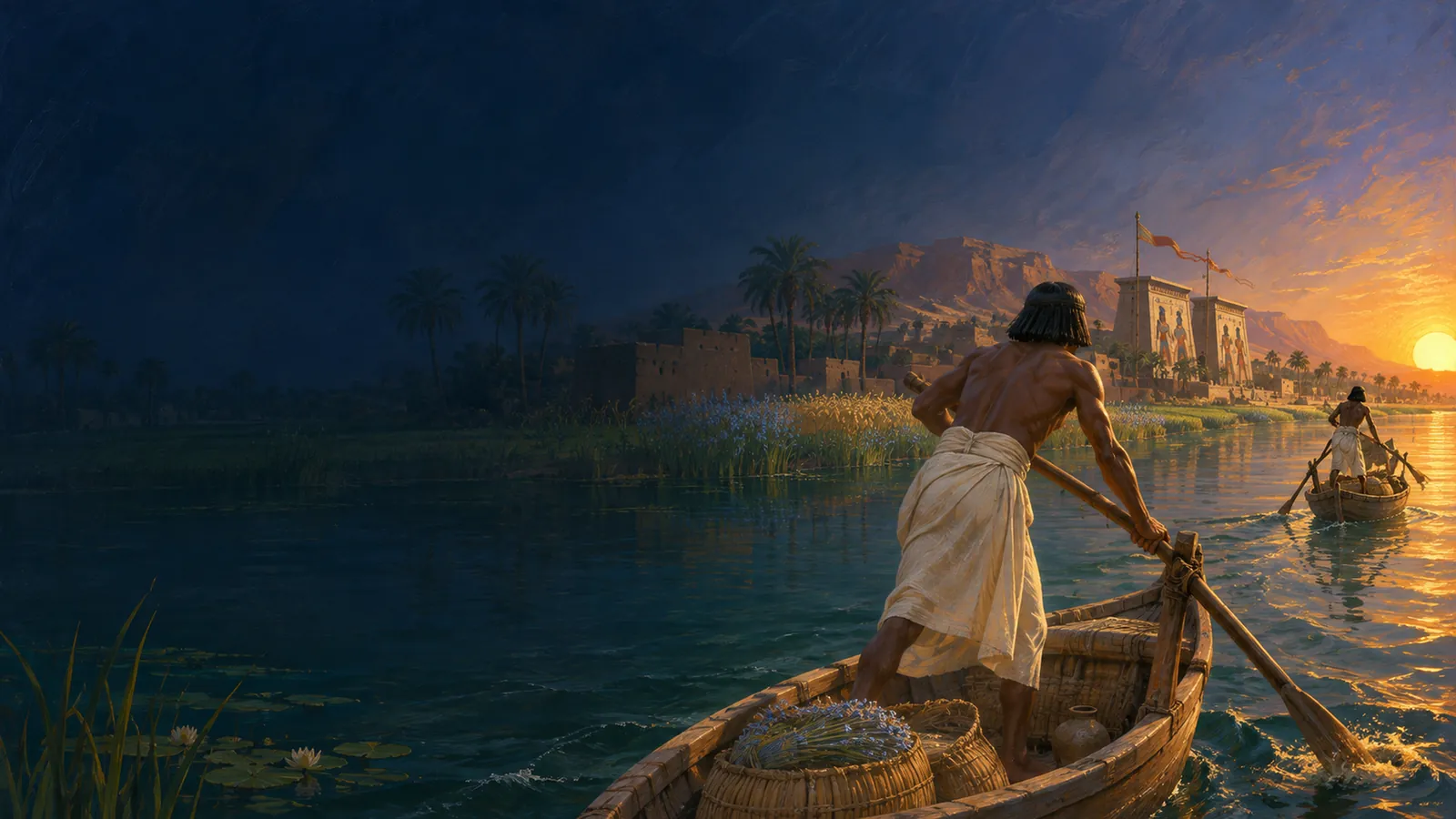
Le récitant dit que Rê est au ciel et que ceux qui y demeurent le suivent. Il dit que lui aussi y suit Rê.
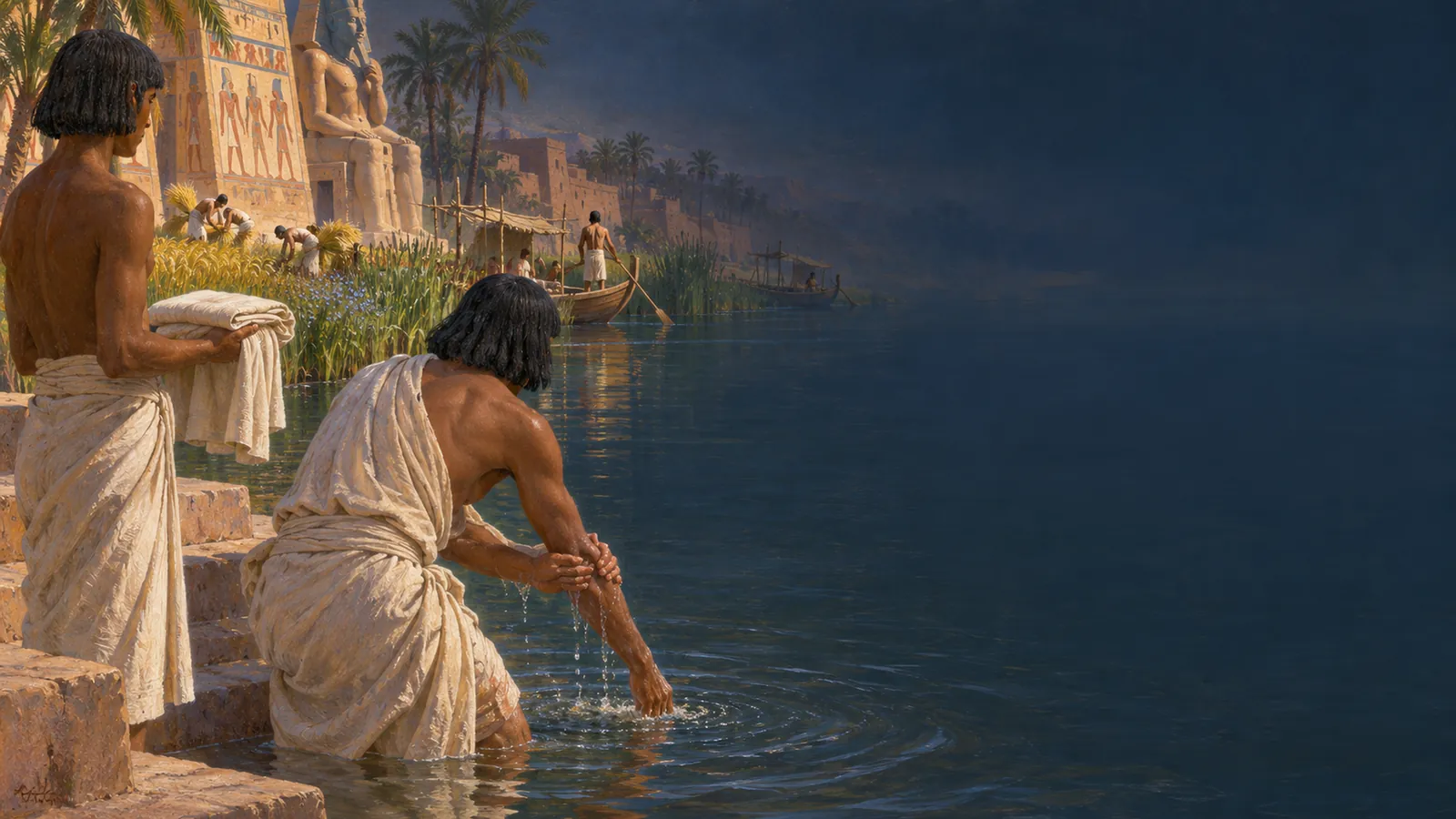
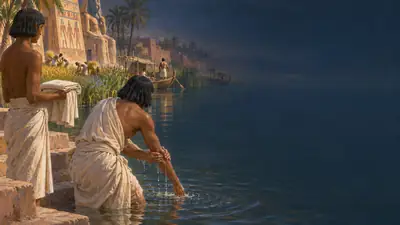
Il s’adresse à Unen-em-hetep comme seigneur des Deux Terres et dit qu’il y est entré. Il dit qu’il a plongé dans les lacs de Tohesert et que toute impureté l’a quitté.
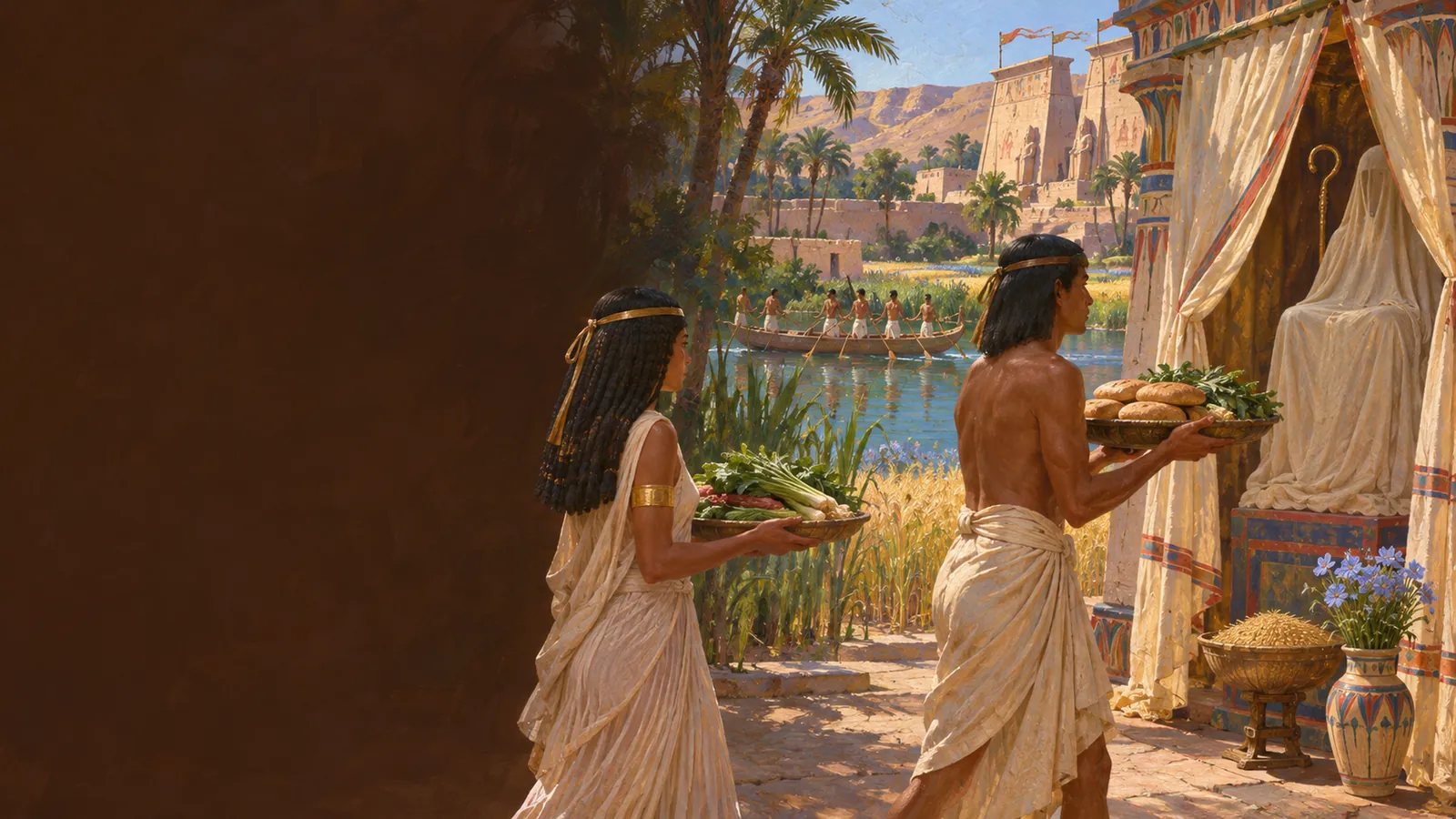
Le récitant dit que le Grand Dieu grandit là. Il dit aussi qu’il a trouvé quelque chose, et Budge ajoute entre crochets qu’il y a trouvé de la nourriture.
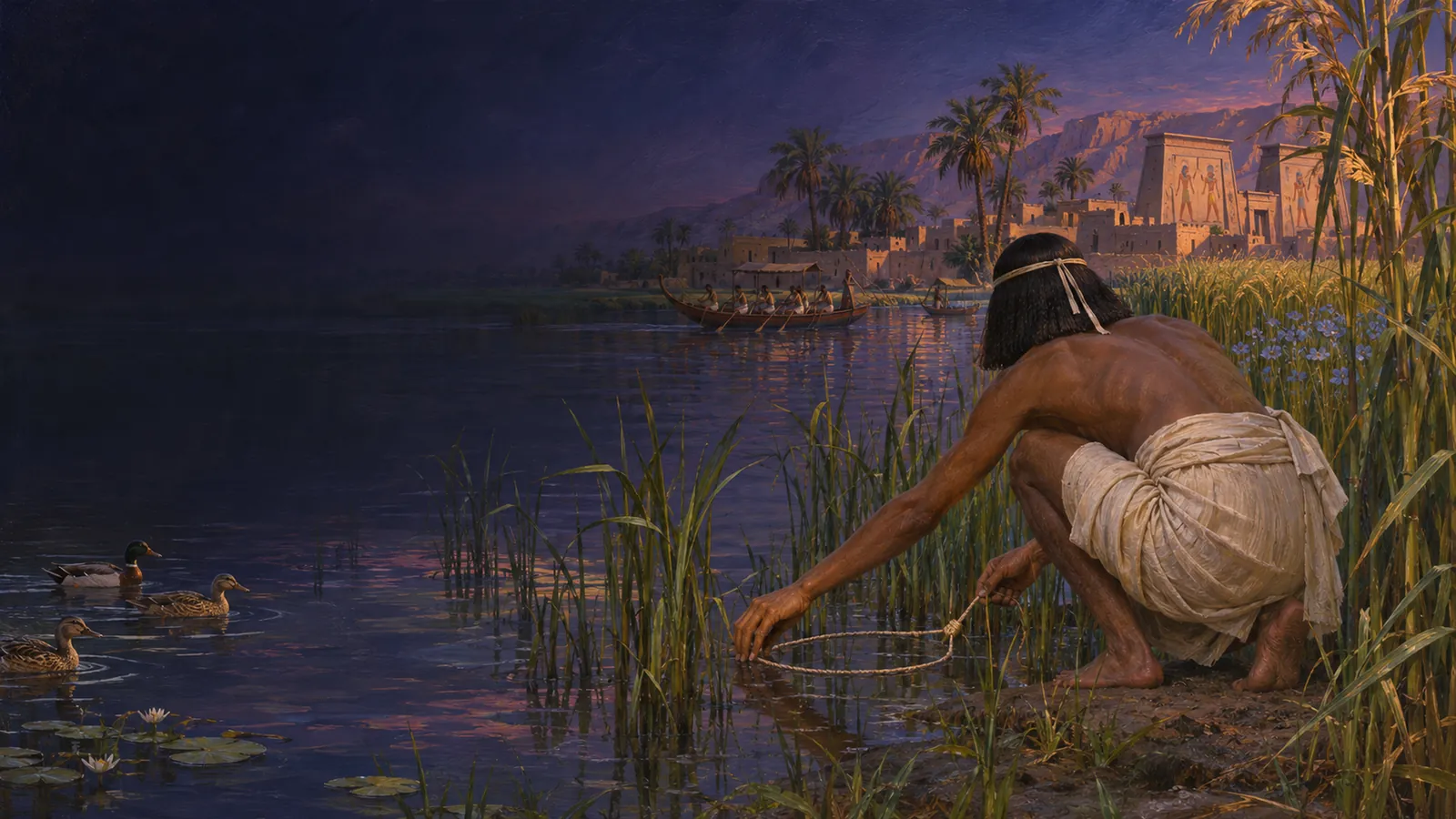
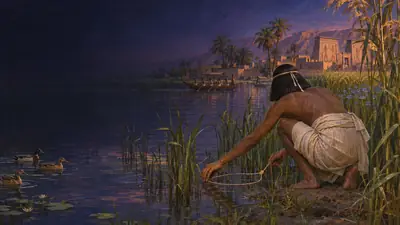
Le récitant dit qu’il a pris des oiseaux au piège et qu’il s’est nourri des meilleurs d’entre eux.
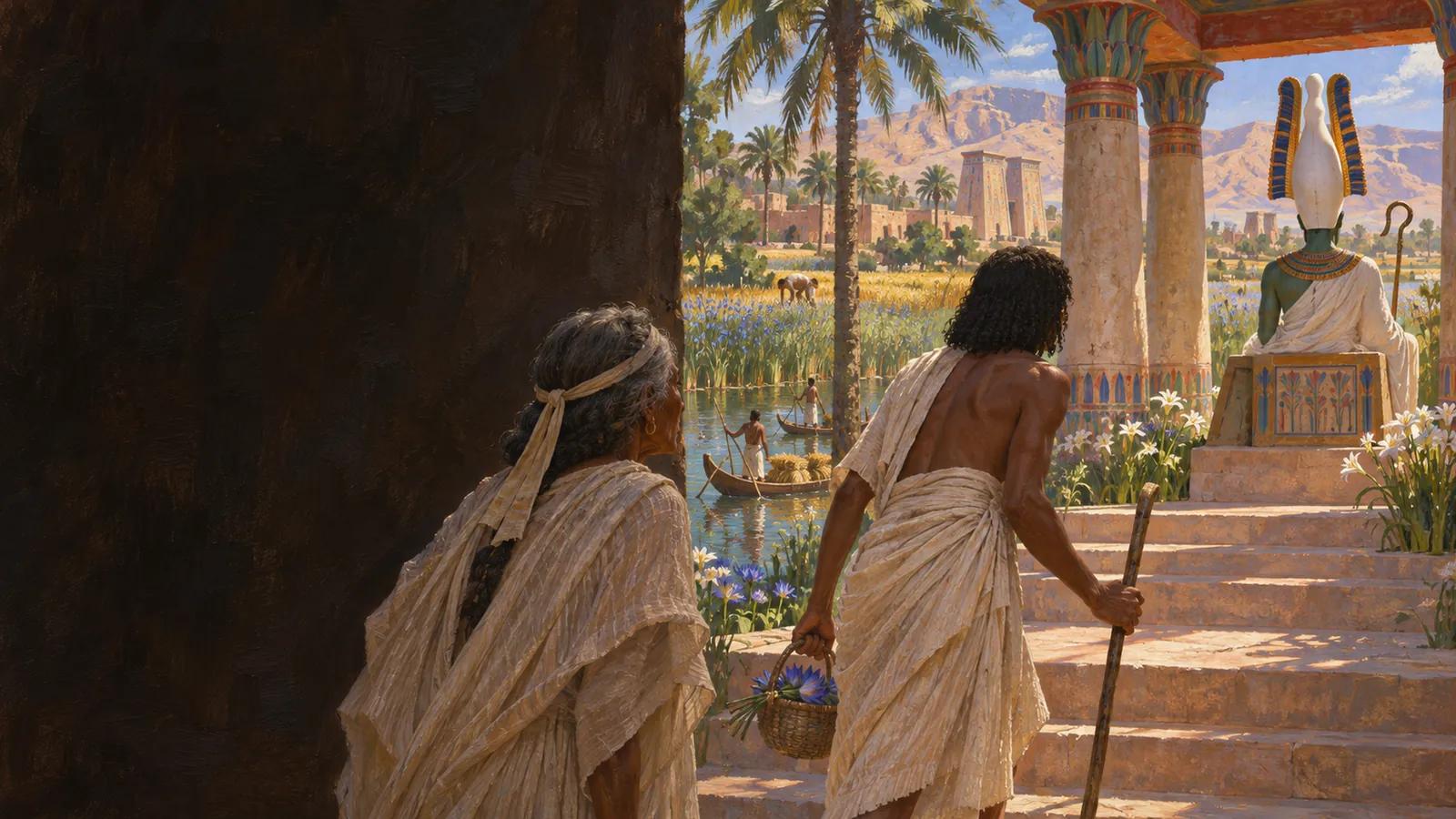
Après être entré dans Qenqentet, le récitant dit qu’il a vu Osiris, que Budge appelle son père entre crochets. Il dit qu’il a contemplé sa mère. Il dit aussi qu’il a fait l’amour.
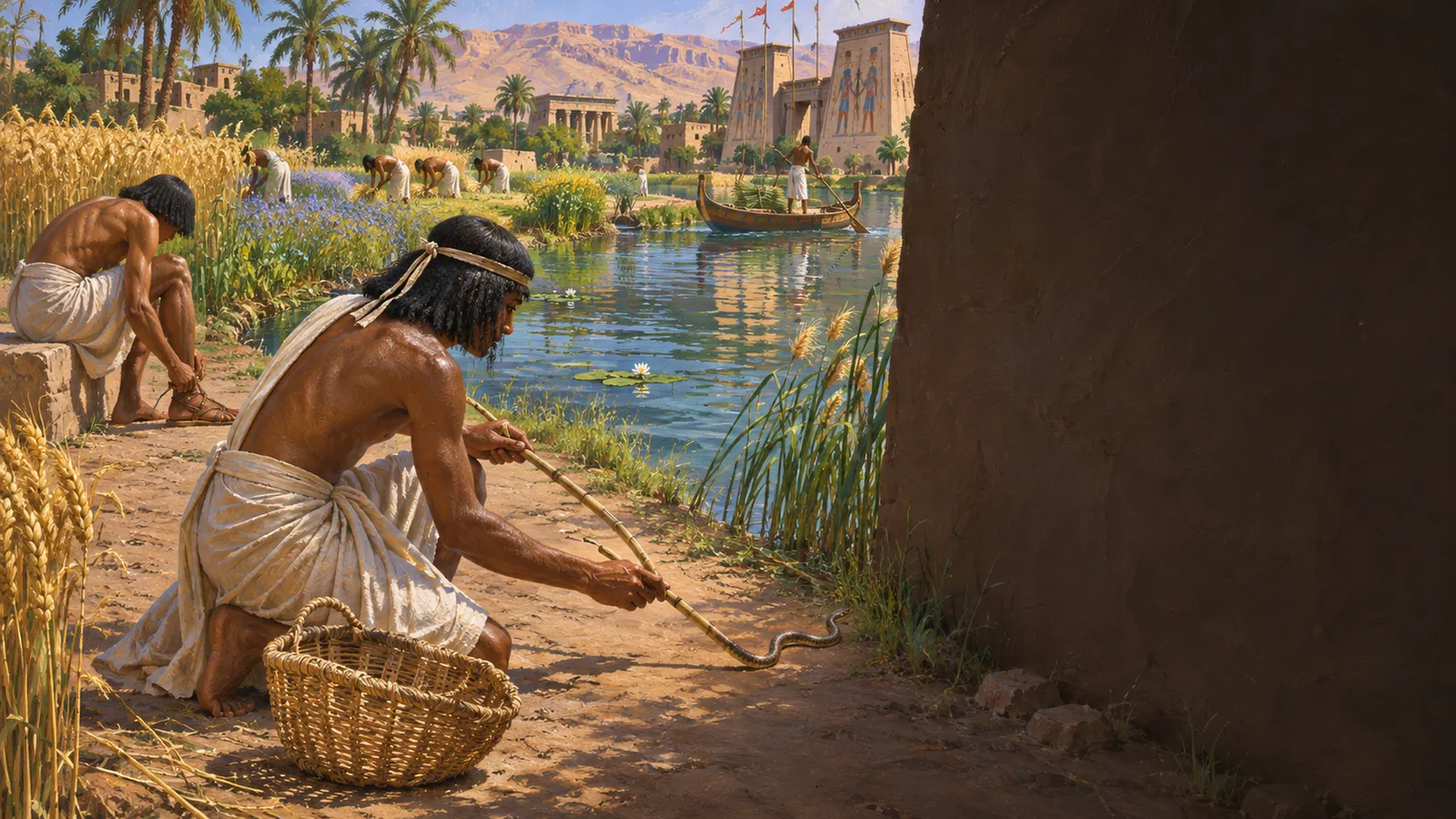
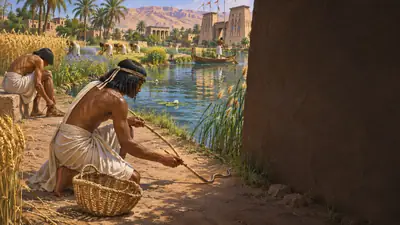
Le récitant dit qu’il capture les vers et les serpents dans le lieu où il est entré. Il dit qu’il se délivre lui-même.
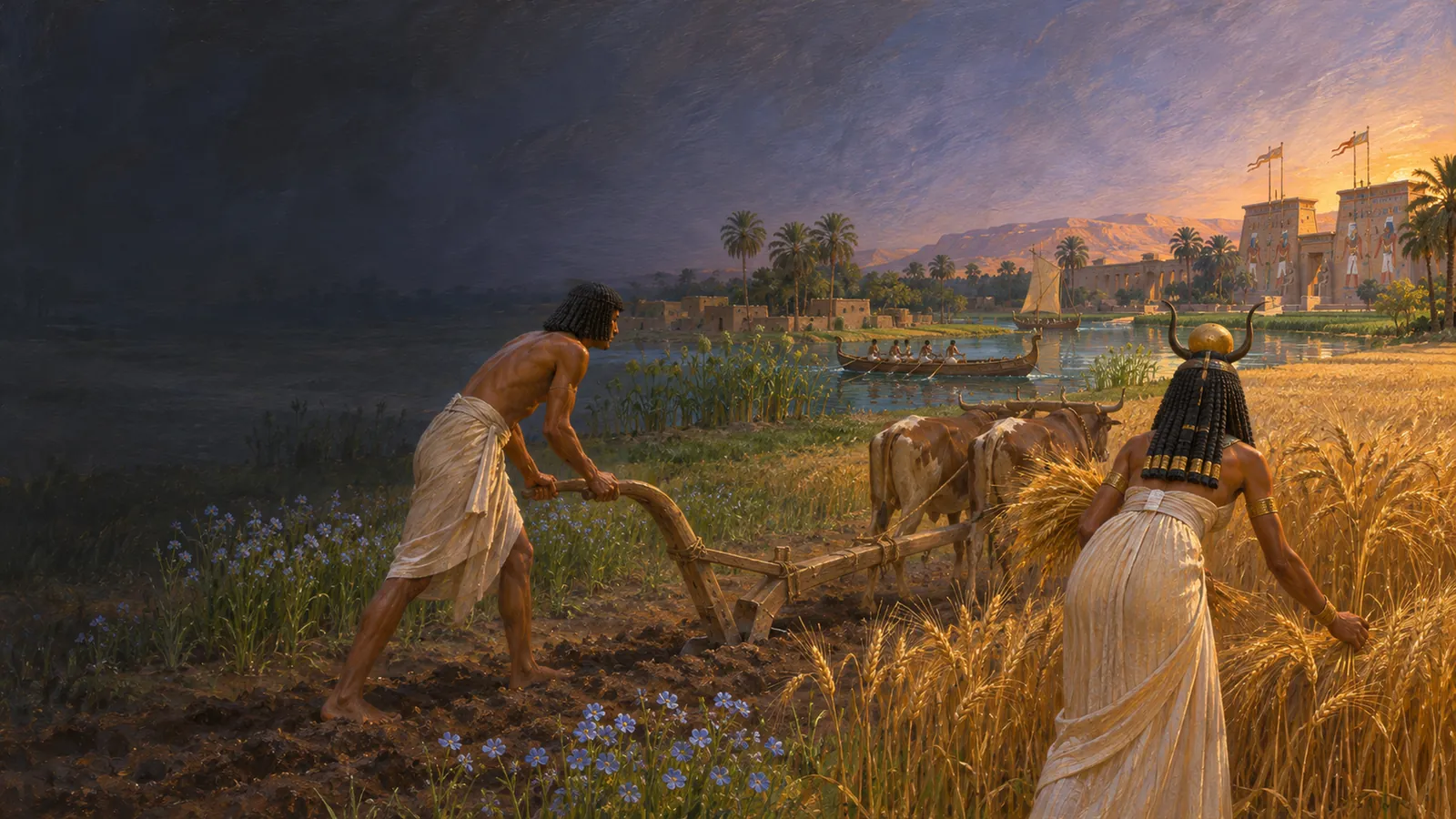
Il dit connaître le nom du dieu en face de Tohesert, qui a les cheveux raides et des cornes. Ce dieu moissonne, tandis que le récitant laboure et moissonne.
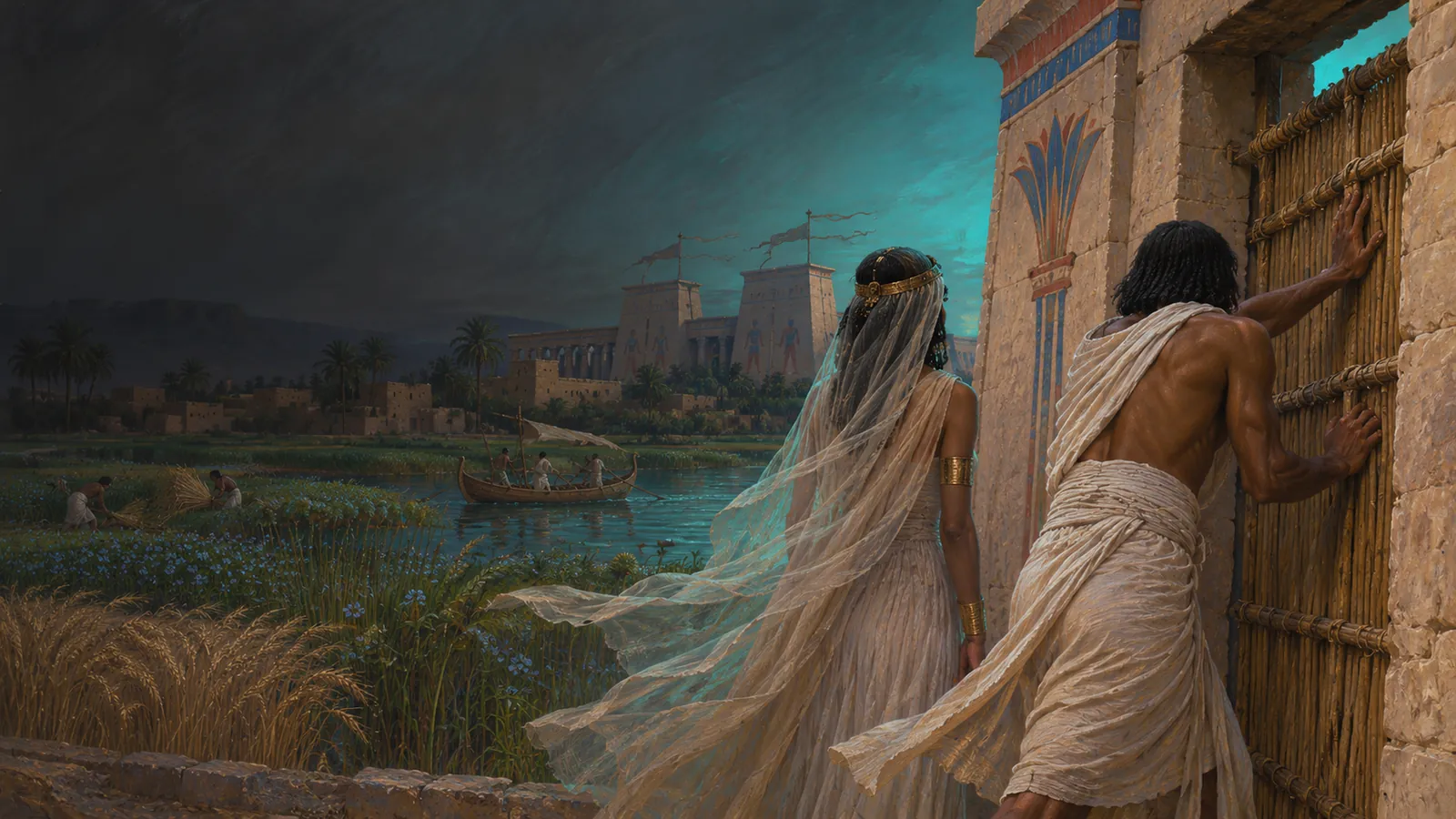
LE CIEL TURQUOISE
Il dit à Hast qu’il entre et repousse ceux qui voudraient atteindre le ciel turquoise. Puis il dit avoir suivi les vents de l’assemblée des dieux.
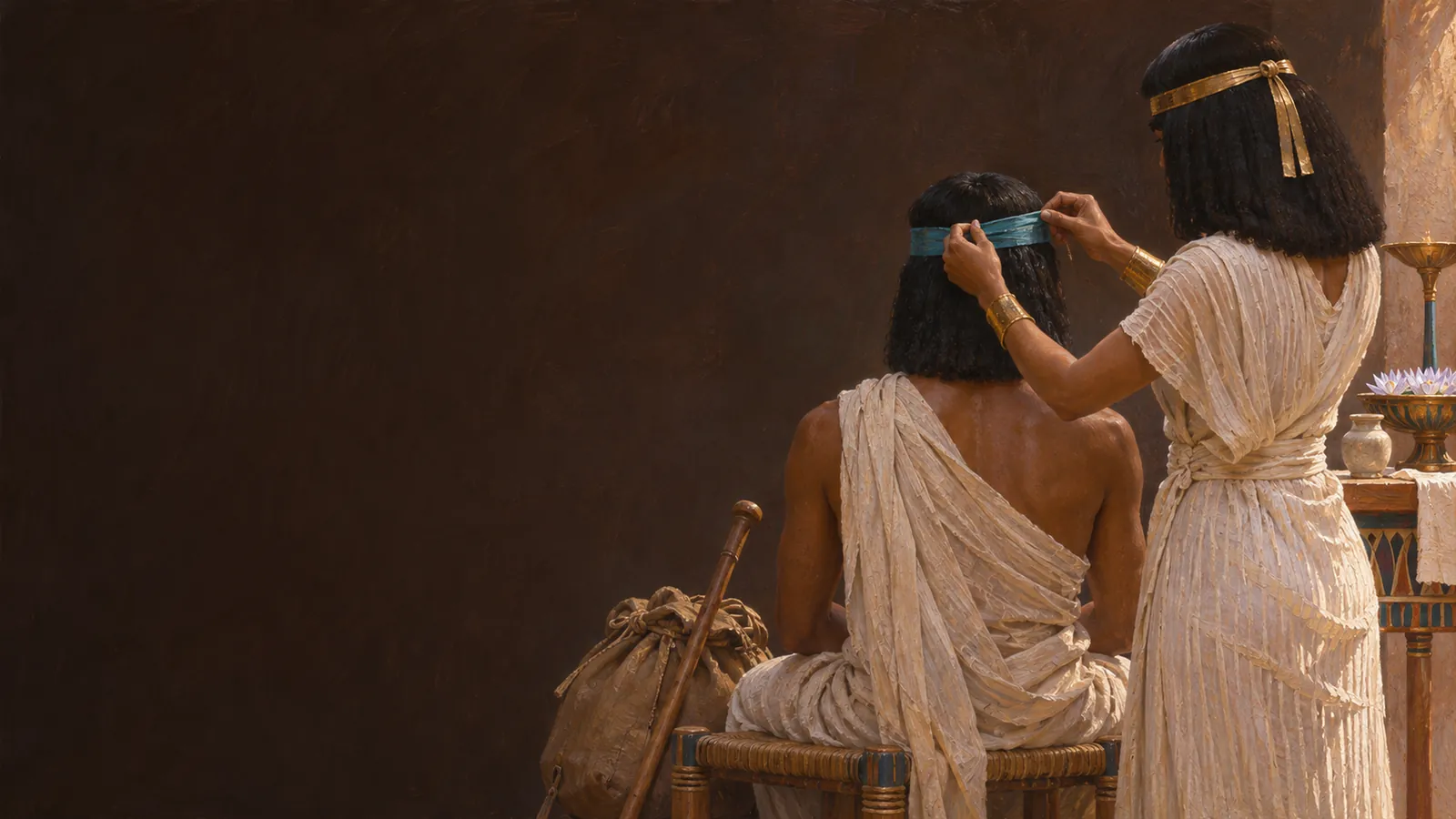
Il dit que le Grand Dieu lui donne sa tête. Le Puissant aux yeux turquoise la fixe sur lui. C’est Ari-en-ab-f.
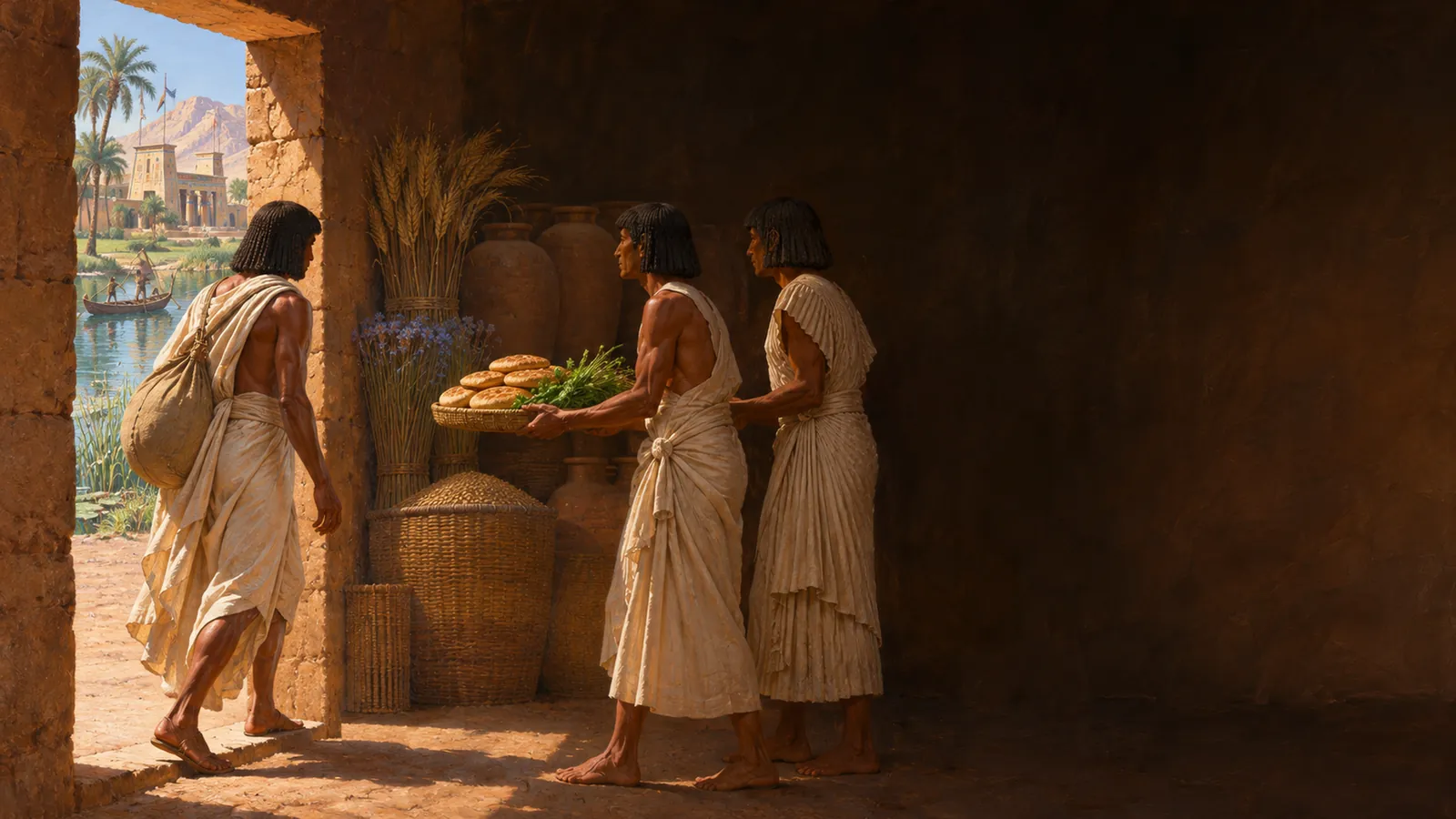
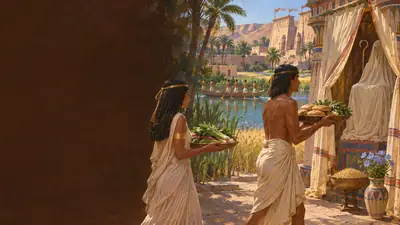
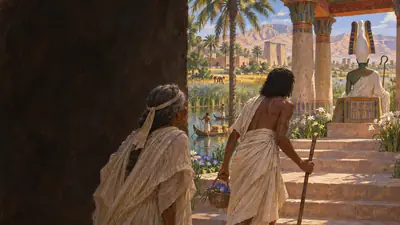
Le récitant s’adresse à Ousert et dit être venu à la maison où la nourriture divine lui est apportée.
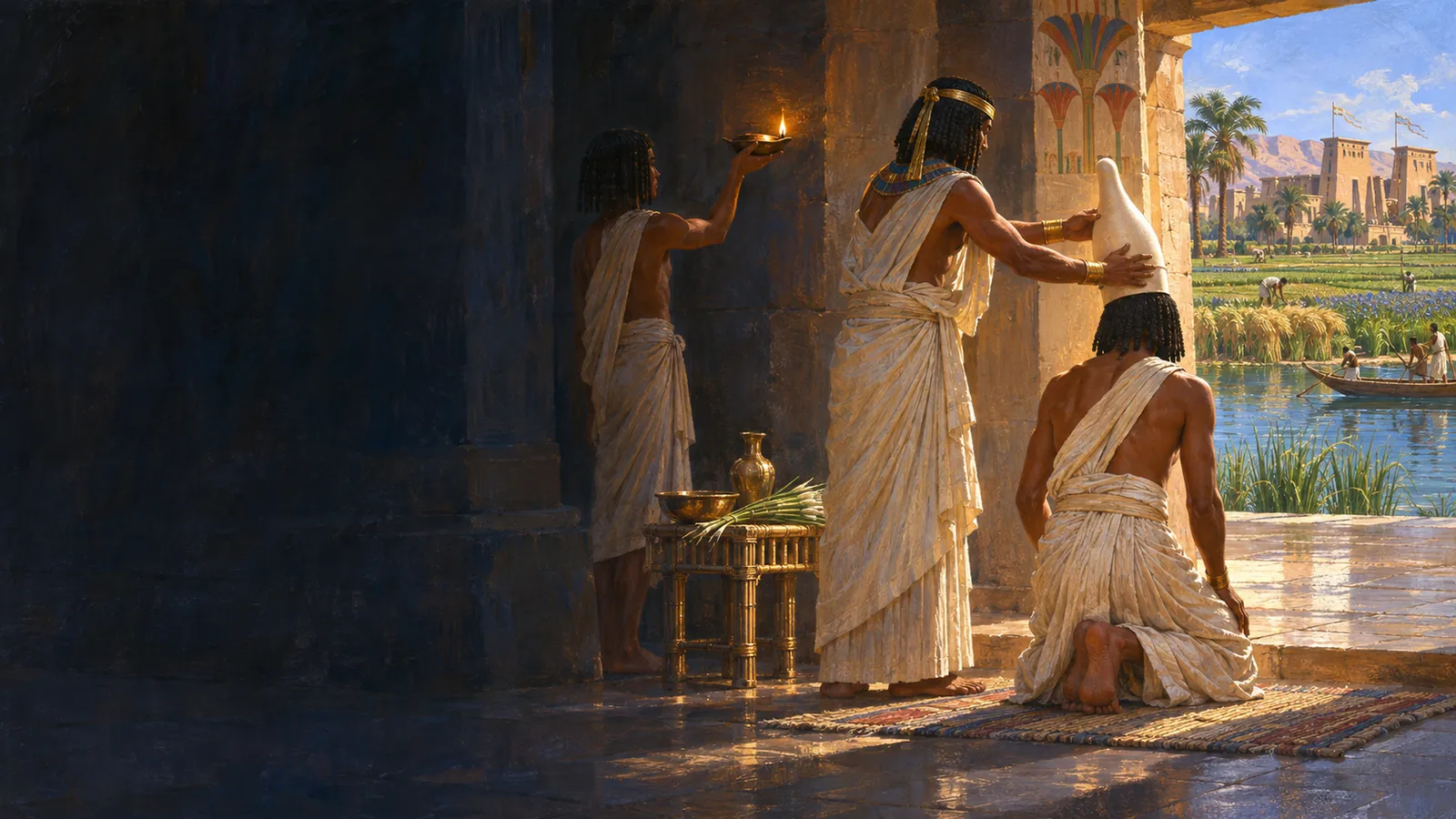
Il annonce qu’il est arrivé à Smam. Il dit que son cœur veille et qu’on lui remet la couronne blanche.
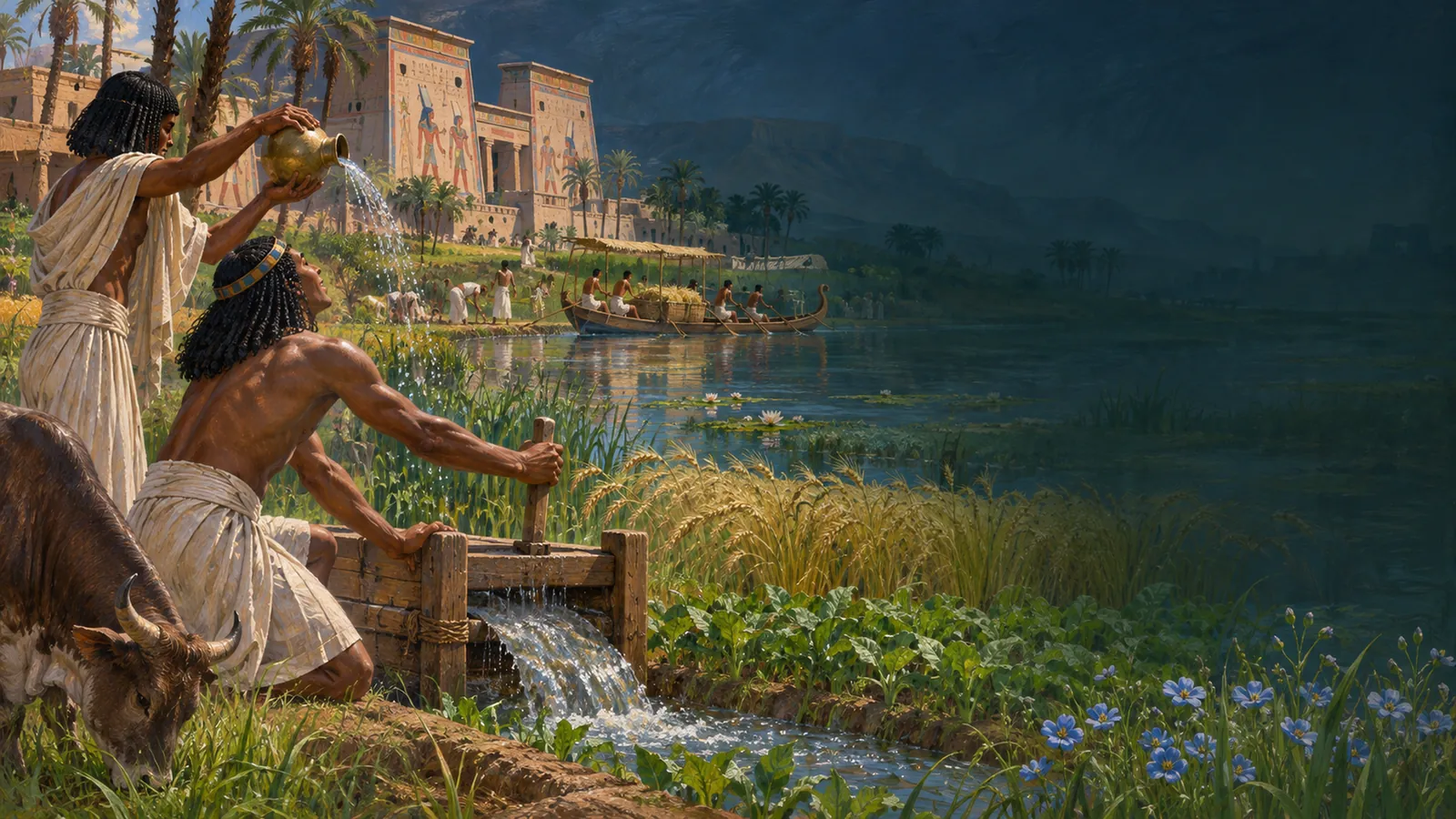
Il dit qu’on le mène dans les régions célestes et qu’il fait prospérer les choses de la terre. Il évoque la joie du Taureau, des êtres célestes et de l’assemblée des dieux.
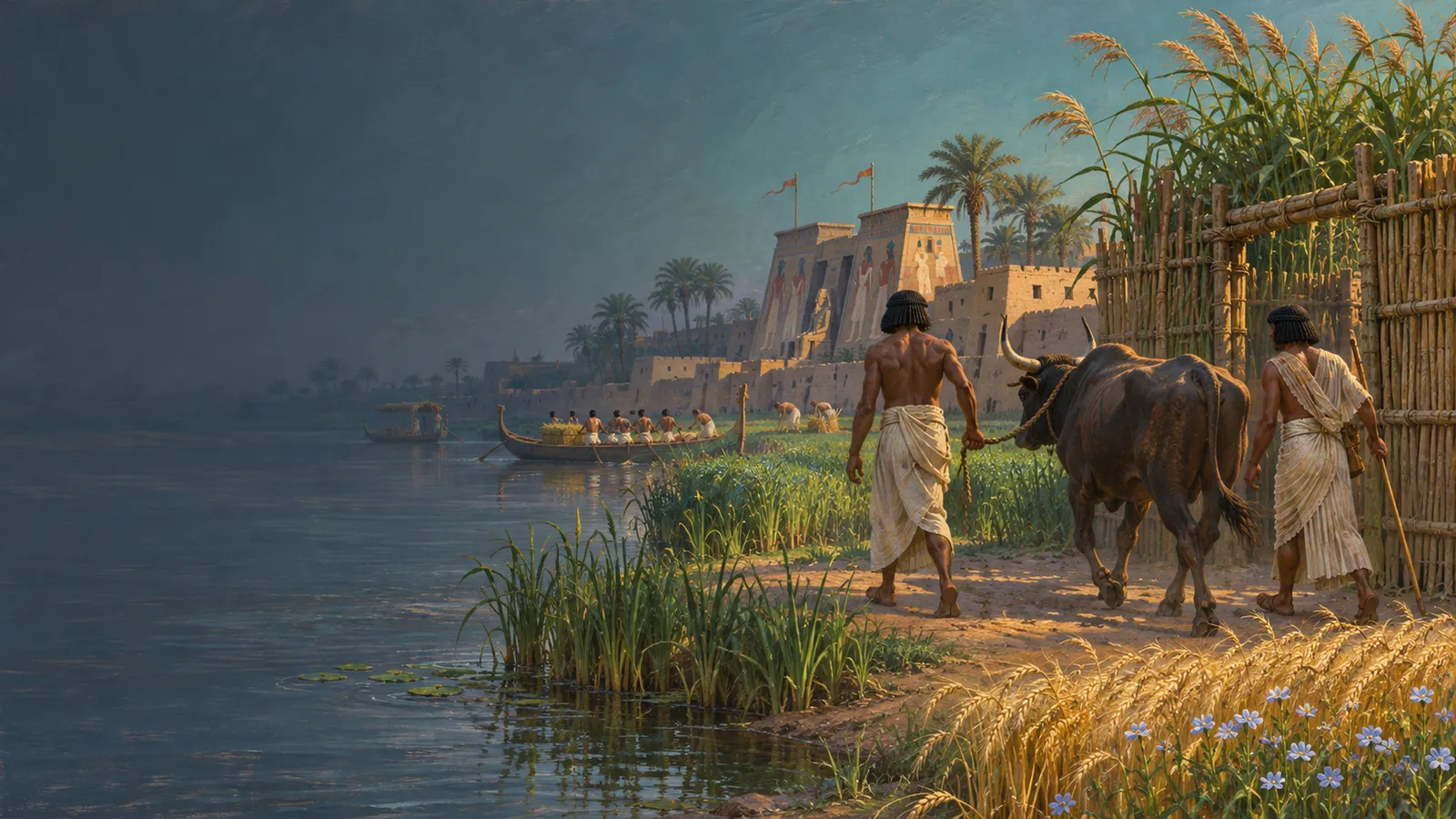
Il se nomme le dieu qui est le Taureau. Il se proclame seigneur des dieux lorsqu’il sort du ciel turquoise.
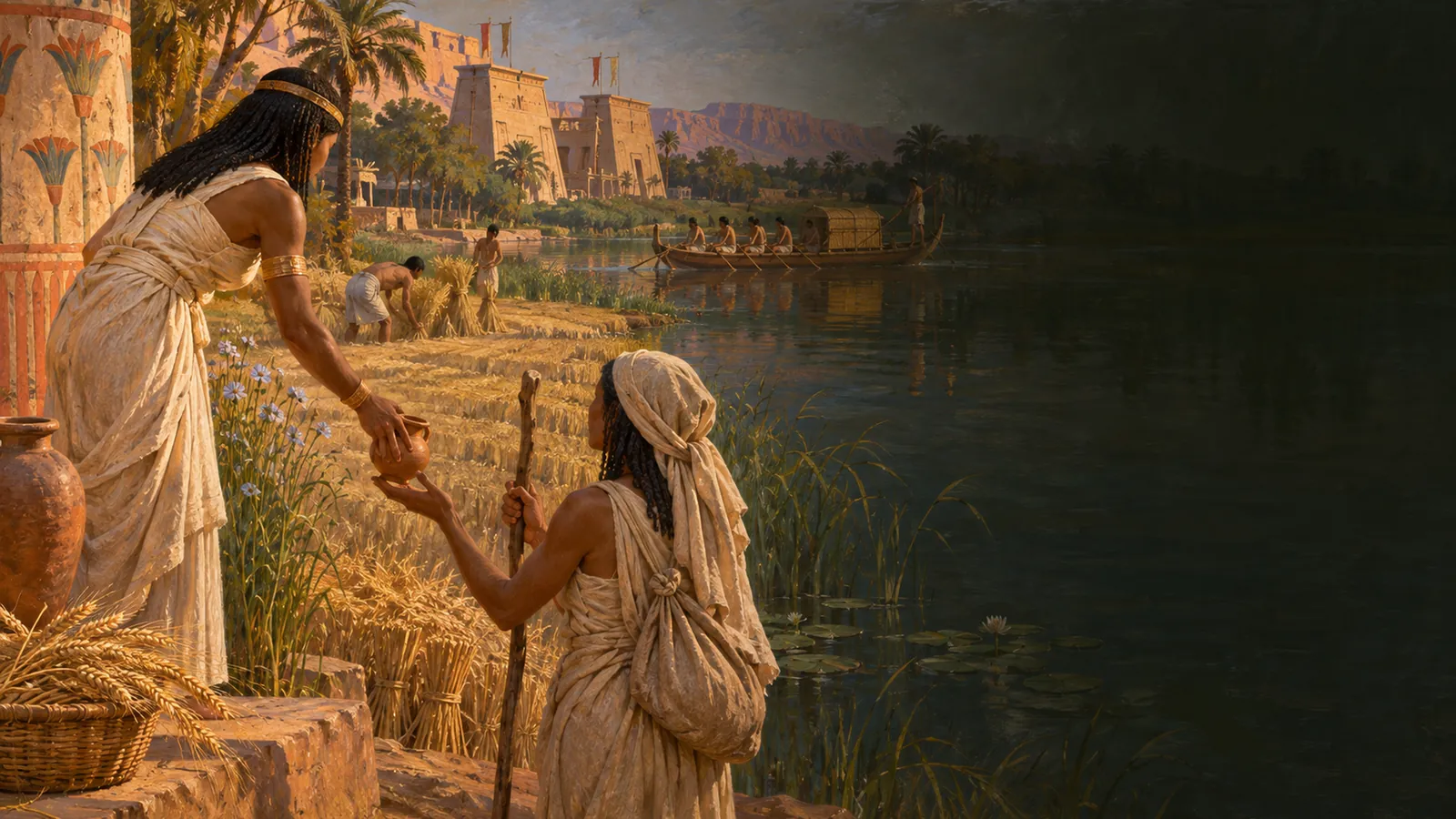
Il s’adresse au district divin du blé et de l’orge et dit s’être avancé jusqu’à lui. Il prend ce qui le suit, les meilleures libations de l’assemblée des dieux.
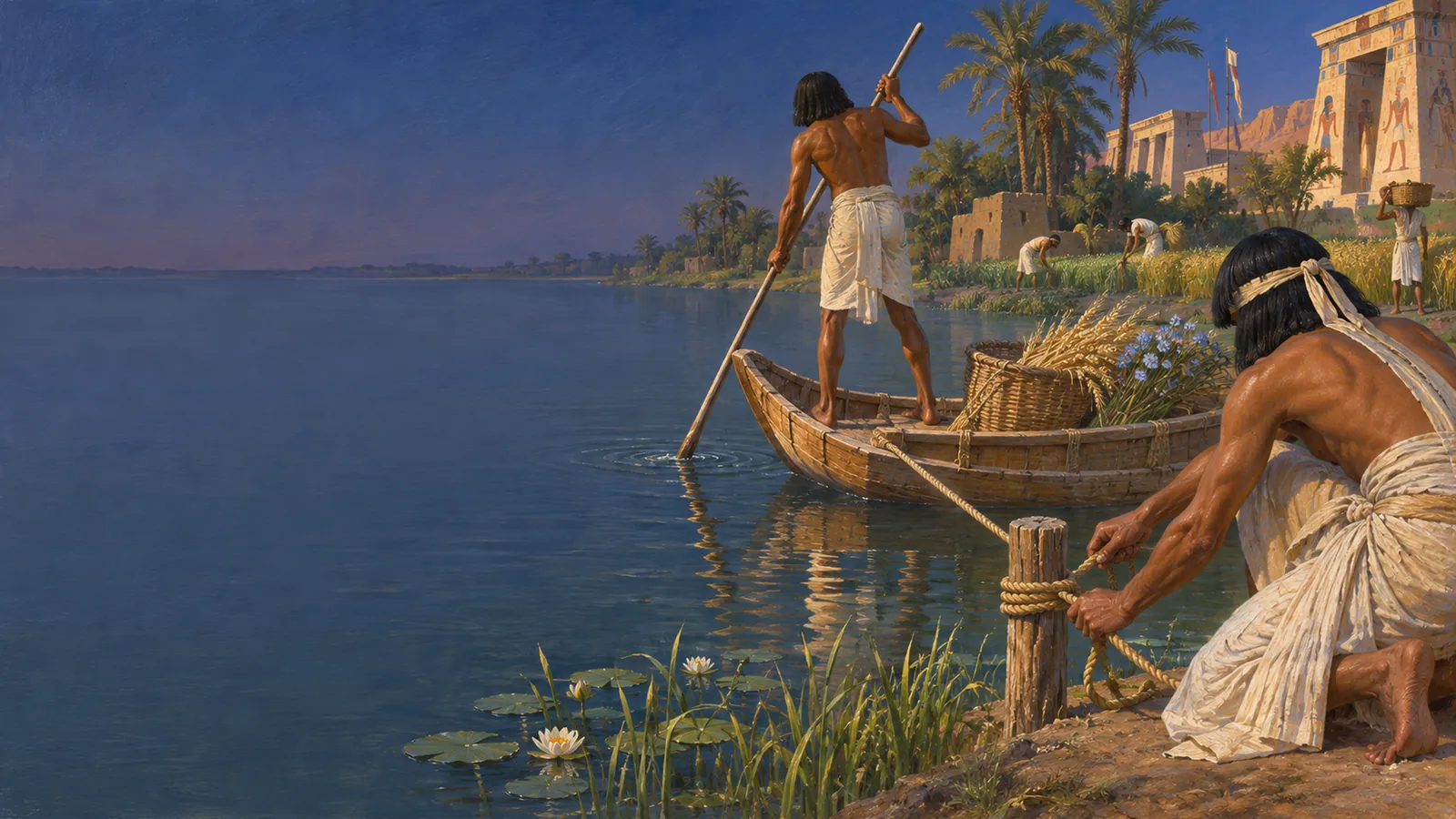
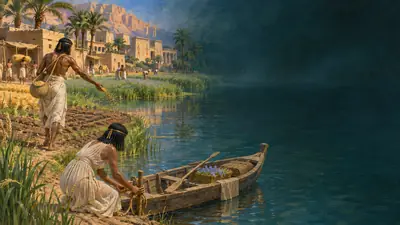
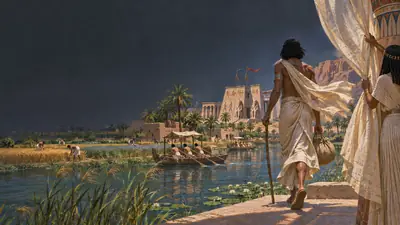
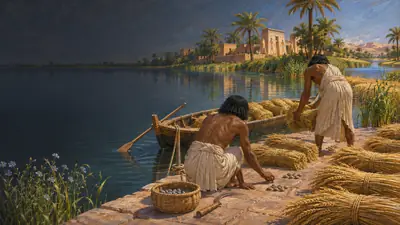
Le récitant dit qu’il a attaché sa barque dans les lacs célestes. Puis il dit avoir soulevé le poteau où s’amarrer.
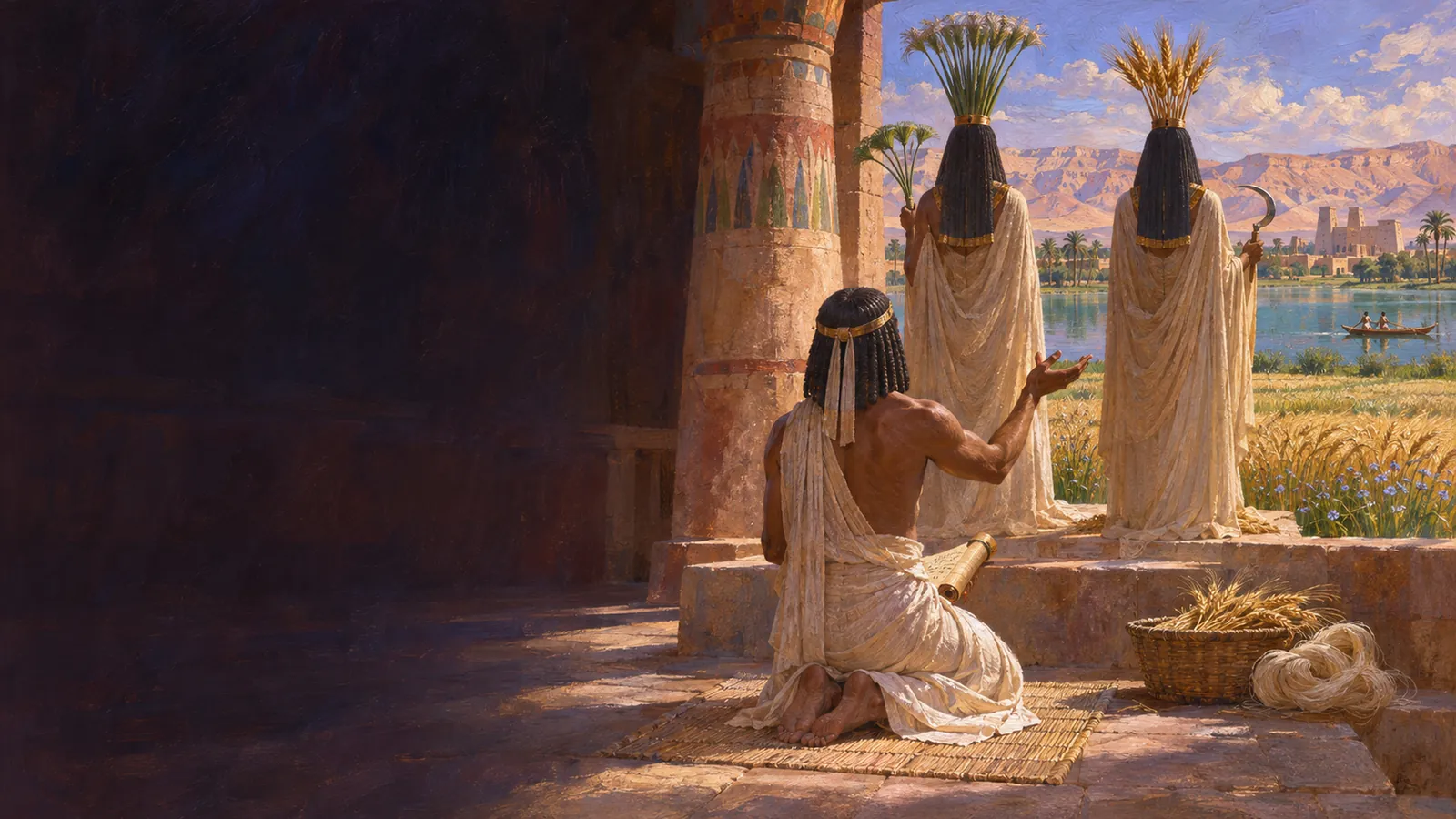
LA LOUANGE À SEKHET-HETEP
Il dit qu’il a récité les paroles prescrites de sa propre voix. Il termine en louant les dieux qui habitent Sekhet-hetep.
Fin du chapitre 2
Toutes les pages



Sources
A. Wallis Budge’s Egyptian Ideas of the Future Life, third edition, 1908. It ends with the praises at the end of the printed Chapter CX translation, before the author’s next paragraph. He gives no manuscript name for this translation.
Éditions consultées
- Egyptian Ideas of the Future Life, publication record
- Budge 1908, Chapter V, The Resurrection and Immortality
- Budge’s note 138
- Budge’s note 139
- Budge’s note 140
- Budge’s note 141
- Budge’s note 142
- Budge’s note 143
- Budge’s note 144
- Budge’s note 145
- Budge’s note 146
- Budge’s note 147
Notes sur ce récit
The speaker asks to live with Hetep, be clothed and remain safe from plunder by the lords of the north. He then asks the lord of divine things for food. The two addresses keep their distinct wording.
He asks to go forward and come out, have his power brought to him and receive it, and get his equipment from Hetep. The next request is mastery of the great word within his body. Through it, he says, he will remember and forget.
He asks to go forward on his way and plough. He then declares peace with the city god and knowledge of the waters, cities, nomes and lakes of Sekhet-Hetep. The text’s word “nomes” refers to districts. The transition to these declarations follows the request to plough.
The speaker declares that he exists in the fields, is strong there and has become a spirit. Budge prints KHU beside his translation “spirit.” The next four declarations are eating, sowing, reaping and ploughing, in that order.
The speaker says he makes love in the fields and is at peace with Hetep. The speech gives no partner.
The speaker addresses divine Hetep and declares that he scatters seed, sails among the lakes and advances to their cities.
Budge brackets “teeth which are like.” “Horns” follows outside the brackets. The speaker asks for plentiful food of the kind that sustains the “Doubles” and “Spirits,” Budge’s KAU and KHU respectively.
After the provisions for Doubles and Spirits, the speaker declares that he has passed the judgment Shu passes upon the person who knows him. The claim belongs to the speaker’s recitation.
The speaker links that claim to his wish to go out to the cities, sail among their lakes and walk in Sekhet-Hetep. Budge adds “[Hetep]” to the designation of the cities. The next statement places Rā in heaven and calls the god Hetep the “twofold offering thereof.” The relation remains open as printed.
Budge supplies “[of Hetep]” after “the land.” The speaker says he has reached the land, girded his loins and come forth so that the expected gifts can be given to him. He says that he is glad and has taken hold of the strength that the god Hetep has greatly increased for him.
A new quoted address begins on the same printed line as the end of the preceding speech. The speaker says he has entered Unen-em-hetep, his soul follows him and his divine food is upon his hands. Budge’s note 138 describes Unen-em-hetep as the first large section of Sekhet-Aaru. The address then calls on the Lady of the Two Lands, who establishes the word by which he remembers and forgets. Note 139 identifies this Lady here as a lake in the second section of Sekhet-Aaru.,
Budge supplies “[being done]” in the second phrase. The twice-spoken appeal to grant him joy of heart is grouped with the wish for peace. The next request names the binding of his sinews and muscles and asks the Lady to make him receive air.
A new paragraph calls Unen-em-hetep Lady of the Winds. Budge’s note 140 gives “opened” as the literal reading behind “shewn.” Rā sleeps, the speaker says he is awake, and Hast is named as the goddess at the gate of heaven by night. The next sentence begins on line 4593 with the obstacles that belong to page 23.
The speaker says obstacles were set before him, that he gathered what Rā had emitted and that he is in his city. The text leaves the obstacles and the city unnamed in these lines.
The speaker enters Nut-urt, reckons his harvest and goes forward to Uakh. Budge identifies Nut-urt as a lake in the first section of Sekhet-Aaru, and Uakh as a lake in the second. ·
The speaker calls himself the Bull enfolded in turquoise, lord of the Field of the Bull and lord of Septet’s divine speech at her hours. Budge prints the identification of Septet as Sothis in parentheses. On entering Uakh the speaker eats his bread, gains control of choice meat from cattle and fowl, and is given the birds of Shu. The last statement is that he follows the gods and divine Doubles, Budge’s KAU.
The speaker enters Tohefet and clothes and protects himself with Rā’s Sa garment. Budge identifies Tohefet as a district in the third section of Sekhet-Aaru. The text then places Rā in heaven, followed by its inhabitants and by the speaker.
The address calls Unen-em-hetep lord of the two lands. The speaker says he enters, plunges into the lakes of Tohesert and is free of all uncleanness. Tohefet and Tohesert are the two spellings used in the printed text. The Great God grows there. The words “I have found” precede Budge’s bracketed “food therein” at line 4614.
The speaker says he snares fowl and eats the finest of them.
Budge identifies Qenqentet as a lake in the first section of Sekhet-Aaru. The speaker enters it and says he sees Osiris. Budge supplies “my father” in brackets at line 4620. The speaker next says he has looked upon his mother, then says separately that he has made love. The passage gives no partner.
Page 34, Budge 1908, Book of the Dead CX, transcription lines 4622–4624. The text has the speaker capture both worms and serpents and deliver himself. Budge supplies the words which are there in brackets to place them where the speaker is.
Page 35, Budge 1908, Book of the Dead CX, transcription lines 4624–4626. The speaker says he knows the name of the god opposite the goddess Tohesert. He describes the god’s straight hair and horns. The god reaps. The speaker ploughs and reaps.
Page 36, Budge 1908, Book of the Dead CX, transcription lines 4628–4632 and n. 145. Note 145 identifies Hast as a lake in the third section. Budge supplies sky in brackets after turquoise.
Page 37, Budge 1908, Book of the Dead CX, transcription lines 4632–4635. The text gives the head from the Great God and its binding from the Mighty One with turquoise eyes. Budge translates the name Ari-en-ab-f parenthetically as he who does as he pleases.
Page 38, Budge 1908, Book of the Dead CX, transcription lines 4637–4639 and n. 146. Note 146 identifies Usert as a lake in the third section. The speaker addresses the lake and says he is at the house where the divine food is brought to him.
Page 39, Budge 1908, Book of the Dead CX, transcription lines 4641–4643 and n. 147. Note 147 identifies Smam as a lake in the third section. The speaker mentions his watchful heart and receiving the white crown.
Page 40, Budge 1908, Book of the Dead CX, transcription lines 4643–4645. The clauses concern the speaker’s being led to the celestial regions and making earthly things flourish. Joy is separately named for the Bull, celestial beings and the company of gods.
Page 41, Budge 1908, Book of the Dead CX, transcription lines 4645–4648. The speaker identifies himself as the god who is the Bull and as lord of the gods. Budge prints sky in brackets again after turquoise.
Page 42, Budge 1908, Book of the Dead CX, transcription lines 4650–4652. The divine nome, or district, is identified with wheat and barley. The speaker says he has come forward and taken up what follows him, the finest libations of the company of the gods.
Page 43, Budge 1908, Book of the Dead CX, transcription lines 4652–4654. The boat is tied in the celestial lakes. The speaker then says that he lifts up the post at which to anchor. The text makes these two separate references without explaining the latter action.
Page 44, Budge 1908, Book of the Dead CX, transcription lines 4654–4655. The speaker says he has recited the prescribed words aloud and praised the gods in Sekhet-hetep. The translation ends here. The following paragraph in Budge’s book is separate.
Les vers antiques de chaque page
- Page 1: Budge 1908, Egyptian Ideas of the Future Life, ch. V, Book of the Dead Chapter CX, deceased’s recitation (local)
- Page 2: Budge 1908, Egyptian Ideas of the Future Life, ch. V, Book of the Dead Chapter CX, deceased’s recitation (local)
- Page 3: Budge 1908, Egyptian Ideas of the Future Life, ch. V, Book of the Dead Chapter CX, deceased’s recitation (local)
- Page 4: Budge 1908, Egyptian Ideas of the Future Life, ch. V, Book of the Dead Chapter CX, deceased’s recitation (local)
- Page 5: Budge 1908, Egyptian Ideas of the Future Life, ch. V, Book of the Dead Chapter CX, deceased’s recitation (local)
- Page 6: Budge 1908, Egyptian Ideas of the Future Life, ch. V, Book of the Dead Chapter CX, deceased’s recitation (local)
- Page 7: Budge 1908, Egyptian Ideas of the Future Life, ch. V, Book of the Dead Chapter CX, deceased’s recitation (local)
- Page 8: Budge 1908, Egyptian Ideas of the Future Life, ch. V, Book of the Dead Chapter CX, deceased’s recitation (local)
- Page 9: Budge 1908, Egyptian Ideas of the Future Life, ch. V, Book of the Dead Chapter CX, deceased’s recitation (local)
- Page 10: Budge 1908, Egyptian Ideas of the Future Life, ch. V, Book of the Dead Chapter CX, deceased’s recitation (local)
- Page 11: Budge 1908, Egyptian Ideas of the Future Life, ch. V, Book of the Dead Chapter CX, deceased’s recitation (local)
- Page 12: Budge 1908, Egyptian Ideas of the Future Life, ch. V, Book of the Dead Chapter CX, deceased’s recitation (local)
- Page 13: Budge 1908, Egyptian Ideas of the Future Life, ch. V, Book of the Dead Chapter CX, deceased’s recitation (local)
- Page 14: Budge 1908, Egyptian Ideas of the Future Life, ch. V, Book of the Dead Chapter CX, deceased’s recitation (local)
- Page 15: Budge 1908, Egyptian Ideas of the Future Life, ch. V, Book of the Dead Chapter CX, deceased’s recitation (local)
- Page 16: Budge 1908, Egyptian Ideas of the Future Life, ch. V, Book of the Dead Chapter CX, deceased’s recitation (local)
- Page 17: Budge 1908, Egyptian Ideas of the Future Life, ch. V, Book of the Dead Chapter CX, deceased’s recitation (local)
- Page 18: Budge 1908, Egyptian Ideas of the Future Life, ch. V, Book of the Dead Chapter CX, deceased’s recitation (local)
- Page 19: Budge 1908, Egyptian Ideas of the Future Life, ch. V, Book of the Dead Chapter CX, deceased’s recitation (local)
- Page 20: Budge 1908, Egyptian Ideas of the Future Life, ch. V, Book of the Dead Chapter CX, deceased’s recitation (local)
- Page 21: Budge 1908, Egyptian Ideas of the Future Life, ch. V, Book of the Dead Chapter CX, deceased’s recitation (local)
- Page 22: Budge 1908, Egyptian Ideas of the Future Life, ch. V, Book of the Dead Chapter CX, deceased’s recitation (local)
- Page 23: Budge 1908, Egyptian Ideas of the Future Life, ch. V, Book of the Dead Chapter CX, deceased’s recitation (local)
- Page 24: Budge 1908, Egyptian Ideas of the Future Life, ch. V, Book of the Dead Chapter CX, deceased’s recitation (local)
- Page 25: Budge 1908, Egyptian Ideas of the Future Life, ch. V, Book of the Dead Chapter CX, deceased’s recitation (local)
- Page 26: Budge 1908, Egyptian Ideas of the Future Life, ch. V, Book of the Dead Chapter CX, deceased’s recitation (local)
- Page 27: Budge 1908, Egyptian Ideas of the Future Life, ch. V, Book of the Dead Chapter CX, deceased’s recitation (local)
- Page 28: Budge 1908, Egyptian Ideas of the Future Life, ch. V, Book of the Dead Chapter CX, deceased’s recitation (local)
- Page 29: Budge 1908, Egyptian Ideas of the Future Life, ch. V, Book of the Dead Chapter CX, deceased’s recitation (local)
- Page 30: Budge 1908, Egyptian Ideas of the Future Life, ch. V, Book of the Dead Chapter CX, deceased’s recitation (local)
- Page 31: Budge 1908, Egyptian Ideas of the Future Life, ch. V, Book of the Dead Chapter CX, deceased’s recitation (local)
- Page 32: Budge 1908, Egyptian Ideas of the Future Life, ch. V, Book of the Dead Chapter CX, deceased’s recitation (local)
- Page 33: Budge 1908, Egyptian Ideas of the Future Life, ch. V, Book of the Dead Chapter CX, deceased’s recitation (local)
- Page 34: Budge 1908, Egyptian Ideas of the Future Life, ch. V, Book of the Dead CX (local)
- Page 35: Budge 1908, Egyptian Ideas of the Future Life, ch. V, Book of the Dead CX (local)
- Page 36: Budge 1908, Egyptian Ideas of the Future Life, ch. V, Book of the Dead CX (local)
- Page 37: Budge 1908, Egyptian Ideas of the Future Life, ch. V, Book of the Dead CX (local)
- Page 38: Budge 1908, Egyptian Ideas of the Future Life, ch. V, Book of the Dead CX (local)
- Page 39: Budge 1908, Egyptian Ideas of the Future Life, ch. V, Book of the Dead CX (local)
- Page 40: Budge 1908, Egyptian Ideas of the Future Life, ch. V, Book of the Dead CX (local)
- Page 41: Budge 1908, Egyptian Ideas of the Future Life, ch. V, Book of the Dead CX (local)
- Page 42: Budge 1908, Egyptian Ideas of the Future Life, ch. V, Book of the Dead CX (local)
- Page 43: Budge 1908, Egyptian Ideas of the Future Life, ch. V, Book of the Dead CX (local)
- Page 44: Budge 1908, Egyptian Ideas of the Future Life, ch. V, Book of the Dead CX (local)
Illustrations réalisées par IL Archive avec des outils d’IA ; le texte s’appuie sur les sources antiques (voir les sources à la fin de chaque chapitre).