À travers les champs de Hetep Chapitre 1
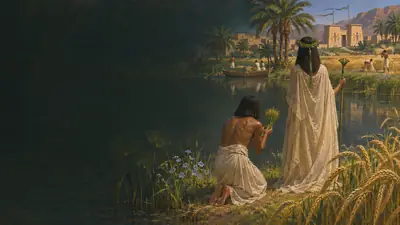
Le lac de Hetep
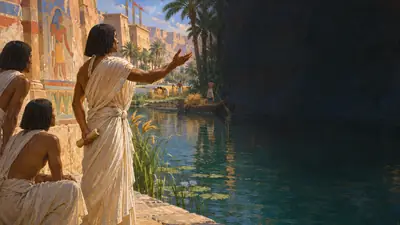
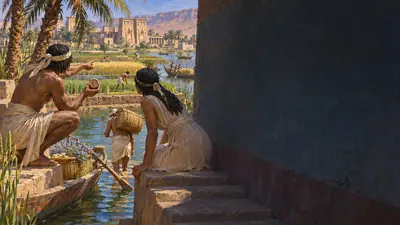
Le récitant part du palais de Shou, traverse le lac de Hetep en barque et demande à travailler dans les champs. La récitation se tourne vers Horus et Hetep et compare leurs actes à ce qui se fait au Lac du Feu double.
SourcesTournez les pages avec les flèches, le clavier ou en balayant l’écran.
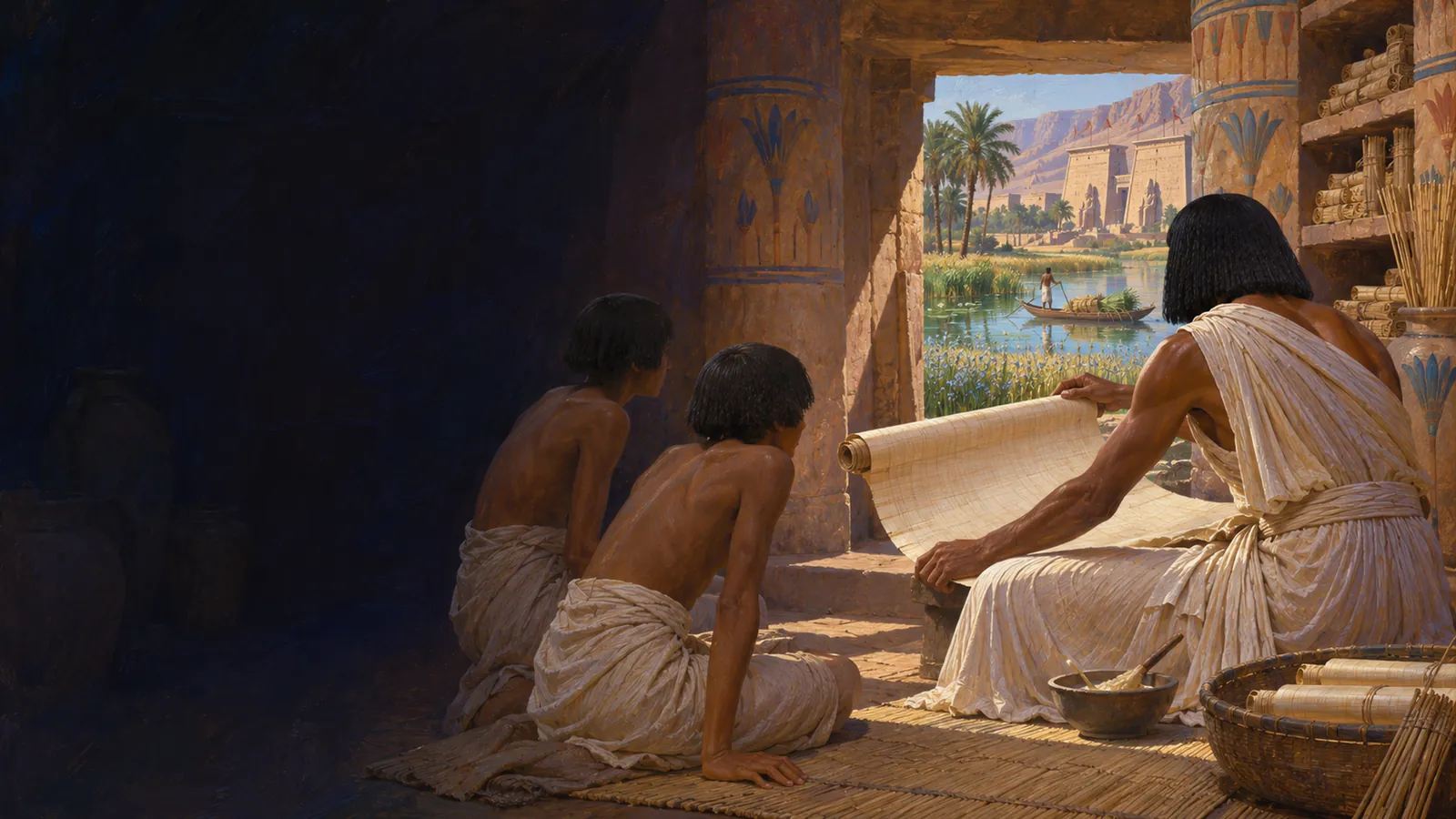
LE LAC DE HETEP
Cette lecture suit les passages du chapitre 110 du Livre des morts égyptien publiés par Budge en 1908. Leur titre réunit les chapitres de Sekhet-Hetepet et les chapitres de la Sortie au jour.
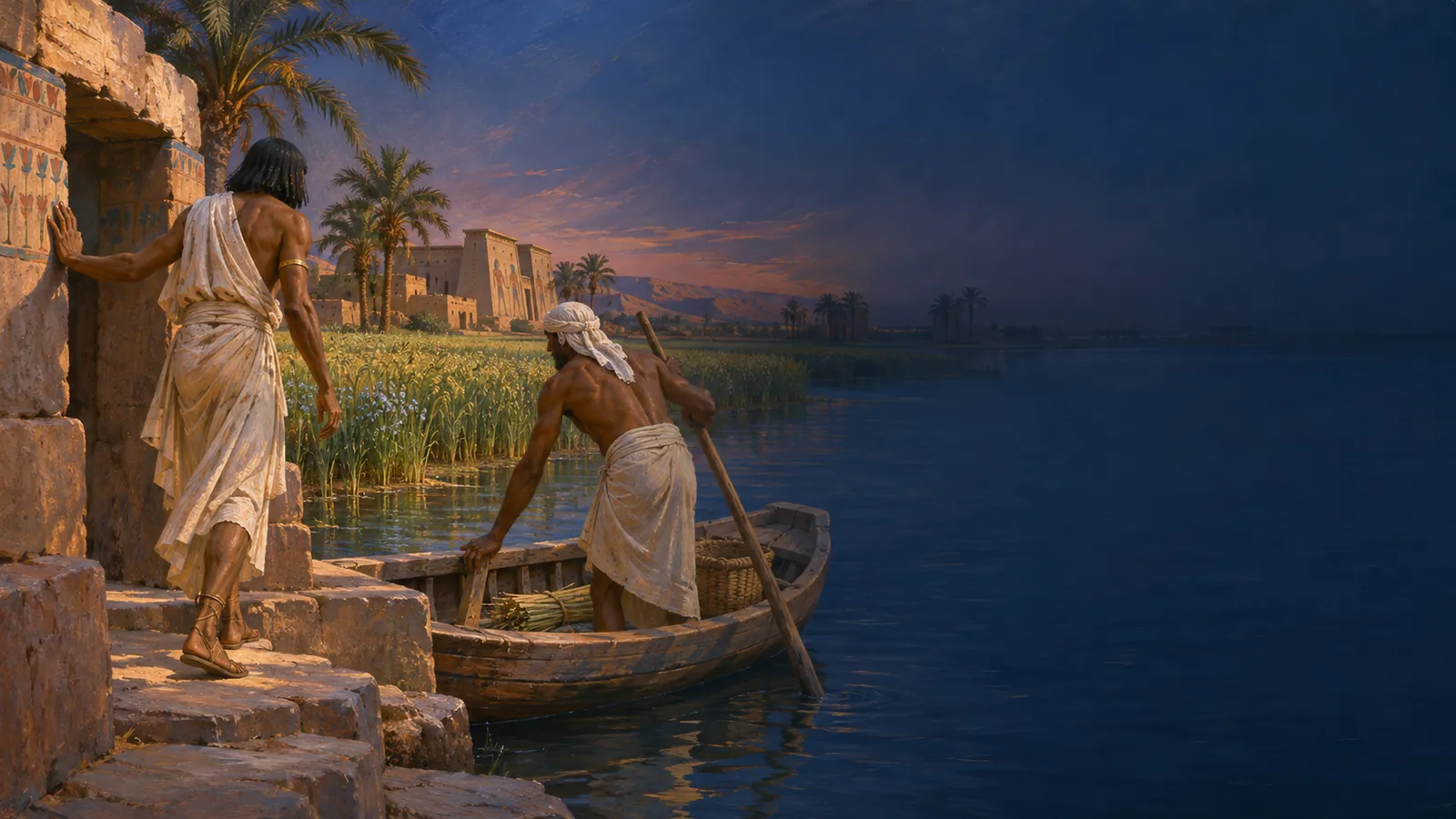
Le titre mentionne l’entrée dans le monde souterrain et la sortie de celui-ci. Il mentionne aussi l’arrivée à Sekhet-Aaru.
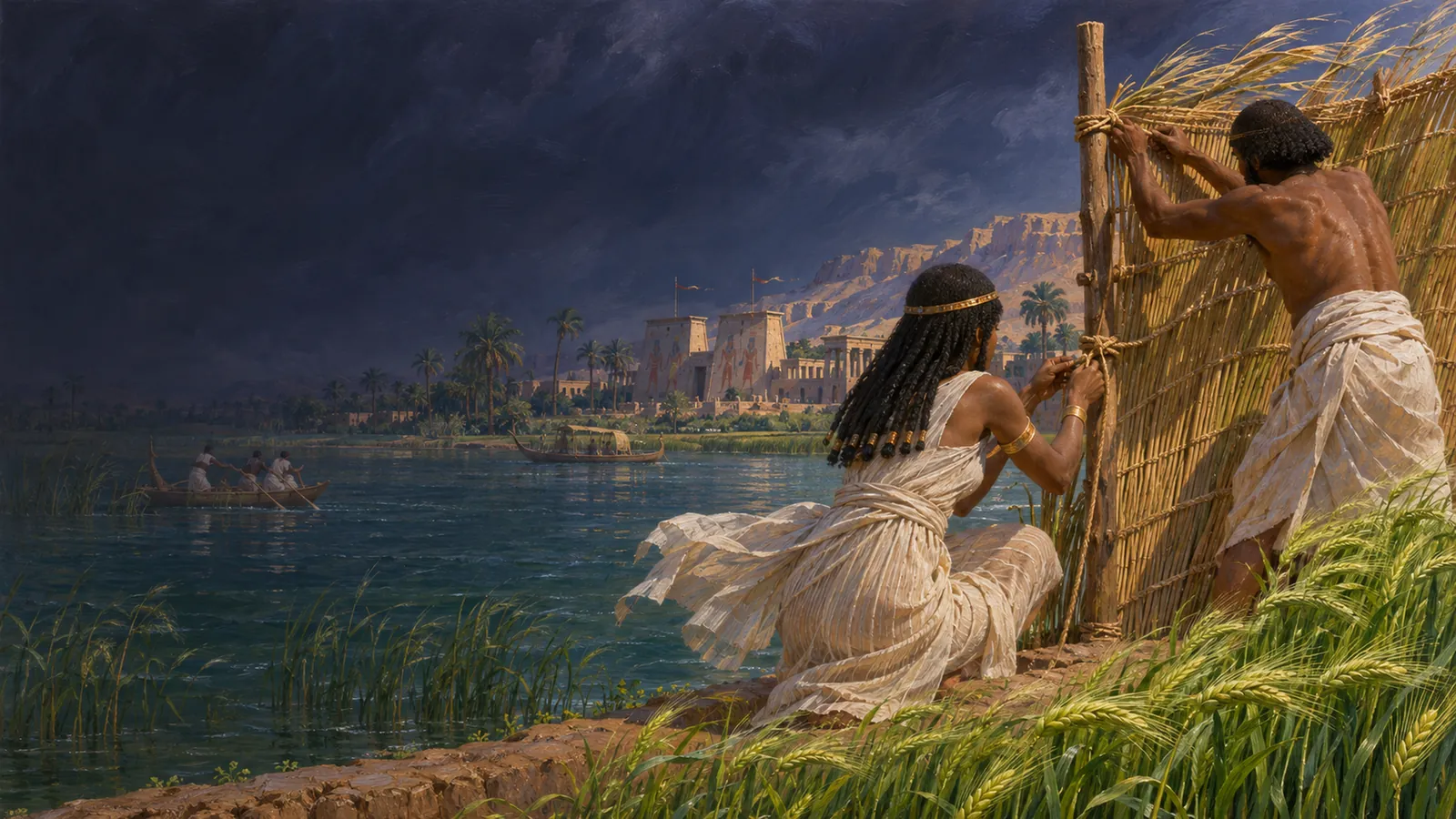
Le titre appelle Sekhet-Hetepet le pays puissant et la dame des vents. Il évoque le pouvoir qu’on y exerce et le fait d’y devenir un esprit.
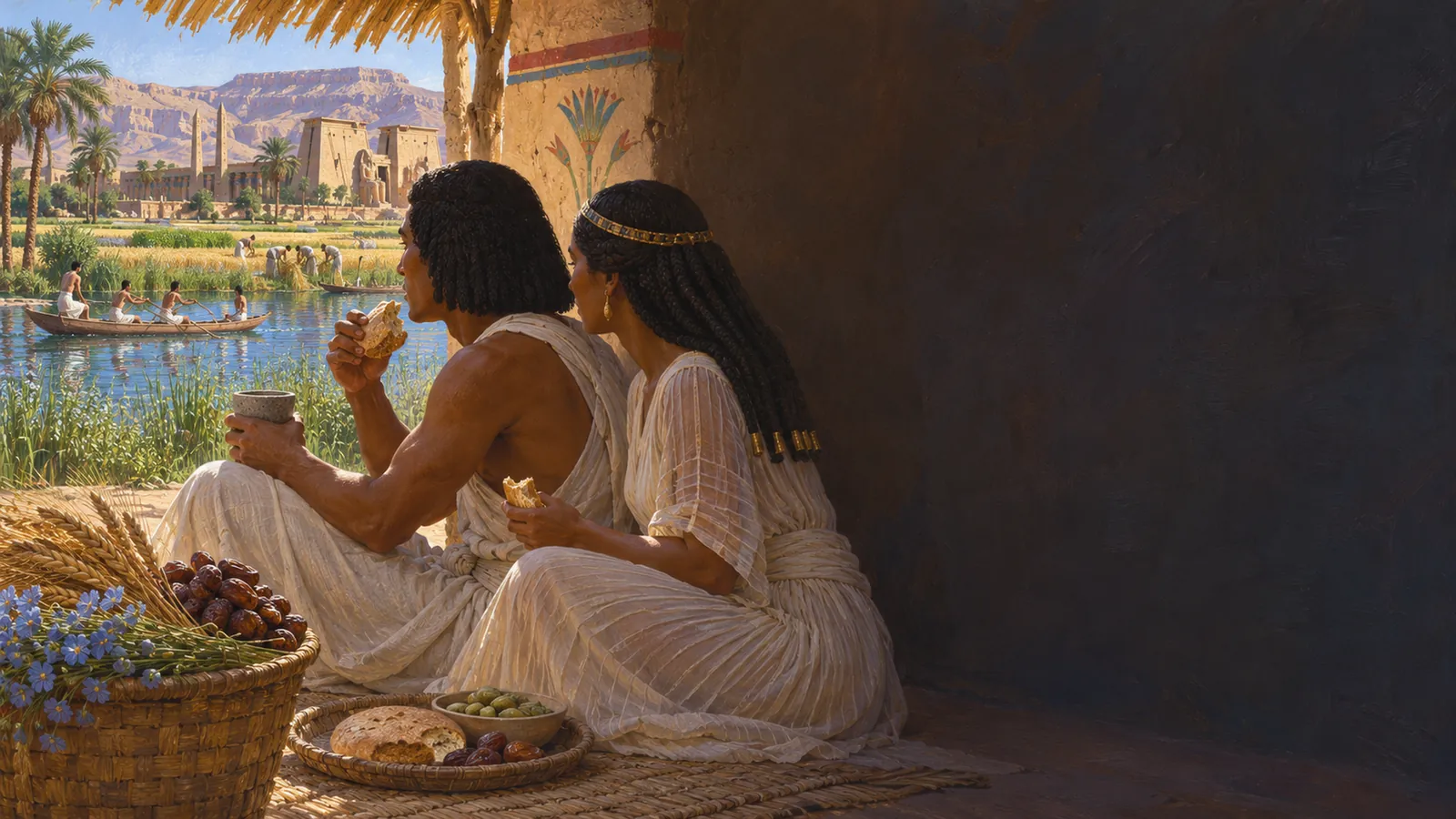
Le titre parle de moissonner, de manger, de boire et de faire l’amour dans les champs. Il décrit le fait d’y faire ce que l’on fait sur terre.
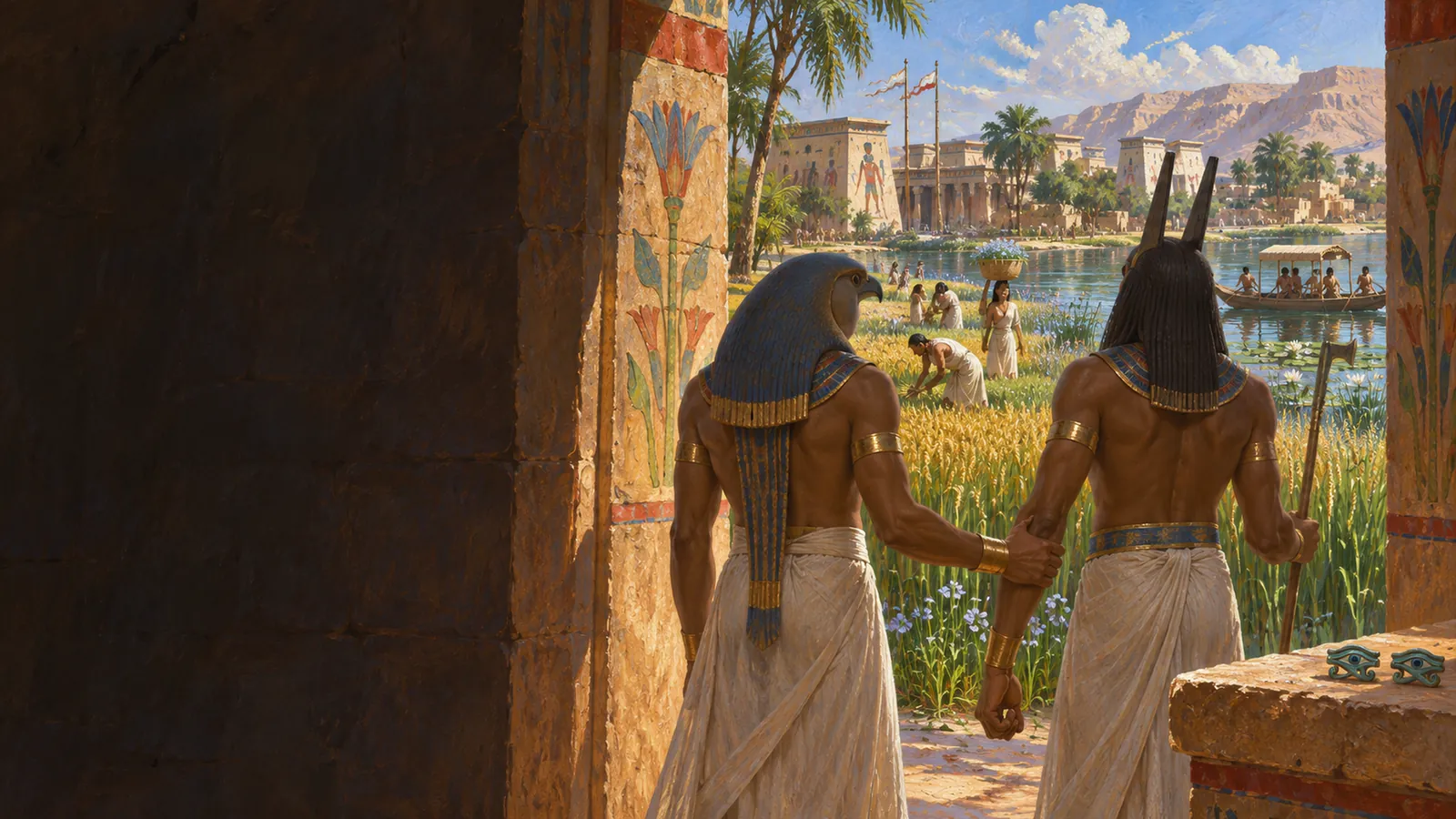
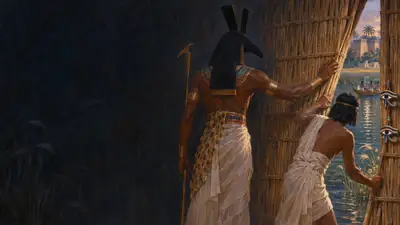
Le récitant dit que Seth a saisi Horus tandis que celui-ci regardait des deux yeux ce que Budge appelle, avec réserve, un bâtiment autour de Sekhet-hetep. Budge les identifie comme l’œil de Rê et celui d’Horus.
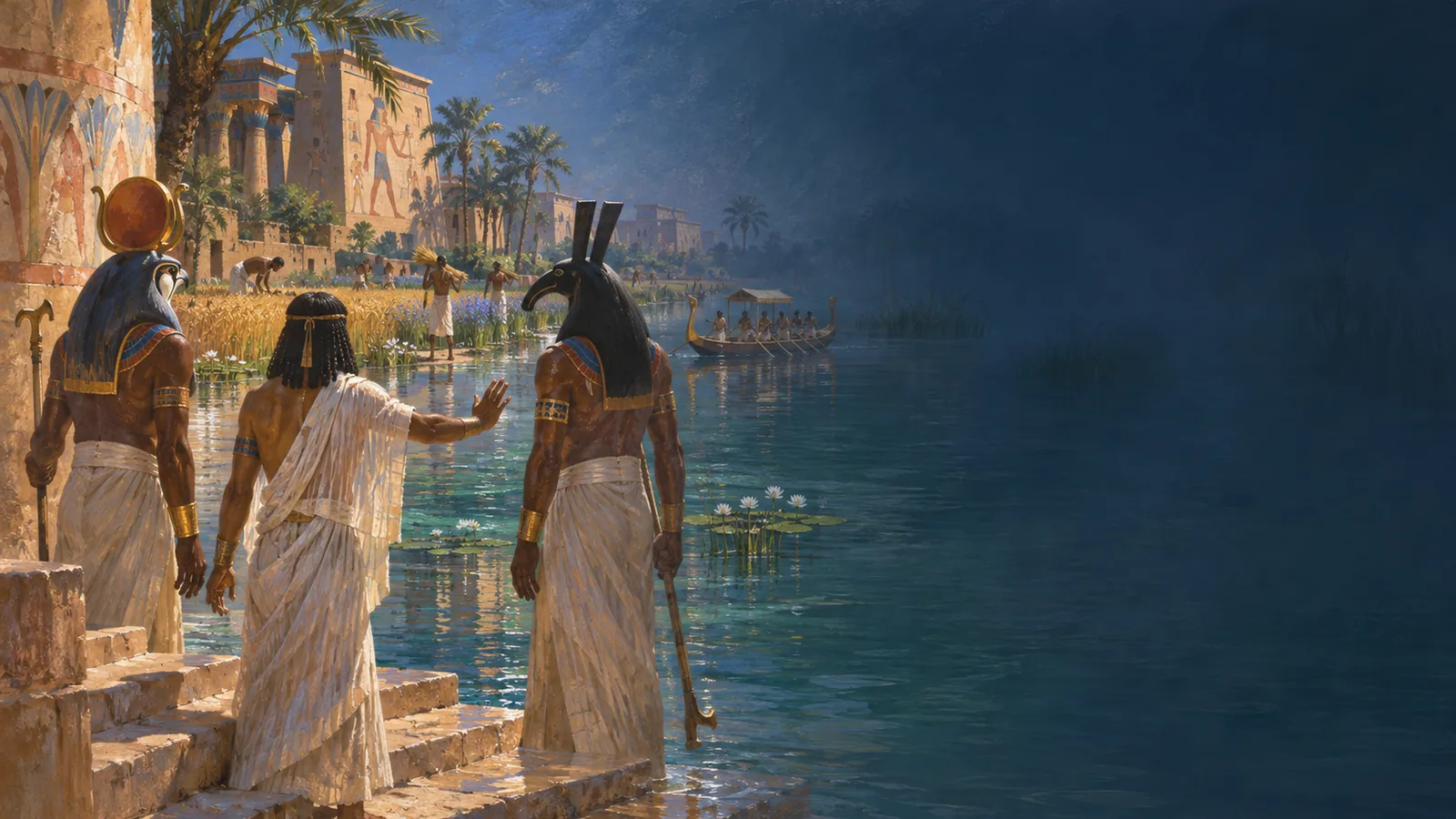
Le récitant dit qu’il a libéré Horus. Budge ajoute les mots selon lesquels il l’a repris à Seth.
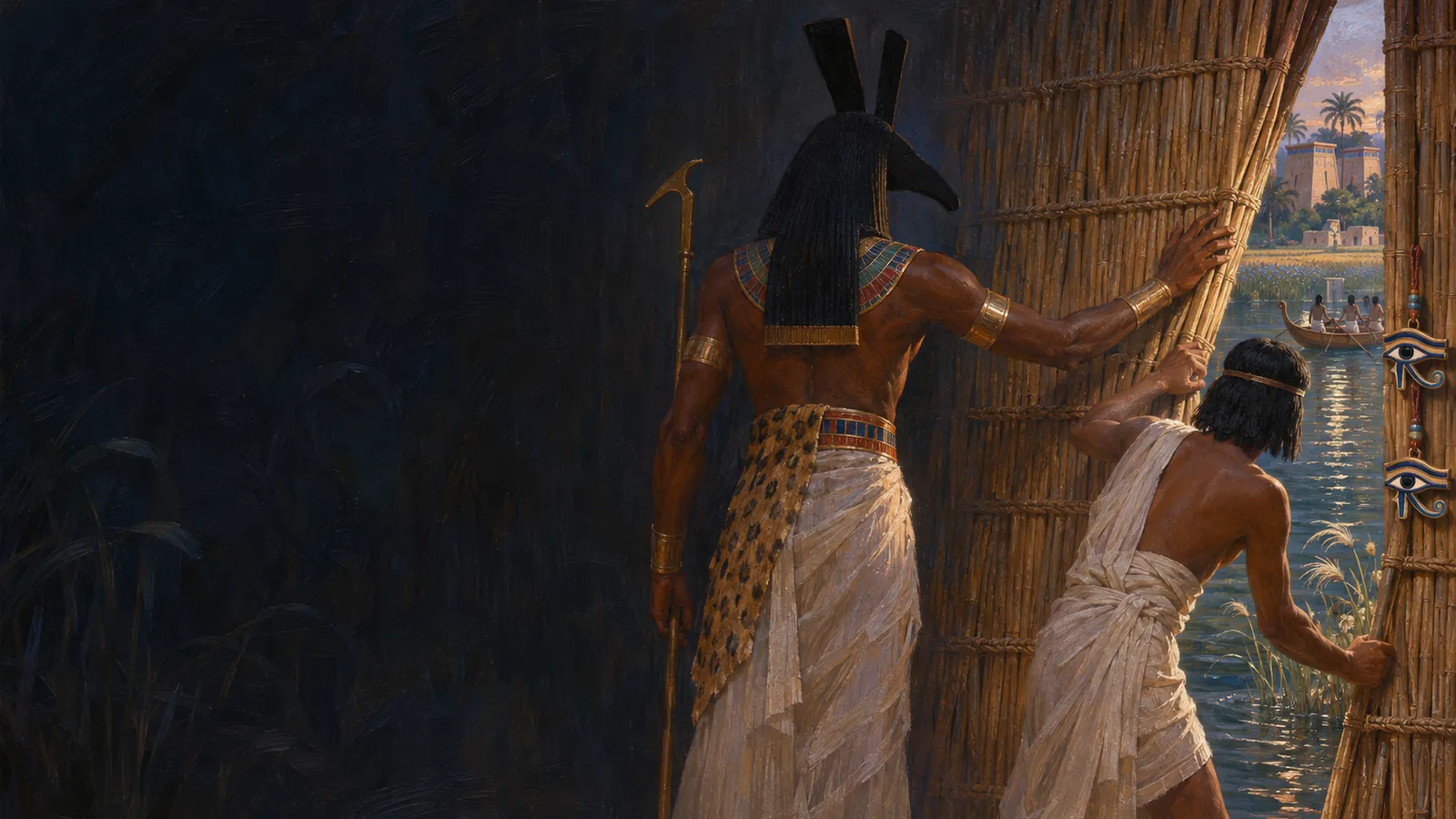
Seth ouvre le chemin des deux yeux, dit le texte. Budge ajoute les mots qui relient les yeux à leur emplacement dans le ciel.
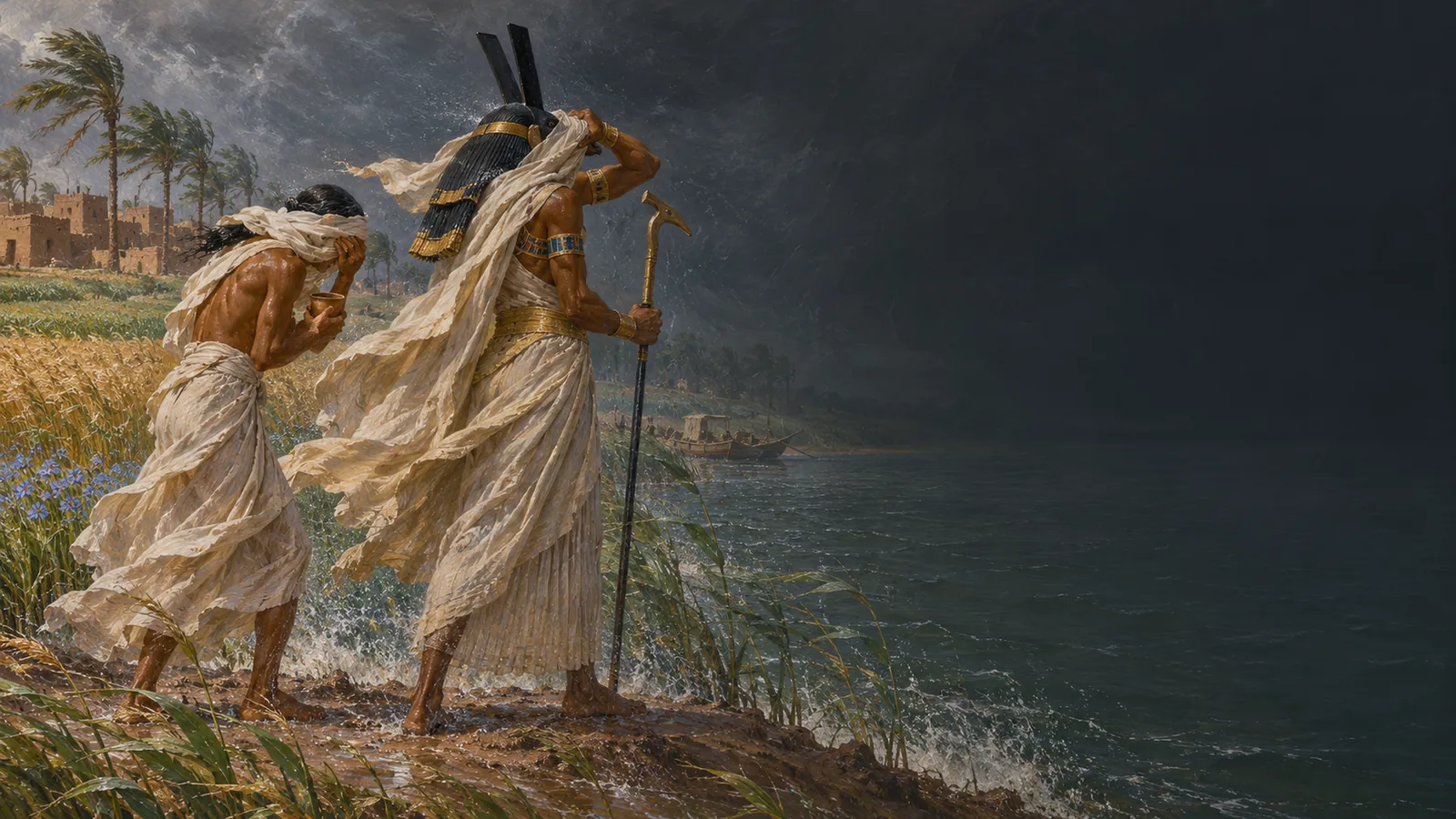
Budge propose, avec réserve, que Seth a jeté son humidité aux vents, sur l’âme qui a son jour et demeure dans la ville de Mert.
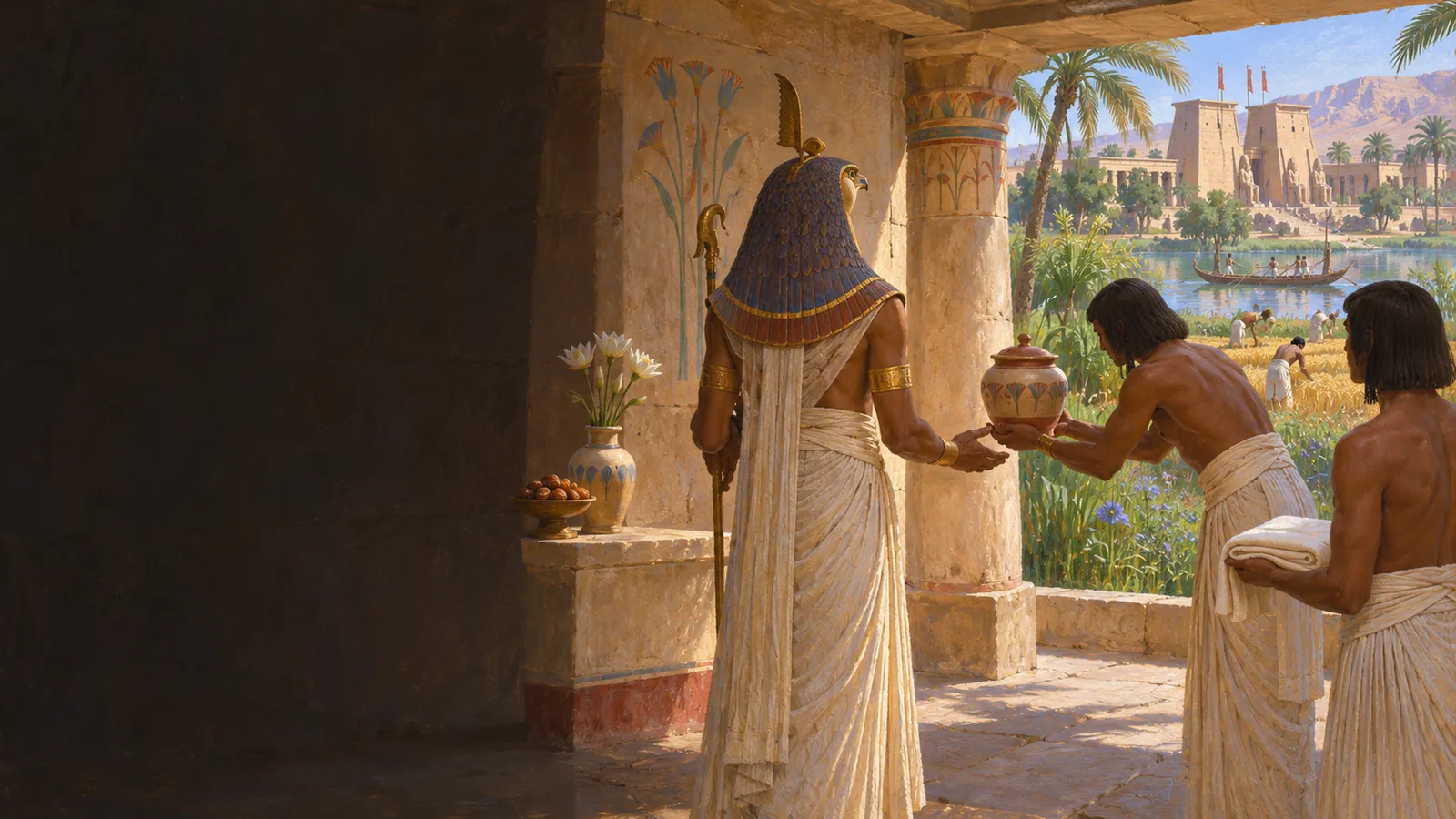
La récitation dit que Seth a délivré l’intérieur du corps d’Horus des dieux d’Akert.
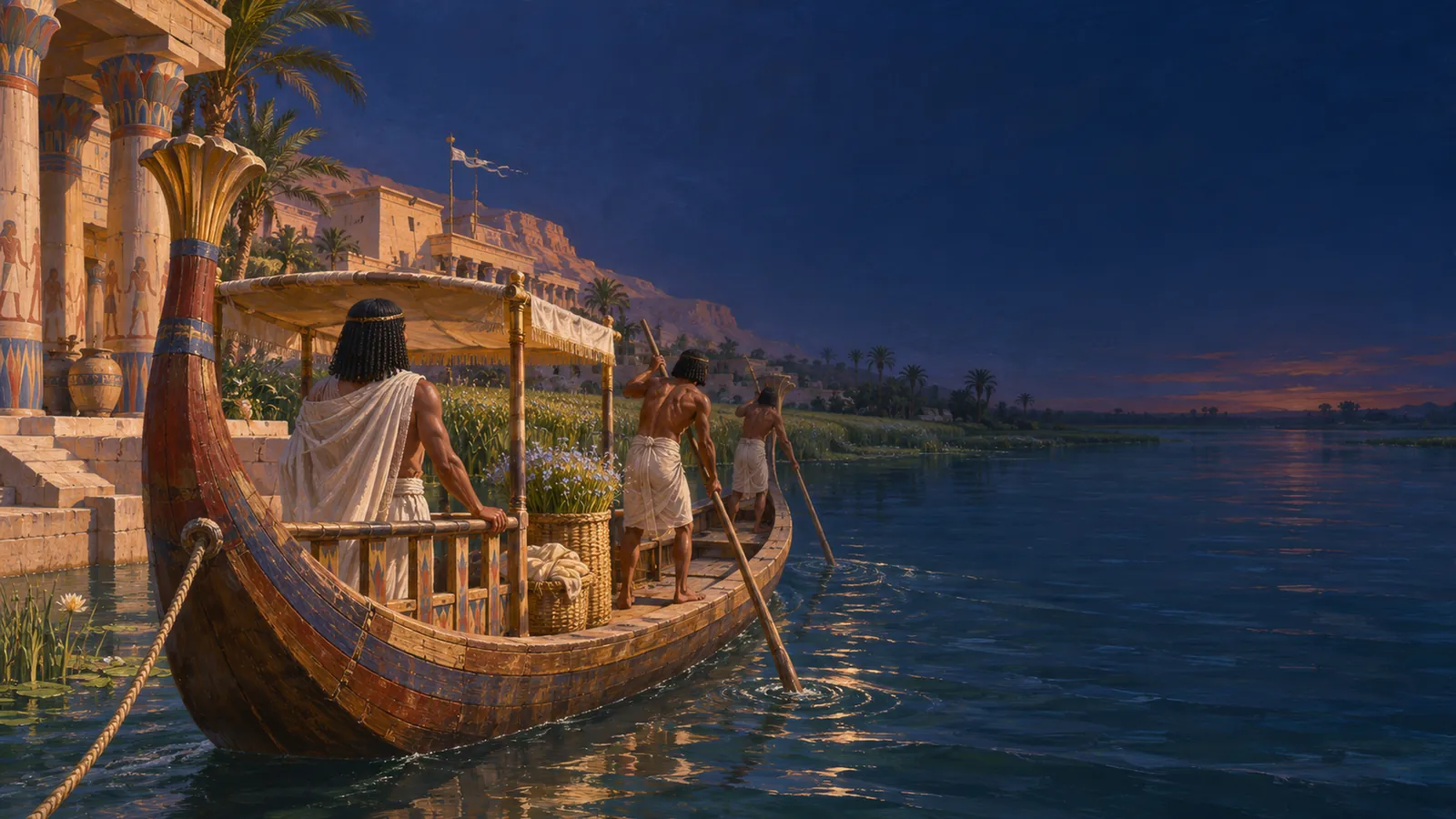
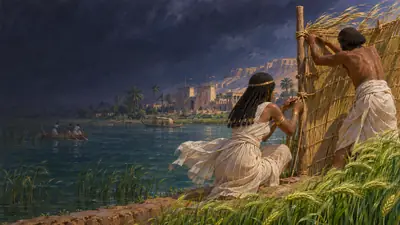
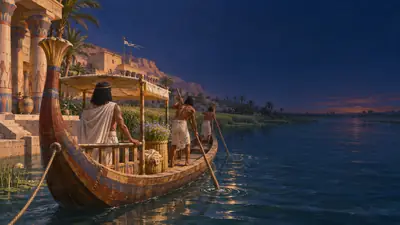
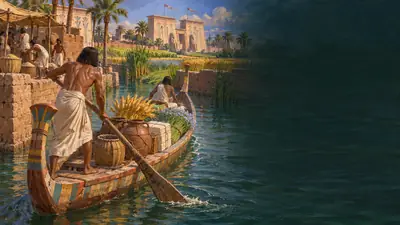
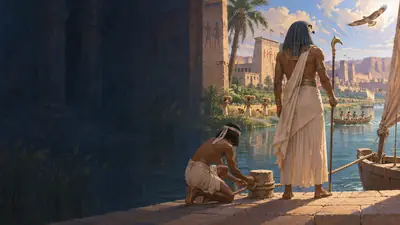
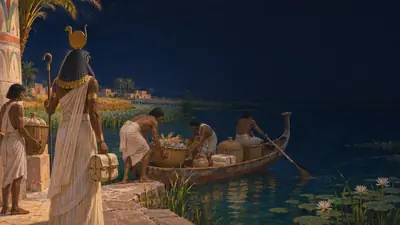
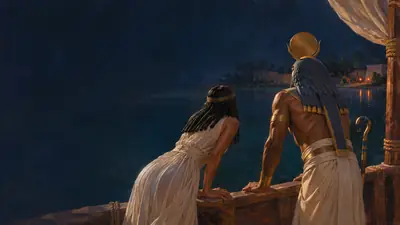
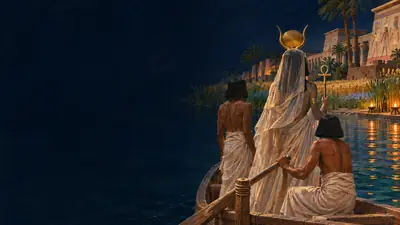
Le récitant dit qu’il fait naviguer la puissante barque sur le lac de Hetep. Il dit qu’il l’a emmenée avec force du palais de Shou.
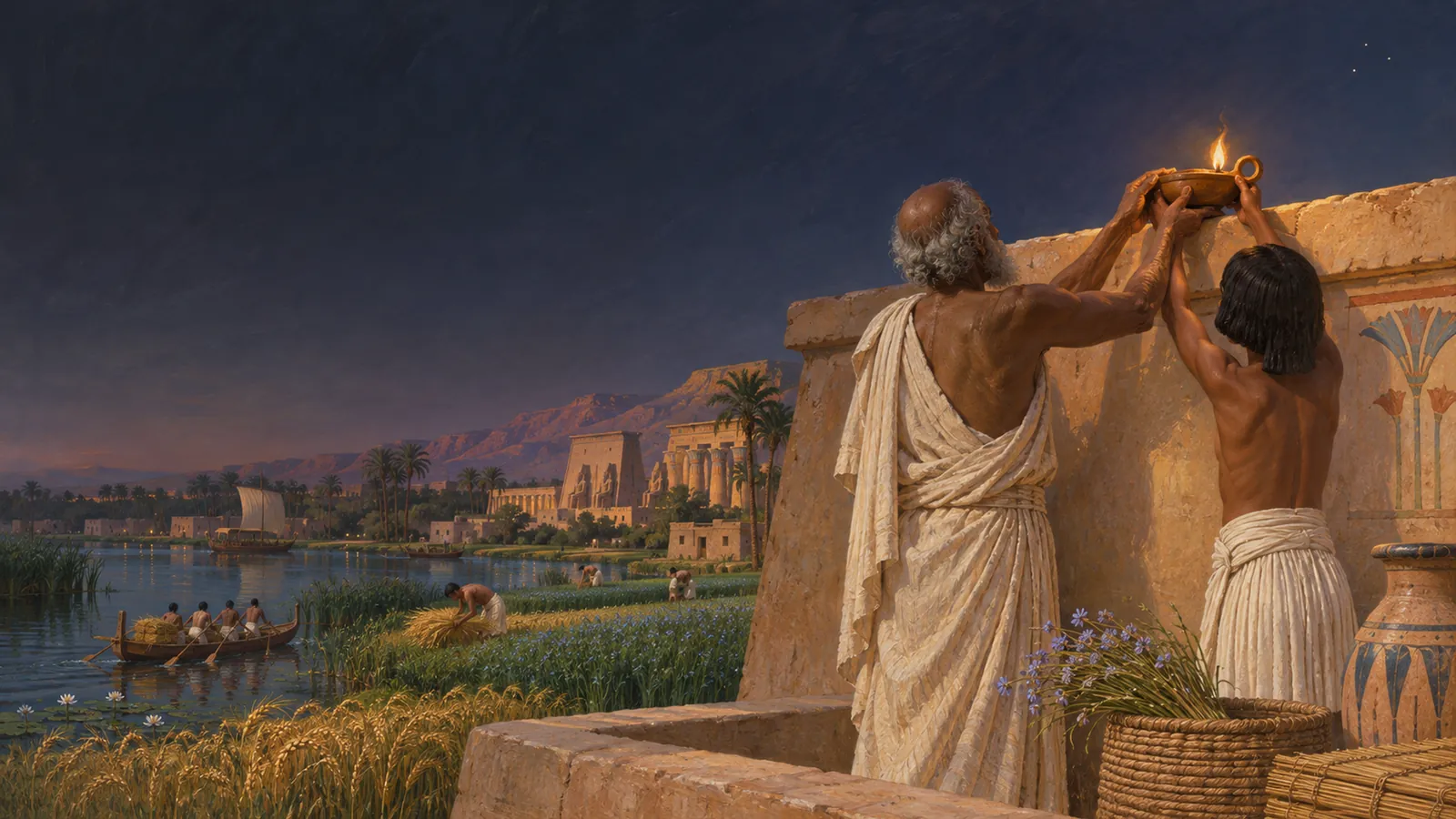
Le domaine des étoiles de Shou rajeunit, dit le texte. Il retrouve la force qu’il avait autrefois.
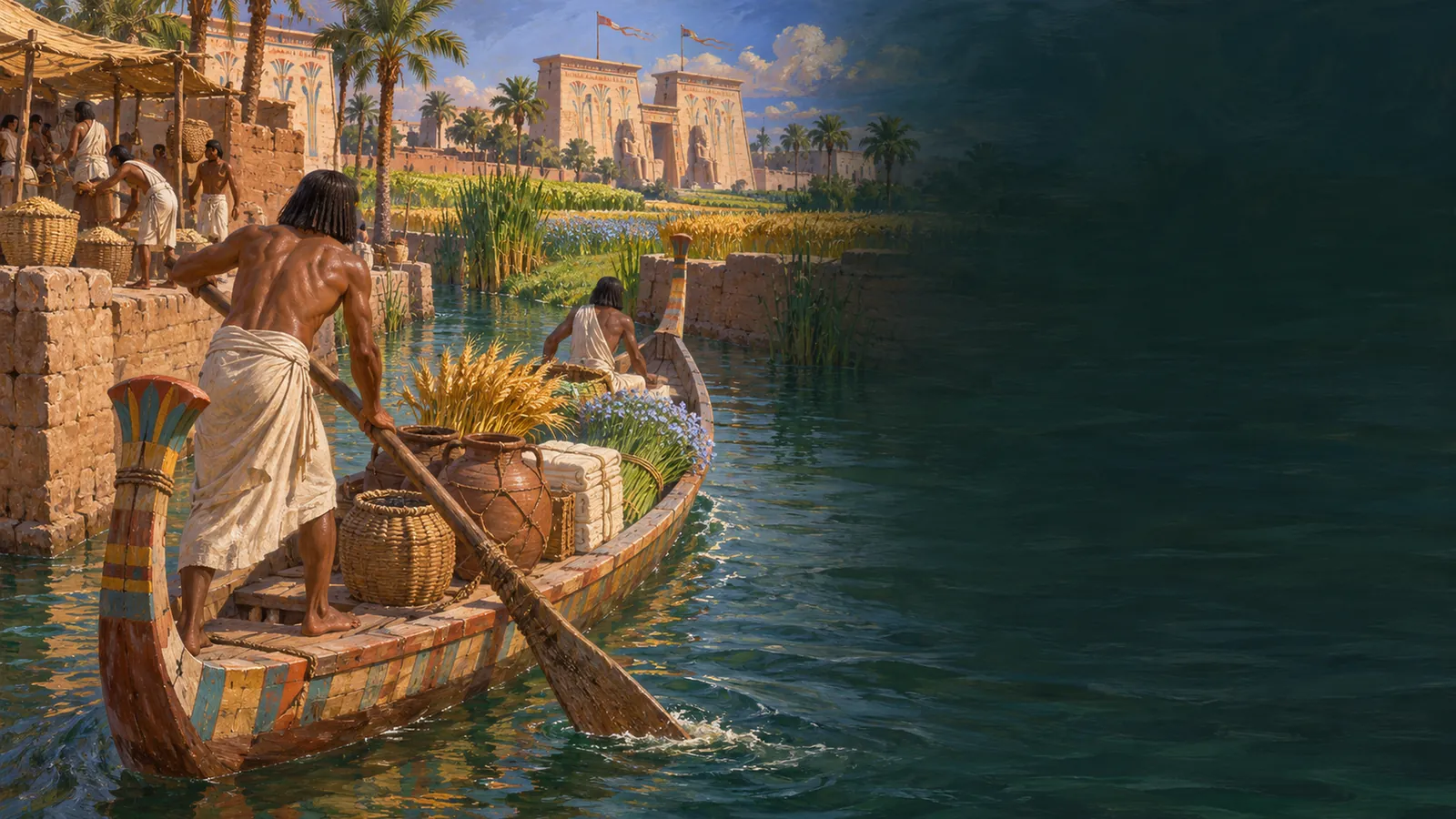
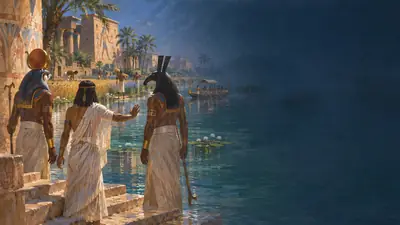
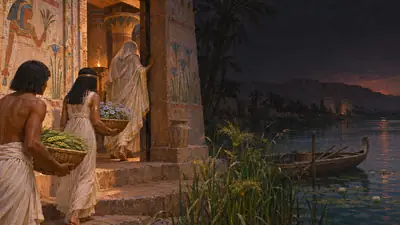
Le récitant fait entrer la barque dans les lacs pour atteindre leurs villes. Il dit qu’il a navigué jusqu’à leur ville divine, Hetep.
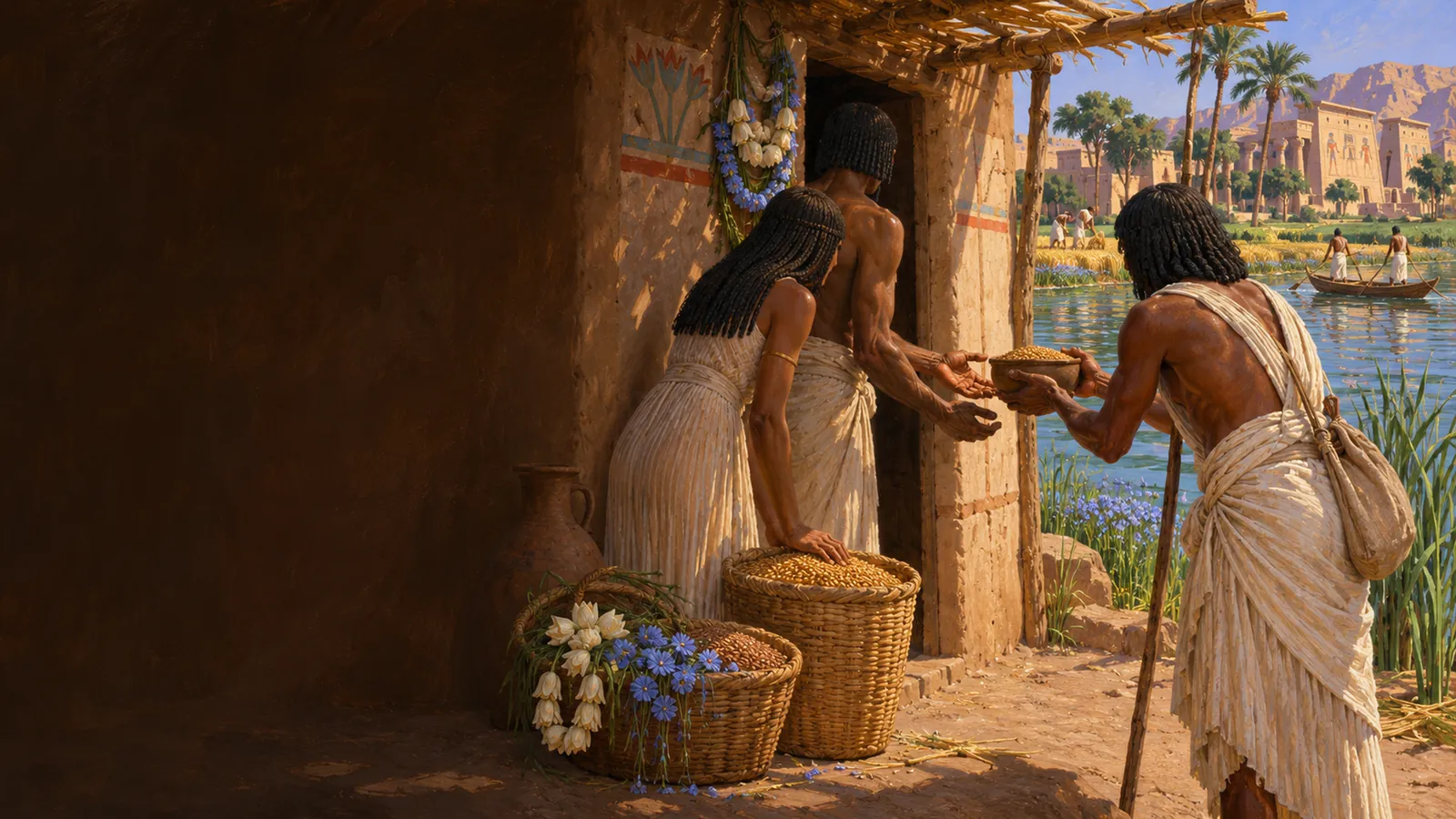
Le récitant dit « Je suis en paix avec ses saisons, sa direction, son territoire et l’assemblée des dieux qui sont ses premiers-nés ».
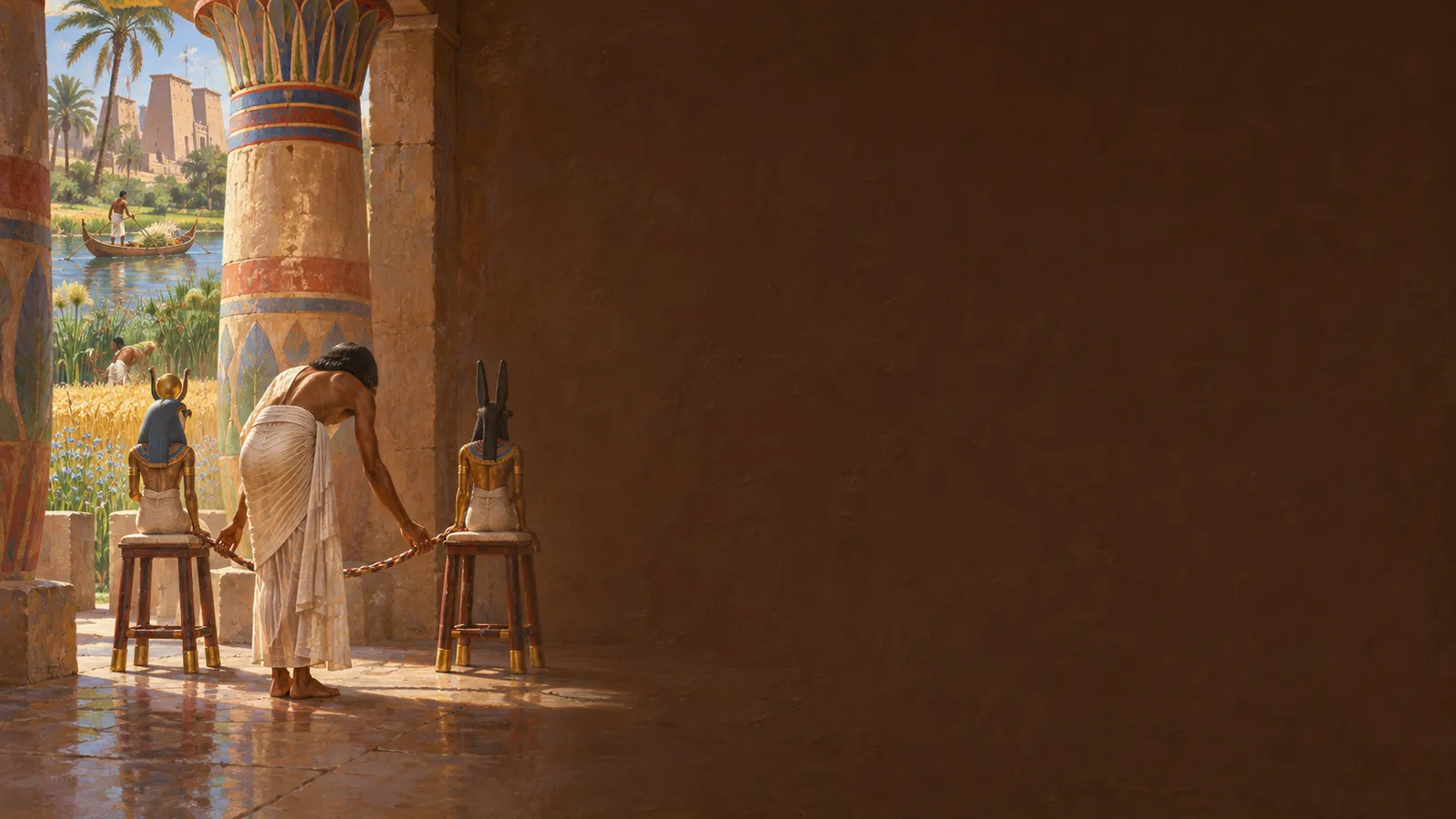
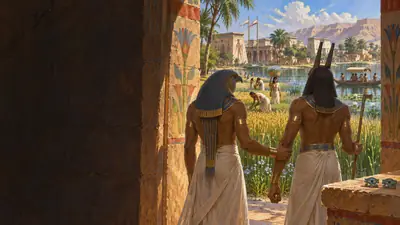
La récitation dit qu’il fait la paix entre Horus et Seth et les gardiens des êtres vivants qu’il a créés sous une belle forme. Elle répète la paix entre Horus et Seth et ceux qui veillent sur eux.
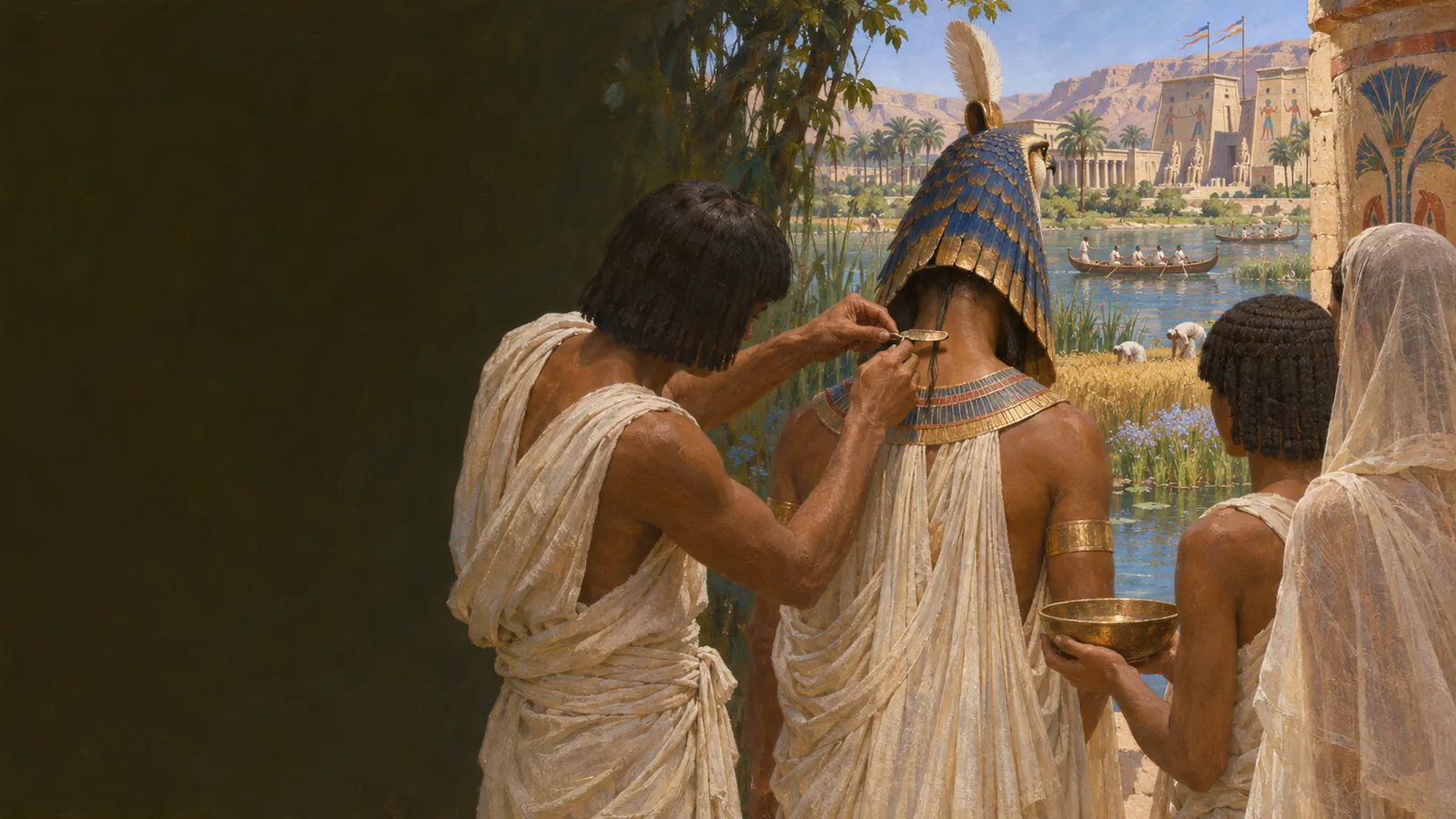
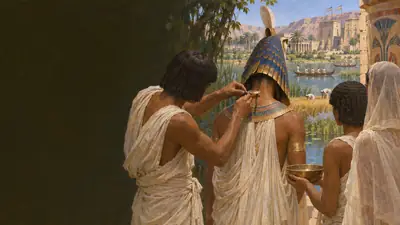
La phrase suivante de la récitation dit qu’il coupe les cheveux d’Horus et de Seth.
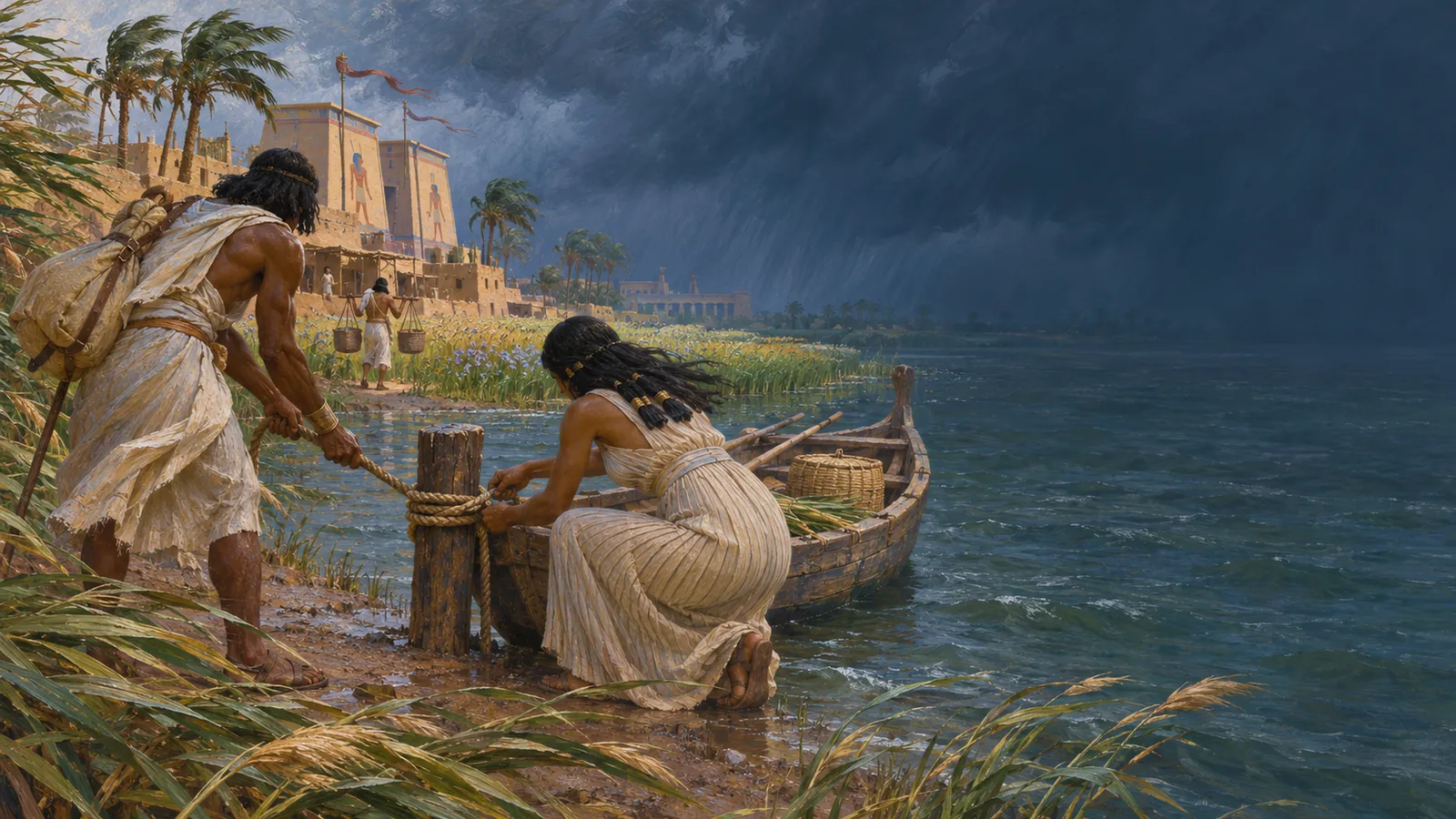
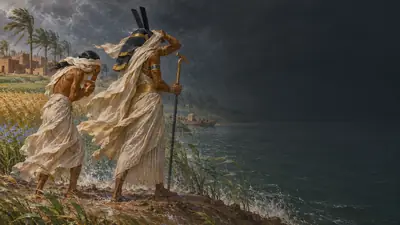
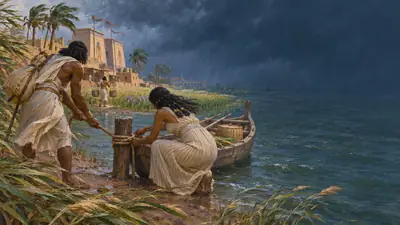
La récitation dit qu’il écarte la tempête des êtres sans défense. Elle ajoute qu’il épargne le mal aux esprits que Budge appelle KHU.
LES CHAMPS
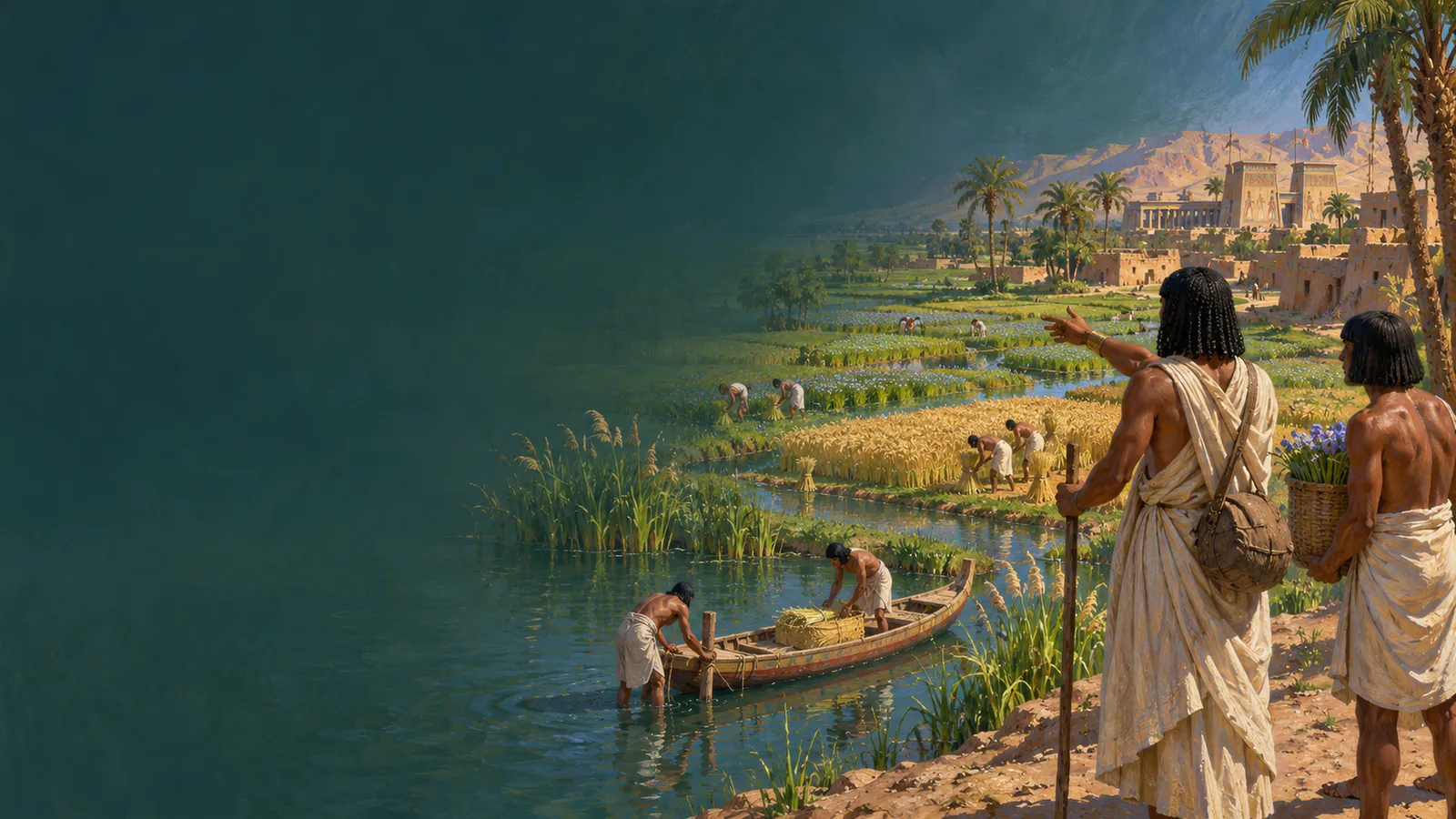
Le récitant demande à régner dans le champ, puisqu’il le connaît et qu’il a navigué parmi ses lacs pour atteindre ses villes.
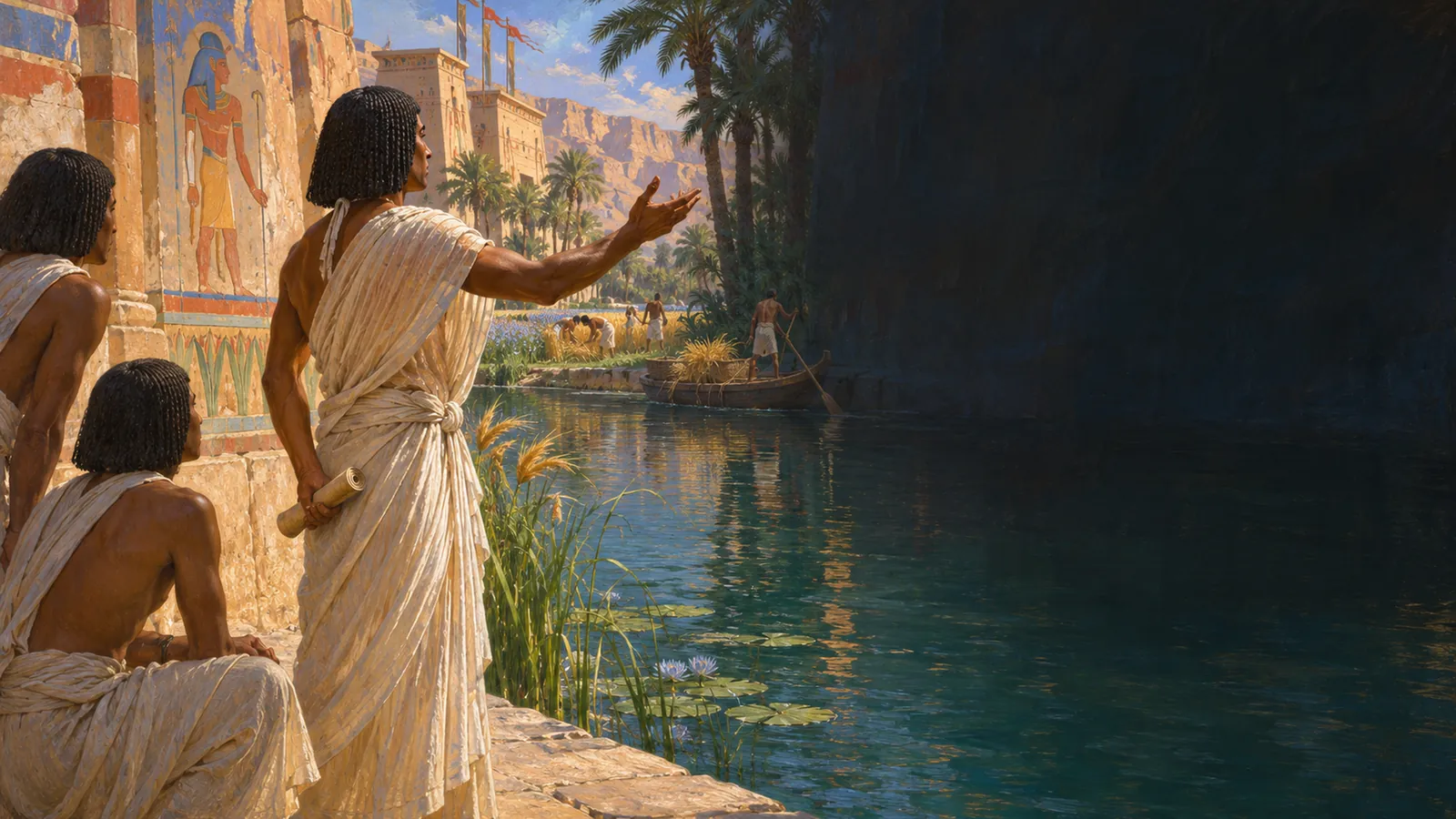
Le récitant dit que sa bouche est ferme, expression que Budge explique par le fait de prononcer avec vigueur des paroles de pouvoir. Il est équipé pour résister aux esprits et dit qu’ils n’auront aucun pouvoir sur lui.
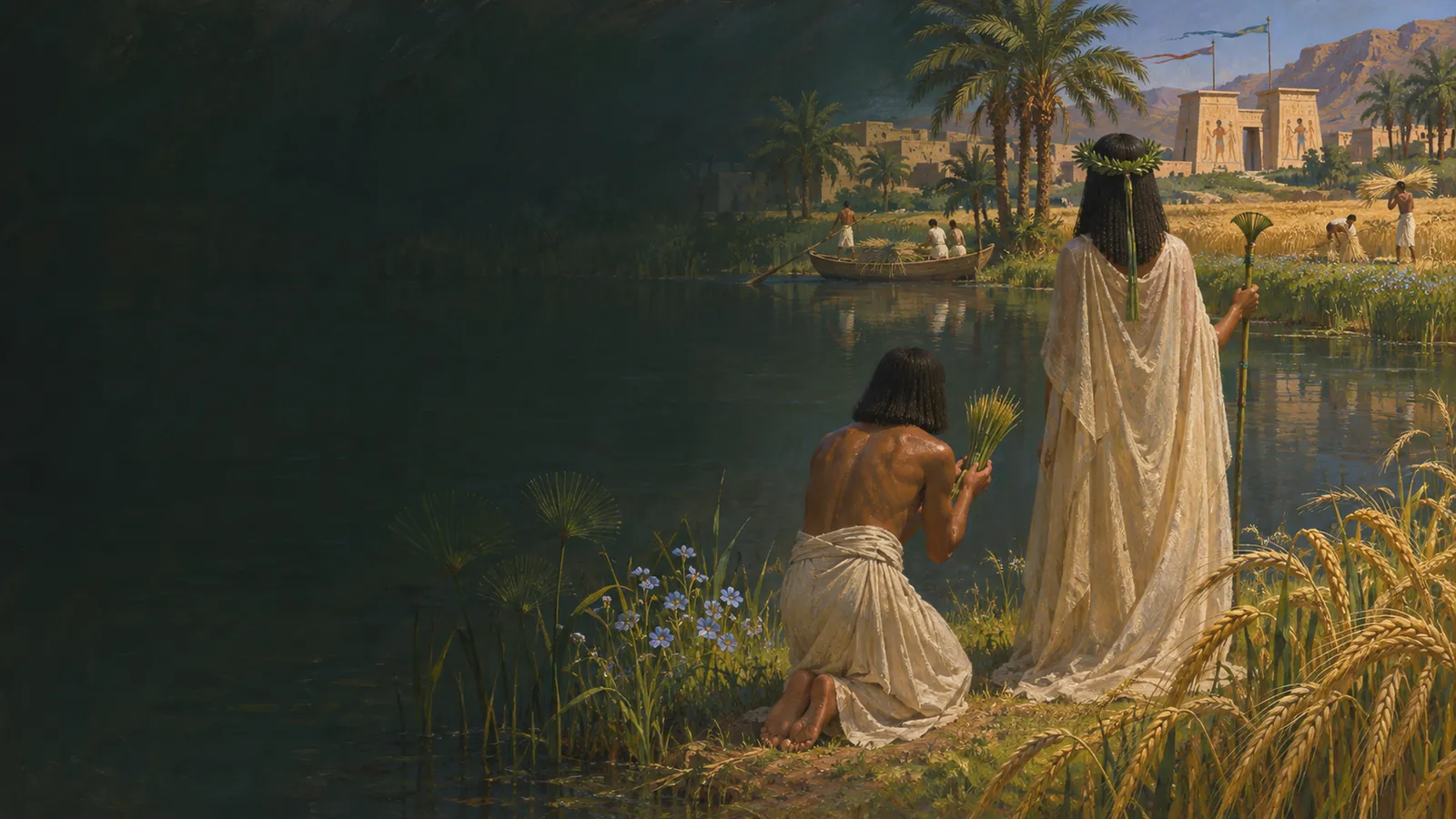
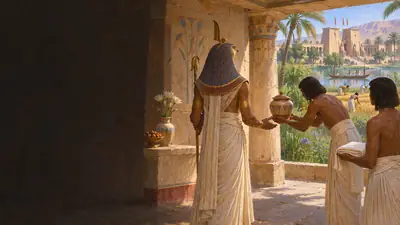
Le récitant demande au dieu Hetep de lui donner les champs en récompense. Il demande au seigneur des vents de faire ce qu’il désire.
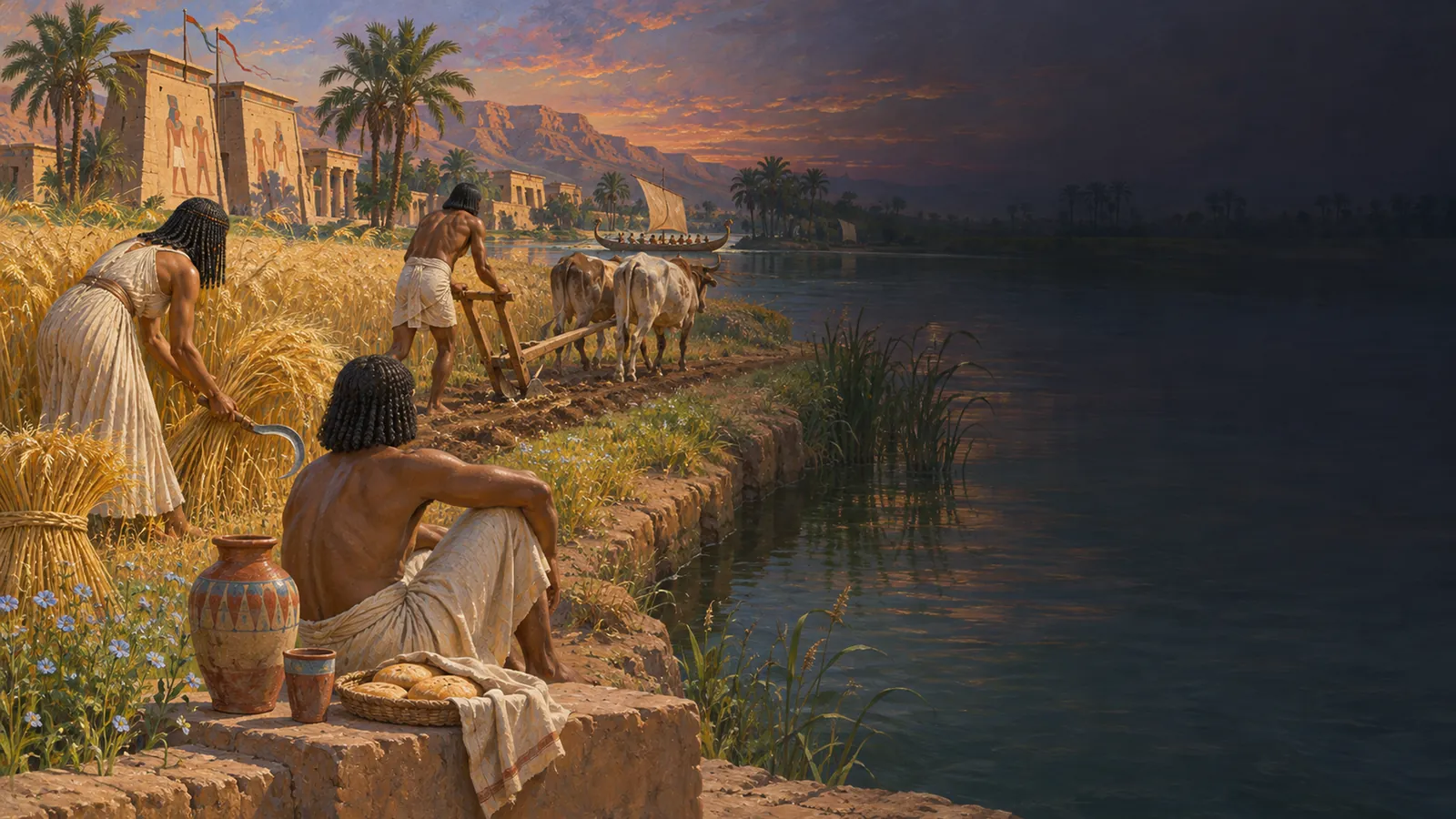
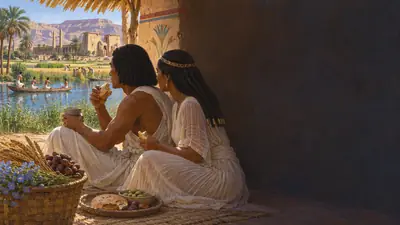
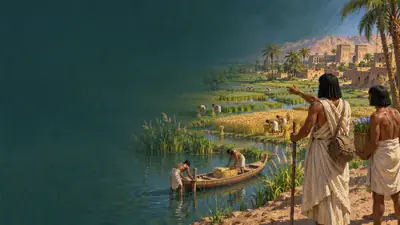
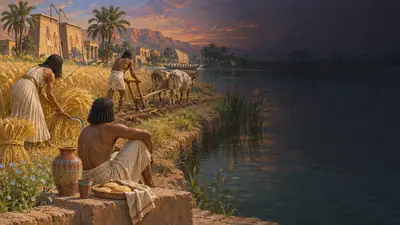
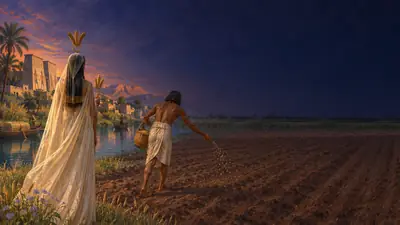
Le récitant souhaite devenir un esprit dans les champs de Hetep, y manger, y boire, y labourer et y moissonner.
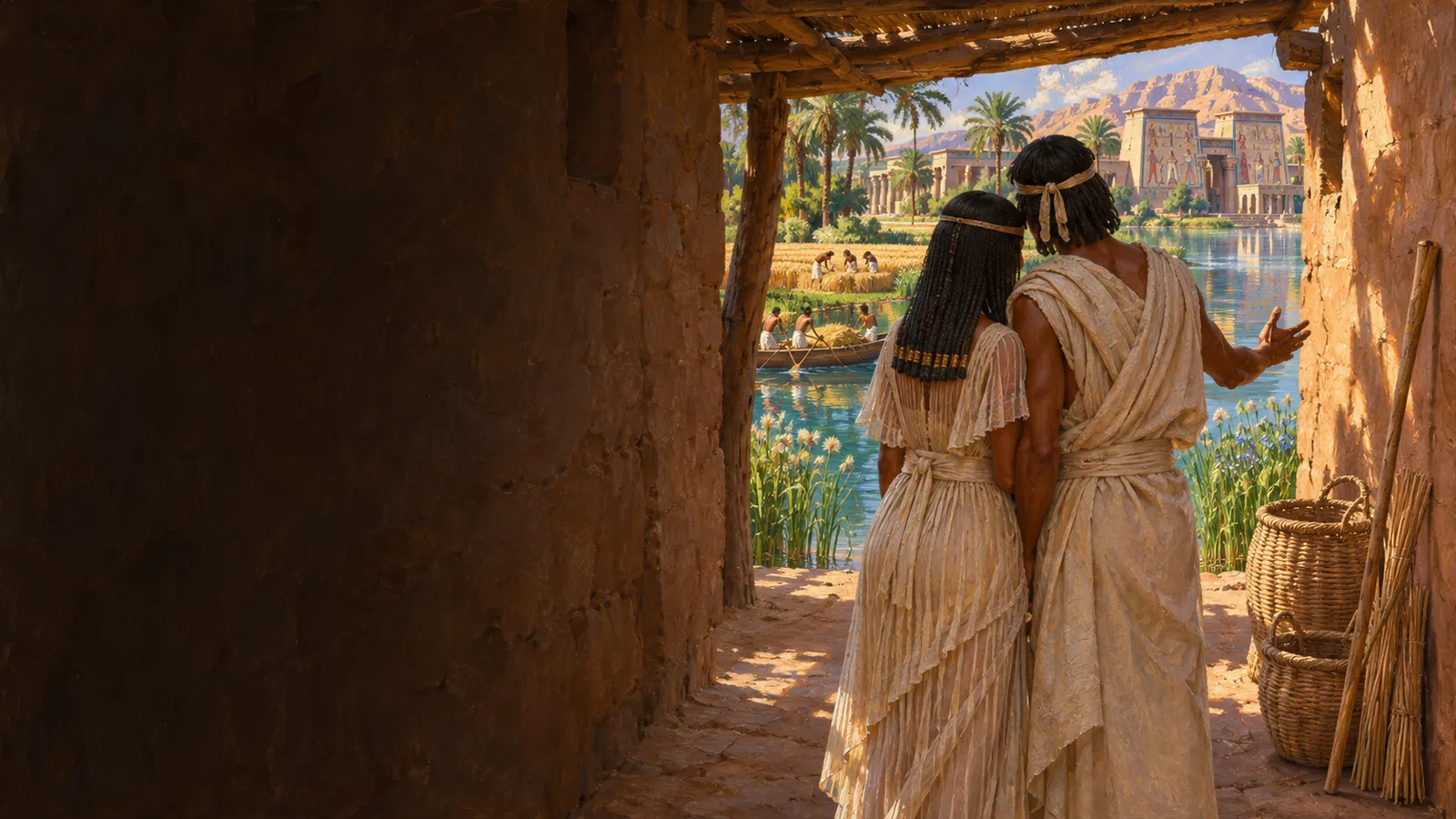
Dans la même récitation, le récitant demande de pouvoir se battre et faire l’amour dans les champs, et d’y avoir des paroles puissantes.
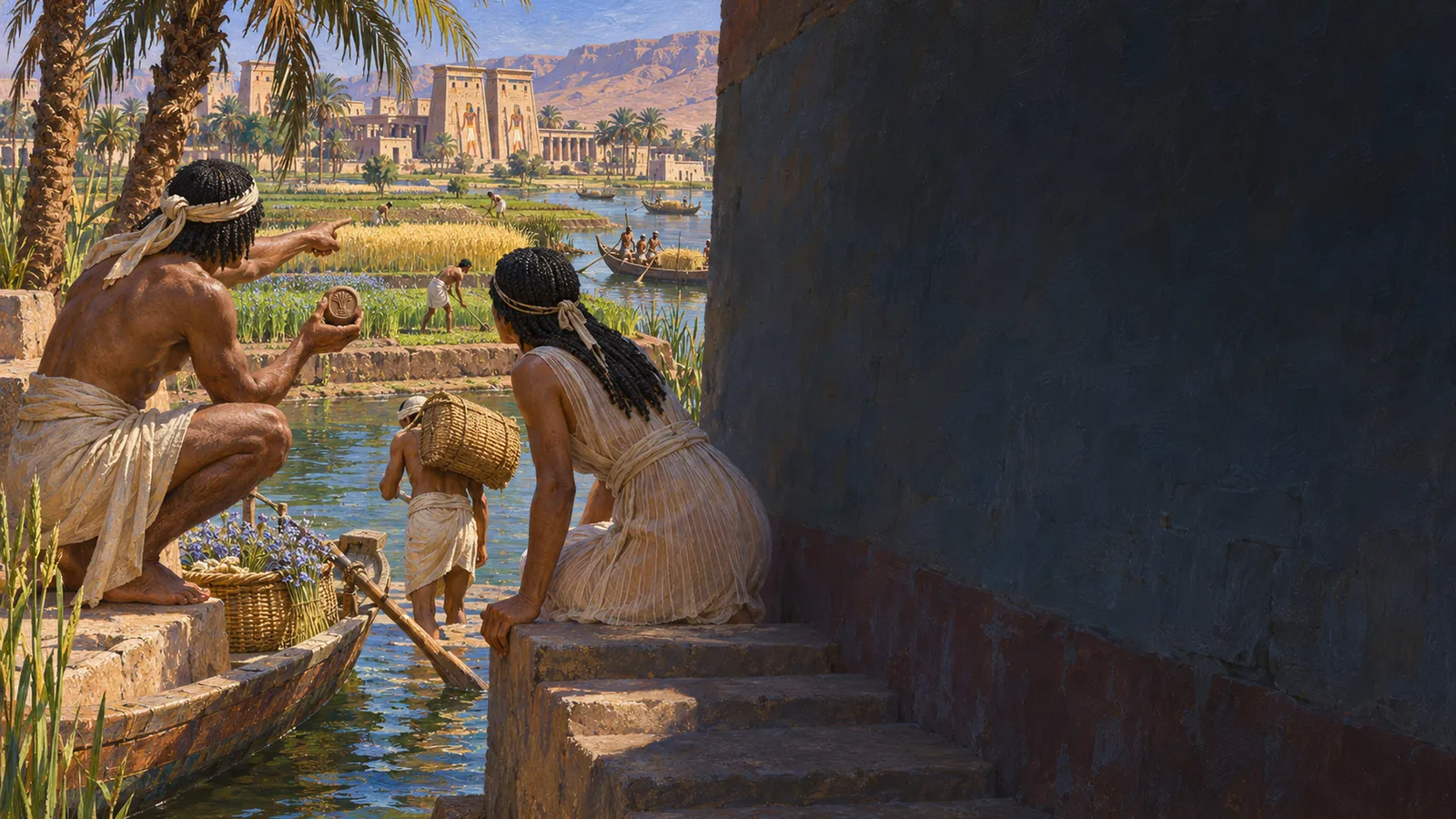
Le récitant demande à ne jamais être en situation de servitude dans les champs. Il demande à y exercer l’autorité.
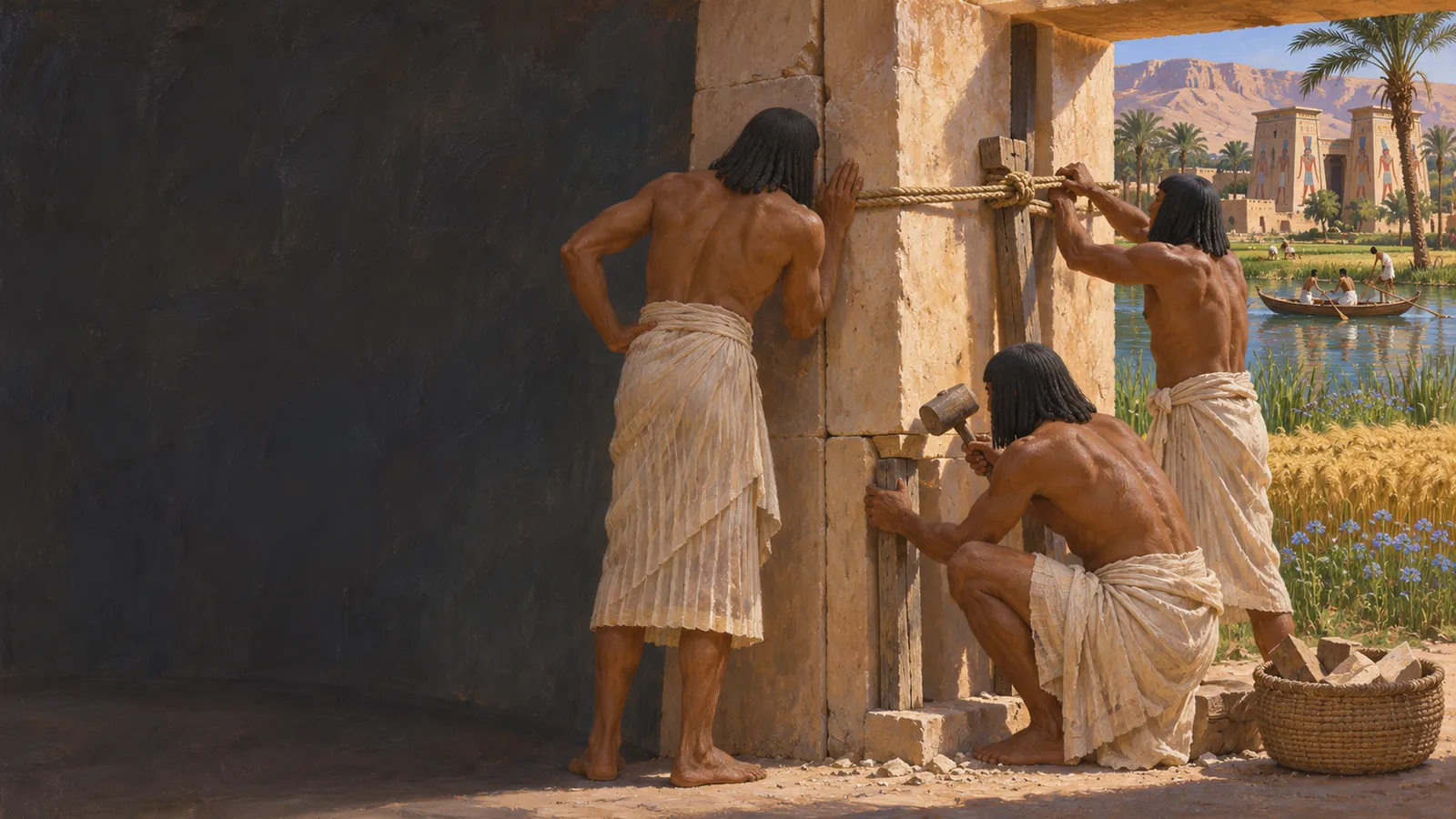
Le texte dit que la bouche ou la porte de Hetep, ainsi que ce que Budge lit avec hésitation comme sa gorge, ont été renforcées. Le nom donné est Qetet-bu.
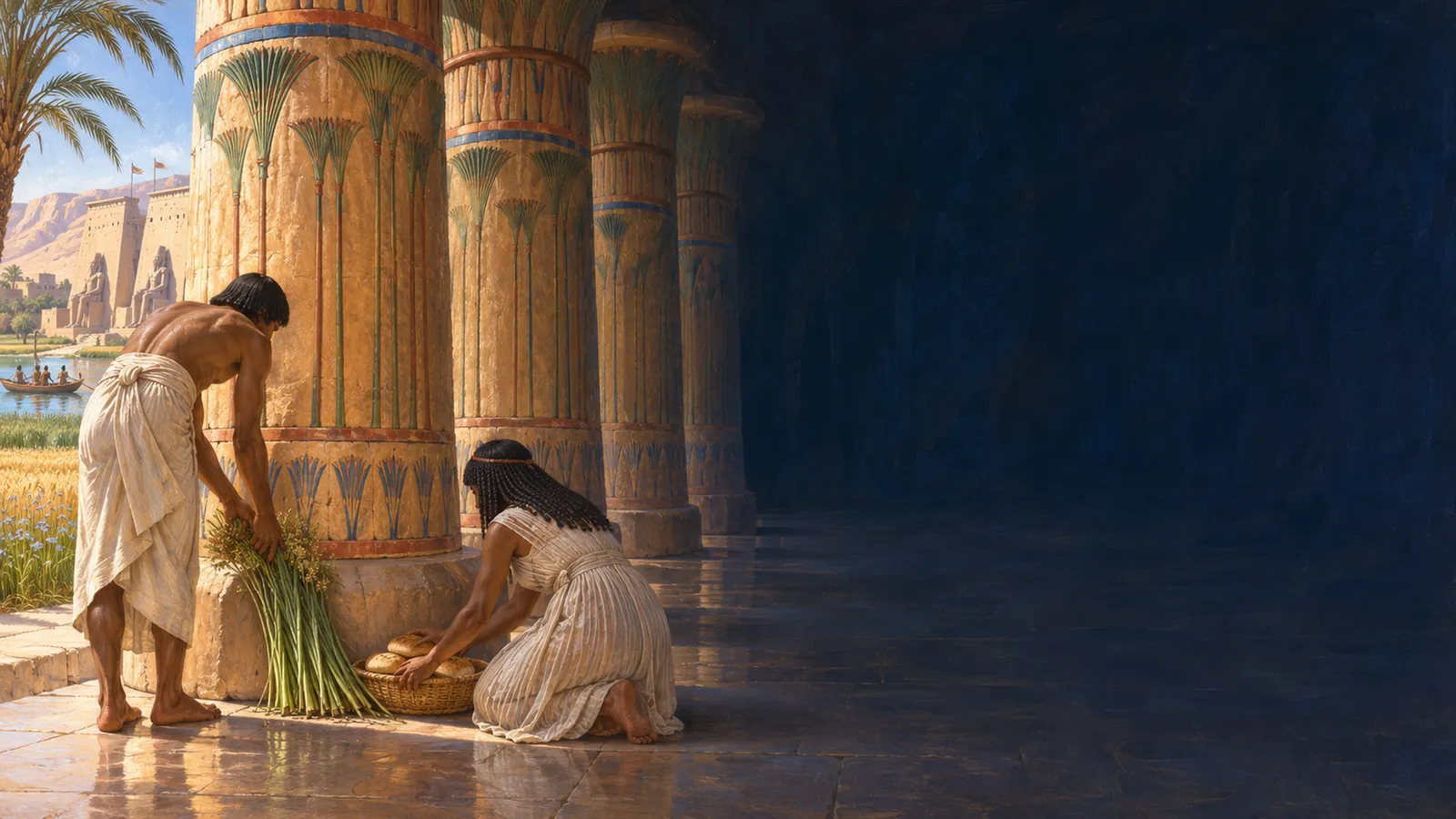
Le texte dit qu’il est établi sur les piliers de Chou. Il l’associe aux choses agréables de Rê.
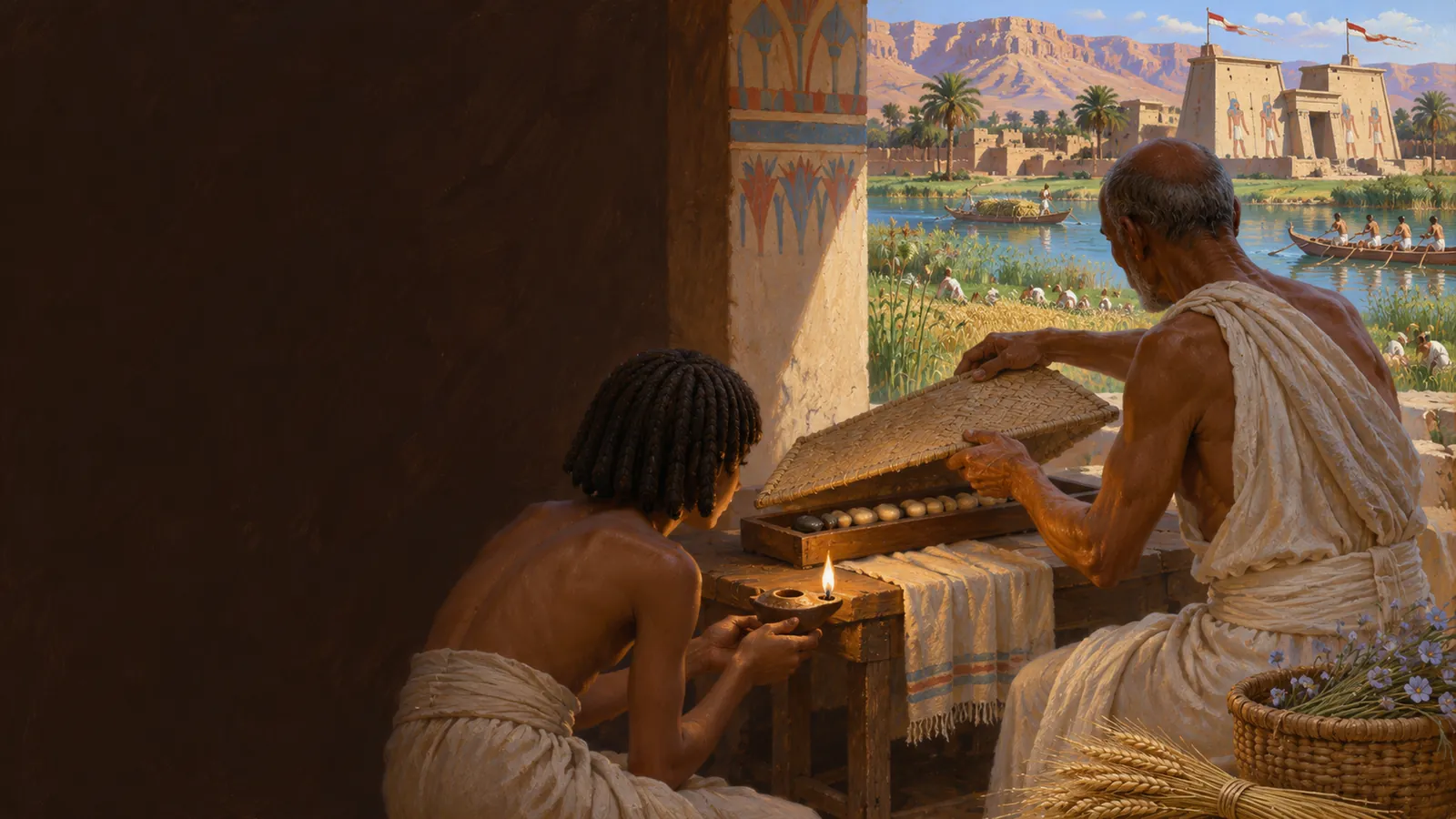
Il divise les années. Sa bouche est cachée et silencieuse, et les paroles qu’il prononce sont secrètes.
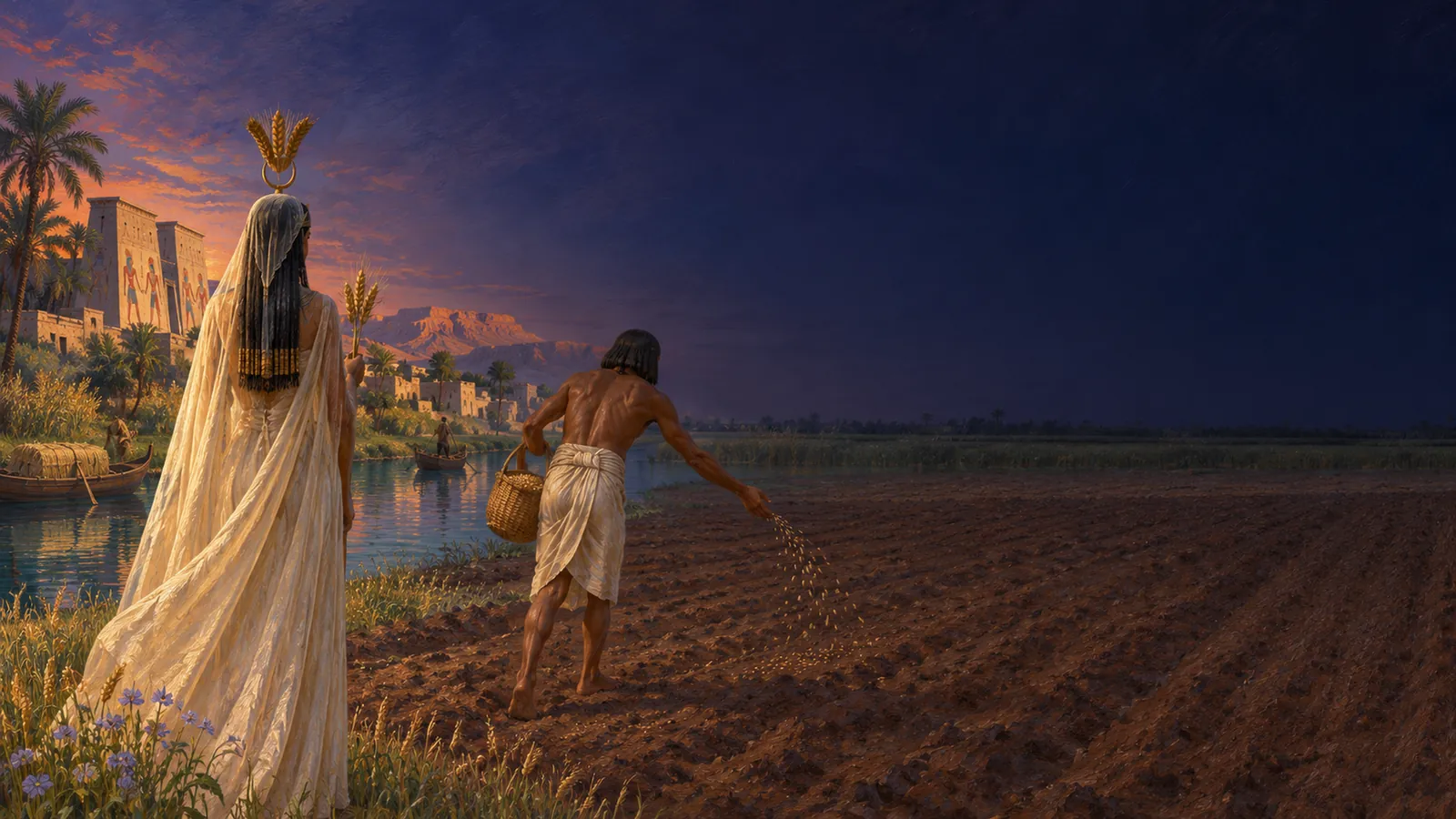
Le texte dit qu’il accomplit l’éternité et possède une existence sans fin. Il le nomme Hetep, le seigneur Hetep.
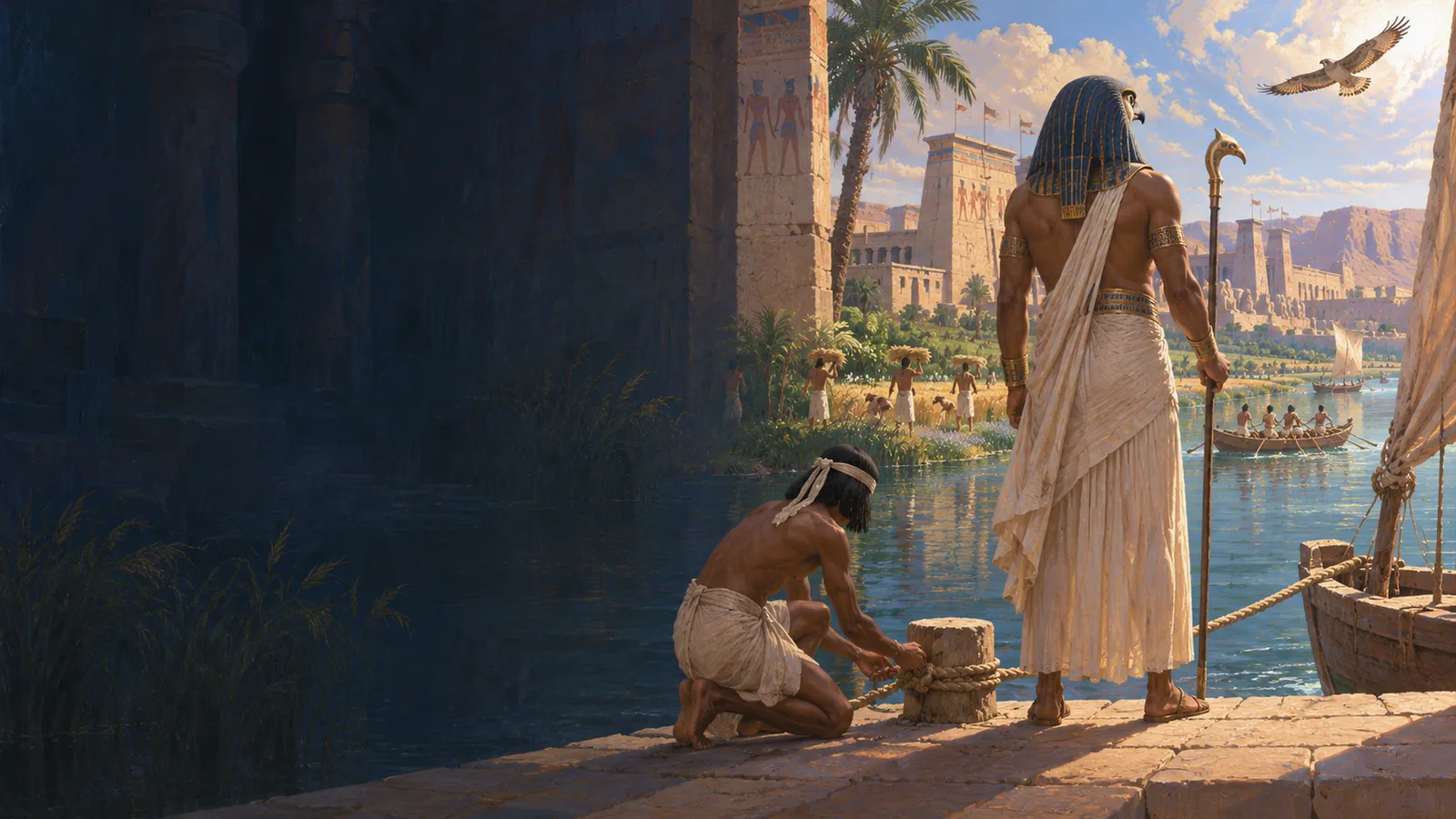
Le texte dit qu’Horus se rend fort comme un faucon de mille coudées de long. Sa largeur est de deux mille coudées dans la lecture de Budge.
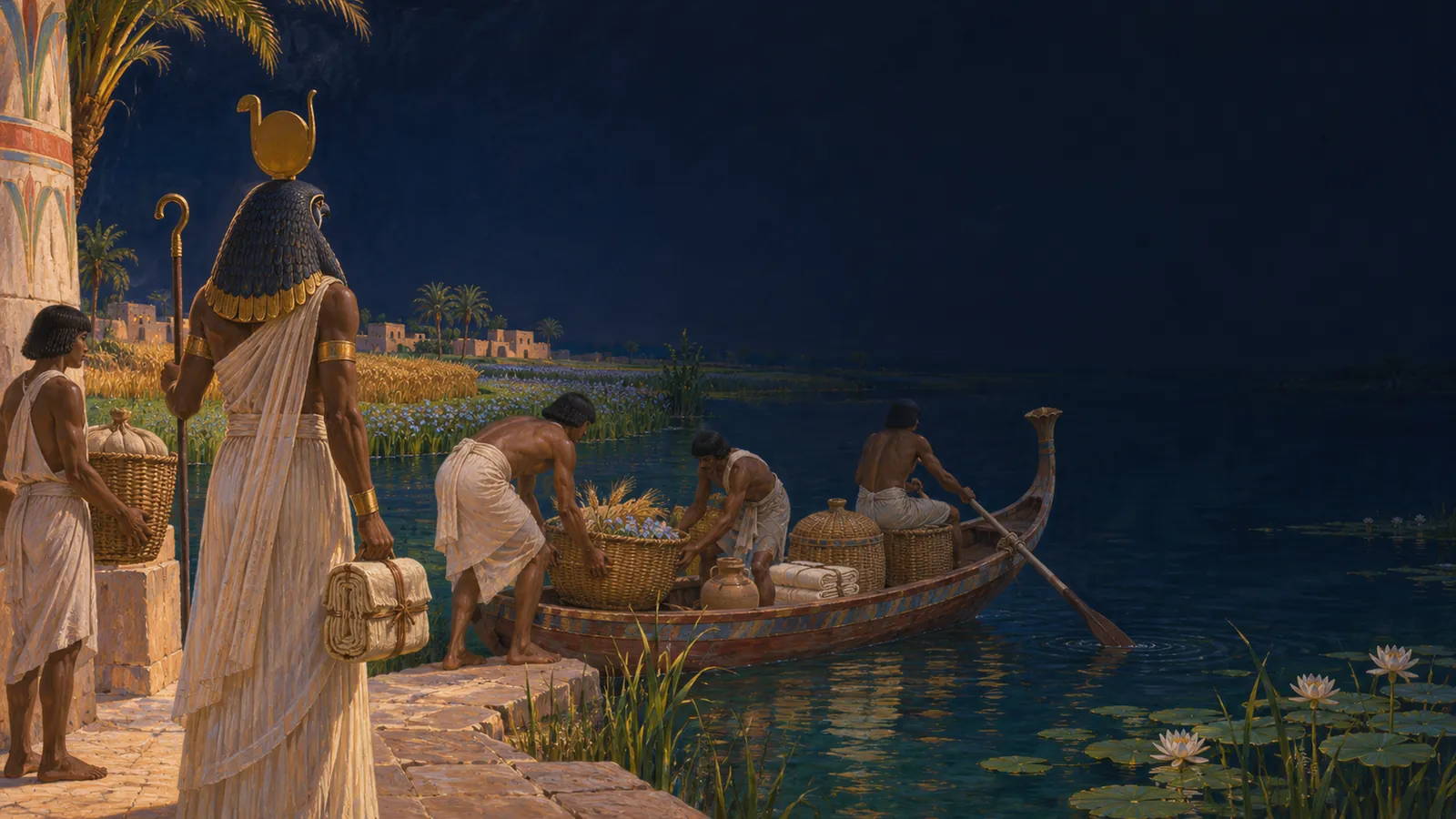
Horus emporte son équipement en voyage. Il vient là où le trône de son cœur souhaite se trouver, dans les bassins et les villes qui leur appartiennent.
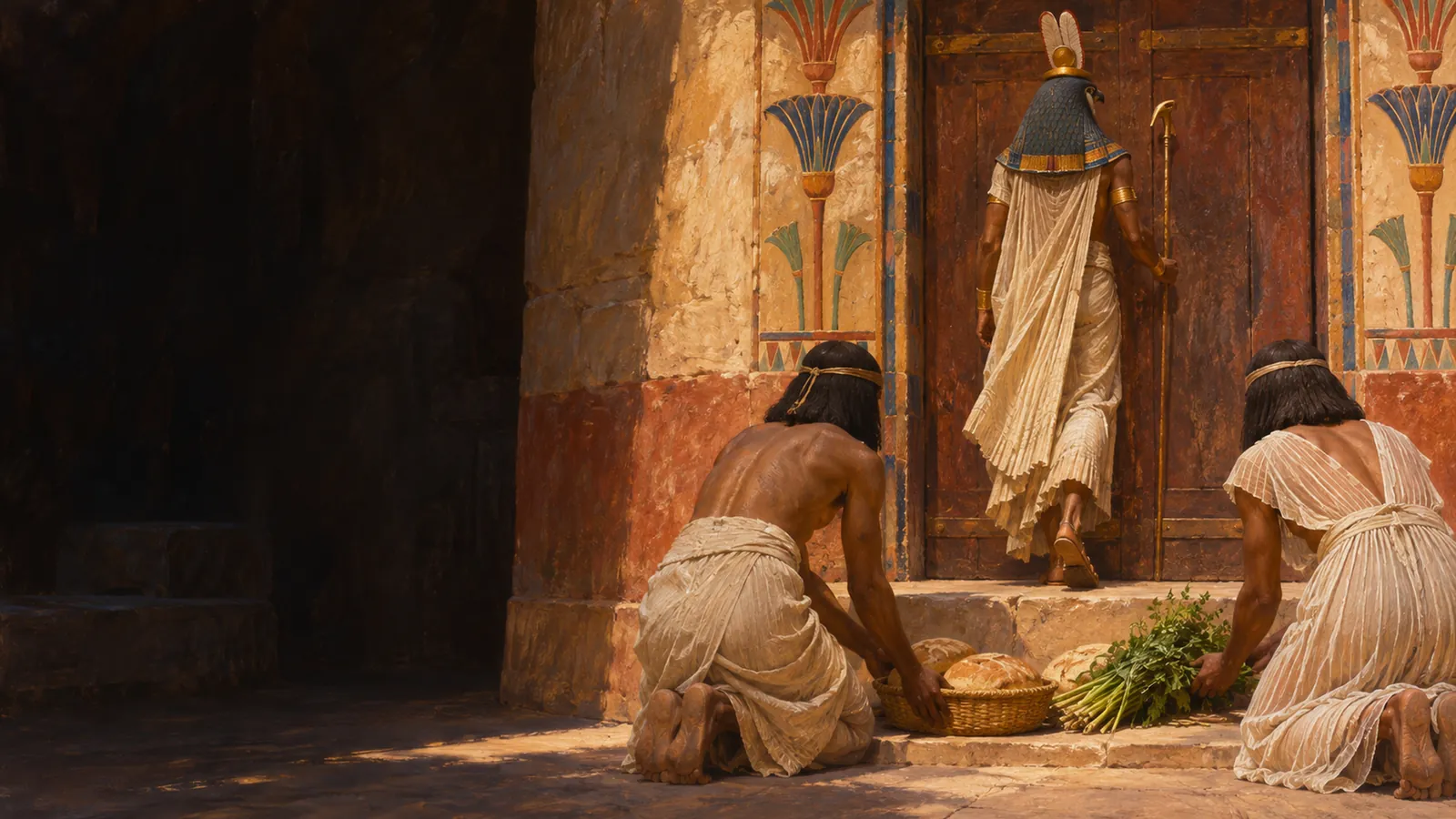
Le texte dit qu’Horus est engendré dans la chambre de naissance du dieu de la ville. Il y reçoit les offrandes de ce dieu.
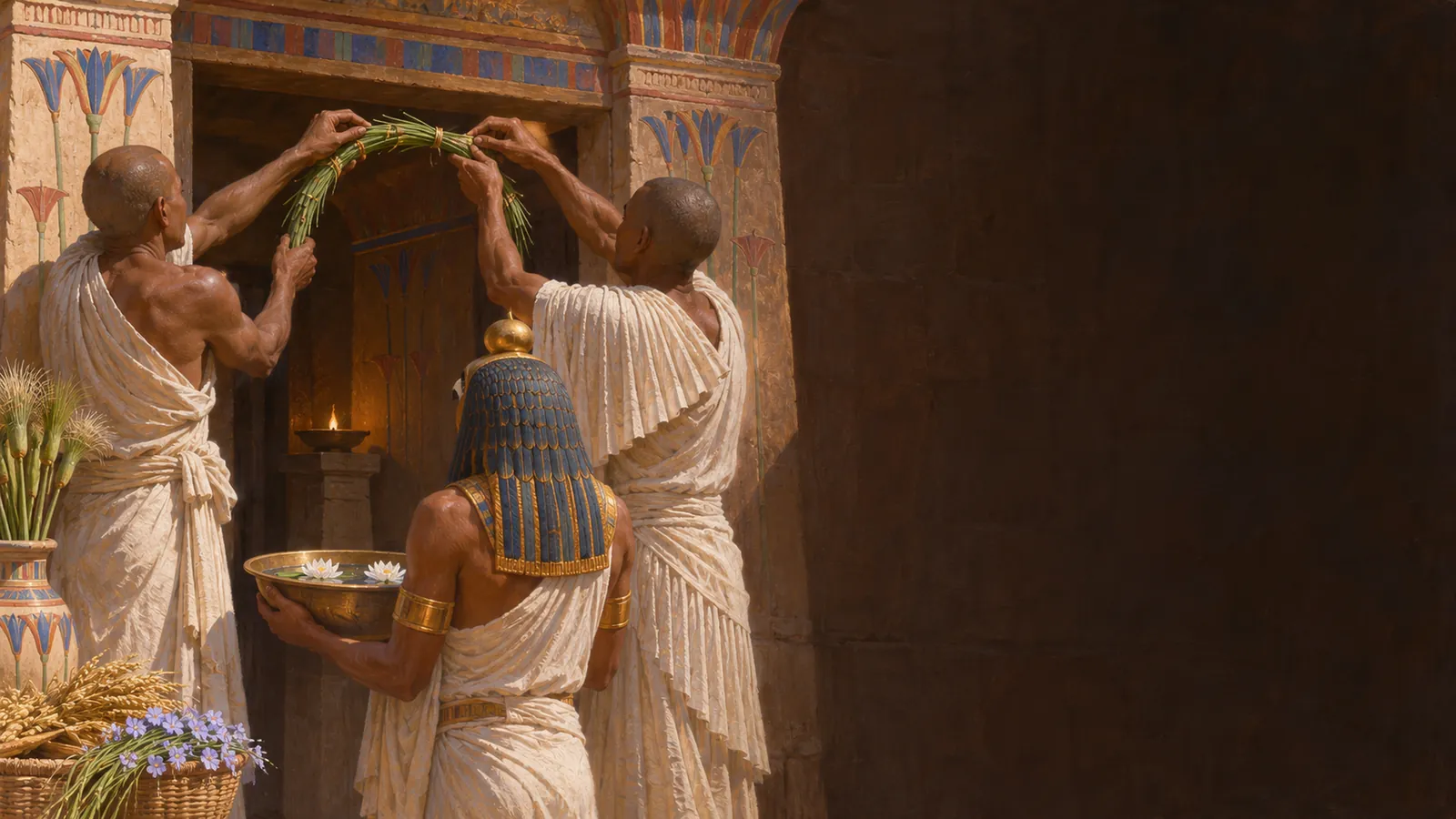
Il y fait ce qui convient et provoque l’union. Il accomplit tout ce qui relève de la chambre de naissance de la ville divine.
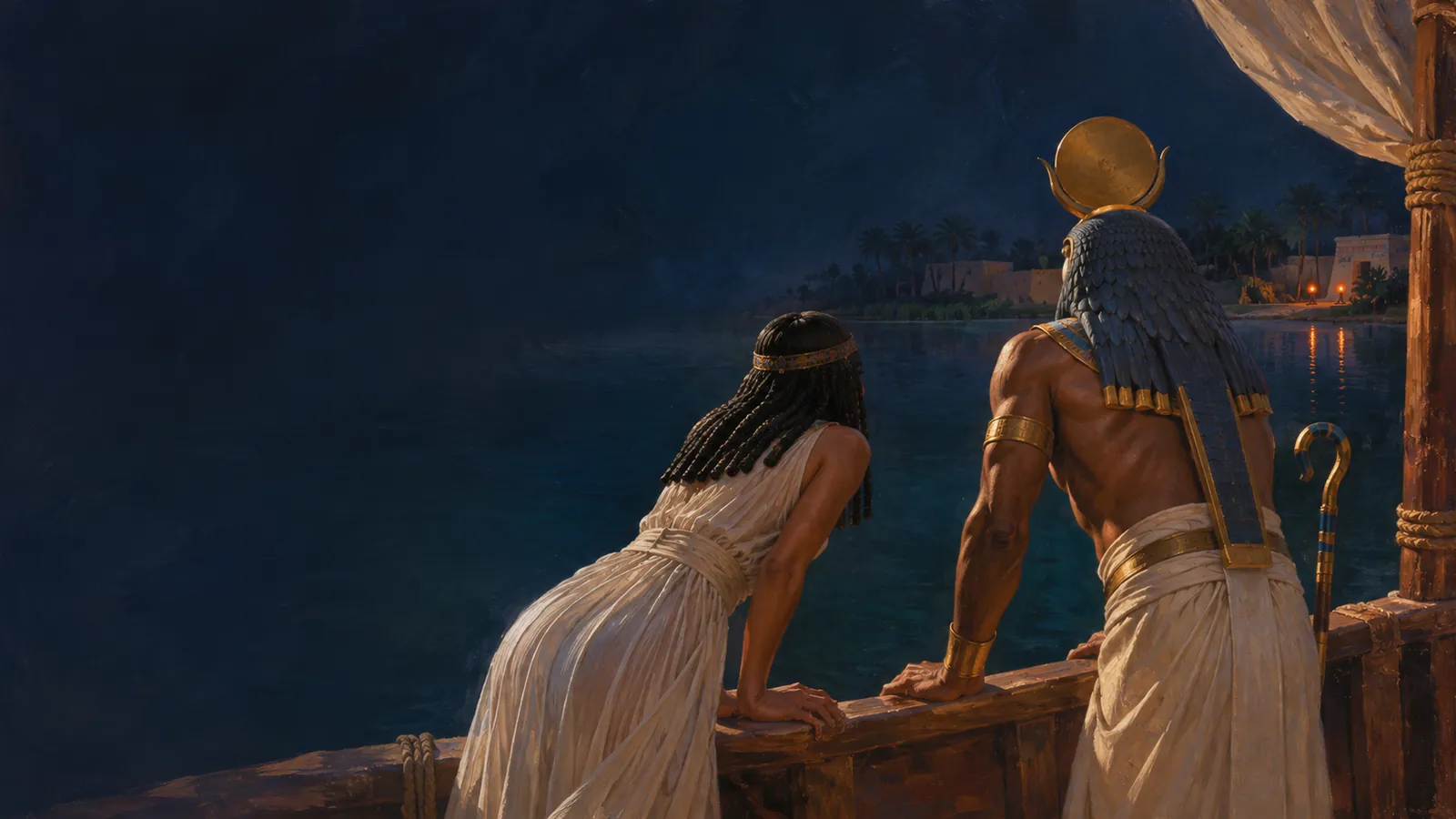
Horus y accomplit tout quand il se couche dans la vie, semblable au cristal. Le texte compare ses actes à ceux du Lac du Double Feu, où nul ne se réjouit et où se trouvent toutes sortes de maux.
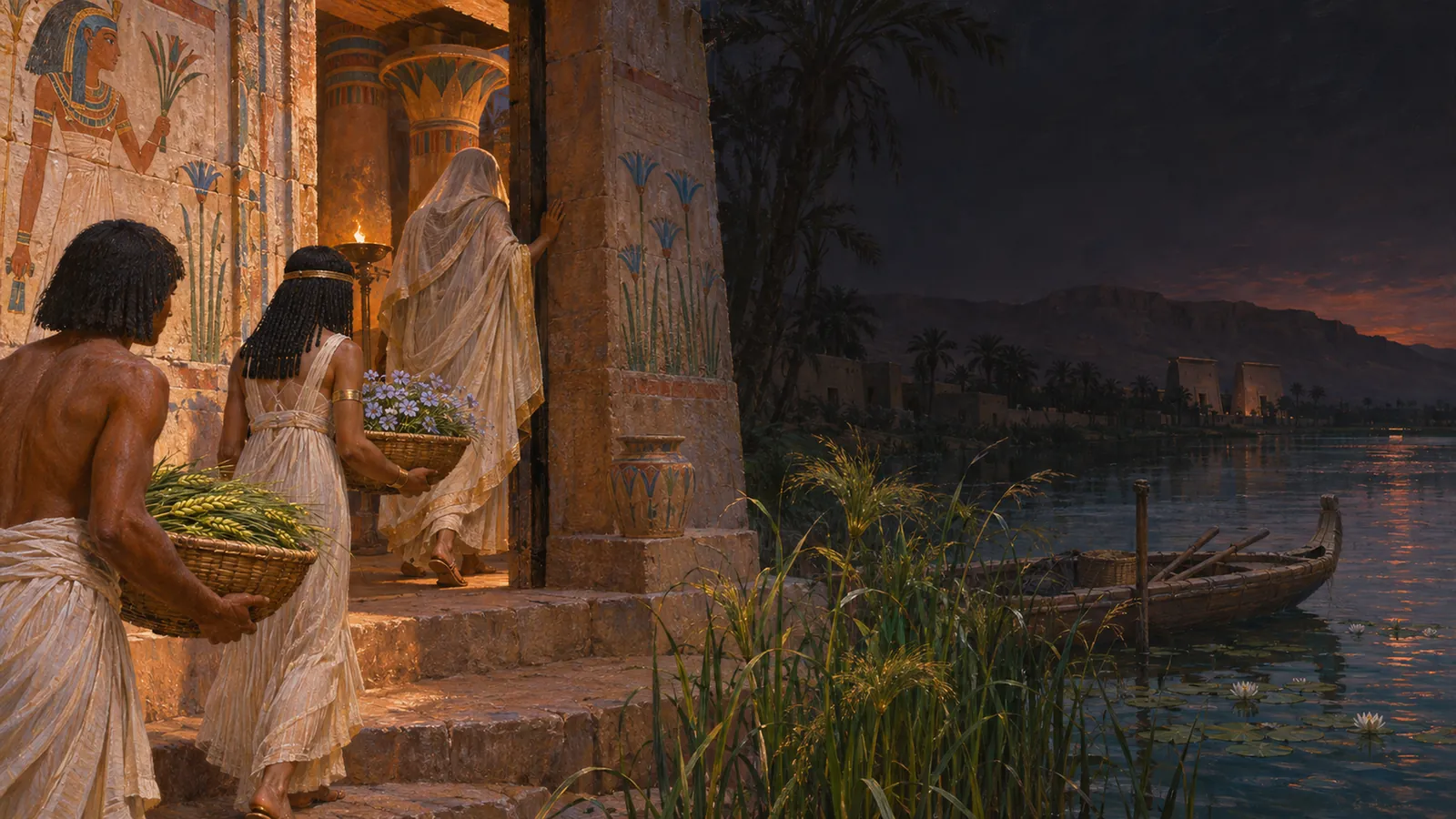
Hetep entre, sort et revient en arrière. Le champ réunit toutes sortes de choses pour la chambre de naissance du dieu de la ville.
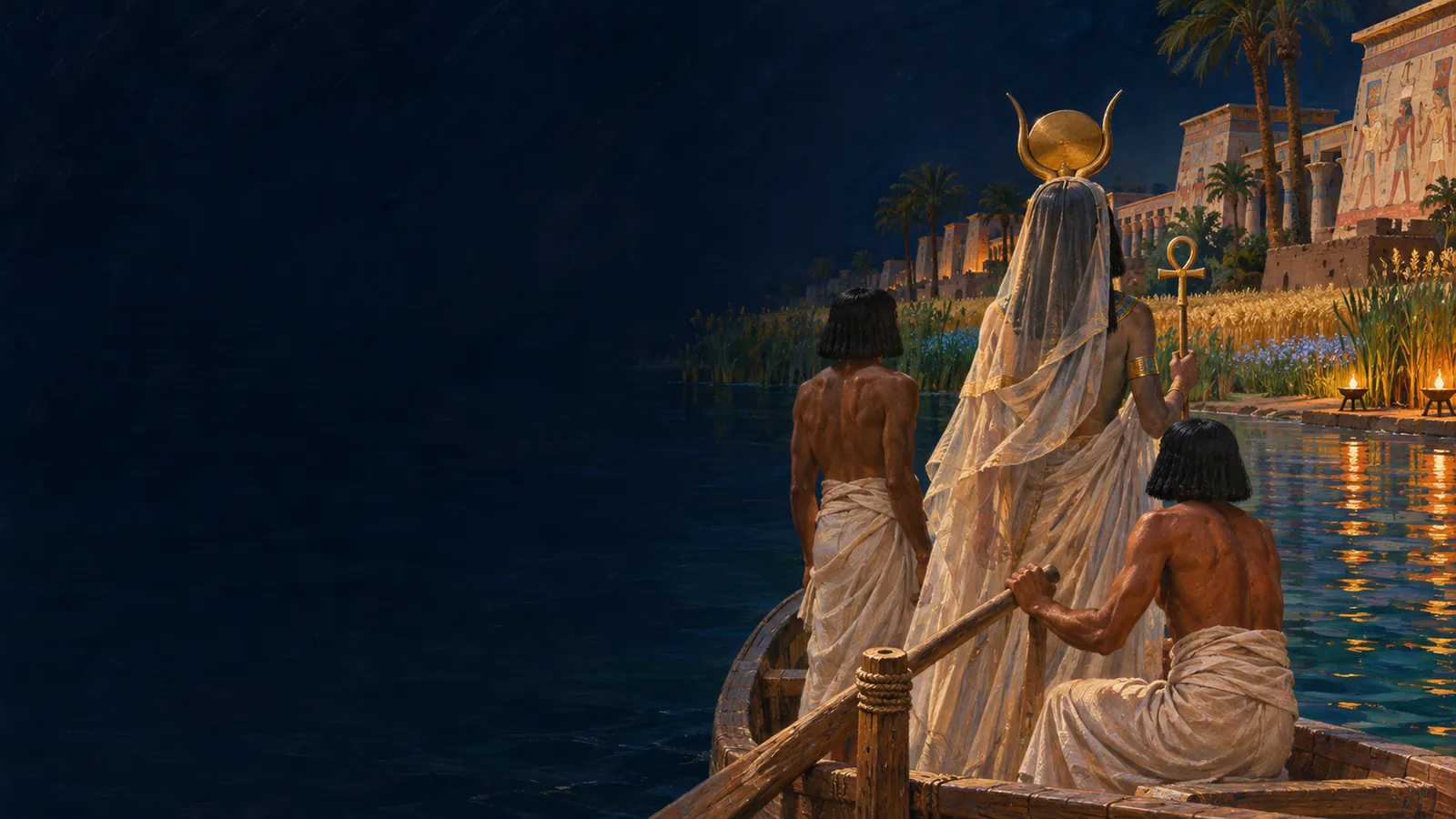
LE LAC DU DOUBLE FEU
Le texte reprend la comparaison pour Hetep lorsqu’il se couche dans la vie, semblable au cristal. Tout ce qu’il y accomplit ressemble à ce qui se fait dans le Lac du Double Feu, où nul ne se réjouit et où se trouvent toutes sortes de maux.
Fin du chapitre 1
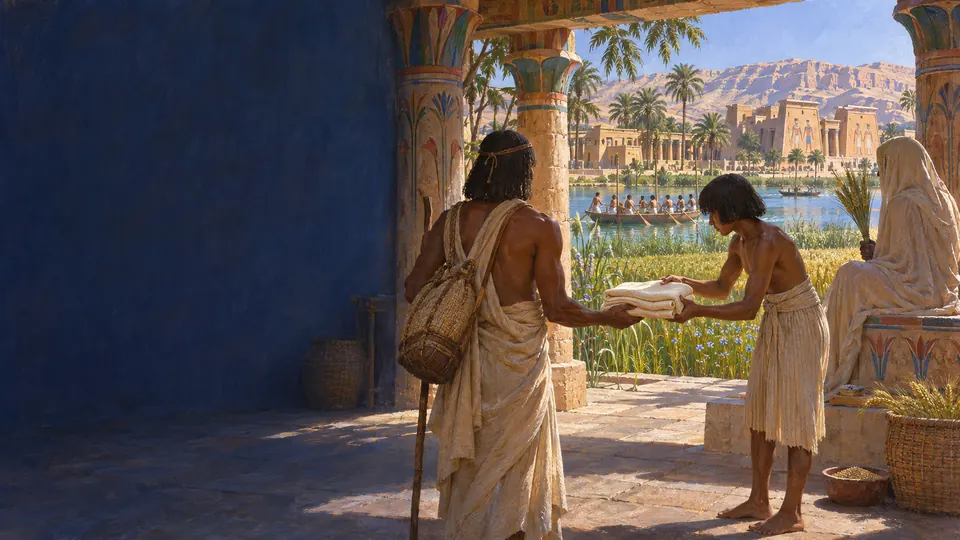
Toutes les pages
Sources
A. Wallis Budge’s Egyptian Ideas of the Future Life, third edition, 1908. He gives no manuscript name for this translation.
Éditions consultées
- Egyptian Ideas of the Future Life, publication record
- Budge 1908, Chapter V, The Resurrection and Immortality
- Budge’s note 135
- Budge’s note 136
- Budge’s note 137
Notes sur ce récit
The title joins the Chapters of Sekhet-Hetepet and the Chapters of Coming Forth by Day. It names entering and leaving the underworld and arriving at Sekhet-Aaru.
Sekhet-Hetepet is called the mighty land and lady of winds. The title names having power there, becoming a spirit (Budge’s KHU), reaping, eating, drinking and making love. It ends by saying that one may do there what a person does on earth.
The deceased says that Set seized Horus as Horus looked with the two eyes. Budge puts a question mark after his reading of the building around Sekhet-hetep. In note 135 he identifies the eyes as the Eye of Rā and the Eye of Horus.
The speaker says that he freed Horus. Budge brackets the words “and taken him from” before the name Set. Budge brackets “which are” to connect the eyes to their position in heaven. Heaven is outside the brackets.
Budge puts a question mark after “cast,” his reading for what Set does with moisture and the winds. The soul is said to have its day and dwell in Mert. The following clause says that Set delivers the interior of Horus’s body from the gods of Akert.
The speaker says he makes the mighty boat travel over the Lake of Hetep and brought it away with might from Shu’s palace. The domain of Shu’s stars grows young and regains the strength it had before.
The speaker brings the boat into the lakes to reach their cities and says he has entered the divine city Hetep by boat. In the peace clause he says “his” before seasons, direction, territory and firstborn.
Peace is first made for Horus and Set with those who watch over the living beings created in fair form. The text then says the unnamed subject brings peace and repeats the peace with those who watch over Horus and Set. The next clauses give the cutting of their hair, the driving away of storm from the helpless and the keeping of harm away from the spirits. Budge labels the spirits KHU. The sequence does not name the subject of these clauses.
The speaker asks for dominion in the field, which he knows and whose lakes he has sailed to reach its cities. The firm mouth marks the claim about his own speech. Budge’s note 136 explains it through the speaker’s knowledge of how to utter words of power with vigour. The next clause says that he is equipped to resist the spirits and that they shall have no dominion over him.
The speaker asks the god Hetep for the fields as a reward and addresses the lord of the winds about doing what he wishes. The wishes that follow begin with becoming a spirit there, eating, drinking, ploughing and reaping.
The speaker also asks to fight and make love there and to have mighty words there. He ends this group of wishes by asking to stay free of servitude and exercise authority. They remain requests in his address.
Page 23, Budge 1908, Book of the Dead CX, transcription lines 4517–4519. Budge prints mouth with the alternative or door, and throat with a question mark. His sentence gives the name Qetet-bu without resolving the referent for the reader.
Page 24, Budge 1908, Book of the Dead CX, transcription lines 4519–4521 and n. 137. The pillars are Shu’s. Note 137 identifies the four supports at the cardinal points. The speech links the unnamed he in this line to the pleasant things of Rā.
Page 25, Budge 1908, Book of the Dead CX, transcription lines 4521–4522. The printed description joins the dividing of years, the hidden and silent mouth and secret utterance. The selection offers no explanatory mechanism.
Page 26, Budge 1908, Book of the Dead CX, transcription lines 4522–4524. The sentence completes the passage on eternity and everlasting existence under the name Hetep, the lord Hetep.
Page 27, Budge 1908, Book of the Dead CX, transcription lines 4526–4529. The sentence compares Horus to the Hawk. The numbers are one thousand and two thousand. Budge places the measurement words cubits in width in brackets. The unclear phrase in life follows the dimensions.
Page 28, Budge 1908, Book of the Dead CX, transcription lines 4529–4532. The text retains the expression his heart’s throne. Budge supplies of Hetep in brackets after the Pools. The text mentions their cities as well as the Pools.
Page 29, Budge 1908, Book of the Dead CX, transcription lines 4532–4534. Budge’s translation says begotten in the birth-chamber of the god of the city. It attributes the offerings to the same city god.
Page 30, Budge 1908, Book of the Dead CX, transcription lines 4534–4536. The text records the bringing about of a union. It supplies no particulars about the union here. It concludes this sentence with the birth-chamber of the divine city.
Page 31, Budge 1908, Book of the Dead CX, transcription lines 4536–4540. The comparison mentions setting in life like crystal, then the Lake of Twofold Fire, without joy and full of evil things. The speaker’s next sentences shift from Horus to Hetep.
Page 32, Budge 1908, Book of the Dead CX, transcription lines 4540–4543. The three directions are entering, coming out and going backwards. Budge supplies in in brackets before that Field. The Field gathers things for the city god’s birth-chamber.
Page 33, Budge 1908, Book of the Dead CX, transcription lines 4543–4547. Budge prints the parallels to crystal and the Lake of Twofold Fire again, with Hetep now the subject. The complete paragraph ends at line 4547. A new paragraph starts at line 4549 with a renewed plea to live with Hetep.
Les vers antiques de chaque page
- Page 1: Budge 1908, Egyptian Ideas of the Future Life, ch. V, Book of the Dead Chapter CX, translated title (local)
- Page 2: Budge 1908, Egyptian Ideas of the Future Life, ch. V, Book of the Dead Chapter CX, translated title (local)
- Page 3: Budge 1908, Egyptian Ideas of the Future Life, ch. V, Book of the Dead Chapter CX, translated title (local)
- Page 4: Budge 1908, Egyptian Ideas of the Future Life, ch. V, Book of the Dead Chapter CX, translated title (local)
- Page 5: Budge 1908, Egyptian Ideas of the Future Life, ch. V, Book of the Dead Chapter CX, deceased’s recitation (local)
- Page 6: Budge 1908, Egyptian Ideas of the Future Life, ch. V, Book of the Dead Chapter CX, deceased’s recitation (local)
- Page 7: Budge 1908, Egyptian Ideas of the Future Life, ch. V, Book of the Dead Chapter CX, deceased’s recitation (local)
- Page 8: Budge 1908, Egyptian Ideas of the Future Life, ch. V, Book of the Dead Chapter CX, deceased’s recitation (local)
- Page 9: Budge 1908, Egyptian Ideas of the Future Life, ch. V, Book of the Dead Chapter CX, deceased’s recitation (local)
- Page 10: Budge 1908, Egyptian Ideas of the Future Life, ch. V, Book of the Dead Chapter CX, deceased’s recitation (local)
- Page 11: Budge 1908, Egyptian Ideas of the Future Life, ch. V, Book of the Dead Chapter CX, deceased’s recitation (local)
- Page 12: Budge 1908, Egyptian Ideas of the Future Life, ch. V, Book of the Dead Chapter CX, deceased’s recitation (local)
- Page 13: Budge 1908, Egyptian Ideas of the Future Life, ch. V, Book of the Dead Chapter CX, deceased’s recitation (local)
- Page 14: Budge 1908, Egyptian Ideas of the Future Life, ch. V, Book of the Dead Chapter CX, deceased’s recitation (local)
- Page 15: Budge 1908, Egyptian Ideas of the Future Life, ch. V, Book of the Dead Chapter CX, deceased’s recitation (local)
- Page 16: Budge 1908, Egyptian Ideas of the Future Life, ch. V, Book of the Dead Chapter CX, deceased’s recitation (local)
- Page 17: Budge 1908, Egyptian Ideas of the Future Life, ch. V, Book of the Dead Chapter CX, deceased’s recitation (local)
- Page 18: Budge 1908, Egyptian Ideas of the Future Life, ch. V, Book of the Dead Chapter CX, deceased’s recitation (local)
- Page 19: Budge 1908, Egyptian Ideas of the Future Life, ch. V, Book of the Dead Chapter CX, deceased’s recitation (local)
- Page 20: Budge 1908, Egyptian Ideas of the Future Life, ch. V, Book of the Dead Chapter CX, deceased’s recitation (local)
- Page 21: Budge 1908, Egyptian Ideas of the Future Life, ch. V, Book of the Dead Chapter CX, deceased’s recitation (local)
- Page 22: Budge 1908, Egyptian Ideas of the Future Life, ch. V, Book of the Dead Chapter CX, deceased’s recitation (local)
- Page 23: Budge 1908, Egyptian Ideas of the Future Life, ch. V, Book of the Dead CX (local)
- Page 24: Budge 1908, Egyptian Ideas of the Future Life, ch. V, Book of the Dead CX (local)
- Page 25: Budge 1908, Egyptian Ideas of the Future Life, ch. V, Book of the Dead CX (local)
- Page 26: Budge 1908, Egyptian Ideas of the Future Life, ch. V, Book of the Dead CX (local)
- Page 27: Budge 1908, Egyptian Ideas of the Future Life, ch. V, Book of the Dead CX (local)
- Page 28: Budge 1908, Egyptian Ideas of the Future Life, ch. V, Book of the Dead CX (local)
- Page 29: Budge 1908, Egyptian Ideas of the Future Life, ch. V, Book of the Dead CX (local)
- Page 30: Budge 1908, Egyptian Ideas of the Future Life, ch. V, Book of the Dead CX (local)
- Page 31: Budge 1908, Egyptian Ideas of the Future Life, ch. V, Book of the Dead CX (local)
- Page 32: Budge 1908, Egyptian Ideas of the Future Life, ch. V, Book of the Dead CX (local)
- Page 33: Budge 1908, Egyptian Ideas of the Future Life, ch. V, Book of the Dead CX (local)
Illustrations réalisées par IL Archive avec des outils d’IA ; le texte s’appuie sur les sources antiques (voir les sources à la fin de chaque chapitre).