L’Épopée de Gilgamesh Chapitre 4
Le Taureau céleste
De retour à Uruk, Gilgamesh repousse la demande en mariage d’Ishtar. Elle revient avec le Taureau céleste, et après la victoire Enkidu se lève, tiré du sommeil par un rêve.
Voir le filmSourcesTournez les pages avec les flèches, le clavier ou en balayant l’écran.
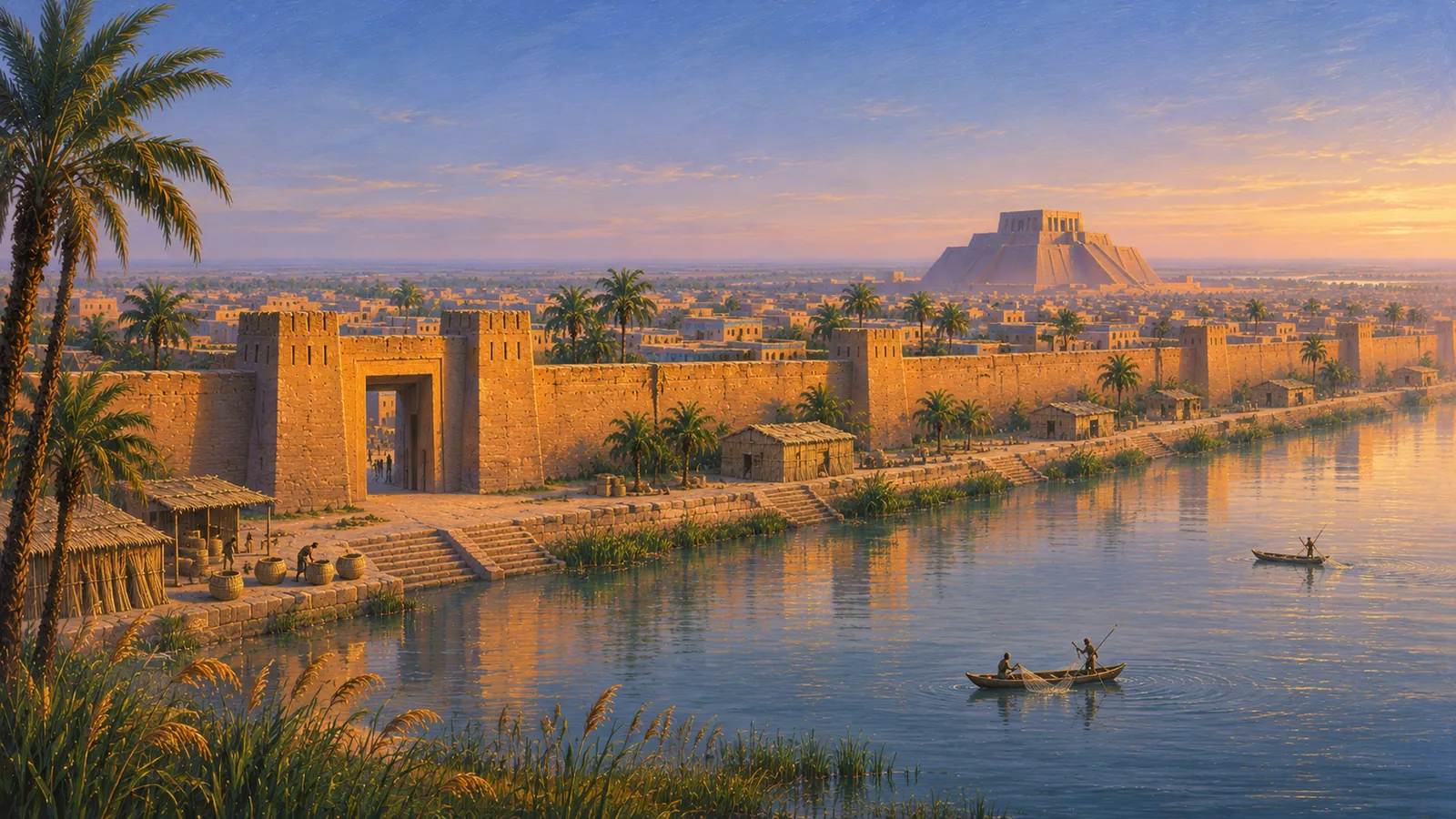
URUK
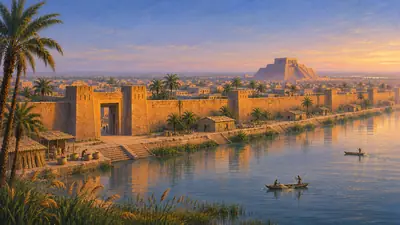
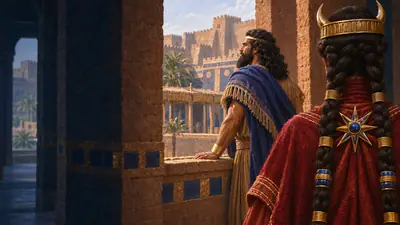
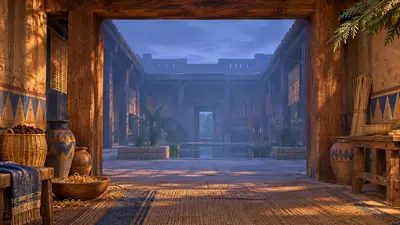
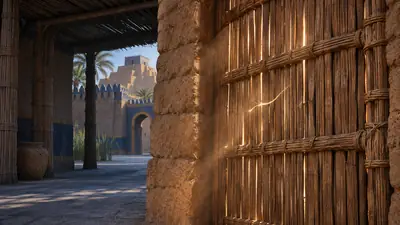
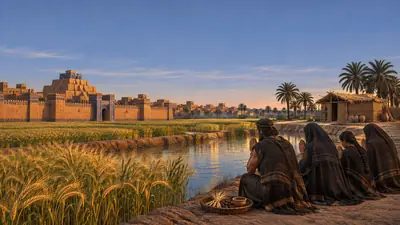
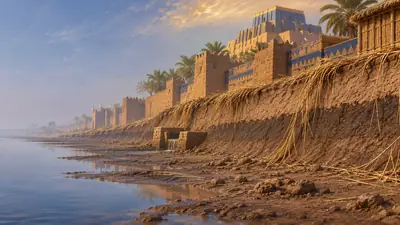
De l’autre côté du canal, les murailles d’Uruk prenaient la lumière du matin. Gilgamesh était revenu du pays des cèdres, et la ville s’éveillait autour de lui.
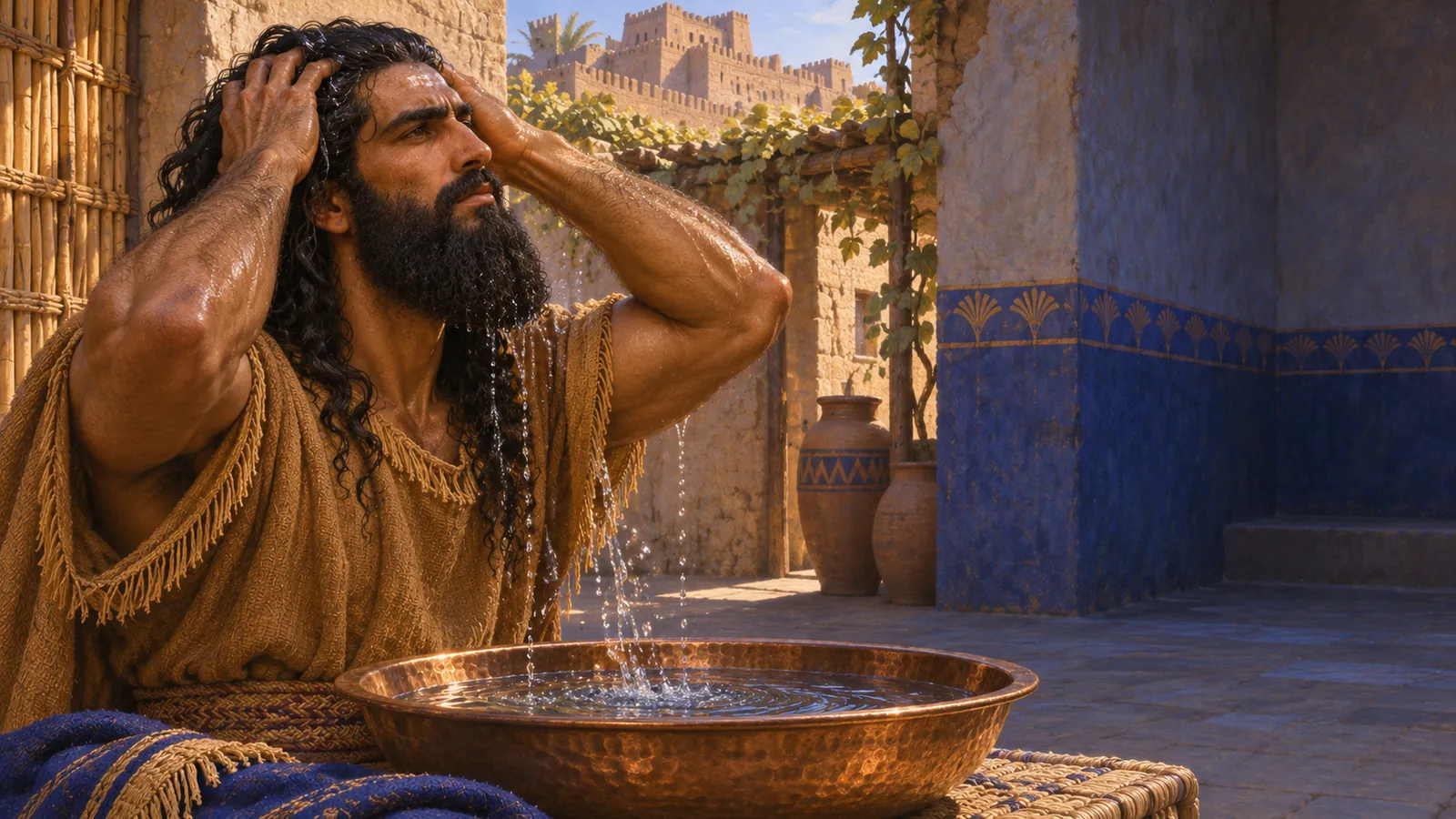
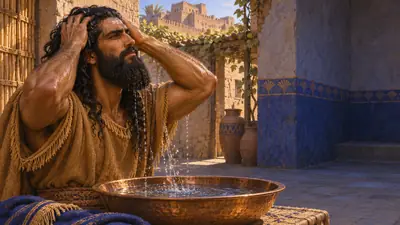
À Uruk, Gilgamesh se lava les cheveux et nettoya l’équipement qu’il avait porté jusque-là. La longue route se lisait encore dans chaque nœud, dans chaque pli.
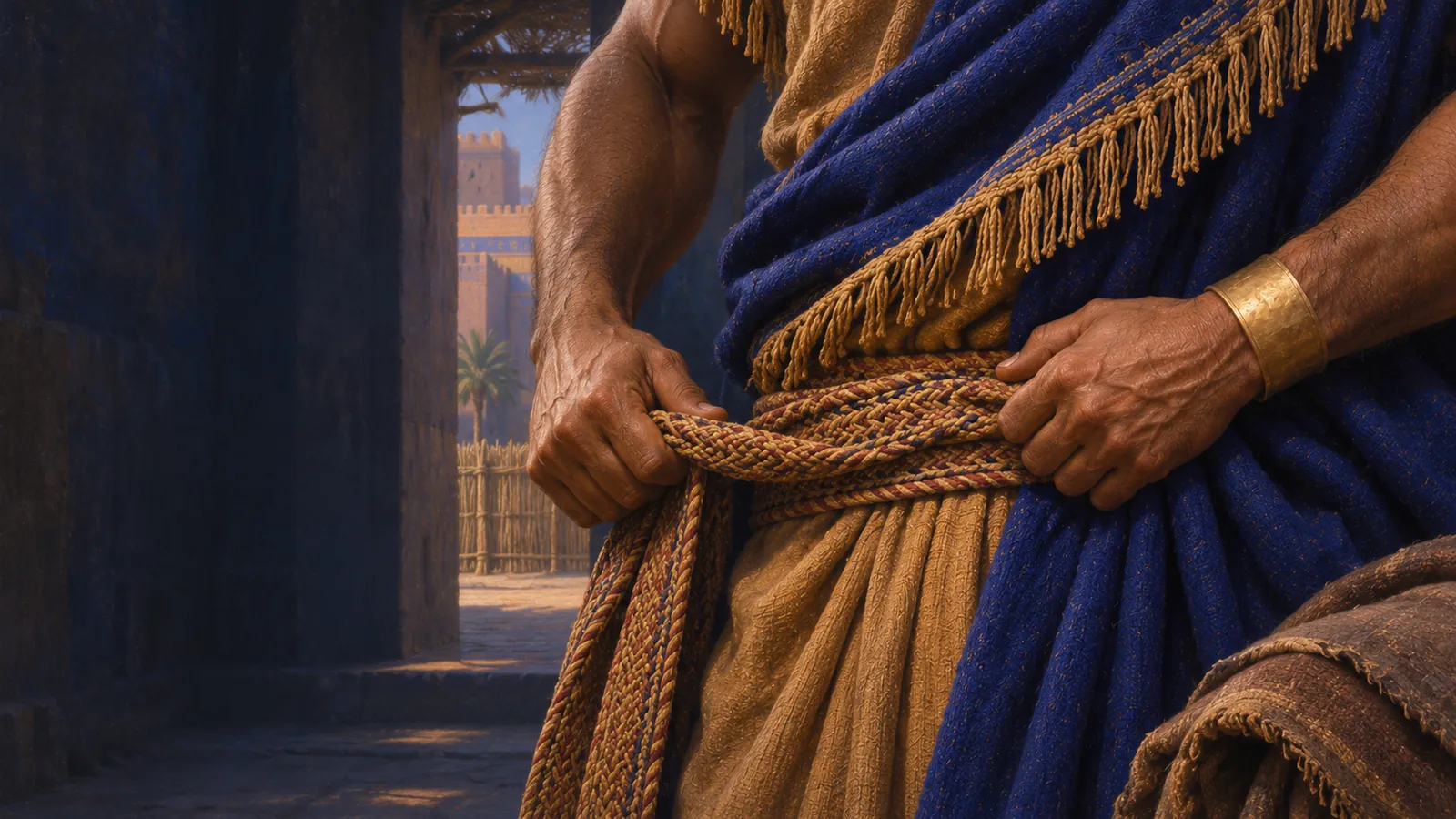
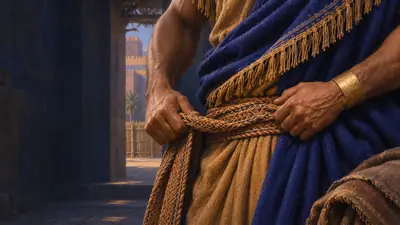
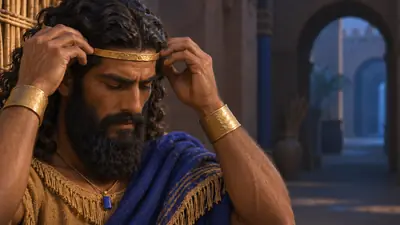
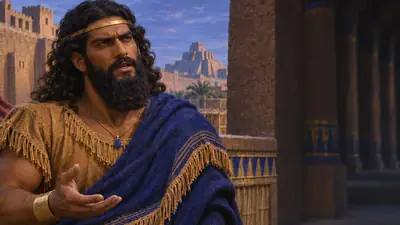
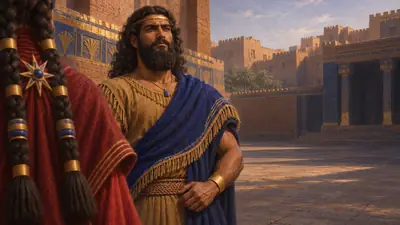
Il mit de côté ses habits de voyage et en passa de propres. Il s’enveloppa d’un manteau et serra la ceinture à sa taille.
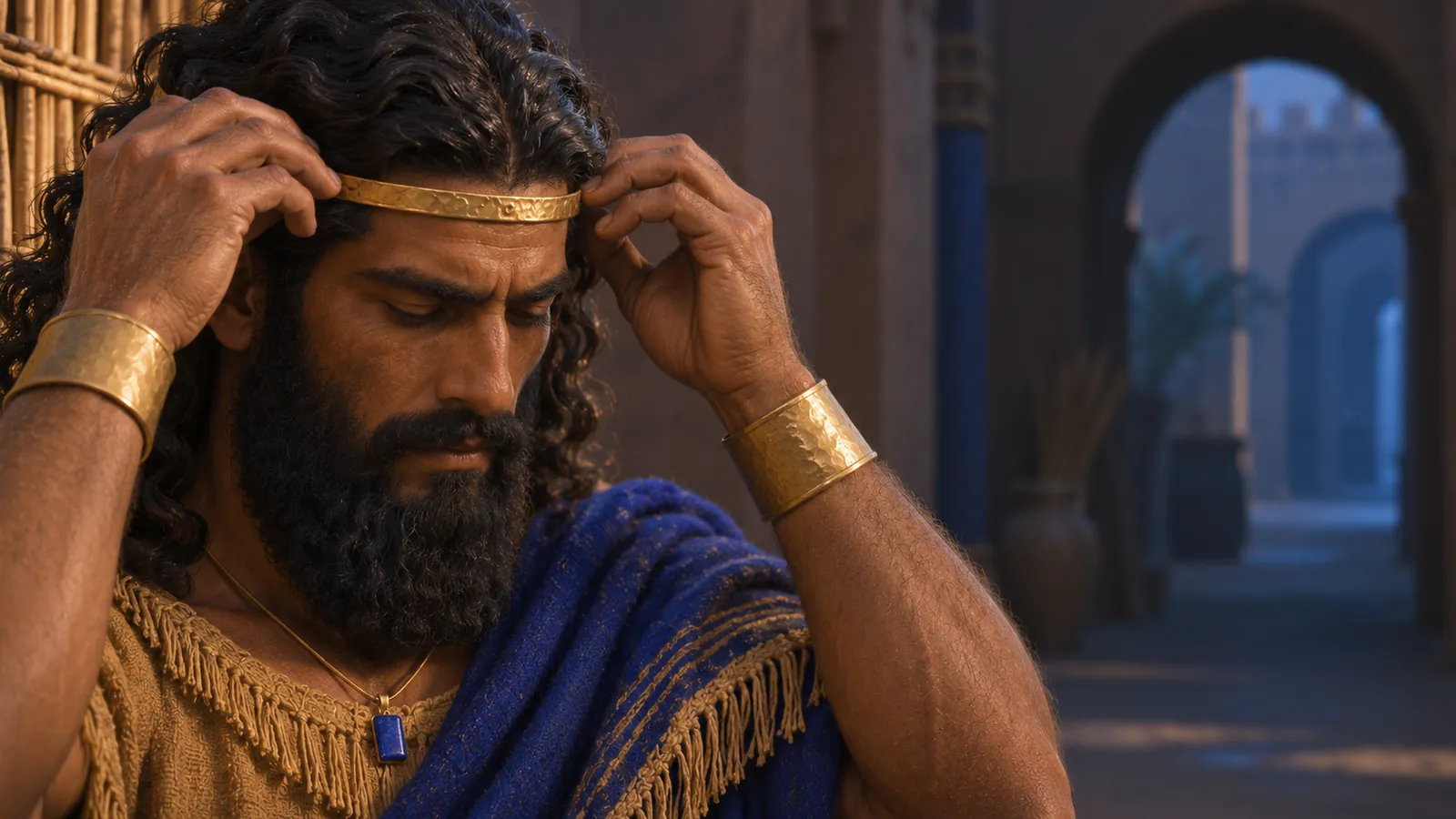
Gilgamesh remit sa couronne. L’homme qui était sorti de l’ombre des cèdres se tenait de nouveau debout, roi d’Uruk.
ISHTAR
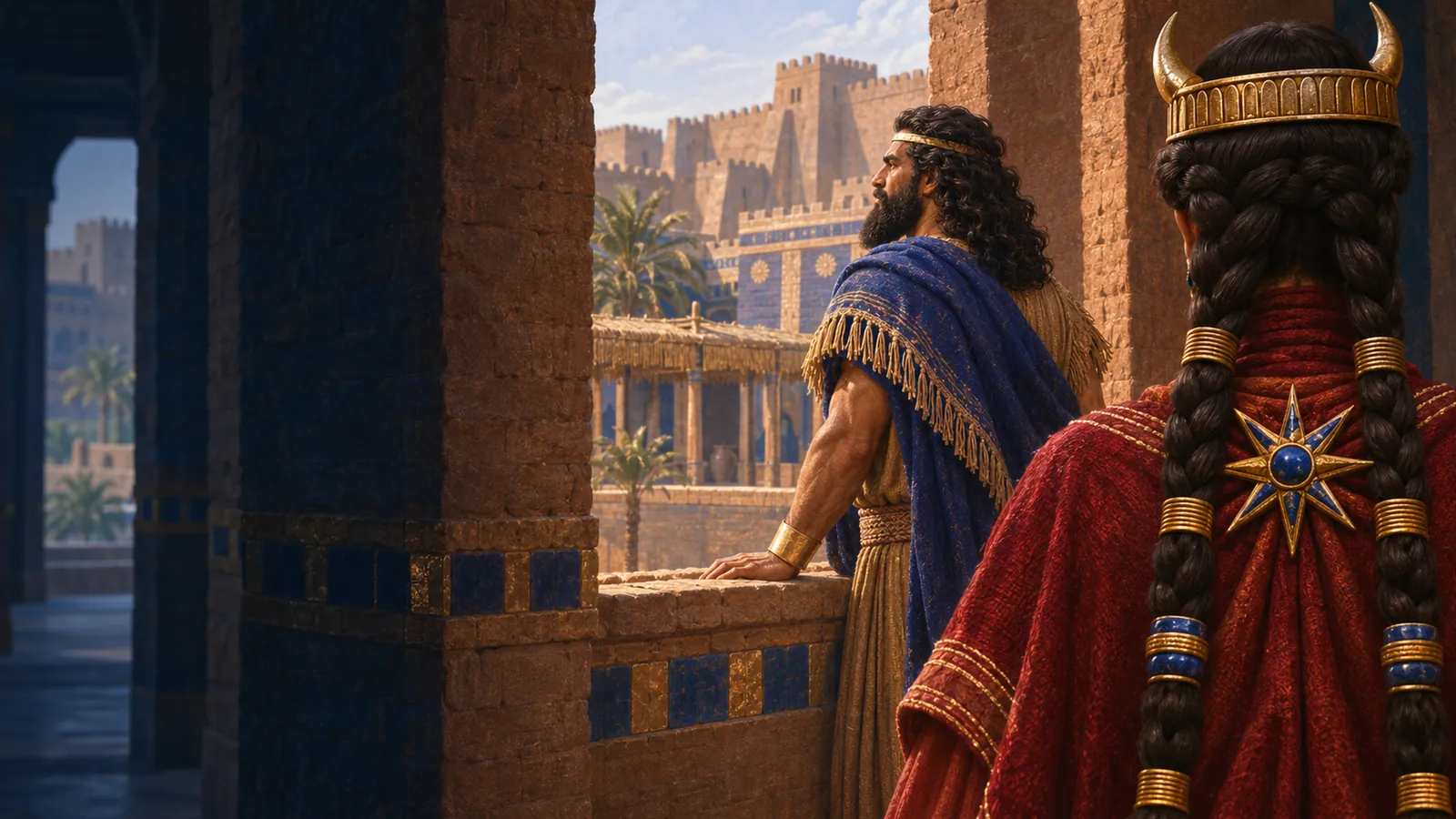
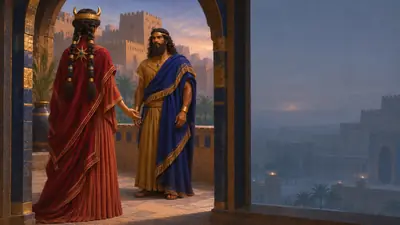
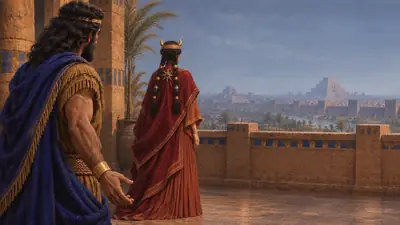
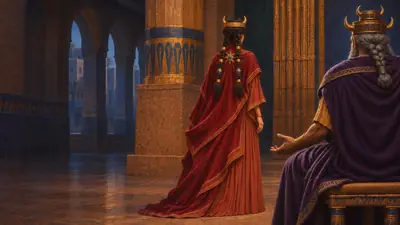
Ishtar vit le roi dans ses vêtements propres et le désira. Les mots qu’elle allait prononcer porteraient bien au-delà de la salle où il les entendit.
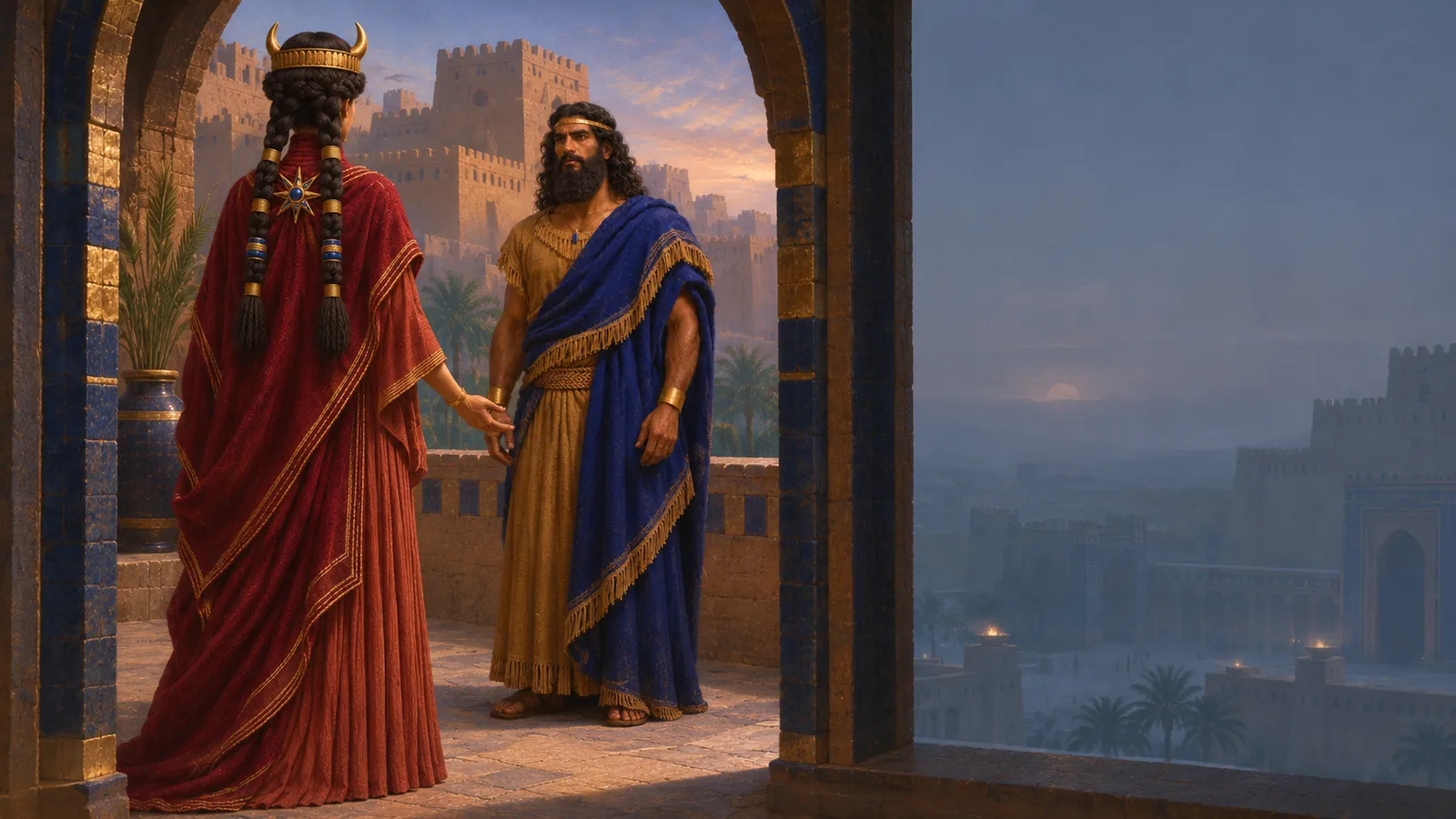
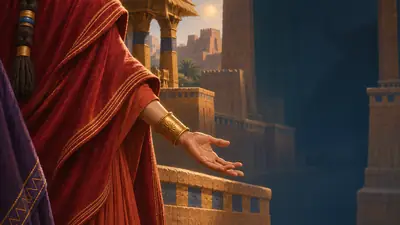
Ishtar demanda à Gilgamesh de devenir son époux. Elle lui fit elle-même la proposition et imaginait déjà ce que pourrait leur apporter une vie commune.
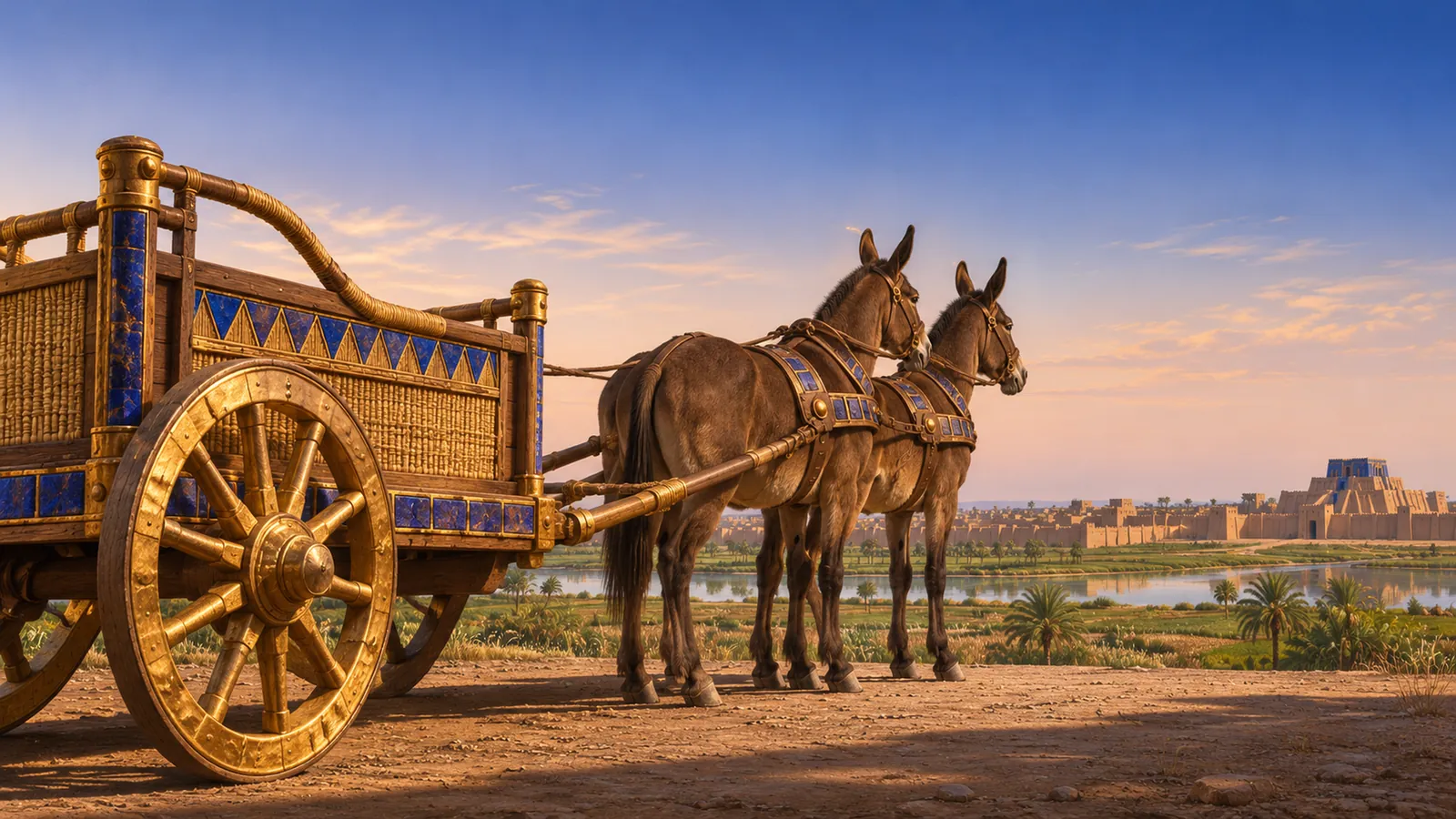
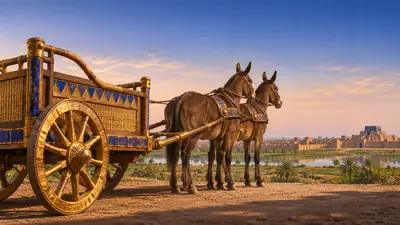
Elle lui promit un char incrusté de lapis, aux roues brillantes d’or. Des mules robustes le tireraient, rapides comme la tempête à l’en croire.
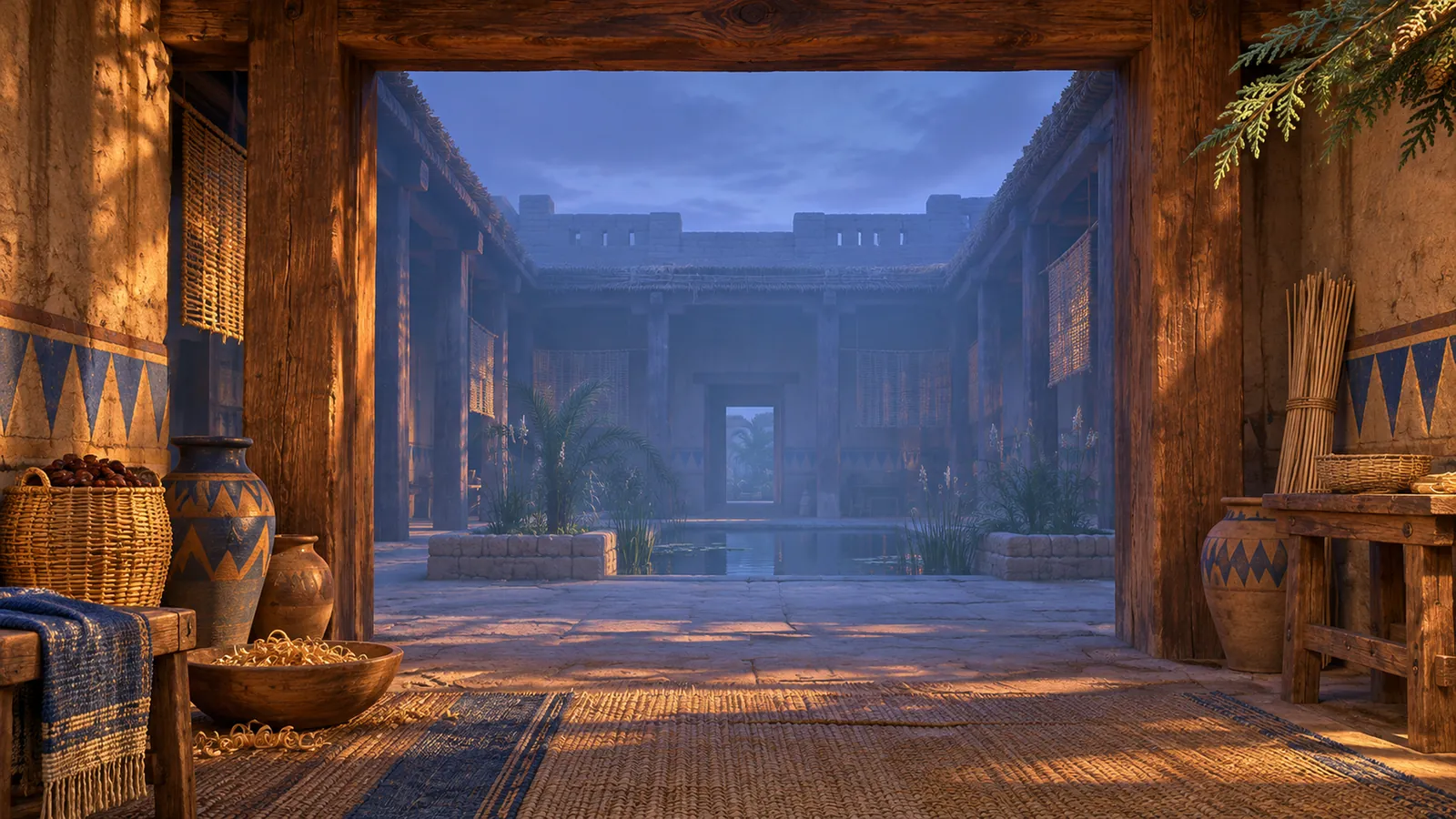
Ishtar lui parla d’une maison où le parfum du cèdre l’accueillerait dès la porte. Le seuil lui-même, disait-elle, lui rendrait hommage à son entrée.
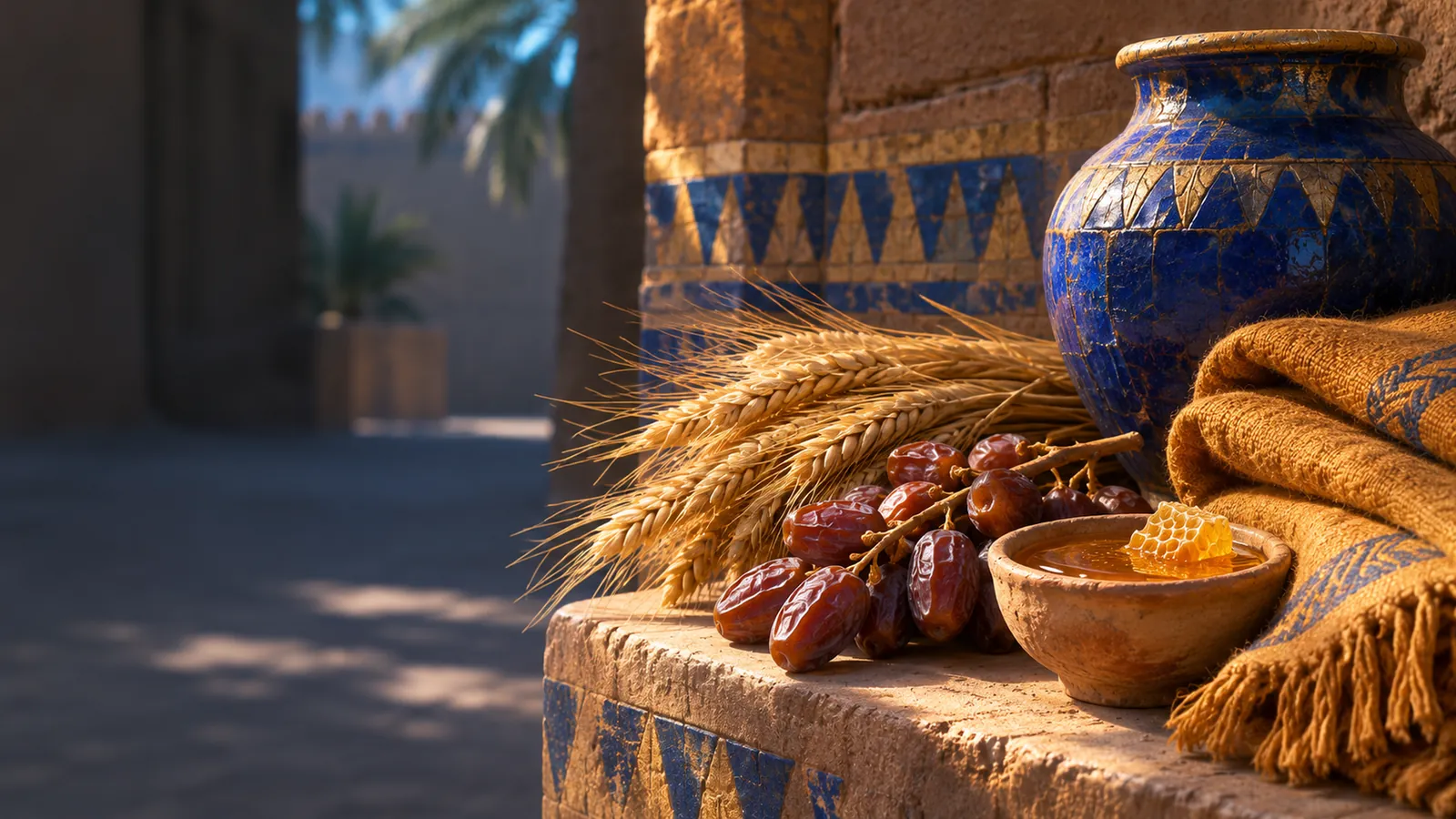
Des souverains et des courtisans s’inclineraient devant lui, lui promit-elle. Ils apporteraient les richesses des collines et de la plaine, et même ses troupeaux prospéreraient plus qu’à l’ordinaire.
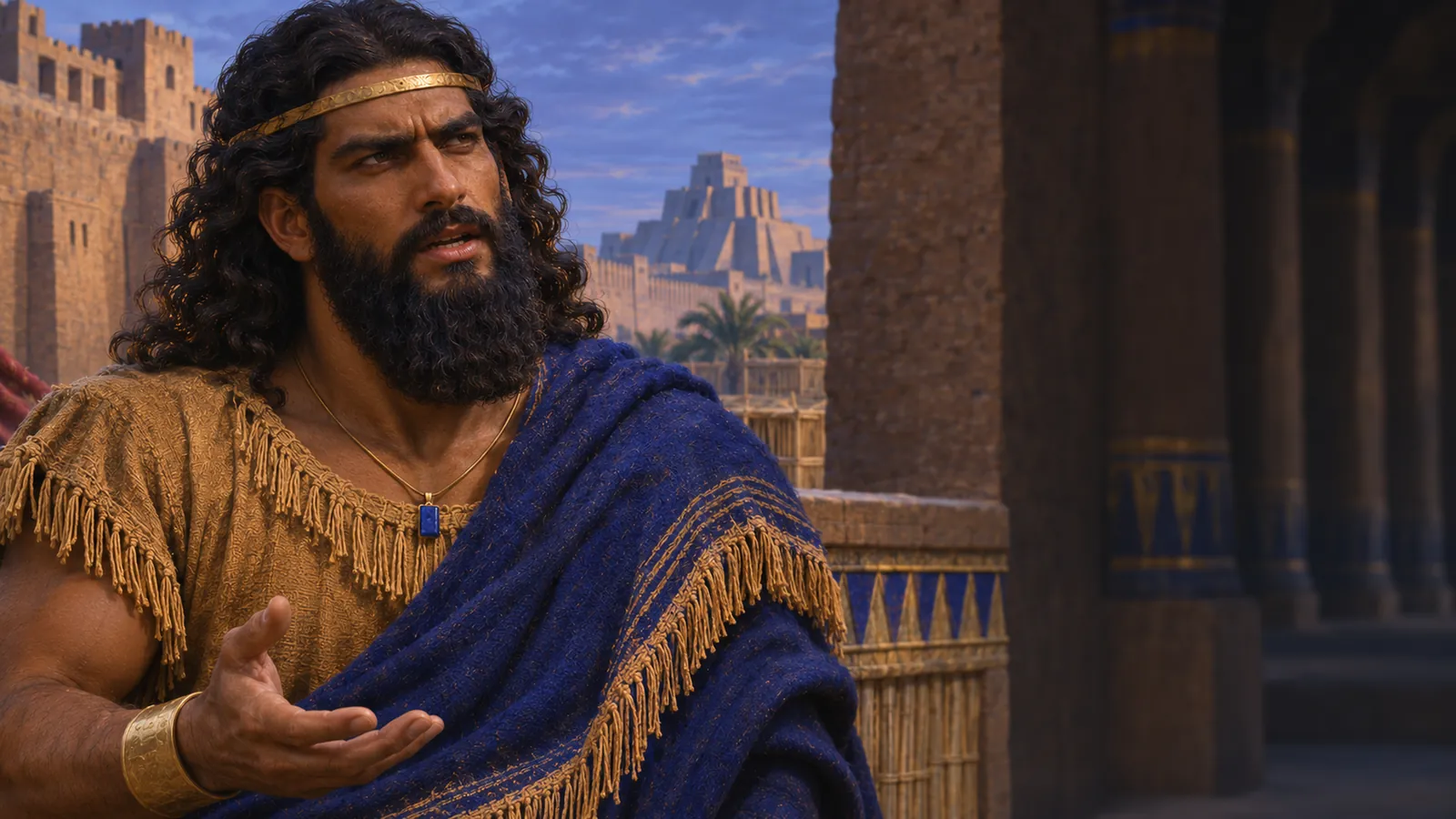
Quand elle eut fini, Gilgamesh demanda ce que serait sa vie d’époux. L’argile est abîmée à cet endroit, mais certaines questions subsistent, dont celle de savoir comment il serait nourri.
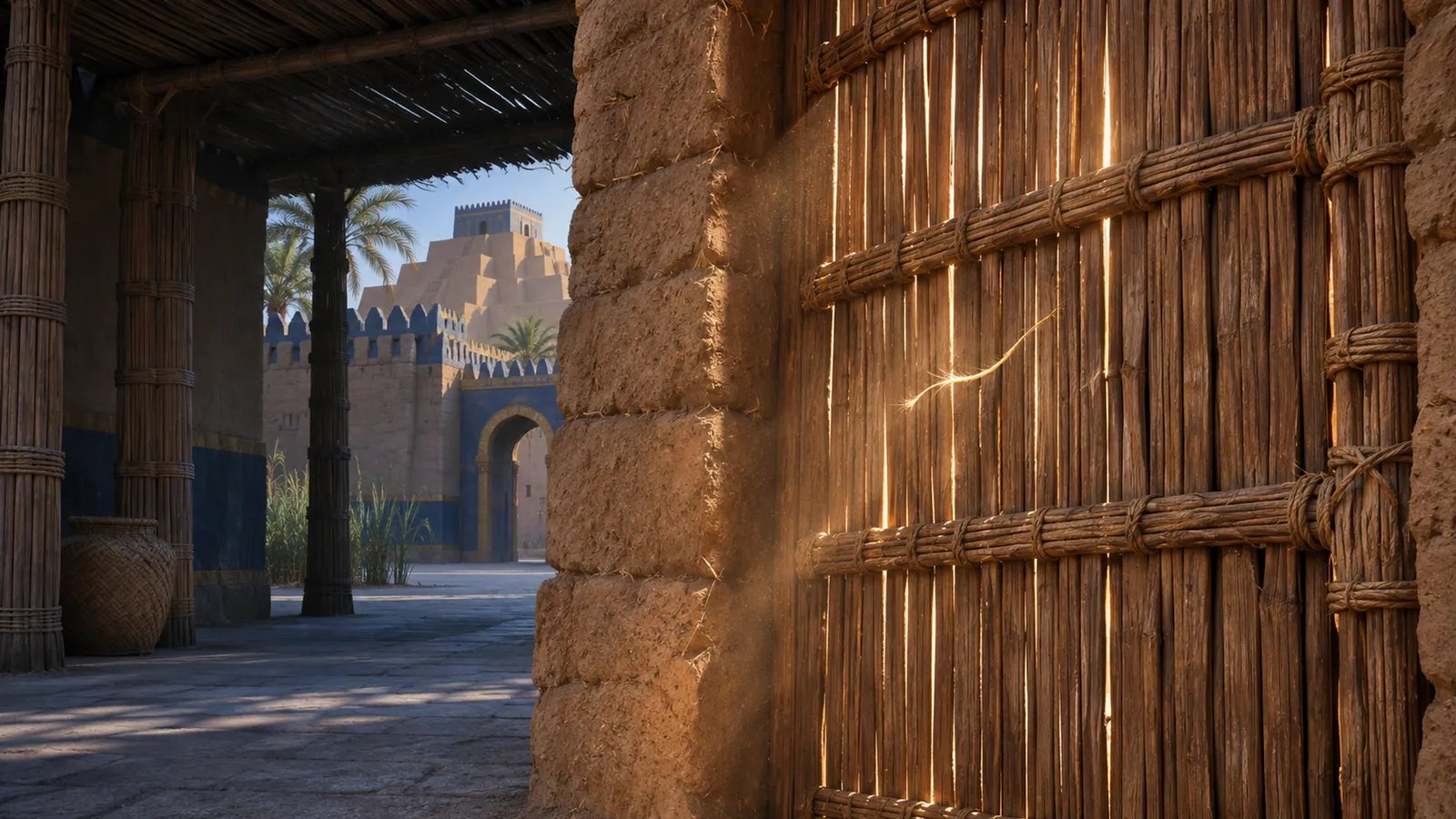
Puis il lui répondit par une suite de comparaisons. Il parla d’une porte qui n’abrite pas du vent et d’une chaussure qui blesse le pied qu’elle devrait protéger.
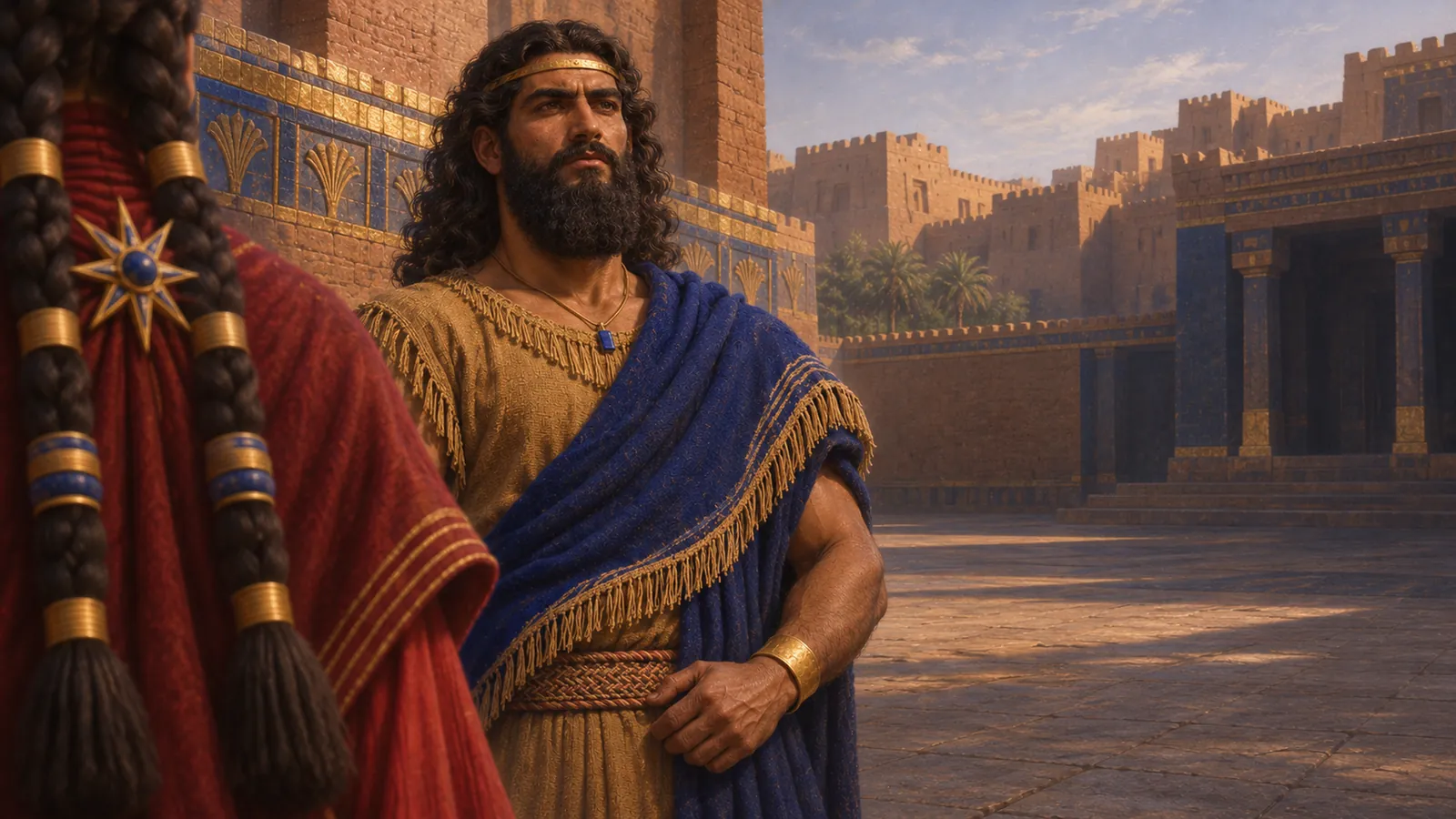
QUI EST RESTÉ ?
Gilgamesh demanda lequel de ses anciens époux avait tenu bon. Avant d’entendre sa réponse à la demande en mariage, Ishtar entendrait les noms qu’il avait gardés en mémoire.
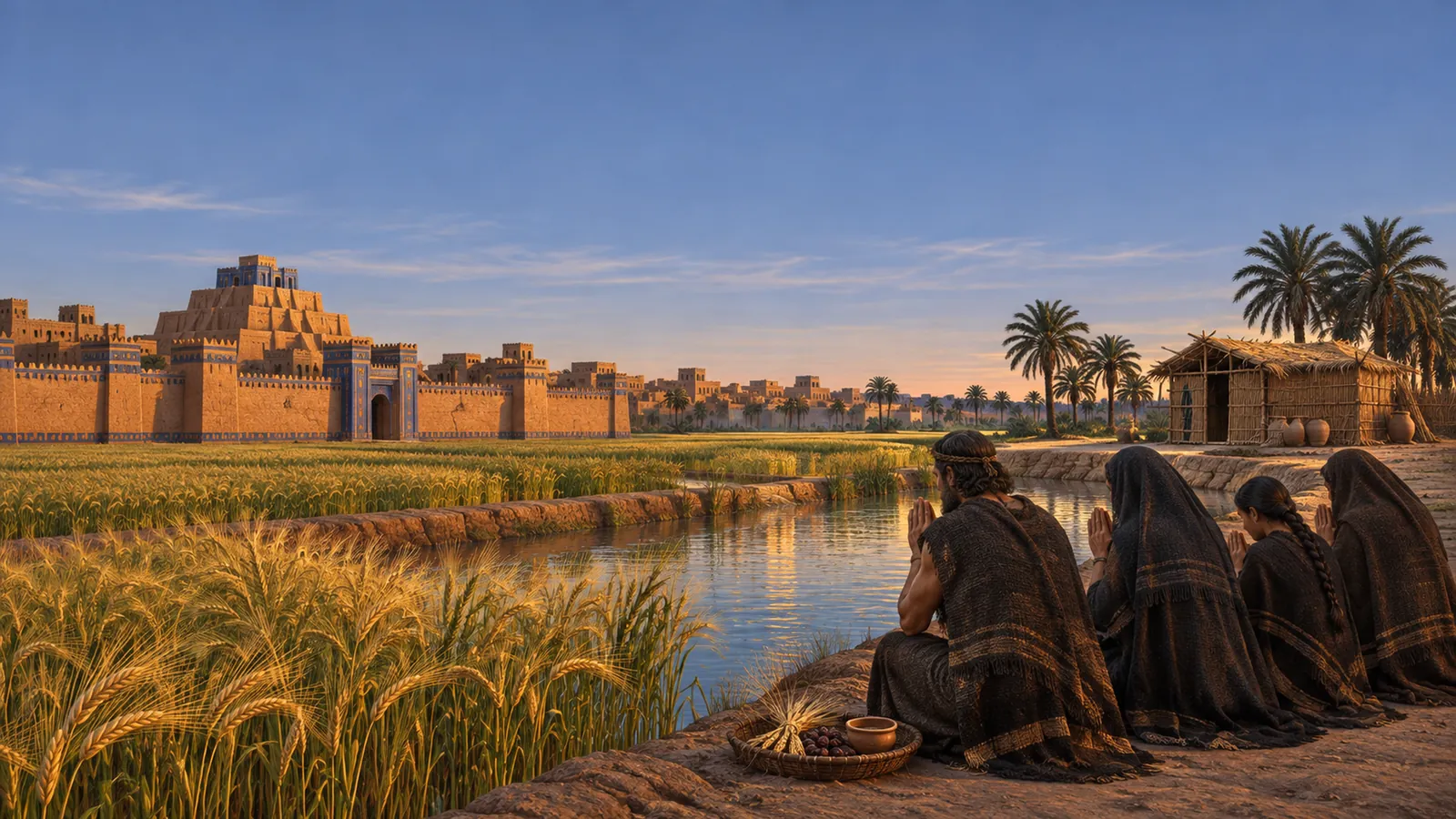
Gilgamesh parla d’abord de Dumuzi, l’époux de la jeunesse d’Ishtar. Dans le récit du roi, les larmes revenaient chaque année, aussi sûrement que les saisons.
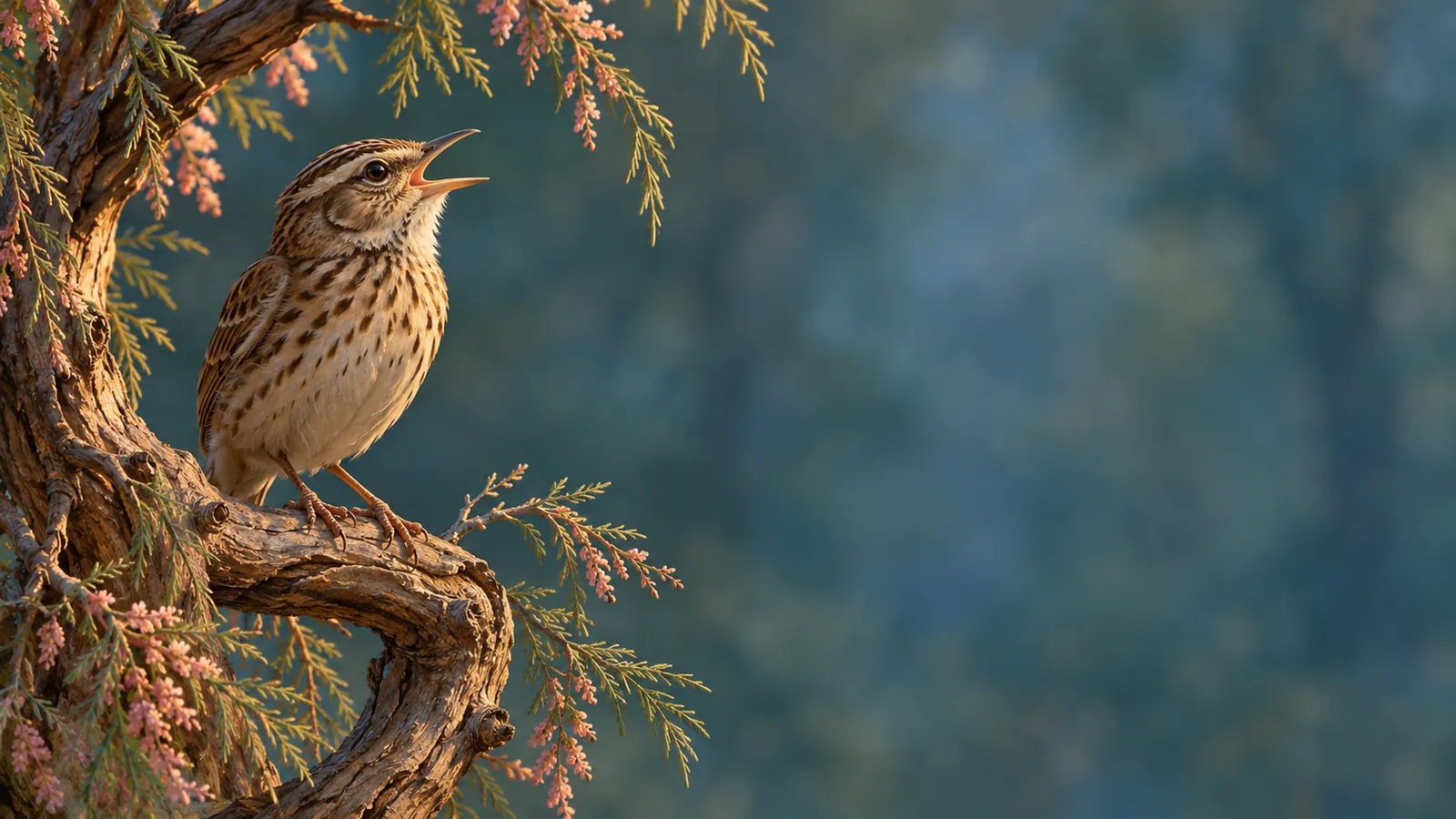
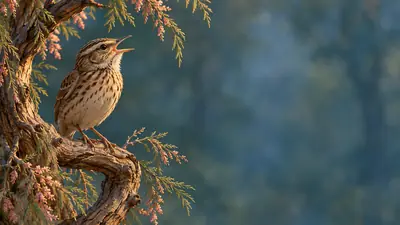
Il raconta l’histoire d’un petit oiseau tacheté qu’Ishtar avait aimé jadis. Dans son récit, l’aile de l’oiseau fut brisée, et depuis on entendait son cri dans les bois.
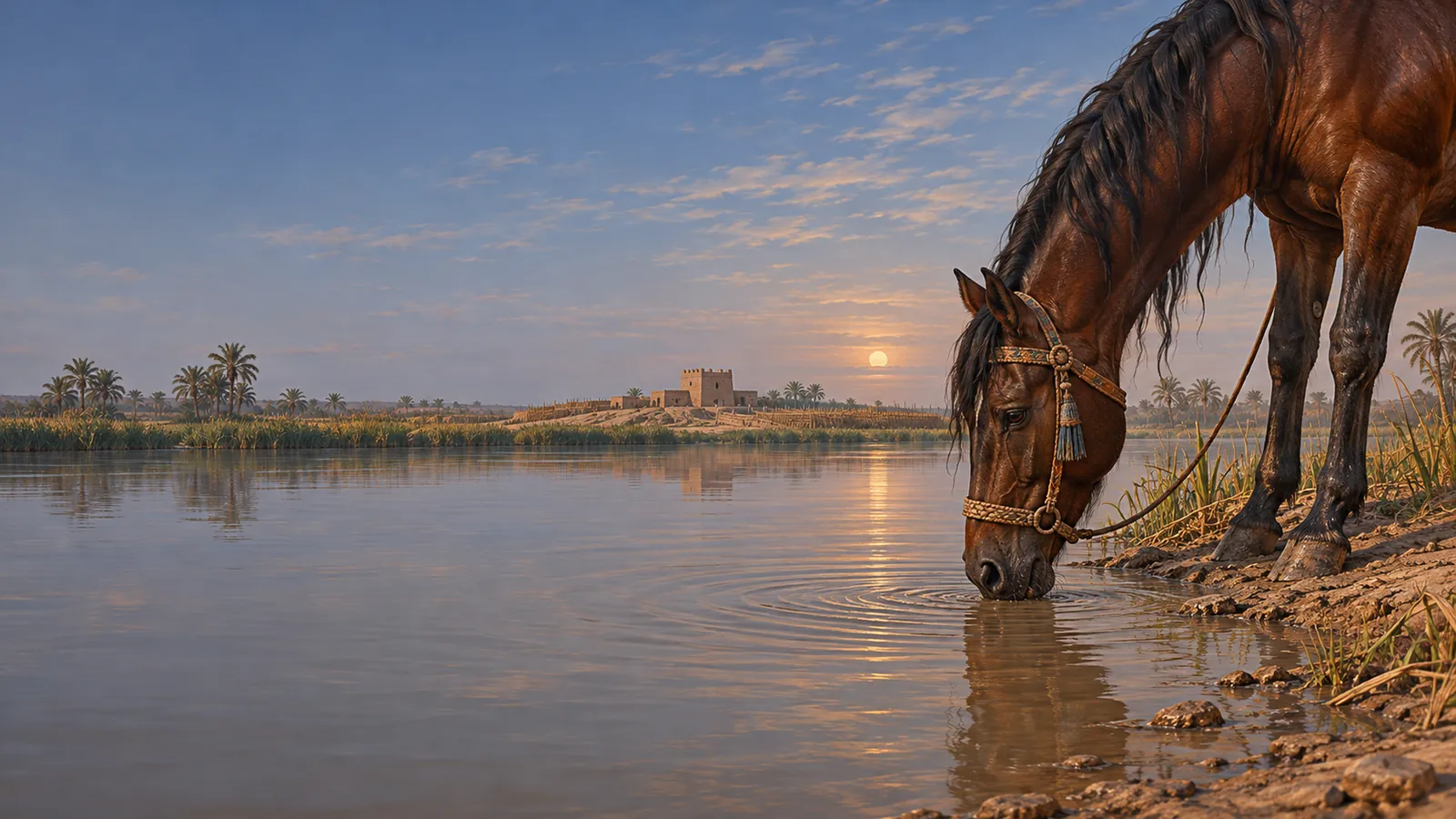
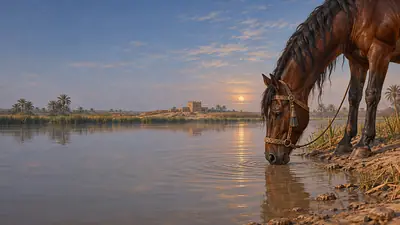
Il se rappela un lion puissant et les fosses creusées pour lui. Puis il parla d’un grand cheval de guerre qui n’avait eu pour récompense qu’une course harassante et de l’eau boueuse à boire.
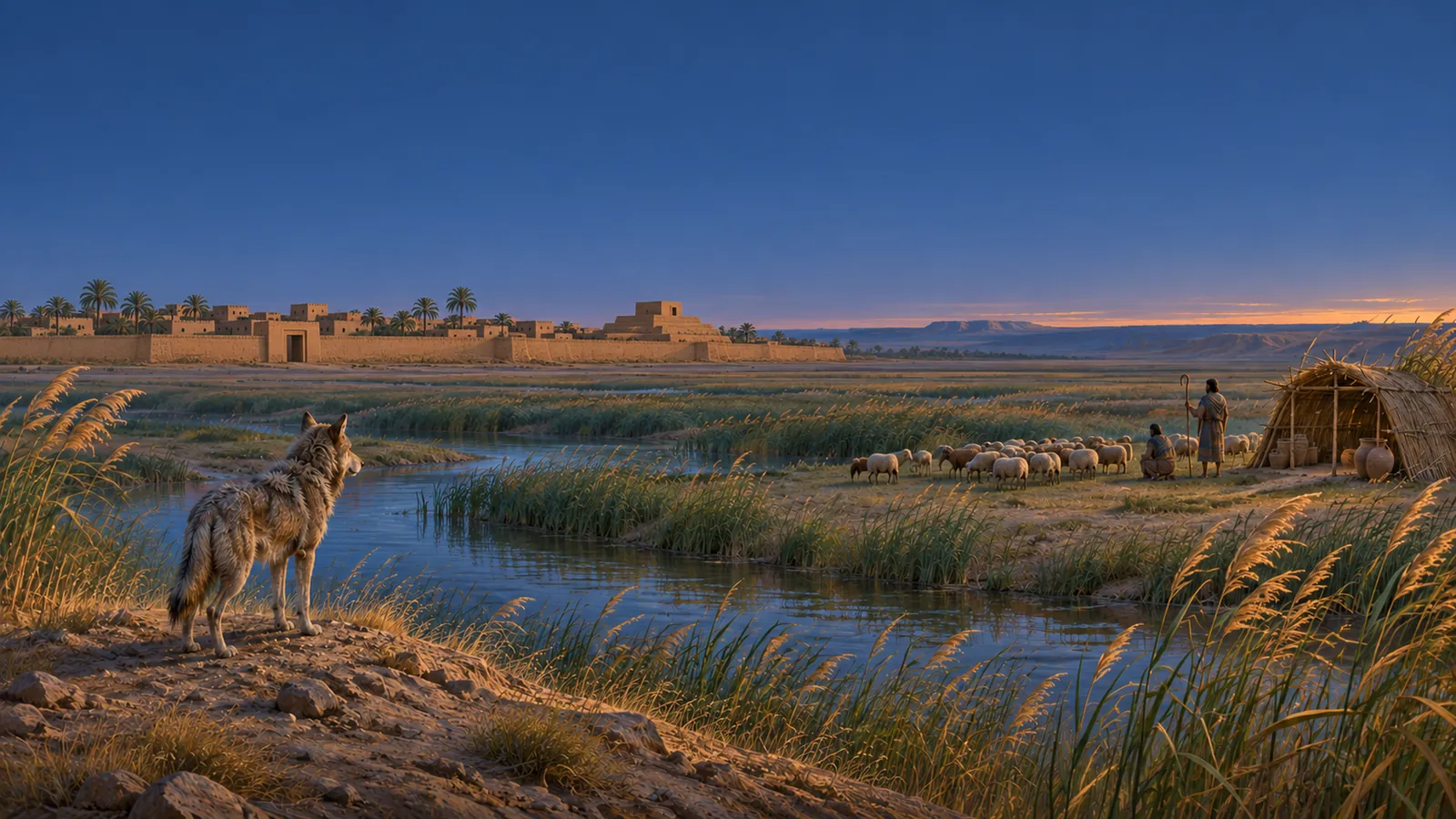
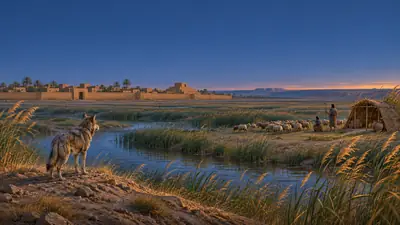
Il y avait aussi, disait Gilgamesh, un berger qui lui faisait jadis des offrandes. Dans le récit du roi, il devint un loup et fut chassé par ceux-là mêmes qui gardaient le troupeau avec lui.
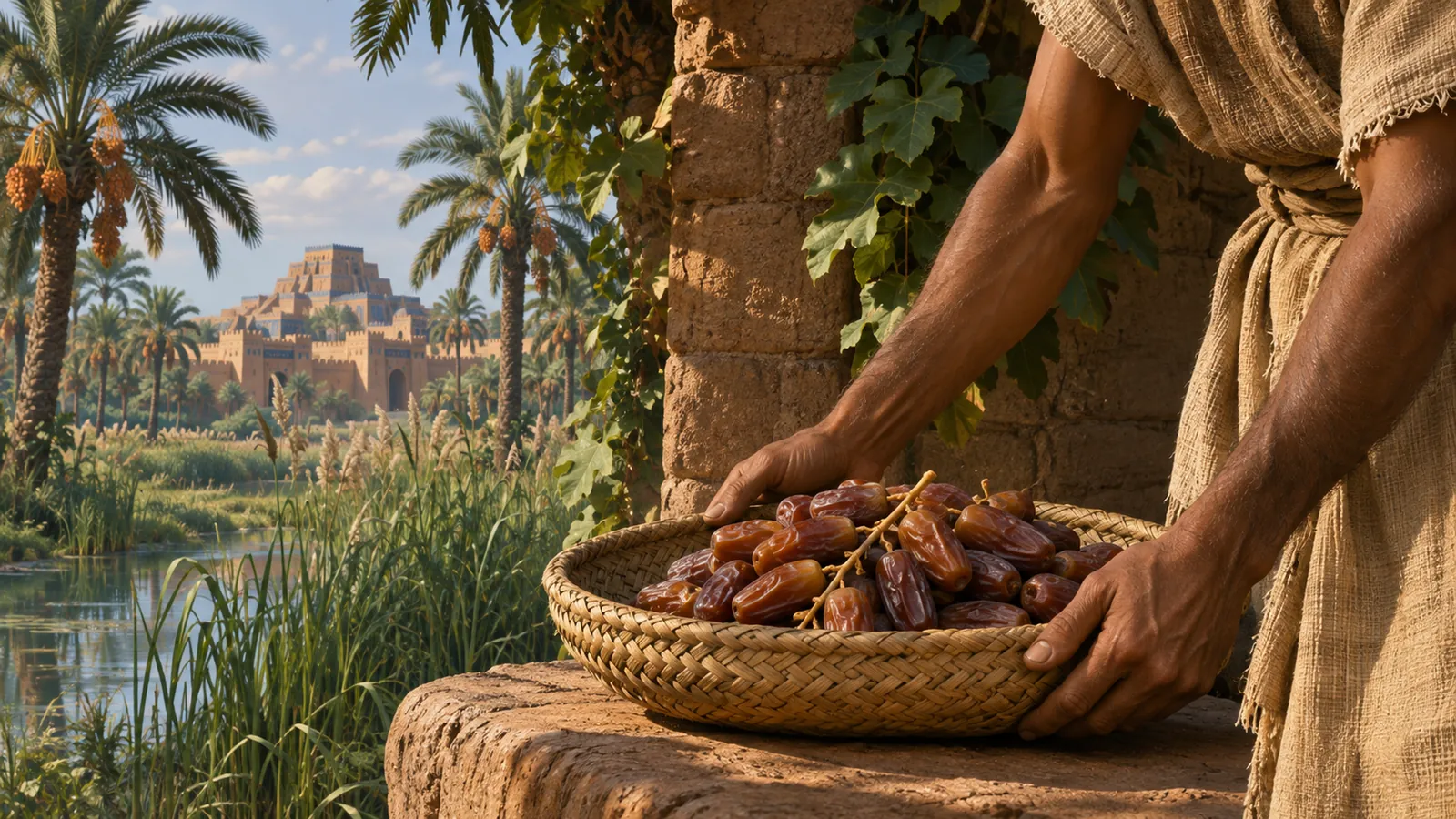
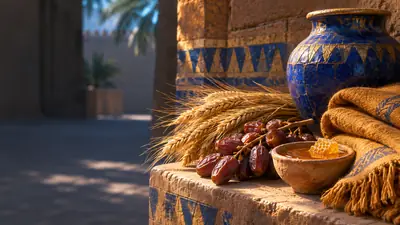
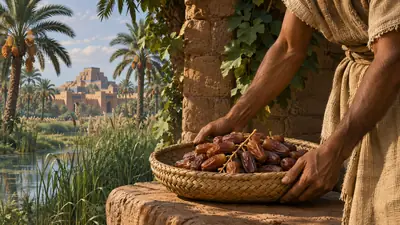
Ishullanu, le jardinier de son père, apportait des dattes à sa table. Gilgamesh raconta comment le jardinier repoussa les avances d’Ishtar et comment elle le transforma ensuite.
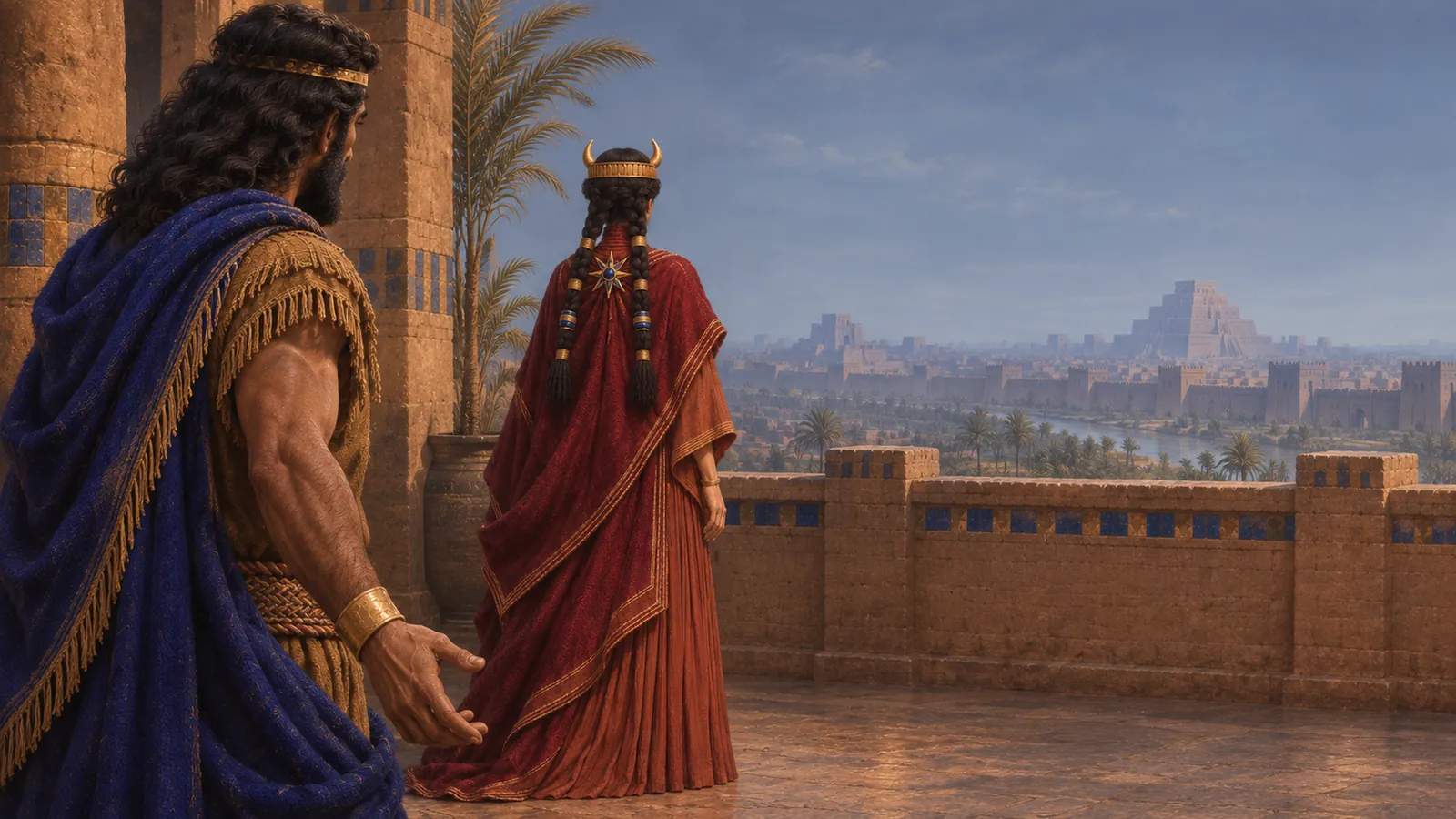
REFUS
Gilgamesh lui présenta leurs histoires en guise d’avertissement. S’il acceptait de l’épouser, demanda-t-il, qu’est-ce qui l’empêcherait de finir comme eux ?
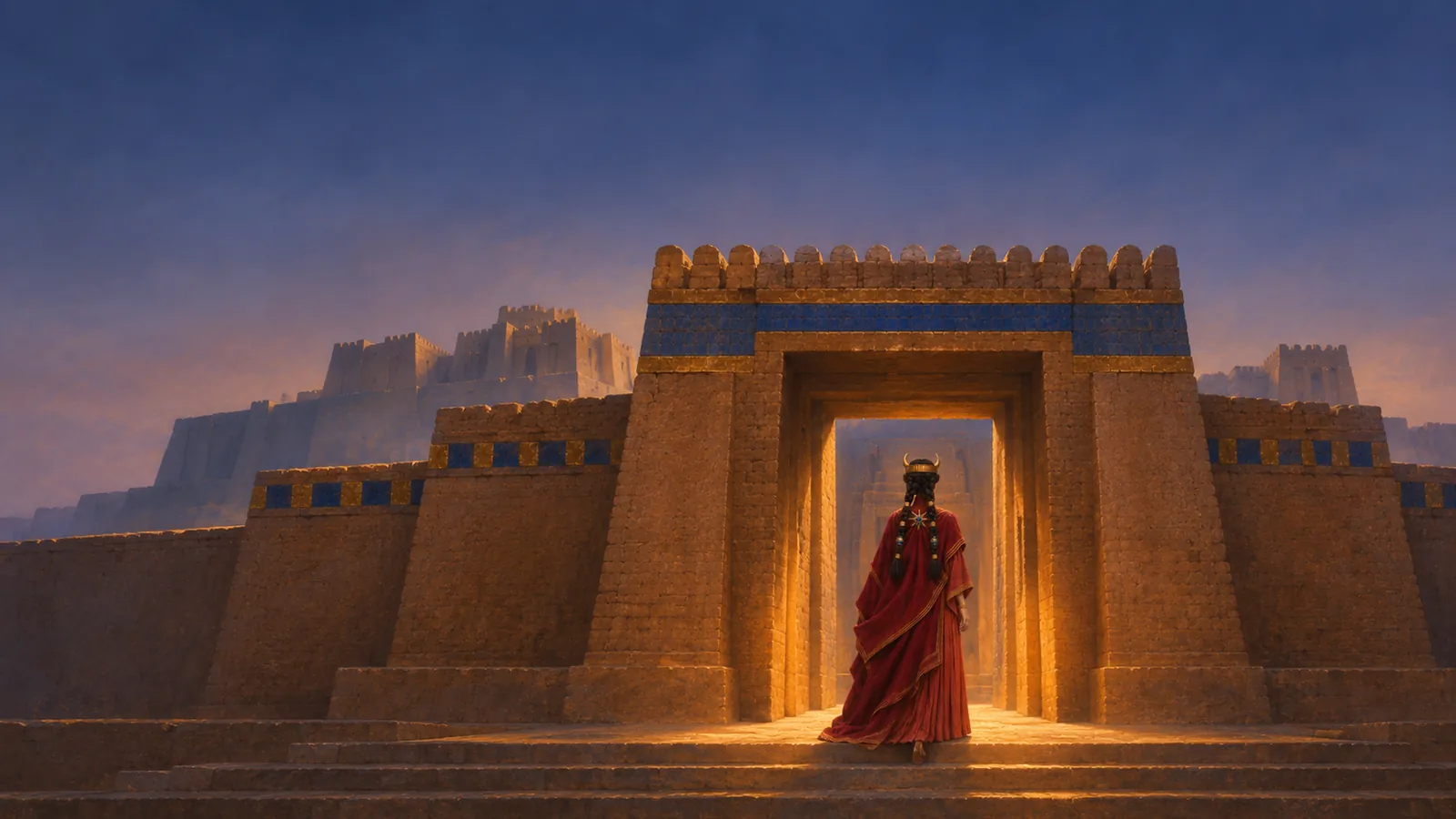
Ishtar monta au ciel dans sa colère. Elle porta ses larmes et sa plainte devant ses parents, Anu et Antu, et leur rapporta les paroles du roi.
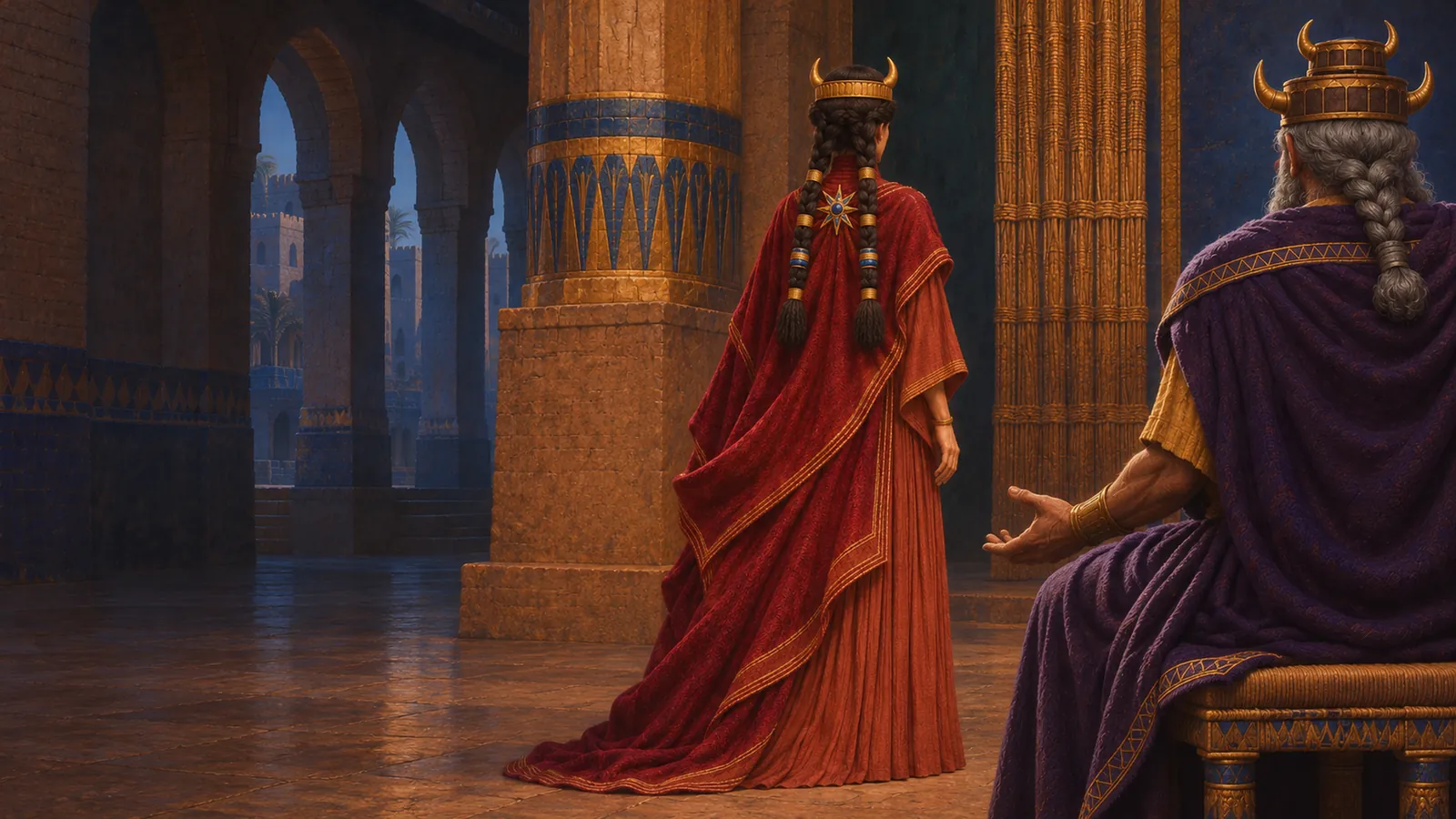
Anu écouta son récit. Puis il demanda à Ishtar si elle n’avait pas elle-même provoqué Gilgamesh avant que le roi ne prononce tous ces mots qu’elle venait de rapporter au ciel.
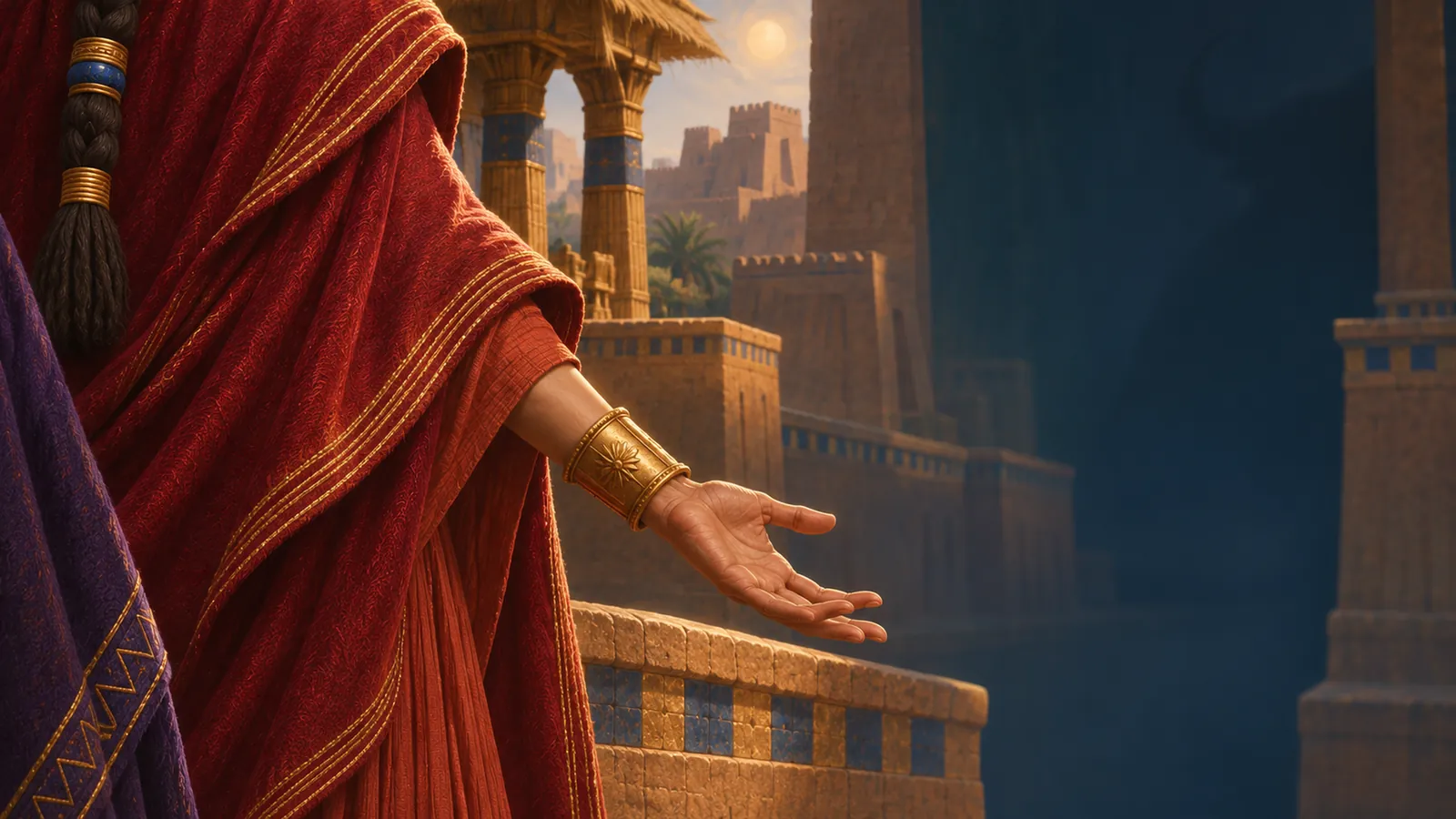
Ishtar demanda à son père de lui donner le Taureau céleste. Elle voulait mener la bête jusqu’à Uruk et faire payer au roi ses paroles.
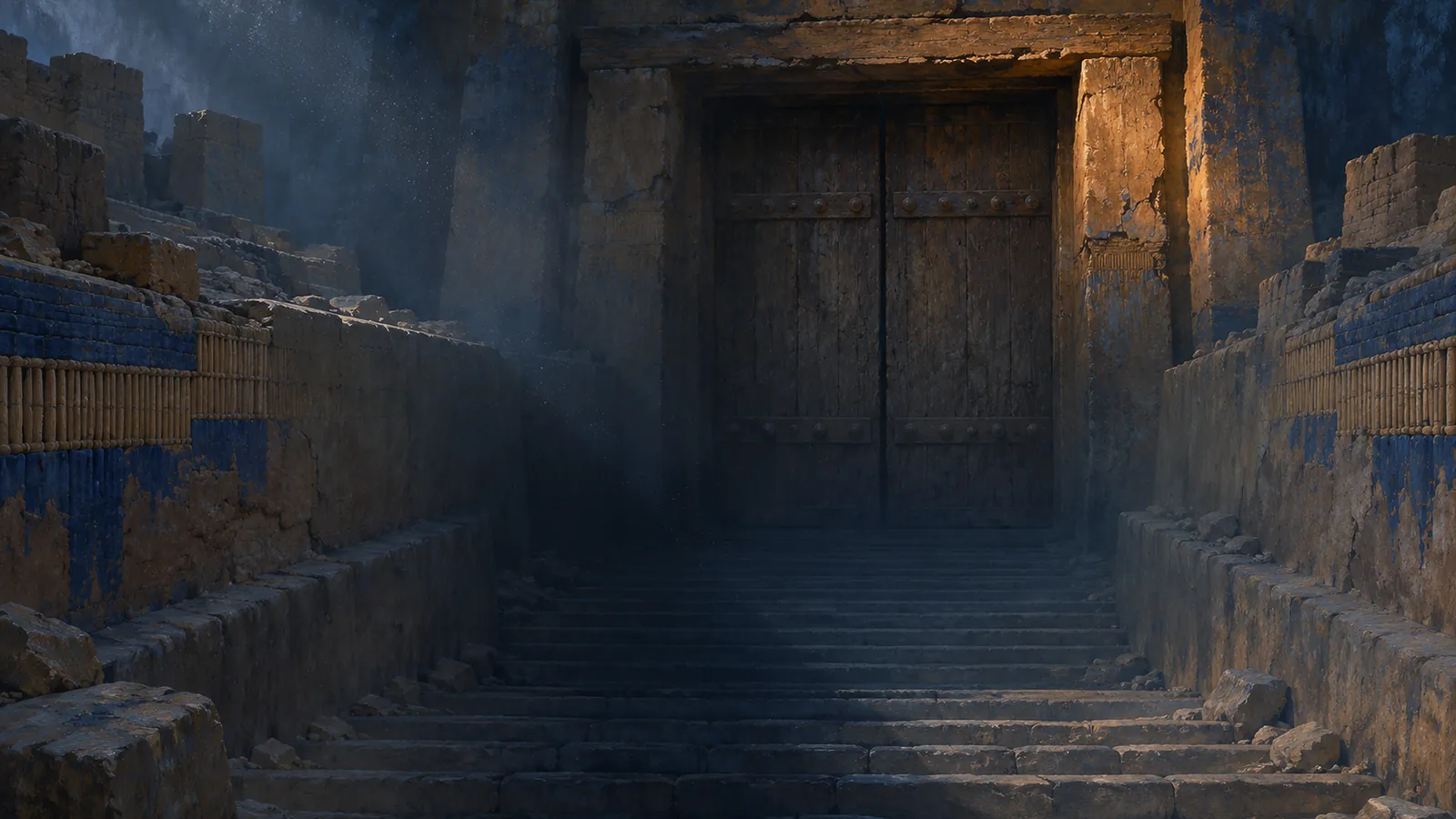
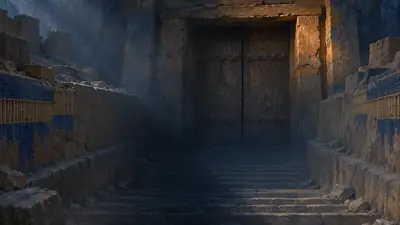
Si Anu refusait, dit-elle, elle forcerait l’entrée du monde d’en bas. Les morts reviendraient si nombreux qu’ils dépasseraient les vivants.
SEPT ANS
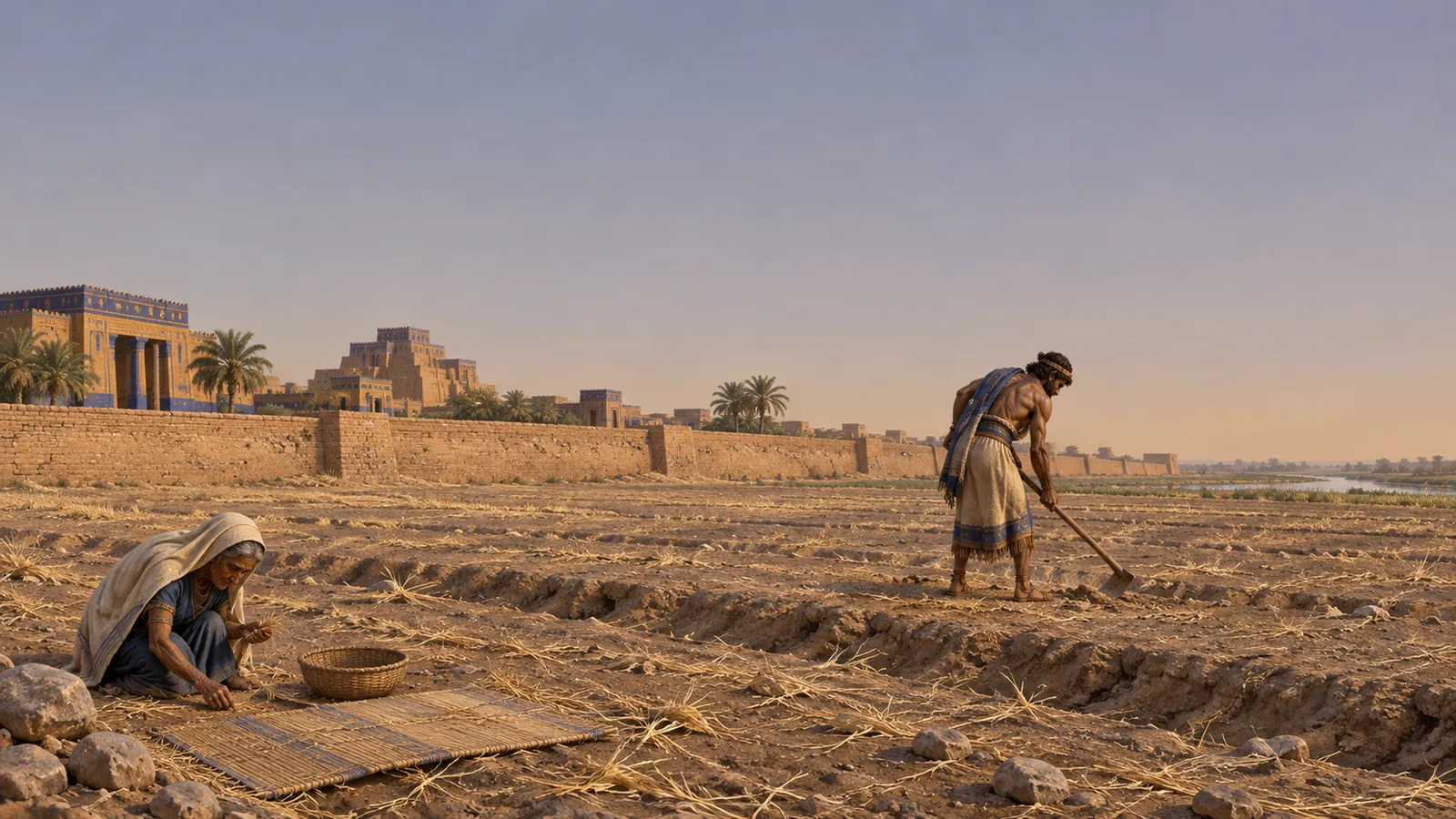
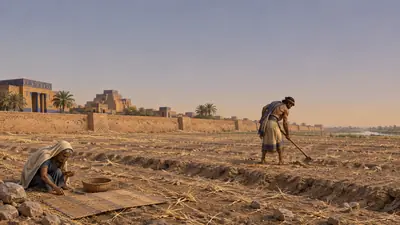
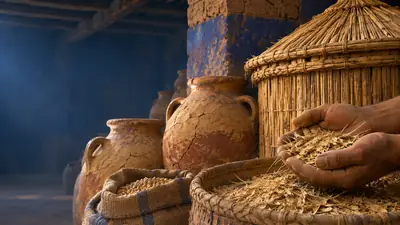
Anu la prévint de ce que le Taureau ferait subir à Uruk. Durant sept ans, les gens devraient vivre du peu qu’ils pourraient glaner et du fourrage qu’ils réussiraient à faire pousser.
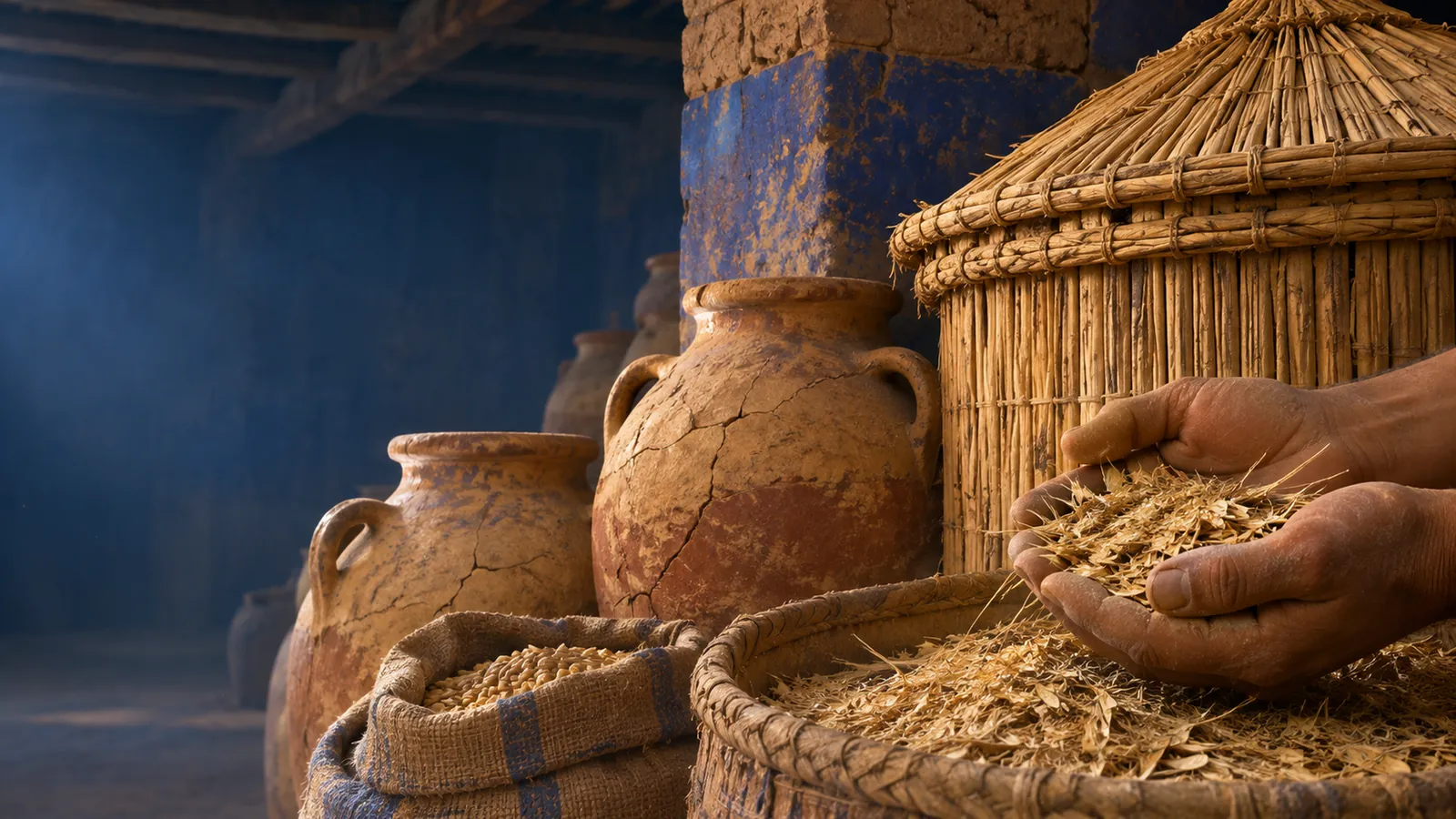
Il manque un morceau d’argile dans la réponse d’Ishtar. Ce qui reste parle de réserves déjà mises de côté et de fourrage cultivé, comme si elle s’était préparée aux années mêmes que redoutait Anu.
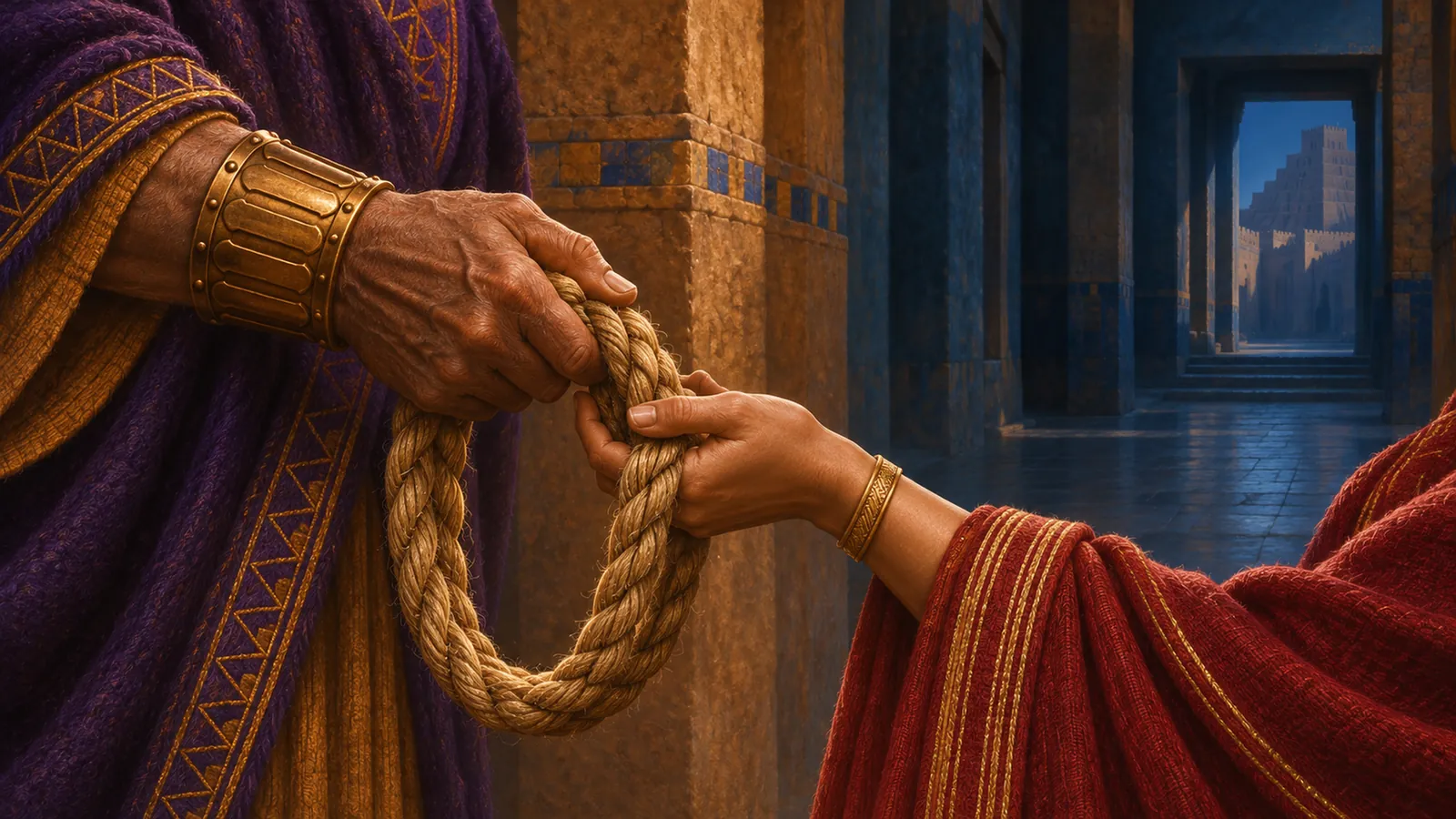
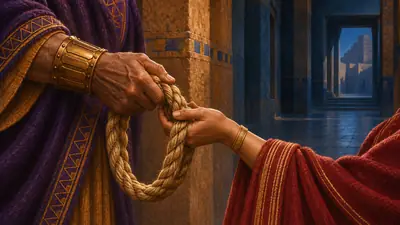
Anu entendit sa réponse et lui mit entre les mains la corde du Taureau. Ce qui avait commencé par une demande en mariage à Uruk revenait maintenant vers la ville sous une autre forme.
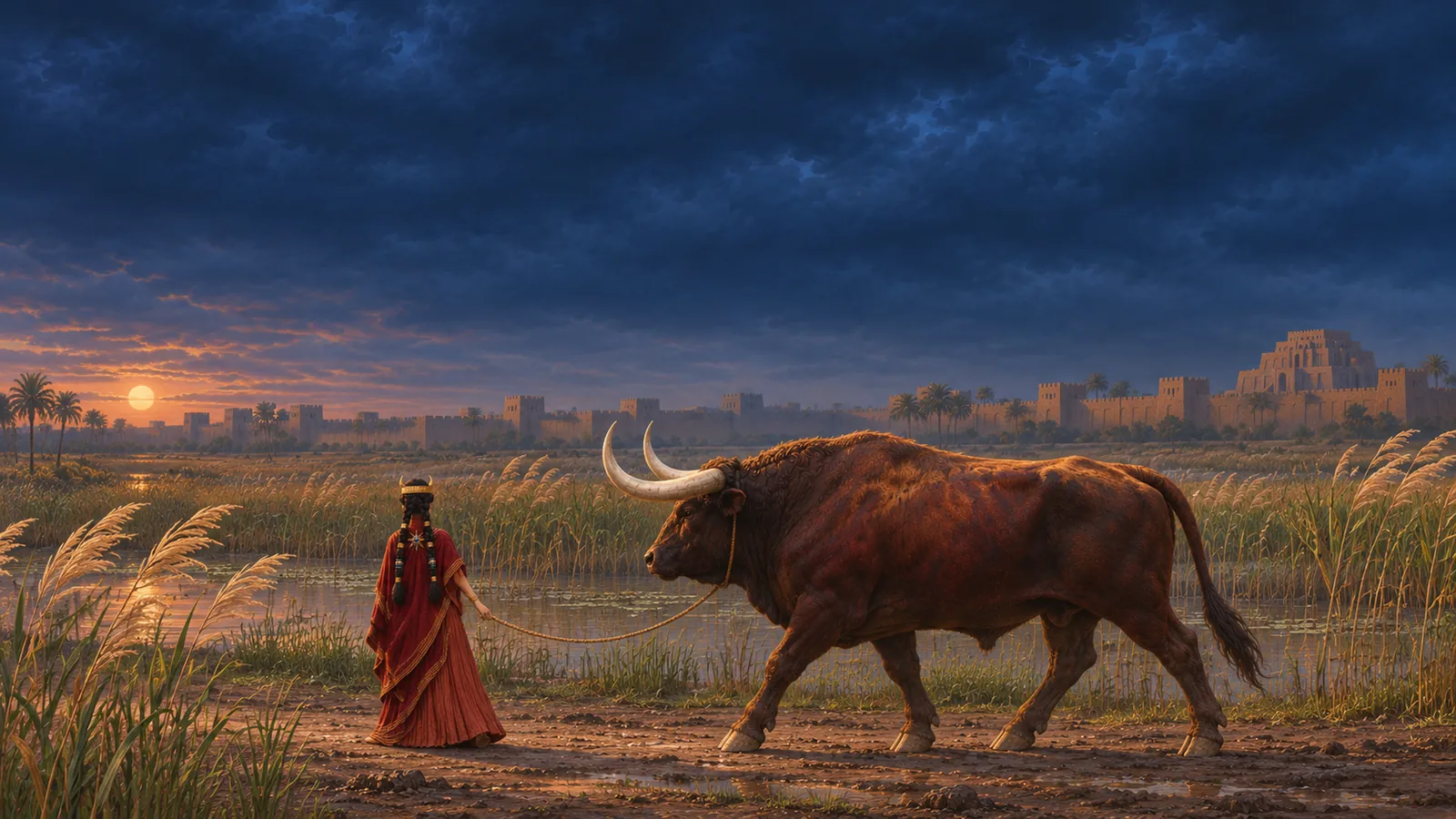
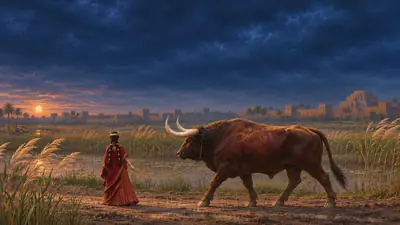
Ishtar fit descendre le Taureau. Lorsqu’il atteignit le pays d’Uruk, la terre humide se mit à sécher et les roseaux se flétrirent sur son passage.
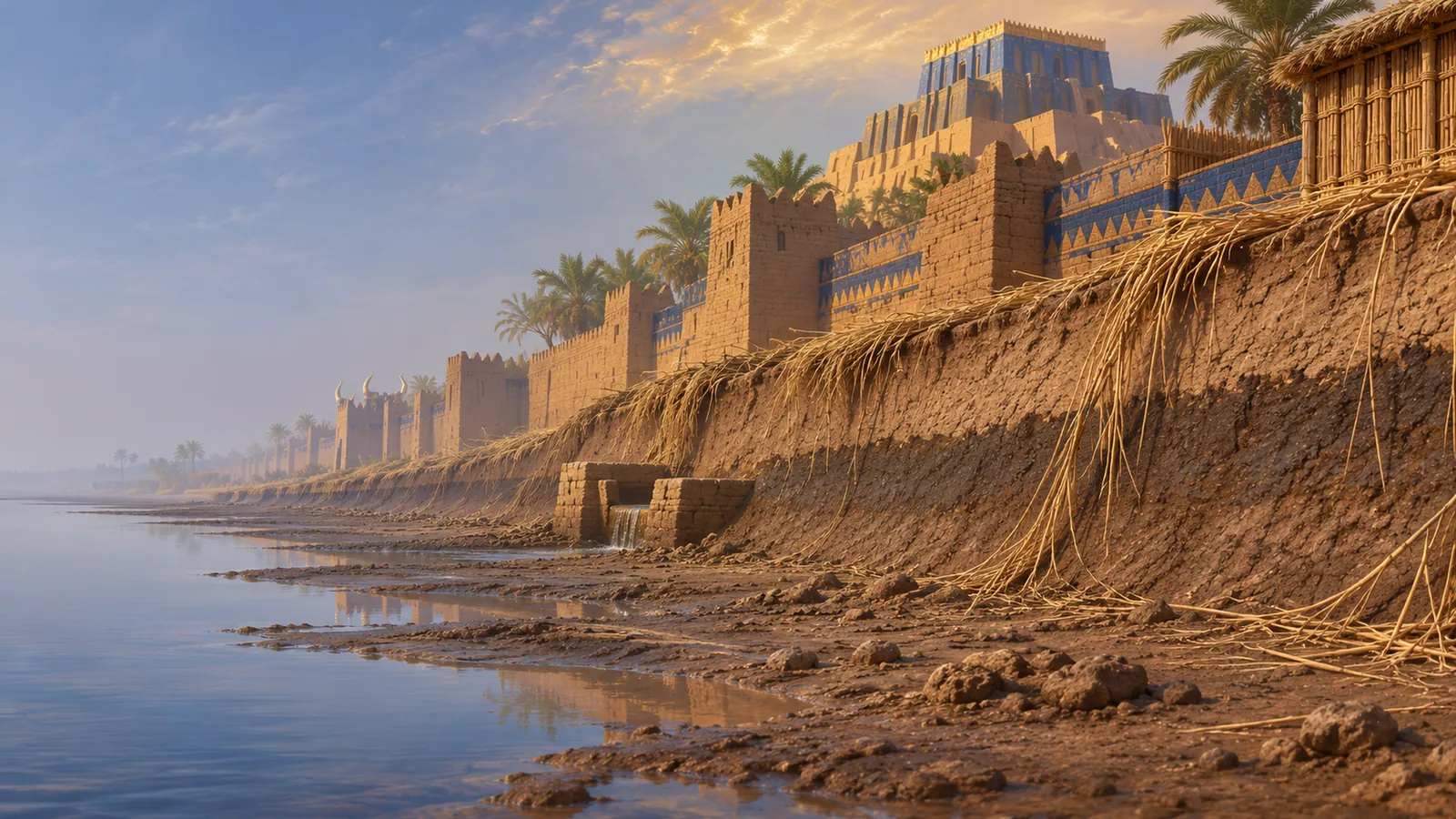
Le Taureau alla jusqu’au fleuve, dont le niveau baissa de sept coudées. La trace humide laissée sur la berge était plus haute que les roseaux au bord des nouvelles eaux basses.
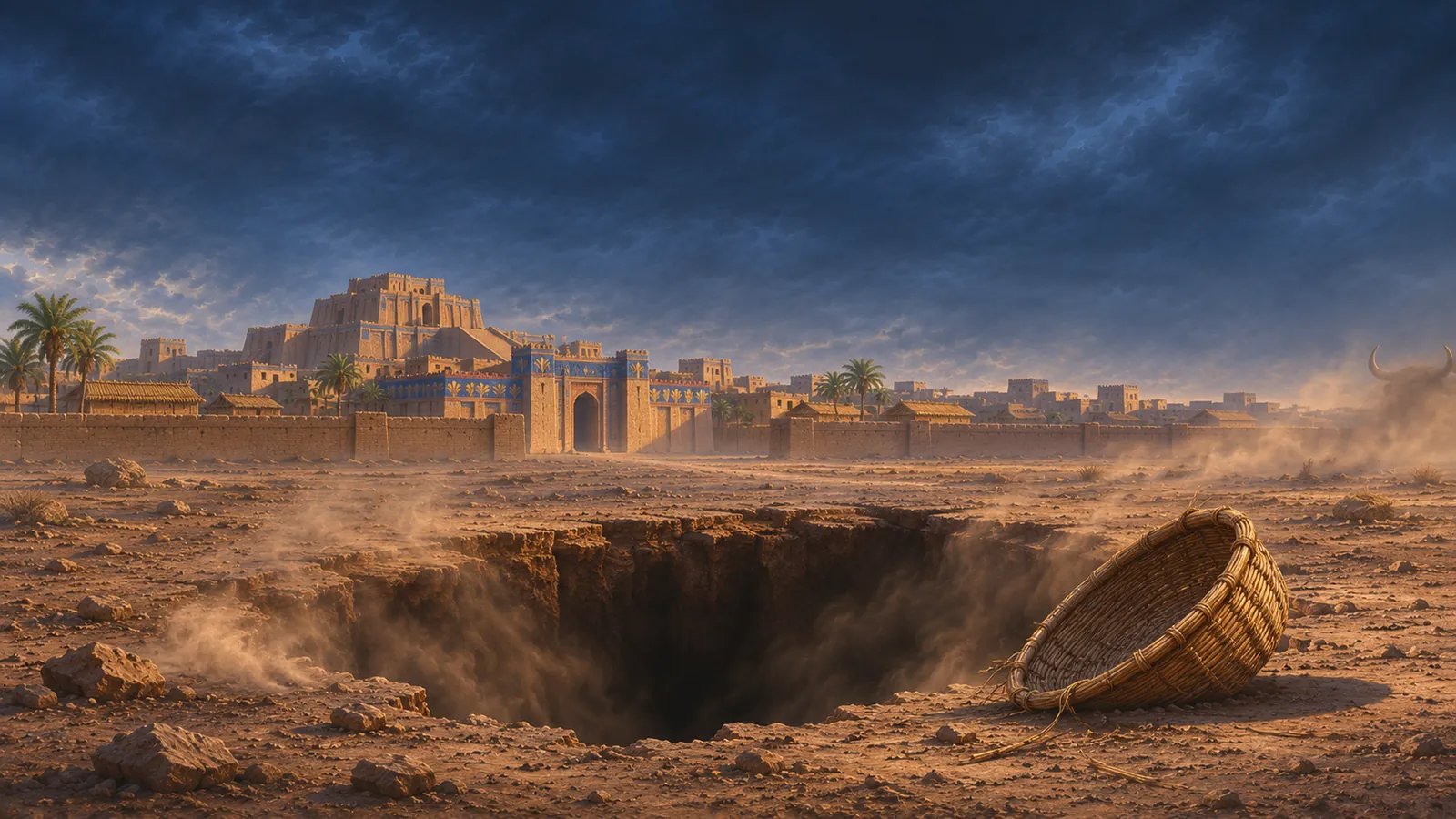
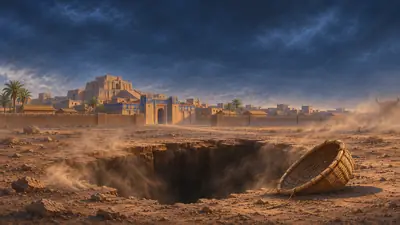
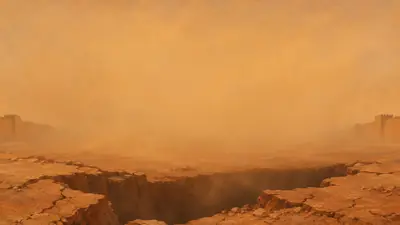
Le Taureau souffla, et une fosse s’ouvrit sous les hommes d’Uruk. Le poème compte cent hommes tombés dans cette première déchirure soudaine du sol.
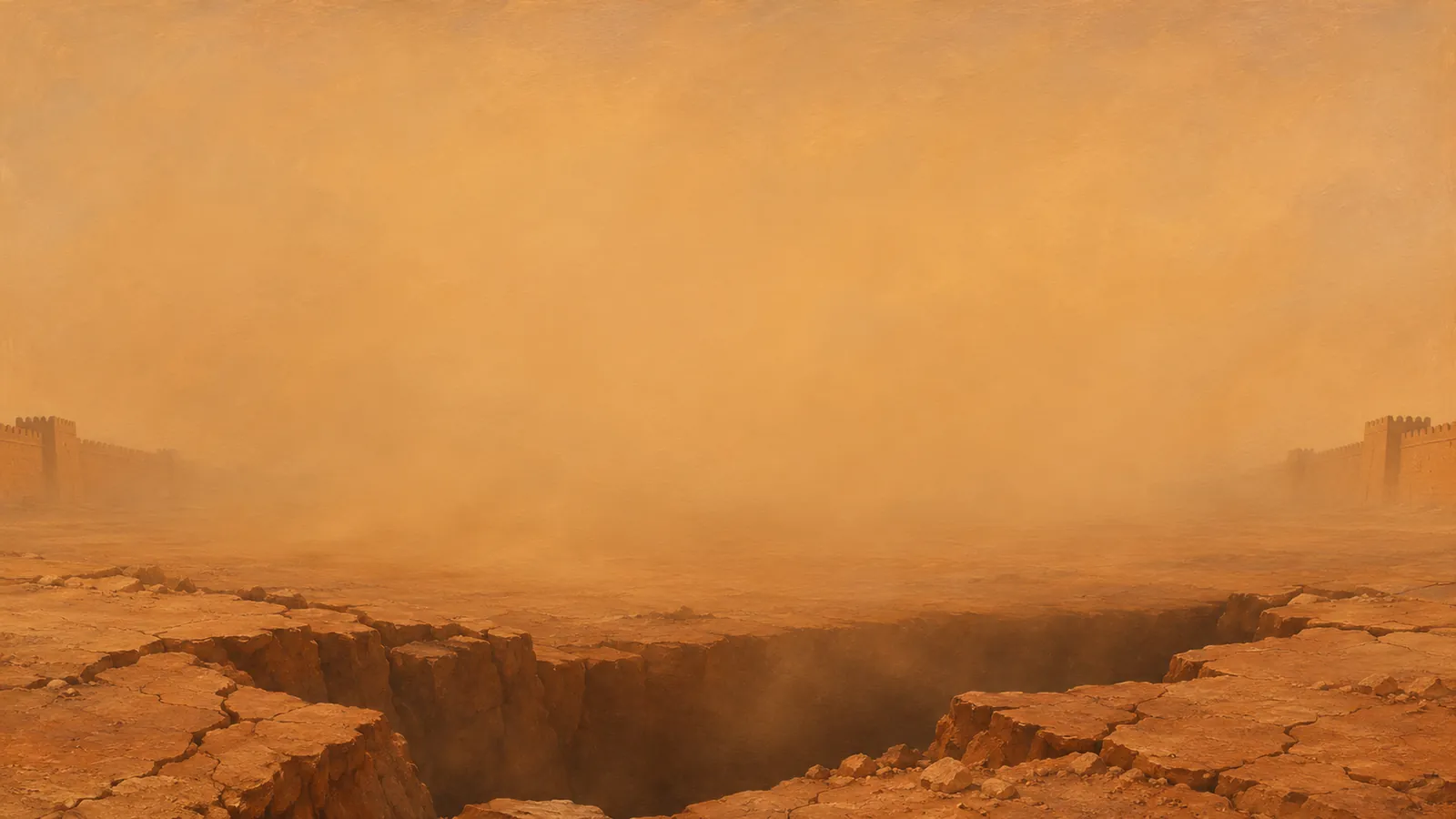
Le Taureau souffla encore, et la terre céda une seconde fois. Le vieux poème compte deux cents autres victimes, et à chaque souffle la peur grandit dans la ville.
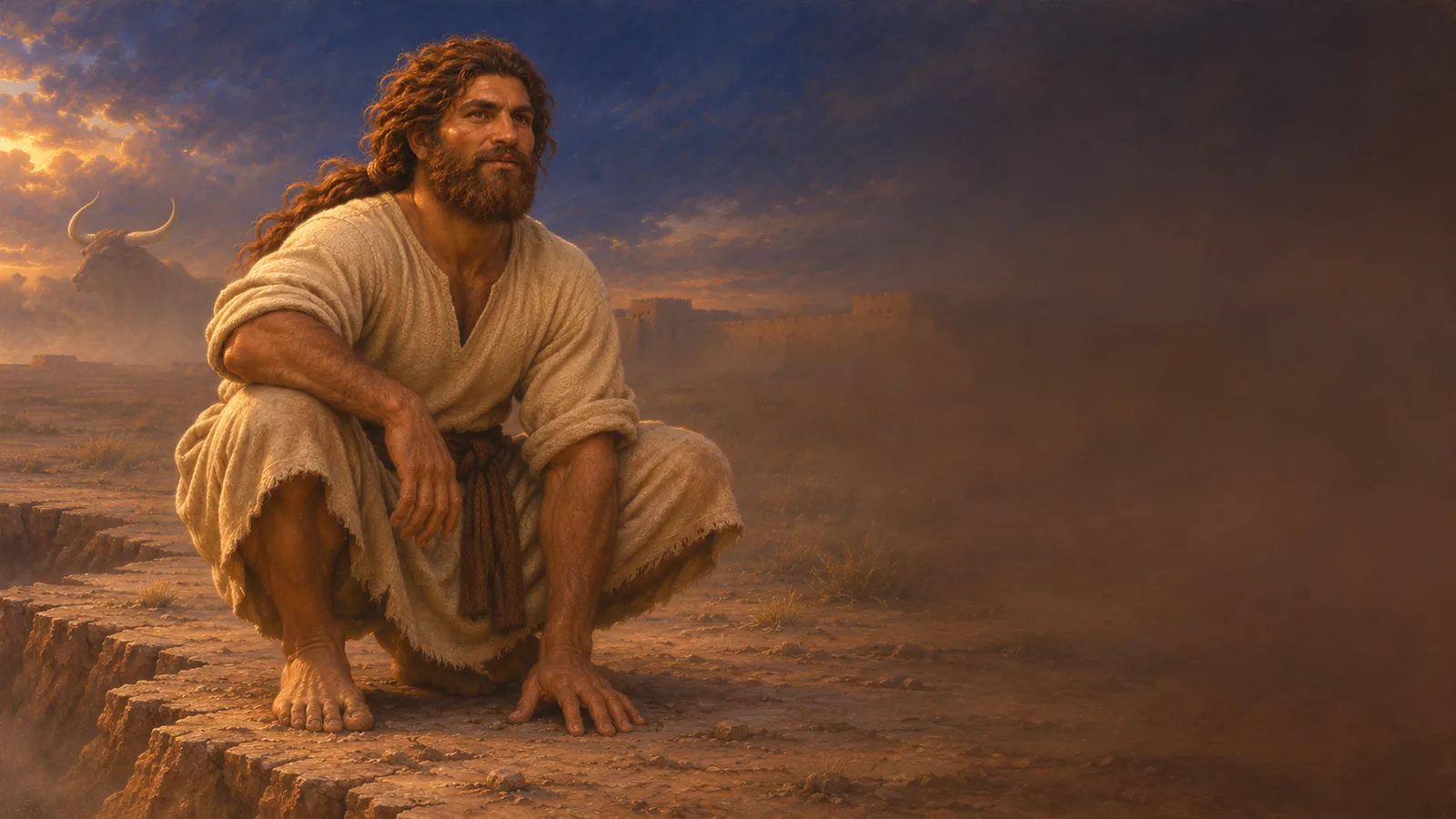
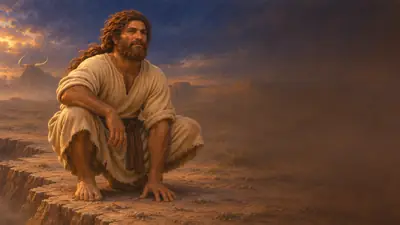
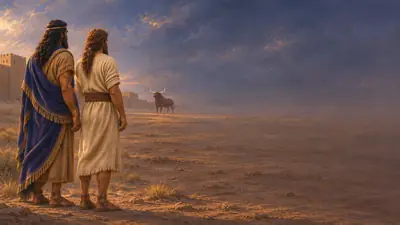
Au troisième souffle, le sol céda de nouveau. Enkidu s’y enfonça jusqu’à la taille, puis bondit hors de la fosse tandis que le Taureau se dressait dans la poussière.
POUR URUK
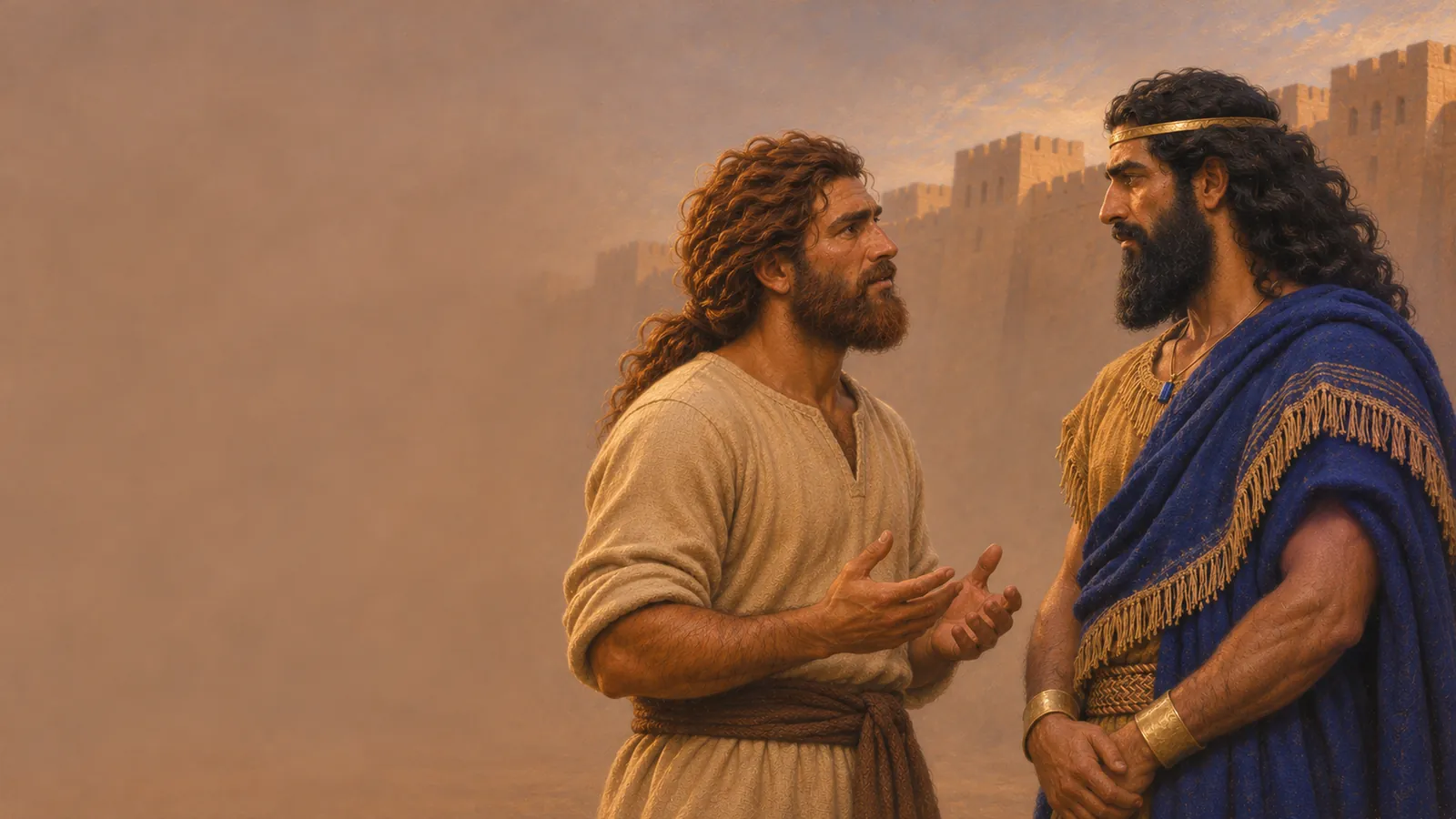
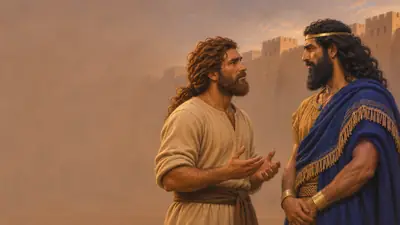
Enkidu appela son ami. Ils avaient autrefois tiré fierté de leur ville, et il lui demandait maintenant comment ils pourraient réparer le tort fait à tous ceux qui étaient tombés.
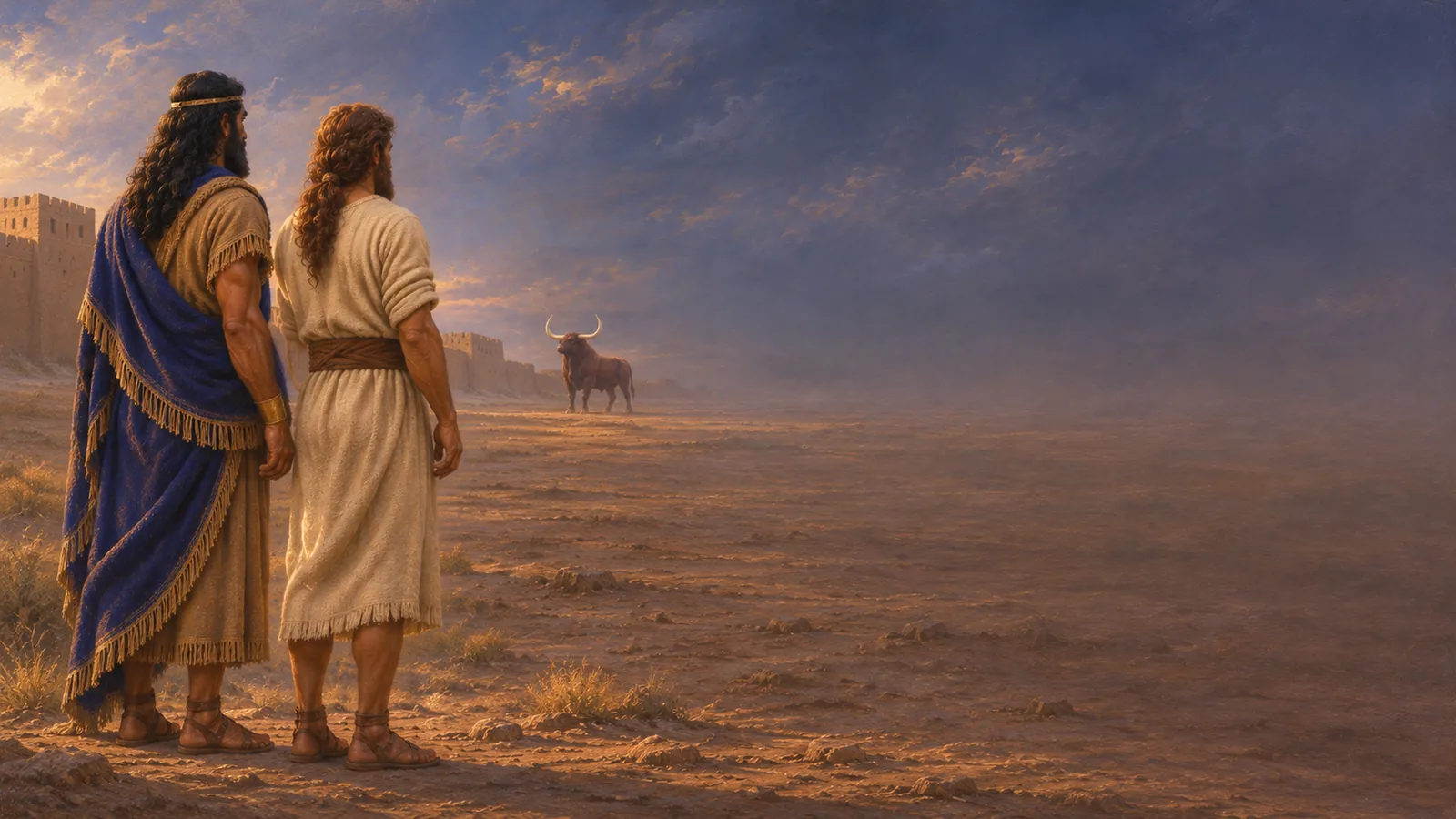
Enkidu dit à Gilgamesh qu’ils devraient agir ensemble. Il avait déjà éprouvé la force du Taureau, et maintenant il s’en remettait à l’ami qui se tenait à ses côtés.
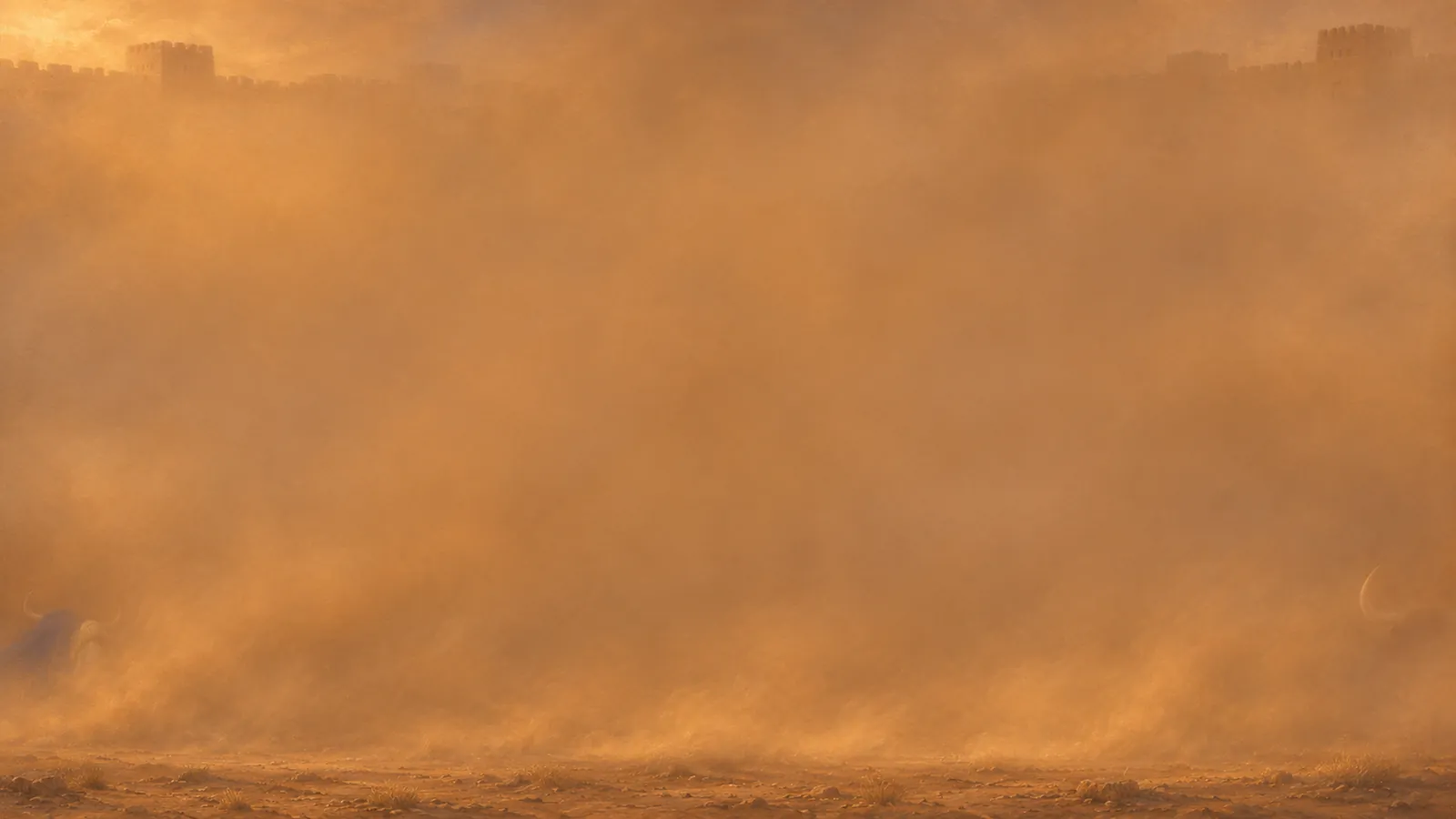
Les deux amis affrontèrent le Taureau céleste. Enkidu le saisit par la queue et Gilgamesh le tua de son couteau. Le poème raconte le combat en quelques lignes.
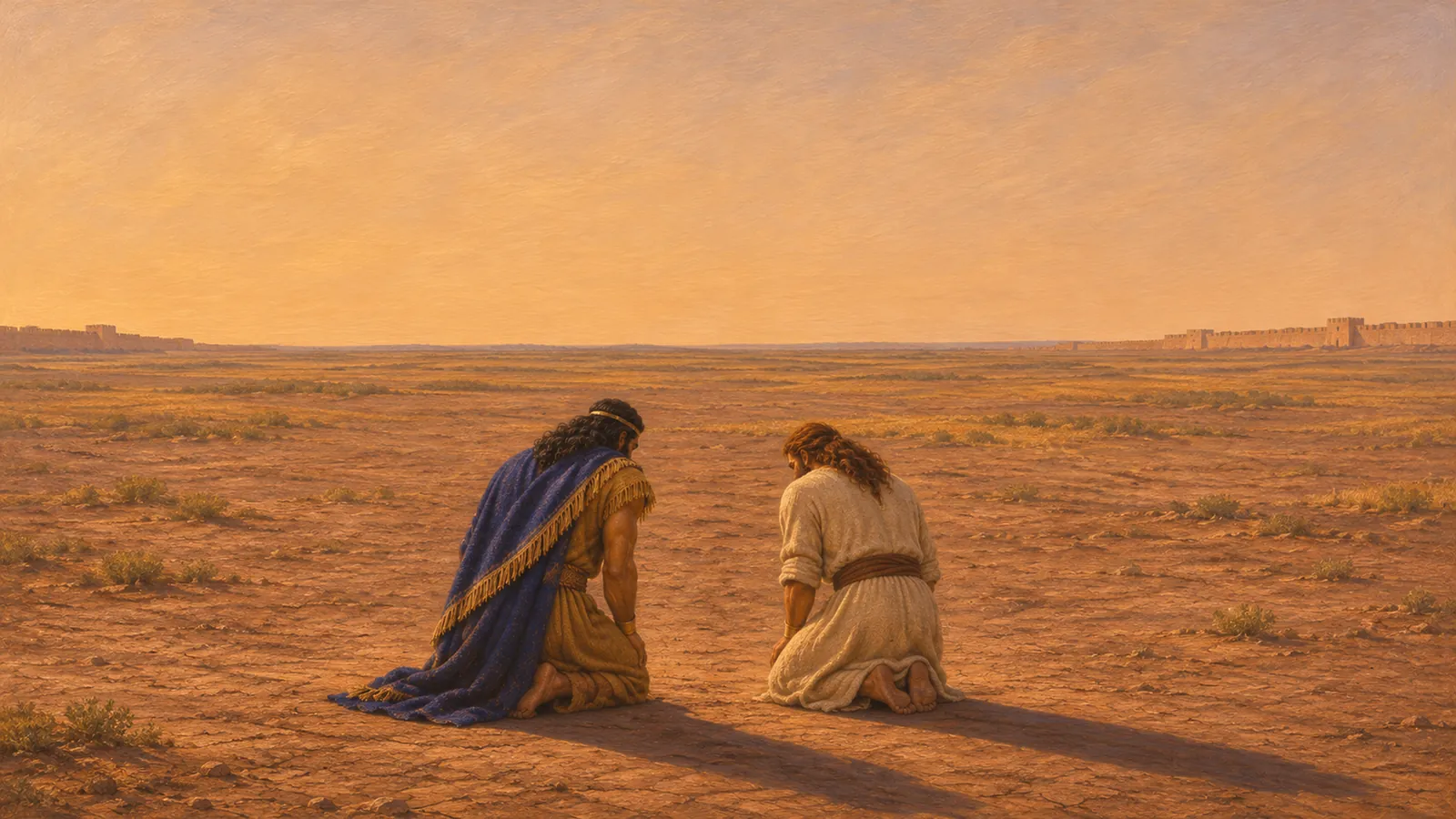
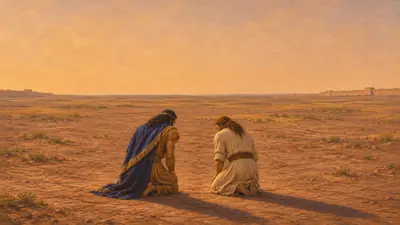
Une fois le Taureau tombé, Gilgamesh et Enkidu présentèrent une offrande à Shamash. Ils se prosternèrent d’abord, puis s’assirent ensemble tandis que la lumière atteignait la terre.
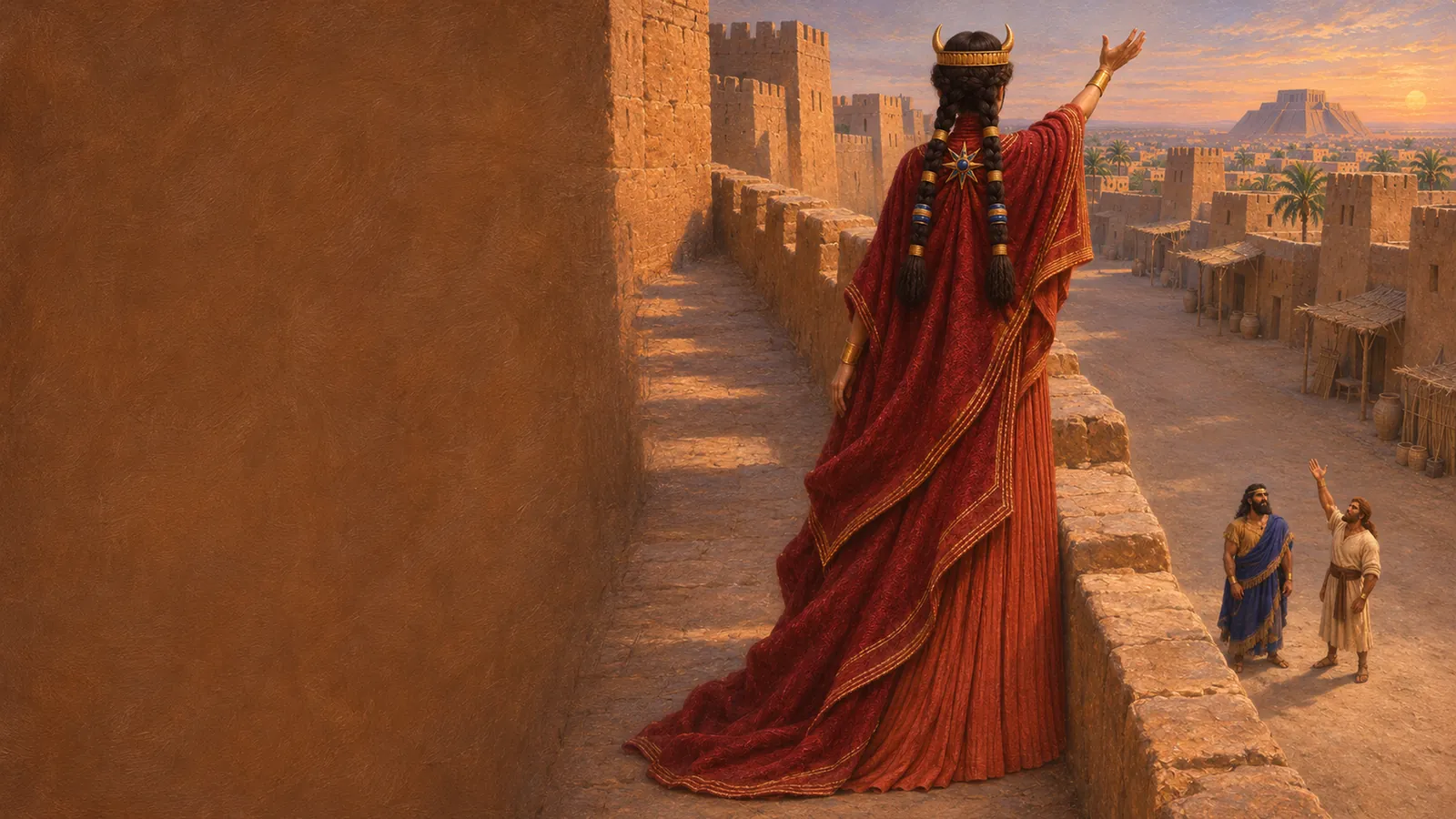
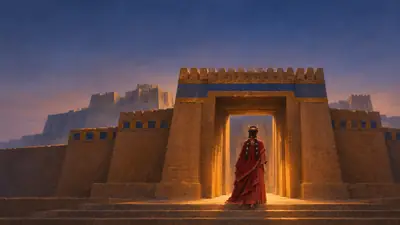
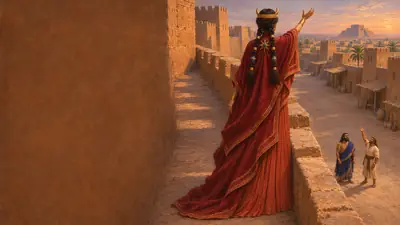
Ishtar monta sur la muraille d’Uruk et maudit le roi. Enkidu arracha une cuisse du Taureau, la jeta devant elle et menaça de lui faire subir le même sort.
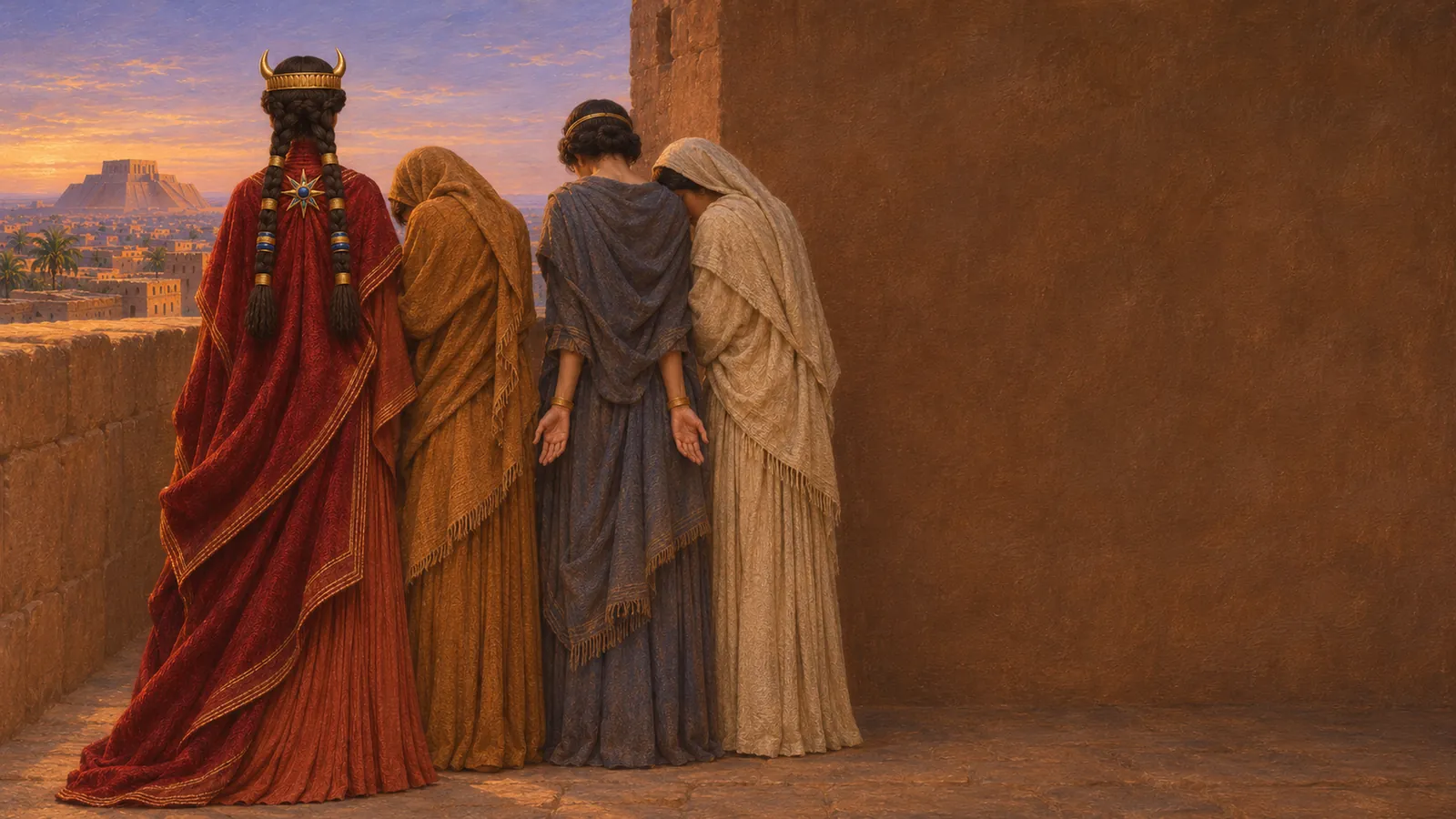
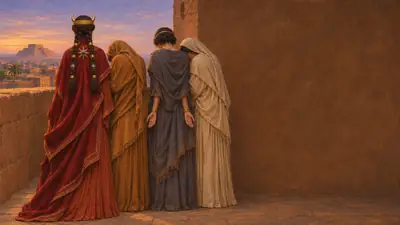
Ishtar rassembla des femmes autour d’elle pour pleurer le Taureau. Tandis que la nouvelle de la victoire courait dans Uruk, une lamentation montait de la muraille.
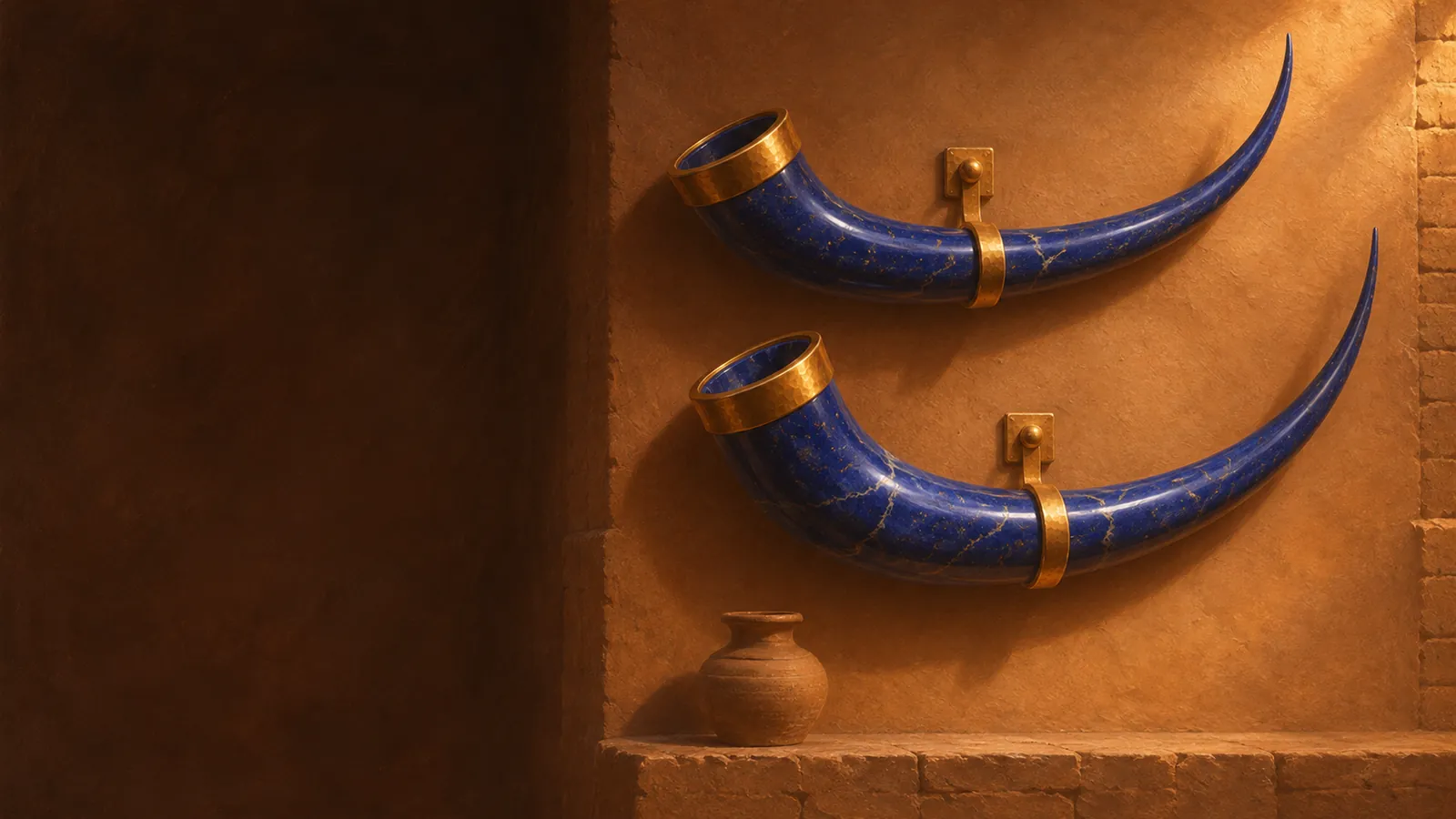
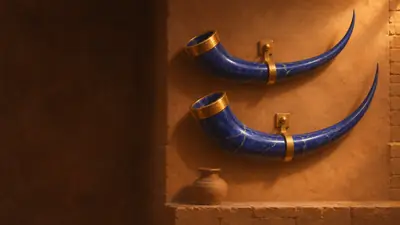
Gilgamesh fit venir les artisans pour examiner les cornes. Il les consacra à l’onction de Lugalbanda et les suspendit dans sa chambre, où elles pouvaient contenir une grande mesure d’huile.
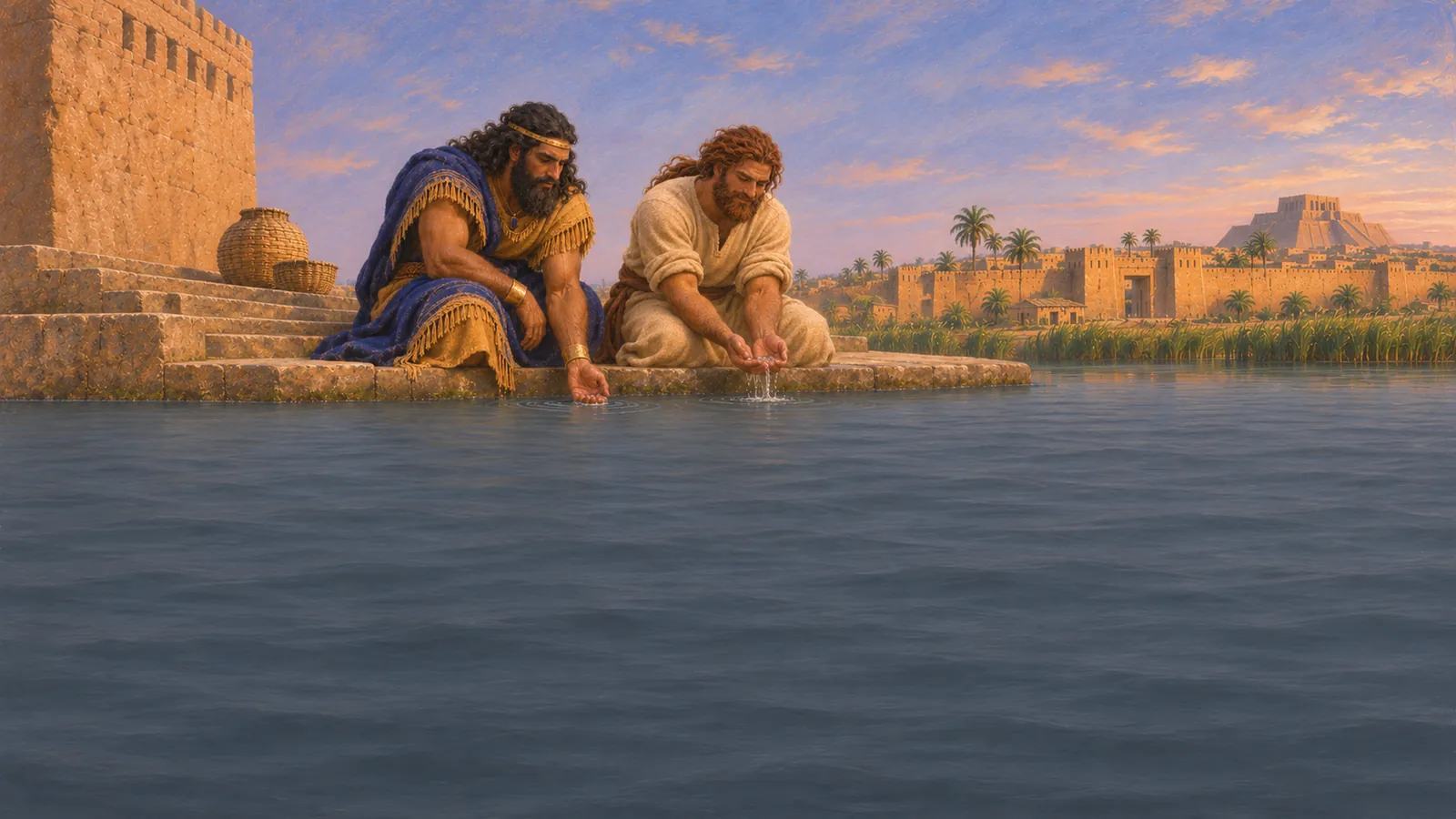
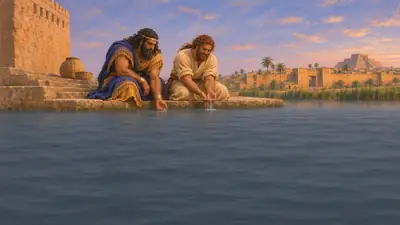
Les deux amis se lavèrent au bord de l’Euphrate, puis se prirent par la main. Ils traversèrent Uruk en équipage, et les gens se pressèrent le long du chemin pour les voir passer.
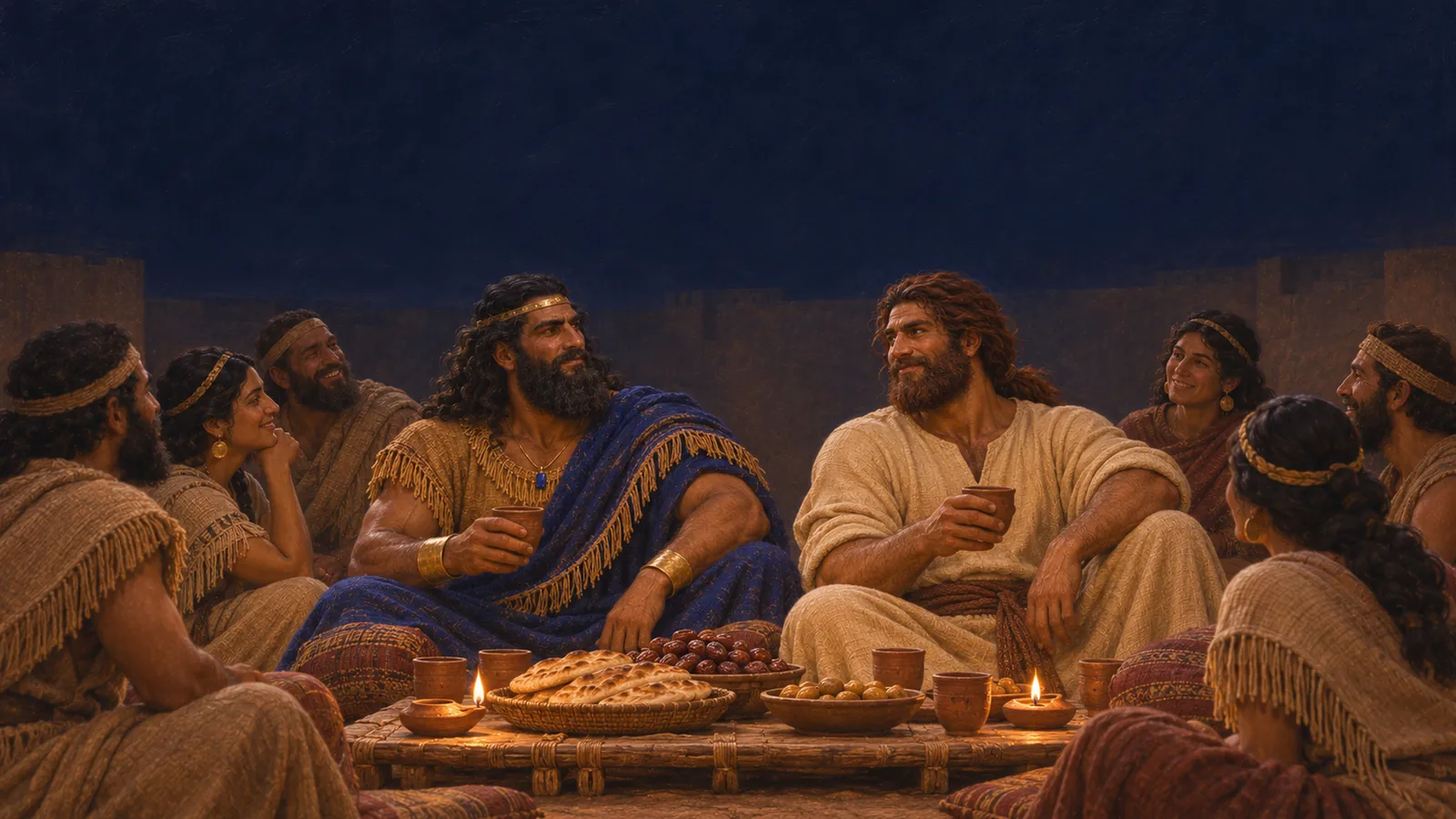
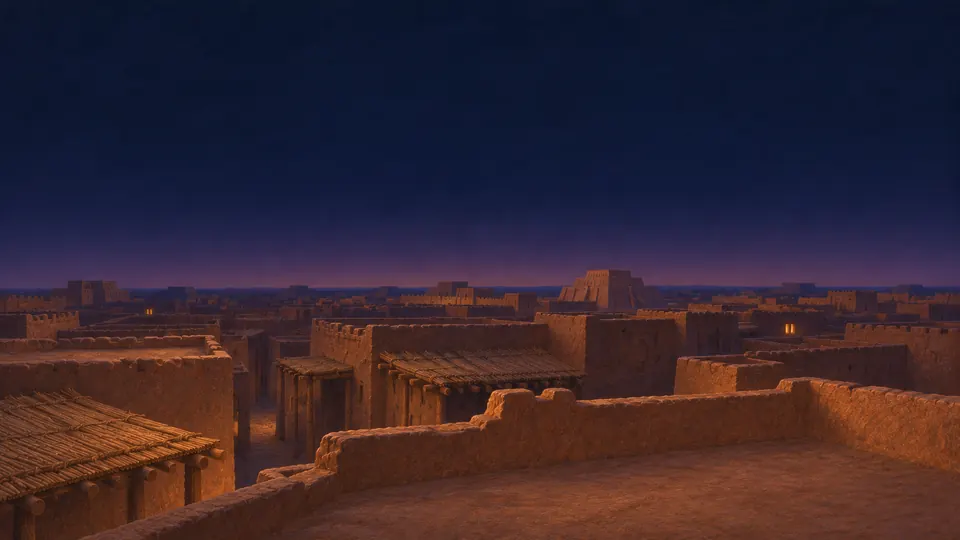
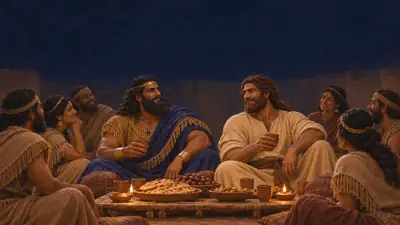
On loua le roi au palais, et ce soir-là Gilgamesh y festoya. Après la fête, les lampes faiblirent et les hommes se couchèrent pour dormir.
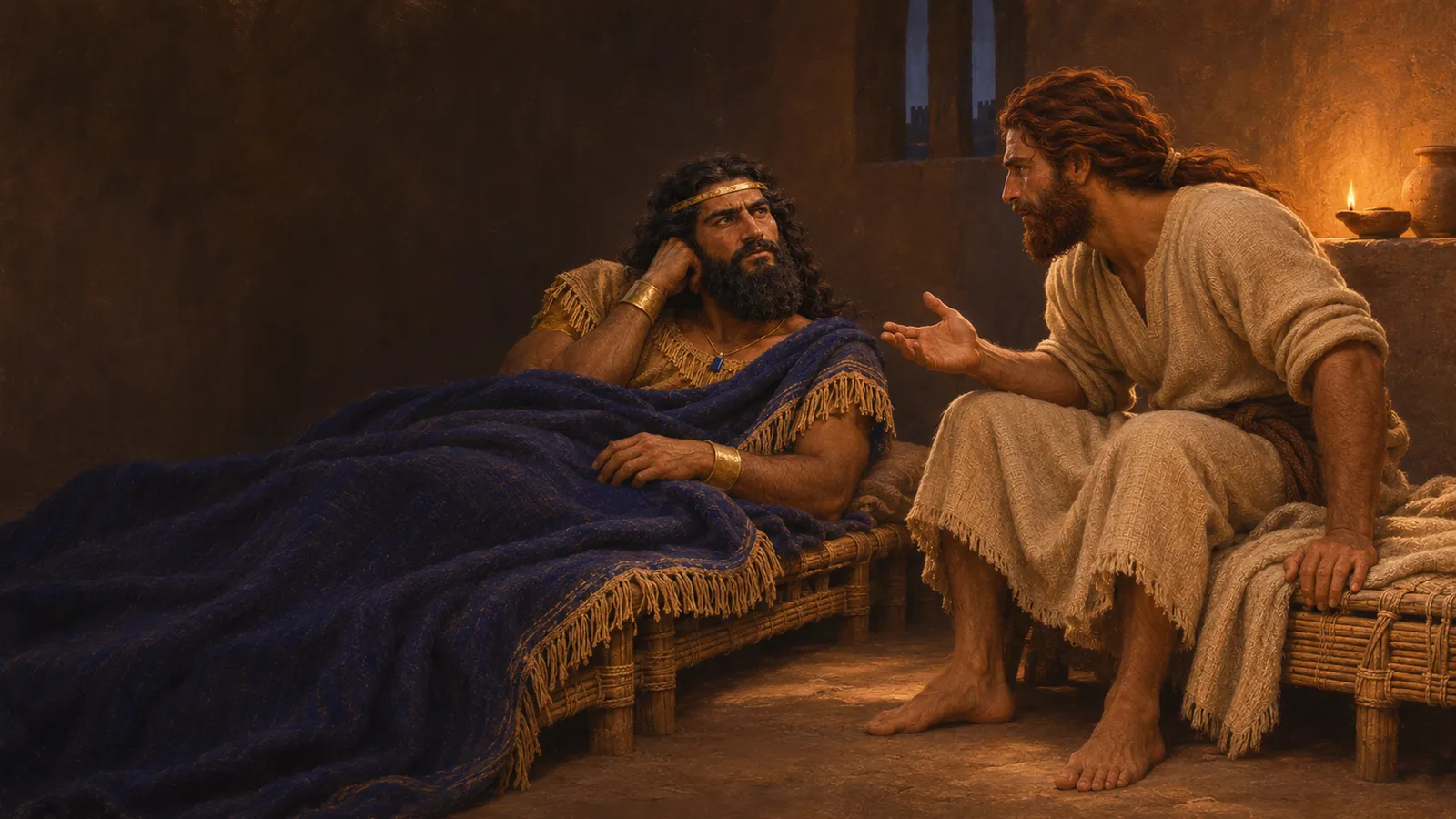
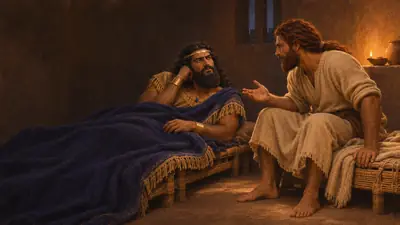
Avant la fin de la nuit, Enkidu se leva de son lit. Il avait rêvé, et lorsqu’il se tourna vers Gilgamesh pour lui dire ce qu’il avait vu, les mots de cette tablette s’arrêtèrent.
Fin du chapitre 4
Toutes les pages

Sources
The retelling gives the killing and the companions’ roles.
Éditions consultées
- Electronic Babylonian Library, Standard Babylonian Gilgamesh Tablet VI: . The official chapter export was checked directly through the [LMU chapter endpoint](https://www.ebl.lmu.de/api/texts/L/1/4/chapters/SB/VI), lines 1–183. Earlier editions and separate Sumerian poems can differ.
- Andrew George, “The Epic of Gilgamesh”: pp. 8–9, Tablet VI synopsis and transition to VII.
- Andrew George, “Shattered Tablets and Tangled Threads”: pp. 15–16 for the manuscript readings in several lines of Tablet VI. The script flags material ambiguities and does not stage a detailed dream on the basis of VI alone.
Notes sur ce récit
On page 34, the friends take the Bull’s heart and set it before Shamash (SB Gilgamesh VI 147–150, George’s eBL translation). The retelling describes this as an offering.
On page 35, Enkidu adds that he would drape the Bull’s entrails on Ishtar’s arms (SB Gilgamesh VI 156–157, George’s eBL translation). The retelling gives the threat in general terms.
On page 36, Ishtar gathers courtesans, prostitutes and harlots and begins mourning over the Bull’s haunch (SB Gilgamesh VI 158–159, George’s eBL translation). The retelling describes the women mourning the Bull.
Les vers antiques de chaque page
- Page 1: SB Gilgamesh VI 1–5, eBL
- Page 2: SB Gilgamesh VI 1–2, eBL
The text describes washing. - Page 3: SB Gilgamesh VI 3–4, eBL
- Page 4: SB Gilgamesh VI 5, eBL
- Page 5: SB Gilgamesh VI 6, eBL
- Page 6: SB Gilgamesh VI 7–9, eBL
- Page 7: SB Gilgamesh VI 10–12, eBL
- Page 8: SB Gilgamesh VI 13–15, eBL
- Page 9: SB Gilgamesh VI 16–21, eBL
- Page 10: SB Gilgamesh VI 22–31, eBL
Lines include breaks and restorations. - Page 11: SB Gilgamesh VI 32–41, eBL
- Page 12: SB Gilgamesh VI 42–45, eBL
The partially preserved example in 45 is omitted. - Page 13: SB Gilgamesh VI 46–47, eBL
- Page 14: SB Gilgamesh VI 48–50, eBL
The allallu species is uncertain. - Page 15: SB Gilgamesh VI 51–57, eBL
- Page 16: SB Gilgamesh VI 58–63, eBL
- Page 17: SB Gilgamesh VI 64–78, eBL
The uncertain form of his transformation is left open. - Page 18: SB Gilgamesh VI 79–81, eBL
- Page 19: SB Gilgamesh VI 80–86, eBL
- Page 20: SB Gilgamesh VI 87–91, eBL
- Page 21: SB Gilgamesh VI 92–95, eBL
- Page 22: SB Gilgamesh VI 96–100, eBL
- Page 23: SB Gilgamesh VI 101–105, eBL
- Page 24: SB Gilgamesh VI 106–112, eBL
Wording in 108–112 includes restorations. - Page 25: SB Gilgamesh VI 113–114, eBL
- Page 26: SB Gilgamesh VI 115–117, eBL
- Page 27: SB Gilgamesh VI 118, eBL
The measurement follows the text. - Page 28: SB Gilgamesh VI 119–120, eBL
- Page 29: SB Gilgamesh VI 121–122, eBL
The text gives a larger toll, not a measured depth. - Page 30: SB Gilgamesh VI 123–127, eBL
- Page 31: SB Gilgamesh VI 128–133, eBL
- Page 32: SB Gilgamesh VI 134–140, eBL
The passage is partly restored. - Page 33: SB Gilgamesh VI 141–147, Andrew R. George’s eBL translation
- Page 34: SB Gilgamesh VI 147–150, eBL
- Page 35: SB Gilgamesh VI 151–157, Andrew R. George’s eBL translation
- Page 36: SB Gilgamesh VI 158–159, eBL
- Page 37: SB Gilgamesh VI 160–166, eBL
Exact rim reading varies. The text calls Lugalbanda his god. - Page 38: SB Gilgamesh VI 167–170, eBL
- Page 39: SB Gilgamesh VI 171–180, eBL
Lines 176–178 include broken dialogue. - Page 40: SB Gilgamesh VI 180–183, eBL
Illustrations réalisées par IL Archive avec des outils d’IA ; le texte s’appuie sur les sources antiques (voir les sources à la fin de chaque chapitre).