L’Épopée de Gilgamesh Chapitre 5
L’Ami qui n’a pas pu rester
Enkidu apprend que ses jours sont comptés. Il fait une dernière route avec Gilgamesh, puis tombe malade. Le roi doit alors pleurer son ami et affronter sa propre peur de mourir.
Voir le filmSourcesTournez les pages avec les flèches, le clavier ou en balayant l’écran.
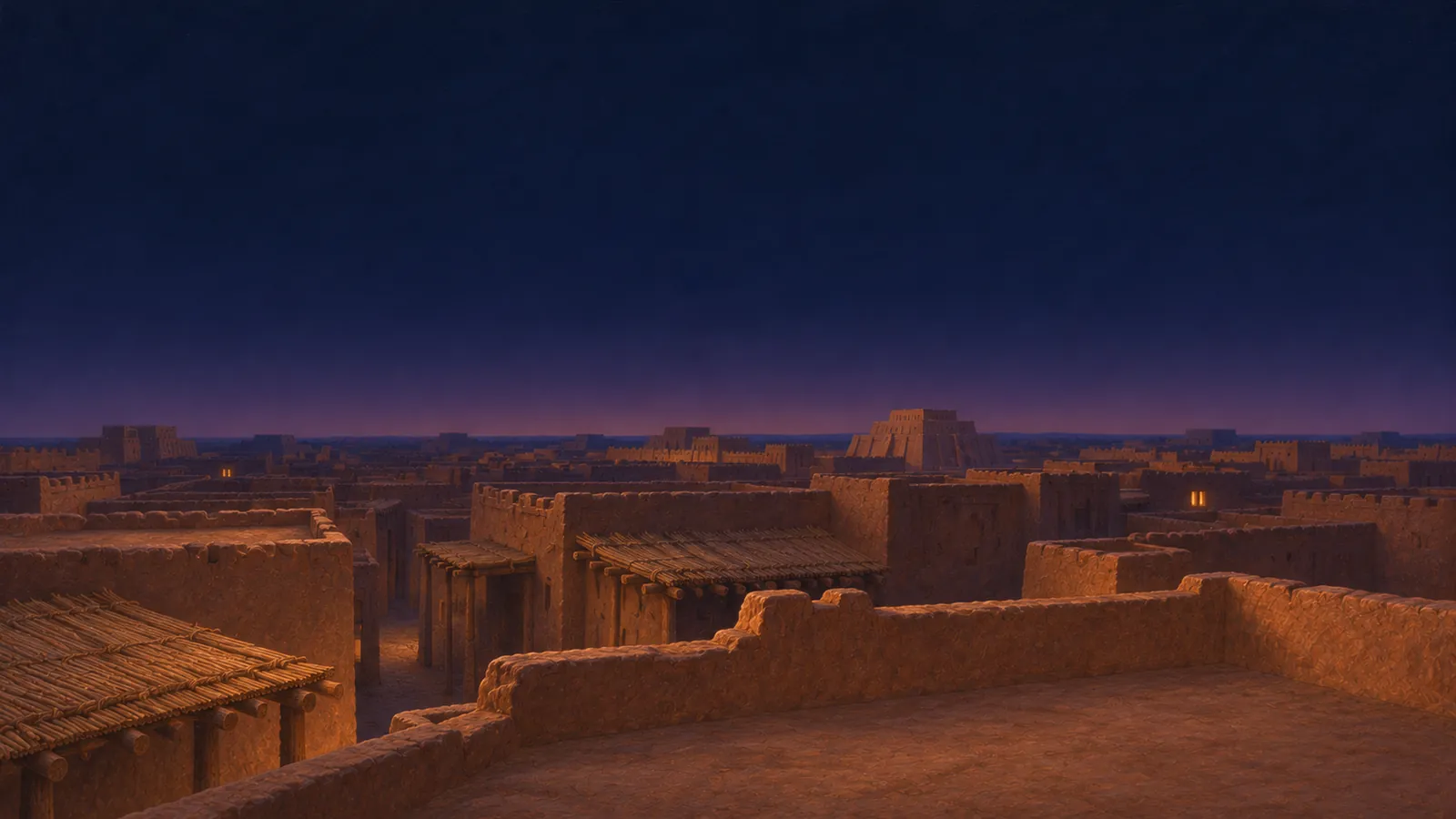
NUIT
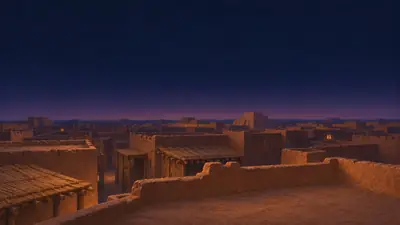
Uruk avait célébré la chute du Taureau céleste. Cette nuit-là, Enkidu fit un rêve qu’il lui faudrait raconter à son ami.
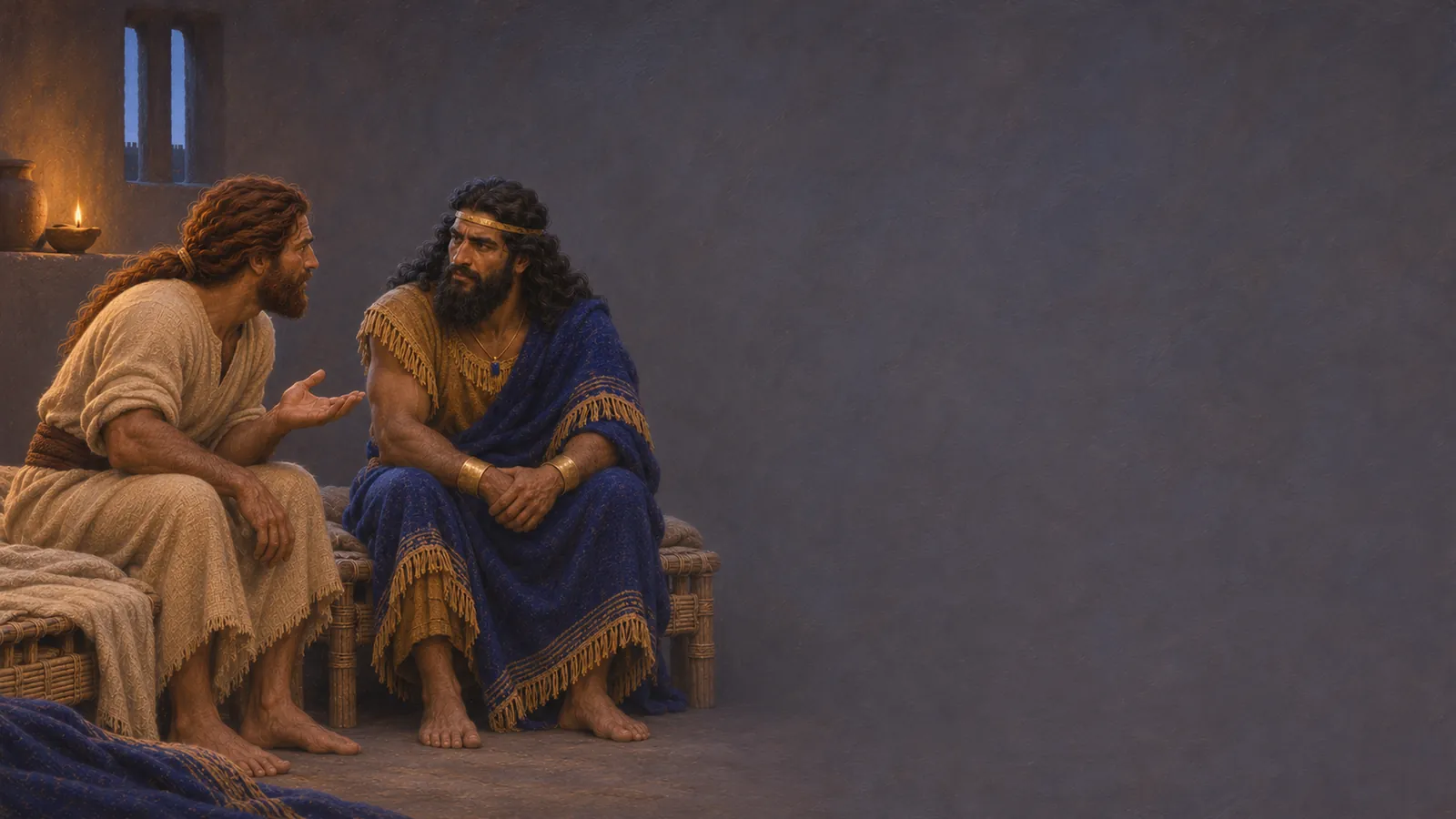
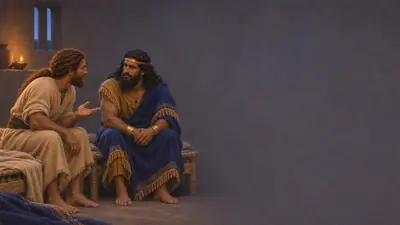
Enkidu se tourna vers Gilgamesh pour lui demander pourquoi les dieux s’étaient réunis. La tablette babylonienne a conservé cette question près du début, dont le reste est brisé.
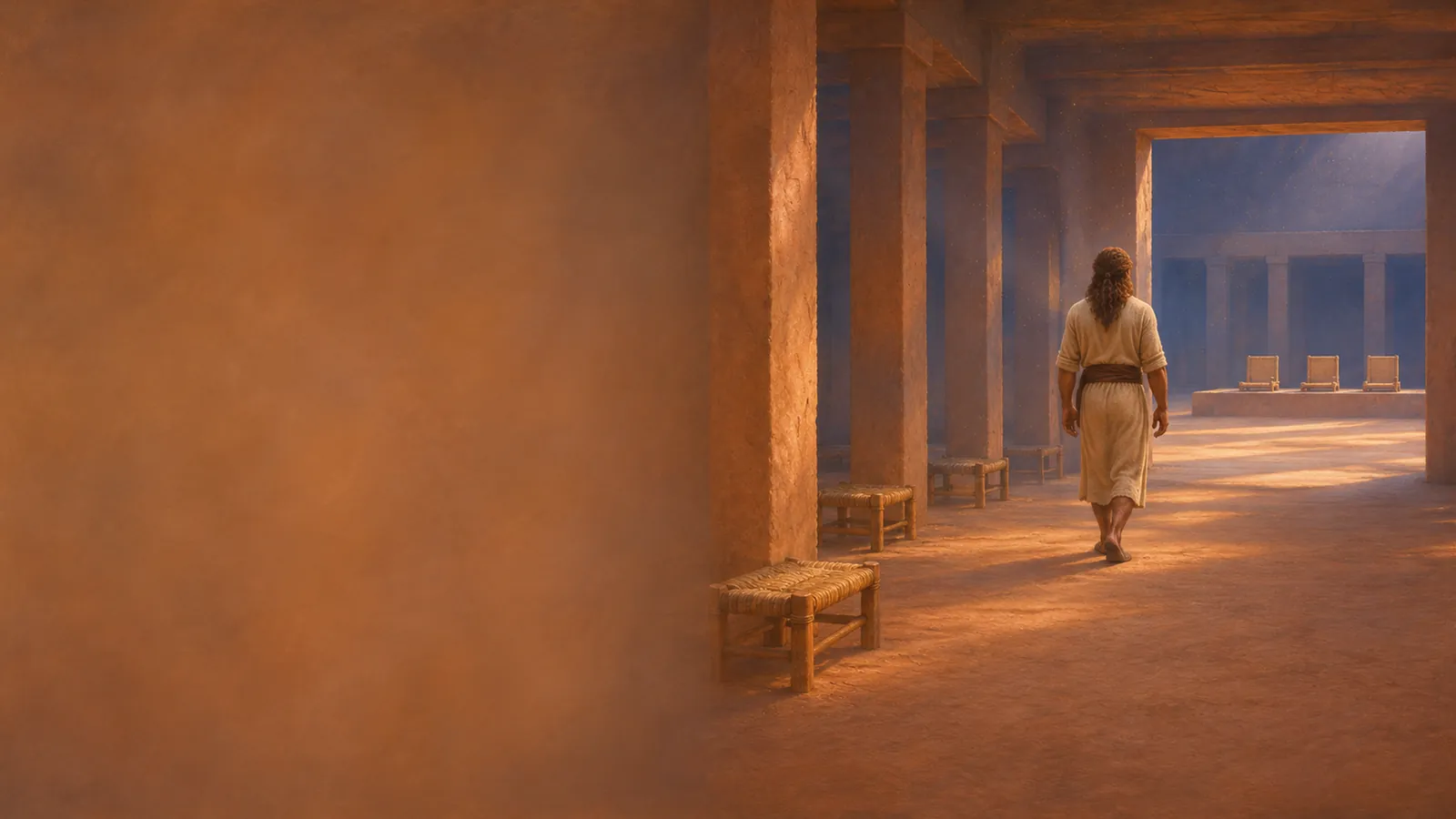
Un récit venu de Hattusa a conservé le rêve qui a suscité cette question. Dans cette version hittite, Enkidu voit les grands dieux se réunir pour décider du sort des deux amis.
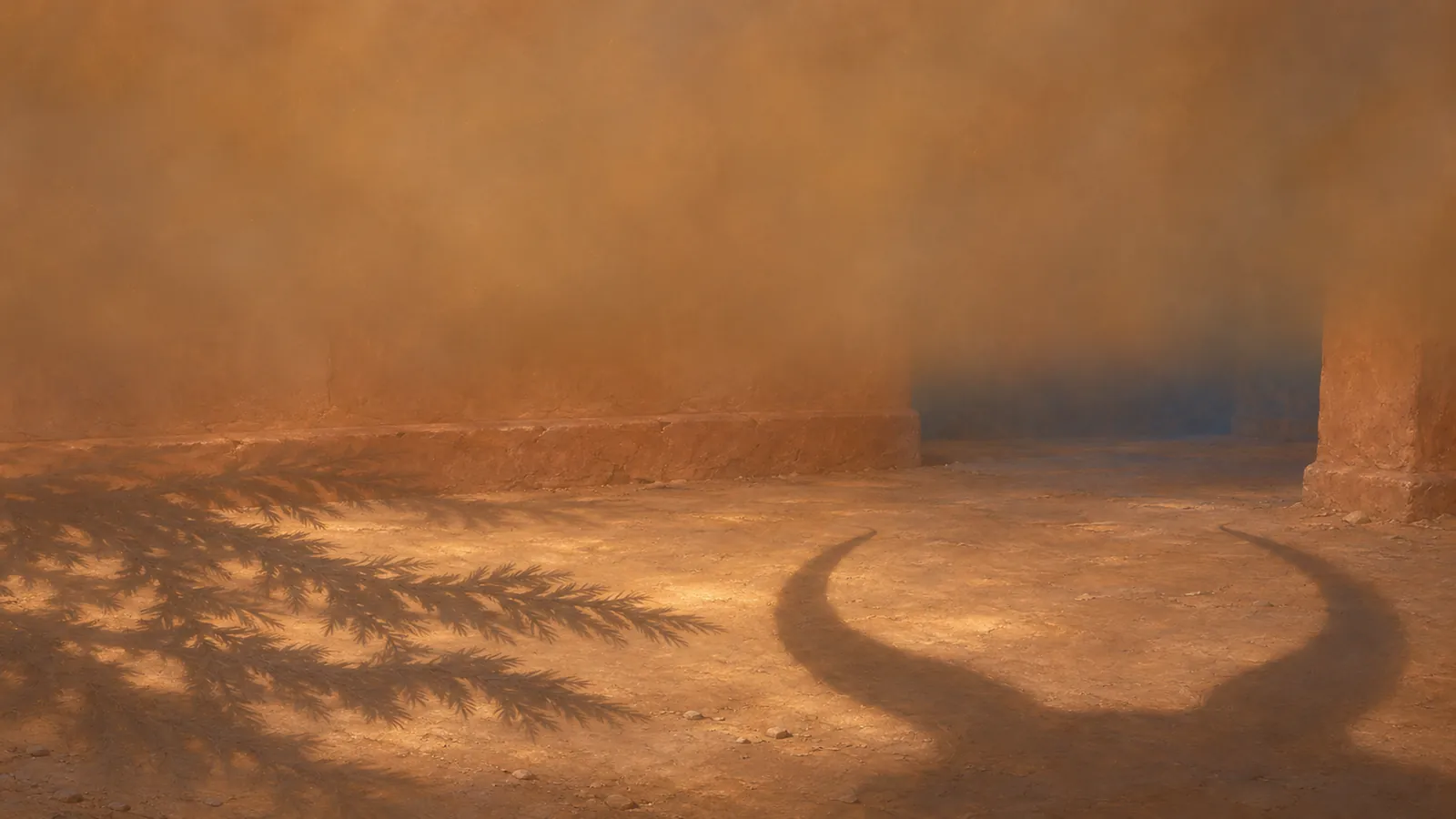
L’assemblée examina deux actes : la mise à mort du Taureau céleste et celle du gardien de la forêt des Cèdres. Les deux hommes y avaient pris part.
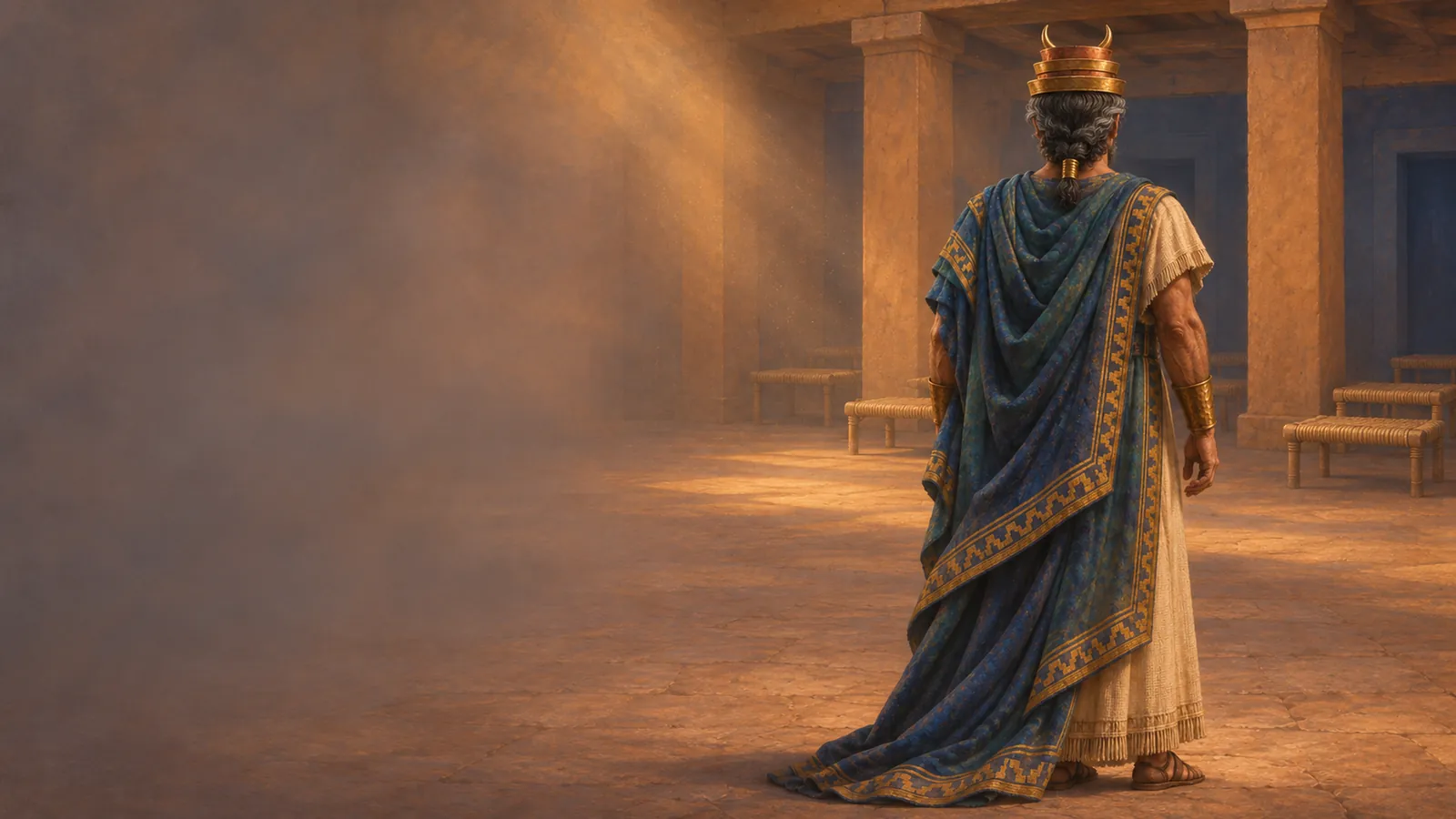
Dans le rêve d’Enkidu, Enlil décida qu’Enkidu mourrait et que Gilgamesh vivrait. Le dieu du soleil s’y opposa, mais le récit qui nous est parvenu n’accorde aucun sursis à Enkidu.
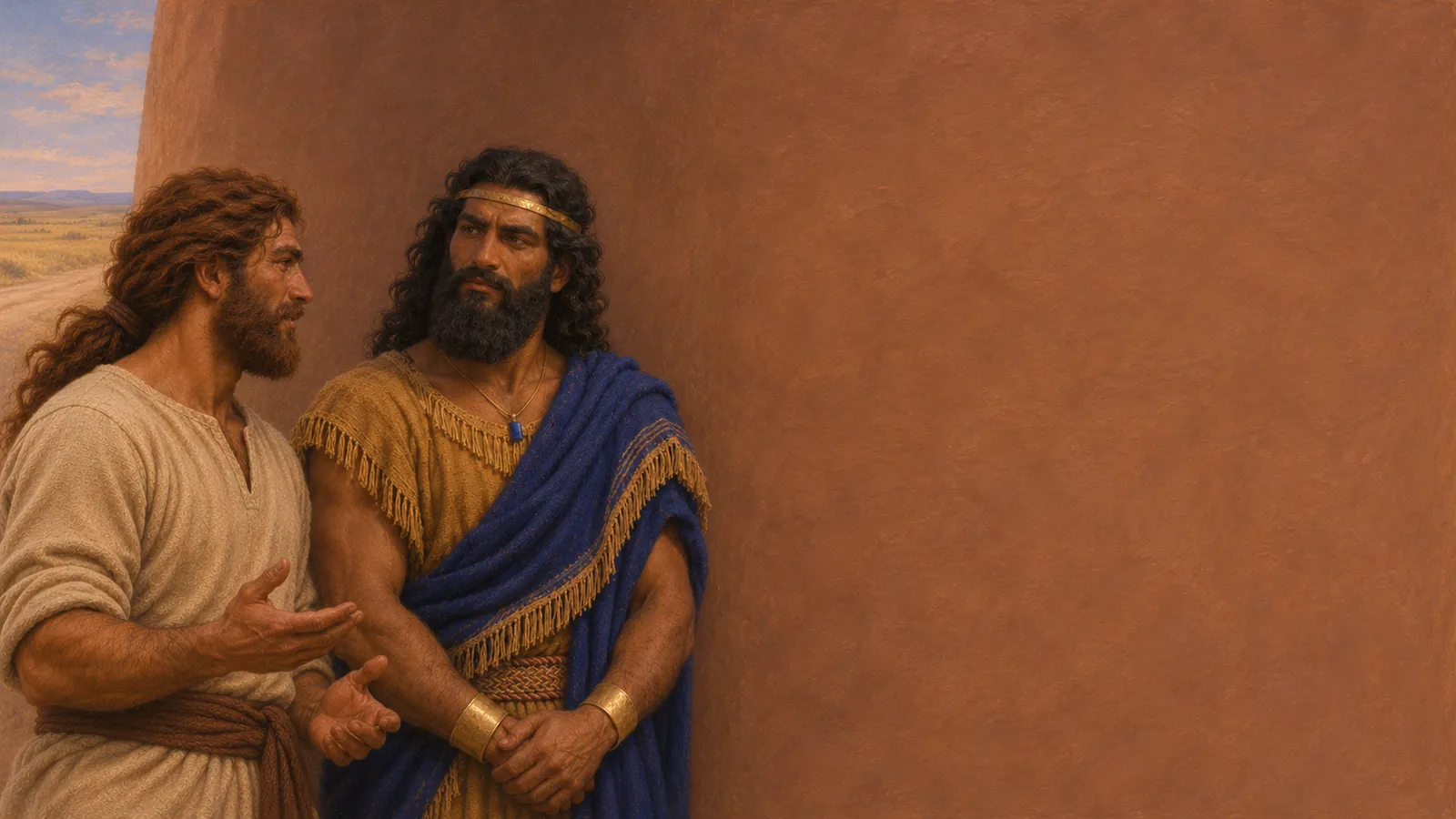
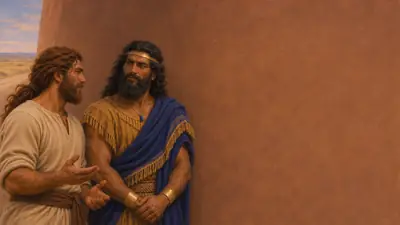
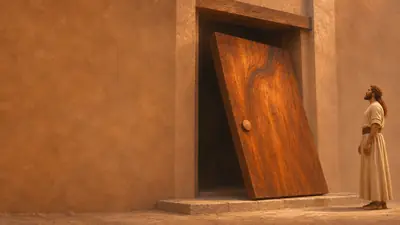
Quand le texte babylonien redevient lisible, Enkidu a quelque chose en tête. Il demande à Gilgamesh de l’accompagner à Nippur pour arracher la porte de cèdre du temple d’Enlil.
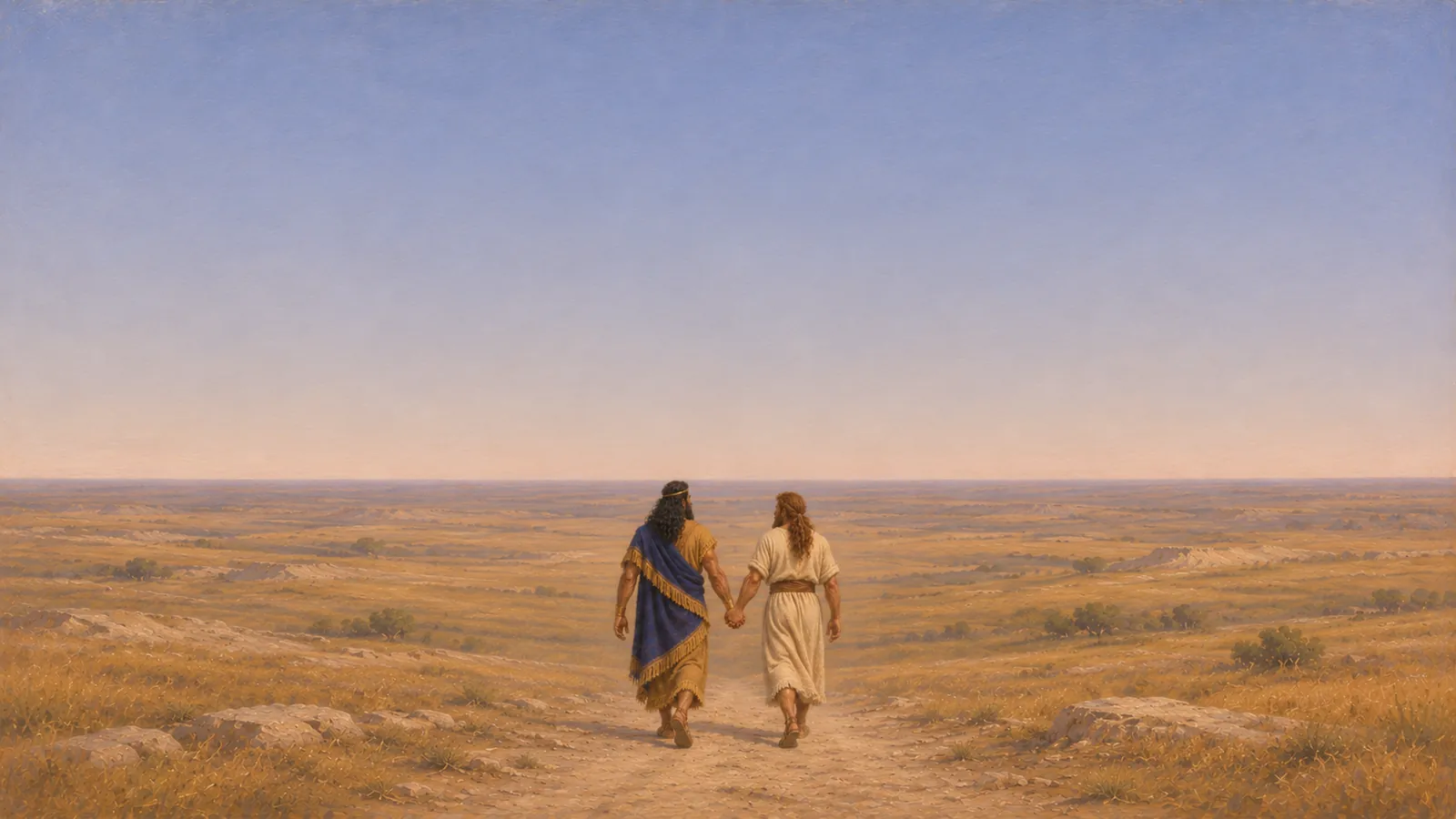
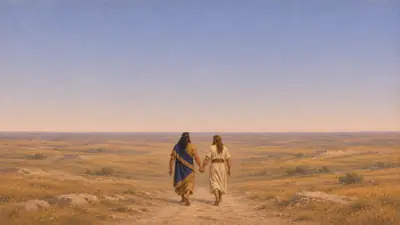
Gilgamesh l’accompagna. Le nouveau fragment conserve un geste familier, déjà rencontré dans le poème : les amis se prennent par la main et partent ensemble.
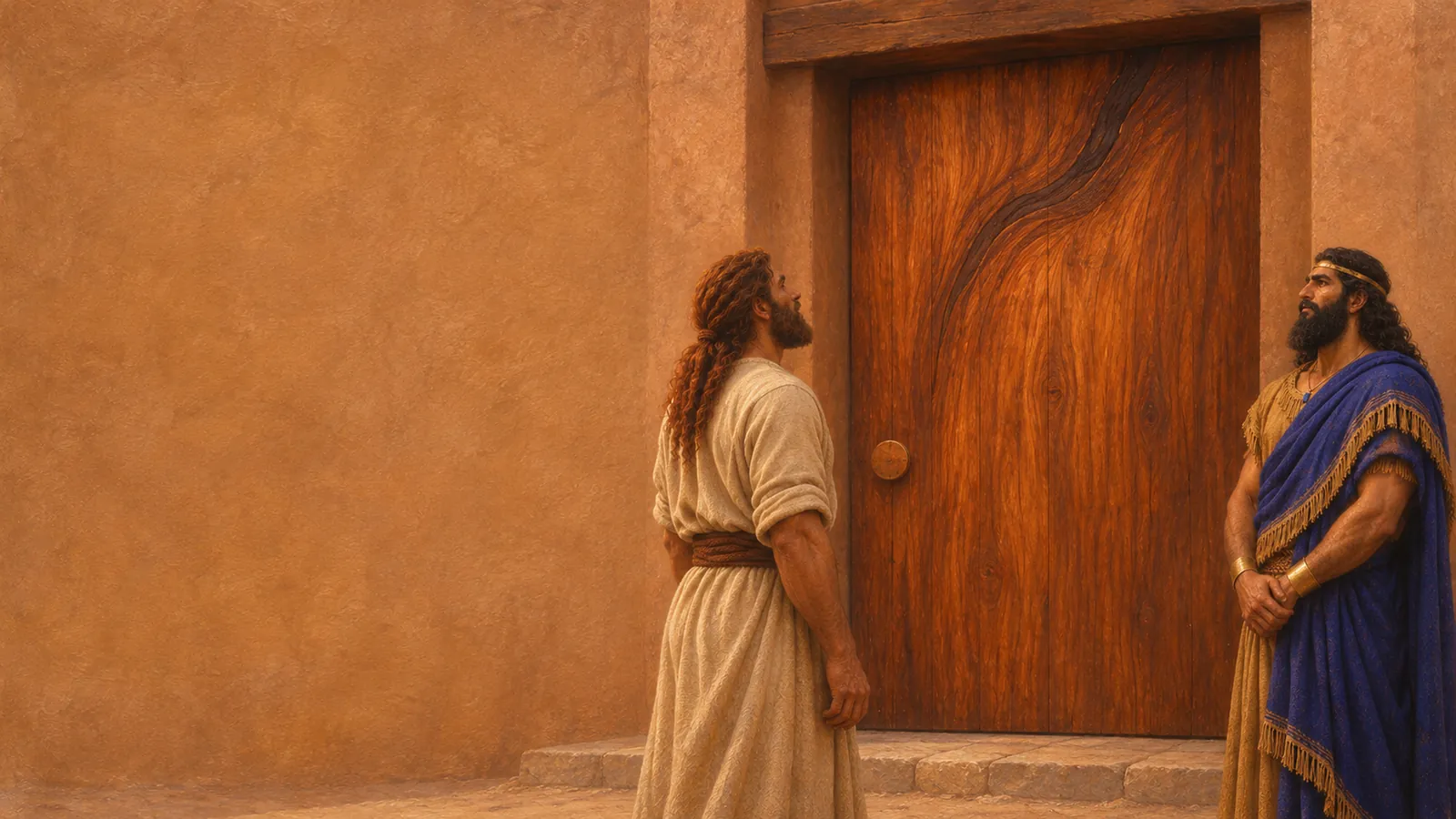
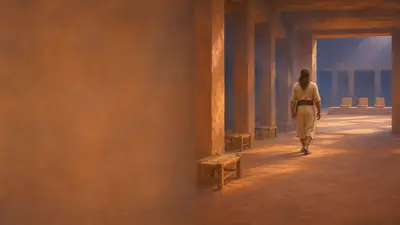
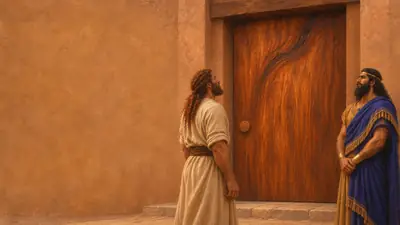
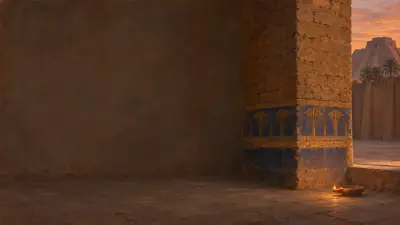
Au temple d’Enlil, Enkidu se tint devant la grande porte de cèdre qu’il avait autrefois destinée à servir d’offrande. Il lui parla comme si elle pouvait l’entendre.

La porte le ramène au jour où il admira le bois. Une grande partie de son discours est endommagée, mais son regret est clair : il aurait voulu faire un autre choix.
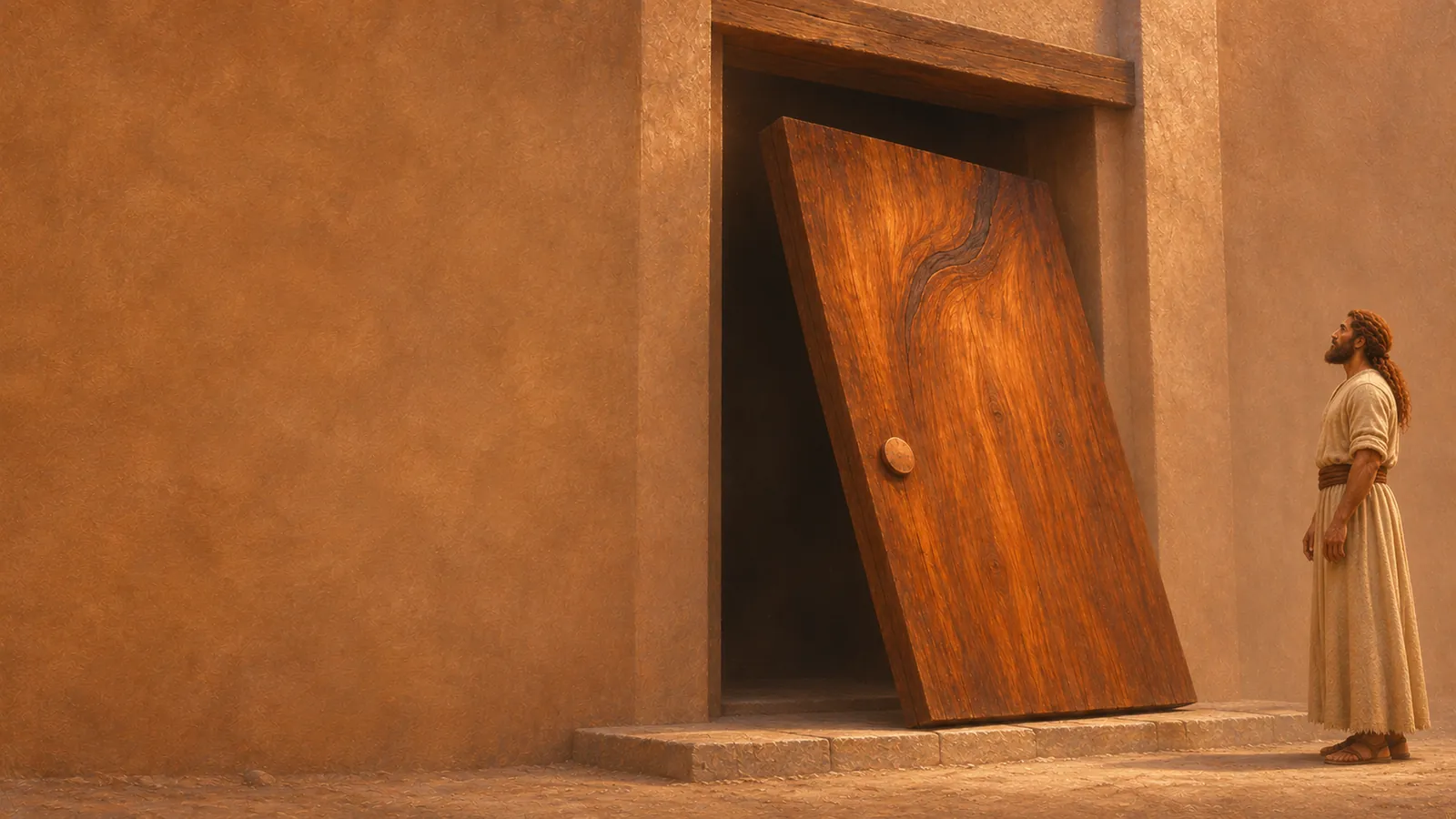
Pour Enkidu, la porte était devenue le signe de ce qu’il avait donné et de ce qu’il avait perdu. Après l’avoir maudite, il l’arracha, comme il avait dit à Gilgamesh qu’il le ferait.
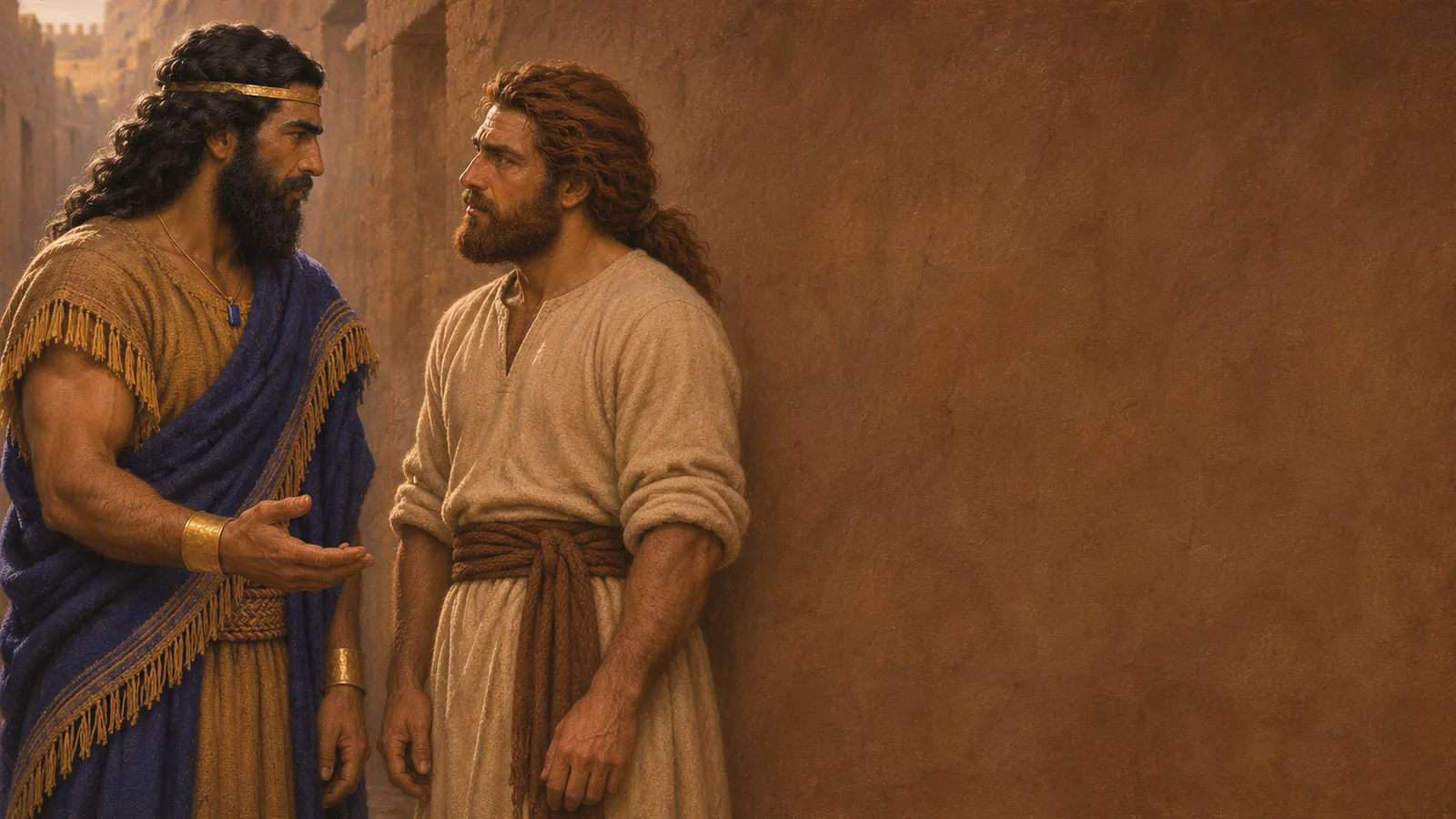
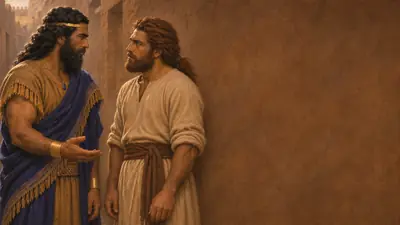
Gilgamesh entendit la peur sous la colère de son ami. Dans le passage endommagé qui suit, il propose d’intercéder auprès des grands dieux en faveur d’Enkidu.
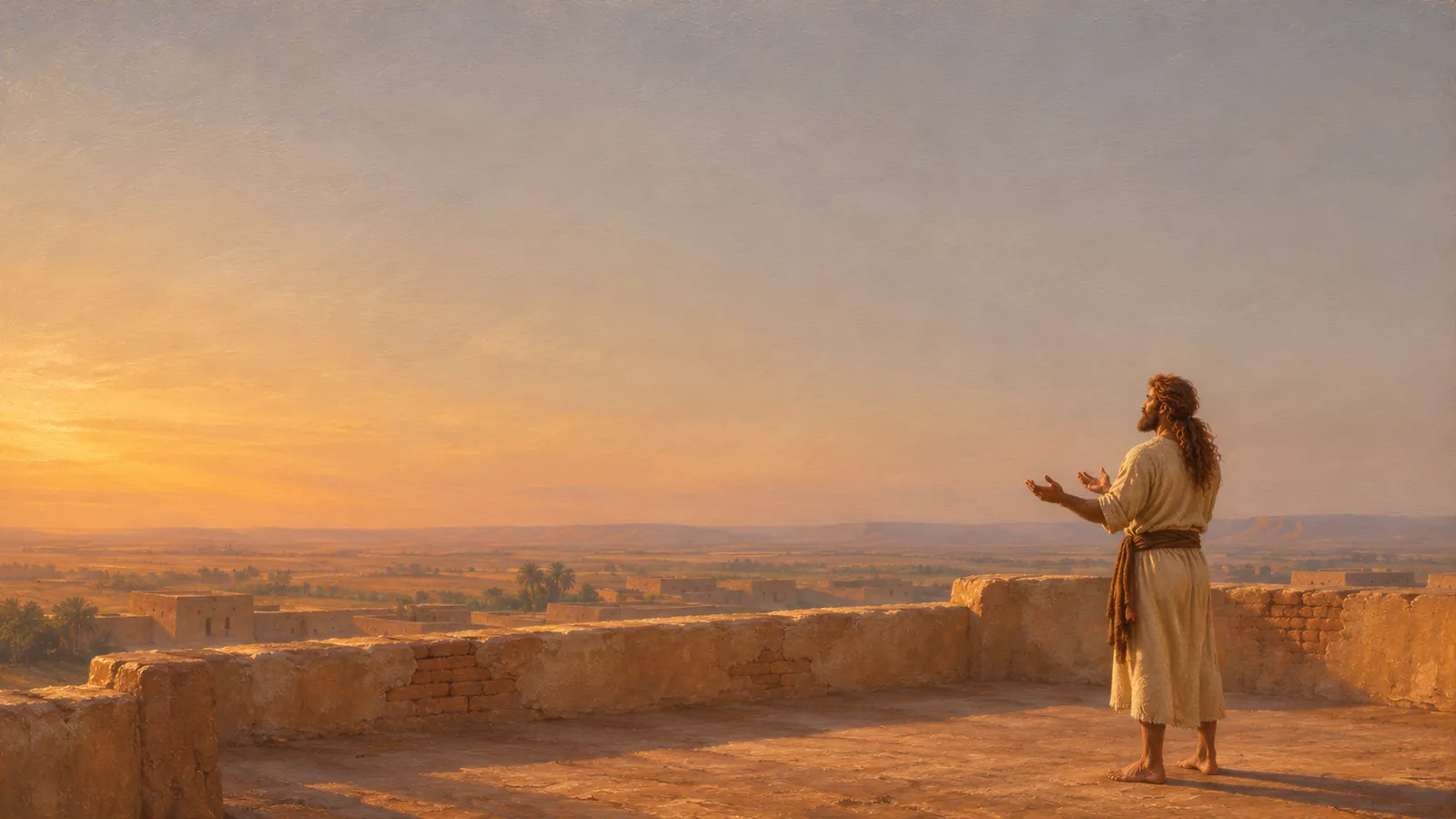
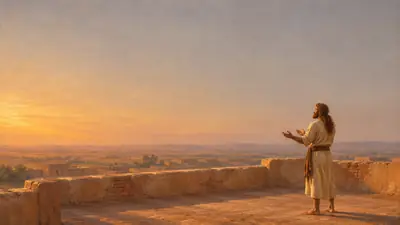
Aux premières lueurs du jour, Enkidu appela Shamash. Dans les rayons du soleil levant, il le supplia de lui laisser la vie.

Enkidu accusa le chasseur qui, le premier, avait changé le cours de sa vie. Il lui souhaitait d’échouer dans son travail et de voir ses moyens de subsistance diminuer.

Enkidu tourna sa colère contre Shamhat, qui l’avait aidé à entrer dans la vie de la cité. Il la maudit, la condamnant à vivre sans foyer, aux carrefours et parmi les ivrognes.
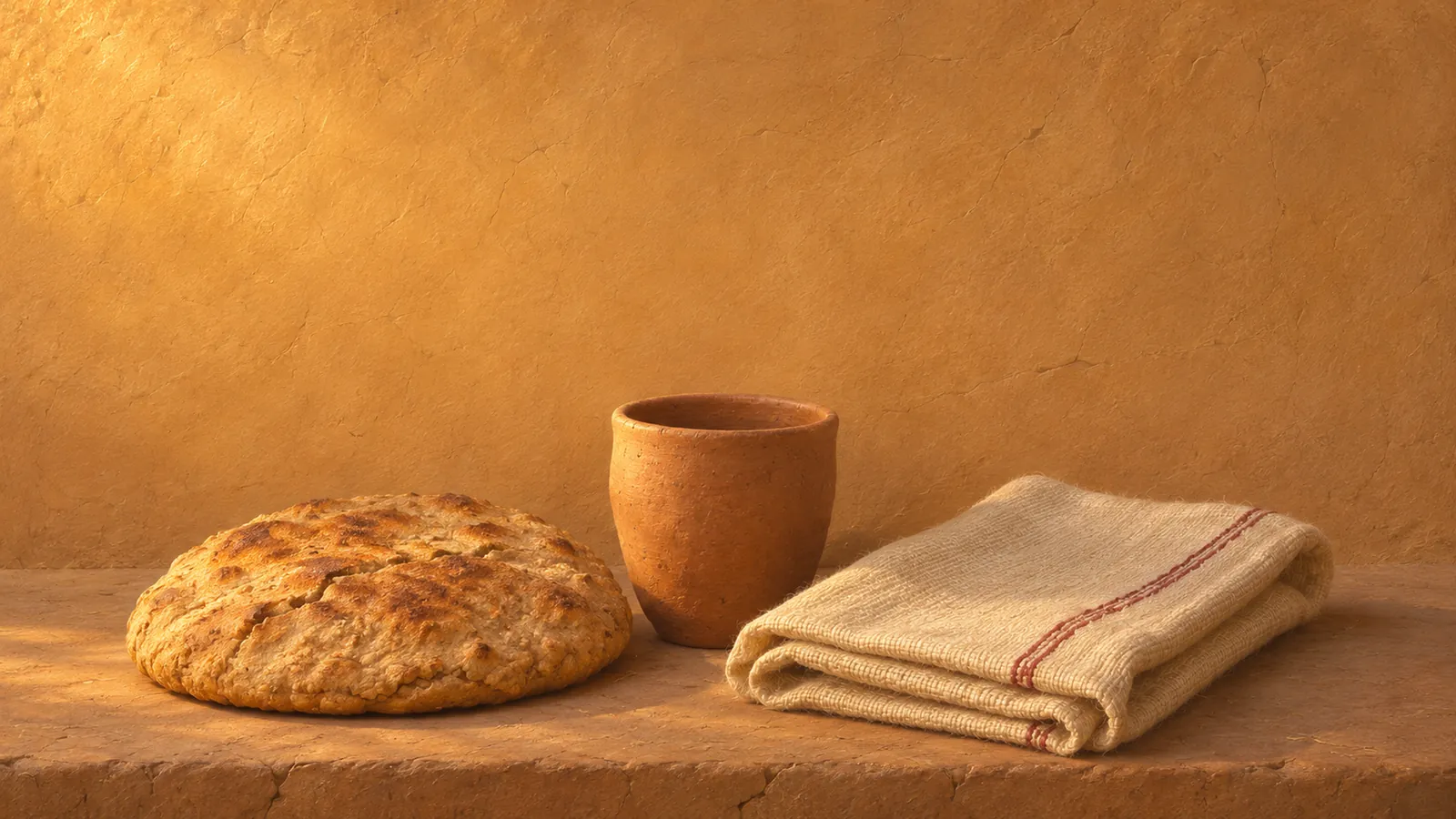
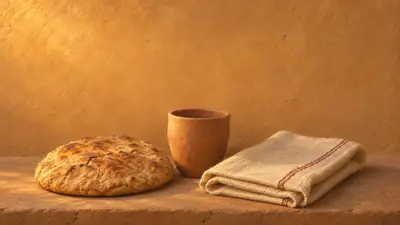
Shamash lui rappela la nourriture, la boisson et les vêtements que Shamhat lui avait offerts. Elle l’avait aussi aidé à trouver l’ami qu’il craignait maintenant de perdre.
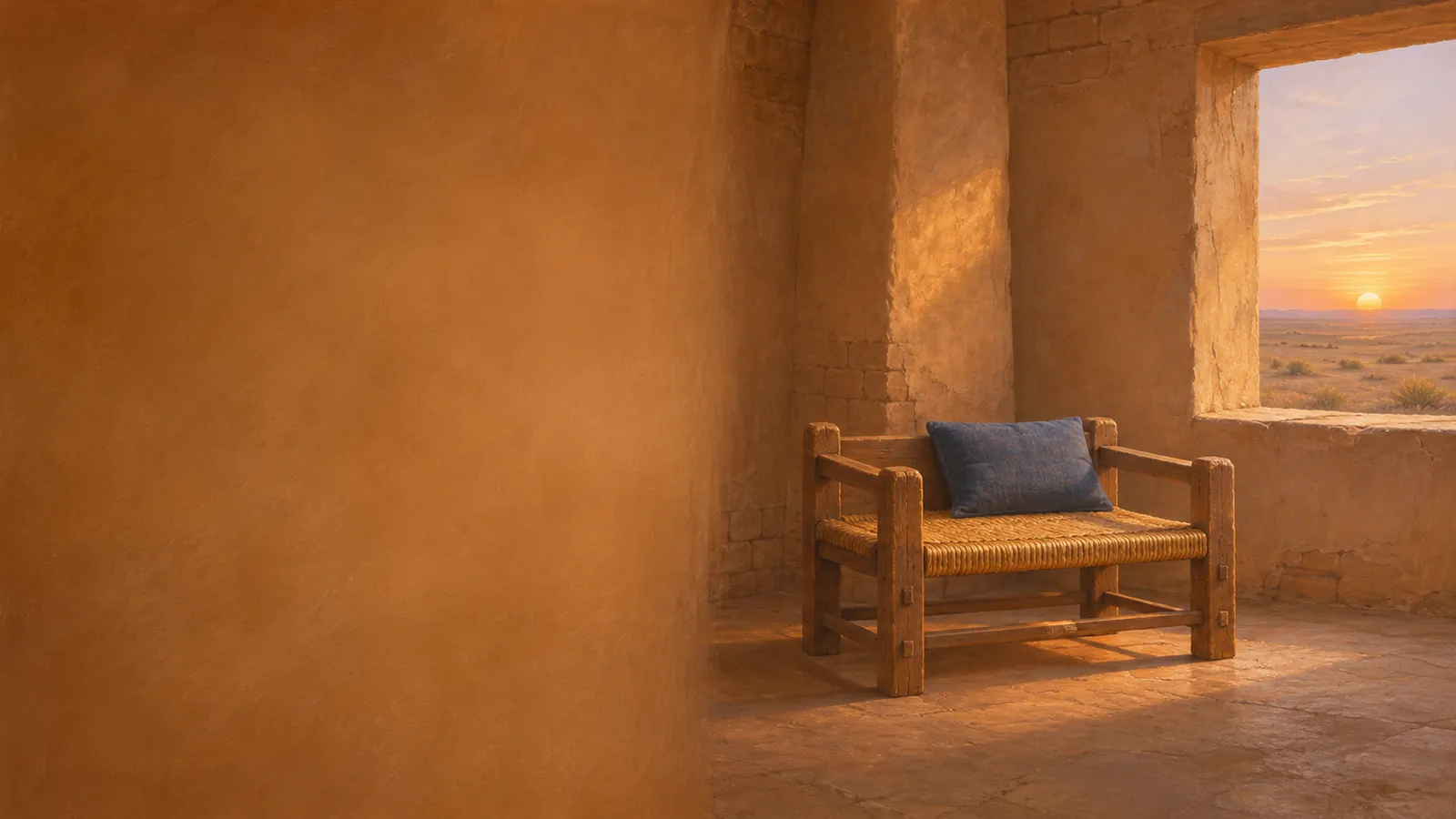
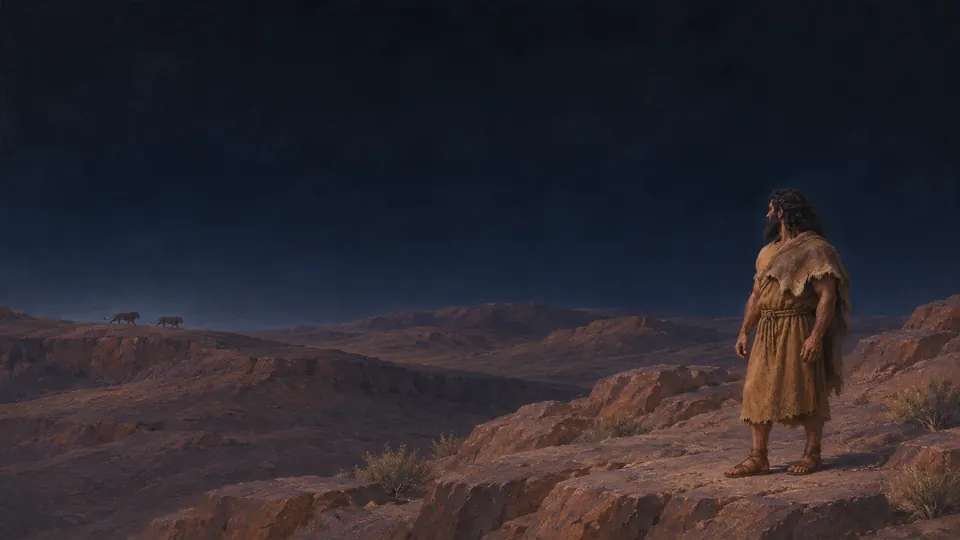
Shamash dit à Enkidu ce que Gilgamesh ferait pour lui : lui donner une place d’honneur et demander à toute la ville d’Uruk de le pleurer. Il prédit aussi que Gilgamesh partirait dans la steppe.

Ce rappel apaisa Enkidu. Il revint sur les malheurs qu’il avait souhaités à Shamhat et la bénit, en lui souhaitant la considération des puissants.
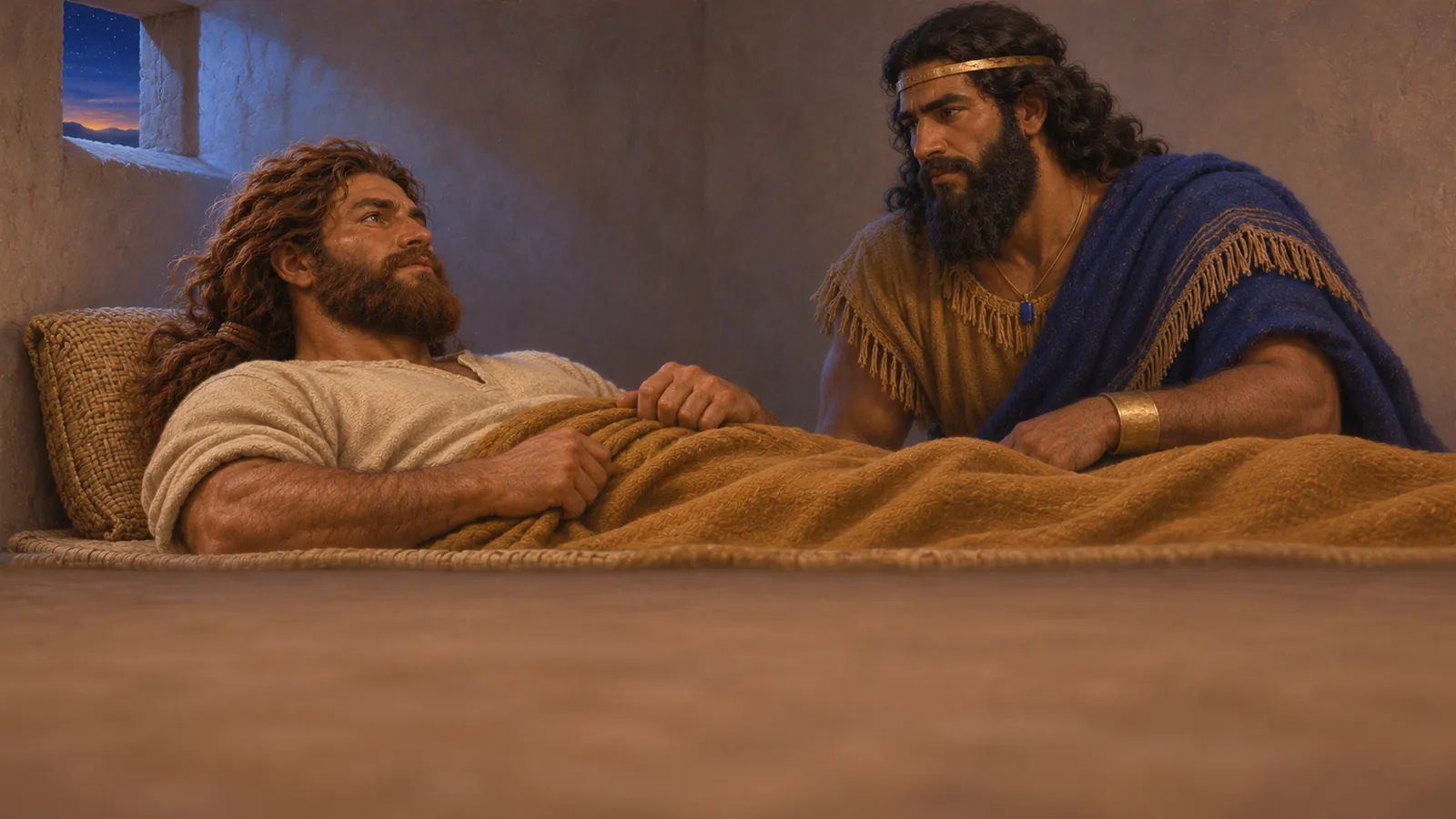
Déjà malade, Enkidu fit un autre rêve et le raconta à Gilgamesh. Le ciel poussa un cri, la terre répondit, et Enkidu se retrouva au milieu du fracas avant que personne ne vienne l’aider.
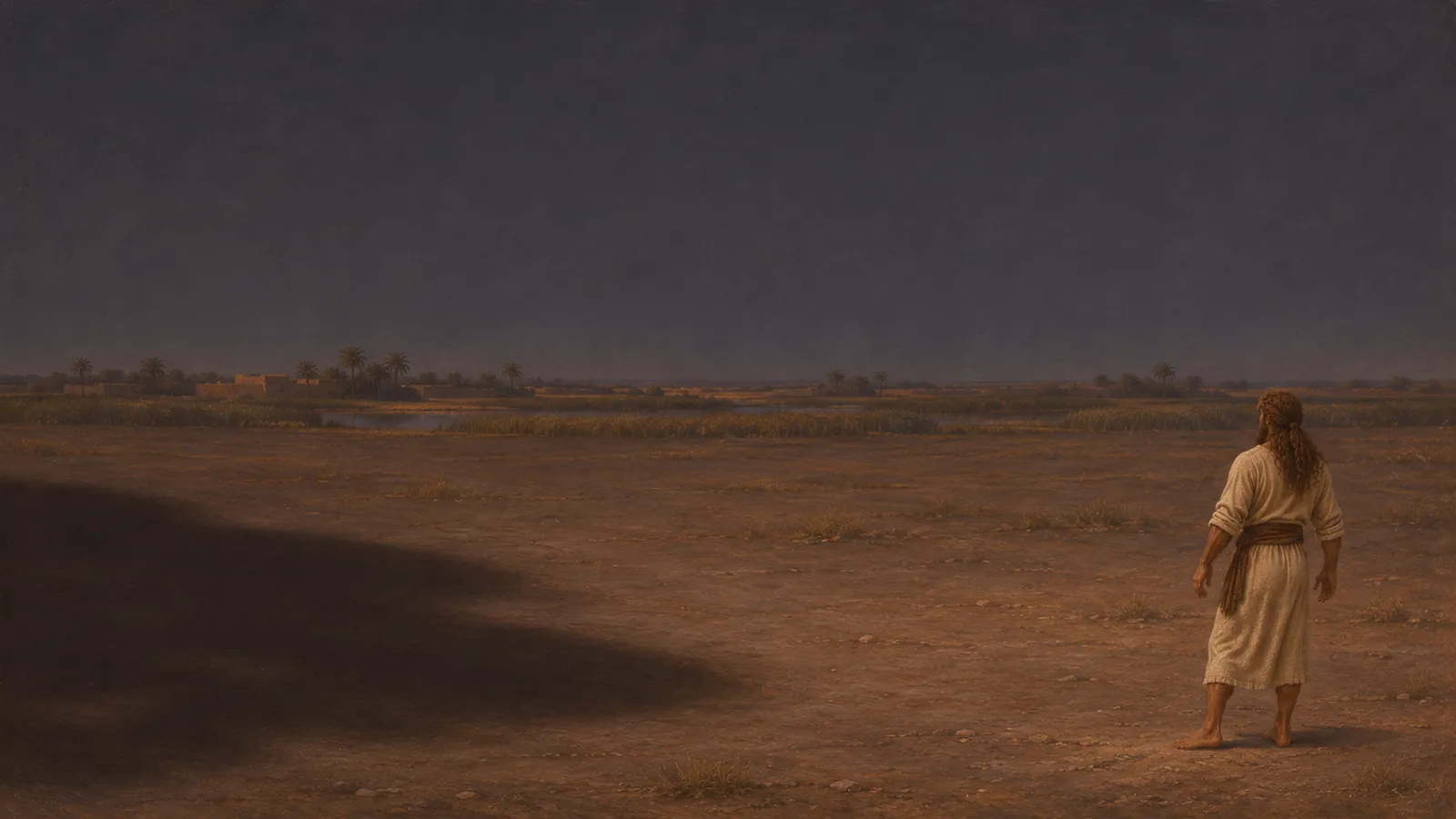
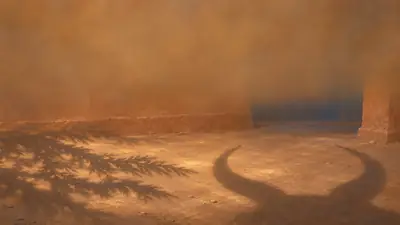
Une silhouette au visage sombre apparut dans le rêve. Enkidu décrivit des pattes de lion et des serres d’aigle : la créature l’empoigna et prit le dessus.
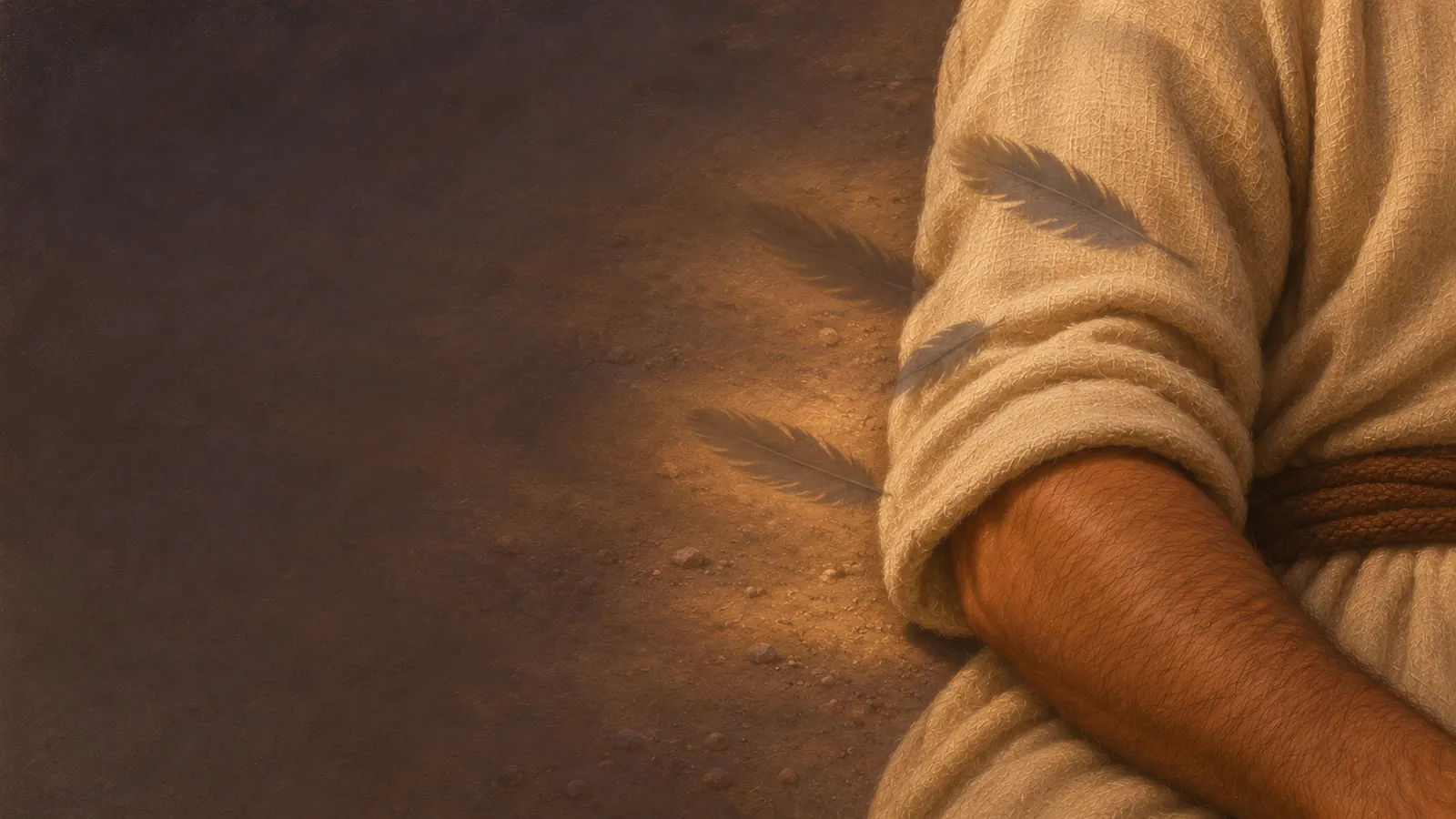
Dans son rêve, Enkidu vit que ses bras avaient changé et s’étaient couverts de plumes comme ceux d’un oiseau. La créature l’entraîna vers un chemin sans retour.

TÉNÈBRES
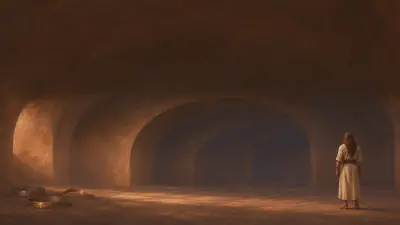
Le chemin menait à une demeure que la lumière du jour n’atteignait pas. Ceux qui y entraient n’en revenaient pas, et ses habitants se nourrissaient de poussière et d’argile.
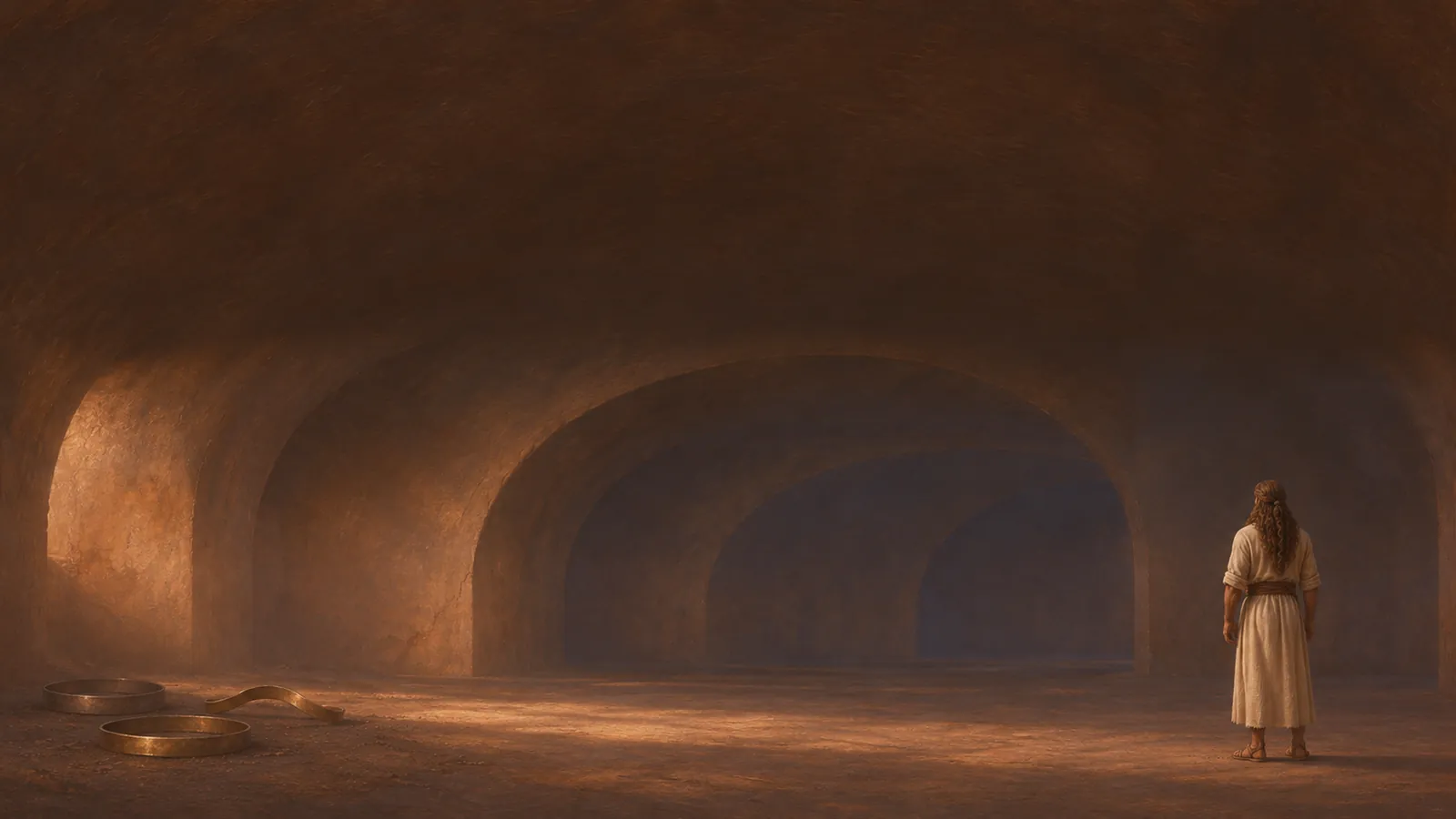
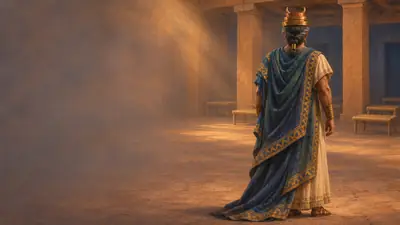
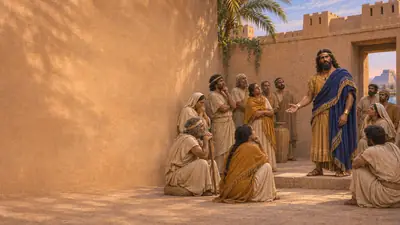
Enkidu vit des gens qui avaient autrefois porté des couronnes. Il y avait longtemps, ils régnaient sur le pays. Ici, ils partageaient les ténèbres avec les autres habitants de la demeure.
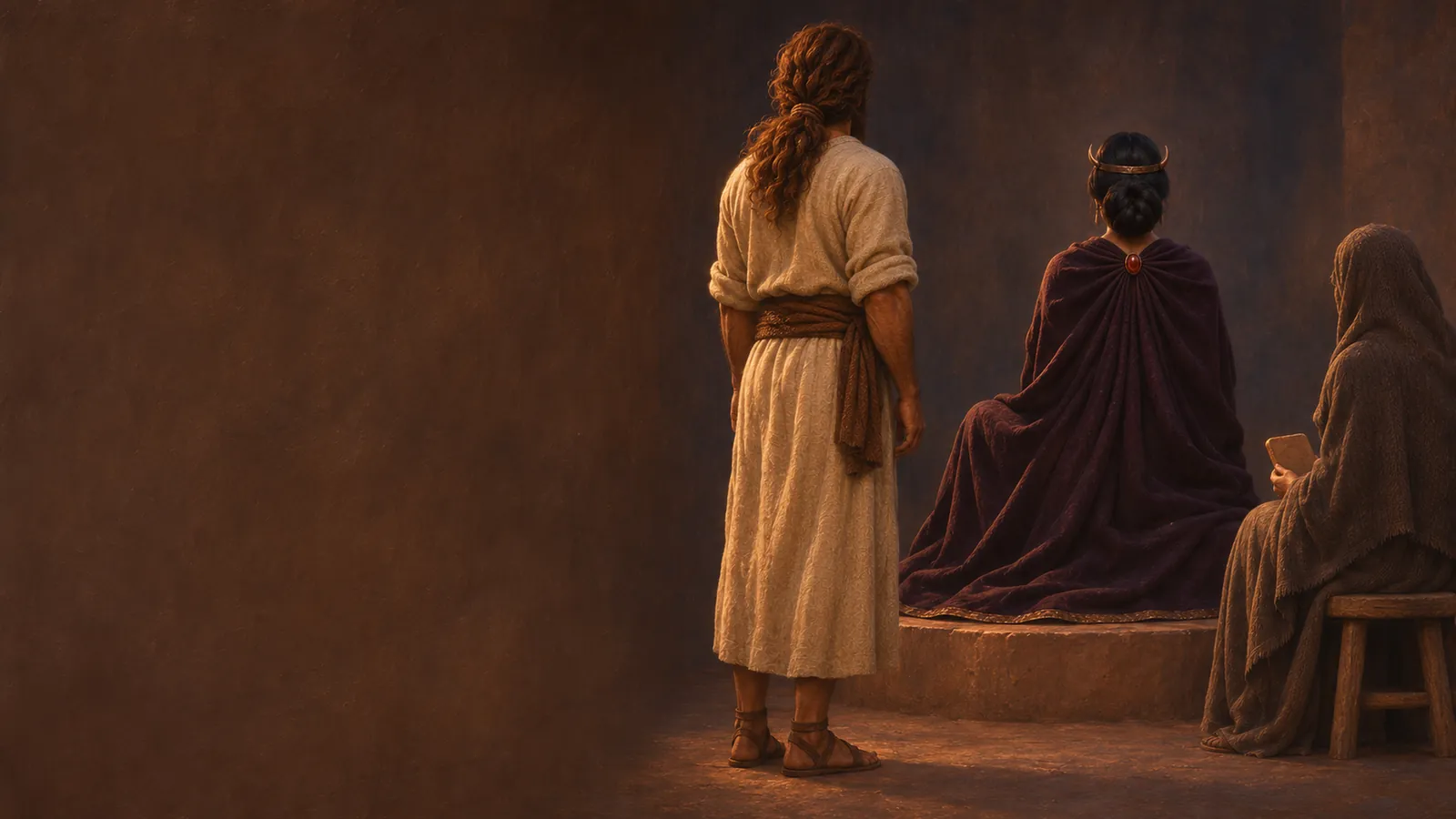
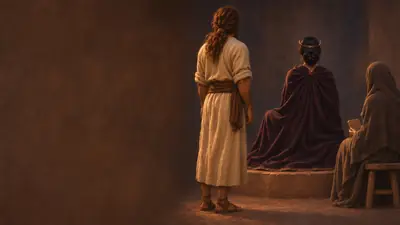
Dans la Demeure de la Poussière siégeait Ereshkigal, la reine des morts. Belet-seri lisait une tablette devant elle, et la reine demanda qui avait amené Enkidu jusque-là.
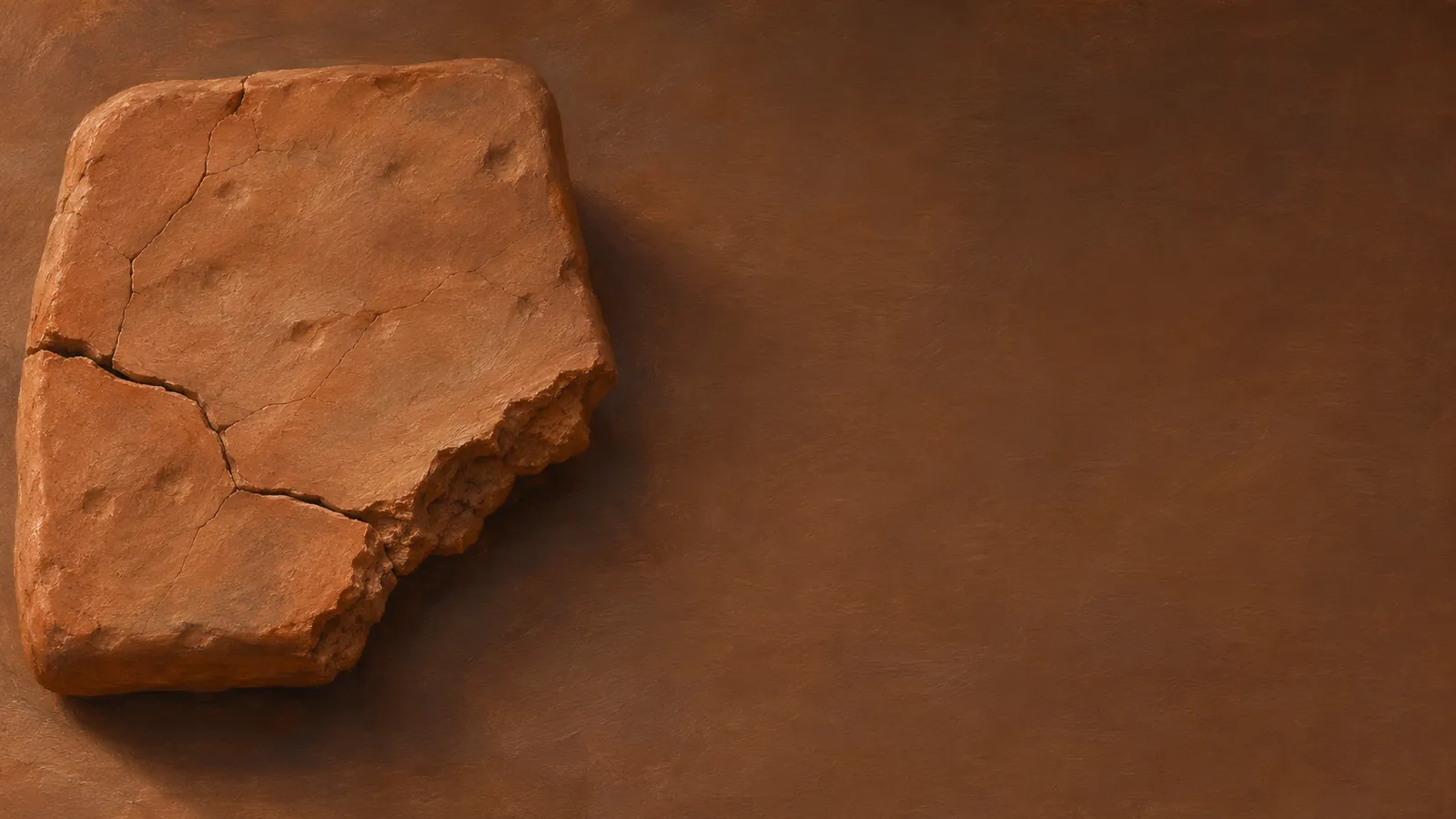
Un fragment retrouvé conserve l’ordre de préparer des offrandes et de construire un tombeau. Il est peut-être destiné à Enkidu, mais les indices se dispersent avant la fin de son récit.
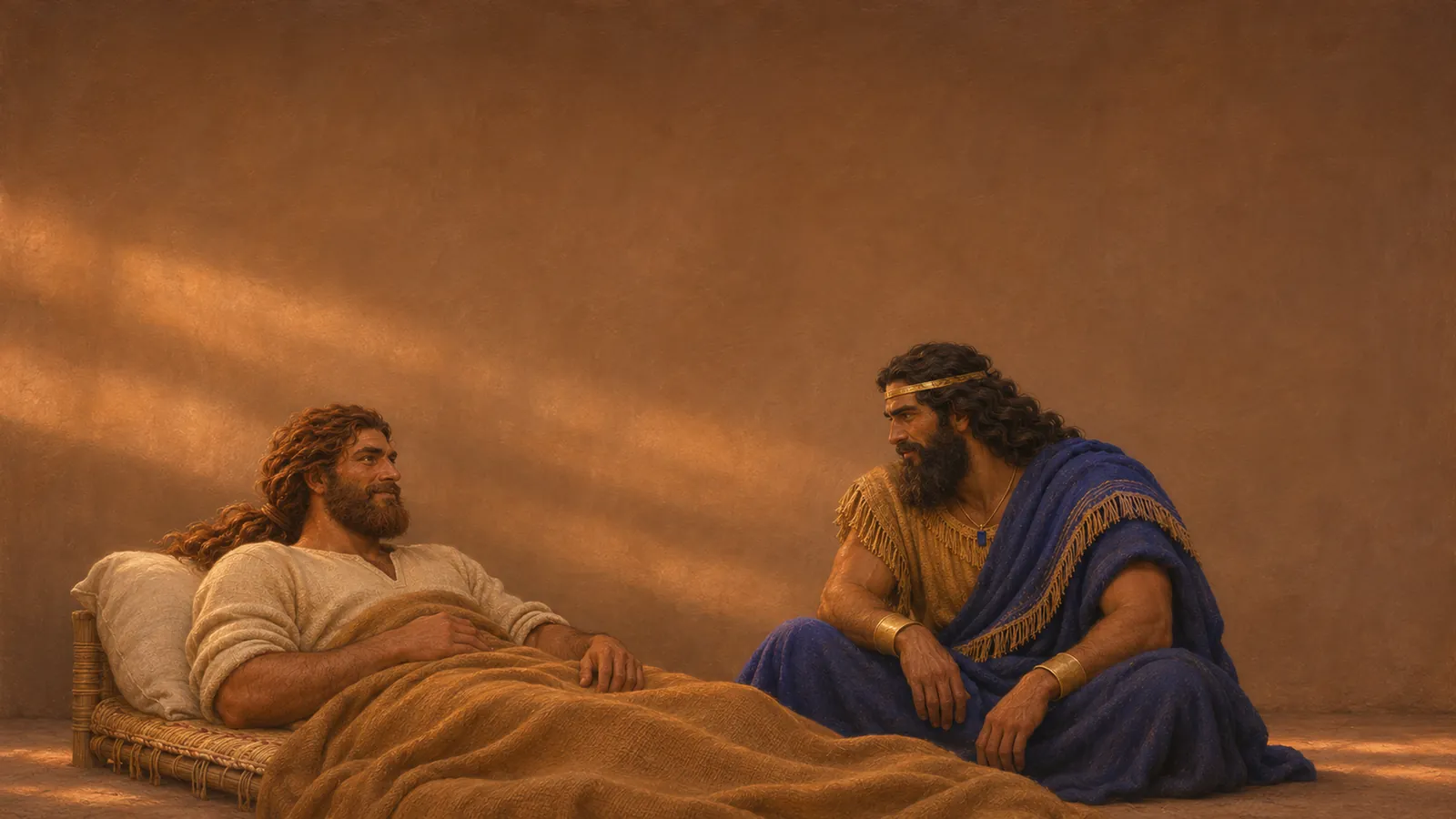
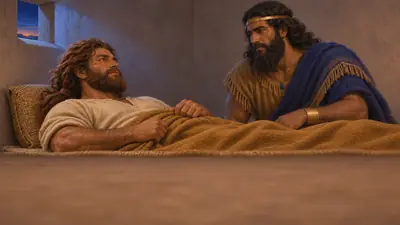
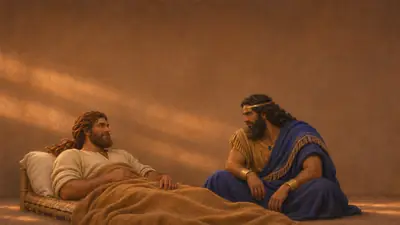
Le poème se met à compter les jours. Enkidu resta au lit tandis que la maladie se prolongeait, et l’on arriva au onzième jour, puis au douzième.
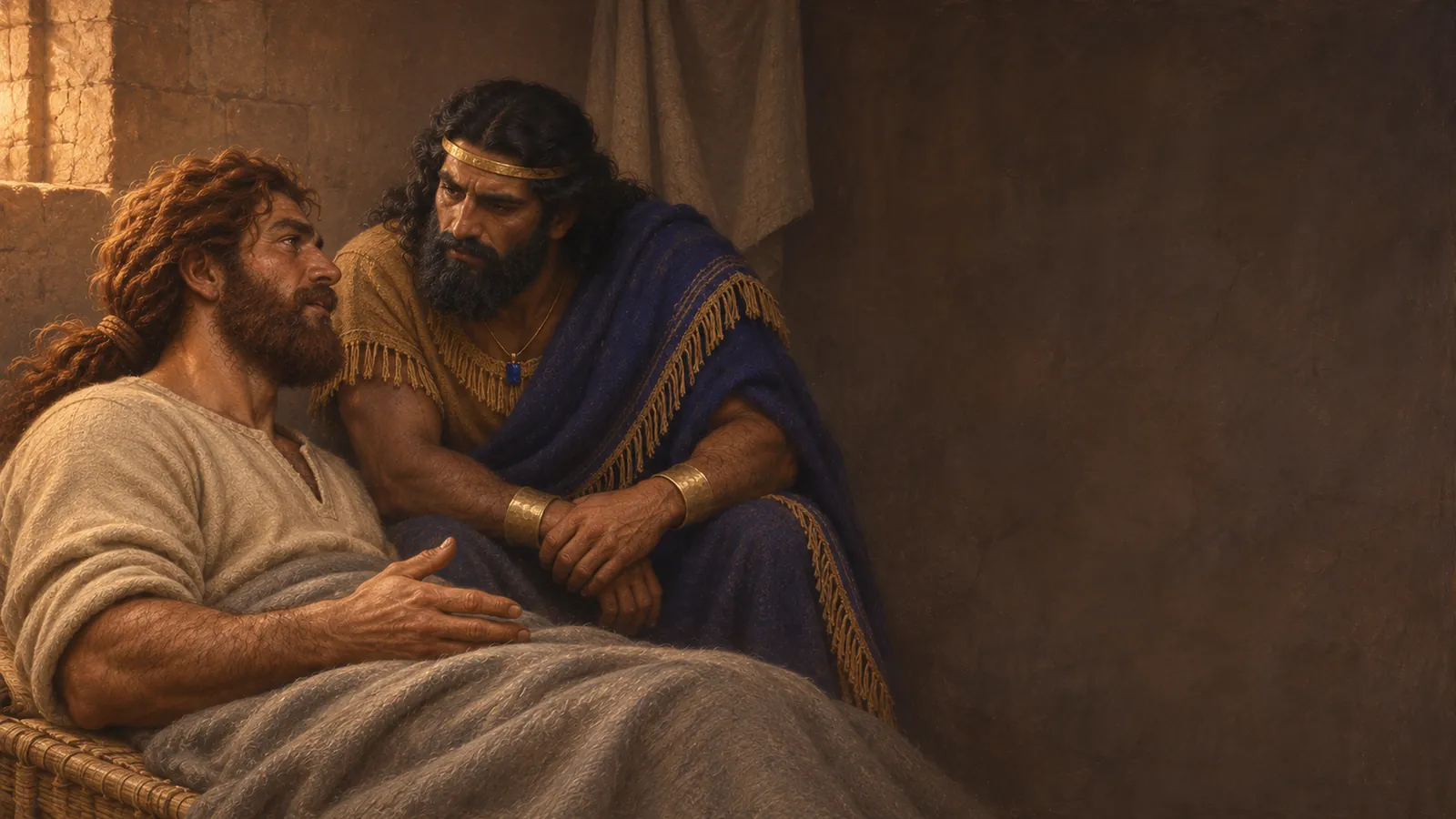
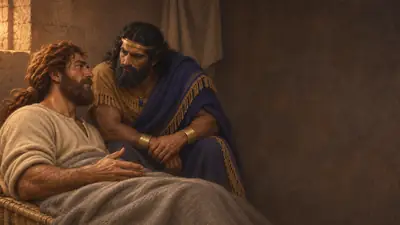
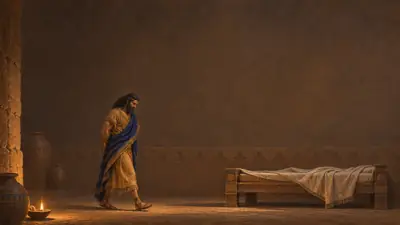
De son lit, Enkidu appela Gilgamesh. Les mots qui subsistent parlent de combat : il s’était imaginé que si la mort venait le chercher, ce serait là.

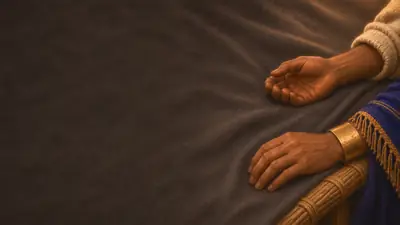
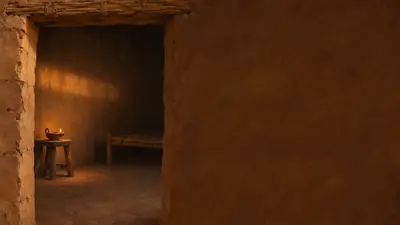
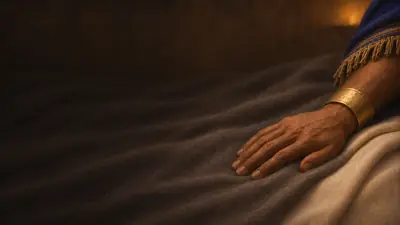
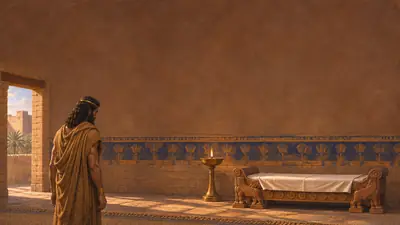
Dans la dernière scène conservée où Enkidu est encore en vie, il appelle son ami. Le poème nous laisse avec le son de cet appel et l’espace à côté de son lit.
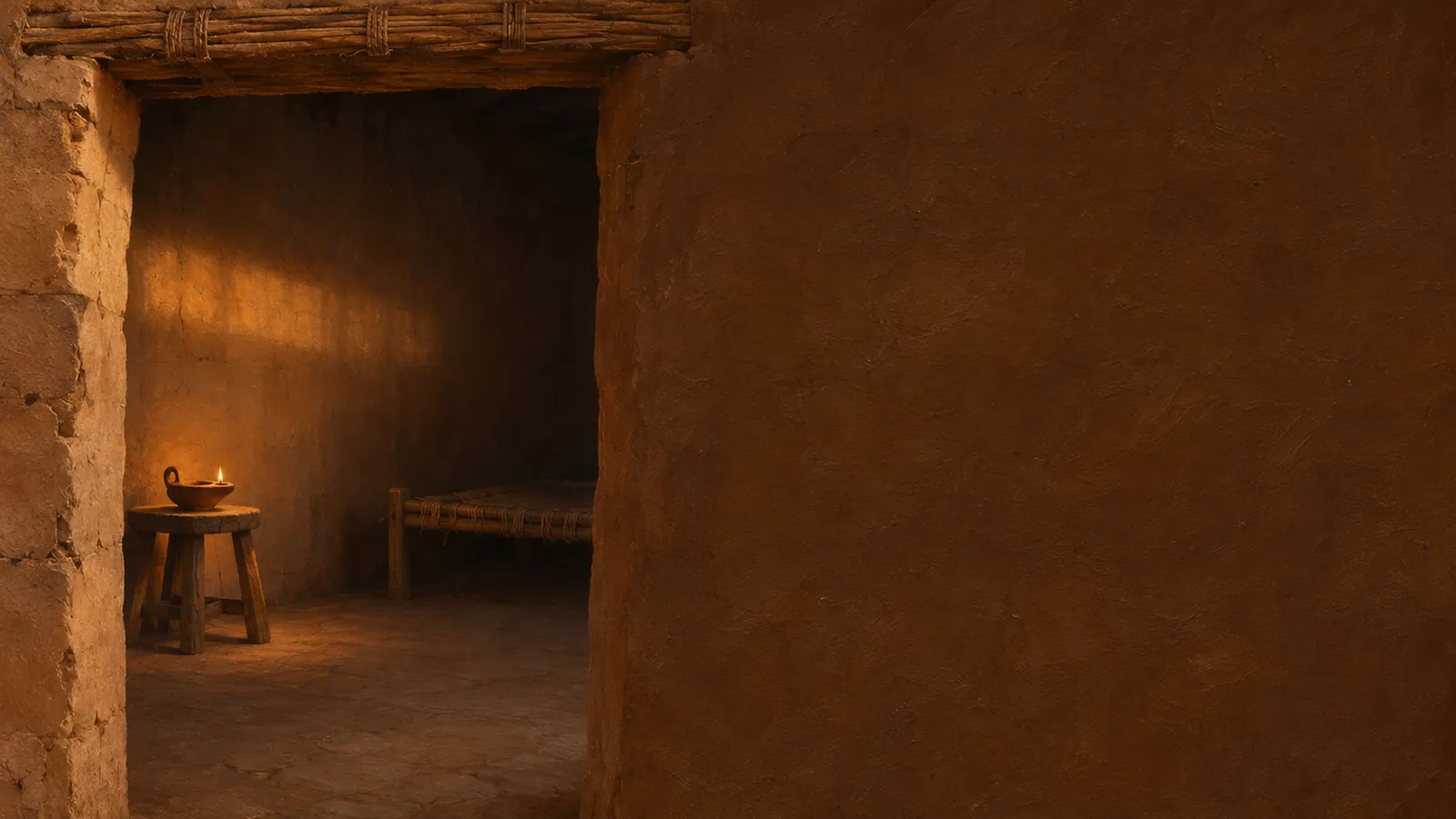
La tablette s’interrompt après ces mots. La lamentation qui suit ne laisse aucun doute sur la mort d’Enkidu, mais la façon dont il s’éteignit et le moment de sa mort se sont perdus avec l’argile.
DEUIL
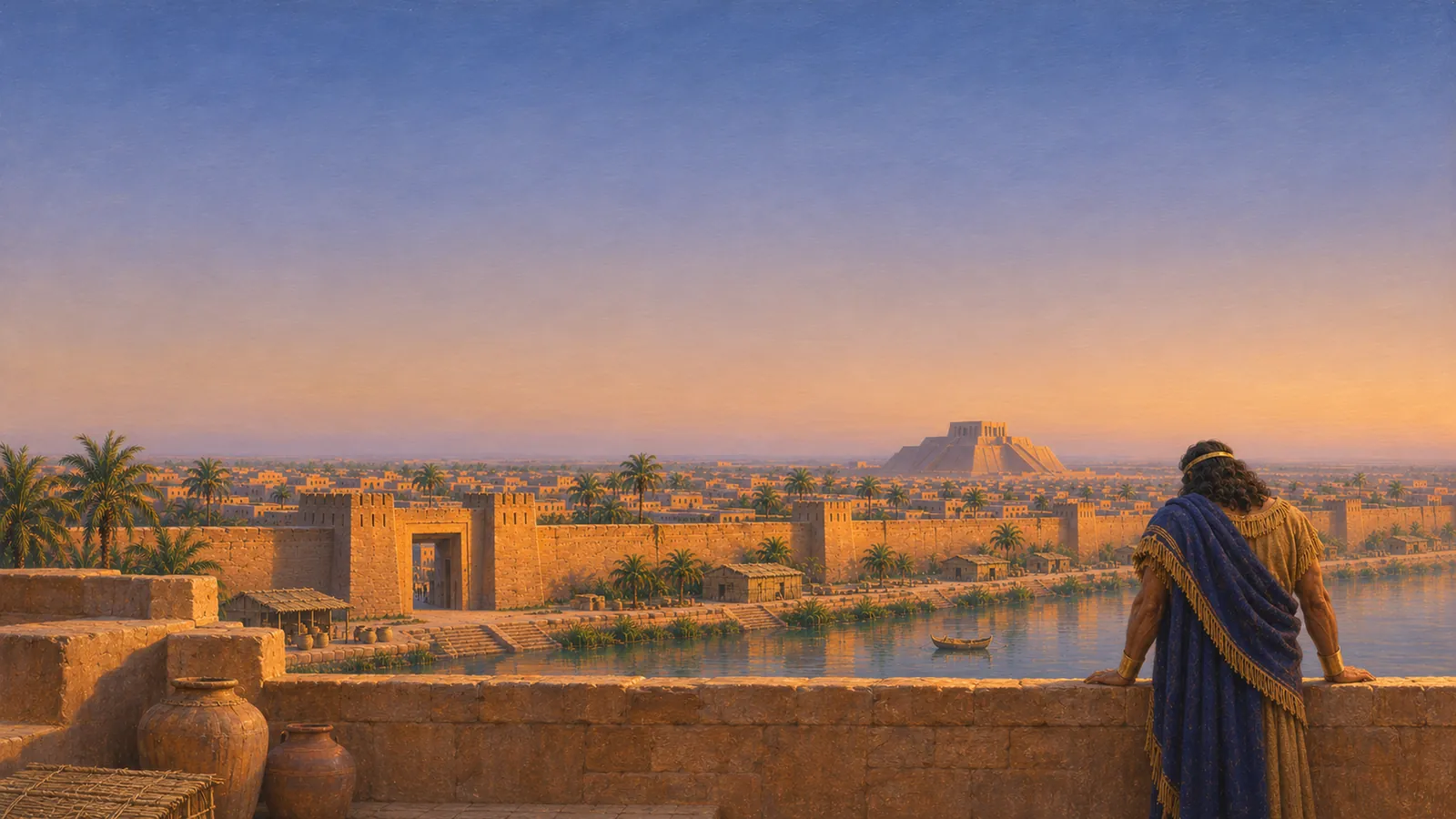
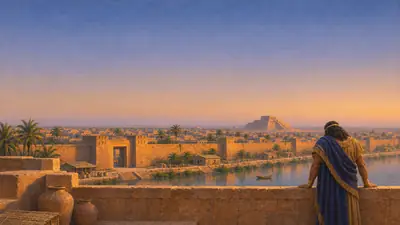
Dans la lueur de l’aube qui ouvre la tablette suivante, Gilgamesh commence à se lamenter. Le roi parle d’abord de l’homme qu’il a connu et de la vie qu’Enkidu a menée.
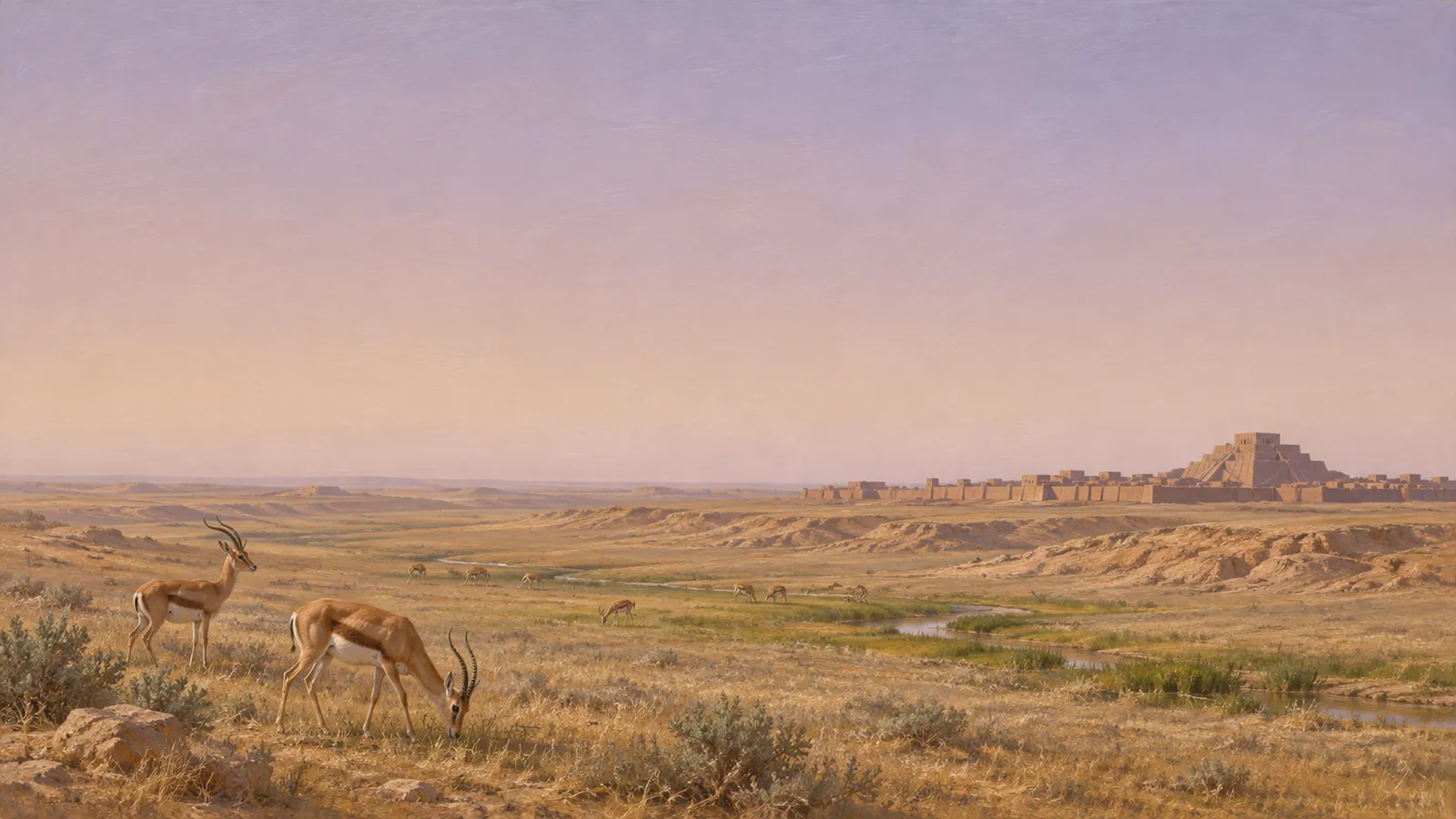
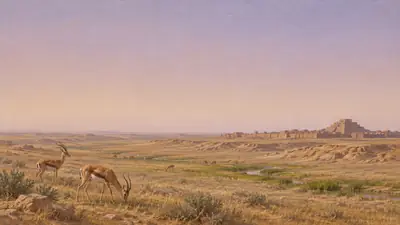
Gilgamesh se rappelle d’abord la vie qu’Enkidu avait connue avant Uruk. Sa lamentation remonte jusqu’à la gazelle et aux troupeaux qui lui avaient fait connaître les pâturages.
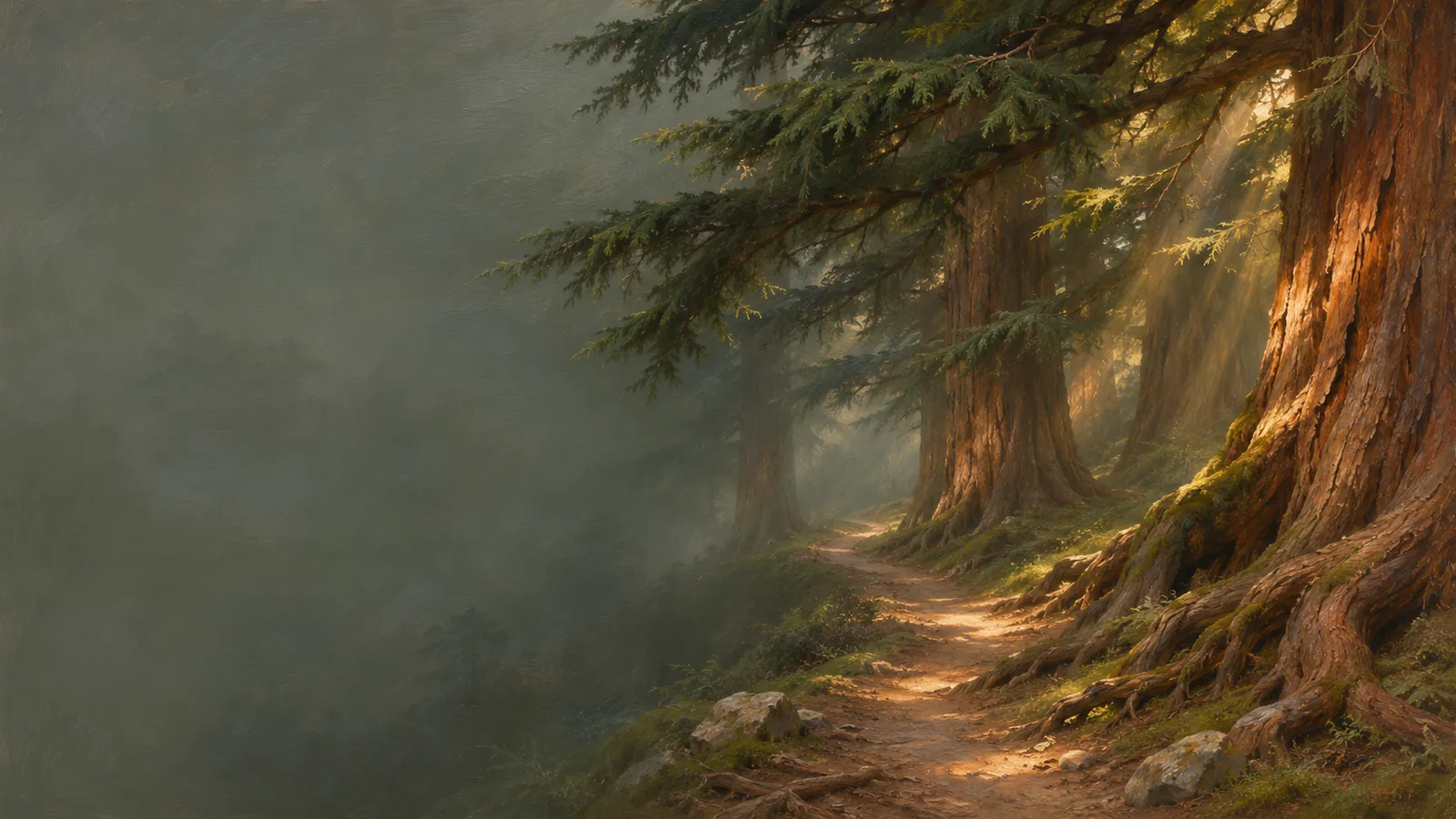
Il appelle les chemins de la forêt des Cèdres à pleurer, comme s’ils pouvaient se souvenir de ceux qui les avaient empruntés. Il appelle aussi les arbres et les collines.

La lamentation nomme les bêtes sauvages, parmi elles les cerfs et les lions. La steppe avait été jadis tout l’univers d’Enkidu, et Gilgamesh appelle ce monde à le pleurer.
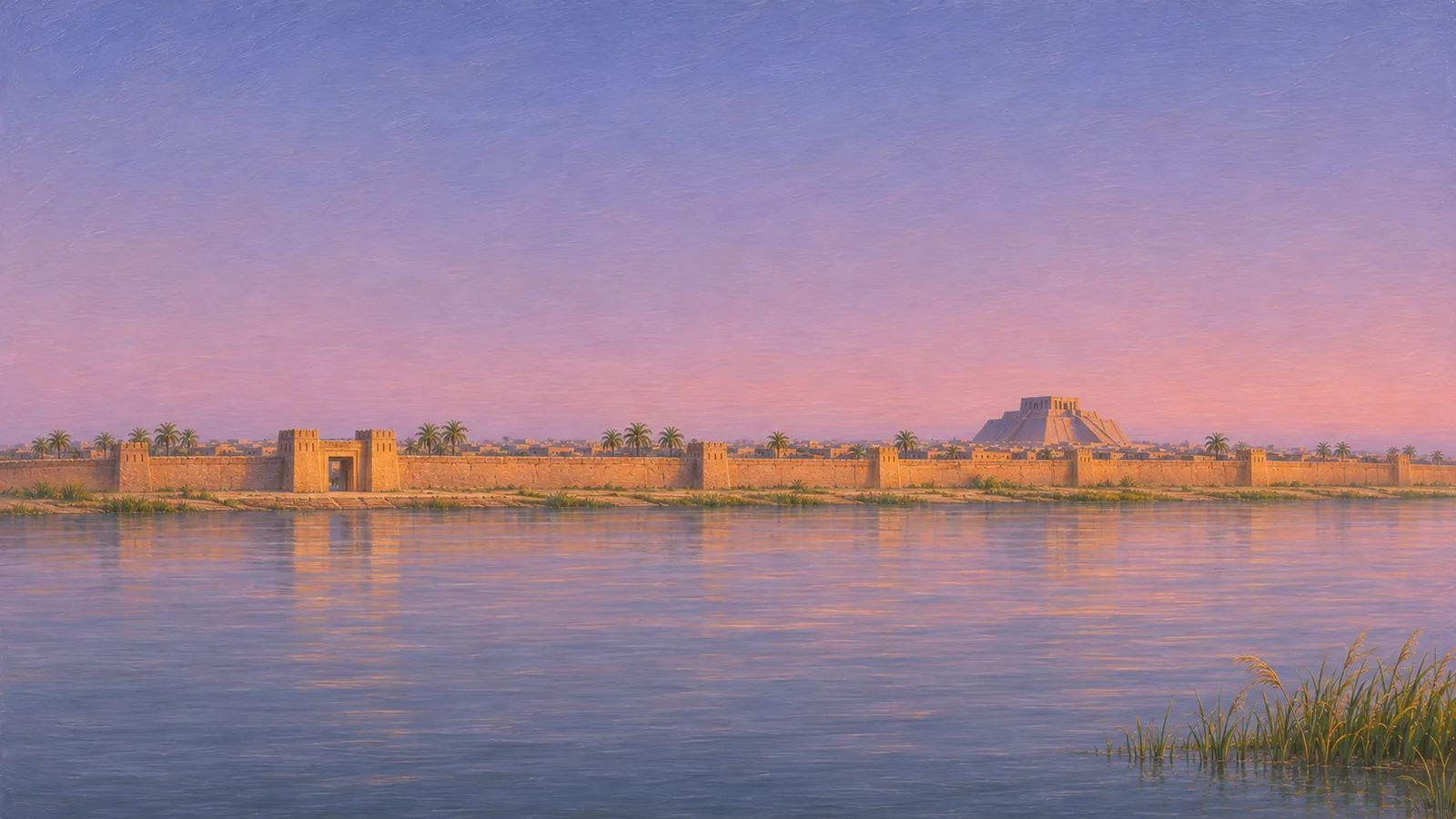
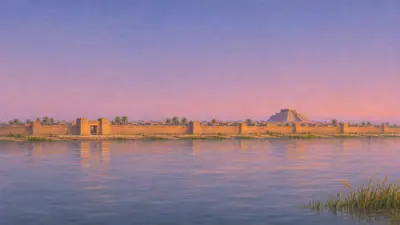
Il appelle l’Euphrate, dont les deux amis avaient utilisé l’eau. Le fleuve a sa place dans la lamentation parce qu’il avait eu sa place dans leur vie commune.
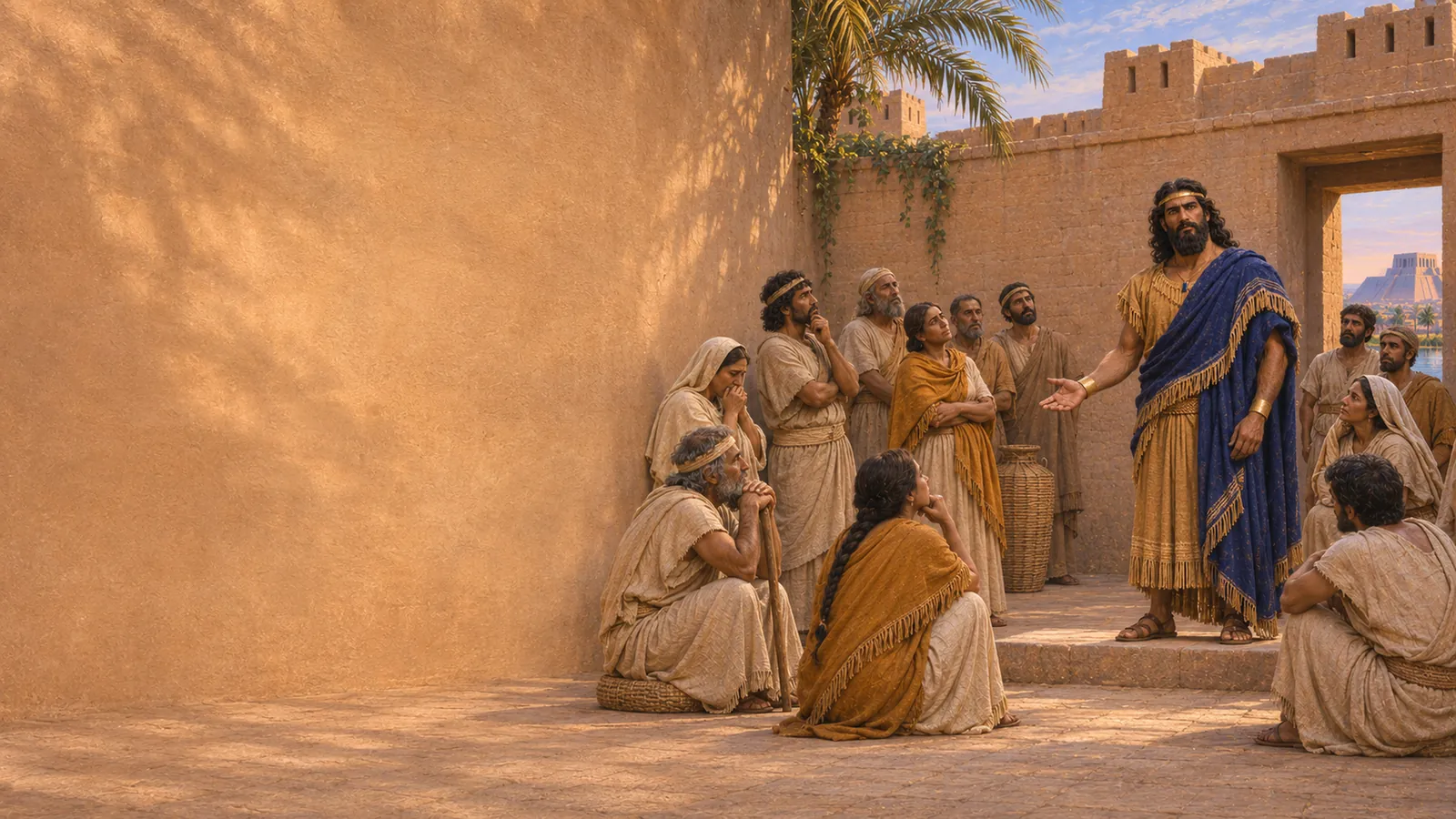
Gilgamesh demande aux gens d’Uruk de prendre le deuil. Il se souvient de ceux qui ont nourri Enkidu et de ceux qui ont vu les deux amis affronter le Taureau céleste.
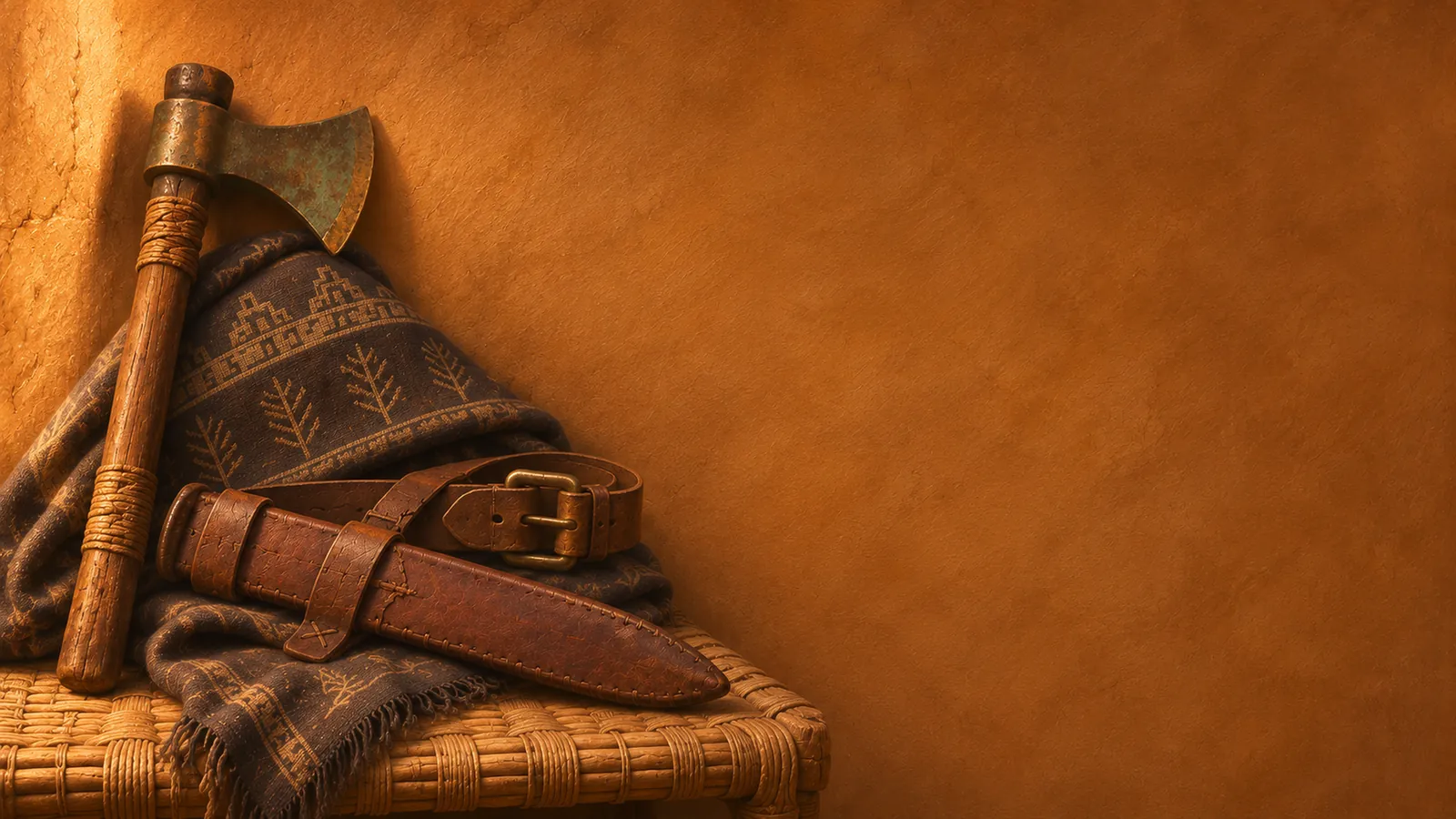
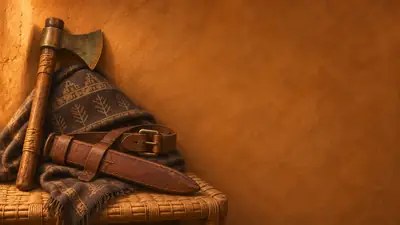
Gilgamesh se souvient combien il se sentait en sûreté quand Enkidu se tenait à ses côtés. Sa lamentation évoque ce à quoi un guerrier se fie le plus : la hache à son côté et l’épée à sa ceinture.
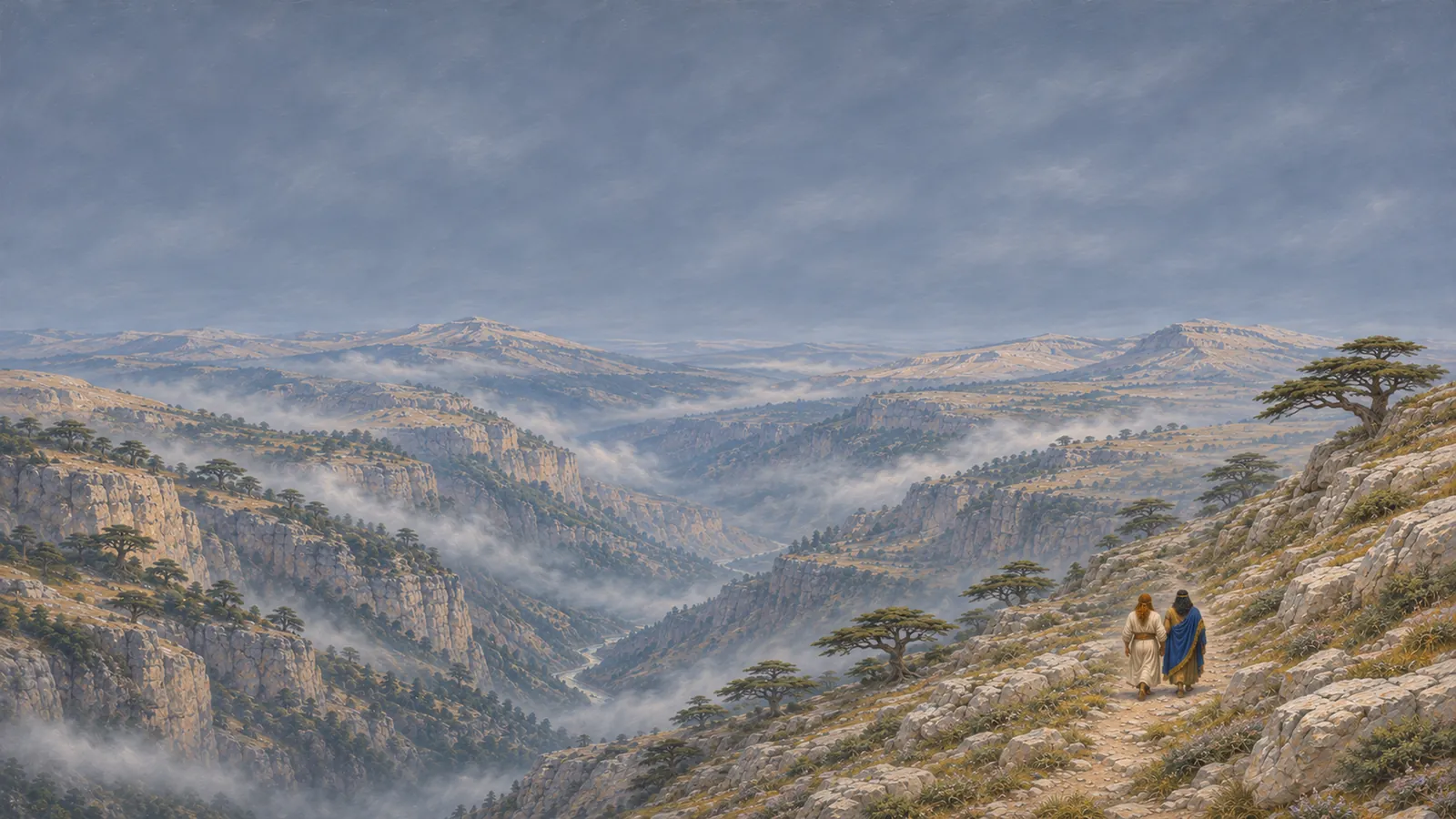
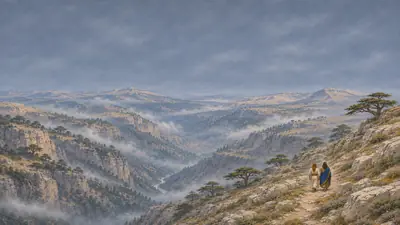
Ils avaient franchi des montagnes ensemble. Gilgamesh se souvint du Taureau céleste et du gardien de la forêt des Cèdres. Il les avait affrontés tous les deux avec Enkidu à ses côtés.
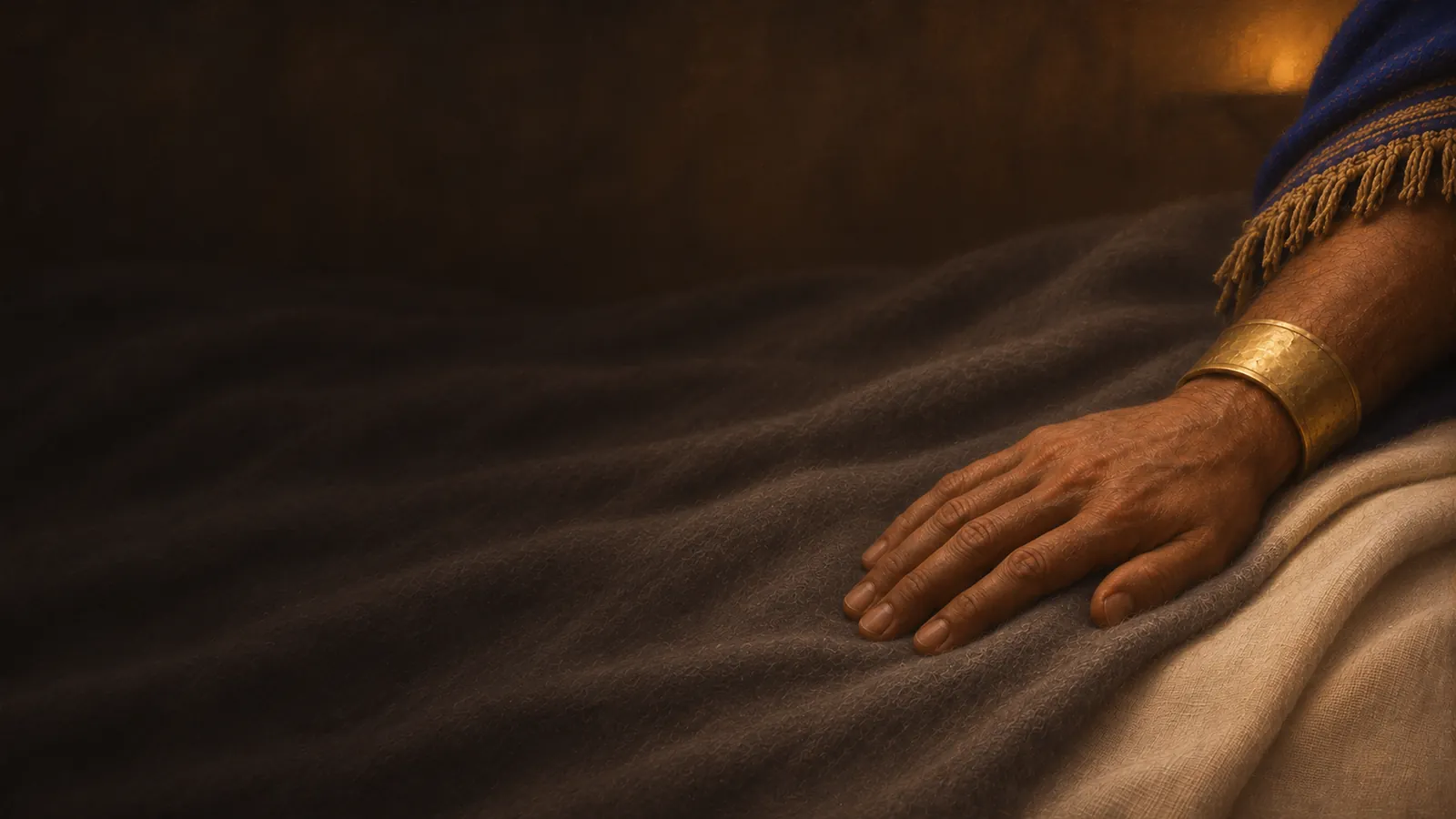
Gilgamesh demanda ce qui était arrivé à Enkidu. Son ami ne répondit pas. Gilgamesh lui toucha la poitrine et sentit que son cœur ne battait plus.
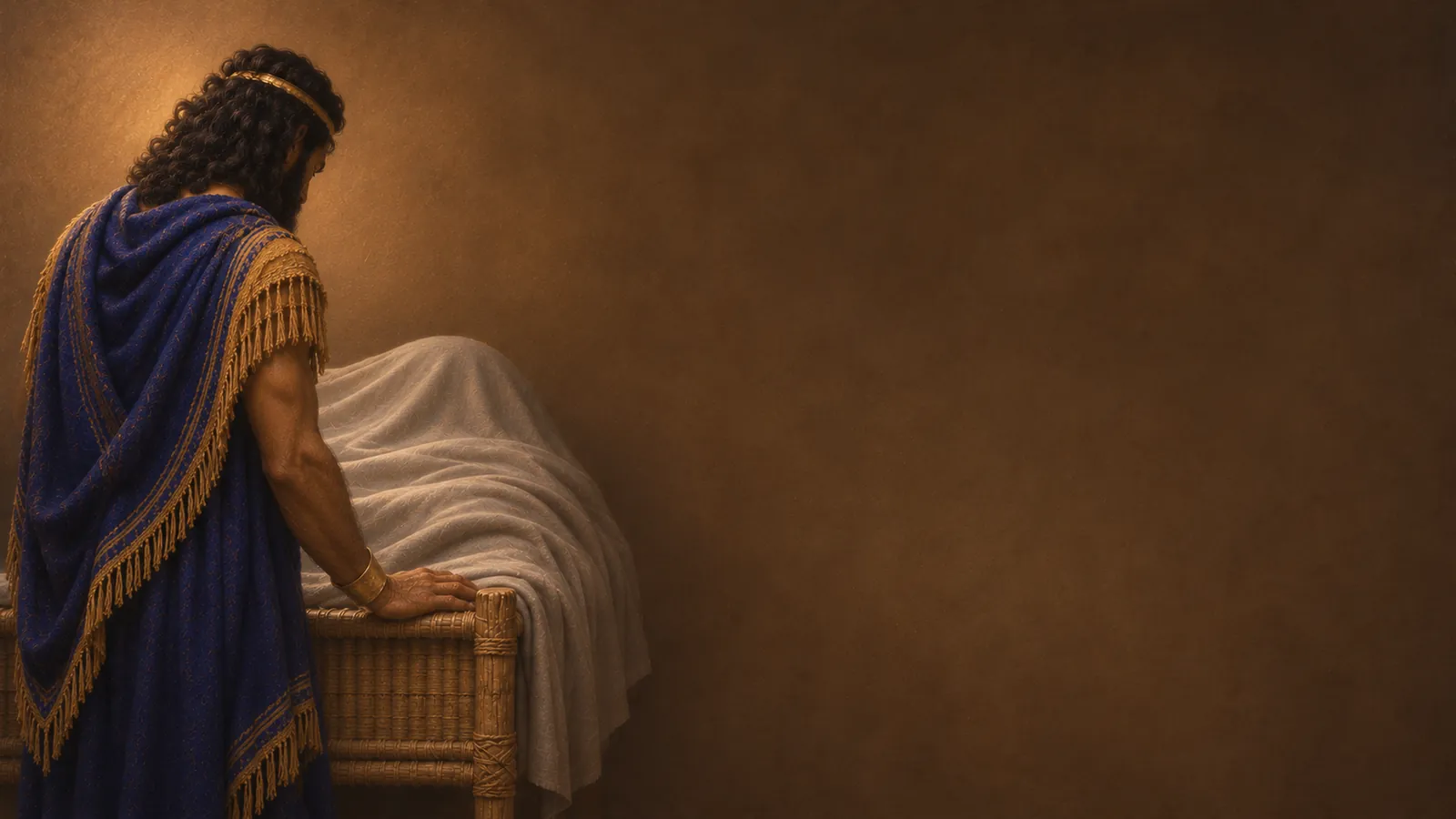
Gilgamesh couvrit le visage d’Enkidu, et le poète le compare à une mariée derrière son voile. Par ce petit geste, le roi commença à prendre soin de son ami dans la mort.
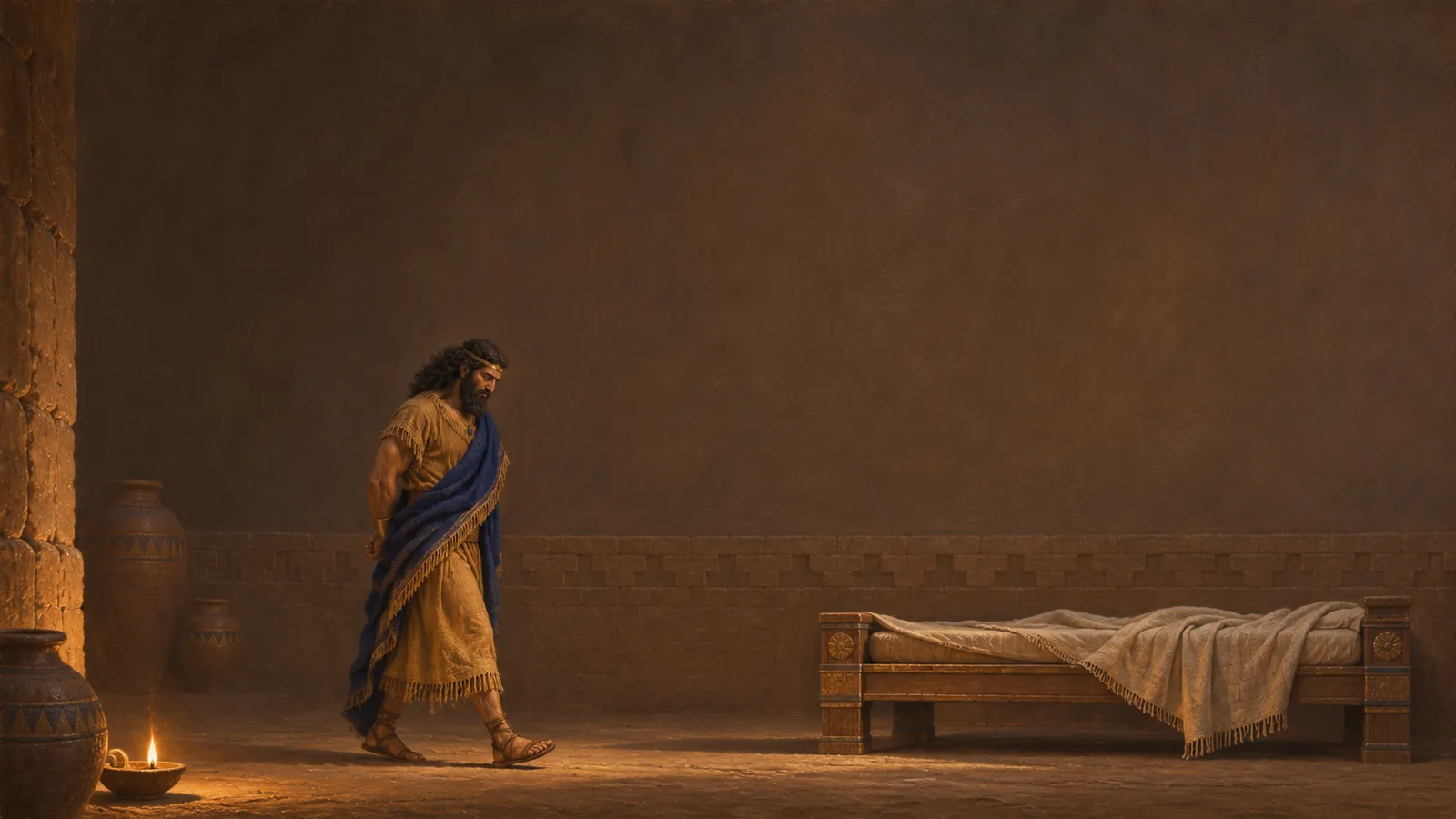
La lamentation compare Gilgamesh à une lionne à qui l’on a pris ses petits. Il va et vient auprès d’Enkidu, sans avoir où aller pour réparer ce qui s’est passé.
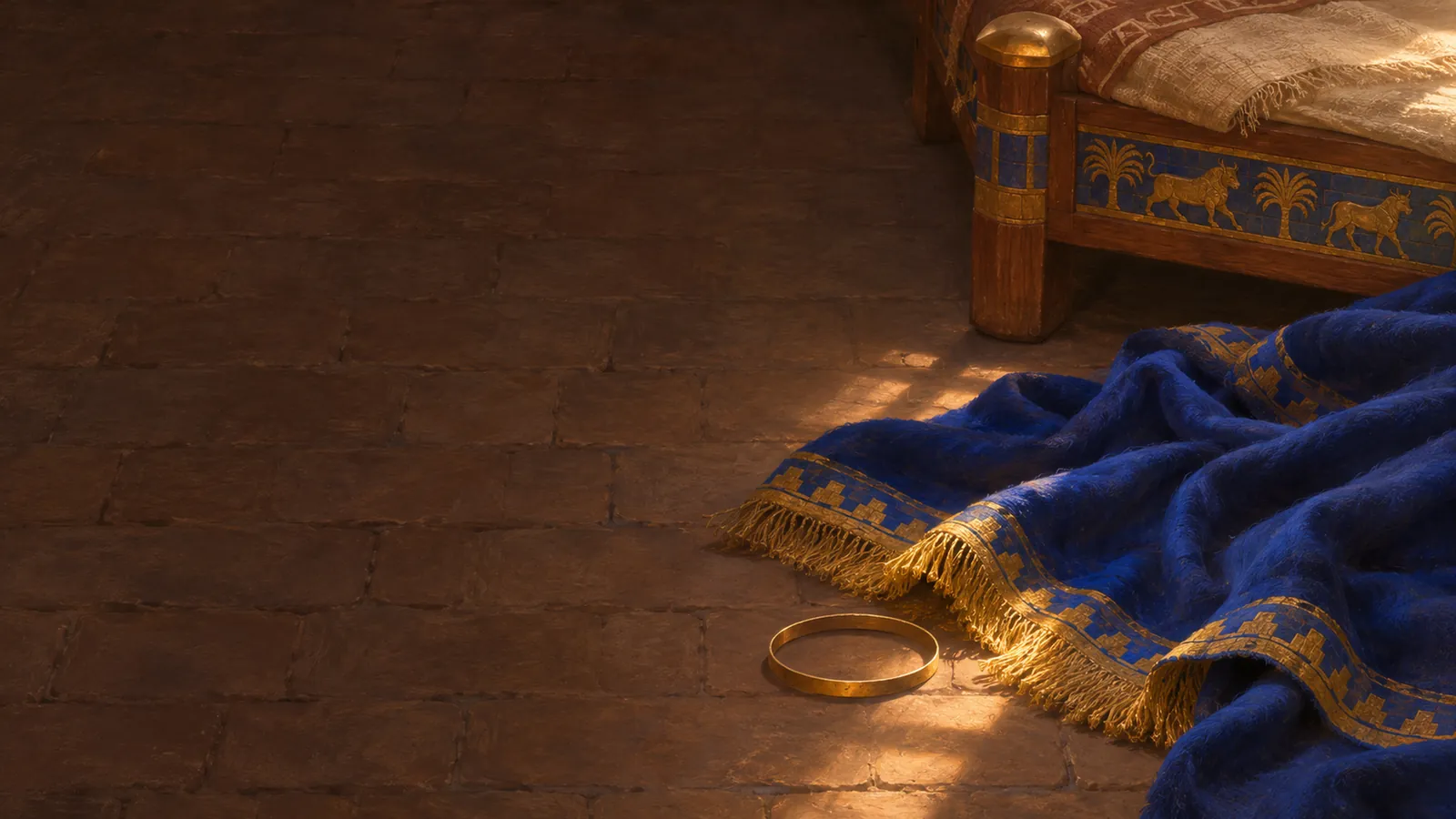
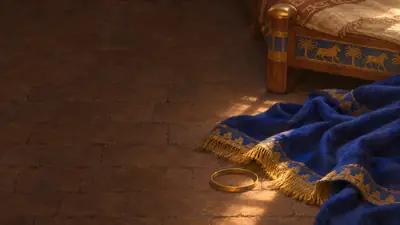
Dans son chagrin, Gilgamesh s’arracha les cheveux et rejeta ses beaux vêtements. L’étoffe éclatante qu’il avait autrefois portée les jours de fête gisait à présent, abandonnée.
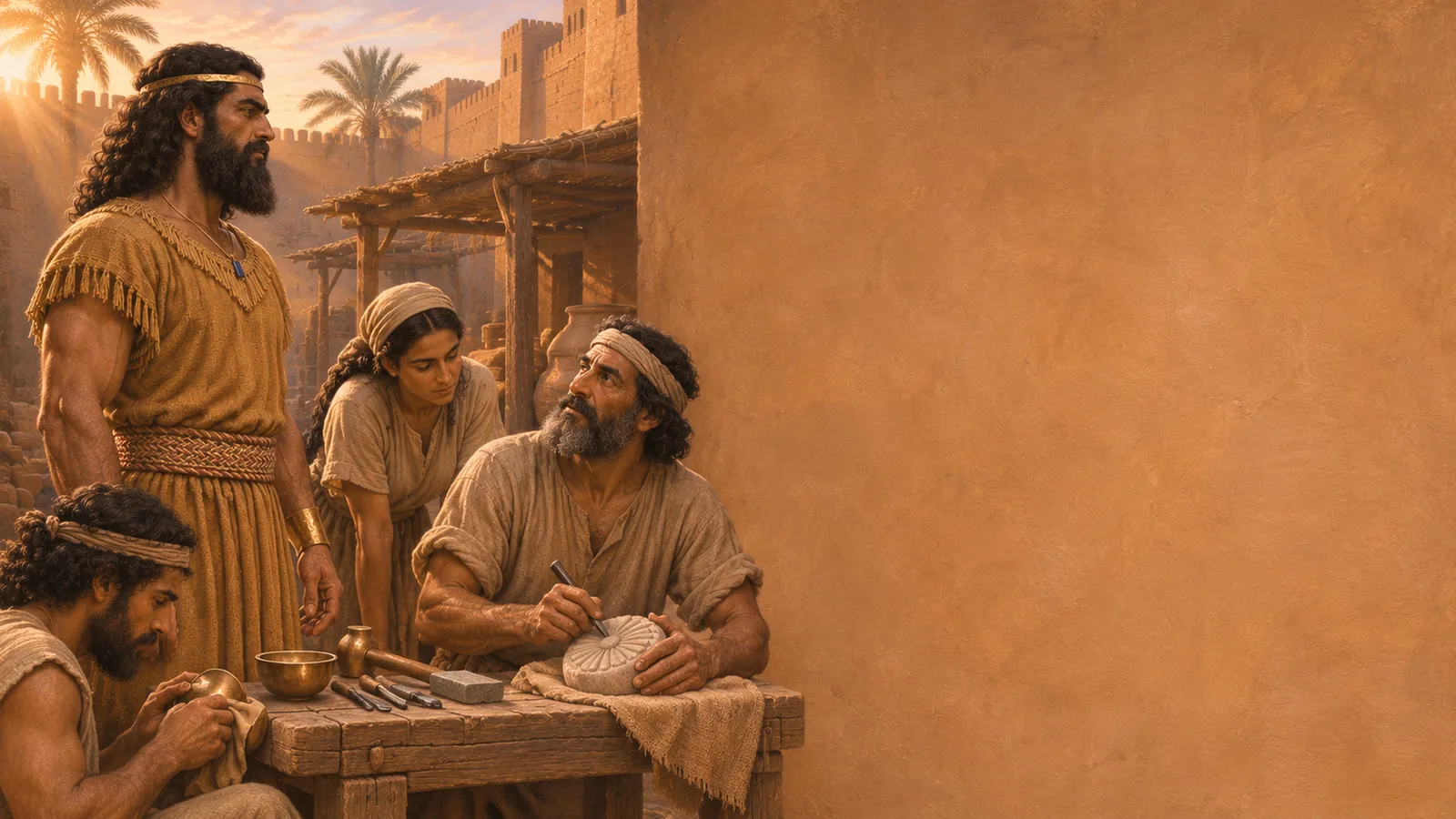
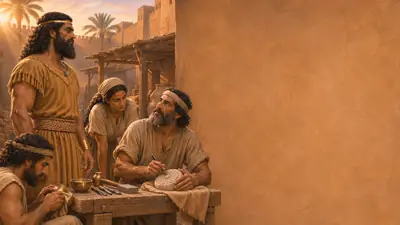
À l’aube d’un autre jour, Gilgamesh fit venir des gens qui savaient travailler le métal et la pierre. Il leur demanda de faire une effigie de l’ami qu’il avait perdu.
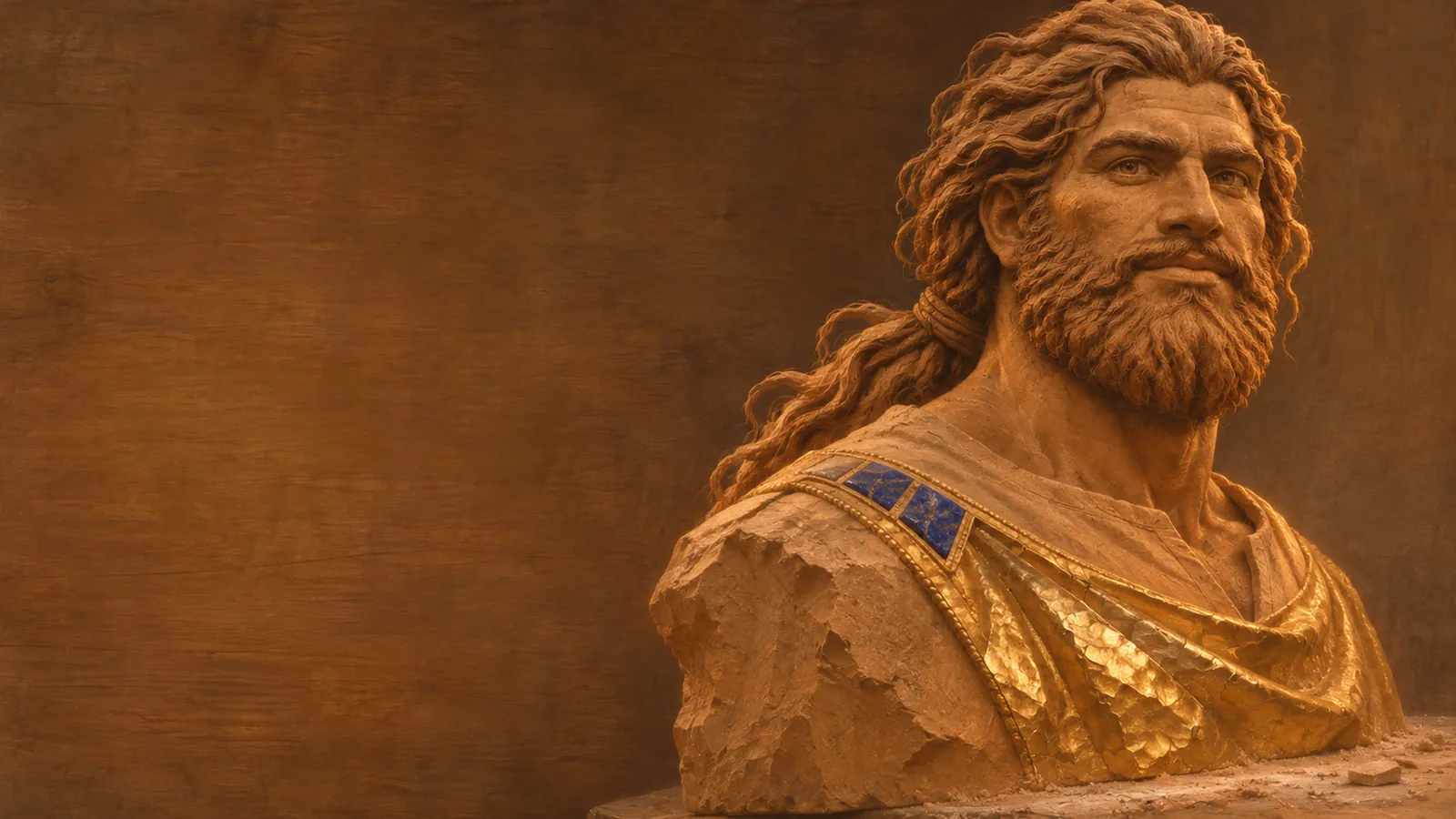
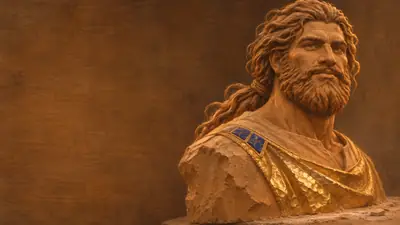
Les artisans firent une statue d’Enkidu. Les lignes endommagées ont conservé le nom de deux de ses matériaux, le lapis-lazuli et l’or, sans permettre de retrouver l’aspect de la statue entière.
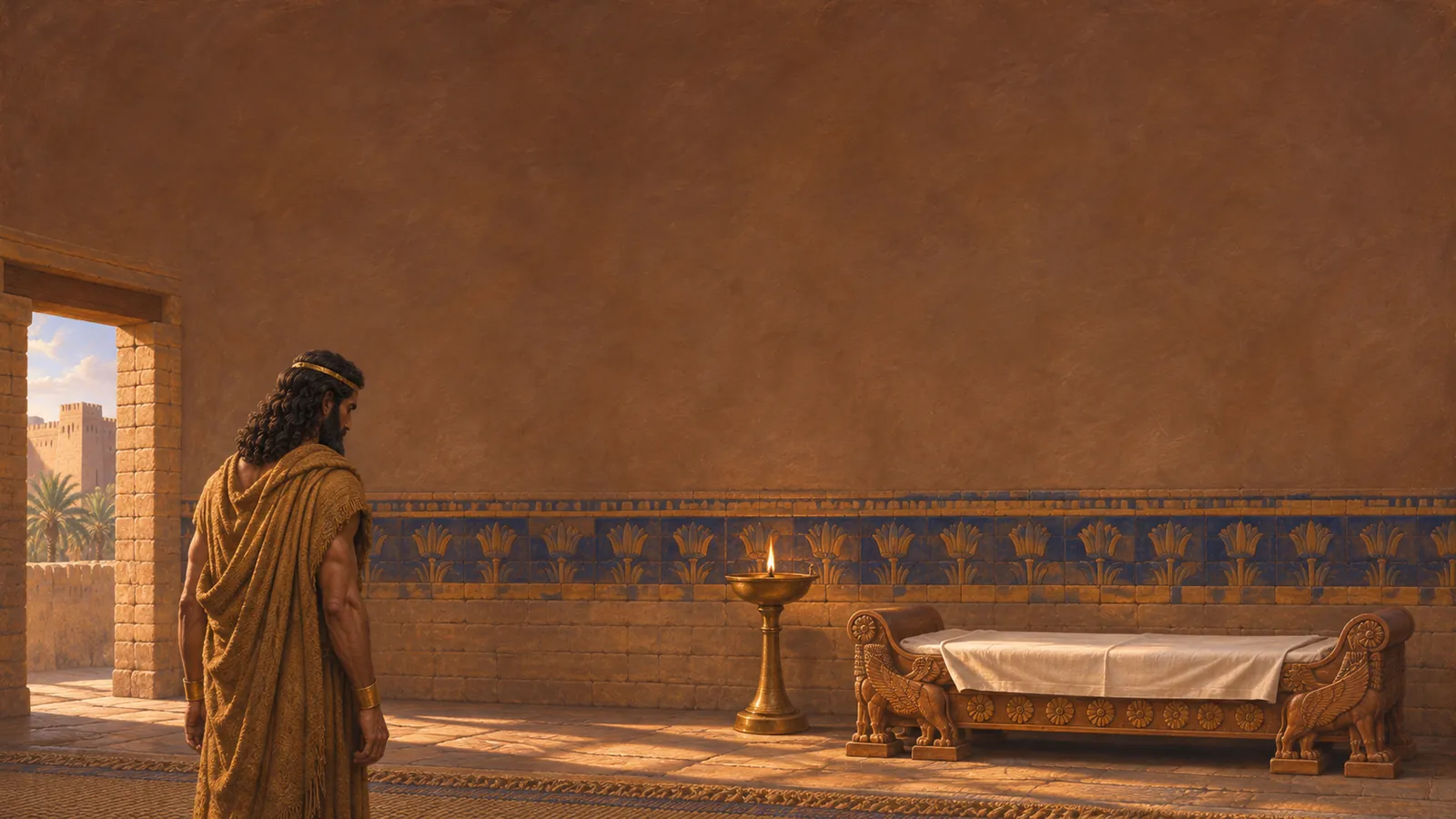
HONNEUR
Gilgamesh promet à Enkidu un lieu de repos digne de lui et appelle les gens d’Uruk à le pleurer. Dans le même passage, il parle d’errer dans la steppe vêtu d’une peau de lion.
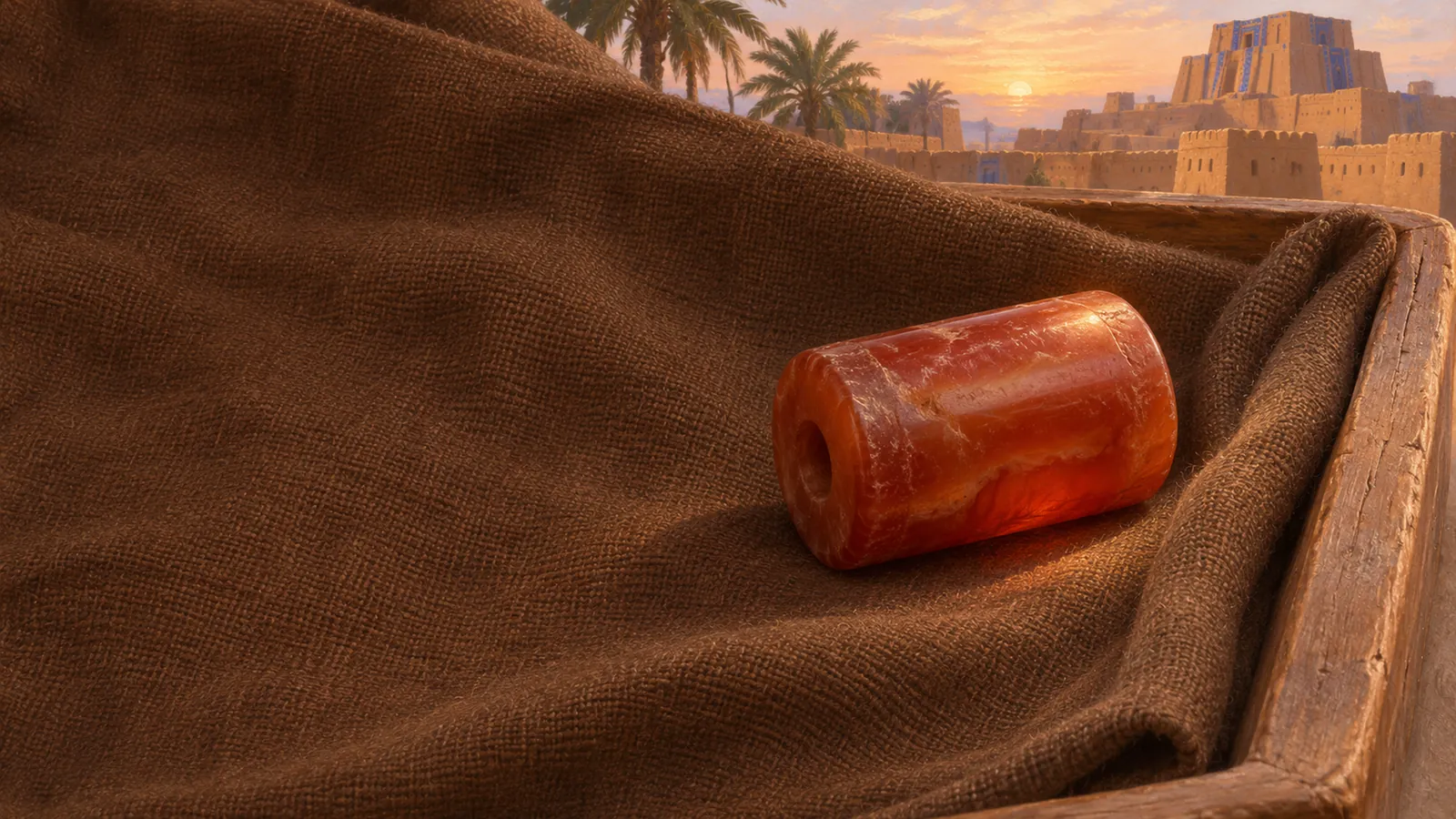
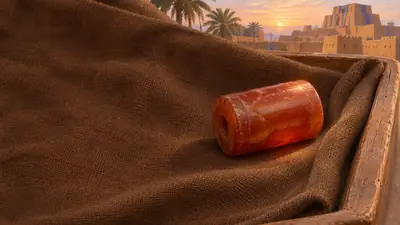
À l’aube, le poème en vient aux objets disposés pour l’ami. Dans ces lignes brisées, un fragment lu récemment conserve un petit détail : un sceau de cornaline.
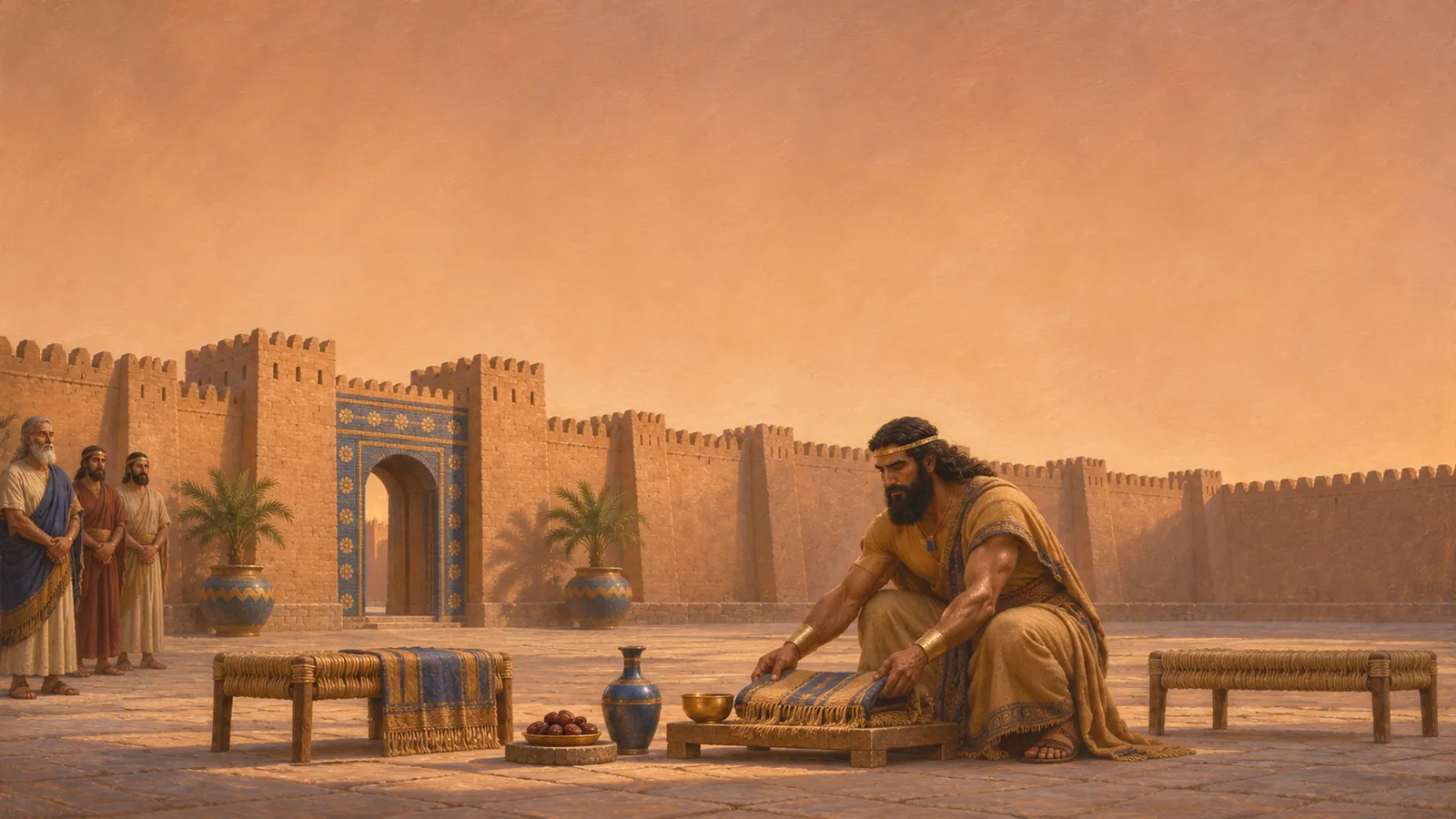
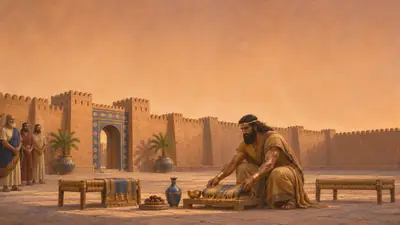
Gilgamesh disposa les présents funéraires pour que d’autres puissent les voir. Il les présenta à Shamash et lui demanda de venir en aide à Enkidu au pays des morts.
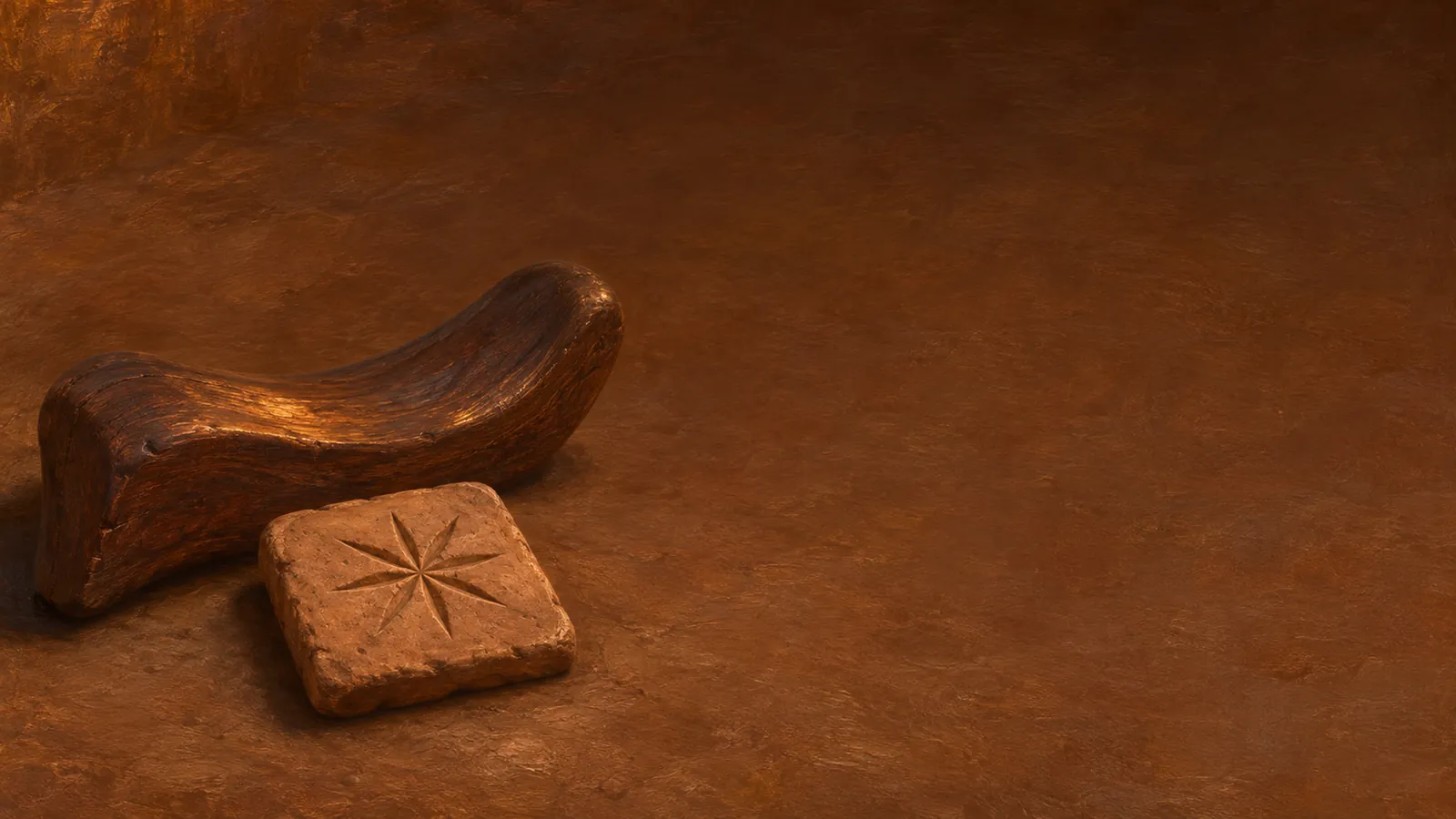
L’un des présents était destiné à Ishtar, qui avait envoyé le Taureau céleste contre Uruk. Ici, Gilgamesh sollicite la reine qui pourrait accueillir l’homme qu’il aimait.
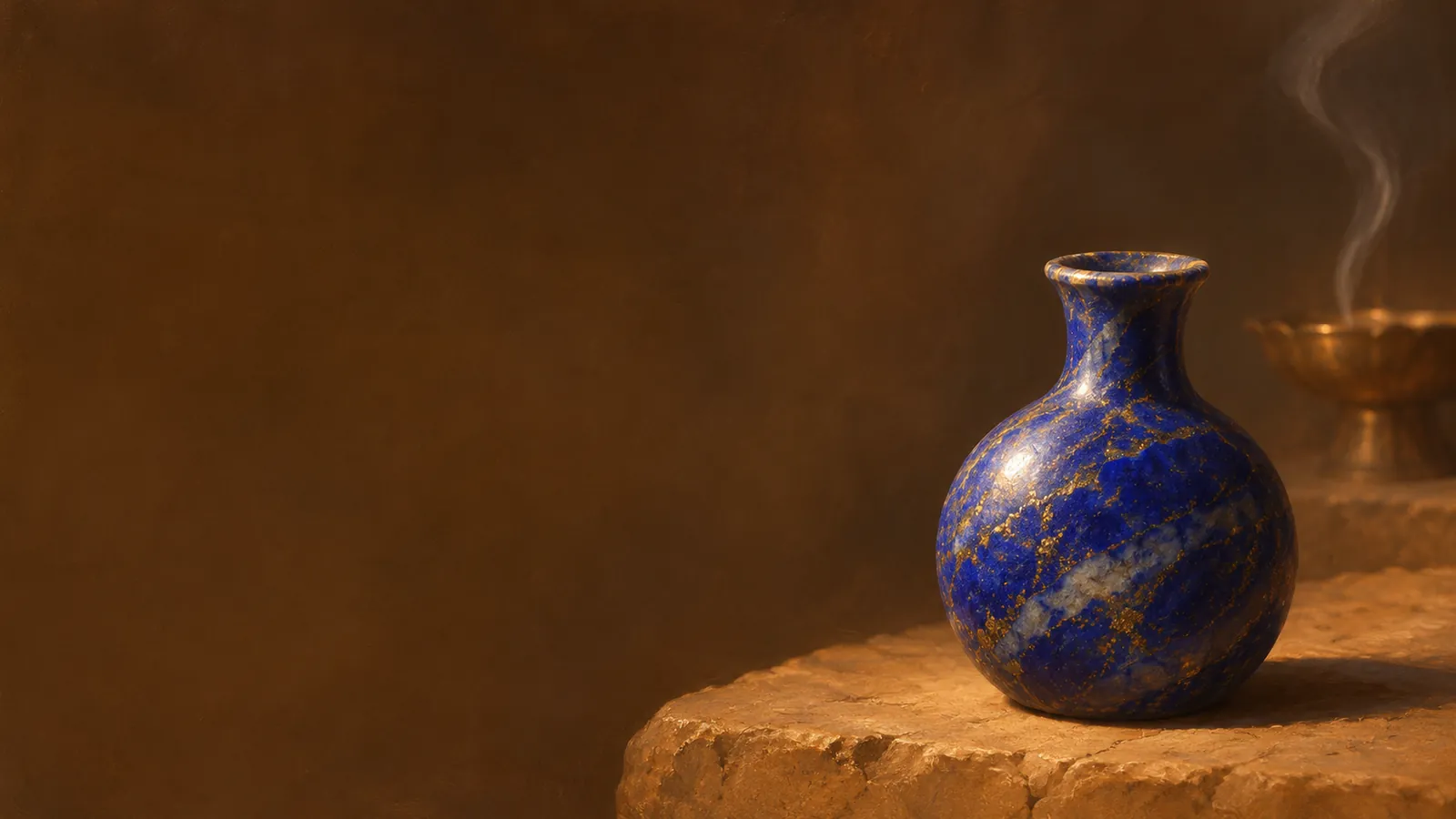
Gilgamesh déposa un flacon de lapis-lazuli pour Ereshkigal, la reine des morts. Il lui demanda d’accueillir son ami et de rester auprès de lui sur son chemin.
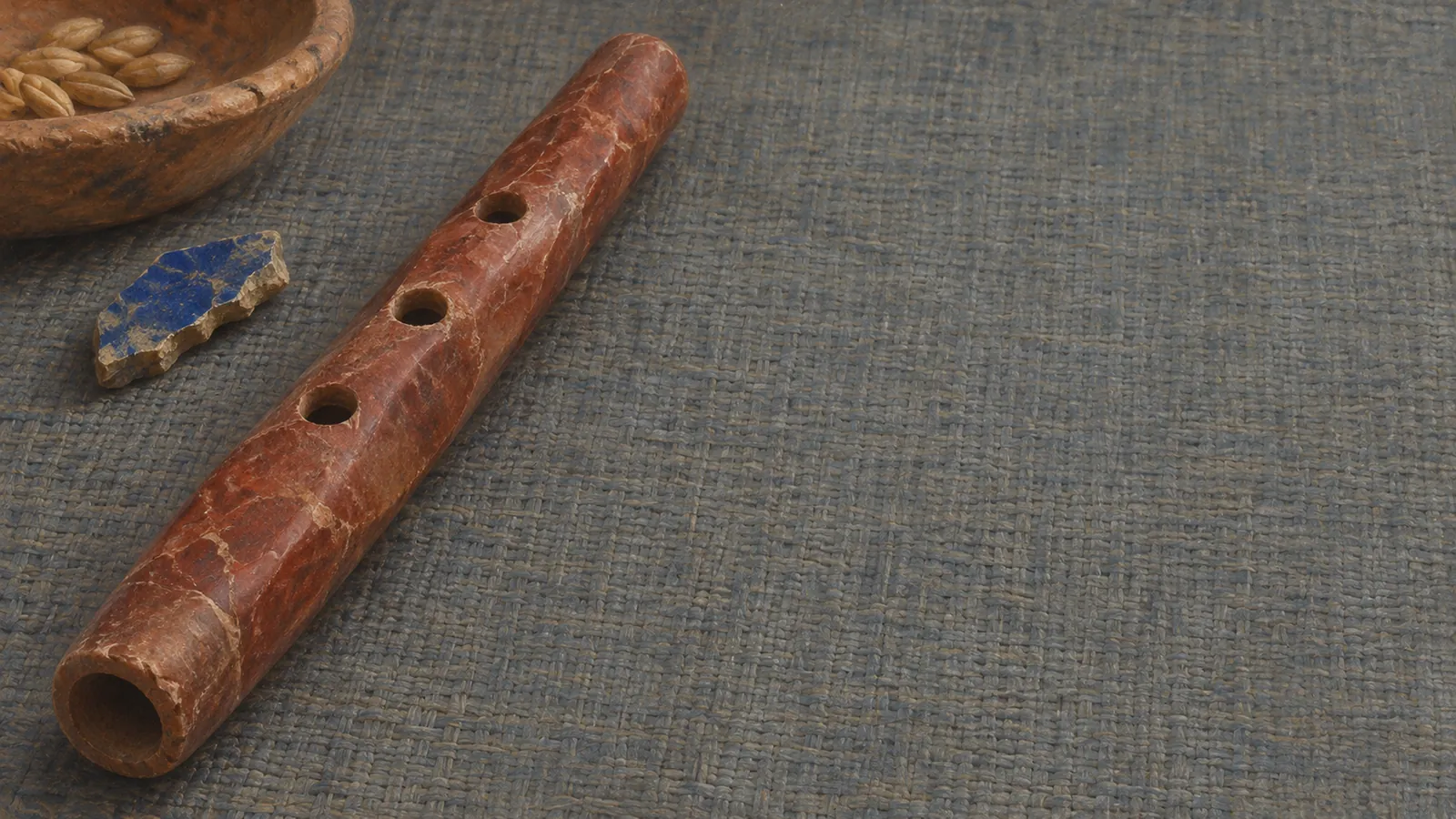
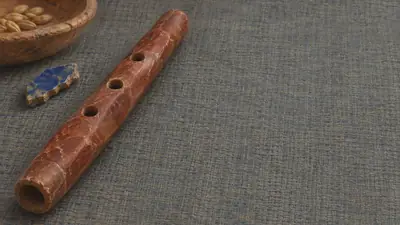
Pour Dumuzi, il y avait une flûte de cornaline. D’autres présents étaient destinés aux autres puissances du monde d’en bas. Dans chaque prière, on entend Gilgamesh demander à quelqu’un de marcher avec son ami.
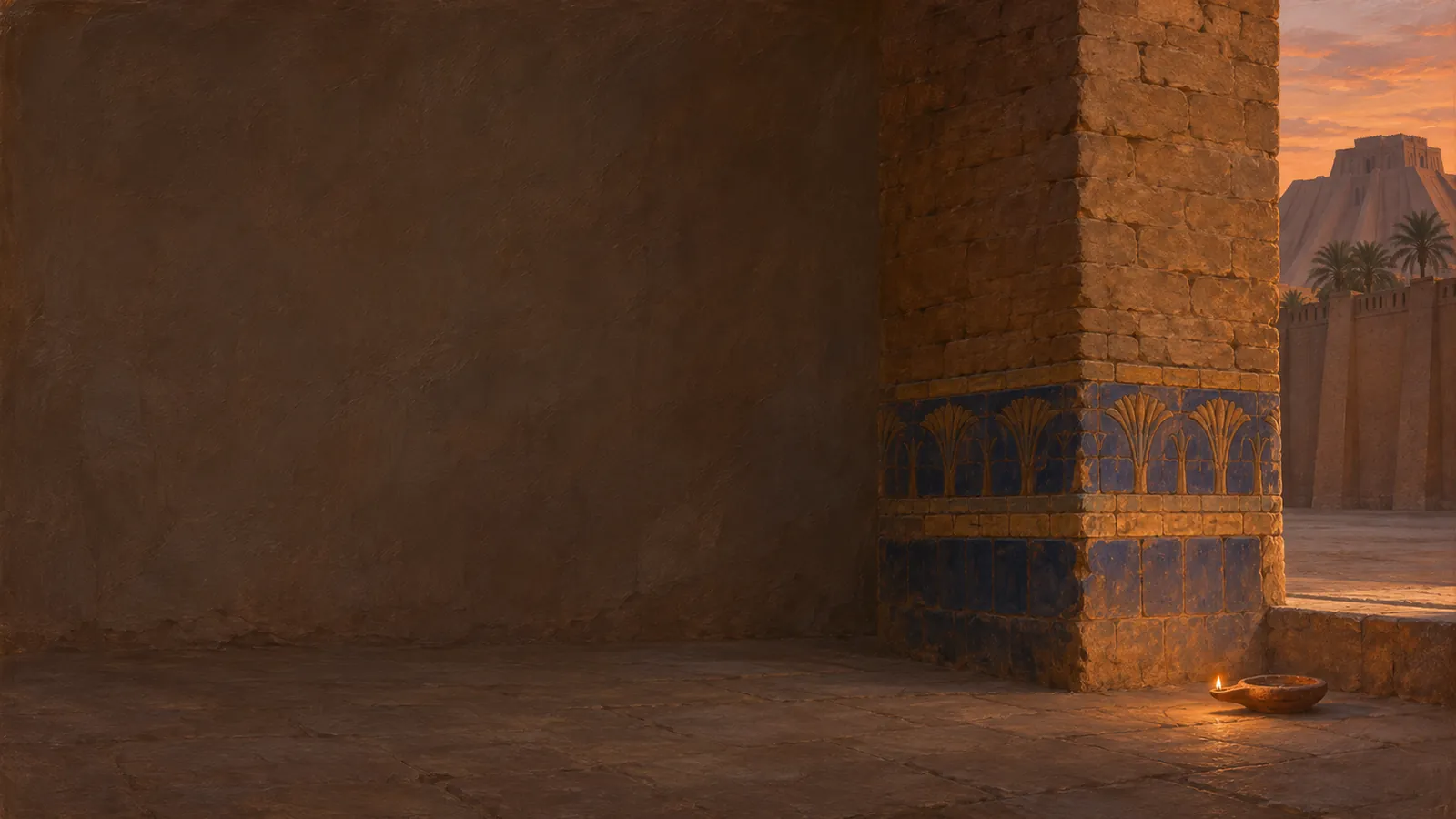
D’autres présents funéraires se succèdent dans des lignes brisées. La tablette se terminait probablement par l’enterrement d’Enkidu, mais l’argile qui subsiste ne nous dit pas comment Gilgamesh l’a mis en terre.
MORT
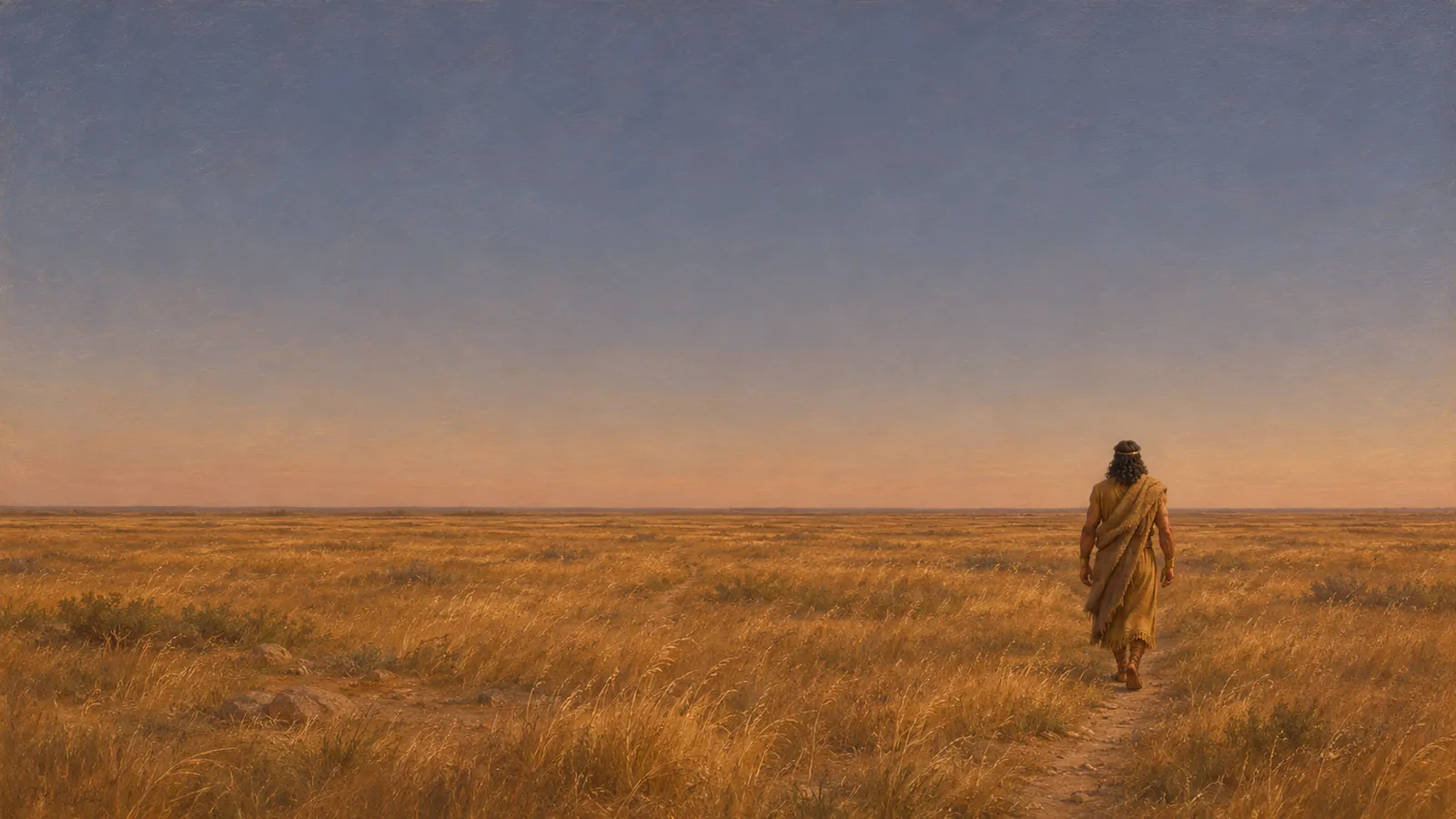
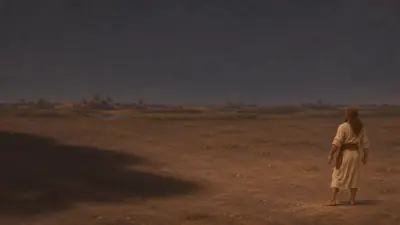
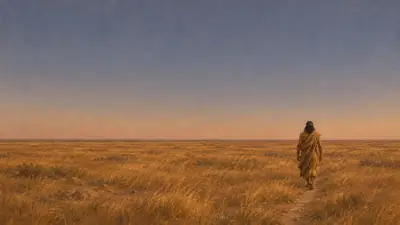
La tablette suivante s’ouvre sur Gilgamesh dans la steppe, en deuil de son ami. La mort d’Enkidu lui a laissé une question qu’il ne peut plus éluder : lui arrivera-t-il la même chose ?
Fin du chapitre 5
Toutes les pages












Sources
On page 14, the curse runs to some thirty lines, including Enkidu’s wish that a drunkard soil Shamhat’s clothes (SB Gilgamesh VII 100–131, George VII score and Heidel pp. 58–59). The retelling gives the curse and its broad terms.
Éditions consultées
- Rozzi, Jiménez and Bennett, 2025, section 49: . The new fragments clarify the Nippur episode, elements of the underworld dream and parts of the mourning sequence.
- Andrew George, Tablet VII score: and [Tablet VIII score](https://soas-repository.worktribe.com/output/452101/sb-gilgamesh-viii-score-transliteration).
- Andrew George, “The Epic of Gilgamesh”: pp. 8–9, including the Hittite dream and the transition to the journey.
- Andrew George, “Shattered Tablets and Tangled Threads”: pp. 8–10, the reconstruction of lines VII 168–173.
- Andrew George, “What's New in the Gilgamesh Epic?”: the recovered rites and grave gifts.
- Hethitologie Portal Mainz, CTH 341: catalogue of the Hittite witnesses.
Les vers antiques de chaque page
- Page 1: SB VI ending; SB VII 1; George, synopsis p. 8
- Page 2: SB VII 1 and the SB VI catchline; eBL corpus index
Paraphrase of the surviving question. - Page 3: Hittite Gilgamesh, CTH 341.III, Tablet III §1; George, synopsis p. 8; Rozzi et al. 2025 §49.2
- Page 4: Hittite Gilgamesh, CTH 341.III, Tablet III §1; Heidel, pp. 56–57; George, synopsis p. 8
- Page 5: Hittite Gilgamesh, CTH 341.III, Tablet III §1; Heidel, pp. 56–57; George, synopsis p. 8
- Page 6: SB VII 27–33; Rozzi et al. 2025 §49.2, BM.46069
Lines 31–33 partly restored; the proposal and Ekur destination are supported. - Page 7: SB VII 34–36; Rozzi et al. 2025 §49.2; compare SB III 19
Handclasp is an editorial restoration grounded in parallels. - Page 8: SB V 316–318; SB VII 36–45; Rozzi et al. 2025 §49.2
- Page 9: SB VII 39–63; Rozzi et al. 2025 §49.2
- Page 10: SB VII 32, 39–64; Rozzi et al. 2025 §49.2
The new study identifies the door as the object in line 64. The gift/loss reading is interpretation. - Page 11: SB VII 67–83, especially 77–80; George VII score
The plea survives in fragments. - Page 12: SB VII 90–95; George VII score
- Page 13: SB VII 94–100; George VII score; Heidel p. 58
- Page 14: SB Gilgamesh VII 100–131, George VII score and Heidel pp. 58–59
- Page 15: SB VII 132–139; George VII score; George, synopsis p. 8
- Page 16: SB VII 139–147; George VII score; parallel SB VIII 84–91
- Page 17: SB VII 148–161; George VII score; Heidel p. 59
- Page 18: SB VII 162–167; George VII score; Heidel p. 60; Rozzi et al. 2025 §49.2
- Page 19: SB VII 168–176; George, Shattered Tablets, pp. 8–10; George VII score
- Page 20: SB VII 180–186, especially 182–184; George VII score; Heidel p. 60
First lines very damaged. - Page 21: SB VII 184–190; George VII score; Heidel p. 60
- Page 22: SB VII 193–203; George VII score; Heidel p. 61; Rozzi et al. 2025 §49.2
- Page 23: SB VII 203–208; Rozzi et al. 2025 §49.2; George VII score
- Page 24: SB VII 209–217 and gaps before 249–253; Rozzi et al. 2025 §49.2, BM.46069; George VII score
The tomb’s intended occupant is uncertain. - Page 25: SB VII 253–261; George VII score; Heidel pp. 61–62
- Page 26: SB VII 261–267; George VII score; Heidel pp. 61–62
Final speech damaged. - Page 27: SB VII 261–267; George VII score
- Page 28: SB VII after 267; SB VIII 55–59; George VII–VIII scores and synopsis pp. 8–9
- Page 29: SB VIII 1–3; George VIII score; George, synopsis p. 9
- Page 30: SB VIII 3–6; George VIII score; Heidel p. 62
- Page 31: SB VIII 7–15; George VIII score; Rozzi et al. 2025 §49.3.A
The lines address features in a lament. - Page 32: SB VIII 16–17; Rozzi et al. 2025 §49.3.A; George VIII score
- Page 33: SB VIII 18–20, especially 19–20; Rozzi et al. 2025 §49.3.A; George VIII score
- Page 34: SB VIII 21–35, 42–44; George VIII score; Rozzi et al. 2025 §49.3.A
The surviving speech addresses several groups. - Page 35: SB VIII 44–51, especially 46–49; George VIII score
- Page 36: SB VIII 50–54; George VIII score; Heidel p. 63
- Page 37: SB VIII 55–58; George VIII score; Heidel p. 63
- Page 38: SB VIII 59; George VIII score; Heidel p. 63
The ancient simile is paraphrased. - Page 39: SB VIII 60–62; George VIII score; Heidel p. 63
Final clause is a restrained reading of his grief. - Page 40: SB VIII 63–64, with echoes at 76–77; George VIII score; Rozzi et al. 2025 §49.3.B
- Page 41: SB VIII 65–70; George VIII score; George, synopsis p. 9
- Page 42: SB VIII 69–75; Rozzi et al. 2025 §49.3.B; George VIII score
- Page 43: SB VIII 84–91; Rozzi et al. 2025 §49.3.C; compare SB VII 139–147
Wording is substantially restored from the parallel VII passage. - Page 44: SB VIII 92–97; Rozzi et al. 2025 §49.3.C, note on 95
- Page 45: SB VIII 131–138, 143–151; George, What's New, pp. 7–8; George VIII score
- Page 46: SB VIII 134–138; George, What's New, p. 7; SB VI for previous role
- Page 47: SB VIII 143–147; George, What's New, p. 7; George VIII score
- Page 48: SB VIII 148–179; George, What's New, pp. 7–8; George VIII score
The formulaic pleas are paraphrased. - Page 49: SB VIII, fragmentary later funeral sequence and loss at end; George VIII score; George, synopsis p. 9
- Page 50: SB IX 1–7; George, synopsis p. 9; Heidel p. 64; cf. SB VIII 90–91
Illustrations réalisées par IL Archive avec des outils d’IA ; le texte s’appuie sur les sources antiques (voir les sources à la fin de chaque chapitre).