L’Épopée de Gilgamesh Chapitre 6
Au-delà de la lisière du jour
Gilgamesh traverse l’obscurité du mont Mashu et cherche un chemin au-delà de la mer. Sa quête le mène à Utnapishtim, dont les paroles l’amènent à s’interroger sur ce que peut contenir une vie humaine.
Voir le filmSourcesTournez les pages avec les flèches, le clavier ou en balayant l’écran.
NUIT
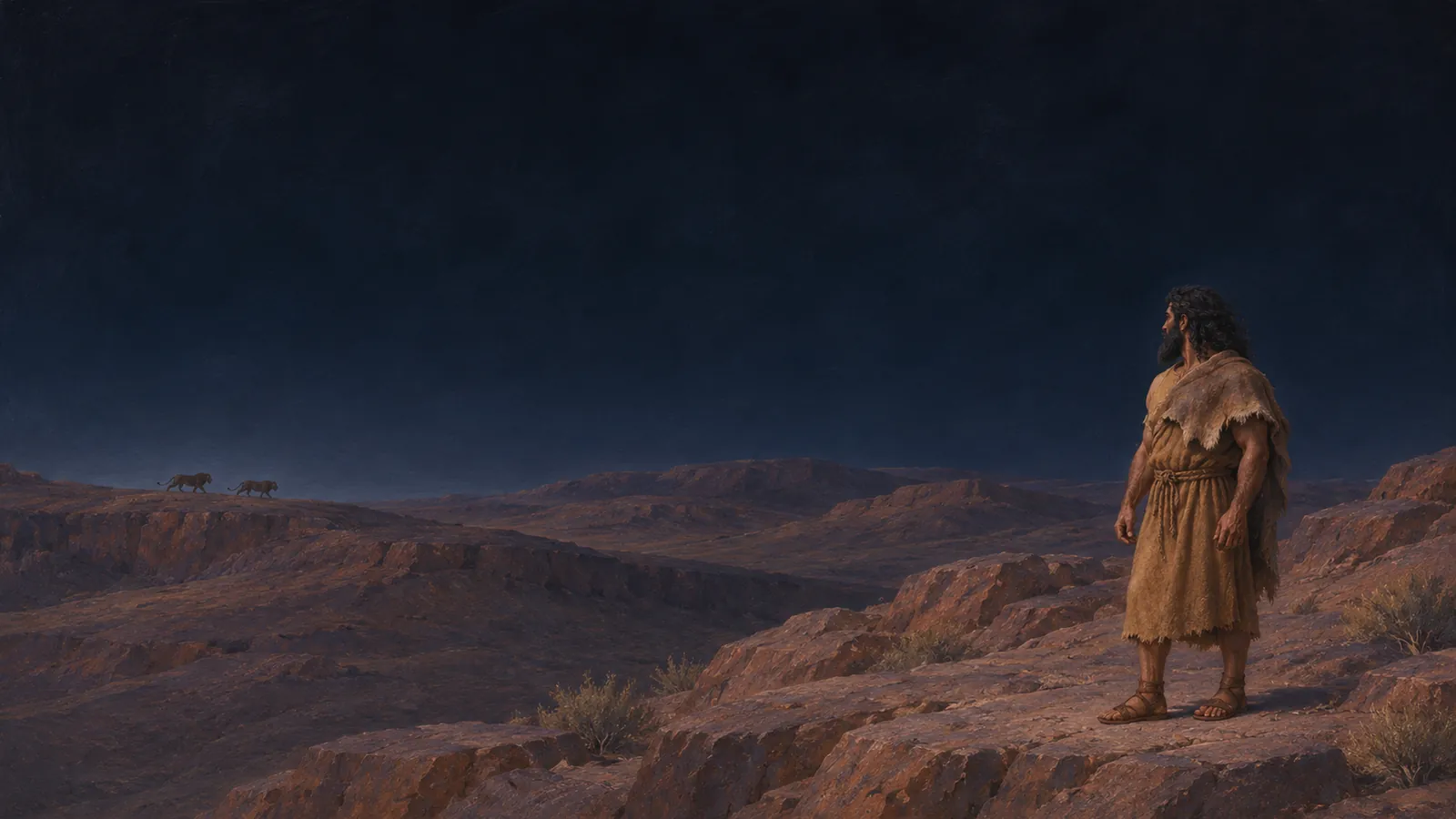
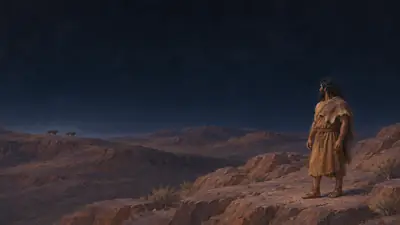
La nuit était tombée quand Gilgamesh atteignit les cols. Il vit des lions dans l’obscurité et prit peur, loin de tout endroit où il se savait en sûreté.
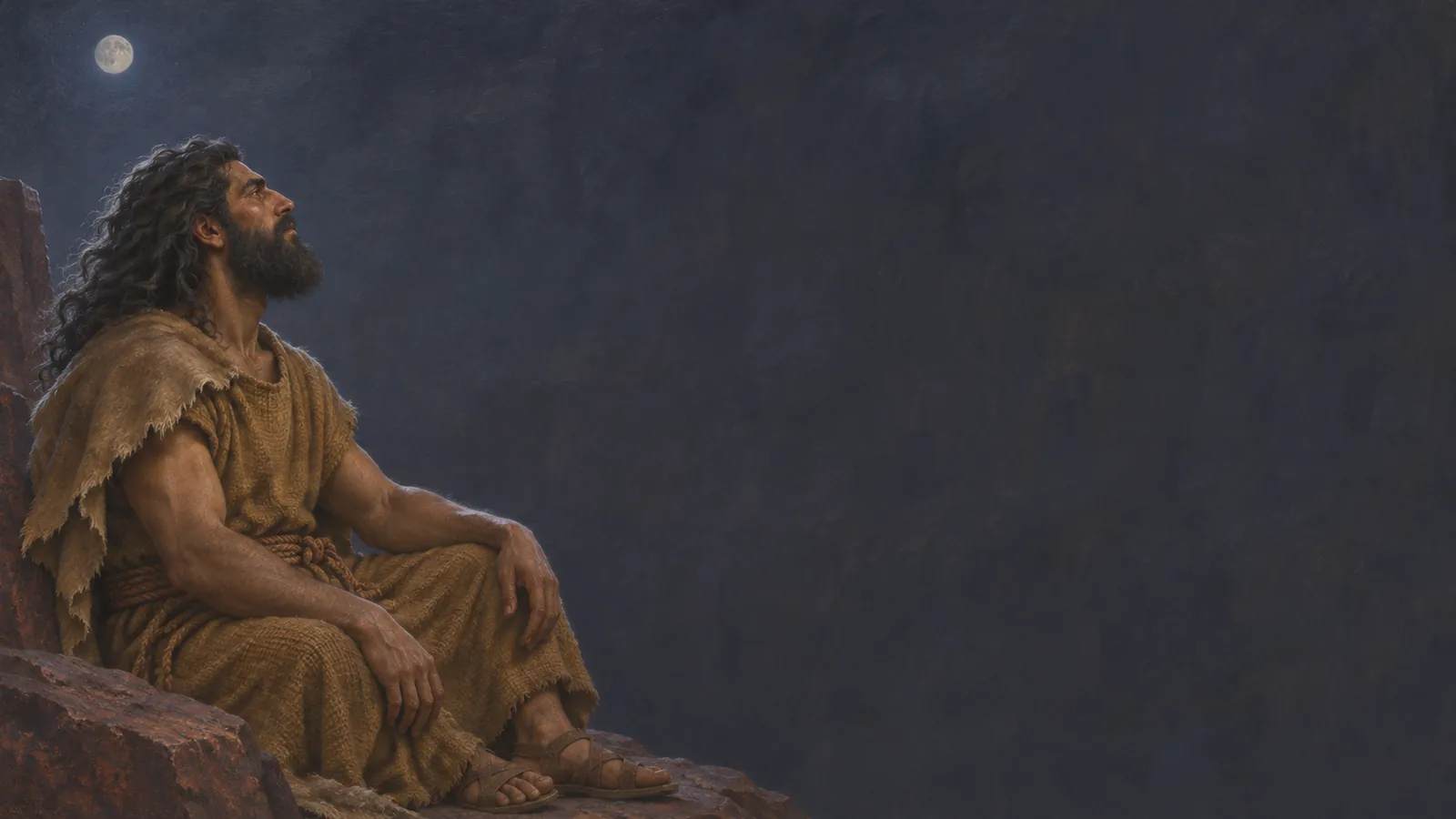
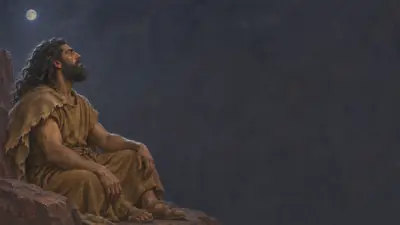
Gilgamesh leva le visage vers le dieu de la lune et lui demanda de le protéger. Loin des murs d’Uruk, dans l’obscurité, il avait pour lui une prière.
Gilgamesh se réveilla en sursaut. Le poème raconte qu’il se rua sur les lions, puis se brise en fragments avant que nous retrouvions le voyageur au mont Mashu.
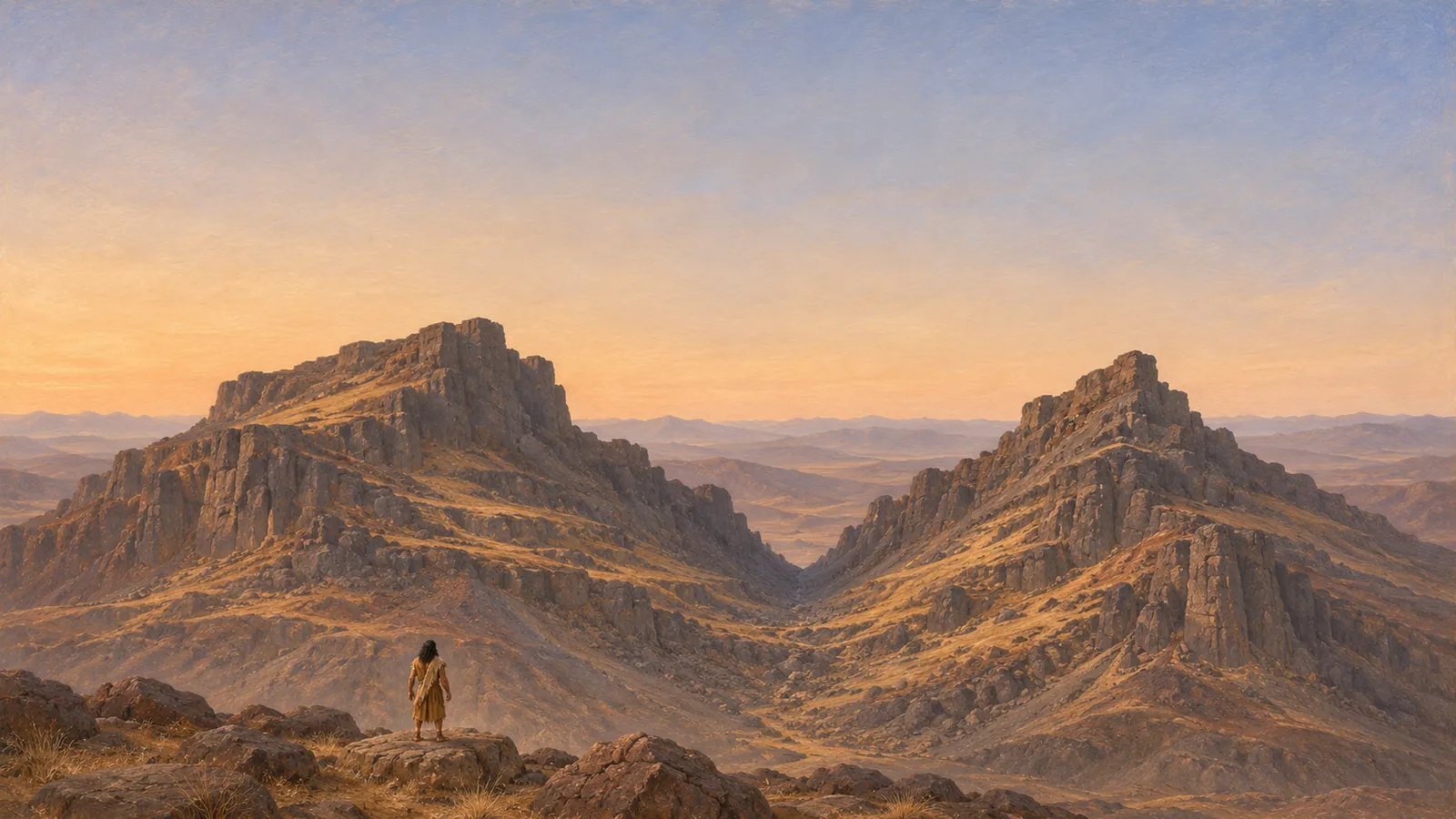
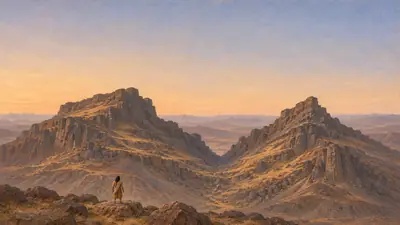
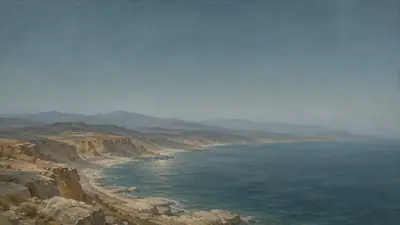
Gilgamesh atteignit les deux sommets jumeaux de Mashu, où le poème situe le lever du soleil. Leurs cimes touchent au bord du ciel et leurs bases rejoignent le monde d’en bas.
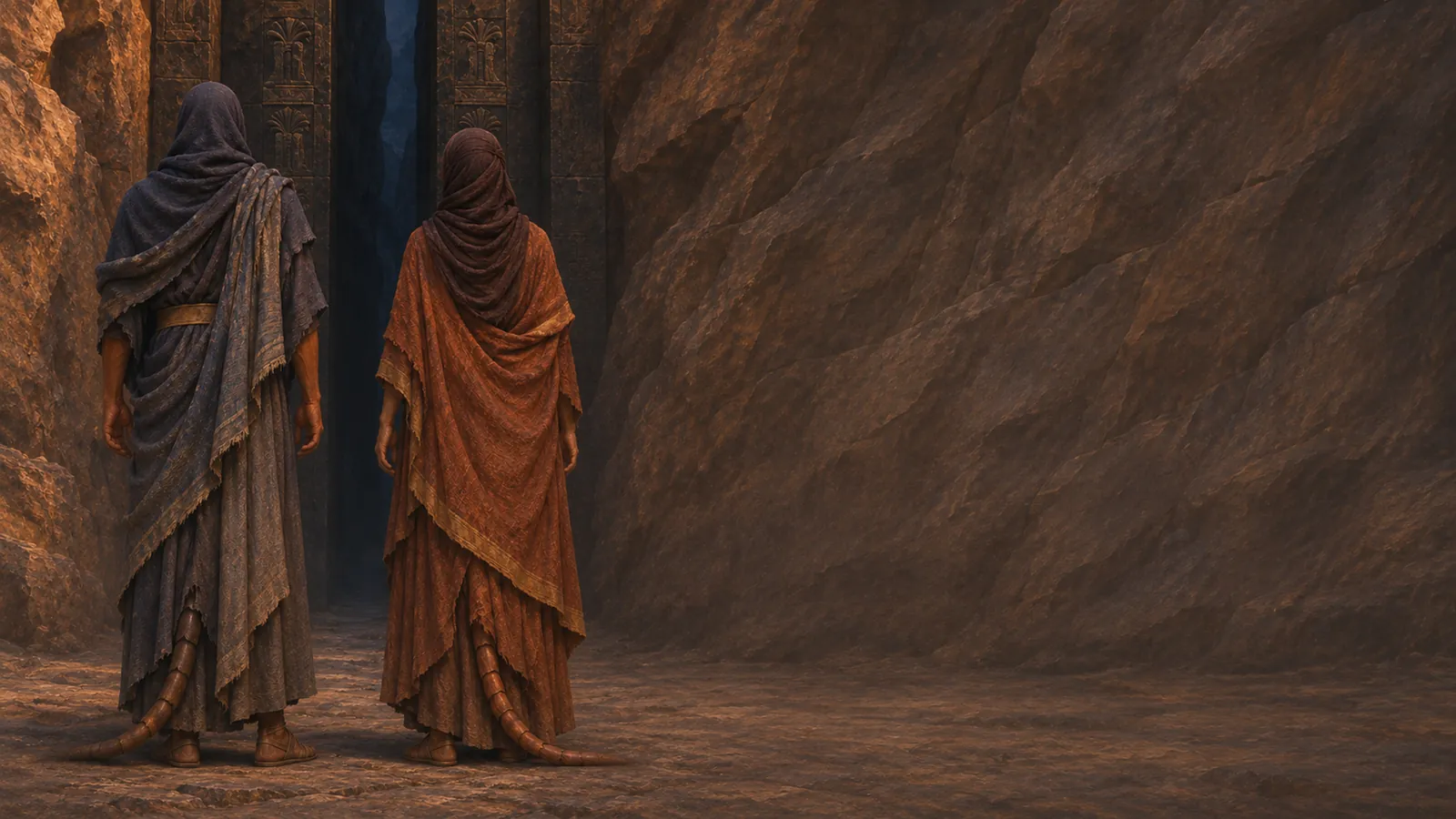
GARDIENS
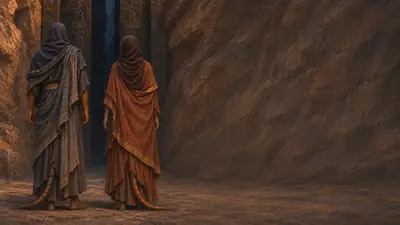
La porte appartenait à deux êtres scorpions. Le poème dit que leur seule vue pouvait donner la mort et qu’ils veillaient sur le soleil à son lever et à son coucher.
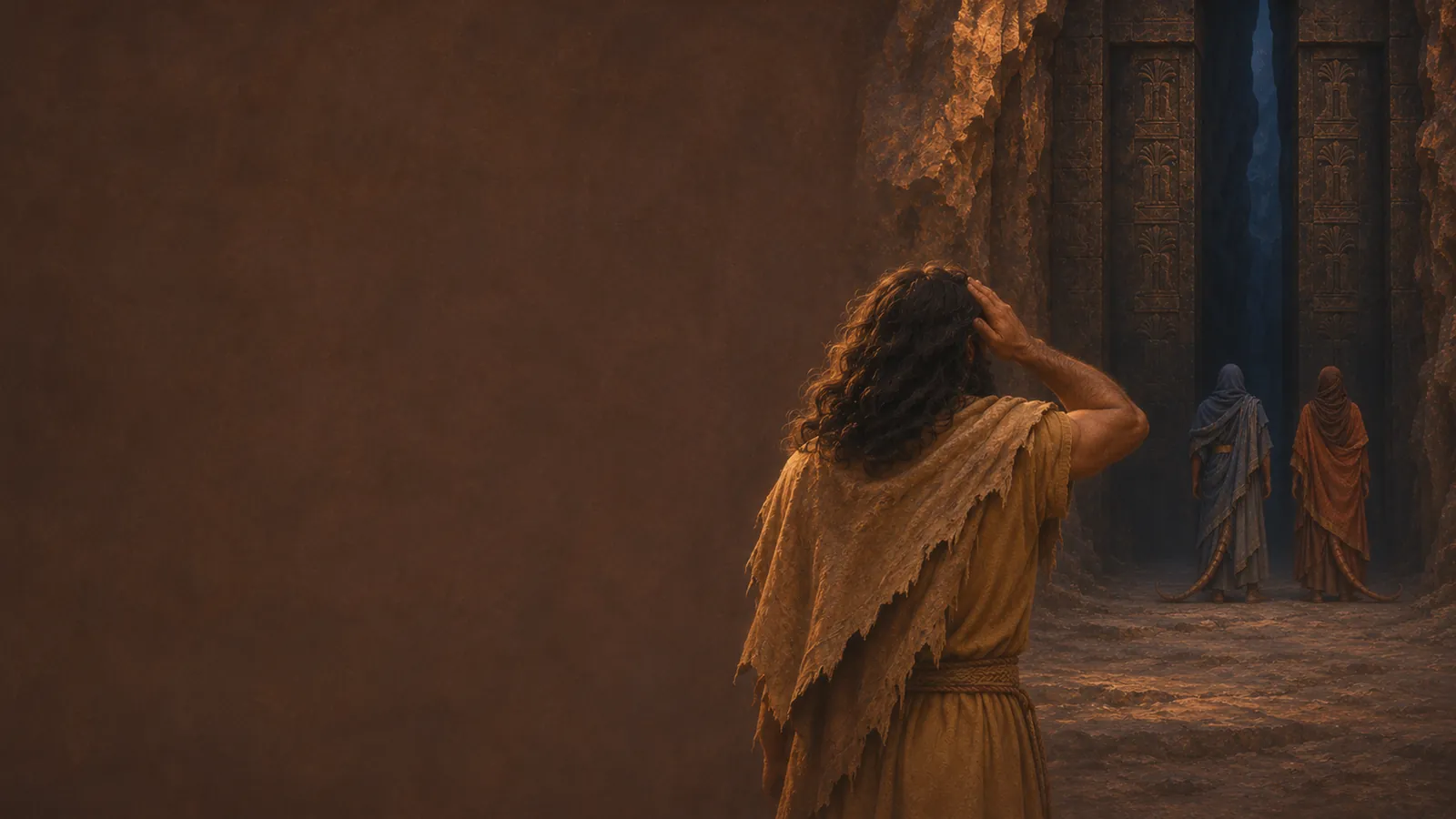
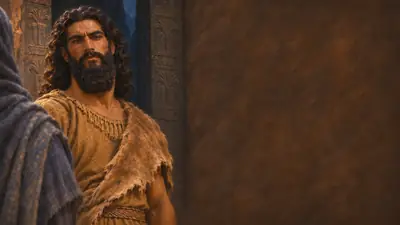
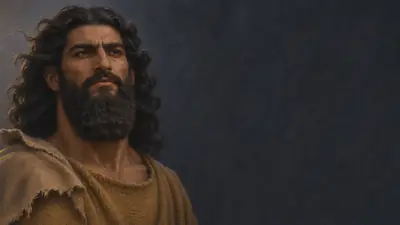
À leur vue, Gilgamesh se couvrit le visage de peur. Il se ressaisit et s’approcha des deux êtres qui se tenaient à la porte.
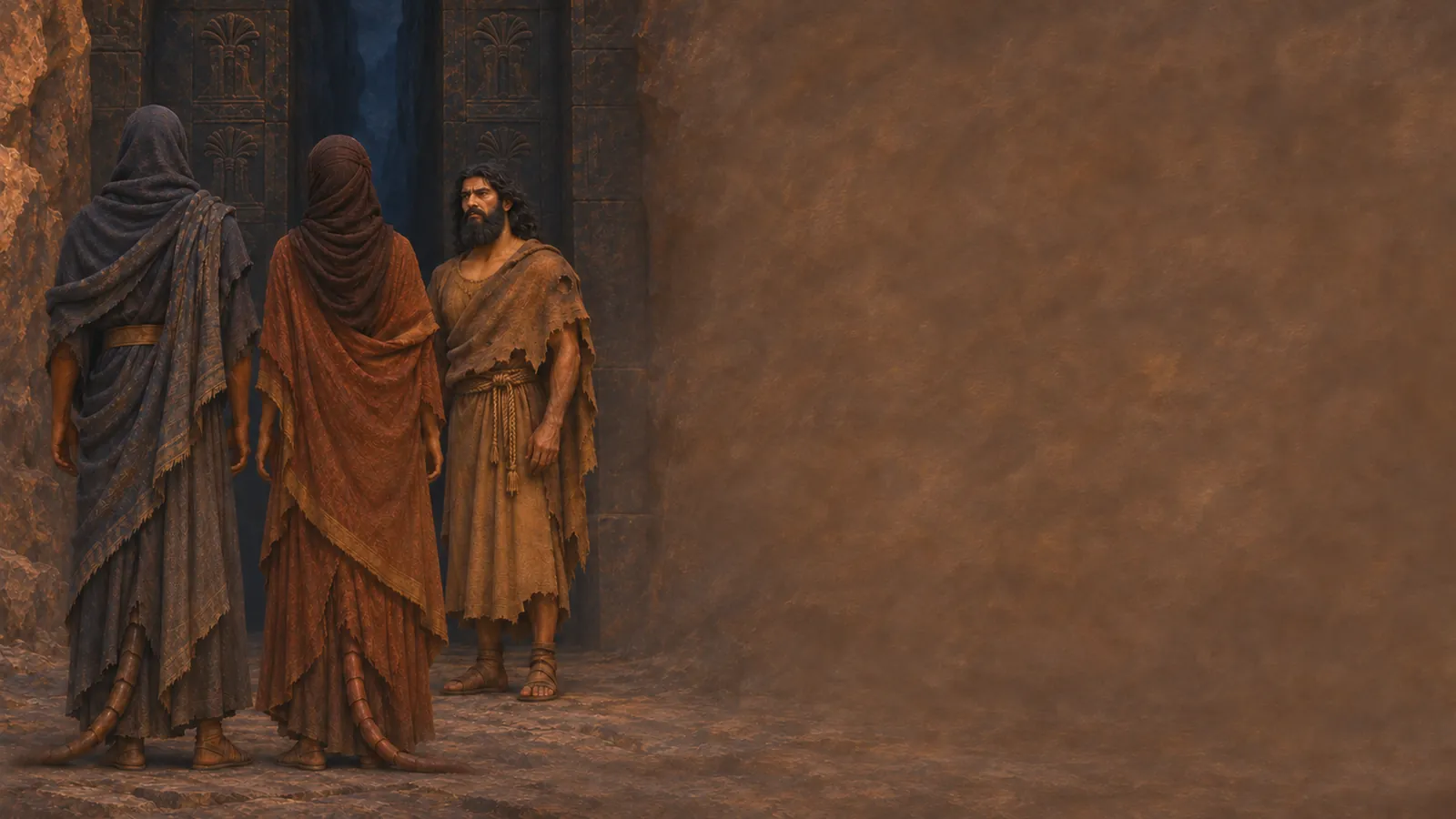
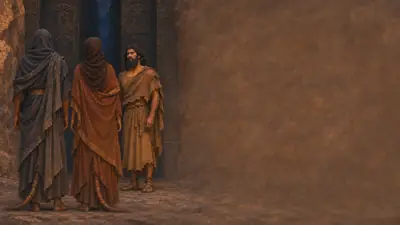
Le premier gardien reconnut quelque chose de divin chez le voyageur. Sa femme vit aussi l’autre part : Gilgamesh était en partie dieu et en partie homme.
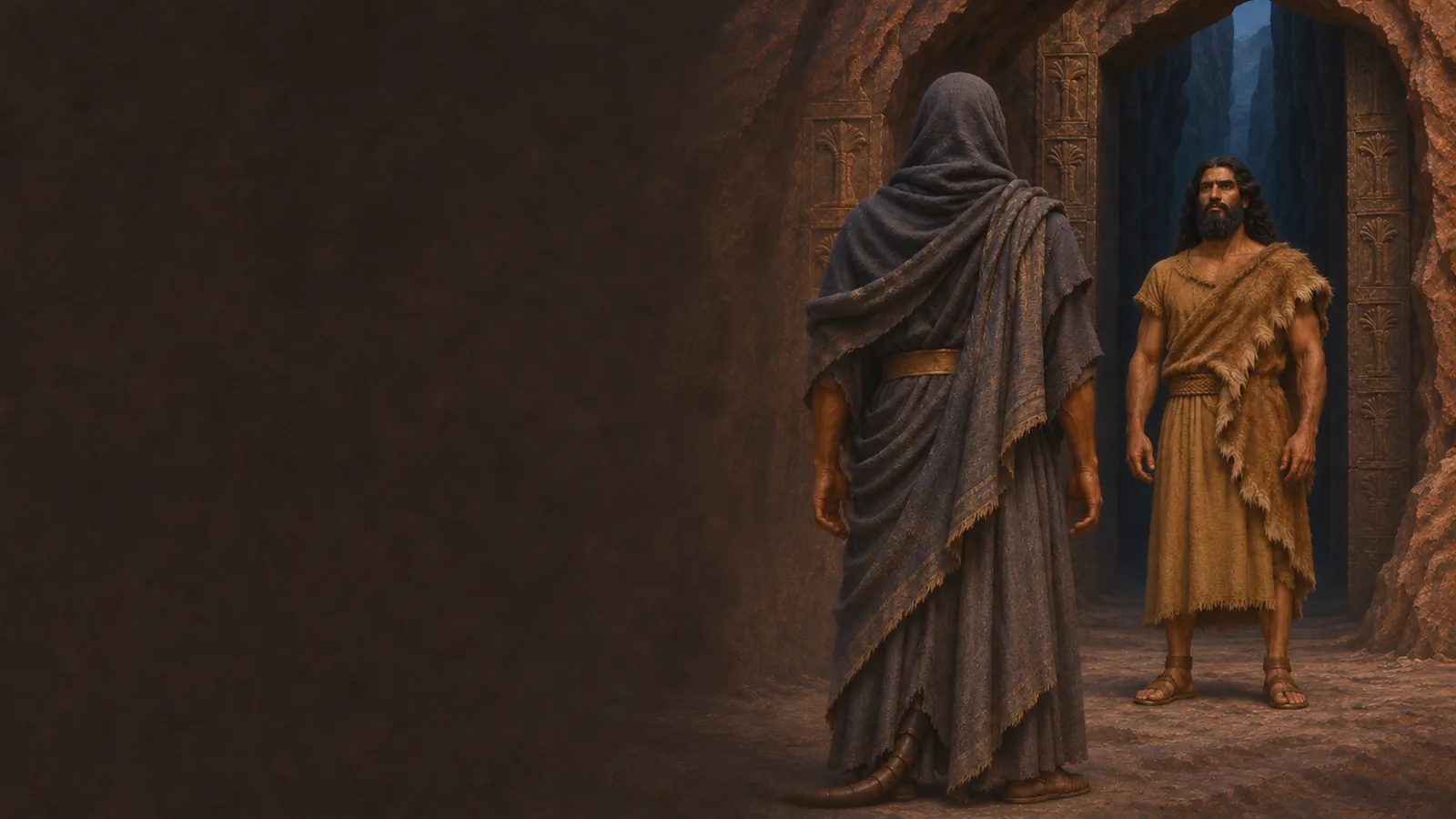
Le gardien demanda à Gilgamesh ce qui l’avait amené si loin de chez lui. La question ne nous est parvenue que par fragments, mais il est clair que Gilgamesh doit expliquer sa venue.
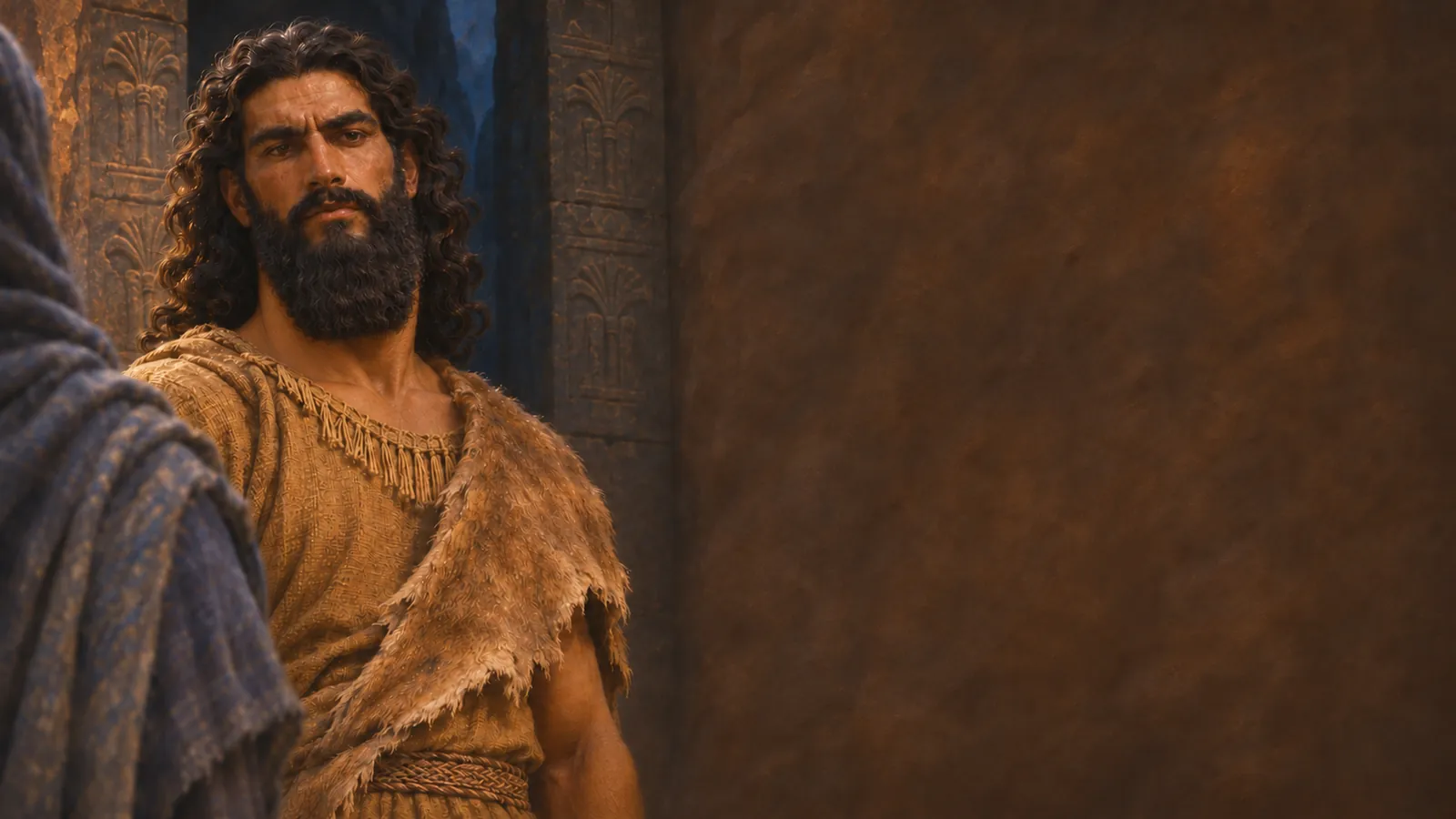
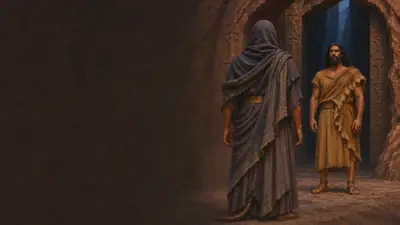
Gilgamesh était venu chercher Utnapishtim, son lointain ancêtre. Il voulait l’interroger sur la vie et la mort, la question qu’il avait portée jusqu’à Mashu.
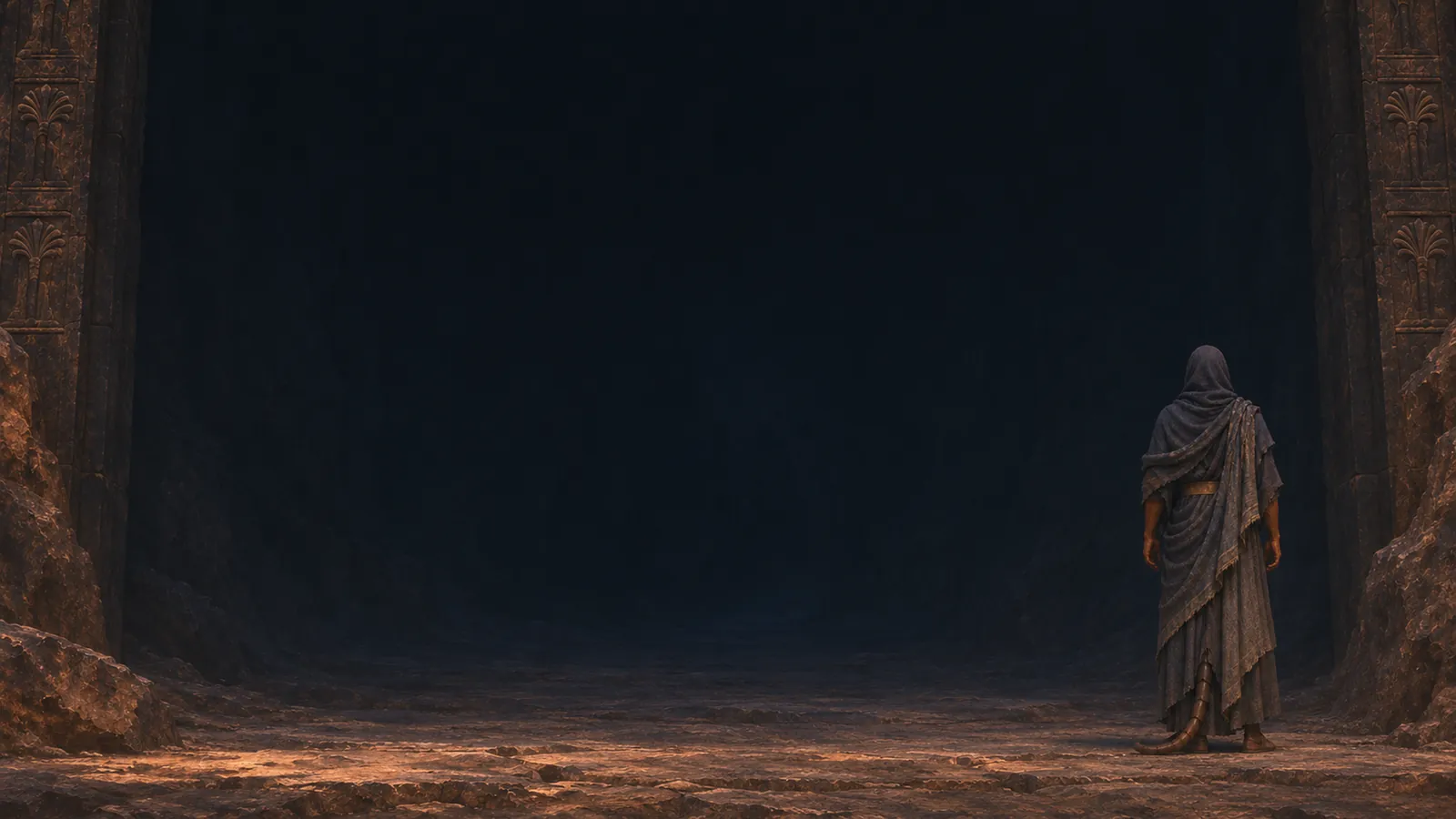
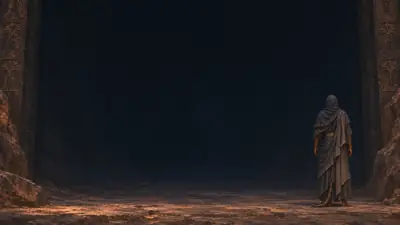
Le gardien l’avertit que personne n’avait traversé la montagne par cette voie. Sur une longue distance, le passage restait dans le noir, sans lumière pour guider le voyageur.
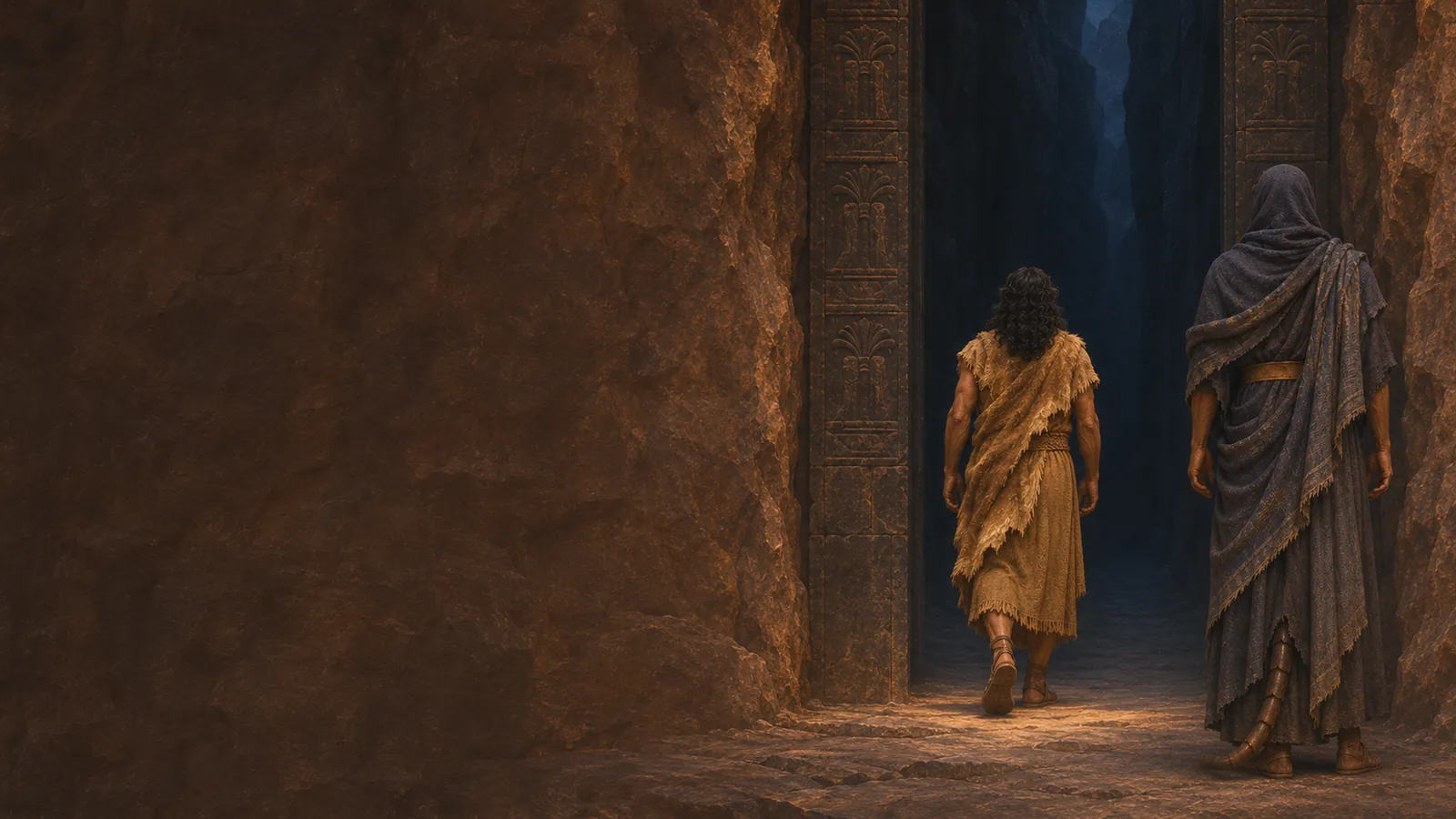
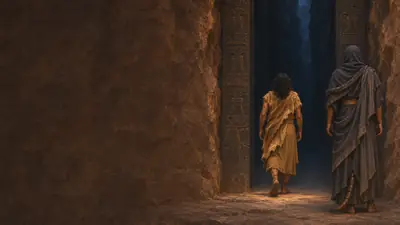
La tablette s’interrompt avant que nous ayons entendu tout l’échange. Lorsque les mots reprennent, le gardien laisse Gilgamesh traverser Mashu et lui souhaite un passage sans danger.
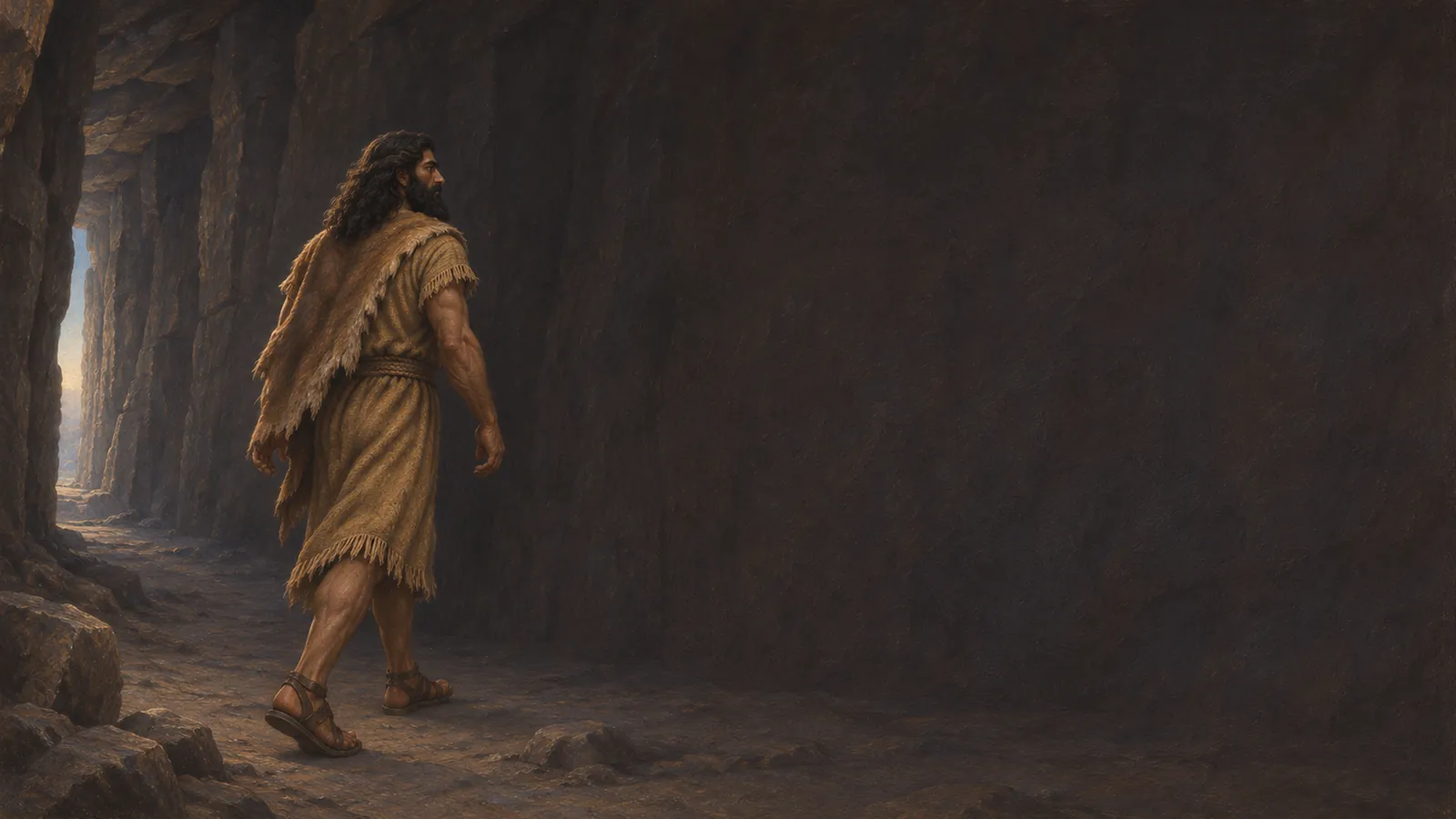
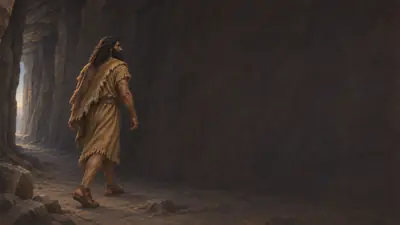
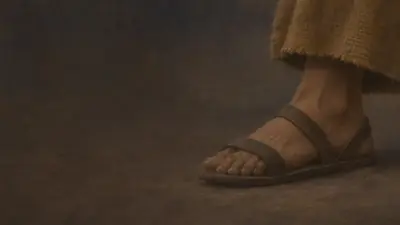
Gilgamesh écouta, puis s’engagea sur la route qu’empruntait le dieu du soleil. L’ouverture rétrécissait derrière lui à mesure qu’il s’enfonçait dans la roche.
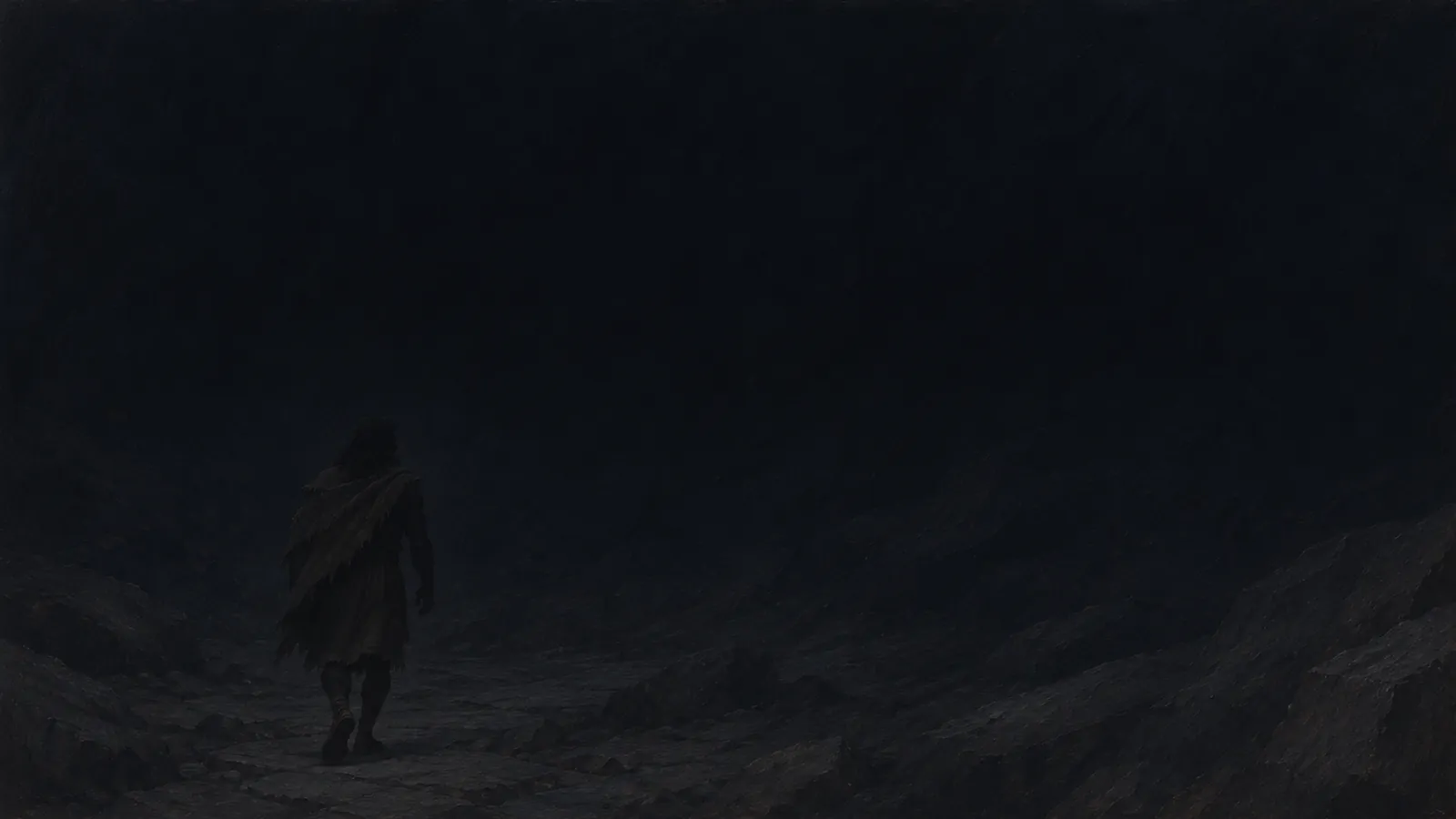
Le premier tronçon se déroula dans des ténèbres si épaisses que Gilgamesh ne voyait plus le chemin par lequel il était venu. Le poème reprend les mêmes mots pour dire l’obscurité à mesure qu’il avance.
Le poème compte un tronçon de plus, puis un autre. Les mots répétés nous font sentir la distance, alors que Gilgamesh ne voit rien qui puisse lui servir à la mesurer.
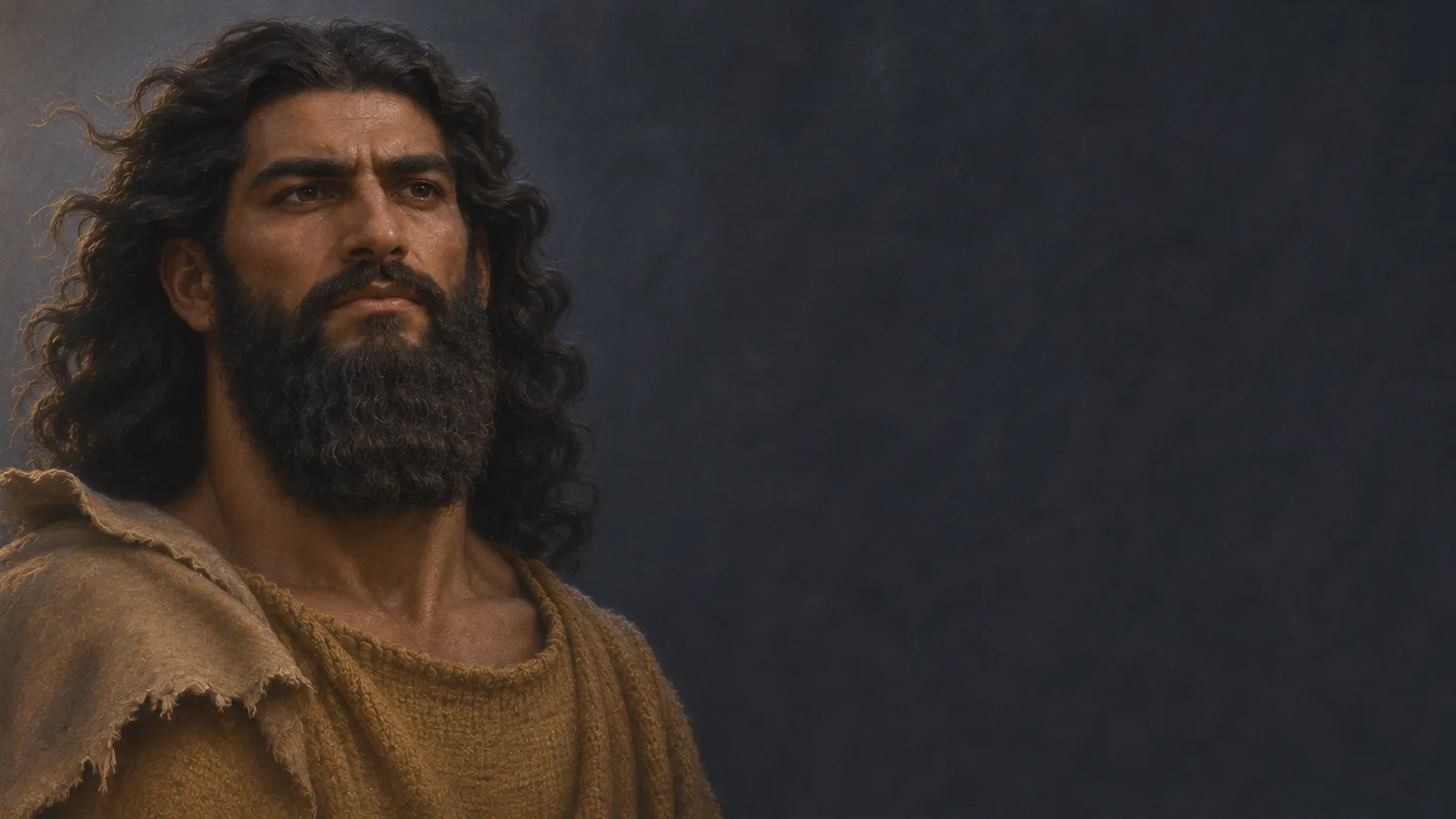
Au fond du passage, le poème mentionne un vent du nord. La ligne est endommagée, mais elle vient juste avant que l’obscurité commence à céder au jour qui approche.
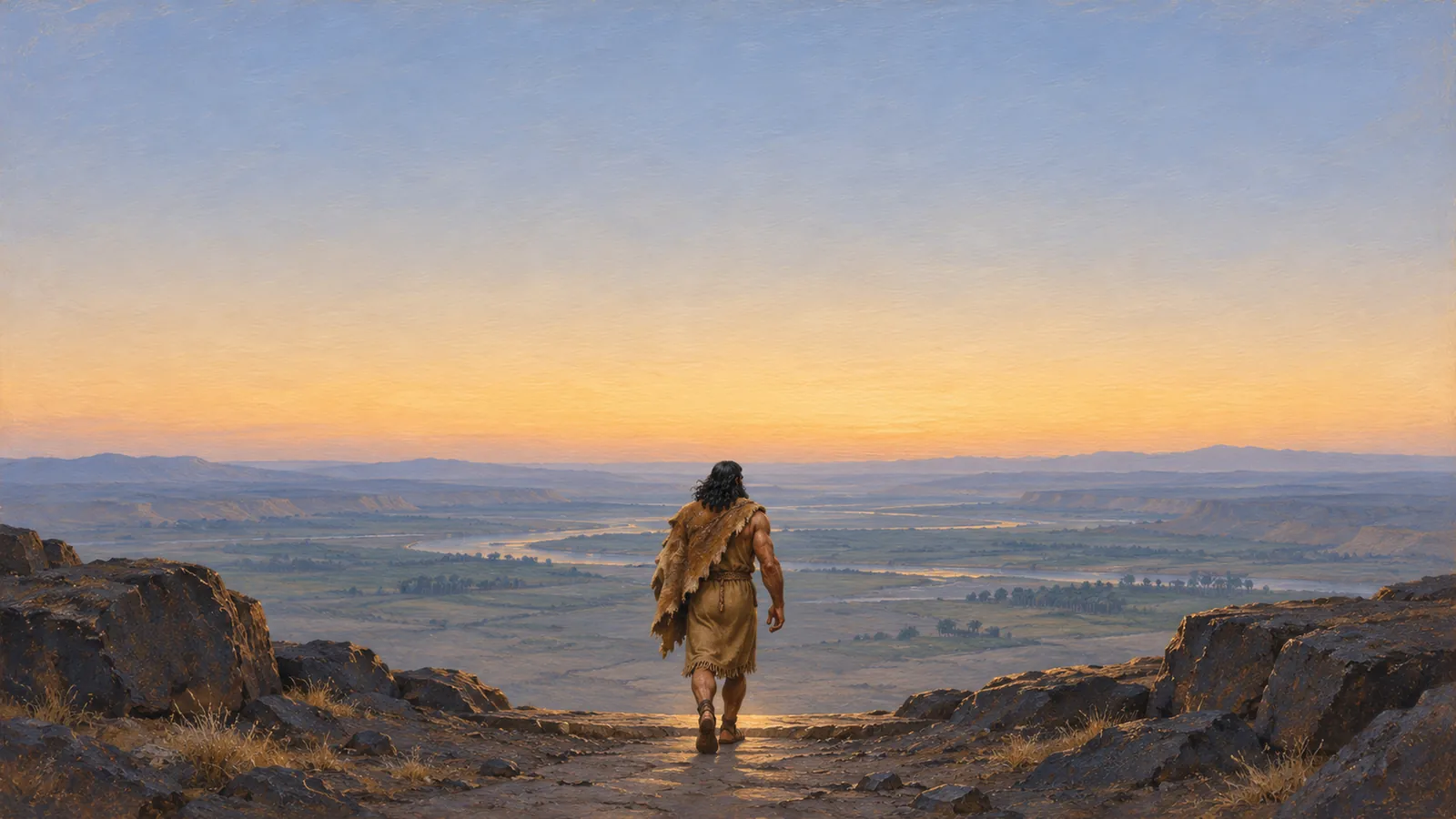
LUMIÈRE
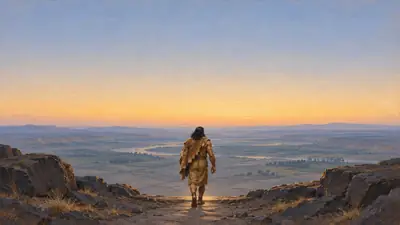
Gilgamesh atteignit le bout du passage avant le soleil. Il avait parcouru toute l’étendue des ténèbres pour déboucher dans une clarté que le poème ne décrit plus que par fragments.
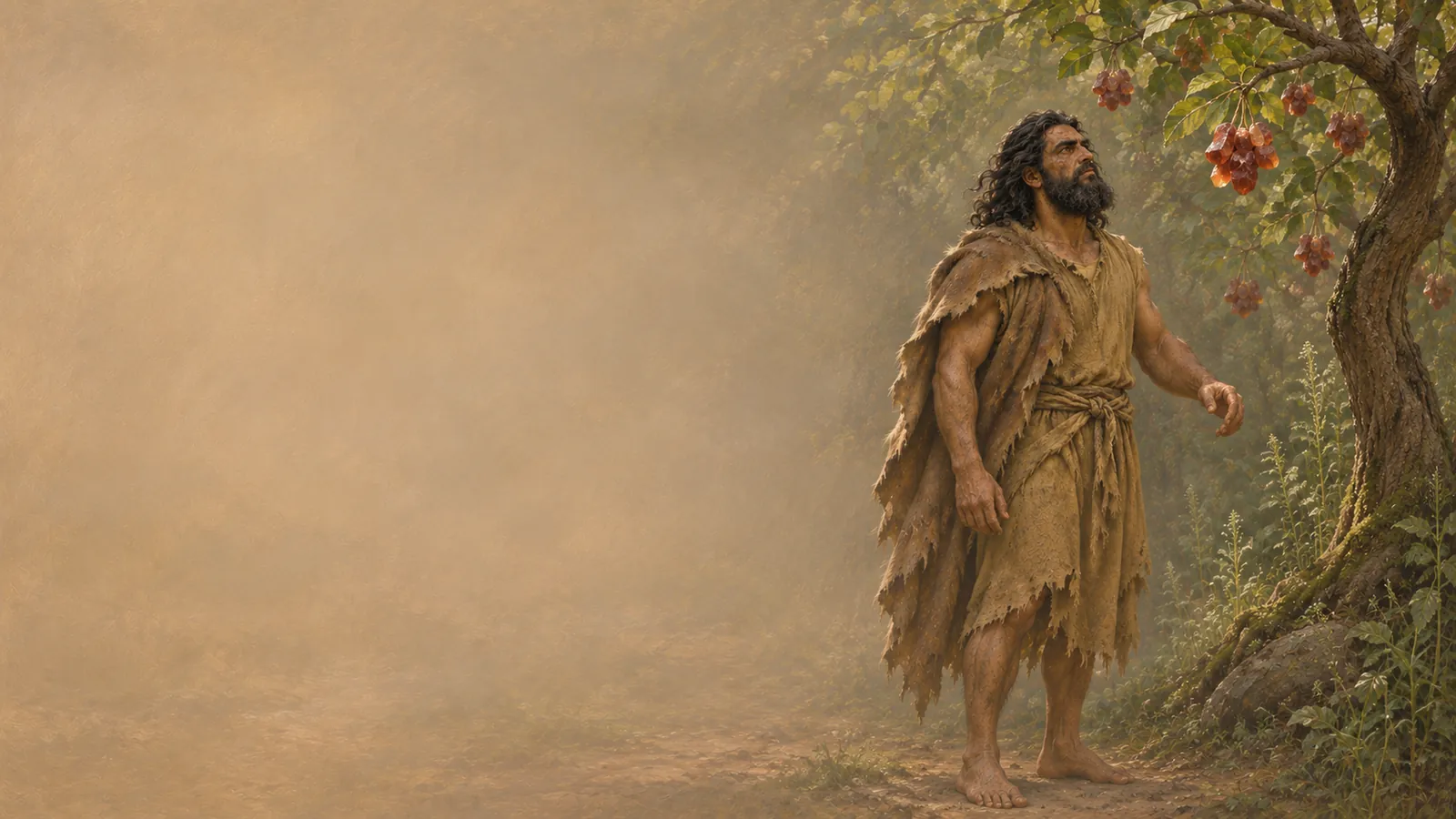
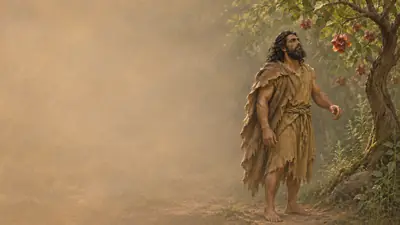
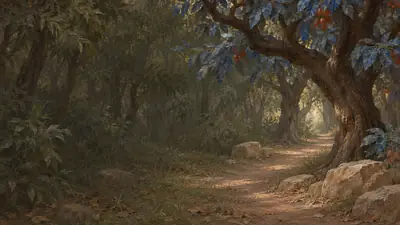
Le jour révéla un jardin où des pierres précieuses poussaient sur les branches. Gilgamesh s’approcha et vit des grappes de cornaline rouge suspendues comme des fruits au soleil.
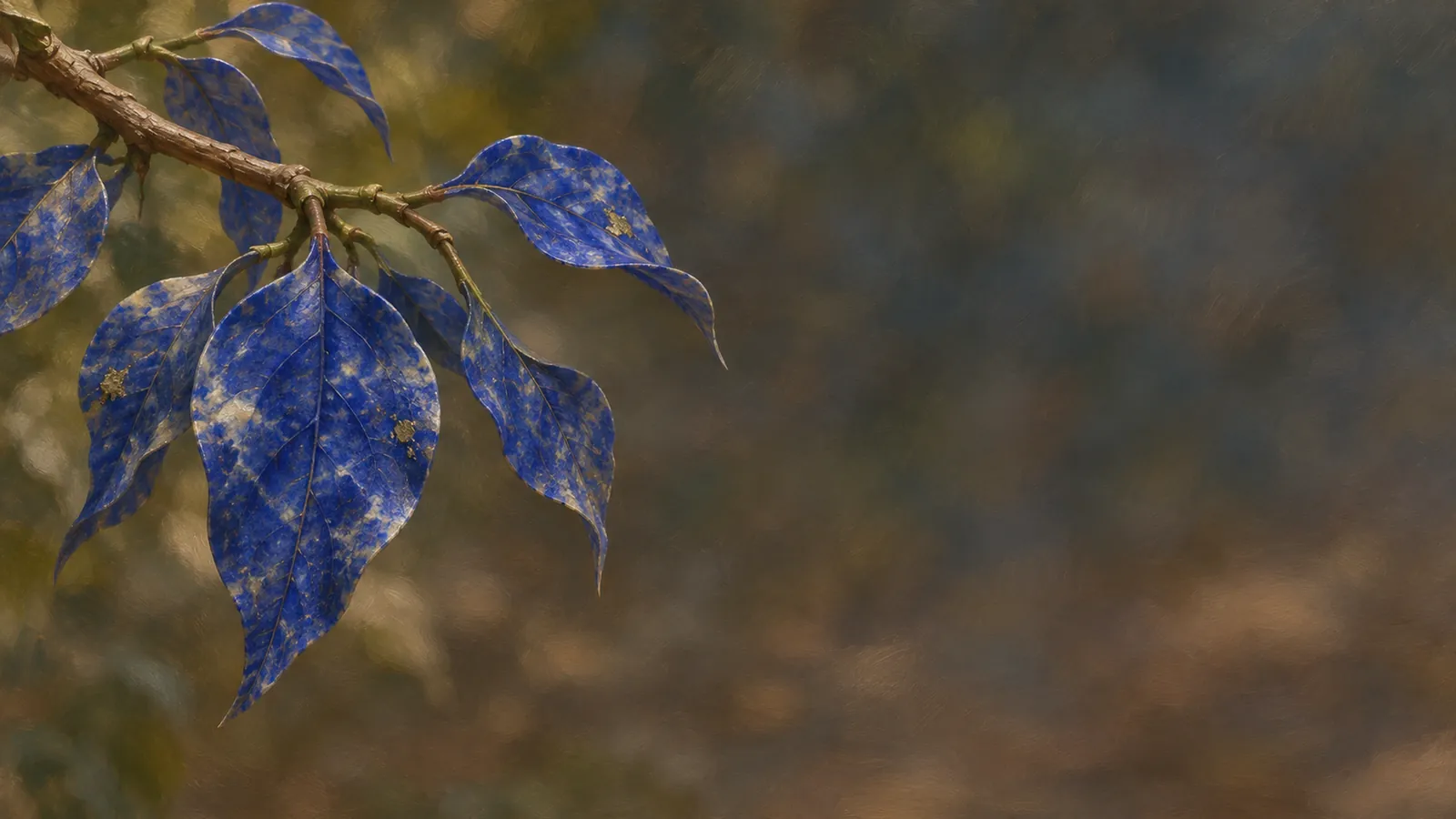
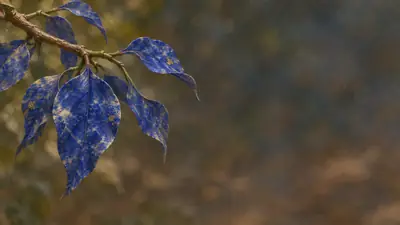
Une autre branche portait du lapis-lazuli là où l’on s’attendrait à voir des feuilles. Le poème s’attarde sur ce que Gilgamesh peut enfin voir après avoir suivi une route dans le noir.
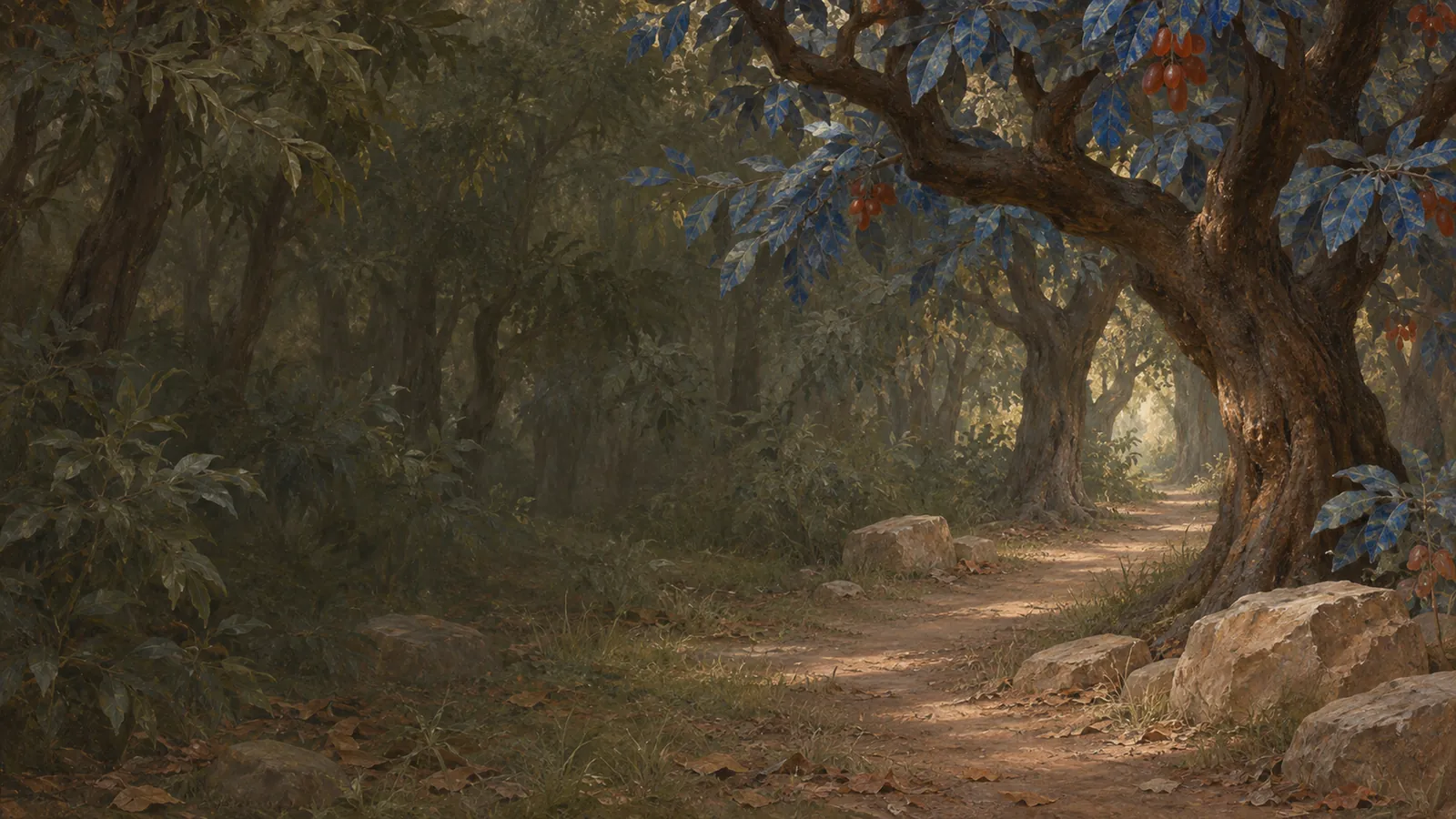
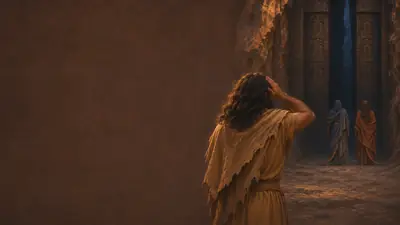
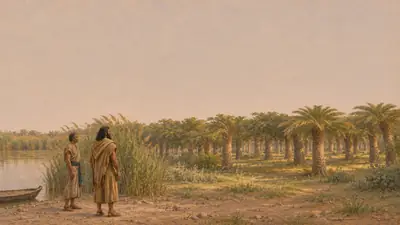
De la suite de la description du jardin, il ne reste que quelques images. À la fin de la tablette, tandis que Gilgamesh marche, émerveillé, quelqu’un lève la tête pour l’observer.
SIDURI
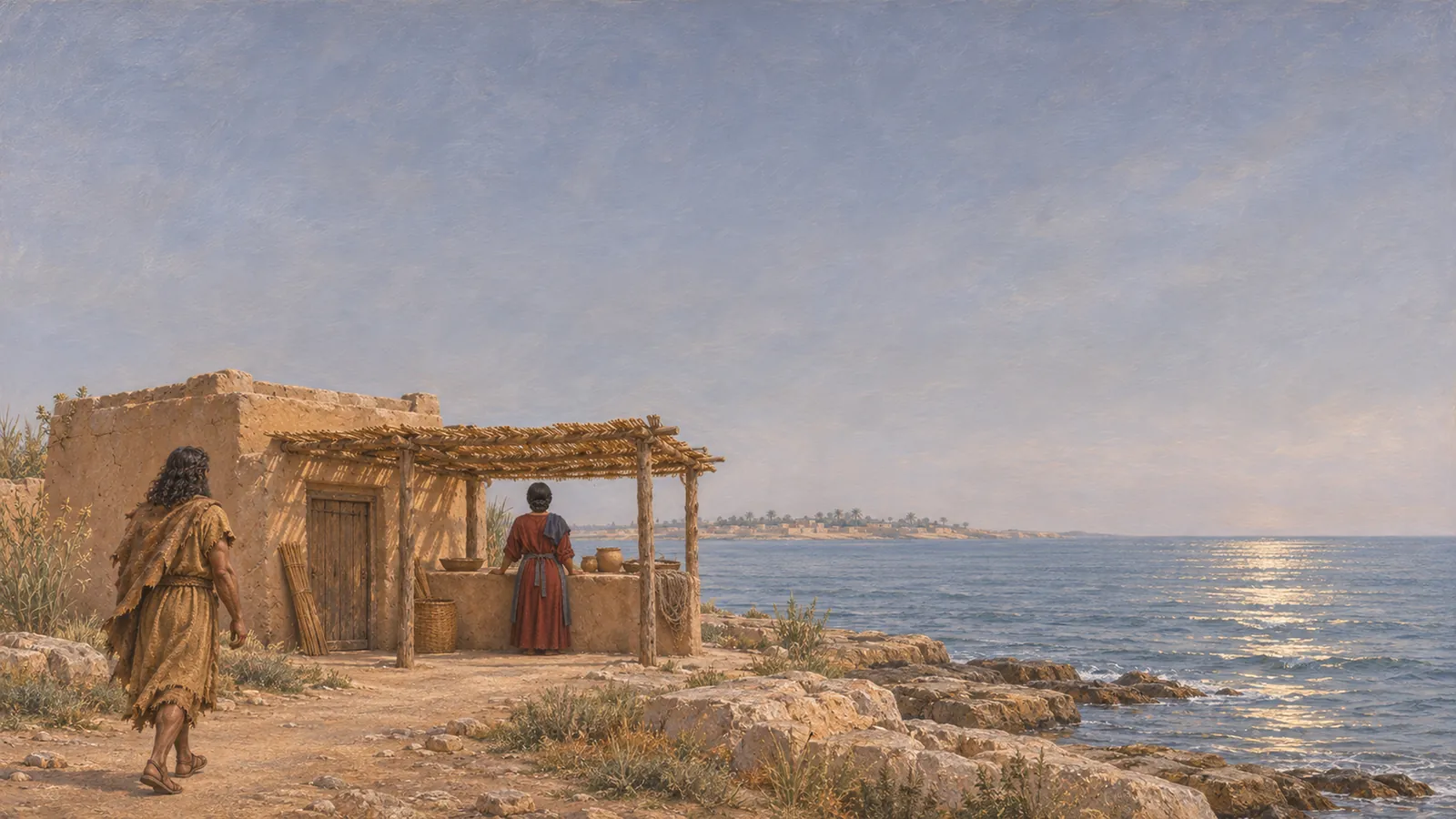
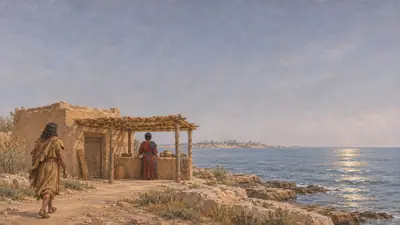
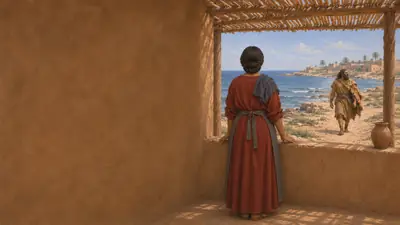
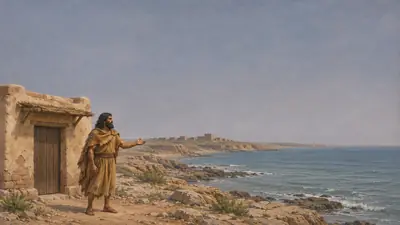
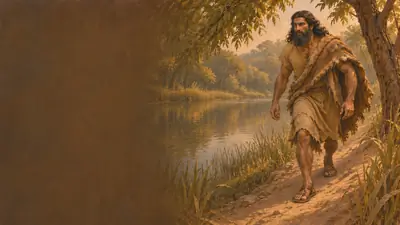
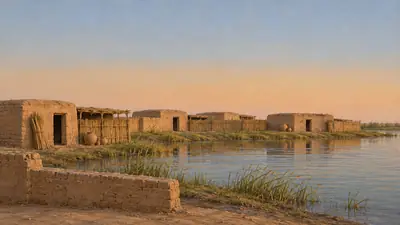
Une tavernière du nom de Siduri vivait là où la terre rejoignait les vastes eaux. Gilgamesh arriva des terres sauvages jusqu’à sa porte.
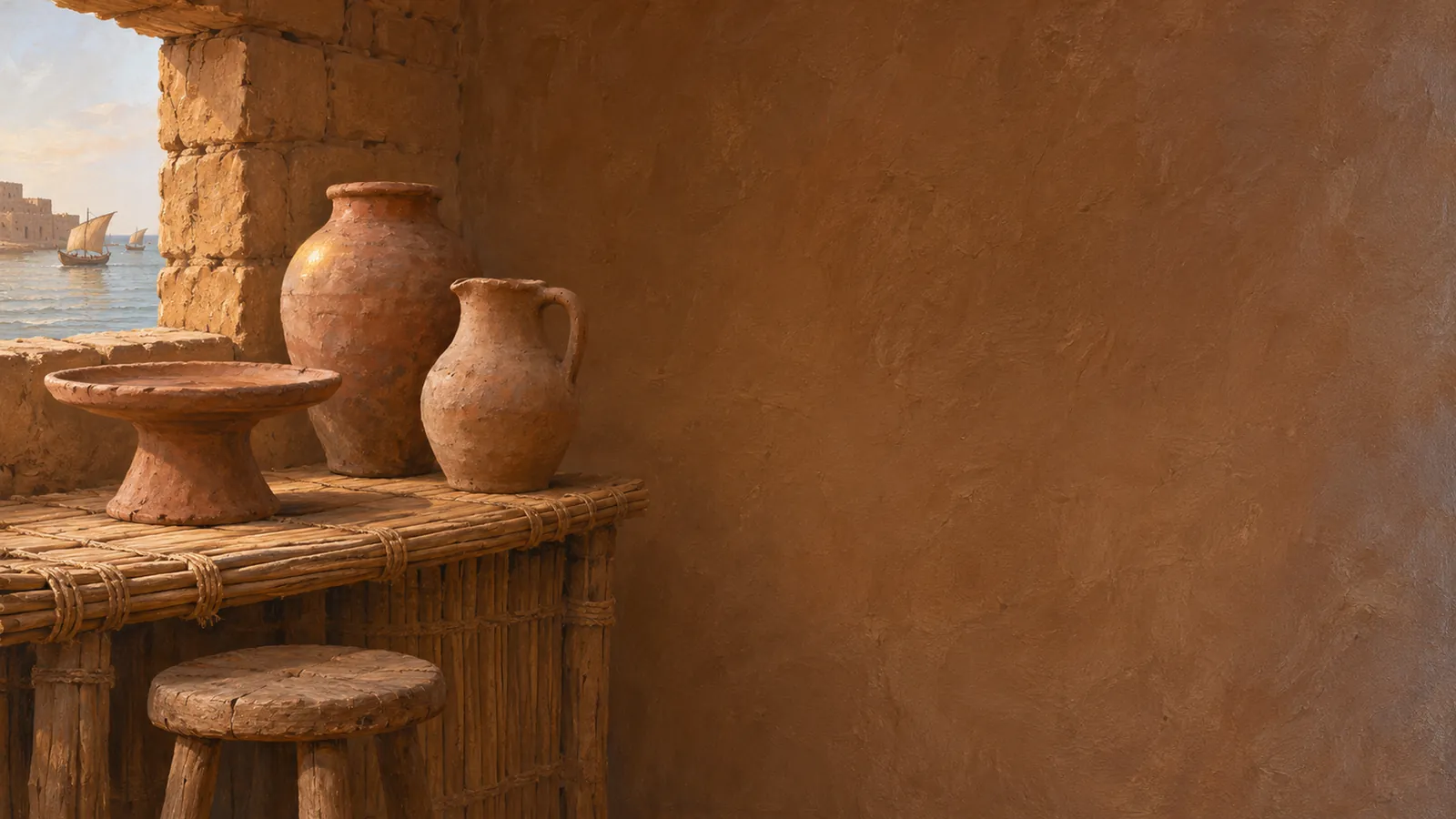
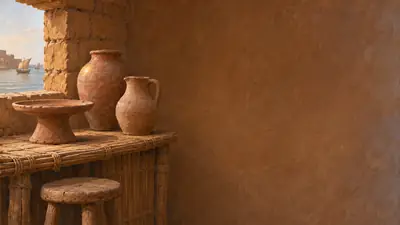
Siduri avait des supports pour ses récipients, et la ligne endommagée décrit peut-être aussi des cuves d’or. Depuis sa maison, on voyait quelqu’un arriver des terres sauvages.
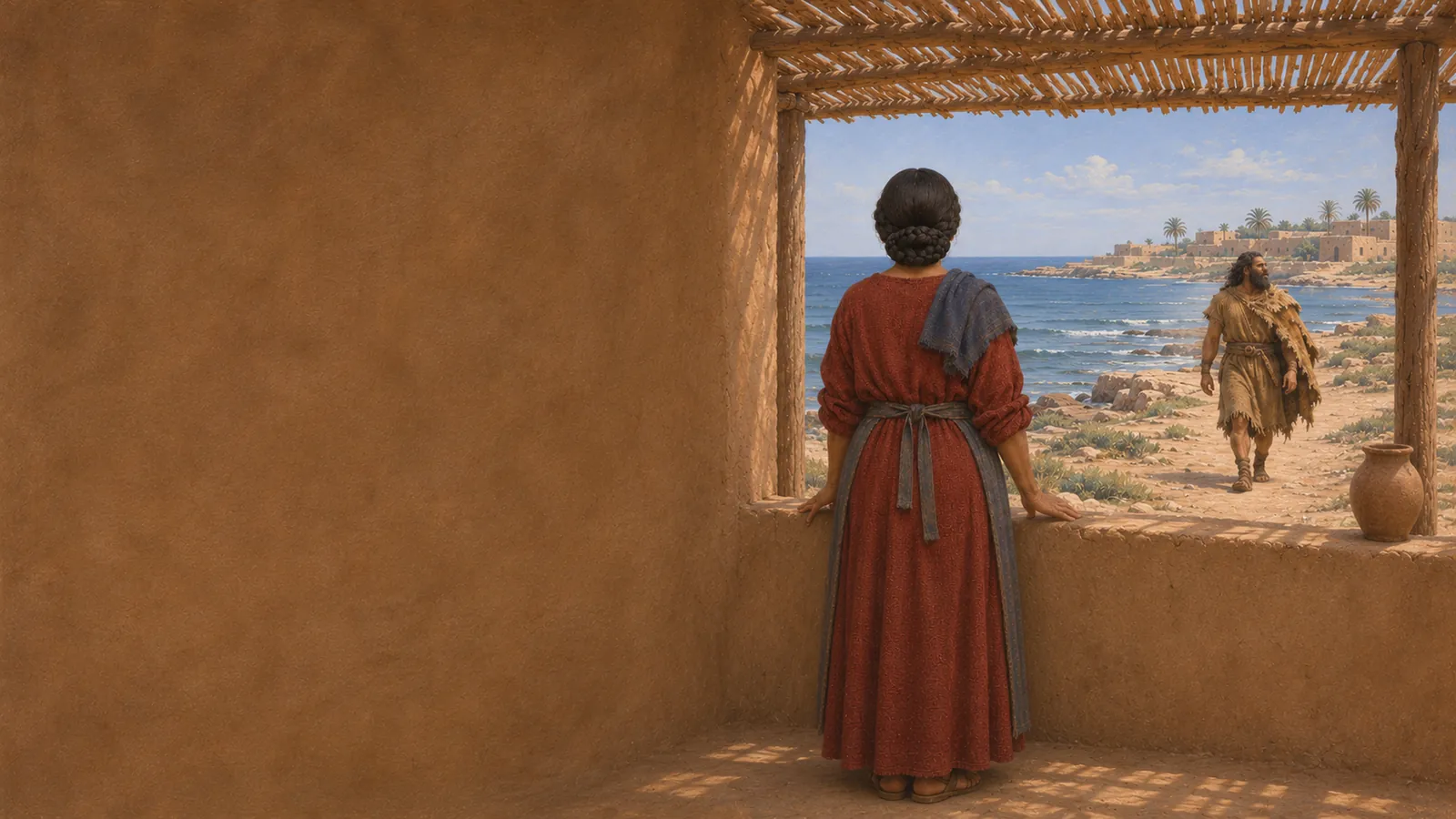
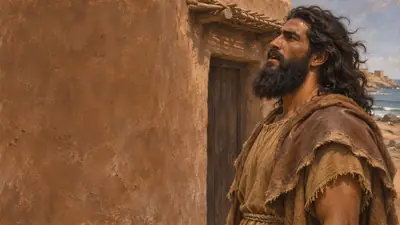
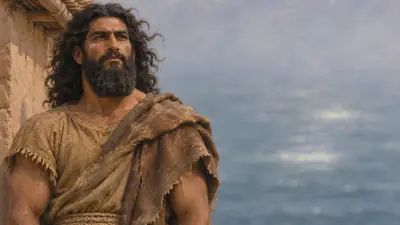
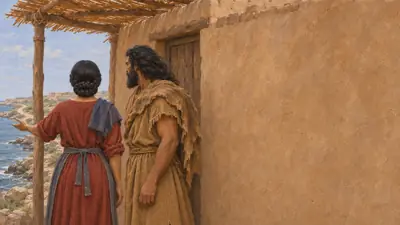
Siduri regarda un homme vêtu d’une peau s’approcher de sa porte. Il avait l’air d’avoir voyagé loin, et elle le croyait capable de tuer un taureau sauvage.
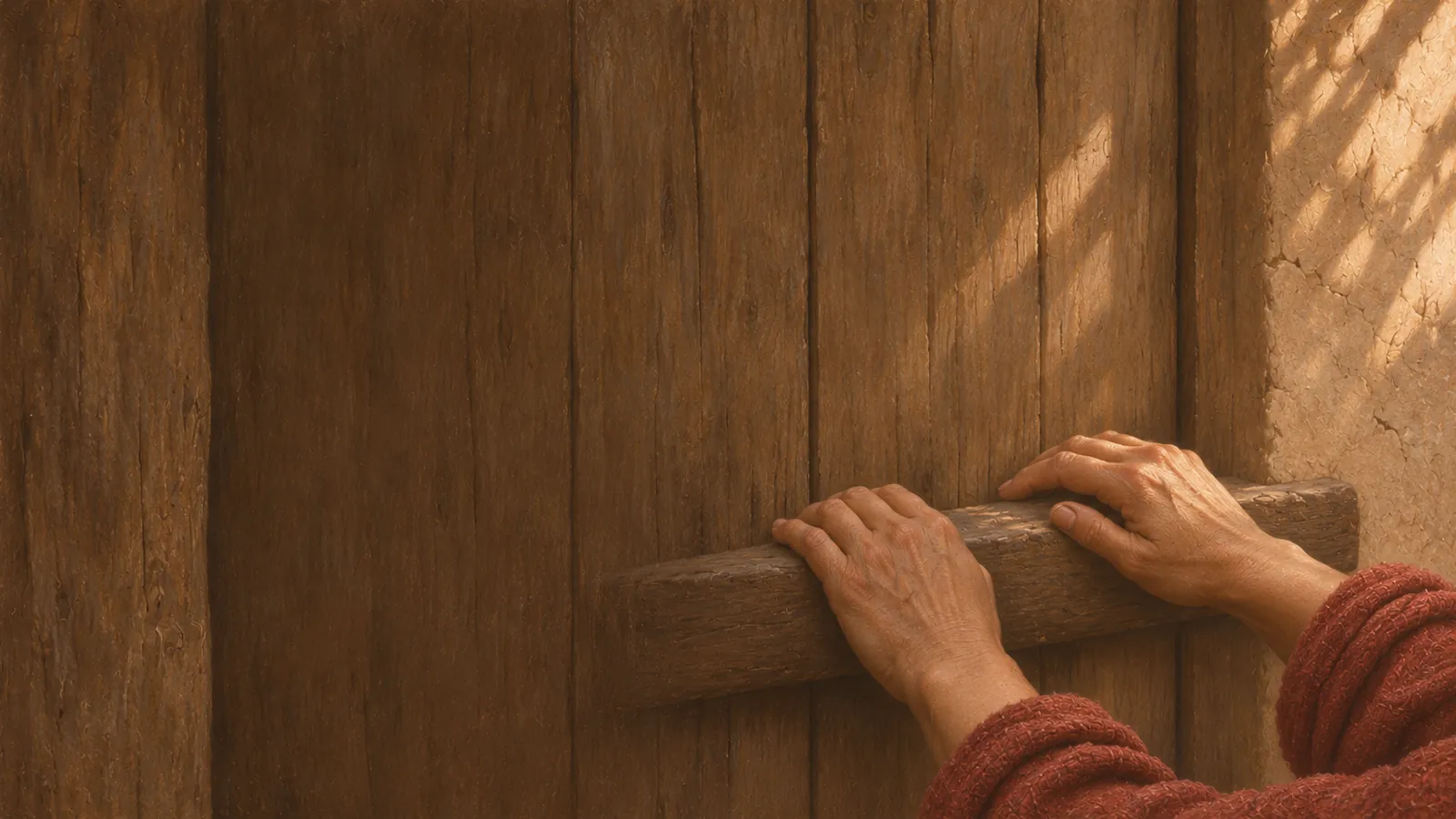
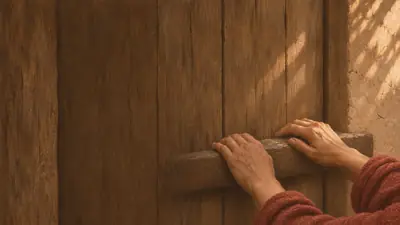
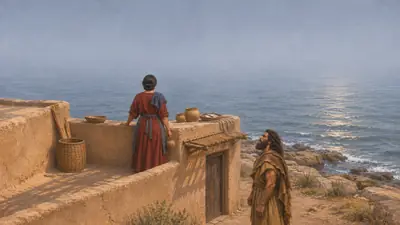
Siduri ferma sa porte et monta sur le toit. La porte fermée, elle pouvait voir qui était venu sans le laisser entrer.
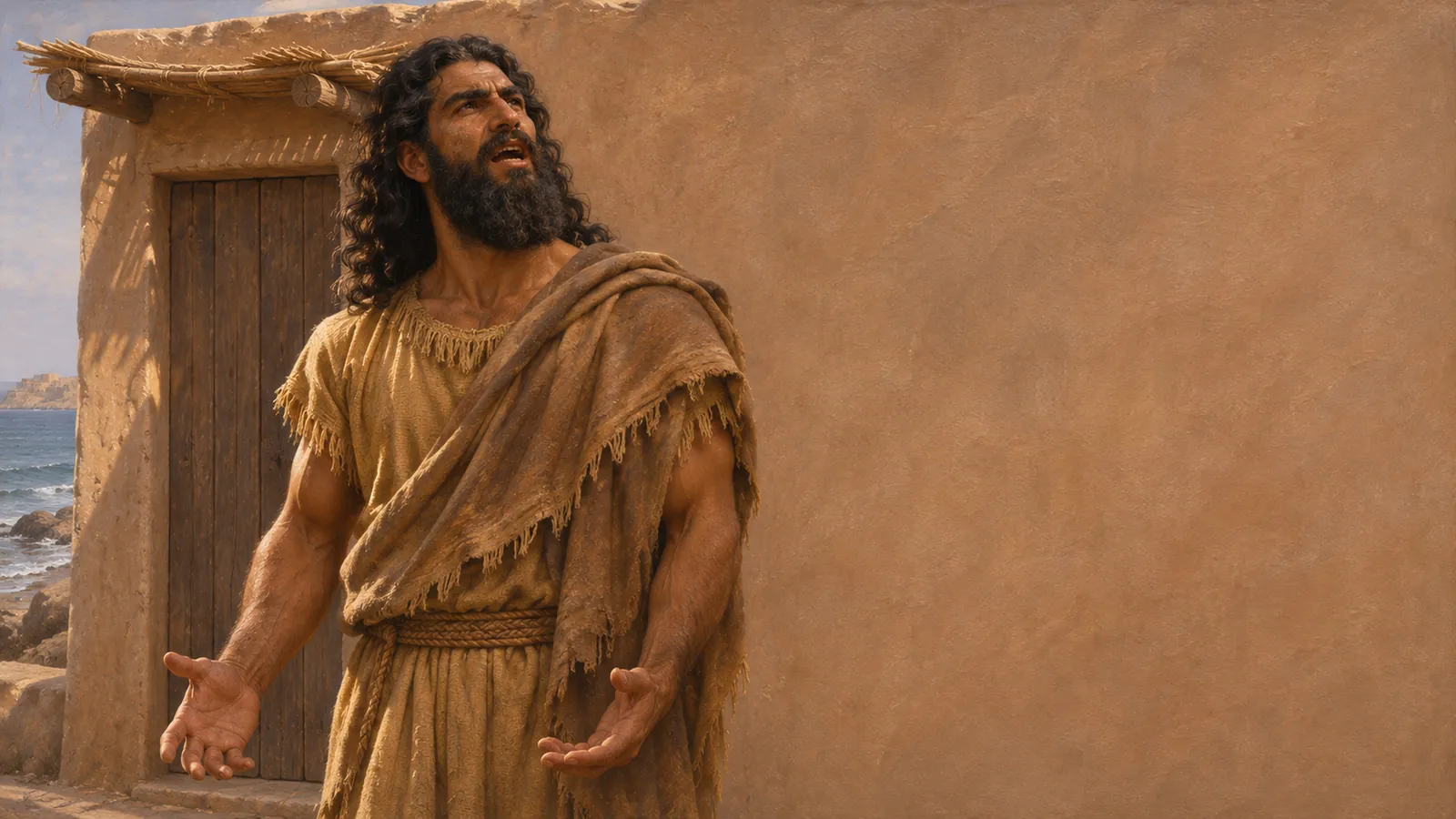
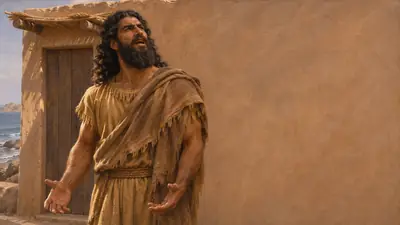
Gilgamesh demanda à Siduri pourquoi elle lui avait fermé la porte. Dans les lignes qui subsistent, il menace de la briser, et l’on devine combien ses paroles ont dû paraître dures à quelqu’un qui ne le connaissait pas.
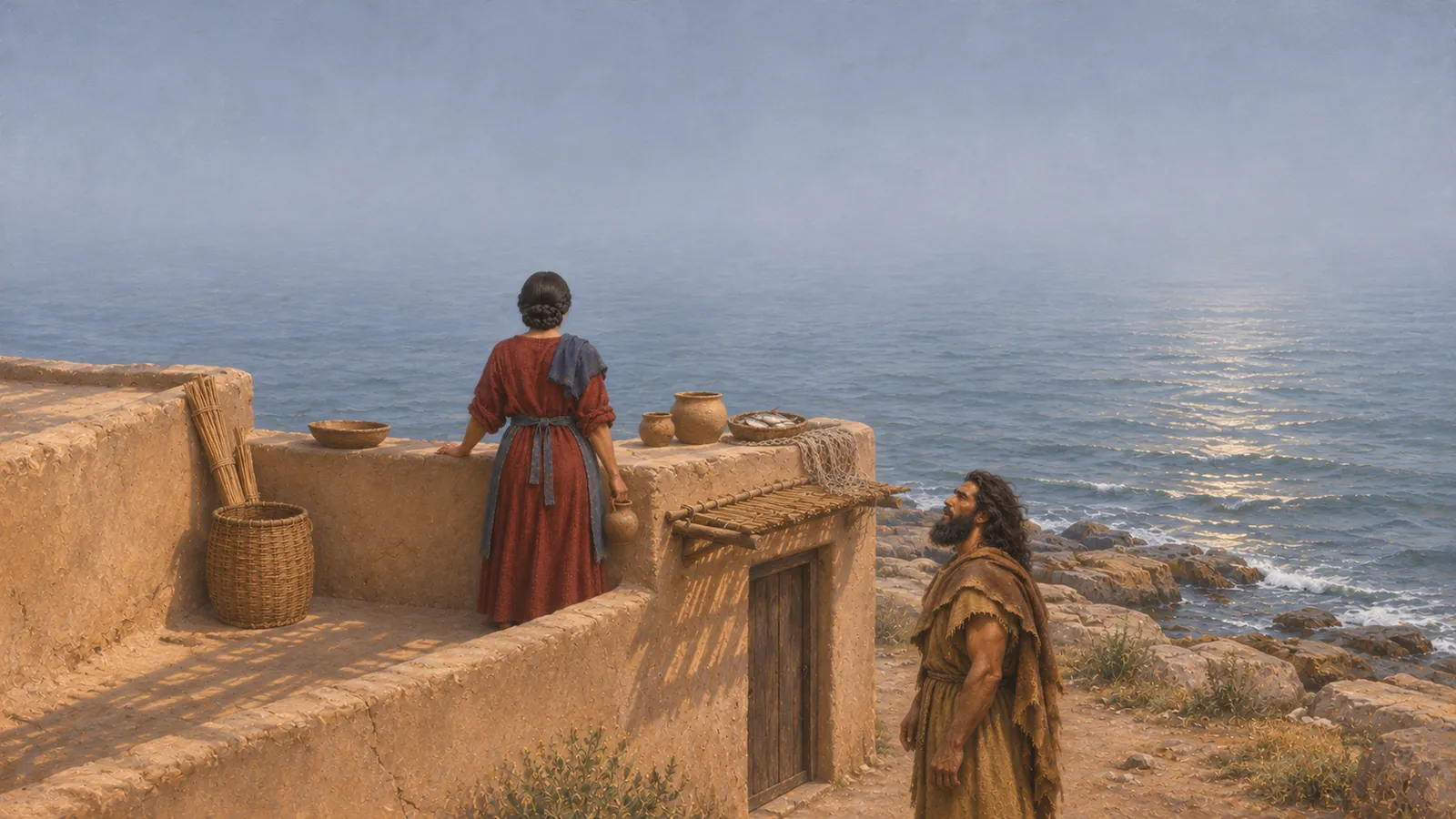
Du toit, Siduri l’interrogea sur la route qui l’avait amené jusque-là. L’échange endommagé laisse entendre sa prudence, même quand elle commence à l’écouter.
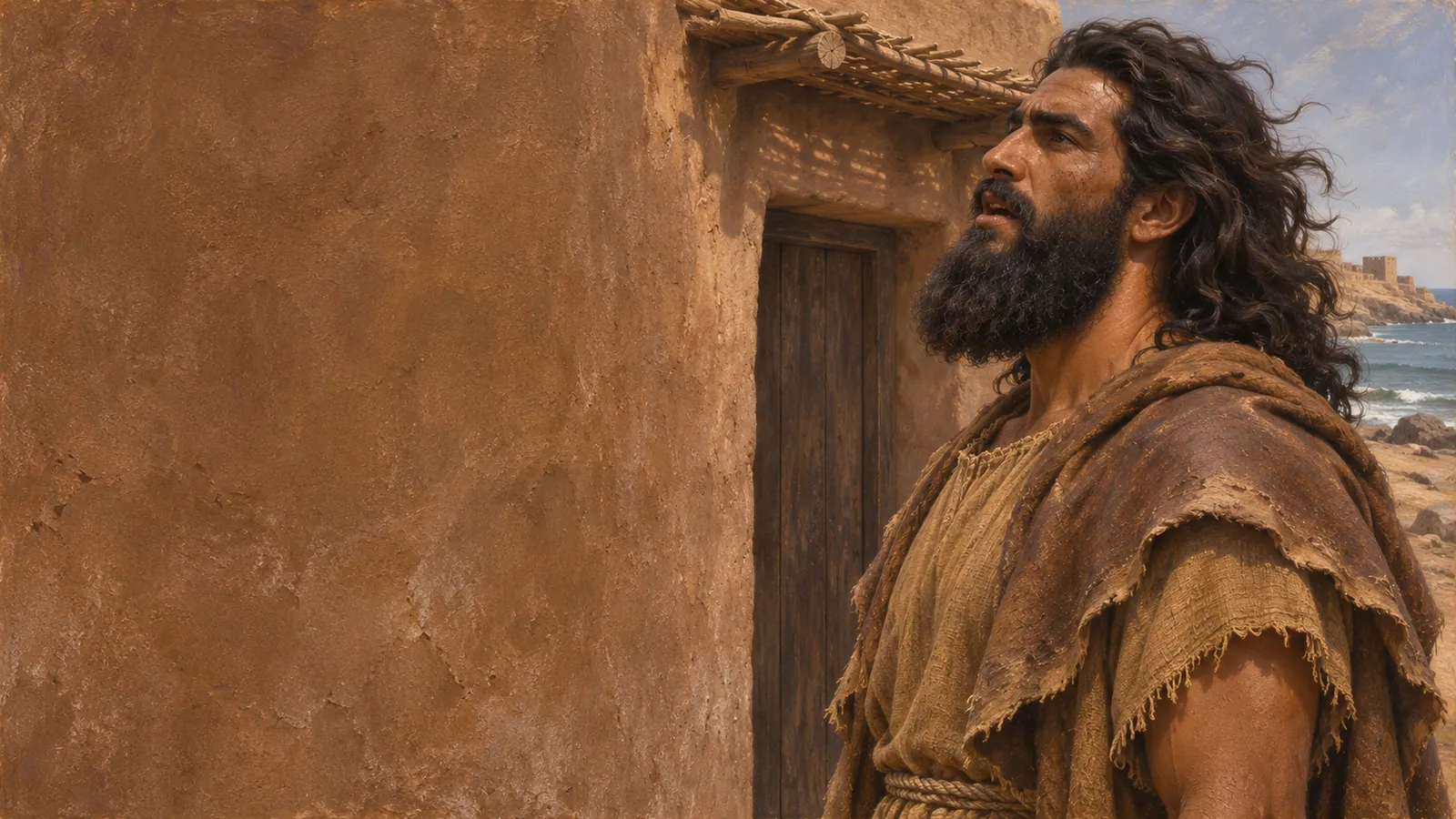
Gilgamesh lui parla des montagnes franchies, du Taureau céleste et du gardien de la forêt. Il parlait au pluriel en évoquant ce qu’Enkidu et lui avaient fait ensemble.
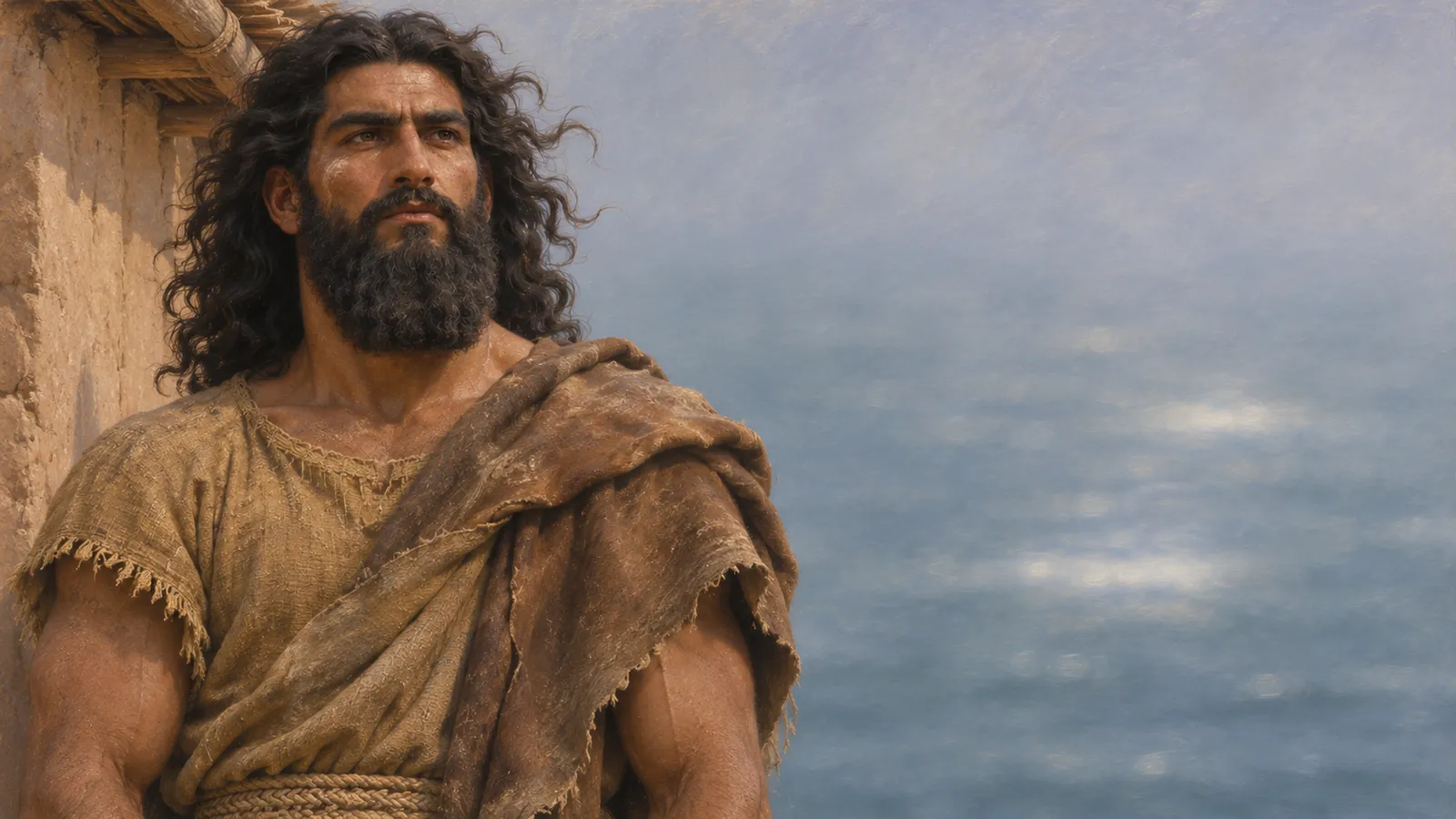
Siduri avait entendu ce qu’il disait avoir accompli. Elle voulait savoir pourquoi son visage était ainsi marqué par les intempéries et si tiré, comme celui d’un homme qui venait de loin.
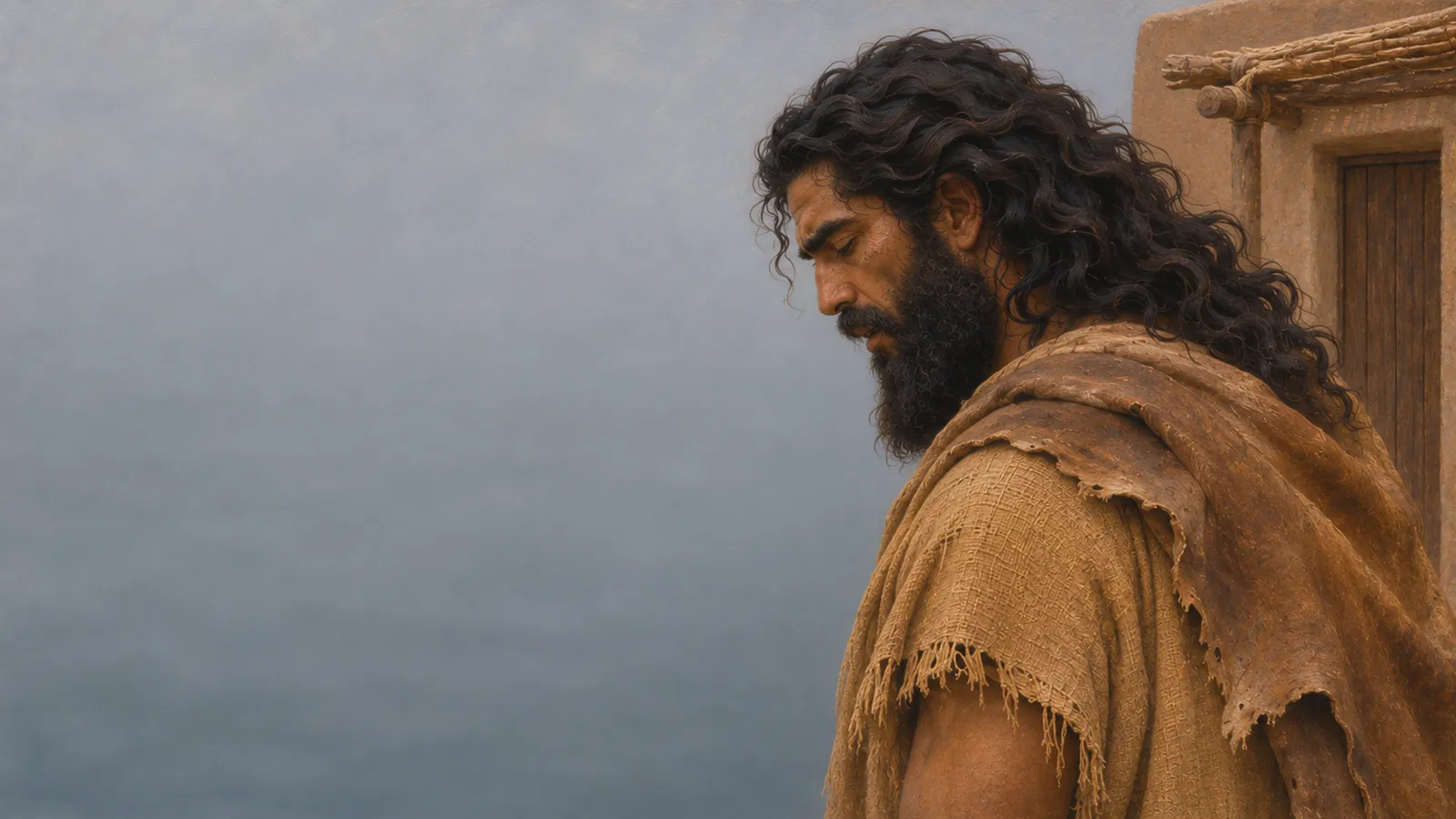
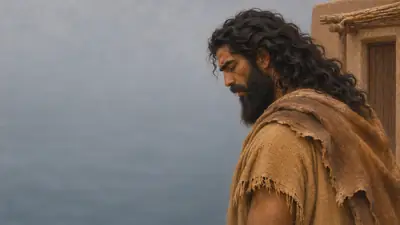
Gilgamesh pleura Enkidu six jours et sept nuits et refusa qu’on l’enterre. Quand il vit le corps de son ami commencer à se décomposer, il se mit à craindre sa propre mort.
CHEMIN
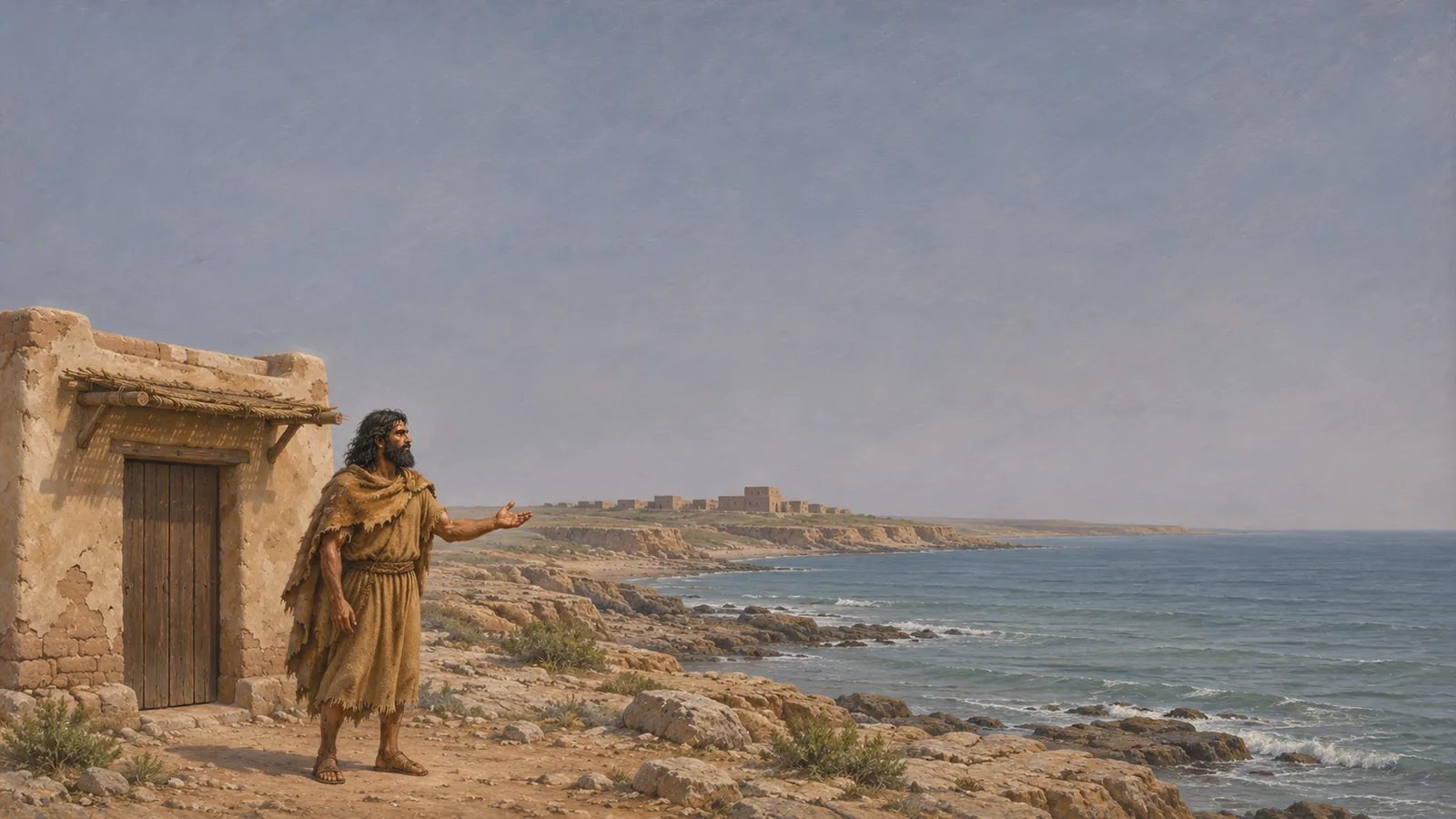
Gilgamesh demanda comment parvenir jusqu’à Utnapishtim. S’il y avait un moyen de traverser la mer, il comptait l’essayer, même si le chemin lui avait déjà beaucoup coûté.
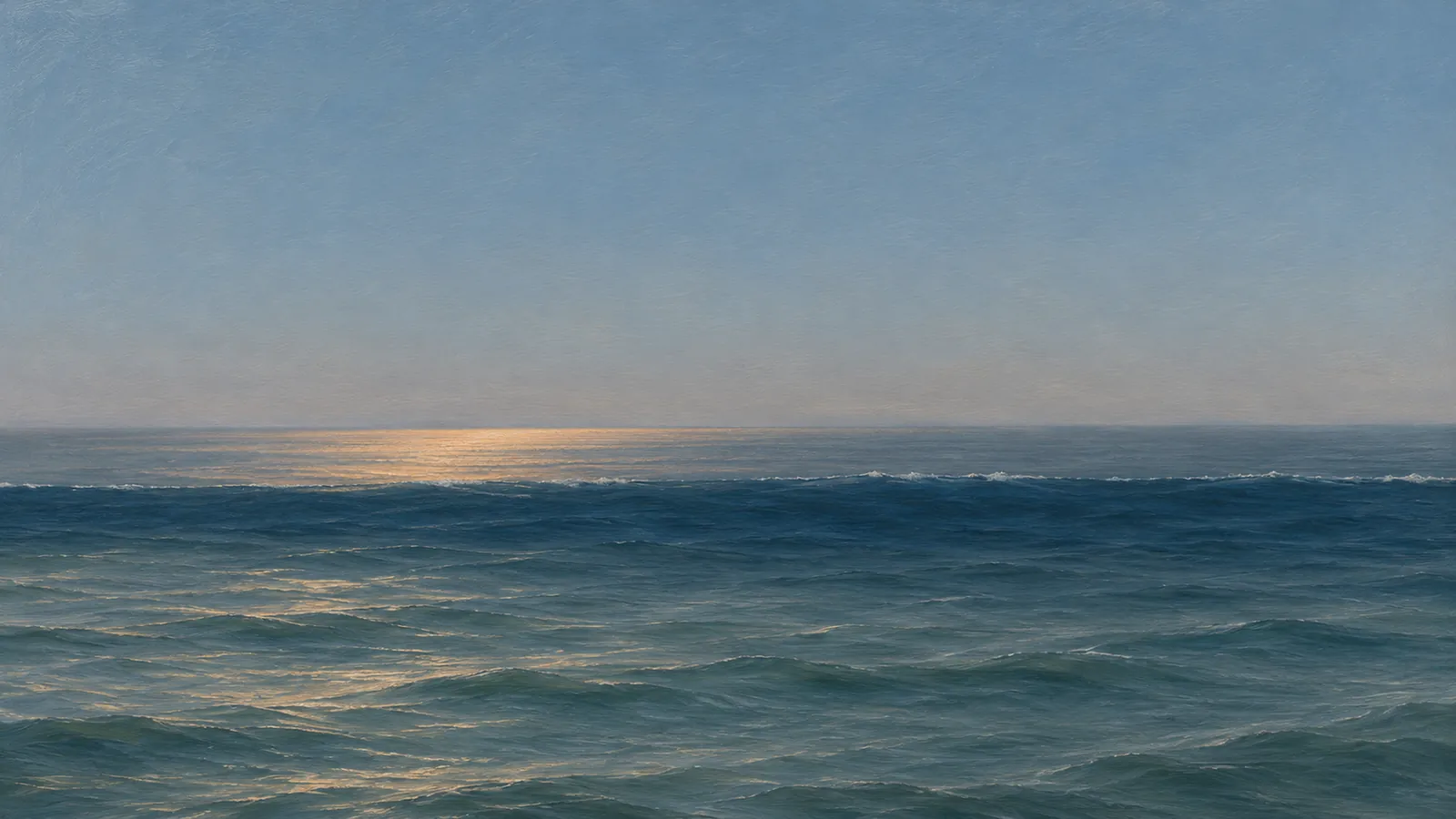
Siduri lui dit que le dieu du soleil traversait la mer, mais que le passage était hors de portée des voyageurs ordinaires. Ce qu’elle appelait les Eaux de la Mort barrait la route.
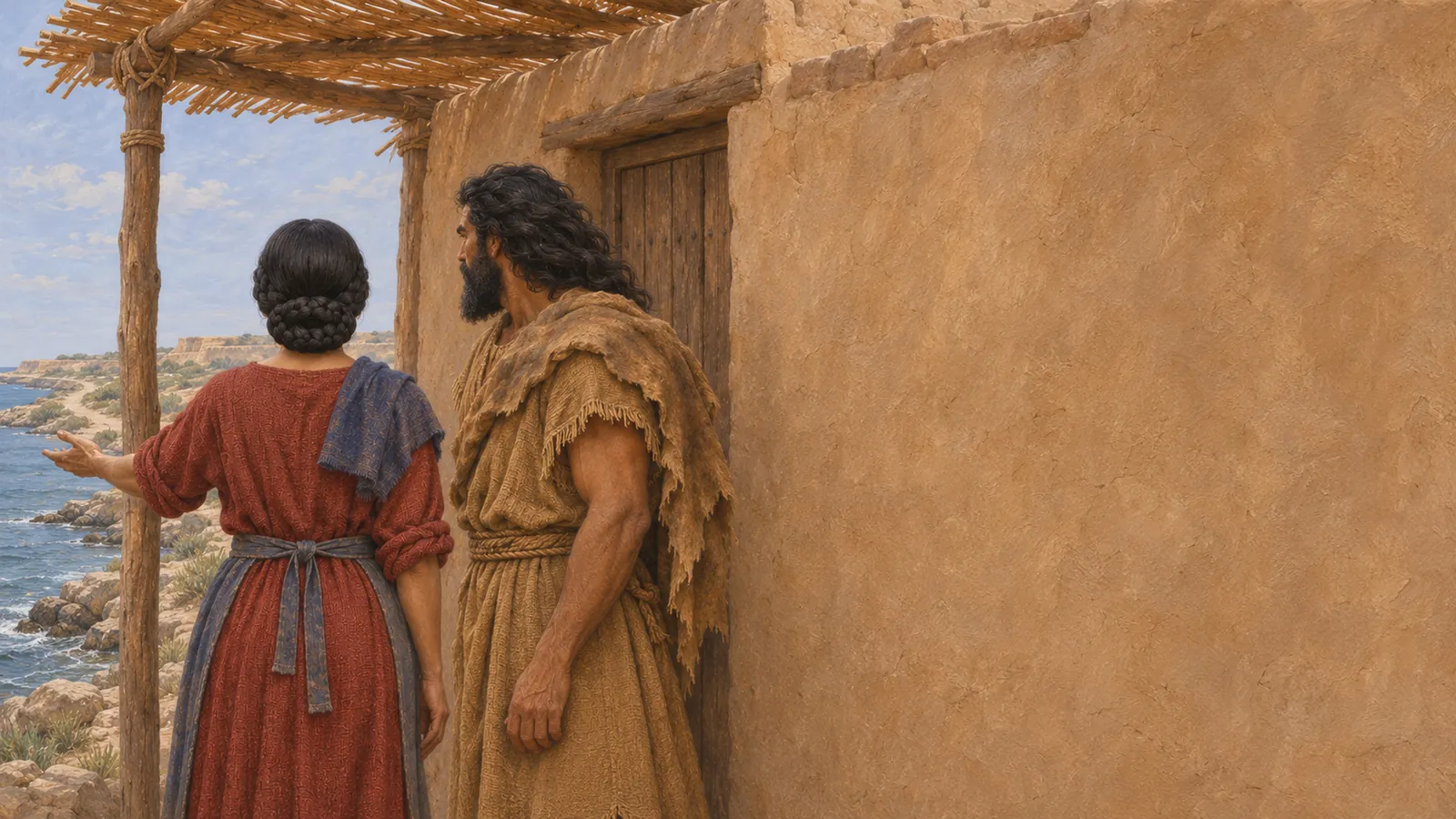
Siduri connaissait pourtant quelqu’un que Gilgamesh pouvait aller trouver. Elle lui indiqua Urshanabi, le passeur d’Utnapishtim, qui avait avec lui ce que le poème appelle « ceux de pierre ».
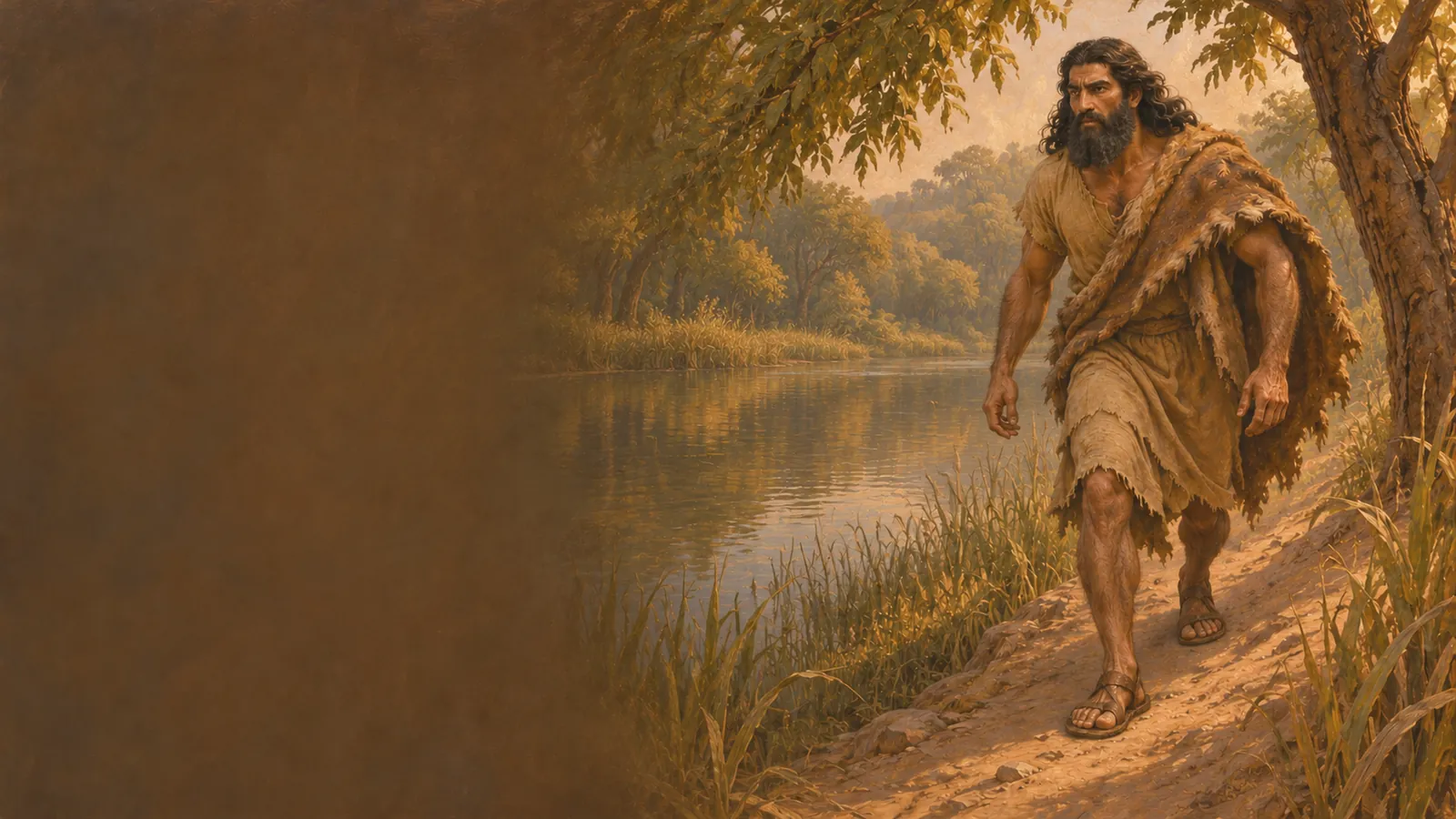
Gilgamesh entendit Siduri et se précipita à travers les bois. Il s’en prit au passeur, celui-là même qui, d’après Siduri, pouvait l’aider.
« Ceux de pierre » furent brisés et jetés dans le fleuve. Le poème nous dit ce que Gilgamesh leur fit et à quel point cela comptait, sans que l’on sache exactement ce qu’ils étaient.
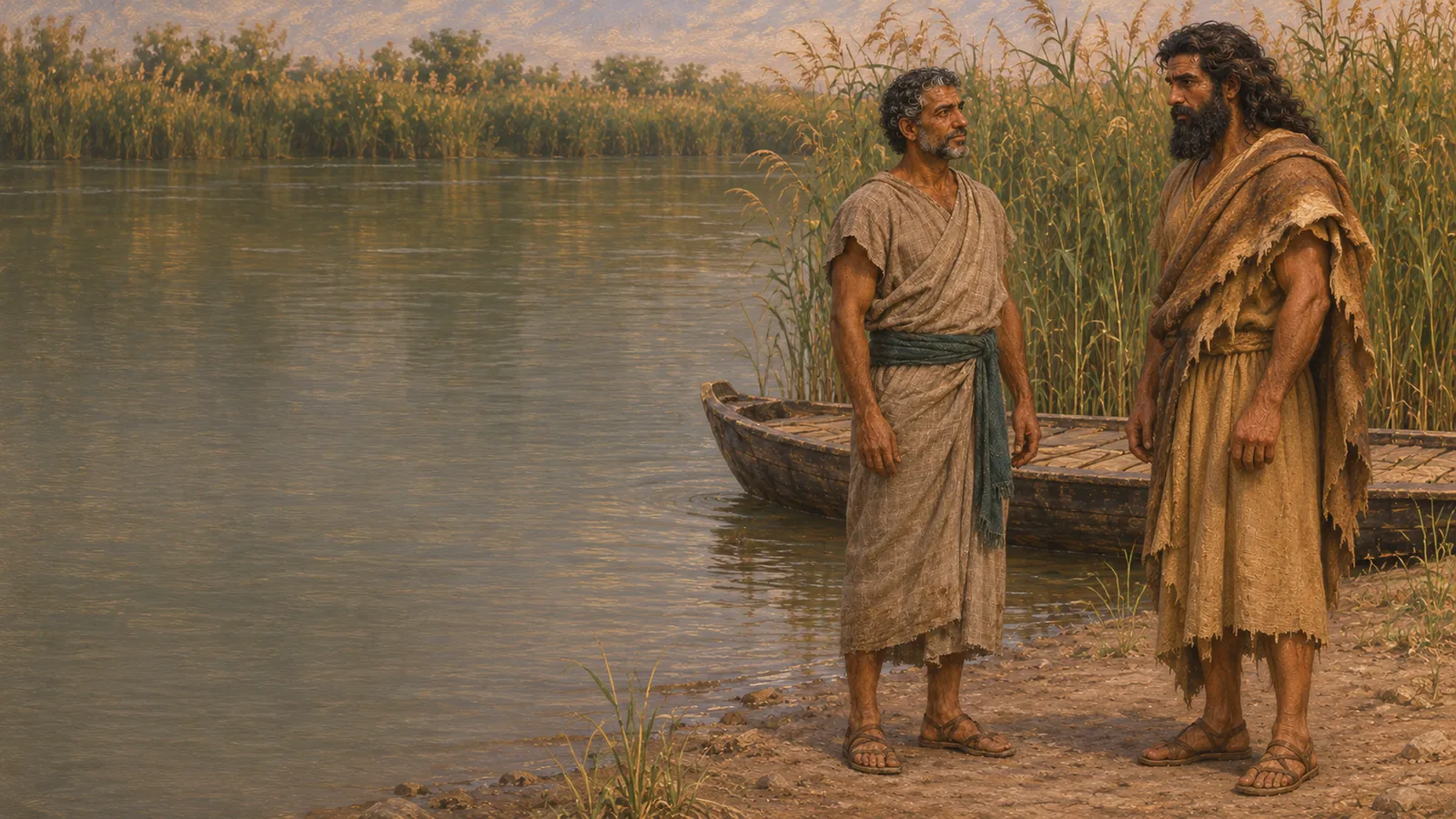
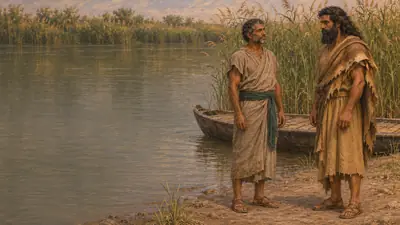
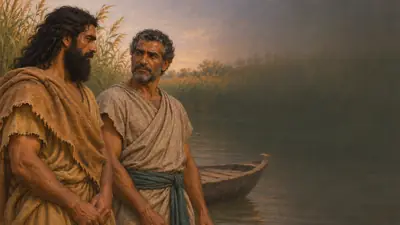
Sur la rive, Gilgamesh parla enfin à Urshanabi, l’homme qui pouvait le faire passer. Le passeur regardait un étranger qui avait déjà brisé quelque chose dont il avait besoin.
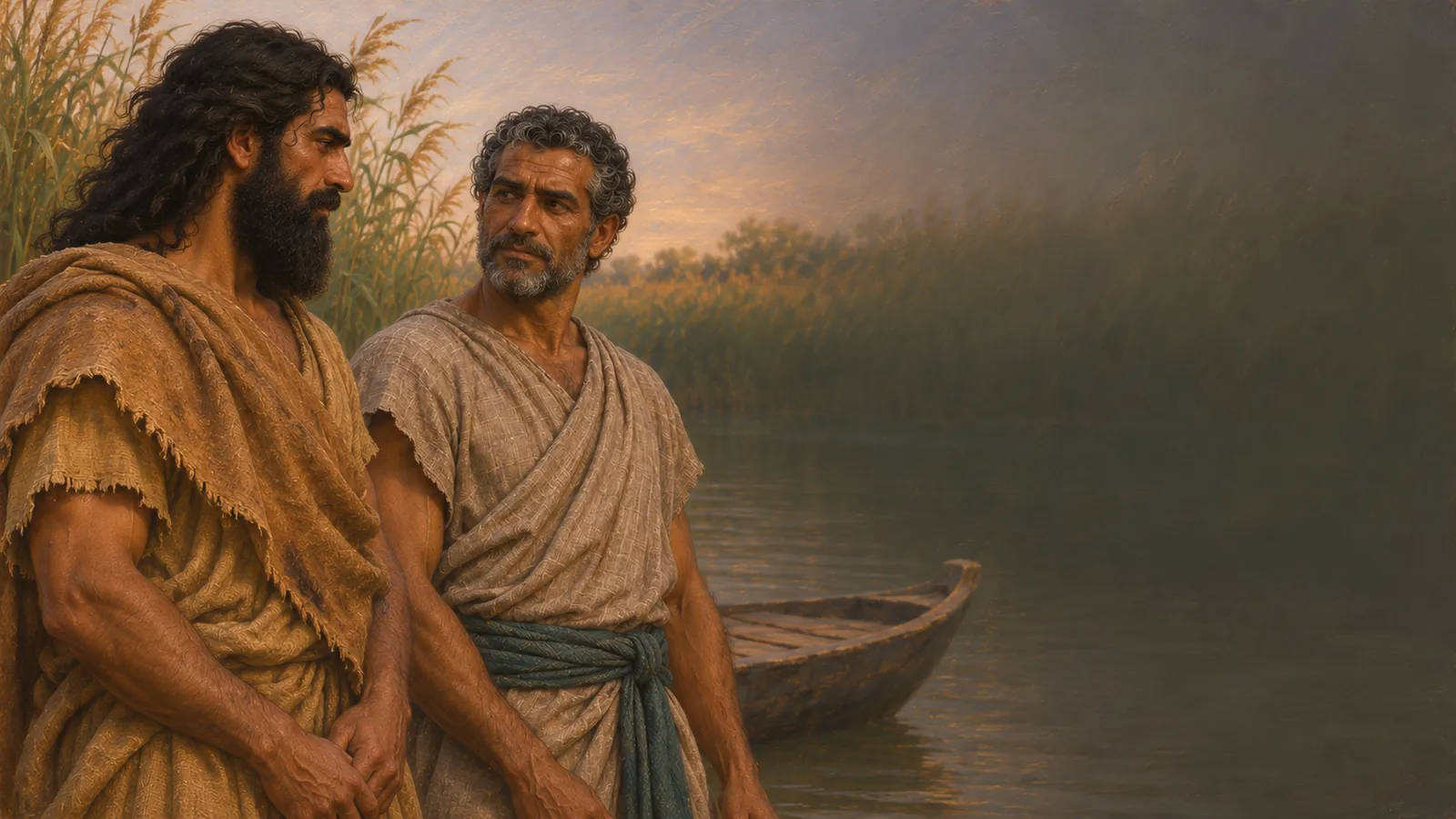
Urshanabi lui demanda pourquoi il avait les traits si creusés après son voyage. Comme Siduri, il voulait comprendre ce qui avait pu mener un homme si loin de chez lui.
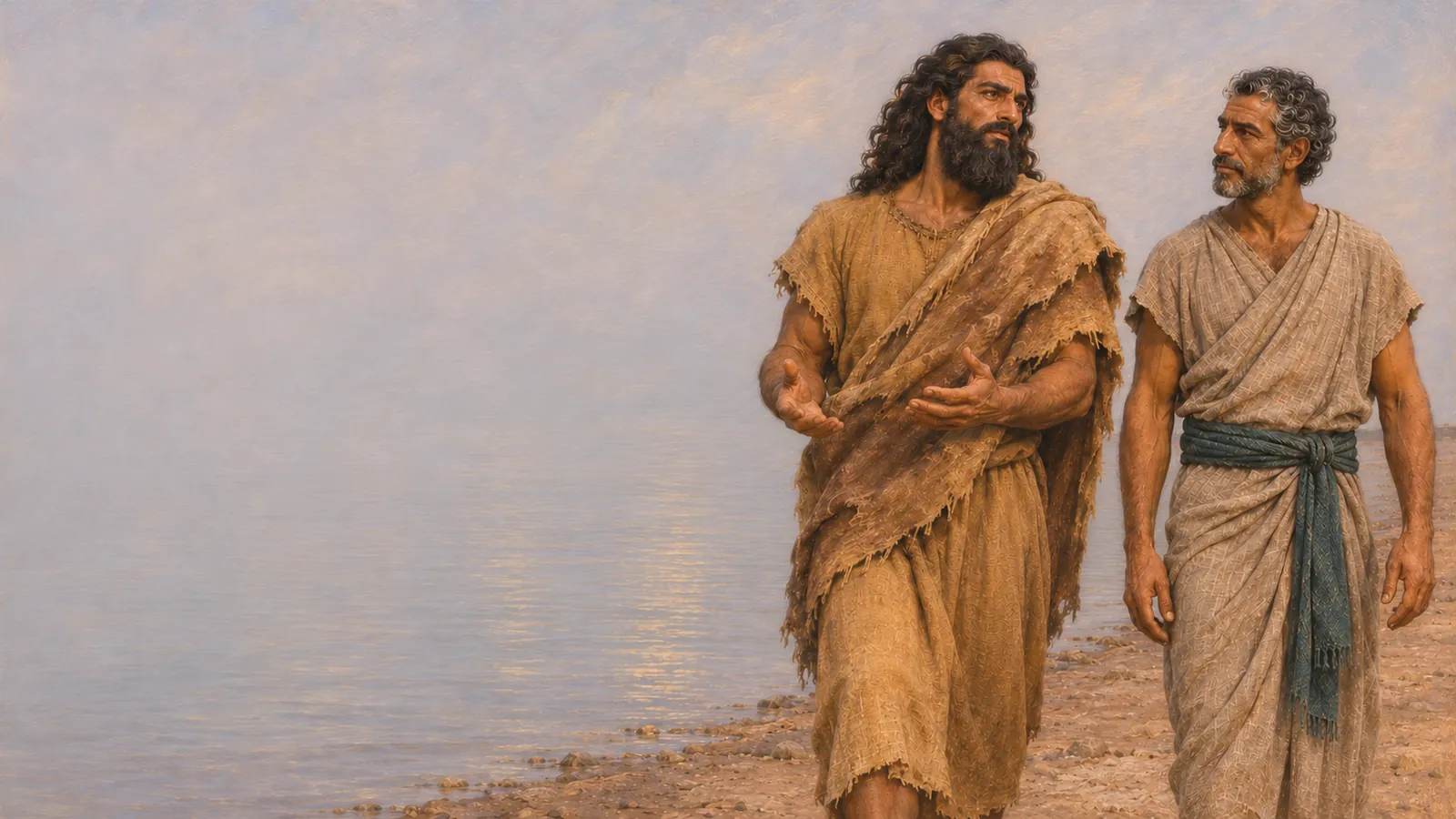
Gilgamesh raconta de nouveau son histoire. Enkidu avait été à ses côtés dans tous les dangers, et maintenant la pensée de la mort de son ami le suivait plus loin qu’aucun de leurs voyages.
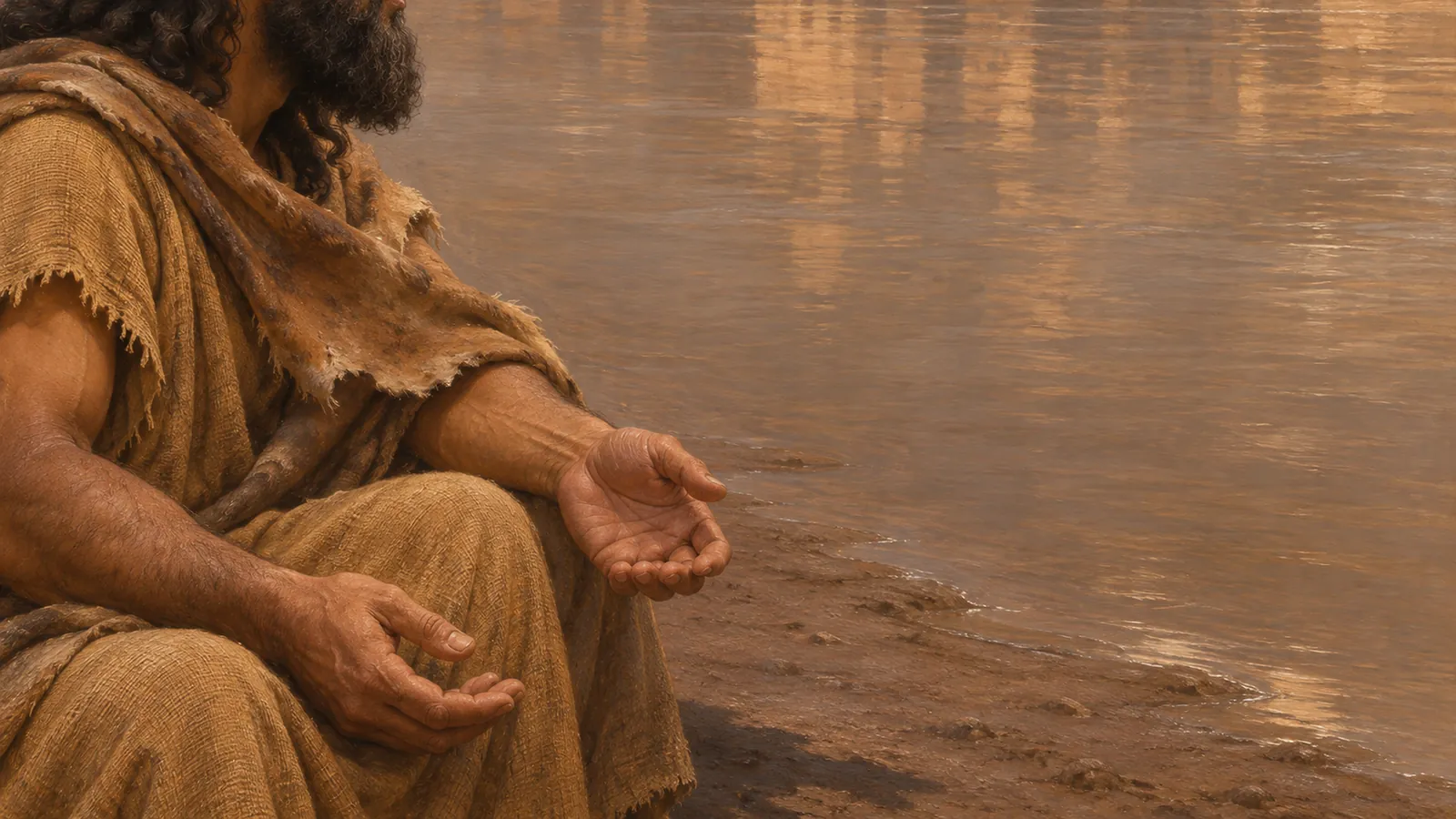
Quand Gilgamesh demanda de nouveau par où passer, Urshanabi lui dit que ses propres mains lui avaient barré la route. En brisant ceux de pierre, il s’était rendu la traversée plus difficile.
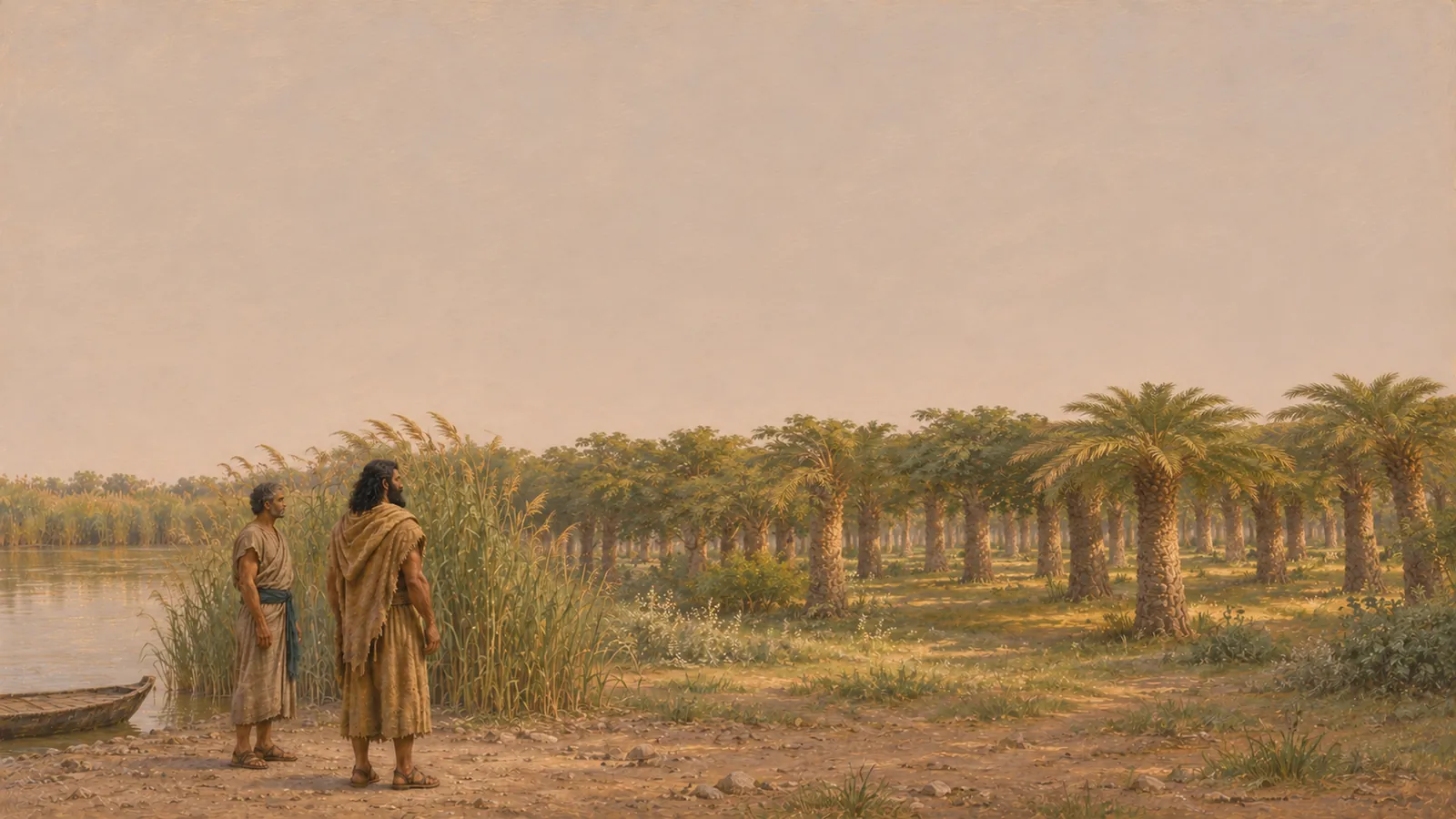
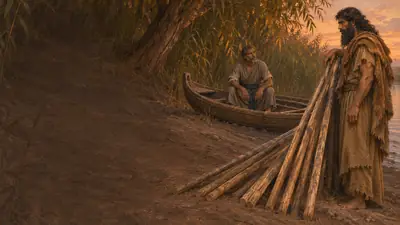
Urshanabi confia une tâche à Gilgamesh. Il lui faudrait couper de longues perches dans les bois et les préparer pour traverser sans ceux de pierre.
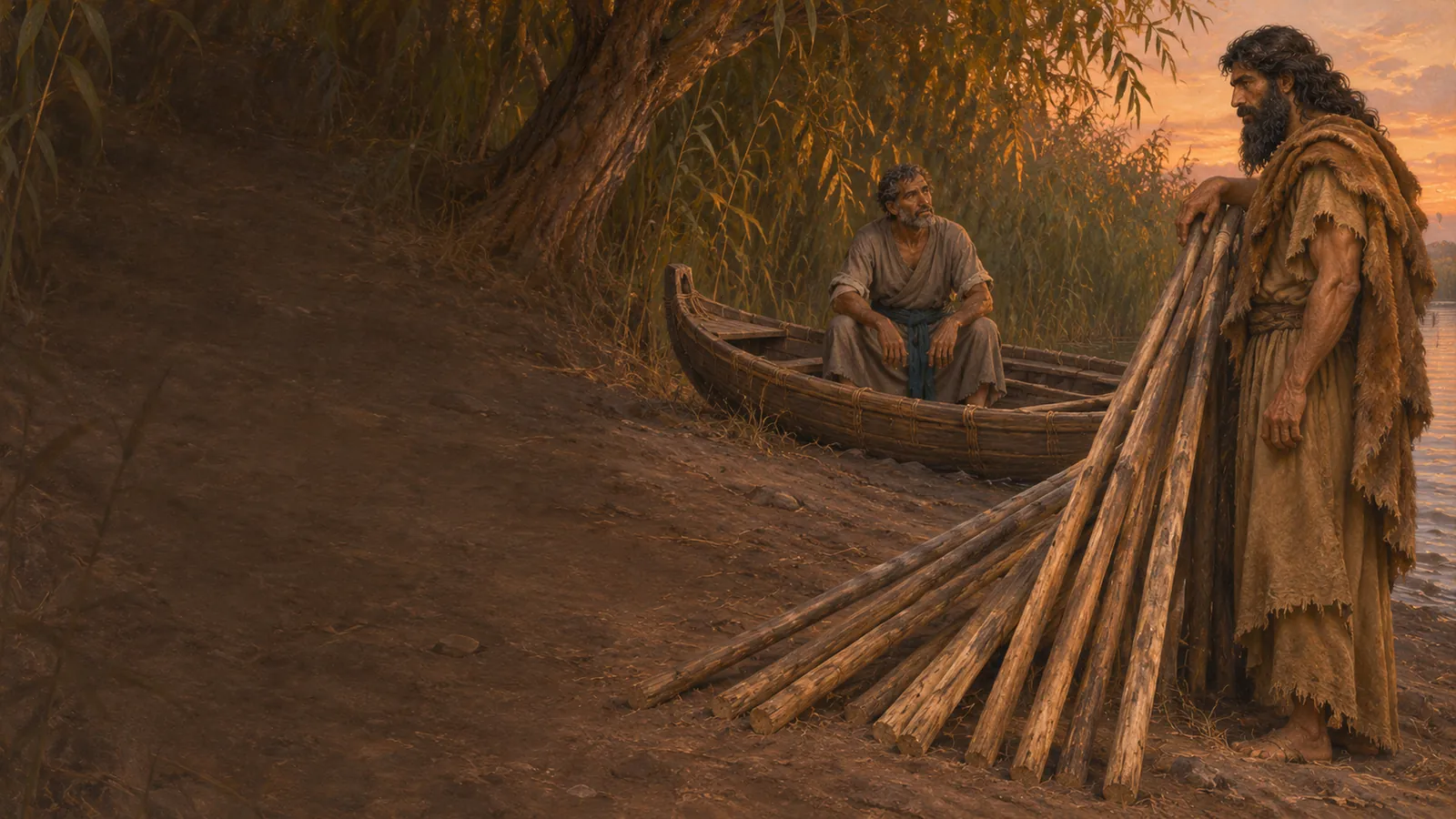
Gilgamesh alla dans les bois, coupa les perches et les rapporta au passeur. Il avait trouvé quelqu’un qui connaissait les eaux, et cette fois, il suivit ses conseils.
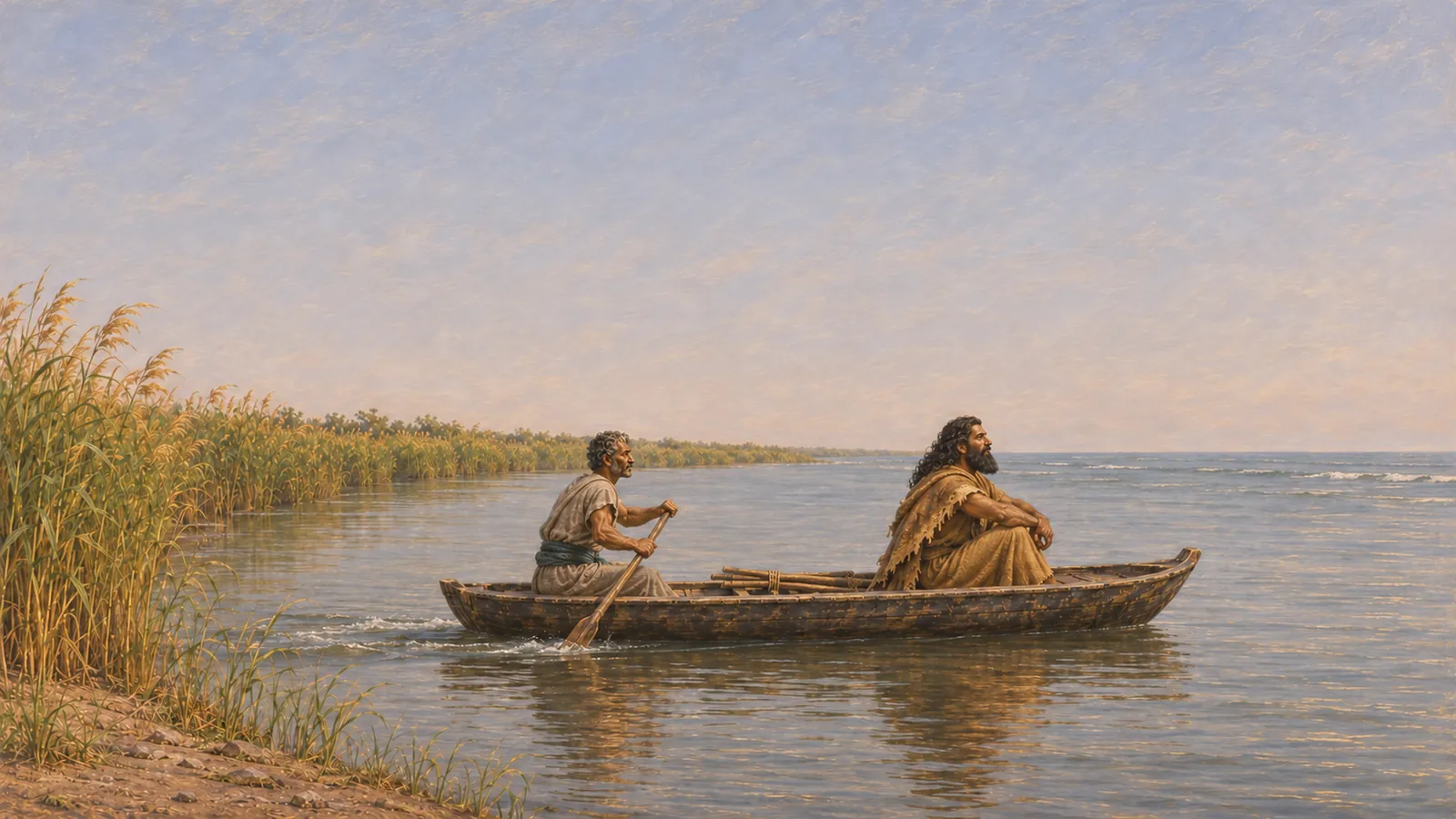
MER
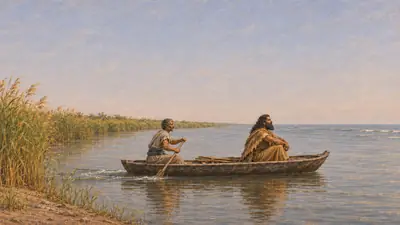
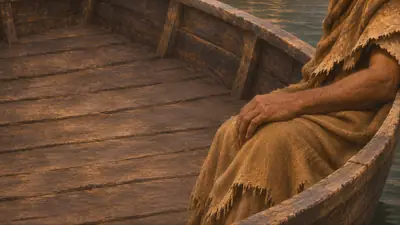
Les perches prêtes, Gilgamesh et Urshanabi montèrent dans la barque. La terre s’éloigna derrière eux à mesure que le passeur les emmenait vers le large.
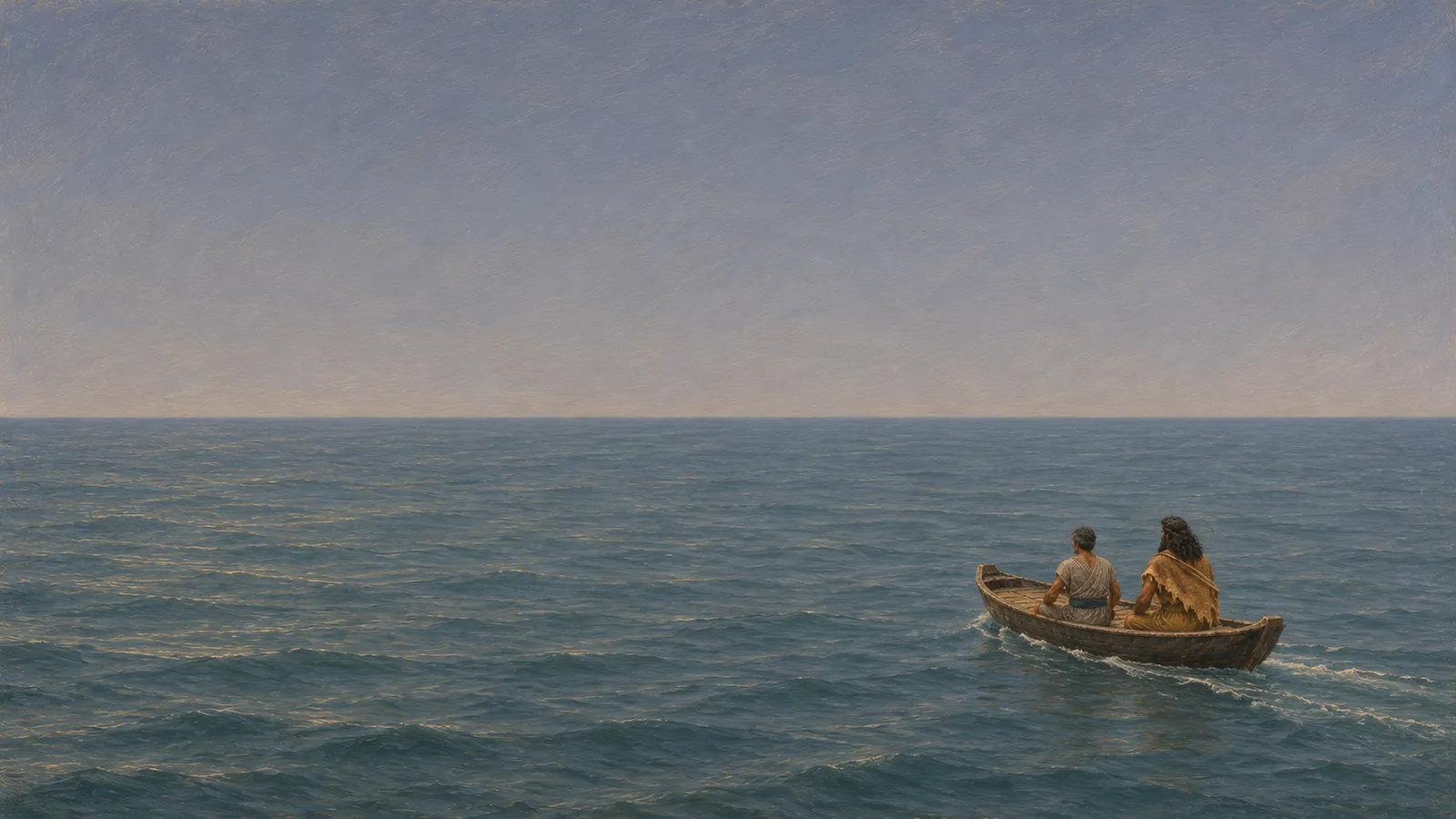
Au troisième jour, ils avaient couvert une distance qui aurait pris un mois et demi en mer. Puis Urshanabi amena Gilgamesh aux eaux dont Siduri lui avait dit de se méfier.
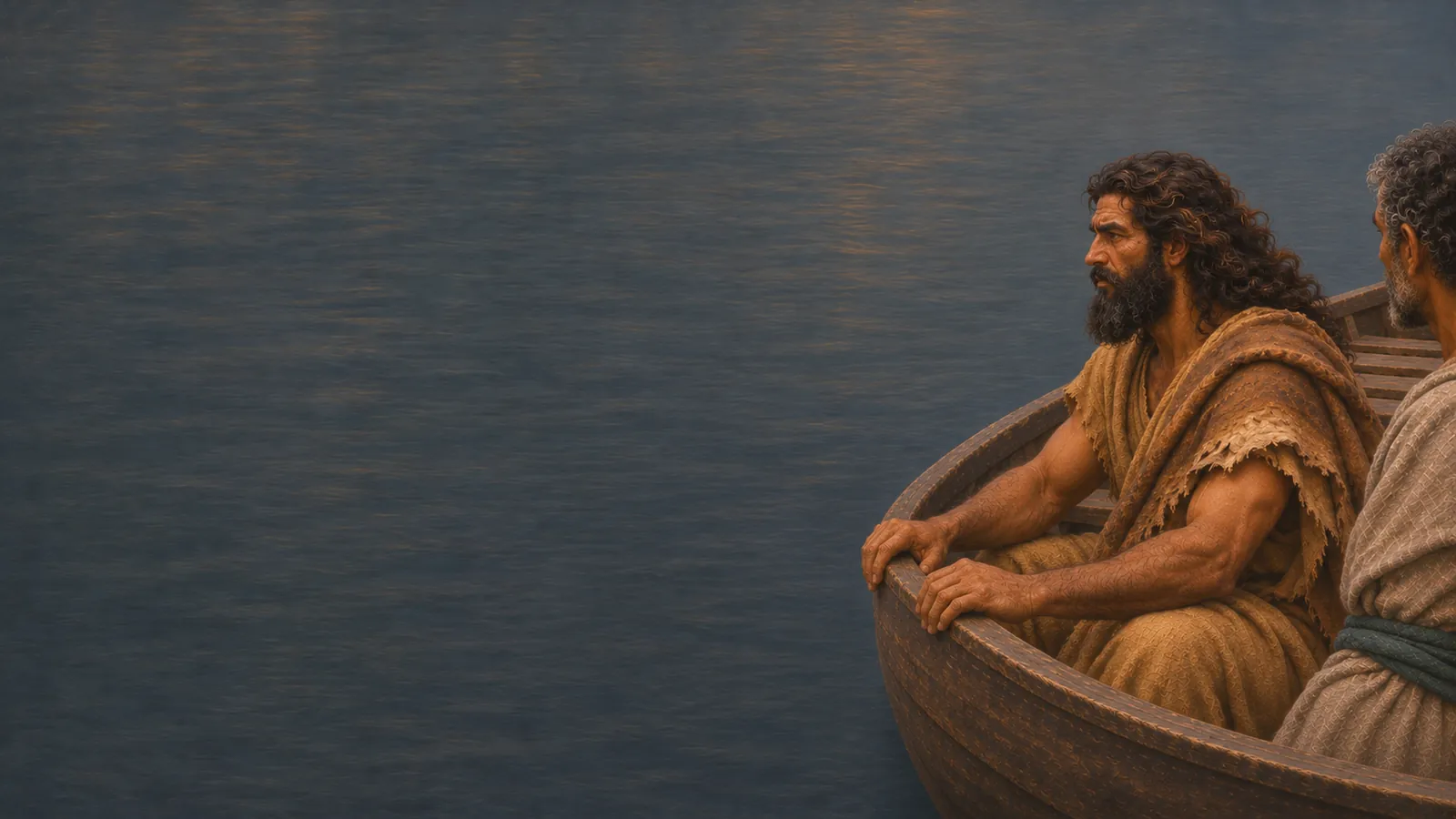
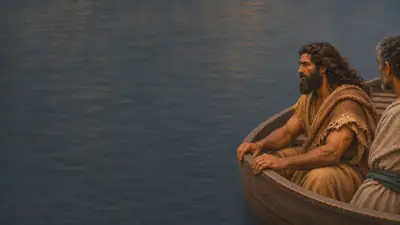
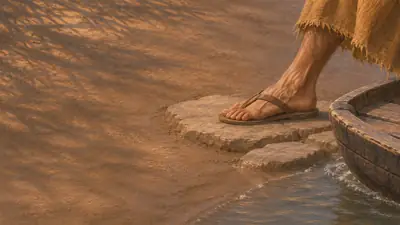
Aux Eaux de la Mort, Urshanabi avertit Gilgamesh de ne pas laisser ses mains toucher l’eau. Ses mains pouvaient maintenant diriger la barque à l’aide des perches.
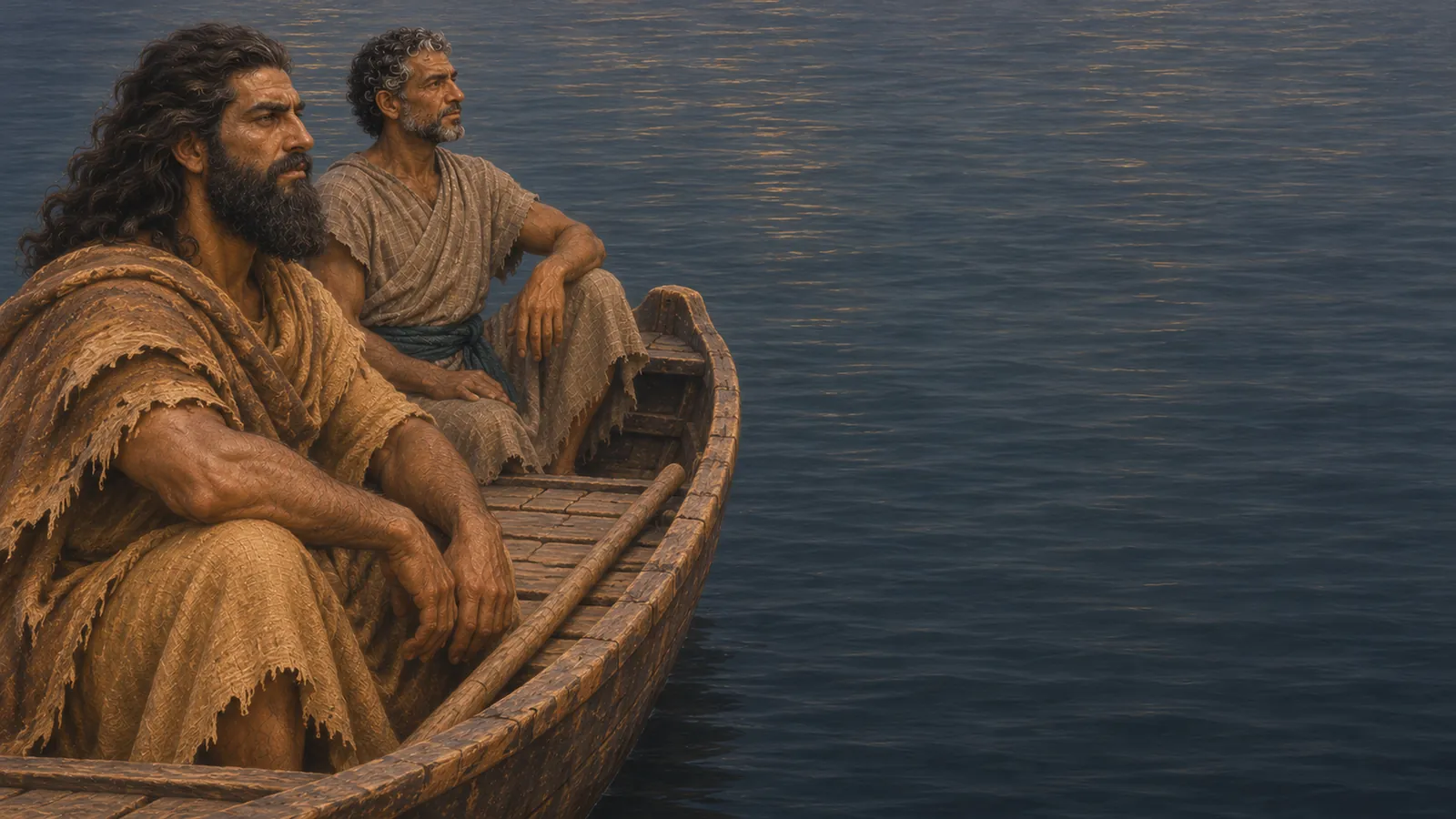
Urshanabi demanda une autre perche, puis une autre. Le poème continue de compter pendant que Gilgamesh s’affaire, mais la barque a encore un long chemin à faire dans le silence.
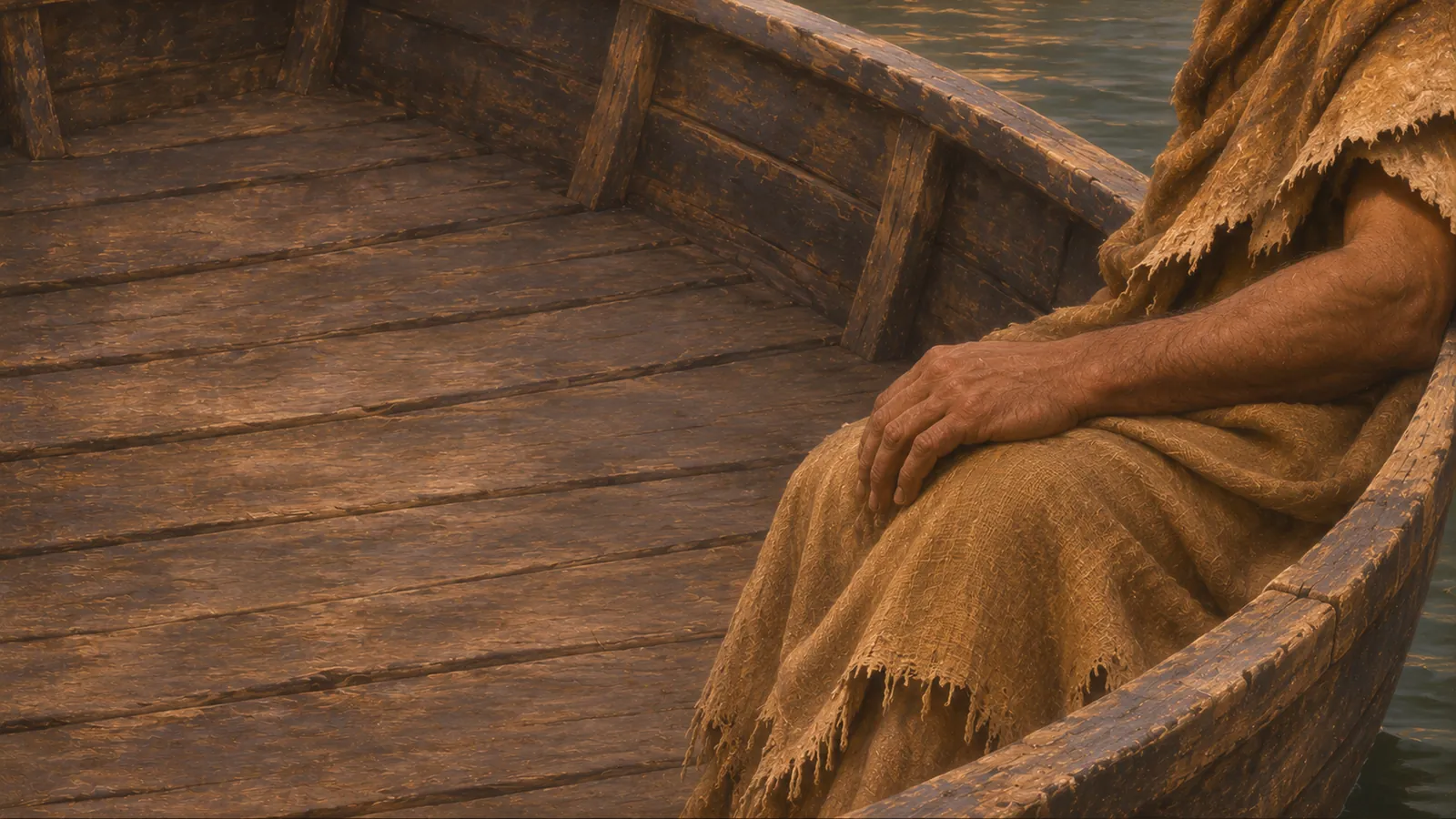
Enfin, il ne resta plus de perche à utiliser. Gilgamesh était arrivé au bout de ses préparatifs alors que la barque se trouvait encore sur les Eaux de la Mort.
VOILE
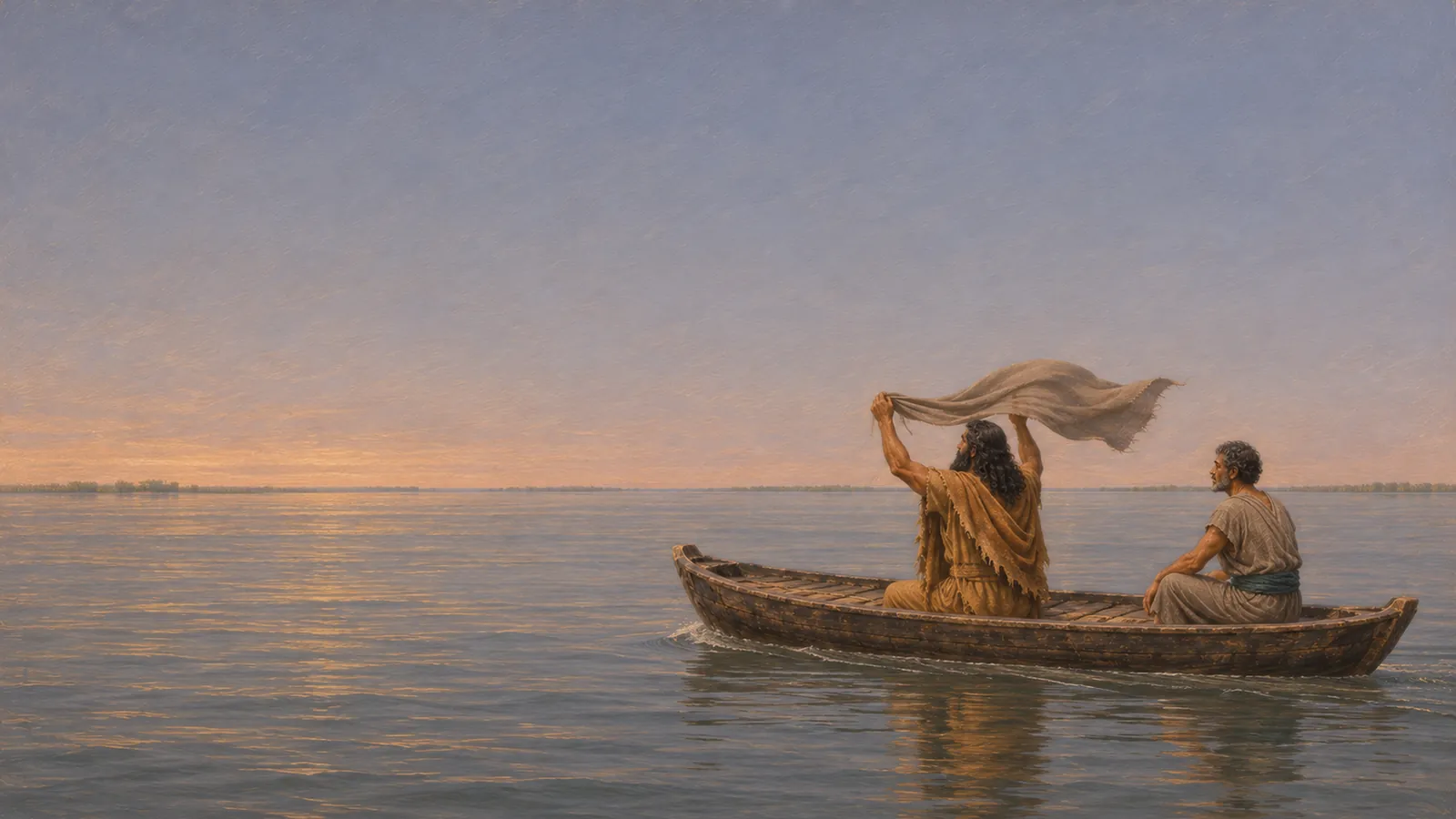
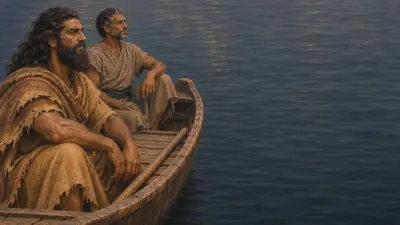
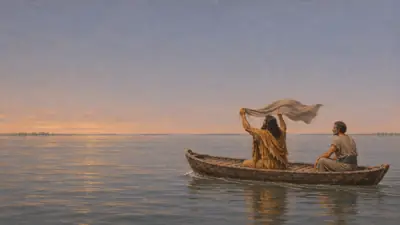
Gilgamesh leva un vêtement dans le vent et s’en servit comme d’une voile. Depuis l’autre rive, quelqu’un pouvait voir la barque approcher.
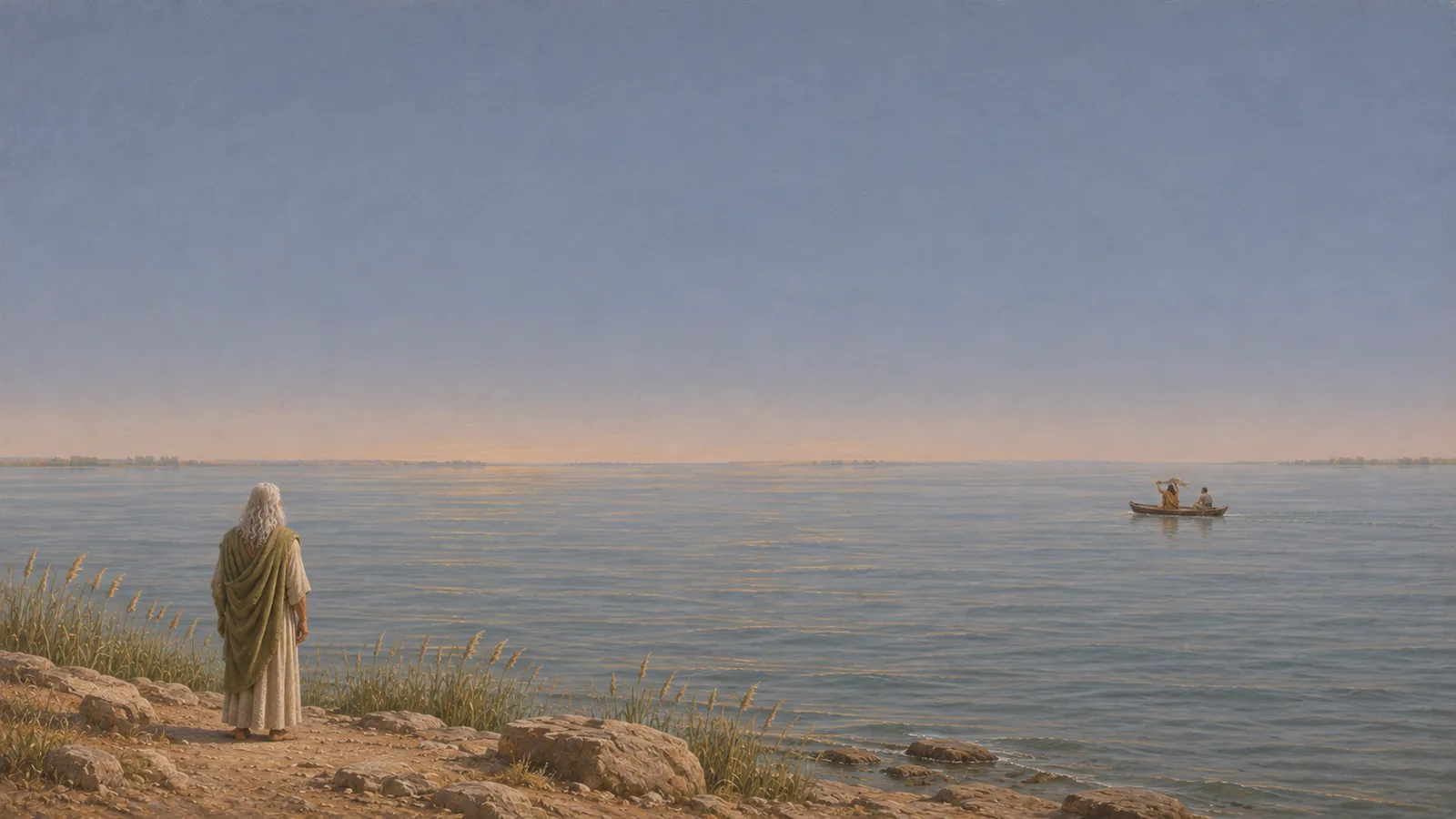
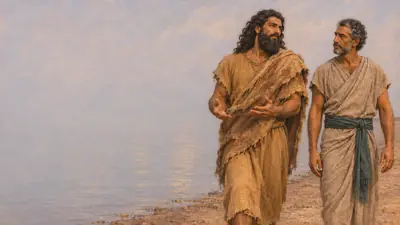
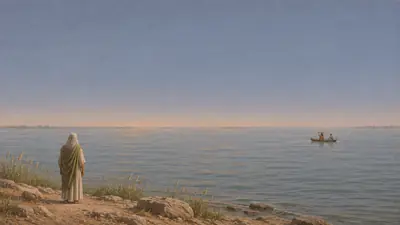
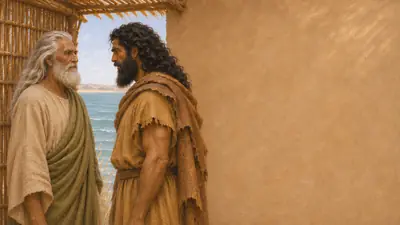
Au loin, Utnapishtim vit la barque approcher. Jusque-là, Gilgamesh avait porté le nom du vieil homme à travers chaque épreuve, et à présent, l’homme lui-même pouvait le voir.
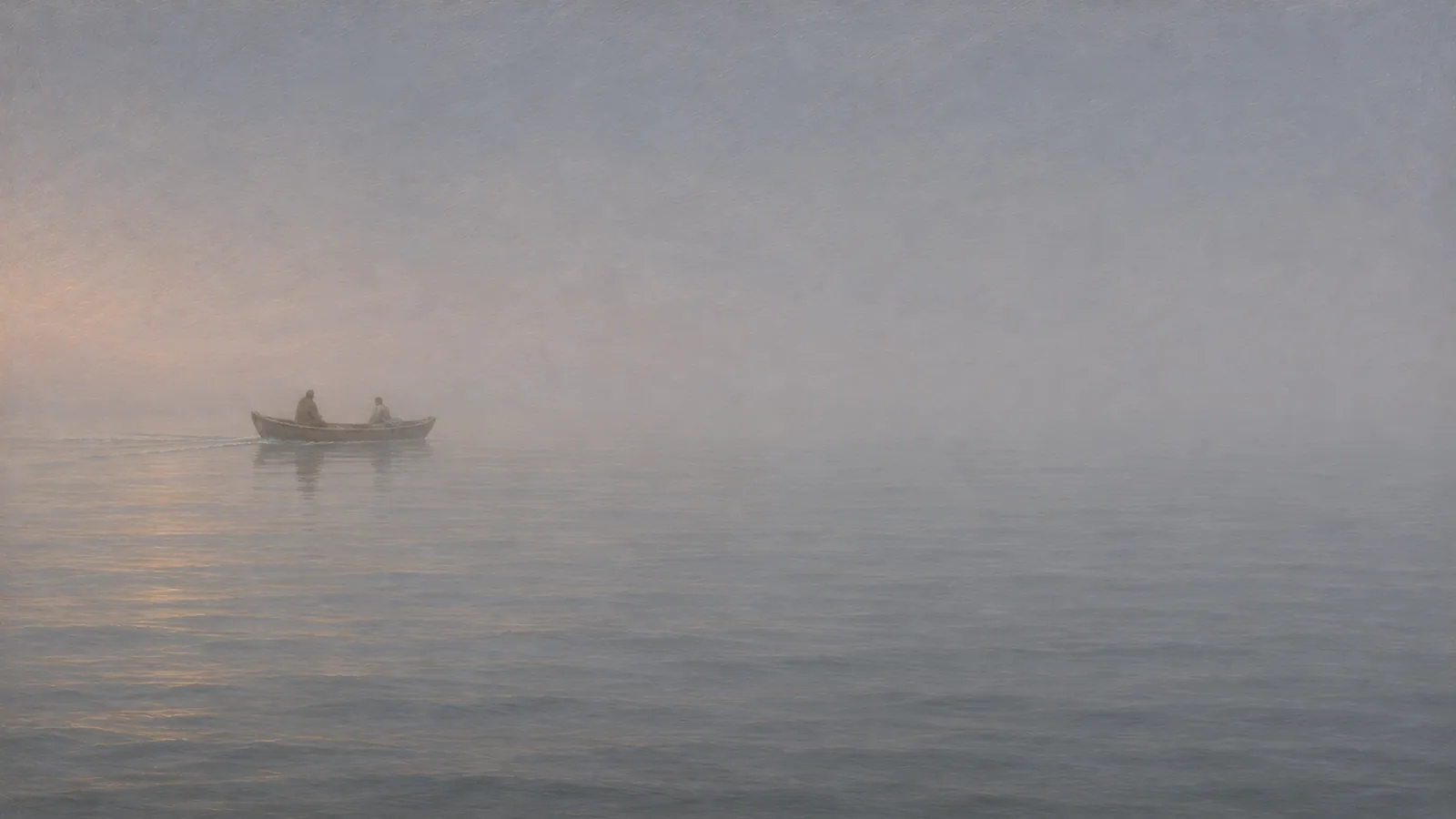
Utnapishtim remarqua que quelque chose n’allait pas avec la barque. Ceux de pierre avaient été brisés, et l’homme à bord avec le passeur lui était inconnu.
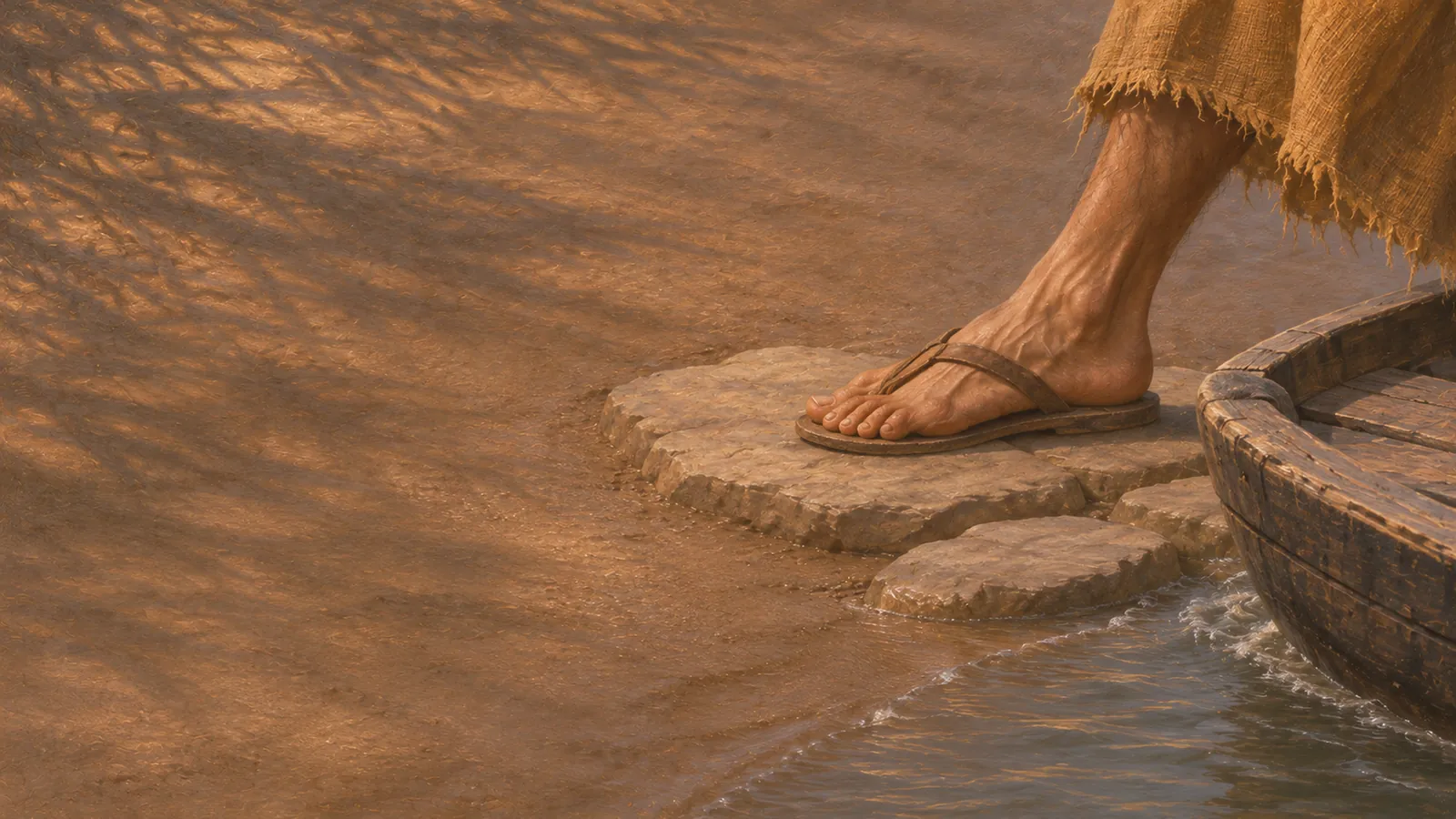
La barque atteignit l’autre rive. Les lignes qui entourent l’arrivée sont endommagées, mais elles amènent Gilgamesh sain et sauf sur la rive où l’attend Utnapishtim.
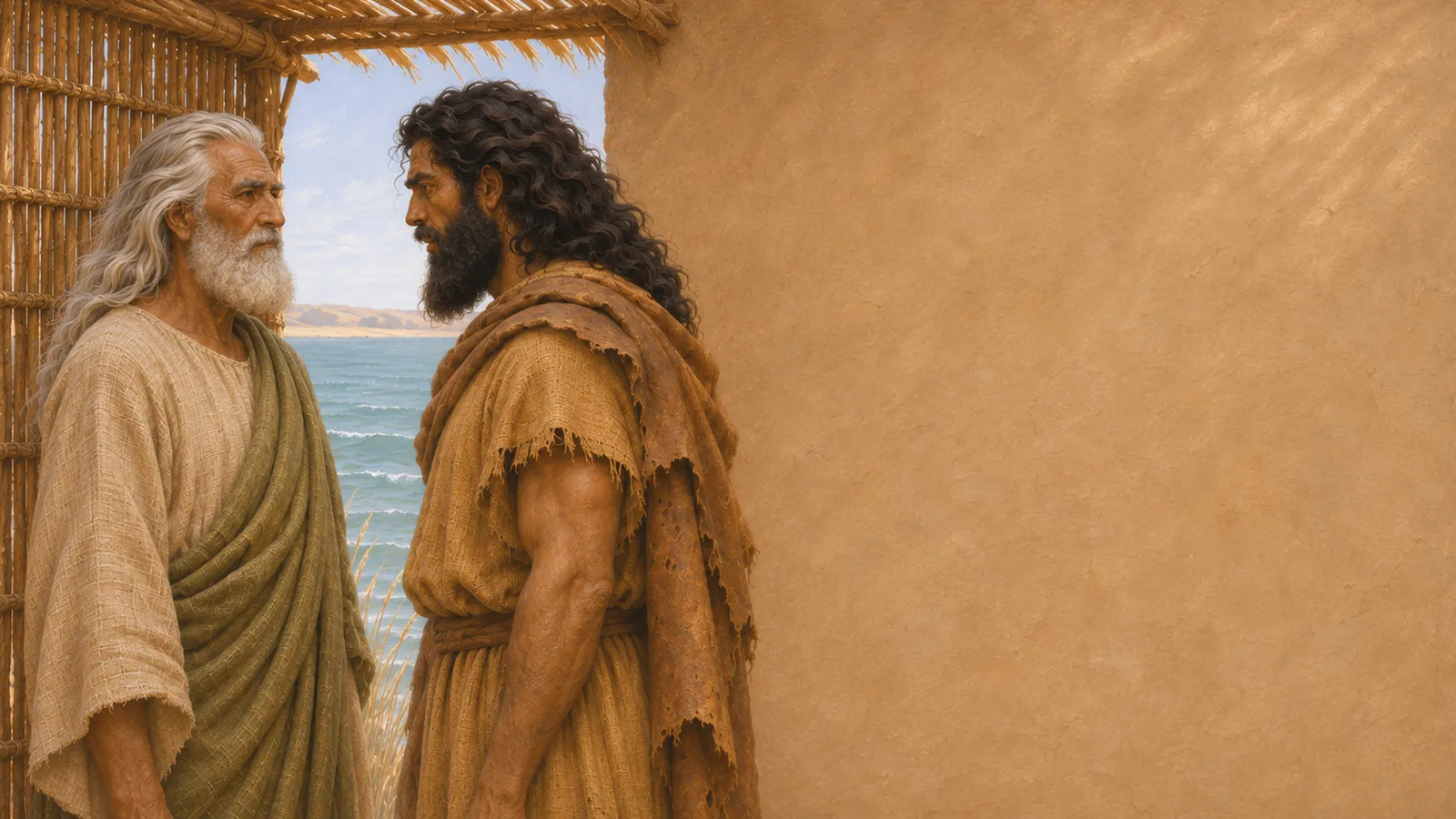
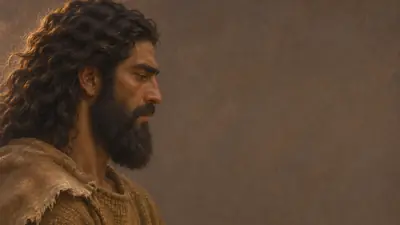
Gilgamesh parla enfin à l’homme qu’il avait traversé la mer pour trouver. Il connaissait Utnapishtim comme le fils d’Ubar-Tutu, le nom que portent les lignes conservées.
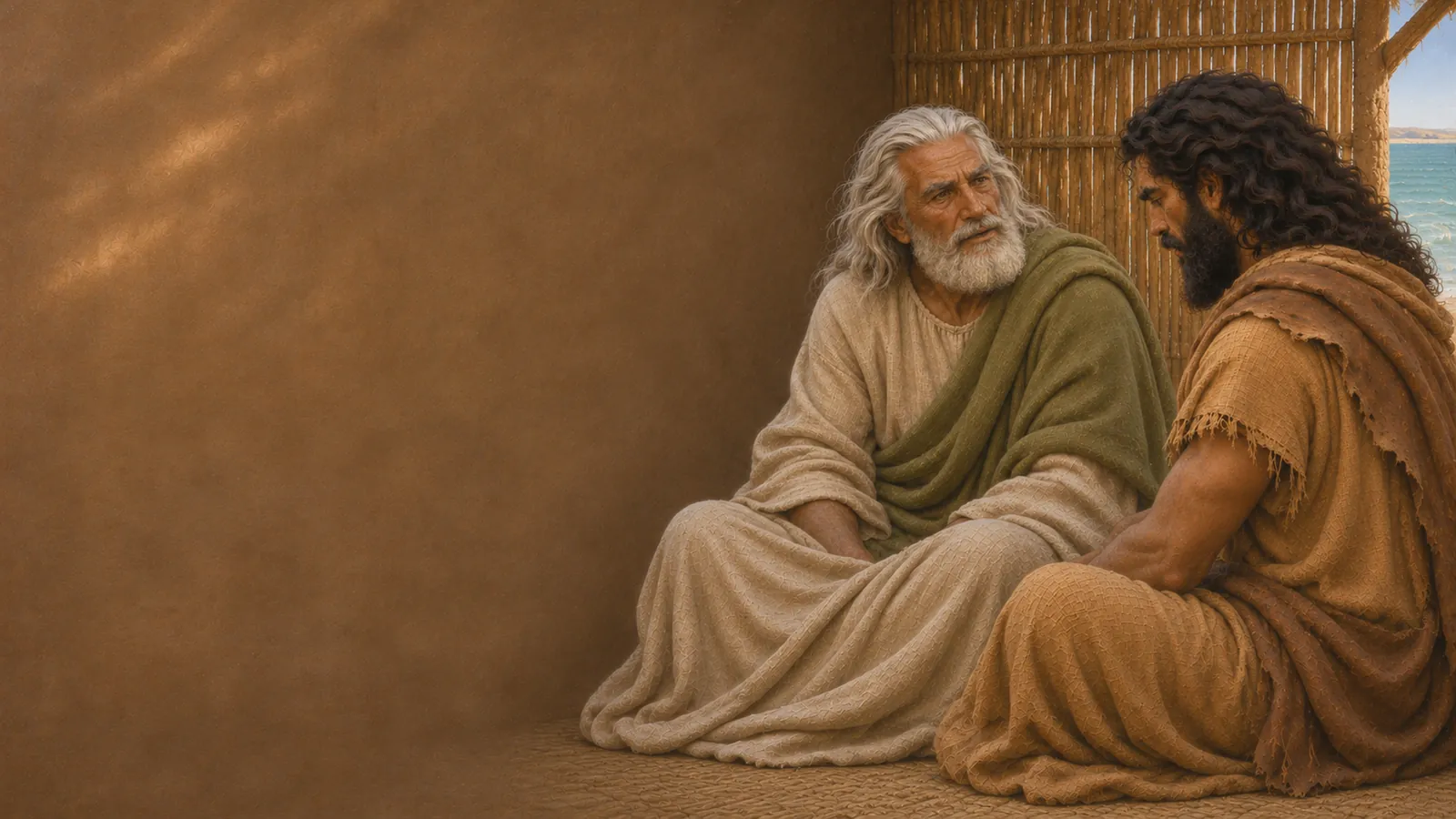
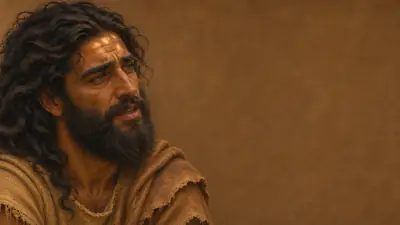
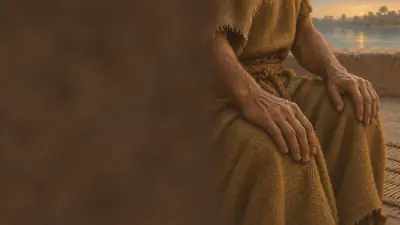
Utnapishtim regarda Gilgamesh et lui posa à peu près la même question que Siduri et le passeur. Sur son visage, il voyait la fatigue du voyage et le chagrin qui l’avait poussé à partir.
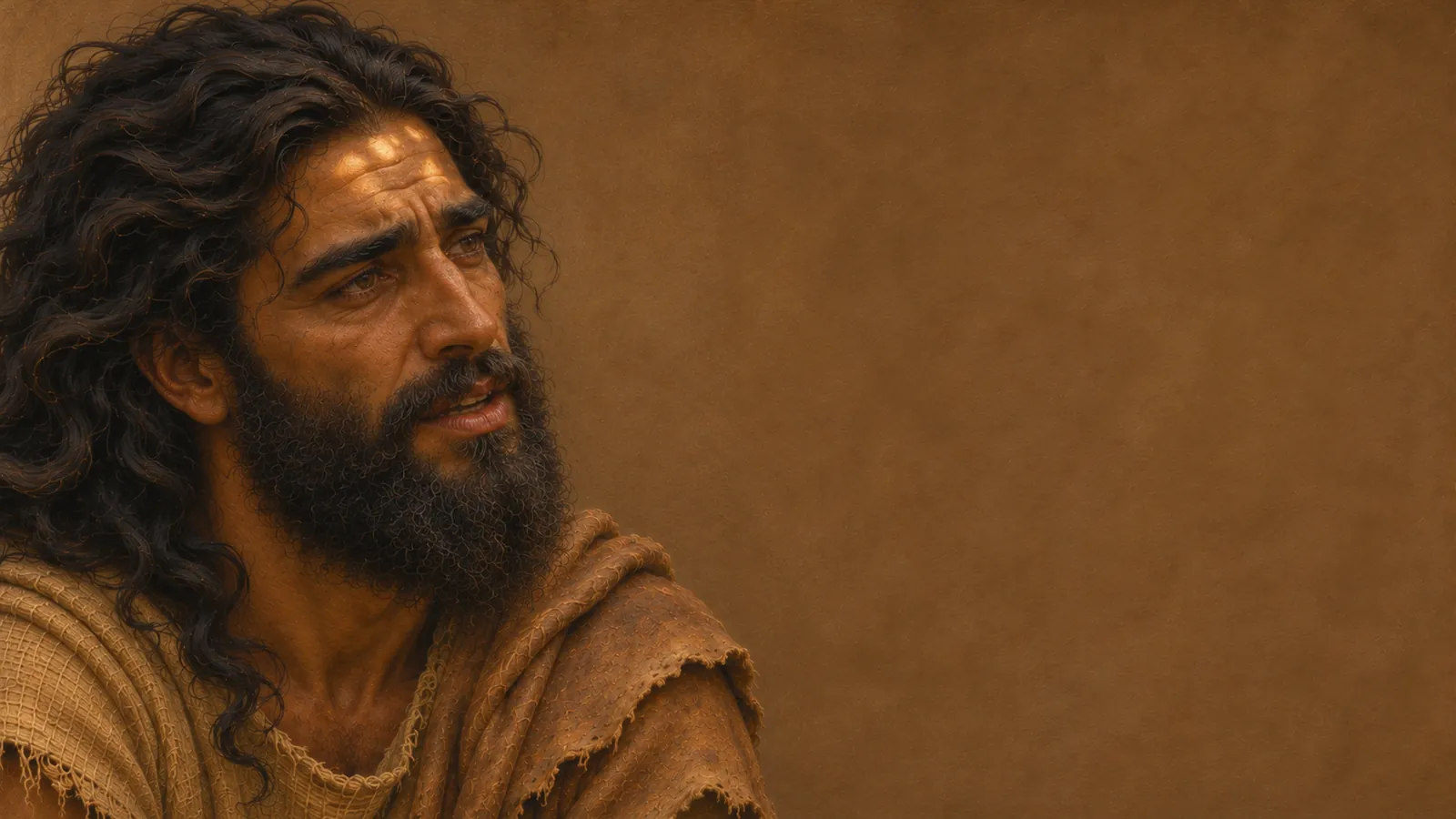
Gilgamesh parla de nouveau de leurs exploits et de l’ami qu’il aimait. Quoi qu’il puisse dire de son propre courage, l’histoire revenait toujours à la mort d’Enkidu.
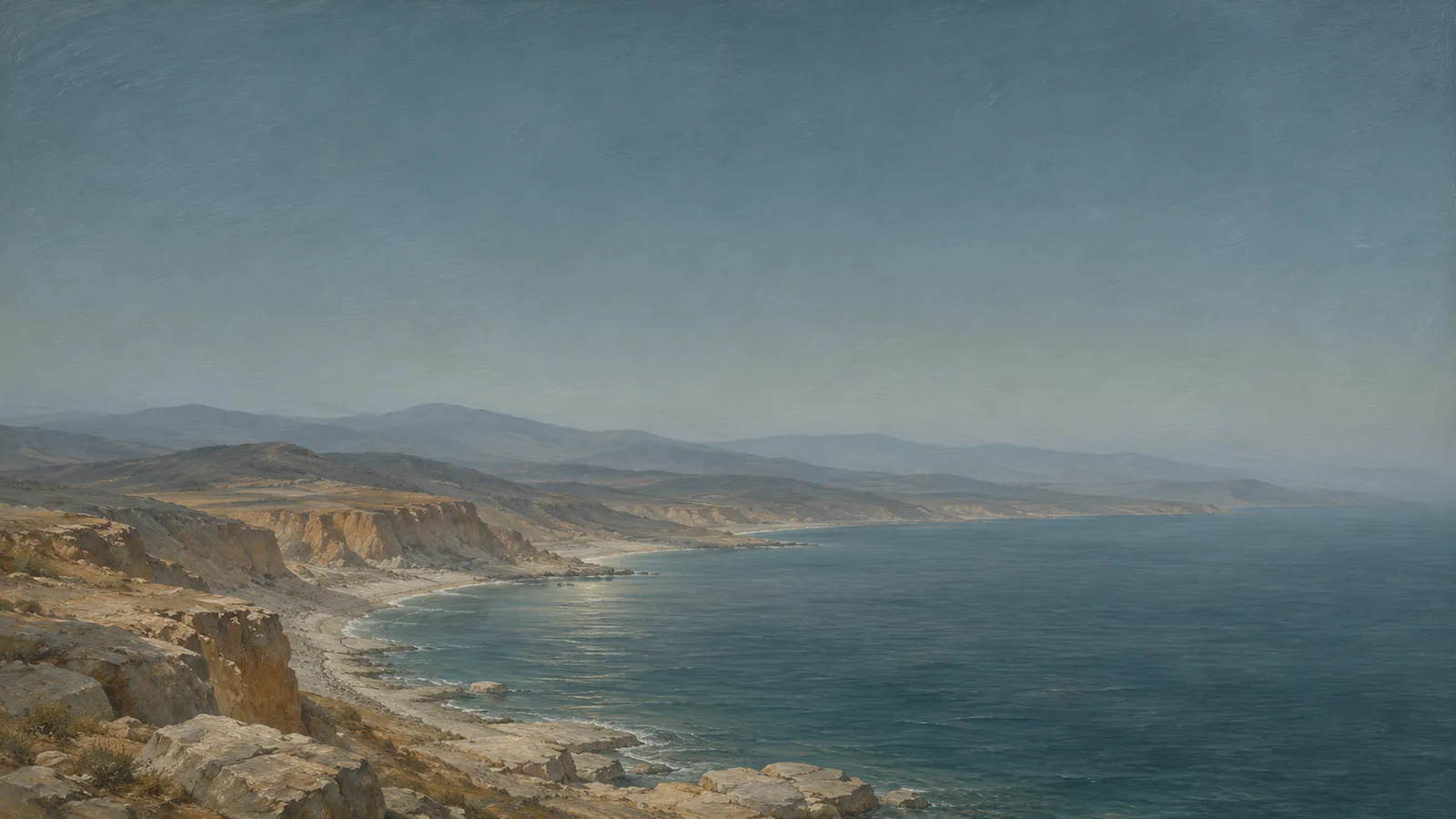
Gilgamesh lui parla des pays qu’il avait parcourus, des montagnes qu’il avait franchies et des mers sur lesquelles il avait navigué. Toute cette distance le séparait de la vie qu’il connaissait.
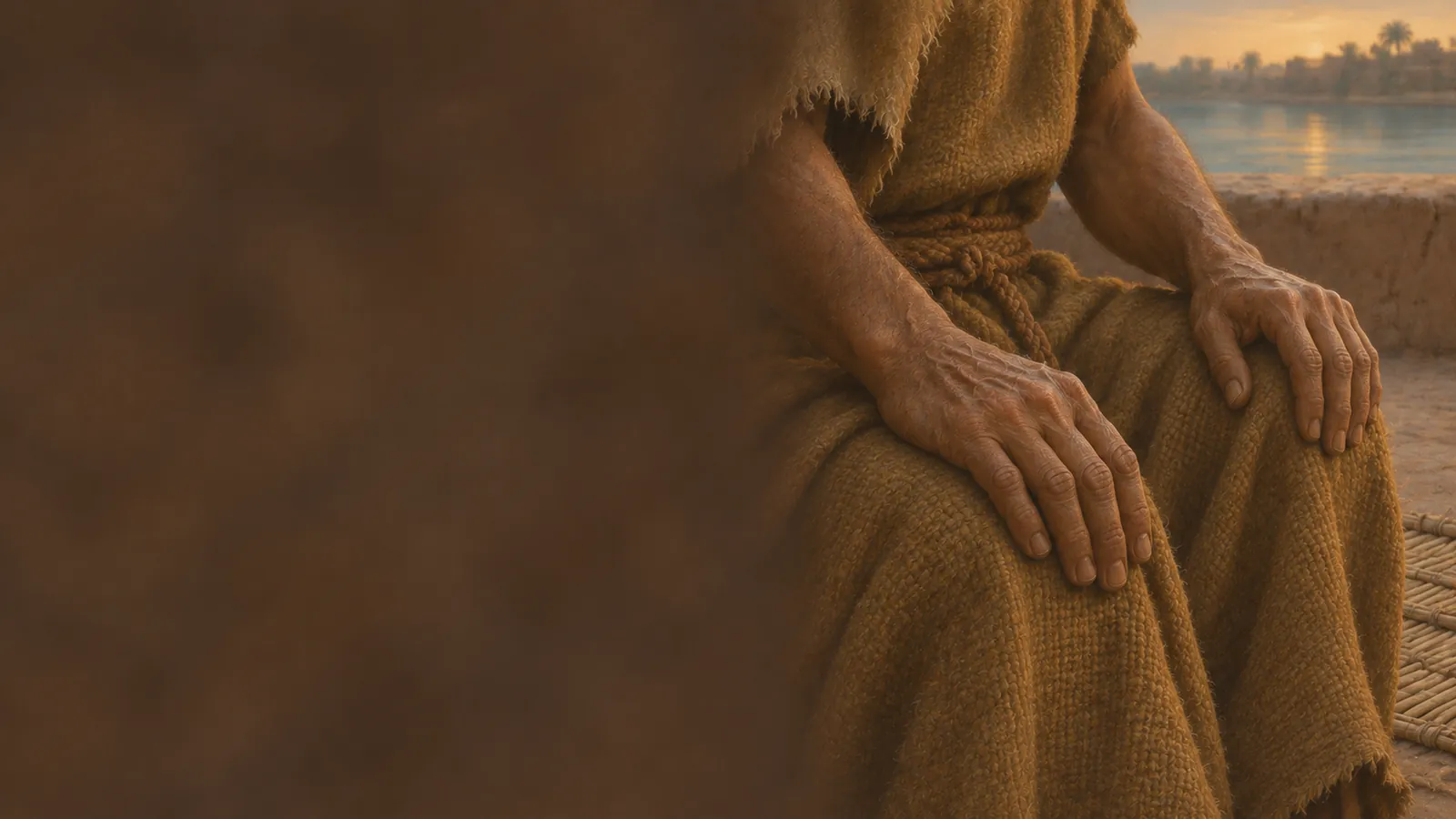
Il parla des nuits où il avait à peine dormi et des peines que la route lui avait causées. Trouver Utnapishtim était ce qui l’avait fait tenir.
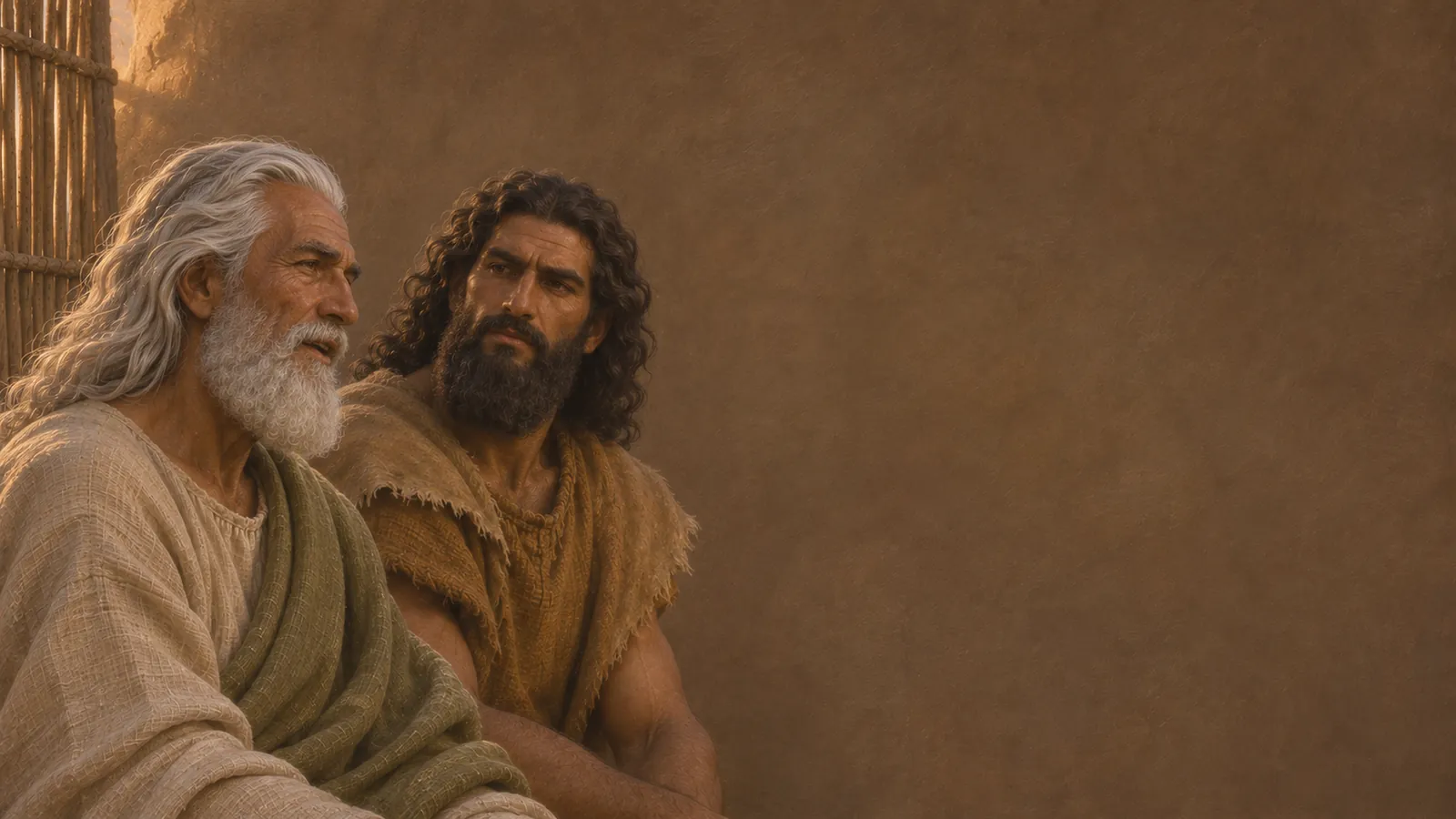
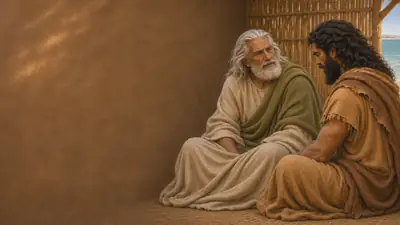
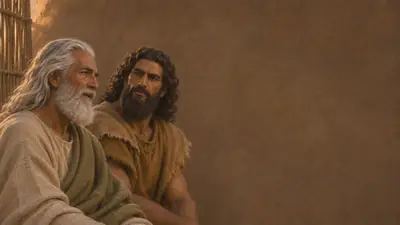
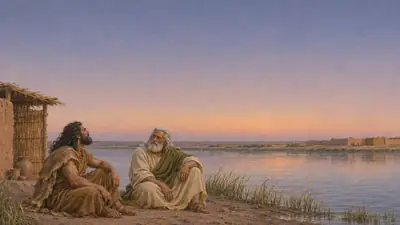
Utnapishtim répondit en parlant du chagrin de Gilgamesh et de ses origines à la fois divines et humaines. Des parties de sa réponse sont brisées dans l’argile.
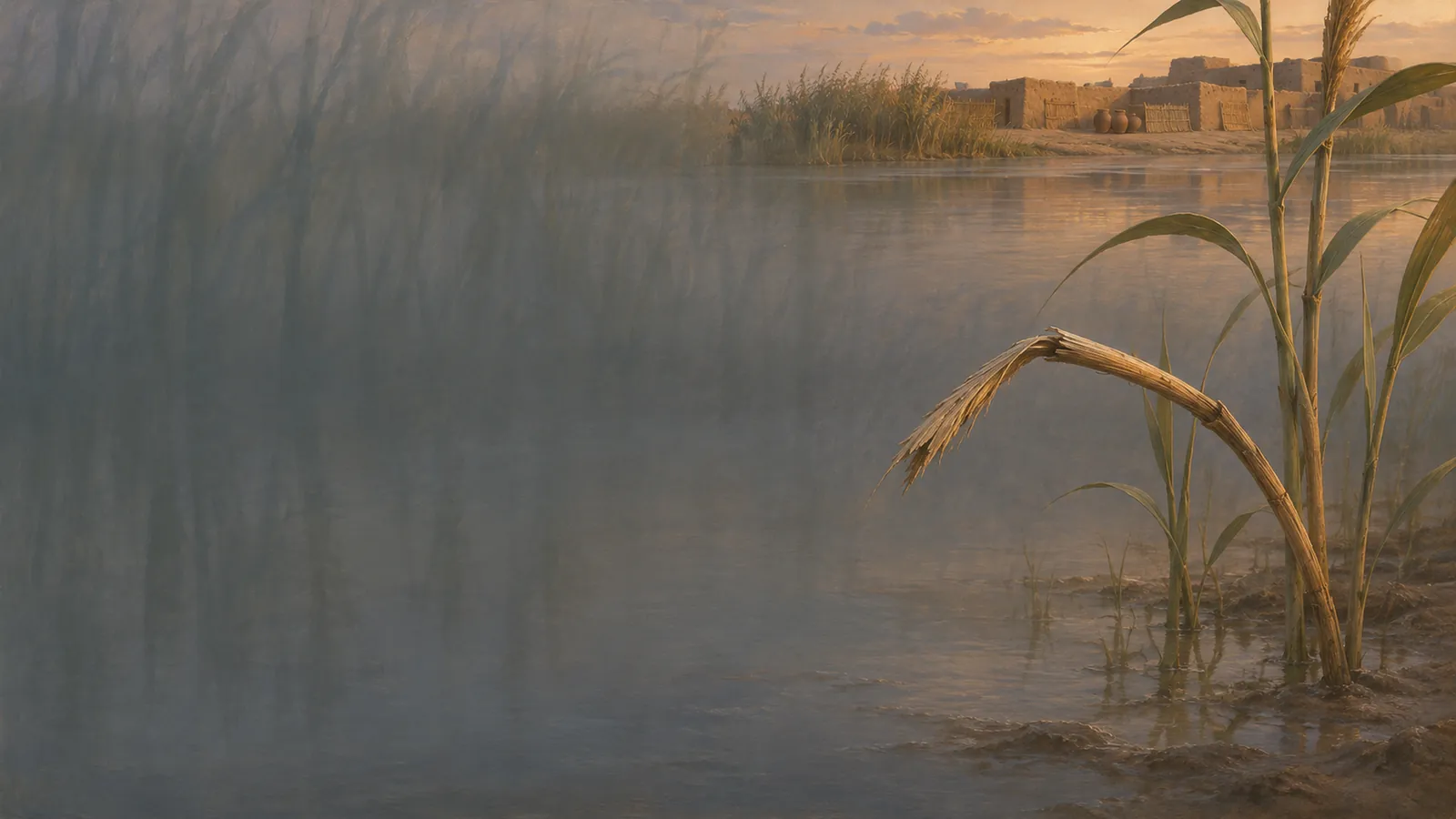
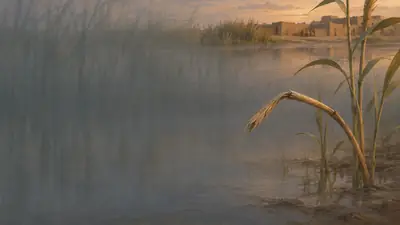
Utnapishtim compara les gens et leurs enfants à des roseaux que l’on pouvait briser. La mort pouvait emporter même des hommes et des femmes dans la force de l’âge.
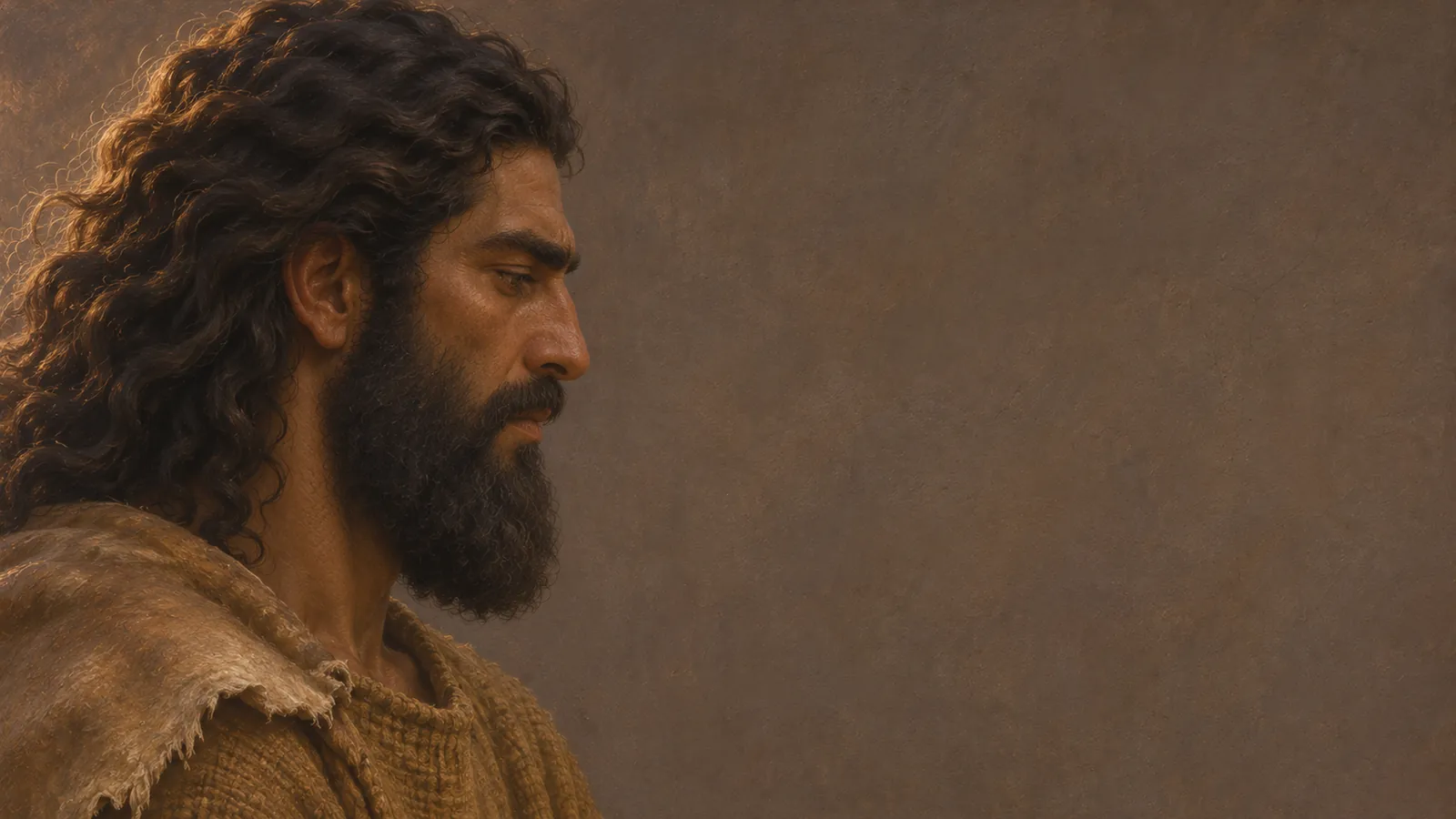
Nul ne voit le visage de la mort ni n’entend sa voix approcher, dit Utnapishtim. Rien de ce que Gilgamesh avait fait ne pouvait lui annoncer quand elle viendrait.
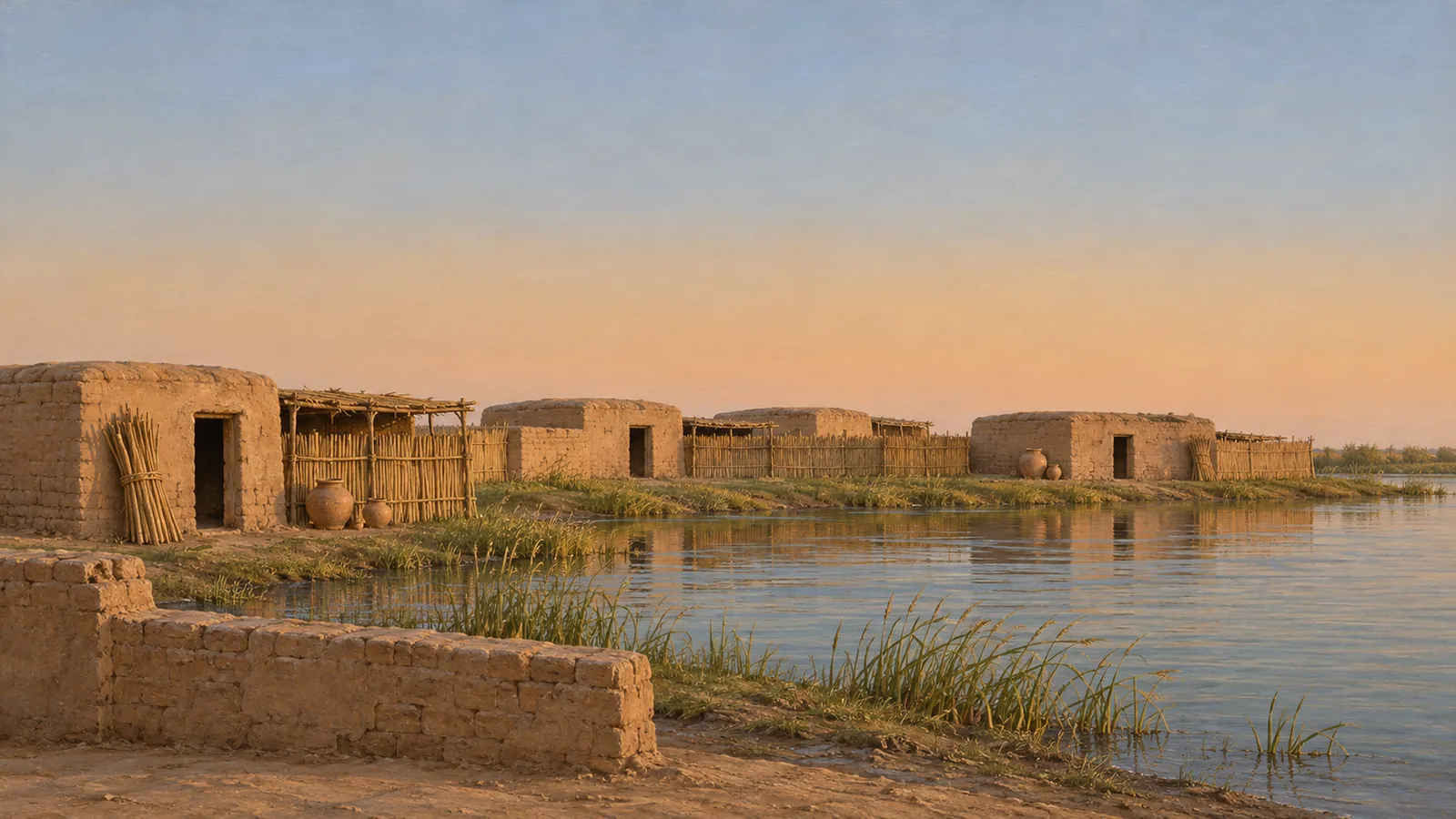
Il parla des maisons que l’on bâtit, des familles que l’on fonde et des frères qui se répartissent leurs parts. Le poème place ces actes familiers à côté d’une image qui dit à quelle vitesse la vie peut disparaître.

Utnapishtim évoqua un fleuve en crue et une éphémère flottant à sa surface, dans la lumière. Elle fut là un instant, puis disparut.
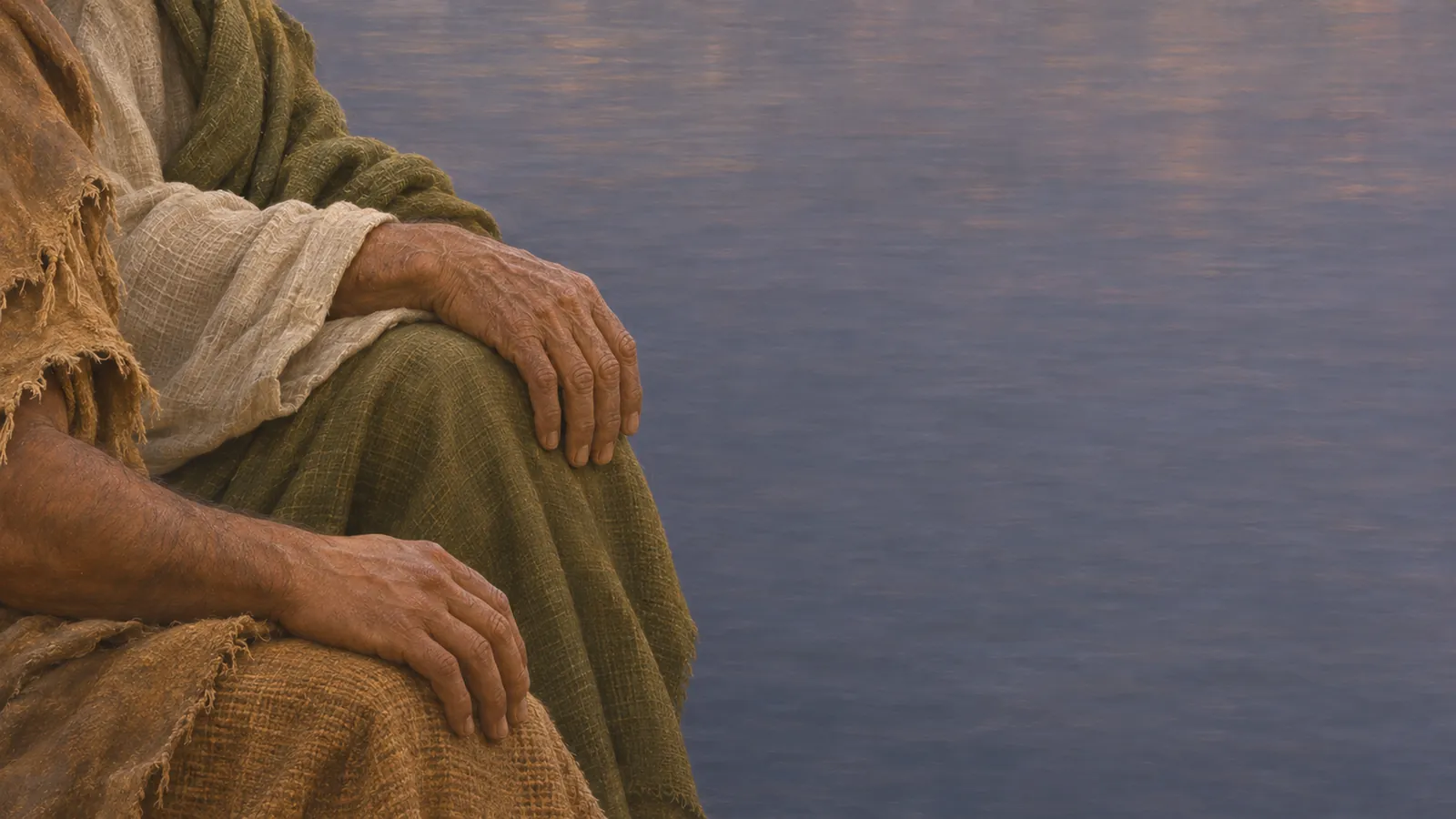
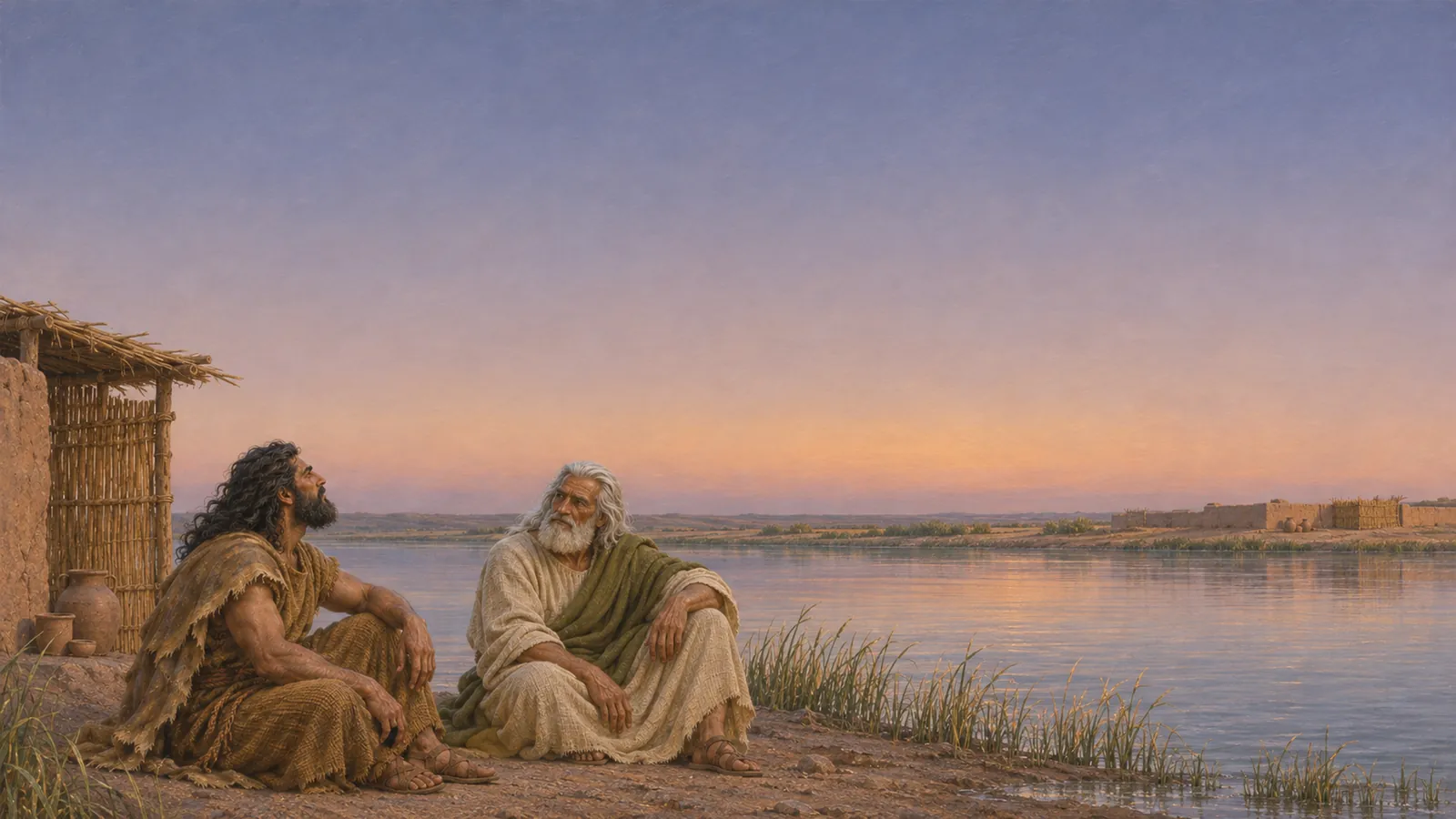
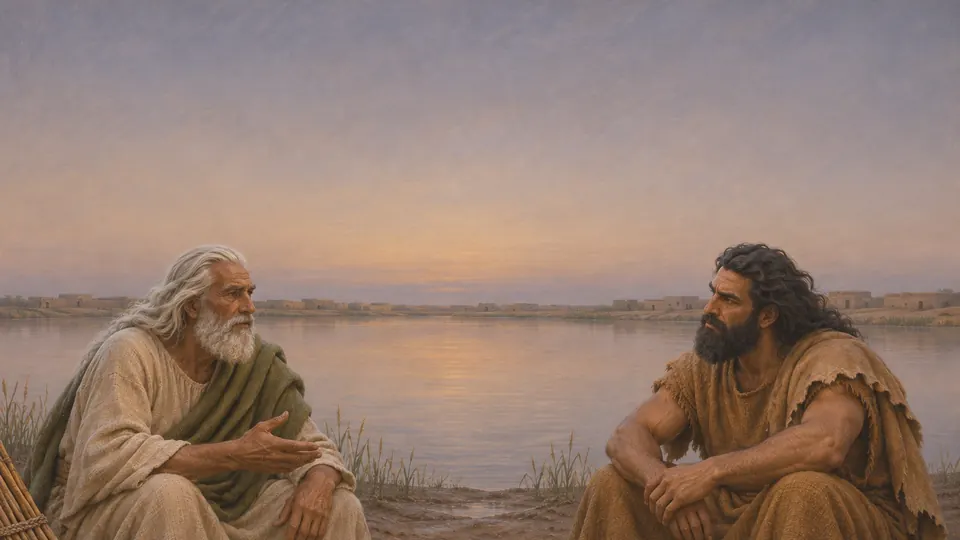
Utnapishtim revint à ce que Gilgamesh voulait savoir. Les dieux avaient fixé la vie et la mort, mais ils n’avaient pas révélé aux humains le jour de leur mort.
TABLETTE XI
Au début de la tablette suivante, Gilgamesh regarde Utnapishtim et voit un homme qui lui ressemble beaucoup. Il lui demande comment cet homme a pu se tenir parmi les dieux et continuer à vivre.
Fin du chapitre 6
Toutes les pages




Sources
On pages 28, 36 and 51, Gilgamesh says he would not give Enkidu up for burial until a maggot fell from his nostril (SB Gilgamesh X 58–62, 135–139 and 235–239, George’s eBL translation). The retelling describes the sign of decay on page 28 and condenses the two later repetitions.
Éditions consultées
- Electronic Babylonian Library, Tablet IX: and [Tablet X](https://www.ebl.lmu.de/corpus/L/1/4/SB/X). Both official text exports were checked line by line.
- Electronic Babylonian Library, Tablet XI: opening address credited separately.
- Andrew George, “The Epic of Gilgamesh”: synopsis of the westward journey and Utnapishtim’s answer.
- Andrew George, “Gilgamesh and the Babylonian World”: with the latter part of Tablet X discussed alongside manuscript context.
Notes sur ce récit
On page 3, Gilgamesh takes up an axe and a dagger, strikes the lions and kills and scatters them in a partly restored passage (SB Gilgamesh IX 13–18, George’s eBL translation). On page 26 he tells Siduri that he and Enkidu killed the Bull, destroyed Humbaba and killed lions in the passes (SB Gilgamesh X 29–39, partly restored). The retelling condenses the attack and the list of deeds.
Les vers antiques de chaque page
- Page 1: SB IX 8–9, eBL
- Page 2: SB IX 10–12, eBL
- Page 3: SB IX 13–29, gap before 37, eBL
The awakening and brief rush are attested. - Page 4: SB IX 37–41, eBL
- Page 5: SB IX 42–45 and 48–51, eBL
- Page 6: SB IX 46–47, eBL
- Page 7: SB IX 48–51, eBL; cf. SB I 48
Her correction is preserved. - Page 8: SB IX 52–59, eBL
- Page 9: SB IX 5–7 and 75–77, eBL
- Page 10: SB IX 78–90, especially 80–83, eBL
- Page 11: SB IX 91–93, lacuna before 125, and 125–135, eBL
- Page 12: SB IX 136–139, eBL
- Page 13: SB IX 139–144, eBL
- Page 14: SB IX 145–162, eBL
- Page 15: SB IX 163–169, eBL
- Page 16: SB IX 169–172, eBL
- Page 17: SB IX 172–174, eBL
- Page 18: SB IX 175–176, eBL
- Page 19: SB IX 184–196, eBL; cf. SB X 1–2
The last line is damaged and the pronoun points forward to Siduri. - Page 20: SB X 1–4, 5–9, eBL; George, synopsis p. 9; George X score
- Page 21: SB X 1–9, eBL; George X score; Heidel, Tablet X, Assyrian version col. i
- Page 22: SB X 5–14, eBL; George X score; Heidel, Tablet X, Assyrian version col. i
- Page 23: SB X 15–16, 20–21, eBL; George X score; George, synopsis p. 9
- Page 24: SB X 17–22, eBL; George X score; Heidel, Tablet X, Assyrian version col. i
Only the spoken threat is attested. - Page 25: SB X 25–28, eBL; George X score; George, synopsis p. 9
The wording of her question is damaged and restored in part. - Page 26: SB X 29–39, eBL; George X score
The shared action is preserved in the repeated lines. - Page 27: SB X 35–45, eBL; George X score
- Page 28: SB Gilgamesh X 53–62, especially 58–62, eBL; compare X 134–139 and 234–239
Original paraphrase of largely restored and repeated lines. - Page 29: SB X 72–77, eBL; George X score
Paraphrased request. - Page 30: SB X 78–86, eBL; George X score; George, synopsis p. 9
- Page 31: SB X 87–91, eBL; George X score; George, Ur-šanabi
- Page 32: SB X 92–105 and 155–158, eBL; George X score; George, synopsis p. 9
The composite preserves the ambush’s broad action despite damaged phrases. - Page 33: SB X 102–108 and 155–158, eBL; George, Ur-šanabi
- Page 34: SB X 108–113, 155–158, eBL; George X score; George, Ur-šanabi
- Page 35: SB X 112–119, eBL; cf. X 40–46; George X score
- Page 36: SB X 119–148, eBL; George X score; George, synopsis p. 9
This is the poem’s deliberate repetition condensed. - Page 37: SB X 149–158, eBL; George X score; George, synopsis p. 9
- Page 38: SB X 159–163, eBL; George X score; George, synopsis p. 9
The composite restorations at X 160 and 166 give three hundred exceptionally long poles. - Page 39: SB X 163–168, eBL; George X score
- Page 40: SB X 169–171, eBL; George X score; George, Ur-šanabi
- Page 41: SB X 169–172, eBL; George X score; George, synopsis p. 9
The exceptional duration is a reading of the poem at X 171. - Page 42: SB X 172–175, eBL; George X score; Heidel, Tablet X, Assyrian version col. iv
- Page 43: SB X 174–179, eBL; George X score
- Page 44: SB X 179–181, eBL; George, synopsis p. 9
- Page 45: SB X 181–183, eBL; George X score; George, synopsis p. 9
The clothing actions in 181–182 are partly restored. - Page 46: SB X 184–186, eBL; George X score; George, synopsis p. 9
- Page 47: SB X 186–195, eBL; George X score
Utnapishtim’s observations are damaged in places. - Page 48: SB X 196–207, especially 204–207, eBL; George X score; George, synopsis p. 9
- Page 49: SB X 207–212, eBL; George X score
The nearby flood word is broken and its sense is uncertain, with the full account starting in XI. - Page 50: SB X 212–225, eBL; George X score; George, synopsis p. 9
- Page 51: SB X 226–248, eBL; George X score; George, synopsis p. 9
- Page 52: SB X 249–253, eBL; George X score
- Page 53: SB X 254–265, eBL; George X score; George, synopsis p. 9
- Page 54: SB X 266–280, eBL; George X score; George, synopsis p. 9
The passage contains partially preserved counsel. - Page 55: SB X 296–307, especially 301–303 and 307, eBL; George X score; George, synopsis p. 9
The simile and examples support the mortality lesson. - Page 56: SB X 304–307, eBL; cf. X 322; George X score
- Page 57: SB X 308–311, eBL; George X score; George, synopsis p. 9
- Page 58: SB X 312–315, eBL
- Page 59: SB X 316–322, eBL; George X score; George, synopsis p. 9
- Page 60: SB X catchline; SB XI 1–7; George, synopsis p. 9; SOAS BAPLAR XI 1–34
Illustrations réalisées par IL Archive avec des outils d’IA ; le texte s’appuie sur les sources antiques (voir les sources à la fin de chaque chapitre).