L’Épopée de Gilgamesh Chapitre 7
L’histoire du déluge
Utnapishtim raconte à Gilgamesh comment il a construit un bateau et survécu au grand déluge. Une fois son récit terminé, il demande à Gilgamesh de rester éveillé six jours et sept nuits.
Voir le filmSourcesTournez les pages avec les flèches, le clavier ou en balayant l’écran.
SECRET
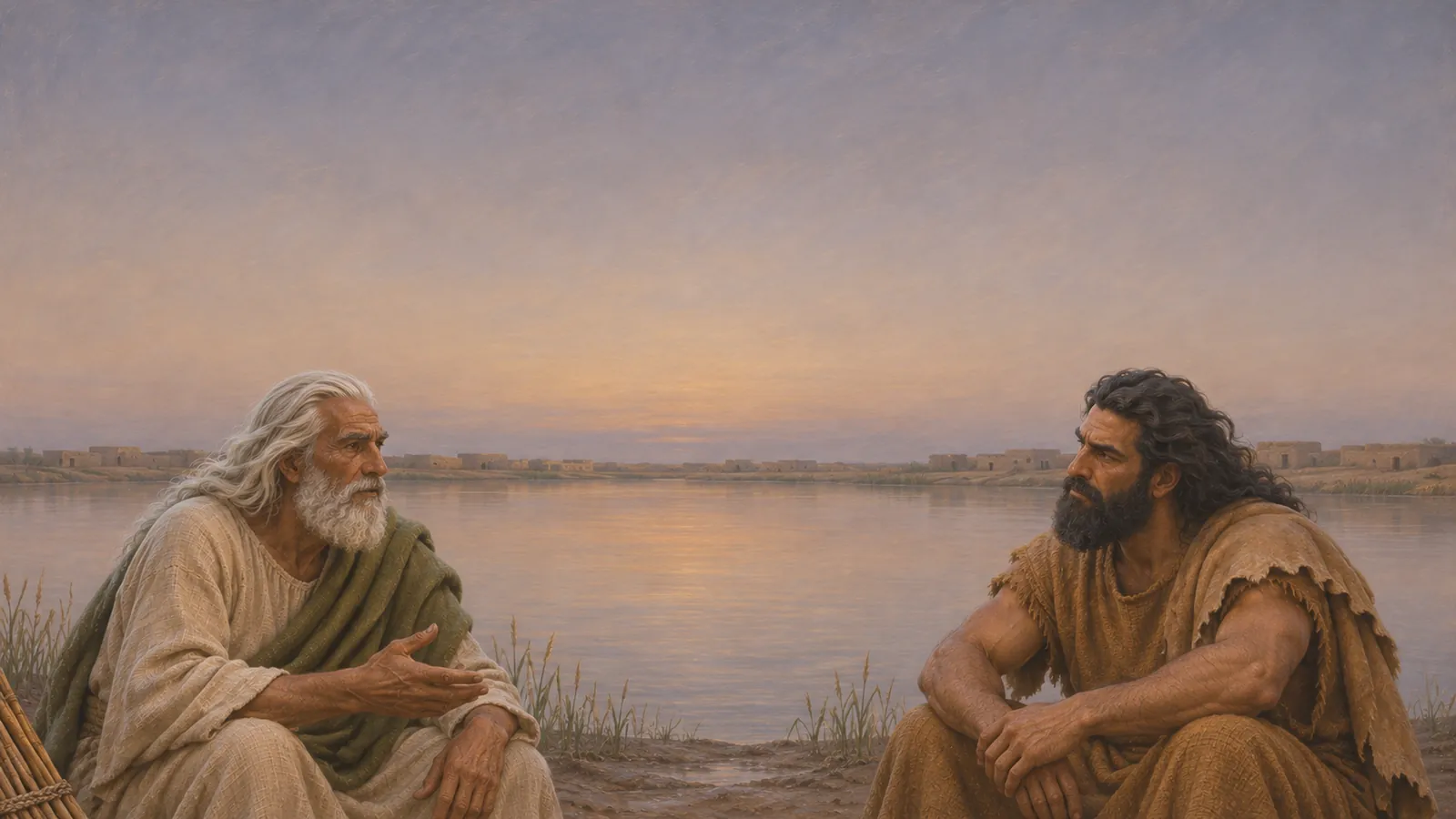
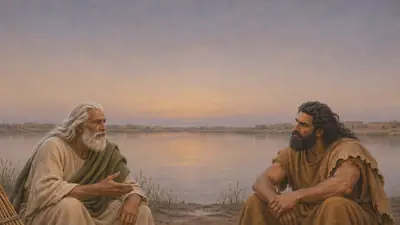
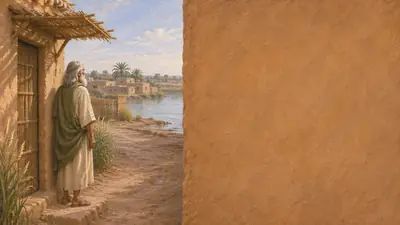
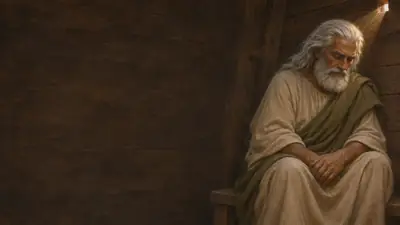
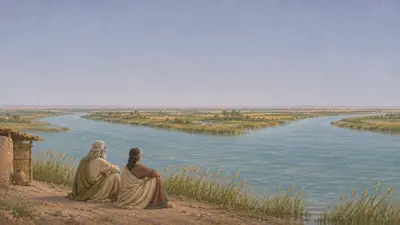
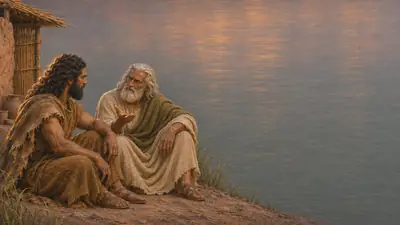
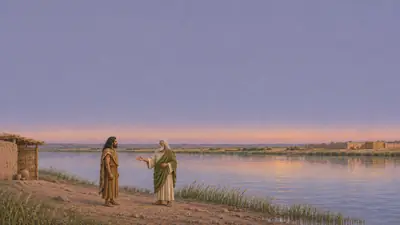
Sur la rive lointaine, Utnapishtim commença sa réponse. Ce que Gilgamesh voulait savoir remontait à un secret des dieux et à une ville qui, jadis, se dressait au bord d’un fleuve.
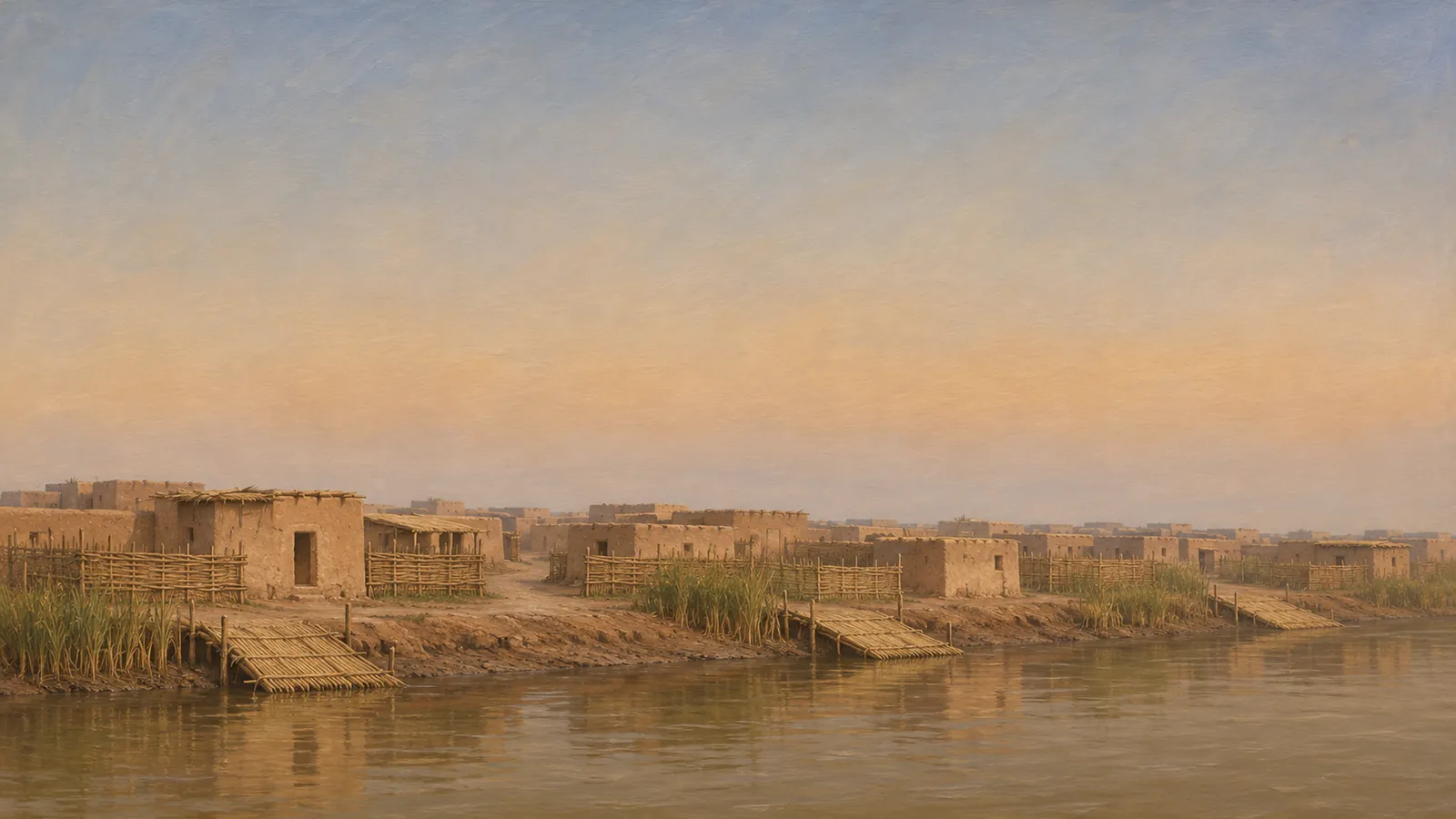
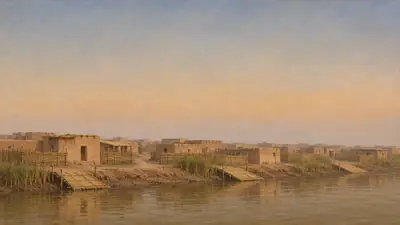
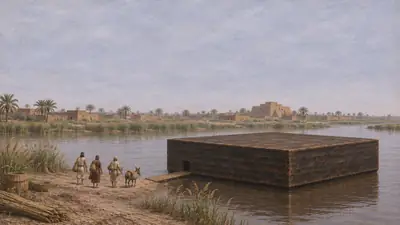
La ville était Shuruppak, sur l’Euphrate. Elle était déjà ancienne à l’époque où, disait-on, les grands dieux y vivaient.
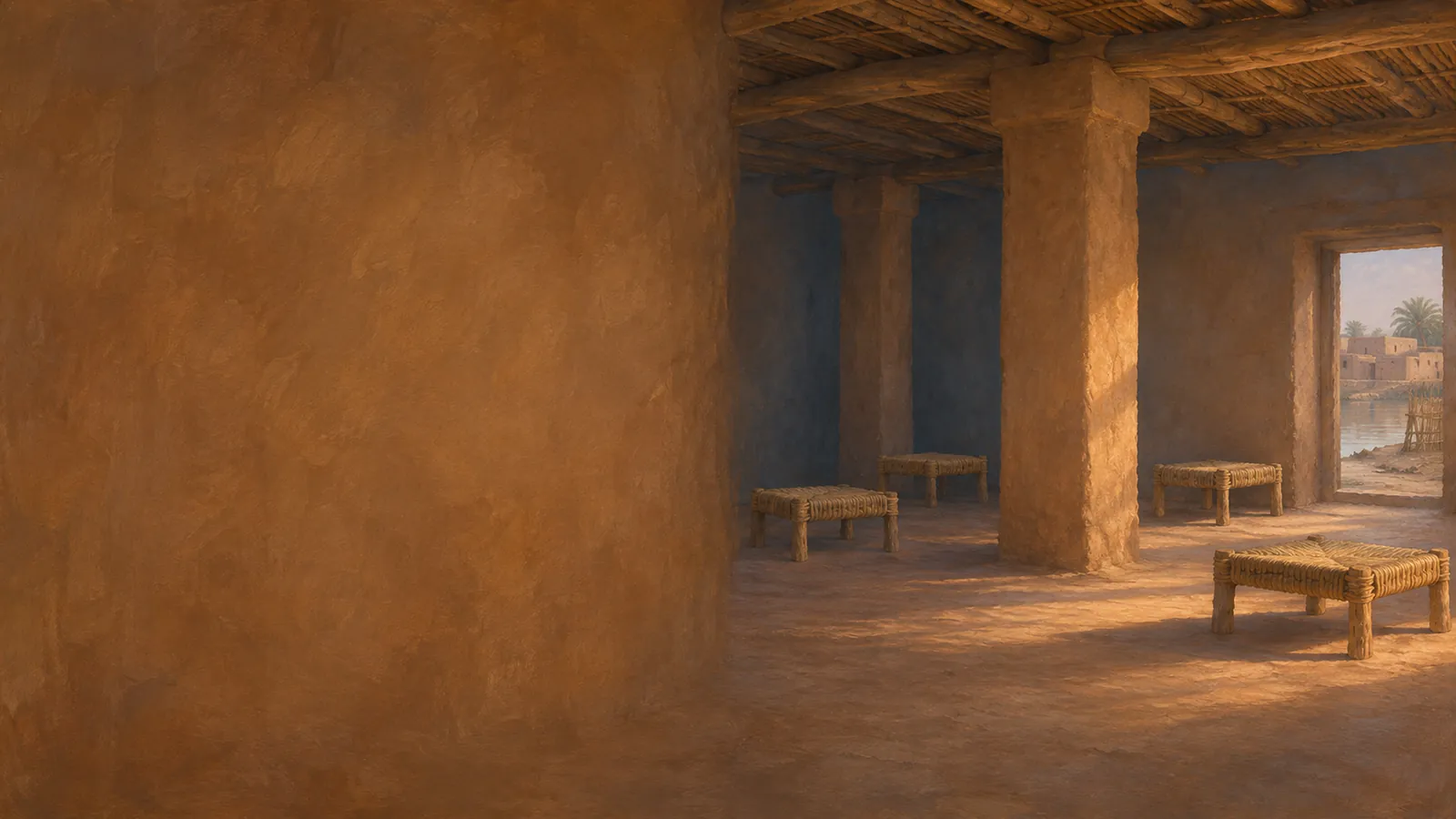
Utnapishtim parla des grands dieux et de leur décision d’envoyer un déluge. Les membres de l’assemblée s’engagèrent par serment à respecter cette décision.

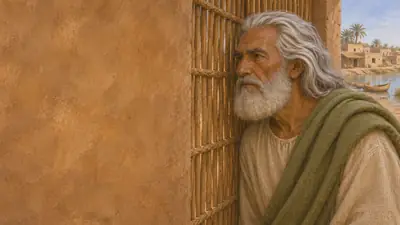
Enlil faisait partie du conseil, et Ea avait prêté serment avec les autres dieux. Ce qu’Ea allait dire ensuite, il le dirait aux roseaux.
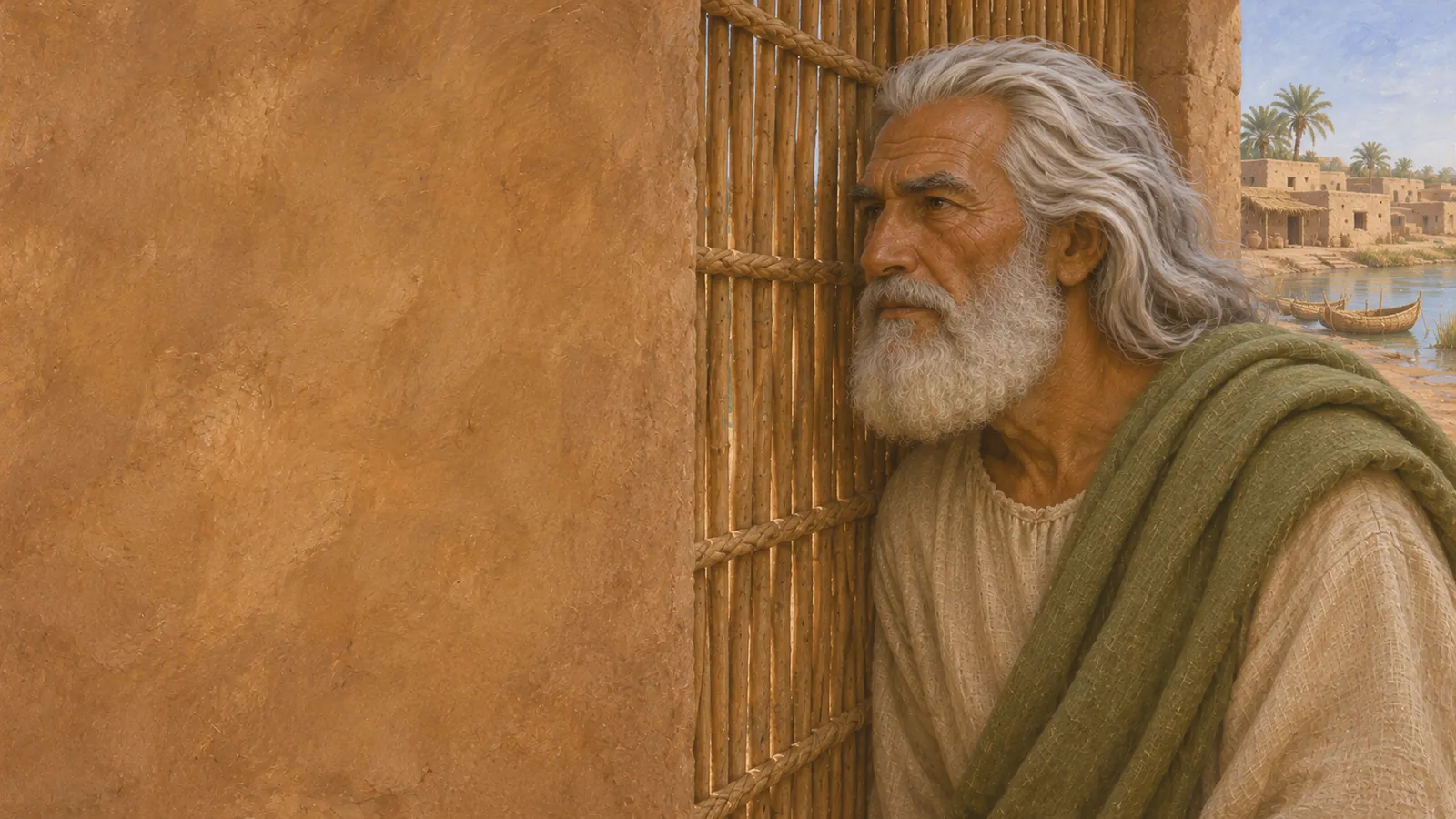
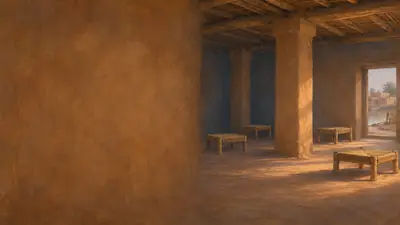
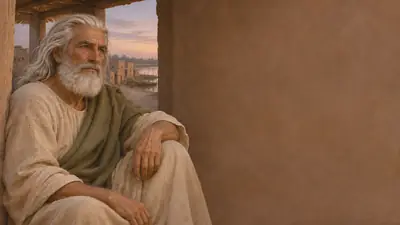
L’avertissement s’adressait à une clôture de roseaux et à un mur. Par ces mots, Utnapishtim apprit ce qu’il devait faire, tandis que le dieu s’adressait aux roseaux.
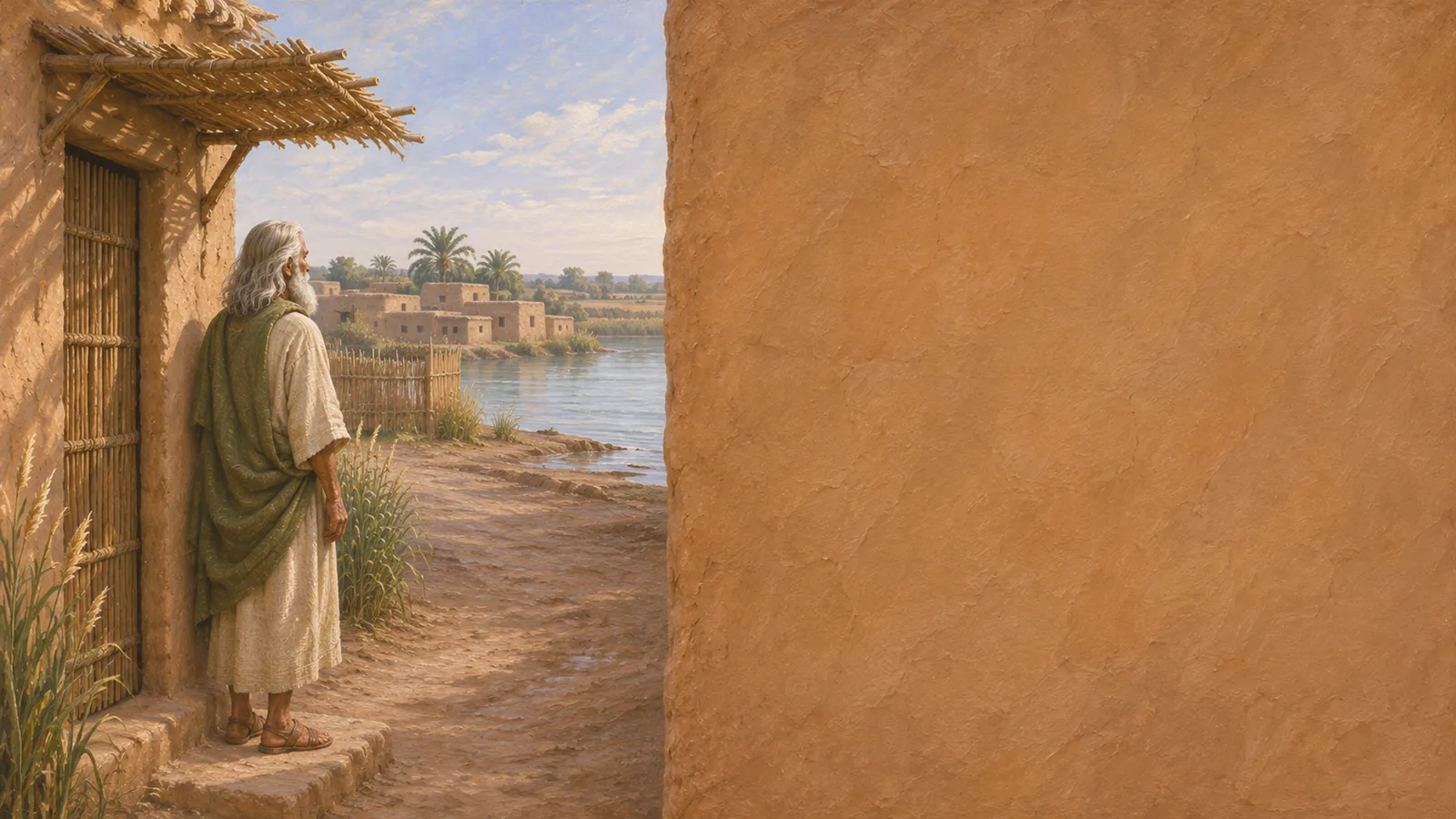
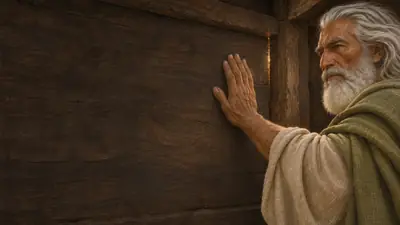
Ea lui dit de démolir sa maison et de construire une embarcation. Ce qu’il pouvait garder comptait désormais moins que ce qu’il pouvait maintenir en vie.

L’embarcation devait emporter la semence des êtres vivants. On avait dit à Utnapishtim de laisser ses richesses derrière lui et de donner aux vivants une chance de survivre.
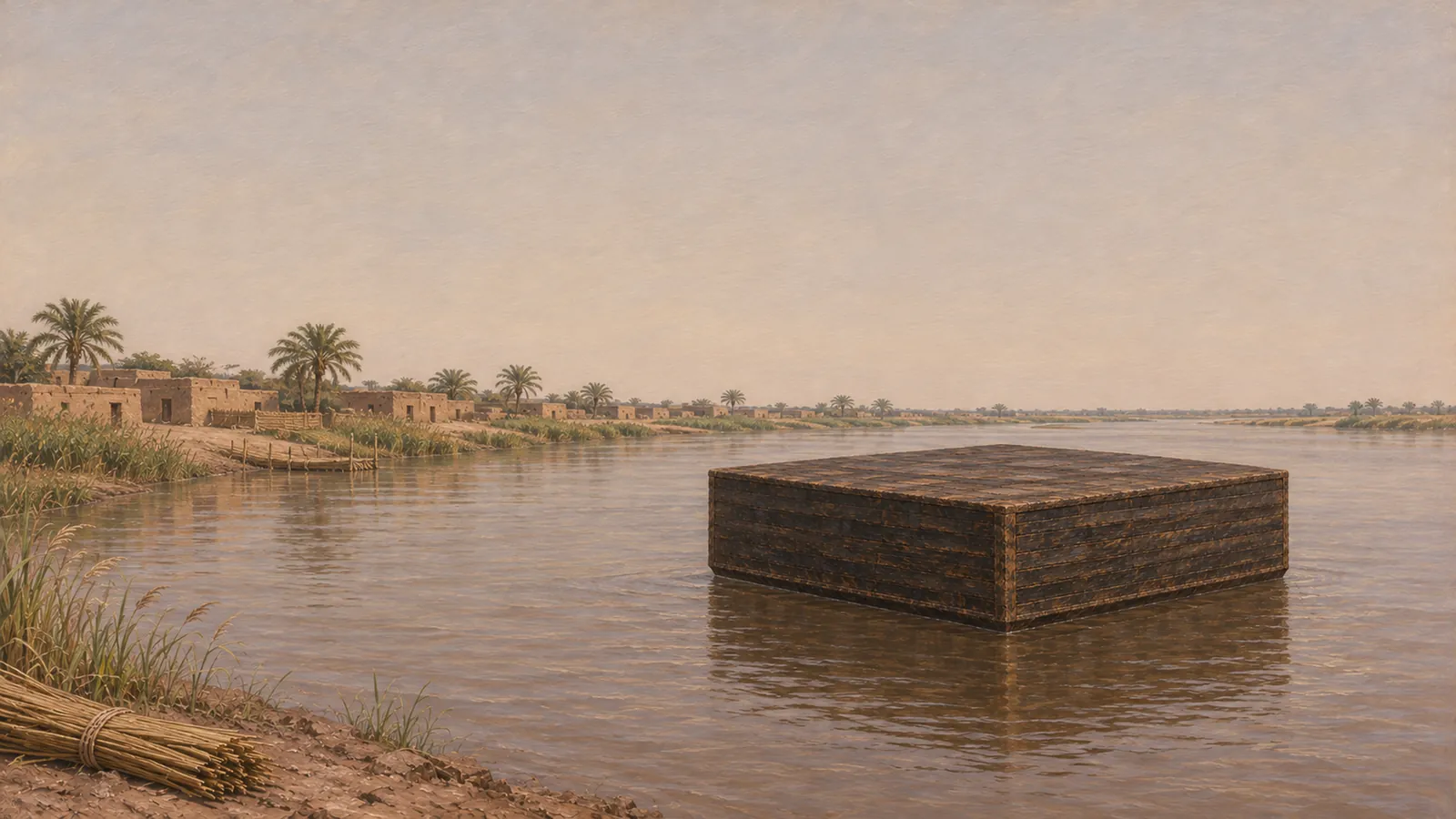
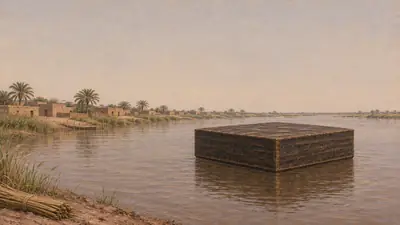
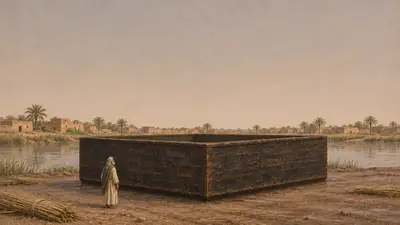
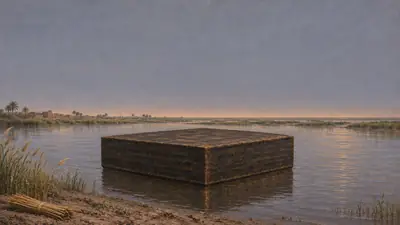
L’embarcation décrite par Ea devait être aussi large que longue. Elle aurait un toit, et sa forme serait différente de celle des bateaux ordinaires du fleuve.
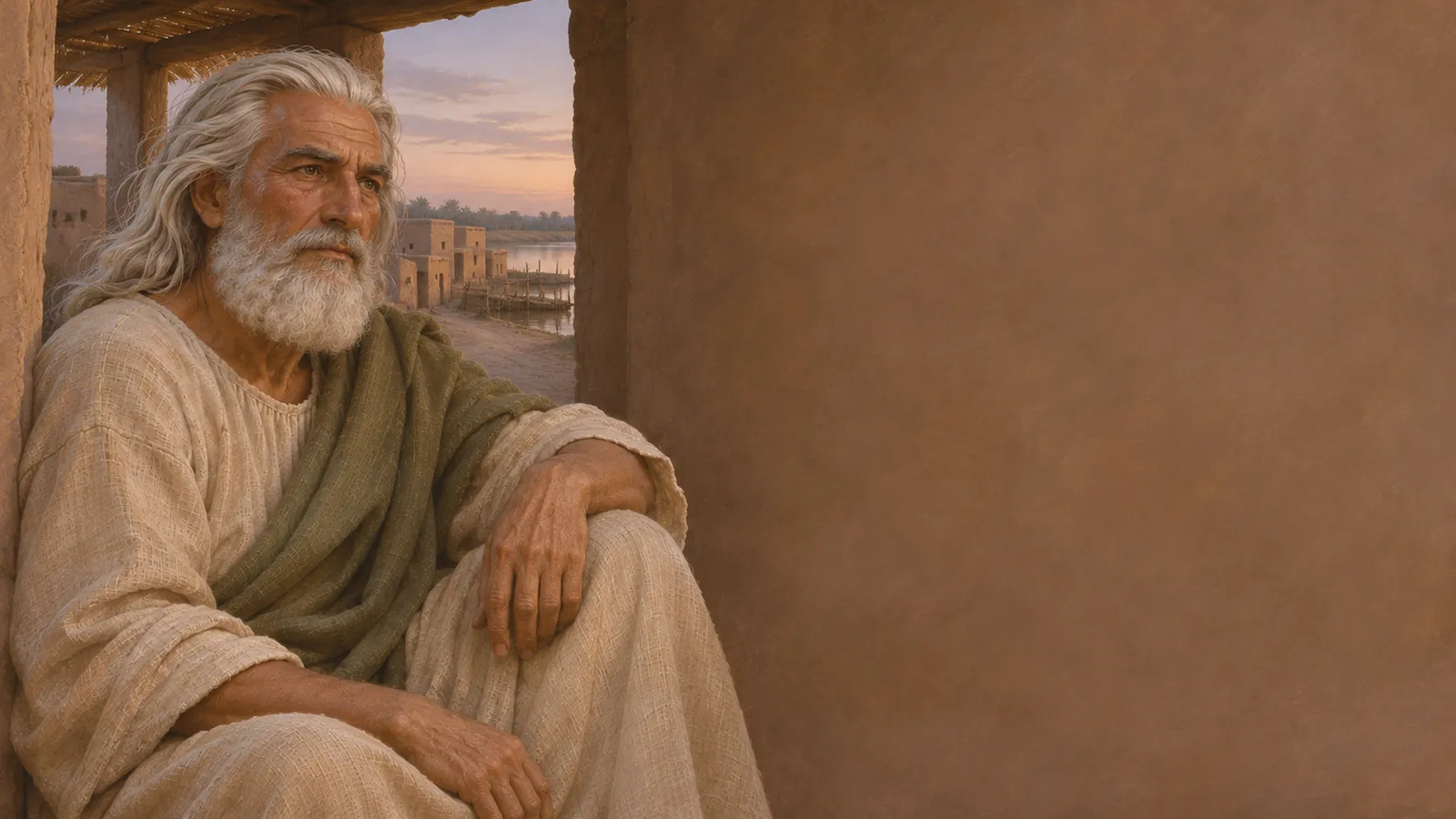
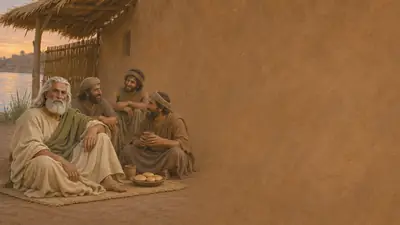
Utnapishtim dit qu’il ferait ce qu’on lui avait demandé. Puis il demanda ce qu’il devait dire aux habitants et aux anciens lorsqu’ils verraient ce qu’il faisait.
Ea lui dit d’annoncer qu’il avait perdu la faveur d’Enlil. Il pourrait ainsi expliquer pourquoi il quittait la ville pour vivre avec Ea dans les profondeurs.

Le message destiné à la ville parlait d’abondance. Du pain et du blé tomberaient du ciel, disait-il, des mots pleins de promesses pour ceux qui ignoraient ce qui les attendait.
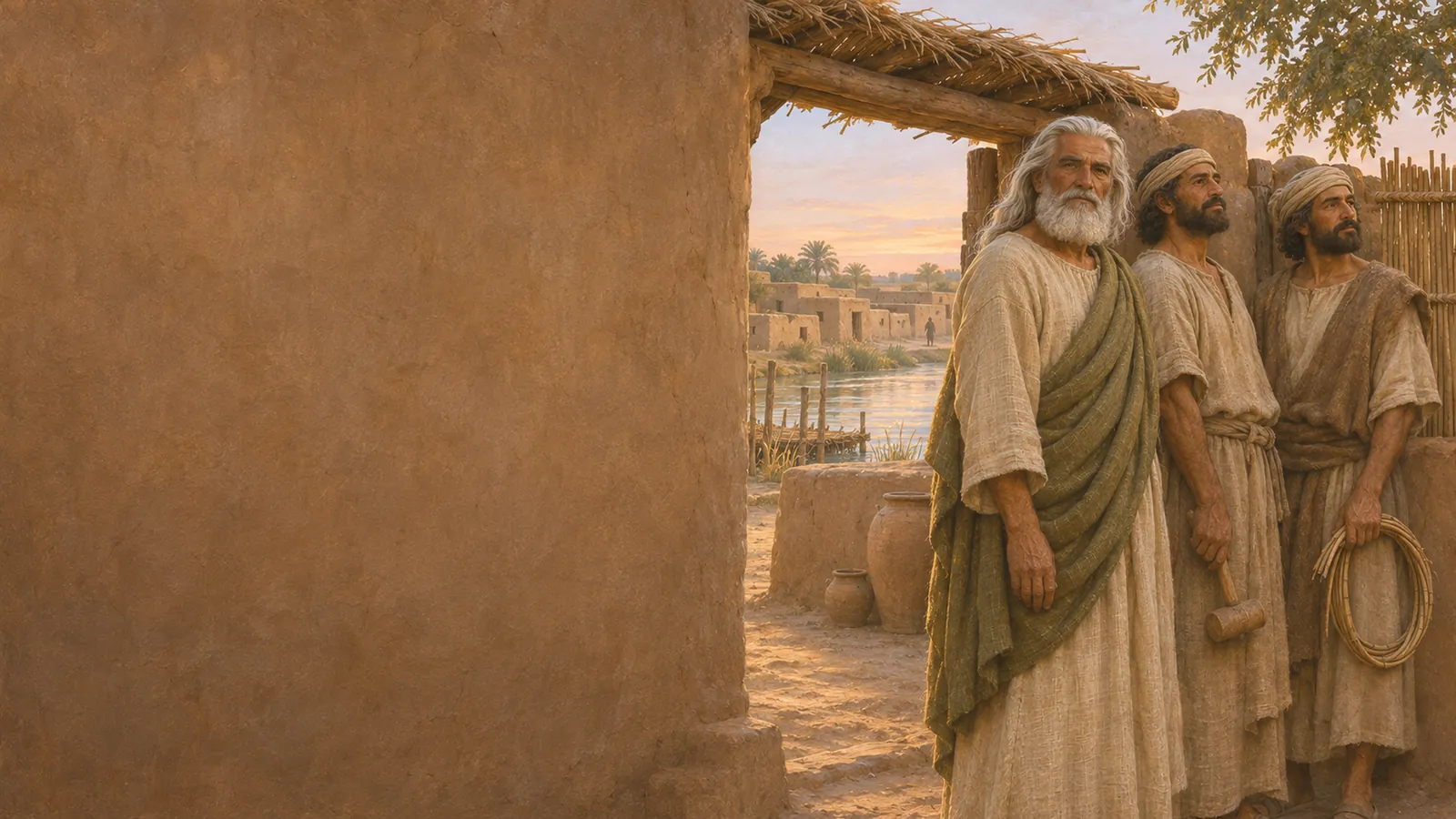
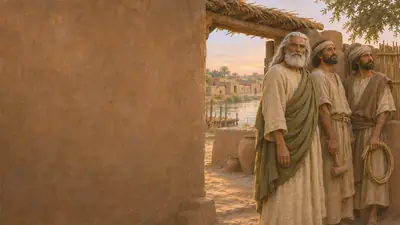
À l’aube, les gens se rassemblèrent devant la porte d’Utnapishtim. Le poème distingue parmi eux un charpentier et un artisan qui travaillait les roseaux, chacun portant un outil de son métier.

Plusieurs lignes sur le travail sont brisées. On distingue encore les contours d’un effort collectif, auquel différentes mains apportaient ce qu’elles pouvaient.
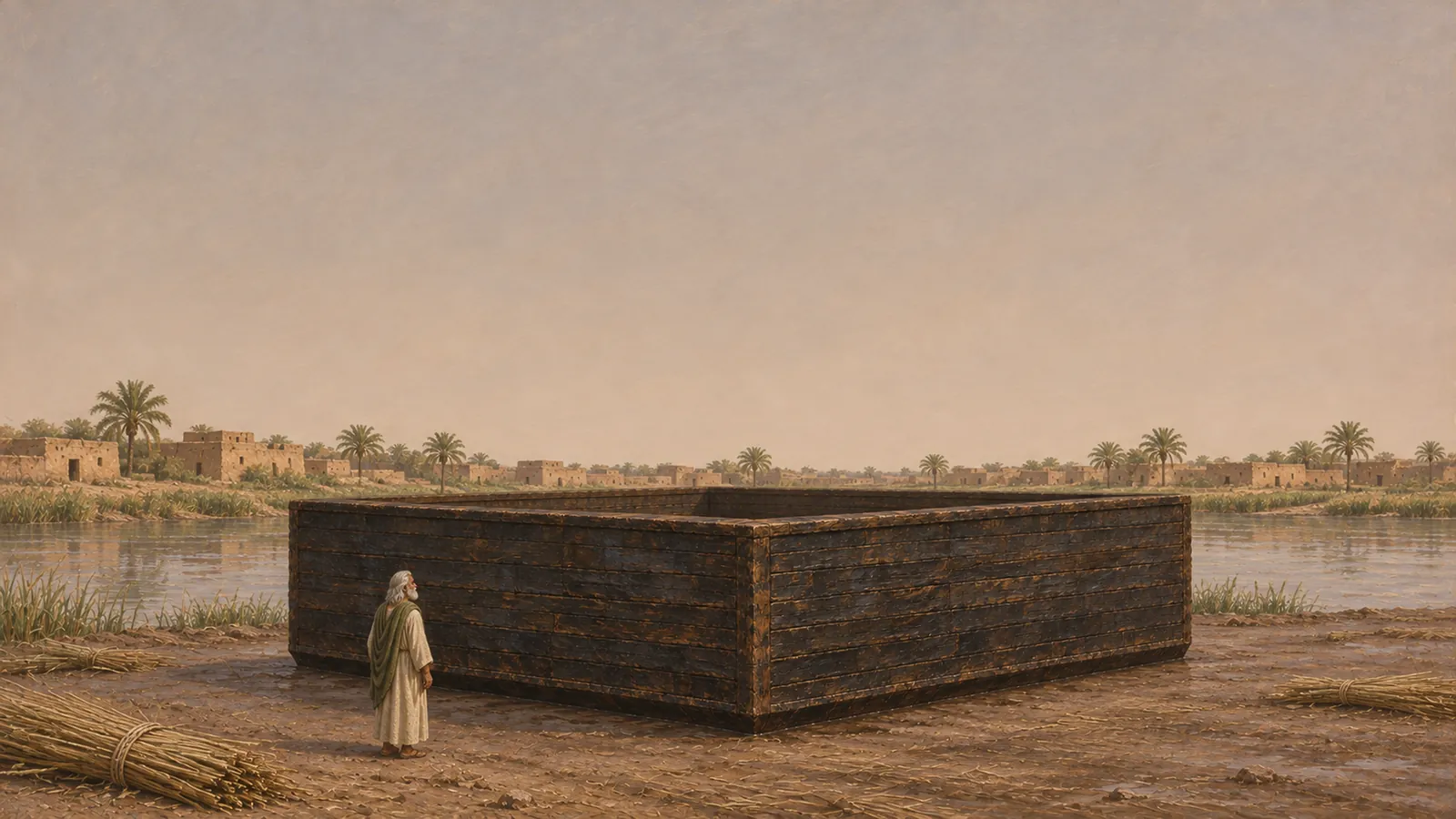
Le récit revient à l’embarcation qui prend forme. Ses hauts flancs et ses bords de même longueur lui donnaient l’ampleur nécessaire pour accueillir tant de vie autour d’elle.
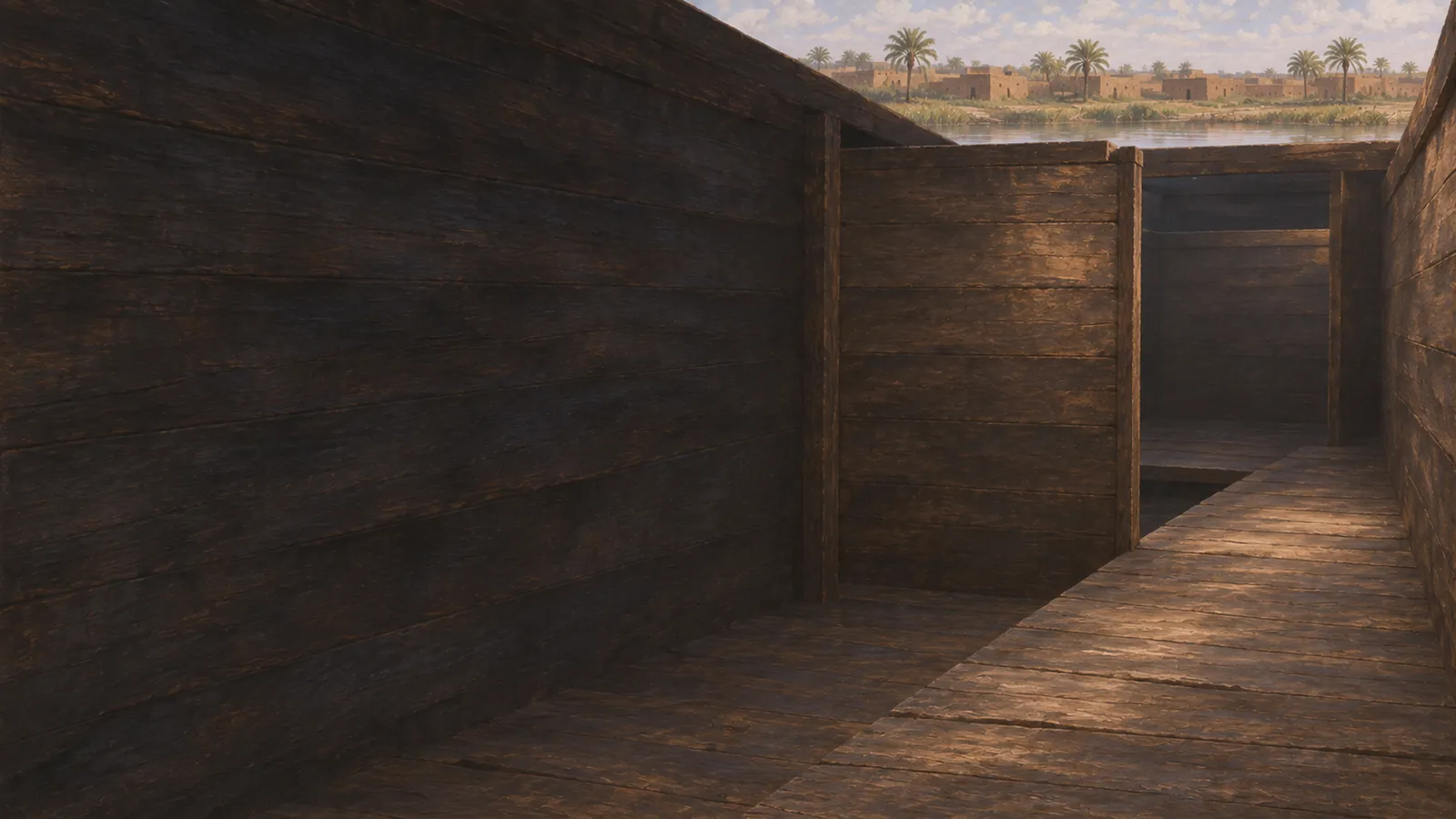
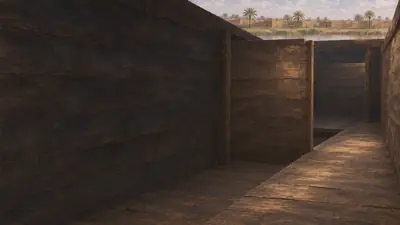
Utnapishtim décrit des ponts superposés et un intérieur divisé en plusieurs parties. Le poème ancien s’attarde sur la place aménagée pour ce qui devait entrer à bord.
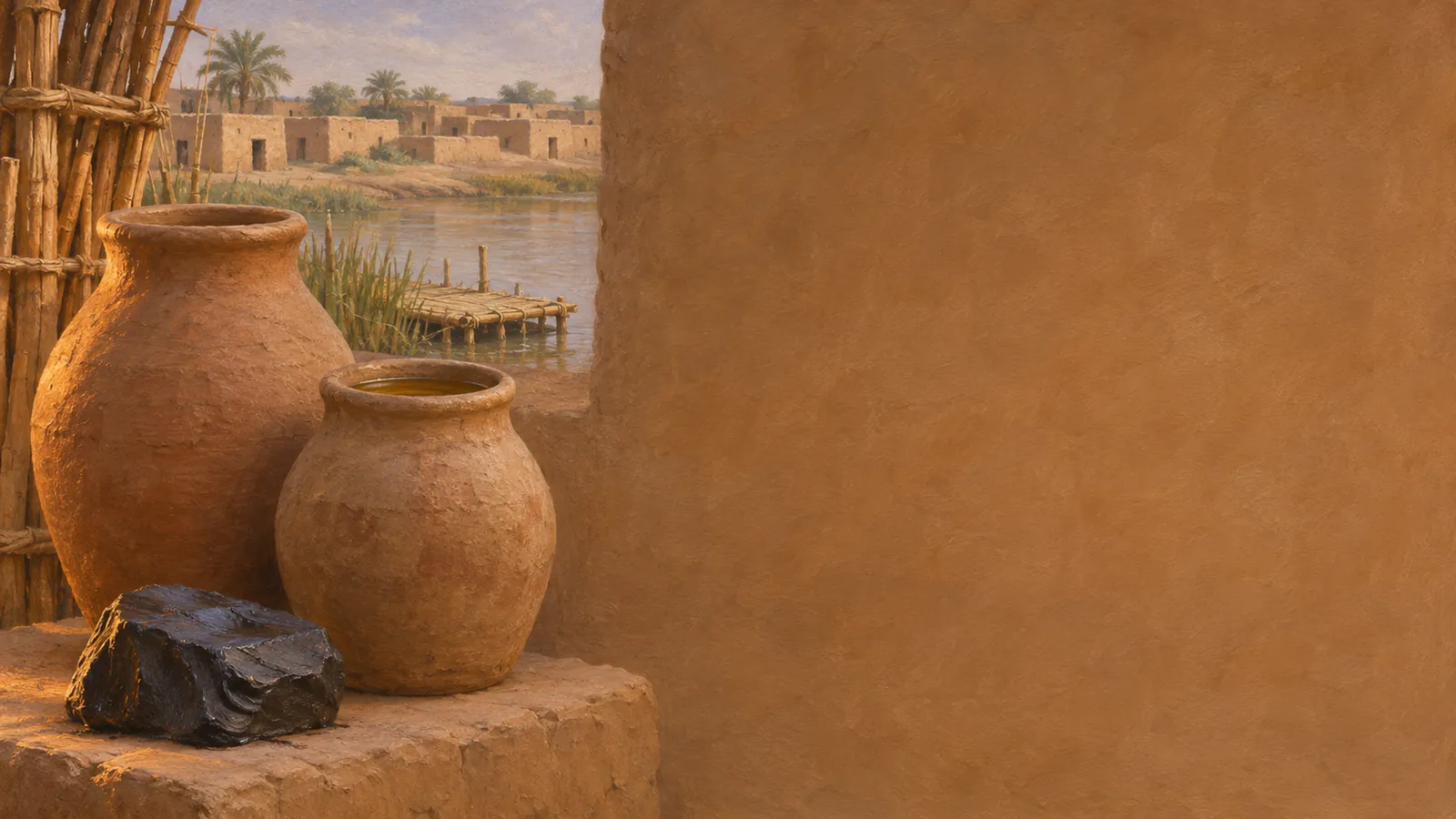
On employa du bitume et de grandes quantités d’huile. Une partie du récit est endommagée, mais le goudron noir et les chargements d’huile ressortent encore dans la description.
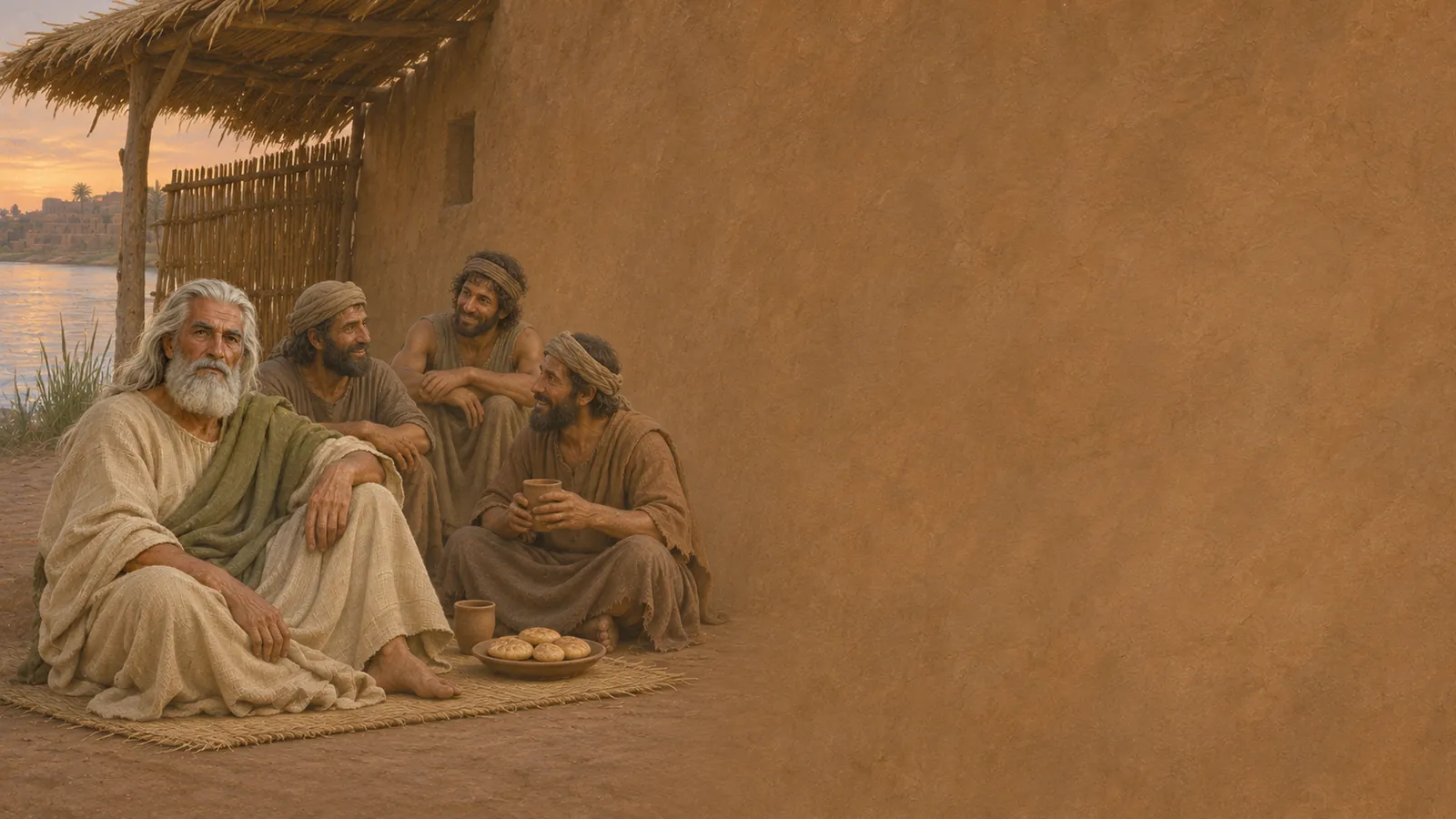
Utnapishtim nourrit et désaltéra les gens qui travaillaient. Il se rappelle la bière et le vin qui coulaient à flots et dit que les ouvriers firent la fête comme au Nouvel An.
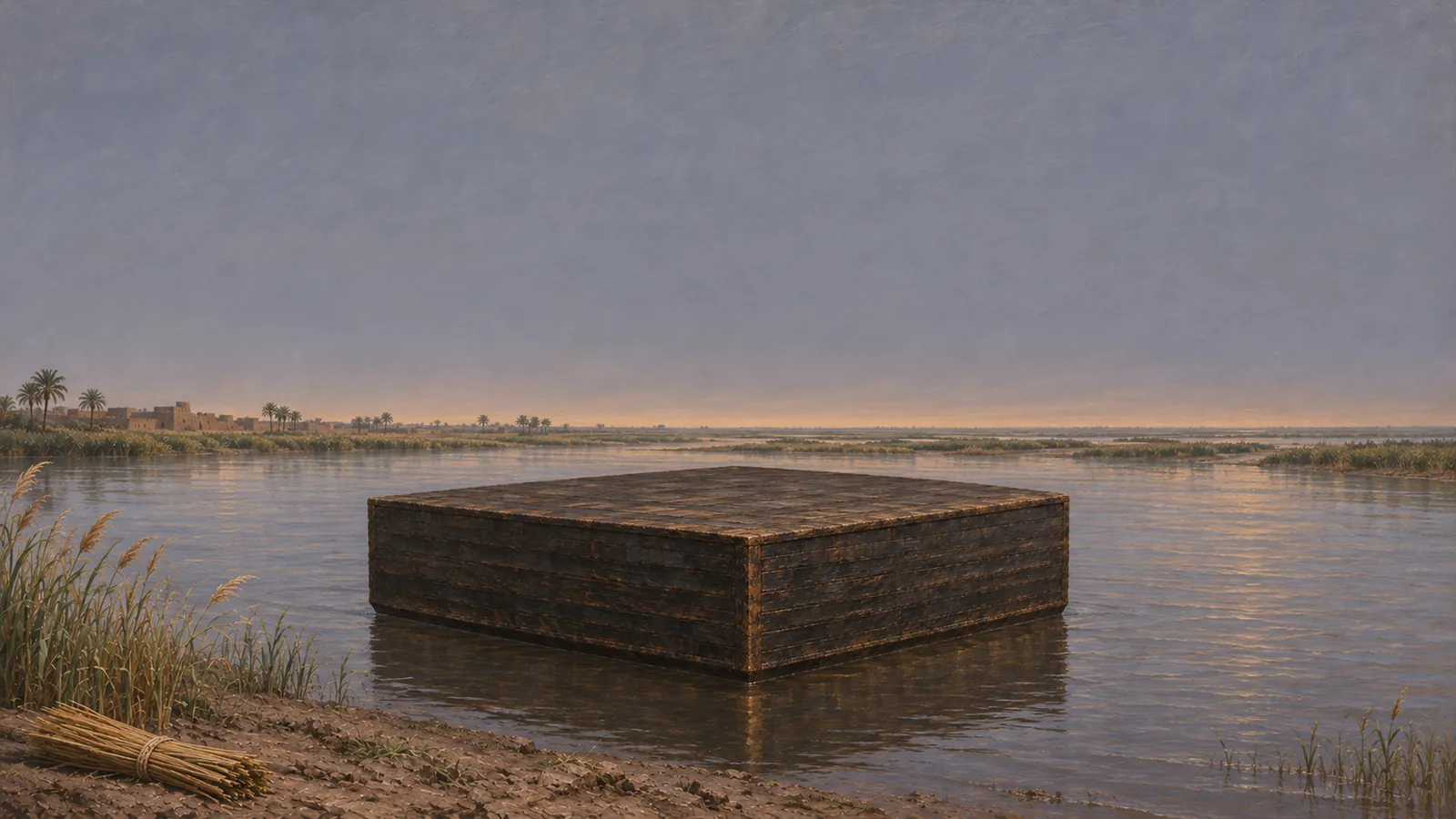
Avant que le soleil disparaisse, l’embarcation était prête. Les lignes suivantes sont endommagées et ne laissent que des bribes du dernier travail avant le chargement.
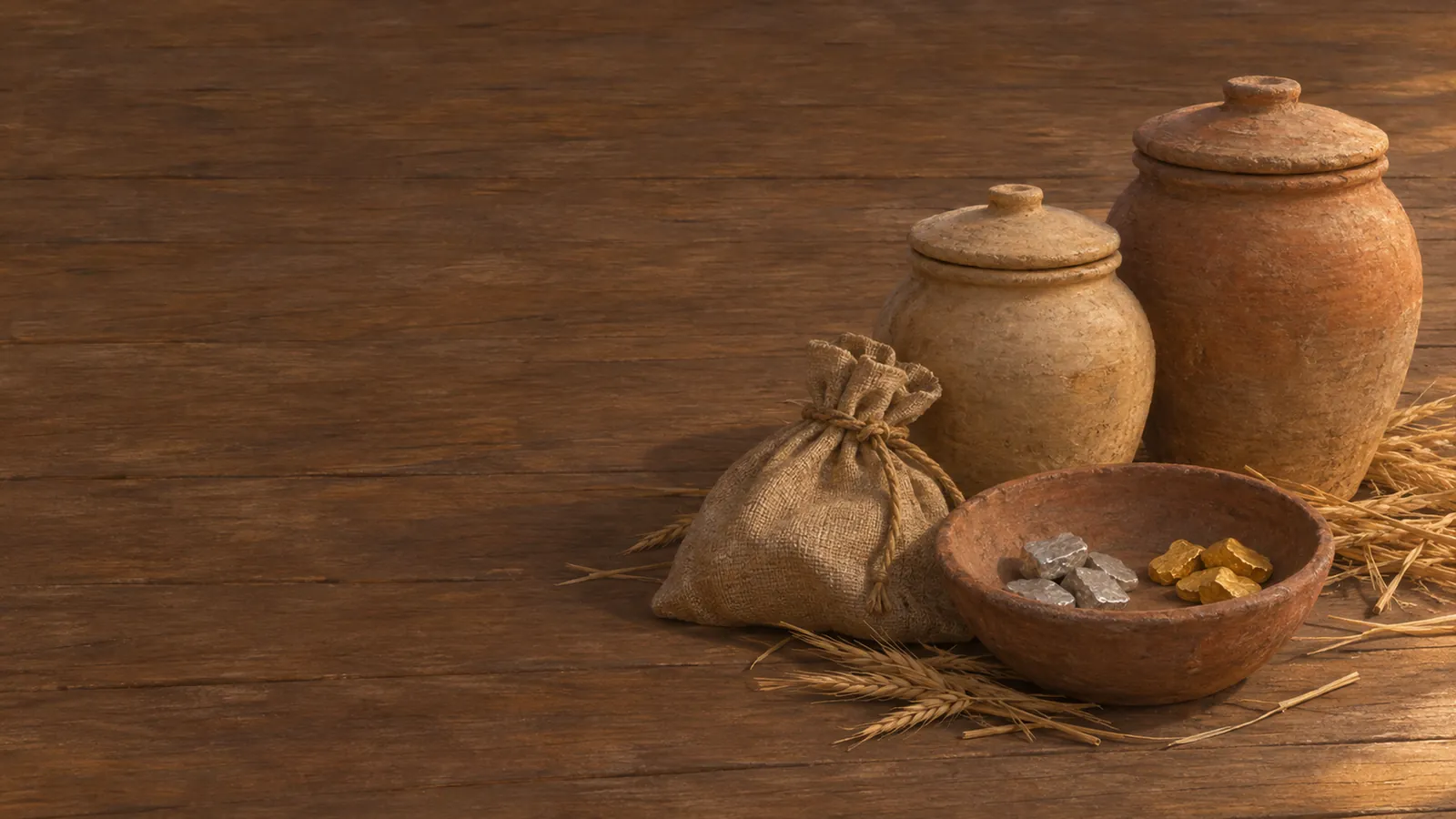
Quand on commença à charger le bateau, raconte Utnapishtim, il y mit l’argent et l’or qu’il possédait. Parmi ce qu’il emporta figurait la semence des êtres vivants.
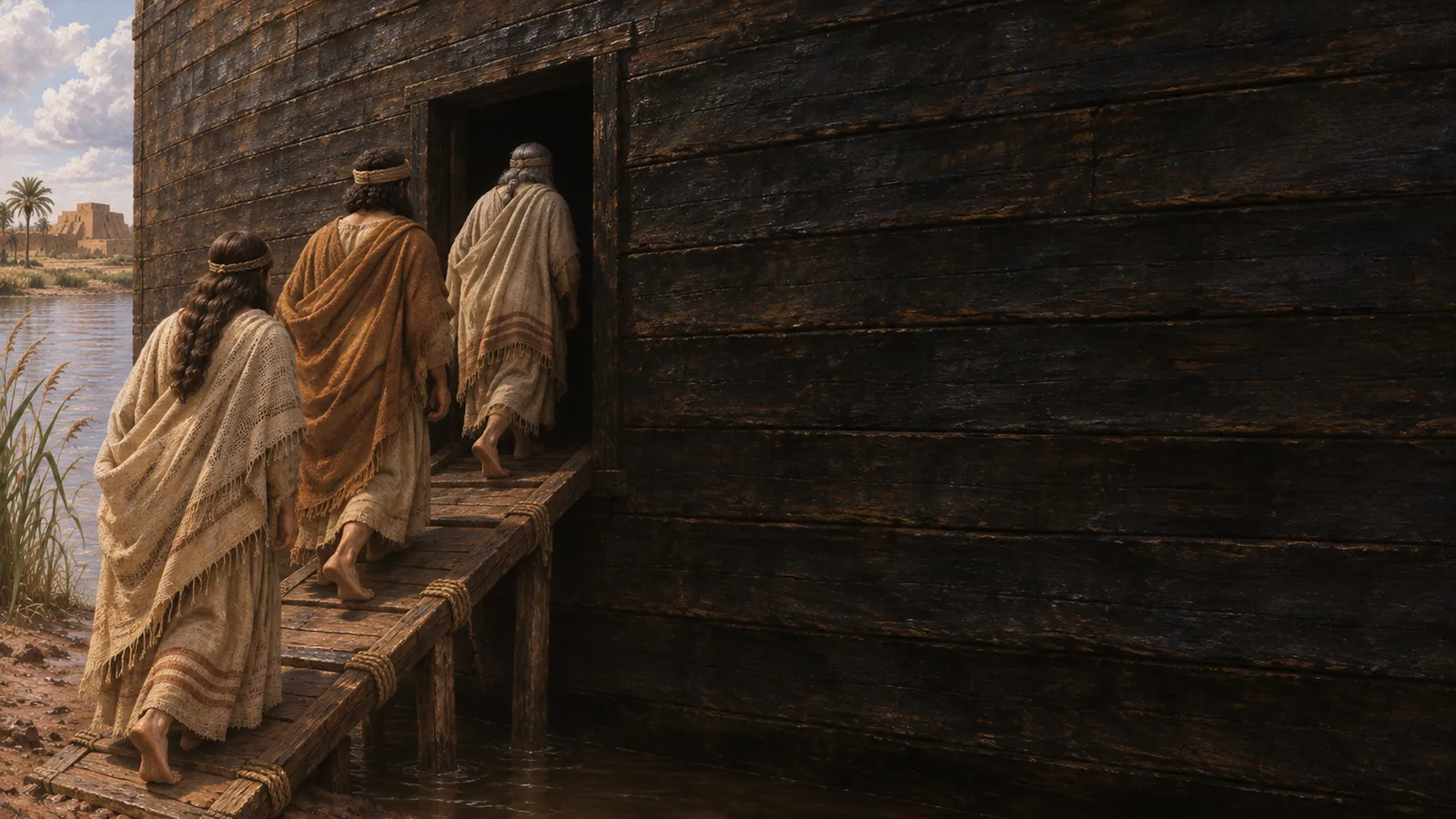
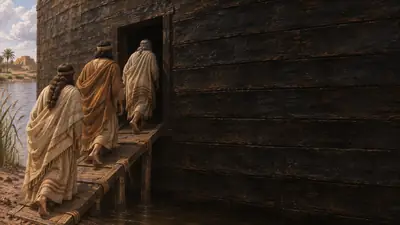
Puis il évoque sa famille et ses proches. Ils montèrent dans le grand bateau, encore au bord de la terre où ils avaient vécu.
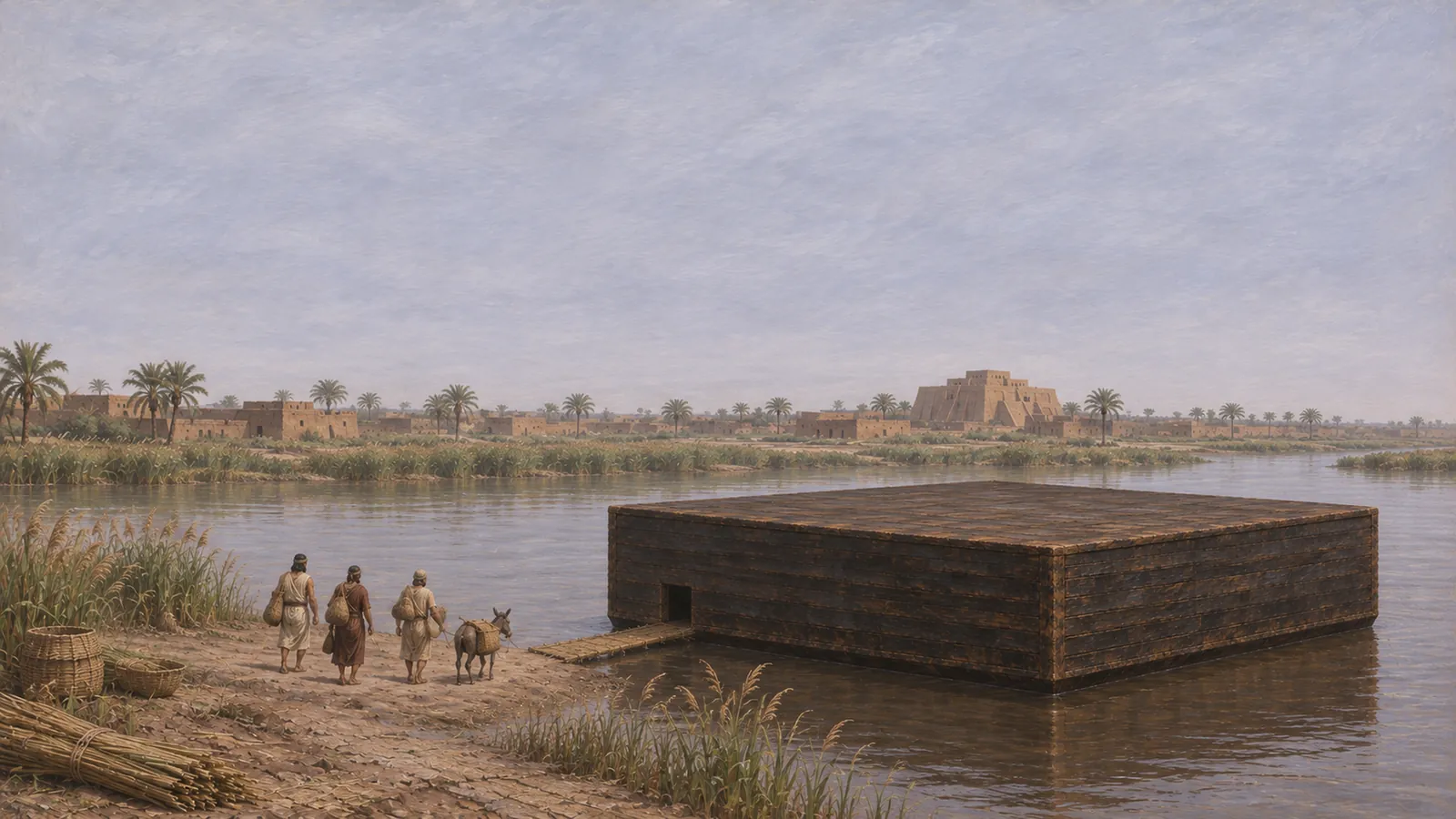
Il fit monter des bêtes des terres sauvages et des gens qui maîtrisaient toutes sortes de métiers. Le récit nomme ces groupes sans dire combien d’entre eux montèrent à bord.
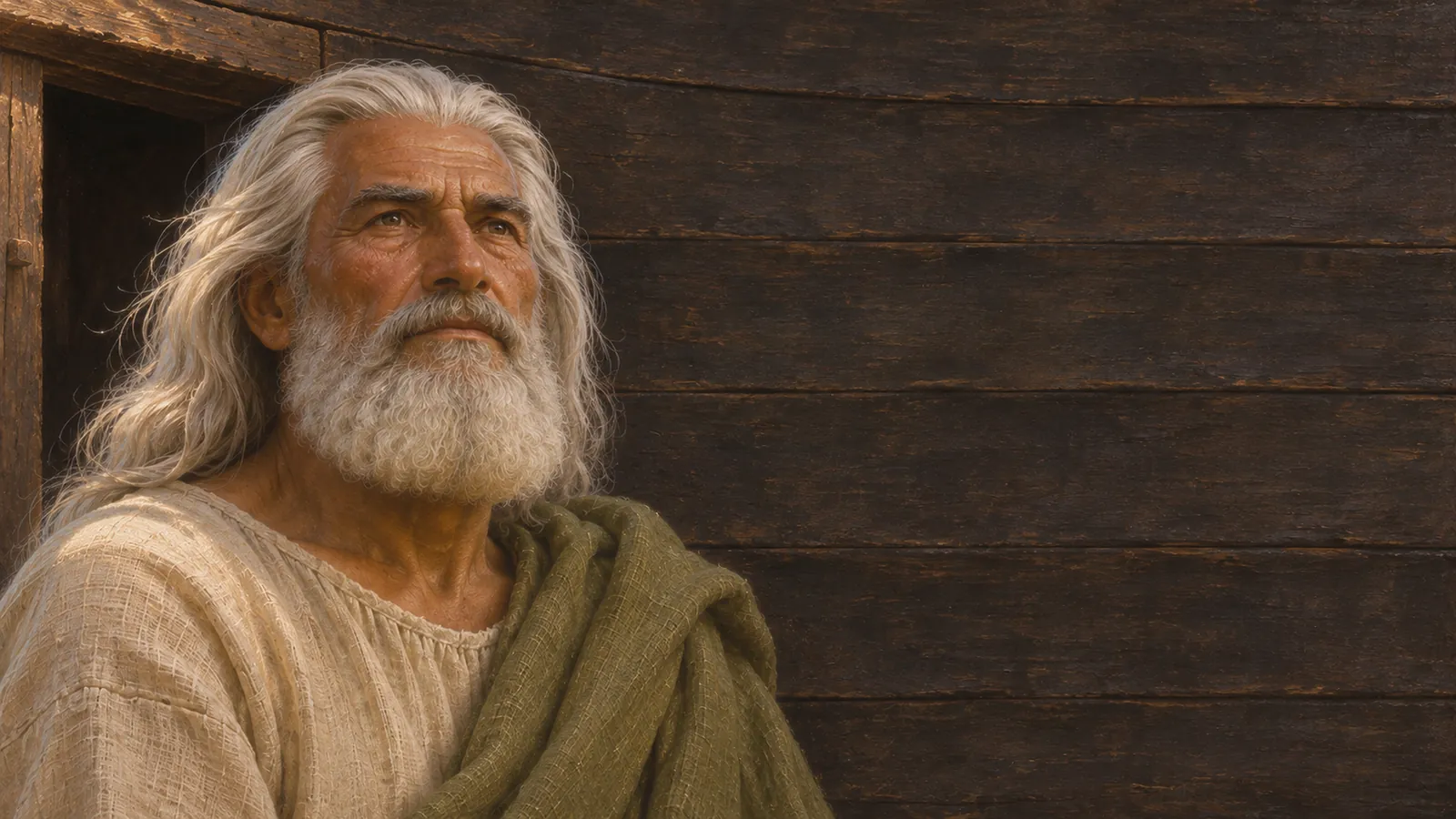
Shamash avait dit à Utnapishtim à quelle heure entrer et fermer l’écoutille. Les paroles sur le pain et le blé revinrent, cette fois liées à cette heure.
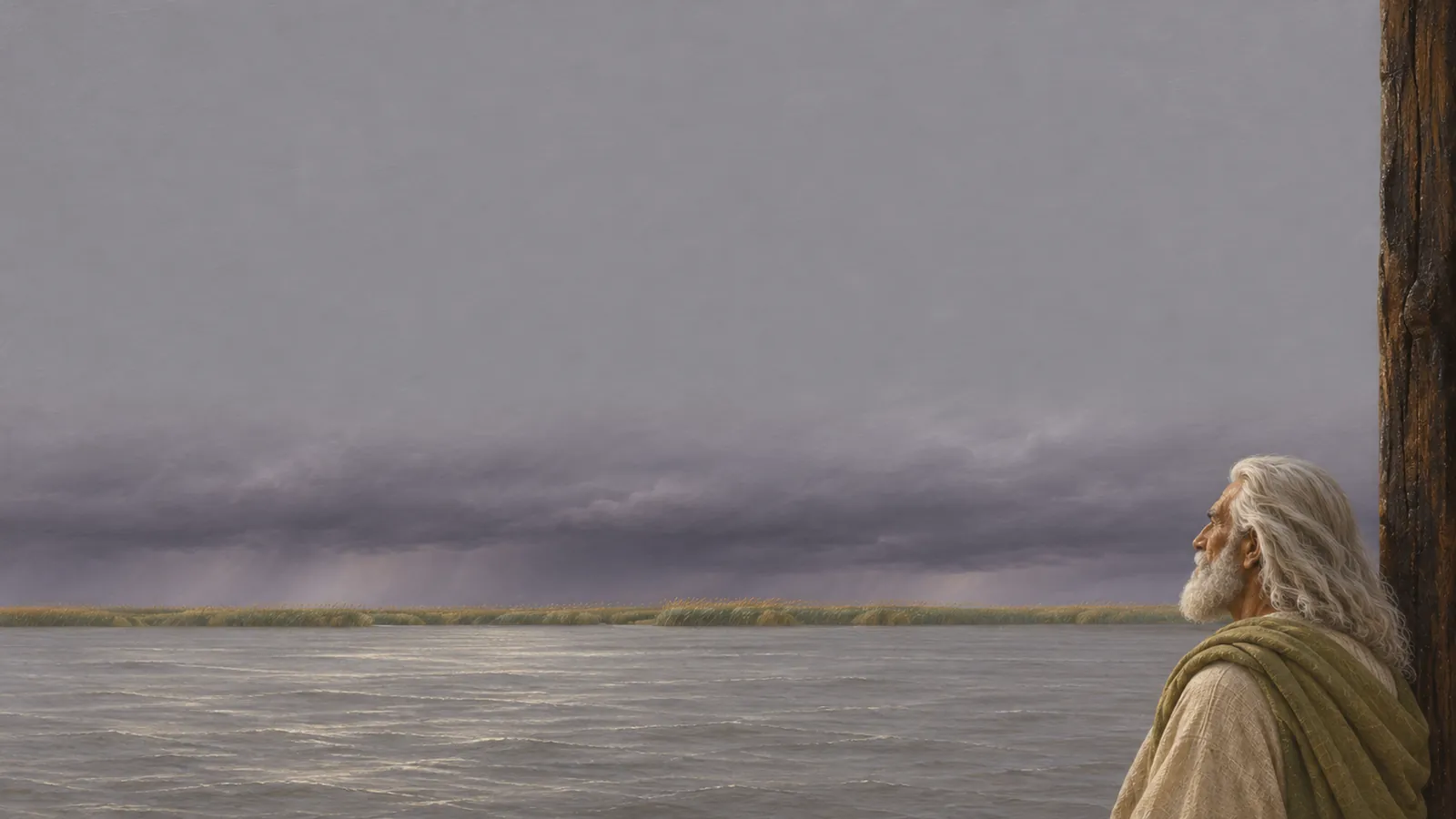
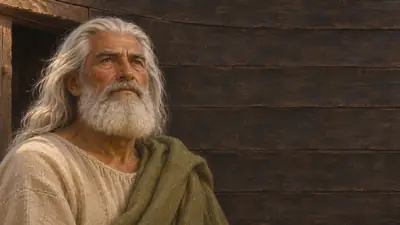
L’heure annoncée arriva. Utnapishtim regarda le ciel, et ce qu’il vit l’effraya.
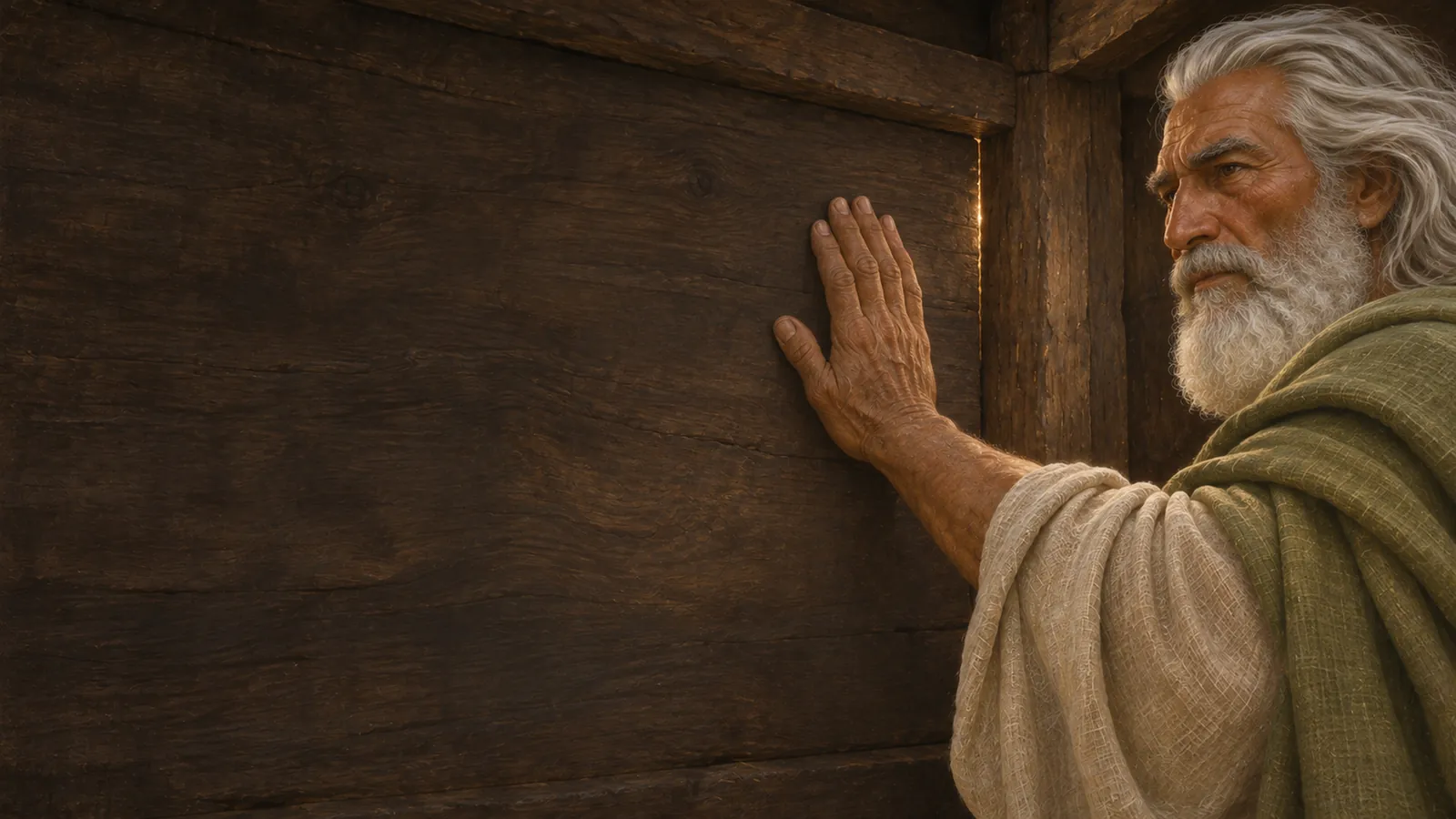
Utnapishtim entra et scella l’écoutille. Il se souvient d’avoir donné à Puzur-Enlil, l’homme qui avait travaillé sur le bateau, un palais et tous ses biens en récompense.
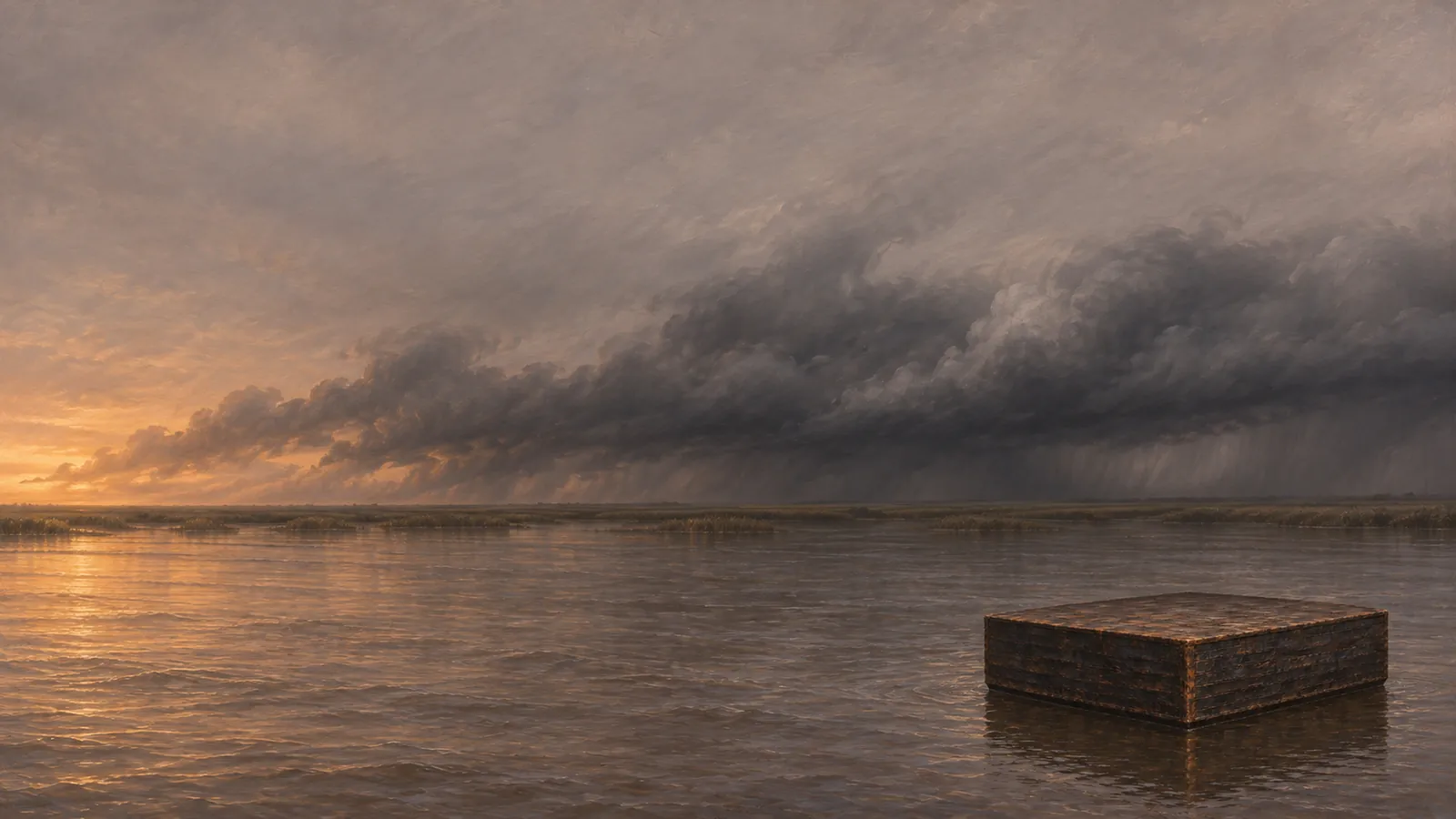
TEMPÊTE
Aux premières lueurs, un nuage noir monta à l’horizon. Dans le récit d’Utnapishtim, le grondement qui en sortait était celui d’Adad, le dieu de l’orage.
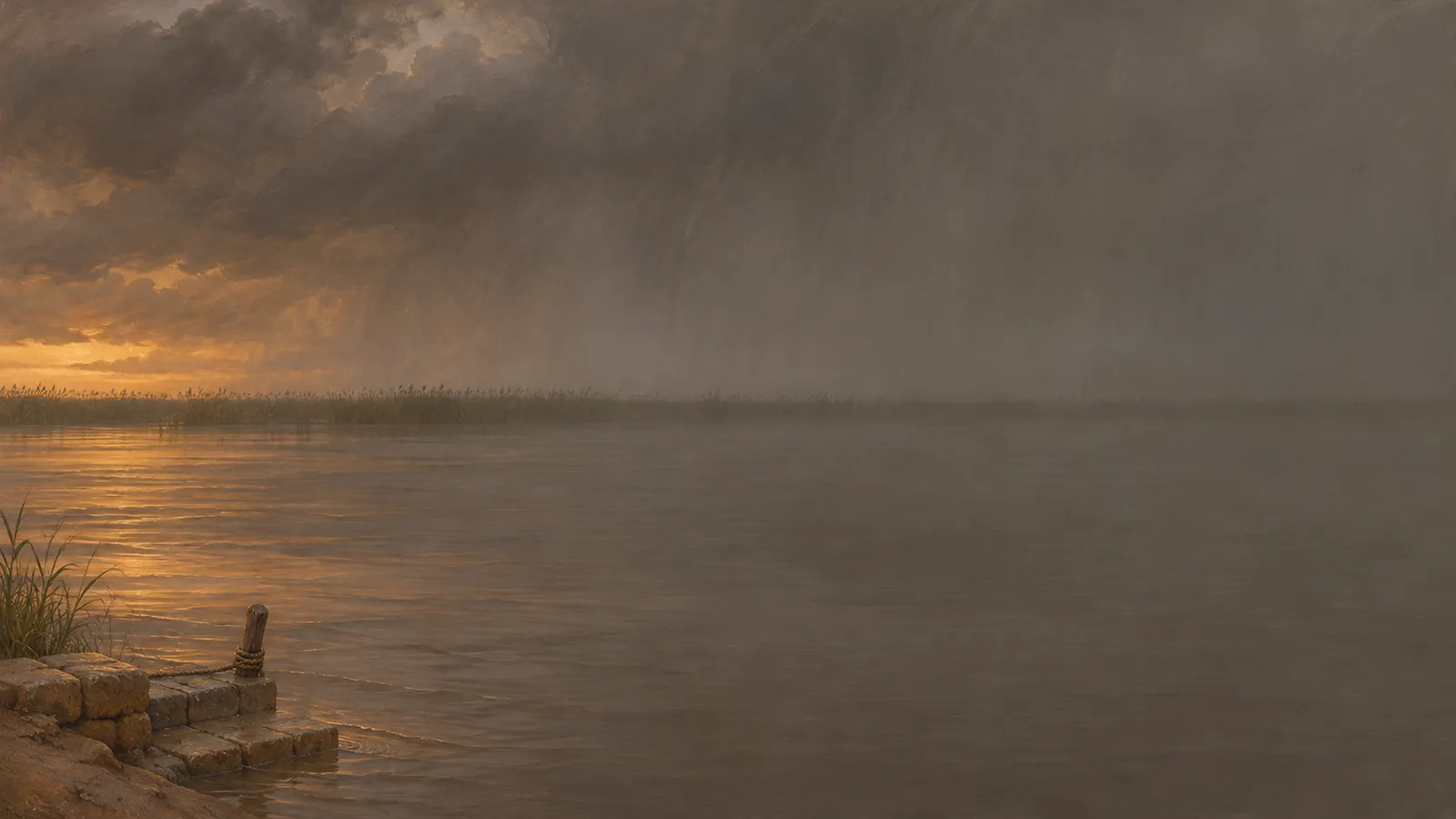
Le poème nomme les puissances qui devancèrent la tempête. Les eaux débordèrent des ouvrages du fleuve, les amarres cédèrent et les torches des dieux éclairèrent la terre.
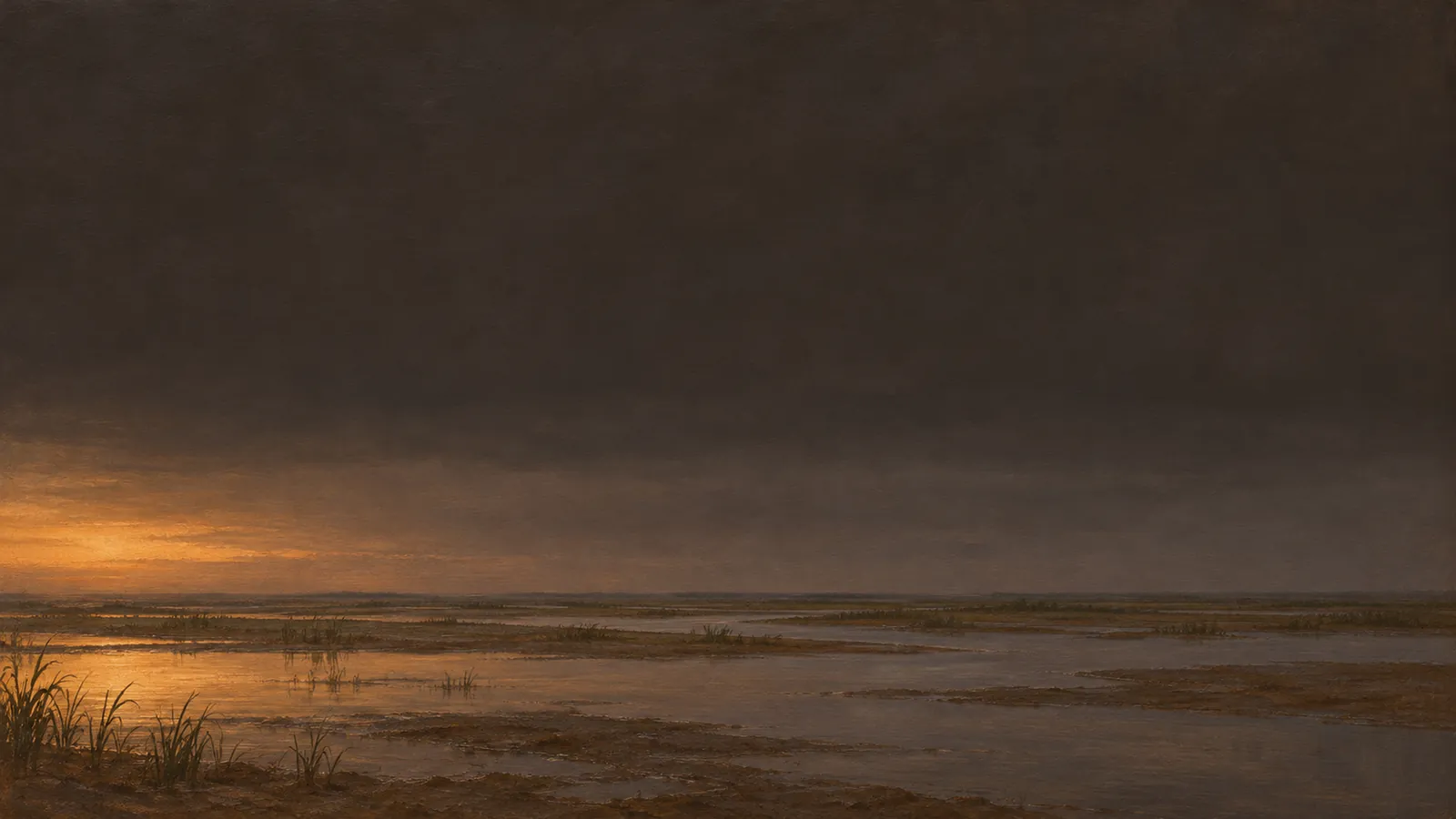
La lumière céda à l’obscurité tandis que l’orage traversait le ciel. Le texte présente ici des lacunes, mais le récit ancien nous dit encore comment les ténèbres ont gagné du terrain.
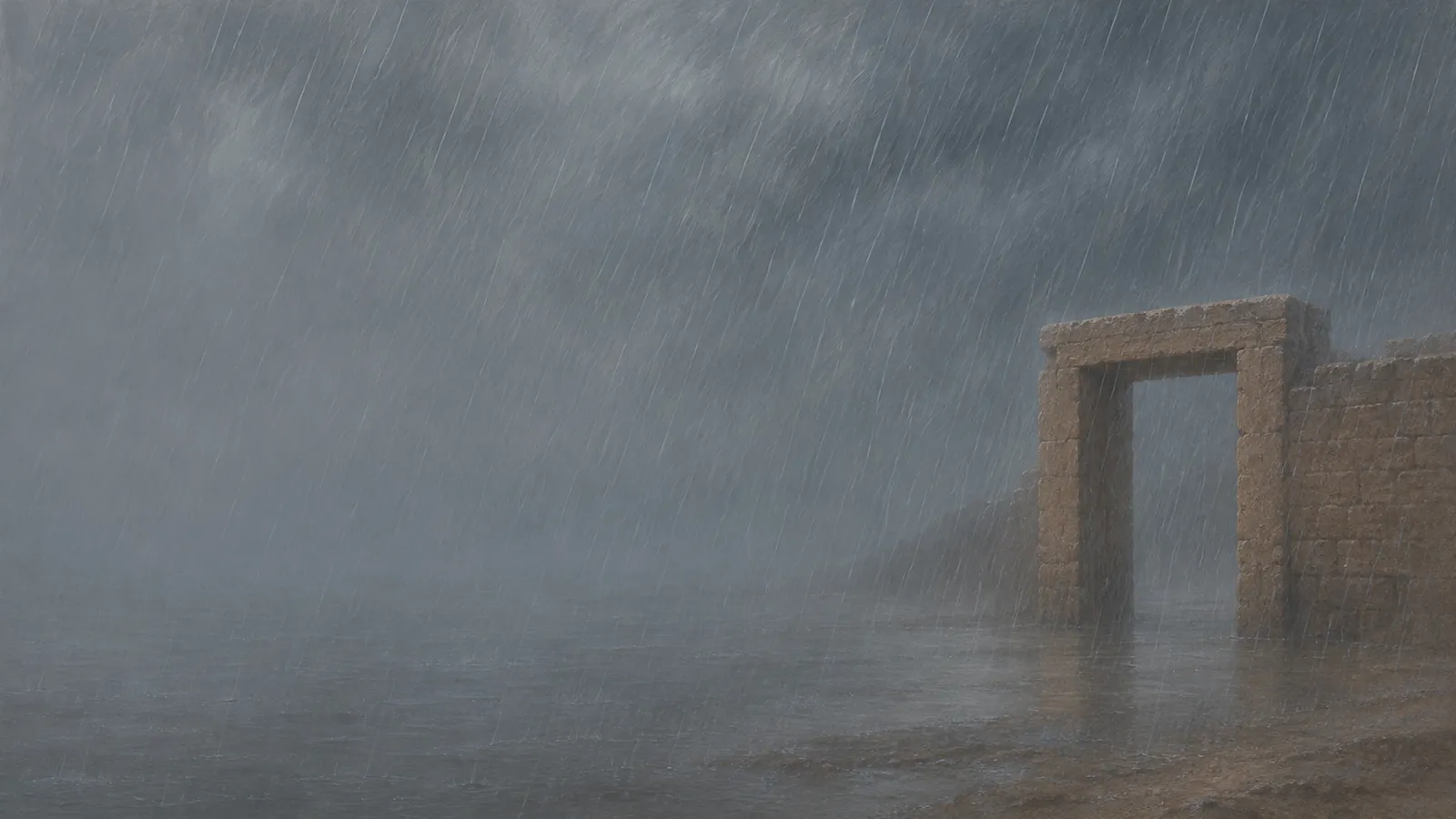
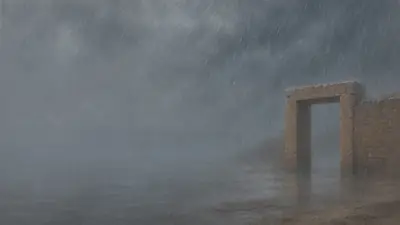
Au plus fort de la tempête, personne ne distinguait plus personne. Utnapishtim raconte comment le monde disparut de la vue avant même que les eaux s’apaisent.

Même les dieux qui avaient envoyé le déluge en eurent peur. Ils se retirèrent dans le ciel d’Anu tandis que la tempête continuait en dessous.
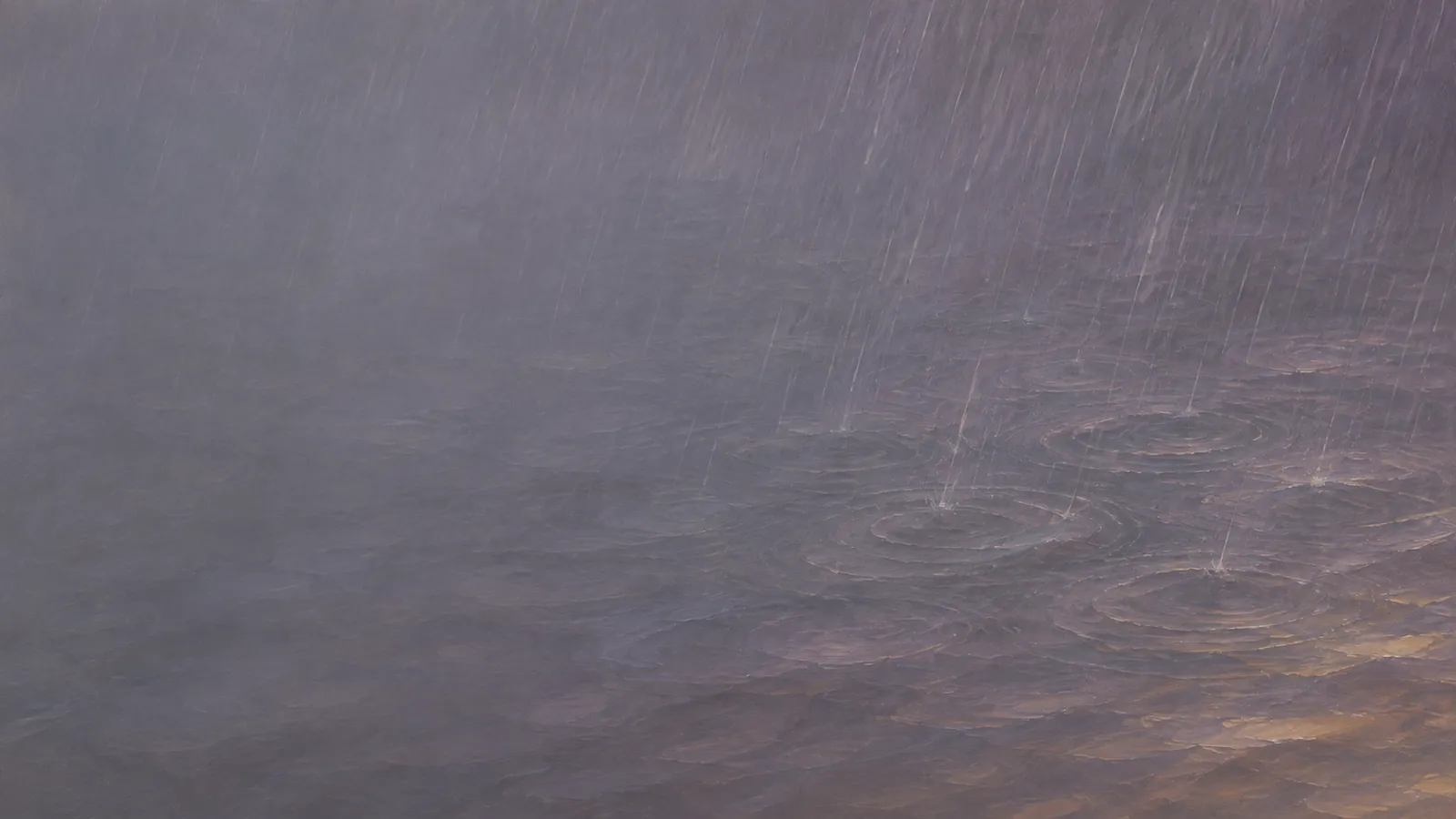
La déesse mère poussa un cri et regretta ce qu’elle avait dit à l’assemblée. C’était son peuple, dit-elle, et les autres dieux pleurèrent avec elle.
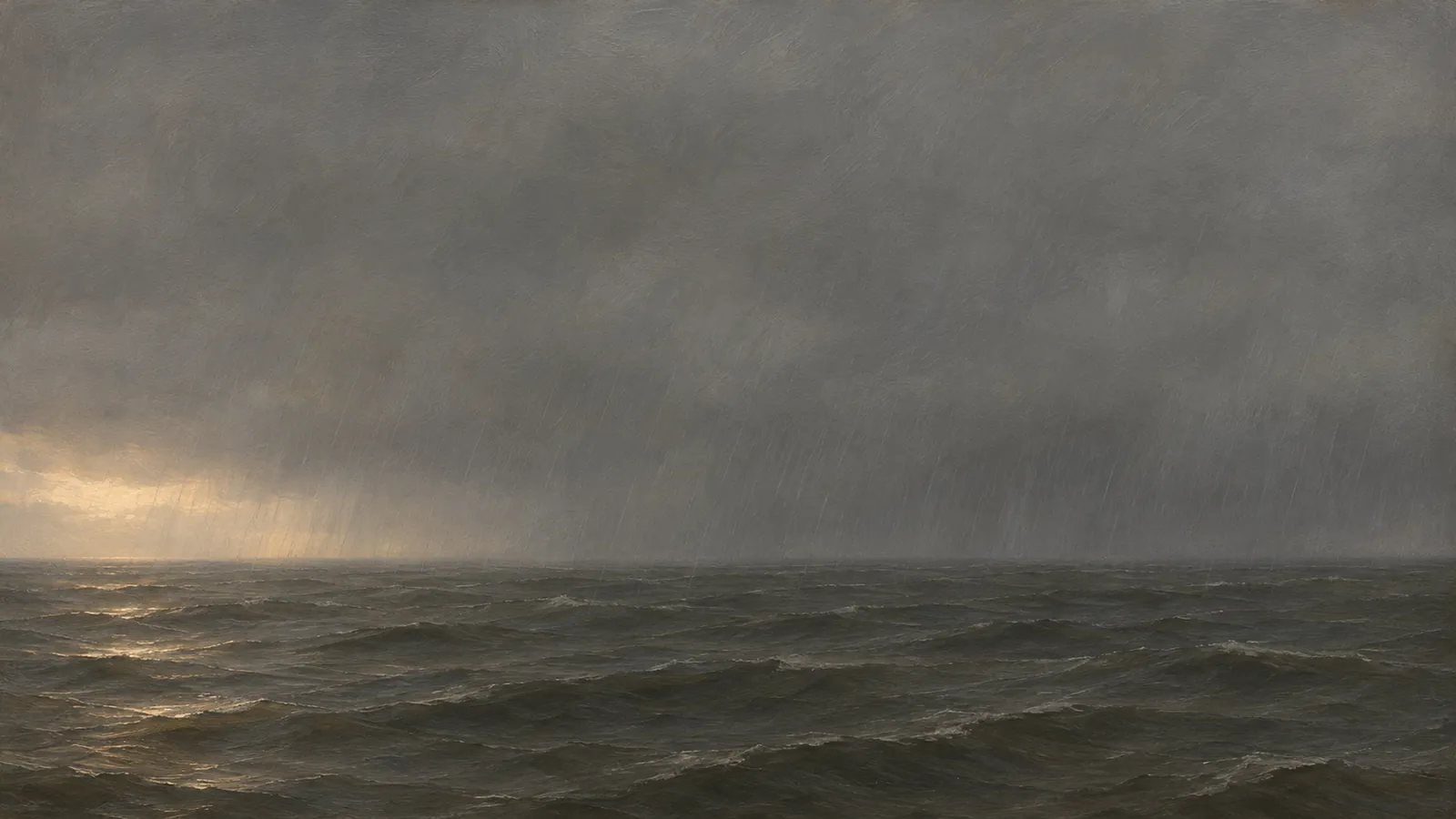
Jour après jour, nuit après nuit, le vent et le déluge se poursuivirent. Au septième jour, la force de la tempête commença enfin à faiblir.
SILENCE
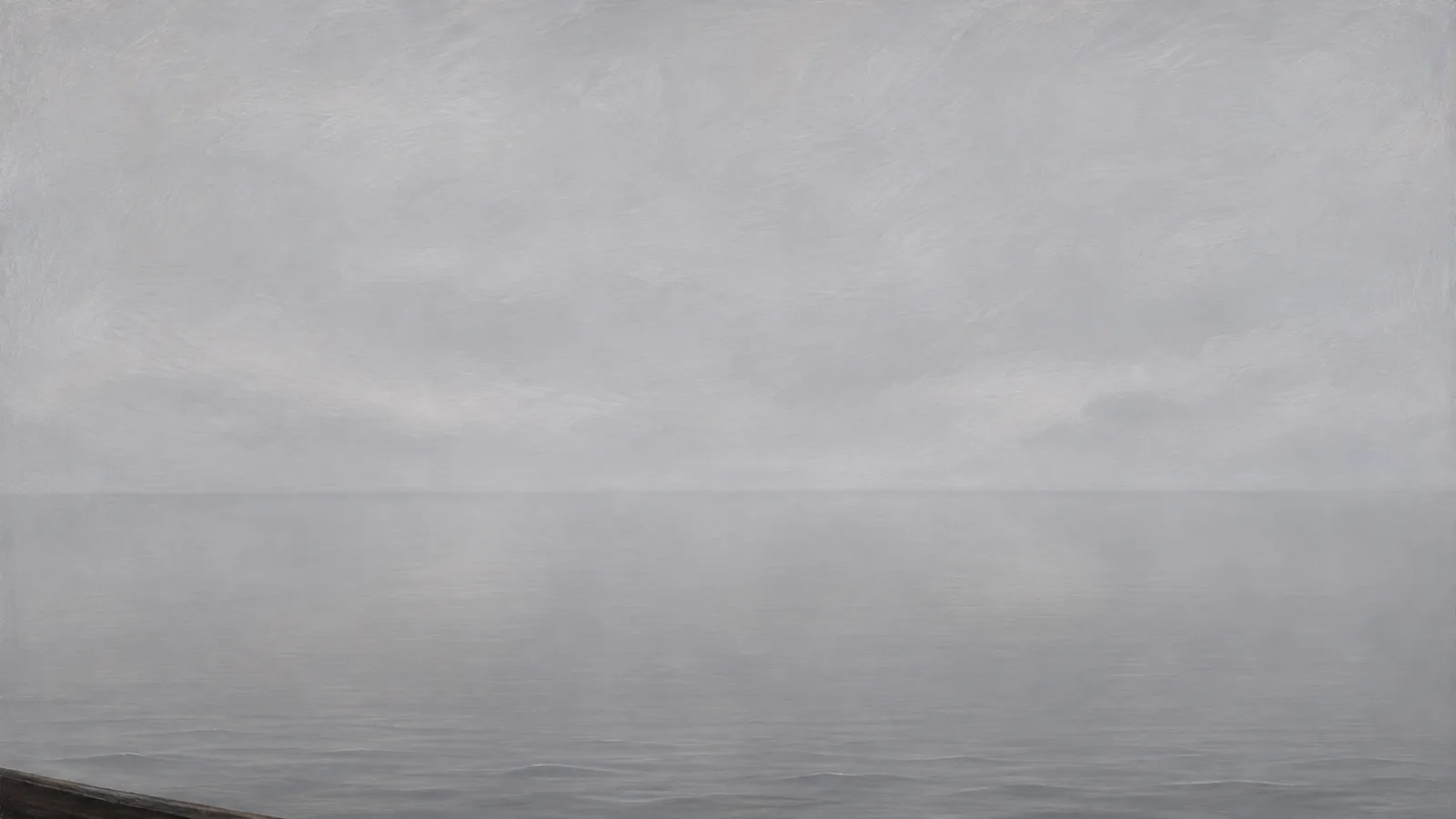
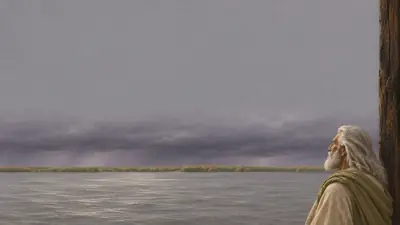
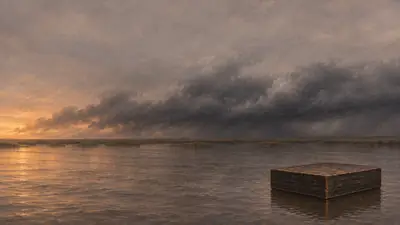
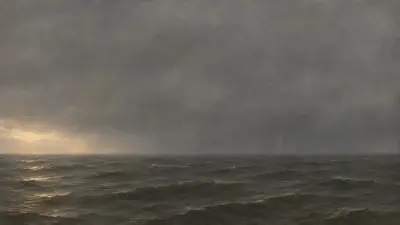
Le septième jour, la mer s’apaisa. Utnapishtim put enfin regarder un monde où l’eau et le ciel avaient cessé de s’affronter.
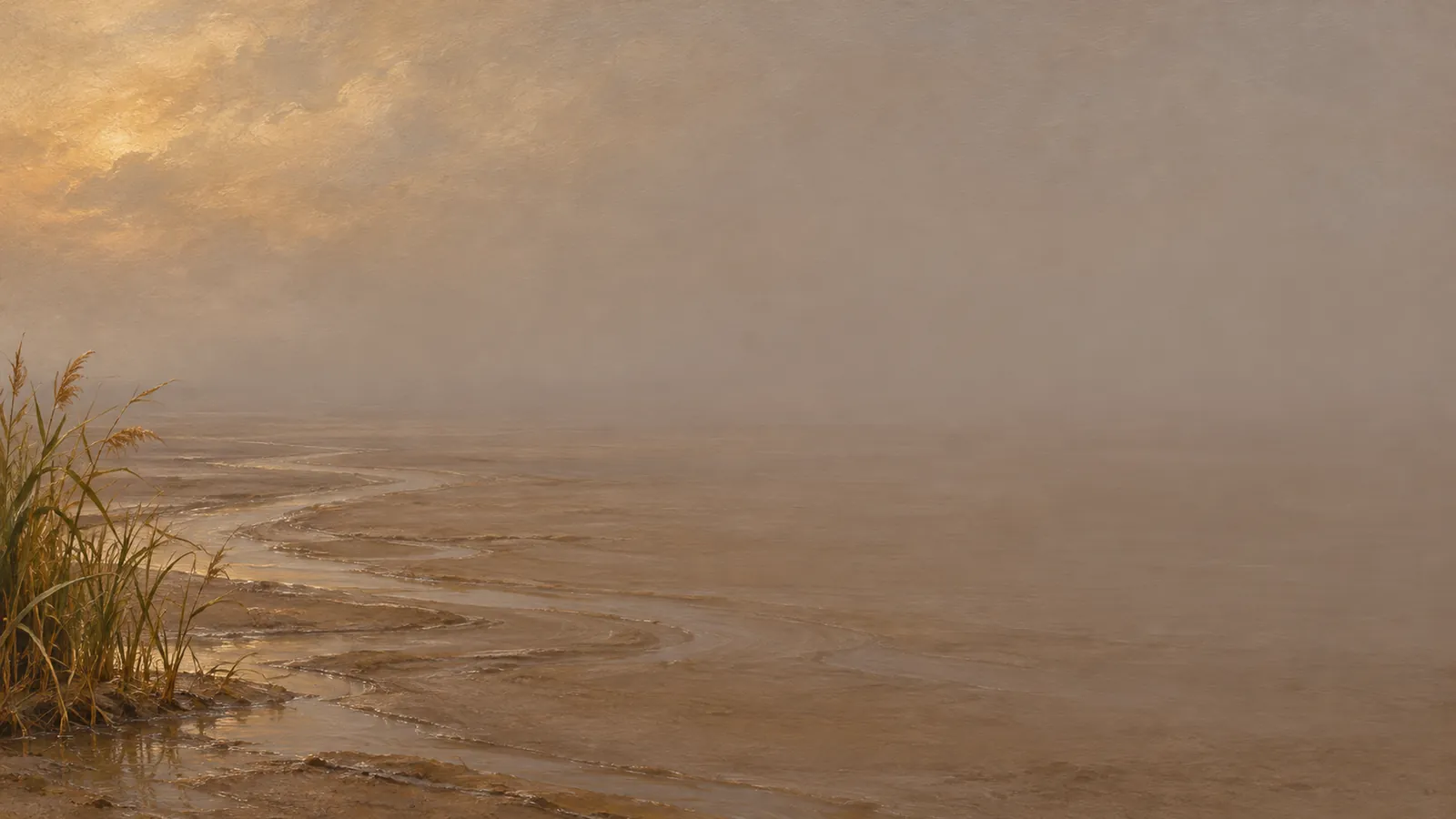
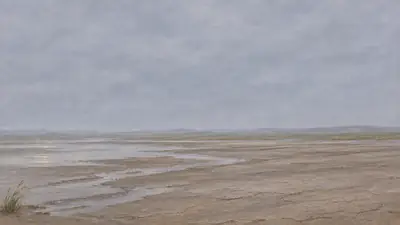
Au-dehors, le monde était silencieux et plat. Utnapishtim dit que les gens étaient devenus de l’argile, et que là où la vie avait été, il ne voyait plus qu’une plaine sans relief.
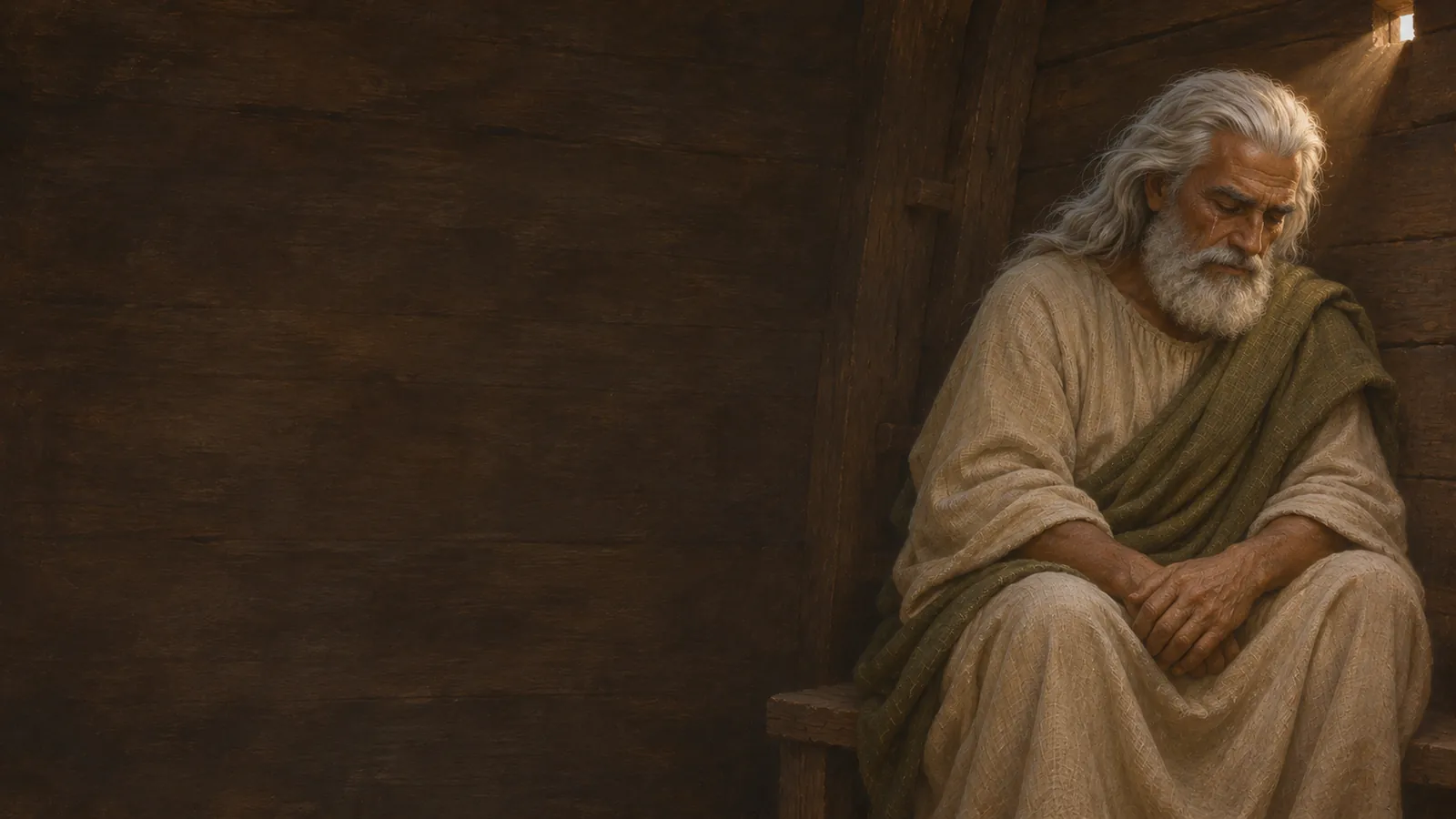
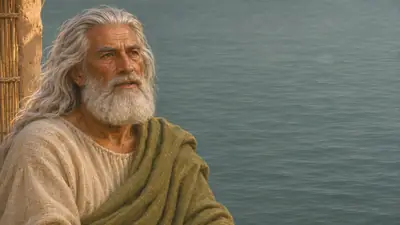
Utnapishtim ouvrit une prise d’air et le soleil lui toucha le visage. Il s’affaissa et pleura tandis que la lumière entrait par l’ouverture.
NIMUSH
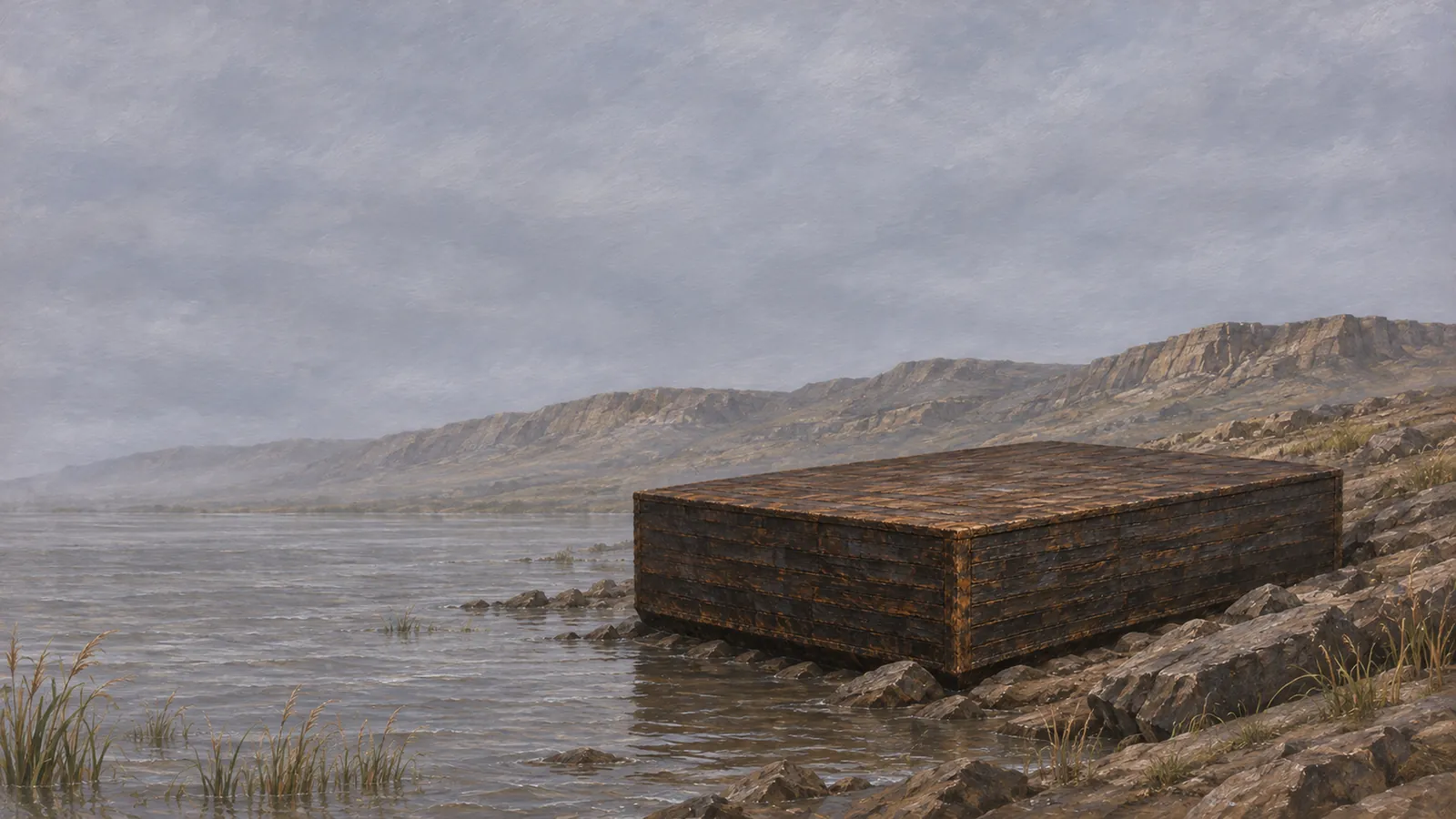
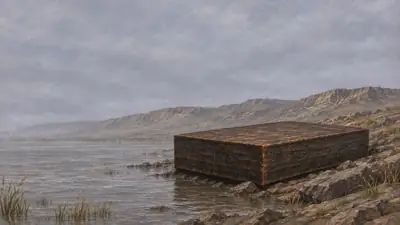
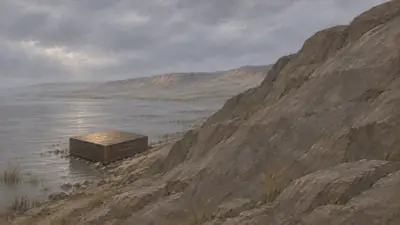
La terre commença à apparaître sous les yeux d’Utnapishtim. Le bateau s’échoua sur le mont Nimush, et la montagne le retint là où il était.
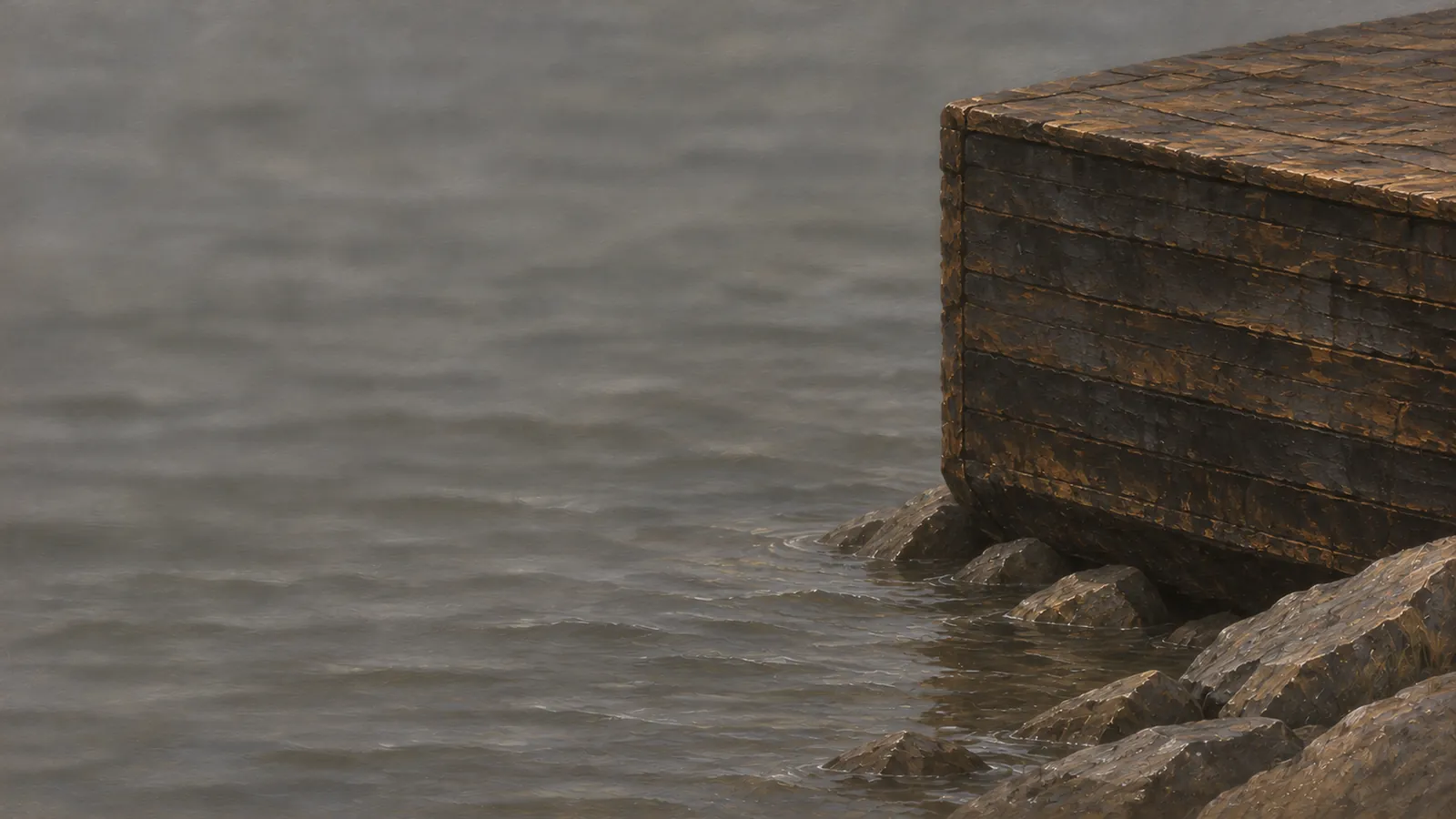
Jour après jour, le bateau ne put aller plus loin. Le poème compte les jours d’attente tandis que le mont Nimush retient le bateau contre lui.
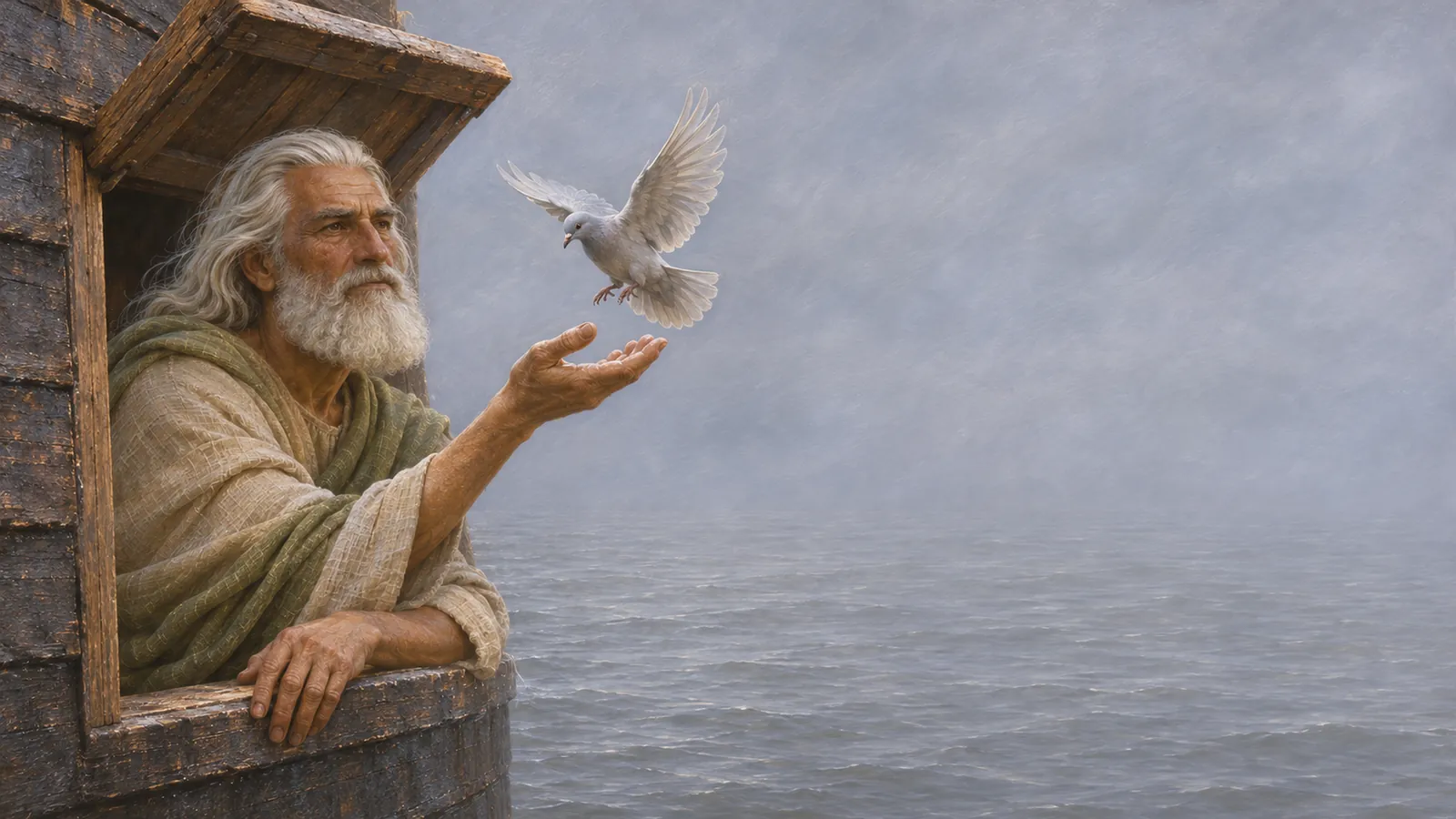
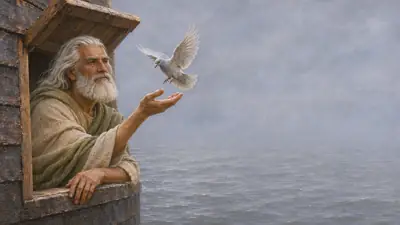
Utnapishtim lâcha une colombe. Elle ne trouva nulle part où se percher et revint au bateau.
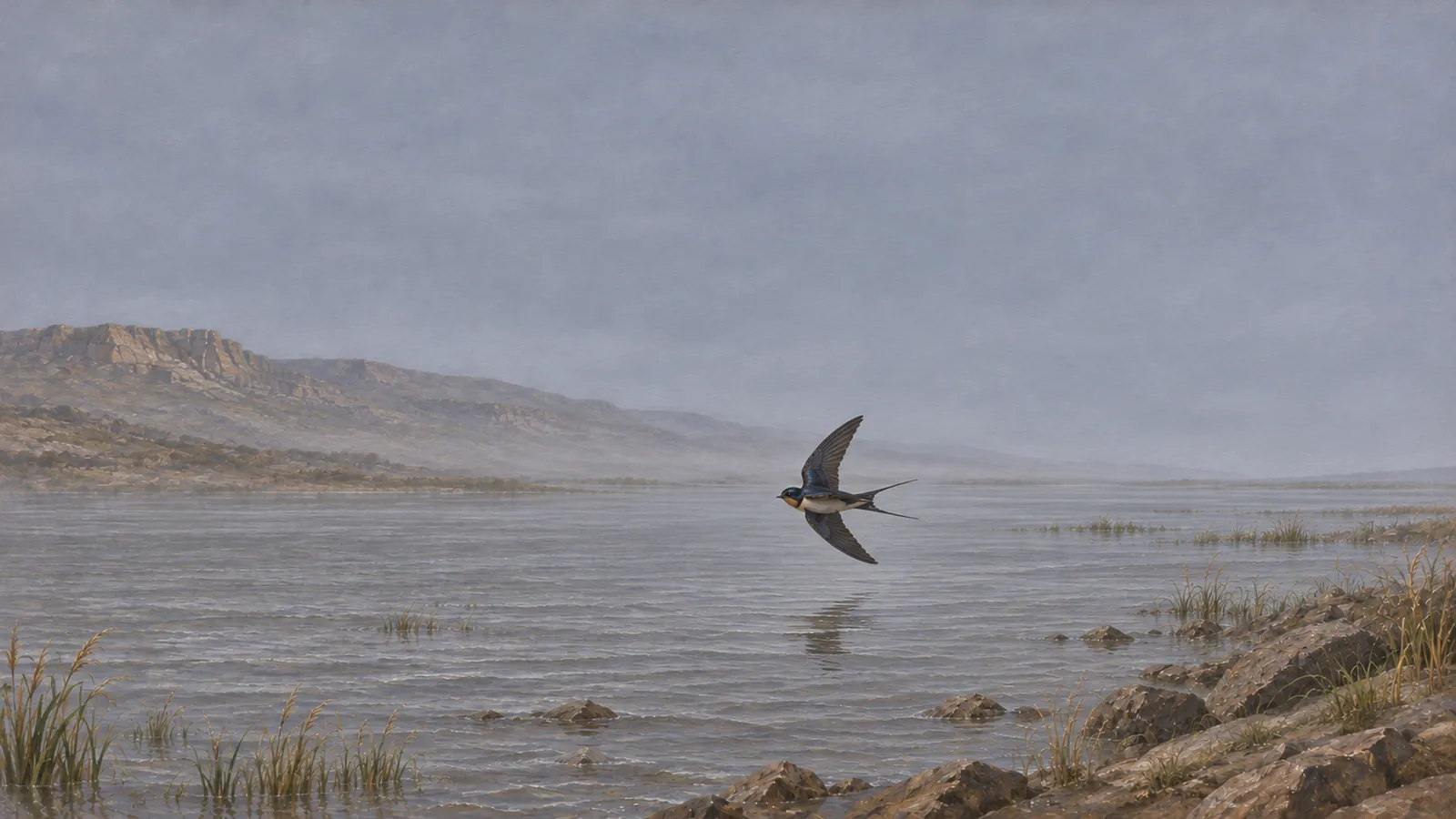
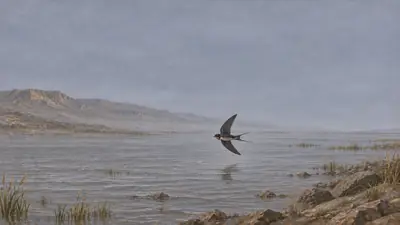
Puis il lâcha une hirondelle. Comme la colombe, elle ne trouva pas où se poser et revint auprès de lui.
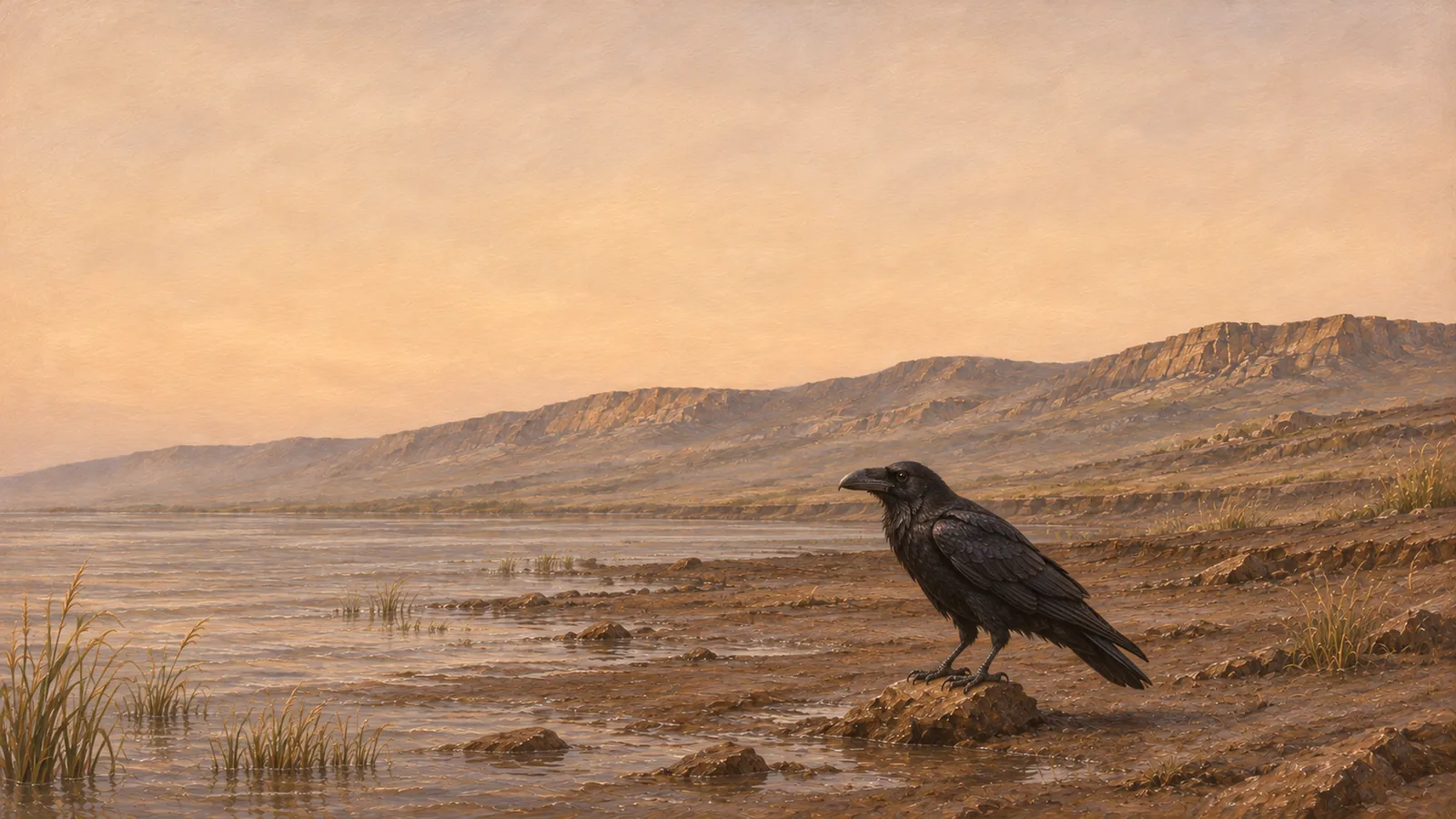
CORBEAU
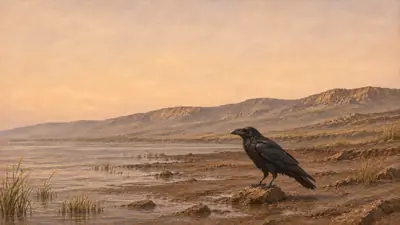
Le corbeau s’envola et vit que les eaux s’étaient retirées. Il trouva de quoi manger, et cette fois l’oiseau ne revint pas au bateau.
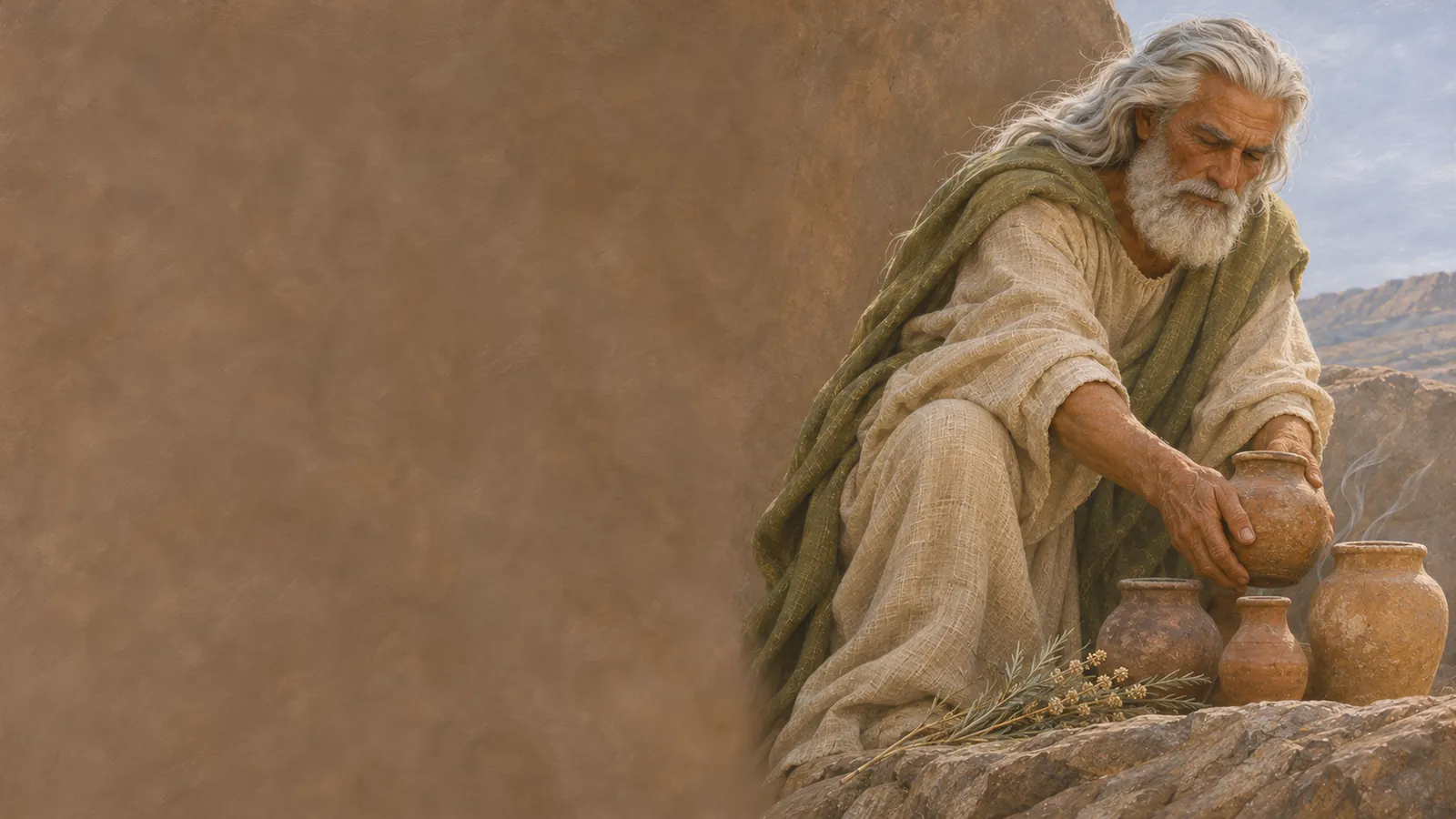
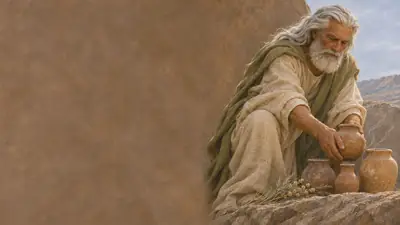
Puis Utnapishtim présenta une offrande aux quatre coins de la terre. Sur la montagne, il disposa des récipients, avec du roseau, du cèdre et du myrte en dessous.
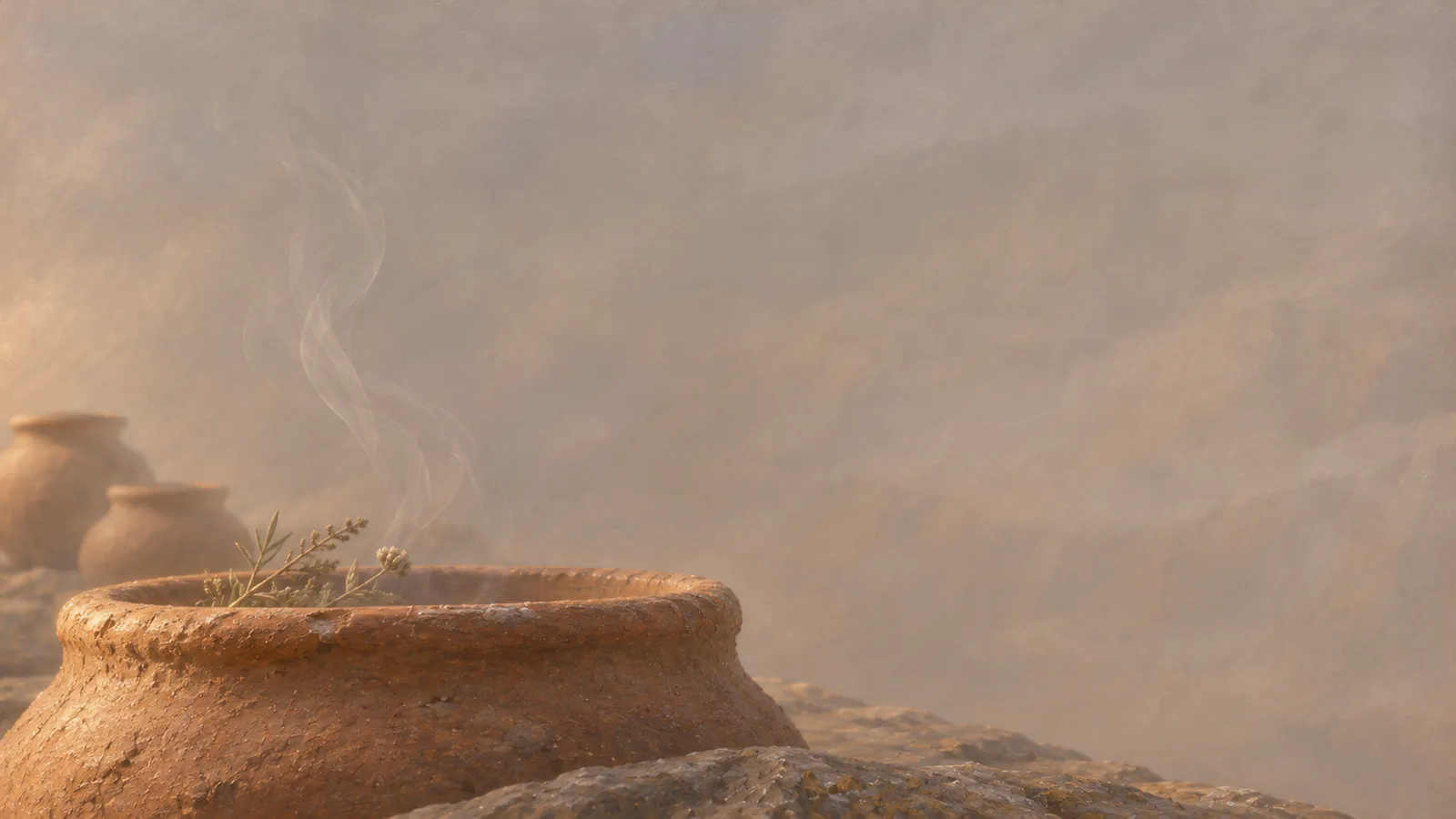
Le parfum de l’offrande monta. Utnapishtim dit que les dieux se rassemblèrent autour d’elle comme des mouches, une image qui surprend après tant de silence.

Une déesse leva sa parure de lapis-lazuli et dit qu’elle se souviendrait toujours de ces jours. Elle reprocha à Enlil ce que le déluge avait fait à son peuple.
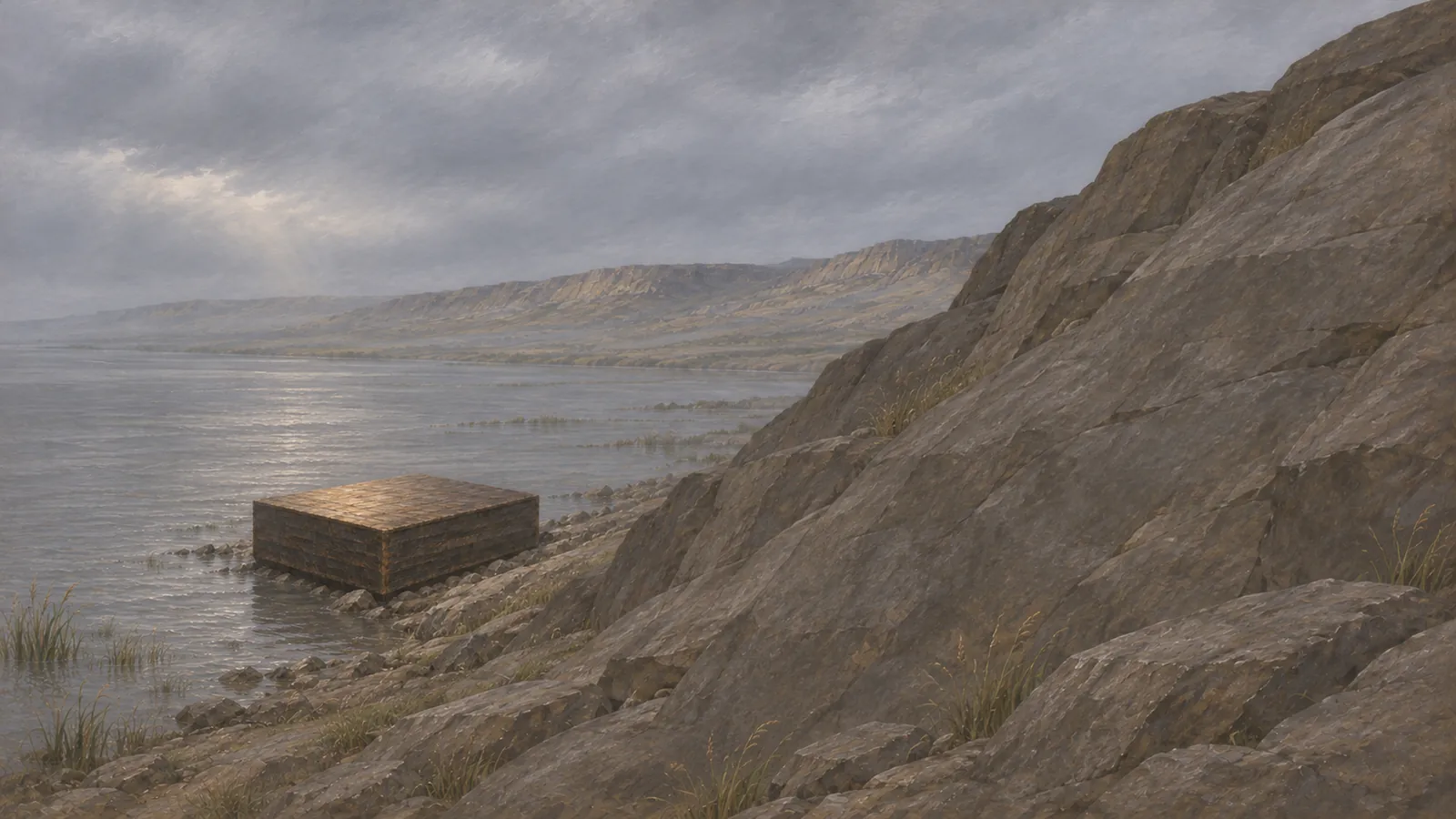
Enlil vit le bateau et se mit en colère. Quelqu’un avait survécu, alors qu’il s’attendait à ce que le déluge ne laisse personne en vie.

Ninurta lui répondit en désignant Ea. Qui d’autre, demanda-t-il, aurait pu faire cela ? Le récit revient alors à celui qui avait averti Utnapishtim.
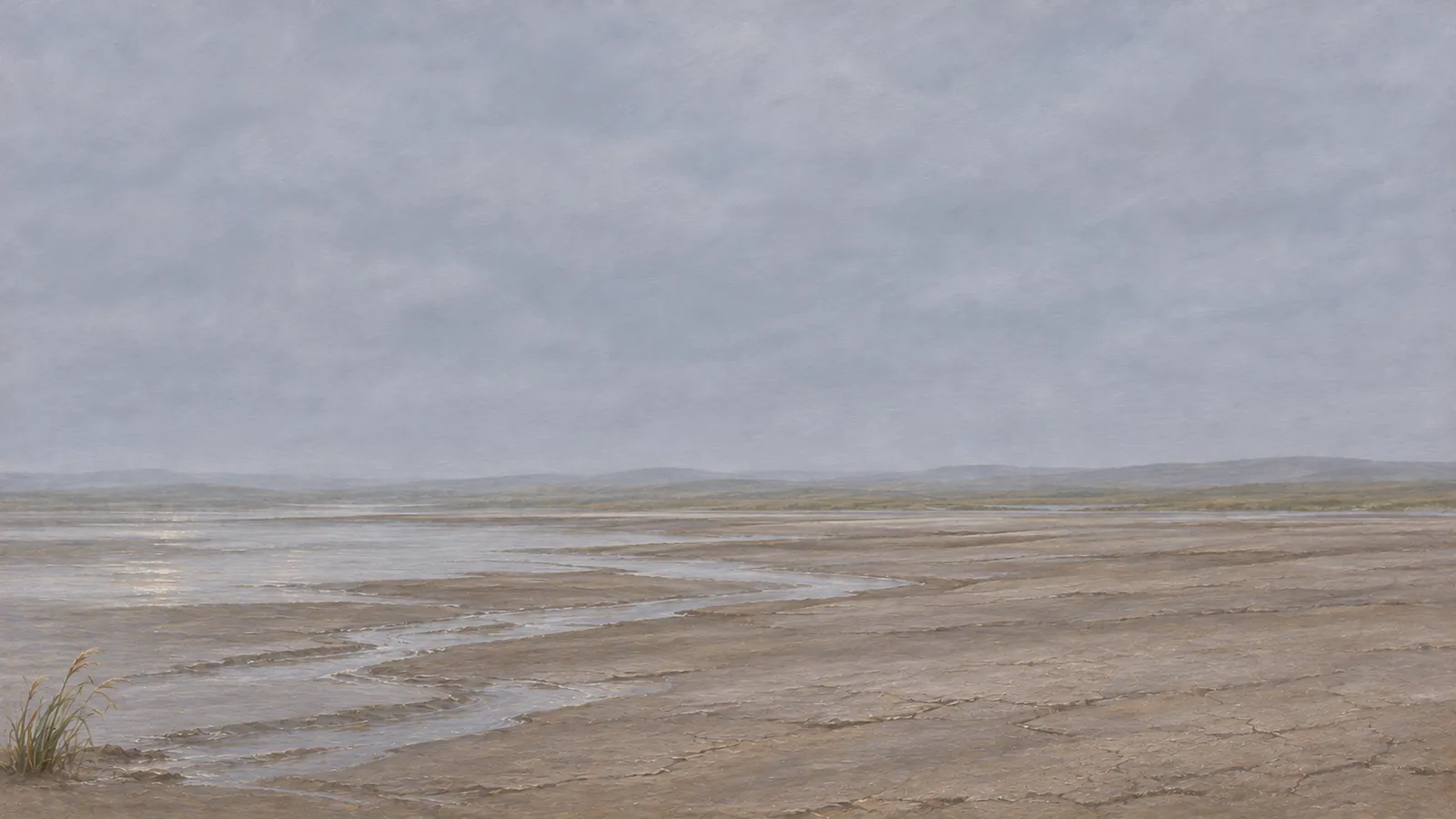
Ea demanda comment Enlil avait pu déchaîner un tel déluge sans y avoir réfléchi. Celui qui avait mal agi devait en répondre, dit-il, au lieu que tous paient ensemble.
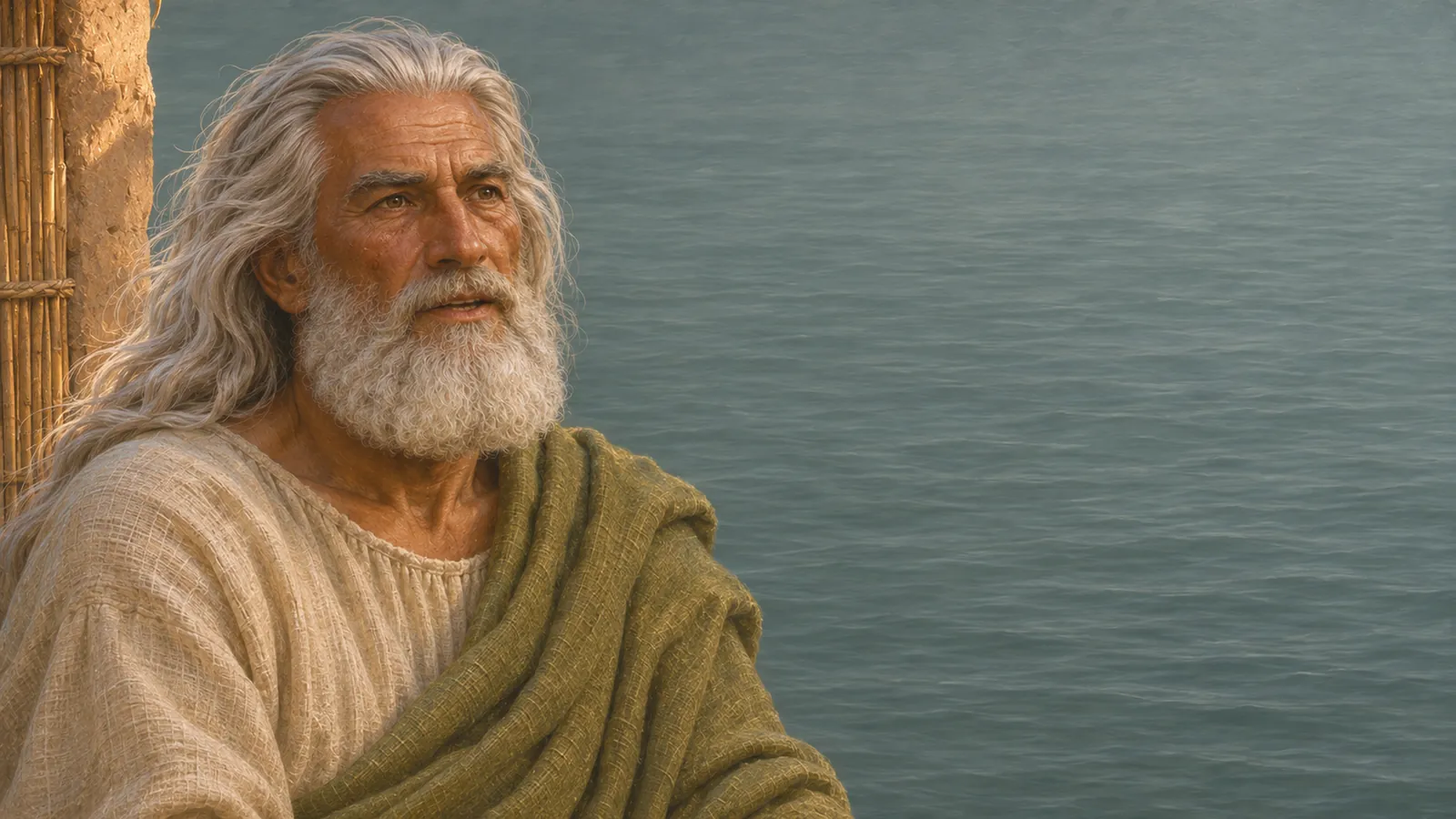
Ea dit qu’il avait envoyé un rêve par lequel le sage avait appris le secret des dieux. Il demanda à l’assemblée de décider ce qu’il adviendrait de lui.
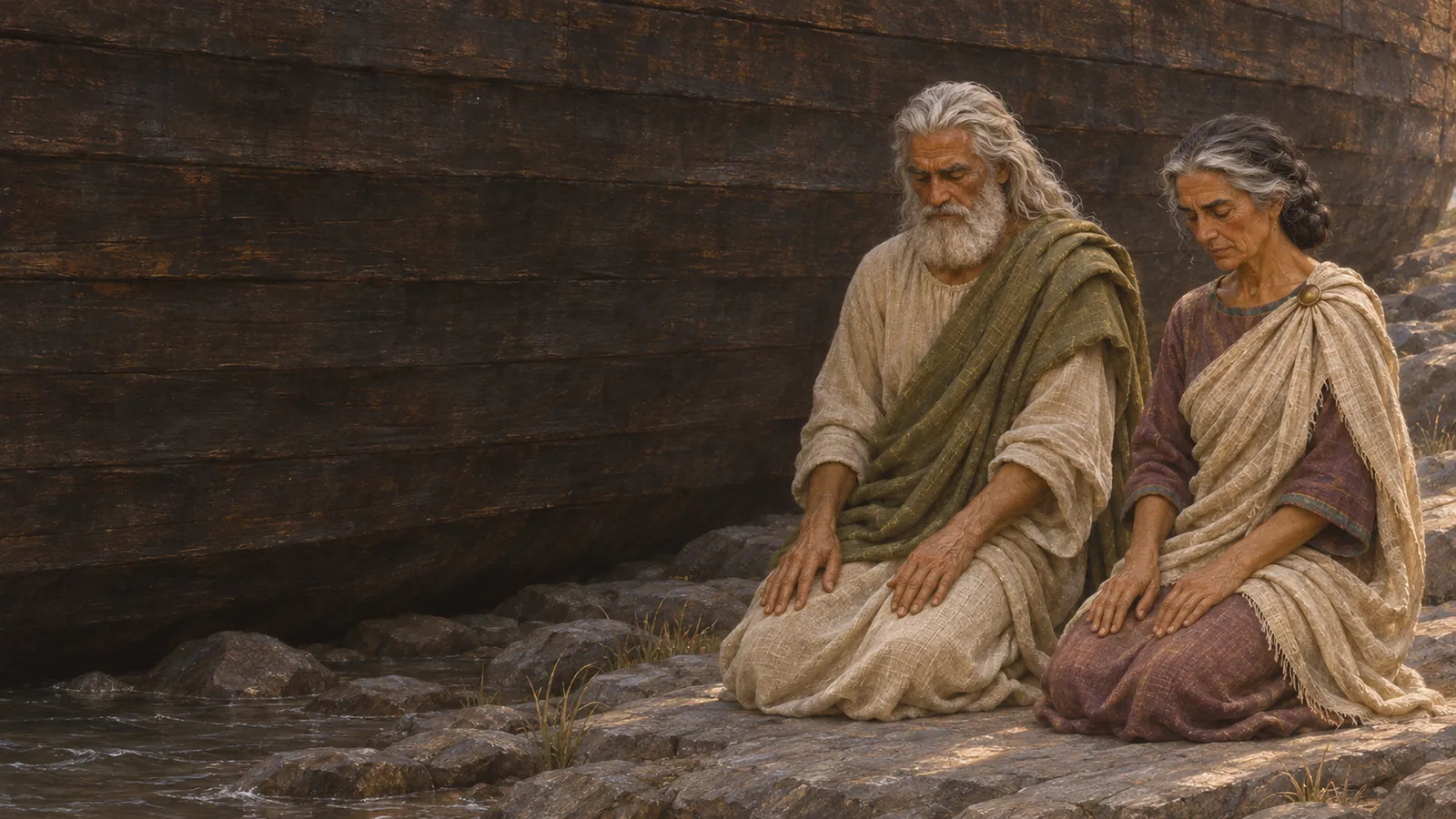
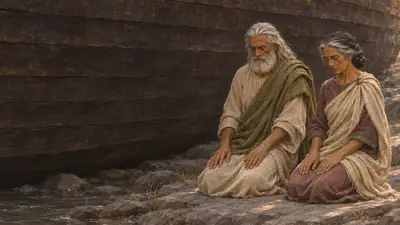
Enlil fit sortir Utnapishtim du bateau, puis sa femme. Elle s’agenouilla près de lui et tous deux reçurent une bénédiction.
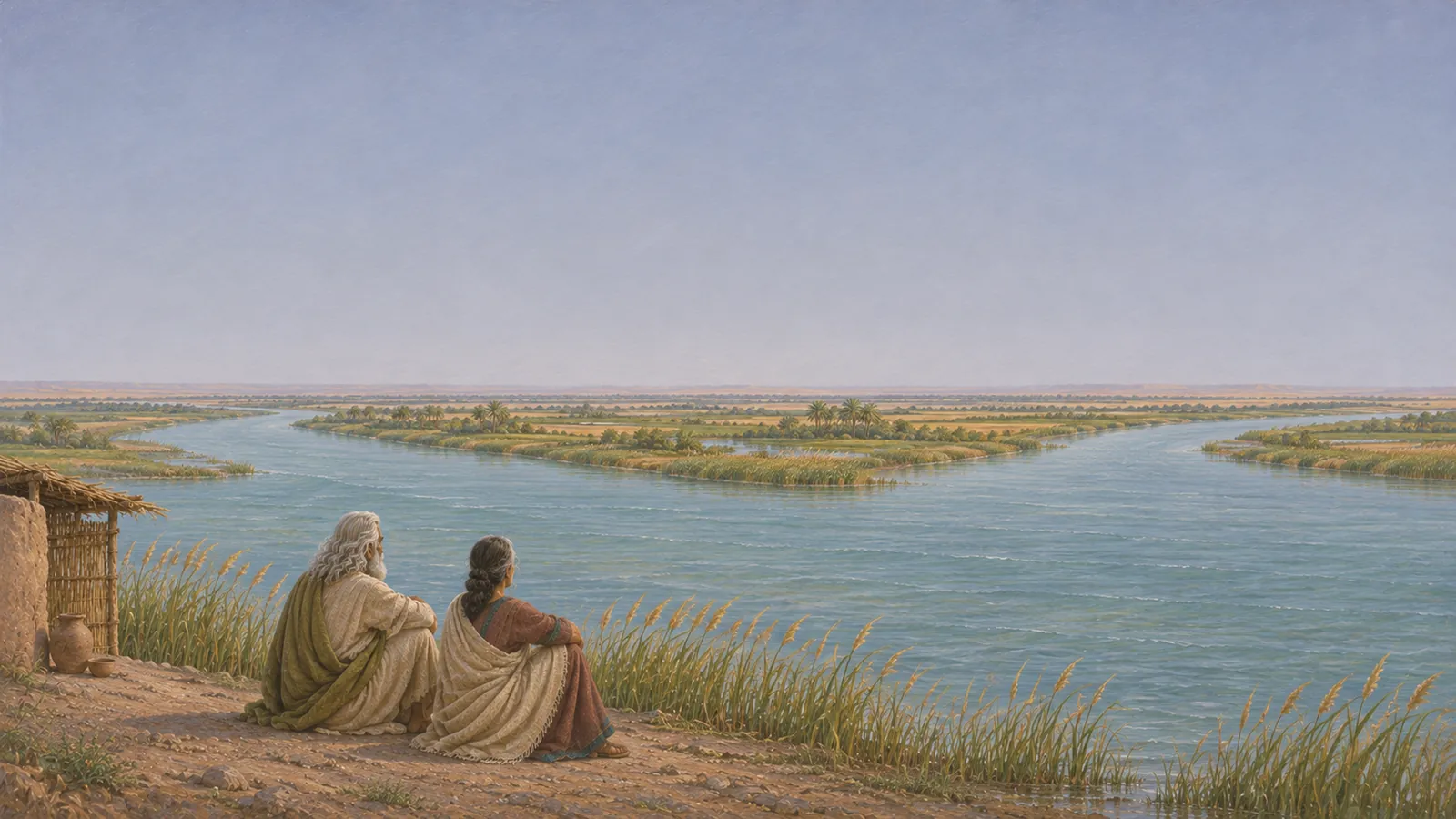
Enlil accorda à Utnapishtim et à sa femme une vie semblable à celle des dieux. On les emmena au loin pour qu’ils demeurent à l’embouchure des fleuves.
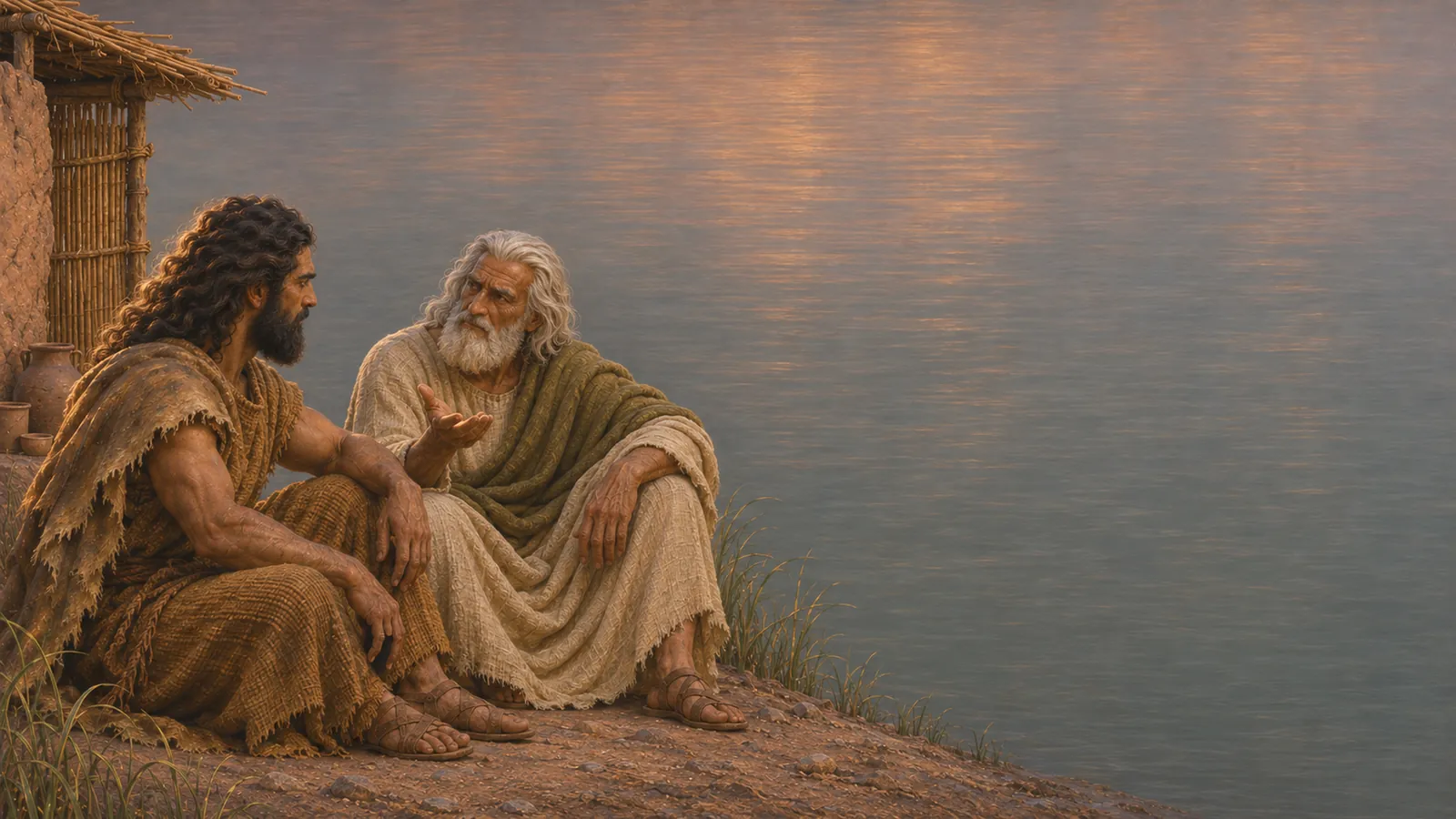
Utnapishtim revint à la question de Gilgamesh. Qui réunirait les dieux pour lui, afin qu’il trouve la vie qu’il cherchait ?
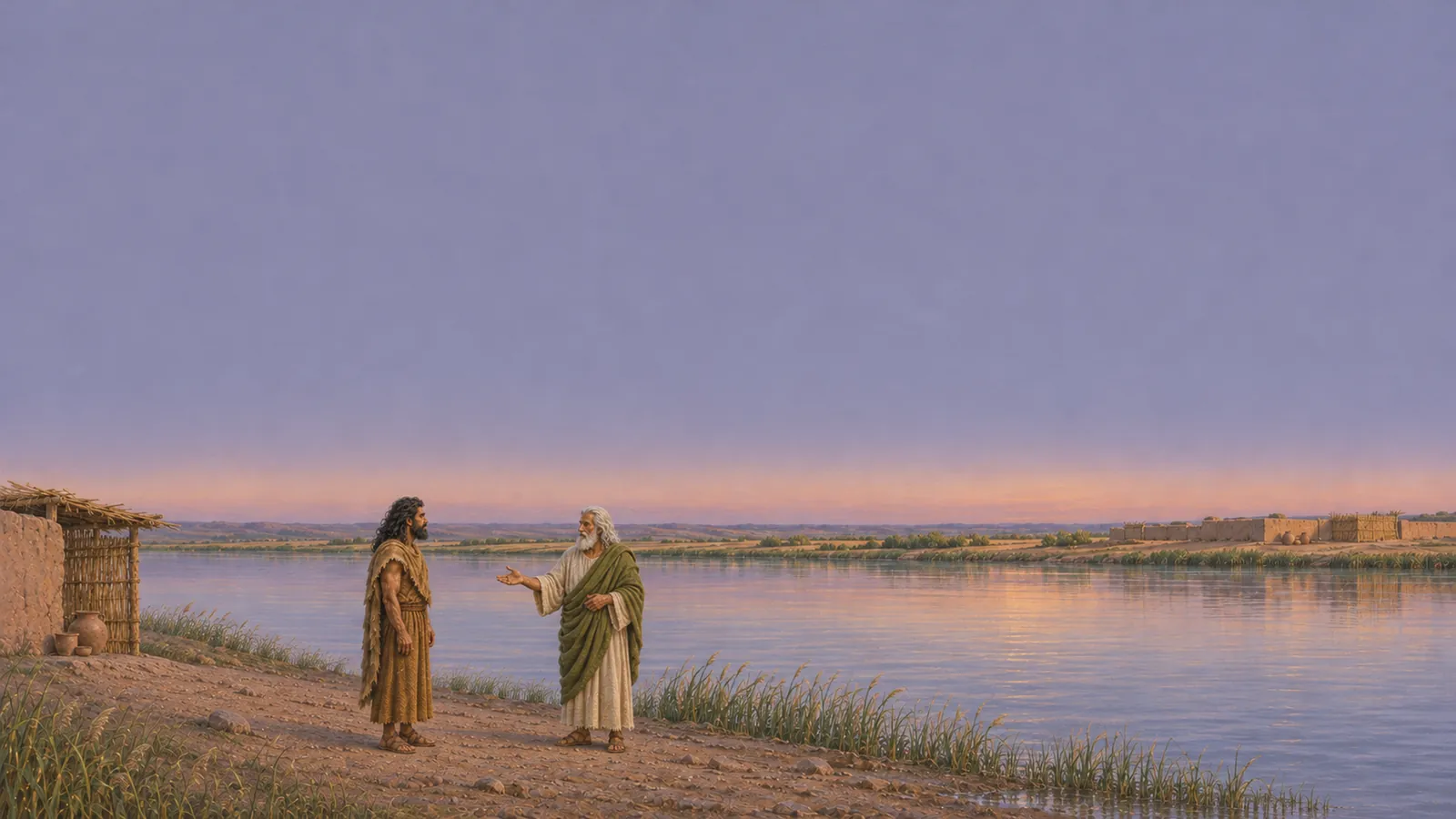
RESTE ÉVEILLÉ
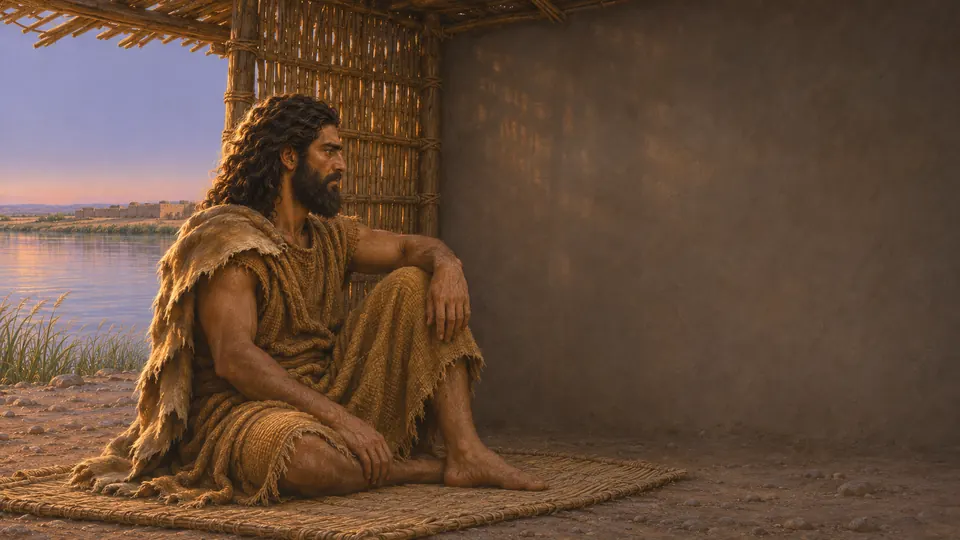
Utnapishtim proposa une épreuve. Il demanda à Gilgamesh d’essayer de rester éveillé six jours et sept nuits.
Fin du chapitre 7
Toutes les pages















Sources
Éditions consultées
- SOAS Babylonian and Assyrian Literature, Tablet XI: for the first part of the line sequence.
- Andrew George, Tablet XI score transliteration: manuscript readings and line anchors.
- Nathan Wasserman, The Flood: open critical edition for the Mesopotamian flood texts and readings.
- Electronic Babylonian Library, Tablet XI: current edition. The [official chapter export](https://www.ebl.lmu.de/api/texts/L/1/4/chapters/SB/XI) was retrieved and checked for the line anchors, including the reed-fence warning, the three birds and the sleep challenge in XI 209.
Les vers antiques de chaque page
- Page 1: SB XI 8–12
- Page 2: SB XI 11–14
- Page 3: SB XI 13–19
- Page 4: SB XI 15–22
- Page 5: SB XI 19–24
- Page 6: SB XI 23–27
Instructions are attested. - Page 7: SB XI 25–27; cf. XI 82–86
- Page 8: SB XI 28–31
The Apsû simile is in the source. - Page 9: SB XI 32–35
- Page 10: SB XI 36–42
- Page 11: SB XI 43–47; Andrew George, The Sign of the Flood
The wording is difficult and possibly ominous. - Page 12: SB XI 48–51; see source note on the epithet Atrahasis
- Page 13: SB XI 50–57
- Page 14: SB XI 57–60; cf. XI 28–31
- Page 15: SB XI 60–65
- Page 16: SB XI 64–70
- Page 17: SB XI 71–75
- Page 18: SB XI 76–81
The details of the launch and the timing of the last work are partly restored. - Page 19: SB XI 81–84
- Page 20: SB XI 85
- Page 21: SB XI 84–86
- Page 22: SB XI 87–91; Andrew George, The Sign of the Flood
The recurring wording may carry a hidden warning. - Page 23: SB XI 90–93
- Page 24: SB XI 94–96
- Page 25: SB XI 97–99
- Page 26: SB XI 100–105
- Page 27: SB XI 106–111
- Page 28: SB XI 111–113
- Page 29: SB XI 114–116
- Page 30: SB XI 117–127
Bēlet-ilī in the source. - Page 31: SB XI 128–132
Witnesses vary between six days and six nights and six days and seven nights. - Page 32: SB XI 130–134
The last clause paraphrases the poem’s storm simile. - Page 33: SB XI 134–136
- Page 34: SB XI 137–139
- Page 35: SB XI 140–143
- Page 36: SB XI 143–147
- Page 37: SB XI 147–150
Some words describing the flight are uncertain. - Page 38: SB XI 151–153
- Page 39: SB XI 154–156
The poem’s additional verbs of motion have variant translations. - Page 40: SB XI 157–160
- Page 41: SB XI 161–163
- Page 42: SB XI 164–171
- Page 43: SB XI 172–177
- Page 44: SB XI 178–182
- Page 45: SB XI 181–195
The speech names several foregone calamities. - Page 46: SB XI 196–198
- Page 47: SB XI 199–202
- Page 48: SB XI 203–206
- Page 49: SB XI 207–208; compare the framing at XI 1–10
- Page 50: SB XI 209; no action from XI 210 onward
Illustrations réalisées par IL Archive avec des outils d’IA ; le texte s’appuie sur les sources antiques (voir les sources à la fin de chaque chapitre).