L’Épopée de Gilgamesh Chapitre 8
Ce que le roi rapporte chez lui
Gilgamesh échoue à l’épreuve d’Utnapishtim, puis apprend l’existence d’une plante qui pourrait lui rendre sa jeunesse. Un serpent l’emporte sur le chemin du retour, et Gilgamesh montre à Urshanabi ce que les remparts d’Uruk renferment.
Voir le filmSourcesTournez les pages avec les flèches, le clavier ou en balayant l’écran.
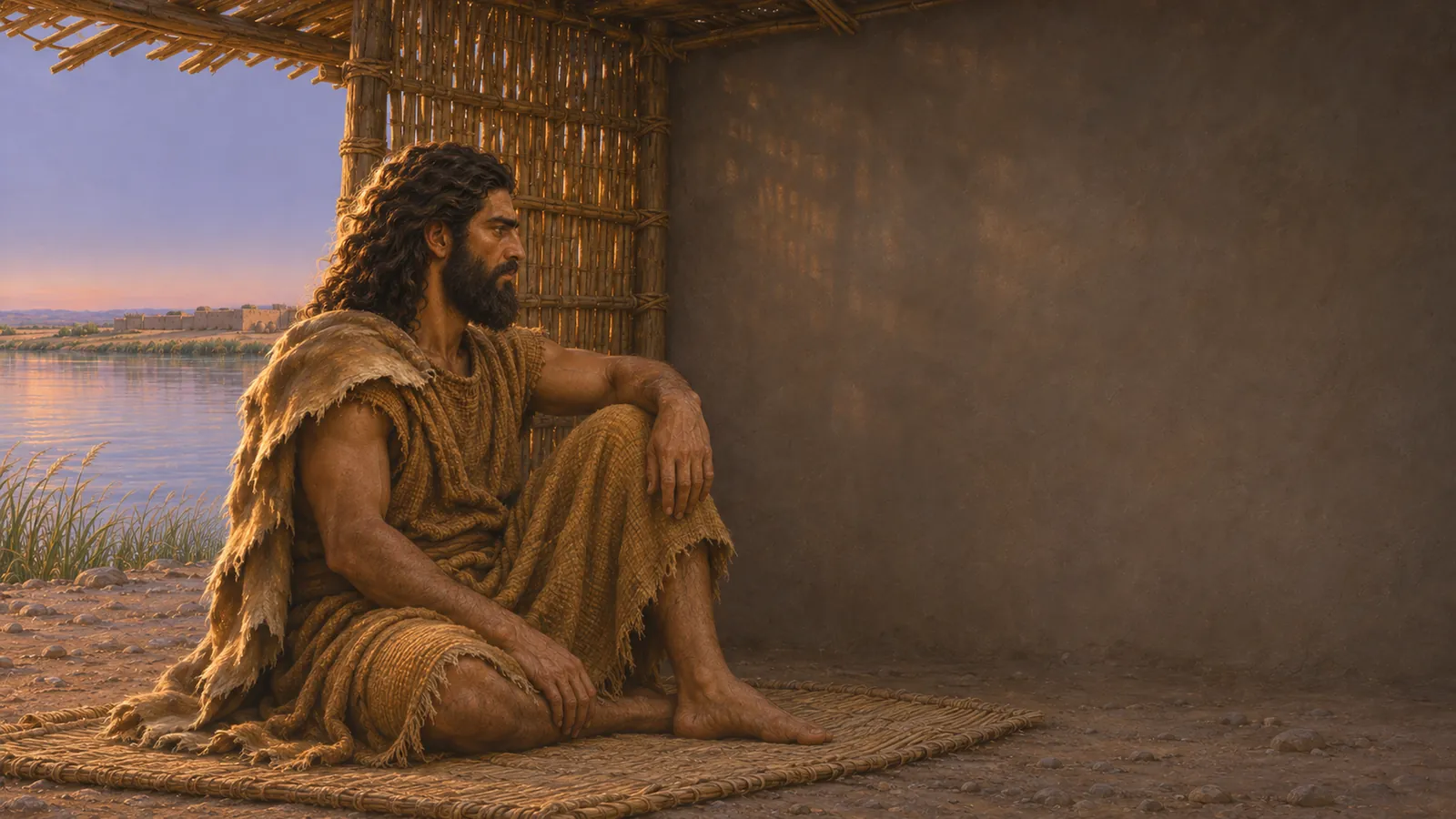
ÉPREUVE
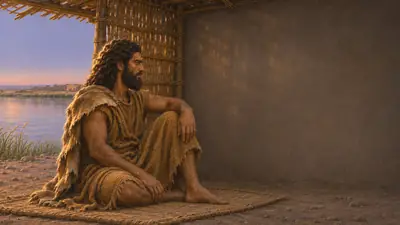
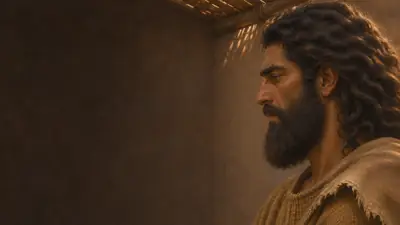
On avait demandé à Gilgamesh de se passer de sommeil. Il s’assit là où il se trouvait, et l’épreuve commença. Il n’avait plus qu’une chose à faire, rester éveillé.
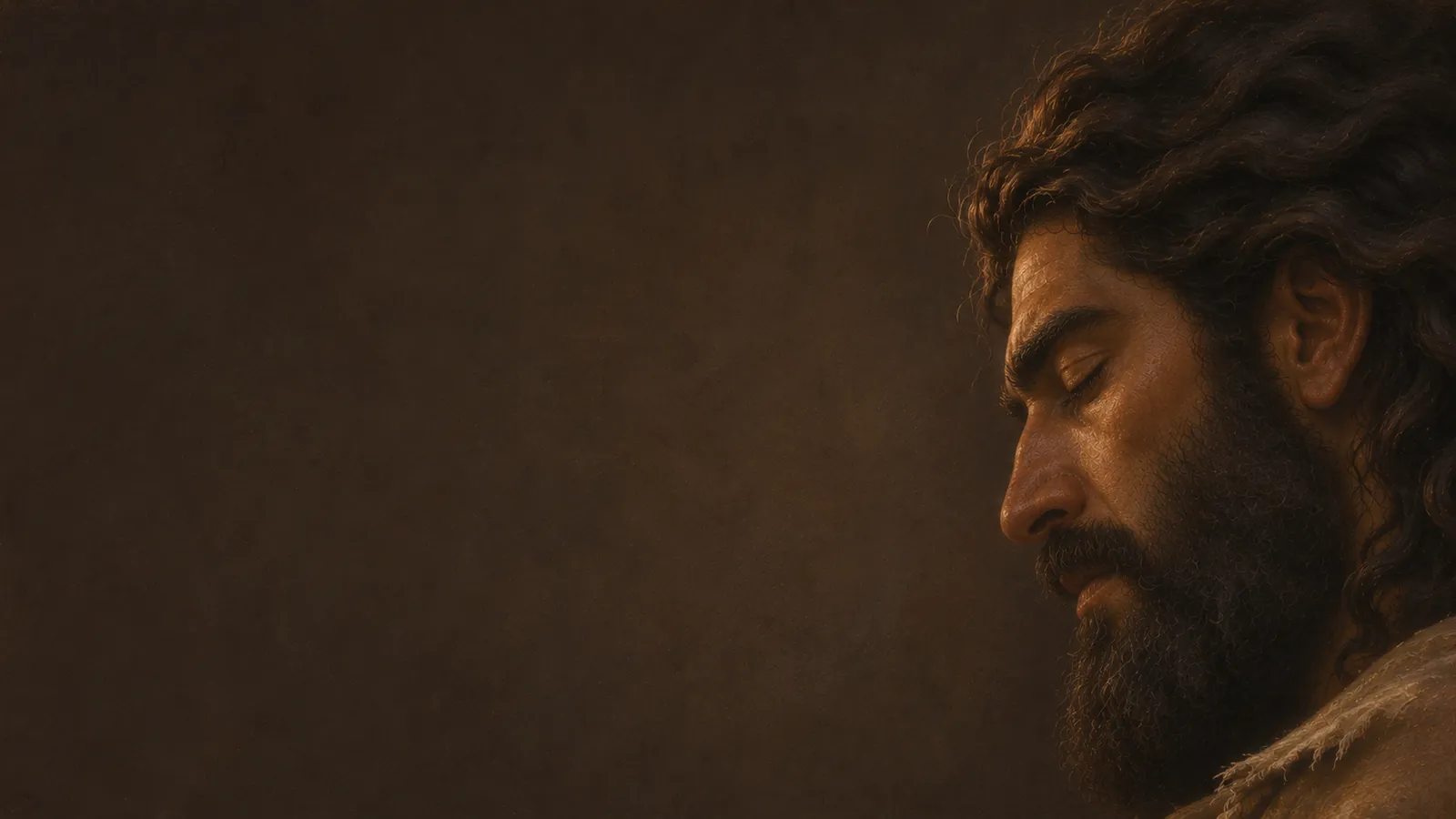
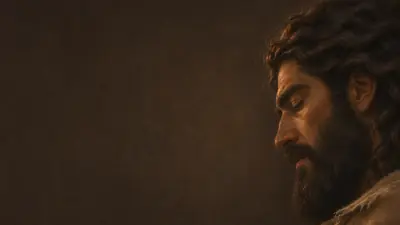
Le sommeil gagna Gilgamesh à peine assis. Le poème le compare à une brume qui avance sans bruit, si doucement que l’homme venu chercher une vie plus longue ne put le retenir.
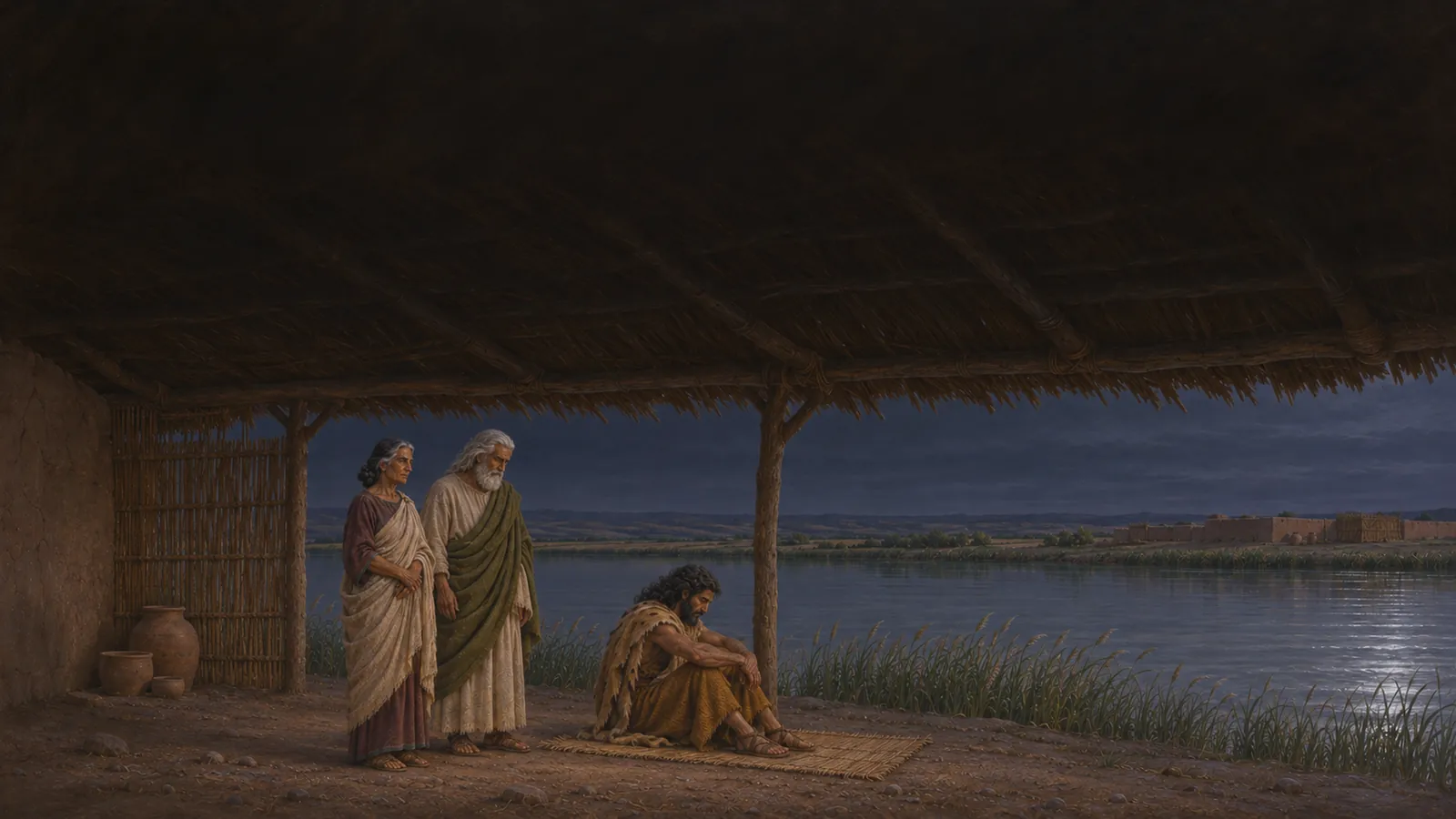
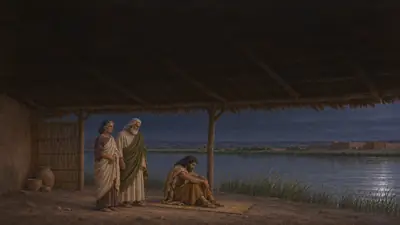
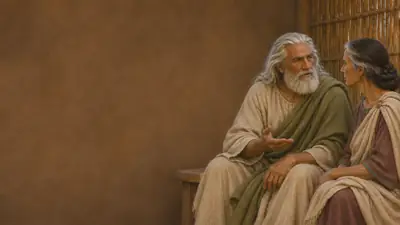
Utnapishtim attira l’attention de sa femme sur leur visiteur. L’homme qui avait cherché la vie avec tant d’ardeur était déjà vaincu par les premiers instants du sommeil.
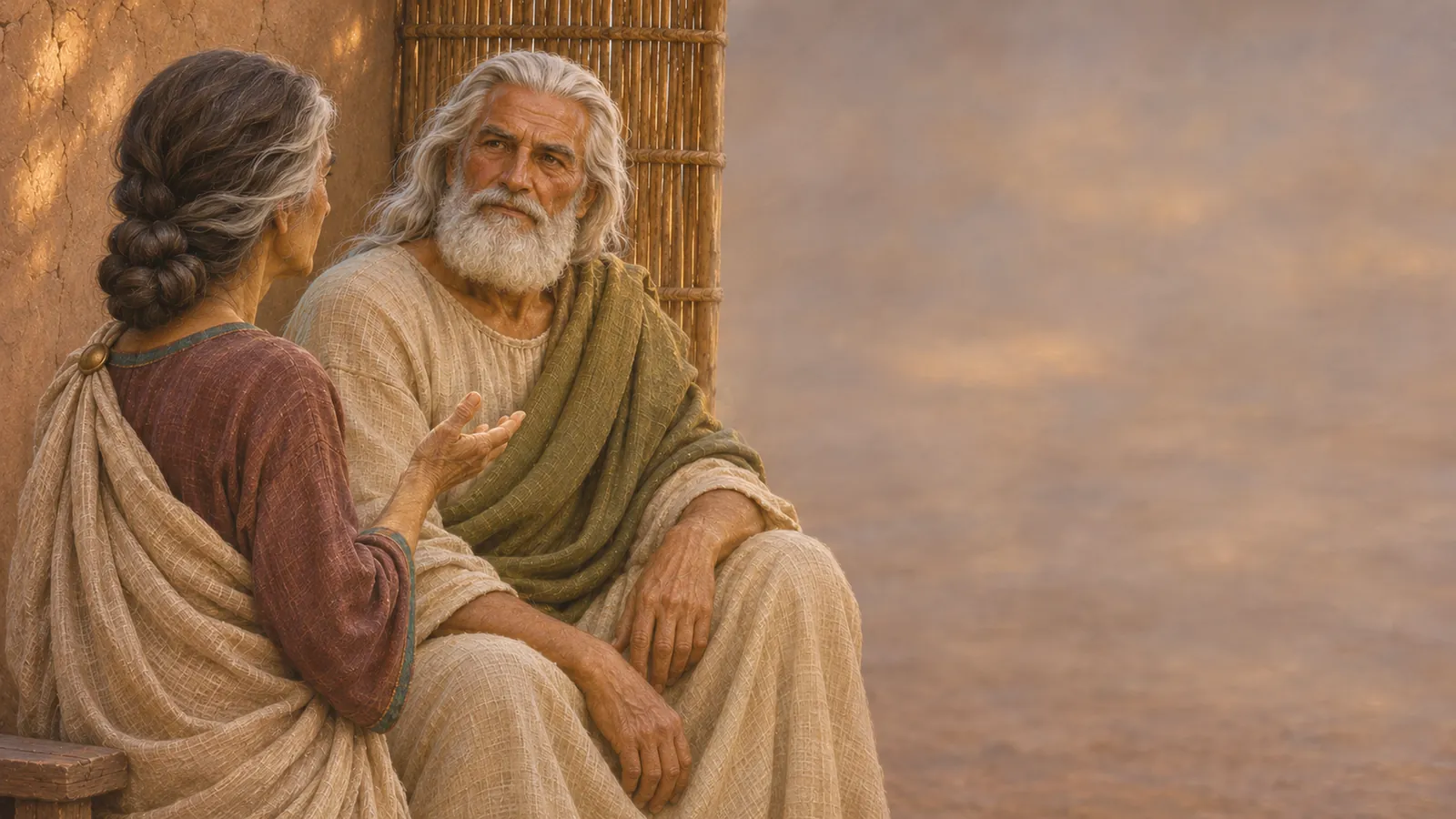
La femme d’Utnapishtim lui demanda de réveiller le voyageur. Elle voulait qu’il puisse rentrer sain et sauf par le chemin qu’il avait pris à l’aller.
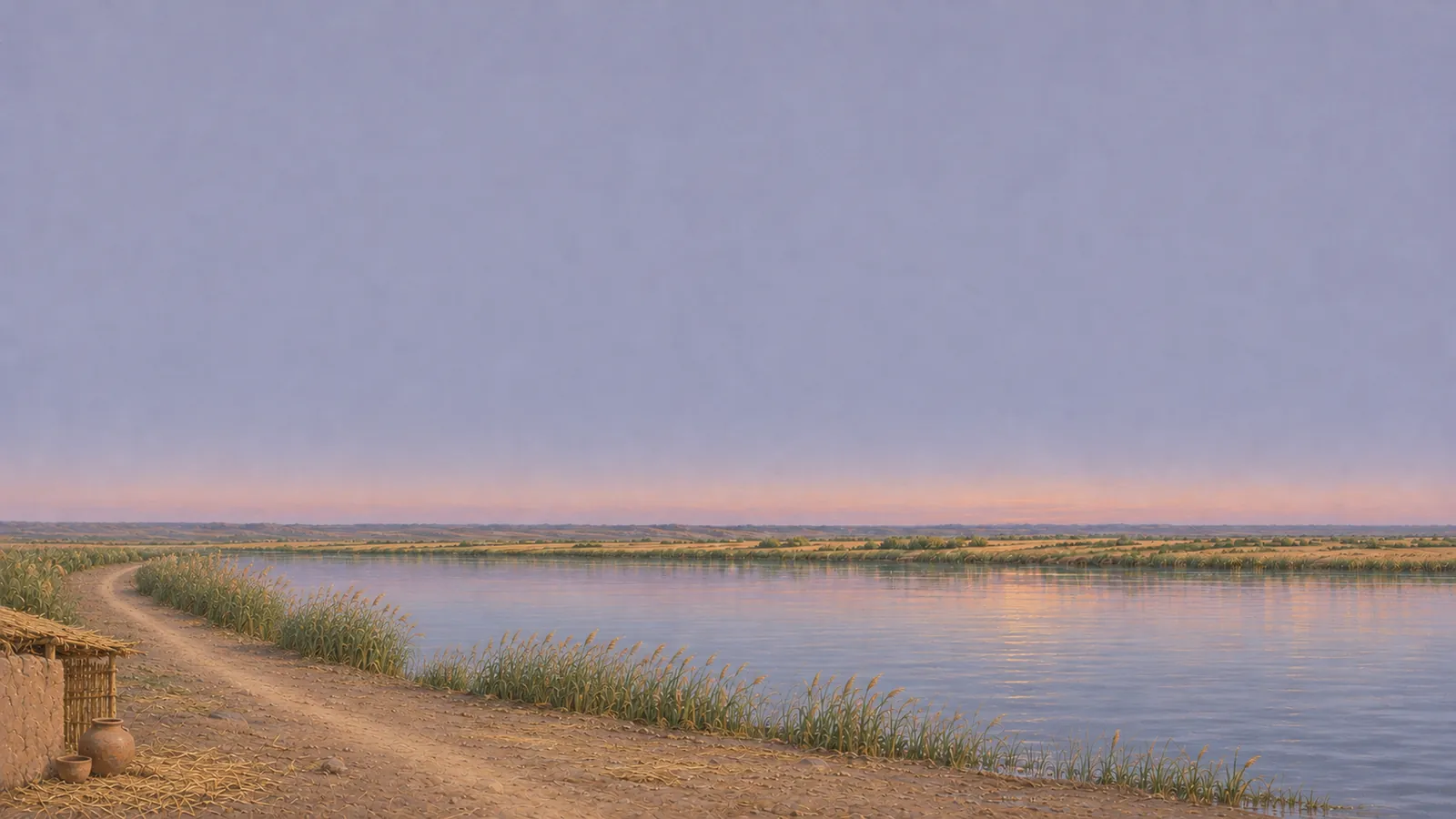
Elle parla du chemin du retour et de la porte qu’il avait franchie en partant. Son souhait était simple, que la route qu’il avait prise puisse le ramener dans son pays.
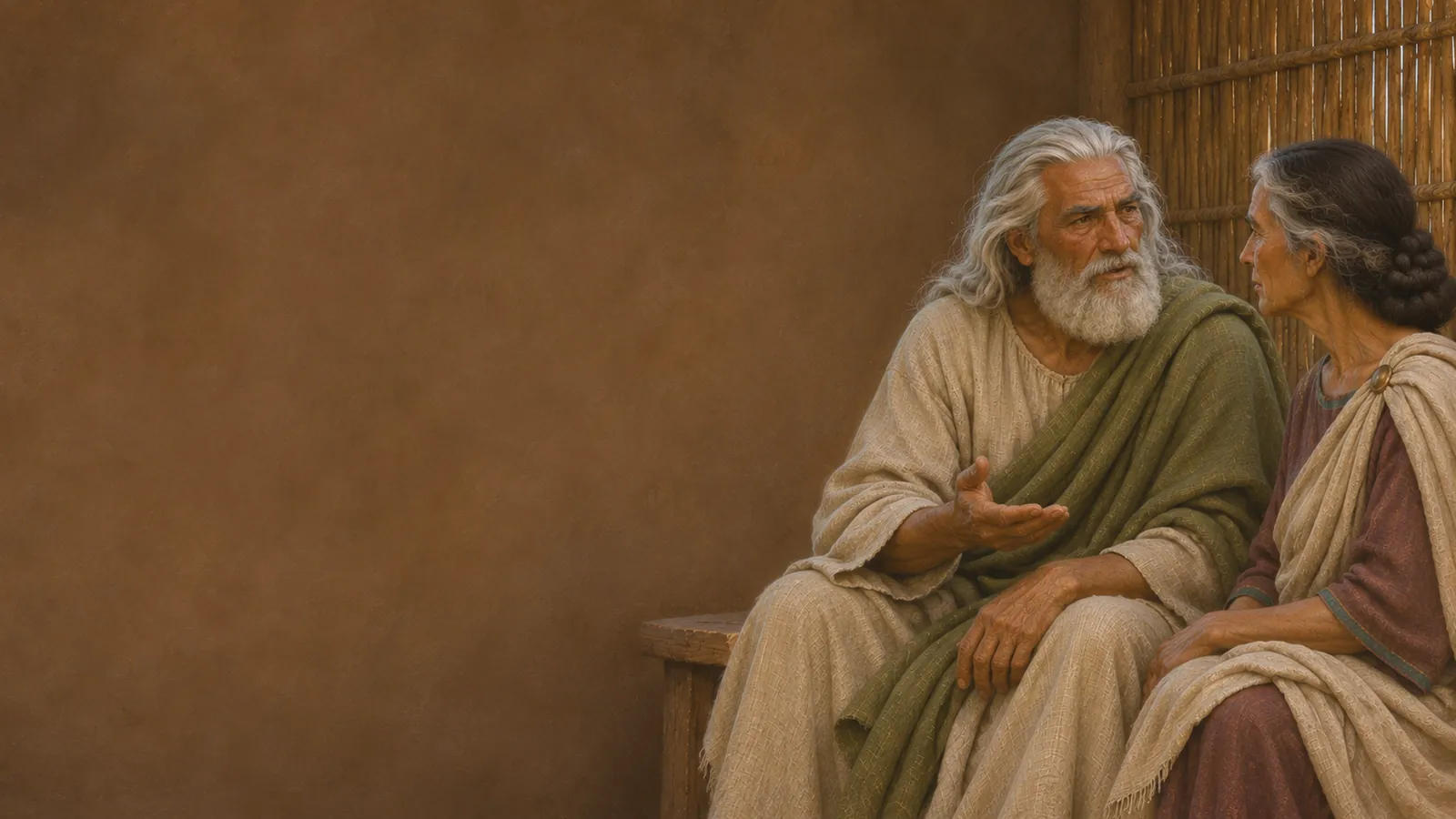
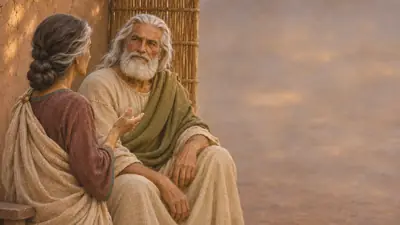
Utnapishtim n’était pas prêt à le réveiller. Il prévint sa femme qu’un homme pouvait nier avoir dormi et lui demanda de donner à leur visiteur quelque chose qu’il verrait de ses propres yeux.
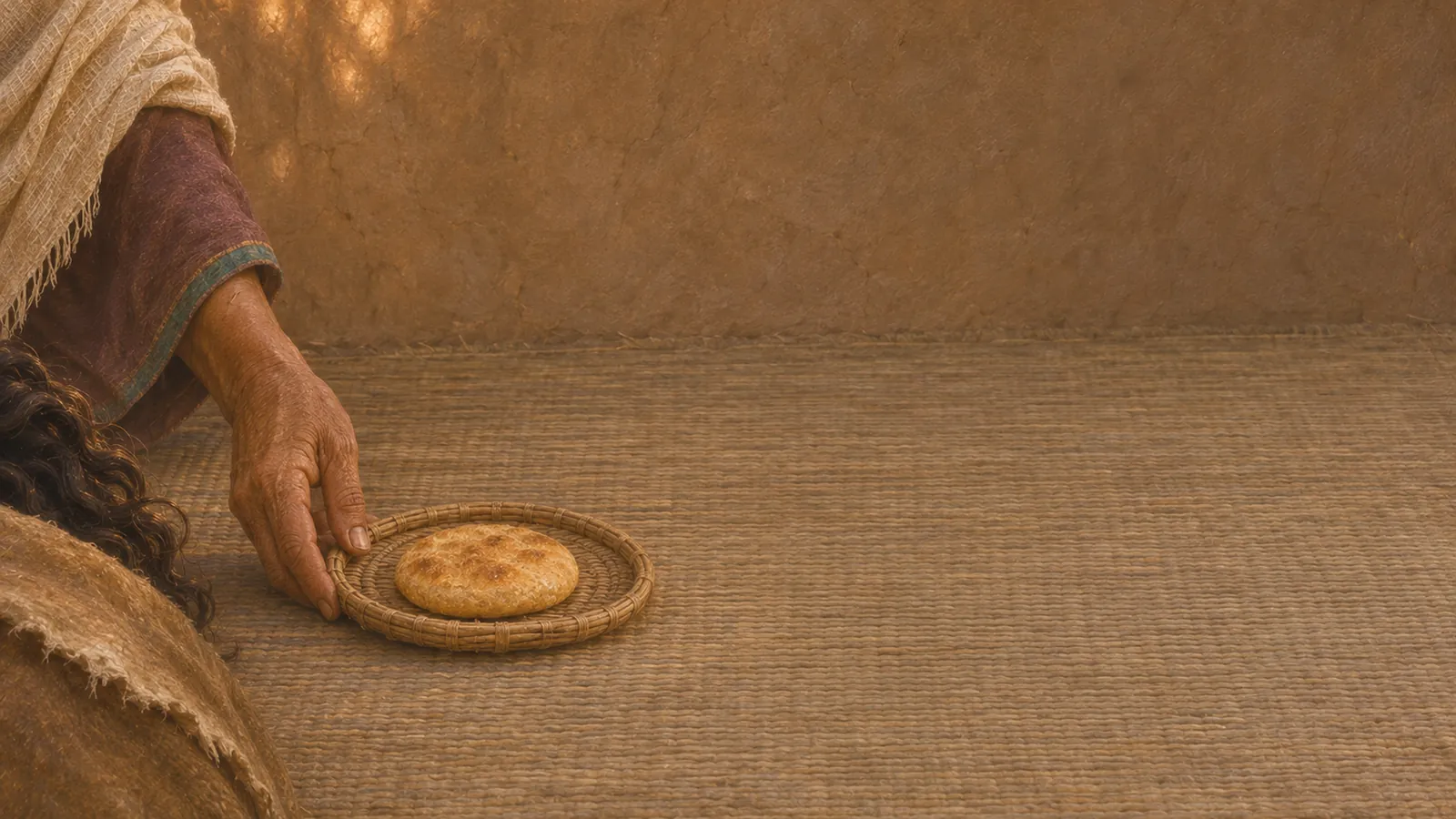
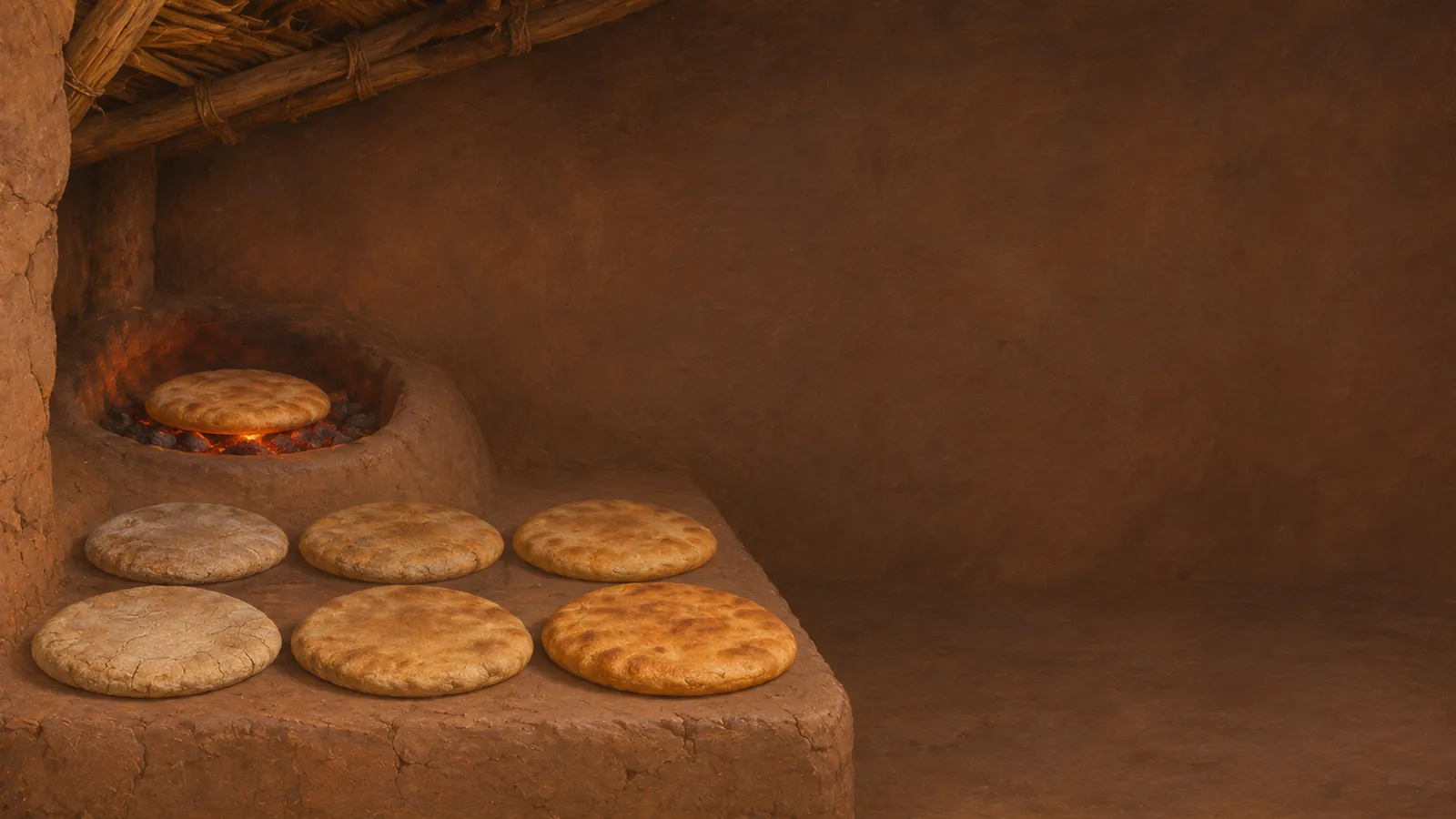
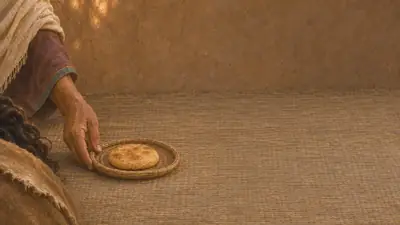
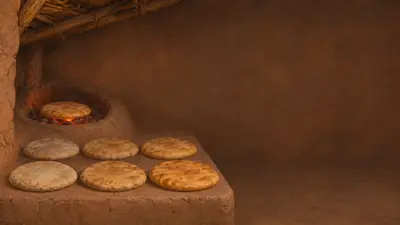
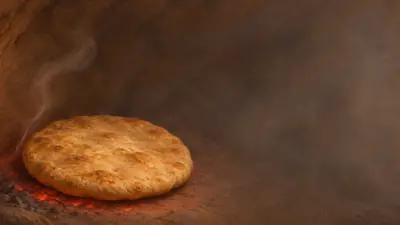
Utnapishtim dit à sa femme de cuire du pain chaque jour et de le déposer près de la tête de Gilgamesh. Elle fit ce qu’il lui demandait, laissant une trace que le dormeur ne voyait pas.
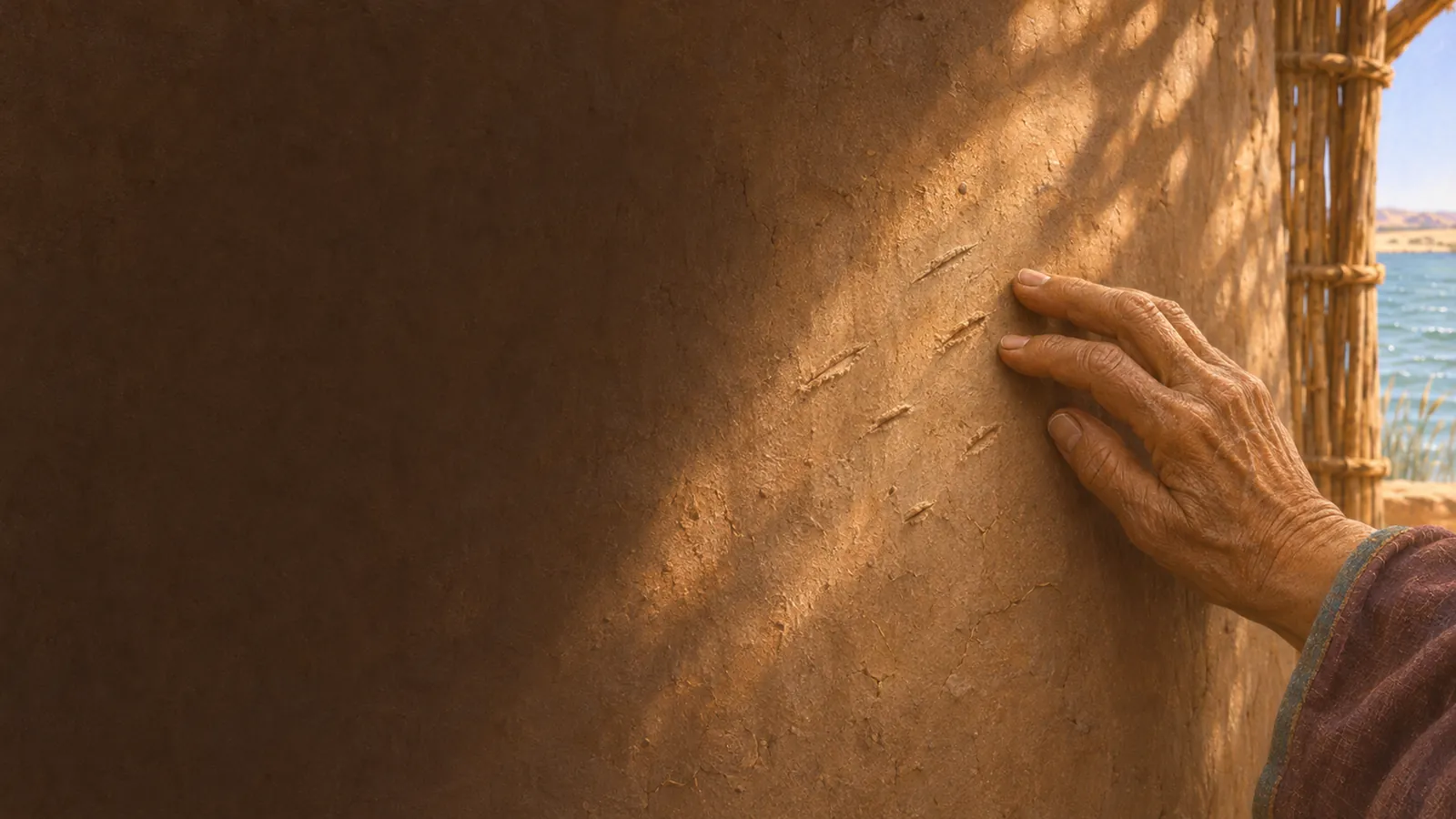
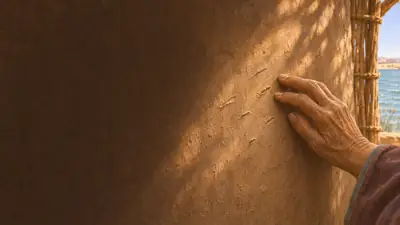
Elle garda une autre trace sur le mur. Pendant le sommeil de Gilgamesh, elle y marqua les jours, pour qu’il puisse les comparer aux pains en ouvrant les yeux.
PAIN
À côté de lui, le pain changeait. La première galette était sèche, une autre commençait à se gâter, et les plus récentes étaient encore fraîches ou sur le feu.
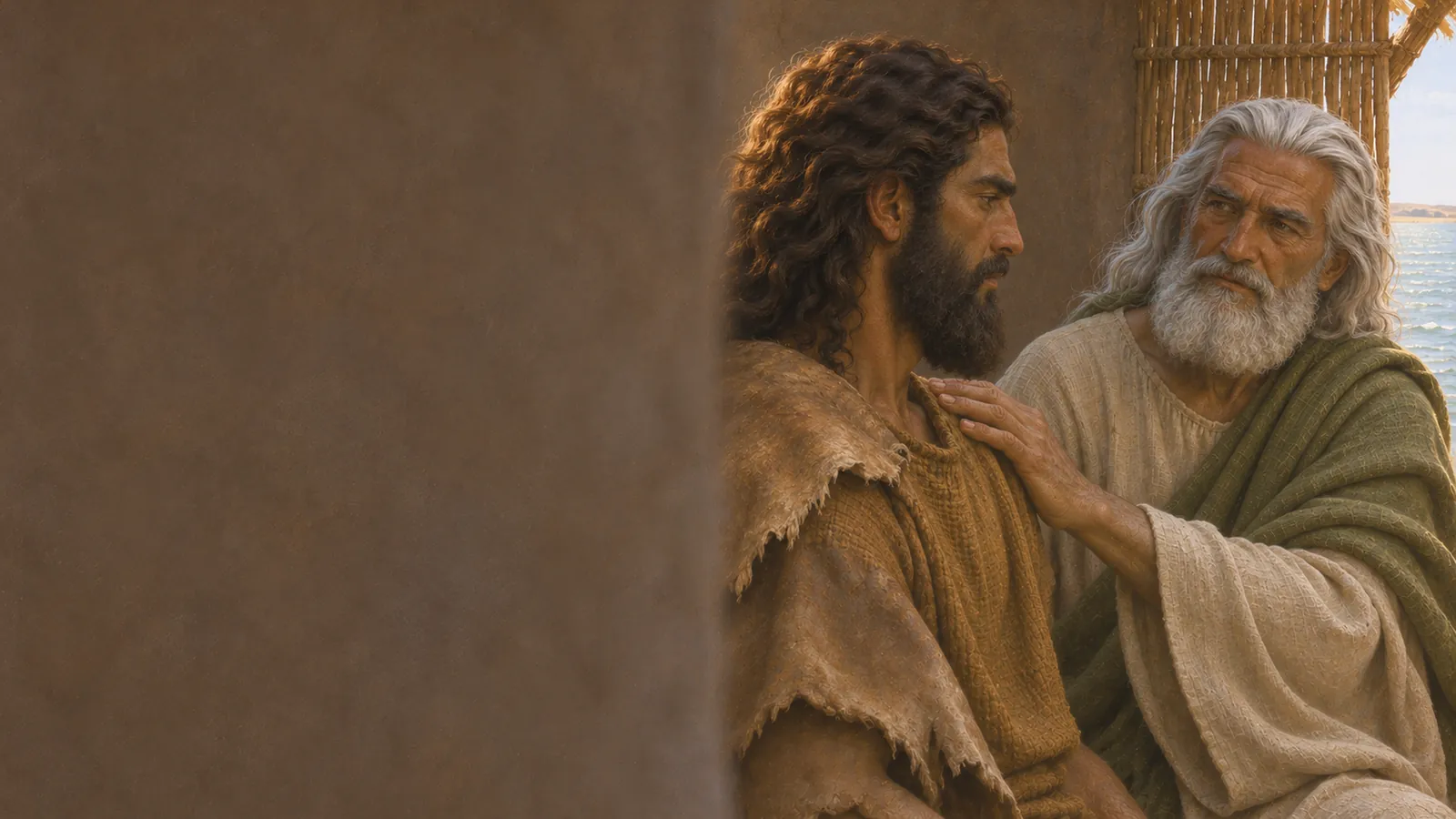
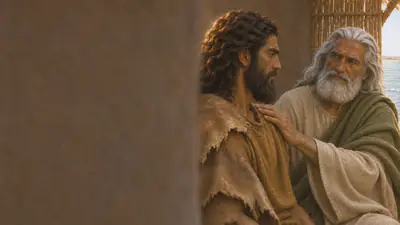
Alors que le septième pain était encore sur les braises, Utnapishtim toucha Gilgamesh. Il suffit de ce geste pour que le voyageur endormi ouvre les yeux.
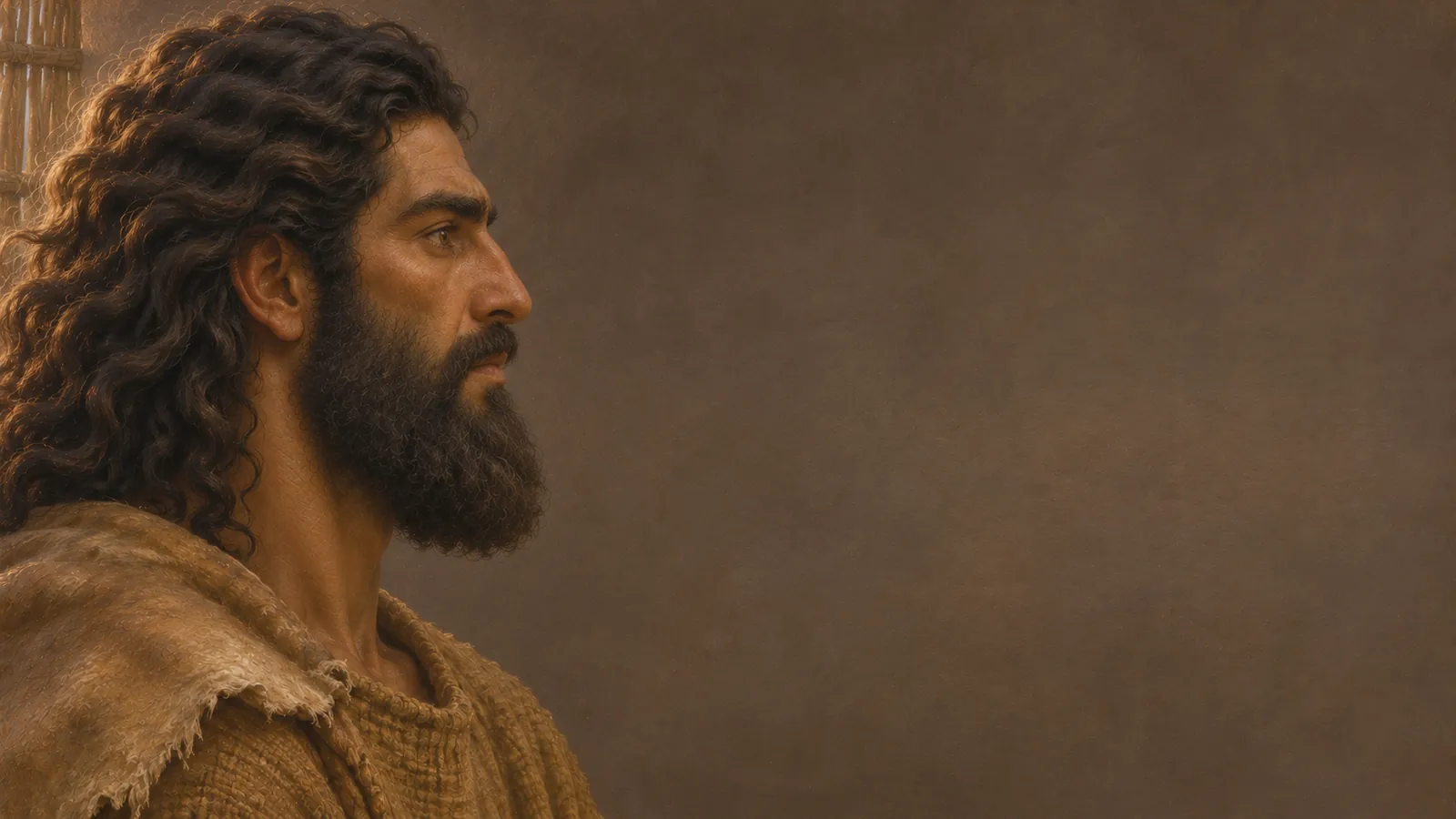
Gilgamesh eut l’impression que presque aucun temps ne s’était écoulé. Il dit à Utnapishtim qu’il commençait à peine à s’endormir quand il avait senti la main qui l’avait réveillé.
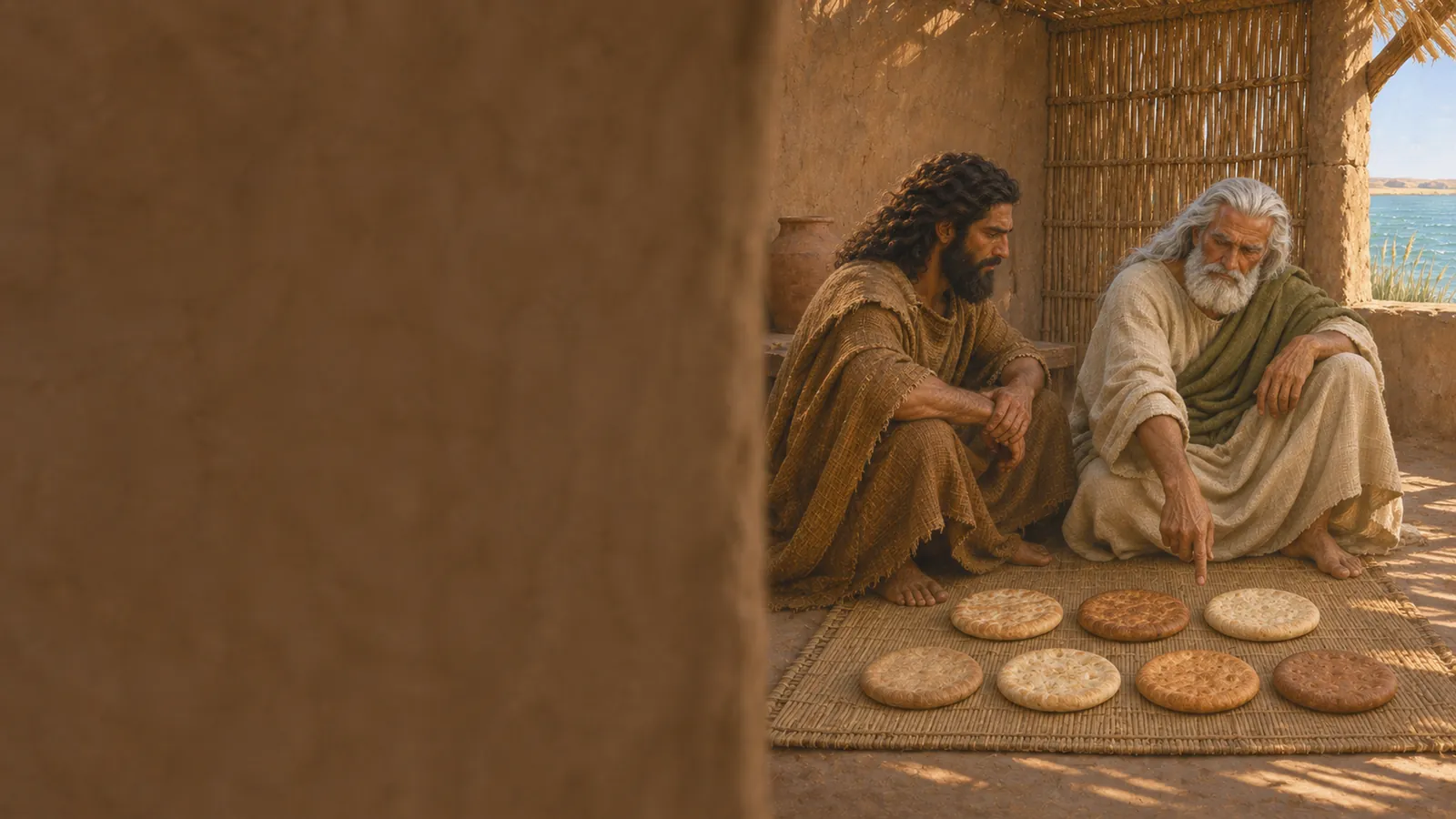
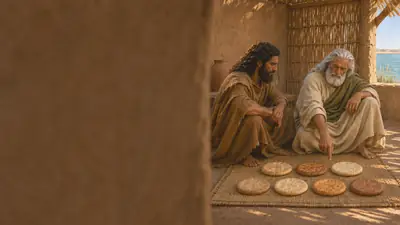
Utnapishtim tourna l’attention de Gilgamesh vers le pain. Il pouvait compter les galettes et voir à leurs états différents le temps que le sommeil lui avait pris durant l’épreuve.
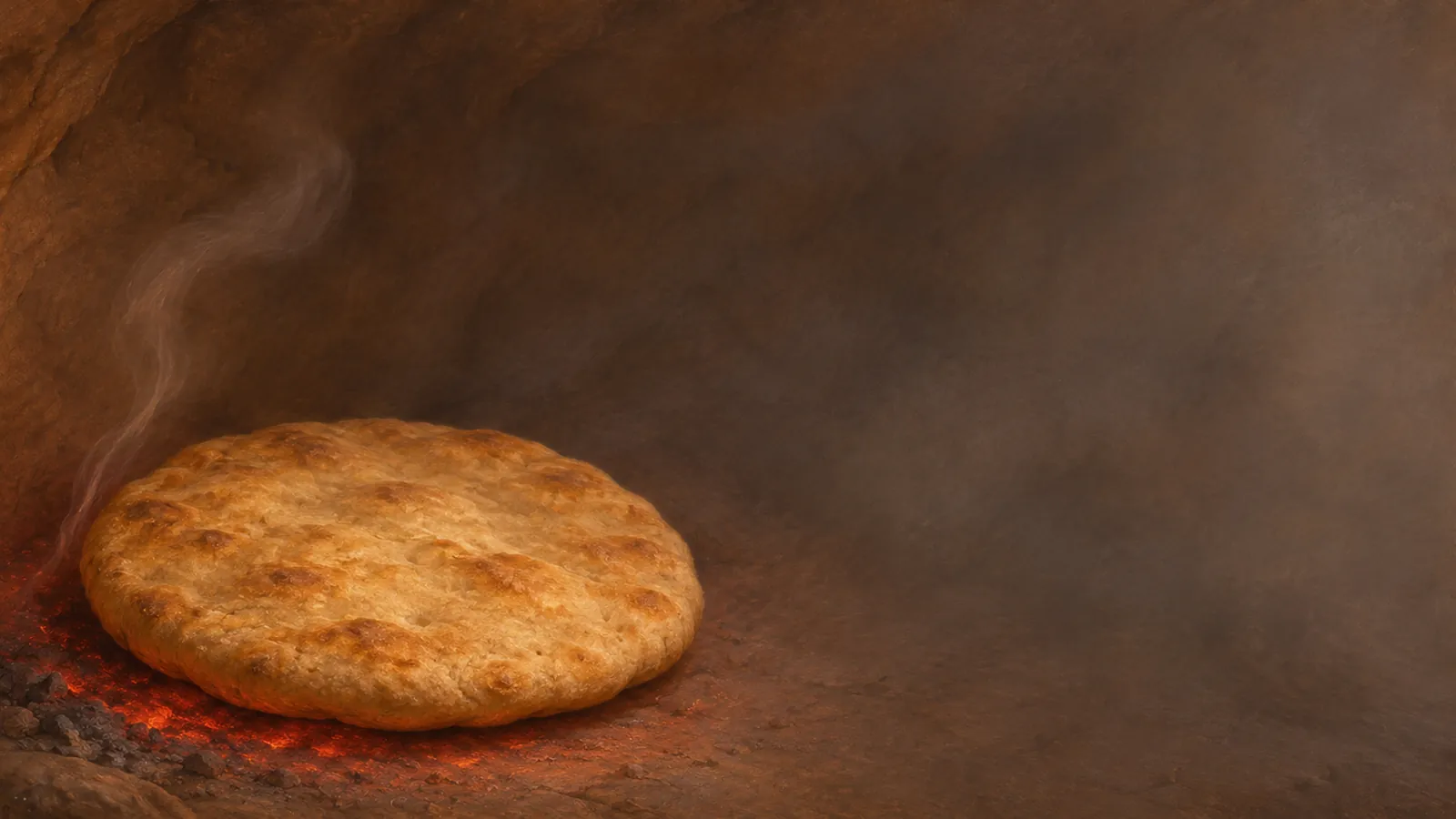
Il avait dormi depuis le premier pain, alors tout frais, jusqu’au septième sur les braises. Le pain révélait ce que l’instant du réveil lui avait caché.
MORT
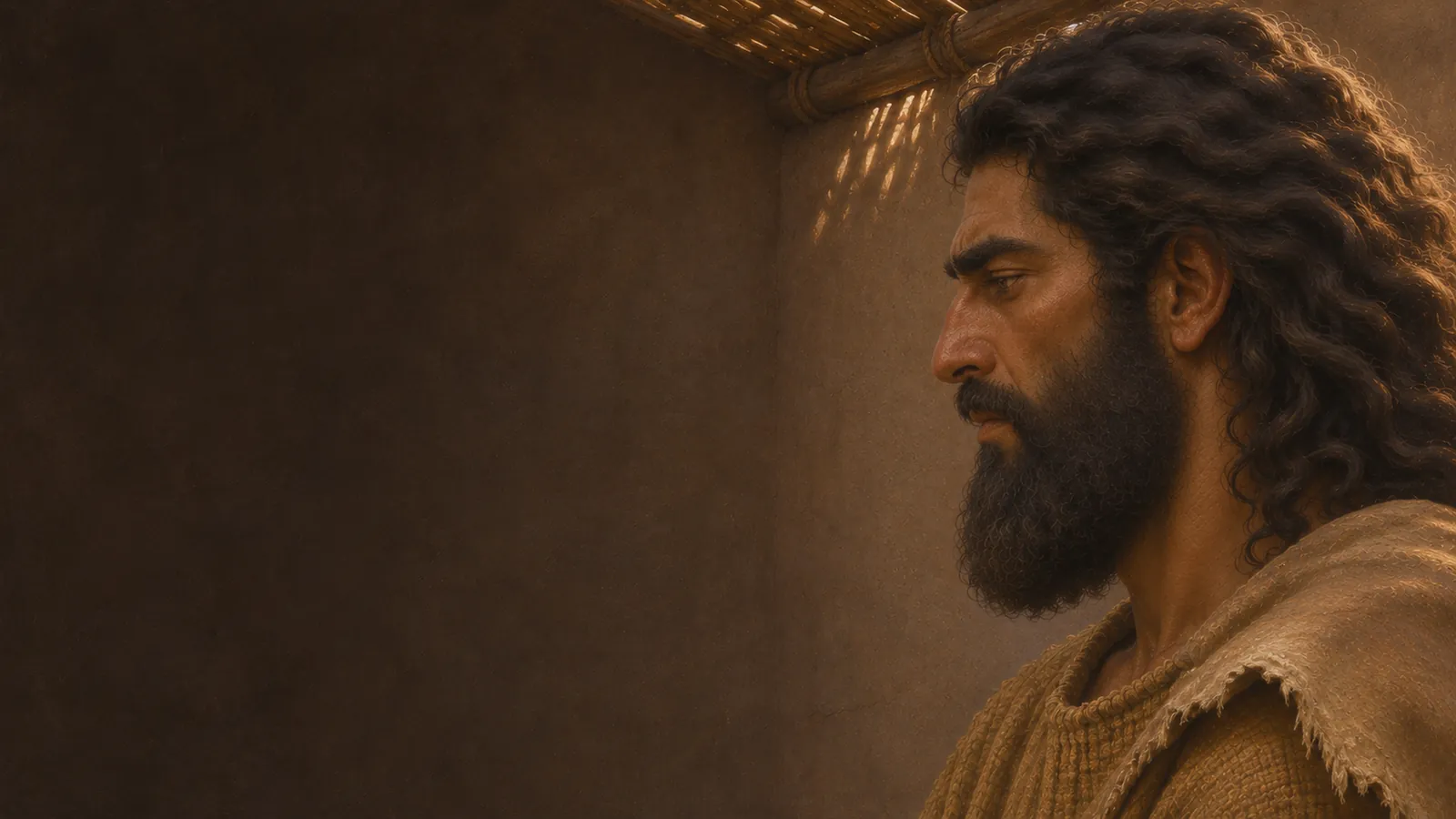
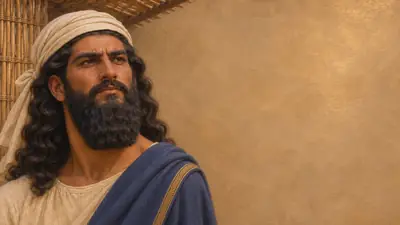
Gilgamesh demanda où il pourrait bien aller maintenant. Dans sa propre chambre ou n’importe où, il sentait que la mort l’attendrait.
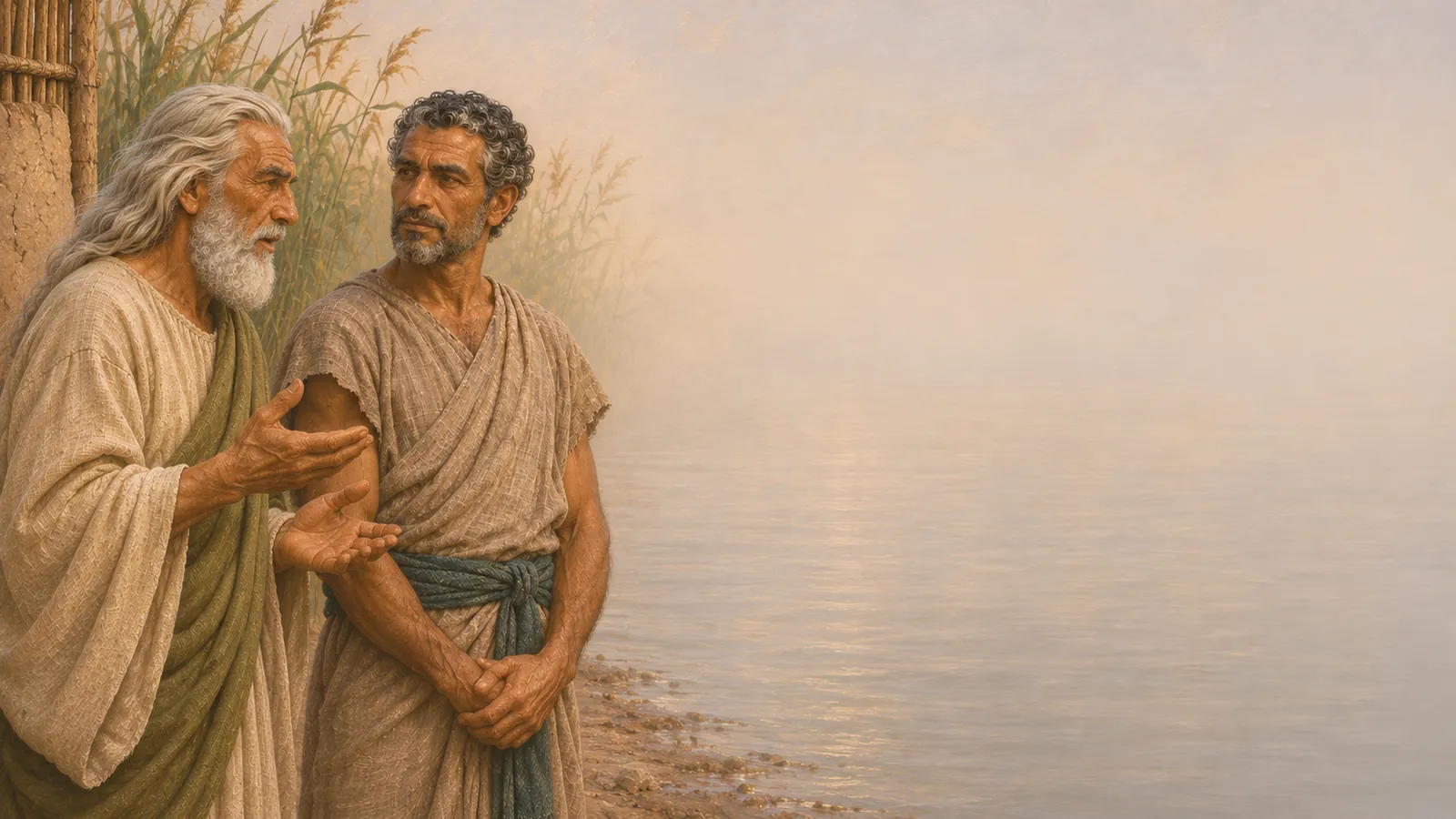
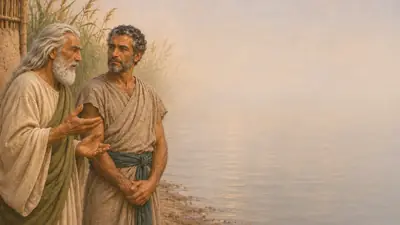
Utnapishtim se tourna vers Urshanabi et déclara que le débarcadère et le passage lui seraient désormais fermés. Le passeur qui avait amené Gilgamesh le reconduirait loin de cette rive.
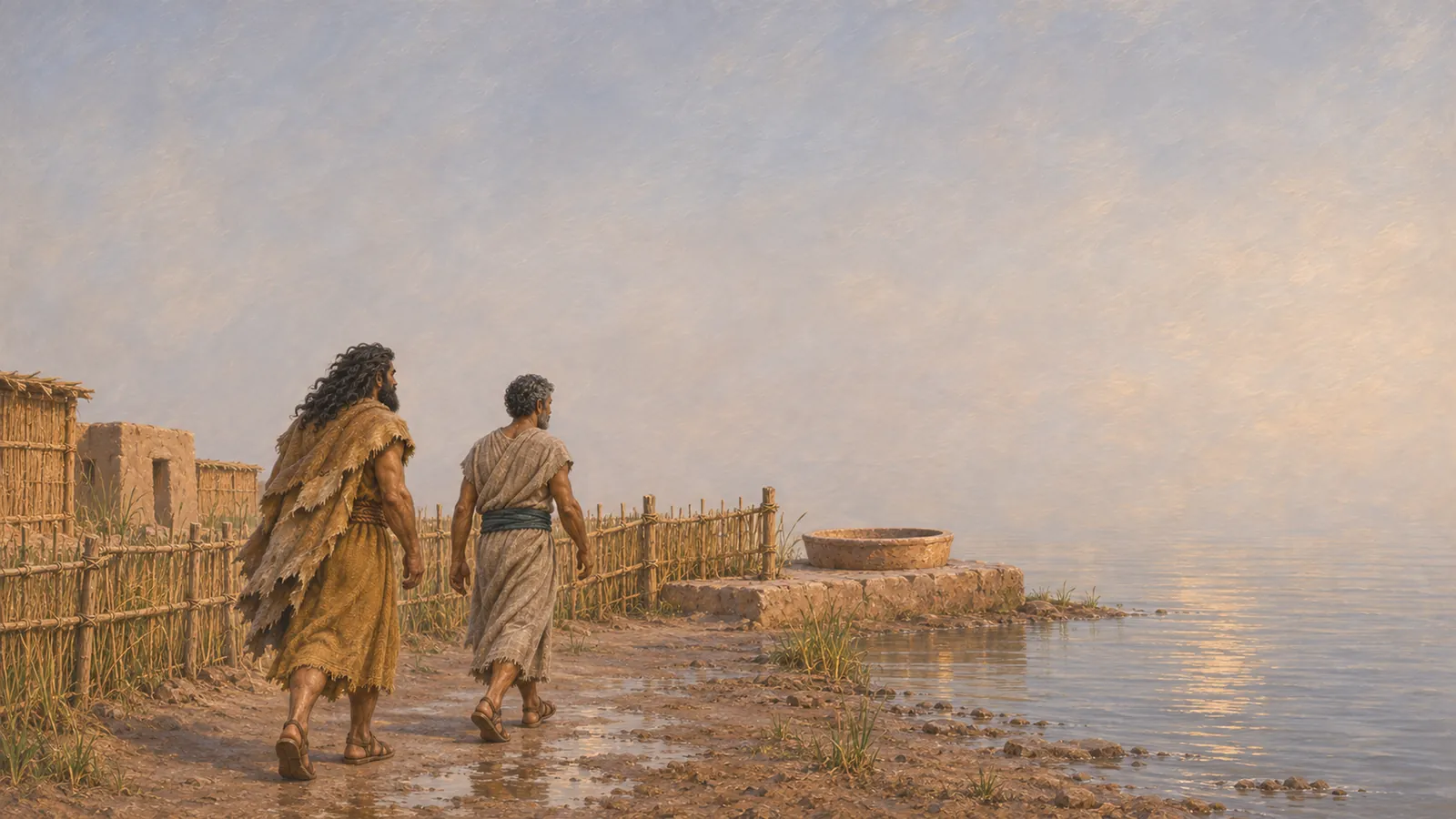
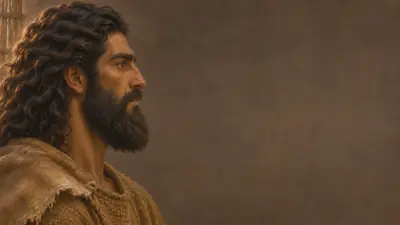
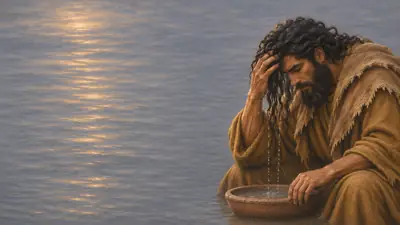
Utnapishtim chargea Urshanabi d’emmener Gilgamesh se laver. Après la route, les cheveux du roi étaient emmêlés et les peaux qu’il portait lui avaient donné un air épuisé.
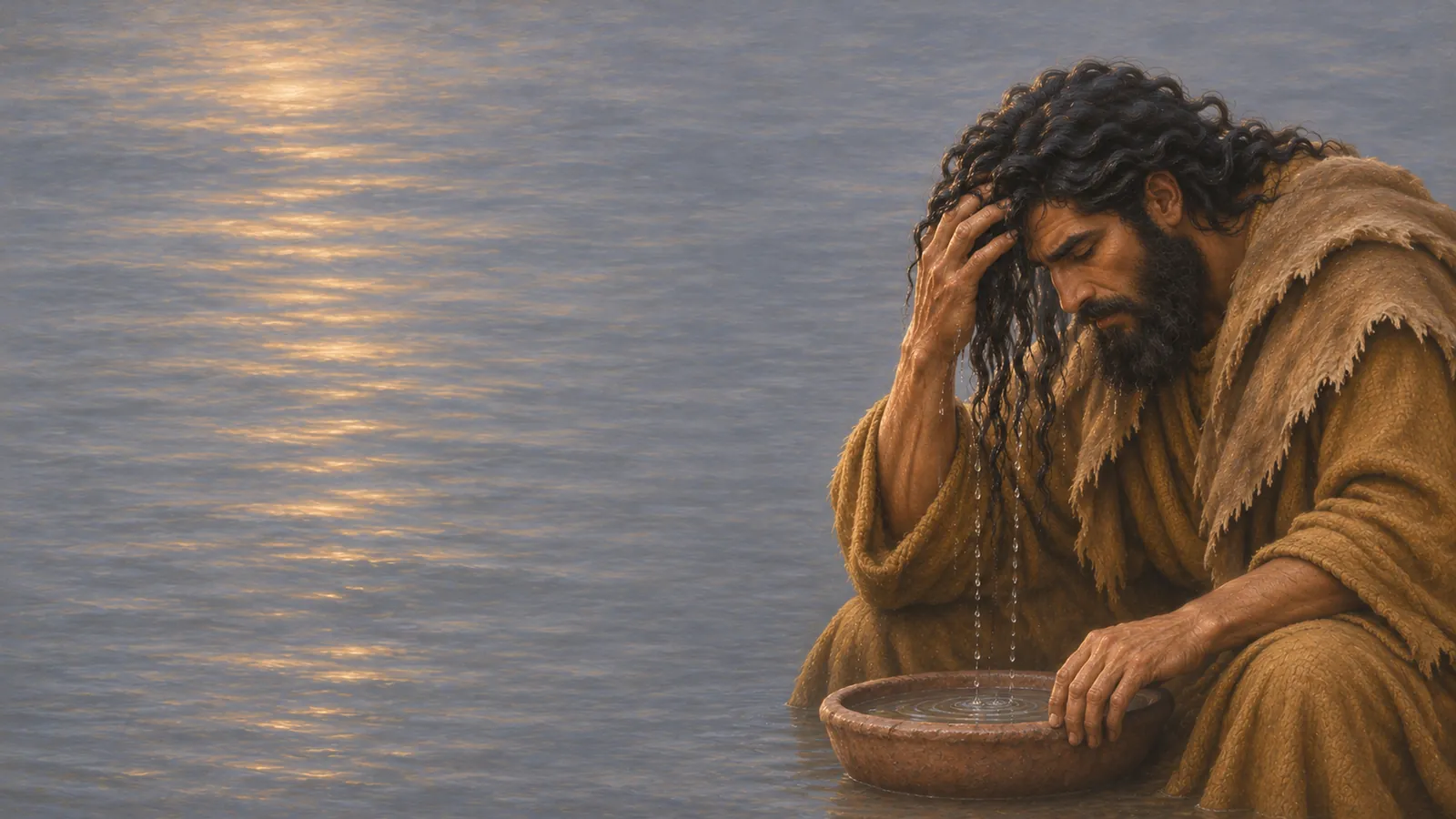
À l’endroit où il devait se laver, Gilgamesh rinça ses cheveux emmêlés. Après avoir vécu si longtemps sur la route, il put se défaire d’une partie de ce qu’elle avait laissé sur lui.
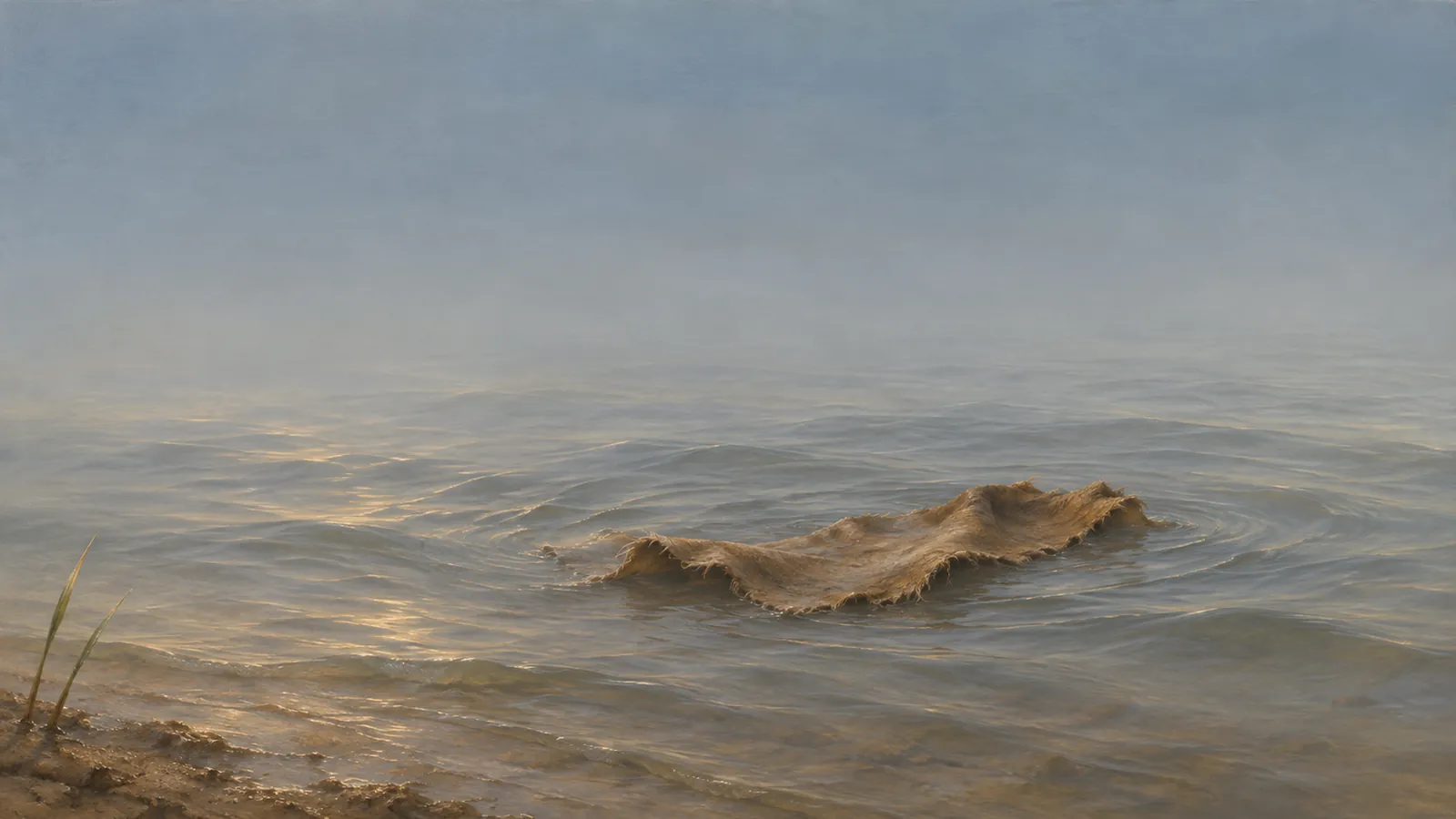
Gilgamesh rejeta les peaux qu’il avait portées en chemin. La mer les emporta, tandis qu’il laissait derrière lui cette part de son voyage.
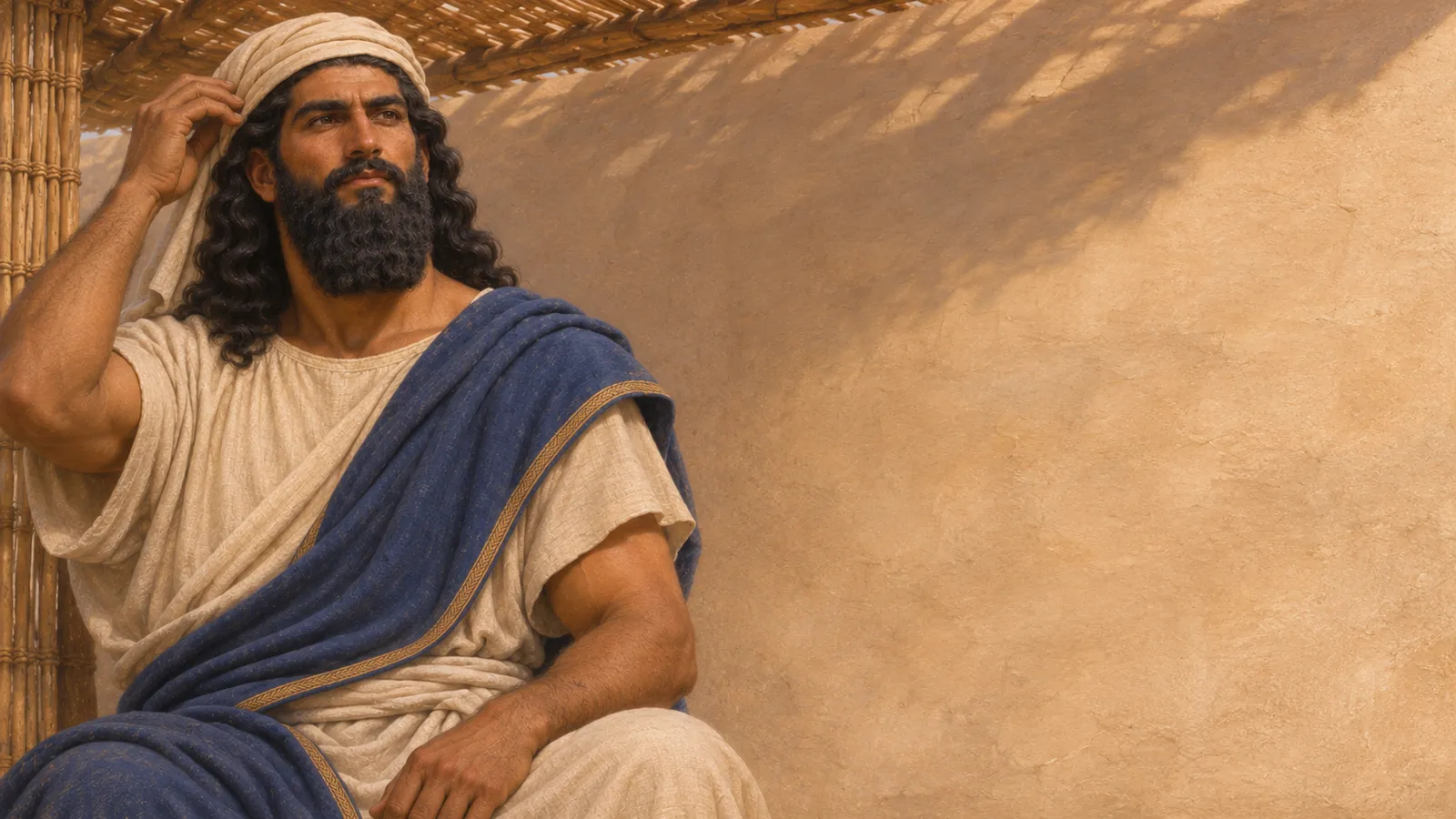
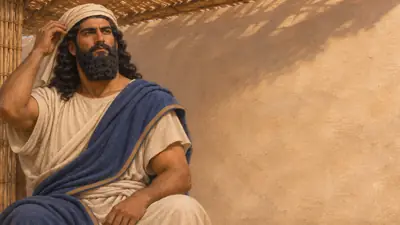
On donna à Gilgamesh un linge frais pour la tête et une robe digne d’un roi. Le voyageur arrivé vêtu de peaux repartirait en habit royal.
Utnapishtim voulait que la robe garde sa fraîcheur jusqu’à ce que Gilgamesh retrouve sa ville. Le poème reprend ce souhait au moment où le roi se prépare à rentrer.
DÉPART
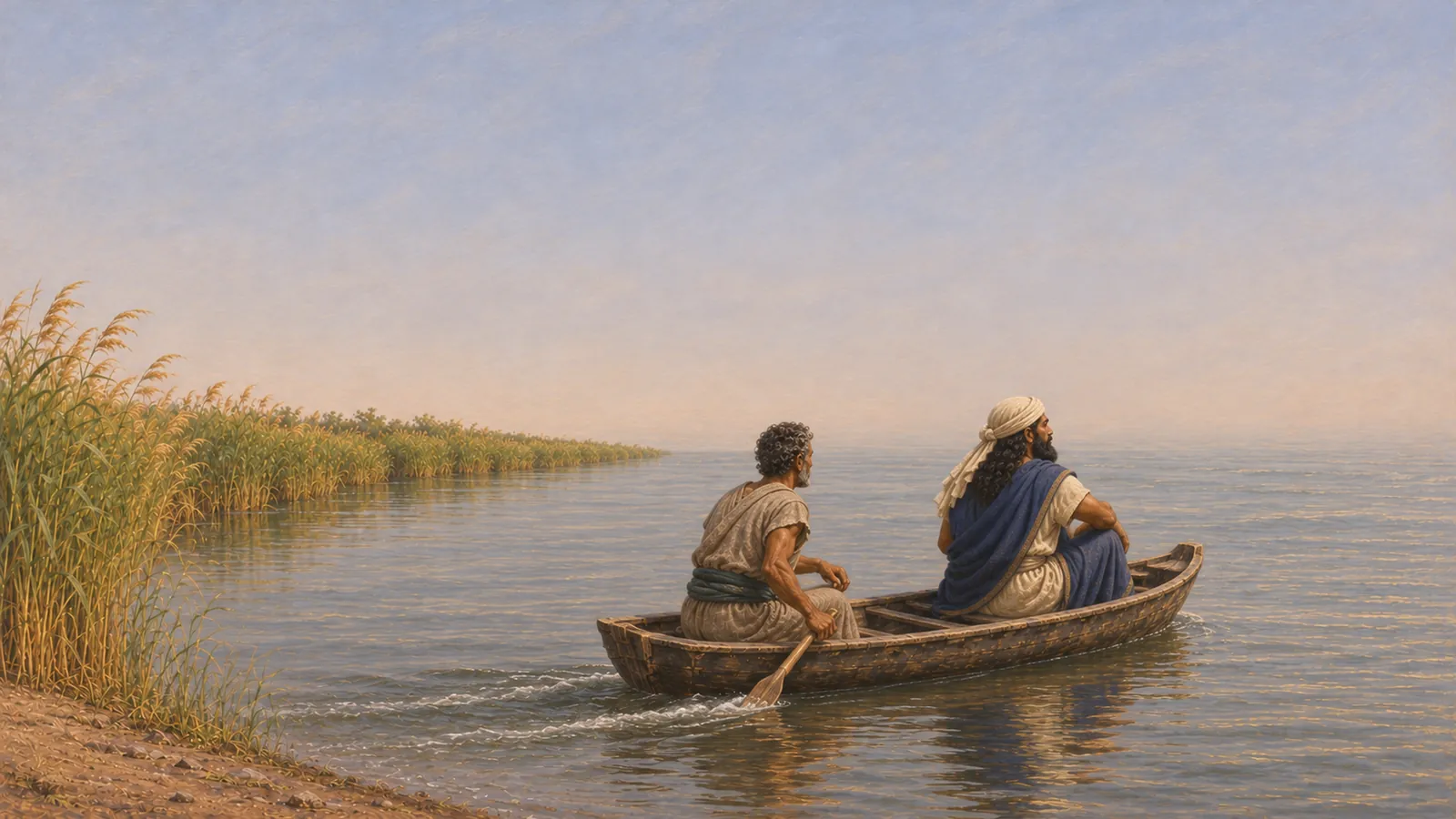
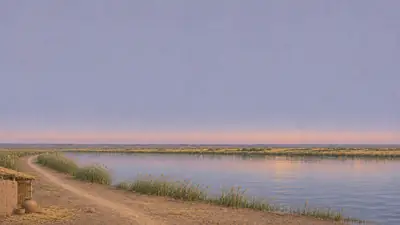
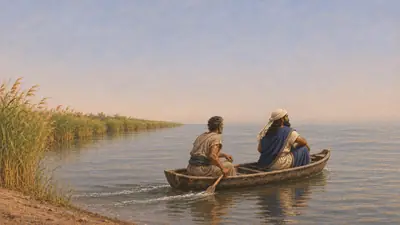
Gilgamesh et Urshanabi montèrent dans la barque et s’écartèrent du rivage. Il semblait que leur affaire sur la rive lointaine était terminée et que le retour avait commencé.
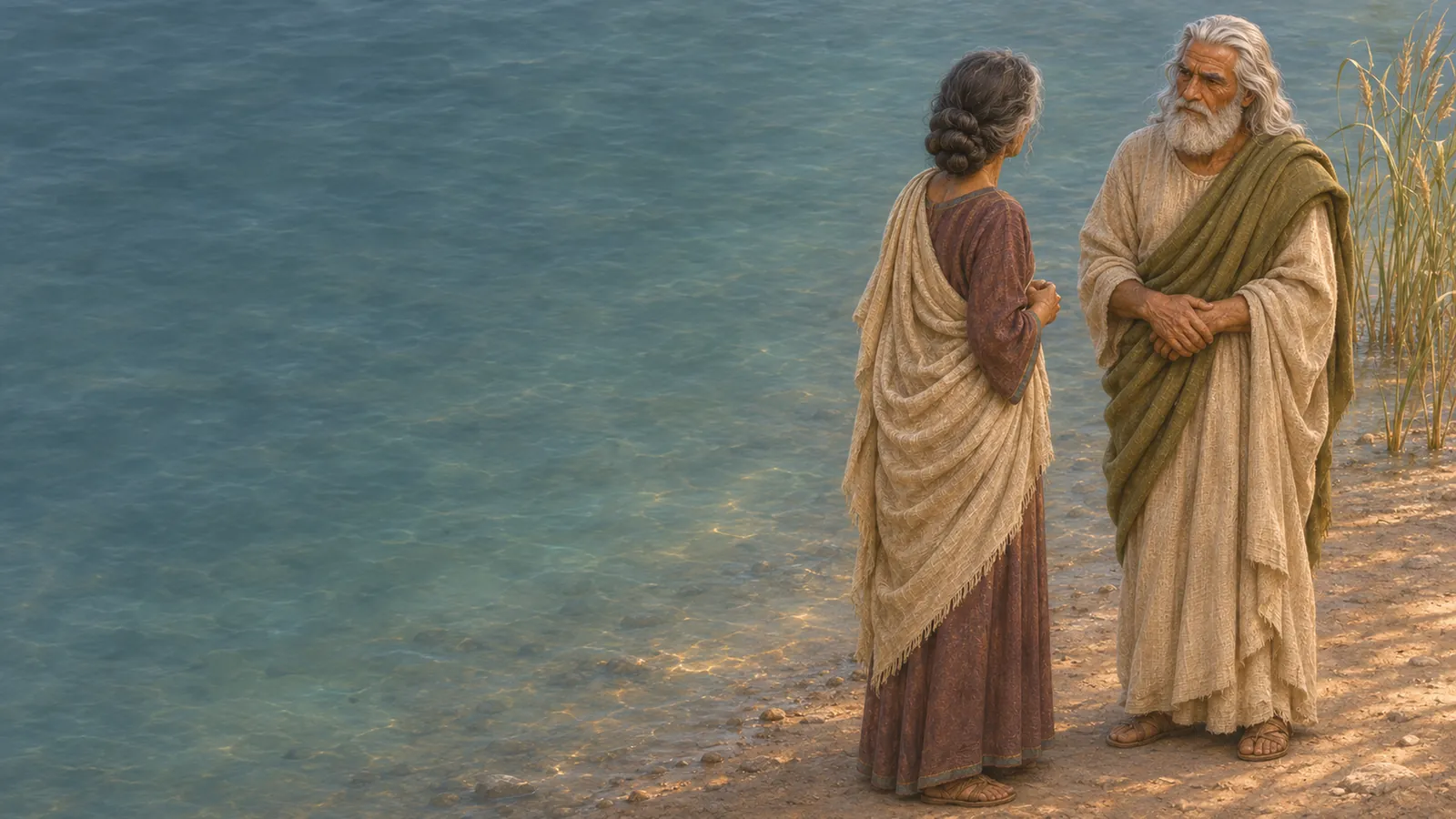
La femme d’Utnapishtim prit la parole au départ de la barque. Elle rappela le chemin parcouru et la fatigue de Gilgamesh, puis demanda ce qu’on lui donnerait à rapporter chez lui.
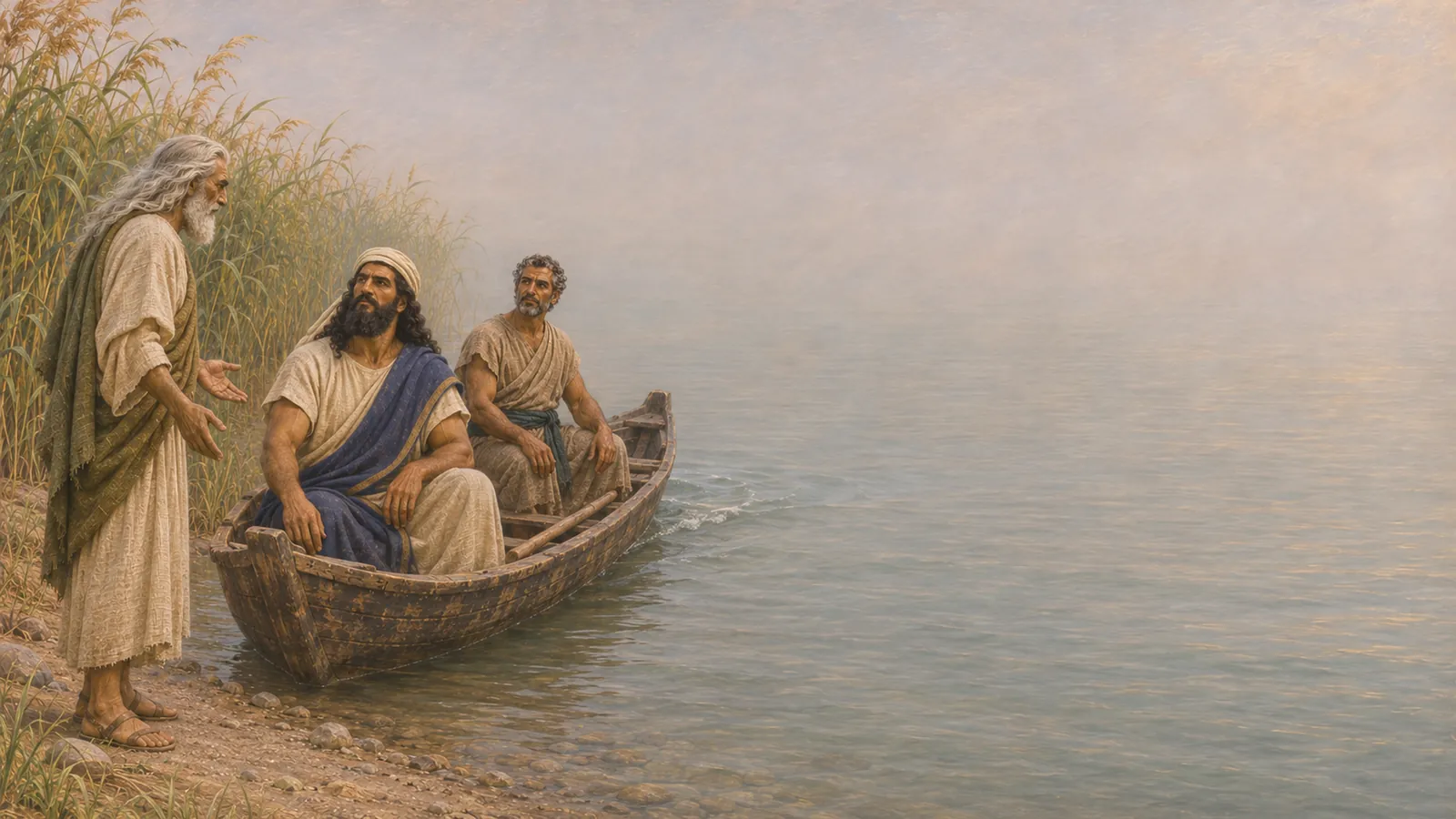
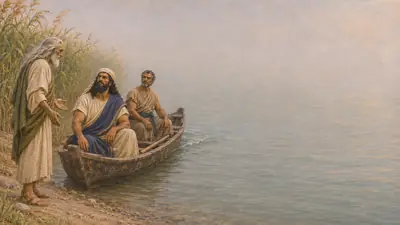
Gilgamesh leva la perche et rapprocha la barque du rivage. Utnapishtim était encore là et, avant qu’ils ne se quittent, il avait autre chose à lui dire.
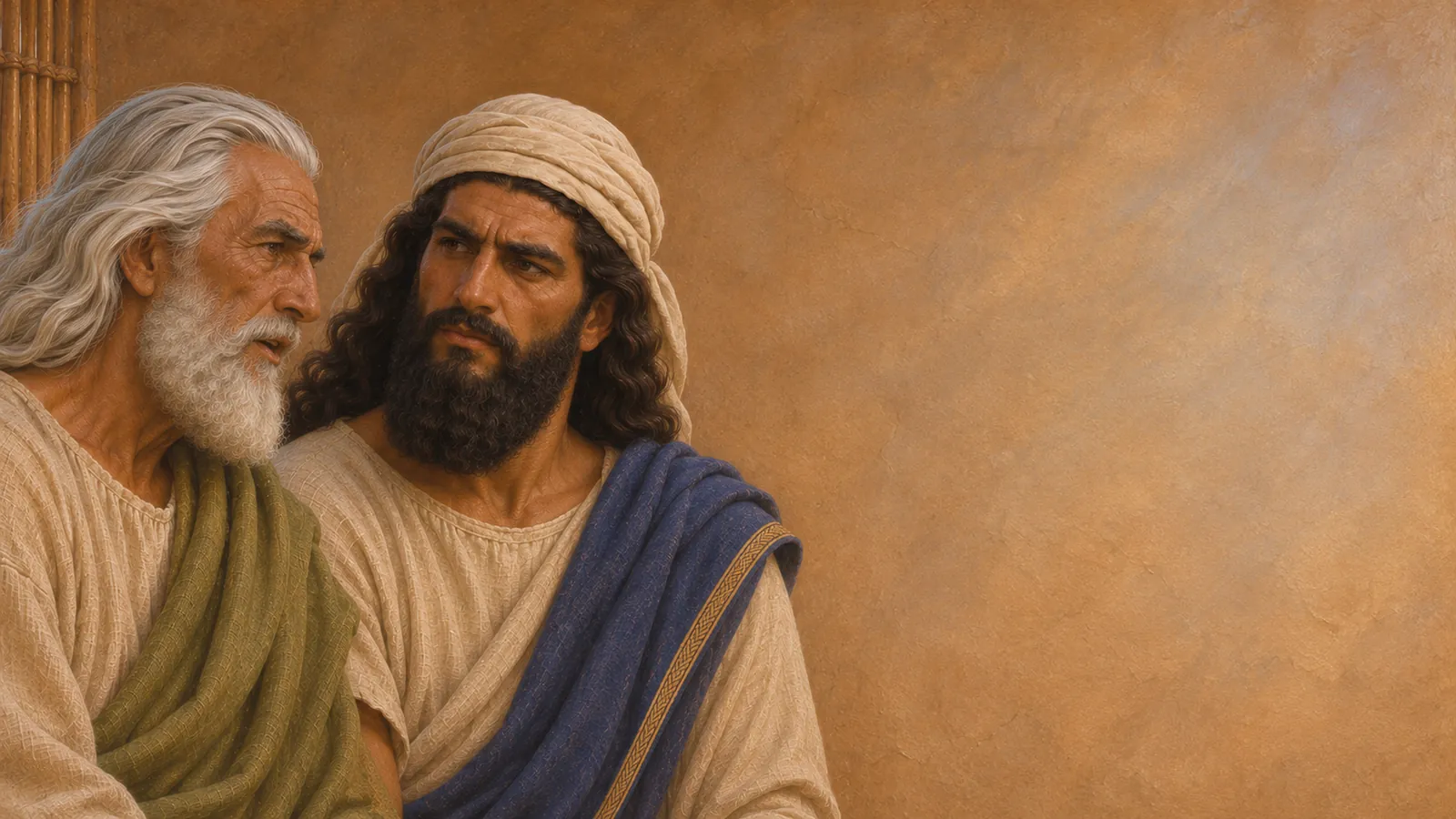
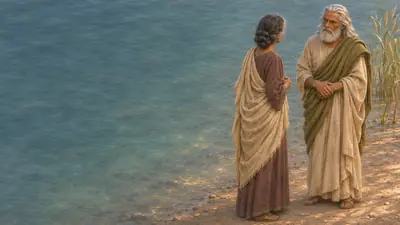
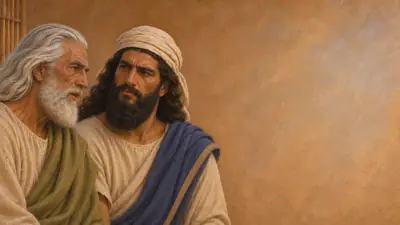
Utnapishtim reconnut la peine qu’avait prise Gilgamesh pour arriver jusqu’à lui. Avant son départ, il pouvait lui faire un don, lui apprendre quelque chose de caché.
ÉPINES
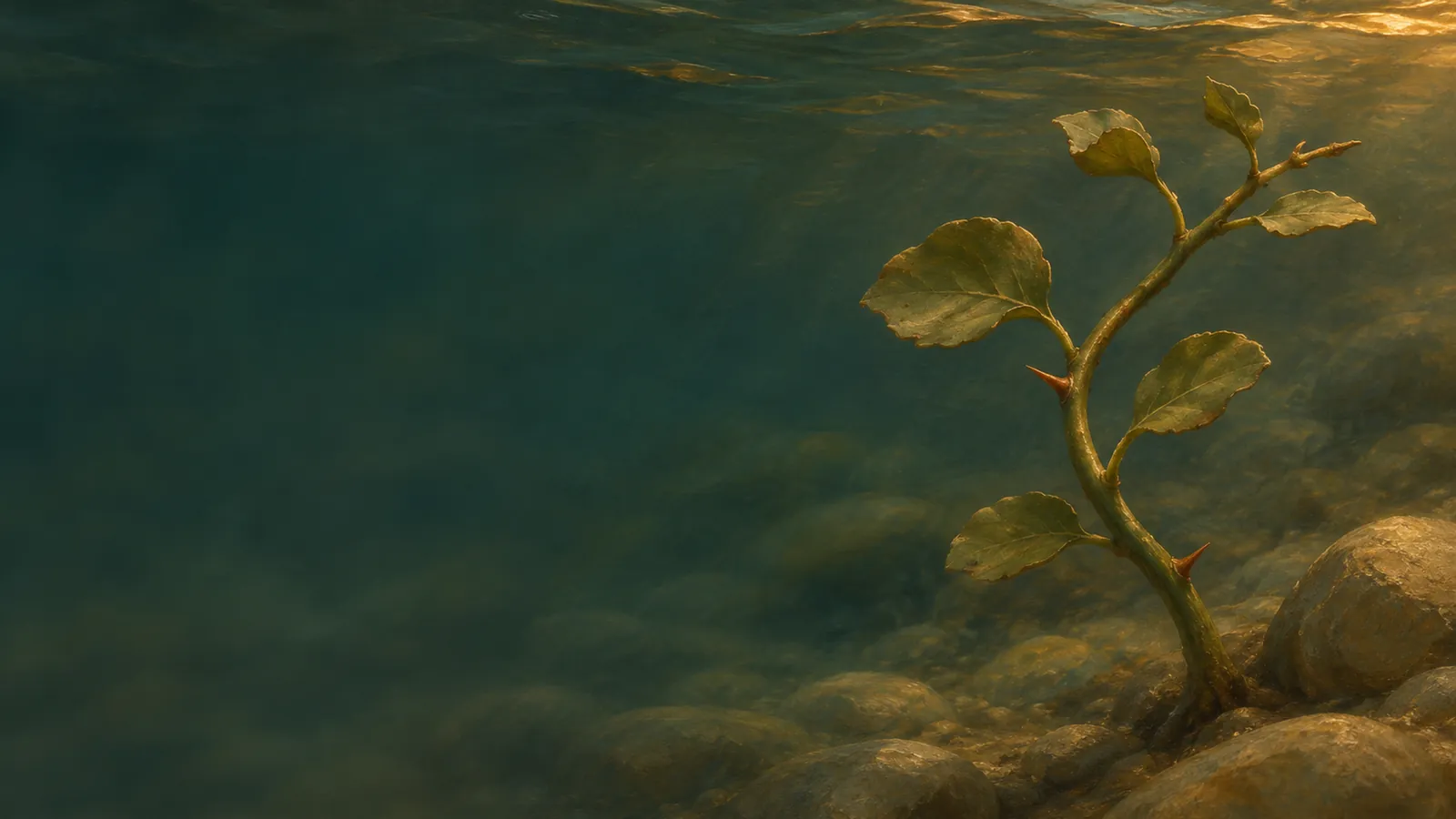
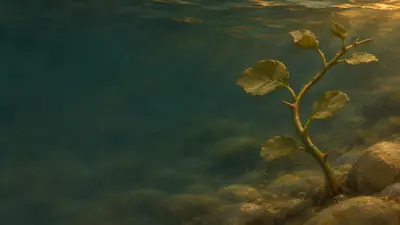
Il décrivit une plante épineuse, de celles qui accrochent et piquent la main. Même ce mince espoir se trouvait dans un lieu que Gilgamesh devrait atteindre par lui-même.
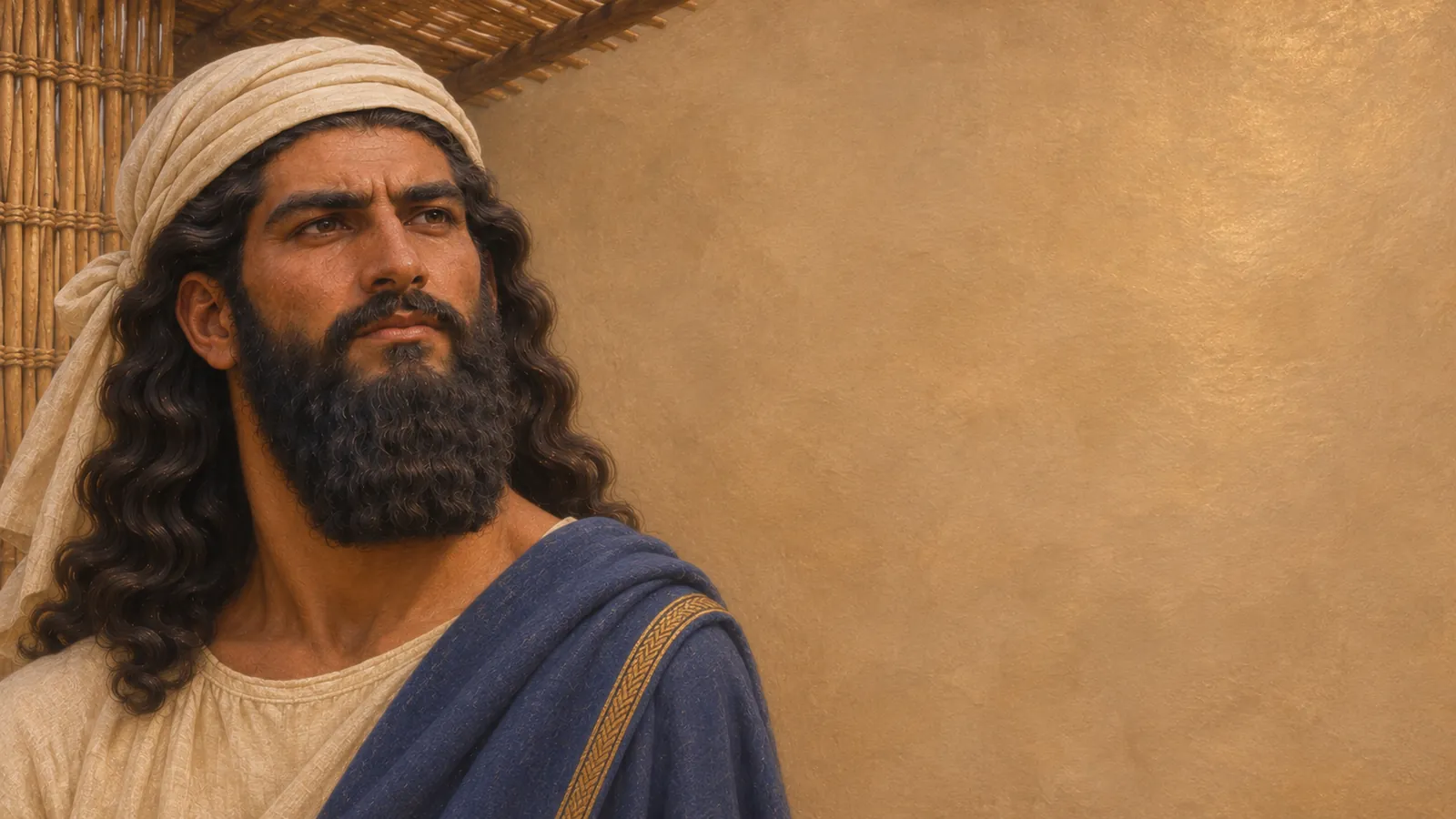
S’il parvenait à saisir la plante, Gilgamesh pouvait espérer redevenir jeune. C’est le sens que donne la lecture reconstituée aux mots abîmés de la fin de la promesse.
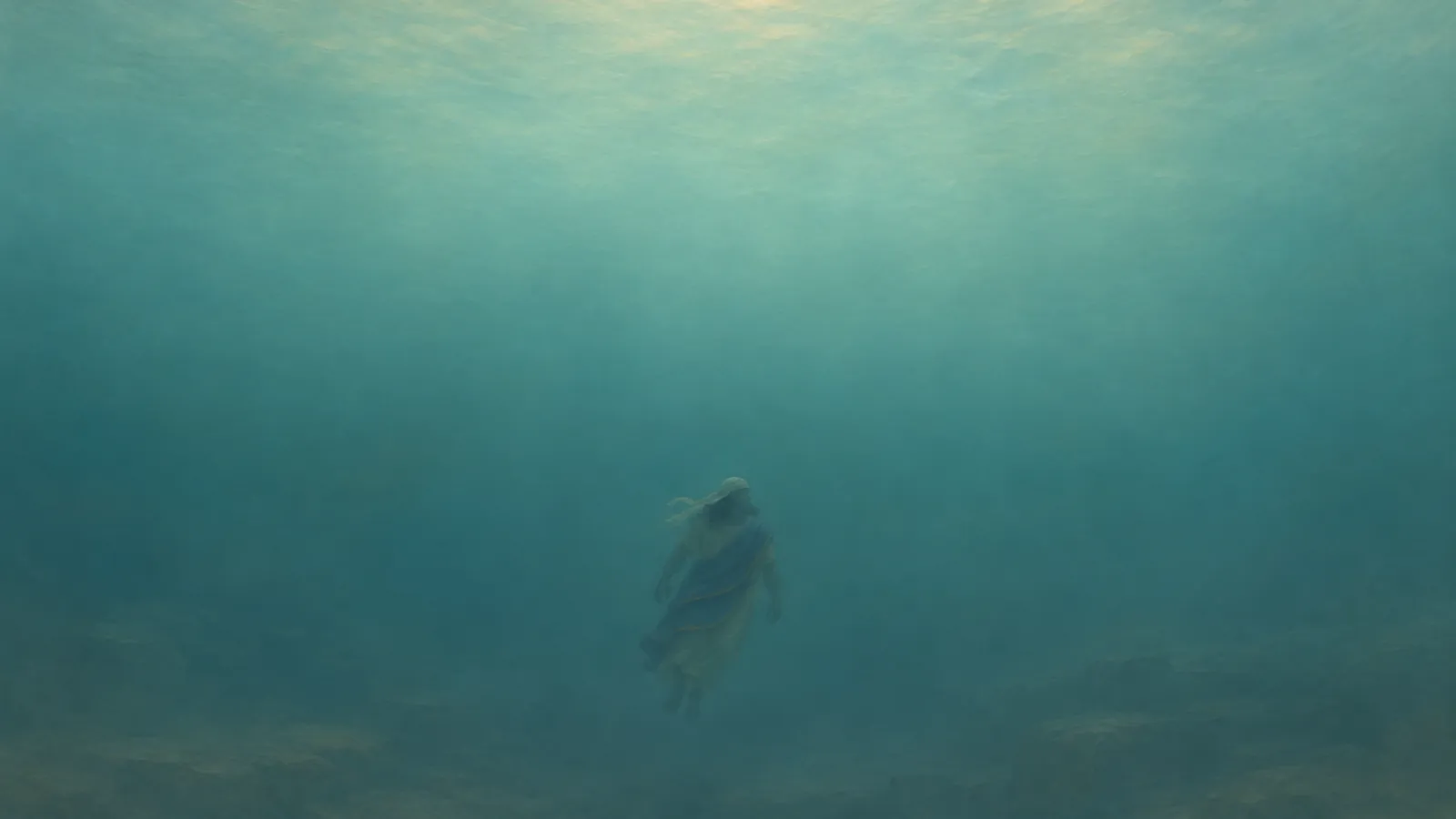
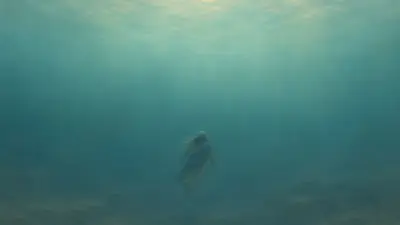
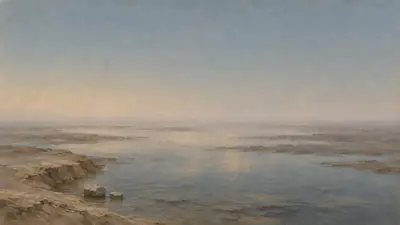
À ces mots, Gilgamesh se mit en action. De lourdes pierres l’entraînèrent dans les eaux profondes que le poème appelle l’Apsu, où la plante était à sa portée.
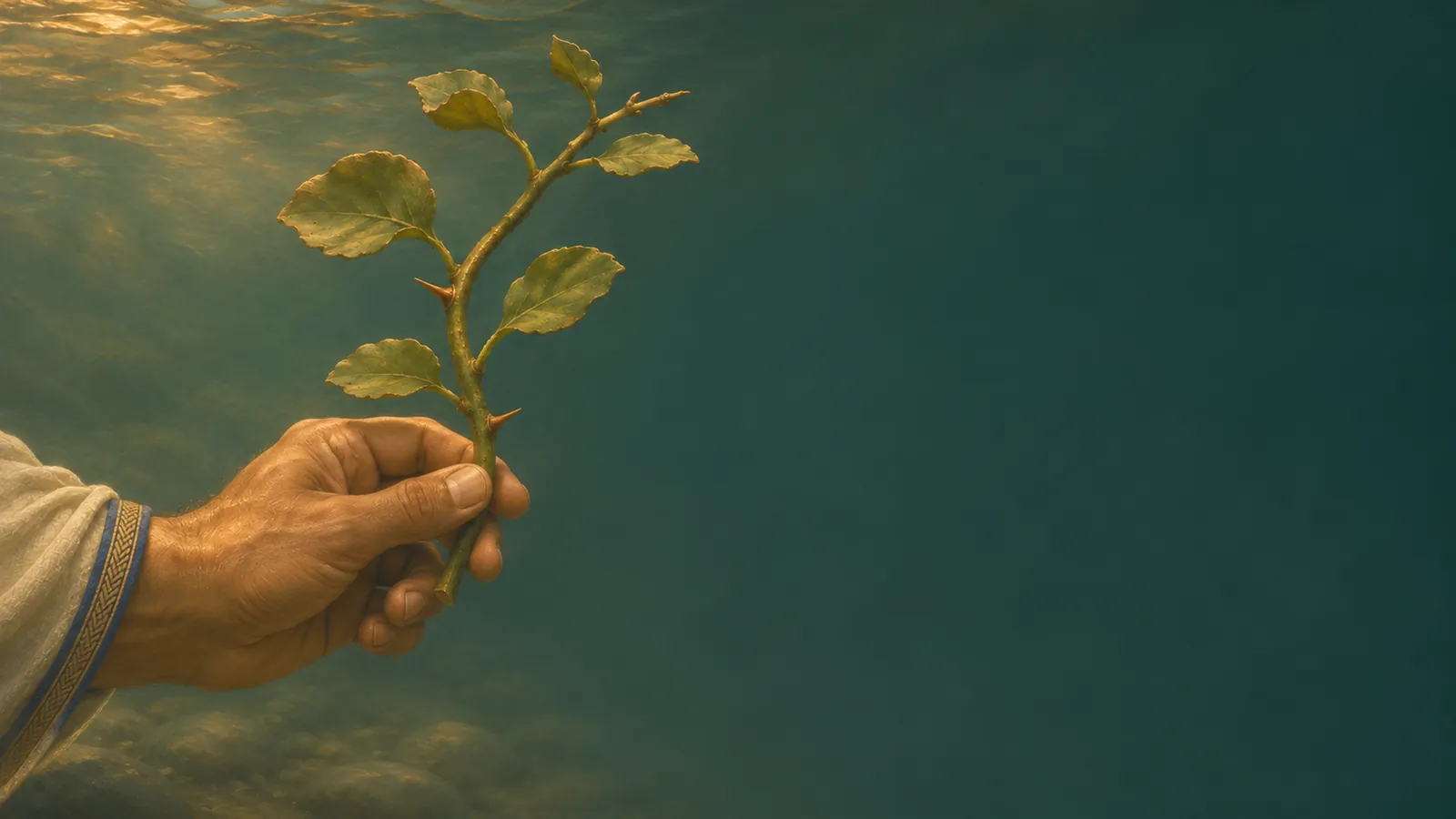
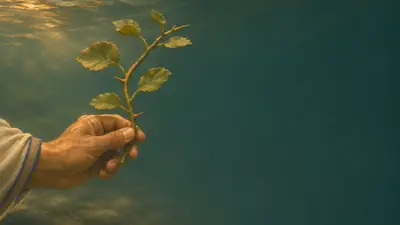
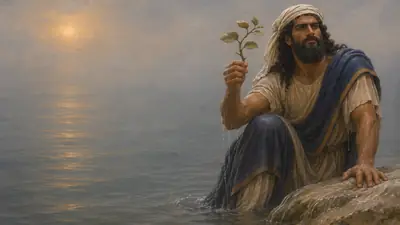
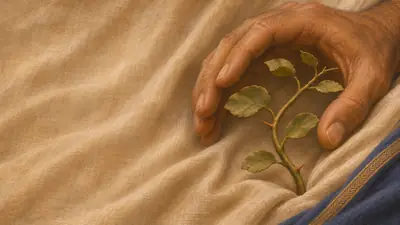
Gilgamesh atteignit la plante et l’arracha. Les mots qui décrivent sa prise sont abîmés par endroits, mais la plante remonta avec lui des profondeurs.
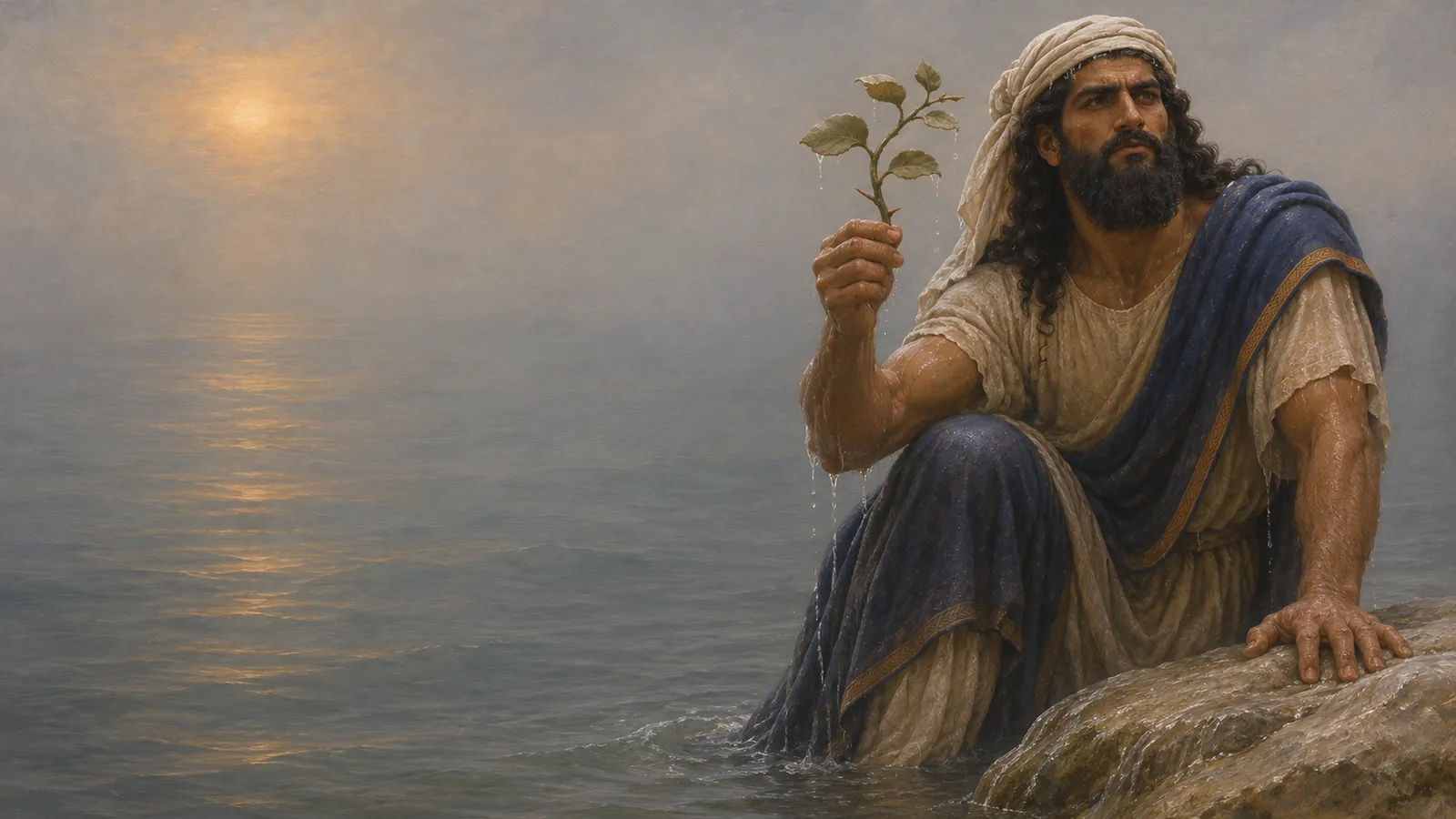
Il se libéra des pierres et la mer le ramena sur son rivage. Il avait rapporté la plante qu’il était descendu chercher.
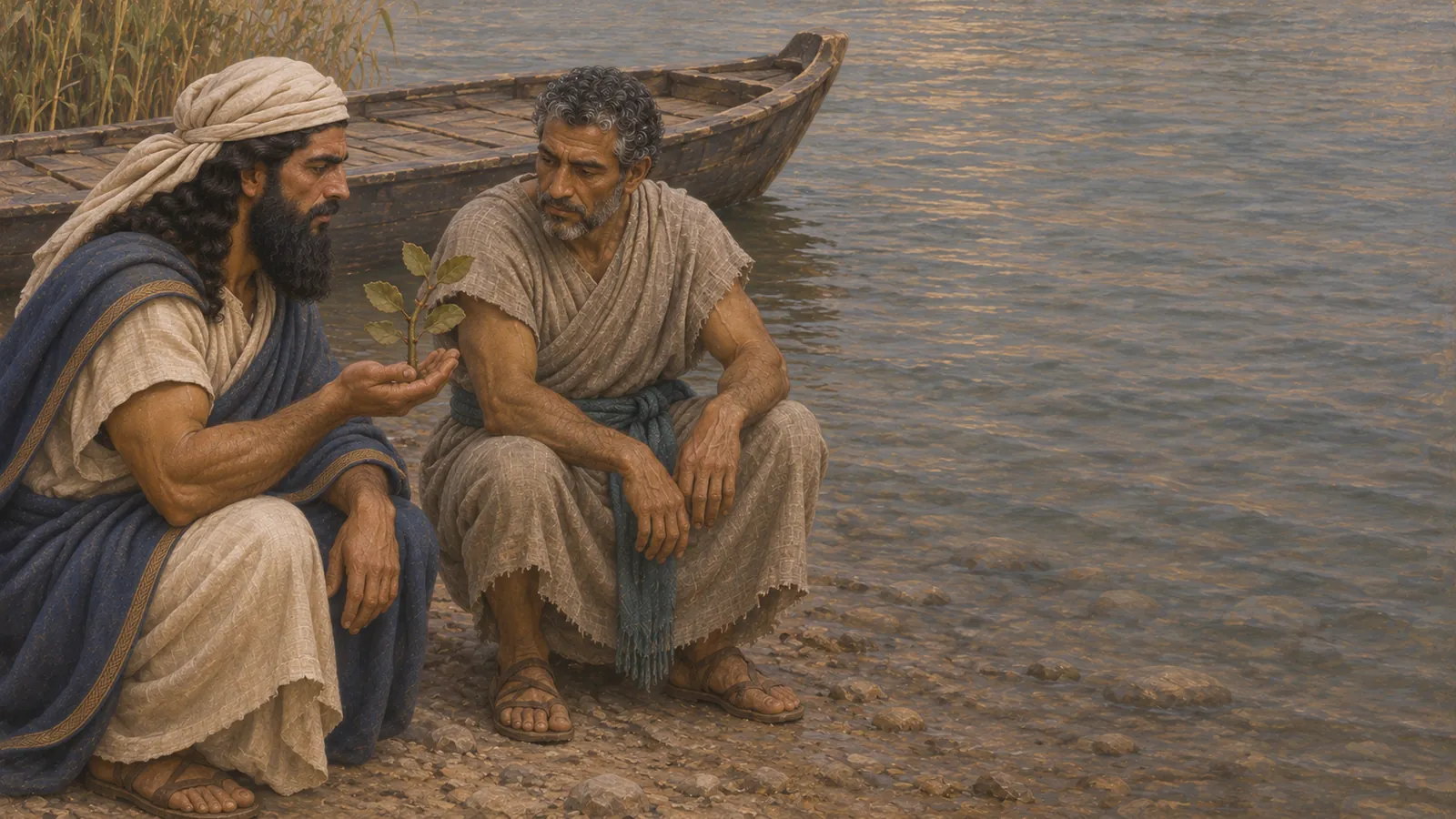
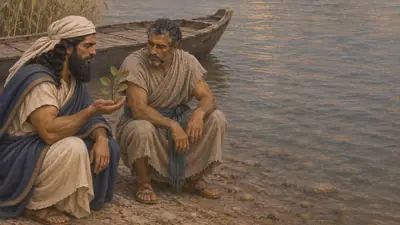
Gilgamesh montra la plante à Urshanabi et lui dit ce qu’elle pouvait faire. Il croyait qu’elle rendrait à un homme la vigueur que le temps lui avait prise.
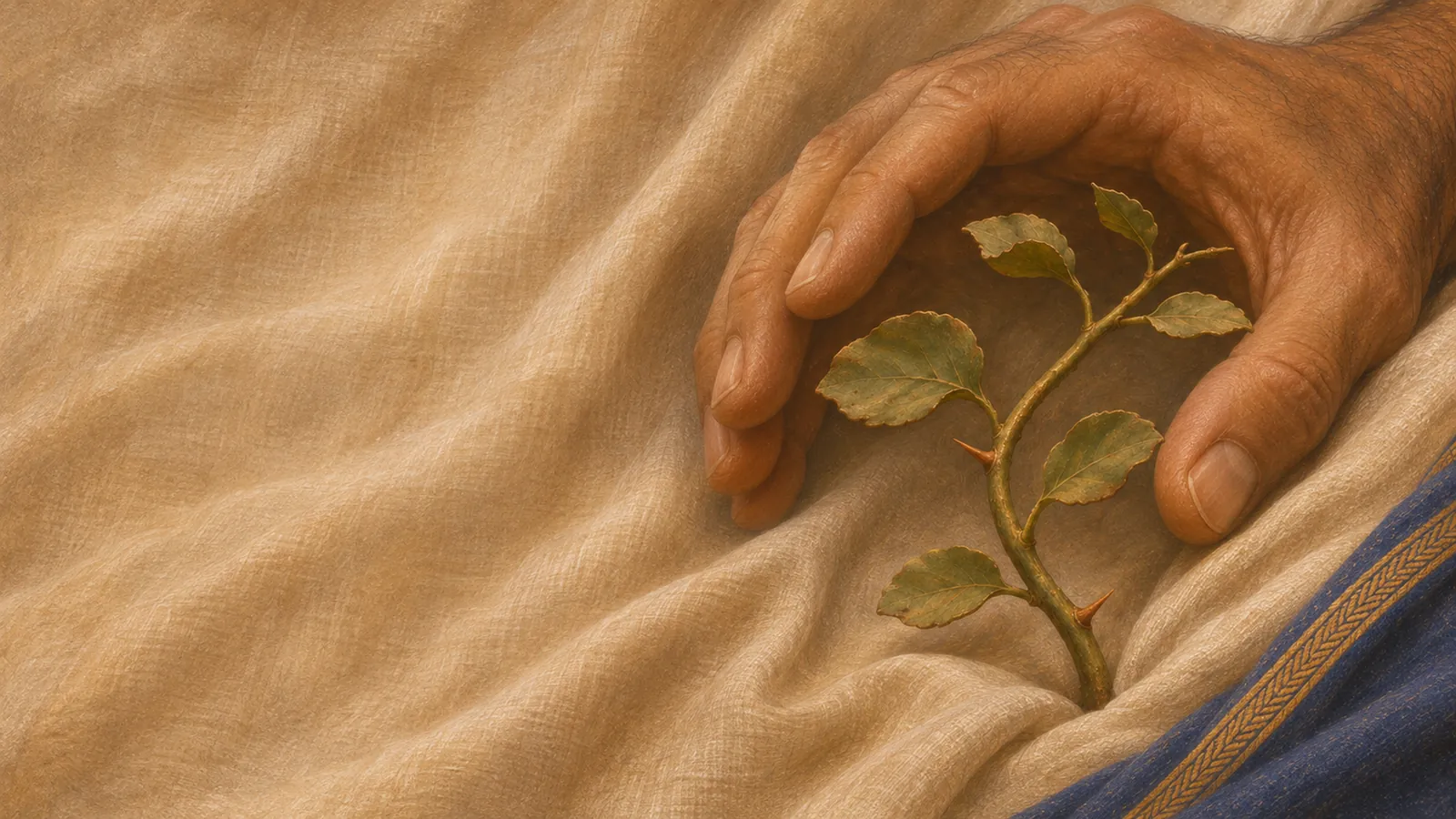
Gilgamesh comptait emporter la plante à Uruk et l’essayer d’abord sur un vieil homme. Si celui-ci redevenait jeune, Gilgamesh en mangerait à son tour.
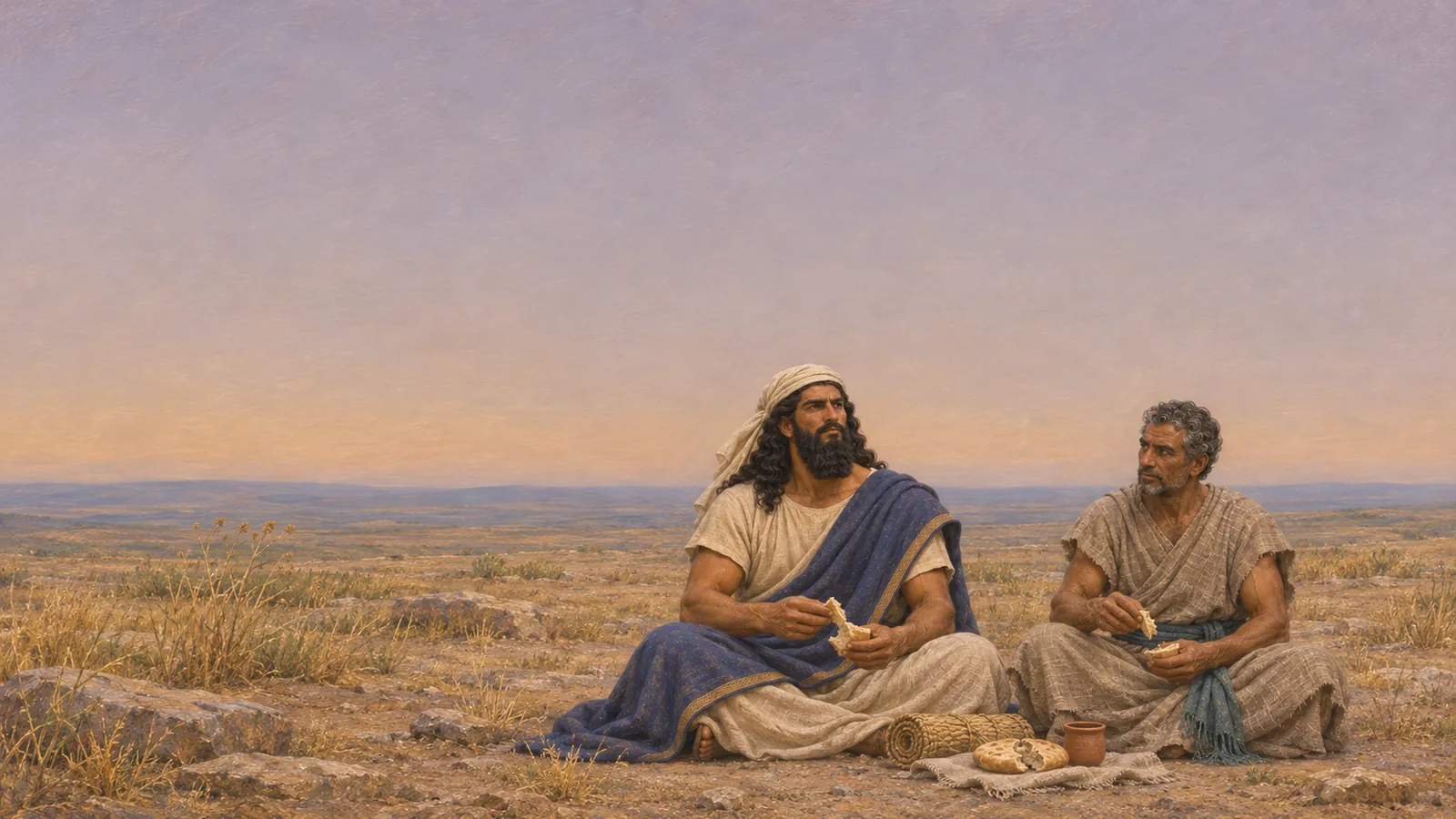
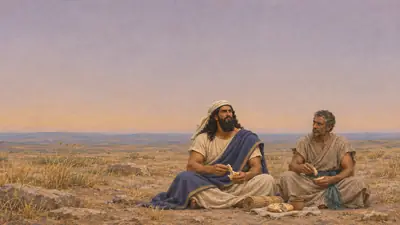
Les deux poursuivirent leur retour. Le poème compte les étapes du chemin. Ils s’arrêtèrent pour manger du pain et, plus loin, dressèrent leur camp pour la nuit.
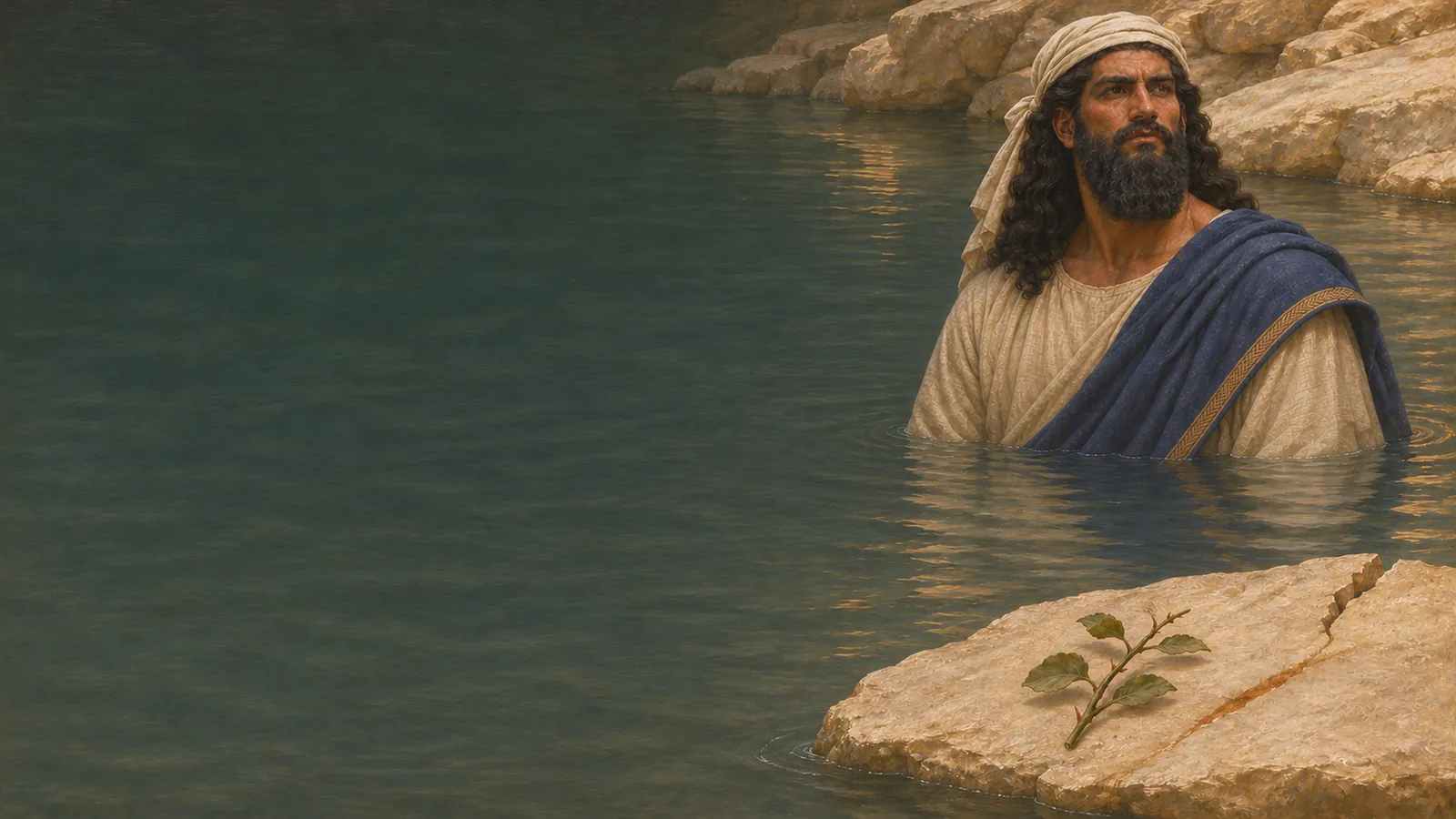
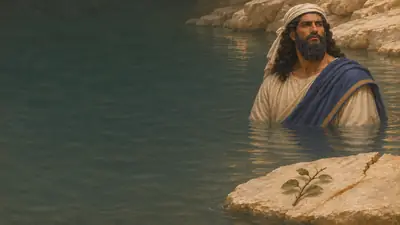
Gilgamesh trouva un bassin d’eau fraîche et y descendit pour se baigner. La plante était assez proche pour que son parfum parvienne à quelque chose qu’il ne voyait pas.
SERPENT
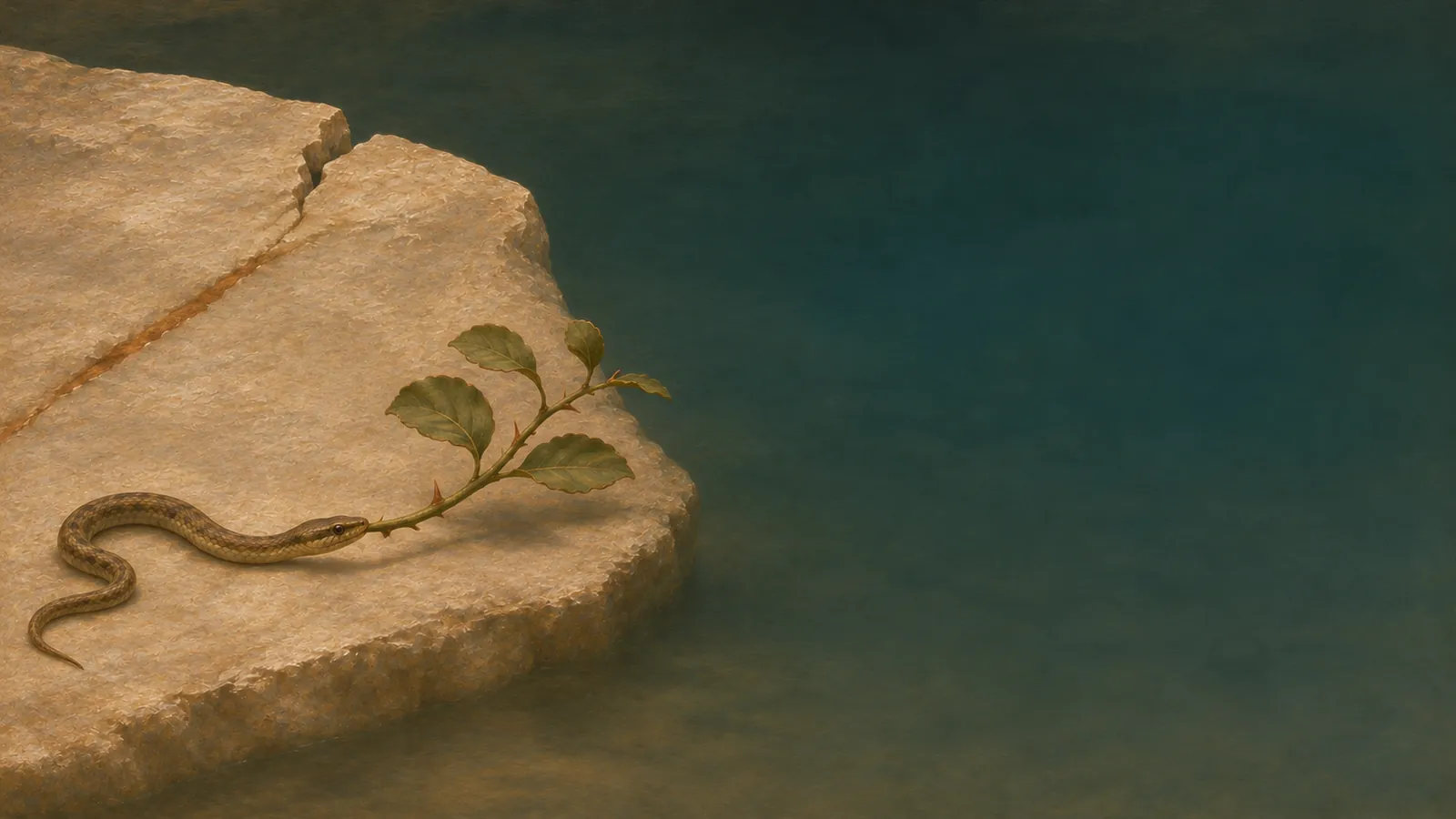
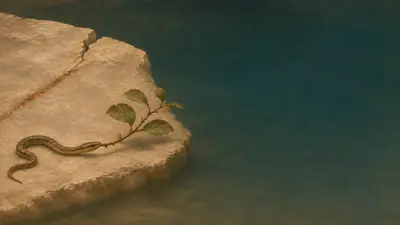
Un serpent sentit le parfum de la plante et s’approcha. Pendant que Gilgamesh était dans l’eau, il emporta ce que le roi avait mis de côté pour Uruk.
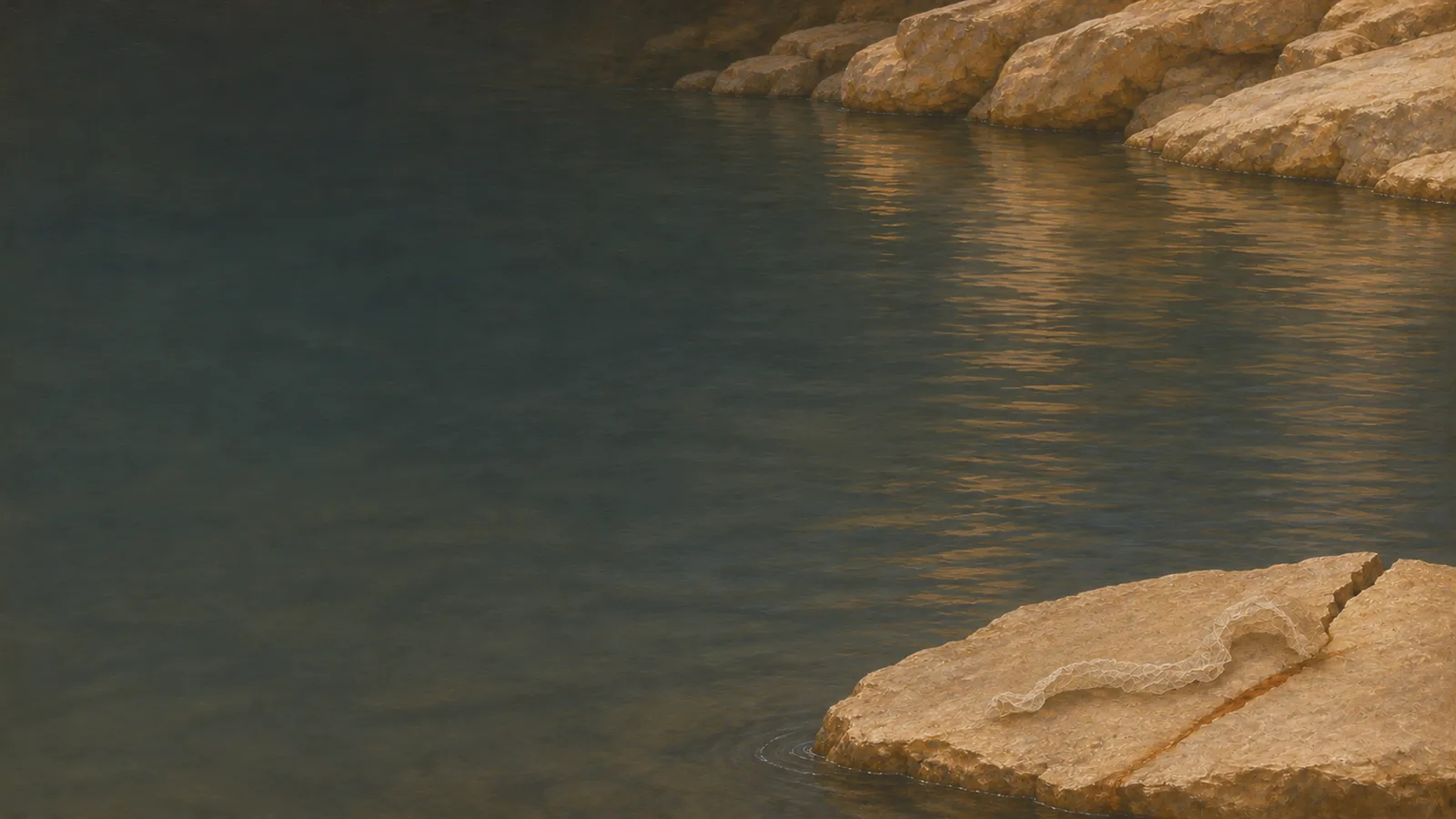
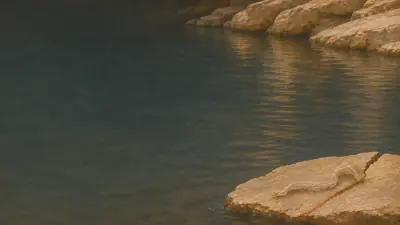
En s’éloignant, le serpent se débarrassa de sa peau. La plante avait disparu, et seule cette peau vide restait au bord de l’eau.
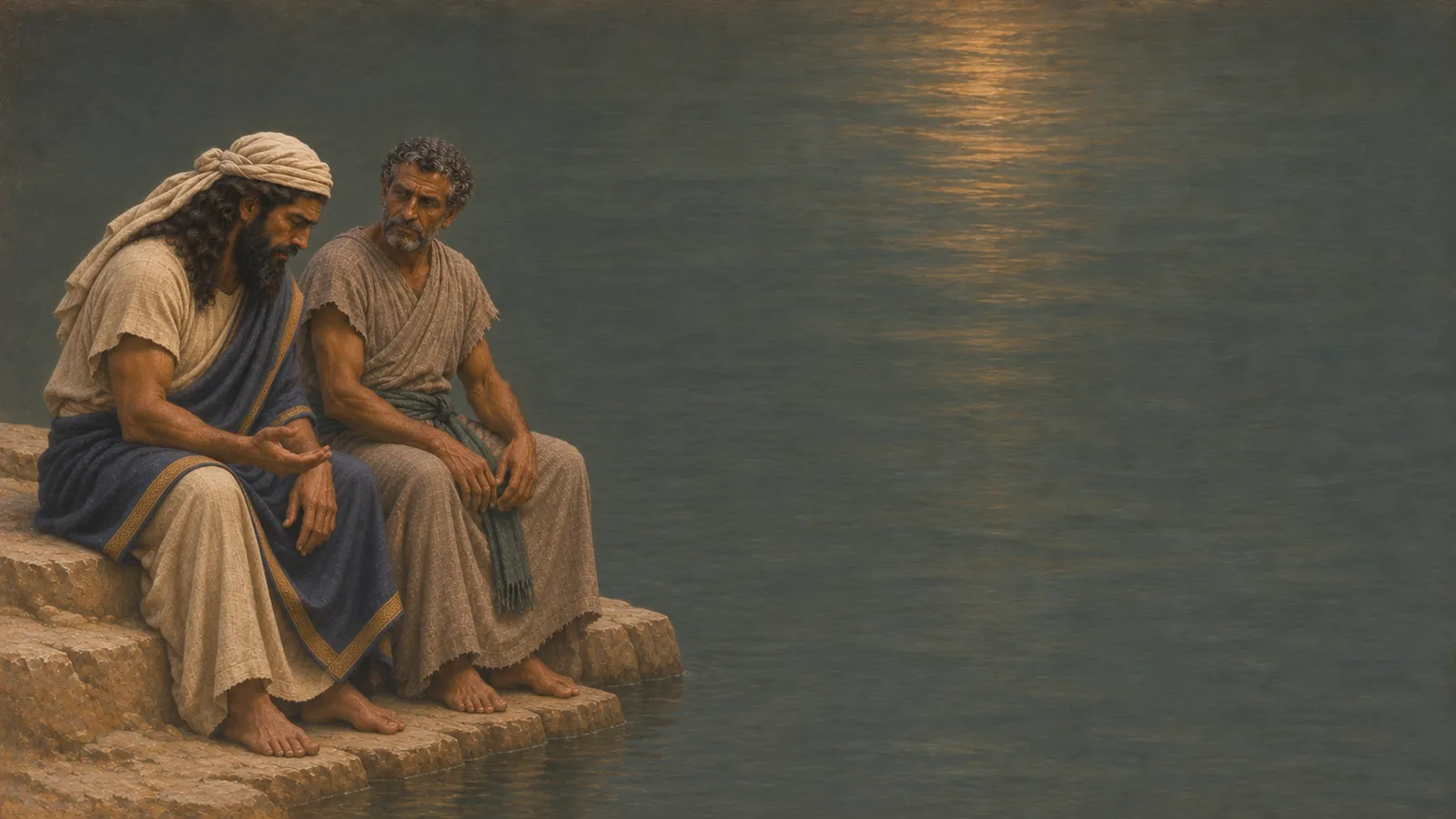
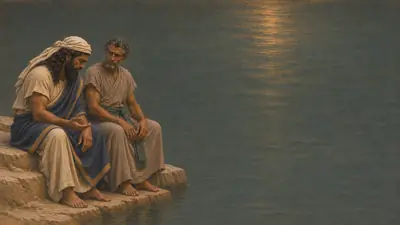
Gilgamesh s’assit et pleura. Il demanda à Urshanabi à qui avait profité toute sa peine, puisque ce qu’il avait cherché pour lui-même était revenu au serpent.
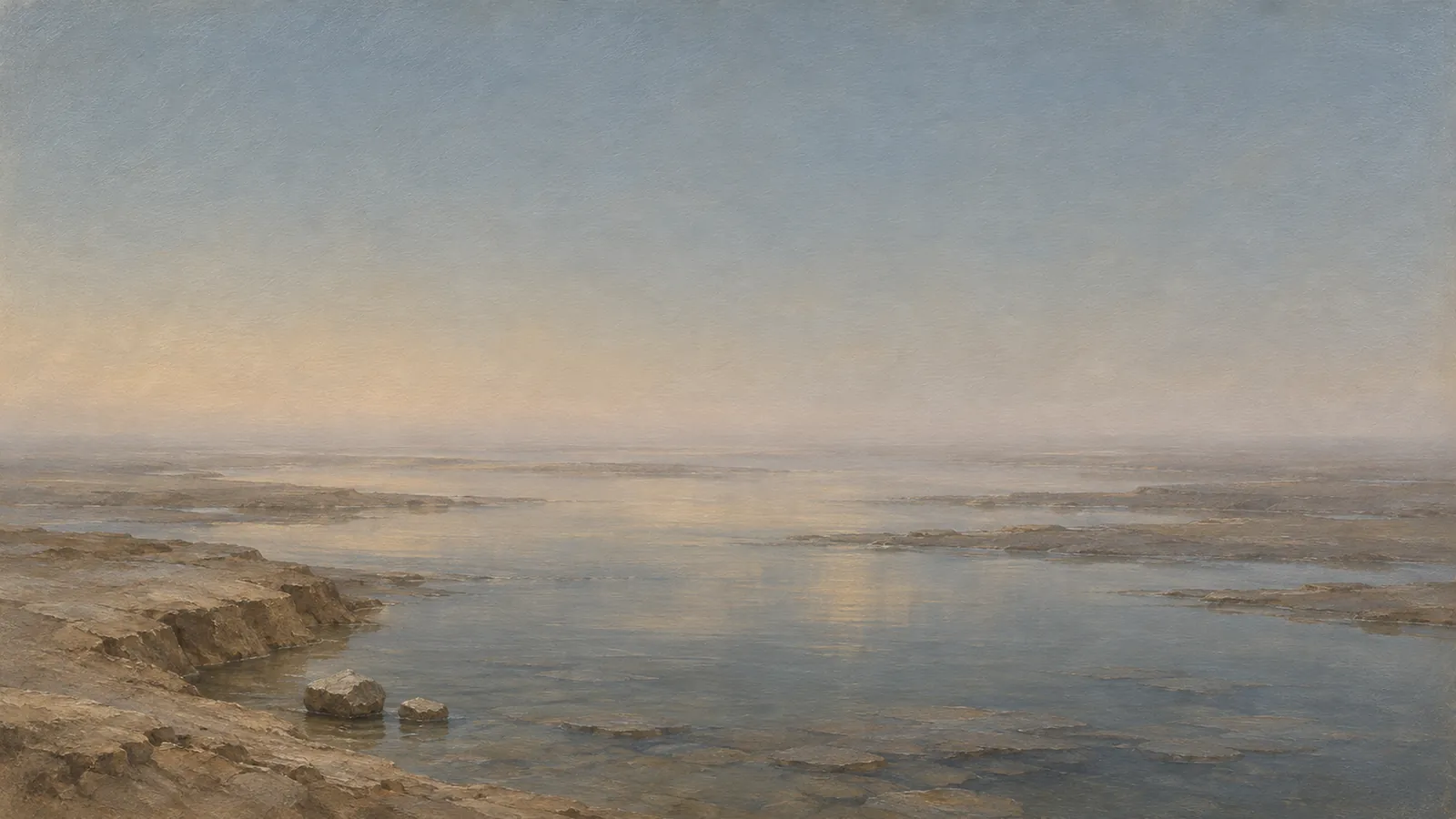
Les lignes abîmées parlent du canal et d’un repère qu’il ne retrouvait plus. À la fin de sa plainte, Gilgamesh regretta de n’avoir pas rebroussé chemin et laissé la barque au rivage.
RETOUR
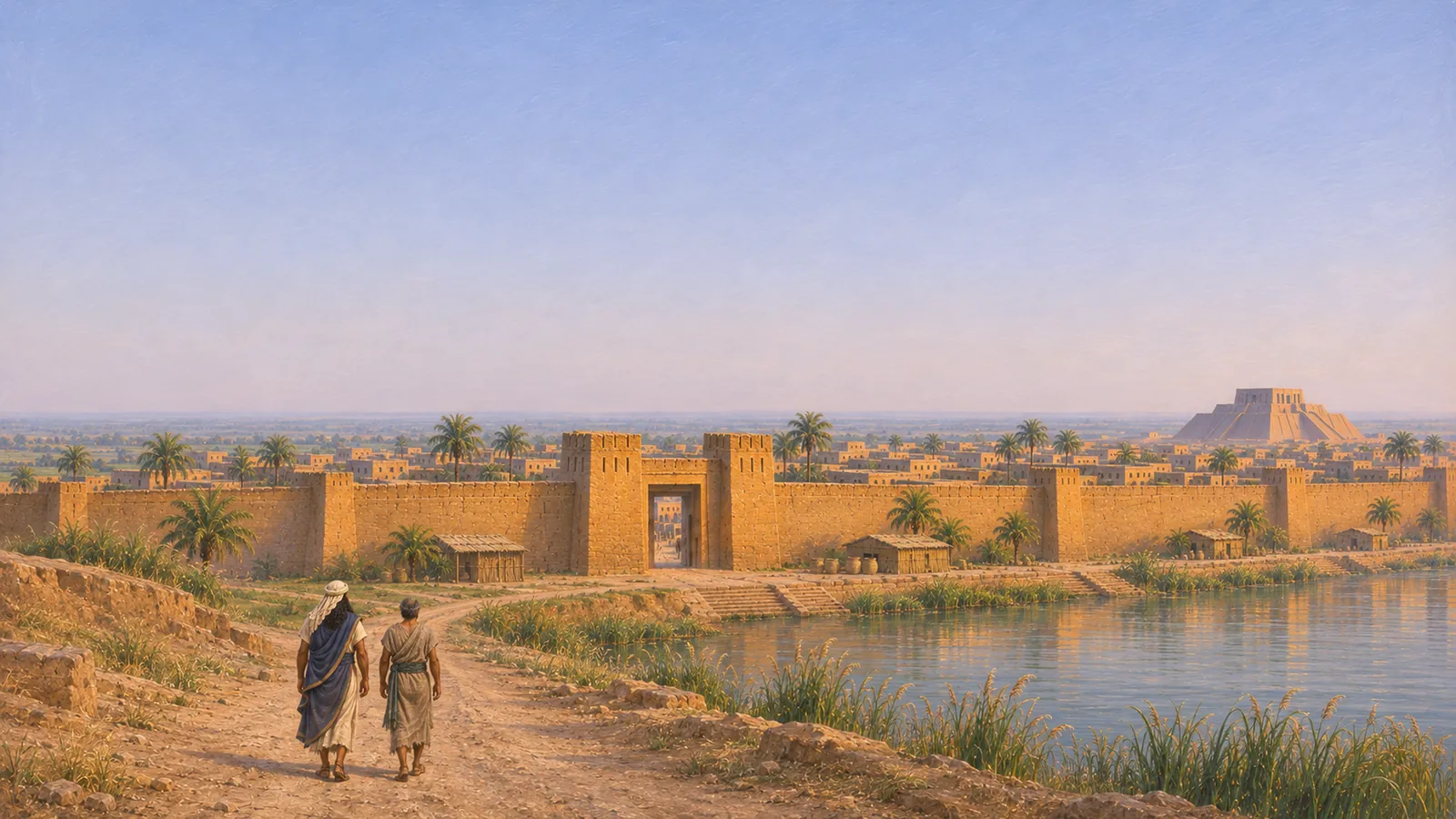
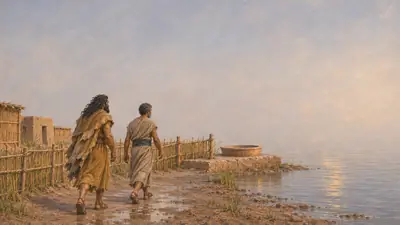
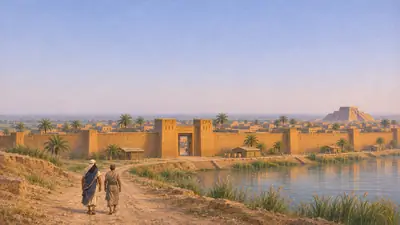
Les deux reprirent leur chemin, s’arrêtant de nouveau pour manger et passer la nuit. Puis ils atteignirent Uruk, la ville que Gilgamesh avait quittée pour partir chercher la vie.
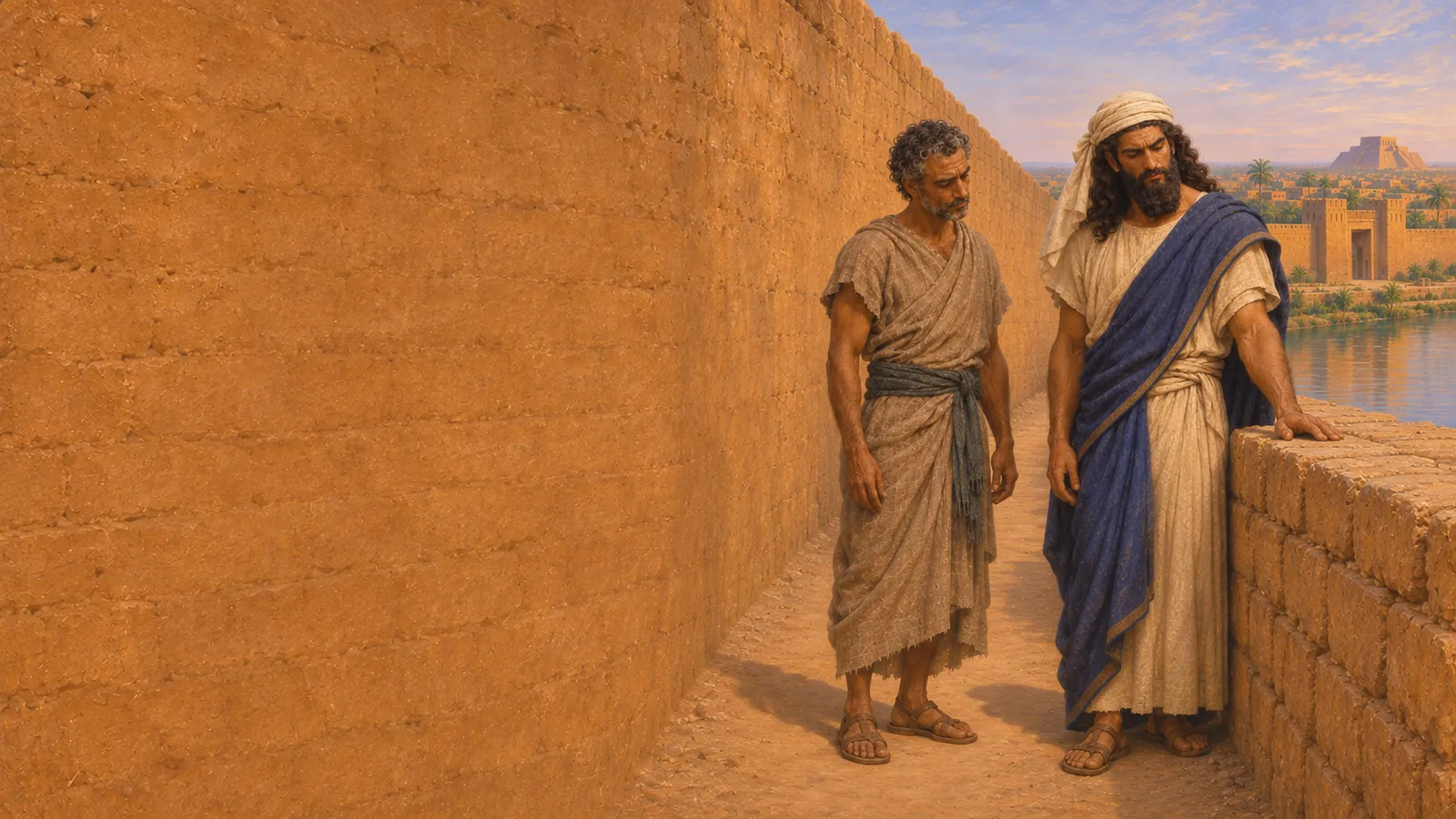
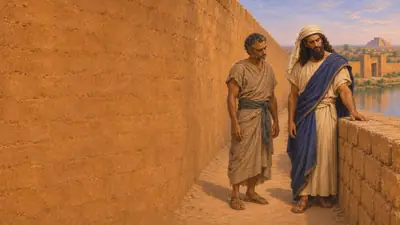
Gilgamesh invita Urshanabi à marcher sur le rempart d’Uruk et à examiner ses fondations et ses briques cuites. Il évoqua les Sept Sages à qui l’on attribuait ces fondations.
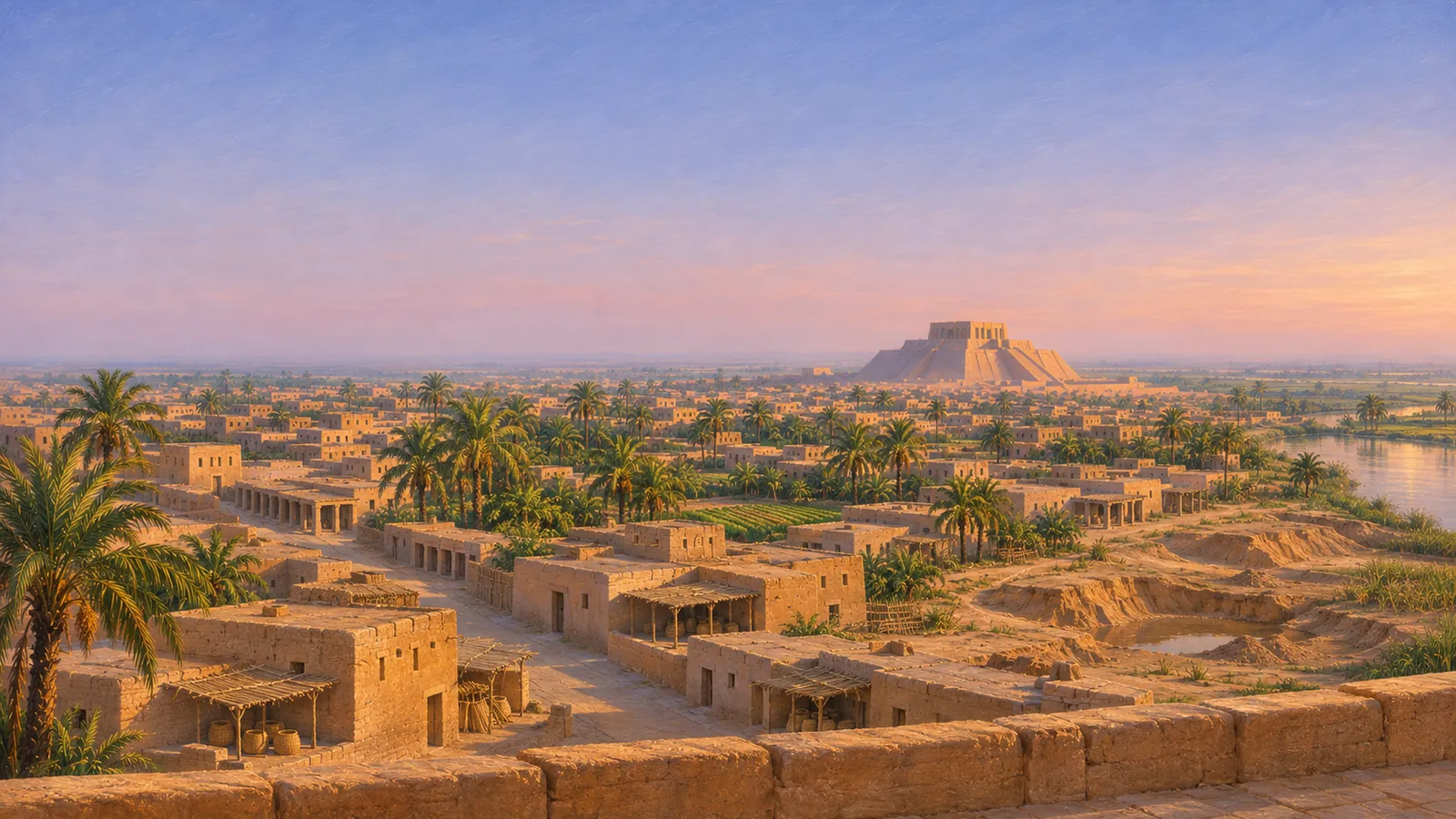
URUK
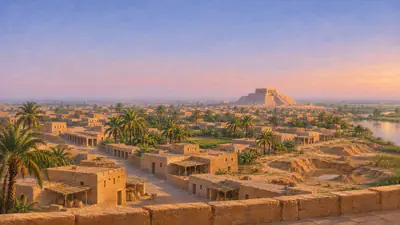
Du haut du rempart, Gilgamesh énuméra la ville, ses palmeraies, ses fosses d’argile et le temple d’Ishtar. Le poème laisse les deux hommes là, avec Uruk qui s’étend devant eux.
Fin du chapitre 8
Toutes les pages
Sources
Éditions consultées
- Andrew George, Tablet XI score transliteration: institutional record and modern line framework.
- Alexander Heidel, The Gilgamesh Epic and Old Testament Parallels: pp. 89–93, the sleep ordeal through the view of Uruk. This edition uses older readings and numbering.
- Andrew George, “The Mayfly on the River”: pp. 232–235, including the closing survey of Uruk.
- Andrew George, “The Epic of Gilgamesh”: the authoritative synopsis of the final episode.
- Electronic Babylonian Library, Tablet XI: the modern edition. Lines 210–328 of the [official chapter export](https://www.ebl.lmu.de/api/texts/L/1/4/chapters/SB/XI) were checked directly.
Les vers antiques de chaque page
- Page 1: SB XI 210; compare the challenge at XI 209
- Page 2: SB XI 210–211
Mist is a simile, not a spell or an actual event. - Page 3: SB XI 212–214
- Page 4: SB XI 215–218
- Page 5: SB XI 217–218
- Page 6: SB XI 219–222
The expected denial is a paraphrase of distrust. - Page 7: SB XI 221–224
- Page 8: SB XI 222–224
- Page 9: SB XI 225–230
- Page 10: SB XI 229–230
- Page 11: SB XI 231–233
- Page 12: SB XI 234–241
- Page 13: SB XI 237–241
- Page 14: SB XI 242–246
- Page 15: SB XI 247–253
- Page 16: SB XI 250–254, 262
- Page 17: SB XI 262–263
- Page 18: SB XI 255, 264
- Page 19: SB XI 256–258, 265–267
- Page 20: SB XI 259–261, 268–270
- Page 21: SB XI 271–272
- Page 22: SB XI 273–275
- Page 23: SB XI 276–278
Damaged passage. - Page 24: SB XI 278–282
- Page 25: SB XI 283–285
- Page 26: SB XI 285–286; compare XI 294–300
The consequence in line 286 is restored; Gilgamesh later speaks of returning to youth. - Page 27: SB XI 287–290
The action around the opening in XI 288 is damaged. - Page 28: SB XI 290–292
- Page 29: SB XI 292–293
- Page 30: SB XI 294–296
The plant’s epithet varies in translations. - Page 31: SB XI 297–300
The test is a plan with a damaged/restored line, not an event. - Page 32: SB XI 301–302
- Page 33: SB XI 303–305
- Page 34: SB XI 305–306
- Page 35: SB XI 306–307
The text does not say the serpent ate the plant or became immortal. - Page 36: SB XI 308–314
- Page 37: SB XI 315–318
- Page 38: SB XI 319–321
- Page 39: SB XI 322–326
- Page 40: SB XI 327–328; compare the frame at I 16–23
These are textual divisions, not a precise geographic plan or a personal moral the poem states.
Illustrations réalisées par IL Archive avec des outils d’IA ; le texte s’appuie sur les sources antiques (voir les sources à la fin de chaque chapitre).